

I have seen photographers dismiss a picture before they have really looked at it. They learn it was taken on a phone, or with an old camera, and their opinion is ready. The equipment has told them everything they think they need to know.
It is a strange habit for people whose work depends on looking closely.
Photography has always attracted its share of snobs. Some judge by the price of a camera. Some judge by format, brand, lens, film stock or editing method. Others have no interest in equipment but are just as certain that their chosen subject is the only one worth photographing. Street photographers can be dismissive of landscapes. Documentary photographers can sneer at carefully arranged portraits. People who shoot black and white sometimes talk as though colour were a lapse in judgment.

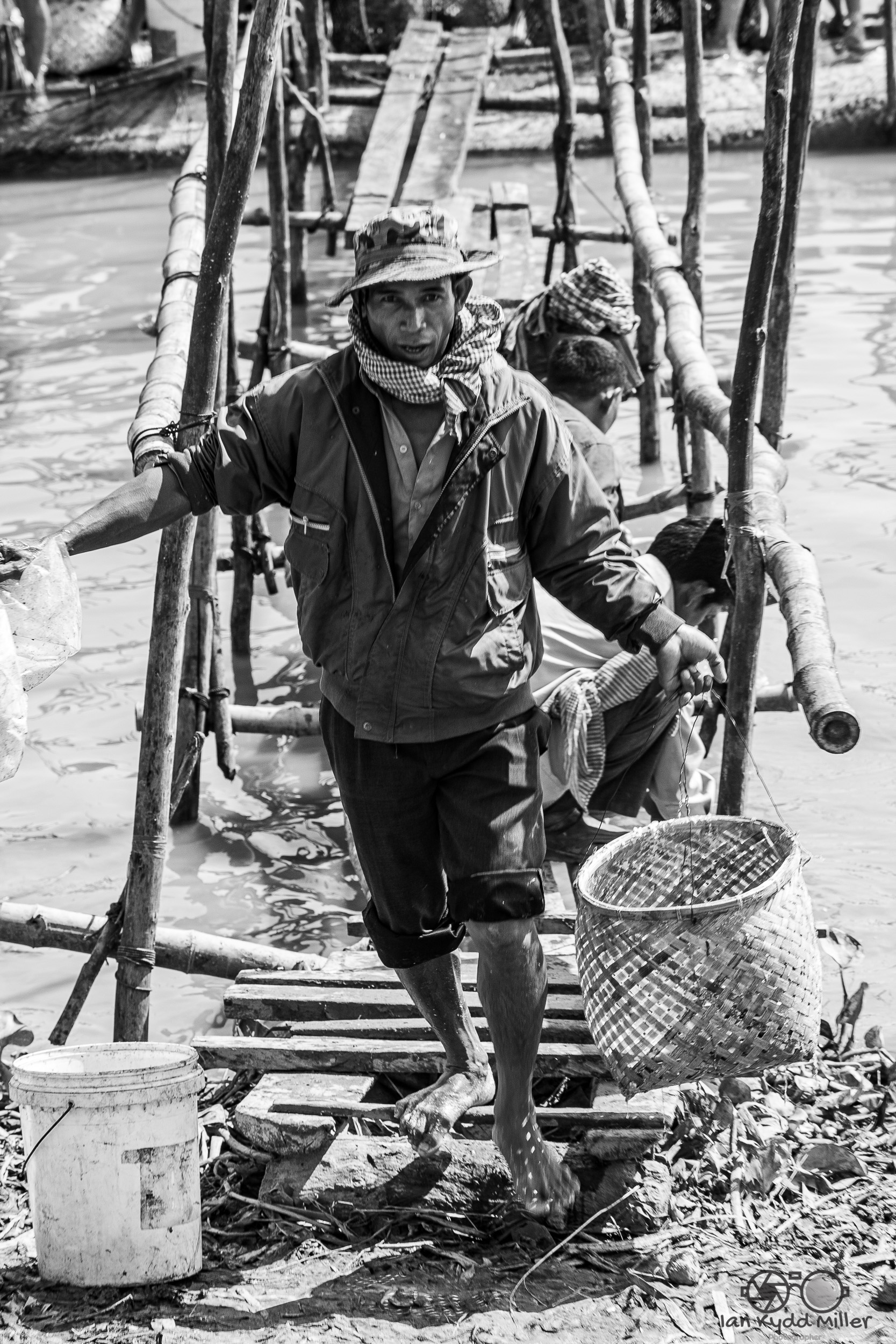
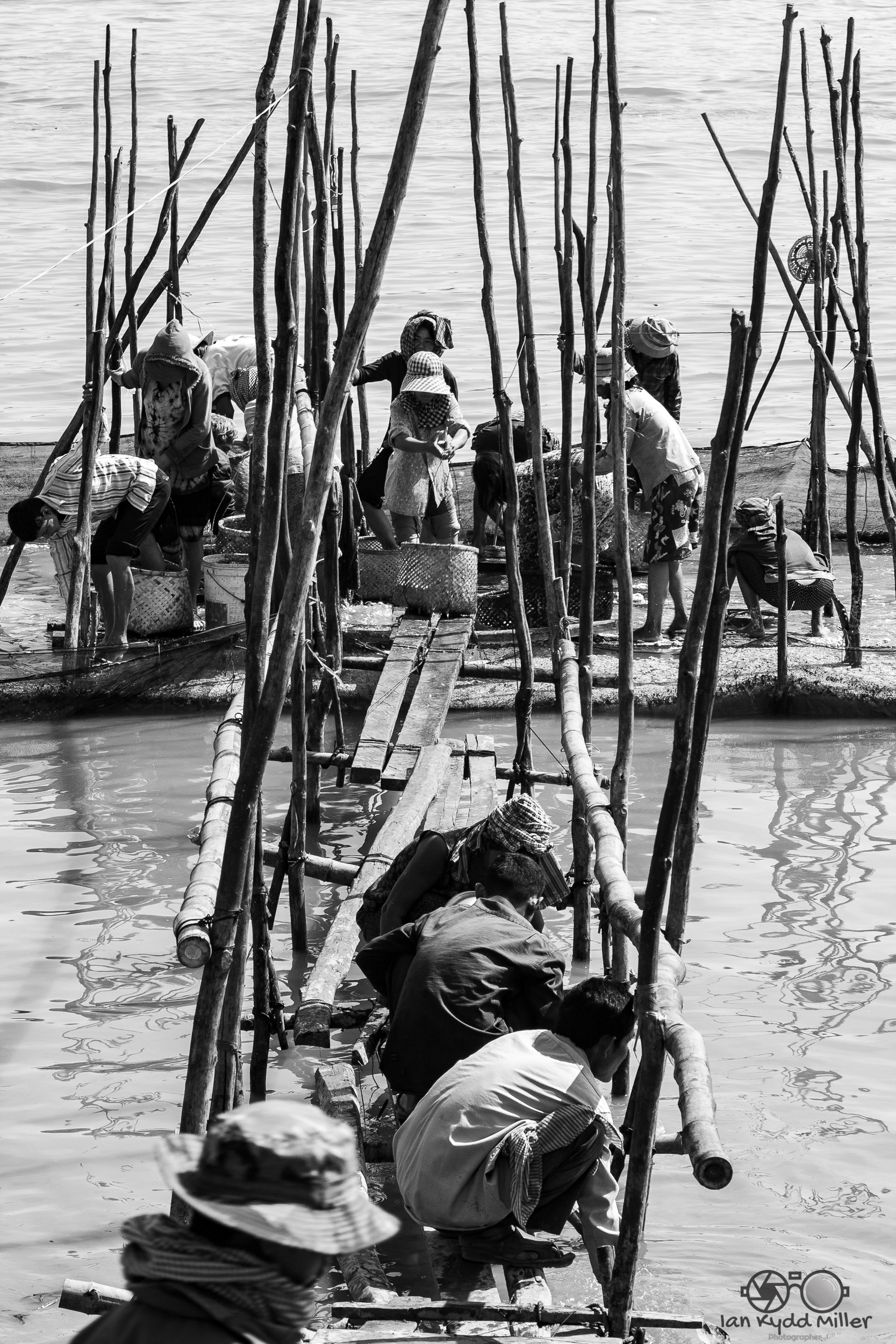
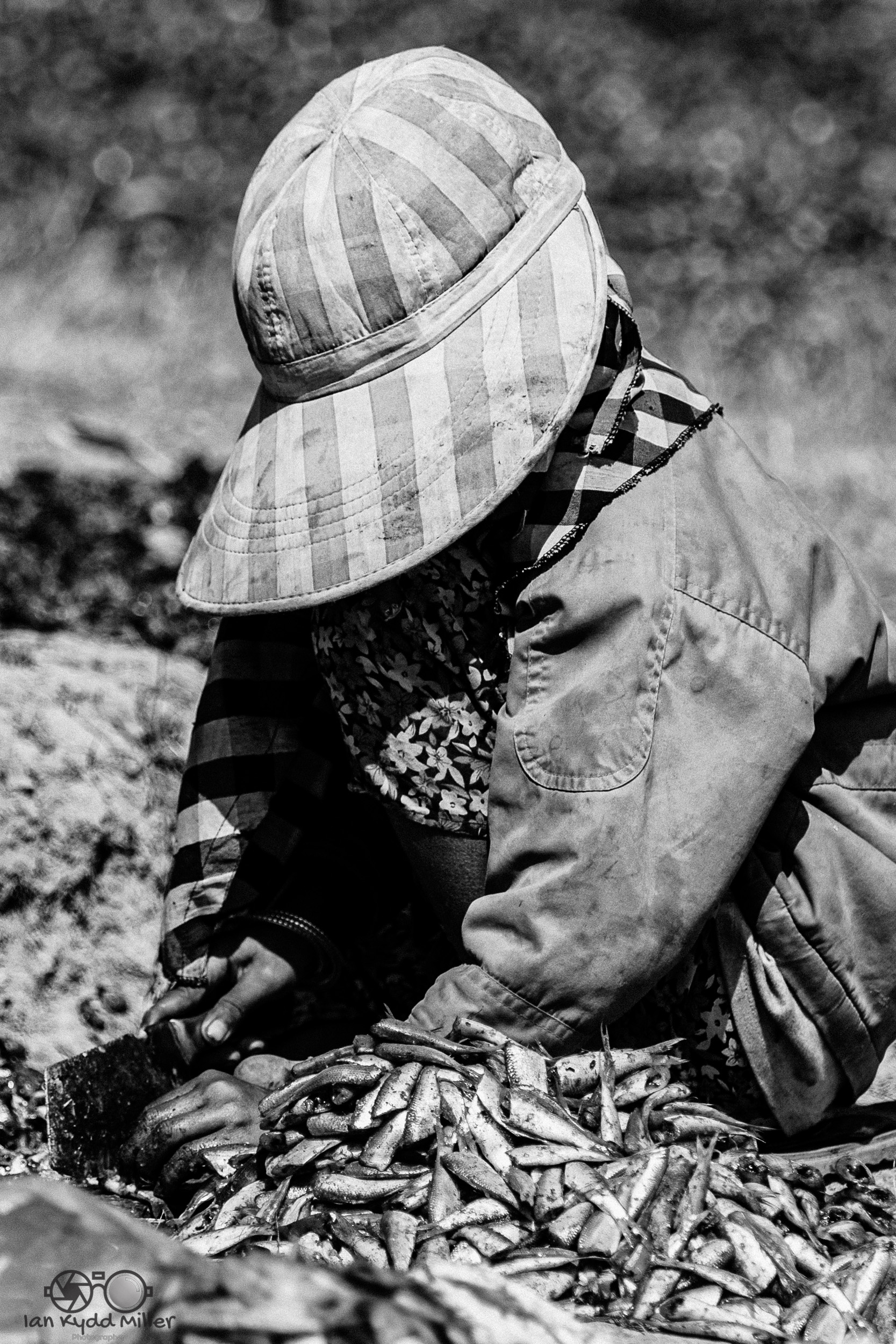
I have preferences of my own. After years of making pictures, it would be odd if I did not. I know which cameras I like carrying and which lenses suit the way I work. I am also perfectly capable of seeing a photograph made with something I would never choose and wishing I had made it myself.
That is the useful test. When the picture is in front of you, can you set aside what you know about how it was made long enough to see what is there?
My Nikon D700 bodies are old. My D850 was bought used with a shutter count that would frighten some people away. The Canon 1D Mark IV was the only camera I ever bought new. None of these facts makes a photograph better or worse. They tell you something about how I buy and use equipment. They do not tell you whether I noticed the gesture, dealt with the background or pressed the shutter at the right moment.
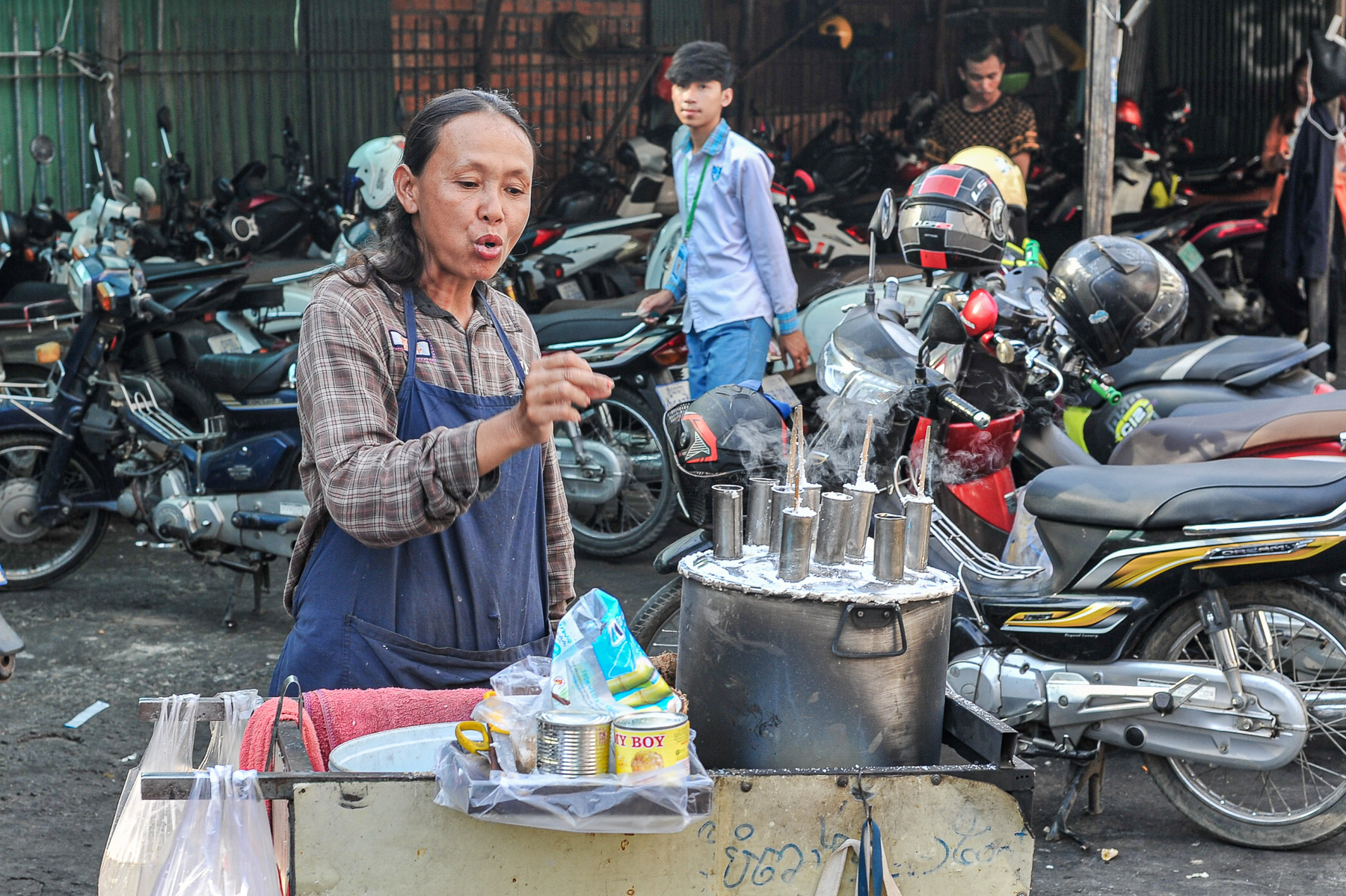
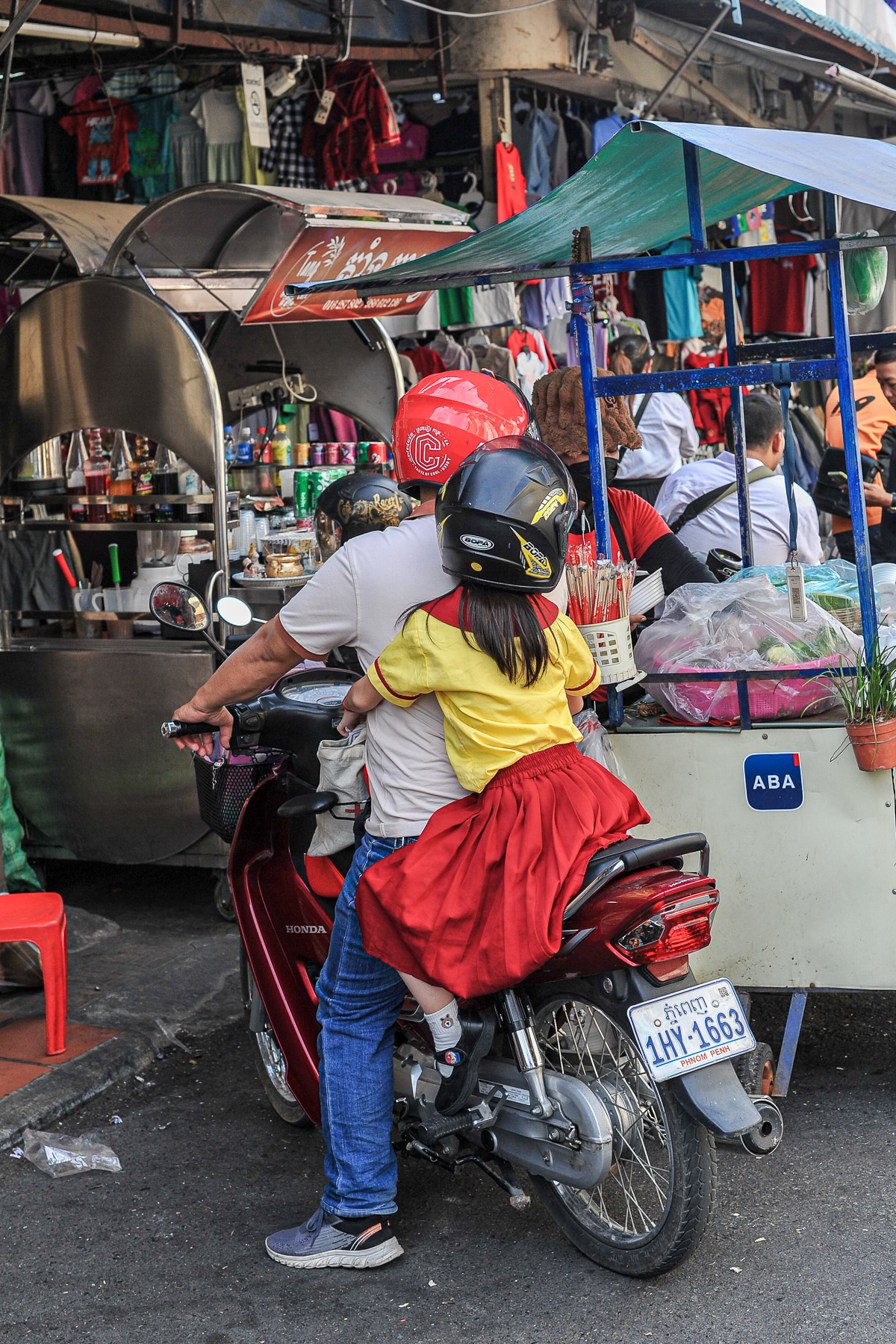
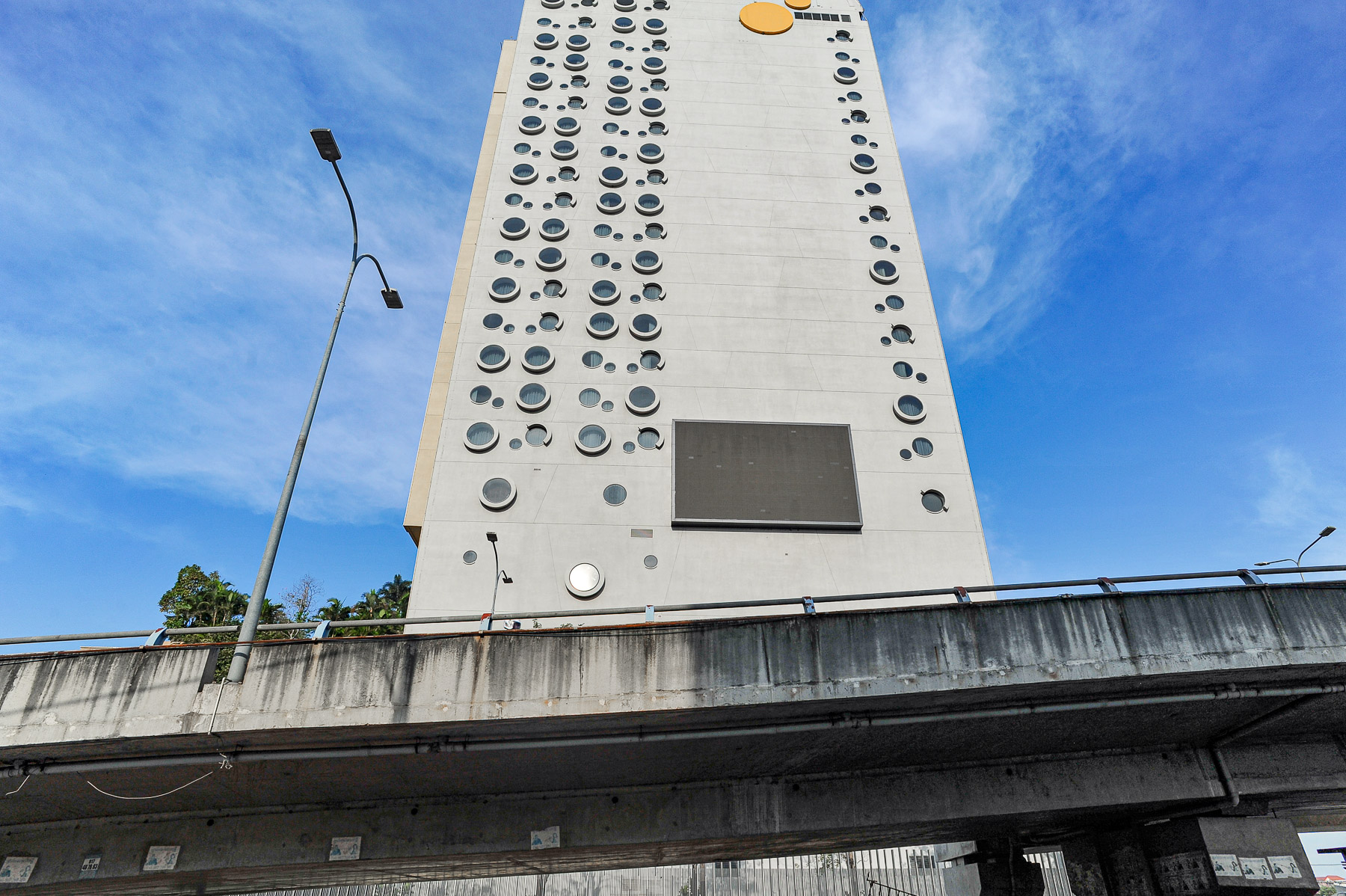
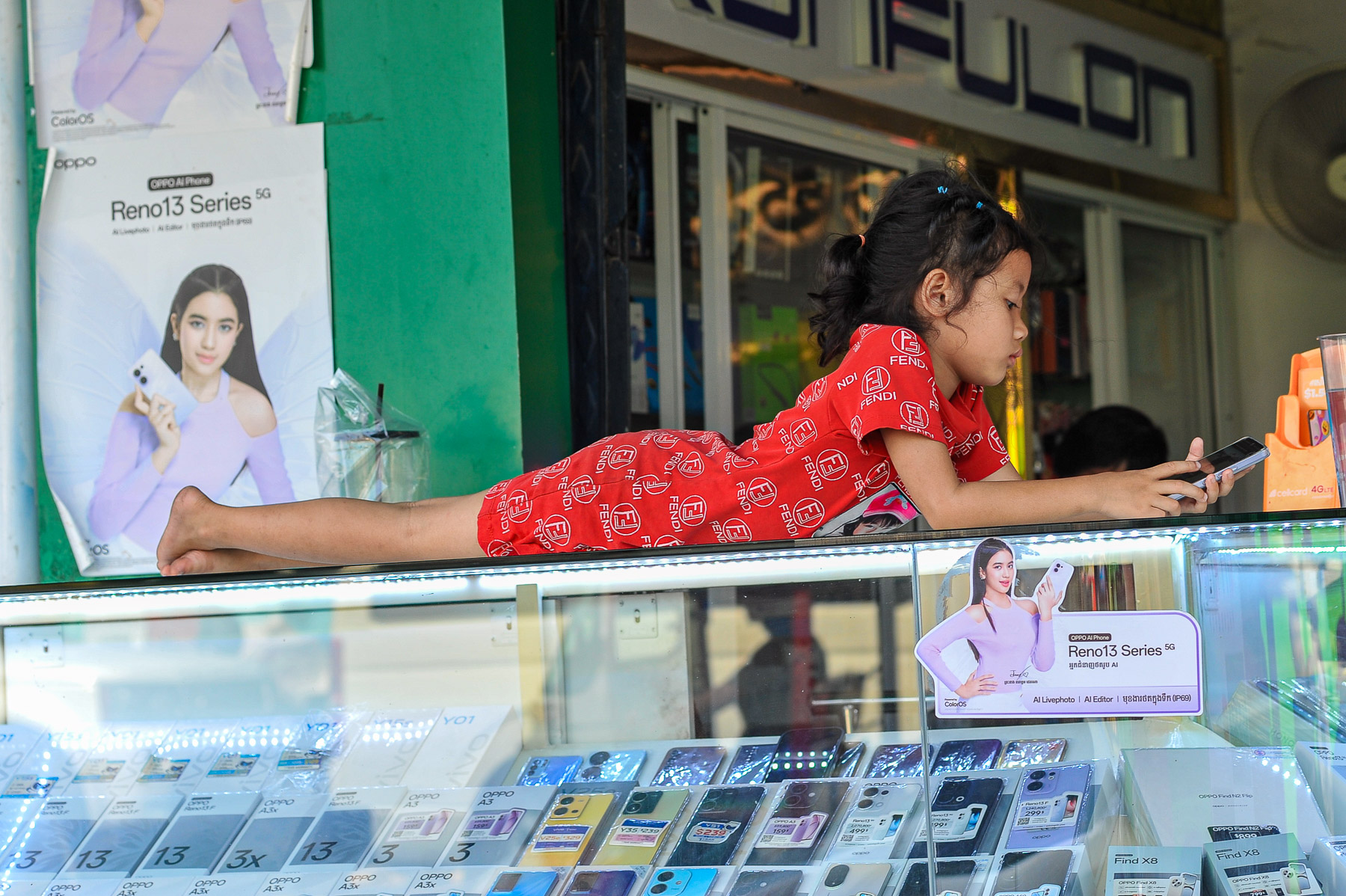
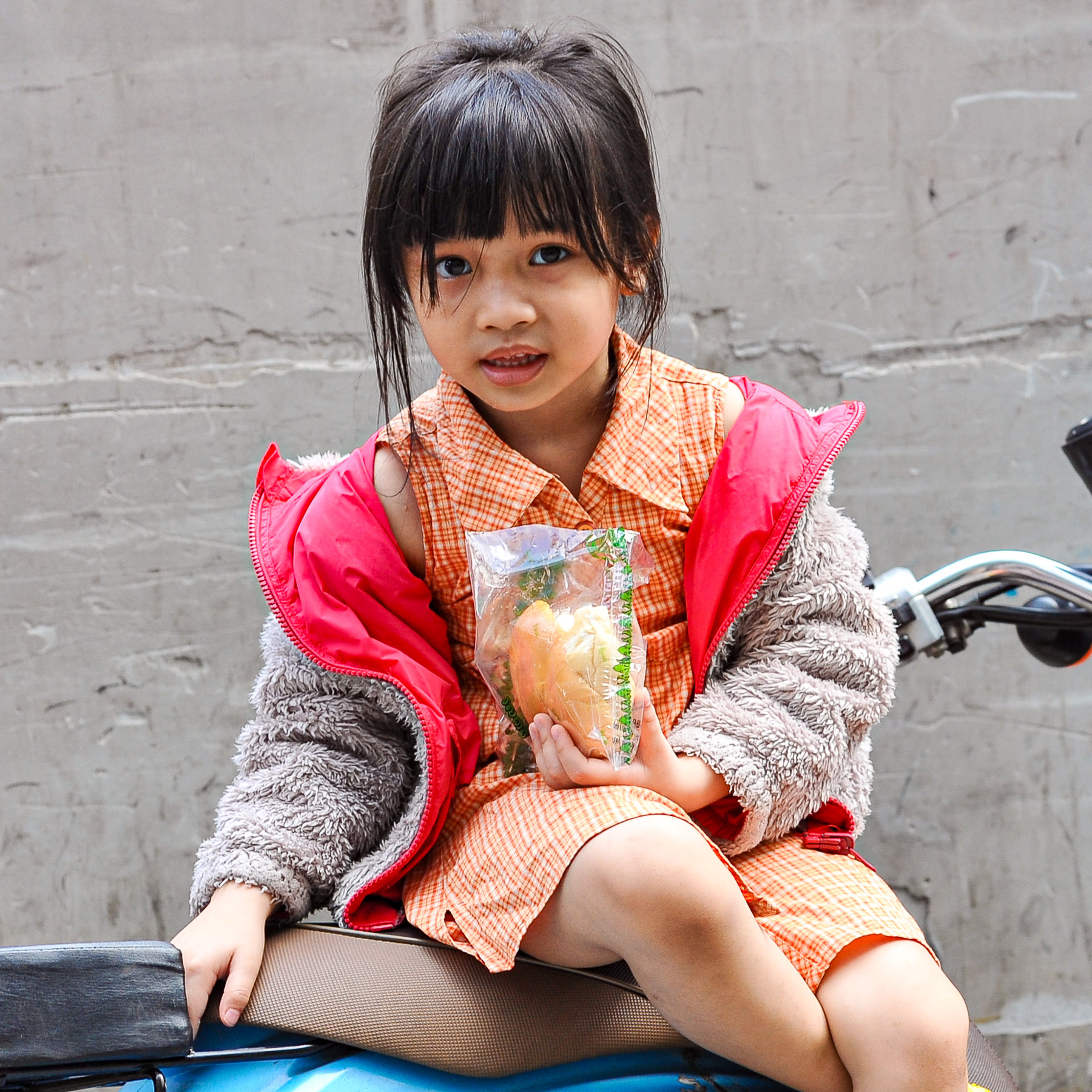



Good equipment can make work easier. A lens may focus more reliably, a sensor may give you more room to recover a difficult exposure, and a camera may let you work quickly without fighting its controls. I appreciate all of that. I also know what happens when the light is good, a person turns towards you and you hesitate. The specifications cannot take the picture for you.
The opposite kind of snobbery exists too. Owning an old camera does not confer wisdom. A battered body is a tool, not a certificate of authenticity. If a newer camera helps someone make the pictures they want to make, I see no reason to hold that against them.
Where snobbery does real damage is in criticism. Someone shows a photograph, perhaps one they are unsure about, and gets told what they should have bought or what sort of photography they ought to be doing. The comment may sound knowledgeable. It rarely helps.
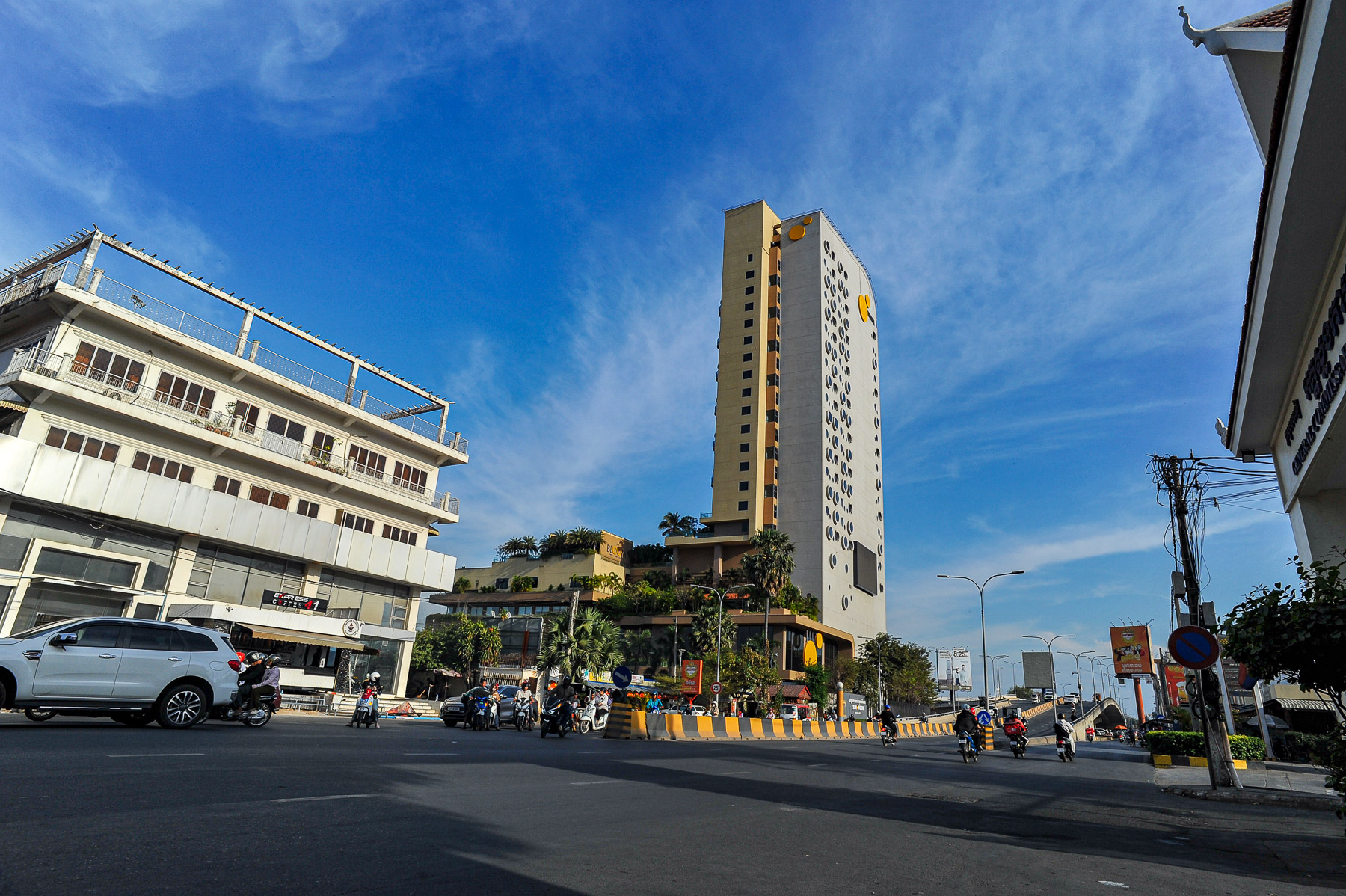
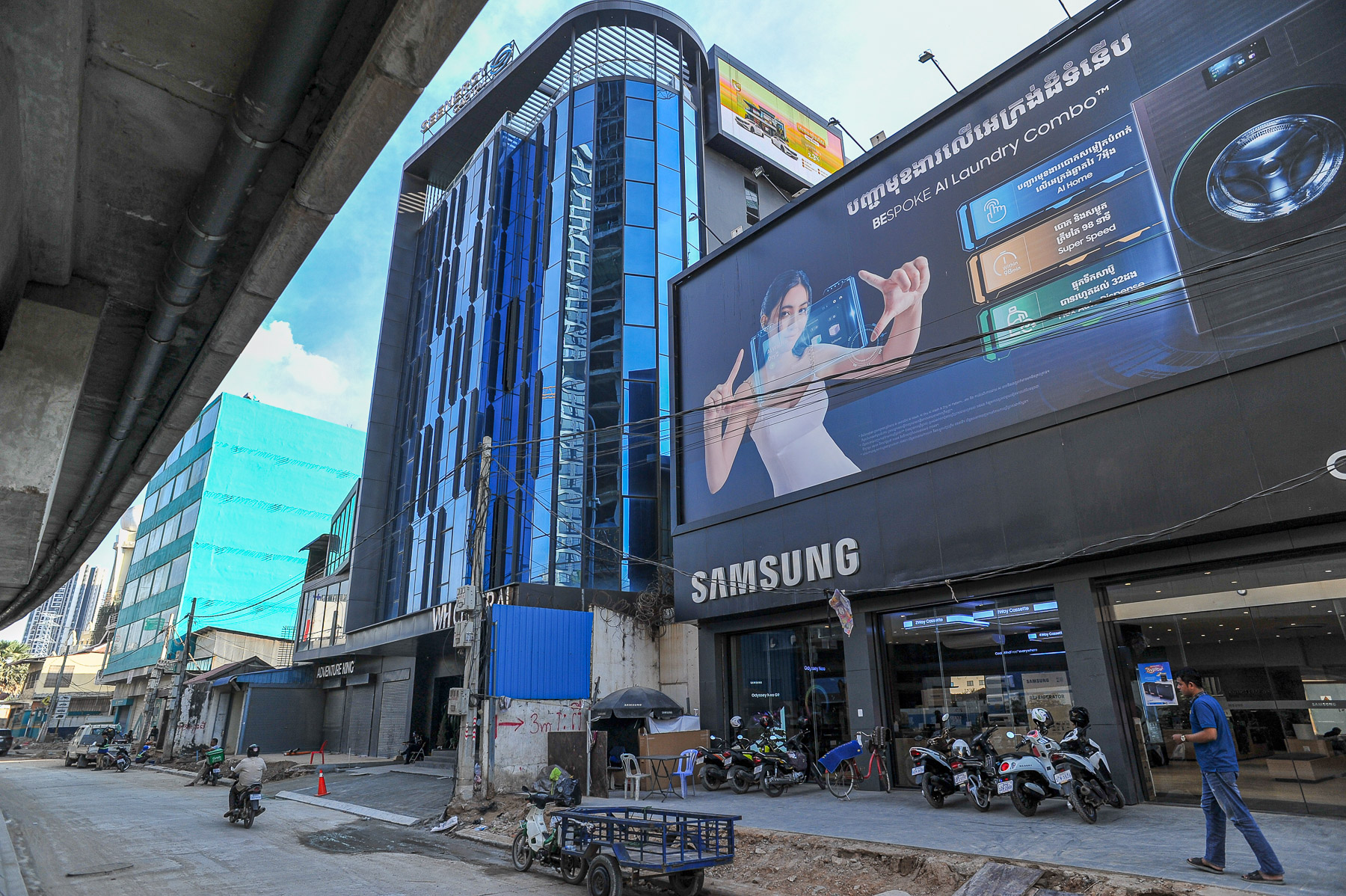
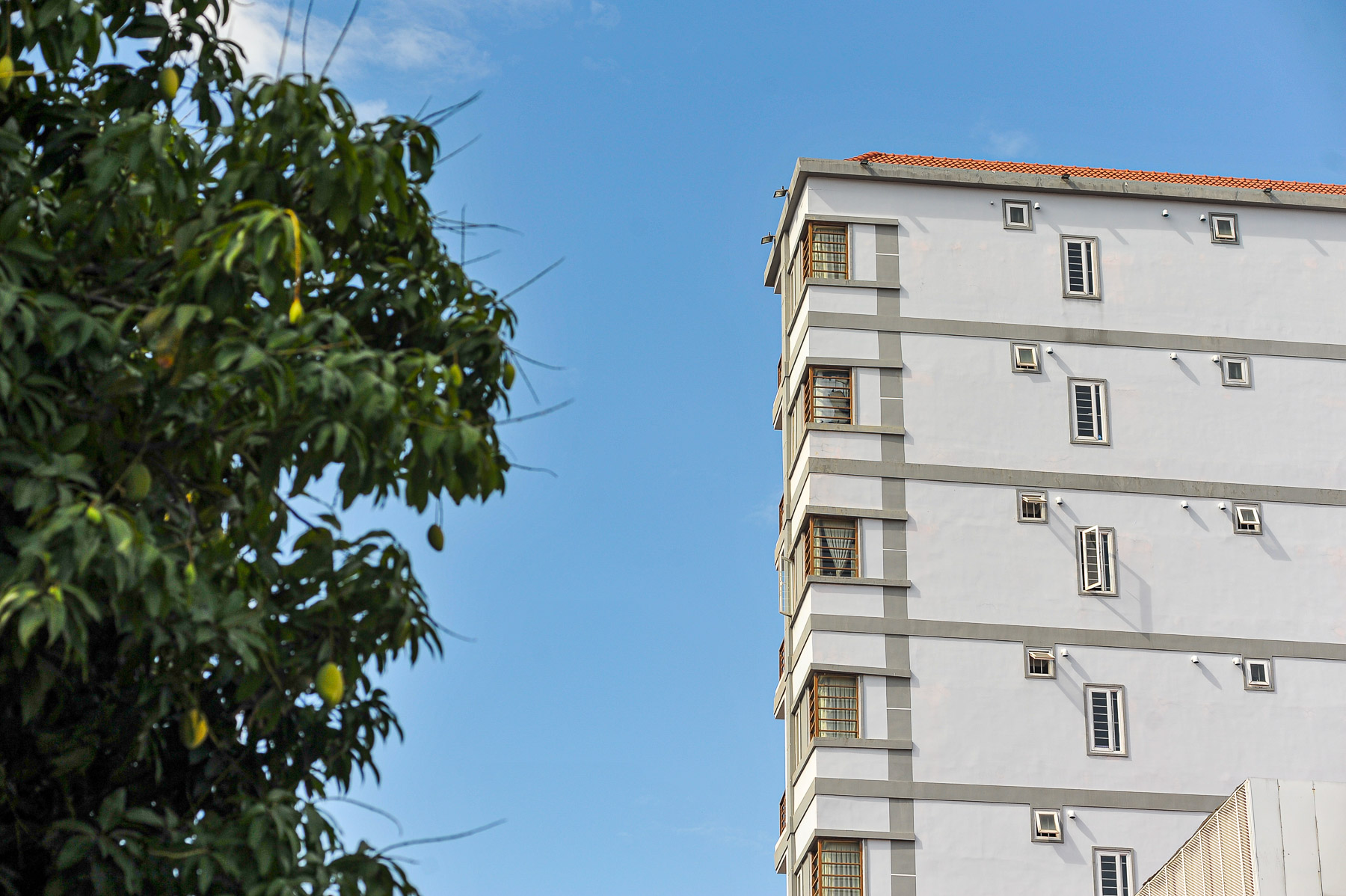
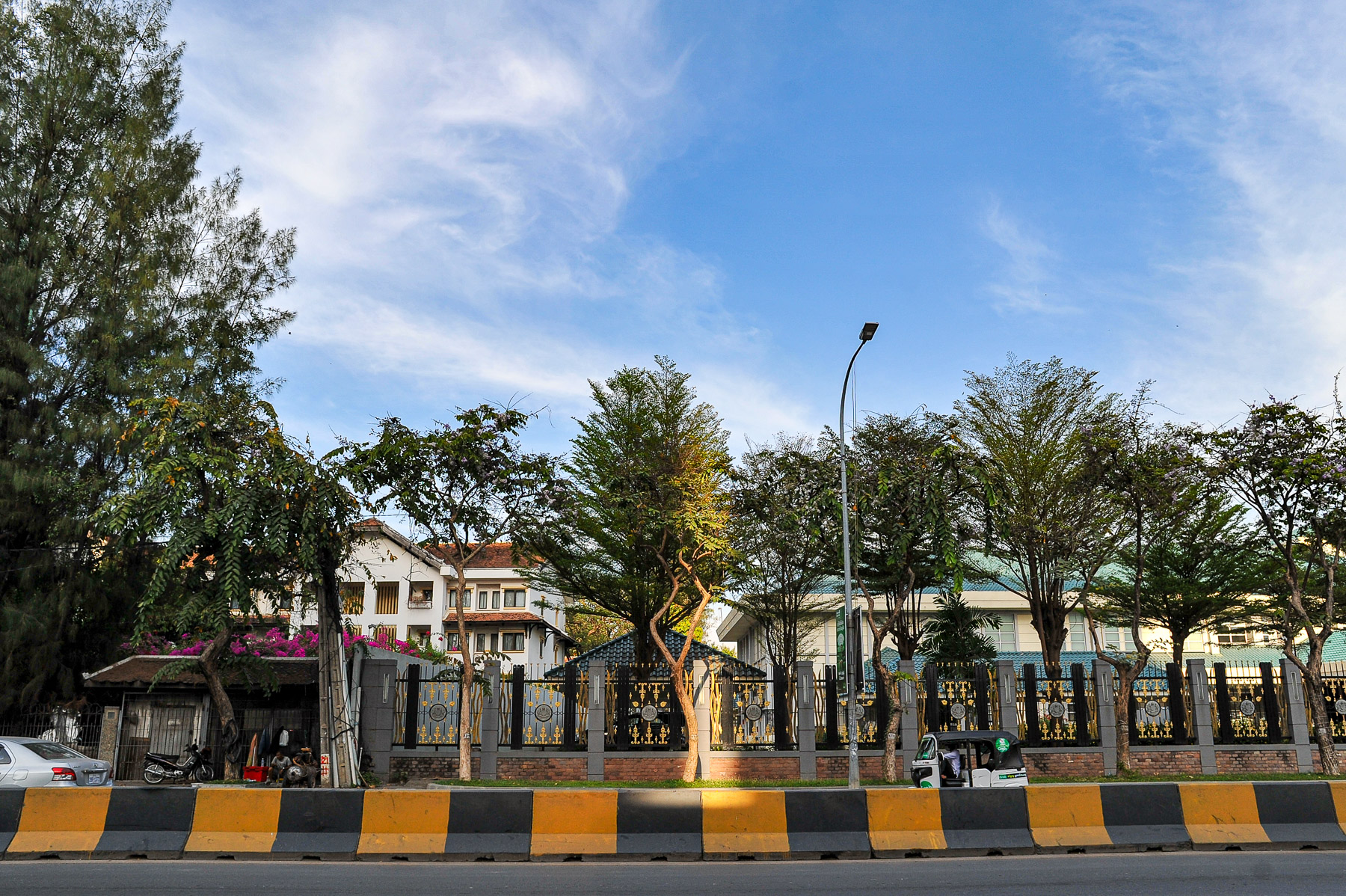

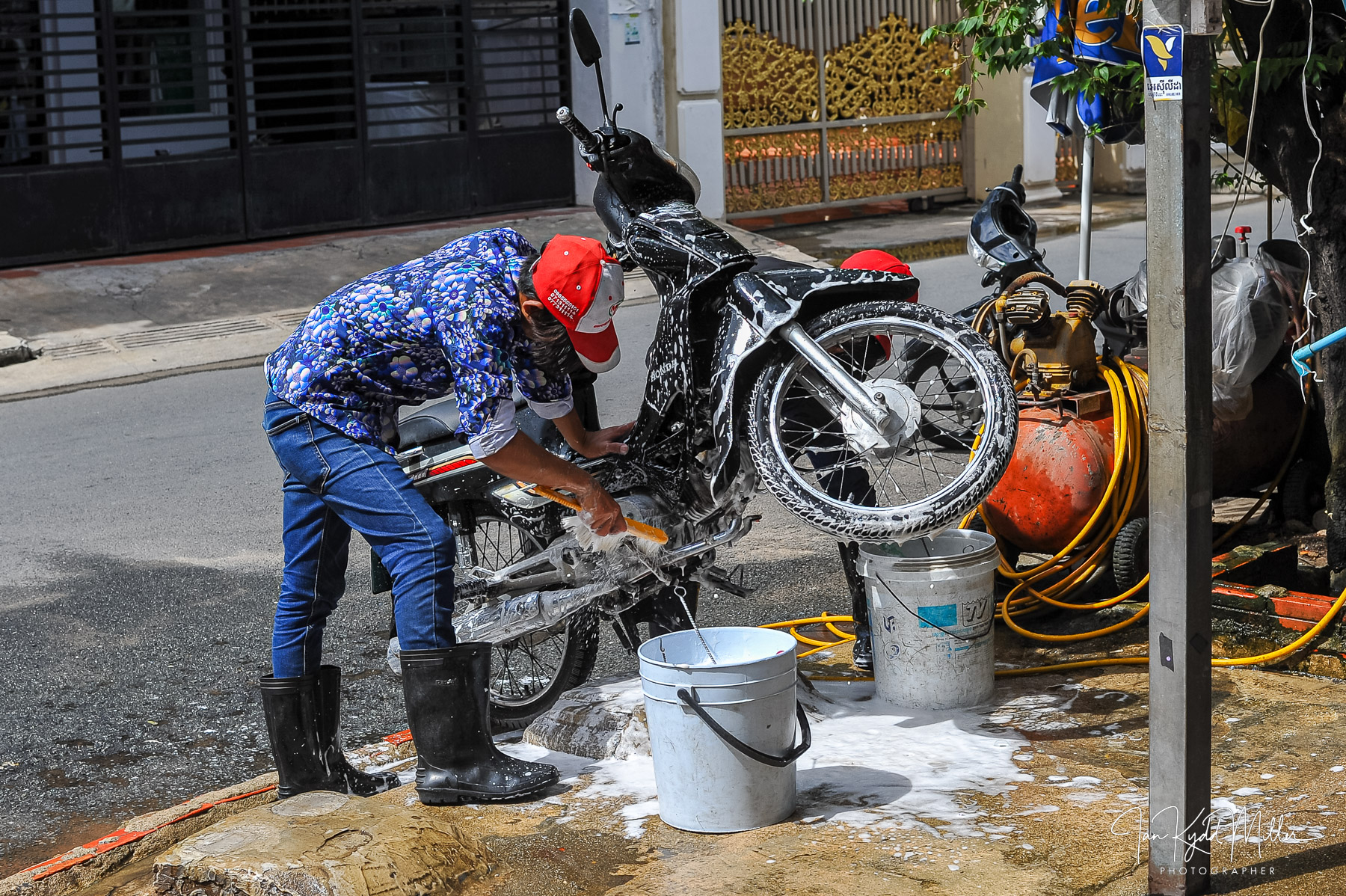
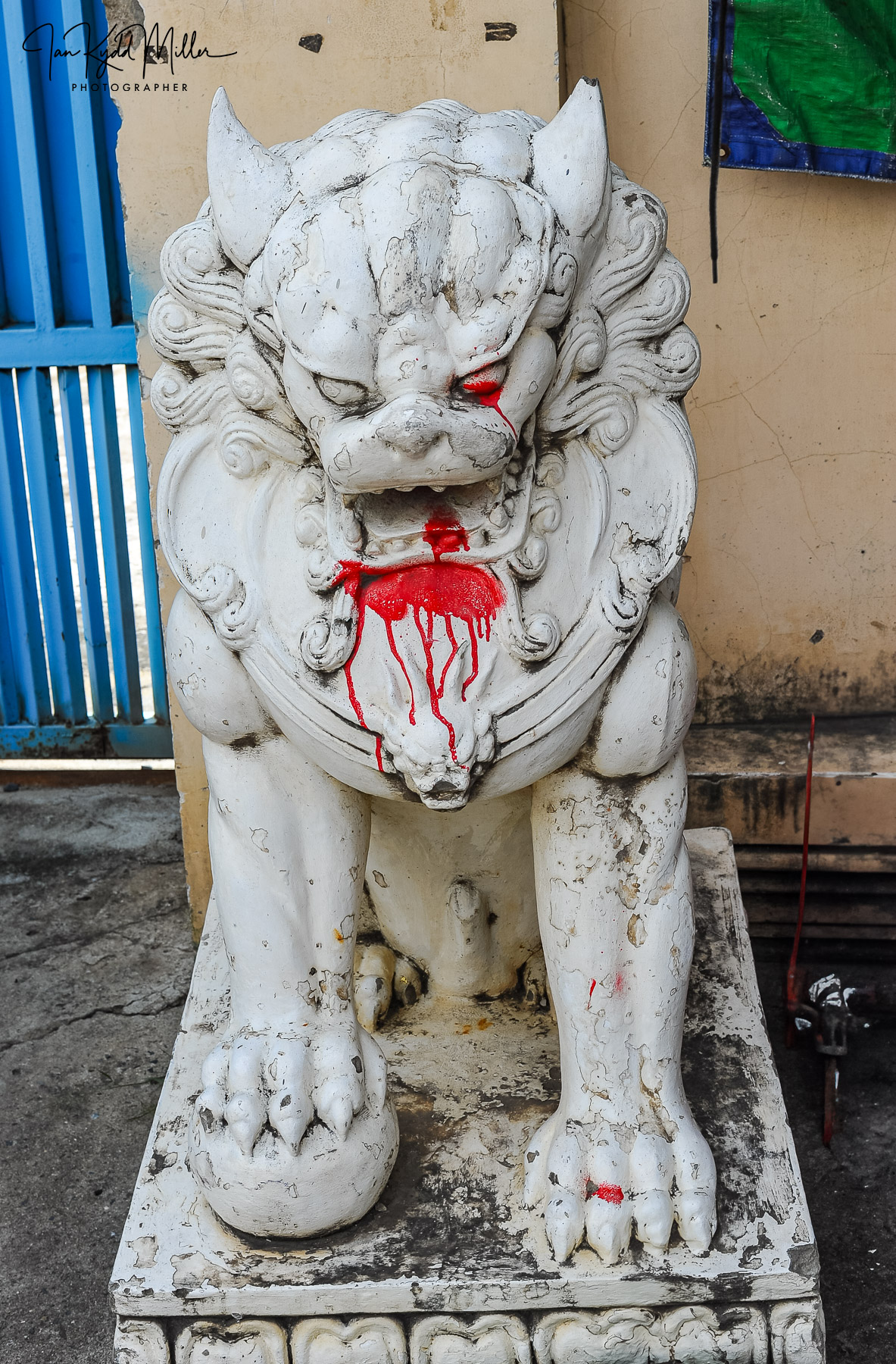

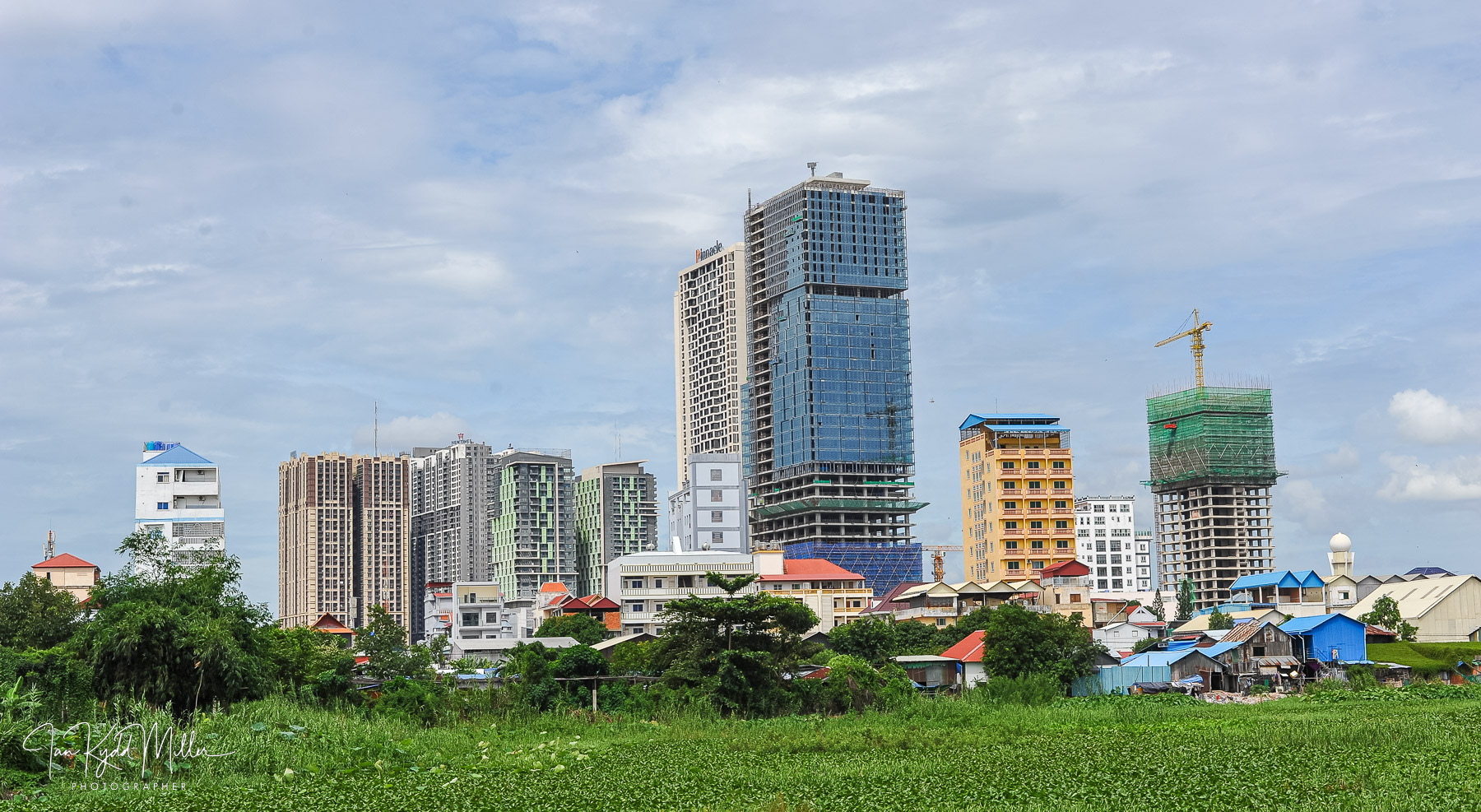
A useful critique begins with the picture. What drew your eye? What gets in the way? Does the framing make the subject clearer? Is the exposure serving what the photographer appears to have seen? If the image is meant to show a person, have we learned anything from their expression or gesture, or have we merely been shown that they were there?
Those questions can lead to a blunt assessment. Respect does not require praise. I have seen plenty of technically perfect photographs that leave me cold, and plenty of rough ones that hold my attention. It is fair to say that an image fails. It is more useful to say where it fails and why.
Experience ought to make us more careful here. The longer I photograph, the more aware I am of how much depends on circumstances I cannot see in someone else’s finished frame. Perhaps they had half a second. Perhaps moving a step would have lost the subject. Perhaps the apparently awkward crop was the only way to keep something distracting out. I can judge what is in the photograph. I should be cautious about inventing the decisions that led to it.
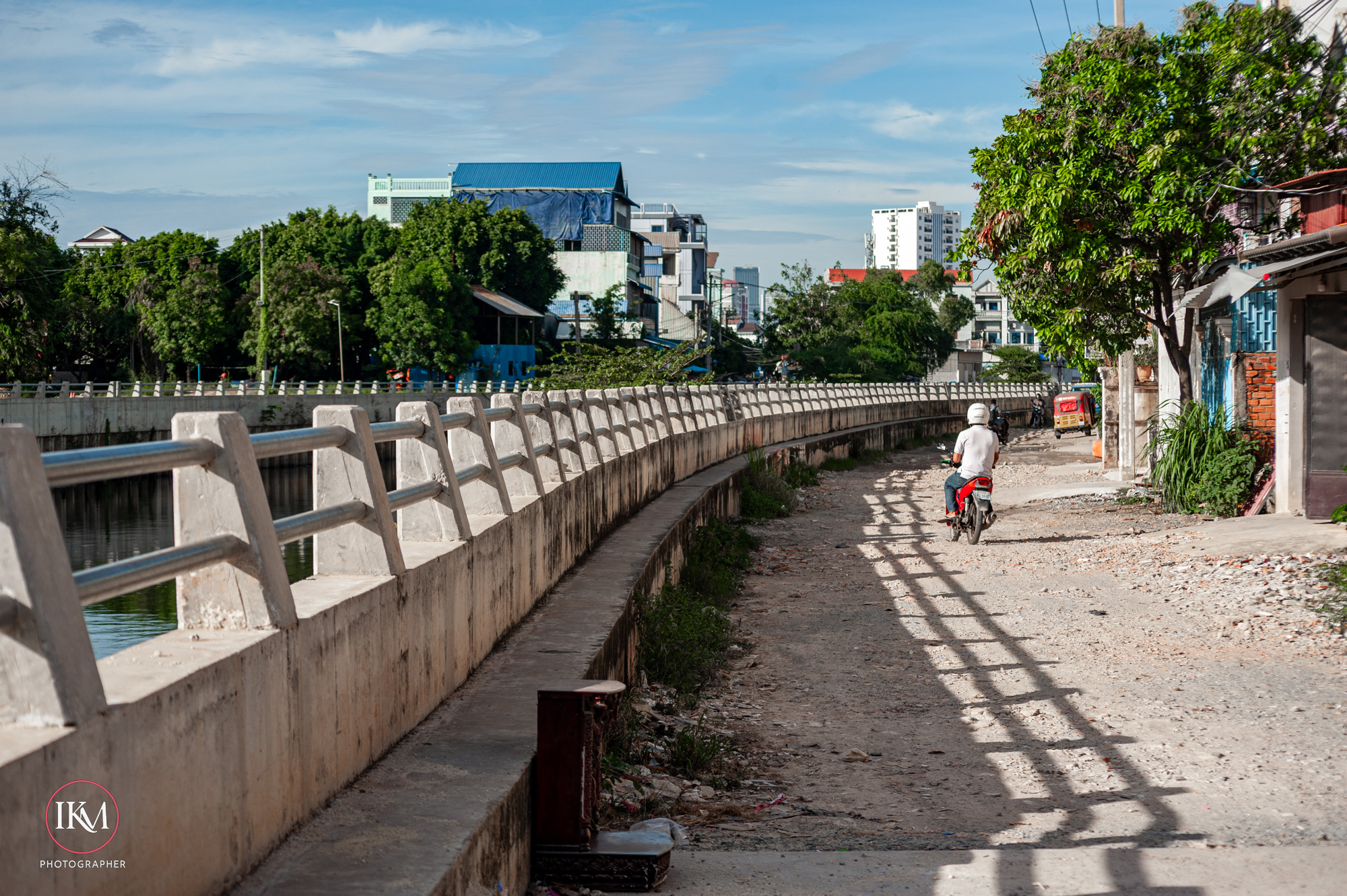
Street photography brings another sort of certainty. People make rules about how close a photographer must stand, whether a subject must know they are being photographed, or how much processing is acceptable. These are serious questions, especially when the person in the frame is vulnerable. They deserve more thought than a contest over who is the “real” street photographer.
The person photographed is not there to settle an argument about style. We have to consider what the picture shows, what it suggests and what publishing it might do. A photographer who is willing to ask those questions has something to teach me, even if their pictures look nothing like mine.
There are pictures I do not like. There are fashions in photography that I find tiresome. I do not intend to pretend otherwise. Taste is part of developing a way of working. The trouble starts when taste hardens into a refusal to look. At that point, a photographer may feel certain of their standards while missing the very thing that makes another person’s work interesting.
It is easy to talk about keeping an open mind. It is harder to do when a picture breaks every rule you would have followed and still succeeds. That is when it is worth staying with the image a little longer. Ask yourself why you stopped to look. You might learn something.
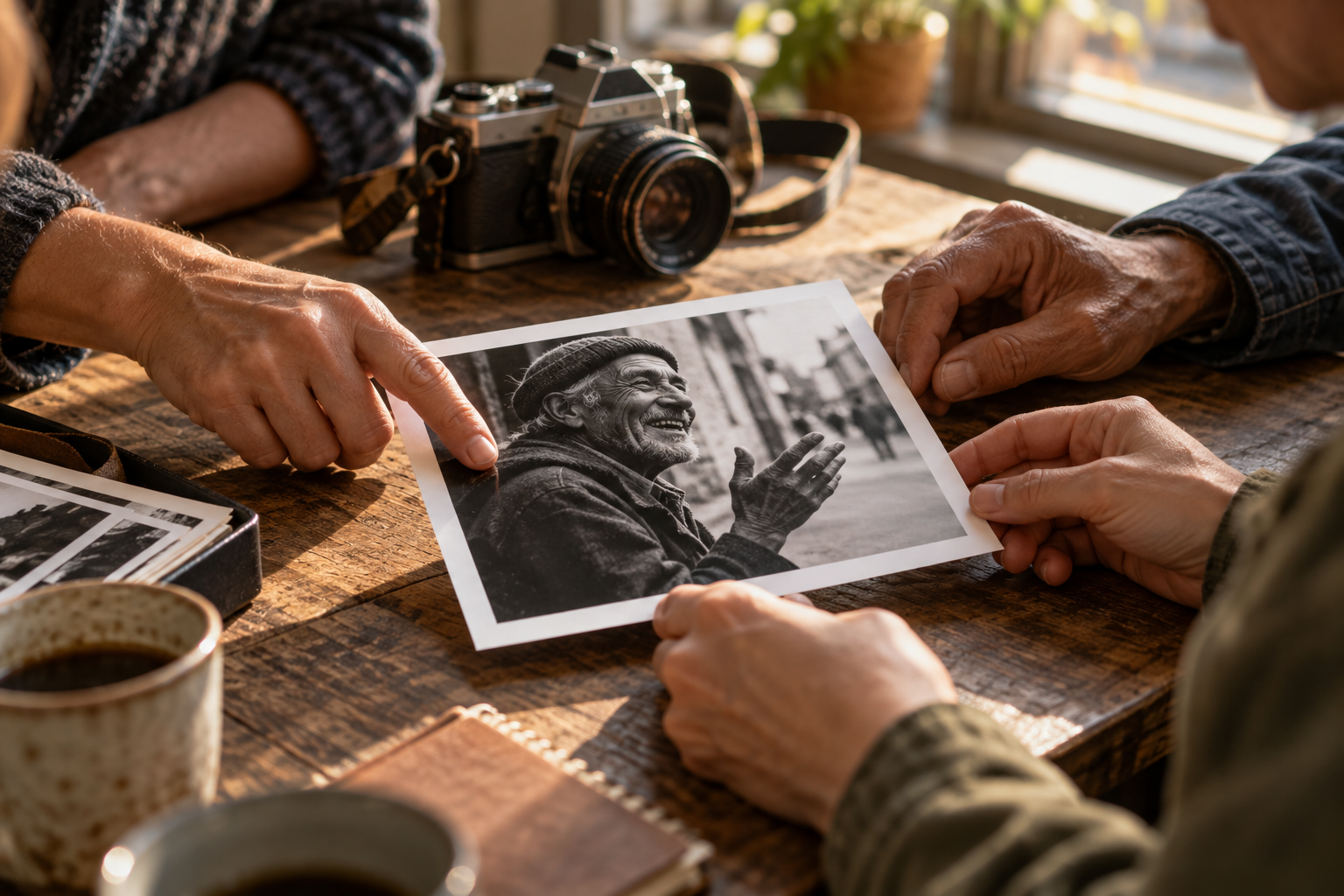
Photography gives us enough difficult decisions without turning cameras and genres into ranks. We choose where to stand, what to include, when to press the shutter, what to keep and what to show. We can argue about those choices. We should. But first we have to look at the picture.
The name on the camera can wait.

