Born: July 10, 1982, in Paris, to a Moroccan father and French mother.
Raised: Marrakesh, Morocco.
Education: Studied photography at Hofstra University and the CUNY Graduate Center in New York.
📸 Artistic Themes
Leila Alaoui’s photography explored migration, displacement, and cultural identity, often highlighting marginalized communities.
Major Projects
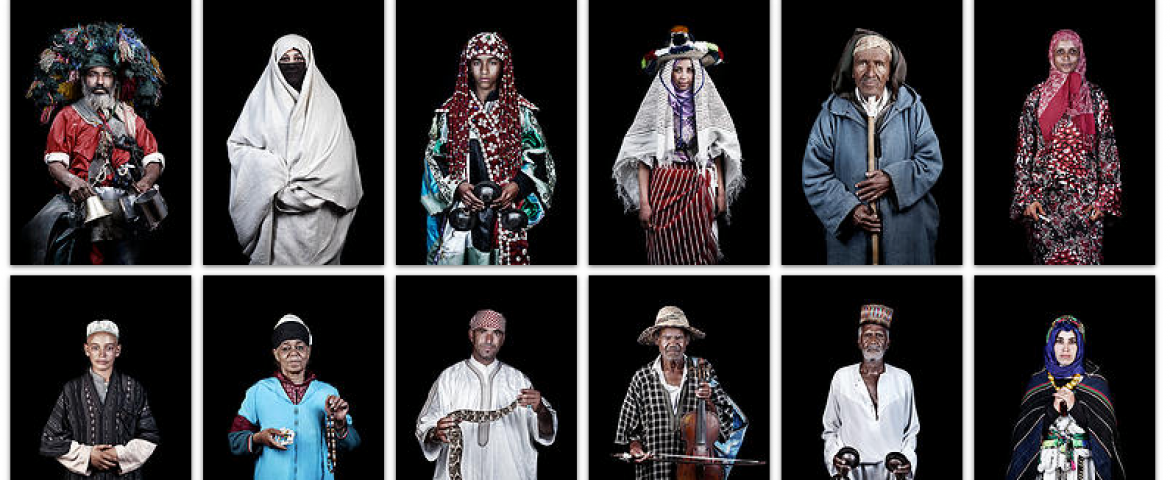
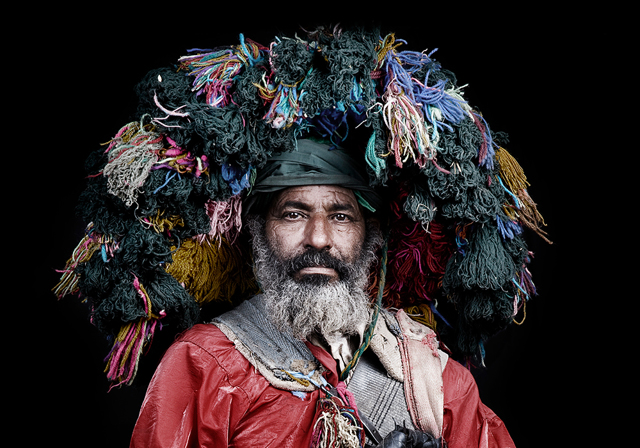
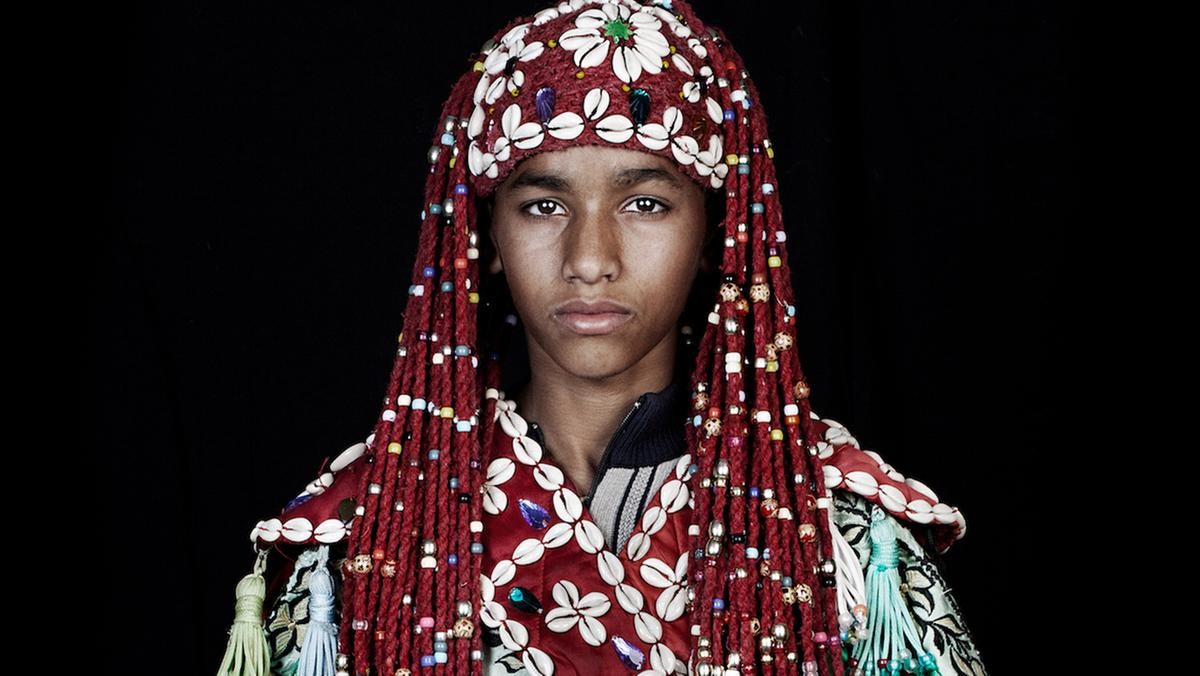
“Les Marocains” (2010–2014): A series of large‑scale portraits documenting Morocco’s diverse cultural groups, inspired by Irving Penn’s ethnographic style.
“No Pasara” (2008): Focused on sub‑Saharan migrants in Morocco, capturing the human face of migration.
“Natreen” (2013): Commissioned by the Danish Refugee Council, portraying Syrian refugees in Lebanon.
“Crossings” (2013): A video installation about migrants risking their lives to reach Europe.
Commercial & NGO Work: She also worked for magazines and humanitarian organizations, blending documentary and fine art.
🖼️ Exhibitions & Legacy
Exhibited internationally in Paris, Marrakesh, Beirut, and New York.
Her works are part of collections such as Qatar Museums.
After her death, the Fondation Leila Alaoui was established to preserve and promote her artistic and humanitarian legacy.
⚠️ Her Death
Date: January 18, 2016.
Location: Ouagadougou, Burkina Faso.
Context: Alaoui was on assignment for Amnesty International, photographing women’s rights projects.
Incident: She was caught in a terrorist attack by Al‑Qaeda in the Islamic Maghreb (AQIM) at the Cappuccino café.
Outcome: Alaoui suffered severe gunshot wounds and died three days later at age 33.
📊 Summary Table
Aspect
Details
Born
1982, Paris
Raised
Marrakesh, Morocco
Focus
Migration, identity, cultural diversity
Key Works
Les Marocains, No Pasara, Natreen, Crossings
Exhibitions
Paris, Marrakesh, Beirut, New York
Death
2016, Ouagadougou terrorist attack
Legacy
Fondation Leila Alaoui
✨ In Summary
Leila Alaoui was a visionary photographer who gave voice to migrants, refugees, and marginalized communities through powerful portraiture and video art. Her life was cut short in a terrorist attack, but her work continues to resonate globally, reminding us of the human dignity at the heart of migration and cultural diversity.
Core Idea: Photography is the process of recording images by capturing light on a light‑sensitive surface (film, plate, or digital sensor).
Dual Nature: It is both a scientific technique (optics, chemistry, digital sensors) and an art form (composition, storytelling, aesthetics).
Earliest Example: The first surviving camera photograph, View from the Window at Le Gras (1826), by Nicéphore Niépce.
🕰️ How Its Importance Has Changed Over Time
19th Century – Scientific Breakthrough
Invention of the daguerreotype (1839) revolutionized visual documentation.
Photography became a tool for science, exploration, and portraiture, replacing painted likenesses.
Early 20th Century – Artistic & Social Medium
Figures like Alfred Stieglitz elevated photography into fine art.
Used for journalism and propaganda, shaping public opinion during wars and social movements.
Mid‑20th Century – Mass Communication
Introduction of film cameras and color photography made images accessible to everyday families.
Photography became central to advertising, fashion, and mass media.
Late 20th Century – Global Documentation
Portable cameras allowed photojournalists to capture civil rights protests, wars, and cultural shifts.
Photography became a powerful witness to history, influencing politics and humanitarian causes.
21st Century – Digital & Social Revolution
Digital cameras and smartphones made photography universal.
Platforms like Instagram and TikTok turned images into social currency.
Photography now drives identity, activism, marketing, and memory preservation.
📊 Summary Table
Era
Importance
19th Century
Scientific discovery, portraiture, exploration
Early 20th
Fine art, journalism, propaganda
Mid‑20th
Mass communication, advertising, family memory
Late 20th
Historical witness, political influence
21st Century
Digital ubiquity, social media, activism
✨ In Summary
Photography began as a scientific experiment and evolved into a universal language. Today, it is not only about recording reality but also about shaping perception, identity, and culture. Its importance has grown from documenting the world to actively influencing how we see and understand it.
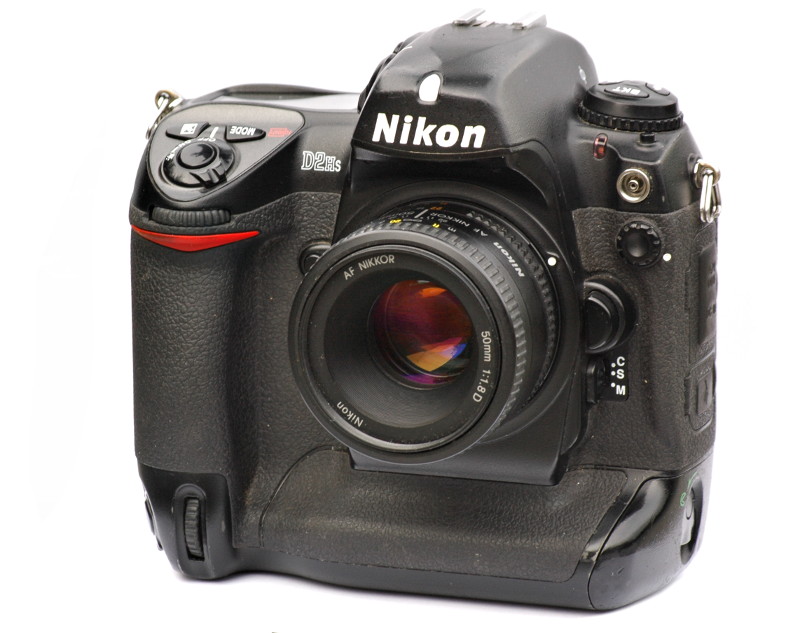
Nikon D2Hs (2005): A professional DX DSLR with a 4.1MP sensor, designed for speed, durability, and press work. It was the successor to the D2H, optimized for sports and photojournalism.
Sigma 20mm f/1.8 EX DG: One of the fastest wide‑angle primes available, offering shallow depth of field and strong low‑light performance at a dramatic focal length.
✅ Strengths
📸 Nikon D2Hs Body
Speed: 8 frames per second continuous shooting — excellent for action and reportage.
Autofocus: 11‑point Multi‑CAM 2000 AF system, fast and reliable for its era.
Build quality: Magnesium alloy, weather‑sealed, designed for professional abuse.
Ergonomics: Pro‑style controls, dual command dials, and a large optical viewfinder.
Battery life: EN‑EL4 battery delivers thousands of shots per charge.
⚙️ Sigma 20mm f/1.8 Lens
Wide aperture: f/1.8 is unusually fast for a wide‑angle, enabling shallow depth of field and low‑light shooting.
Perspective: On DX (D2Hs crop factor 1.5x), it becomes ~30mm equivalent — versatile for street, documentary, and environmental portraiture.
Creative rendering: Strong subject isolation at close distances, with dramatic wide‑angle compression.
Value: Affordable compared to Nikon’s own fast wide primes.
❌ Weaknesses
⚠️ Nikon D2Hs Body
Resolution: 4.1MP is limiting for cropping and large prints. Files are clean but small.
ISO performance: Usable up to ISO 800–1600, but noisy compared to modern sensors.
Weight: At ~1.2kg with battery, it’s heavy for long shoots.
LCD: Small, low‑resolution rear screen makes reviewing images difficult.
Legacy limitations: No video, no modern connectivity (Wi‑Fi, GPS).
🧠 Sigma 20mm f/1.8 Lens
Size & weight: Large and heavy for a prime, not discreet.
AF performance: Slower and noisier than Nikon AF‑S lenses.
Optical flaws: Wide open, prone to softness, vignetting, and chromatic aberration.
Flare resistance: Weak coatings — struggles with strong backlight.
⚖️ Combined Use Case
Context
Strengths
Weaknesses
Street
Fast AF, rugged body, versatile 30mm equivalent
Heavy combo, limited resolution
Documentary
Wide perspective, shallow DOF at f/1.8
Noisy AF, flare issues
Action
8 fps burst, pro handling
4.1MP limits cropping flexibility
Low‑light
f/1.8 aperture helps
Sensor noise above ISO 800
✨ Conclusion
The Nikon D2Hs + Sigma 20mm f/1.8 is a pairing full of character. The D2Hs delivers speed, durability, and reliability — perfect for photojournalists of its era — while the Sigma 20mm adds creative flexibility with its unusually fast aperture. Together, they excel in street, documentary, and action work, though they are limited by low resolution, heavy weight, and optical quirks.
Verdict:A rugged pro body and a quirky wide prime — imperfect by modern standards, but capable of distinctive, characterful images when used deliberately.
Freelance photojournalism is rewarding but inherently risky: photographers face physical danger, legal exposure, digital threats, and long‑term psychological harm; mitigation requires training, insurance, local networks, and disciplined safety protocols.
Key considerations:personal safety, legal status, digital security, mental health, and financial protection.
Clarifying questions to answer for planning: Will you work alone or with a fixer; do you have hostile‑environment training and insurance; can you secure rapid evacuation and medical support?
Decision points: Choose assignments that match your training; invest in HEFAT (hostile environment and first aid), digital security, and reliable local contacts; decide acceptable risk vs reward before deployment.
Common dangers and what they mean
Physical harm and death. Photojournalists are exposed to gunfire, explosions, and crowd violence; historically, dozens of photographers have been killed while working in the field.
Kidnapping and detention. Freelancers lack institutional backing and can be targeted for ransom or political leverage; arrests may lead to long detentions without consular access.
Legal and bureaucratic risk. Working without correct visas, permits, or press accreditation can result in fines, equipment seizure, or deportation.
Equipment theft and loss. Cameras and lenses are high‑value and make you visible; losing gear can end a trip and create financial strain.
Digital threats. Unsecured devices and communications expose sources and material to surveillance, hacking, or evidence seizure.
Psychological trauma. Repeated exposure to violence and suffering increases risk of PTSD, depression, and burnout; trauma‑informed practices are essential.
Practical mitigation (what to do)
Training: Complete HEFAT and trauma‑informed safety courses; these teach risk assessment, emergency first aid, and psychological resilience.
Insurance and legal prep: Buy kidnap & ransom, medical evacuation, and equipment insurance; register with your embassy and carry legal documents.
Local networks: Hire vetted fixers and translators, coordinate with local journalists and NGOs, and establish check‑in protocols.
Digital hygiene: Use encrypted comms, full‑disk encryption, strong passwords, and secure backups; compartmentalise sensitive files.
Operational discipline: Wear low‑profile clothing, limit time in hotspots, plan exit routes, and avoid predictable patterns.
Aftercare: Build access to counselling and peer support; rotate out of high‑stress assignments to recover.
Risks, trade‑offs, and actionable steps
Risk: Training and insurance cost time and money; trade‑off: they dramatically reduce life‑threatening exposure and financial ruin. Action: budget safety into every assignment and refuse work beyond your training.
Risk: Working with fixers increases dependence and cost; trade‑off: they provide local knowledge and protection. Action: vet fixers through trusted networks and pay fairly.
Risk: Digital security can slow workflows; trade‑off: it protects sources and your material. Action: adopt simple, repeatable encryption and backup routines before deployment.
Bottom line: Freelance photojournalism demands more than courage—it requires preparation, training, and systems to protect your body, your sources, and your mind. Invest in safety before you chase the story.
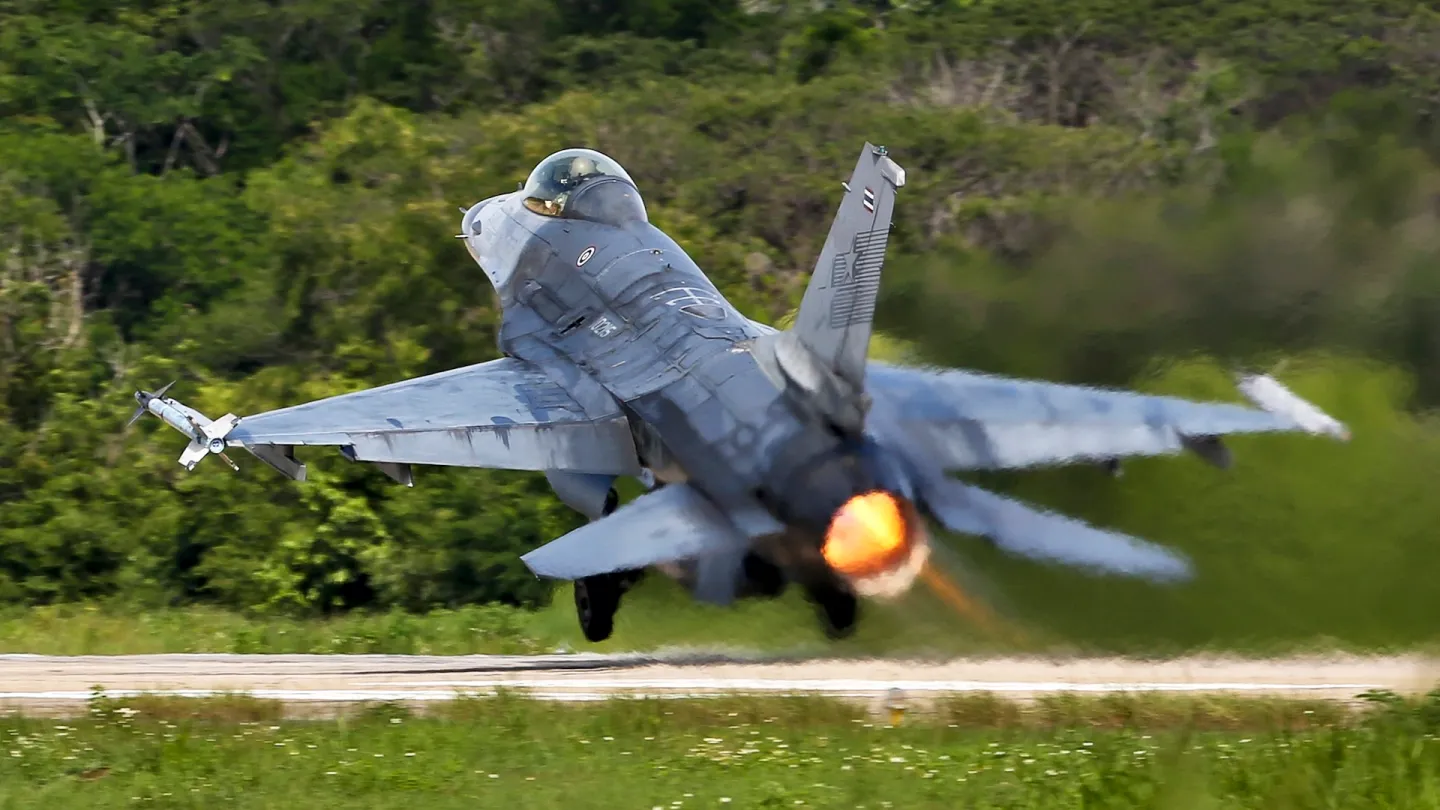
Thailand’s use of airpower against Cambodia is widely seen as disproportionate and controversial. Thailand argues it is acting in self‑defence after border incidents, but Cambodia and international observers stress that Cambodia has no comparable air force, making the strikes an escalation that risks civilian lives and cultural heritage.
📌 Thailand’s Justification
Thai officials claim the airstrikes are defensive, launched after Cambodian forces allegedly planted landmines and attacked Thai positions.
The Thai Prime Minister stated operations would continue “as necessary to defend the country and protect public safety”.
Bangkok frames the strikes as part of protecting the Gulf of Thailand and securing disputed border zones.
⚠️ Criticism and Concerns
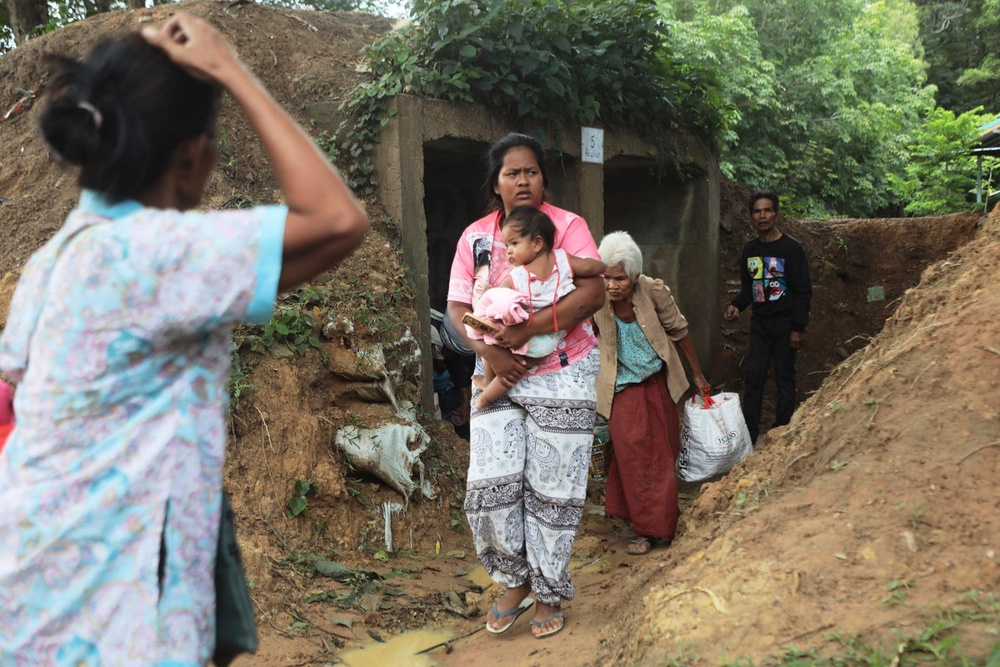
Cambodia’s position: Phnom Penh accuses Thailand of aggression, saying the strikes deliberately hit civilian areas, including shelters for displaced people and infrastructure in Siem Reap province.
Civilian casualties: Reports confirm at least five civilians killed in early strikes, with the toll rising to around 20–25 overall.
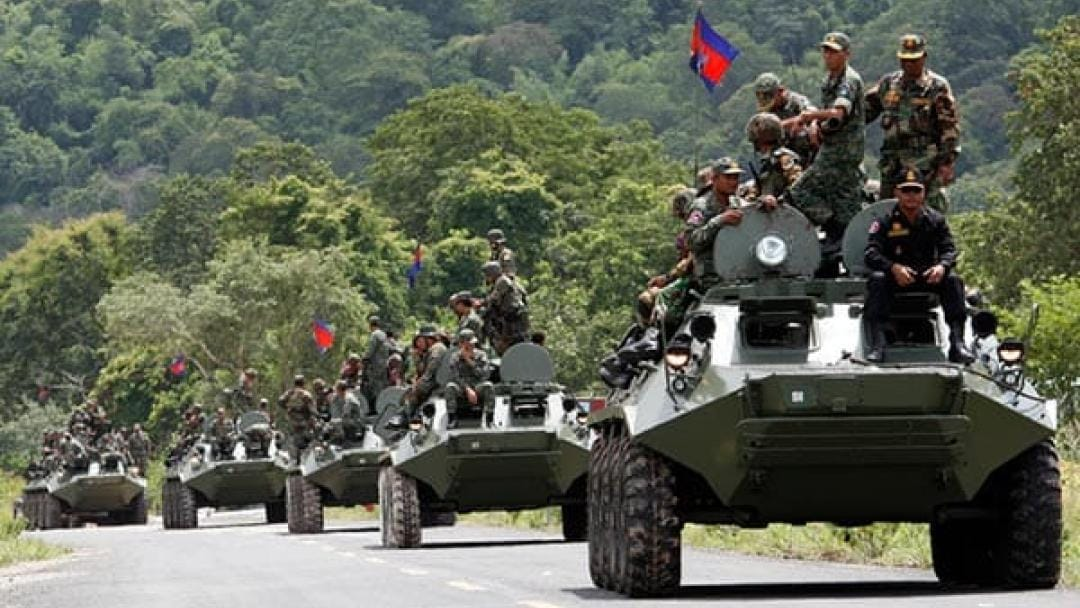
Imbalance of power: Cambodia has no modern airpower, relying on ground forces, making Thailand’s use of fighter jets a one‑sided escalation.
International reaction: Observers warn the strikes undermine ceasefire efforts and risk turning border clashes into full‑scale war.
✨ Assessment
Legally and ethically, Thailand’s justification is contested. While states have the right to self‑defence, the scale and targets of the airstrikes—deep inside Cambodian territory, near civilian shelters and UNESCO heritage sites—raise serious proportionality concerns.
Strategically, airpower gives Thailand overwhelming dominance, but it risks international condemnation and long‑term instability.
Humanitarian impact: With over 800,000 Cambodians displaced, the strikes worsen a crisis that already threatens regional stability.
🔮 Outlook
Unless mediated by ASEAN or external powers, Thailand’s reliance on airpower is likely to prolong the conflict. Cambodia cannot respond in kind, meaning the imbalance will continue to fuel accusations of unjustified aggression.
Yes, fighting between Thailand and Cambodia has escalated sharply in December 2025, with Thai airstrikes hitting deep inside Cambodian territory, including Siem Reap province near Angkor Wat. Cambodia accuses Thailand of targeting civilian areas and shelters for displaced people, while Thailand claims self‑defence in a long‑running border dispute. Casualties, displacement, and damage to infrastructure are mounting.
📌 Current Situation (as of mid‑December 2025)
Airstrikes reported: Cambodian officials say Thai F‑16 fighter jets dropped bombs in Oddar Meanchey and Siem Reap provinces, including near camps for displaced people and a bridge in Srei Snam district.
Tourist sites at risk: Siem Reap, home to Angkor Wat, Cambodia’s top tourist draw and a UNESCO World Heritage site, has been directly threatened by strikes.
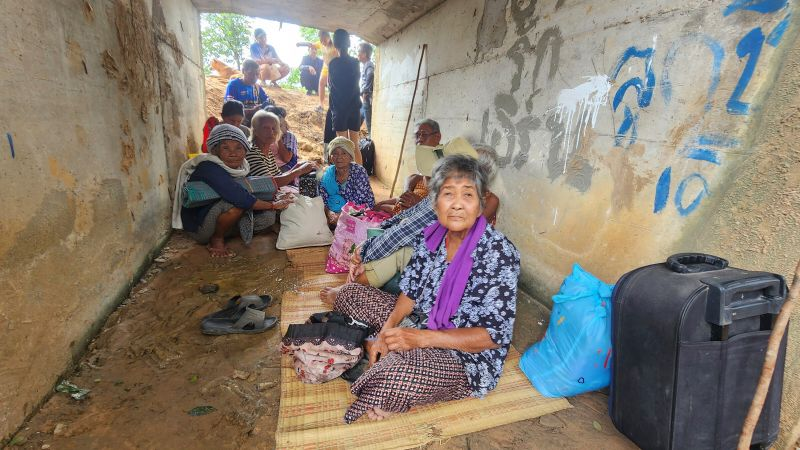
Casualties & displacement: At least 20 people have been killed since fighting reignited, with hundreds of thousands displaced. Cambodia claims around 800,000 people have fled border areasThe Straits Times.
Border closures: Phnom Penh has shut all land crossings with Thailand to protect civilians.
Thai perspective: Bangkok says the strikes are defensive, part of operations to protect the Gulf of Thailand, and blames Cambodia for instigating attacks.
⚠️ Risks and Implications
Humanitarian crisis: Camps for displaced people are now under threat, worsening conditions for civilians already uprooted.
Tourism impact: Cambodia’s economy relies heavily on tourism, and strikes near Angkor Wat could devastate recovery efforts post‑COVID.
Regional instability: The conflict stems from colonial‑era border demarcation disputes, and repeated truces have failed.
International concern: Despite calls for a ceasefire—including from the US—bombing has continued, raising fears of escalation.
✨ Assessment
The Thailand–Cambodia border conflict has reignited into one of the most serious flare‑ups in years. The use of airstrikes deep inside Cambodian territory marks a dangerous escalation, threatening civilians, cultural heritage sites, and regional stability. Cambodia is militarily outgunned, relying on international pressure and diplomacy, while Thailand frames its actions as defensive.
In 2025, this conflict is not just about disputed territory—it is about national identity, economic survival, and the fragility of peace in Southeast Asia. The risk of further escalation remains high unless external mediation succeeds.
Reports from mid‑December 2025 confirm that Thai airstrikes have reached Siem Reap province itself, not just the border.
Targets hit: Cambodian officials say bombs struck Srei Snam district in Siem Reap, damaging a bridge and hitting areas near shelters for displaced people.
Proximity to Angkor Wat: While Angkor Wat itself has not been directly attacked, the strikes are within the same province, raising fears that Cambodia’s most important cultural and tourist site could be at risk.
Civilian impact: Camps for displaced people in Siem Reap province have been threatened, with Cambodia warning that tourist hotspots are now in danger.
Depth of strikes: This marks a significant escalation—airstrikes are no longer confined to border areas like Oddar Meanchey, but are penetrating deep into Cambodian territory, roughly 100 km from the Thai border.
At least 20 Cambodians have been reported killed in the renewed border clashes and Thai airstrikes since early December 2025, with hundreds of thousands displaced.
📌 Current Death Toll
Initial clashes (Dec 8–9, 2025): Reports confirmed around 10 deaths as fighting spread to new parts of the border.
Escalation (Dec 11–15, 2025): Heavy airstrikes and artillery attacks pushed the toll higher, with about two dozen killed in total.
Cambodian civilians: Casualties include civilians near shelters and bridges in Siem Reap province, as well as soldiers along the border.
⚠️ Humanitarian Impact
Displacement: Cambodia says over 800,000 people have fled border provinces, with camps now under threat from bombing.
Infrastructure damage: Bridges, shelters, and areas near Siem Reap have been hit, raising fears for Angkor Wat and tourism.
Civilian risk: Airstrikes penetrating deep into Cambodian territory mean non‑combatants are increasingly at risk.
✨ Assessment
The death toll in Cambodia stands at roughly 20–25 people as of mid‑December 2025, but numbers are likely to rise as fighting continues. The scale of displacement is far larger, creating a humanitarian crisis that threatens both civilian safety and Cambodia’s economic lifeline in Siem Reap.
Photography ethics are about deciding where to draw the line between documentation, artistry, and manipulation. The line matters because images shape public perception, influence trust, and can cause harm if misused.
📸 Why Ethics in Photography Matter
Photography is not just about aesthetics—it’s about representation and responsibility. Every image carries weight: it can inform, inspire, or mislead. With billions of photos shared daily, ethical boundaries ensure that photography remains a trustworthy medium.
🔍 Key Areas Where the Line Is Tested
Consent and Privacy
Photographing people without permission, especially in vulnerable contexts, raises ethical concerns.
Street photography often sits in a grey zone: candid shots are legal in public spaces, but ethical practice asks whether subjects are respected or exploited.
Truth vs Manipulation
Photo editing is powerful—enhancing colours or removing distractions is acceptable, but altering reality (adding/removing people, changing events) crosses into deception.
In journalism, even small edits can undermine credibility. In art, manipulation is more accepted, but transparency is key.
Representation and Harm
Images of tragedy, poverty, or conflict can raise awareness but also risk exploitation. Ethical photographers ask: Does this image serve the public interest, or does it sensationalise suffering?
Shocking images must balance impact with dignity—avoiding voyeurism or trauma exploitation.
Cultural Sensitivity
Photographing rituals, sacred spaces, or marginalised groups requires respect and context. Misrepresentation can perpetuate stereotypes or disrespect traditions.
⚖️ Drawing the Line: Practical Guidelines
Ask for consent whenever possible, especially in intimate or vulnerable settings.
Be transparent about editing—distinguish between artistic enhancement and documentary truth.
Prioritize dignity: avoid images that humiliate or exploit subjects.
Consider impact: ask whether publishing the image informs, educates, or simply shocks.
Respect context: cultural and social settings demand sensitivity to avoid misrepresentation.
🧠 The Grey Areas
Ethics in photography are rarely black and white. For example:
Street photography: candid shots can be powerful social commentary, but they may invade privacy.
Photojournalism: documenting war or disaster is vital, but publishing graphic images can traumatize audiences.
Editing: removing a distracting lamppost may be fine, but removing a protester changes history.
Navigating these requires self-awareness, editorial discipline, and a clear ethical framework.
📝 Final Thought
Drawing the ethical line in photography means balancing truth, respect, and creative intent. It’s about asking hard questions: Am I telling the story honestly? Am I respecting my subject? Am I serving the audience responsibly? When photographers hold themselves accountable, their work not only informs but also uplifts, creating images that endure with integrity.
Publishing shocking images is neither inherently right nor wrong—it depends on intent, context, and consequence. The ethical challenge lies in balancing public interest with personal dignity, truth with sensitivity, and impact with responsibility.
Photojournalism often confronts us with the raw edge of reality—war, disaster, injustice, grief. These images can jolt viewers into awareness, spark outrage, and mobilise change. But they can also retraumatise, exploit, or misrepresent. So when is it right to publish a shocking image—and when is it wrong?
✅ When It’s Justified
Public interest outweighs discomfort: Images that expose systemic abuse, corruption, or humanitarian crises may be shocking—but they serve a vital civic function.
Truth is preserved: If the image is accurate, unmanipulated, and contextually honest, it contributes to informed discourse.
Consent is considered: When possible, subjects should be aware of how their image will be used—especially in vulnerable situations.
Impact is constructive: If the image leads to policy change, aid mobilization, or cultural reckoning, its shock may be ethically warranted.
❌ When It’s Problematic
Sensationalism overrides substance: If the image is published for clicks, not clarity, it risks exploitation.
Subjects are dehumanised: Graphic depictions that strip away dignity or reduce people to symbols of suffering cross ethical lines.
Context is missing: A shocking image without background can mislead, stigmatise, or distort public understanding.
Harm outweighs benefit: If the image retraumatises survivors, endangers individuals, or incites hate, it should be reconsidered.
🧭 Ethical Guidelines for Publishing Shocking Images
Caption with care: Provide factual, neutral context to guide interpretation.
Blur or anonymise when needed: Protect identities in sensitive situations.
Seek editorial review: Run controversial images past peers or editors before publishing.
Reflect before release: Ask: Would I feel respected if this were me?
🧠 Final Thought
Shocking images have power—but power without ethics is dangerous. The goal of photojournalism is not to numb or exploit, but to awaken and inform. Publishing such images demands courage, but also compassion. The question is not just can we publish—but should we. And that answer must be earned, not assumed.
Would you like this adapted into a visual manifesto or ethics card for your portfolio?
Publishing Shocking Images: Right or Wrong
Shocking images command attention, accelerate public debate, and can catalyze change — but they also risk exploitation, retraumatisation, and distortion. Deciding whether to publish such images is an ethical judgment as much as an editorial one, requiring clear criteria, transparency, and a commitment to minimizing harm.
What we mean by shocking images
Shocking images are photographs that provoke strong emotional reactions because they show violence, suffering, severe injury, or intimate moments of distress. They differ from disturbing journalism in degree and immediacy: their visceral impact can both illuminate and overwhelm a story.
Arguments for publishing
Public interest and accountability: Graphic images can document abuses and provide evidence when other records are absent; they can mobilize public opinion and spur policy or humanitarian response.
Bearing witness: Photographers and news organizations sometimes cite a duty to show realities that would otherwise be unseen, arguing that sanitizing imagery risks erasing the urgency of certain crises.
Truth-telling value: When used responsibly, stark images can convey truths that words alone cannot, making abstract harms tangible for audiences.
(These benefits depend on accurate captioning, strong sourcing, and editorial restraint to ensure images inform rather than manipulate.)
Arguments against publishing
Exploitation and dignity: Shocking images can reduce people to objects of spectacle, stripping context and agency from victims and survivors.
Harm and retraumatization: Graphic exposure can cause further trauma to subjects, their families, and communities; publication can have long-term consequences for those depicted.
Manipulation and loss of trust: Cropping, sequencing, or sensational captions can distort meaning and erode public trust in journalism; visual shock for clicks undermines credibility.
Ethical criteria to apply before publishing
Public interest test — Does the image materially inform the public or hold power to account, beyond mere sensationalism?.
Dignity check — Can the subject’s dignity be preserved through framing, captioning, or anonymisation?.
Harm assessment — What are the likely short- and long-term harms to the subject, family, or community? Can those harms be mitigated?.
Provenance and accuracy — Is the image verified, honestly captioned, and placed in proper context?.
Alternatives — Could less graphic visuals, stills, or descriptive reporting achieve the same public interest goal with lower harm?.
Apply these in sequence: fail any single test, and the case for publication weakens considerably.
Practical editorial guidelines
Use clear, factual captions that state who, what, where, when, and why; avoid sensational language.
Consider cropping or blurring to preserve identity and dignity without erasing the essential truth.
Offer warnings and placement choices (e.g., not lead-story fronting on social feeds) so audiences can consent to exposure.
Disclose edits and sourcing when relevant; transparency builds trust.
Use peer review or editorial oversight for borderline cases, and consult legal counsel when publication could create liability or danger.
Conclusion
Publishing shocking images can be ethically defensible, but never automatic. The default should be caution: ask whether the image serves a clear public interest, whether it preserves human dignity, and whether harms have been reasonably mitigated. When journalists and editors apply rigorous verification, contextualization, and harm-conscious practices, graphic images can illuminate truth and prompt change; without those safeguards, they risk exploitation and eroded trust
Why ethics matter more than ever in a visual-first world
In today’s media landscape, photojournalism is one of the most powerful tools for shaping public perception. A single image can evoke empathy, outrage, or action. But with that power comes responsibility—and risk. The goal is not just to capture what’s visible, but to honour what’s real.
🧠 The Nature of Truth in Photography
Photography is not neutral: Every image is filtered through the photographer’s lens—literally and metaphorically.
Truth is contextual: A photo without background can mislead, even if it’s technically accurate.
Editing shapes meaning: Cropping, colour grading, and sequencing all influence how viewers interpret a scene.
“Photojournalism fundamentally aims to document reality, yet it is not an objective mirror of the world”.
⚠️ Where Manipulation Begins
Staging or reenactment: Asking subjects to pose or recreate events crosses into fiction.
Selective framing: Omitting key elements to steer narrative perception is ethically suspect.
Caption distortion: Misleading or emotionally charged captions can twist meaning even when the image is accurate.
Digital alteration: Retouching, compositing, or removing elements undermines credibility.
These practices erode public trust and violate journalistic codes of ethics.
🧭 Minimalism with Integrity
Minimalist style avoids manipulation by focusing on presence, restraint, and ethical framing.
Intentional composition: Framing that respects subjects’ dignity and avoids sensationalism.
Contextual honesty: Captions and layouts that inform without editorialising.
Emotional resonance without distortion: Provocative images that stir reflection, not exploitation.
This approach aligns with the ethical imperative to “represent the truth without distortion, even as technological innovation complicates the lines”.
✅ How to Navigate the Line Ethically
Ask before you shoot: Consent builds trust and deepens narrative authenticity.
Caption with clarity: Include who, what, when, where, and why—avoid emotional spin.
Disclose edits: If you crop, tone, or adjust, say so. Transparency matters.
Peer review sensitive work: Run controversial images past editors or colleagues before publishing.
Reflect before release: Ask yourself: Does this image inform or manipulate?
📚 Final Thought
Photojournalism’s power lies in its ability to reveal. But revelation without responsibility becomes exploitation. Navigating truth and manipulation isn’t just about avoiding ethical missteps—it’s about building a practice rooted in trust, clarity, and care.
Photojournalism is often seen as passive documentation—a mirror held up to the world. But the most powerful photojournalism doesn’t just reflect; it provokes. It challenges assumptions, confronts injustice, and forces viewers to reckon with realities they might otherwise ignore. In this sense, photojournalism becomes an agent provocateur—a catalyst for dialogue, discomfort, and transformation.
🔥 Provocation with Purpose
Truth is not neutral: A photograph of a protest, a refugee camp, or a grieving parent is not just a record—it’s a statement. It demands attention, empathy, and often, action.
Disruption is ethical when intentional: Provocative images must be rooted in truth, not sensationalism. The goal is not to shock for clicks, but to awaken conscience.
Emotional resonance drives change: Images that evoke anger, sorrow, or solidarity can mobilize public opinion, influence policy, and reshape cultural narratives.
⚖️ Ethical Boundaries of Provocative Imagery
Avoid manipulation: Cropping, staging, or misleading captions erode trust.
Respect subject dignity: Even when exposing injustice, subjects must be portrayed with humanity.
Context is critical: A provocative image without background risks misinterpretation or harm.
🛠️ How to Use Provocation Responsibly
Pair images with clear intent: What do you want the viewer to feel, question, or do?
Use restraint: Sometimes the most powerful image is the one that suggests rather than shows.
Engage in aftercare: Follow up with subjects, offer access, and monitor impact post-publication.
🧠 Final Thought
Photojournalism as agent provocateur is not reckless—it’s radical in its clarity. It dares to disturb, but never to distort. It holds power to account, amplifies the unheard, and reshapes public imagination. When guided by ethics and purpose, provocation becomes not just a tool—but a responsibility.































 a world without pictures is like coffee without cream and sugar, bitter