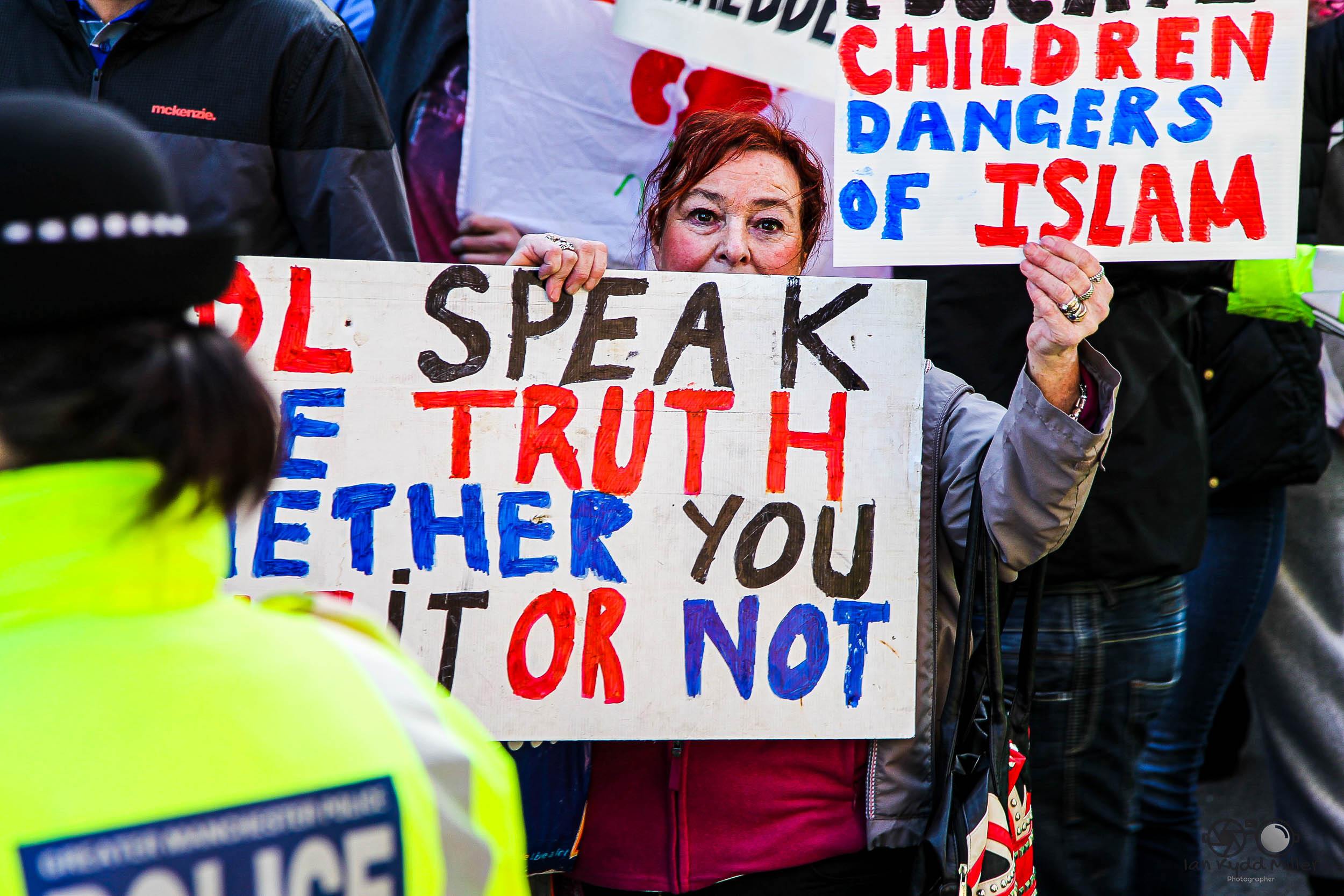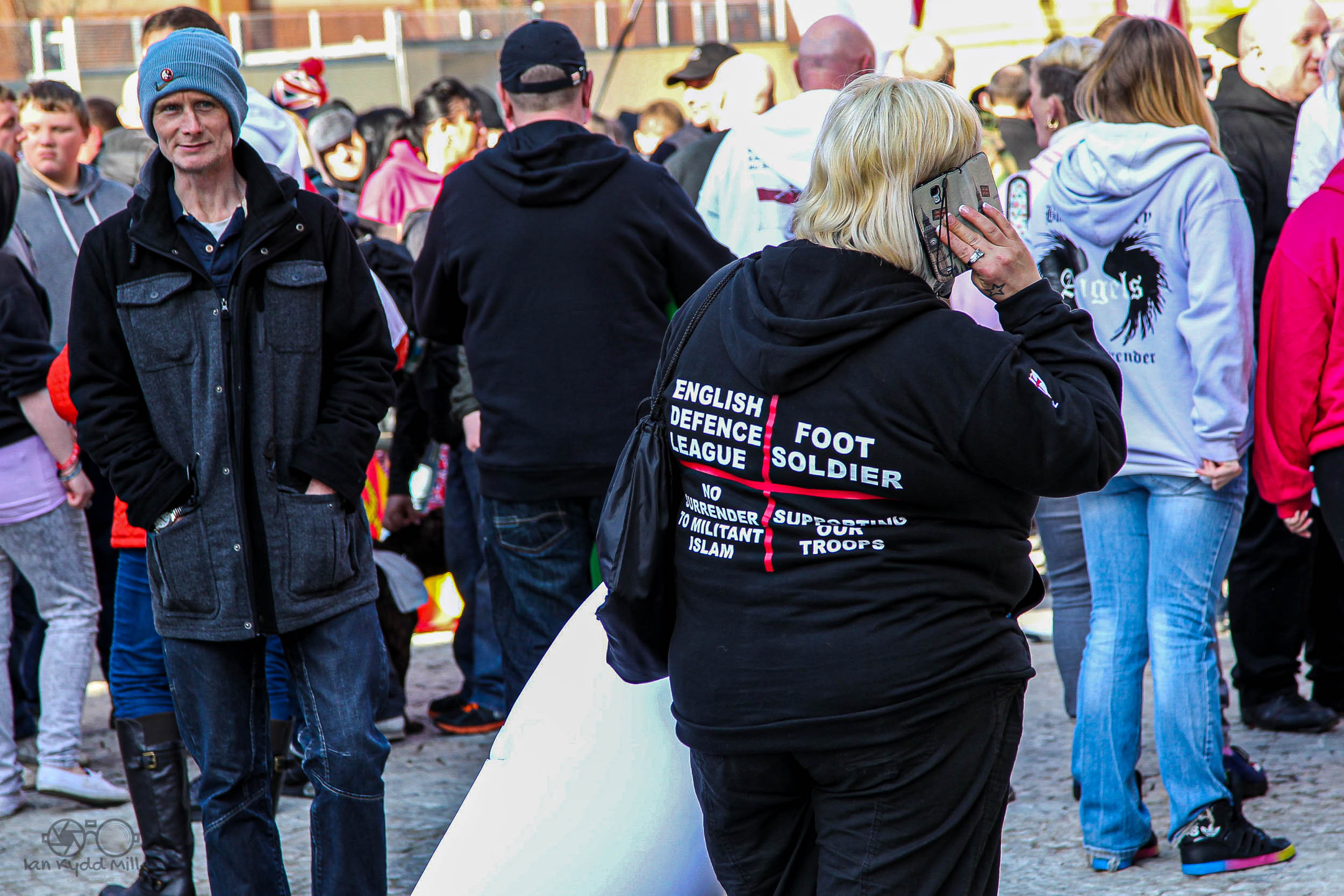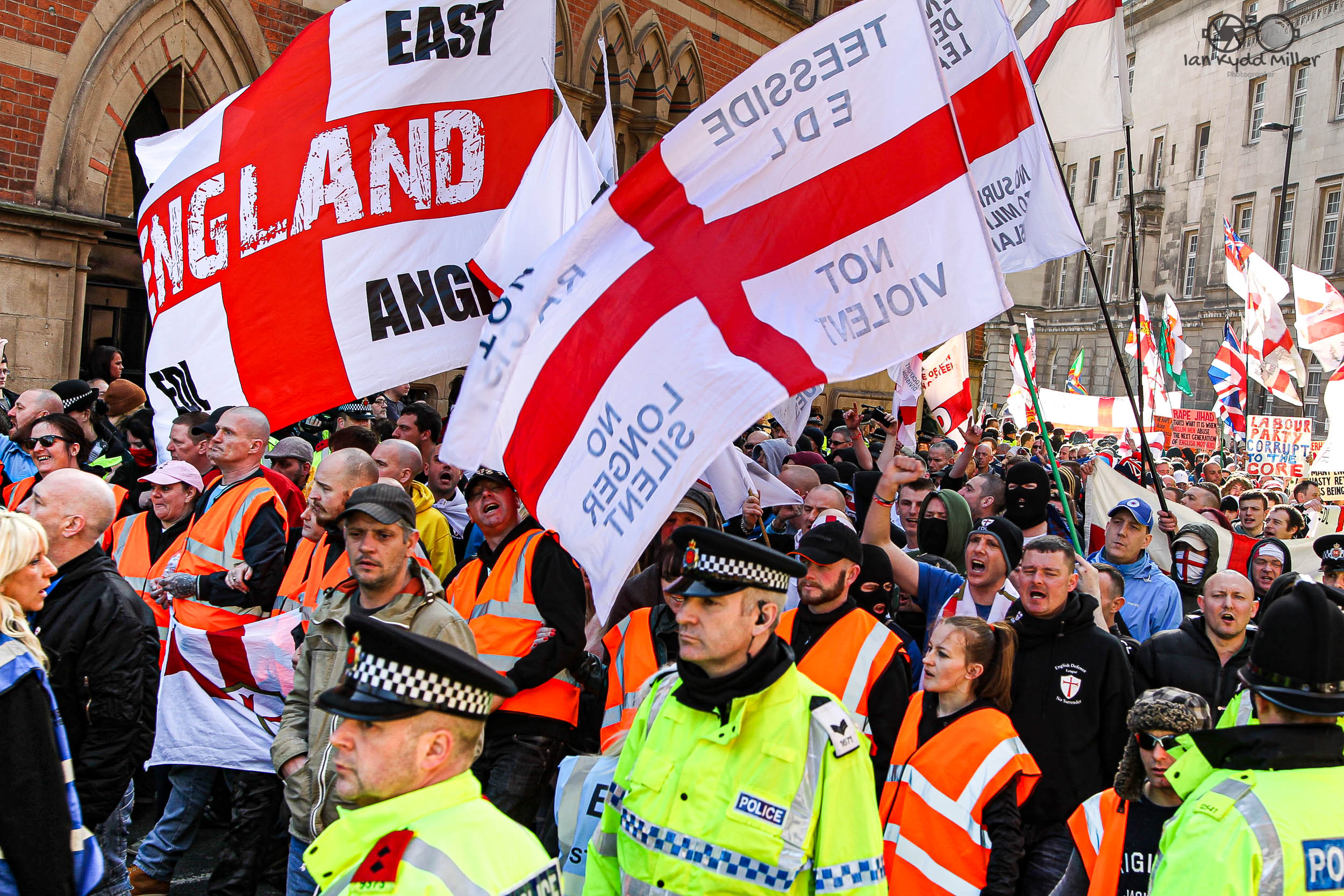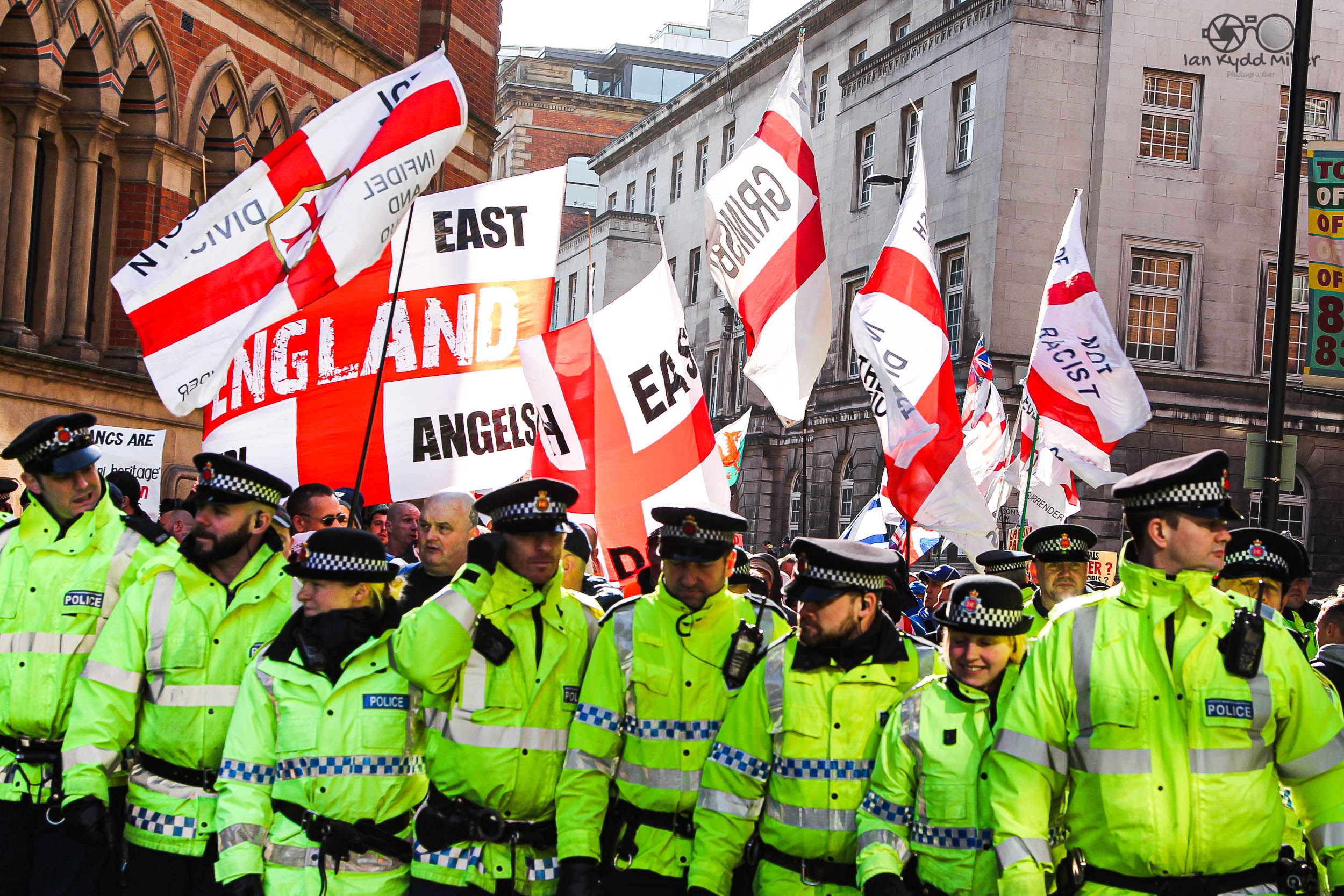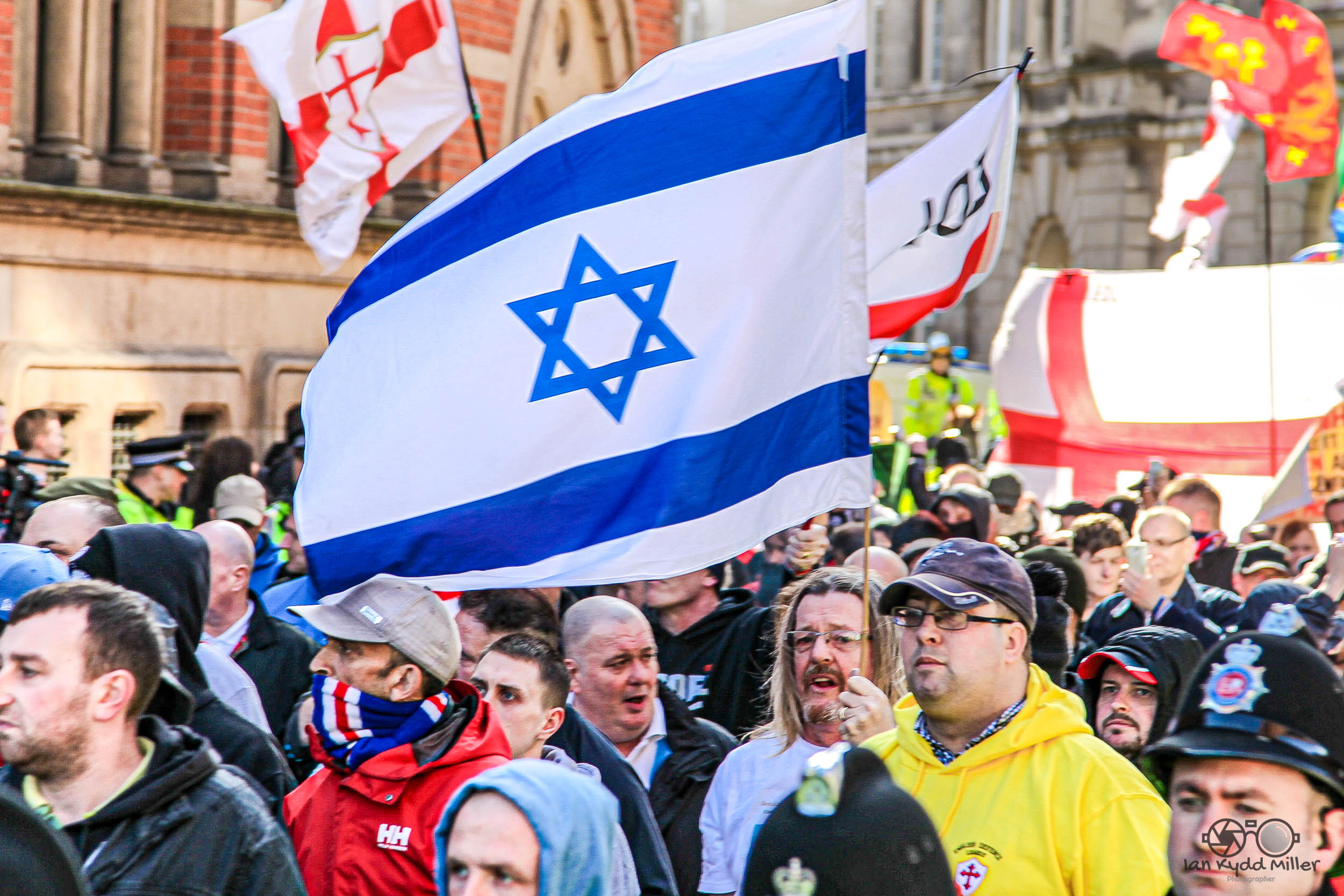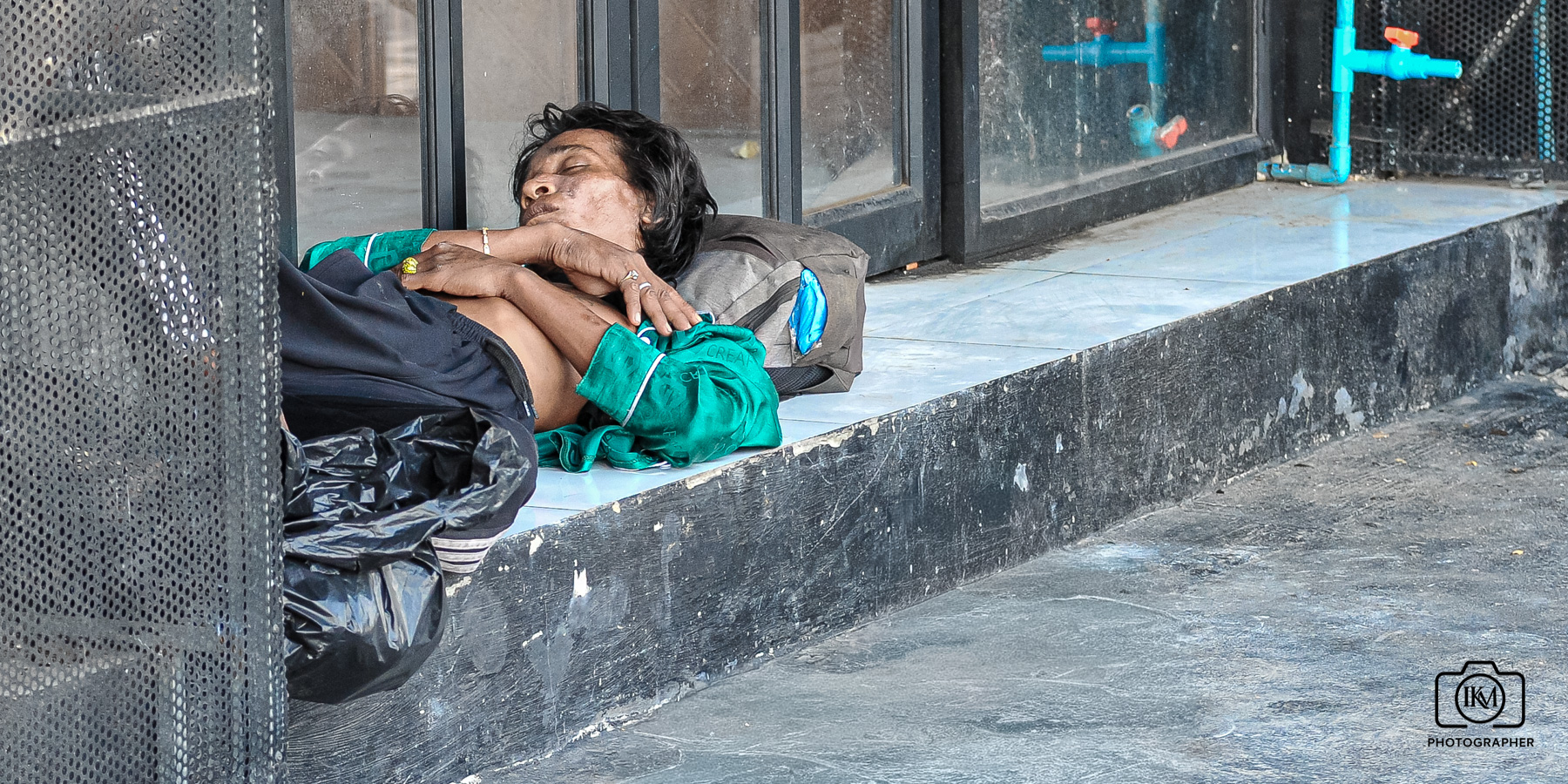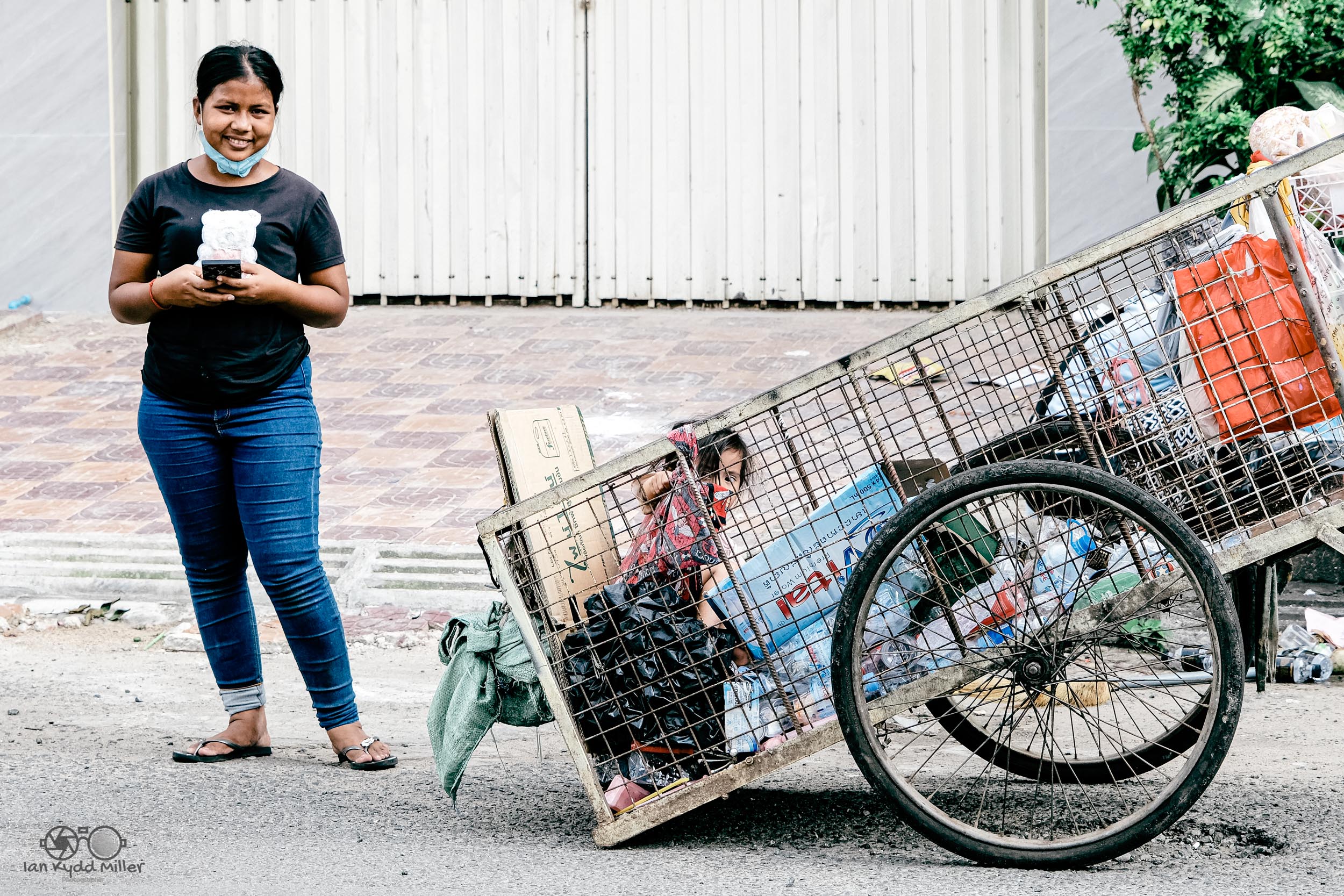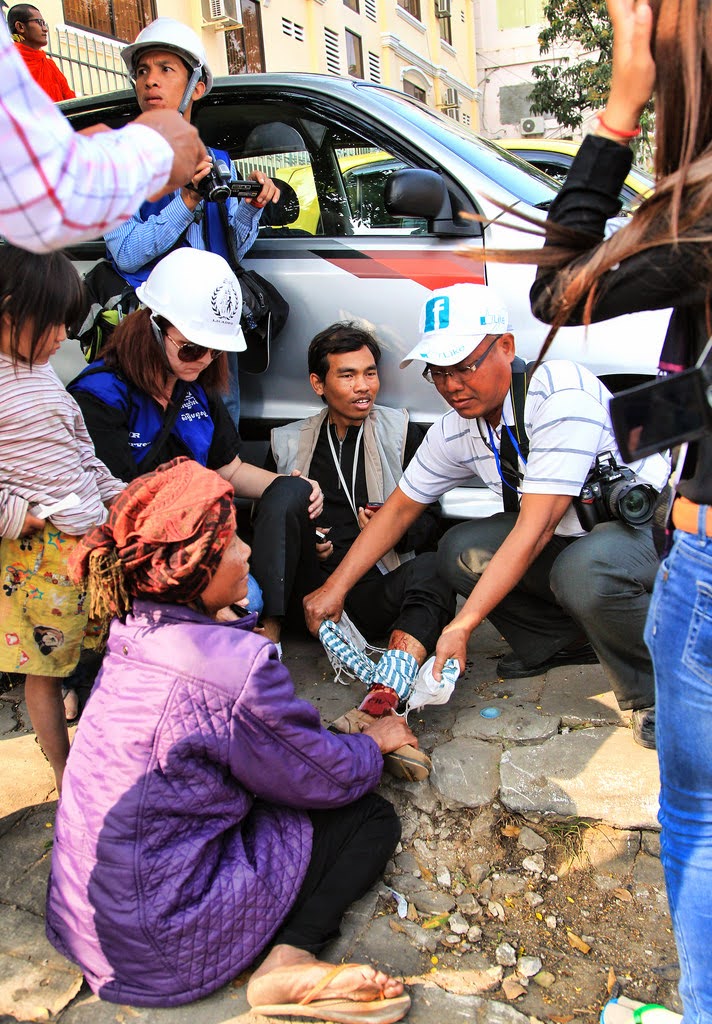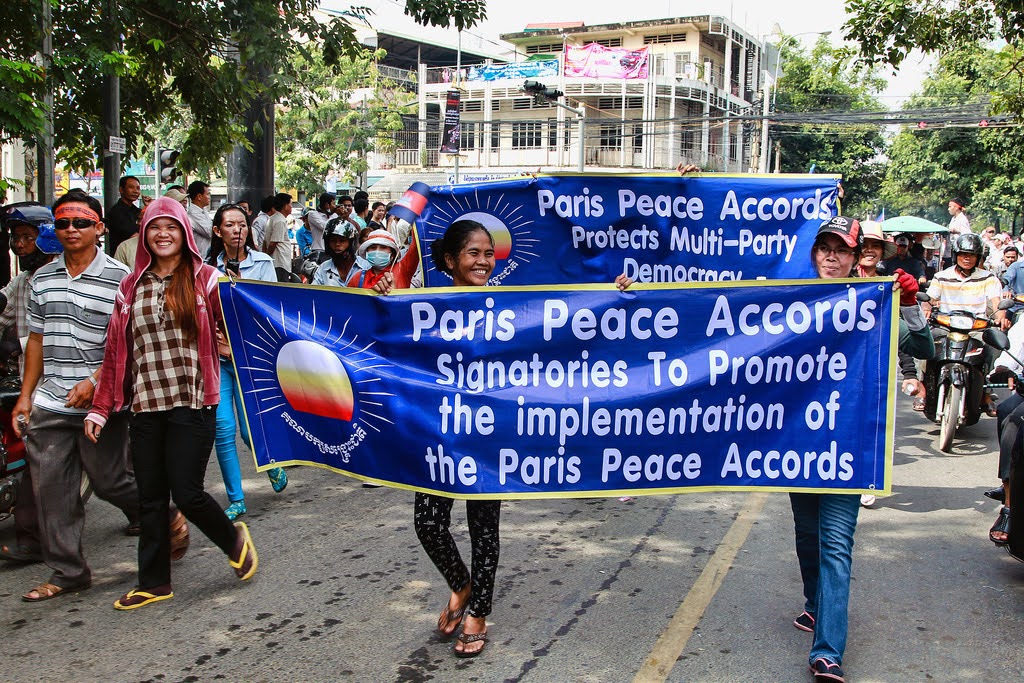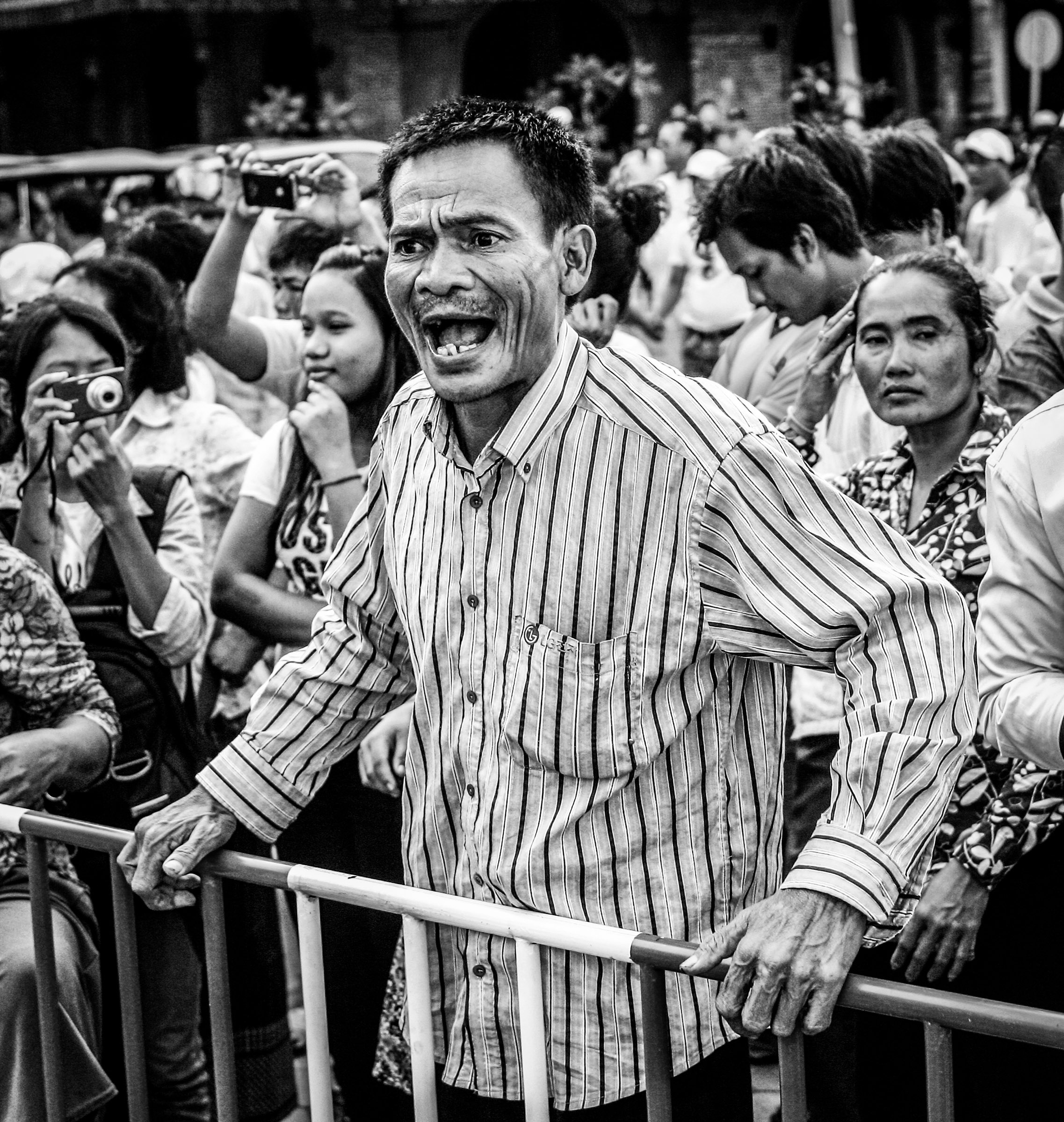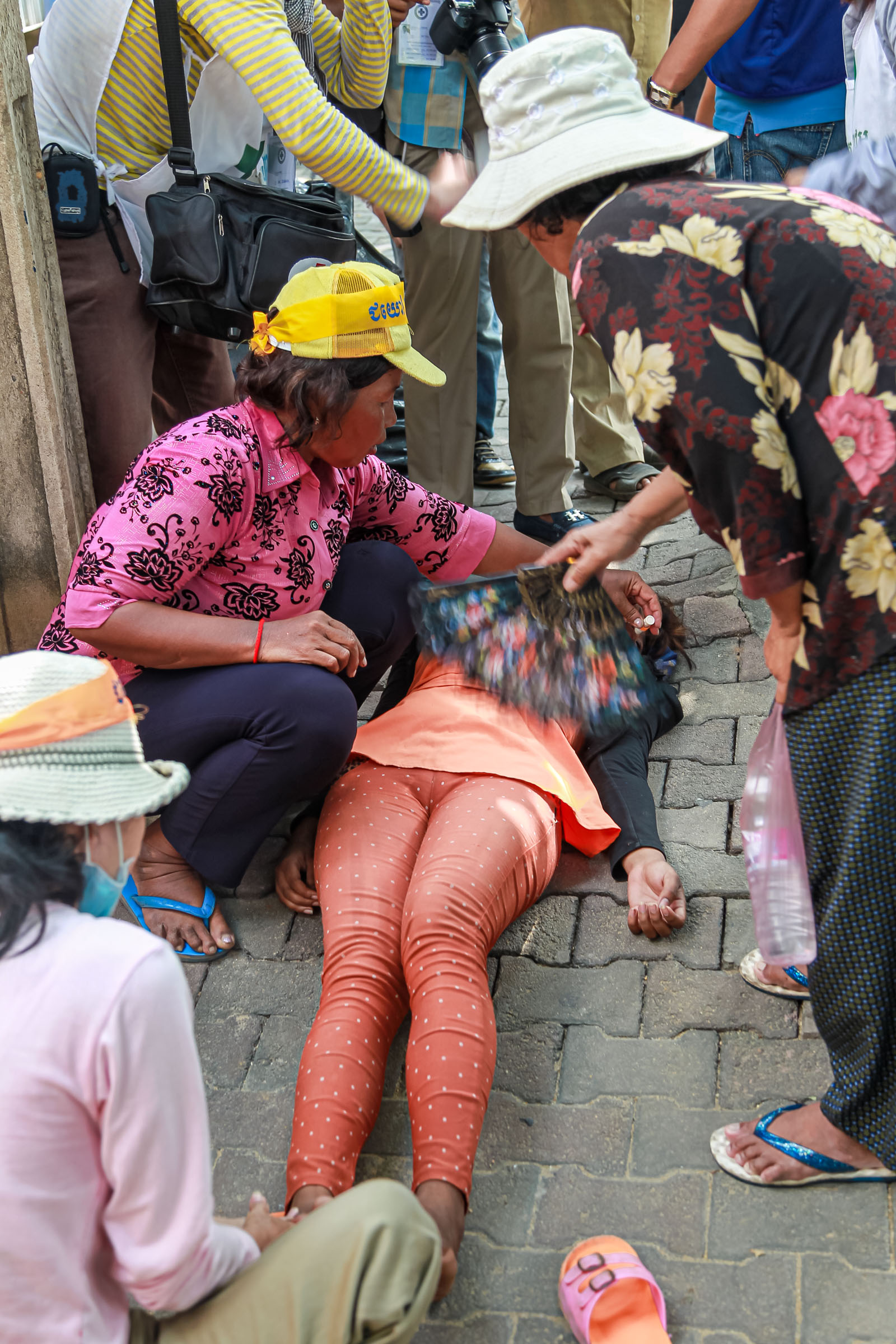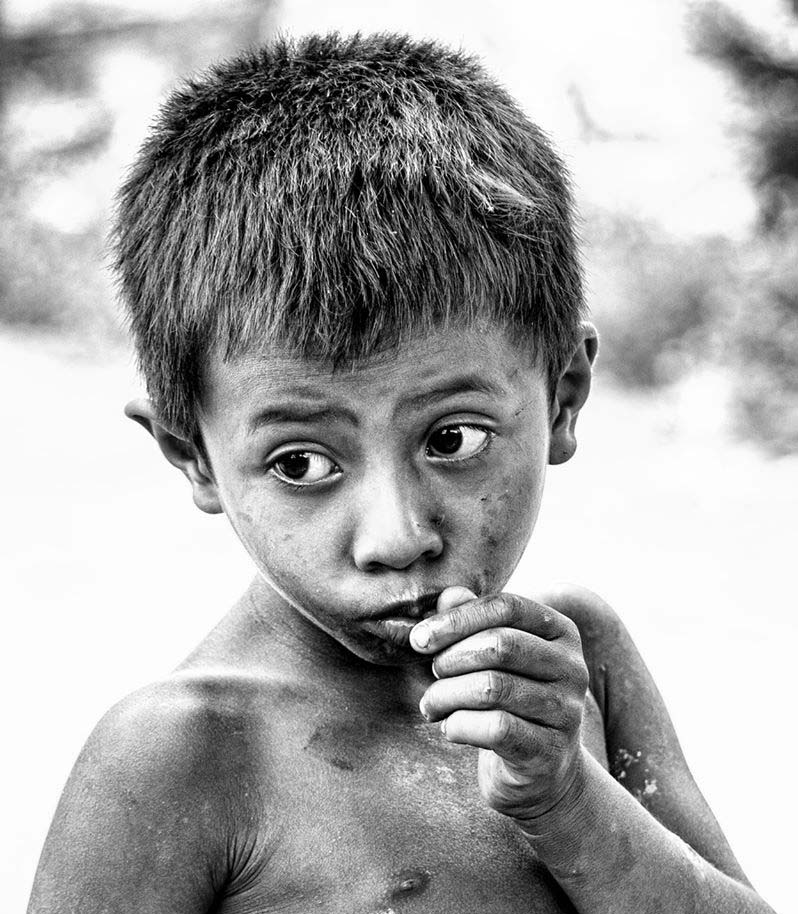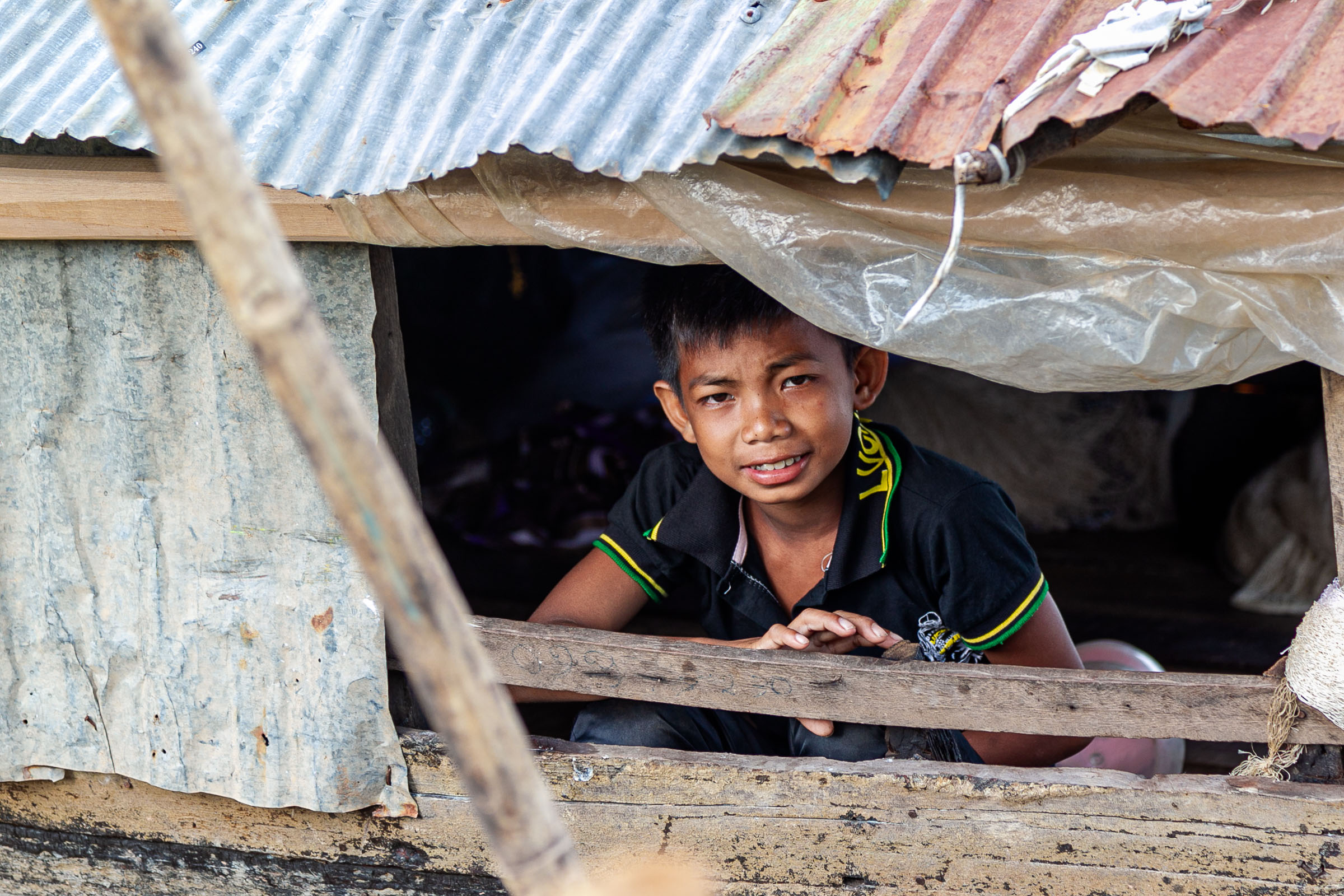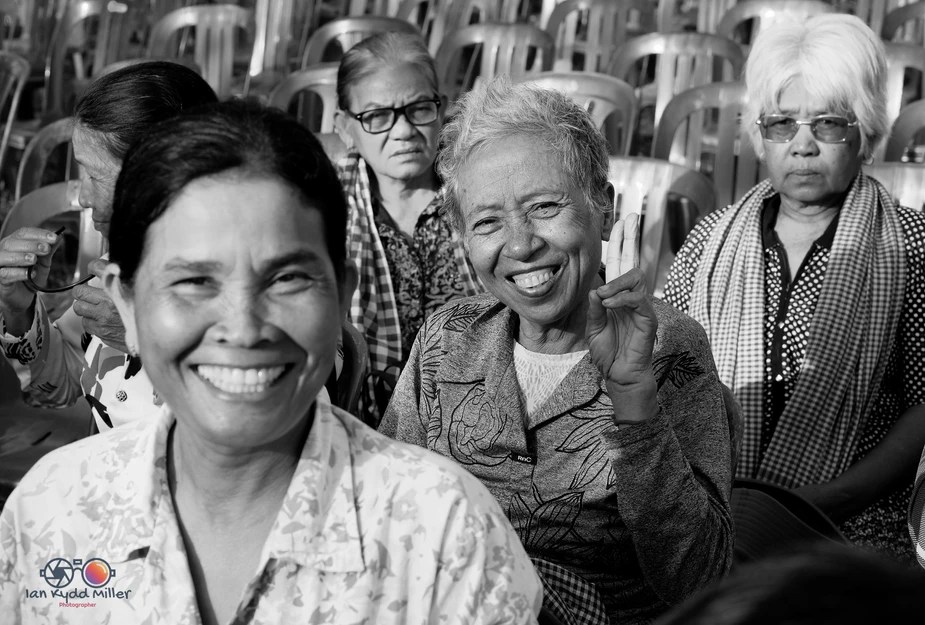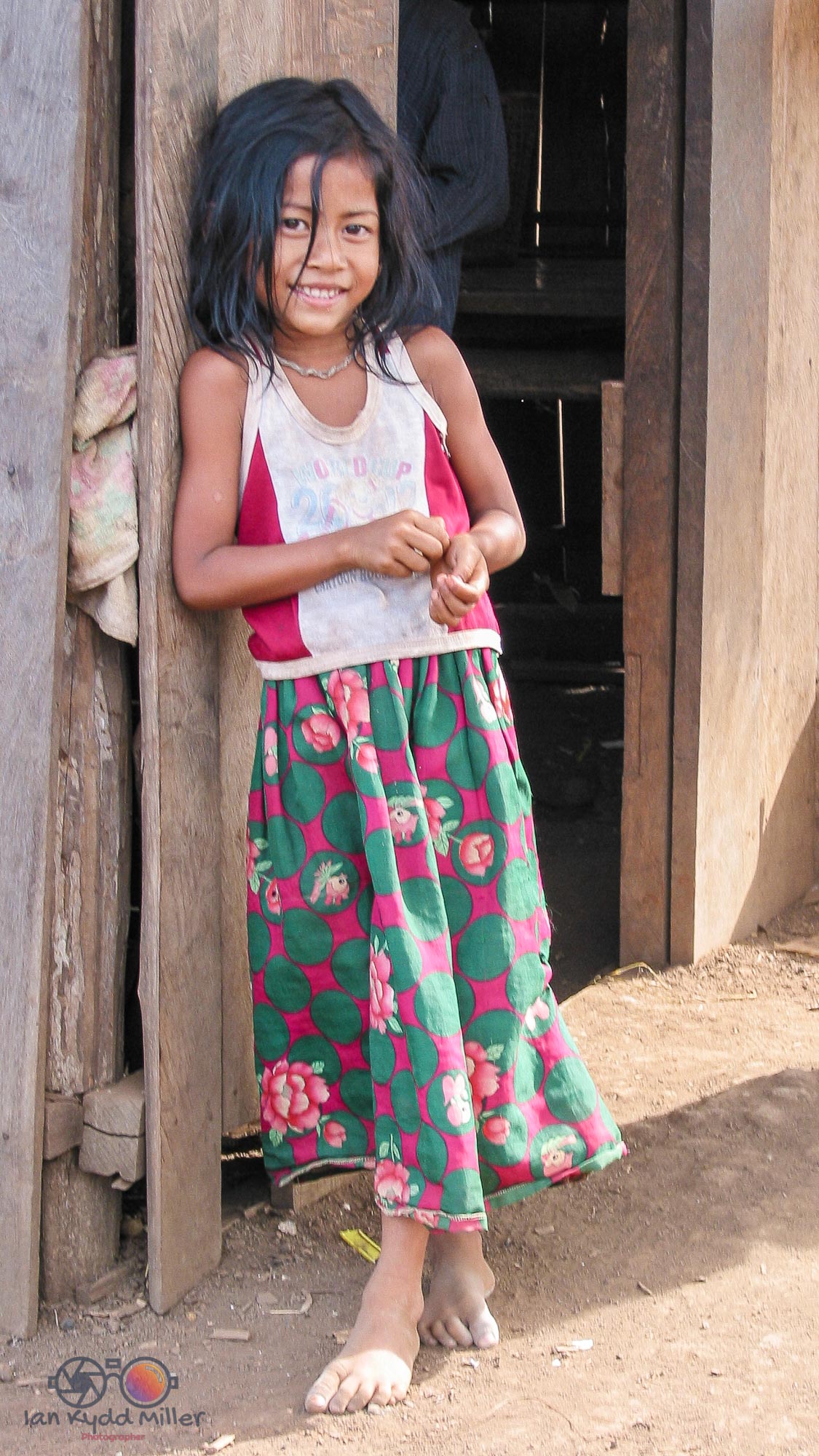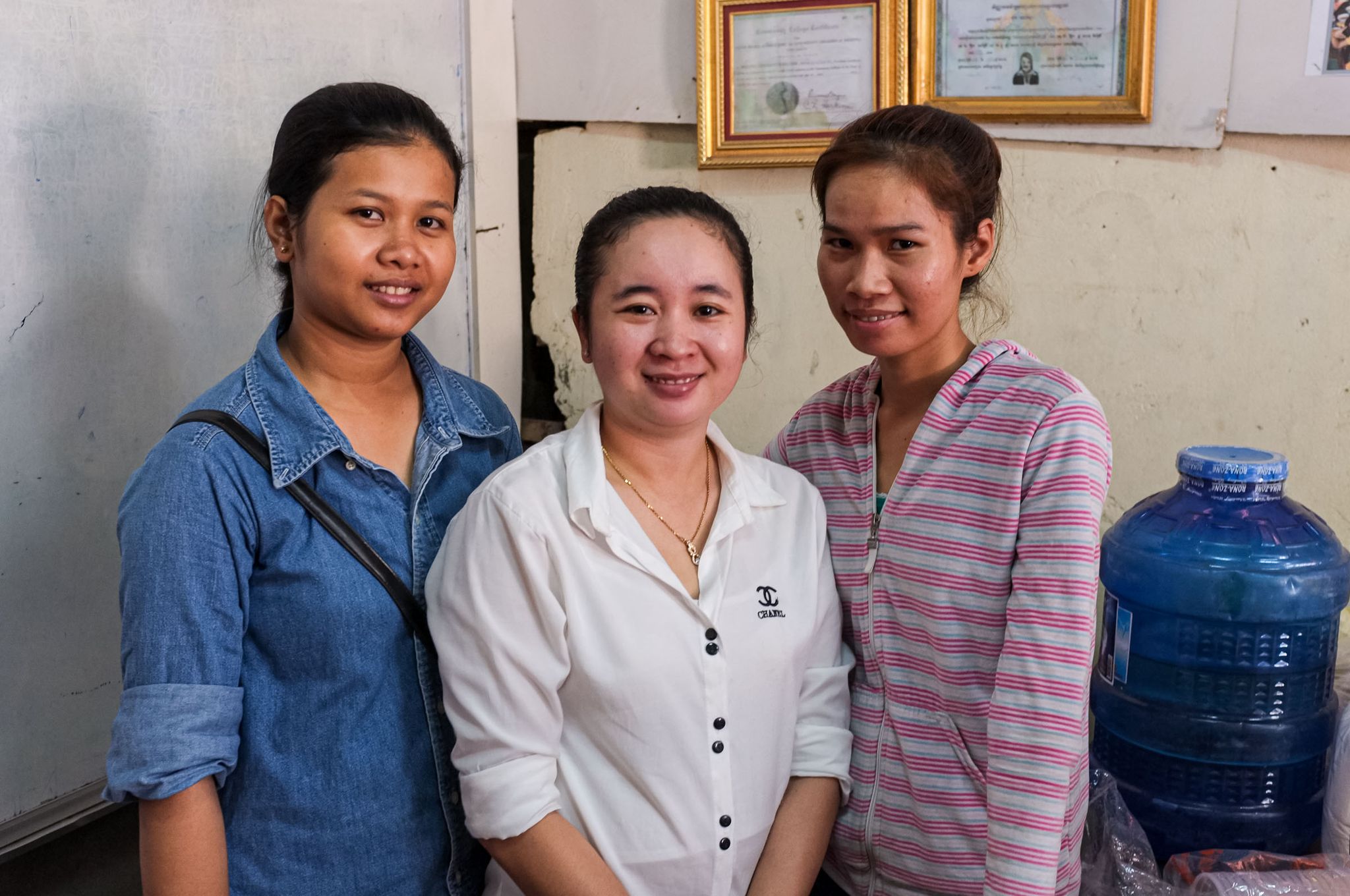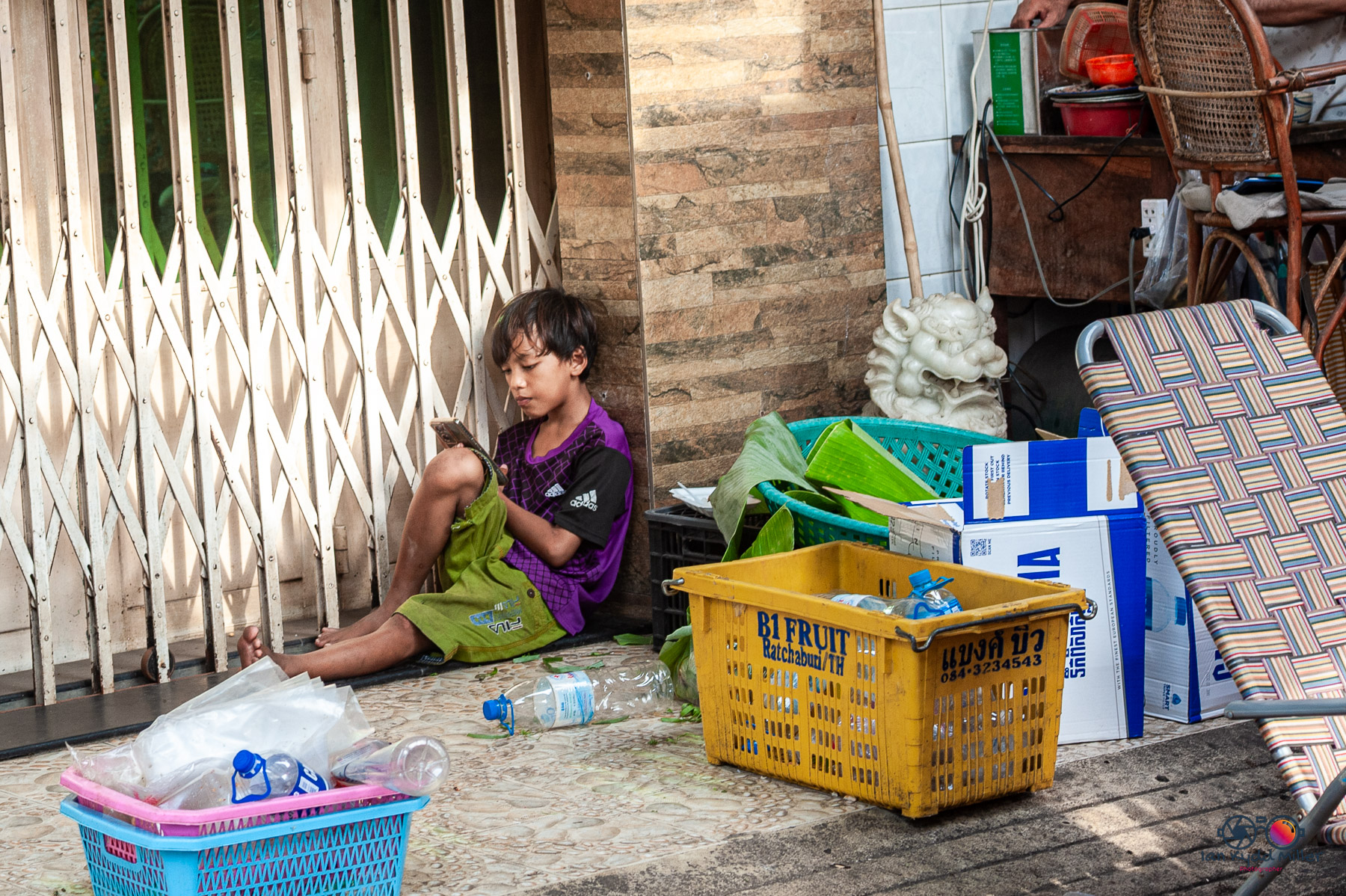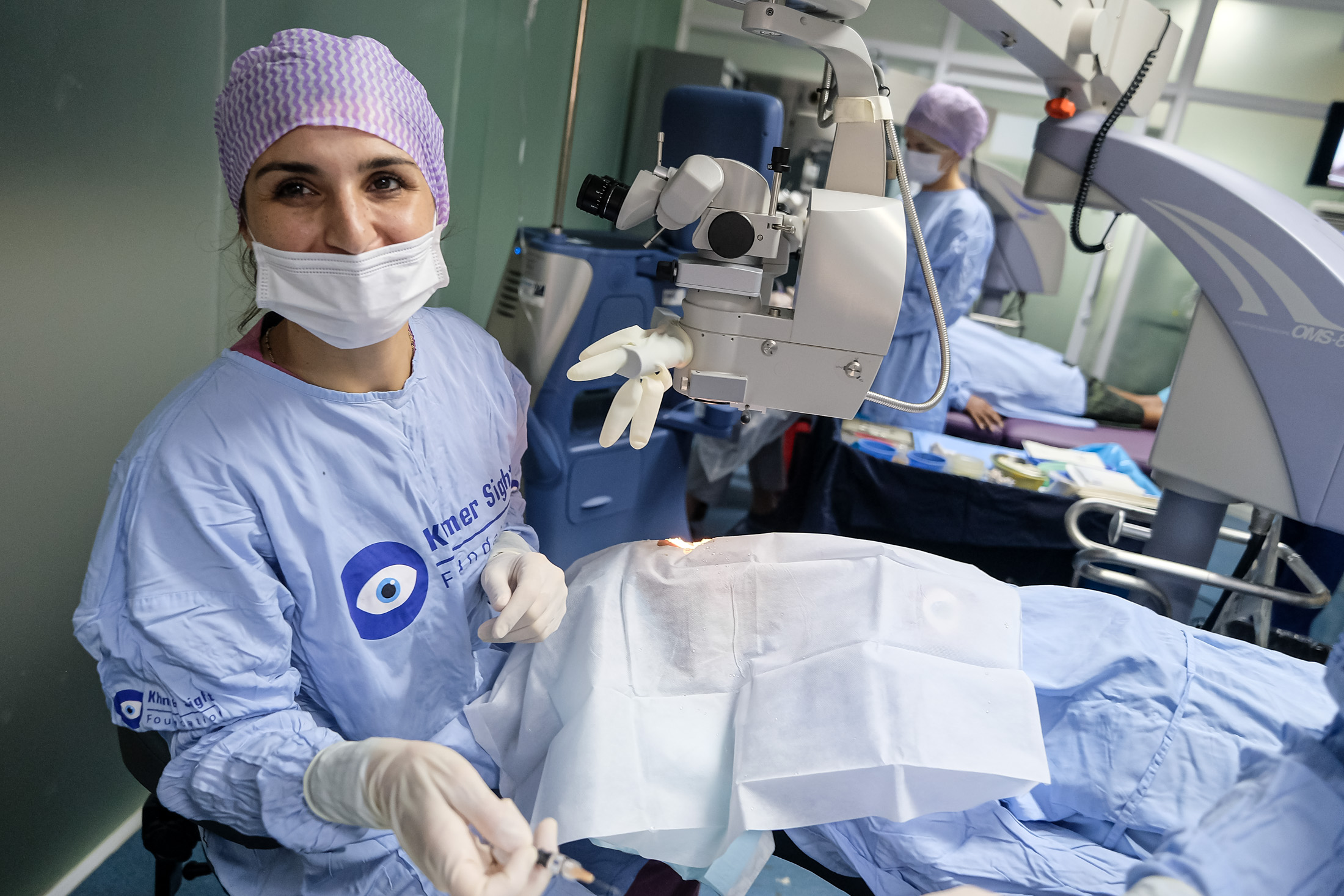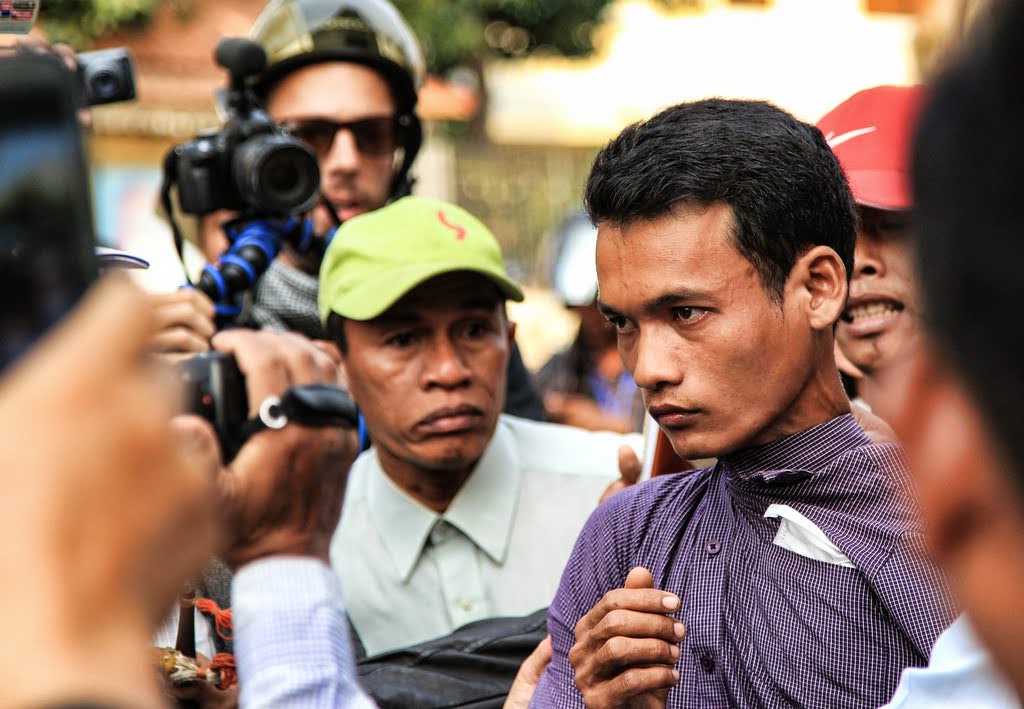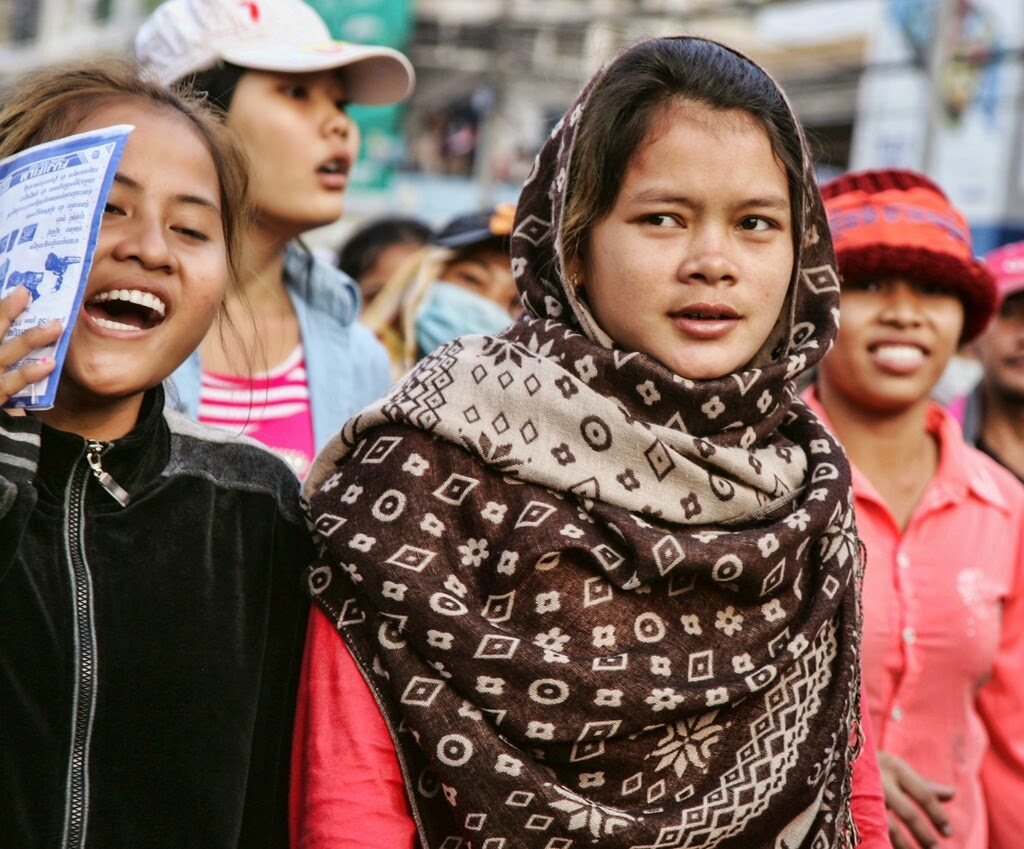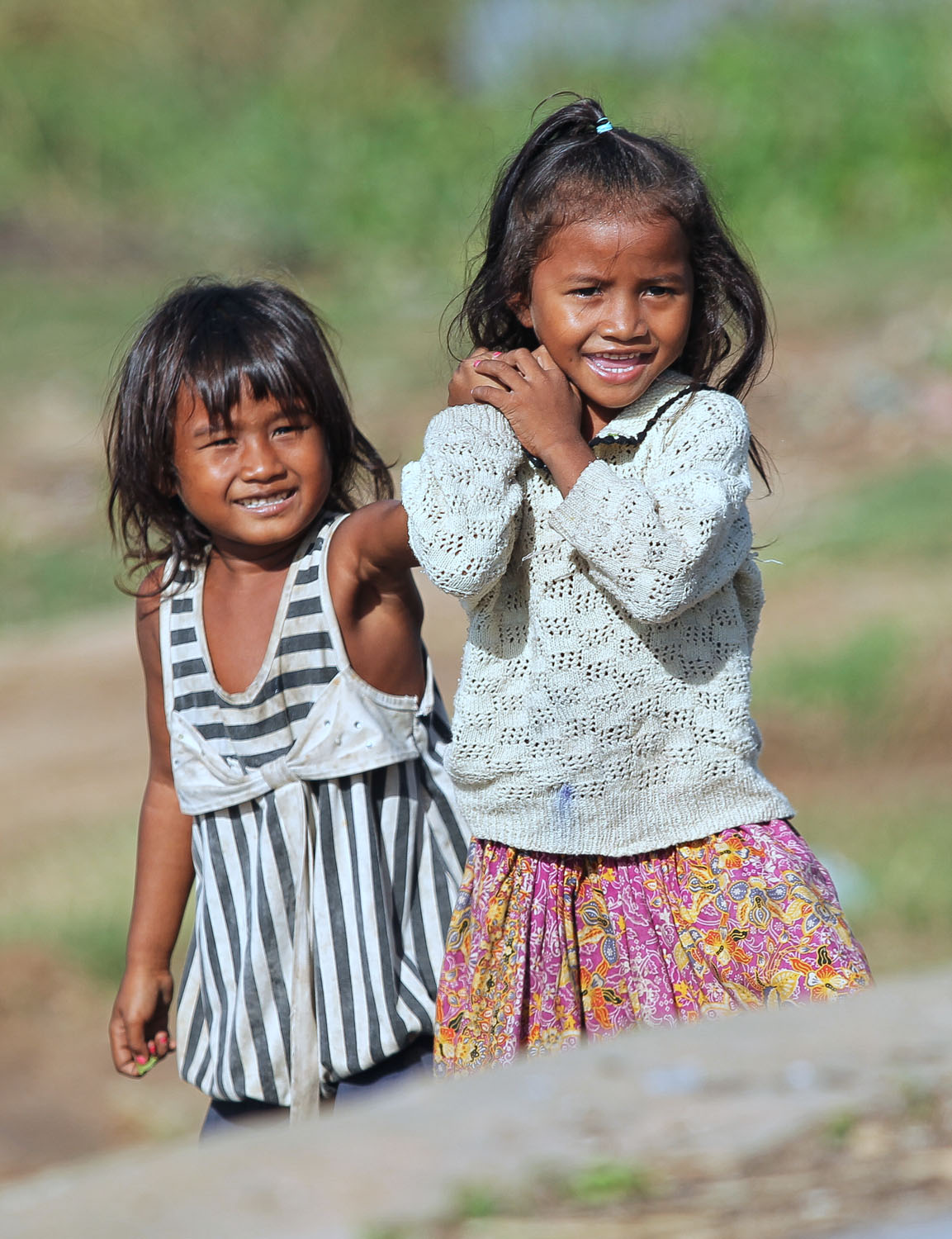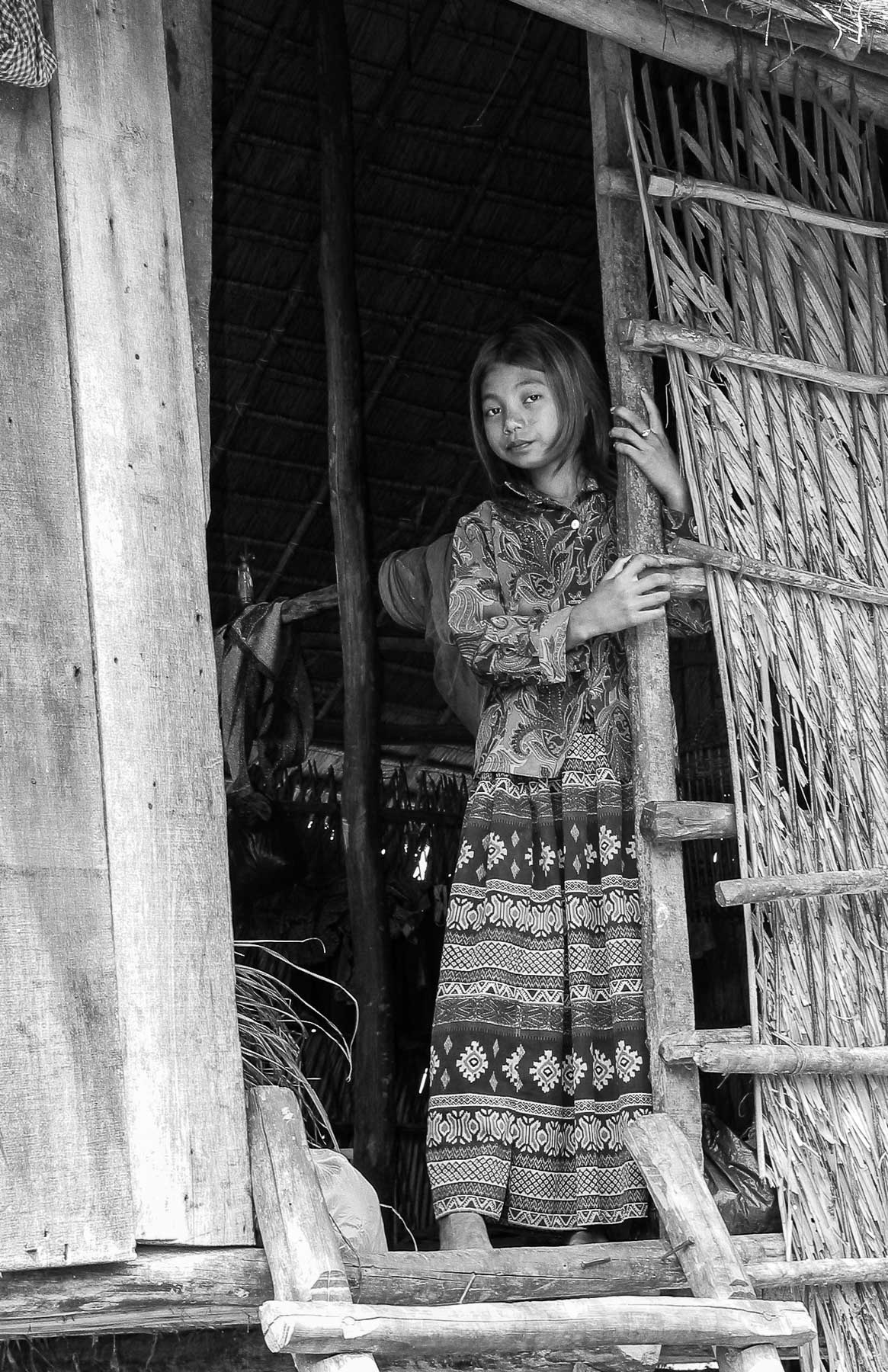
Photojournalism is often seen as passive documentationโa mirror held up to the world. But the most powerful photojournalism doesnโt just reflect; it provokes. It challenges assumptions, confronts injustice, and forces viewers to reckon with realities they might otherwise ignore. In this sense, photojournalism becomes an agent provocateurโa catalyst for dialogue, discomfort, and transformation.
๐ฅ Provocation with Purpose
Truth is not neutral: A photograph of a protest, a refugee camp, or a grieving parent is not just a recordโitโs a statement. It demands attention, empathy, and often, action.
Disruption is ethical when intentional: Provocative images must be rooted in truth, not sensationalism. The goal is not to shock for clicks, but to awaken conscience.
Emotional resonance drives change: Images that evoke anger, sorrow, or solidarity can mobilize public opinion, influence policy, and reshape cultural narratives.
โ๏ธ Ethical Boundaries of Provocative Imagery
Avoid manipulation: Cropping, staging, or misleading captions erode trust.
Respect subject dignity: Even when exposing injustice, subjects must be portrayed with humanity.
Context is critical: A provocative image without background risks misinterpretation or harm.
๐ ๏ธ How to Use Provocation Responsibly
Pair images with clear intent: What do you want the viewer to feel, question, or do?
Use restraint: Sometimes the most powerful image is the one that suggests rather than shows.
Engage in aftercare: Follow up with subjects, offer access, and monitor impact post-publication.
๐ง Final Thought
Photojournalism as agent provocateur is not recklessโitโs radical in its clarity. It dares to disturb, but never to distort. It holds power to account, amplifies the unheard, and reshapes public imagination. When guided by ethics and purpose, provocation becomes not just a toolโbut a responsibility.
Photojournalism sits at the intersection of truth-telling and human consequence. Every frame carries the power to inform, persuade, and move audiences โ and every decision a photographer makes shapes who is seen, how they are seen, and what the world believes. This post explores the core ethical tensions photojournalists face, practical principles for navigating them, and concrete strategies to minimise harm while preserving journalistic integrity.
Truth and Representation
Truth in photojournalism is not a single objective stamp but a practice: choices about framing, timing, captioning, and editing all influence how reality is represented.
Framing and context matter. Where you stand, what you include, and what you exclude create a narrative. A photograph isolated from context can mislead, even if the image itself is accurate.
Manipulation undermines trust. Cropping to change meaning, compositing, staged scenes presented as documentary, or selective captioning that distorts facts breaks the contract between photographer and viewer.
Captioning is part of the image. Clear, factual captions that name who, what, when, where, and how protect accuracy and reduce misinterpretation.
Ethical practice: favor minimal, transparent edits; always document what you changed; and pair images with honest captions that situate the photo within its broader factual context.
Sensitivity and Dignity
Photographing human suffering, grief, or vulnerability raises acute ethical questions about dignity, consent, and exploitation.
Consent is context-dependent. In public spaces, consent may not be legally required, but ethical consent is often still appropriate โ especially when photographing children, the injured, or traumatized people.
Dignity-first framing avoids sensationalism. Prioritise images that preserve a subjectโs humanity rather than exploiting pain for shock value or virality.
Power dynamics shape the encounter. Consider your role: are you a witness, a rescuer, an intruder? That role should guide how you engage, whether you ask for permission, and how you present the resulting images.
Practical rule: when in doubt, err on the side of protecting the subject. Blur faces, withhold identifying metadata, or delay publication when harm is possible.
Impact and Consequence
Images change things. They can catalyse aid, influence policy, or, conversely, endanger individuals and communities.
Assess downstream risks. Could publication expose someone to retaliation, stigma, or legal jeopardy? Could it retraumatize survivors or their families?
Consider community outcomes. Photojournalism about marginalised groups should aim to amplify voice and context, not reduce people to symptoms of a problem.
Balance immediacy and care. The pressure to publish quickly must be weighed against the potential for irreversible harm.
Decision checklist: identify likely harms, consult peers or local stakeholders when possible, and include mitigation steps (anonymisation, delayed release, contextual reporting).
Conflicts of Interest and Independence
Maintaining editorial independence from subjects, funders, and platforms preserves credibility.
Avoid advocacy masquerading as reportage unless clearly labelled. If your work has an advocacy purpose, make that explicit.
Be transparent about funding and collaboration, especially in crisis reporting where NGOs, governments, or activists may influence access or narrative.
Resist platform pressures that reward sensational imagery; prioritise ethical criteria over clicks.
Policy habit: disclose relevant relationships in captions or credits and keep editorial decisions separate from commercial or advocacy impulses.
Practical Tools and Protocols
Ethics scale best when embedded in routine practices. Adopt simple, clear protocols that make ethical choices automatic.
Consent templates. Carry a brief, translated consent card or app-ready text explaining use, distribution, and rights.
Harm-assessment rubric. For every sensitive shoot ask: Could this image expose or endanger? Is consent informed? Is context adequate?
Metadata policy. Decide whether to strip geolocation for vulnerable subjects and standardise how you store consent forms and release notes.
Editorial peer review. For sensitive images, run a quick internal review with an editor or trusted colleague before publication.
These tools reduce ad-hoc decisions and create consistency across projects and platforms.
Ethics as Creative Constraint
Ethical limits refine creativity rather than stifle it. Constraints push photographers to find new visual languages that honour subjects and strengthen storytelling.
Seek dignity-rich compositions that communicate powerfully without exploitative detail.
Use silence and restraint. Sometimes withholding an image, or choosing an image that hints rather than shows, tells a stronger, more ethical story.
Invest in relationships. Long-form engagement with communities yields deeper, less extractive imagery and greater mutual benefit.
A reputation for ethical stewardship becomes a creative and strategic advantage: it builds trust, access, and long-term story opportunities.
Closing Thought
Photojournalismโs ethical challenge is ongoing and situational. There are no perfect rules that fit every moment, but a consistent ethic โ grounded in truth, sensitivity, and accountability โ gives photographers the tools to make defensible choices. Ethical practice protects subjects, preserves public trust, and ultimately strengthens the impact of images in service of public understanding.
A short blog exploring what emotion does โ and doesnโt โ do for a photograph
Photography is often defined by the feelings it evokes. A single frame can make us ache, laugh, recoil, or remember; emotion is the shorthand that turns an image into an experience. Yet reducing photography to one thing โ emotion alone โ flattens a far richer practice that mixes craft, context, ethics, and intention.
Emotion as the engine of meaning
Emotion is frequently the element that makes a photograph memorable. Photographs that carry strong feeling connect quickly with viewers, triggering empathy and narrative inference in ways words sometimes cannot. Skilled photographers use light, expression, and timing to amplify mood and create images that resonate long after theyโre seen.
Why emotion is necessary but not sufficient
Emotion does not operate in isolation. Composition, exposure, focus, and gesture are the levers photographers use to produce emotional impact. Technical choices shape how feeling reads on the page; poor technique can obscure intent, while strong craft can fail to move if the image lacks purpose or honesty. Emotional resonance without craft risks sentimentality; craft without feeling risks sterility.
The role of context, story, and ethics
Context changes everything. The same image can feel intimate, exploitative, or manipulative depending on how and why it is shown. Ethical witnessing, informed consent, and narrative framing determine whether an emotionally charged photograph honours its subjects or reduces them to spectacle. Responsible photographers treat emotion as a consequence, not as the entire aim.
Where vision and tool meet
Emotion guides choices about tooling and process, but doesnโt erase them. Lenses, shutter speed, and color palette are servants of intention: a long lens for compression, a fast shutter for decisive action, soft light for quiet intimacy. The best photographers let emotion inform technique and let technique refine emotion, arriving at images that are both felt and well made.
Practical takeaway for makers
Practice: make sets of images that pursue a single mood using only one lens; compare what changes in composition, depth, and narrative.
Critique: assess images first for honesty of feeling, then for craftโask what you would change technically to better support the emotion.
Ethics: name the subjectโs agency and the story youโre telling before pressing the shutter.
Emotion is central to photography but not its whole truth. It is the pulse that animates a frame and the reason many images endure. It must be nurtured by craft, grounded in context, and handled with ethical care. When those elements align, a photograph stops being merely seen and becomes felt.
A Short History of a Photojournalist Who Risked Everything to Show the Truth
Robert Capaโs name is synonymous with frontline photojournalism. He didnโt just photograph warโhe lived it, crawled through it, and bore witness to its brutality with a camera in hand. His images are not just records of history; they are emotional testaments to the people caught in its crossfire. He was a legendary war photojournalist whose images captured the raw human cost of conflict.
๐งญ Early Life and Identity
Born October 22, 1913, in Budapest, Austria-Hungary, Capa fled political repression as a teenager and moved to Berlin. As Hitler rose to power, he relocated to Paris, where he adopted the pseudonym โRobert Capaโ to sound more American and marketable. He partnered with fellow photojournalist Gerda Taro, and together they began documenting the Spanish Civil War.
๐ฐ War Coverage and Iconic Work
Capa covered five major conflicts:
Spanish Civil War (1936โ1939): His photo The Falling Soldier became one of the most iconic war images ever taken.
Second Sino-Japanese War
World War II: He landed with American troops on D-Day, capturing blurry, visceral images under fire at Omaha Beach.
1948 ArabโIsraeli War
First Indochina War: Where he was tragically killed by a landmine in 1954 while on assignment in Vietnam.
His approach was simple: โIf your pictures arenโt good enough, youโre not close enough.โ He believed in proximityโnot just physical, but emotional.
๐ Magnum Photos and Legacy
In 1947, Capa co-founded Magnum Photos with Henri Cartier-Bresson, David Seymour, and others. Magnum became a cooperative agency that gave photographers control over their workโa revolutionary idea at the time.
Capaโs legacy includes:
A new standard for human-centered war photography
A commitment to ethical witnessing
A body of work that continues to educate and move viewers worldwide
๐งญ Final Thought
Robert Capa didnโt glorify warโhe exposed it. His images are grainy, imperfect, and often chaotic, but they pulse with truth. He showed that photography could be more than documentationโit could be resistance, empathy, and remembrance.
A Short History of a Photojournalist Who Saw It All
Lee Millerโs life reads like a novelโglamorous, harrowing, and fiercely independent. Born Elizabeth Miller in 1907 in Poughkeepsie, New York, she began her career as a fashion model in the 1920s, gracing the pages of Vogue and becoming a muse to artists like Man Ray. But Miller was never content to be just a subject. She stepped behind the camera and forged a career that would take her from the surrealist salons of Paris to the front lines of World War II.
๐จ Early Career: Surrealism and Studio Work
In Paris, Miller became deeply involved in the Surrealist movement. She collaborated with Man Ray, co-discovering the solarization technique and producing haunting, dreamlike images that blurred the line between reality and imagination. Her early work explored themes of identity, femininity, and psychological tensionโoften with a bold, experimental edge.
After returning to New York, she opened her own studio and worked as a fashion and portrait photographer. But the outbreak of war would soon shift her focus from art to history.
๐ฐ War Correspondent for Vogue
During World War II, Miller became a correspondent for Vogue, one of the few women accredited to cover combat zones. Her assignments took her across Europe:
The London Blitz: She documented the devastation and resilience of civilians under bombardment.
Liberation of Paris: Her images captured both celebration and the scars of occupation.
Buchenwald and Dachau: Miller was among the first to photograph Nazi concentration camps after liberationโher stark, unflinching images remain among the most powerful visual records of the Holocaust.
Hitlerโs apartment: In a surreal twist, she famously bathed in Hitlerโs tub just hours after his death, a symbolic act of defiance and reclamation.
Her war photography combined journalistic rigor with emotional depth, challenging viewers to confront the human cost of conflict.
๐ Legacy and Rediscovery
After the war, Miller retreated from public life, struggling with PTSD and the weight of what she had witnessed. Her work was largely forgotten until her son, Antony Penrose, rediscovered her archives and began promoting her legacy.
Today, Miller is celebrated not only for her technical skill and artistic vision but for her courage and complexity. She shattered gender norms, bore witness to historyโs darkest chapters, and left behind a body of work that continues to provoke, inspire, and educate.
๐งญ Final Thought
Lee Millerโs journeyโfrom fashion icon to frontline documentarianโis a testament to the power of reinvention and the importance of bearing witness. Her images remind us that photography is not just about beautyโitโs about truth, presence, and the courage to look when others turn away.
Phnom Penh, August 10, 2025 โ By Ian Kydd Miller
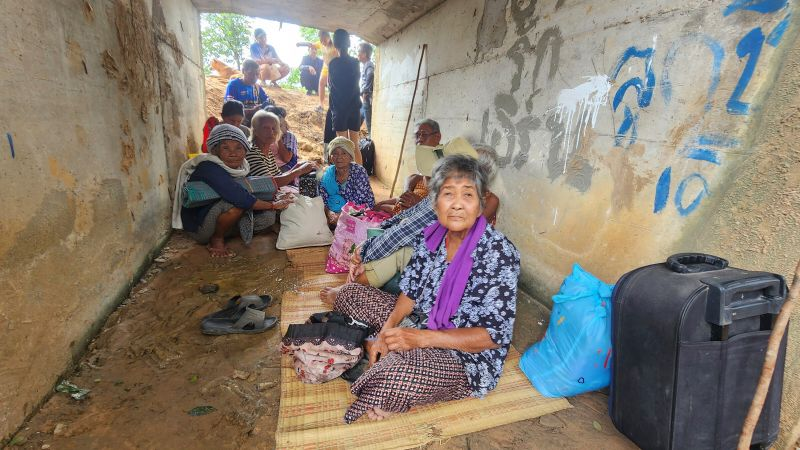
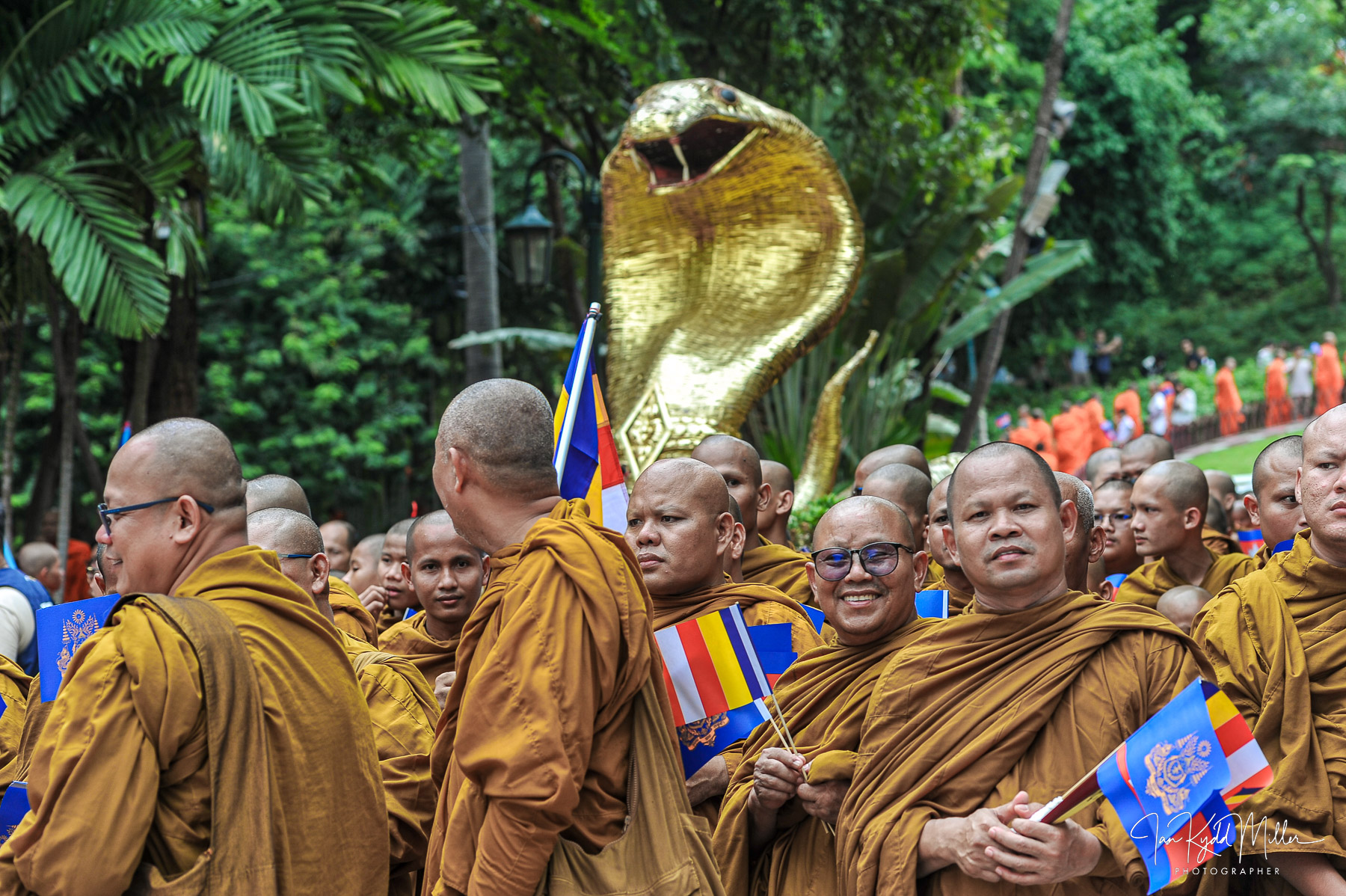
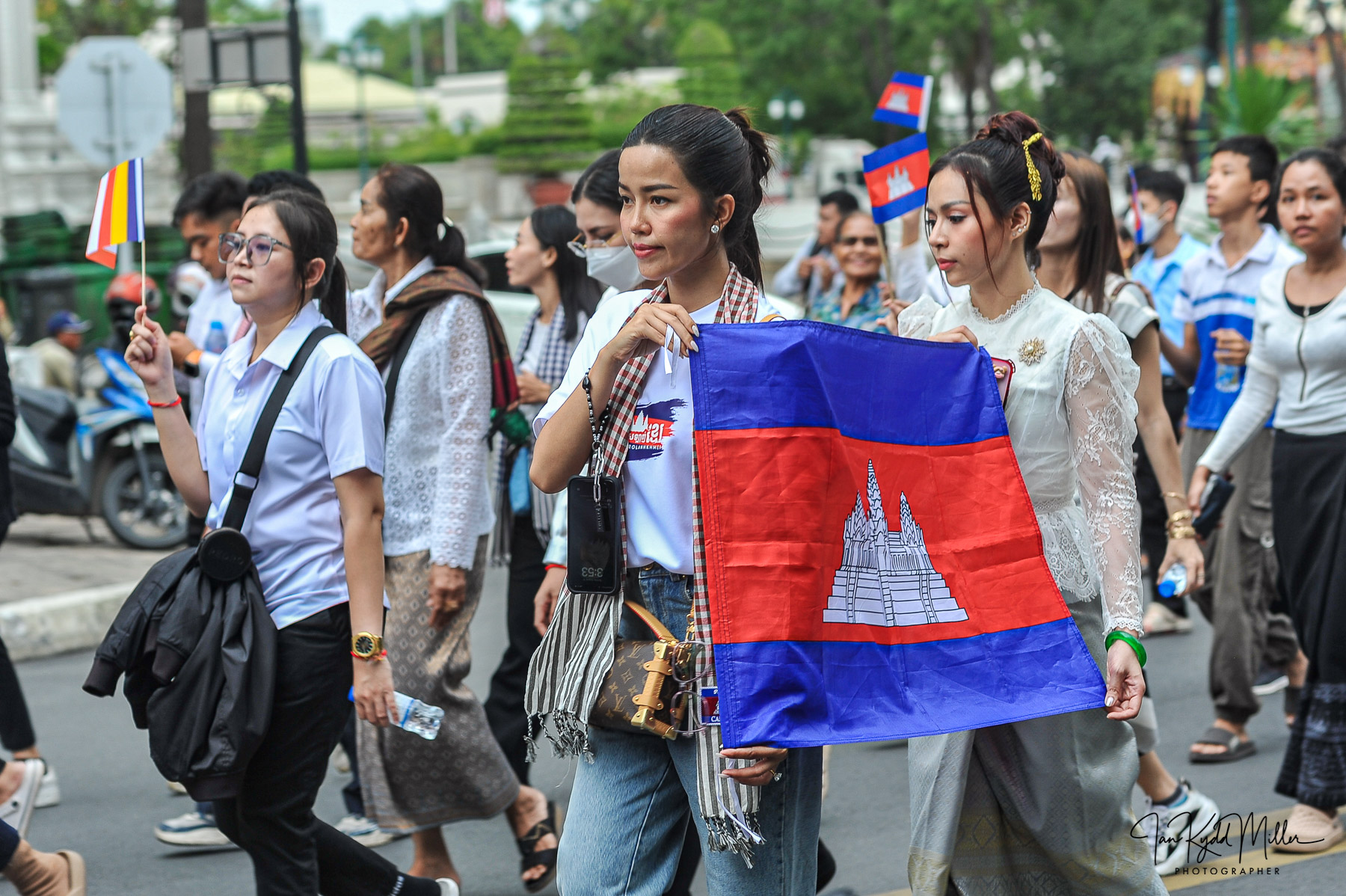
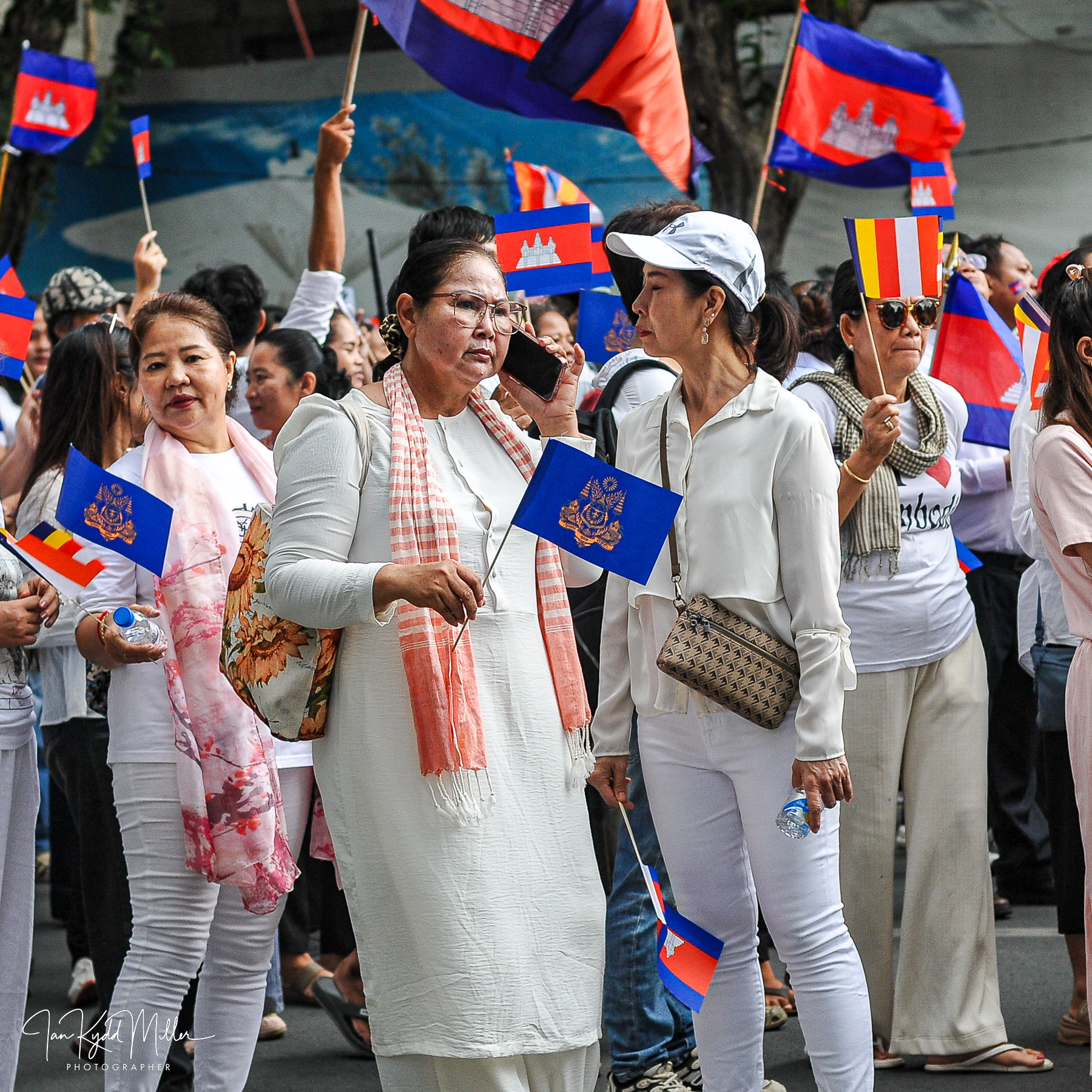
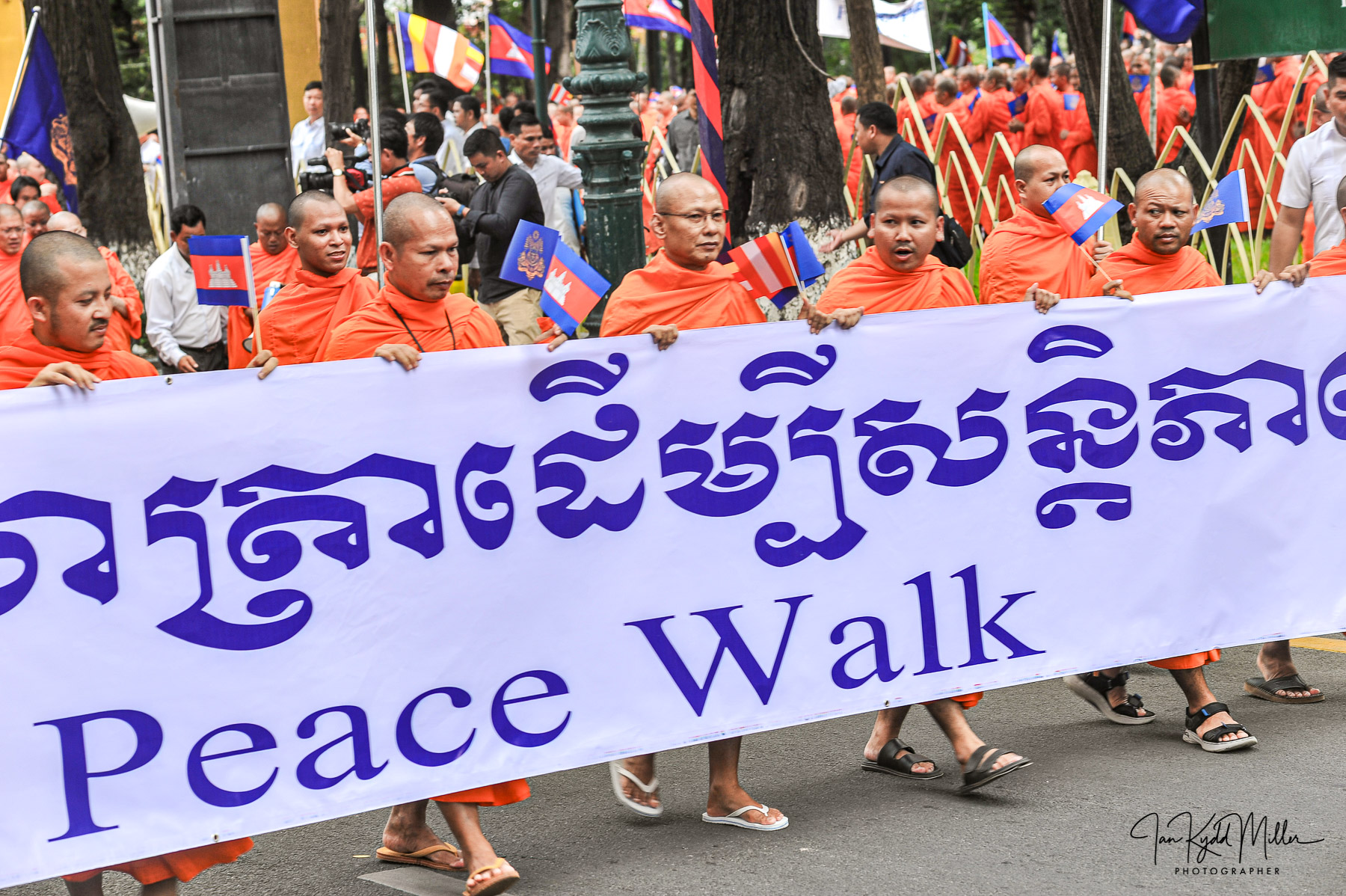
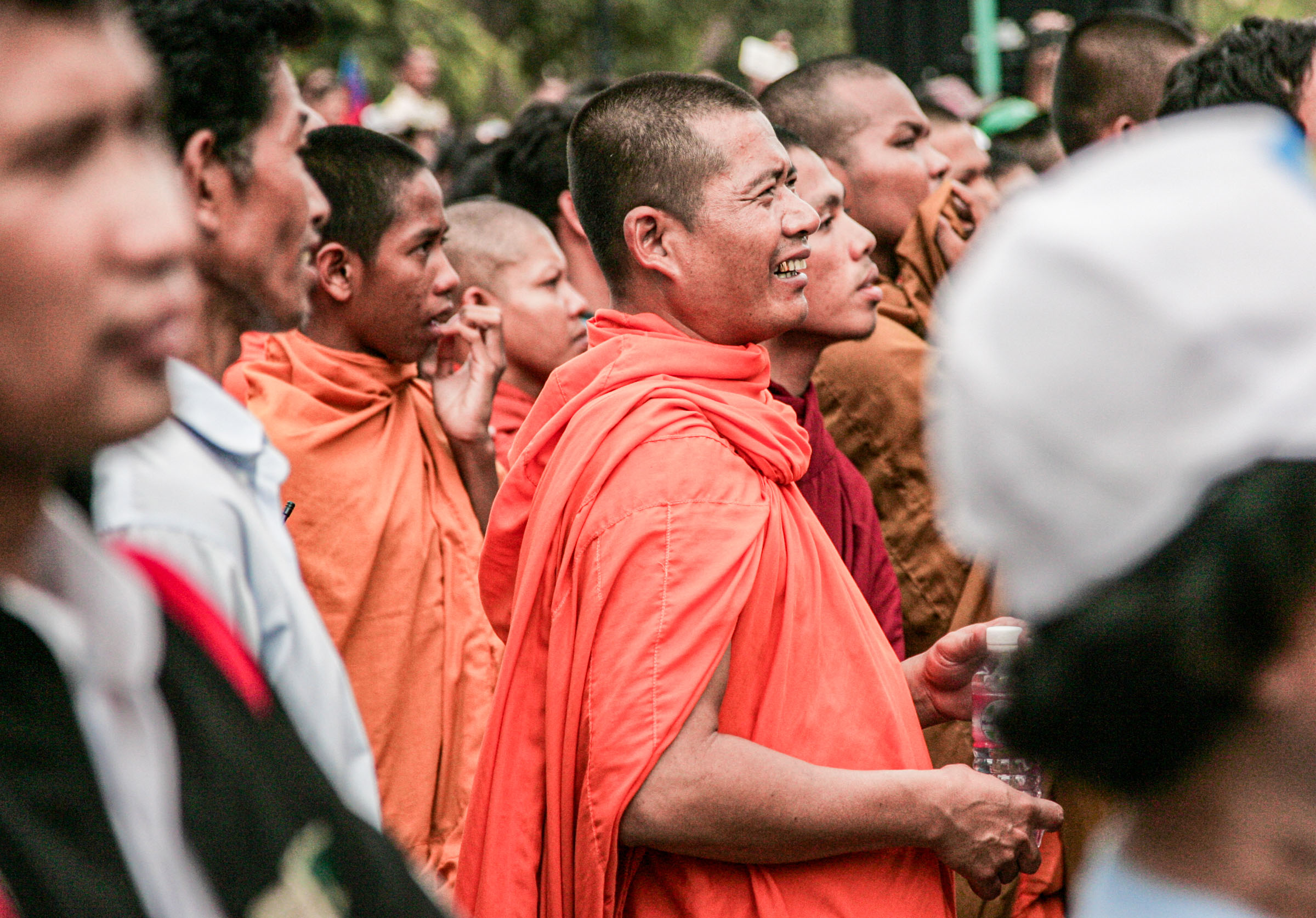
In a powerful display of unity and spiritual resolve, 2,569 Buddhist monks from across Cambodia took to the streets of Phnom Penh on Sunday afternoon, leading a solemn Walk for Peace that stretched from Wat Phnom to the Independence Monument. Clad in saffron robes and carrying banners that read โCambodia does not need warโ and โPeace brings development,โ the monks were joined by nuns, laypeople, and curious onlookers who lined the route in quiet reverence.
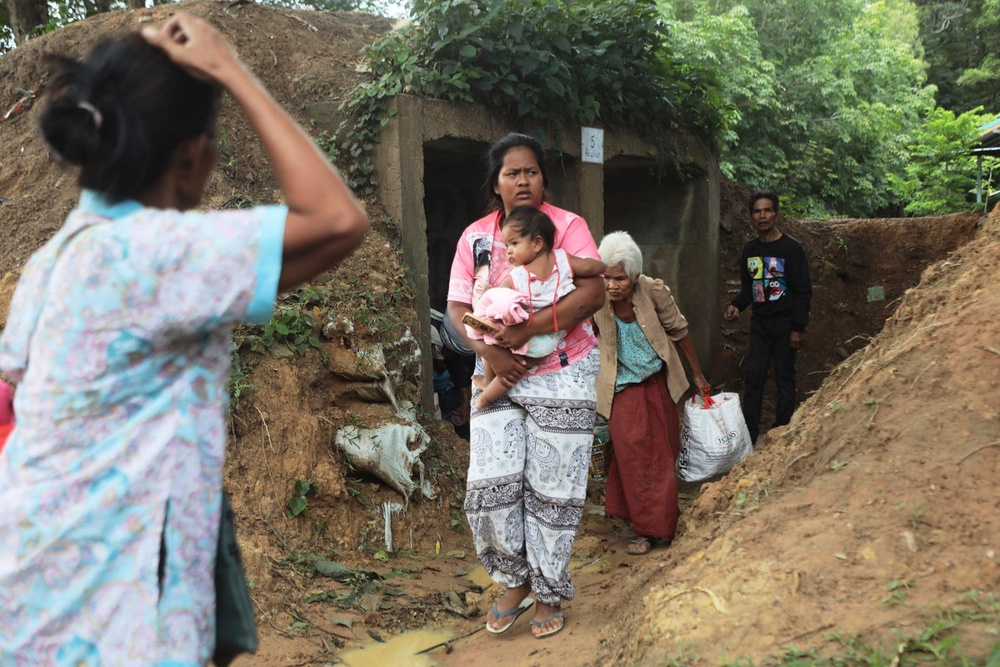
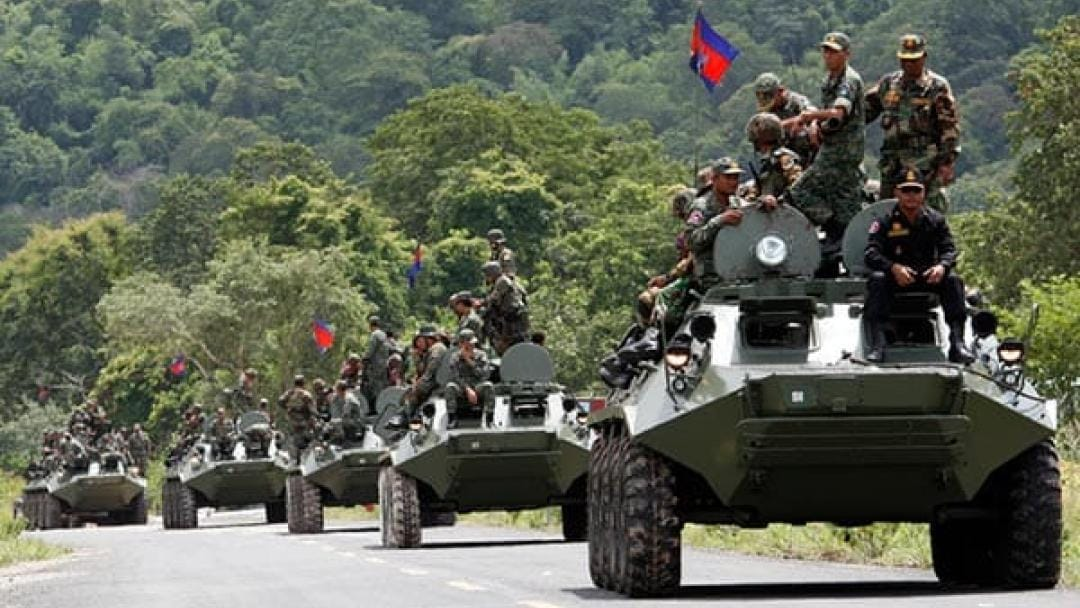
The march, organized in response to recent border clashes between Cambodian and Thai forces, aimed to reinforce the fragile ceasefire agreement signed on July 28 and to call for the release of 18 detained Cambodian soldiers still held by Thai authorities. The monksโ message was clear: peace is not merely a political negotiationโit is a moral imperative rooted in shared faith and humanity.
โThe peace-loving hearts of Cambodian leaders and people, as well as those of the international community, are a strong foundation for sustaining the effective implementation of the Ceasefire Agreement,โ said H.E. Pen Bona, Head of the Royal Government Spokesperson Unit.
The procession paused briefly at the U.S. Embassy, where monks offered prayers of gratitude to President Donald Trump, whose diplomatic efforts were credited with initiating the ceasefire. The gesture underscored Cambodiaโs appeal to global powers to act not as arbiters of conflict, but as stewards of peace.
Among the crowd were young novices, elderly monks from both the Maha Nikaya and Dhammayuttika Nikaya sects, and residents displaced by the recent fighting. Some prostrated as the monks passed, others offered alms or simply stood in silent solidarity. The atmosphere was one of solemn hopeโa collective yearning for stability, dignity, and healing.
Inside nearby temples, photographs of fallen soldiers were displayed as monks chanted prayers for their souls. The walk was not only a call for peace, but a ritual of mourning and remembrance.
As Cambodia continues to navigate the aftermath of conflict, the Walk for Peace stands as a reminder that the path forward must be walked togetherโwith compassion, conviction, and the courage to choose reconciliation over retaliation.
Choosing a potentially dangerous profession like photojournalism requires preparation, resilience, and a deep passion for storytelling. Hereโs a guide to help someone navigate this path safely and effectively:
1. Develop Strong Skills and Portfolio
Master the Craft: Enhance photography skills through courses, workshops, and hands-on practice. Street photography, capturing candid moments, is a good starting point.
Build a Portfolio: Create a compelling portfolio showcasing a variety of work, with an emphasis on impactful, human-interest stories.
2. Gain Relevant Experience
Internships and Freelance Work: Start with internships at media outlets or freelance assignments to gain practical experience.
Network: Connect with other photojournalists and professionals in the field. Attend industry events, join photography groups, and participate in exhibitions.
3. Understand the Risks
Safety Training: Take courses on safety in conflict zones and hazardous environments. Organizations like the Rory Peck Trust offer such training.
Stay Informed: Research and stay updated on the regions and situations you will be covering. Knowledge of the political, social, and environmental context is crucial.
4. Equip Yourself Properly
Right Gear: Invest in durable and reliable photography equipment. Consider cameras like the Nikon D3S or Canon 1D MkIV which have proven performance.
Safety Gear: In dangerous areas, gear like bulletproof vests and helmets might be necessary.
5. Develop a Support System
Mentorship: Find a mentor in the field who can offer guidance and support.
Mental Health Support: Dealing with traumatic events can be challenging. Have access to mental health resources and support networks.
6. Legal and Ethical Considerations
Understand Legalities: Be aware of the legal implications and regulations in the areas you are working in.
Ethics: Maintain ethical standards in journalism. Respect the dignity and privacy of the subjects you photograph.
7. Be Persistent and Adaptable
Stay Determined: The path to becoming a successful photojournalist can be challenging and competitive.
Adaptability: Be open to different styles and methods of storytelling.
SflyProxyVersion 1;
The journey to becoming a photojournalist is both demanding and rewarding. It requires a balance of technical skill, safety awareness, and a profound commitment to telling human stories.
If youโre eager to start, why not practice your skills by capturing compelling stories in your local area? Street photography often provides a rich tapestry of human experiences and can serve as excellent preparation for more intense assignments.
For a burgeoning photojournalist like yourself, focusing on specific photography skills can elevate your work and help you capture impactful, story-driven images. Here are some key skills to hone:
1. Composition and Framing
Rule of Thirds: Understand how to compose images by dividing the frame into thirds, placing points of interest along these lines.
Leading Lines: Use lines to guide the viewerโs eye to the main subject of the photograph.
Framing: Experiment with natural frames within your environment to highlight the subject.
2. Exposure and Lighting
Manual Mode Mastery: Get comfortable shooting in manual mode to have full control over shutter speed, aperture, and ISO.
Low-Light Photography: Practice capturing sharp and well-exposed images in low-light conditions, a crucial skill for photojournalists.
Natural Light: Learn to use and manipulate natural light to enhance your images.
3. Focus and Depth of Field
Selective Focus: Understand how to use selective focus to isolate your subject from the background.
Depth of Field: Play with different apertures to create depth in your images. Use a shallow depth of field for portraits and a deeper one for environmental shots.
4. Candid and Street Photography
Spontaneity: Capture un-posed, genuine moments. This is essential for telling authentic human stories.
Discreet Shooting: Develop techniques to shoot discreetly, so as not to disturb the scene you photograph.
5. Post-Processing
Editing Software: Gain proficiency in photo editing software like Adobe Lightroom and Photoshop.
Ethical Editing: Learn to enhance images while maintaining their authenticity and integrity. Avoid excessive manipulation.
6. Visual Storytelling
Narrative: Each photo should contribute to the overarching story you aim to tell. Think about how your images work together to convey a message.
Sequencing: Practice creating a photo series that guides the viewer through a visual narrative.
7. Technical Proficiency with Gear
Camera Handling: Be familiar with your camera’s functions. Practice changing settings quickly and efficiently.
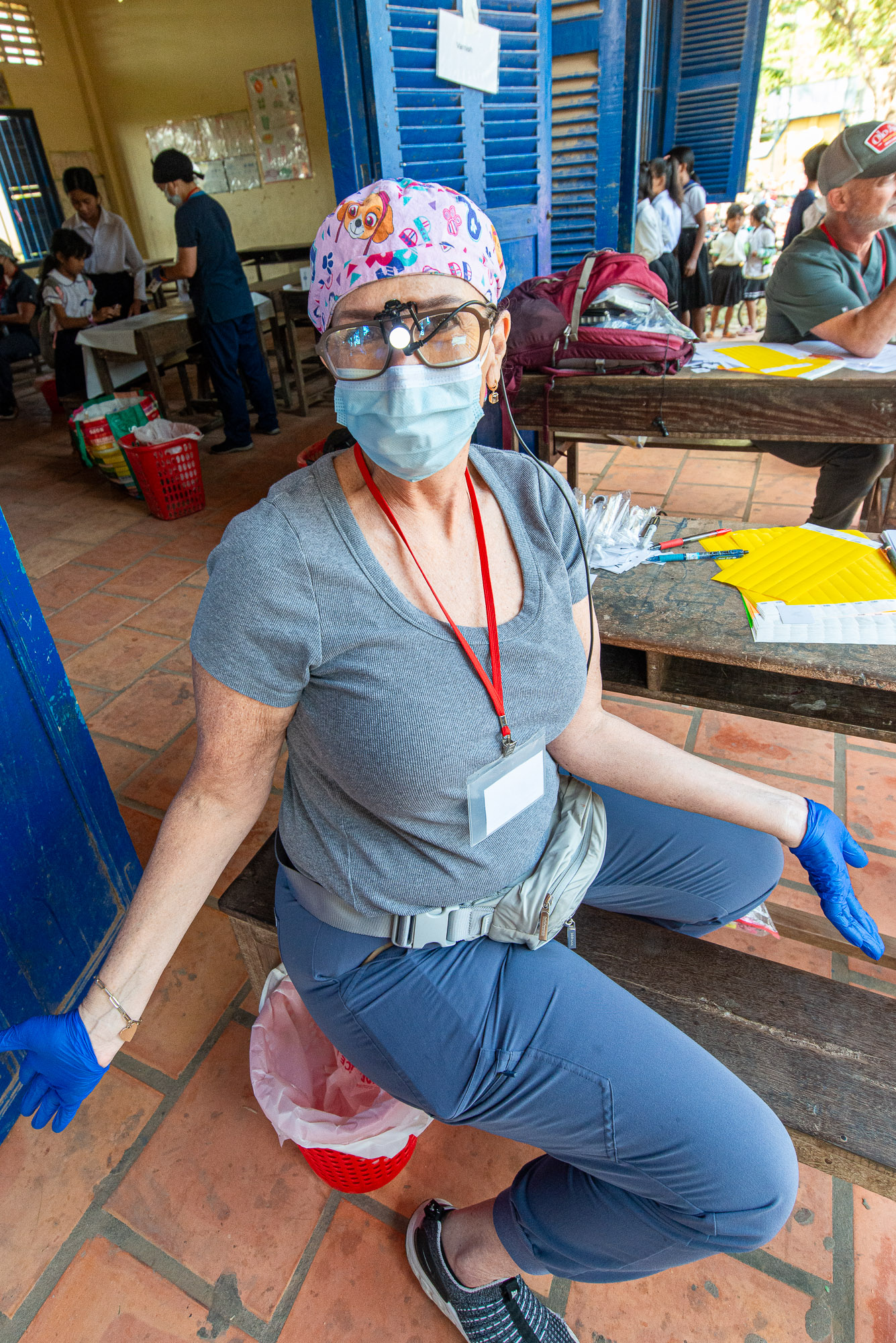
Lens Selection: Understand which lenses to use for different scenarios. Prime lenses are great for low light, while zoom lenses offer versatility.
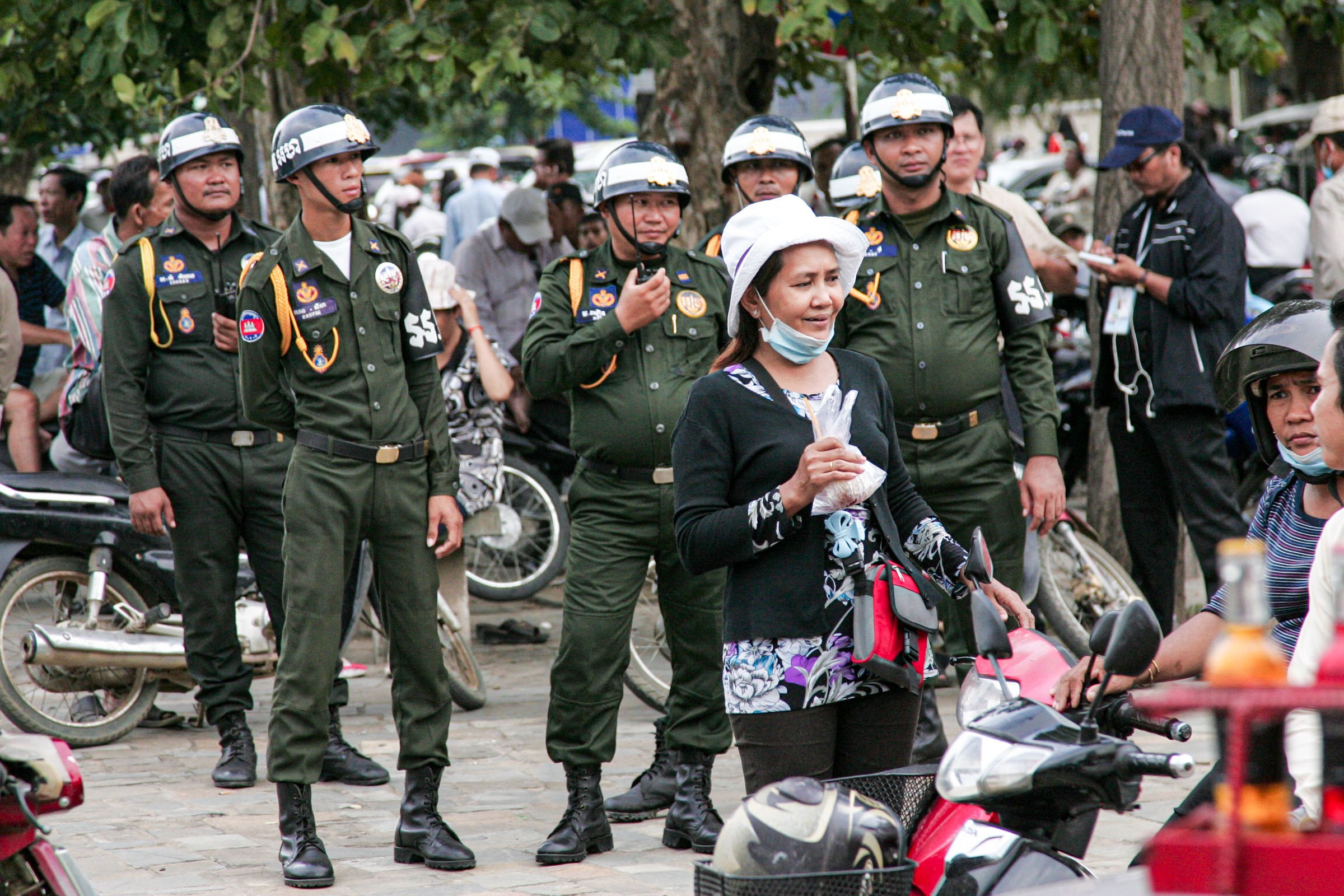
8. Research and Contextual Knowledge
Background Research: Always research the context of the stories you are documenting. This ensures your images are informative and respectful.
Cultural Sensitivity: Be aware of and sensitive to cultural norms and practices in the regions you photograph.
9. Resilience and Adaptability
Patience: Sometimes the perfect shot requires waiting for the right moment.
Adaptability: Be prepared to adapt to changing conditions and unpredictable situations.
10. Ethical Journalism
Code of Ethics: Familiarize yourself with the ethical standards in journalism. Always prioritize the dignity and safety of your subjects.
Consistent practice and a willingness to experiment and learn from each shot will help you develop these skills. Documenting your local area can be a great way to start building these competencies.
Is there a particular technique or skill youโd like to dive deeper into?
Enhancing your visual storytelling in photography involves more than just capturing beautiful imagesโitโs about conveying a narrative that resonates with your audience. Here are some techniques to elevate your storytelling:
Define Your Story Purpose: Clearly define the purpose of your story. What message do you want to convey? What emotions do you want to evoke?
Subject: Identify the main subject or theme of your story. It could be a person, a place, or an event.
Research and Plan Background Research: Gather information about your subject. Understanding the context helps in capturing more meaningful images.
Storyboarding: Plan your shots in advance. Create a storyboard to visualize the sequence of your story.
Capture Emotions and Moments Expressions: Focus on capturing genuine emotions and expressions. They add depth to your story.
Moments: Look for decisive moments that highlight the essence of your narrative.
Use Composition Effectively Visual Hierarchy: Guide the viewerโs eye through the image using composition techniques like leading lines, framing, and the rule of thirds.
Juxtaposition: Use contrast and juxtaposition to highlight differences or similarities within the frame.
Play with Light and Shadows Natural Light: Utilize natural light to create mood and atmosphere. The quality of light can significantly impact the emotional tone of your images.
Shadows: Incorporate shadows to add depth and drama.
Incorporate Symbolism and Metaphors Symbols: Use objects or elements that symbolize broader concepts or themes. They can add layers of meaning to your story.
Metaphors: Create visual metaphors that represent abstract ideas in a tangible form.
Create a Sense of Place Environmental Shots: Capture the environment and setting to provide context. It helps the viewer understand the surroundings and the storyโs backdrop.
Details: Pay attention to small details that contribute to the overall narrative.
Sequence Your Images Chronology: Arrange your images in a sequence that makes sense chronologically or thematically.
Pacing: Vary the pacing by mixing wide shots, medium shots, and close-ups. It keeps the viewer engaged.
Post-Processing Consistent Style: Maintain a consistent editing style that complements your story. It helps in creating a cohesive visual narrative.
Enhancements: Enhance colours, contrast, and sharpness to draw attention to key elements without over-editing.
Engage with Your Audience Captions and Context: Provide captions or context to accompany your images. It helps the audience understand the story behind the shots.
The Nikon D700 is a beloved camera among photography enthusiasts and professionals for several reasons:
Full-Frame Sensor: It features a 12.1-megapixel FX-format CMOS sensor, which provides excellent image quality and low-light performance.
Build Quality: The D700 is known for its robust and durable build, making it suitable for various shooting conditions.
Autofocus System: It has a 51-point autofocus system with 15 cross-type sensors, ensuring precise and fast focusing.
High ISO Performance: The camera performs well at high ISO settings, allowing for great shots in low-light environments.
Continuous Shooting: It offers a speed of up to 5 frames per second. An optional battery grip can increase this to 8 frames per second.
Versatility: The D700 supports a wide range of Nikon F-mount lenses. Including older AI/AI-S lenses, making it a versatile choice for photographers.
Overall, the Nikon D700 is praised for its combination of image quality, build, and performance, making it a reliable choice for many photographers.
What is so good about its sensor ??
The Nikon D700’s sensor is highly regarded for several reasons:
Full-Frame Sensor: The 12.1-megapixel FX-format CMOS sensor provides excellent image quality with a wide dynamic range and rich colour depth.
Low-Light Performance: The sensor performs exceptionally well in low-light conditions, producing clean images with minimal noise even at high ISO settings.
Detail and Sharpness: The sensor captures fine details and sharpness, making it ideal for various types of photography, from landscapes to portraits.
Versatility: The full-frame sensor allows for greater control over depth of field, enabling photographers to achieve beautiful background blur (bokeh) and more creative compositions.
Overall, the sensor in the Nikon D700 is a key factor in its reputation for delivering high-quality images in a variety of shooting conditions.
The Nikon D700’s autofocus (AF) system is highly praised for its performance and reliability. Here are some key features:
51-Point AF System: The D700 features a 51-point autofocus system, which includes 15 cross-type sensors. This ensures precise and fast focusing across a wide area of the frame.
3D Tracking: The camera’s 3D tracking feature allows it to follow moving subjects accurately, making it ideal for action and sports photography.
Low-Light Performance: The AF system performs well in low-light conditions, maintaining accuracy and speed even in challenging lighting situations.
Customizable Settings: The D700 offers various AF modes and settings, allowing photographers to customize the autofocus performance to suit their specific needs.
Overall, the AF system in the Nikon D700 is one of its standout features, providing reliable and accurate focusing for a wide range of photography scenarios.
The Nikon D700’s shutter is indeed rated for 150,000 actuations, which is a realistic estimate for its lifespan. However, it’s important to note that this is an average figure. Some shutters may fail earlier, while others can exceed this number significantly. Many users have reported their D700s lasting well beyond the 150,000 mark2. If the shutter does wear out, it can be replaced, allowing the camera to continue functioning.
So, while 150,000 actuations is a good benchmark, individual experiences may vary. If you’re a heavy shooter, it’s always good to keep an eye on the shutter count and be prepared for potential maintenance down the line.
Fleetwood, once a bustling fishing port in Lancashire, saw its industry decline dramatically over the decades. In the 1950s and 60s, Fleetwood was home to around 120 trawlers, employing about 11,000 people directly and indirectly. However, several factors contributed to the industry’s downfall:
Cod Wars: The disputes between the UK and Iceland over fishing rights in the North Atlantic during the 1970s severely impacted Fleetwood’s fishing industry. Iceland’s restrictions on fishing in its waters significantly reduced the available fishing grounds.
Government Policies: In the 1990s, many fishermen sold their boats under a government decommissioning scheme to preserve fish stocks.
Economic Shifts: The rise of imported fish and changes in the global fishing market also played a role in the decline.
Today, Fleetwood fishing industry is a shadow of its former self, with only a handful of trawlers remaining. The town has shifted its focus to fish processing and other industries to sustain its economy
The Cod Wars were a series of confrontations between the United Kingdom and Iceland over fishing rights in the North Atlantic. These disputes took place between the 1950s and the 1970s and were primarily about the control of fishing grounds around Iceland.
First Cod War (1958-1961): Iceland extended its fishing limits from 4 to 12 nautical miles, which the UK did not recognize. This led to several confrontations at sea.
Second Cod War (1972-1973): Iceland further extended its fishing limits to 50 nautical miles. The UK again did not accept this, leading to more clashes.
Third Cod War (1975-1976): Iceland extended its fishing limits to 200 nautical miles. This time, the conflict was more intense, with both sides using naval vessels to protect their fishing fleets.
Each of these disputes ended with Iceland achieving its goals. Largely due to its strategic importance during the Cold War and its threats to withdraw from NATO.
The Cod Wars had significant economic and social impacts on British fishing communities. Leading to job losses and changes in the fishing industry.
Magnum Photos is a renowned international photographic cooperative founded in 1947 by legendary photographers, including Robert Capa, Henri Cartier-Bresson, David “Chim” Seymour, and George Rodger. The cooperative aims to give photographers the freedom to document the world as they see it without being constrained by the agendas of magazines and newspapers.
Key Highlights of Magnum Photos:
Historical Significance: Magnum Photos has documented many of the world’s major events and personalities since its inception, covering a wide range of subjects including society, politics, conflict, and culture.
Global Presence: The cooperative has offices in major cities like New York, Paris, London, and Tokyo, and its photographers work worldwide.
Photographer-Owned: Magnum is unique in that it is owned and run by its member photographers, who retain all copyrights to their work. This model allows for a high degree of creative freedom and independence.
Iconic Images: Magnum photographers have produced some of the most iconic images in the history of photography, capturing moments that have defined eras and movements.
Educational Initiatives: Magnum also offers workshops, on-demand courses, and other educational resources to help aspiring photographers learn from some of the best in the field.
Magnum Photos continues to be a significant force in the world of photography, known for its commitment to authentic visual storytelling and its ability to capture the human condition in all its complexity.
If you have any specific questions about Magnum Photos or its photographers, feel free to ask!