

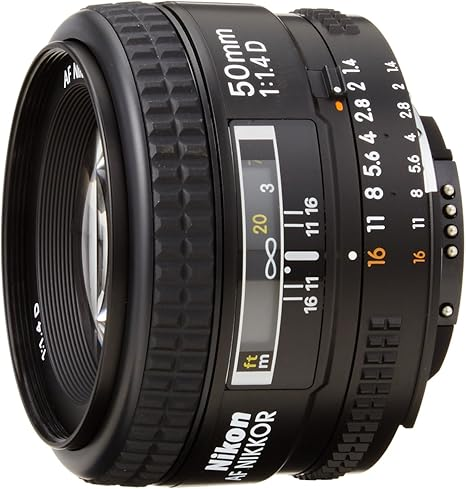
The Nikkor 50mm f/1.4D is a very good match for the Nikon D800 when you value classic rendering and character; it autofocuses on the D800 (screw‑drive), gives pleasing bokeh and micro‑contrast, and performs best when stopped to –for critical work.
Quick guide
- Key considerations: Autofocus type (AF‑D screw‑drive), wide‑open rendering vs stopped‑down sharpness, chromatic aberration and vignetting on a high‑resolution sensor.
- Clarifying questions to answer for yourself: Do you need silent/fast AF (AF‑S) or are you keeping the D‑series look? Will you prioritise center sharpness or the lens’s organic character?
- Decision points: Keep the 50/1.4D for its look and price, or upgrade to an AF‑S 50/1.4G if you need faster/quieter AF.




Compatibility and performance
Autofocus compatibility: The 50mm f/1.4D is an AF‑D lens that uses the camera’s screw‑drive motor; the D800 supports this, so the lens will autofocus on your body. Optical character: on a high‑resolution body like the D800 the lens’s film‑era rendering becomes more apparent — softness and aberrations at are common, but sharpness improves markedly by and is strong by , especially in the center. Real‑world user reports praise its look but note focus quirks and the need for careful technique on high‑MP bodies.

Practical tips and workflow
- Focus technique: Use single‑point AF or back‑button AF and place the point on the subject’s eye; at depth of field is very thin, so precise focus is essential.
- Aperture strategy: Use f/1.4–f/2 for subject isolation and low light; f/2.8–f/4 for portraits and editorial crops where edge performance matters.
- AF fine‑tune: Run an AF fine‑tune calibration on the D800 if you notice consistent front/back focus; many D800 users report improved results after calibration.
- RAW workflow: Shoot RAW, apply targeted chromatic aberration correction and mild sharpening; accept or embrace some vignetting as part of the lens’s character.
- Support and technique: For critical high‑resolution output, use a steady hand, higher shutter speeds, or a tripod to match the D800’s resolving power.
Risks trade‑offs and actionable steps
- Trade‑offs: You trade AF speed and silence for character and cost; the AF‑D’s screw‑drive is noisier/slower than AF‑S alternatives. The D800 magnifies lens flaws (CA, corner softness, vignetting).
- Actionable steps:
- Calibrate AF on the D800 and test at multiple apertures to find the sweet spot.
- Stop down to – for edge‑to‑edge sharpness when needed.
- Shoot RAW and apply selective CA correction and denoise in post.
- Consider AF‑S 50/1.4G only if you need faster, quieter AF and slightly improved optical control.
Closing
If you value classic rendering, micro‑contrast, and cost‑to‑performance, the Nikkor 50mm f/1.4D is an excellent, characterful lens on the D800 — provided you use careful focus technique, stop down when necessary, and apply a disciplined RAW workflow. For lab tests and long‑term user impressions, see community discussions and reviews that document both the lens’s charm and its practical limits.

























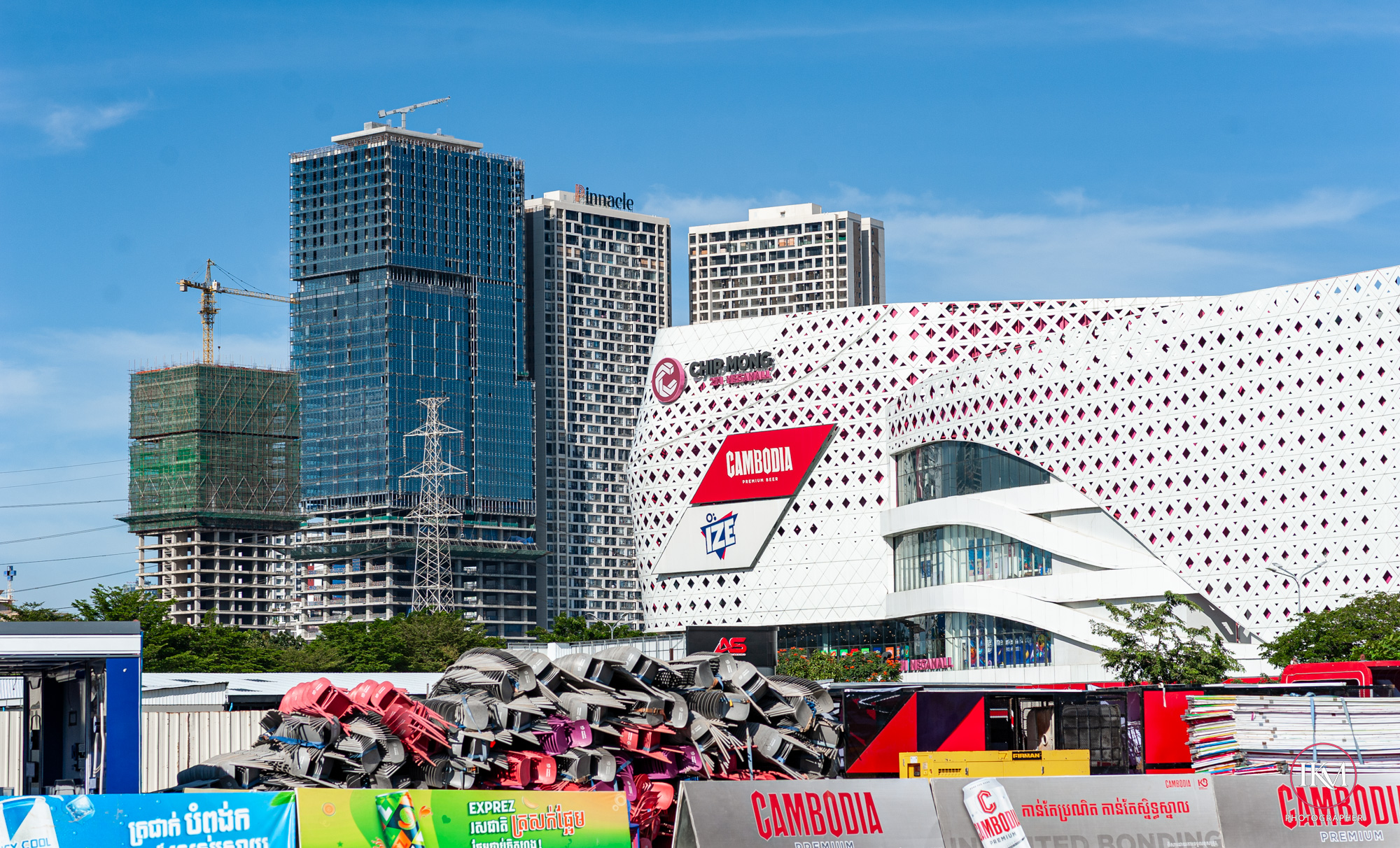



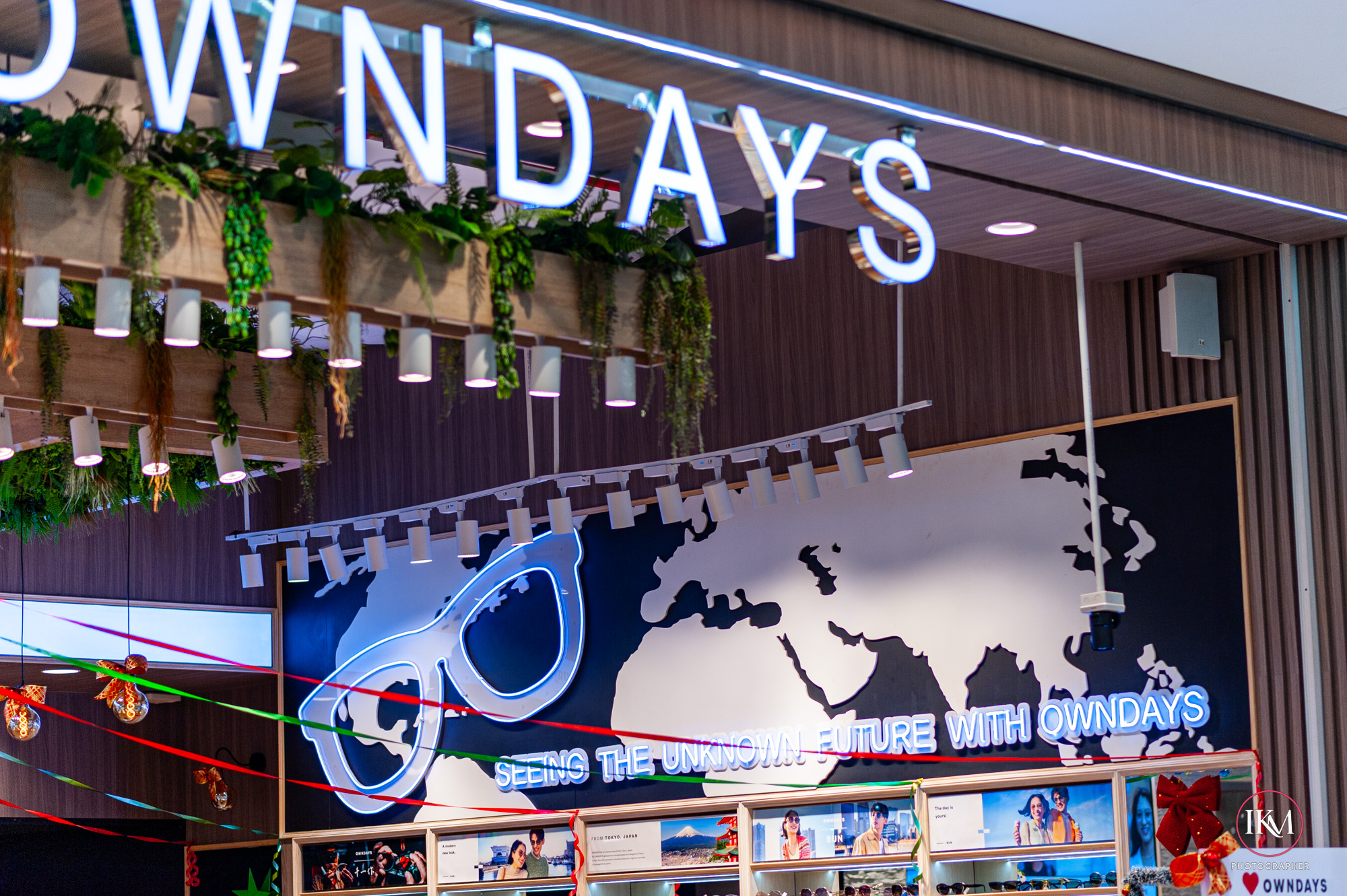







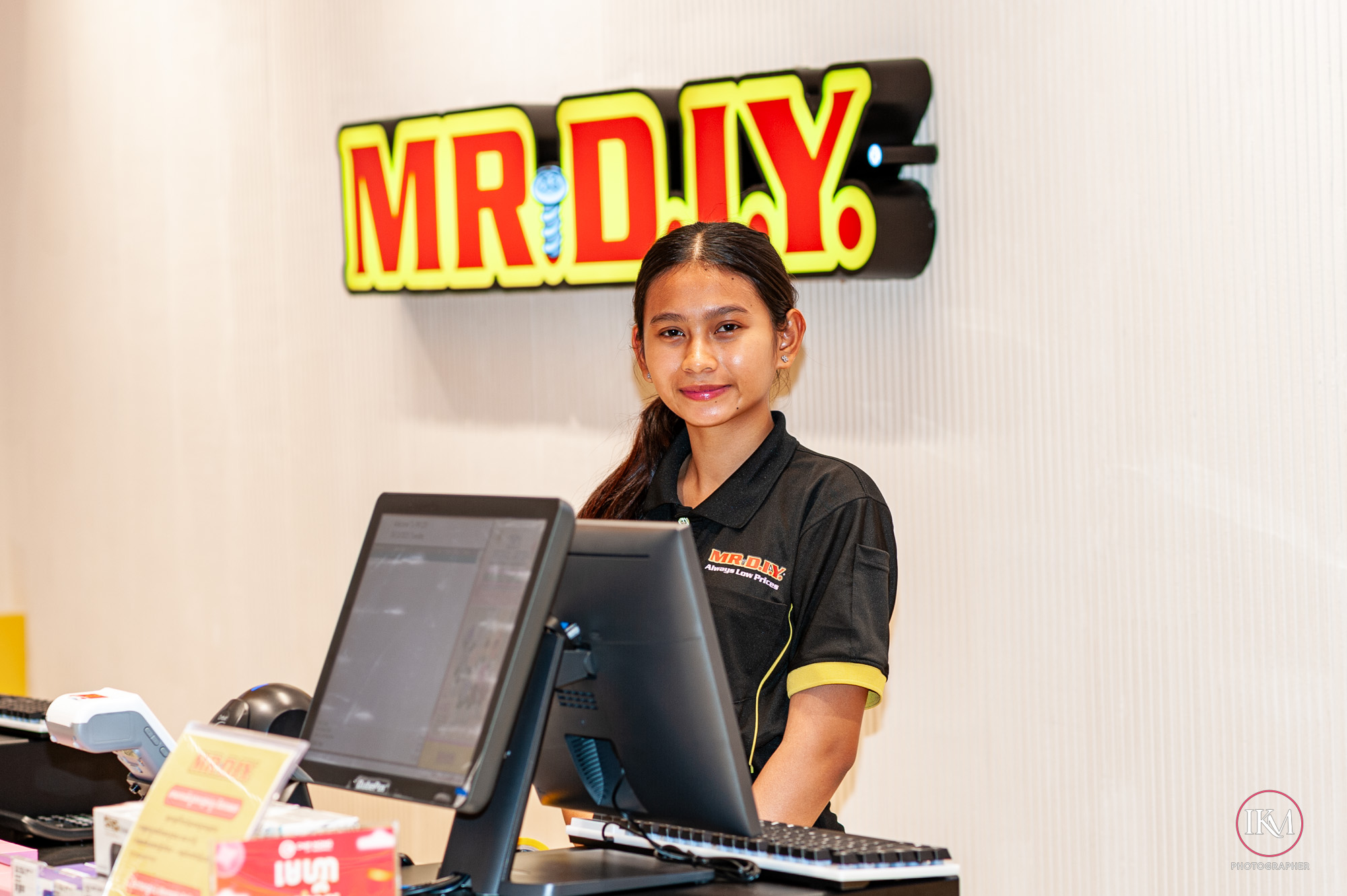





























































 a world without pictures is like coffee without cream and sugar, bitter