


An Old Photographer’s Guide
Sharpness is not something that can be bought simply by purchasing a more expensive camera or a supposedly superior lens. It is the product of good cameramanship, an understanding of light, appropriate camera settings and, perhaps most importantly, discipline.
After more than 45 years of making photographs, I would argue that a considerable number of technically disappointing images are the result of poor technique rather than inadequate equipment.
Whether I am using my old Nikon D700, the D810, the high-resolution D850 or the Fujifilm X-Pro2, the basic principles remain remarkably consistent.
1. Good camera handling
How you hold a camera has a considerable influence on the sharpness of the resulting photograph. A heavy camera can provide stability, but fatigue can quickly undermine that advantage.
- Support the lens from underneath with your left hand.
- Keep your elbows reasonably close to your body.
- Adopt a comfortable, balanced stance.
- Press the viewfinder gently against your face.
- Breathe naturally and release the shutter smoothly.
- Squeeze the shutter button rather than stabbing at it.
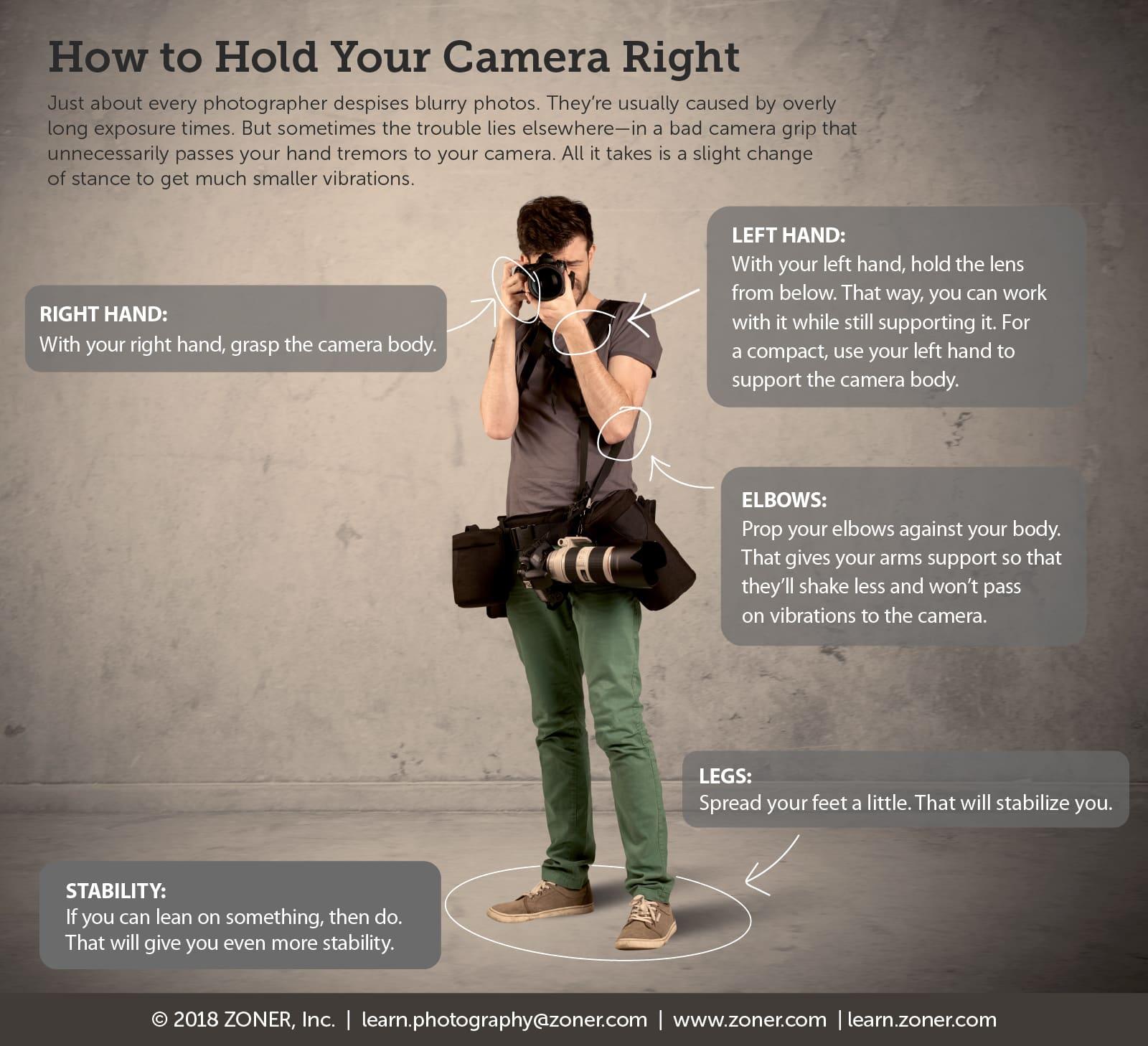
With the Nikon D810 and D850, poor handling can become particularly apparent when examining images at full resolution.
2. Use an appropriate shutter speed
The traditional reciprocal rule suggests that your minimum handheld shutter speed should be approximately the reciprocal of your full-frame focal length.
However, with modern high-resolution cameras, I prefer to be considerably more conservative.
| Focal length | Traditional minimum | My suggested starting point |
|---|---|---|
| 24mm | 1/30 sec | 1/60 sec |
| 35mm | 1/40 sec | 1/80 sec |
| 50mm | 1/50 sec | 1/125 sec |
| 85mm | 1/100 sec | 1/250 sec |
| 105mm | 1/125 sec | 1/250 sec |
| 200mm | 1/200 sec | 1/500 sec |
| 300mm | 1/320 sec | 1/640 sec |
These are starting points, not absolute rules. Subject movement, camera resolution, stabilisation and individual handling ability all influence the outcome.
For street photography with my preferred 85mm lens, I would generally rather work at 1/250 or 1/500 sec than risk losing a good photograph through unnecessary movement.
3. Understand the different types of unsharpness
Camera shake
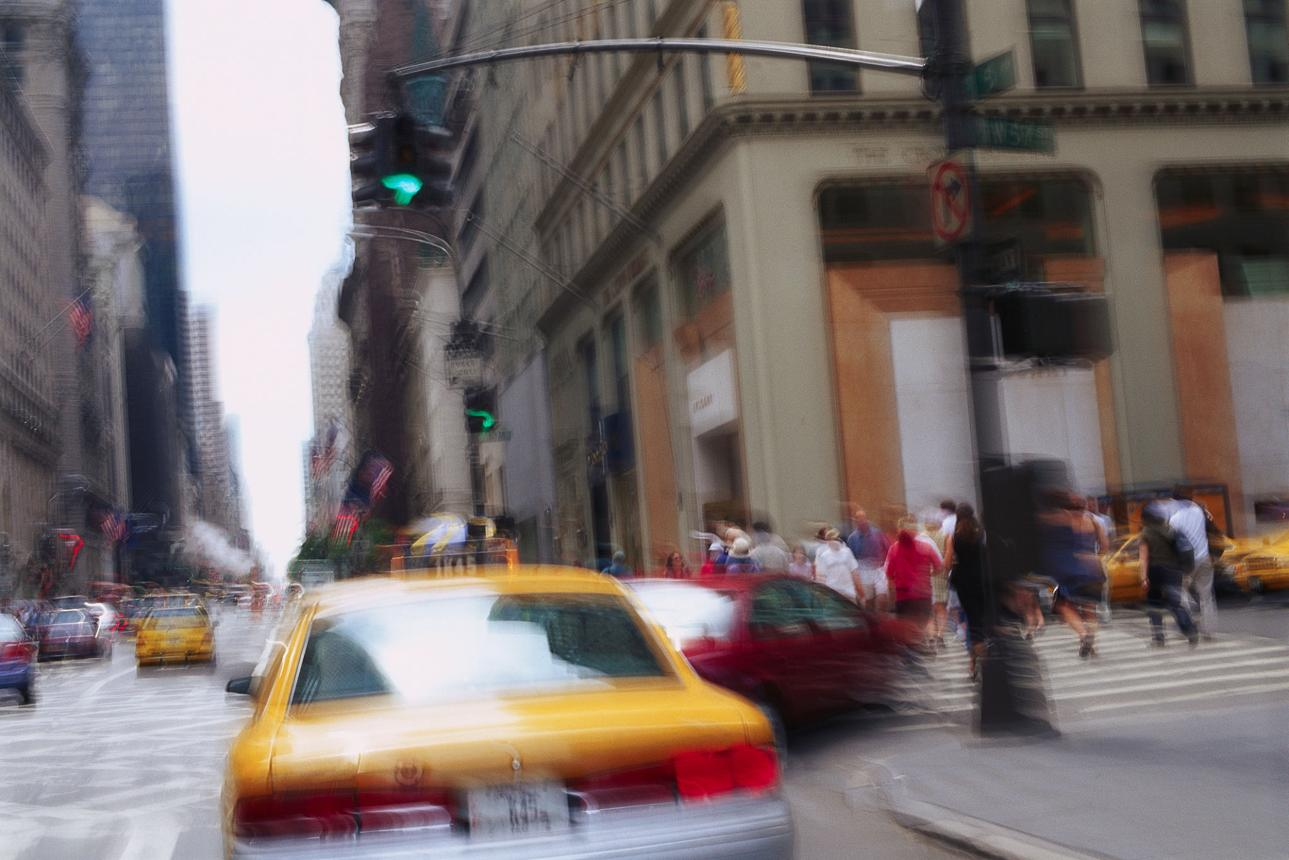
Movement of the camera during exposure.
Subject movement
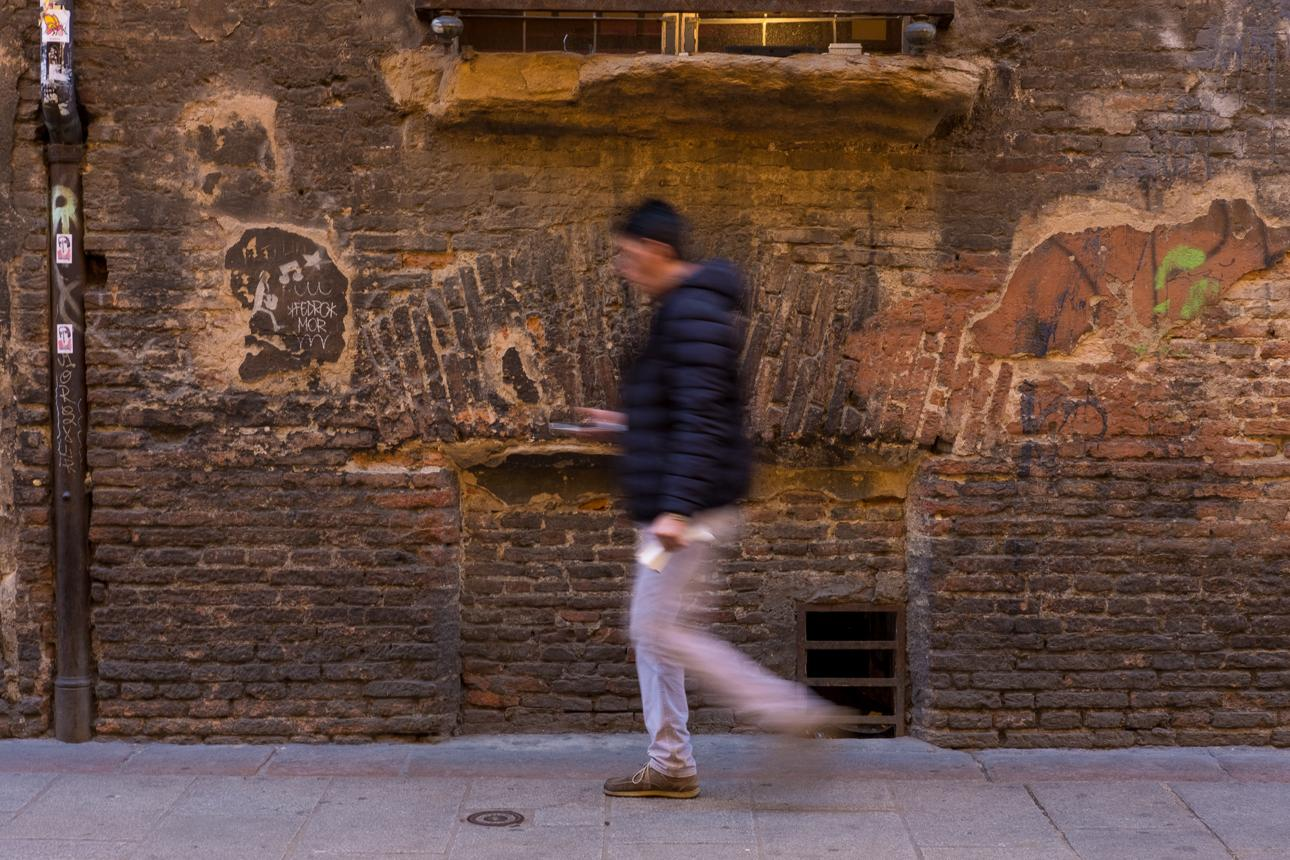
The subject moves during exposure.
Missed focus

The camera focuses on the wrong part of the scene.
Insufficient depth of field

Too little of the subject falls within acceptable focus.
Understanding why an image is unsharp is considerably more useful than simply knowing that it is unsharp. Each of these problems requires a different solution.
4. Aperture and the lens sweet spot
Most lenses perform differently depending on the aperture selected. A fast lens capable of f/1.4 does not necessarily deliver its best optical performance at f/1.4.
Wider aperture
Smaller aperture
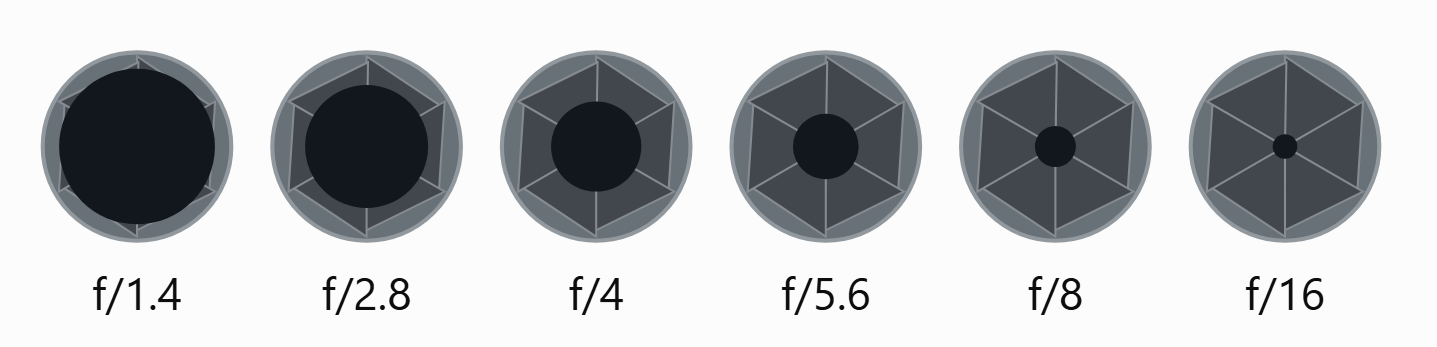
| Aperture | Typical characteristics |
|---|---|
| f/1.4–f/1.8 | Shallow depth of field, greater focusing demands |
| f/2.8 | Often improved optical performance |
| f/4–f/5.6 | Excellent balance of sharpness and separation |
| f/8 | Good detail and increased depth of field |
| f/11 | Greater depth of field, possible diffraction |
| f/16–f/22 | Increasing diffraction-related softness |
Many lenses achieve their best overall performance somewhere between f/4 and f/8, although this varies considerably between optical designs.
My Nikkor 85mm f/1.8G is perfectly usable wide open, but stopping it down to f/2.8 or f/4 can produce wonderfully crisp portraits with sufficient subject separation.
5. Make autofocus work for you

When photographing people, the eyes are generally the most important point of focus. A beautifully rendered background is of little consolation when the subject’s eyes are unintentionally soft.
For Nikon DSLR users:
| Situation | Recommended AF setting |
|---|---|
| Stationary portrait | AF-S, single point |
| Walking subject | AF-C, dynamic area |
| Unpredictable movement | AF-C, dynamic area or group area where available |
| Precise static composition | AF-S, single point |
| Rapid street photography | AF-C with an appropriate focus area |
Avoid excessive focus-and-recompose movements when working at wide apertures and close distances. Moving the camera after acquiring focus can shift the plane of focus away from the intended subject.
If a particular DSLR and lens combination consistently front-focuses or back-focuses, investigate AF Fine Tune where available.
6. Do not be afraid of higher ISO
One of the more common mistakes photographers make is insisting on using the lowest possible ISO.
They sacrifice shutter speed in pursuit of a supposedly cleaner image and end up with a photograph that is neither clean in detail nor sharp.
Noise is generally easier to deal with than motion blur.
I would much rather have a sharp photograph taken at ISO 3200 than a blurred photograph taken at ISO 200.
Auto ISO, combined with a sensible minimum shutter speed, is an extremely useful tool for street and documentary photographers.
7. Image stabilisation is not a miracle cure
Vibration Reduction (VR), Image Stabilisation (IS), Optical Image Stabilisation (OIS) and in-body stabilisation (IBIS) can all help reduce camera movement.
They cannot freeze a moving subject.
You may be perfectly capable of handholding a stabilised lens at 1/15 sec, but a pedestrian walking through your frame will probably still be blurred.
Never confuse the ability to hold a camera steady with the ability to freeze movement.
8. Use short, controlled bursts
A short burst of two or three frames can sometimes improve the chances of obtaining a critically sharp photograph, particularly when handholding a heavier camera.
Anticipate the photograph, compose carefully, acquire focus and shoot a controlled burst.
This is not indiscriminate machine-gun photography. It is the intelligent use of a camera’s capabilities to capture a particular moment.
9. Sharpening in post-processing
Natural detail and controlled sharpening

Excessive sharpening and unnatural texture
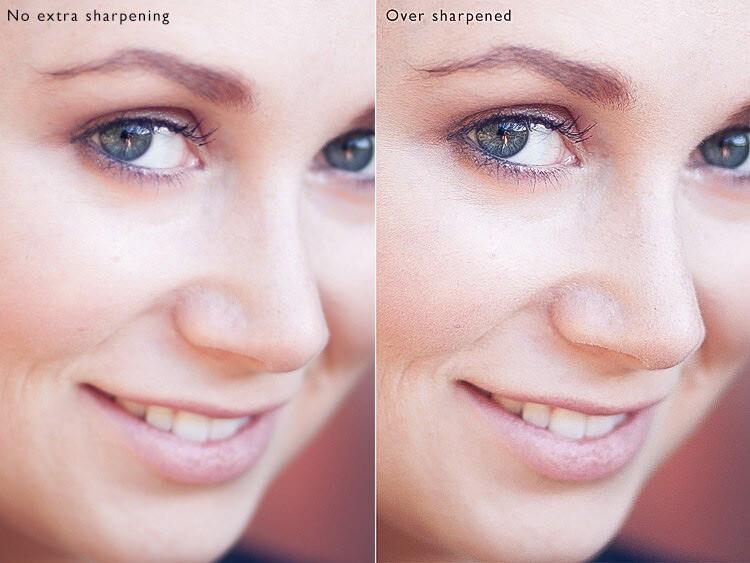
Sharpening is a finishing process, not a substitute for good technique.
I generally consider three stages: capture sharpening to compensate for softness introduced during image capture and processing, selective sharpening to emphasise important details, and output sharpening appropriate to the size and medium of the finished photograph.
A photograph intended for a large print may require a different approach from one intended for Facebook.
Excessive sharpening produces halos, exaggerated skin texture and an unpleasant artificial appearance.
The Old Photographer’s field checklist
Before pressing the shutter
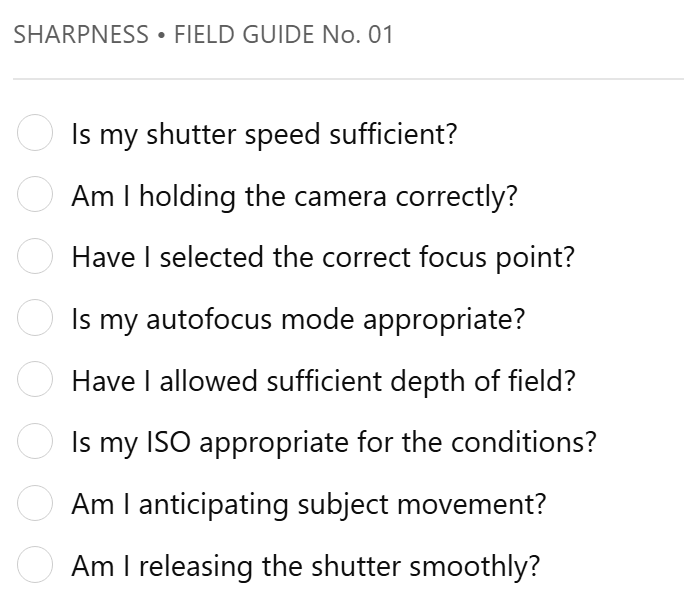
Anticipate. Stabilise. Focus. Expose.
Sharpness is not everything
There is a danger in becoming so obsessed with technical perfection that we forget why we are making photographs in the first place.
A photograph can be critically sharp and utterly meaningless. Equally, a photograph containing movement, grain or imperfect focus can be emotionally powerful.
Some photographers spend considerably more time examining the corners of their photographs at 100% magnification than they spend examining the content.
I have little interest in that particular pursuit.
My old Nikon D700, with its modest 12.1 megapixels, remains capable of producing wonderfully sharp and compelling photographs. My D850, with its 45.7 megapixels, offers considerably more recorded detail, but it cannot compensate for poor observation, poor timing or careless cameramanship.
Sharpness should be intentional rather than accidental. So, too, should softness.
The objective is not necessarily to make the sharpest photograph possible, but to make the photograph you intended to make.
The Old Photographer Series — Good Cameramanship.

