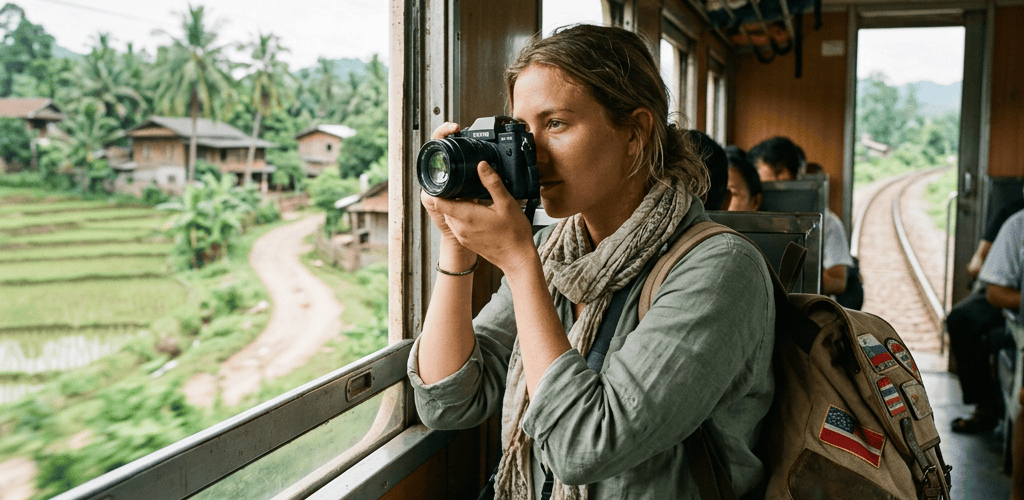
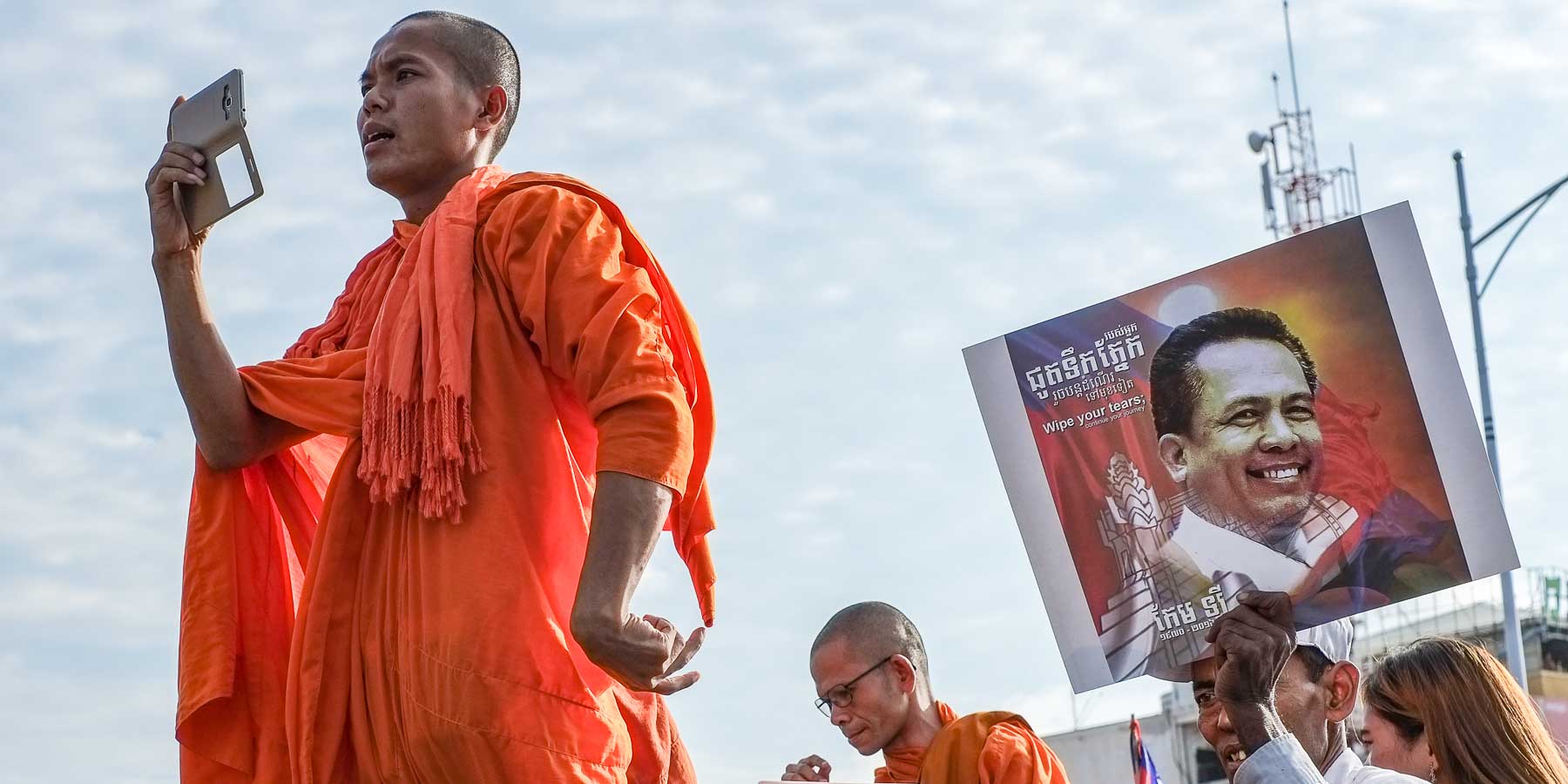
Travelling is an enriching experience that broadens our horizons and gives us a glimpse into new cultures, landscapes, and lifestyles. But what makes these experiences truly unforgettable? The ability to capture them through the lens of a camera.
Photography and travel go hand in hand. A camera is more than just a gadget; it’s a storyteller’s tool that freezes moments in time, allowing us to revisit and share our adventures long after they’ve passed. Whether it’s the vibrant streets of a bustling city, the serene beauty of a mountain range, or the candid smiles of new friends, each photograph tells a story.
For the avid traveler, a camera serves as a faithful companion. It’s there to document the awe-inspiring sunsets, the unexpected encounters with wildlife, and the intricate details of a well-crafted meal. These visual souvenirs become a mosaic of memories that paint a picture of our journey through life.
But travel photography isn’t just about pointing and shooting. It’s an art form that requires an eye for composition, an understanding of lighting, and a sense of timing. It’s about being present in the moment, yet ready to capture it. It’s about exploring the world with curiosity and wonder, and sharing that perspective with others.
For those who are new to travel photography, here are a few tips to get started:
Learn the basics of your camera: Understand how to adjust settings like ISO, aperture, and shutter speed to suit different environments.
Practice composition: Use the rule of thirds, lead lines, and framing to create more engaging photos.
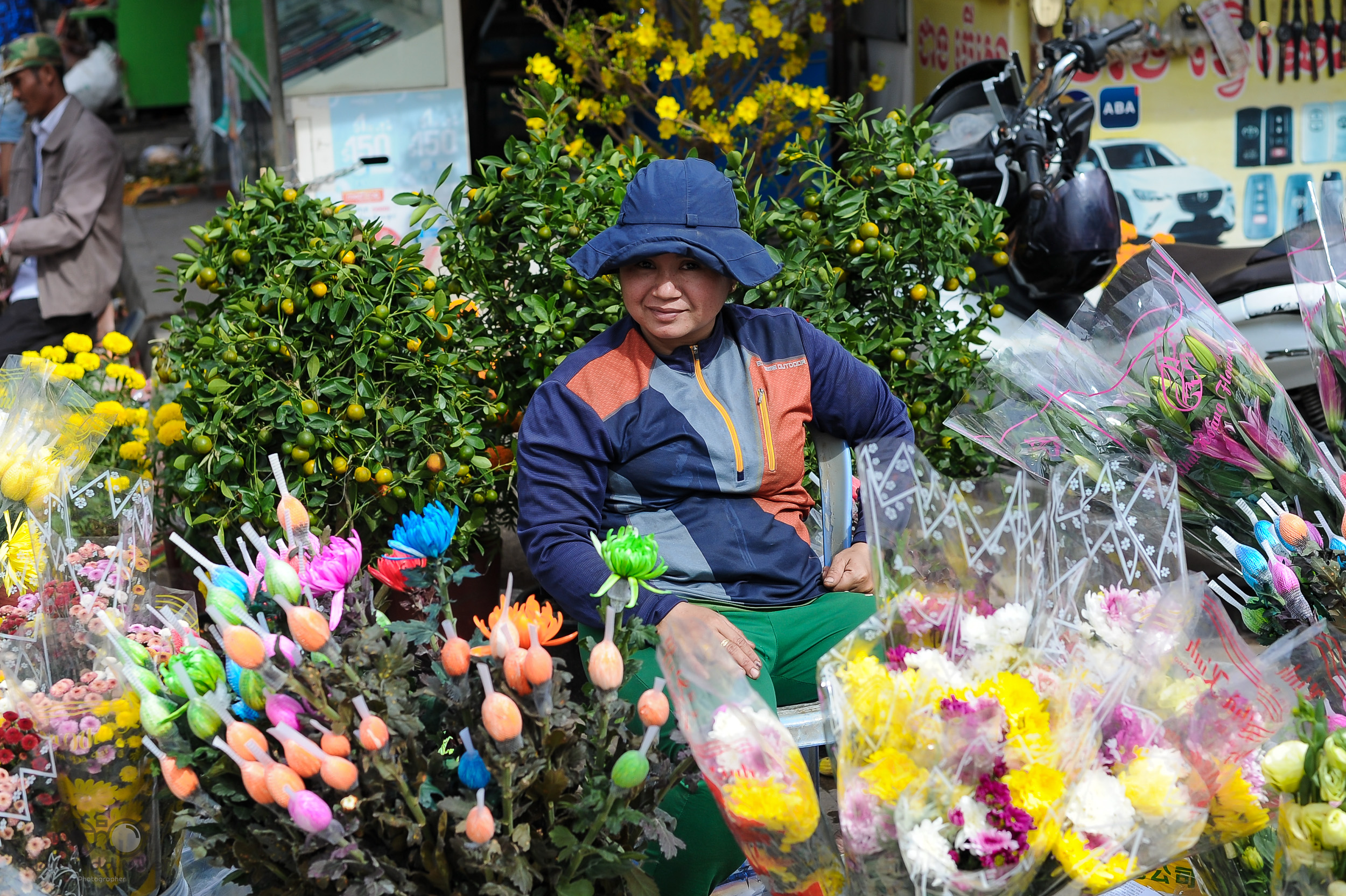
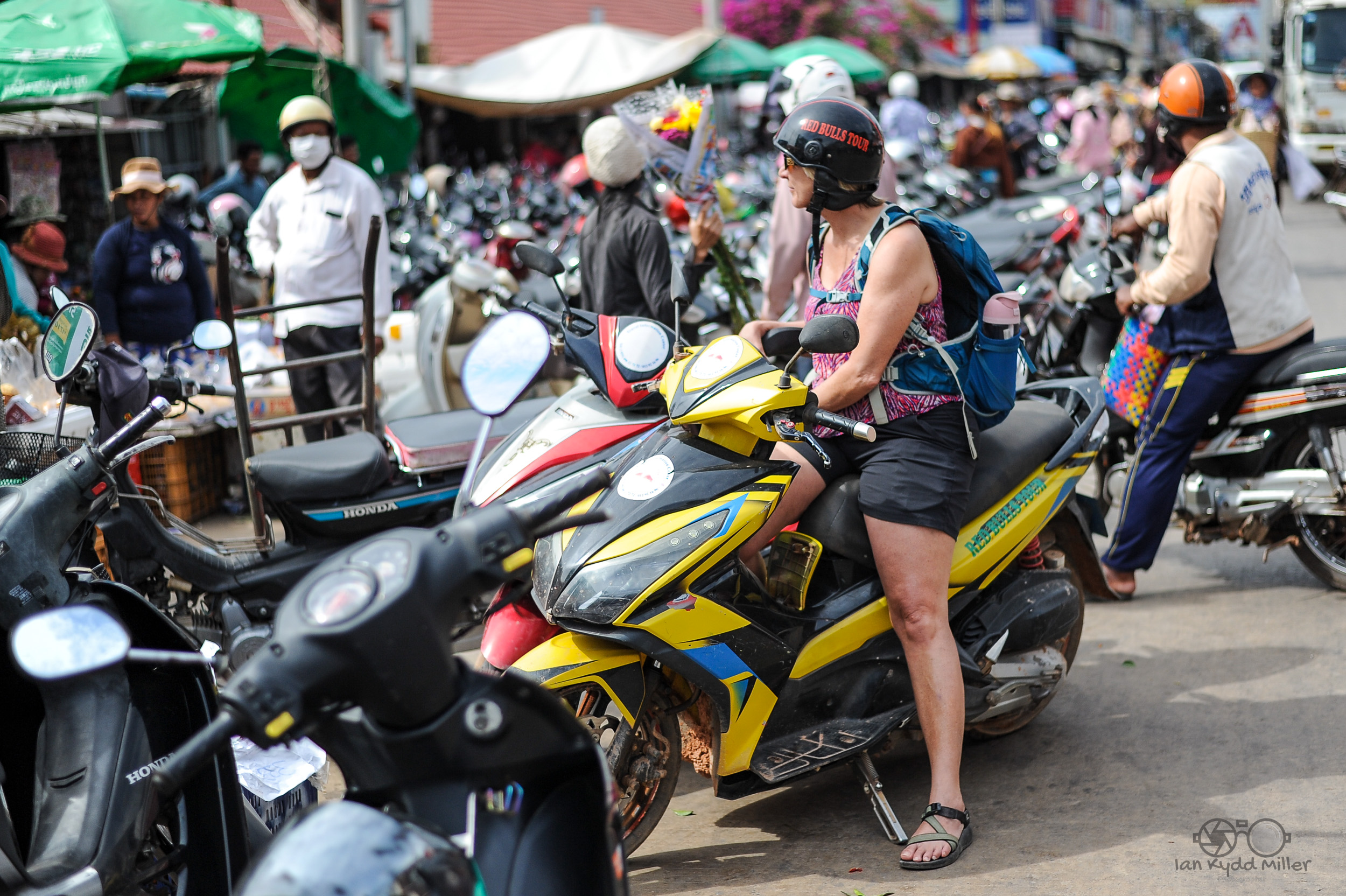
Capture the essence of a place: Look for scenes that represent the culture and atmosphere of your destination.
Be patient: Sometimes, waiting for the right moment can make all the difference in your photography.
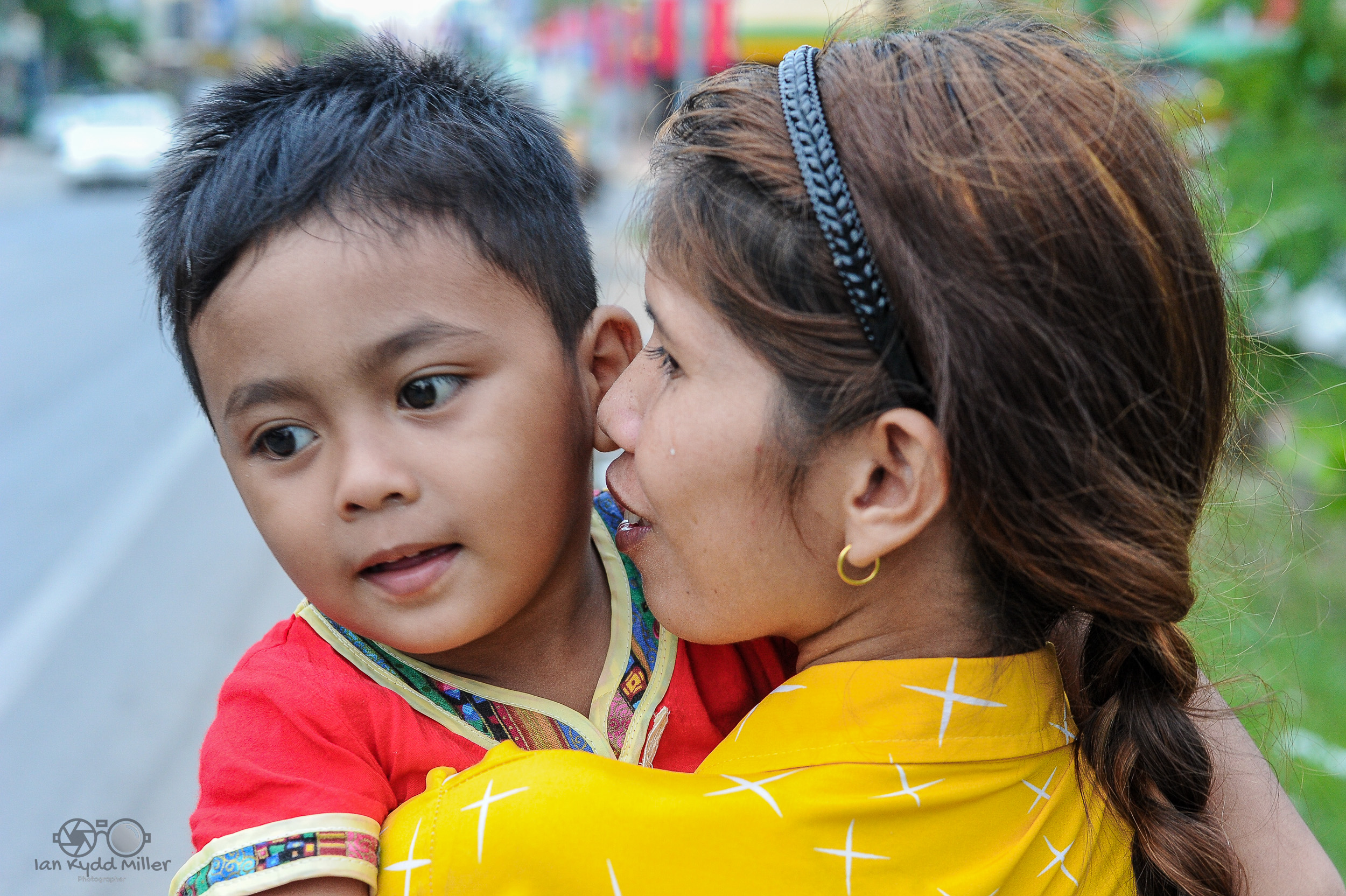
Respect your subjects: When photographing people, always ask for permission and be mindful of local customs and sensitivities.
In the end, travel photography is about more than just taking pictures. It’s about preserving the essence of our experiences and sharing the beauty of the world with others. So, the next time you pack your bags for an adventure, don’t forget to bring along your camera. It might just become your favorite travel buddy.
Happy snapping, and may your travels be full of picture-perfect moments!
Photography is an art form that captures the essence of a moment, telling stories and evoking emotions through a single frame. But what exactly makes a photograph stand out? Is it the technical prowess behind the lens, the perfect lighting, or the emotion it conveys? Let’s delve into the elements that can transform a simple snapshot into a masterpiece.
Composition: The arrangement of elements within the frame can make or break a photo. Good composition guides the viewer’s eye to the subject and creates a sense of balance and purpose. Techniques like the Rule of Thirds, leading lines, and framing can add depth and interest to your photographs.
Exposure: Mastering the exposure triangle—aperture, shutter speed, and ISO—is crucial. It’s not just about the right amount of light; it’s about using these settings creatively to enhance the mood of the image. Whether it’s the bright cheerfulness of an overexposed beach scene or the dramatic tension of a dark, underexposed alleyway, exposure plays a pivotal role in the narrative of your photo.
Focus: Sharpness where it matters draws attention to the subject, while a soft, blurred background can isolate it, making it pop. Playing with focus can also create artistic effects, like the dreamy quality of a shallow depth of field or the crystal-clear detail of a landscape with everything in focus.
Subject Interest: A photograph is as compelling as its subject. It could be the raw emotion on a person’s face, the untold story behind a weathered door, or the unexpected angle of a modern skyscraper. The subject is the heart of the photograph, and its interest level can captivate the viewer.
Purpose: Every great photograph has a purpose. It could be to document, to express, to question, or to celebrate. This intentionality is what gives a photograph meaning beyond its visual appeal.
Lighting: Light is the photographer’s paintbrush. It shapes and defines the subject, creates atmosphere, and can dramatically alter the mood of the photo. The golden hour’s soft, warm light can imbue a scene with a serene glow, while the harsh midday sun can create bold contrasts and patterns.
Emotion: Perhaps the most intangible yet powerful aspect of a good photograph is the emotion it evokes. A photo that can make you feel—whether it’s joy, sadness, wonder, or nostalgia—has achieved something special. It’s the emotional connection that often turns a good photo into a great one.
Storytelling: A good photograph tells a story. It invites the viewer to look closer, to ask questions, and to imagine the moments before and after the shutter was pressed. Storytelling through photography is a powerful way to communicate and connect with others.
Technical Quality: While it’s true that an expensive camera doesn’t guarantee a good photo, technical quality can’t be ignored. Sharpness, color accuracy, and noise levels all contribute to the overall impression of the photograph.
Creativity: Last but not least, creativity is what sets a photograph apart. It’s the unique perspective, the unconventional approach, or the innovative technique that makes a photo memorable.
In conclusion, a good photograph is a blend of technical skill, artistic vision, and emotional impact. It’s about seeing the extraordinary in the ordinary and capturing it in a way that resonates with others. Whether you’re a seasoned professional or a budding enthusiast, the journey to creating good photographs is a continuous learning process, filled with experimentation and discovery.
Photography enthusiasts, gather around as we dive into the world of bokeh and low-light performance with the 7Artisans 50mm f0.95 lens mounted on the classic Fuji XE2. This combination is not just about capturing images; it’s about embracing a unique photographic experience.
The 7Artisans 50mm f0.95 lens, often praised for its affordability and solid metal build, brings a new dimension to the Fuji XE2. With a maximum aperture of f0.95, this lens promises to transform the way you capture portraits and low-light scenes. The wide aperture allows for a shallow depth of field, creating that dreamy bokeh effect that makes your subjects pop against a smoothly blurred background.
But what truly sets this lens apart is its manual focus, which offers a tactile and engaging experience. It’s a return to the roots of photography, where the photographer is in complete control. The pleasure of focusing with this lens is often highlighted by users, noting its good throw and the ability to keep up with moving subjects like a slow-moving cat. This level of control is perfect for those who love to take their time, crafting each shot with precision and artistic intent.
The lens’s 13 aperture blades contribute to a pleasing round bokeh, enhancing the aesthetic quality of your photos. And while it’s not a macro lens, the minimum focus distance of about 18 inches allows for decent close-ups, adding versatility to your shooting repertoire.
Now, let’s talk about the Fuji XE2, a camera that has won the hearts of many photographers for its compact size and retro design. When paired with the 7Artisans 50mm f0.95 lens, the XE2 becomes a powerhouse for street and portrait photography. The camera’s classic design, combined with the lens’s modern optical performance, creates a synergy that’s both visually appealing and functionally impressive.
Some users have compared the 7Artisans 50mm f0.95 to other lenses in its category, noting that it holds its own in terms of brightness and optical quality. It’s even been said to be a tad brighter than some of its competitors, which is quite a statement considering its price point. The 7Artisans 50mm f0.95 is not without its quirks, such as some optical flaws like vignetting and chromatic aberration when wide open, but these are often considered part of the lens’s character rather than detriments. For those who enjoy the artistry of photography and the tactile experience of manual focusing, this lens offers a unique opportunity to explore creativity at a relatively low cost.
In conclusion, the 7Artisans 50mm f0.95 lens on a Fuji XE2 is a match made in photography heaven for those who appreciate the art of manual focusing and the beauty of a large aperture. It’s a setup that encourages you to slow down, compose thoughtfully, and immerse yourself in the creative process. Whether you’re a seasoned photographer or someone who’s just starting, this combo is sure to inspire and delight.
So, what are you waiting for? Grab your camera, attach that 7Artisans lens, and step into the world where every shot is a potential masterpiece. Happy shooting!
Henri Cartier-Bresson: The Decisive Moment of Photography
Henri Cartier-Bresson, born on August 22, 1908, in Chanteloup-en-Brie, France, is a name that resonates with profound respect in the world of photography. His legacy as a master of candid photography and an early adopter of 35mm film has left an indelible mark on the art form. Cartier-Bresson’s philosophy of capturing the “decisive moment” – that split second that reveals the essence of an event – has influenced generations of photographers and artists alike.
Cartier-Bresson’s journey into the arts began with painting, which he studied from a young age, and was deeply influenced by Surrealism. However, it was his discovery of the Leica camera that truly shaped his path. The Leica’s compact size and agility allowed him to move through the streets unnoticed, capturing life as it unfolded before him. This unobtrusive approach to photography enabled him to produce images that were natural, spontaneous, and brimming with life.
His work is not just a collection of images; it is a historical document of the 20th century. From the liberation of Paris to the last days of Gandhi, Cartier-Bresson was there, camera in hand, to capture the moments that defined an era. His ability to anticipate and seize the perfect frame is what made his work stand out. He likened this process to a visual ballet, where the photographer must align their intuition, their eye, and their heart to capture the scene before them.
In 1947, Cartier-Bresson co-founded Magnum Photos, a cooperative agency for worldwide freelance photographers, which became a pivotal platform for photojournalism. Through Magnum, he and his colleagues were able to maintain control over their work and distribute it globally, changing the landscape of photography and media.
Later in life, Cartier-Bresson turned away from photography and returned to his first love, drawing and painting. He believed that each artist should follow their creative impulses, whether they lead to the darkroom or the canvas. His artistic vision and dedication to his craft have left a lasting legacy that continues to inspire and challenge photographers to this day.
Henri Cartier-Bresson passed away on August 3, 2004, but his work lives on, housed in galleries and private collections around the world. His contributions to photography are celebrated in numerous exhibitions, books, and documentaries. For those who wish to delve deeper into his life and work, his photographs and the stories behind them offer a timeless exploration of the human condition and the world we inhabit.
Cartier-Bresson’s influence extends beyond photography. His approach to the decisive moment can be applied to various aspects of life and art, teaching us to be present, observant, and ready to capture the essence of the fleeting moments that surround us. His work reminds us that beauty and significance can be found in the everyday, waiting for those with the patience and insight to see it. Henri Cartier-Bresson’s legacy is a testament to the power of seeing, not just looking, and the profound impact of capturing life as it happens.
Henri Cartier-Bresson and the Timeless Leica
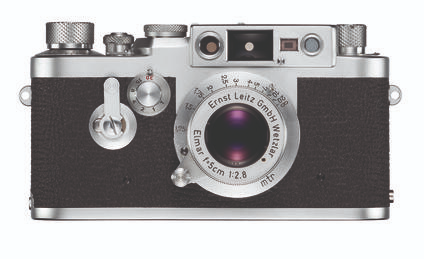
Henri Cartier-Bresson, a name synonymous with the art of street photography, has left an indelible mark on the world with his concept of “the decisive moment.” His weapon of choice? The iconic Leica 35mm camera. This small, unobtrusive piece of technology was not just a tool but an extension of Cartier-Bresson’s vision, allowing him to capture life as it unfolded before him.
The Leica was Cartier-Bresson’s constant companion, its mechanical precision and reliability meshing perfectly with his need for spontaneity and discretion. With a Leica in hand, he traversed the globe, documenting the human condition and etching his view of the world onto film.
Fast forward to today, and one might wonder if Cartier-Bresson would still be loyal to his Leica if he were alive. Given the advancements in camera technology, would he opt for a modern digital Leica, or perhaps something entirely different?
Considering Cartier-Bresson’s philosophy, it’s not the camera but the eye, the mind, and the heart that captures the decisive moment. The Leica, with its simplicity and focus on the essentials, aligns with this philosophy. It’s not about having the latest features but about understanding and connecting with the subject.
So, would Henri Cartier-Bresson still use a Leica today? It’s a question that invites speculation, but one thing is certain: his legacy is not bound by the type of camera but by the timeless moments he captured. Those moments continue to inspire photographers around the world, reminding them that the true essence of photography lies in seeing and feeling, not in the gear they hold.
In the world of photography, the debate between DSLR and mirrorless cameras is a tale as old as time—or at least as old as digital photography. As we stand in 2024, the discussion is more relevant than ever, with technological advancements pushing the boundaries of what’s possible in image capturing. So, let’s dive into the great camera debate: should we move away from mirrorless cameras and go back to DSLRs?
DSLRs, or Digital Single-Lens Reflex cameras, have been the go-to choice for professional photographers for decades. They are known for their robust build, exceptional battery life, and an extensive range of lenses developed over the years. The optical viewfinder in DSLRs gives a true-to-life preview of the image, which many photographers swear by. There’s a certain charm and immediacy to looking through the lens, seeing exactly what the camera sees without any digital translation.
On the flip side, mirrorless cameras have risen in popularity due to their compact size, lighter weight, and cutting-edge features. They boast advanced video capabilities, faster shooting speeds, and a digital viewfinder that can display more information than the traditional optical counterpart. Manufacturers have been heavily investing in mirrorless technology, leading to a surge in the variety and quality of lenses available for these cameras.
But why consider moving back to DSLRs? For starters, DSLRs offer a tactile experience that many photographers find satisfying. The heft and grip of a DSLR can feel more stable and reassuring in the hands. Additionally, the battery life of DSLRs is generally superior because they don’t rely on electronic viewfinders, which can be quite power-hungry. Moreover, the market for DSLRs has become incredibly competitive, making them more affordable than ever.
Canon 1D MkIV with 24-105 lens.
However, it’s not just about nostalgia or the feel of the camera. DSLRs still have a few technical advantages. The phase-detection autofocus system of a DSLR is incredibly fast and reliable, especially in low light conditions. Plus, the absence of a mirror mechanism in mirrorless cameras can sometimes lead to shutter lag, which can be a deal-breaker for action and sports photographers.
Fuji X Pro3 plus Viltox 23mm f1.4
It’s important to note that while the industry seems to be pivoting towards mirrorless systems, DSLRs are not obsolete. They continue to be produced, sold, and loved by many. The choice between DSLR and mirrorless ultimately comes down to personal preference and the specific needs of the photographer. Whether it’s the traditional feel of a DSLR or the modern conveniences of a mirrorless camera, both have their place in the photographer’s bag.
Nikon D800 + 28-85mm f3.5/4.5
As we ponder the future of photography, it’s clear that both DSLRs and mirrorless cameras have their merits. Perhaps the question isn’t about moving away from one to return to the other, but rather understanding which tool best serves your creative vision. In the end, the best camera is the one that allows you to capture the moments that matter most to you, in the way that you envision them.
So, what’s your take on this debate? Are you team DSLR or team mirrorless? Share your thoughts and experiences with us, and let’s continue to explore the ever-evolving landscape of photography together!
If you are into photography, you might have wondered whether you should get a zoom lens or a prime lens for your camera. Zoom lenses and prime lenses differ by how long their focal points are. Prime lenses have a unifocal lens (usually between 12mm to 5200mm), while zoom lenses have a variable focal length. This means that prime lenses are better for portrait shots, while zoom lenses are ideal for general photography.
In this blog post, I will explain the pros and cons of each type of lens and help you decide which one is best for your needs.
Prime Lenses: The Pros
One of the main advantages of prime lenses is that they are usually sharper, faster, and cheaper than zoom lenses. Sharper means that they produce images with more detail and clarity. Faster means that they have larger maximum apertures (such as f/1.4 or f/1.8), which allow more light to enter the lens and create a shallow depth of field. This is great for isolating your subject from the background and creating a beautiful bokeh effect. Cheaper means that they are more affordable than zoom lenses of similar quality.
Another benefit of prime lenses is that they are smaller and lighter than zoom lenses, which makes them easier to carry around and use. They also force you to be more creative and move around to get the best shot, rather than relying on the zoom ring to adjust your framing.
Prime Lenses: The Cons
The main drawback of prime lenses is that they are less versatile and convenient than zoom lenses. You can’t change the focal length of a prime lens, so you have to switch lenses if you want a different angle of view or magnification. This can be time-consuming and inconvenient, especially if you are shooting in a fast-paced or changing environment. You also have to carry more lenses with you if you want to cover a wide range of focal lengths.
Another disadvantage of prime lenses is that they may not suit every situation or style of photography. For example, if you want to capture landscapes, wildlife, sports, or events, you might need a zoom lens that can cover a wide or long focal range and give you more flexibility and reach.
Zoom Lenses: The Pros
The main advantage of zoom lenses is that they are more versatile and convenient than prime lenses. You can change the focal length of a zoom lens by simply turning the zoom ring, which gives you more options and controls over your composition and framing. You can also capture different perspectives and effects with one lens, such as wide-angle shots, telephoto shots, or macro shots (if your zoom lens has macro capabilities).
Another benefit of zoom lenses is that they are more suitable for certain situations and styles of photography. For example, if you want to capture landscapes, wildlife, sports, or events, you might need a zoom lens that can cover a wide or long focal range and give you more flexibility and reach. You can also react faster to changing scenes and subjects without having to switch lenses.
Zoom Lenses: The Cons
The main drawback of zoom lenses is that they are usually heavier, bulkier, and more expensive than prime lenses. Heavier and bulkier means that they are harder to carry around and use, especially for long periods. They also tend to attract more attention and may not be ideal for discreet or candid photography. More expensive means that they cost more than prime lenses of similar quality.
Another disadvantage of zoom lenses is that they are usually slower, less sharp, and more prone to distortion and vignetting than prime lenses. Slower means that they have smaller maximum apertures (such as f/3.5-5.6 or f/4-5.6), which limit the amount of light that enters the lens and create a deeper depth of field. This can make it harder to shoot in low-light conditions or achieve a shallow depth of field effect. Less sharp means that they produce images with less detail and clarity than prime lenses. More prone to distortion and vignetting means that they may cause some curvature or darkening at the edges of your images, especially at the wide or telephoto end of their range.
Conclusion
So which type of lens is best for you? It depends on your personal preference, budget, and style of photography. You might prefer a prime lens if you value sharpness, speed, affordability, and portability over versatility and convenience. If you value versatility, convenience, flexibility, and reach over sharpness, speed, affordability, and portability, then you might prefer a zoom lens.
Of course, you don’t have to choose one over the other. You can have both types of lenses in your camera bag and use them according to your needs and mood. The best way to find out which lens type suits you best is to try them out yourself and see what works for you.
If you’re passionate about street photography, you might be wondering which camera is best for capturing candid moments of urban life. Street photography is a challenging and rewarding genre that requires a combination of skill, creativity, and luck. You need a camera that can keep up with your vision, and that won’t draw too much attention to yourself.
In this blog post, I’ll share with you some of the best cameras for street photography in 2023, based on my personal experience and research. Whether you prefer a compact point-and-shoot, a premium compact with a large sensor, or a mirrorless camera with interchangeable lenses, there’s something for everyone on this list.
Let’s get started!
Best Compact Zoom Camera for Street Photography: Panasonic Lumix LX100 II
If you want a compact camera that gives you more flexibility in terms of focal length, the Panasonic Lumix LX100 II might be the one for you. It has a 17MP Four Thirds sensor that performs well in various lighting conditions, and a Leica-branded 24-75mm equivalent f/1.7-2.8 zoom lens that covers a wide range of shooting scenarios.
The Panasonic Lumix LX100 II has an electronic viewfinder that’s bright and clear, and a touch screen that can be used for focus and exposure control. It also has manual dials for aperture, shutter speed, and exposure compensation, which make it easy to adjust settings on the fly. The Panasonic Lumix LX100 II also supports 4K video recording and has Wi-Fi and Bluetooth connectivity.
The Panasonic Lumix LX100 II is not very pocketable, though. It’s larger and heavier than most compact cameras on this list. It also doesn’t have image stabilization or weather sealing, which might be deal-breakers for some people. But if you want a compact zoom camera that offers great image quality and versatility, the Panasonic Lumix LX100 II is worth considering.
Best Premium Compact Camera for Street Photography: Fujifilm X100V
The Fujifilm X100V is another popular choice among street photographers, especially those who love the retro look and feel of classic film cameras. The Fujifilm X100V has a 26MP APS-C sensor that produces stunning images with rich colours and tones, thanks to Fujifilm’s renowned film simulations. It also has a fixed 35mm equivalent f/2 lens that’s fast and sharp.
The Fujifilm X100V has a hybrid viewfinder that lets you switch between an optical and an electronic viewfinder, depending on your preference. It also has a tilting touch screen, a built-in ND filter, and weather sealing. The Fujifilm X100V also supports 4K video recording and has a headphone jack for monitoring audio.
The Fujifilm X100V is not cheap, though. It costs more than some mirrorless cameras with interchangeable lenses. It also has a fixed lens that might limit your creative options. But if you’re looking for a premium compact camera that offers superb image quality and style, the Fujifilm X100V is hard to beat.
Best Compact Camera for Street Photography: RICOH GR III
The RICOH GR III is a cult favourite among street photographers and for good reason. It’s small, discreet, and easy to use, with a minimalist design that won’t attract unwanted attention. It has a 24MP APS-C sensor that delivers excellent image quality and low-light performance and a fixed 28mm equivalent f/2.8 lens that’s sharp and versatile.
The RICOH GR III also has a unique feature called Snap Focus, which lets you pre-set a focus distance and instantly snap a photo without waiting for autofocus. This is perfect for street photography, where you need to be quick and decisive. The RICOH GR III also has in-body image stabilization, a touch screen, and Wi-Fi connectivity.
The RICOH GR III is not without its flaws, though. It doesn’t have a viewfinder or a tilting screen, which some people might miss. It also has a relatively short battery life and slow buffer clearing. But if you can live with these drawbacks, the RICOH GR III is one of the best compact cameras for street photography you can buy.
Hello, fellow photography enthusiasts! Today, I want to talk about a phenomenon that has been sweeping the photography world for the last few years: the Fujifilm craze and fanboys.
You know what I’m talking about. Those people who swear by their Fujifilm cameras and lenses, who rave about the colours, the ergonomics, the film simulations, the retro design, and the overall experience of shooting with Fuji. They are everywhere: on social media, on forums, on YouTube, on blogs, and even in real life. They are passionate, loyal, and sometimes a bit defensive. They are the Fuji FanBoys (and girls).
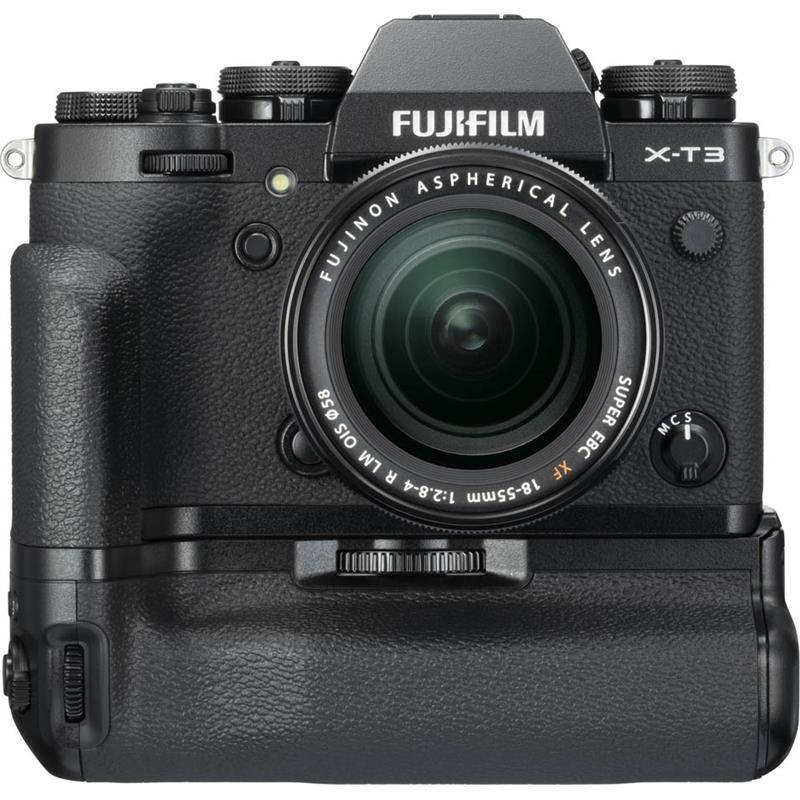
Now, before you accuse me of being a hater or a troll, let me make one thing clear: I have nothing against Fujifilm or its users. In fact, I own a Fujifilm X-T3 myself and a few other Fuji cameras and lenses, and I love them. It’s a great camera that delivers excellent image quality, performance, and usability. It’s fun to use and it inspires me to be creative. I also appreciate Fujifilm’s dedication to innovation and customer service. They are constantly updating their firmware, adding new features and improving existing ones. They also listen to feedback and suggestions from their users and implement them in their products.
So why am I writing this blog post? Well, because I think there is a difference between being a fan and being a fanboy/girl. A fan is someone who likes something and enjoys it. A fanboy/girl is someone who likes something and thinks it’s the best thing ever. A fan is open-minded and respectful of other opinions. A fanboy/girl is closed-minded and dismissive of other perspectives. A fan is willing to admit flaws and limitations. A fanboy is blind to faults and exaggerations.
Don’t get me wrong: there is nothing wrong with being enthusiastic about something you love. But when that enthusiasm turns into obsession, bias, or arrogance, then it becomes a problem. And that’s what I see happening with some of the Fuji FanBoys out there. They are so obsessed with their Fujifilm gear that they can’t see anything else. They are so biased that they ignore or downplay the advantages of other brands or systems. They are so arrogant that they mock or insult anyone who dares to disagree with them or choose something different.
This kind of behaviour is not only annoying but also harmful. It creates unnecessary division and hostility among photographers who should be united by their passion for the art and craft of photography. It also limits one’s own growth and learning as a photographer by shutting out other possibilities and perspectives. And it ultimately undermines one’s credibility and reputation as a photographer by making one look like a fanatic or a shill.
So what can we do about this? Well, first of all, we can be more aware of our own biases and preferences. We can acknowledge that we like Fujifilm for certain reasons, but that doesn’t mean that Fujifilm is perfect or superior to everything else. We can recognize that other brands and systems have their own strengths and weaknesses and that they may suit different needs and tastes better than Fujifilm. We can respect other people’s choices and opinions, even if they differ from ours.
Secondly, we can be more curious and open-minded about other options and opportunities. We can try out different cameras and lenses from different brands and systems, either by renting them, borrowing them from friends, or visiting a store. We can learn from other photographers who use different gear than us, either by reading their reviews, watching their videos, or following their work. We can experiment with different styles and genres of photography that may challenge us or inspire us.
Thirdly, we can be more humble and honest about our own skills and abilities. We can admit that we are not experts or masters of photography just because we use Fujifilm gear. We can acknowledge that we still have a lot to learn and improve as photographers, regardless of what camera or lens we use. We can focus more on our vision and creativity than on our gear and specs.
In conclusion, I want to say that I’m not trying to bash or offend anyone who loves Fujifilm gear. I’m just trying to share my perspective on how we can be better photographers and better people by being more balanced and reasonable in our fandom. I hope you enjoyed reading this blog post and found it useful or interesting. If you agree or disagree with me, feel free to leave a comment below or send me an email. I’d love to hear your thoughts on this topic.
Using the back button AF is a technique that allows you to focus on your subject without having to press the shutter button halfway. It involves assigning a different button on the back of your camera to activate the autofocus system, instead of using the shutter button. Normally, when you press the shutter button halfway, you activate the autofocus system and lock the focus on your subject. When you press it fully, you take the picture. However, if you move your camera after locking the focus, or if your subject moves, you may lose focus and end up with a blurry image. By using a separate button for focusing, you can avoid this problem and have more control over when and where to focus. This way, you can lock the focus on your subject and recompose the frame without losing focus. Using back button AF can be useful for situations where you want to have more control over the focus point, or when you are shooting moving subjects and want to track them continuously. Some of the benefits of using back button AF are:
You can avoid accidental refocusing when you press the shutter button fully.
You can switch between single and continuous autofocus modes without changing the settings on your camera.
You can prevent focus hunting when shooting in low light or low contrast scenes.
You can use manual focus and autofocus interchangeably without switching modes.
To use the back button AF, you need to assign a button on the back of your camera to activate the autofocus system. The exact procedure may vary depending on your camera model, but generally, you can find it in the custom functions menu. Once you have assigned the button, you need to disable the autofocus function from the shutter button. This way, the shutter button will only be used to take the picture, and the back button will be used to focus. To use the back button AF, you simply press and hold the back button to focus on your subject, and then release it when you have achieved focus. You can then recompose the frame and press the shutter button to take the picture.