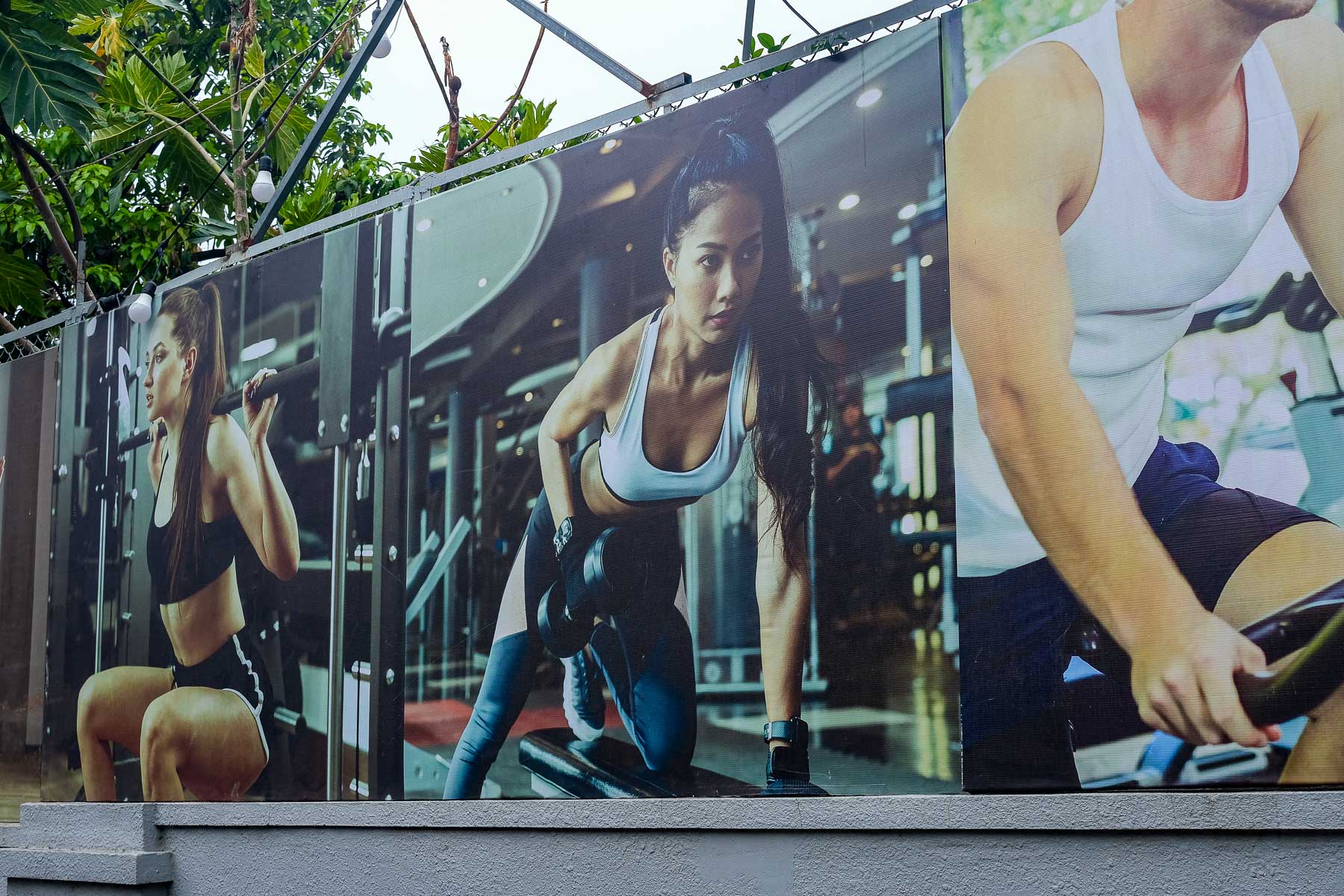
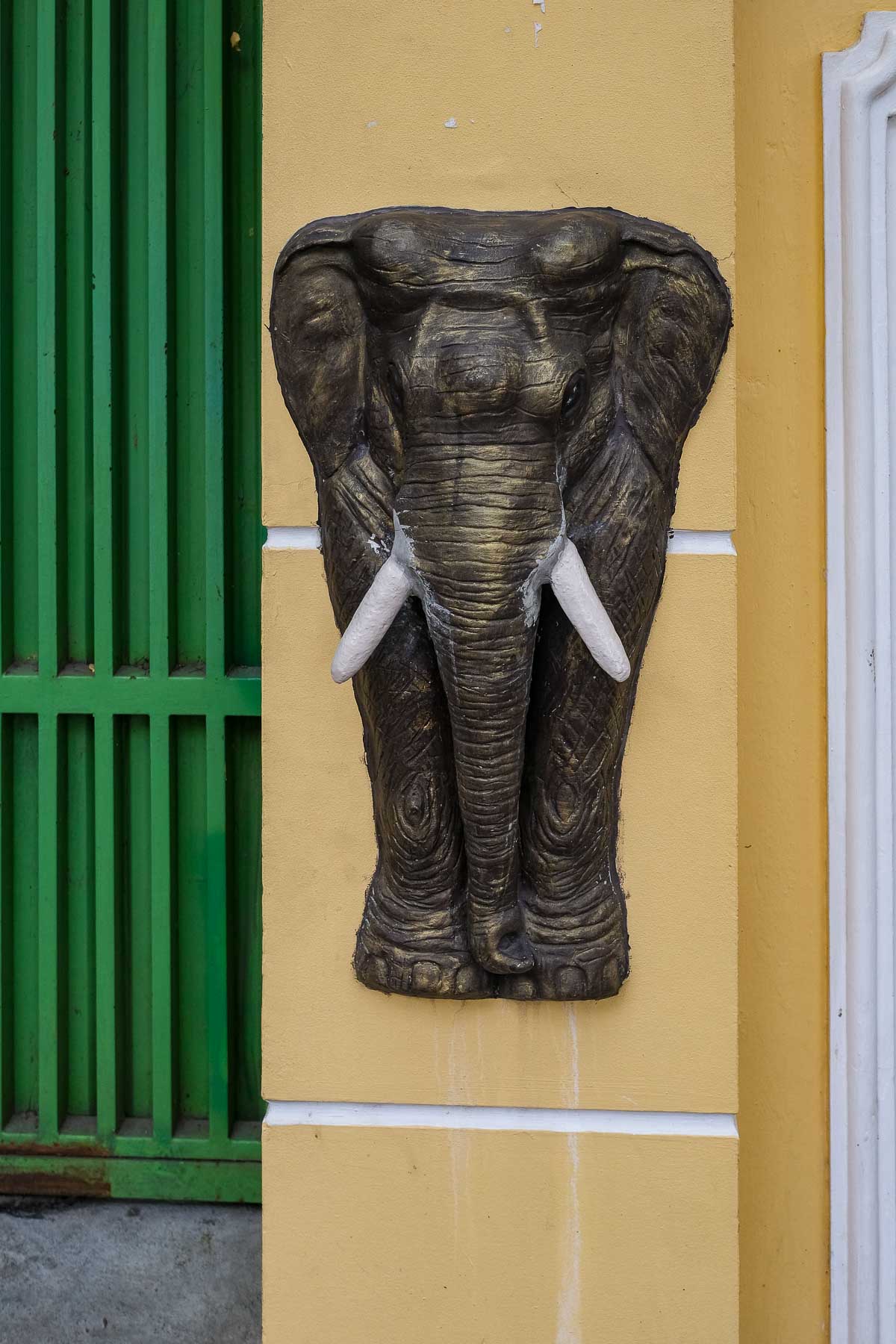
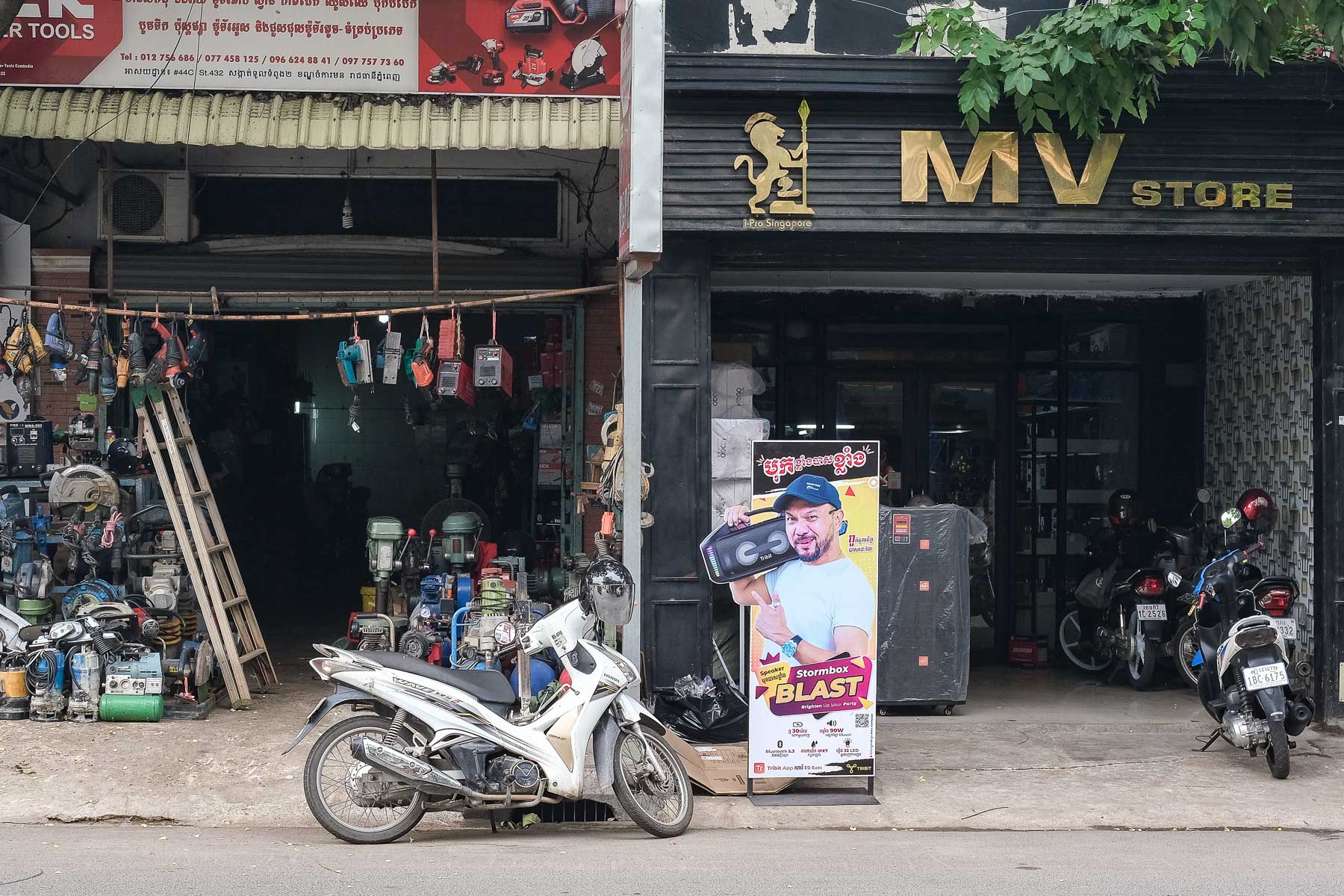
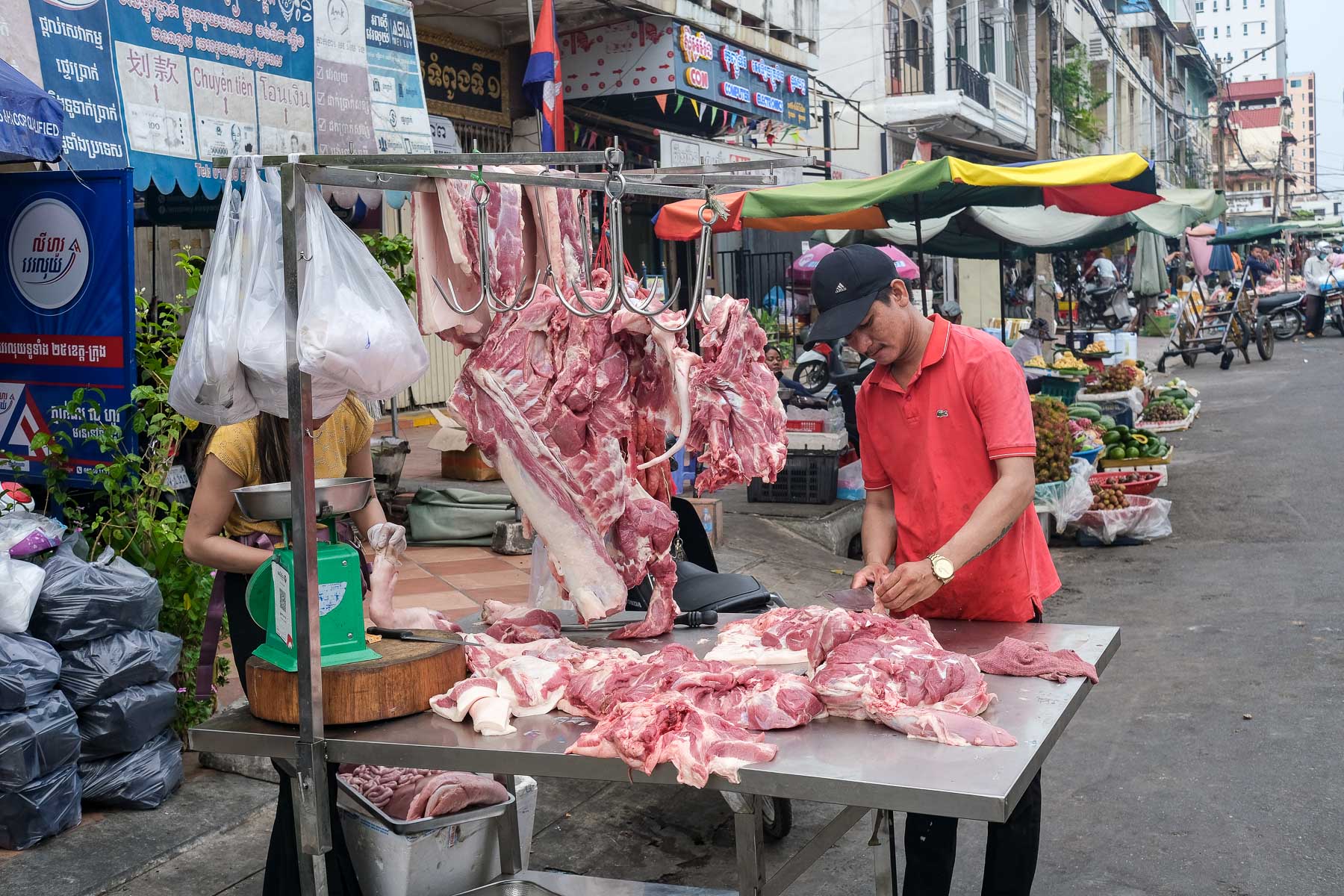
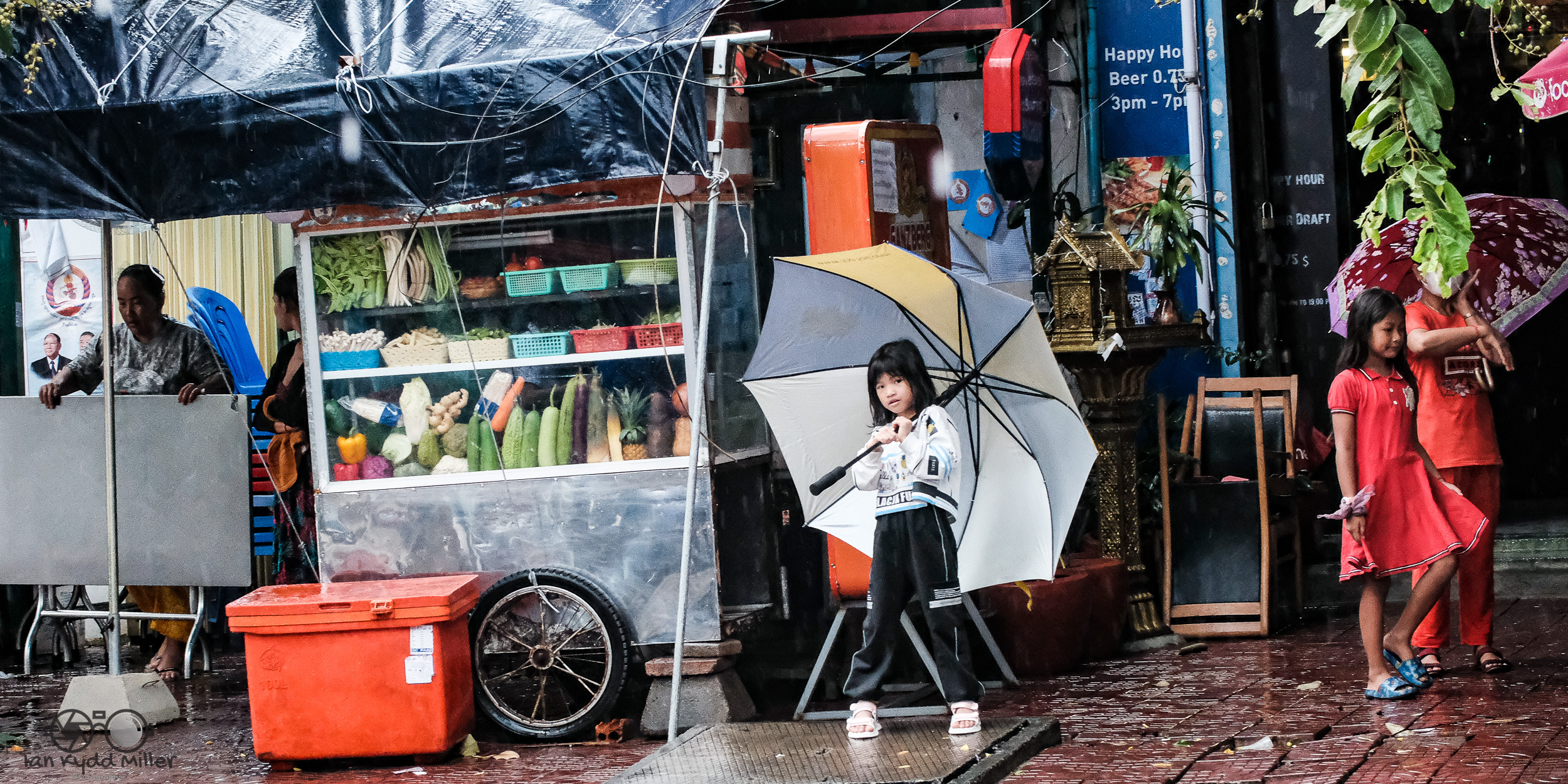
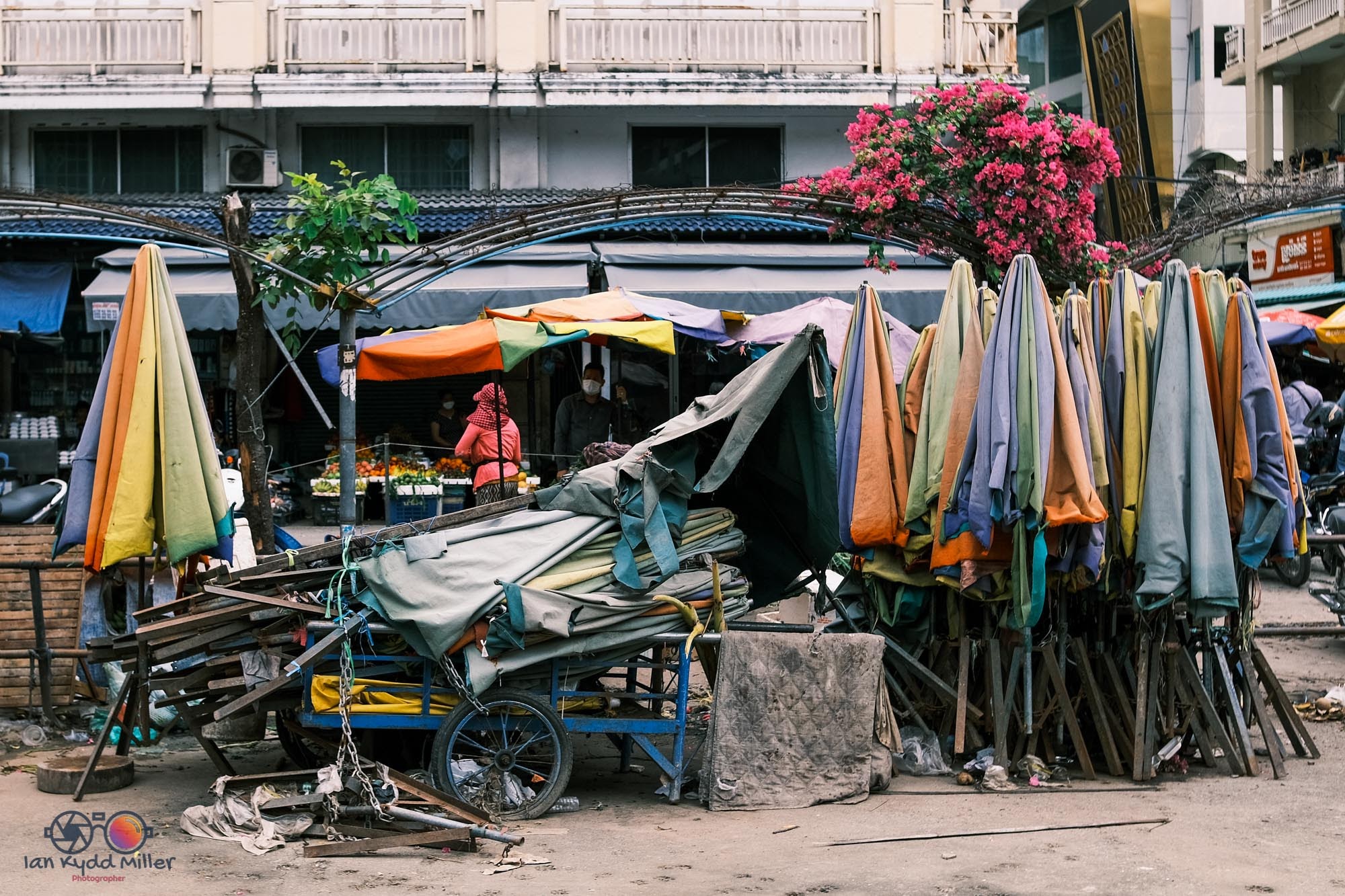
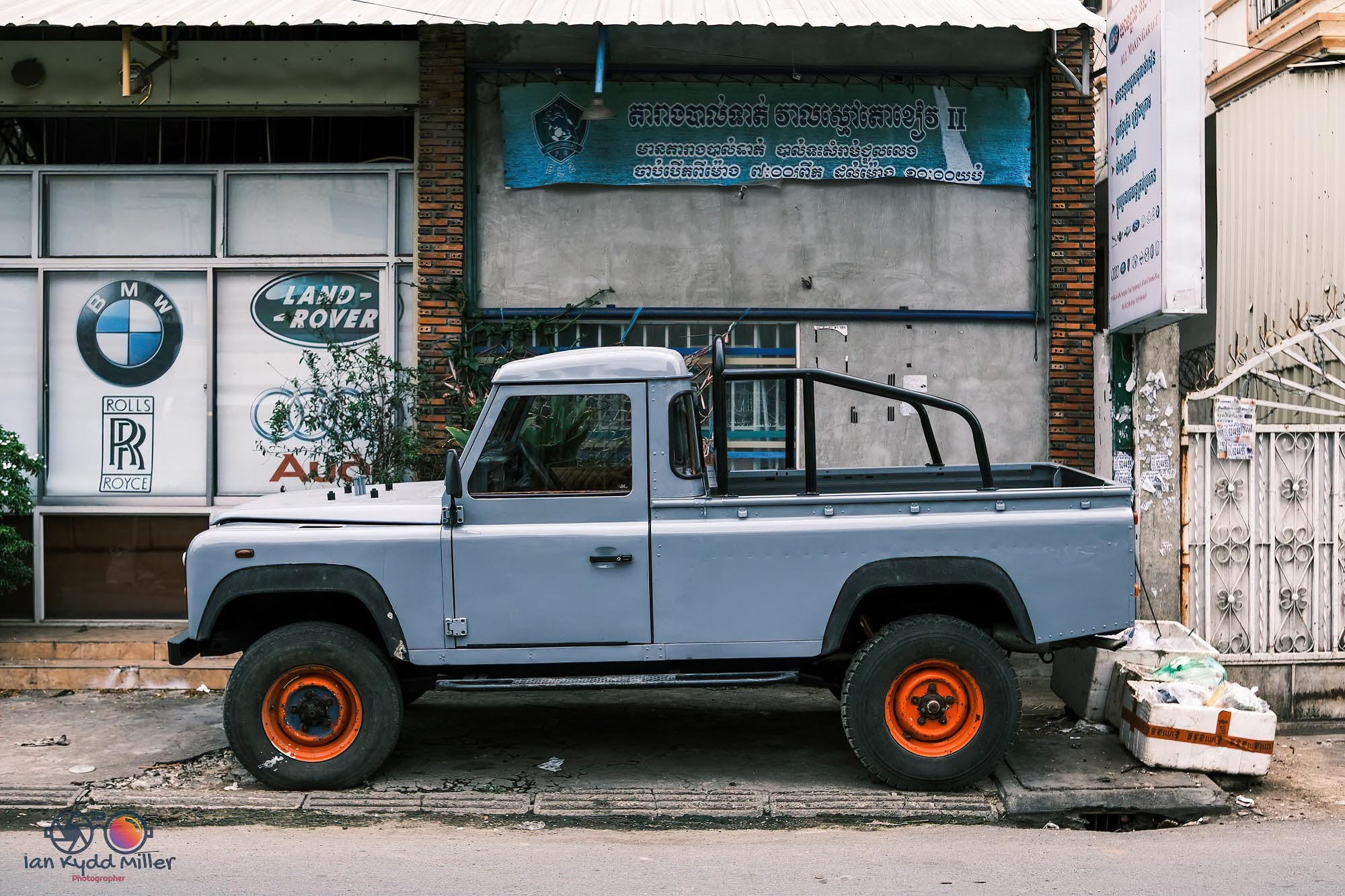
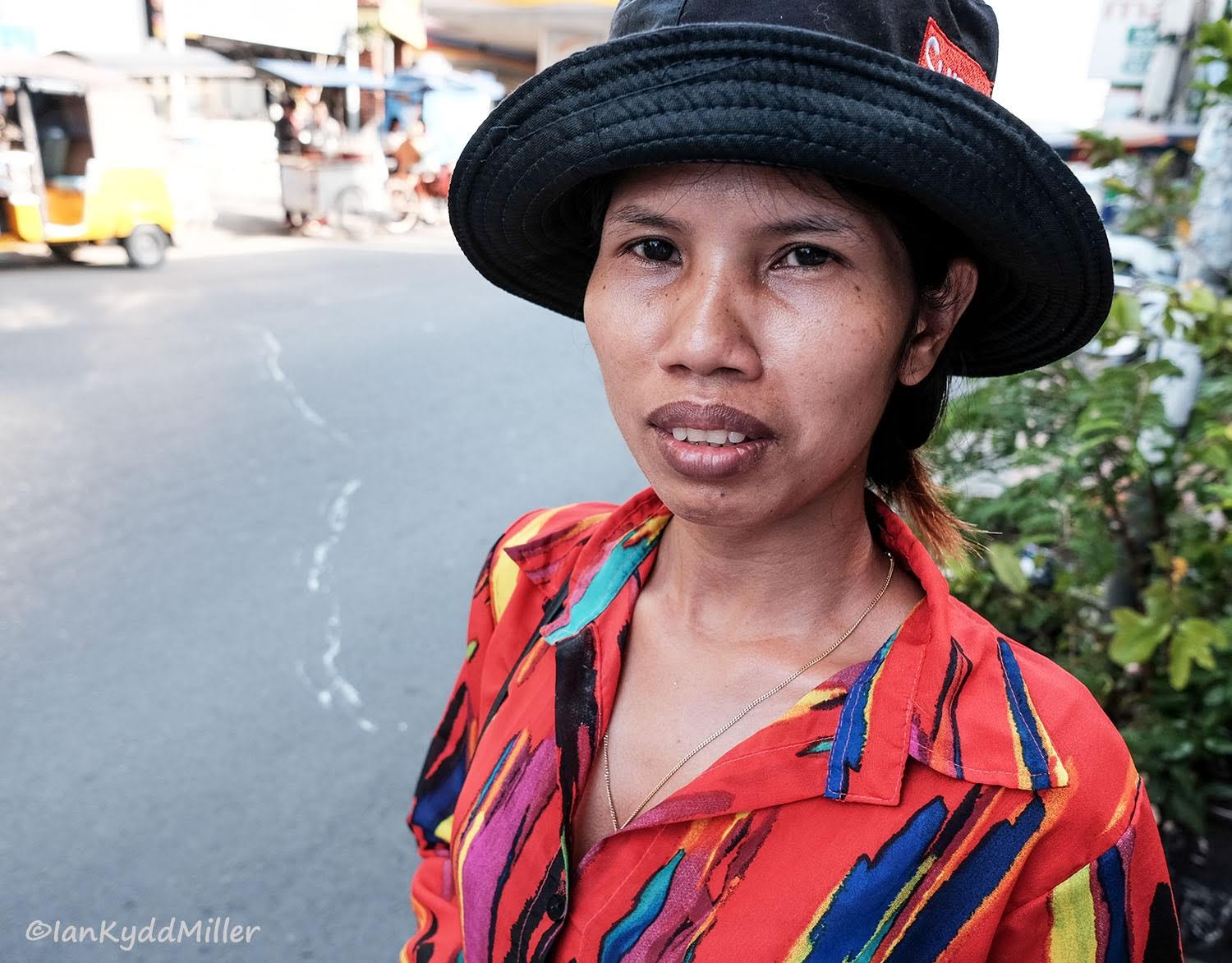
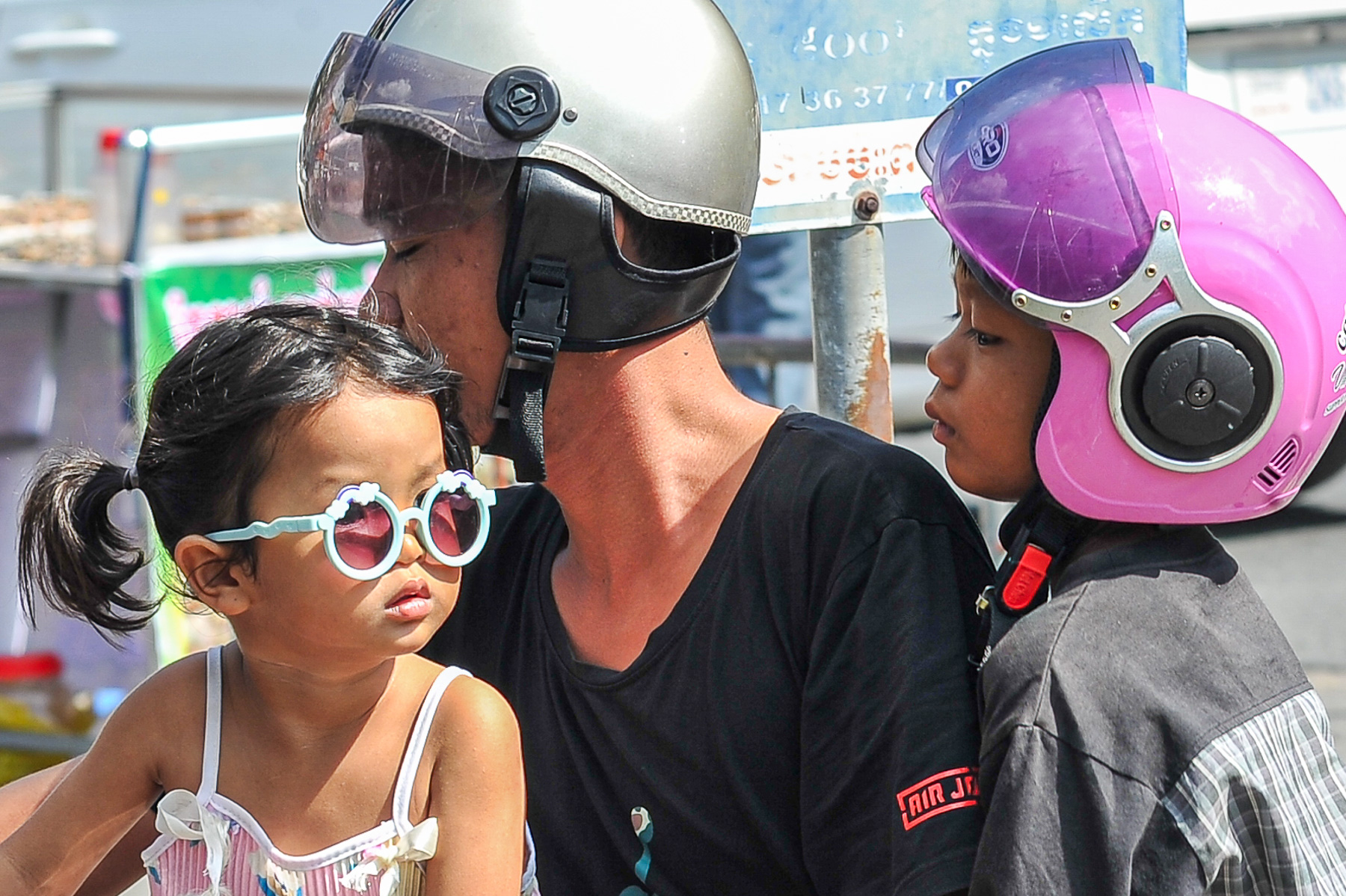
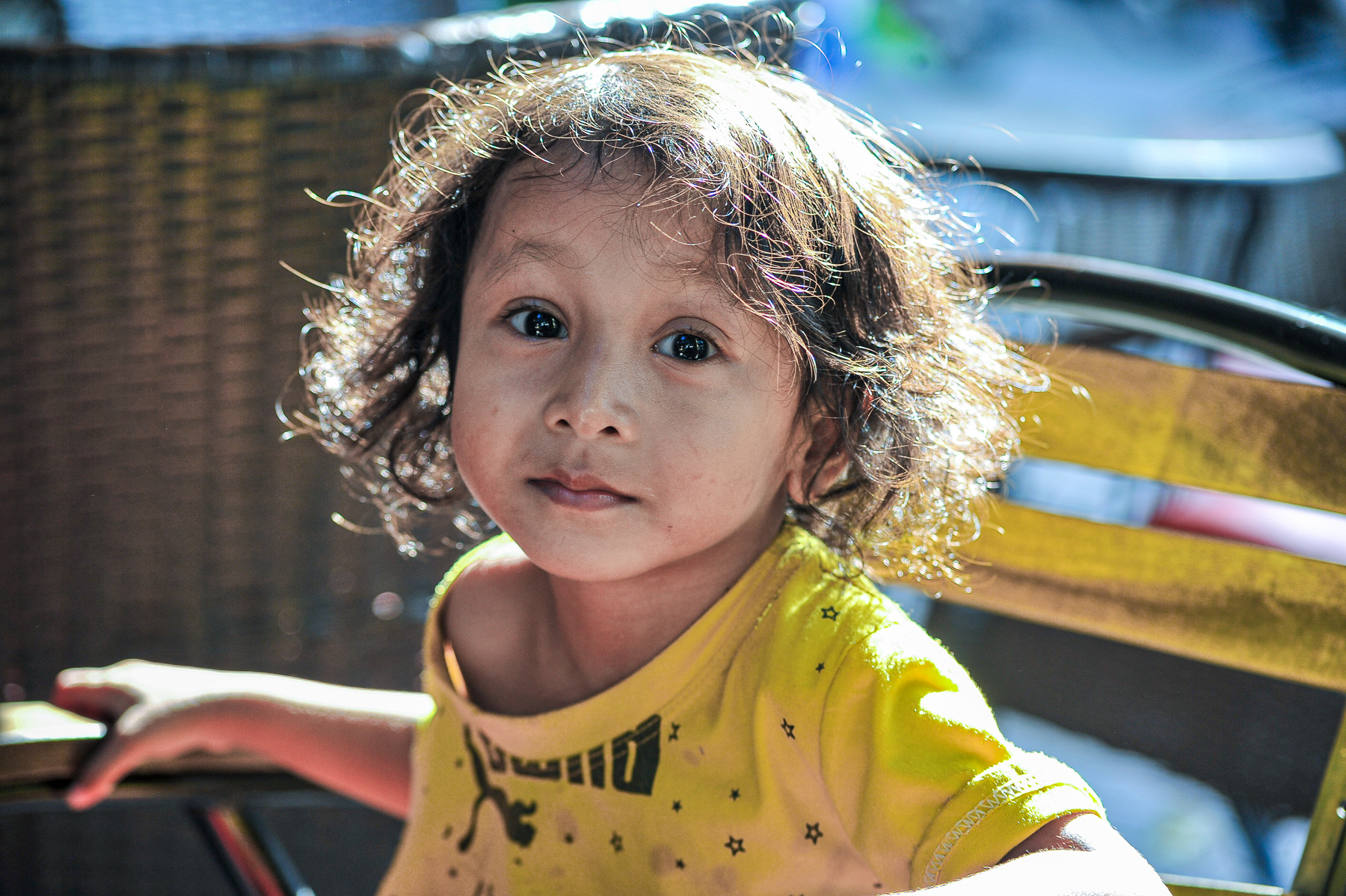
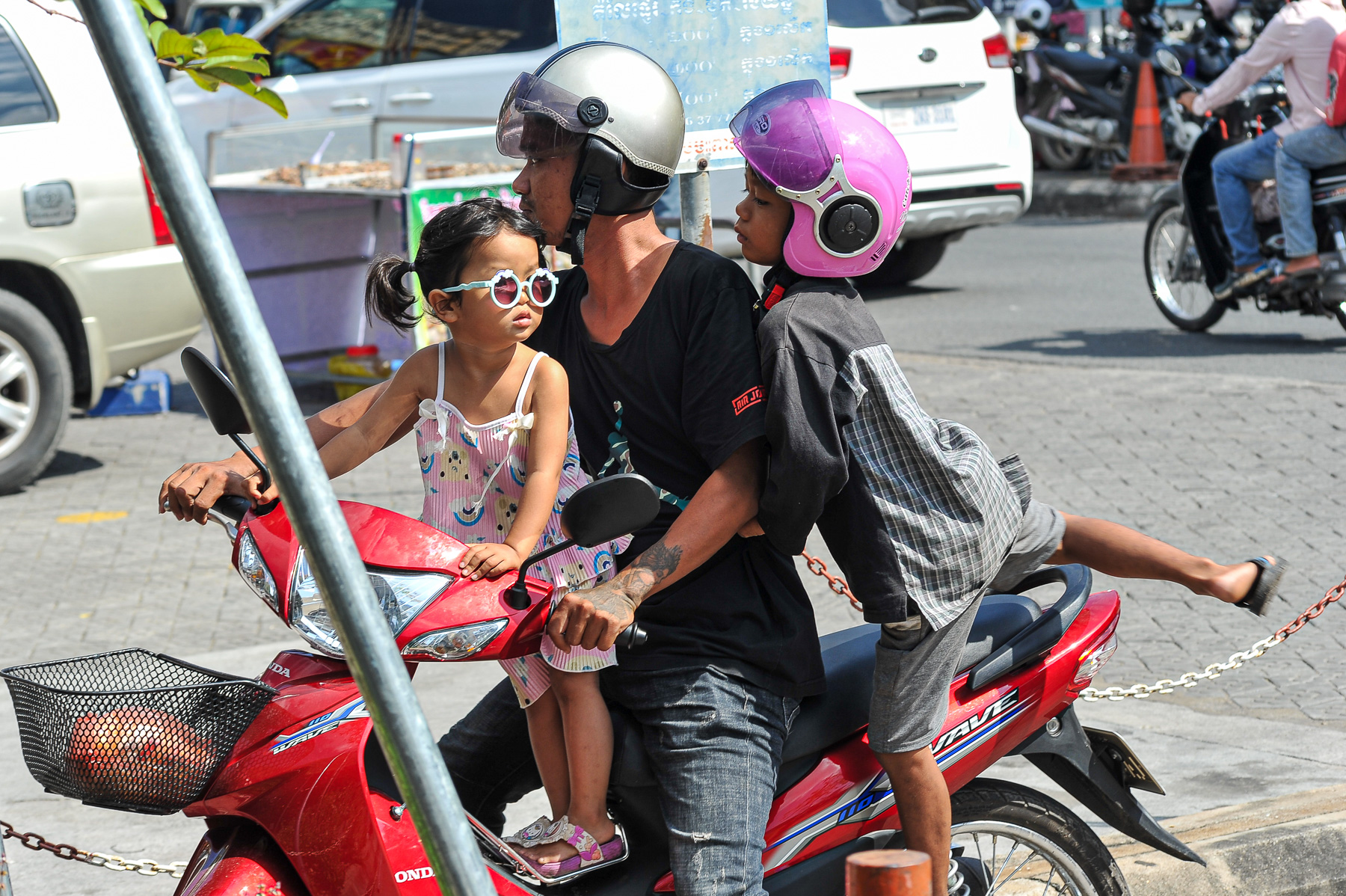
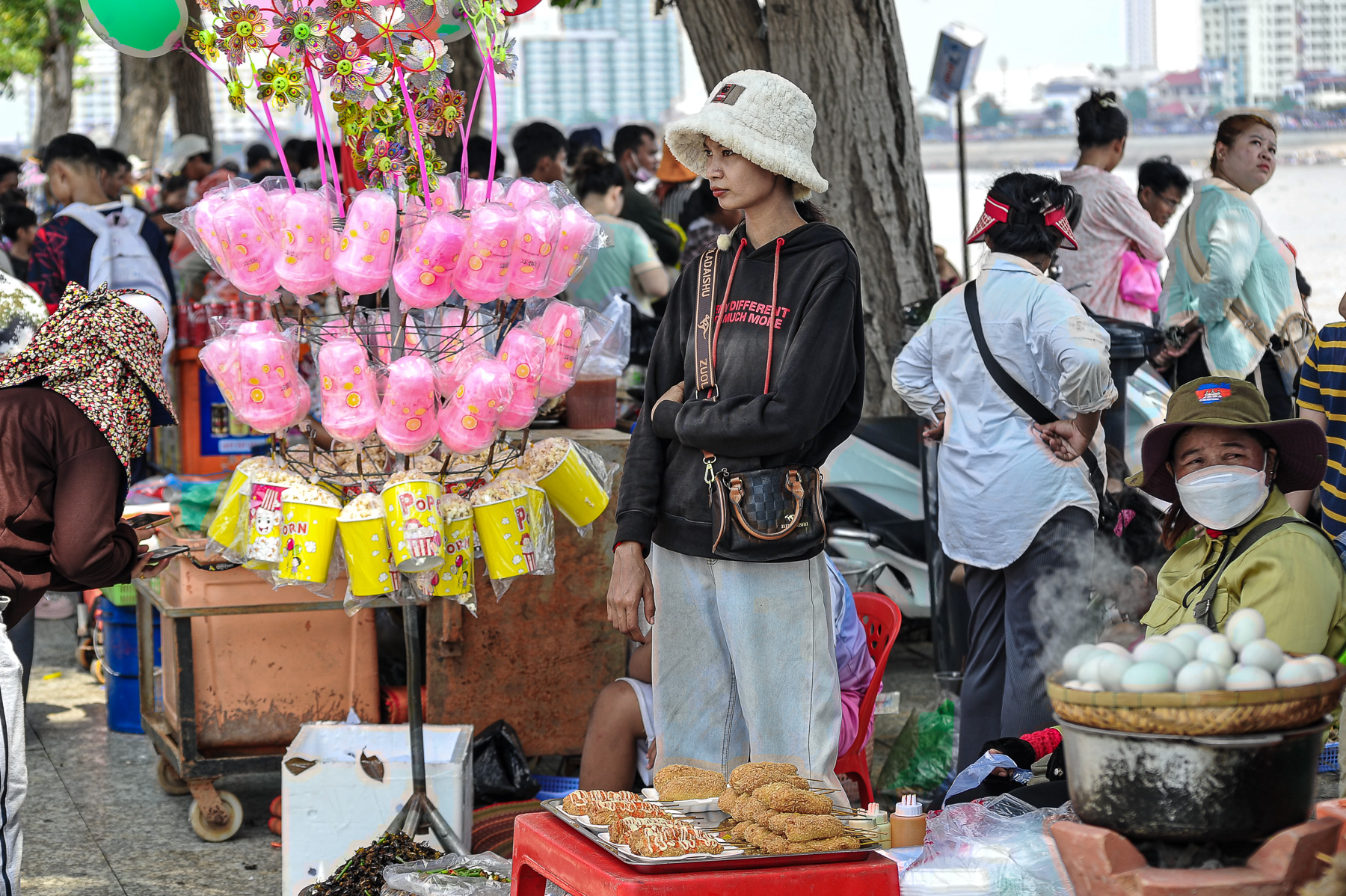
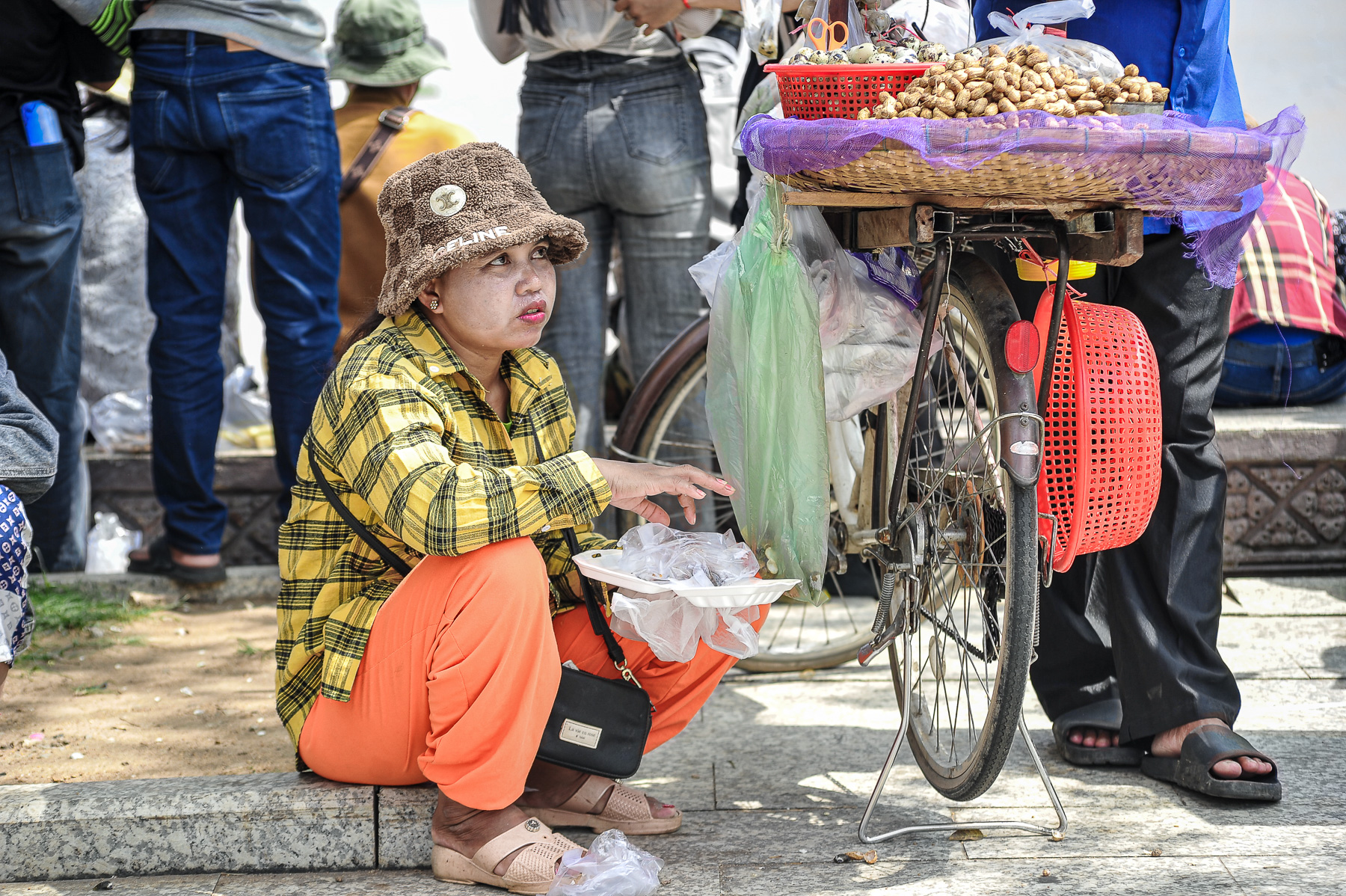
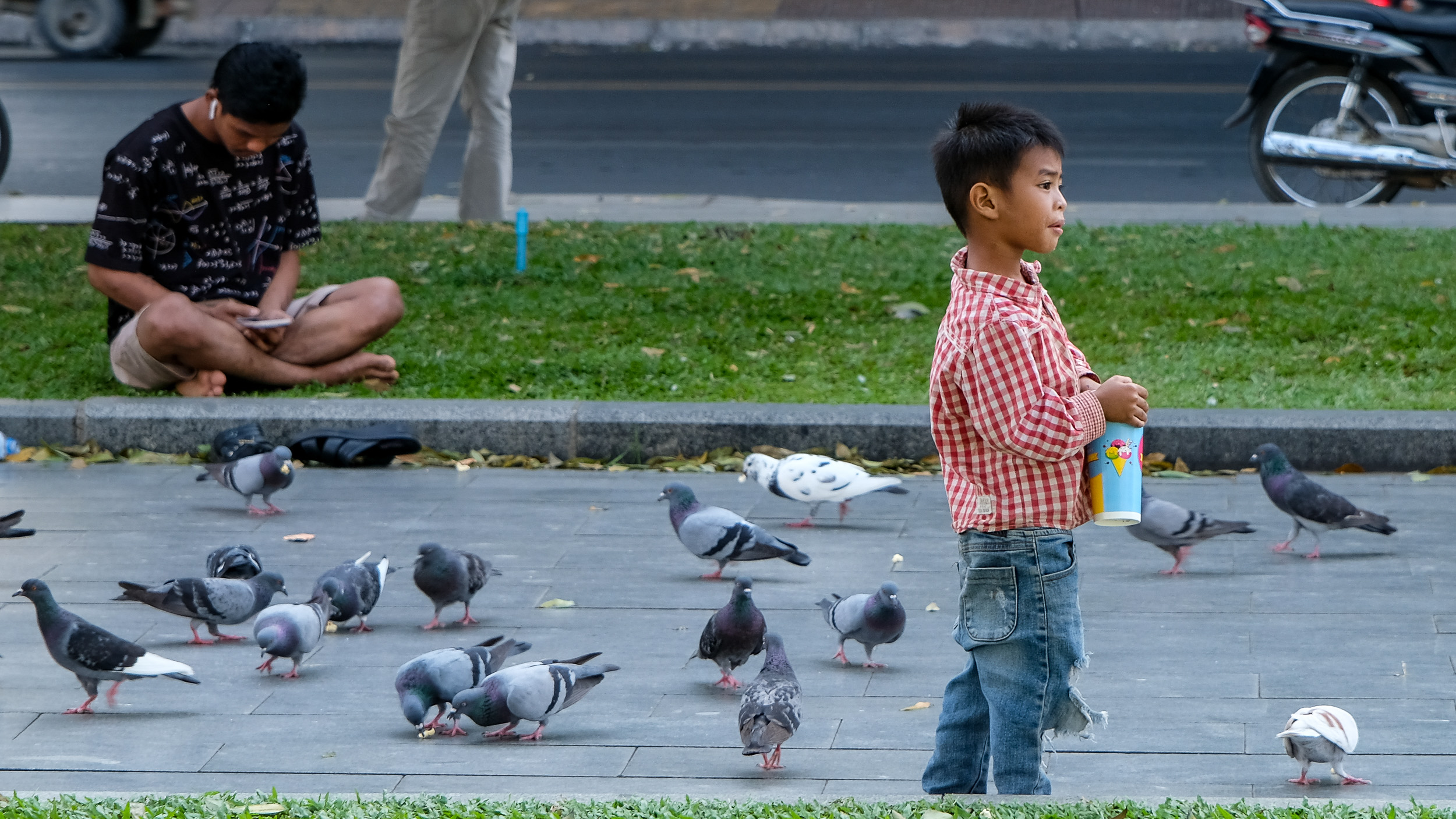
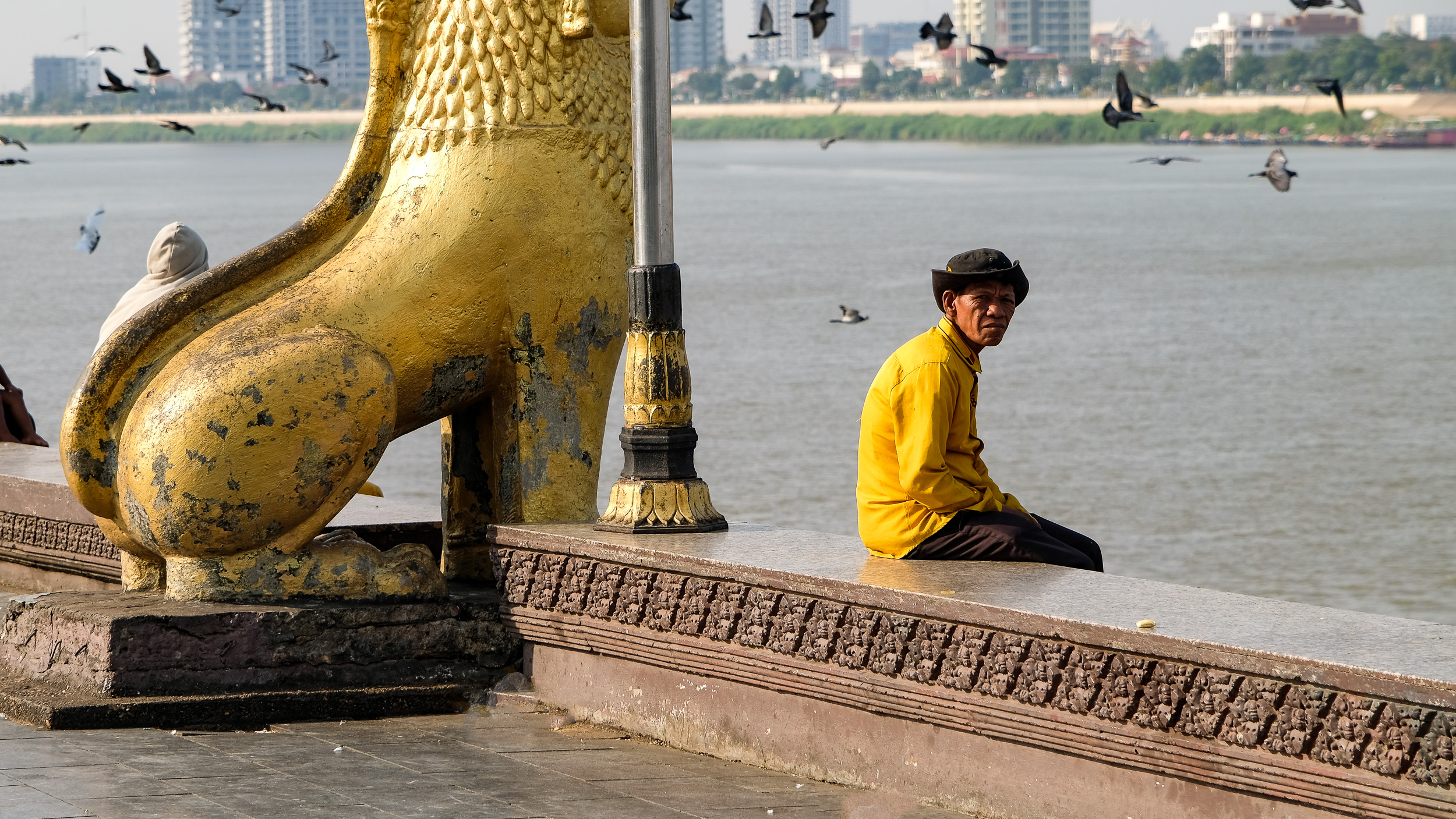
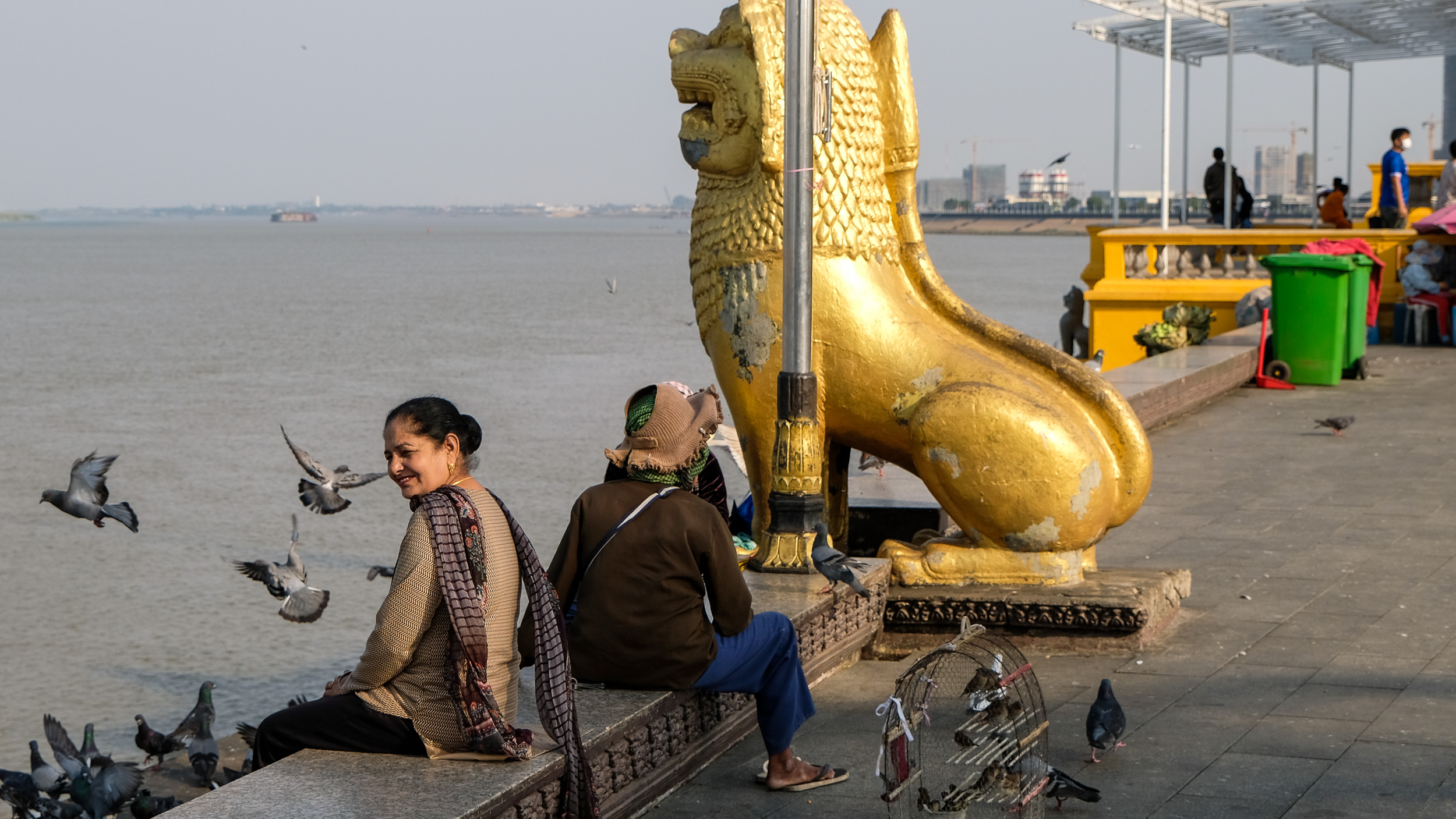
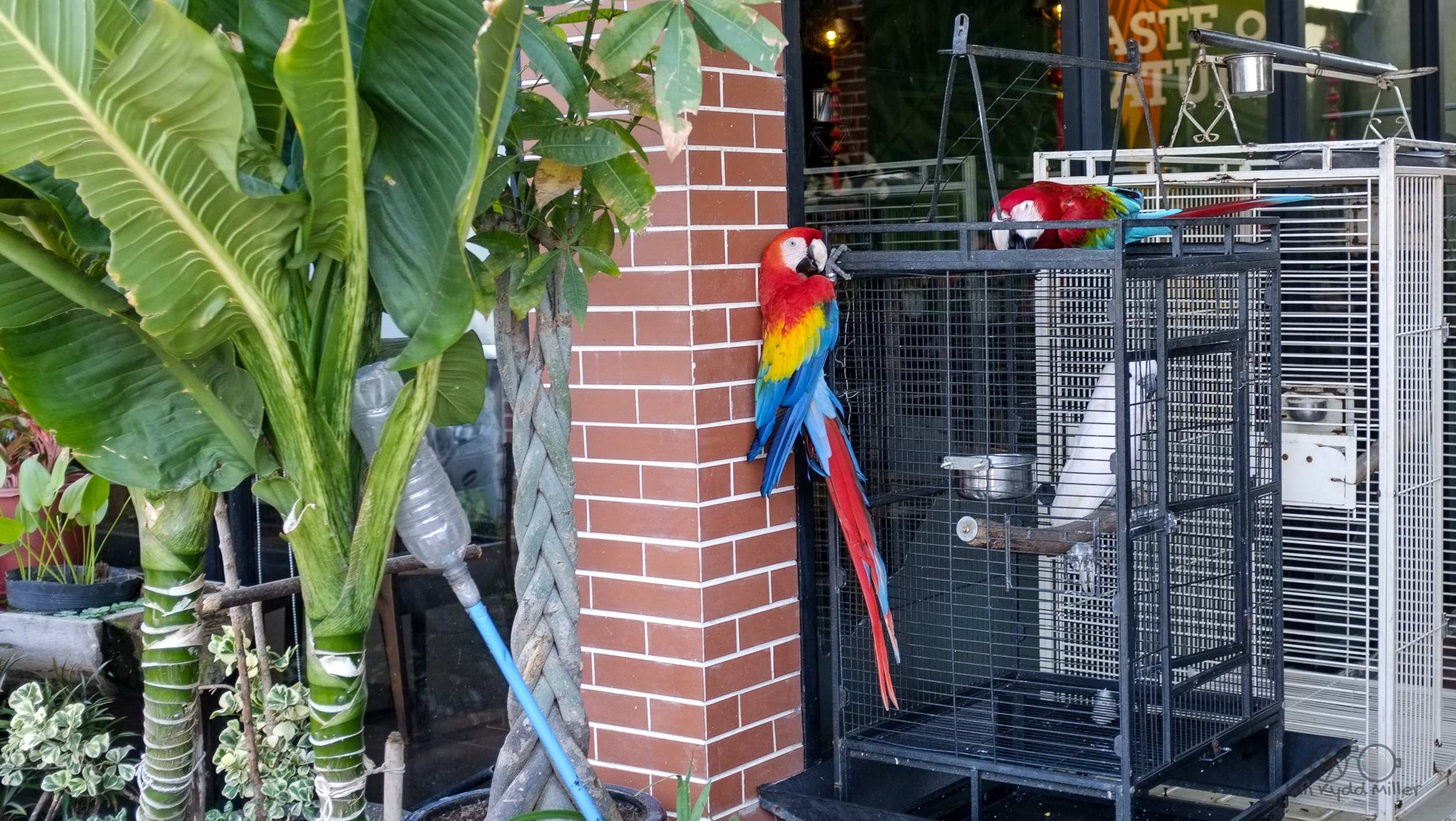
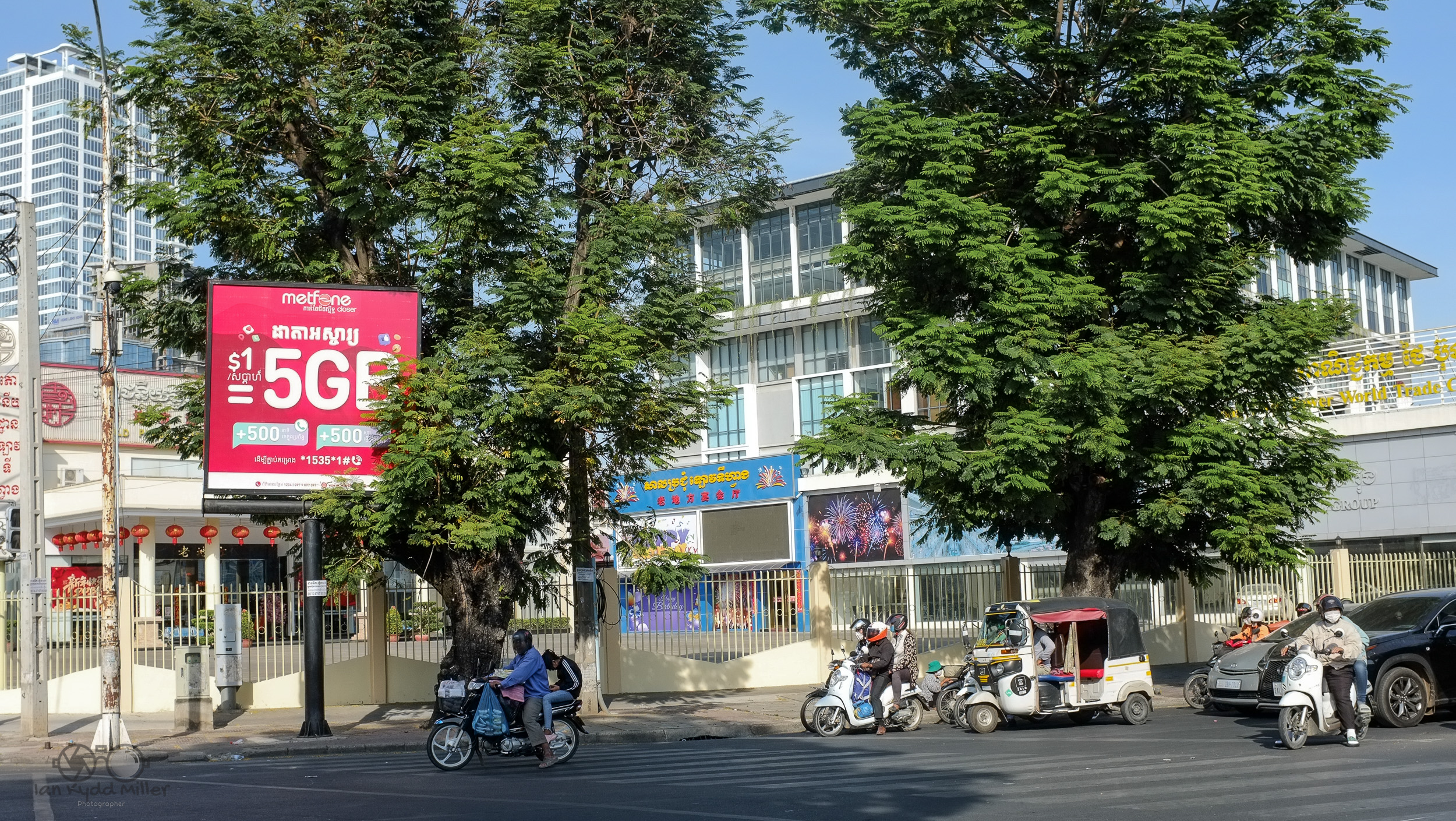
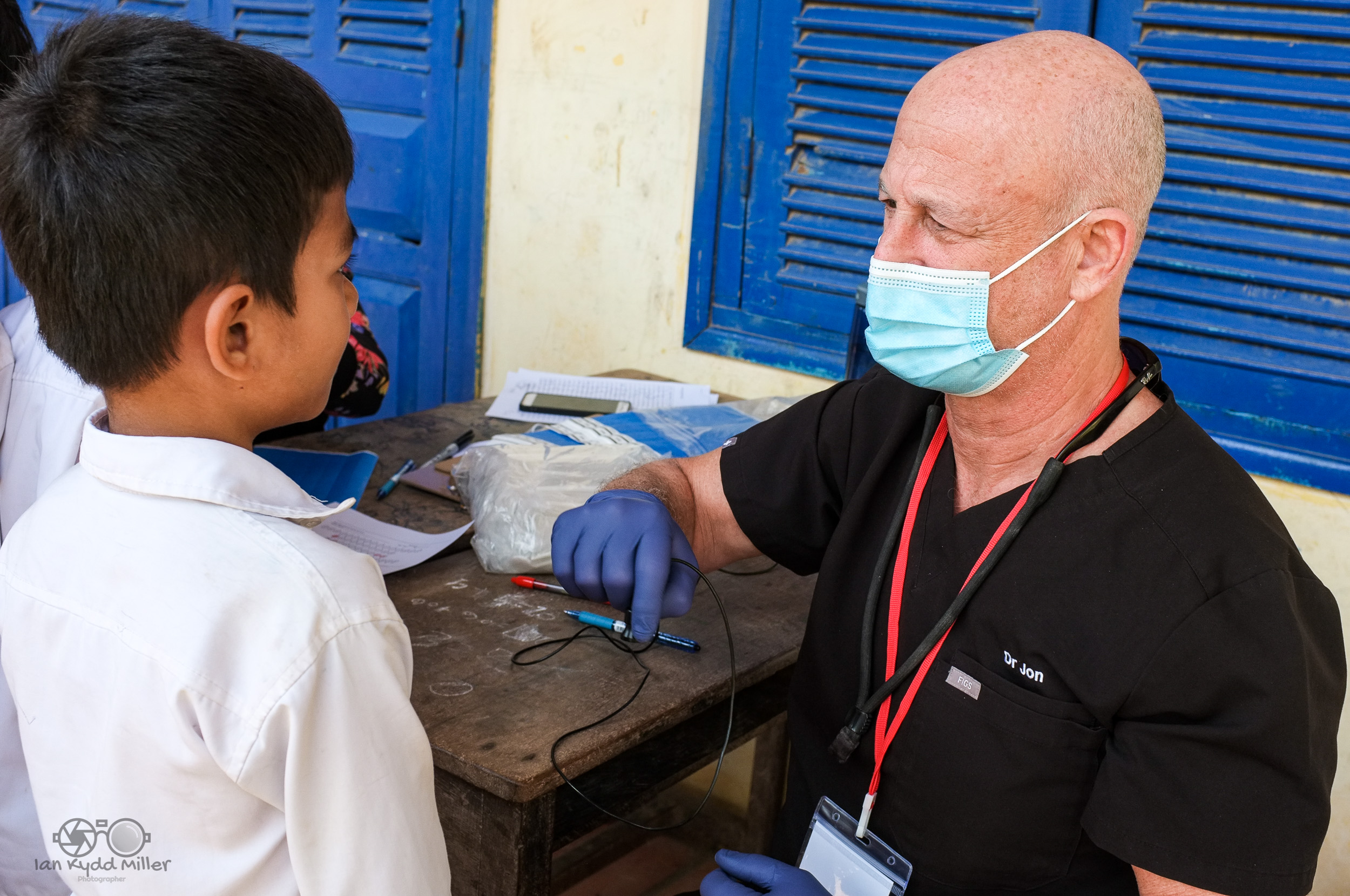
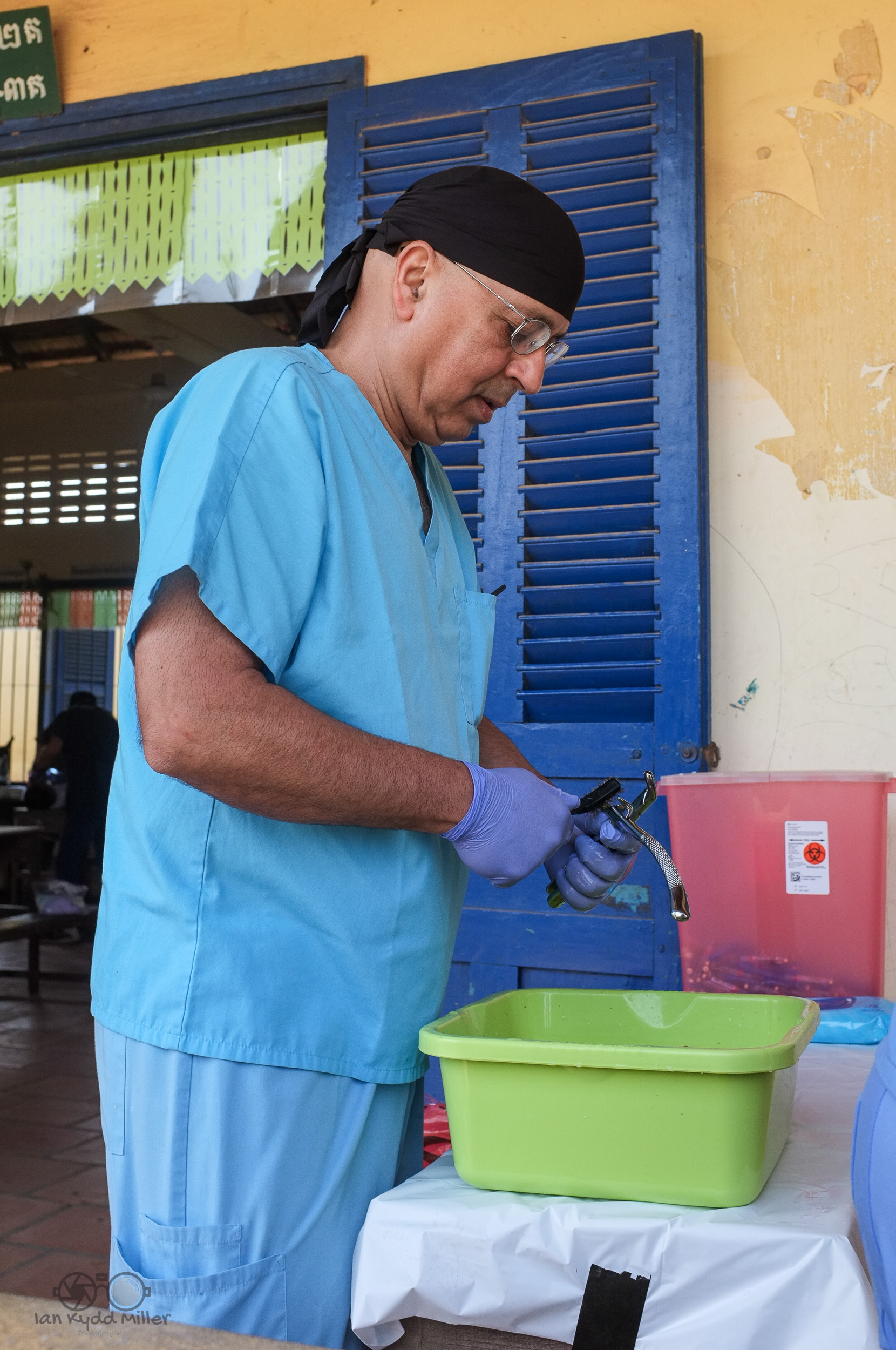
If you are looking for a versatile and compact lens to pair with your X Pro3, you can’t go wrong with the Fujifilm 27mm f2.8. This lens is a gem for general and street photography, as it offers a fast aperture, sharp image quality, and a lightweight design. The 27mm focal length is equivalent to 41mm on a full-frame sensor, which is close to the classic 35mm field of view many photographers love. It allows you to capture many scenes, from landscapes to portraits, without distortion or cropping. The f2.8 aperture lets you shoot in low-light conditions and create beautiful bokeh effects. The lens also has a quick and silent autofocus system that works well with the X Pro3’s hybrid viewfinder. The best part is that the lens is so tiny and light that you can easily carry it around in your pocket or bag. It barely adds any bulk to the X Pro3’s sleek and retro body. The Fujifilm 27mm f2.8 is a great lens for anyone who wants to enjoy the simplicity and creativity of photography with the X Pro3.
I have owned it for quite a while but never really used the Fujifilm 27mm f2.8 lens until recently, and I have to say I’m blown away by its performance! It’s so compact and lightweight, yet it delivers sharp and crisp images with beautiful colours and contrast. It’s perfect for street photography, landscapes, and portraits. It has a fast autofocus and a smooth aperture ring that lets me control the depth of field easily. I love how it makes my camera look sleek and discreet, and how it fits in my pocket when I’m on the go. This lens is a gem and I’m so glad I finally gave it a chance!
If you are passionate about photography, you know how important it is to know your camera well. Your camera is your tool, your partner, and your creative expression. Knowing your camera means you can take better photos, faster and easier.
But how do you get to know your camera? There are so many features, settings, and options that it can be overwhelming at first. Don’t worry, we are here to help you with some tips and tricks to get you started.
The first thing you need to do is read the manual. Yes, we know it sounds boring and tedious, but trust us, it will save you a lot of time and frustration later on. The manual will tell you everything you need to know about your camera’s functions, modes, menus, and buttons. You will learn how to adjust the exposure, focus, white balance, ISO, aperture, shutter speed, and more. You will also learn how to use the flash, the zoom, the timer, the burst mode, and other features that can enhance your photos.
The second thing you need to do is practice. The best way to learn is by doing. Take your camera with you everywhere you go and try different settings and situations. Experiment with different angles, perspectives, lighting conditions, and subjects. See how your camera reacts and what results you get. Don’t be afraid to make mistakes and learn from them. The more you practice, the more comfortable and confident you will become with your camera.
The third thing you need to do is have fun. Photography is not only a skill but also an art form. It is a way of expressing yourself and capturing moments that matter to you. Don’t get too caught up in the technical details and forget to enjoy the process. Be creative, be curious, be adventurous. Find your own style and voice. Share your photos with others and get feedback. Learn from other photographers and get inspired by their work.
Knowing your camera is not a one-time thing. It is a continuous journey of discovery and improvement. As you grow as a photographer, so will your camera skills. You will always find new things to learn and new ways to challenge yourself.
But remember, the most important thing is not the camera itself but what you do with it.
If you are looking for a compact and versatile camera for street photography, you might want to consider the Fujifilm XE2 with a 18mm f2 lens. This combination offers many advantages for capturing candid moments in the urban environment. Here are some reasons why:
The Fujifilm XE2 is a mirrorless camera that has a retro design and a solid build quality. It has a 16.3 megapixel APS-C sensor that delivers excellent image quality and low-light performance. It also has a fast and accurate autofocus system that can track moving subjects with ease.
The 18mm f2 lens is a wide-angle prime lens that has a 35mm equivalent focal length of 27mm. This is a classic focal length for street photography, as it allows you to capture a wide view of the scene without distorting the perspective too much. It also has a bright aperture of f2 that lets you create shallow depth of field effects and shoot in low-light situations.
The combination of the Fujifilm XE2 and the 18mm f2 lens is very lightweight and discreet. You can easily carry it around in your bag or pocket, and it won’t attract too much attention from your subjects.
The Fujifilm XE2 and the 18mm f2 lens also give you a lot of creative control over your images. You can choose from various film simulation modes that emulate the look of classic Fujifilm films, such as Provia, Velvia, Astia, and more. You can also adjust the exposure compensation, white balance, ISO, and other settings with dedicated dials and buttons on the camera body.
As you can see, the Fujifilm XE2 and the 18mm f2 lens are a great pair for street photography. They allow you to capture the beauty and spontaneity of life on the streets with ease and style. If you are interested in this setup, you can find more information and reviews online or visit your local camera store to try it out for yourself.
If you love photography and travel, you might wonder what essential camera equipment you need to pack when travelling light. Travelling light means carrying only the most necessary items that will allow you to capture the best shots of your destination without compromising your comfort and mobility.
Here are some tips on how to choose the right camera equipment for travelling light.
First, you need to decide what kind of camera you want to use. There are many types of cameras available, such as DSLRs, mirrorless, compact, action, and smartphone cameras. Each type has its own advantages and disadvantages, depending on your preferences, budget, and skill level. For example, DSLRs offer the best image quality and versatility, but they are also bulky and heavy. Mirrorless cameras are smaller and lighter than DSLRs, but they still have interchangeable lenses and good performance. Compact cameras are easy to use and fit in your pocket, but they have limited zoom and low-light capabilities. Action cameras are great for capturing videos and extreme sports, but they have a fixed wide-angle lens and poor audio quality. Smartphone cameras are convenient and always with you, but they have limited battery life and storage space.
Second, you need to choose the right lenses for your camera. Lenses are the most important part of your camera equipment, as they determine the quality and style of your photos. However, lenses can also be heavy and expensive, so you need to be selective about which ones to bring. A good rule of thumb is to bring one or two lenses that cover a wide range of focal lengths and situations. For example, you can bring a standard zoom lens (such as 18-55mm or 24-70mm) that can handle landscapes, portraits, and street photography. You can also bring a prime lens (such as 35mm or 50mm) that has a fast aperture and can create beautiful bokeh effects. Alternatively, you can bring a superzoom lens (such as 18-200mm or 28-300mm) that can cover everything from wide-angle to telephoto shots.
Third, you need to consider the accessories that will enhance your photography experience. Accessories are the items that will help you protect, stabilize, charge, store, and edit your photos. However, accessories can also add weight and bulk to your luggage, so you need to prioritize the ones that are most useful and essential. For example, you should always bring a camera bag or case that will protect your camera and lenses from dust, water, and impact. You should also bring a tripod or a monopod that will help you capture sharp and steady shots in low-light conditions or with long exposures. You should also bring extra batteries and memory cards that will ensure you have enough power and storage space for your photos. You should also bring a cleaning kit that will help you keep your camera and lenses clean from dust and smudges. You should also bring a laptop or a tablet that will allow you to back up, edit, and share your photos.
These are some of the essential camera equipment you need to pack when travelling light. By choosing the right camera equipment for your needs and preferences, you can enjoy taking amazing photos of your travels without sacrificing your comfort and mobility.
Street photography is a genre of photography that captures candid moments of people and places in public spaces. It is often associated with wide-angle lenses, which allow the photographer to get close to the subject and capture more of the surrounding context. However, some street photographers prefer to use telephoto lenses, which have a longer focal length and can create a different perspective and effect.
Telephoto lenses have some advantages and disadvantages for street photography. On the positive side, they can help the photographer to isolate the subject from the background, creating a shallow depth of field and a more dramatic composition. They can also allow the photographer to shoot from a distance, without being noticed or disturbing the scene. This can be useful for capturing candid expressions and emotions, or for photographing in places where it might be unsafe or inappropriate to get too close.
On the negative side, telephoto lenses can also pose some challenges for street photography. They are usually heavier and bulkier than wide-angle lenses, which can make them more difficult to carry around and handle. They also require a faster shutter speed to avoid camera shake, which can limit the creative possibilities of using motion blur or low-light conditions. Moreover, they can create a more detached and voyeuristic feeling, which might not suit the style or intention of some street photographers who want to engage with their subjects and environment.
Ultimately, the choice of lens for street photography depends on the personal preference and vision of the photographer. There is no right or wrong answer, as long as the lens serves the purpose and message of the image. Some street photographers might stick to one lens for consistency and simplicity, while others might switch between different lenses depending on the situation and opportunity. The most important thing is to experiment and have fun with street photography, and to find your own voice and style.
I definitely have too much gear but I can’t see myself getting rid of any any time soon. I am running three systems at the moment, Nikon, Fuji and Canon and I use them at different times and for different reasons as they all have their strong points. Most of my gear is not new, the last new lens I bought was a Vitrox 13mm f1.4 for Fuji.
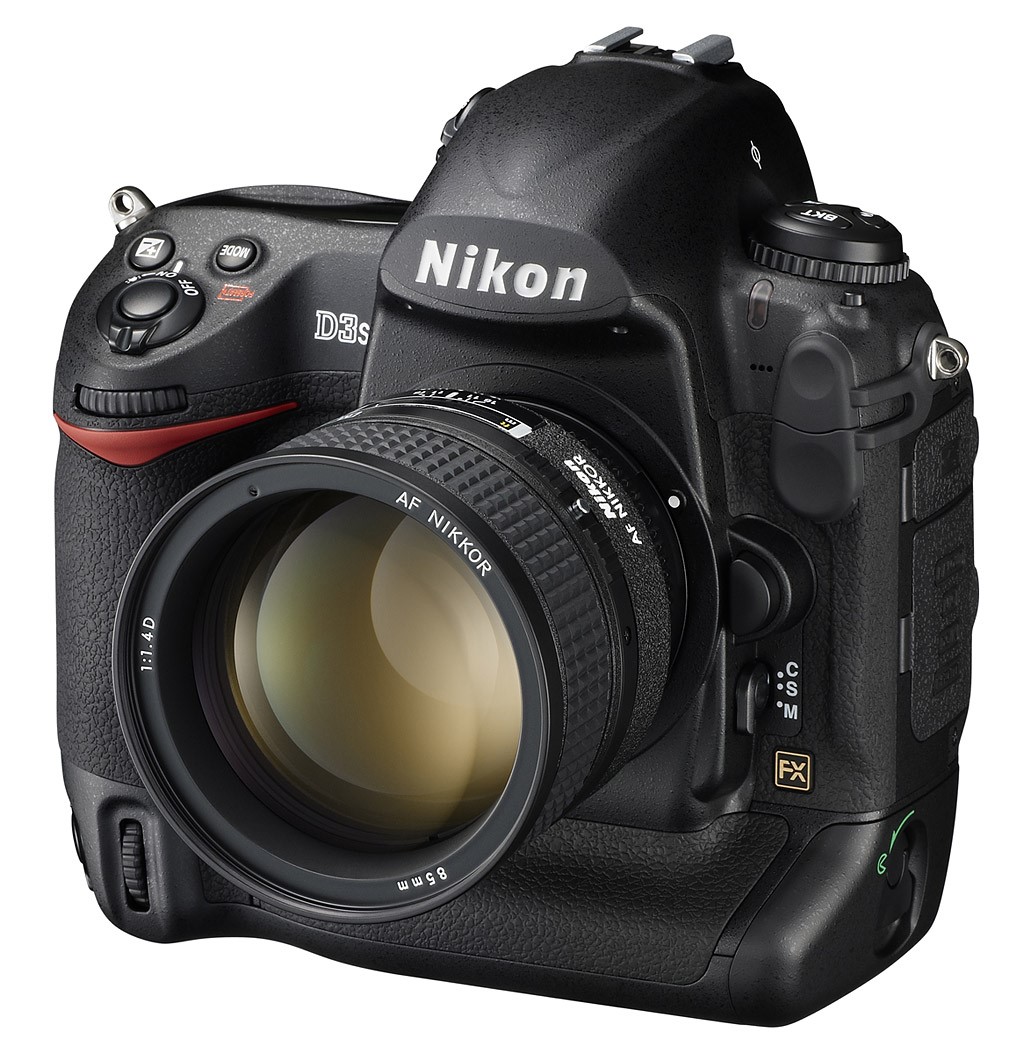
Nikon D3s and a few lenses I bought recently for great prices used. I still enjoy using a DSLR, especially of this quality. Other Nikons I have and still use are the Nikon D2HS, and Nikon D1. I am definitely a hoarder.
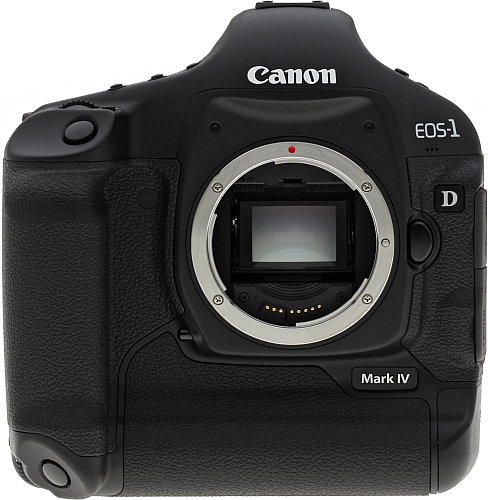
The Canon 1D Mk IV has been my main work camera for the past 10 years and it has never put a foot wrong, always giving me the images I required, but like the Nikon D3s it heavy and you need to be fairly strong to hump it and its L lenses around for a days shoot.
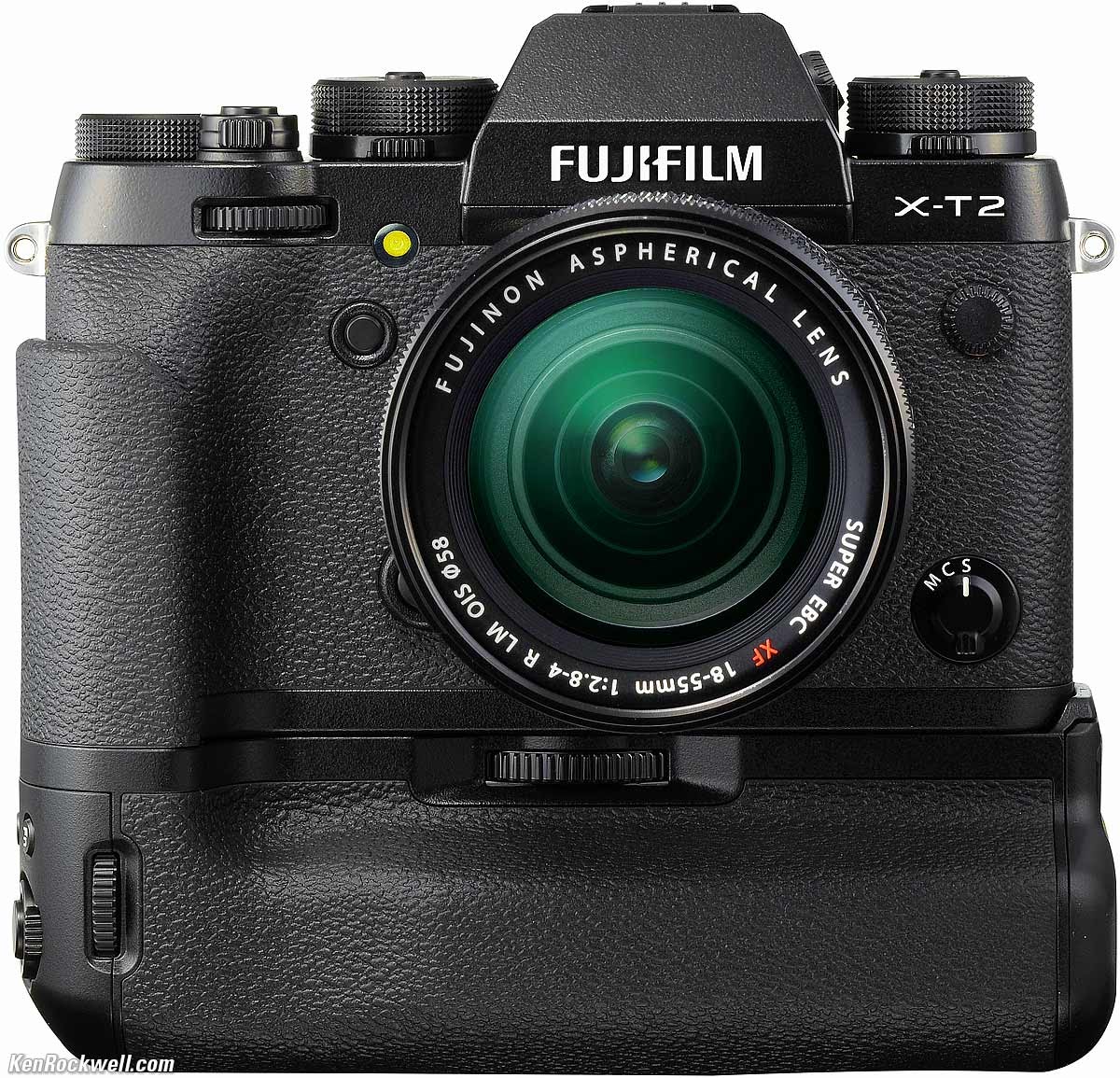
Fujifilm have been building wonderful cameras for a while, cameras with a bit of class. My general everyday camera for work is now Fuji either the XT2 or 3, with the battery grip as they still cannot compete with DSLR’s, power wise. Picture wise they can in certain circumstances, better the comparable DSLR.
I also use the Fujifilm X Pro1,2 & 3 .
If you are looking for a camera that can capture the essence of street photography, you might want to consider the Fuji X Pro2. This camera is designed with street photographers in mind, offering a range of features that make it easy and enjoyable to shoot in any situation. Here are some of the reasons why I love using the Fuji X Pro2 for street photography.
First of all, the Fuji X Pro2 has a hybrid viewfinder that lets you switch between an optical and an electronic viewfinder. This gives you the best of both worlds: you can use the optical viewfinder for a more natural and immersive experience, or you can use the electronic viewfinder for more accuracy and information. The electronic viewfinder also has a magnification function that helps you focus manually, which is great for street photography.
Secondly, the Fuji X Pro2 has a compact and discreet body that blends in with the crowd. The camera is not too big or heavy, so you can carry it around comfortably and discreetly. The camera also has a retro and classic design that looks stylish and elegant. The camera does not attract too much attention, which is ideal for capturing candid moments on the street.
Thirdly, the Fuji X Pro2 has superb image quality that delivers stunning results. The camera has a 24-megapixel APS-C sensor that produces sharp and detailed images with rich colours and tones. The camera also has a wide range of lenses that suit different styles and situations. You can choose from prime lenses, zoom lenses, wide-angle lenses, telephoto lenses, and more. The lenses are also fast and bright, which means you can shoot in low-light conditions without compromising on quality.
Finally, the Fuji X Pro2 has a user-friendly interface that makes it easy to adjust settings and modes. The camera has dedicated dials for shutter speed, exposure compensation, ISO, and drive mode. You can also customize the buttons and menus to suit your preferences. The camera is intuitive and responsive, which means you can focus on your subject and not on your camera.
These are some of the reasons why I think the Fuji X Pro2 is a great camera for street photography. It offers a unique and enjoyable shooting experience that lets you capture the beauty and diversity of life on the street. If you are interested in street photography, I highly recommend you to try out the Fuji X Pro2.
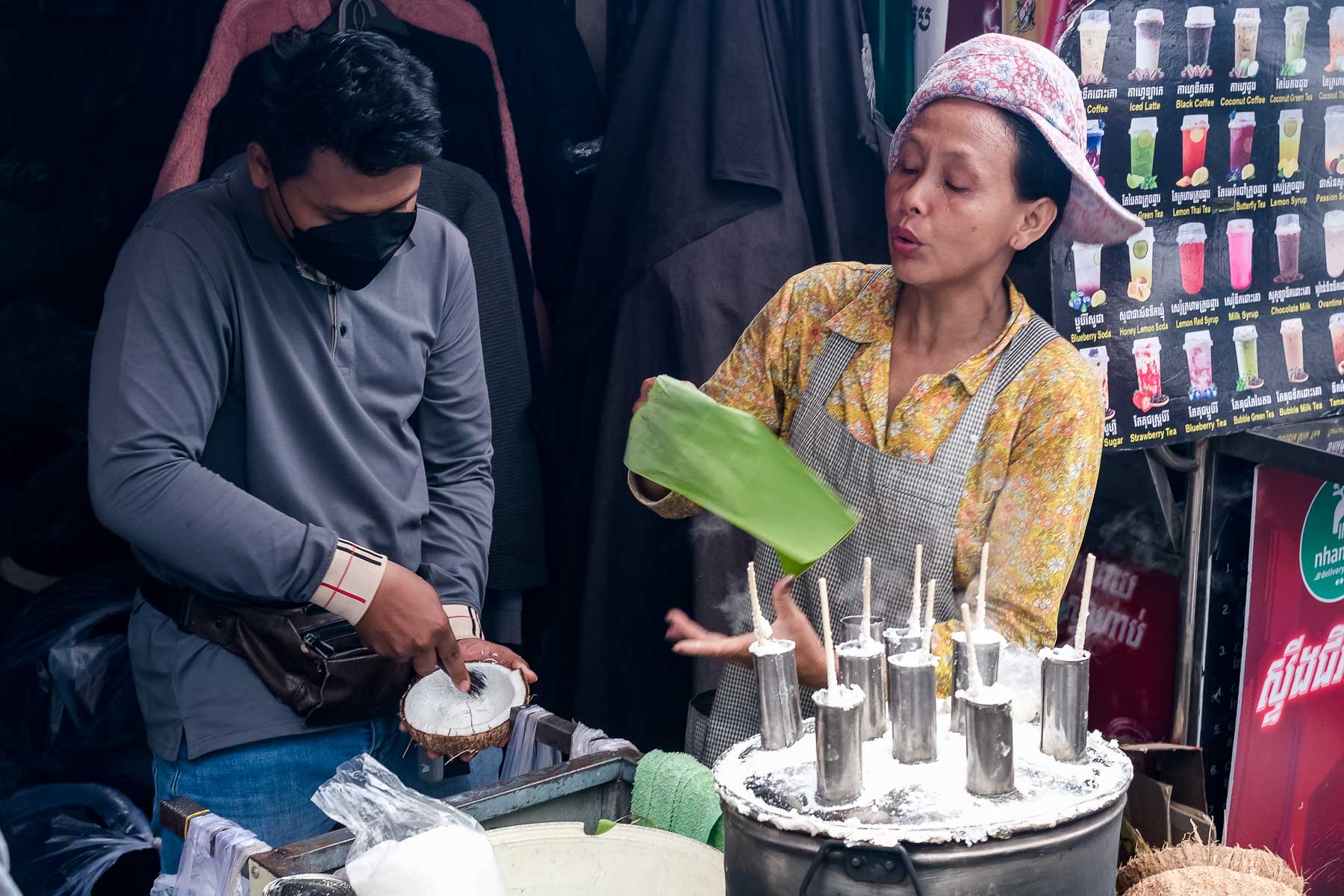
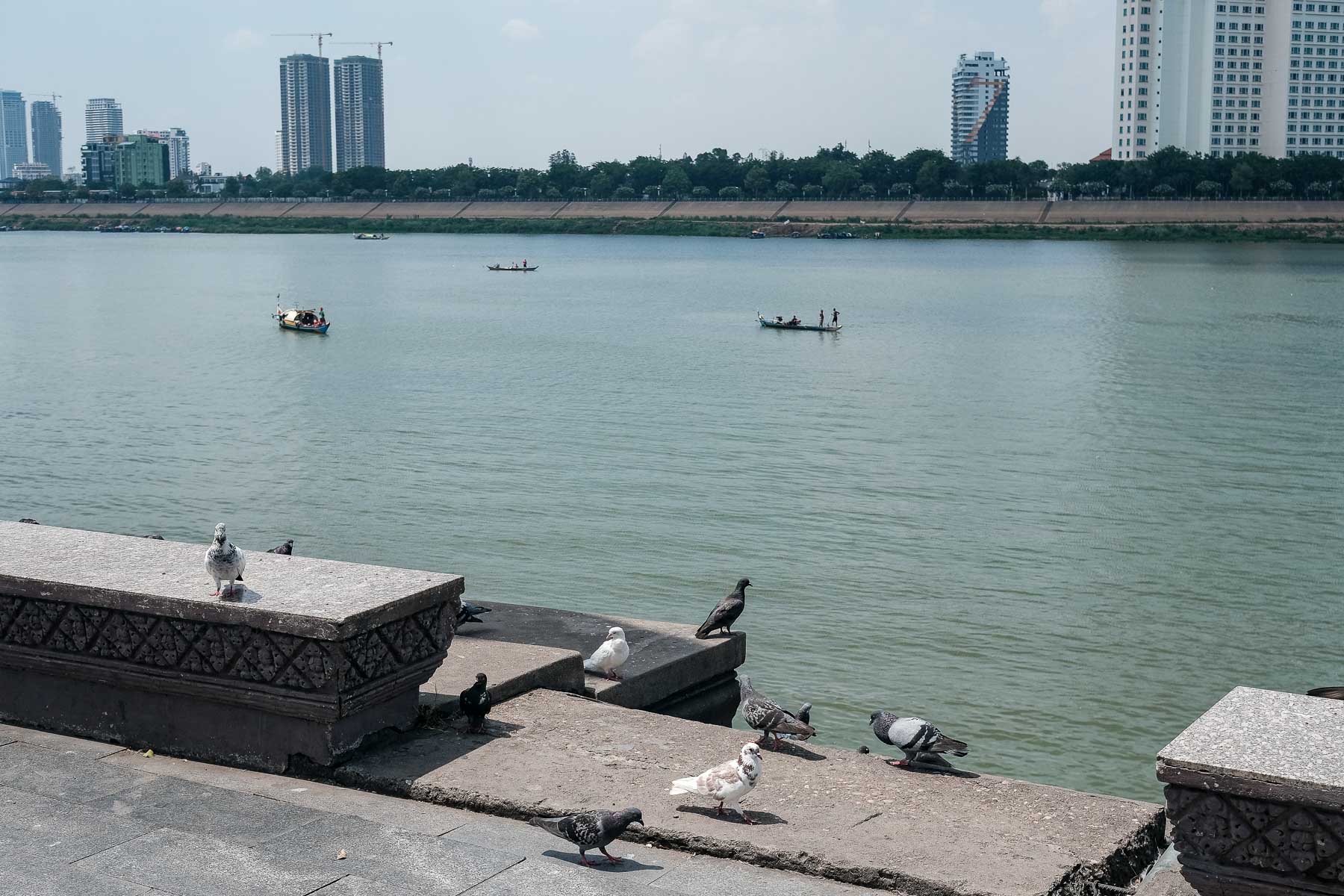
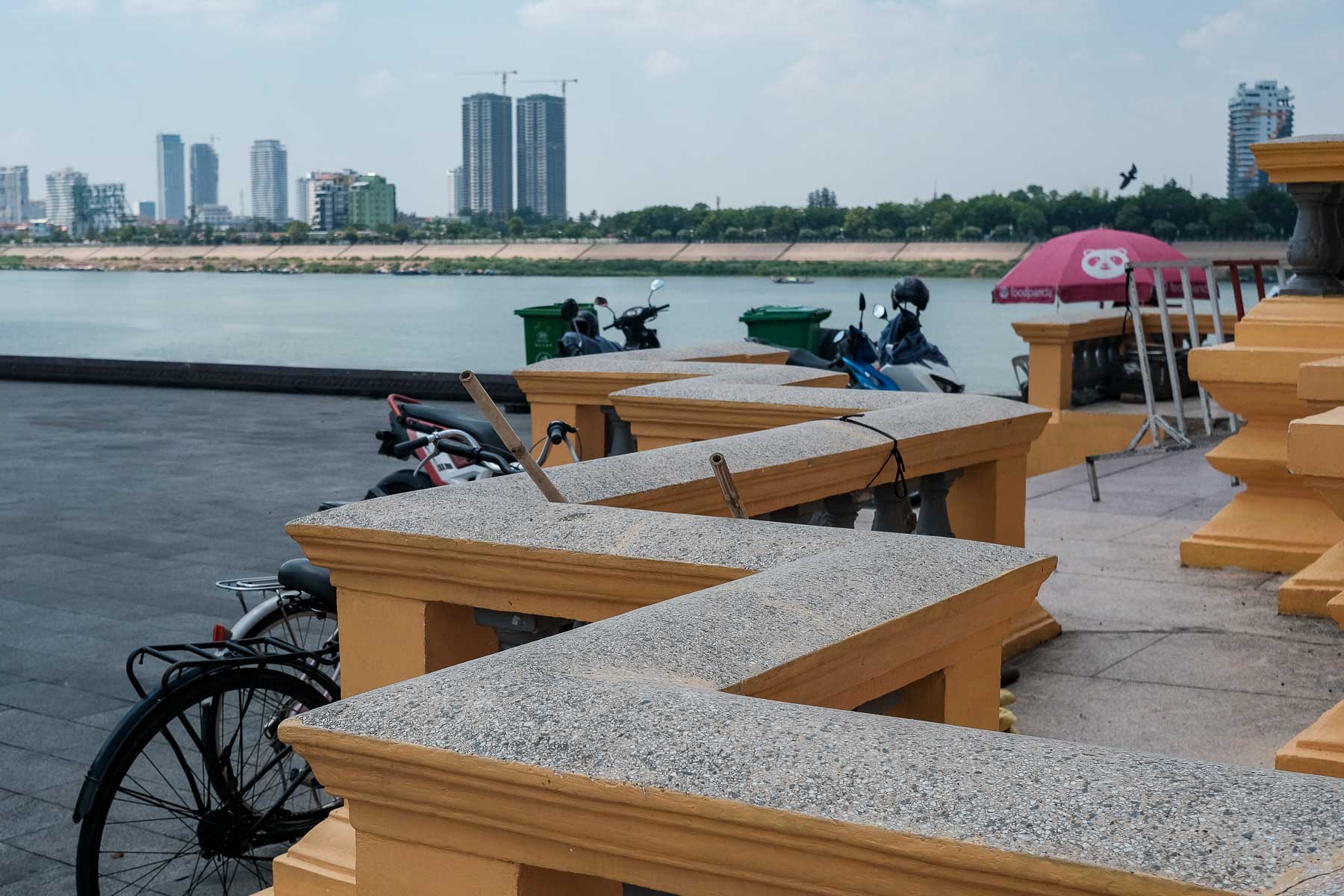
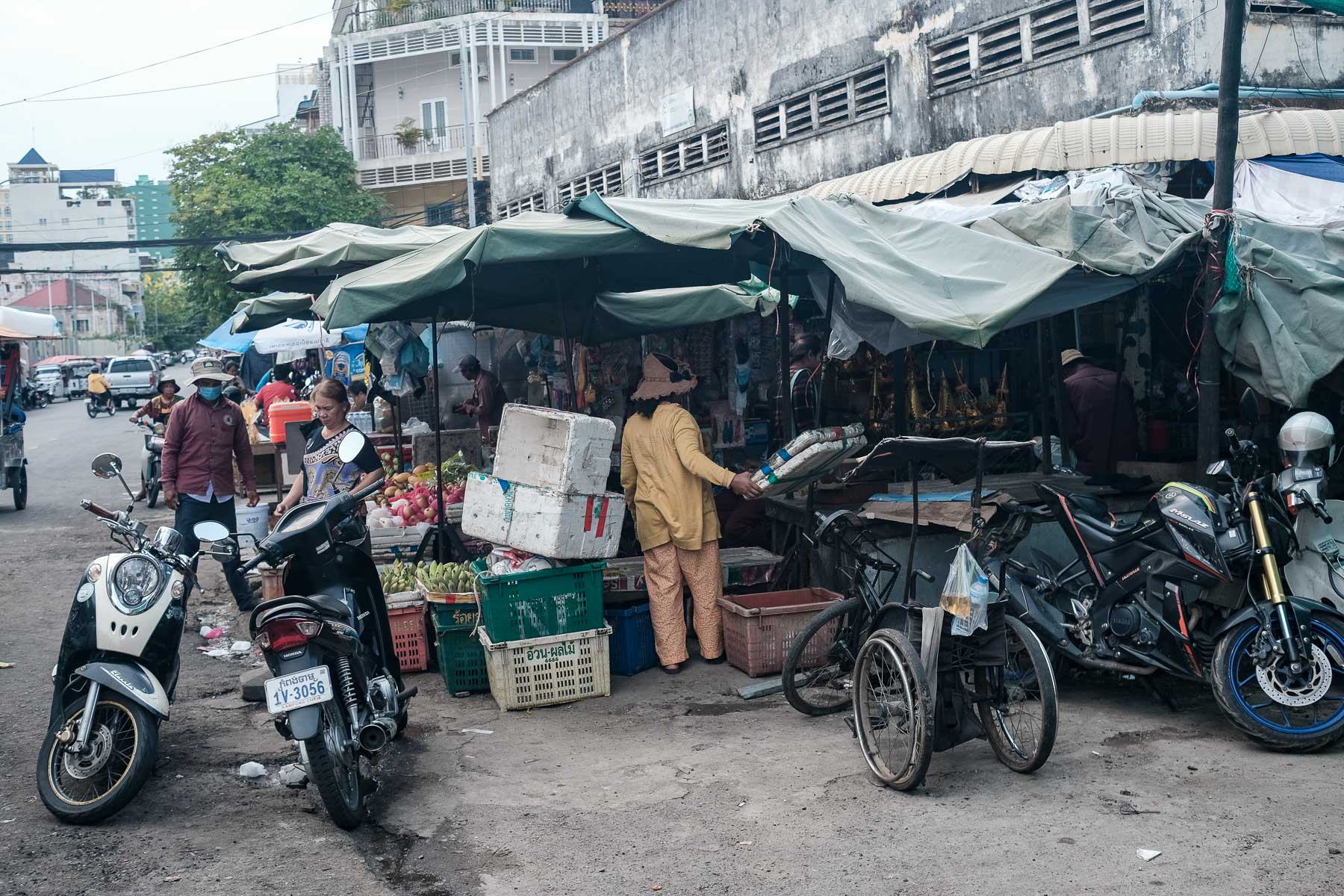
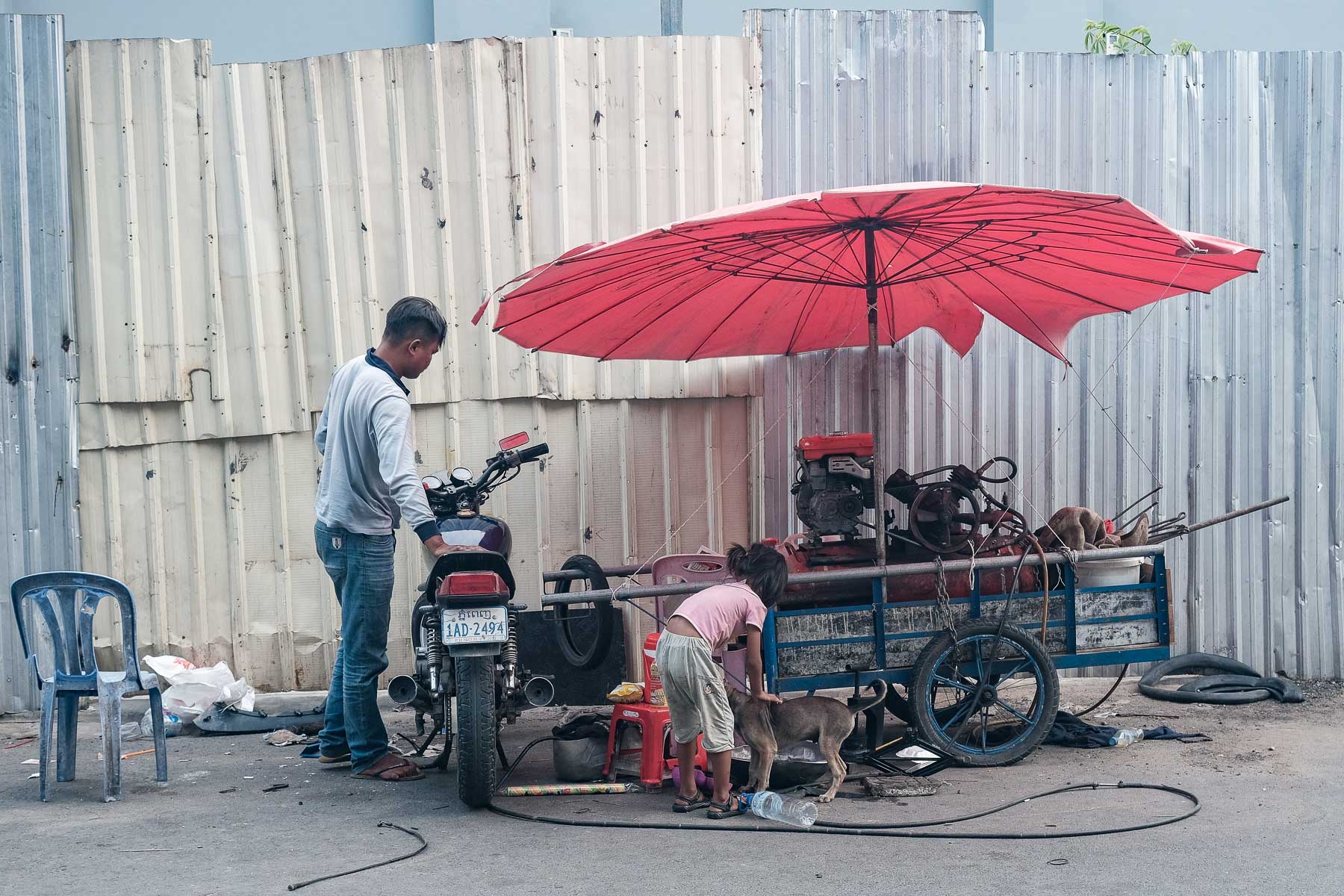
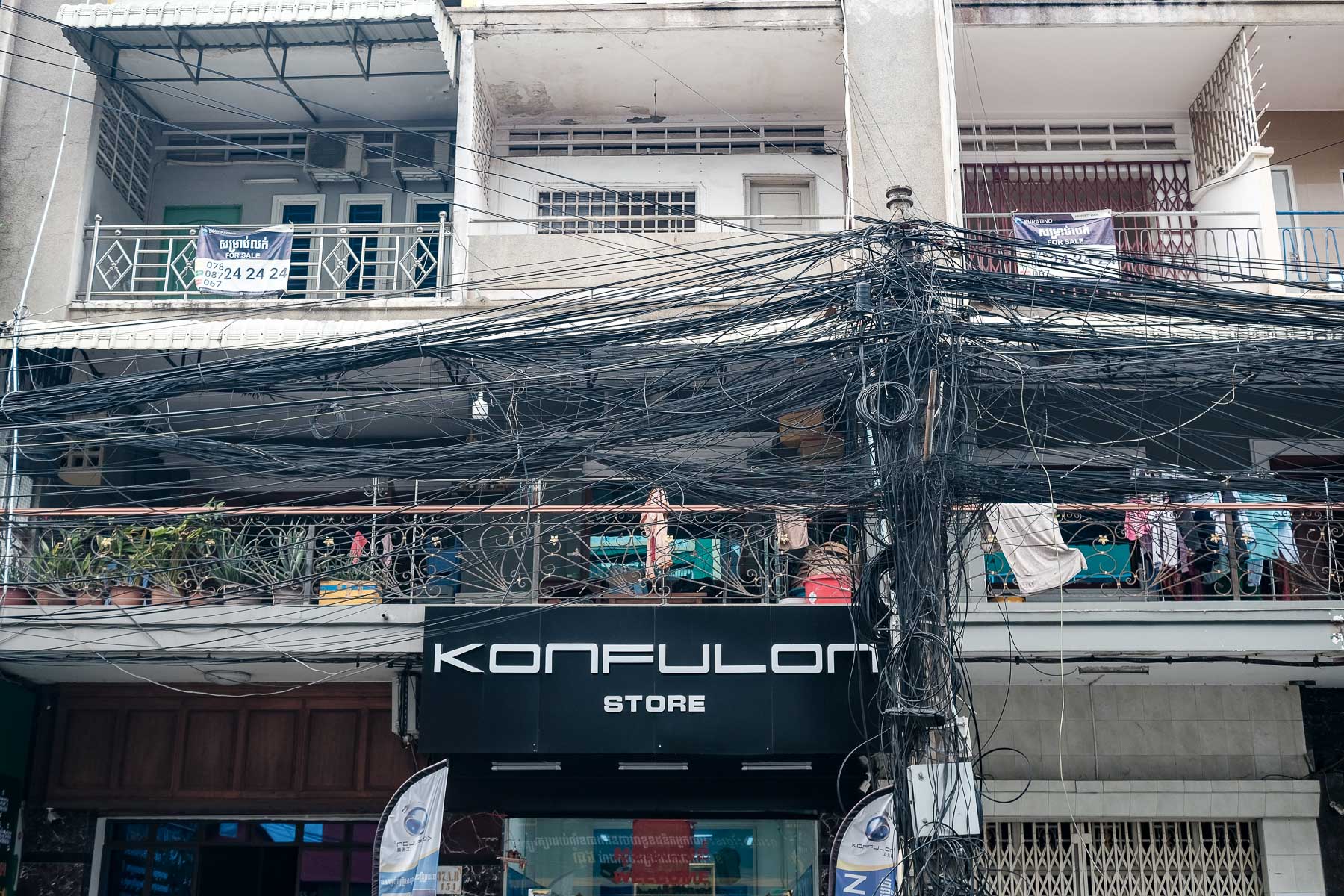
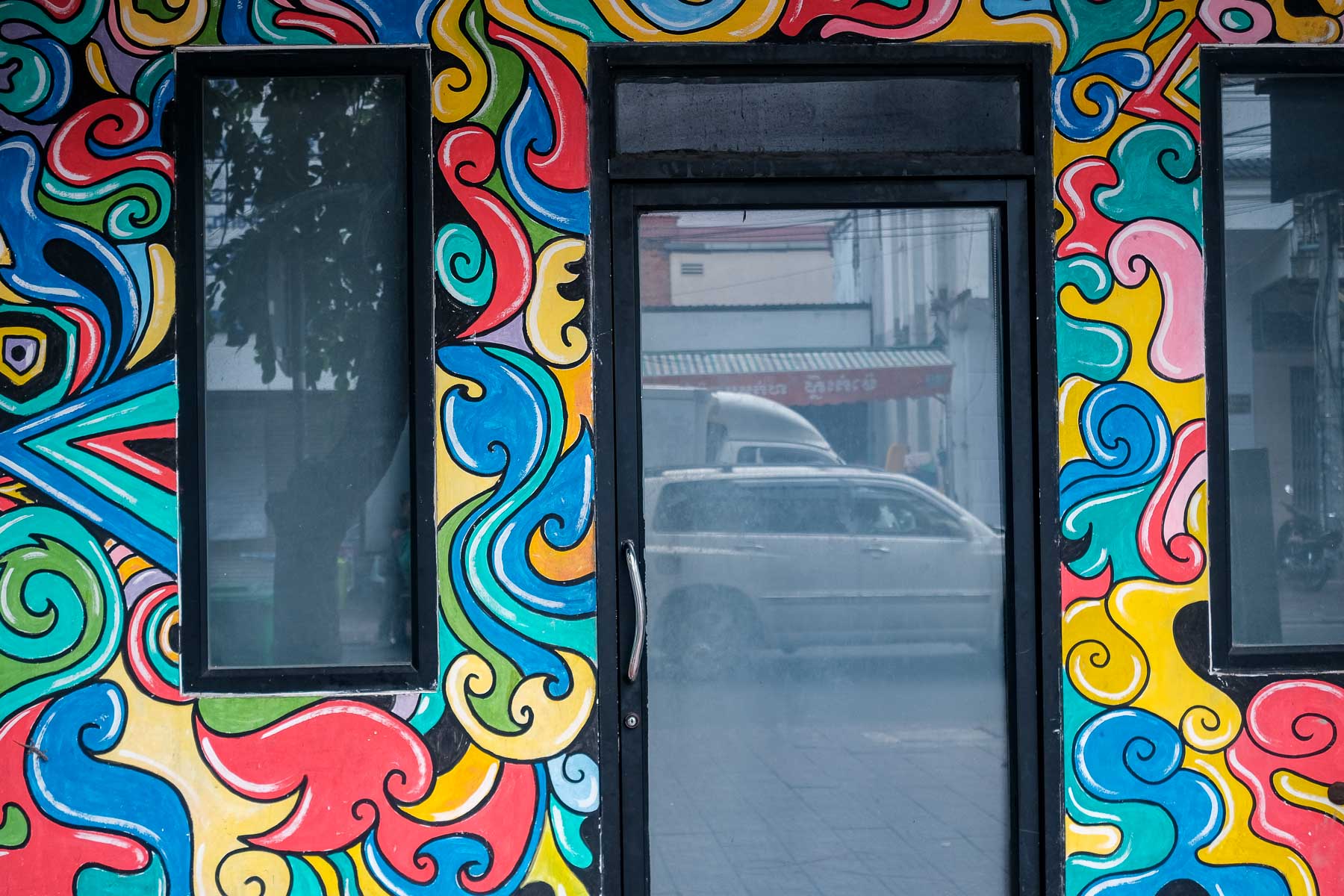
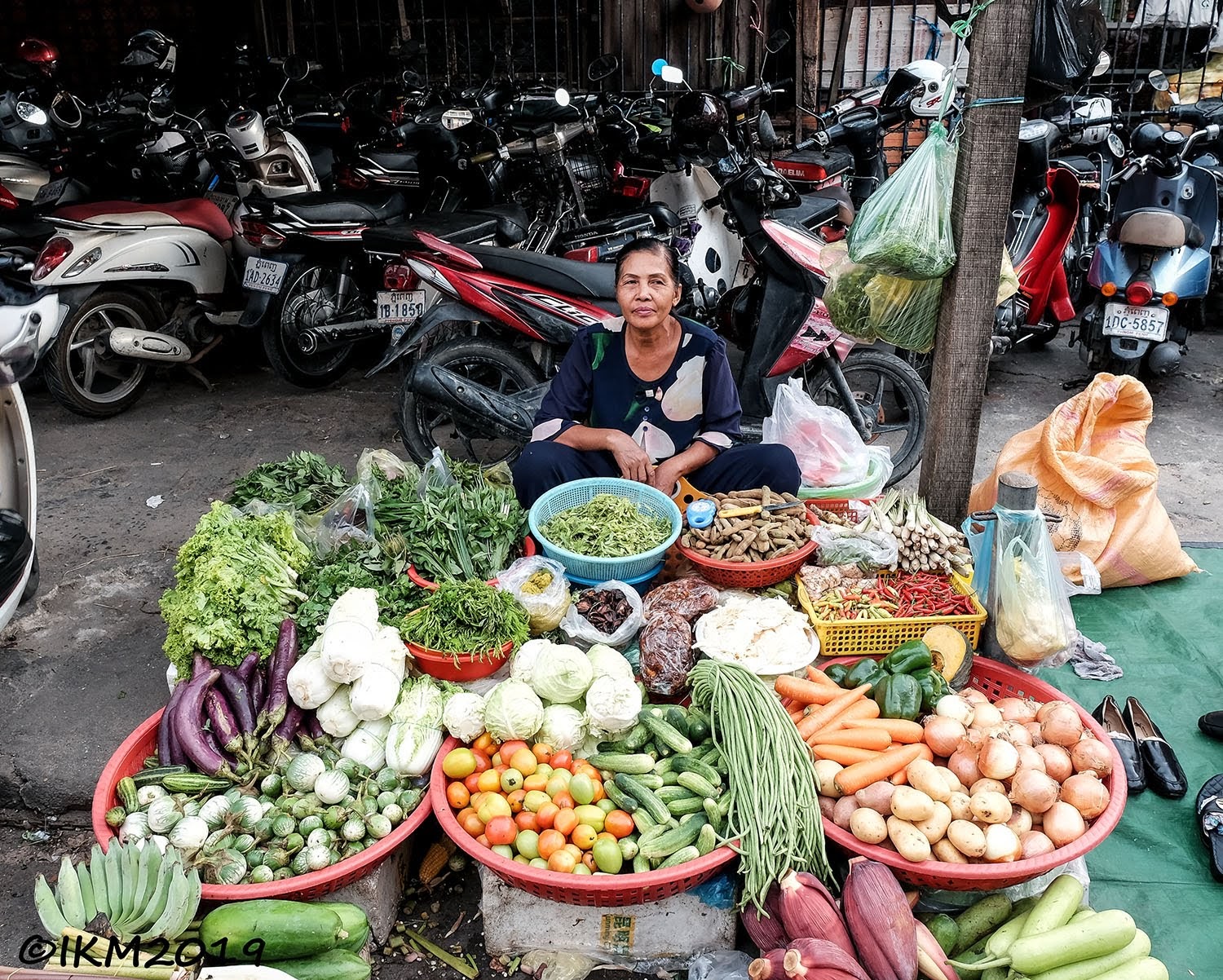
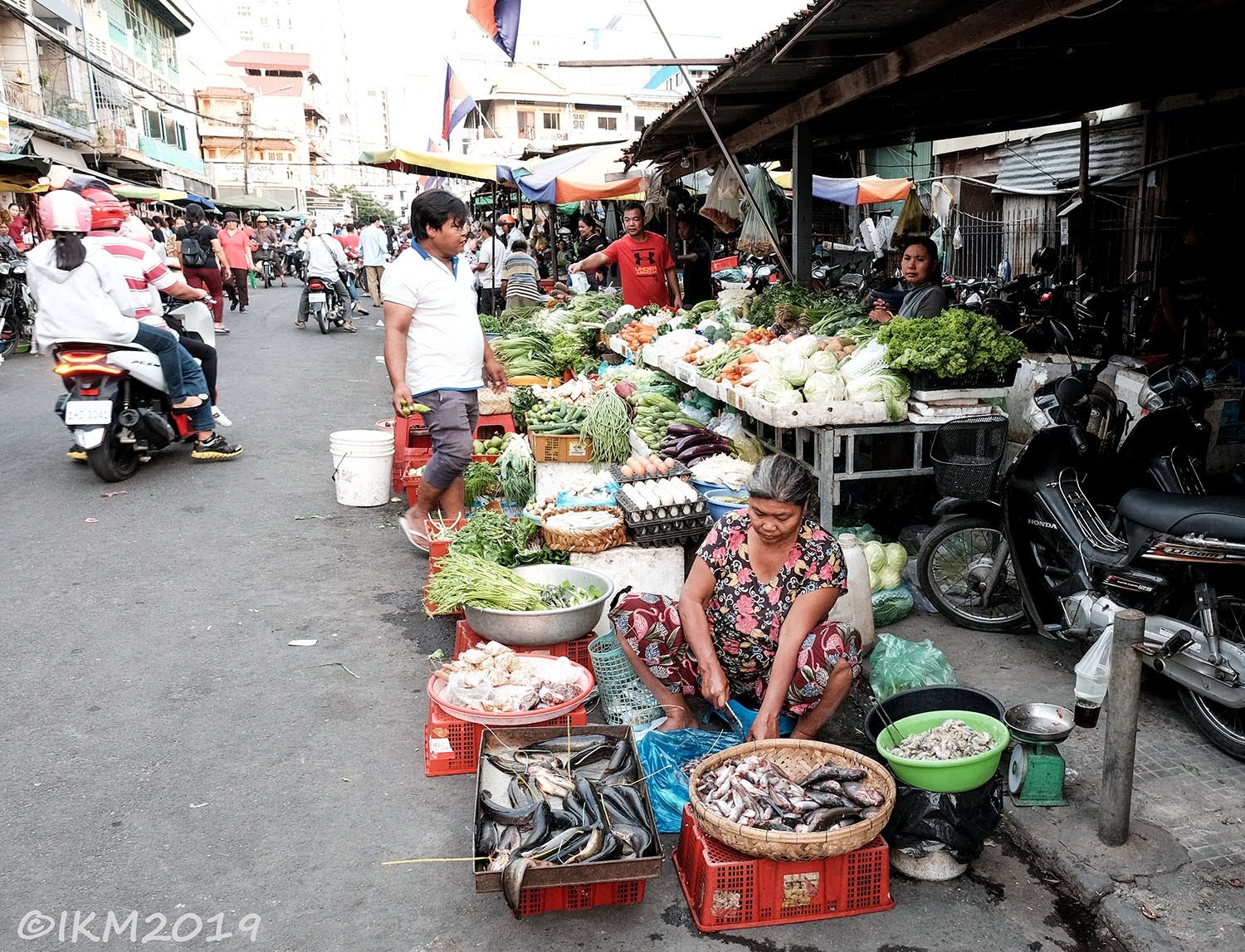
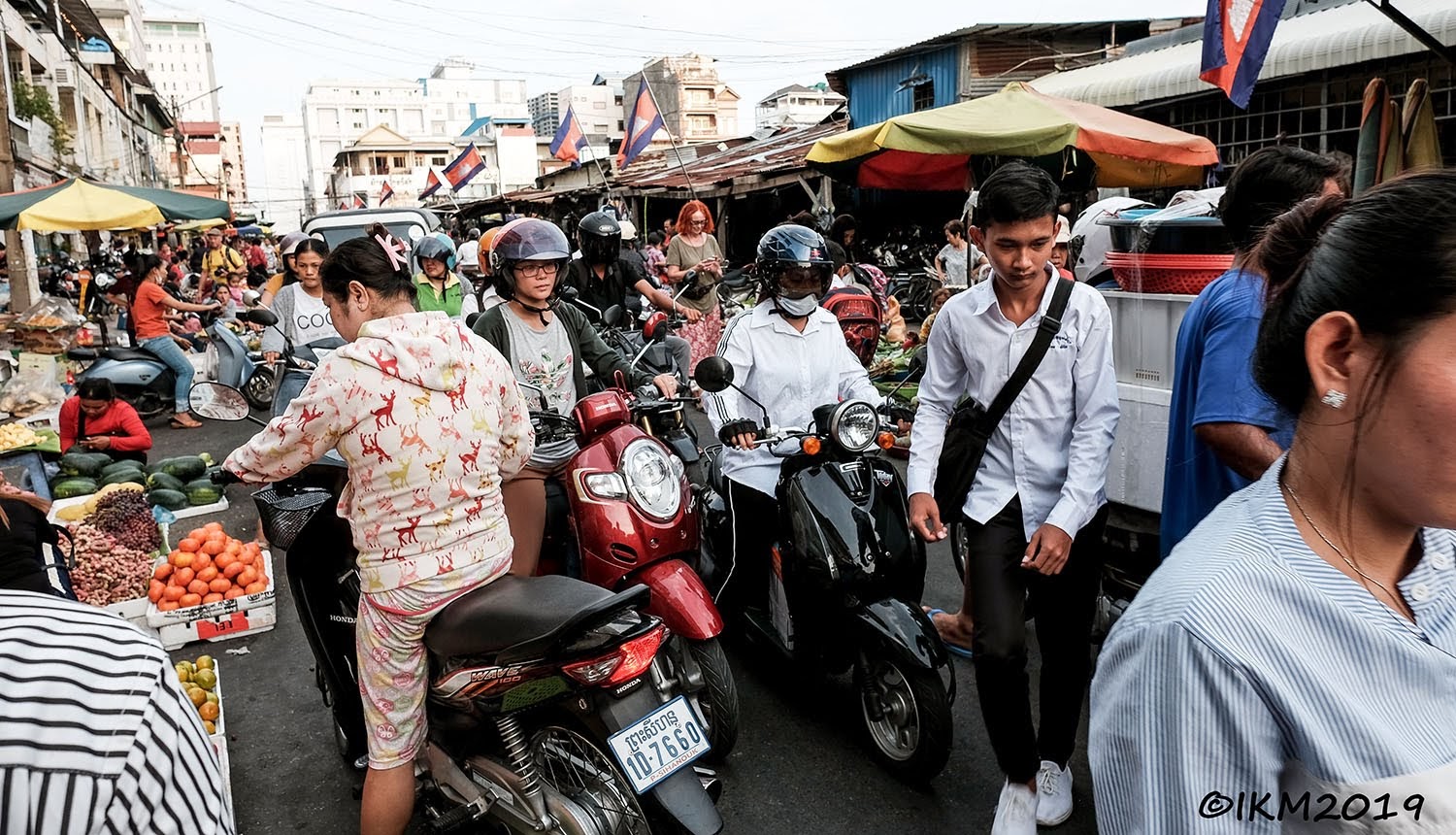
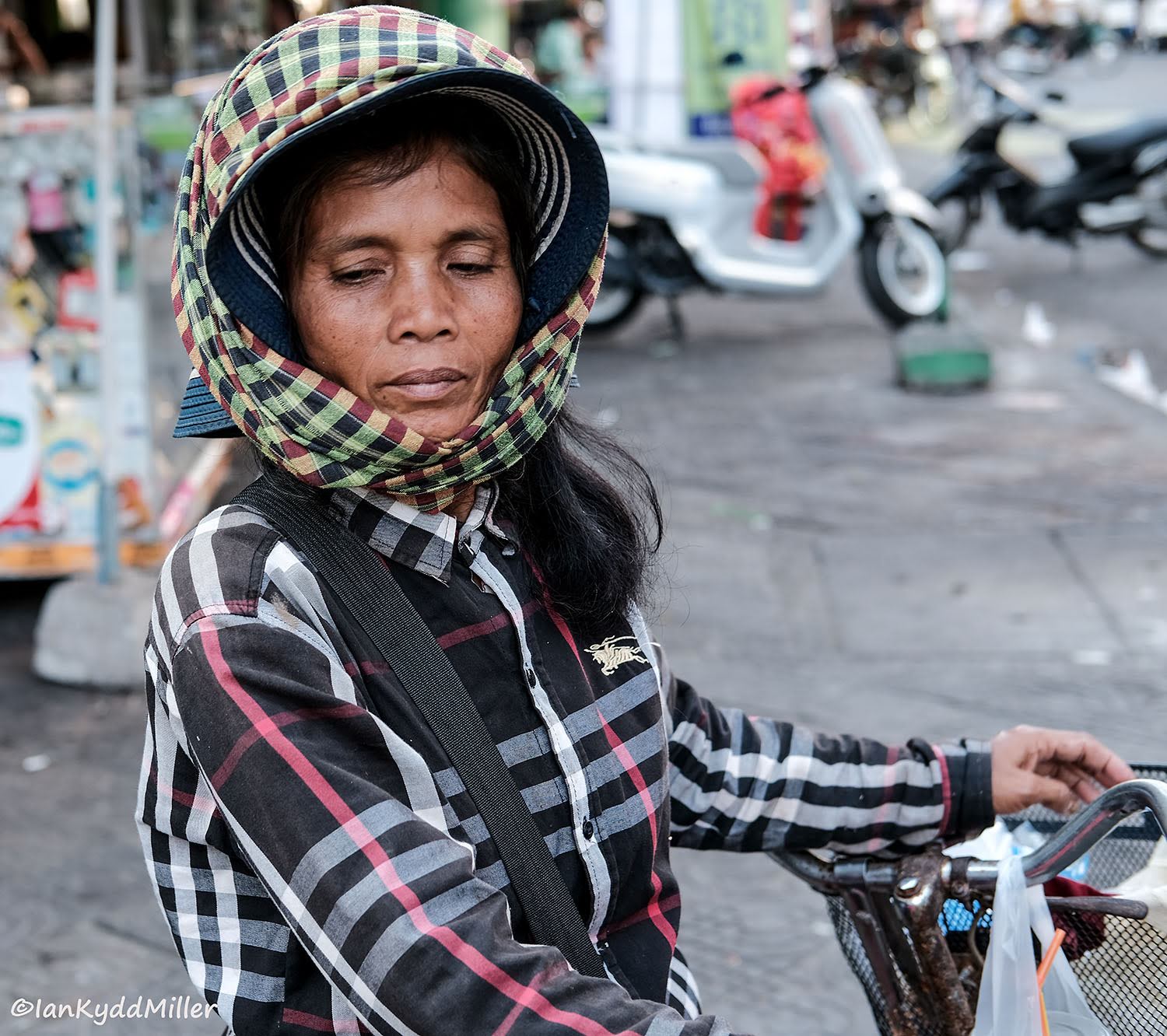
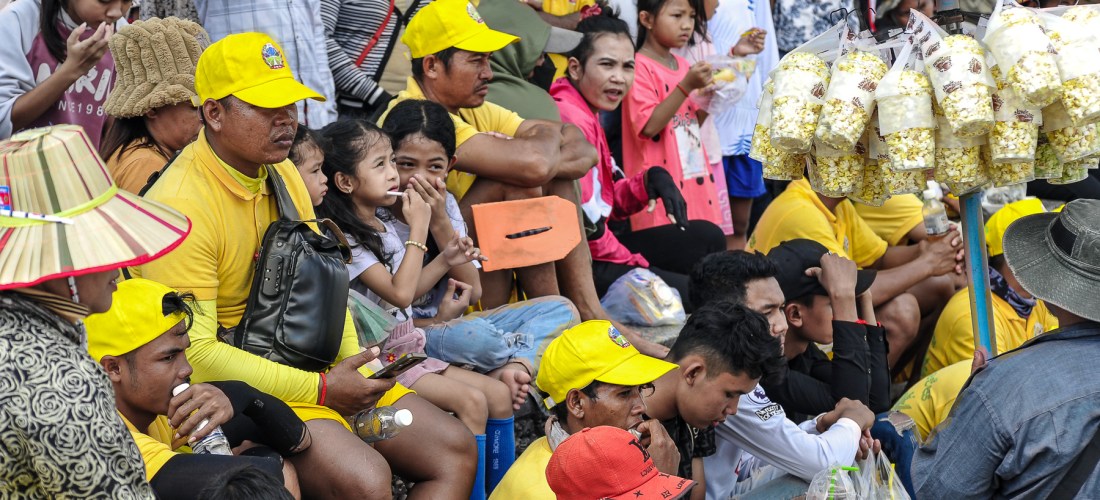
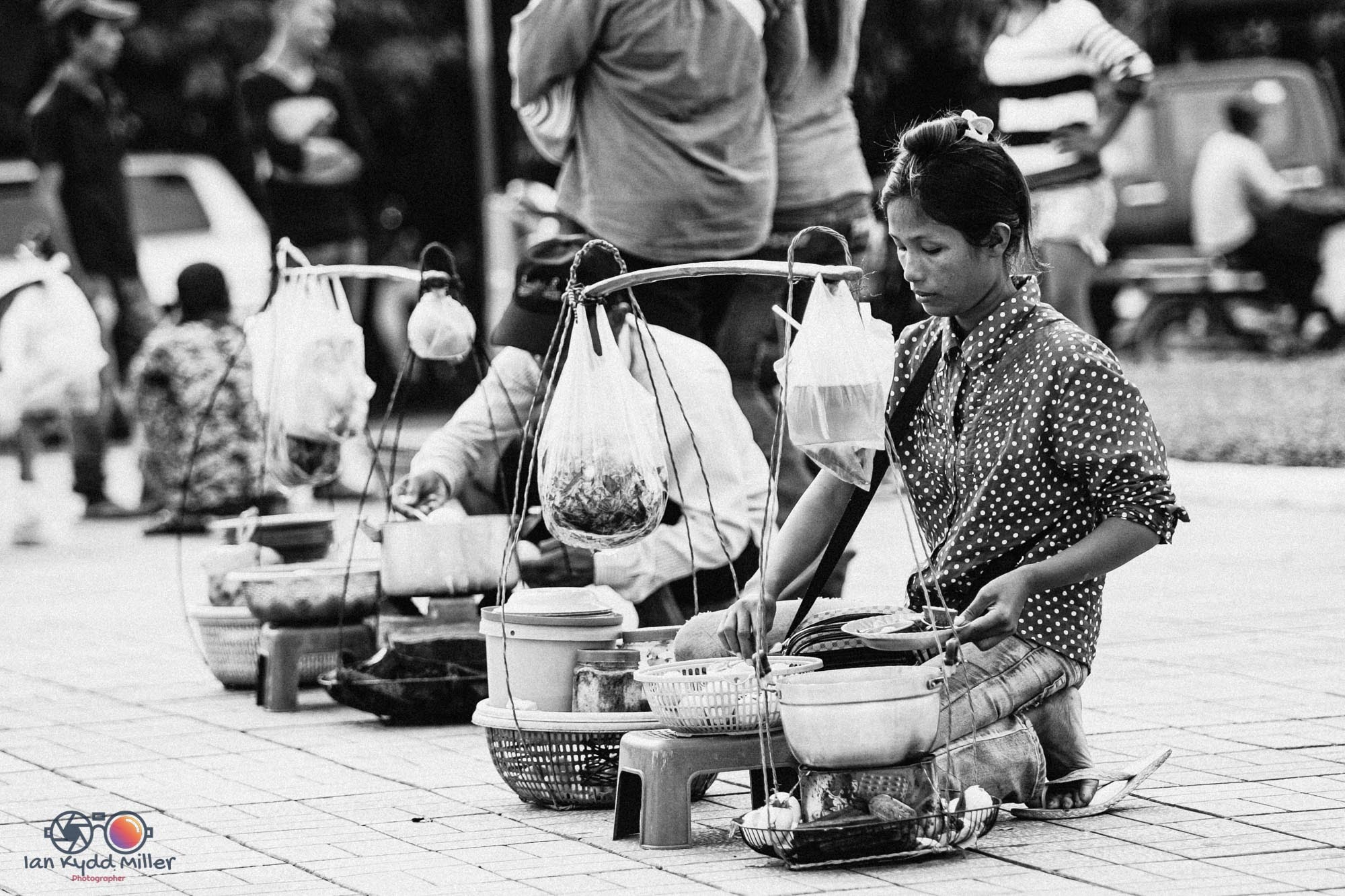
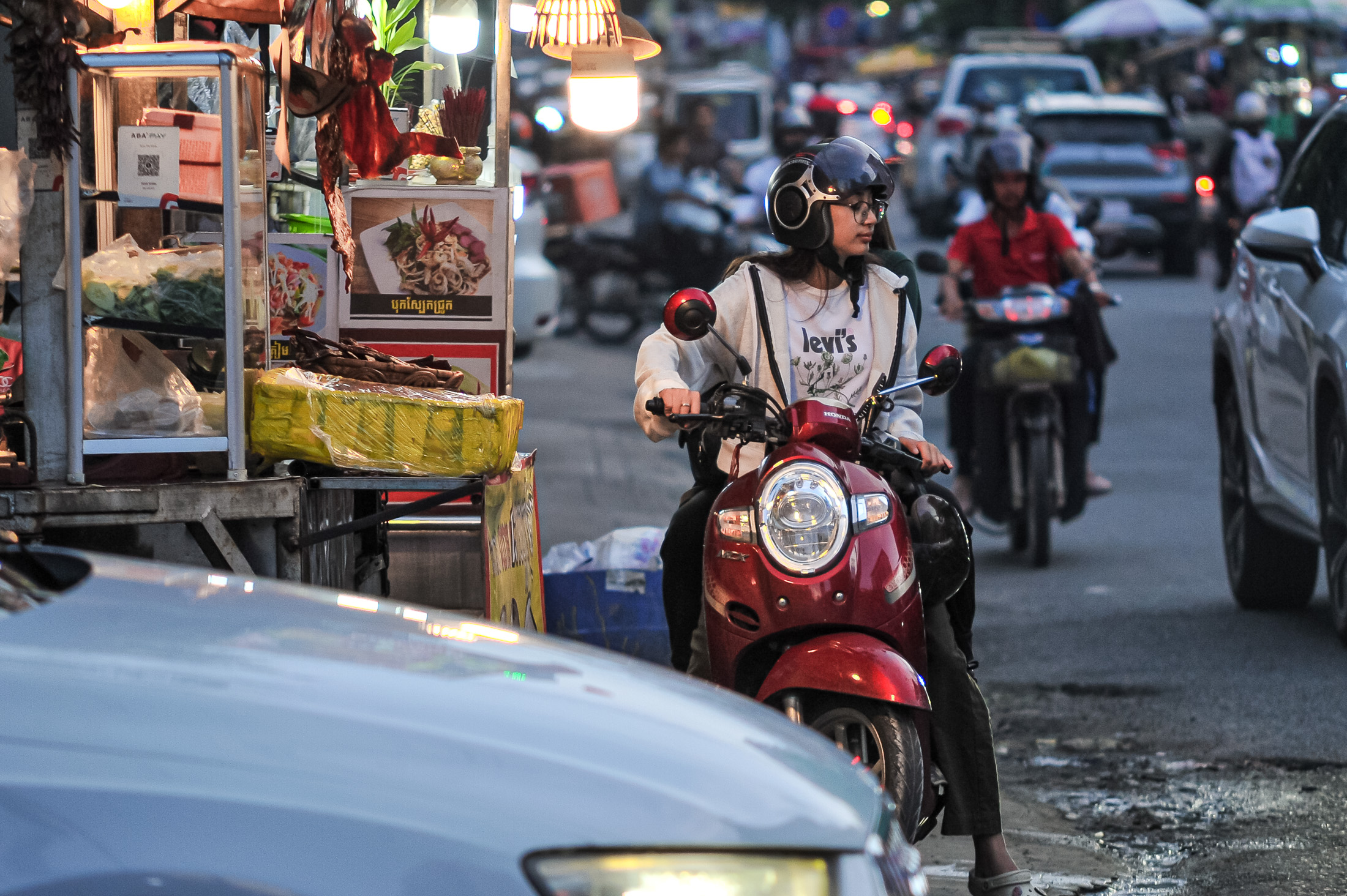
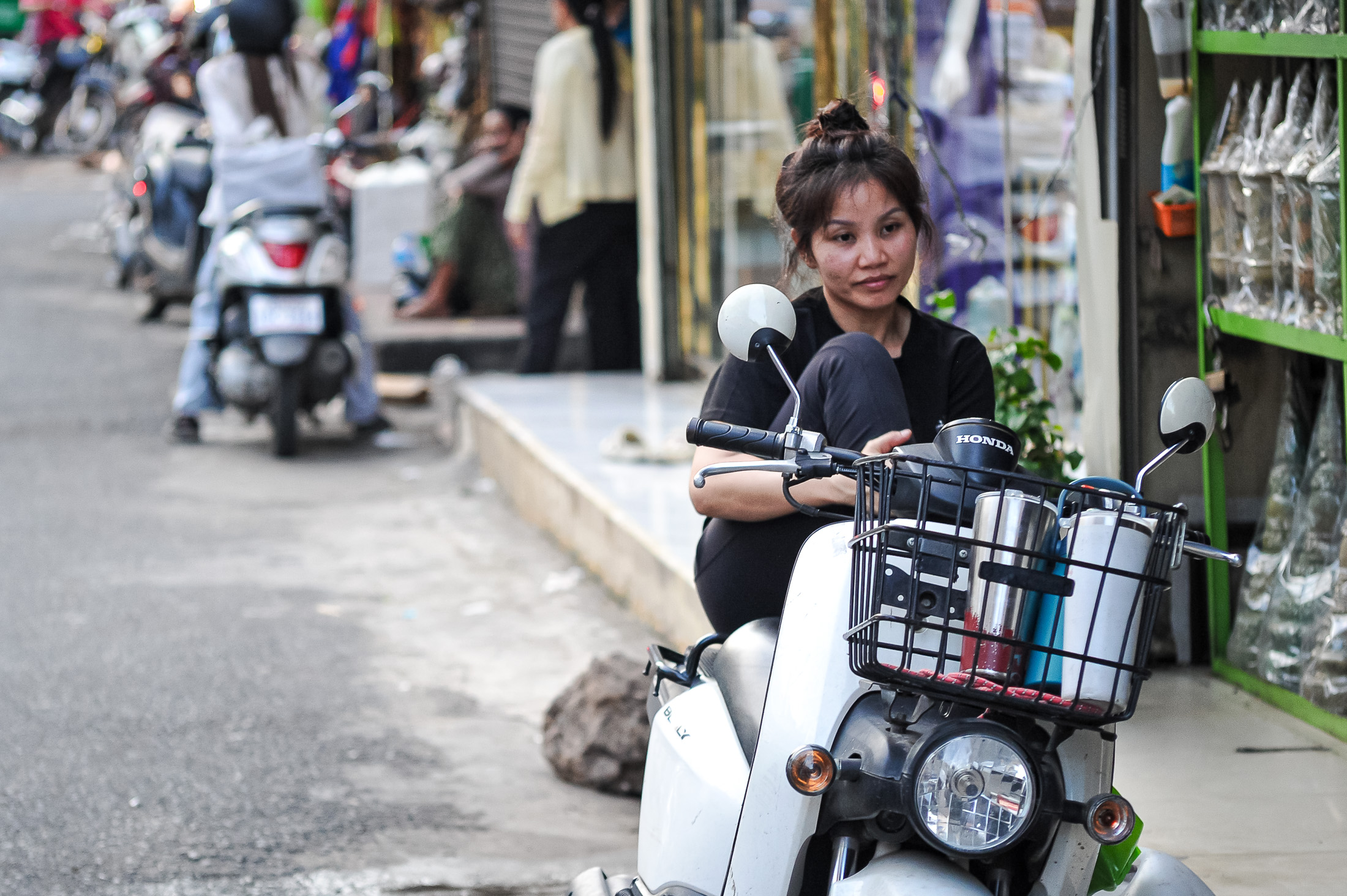
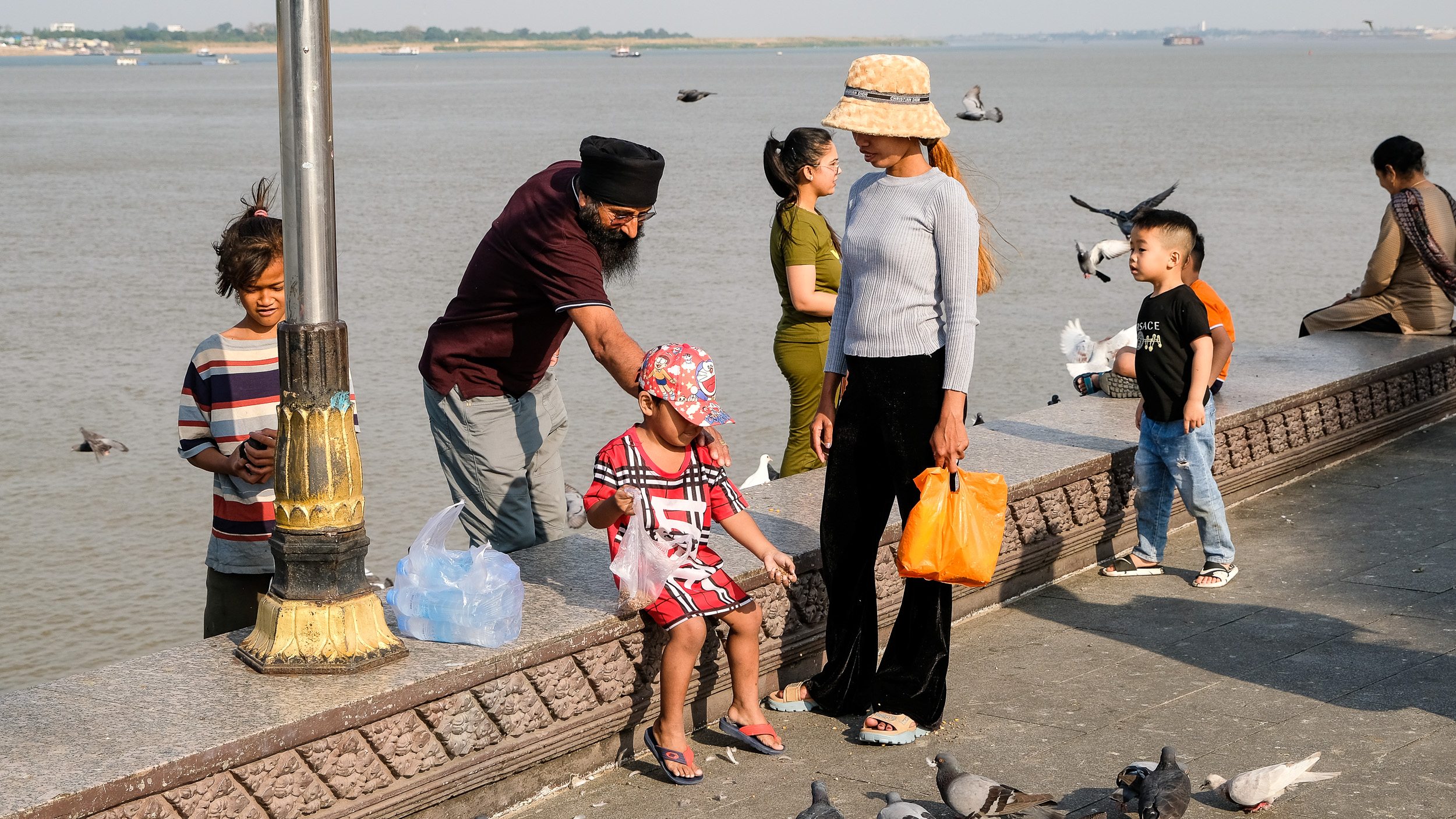
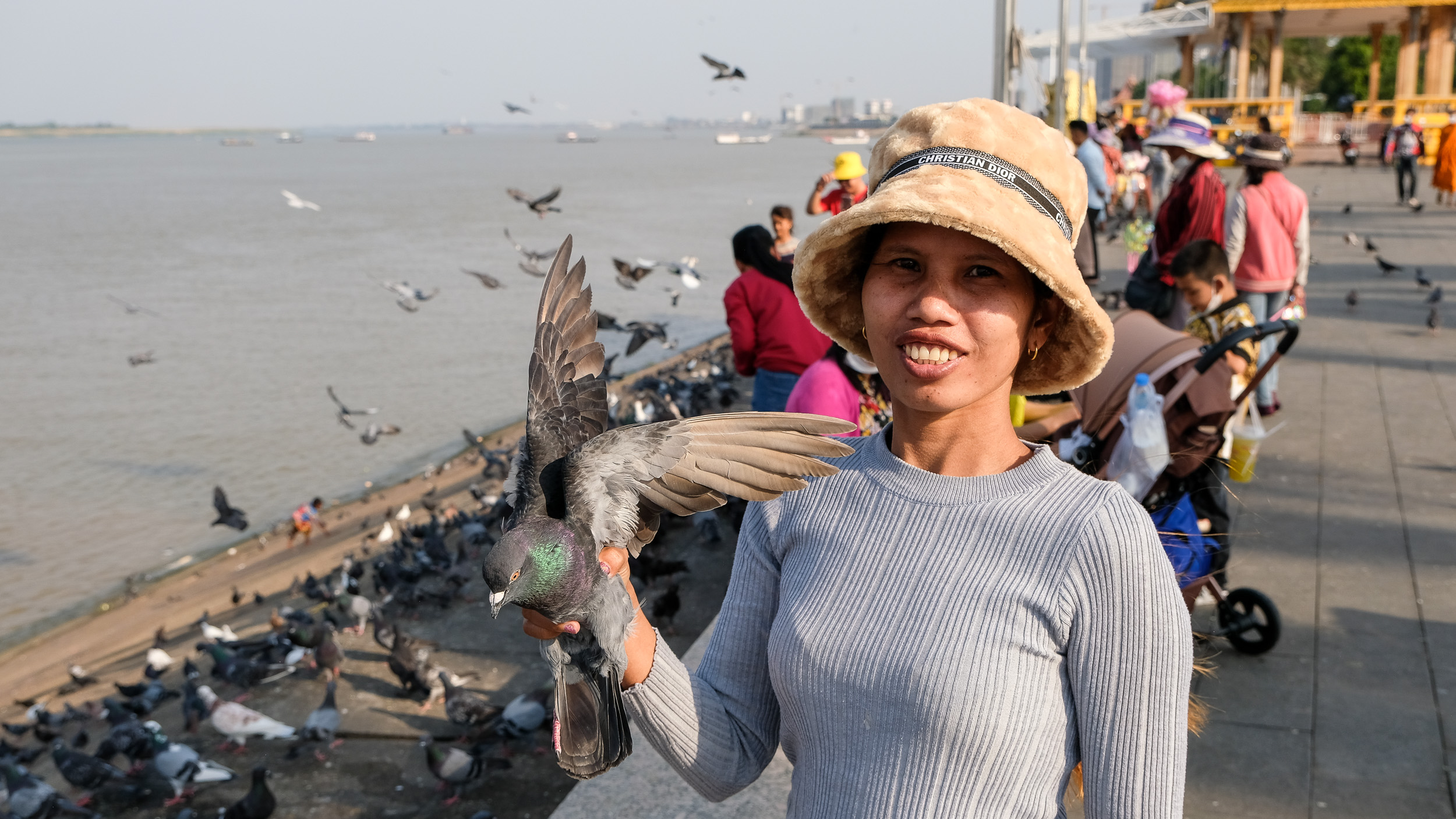
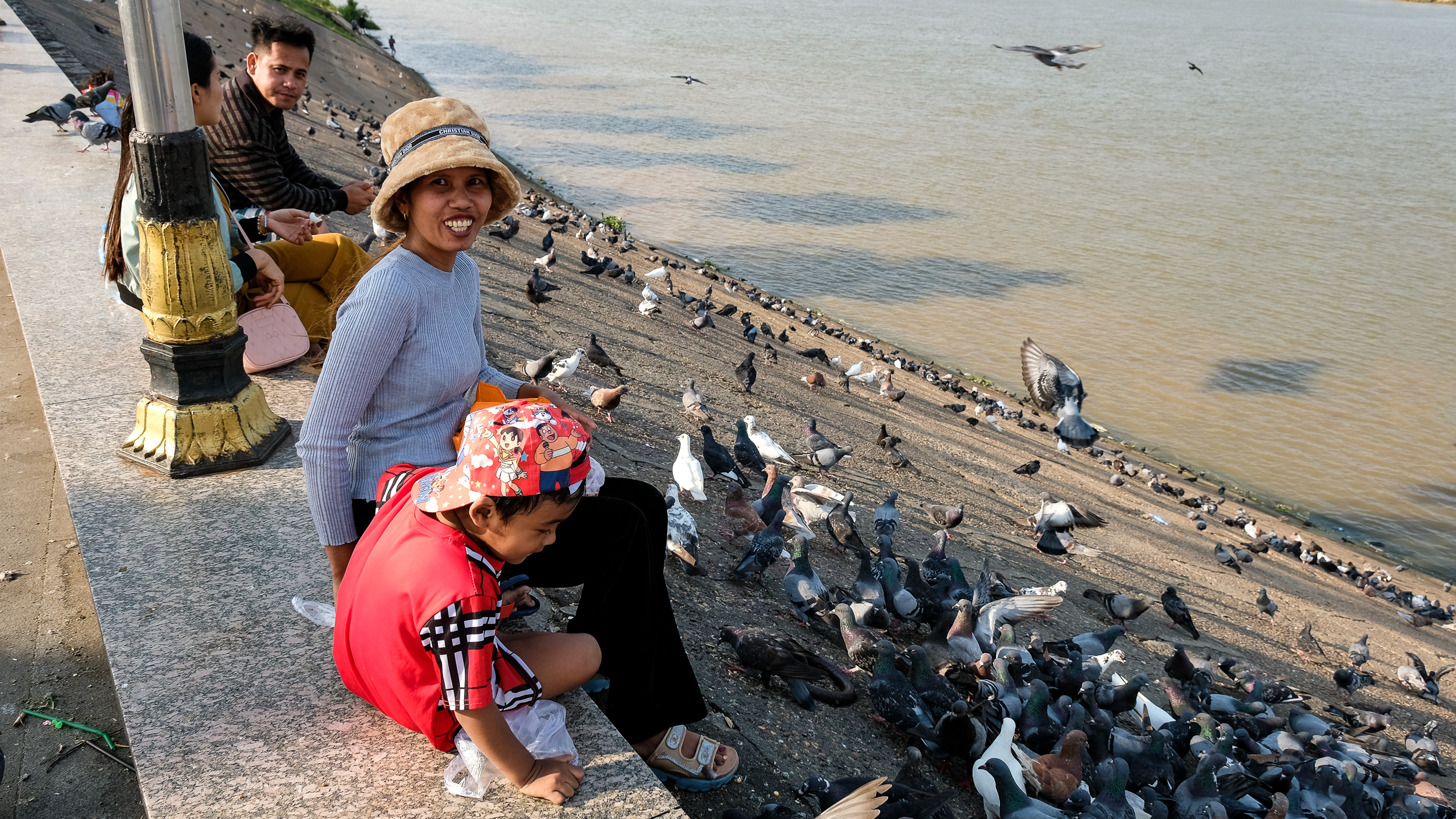
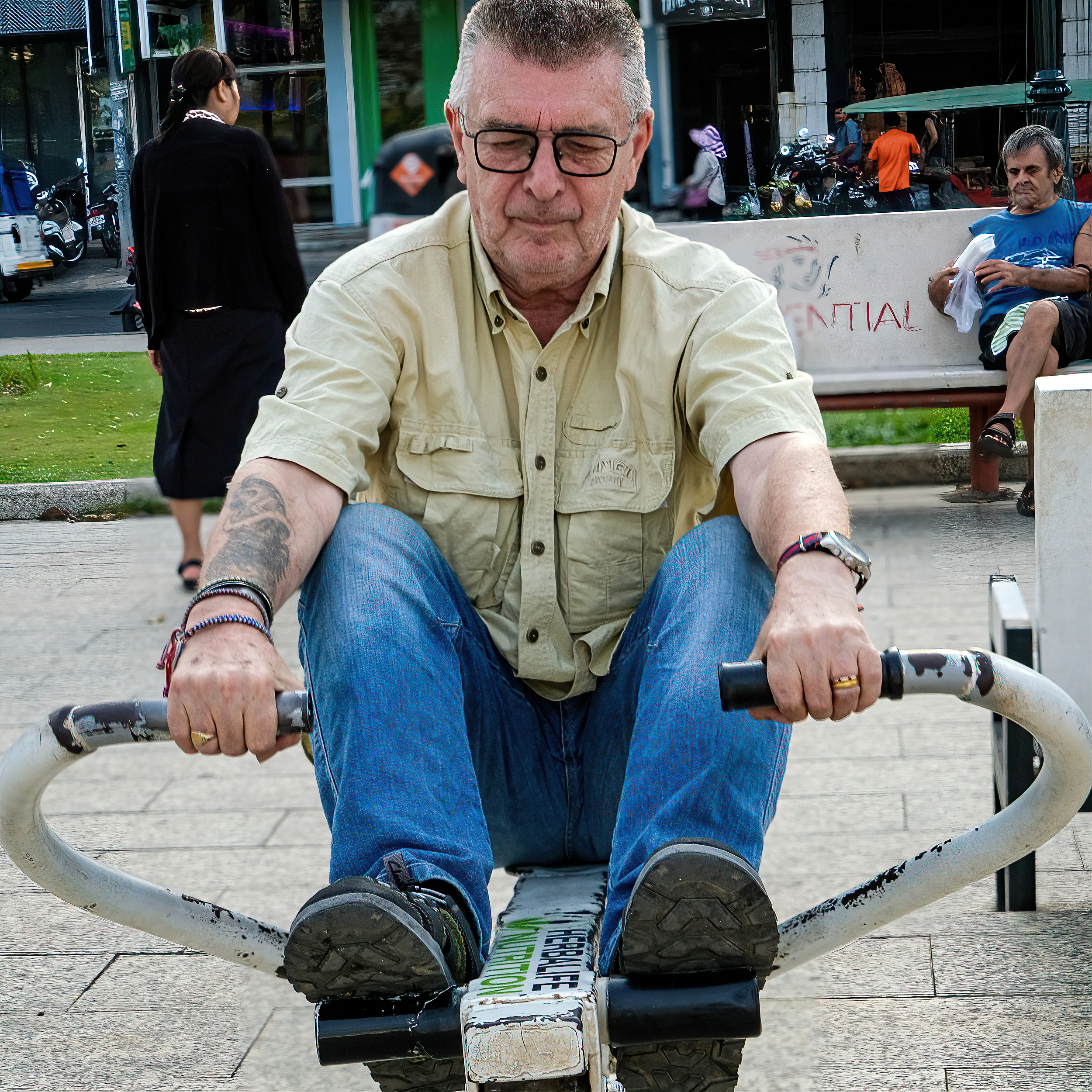
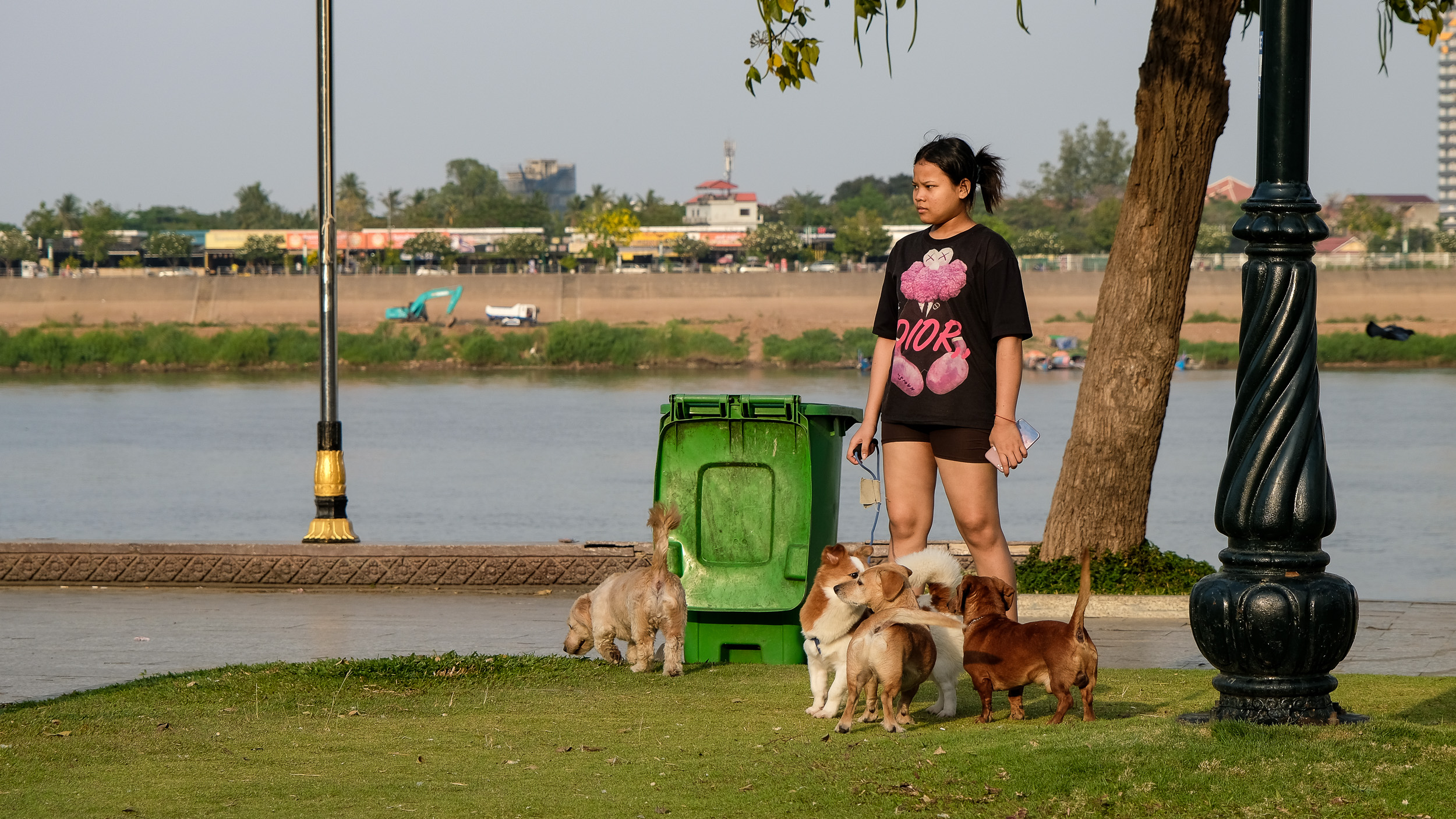
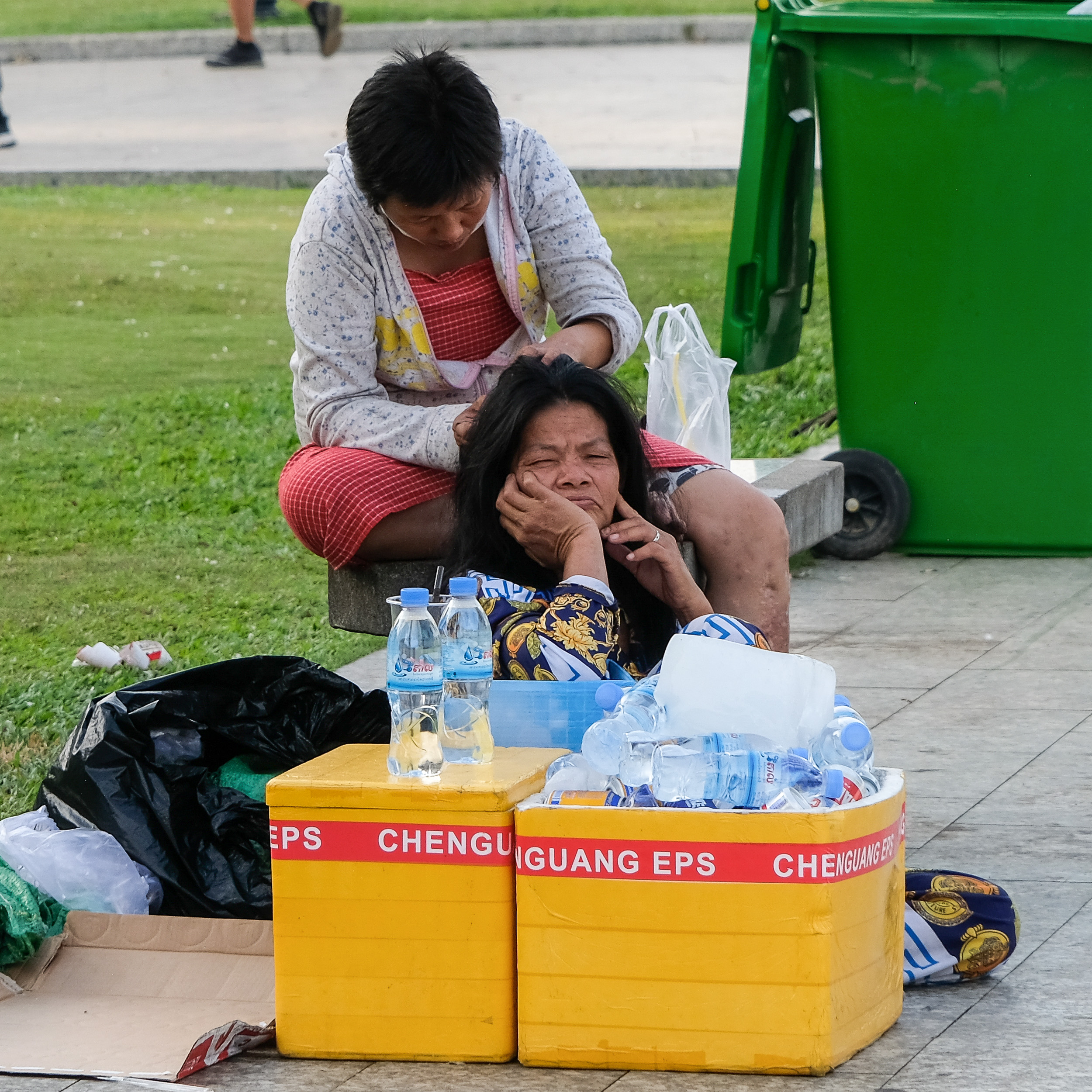
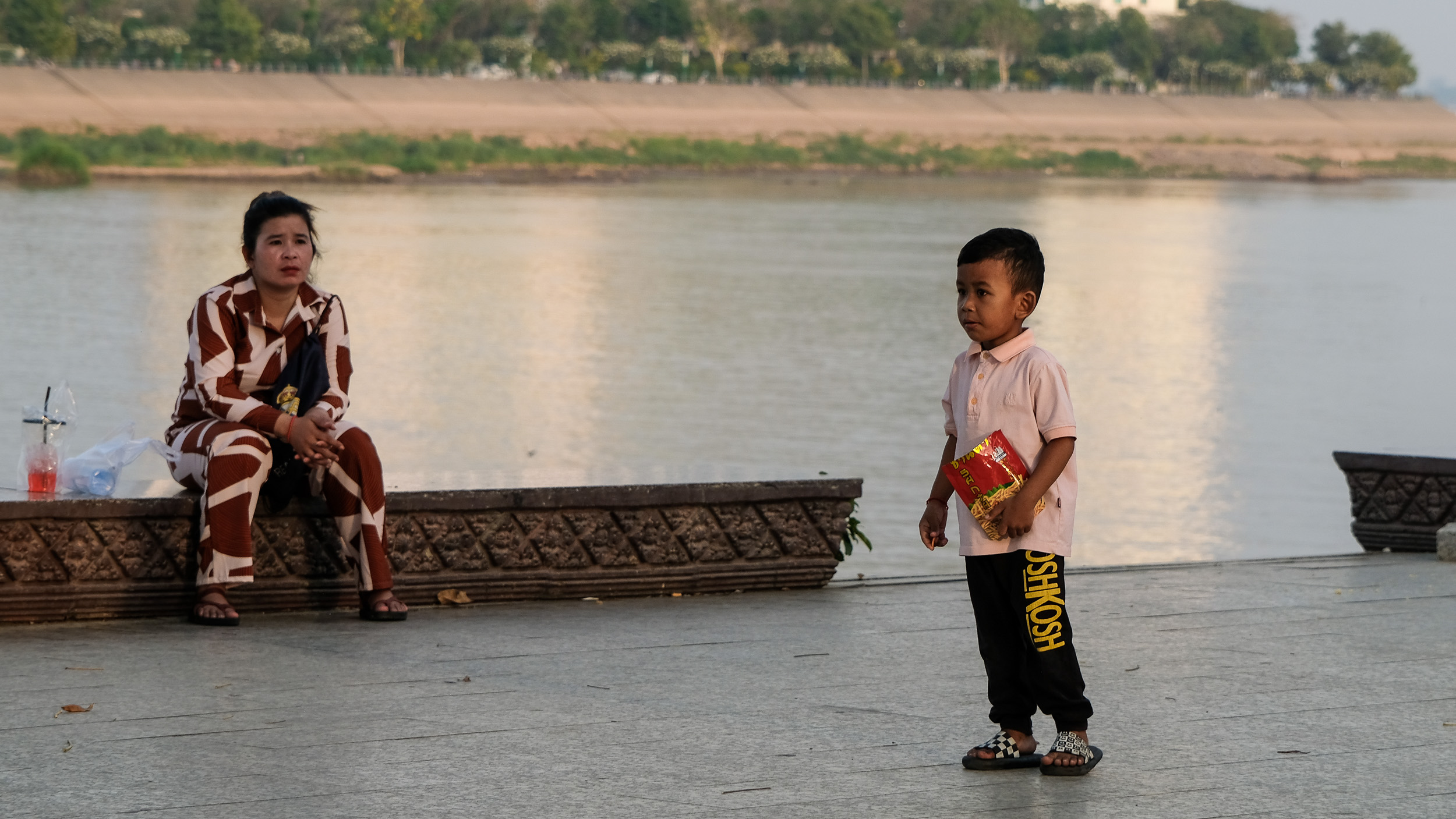
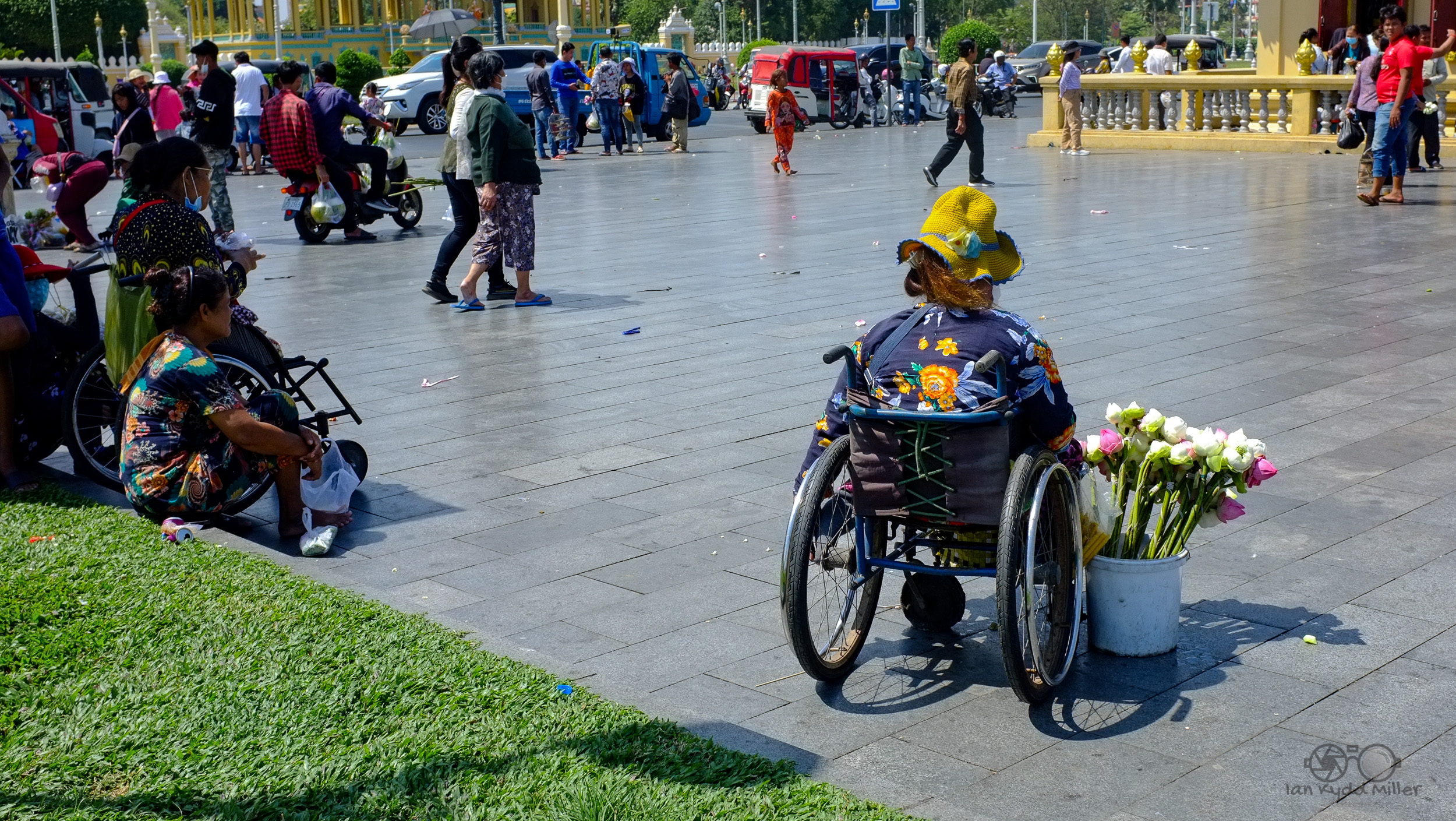
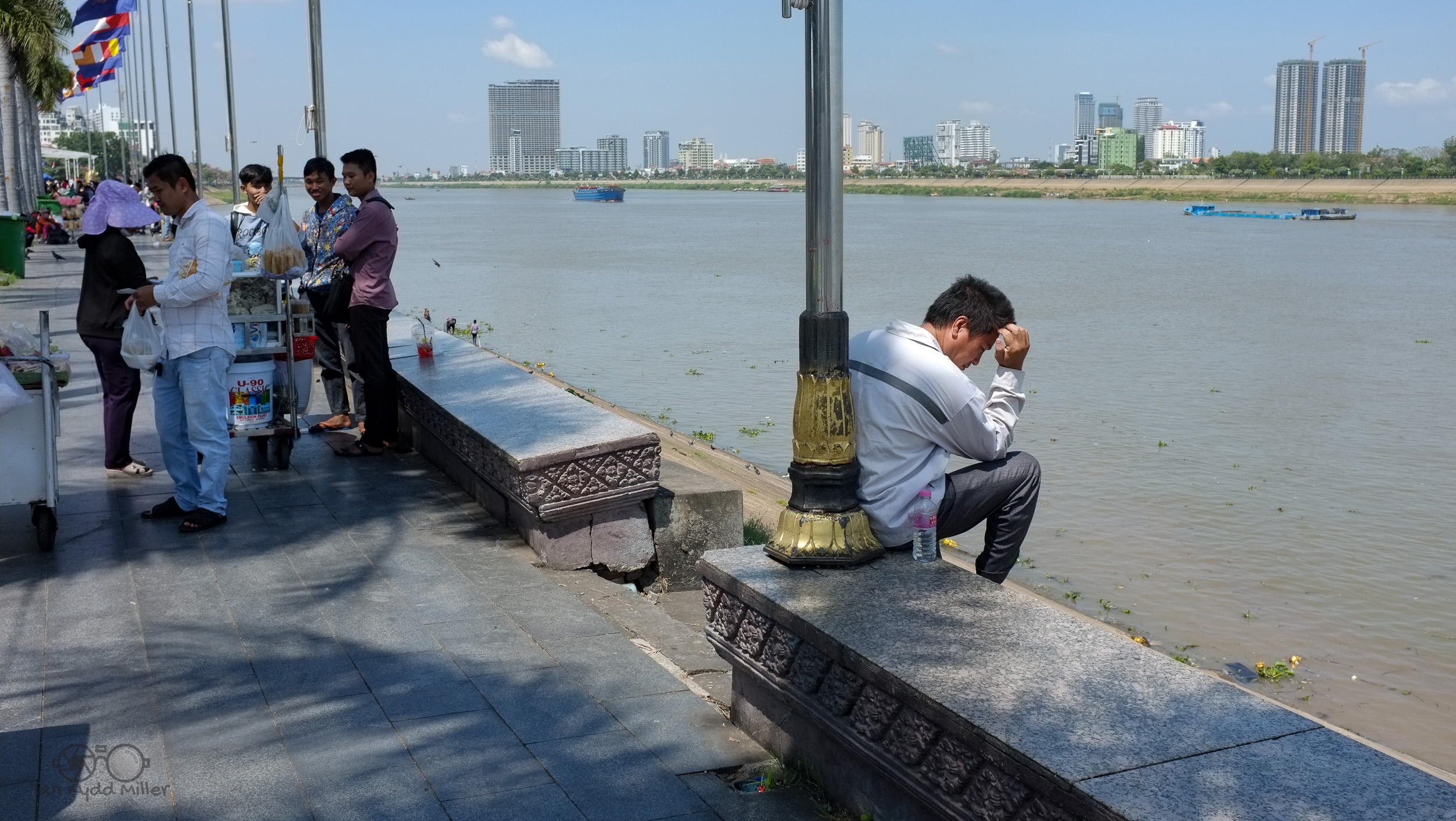
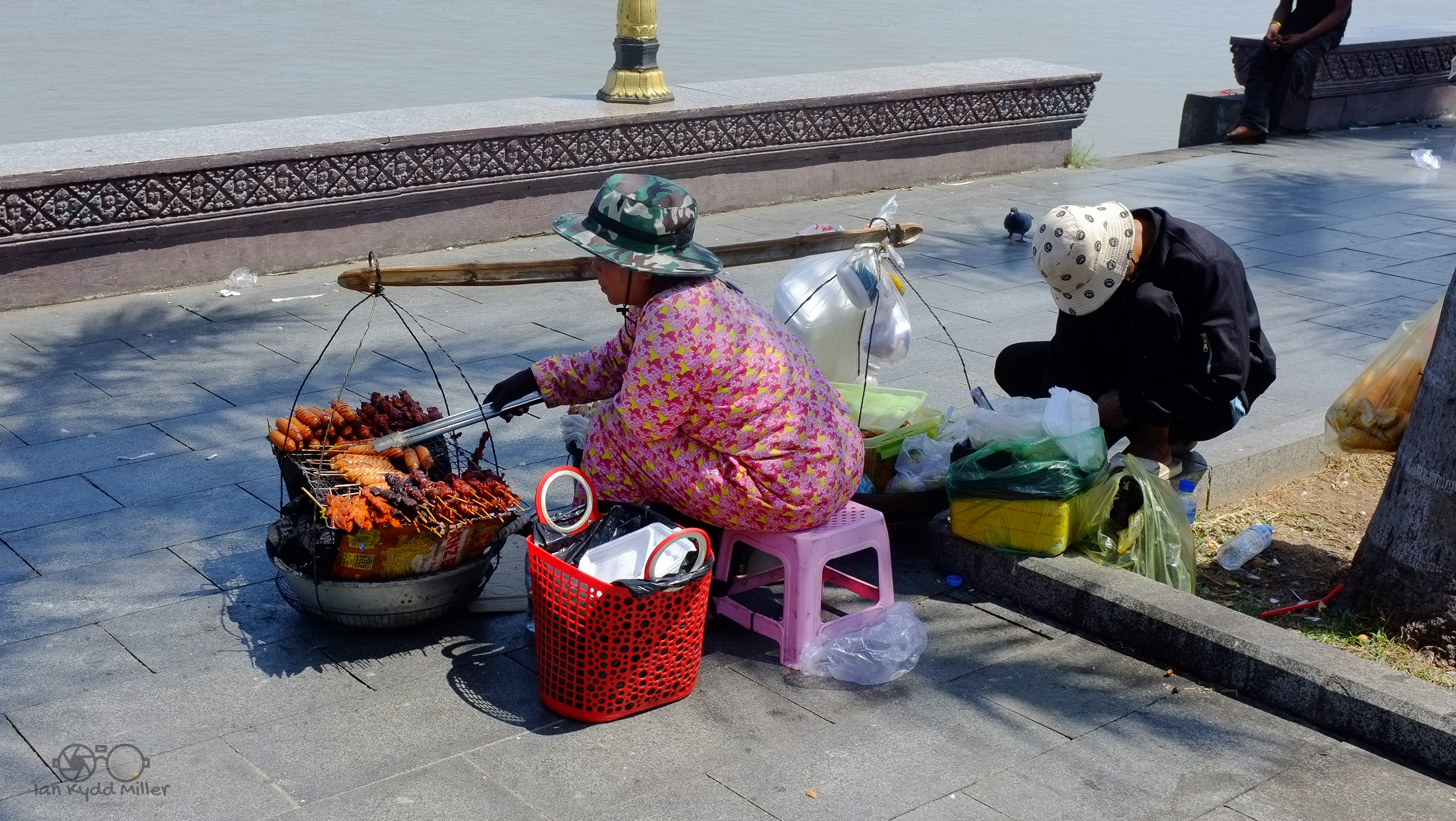
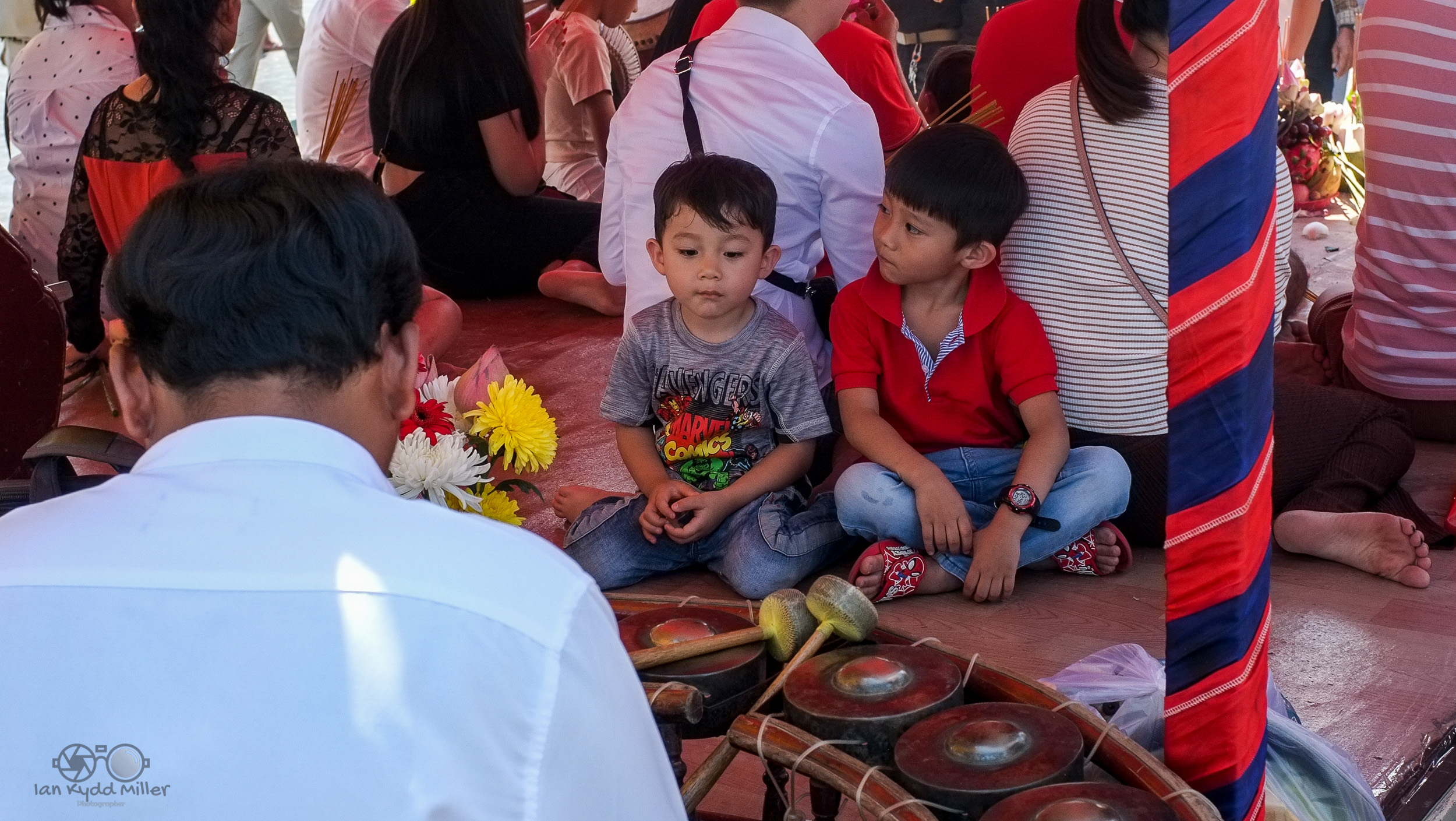
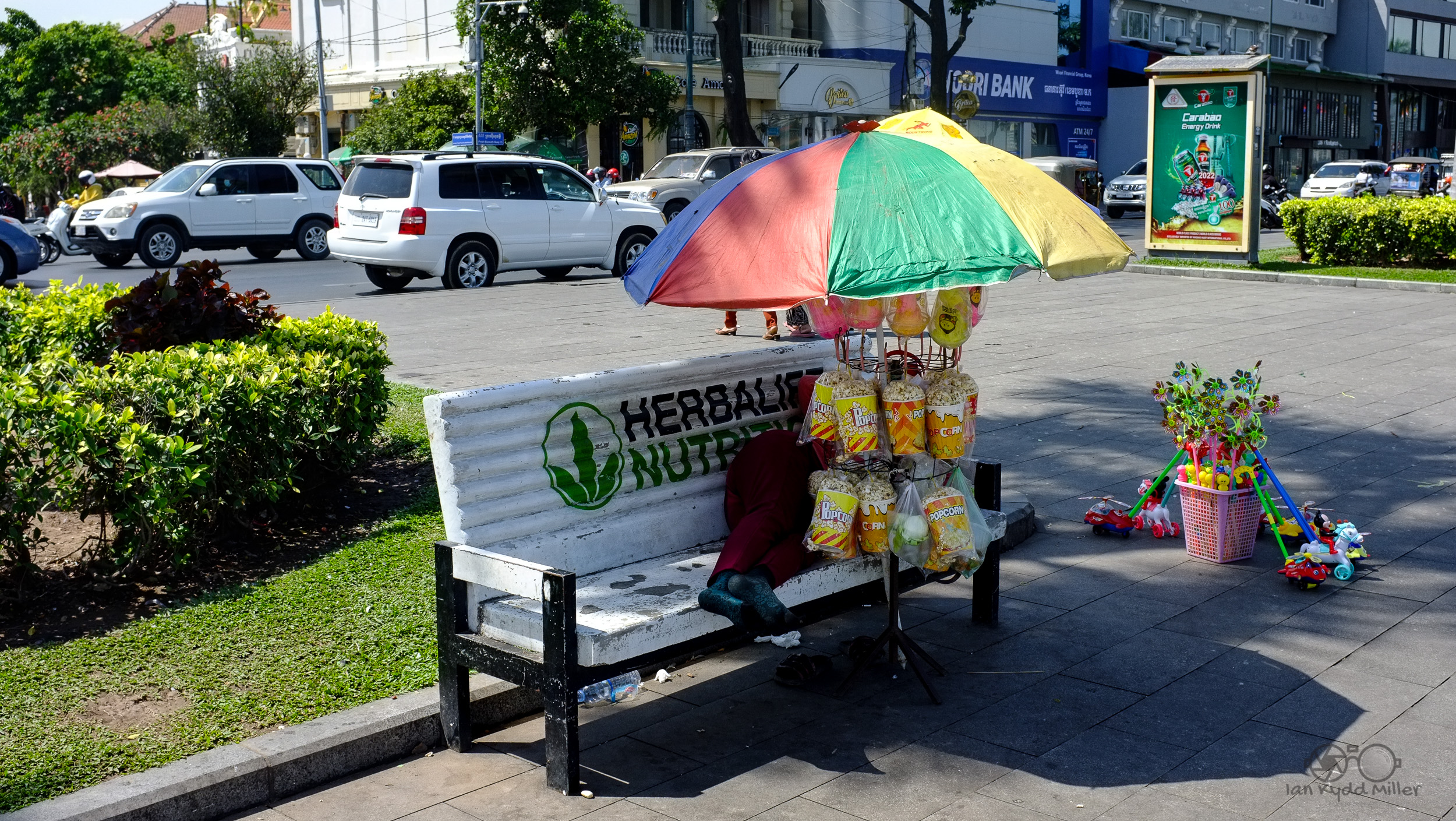
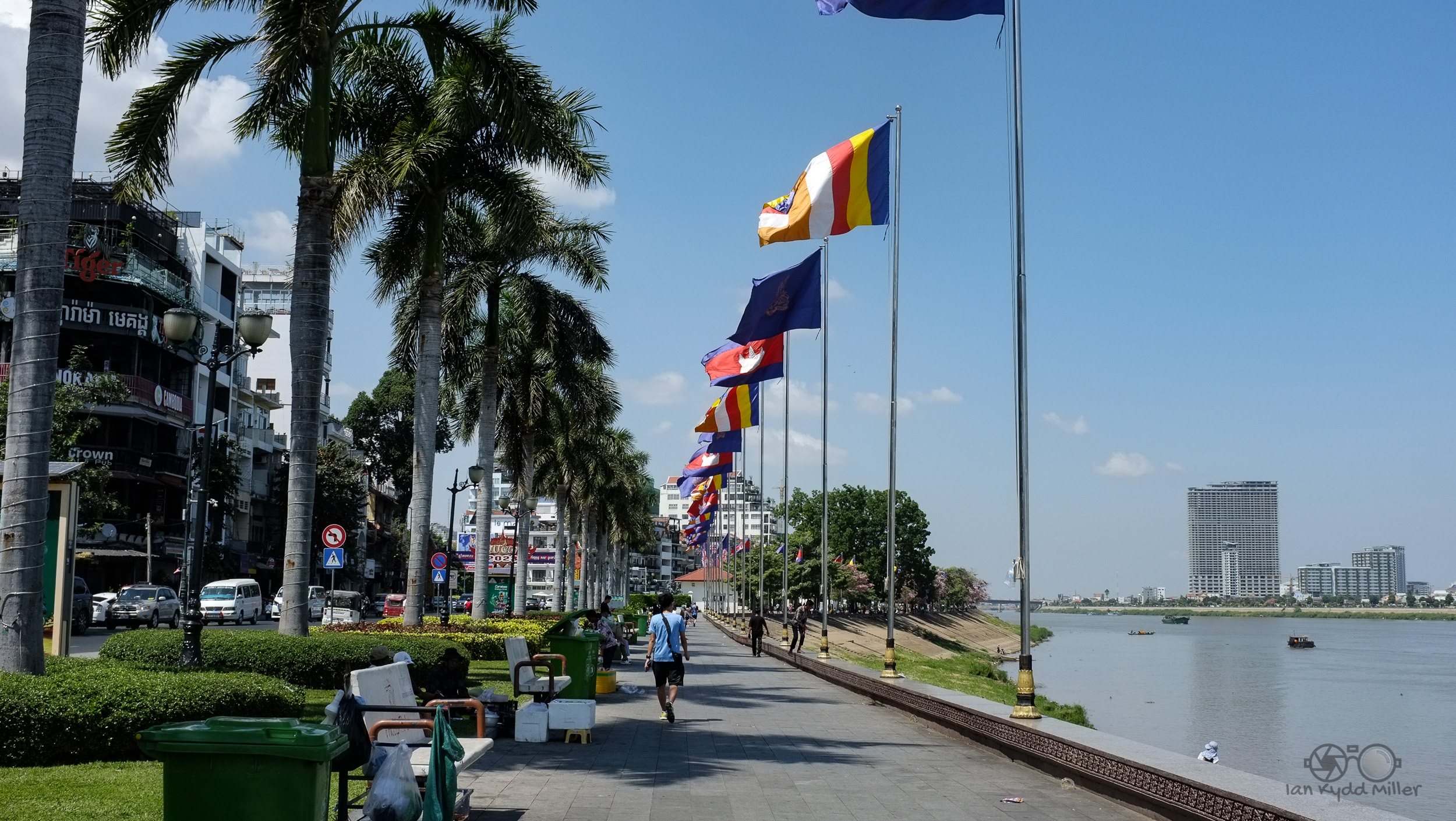
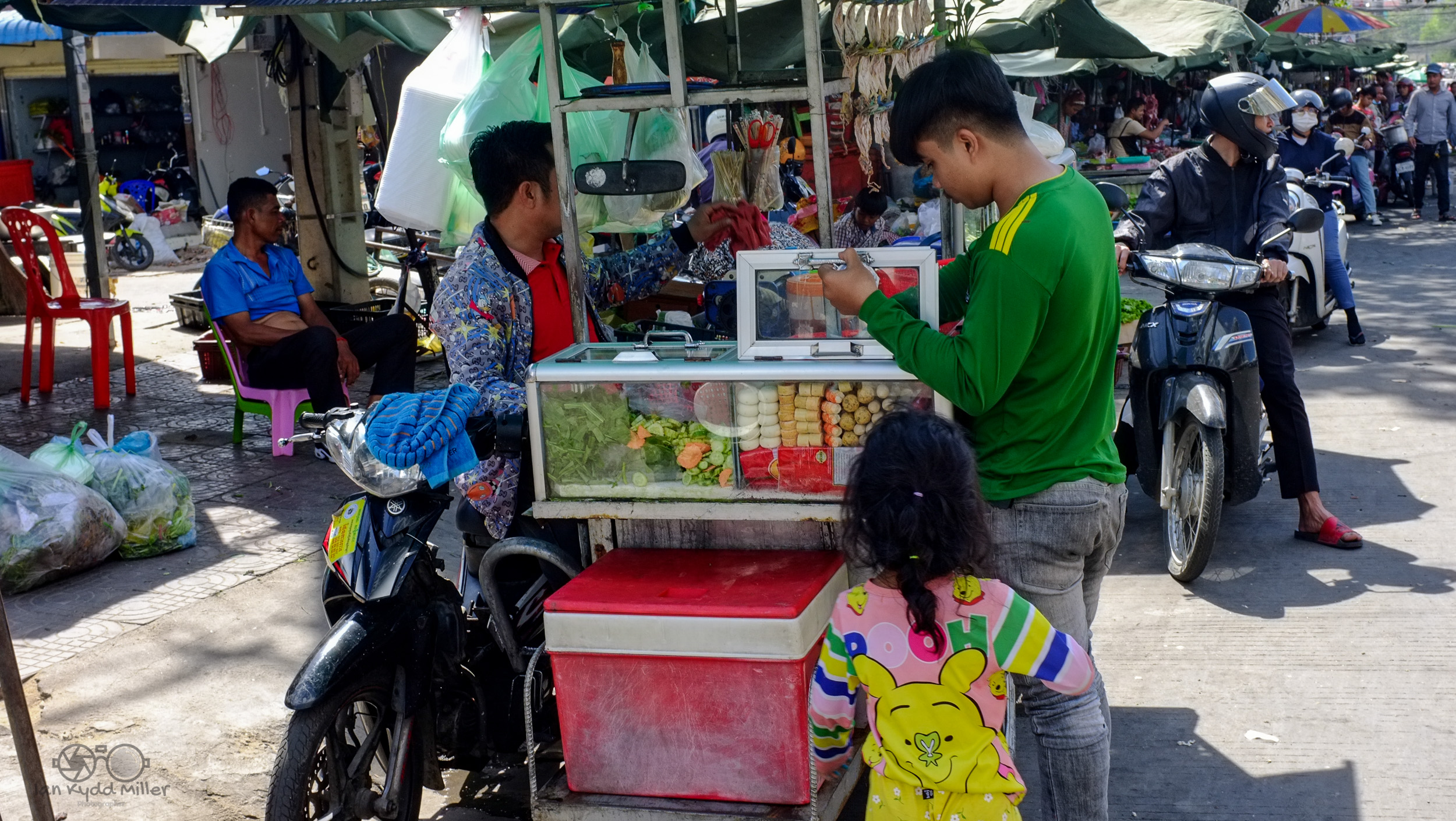
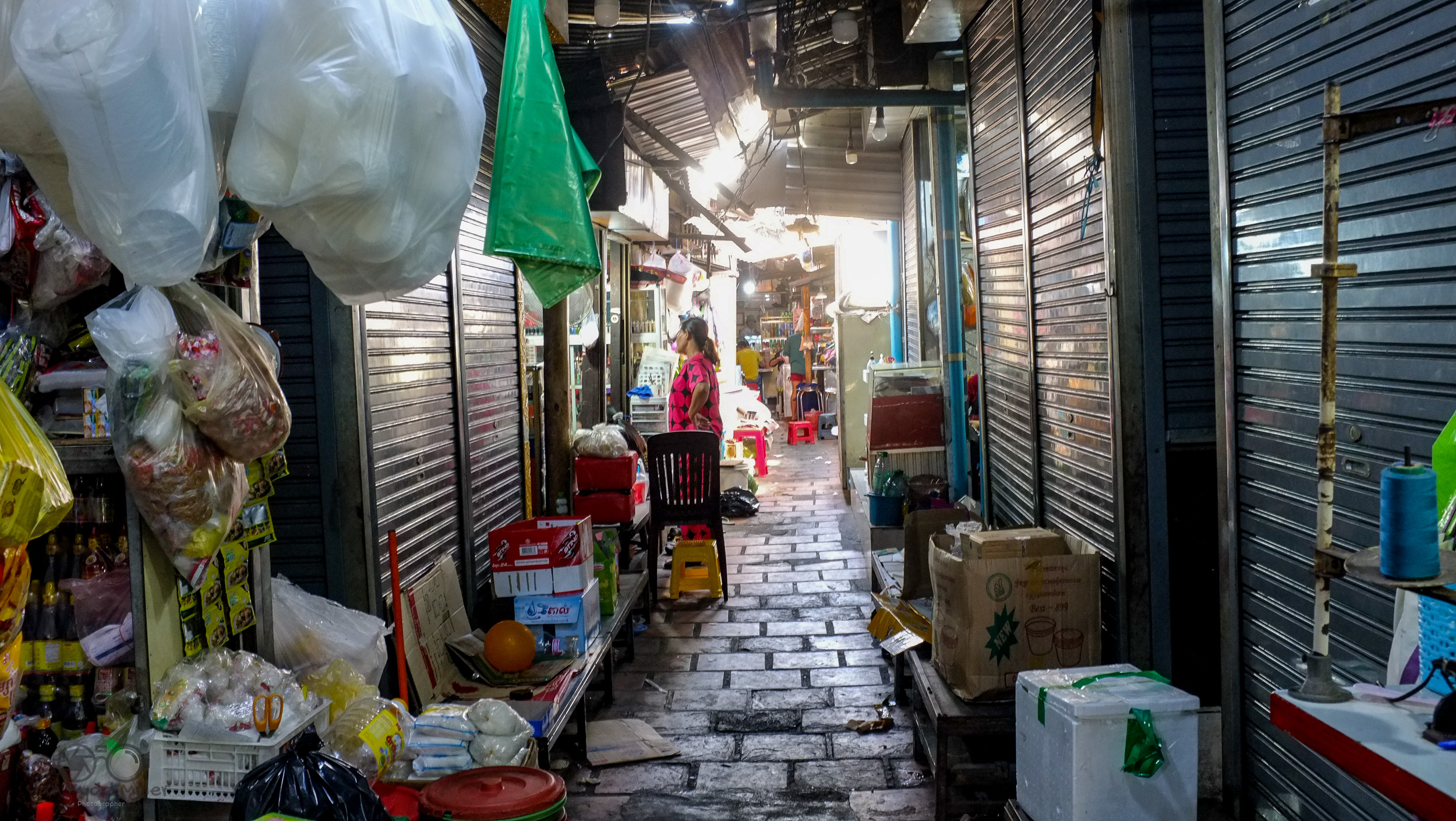
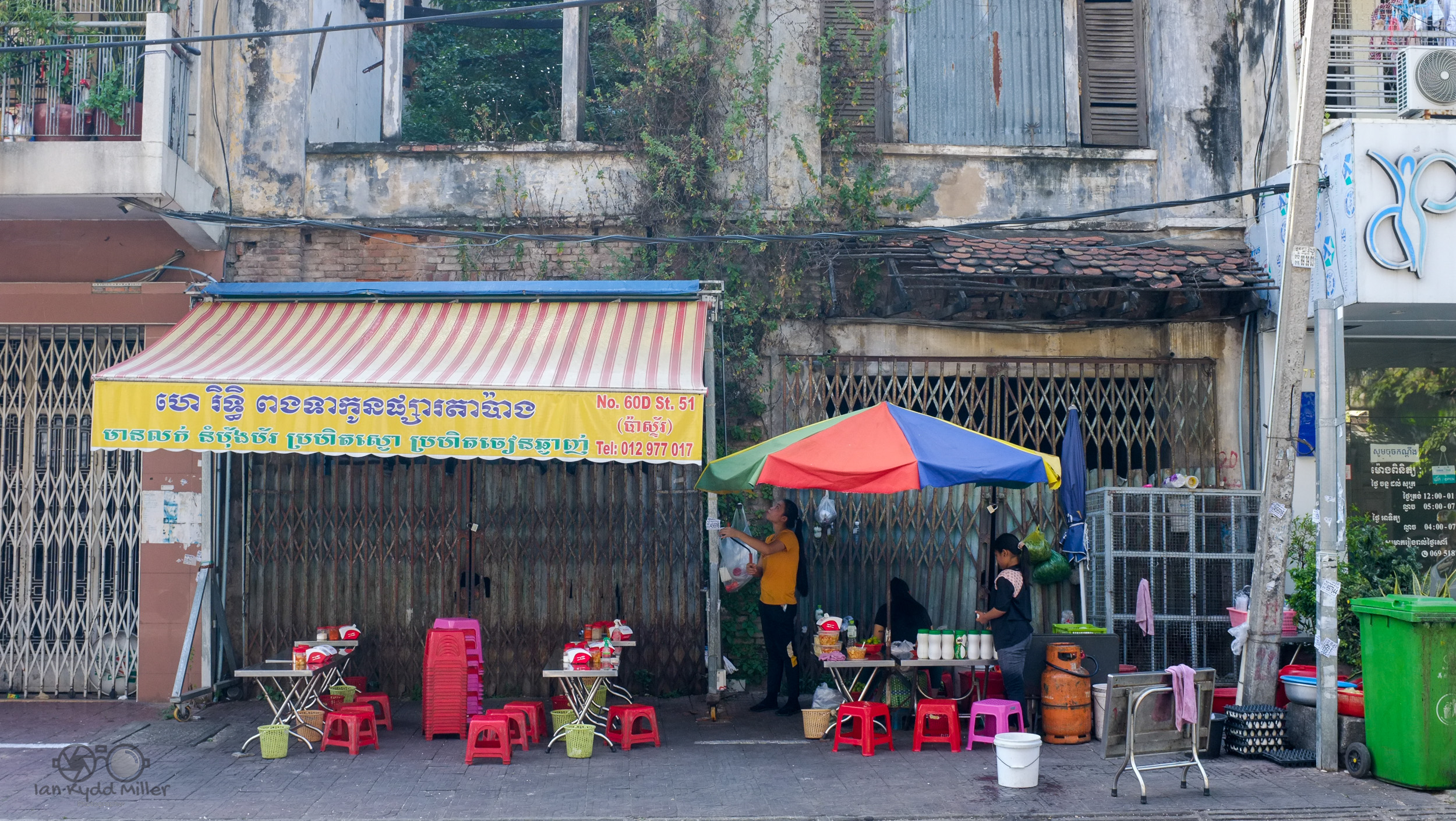
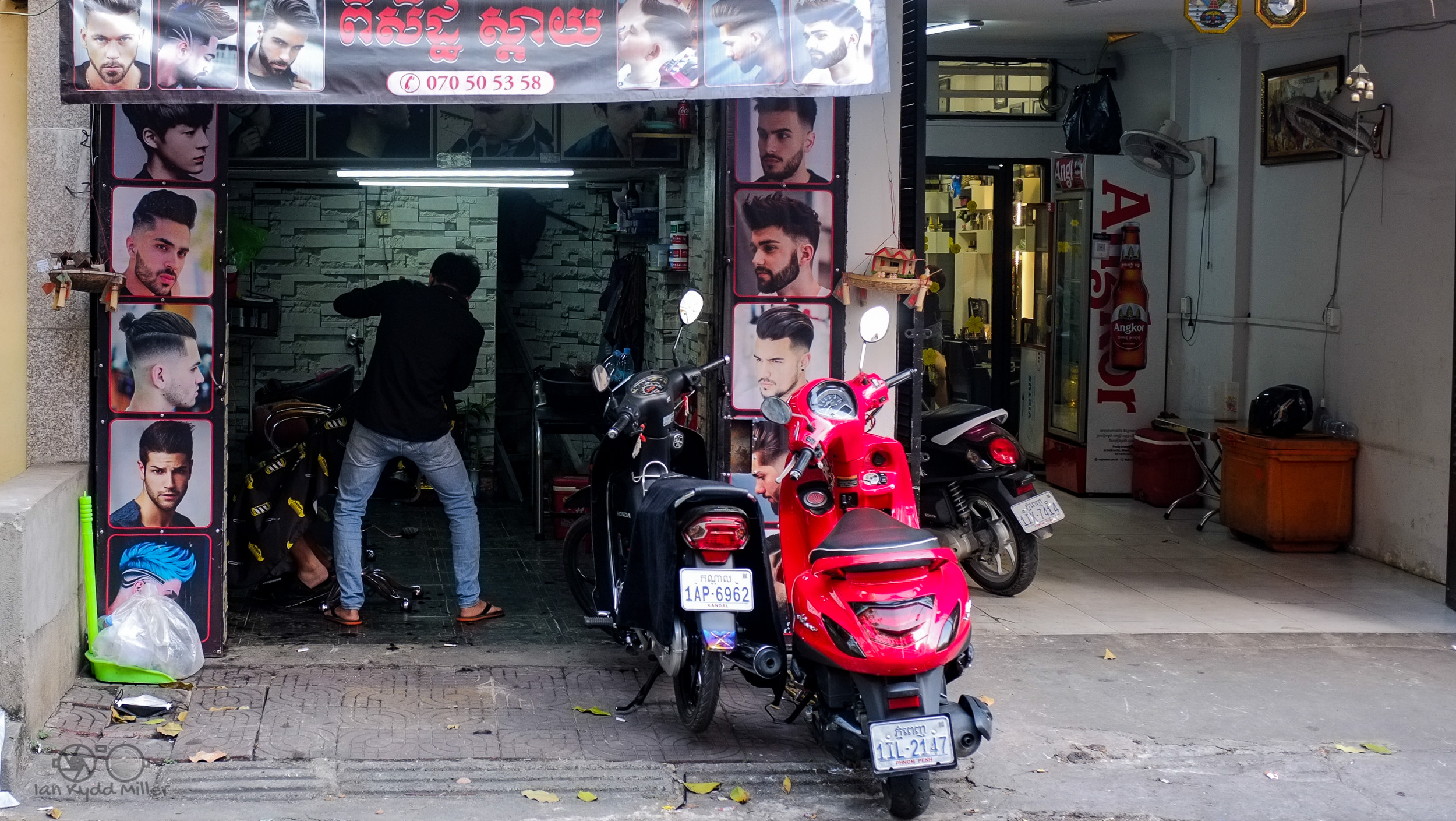
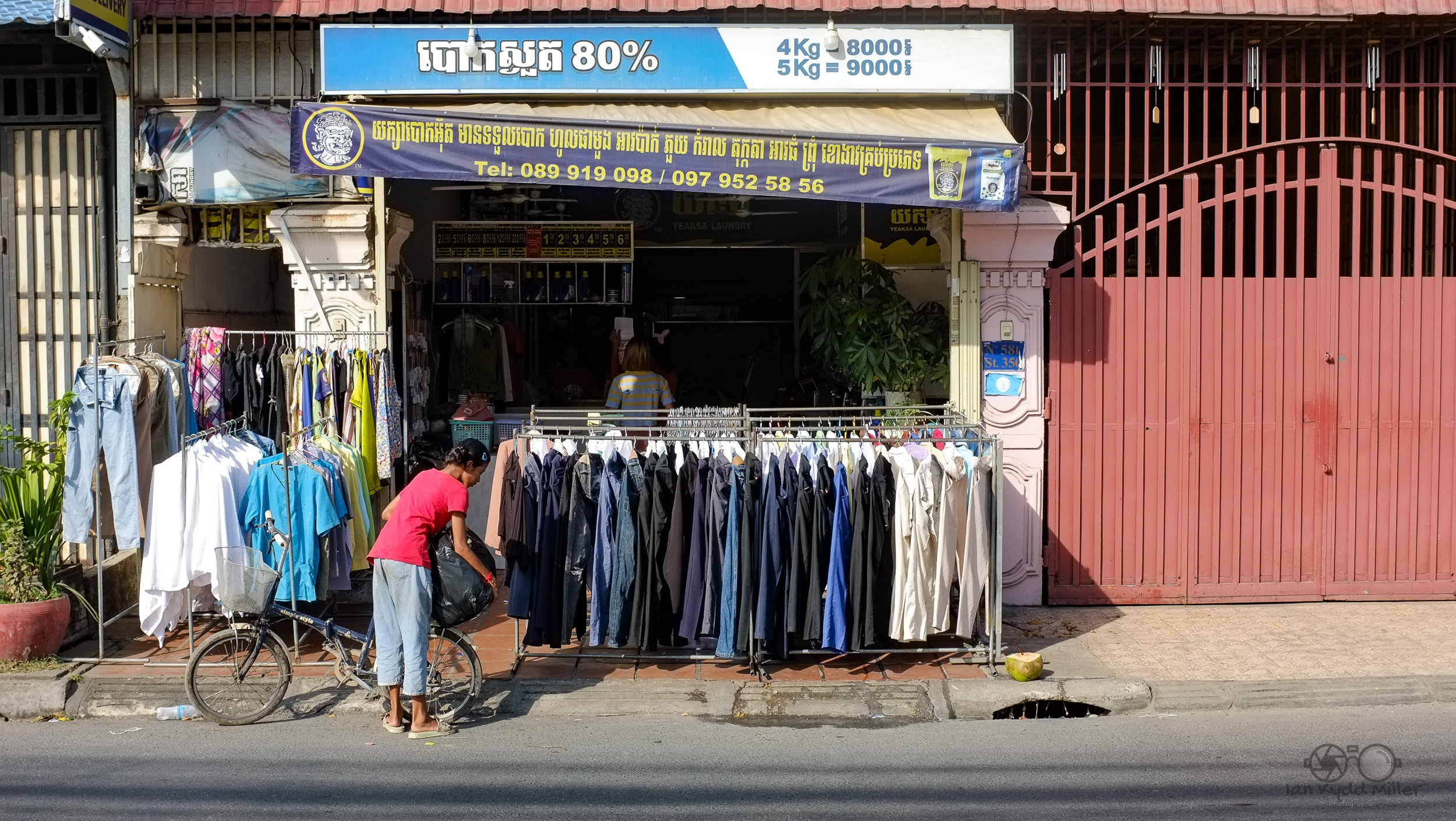
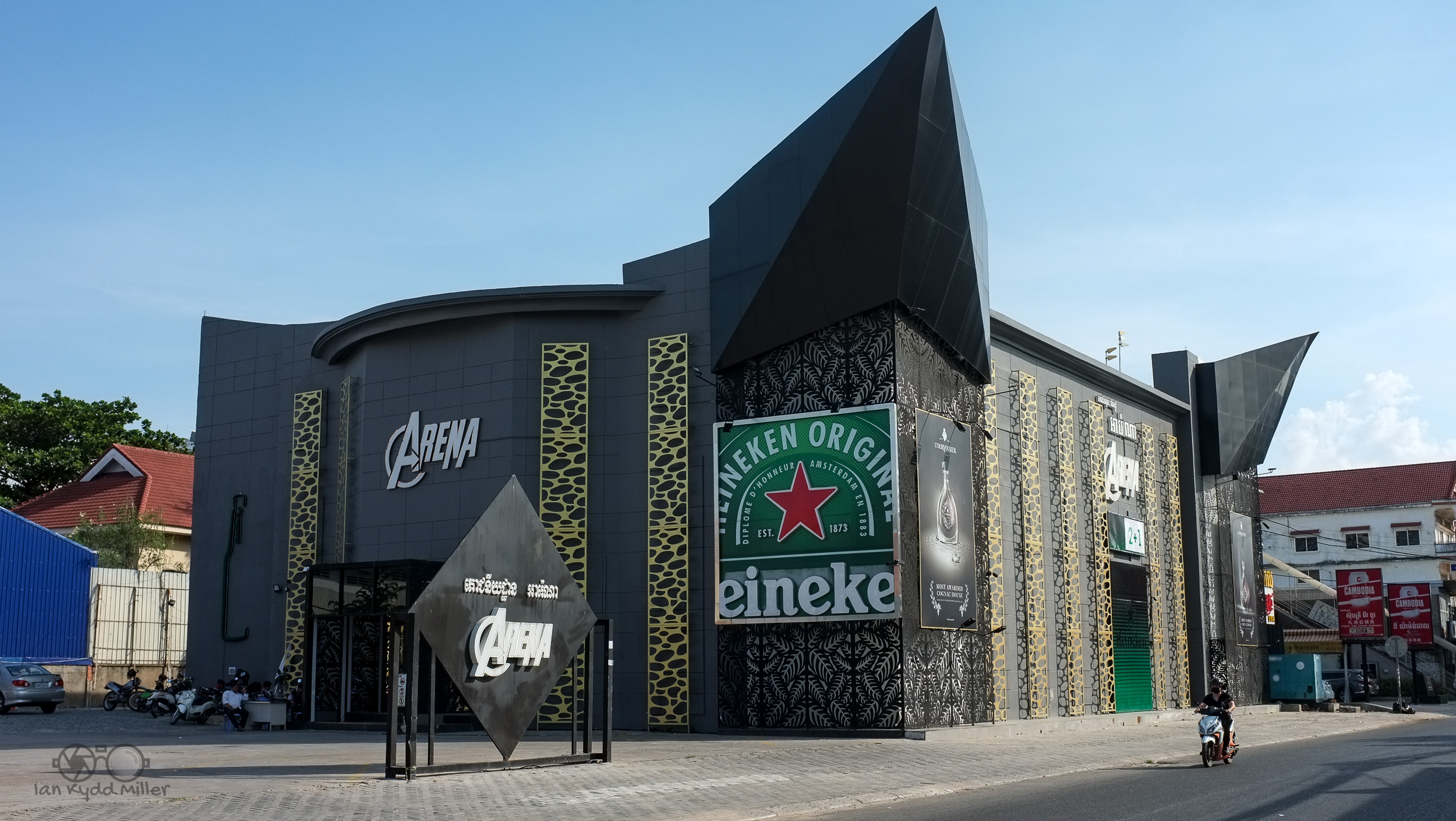
A great little old camera, 12 years old to be exact. I have not used it for a while as the old batteries had died and finding new ones here in Phnom Penh proved difficult, but not impossible as I eventually found 2 but in two different shops. Glad I did as I had almost forgotten how good the JPEG images from this camera can be. The images seen here were taken yesterday on a short walk (10 km) around the city. The camera is so lite that this is easy to do, easy on the back but not on the feet.
The X100 wasn’t designed to replace a professional DSLR. It wasn’t trying to be the fastest camera on the market, nor the most versatile. It asked something different of the photographer.
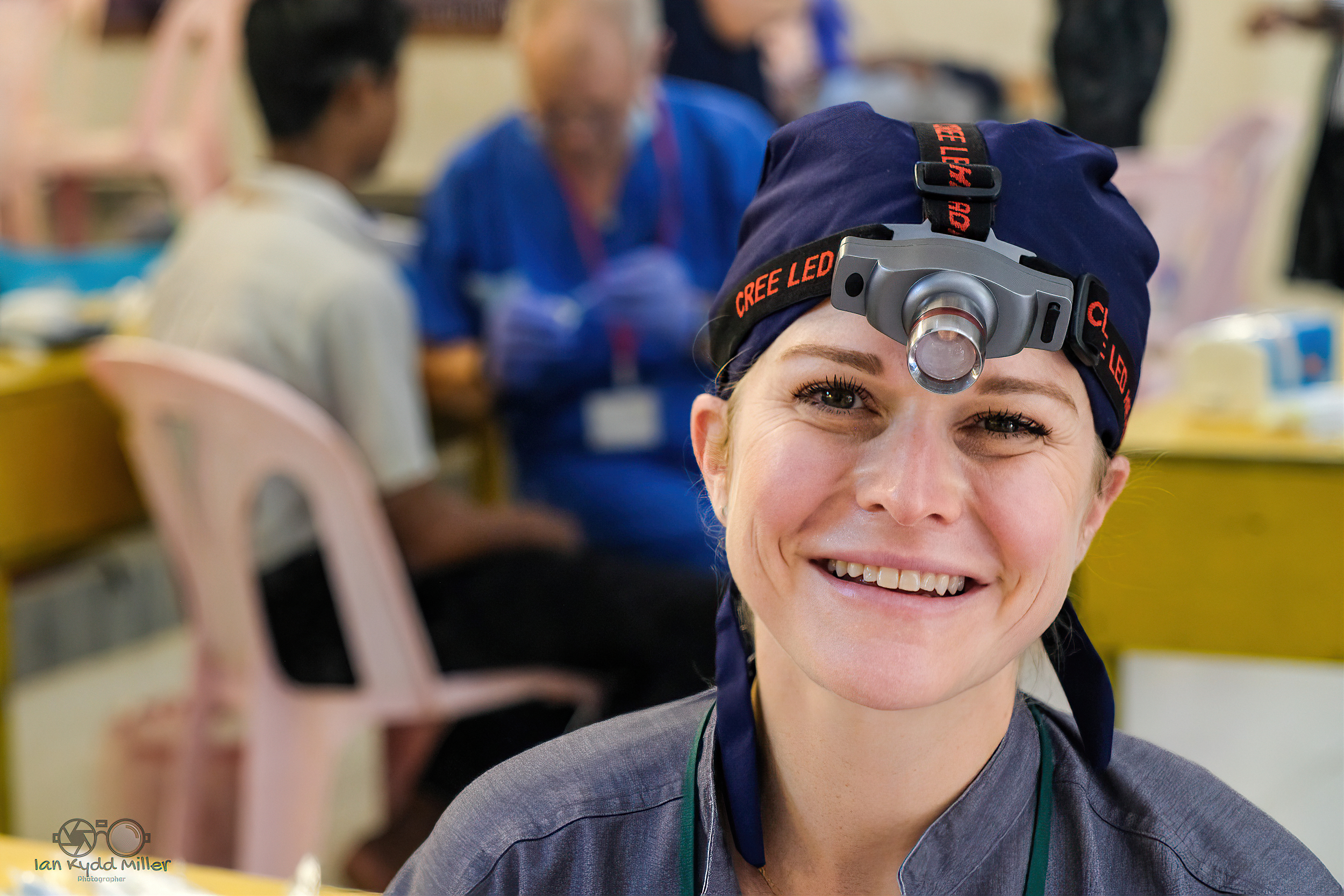
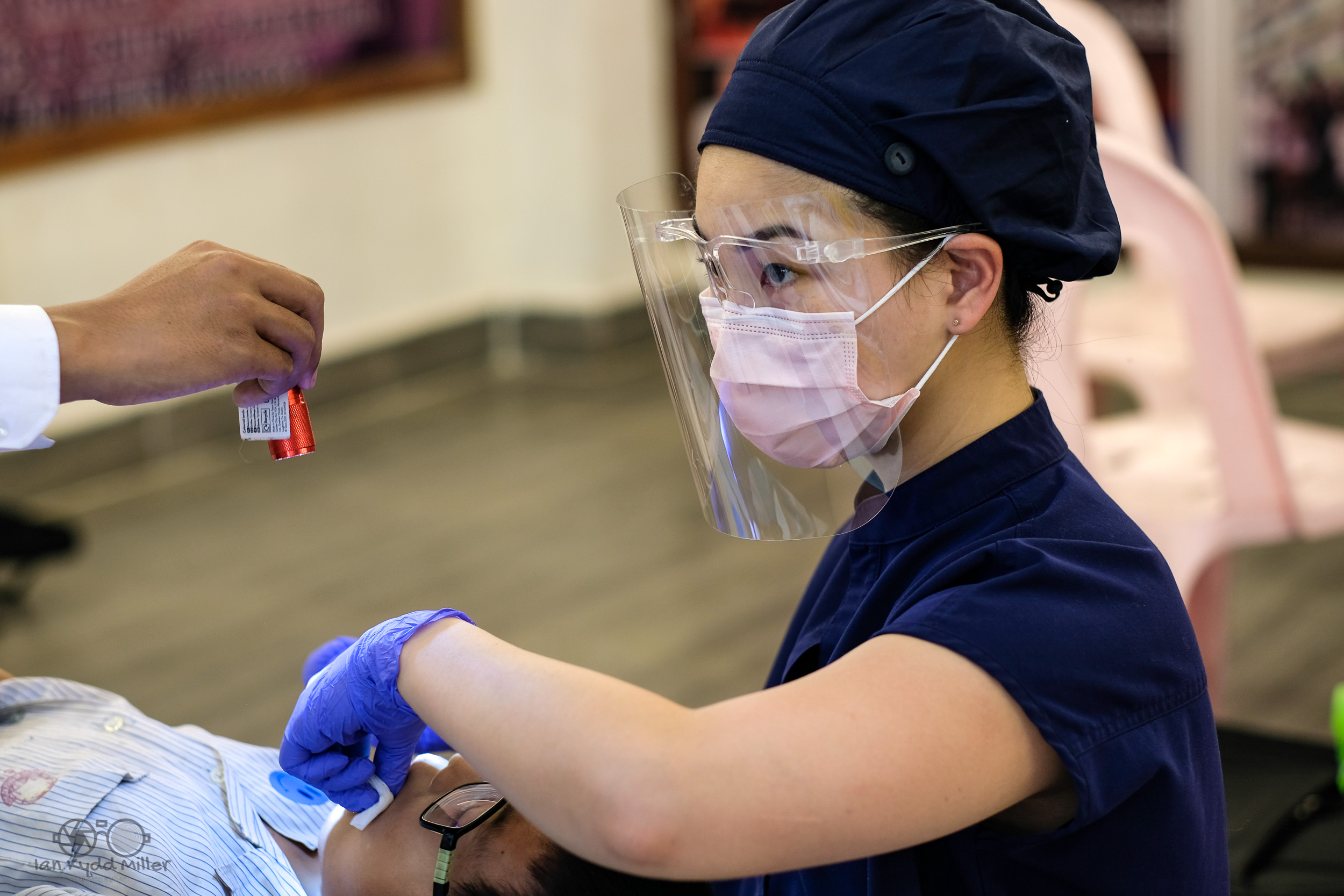
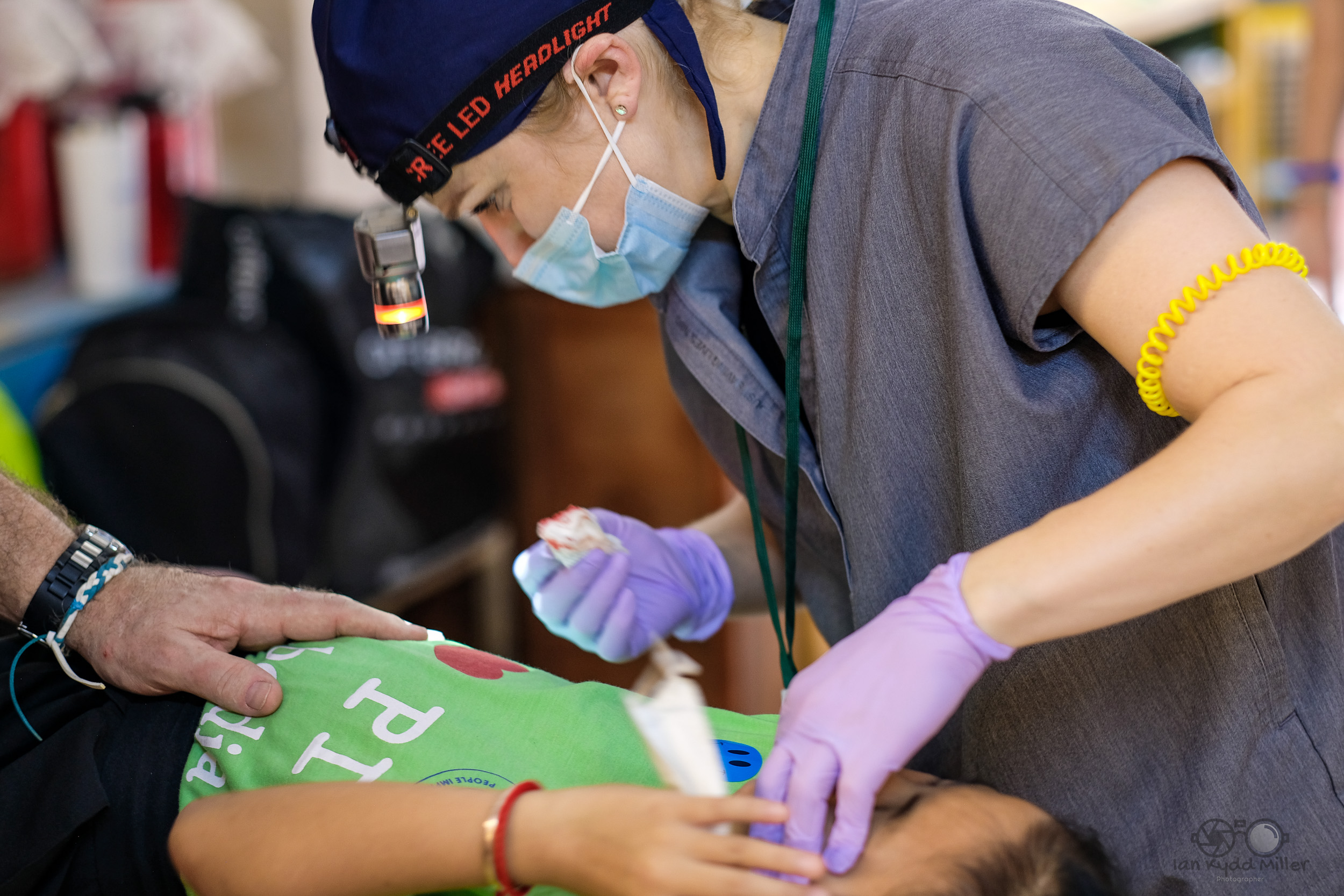
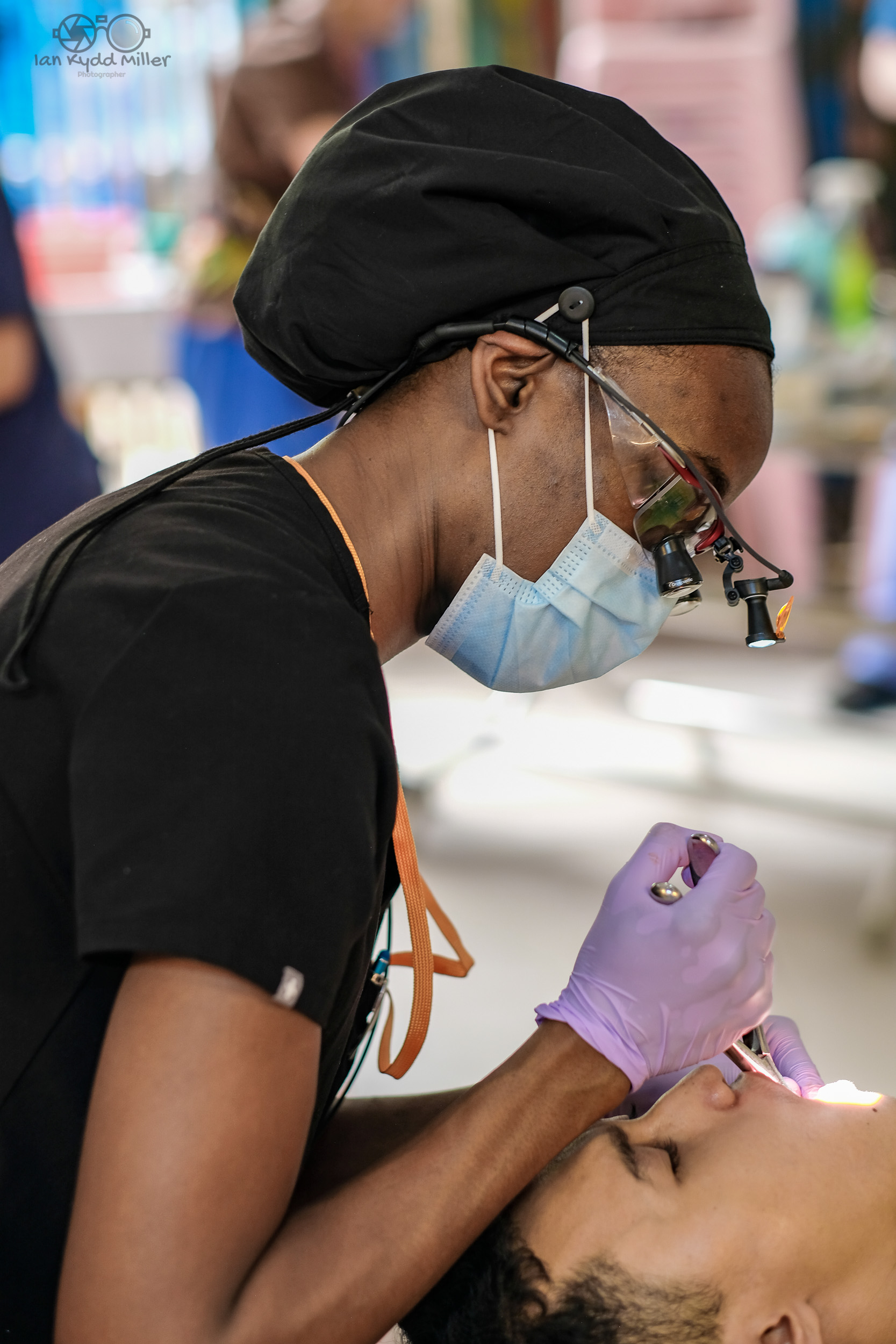
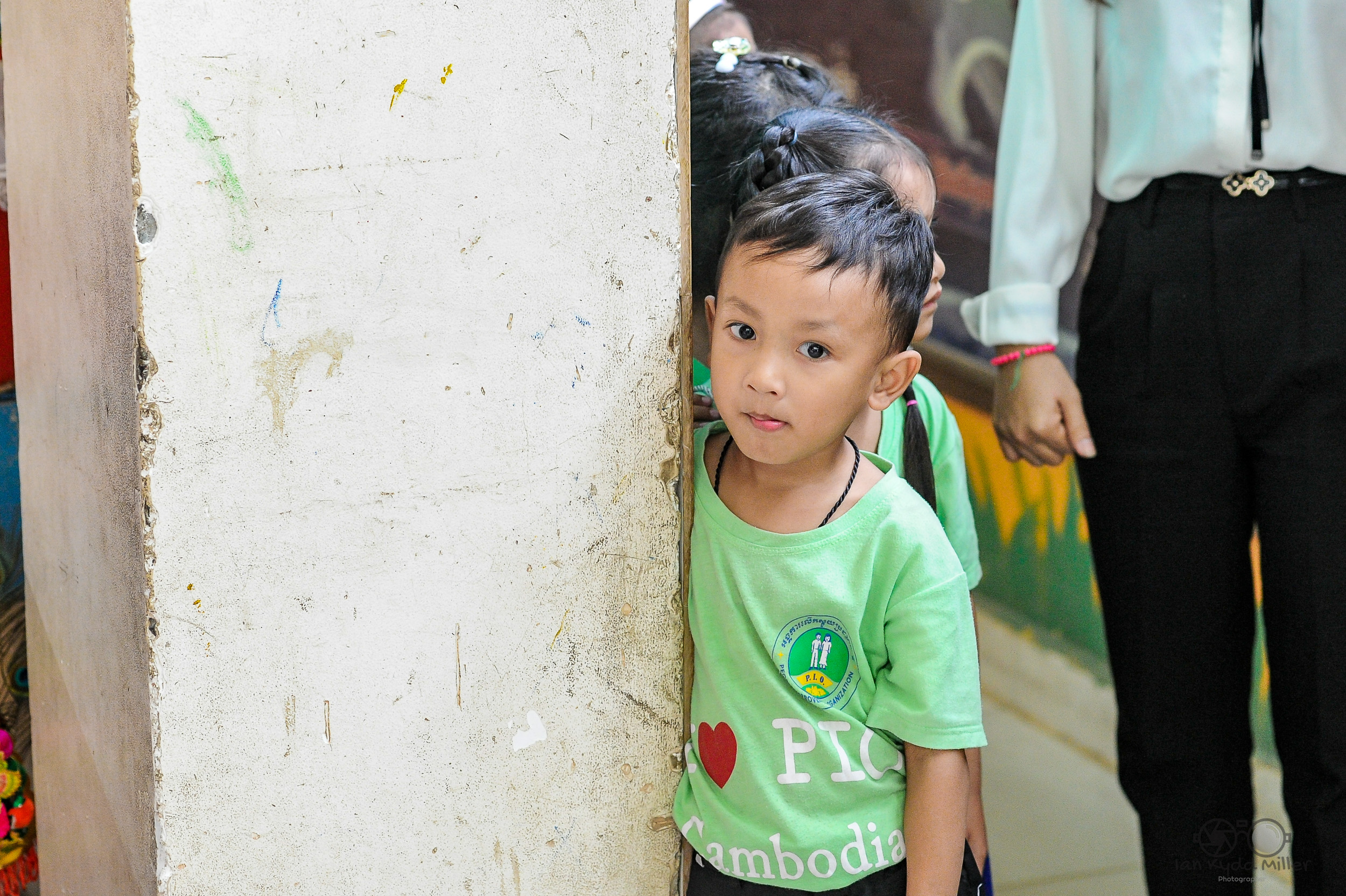
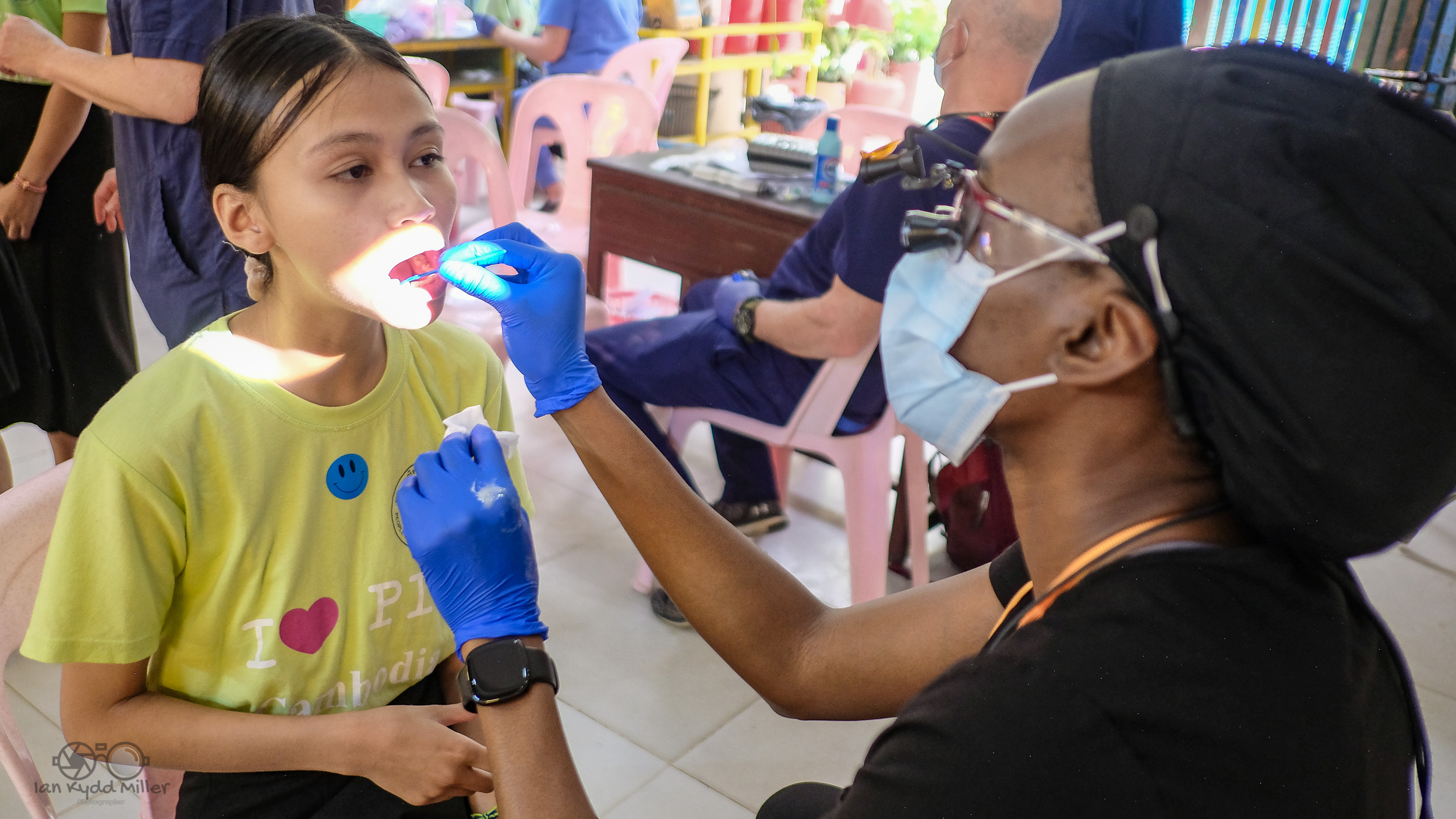
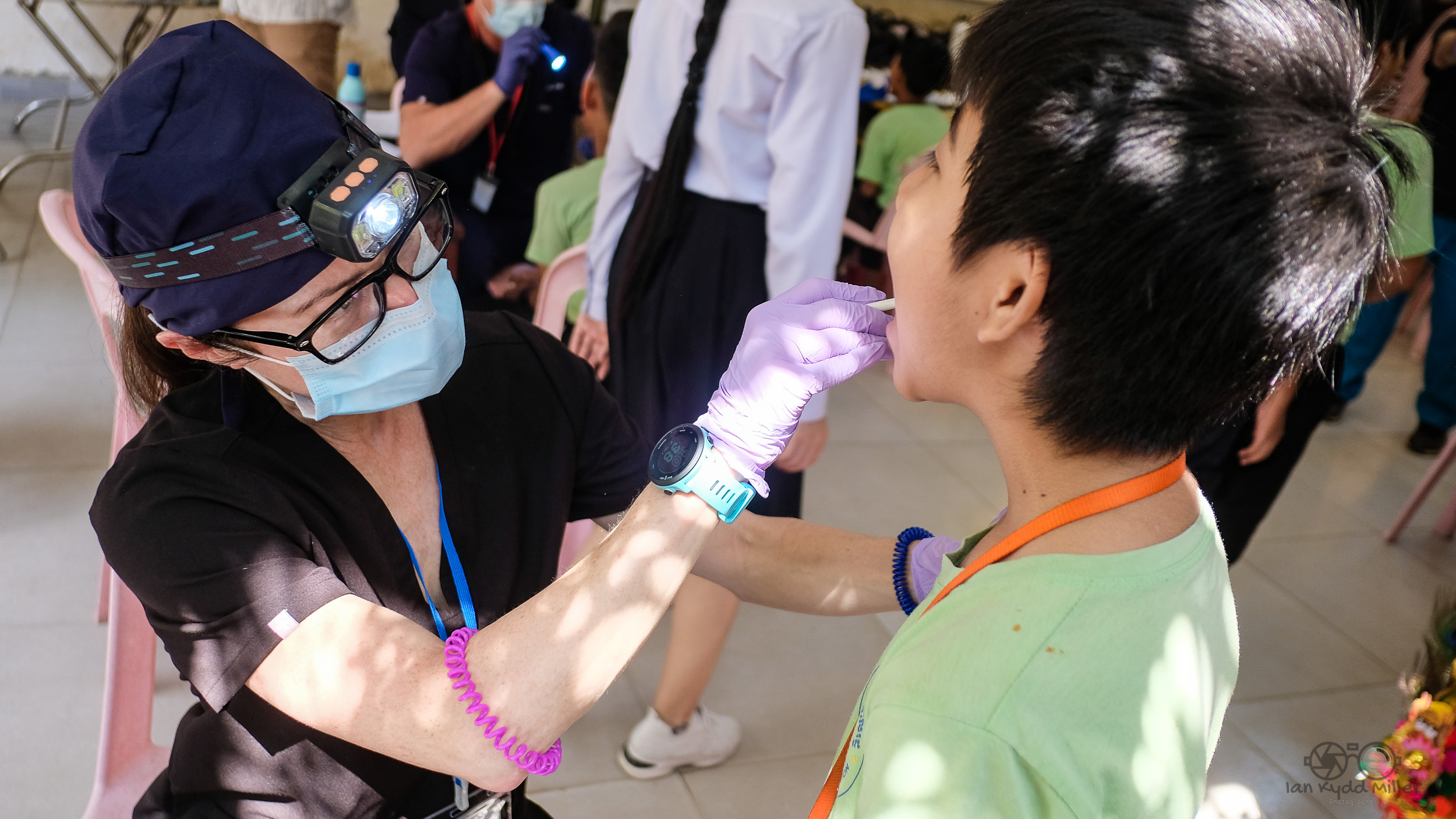
The new incarnation of KIDS International Dental Services was first brought to Cambodia by Dr Bob Renner and now trying to re-emerge from Covid restrictions, under new leadership, to bring Dental volunteers teams to Cambodia again.
The fundamental mission of Kids International Dental Services (KIDS) is to provide pro-bono dental care to impoverished children in developing countries. Other aspects of our mission include: (a) providing a platform for young dental professionals to perform community service world wide, (b) providing an opportunity for young adults to part take in social service and encourage them to innovate projects to serve disadvantaged youths in developing areas of the world.