

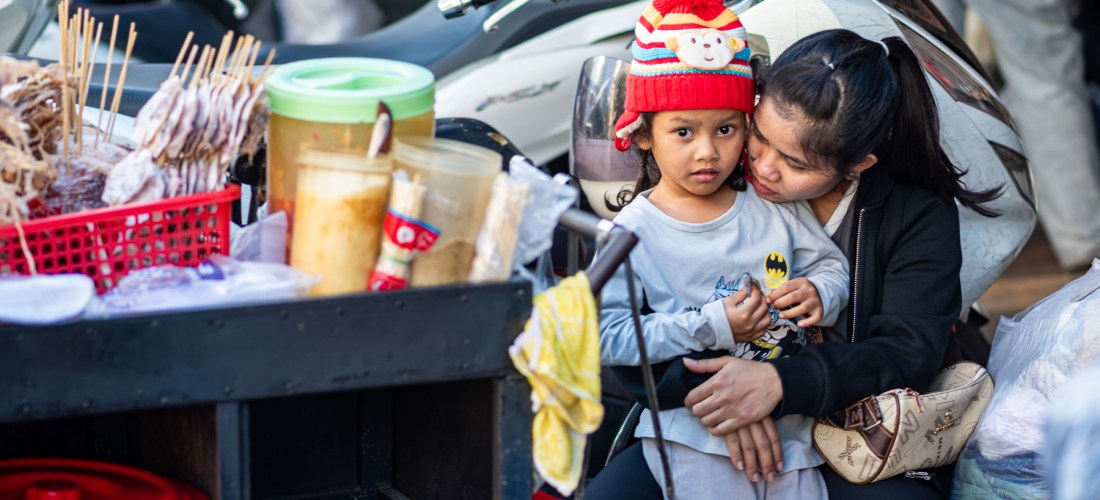
1. Stop hunting photographs.
Walk. Watch. Give things time. The moment you start desperately searching for a “great photograph,” you begin imposing yourself on what is happening. Emotional pictures usually arrive before you have decided what they ought to look like.
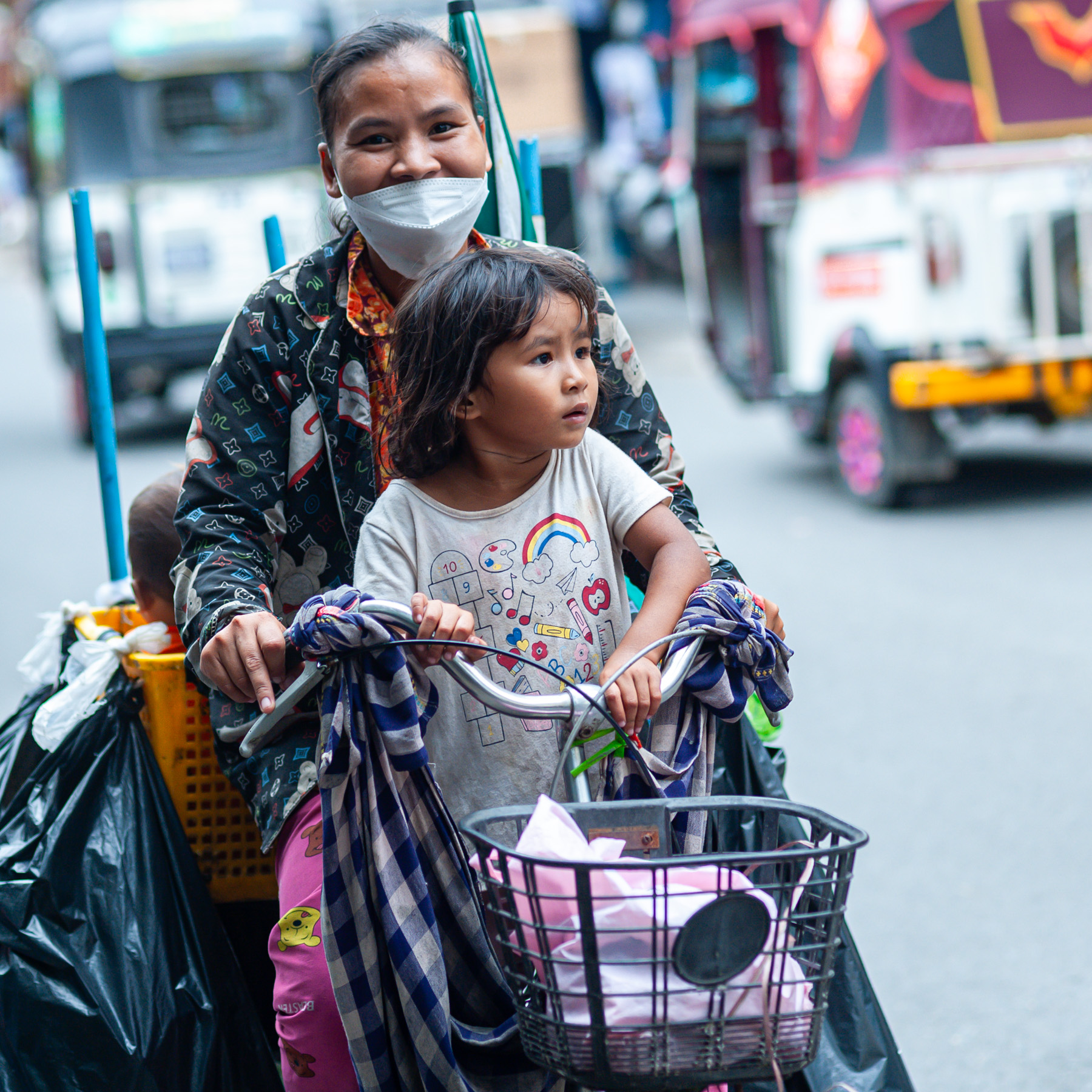
2. Watch behaviour, not faces.
Emotion isn’t necessarily a dramatic expression. Look at hands, posture, distance between people, hesitation, touch, avoidance, fatigue and where somebody is looking. A hand gripping a chair can sometimes tell you more than a face.

3. Photograph the moment around the moment.
The obvious instant isn’t always the truthful one. Photograph before the smile. Photograph after the embrace. Stay after everybody thinks the photograph has been made. That little collapse of performance is often where the real person appears.
4. Don’t manufacture emotion.
If somebody is frightened, poor, grieving, exhausted or vulnerable, you already have enough. You don’t need darker processing, theatrical angles or selective cropping to make their circumstances more dramatic. If reality isn’t powerful enough, don’t fake the missing power.
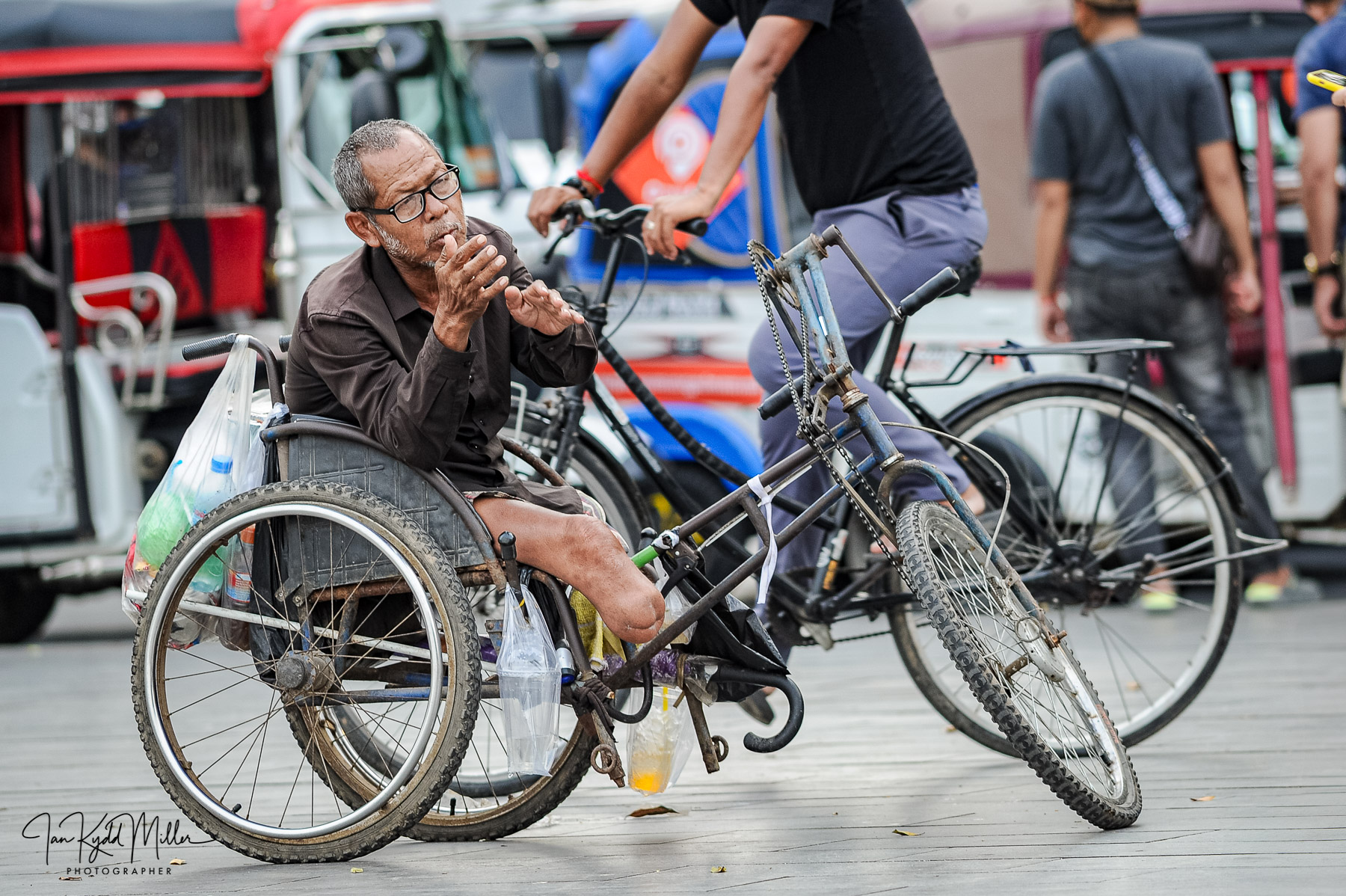
5. Get physically close—but know why.
Close isn’t automatically intimate. Sometimes three metres tells the story better than thirty centimetres because the surroundings explain what is happening. Distance should serve the photograph, not demonstrate the photographer’s courage.
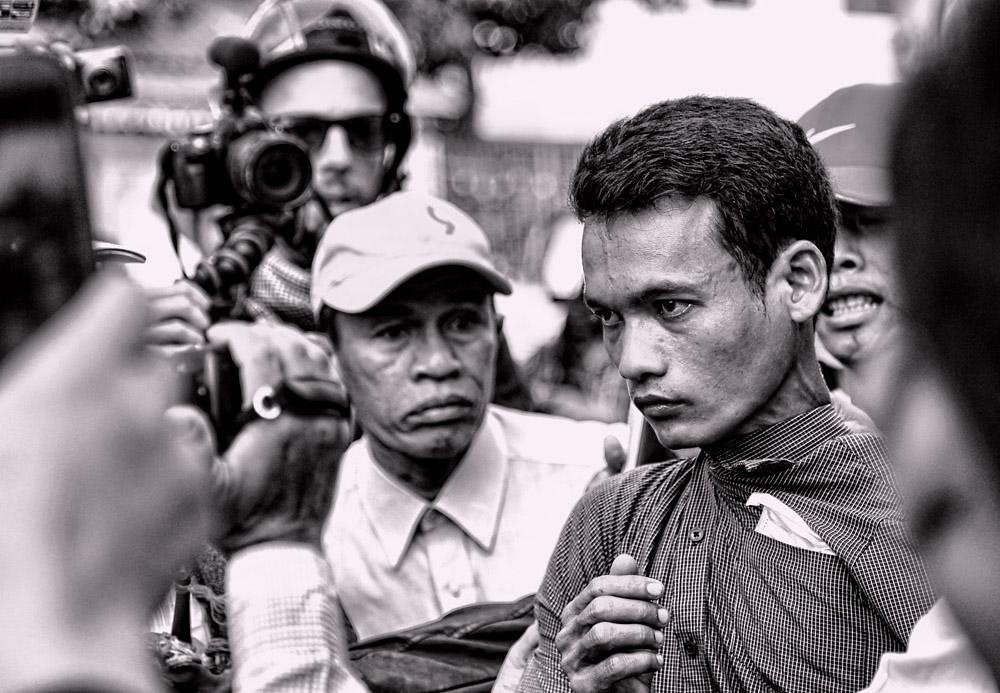
6. Let awkwardness remain awkward.
Don’t tidy everything up. Strange gestures, uncomfortable spacing, imperfect expressions and visual tension may be precisely what makes the photograph human. Life rarely arranges itself into a portfolio.
7. Don’t confuse misery with meaning.
A homeless person, crying child or exhausted labourer doesn’t automatically produce an important photograph. Vulnerability isn’t photographic currency. Ask yourself whether you’re revealing something or merely borrowing somebody else’s difficulty.

8. Portraits begin when posing ends.
Make the expected portrait if necessary. Then keep talking. Lower the camera occasionally. Let the subject become bored with being photographed. Watch for the moment they stop presenting themselves and simply become themselves again.
9. Leave some questions unanswered.
You don’t have to explain everything. Strong photographs often contain ambiguity. Give the viewer enough information to enter the picture, but don’t dictate exactly what they must feel.
10. Edit without mercy—but not without conscience.
Ask three questions: Is this photograph true to what I witnessed? Have I changed its meaning through cropping or processing? Am I showing this because it matters, or because it makes me look like a serious photographer?
That last question can hurt. Good.
The five-second check
Immediately before pressing the shutter:
What am I actually seeing?
What am I feeling?
What is the subject doing rather than performing?
What will disappear in the next second?
Am I photographing this for them, for the story—or for myself?
Then make the picture.
And before publishing it, there is one final question:
Does this photograph preserve the humanity of the person inside it?
If the answer is no, technical excellence doesn’t rescue it.

