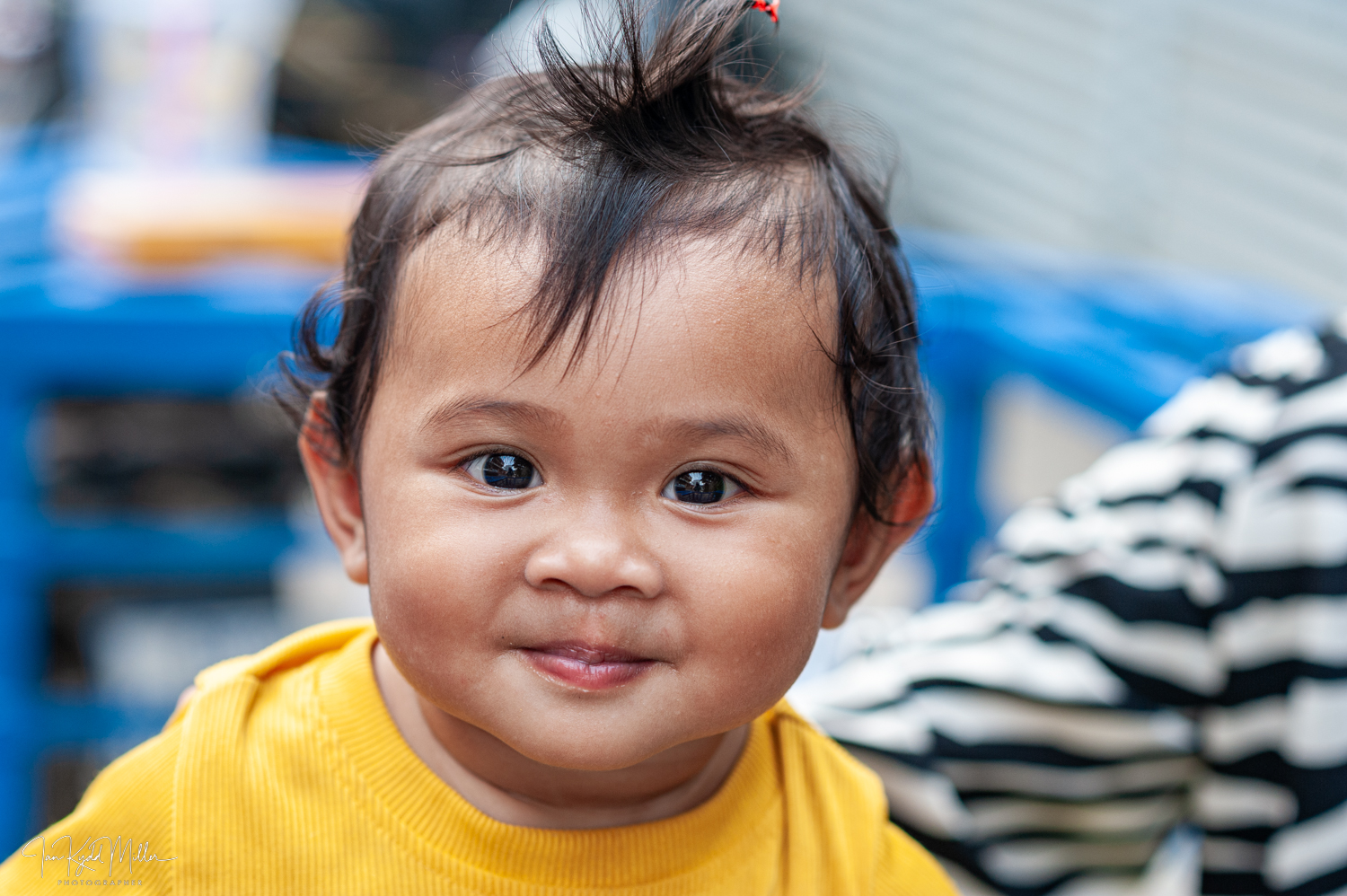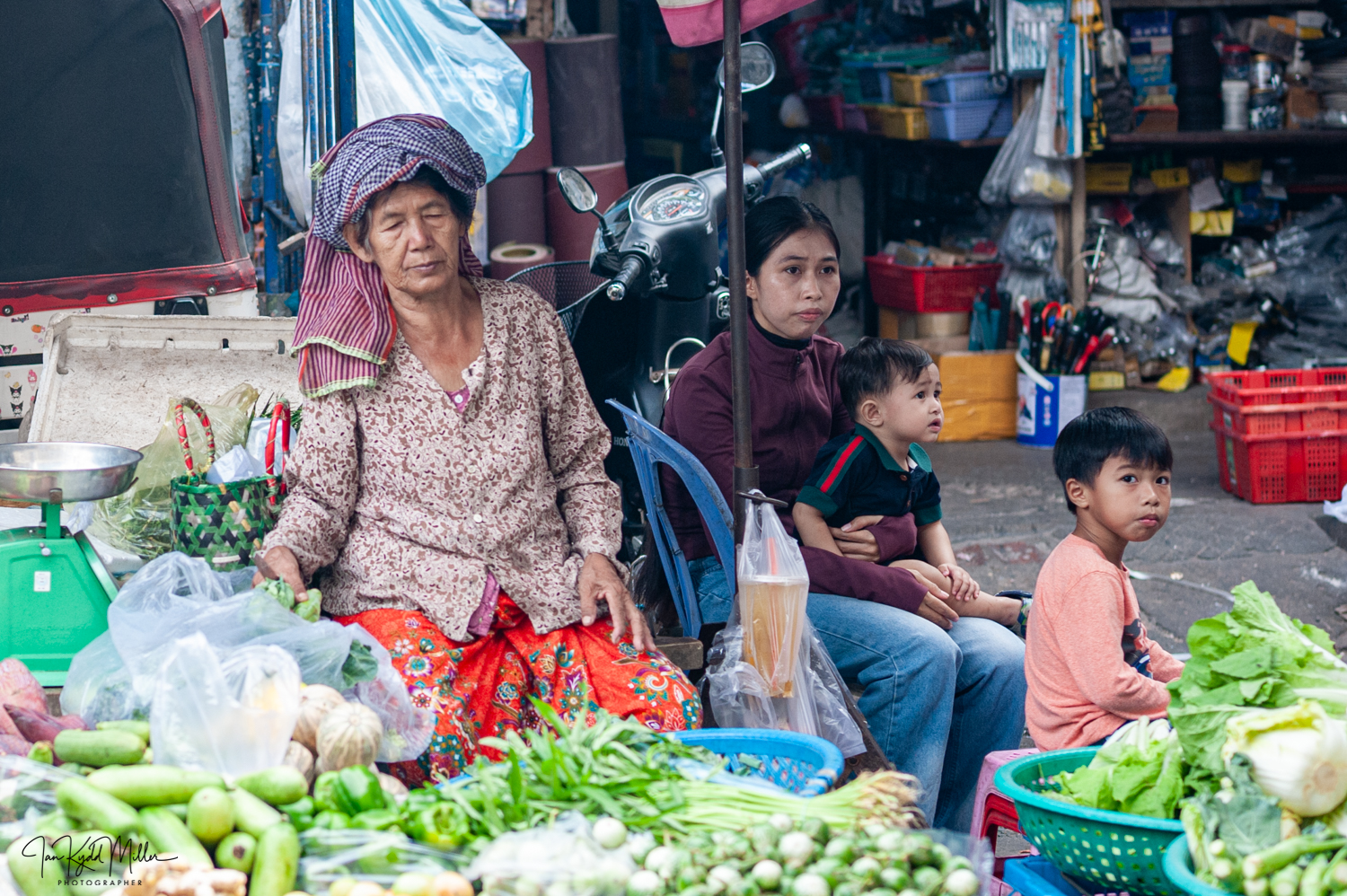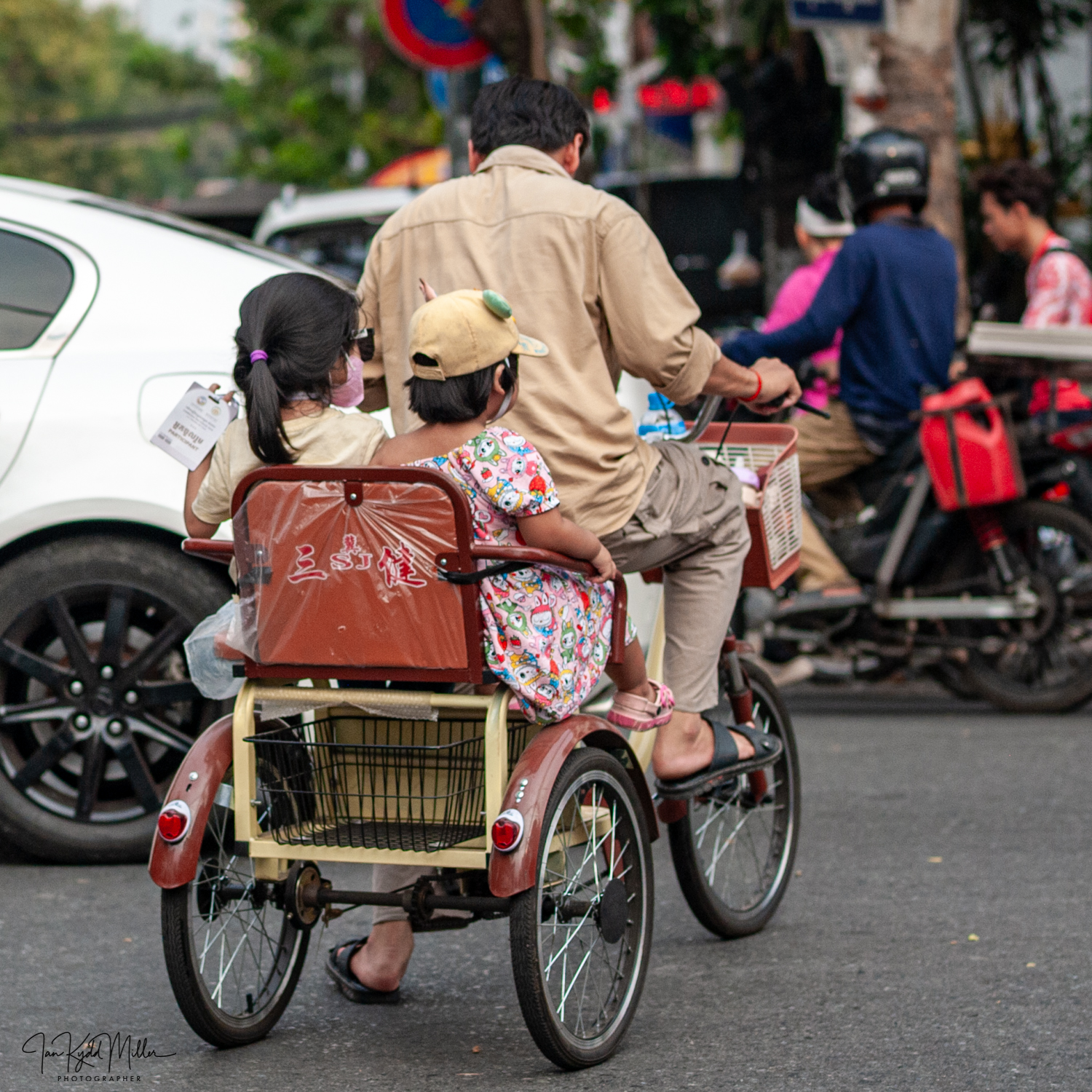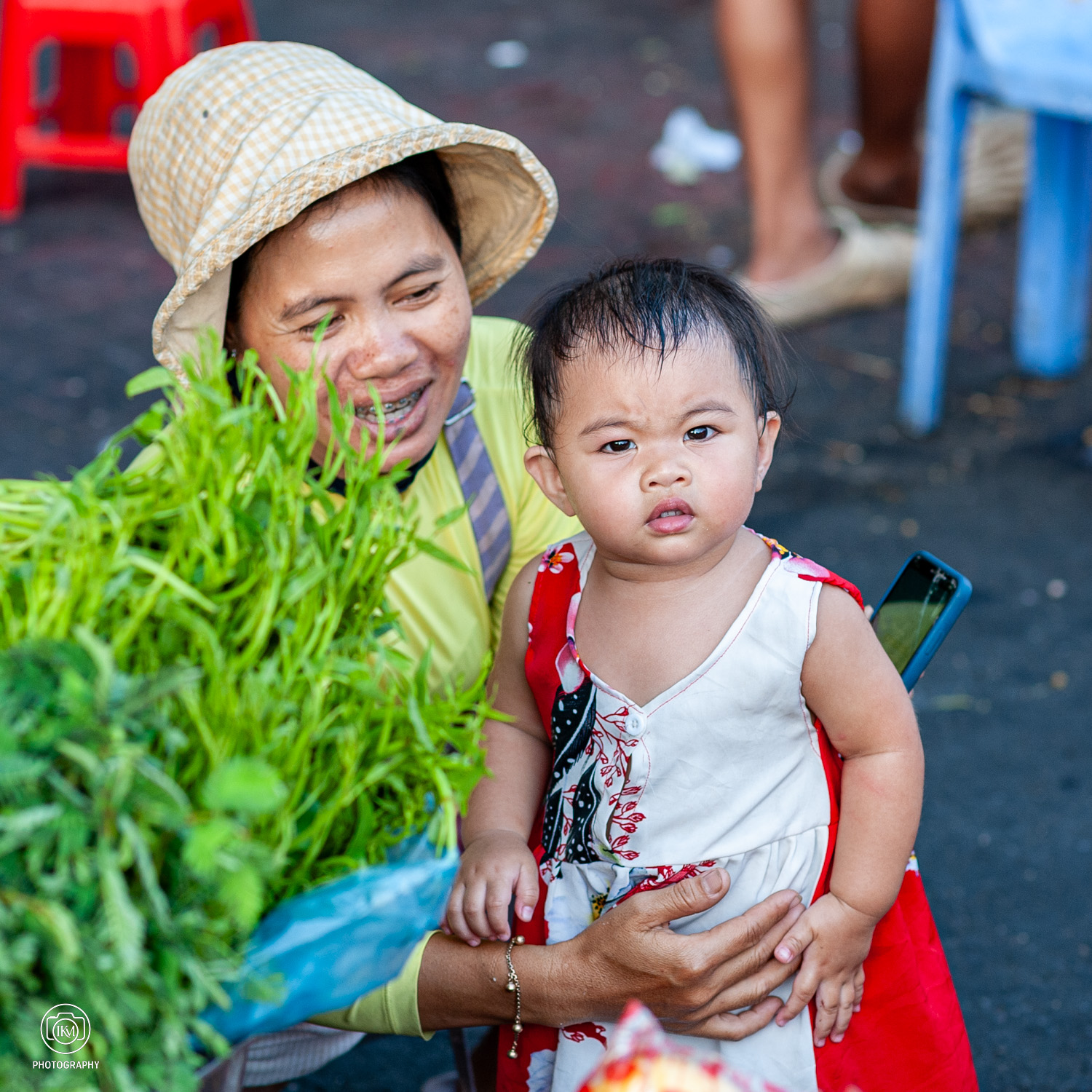

Notes from an Old Photographer
Text by Ian Kydd Miller
A collection of reflections on photography, people and the working life
Contents
1 Why We Still Make Pictures
2 People in the Frame
3 Learning to See
4 Cameras Lenses and Working Tools
5 The Working Photographer
6 The Camera Is Not the Journey
Preface
This small book is about photography after the novelty has worn away. It is about what remains when cameras have been replaced, assignments completed and the brief applause surrounding a picture has faded.
The essays move from the reason we continue making pictures to the people who give those pictures meaning. They consider the slow education of seeing, the proper place of equipment, the discipline of professional work and the longer journey taking place behind the camera.
They are not rules. Photography has never been improved by pretending that one method suits every person or situation. They are observations gathered through years of carrying cameras, watching people and occasionally understanding what a photograph was trying to say.
The central belief is simple: equipment matters, but attention matters more. The camera records the frame. The photographer remains responsible for why it was made.

CHAPTER 1
Why We Still Make Pictures
There comes a point in a photographer’s life when the usual explanations begin to sound rather thin.
We make pictures to preserve memories. We make them to document the world. We make them because light falls beautifully across a face or because something extraordinary happens in an otherwise ordinary street. All of that is true, but none of it quite explains why some of us continue long after the novelty has disappeared.
The cameras have changed. The business has changed. The audience has become impatient, distracted and difficult to impress. Millions of technically perfect images are produced every hour, most of them glanced at for a second before being forgotten. Photography has never been easier to practise, yet it has rarely seemed so disposable.
Still, we go out with a camera.
I no longer make pictures because I expect photography to reward me. I am not chasing approval, prizes or the brief narcotic pleasure of social-media attention. Those things can be enjoyable, but they are unreliable reasons for continuing. Praise arrives and disappears. Algorithms change. Yesterday’s admired photograph is buried beneath today’s flood of new material.
The picture itself must be enough.
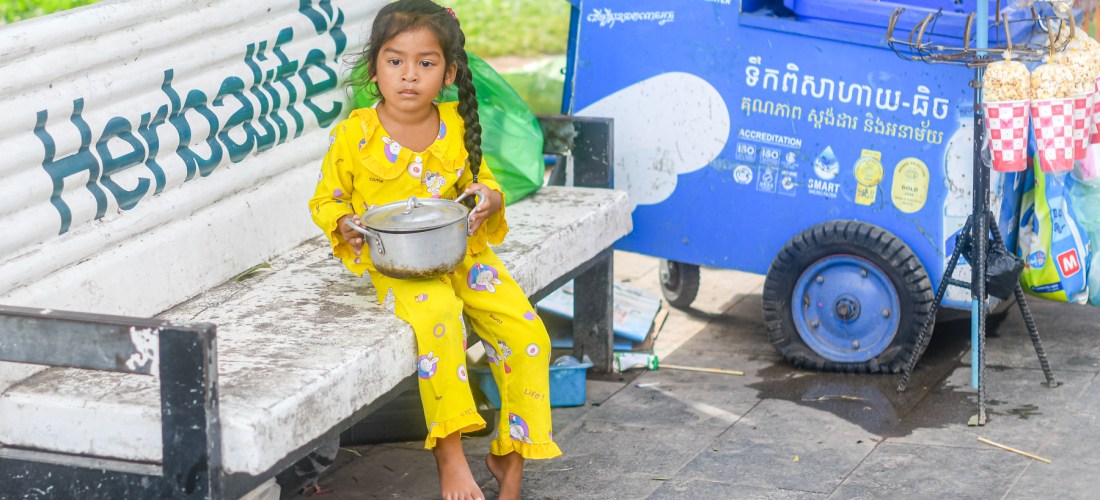
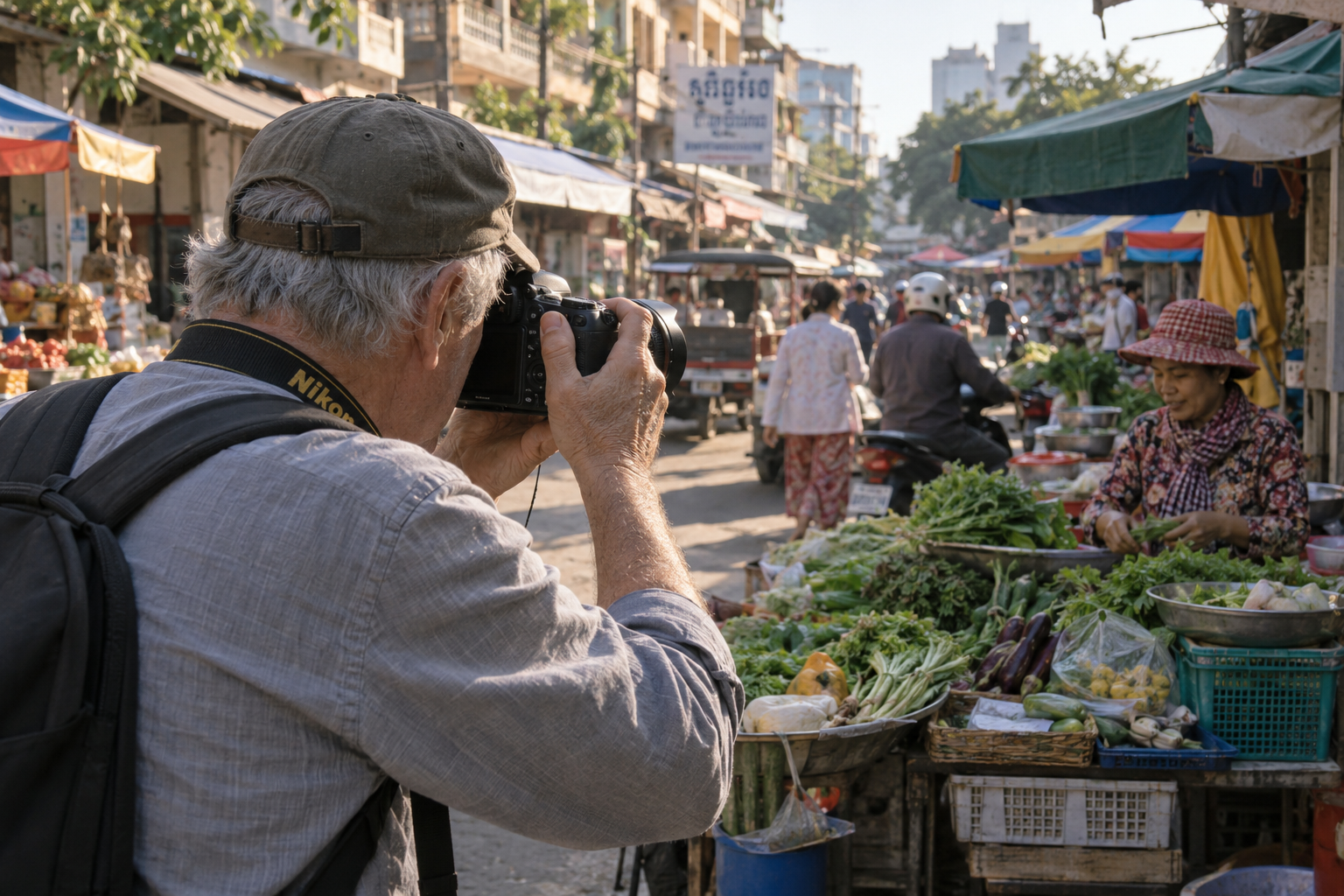
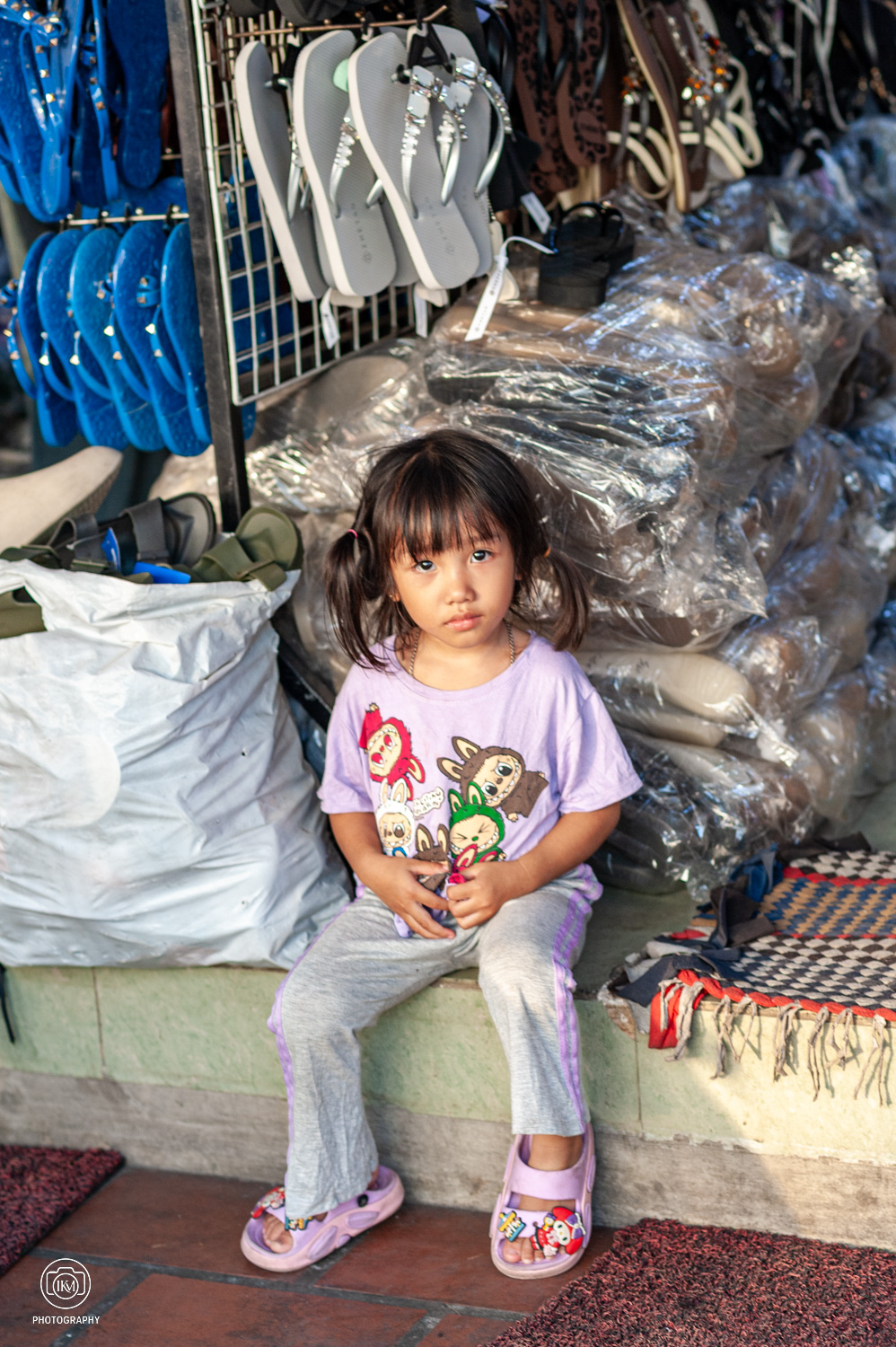
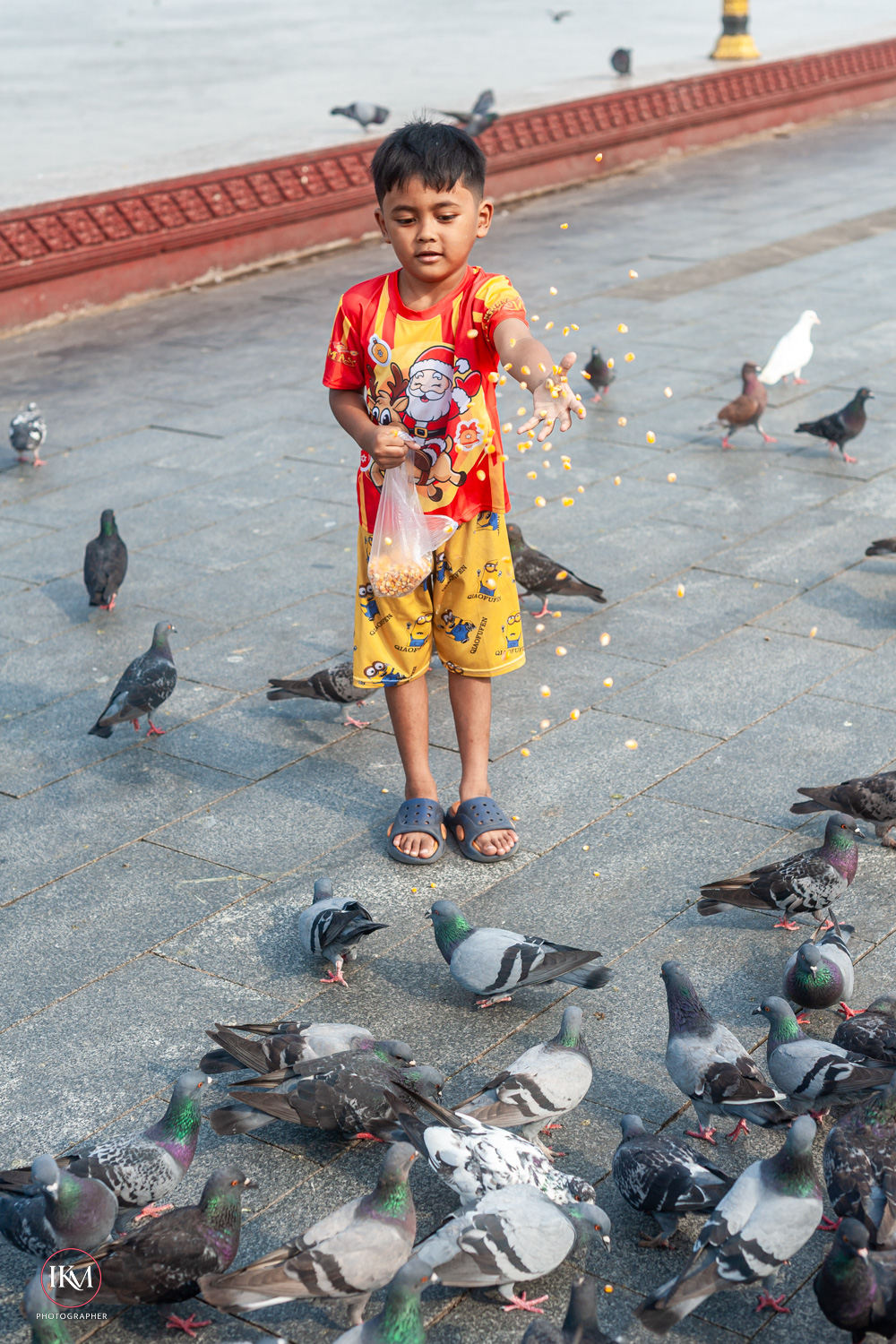
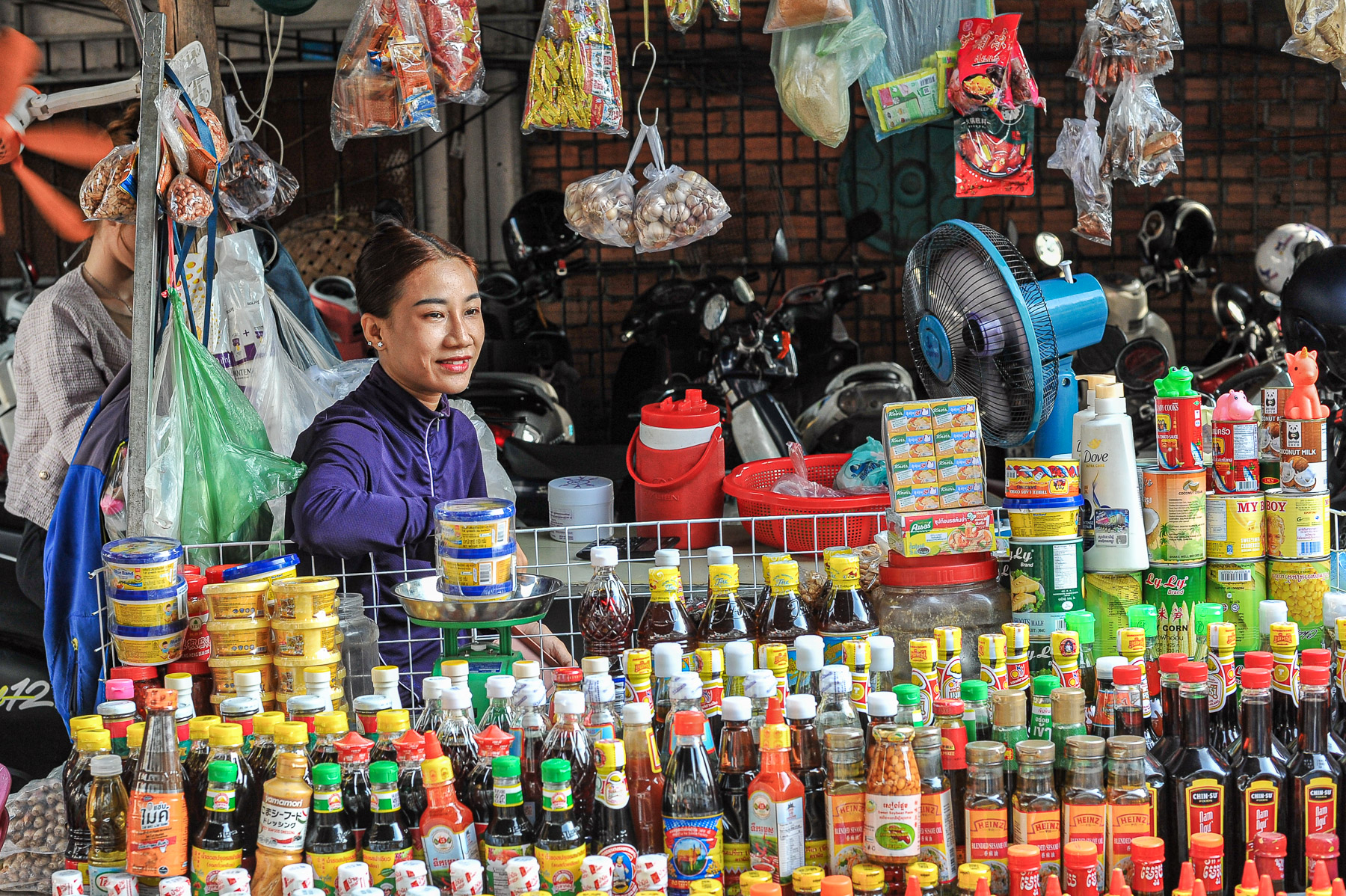
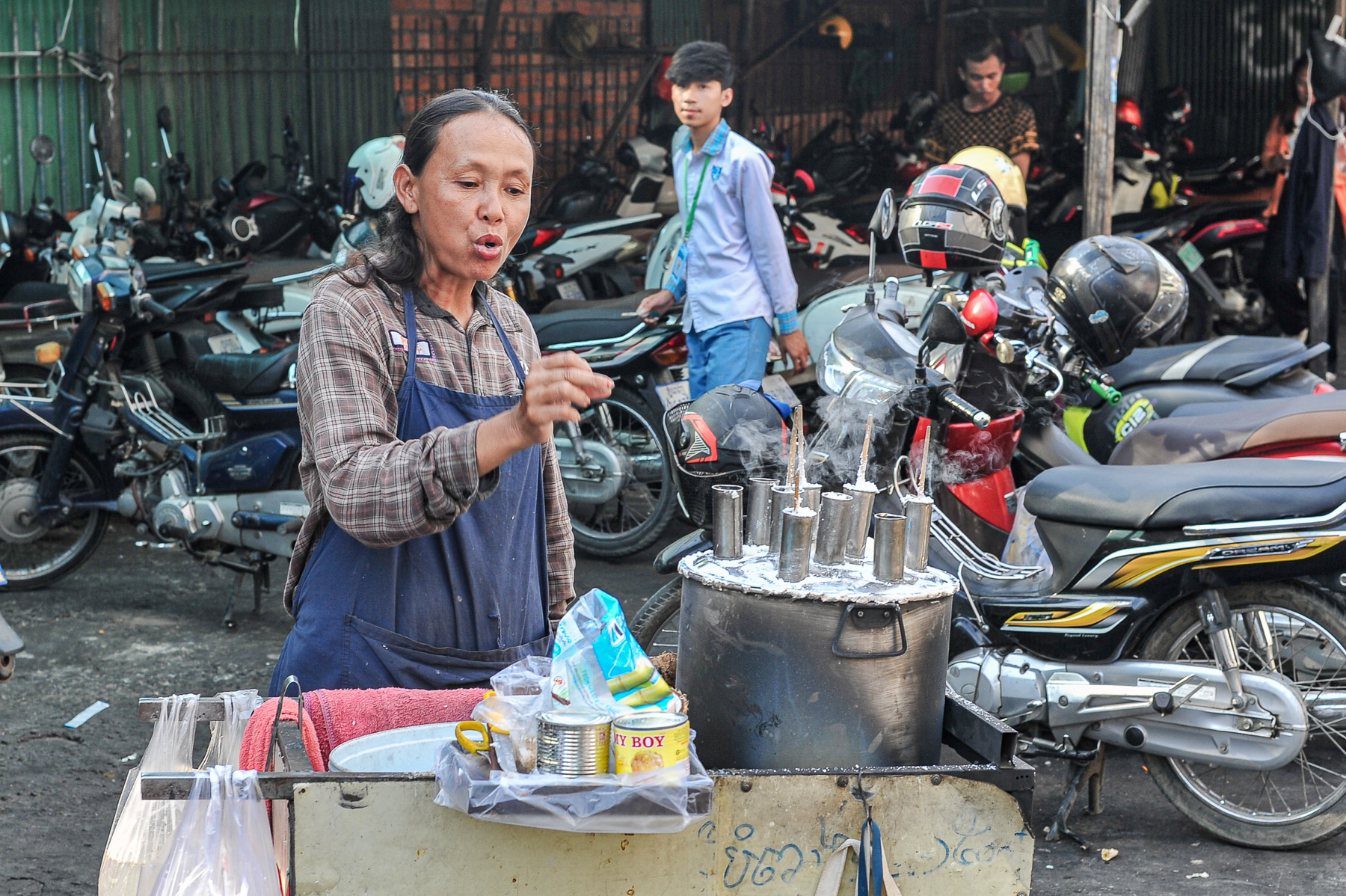
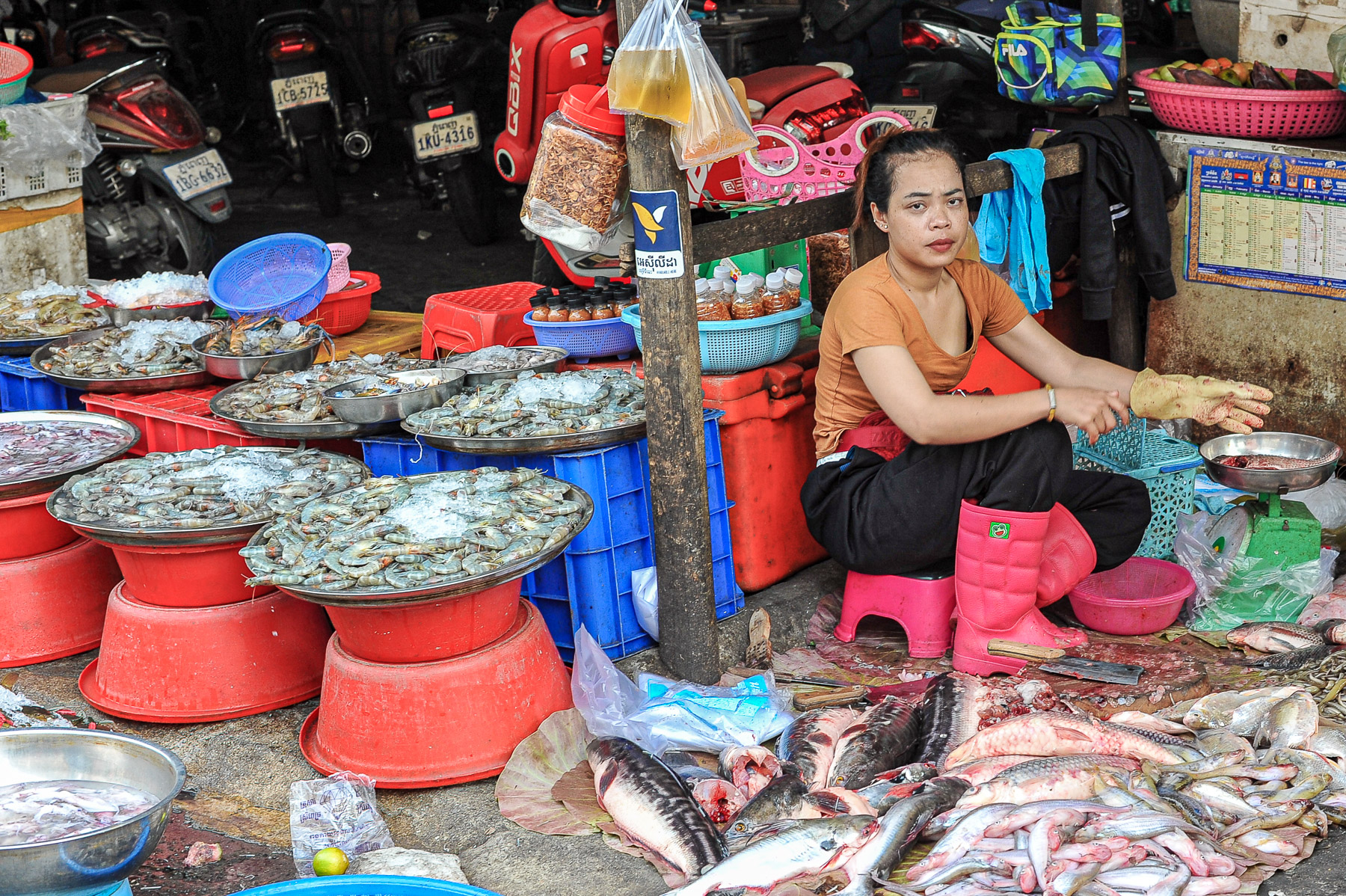
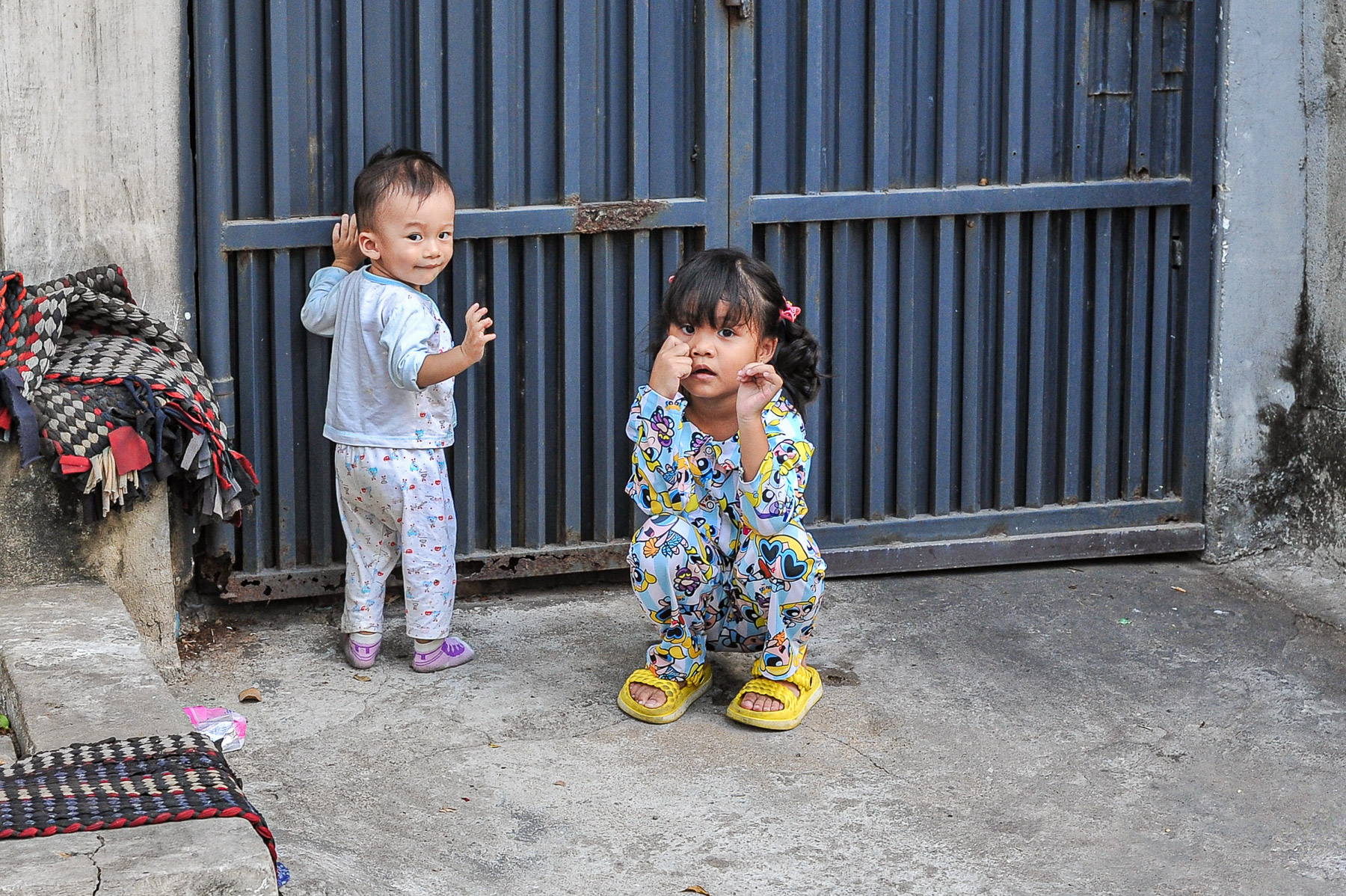
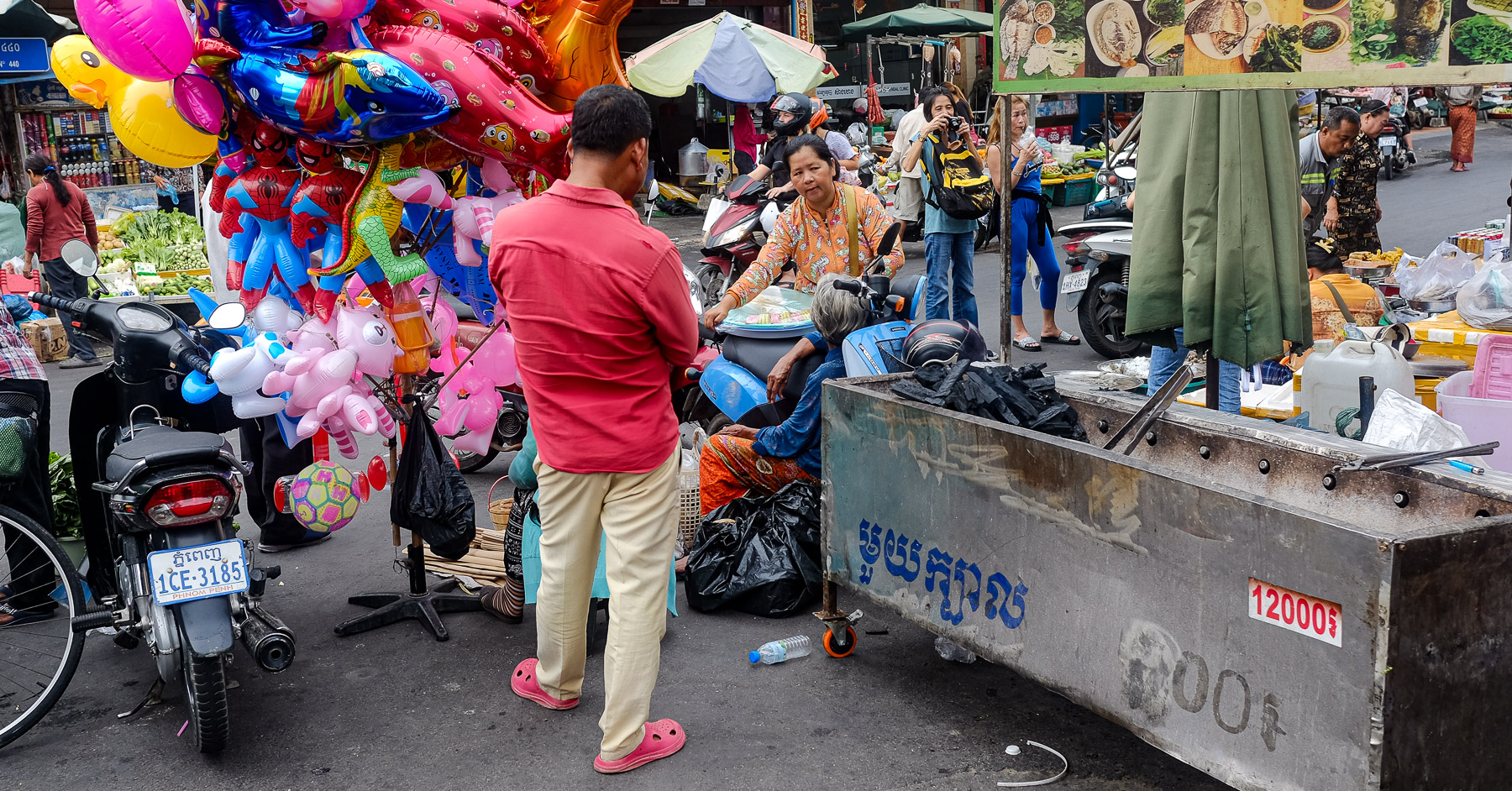
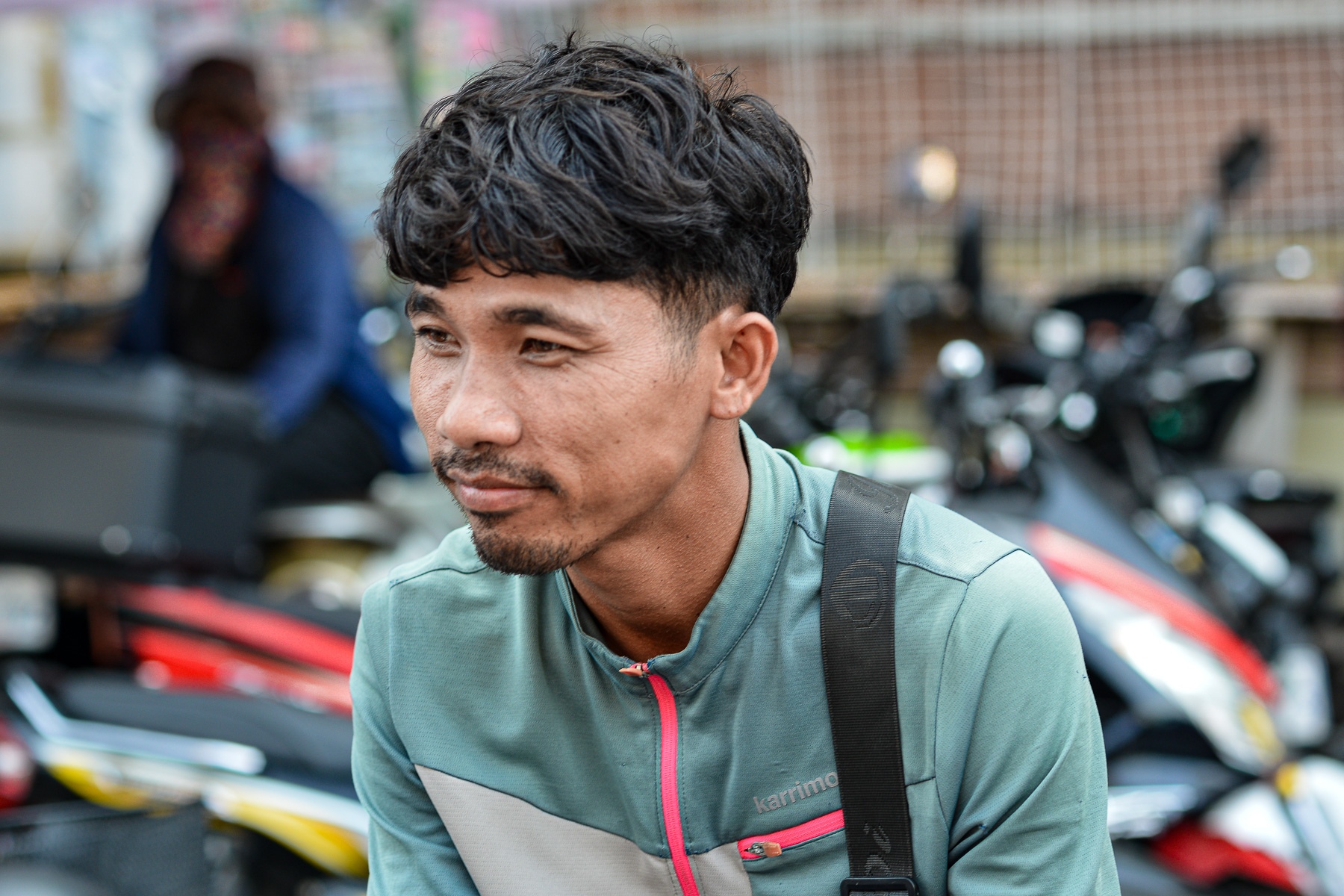
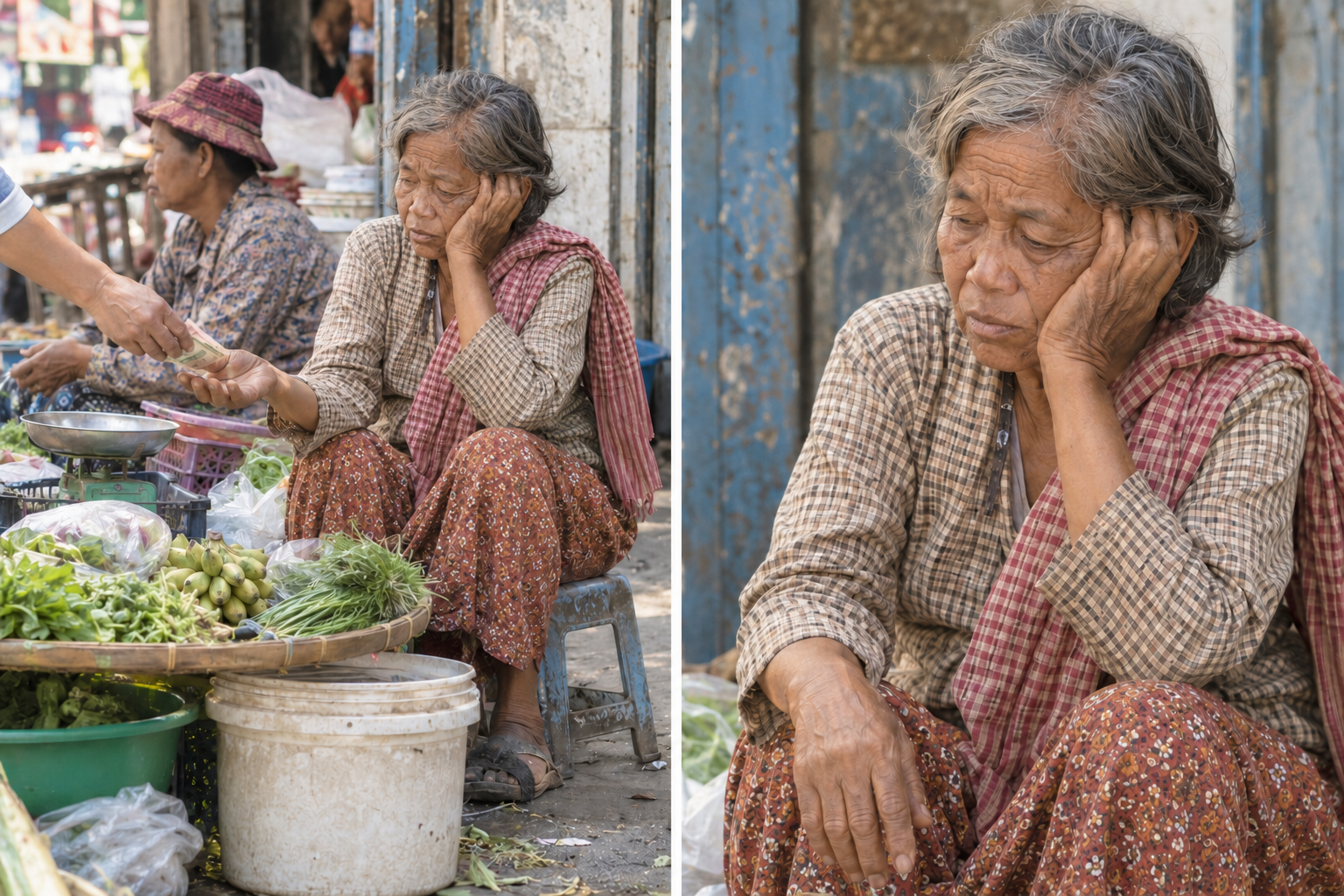
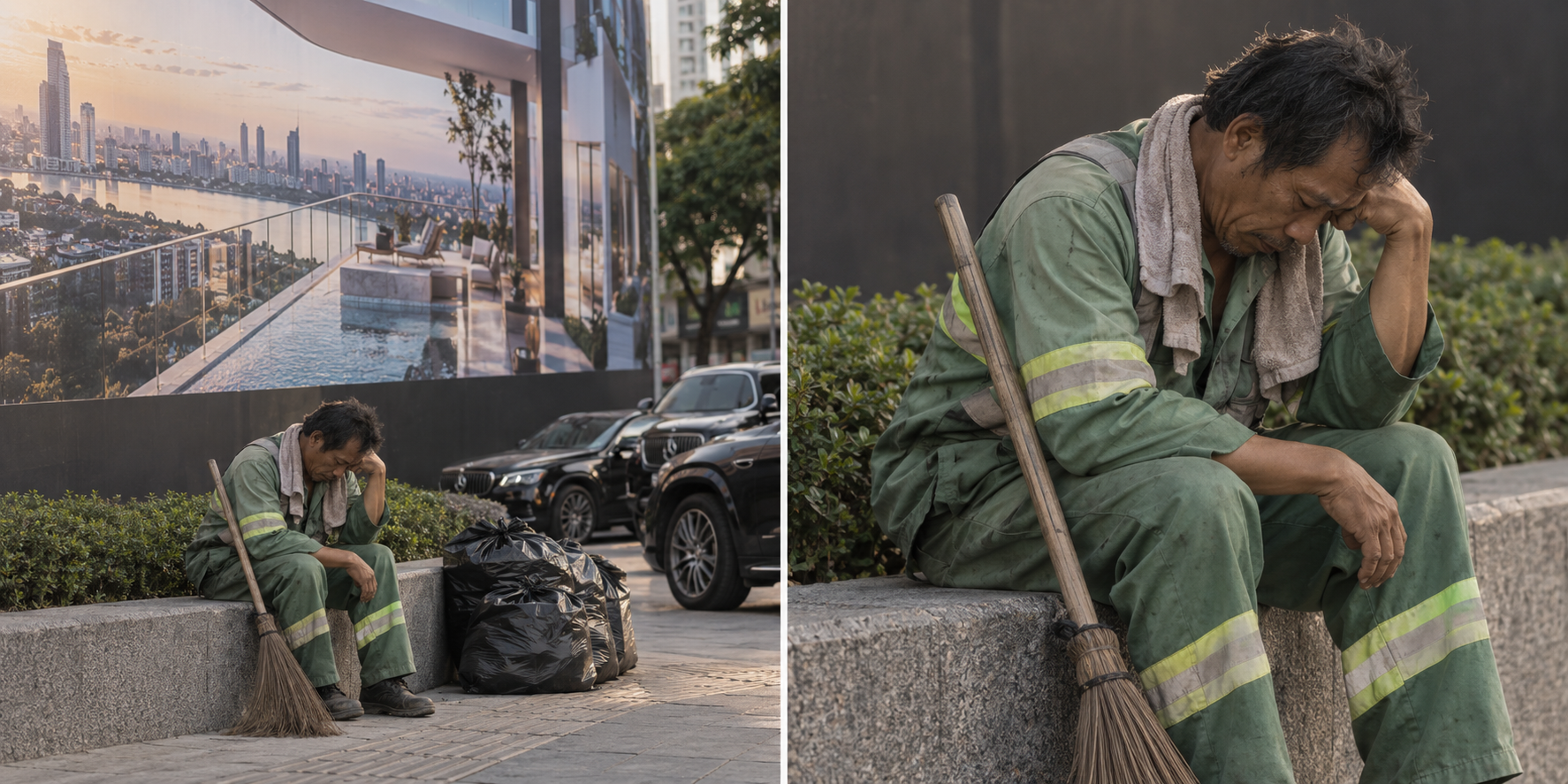
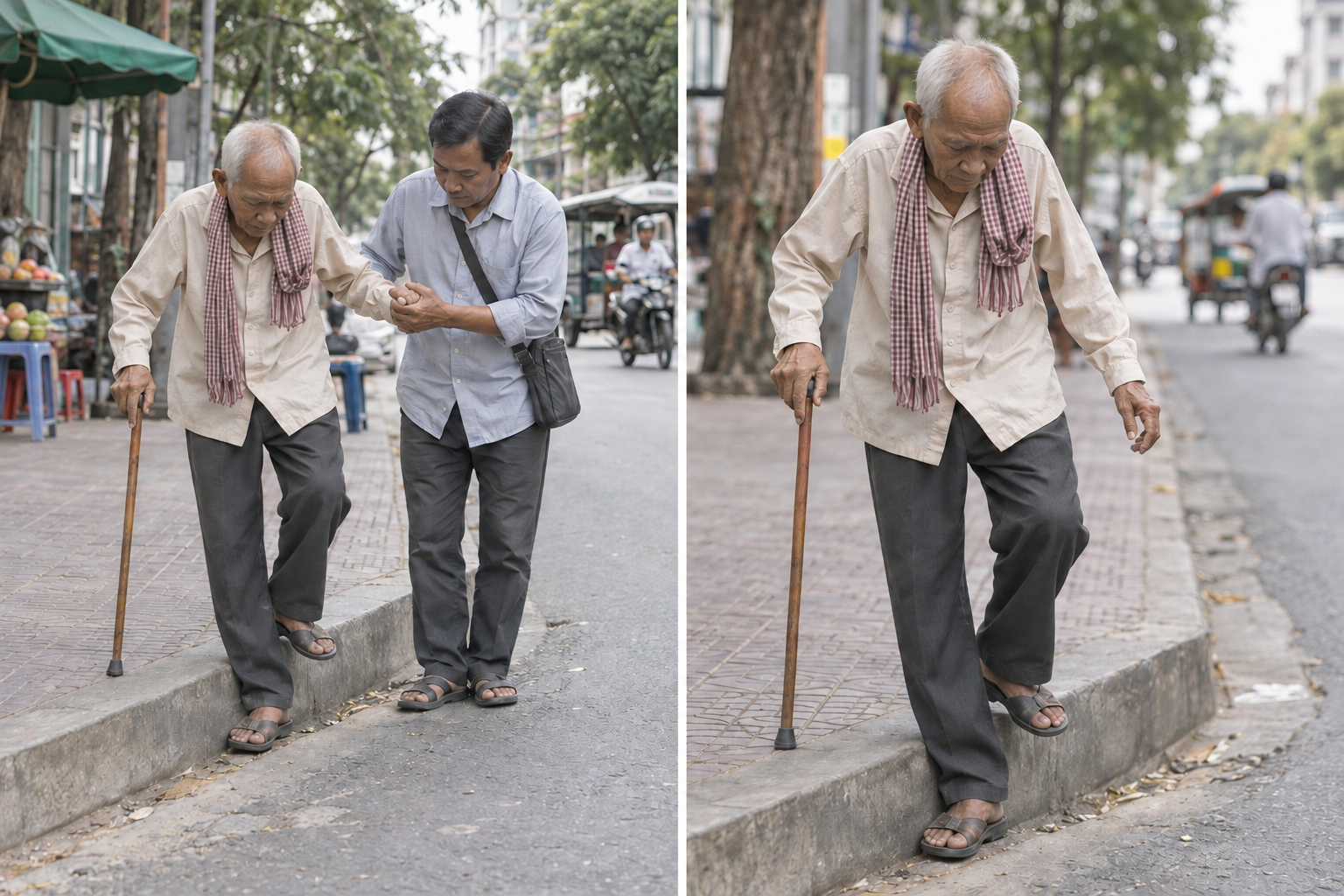
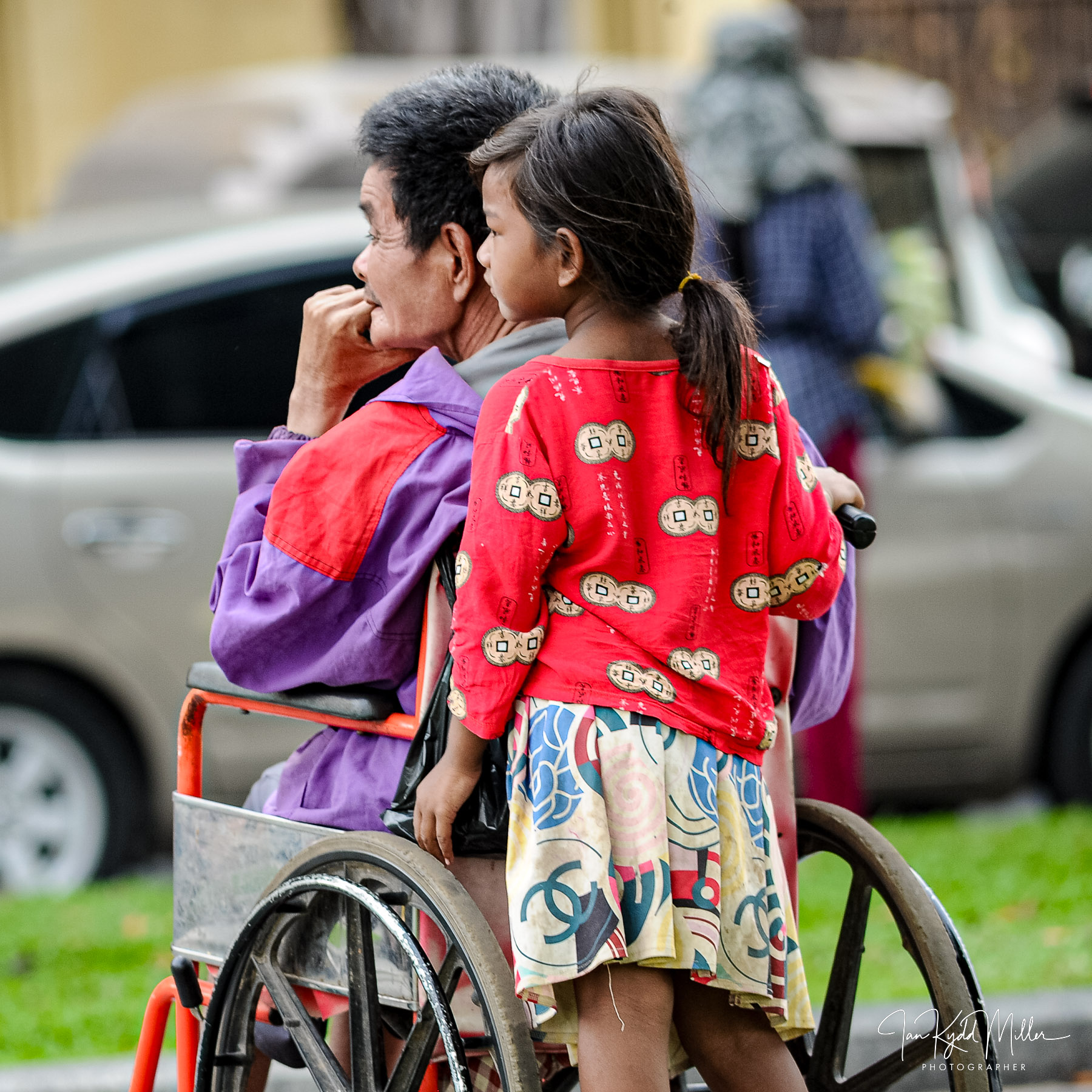
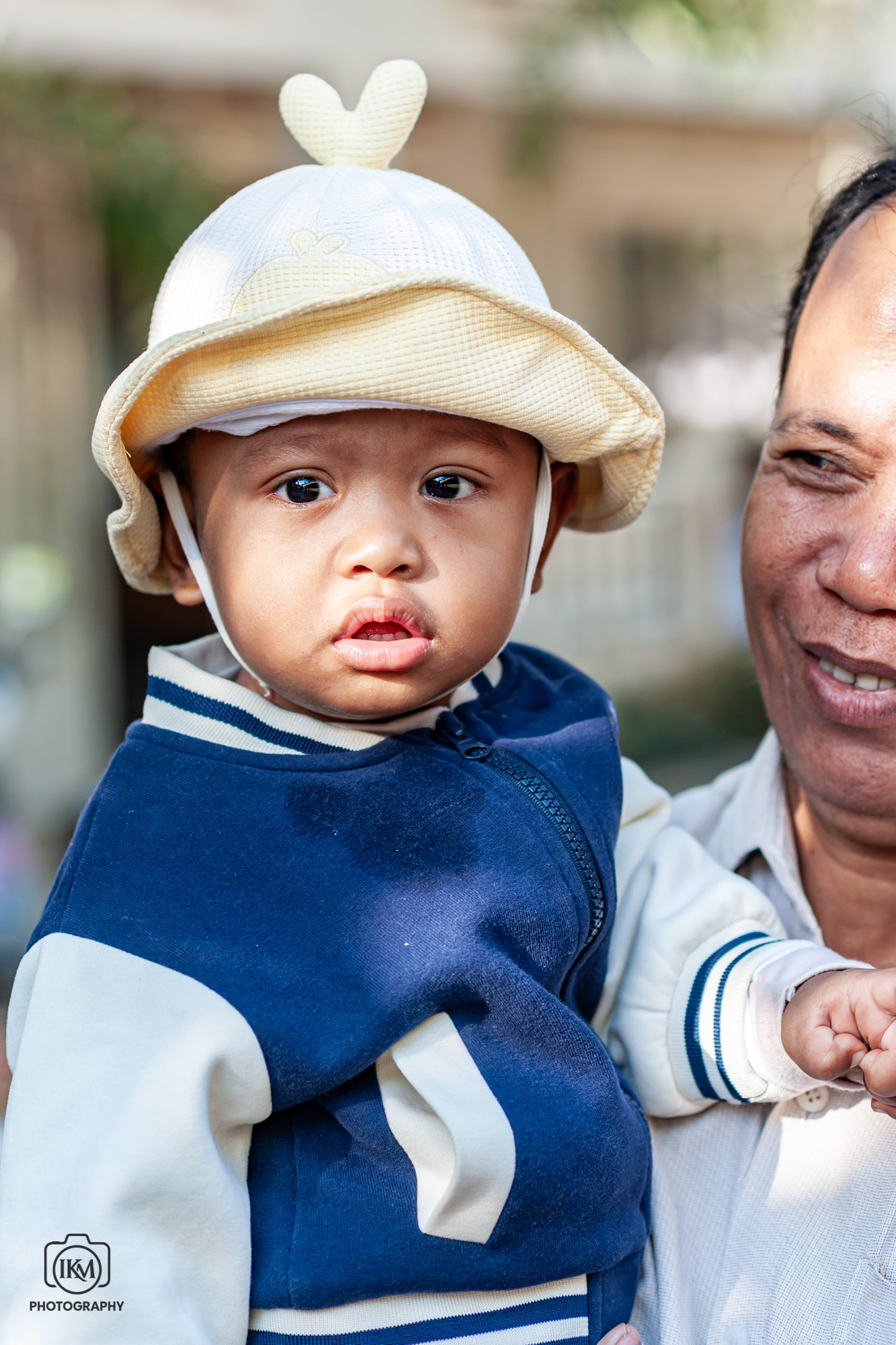
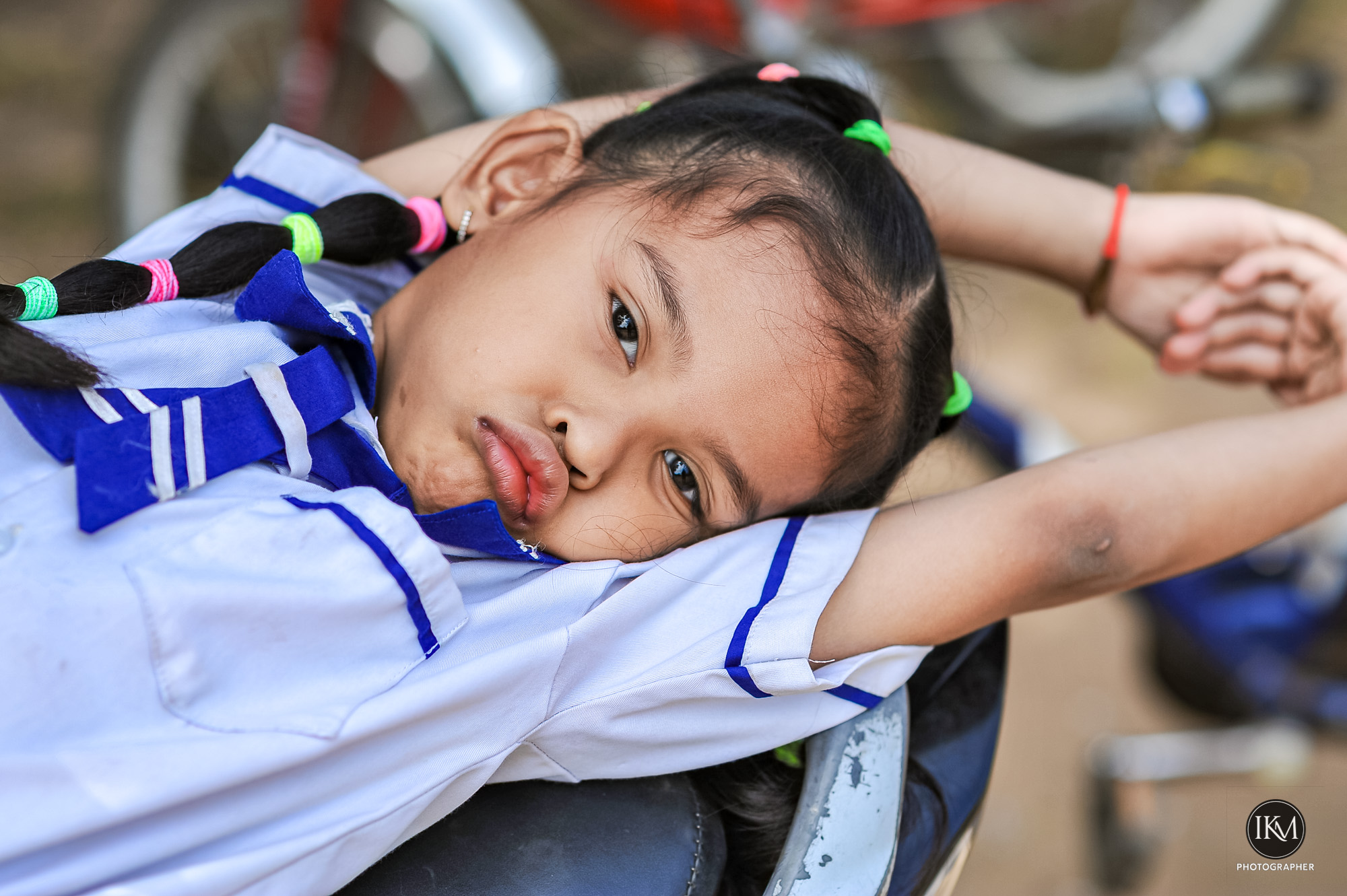
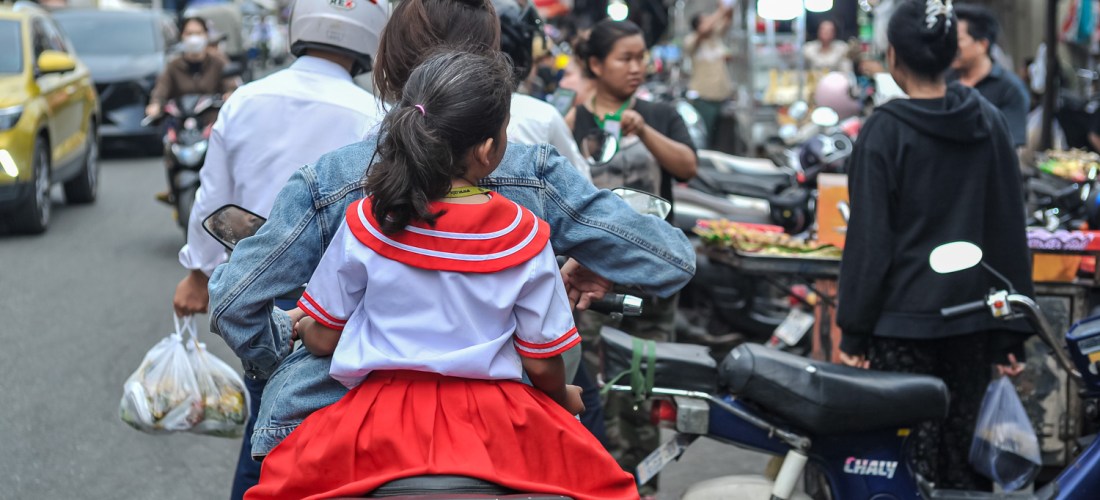
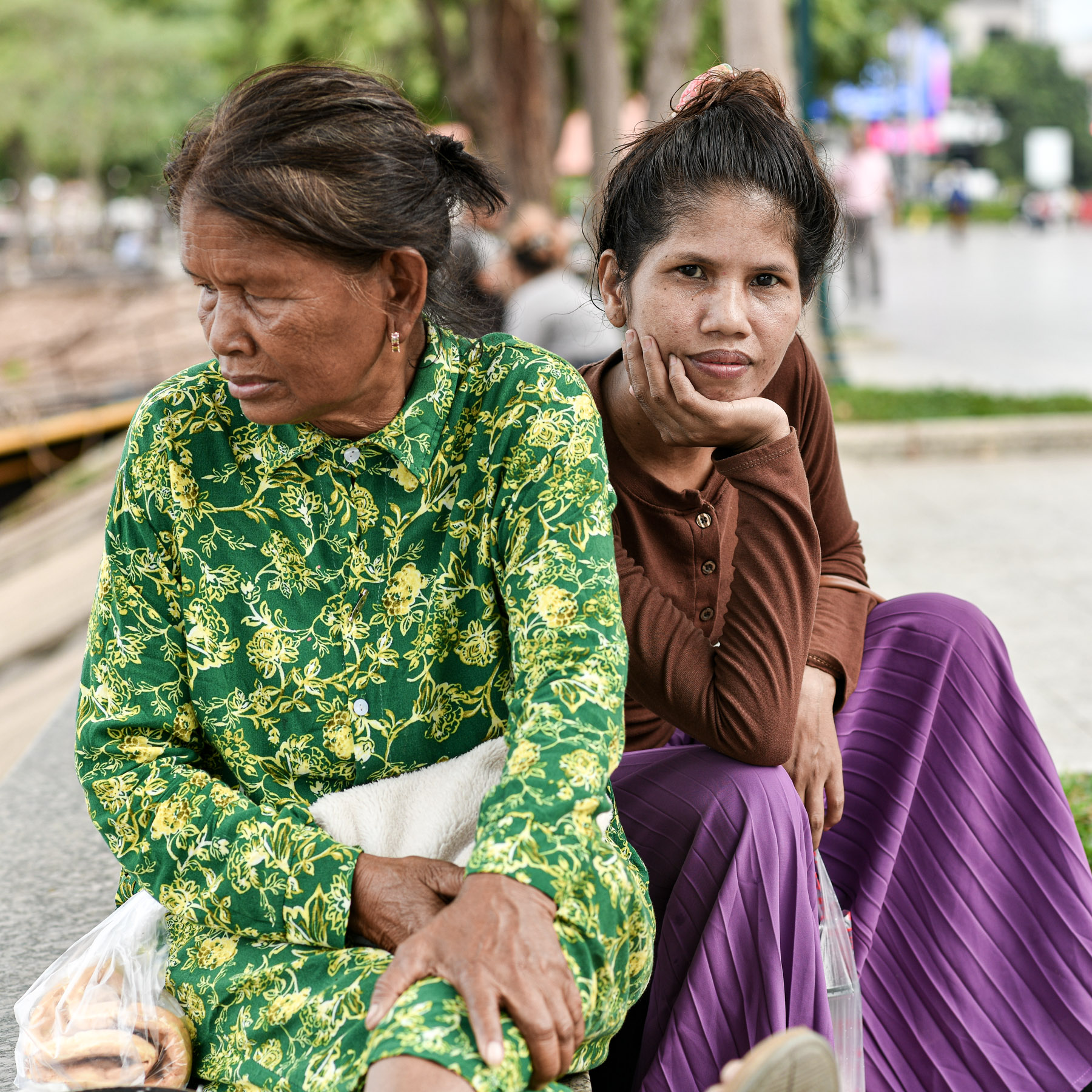
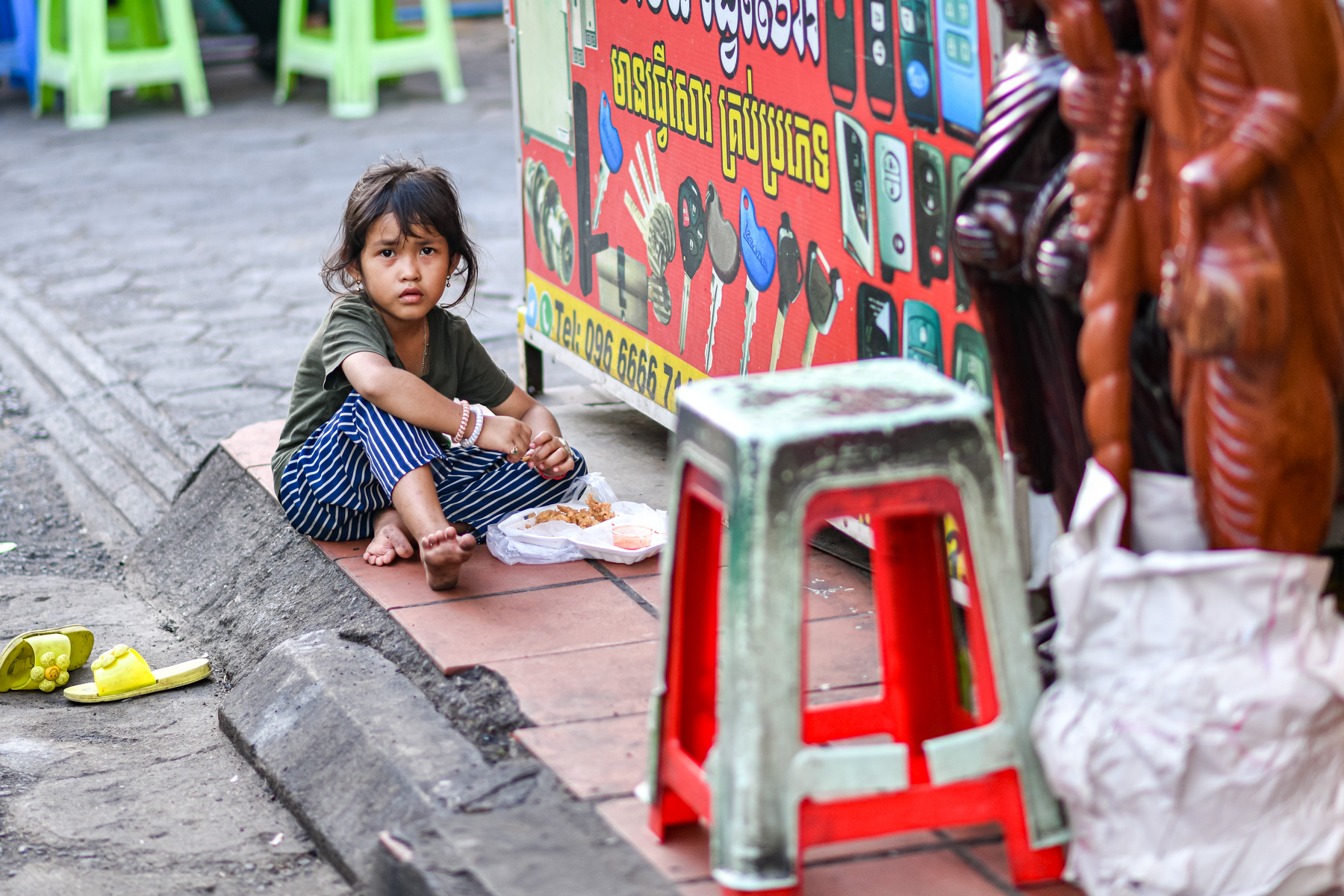
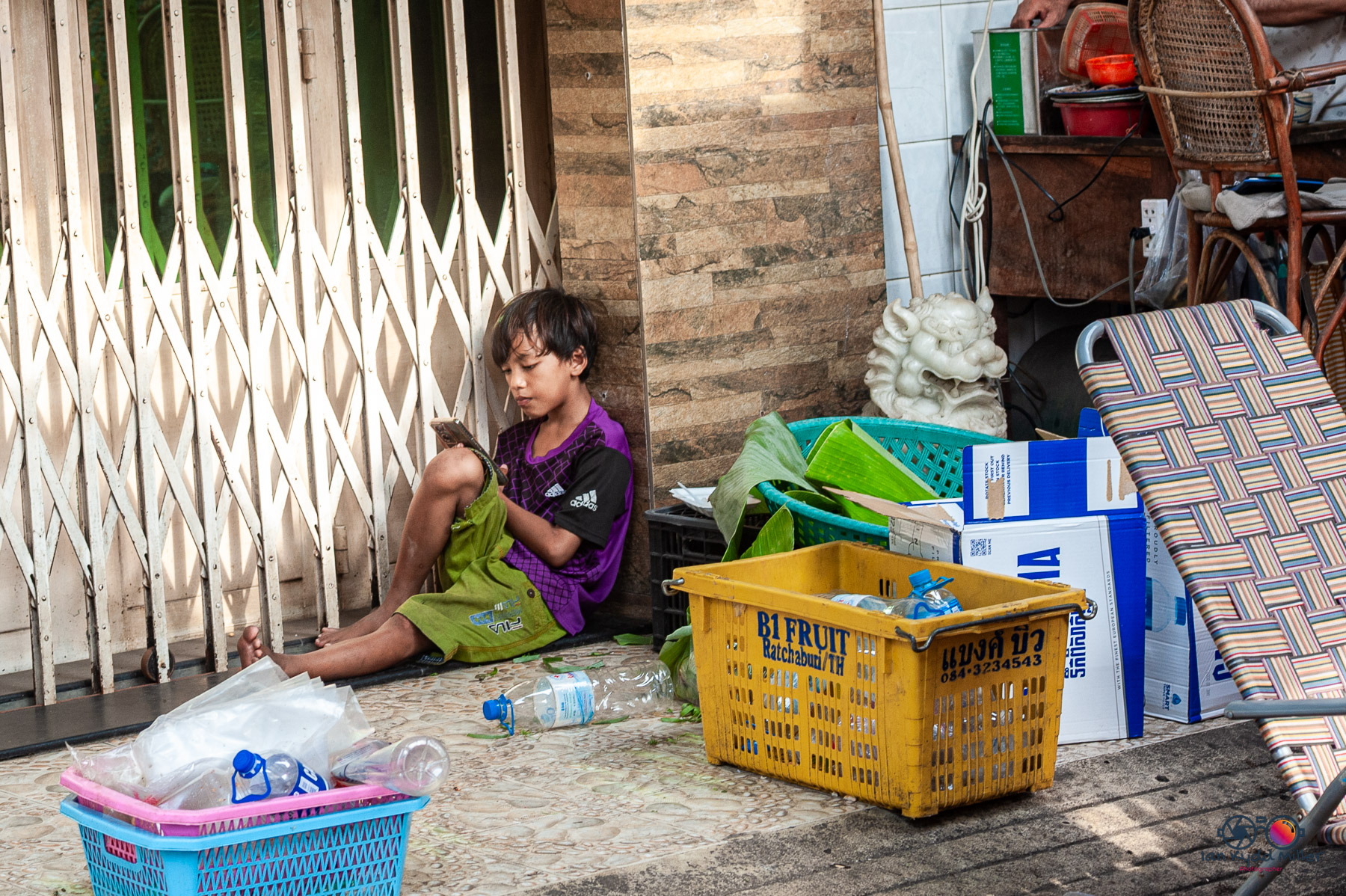
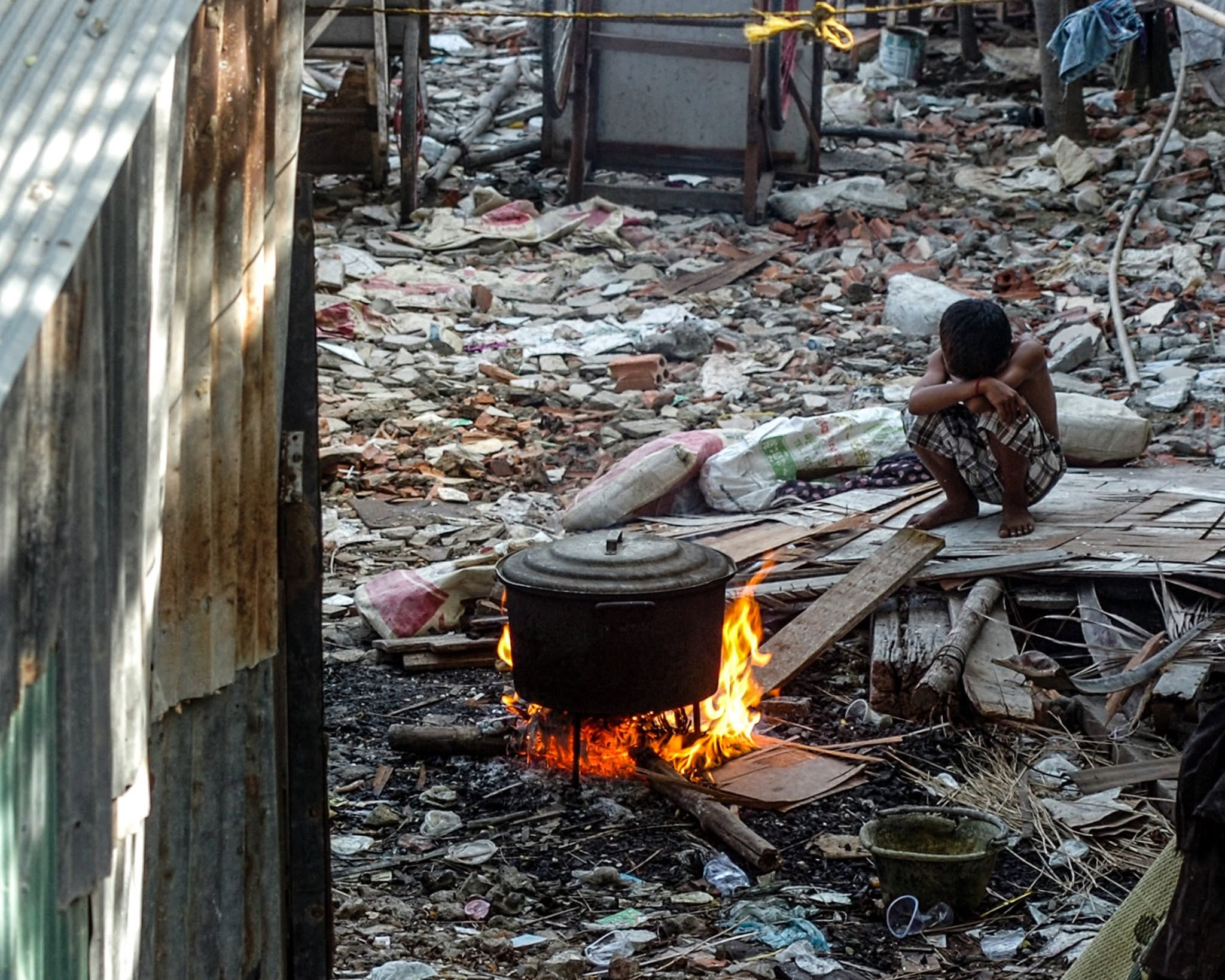
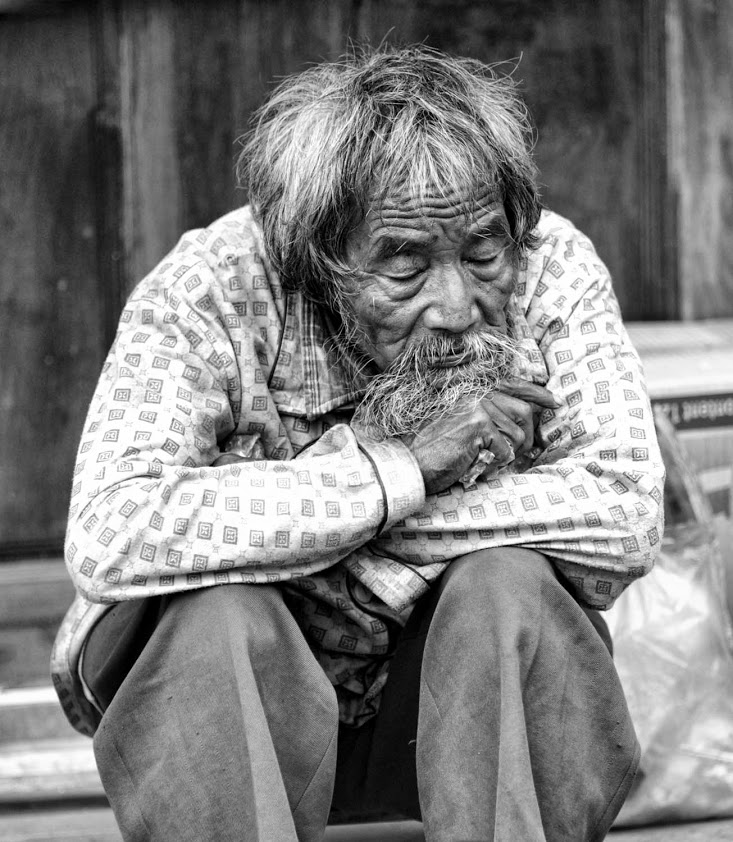
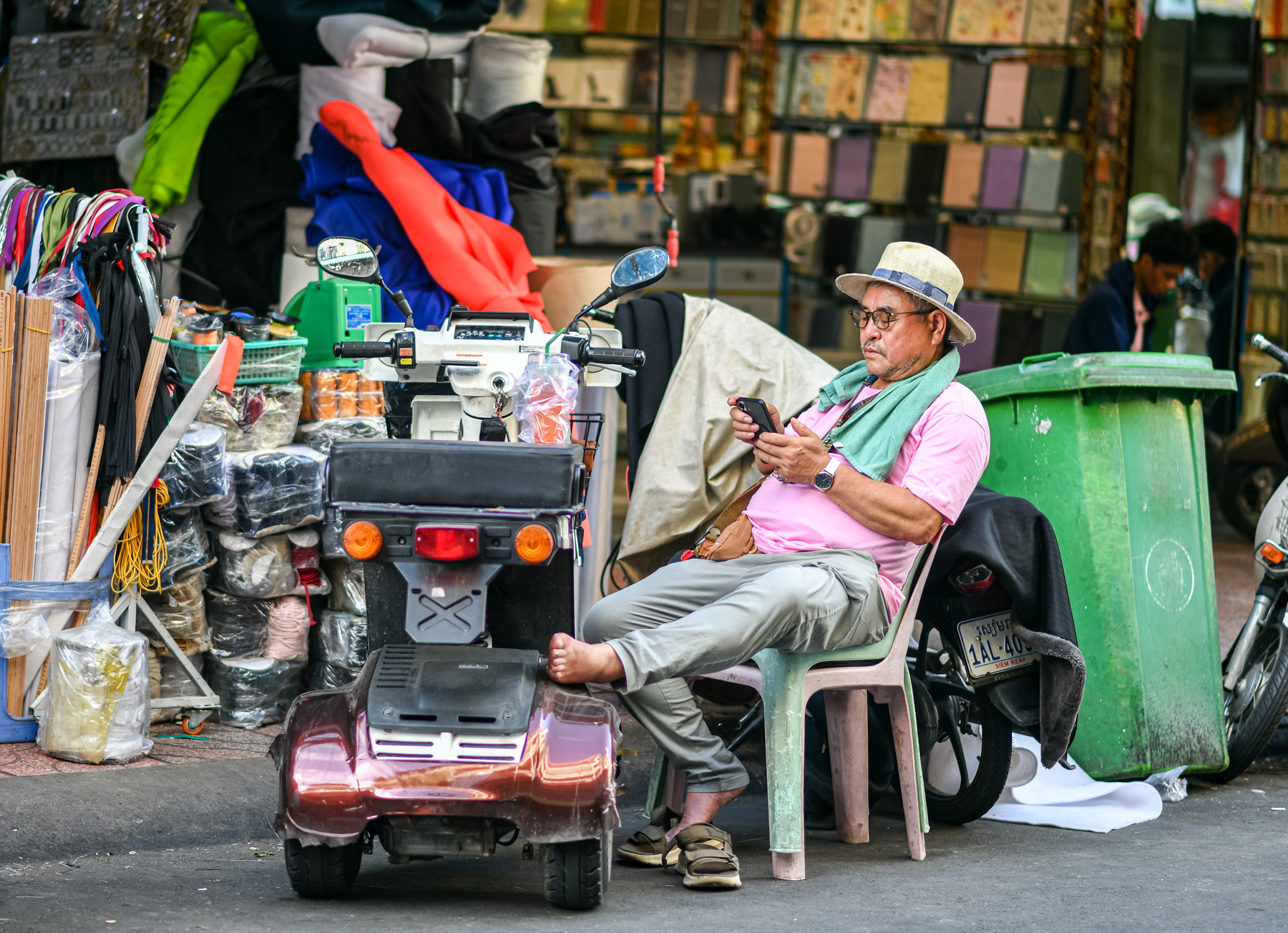
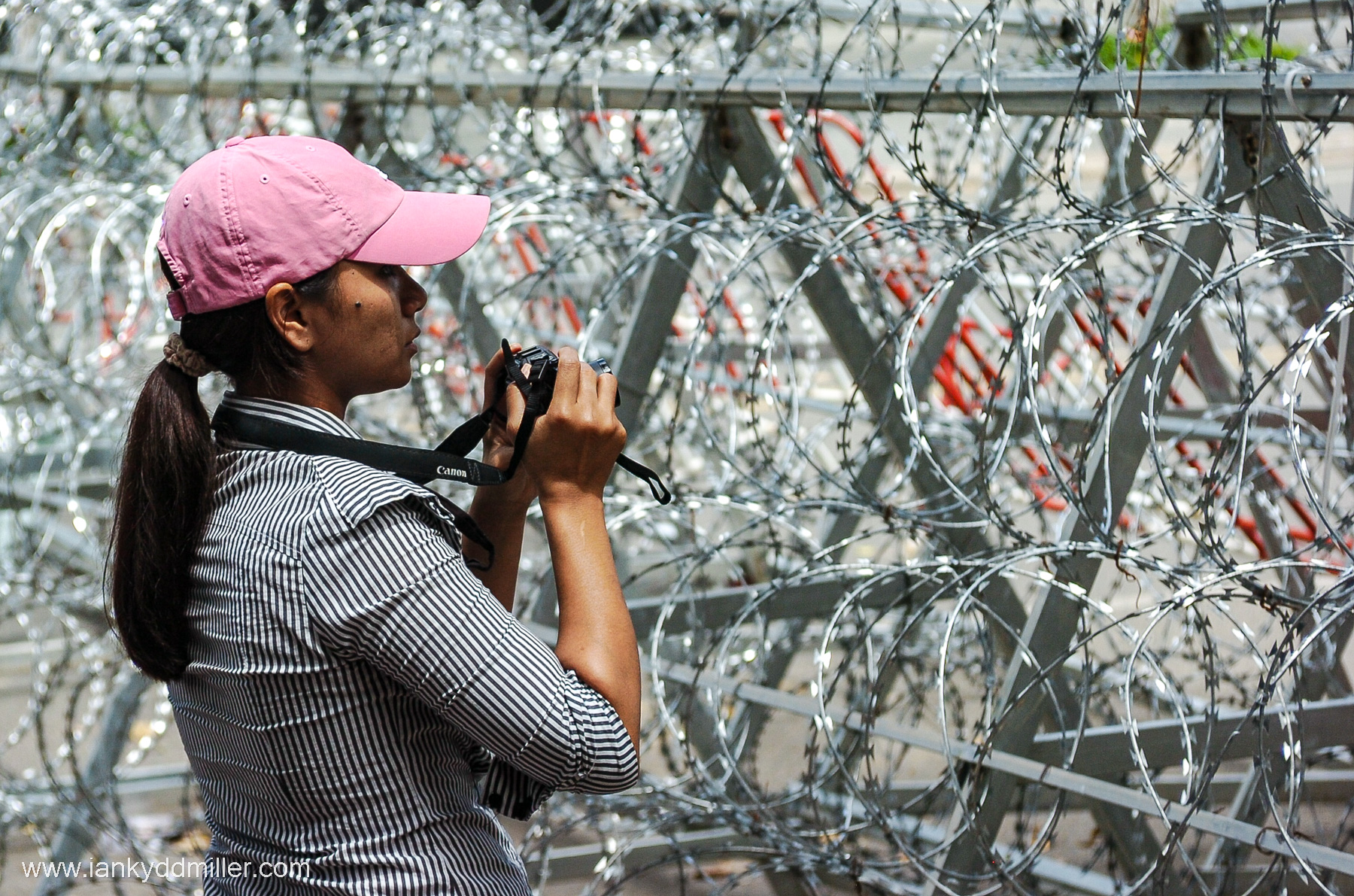
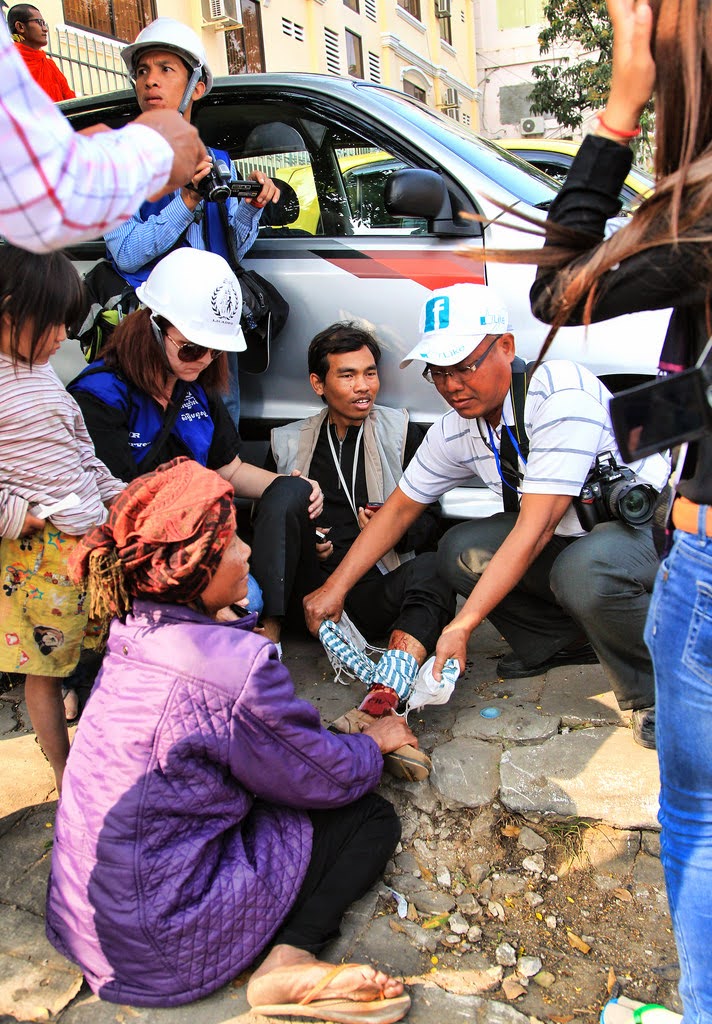
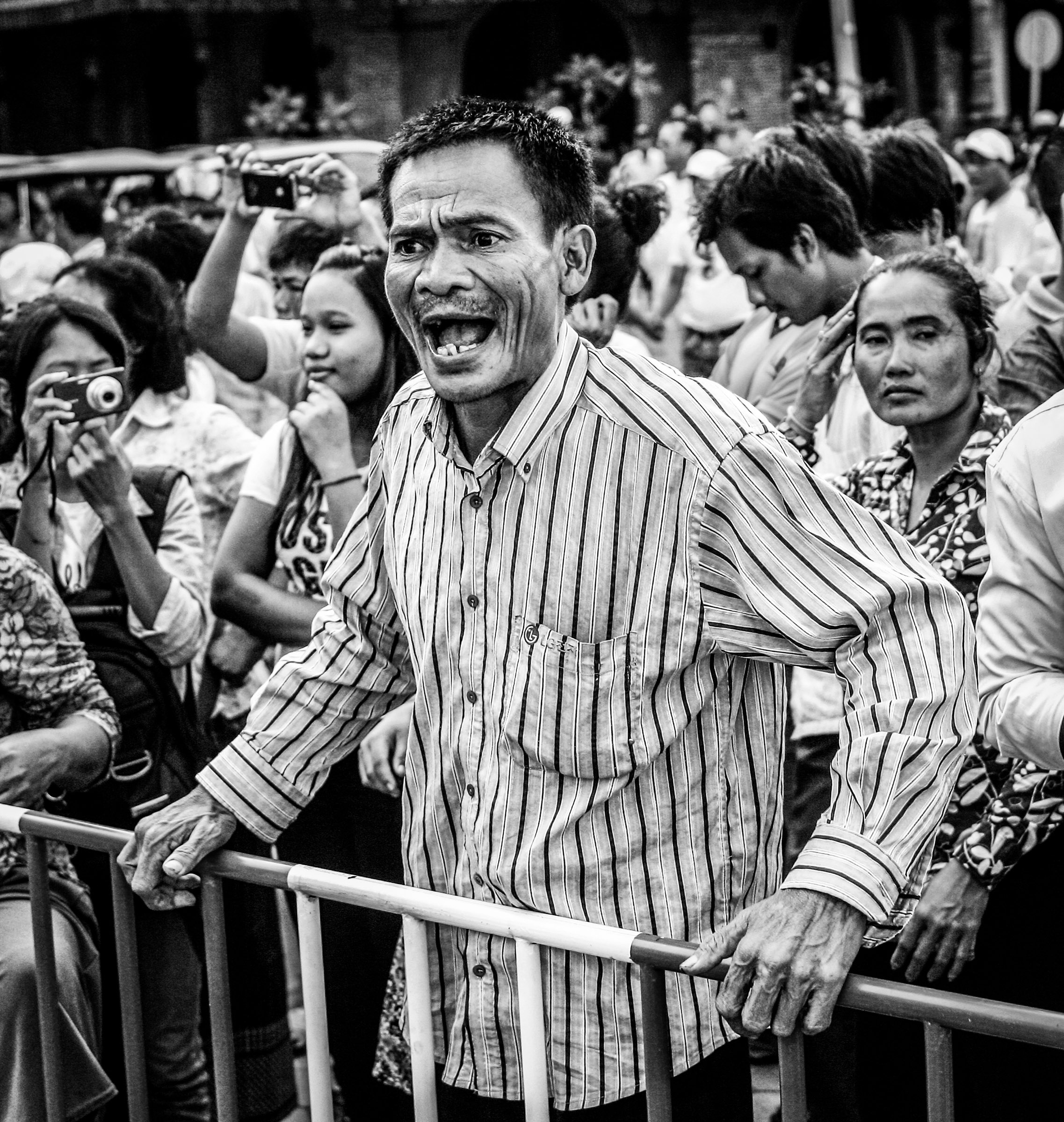
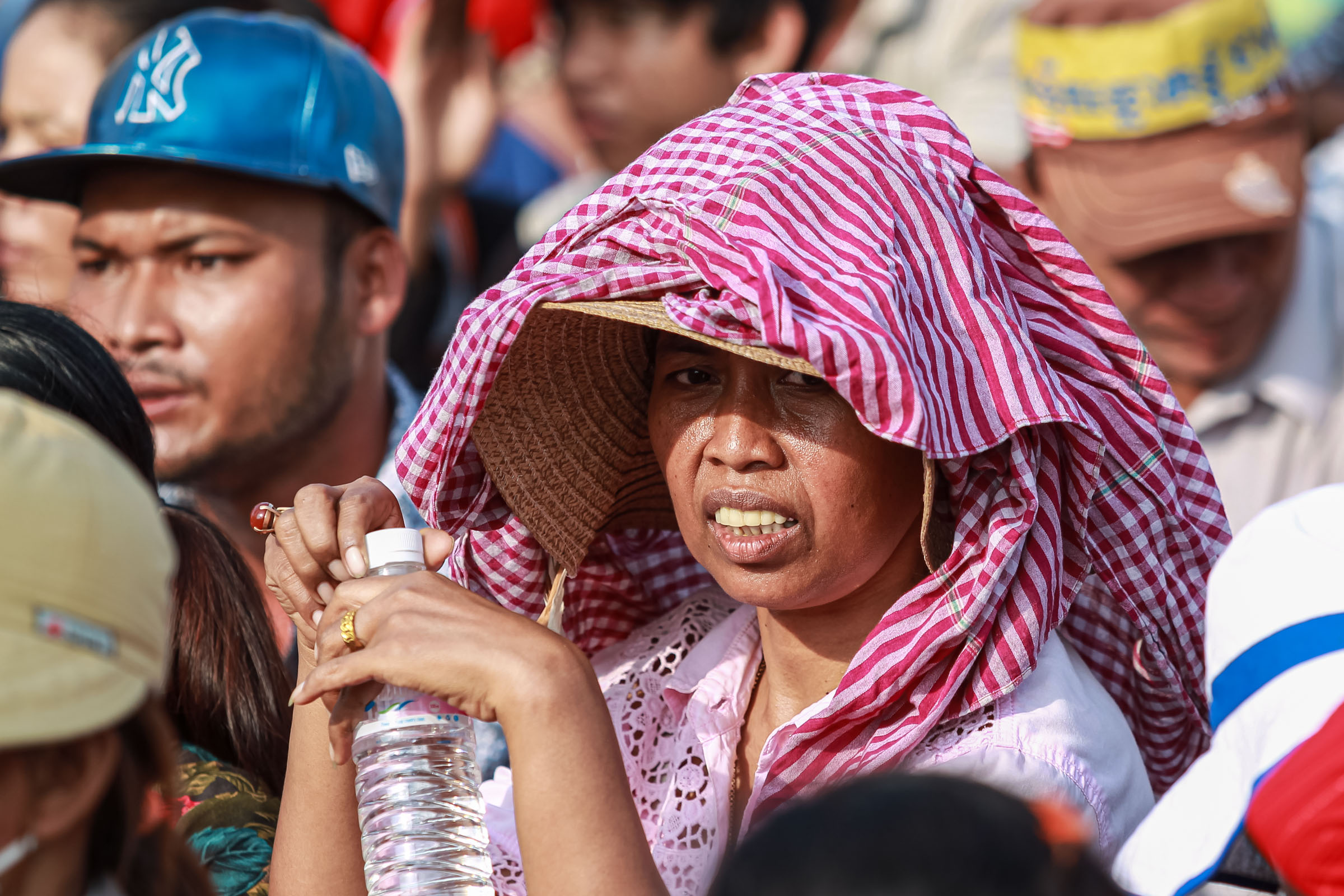
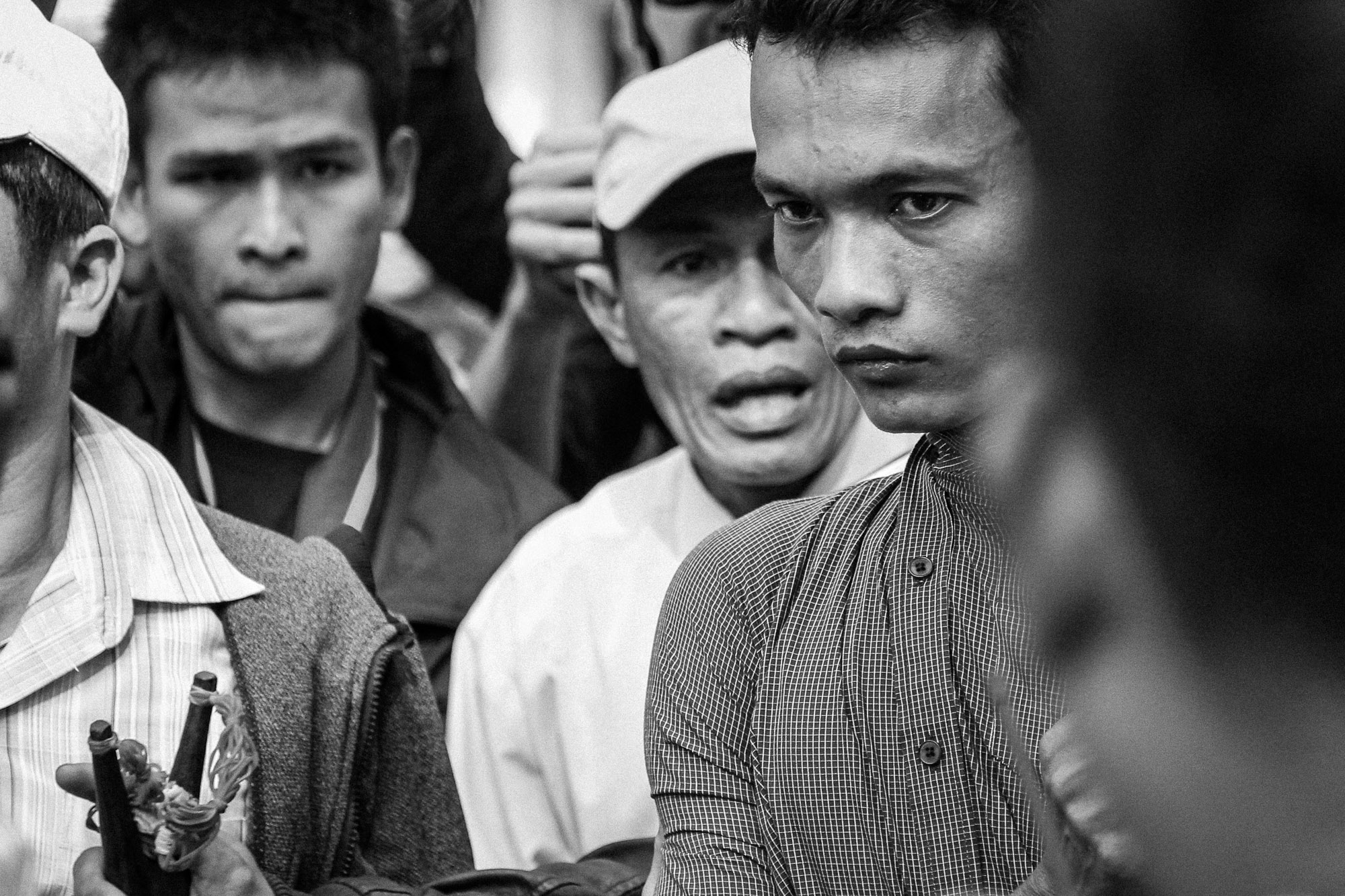
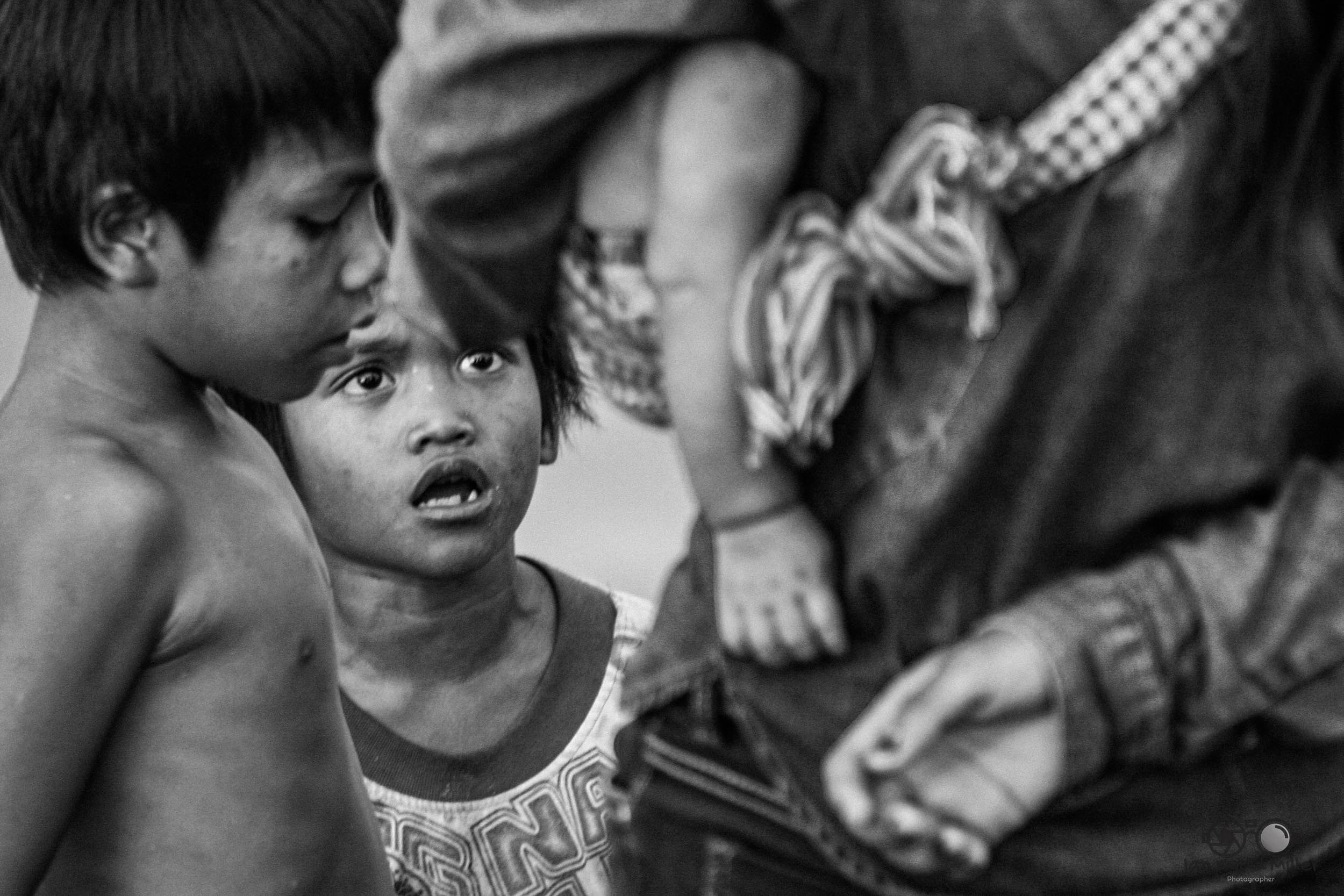
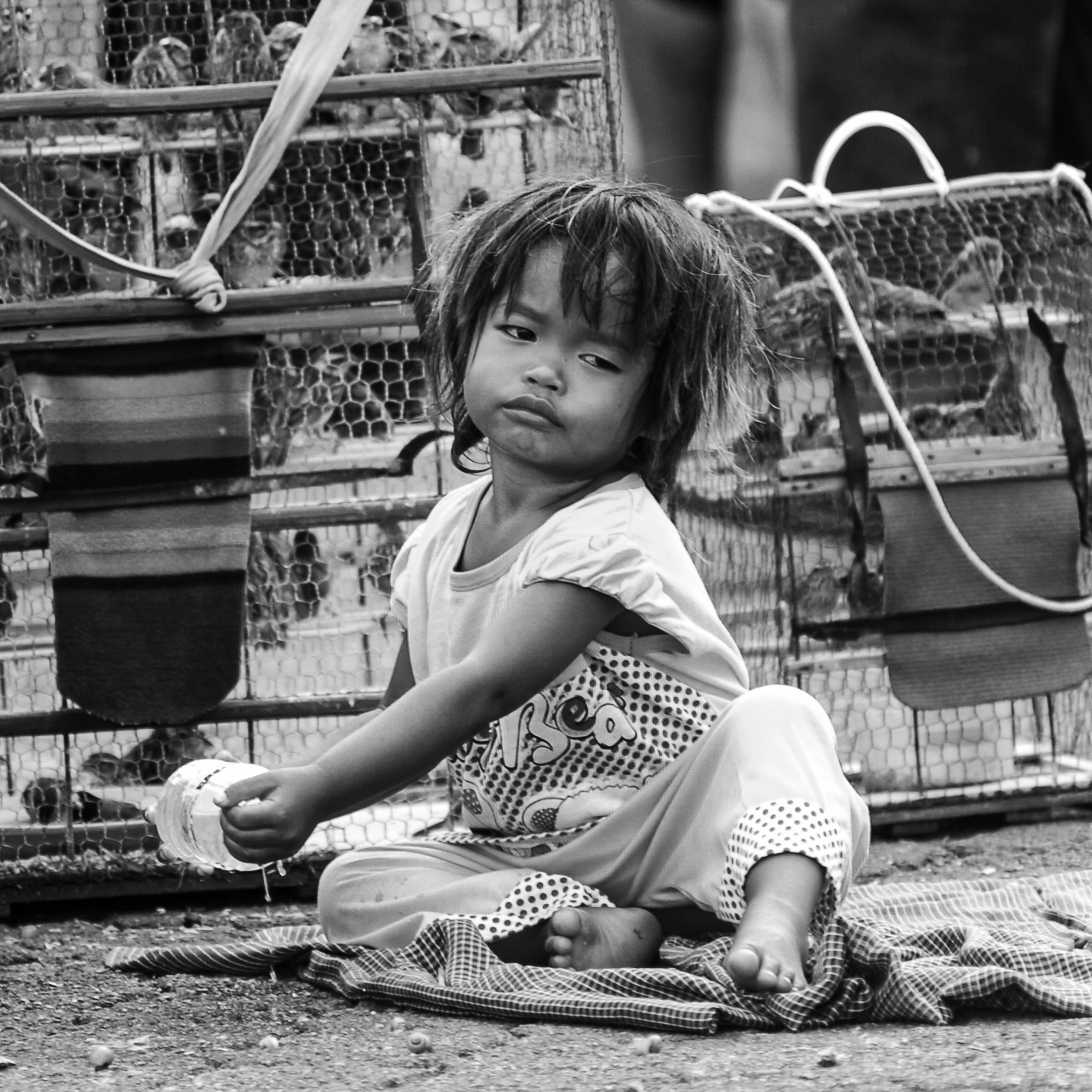
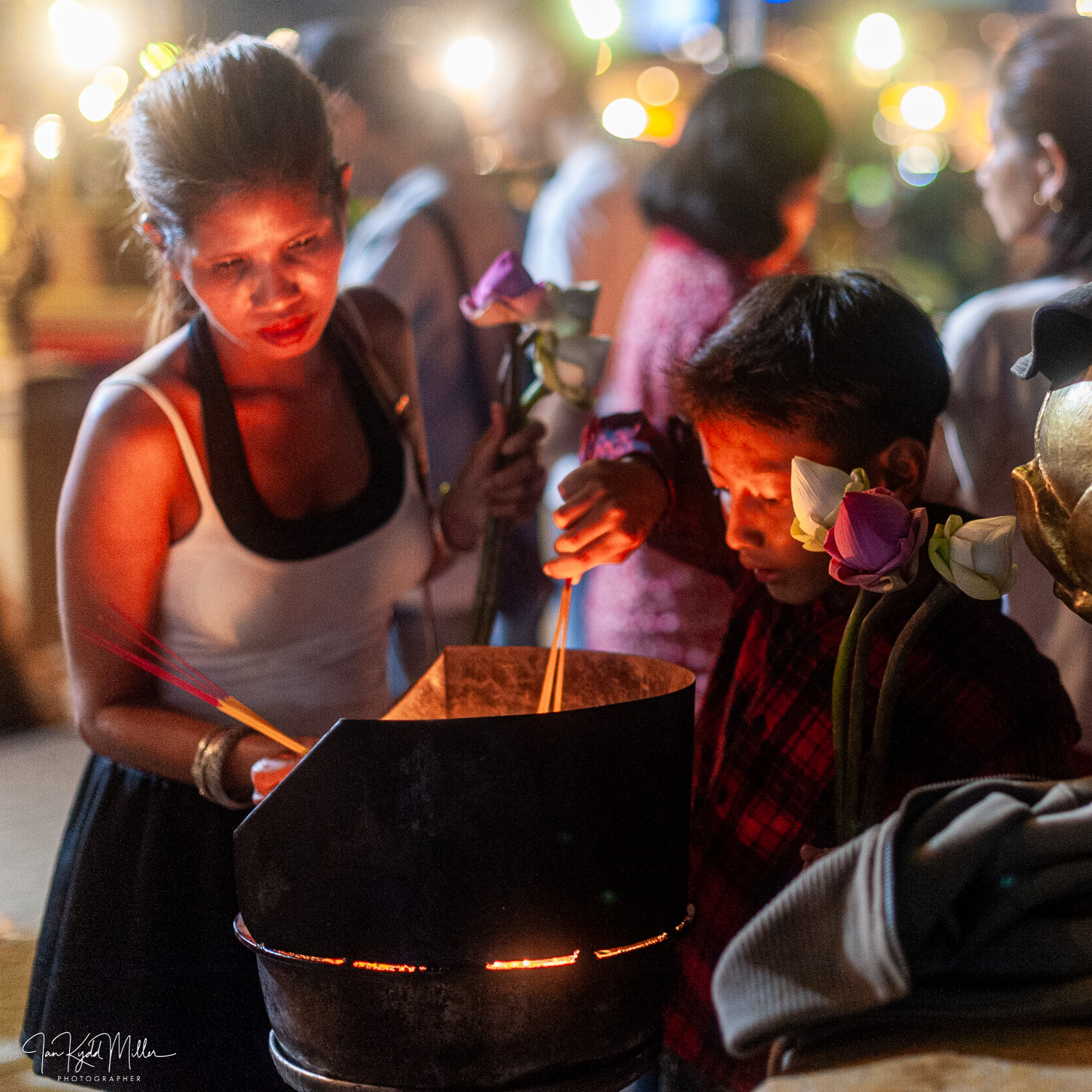
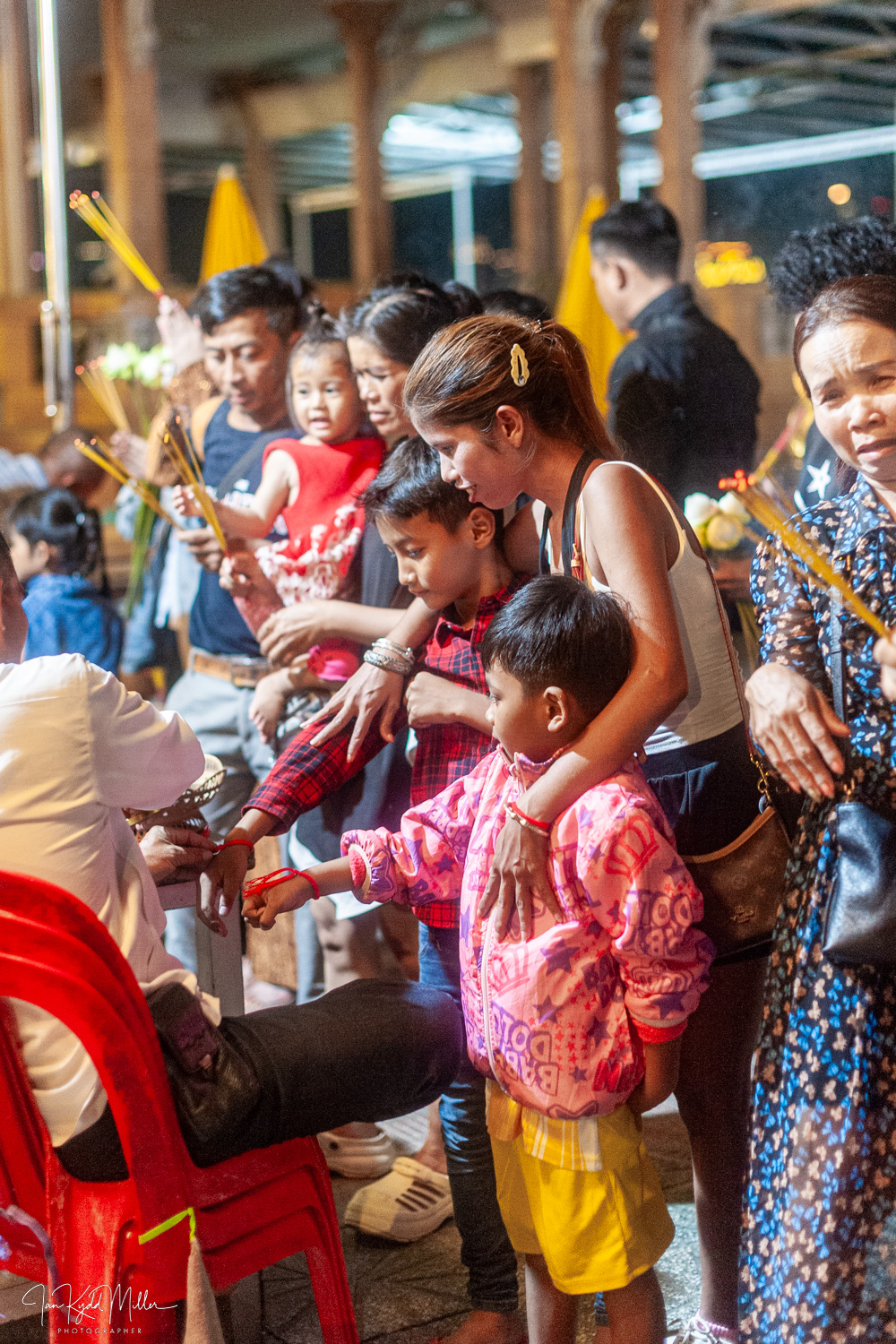
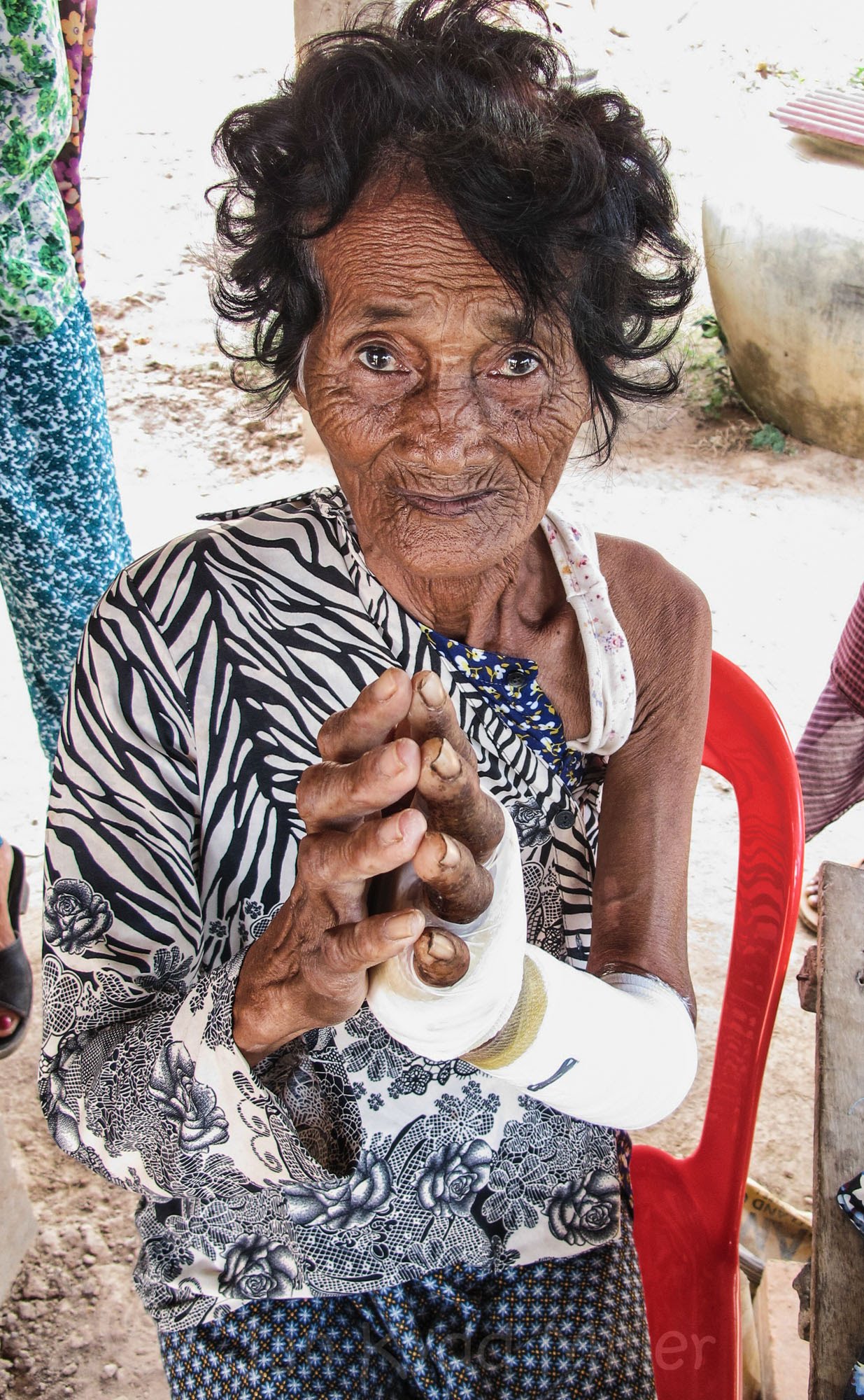
For me, carrying a camera has become a way of paying attention. It forces me to look at the world when it would be easier merely to pass through it. A face in a market, an exhausted worker sitting in a doorway, a child watching the traffic, an old man waiting alone beneath a torn awning – these are not necessarily dramatic events. They are fragments of human life, easily missed and rarely considered important.
Photography asks me to stop.
That small act matters. It says that this person, this light and this moment deserved more than a passing glance. The camera cannot make an unimportant life important; no life is unimportant in the first place. What it can do is expose the failure of the rest of us to notice.
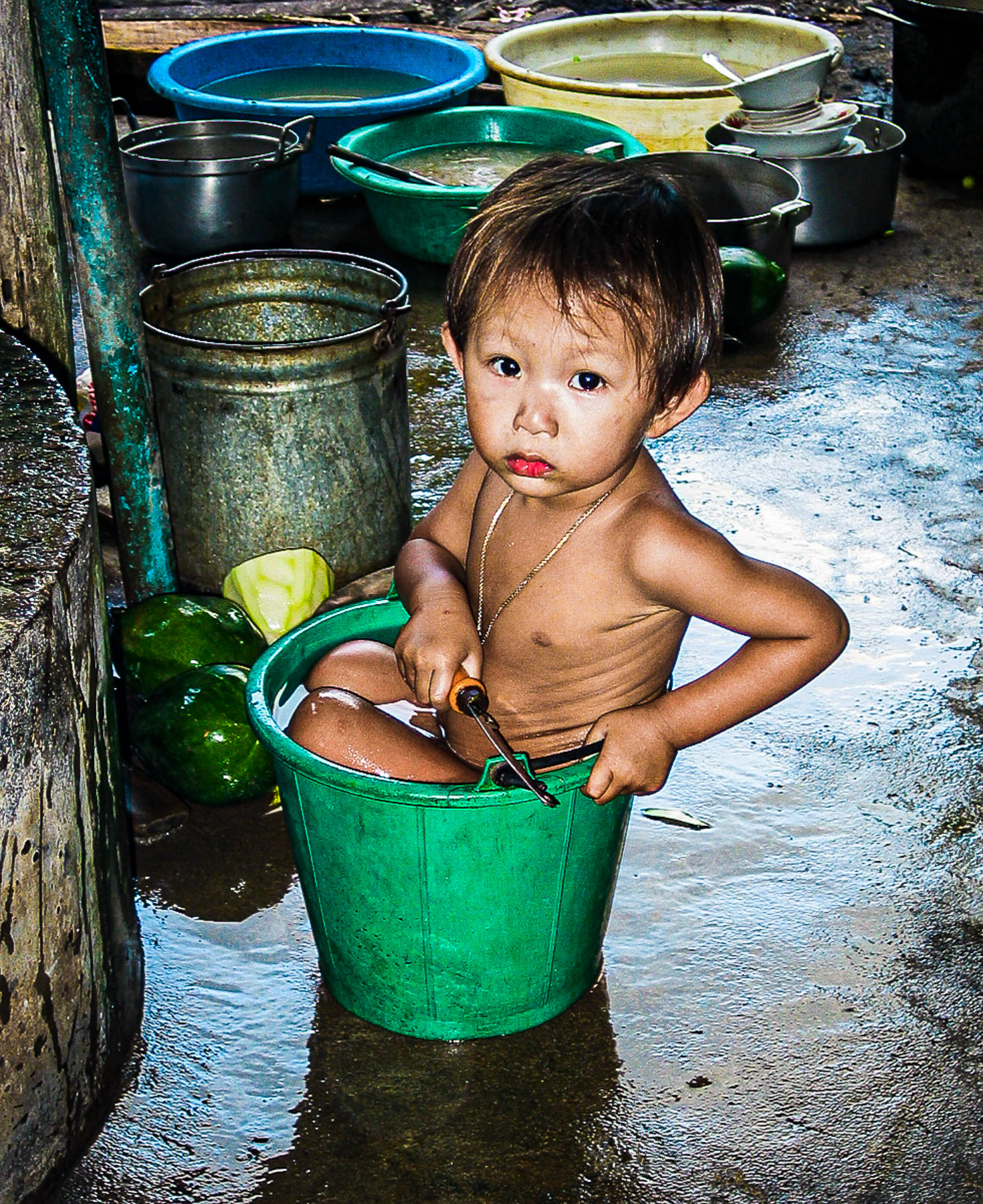
When I was younger, I sometimes thought good photography was about getting closer to the action. Age has taught me that it is often about getting closer to the truth. That truth may be uncomfortable. It may be untidy, contradictory or impossible to arrange into a pleasing composition. The world does not exist for the benefit of photographers, and life rarely places itself neatly inside a frame.
We learn to work with what is there.
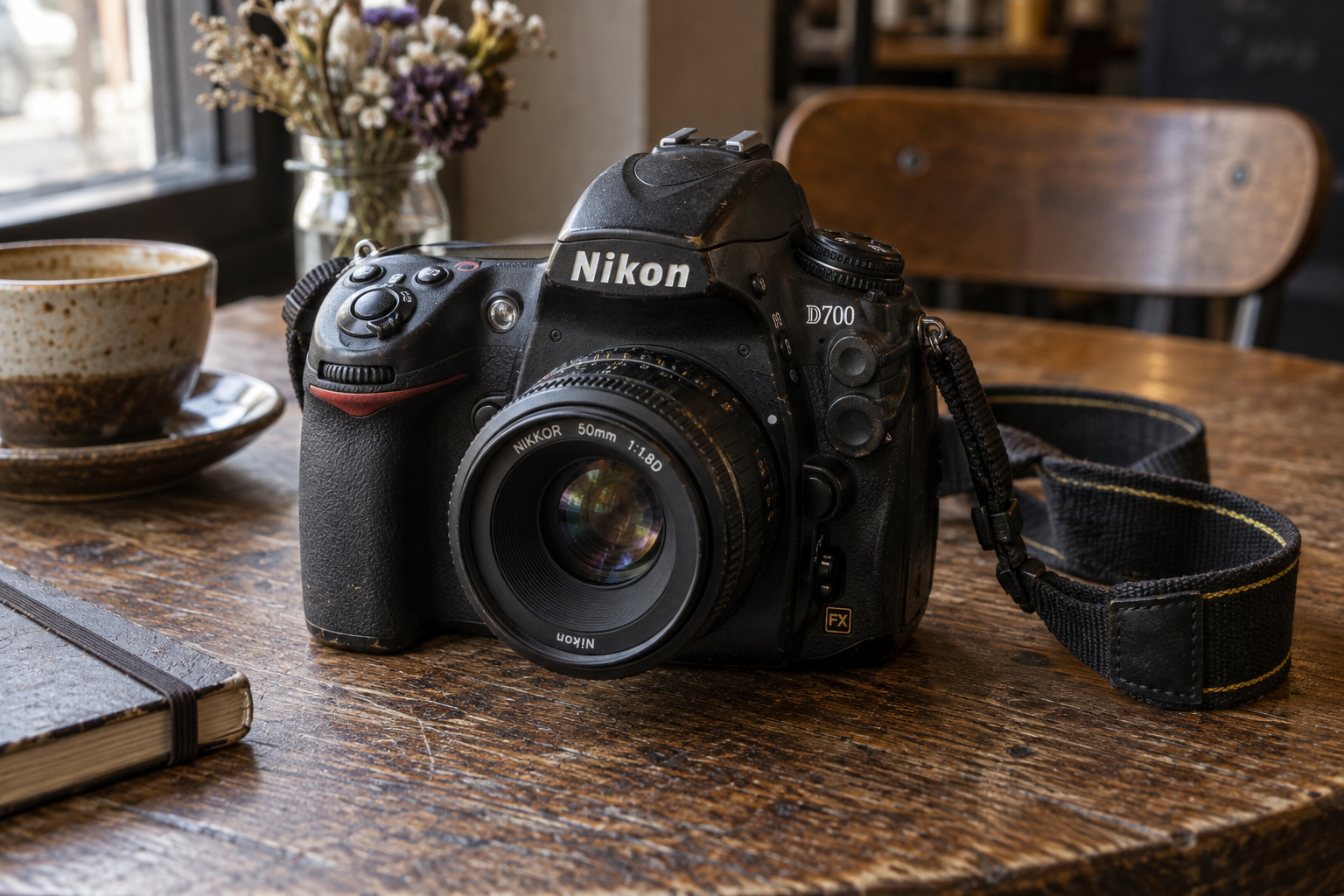
Perhaps that is why old cameras can still feel so reassuring. They are not trying to astonish us. They simply wait to be used. Their scratches and worn grips remind us that photographs were made before eye-detection autofocus, enormous dynamic range and artificial intelligence. Pictures were made with imperfect tools by people who cared enough to be present.
The camera matters, of course. A reliable camera can get us through difficult conditions. A particular lens can shape the way we approach people and space. But equipment cannot supply curiosity, empathy or courage. It cannot recognise the instant when an expression changes and the truth appears for a fraction of a second.
That remains the photographer’s responsibility.
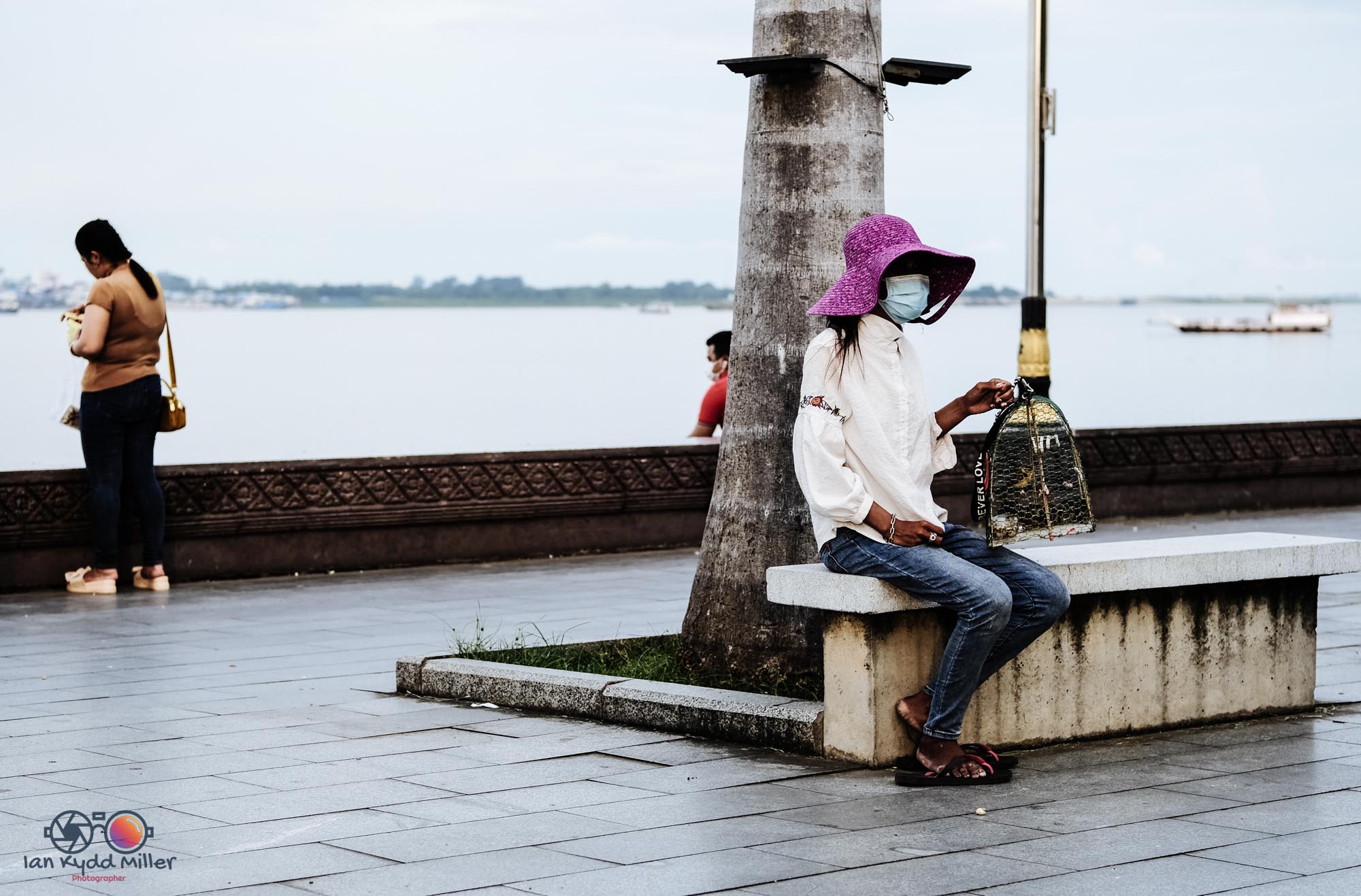
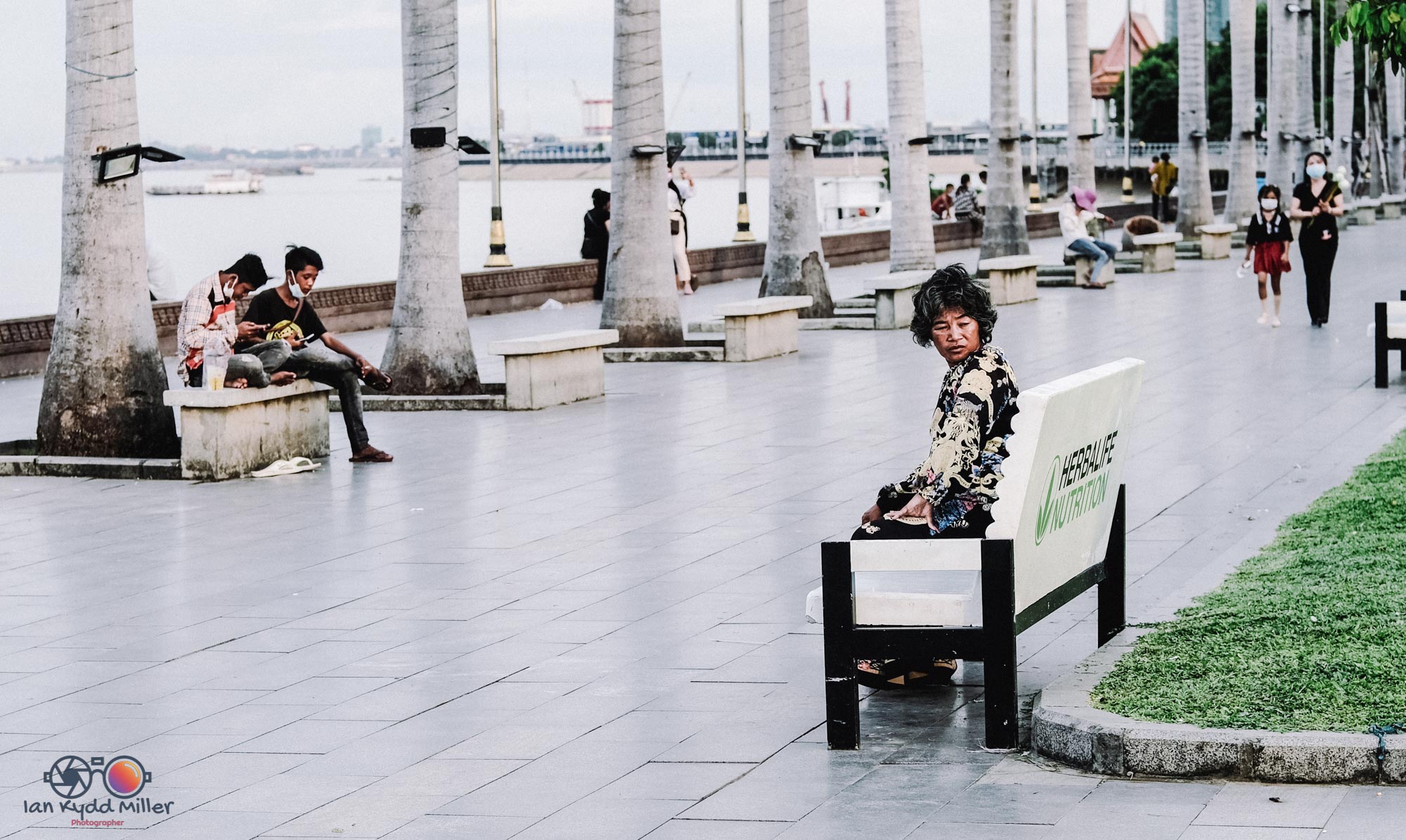


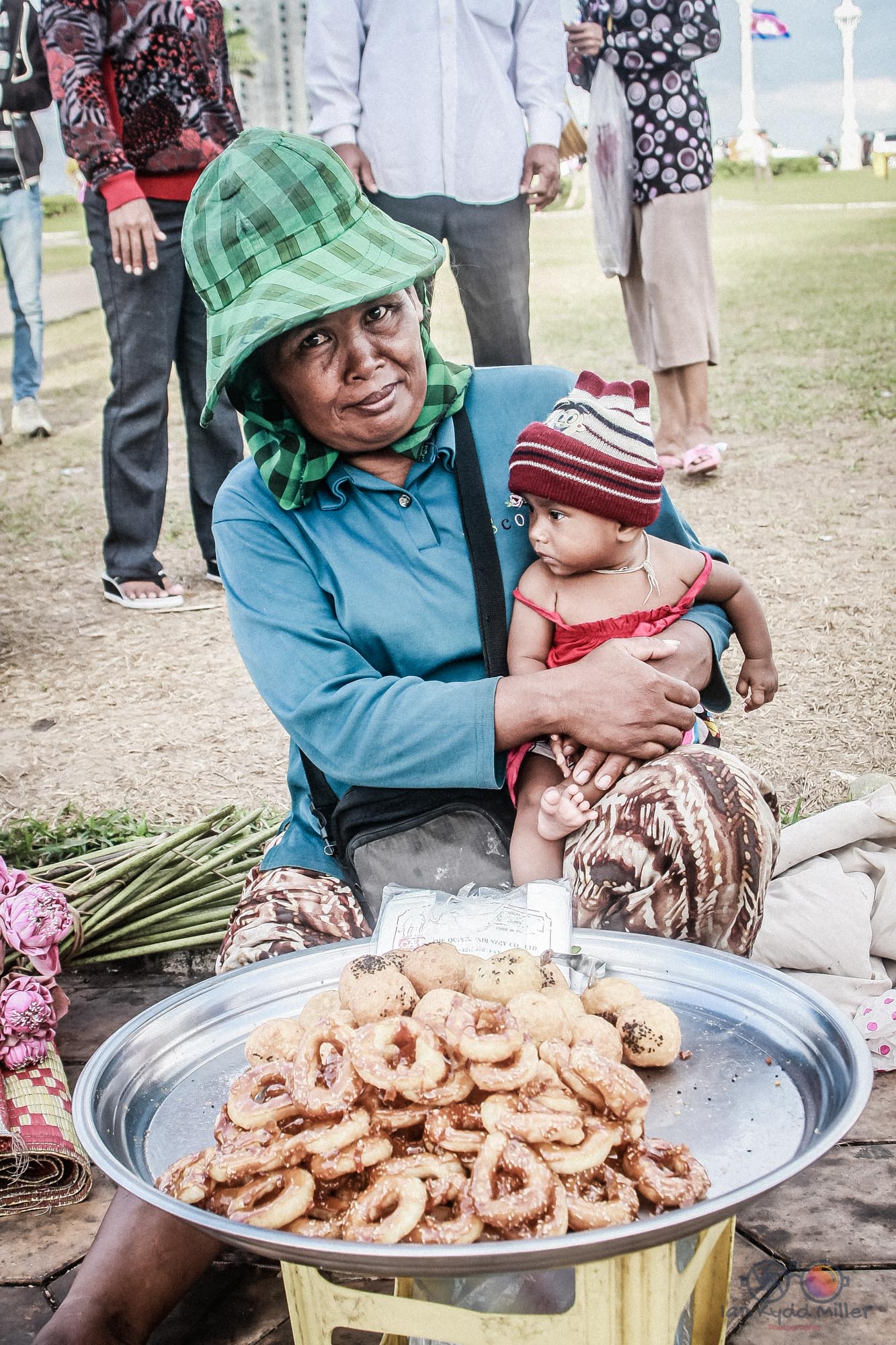
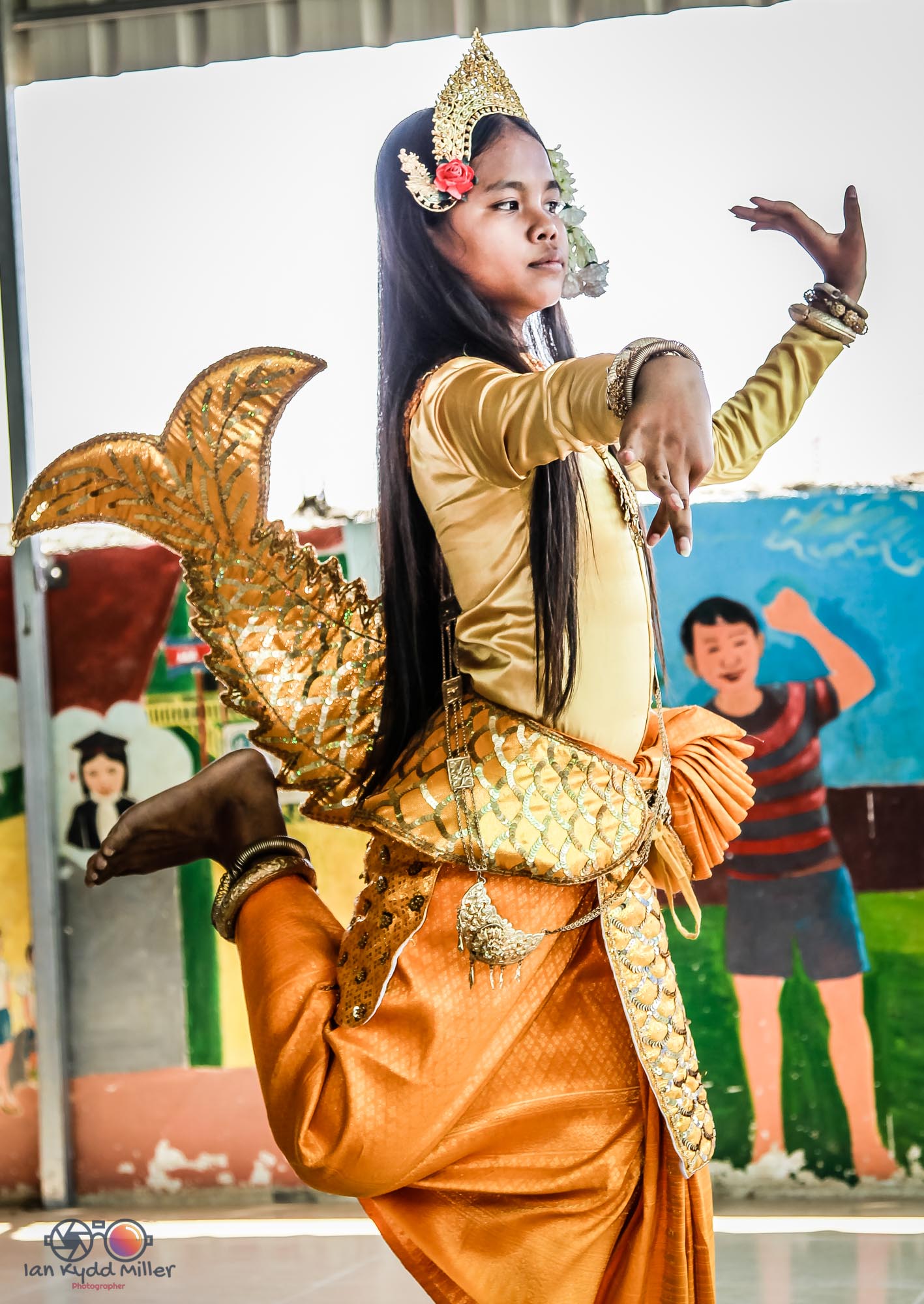
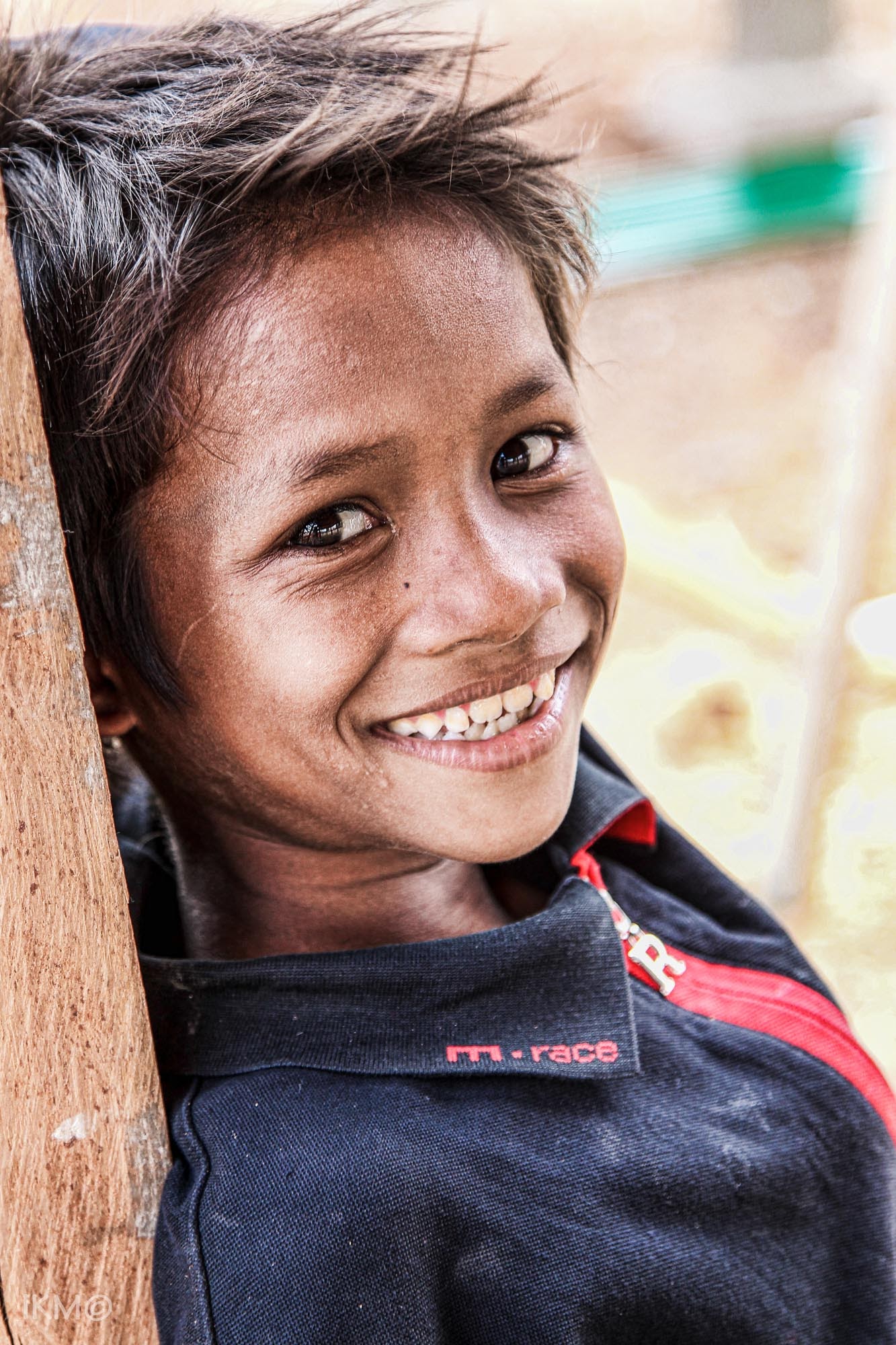
We also make pictures because memory is treacherous. It edits without permission. Faces fade, places are demolished and people disappear. Even events we believed we would remember forever become uncertain around the edges. A photograph does not preserve everything, but it leaves evidence: this person stood here; this street once looked like this; this happened in front of me.
I was there, and I saw it.
That does not mean the photograph is the whole truth. Every picture excludes more than it contains. The photographer chooses where to stand, when to press the shutter and what to leave outside the frame. A photograph can clarify, but it can also distort. It can dignify someone or reduce them to a symbol. It can bear witness, or it can use another person’s suffering as decoration.

The older I become, the less interested I am in photographs that merely show how clever the photographer is. I want pictures that retain some human residue. They need not be beautiful. They may be awkward, grainy or technically imperfect. None of that matters if the photograph contains something real.
Perfection is not the same as truth.
Sometimes we make pictures because the world feels beyond our control. Wars continue, politics coarsens, cruelty becomes routine and public attention moves on before the wounded have even been counted. A photographer cannot repair these things by pressing a shutter. We should never pretend otherwise.
But neither is looking completely useless.
To photograph can be a refusal to accept disappearance. It can say that someone was here, that something happened, and that forgetting should not be allowed to happen too easily. The picture may not change the world, but it can prevent one small part of the world from vanishing without testimony.
There are quieter reasons too. Sometimes I make photographs because walking with a camera gives shape to the day. It provides a purpose for turning down another street or remaining somewhere for five minutes longer. Without it, I might look. With it, I observe.
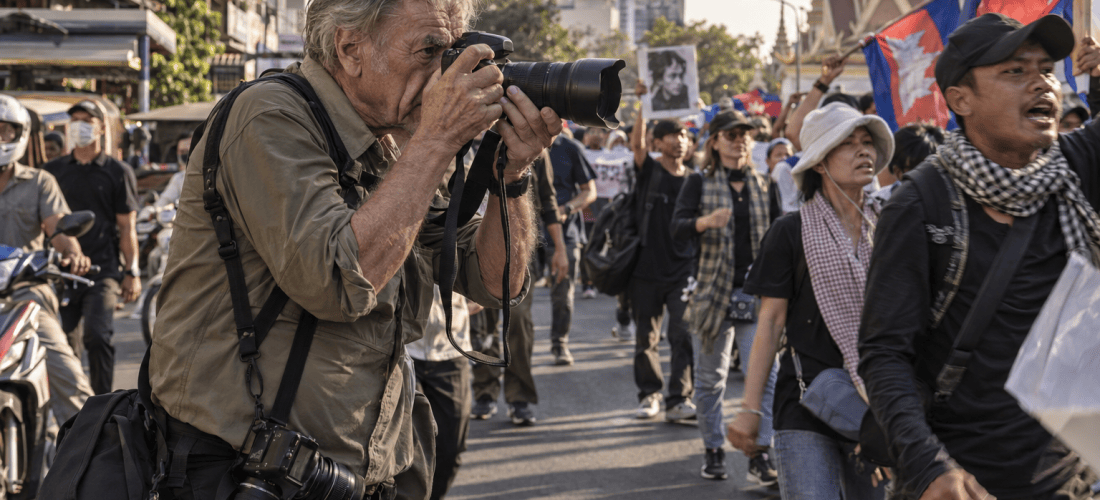
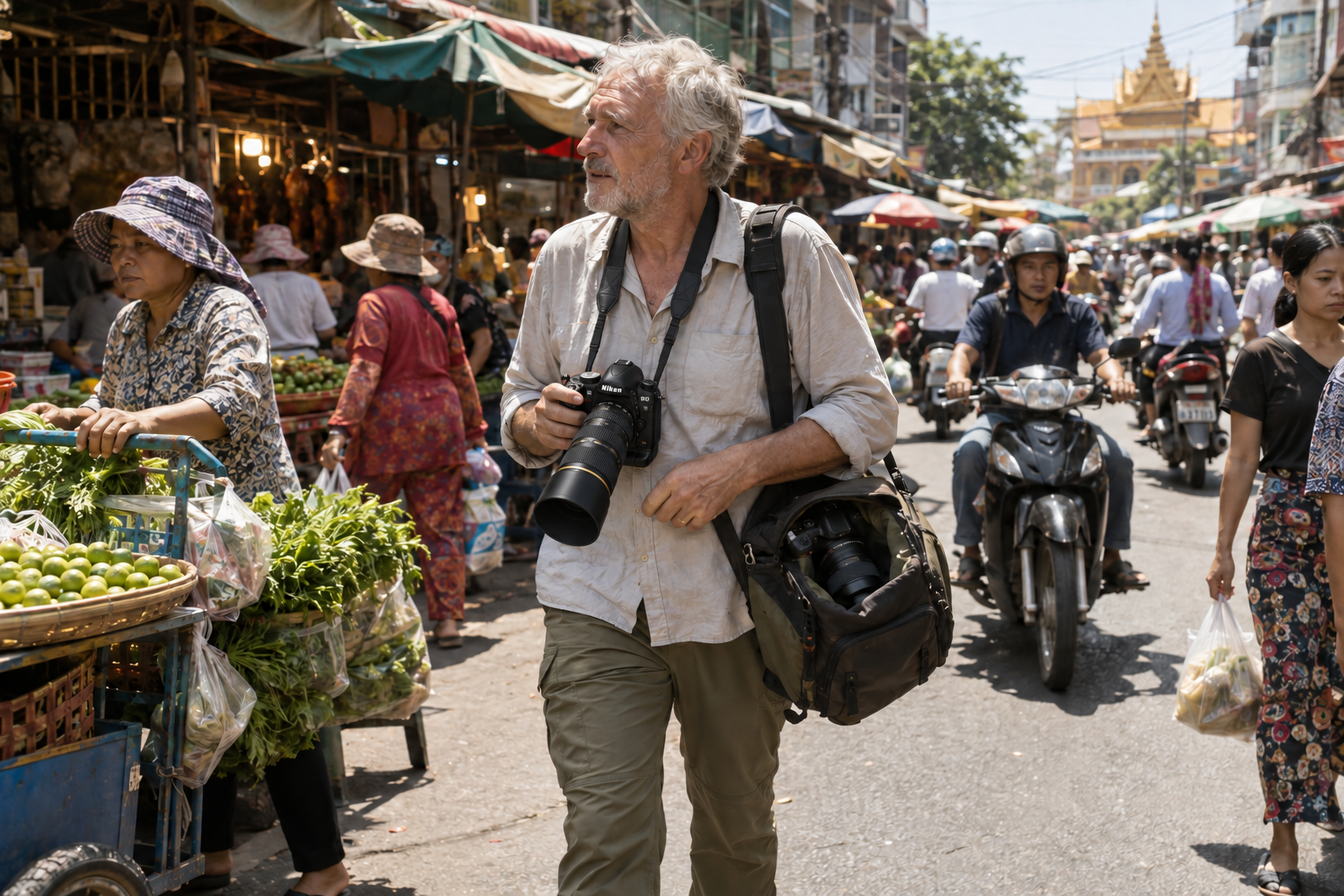
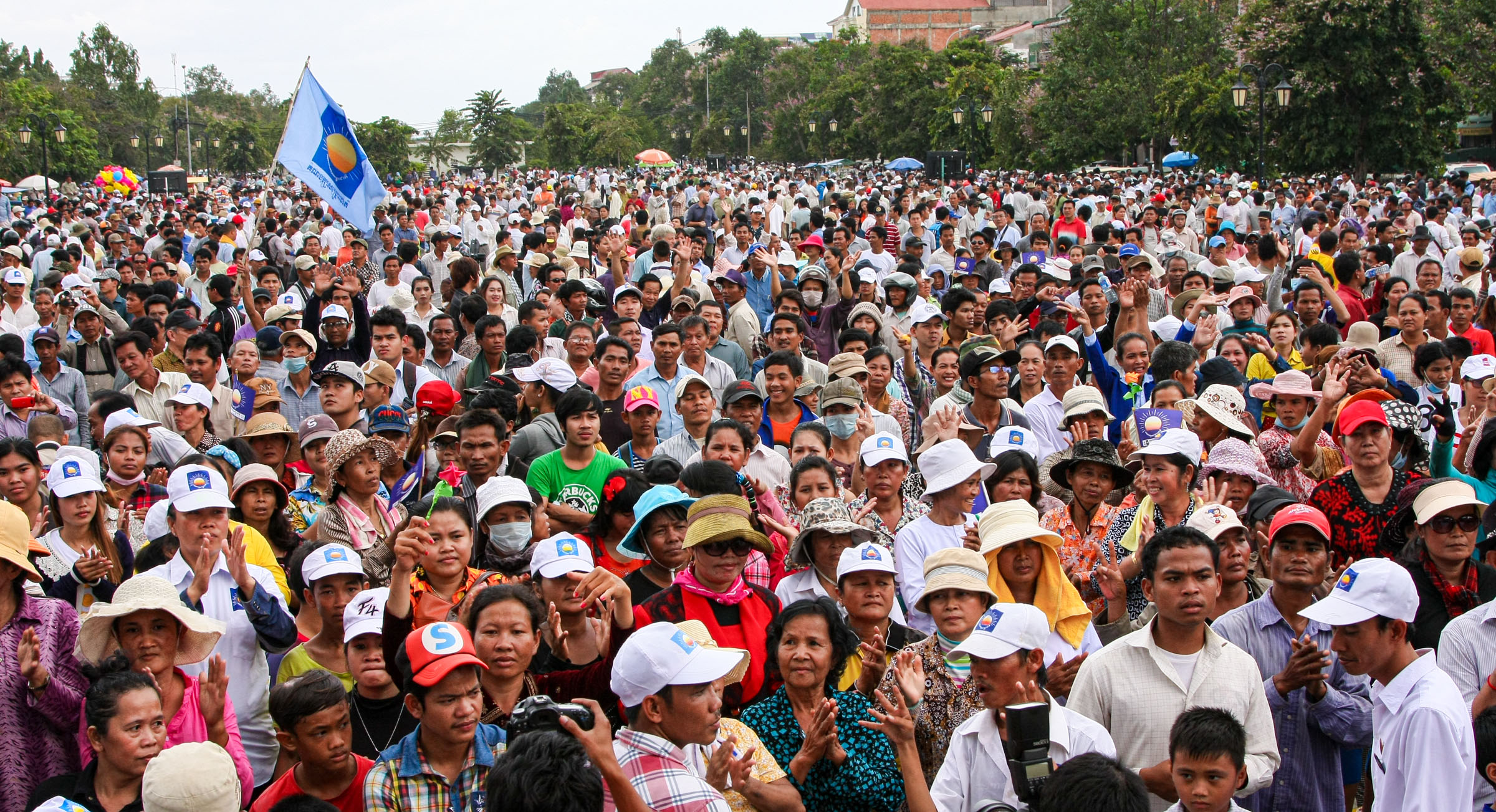
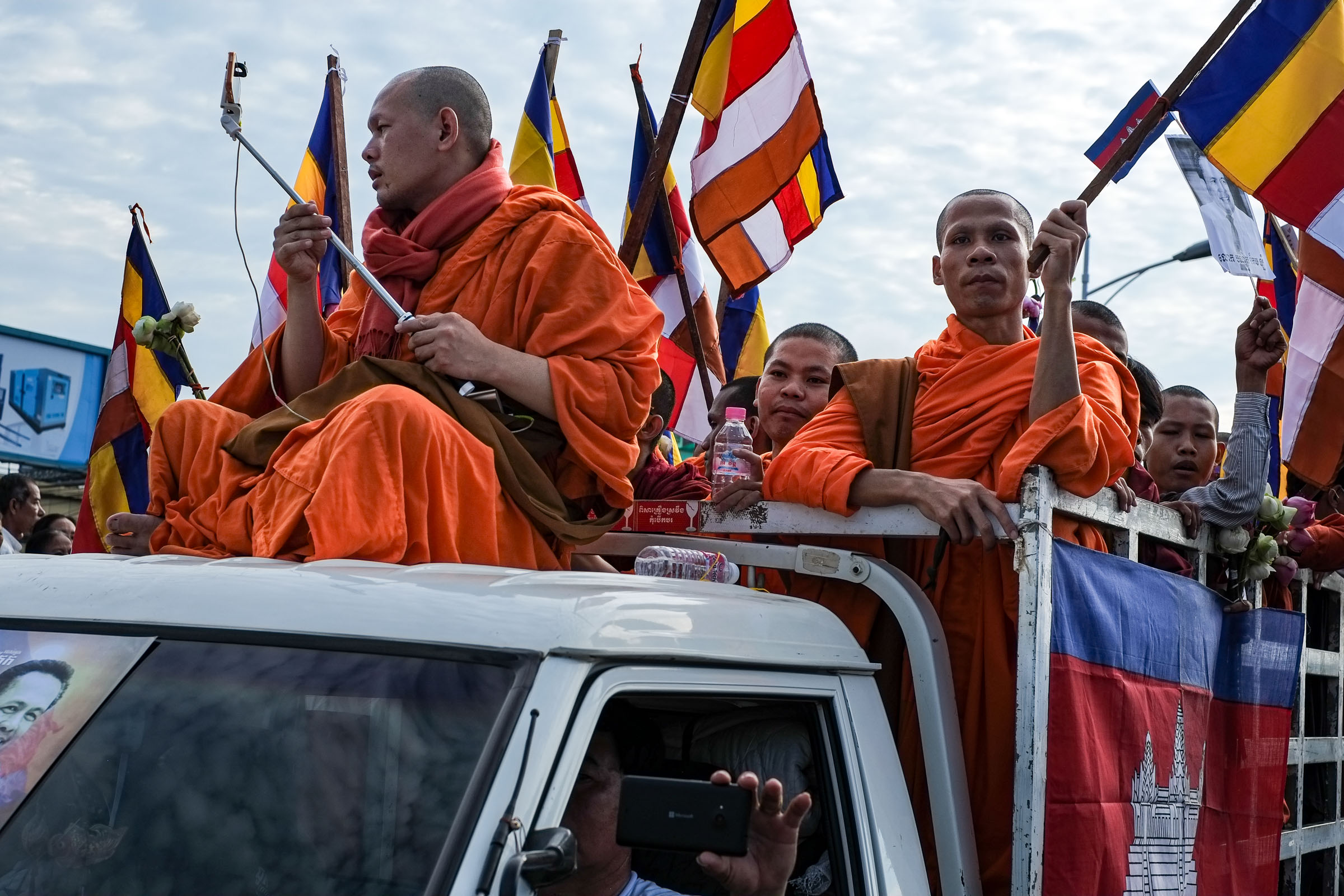
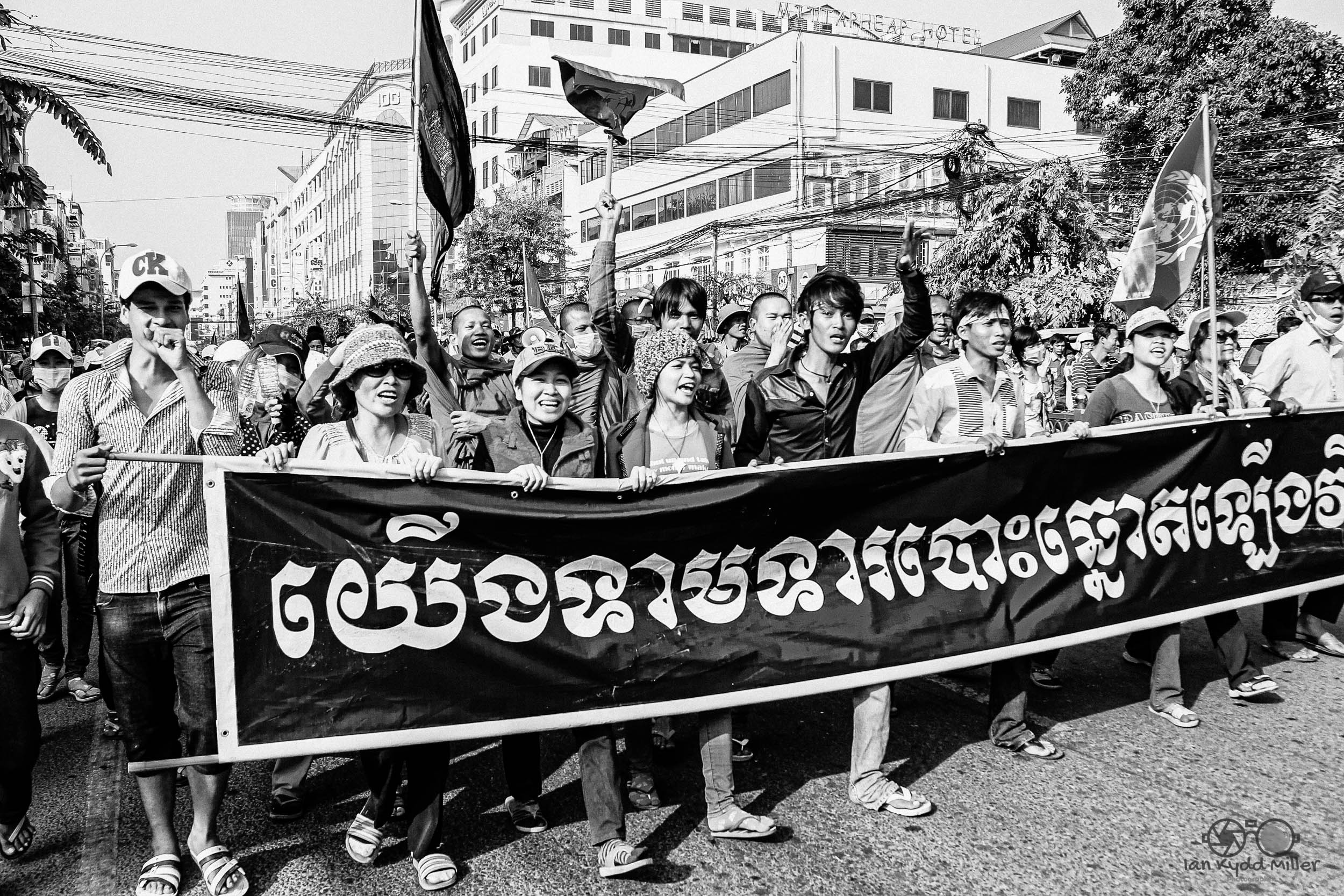
The camera has introduced me to people I would never otherwise have met. It has taken me into schools, hospitals, demonstrations, markets, back streets and communities beyond my own experience. Those encounters remain more valuable than the photographs.

We continue because nobody else has stood precisely where we stood, carrying our memories, doubts, affections and experience. Another photographer might make a stronger picture, but it would not be our picture. Photography is the meeting between the world and one particular human being.
We make pictures because time is moving and people are leaving. Because places change. Because memory fails. Because occasionally the light is beautiful, but more often because life is complicated and deserves to be examined.
The camera remains beside me. That is reason enough.
CHAPTER 2
People in the Frame
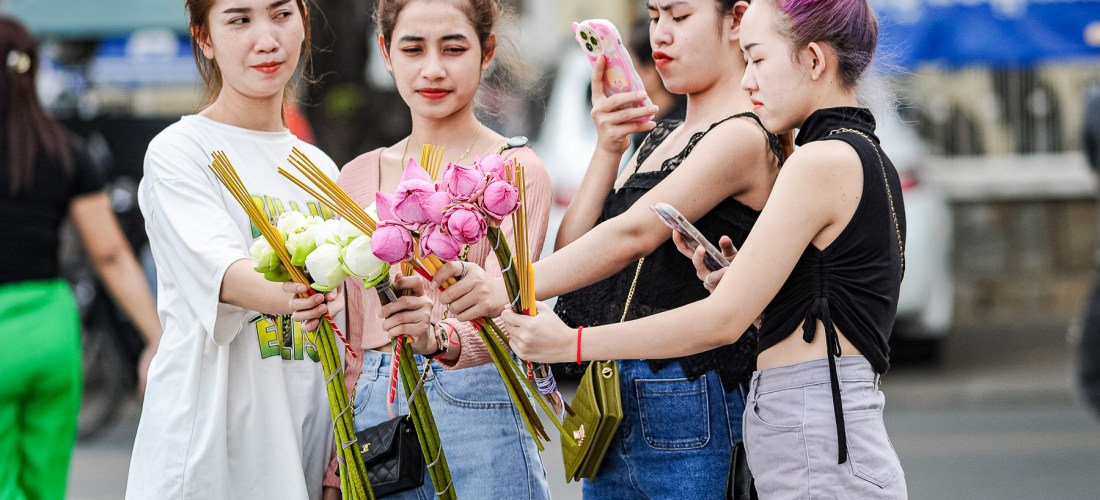
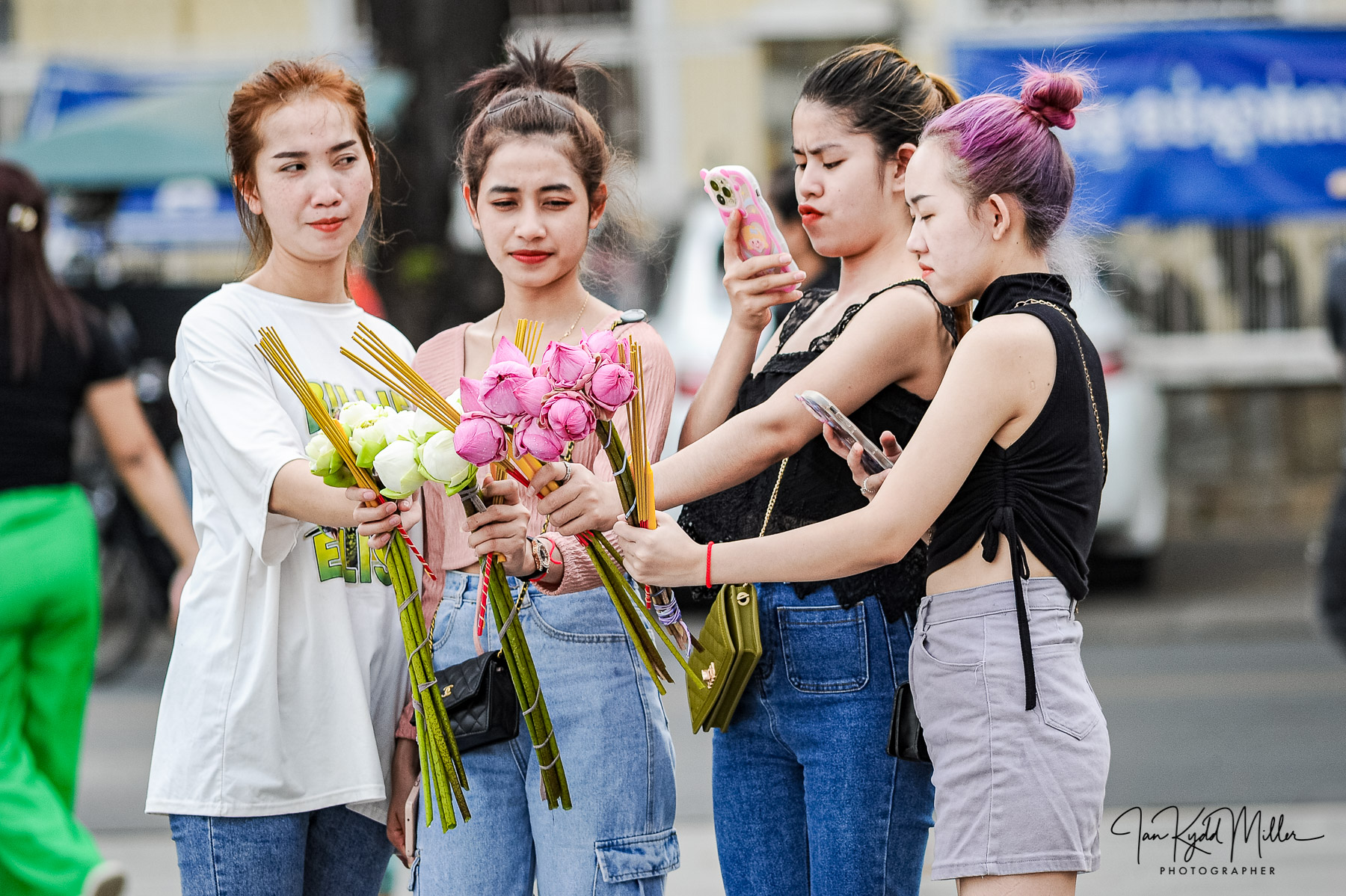
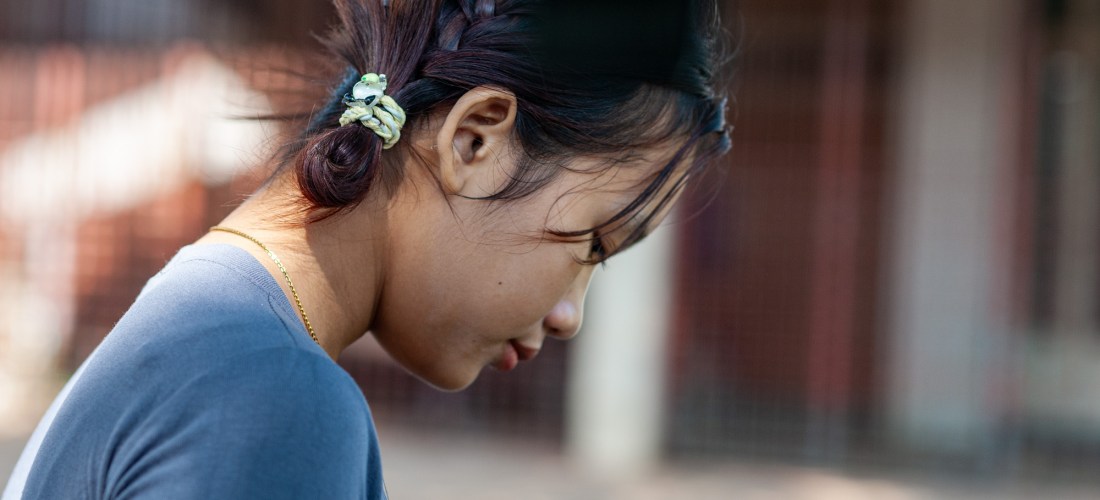
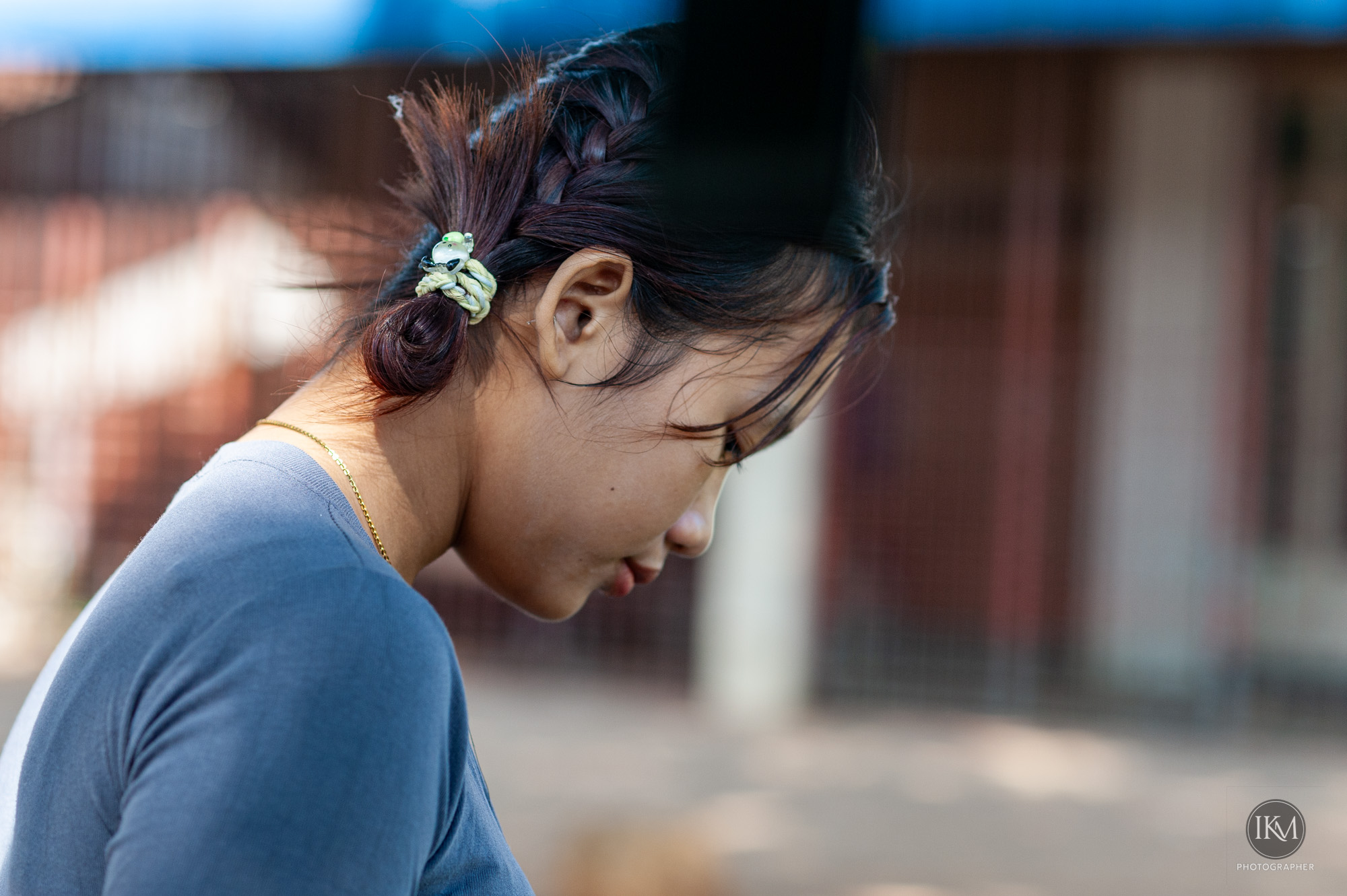
A street without people can be beautiful. The buildings may be elegant, the light perfect and the composition carefully balanced. Yet for me, something is often missing.
Put one person into the frame and everything changes.
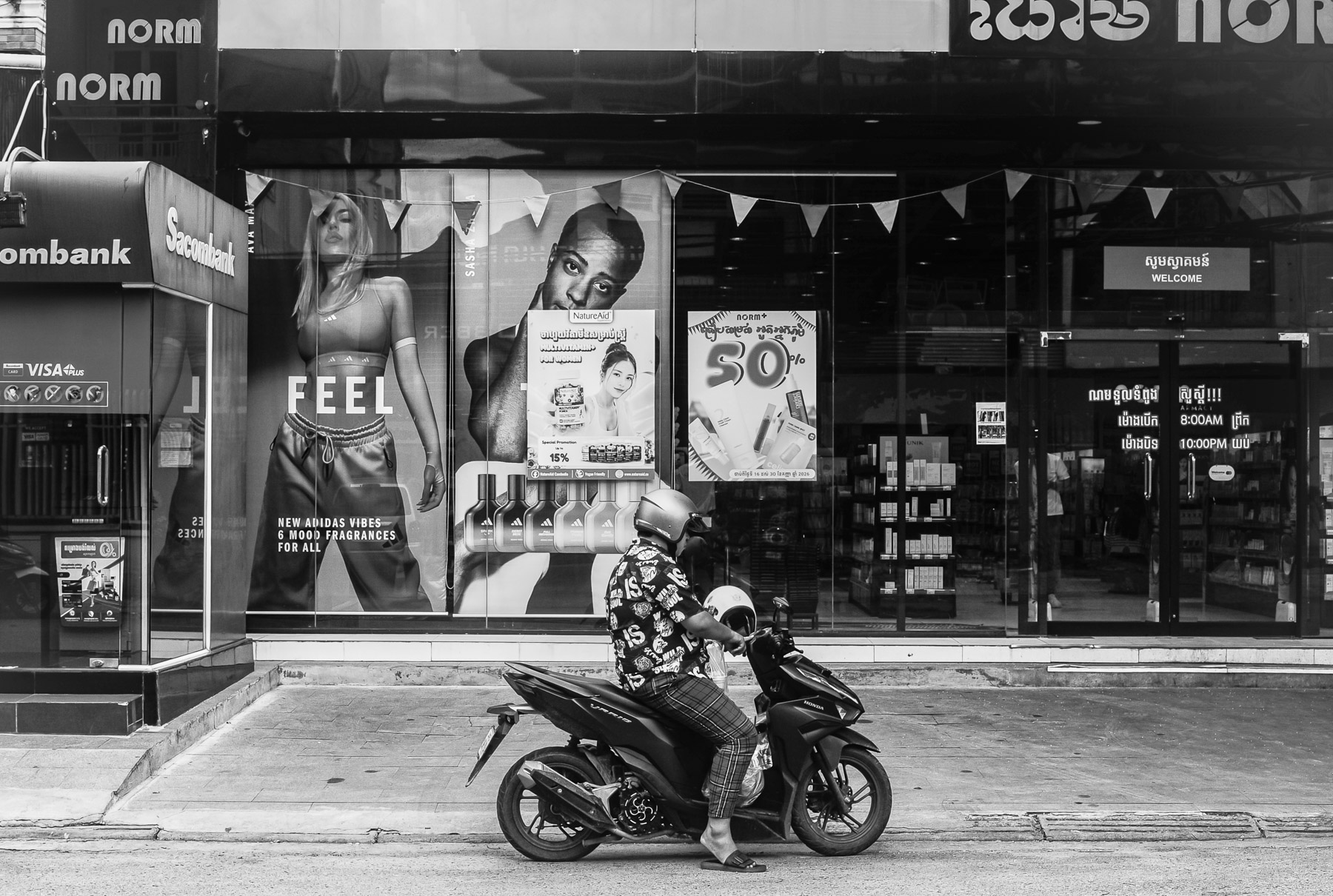
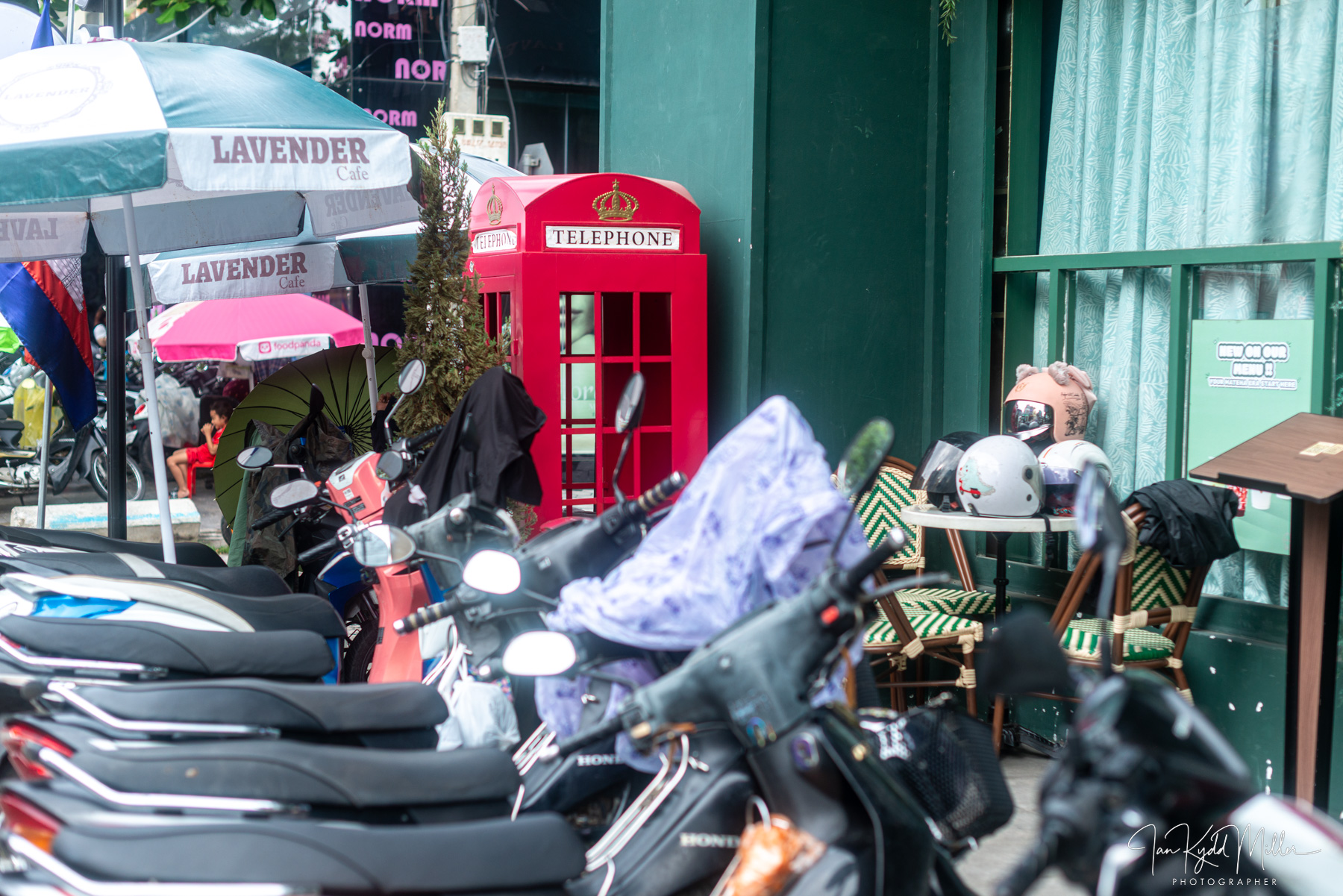
The street becomes a place where somebody lives. The light falls upon a human face rather than an empty wall. A doorway is no longer merely an arrangement of shapes; it becomes somewhere a person is entering, leaving, guarding or sheltering within. Even a distant figure can turn an architectural study into a human story.
People give scale to a place, but more importantly, they give it consequence.
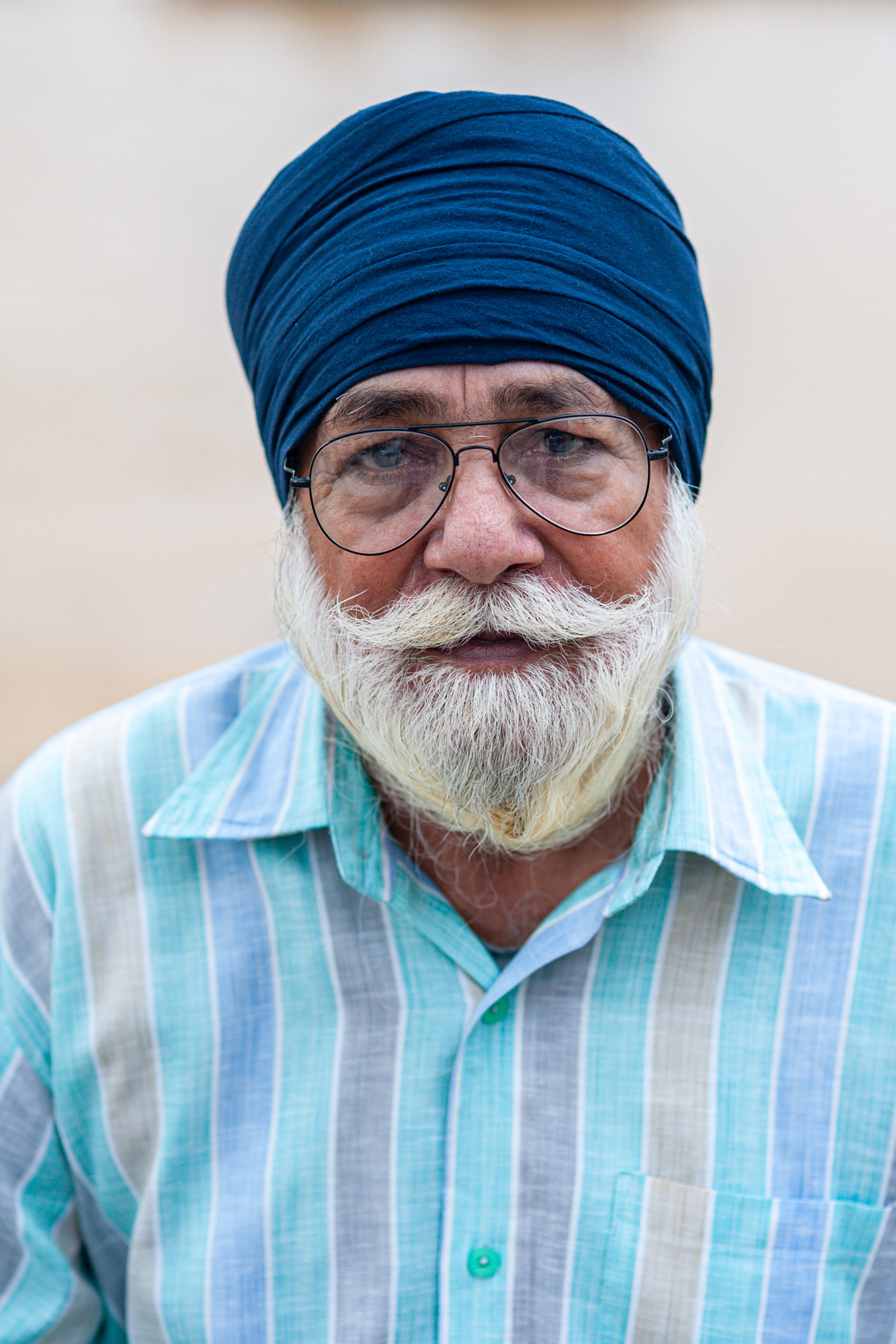
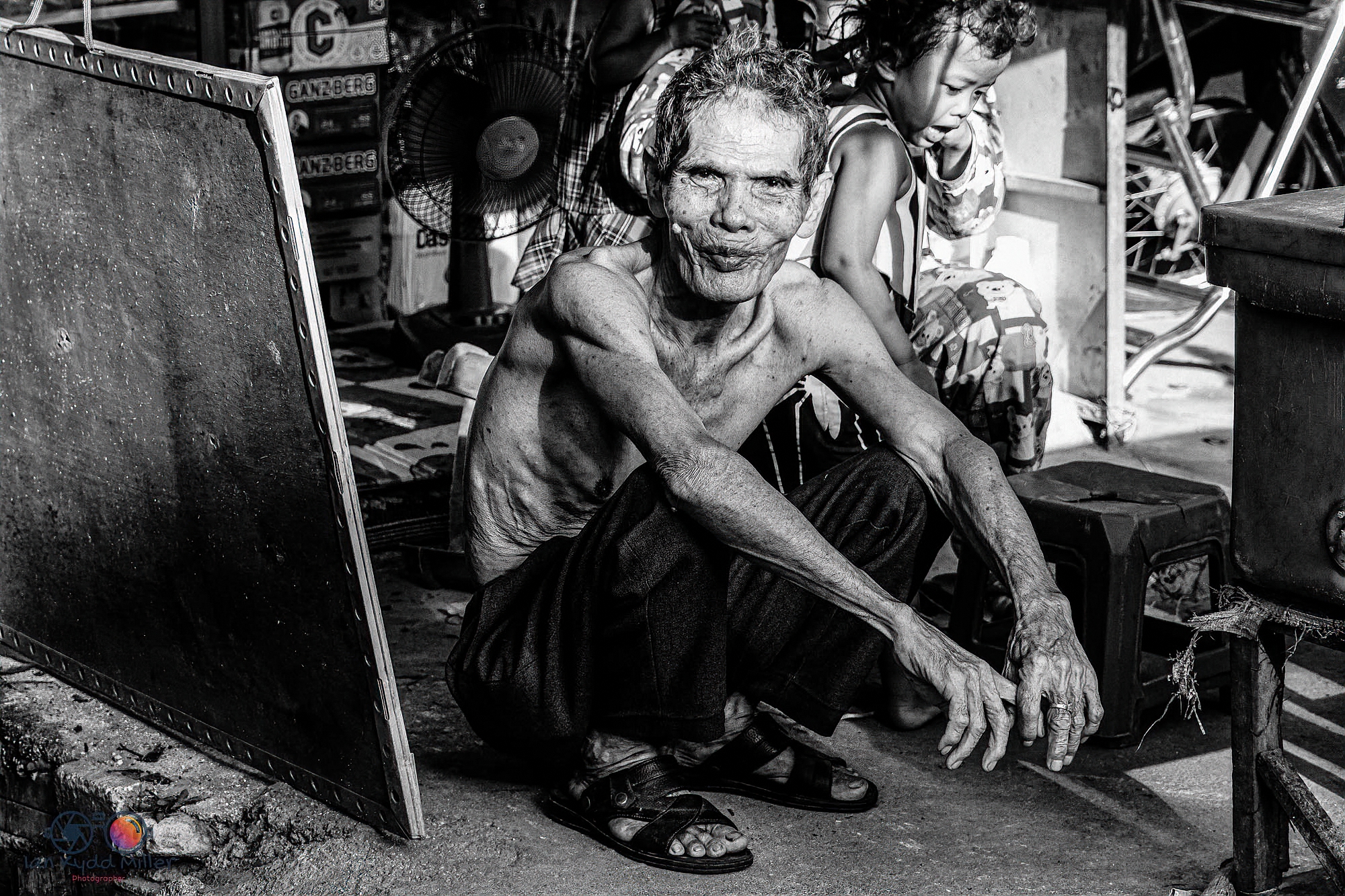
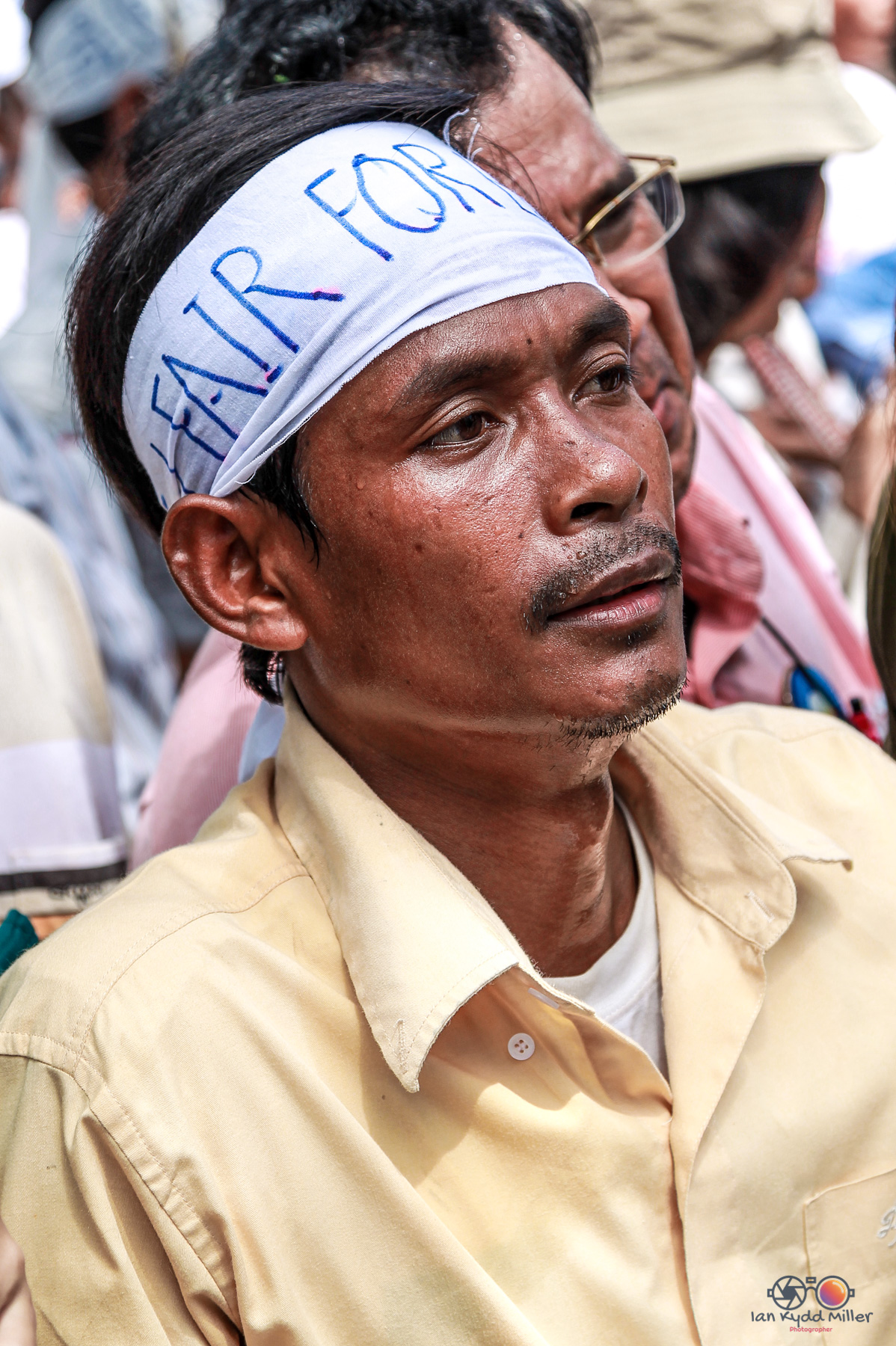
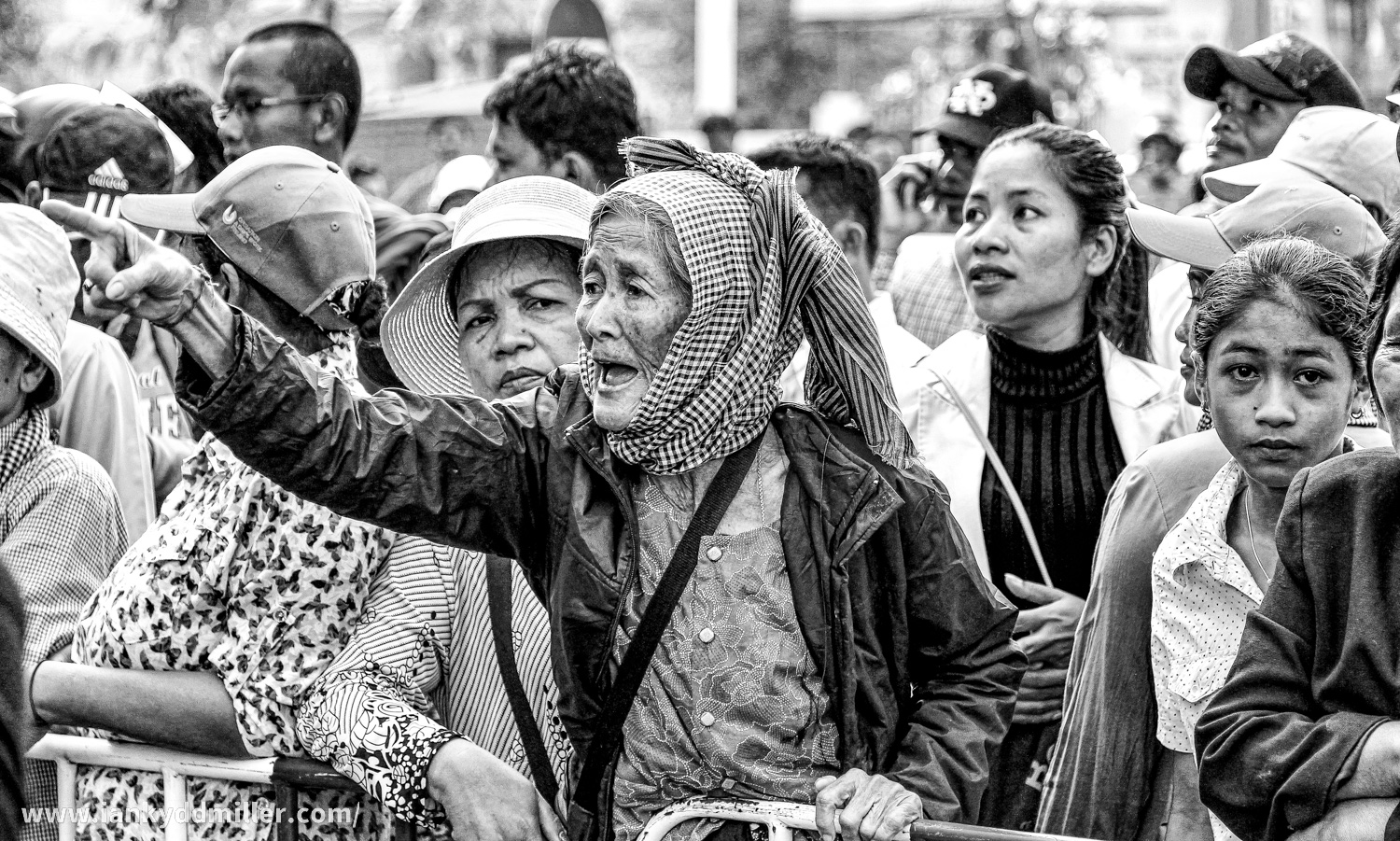
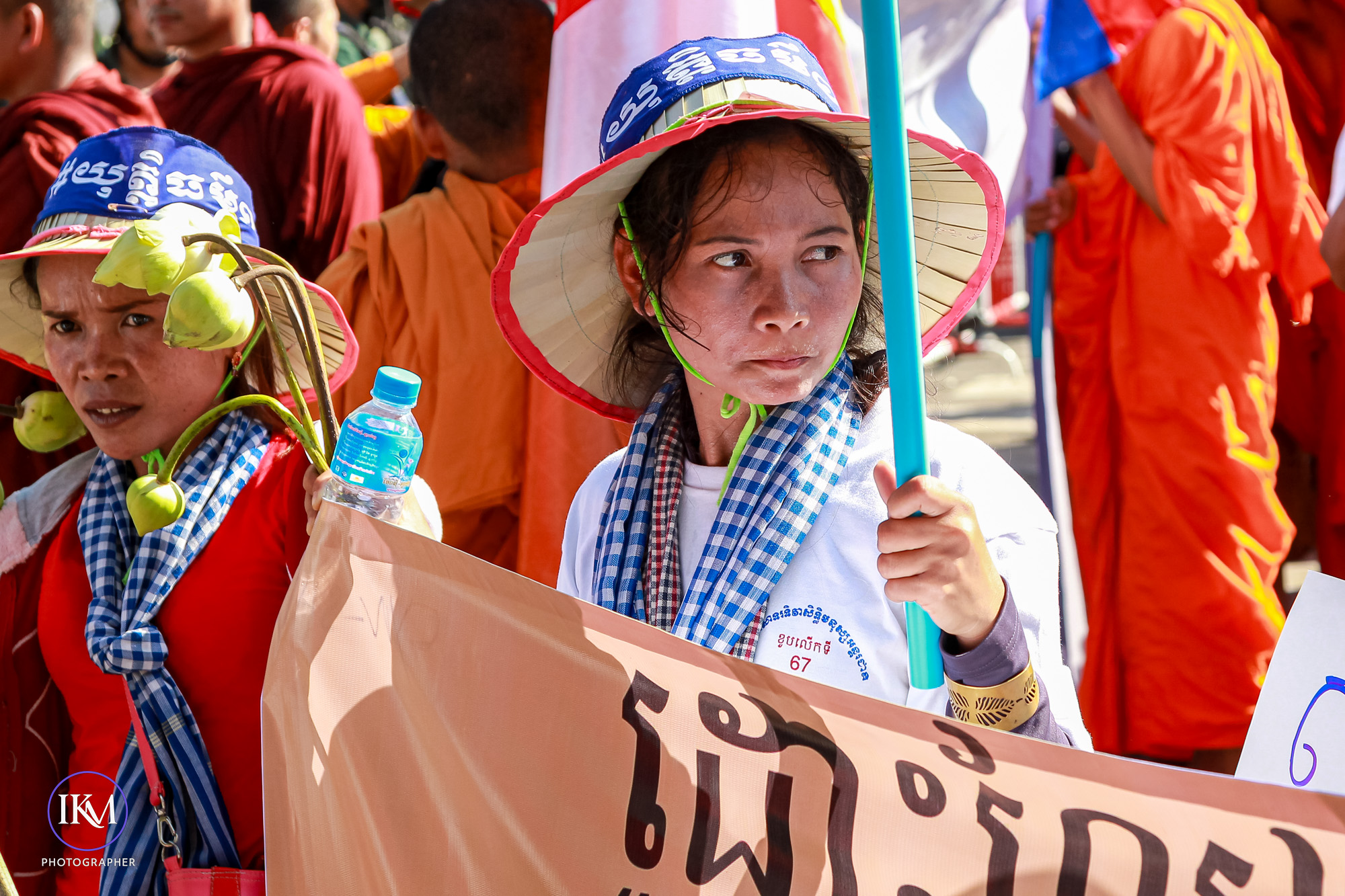
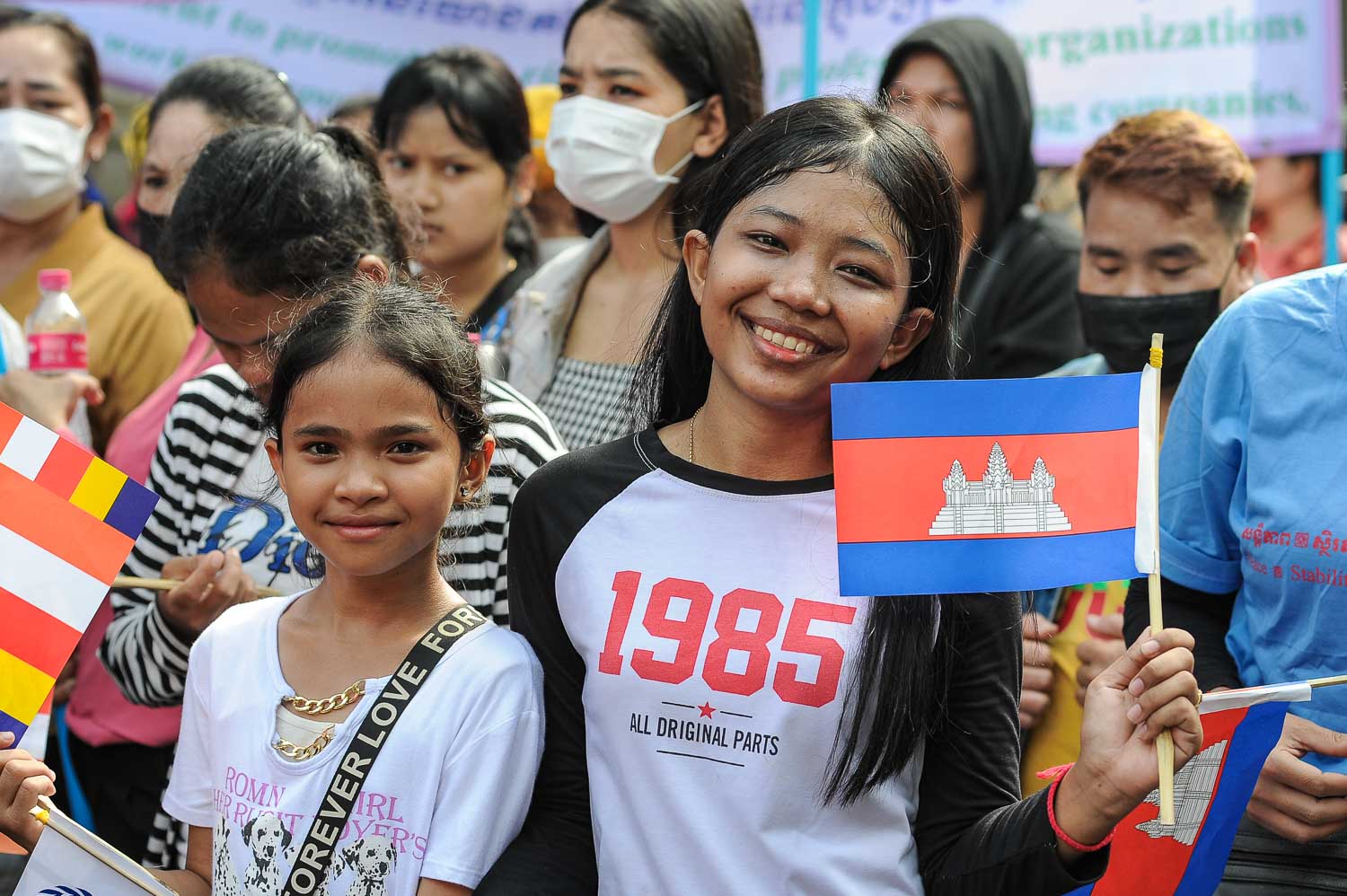
I have always been drawn to photographing people because they carry evidence of the world upon them. Age, labour, exhaustion, pride, suspicion and humour can all be present in a face. Clothing can suggest occupation, income, faith or aspiration. Hands may reveal more than expressions do. The way somebody stands, waits or occupies a patch of pavement can tell us something about their place in the world.

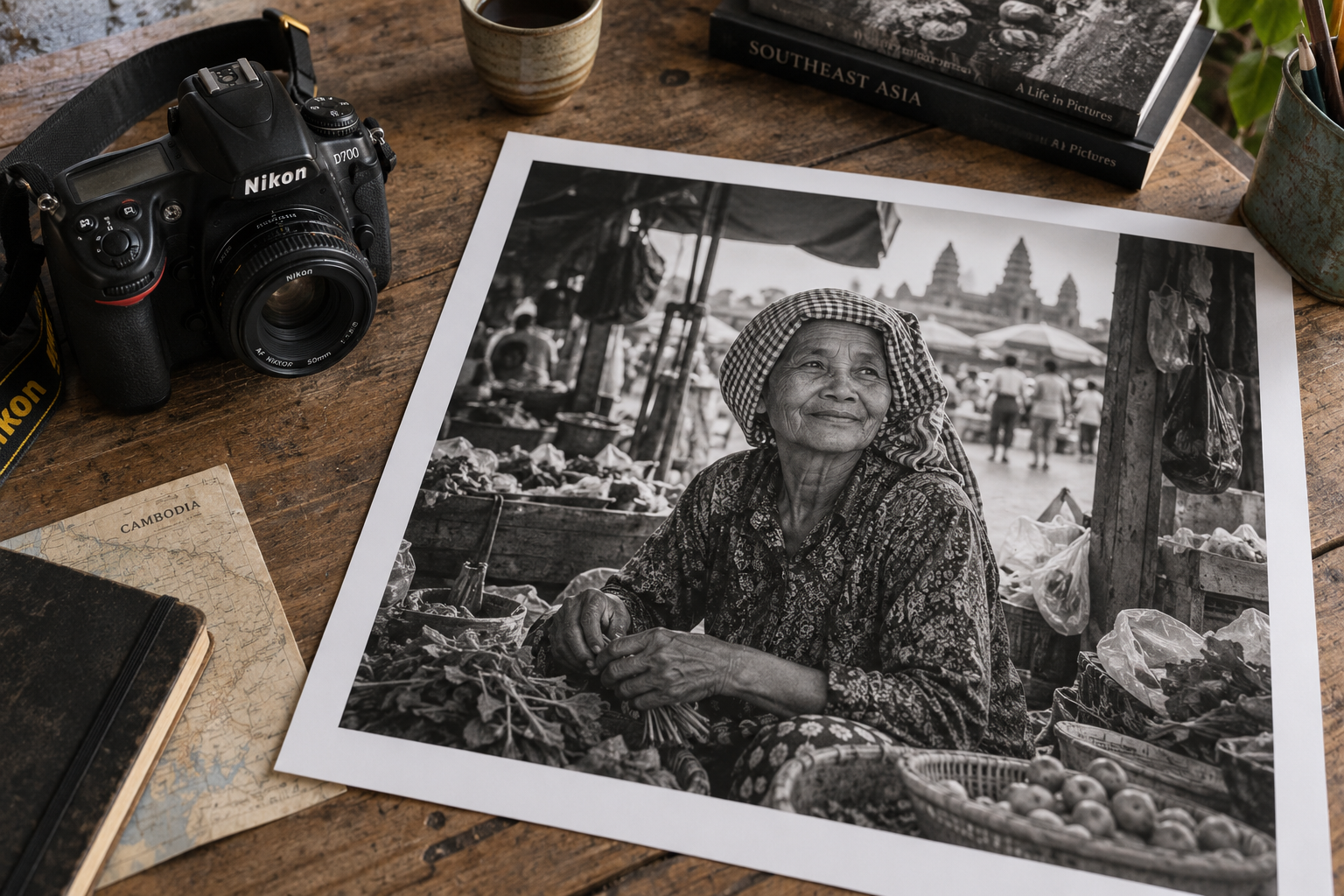
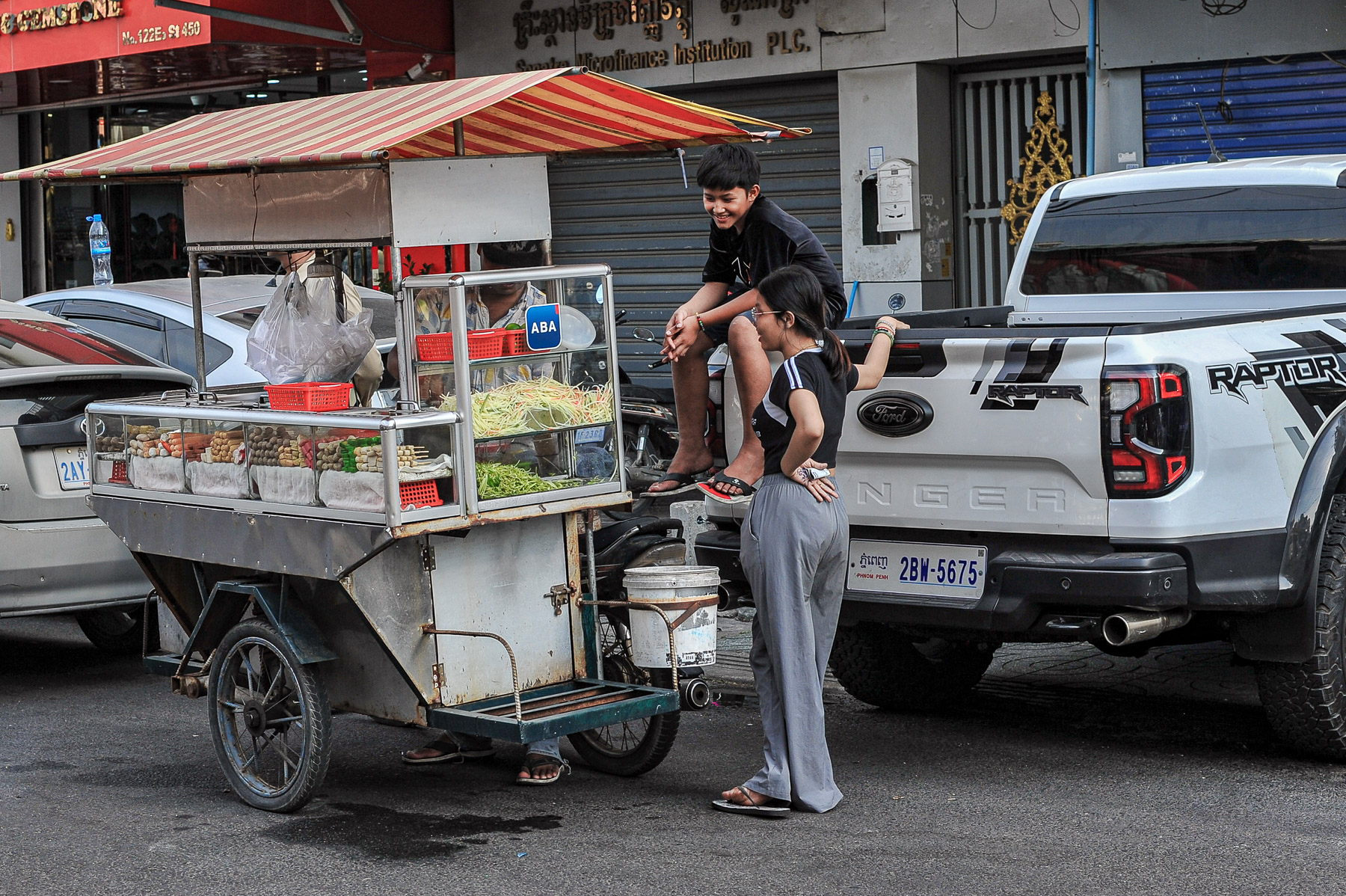
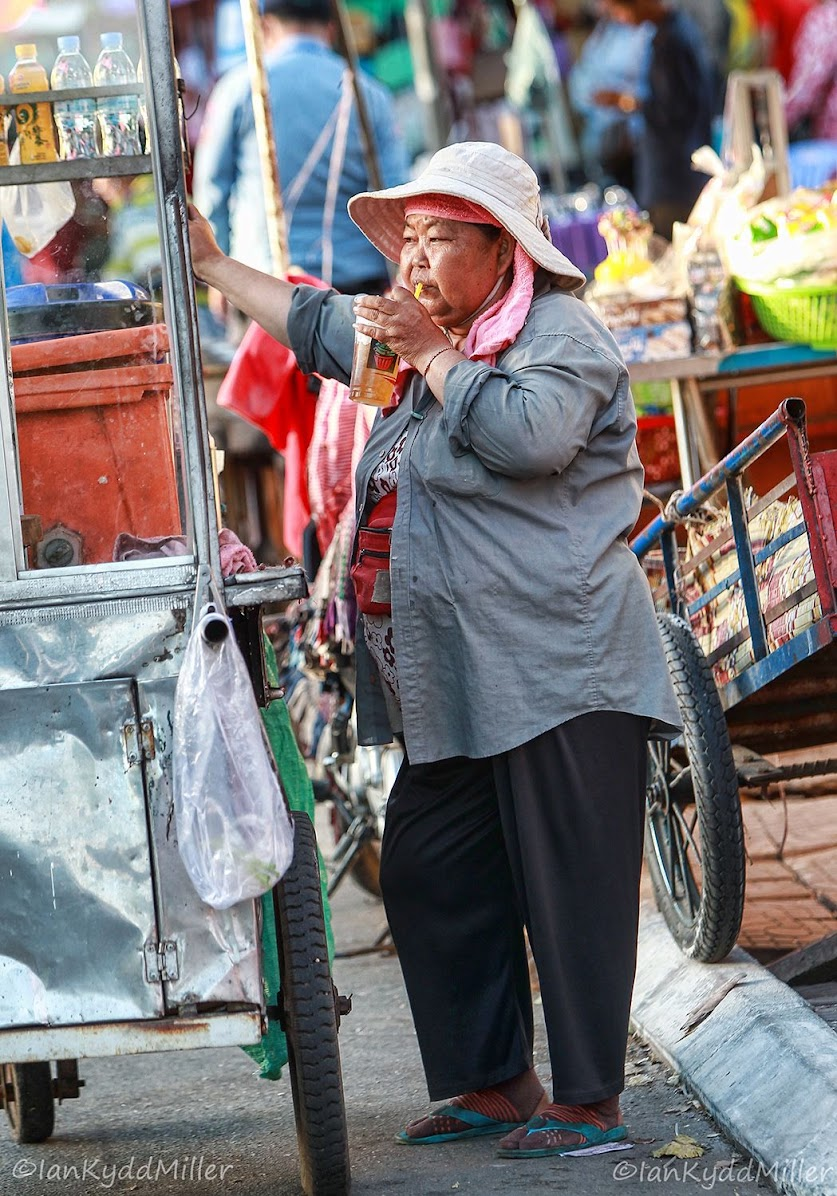
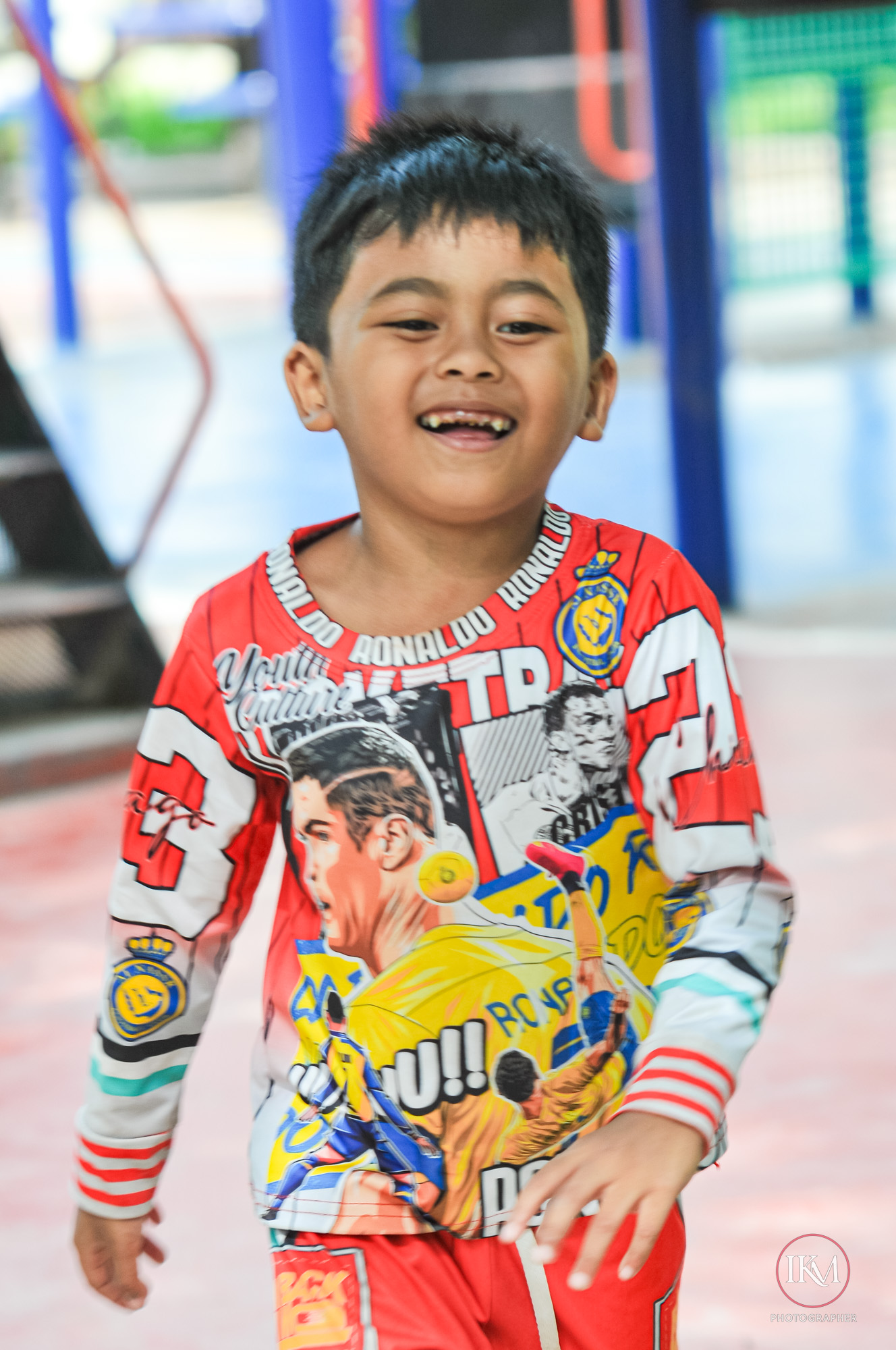
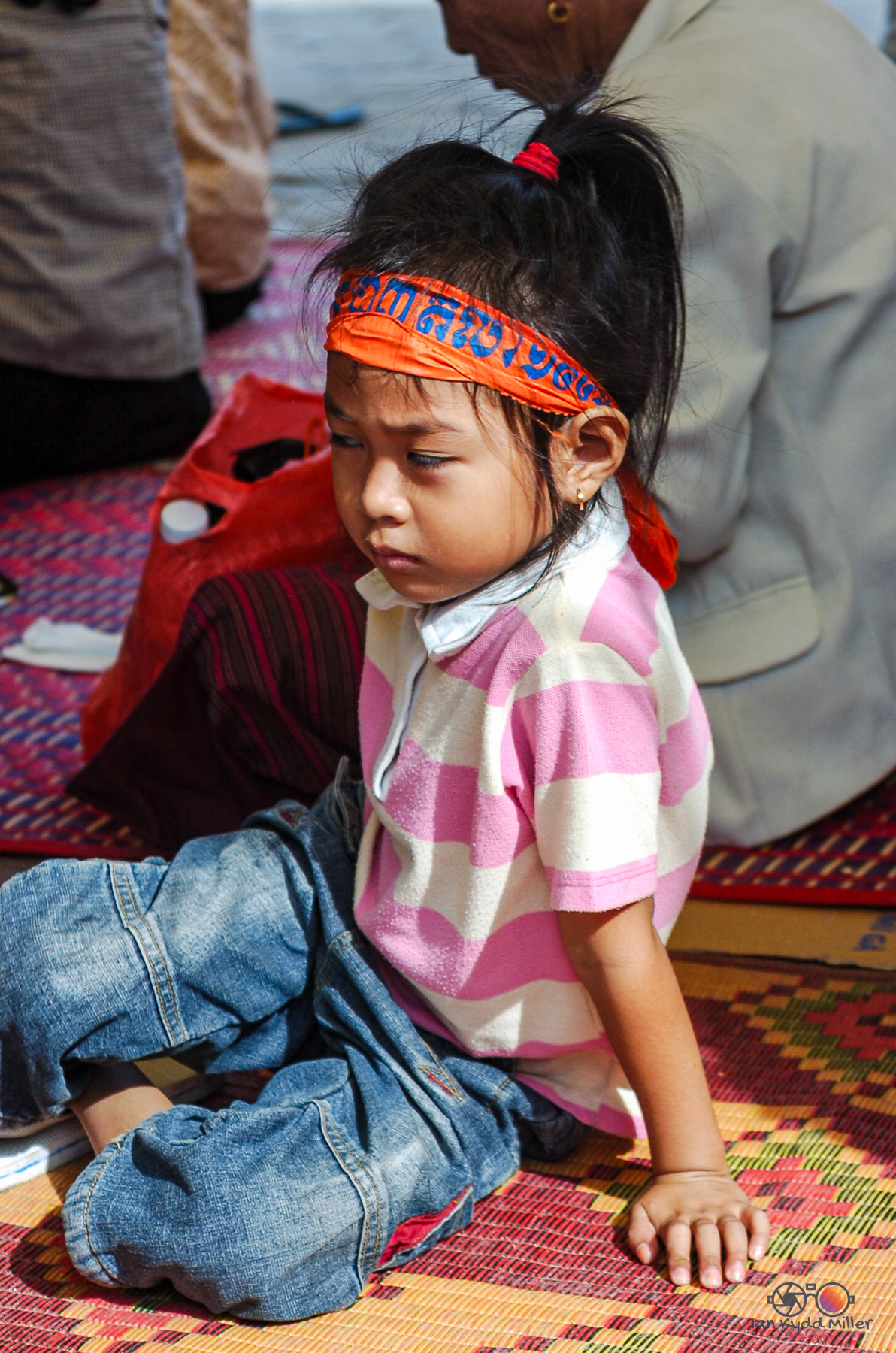
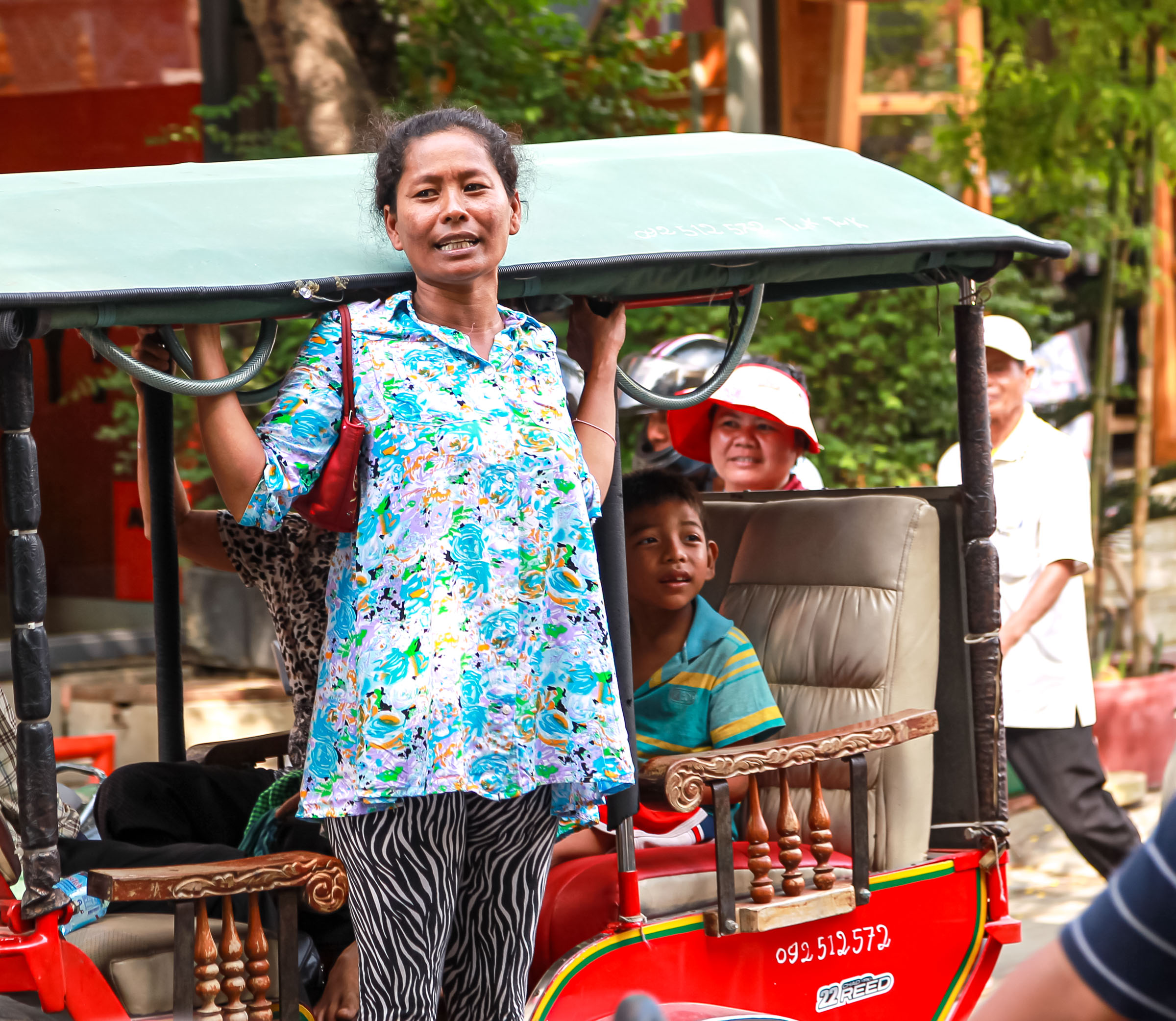
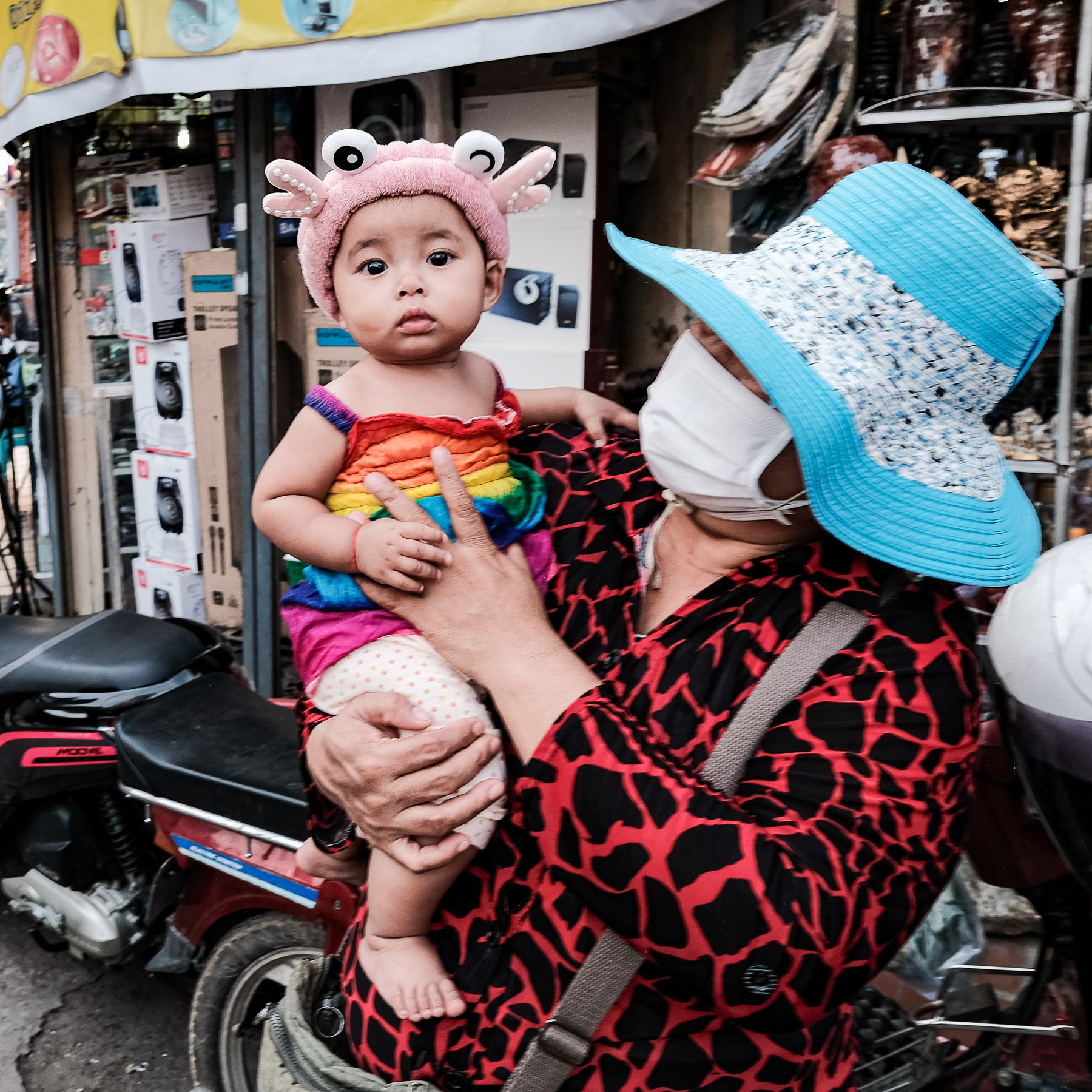
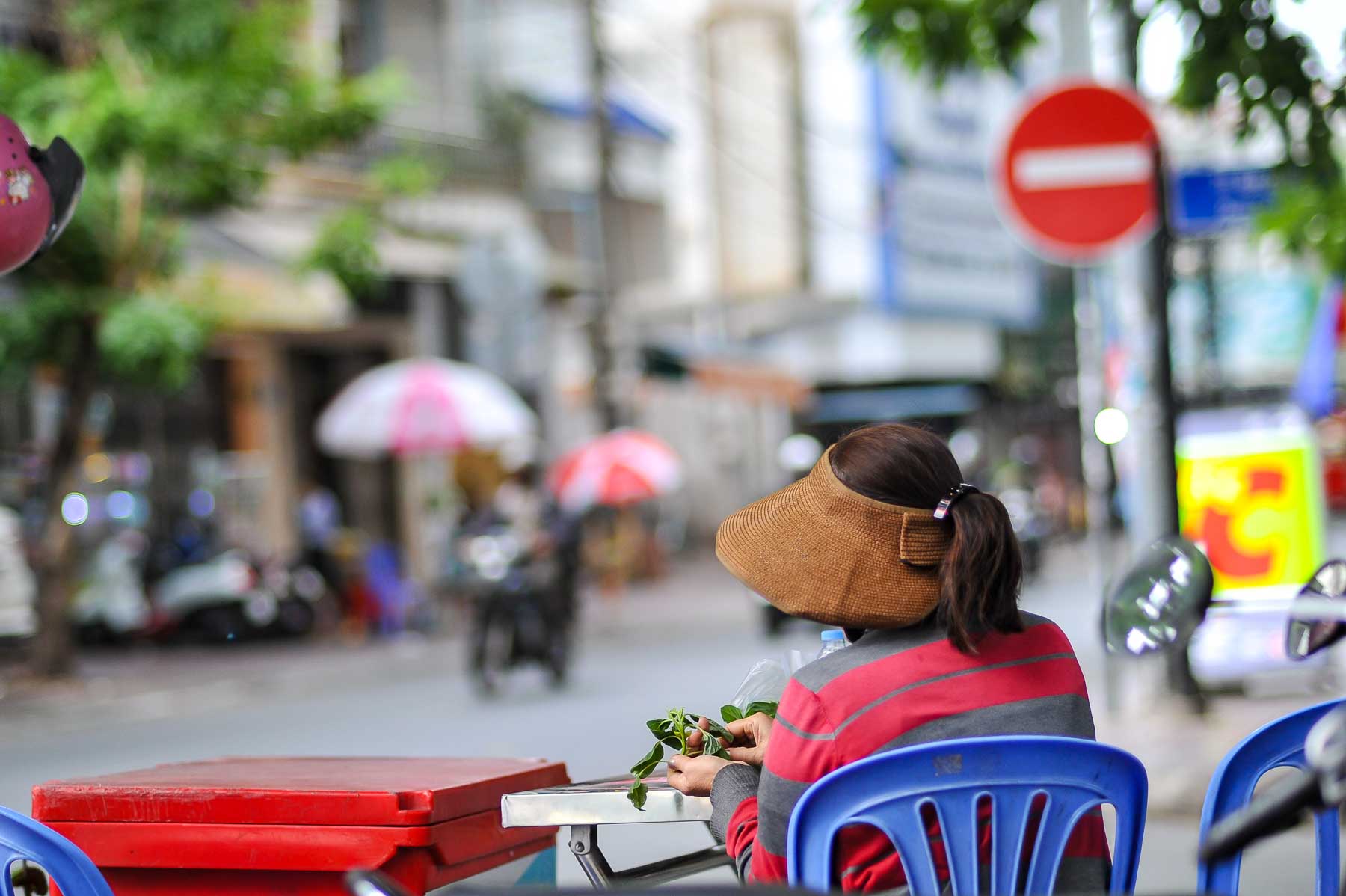
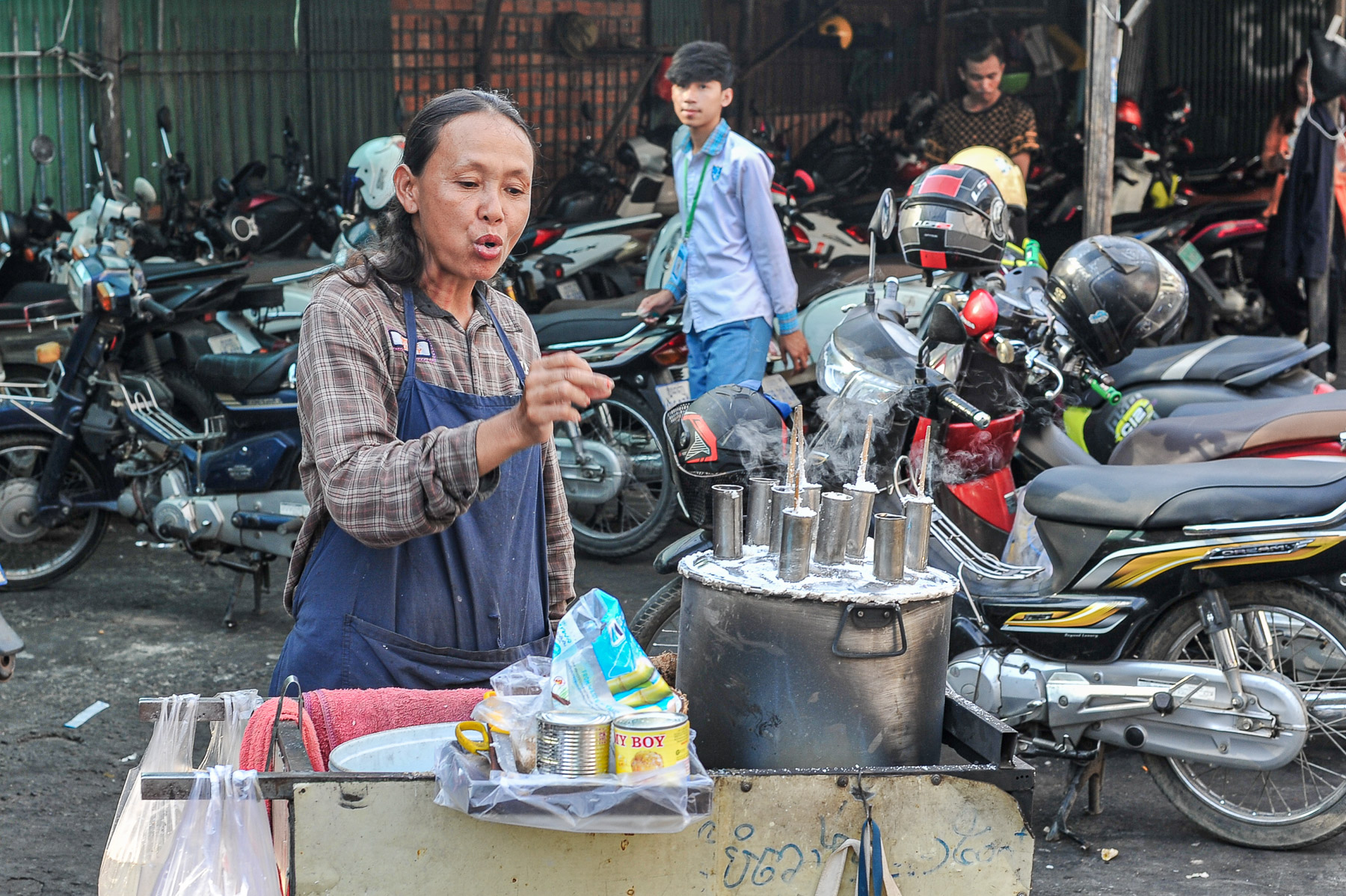
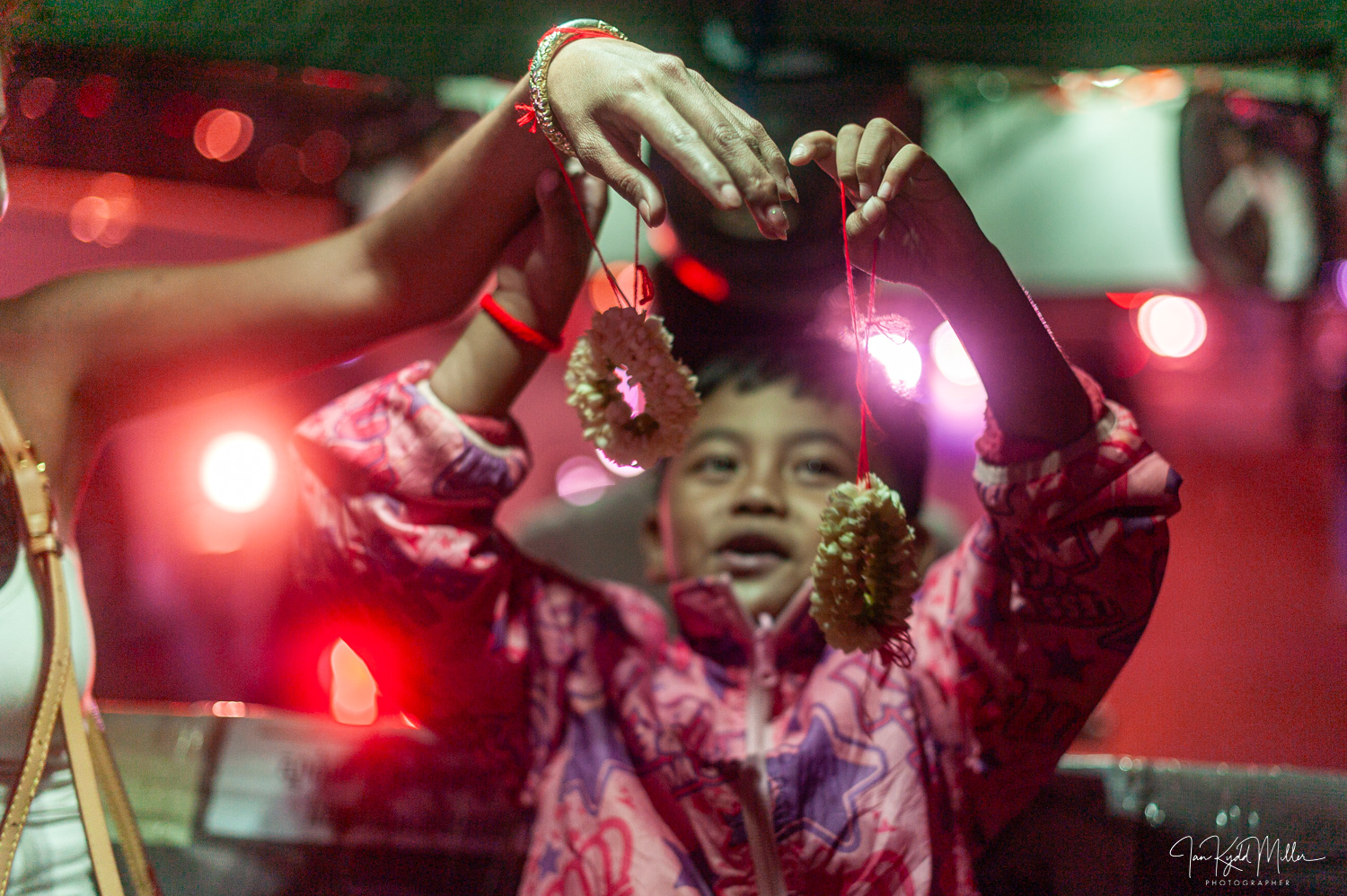
None of this needs to be dramatic. A woman waiting for a bus may contain more truth than a carefully arranged portrait. A market trader sitting quietly between customers may tell us more about work than a picture of frantic activity. A child looking beyond the frame can create an entire story because we are left wondering what caught their attention.
The strongest human photographs often begin with a question rather than an answer. Who is this person? What happened just before the shutter was released? What will happen when they leave the frame? A photograph cannot answer everything, and its power often lies in what it leaves unresolved.
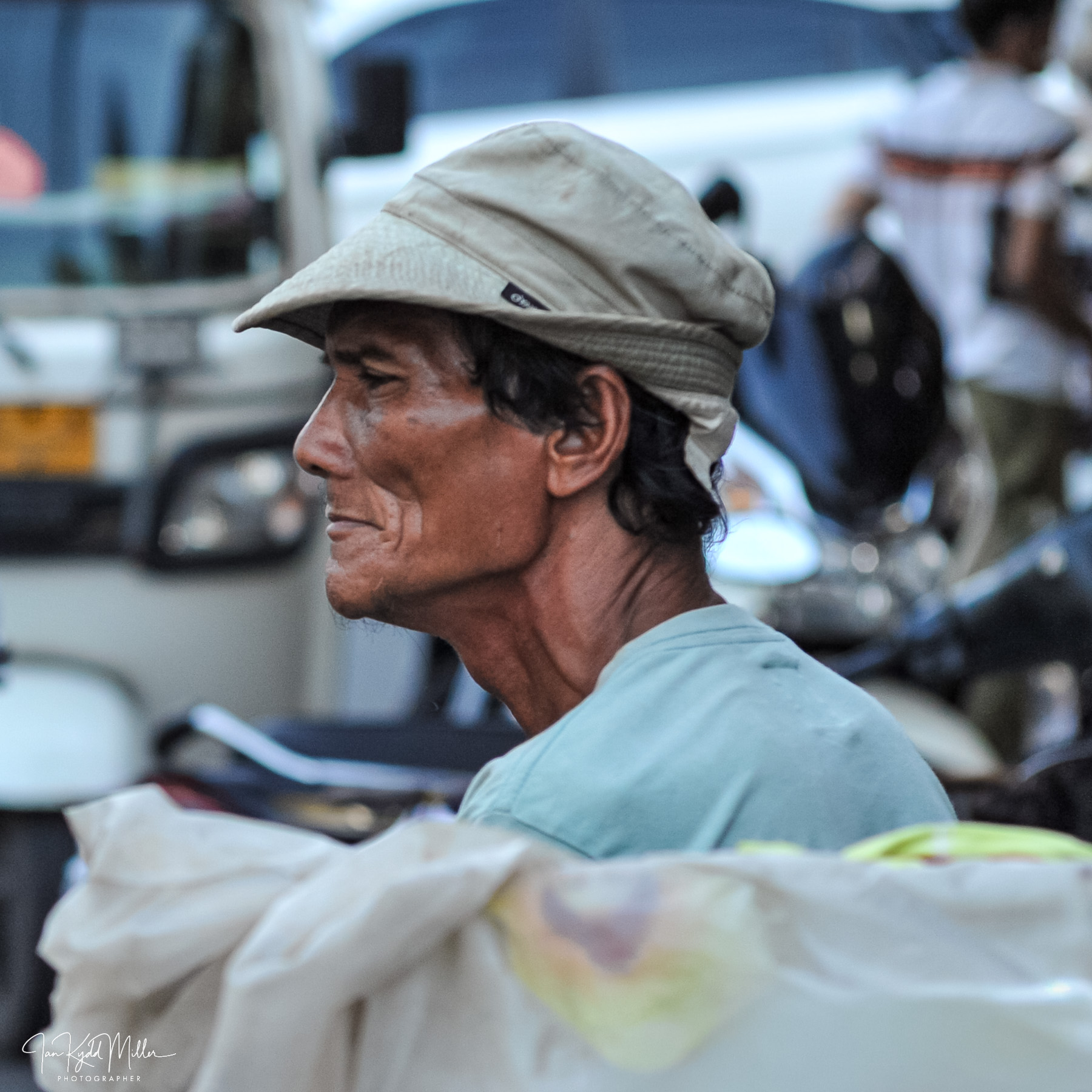
Experience has made me more conscious of the person caught within the moment. The subject is not raw material.
Street photography can become greedy. We see an unusual face, dramatic clothing or obvious hardship and immediately think about the photograph. The individual becomes valuable because of what they might contribute to our frame. Their circumstances become atmosphere. Their pain becomes visual interest.
That is where we must be careful.
A photographer is always taking something, even when nothing physical is removed. We take an appearance, a gesture and a fraction of somebody’s life. We detach it from its circumstances and carry it elsewhere. We may publish it for people the subject will never meet, accompanied by words they will never read.
The law may permit this. Ethics asks a more difficult question: what are we doing with the permission the law gives us?
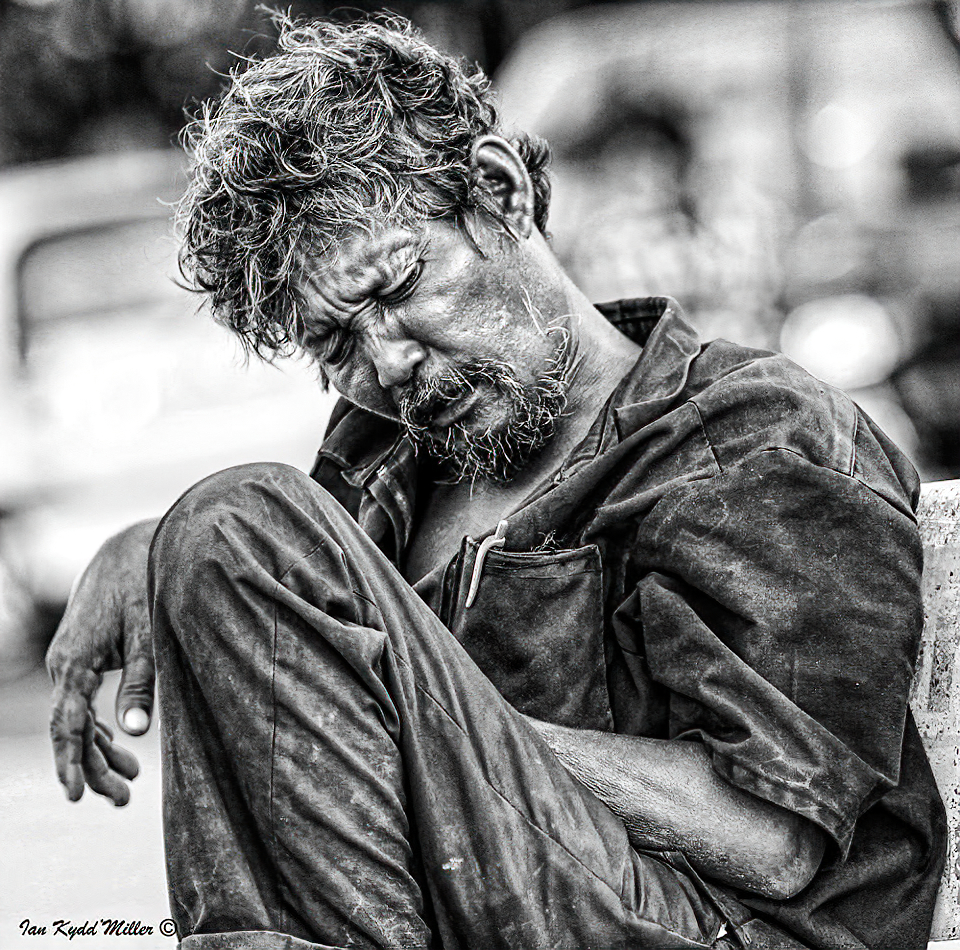
Consent is not always straightforward in street photography. If every frame had to be negotiated in advance, much of the honesty and spontaneity would disappear. People would arrange their faces and offer the version of themselves they believed the camera wanted. There is value in the unguarded moment. But unguarded does not mean unprotected.
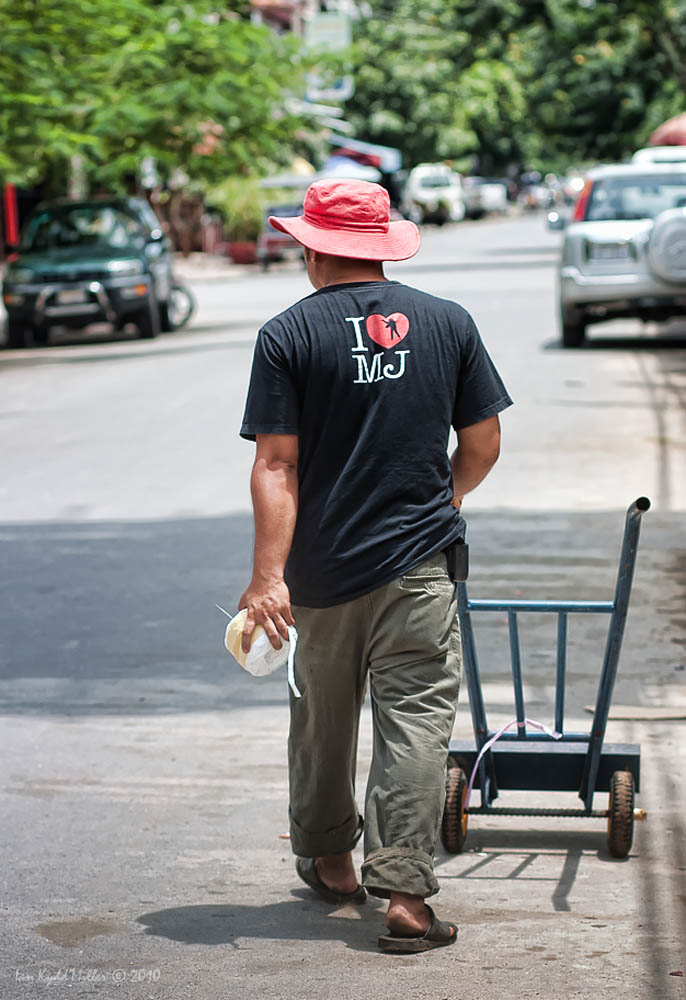


I do not believe every candid photograph is exploitation. Neither do I believe that calling something documentary frees the photographer from responsibility. Vulnerability matters. Context matters. Intended use matters. A clever composition does not excuse humiliation.
The question I increasingly ask is simple: does the picture recognise the person’s humanity, or merely use their appearance?
Photographing people requires the quiet courage of allowing ourselves to be seen. When we raise a camera towards another person, we become part of the event. Our manner matters. The way we respond when somebody notices us may determine whether the encounter becomes hostile, friendly or simply passes without consequence.

Respect does not require timidity. Sometimes we must work quickly and confidently. But confidence need not become arrogance. A smile, a nod or a few honest words can dissolve much of the tension. Occasionally the right decision is not to take the picture. That is not cowardice. It is judgement.
Some moments belong to the people living through them. A person’s grief, illness, humiliation or fear may be visible in public without becoming public property. There are circumstances in which the camera can bear witness, and others in which it merely intrudes. The boundary is not fixed, which is why the photographer needs something more than technical competence.
We need a conscience.
The presence of people also changes how a photograph ages. Buildings are altered or demolished, but people grow old and disappear. A picture that seemed ordinary when it was made may become precious because it contains a face no longer seen on that street.
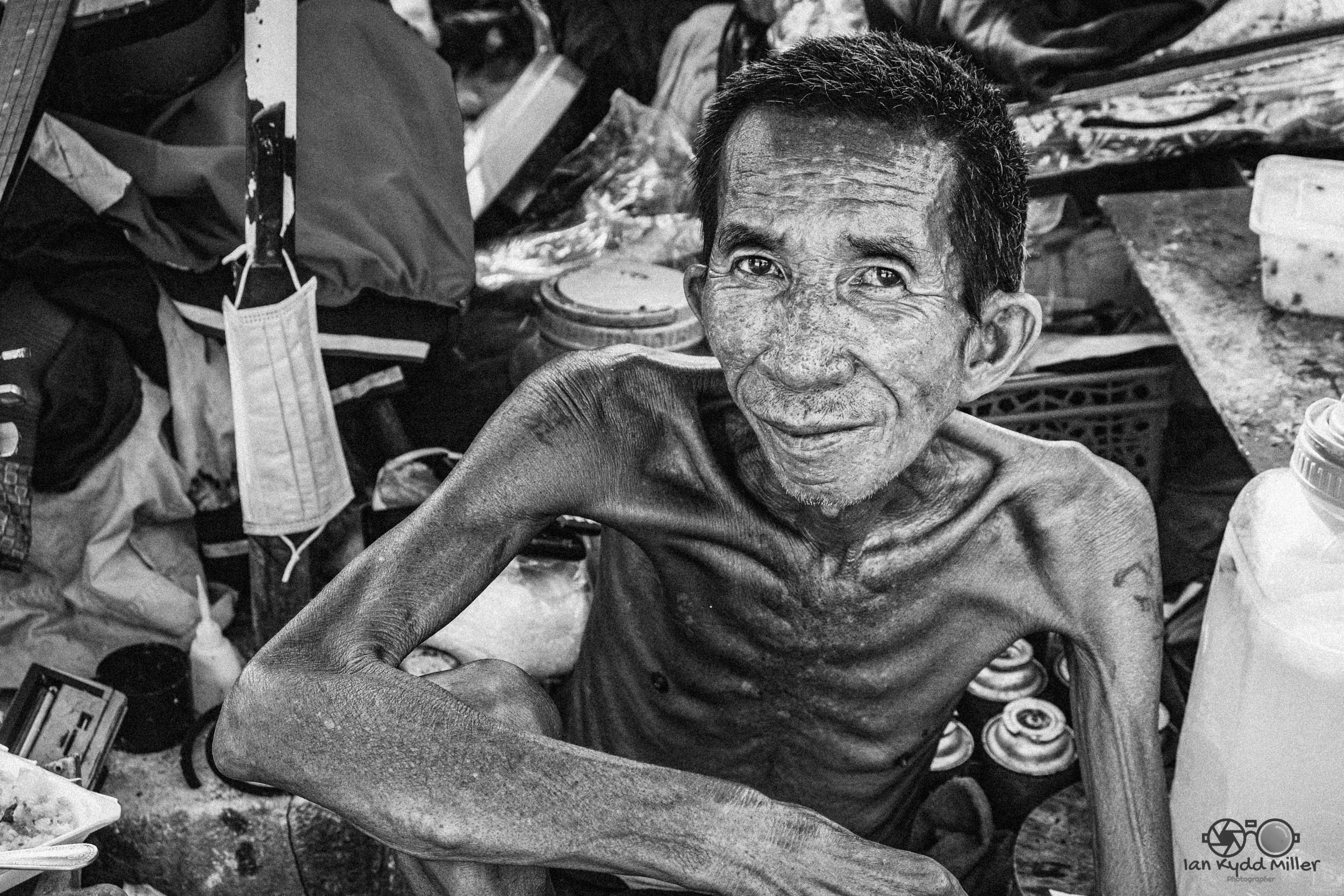
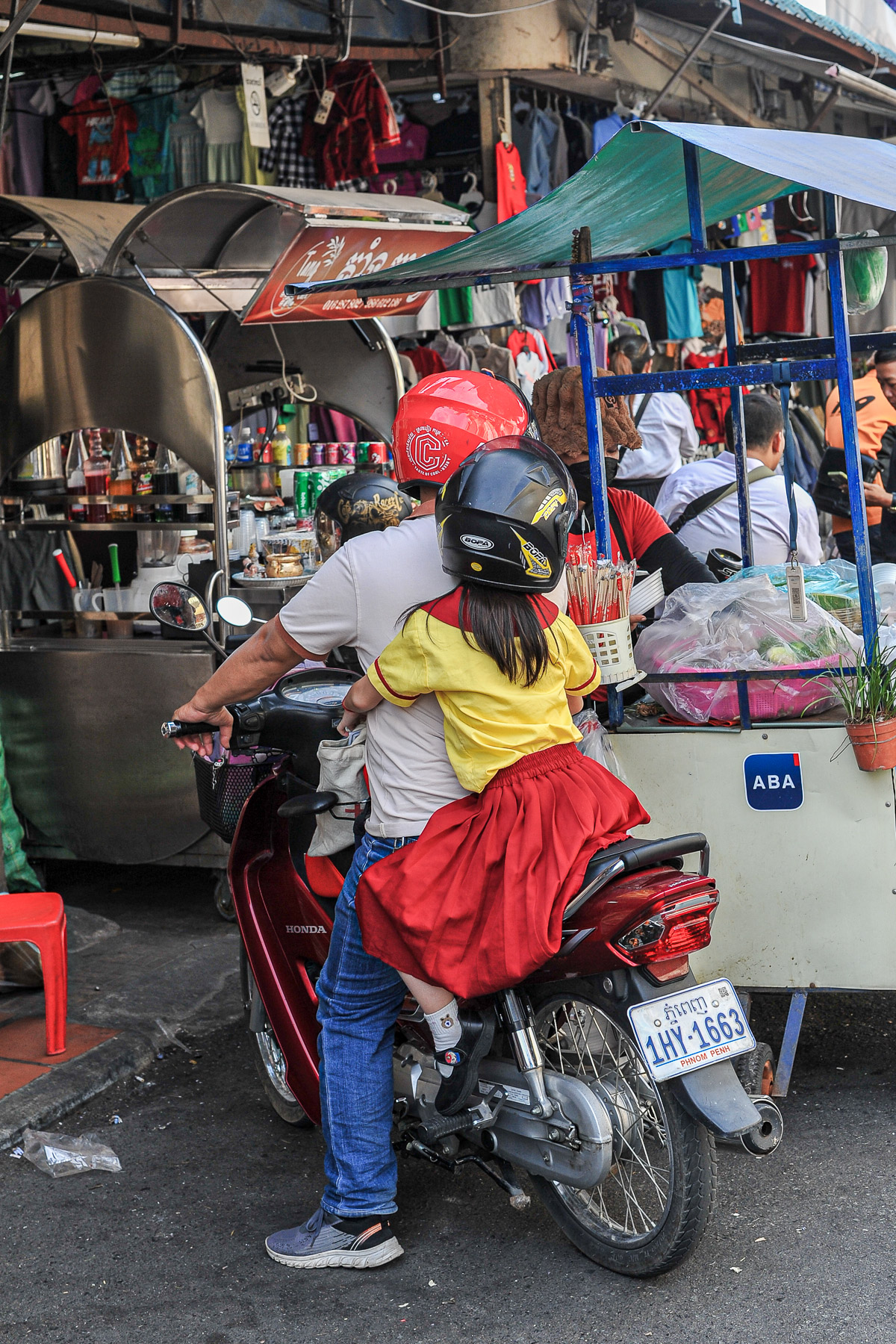
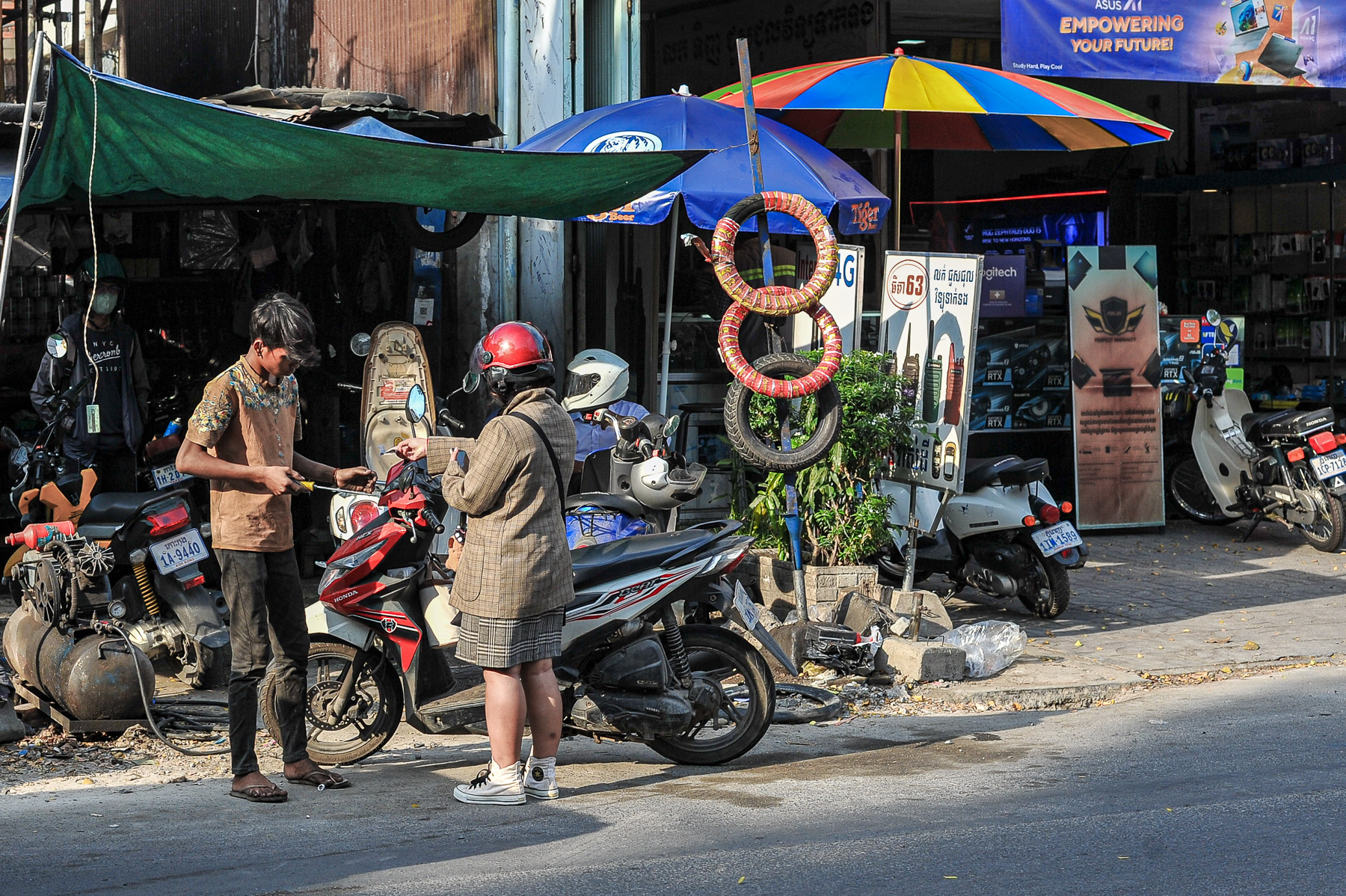
History is not composed only of wars, ceremonies, politicians and disasters. It is also made from people travelling to work, selling vegetables, drinking tea, repairing machinery and waiting for rain to stop. At the time, these activities may appear too commonplace to photograph. Years later, they become the details we most desperately want to recover.
A human figure need not dominate the picture. Sometimes a person is small within the frame, almost swallowed by architecture, yet the eye will find them. Nor must every face be visible. A turned back, raised hand or shadow on a wall can suggest a life beyond the frame.
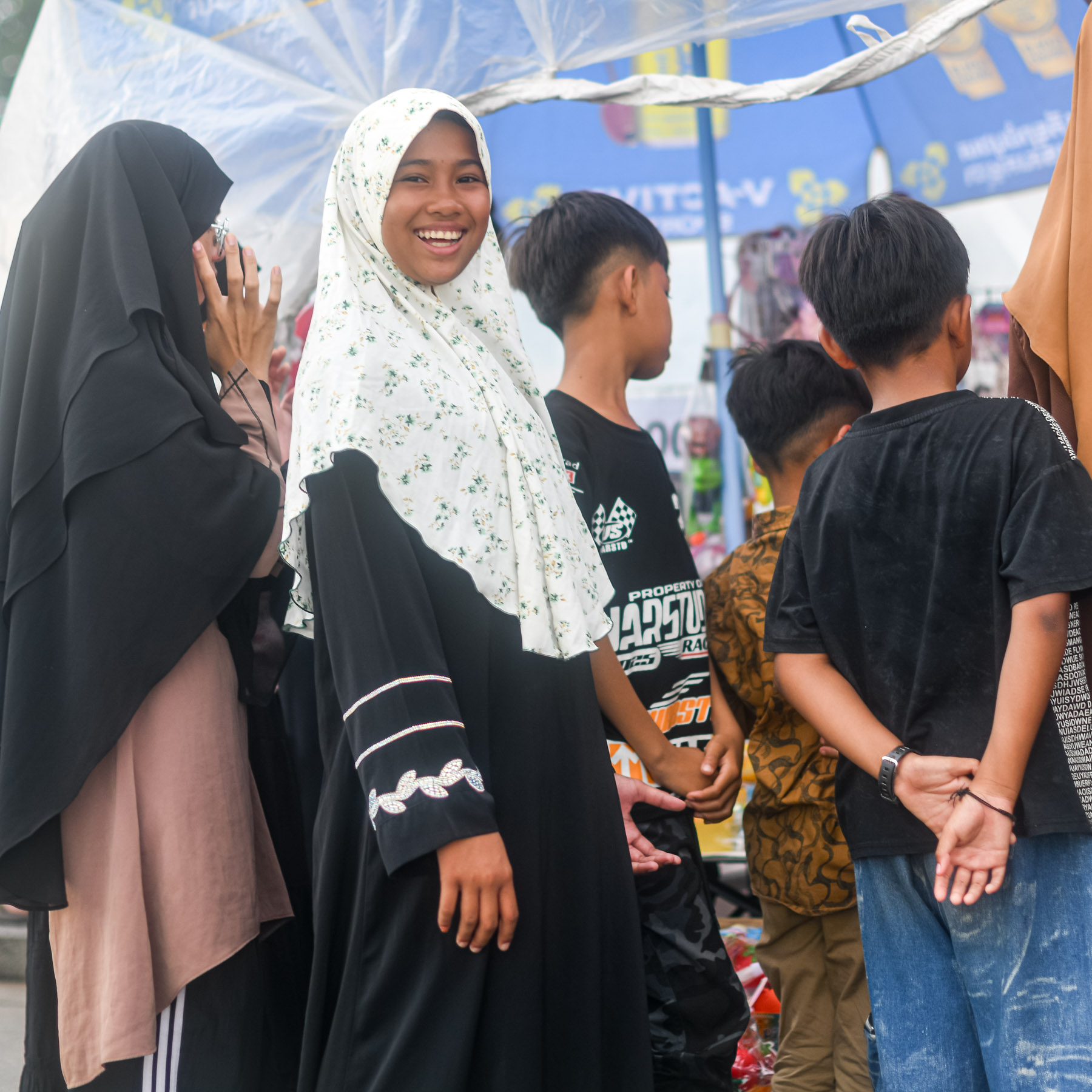
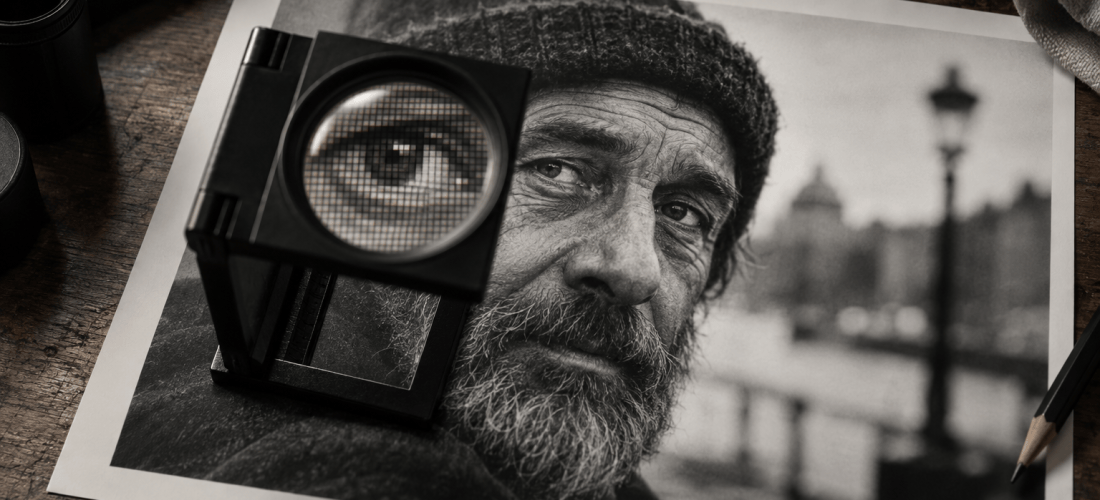
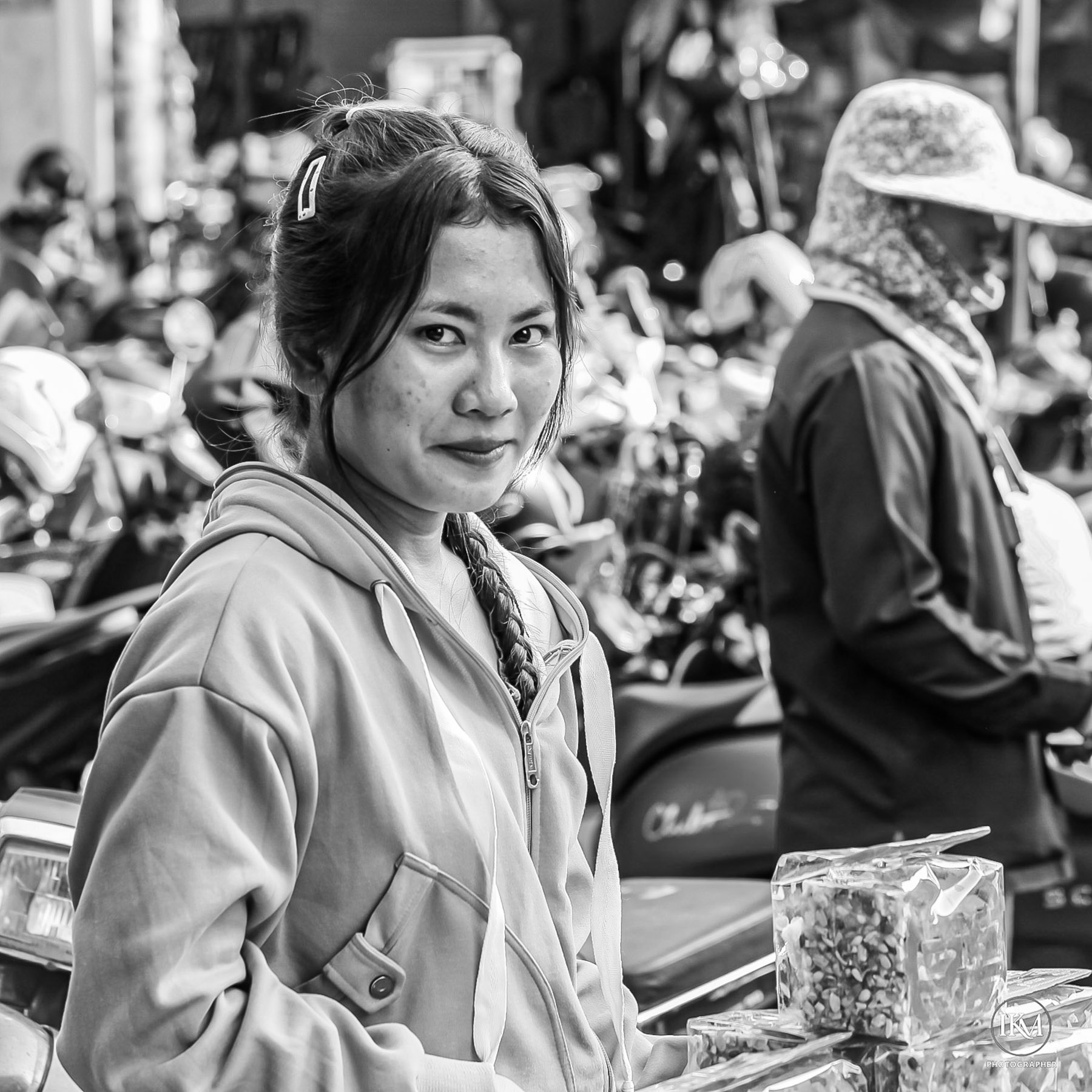
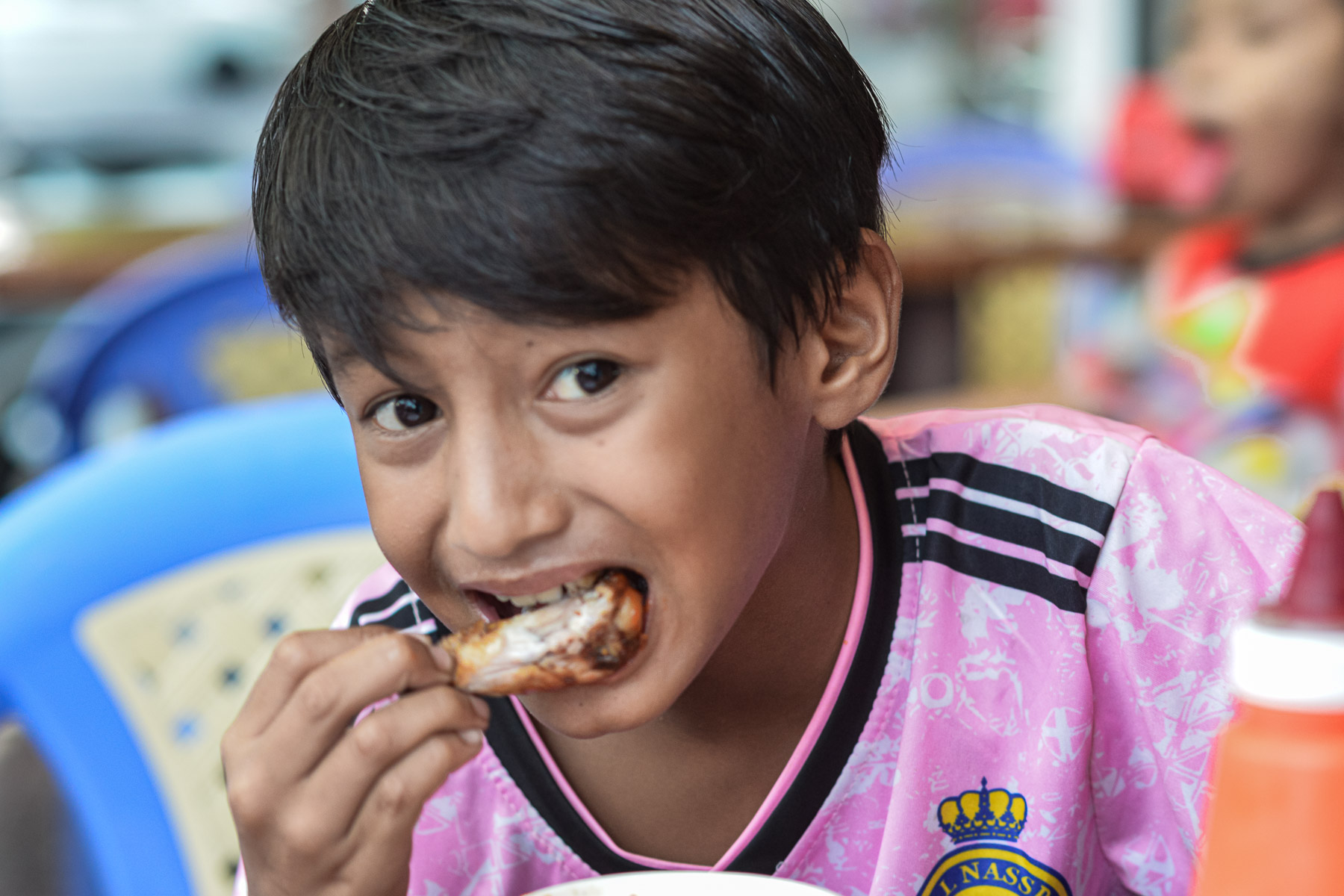
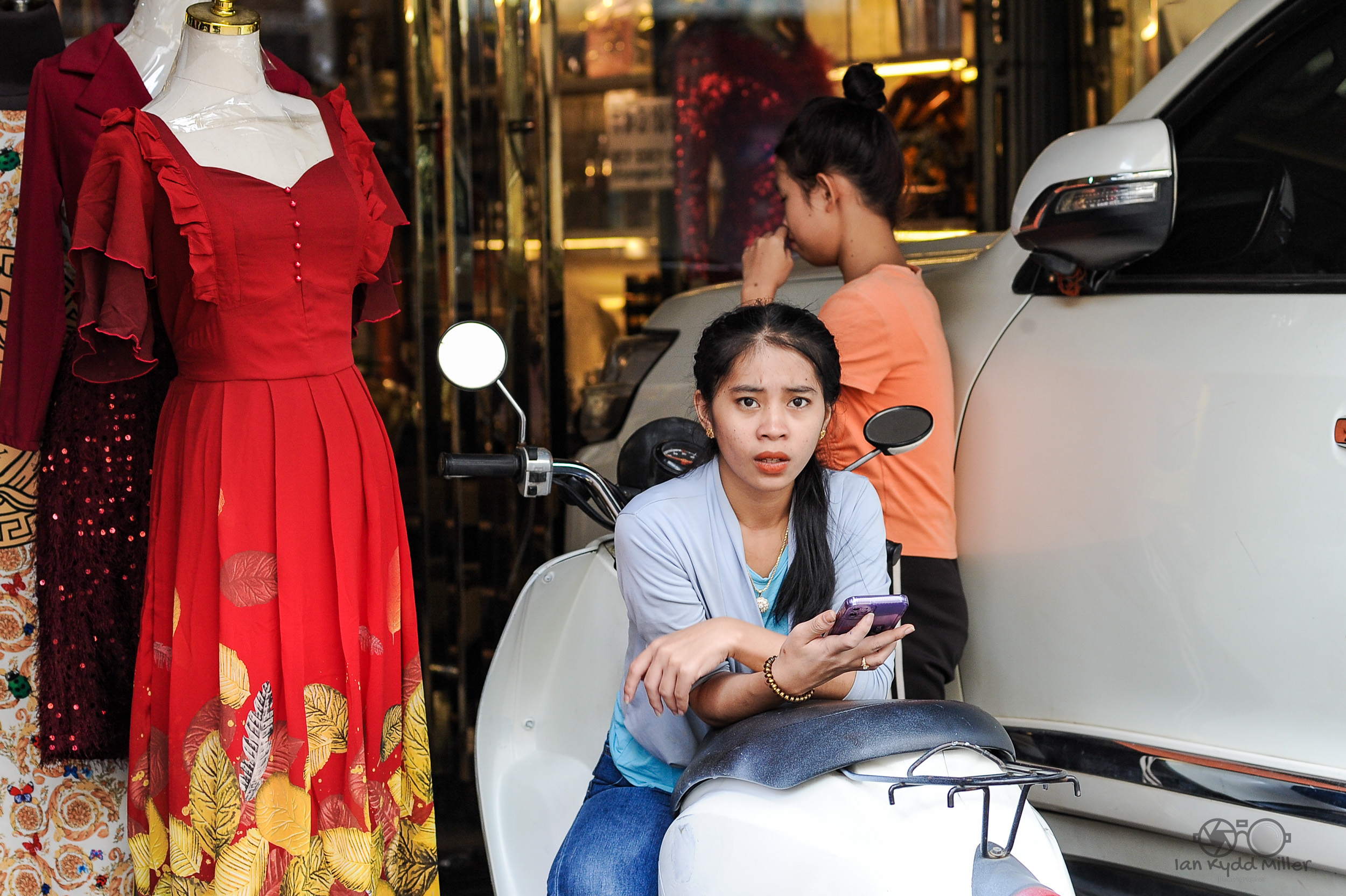
When the face is visible, the eyes carry particular weight. If the person looks directly into the lens, the comfortable division between observer and observed begins to collapse. The subject is no longer merely being watched. They are watching us back.

I do not photograph people because I fully understand them. Usually I know very little about the individuals I meet. The camera records surfaces, and we should be cautious about pretending those surfaces reveal an entire life. A tired expression may be temporary. A ragged shirt does not tell us everything about poverty. A smile cannot prove happiness.
The photographer can suggest, but should not invent.
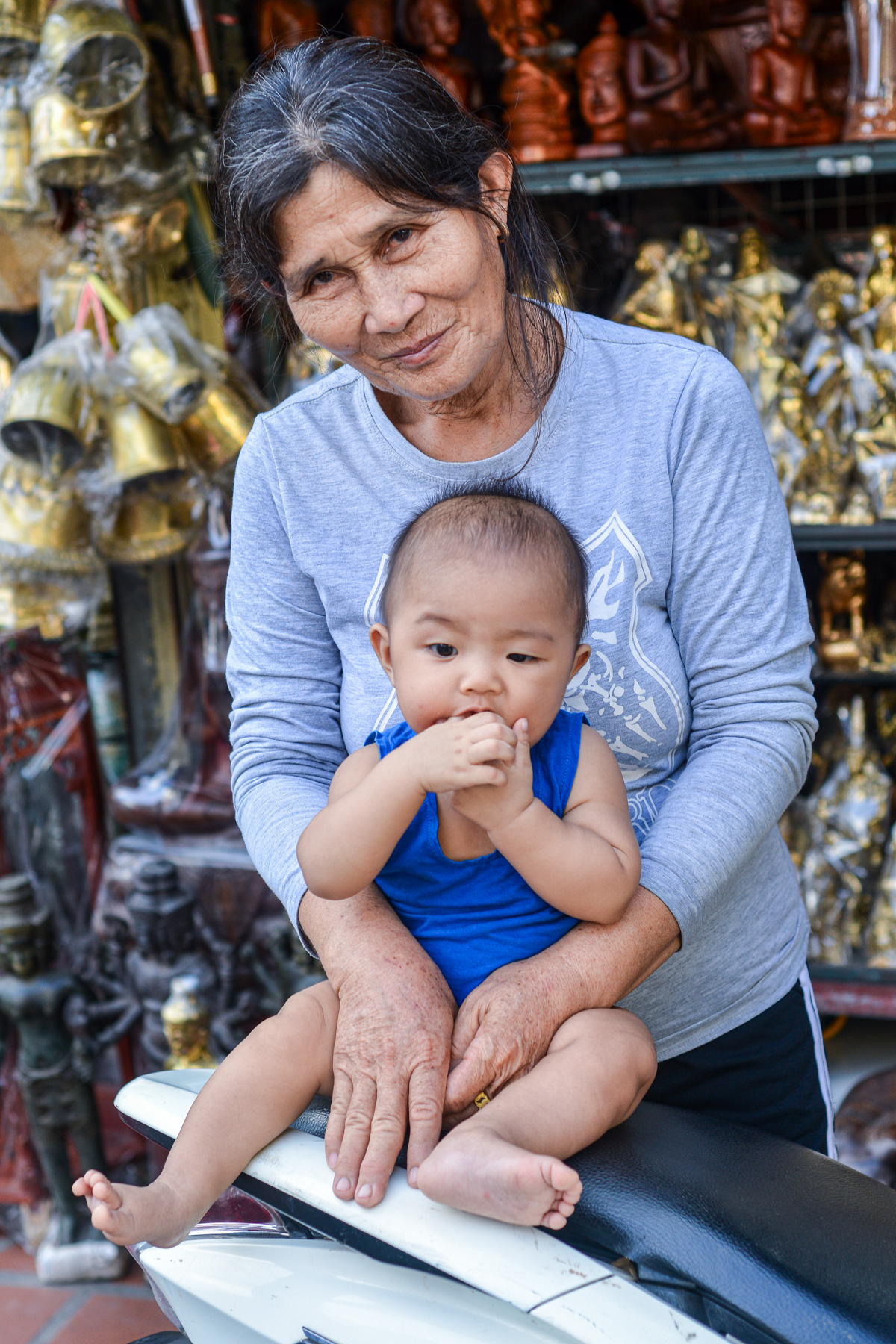
After many years of making photographs, it is the people I remember more clearly than the cameras. I remember faces, brief conversations and gestures of trust. Some names have been forgotten, but the encounters remain in the pictures.
Without people, a photograph can show us what the world looks like. With people in the frame, it can begin to show us what the world means.
CHAPTER 3
Learning to See
Most people imagine that photography begins with a camera. It does not. It begins with noticing.
The camera records only what has already been recognised by the person carrying it. It cannot tell us which face matters, where tension is developing or when an ordinary arrangement is about to become meaningful. It can focus in darkness, track an eye and fire twenty frames a second, but it cannot decide why any of those pictures should exist.
That part still belongs to the photographer.
Learning how to operate a camera is relatively simple. Aperture, shutter speed and ISO can be taught. Modern cameras will handle much of this themselves. Learning to see is harder because there is no final setting and no point at which the education is complete.
We learn to see by looking, failing and looking again.
When I began, I probably saw subjects rather than photographs. I saw a person, a building, a demonstration or an interesting street and assumed that pointing the camera towards it was enough. The result might prove that I had been there, but it did not always explain what I had seen.
An interesting subject does not automatically produce an interesting photograph.
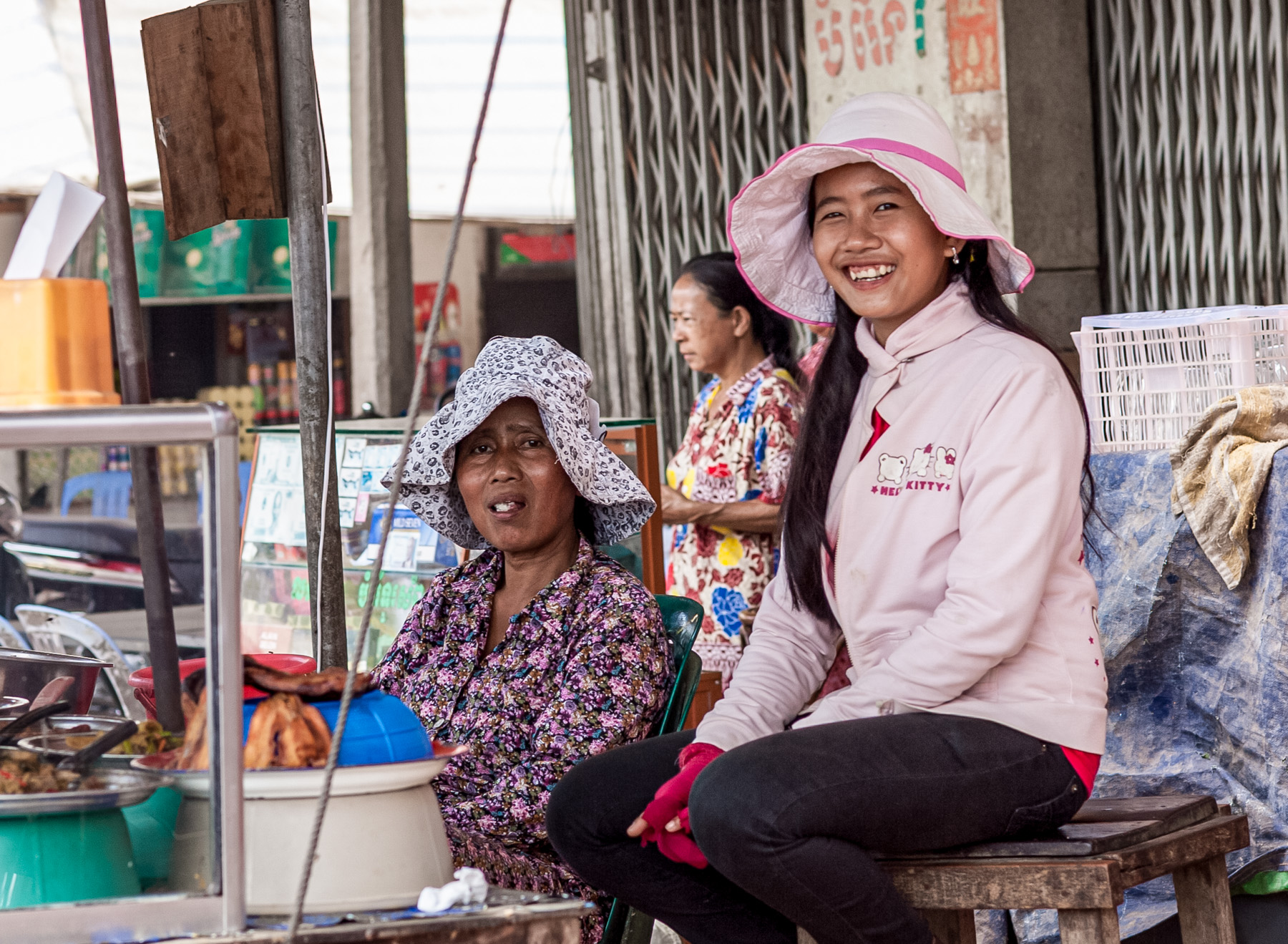
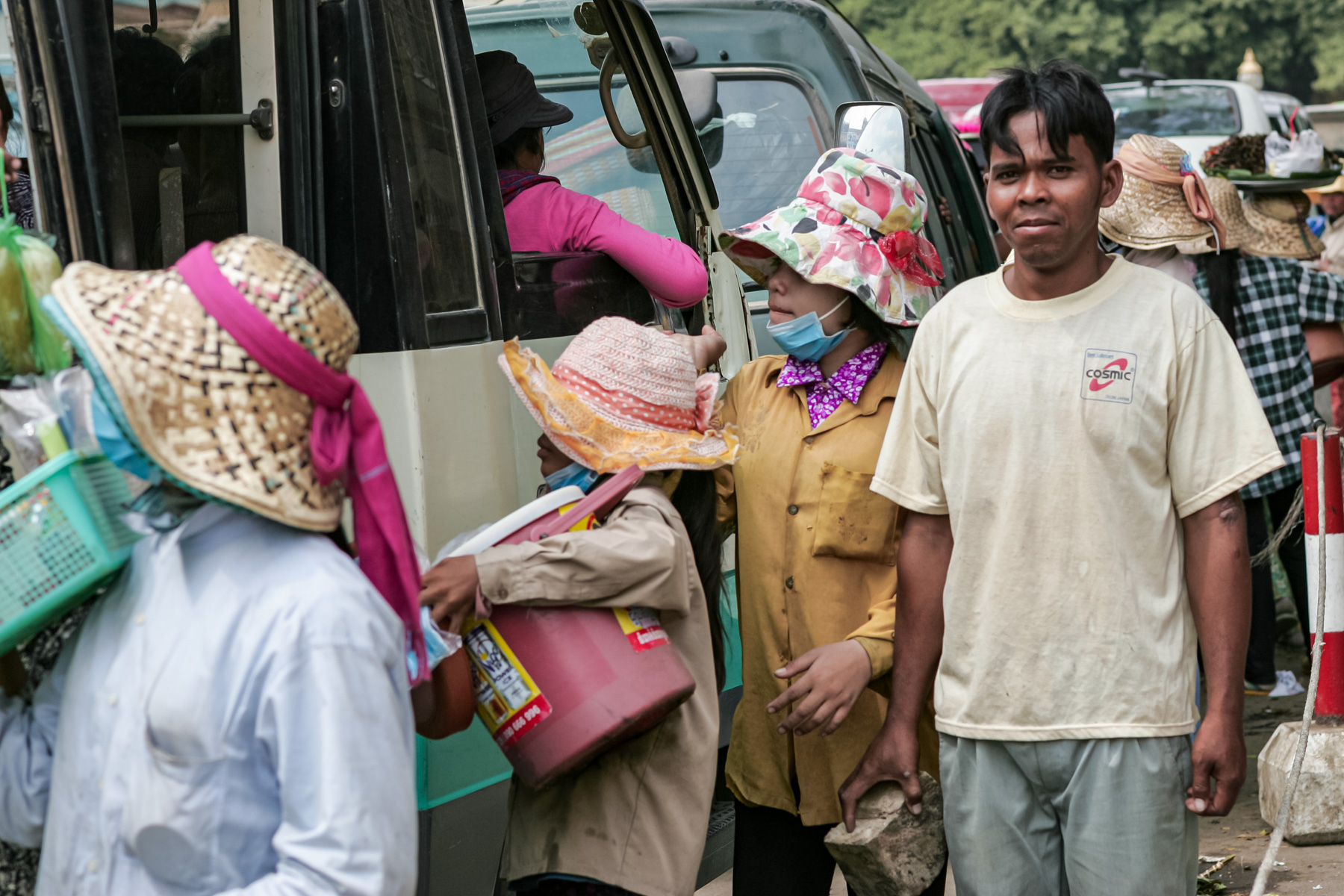
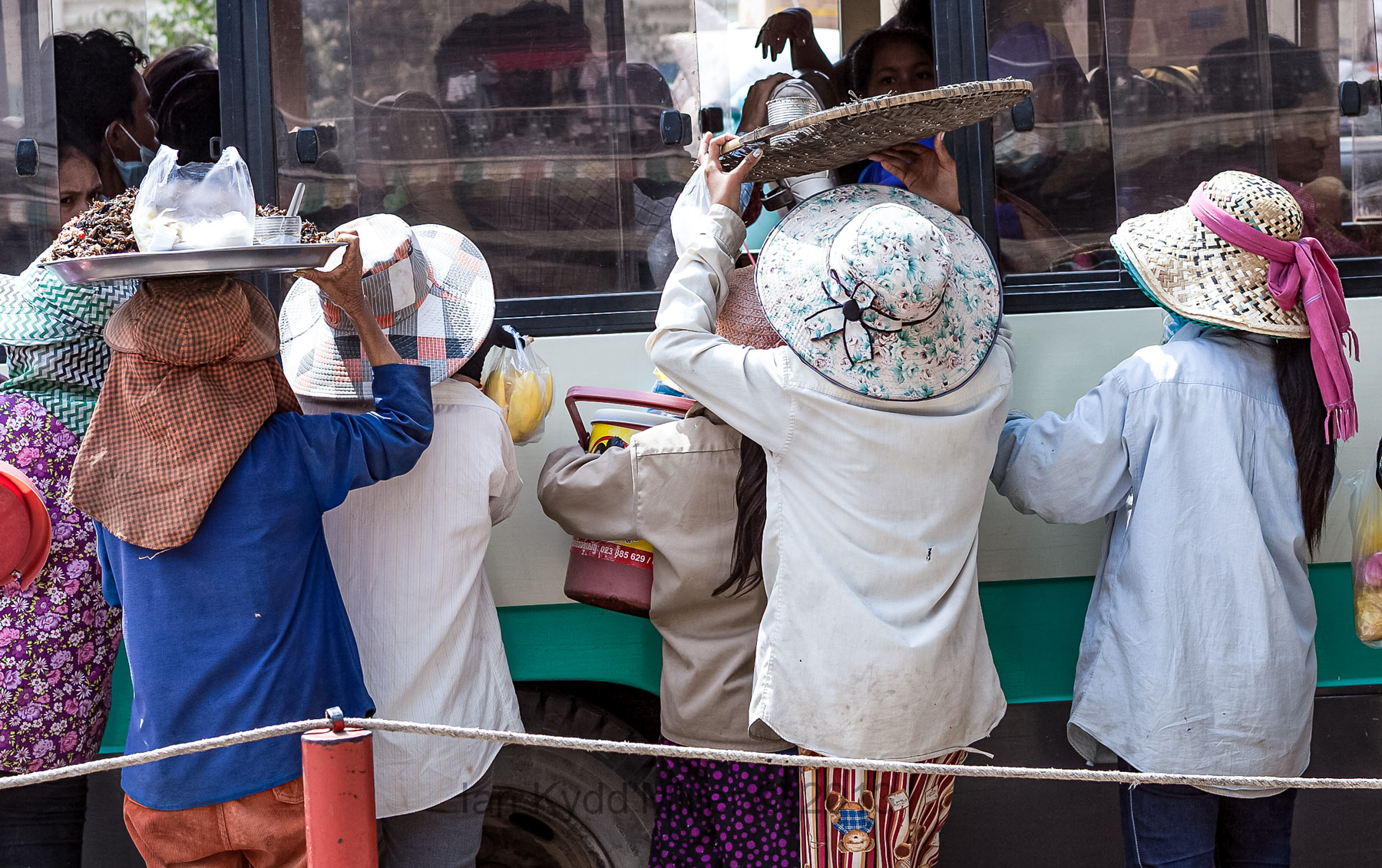
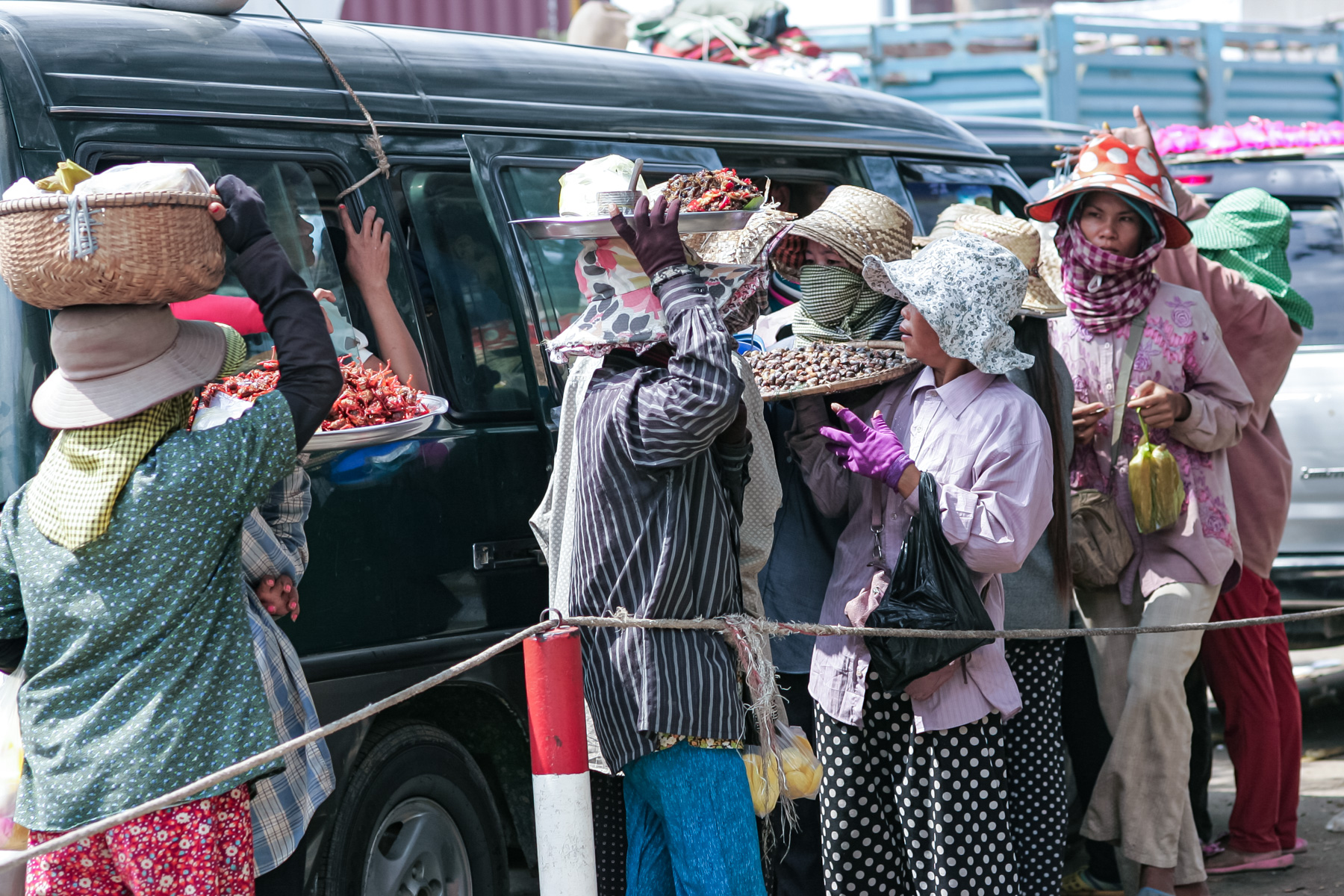
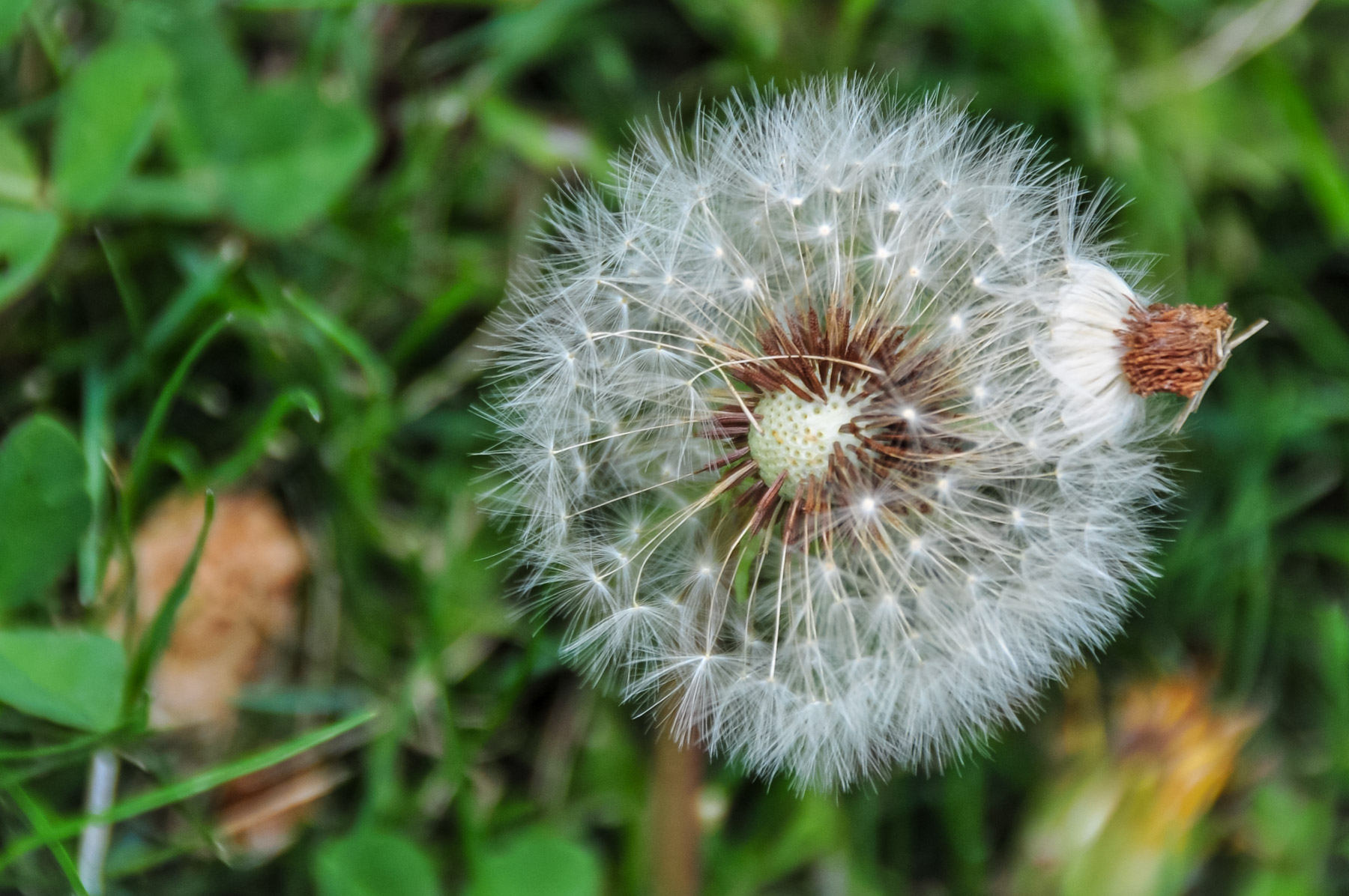
The world presents itself as a confusion of detail. Cars pass, people overlap, signs cut through faces and bright objects pull the eye towards the wrong place. Our minds ignore these distractions. The camera does not. It records the branch growing from somebody’s head, the bottle near the corner and the stranger walking into the background.
Seeing photographically means becoming aware of the whole frame, not merely the thing that first attracted us. This does not mean every picture must be clean and orderly. Chaos can be part of the truth. But there is a difference between deliberate complexity and careless clutter.
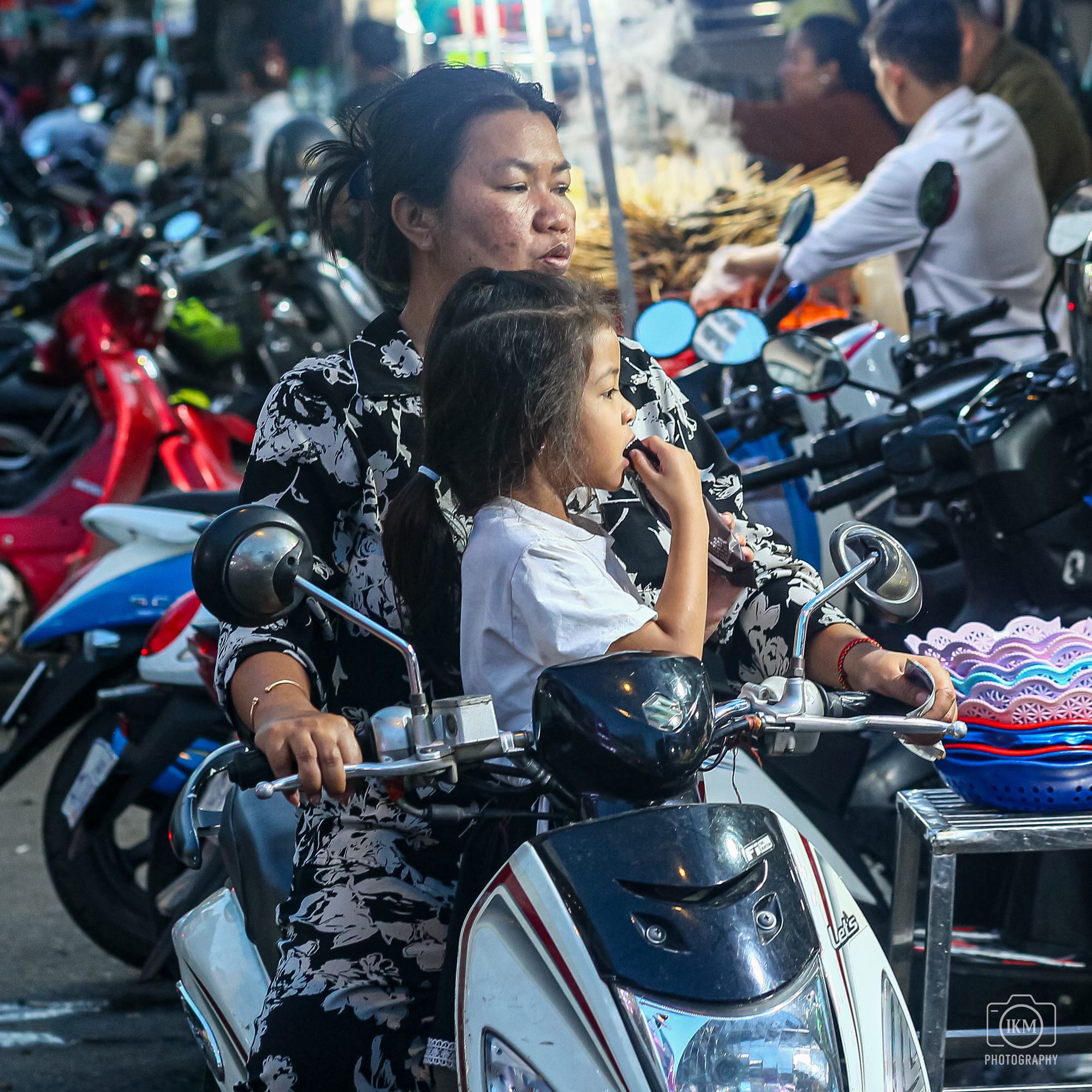
Before pressing the shutter, I try to look around the subject. What is behind the person? What is entering from the edges? Where is the brightest area? Would half a step to the left separate the figures or connect them more strongly?
Small movements change photographs. Sometimes the difference between an ordinary frame and a successful one is two seconds of patience, a lower viewpoint or a single step sideways.
Light is part of learning to see, but not only beautiful light. Hard tropical sunlight, fluorescent interiors and dim streets all have their own character. The question is not always whether the light is good. It is what the light is doing. Is it revealing a face or hiding one? Does it divide the frame? Does it isolate somebody from a crowd?
In the street, seeing also means anticipating. The photographer notices the unfinished photograph – the arrangement that has not yet become complete. Perhaps the background is right but the human presence is missing. A gesture has begun but has not reached its full expression. Somebody is about to pass through a patch of light.
You wait.
Experienced photographers appear quick because they recognise patterns early. The final press of the shutter may be instinctive, but that instinct was built through years of missed frames.
Missed photographs are part of the education. I have made pictures too early and too late. I have focused on the wrong face, used the wrong shutter speed and failed to notice the strongest element until I examined the files later. These failures can be more useful than success if we are honest about them.
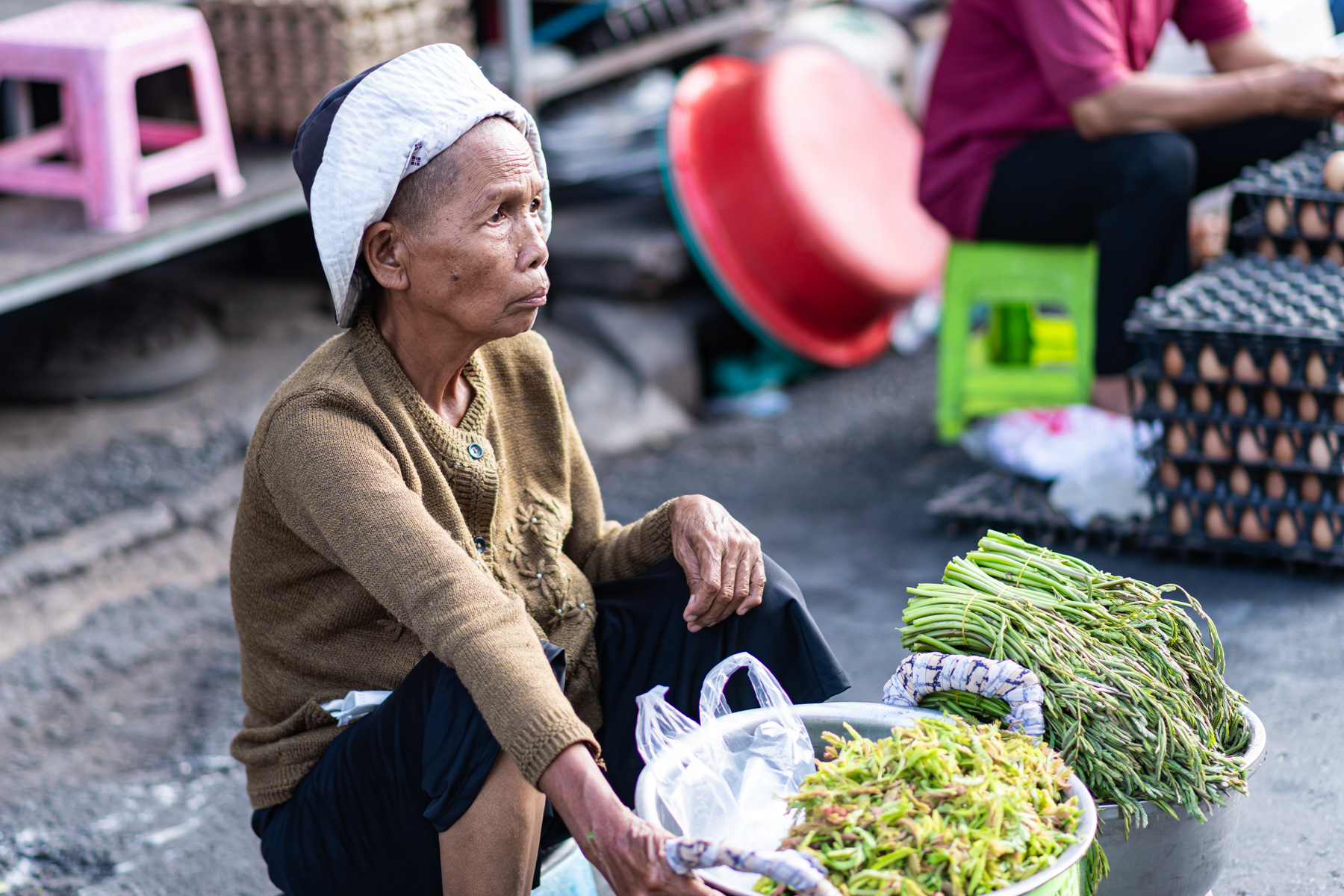
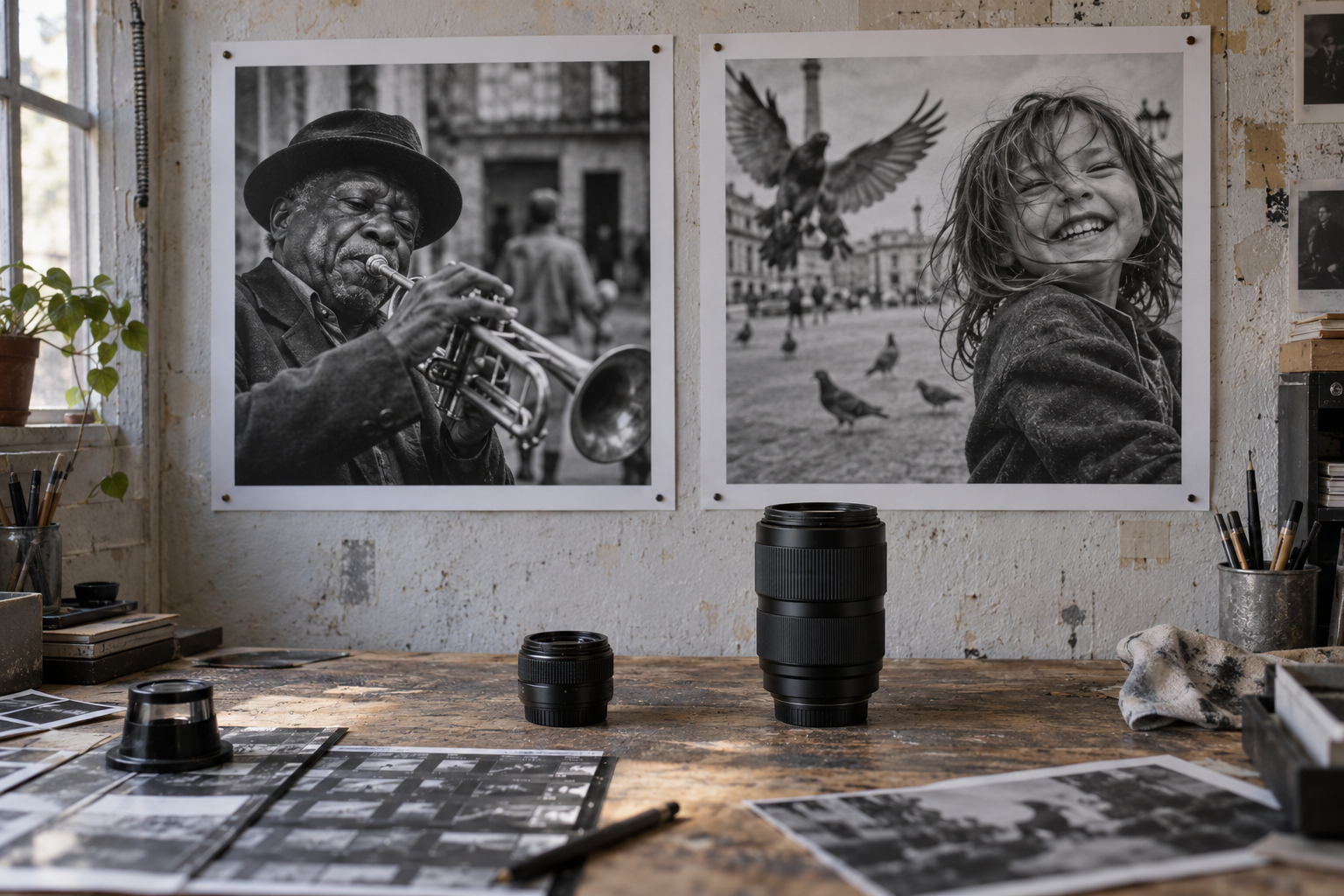
Editing teaches us to see because it reveals the distance between our intention and our result. The contact sheet does not care what we hoped to achieve. It shows what the camera actually recorded. Look at the frames before and after the selected picture. Study how the moment developed. Do not examine only sharpness and exposure. Those are technical properties, not the full measure of a photograph.
The important question is not, Is this picture perfect? It is, Does this picture say what I thought I saw?
Looking at other photographers is important, but imitation has limits. We can study distance, light and timing, but eventually we must stop trying to see like somebody else.
A personal way of seeing grows from our own history. One photographer finds humour where another finds loneliness. One is drawn to crowds, another to the isolated figure at their edge. The things we repeatedly photograph reveal what we believe deserves attention.
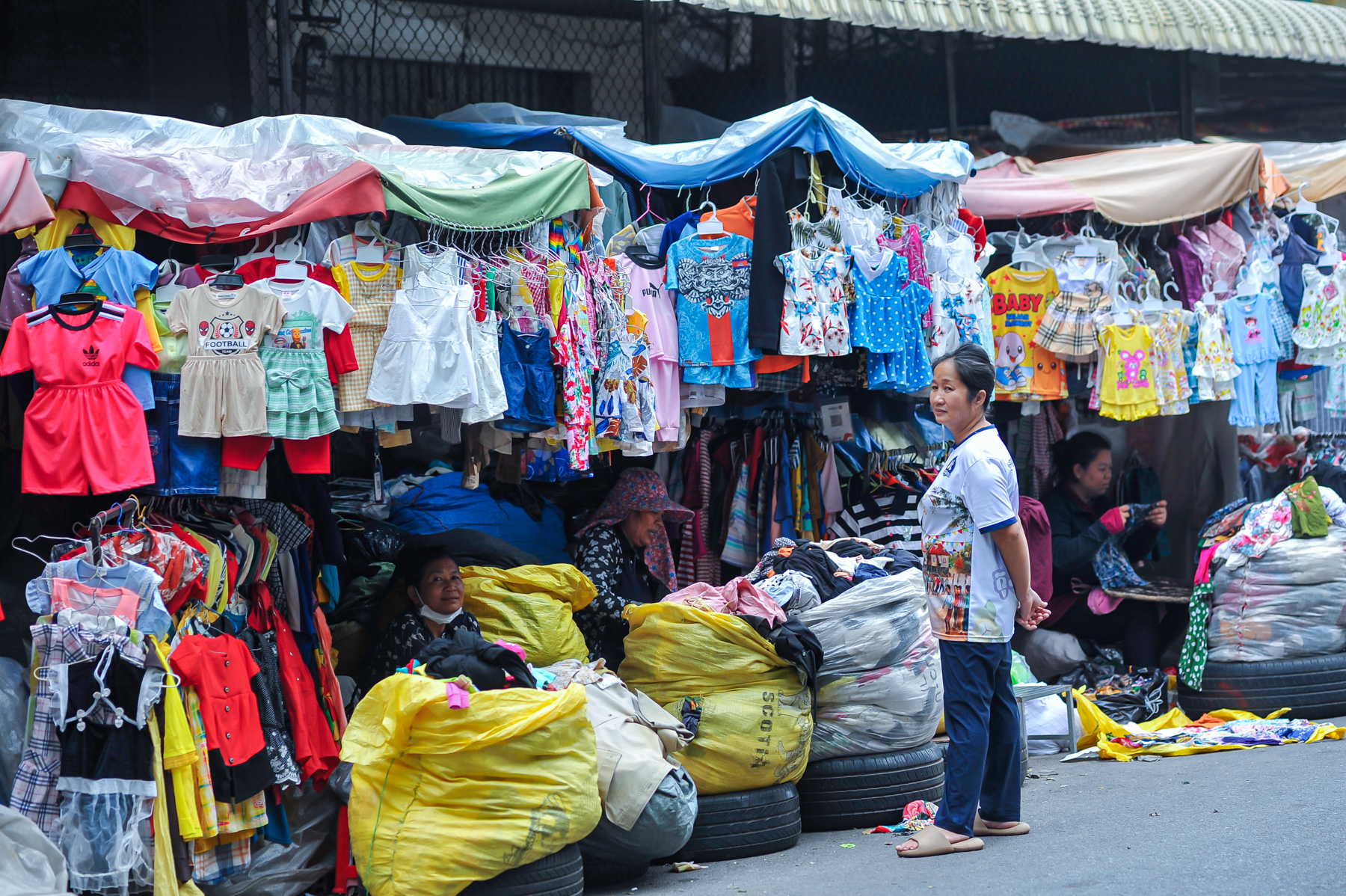
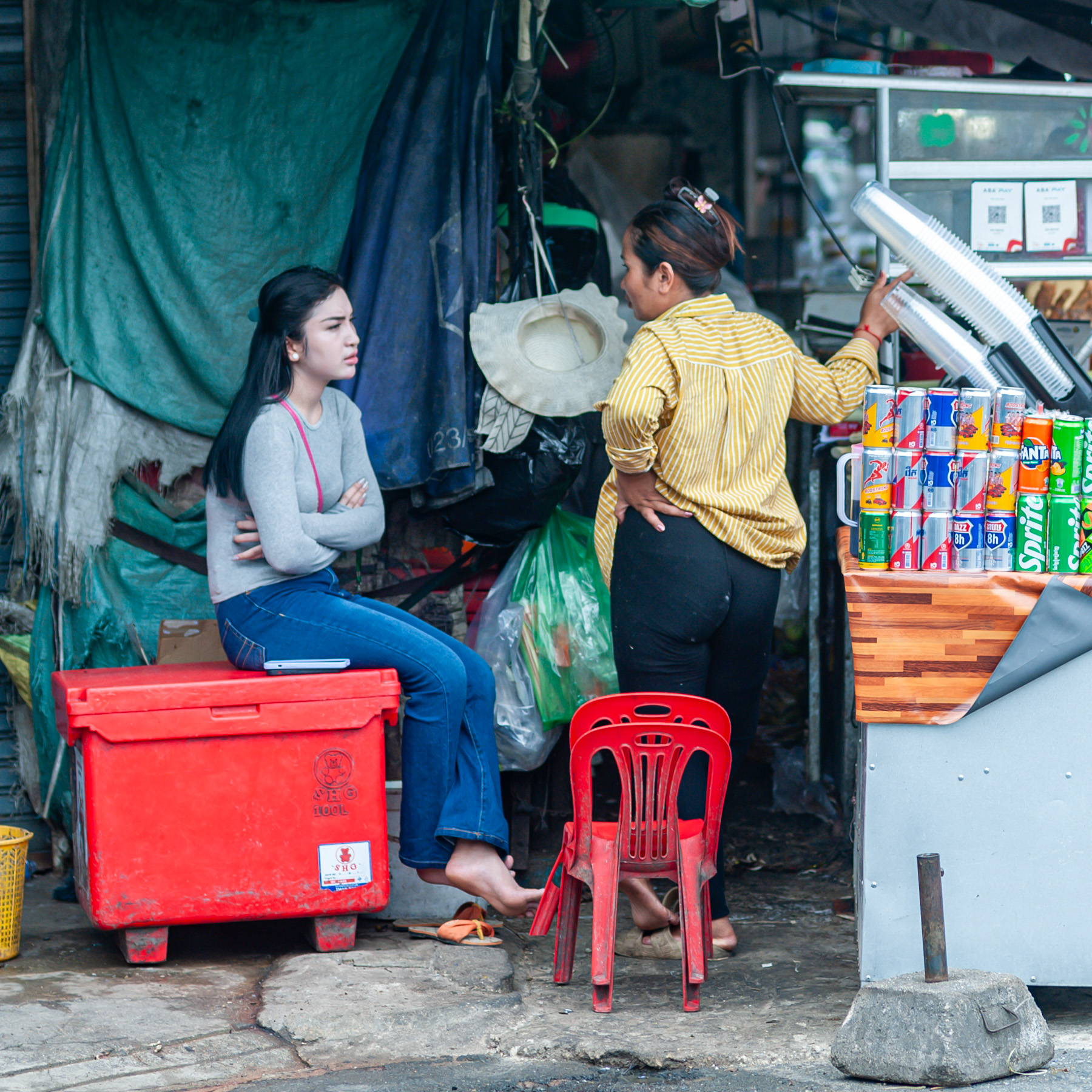
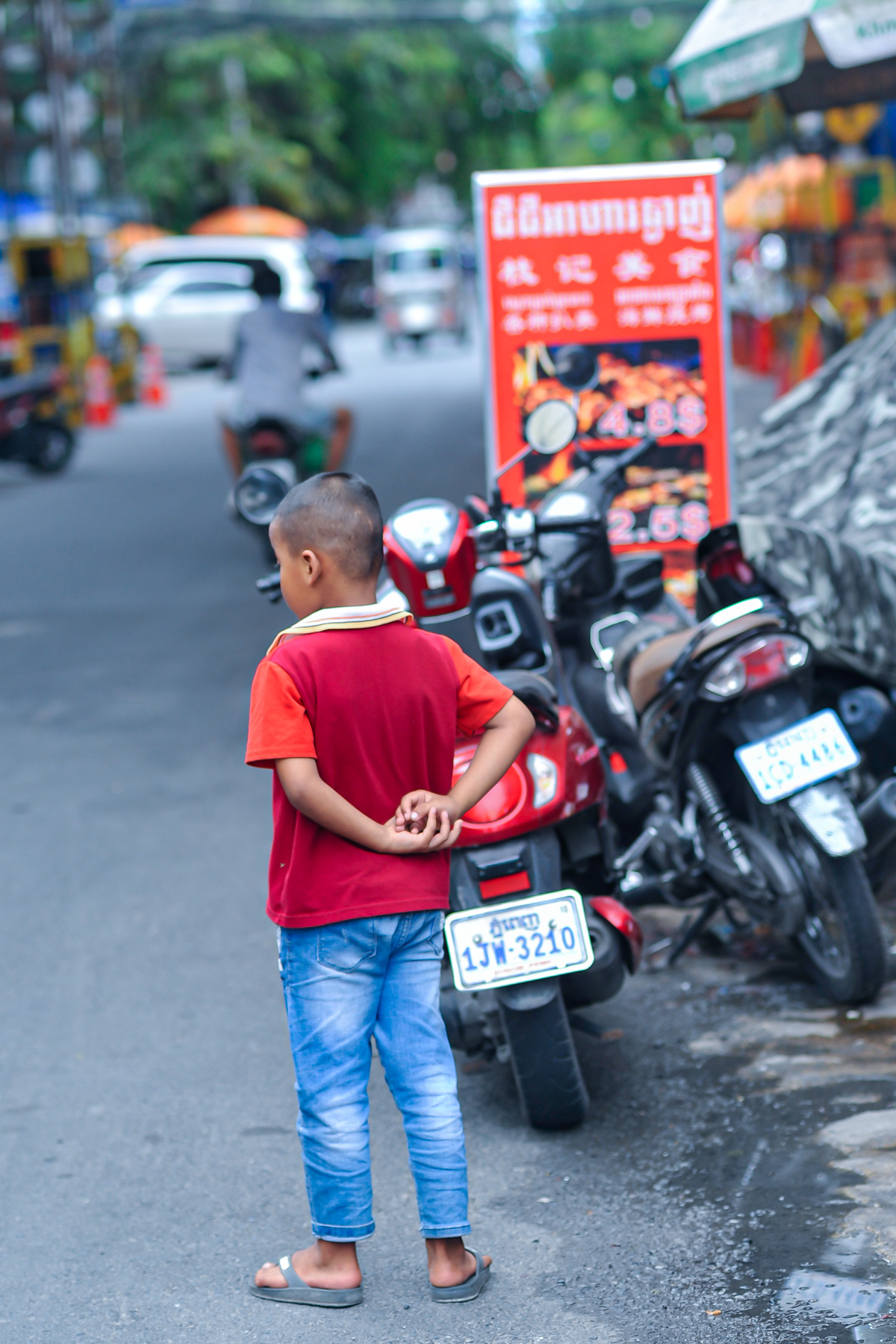
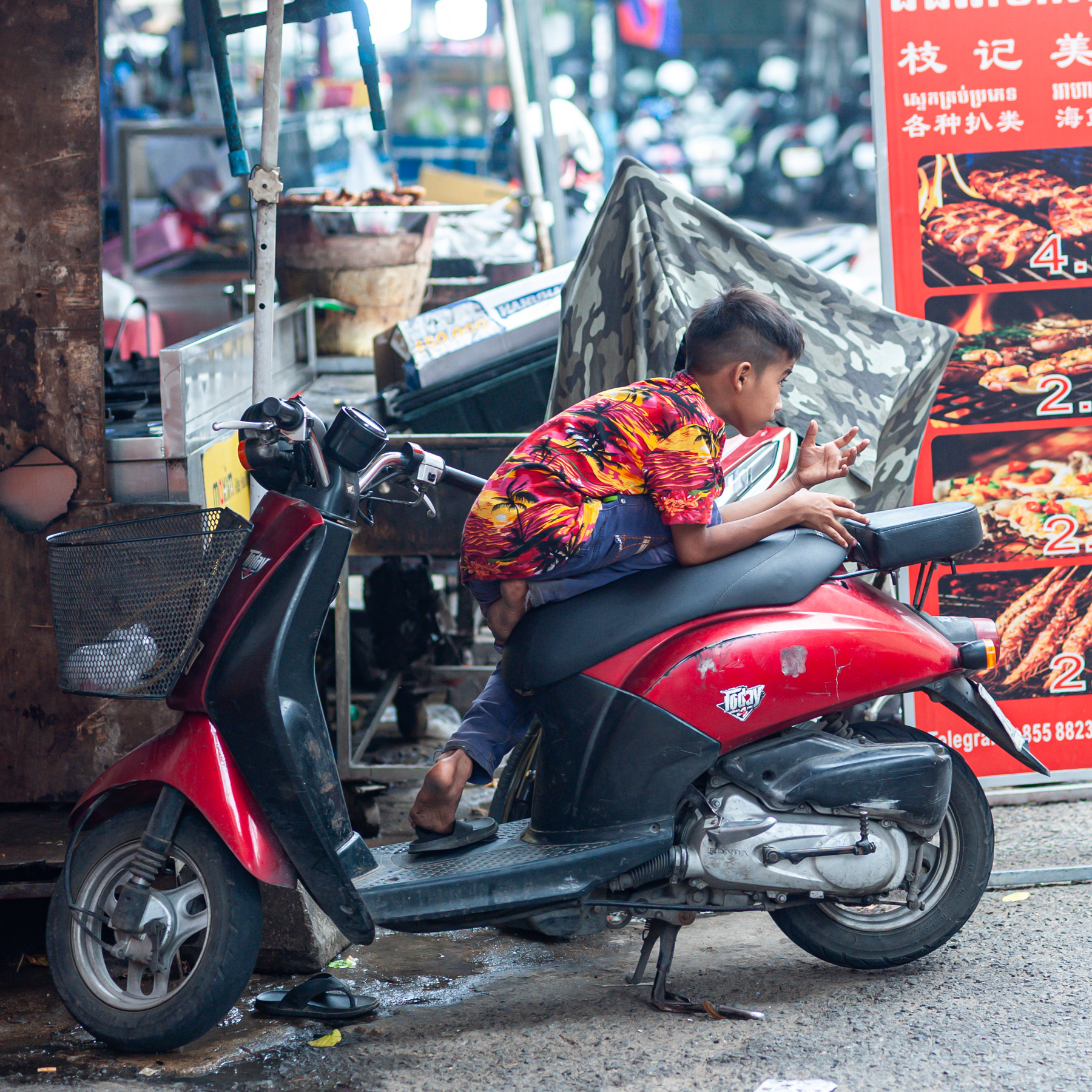
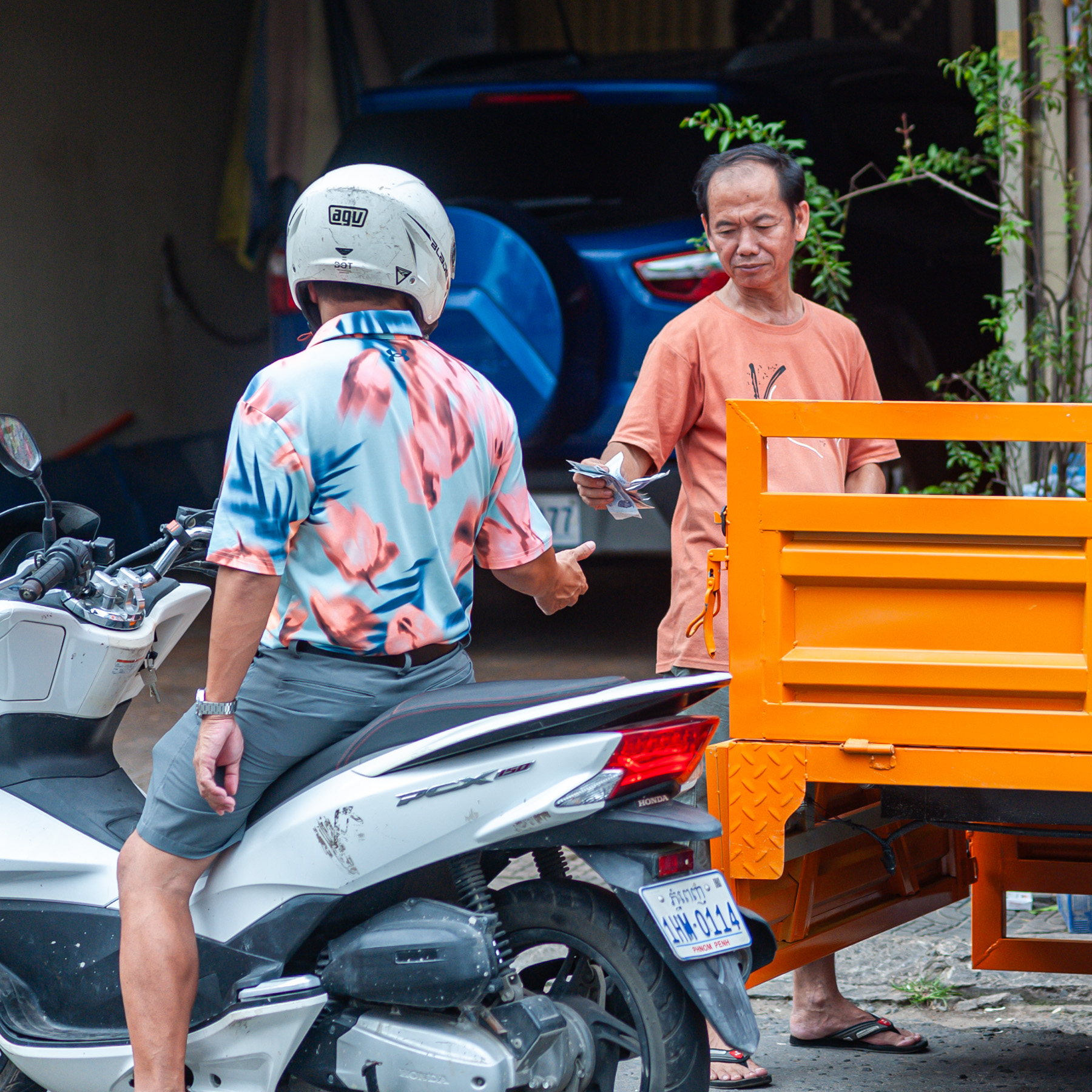
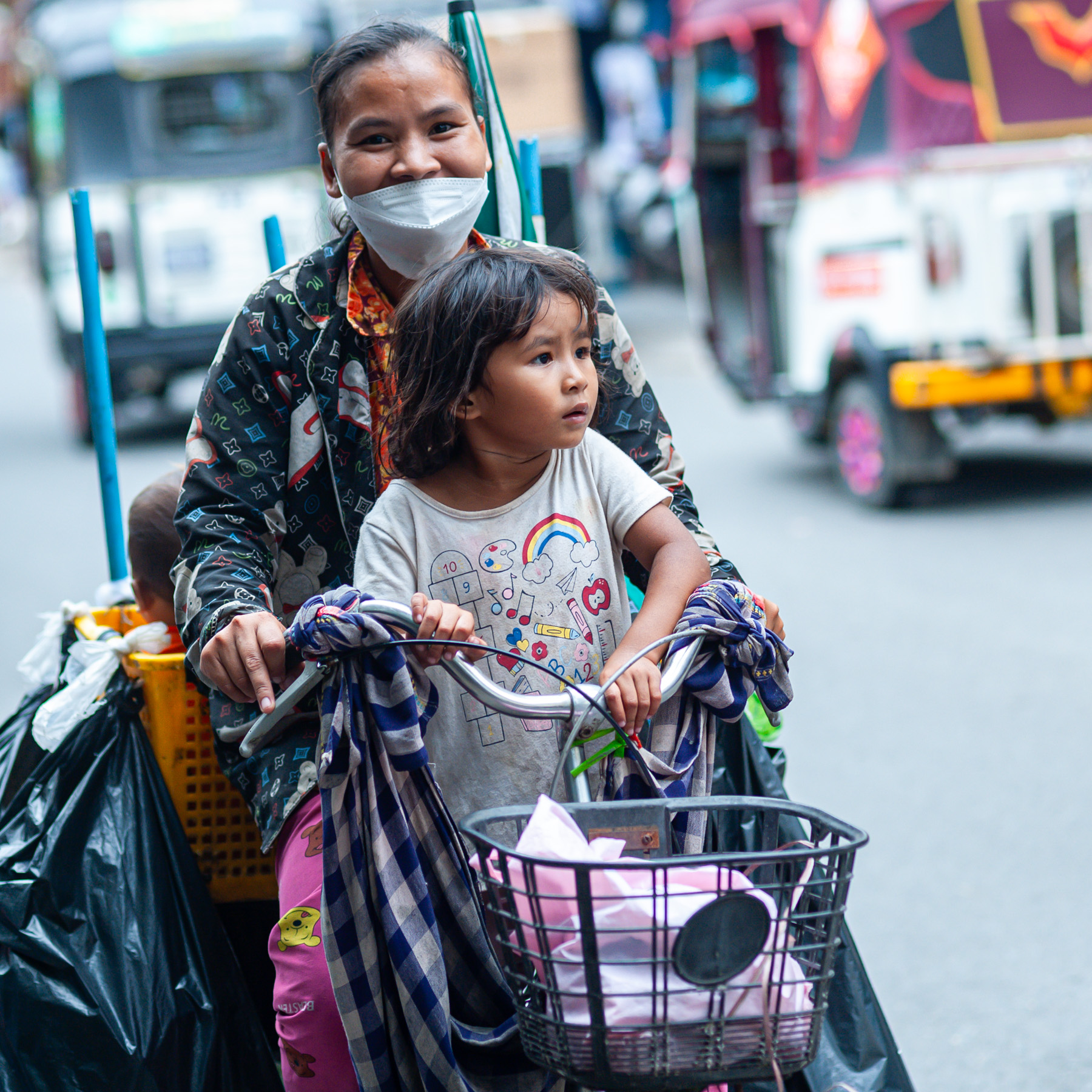
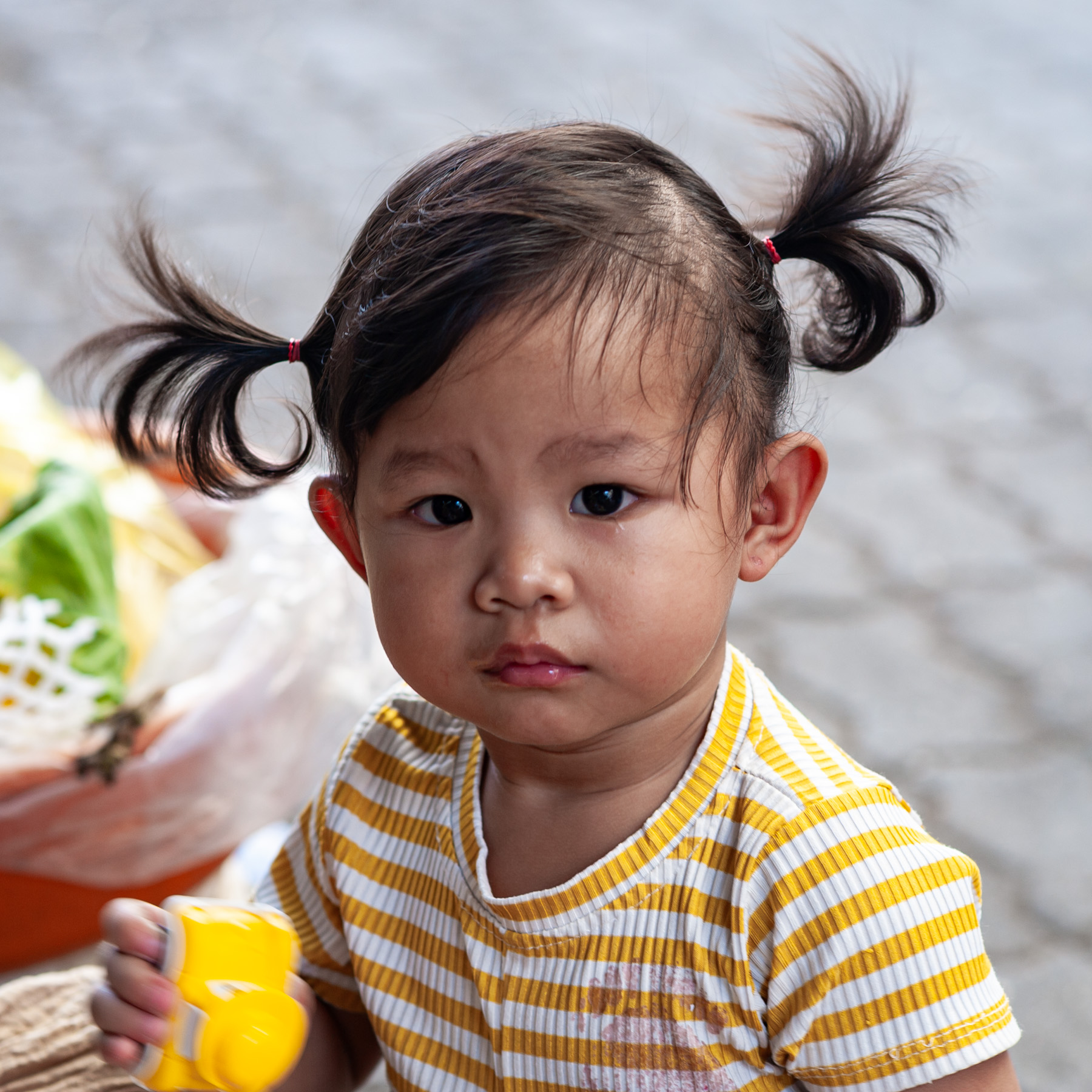
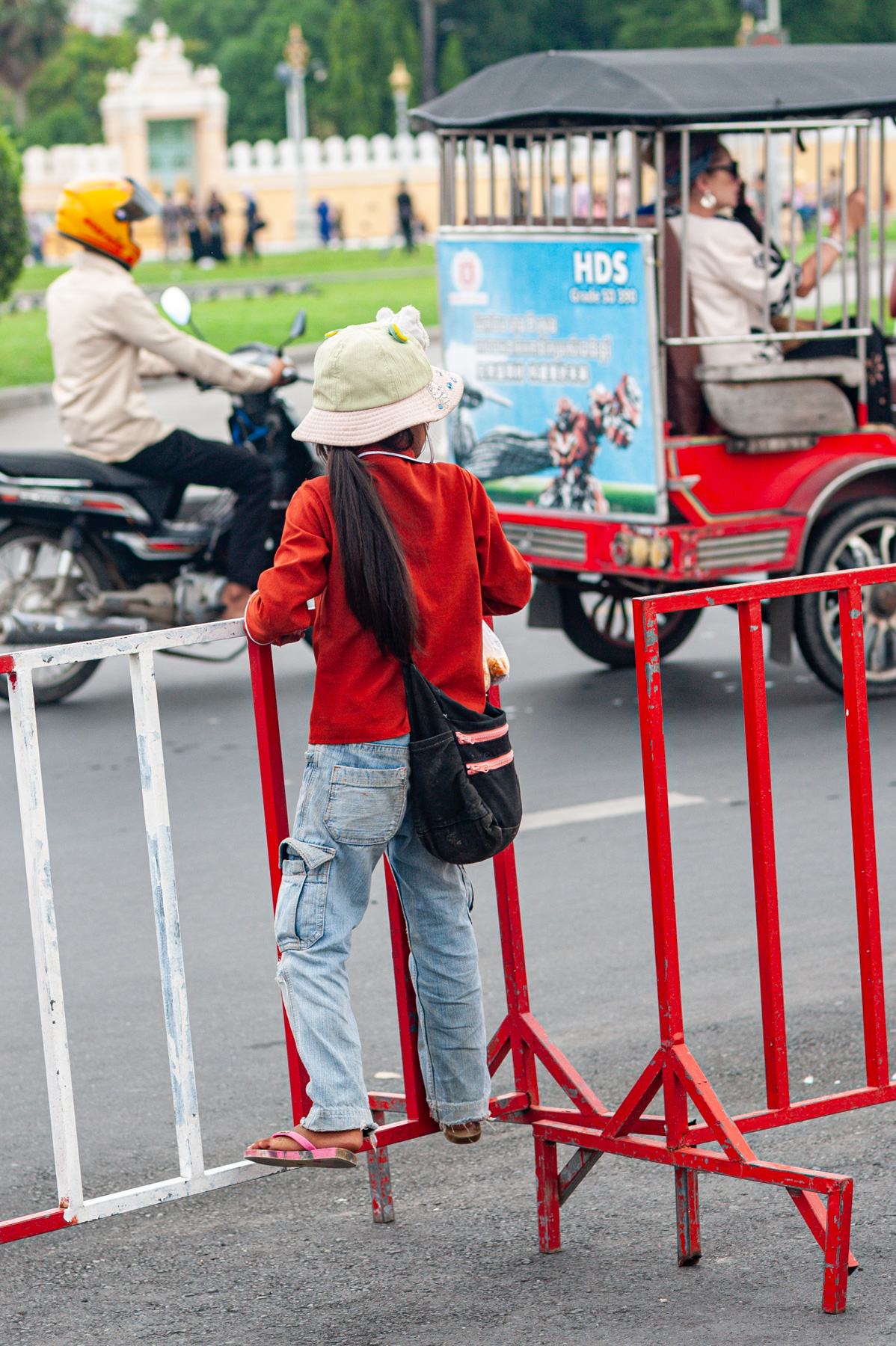
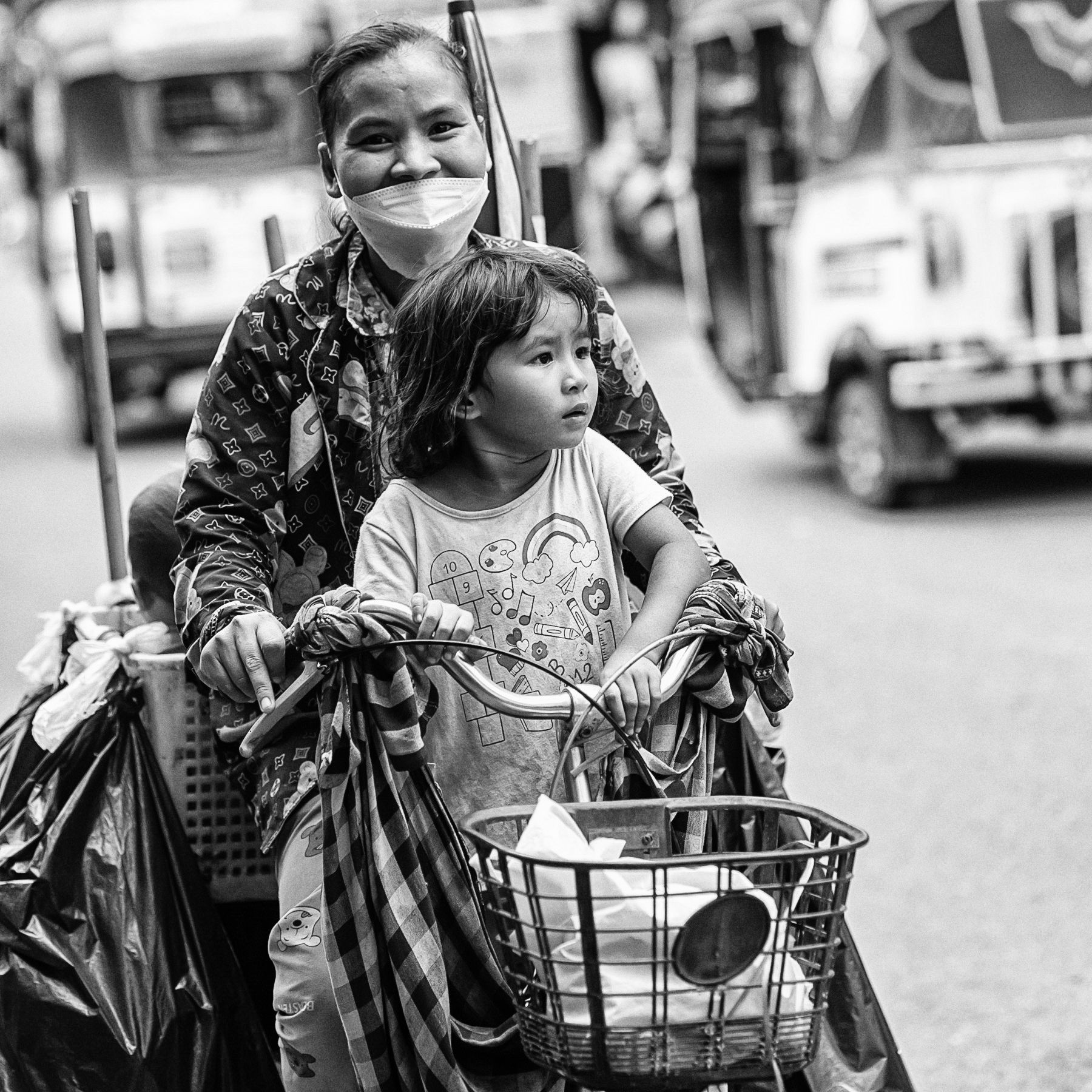
Age changes this. After years of photographing people, I find myself less impressed by spectacle and more interested in quieter evidence: the person standing apart from an event, the worker resting after the activity has ended, the expression that appears when someone believes nobody is watching.
Noise attracts the eye. Meaning is often quieter.
Learning to see requires learning to slow down. This does not necessarily mean working slowly. The slowing happens within the mind. We become less eager to press the shutter merely because something has entered the frame.
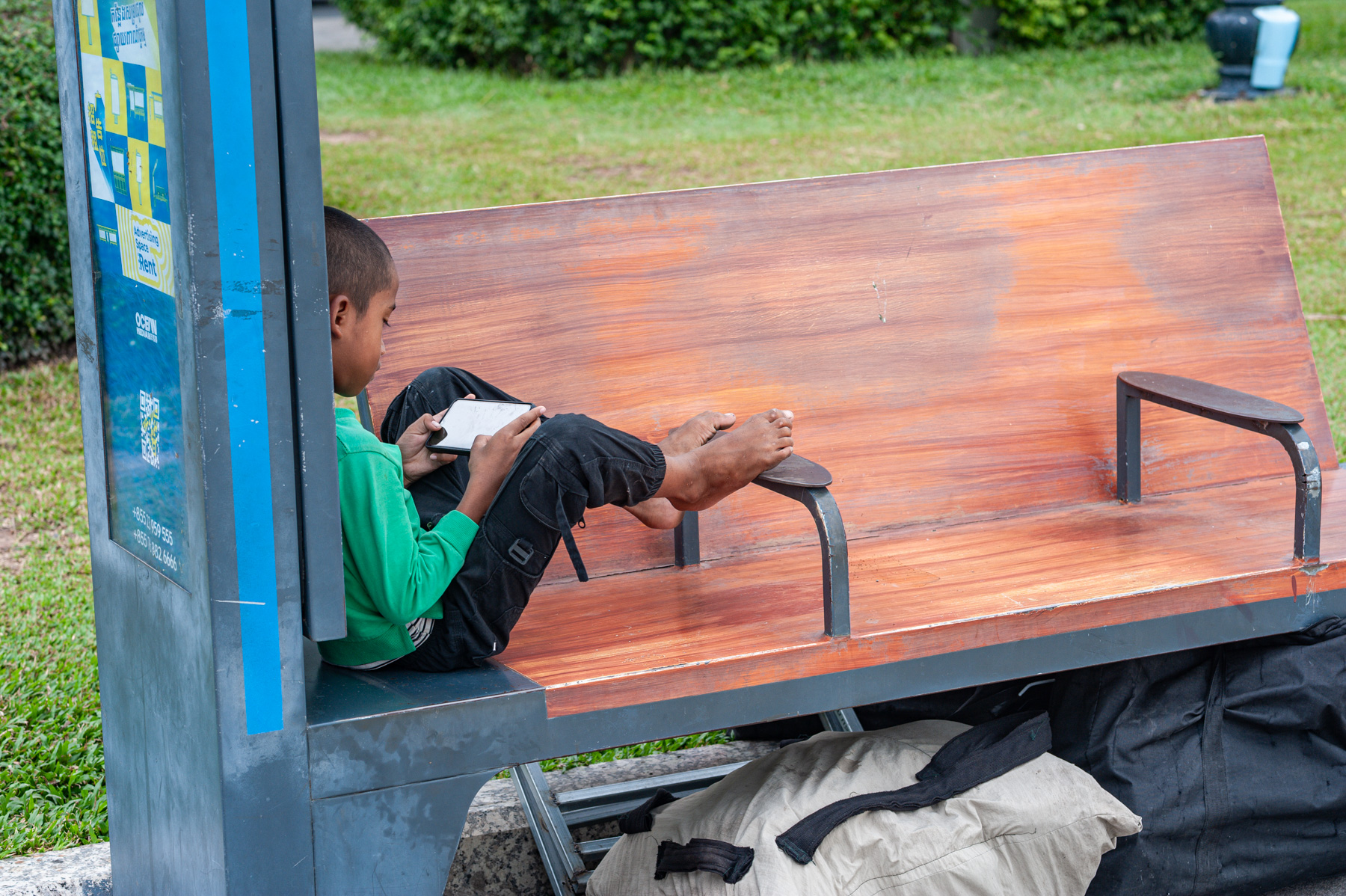
A single body with one familiar lens can help. Limitations sharpen attention because they remove excuses. Familiar equipment becomes transparent. We stop thinking about what else we might have brought and begin working with what is in our hands.
Seeing is not only visual. It requires sensitivity to atmosphere and behaviour. Before a confrontation begins, the mood of a crowd may change. Before a child laughs, anticipation appears in the face. Before somebody turns away, discomfort enters their posture.
Greater perception should bring greater judgement, not greater appetite. A photographer who sees only the potential picture is not seeing enough.
There are days when nothing seems to happen. Usually the problem is not the street. It is us. We arrive with expectations so narrow that we cannot recognise anything outside them. Sometimes the remedy is to stop, remain still and allow the place to reveal its rhythm.
The world does not become more interesting because we carry a camera. The camera gives us a reason to become more interested in the world.
After decades of taking photographs, I am still learning to see. Experience has made me more aware of how much I miss. Every frame excludes a larger world. Every photograph represents one choice among countless possibilities.
The camera comes afterwards. First, we must look.
CHAPTER 4
Cameras Lenses and Working Tools
Photographers have a peculiar relationship with equipment. We insist that cameras do not matter, then spend entire evenings discussing them. We say the photograph is everything, yet remember precisely which camera and lens produced a favourite frame thirty years ago.
There is no need to pretend equipment is unimportant.
Cameras and lenses influence where we stand, how quickly we work and the pictures we are likely to make. A slow or unreliable camera can cost us a moment. The wrong lens can leave us too distant from the subject or trapped inside a field of view that does not suit the situation.
But equipment matters most when it becomes useful – and least when it becomes an obsession.
A camera is a working tool. Its purpose is not to be admired on a desk, defended in an online argument or replaced every time a manufacturer adds another feature. Its purpose is to be carried into the world and used.
Each generation promises greater speed, more resolution, cleaner high-ISO files and more intelligent autofocus. The improvements are real. The question is not whether a new camera is better. It almost certainly is. The question is whether it makes our photographs better, or merely makes photographing them more convenient.
Convenience has value, especially professionally. A news photographer cannot ask an event to happen again because autofocus selected the wrong face. Reliability is not a luxury when somebody is paying for results. But most of us are not failing because our camera lacks the latest technology. We fail because we stood in the wrong place, misunderstood the light or noticed the moment too late.
No firmware update can correct these things.
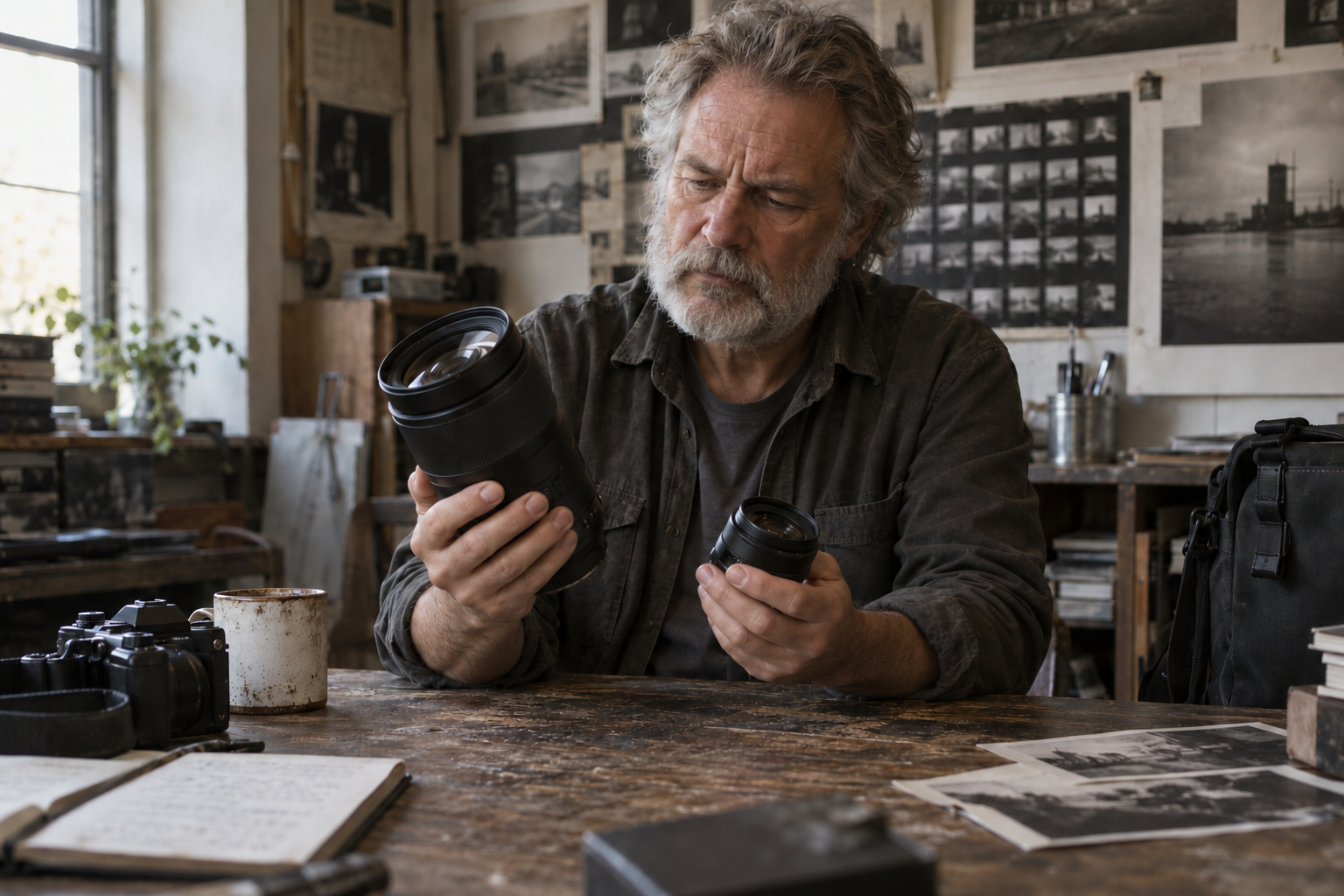
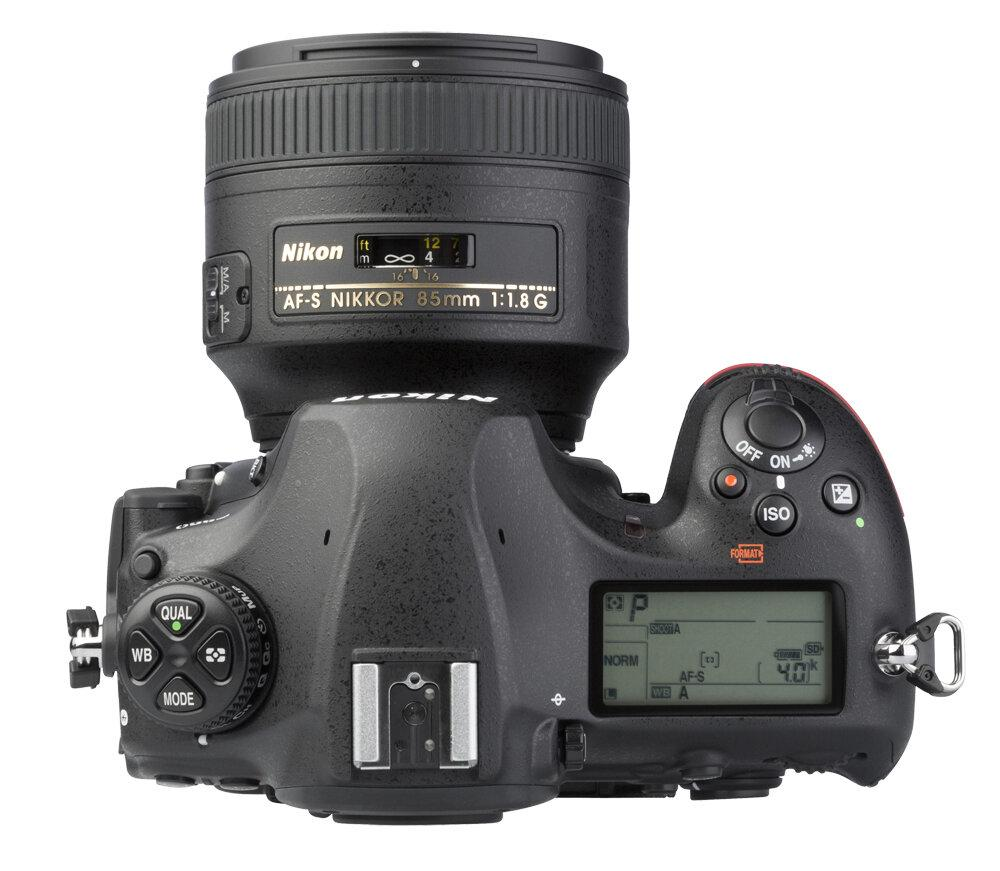
I have used enough cameras to know that each one changes the way I behave. A large professional body such as the Nikon D3 encourages a different commitment from a small camera. The D3 feels dependable and deliberate. A Nikon D700 offers much of that same directness in a smaller body. Its twelve-megapixel sensor is modest now, but modest is not inadequate.
The D810 belongs to another part of the toolbox. Its resolution allows more detail and larger prints. Used carelessly, it reveals every weakness in technique. Camera movement, missed focus and poor lenses become more obvious. It rewards discipline.
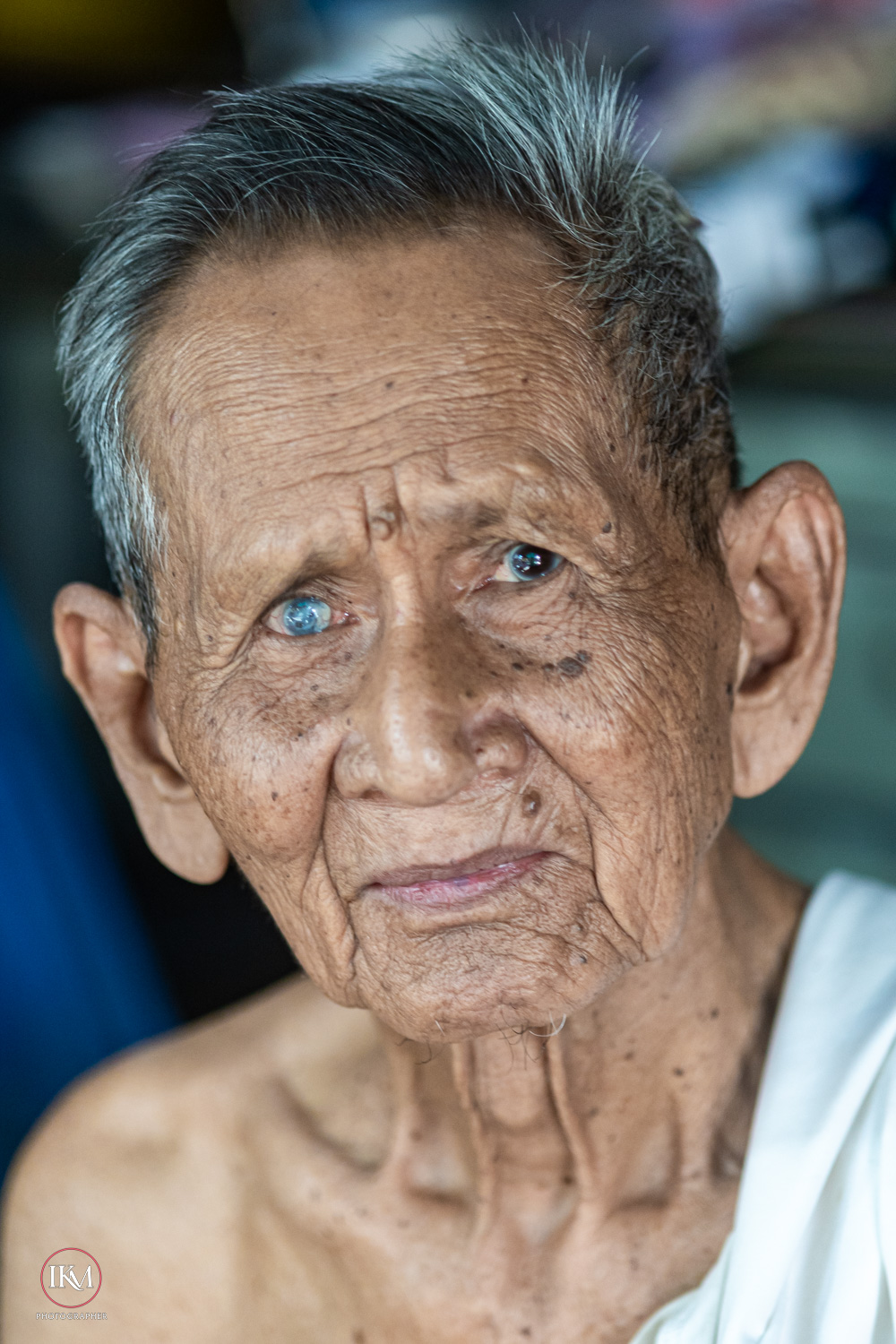
None is universally better. Each asks something different from the person using it. A camera either helps us do the work or gets in the way.
Familiarity is often more valuable than novelty. When I know a camera properly, I can change a setting without lowering it from my eye. I know how its meter behaves, how far I can underexpose a file and what happens when the light disappears. That knowledge is built through use.
An old camera in familiar hands can be more effective than a new one whose controls remain uncertain. The older camera may possess less ability, but the photographer knows where its limits are.
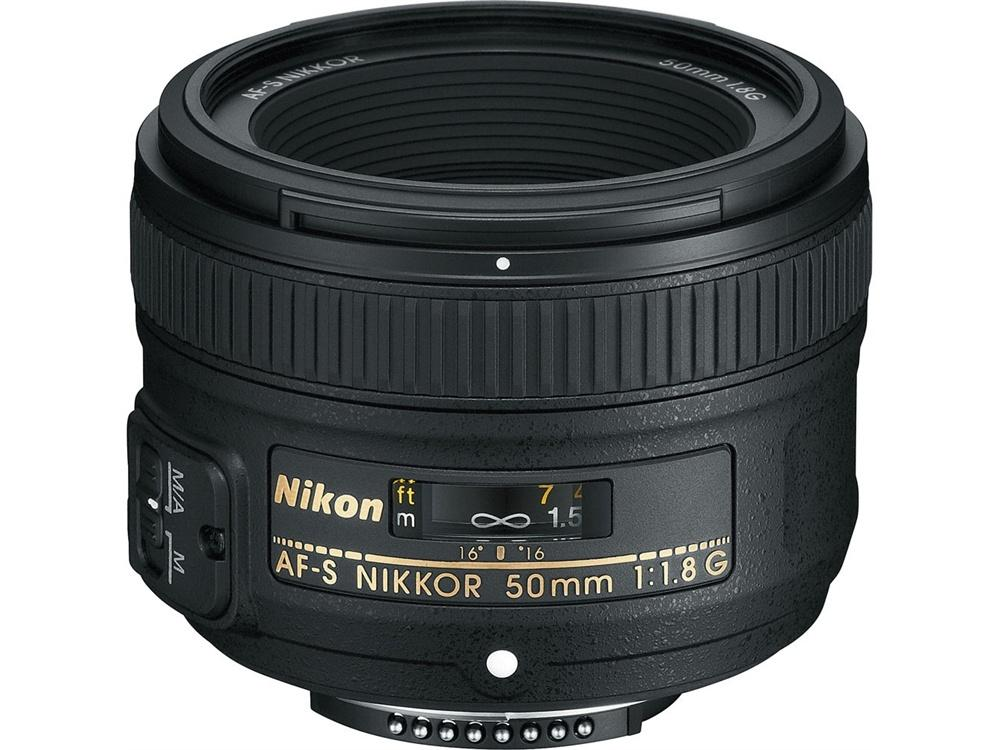
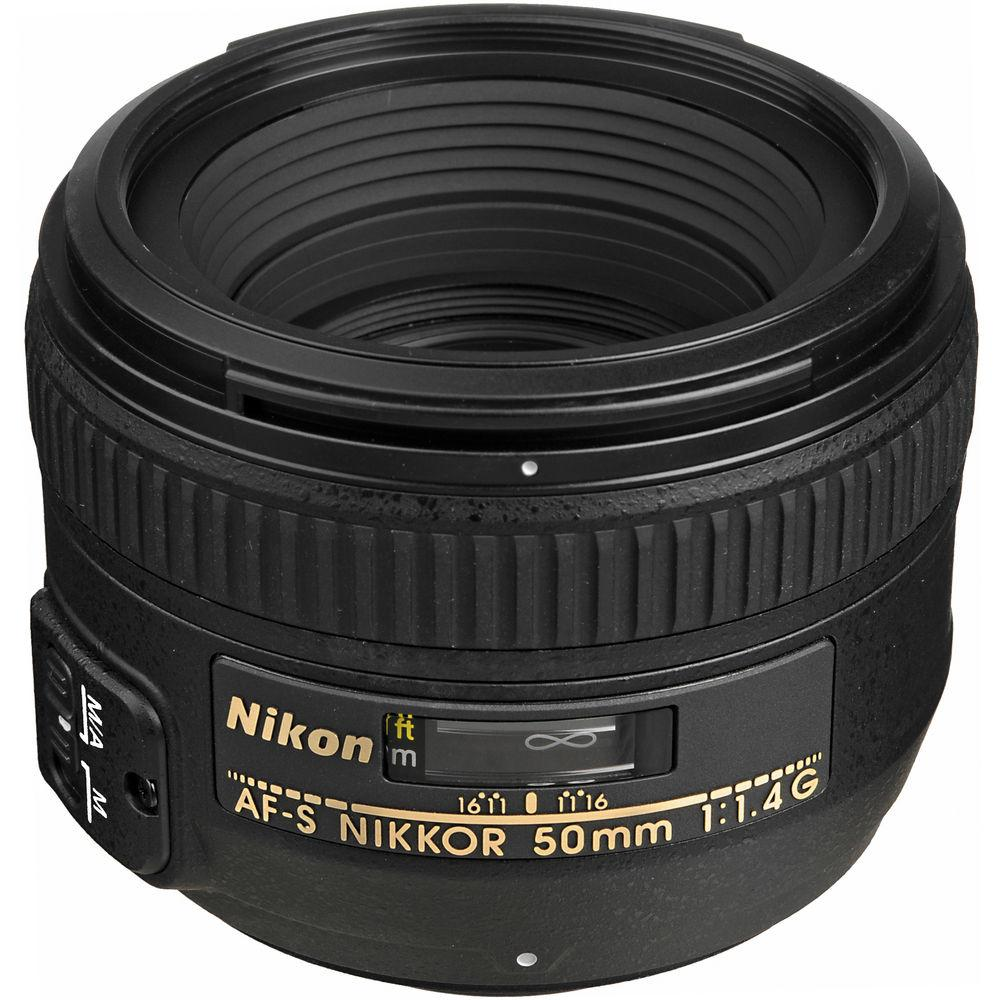
A lens establishes a working distance and shapes our relationship with the subject. A wide lens draws us into the scene and asks us to show the person within their surroundings. A normal lens offers balance. A short telephoto such as an 85mm provides enough distance to observe without crowding the subject, while retaining a sense of human connection.
I have always liked that distance. It allows me to watch expressions develop while remaining close enough for the photograph to feel personal. The lens can simplify a busy street, but it does not do the thinking for me.
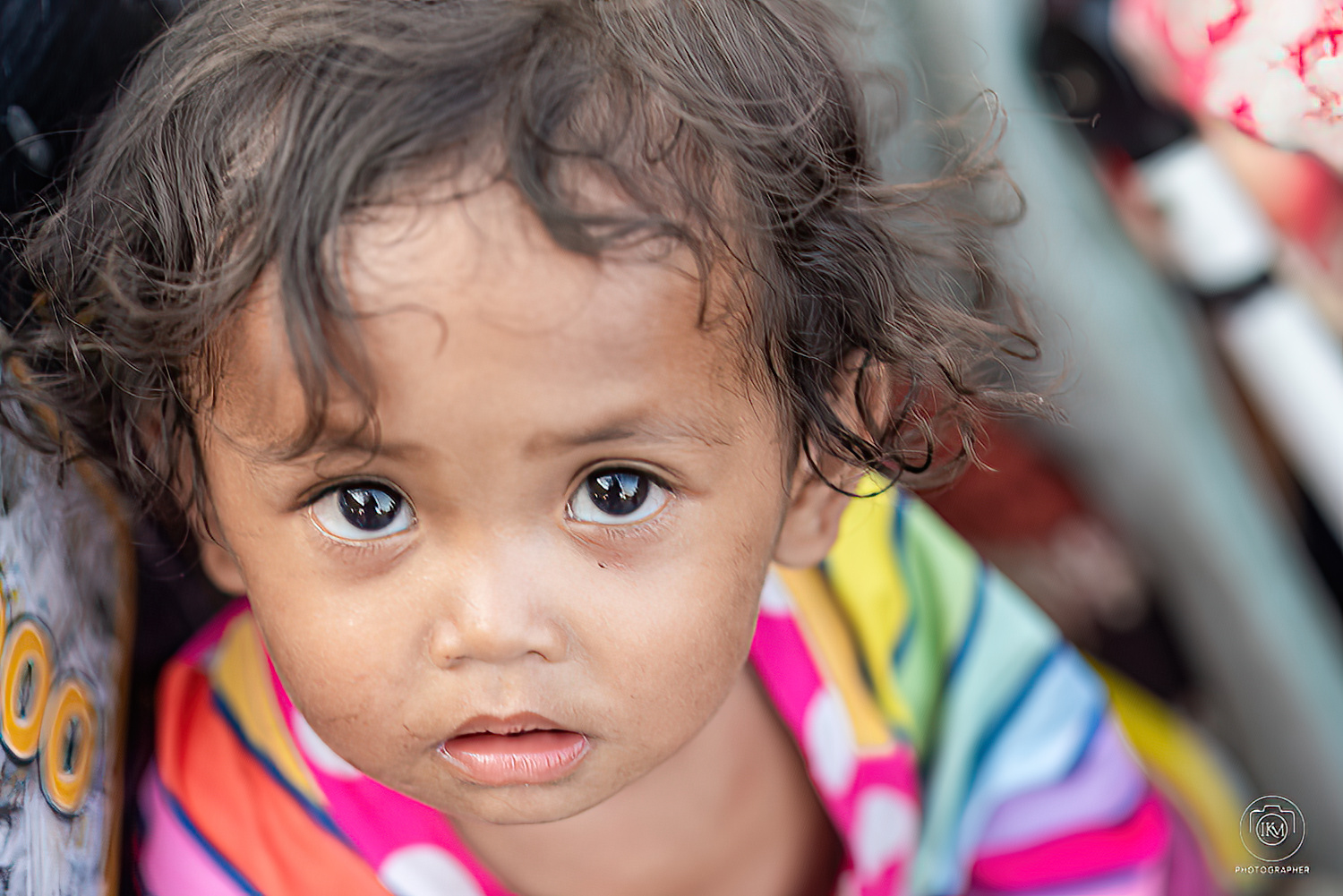
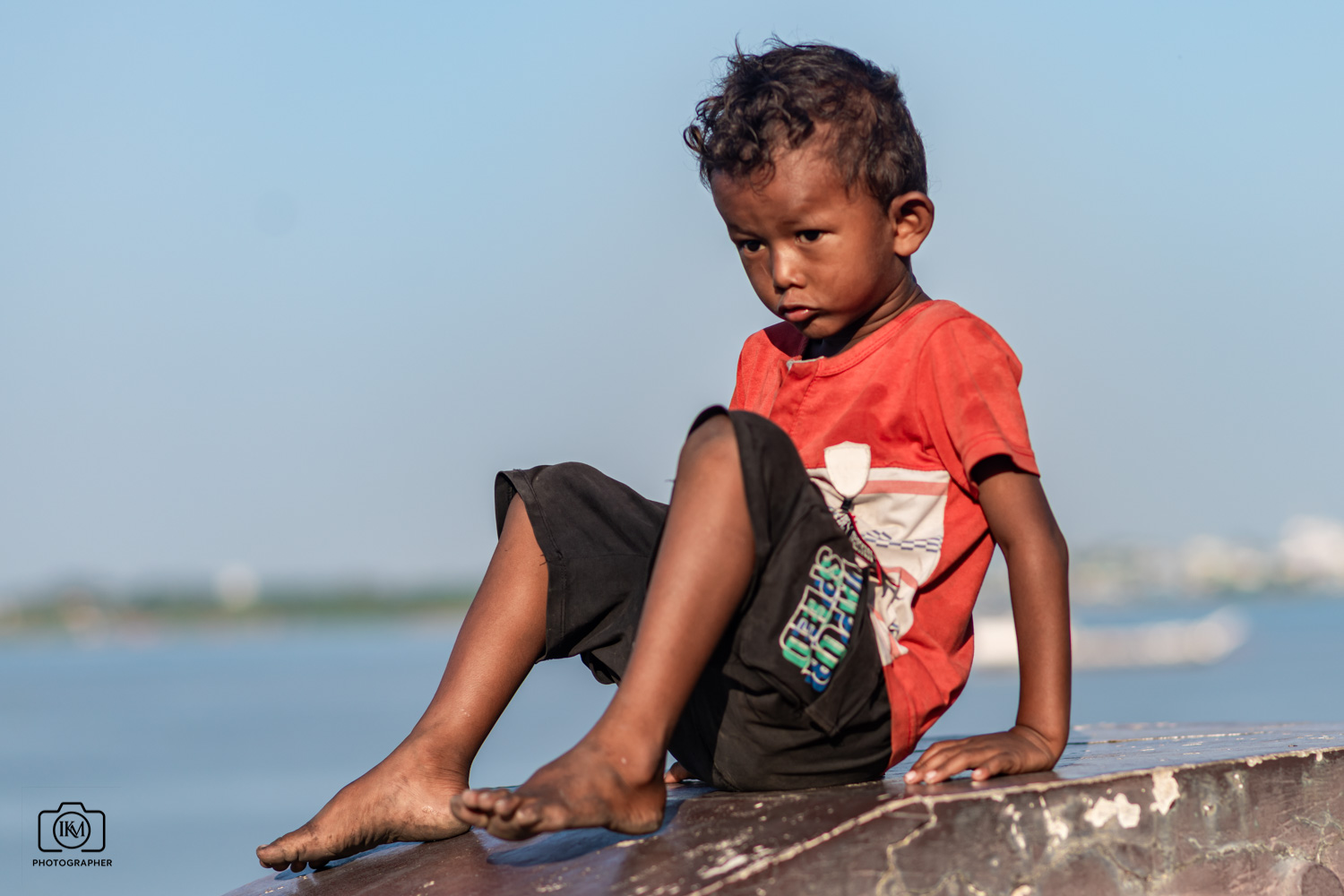
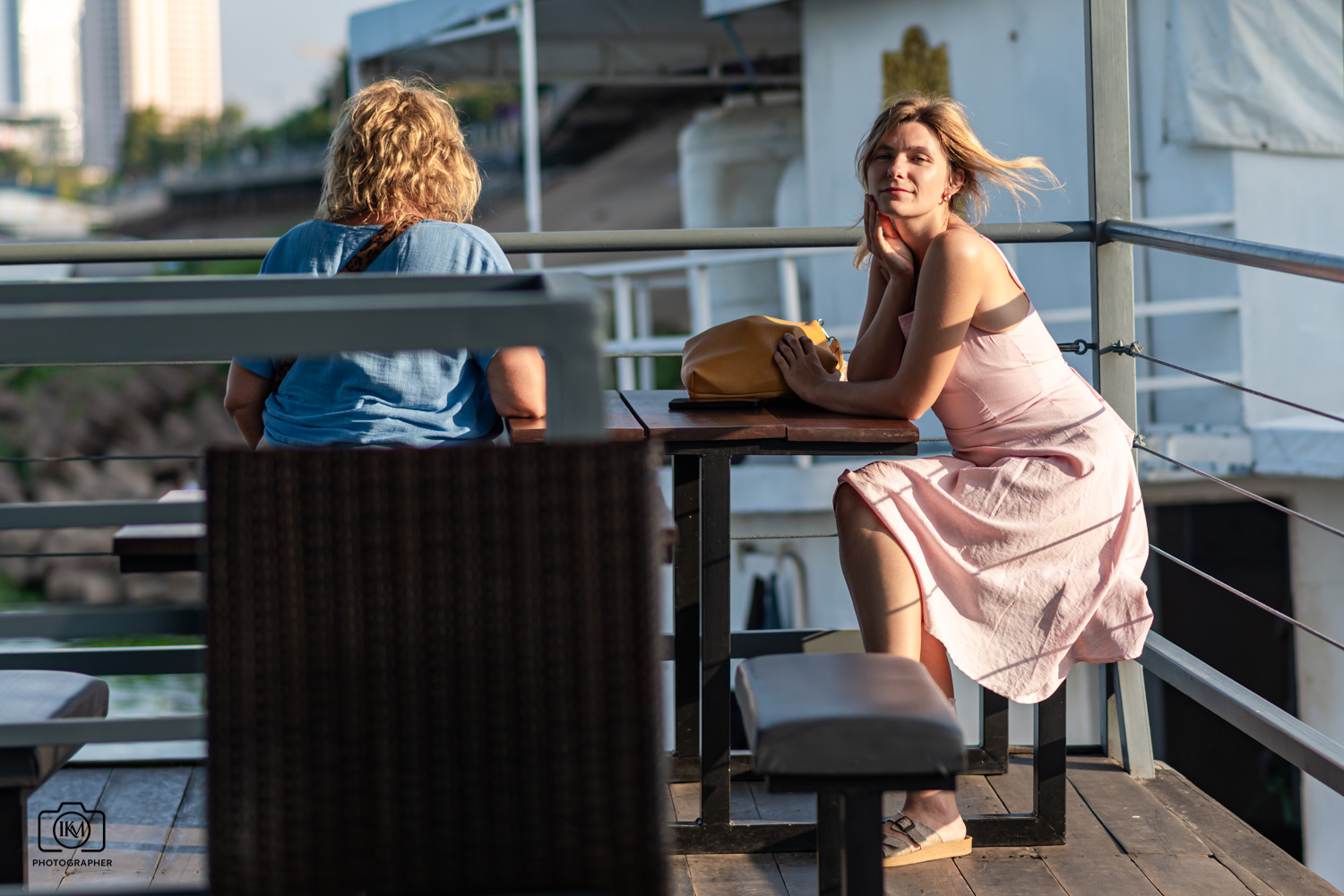
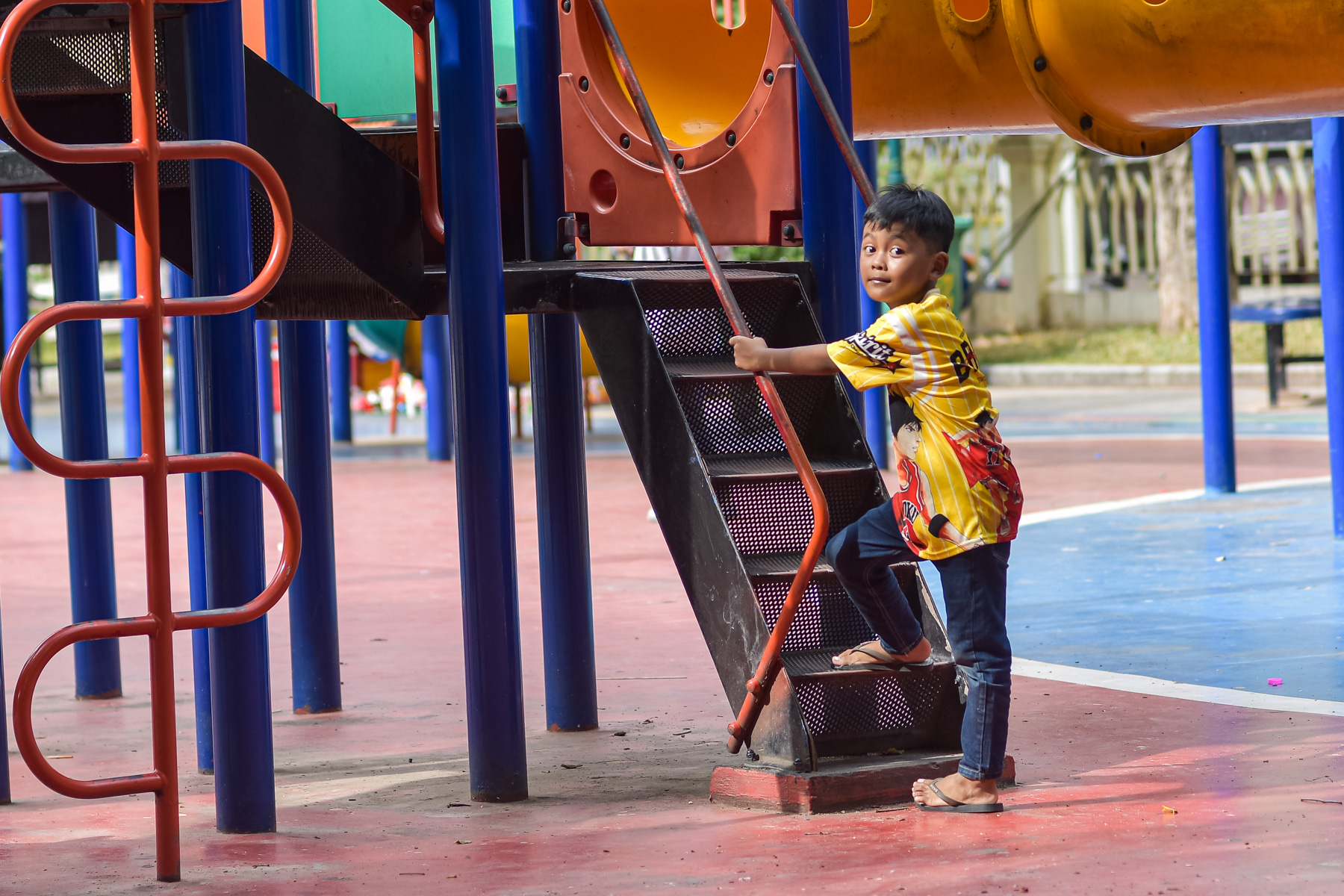
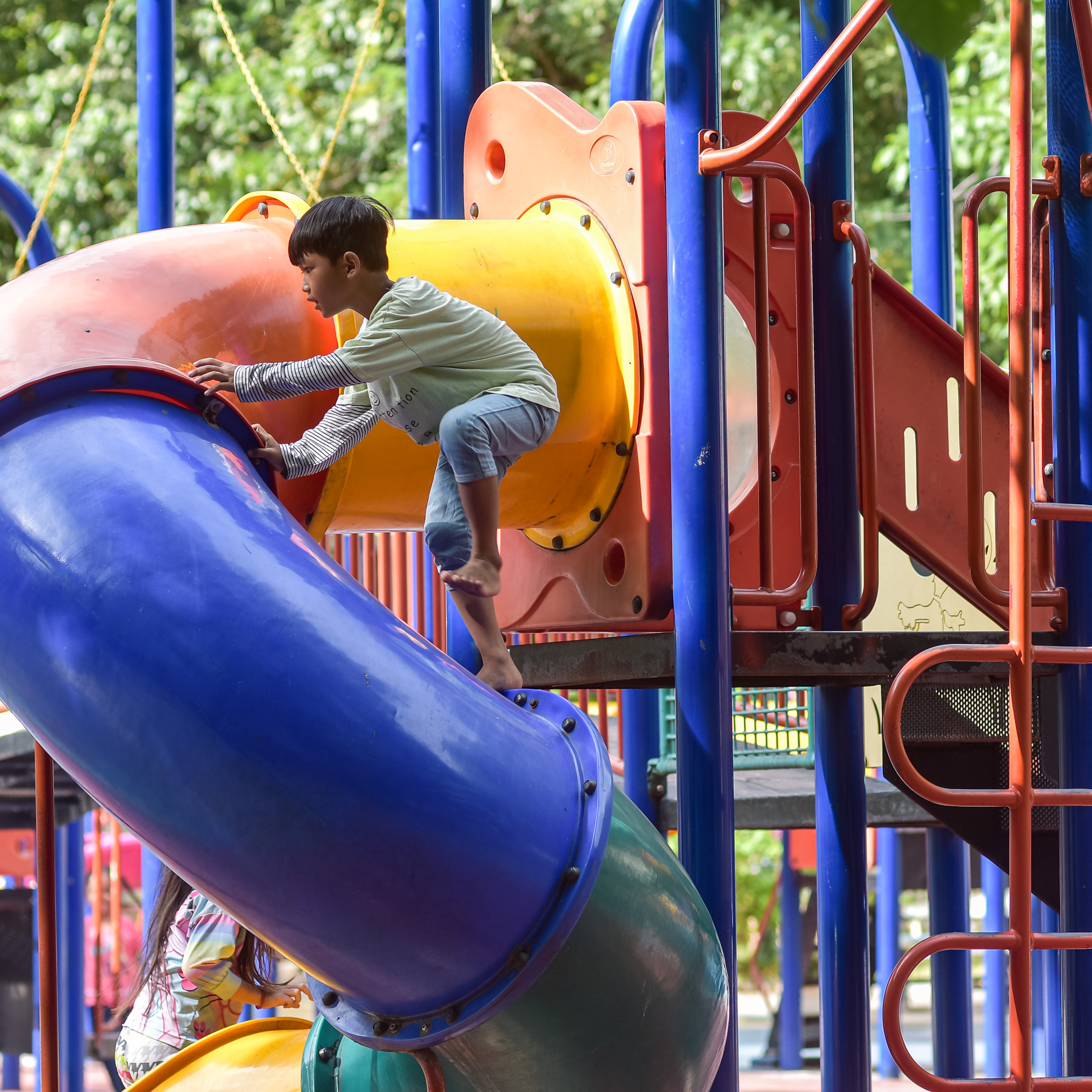
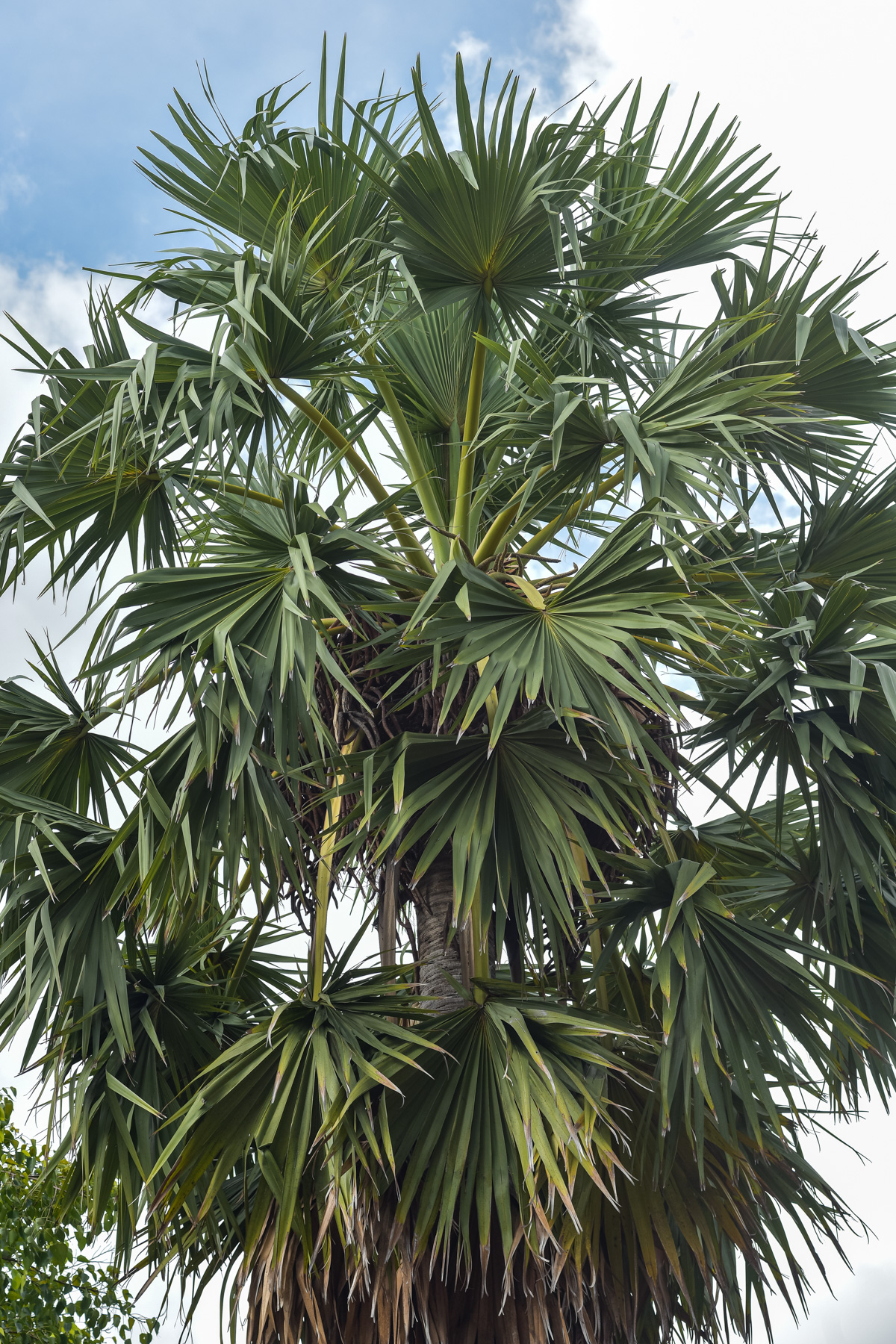
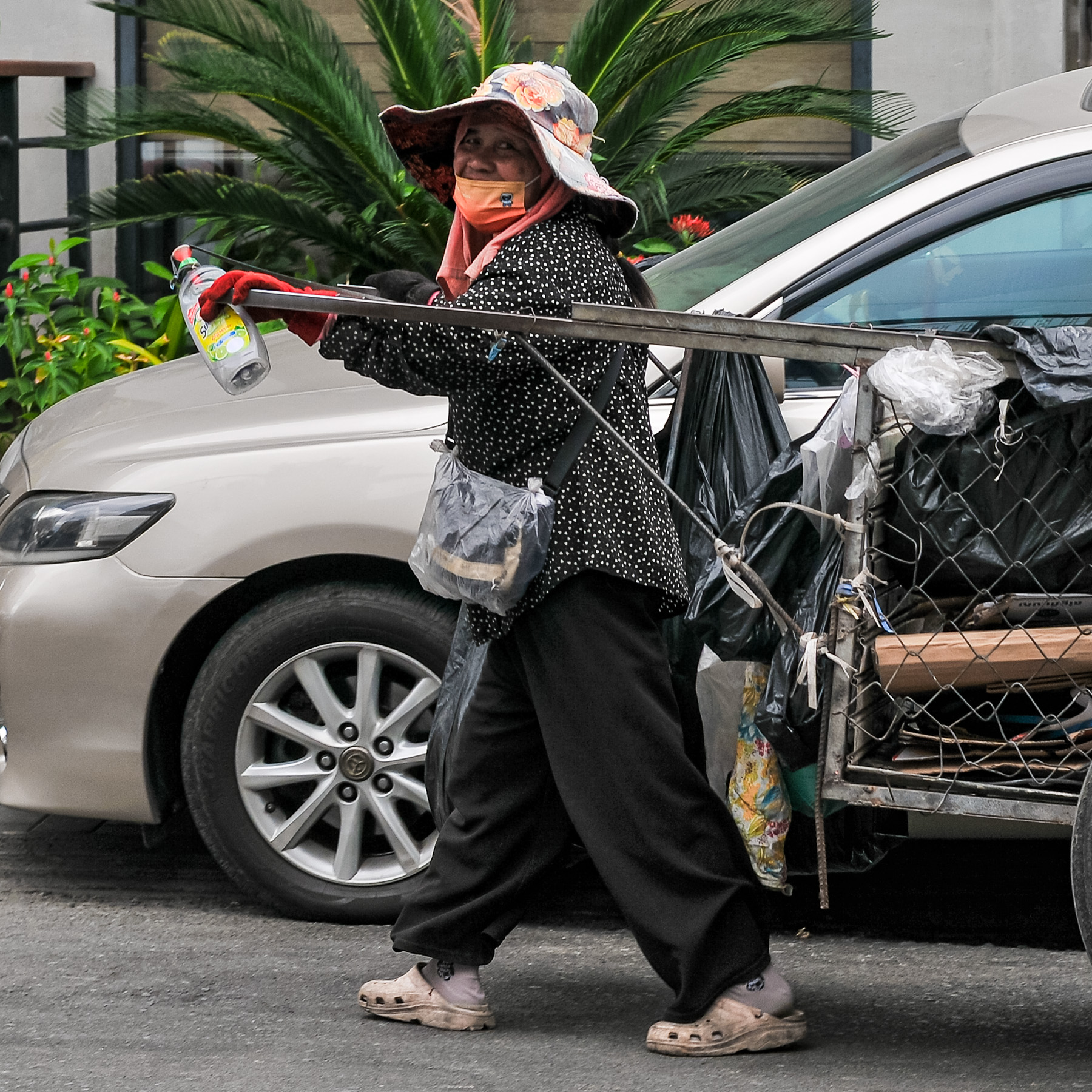
A large aperture can separate a subject from the surroundings, yet shallow depth of field is not automatically meaningful. A blurred background may be beautiful, but it may also remove the context that gives the photograph importance. Technical ability should serve content.
The sharpest lens is not necessarily the best lens for every photograph. A lens with imperfections can still make powerful pictures. Nobody looking at a meaningful photograph asks whether the corners would have been sharper with a newer lens.
We should also resist romanticising old equipment. Age does not give a camera a soul, and inconvenience is not artistic integrity. Old cameras can fail. Nostalgia should not be confused with judgement.
I value old cameras because of how they work, how they feel and the experiences attached to them. Scratches are evidence of use, not proof of superiority. If an older camera continues to perform the job, there is no reason to discard it. If it prevents the work from being done, sentiment will not rescue the photograph.
The sensible photographer chooses according to purpose. For a long walk, weight matters. In poor weather, sealing matters. For moving subjects, autofocus matters. For large exhibition prints, resolution may matter. There is no perfect camera because photography contains too many different kinds of work.
Owning more equipment does not necessarily make us better prepared. Too many choices can become their own obstruction. A single body with one familiar lens can be liberating. The limitation forces us to solve problems by moving, waiting or changing our approach.
Zoom lenses are not cheating. Autofocus is not laziness. Image stabilisation does not weaken our craft. The useful question is whether a feature helps us pay greater attention to the subject. If autofocus frees me to watch an expression, it has served the photograph.
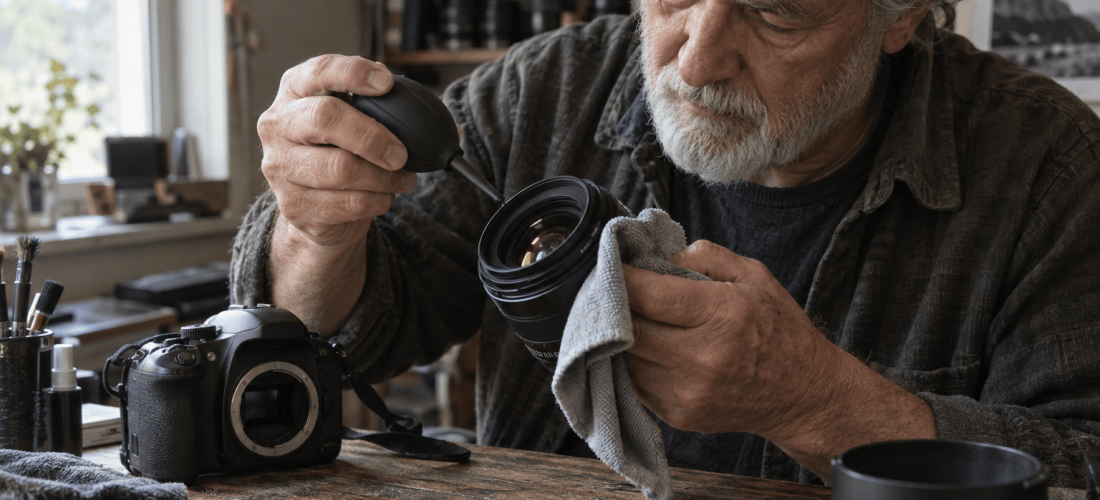
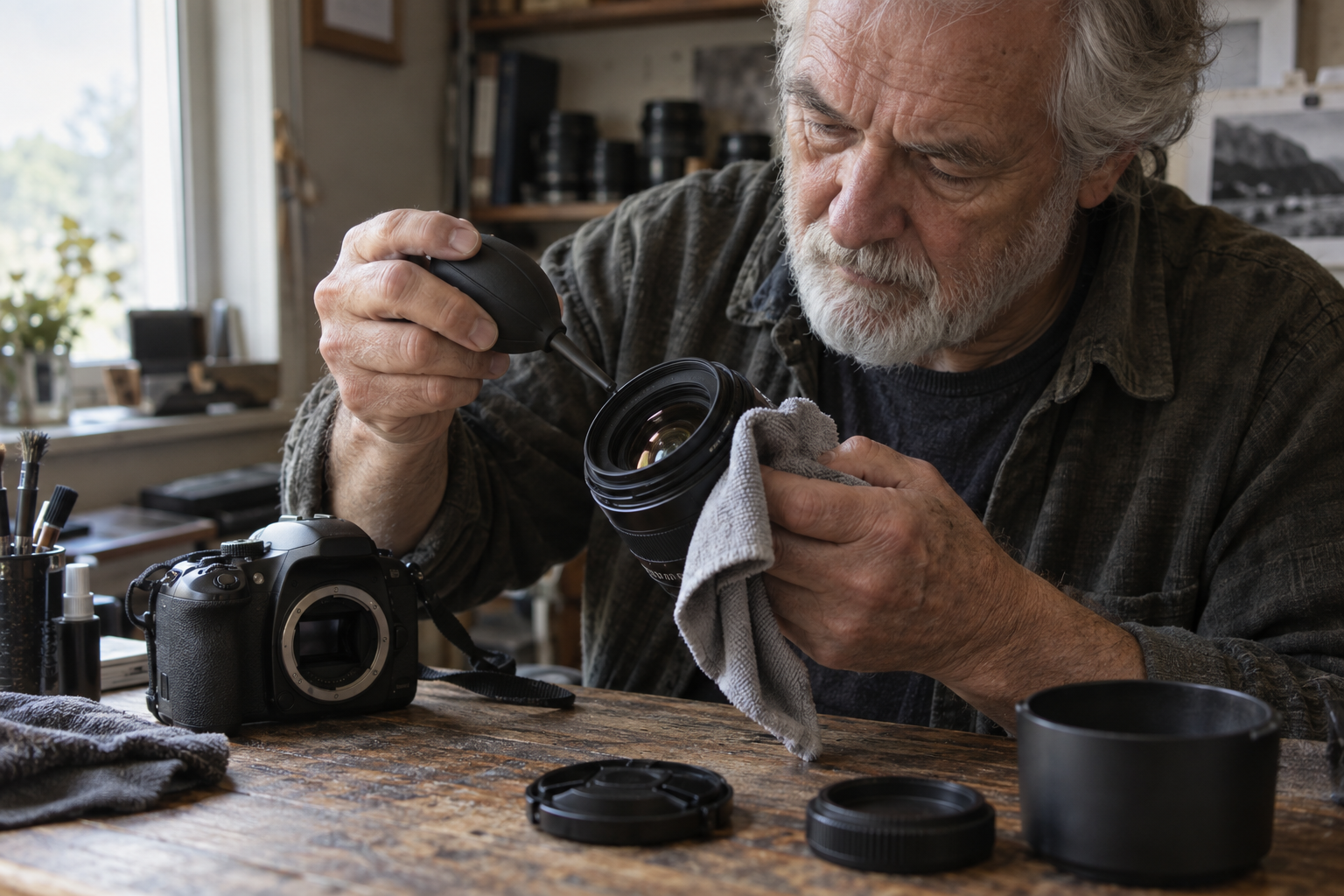
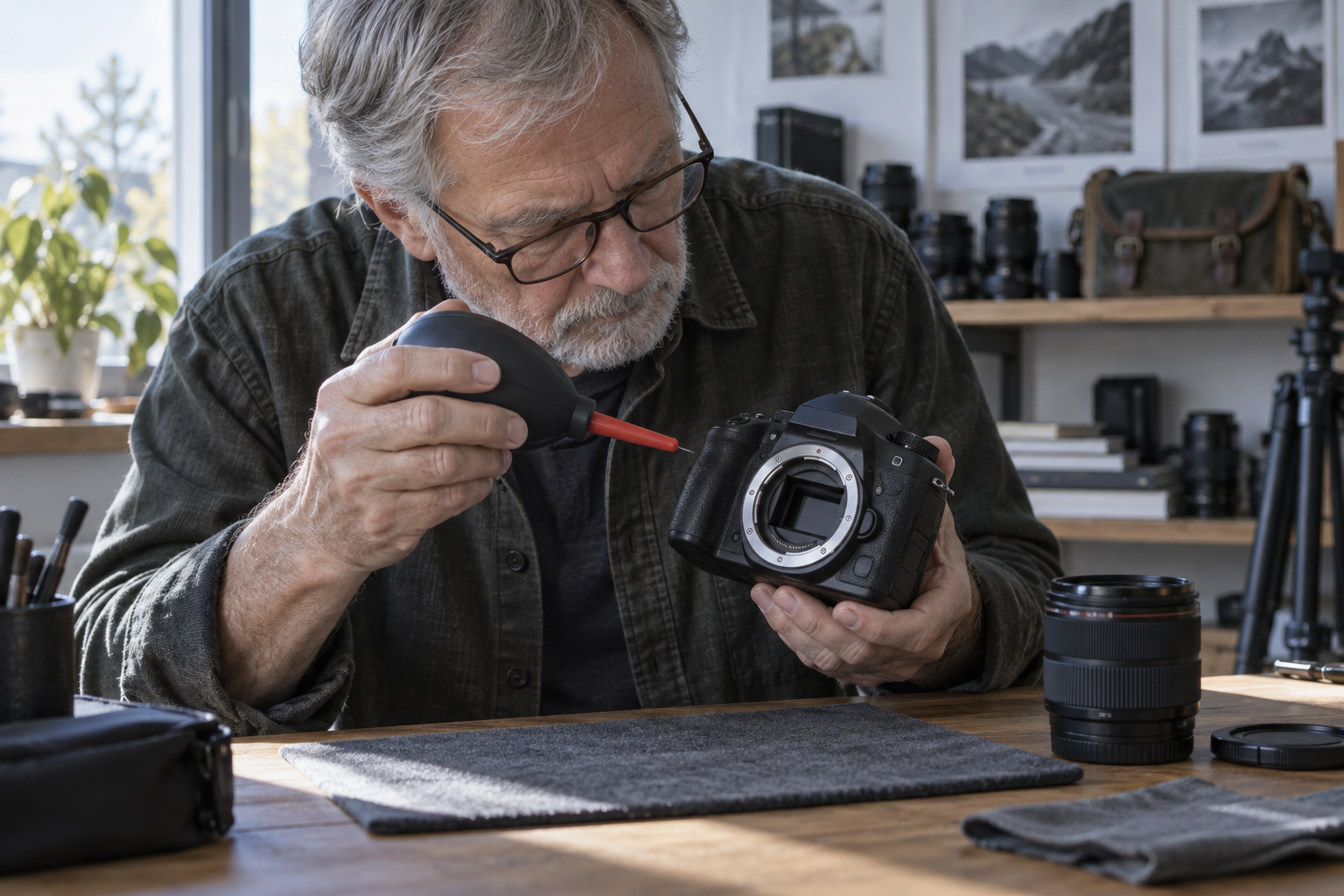
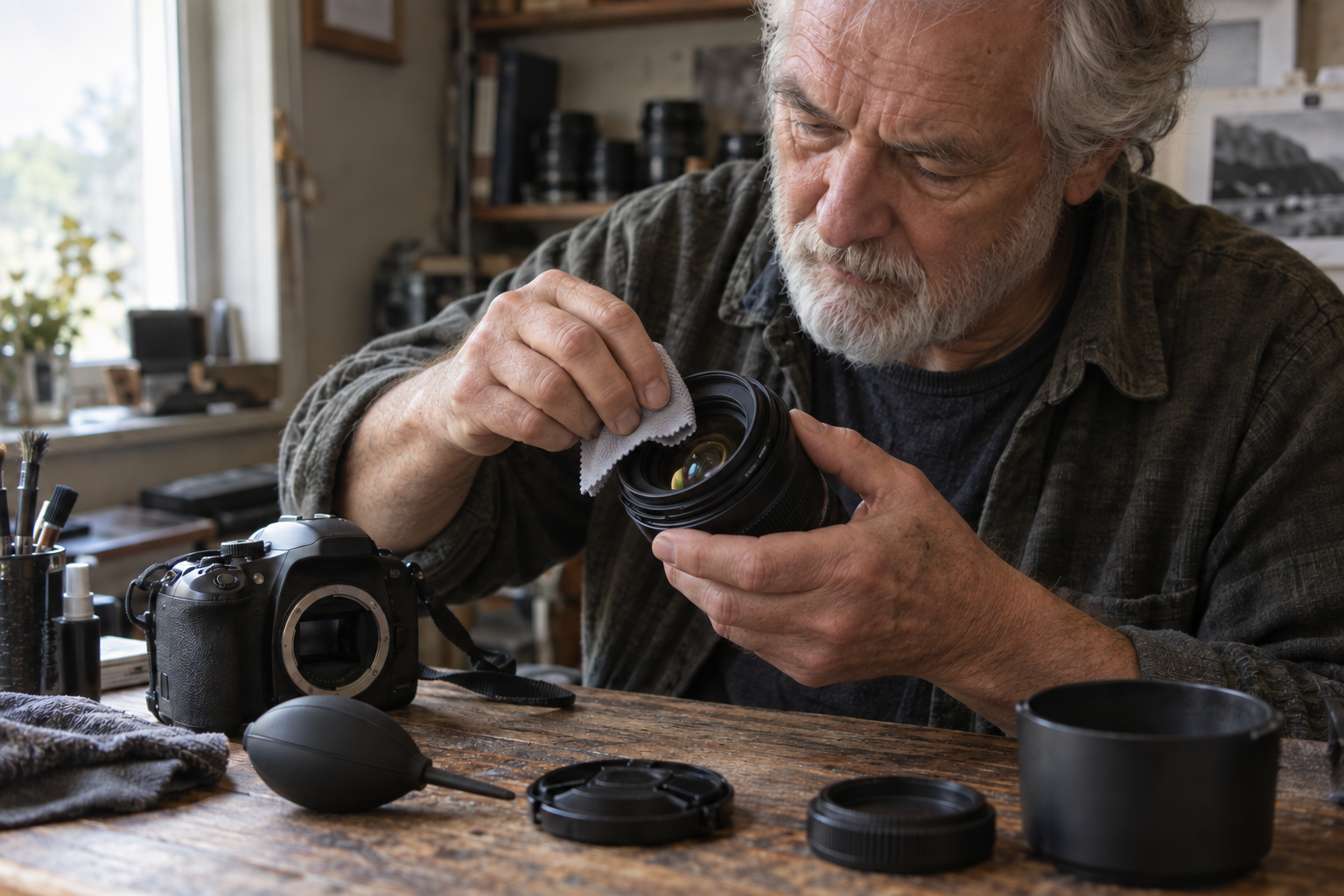
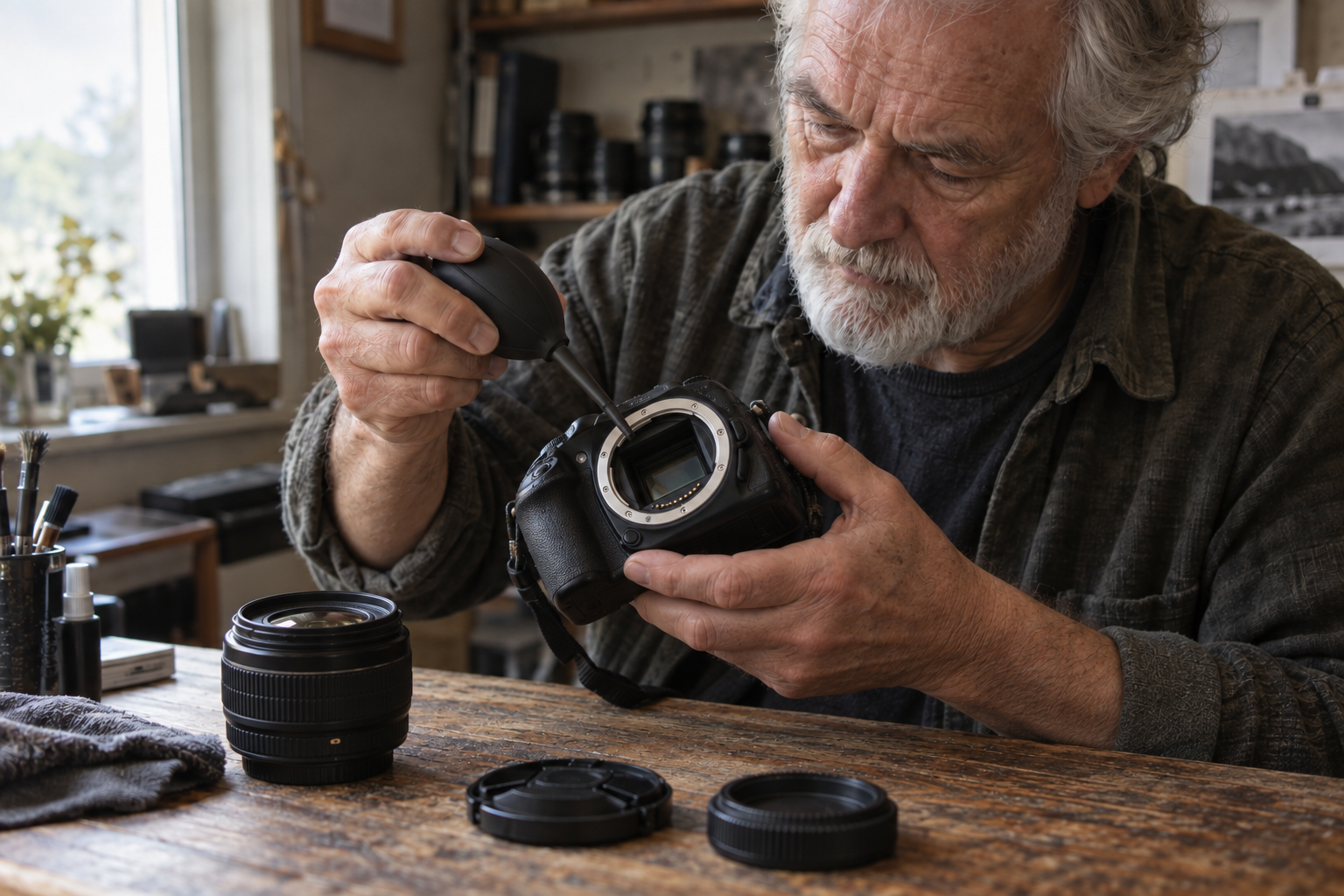
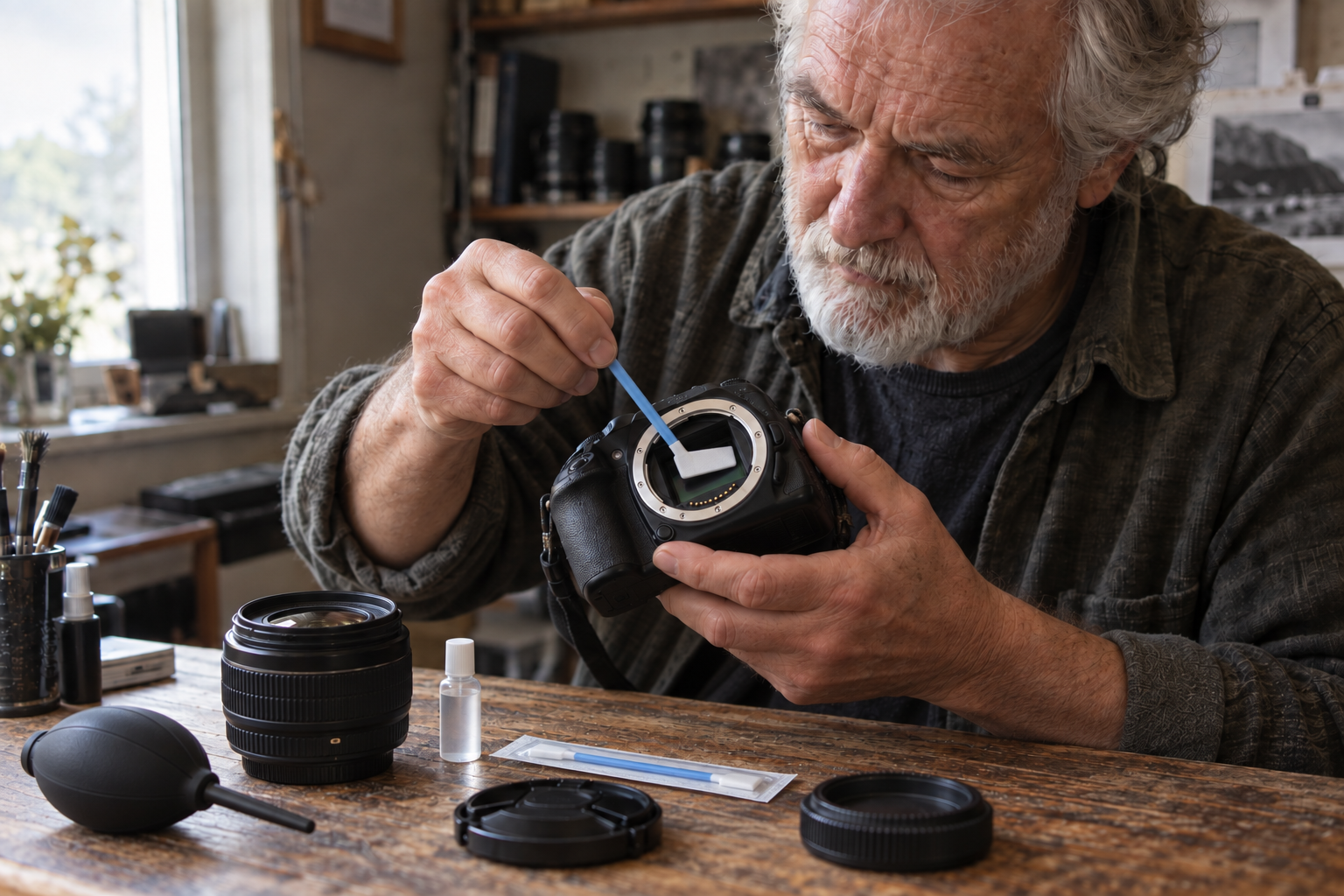
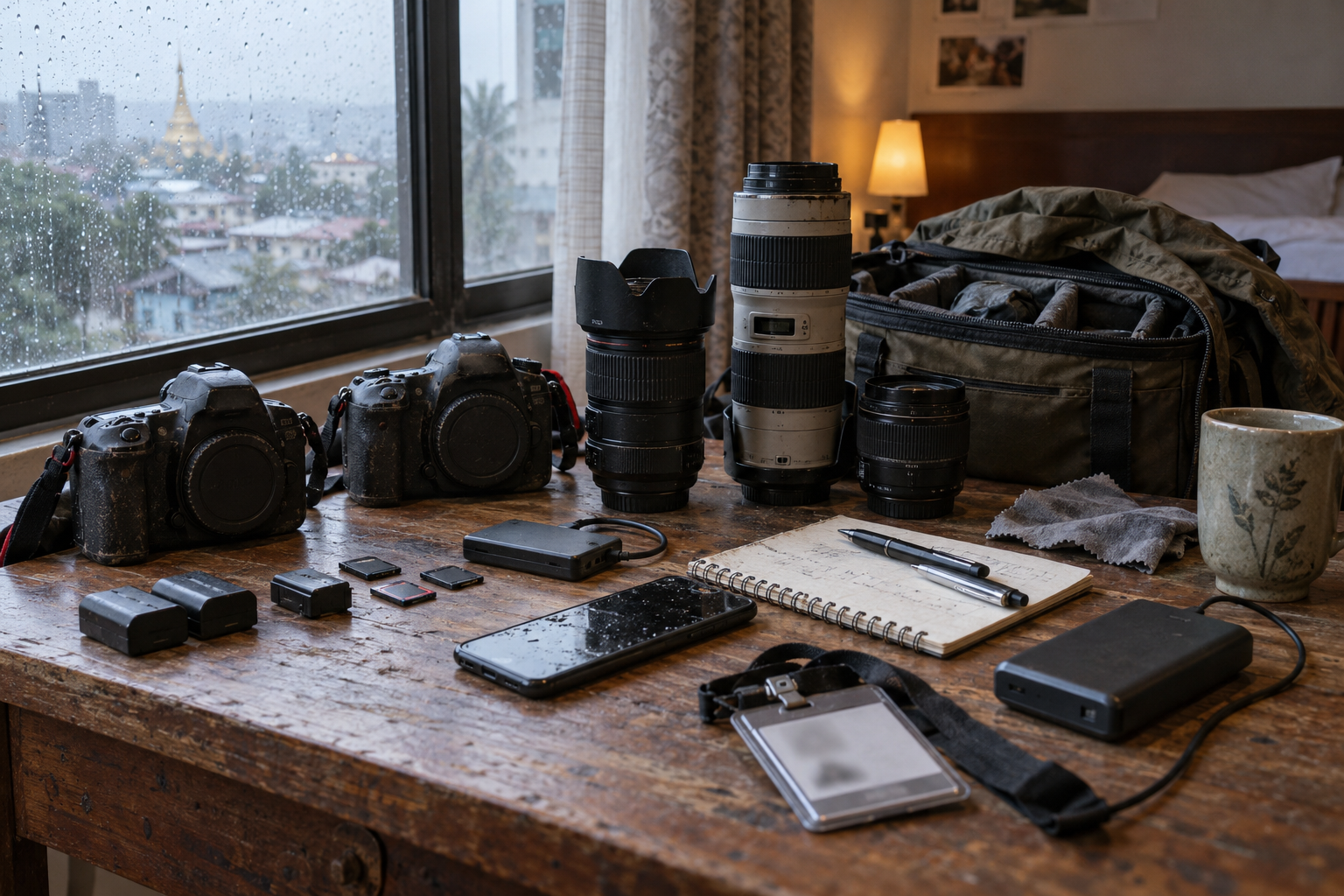
Maintenance is part of the relationship. Cameras and lenses that work in dust, heat, rain and crowded streets need care. Preparation creates freedom. Charged batteries, formatted cards, clean glass and sensible settings allow the camera to disappear from our thoughts.
The longer I make photographs, the less interested I become in declaring one camera the winner over another. I care whether it starts, focuses where I intend and records the file when I press the shutter. Above all, I care whether I trust it.
Trust is what turns equipment into a working tool. Certain cameras stay in our memory because they were present when something mattered. We do not love them merely as objects. We remember what we saw while carrying them.
Choose tools that suit the work. Learn them until their operation becomes instinctive. Maintain them, trust them and replace them when they stop serving the photographs.
Then stop looking at the camera. The world is in front of it.
CHAPTER 5
The Working Photographer
The popular image of the photographer is built around the moment the shutter is released. A fraction of a second, a meaningful expression, a burst of action – and somehow the photograph appears.
It is a convenient myth.
The shutter may be the most visible part of photography, but it is often the smallest part of the work. A working photographer is judged not by occasional brilliance alone, but by the ability to return with usable pictures repeatedly, in poor light, difficult weather and circumstances that refuse to cooperate.
The work begins before the camera is raised. It begins with knowing why you are there.
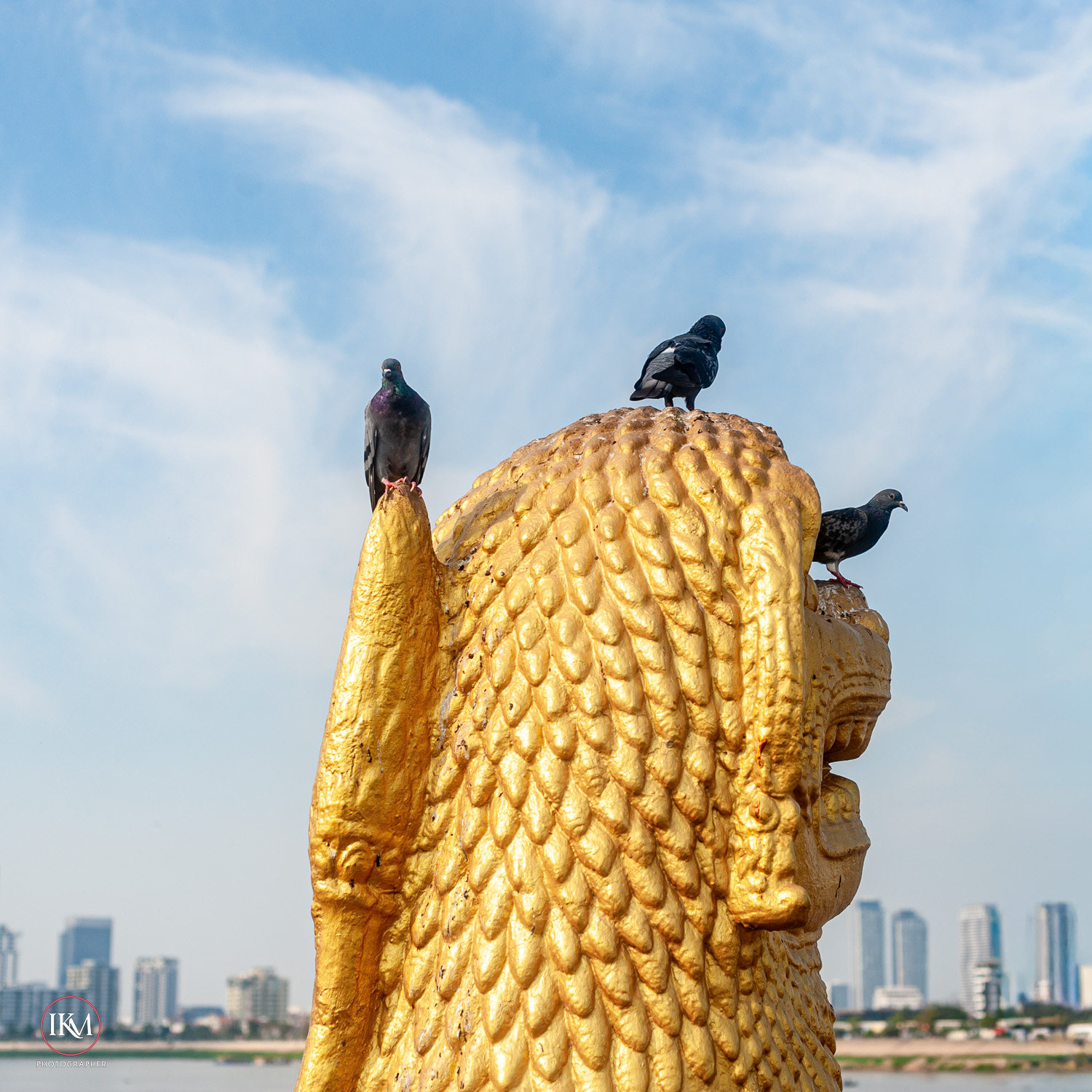
An assignment may sound simple: photograph a demonstration, document a school, make a portrait or cover an event. Yet each requires a different understanding. Who needs the photographs? How will they be used? What must be shown? What access is available?
A working photographer thinks about these questions before arriving. Batteries are charged. Cards are checked. Lenses are cleaned. Essential equipment is packed, but the bag is not filled with every object that might conceivably become useful.
The equipment should suit the job rather than advertise the photographer.
Reliability matters more than novelty. The working camera must start immediately, focus where expected and record the file. Controls should fall naturally beneath the fingers. There may be no time to search through menus or wonder why autofocus has changed its behaviour.
Professionalism is not visible in the camera badge. It appears in behaviour.
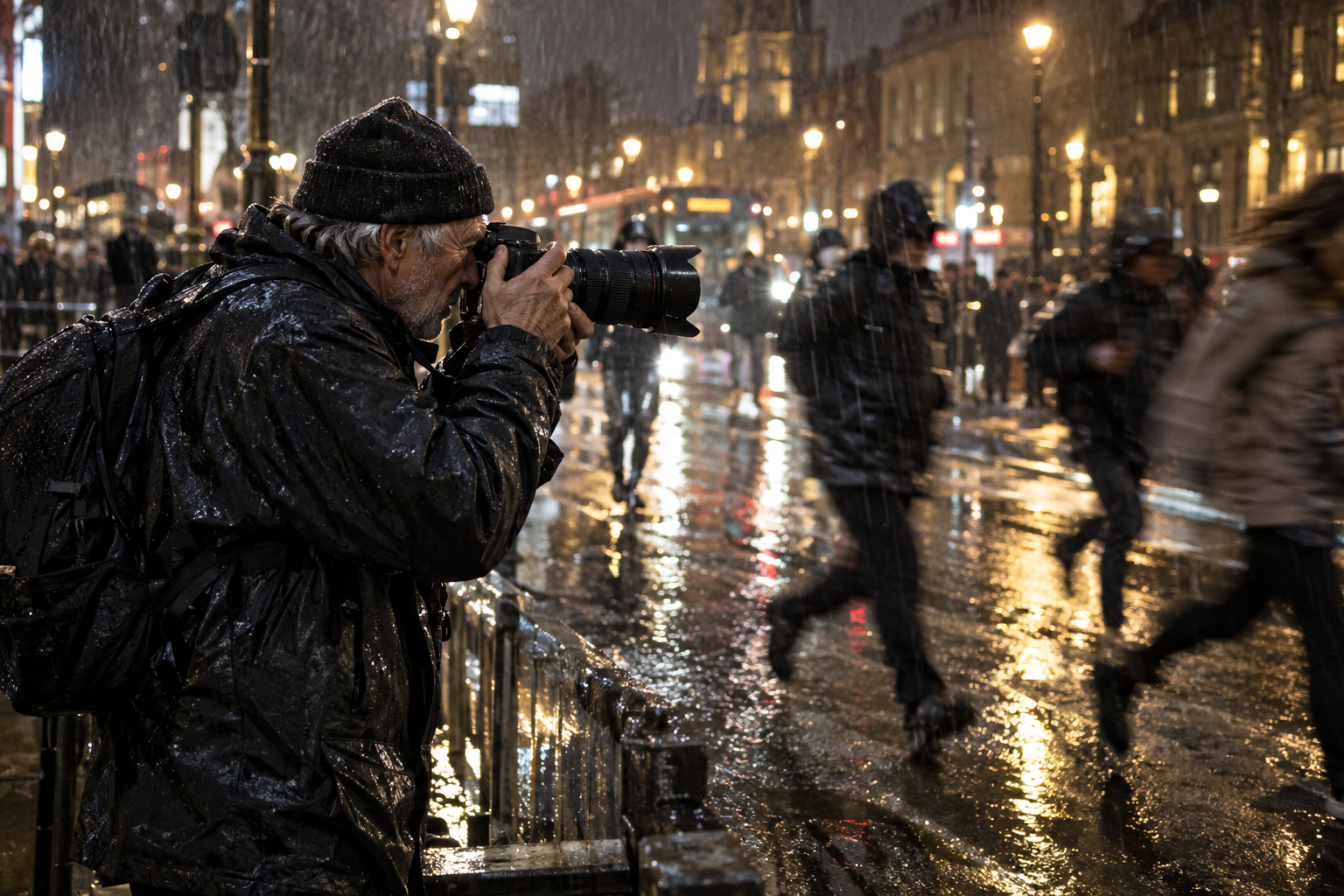
A working photographer arrives when promised. They understand the brief, treat people properly and do not create unnecessary problems for those allowing access. They remain calm when plans change, because plans nearly always change. The room is smaller than expected. The important person arrives late. The light is terrible. The rain begins.
Complaining does not improve any of these situations. The photographer adjusts.
Technical knowledge provides options. If the light falls, I know how far the ISO can be raised. If movement becomes important, I understand the shutter speed required. If the background distracts, I can change position, focal length or aperture. Technique should solve problems quietly.
The client or editor does not need a lecture about why conditions were difficult. They need photographs. This does not mean reality may be fabricated to disguise a weak assignment. But before accepting defeat, the working photographer looks harder.
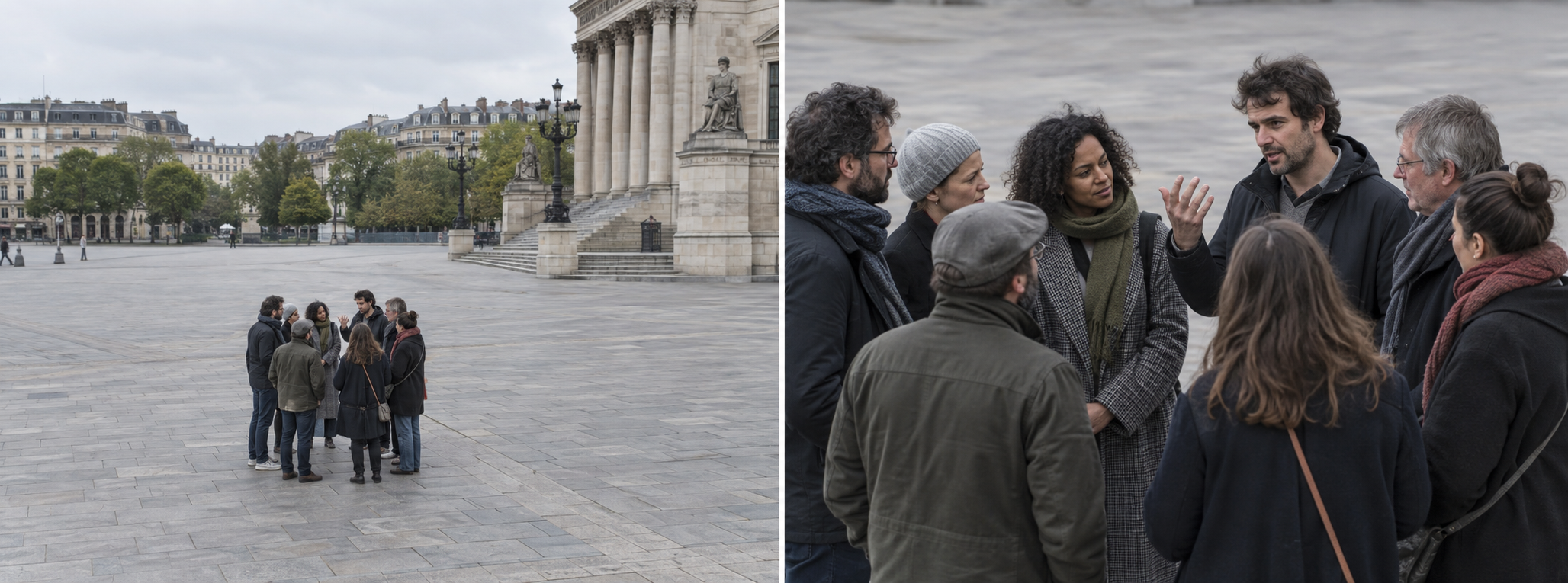
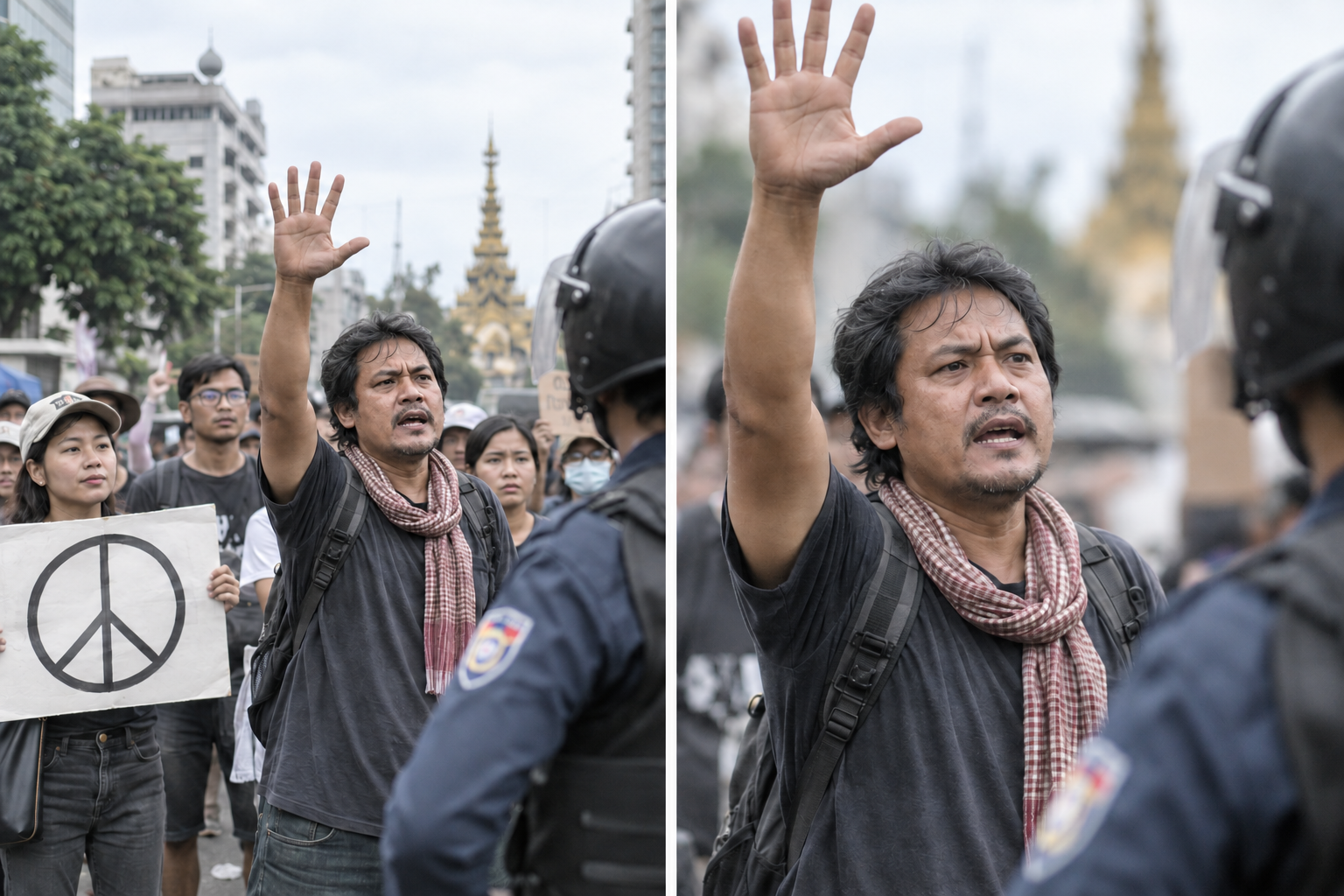
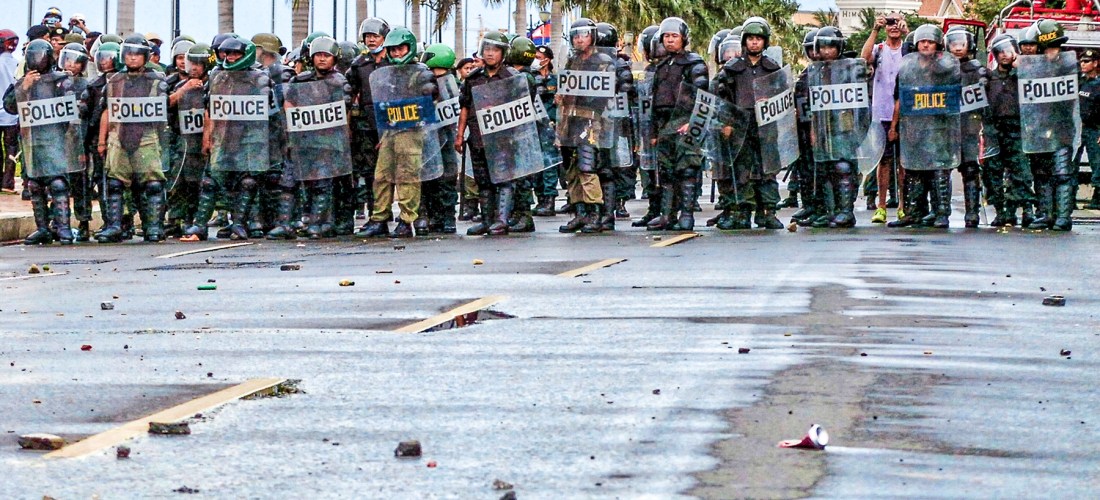
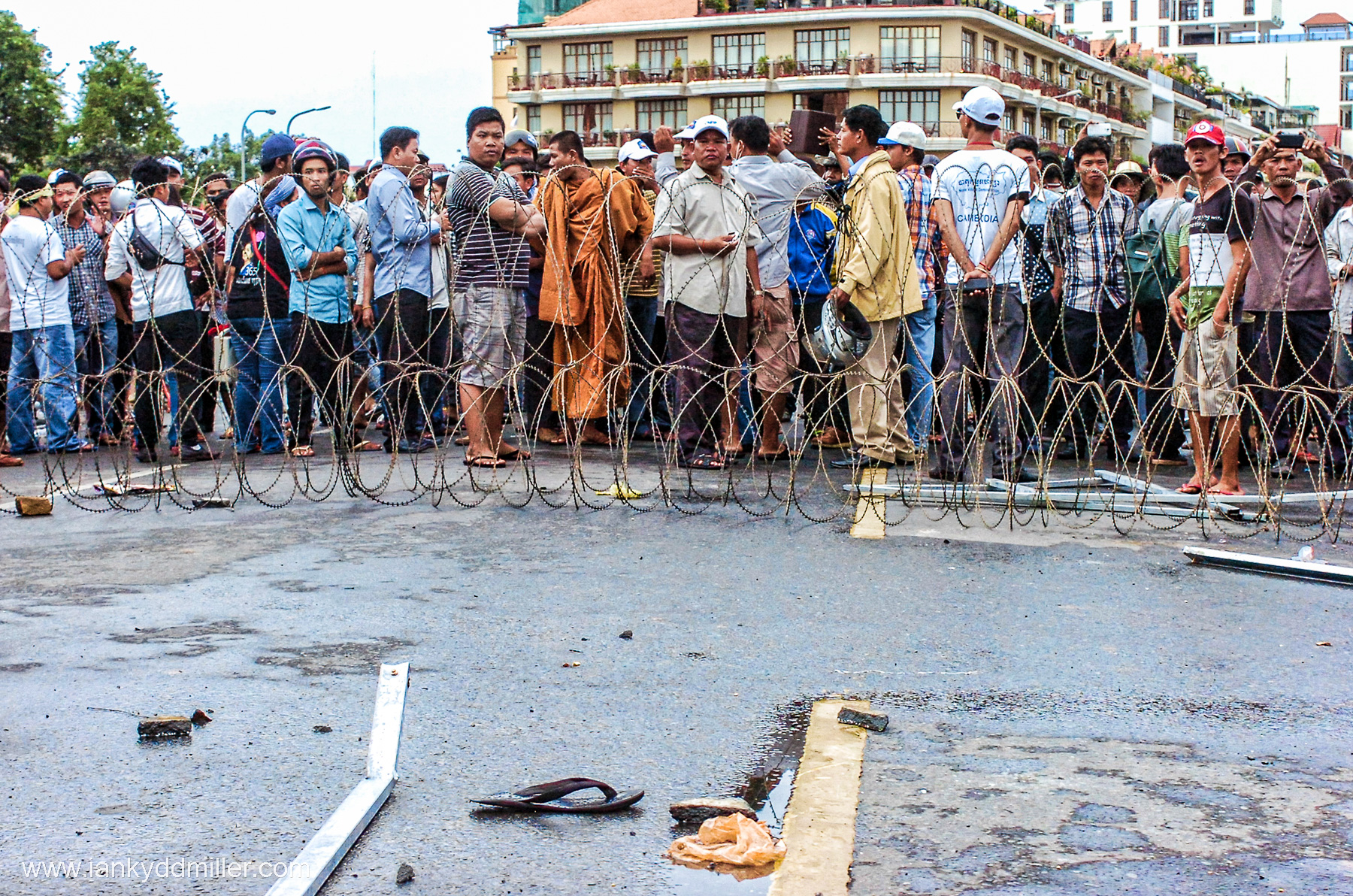
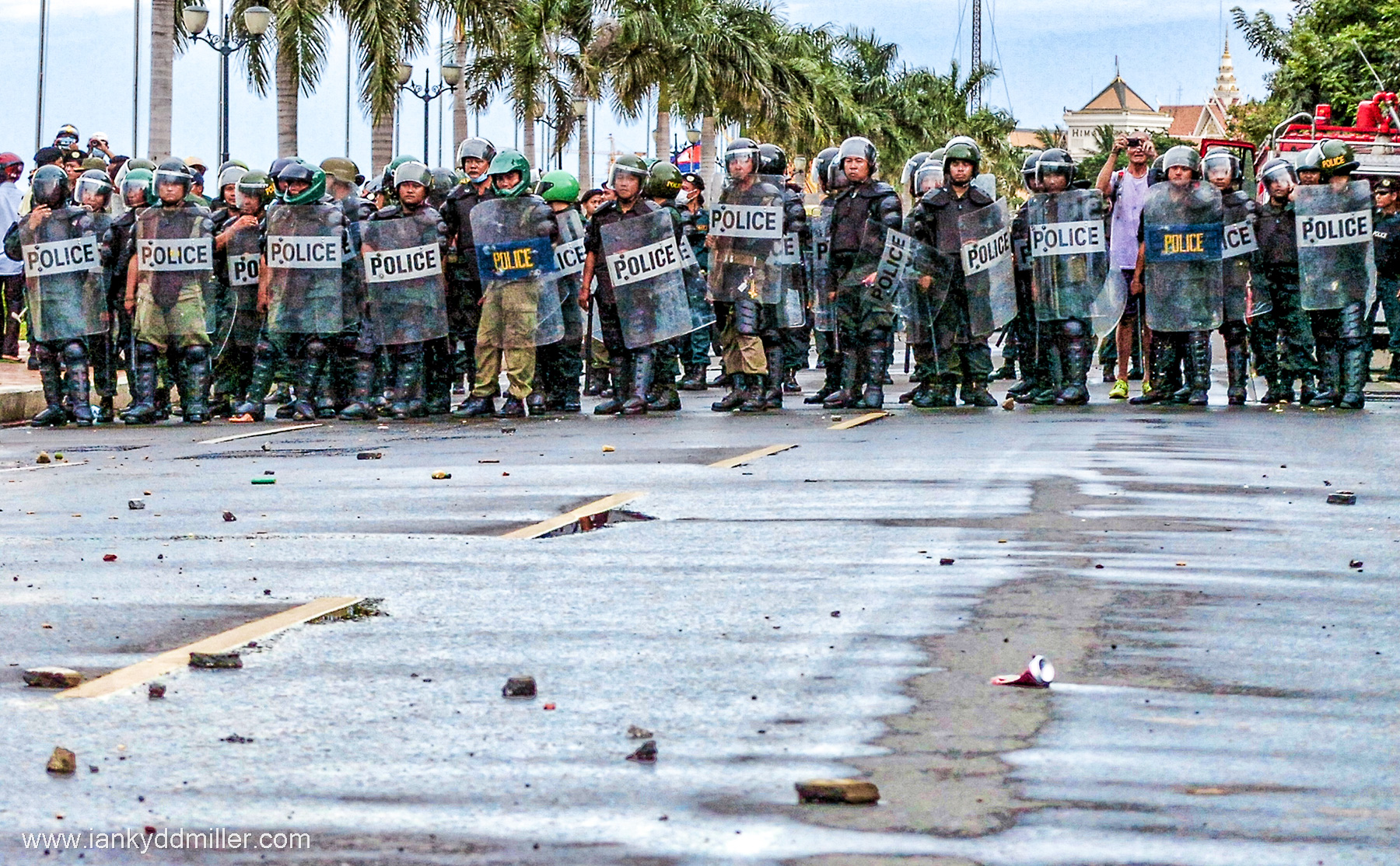
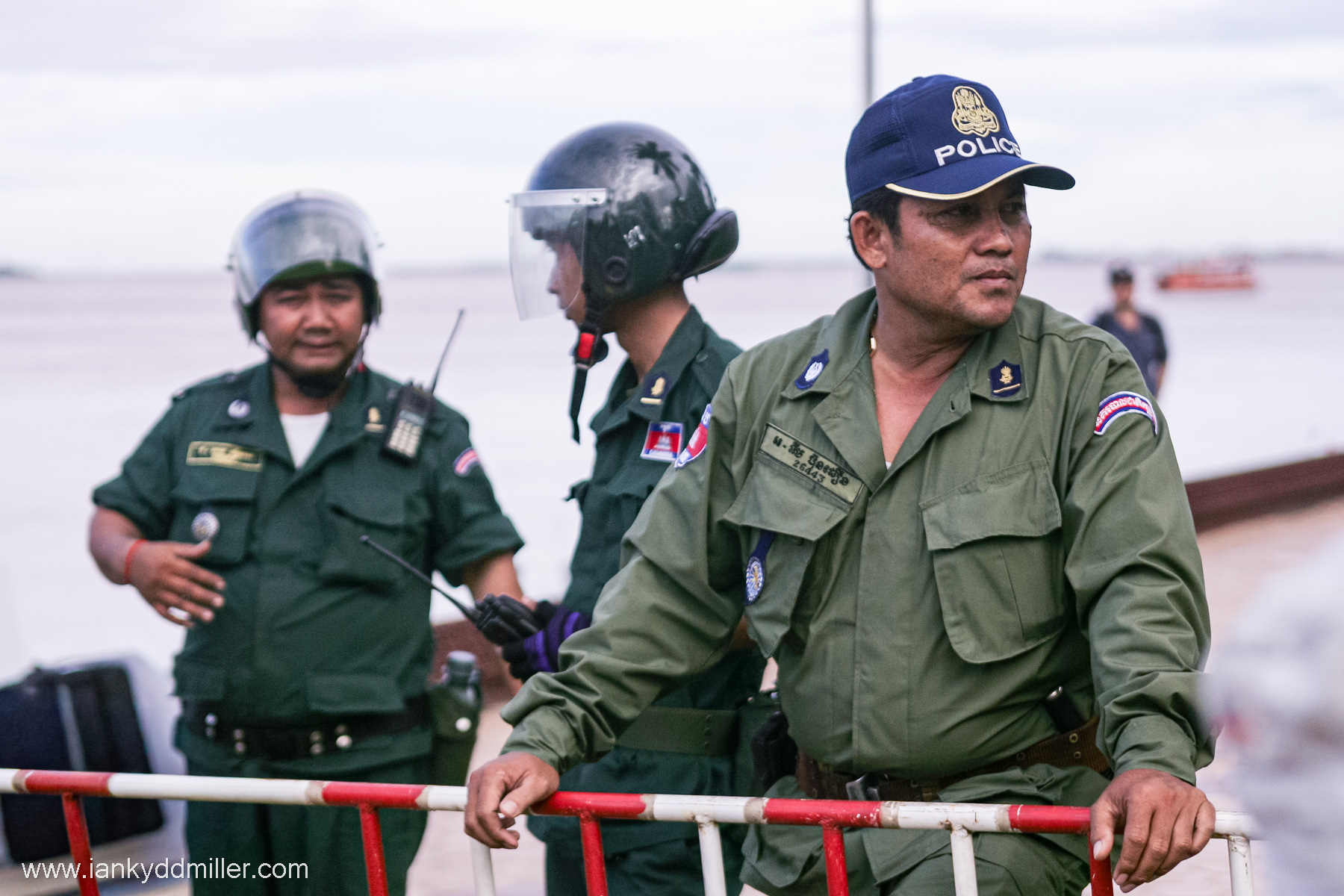
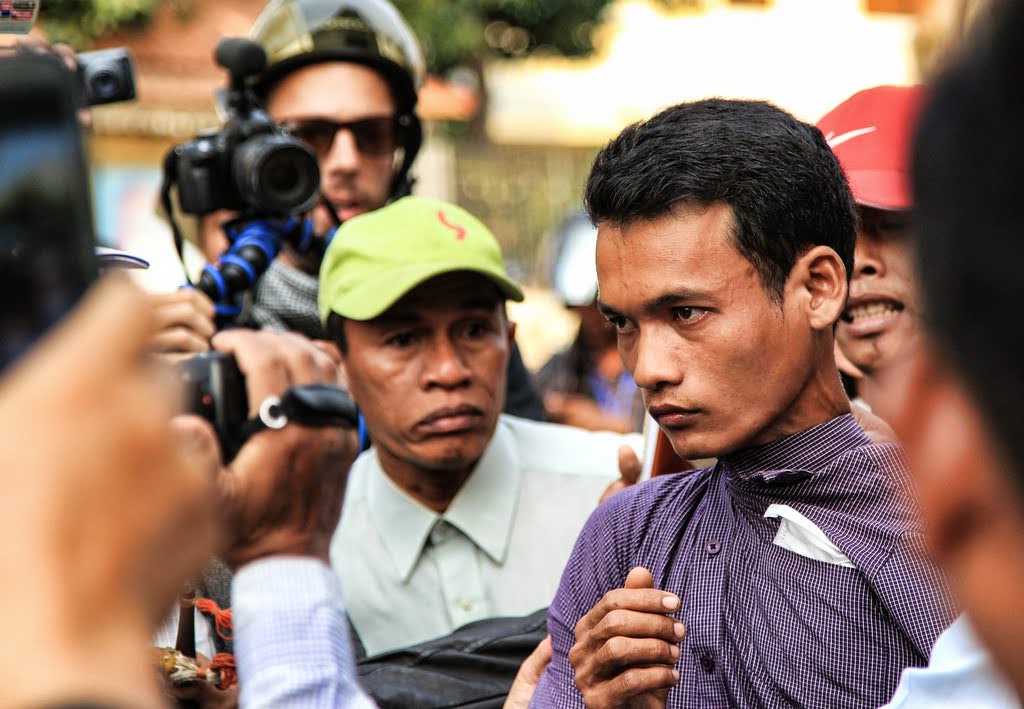
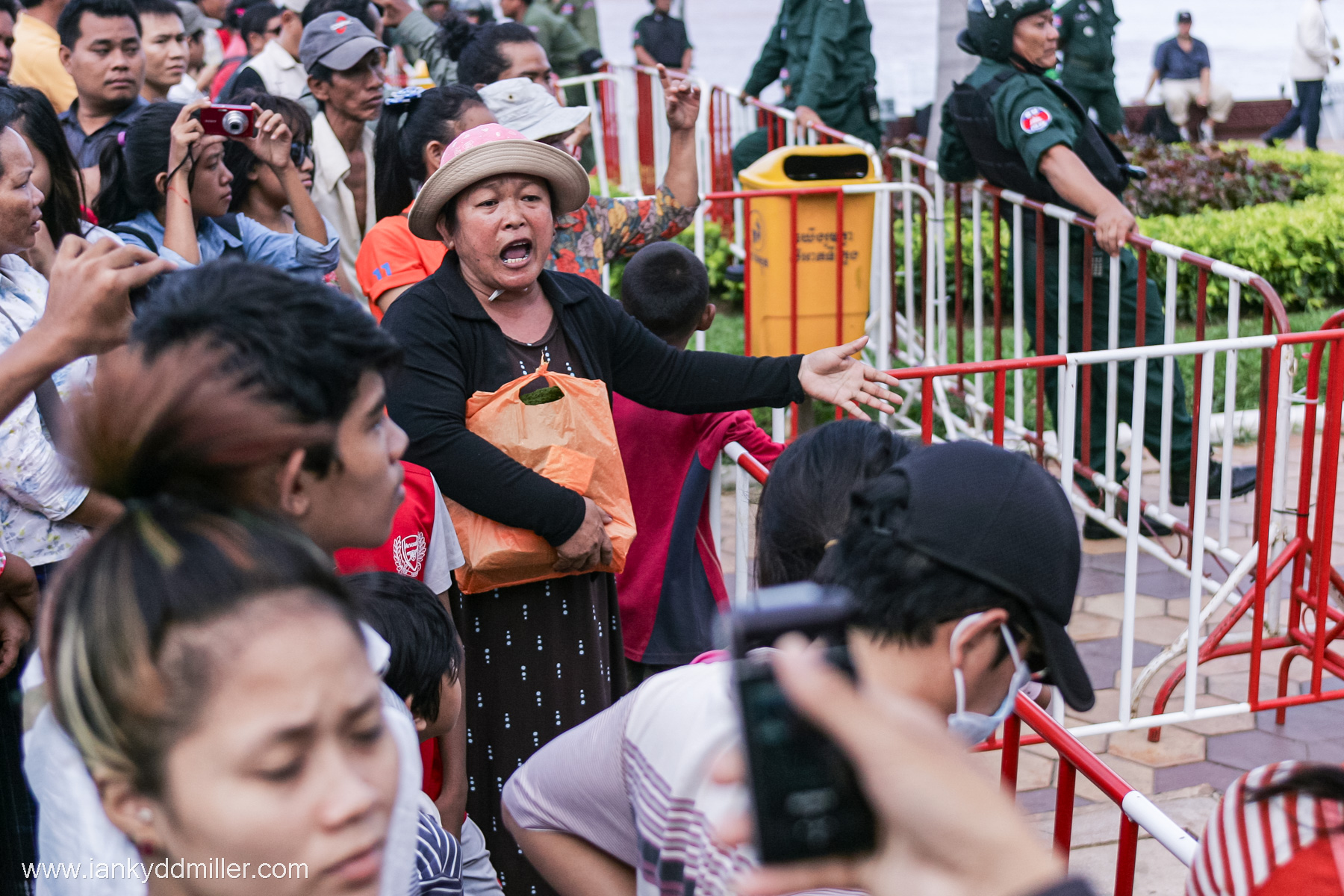
If the obvious picture is unavailable, what else explains the story? If the main event cannot be approached, can its effect be seen in the crowd, the security or the faces of those watching? The strongest photograph may be found at the edge.
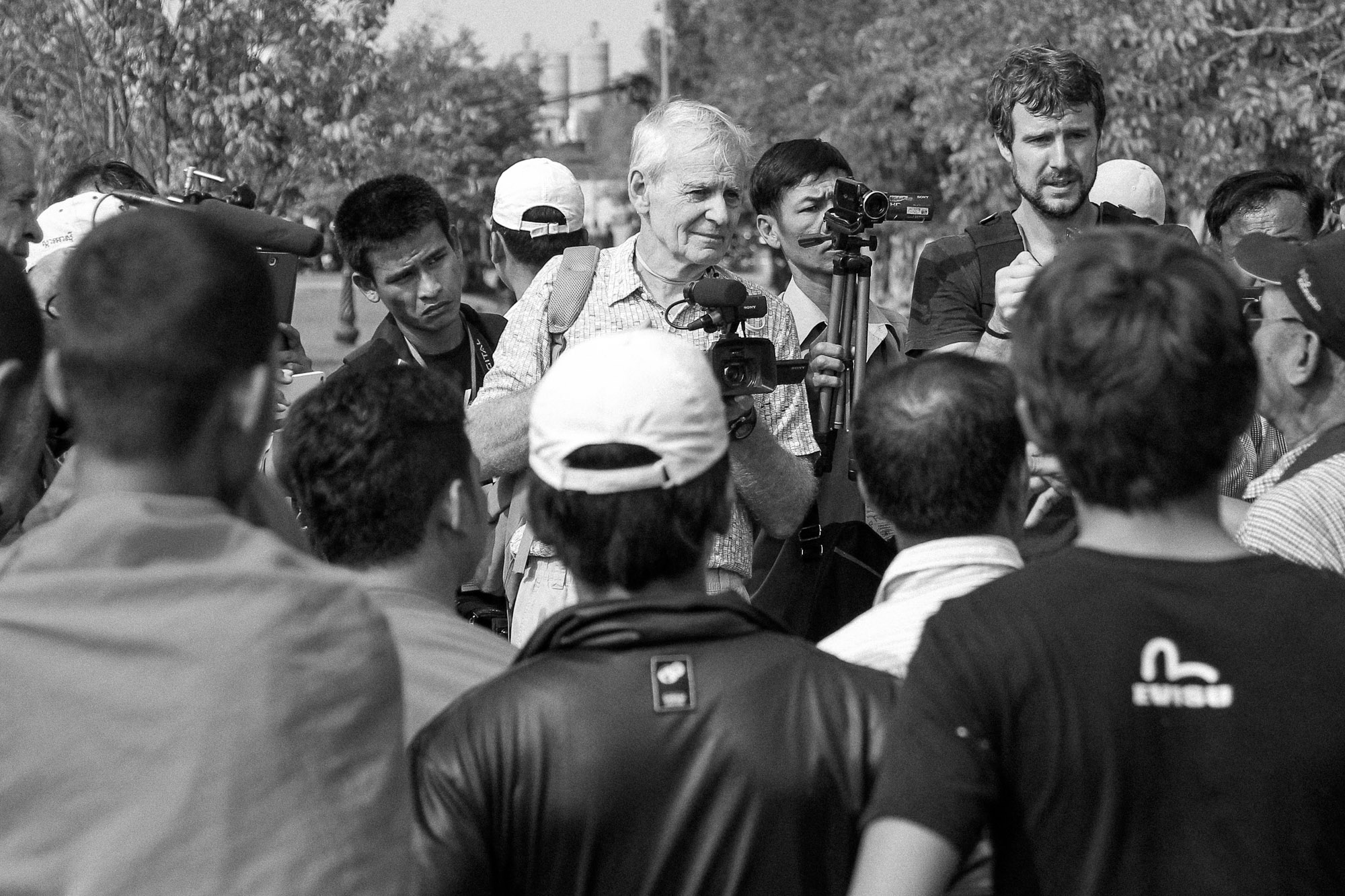
Access is built through behaviour. People watch a photographer before deciding how much to reveal. If we enter aggressively and immediately push a camera into every face, the atmosphere changes. Sometimes the best thing to do upon arriving is nothing. Talk. Listen. Allow people to become accustomed to your presence. The camera can wait.
This is not wasted time. It is part of making the photograph.
The working photographer must also know when speed is necessary. News does not pause while relationships develop. Speed and patience are not opposites. Both depend upon attention.
Working among people brings responsibility. A person may agree to be photographed without understanding where the picture could appear. A child cannot always give meaningful consent. Somebody enduring grief may be visible without being available.
A photographer can obey the law and still behave badly.
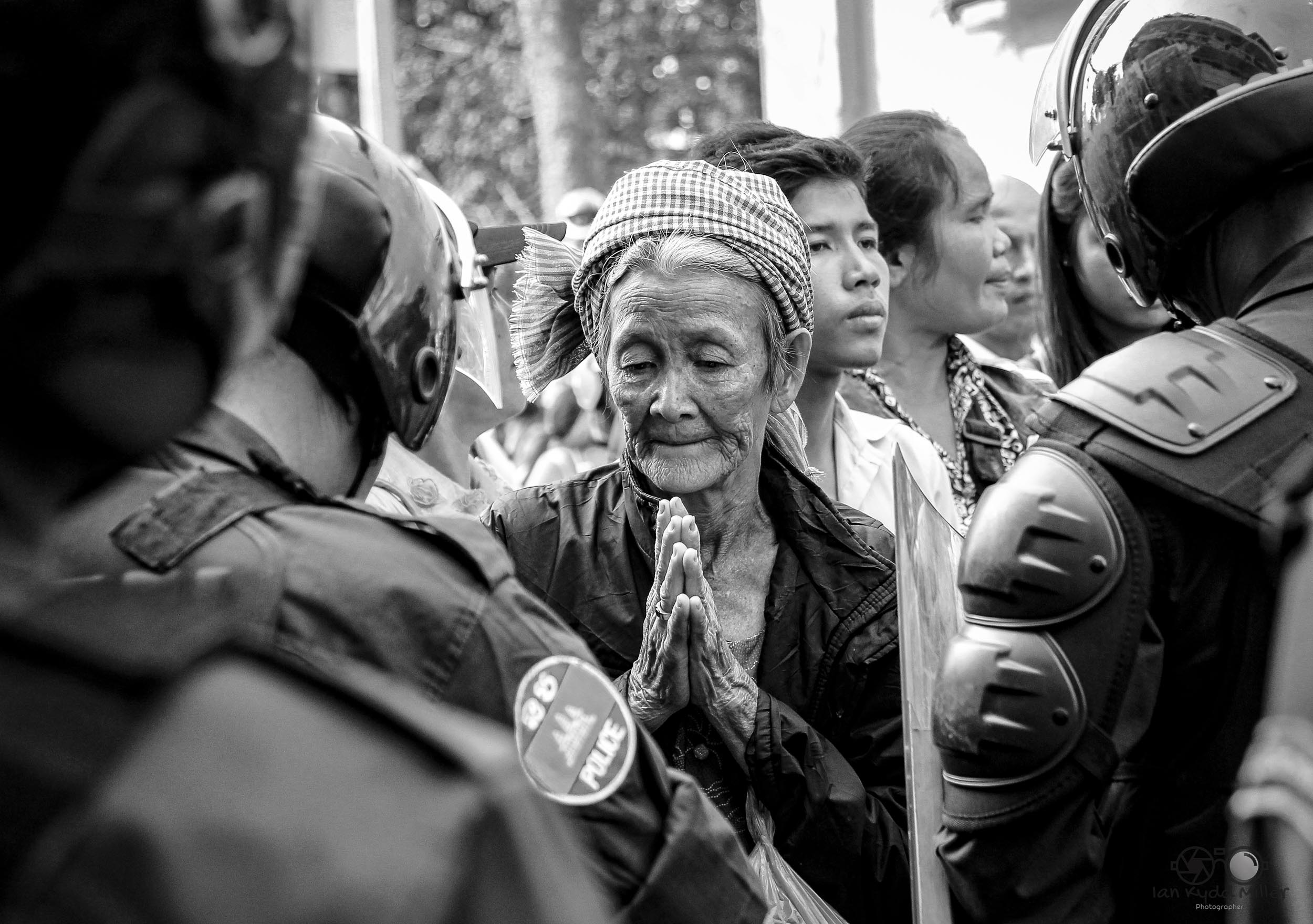
There are occasions when recording suffering is necessary. Without photographs, abuses can be denied and lives can disappear from public memory. But bearing witness is different from harvesting misery. Context matters. Dignity matters. Accuracy matters.
Captioning is part of this responsibility. Names should be checked. Places, dates and circumstances should be accurate. If something is unknown, it should remain unknown rather than being replaced by assumption. A picture may attract attention, but the caption anchors it to reality.
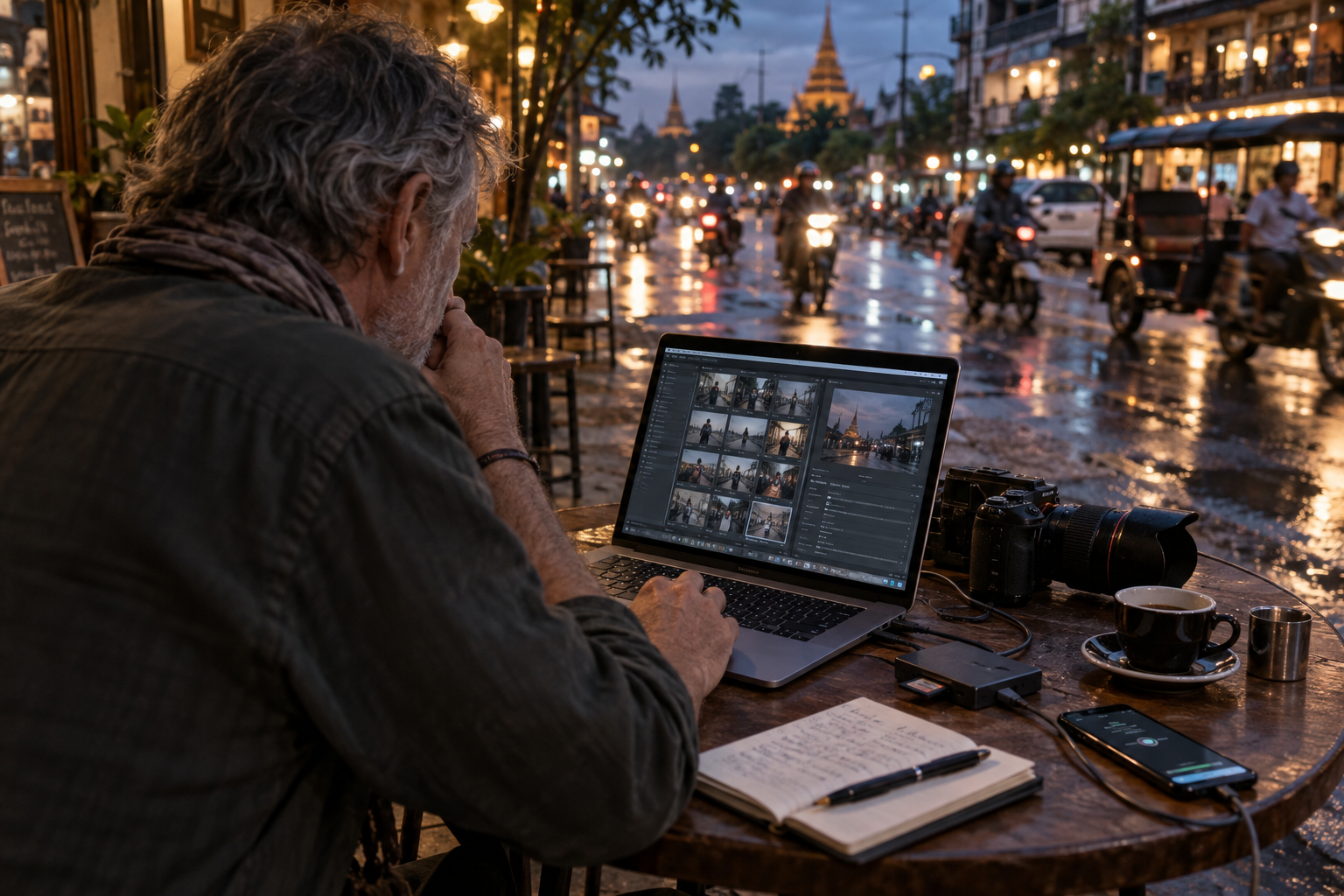
File handling is another unromantic part of the job. Photographs must be backed up, selected, processed, captioned and delivered. An extraordinary image sitting unedited on a card is of no use to an editor waiting to publish.
Editing is the removal of repetition, weakness and self-indulgence. Ten similar pictures do not become stronger because they are delivered together. A disciplined edit respects the viewer’s attention.
Processing should support the photograph rather than transform it into something that never existed. Colour, contrast and tone may need adjustment. Cropping may strengthen the frame, provided it does not distort the meaning. Are we helping the viewer see what was present, or manufacturing a more dramatic reality?
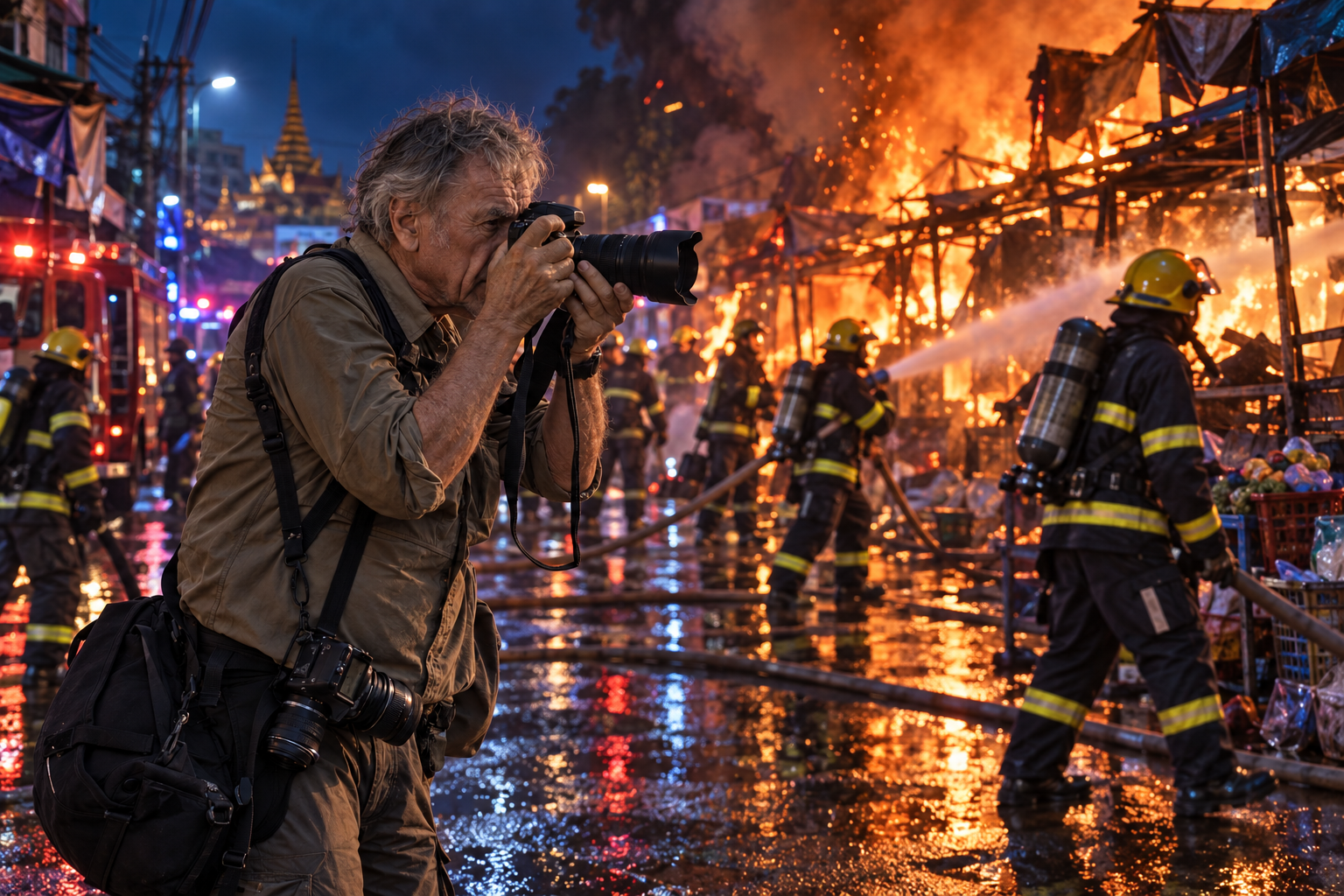
Physical endurance is rarely mentioned in discussions of talent. Much of the job involves waiting, walking, carrying equipment and remaining alert when the body is tired. Looking after oneself is therefore part of the work. Water, appropriate clothing, sensible footwear and knowing when to rest may determine whether the photographer remains effective.
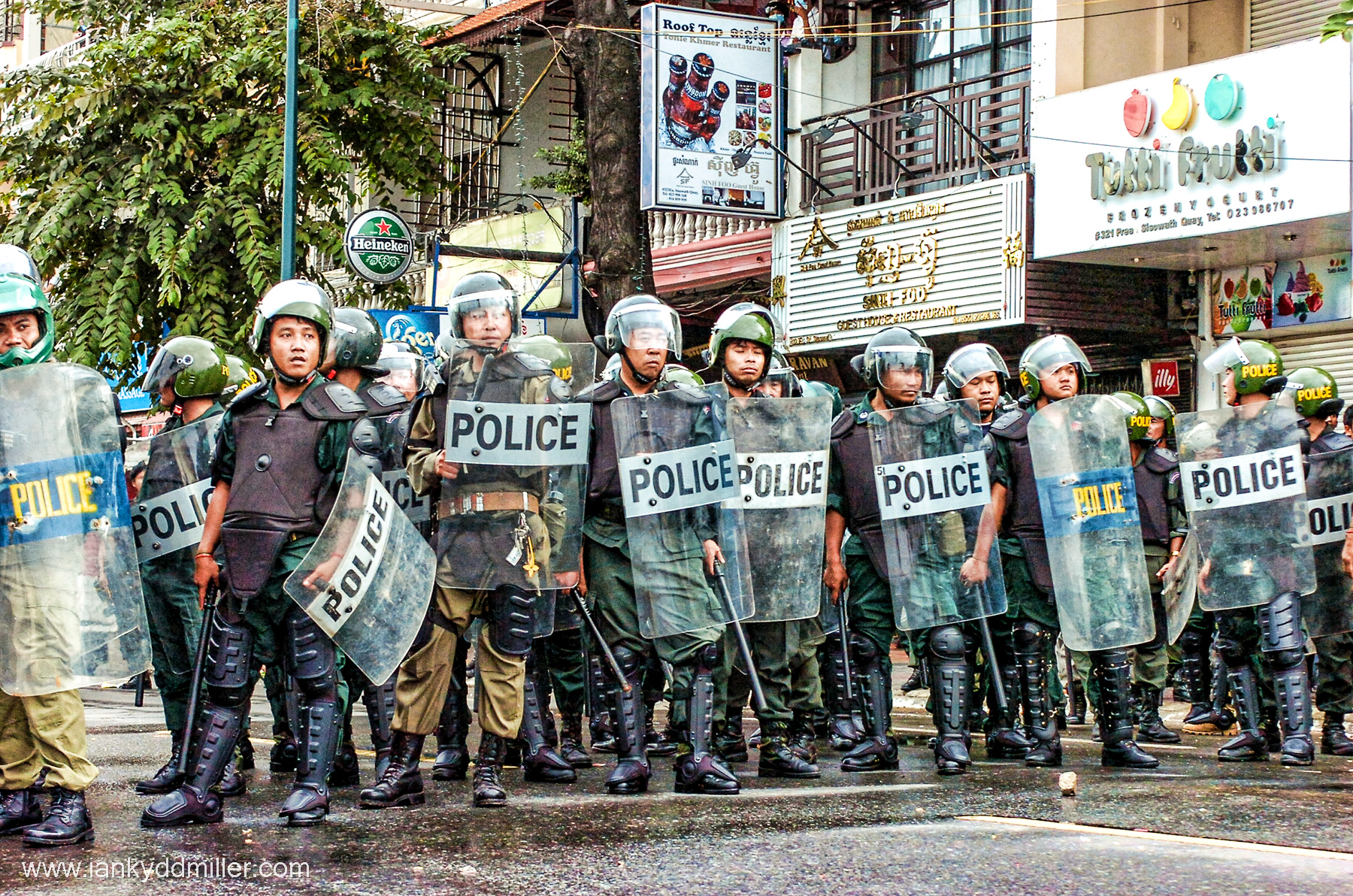
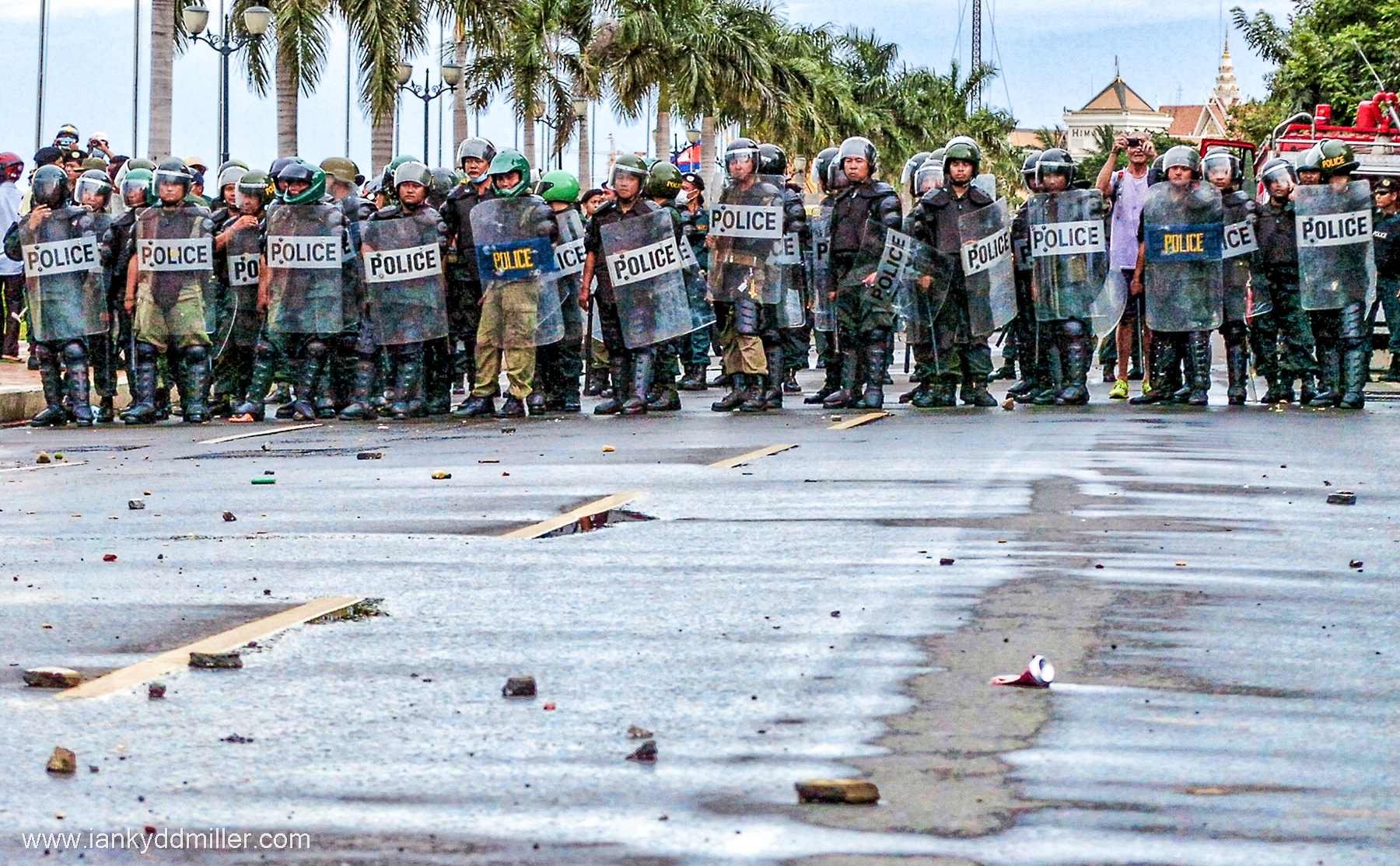
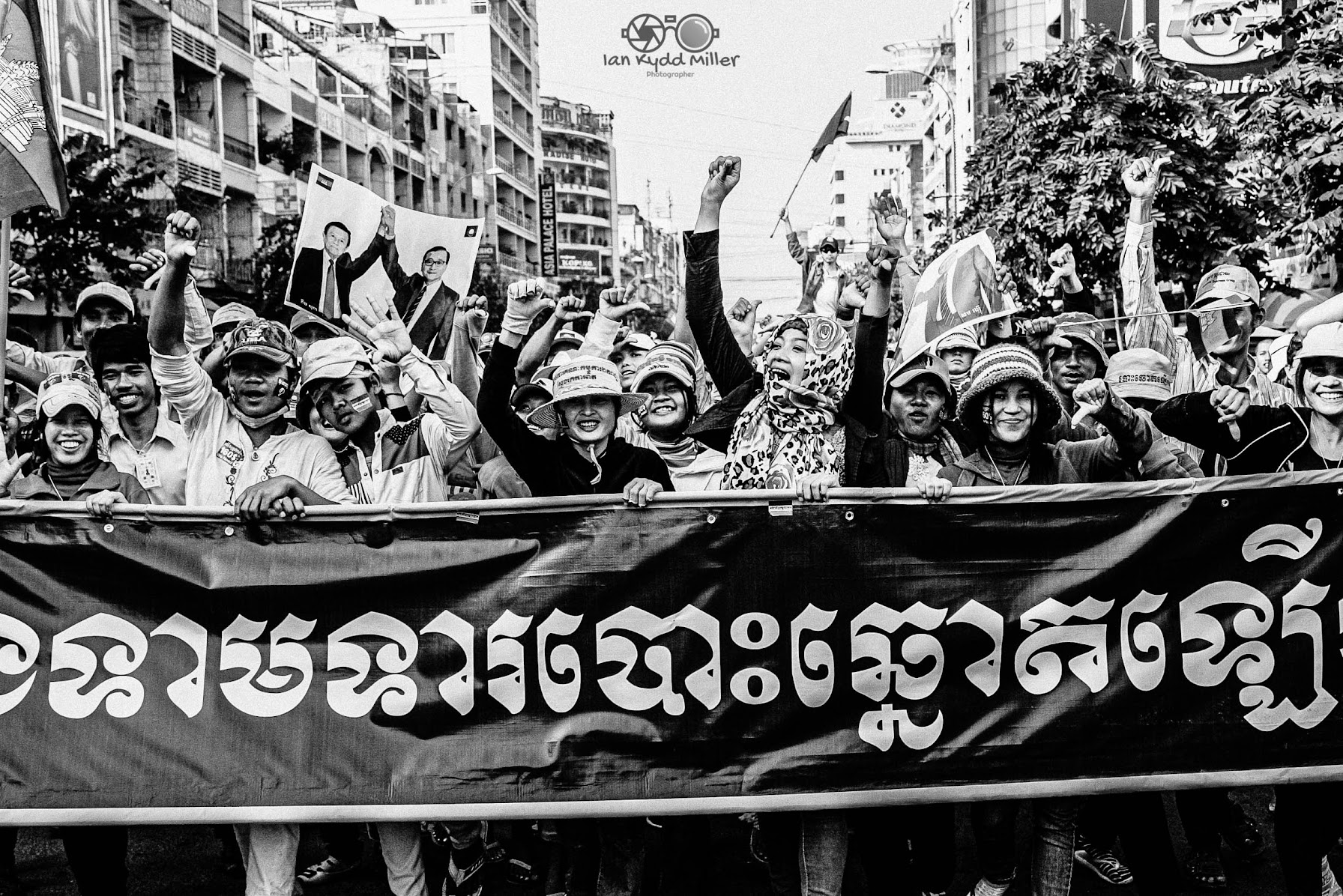
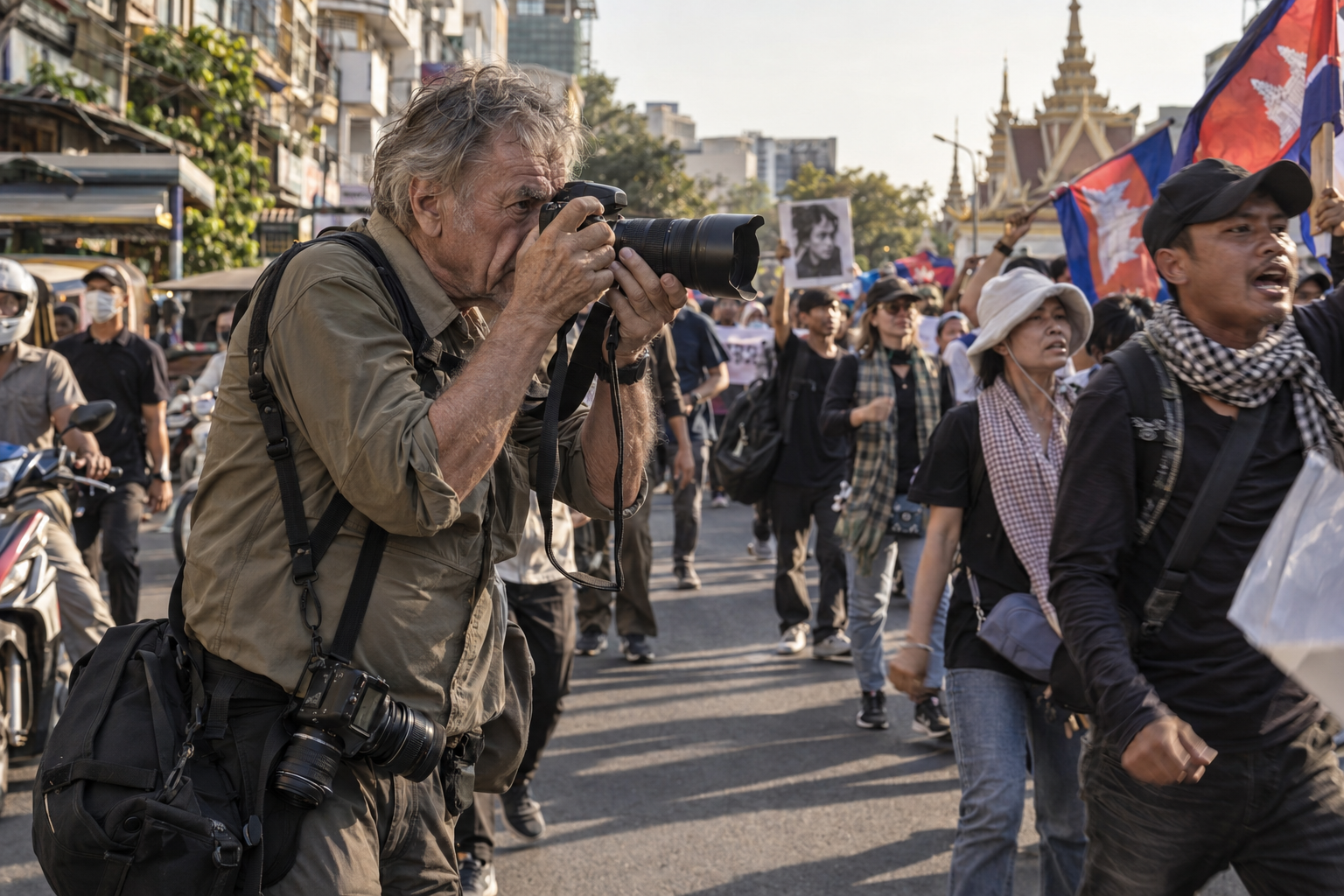
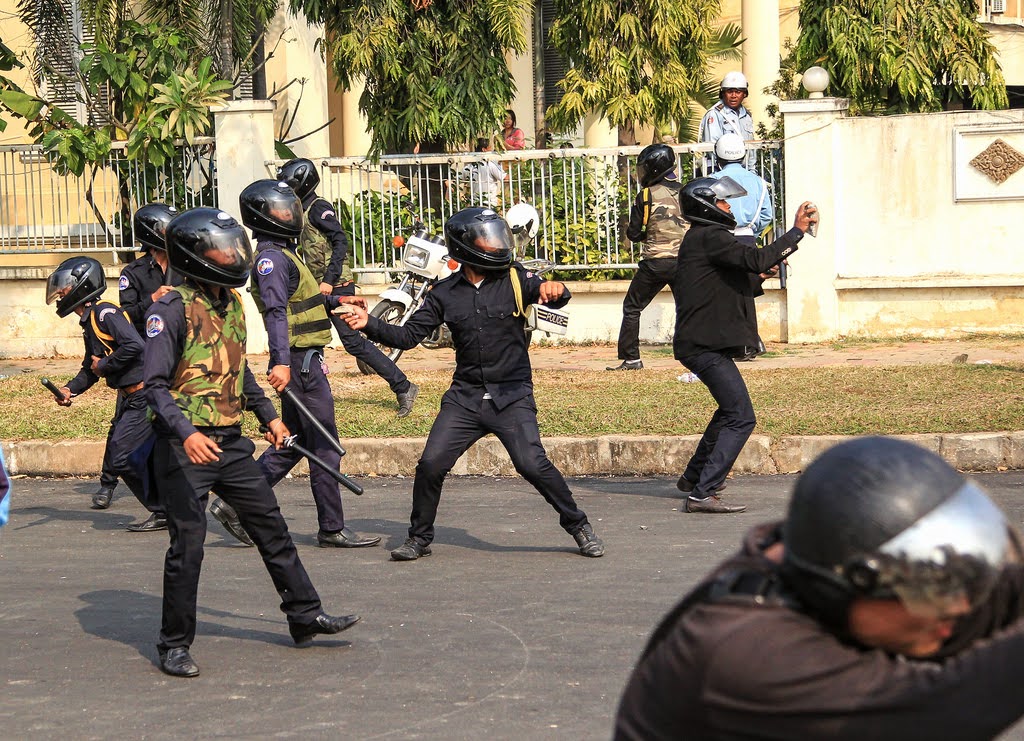
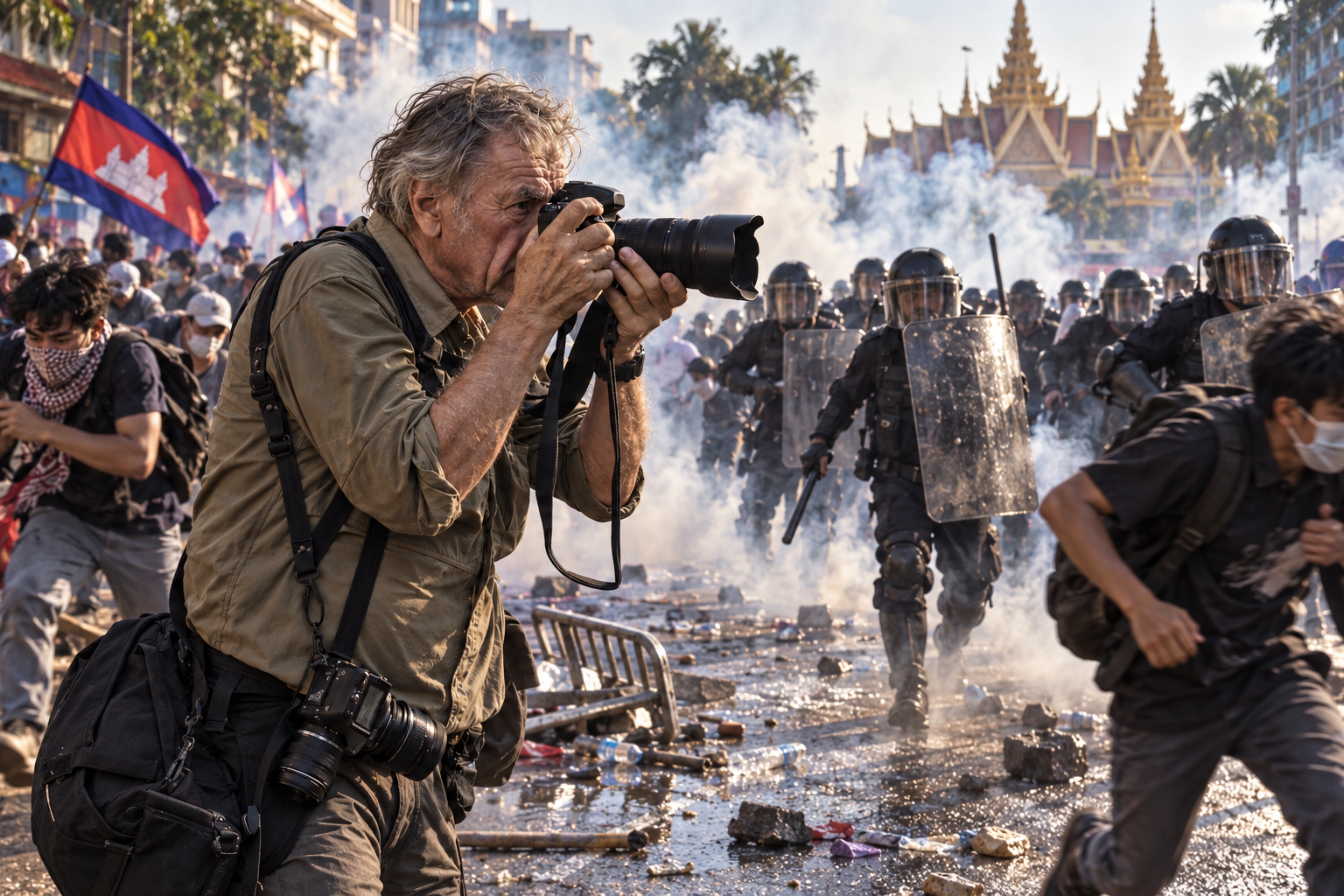
Danger requires clearer judgement still. No photograph is improved by a photographer becoming another casualty. In conflict, protests or unstable crowds, attention cannot remain entirely inside the viewfinder. Exits, changing moods, security forces and traffic must all be watched.
Courage is not the absence of fear. It is understanding the risk well enough to decide whether the photograph justifies it. Sometimes it does. Sometimes it does not.
The business has changed. Newspapers have contracted, agencies demand more for less and photographs travel instantly through a world overwhelmed by images. Many photographers now work alone as researcher, writer, editor, processor and publisher.
What remains is the work.
A professional is not simply someone who earns money from a camera. Payment matters, and photographers should charge properly for their labour. But professionalism is also a standard of conduct. It means producing the necessary picture before pursuing the clever one. It means protecting the files, meeting the deadline and accepting responsibility when something goes wrong.
It means being dependable.
Not every assignment becomes art. The working photographer understands the difference between making a picture for personal satisfaction and making one that must perform a job. The finest photographs sometimes achieve both.
To see clearly when others are occupied, confused or unable to remain. To make the frame. To record the names. To preserve the files. To deliver what was promised.
That is the work. Everything else is decoration.
CHAPTER 6
The Camera Is Not the Journey
I can measure parts of my life by the cameras I carried.
Certain names bring back particular streets, assignments and people. A battered professional body recalls long days when failure was not acceptable. A smaller camera brings back the pleasure of walking without a plan. An old lens remembers faces more clearly than I sometimes do.
The equipment became attached to the memories. Yet the camera was never the journey. It was only the object in my hands while the journey was happening.
This becomes clearer with age. When we are young, a new camera can feel like a new beginning. We believe it will release the photographer we are trying to become. Sometimes new technology genuinely expands what we can do. But it cannot decide what deserves to be photographed or provide a reason for being there.
The camera records decisions already made by the person carrying it: where to stand, who to notice, when to approach and when to remain at a distance. It does not know whether the moment is honest, cruel, important or merely attractive.
Those judgements belong to us.
Over the years I have carried cameras considered professional necessities, others already obsolete and a few that simply felt right. All were capable of making a worthwhile photograph when I was capable of seeing one.
The differences between them were real, but they were not the most important changes taking place. I was changing.
The younger photographer may be preoccupied with proving that he can make the picture. There is energy in that ambition, and sometimes bravery. There can also be impatience. With experience, the questions become more difficult. Should the picture be made at all? Does it reveal anything, or merely turn another person into a symbol? Am I documenting an event, or using it to perform the role of photographer?
A new camera may improve the file, but it cannot improve the intention behind it.
That requires a slower, less visible development. We must examine our habits and assumptions. We must recognise the difference between confidence and aggression, persistence and intrusion, recording hardship and exploiting it.
Learning photography is partly learning when not to take the photograph.
The industry presents progress as a sequence of products. Megapixels rise, autofocus points multiply and the previous model begins to look inadequate despite working exactly as it did before. We are encouraged to believe our photography is travelling forward because our equipment is more advanced.
Technical progress is easy to measure. Personal progress is not.
There is no specification for patience. Empathy cannot be tested in a laboratory. Judgement does not appear on a comparison chart. Yet these are the qualities that determine what kind of photographer we become.
The real journey takes place between one photograph and the next. It happens when we examine a failed frame and understand that the problem was not the exposure but our position. It happens when we return to a familiar street and notice something previously ignored. It happens when we stop searching only for dramatic events and begin recognising meaning in quieter lives.
The pictures change because the photographer changes.
This is why revisiting old work can be unsettling. The photographs do not merely show where we were; they reveal how we once looked at the world. Some frames remain strong. Others survive mainly as evidence of inexperience. That is not shameful. If every old decision still seems correct, perhaps we have not travelled very far.
I can look at earlier photographs and remember the desire to fill the frame, to make the subject undeniable. Now I may allow more space. I am increasingly interested in the relationship between the person and the world around them. Context has become part of the portrait.
This is not because a newer camera taught me how to see it. Time did. Experience did. The people I photographed did.
Some encounters stay with us because they altered more than the portfolio. A person allows us into a difficult part of their life. A community gives us access after expecting to be misunderstood. These experiences change the way we approach the next person.
That is the journey.
I understand why photographers speak affectionately about old equipment. A trusted camera has been present during moments of fear, concentration, discovery and failure. Its worn grip carries the evidence of thousands of hours.
We do not love the machine only for what it is. We love the part of our lives that became attached to it.




An old camera can return us to the person we were when we carried it. We remember the journey through heat, rain, crowded streets and long periods of waiting. We remember the people.
This does not mean we must keep every camera forever. Tools wear out. Needs change. Bodies become heavier as photographers grow older. Moving to different equipment is not a betrayal. The mistake is believing that changing the camera automatically renews the photographer.
There are periods when the pictures stop coming. Familiar streets feel exhausted. Buying something new can create temporary excitement, but eventually we must confront the deeper question: what are we trying to say now?
The answer may differ from the one we gave twenty years ago. A photographic life should not remain fixed. We may become quieter, more reflective and less interested in spectacle. We may turn towards personal history, ageing, disappearance or the ordinary lives around us.
Technology never stops evolving. Neither should we.
Evolution does not always mean becoming faster, sharper or more productive. It can mean slowing down, making fewer photographs and asking more of them. The camera industry measures improvement in performance. A photographer may measure it in honesty.
There is freedom in understanding this. We no longer need equipment to prove our seriousness. A camera needs to function, suit the way we work and remain dependable when a photograph presents itself. Once those conditions are met, the more important work begins.
We walk. We look. We meet people and occasionally earn their trust. We misunderstand situations, learn from them and try to behave better the next time. We make photographs that fail, others that serve their moment, and a very small number that continue to matter years later.
The cameras come and go through all of this. Some are sold. Some fail. Some remain on a shelf because they contain too much history to be treated as ordinary objects. They remind us of the distance travelled – not only across continents, but across ourselves.
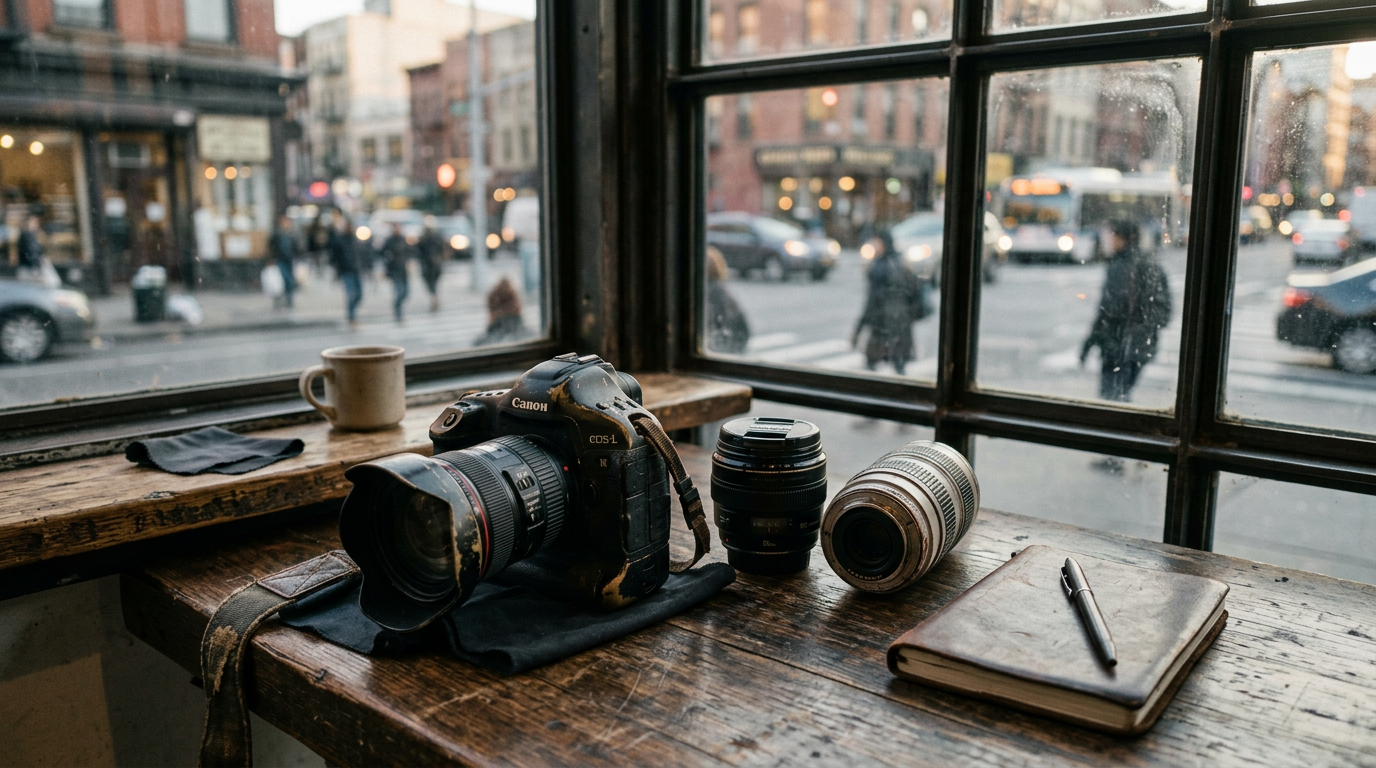
The real journey is not the evolution of our equipment. It is the evolution of who we become while using it. Photography teaches us to pay attention, but it also exposes what we choose to ignore. It tests our nerve, patience and integrity.
The greatest journey in photography is not measured by the cameras we have owned. It is measured by the person we have become while carrying them.
The camera is not the story. The photographs are part of it. The people are most of it.
And the journey continues in the person who still picks up a camera, steps outside and tries once again to see the world clearly.