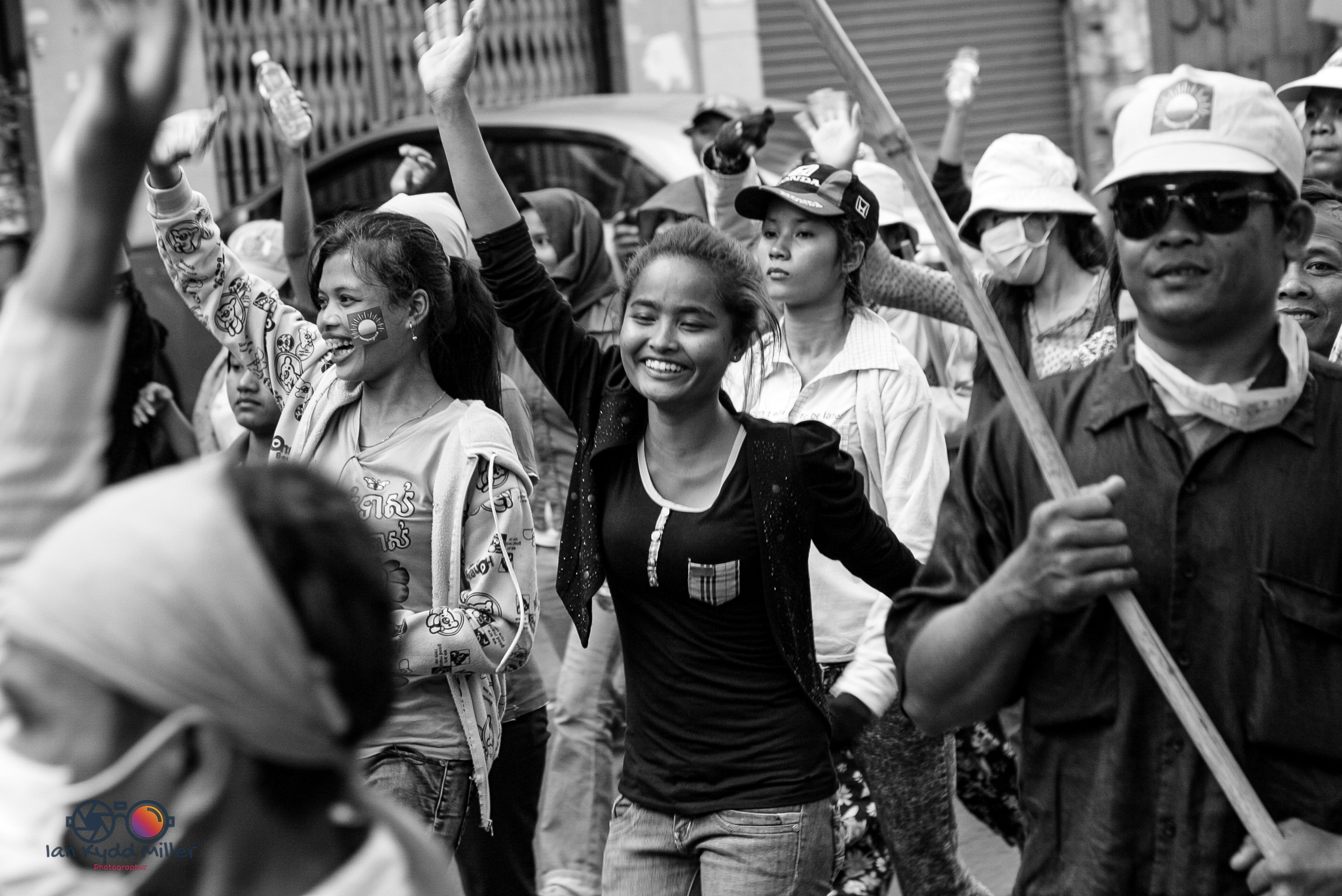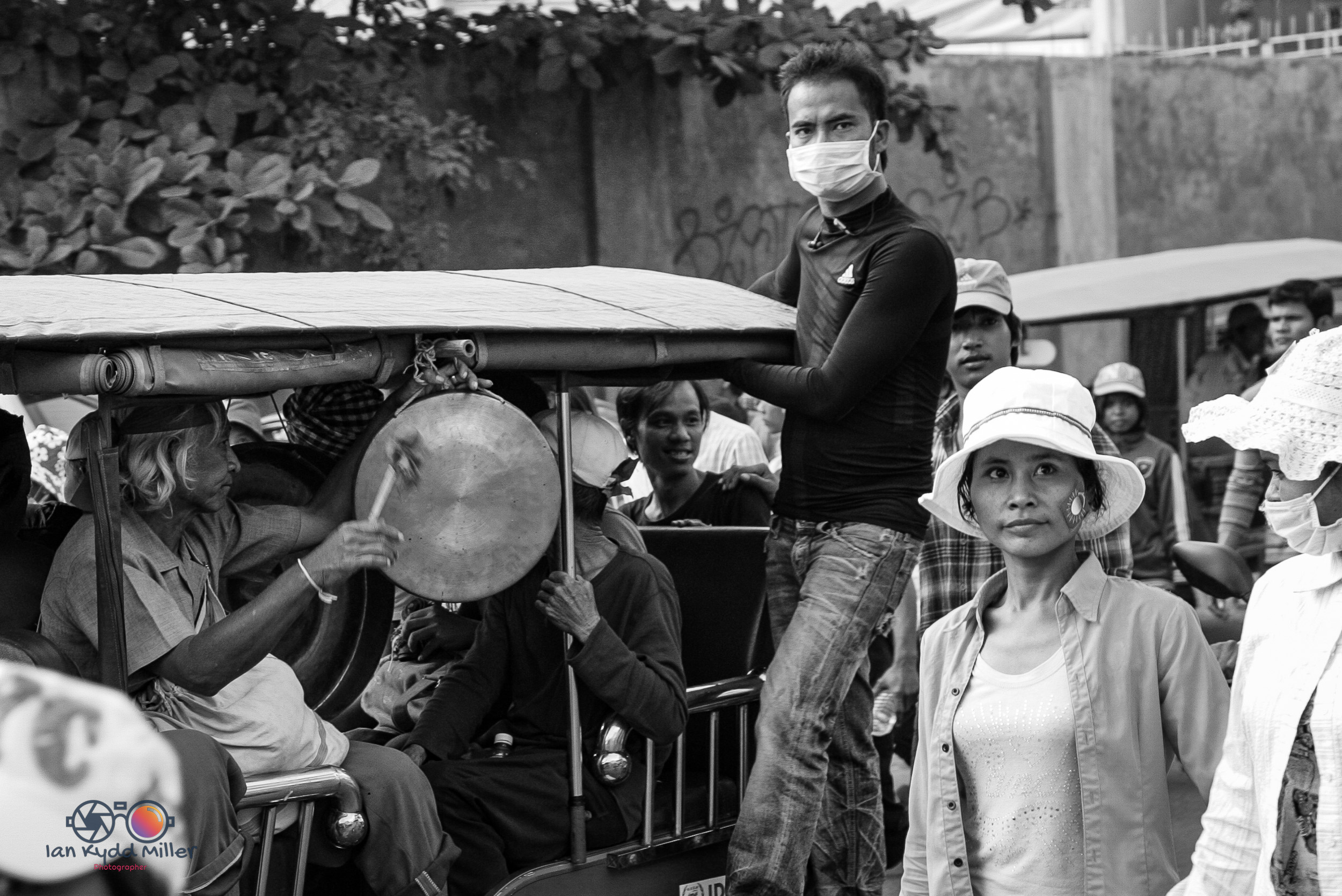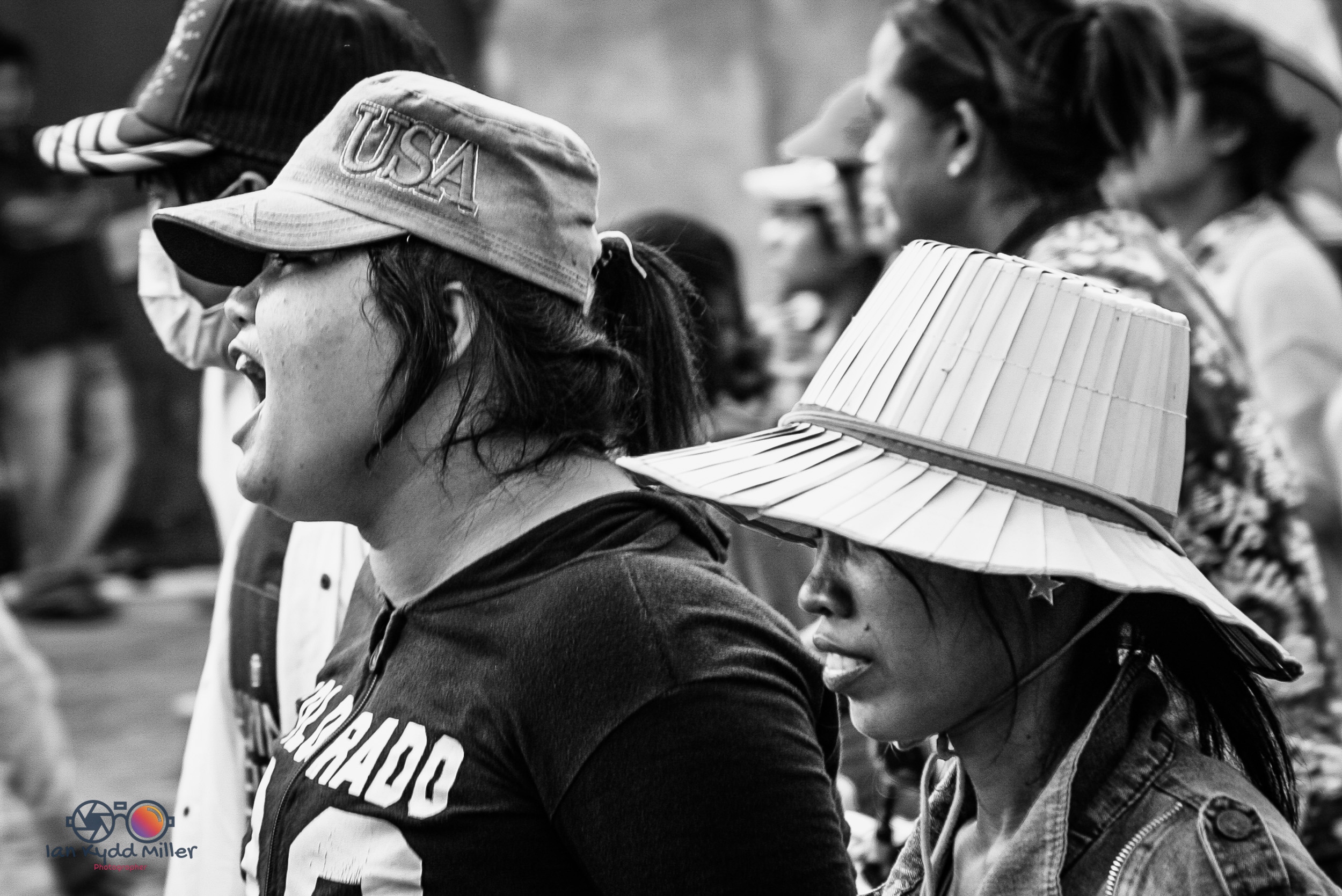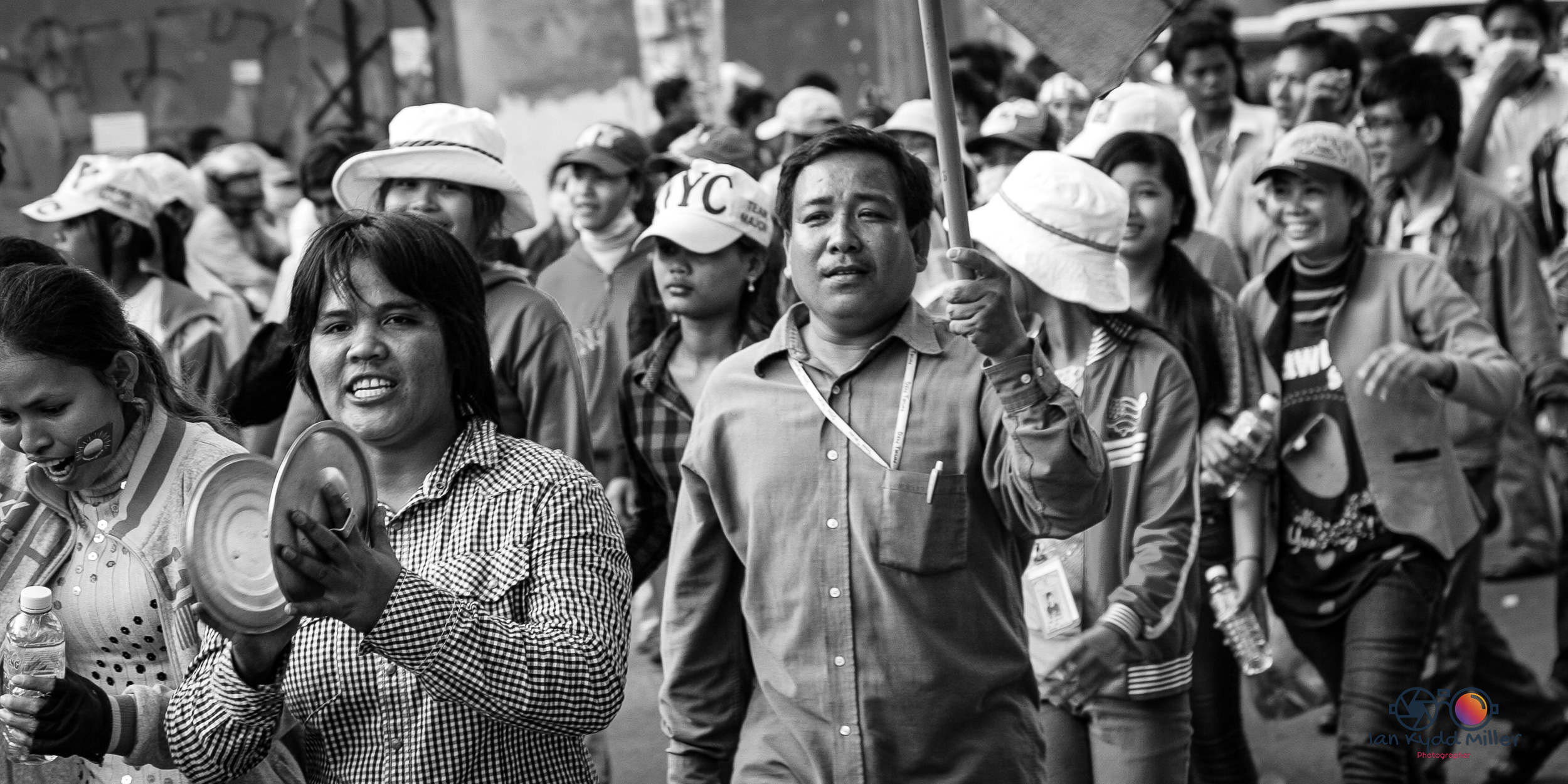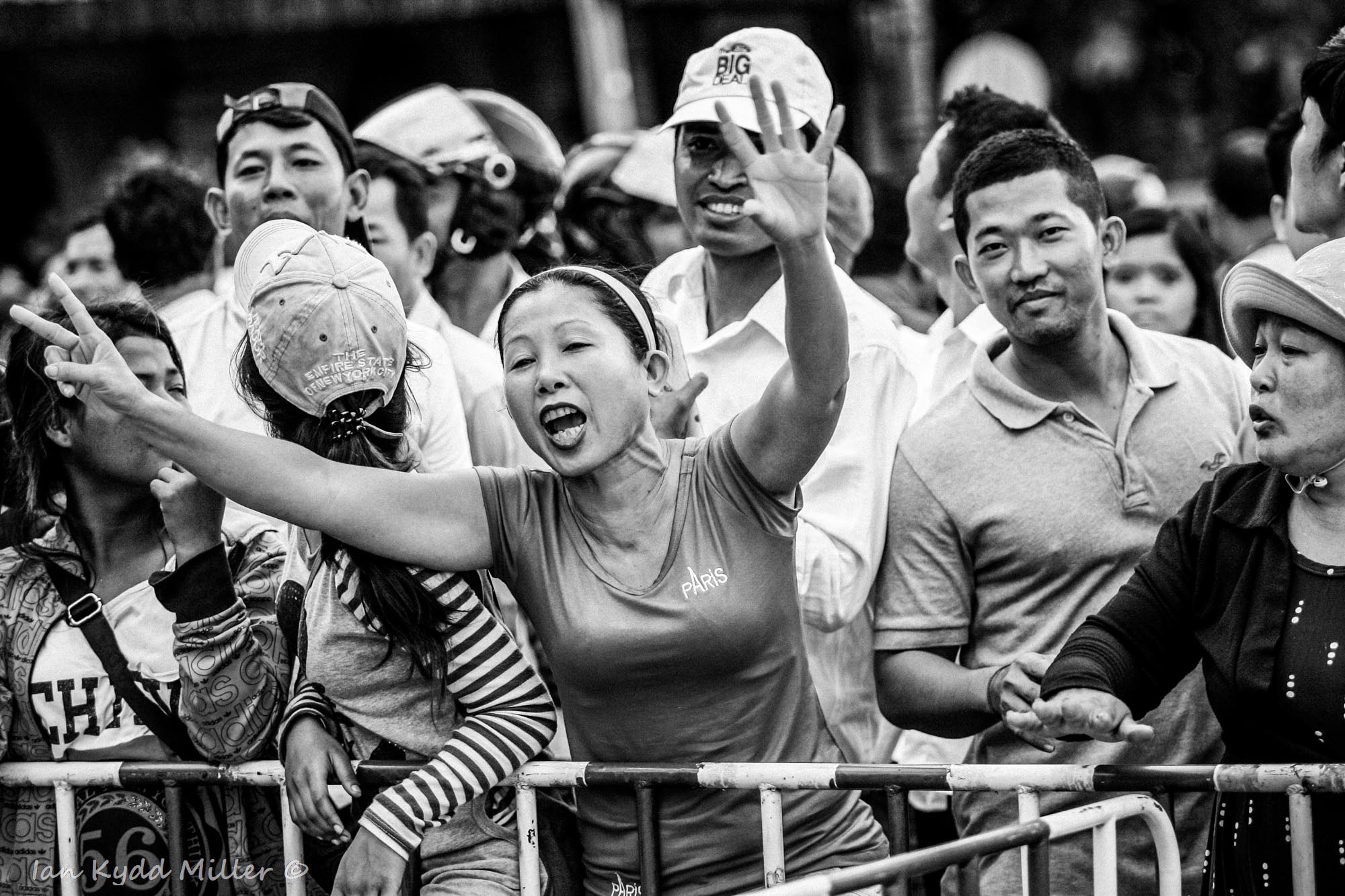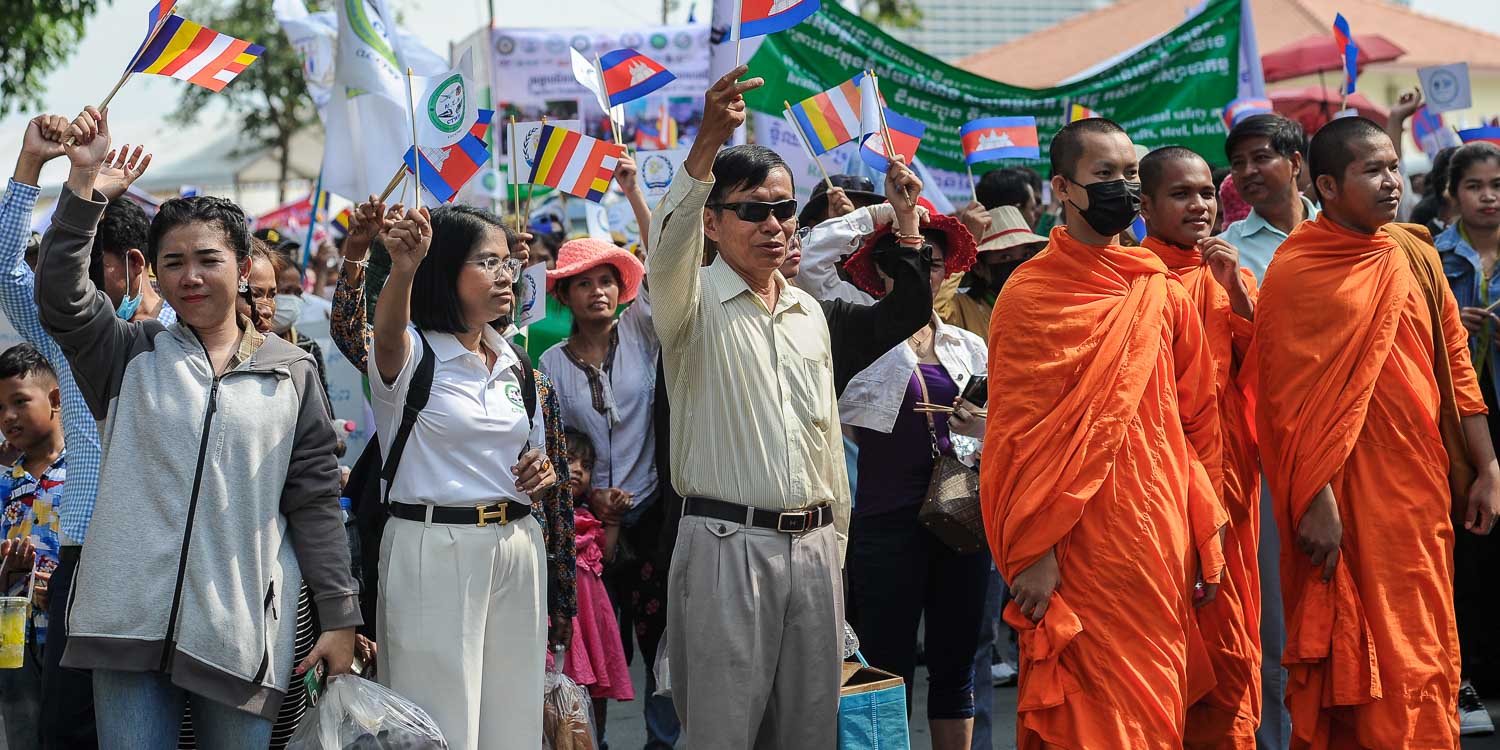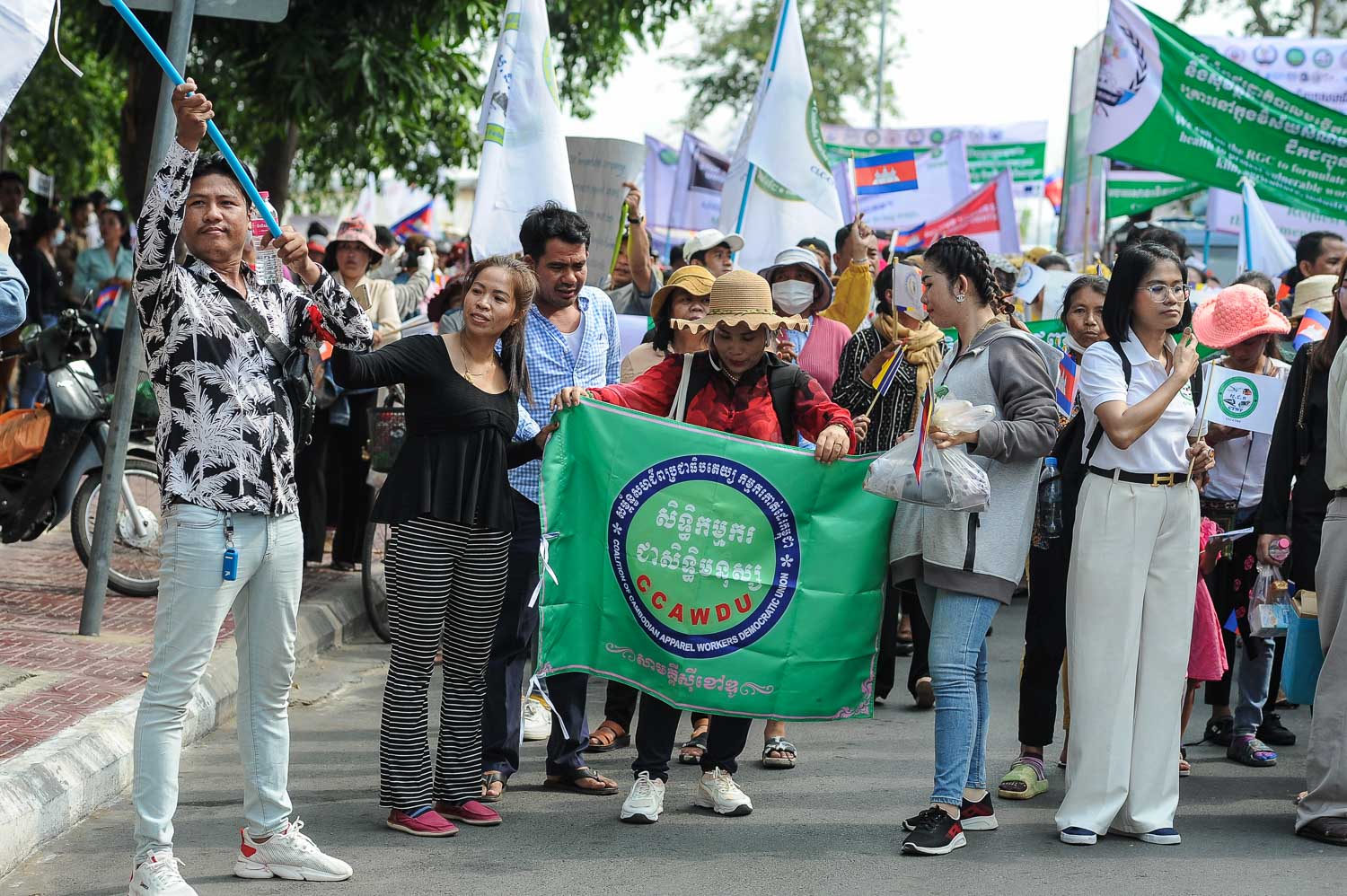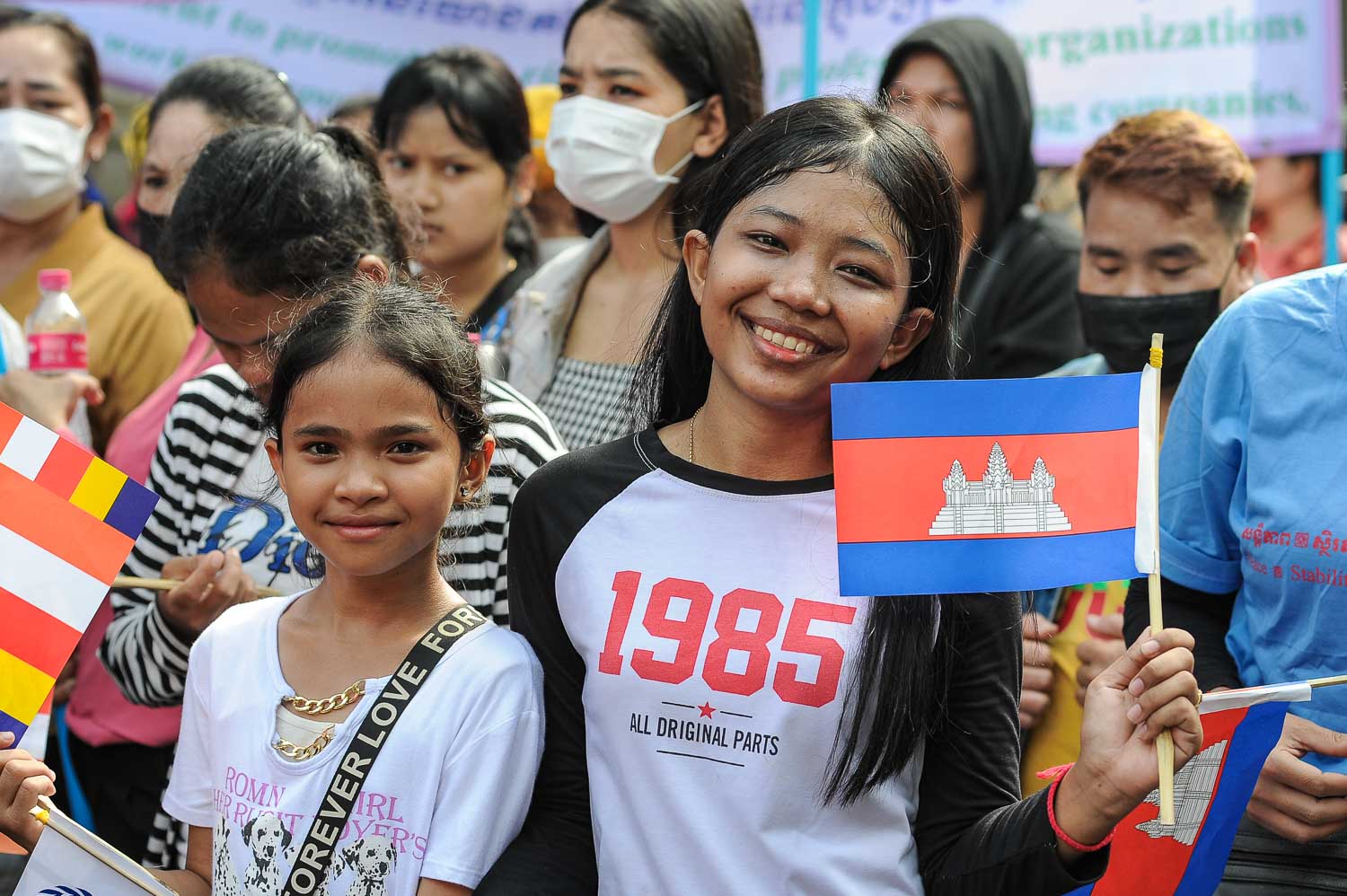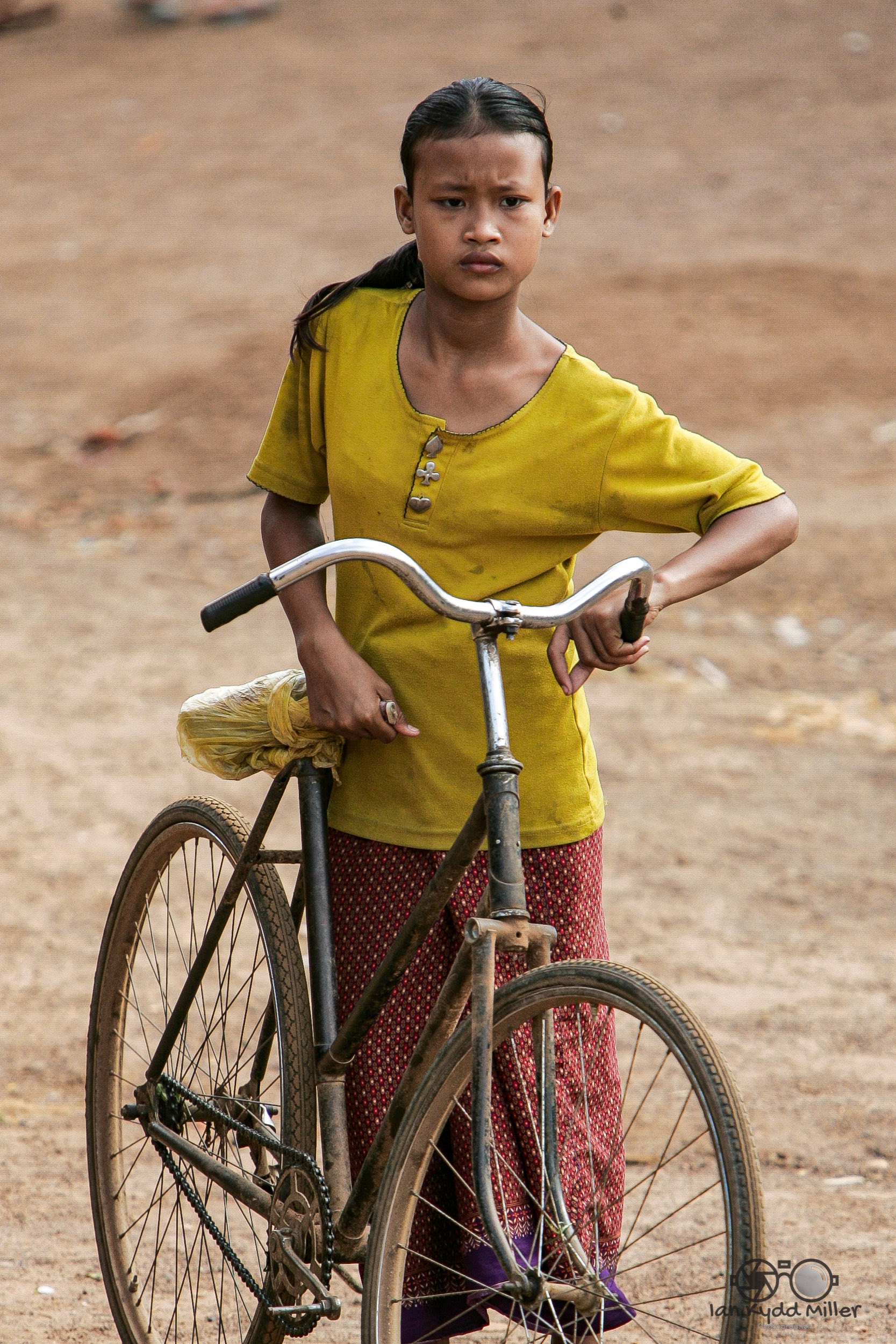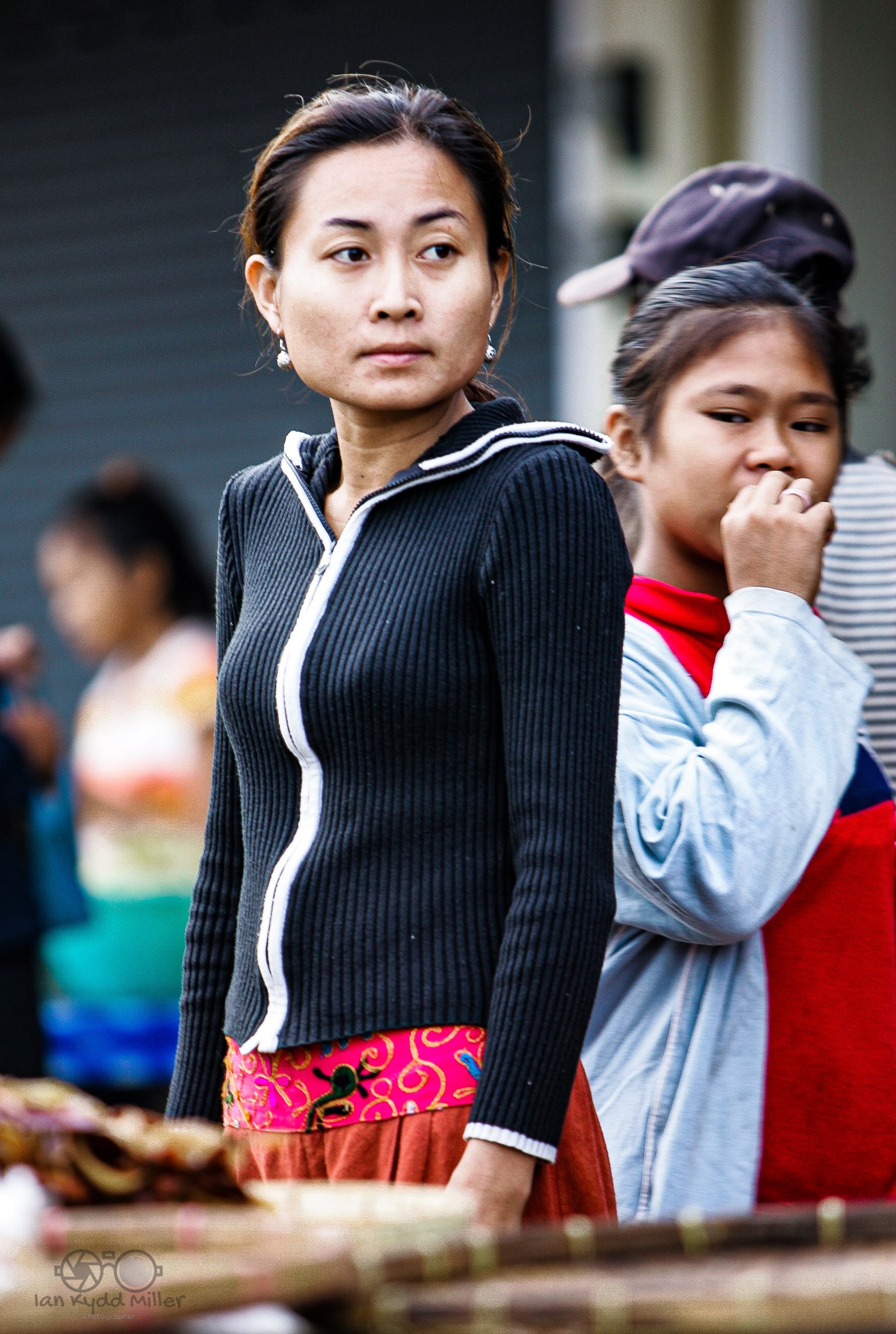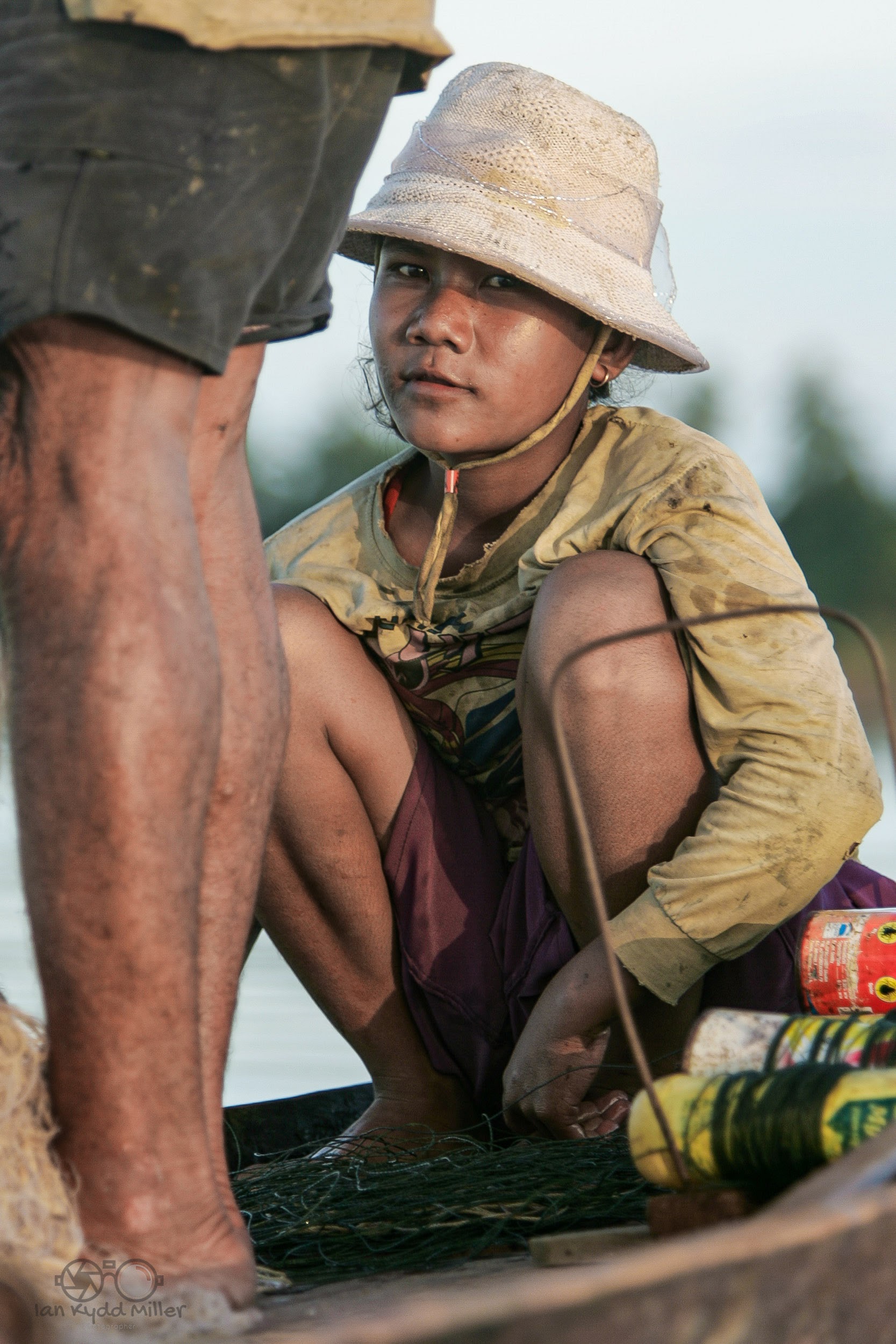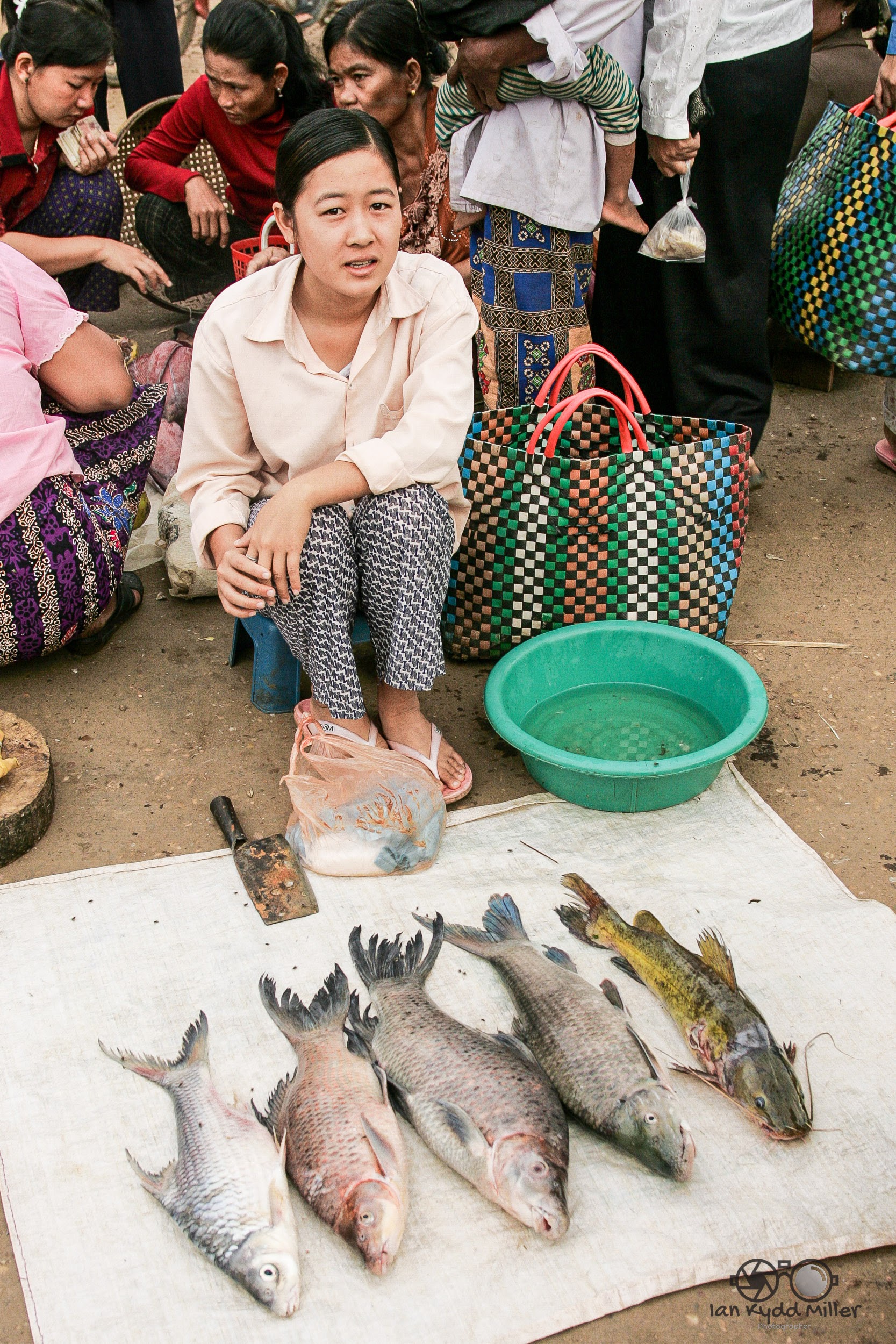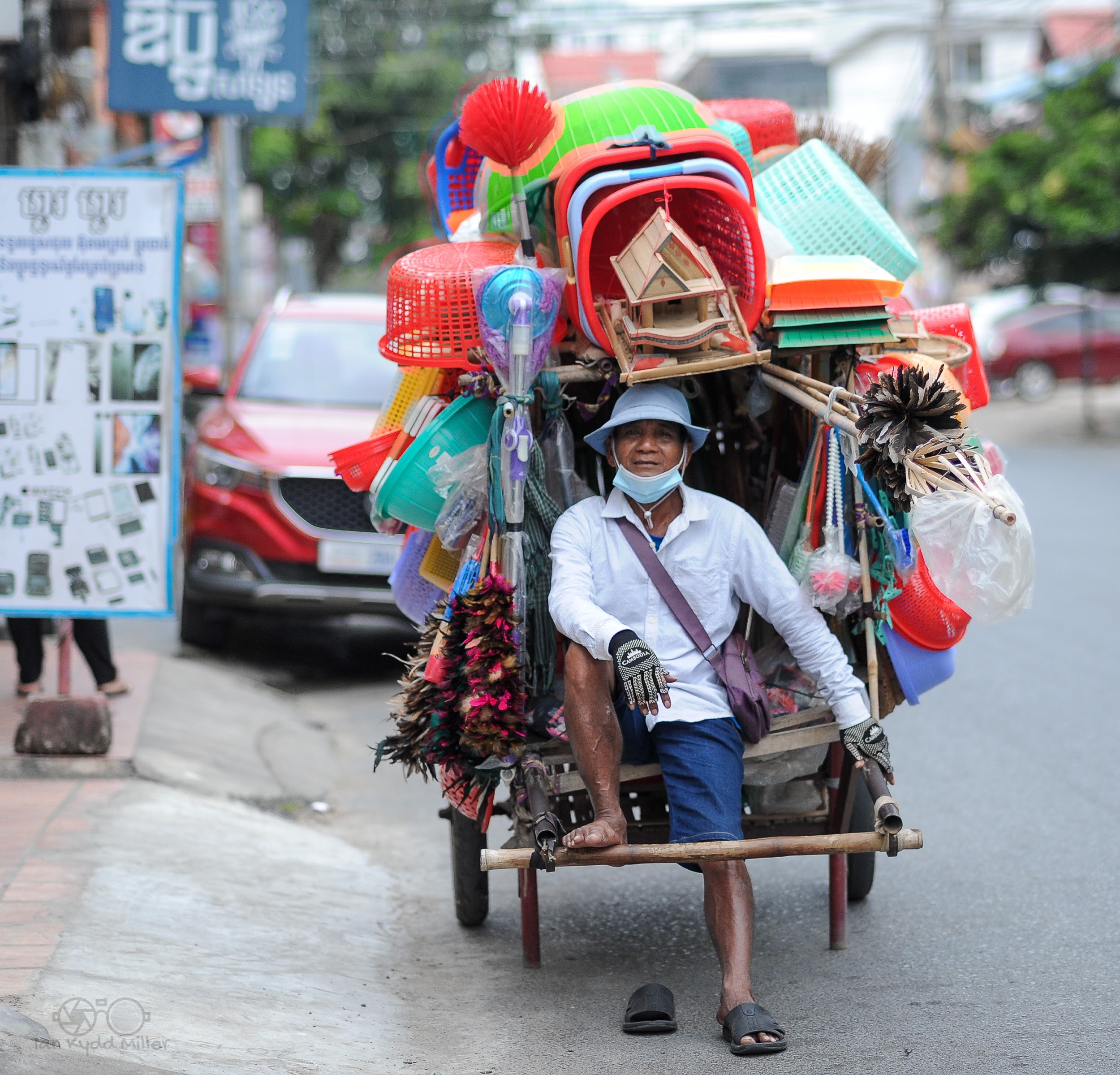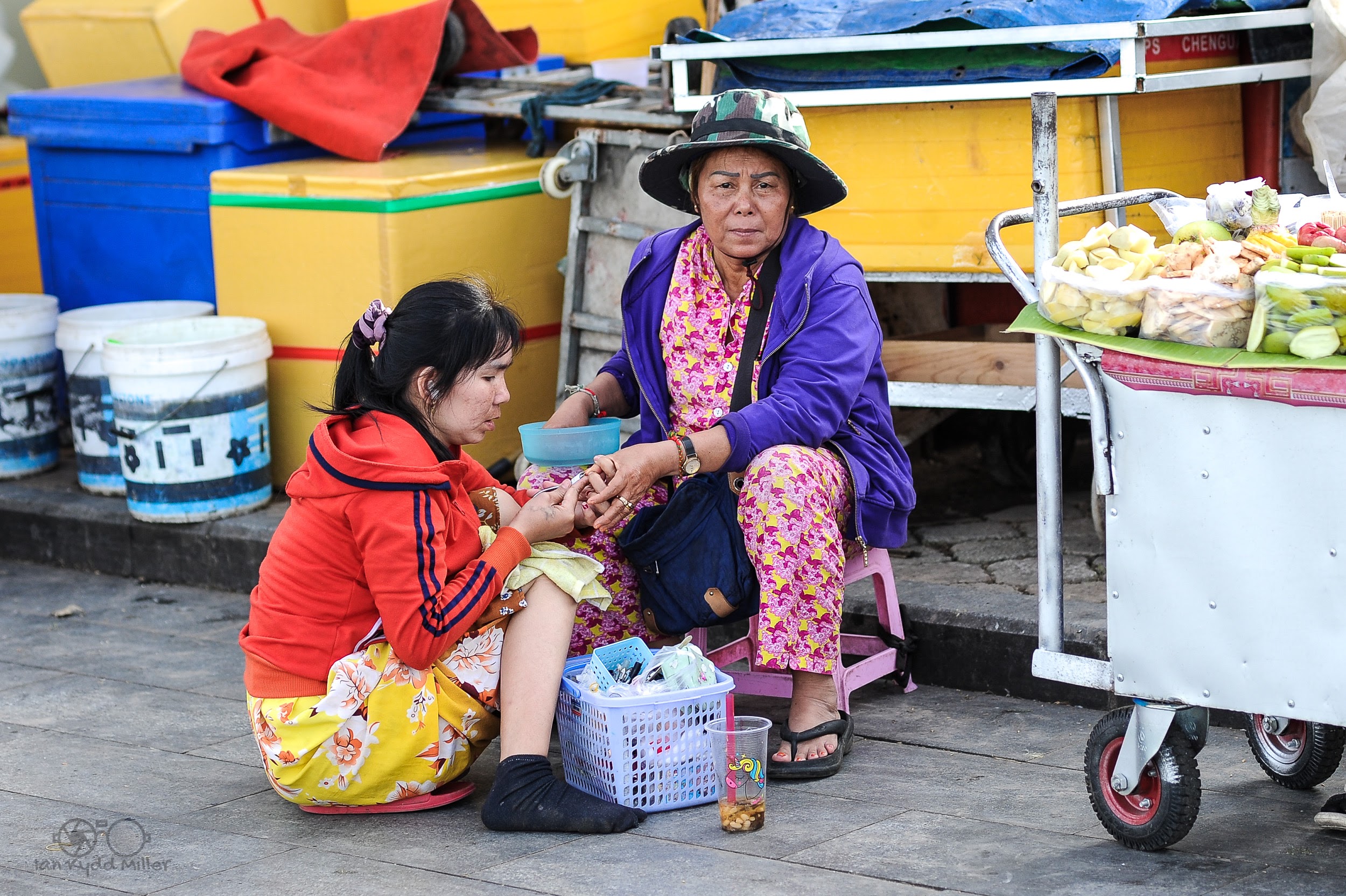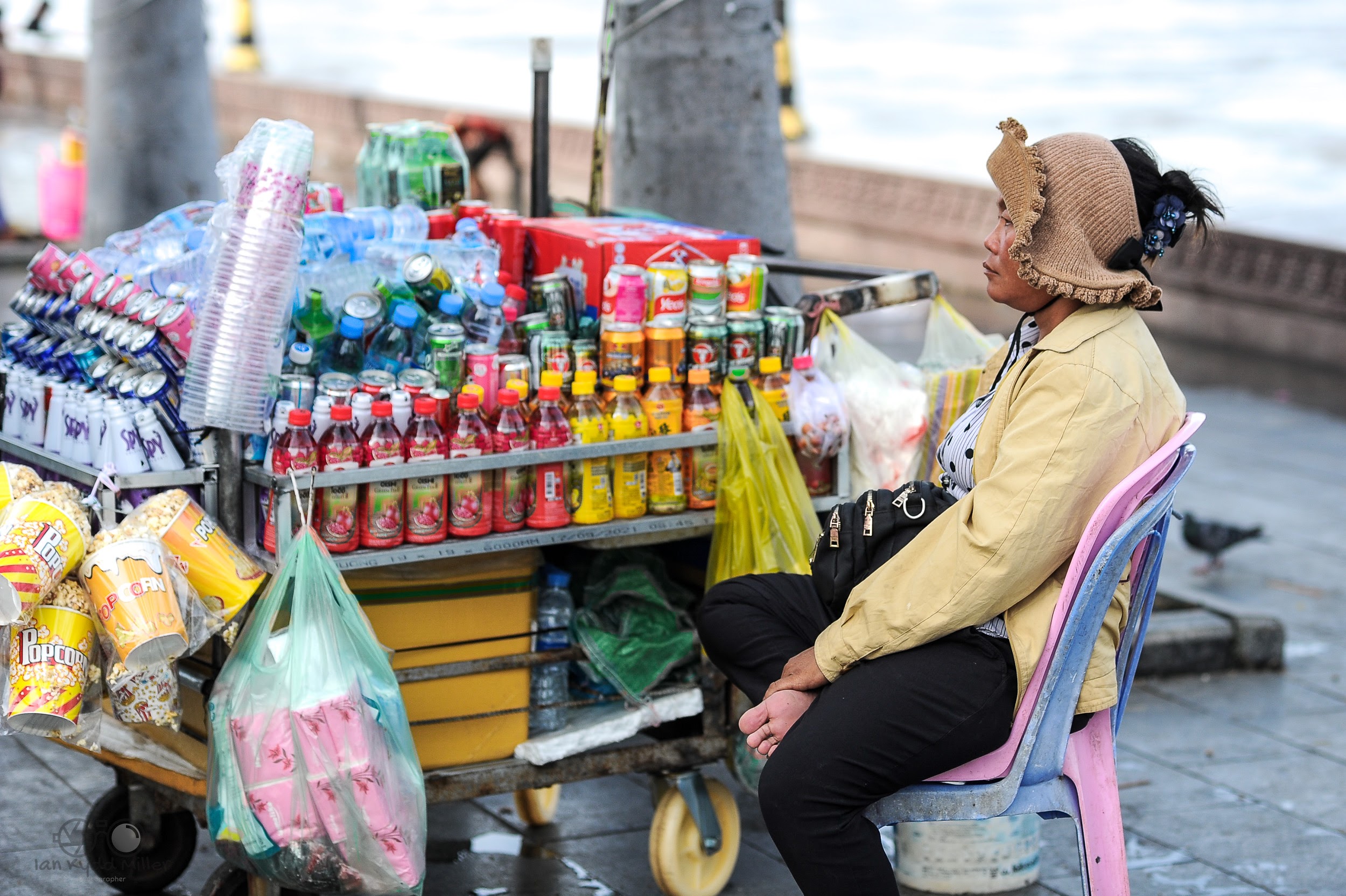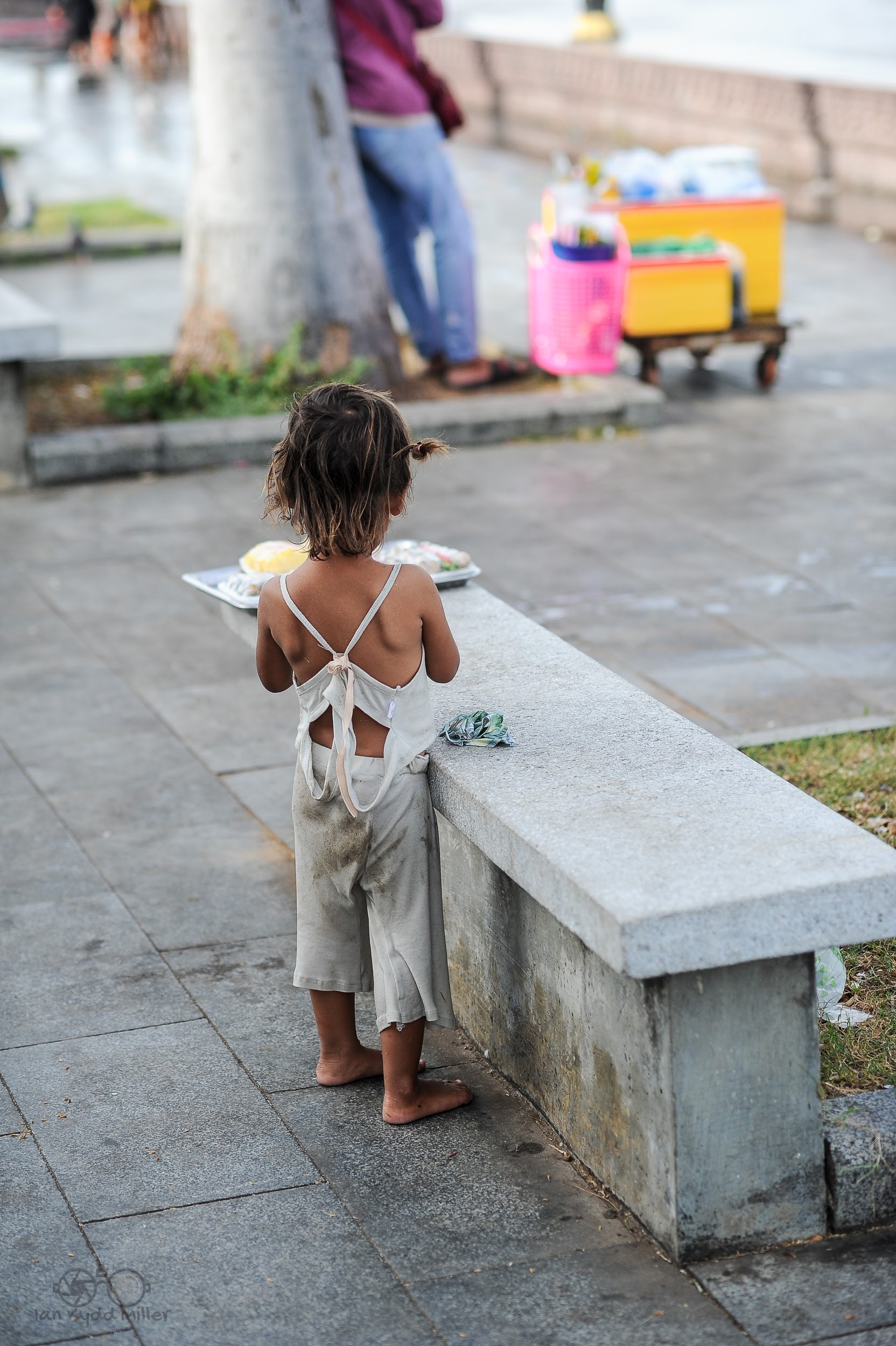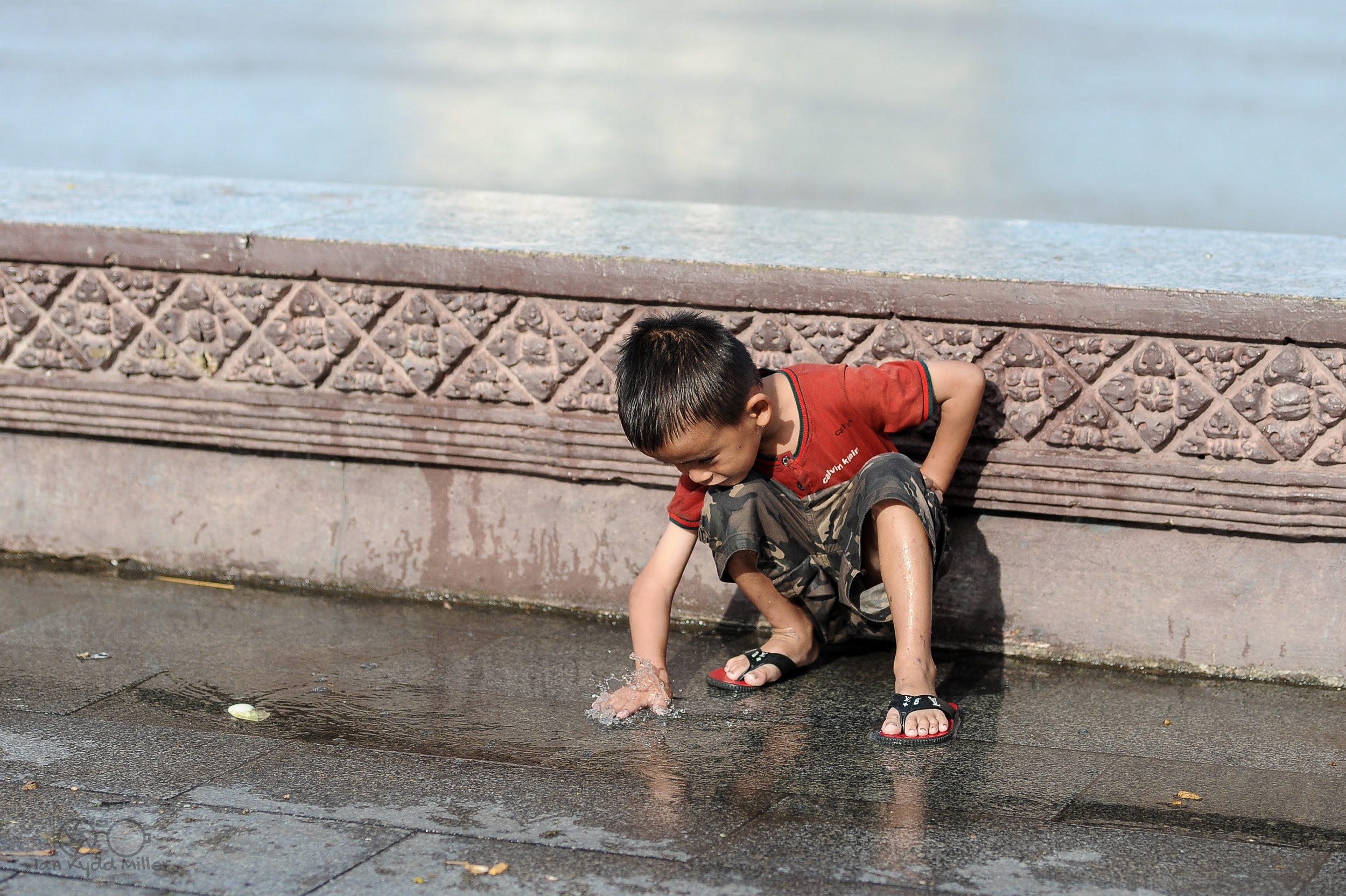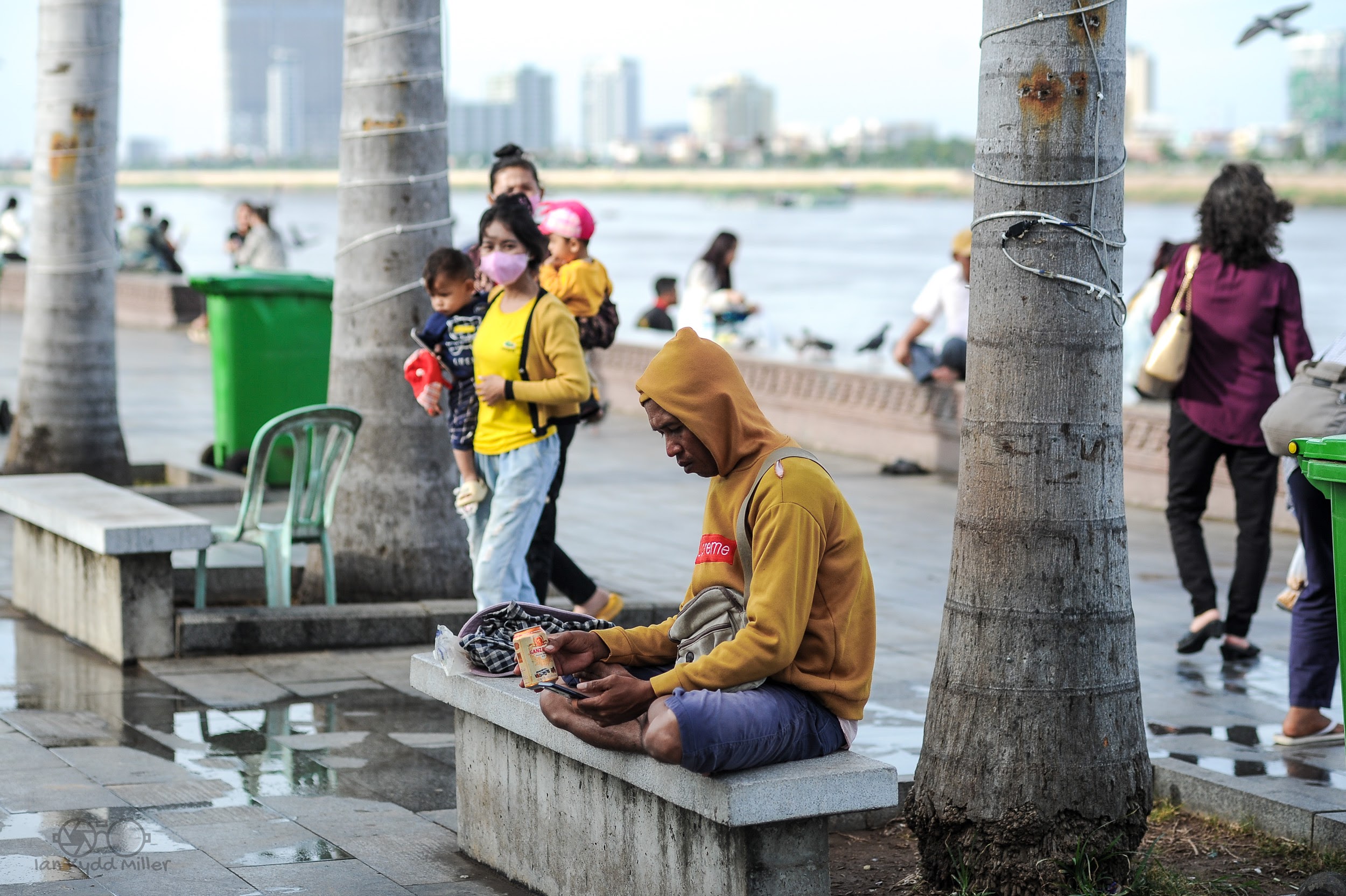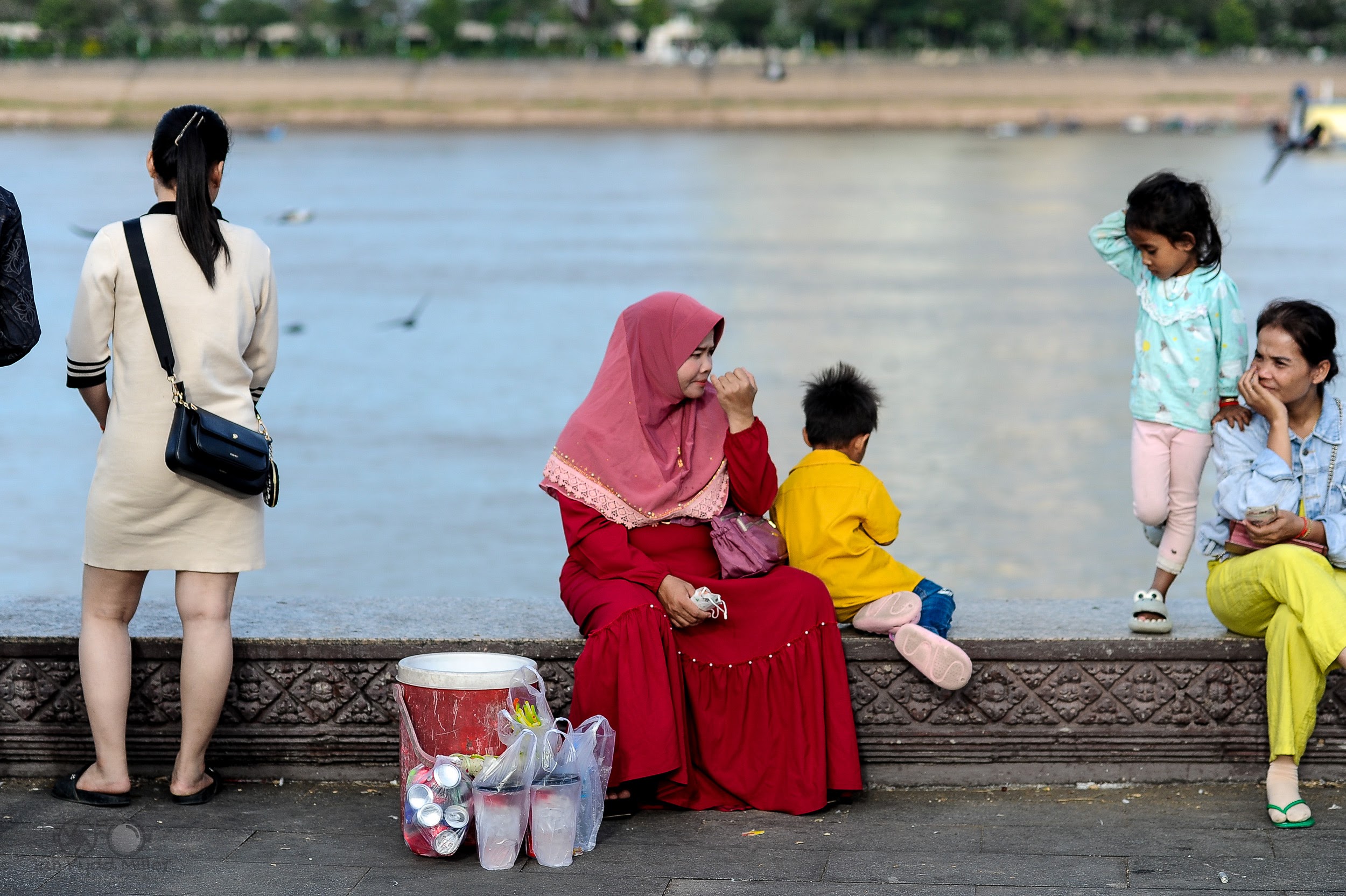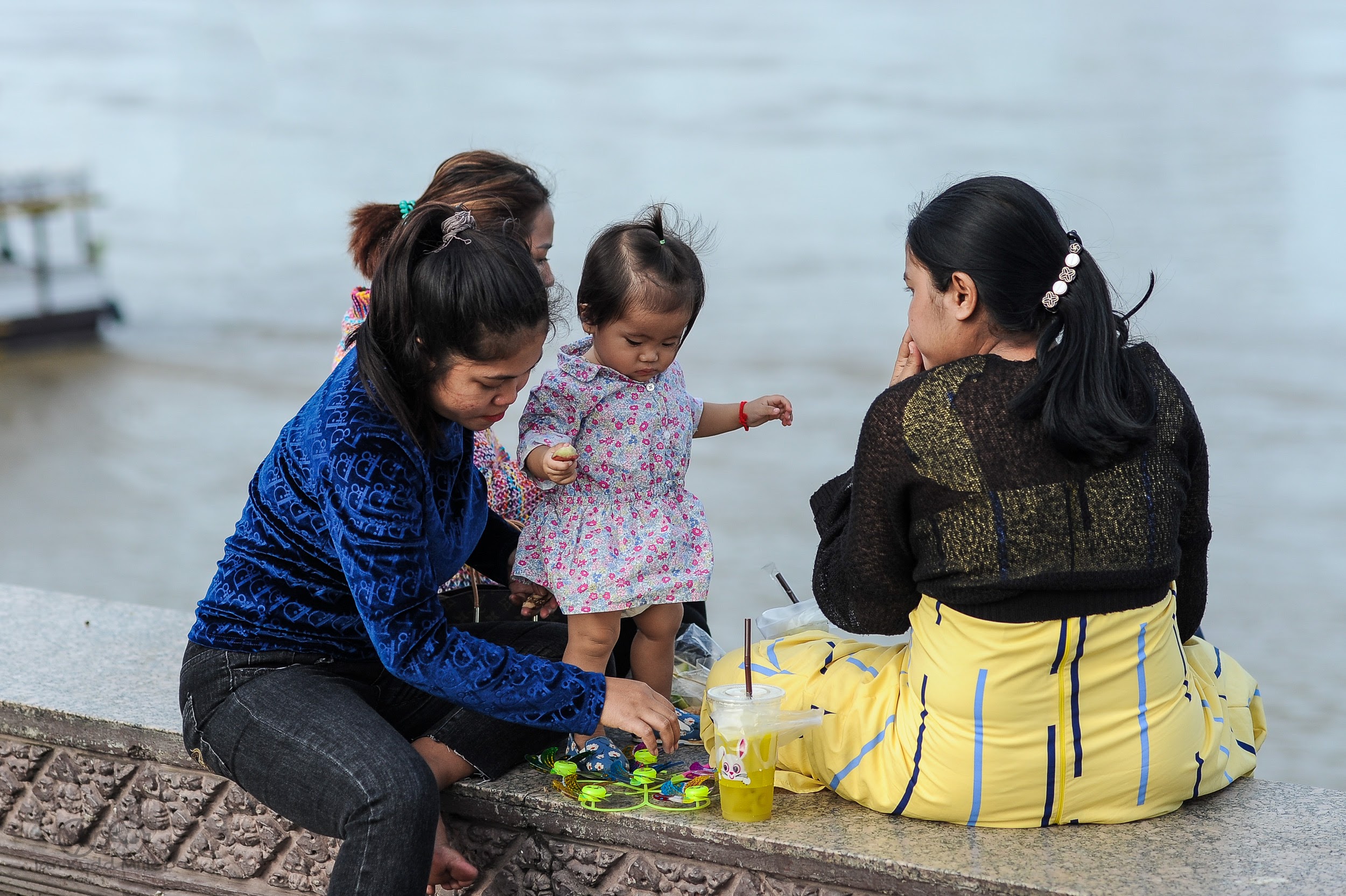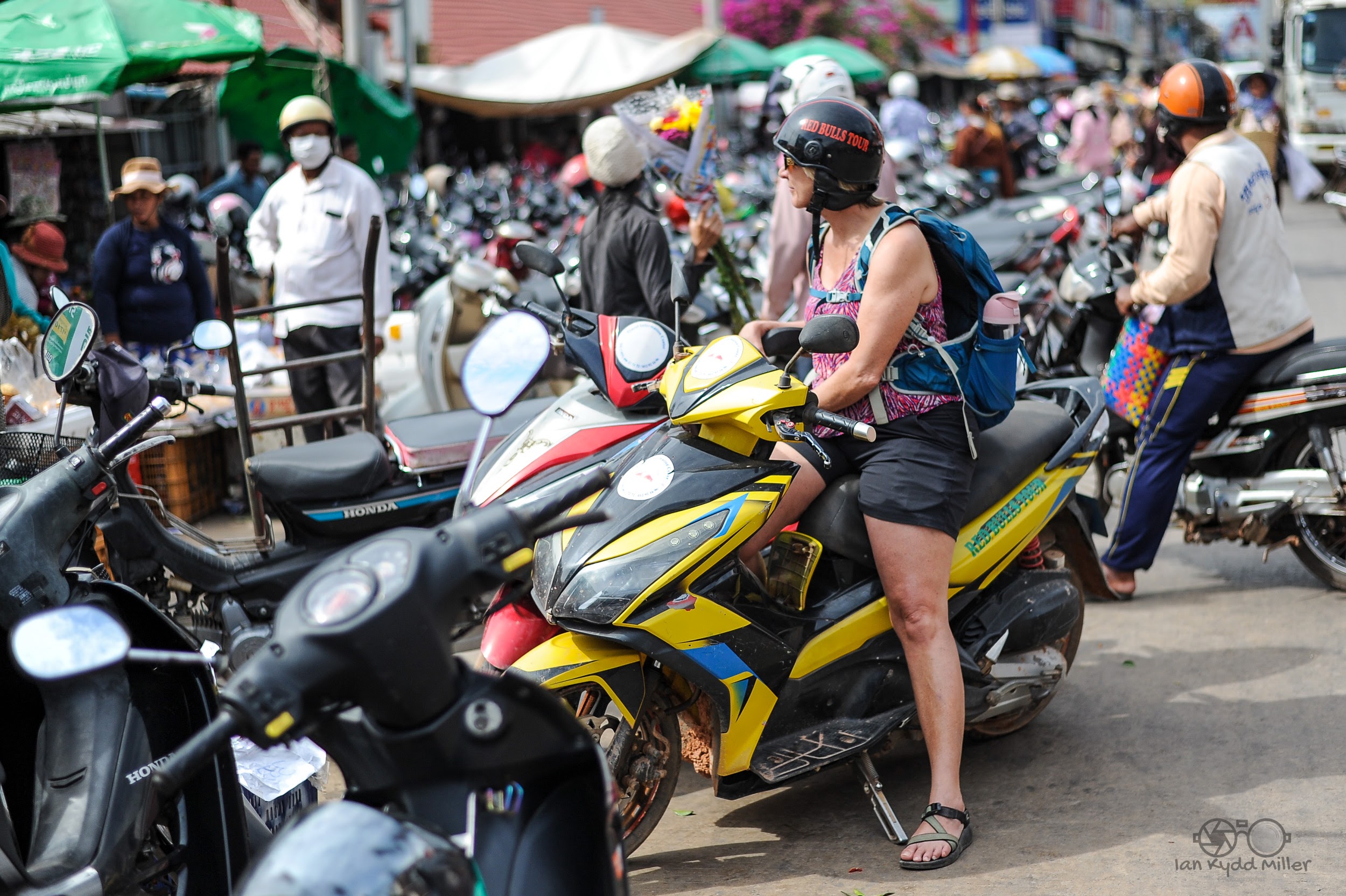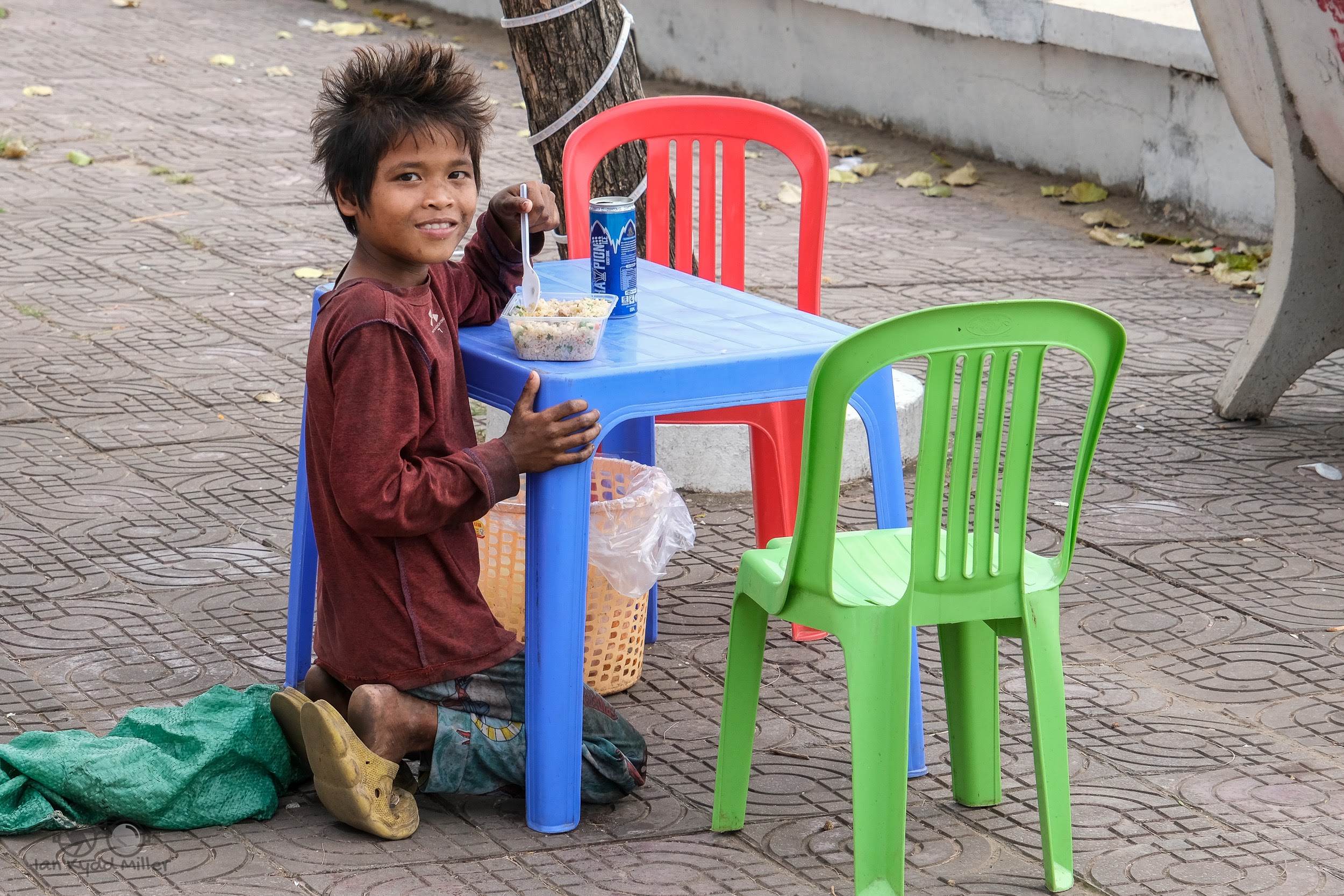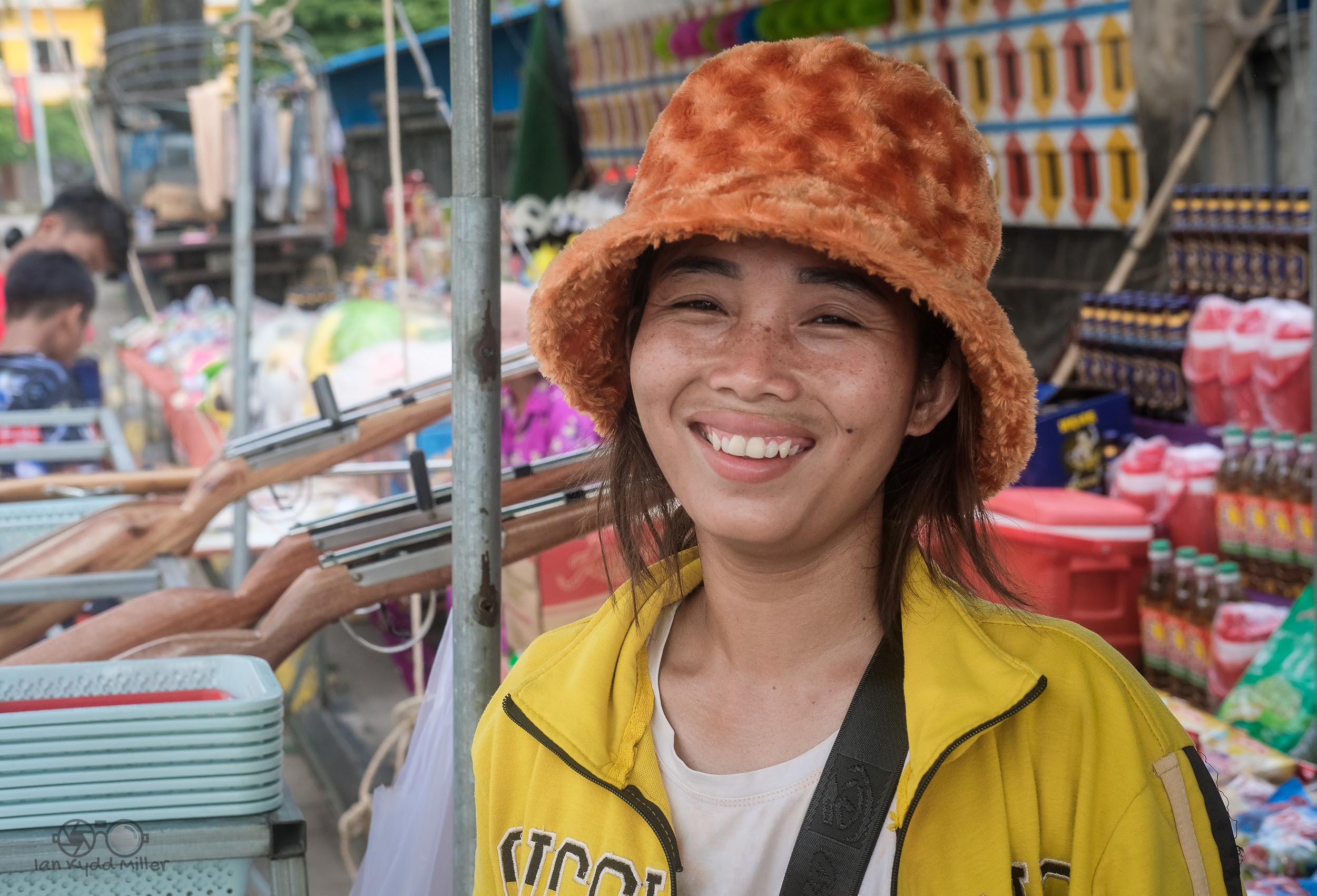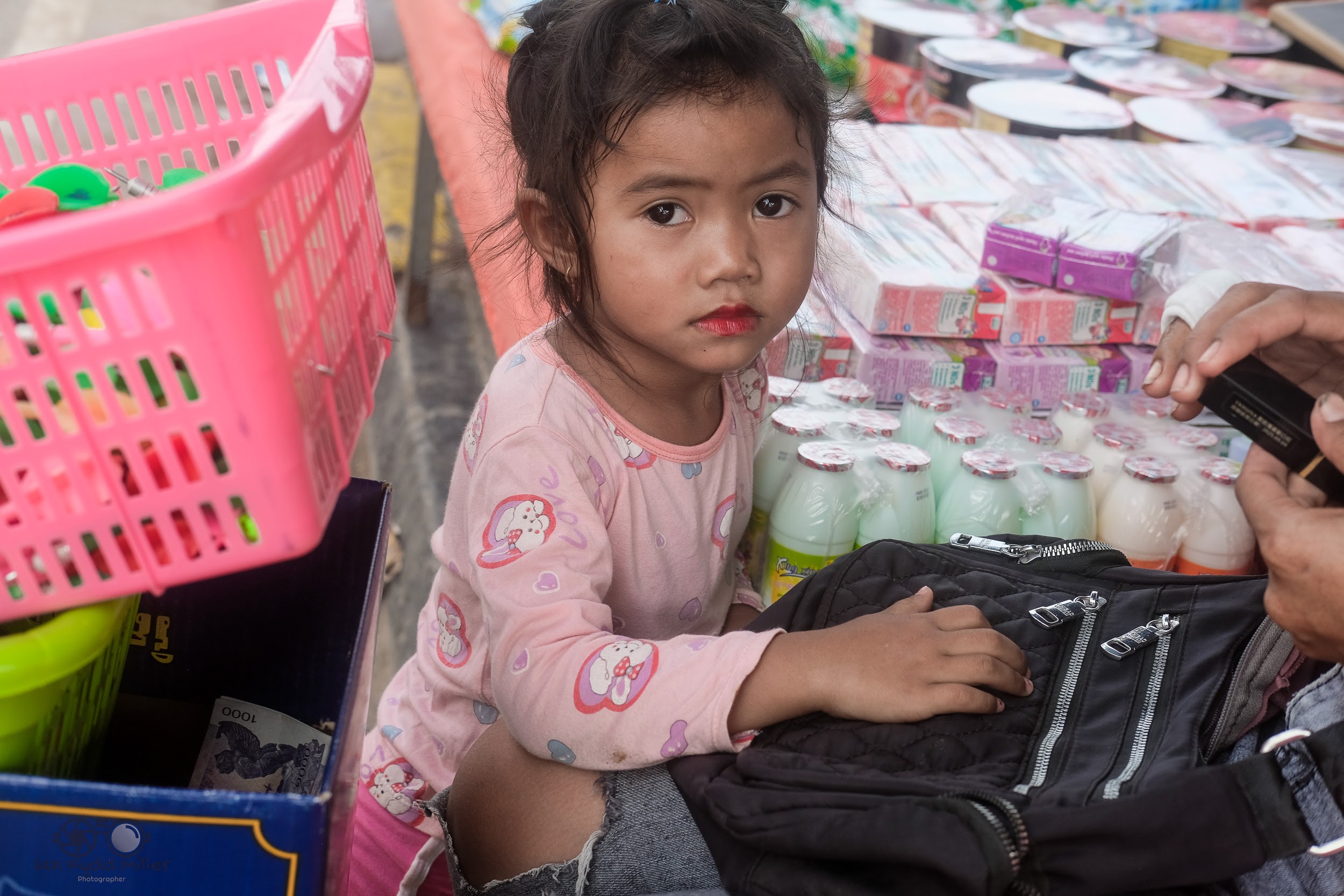
I take photographs because I love capturing the beauty and the emotion of the world around me. I take photographs because I want to share my perspective and my stories with others. I take photographs because I enjoy the challenge and the creativity of finding the right angle, the right light, and the right moment. I take photographs because I feel alive and happy when I hold a camera in my hands.
Photography is more than just a hobby for me. It is a passion, a way of expression, a form of art. Photography is a journey of discovery, of learning, of growth. Photography is a gift that I can give to myself and to others. Photography is my way of saying thank you to life for all the wonderful experiences and memories that it offers me. Photography is my voice, my vision, my expression. It is who I am and what I do. It is why I take photographs.
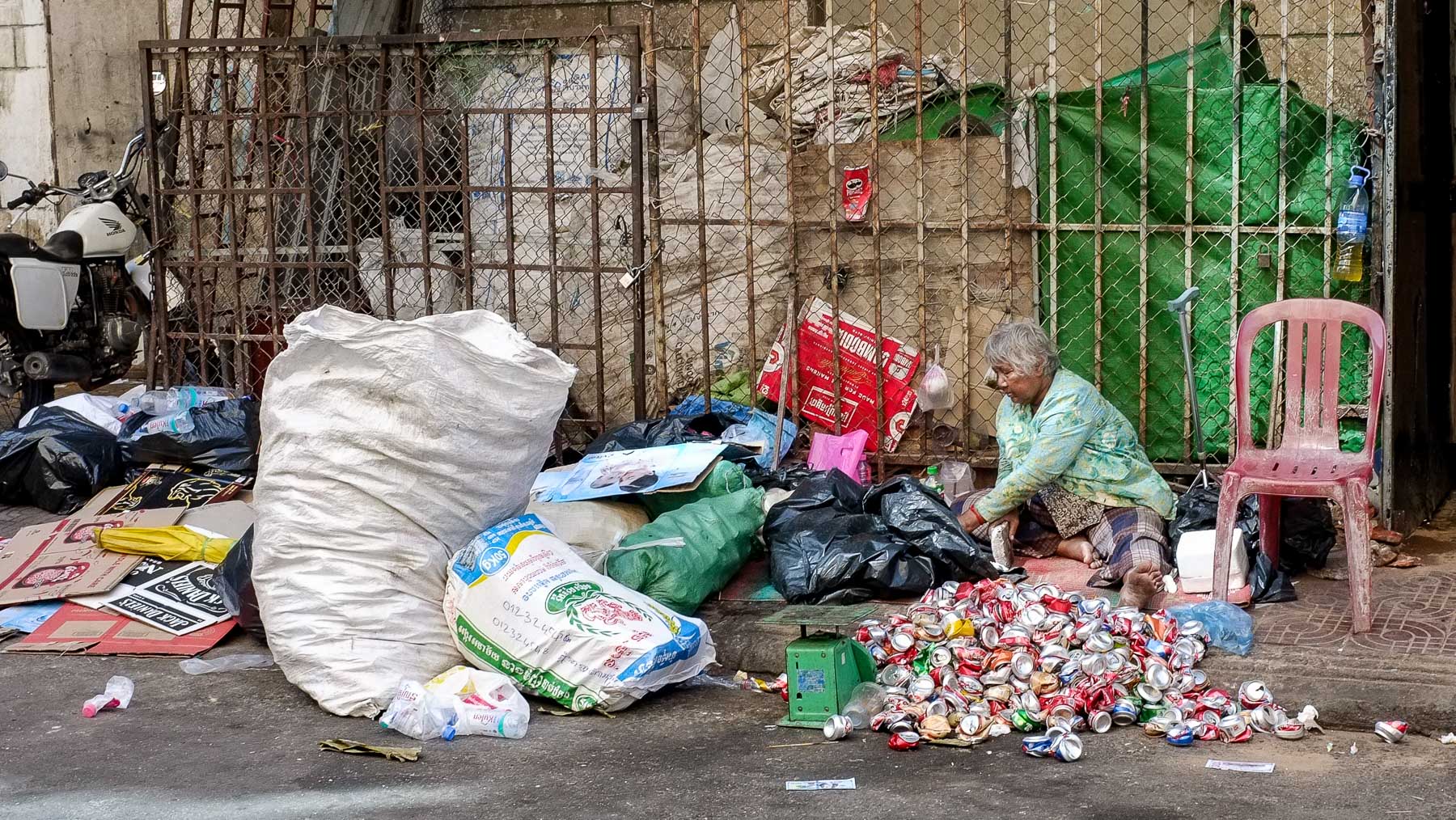
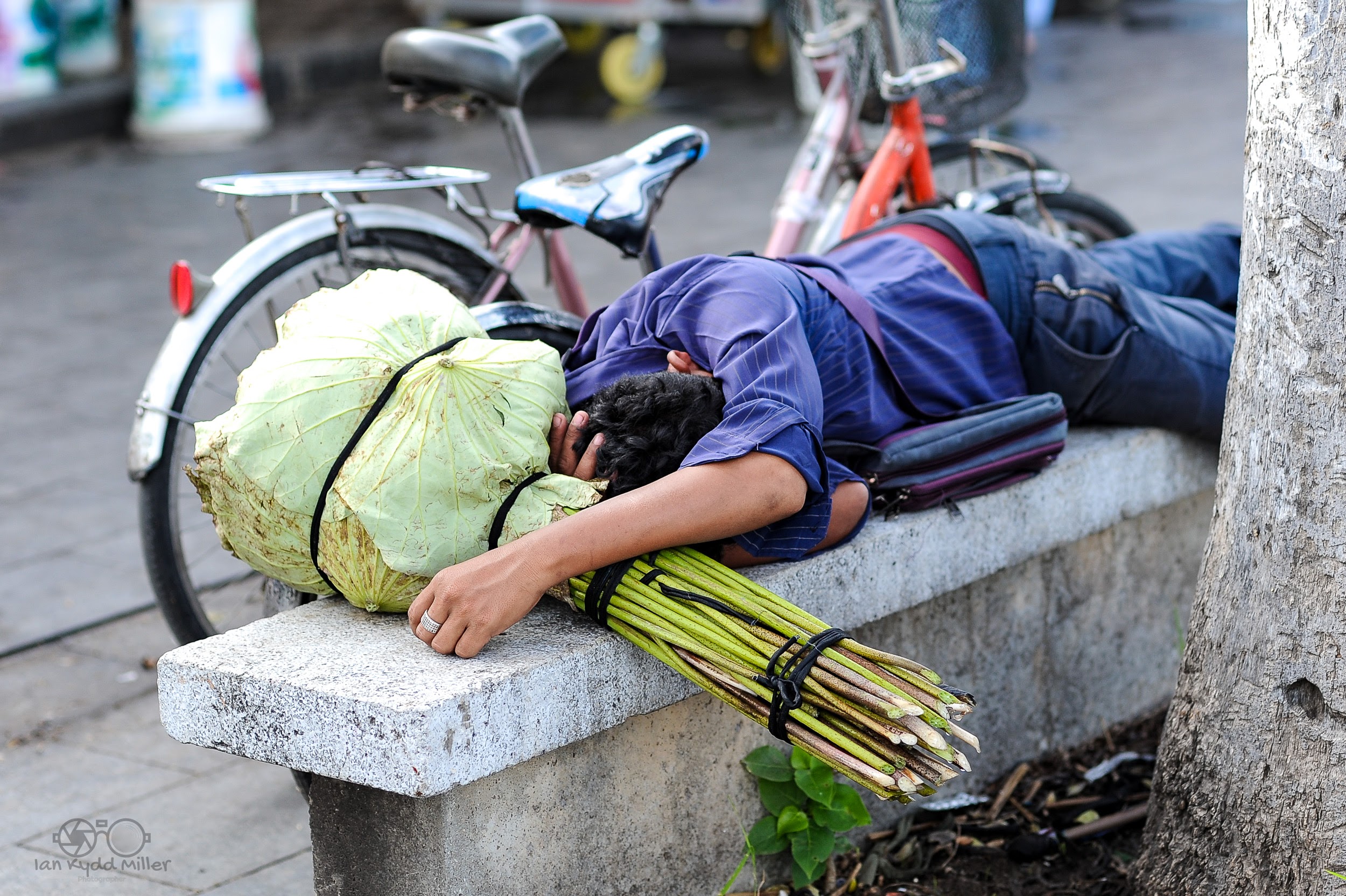
Homelessness is a major public health and social problem that affects millions of people around the world. It is often associated with poverty, mental illness, substance abuse, and social exclusion. Homelessness can have devastating consequences for individuals and communities, such as increased risk of disease, violence, crime, and stigma. In this post, I will explore the ethical issues of photographing homeless people, and whether it is a form of art or exploitation, or just documentation of the reality.
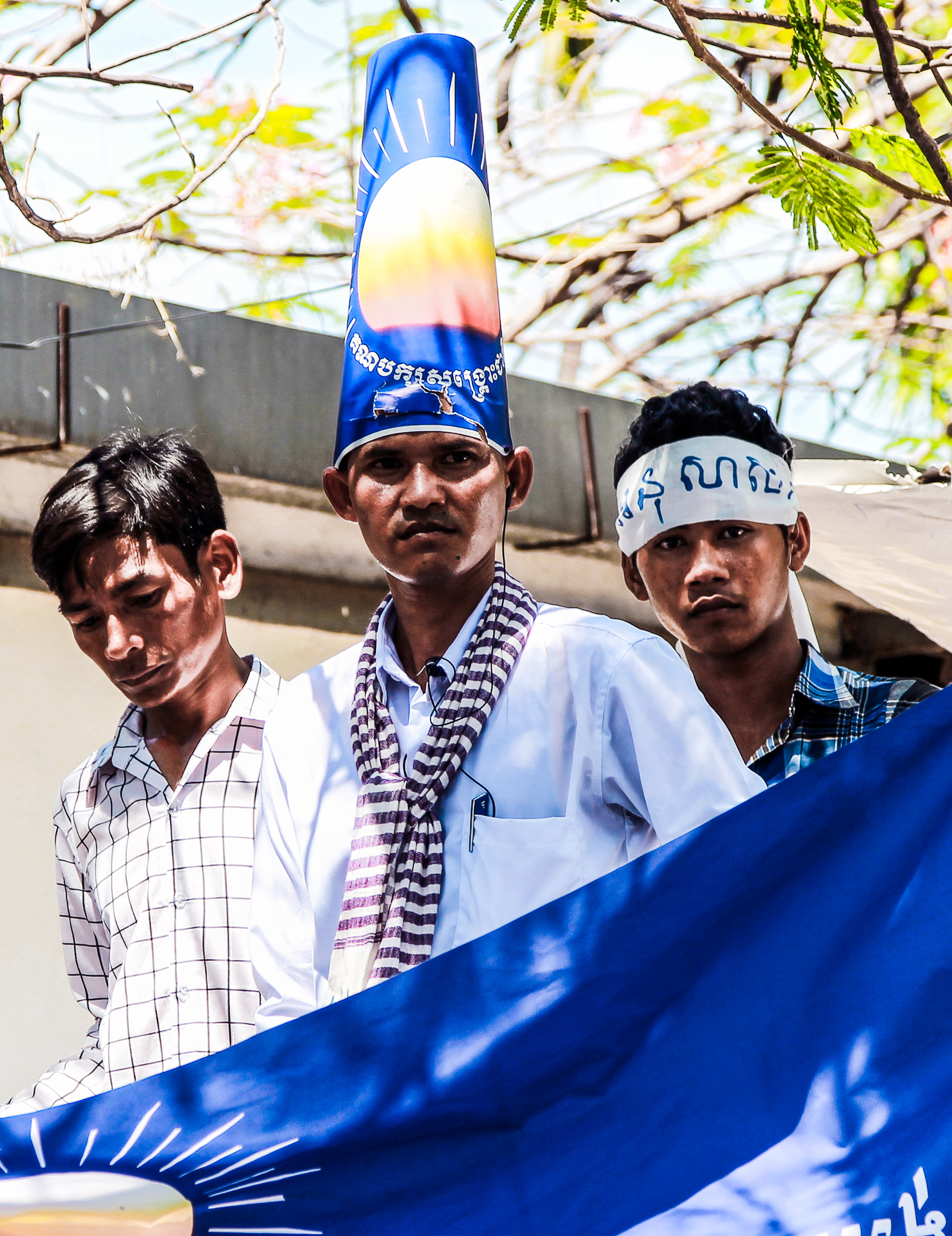
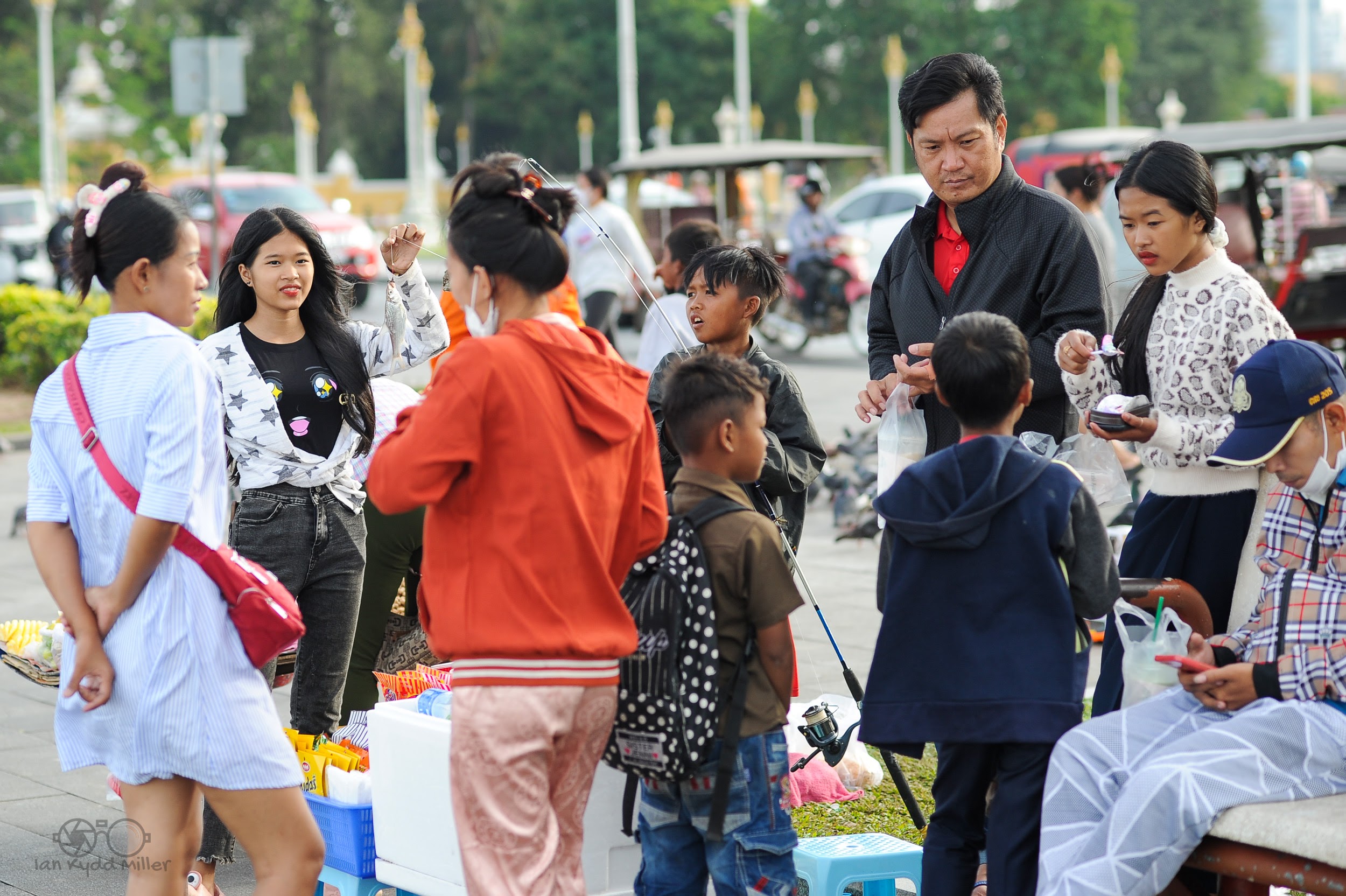
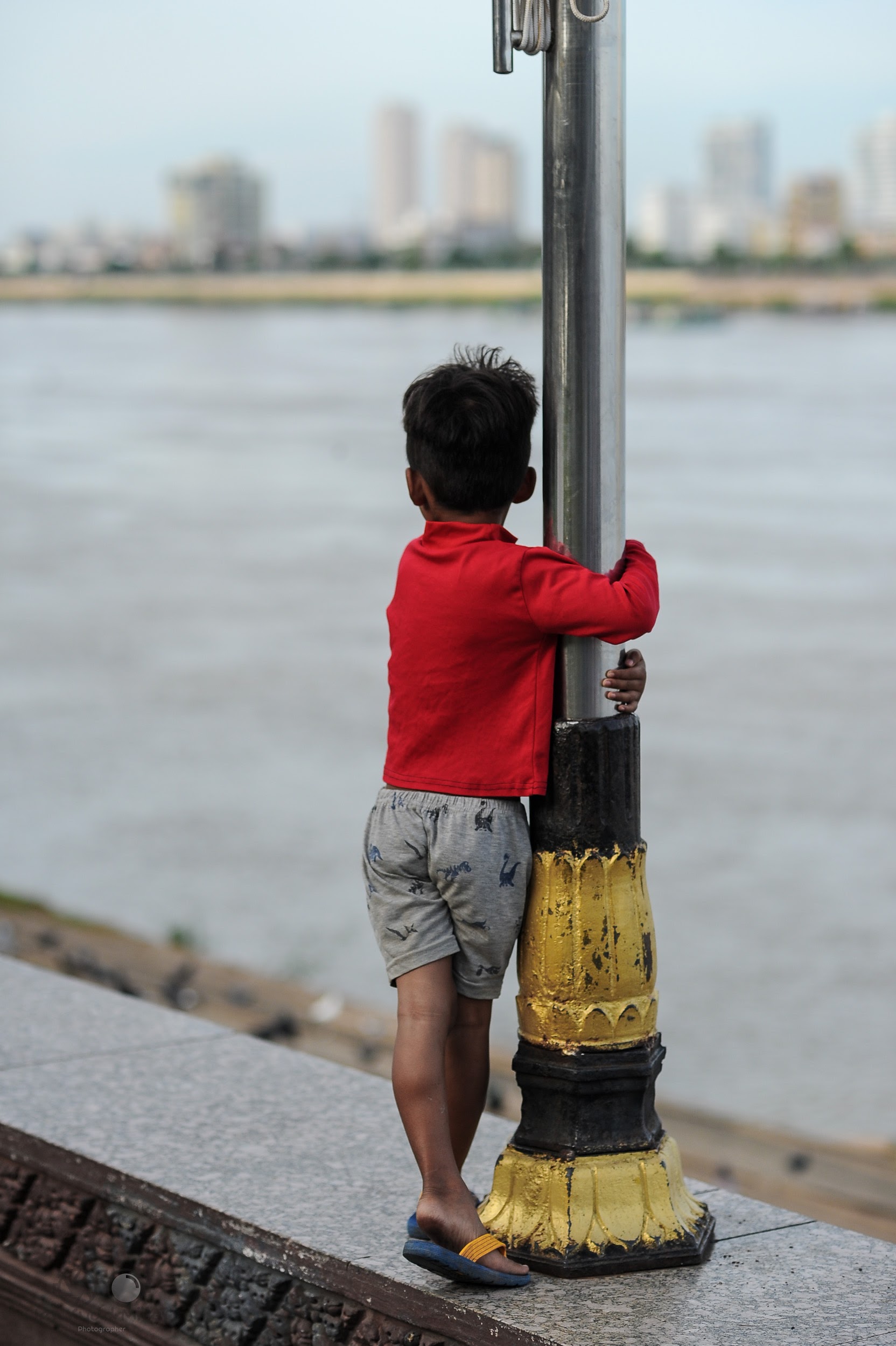
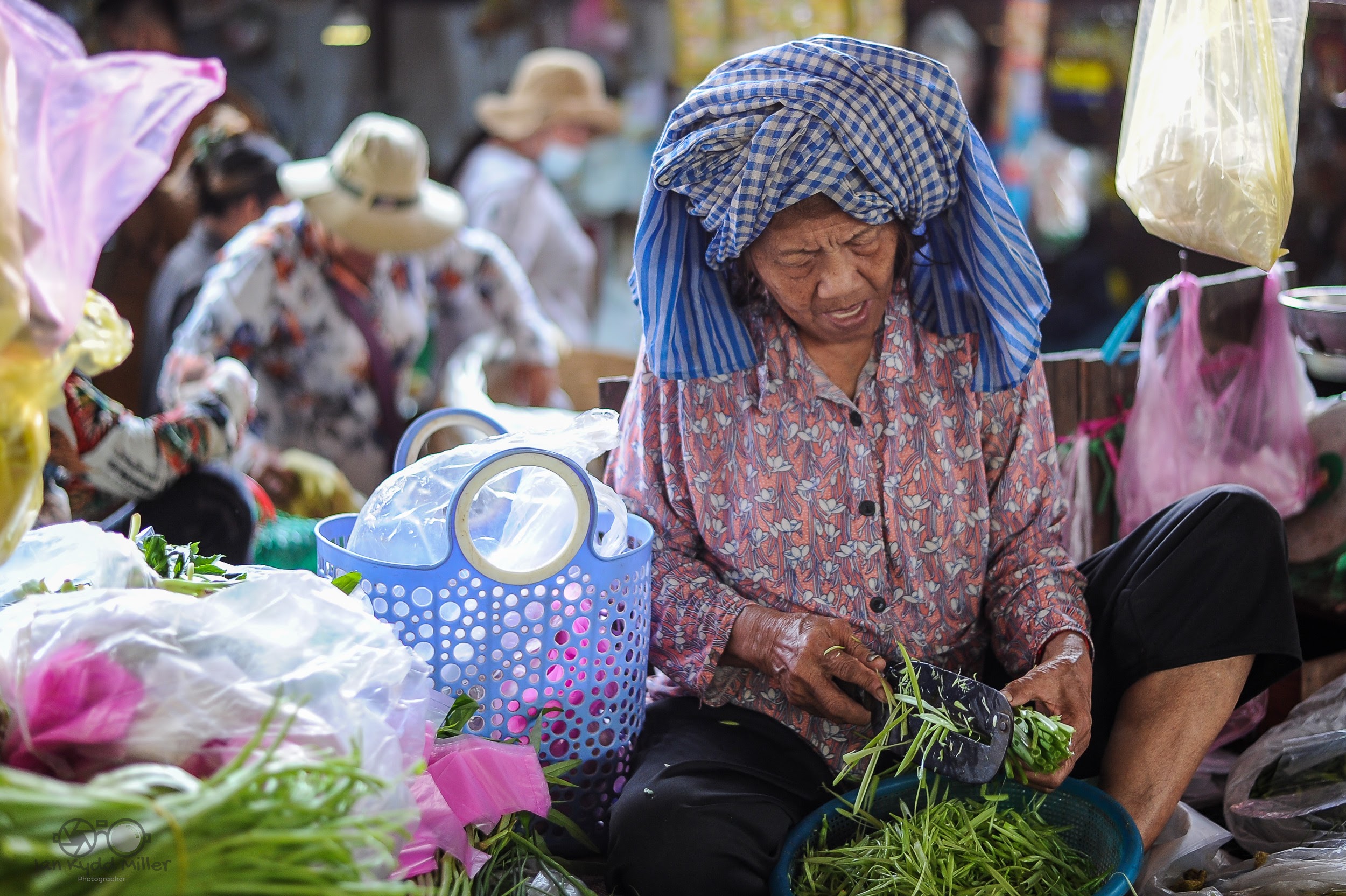
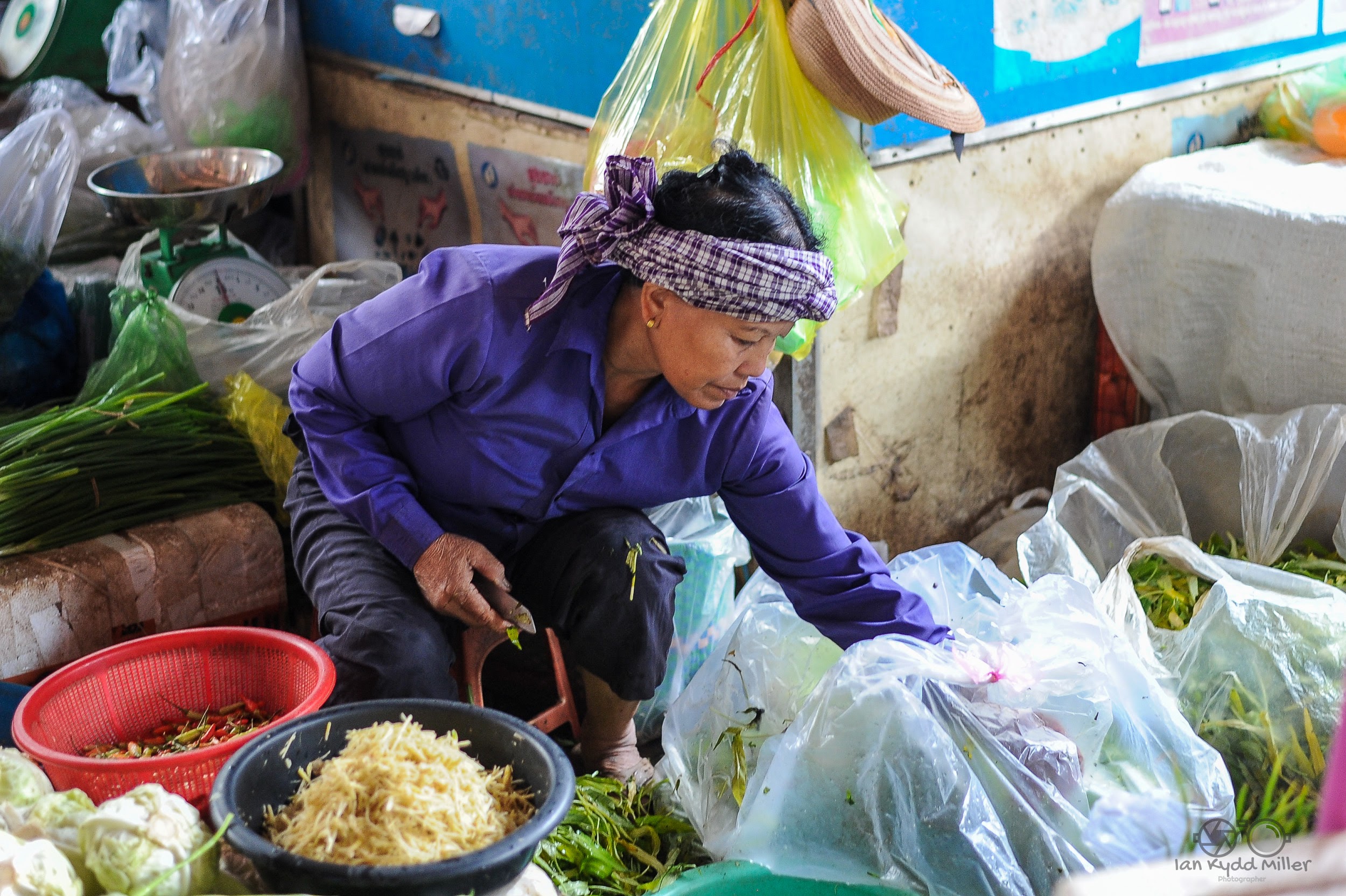
Street photography is a genre of photography that captures candid moments of everyday life in public spaces. It can be seen as a way of documenting the diversity and complexity of human society, as well as expressing one’s artistic vision and creativity. Street photography can also raise awareness of social issues and challenge stereotypes and prejudices. However, street photography also involves ethical dilemmas, such as respecting the privacy and dignity of the subjects, obtaining consent, and avoiding harm.
One of the most controversial topics in street photography is photographing homeless people. Homeless people are often visible in urban environments, and they may attract the attention of photographers who want to capture their stories, emotions, or conditions. However, photographing homeless people also raises questions of morality, responsibility, and sensitivity. Is it okay to take photographs of homeless people without their permission? Is it okay to use their images for personal or commercial purposes? Is it okay to portray them in a way that reinforces negative stereotypes or exploits their vulnerability?
There is no definitive answer to these questions, as different photographers may have different motivations, intentions, and perspectives. Some photographers may argue that photographing homeless people is a form of art that reveals the harsh realities of society and humanizes the marginalized. They may claim that they are doing a service to the public by raising awareness and empathy for the homeless population. They may also assert that they have the right to freedom of expression and that they are not breaking any laws by taking photos in public spaces.
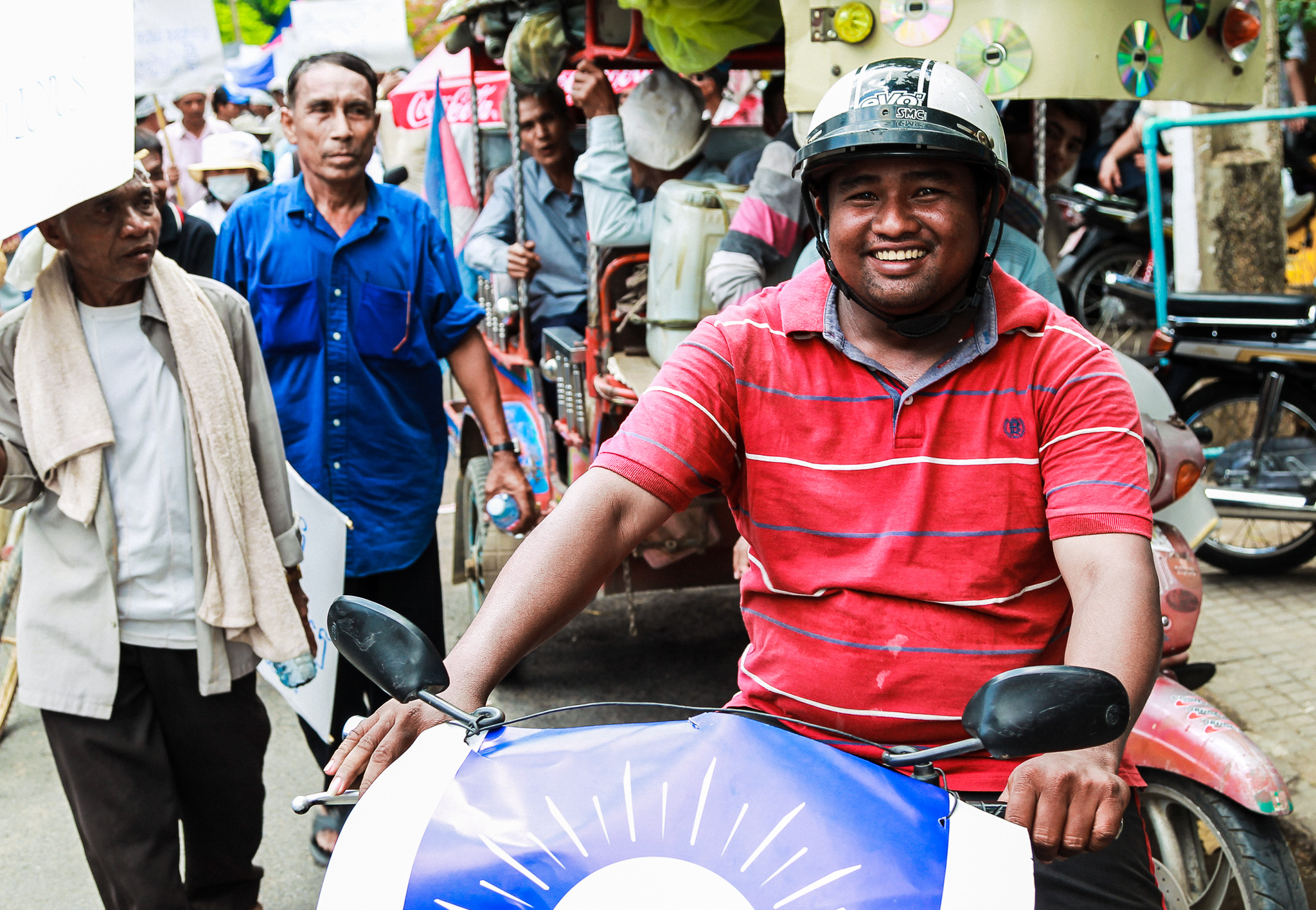
Other photographers may argue that photographing homeless people is a form of exploitation that violates their privacy and dignity. They may claim that they are taking advantage of their situation and exposing them to further harm or humiliation. They may also assert that they have a duty to respect the wishes and feelings of the homeless people and that they should seek their consent before taking or using their photos.
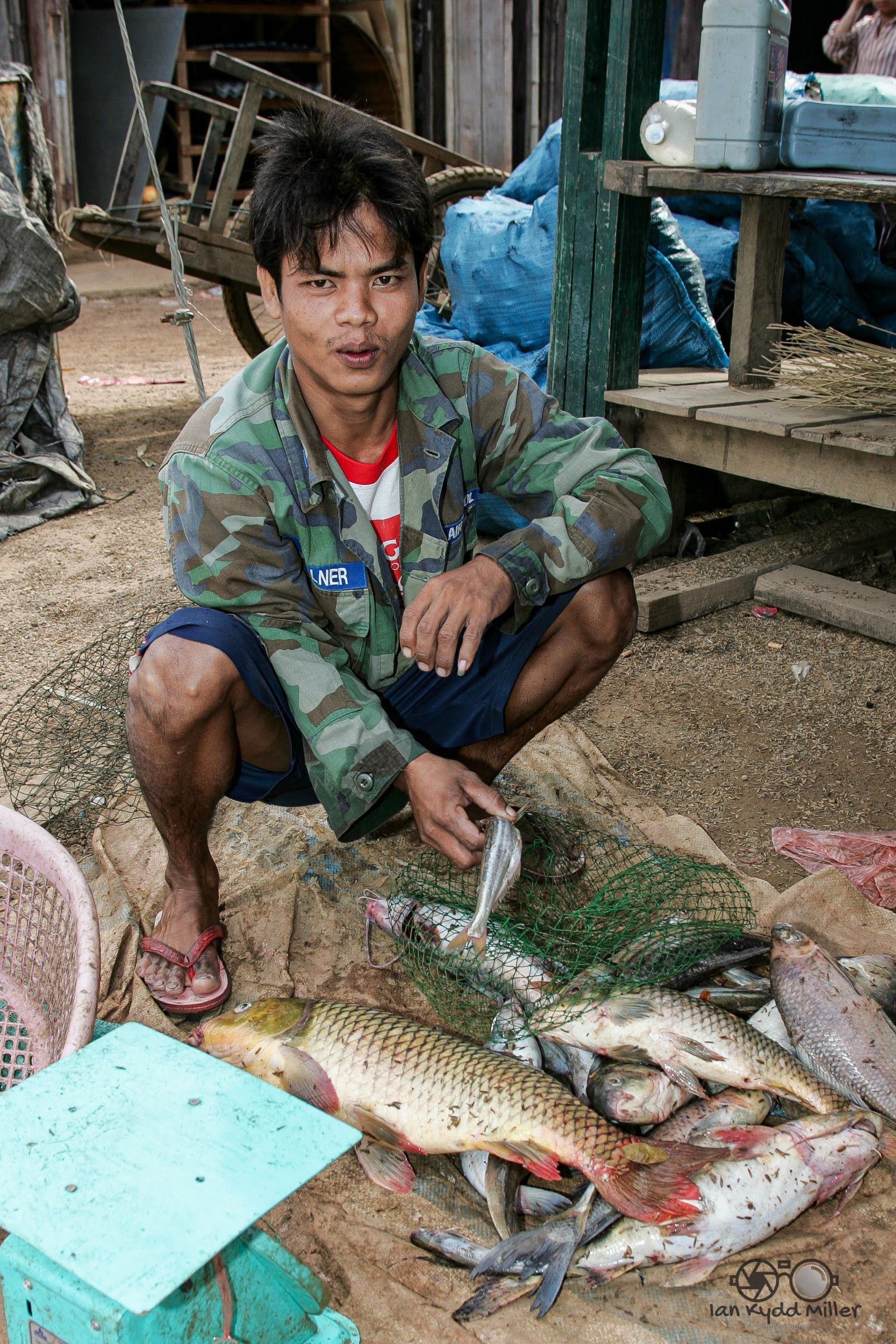
There is no easy solution to this ethical dilemma, as different situations may require different approaches. However, some general guidelines that may help photographers make ethical decisions are:
Consider the purpose and context of your photography. Why do you want to photograph homeless people? What message do you want to convey? How will you use or share your photos? How will your photos affect the homeless people and the public?
Consider the impact and consequences of your photography. How will your photos affect the well-being and safety of the homeless people? How will your photos affect their self-esteem and dignity? How will your photos affect their relationships with others? How will your photos affect their chances of getting help or support?
Consider the consent and participation of the homeless people. Have you asked for their permission before taking or using their photos? Have you explained your purpose and intentions clearly? Have you respected their right to say no or change their mind? Have you involved them in the process or given them any benefits or compensation?
Consider the representation and portrayal of the homeless people. How do you depict them in your photos? Do you show them as individuals with unique personalities and stories? Do you show them as part of a larger social problem or phenomenon? Do you show them with respect and empathy or with pity and judgment?
Consider the alternatives and options available to you. Are there other ways to achieve your goals without photographing homeless people? Are there other subjects or topics that you can photograph instead? Are there other ways to support or help homeless people besides photographing them?
Photographing homeless people is not inherently wrong or right, but it is a complex and sensitive issue that requires careful thought and reflection. Photographers should be aware of the ethical implications of their actions and choices, and strive to balance their artistic expression with their social responsibility. Photographers should also be open to feedback and criticism from others, especially from the homeless people themselves, who have the right to voice their opinions and preferences about how they are photographed.
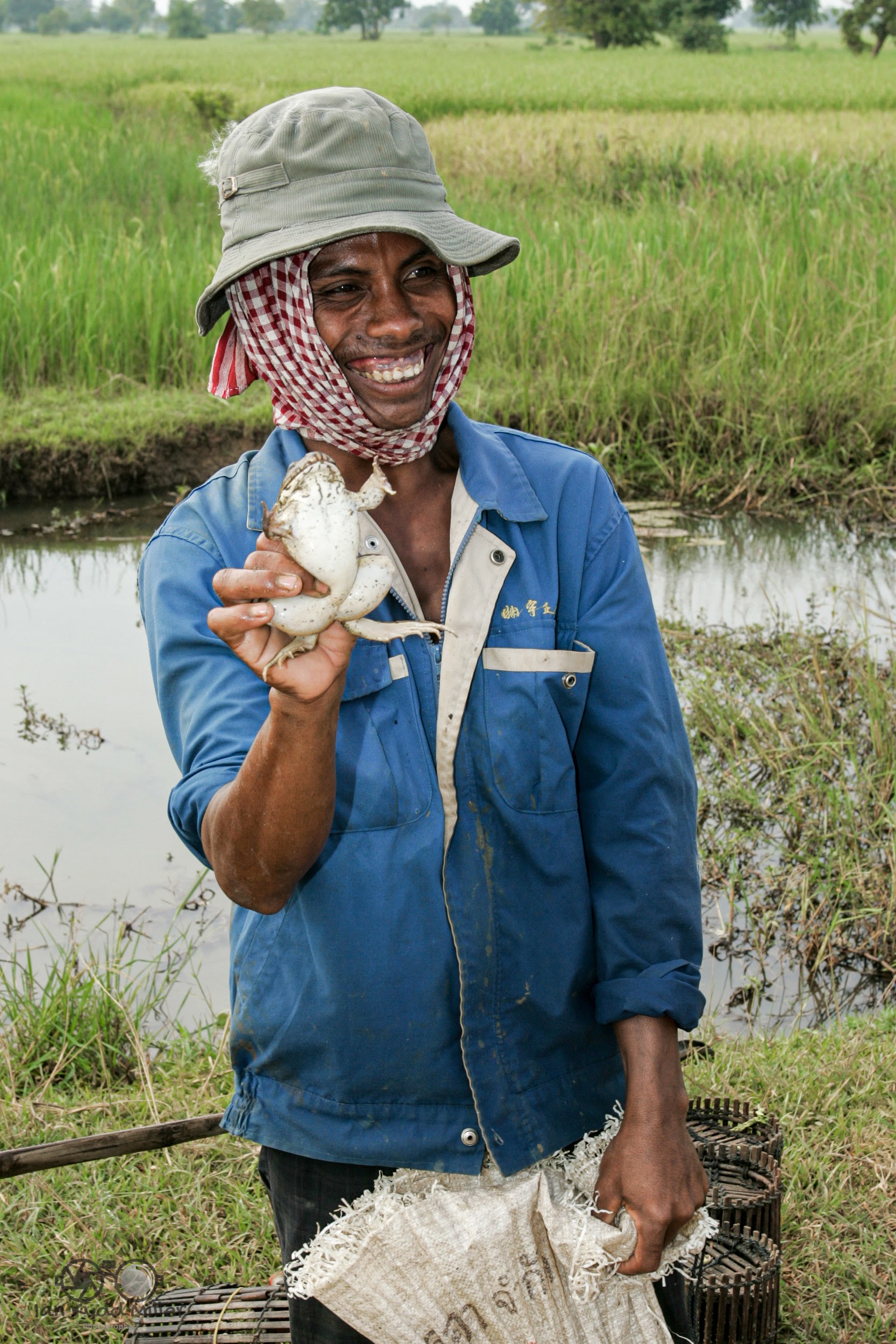
***Street photography is a form of artistic expression that captures candid moments of people in public places. However, it also raises ethical questions about the rights and interests of the subjects who may not be aware of or consent to being photographed. Different countries have different laws regarding street photography, but in general, it is legal to photograph people in public without their permission as long as the images are not used for commercial purposes or defame the subjects. However, some street photographers may prefer to ask for consent either before or after taking a photograph, depending on their style and intention. Asking for consent before photographing can help build rapport and trust with the subject, but it may also affect the spontaneity and naturalness of the image. Asking for consent after photographing can allow the photographer to capture a more authentic and unposed moment, but it may also risk upsetting or offending the subject who may not want their image to be used or published. Therefore, street photographers need to balance their artistic freedom with their ethical responsibility and respect for their subjects. They also need to be aware of the potential consequences of their actions and be prepared to delete or blur the images if the subjects request so. Street photography can be a rewarding and challenging form of art, but it also requires sensitivity and discretion***.
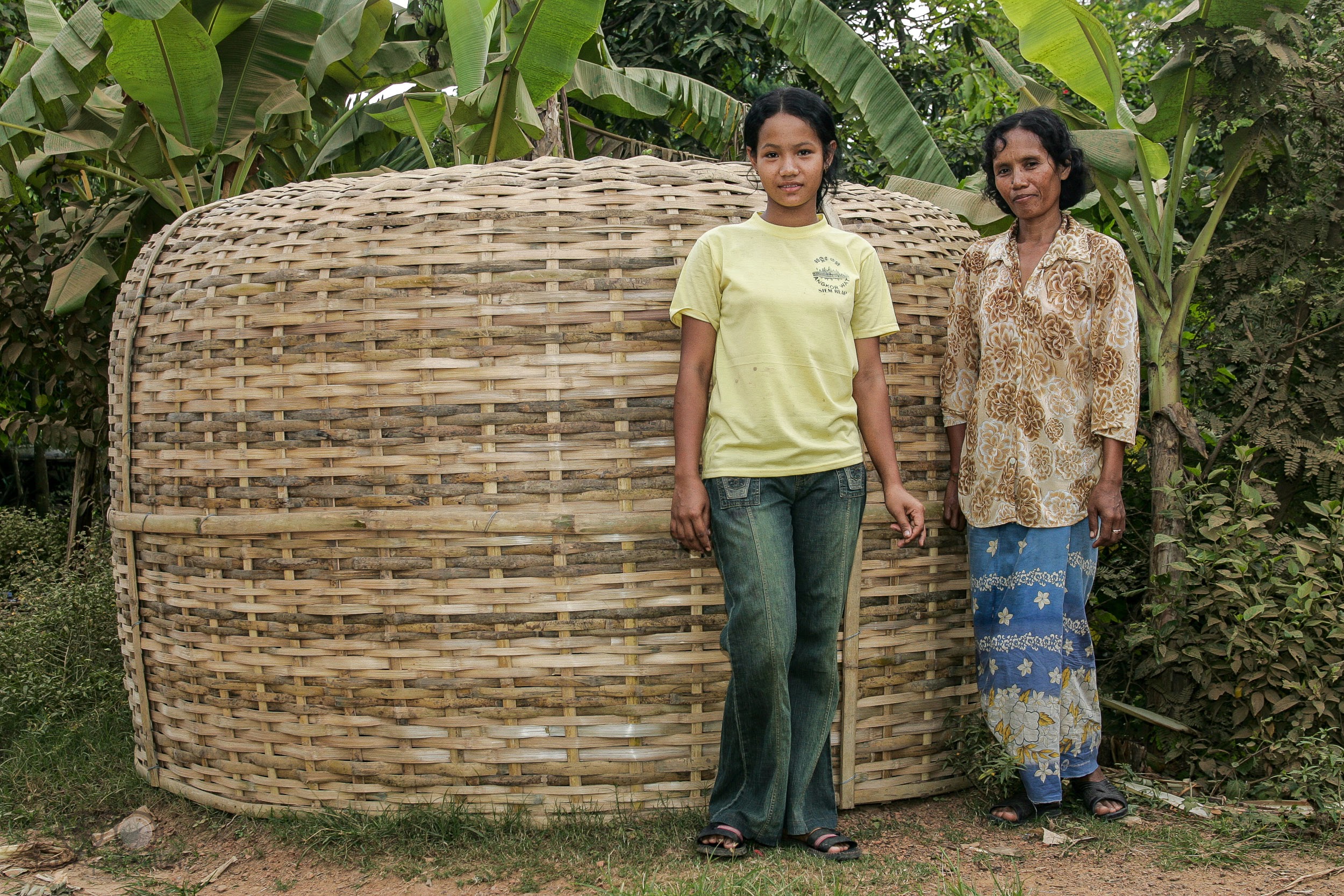
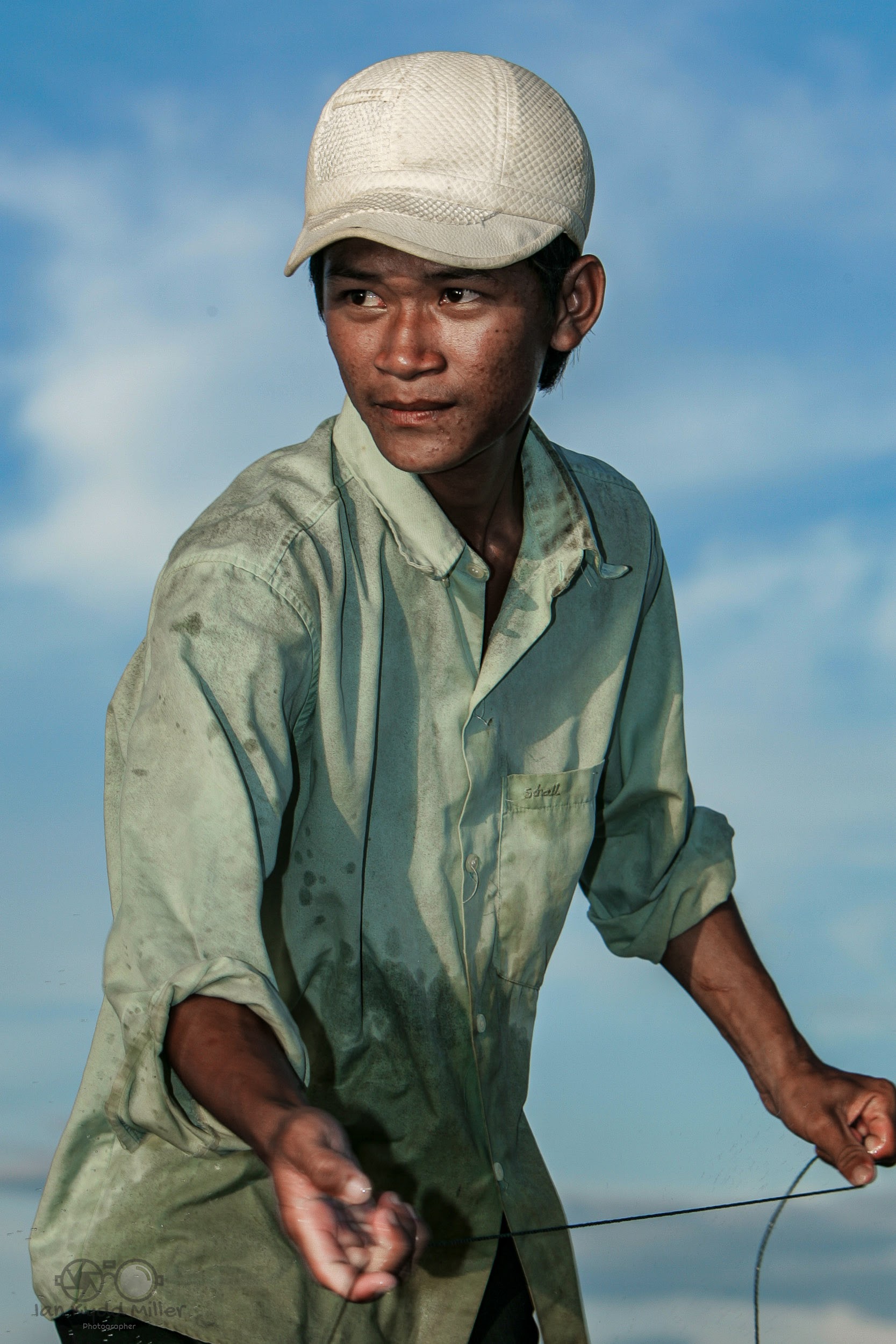
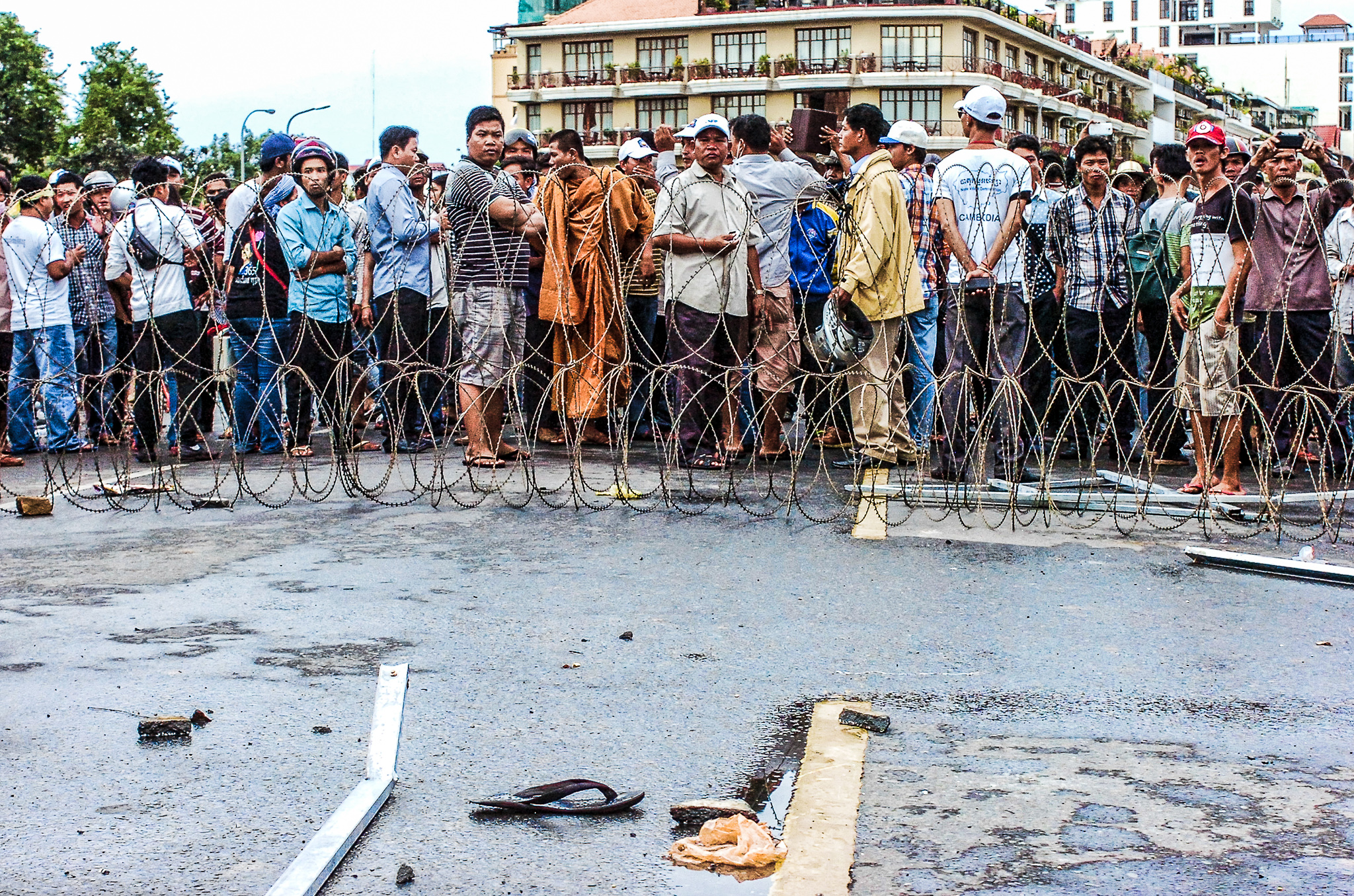
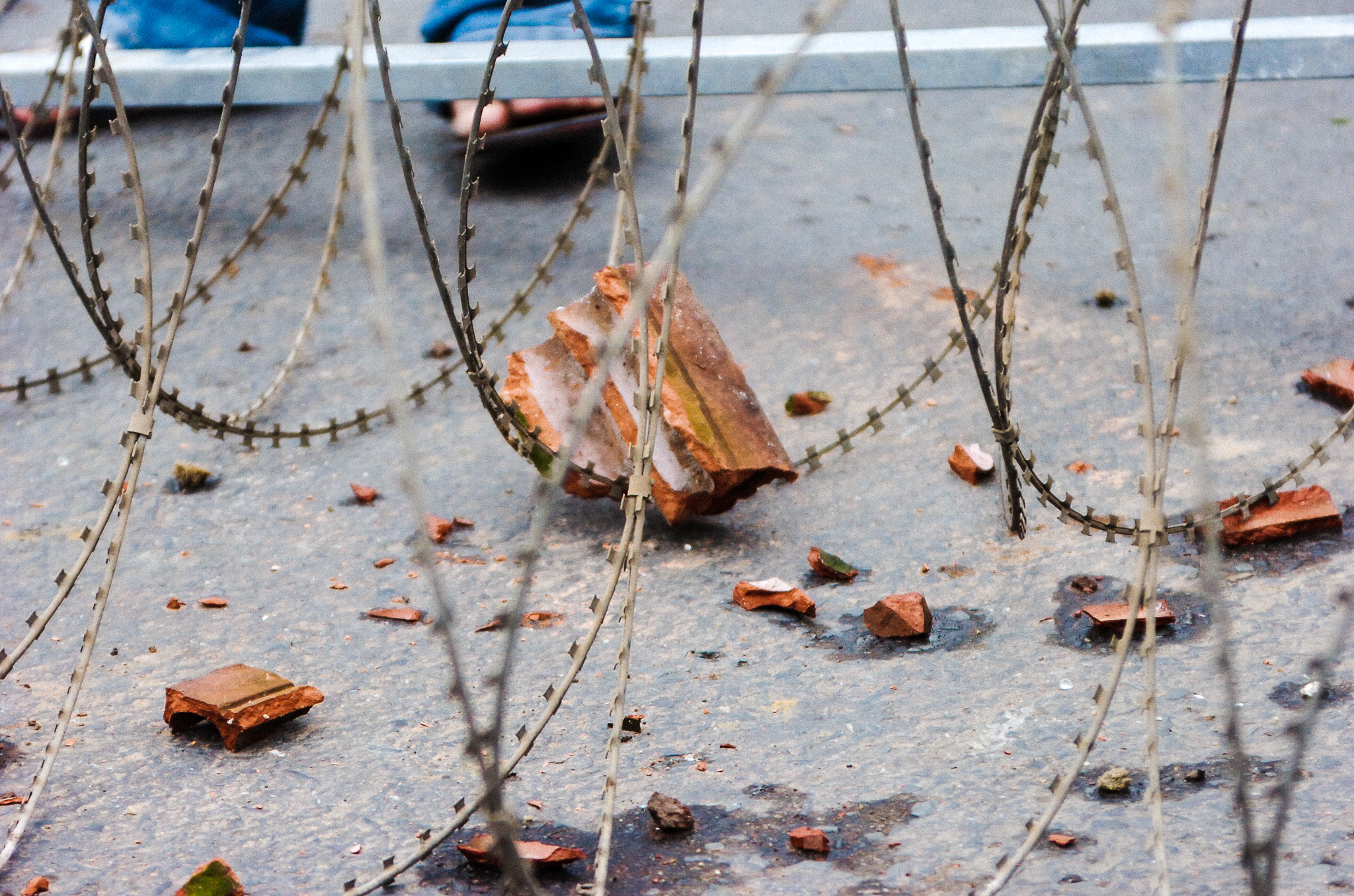
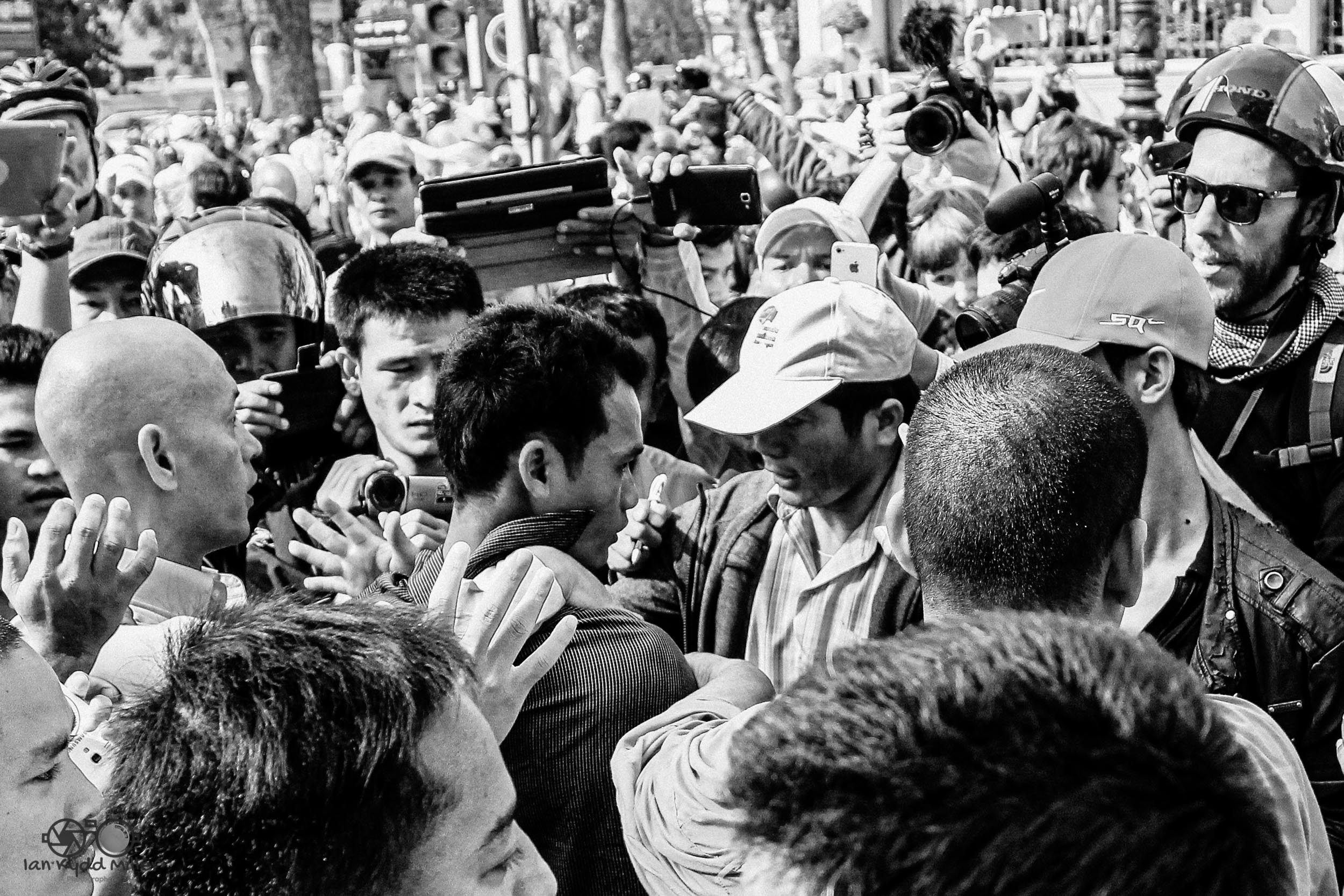
Conflict photography is a form of photojournalism that captures the human and environmental impact of wars, violence and social unrest. It is a challenging and rewarding profession that requires courage, skill and empathy. Conflict photographers aim to document the truth and raise awareness of the suffering and injustice that often goes unnoticed by the mainstream media. They also hope to inspire positive change and peace through their images.
Conflict photography is not for the faint-hearted. It involves working in dangerous and unpredictable situations, facing ethical dilemmas and coping with trauma. Conflict photographers need to have a strong sense of purpose and passion for their work, as well as respect for the people and places they photograph. They also need to have a keen eye for composition, lighting and storytelling, as well as a technical mastery of their equipment.
Conflict photography can have a powerful impact on the world. It can expose the horrors of war, human rights violations and environmental degradation. It can also show the resilience, dignity and hope of the people affected by conflict. It can educate, inform and inspire audiences to take action and make a difference. Conflict photography is more than just taking pictures; it is a way of bearing witness and making history.
If you love photography and travel, you might wonder what essential camera equipment you need to pack when travelling light. Travelling light means carrying only the most necessary items that will allow you to capture the best shots of your destination without compromising your comfort and mobility.
Here are some tips on how to choose the right camera equipment for travelling light.
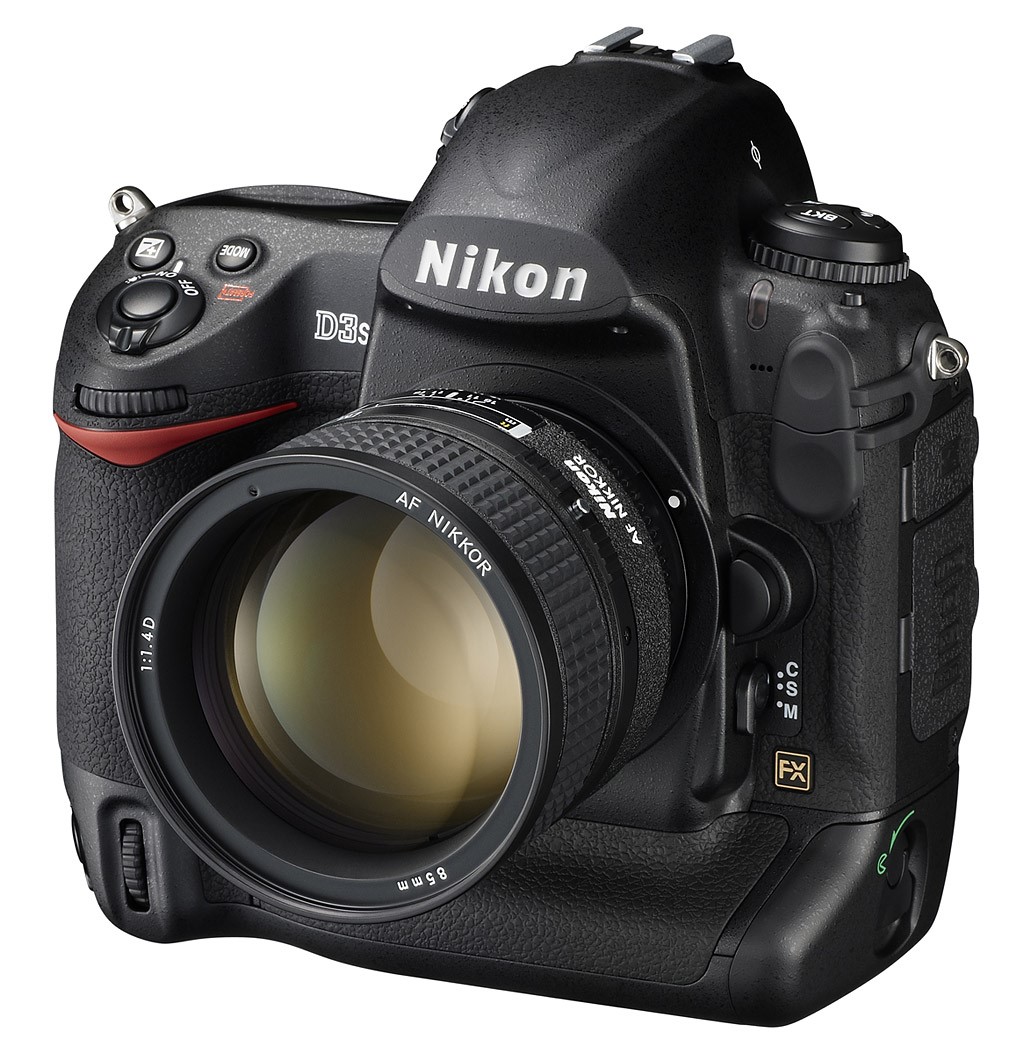
First, you need to decide what kind of camera you want to use. There are many types of cameras available, such as DSLRs, mirrorless, compact, action, and smartphone cameras. Each type has its own advantages and disadvantages, depending on your preferences, budget, and skill level. For example, DSLRs offer the best image quality and versatility, but they are also bulky and heavy. Mirrorless cameras are smaller and lighter than DSLRs, but they still have interchangeable lenses and good performance. Compact cameras are easy to use and fit in your pocket, but they have limited zoom and low-light capabilities. Action cameras are great for capturing videos and extreme sports, but they have a fixed wide-angle lens and poor audio quality. Smartphone cameras are convenient and always with you, but they have limited battery life and storage space.
Second, you need to choose the right lenses for your camera. Lenses are the most important part of your camera equipment, as they determine the quality and style of your photos. However, lenses can also be heavy and expensive, so you need to be selective about which ones to bring. A good rule of thumb is to bring one or two lenses that cover a wide range of focal lengths and situations. For example, you can bring a standard zoom lens (such as 18-55mm or 24-70mm) that can handle landscapes, portraits, and street photography. You can also bring a prime lens (such as 35mm or 50mm) that has a fast aperture and can create beautiful bokeh effects. Alternatively, you can bring a superzoom lens (such as 18-200mm or 28-300mm) that can cover everything from wide-angle to telephoto shots.
Third, you need to consider the accessories that will enhance your photography experience. Accessories are the items that will help you protect, stabilize, charge, store, and edit your photos. However, accessories can also add weight and bulk to your luggage, so you need to prioritize the ones that are most useful and essential. For example, you should always bring a camera bag or case that will protect your camera and lenses from dust, water, and impact. You should also bring a tripod or a monopod that will help you capture sharp and steady shots in low-light conditions or with long exposures. You should also bring extra batteries and memory cards that will ensure you have enough power and storage space for your photos. You should also bring a cleaning kit that will help you keep your camera and lenses clean from dust and smudges. You should also bring a laptop or a tablet that will allow you to back up, edit, and share your photos.
These are some of the essential camera equipment you need to pack when travelling light. By choosing the right camera equipment for your needs and preferences, you can enjoy taking amazing photos of your travels without sacrificing your comfort and mobility.
Travelling with a camera is one of the most rewarding and exciting ways to explore the world. Whether you are a professional photographer or a hobbyist, a camera can help you capture the beauty, the diversity, and the stories of different places and people. A camera can also help you express your creativity, your perspective, and your emotions through your images.
There are many benefits of travelling with a camera. First of all, it can enhance your travel experience by making you more observant, curious, and adventurous. You will notice more details, appreciate more colours, and seek more opportunities to interact with your surroundings. You will also have more memories to cherish and share with others. Secondly, it can improve your photography skills by exposing you to different lighting conditions, landscapes, cultures, and subjects. You will learn how to adapt to various situations, how to compose your shots, how to use different techniques and settings, and how to tell a story with your photos. Thirdly, it can enrich your personal growth by challenging you to step out of your comfort zone, overcome your fears, and discover new aspects of yourself. You will also develop a deeper appreciation for the diversity and beauty of the world and its people.
Travelling with a camera is not always easy, though. You may face some challenges and difficulties along the way. For example, you may have to deal with the weight and bulkiness of your equipment, the security and safety of your gear and yourself, the ethical and cultural issues of photographing people and places, the environmental impact of your actions, and the expectations and pressures of producing good photos. Therefore, you need to be prepared, respectful, responsible, and flexible when travelling with a camera.
Here are some tips that can help you make the most out of your travel photography:
Do some research before you go. Learn about the destination’s history, culture, customs, weather, attractions, and events. This will help you plan your itinerary, choose your locations, find your subjects, and avoid any potential problems or misunderstandings.
Pack light and smart. Choose a camera that suits your needs and preferences, and bring only the essential accessories and equipment. Consider using a backpack or a sling bag that can protect your gear from dust, water, and theft. Also bring some spare batteries, memory cards, chargers, adapters, and cleaning tools.
Be respectful and polite. Always ask for permission before photographing people or private property. Respect their wishes if they decline or ask for compensation. Smile and say thank you after taking their photos. Avoid photographing sensitive or sacred sites or ceremonies unless you have permission or an invitation. Follow the local rules and regulations regarding photography.
Be creative and adventurous. Experiment with different angles, perspectives, focal lengths, apertures, shutter speeds, ISOs, filters, modes, and effects. Try to capture the mood, the atmosphere, the emotion, and the story of each scene. Don’t be afraid to explore new places or try new things.
Have fun and enjoy yourself. Don’t let photography become a burden or a stressor for you or others. Don’t obsess over getting the perfect shot or missing an opportunity. Don’t compare yourself to others or judge yourself harshly. Remember that photography is a form of art and expression that reflects your unique vision and personality.
Travelling with a camera is a wonderful way to experience the world in a different light. It can open your eyes to new possibilities, inspire you to learn new things, and connect you to new people. It can also help you create lasting memories that you can treasure for a lifetime. So grab your camera, pack your bags, and start your adventure!
Homelessness is a complex and urgent social issue that affects millions of people around the world. Many factors can contribute to homelessness, such as poverty, mental illness, substance abuse, domestic violence, unemployment, discrimination, and lack of affordable housing. Homeless or street people face many challenges and risks, such as hunger, exposure, illness, violence, stigma, and isolation.
Documenting the plight of homeless or street people can be a powerful way to raise awareness, empathy, and action among the public and policymakers. However, it also involves ethical and practical challenges that require careful consideration and respect. Here are some tips on how to document the plight of homeless or street people in a responsible and respectful way:
Do your research. Before you start documenting, learn about the causes and consequences of homelessness, the policies and programs that address it, and the organizations and activists that work on it. This will help you understand the context and complexity of the issue and avoid stereotypes and misinformation.
Ask for consent. Always ask for permission before you take photos, videos, or interviews of homeless or street people. Explain who you are, why you are documenting, how you will use the material, and what are the potential risks and benefits for them. Respect their decision and privacy. Do not coerce or pressure them to participate or share information they are not comfortable with.
Be sensitive and respectful. Treat homeless or street people with dignity and compassion. Do not judge, blame, or pity them. Do not exploit their vulnerability or sensationalize their suffering. Do not impose your views or expectations on them. Listen to their stories and perspectives with an open mind and heart.
Be honest and accurate. Do not manipulate or misrepresent the material you collect. Do not edit or alter the images or words of homeless or street people without their consent. Do not omit or distort important facts or context. Do not make false or exaggerated claims or promises. Acknowledge your sources and limitations.
Be responsible and accountable. Consider the impact and implications of your documentation on homeless or street people and their communities. Protect their identity and safety if needed. Follow up with them if possible and share the results of your documentation. Respect their rights and wishes regarding the use and distribution of the material. Seek feedback and criticism from them and others who are knowledgeable about the issue. Learn from your mistakes and improve your practice.
In-camera cropping is a term that refers to composing your photos with your camera, rather than cropping them later on a computer. Some photographers prefer this method, as it allows them to create more interesting compositions, achieve better background blur, and preserve the image quality and file size. However, in-camera cropping also requires more skill and confidence, as you have to decide on the final framing before you take the shot.
Other photographers like to crop their photos during post-production, as it gives them more flexibility and room for experimentation. Cropping on a computer can help you improve a poor composition, remove distracting elements, or alter the aspect ratio of your photo. You can also try different crops and see which one works best for your image. However, cropping on a computer also has some drawbacks, such as reducing the number of pixels in your image, affecting its clarity and printability.
So, is in-camera cropping right or wrong? There is no definitive answer to this question, as different photographers have different opinions and preferences. Some may argue that in-camera cropping is more authentic and artistic, while others may say that cropping on a computer is more practical and creative. Ultimately, it depends on your personal style, vision, and goals. The best way to find out what works for you is to experiment with both methods and see how they affect your photos.
Street photography is a genre of photography that captures candid moments of people and places in public spaces. It is often associated with wide-angle lenses, which allow the photographer to get close to the subject and capture more of the surrounding context. However, some street photographers prefer to use telephoto lenses, which have a longer focal length and can create a different perspective and effect.
Telephoto lenses have some advantages and disadvantages for street photography. On the positive side, they can help the photographer to isolate the subject from the background, creating a shallow depth of field and a more dramatic composition. They can also allow the photographer to shoot from a distance, without being noticed or disturbing the scene. This can be useful for capturing candid expressions and emotions, or for photographing in places where it might be unsafe or inappropriate to get too close.
On the negative side, telephoto lenses can also pose some challenges for street photography. They are usually heavier and bulkier than wide-angle lenses, which can make them more difficult to carry around and handle. They also require a faster shutter speed to avoid camera shake, which can limit the creative possibilities of using motion blur or low-light conditions. Moreover, they can create a more detached and voyeuristic feeling, which might not suit the style or intention of some street photographers who want to engage with their subjects and environment.
Ultimately, the choice of lens for street photography depends on the personal preference and vision of the photographer. There is no right or wrong answer, as long as the lens serves the purpose and message of the image. Some street photographers might stick to one lens for consistency and simplicity, while others might switch between different lenses depending on the situation and opportunity. The most important thing is to experiment and have fun with street photography, and to find your own voice and style.
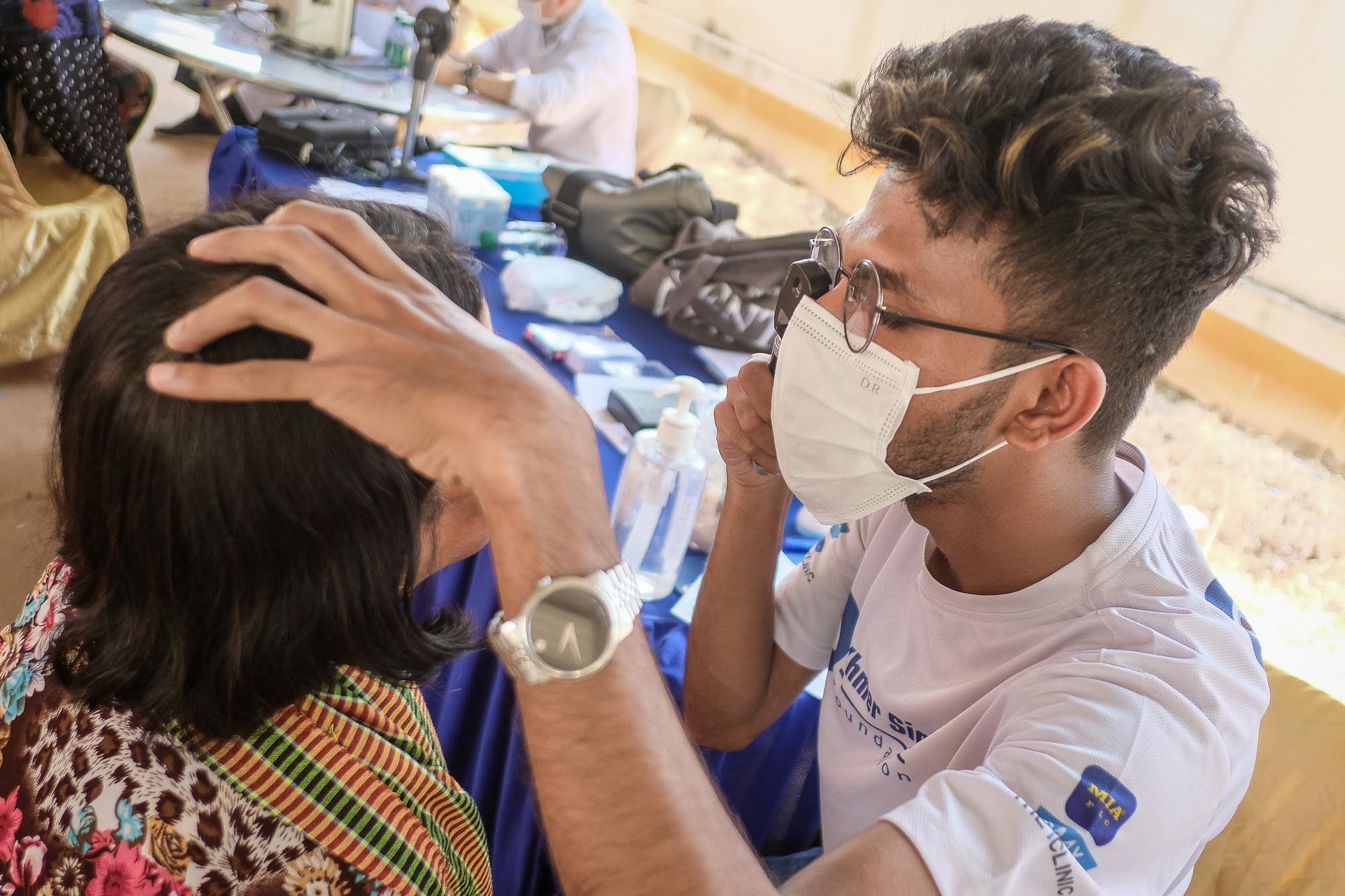
The Khmer Sight Foundation’s Saturday pre-assessment trip to Kampot was a huge success. Travelling early in the morning to a location 175 kilometres from Phnom Penh and setting up, assisted by local health personnel, to see over 100 people with suspected eye issues. Each client had a basic eye exam before being evaluated by the attending doctor to discover any underlying eye disorders. Any patient who has a detected eye condition will be invited to the clinic in Phnom Penh to have the necessary surgery at no cost in the near future.
The Khmer Sight Foundation is a non-profit organization that aims to eliminate avoidable blindness in Cambodia by training local eye care professionals and providing free eye surgeries to the poor. Founded in 2015 by His Excellency Sean Ngu and the late Dr Kim Frumar, the foundation works with international partners and volunteers to improve the quality and accessibility of eye care services in Cambodia.
According to the foundation’s website, over 180,000 Cambodians are blind, and 90% of blindness is avoidable. The main causes of blindness are cataracts, uncorrected vision, glaucoma, corneal scarring and pterygium. Cambodia has one of the lowest numbers of eye specialist doctors per capita in the world, and most of the poor live in rural areas where there is little or no eye care available.
The Khmer Sight Foundation’s mission is to train the next generation of eye care health professionals in Cambodia so that the country can become self-reliant in the provision of high-quality, safe and effective eye care. The foundation selects local graduates to study internationally on scholarships to further their education in ophthalmology and pass on their training. It also develops surgical and diagnostic skills and provides scholarships abroad to train in sub-specialities that are lacking in Cambodia, such as corneal and retinal issues and paediatric conditions.
The foundation also runs a charitable mission offering free cataract surgery based at multiple charitable hospitals in Phnom Penh. The foundation’s volunteer health workers visit remote rural communities to conduct eye screenings and provide basic instructions on eye hygiene. International specialists help by not only providing training but also conducting free surgery for the poorest people in Cambodia. These surgeries are life-changing and make a tangible difference to local communities.
The Khmer Sight Foundation is a remarkable example of how local and international collaboration can help address a major health issue in a developing country. By empowering local eye care professionals and providing free eye care services to the needy, the foundation is helping to restore the gift of sight to many thousands of Cambodians.