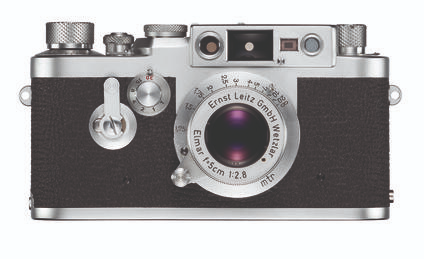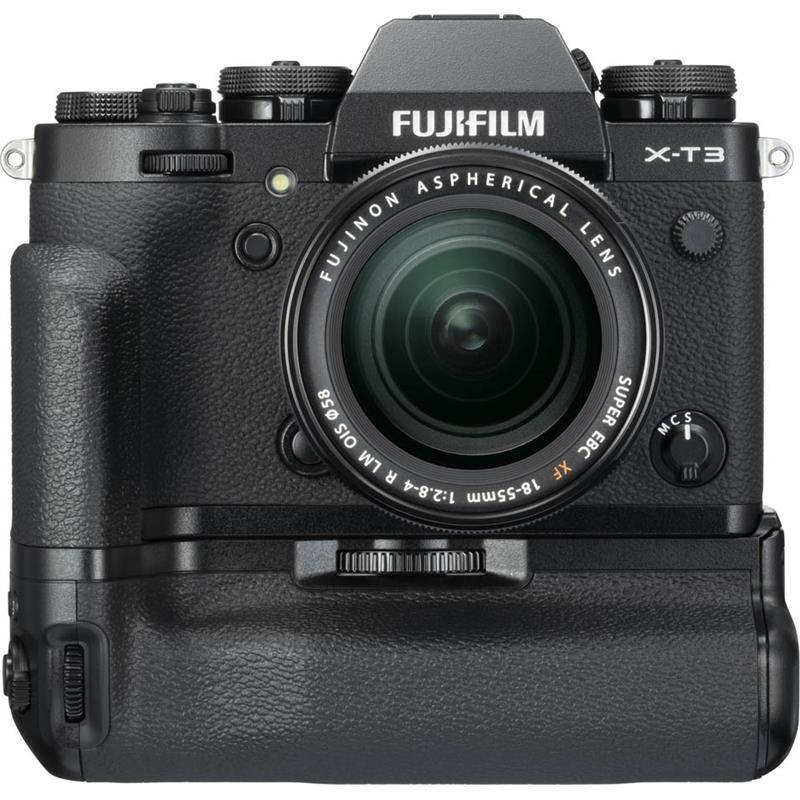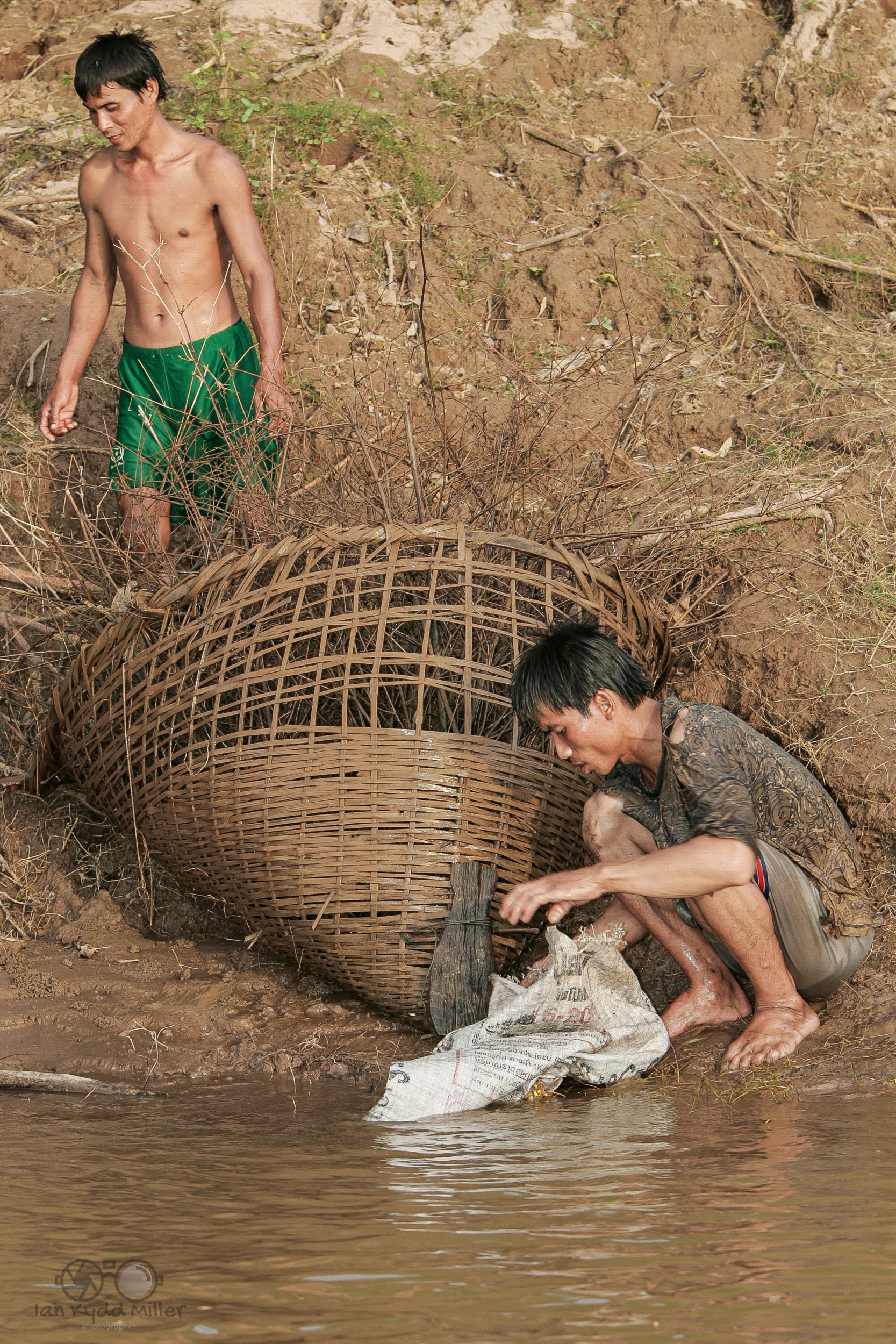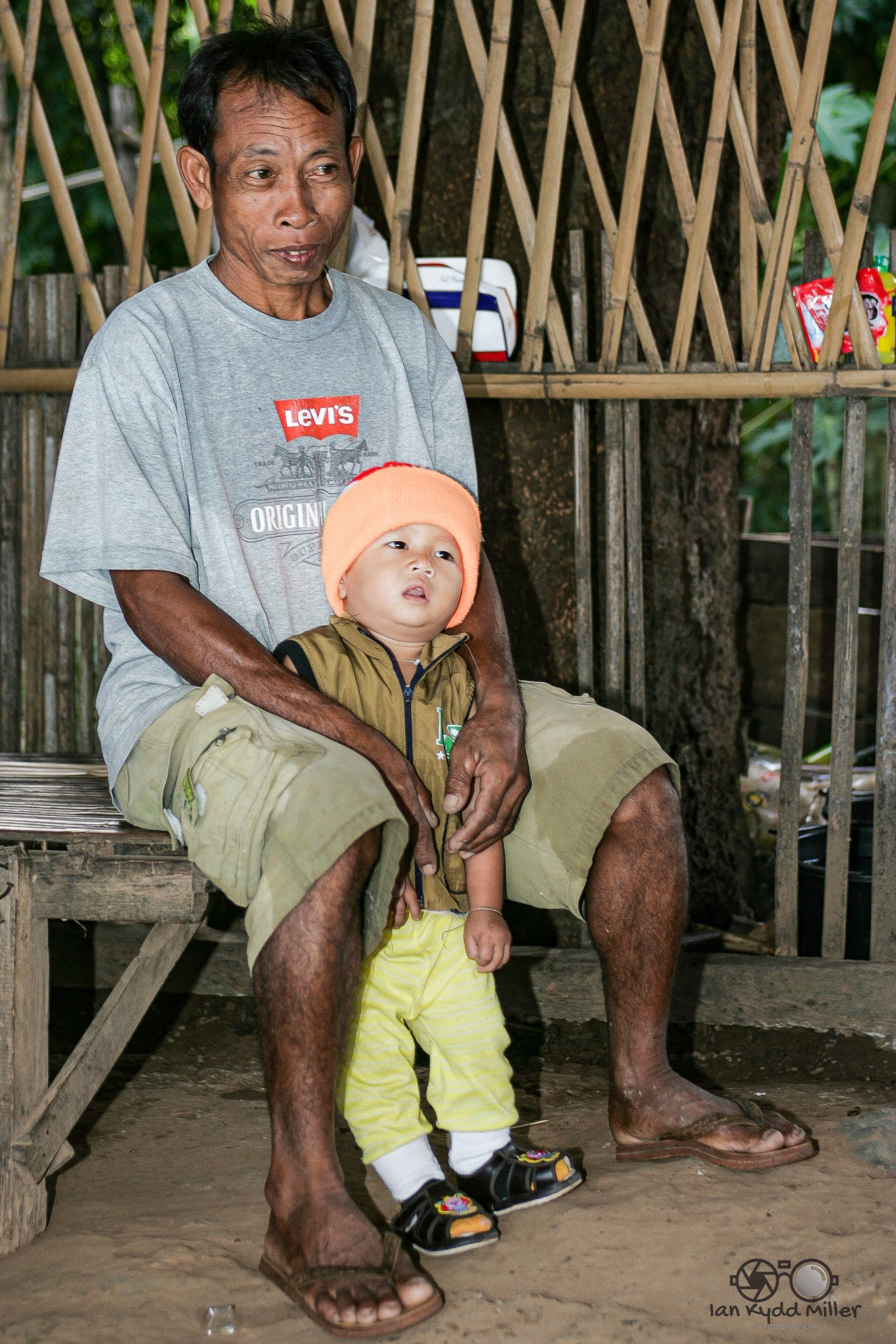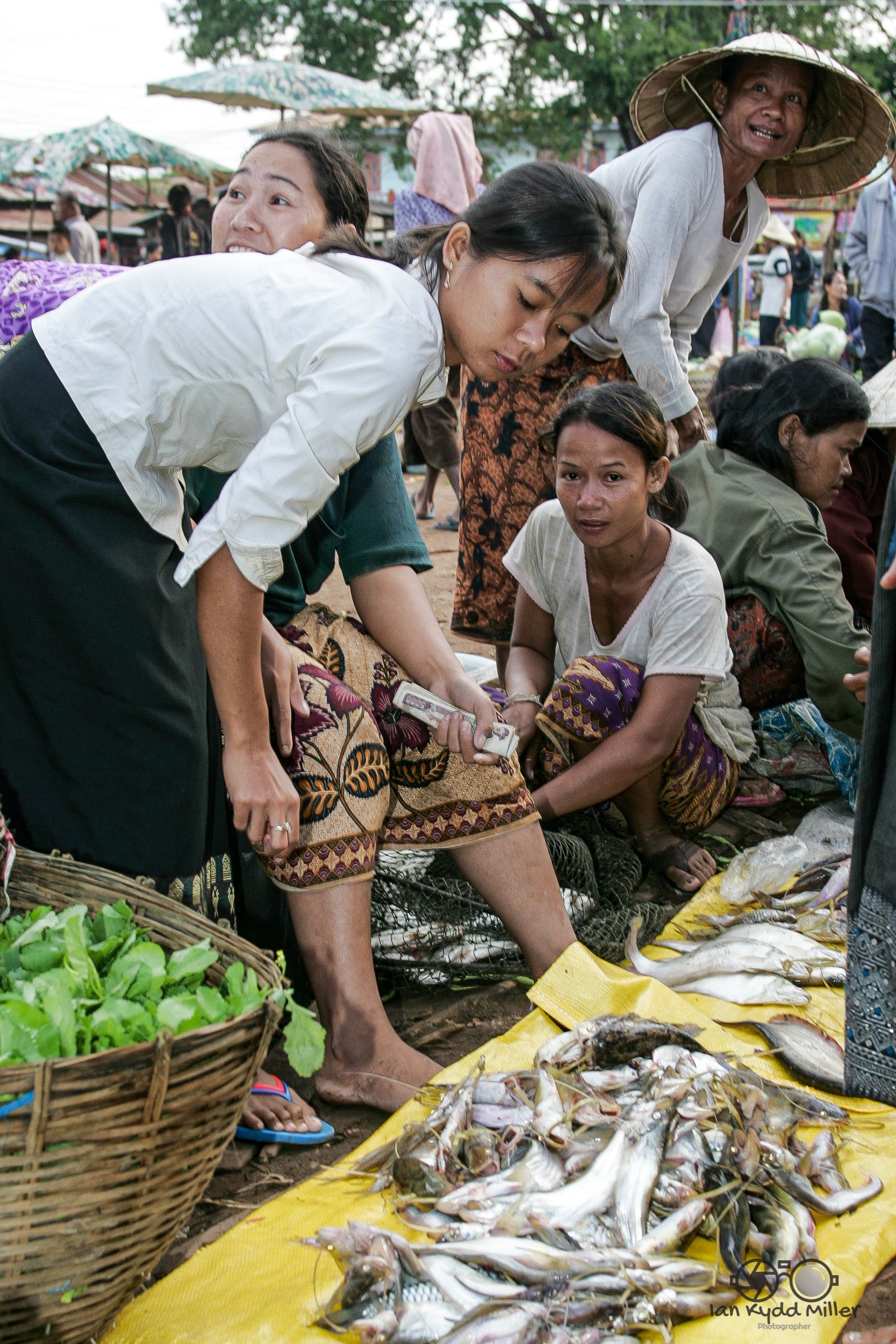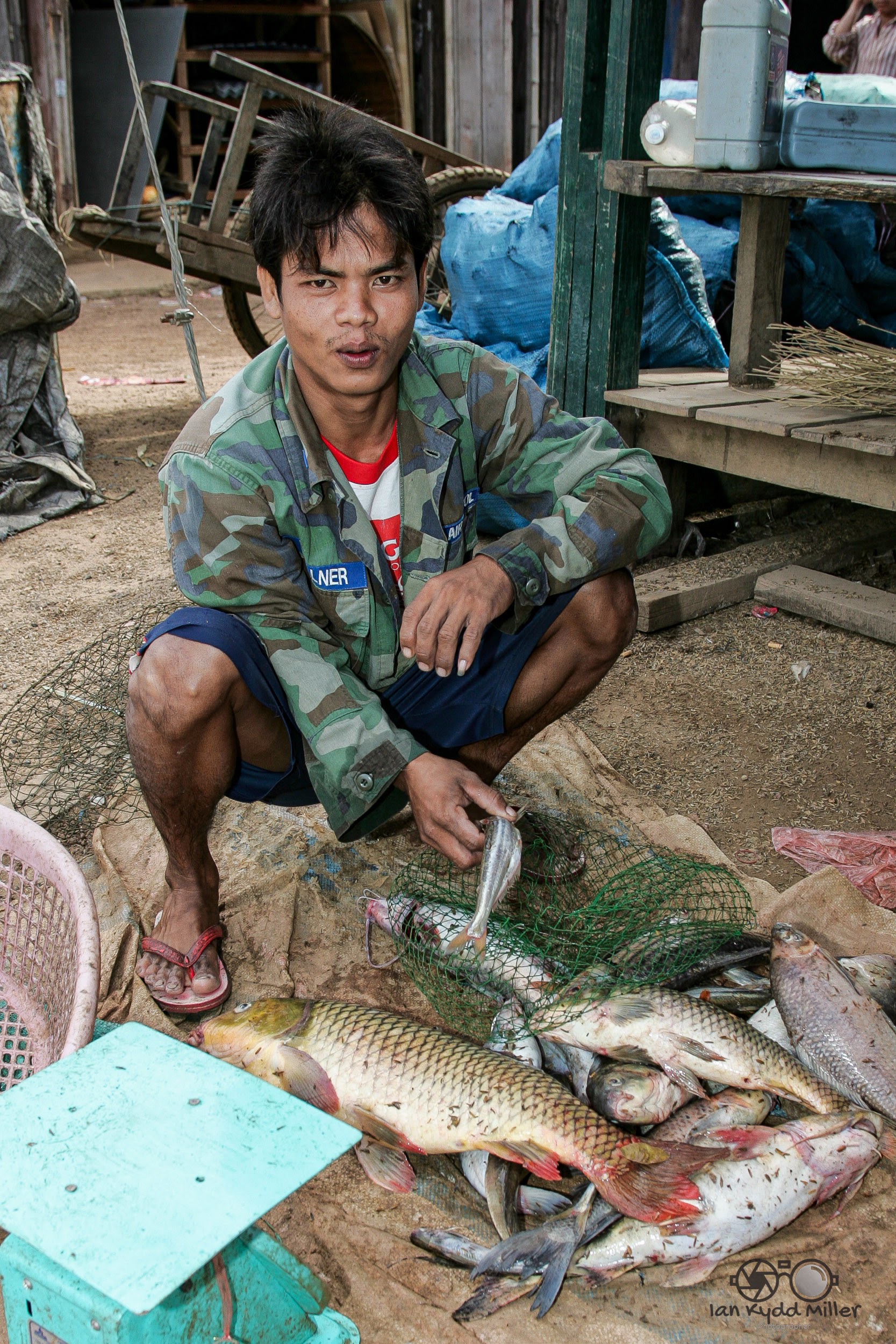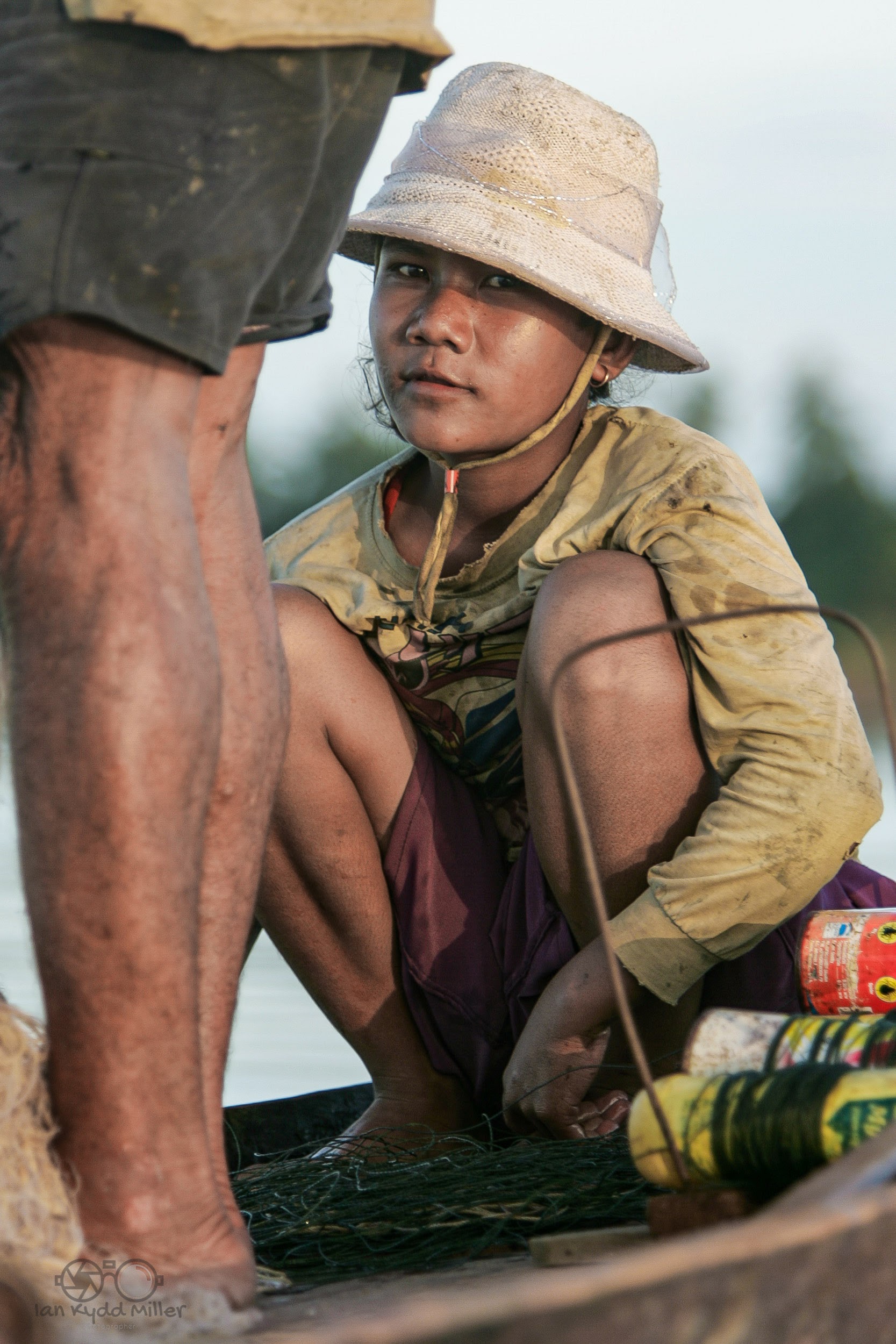
The Fujifilm X100

cameras, Fujichrome, fujifilm, opinons, thoughts, photography, pictures, street, Travel

Back in September 2010, Fujifilm unveiled the prototype of its new flagship compact camera. The styling was reminiscent of an old rangefinder, while internally it was said to feature an APS-C-size sensor. This combination of classic looks and potential for DSLR-quality images was a surefire winner, and without knowing much more photo enthusiasts the world over needed one. Natural comparisons can be made between the Fuji FinePix X100 and the Leica X1, and even the M9, although it is also worth noting its features and performance against the recent spate of compact system cameras (CSCs), particularly the APS-C-format models from Samsung and Sony.

Aside from its looks, the Fuji FinePix X100 had plenty to please the photo enthusiast, from the Fujifilm-branded film effects to the hybrid viewfinder with the impressive-sounding, reverse-Galilean optical viewfinder, capable of either a full electronic or a standard optical view.

There is also the new combination of high-sensitivity CMOS sensor and EXR processor to consider that, with the fixed-focal-length lens, should be able to produce impressive results in terms of resolution, sensitivity and dynamic range.

The X100 is a popular camera model that offers high-quality images and a sleek design. However, some users have reported slow focusing problems with their X100 cameras, especially in low-light situations. This can be frustrating and affect the performance of the camera.

The main cause of the slow focusing problems is the contrast-detection autofocus system that the X100 uses. Contrast-detection autofocus works by measuring the contrast of the image on the sensor and adjusting the focus until the contrast is maximized. This method is accurate but slow, especially when there is not enough contrast in the scene. Contrast-detection autofocus also struggles with moving subjects, as it has to constantly refocus to keep up with the motion.
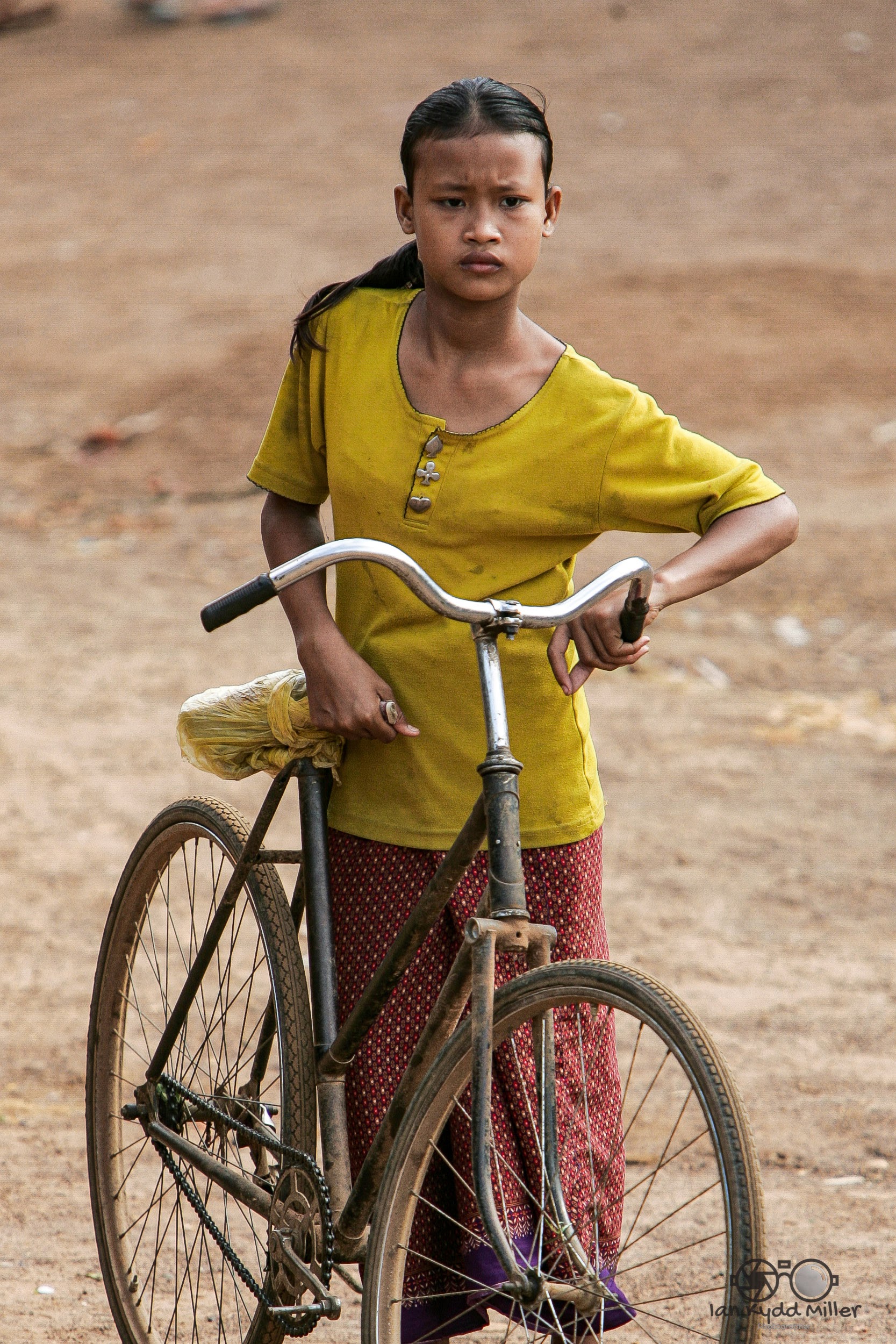
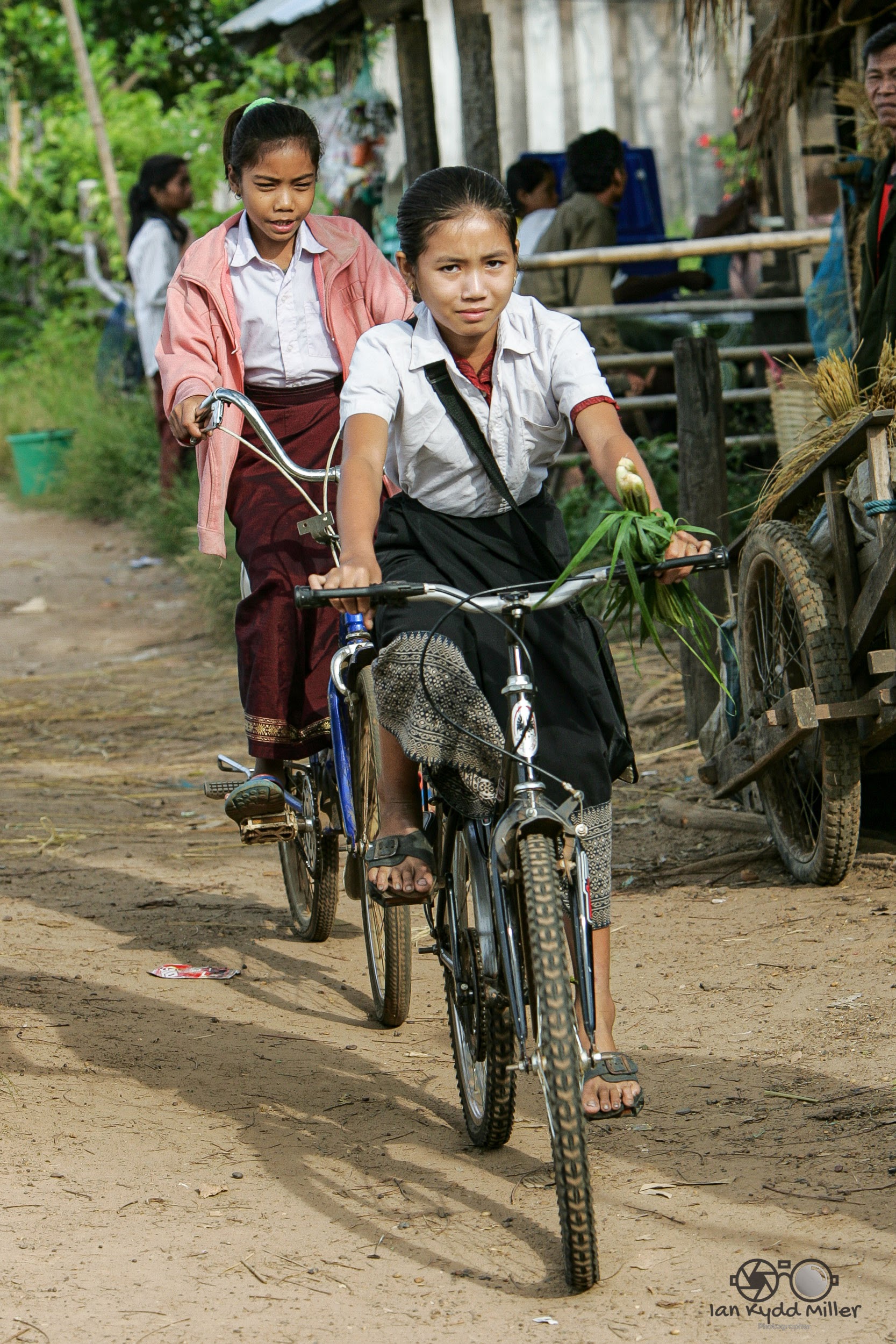
There are a few ways to fix the slow-focusing problems on the X100. One option is to use manual focus instead of autofocus. Manual focus allows you to adjust the focus manually using the focus ring on the lens or the focus lever on the back of the camera. Manual focus gives you more control and precision over the focus, but it also requires more skill and practice. You can use the focus peaking feature or the magnification feature to help you achieve sharp focus.

Another option is to use zone focusing instead of autofocus. Zone focusing is a technique where you pre-set the focus distance and aperture to cover a certain range of distances in front of the camera. For example, if you set the focus distance to 3 meters and the aperture to f/8, everything between 2 and 5 meters will be in focus. Zone focusing works well for street photography or situations where you don’t have time to adjust the focus for each shot. You can use the distance scale on the lens or on the screen to help you set the zone.

A third option is to update the firmware of your X100 camera. Firmware is the software that controls how your camera operates. Sometimes, firmware updates can improve the performance and functionality of your camera, including the autofocus speed and accuracy. You can check if there is a firmware update available for your X100 camera by visiting the official website of Fujifilm and following the instructions there.

The X100 is a great camera that can produce stunning images, but it also has some limitations that can affect its usability. By understanding what causes the slow focusing problems and how to fix them, you can enjoy your X100 camera more and take better photos.

If you’re looking for a camera that can fit in your pocket, take stunning photos, and make you look like a hipster, you might be tempted by the Fuji X100. This little gem has been around for a decade, and it still holds up as a great choice for enthusiasts and professionals alike. But don’t be fooled by its retro charm and simplicity. The X100 is not a camera for beginners. It has a fixed lens, a quirky autofocus system, and a steep learning curve. You’ll need to master the basics of exposure, composition, and manual controls before you can unleash its full potential. And even then, you might find yourself frustrated by its limitations and quirks. The X100 is not a camera that will hold your hand and do everything for you. It’s a camera that will challenge you, inspire you, and reward you with amazing images. But only if you’re willing to put in the work and embrace its flaws. So if you’re looking for a fun and easy way to snap some pictures, the X100 is not for you. But if you’re looking for a camera that will make you a better photographer, and make you laugh along the way, the X100 might be your perfect companion.

The Fuji 27mm f2.8 (first version)

cambodia, cameras, Fujichrome, fujifilm, Lenses, opinons, thoughts, photography, pictures, street, Travel

If you are looking for a versatile and compact lens to pair with your X Pro3, you can’t go wrong with the Fujifilm 27mm f2.8. This lens is a gem for general and street photography, as it offers a fast aperture, sharp image quality, and a lightweight design. The 27mm focal length is equivalent to 41mm on a full-frame sensor, which is close to the classic 35mm field of view many photographers love. It allows you to capture many scenes, from landscapes to portraits, without distortion or cropping. The f2.8 aperture lets you shoot in low-light conditions and create beautiful bokeh effects. The lens also has a quick and silent autofocus system that works well with the X Pro3’s hybrid viewfinder. The best part is that the lens is so tiny and light that you can easily carry it around in your pocket or bag. It barely adds any bulk to the X Pro3’s sleek and retro body. The Fujifilm 27mm f2.8 is a great lens for anyone who wants to enjoy the simplicity and creativity of photography with the X Pro3.

I have owned it for quite a while but never really used the Fujifilm 27mm f2.8 lens until recently, and I have to say I’m blown away by its performance! It’s so compact and lightweight, yet it delivers sharp and crisp images with beautiful colours and contrast. It’s perfect for street photography, landscapes, and portraits. It has a fast autofocus and a smooth aperture ring that lets me control the depth of field easily. I love how it makes my camera look sleek and discreet, and how it fits in my pocket when I’m on the go. This lens is a gem and I’m so glad I finally gave it a chance!

Restricted on face book

cambodia, opinons, thoughts, photography, pictures, public, street

My account has been restricted on FB for 2 days for displaying this picture which they say goes against FB rules

How anyone could find this image to be offensive or sexual in any way is certainly beyond me.

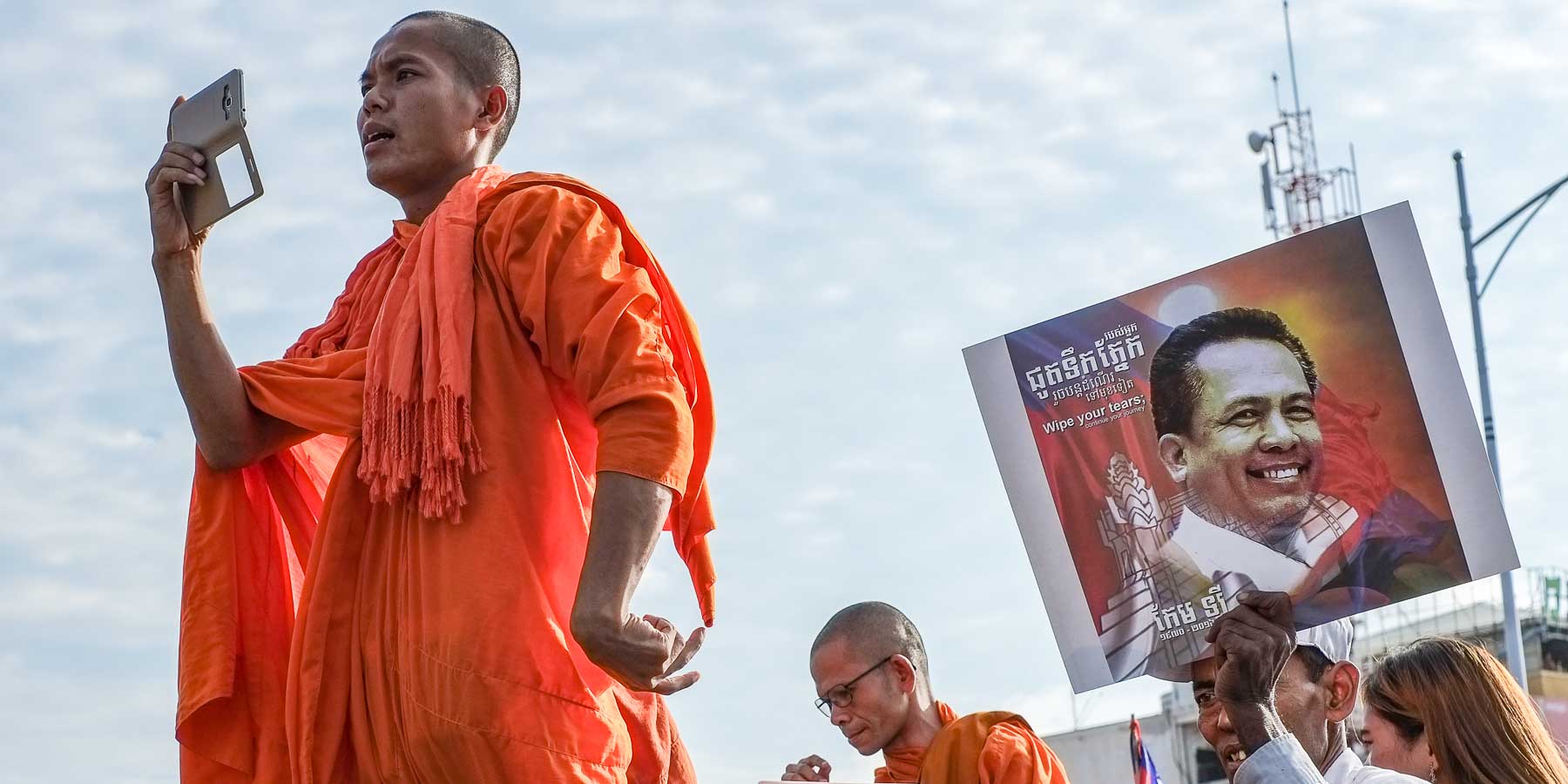
Covering Local Political Events in Cambodia

cambodia, conflict, opinons, thoughts, photography, pictures, street, Travel, voluntary

Cambodian Labour Day 2023

cambodia, conflict, opinons, thoughts, photography, pictures, street

On May 1st, 2023, hundreds of Cambodian workers took to the streets to mark Labour Day and demanded better working conditions and higher wages. The demonstrations were peaceful and well-organized, with no reports of violence or clashes with the authorities. The protesters carried banners and placards with slogans such as “Workers are not slaves”, “We deserve a living wage”, and “Respect our rights”. They also sang songs and chanted slogans in Khmer and English, expressing their solidarity and determination.

The demonstrations were part of a nationwide campaign by the Cambodian Labour Confederation (CLC), the largest independent trade union in the country. The CLC represents workers from various sectors, including garment, construction, tourism, and agriculture. The CLC has been advocating for a minimum wage increase from $192 to $250 per month, as well as improved health and safety standards, social protection, and freedom of association. The CLC claims that the current minimum wage is insufficient to cover the basic needs of workers and their families, especially amid the COVID-19 pandemic and the rising cost of living.

The demonstrations were also supported by other civil society groups, human rights organizations, and opposition parties. They called on the government to respect the rights of workers and engage in dialogue with the unions. They also urged the international community to pressure the Cambodian government to uphold its obligations under the International Labour Organization (ILO) conventions and other human rights treaties.

The Cambodian government has not responded to the workers’ demands and has maintained tight control over the labour movement. The government has been accused of cracking down on unions and activists, restricting their freedom of expression and assembly, and using legal threats and intimidation to silence dissent. The government has also been criticized for failing to protect workers from exploitation, abuse, and discrimination by employers and foreign investors.

The Cambodian Labour Day demonstrations were a sign of the growing discontent and frustration among the working class in Cambodia. They also showed the strength and resilience of the labour movement in the face of repression and hardship. The workers vowed to continue their struggle until their demands are met and their dignity is restored.

***Rising costs and static wages are causing the ordinary working population to struggle in Cambodia. This means that the prices of goods and services are increasing faster than the income of most people, especially those who work in the garment, textile, and footwear industries. These industries are vital to Cambodia’s economy, as they account for some 80 per cent of total exports and employ over 700,000 workers. However, the workers in these industries only receive a minimum wage of US$194 per month for regular workers and US$192 per month for probationary workers. This is barely enough to cover their basic needs, such as food, transportation, accommodation, and health care. Moreover, the minimum wage has only increased by US$10 in three years, while inflation and living expenses have risen faster. The government has tried to balance the interests of the workers and the employers, but many workers are still dissatisfied with their low wages and poor working conditions. They demanded a higher minimum wage of US$204 per month, but this was rejected by the government. The workers have also faced challenges from the withdrawal of Cambodia’s partial ‘Everything but Arms’ status by the European Union, which gave the country duty-free access to EU markets. This has reduced the demand for Cambodian exports and threatened the jobs of many workers. Therefore, rising costs and static wages are creating a lot of hardship and discontent among the ordinary working population in Cambodia.***

“It’s not fair that we work so hard to make clothes, shoes, and other products for the Western markets, but we barely get enough money to survive. The companies that sell our goods charge high prices to their customers, but they pay us very low wages. They don’t care about our health, safety, or dignity. They only care about their profits. We deserve better than this. We deserve to have a decent living standard, to have access to education and health care, and to have a voice in our workplaces. We are not machines. We are human beings”. Anonymous quote

How do you define a street portrait?

homelessness, opinons, thoughts, photography, pictures, public, street, Travel

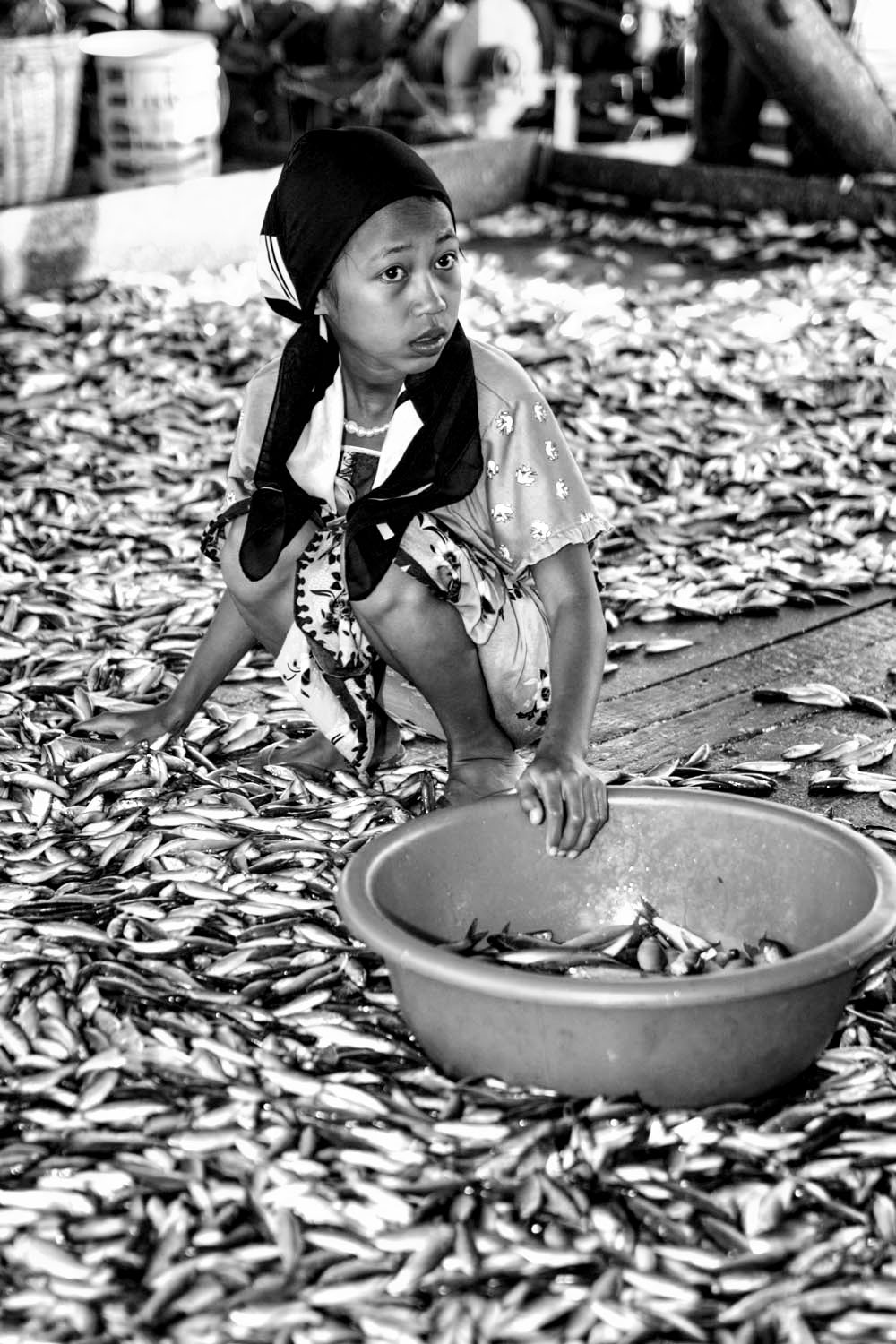
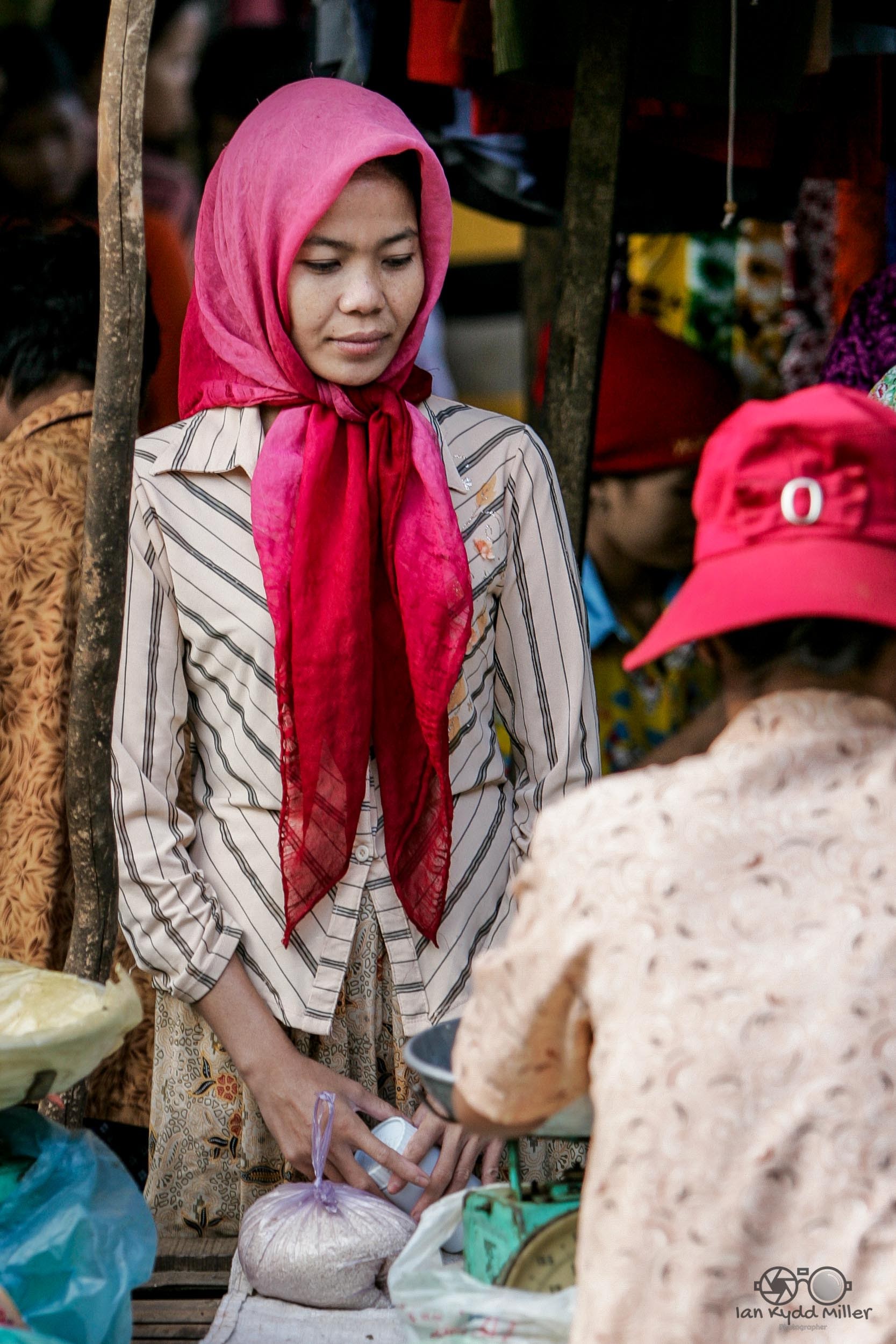
A street portrait is a type of photography that captures a person or a group of people in a public place, such as a street, a park, a market, or a subway station. Unlike studio portraits, street portraits are not staged or posed, but rather spontaneous and candid. They aim to capture the essence and personality of the subject, as well as the mood and atmosphere of the location.

Street portraits can be challenging but rewarding for photographers who want to explore the diversity and complexity of human life in different environments. They require a combination of technical skills, artistic vision, and social skills. Here are some tips on how to define and create your own street portraits:

  • Find your style. There is no single definition or rule for what makes a good street portrait. Some photographers prefer to shoot close-ups with shallow depth of field, while others like to include more context and background in their shots. Some photographers use flash or artificial light, while others rely on natural light and shadows. Some photographers ask for permission from their subjects, while others shoot discreetly without being noticed. You have to find your own style and preferences that suit your personality and goals.
  • Choose your location. The location of your street portrait can have a significant impact on the final result. You should look for places that have interesting people, colours, textures, patterns, or contrasts. You should also consider the lighting conditions, the time of day, and the weather. You can scout for locations beforehand or improvise on the spot. You can also revisit the same location at different times to see how it changes.
  • Approach your subject. One of the most difficult aspects of street portrait photography is approaching your subject. You have to decide whether you want to ask for permission or not, and how to do it in a respectful and friendly way. You also have to deal with possible rejections or objections from your subject or bystanders. You should always respect the privacy and dignity of your subject, and never force or harass them to pose for you. You should also be aware of the cultural and legal norms of the place you are shooting in.
  • Interact with your subject. Another challenge of street portrait photography is interacting with your subject. You have to decide how much direction or guidance you want to give them, and how to make them feel comfortable and relaxed in front of your camera. You can try to establish rapport with them by talking to them, complimenting them, or making jokes. You can also let them be themselves and capture their natural expressions and gestures. You should always be polite and grateful for their cooperation, and show them the results if possible.
  • Edit your photos. The final step of street portrait photography is editing your photos. You have to select the best shots from your session and enhance them with post-processing tools. You can adjust the exposure, contrast, colour, sharpness, cropping, and other parameters according to your taste and style. You can also apply filters or presets to create a consistent look for your street portraits. You should always keep in mind the original intention and message of your photos, and avoid over-editing them.

Choosing what images to make. How to find inspiration for my photography.

cambodia, cameras, opinons, thoughts, photography, pictures, street, Travel, voluntary, war

One of the most common challenges that photographers face is deciding what to photograph. Sometimes, you may have a clear idea of what you want to capture, but other times, you may feel stuck or uninspired. How can you overcome this creative block and find new sources of inspiration for your photography?

There are many ways to spark your imagination and get motivated to take photos. Here are some tips that may help you choose what images to make and how to find inspiration for your photography.

  • Explore different genres and styles. Photography is a diverse and versatile art form that can express many different moods, emotions, and messages. You can experiment with different genres and styles of photography, such as portrait, landscape, street, abstract, macro, wildlife, documentary, and more. Each genre has its own challenges and opportunities for creativity. You can also try different techniques and effects, such as long exposure, HDR, black and white, bokeh, and more. By exploring different genres and styles, you can discover new perspectives and possibilities for your photography.
  • Follow other photographers. One of the best ways to learn and improve your photography is to follow other photographers who inspire you. You can find many talented and creative photographers online, on platforms such as Instagram, Flickr, 500px, Behance, and more. You can also look for photography blogs, magazines, books, podcasts, and videos that showcase the work and insights of other photographers. By following other photographers, you can learn from their skills, techniques, tips, and stories. You can also get inspired by their vision, style, and themes.
  • Join a photography community. Another way to find inspiration for your photography is to join a photography community where you can interact with other photographers who share your passion and interest. You can find many photography communities online or offline, such as forums, groups, clubs, workshops, contests, and more. By joining a photography community, you can get feedback, advice, support, and encouragement from other photographers. You can also participate in challenges, projects, collaborations, and events that can stimulate your creativity and challenge your skills.
  • Go outside your comfort zone. Sometimes, the best way to find inspiration for your photography is to go outside your comfort zone and try something new or different. You can challenge yourself to photograph something that you normally wouldn’t or that scares you. You can also travel to a new place or revisit an old one with a fresh eye. You can also experiment with new equipment or settings that you are not familiar with. By going outside your comfort zone, you can push your boundaries and discover new aspects of yourself and your photography.
  • Have fun and enjoy the process. Finally, the most important tip to find inspiration for your photography is to have fun and enjoy the process. Photography is not only a skill or a profession but also a hobby and a passion. You should not take it too seriously or put too much pressure on yourself to create perfect images. Instead, you should focus on the joy and satisfaction that photography brings you. You should also appreciate the beauty and wonder of the world around you and capture it with your camera. By having fun and enjoying the process, you can find inspiration for your photography in every moment.

Knowing your camera

cambodia, cameras, film, Fujichrome, fujifilm, Lenses, opinons, thoughts, photography, pictures, street, Travel

If you are passionate about photography, you know how important it is to know your camera well. Your camera is your tool, your partner, and your creative expression. Knowing your camera means you can take better photos, faster and easier.

But how do you get to know your camera? There are so many features, settings, and options that it can be overwhelming at first. Don’t worry, we are here to help you with some tips and tricks to get you started.

The first thing you need to do is read the manual. Yes, we know it sounds boring and tedious, but trust us, it will save you a lot of time and frustration later on. The manual will tell you everything you need to know about your camera’s functions, modes, menus, and buttons. You will learn how to adjust the exposure, focus, white balance, ISO, aperture, shutter speed, and more. You will also learn how to use the flash, the zoom, the timer, the burst mode, and other features that can enhance your photos.

The second thing you need to do is practice. The best way to learn is by doing. Take your camera with you everywhere you go and try different settings and situations. Experiment with different angles, perspectives, lighting conditions, and subjects. See how your camera reacts and what results you get. Don’t be afraid to make mistakes and learn from them. The more you practice, the more comfortable and confident you will become with your camera.

The third thing you need to do is have fun. Photography is not only a skill but also an art form. It is a way of expressing yourself and capturing moments that matter to you. Don’t get too caught up in the technical details and forget to enjoy the process. Be creative, be curious, be adventurous. Find your own style and voice. Share your photos with others and get feedback. Learn from other photographers and get inspired by their work.

Knowing your camera is not a one-time thing. It is a continuous journey of discovery and improvement. As you grow as a photographer, so will your camera skills. You will always find new things to learn and new ways to challenge yourself.

But remember, the most important thing is not the camera itself but what you do with it.

How to improve your photography

opinons, thoughts, photography, pictures, processing, street, Travel

Photography is a skill that can be learned and improved with practice, patience and passion. Whether you are a beginner or a seasoned photographer, there are always ways to take your photos to the next level. Here are some tips on how to improve your photography and capture stunning images.

  1. Learn the basics of exposure. Exposure is the amount of light that reaches your camera sensor and determines how bright or dark your photo is. Exposure is controlled by three factors: aperture, shutter speed and ISO. The aperture is the size of the opening in your lens that lets in light. Shutter speed is the length of time that your camera shutter stays open to expose the sensor. ISO is the sensitivity of your sensor to light. By adjusting these three factors, you can achieve different effects and creative results in your photos.
  2. Understand the rule of thirds. The rule of thirds is a simple but effective composition technique that helps you create balanced and interesting photos. Imagine dividing your frame into nine equal parts with two horizontal and two vertical lines. The rule of thirds suggests that you place your main subject or point of interest along one of these lines or at one of their intersections. This way, you avoid placing your subject in the centre of the frame, which can make your photo look static and boring.
  3. Experiment with different perspectives. One of the easiest ways to improve your photography is to change your point of view and try different angles and perspectives. Instead of taking photos from eye level, try shooting from above, below, behind, beside or close to your subject. This can create a sense of depth, drama, intimacy or surprise in your photos and make them more engaging and unique.
  4. Use natural light. Natural light is one of the best sources of illumination for photography, as it can create beautiful colours, shadows, contrasts and moods in your photos. The quality and direction of natural light can vary depending on the time of day, weather and season, so you need to pay attention to how it affects your subject and scene. Generally, the golden hour (the hour after sunrise and before sunset) and the blue hour (the hour before sunrise and after sunset) are considered the best times for photography, as they produce soft, warm and flattering light.
  5. Edit your photos. Editing your photos can enhance their appearance and correct any flaws or mistakes that you made while shooting. You can use various software or apps to edit your photos on your computer or smartphone. Some of the basic editing tools that you can use are cropping, rotating, adjusting brightness, contrast, saturation, sharpness, white balance and colour temperature. You can also apply filters or presets to give your photos a certain style or mood.

These are only some of the tips on how to improve your photography and take better photos. Remember that photography is a fun and rewarding hobby that allows you to express yourself creatively and capture memorable moments. Keep practising, learning and experimenting with your camera and you will soon see improvement in your skills and results.

Ethical issues for street photographers: Old Man Series.

cambodia, cameras, conflict, FB, homelessness, Lenses, opinons, thoughts, photography, pictures, public, street, Travel, war

Street photography is a fascinating and rewarding genre of photography that captures candid moments of life in public spaces. However, street photography also poses some ethical challenges that require careful consideration and respect from the photographer. Here are some ethical issues for the street photographer to keep in mind: