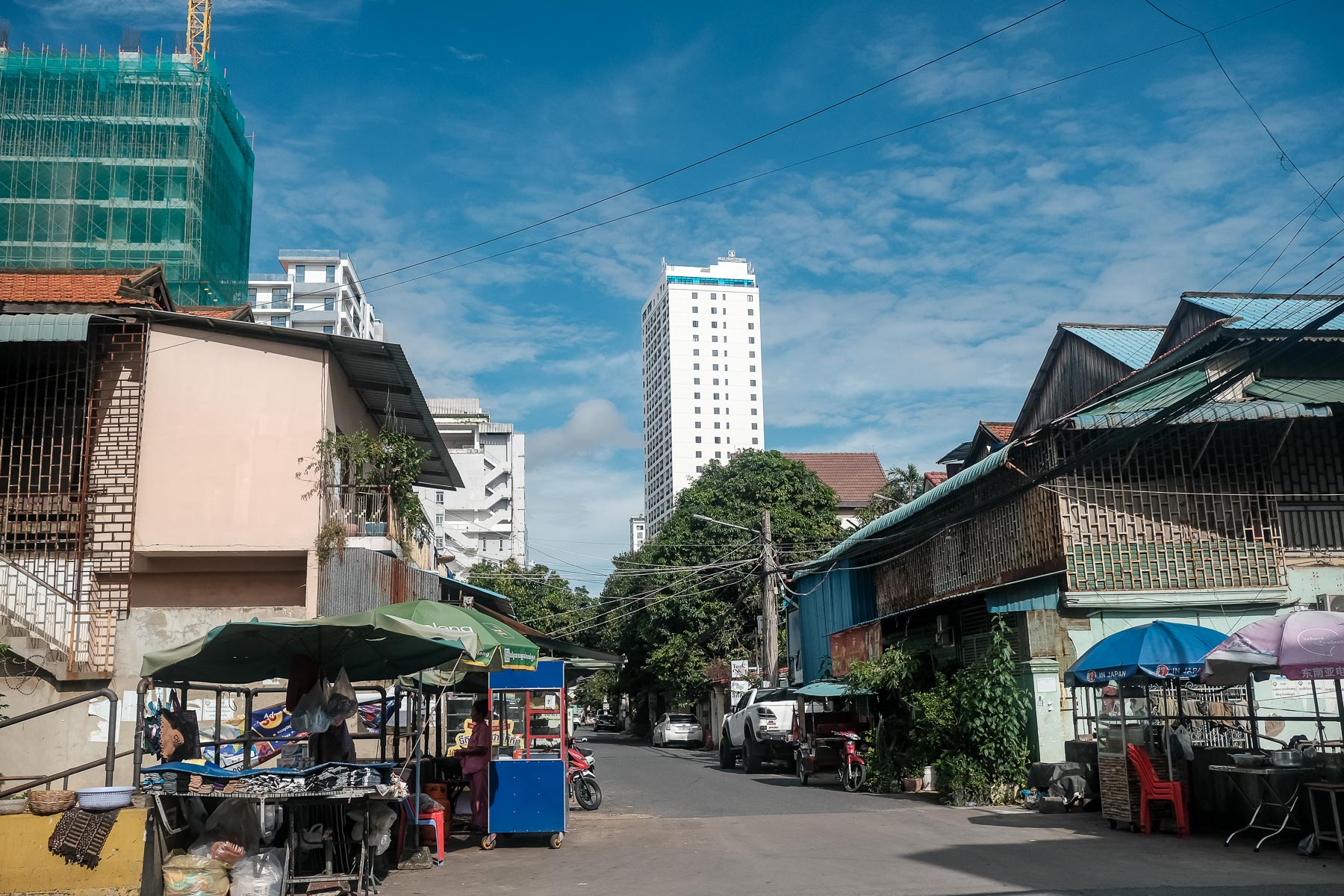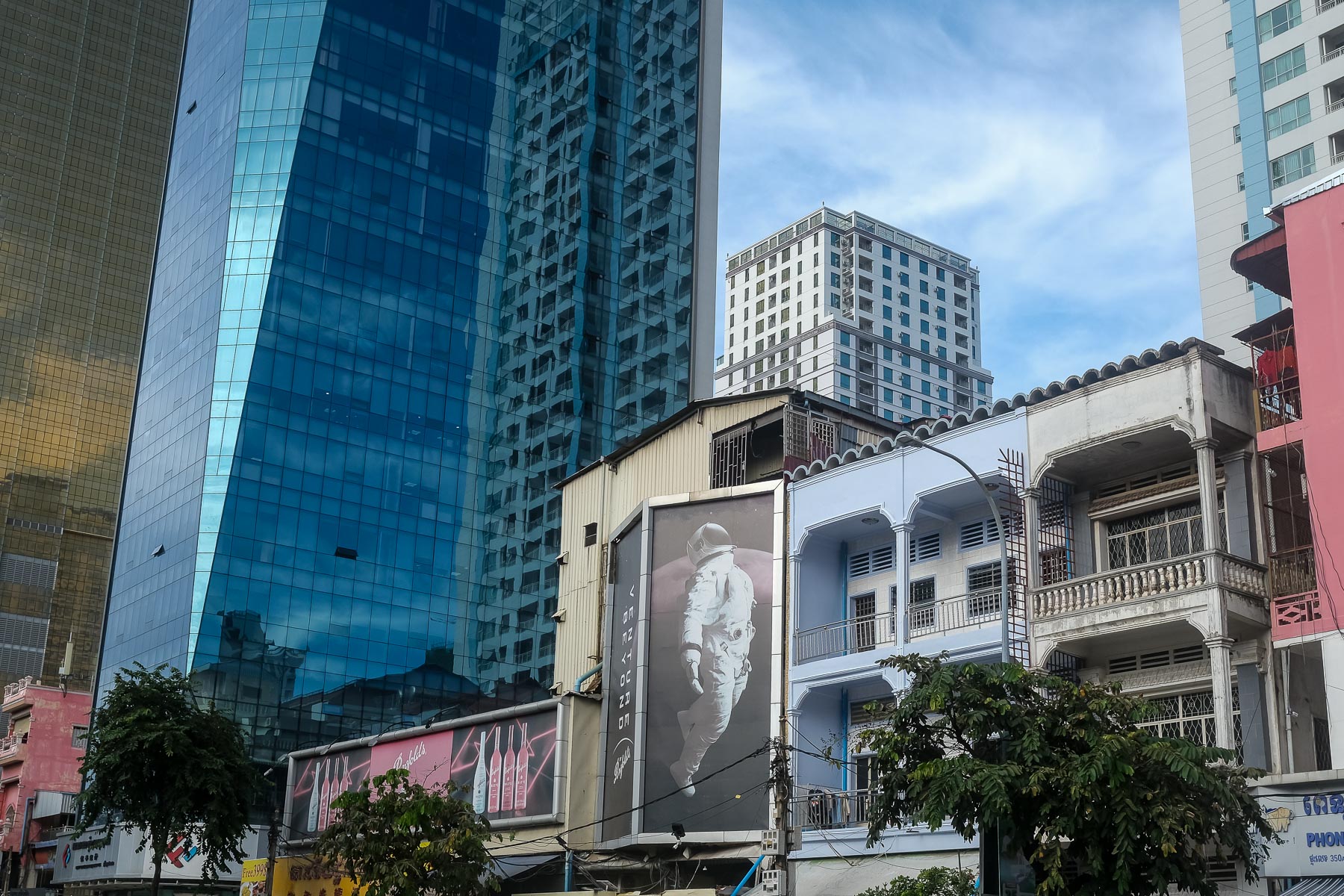
Fujinon XF 56mm f/1.2 R WR — Detailed Assessment

cameras, Fujichrome, fujifilm, Lenses, opinons, thoughts, photography, street, Travel

Overview

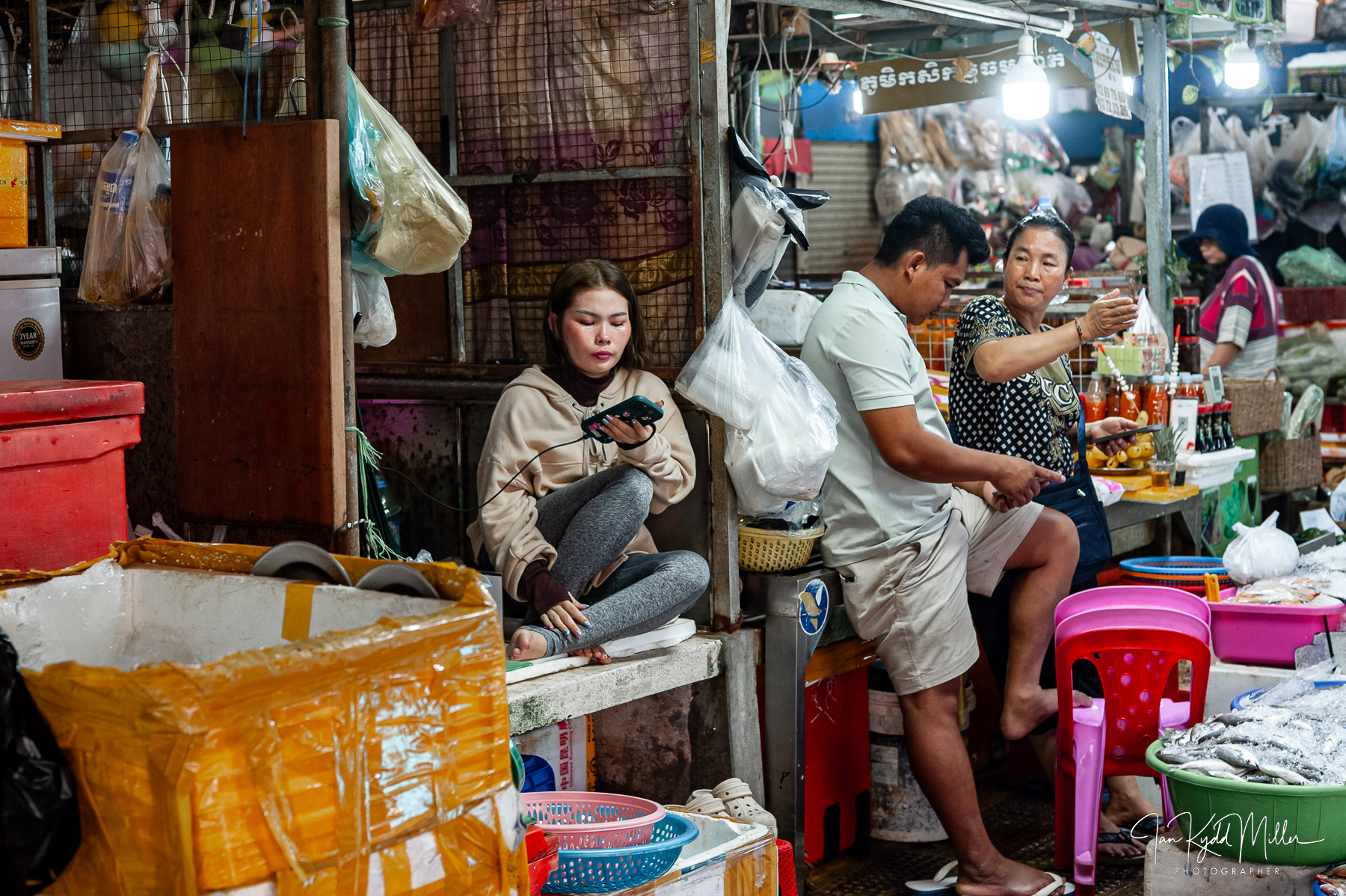
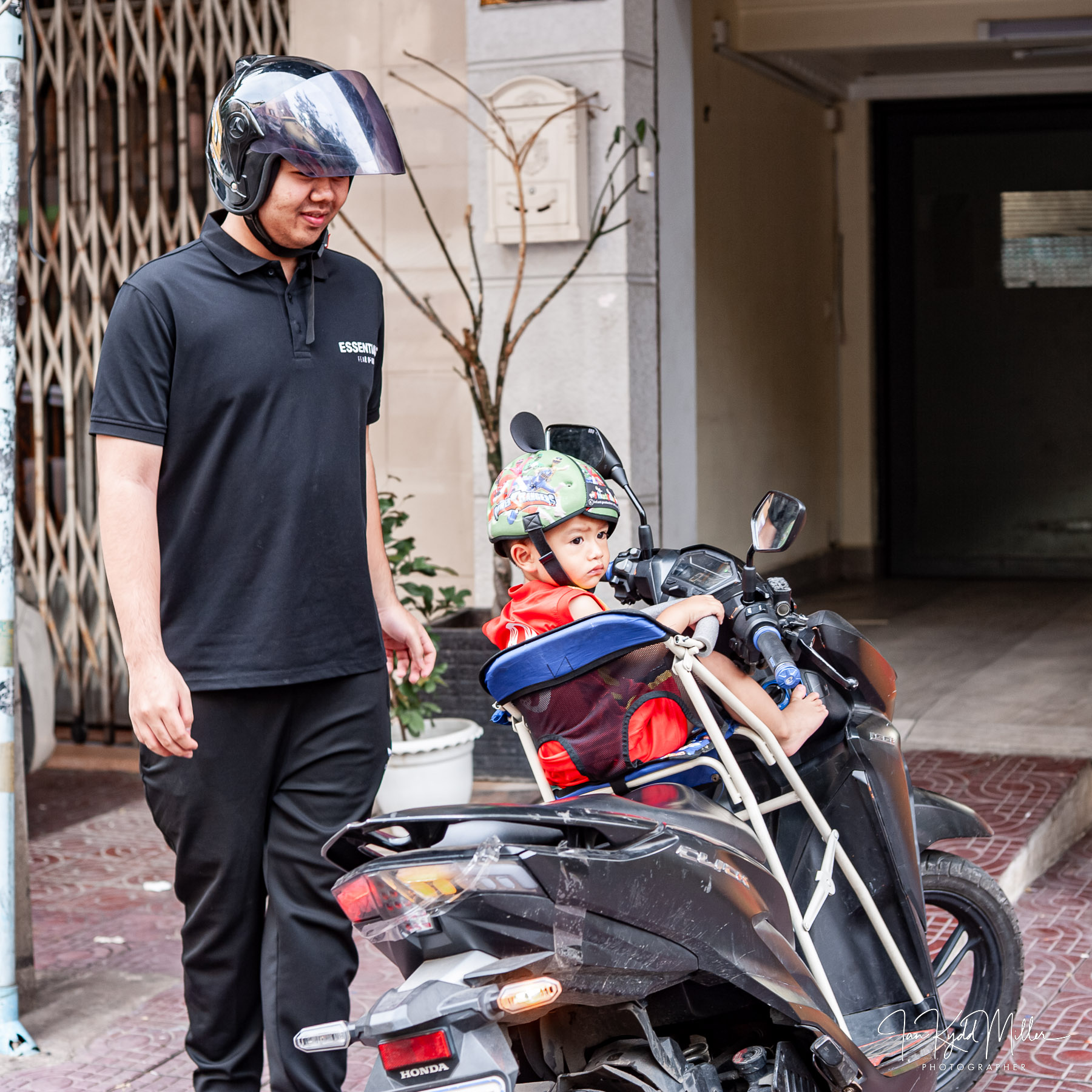
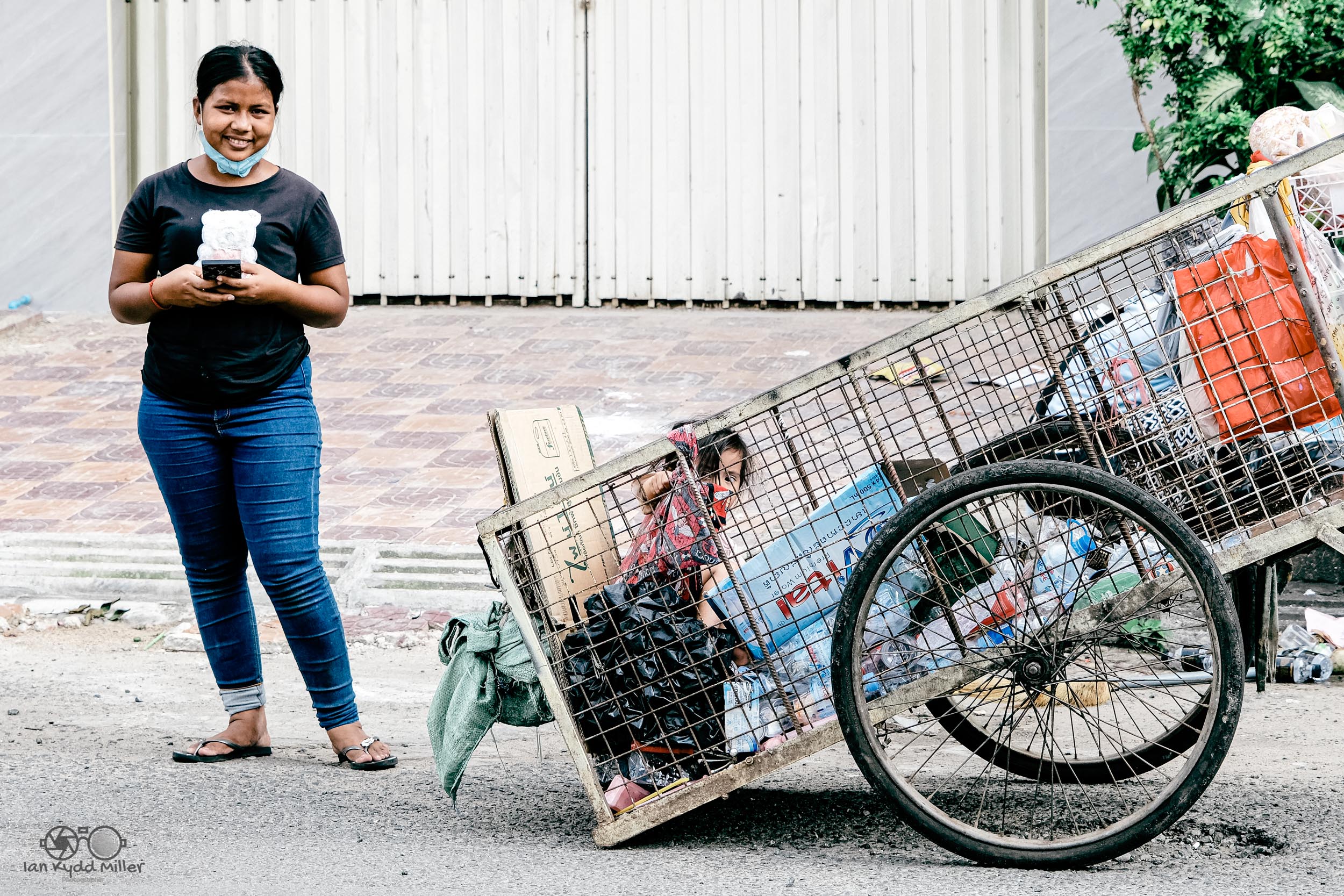
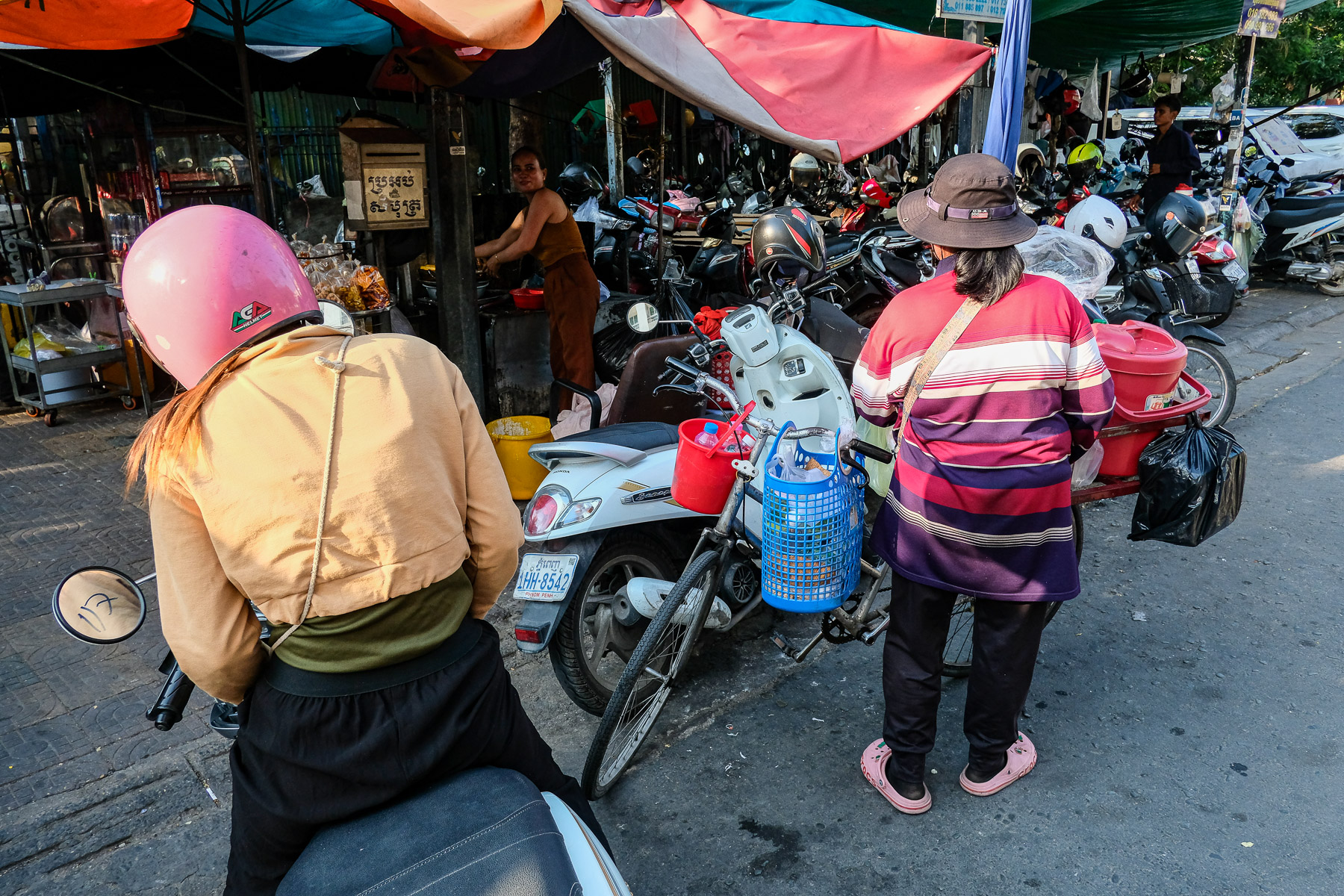
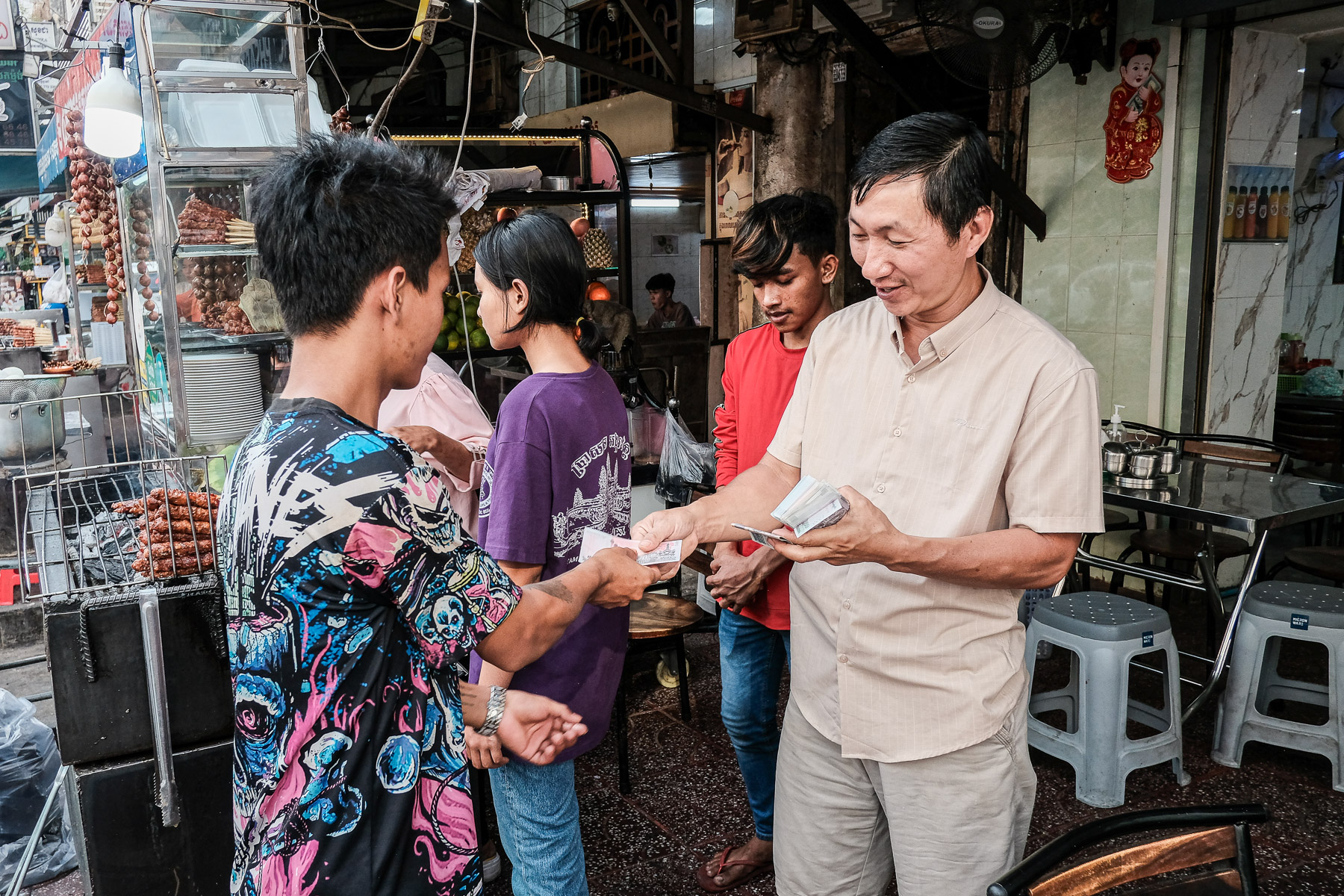
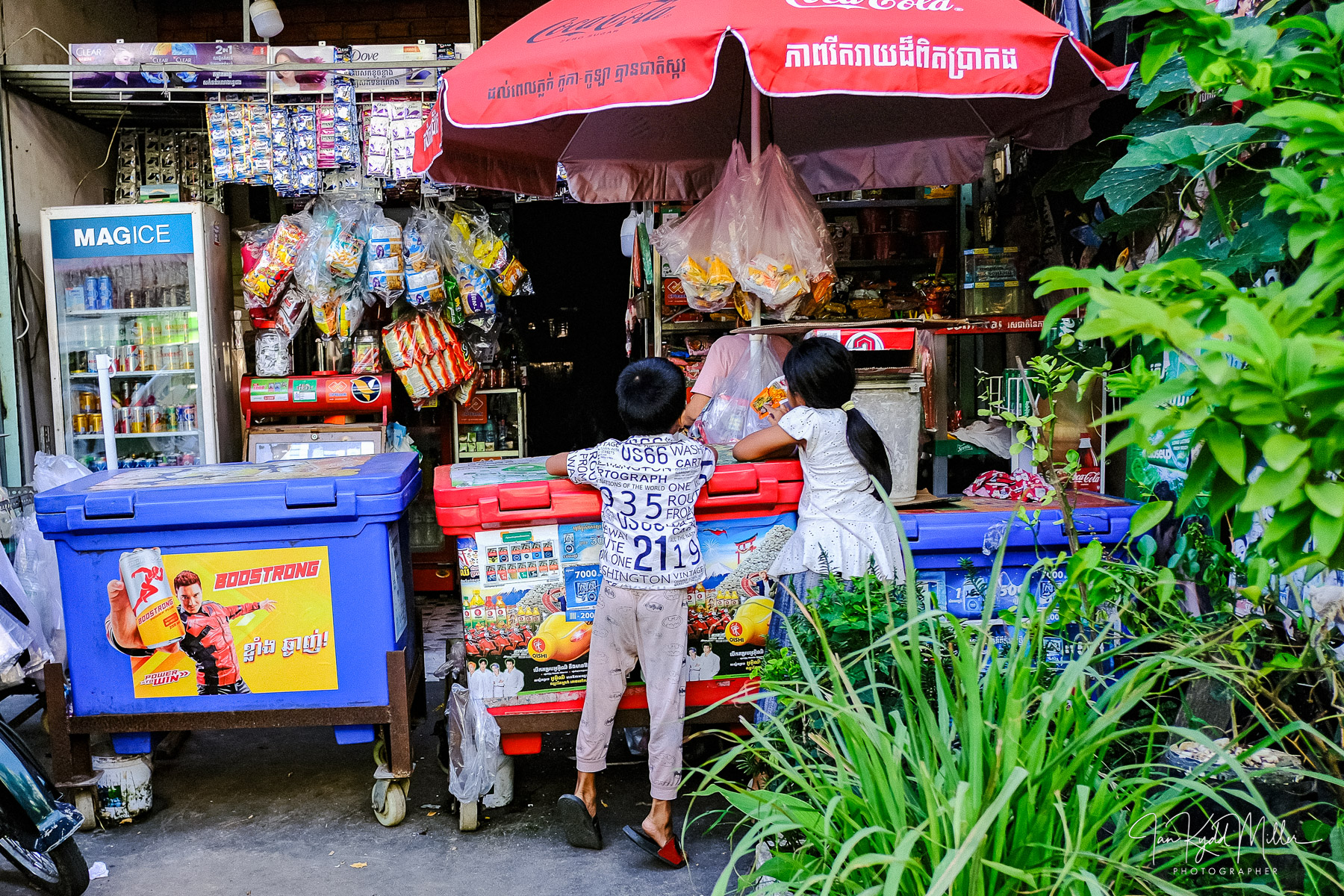
The Fujinon XF 56mm f/1.2 R WR is Fuji’s short-tele flagship for the X system, offering roughly an 85mm full-frame equivalent perspective on APS-C bodies. It’s engineered for portraiture, intimate documentary work, and any situation that benefits from strong subject isolation, shallow depth of field, and reliable weather resistance.
Key specifications

  • Focal length: 56mm (≈85mm equivalent)
  • Maximum aperture: f/1.2
  • Mount: Fujifilm X
  • Weather resistance: WR (dust and moisture sealed)
  • Optical construction: Multi-element design optimised for sharpness and bokeh control
  • Size/weight: Substantial; built for hand-held stability rather than absolute compactness

Optical character and performance

  • Center sharpness: Exceptional wide open; microcontrast and detail render skin and fabrics with natural dimensionality.
  • Edge performance: Edges and corners improve noticeably when stopped to f/2–f/2.8; wide-open edges are softer but not problematic for the lens’s primary use.
  • Bokeh: One of the lens’s defining strengths; extremely smooth, creamy out-of-focus transition with pleasing highlight shaping and minimal nervousness.
  • Rendering: Filmic and painterly rather than clinical; midtones and highlights roll off in a way that flatters faces and small textures.
  • Aberrations and flare: Well controlled in typical lighting; some care required with strong backlight but coatings and design limit intrusive flare and colour fringing.

Build, ergonomics, and handling

  • Construction: Solid metal build with weather sealing; a premium, reassuring feel.
  • Aperture and focus feel: Smooth aperture ring with well-defined stops; manual focus throw is precise and useful for deliberate focus work.
  • Balance: Heavier than compact primes; balances well on X-T and X-Pro bodies but feels deliberate in the hand.
  • Practicality: Not a grab-and-go lens for every outing; it’s a tool chosen for intent rather than convenience.

Autofocus, low-light, and hybrid use

  • AF performance: Fast and reliable on modern Fuji bodies, particularly with face and eye-detection enabled; suitable for portrait sessions, events, and run-and-gun documentary work when paired with capable bodies.
  • Low-light capability: f/1.2 provides real advantage for handheld shooting in dim environments, allowing lower ISOs or faster shutters while maintaining subject isolation.
  • Video: Minimal focus breathing and smooth transitions make it usable for interviews and cinematic shallow-depth-of-field work, though it’s optimised for stills.

Strengths

  • Outstanding subject isolation and bokeh that flatters faces and creates emotional separation.
  • Robust weather-resistant construction for outdoor sessions in variable conditions.
  • Strong centre sharpness wide open that supports large prints and editorial work.
  • Emotional, film-like rendering that excels in portraiture and intimate documentary imagery.

Trade-offs and caveats

  • Size, weight, and cost: Premium price and substantial heft make it a considered purchase.
  • Narrower framing on APS-C: ≈85mm eq. is ideal for head-and-shoulders but less versatile for environmental storytelling.
  • Very thin depth of field at f/1.2: Technique and reliable AF are essential; missed focus is more obvious.
  • Edge sharpness wide open: If you need edge-to-edge perfection at f/1.2, stopping down is necessary.

Recommended use cases and technique

  • Ideal for: Portraits, engagement and wedding work, editorial headshots, intimate documentary sequences, and low-light portraiture.
  • Shooting tips: Use f/1.2–f/1.8 for dramatic subject separation; stop to f/2.8–f/4 for small groups or increased sharpness. Rely on eye-detection AF for higher keeper rates. Maintain careful focus technique when shooting wide open and favour single-subject compositions where background compression enhances narrative.

Final verdict

The Fujinon XF 56mm f/1.2 R WR is a signature portrait lens that delivers on its promise: creamy bokeh, strong center sharpness, and reliable weather-resistant performance. It’s a lens for photographers who prioritise mood, presence, and tactile control over ultimate compactness or focal flexibility. For anyone focused on portraiture and intimate storytelling on the Fuji X system, it’s a high-impact, expressive tool that earns its place in the bag.

Fujifilm X-Pro2 and the Best Lenses for Street Photography

fujifilm, opinons, thoughts, photography, pictures, street, Travel, viltrox

Lens comparison table — key attributes

LensFocal eq.Why for streetStrengthTrade-off
Fujinon XF 23mm f/235mmVersatile, natural perspective for street scenesCompact; fast; unobtrusiveModerate bokeh
Fujinon XF 35mm f/253mmClassic “normal” for portraits & gesturesExcellent sharpness; weather-sealedRequires slight stepping back for context
Fujinon XF 16mm f/2.824mmEnvironmental street, wide contextVery small and stealthyDistortion at edges
Fujinon XF 18mm f/227mmWide but intimate, great for alleys & marketsLightweight; filmic renderingSofter corners wide open
Fujinon XF 50mm f/275mmTight portraits, compressed backgroundCreamy bokeh; isolationLess contextual information per frame

The X-Pro2 as a Street Camera

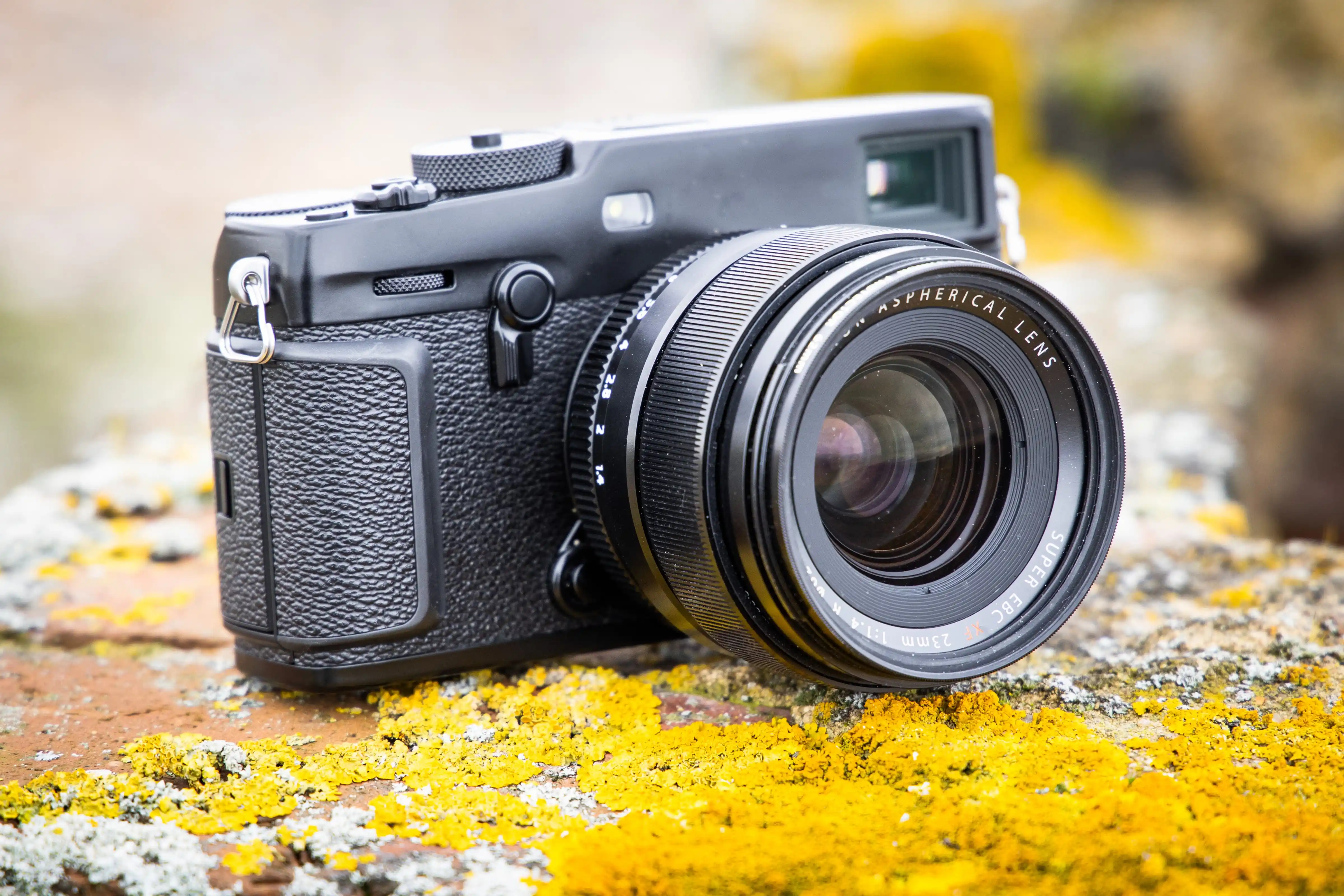
The Fujifilm X-Pro2 is a camera designed around presence and intentionality: a rangefinder-style body with a hybrid optical/electronic viewfinder that encourages anticipation and composition rather than reactive shooting. Its tactile dials and manual controls make settings an extension of the photographer’s intent, which suits street work where speed of thought and quiet operation matter.

The X-Pro2 solved many of the usability complaints of earlier rangefinder-style mirrorless models—autofocus performance is markedly improved, making it fast and accurate enough for candid street moments. That combination of responsive AF and an interface that rewards deliberate choices is why many street photographers still choose the X-Pro2 despite newer models being available.

Why lens choice matters on the X-Pro2

Prime lenses pair especially well with the X-Pro2’s design philosophy. The camera’s viewfinder and controls encourage a single-lens mindset—learning a focal length’s “mood” and the ways it frames relationships between subject and context. Choosing a prime narrows options in a productive way: you move with your feet, you compose deliberately, and you build a visual language around that perspective.

Practically, XF primes are small and light, preserving the X-Pro2’s discreet profile on the street. Many XF primes also offer fast apertures, letting you work in low light and control depth subtly for isolation when needed.

Best lenses in practice — how and when to use them

  • Fujinon XF 23mm f/2 (35mm eq): The everyday street lens. Use it when you want natural perspective that includes background context without distortion. It’s excellent for markets, cafe scenes, and quiet portraits where you want to show environment and gesture in one frame.
  • Fujinon XF 35mm f/2 (53mm eq): Reach for this when you want separation and intimacy. It’s a portraitist’s street lens—great for faces, gestures, and composing tighter narratives within a busy street scene. Its weather sealing and reliable AF make it workhorse-ready.
  • Fujinon XF 16mm f/2.8 (24mm eq): The wide storyteller. Use it for alleyways, architectural rhythm, and scenes where foreground-to-background relationships are essential. Be mindful of edge distortion when people are close to frame edges.
  • Fujinon XF 18mm f/2 (27mm eq): A sweet middle ground—wider than 23mm but closer than 16mm. It’s excellent for narrow streets and markets where you want to be close yet preserve intimacy; it renders with a film-like character that suits print and monochrome work.
  • Fujinon XF 50mm f/2 (75mm eq): Use it selectively for environmental portraits that need compression and background separation. It requires more distance but rewards with isolation and graceful bokeh.

Shooting tips with the X-Pro2 and primes

  • Commit to a focal length for a session. Let the lens shape your attention and force you to “see” differently. The X-Pro2’s finder rewards this practice by teaching you the aperture, distance, and timing for that lens.
  • Use the optical finder for anticipation and the EVF for confirmation. The hybrid finder lets you pre-visualize a scene optically and then confirm exposure or focus with electronic feedback when needed.
  • Embrace tactile control. Use the mechanical dials to keep your attention on framing and gesture, not menus. This supports presence—crucial for catching those decisive moments.
  • Balance AF modes. Single-point AF for composed portraits; zone AF or wide tracking when you expect movement. The X-Pro2’s autofocus improvements make both workable in street scenarios.
  • Print often. The X-Pro2’s filmic sensor rendering rewards print output; revisiting images on paper helps refine what lenses and framing best serve your visual voice.

Final thought

The Fujifilm X-Pro2 is more than an aging model—it’s a design philosophy incarnate. It places the photographer’s eye first, supports deliberate practice, and pairs beautifully with a small suite of prime lenses that each teach a different way of seeing. For street work—where presence, anticipation, and quiet clarity matter—the X-Pro2 remains an instrumental, expressive camera that still rewards deep practice and restraint.

🌌 Viltrox 13mm f/1.4 Review: Wide, Fast, and Surprisingly Refined

fujifilm, Lenses, opinons, thoughts, photography, viltrox

A Critical Look at Viltrox’s Ultra-Wide Prime for APS-C

In the world of ultra-wide primes, the Viltrox 13mm f/1.4 stands out—not just for its specs, but for what it represents: a third-party lens that competes confidently with first-party glass. Designed for APS-C mirrorless systems (Fujifilm X, Sony E, Nikon Z), it offers a 20mm full-frame equivalent field of view with a bright f/1.4 aperture. That’s a rare combination, especially at this price point.

But does it live up to the hype?

🔍 Optical Performance

Sharpness is excellent in the centre, even wide open, with only minor softness at the edges that improves by f/2.8. This makes it a strong performer for:

  • Astrophotography: minimal coma and good corner control
  • Architecture and interiors: straight lines stay straight, thanks to well-controlled distortion
  • Street and environmental portraiture: surprisingly usable for creative compositions

Chromatic aberration is minimal, and flare resistance is decent, though not flawless when shooting into strong light sources.

⚙️ Build and Handling

The lens feels premium:

  • All-metal construction with weather sealing
  • Smooth manual focus ring and a clicked aperture ring—a welcome tactile feature for photographers who prefer physical feedback
  • Compact and lightweight for an f/1.4 ultra-wide—ideal for travel and vlogging setups

Autofocus is fast and quiet, with support for eye detection AF and EXIF data transmission. Firmware updates are possible via a USB-C port on the lens mount, a thoughtful touch for long-term usability.

🎯 Real-World Use

This lens shines in:

  • Low-light urban scenes: f/1.4 lets you shoot handheld at night
  • Vlogging and video: wide field of view with minimal focus breathing
  • Creative portraiture: unconventional but effective for environmental storytelling

However, it’s not without trade-offs:

  • No image stabilisation—rely on in-body IS or careful technique
  • Some edge softness wide open, especially on high-resolution sensors
  • No weather sealing on the front element, so use a filter in harsh conditions

🧭 Final Verdict

The Viltrox 13mm f/1.4 is a bold, well-executed lens that punches above its weight. It’s not perfect—but it doesn’t need to be. For photographers and filmmakers who value wide perspectives, fast glass, and creative flexibility, it’s a compelling choice.

Best for: astrophotographers, vloggers, street shooters, and anyone who wants to explore the world at 20mm equivalent. Not ideal for: those needing edge-to-edge perfection or built-in stabilisation

📷 The Fujinon XF 18mm f/2 R: A Lens That Listens

cambodia, cameras, Fujichrome, fujifilm, Lenses, opinons, thoughts, photography

A Rundown of the Good and the Quirky

The Fujifilm XF 18mm f/2 isn’t perfect. But it’s present. It’s compact, fast, and quietly capable. It doesn’t demand attention—it invites it. And for street photographers, documentarians, and those who value rhythm over resolution, it’s a lens worth knowing.

I’ve used it in clinics, on the street, and in quiet corners of care. It’s not a showstopper. It’s a companion. And that’s what makes it special.

✅ The Good: Why It Still Matters

🧠 1. Classic Focal Length

  • 18mm on Fuji’s APS-C sensor gives you a 27mm equivalent—ideal for street photography, environmental portraits, and storytelling in context.
  • Wide enough to breathe, tight enough to feel.

🪶 2. Compact and Featherlight

  • This lens disappears in your hand. It makes the camera feel invisible.
  • Perfect for moving quietly, staying present, and photographing without spectacle.

⚡ 3. Fast f/2 Aperture

  • Responsive in low light. Lets you isolate gestures and moments without losing the scene.
  • Great for dusk, clinics, and shadow play.

🎞️ 4. Film-Like Rendering

  • Slight softness at the edges. Gentle contrast. A character that feels felt, not forced.
  • Prints beautifully—especially in black-and-white.

🧭 5. Teaches Restraint

  • No zoom. No overcorrection. Just you, the scene, and the moment.
  • Ideal for students learning to compose with care.

❗ The Quirks: What to Know

🧊 1. Not the Sharpest Tool

  • Wide open, it’s soft at the edges. Corner sharpness improves by f/4–f/5.6.
  • If you’re chasing clinical perfection, this isn’t your lens.

🔊 2. Noisy Autofocus

  • The AF motor isn’t silent. In quiet settings, you’ll hear it.
  • Not a dealbreaker, but worth noting for documentary work.

🧱 3. Older Design

  • No weather sealing. No linear motor. No aperture lock.
  • It’s part of Fuji’s original lens lineup—quirky, charming, and a little dated.

🧪 4. Chromatic Aberration

  • You may see some fringing in high-contrast scenes. Easily corrected in post, but present.

🖼 How It Prints

This lens isn’t about technical brilliance. It’s about emotional clarity. The files print with softness, nuance, and tonal depth. Especially in monochrome, the 18mm f/2 feels like a whisper—gentle, grounded, and true.

🕊 Final Thought: Character Over Perfection

The Fujinon XF 18mm f/2 isn’t for everyone. But for those who value presence over pixels, it’s a quiet gem. It teaches you to move slowly, see clearly, and photograph with care.

Because sometimes, the best lens isn’t the sharpest. It’s the one that listens.

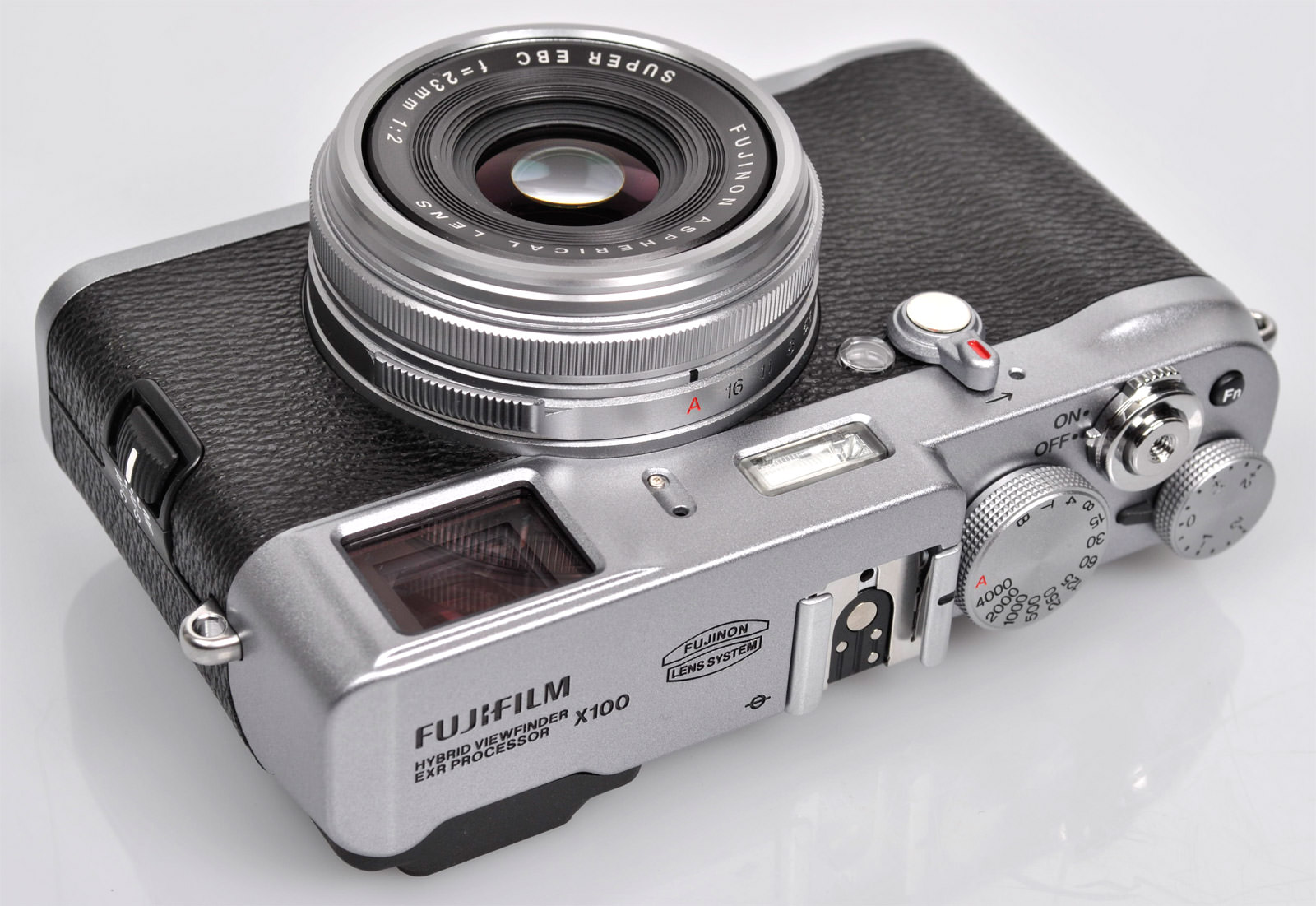
The Fujifilm X100 Original: A Camera That Engages Your Mind

fujifilm, opinons, thoughts, photography, pictures, street, Travel

The Fuji XF 50mm f2: A Hidden Gem in Photography

fujifilm, Lenses, opinons, thoughts, photography, pictures, street, Travel

The Fujifilm X-Pro3: A Camera of Contrasts and Capabilities

cameras, fujifilm, Lenses, opinons, thoughts, photography, pictures, street, Travel

Exploring the Fujifilm XF 55-200mm f3.5 – 4.8 USD OIS Lens

fujifilm, Lenses, opinons, thoughts, photography, pictures, street, Travel, war

Exploring the 7Artisans 50mm f0.95 Lens on a Fuji XE2: A Photographer’s Delight

cameras, fujifilm, Lenses, opinons, thoughts, photography, pictures, street

Photography enthusiasts, gather around as we dive into the world of bokeh and low-light performance with the 7Artisans 50mm f0.95 lens mounted on the classic Fuji XE2. This combination is not just about capturing images; it’s about embracing a unique photographic experience.

The 7Artisans 50mm f0.95 lens, often praised for its affordability and solid metal build, brings a new dimension to the Fuji XE2. With a maximum aperture of f0.95, this lens promises to transform the way you capture portraits and low-light scenes. The wide aperture allows for a shallow depth of field, creating that dreamy bokeh effect that makes your subjects pop against a smoothly blurred background.

But what truly sets this lens apart is its manual focus, which offers a tactile and engaging experience. It’s a return to the roots of photography, where the photographer is in complete control. The pleasure of focusing with this lens is often highlighted by users, noting its good throw and the ability to keep up with moving subjects like a slow-moving cat. This level of control is perfect for those who love to take their time, crafting each shot with precision and artistic intent.

The lens’s 13 aperture blades contribute to a pleasing round bokeh, enhancing the aesthetic quality of your photos. And while it’s not a macro lens, the minimum focus distance of about 18 inches allows for decent close-ups, adding versatility to your shooting repertoire.

Now, let’s talk about the Fuji XE2, a camera that has won the hearts of many photographers for its compact size and retro design. When paired with the 7Artisans 50mm f0.95 lens, the XE2 becomes a powerhouse for street and portrait photography. The camera’s classic design, combined with the lens’s modern optical performance, creates a synergy that’s both visually appealing and functionally impressive.

Some users have compared the 7Artisans 50mm f0.95 to other lenses in its category, noting that it holds its own in terms of brightness and optical quality. It’s even been said to be a tad brighter than some of its competitors, which is quite a statement considering its price point. The 7Artisans 50mm f0.95 is not without its quirks, such as some optical flaws like vignetting and chromatic aberration when wide open, but these are often considered part of the lens’s character rather than detriments. For those who enjoy the artistry of photography and the tactile experience of manual focusing, this lens offers a unique opportunity to explore creativity at a relatively low cost.

In conclusion, the 7Artisans 50mm f0.95 lens on a Fuji XE2 is a match made in photography heaven for those who appreciate the art of manual focusing and the beauty of a large aperture. It’s a setup that encourages you to slow down, compose thoughtfully, and immerse yourself in the creative process. Whether you’re a seasoned photographer or someone who’s just starting, this combo is sure to inspire and delight.

Zoom or Prime Lens

cameras, Fujichrome, fujifilm, Lenses, opinons, thoughts, photography, street, Travel, viltrox

If you are into photography, you might have wondered whether you should get a zoom lens or a prime lens for your camera. Zoom lenses and prime lenses differ by how long their focal points are. Prime lenses have a unifocal lens (usually between 12mm to 5200mm), while zoom lenses have a variable focal length. This means that prime lenses are better for portrait shots, while zoom lenses are ideal for general photography.

In this blog post, I will explain the pros and cons of each type of lens and help you decide which one is best for your needs.

Prime Lenses: The Pros

One of the main advantages of prime lenses is that they are usually sharper, faster, and cheaper than zoom lenses. Sharper means that they produce images with more detail and clarity. Faster means that they have larger maximum apertures (such as f/1.4 or f/1.8), which allow more light to enter the lens and create a shallow depth of field. This is great for isolating your subject from the background and creating a beautiful bokeh effect. Cheaper means that they are more affordable than zoom lenses of similar quality.

Another benefit of prime lenses is that they are smaller and lighter than zoom lenses, which makes them easier to carry around and use. They also force you to be more creative and move around to get the best shot, rather than relying on the zoom ring to adjust your framing.

Prime Lenses: The Cons

The main drawback of prime lenses is that they are less versatile and convenient than zoom lenses. You can’t change the focal length of a prime lens, so you have to switch lenses if you want a different angle of view or magnification. This can be time-consuming and inconvenient, especially if you are shooting in a fast-paced or changing environment. You also have to carry more lenses with you if you want to cover a wide range of focal lengths.

Another disadvantage of prime lenses is that they may not suit every situation or style of photography. For example, if you want to capture landscapes, wildlife, sports, or events, you might need a zoom lens that can cover a wide or long focal range and give you more flexibility and reach.

Zoom Lenses: The Pros

The main advantage of zoom lenses is that they are more versatile and convenient than prime lenses. You can change the focal length of a zoom lens by simply turning the zoom ring, which gives you more options and controls over your composition and framing. You can also capture different perspectives and effects with one lens, such as wide-angle shots, telephoto shots, or macro shots (if your zoom lens has macro capabilities).

Another benefit of zoom lenses is that they are more suitable for certain situations and styles of photography. For example, if you want to capture landscapes, wildlife, sports, or events, you might need a zoom lens that can cover a wide or long focal range and give you more flexibility and reach. You can also react faster to changing scenes and subjects without having to switch lenses.

Zoom Lenses: The Cons

The main drawback of zoom lenses is that they are usually heavier, bulkier, and more expensive than prime lenses. Heavier and bulkier means that they are harder to carry around and use, especially for long periods. They also tend to attract more attention and may not be ideal for discreet or candid photography. More expensive means that they cost more than prime lenses of similar quality.

Another disadvantage of zoom lenses is that they are usually slower, less sharp, and more prone to distortion and vignetting than prime lenses. Slower means that they have smaller maximum apertures (such as f/3.5-5.6 or f/4-5.6), which limit the amount of light that enters the lens and create a deeper depth of field. This can make it harder to shoot in low-light conditions or achieve a shallow depth of field effect. Less sharp means that they produce images with less detail and clarity than prime lenses. More prone to distortion and vignetting means that they may cause some curvature or darkening at the edges of your images, especially at the wide or telephoto end of their range.

Conclusion

So which type of lens is best for you? It depends on your personal preference, budget, and style of photography. You might prefer a prime lens if you value sharpness, speed, affordability, and portability over versatility and convenience. If you value versatility, convenience, flexibility, and reach over sharpness, speed, affordability, and portability, then you might prefer a zoom lens.

Of course, you don’t have to choose one over the other. You can have both types of lenses in your camera bag and use them according to your needs and mood. The best way to find out which lens type suits you best is to try them out yourself and see what works for you.