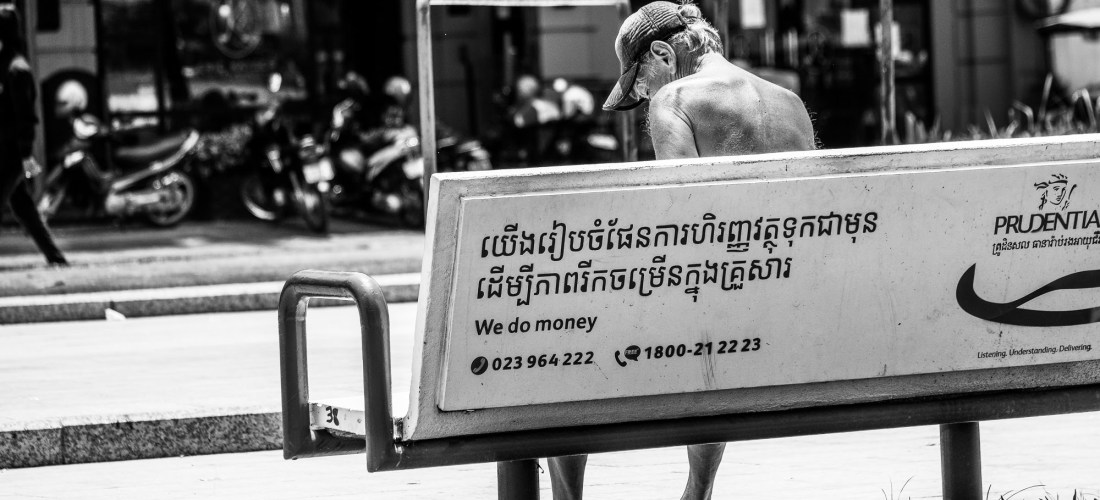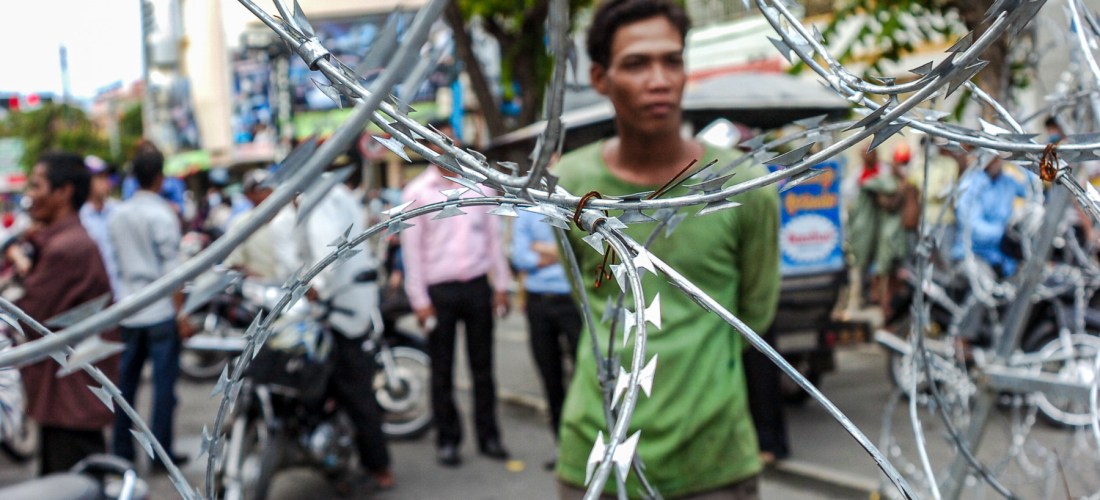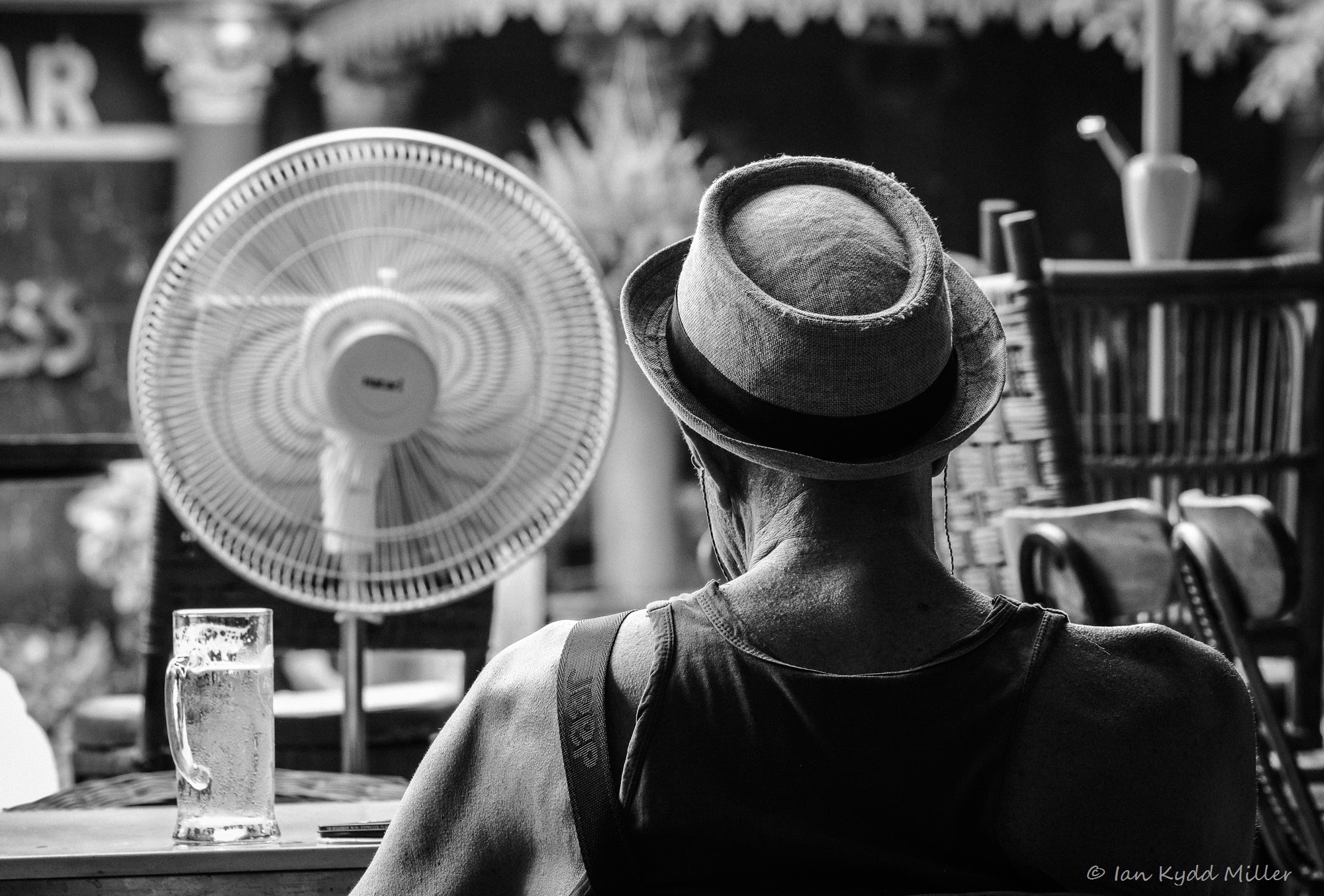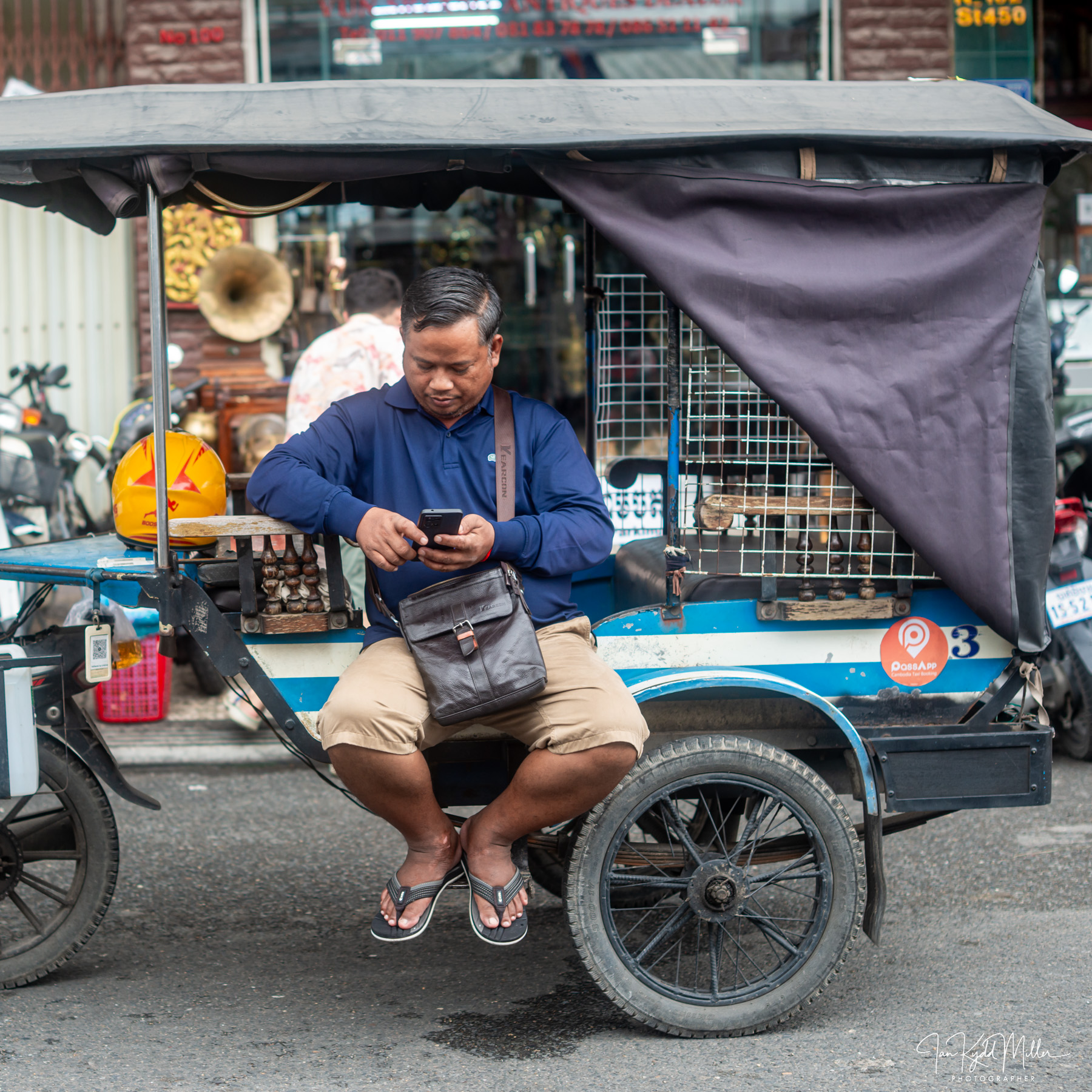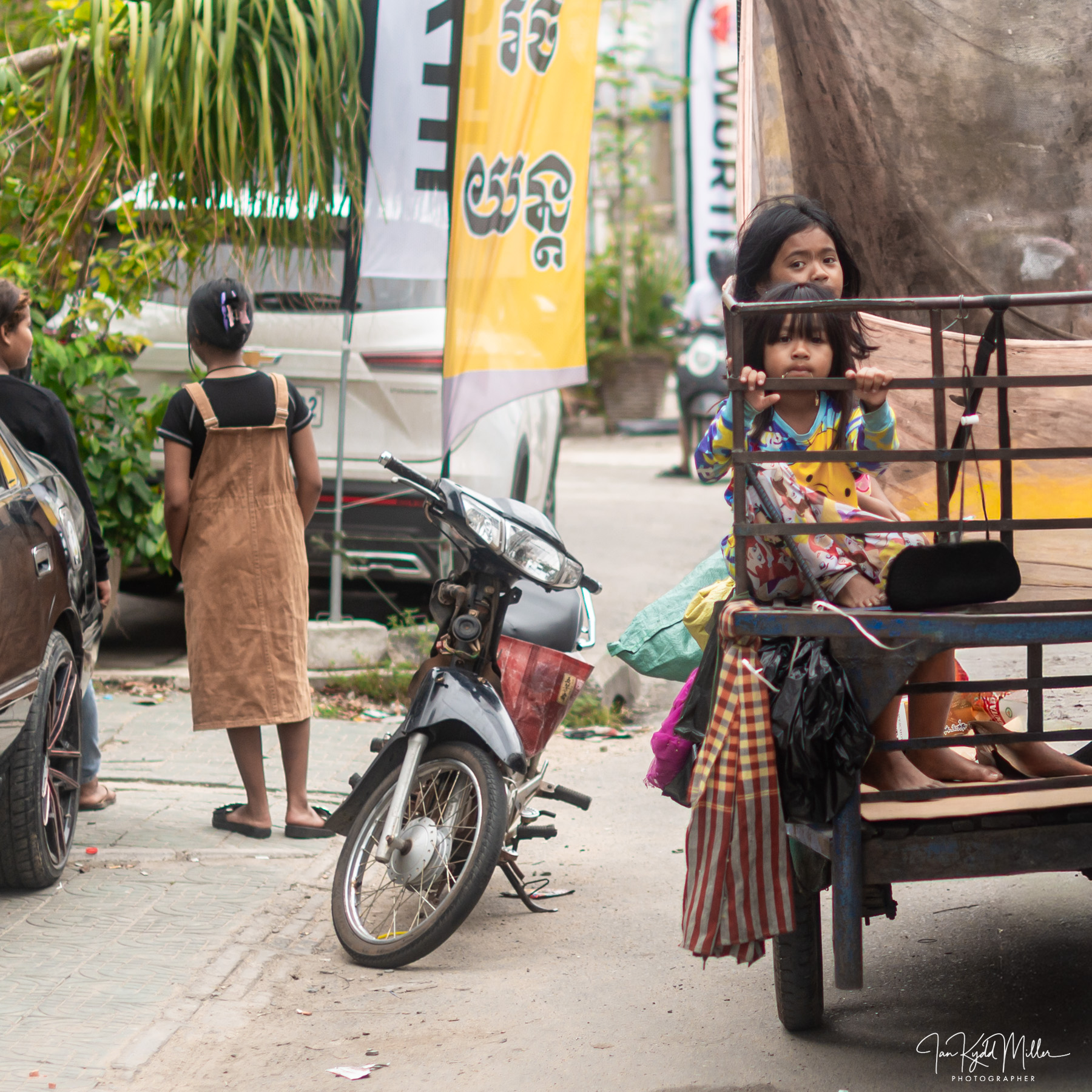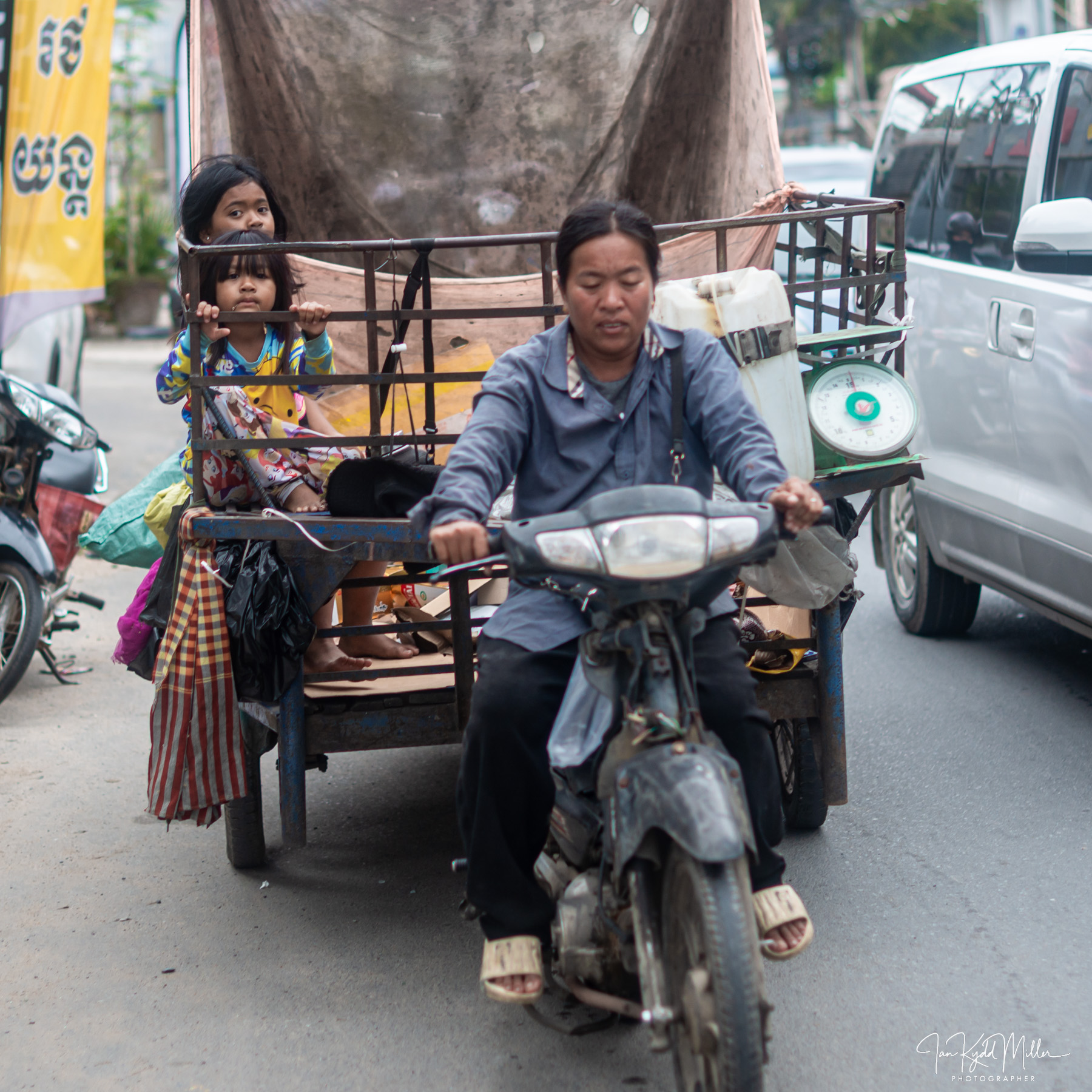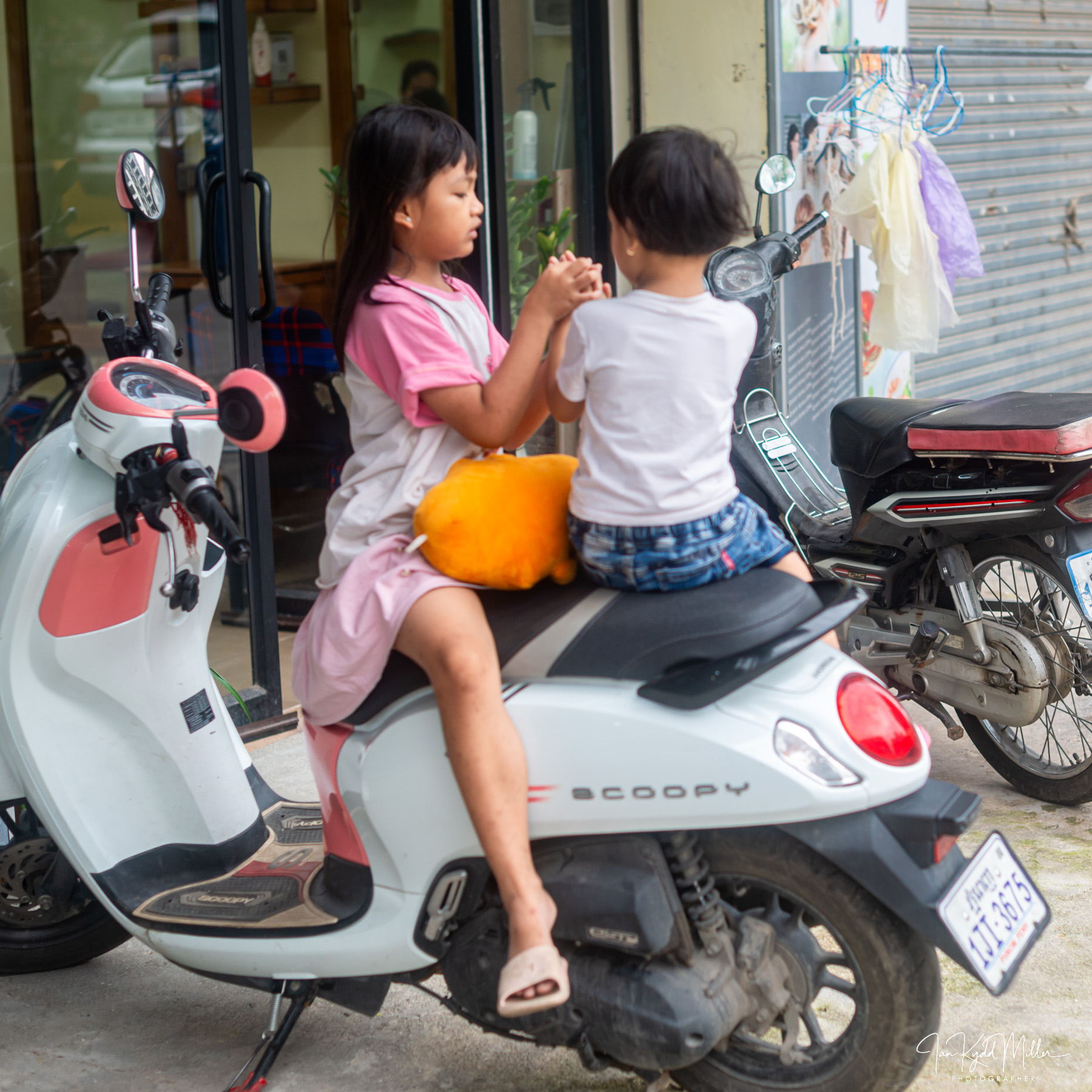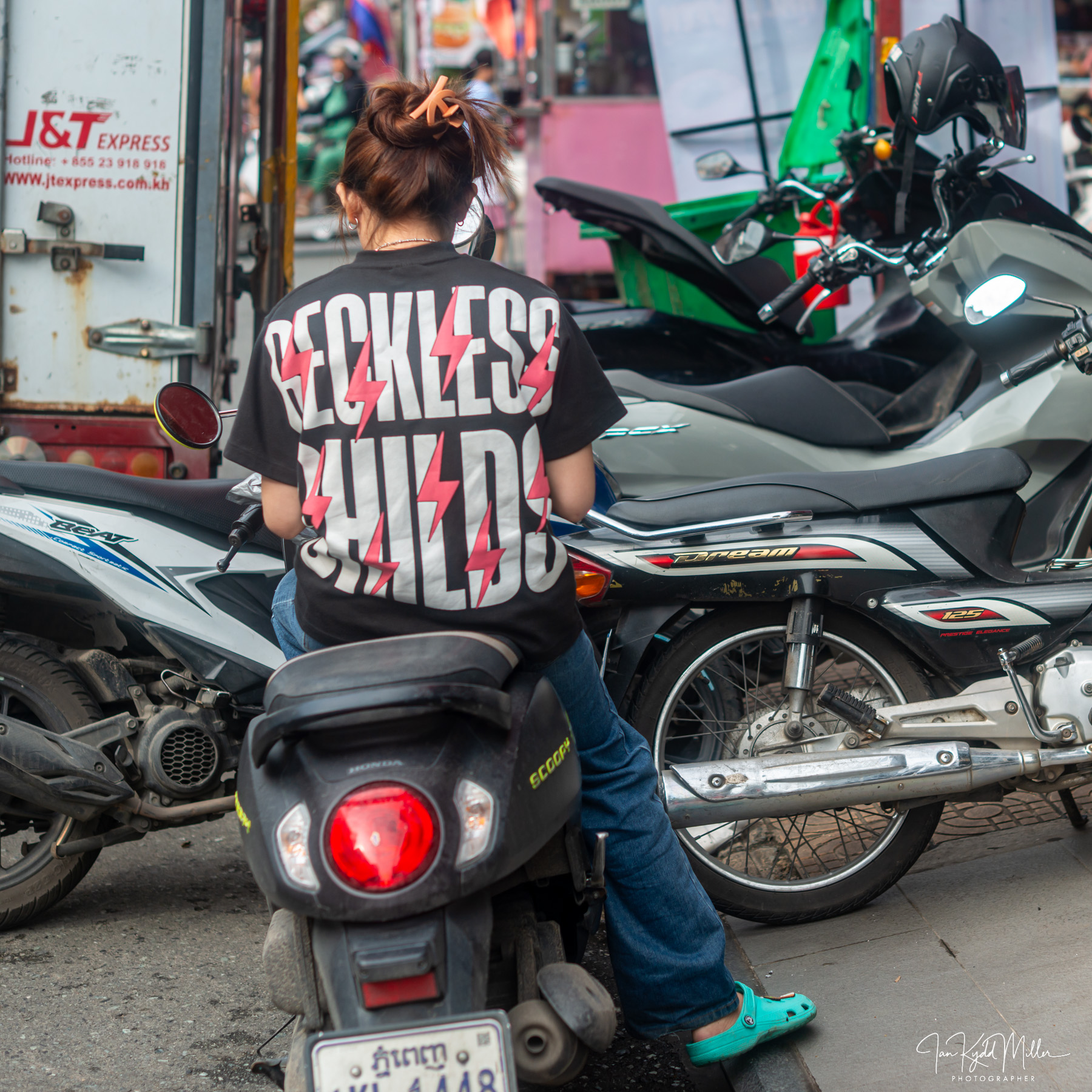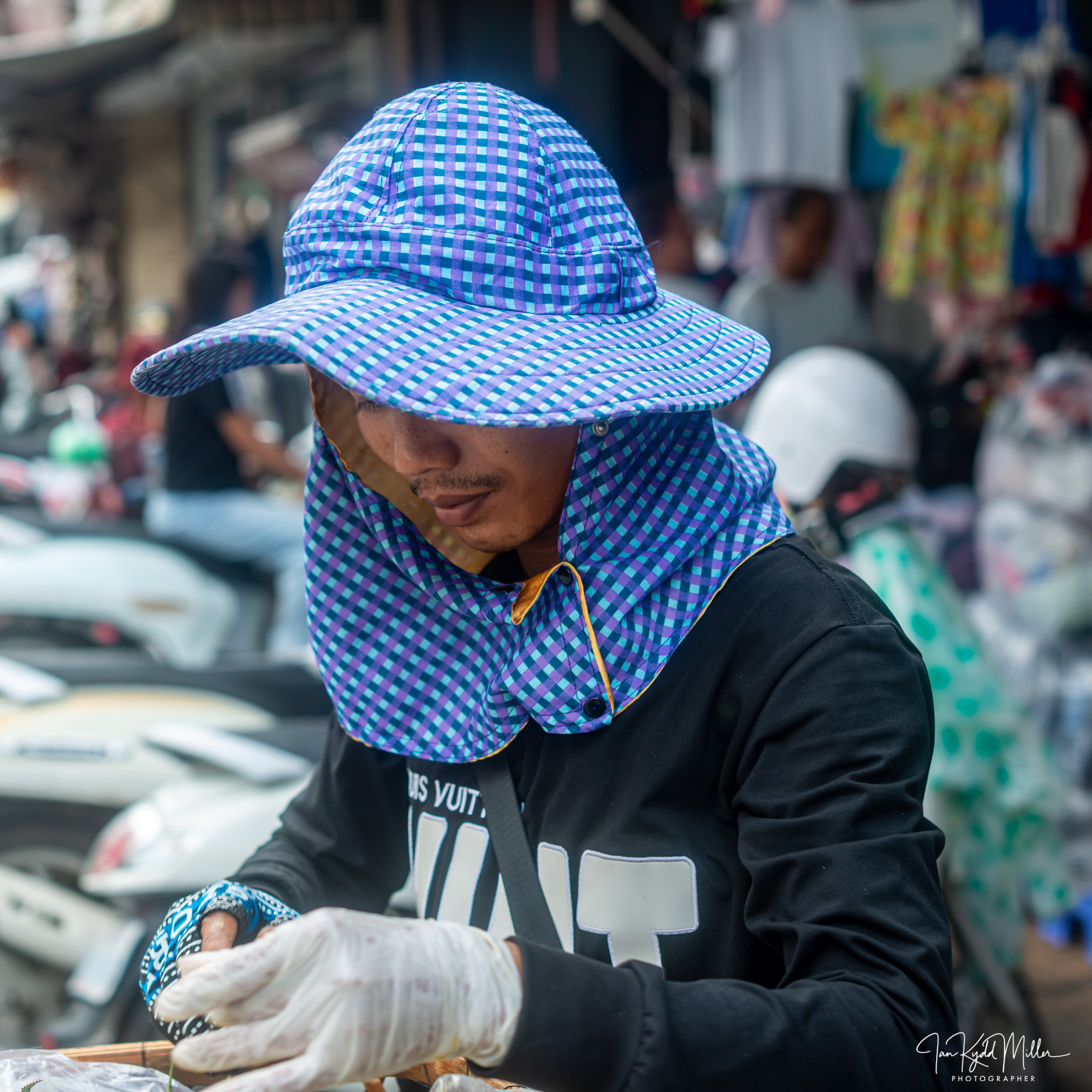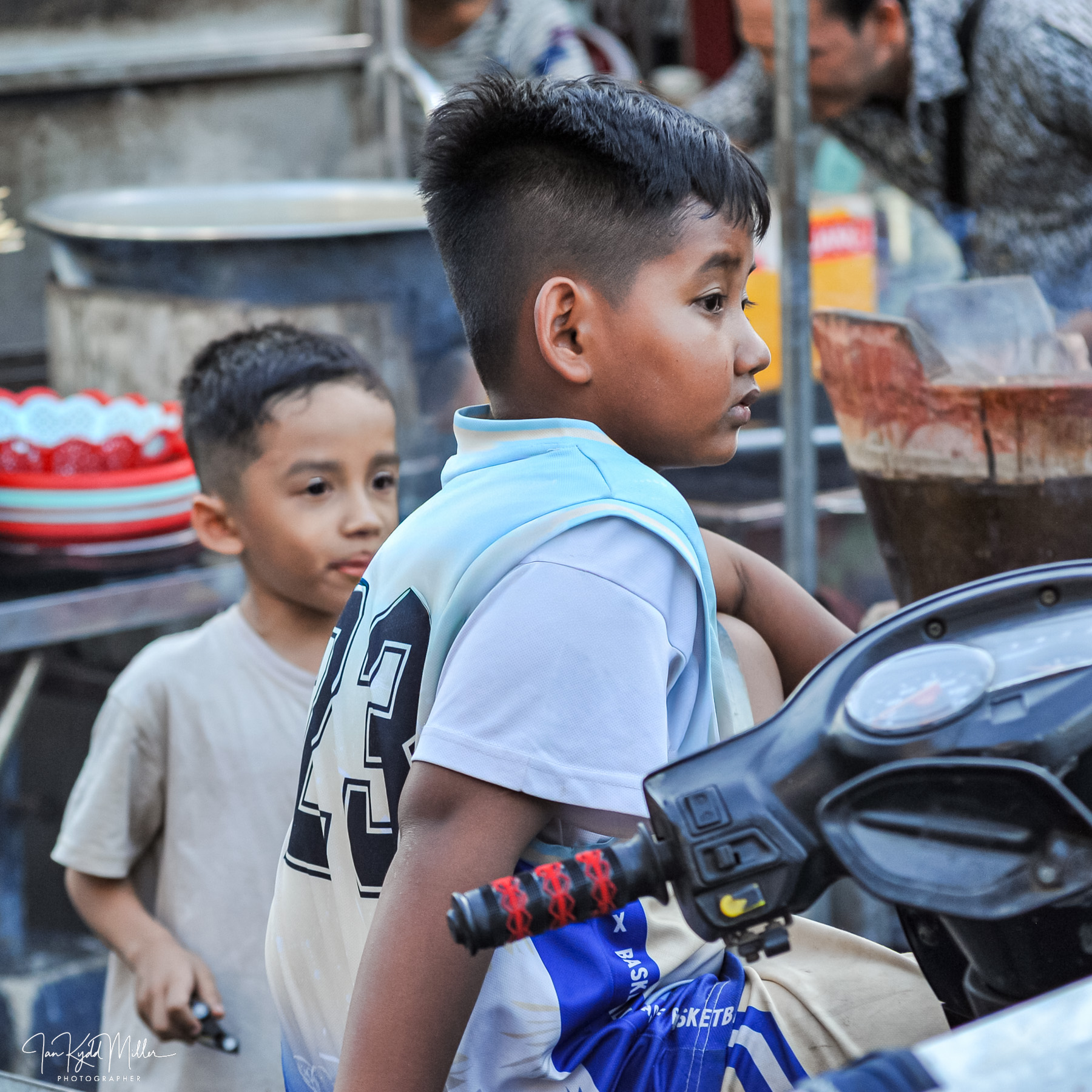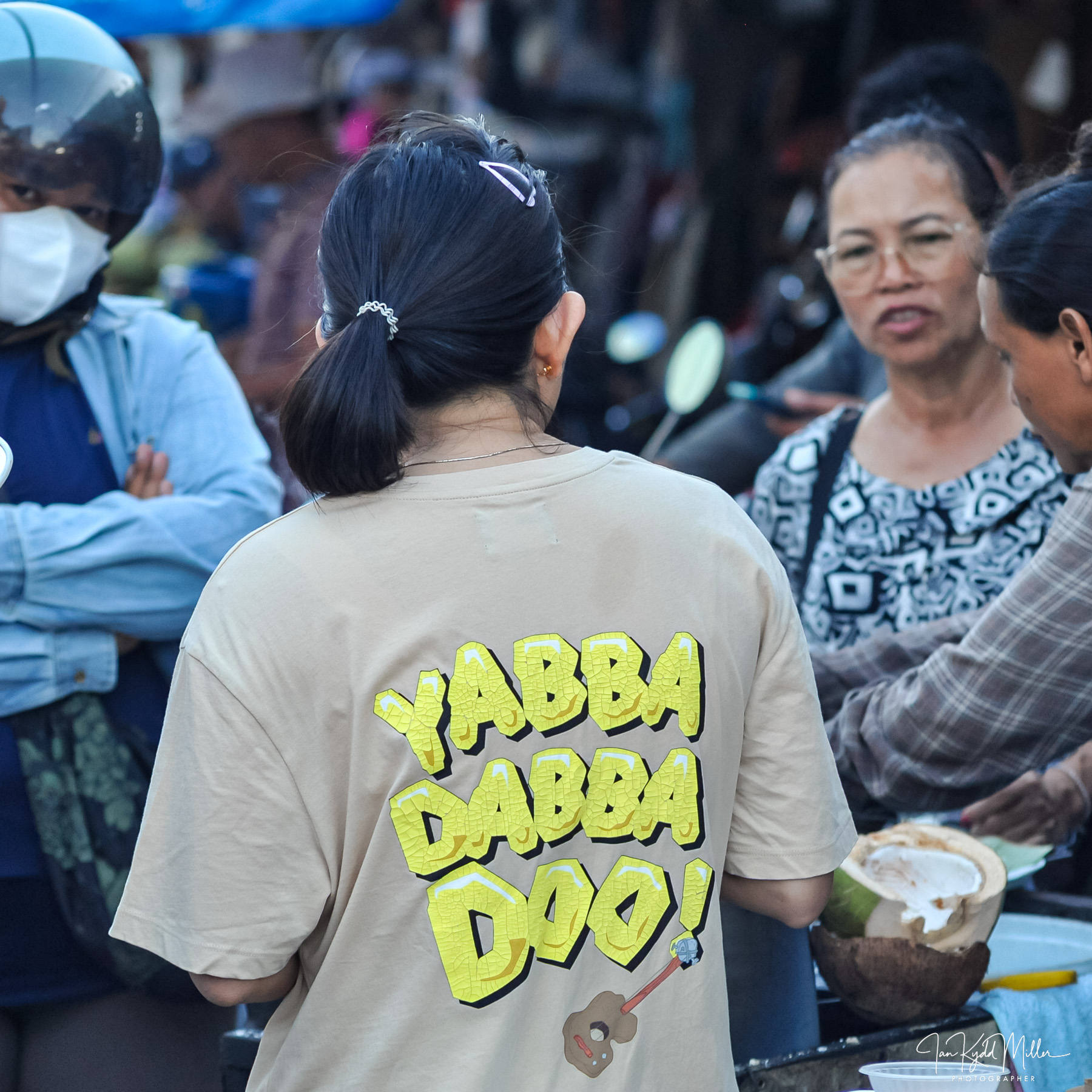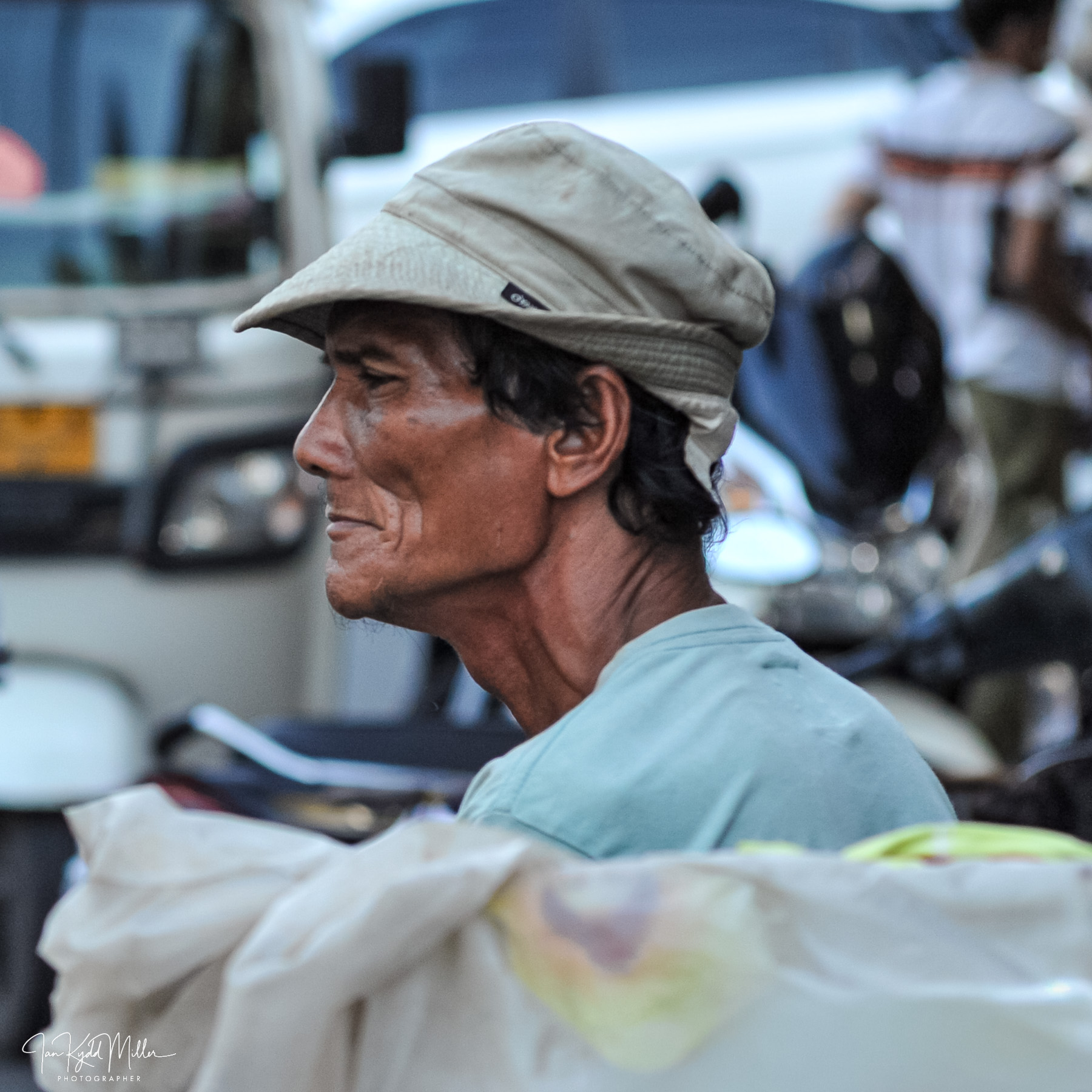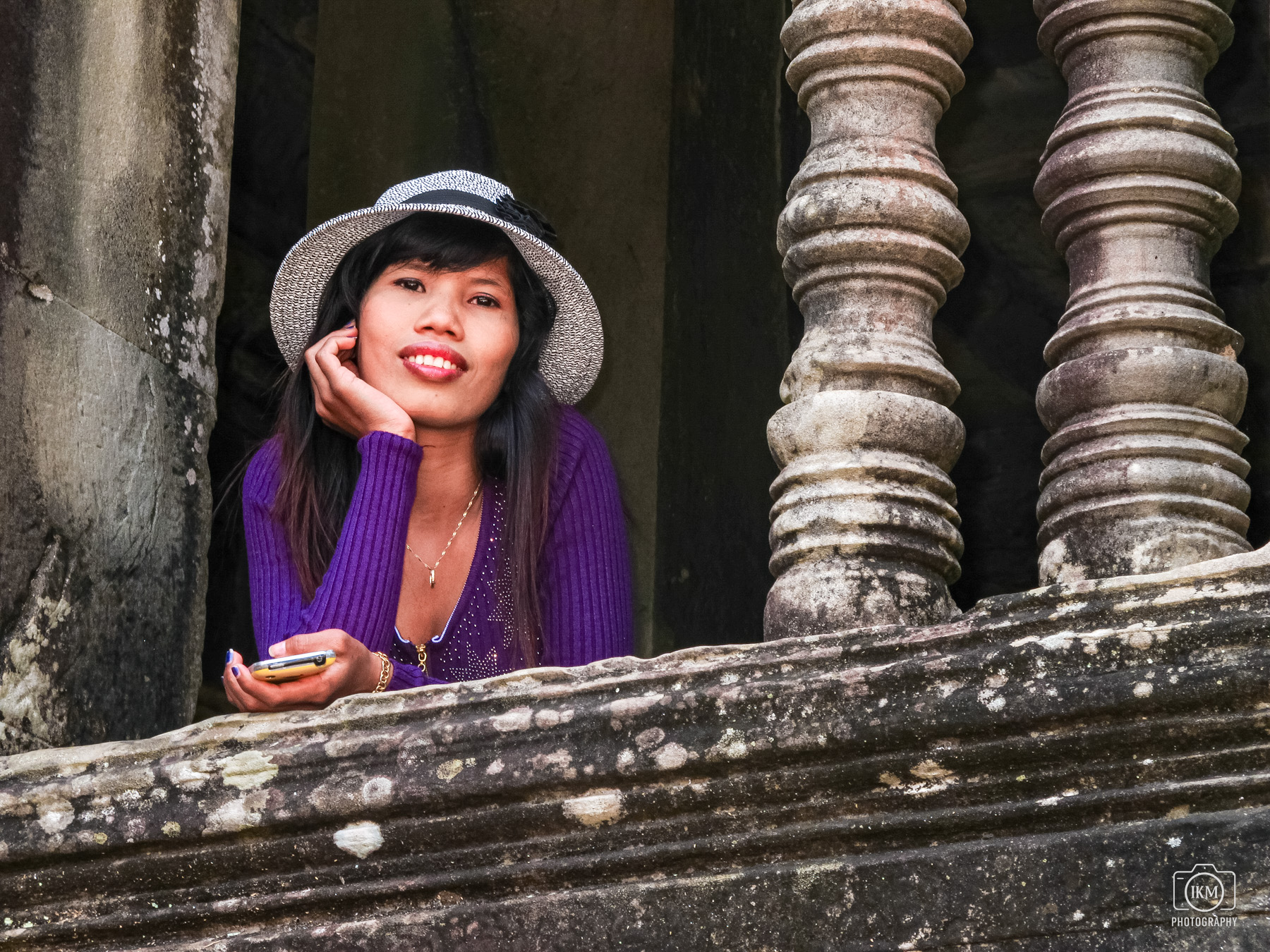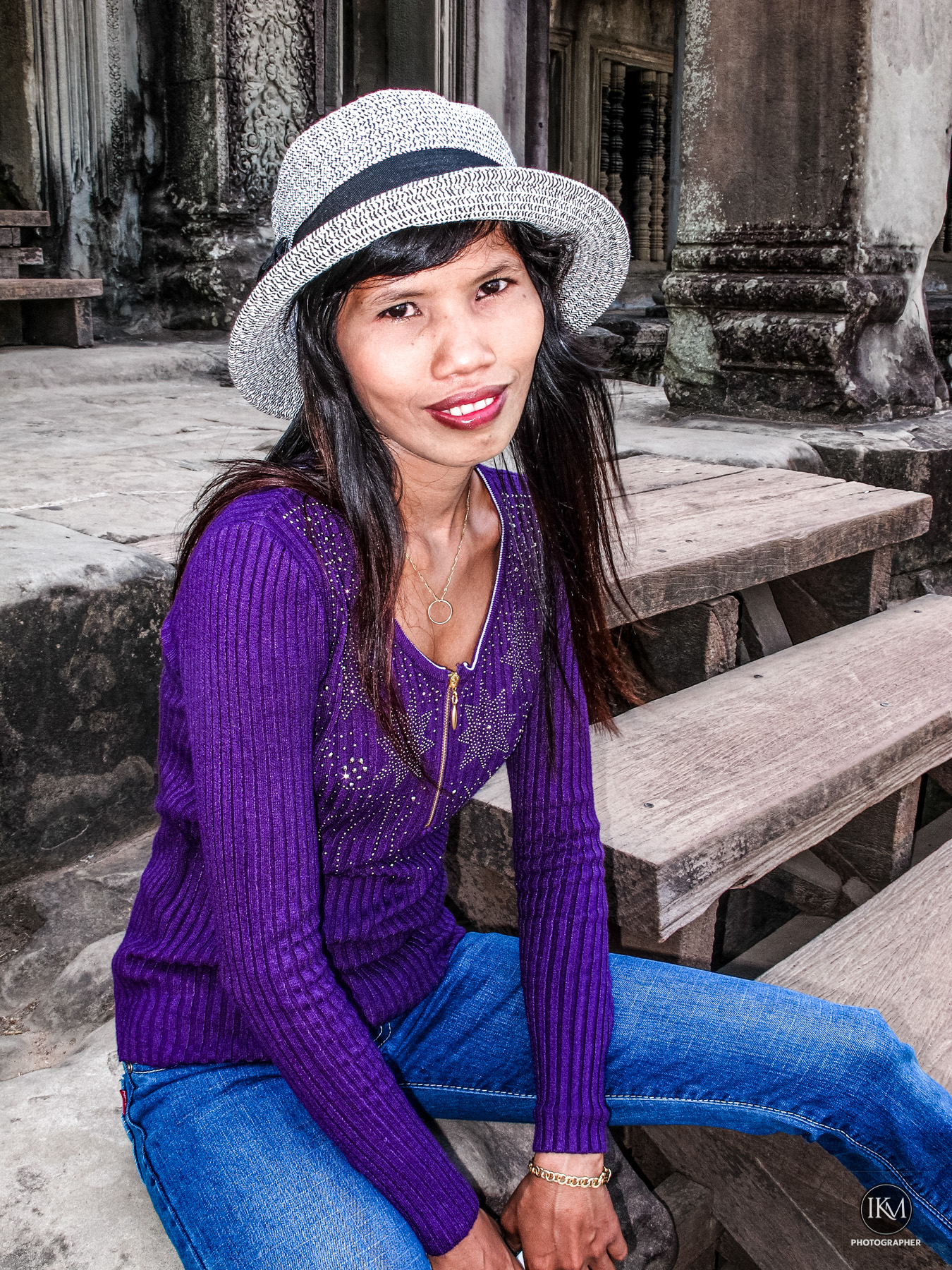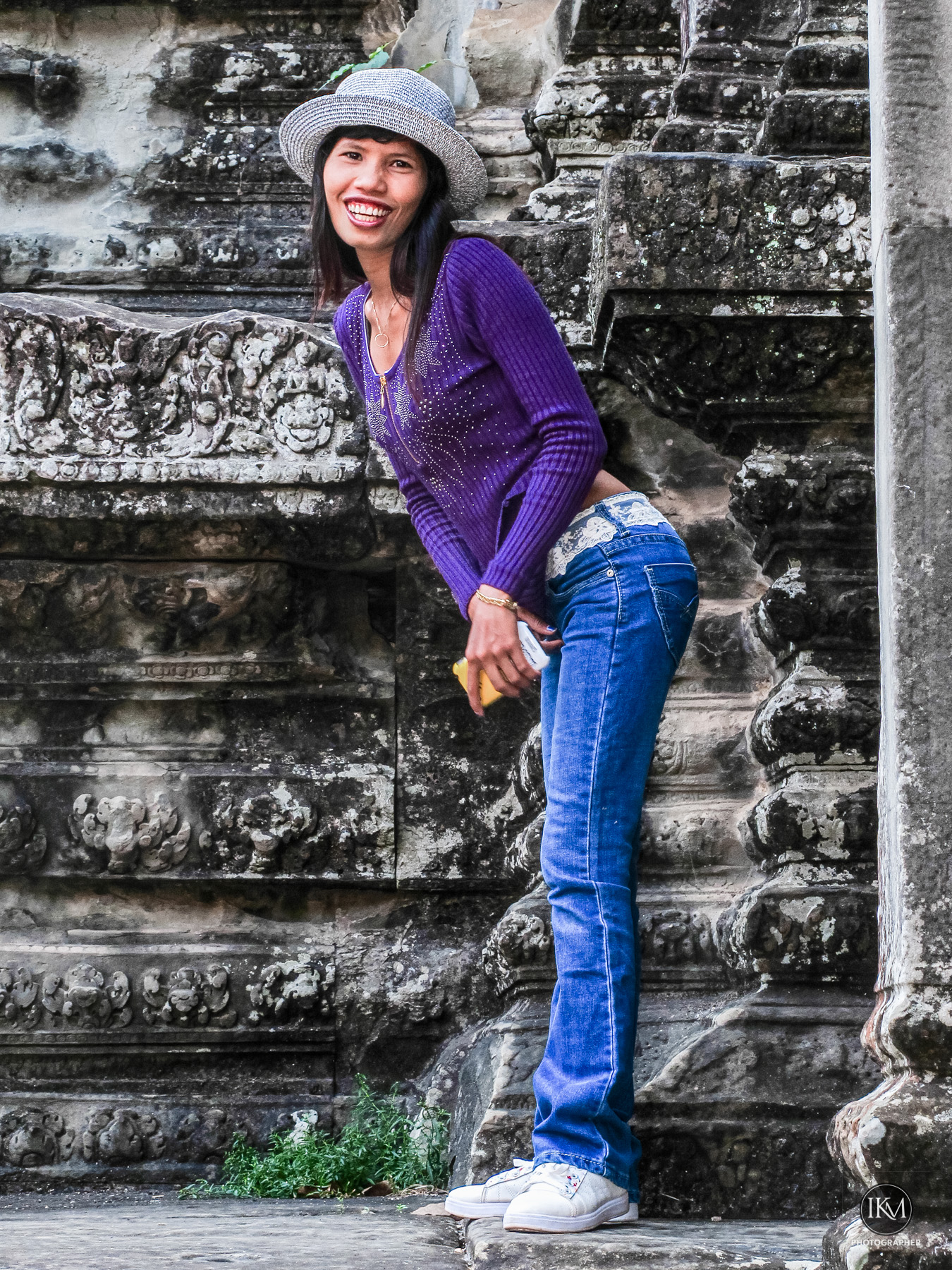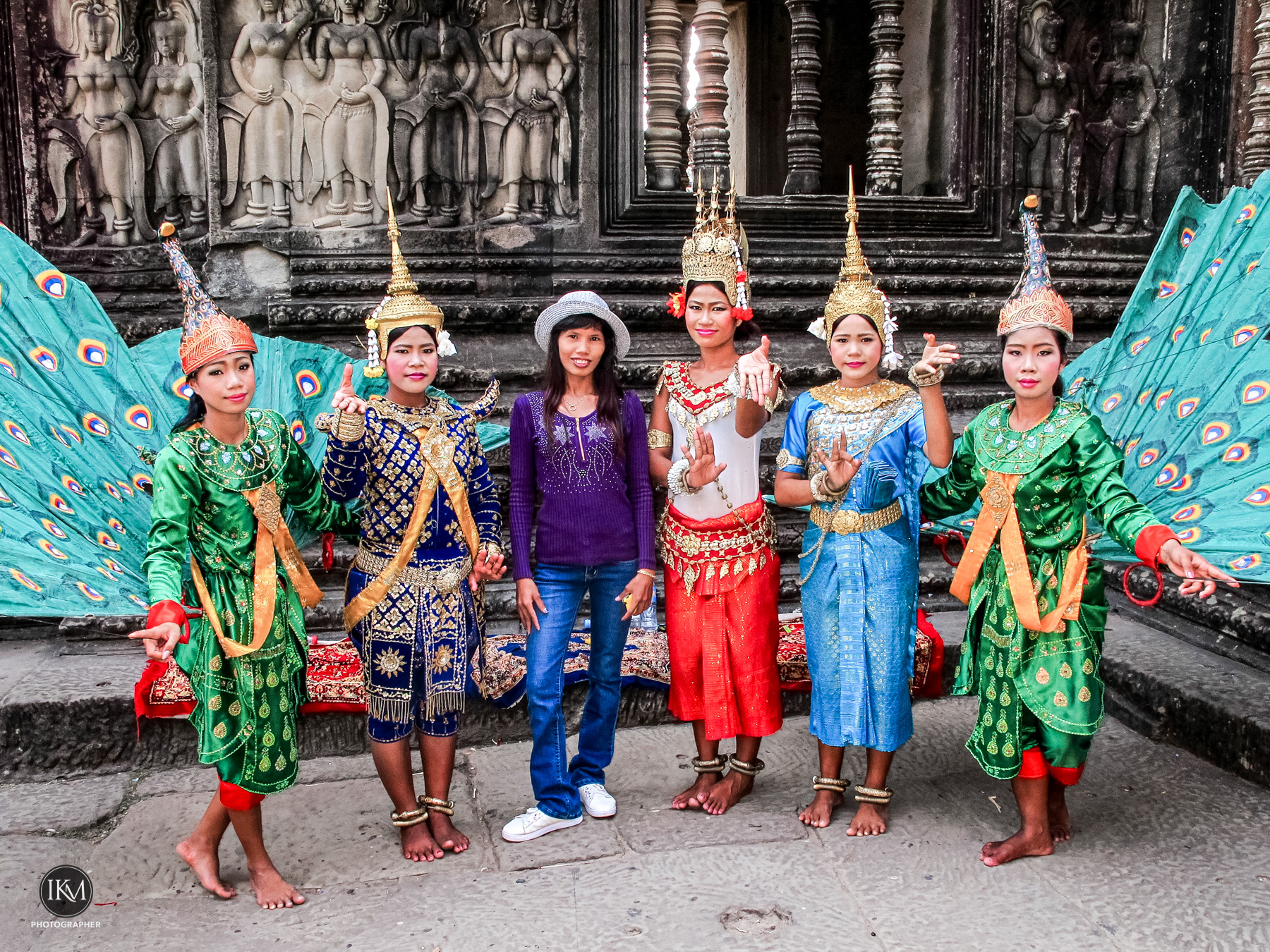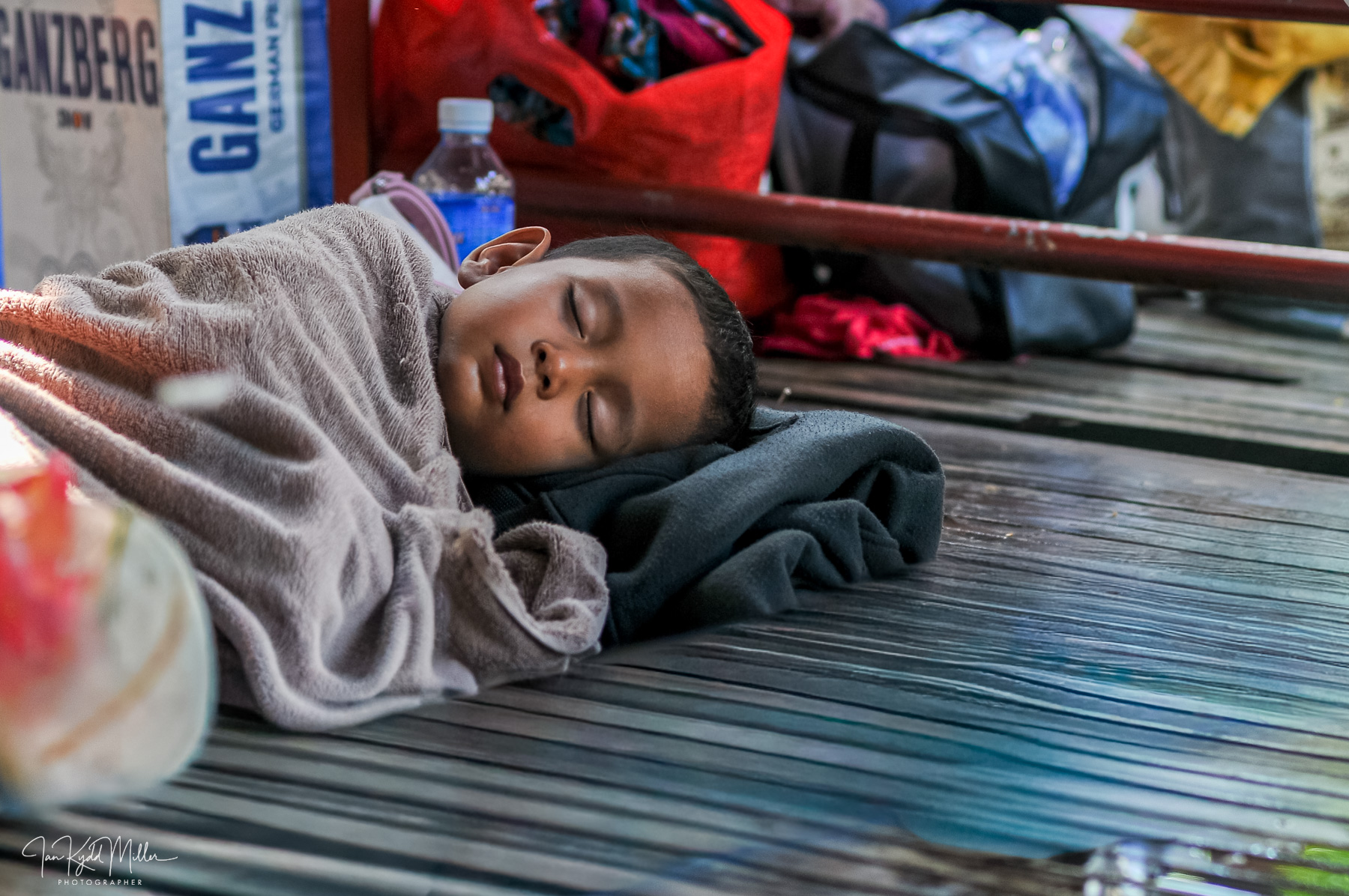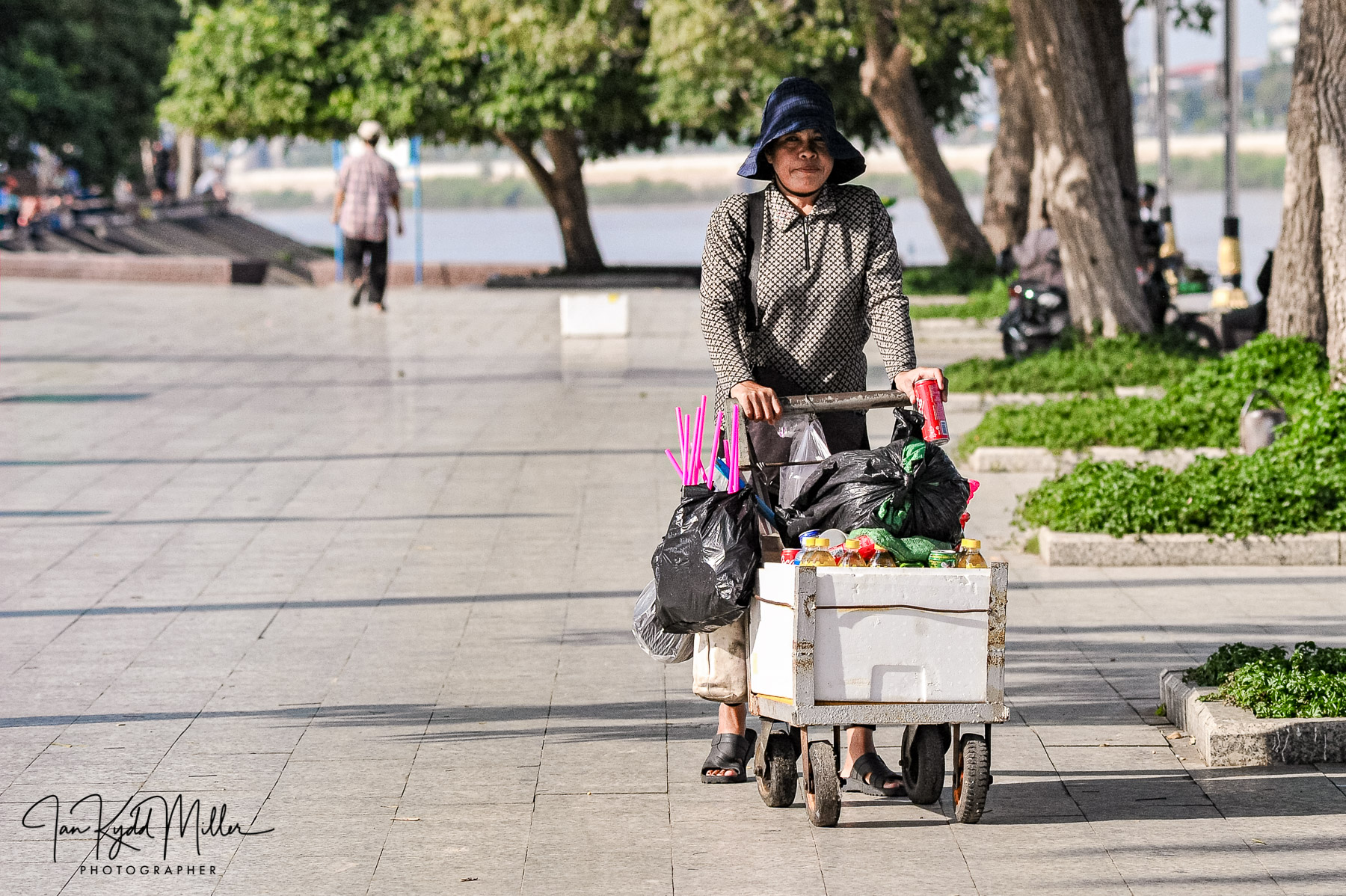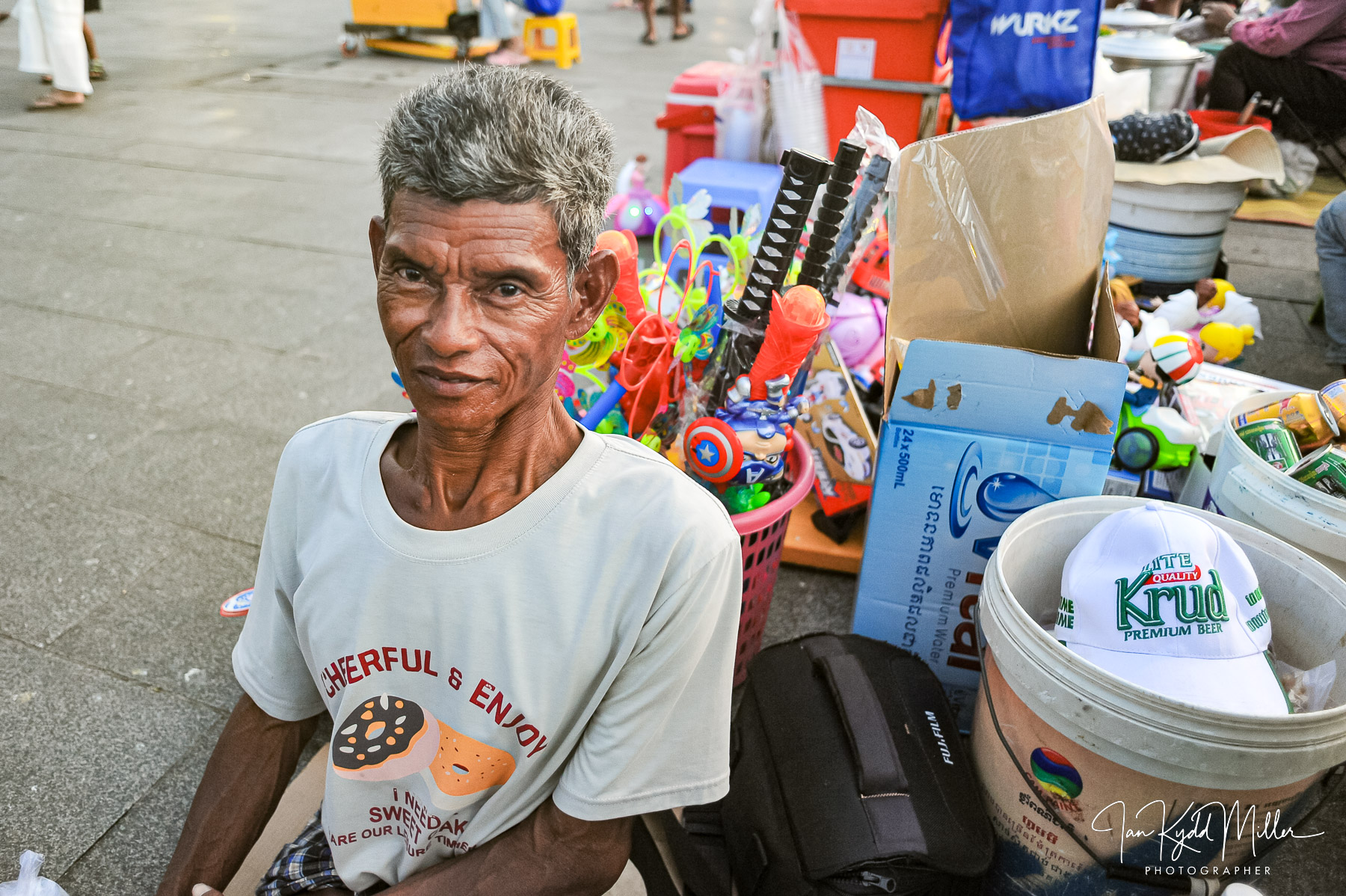


There is a peculiar freedom that comes with growing old as a photographer.
You stop trying to impress anyone.
The endless arguments over cameras become background noise. Megapixels lose their importance. Lens charts become somebody else’s obsession. Somewhere along the road you realise that no camera has ever taken an interesting photograph. People have.
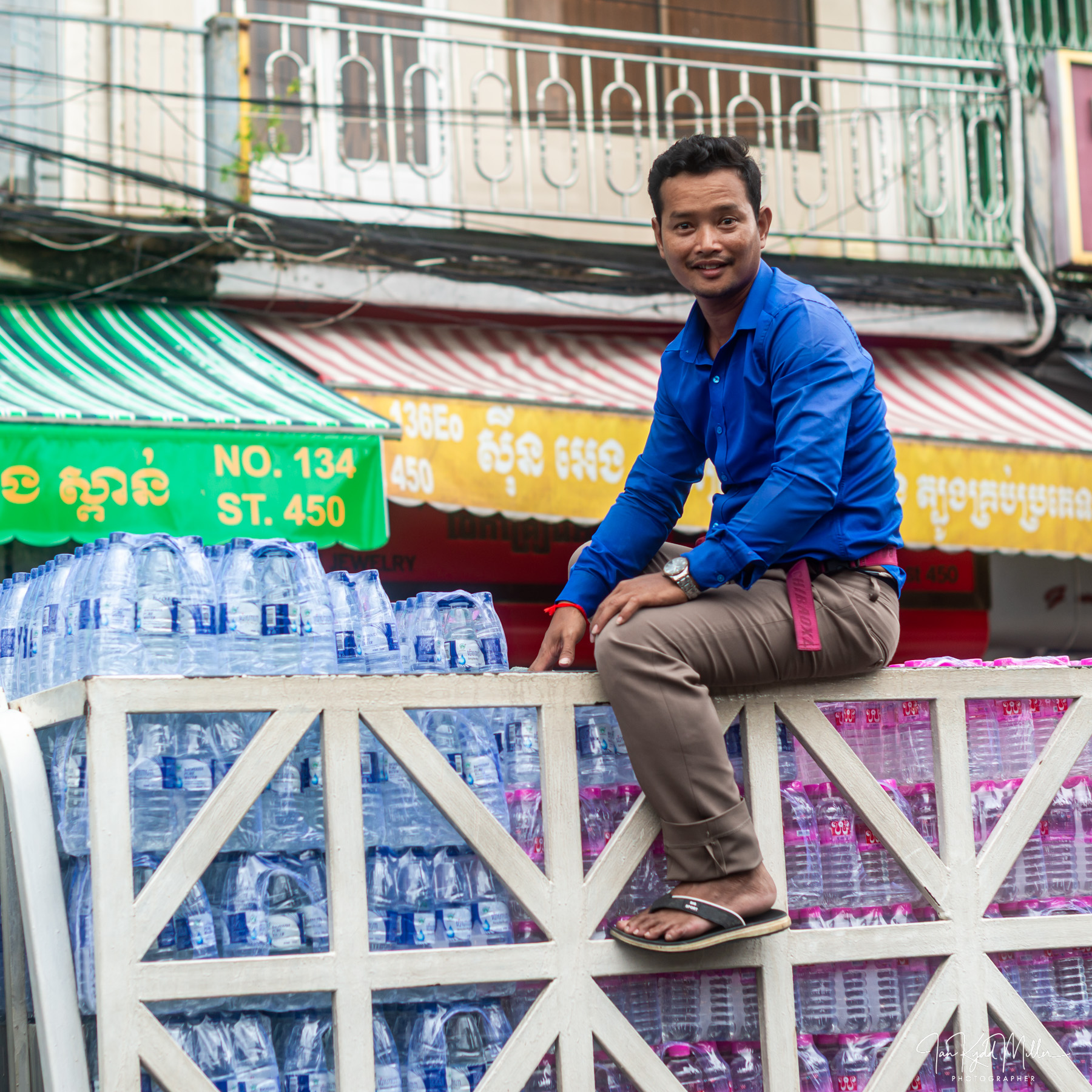
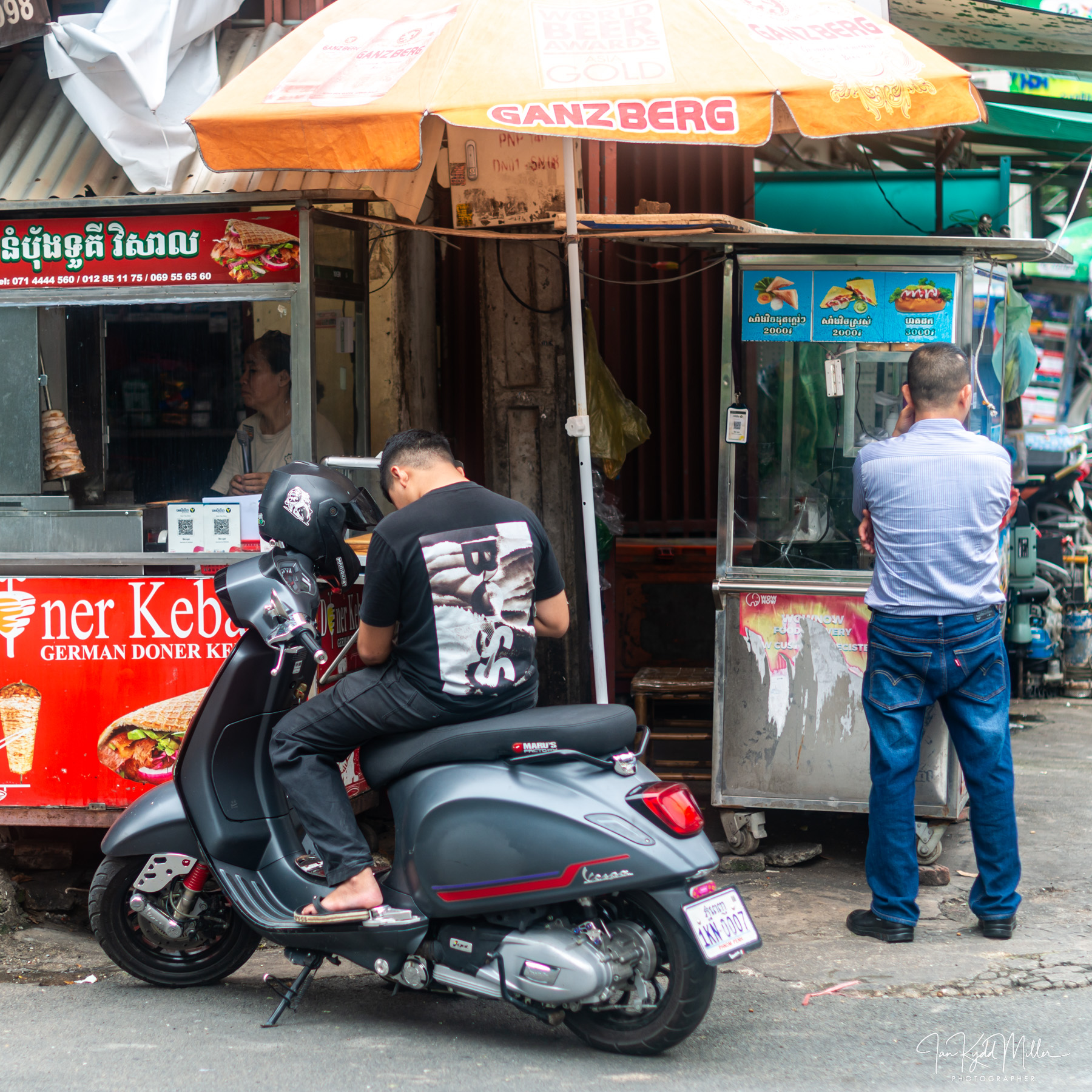
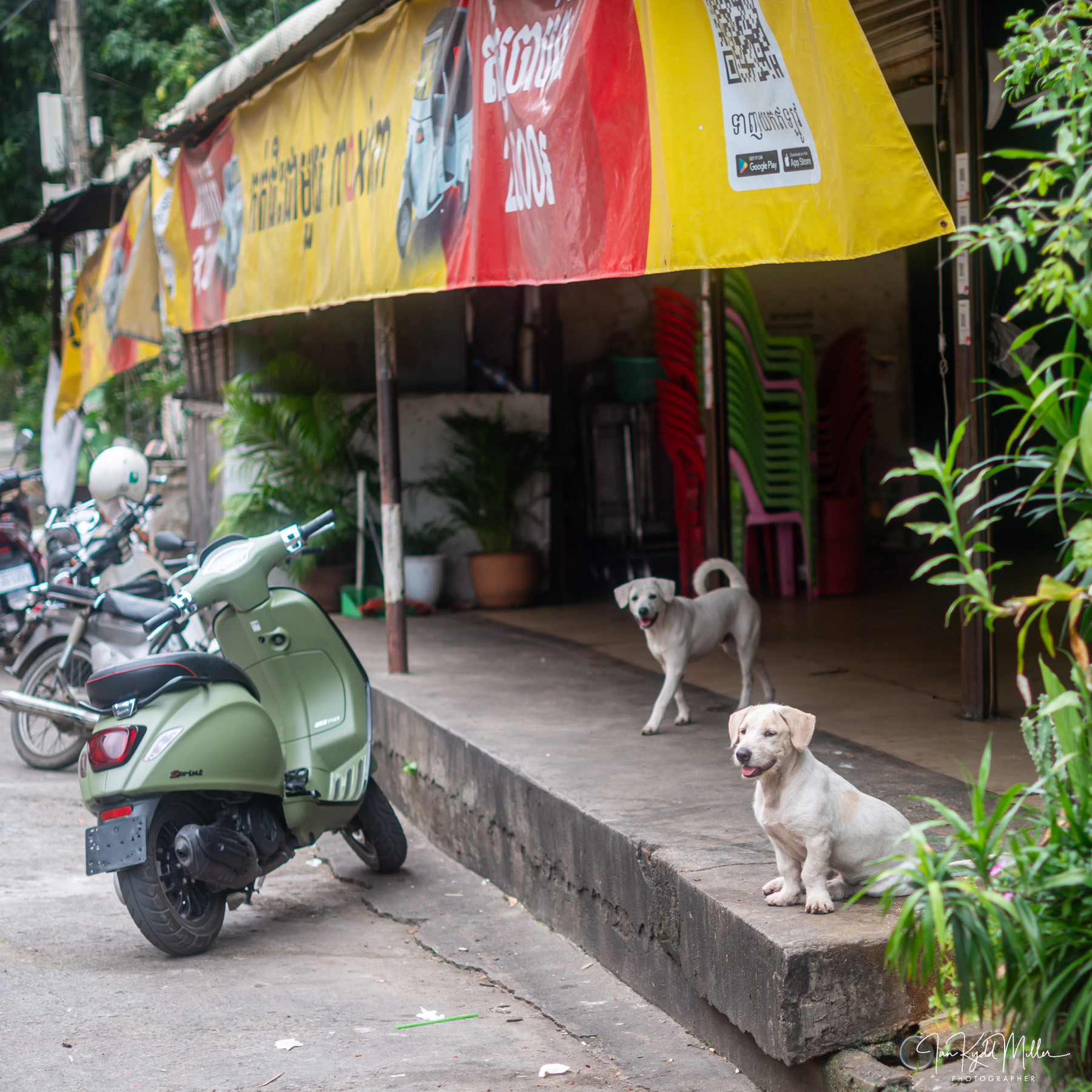
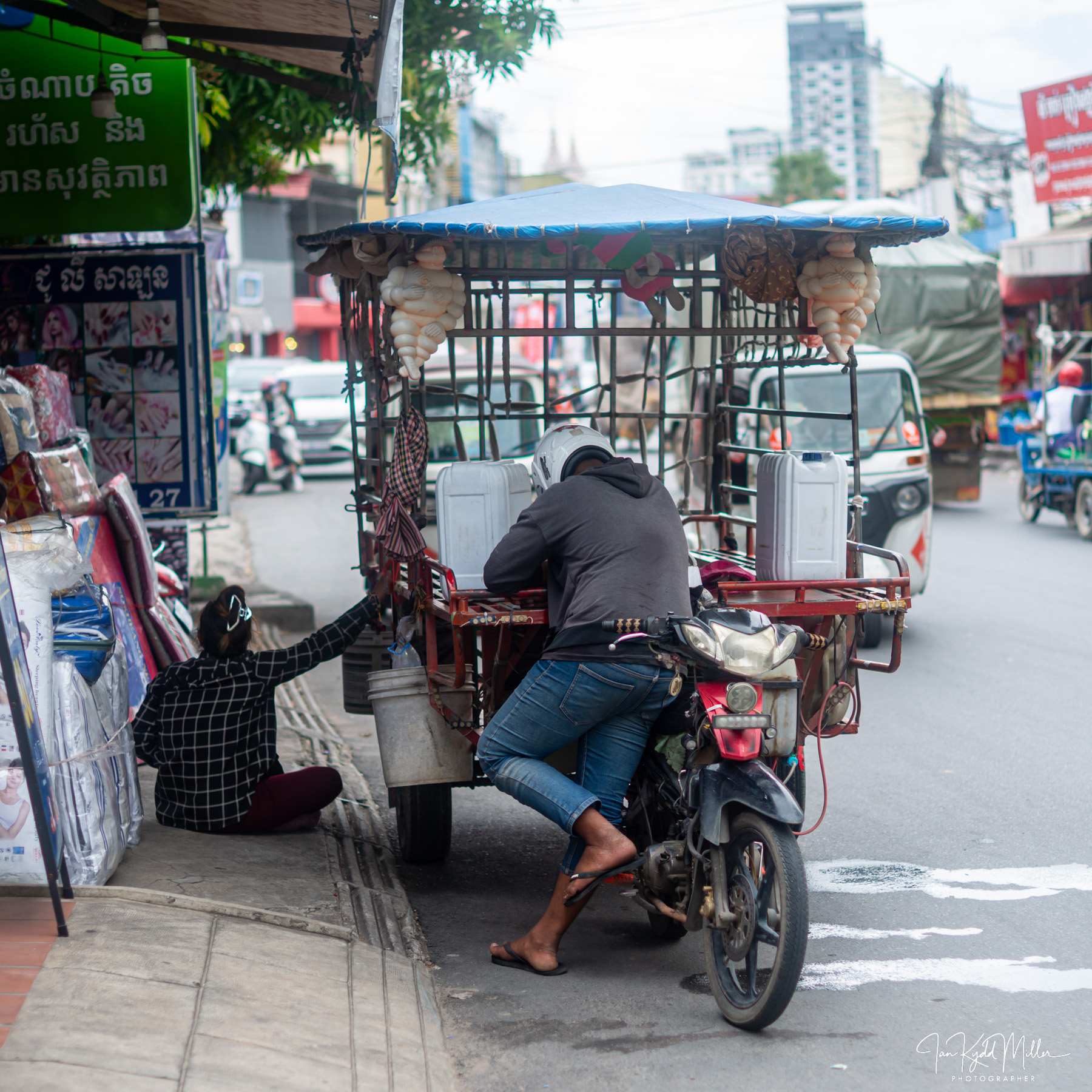
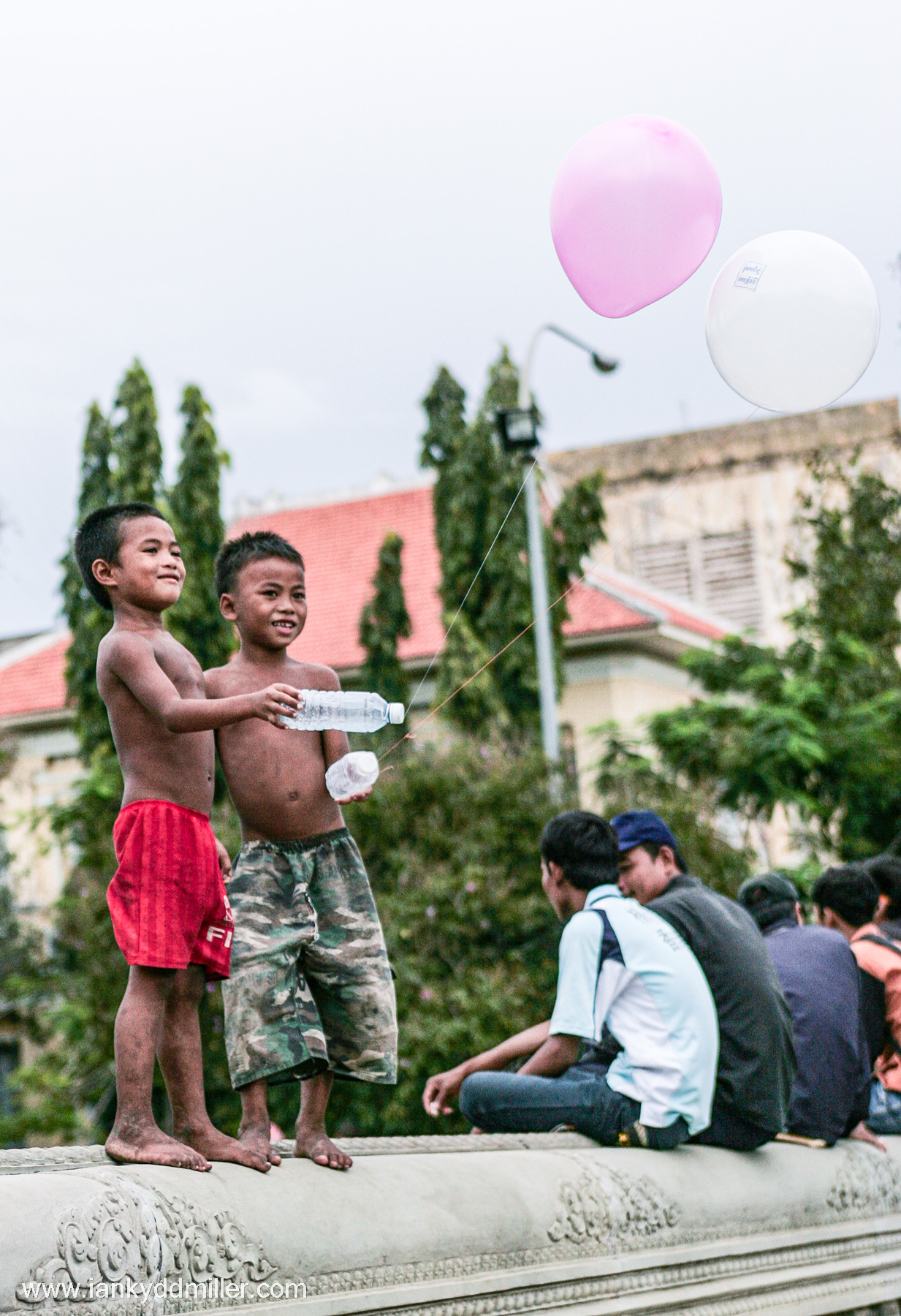
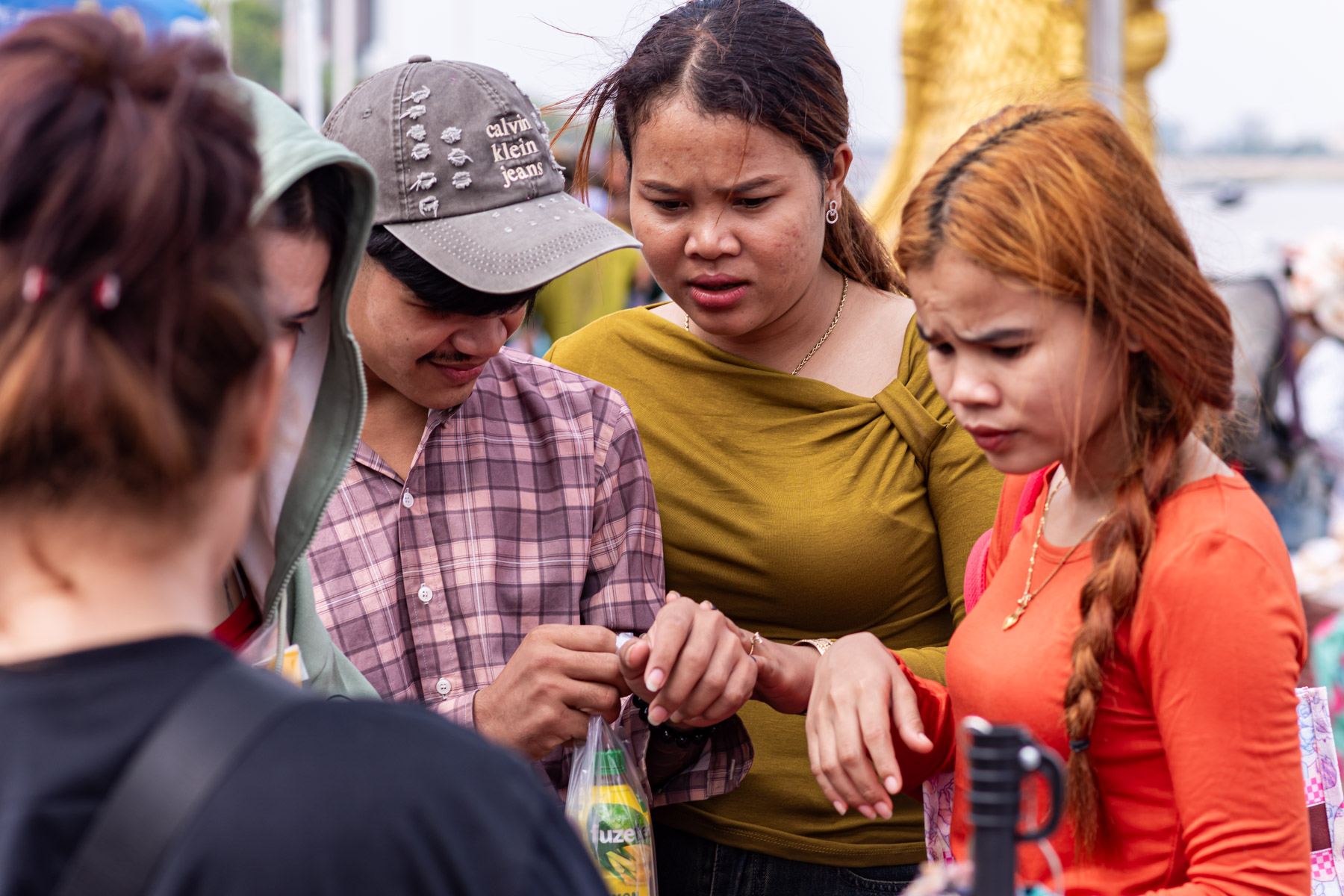
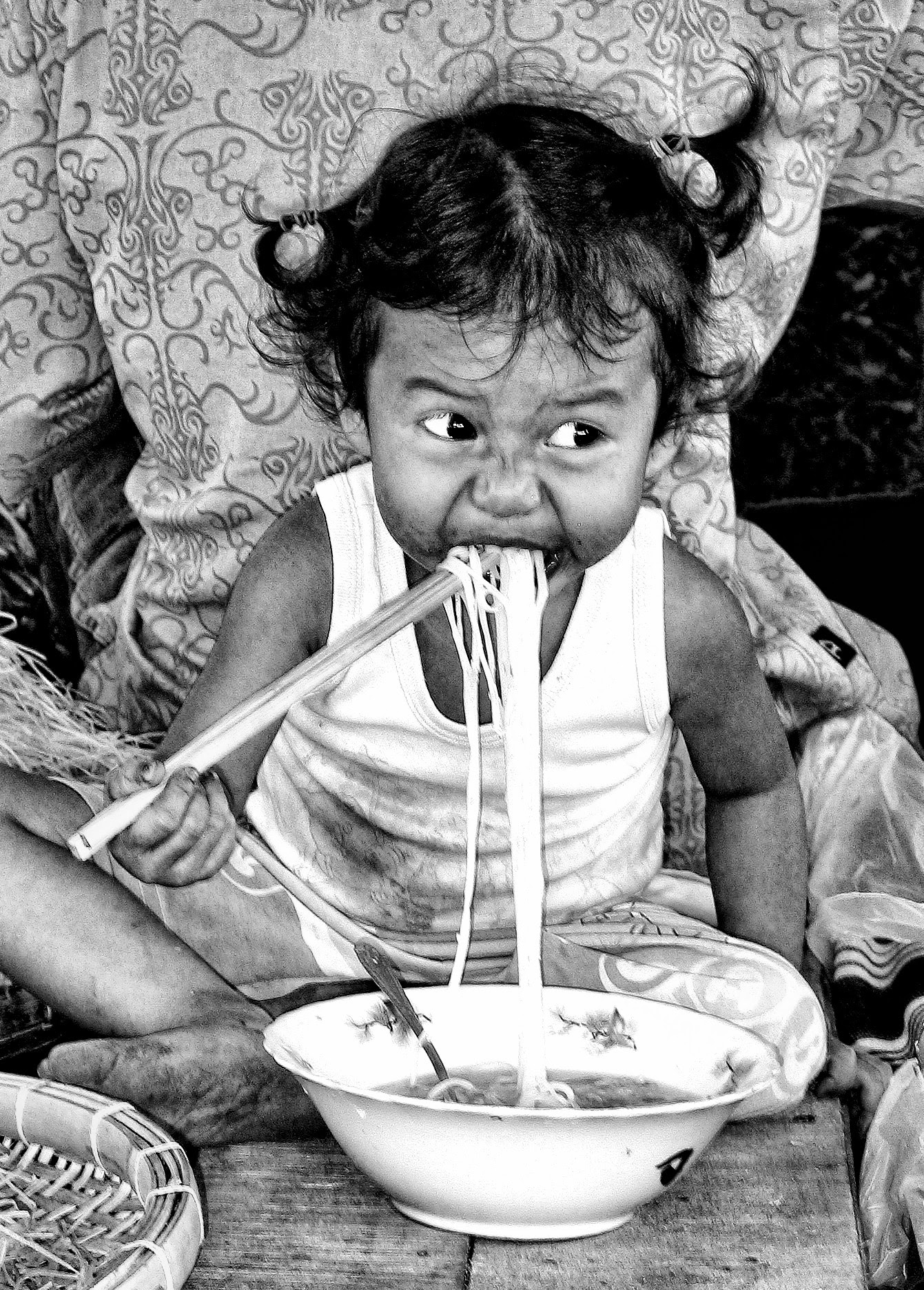
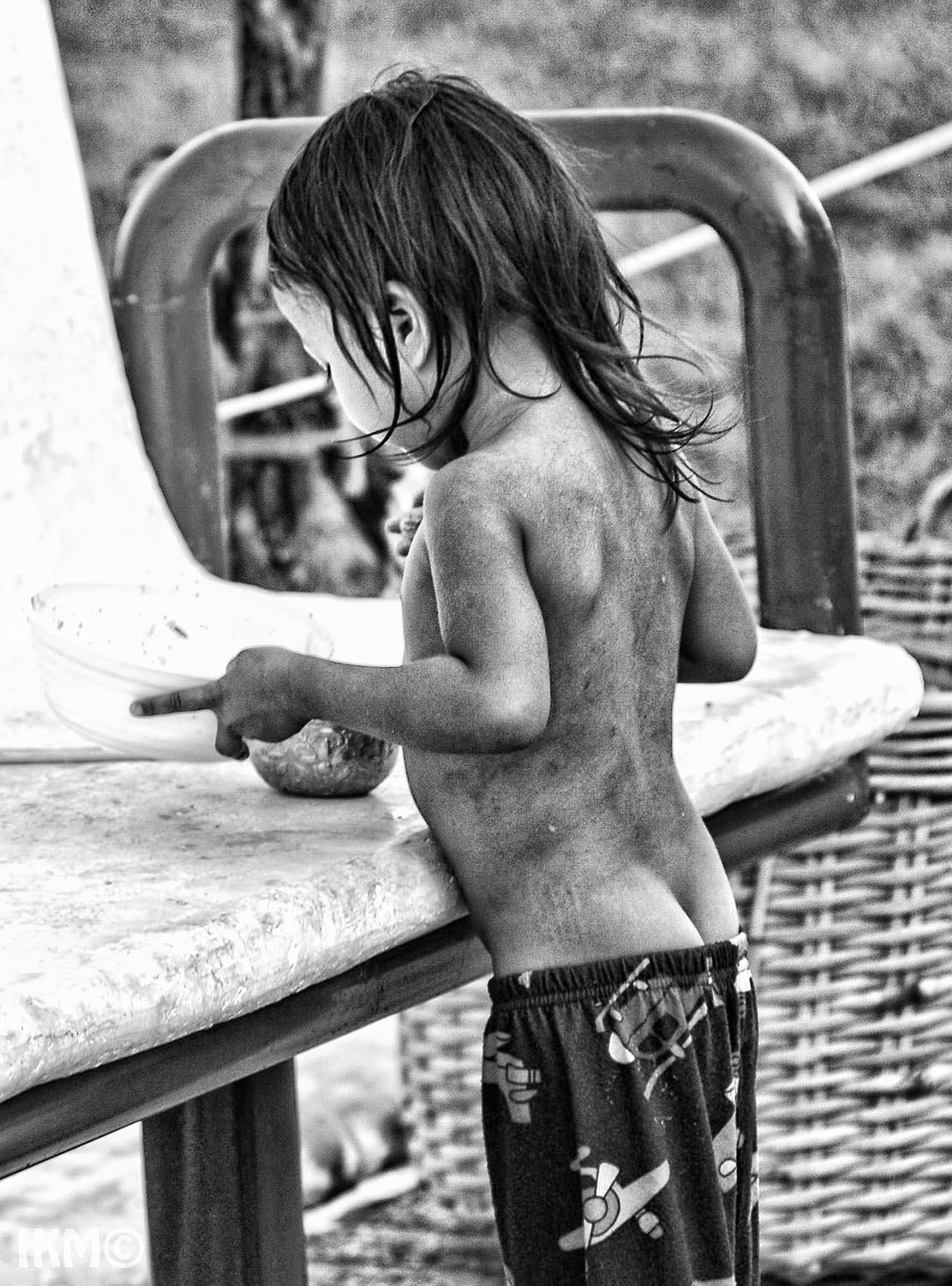
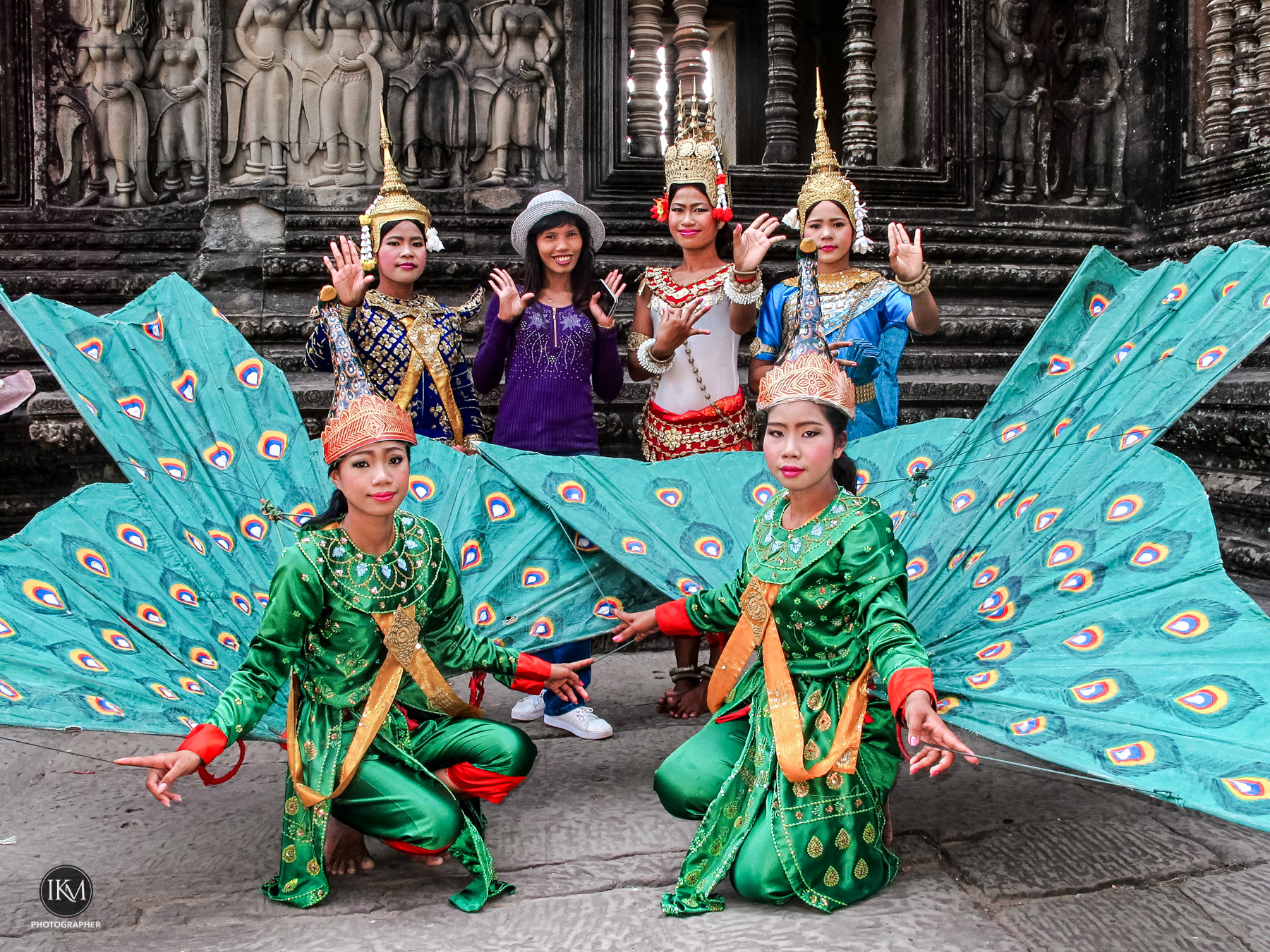
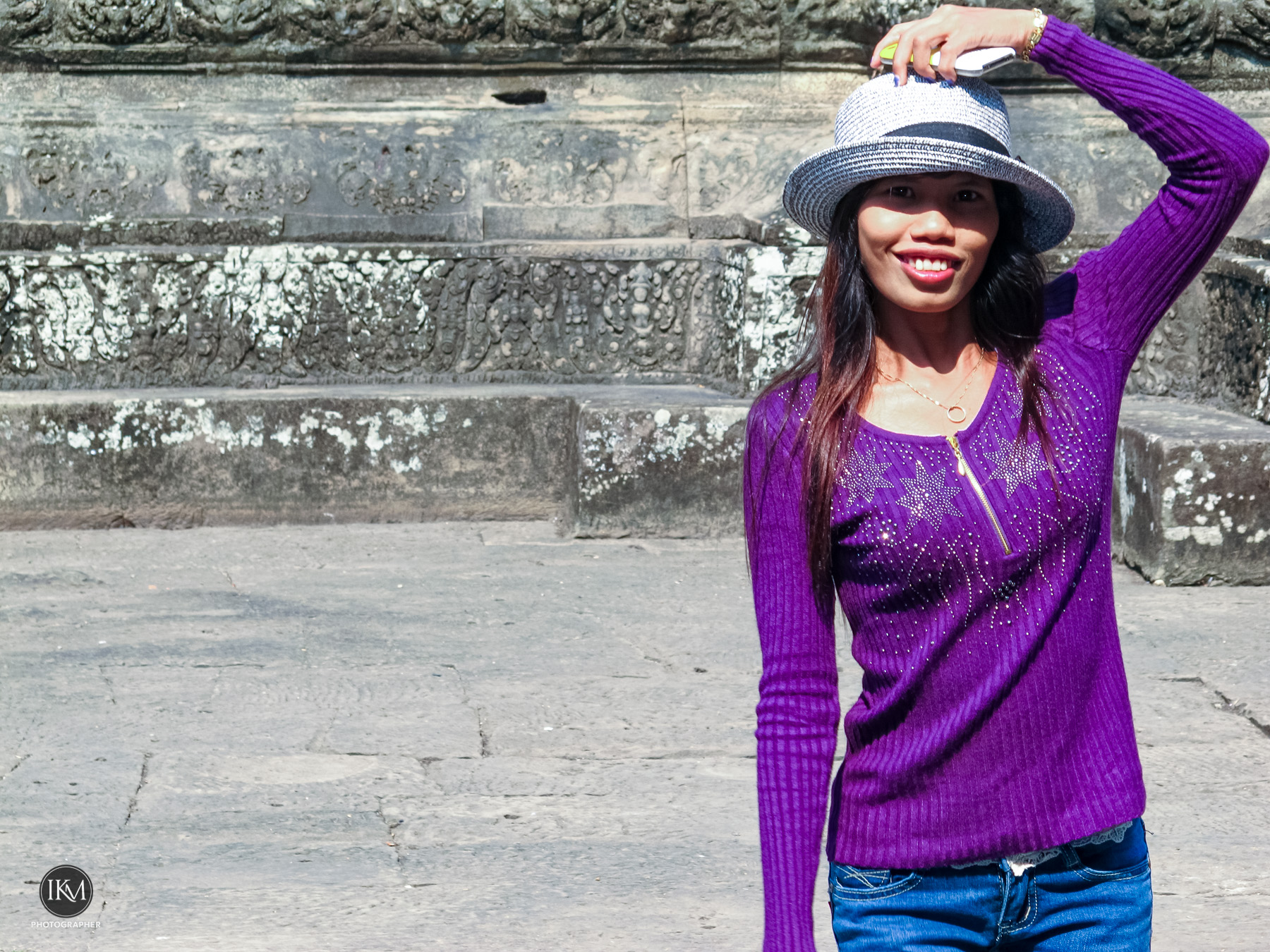
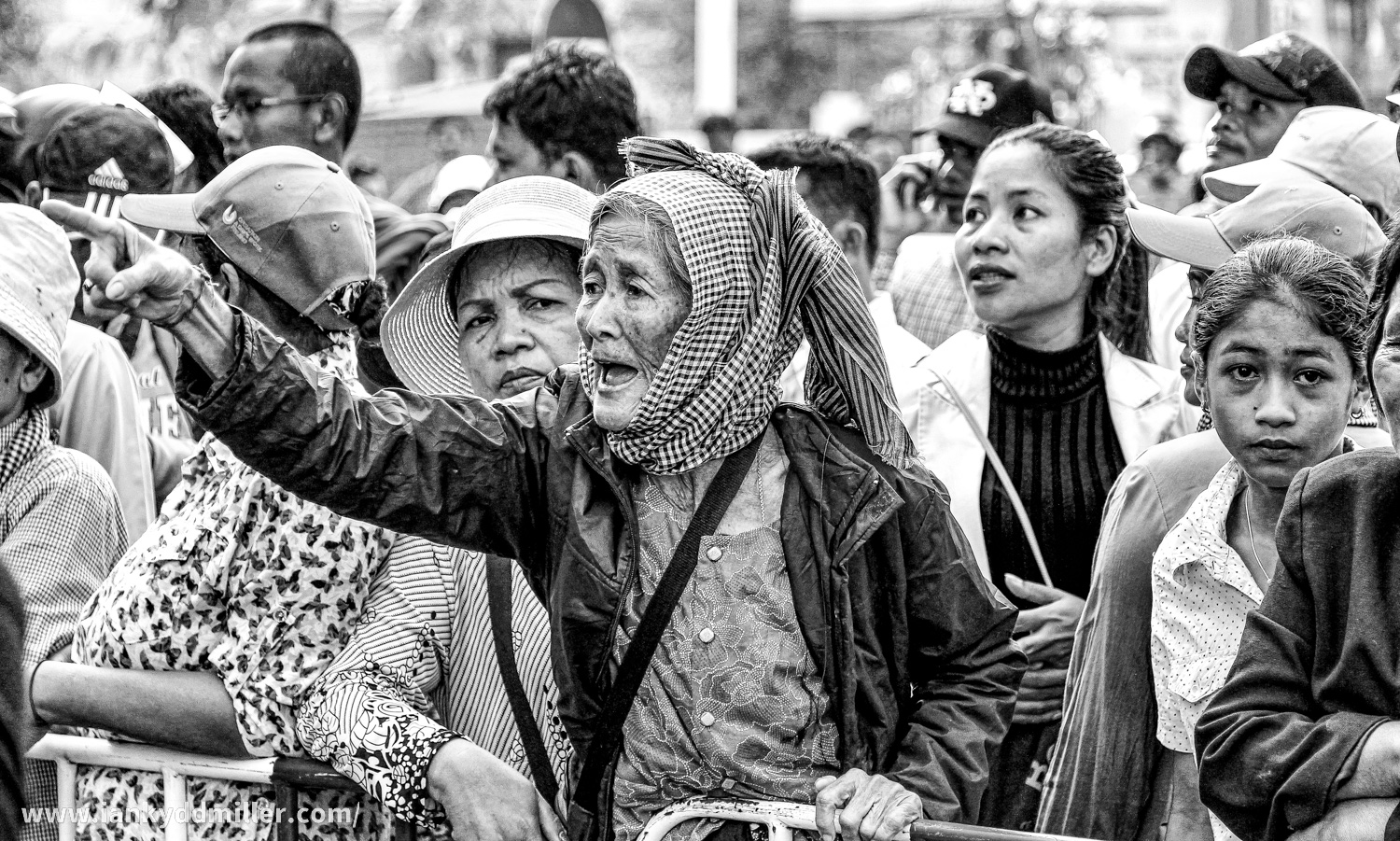
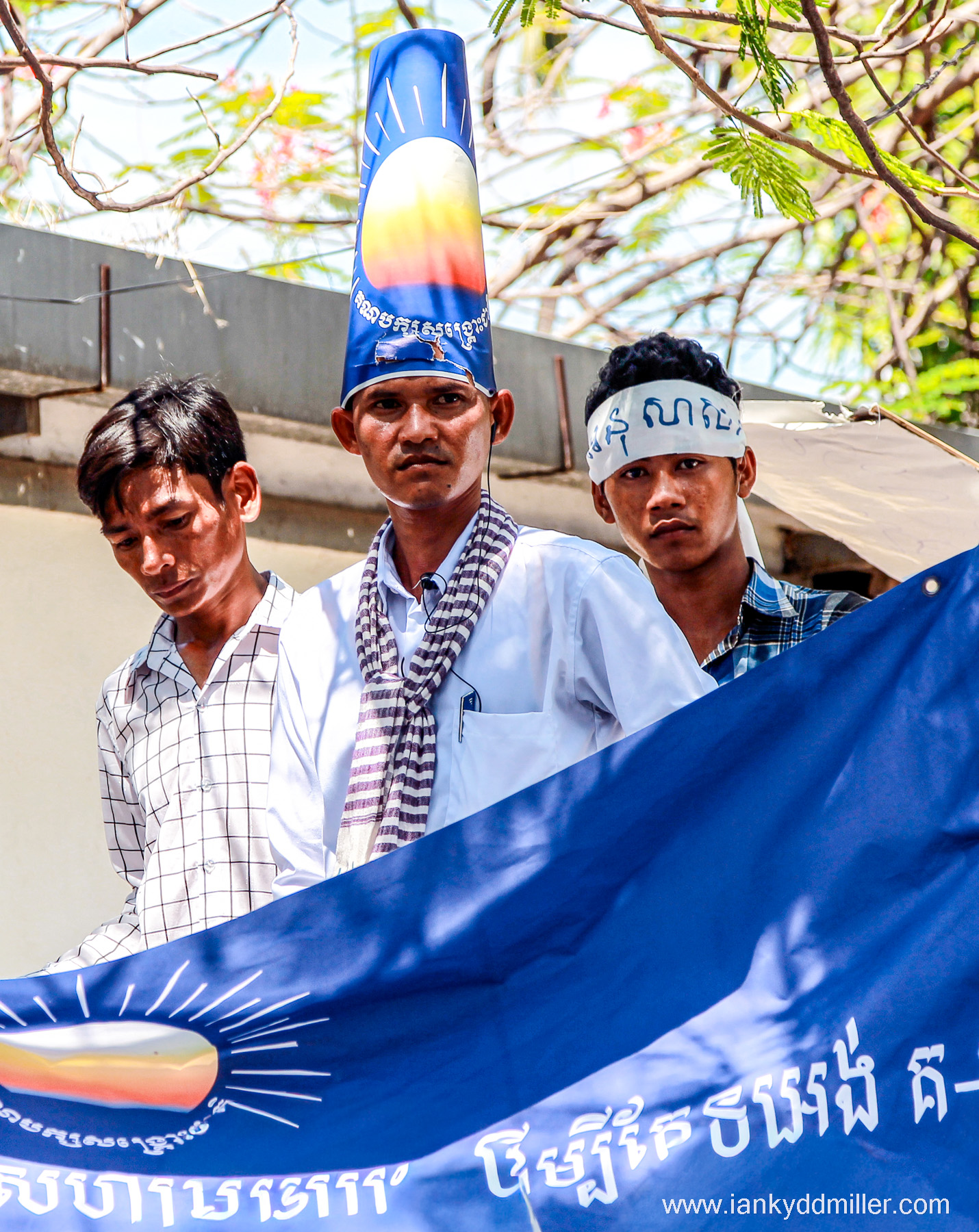
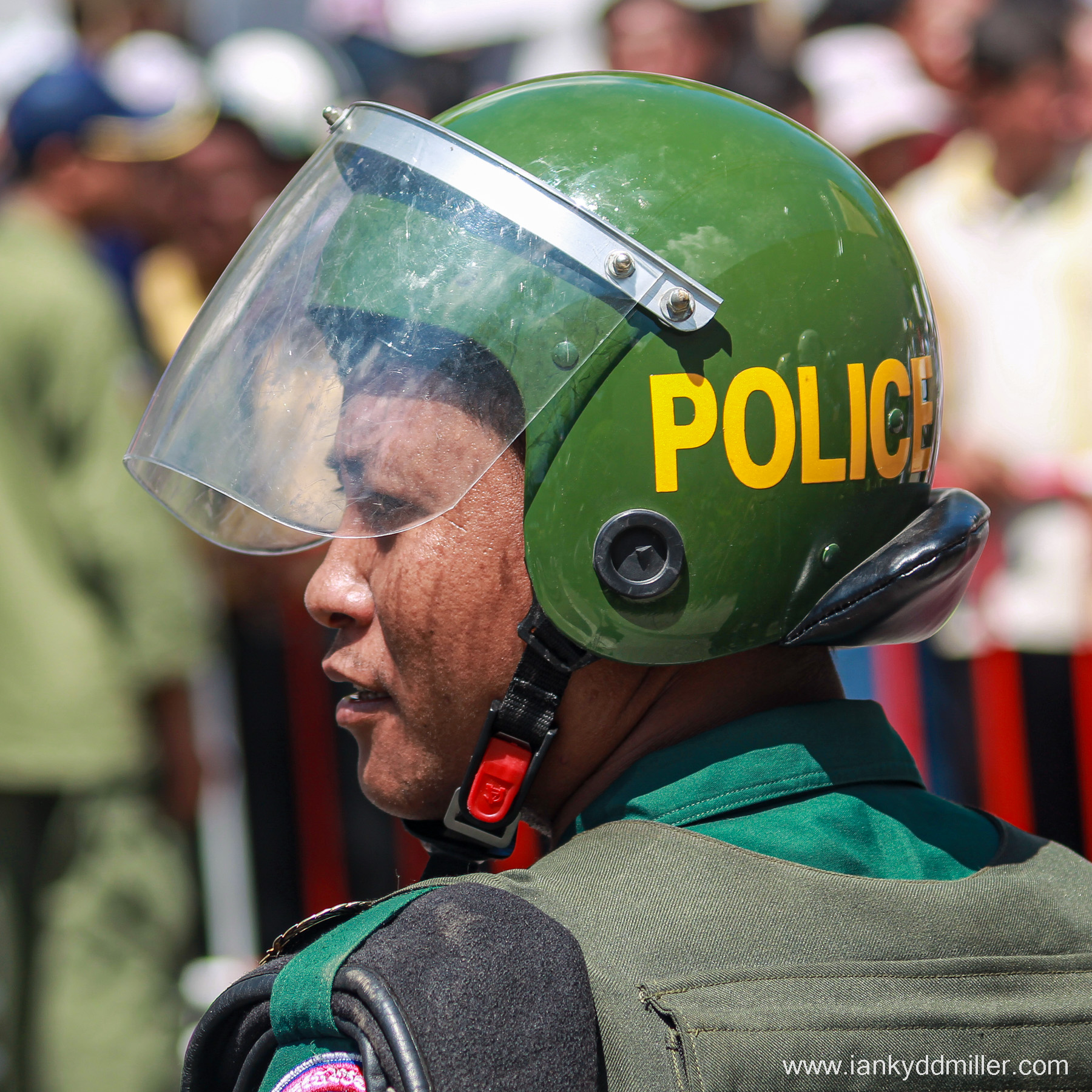
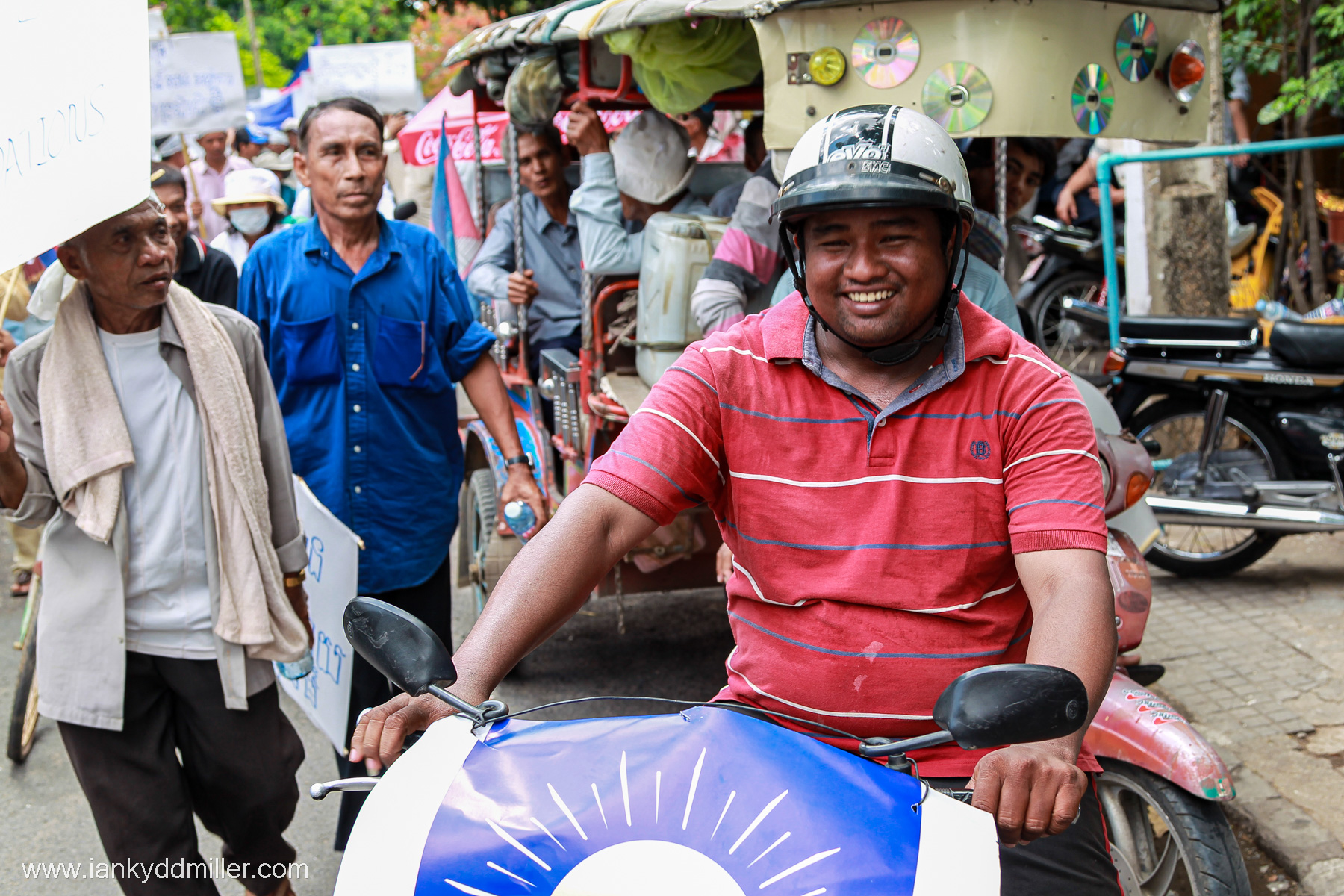
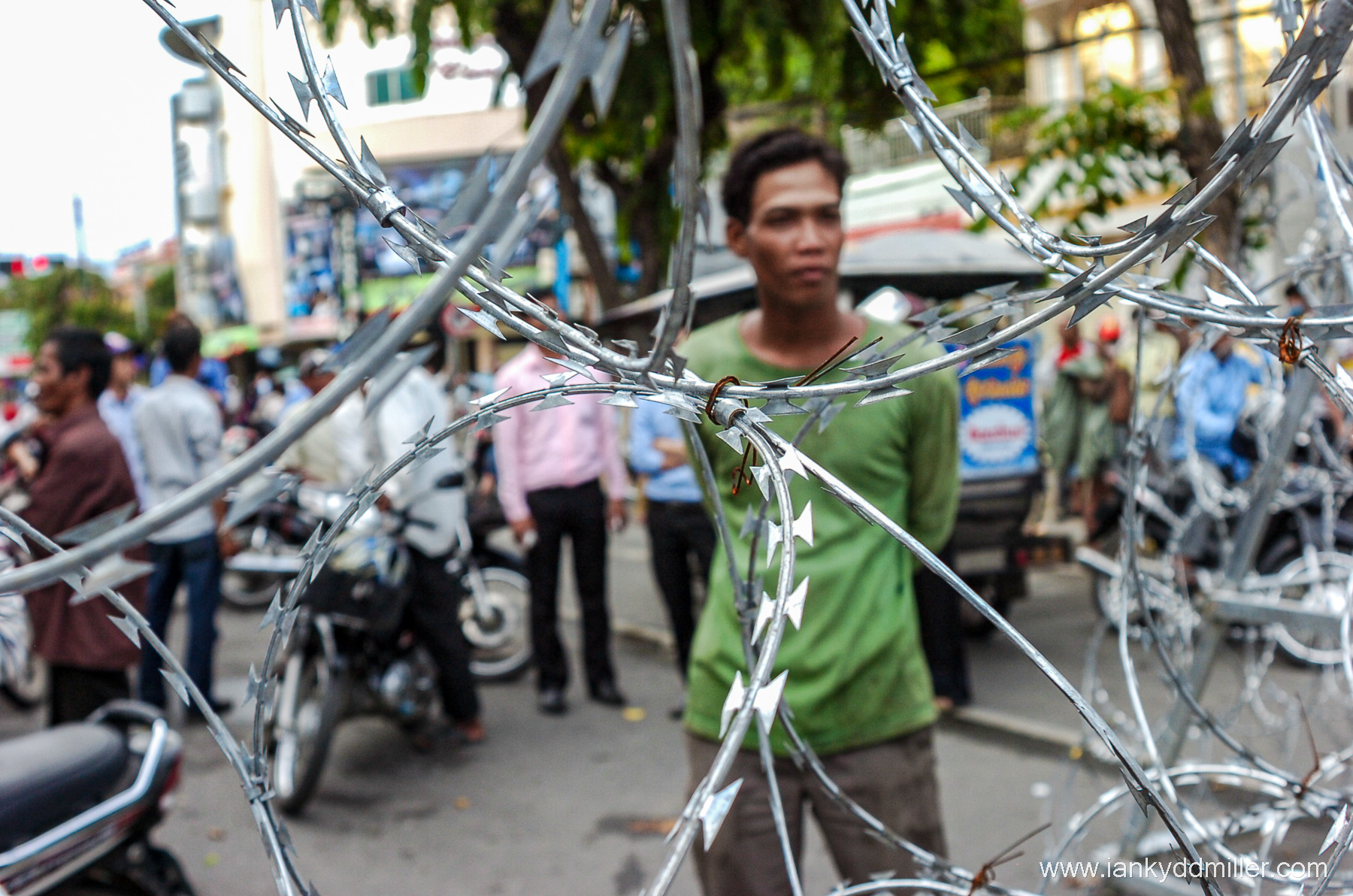
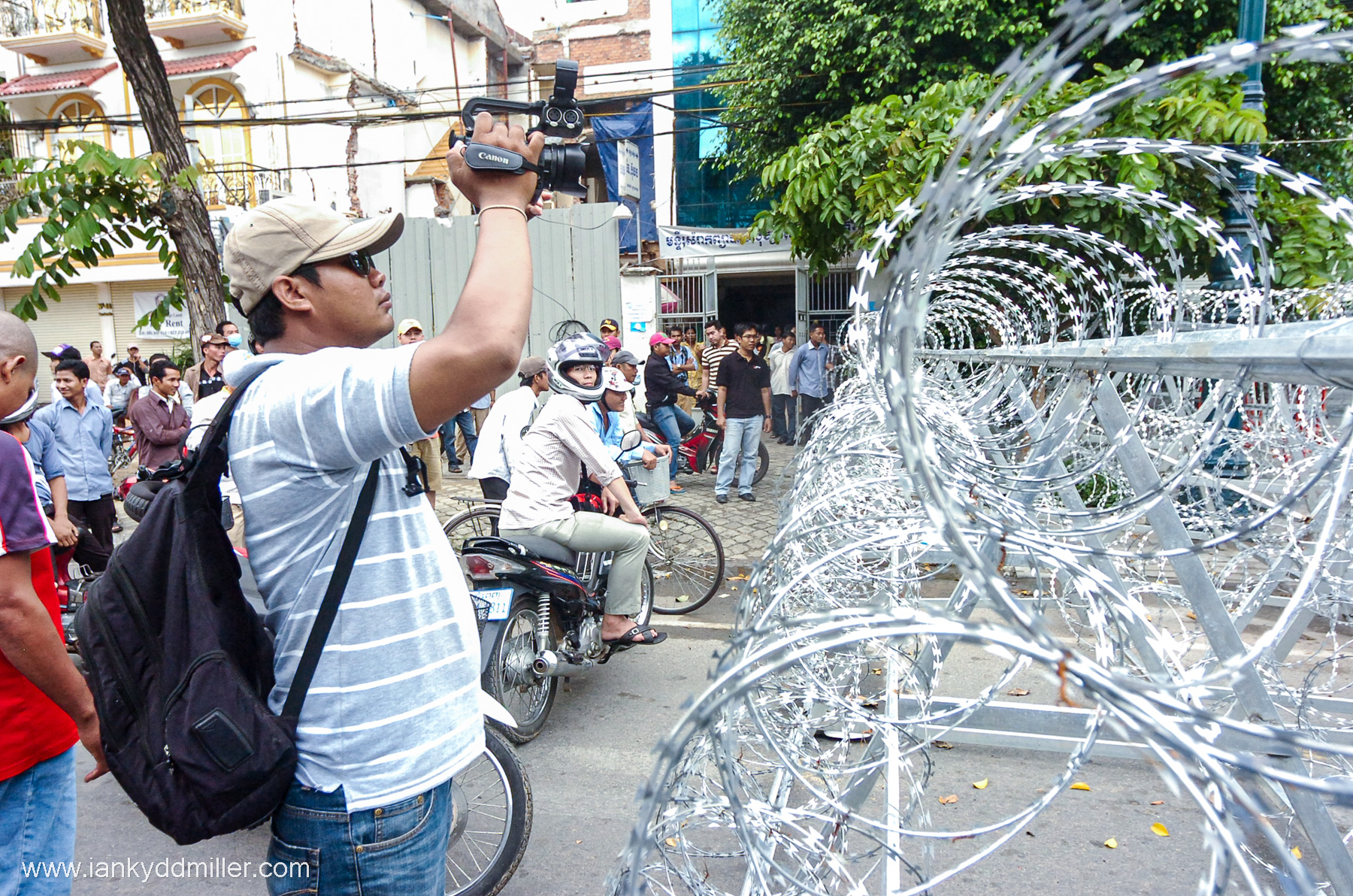
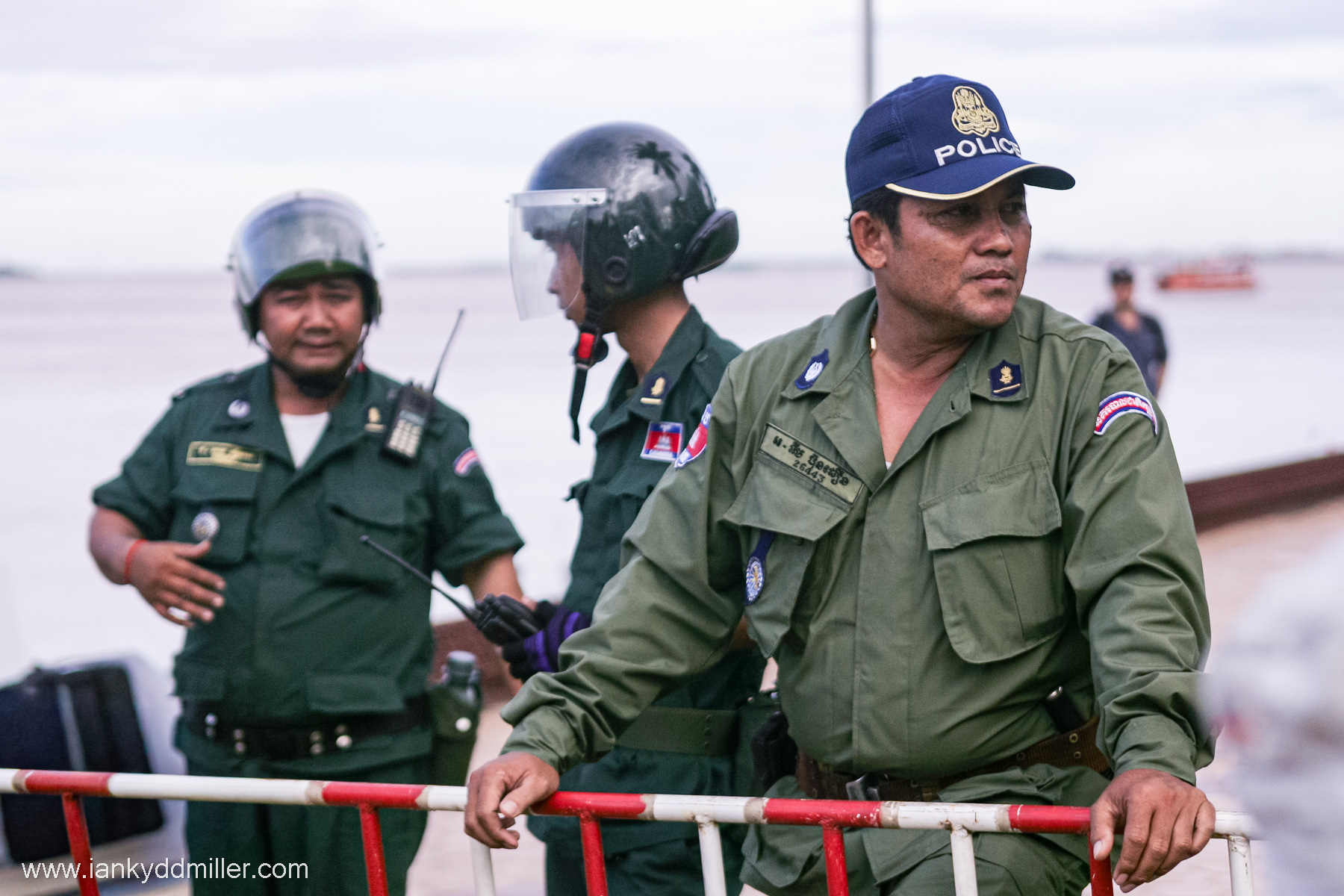
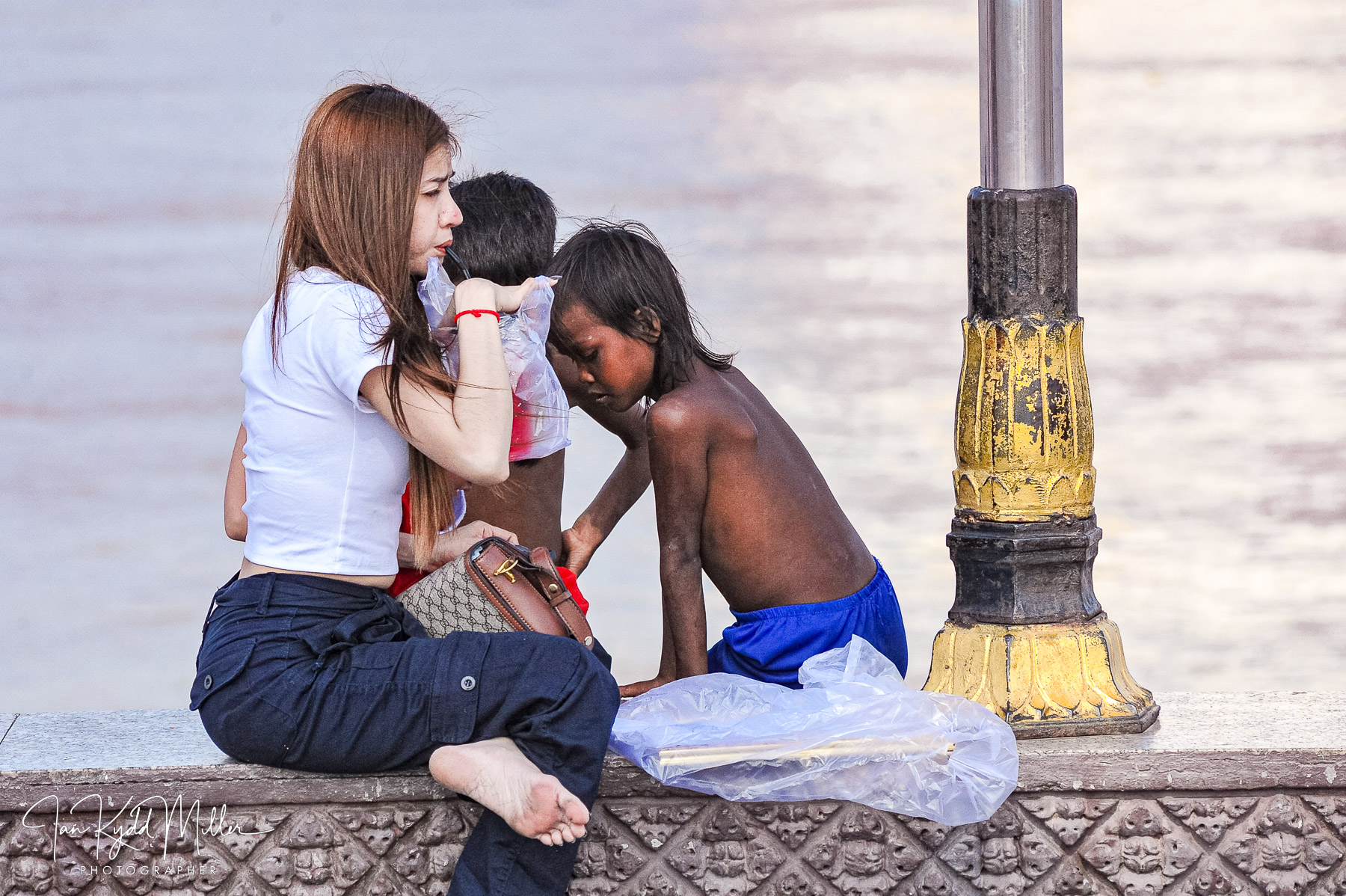
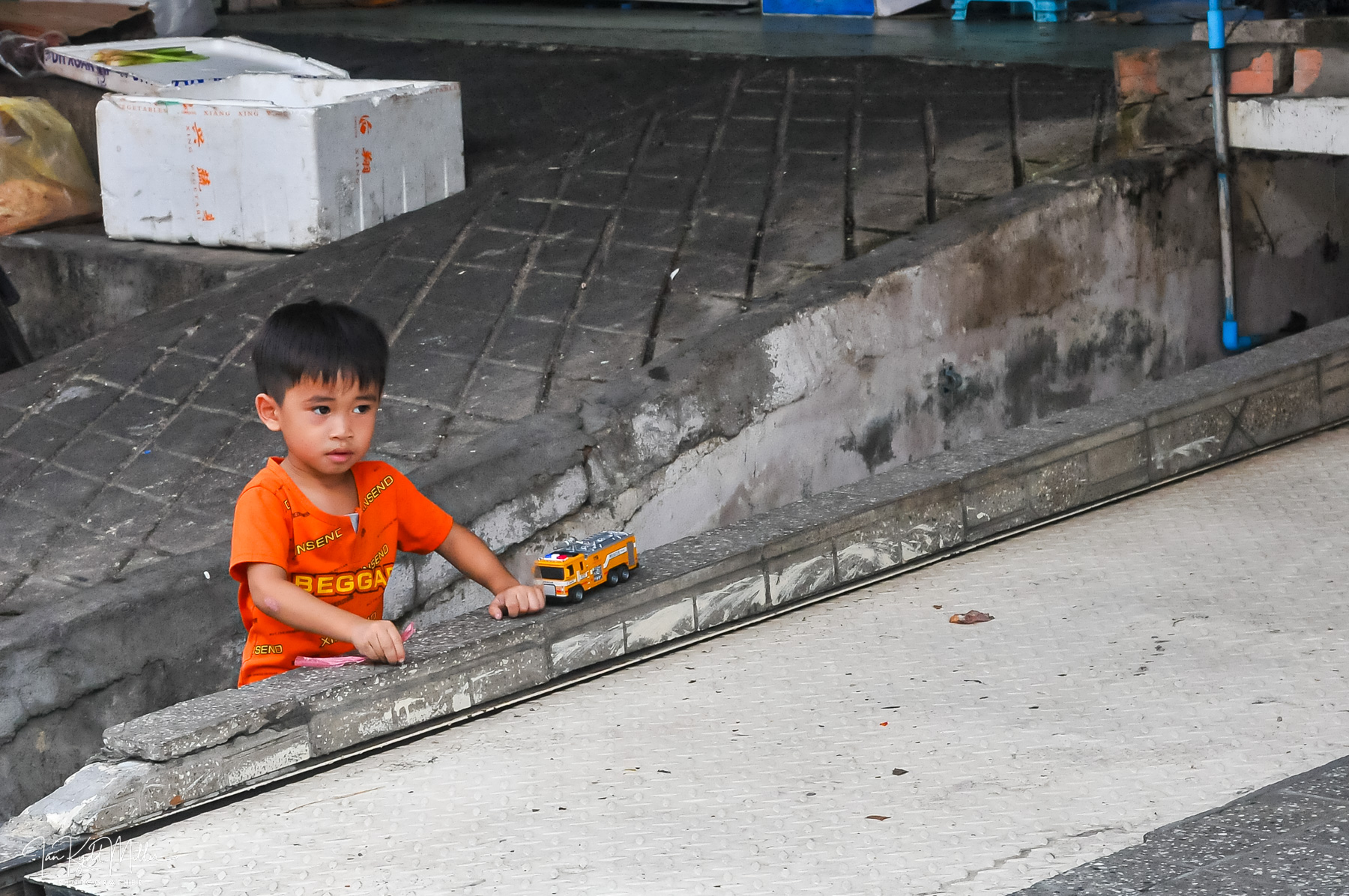
I have spent much of my life pointing cameras at strangers. Thousands of them. Some welcomed me with a smile, others with suspicion, and many never noticed me at all. They came from cities, villages, markets, railway stations, protests, festivals and forgotten back streets. Most I never spoke to. Their names were never recorded. Yet for a fraction of a second our lives intersected.

I’ve forgotten where many of the photographs were taken.
I have never forgotten the people.
When I was younger I believed photography was about finding extraordinary moments. I hunted drama. I chased gestures, conflict and spectacle. Every outing felt like a competition against myself to return with something remarkable.
Age has quietly dismantled that ambition.
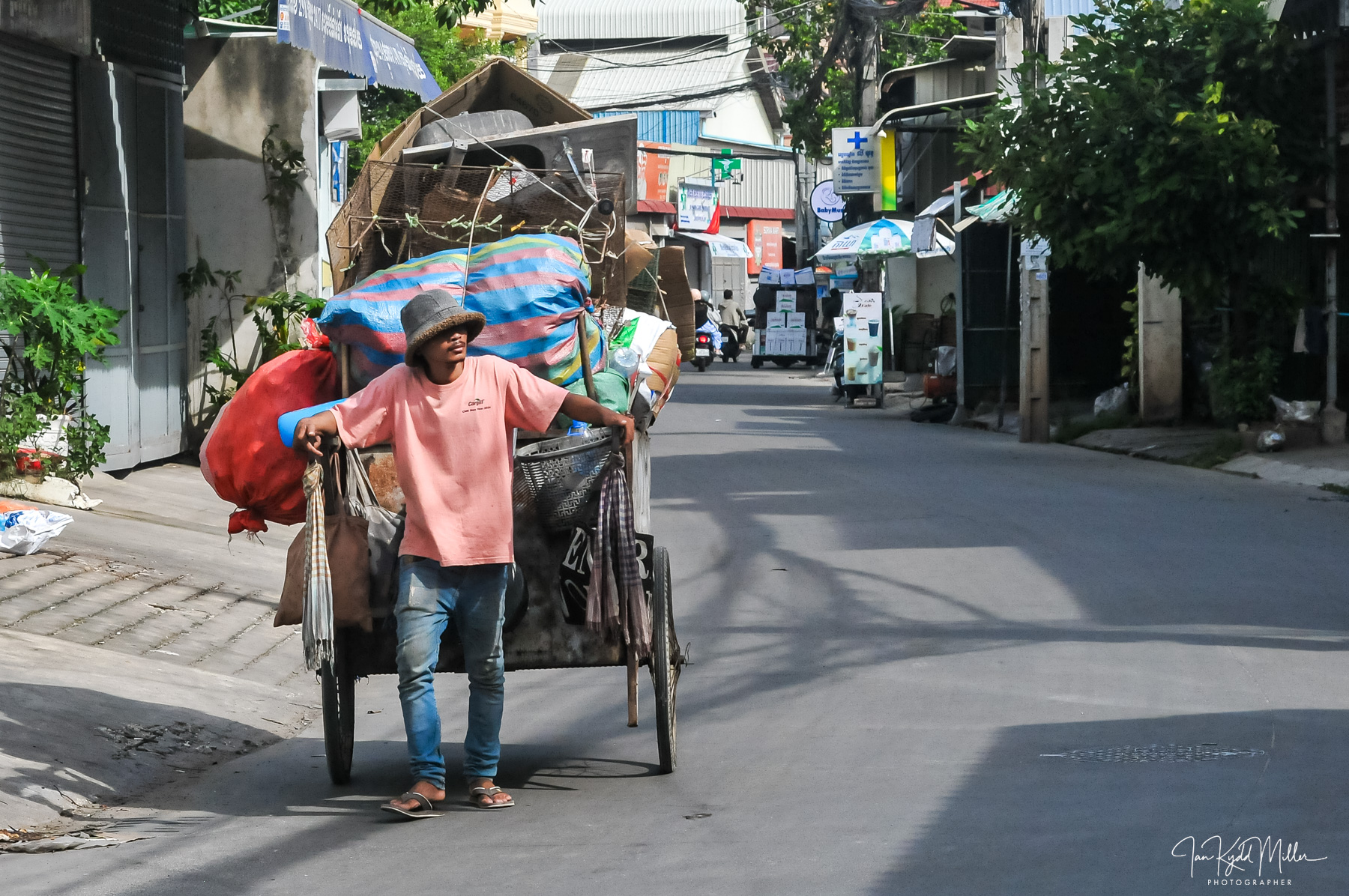
Now I find myself drawn towards the ordinary.
An old woman sitting outside her home with nothing to do except watch the world pass.
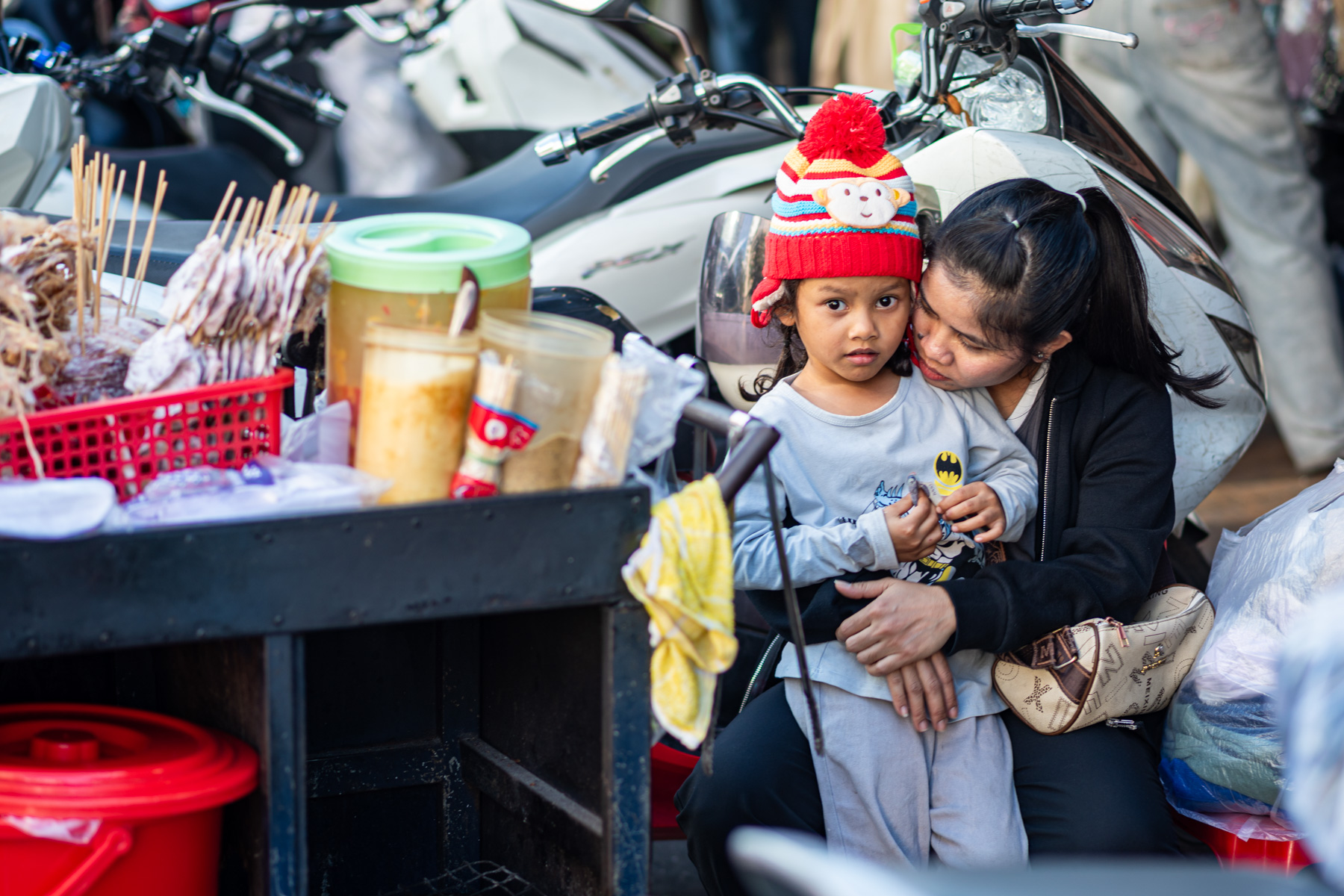
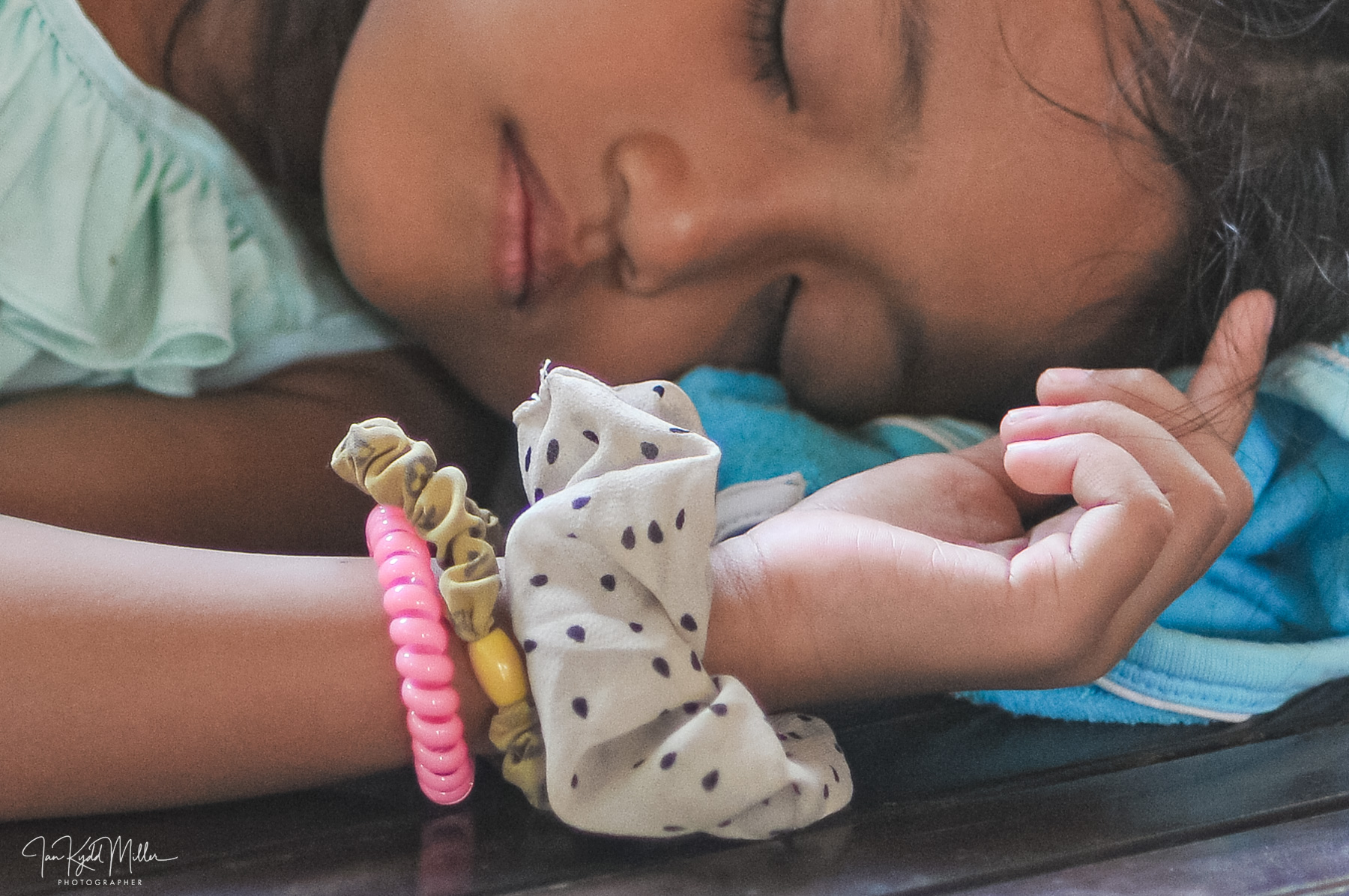
A young father carrying a sleeping child through the evening traffic.
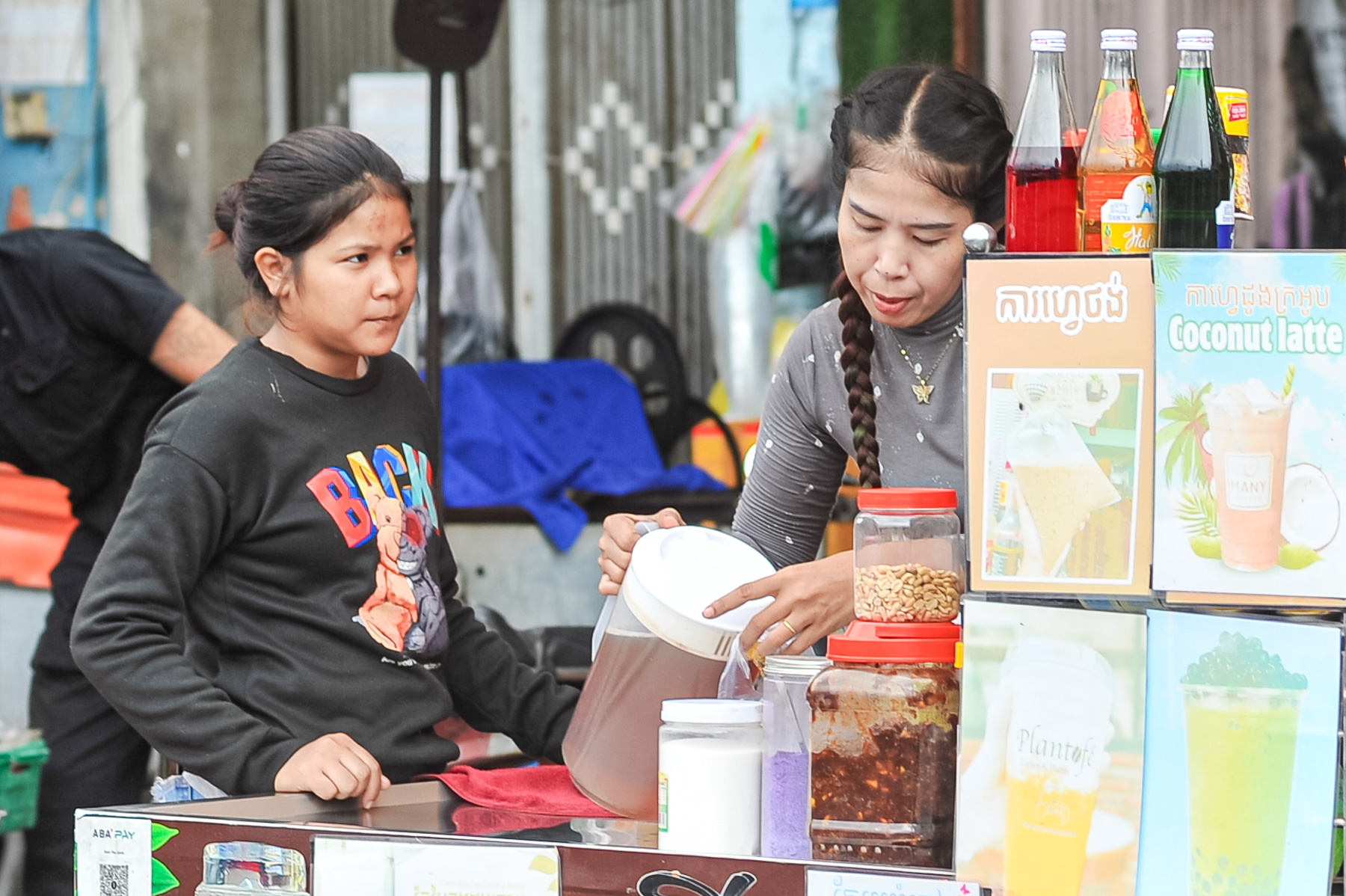
Two friends laughing over cheap coffee.
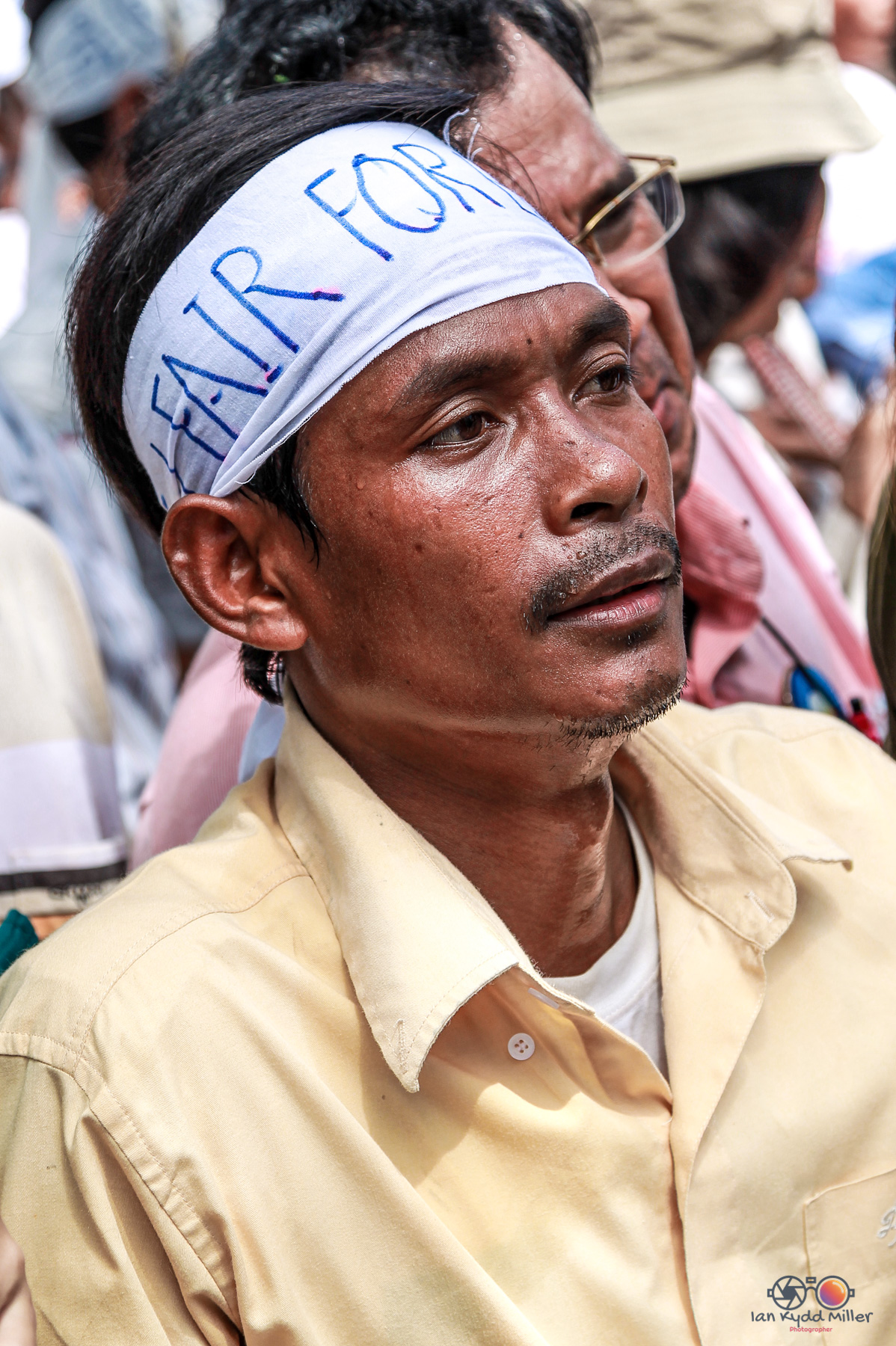
A man staring into the middle distance as though replaying an argument only he can hear.
Nothing remarkable. Everything remarkable.
I’ve learned that ordinary life is where humanity hides.
We live in an age that rewards noise. Social media encourages photographers to search constantly for the spectacular, the outrageous and the emotionally obvious. Every image seems expected to shout for attention before the viewer scrolls on.
But real life rarely shouts. Most of it whispers.
Photography, at least the kind that has kept me interested all these years, has become an exercise in listening to those whispers.
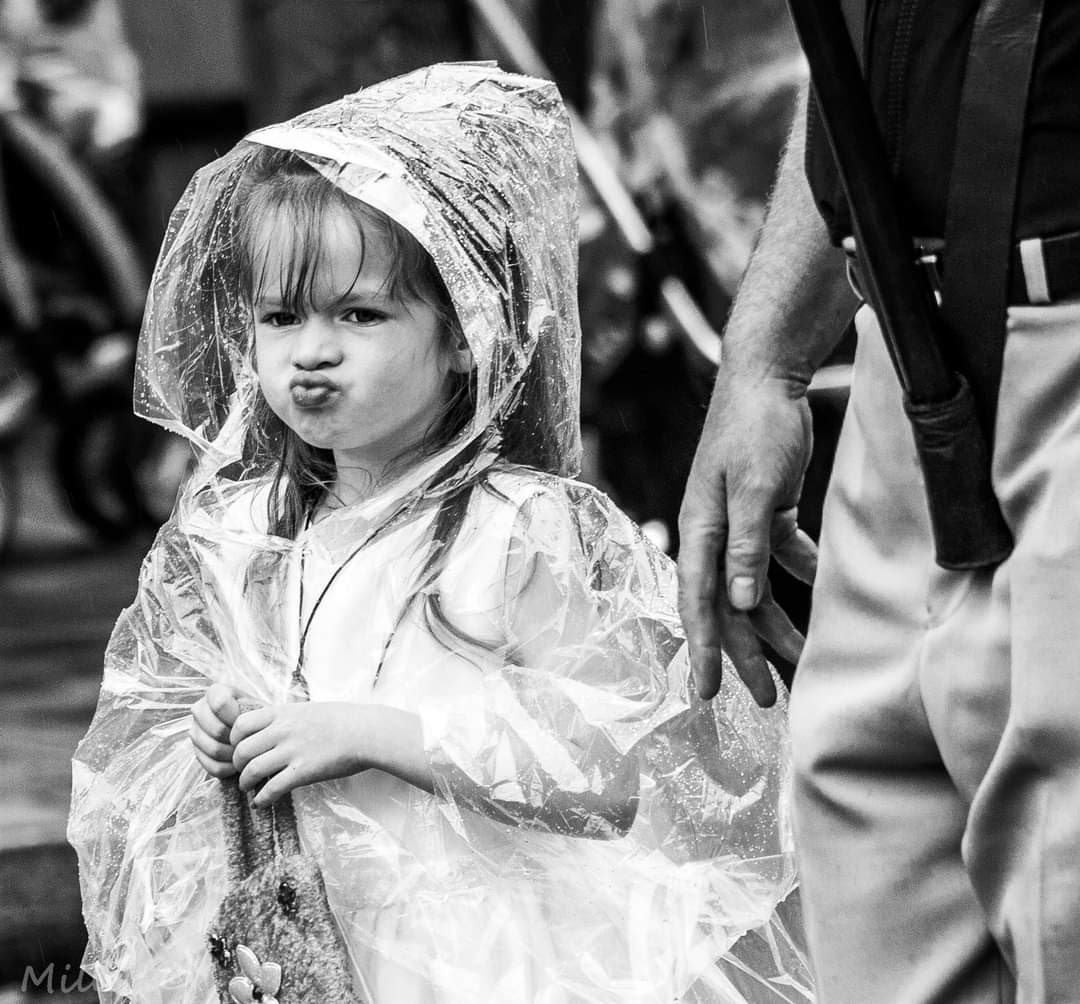
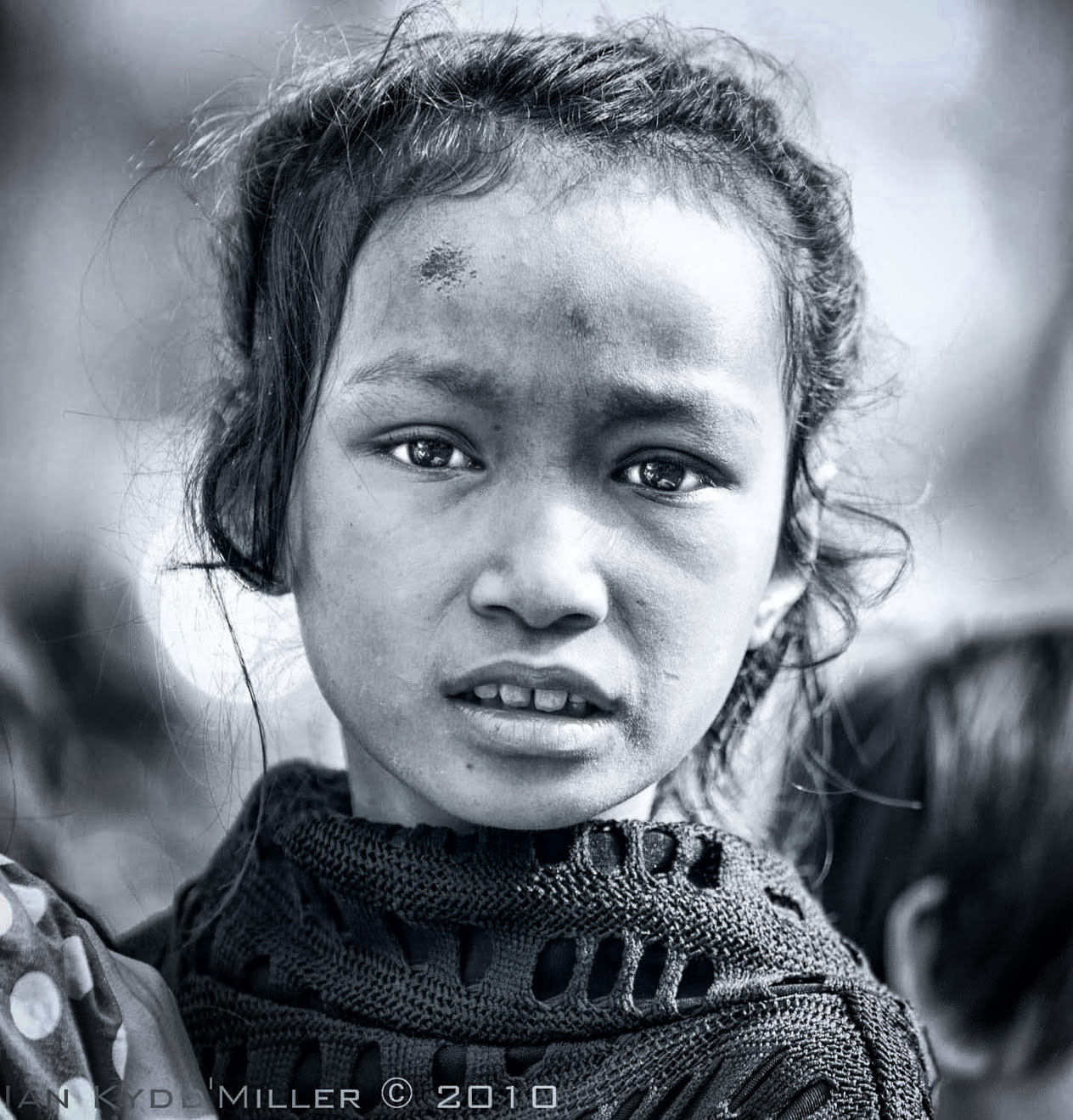
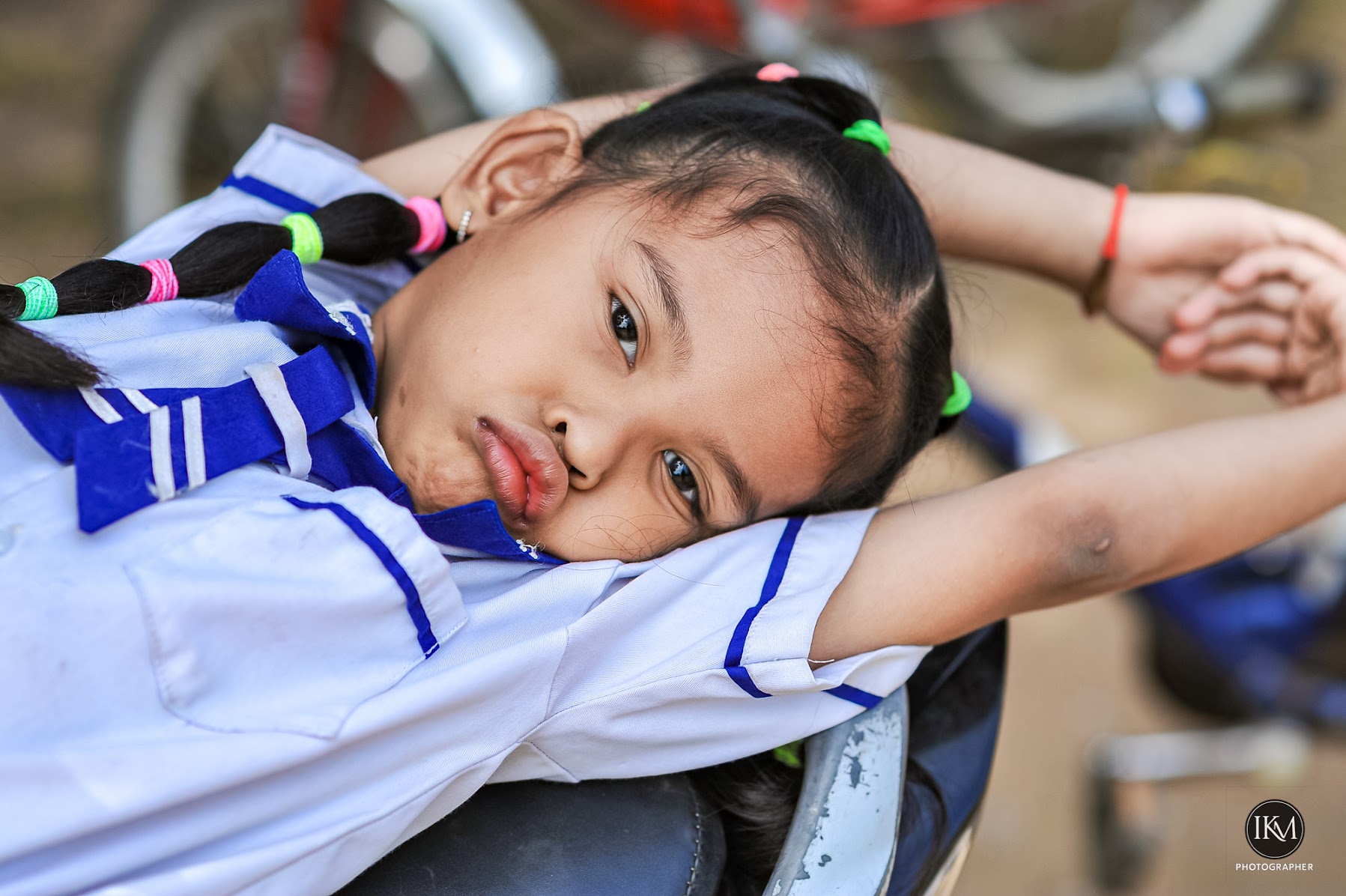
Faces tell stories that words rarely manage.
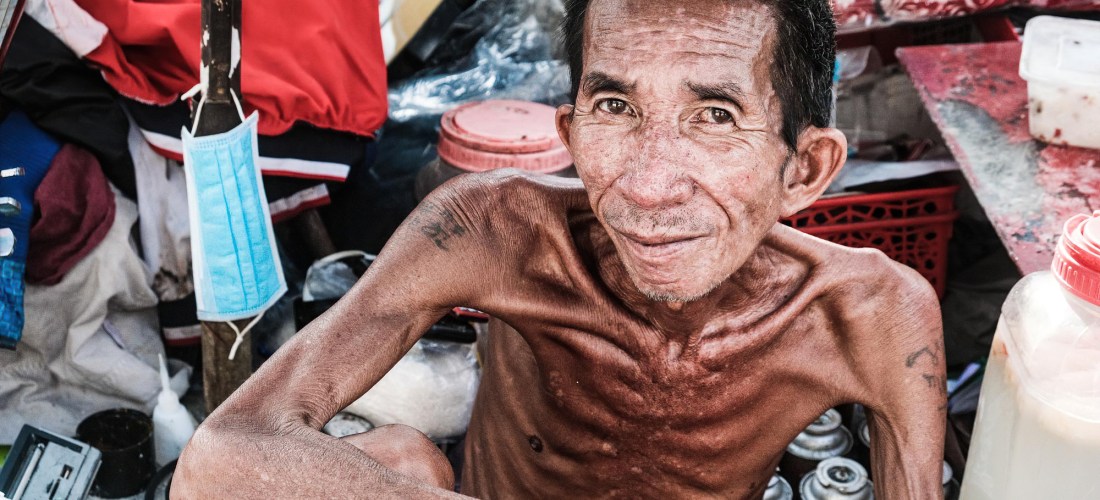
A wrinkle isn’t simply a wrinkle. It is worry, laughter, illness, endurance, disappointment and survival folded into skin.
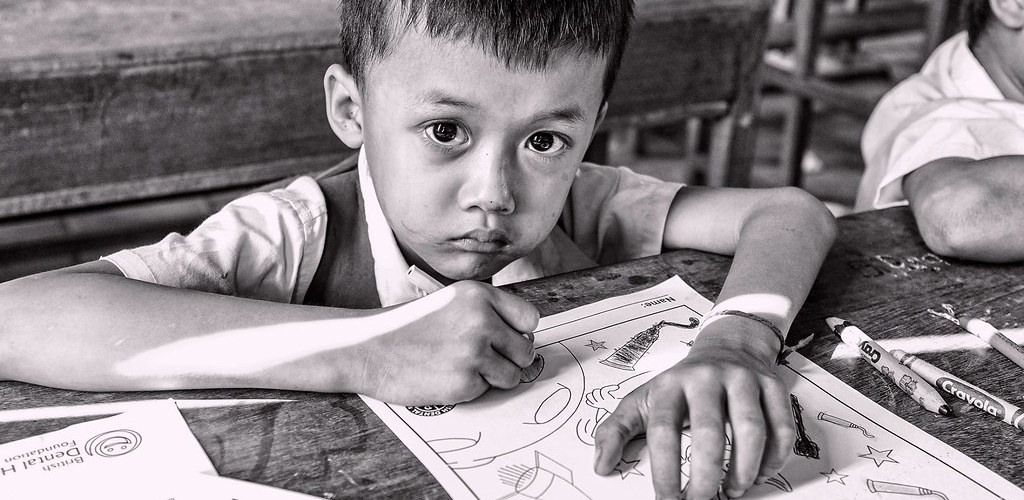
The eyes remain the most honest part of the human face. They reveal exhaustion before the mouth admits it. They betray affection before words are spoken. They carry memories that cameras can never fully understand but occasionally, just occasionally, they allow us to glimpse.
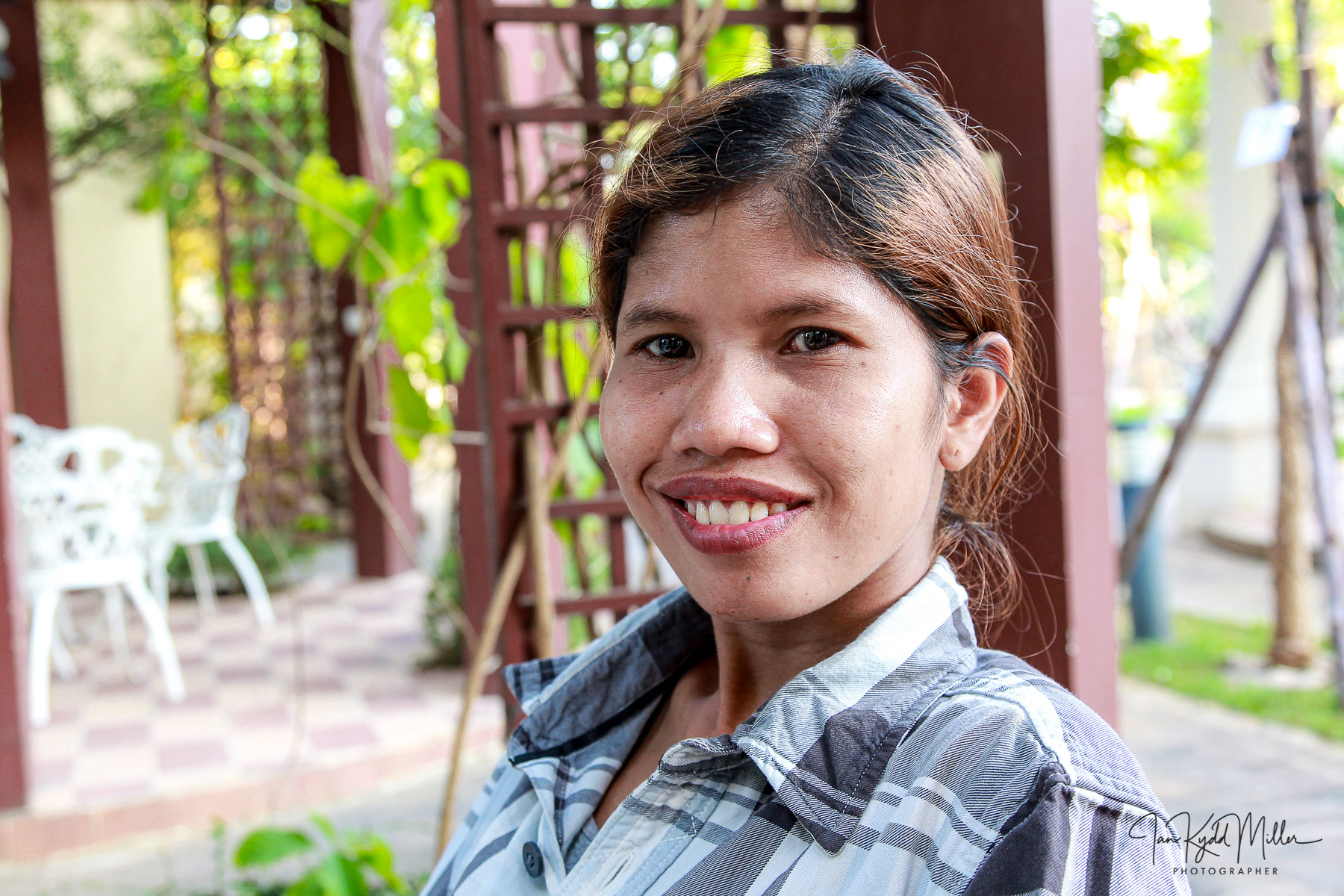
That possibility is enough to keep me photographing people.
There is another lesson that only time seems able to teach.
The camera does not grant us permission to judge.
Street photographers often pride themselves on observation, but observation without empathy is little more than surveillance.
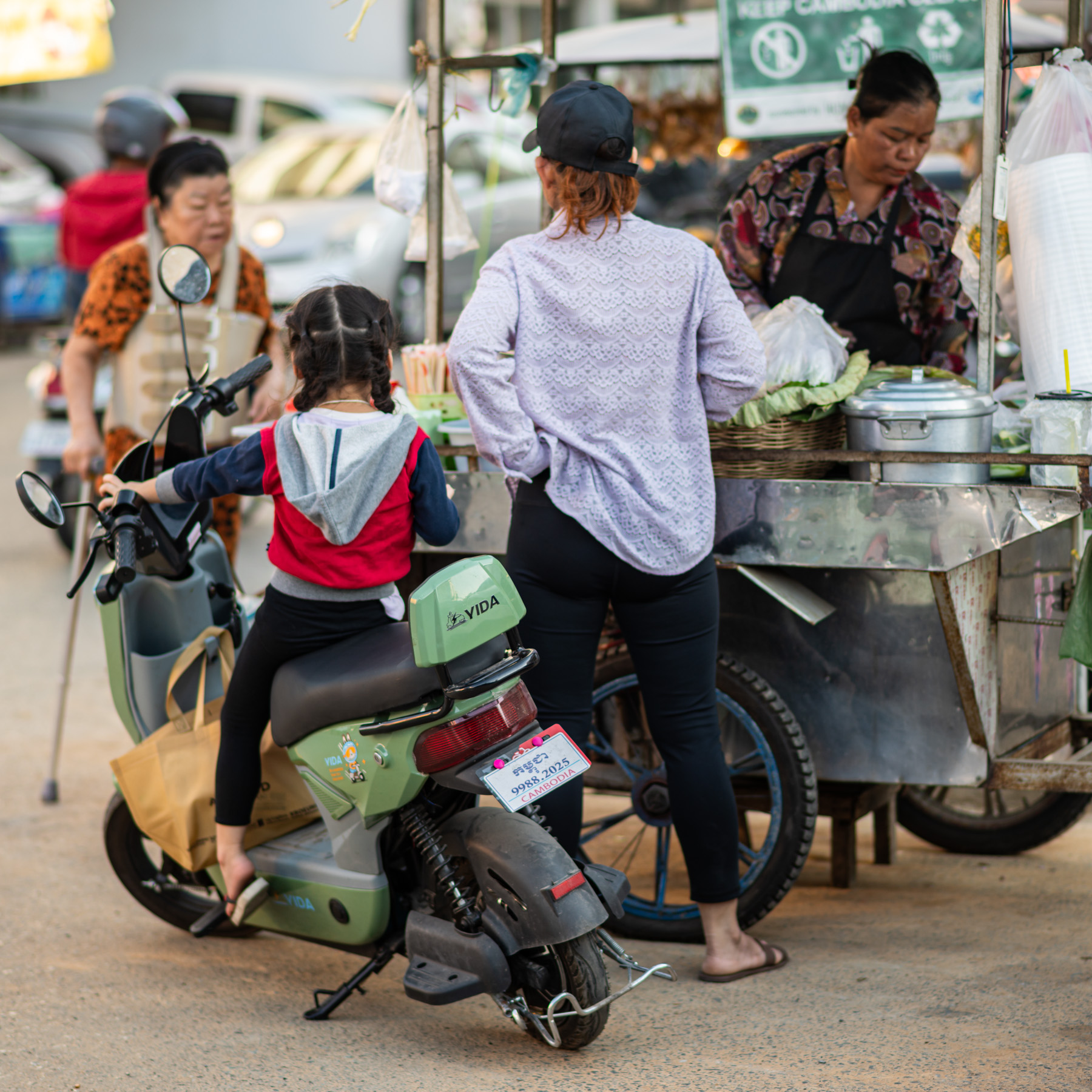
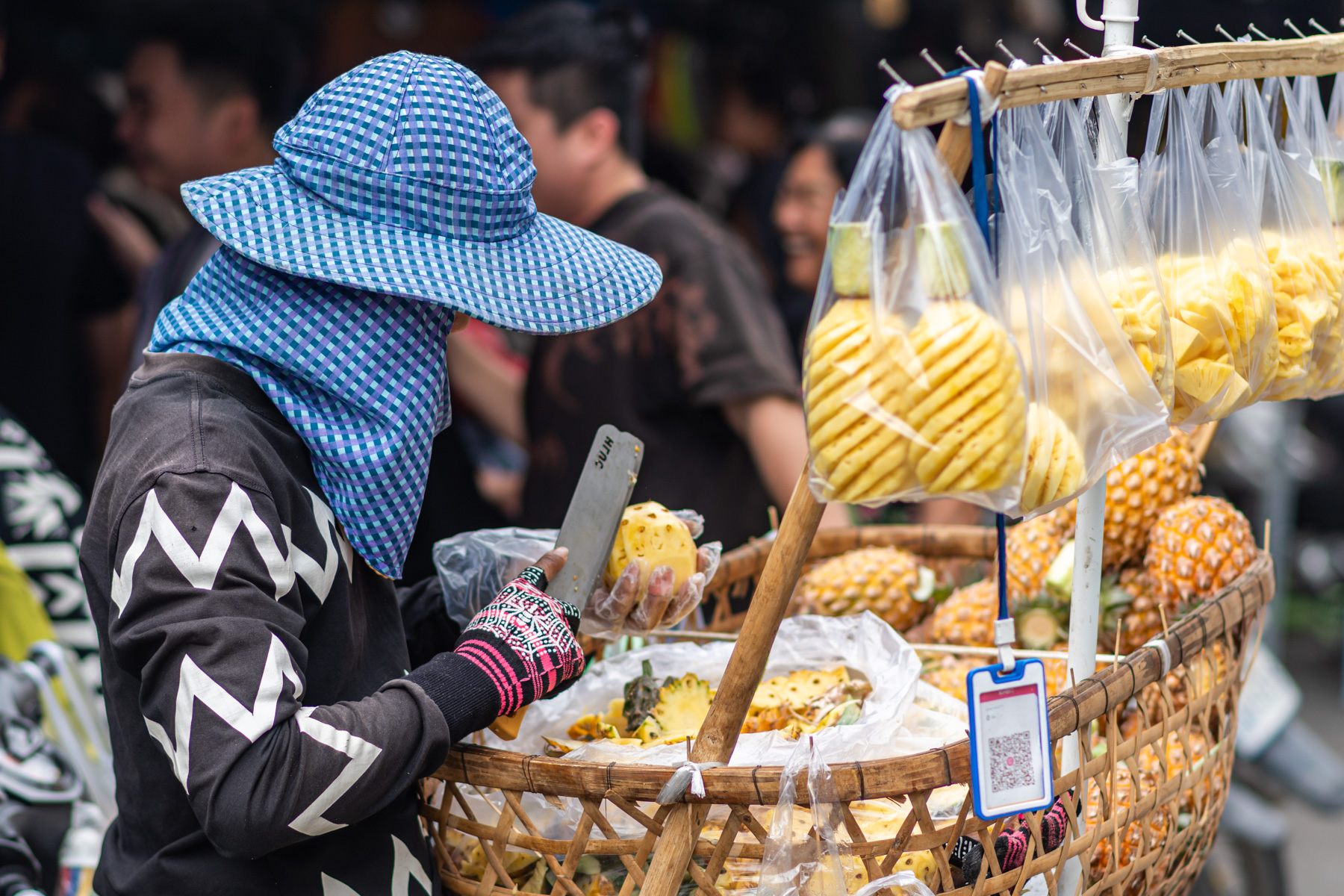
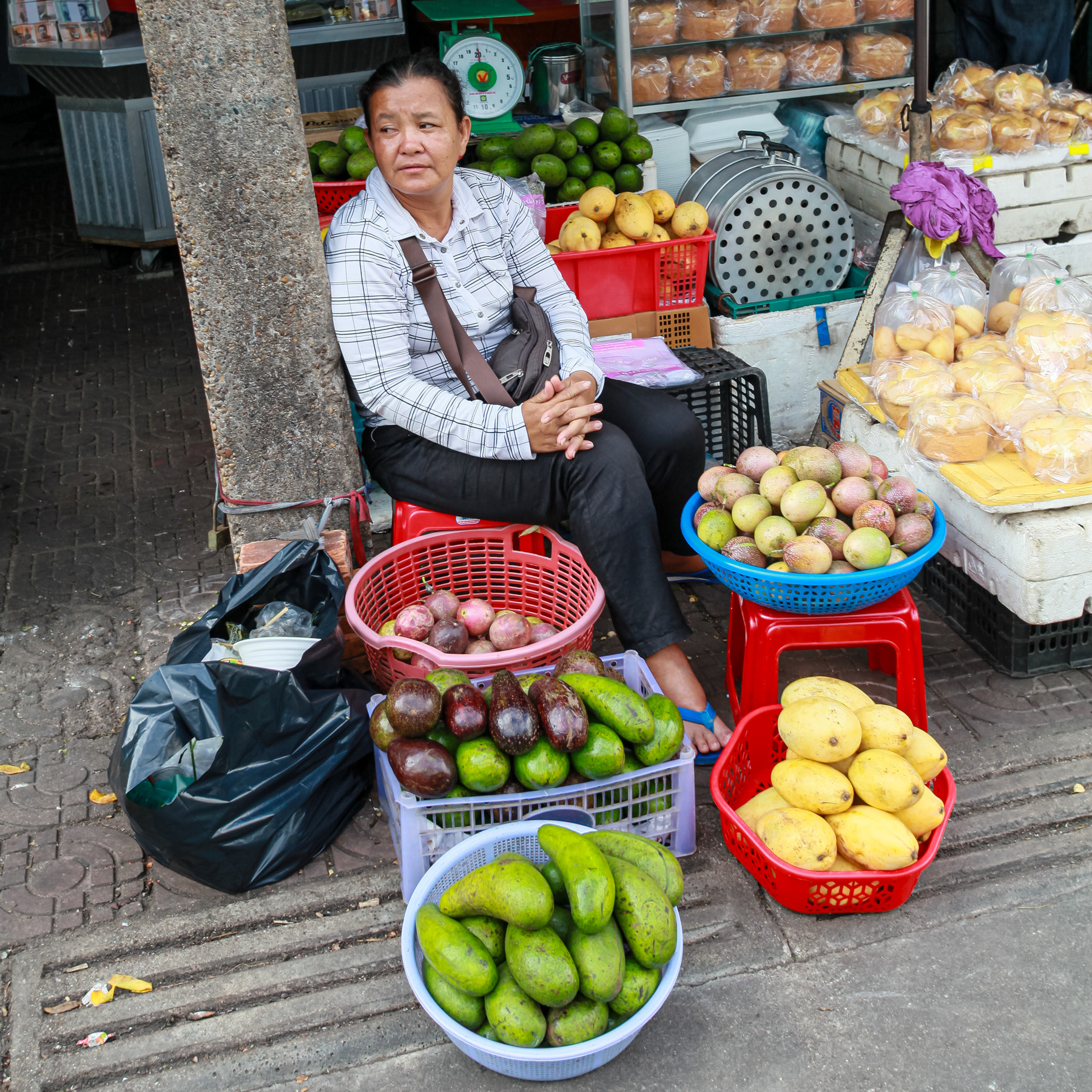
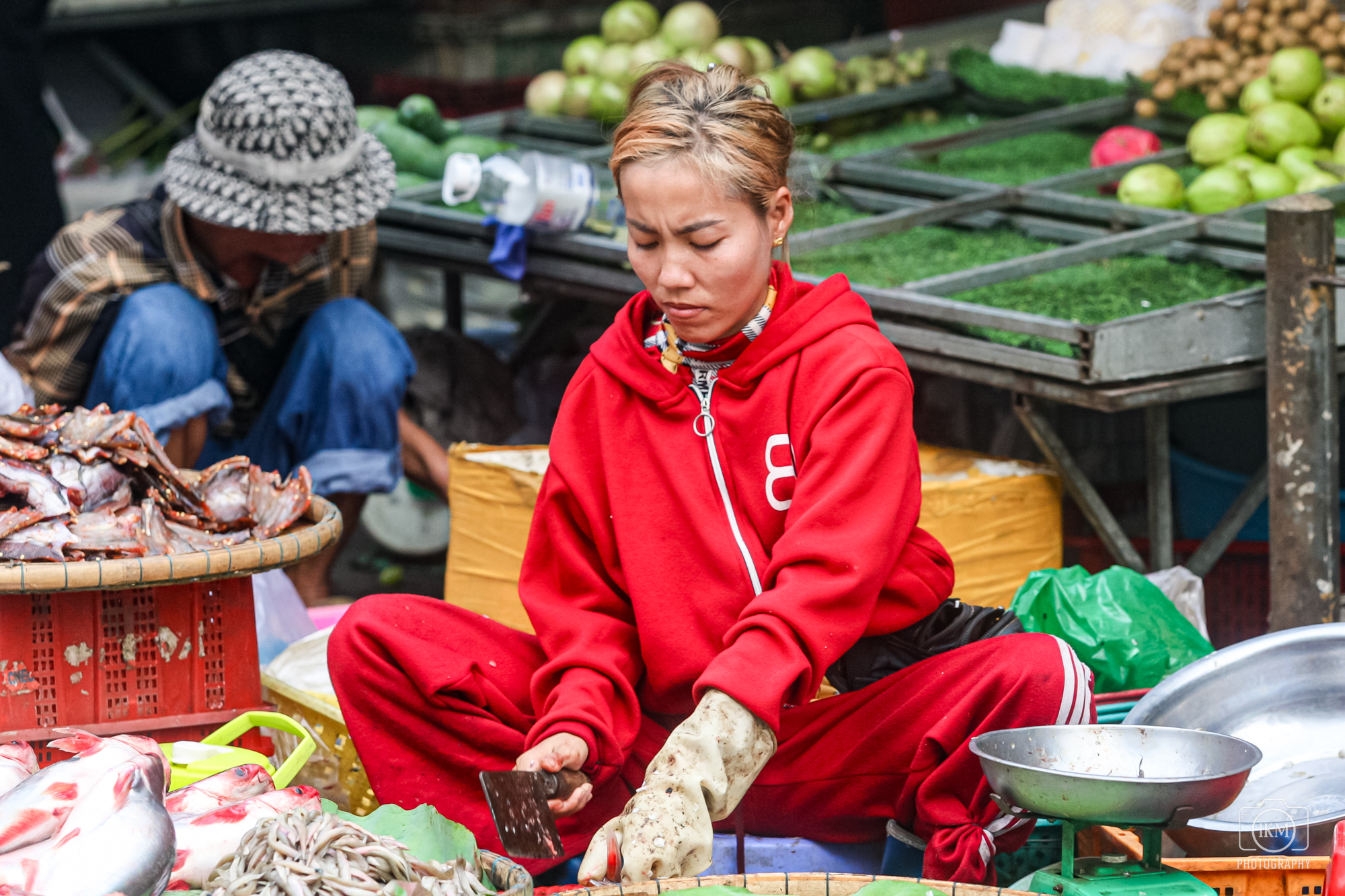
The tired woman serving food from a roadside stall may have been awake since before dawn.
The man whose face appears hard and unfriendly may have spent the morning in hospital.
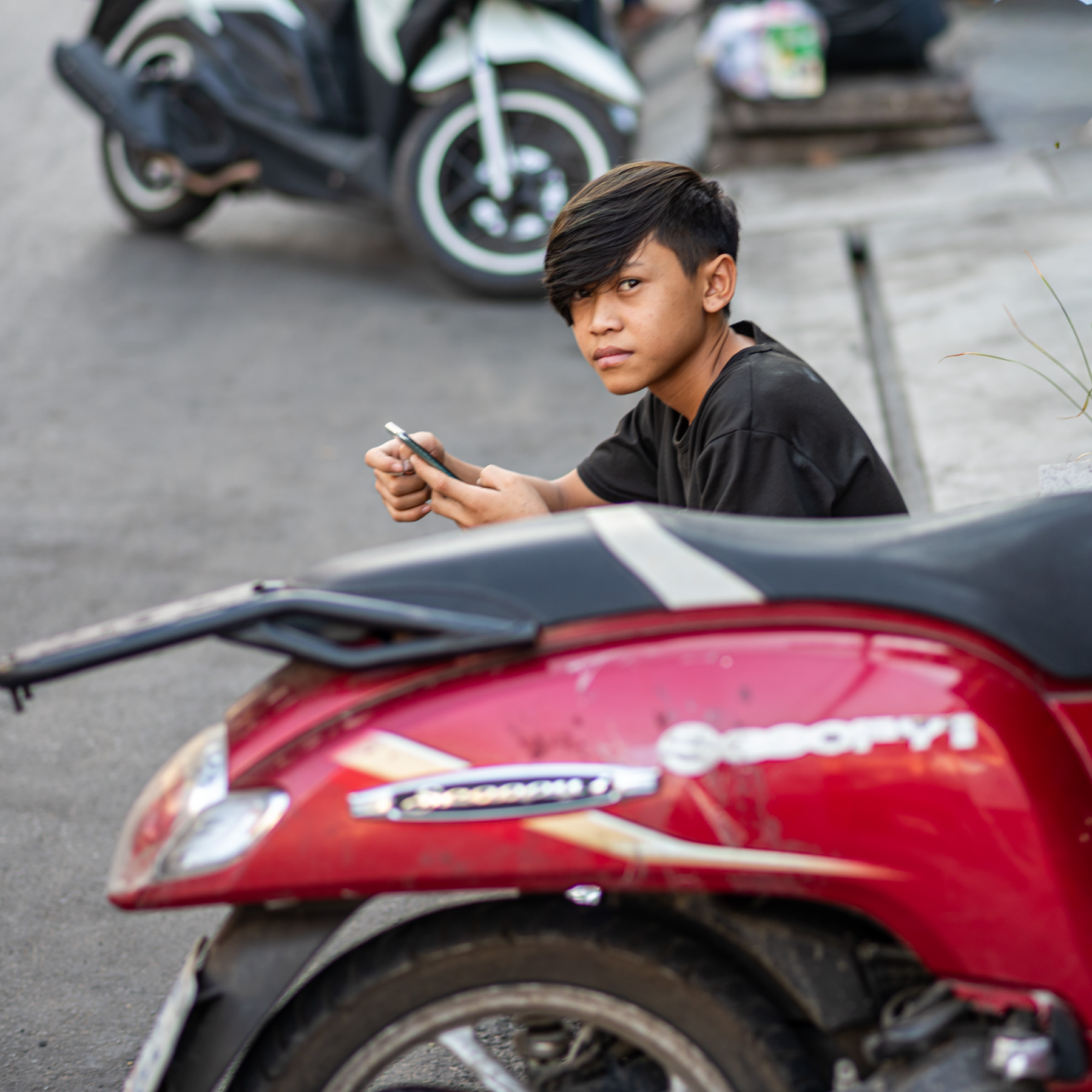
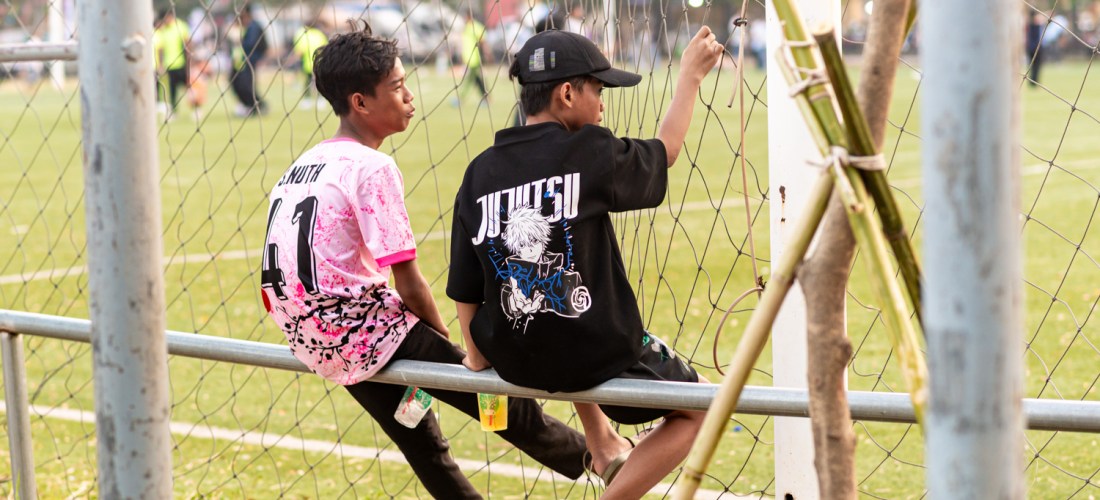
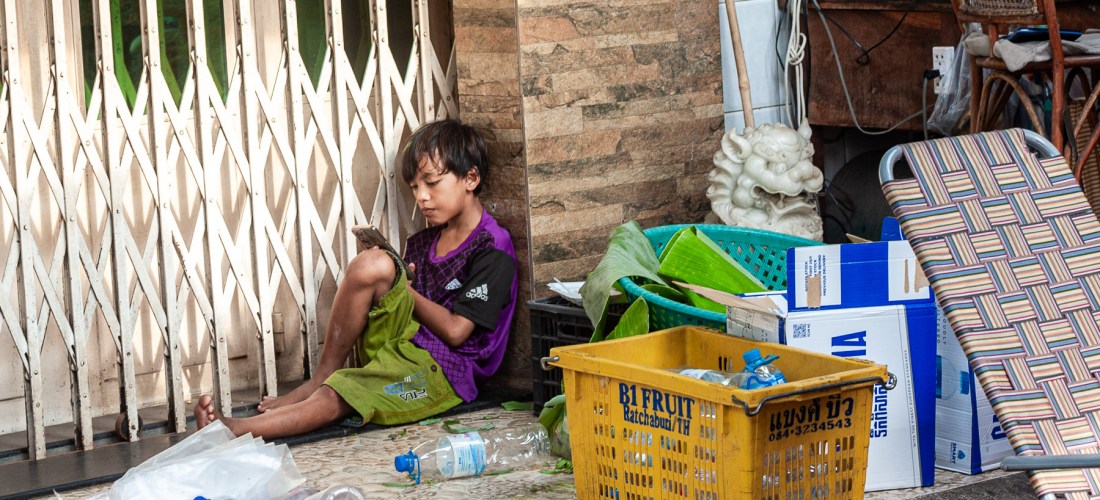
The teenager glued to her phone may be saying goodbye to someone she loves.
The photograph records appearance. It never records the whole truth.
The older I become, the more cautious I am about believing my own photographs.
A single frame is an honest lie. It shows what existed for a fraction of a second while hiding everything that came before and everything that followed. Good photographers understand this. Great photographers never forget it.
Perhaps that is why I now spend more time waiting than shooting. Waiting costs nothing.
It allows people to become themselves again after they notice your presence. It allows life to settle back into its natural rhythm. Patience has become more valuable than shutter speed.
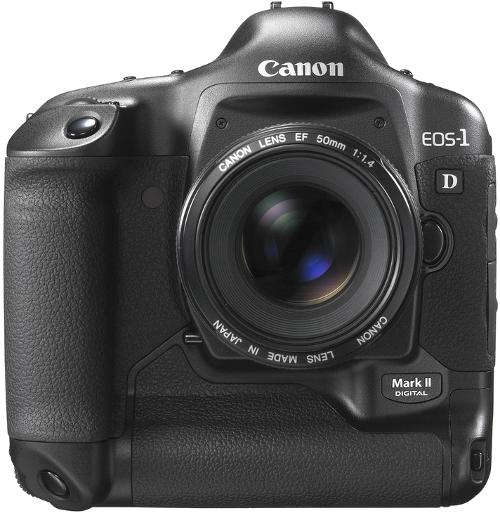
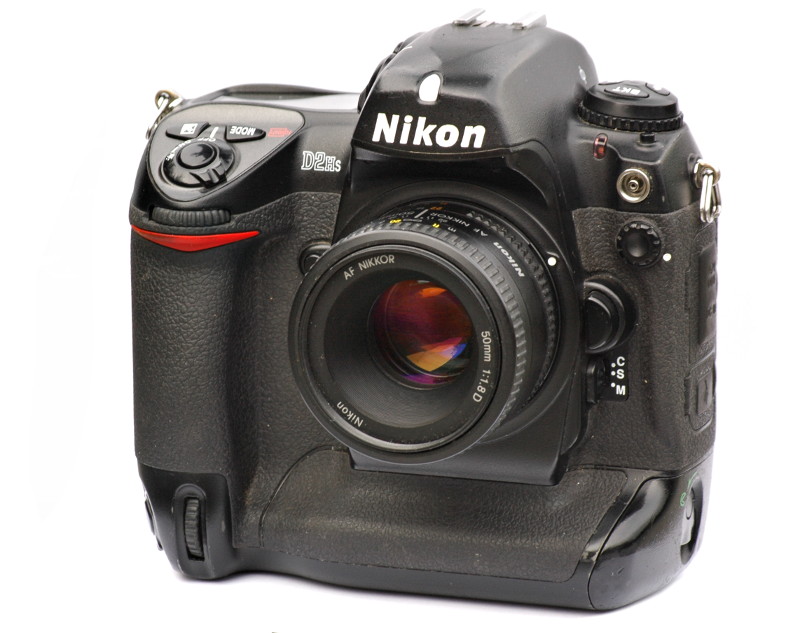
People sometimes ask what kind of camera I use. The answer matters less every year.
What matters is curiosity. If you stop being curious about people, no camera in the world will save your photography.
Because the real subject has never been architecture, light or composition.
It has always been human nature.
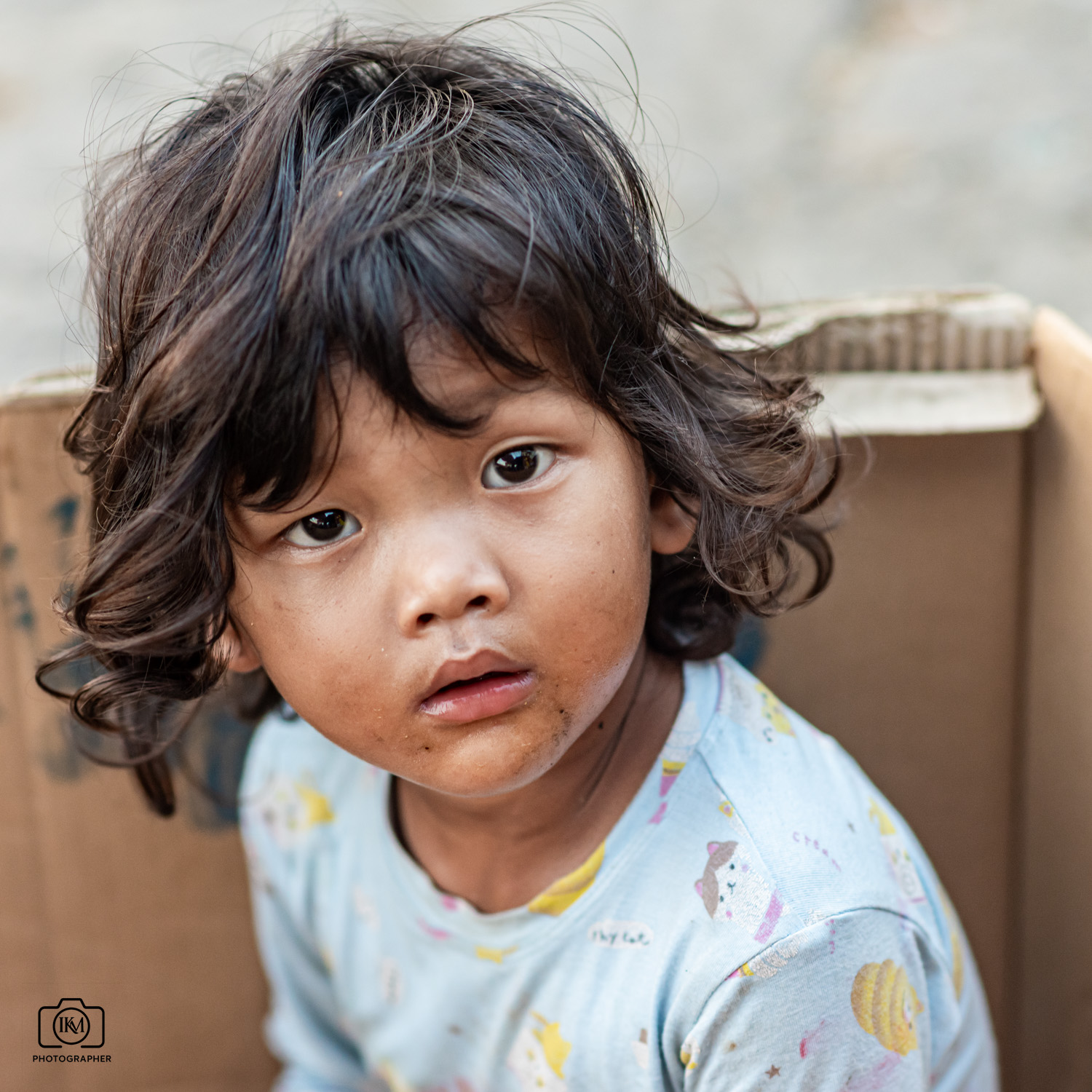
Photography has given me something I never expected.
It has made me slower to judge strangers.
More willing to wonder.
More interested in questions than answers.
That may be the greatest gift the camera has ever offered me.
One day these faces will disappear.
So will mine.
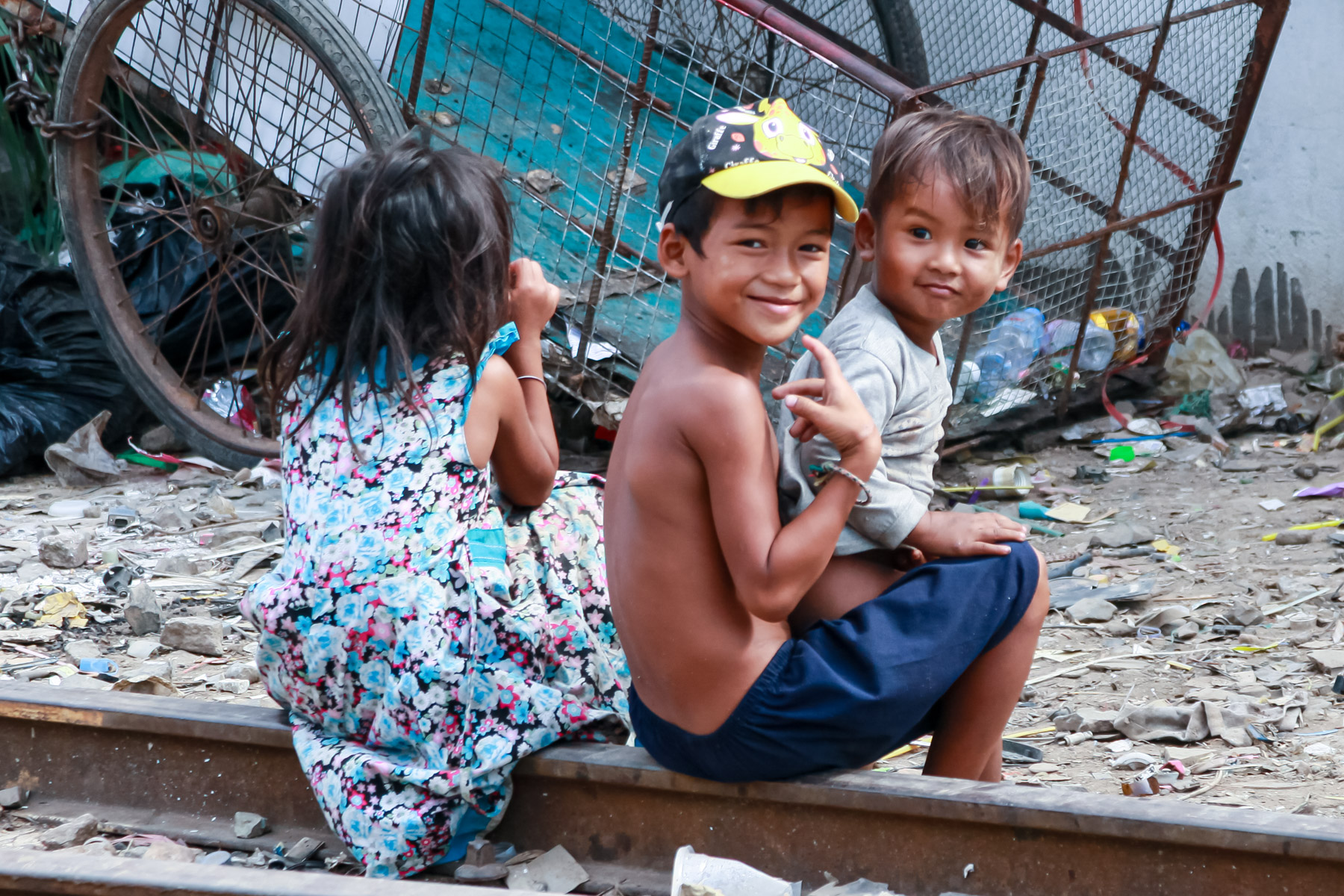
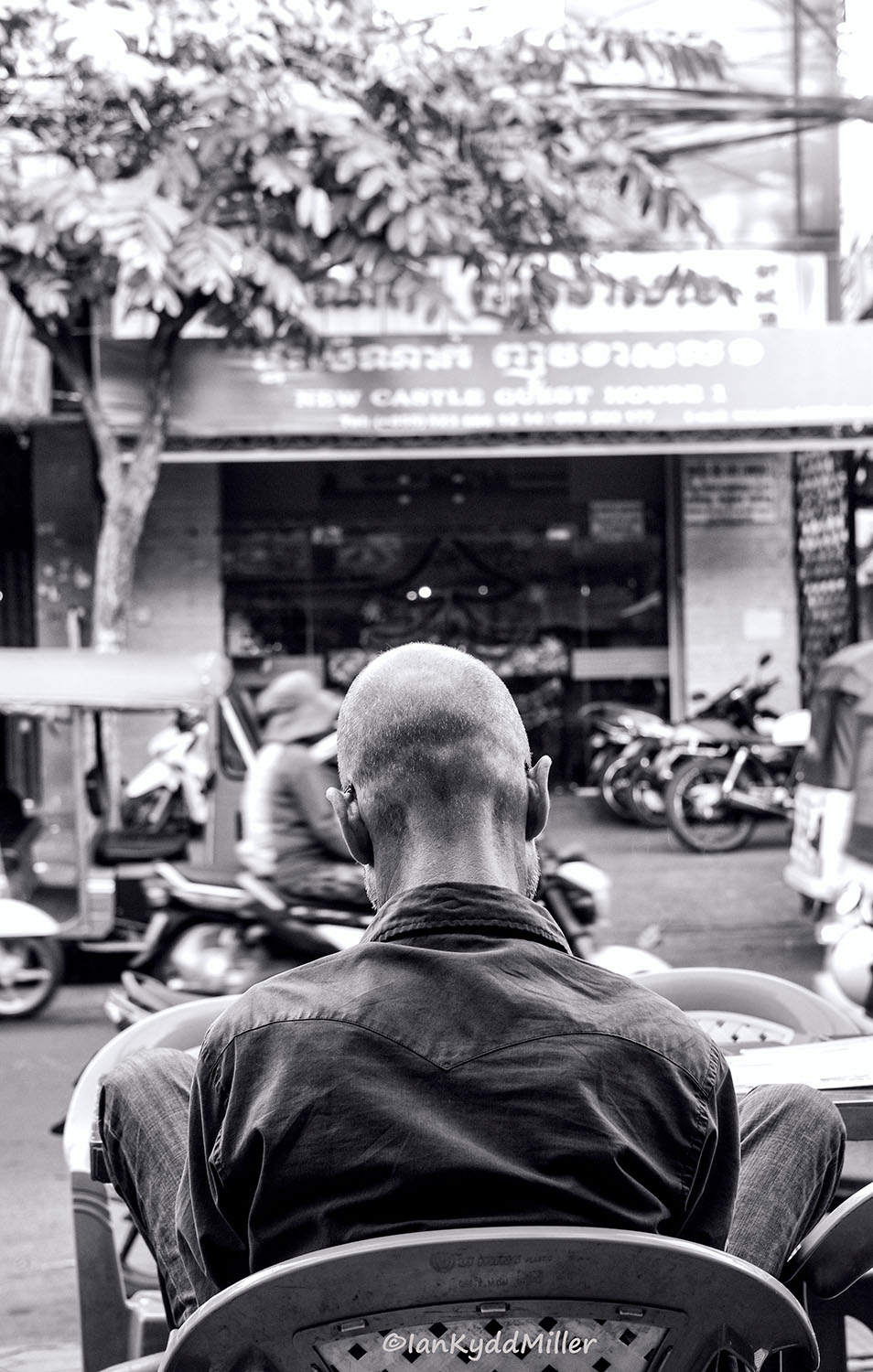
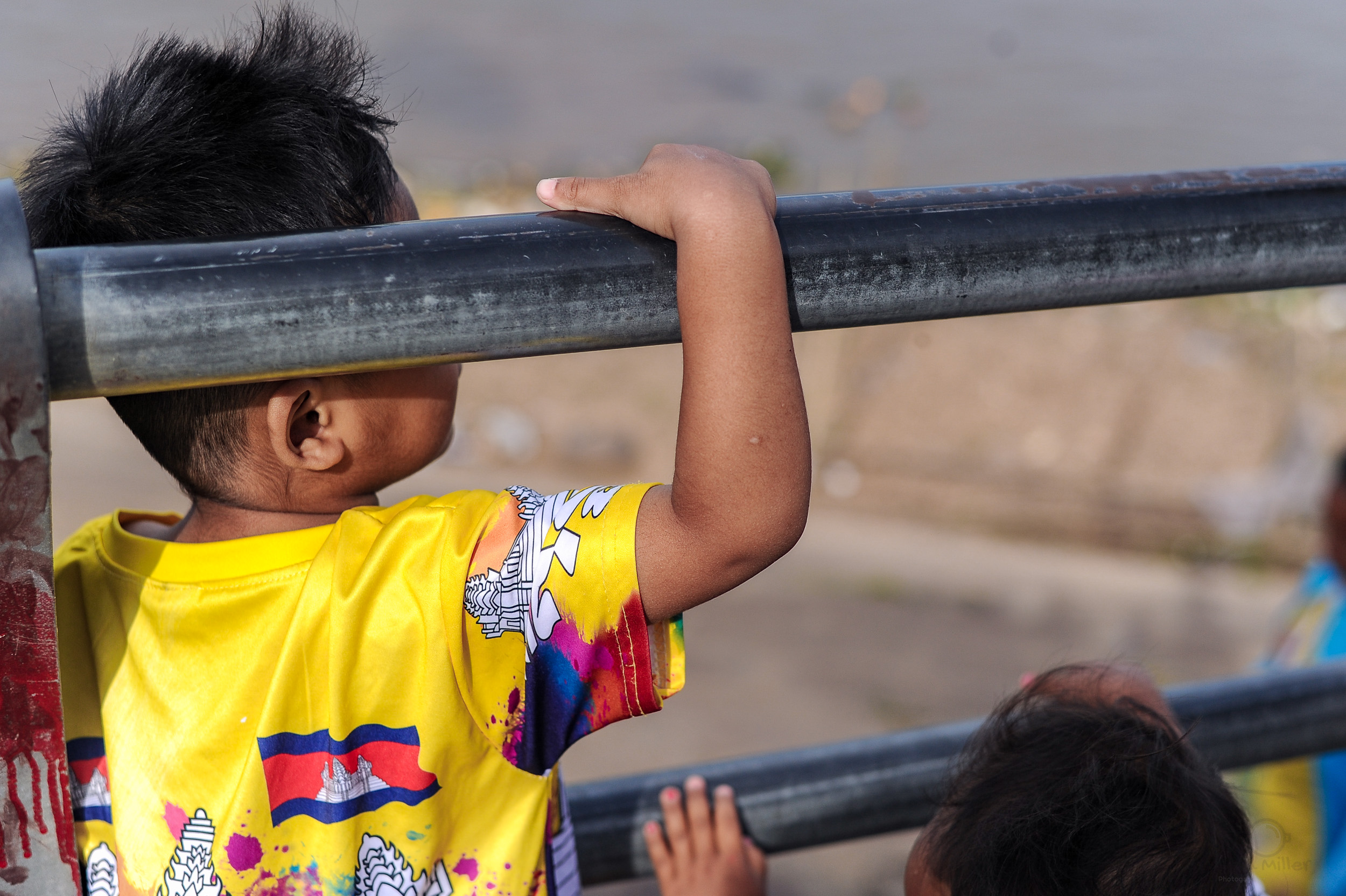
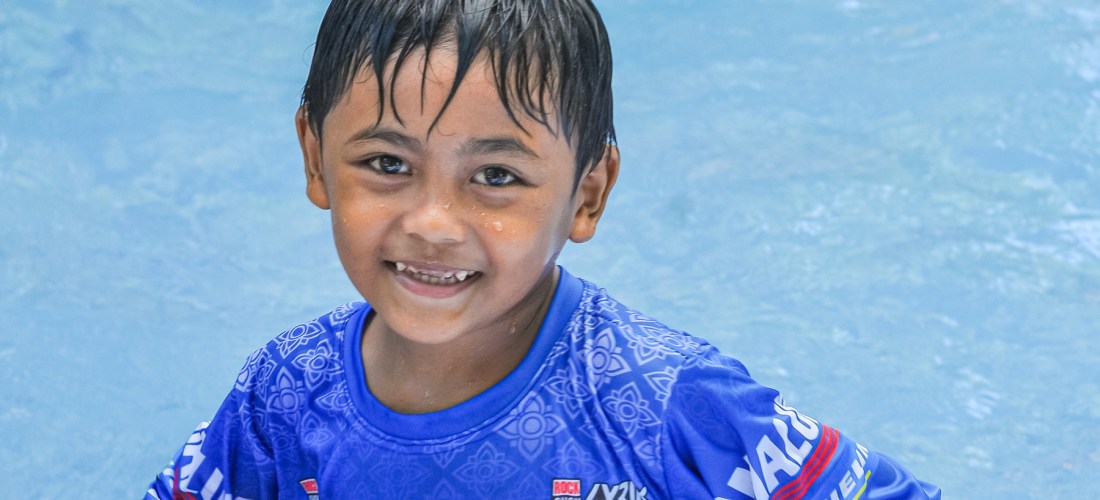
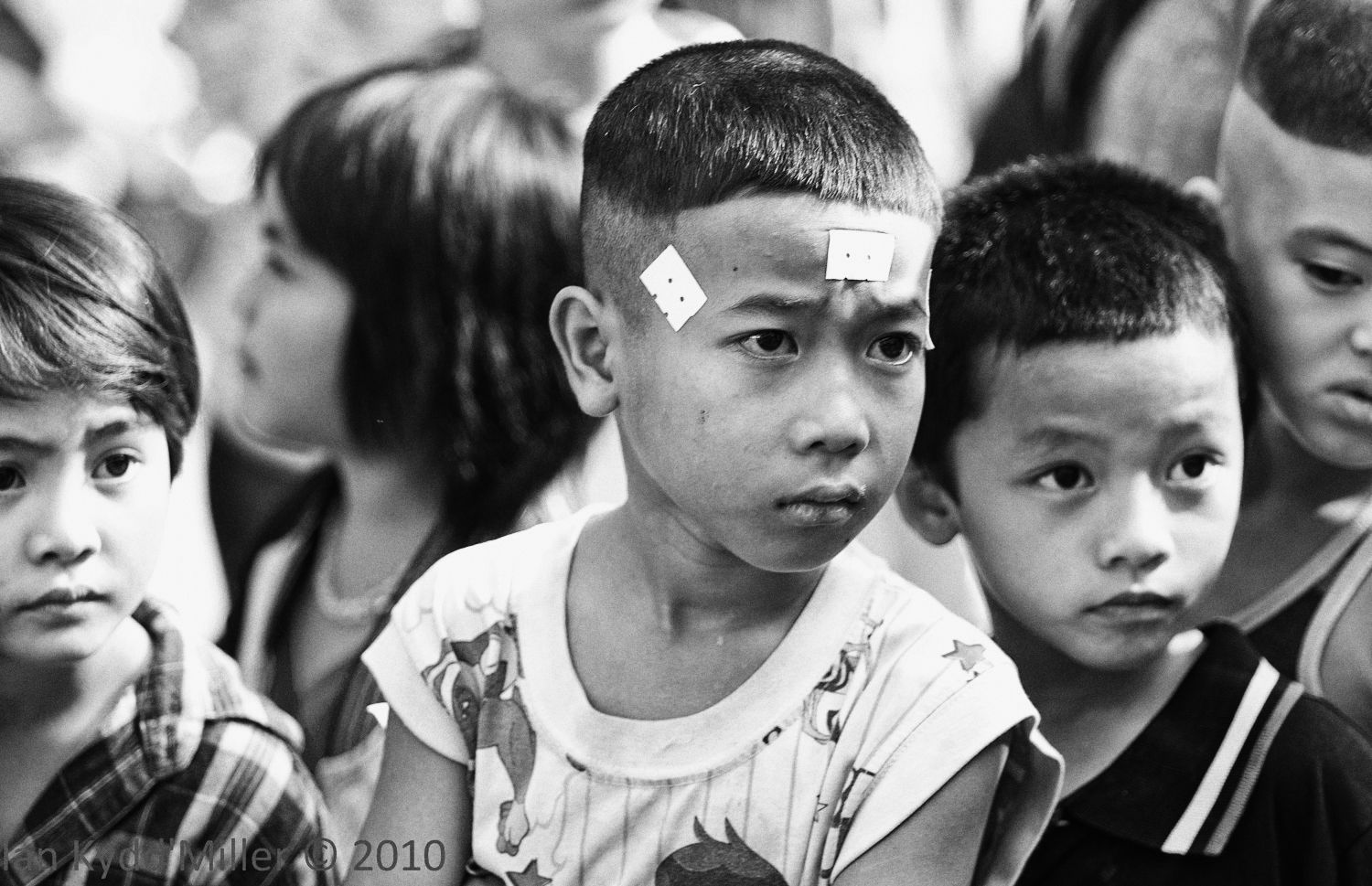
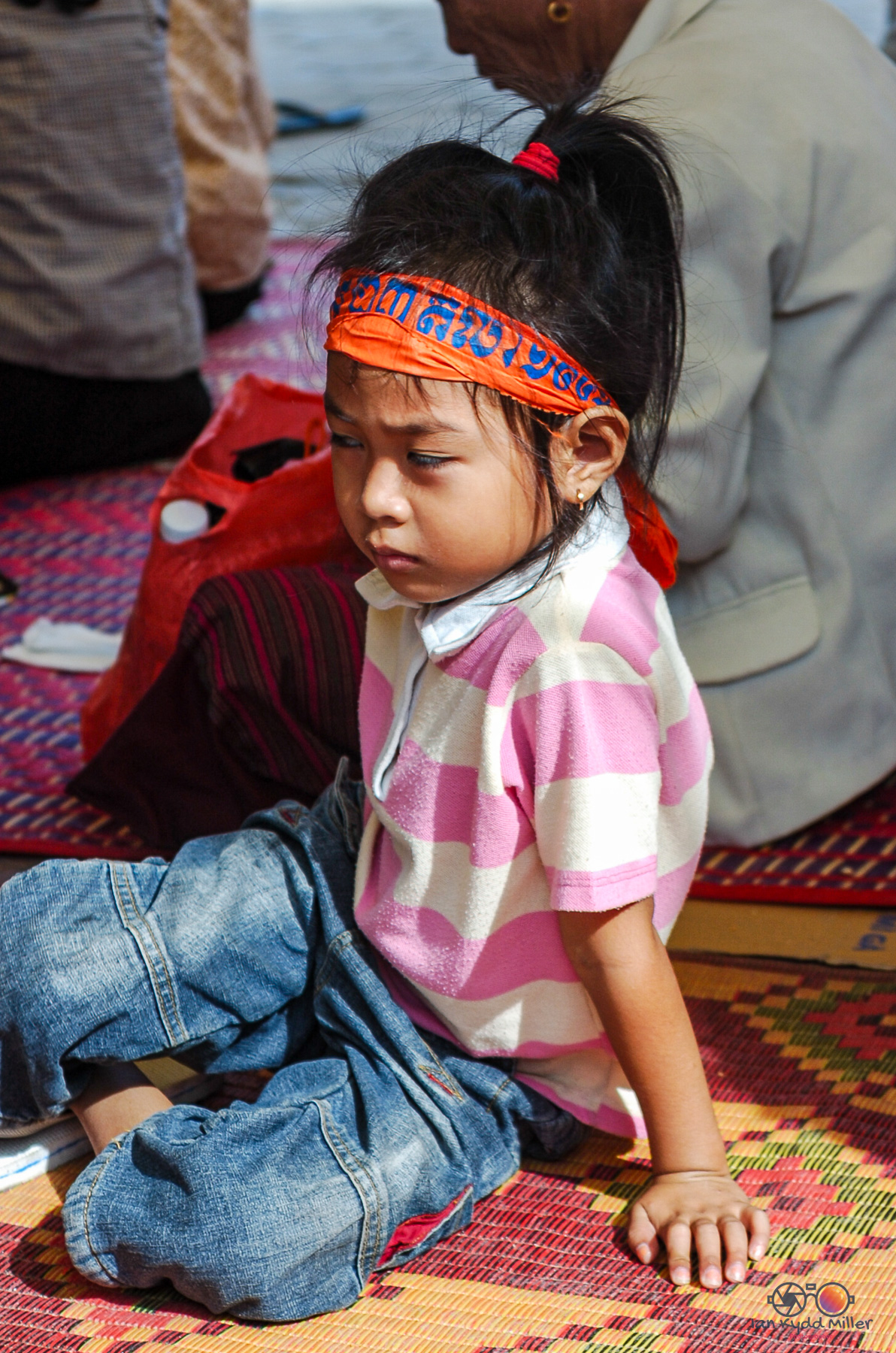
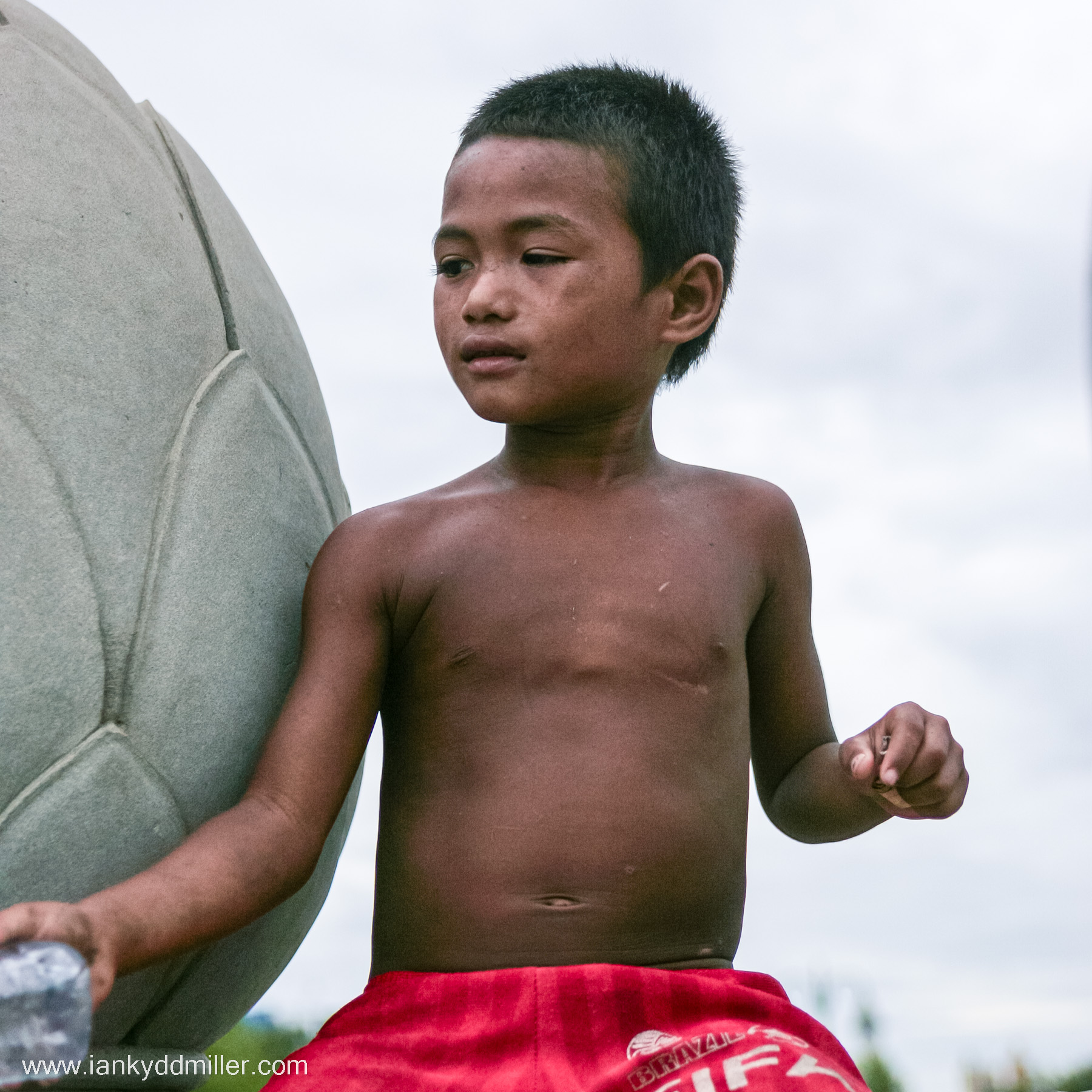
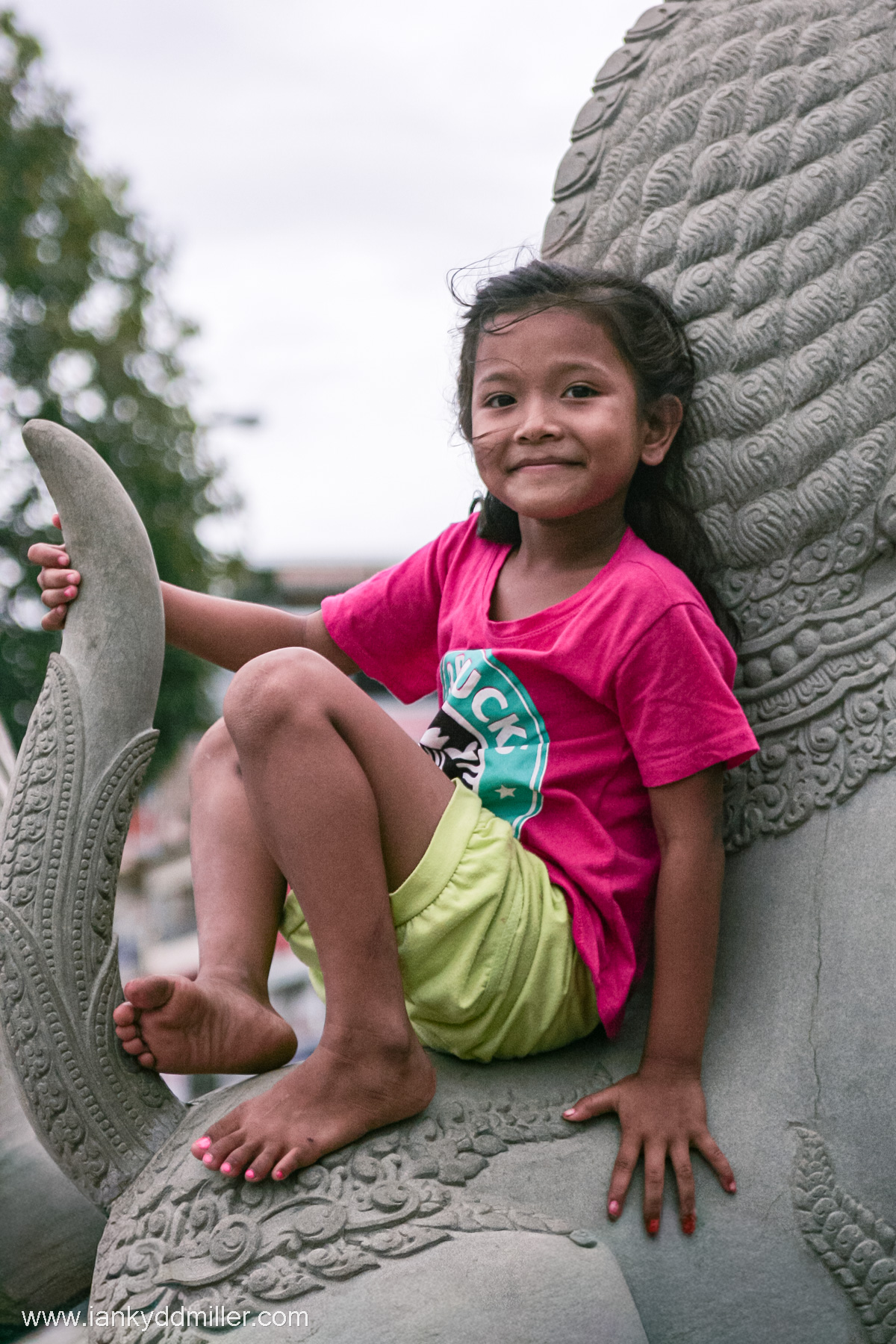
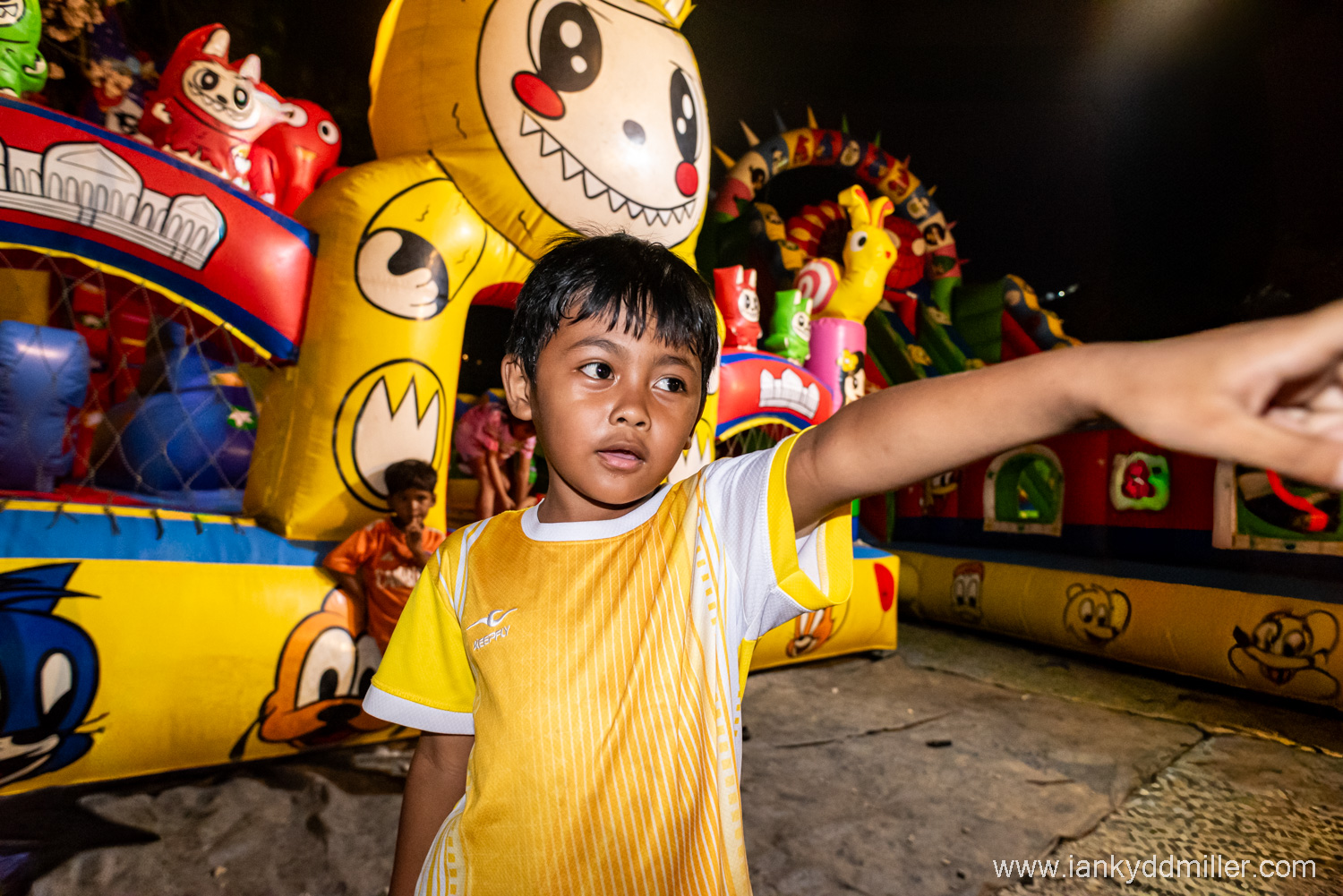
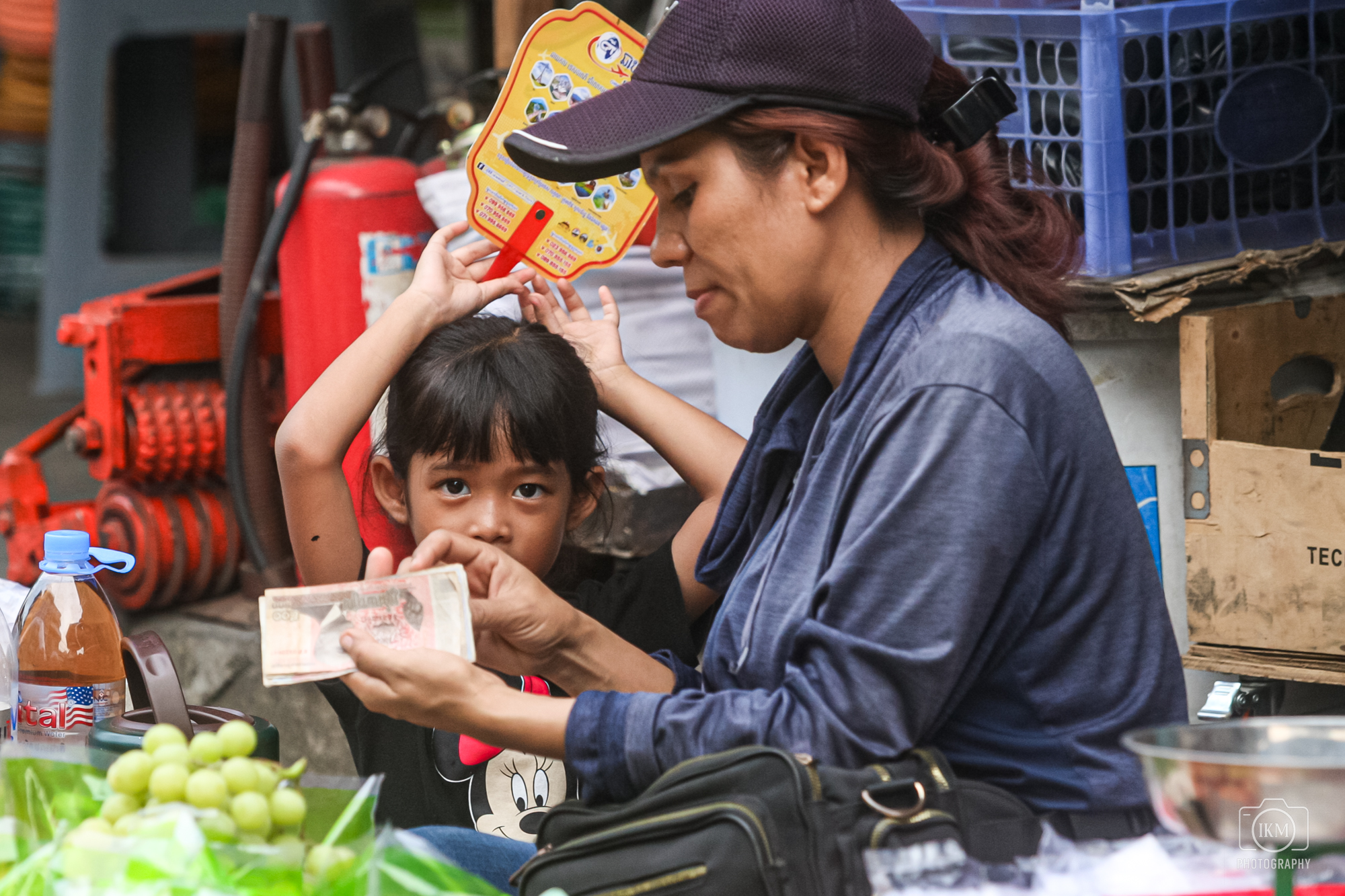
The children whose portraits I made will become grandparents. The market seller will close her stall for the last time. The old man sitting quietly in the doorway will eventually leave that chair forever.
Photographs cannot stop time. They merely argue against forgetting.
Perhaps that is why, after all these years, I still lift a camera towards another human being.
Not because I believe I can capture their soul. That would be arrogance.
Not because I think every photograph is important. Most aren’t.
I do it because every person carries a story that deserves, if only for one two-hundred-and-fiftieth of a second, to be acknowledged.
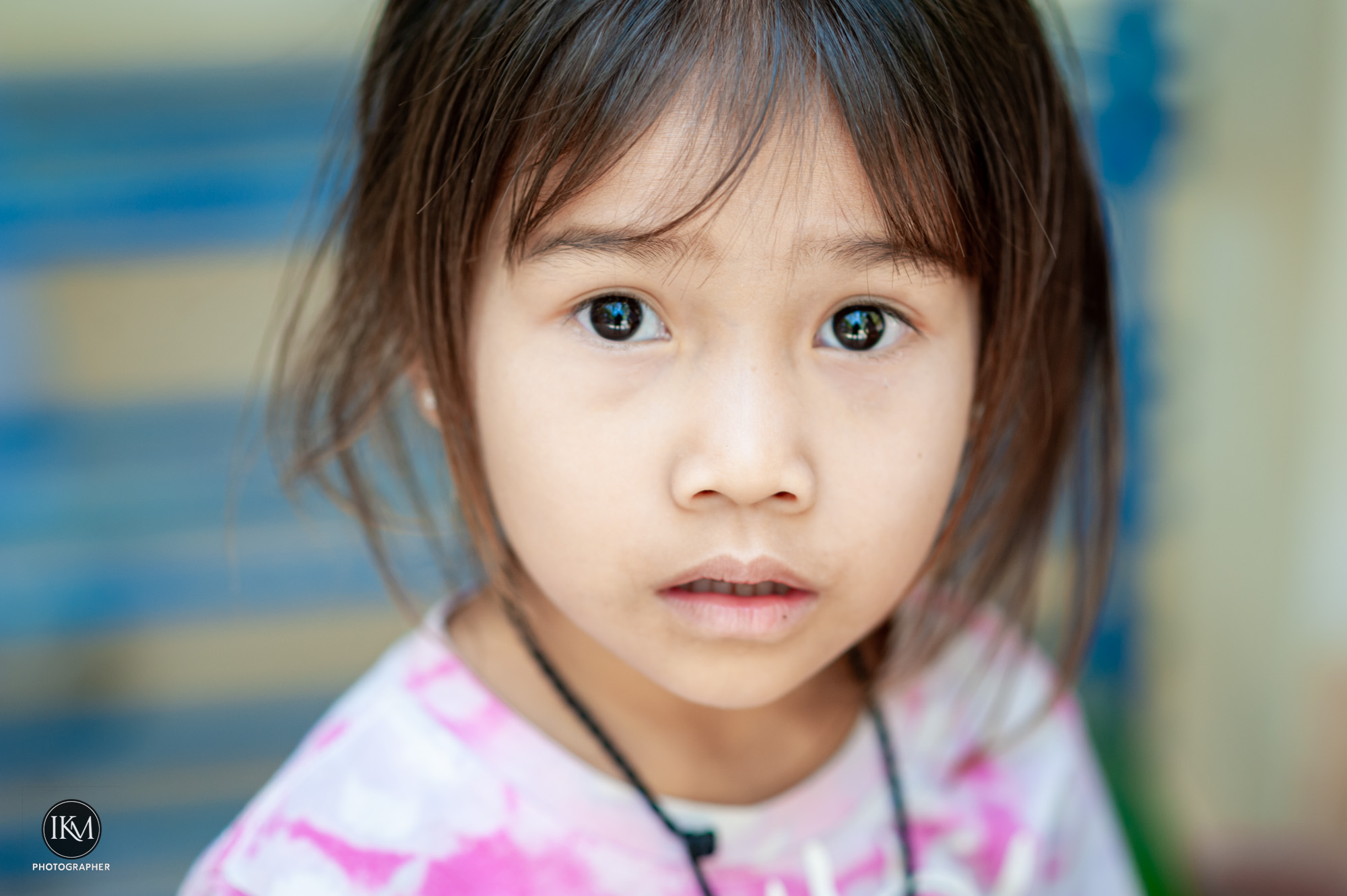
As an old photographer, I have finally stopped looking for perfect pictures.
I am looking for honest ones.
And I still believe there is no more interesting subject than another human being.