🧭 Legacy Glass That Still Delivers: Nikon AF Nikkor 300mm f/4 ED

Lenses, opinons, thoughts, photography, pictures, street

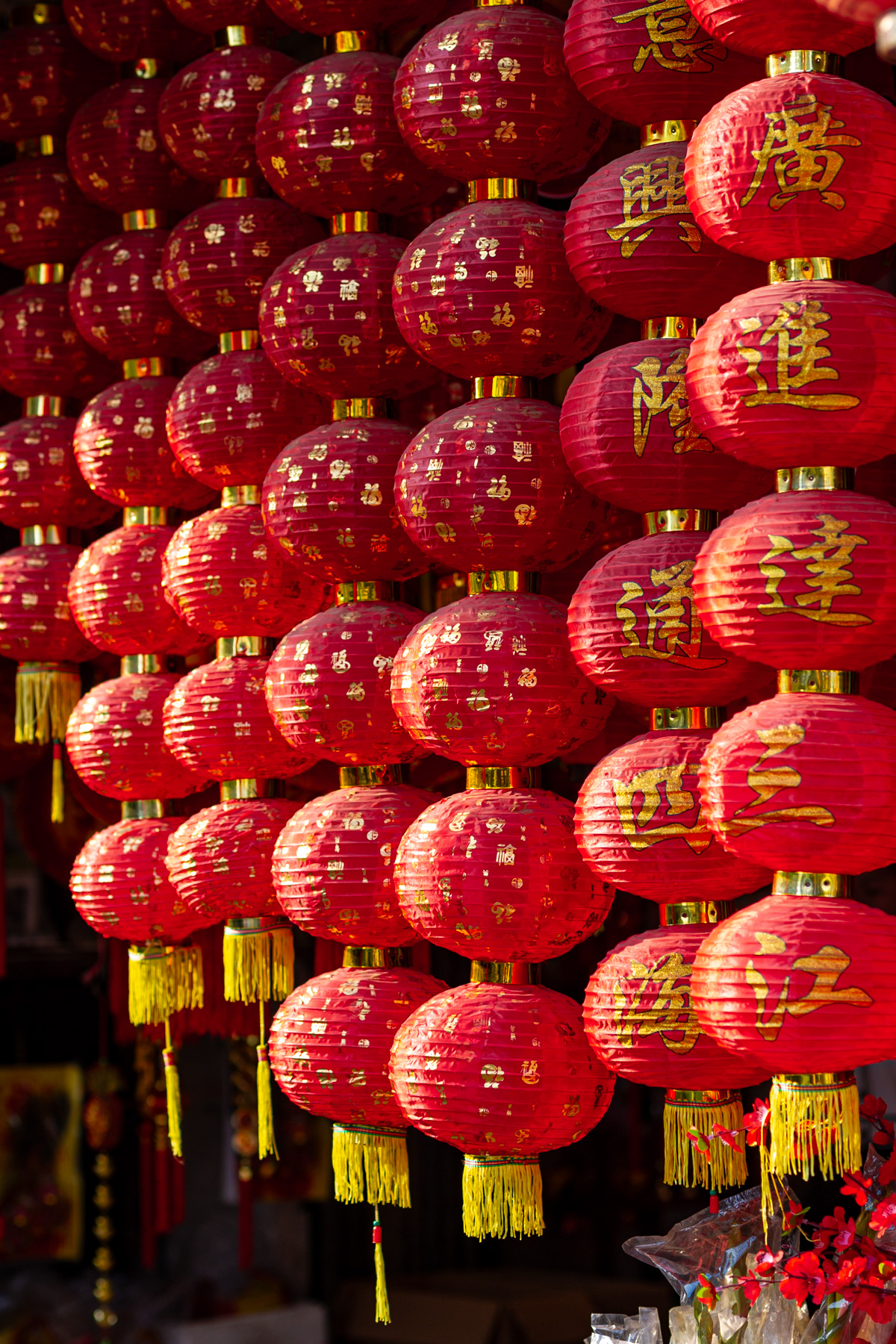
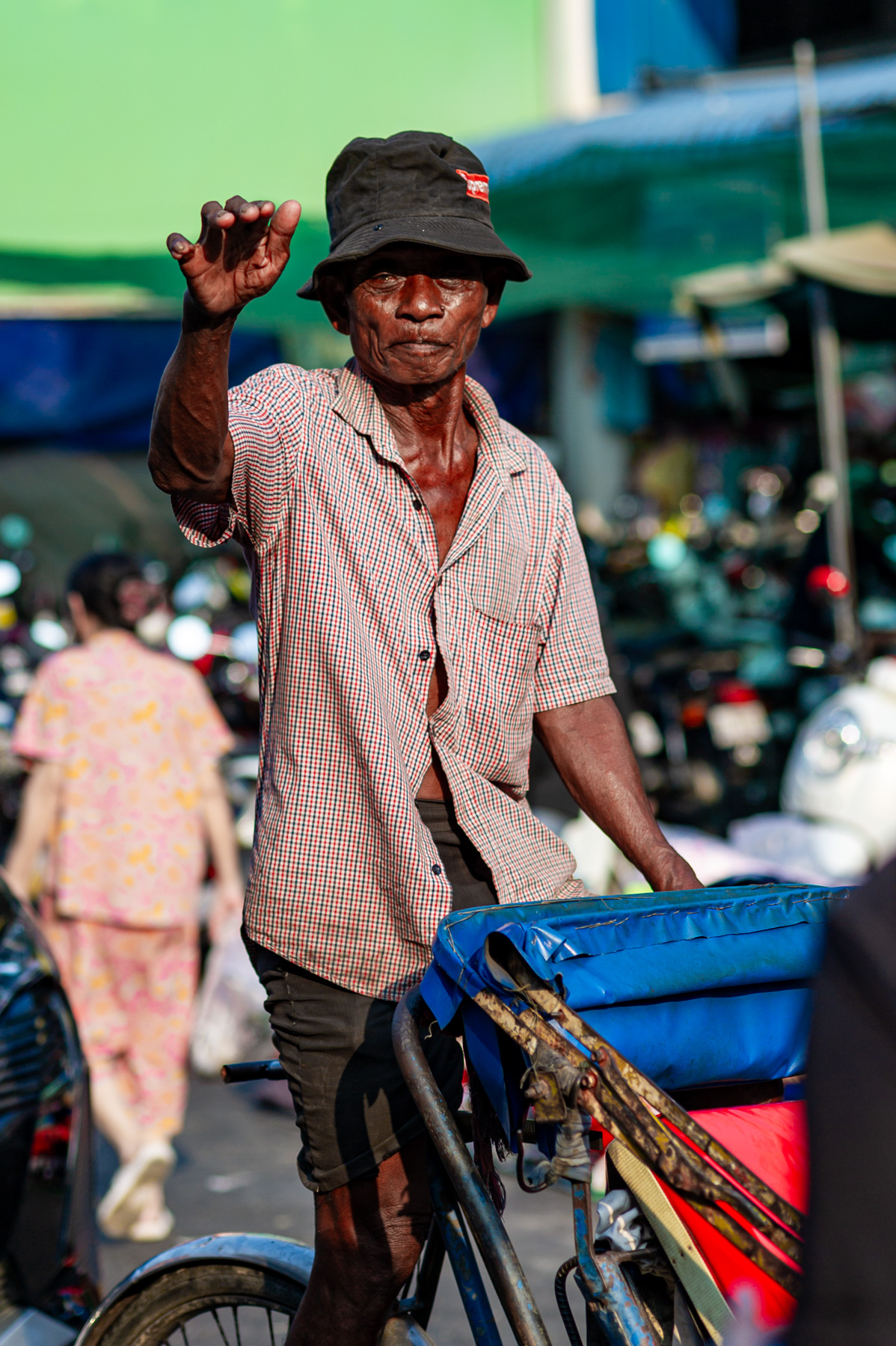
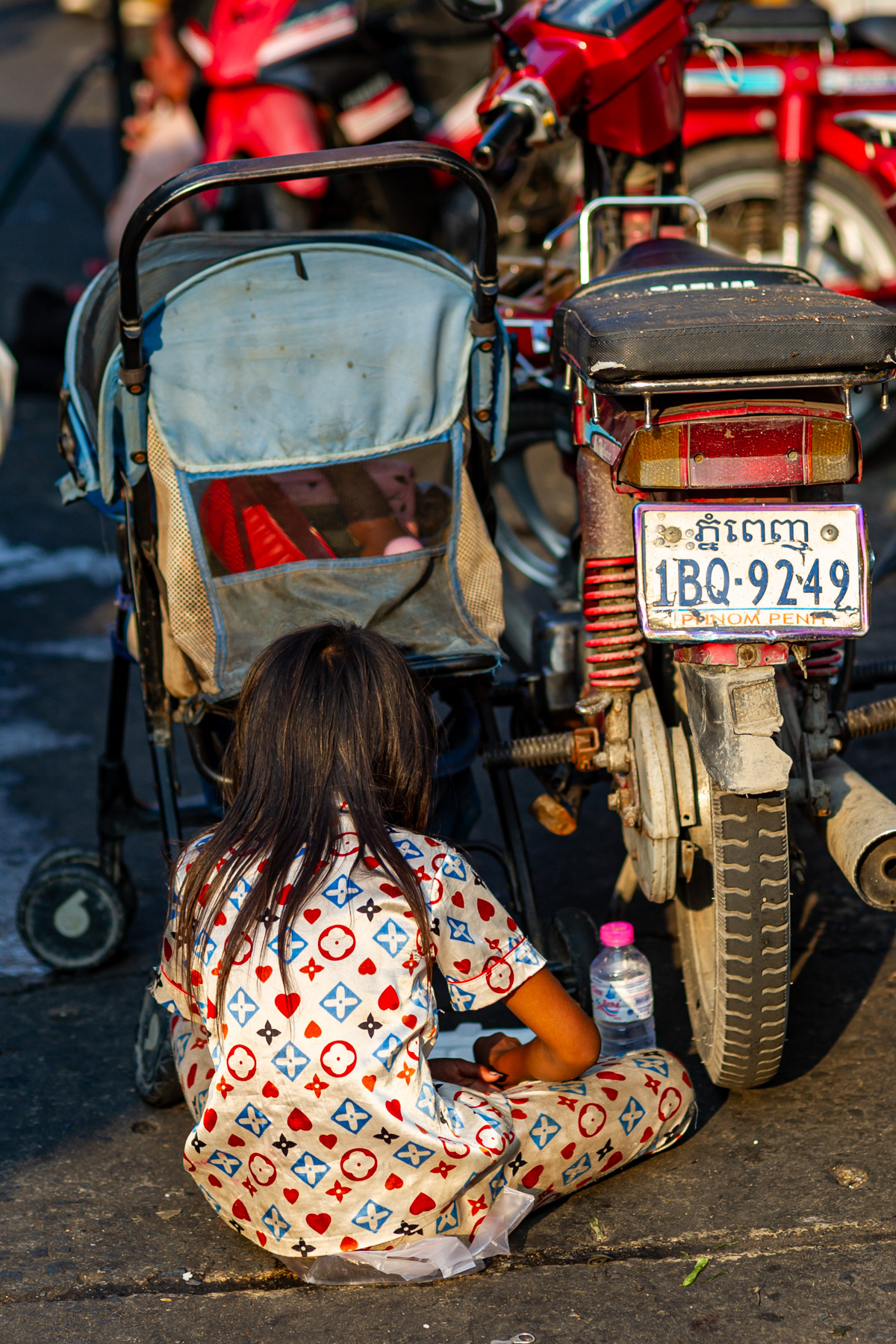
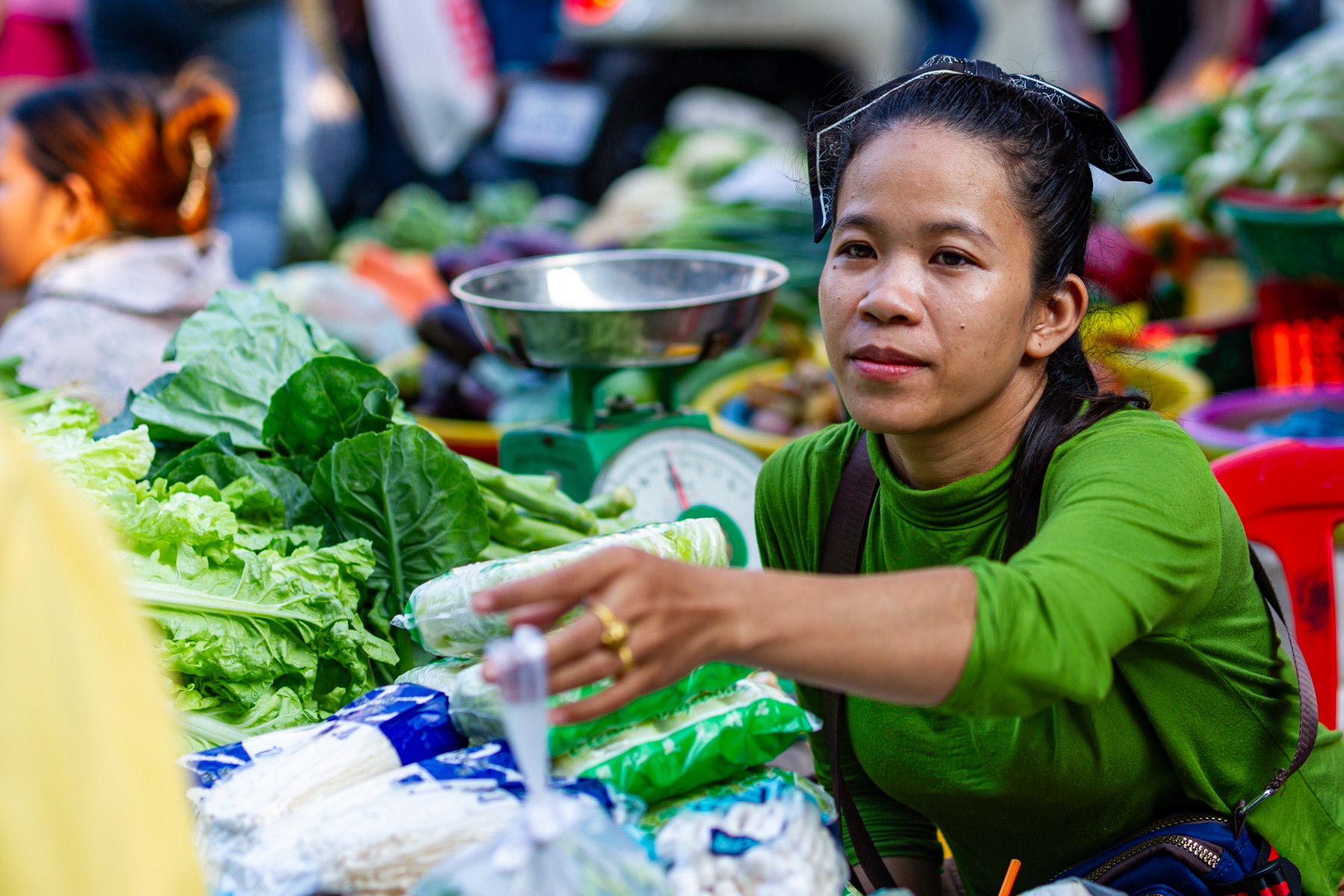
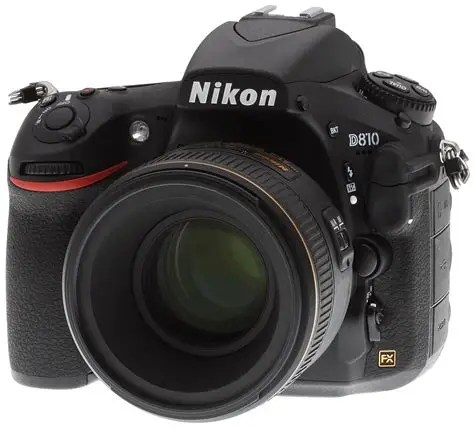
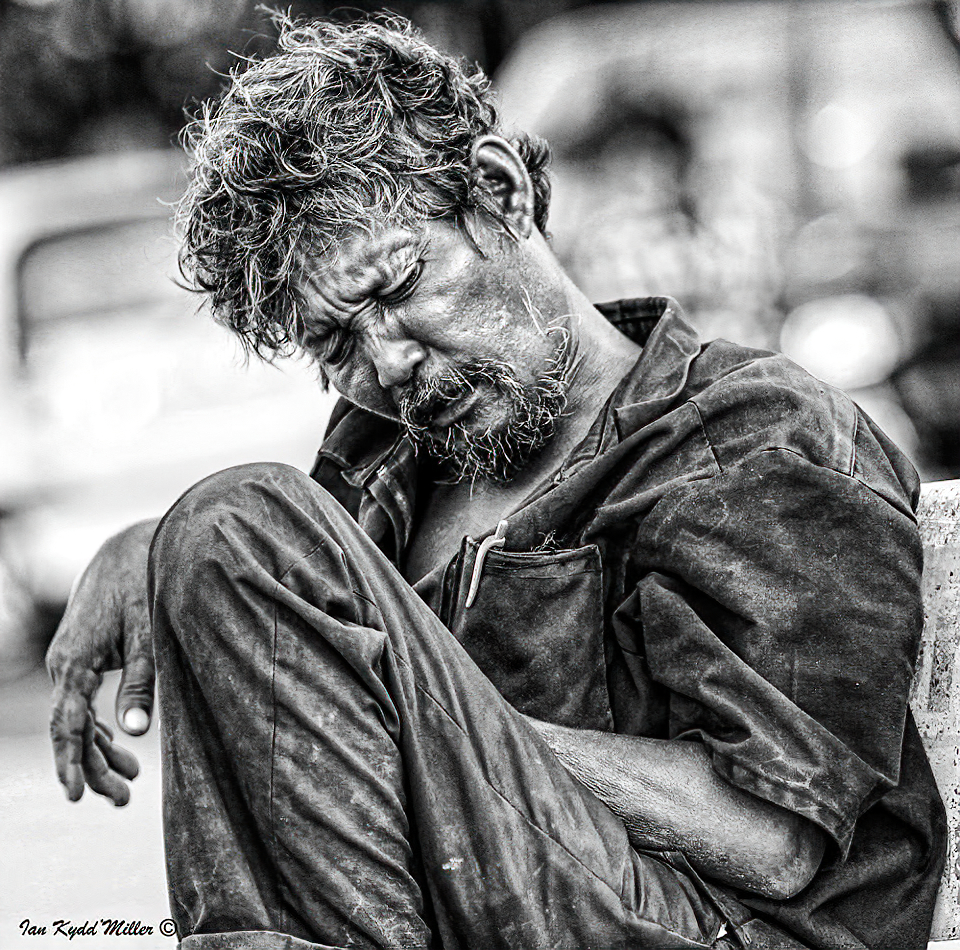
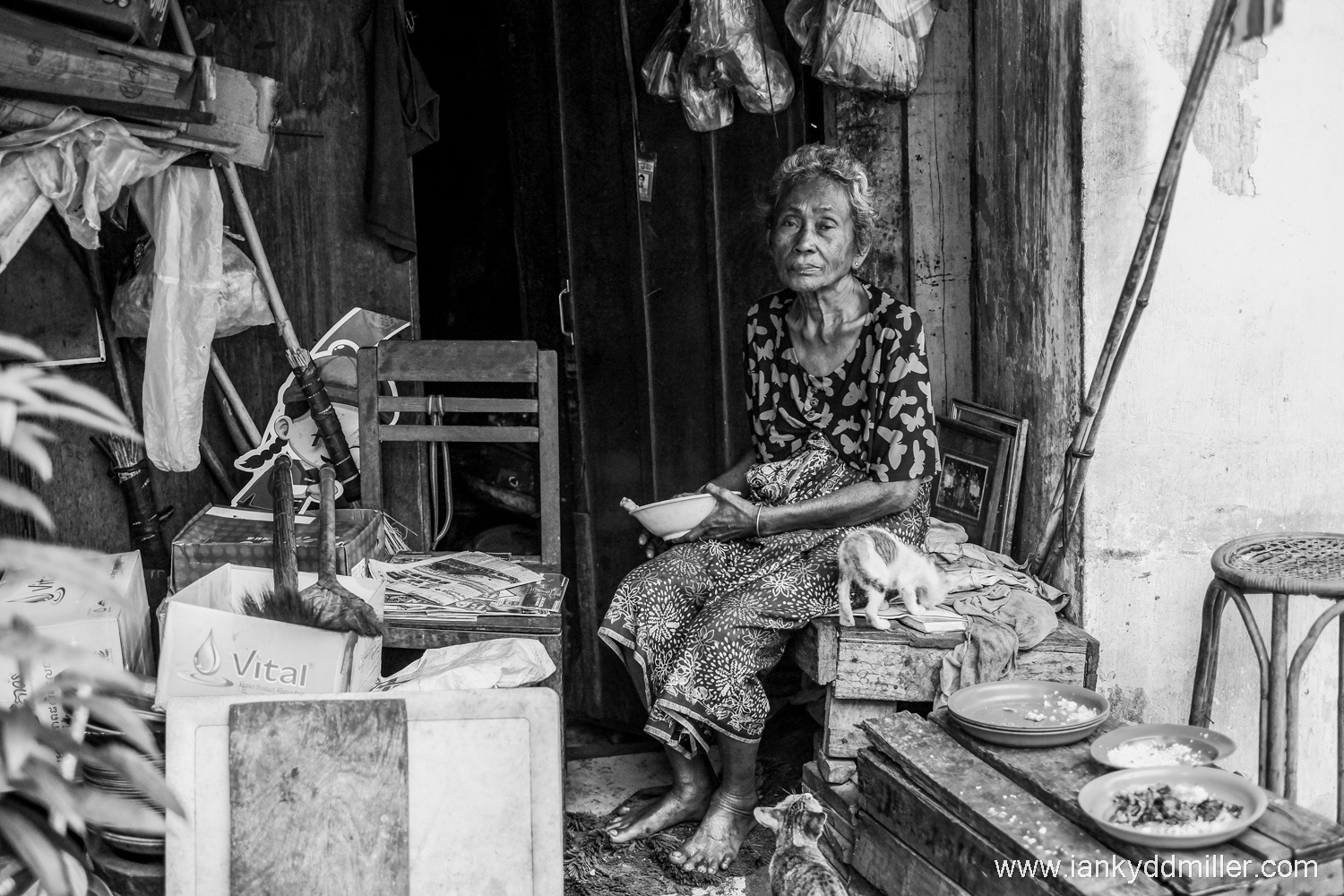
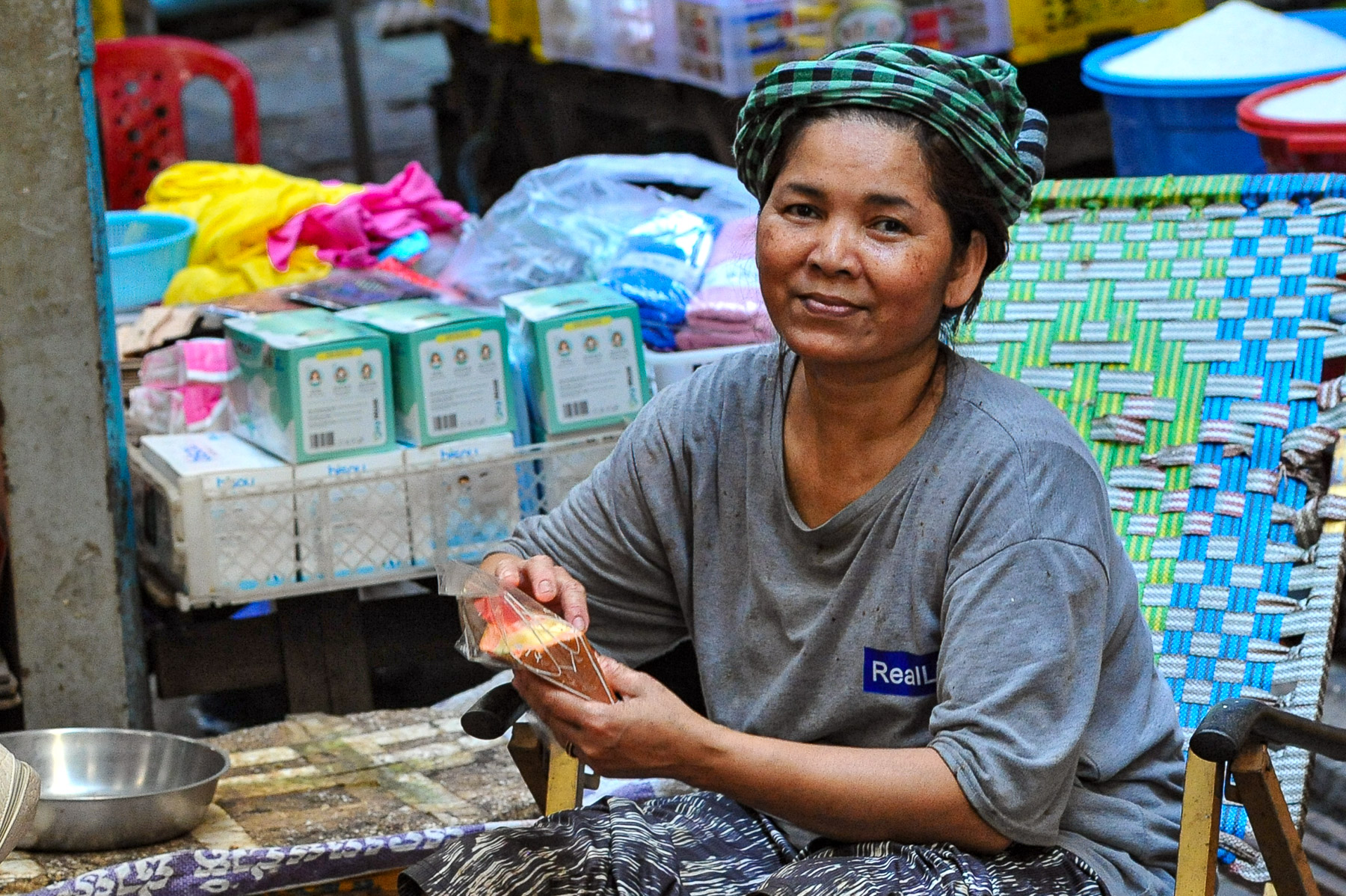
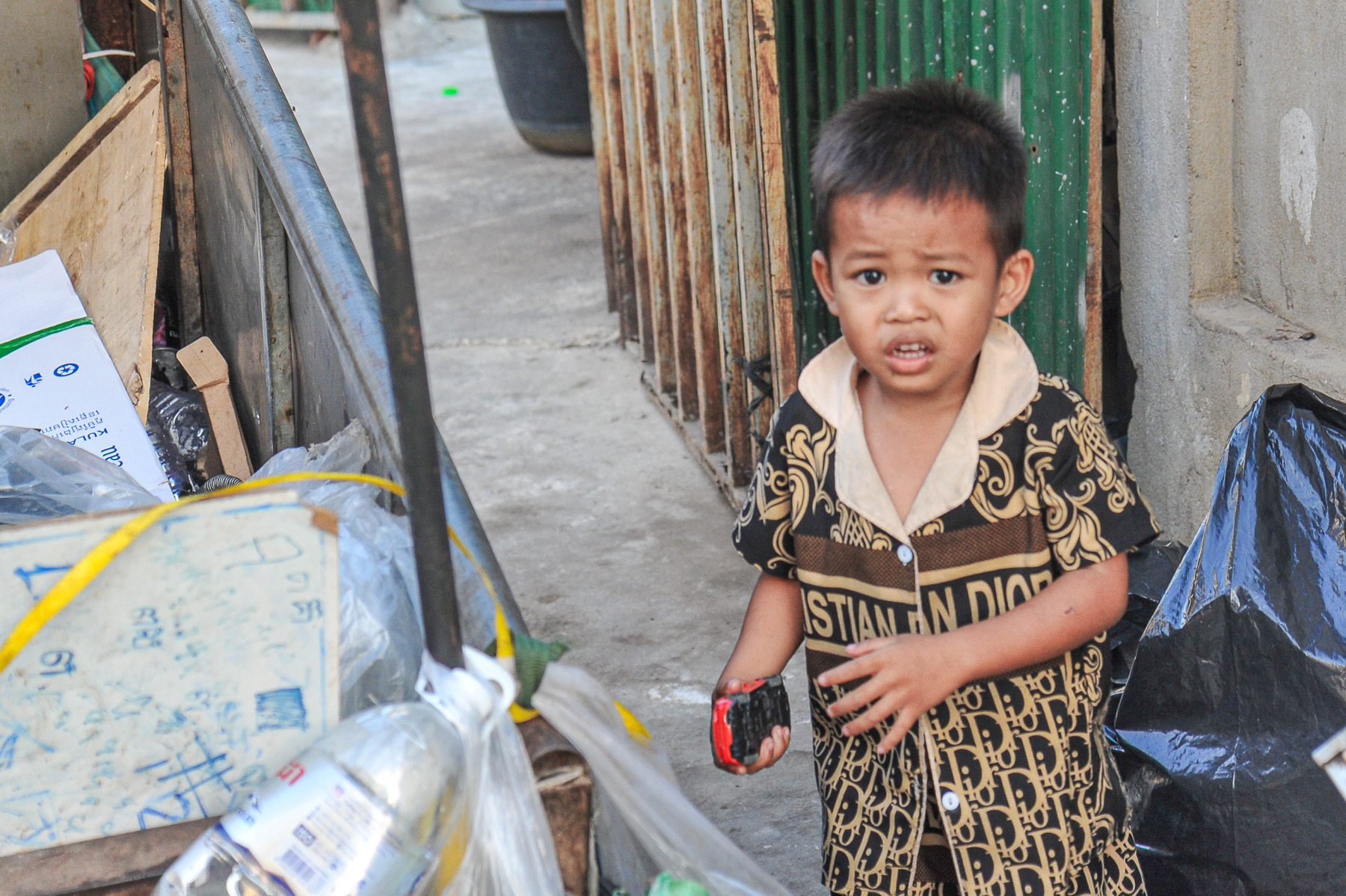
The Nikon AF Nikkor 300mm f/4 ED (Non-D) may be decades old, but it remains a sharp, reliable telephoto lens for budget-conscious photographers who value reach, contrast, and classic build quality. It’s a sleeper gem for wildlife, sports, and outdoor portraiture—especially when paired with a tripod or monopod.

Released in the late 1980s, the Nikon AF Nikkor 300mm f/4 ED was built for professionals who needed reach and speed without the bulk of the f/2.8 version. Though it lacks modern features like VR (Vibration Reduction) and silent wave motor autofocus, it continues to impress with its optical clarity, rugged construction, and affordability on the used market.

🔍 Optical Performance

  • Sharpness: This lens is surprisingly sharp wide open, with excellent center resolution and decent edge performance. Stopping down to f/5.6 improves corner sharpness, making it suitable for high-resolution bodies like the D800.
  • Color and contrast: Thanks to its ED (Extra-low Dispersion) glass elements, the lens delivers vibrant color and strong contrast, even in backlit conditions.
  • Chromatic aberration: Some longitudinal CA is visible in high-contrast scenes, but lateral CA is well-controlled. Easily correctable in post.
  • Bokeh: The 9-blade diaphragm produces pleasing background blur, though not as creamy as newer f/2.8 lenses.

⚙️ Build and Handling

  • Construction: All-metal barrel, integrated tripod collar, and a rear filter slot. It’s built like a tank, weighing around 1.3 kg (46.9 oz).
  • Autofocus: Screw-drive AF is adequate but not fast by modern standards. Works best with bodies like the D3 or D800 that have strong AF motors.
  • Ergonomics: Balanced for tripod or monopod use. Handheld shooting is possible but tiring over long sessions.

🧠 Use Cases

  • Wildlife: Excellent for birds and mammals in good light. Works well with 1.4x teleconverters for added reach.

  • Sports: Fast enough for field sports, especially when pre-focused or used with manual override.
  • Portraits: Great for outdoor headshots with strong subject isolation and flattering compression.
  • Travel and nature: Compact for a 300mm prime, making it a viable option for landscape detail and distant subjects.

⚖️ Pros and Cons

Pros

  • Excellent sharpness and contrast
  • Durable, professional-grade build
  • Affordable on the used market (~$250–$400 USD)
  • Compatible with FX and DX bodies

Cons

  • No VR or AF-S motor
  • Slower autofocus on entry-level bodies
  • Some CA and flare in extreme conditions
  • Heavy for handheld use

📝 Final Verdict

The Nikon AF Nikkor 300mm f/4 ED is a legacy lens that still earns its place in a modern kit. For photographers who don’t mind manual focus override or tripod work, it offers stunning image quality at a fraction of the cost of newer telephotos. It’s a reminder that great glass doesn’t expire—it just asks for a little patience and technique.
Shooting in RAW — A Practical Guide

cameras, film, opinons, thoughts, photography, street, Travel

Shooting in RAW means saving the sensor’s unprocessed data so you can shape the final image later. RAW files act like a digital negative: they keep maximum detail, tone, and color information that in-camera JPEG processing would otherwise compress or discard.

What RAW actually contains

  • RAW stores linear sensor data with higher bit depth than JPEG, preserving more tonal steps between shadows and highlights. This gives you extra headroom when correcting exposure, recovering highlights, or pulling detail from shadows.

Advantages of shooting RAW

  • Greater dynamic range and recovery — You can recover more detail from highlights and shadows because RAW keeps more tonal information.
  • Flexible white balance — White balance is not baked into the pixel data the way it is for JPEGs, so you can change it non-destructively in post.
  • Superior colour depth and grading — Higher bit depth means smoother gradients and more room for colour grading without banding.
  • Non‑destructive edits — RAW editing writes instructions instead of permanently changing pixels, so you can always revert to the original capture.
  • Better noise handling — RAW processors can apply more sophisticated noise reduction because they have access to the sensor’s full data.
  • More control for critical workflows — Commercial, landscape, and fine-art work benefits from the latitude RAW offers for exacting color and tone control.

Disadvantages of shooting RAW

  • Larger file sizes — RAW files are significantly bigger than JPEGs, which increases storage needs and backup complexity.
  • Slower workflow — RAW requires post-processing, which adds time to editing and delivery compared with straight-out-of-camera JPEGs.
  • Compatibility and portability — RAW formats vary by camera brand and model; some software or older devices may not read every RAW without updates or converters.
  • Longer write times and smaller burst buffers — On some cameras, RAW capture can slow burst rate or fill buffers faster than JPEGs, affecting action shooting.
  • Need for consistent color management — RAW gives flexibility but demands disciplined color pipelines (calibrated monitor, managed profiles) to get reliable outputs.

When to choose RAW vs JPEG

  • Shoot RAW when: you need maximum image quality, plan heavy editing, require reliable highlight/shadow recovery, or are producing work for clients or prints.
  • Shoot JPEG when: you need instant turnaround, extreme file economy (long events with limited cards), or when images are destined only for quick social sharing with minimal editing.

Practical workflow tips

  • Use RAW+JPEG if you sometimes need immediate, shareable files but still want RAW for archives and editing.
  • Cull JPEG previews to speed selection; reserve RAW for final edits.
  • Invest in fast, large-capacity memory cards and a reliable backup routine to handle RAW volumes.
  • Create camera-specific presets or base edits to speed RAW processing while keeping non‑destructive flexibility.
  • Keep your RAW converters updated and standardize on one or two tools (Lightroom, Capture One, or your camera maker’s software) to ensure consistent color and metadata handling.

Short checklist before you shoot

  • Do you need maximum dynamic range and color control? → RAW.
  • Do you need immediate delivery with no editing? → JPEG or RAW+JPEG.
  • Do you have storage and backup planned? → If yes, RAW is safe; if not, plan for it before shooting large volumes.

Shooting RAW is about trading convenience for control. If your work values tonal fidelity, color precision, and future-proof archives, RAW is usually worth the extra planning and processing time.

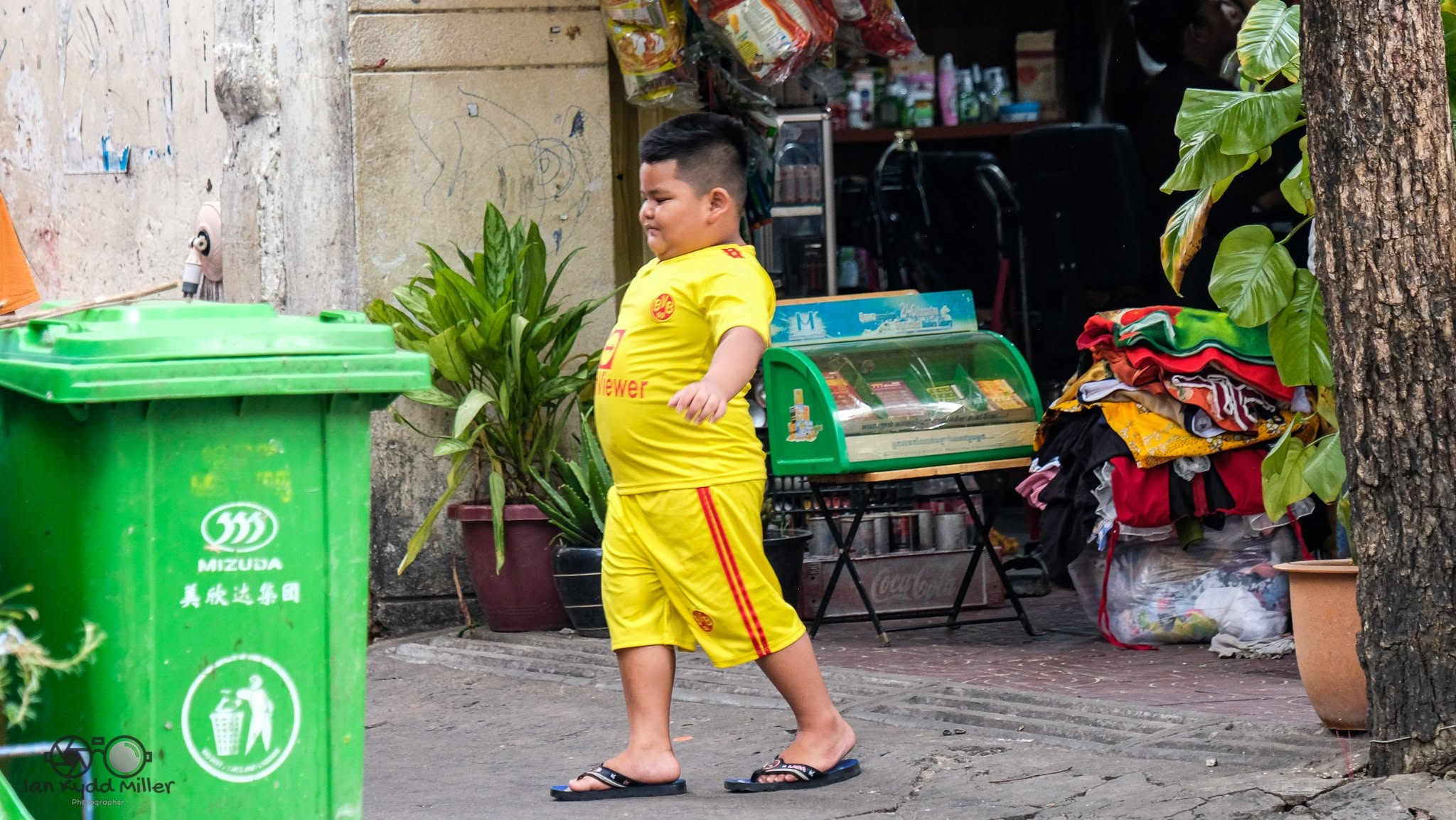
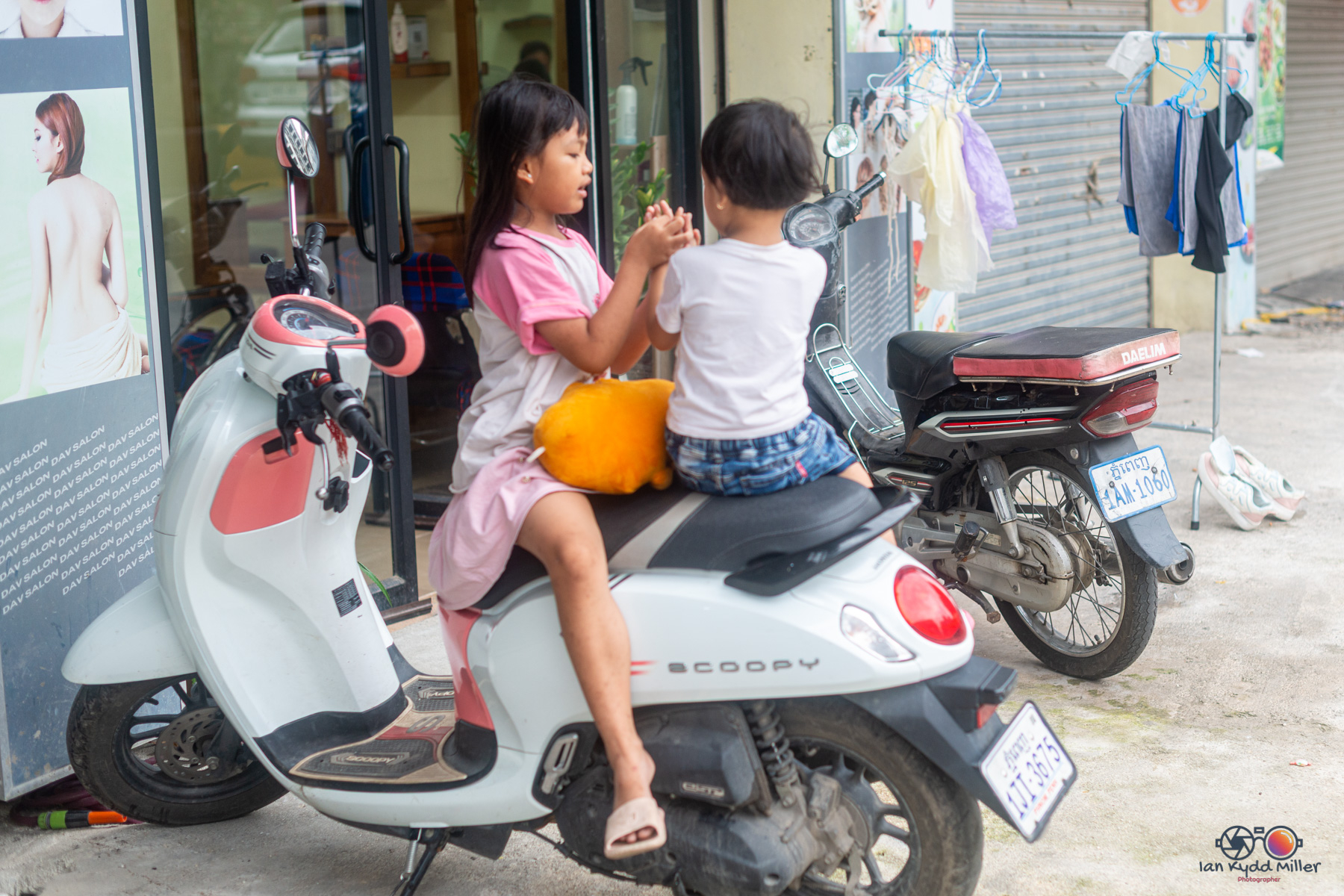
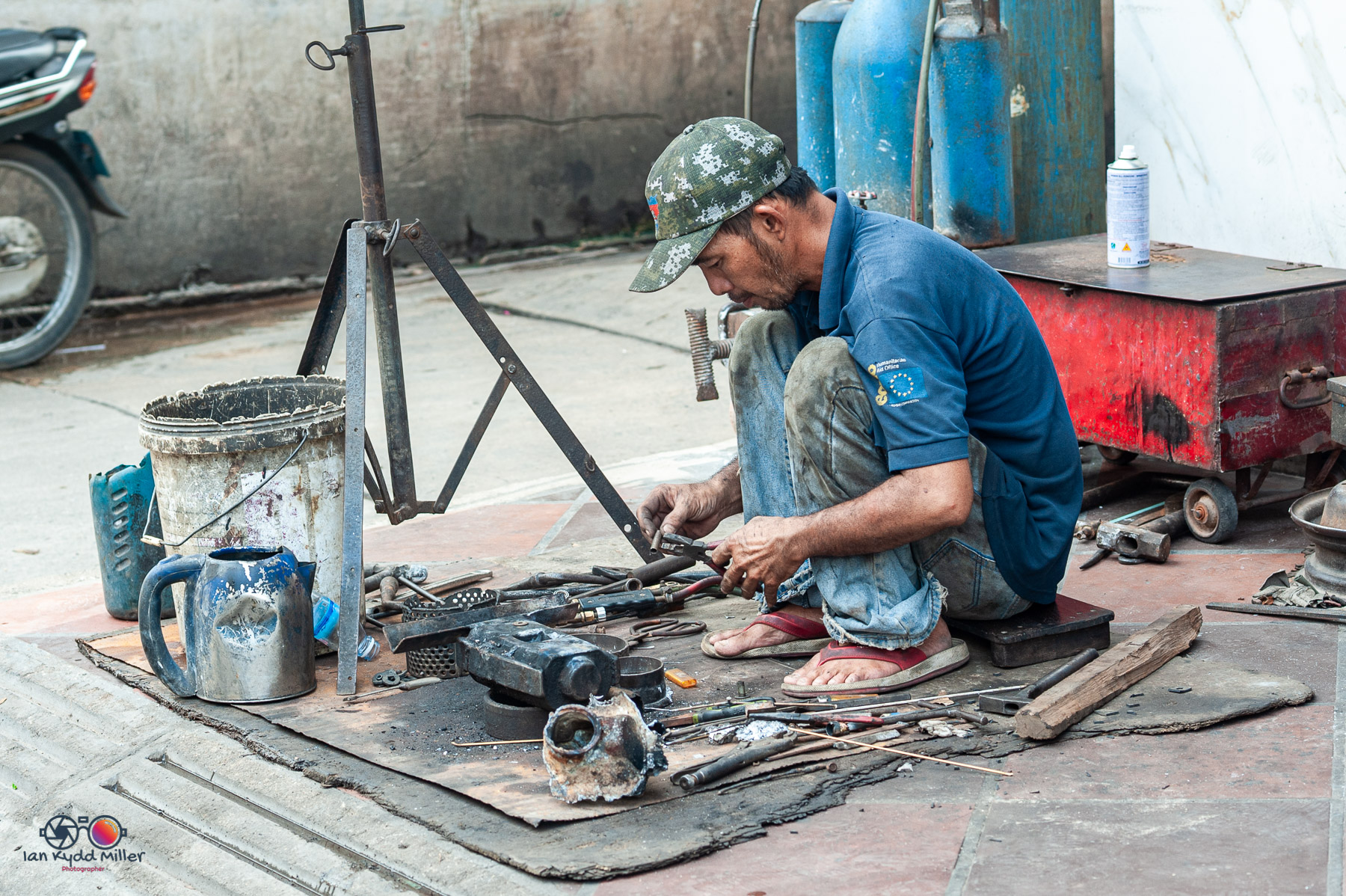
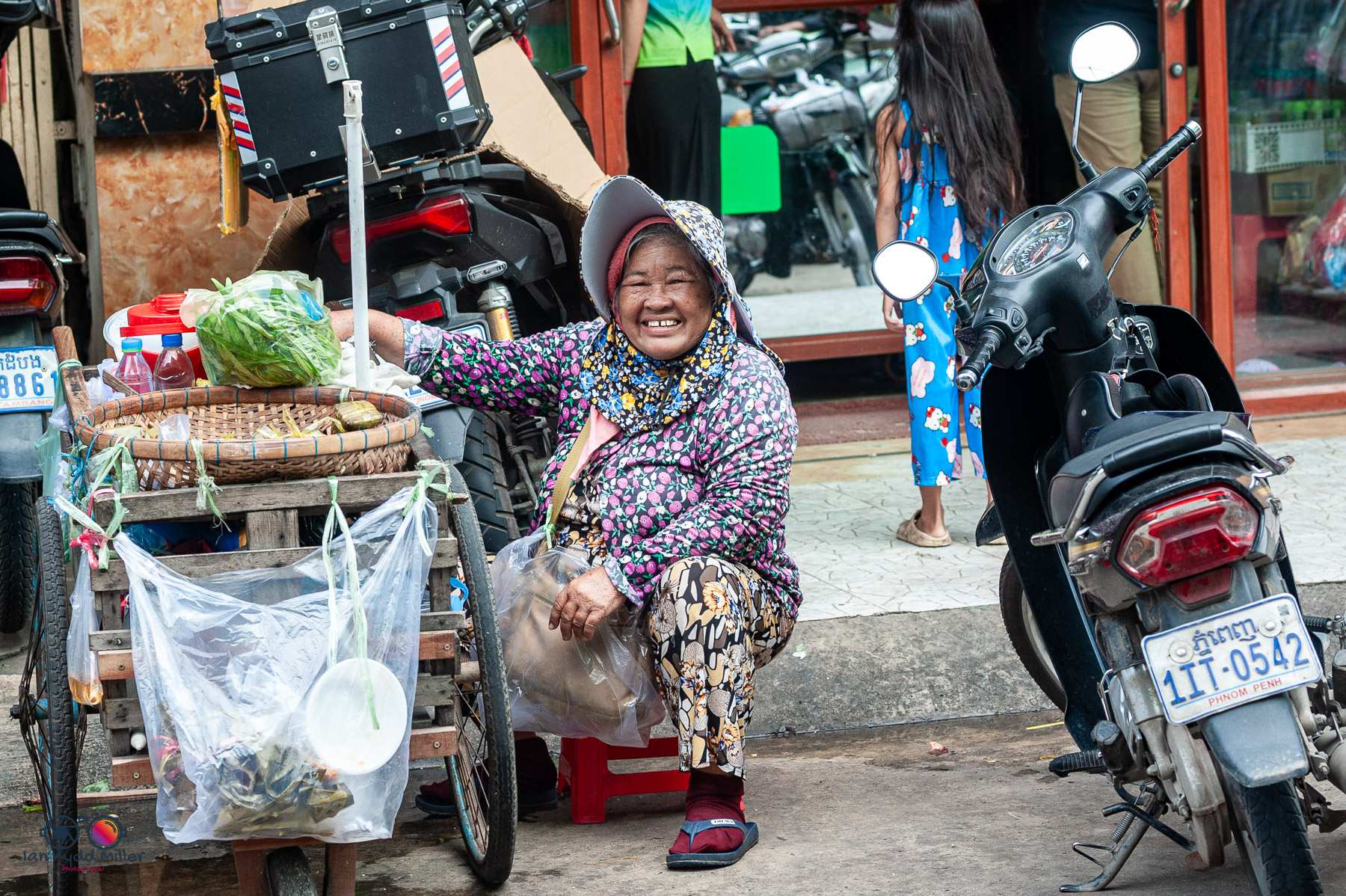
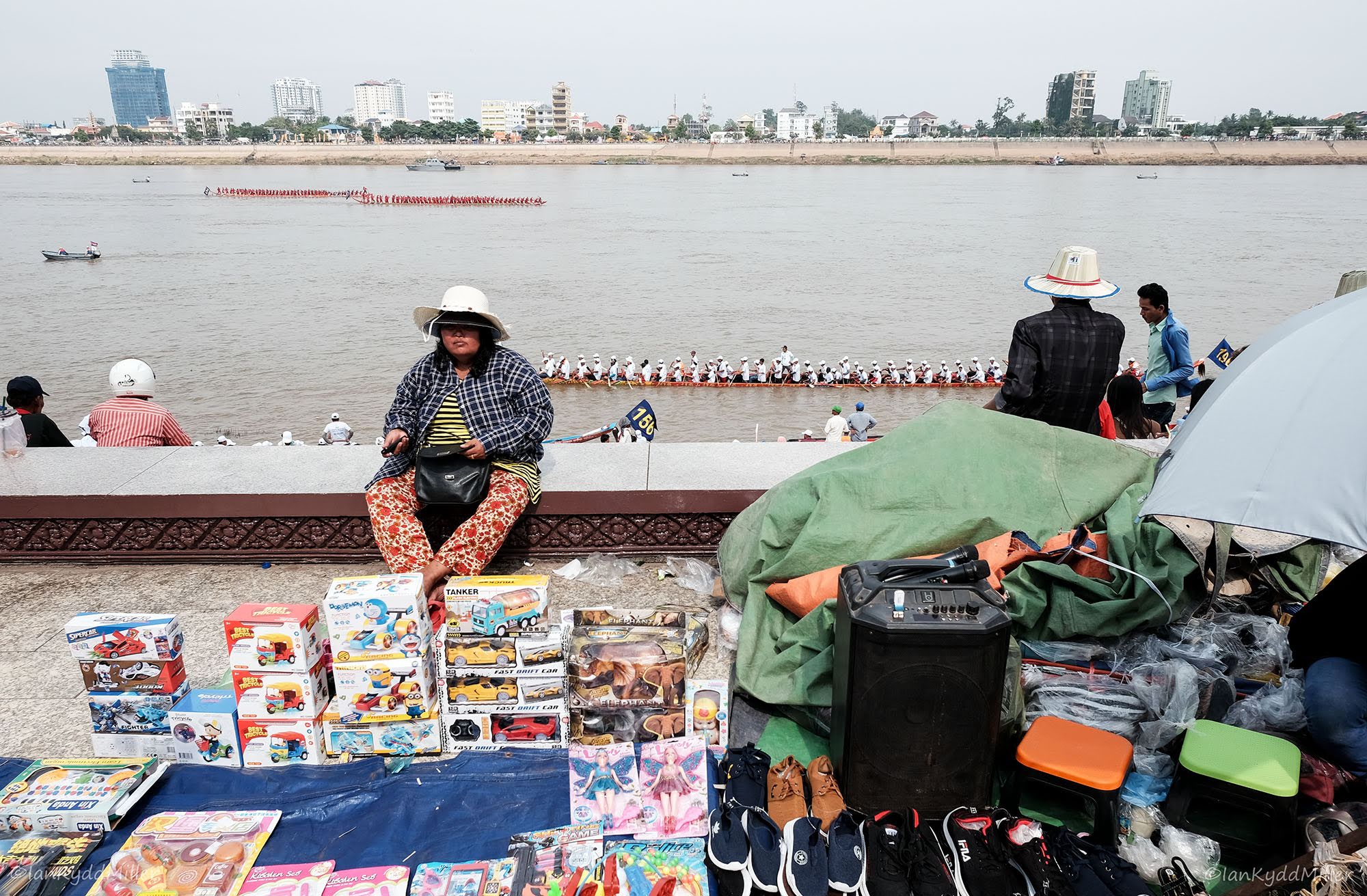
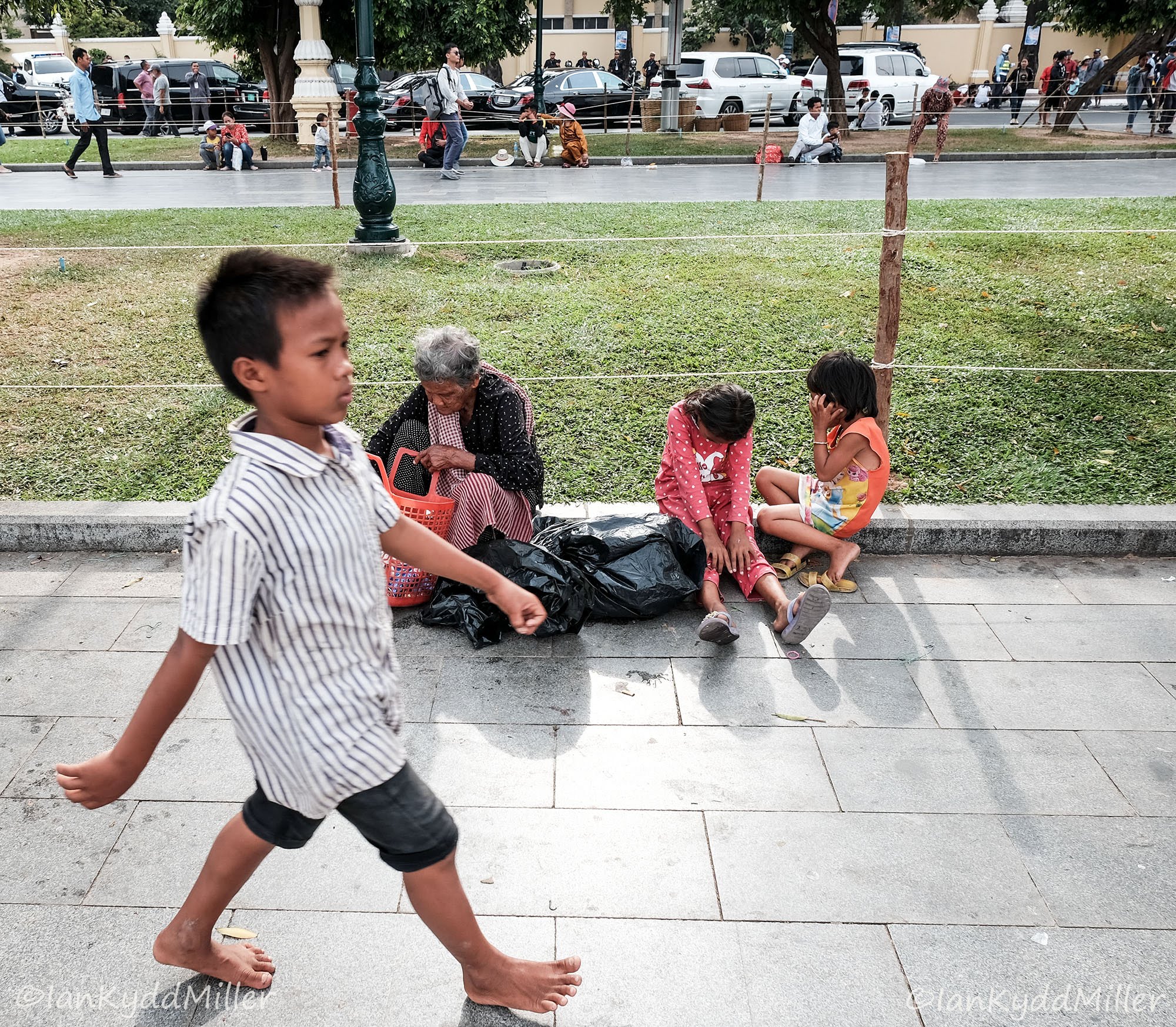
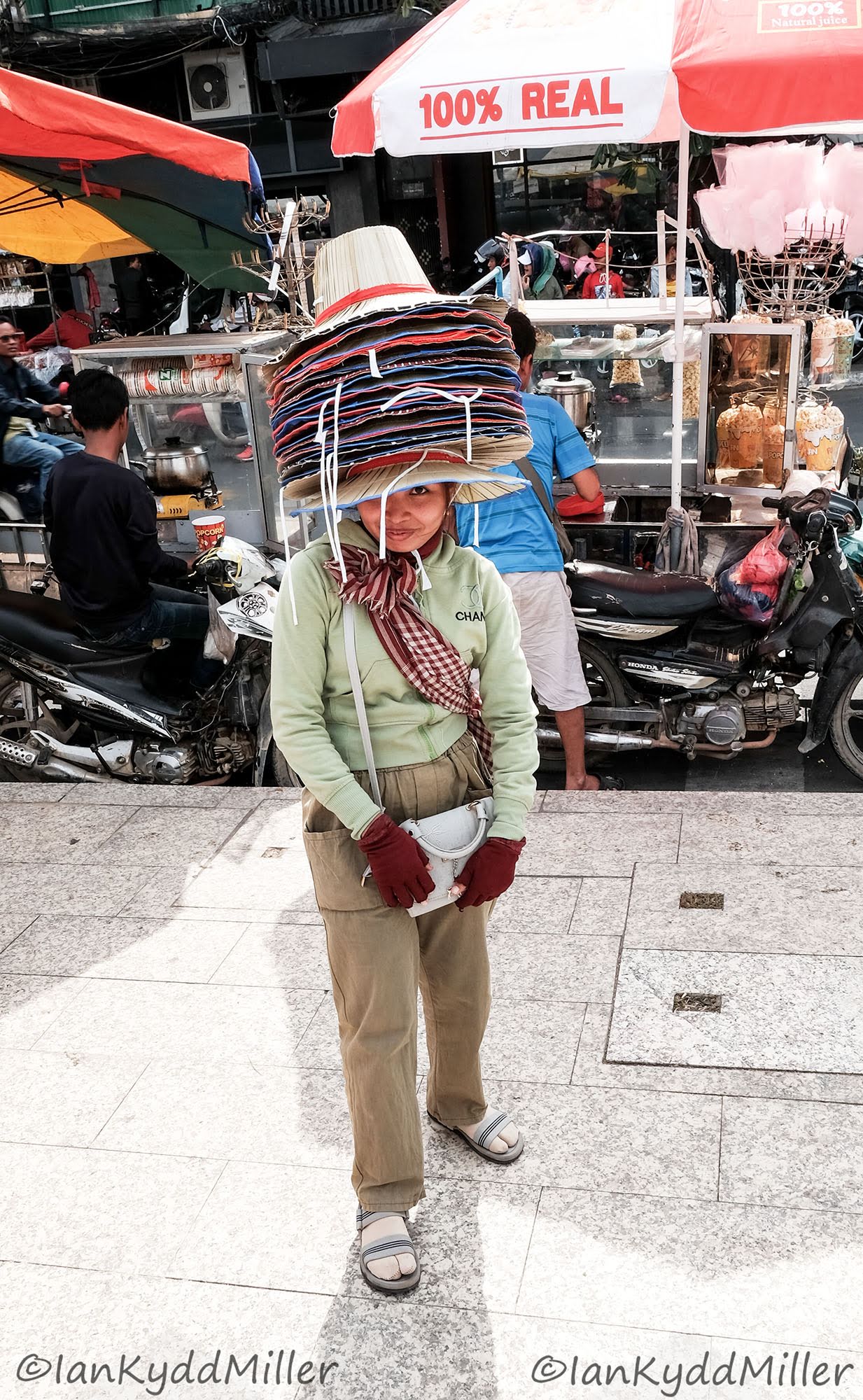
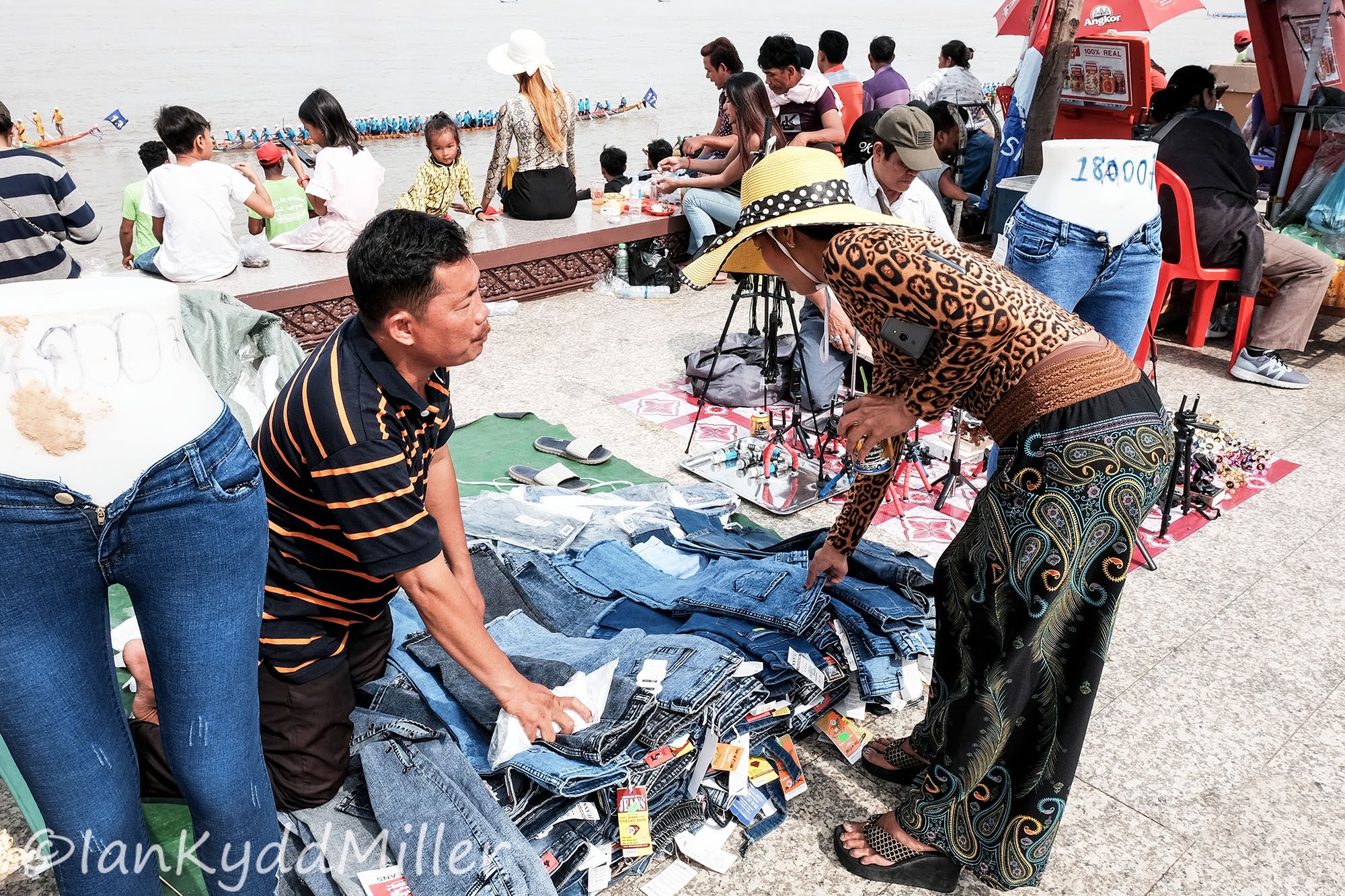
🚲 Street Life in Phnom Penh: A Living Tapestry

cambodia, cameras, fujifilm, homelessness, Lenses, opinons, thoughts, photography, pictures, street, Travel, voluntary

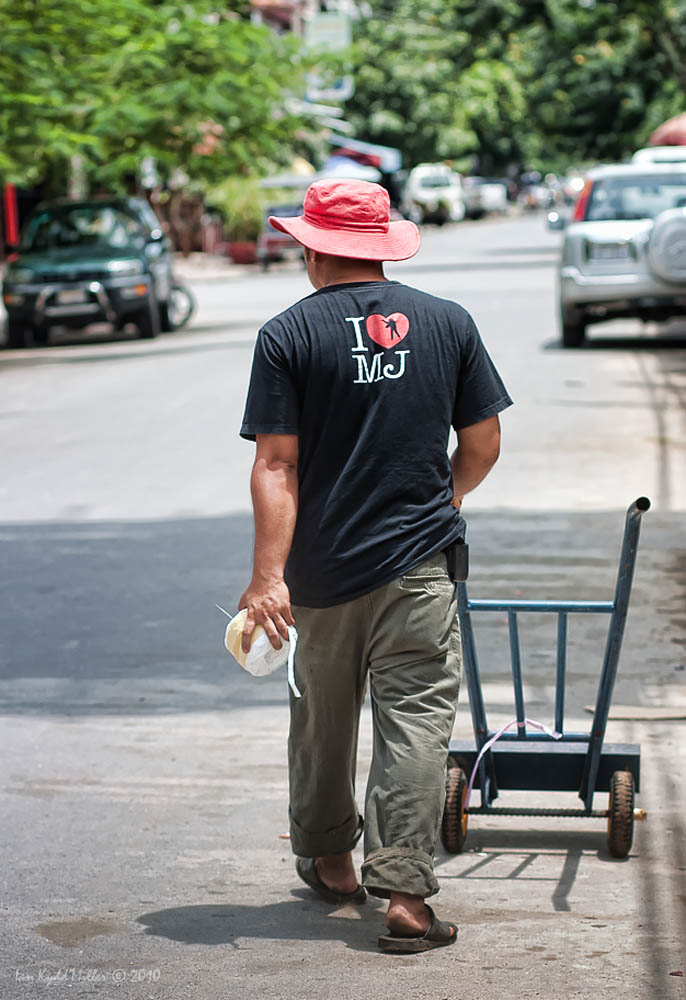
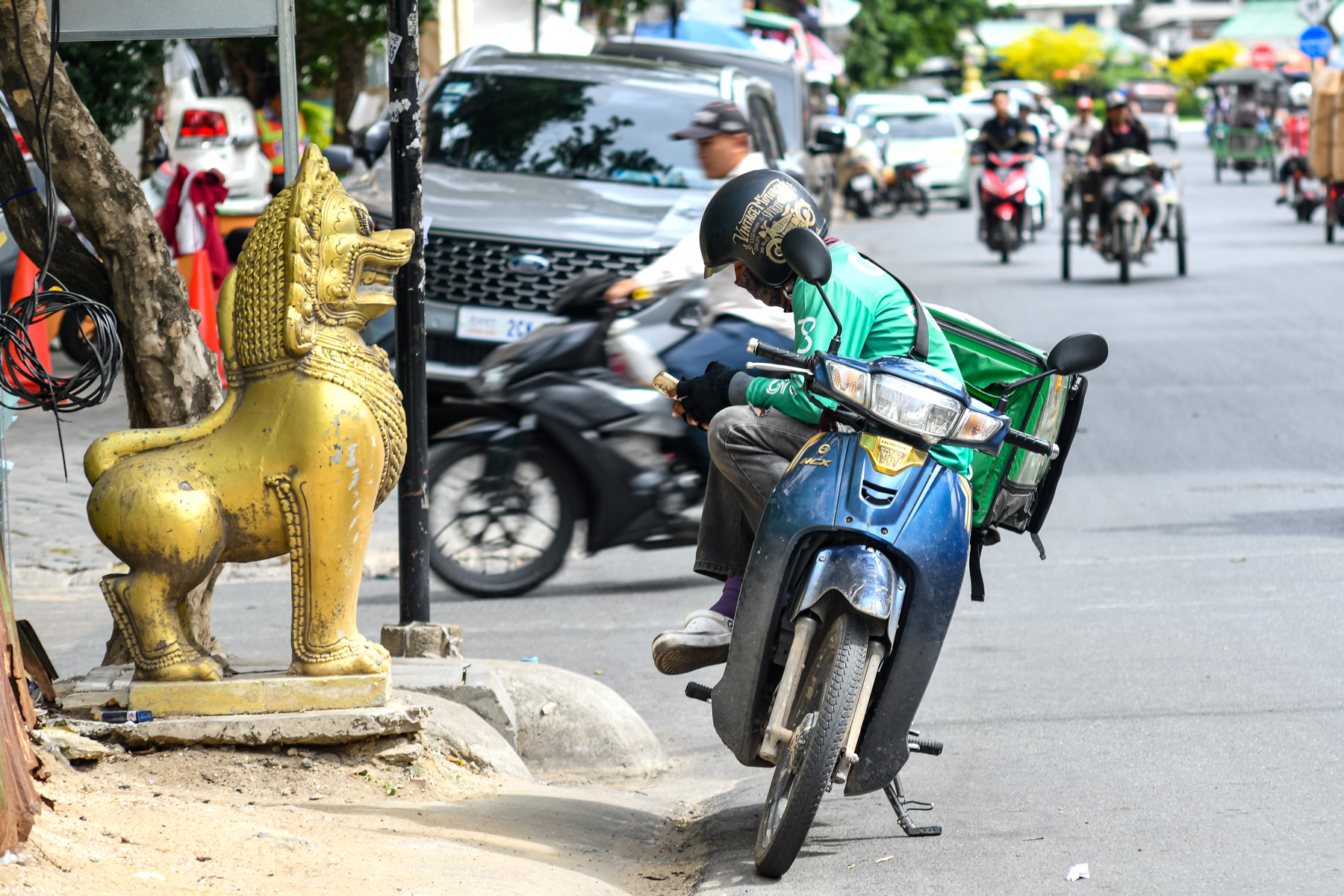
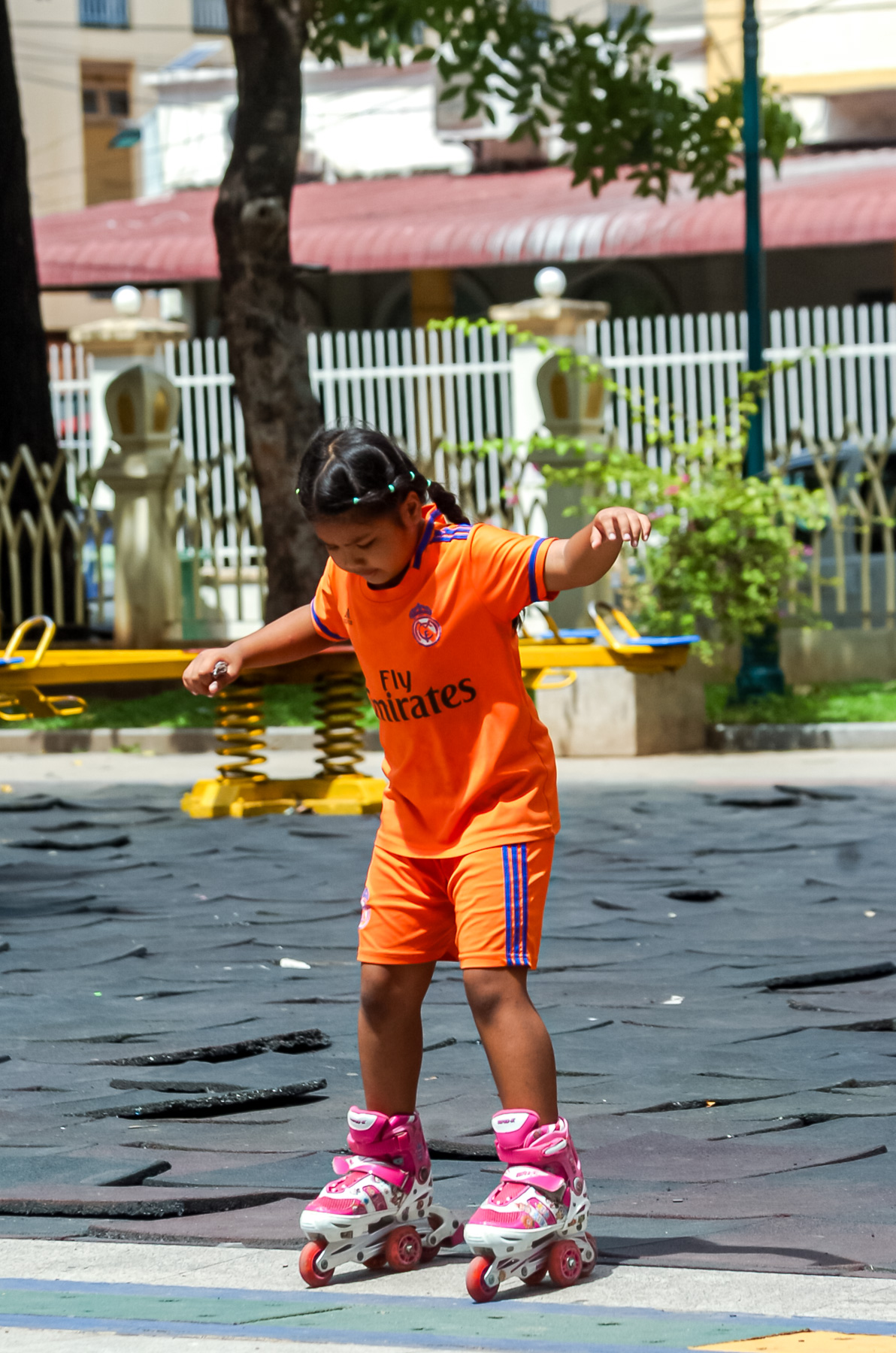
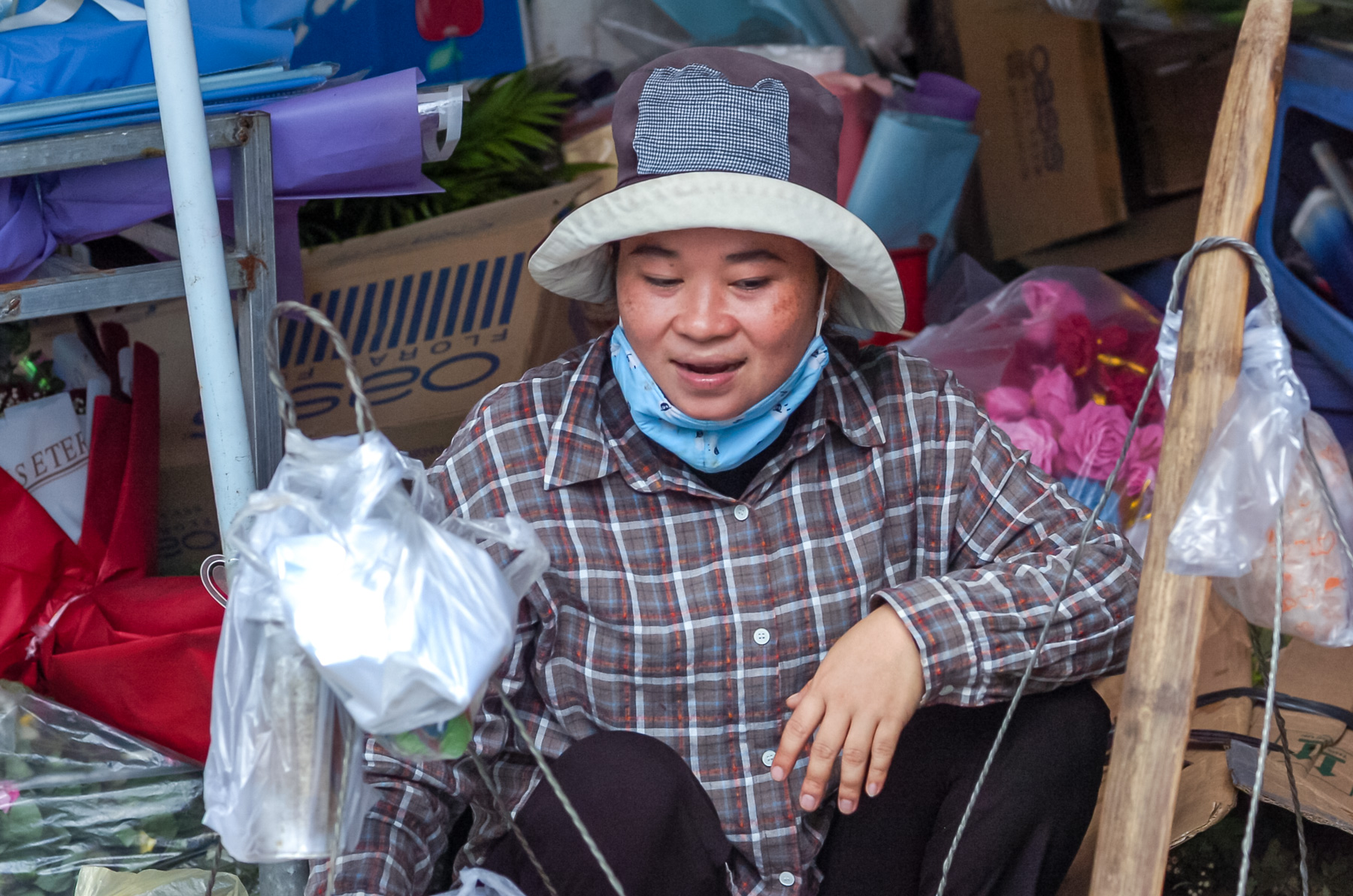
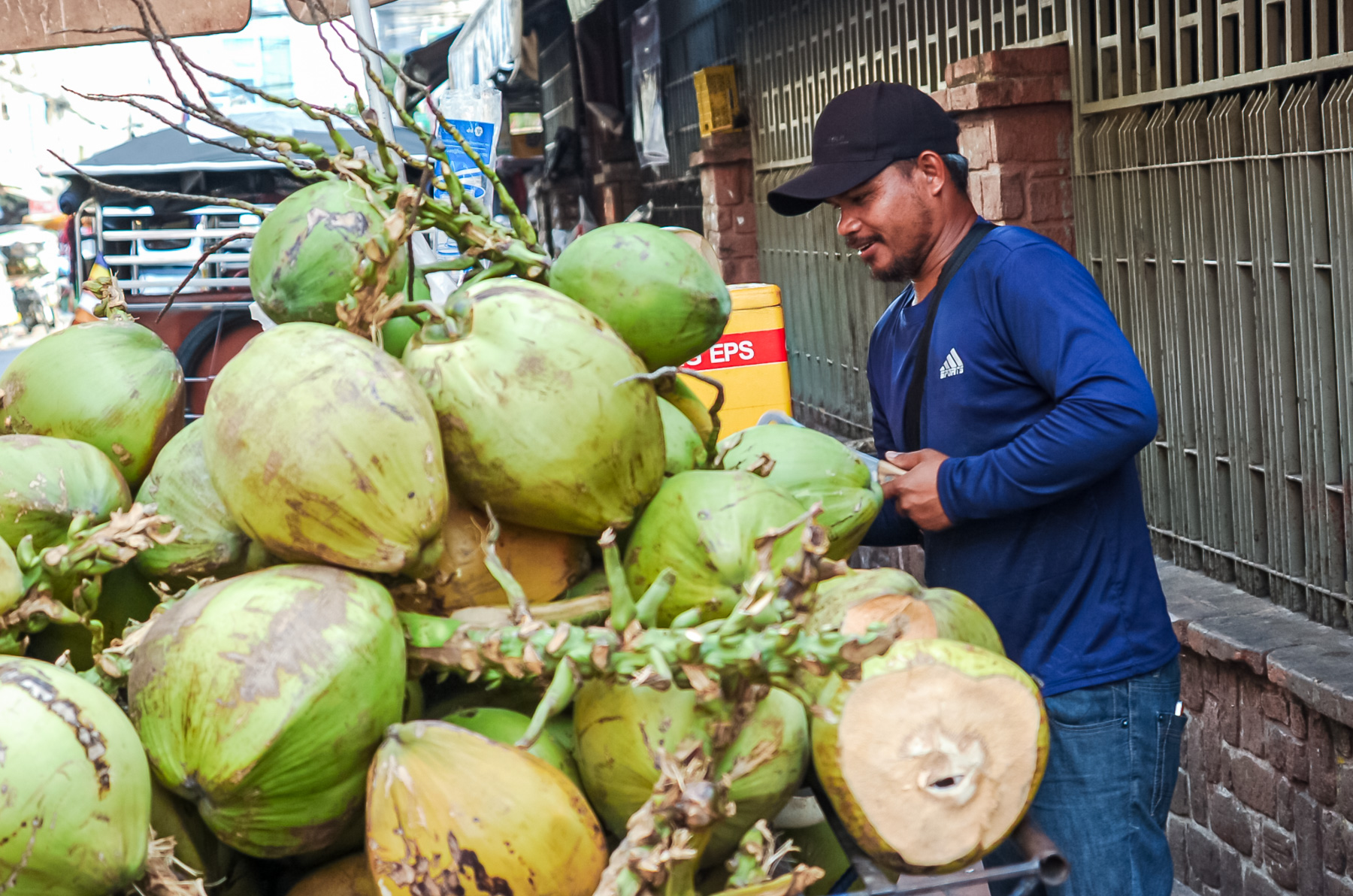
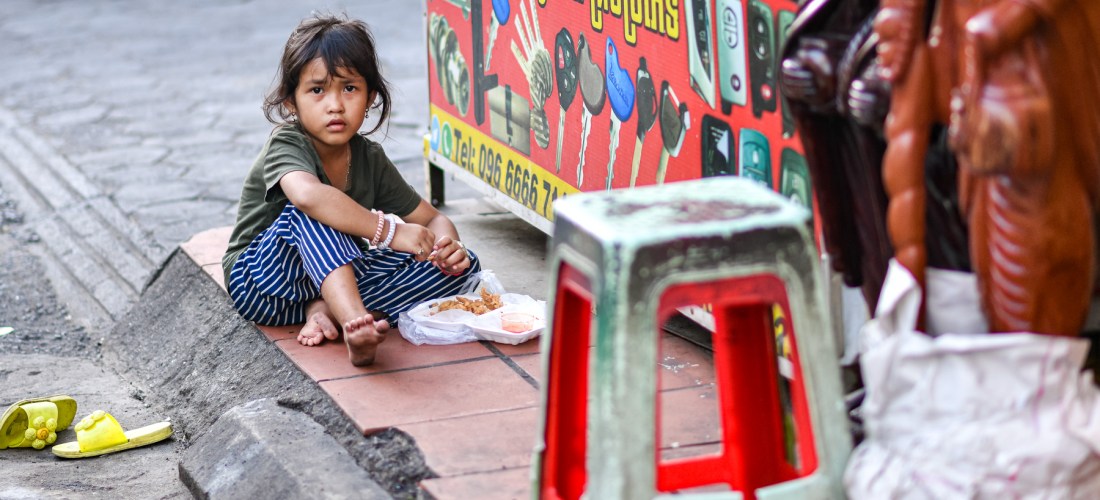
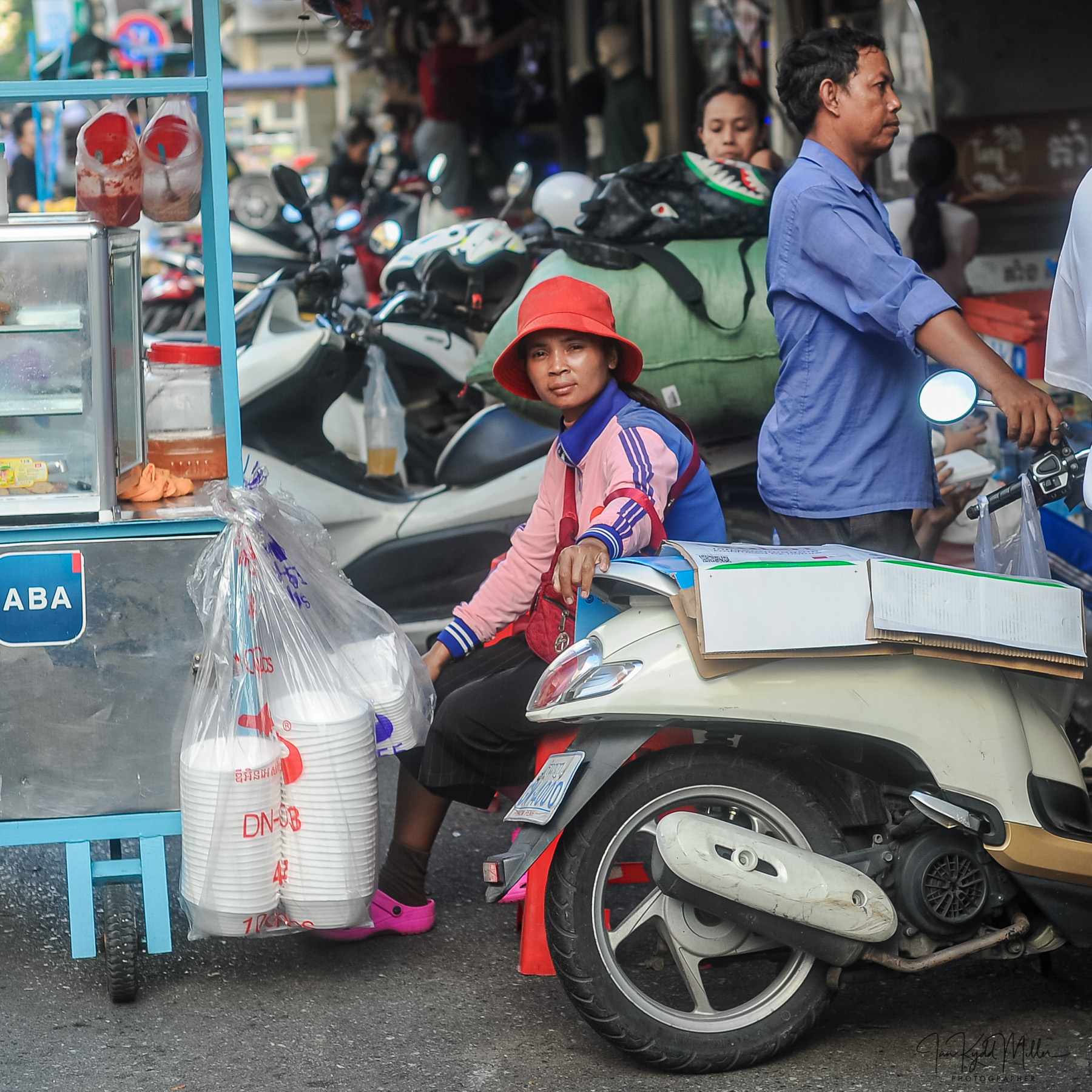
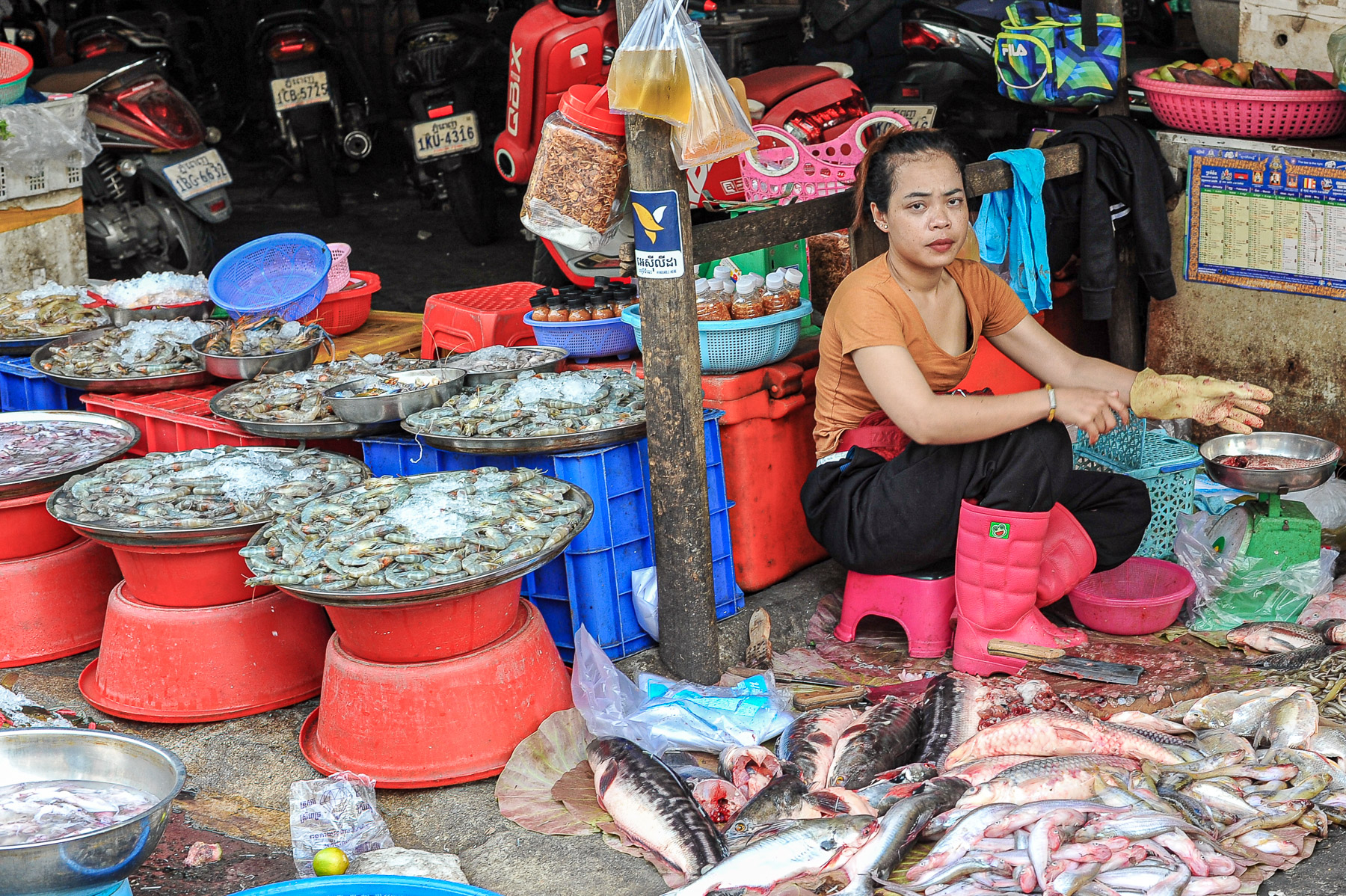
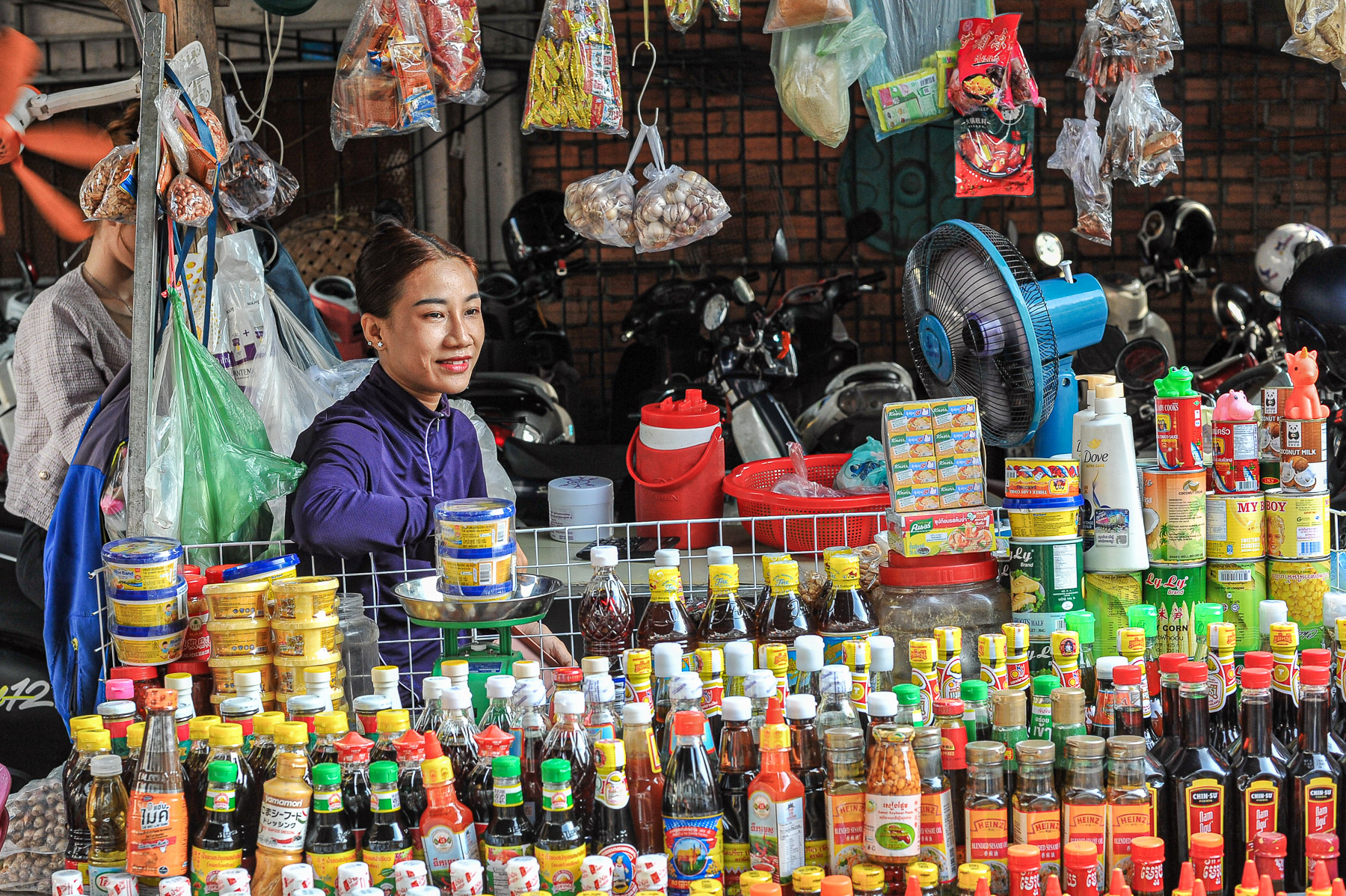
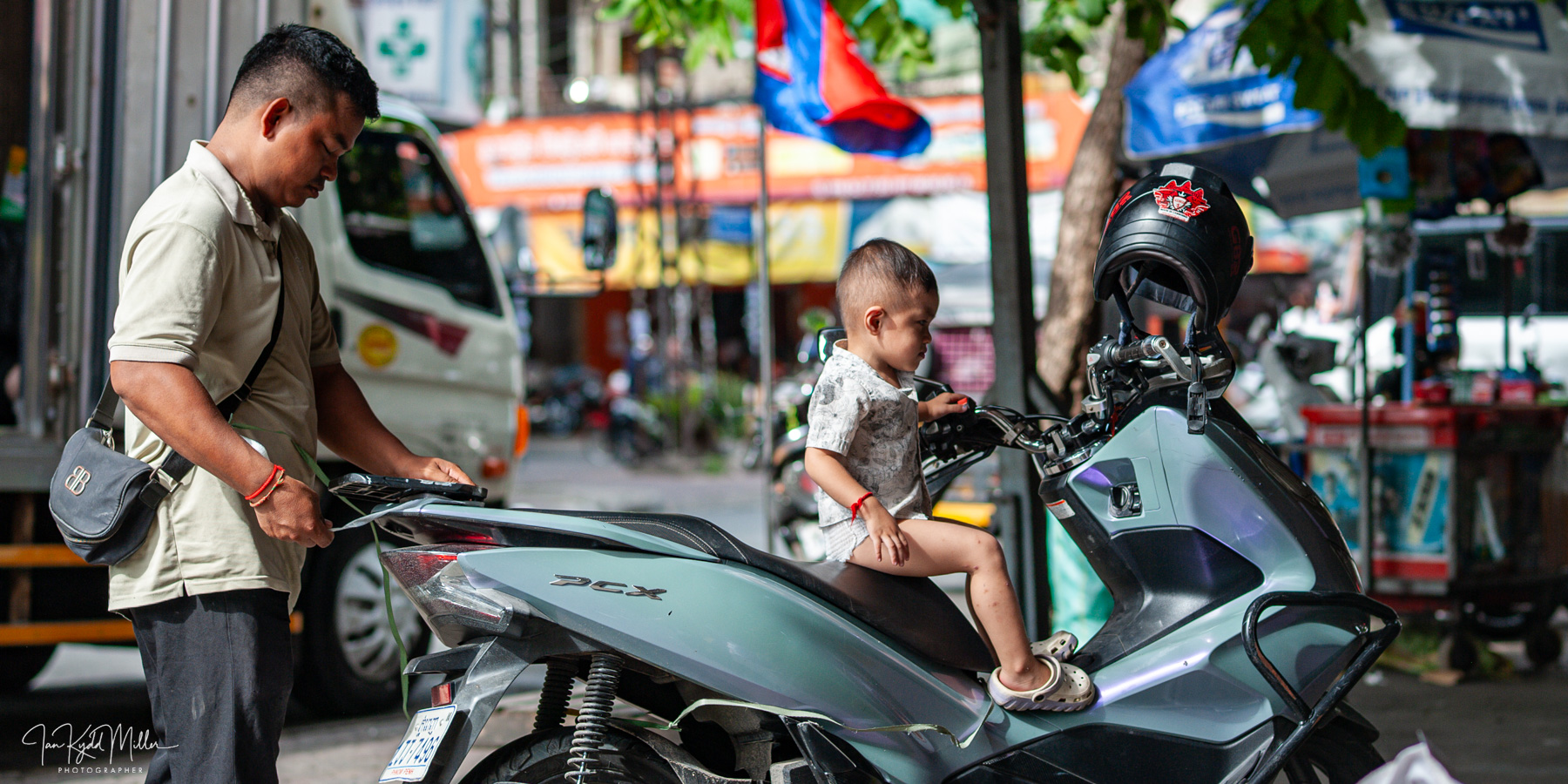
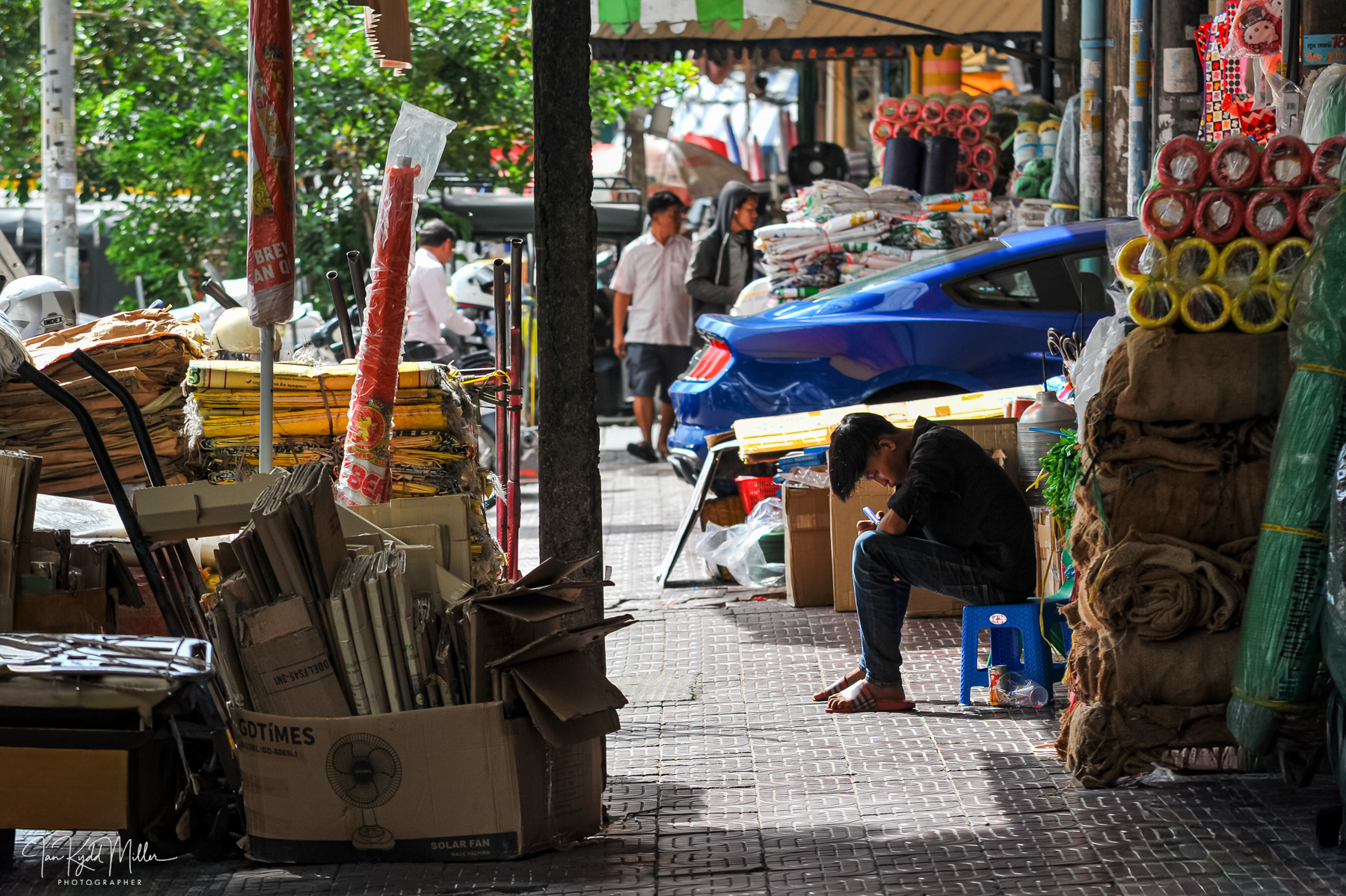
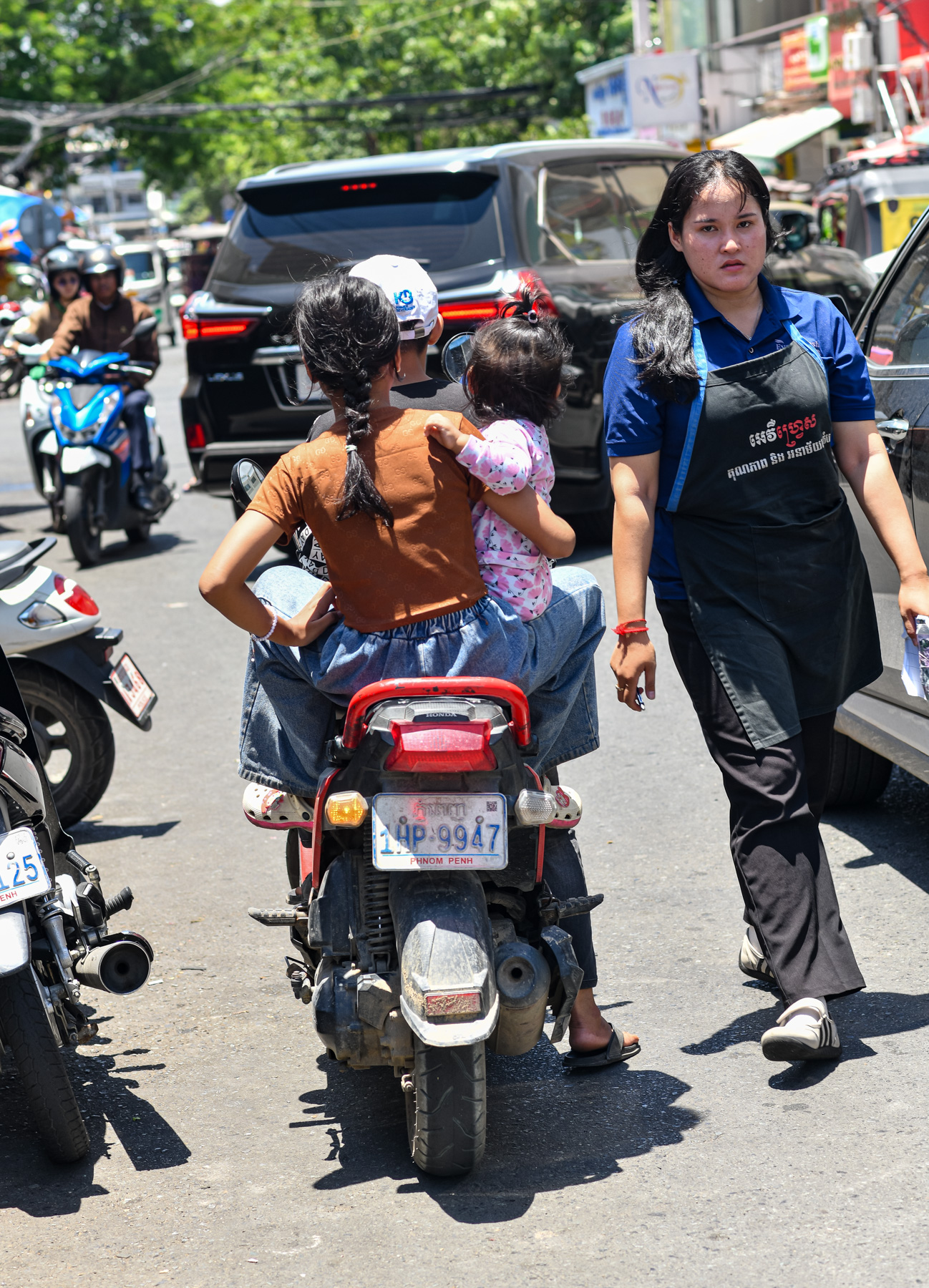
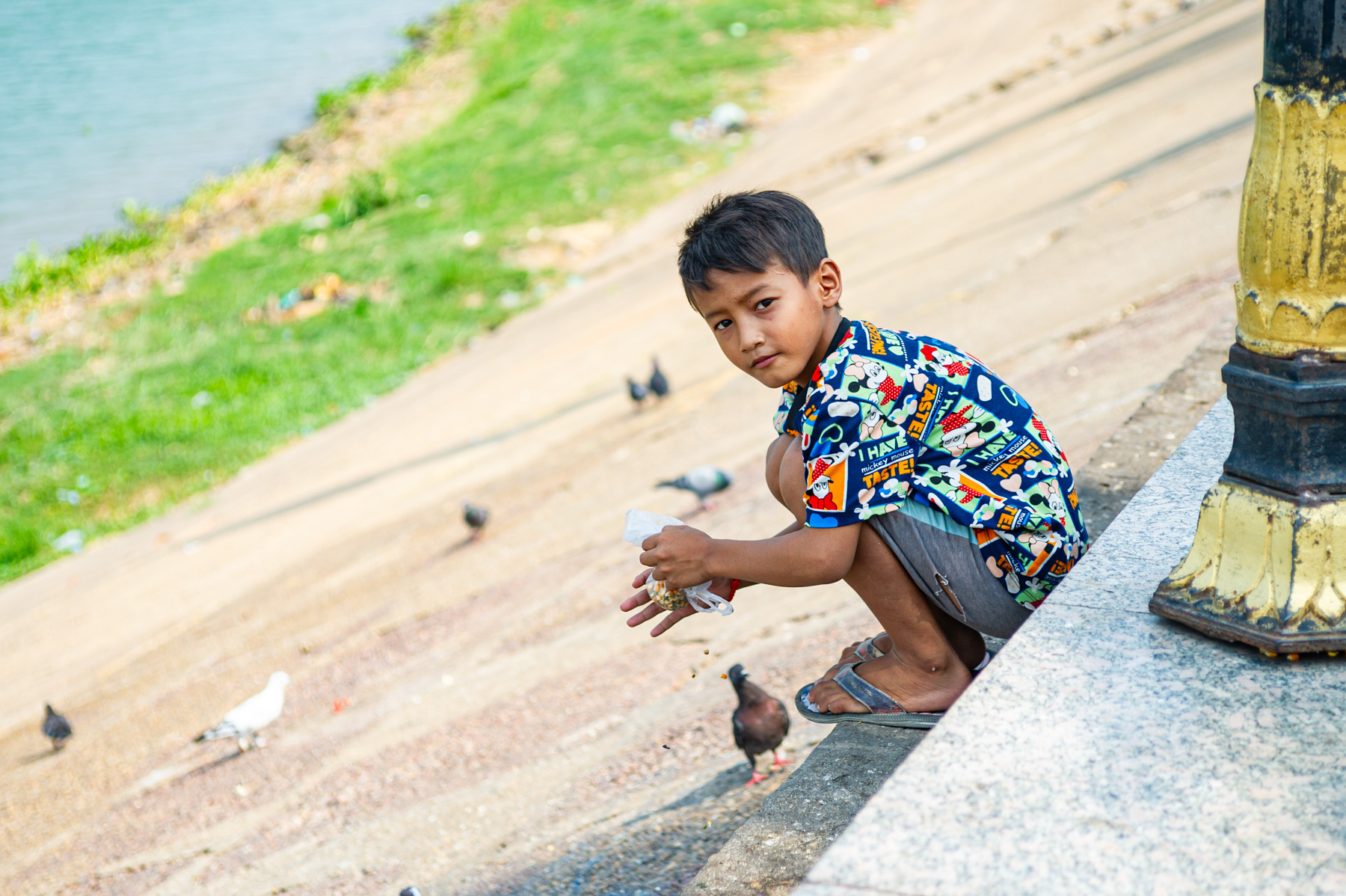
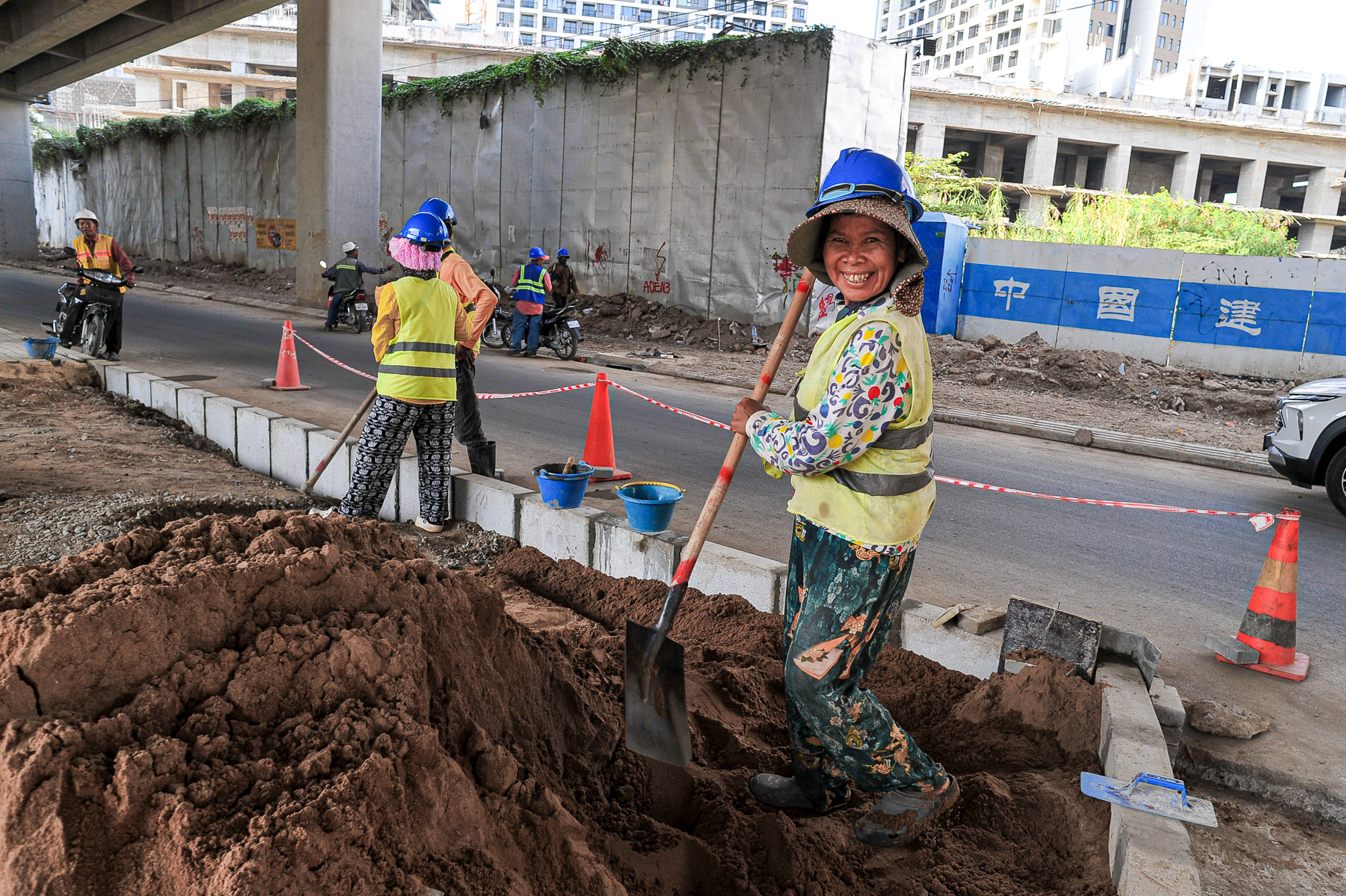
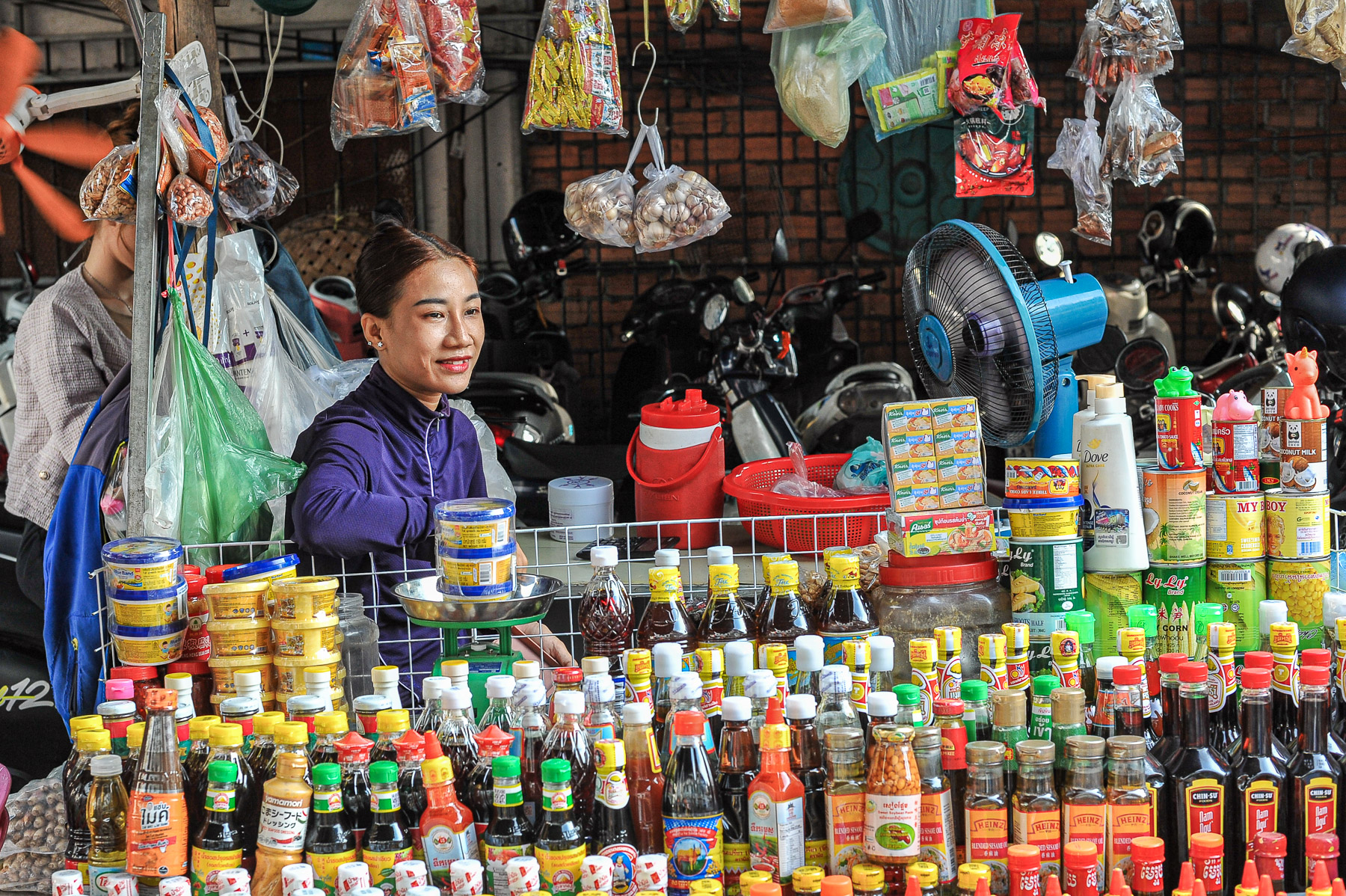
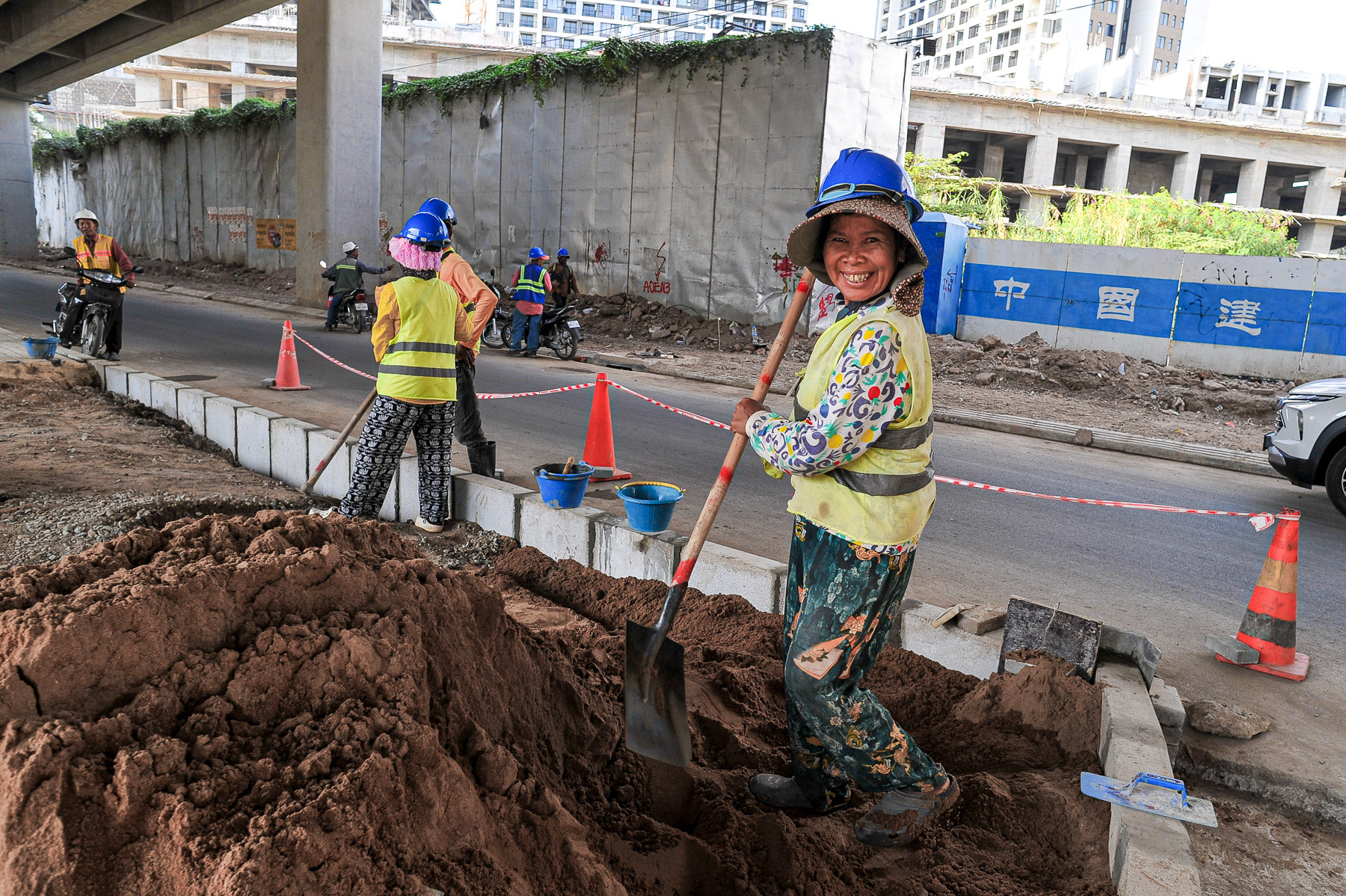
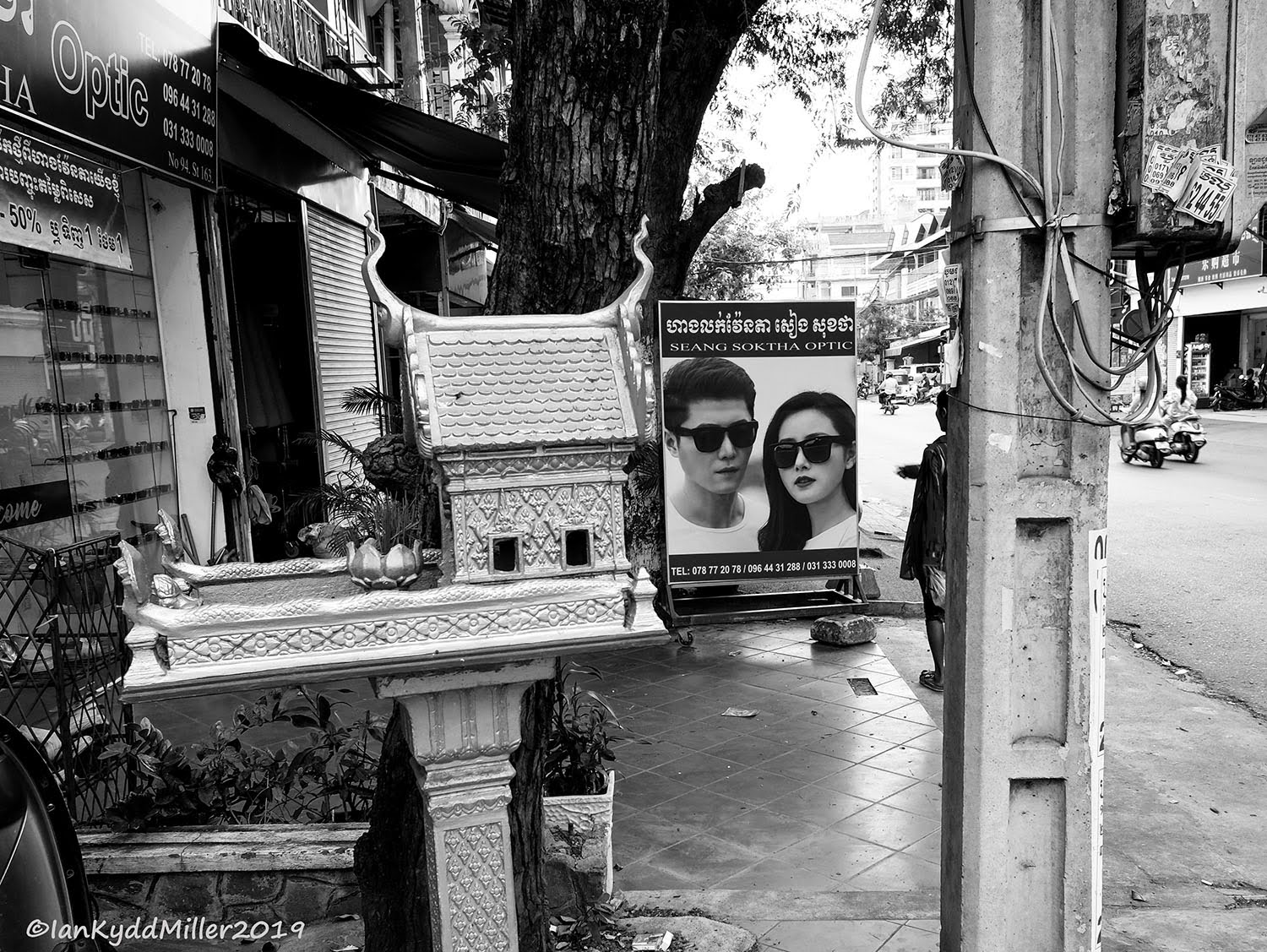
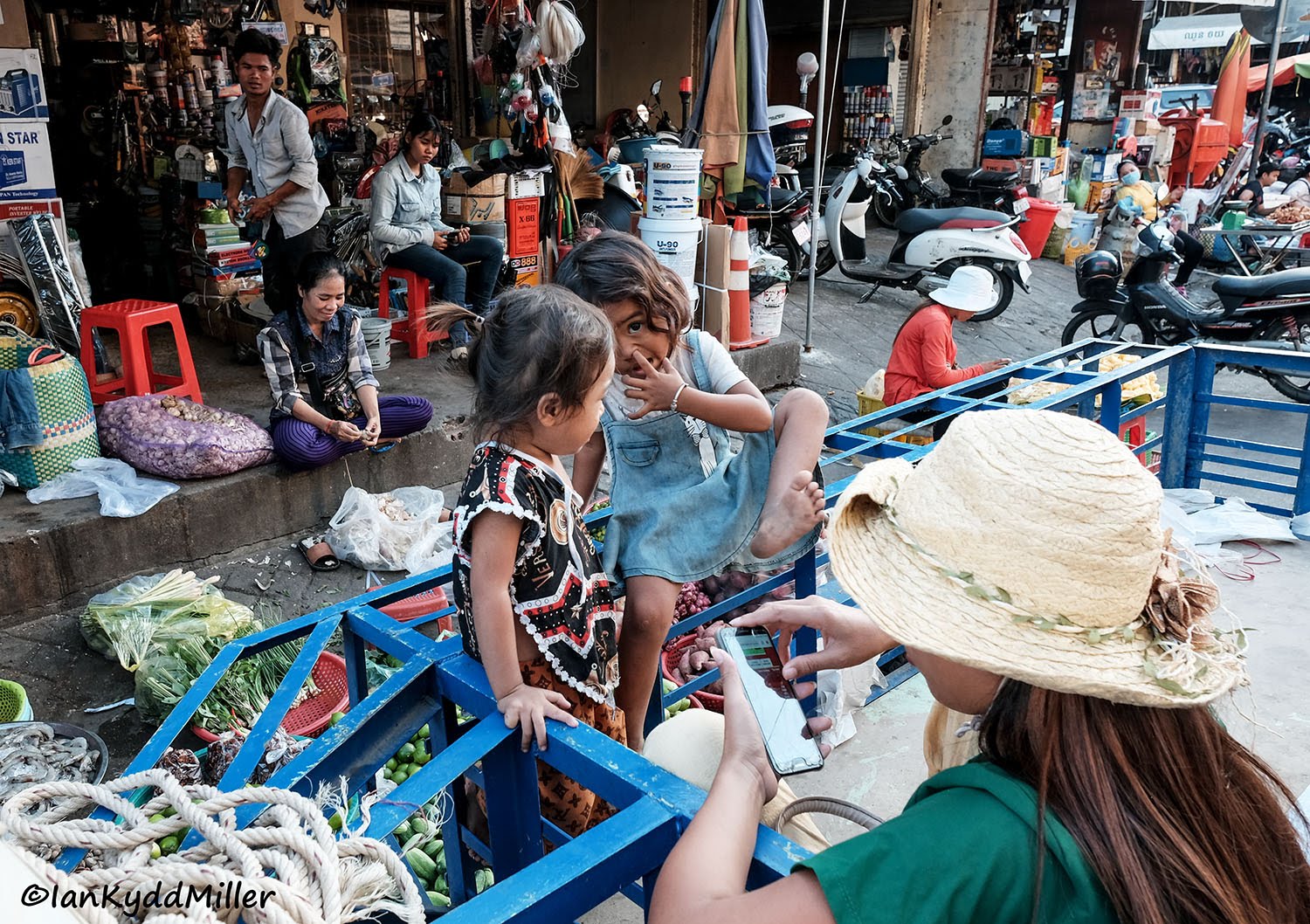
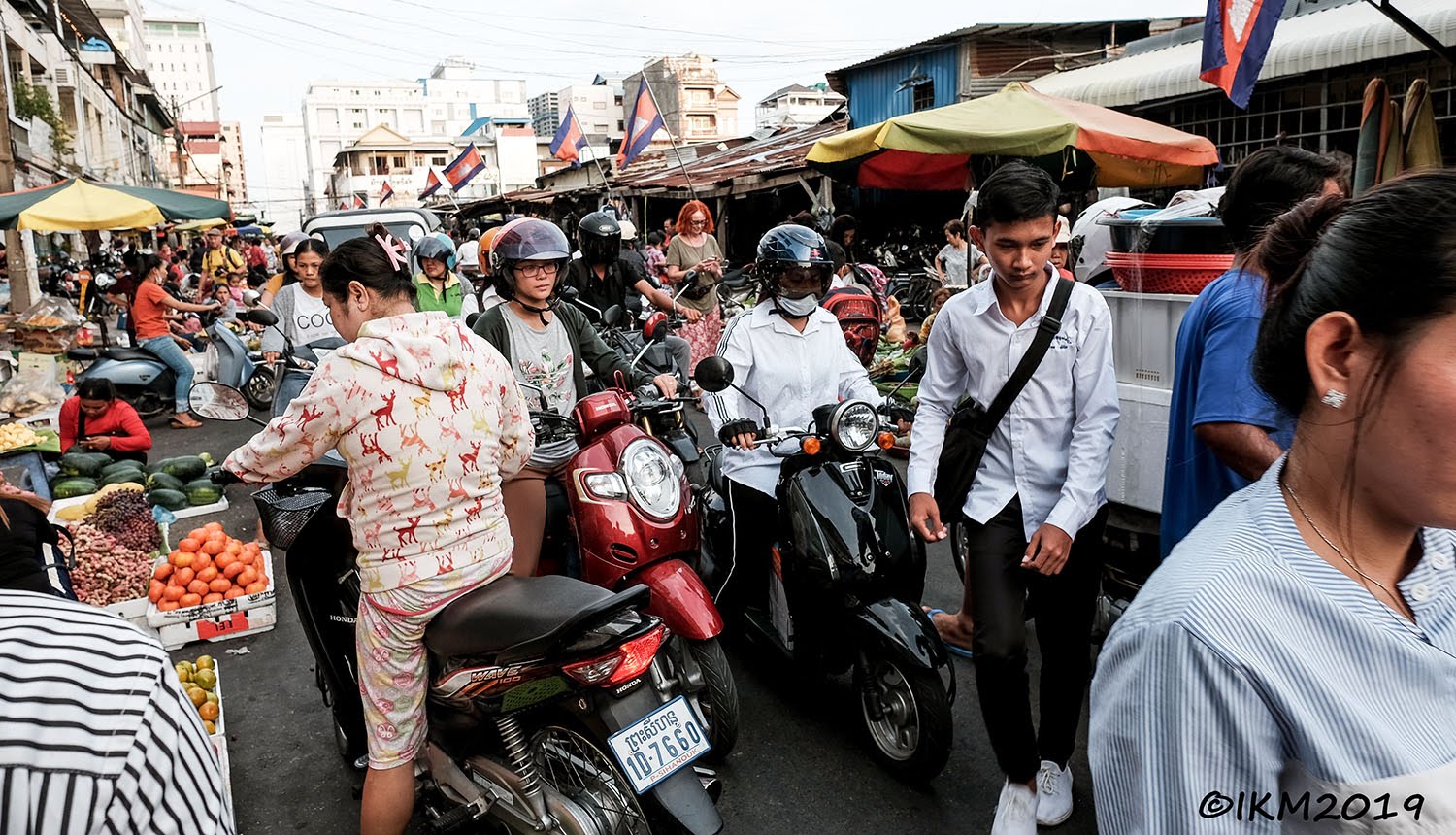
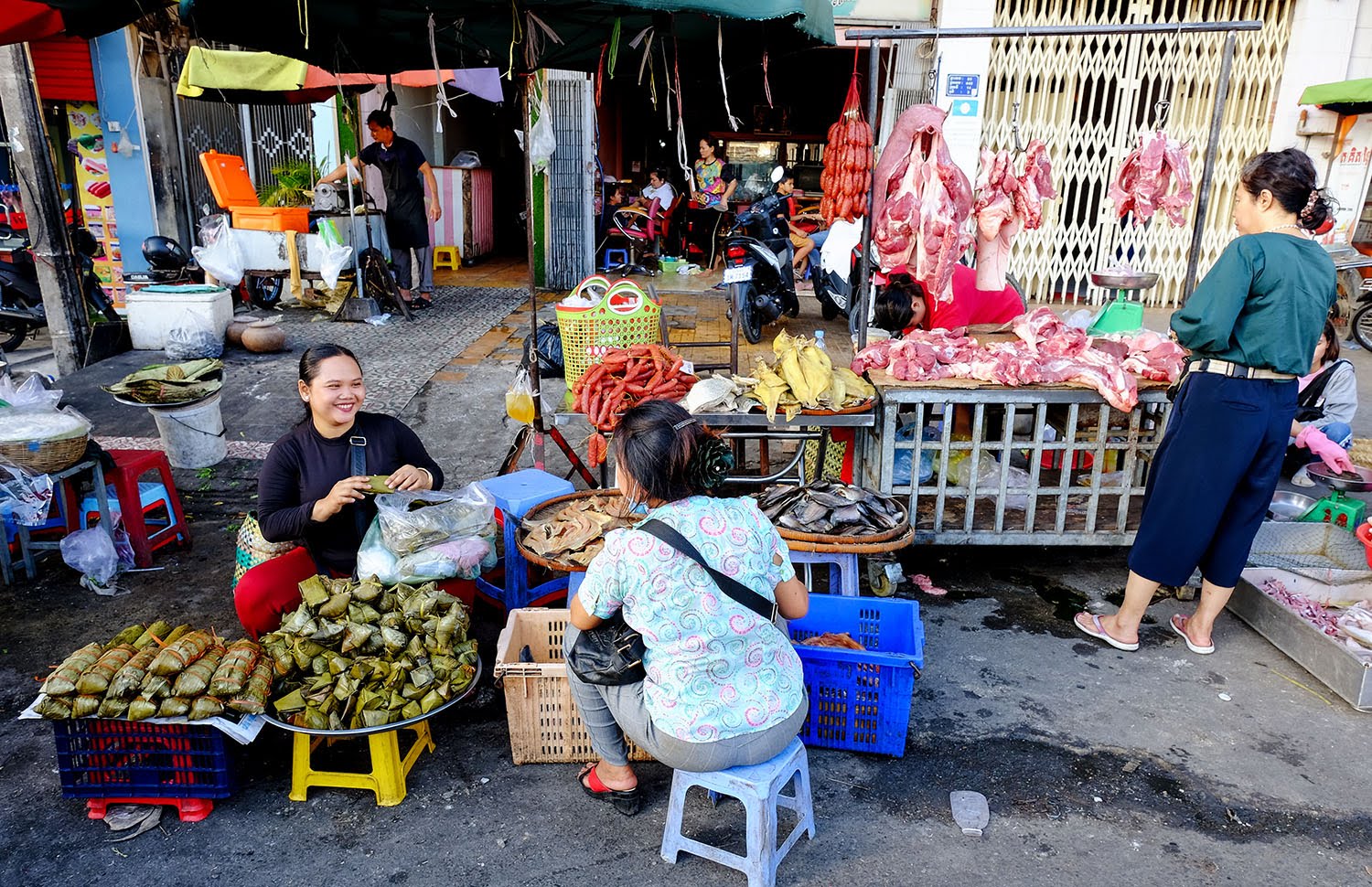
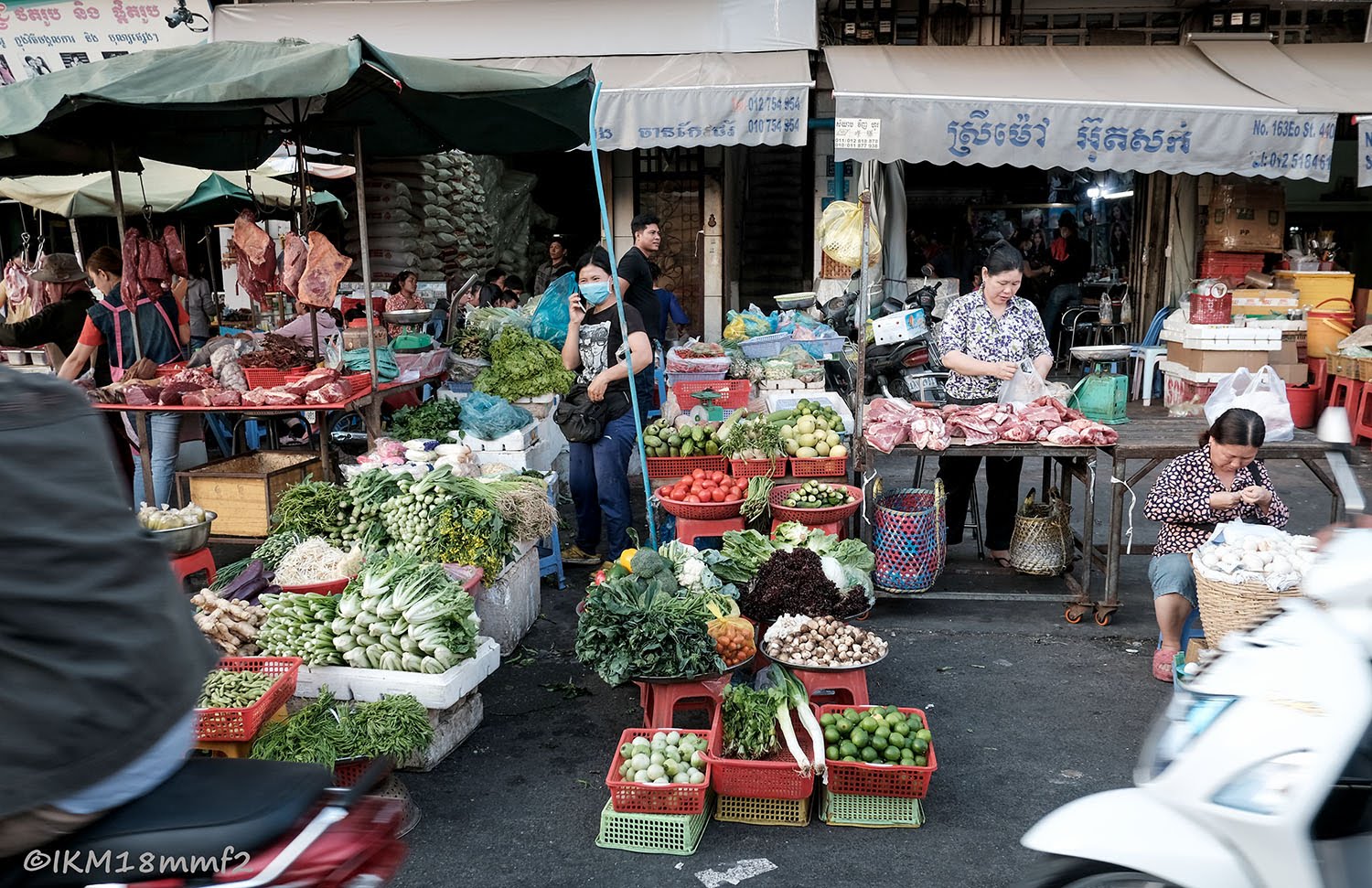
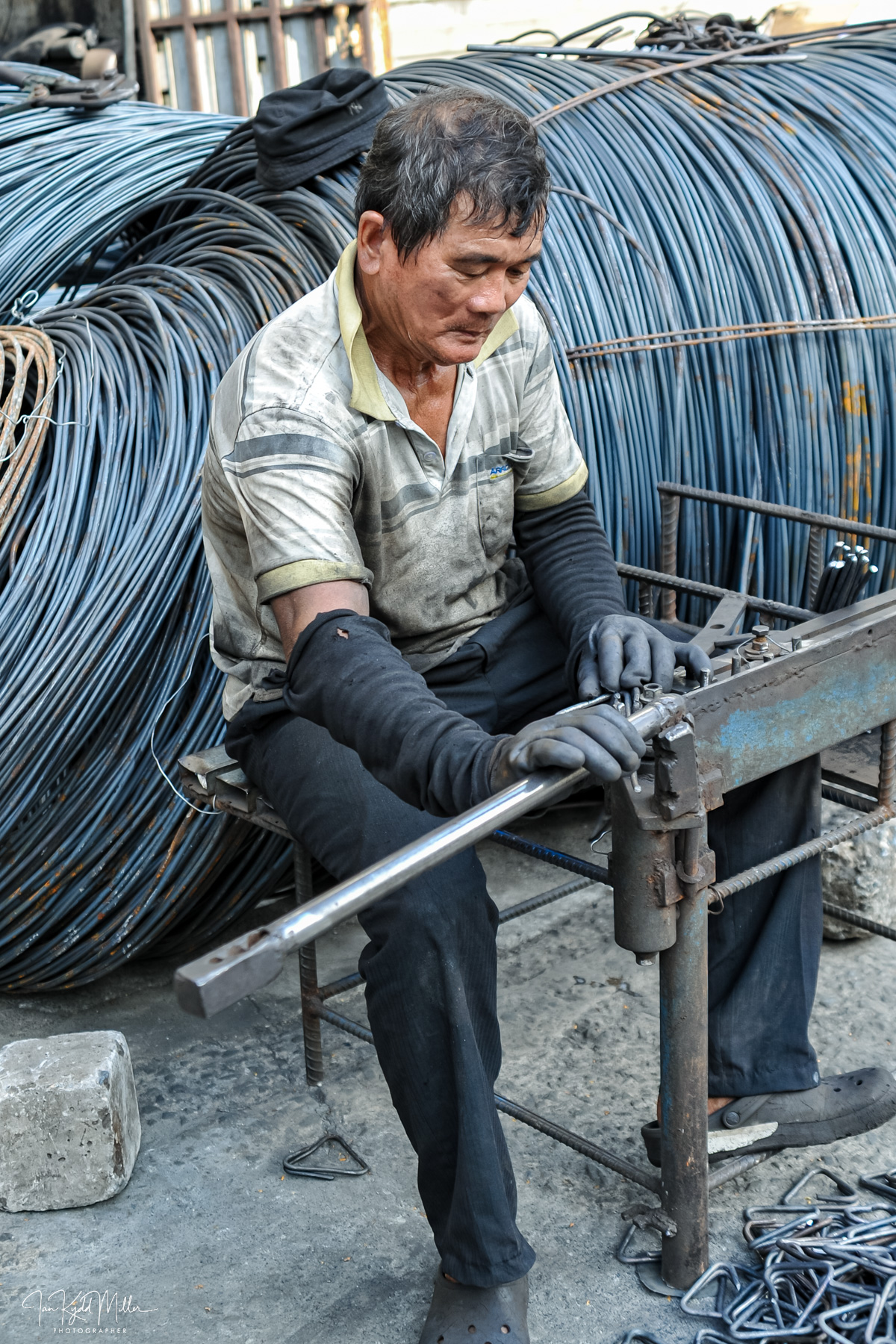
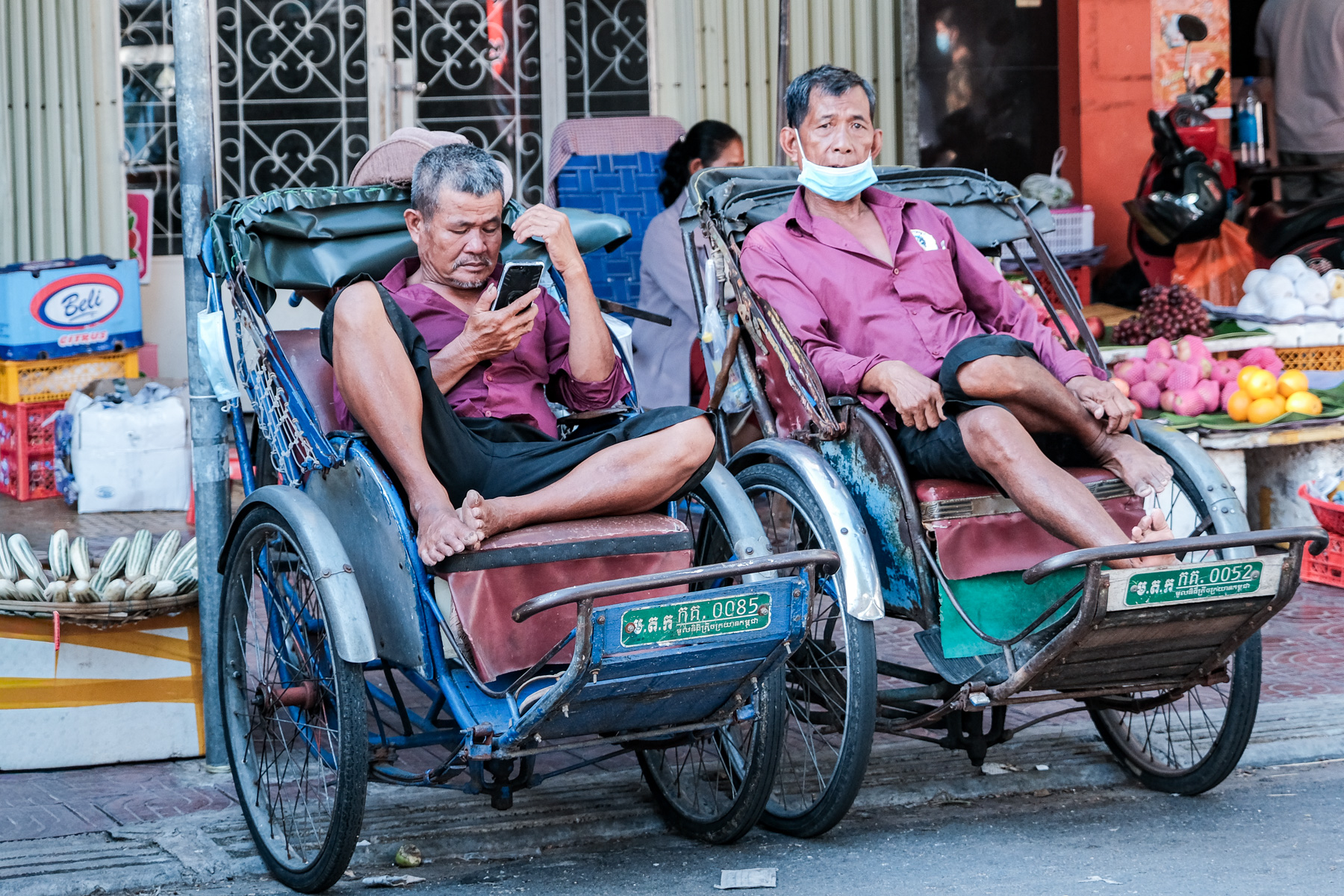
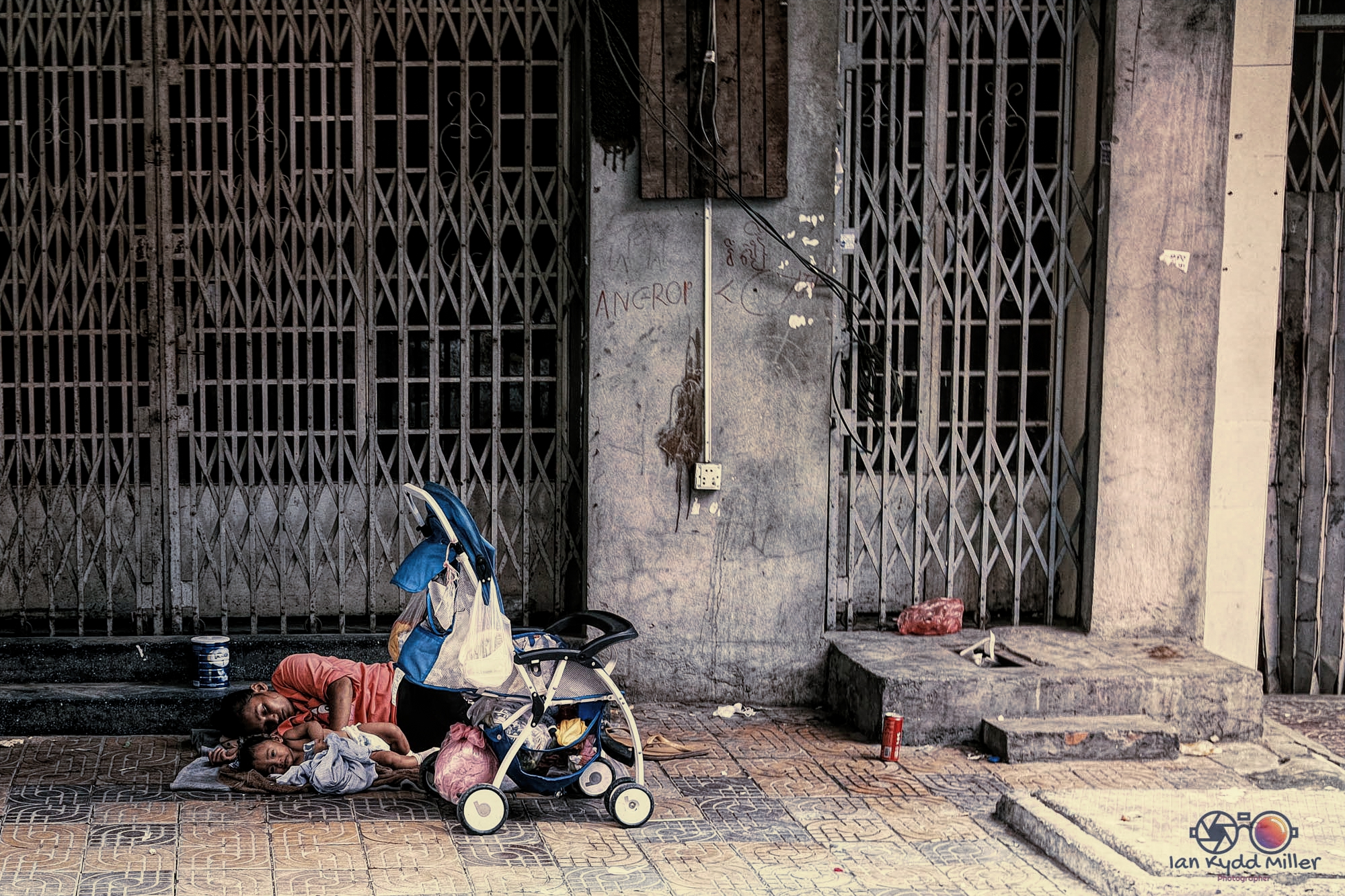
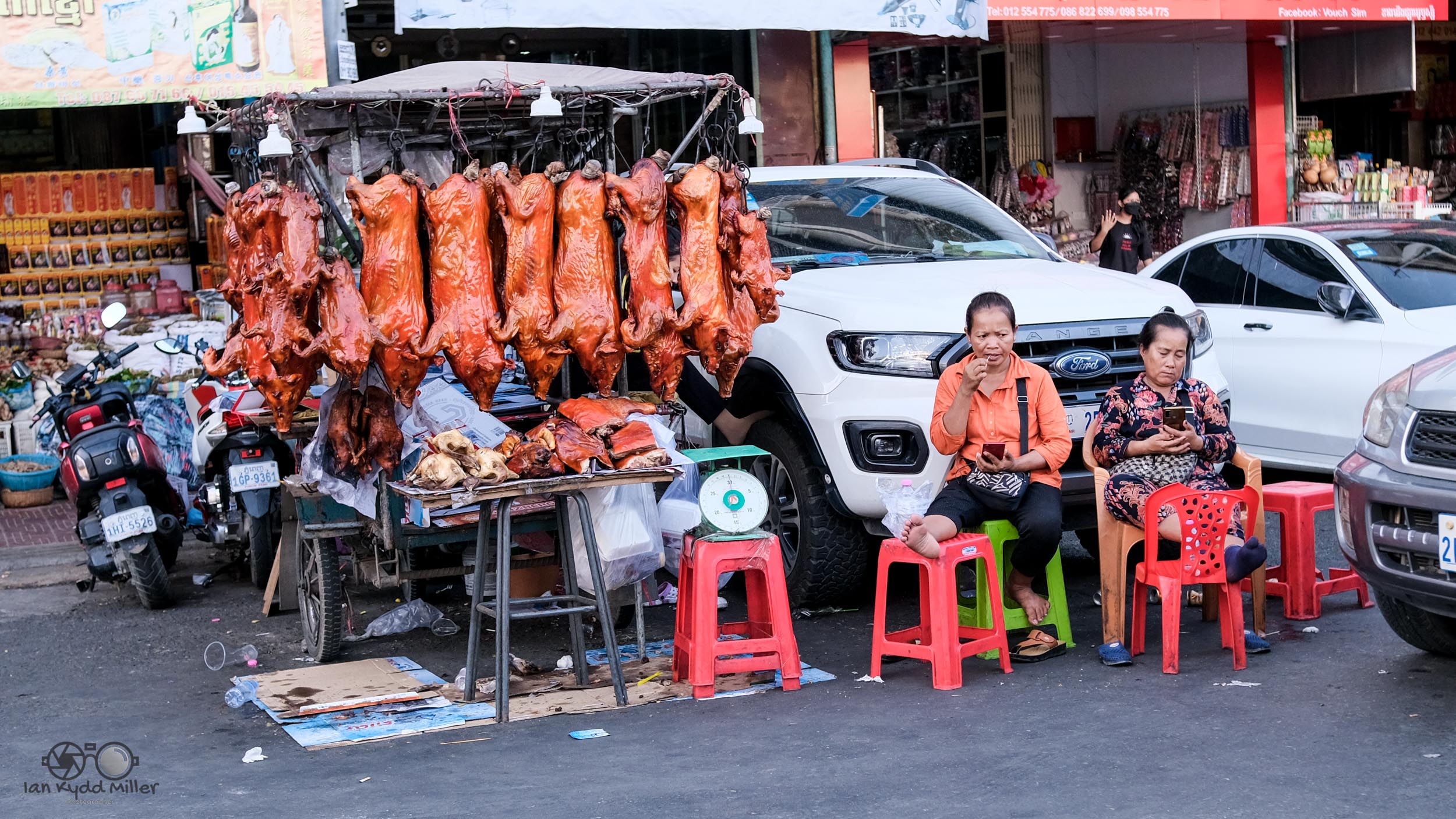
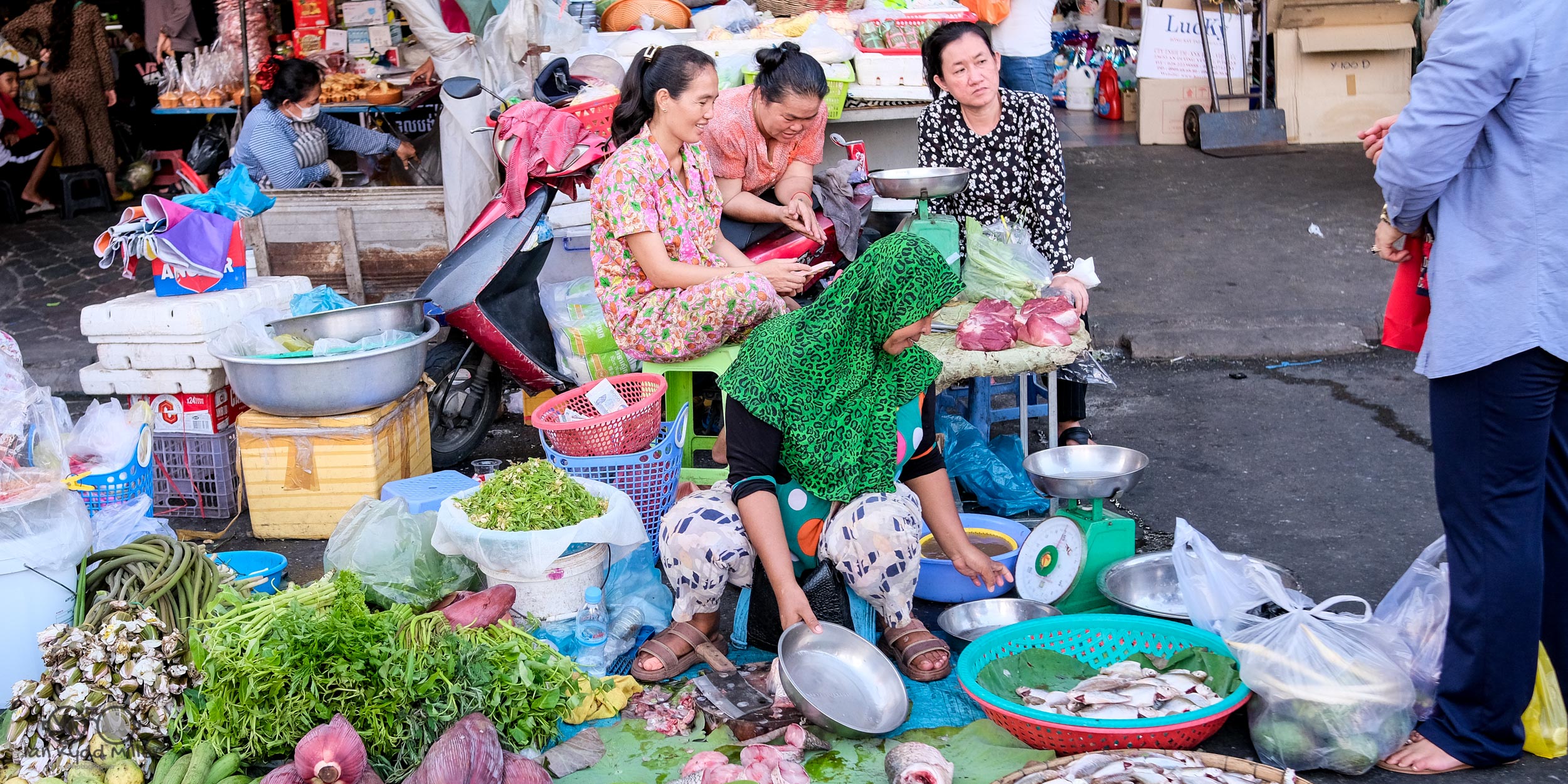
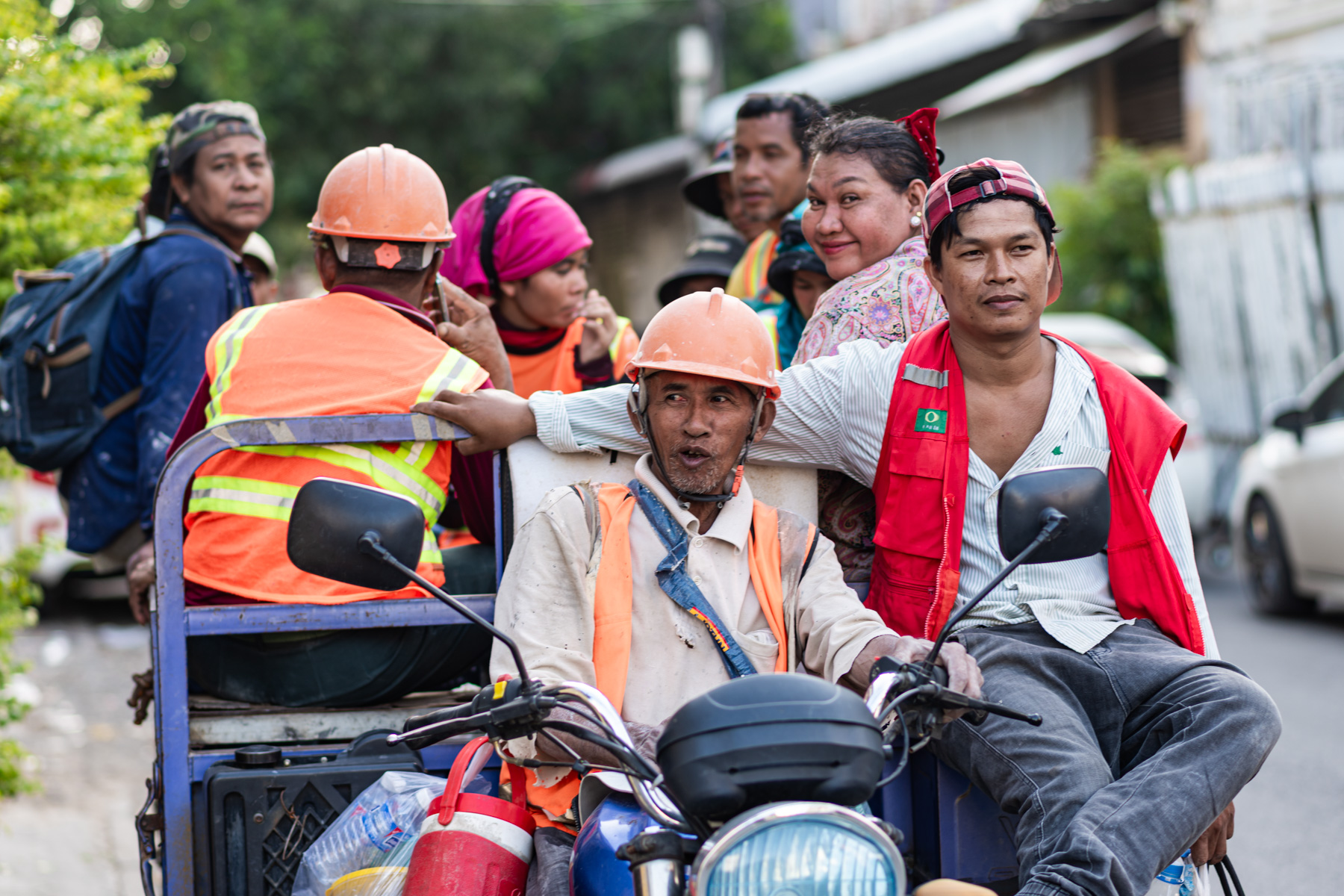
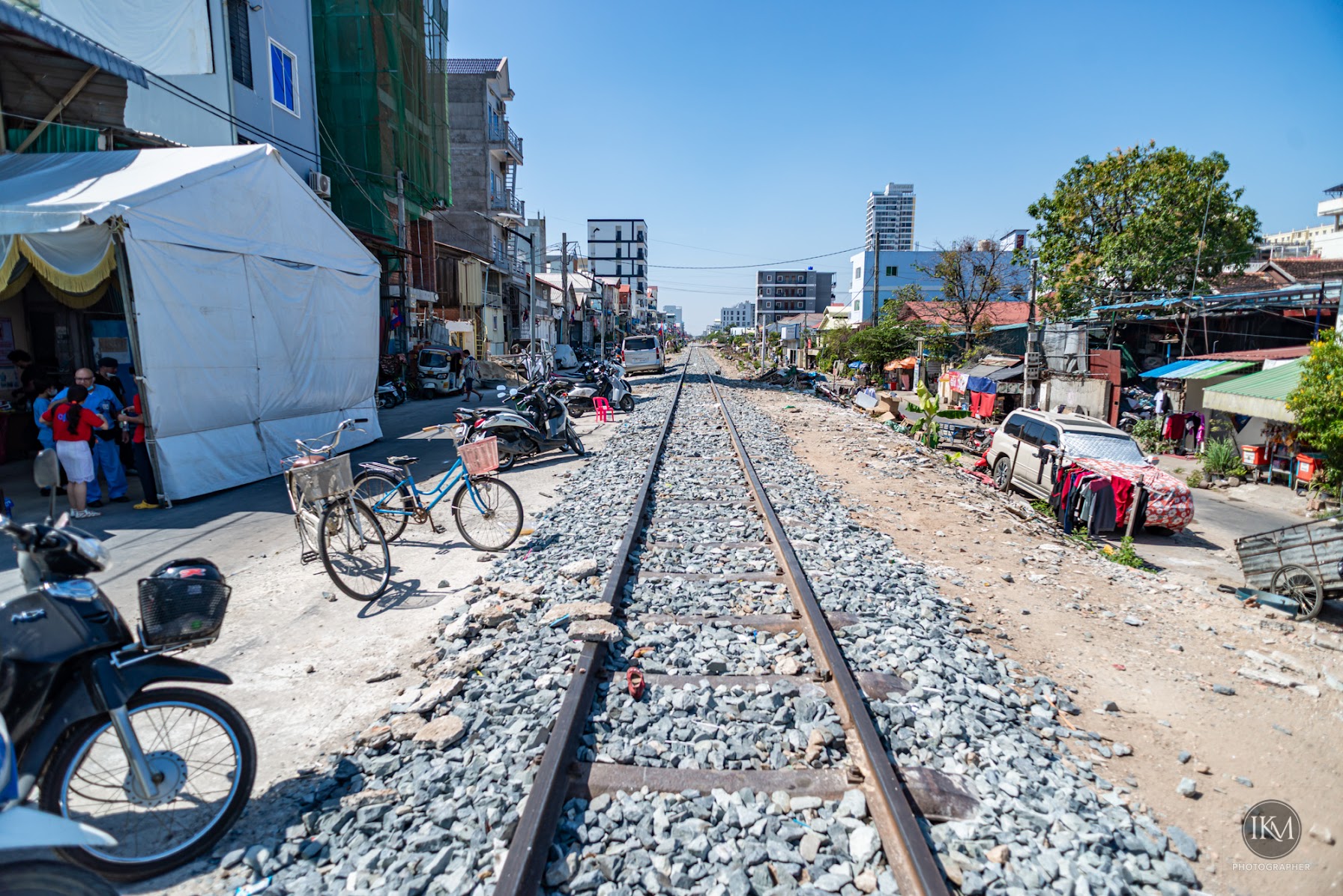
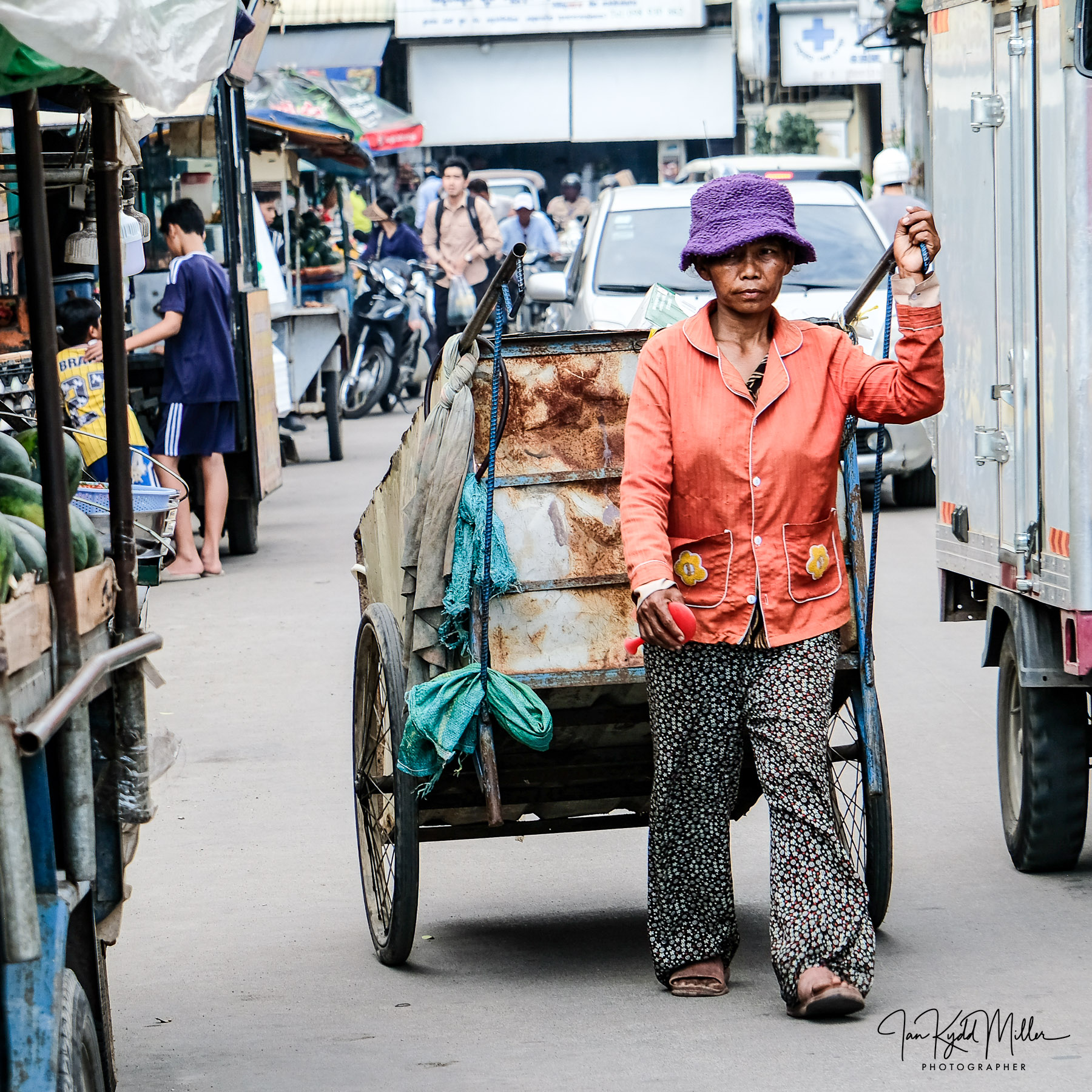
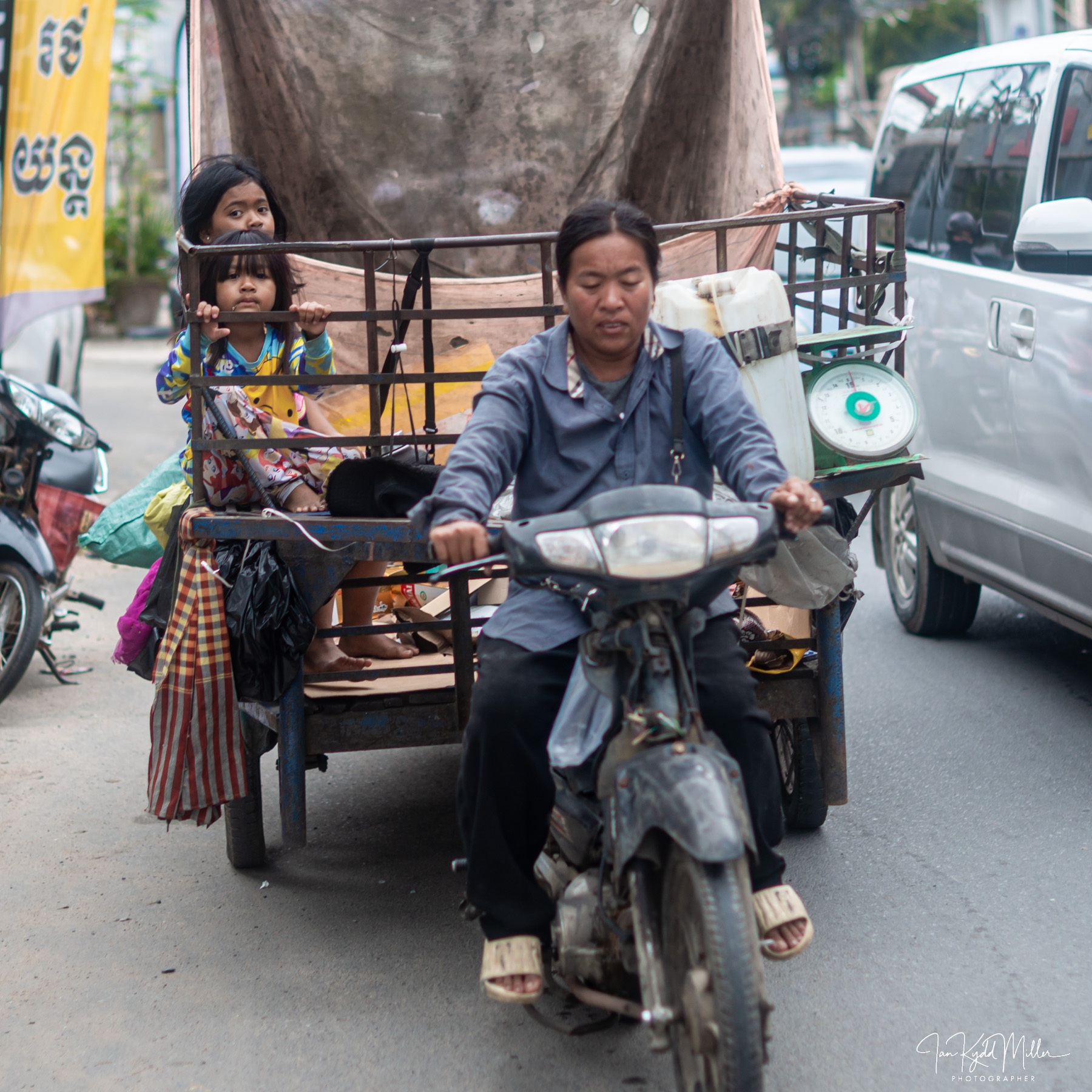
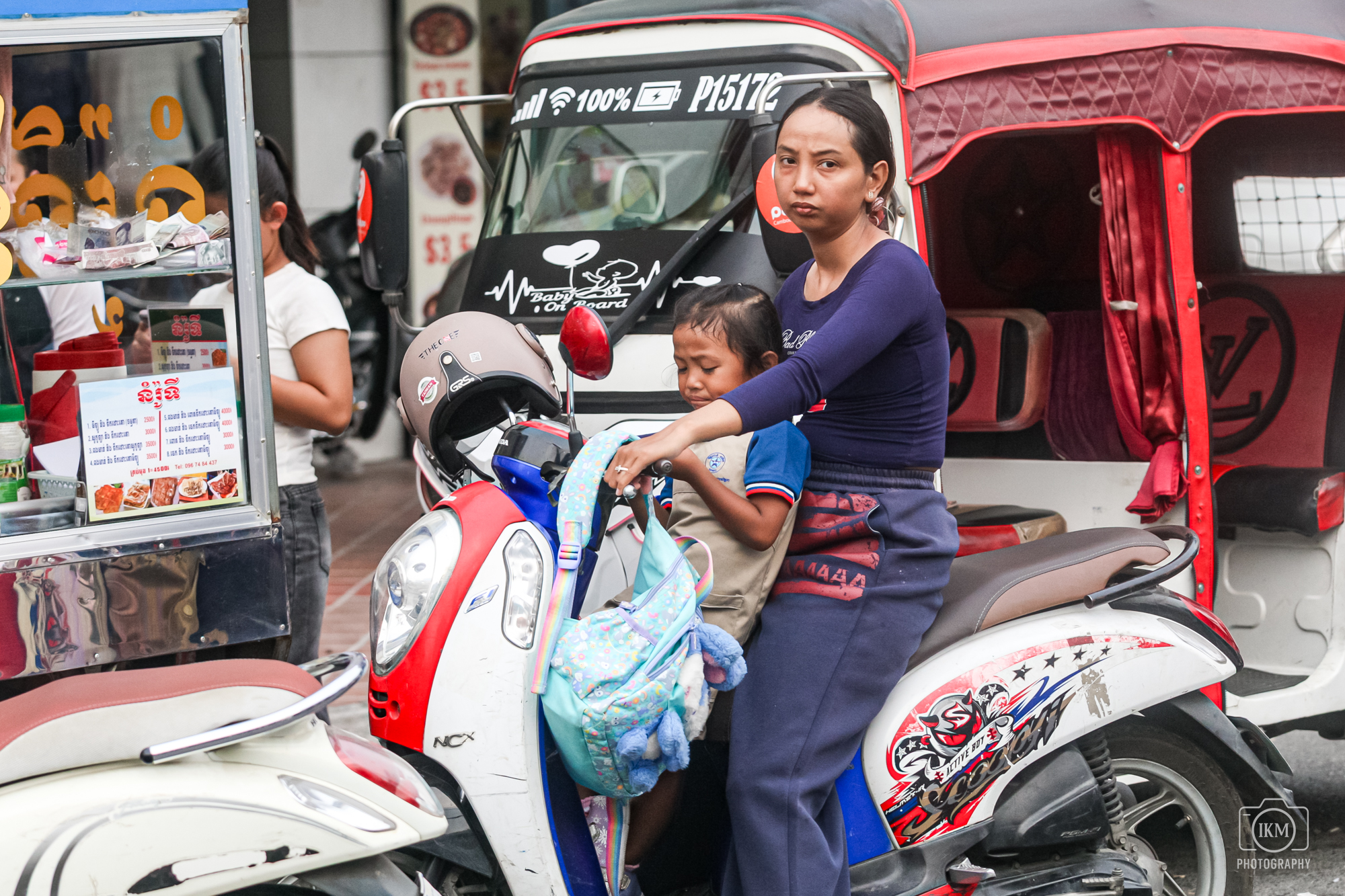
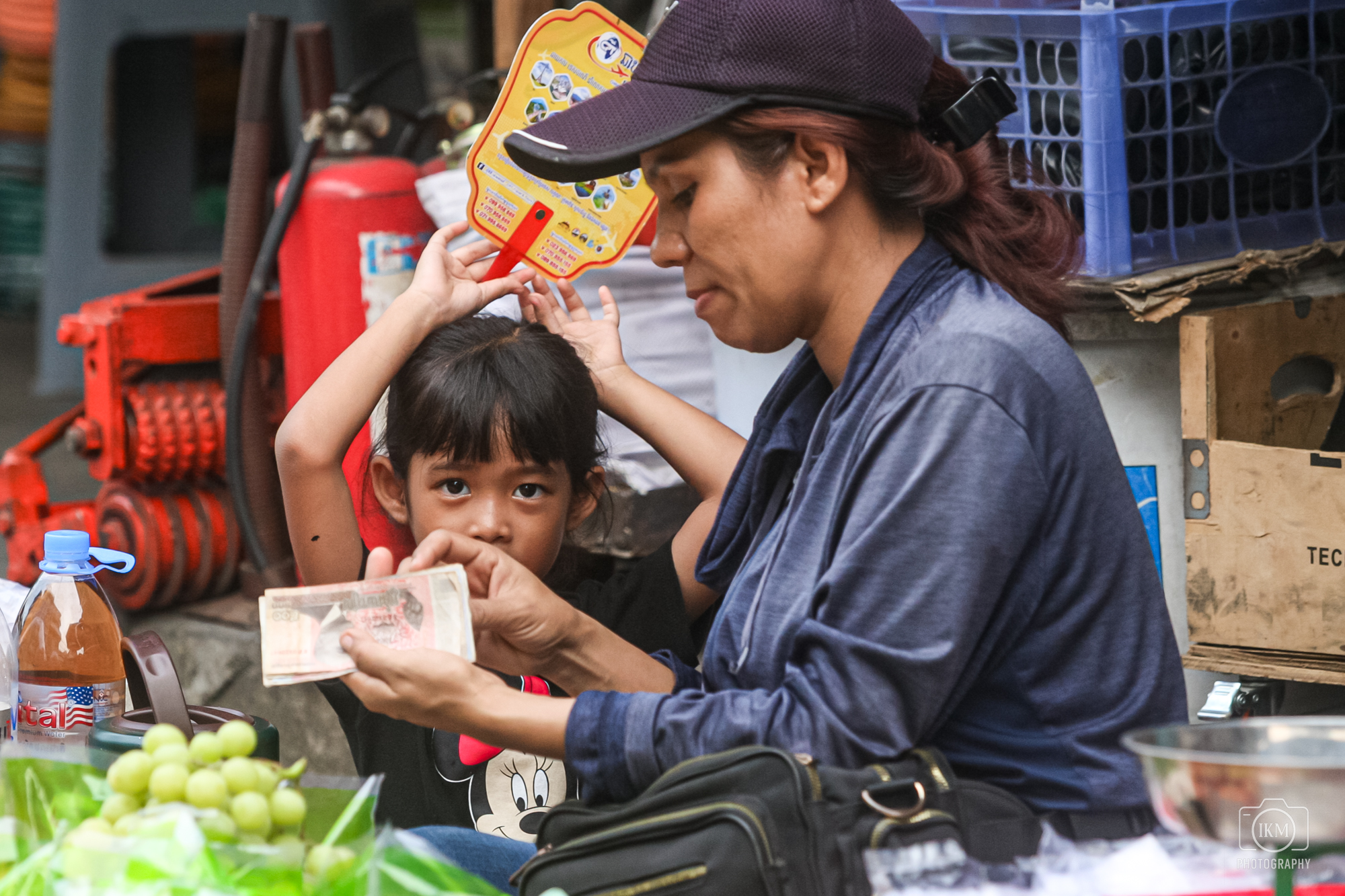
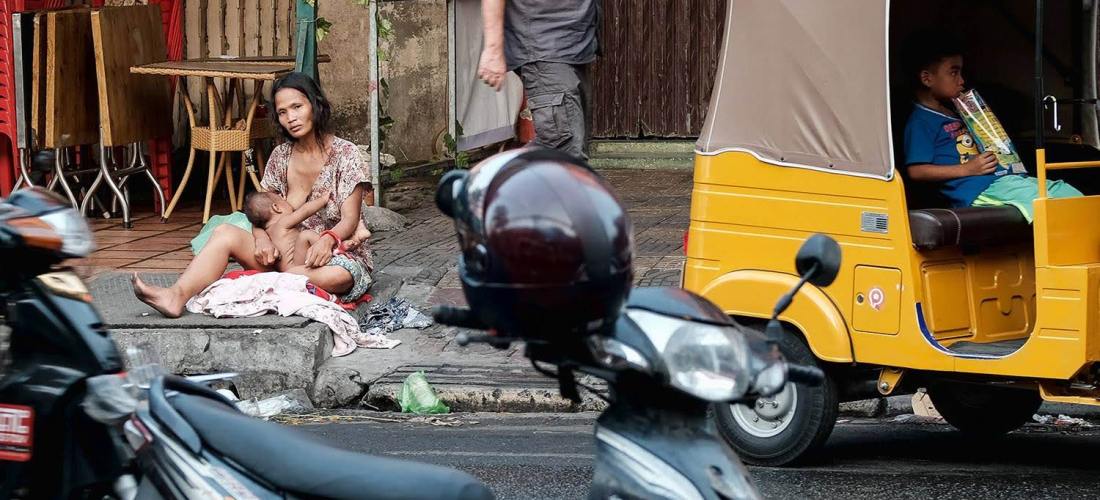
Walking through Phnom Penh is like stepping into a living mosaic of Cambodia’s culture. The streets are not just roads for transport—they are markets, kitchens, playgrounds, and social spaces all at once.

🌞 Morning Rhythms

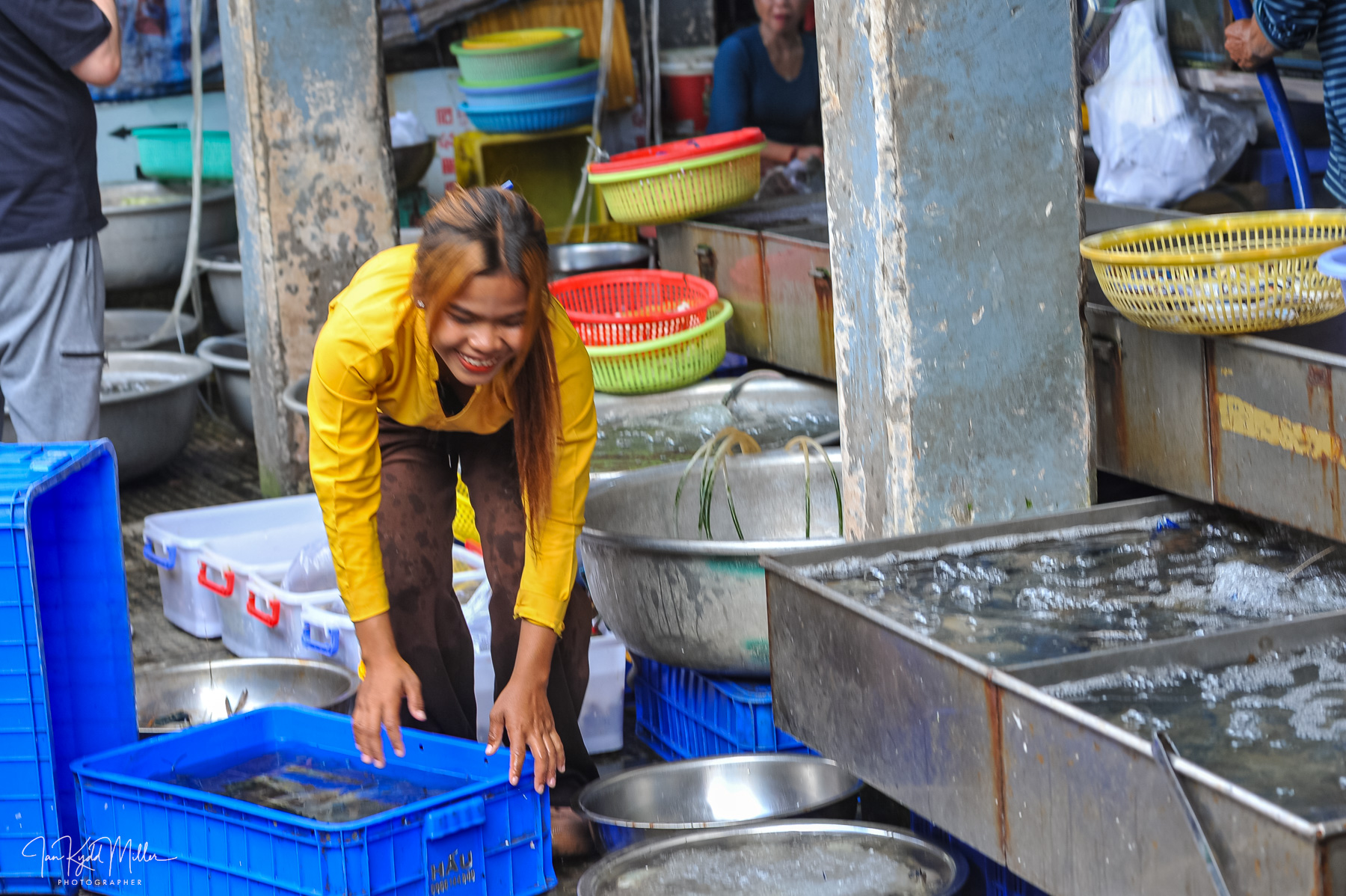
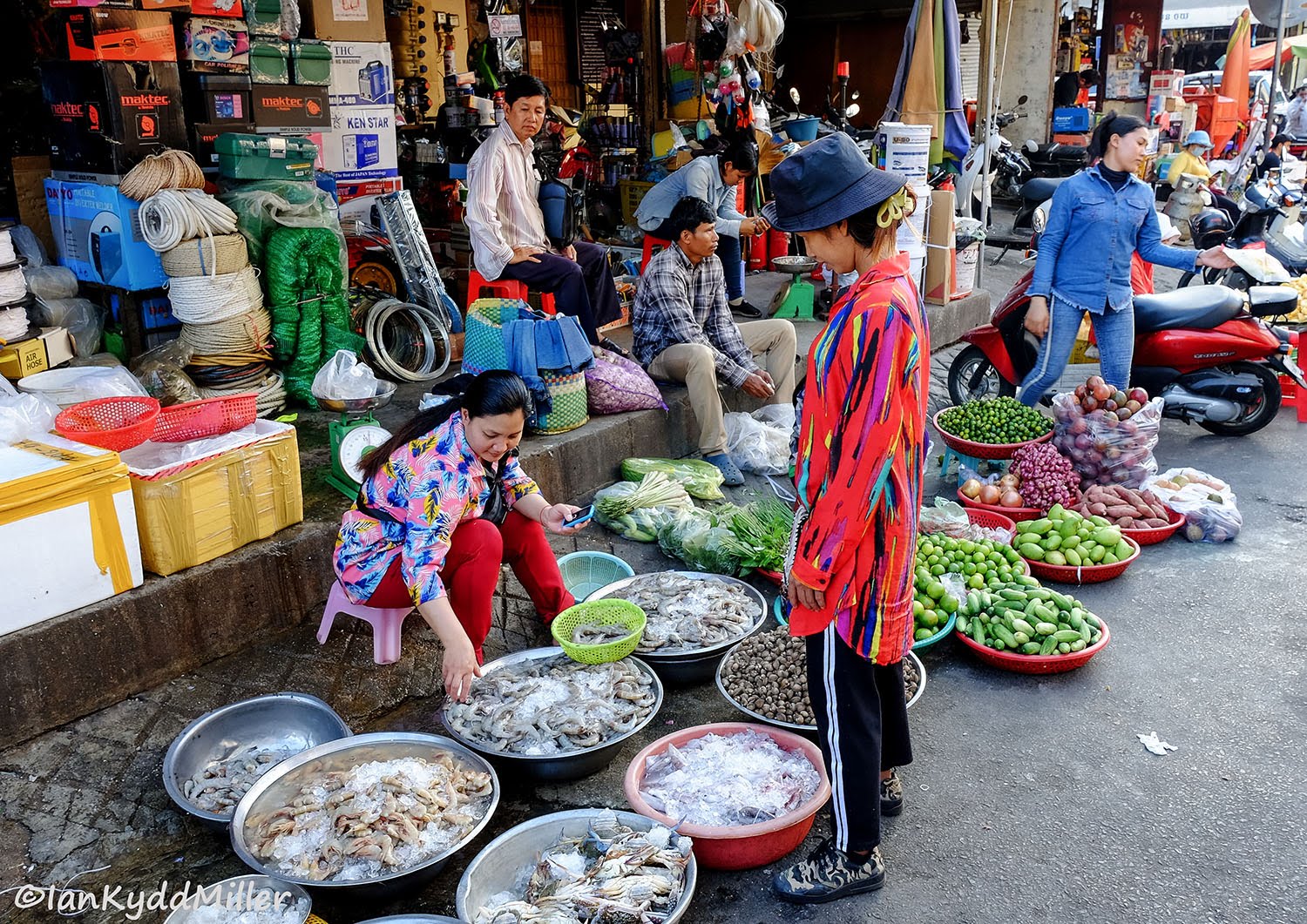
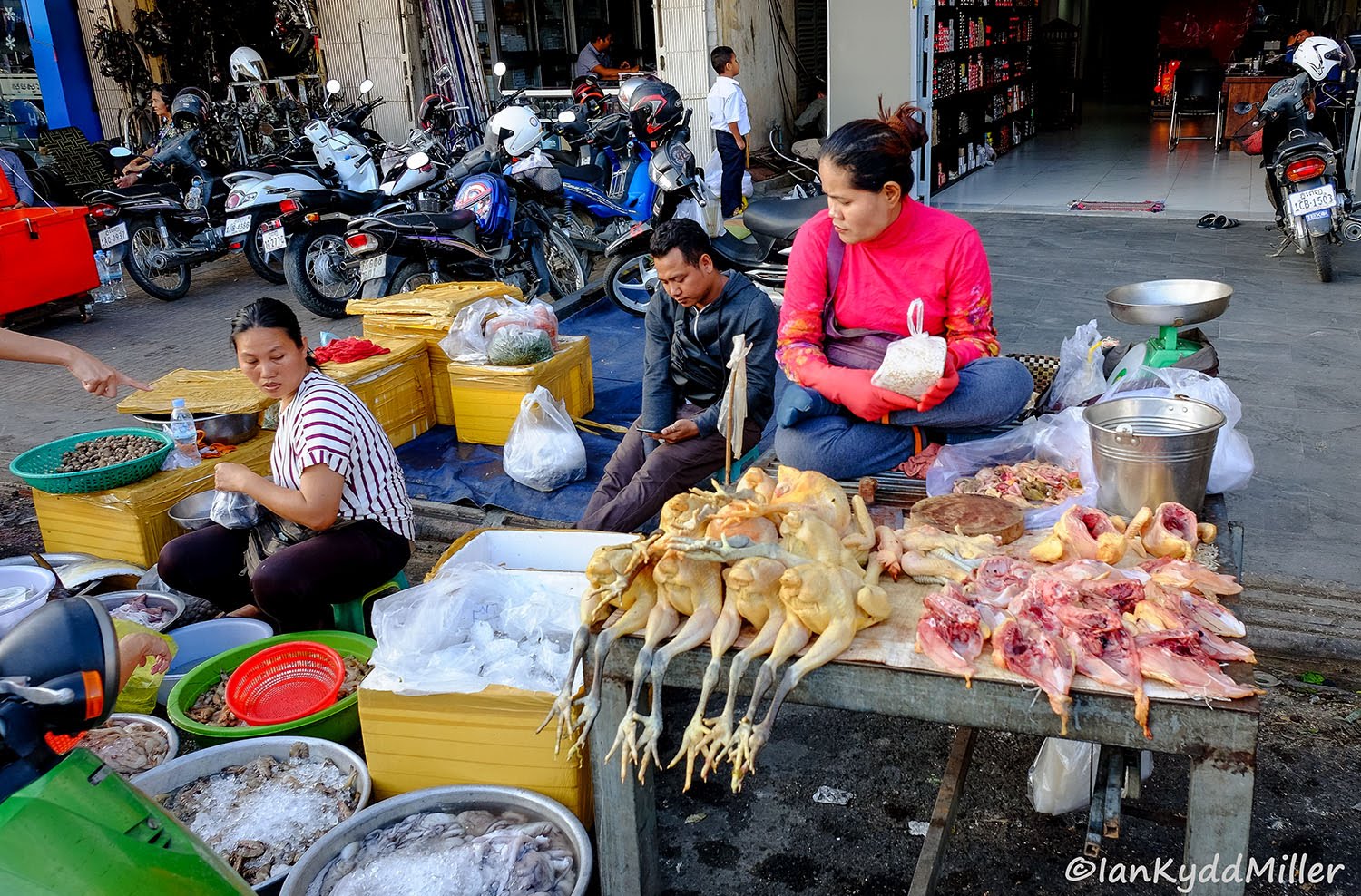
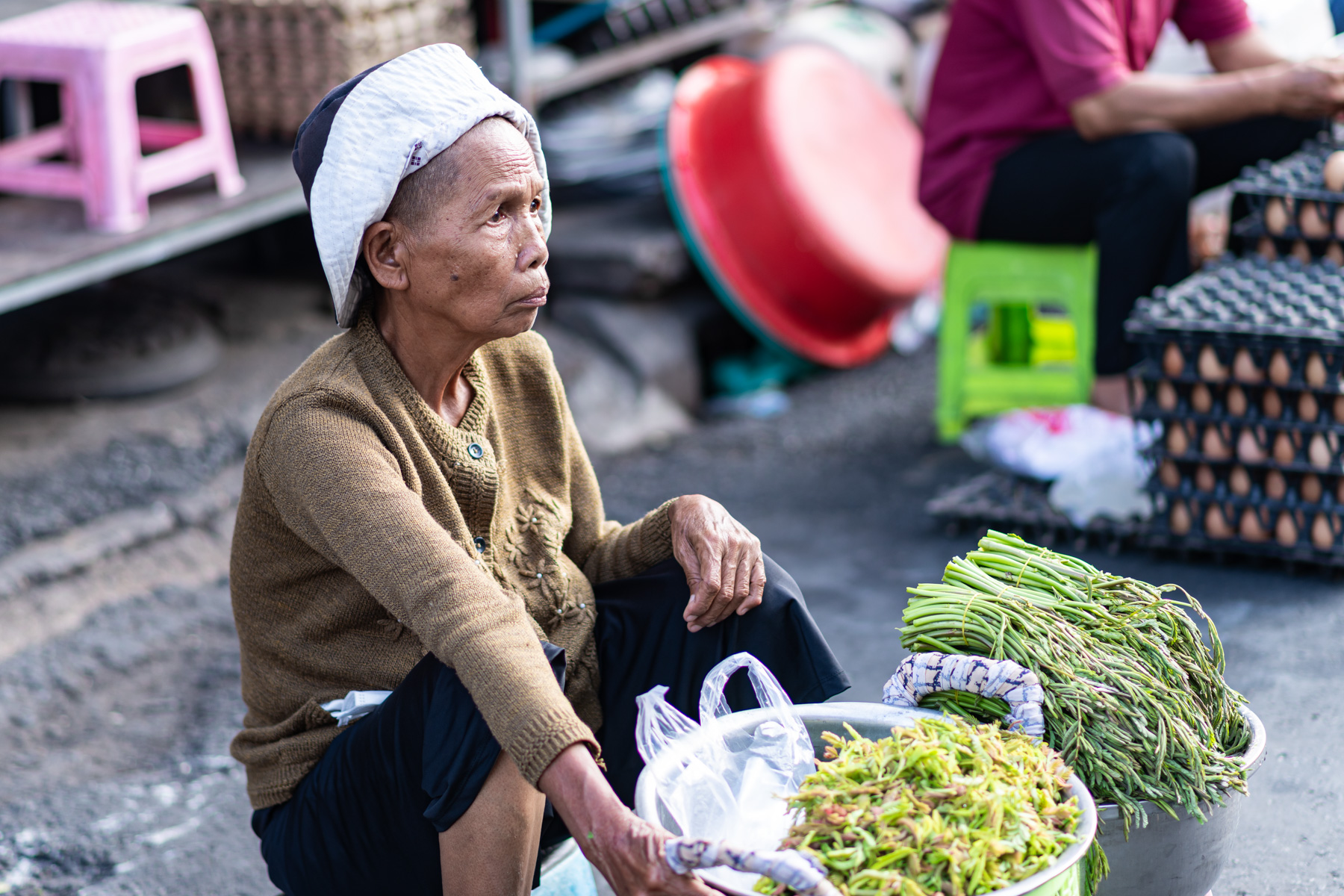
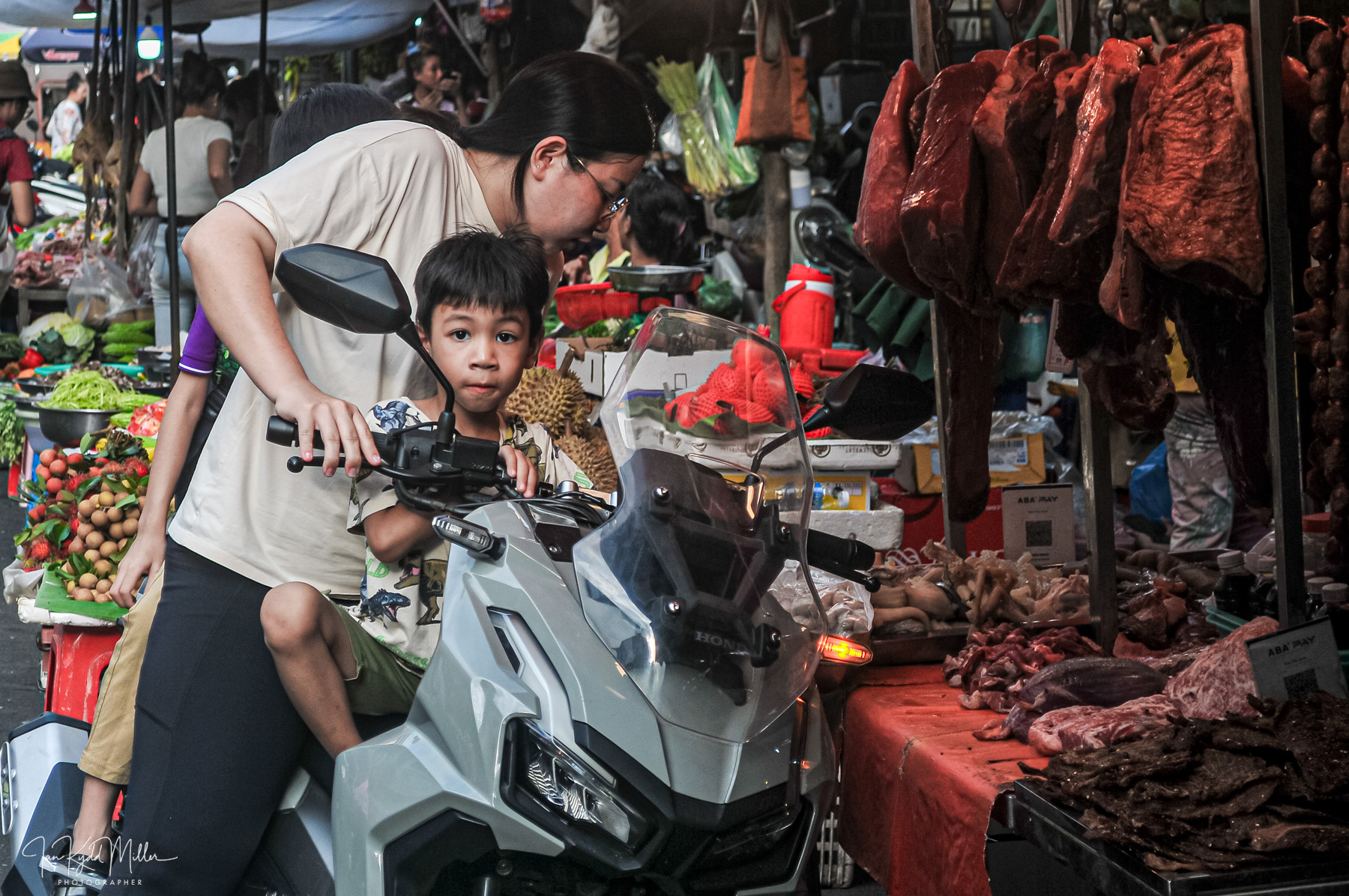
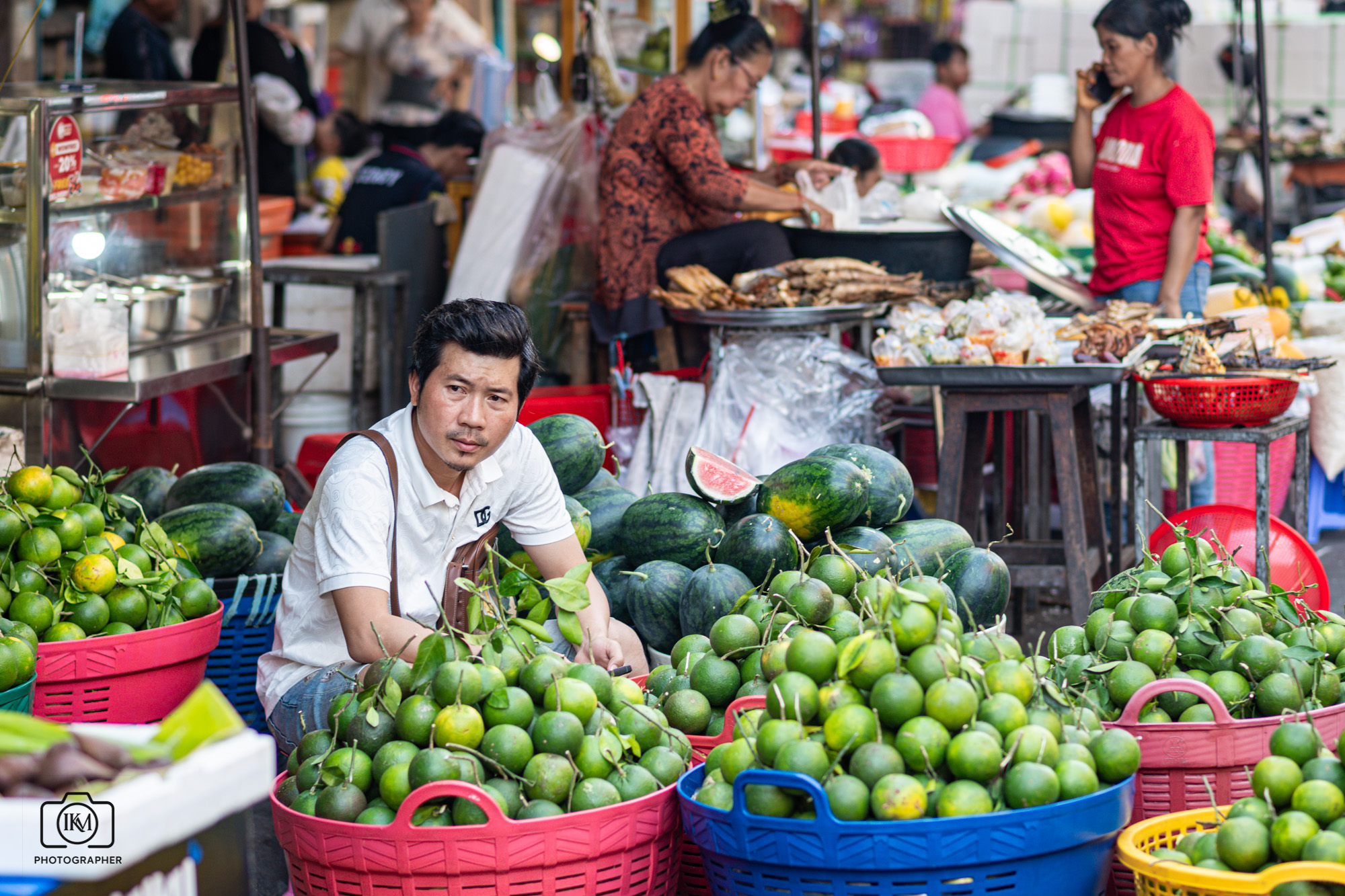
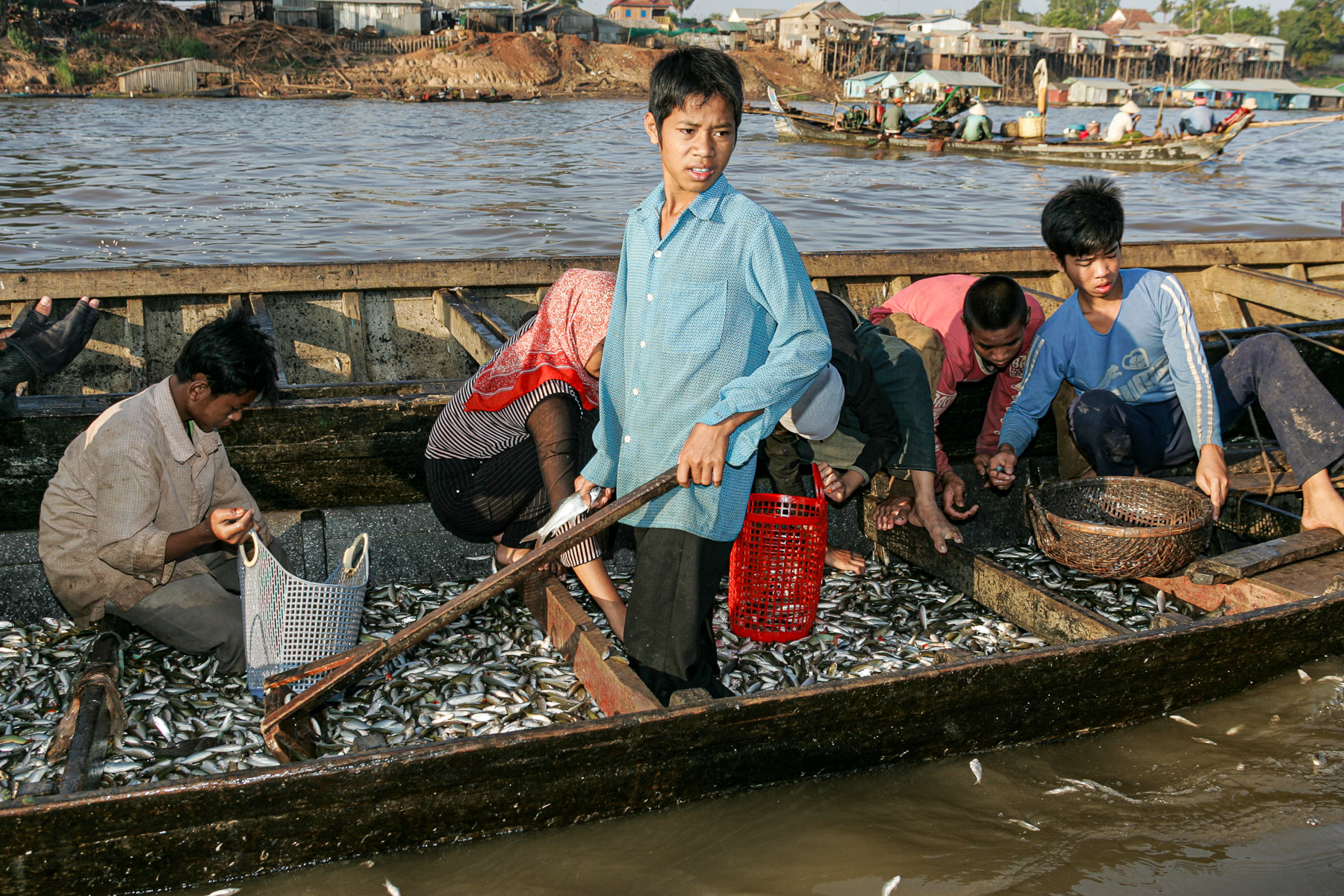
  • Markets come alive at dawn: wet markets bustle with vendors selling fresh fish, vegetables, and fragrant herbs.
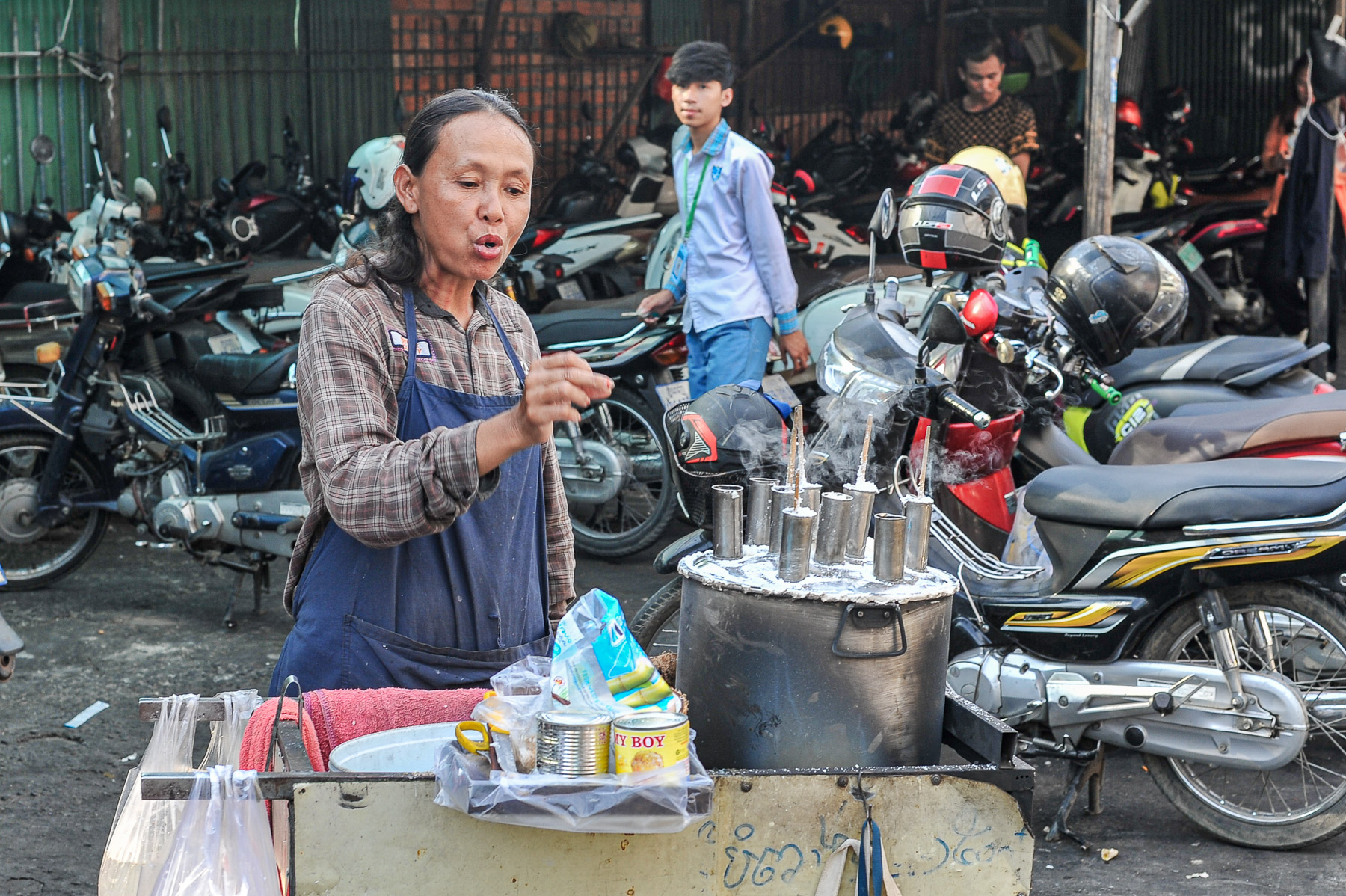
  • Street-side stalls serve noodle soups, grilled meats, and iced coffee, fueling workers before the day begins.
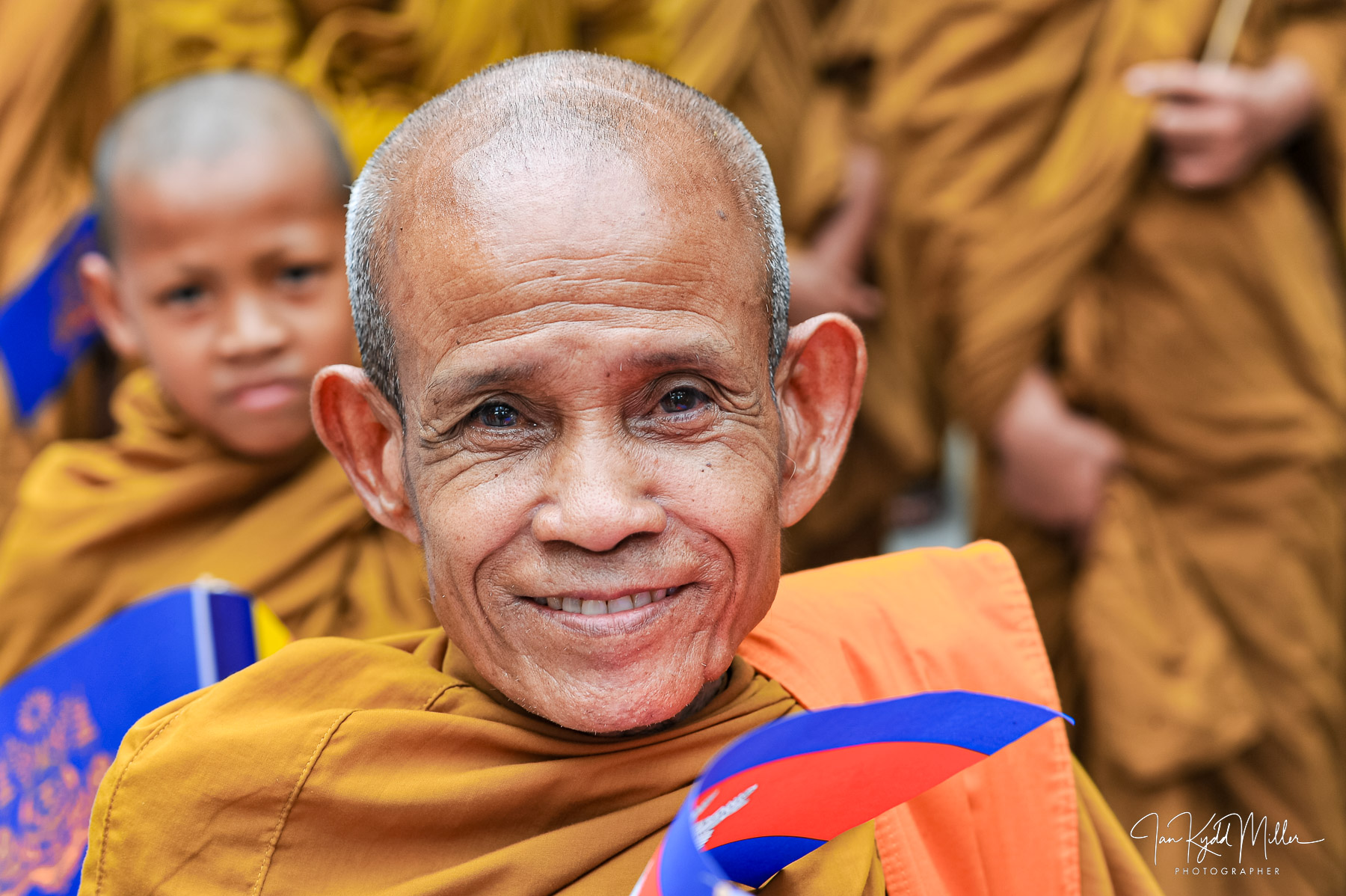
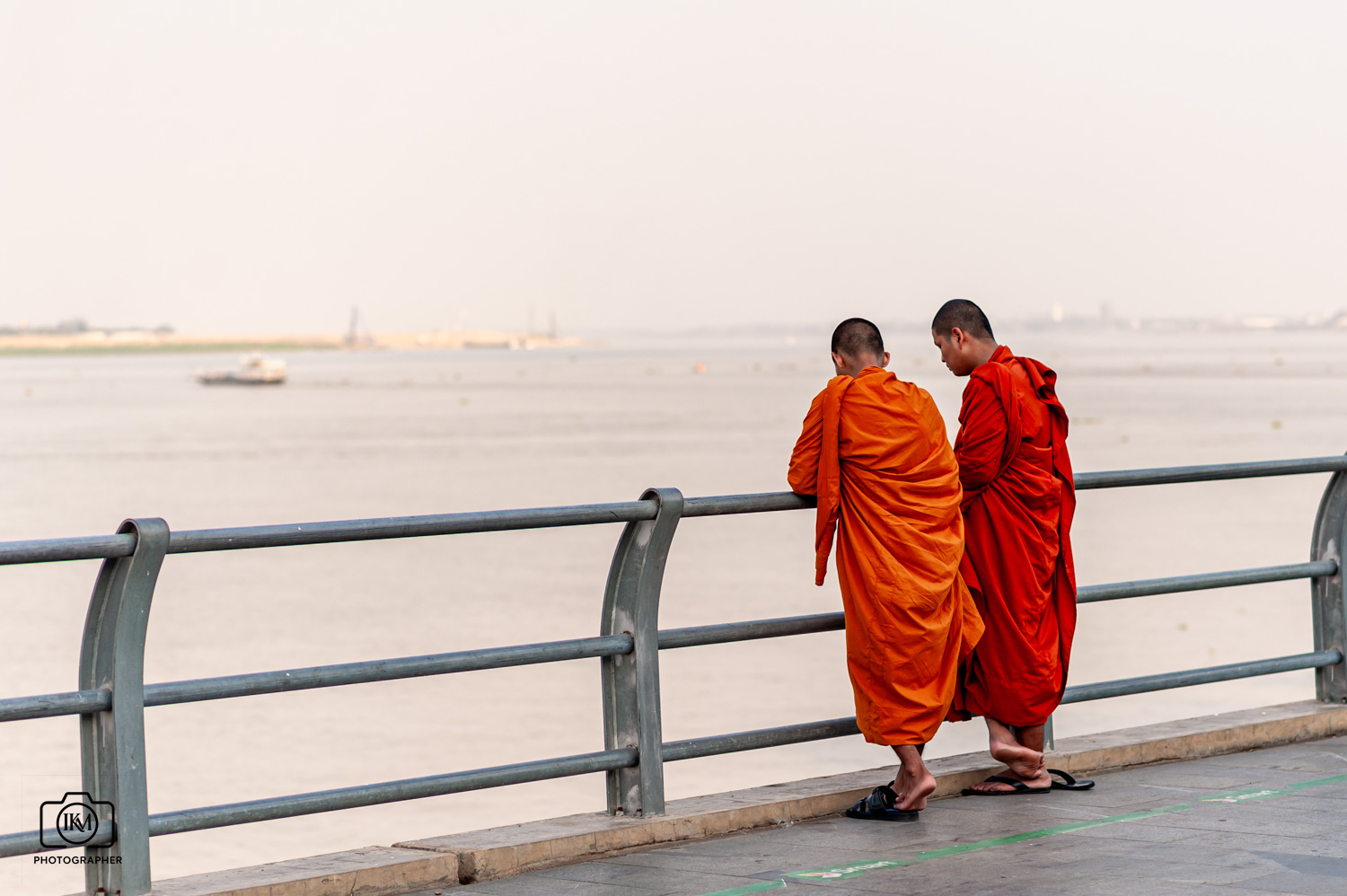
  • Monks in saffron robes walk barefoot through neighborhoods, collecting alms in a centuries-old ritual.

🚦 Midday Hustle

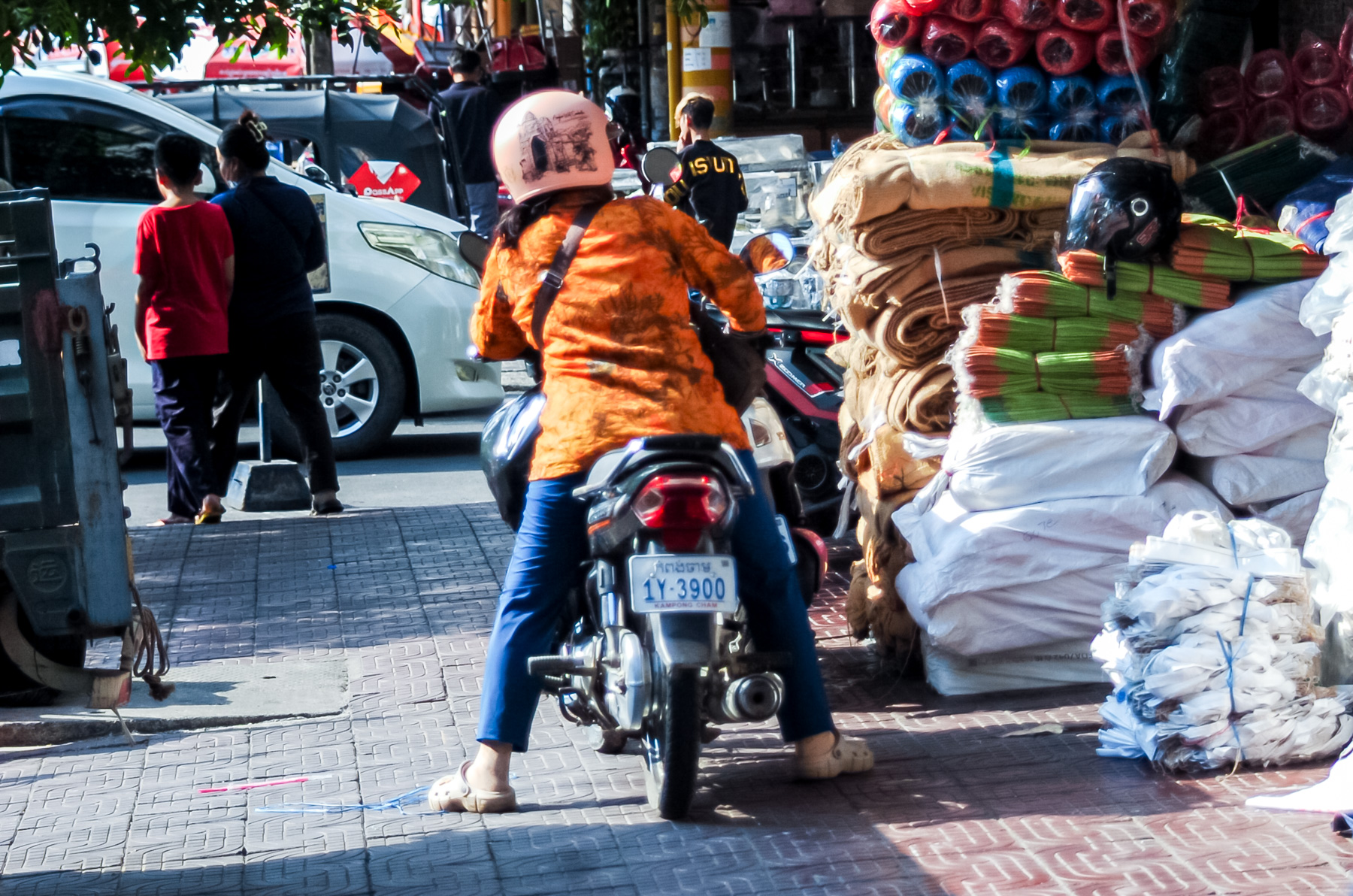
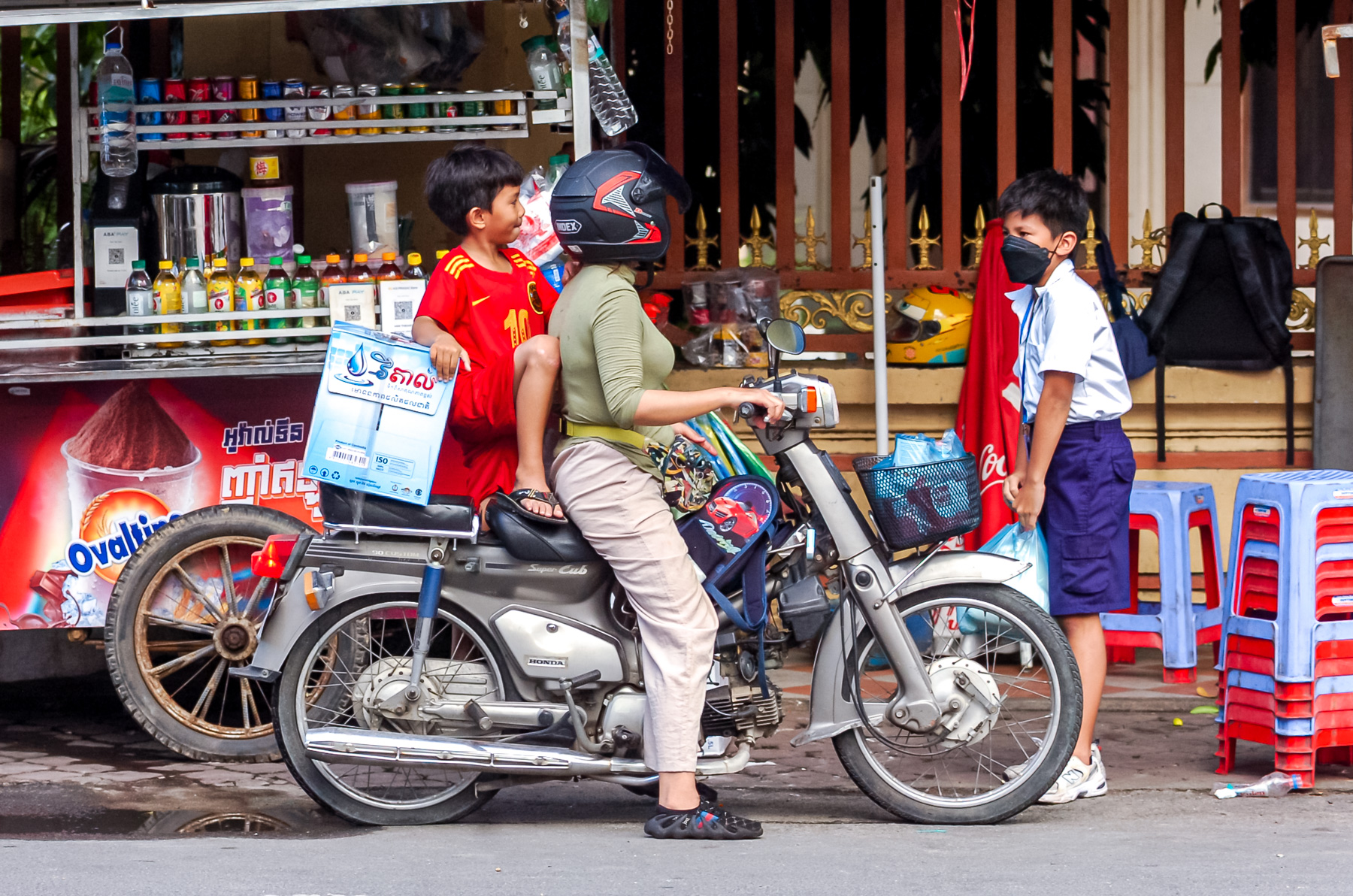
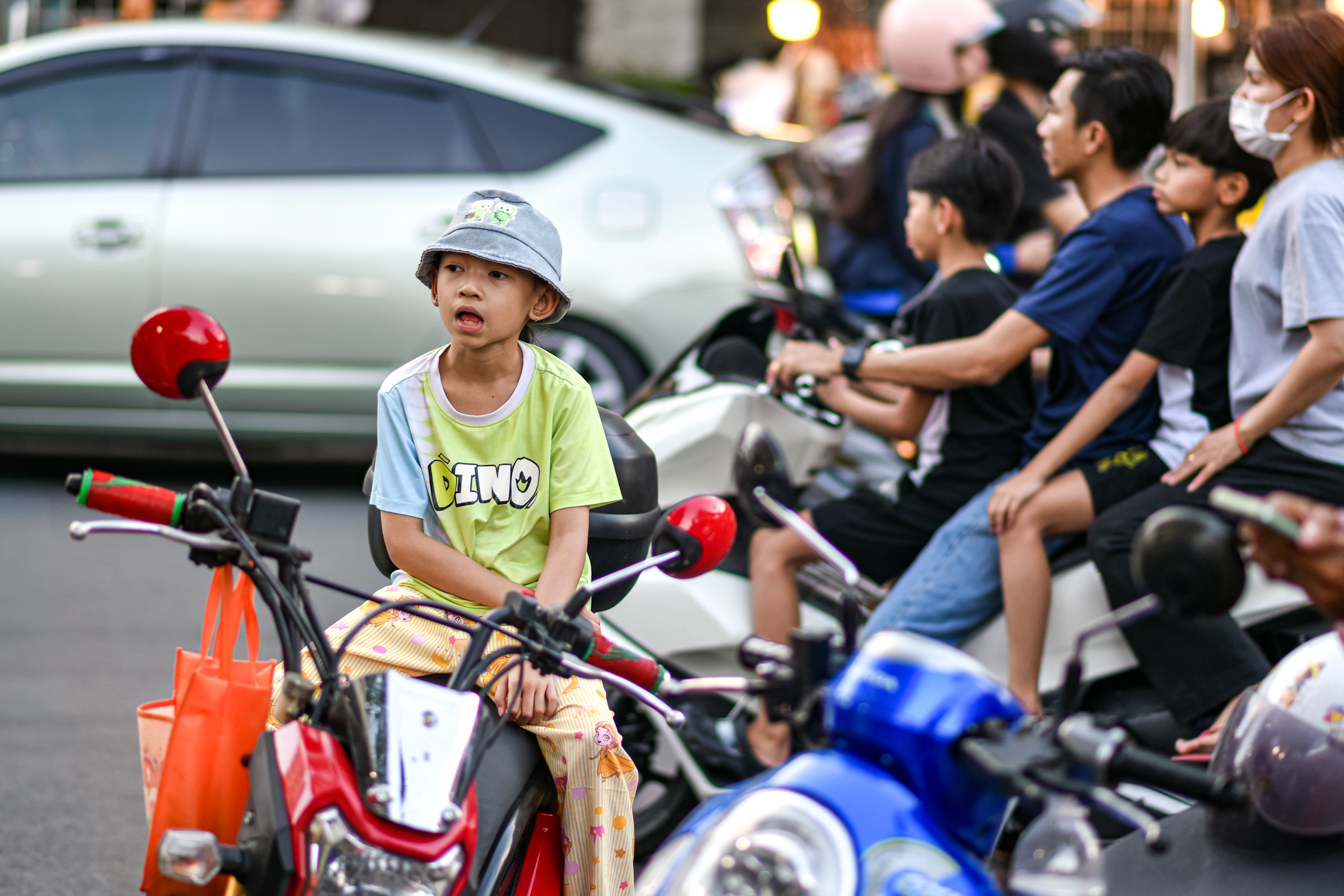
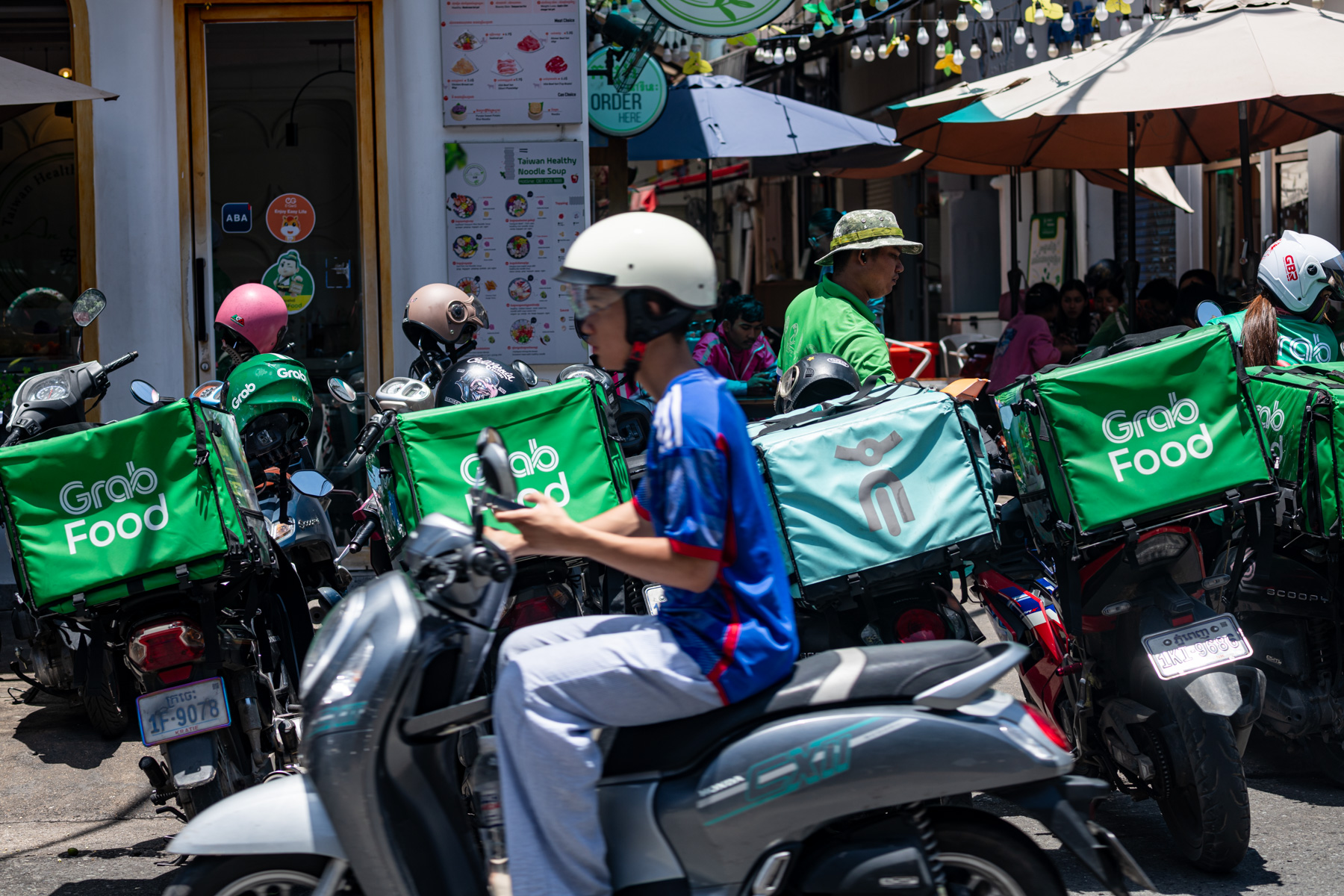
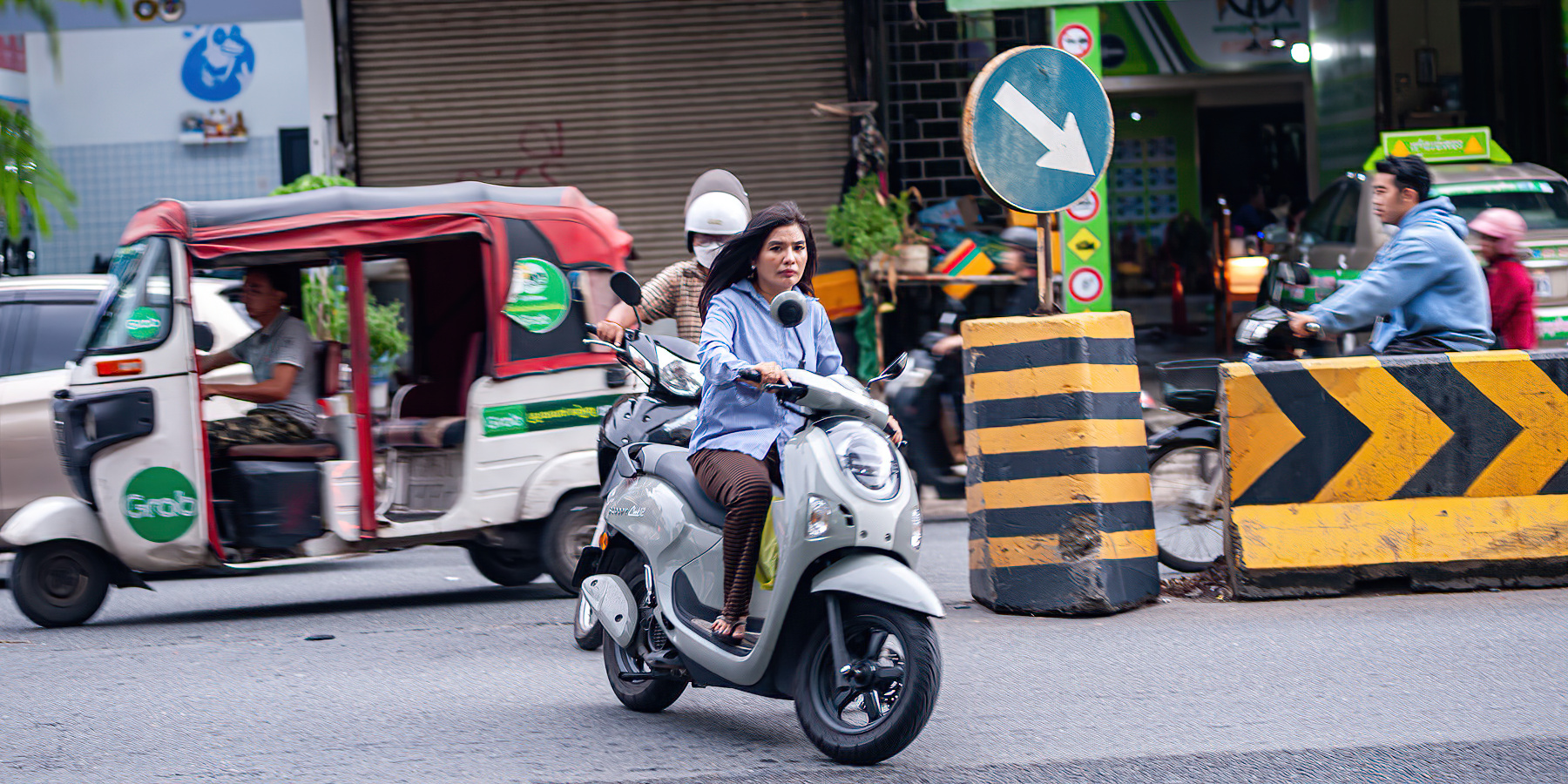
  • Traffic is a sensory overload: motorbikes weaving between tuk-tuks, bicycles, and the occasional Lexus SUV.
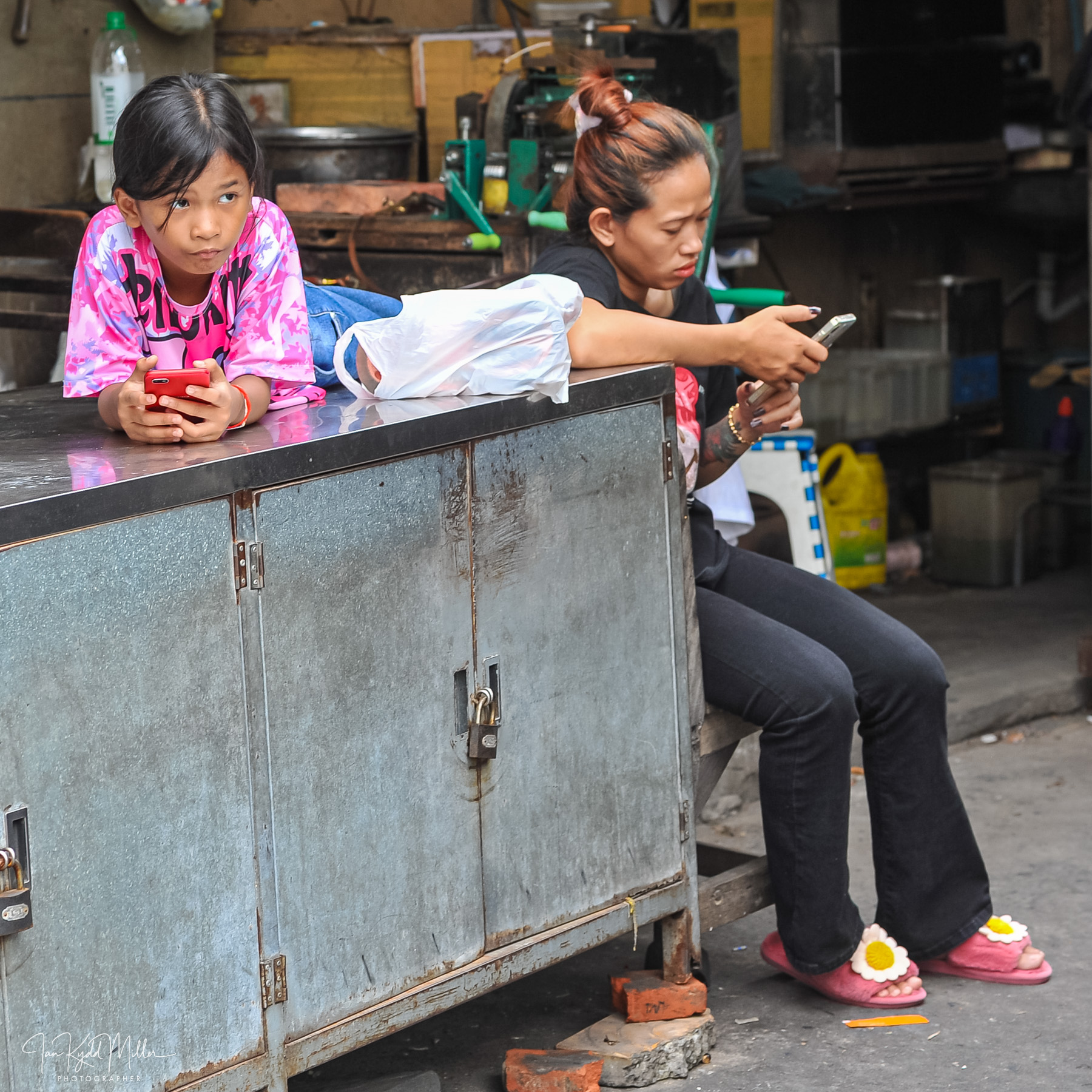
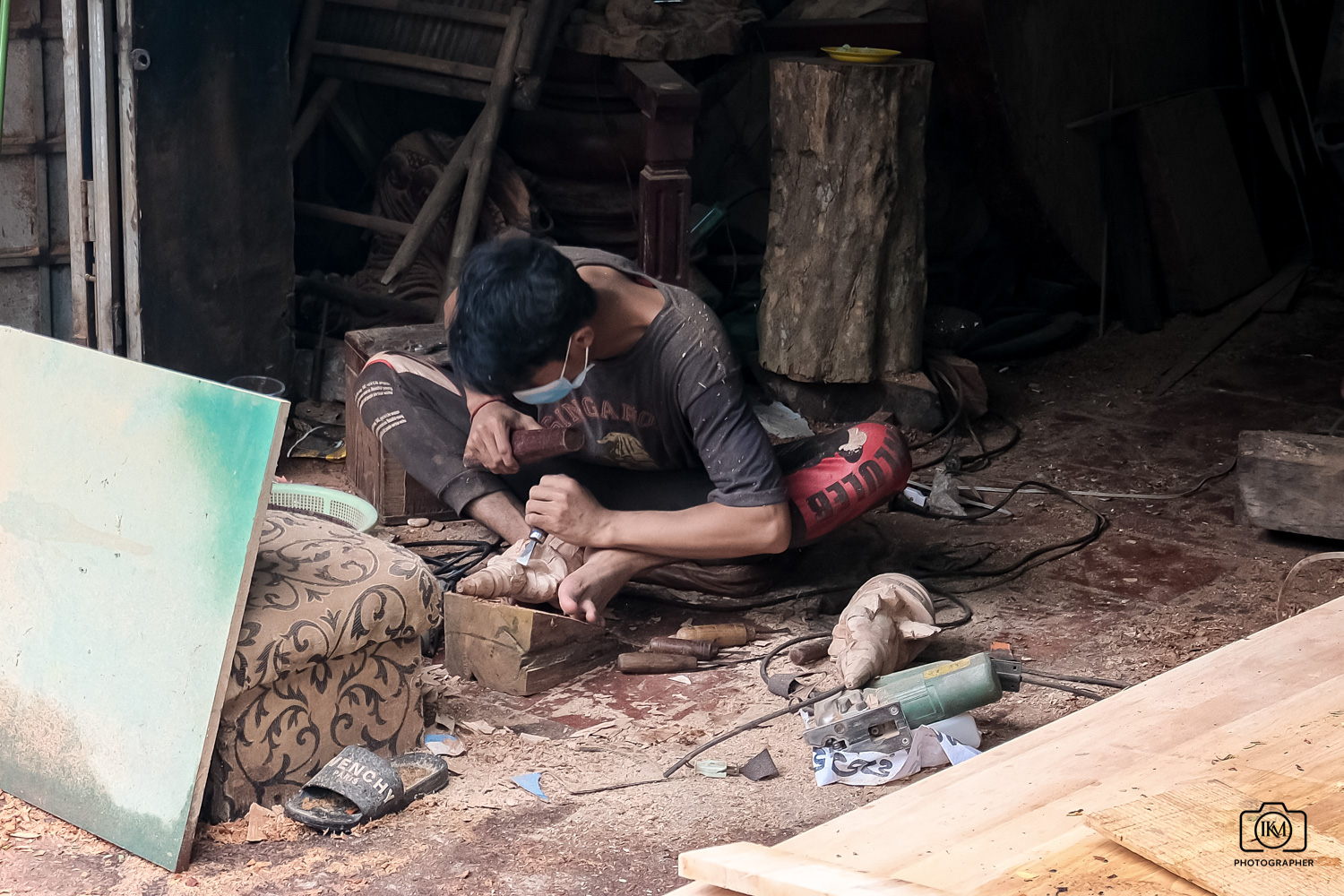
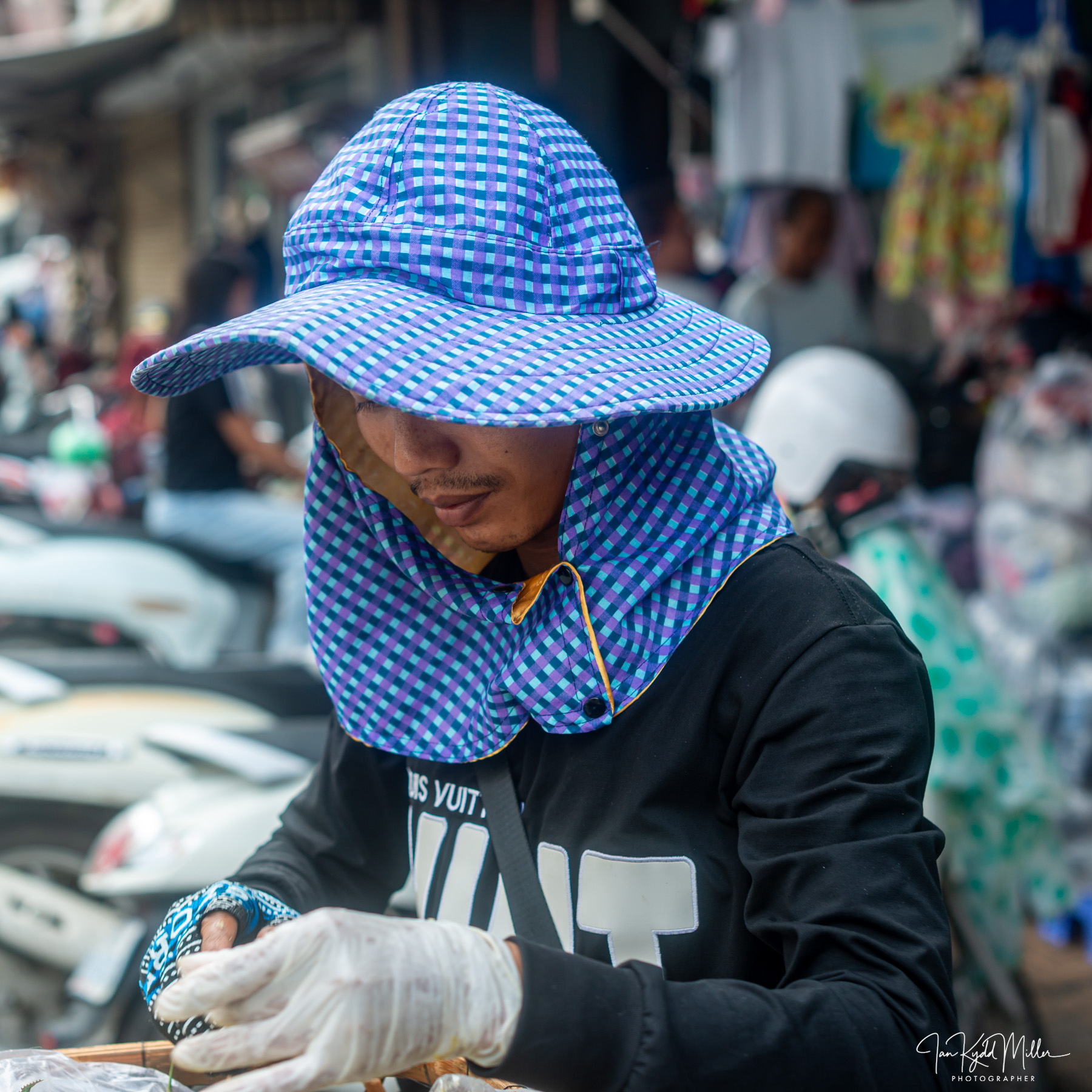
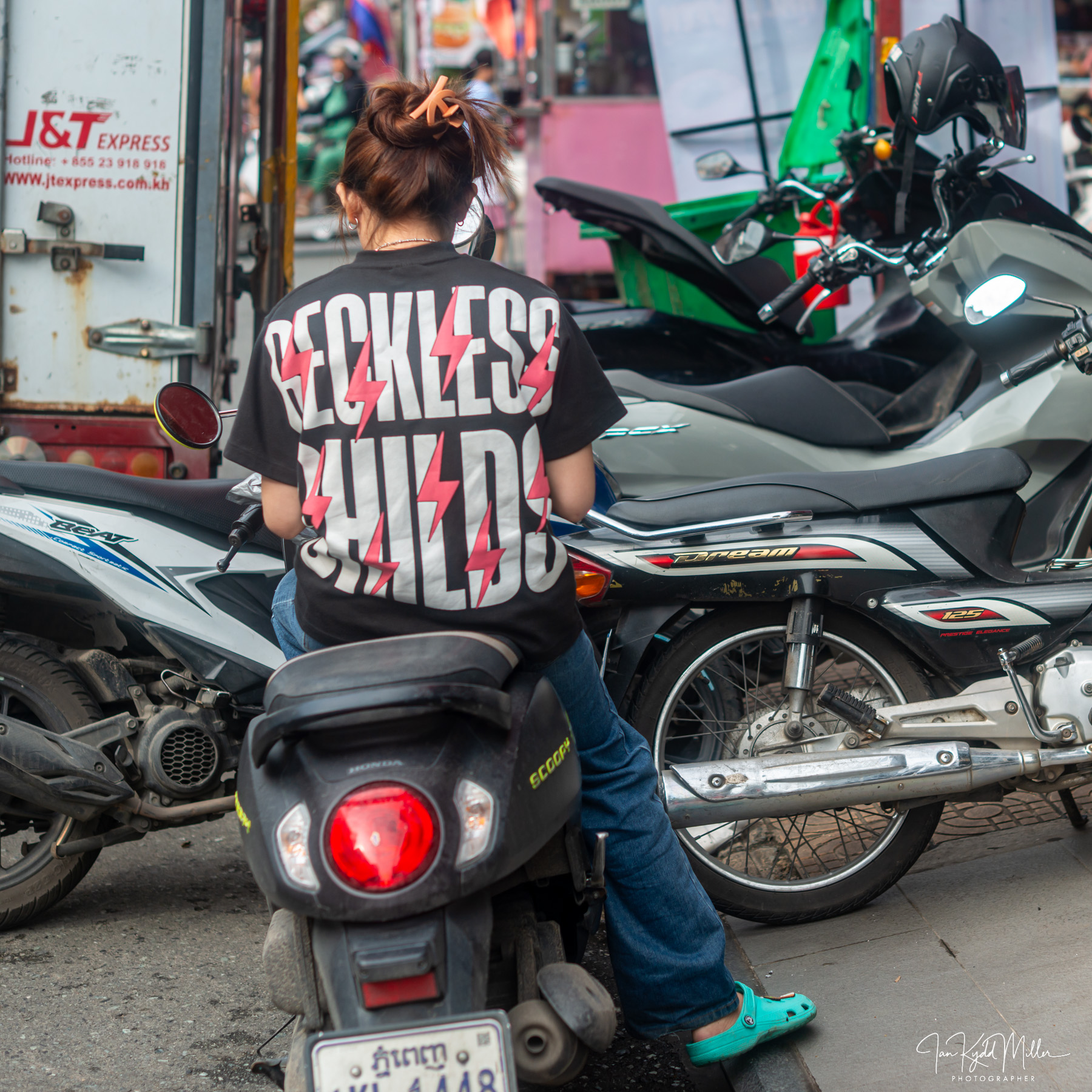
  • Sidewalks double as workshops and storefronts—tailors, mechanics, and barbers set up shop in open air.
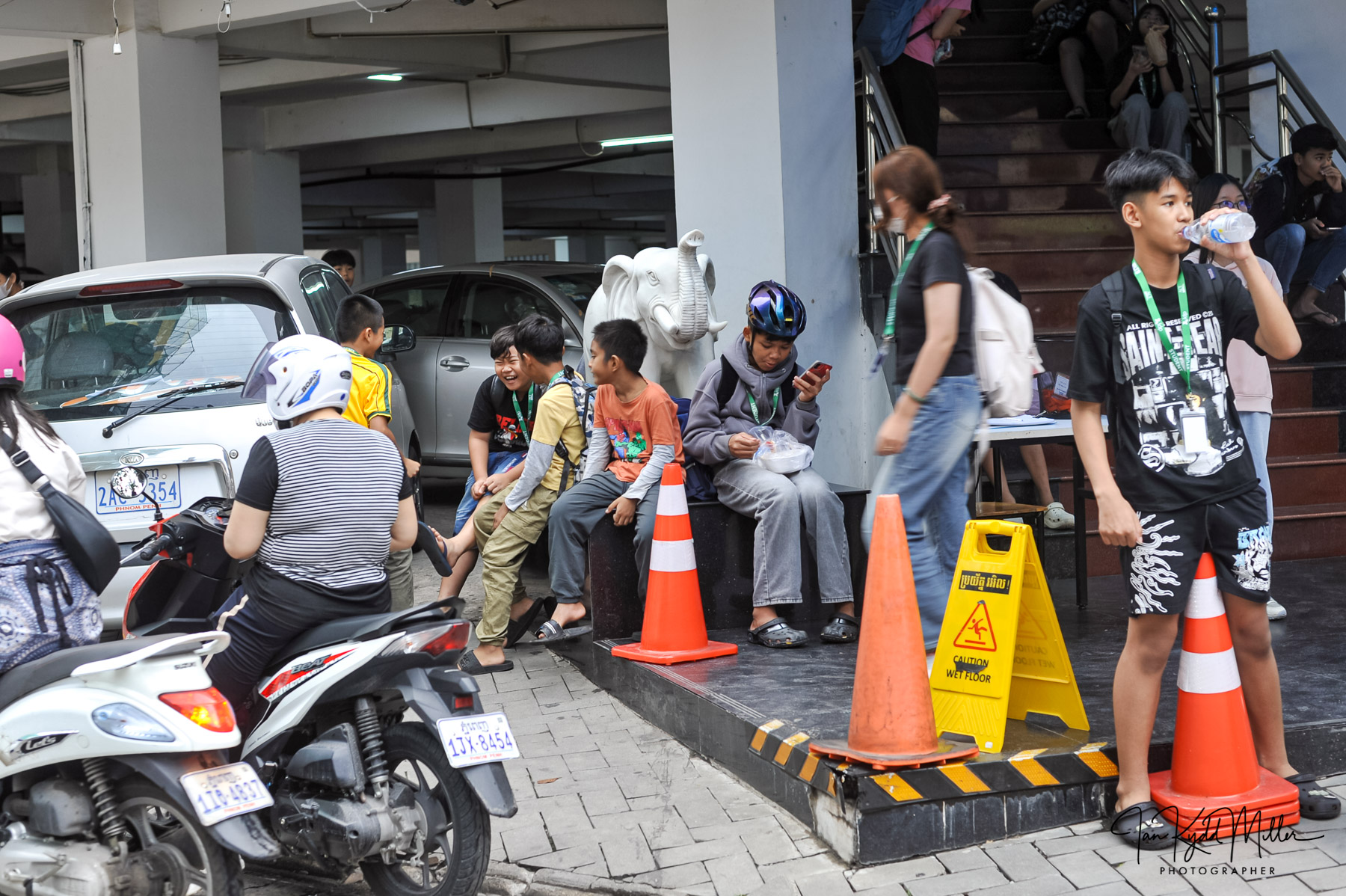
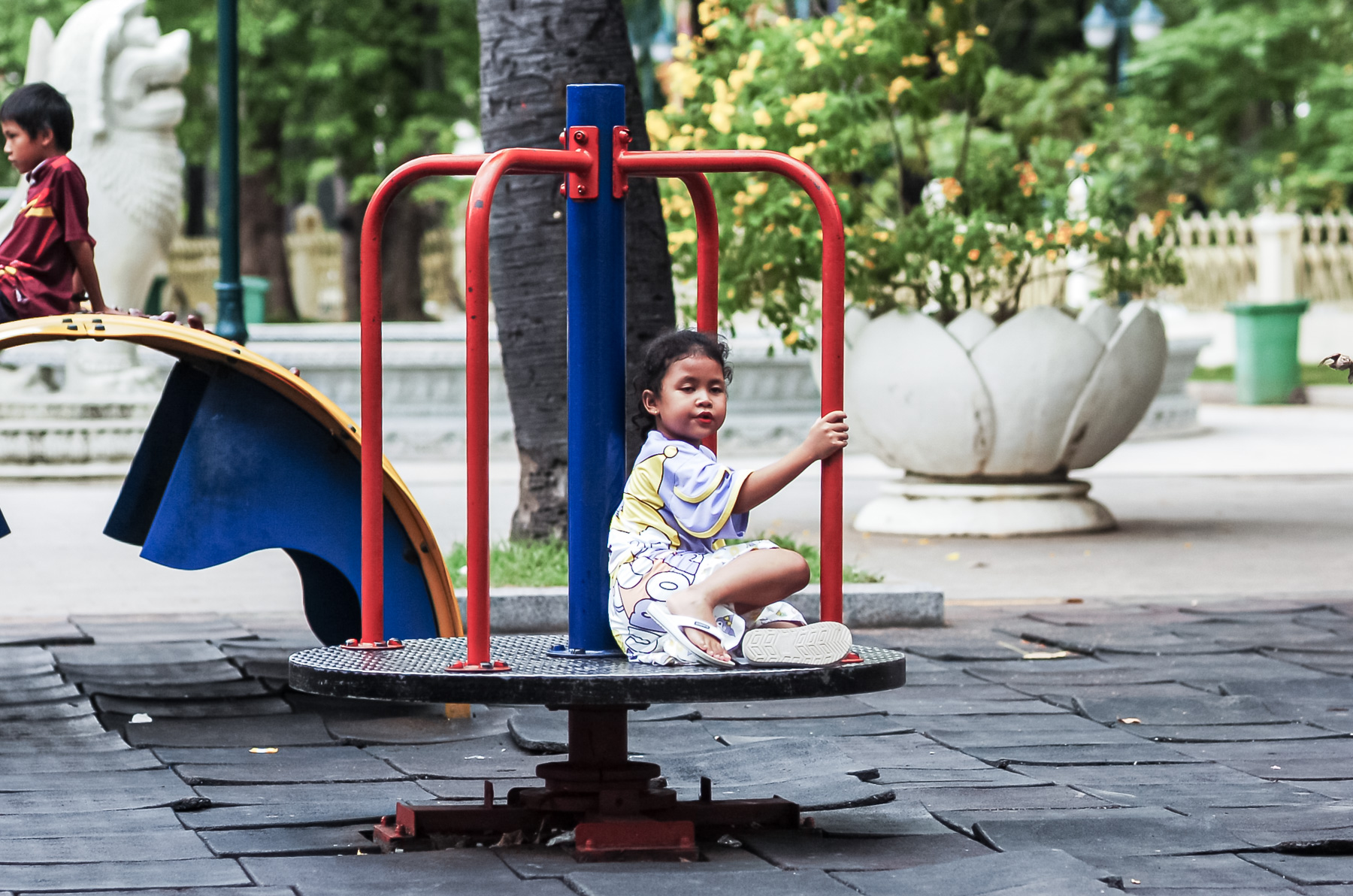
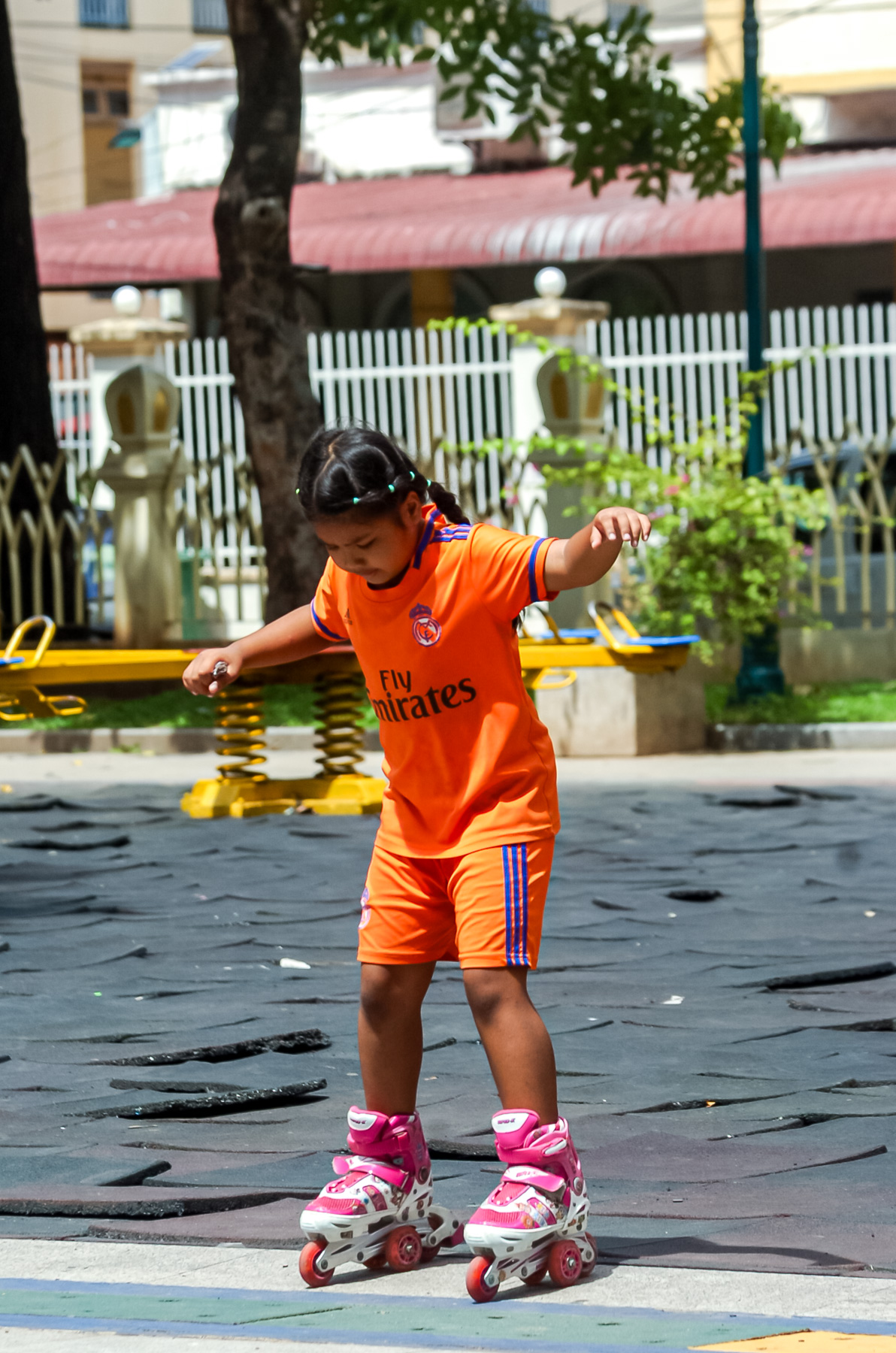
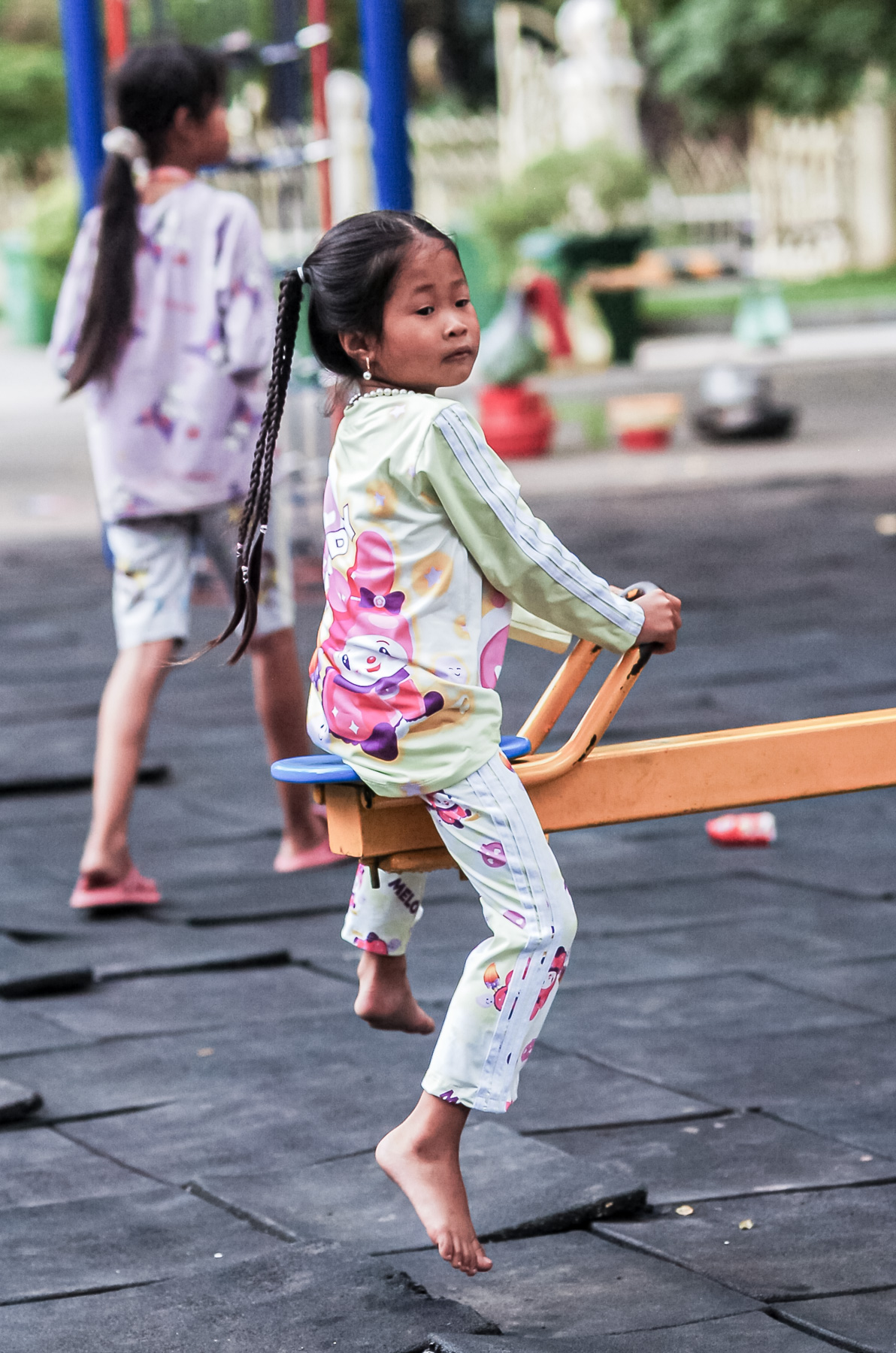
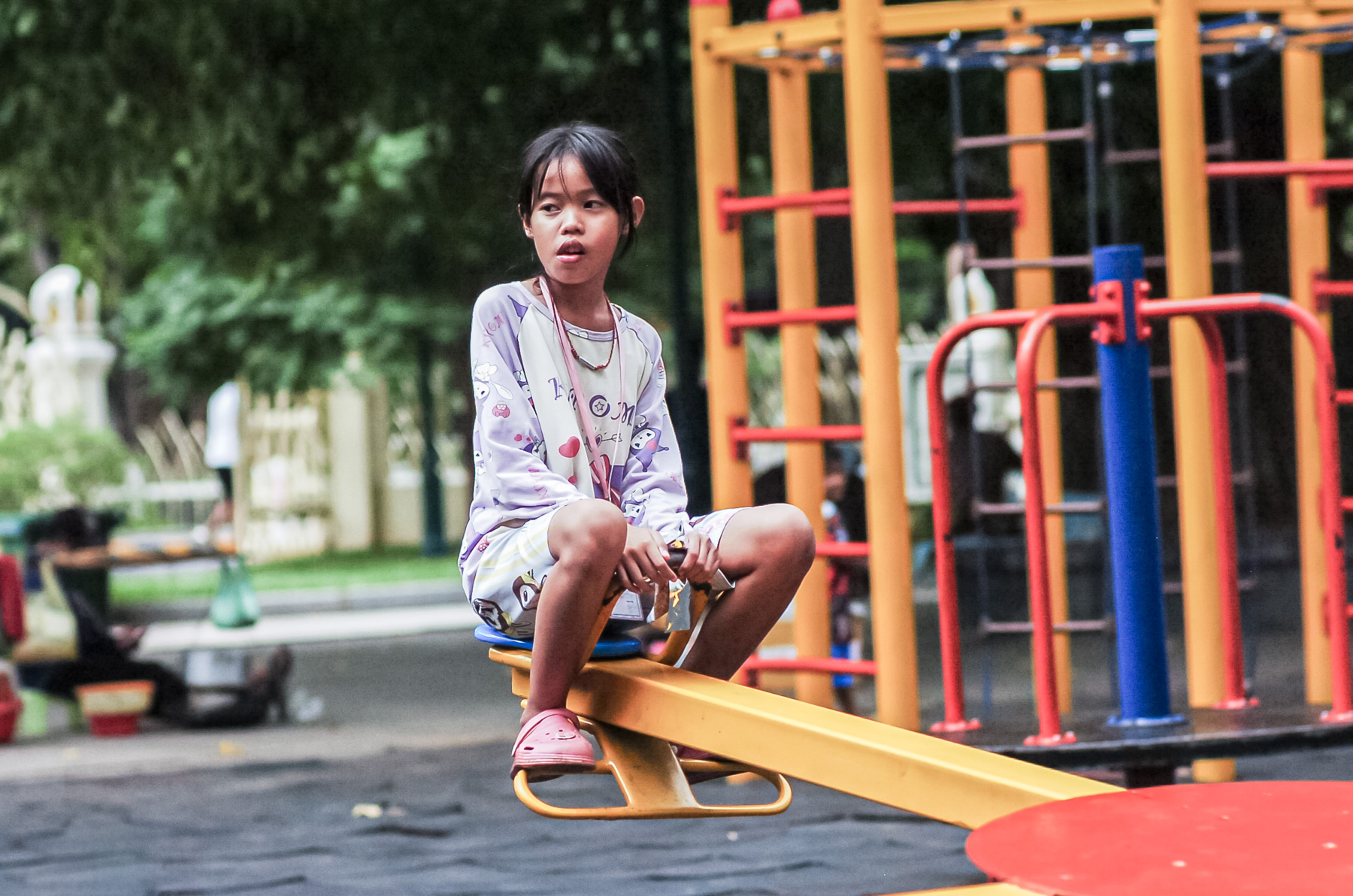
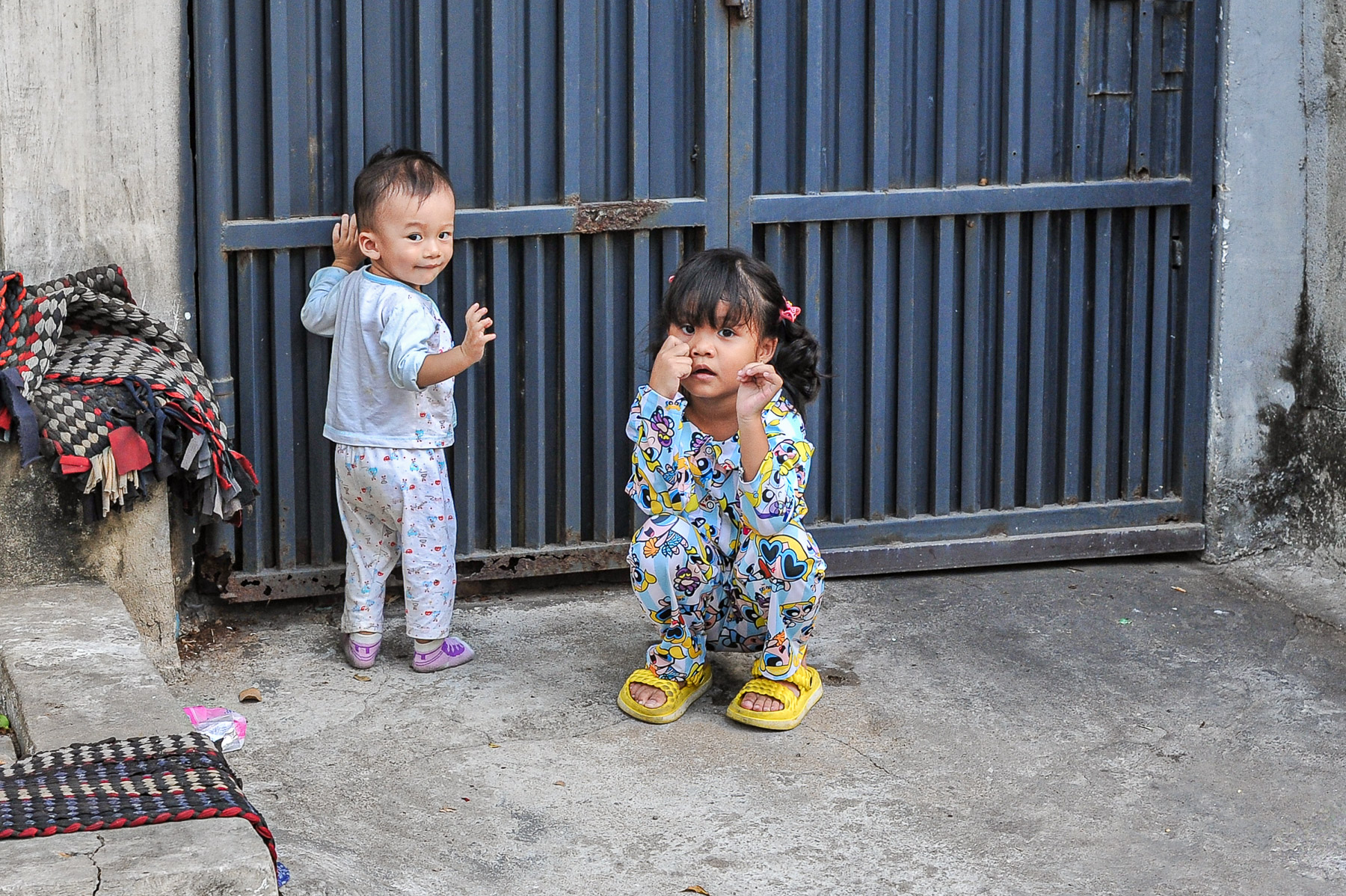
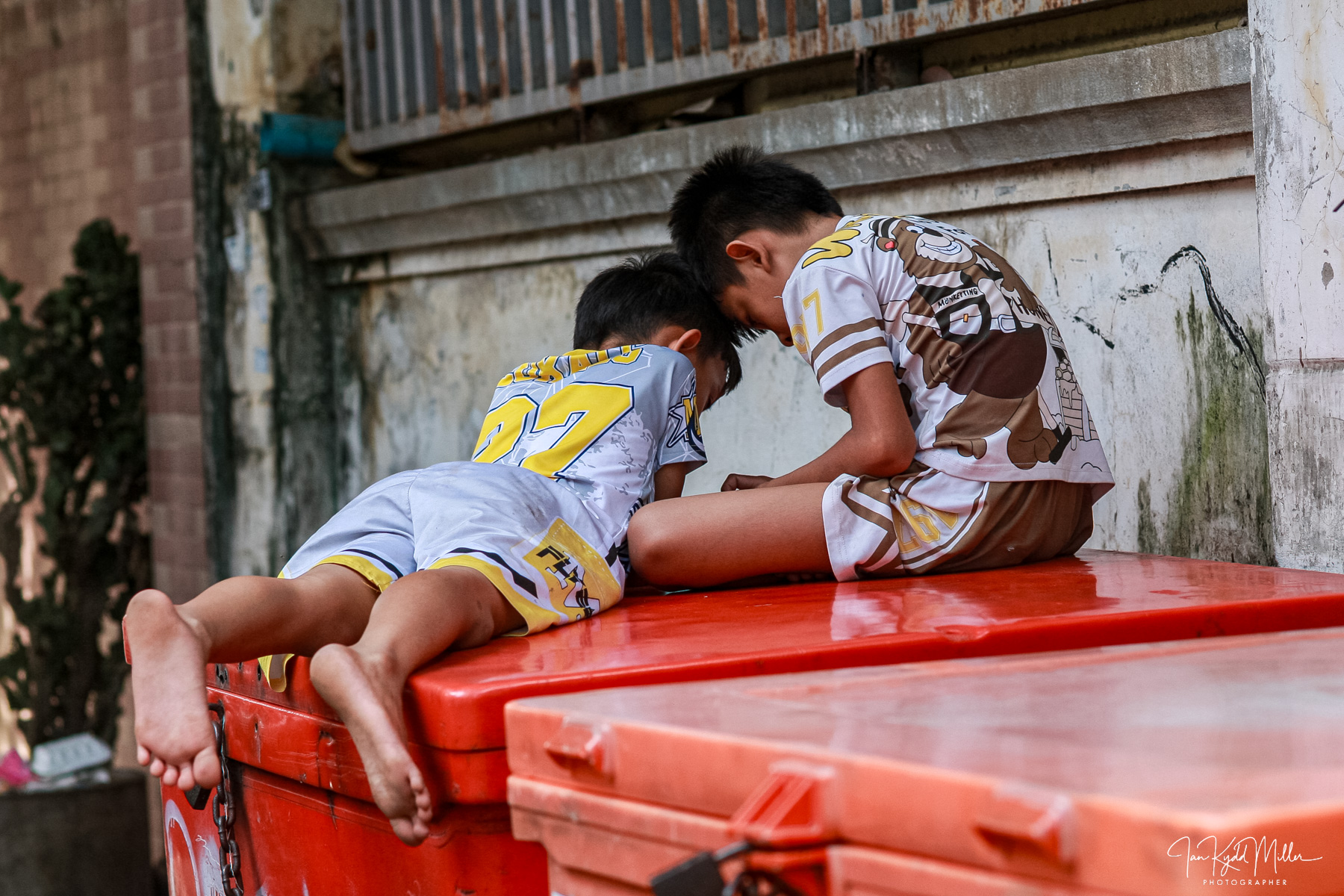
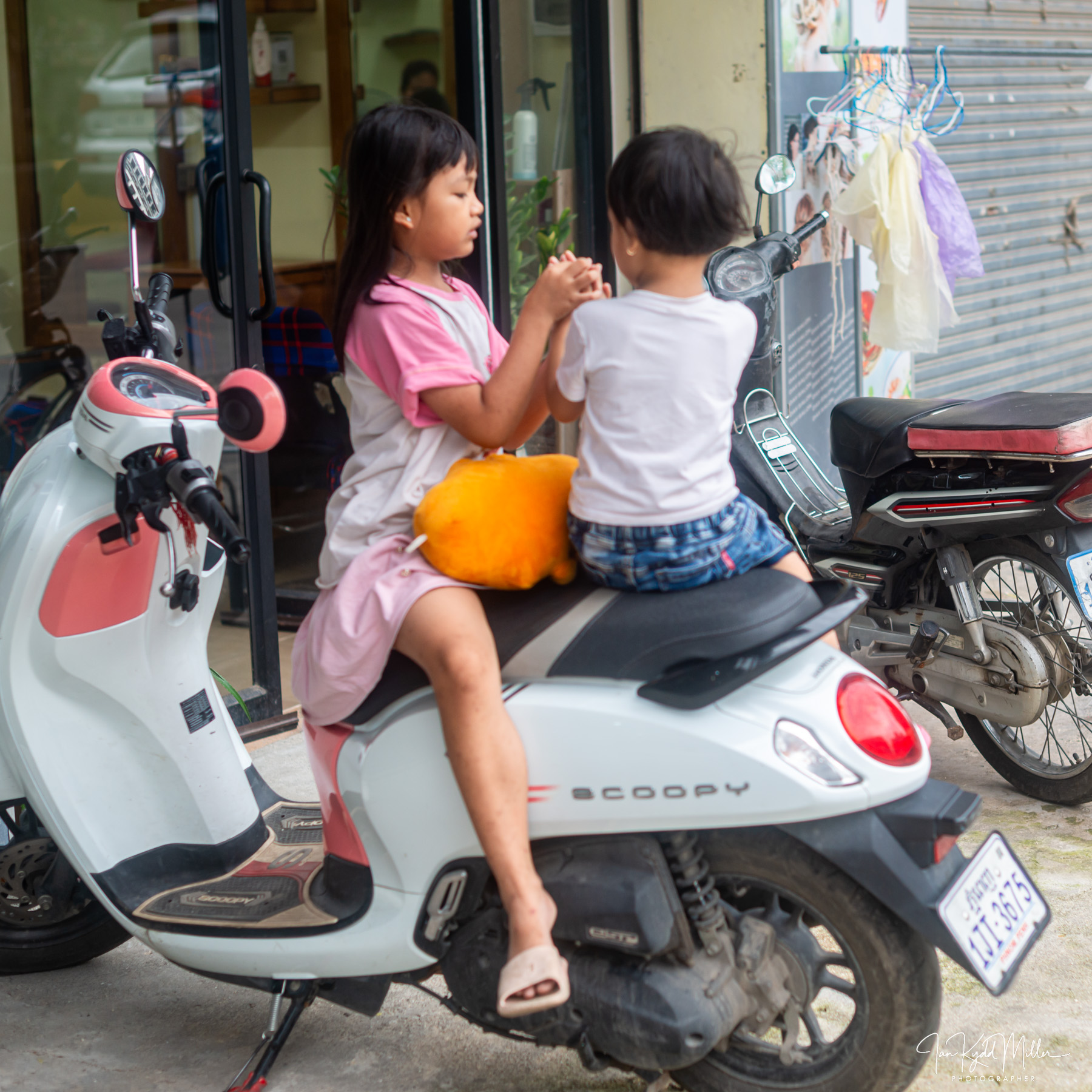
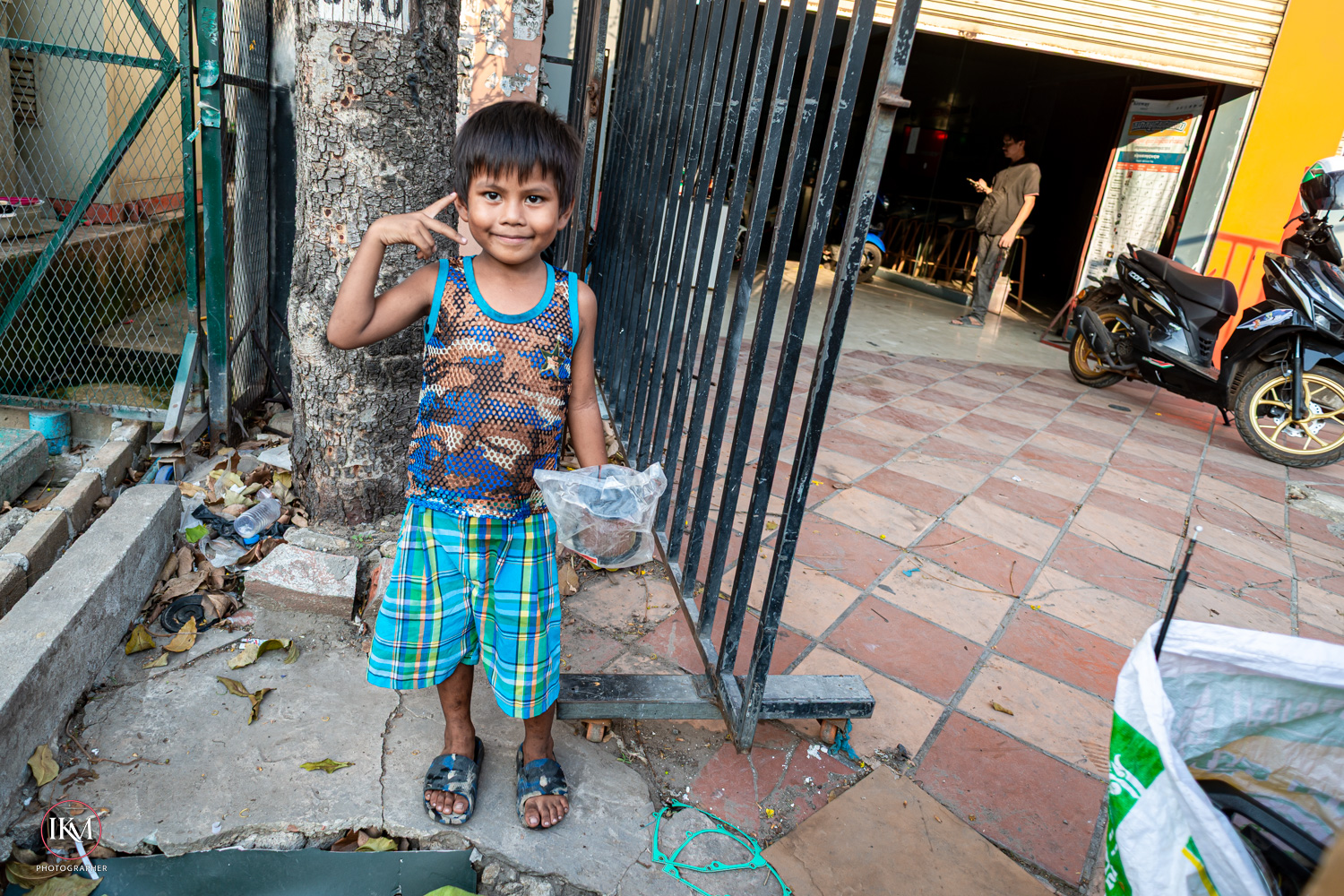
  • Children play in alleyways, while families gather under umbrellas to escape the midday heat.

🌆 Evening Energy

  • As the sun sets, Phnom Penh’s streets transform into night markets and food havens.
  • Skewers of beef, fried noodles, and fresh sugarcane juice fill the air with irresistible aromas.
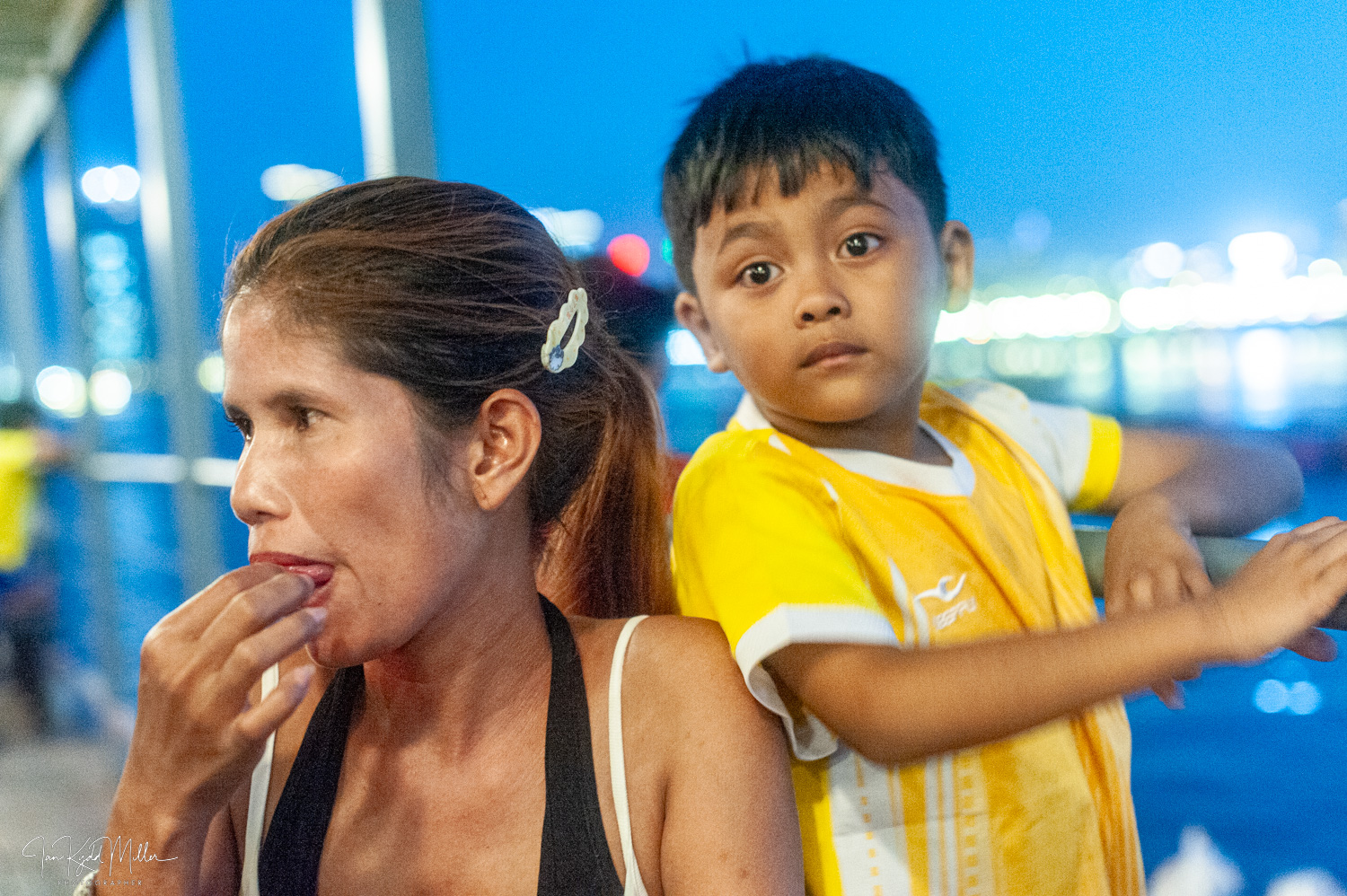
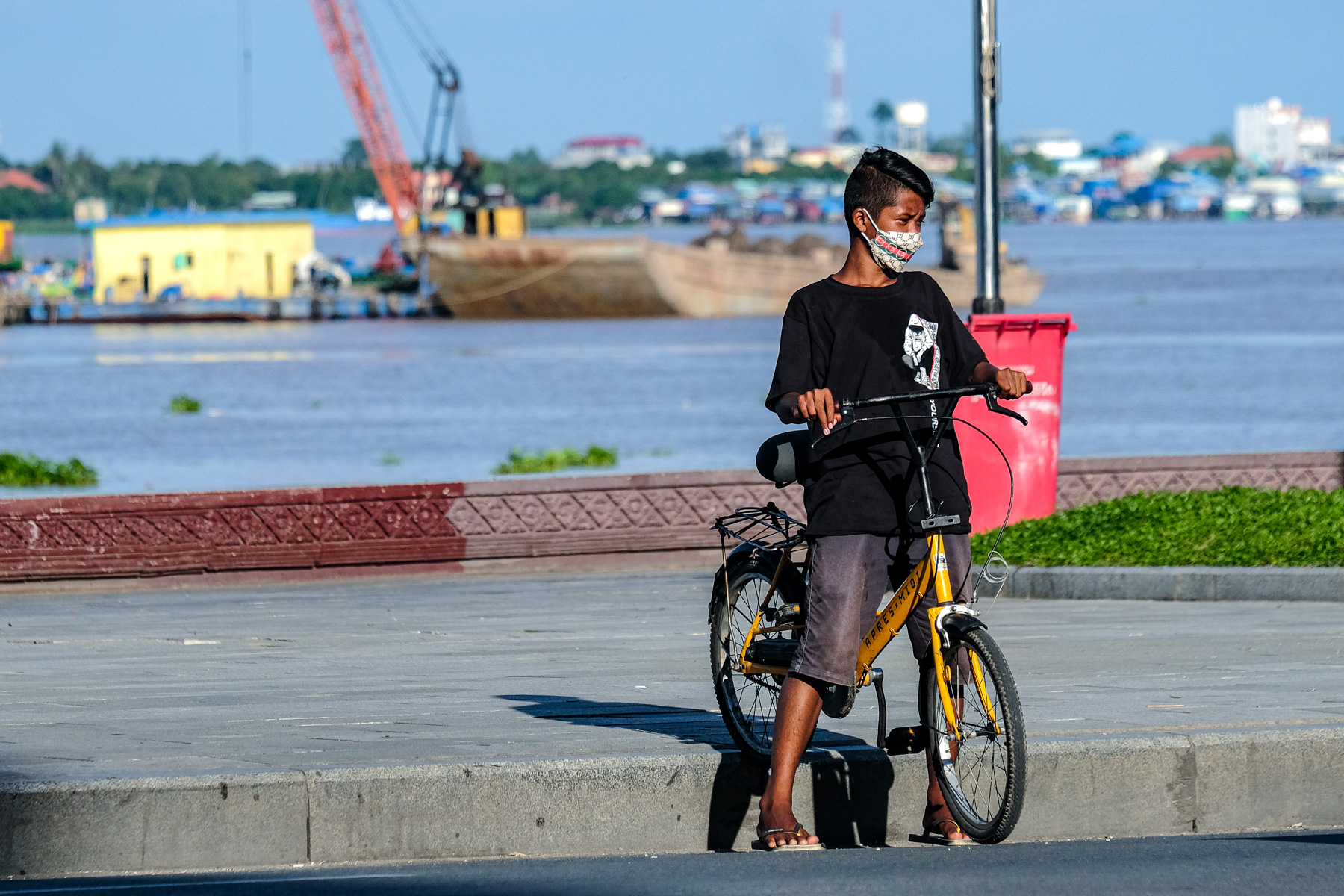
  • Riverside areas like Sisowath Quay become social hubs, with locals strolling, exercising, or enjoying street performances.

🎨 The Character of Phnom Penh’s Streets

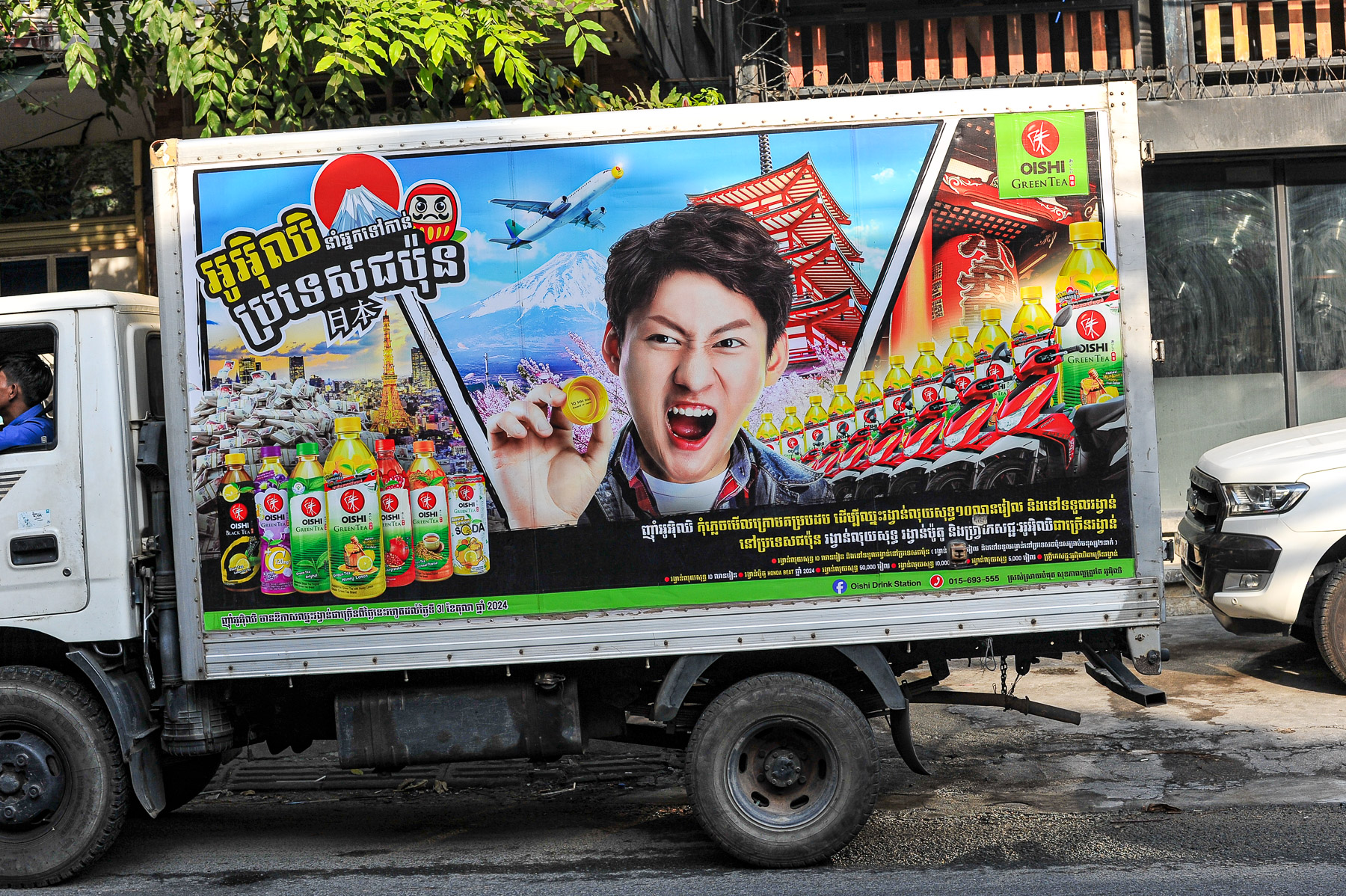
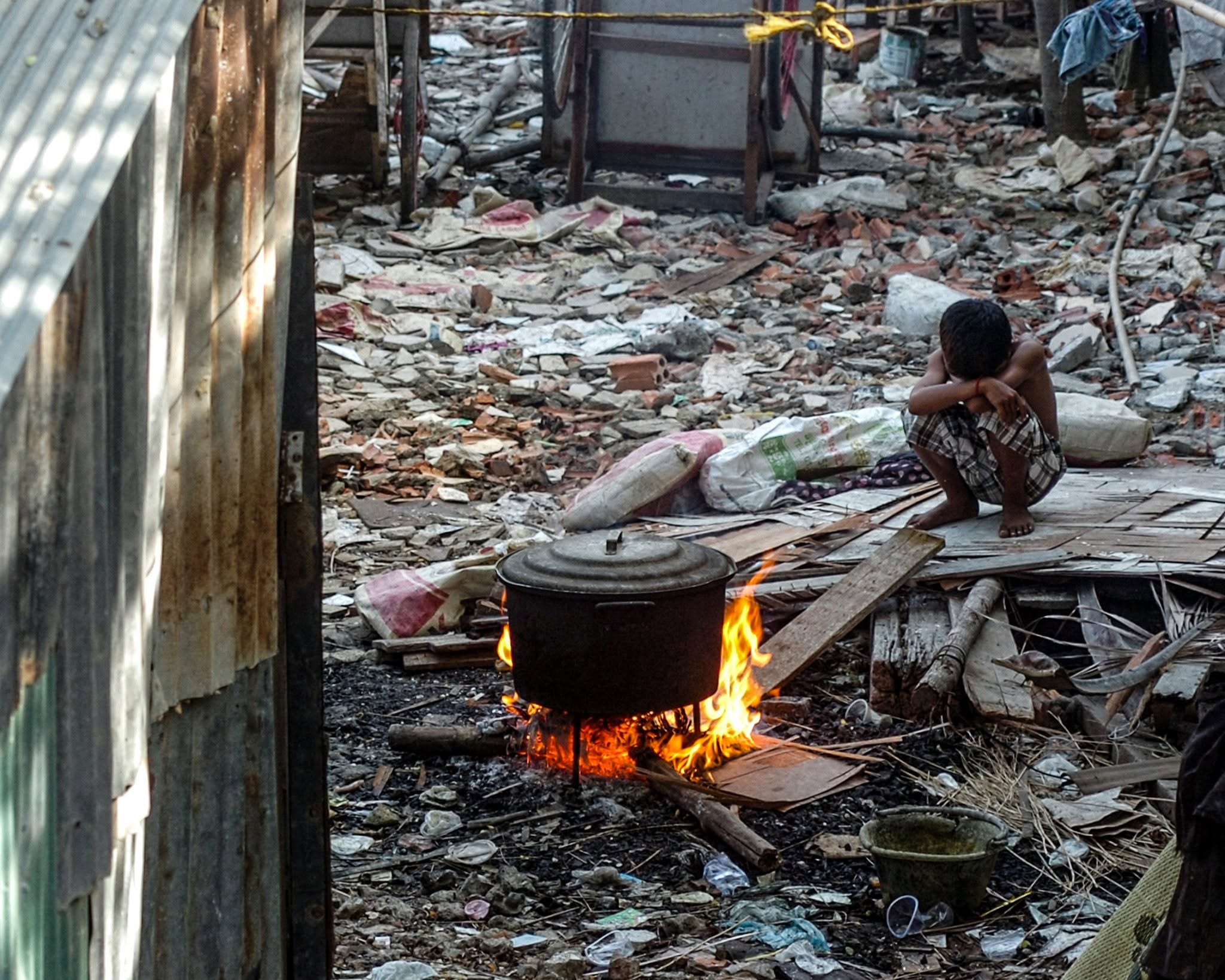
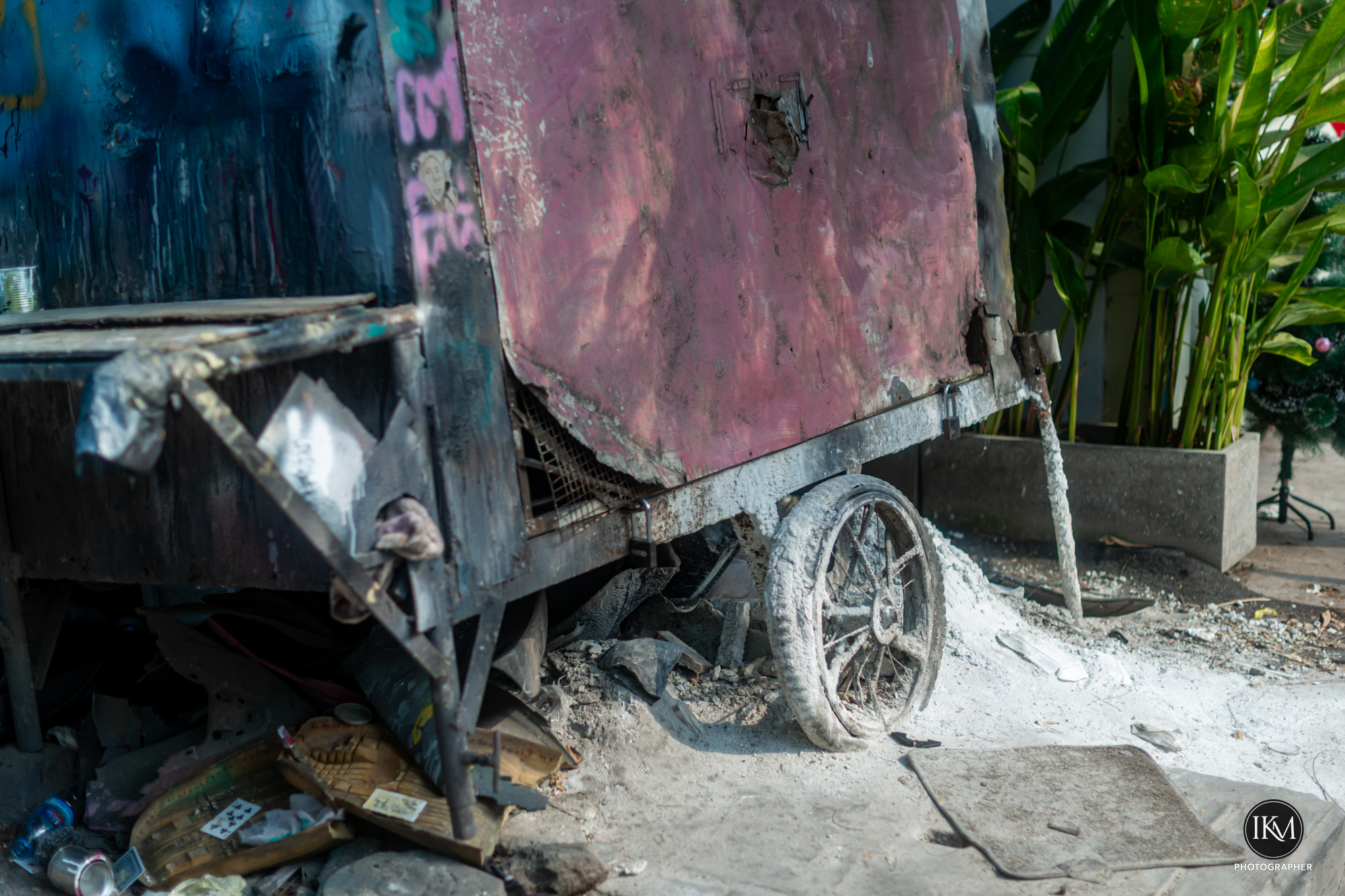
  • Contrasts everywhere: gleaming malls stand beside crumbling colonial buildings; luxury cars pass hand-pulled carts.
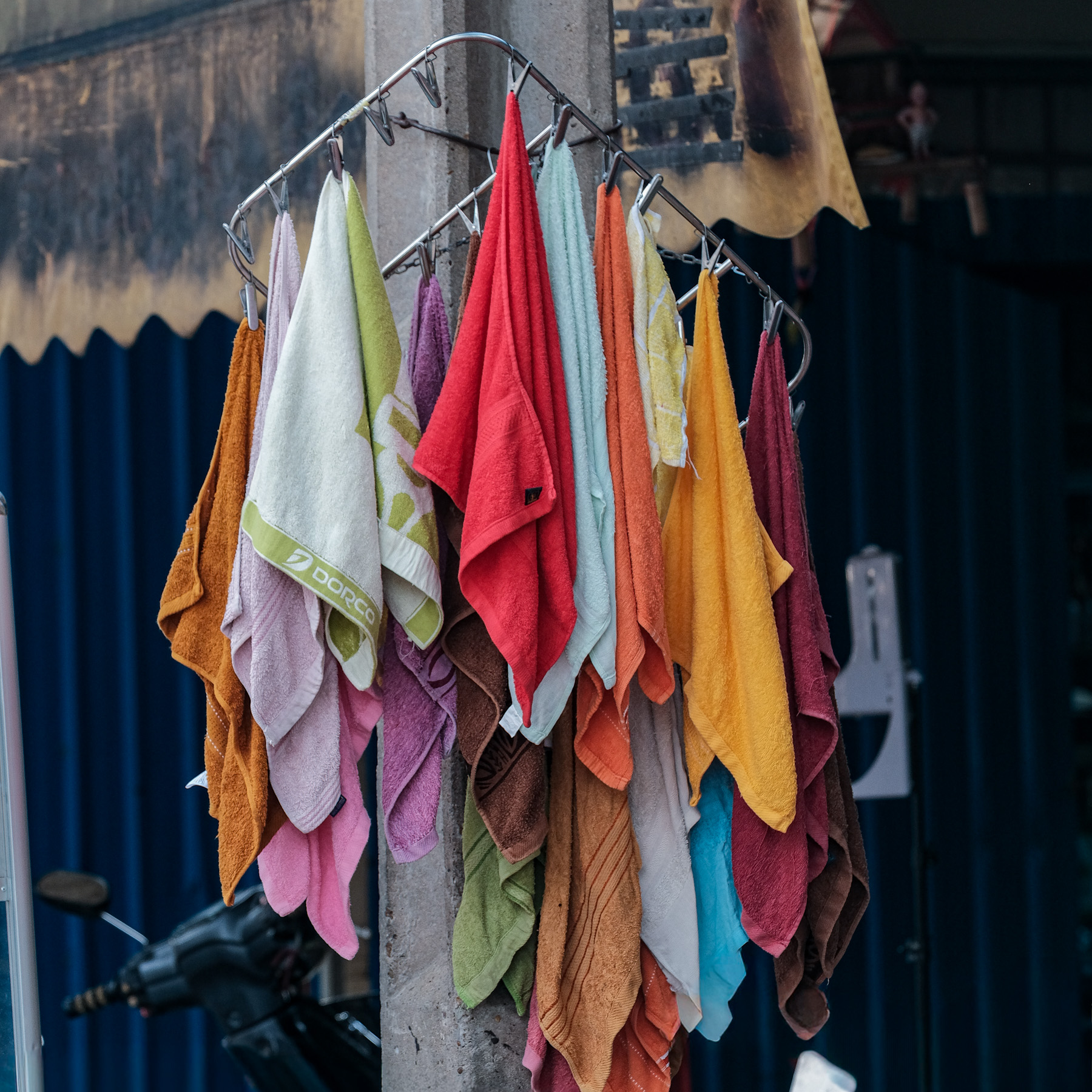
  • Colours and textures: laundry strung across balconies, neon-lit karaoke bars, and murals reflecting Cambodia’s youthful creativity.
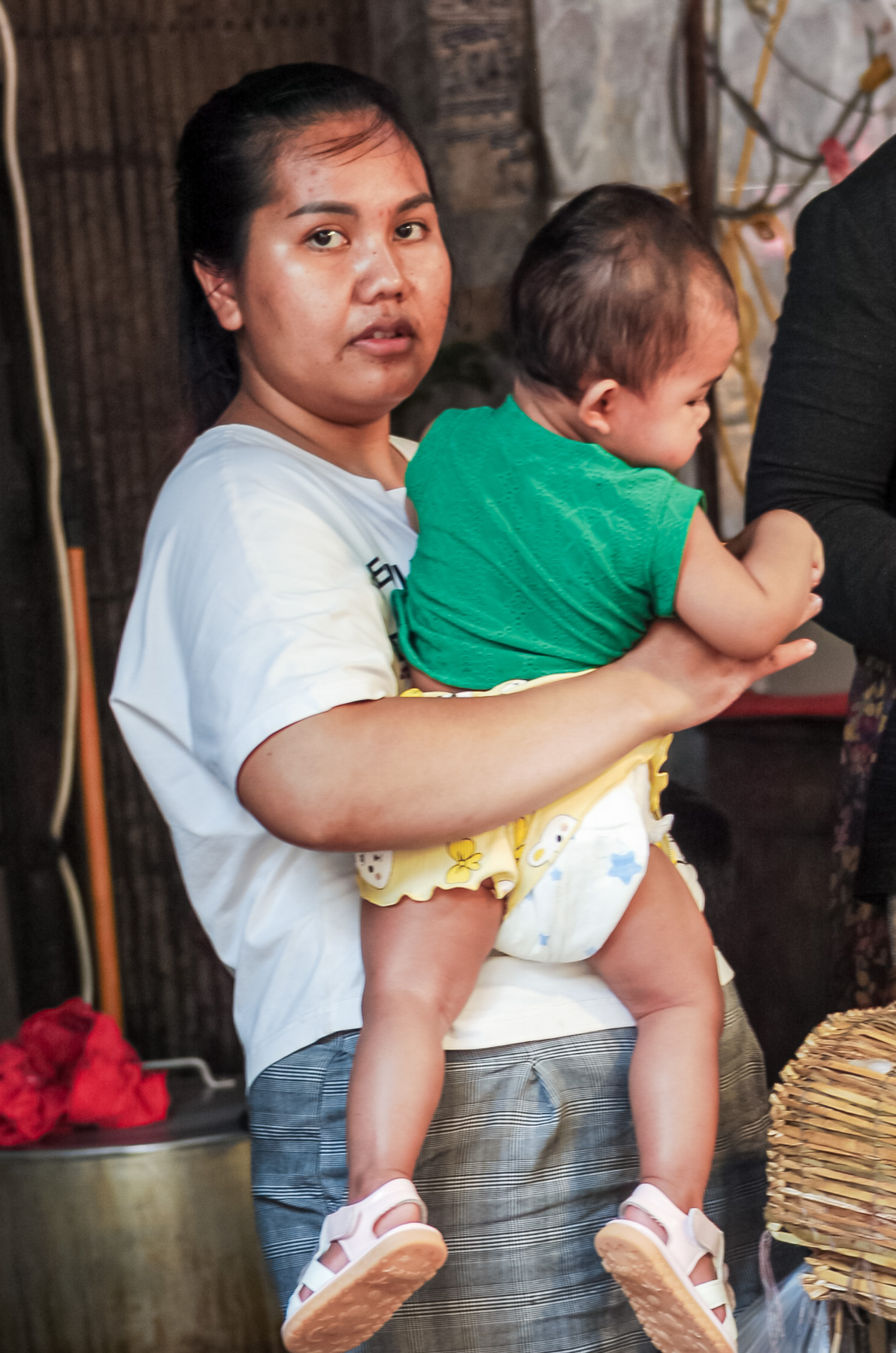
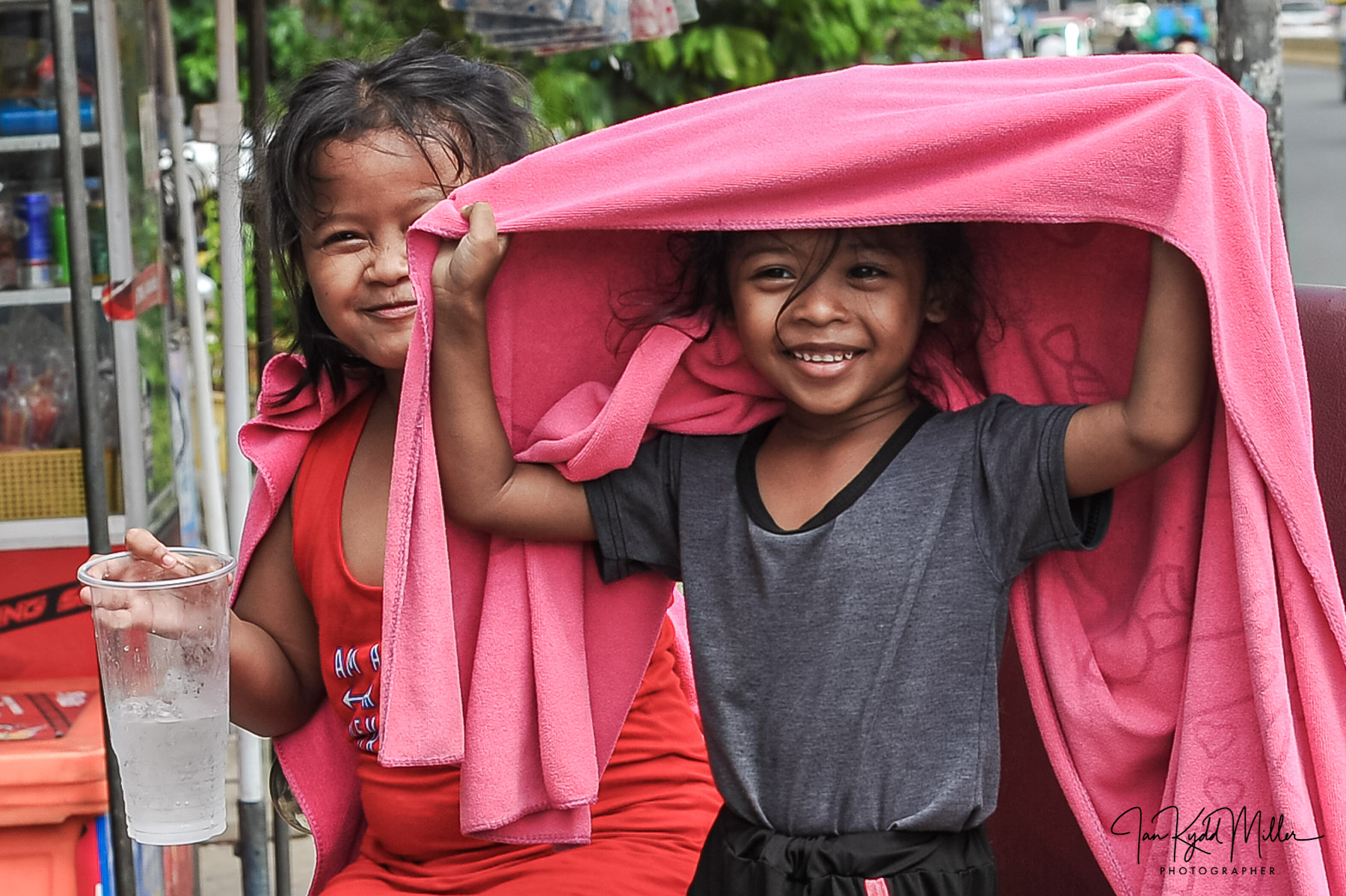
  • Community spirit: despite the chaos, there’s a sense of rhythm—neighbours chatting, vendors calling out, children laughing.

📷 Why It’s Photographically Rich

For photographers, Phnom Penh’s street life offers:

  • Dynamic light and shadow in narrow alleys and open boulevards.
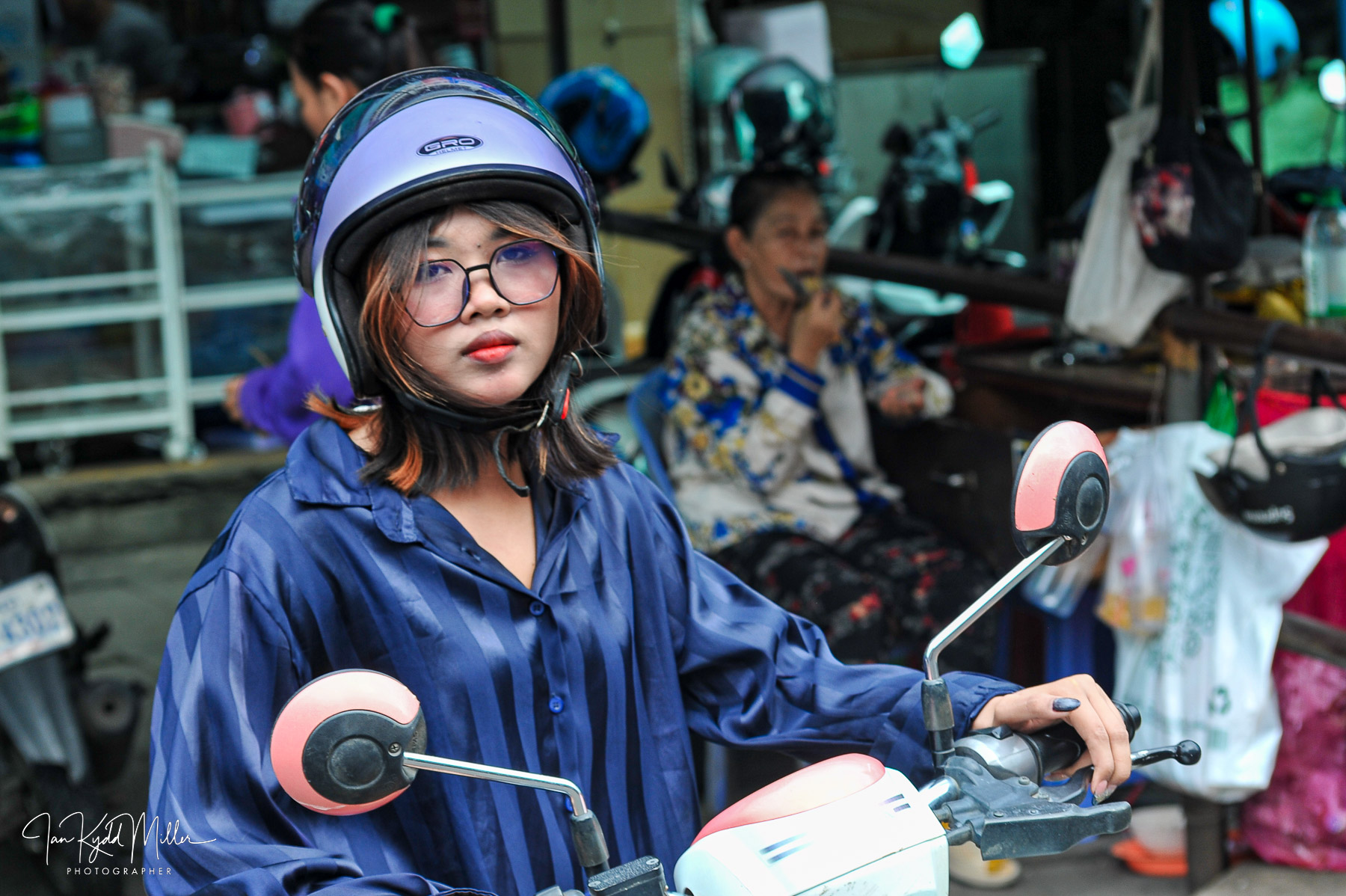
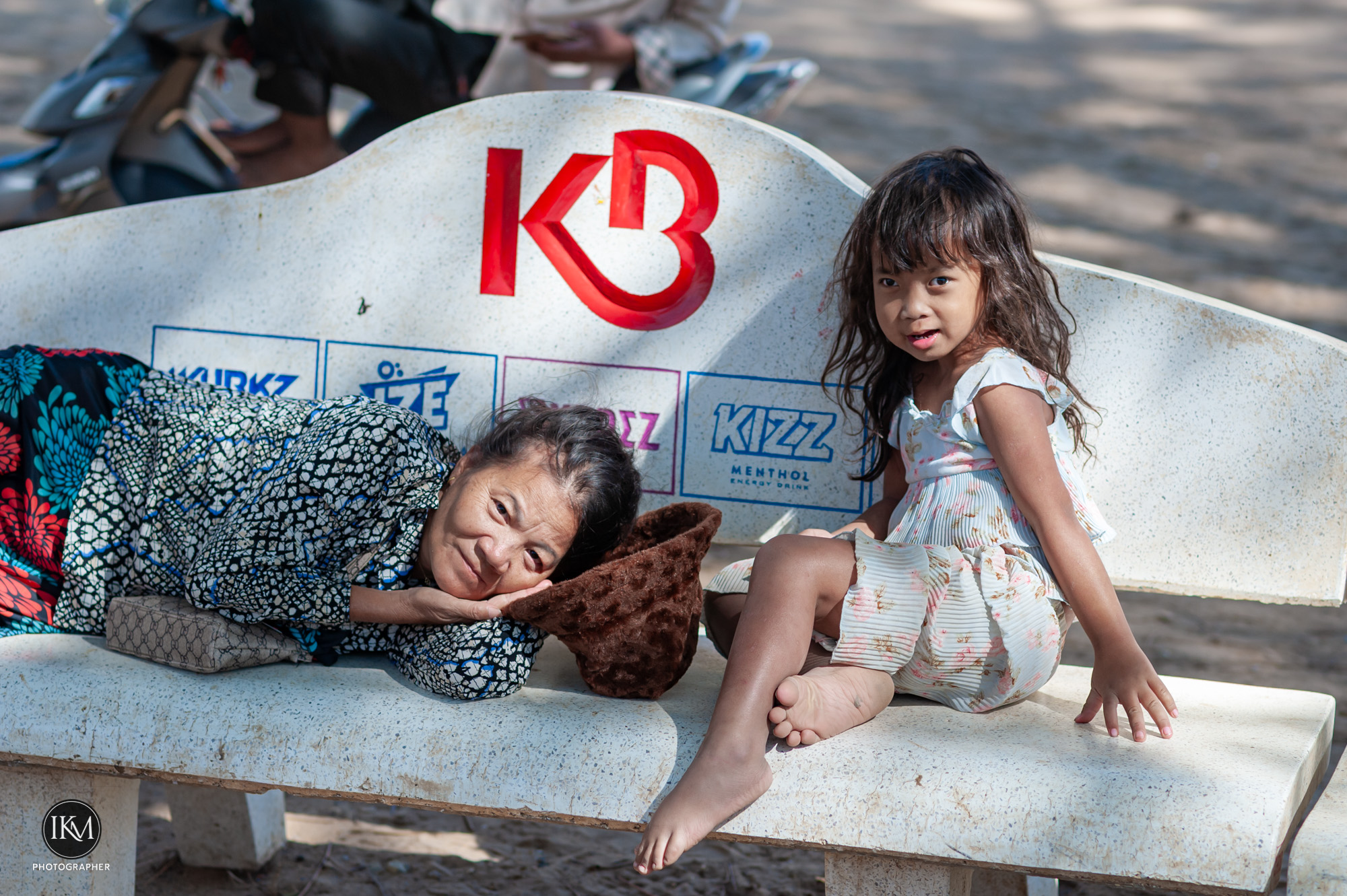
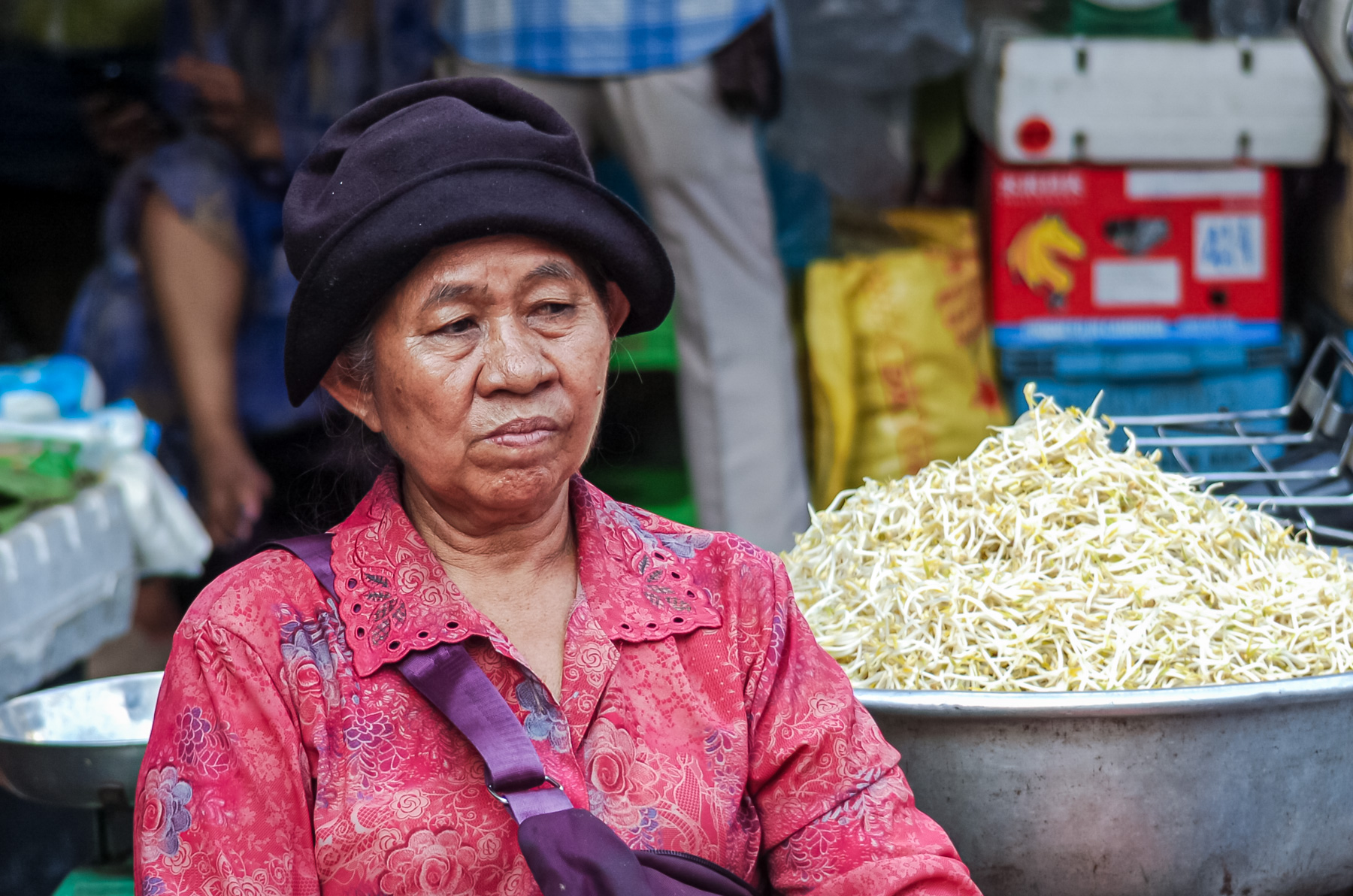
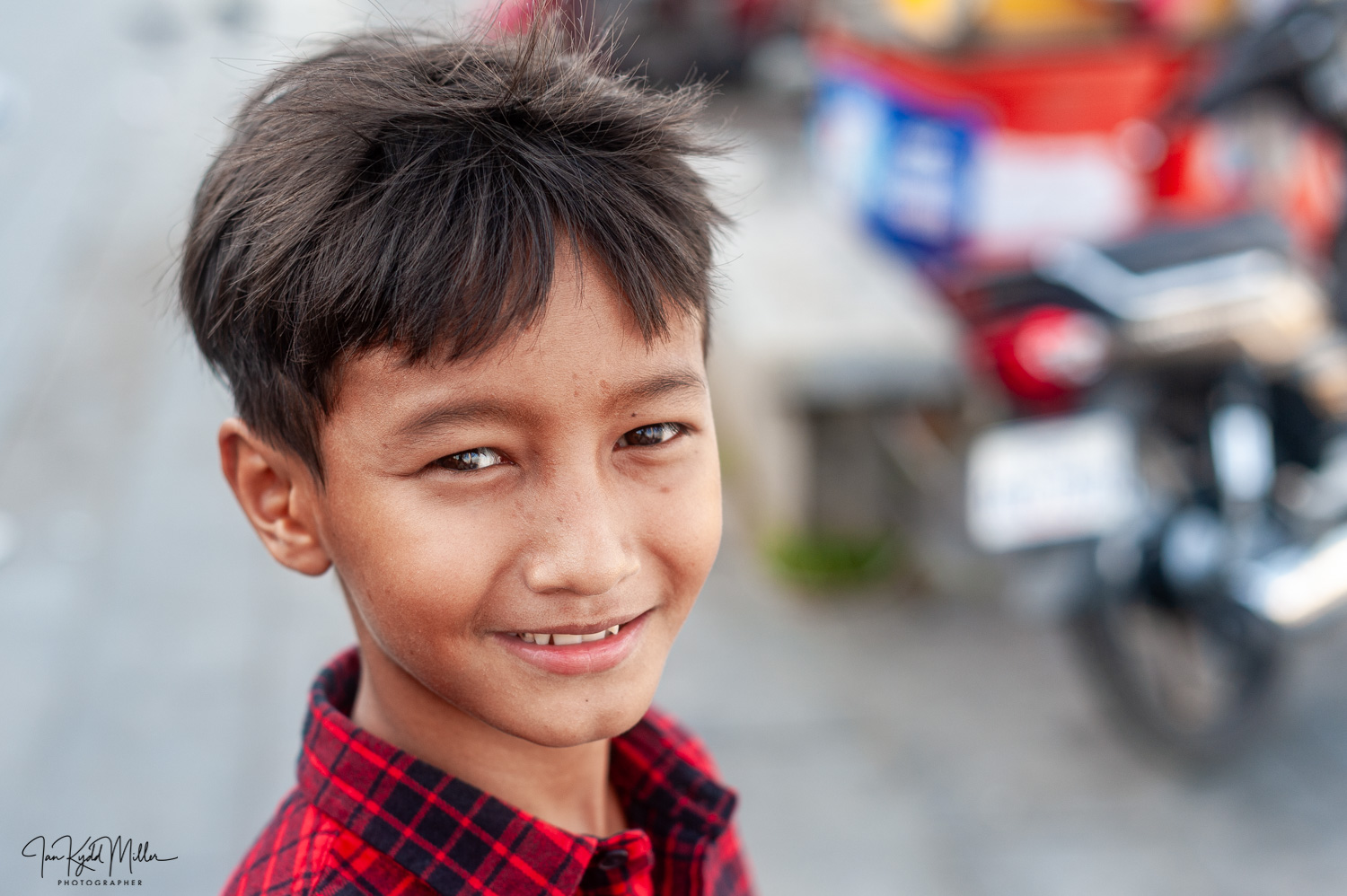
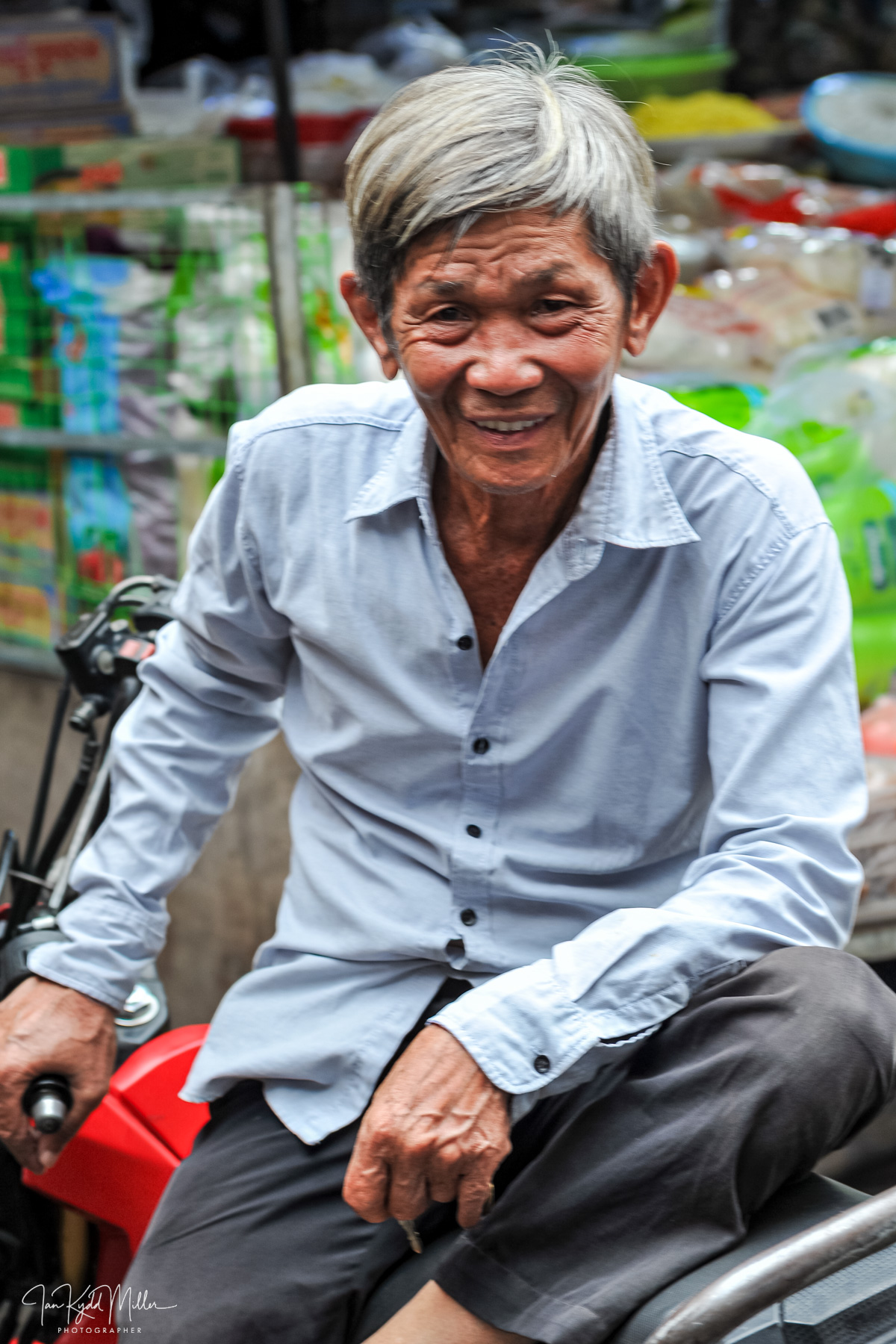
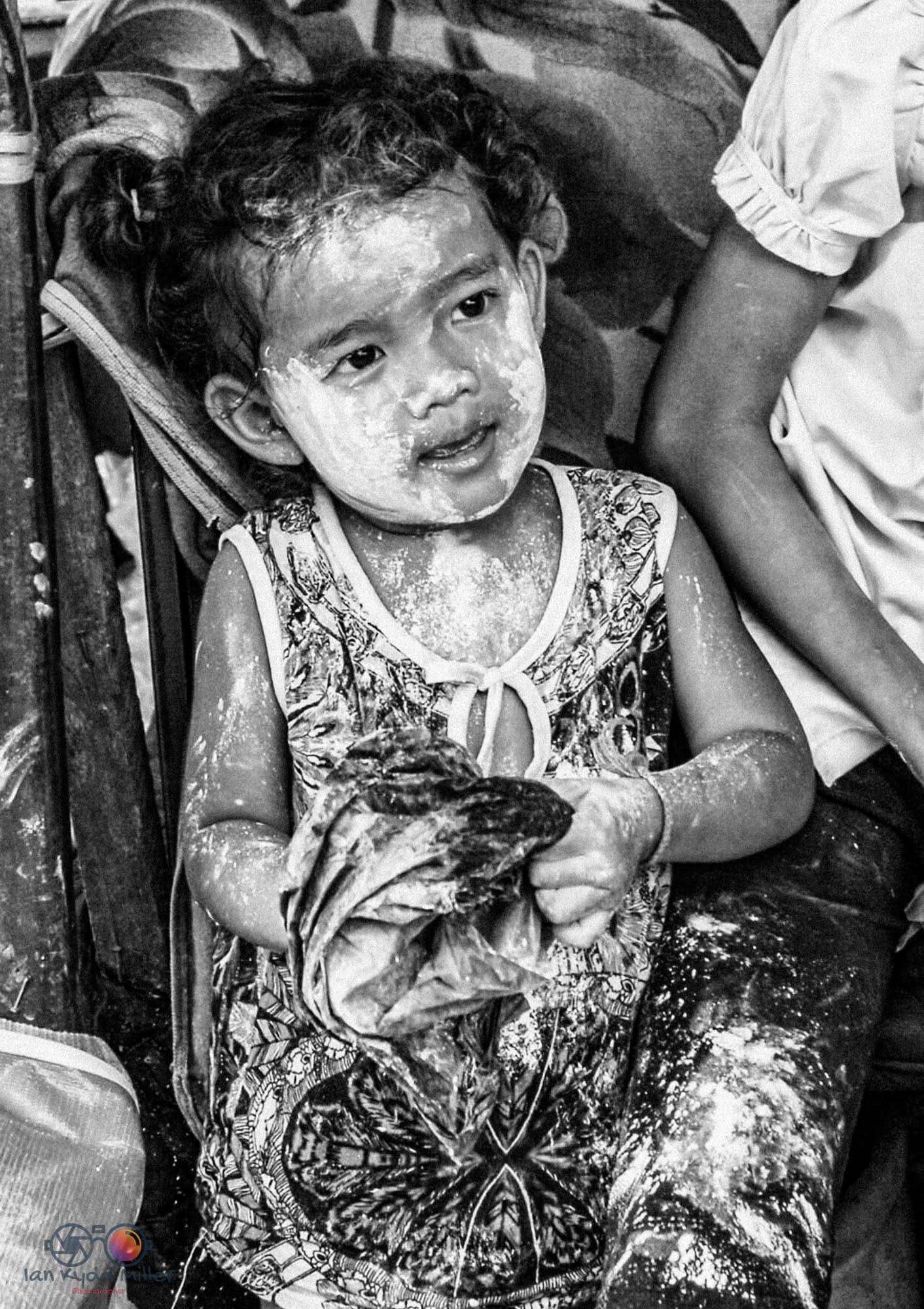
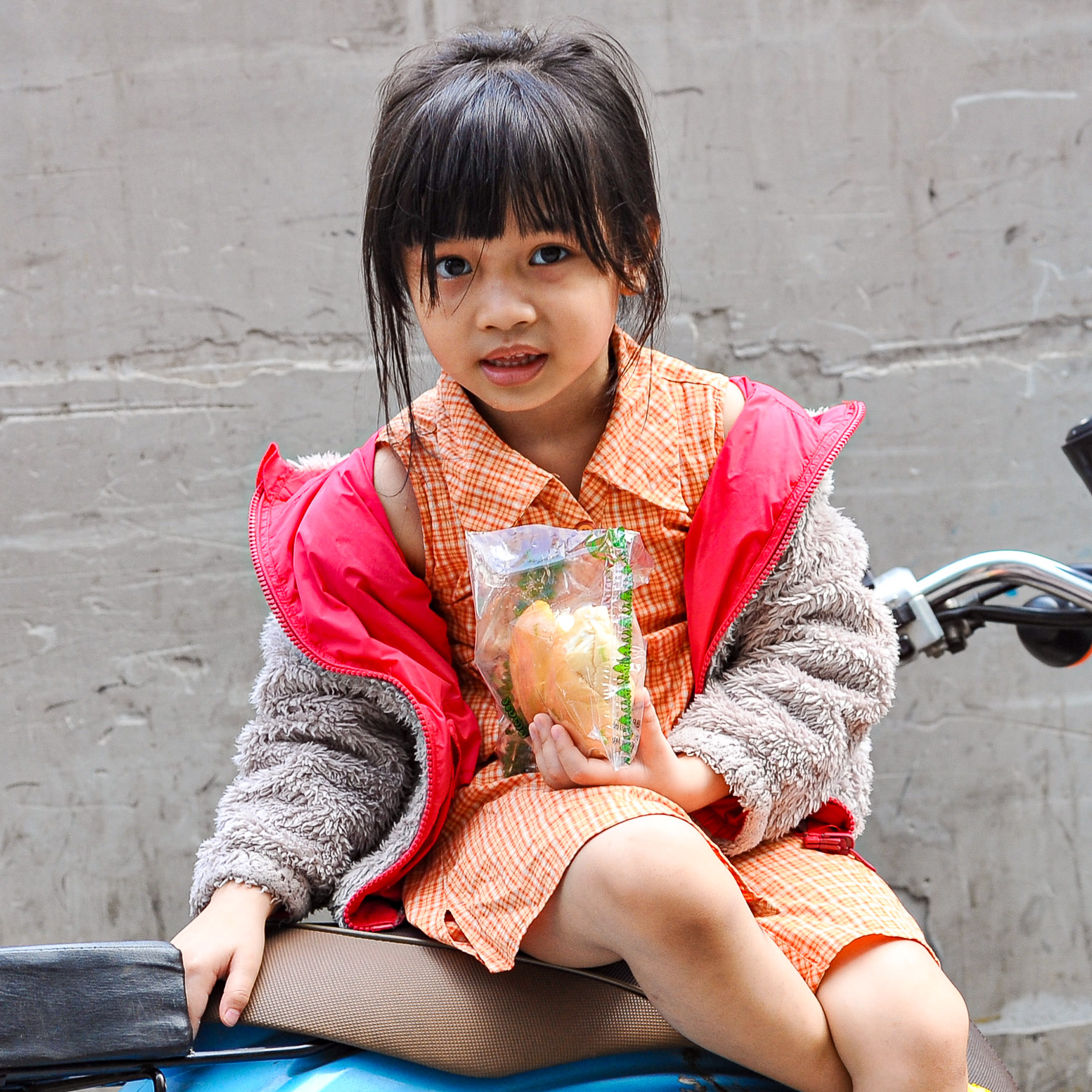
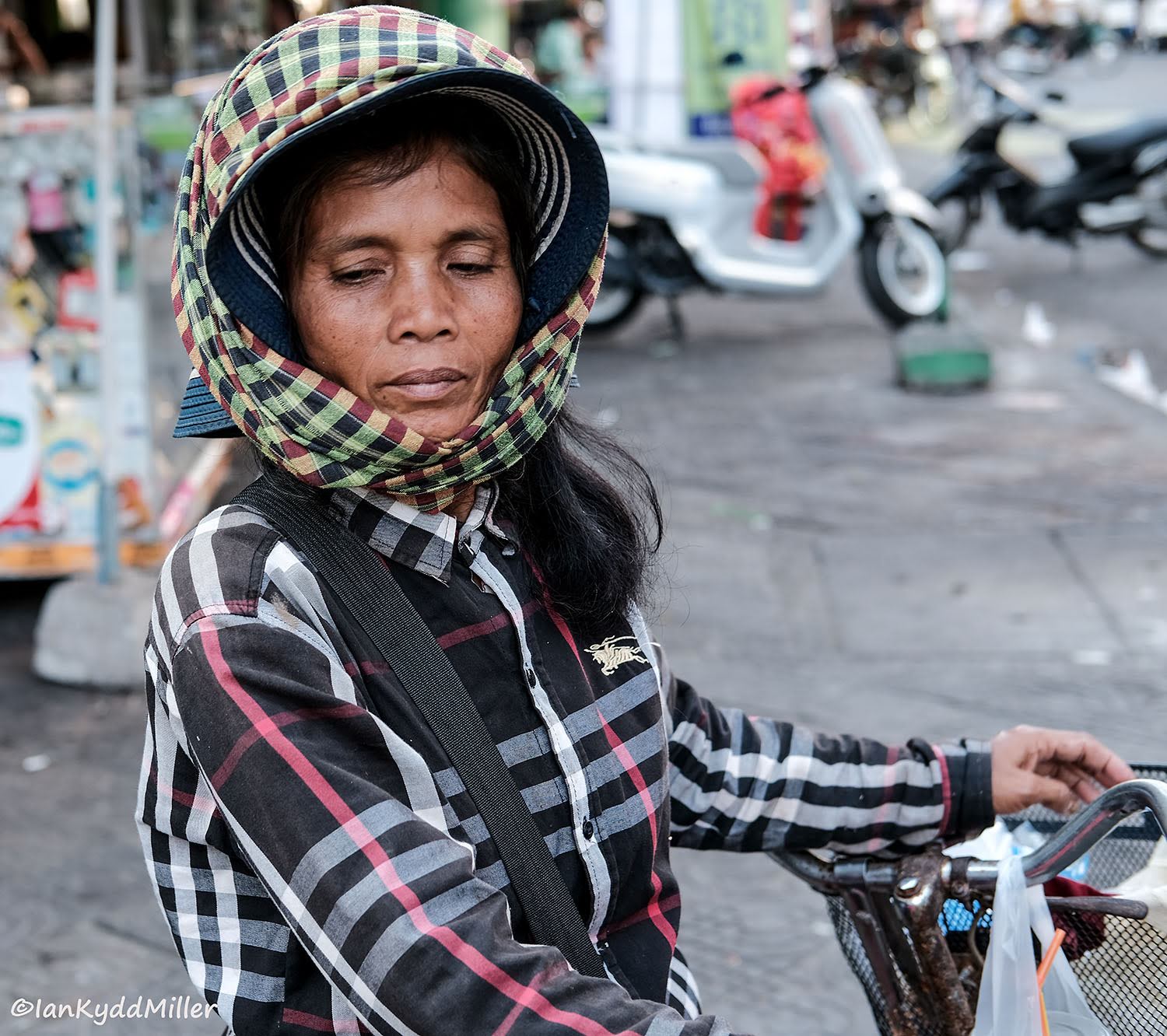
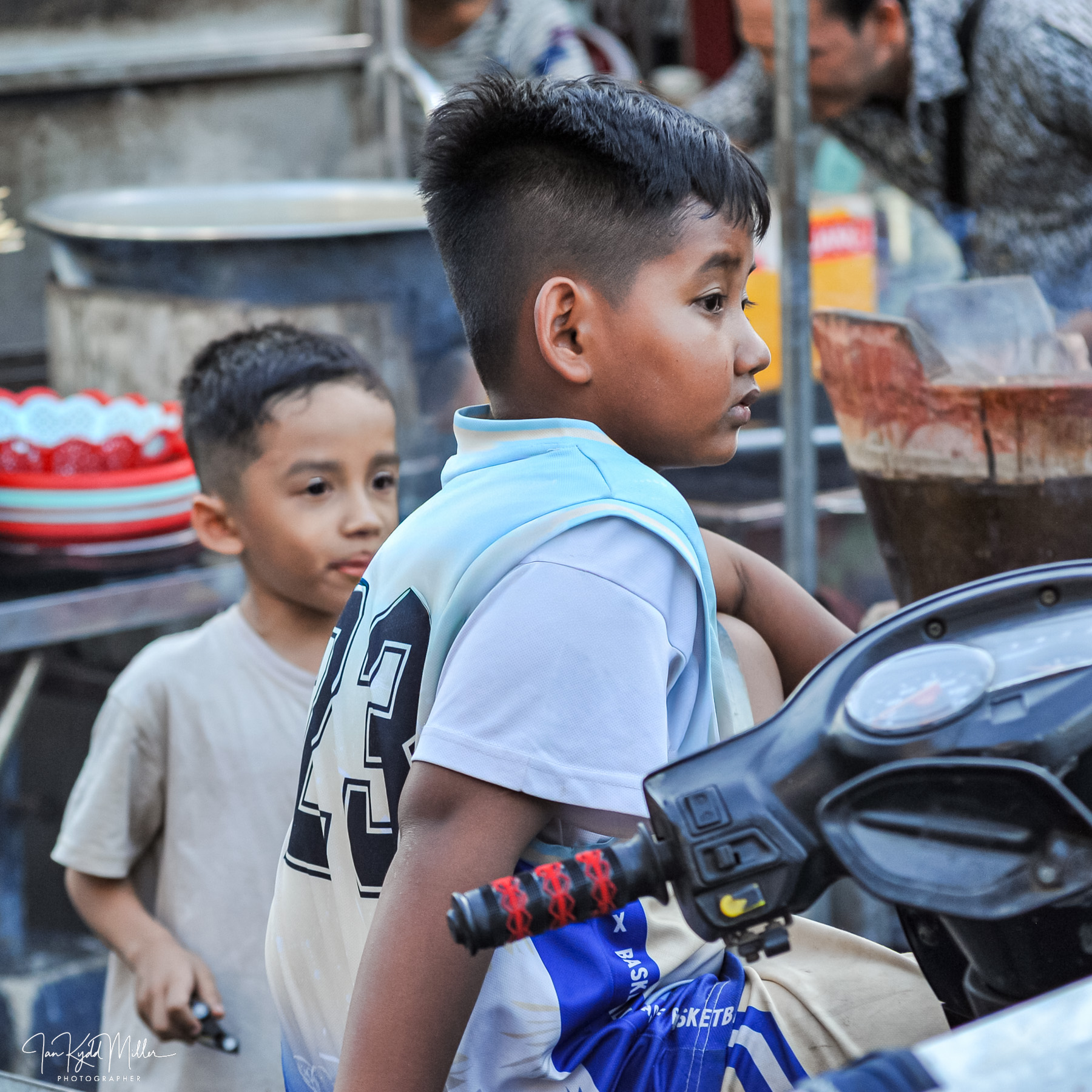
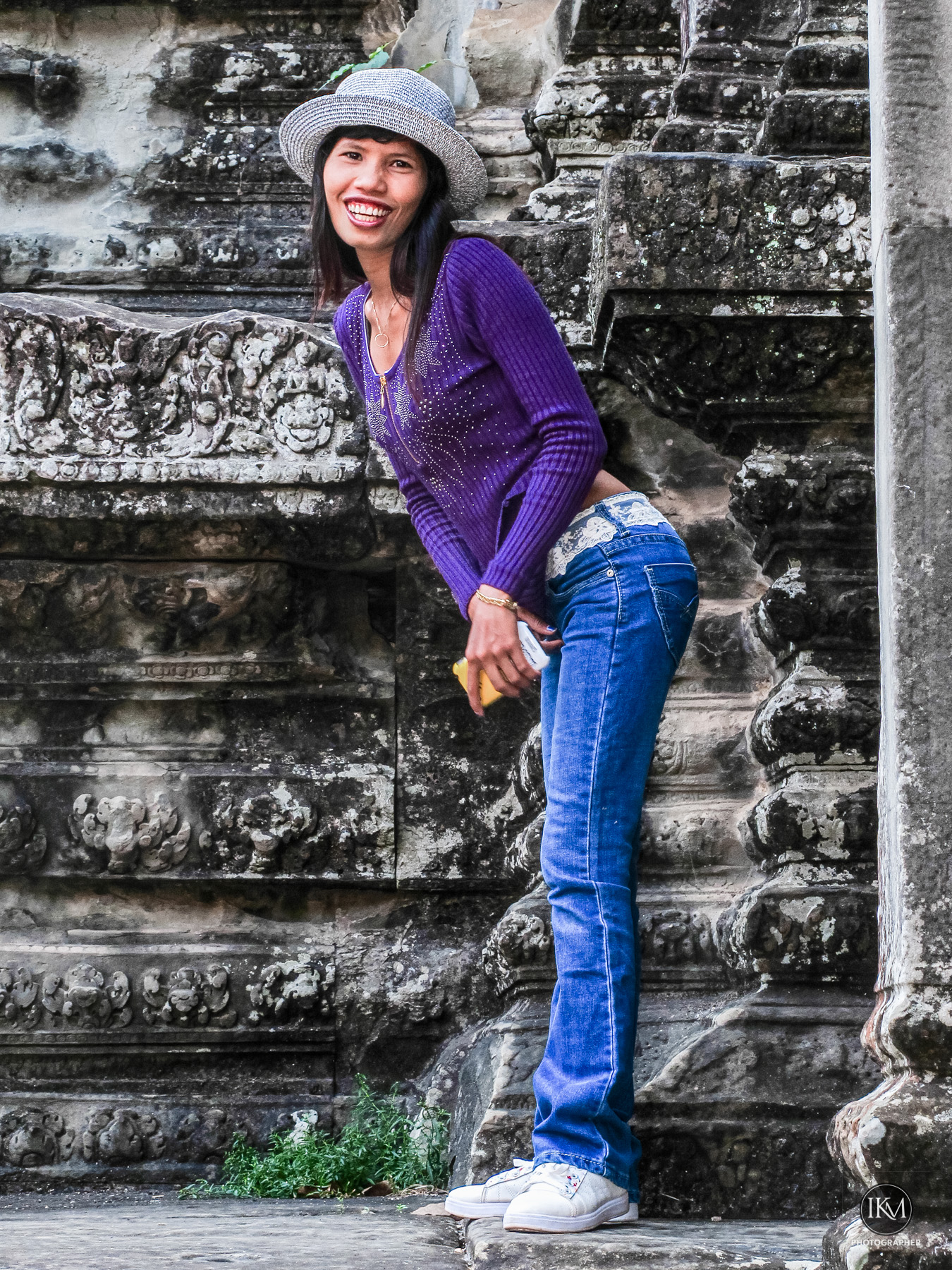
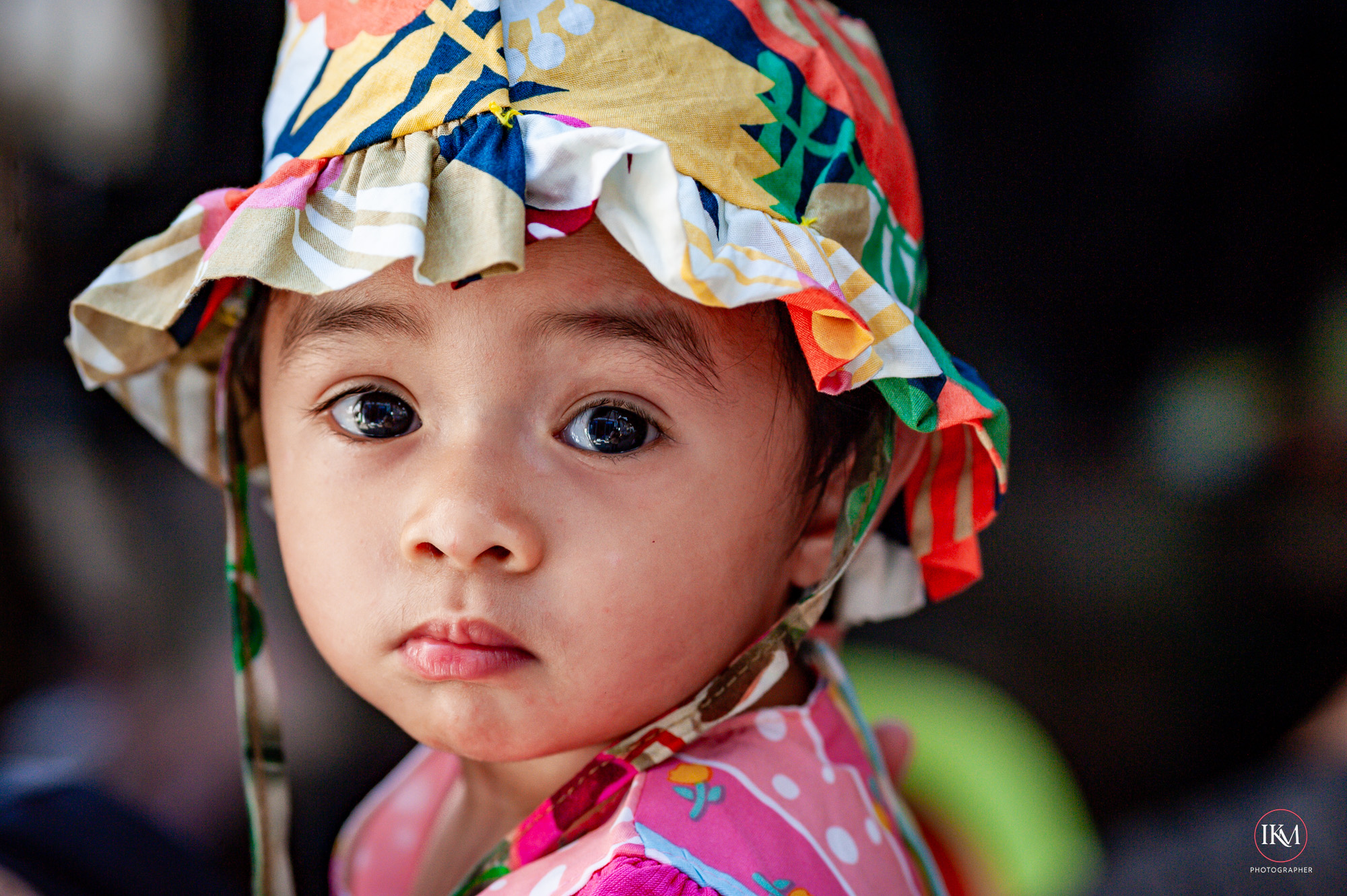
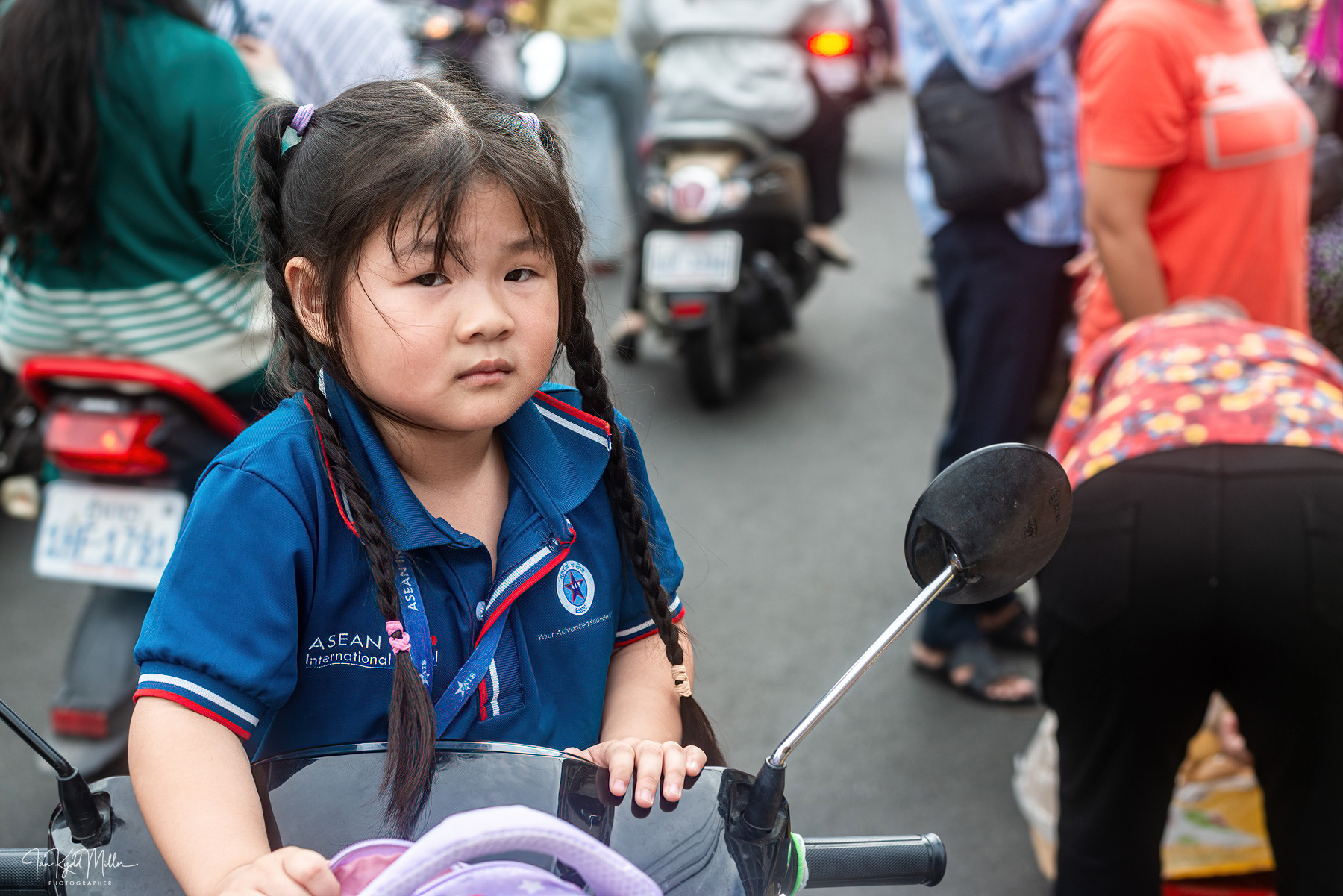
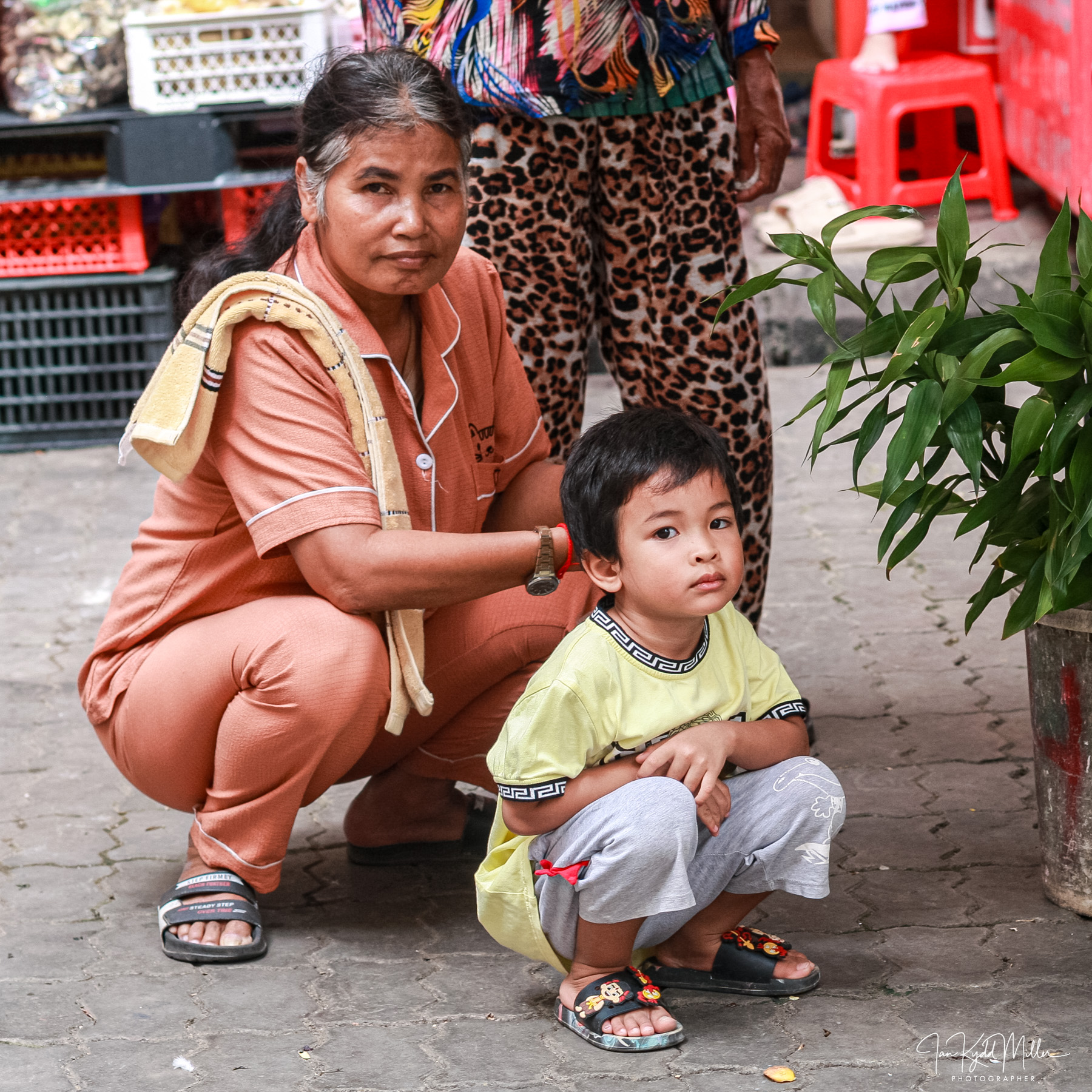
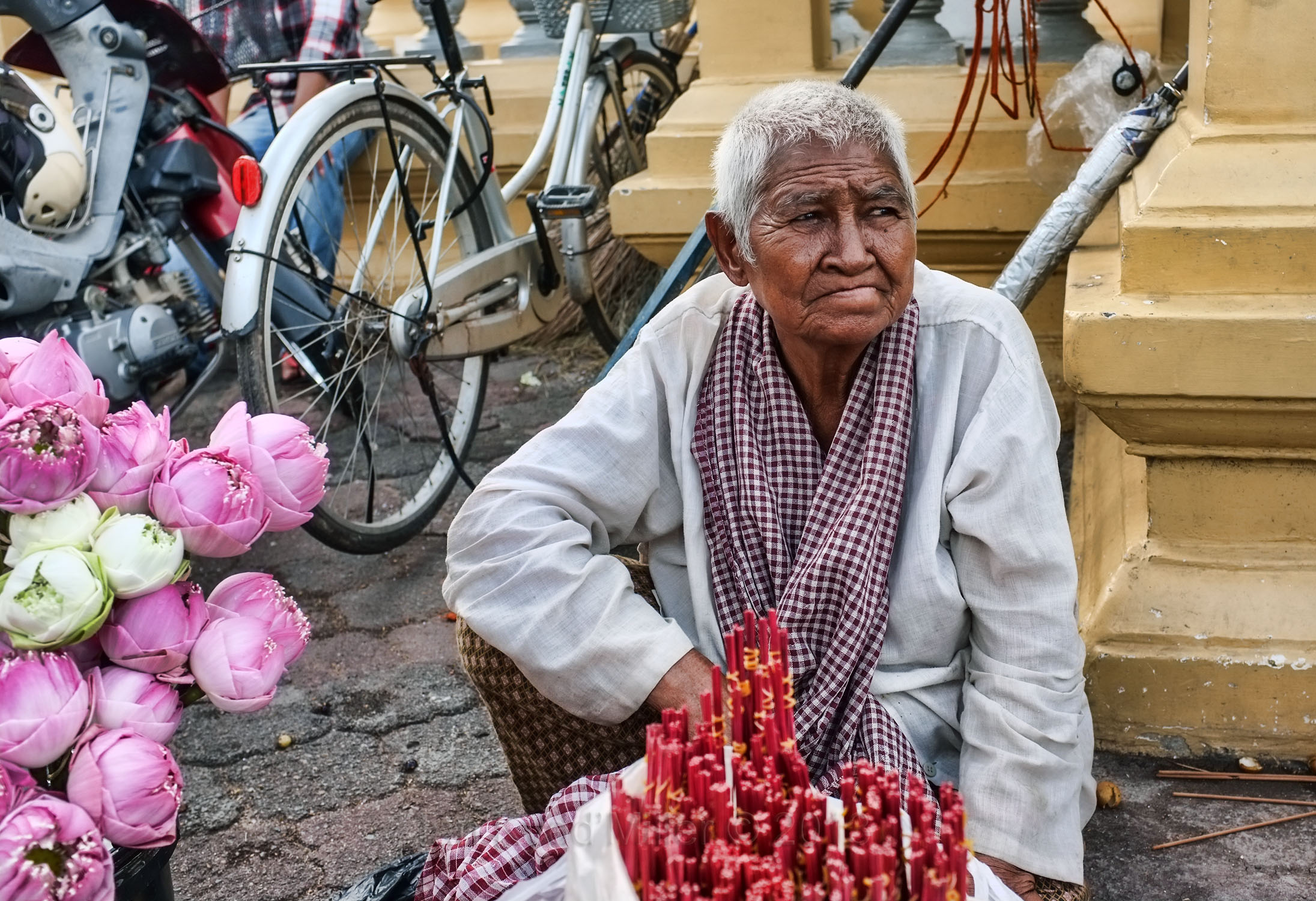
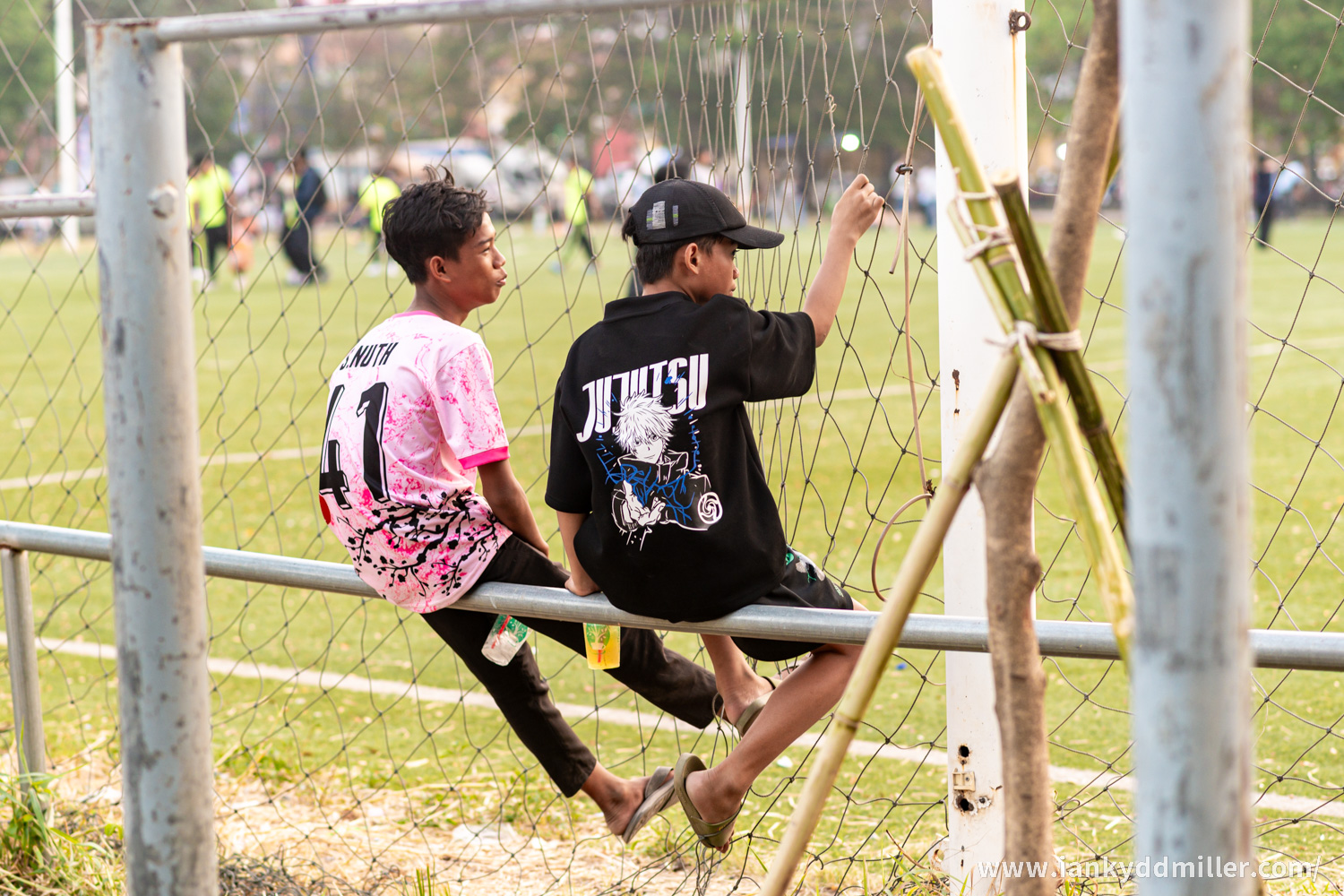
  • Faces full of character, from weathered elders to energetic youth.
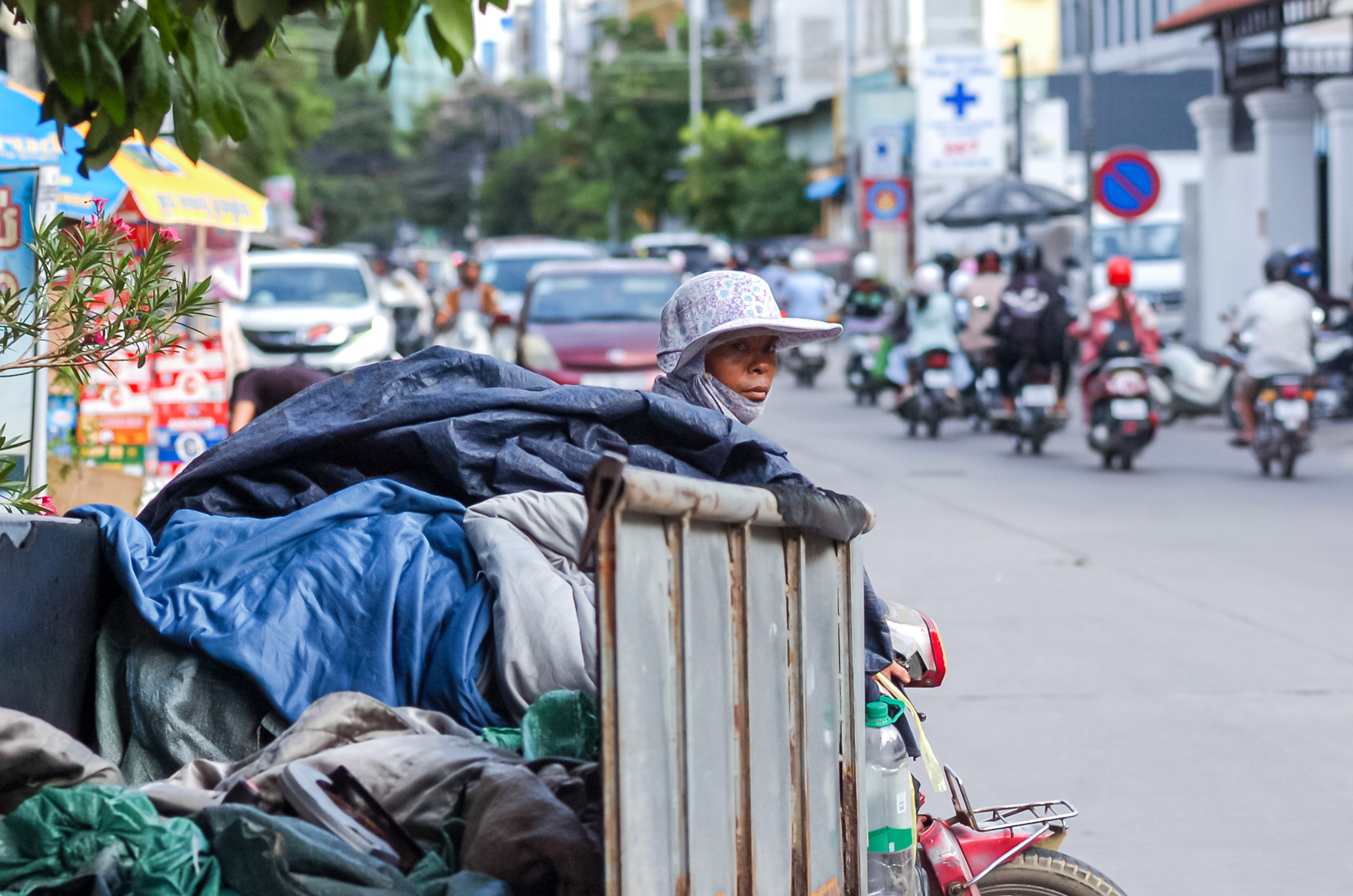
  • Stories in motion—every corner reveals a narrative of resilience, adaptation, and joy.

In essence: Street life in Phnom Penh is not just about movement and commerce—it’s about connection, survival, and culture lived in public view. It’s messy, colourful, and endlessly fascinating, making it one of the most compelling urban experiences in Southeast Asia.

📸 A Photographer’s Guide to Street Life in Phnom Penh

cambodia, cameras, fujifilm, homelessness, Lenses, opinons, thoughts, photography, pictures, street, Travel

🌅 Best Times of Day

  • Early Morning (5:30–8:00 AM): The city wakes up with monks collecting alms, markets buzzing, and soft golden light.
  • Late Afternoon to Evening (4:30–7:00 PM): Streets cool down, families gather, and riverside areas come alive with food stalls and social activity.
  • Night (after 7:00 PM): Night markets and neon-lit streets offer vibrant colours and contrasts, perfect for low-light experimentation.

🏙️ Key Locations

  • Central Market (Phsar Thmey): Iconic art-deco building with bustling vendors inside and street life spilling outside.
  • Russian Market (Phsar Toul Tom Poung): Narrow alleys, food stalls, and a mix of locals and expats.
  • Sisowath Quay (Riverside): Evening strolls, street performers, and Mekong river views.
  • Olympic Market & Stadium: Everyday Cambodian life—vendors, students, and sports enthusiasts.
  • Backstreets of Daun Penh & Toul Kork: Less touristy, more authentic glimpses of daily life.

🎨 Style and Approach

  • Wide-angle storytelling: Capture the energy of markets and traffic chaos.
  • Portraits with consent: Many Cambodians are open to being photographed if approached politely—smiles go a long way.
  • Details and textures: Street food, tuk-tuks, signage, and architecture all add layers to your visual story.
  • Motion blur and panning: Great for showing the constant flow of motorbikes and tuk-tuks.

🤝 Ethical Considerations

  • Respect privacy: Always ask before photographing children or vulnerable individuals.
  • Support locals: Buy a coffee or snack from vendors you photograph—it builds goodwill.
  • Be discreet: Avoid being intrusive; blend in and let moments unfold naturally.
  • Tell the truth: Aim for authenticity, not staged or exaggerated scenes.

🛠️ Practical Tips

  • Gear: A 35mm , 50mm or 85mm prime lens is ideal for intimacy; a small zoom (24–70mm) adds flexibility.
  • Settings: Use aperture priority (f/2.8–f/5.6) for portraits and shutter priority for motion shots.
  • Backup: Carry extra batteries and memory cards—street life is unpredictable and fast-moving.
  • Safety: Keep gear close and minimal; Phnom Penh is generally safe, but petty theft can happen.

Final Thought: Phnom Penh’s streets are a living classroom for photographers—full of light, colour, and human connection. The key is to move slowly, observe deeply, and engage respectfully. The reward is not just strong images, but meaningful encounters.

📸 Robert Capa: The War Photographer Who Hated War

cambodia, opinons, thoughts, photography, war

A Short History of a Photojournalist Who Risked Everything to Show the Truth

Robert Capa’s name is synonymous with frontline photojournalism. He didn’t just photograph war—he lived it, crawled through it, and bore witness to its brutality with a camera in hand. His images are not just records of history; they are emotional testaments to the people caught in its crossfire. He was a legendary war photojournalist whose images captured the raw human cost of conflict.

🧭 Early Life and Identity

Born October 22, 1913, in Budapest, Austria-Hungary, Capa fled political repression as a teenager and moved to Berlin. As Hitler rose to power, he relocated to Paris, where he adopted the pseudonym “Robert Capa” to sound more American and marketable. He partnered with fellow photojournalist Gerda Taro, and together they began documenting the Spanish Civil War.

📰 War Coverage and Iconic Work

Capa covered five major conflicts:

  • Spanish Civil War (1936–1939): His photo The Falling Soldier became one of the most iconic war images ever taken.
  • Second Sino-Japanese War
  • World War II: He landed with American troops on D-Day, capturing blurry, visceral images under fire at Omaha Beach.
  • 1948 Arab–Israeli War
  • First Indochina War: Where he was tragically killed by a landmine in 1954 while on assignment in Vietnam.

His approach was simple: “If your pictures aren’t good enough, you’re not close enough.” He believed in proximity—not just physical, but emotional.

🖋 Magnum Photos and Legacy

In 1947, Capa co-founded Magnum Photos with Henri Cartier-Bresson, David Seymour, and others. Magnum became a cooperative agency that gave photographers control over their work—a revolutionary idea at the time.

Capa’s legacy includes:

  • A new standard for human-centered war photography
  • A commitment to ethical witnessing
  • A body of work that continues to educate and move viewers worldwide

🧭 Final Thought

Robert Capa didn’t glorify war—he exposed it. His images are grainy, imperfect, and often chaotic, but they pulse with truth. He showed that photography could be more than documentation—it could be resistance, empathy, and remembrance.

📷 The Fujinon XF 18mm f/2 R: A Lens That Listens

cambodia, cameras, Fujichrome, fujifilm, Lenses, opinons, thoughts, photography

A Rundown of the Good and the Quirky

The Fujifilm XF 18mm f/2 isn’t perfect. But it’s present. It’s compact, fast, and quietly capable. It doesn’t demand attention—it invites it. And for street photographers, documentarians, and those who value rhythm over resolution, it’s a lens worth knowing.

I’ve used it in clinics, on the street, and in quiet corners of care. It’s not a showstopper. It’s a companion. And that’s what makes it special.

✅ The Good: Why It Still Matters

🧠 1. Classic Focal Length

  • 18mm on Fuji’s APS-C sensor gives you a 27mm equivalent—ideal for street photography, environmental portraits, and storytelling in context.
  • Wide enough to breathe, tight enough to feel.

🪶 2. Compact and Featherlight

  • This lens disappears in your hand. It makes the camera feel invisible.
  • Perfect for moving quietly, staying present, and photographing without spectacle.

⚡ 3. Fast f/2 Aperture

  • Responsive in low light. Lets you isolate gestures and moments without losing the scene.
  • Great for dusk, clinics, and shadow play.

🎞️ 4. Film-Like Rendering

  • Slight softness at the edges. Gentle contrast. A character that feels felt, not forced.
  • Prints beautifully—especially in black-and-white.

🧭 5. Teaches Restraint

  • No zoom. No overcorrection. Just you, the scene, and the moment.
  • Ideal for students learning to compose with care.

❗ The Quirks: What to Know

🧊 1. Not the Sharpest Tool

  • Wide open, it’s soft at the edges. Corner sharpness improves by f/4–f/5.6.
  • If you’re chasing clinical perfection, this isn’t your lens.

🔊 2. Noisy Autofocus

  • The AF motor isn’t silent. In quiet settings, you’ll hear it.
  • Not a dealbreaker, but worth noting for documentary work.

🧱 3. Older Design

  • No weather sealing. No linear motor. No aperture lock.
  • It’s part of Fuji’s original lens lineup—quirky, charming, and a little dated.

🧪 4. Chromatic Aberration

  • You may see some fringing in high-contrast scenes. Easily corrected in post, but present.

🖼 How It Prints

This lens isn’t about technical brilliance. It’s about emotional clarity. The files print with softness, nuance, and tonal depth. Especially in monochrome, the 18mm f/2 feels like a whisper—gentle, grounded, and true.

🕊 Final Thought: Character Over Perfection

The Fujinon XF 18mm f/2 isn’t for everyone. But for those who value presence over pixels, it’s a quiet gem. It teaches you to move slowly, see clearly, and photograph with care.

Because sometimes, the best lens isn’t the sharpest. It’s the one that listens.

I have been using an interesting older zoom lens on my Nikon D3. The Nikkor 35-135 f3.5/4.5

cambodia, cameras, fujifilm, Lenses, Lowepro, opinons, thoughts, photography, pictures, printing, street, Travel

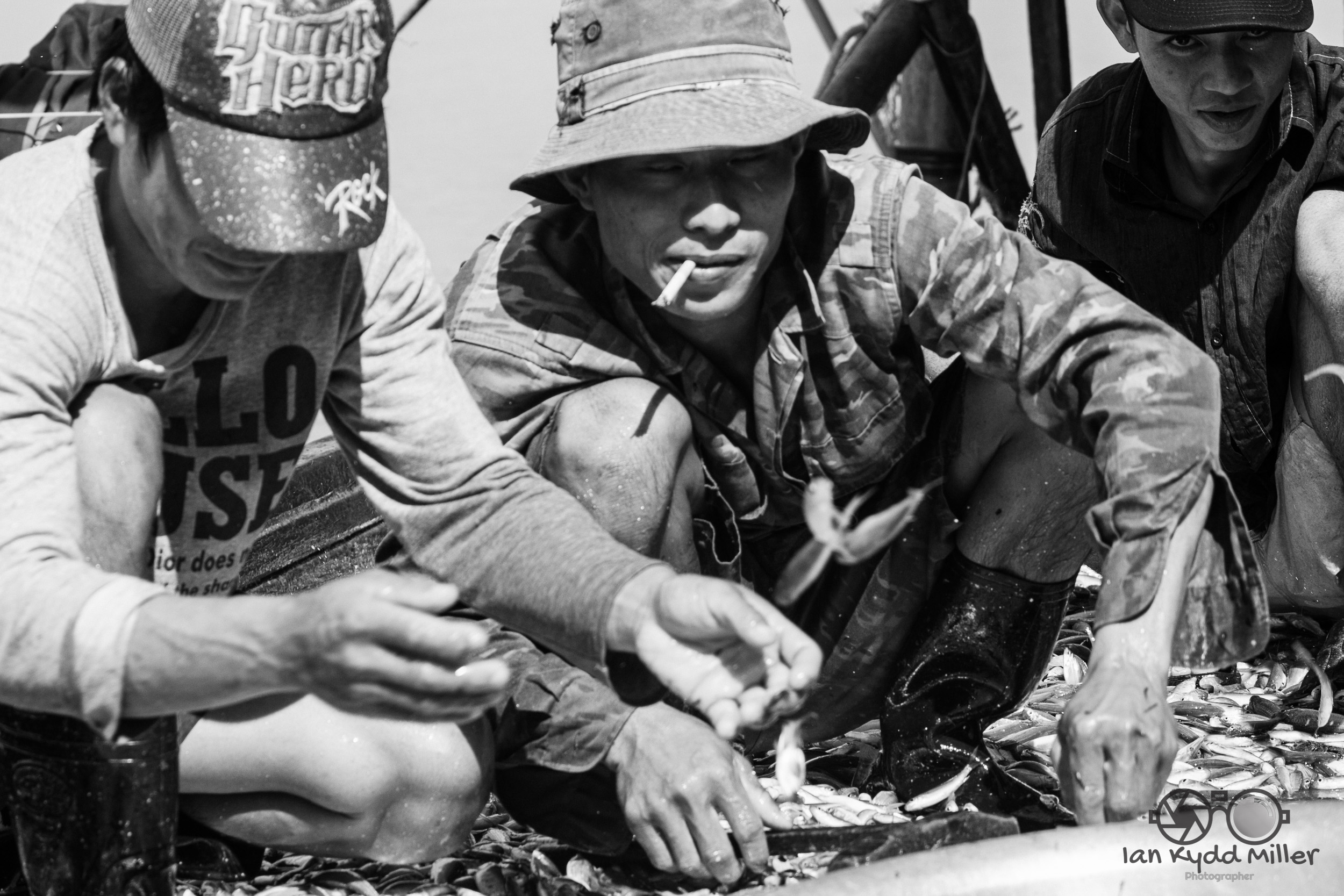
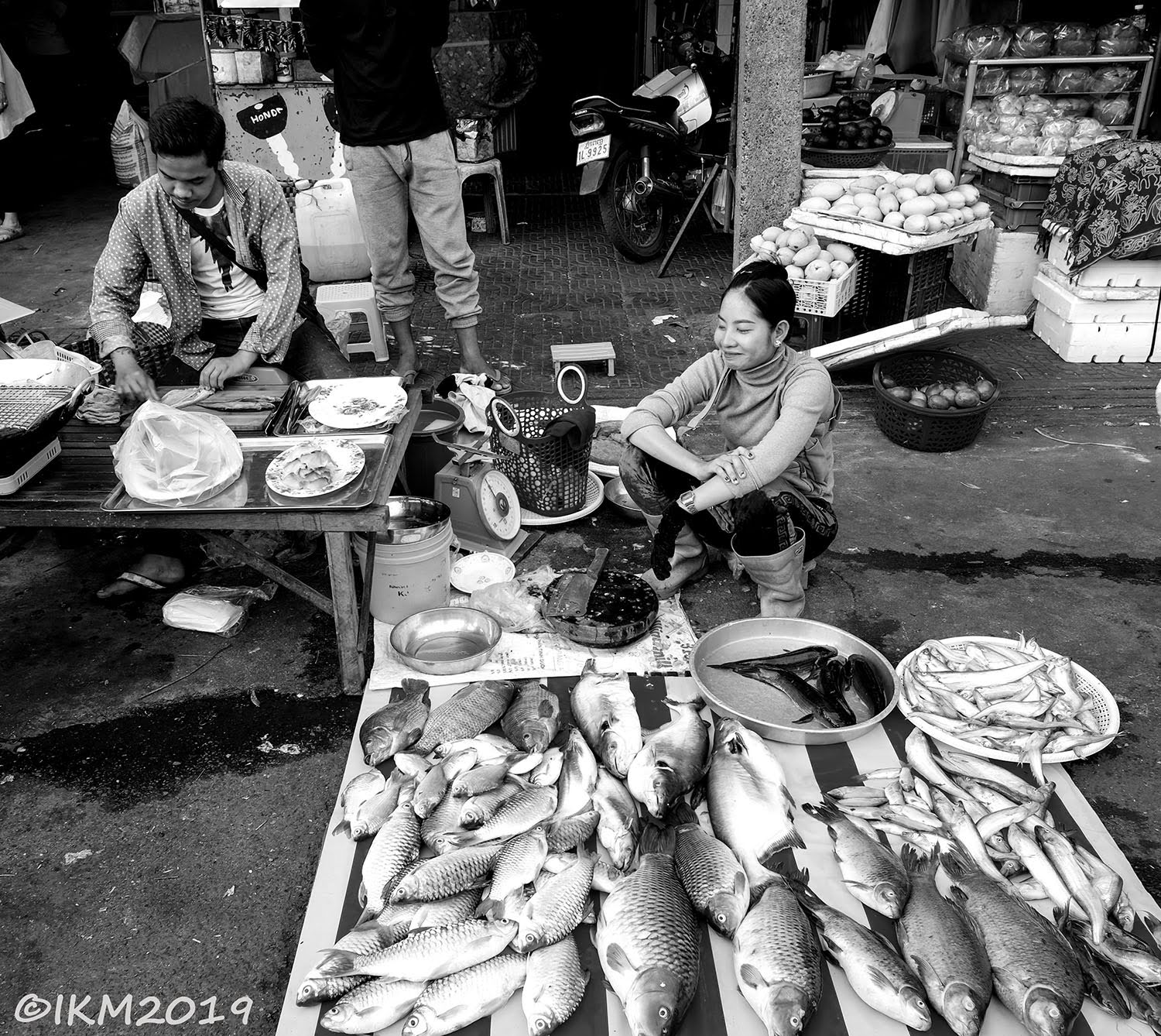
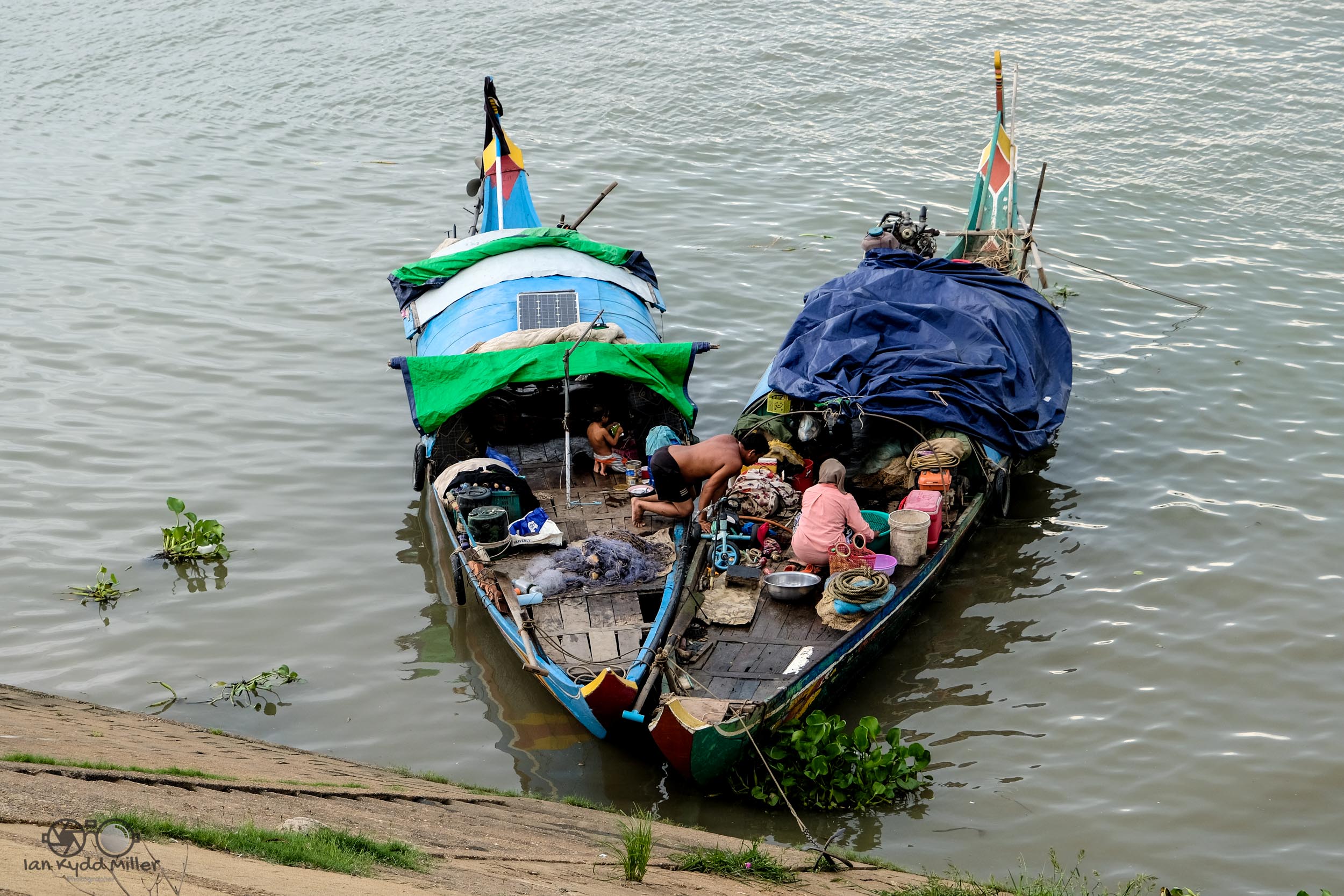
Fishing in Cambodia is essential to its people.

cambodia, cameras, Lowepro, opinons, thoughts, pictures

The Art of Capturing the Moment: What Makes a Good Photograph?

cameras, conflict, homelessness, Lenses, opinons, thoughts, photography, pictures, street, Travel

Retrospective 2013

cambodia, opinons, thoughts, photography, pictures, street
  1. Electoral Reform: They called for an independent investigation into the alleged electoral fraud during the 2013 general election and demanded a re-election.
  2. Minimum Wage Increase: Garment factory workers, a significant part of the protests, demanded an increase in the minimum wage to $160 per month.
  3. Political Reforms: There were calls for broader democratic reforms, including greater transparency and accountability in government.
  4. Resentment of Vietnamese Influence: Some protesters expressed concerns over the perceived influence of Vietnam in Cambodian politics and society.

These demands reflected a mix of political, economic, and social grievances that fueled the widespread demonstrations.

  1. Economic Growth: Cambodia’s economy has grown steadily, with an average annual growth rate of 7.6% between 1995 and 2019. Despite a contraction in 2020 due to the COVID-19 pandemic, the economy has been recovering, with growth rates of 3.0% in 2021 and 5.2% in 2022.
  2. Poverty Reduction: Before the pandemic, poverty rates were declining by 1.6 percentage points annually. However, the pandemic increased unemployment and poverty. Efforts to scale up social assistance have helped mitigate income losses, and poverty is expected to decline as the economy recovers.
  3. Foreign Direct Investment (FDI): There has been a surge in FDI inflows, particularly in the manufacturing and tourism sectors. This has contributed to economic growth and job creation.
  4. Political Landscape: The political environment has seen tensions and conflicts, particularly around land grabs, labor exploitation, and environmental degradation. The 2013 national elections led to a political impasse and mass mobilization.
  5. Environmental Impact: Cambodia has seen a significant increase in CO2 emissions, with a 192.69% rise between 2013 and 2019.
  6. Human Capital: Improvements have been made in health outcomes, early childhood development, and primary education, especially in rural areas. However, human capital indicators still lag behind other lower middle-income countries.

These changes reflect Cambodia’s ongoing efforts to address economic, social, and environmental challenges while striving for sustainable development.