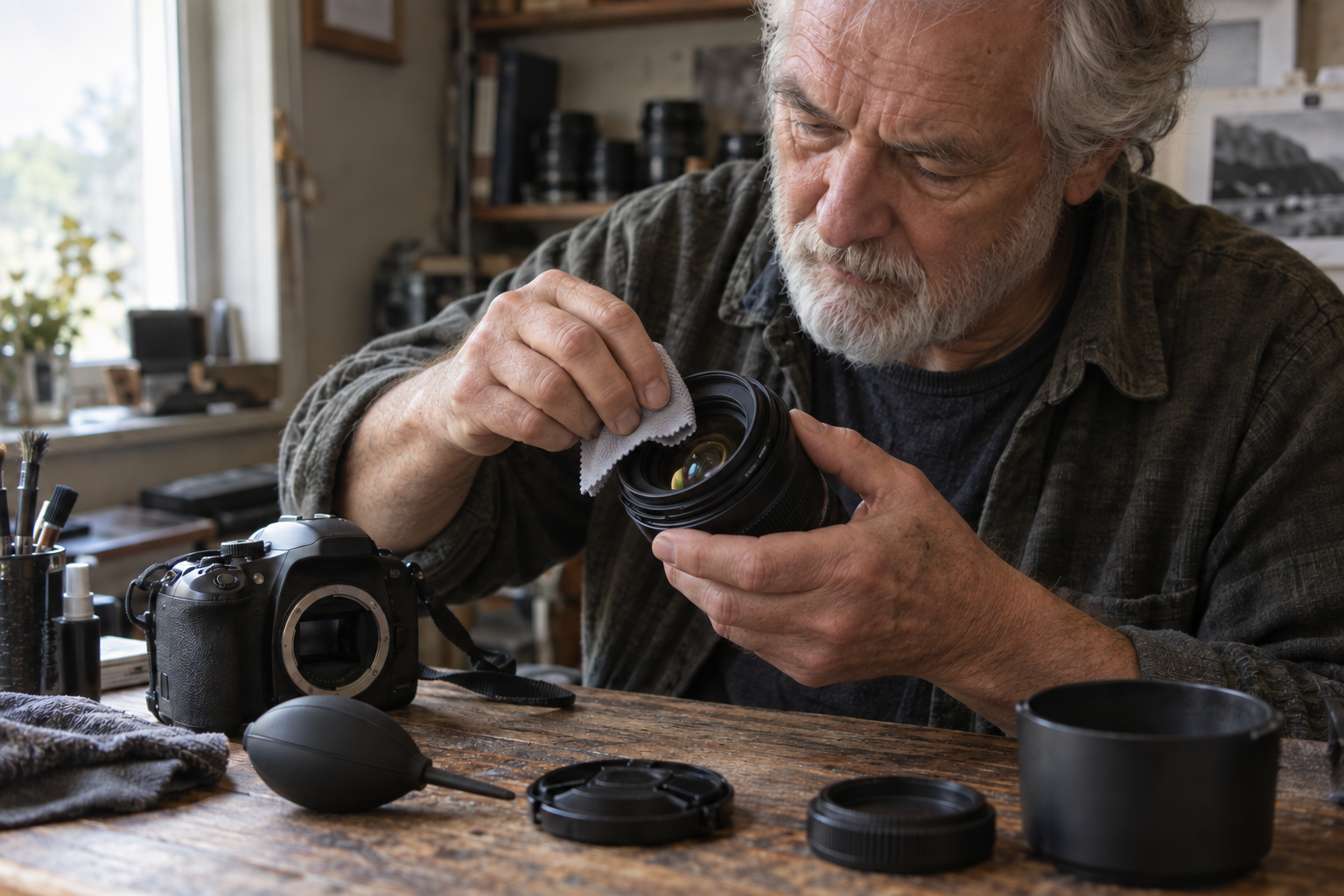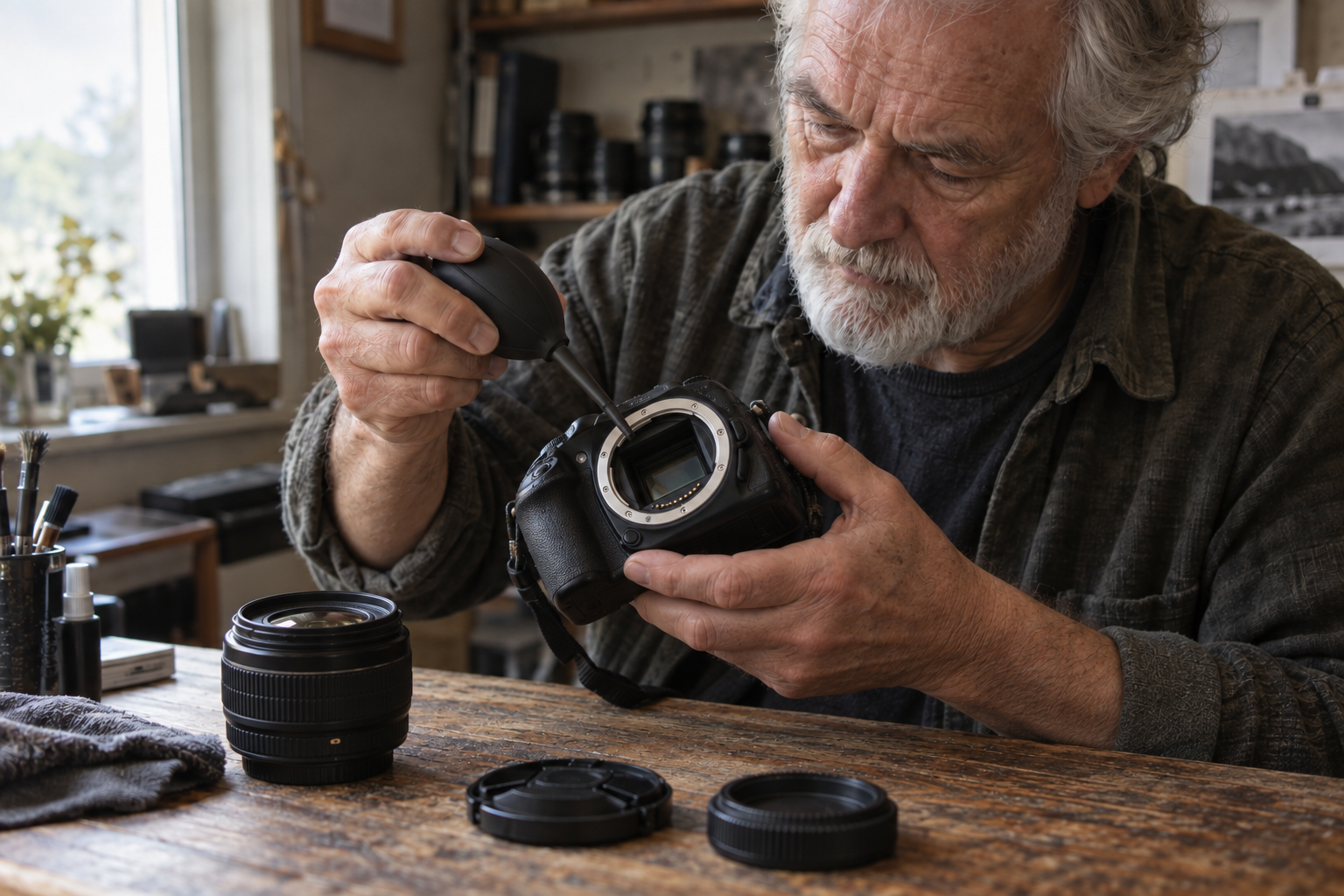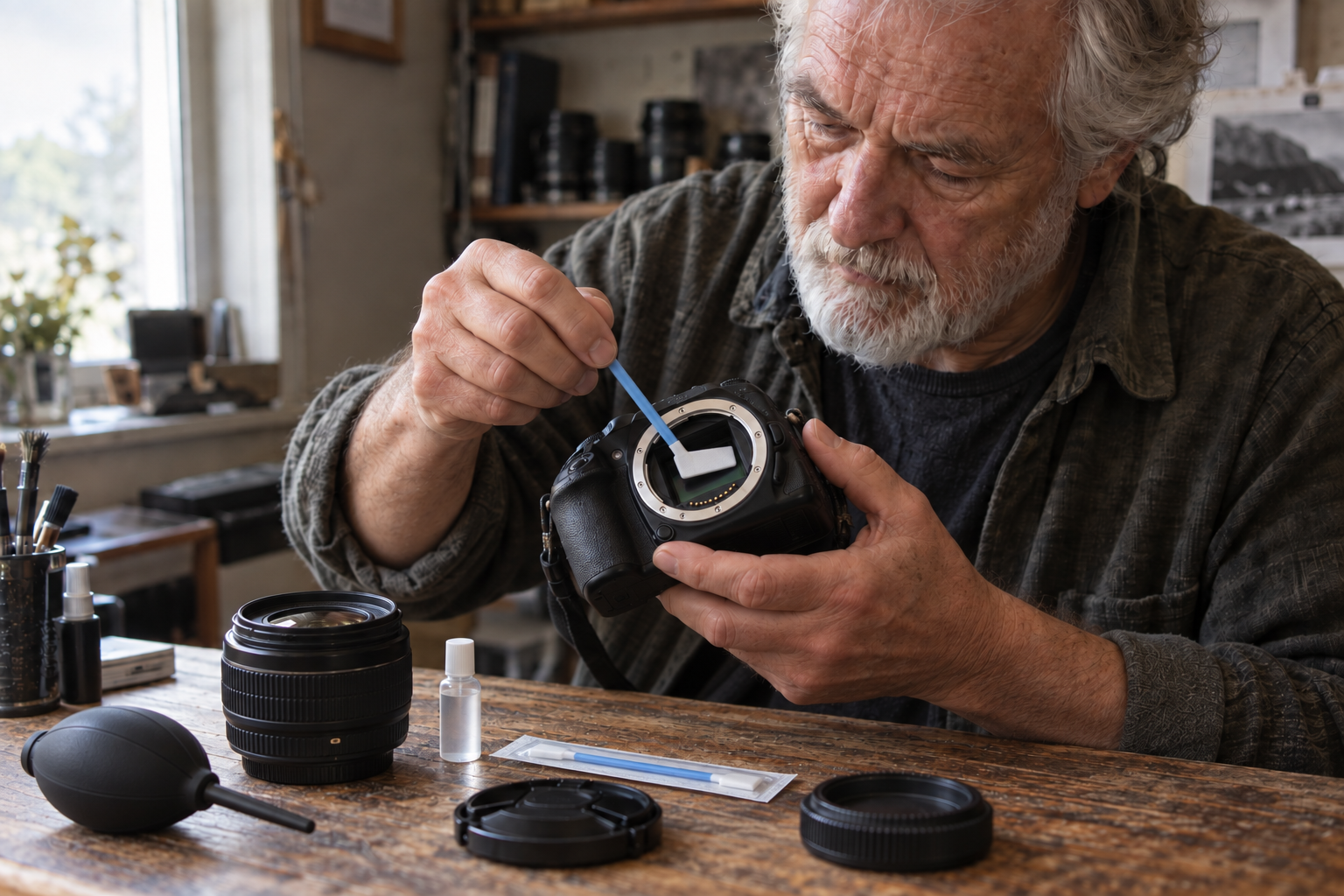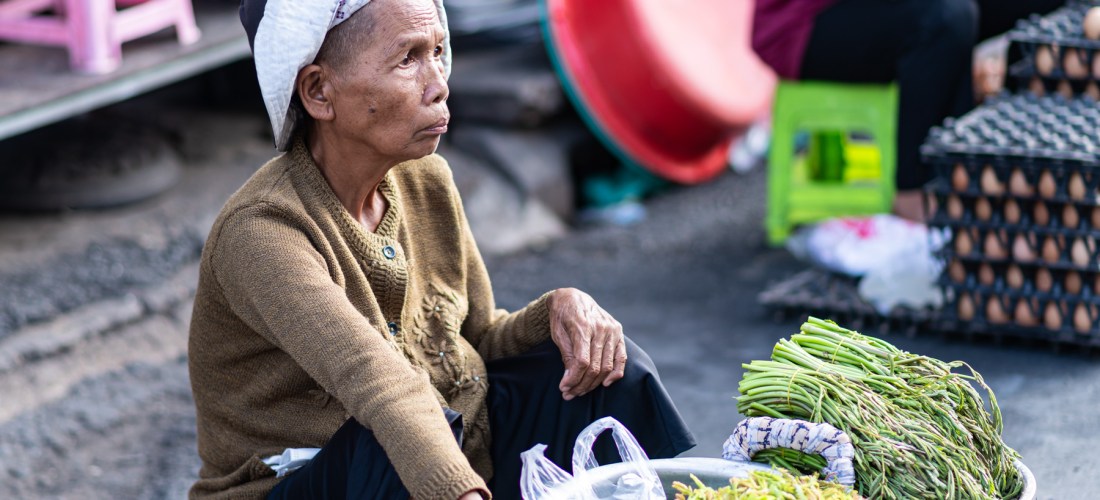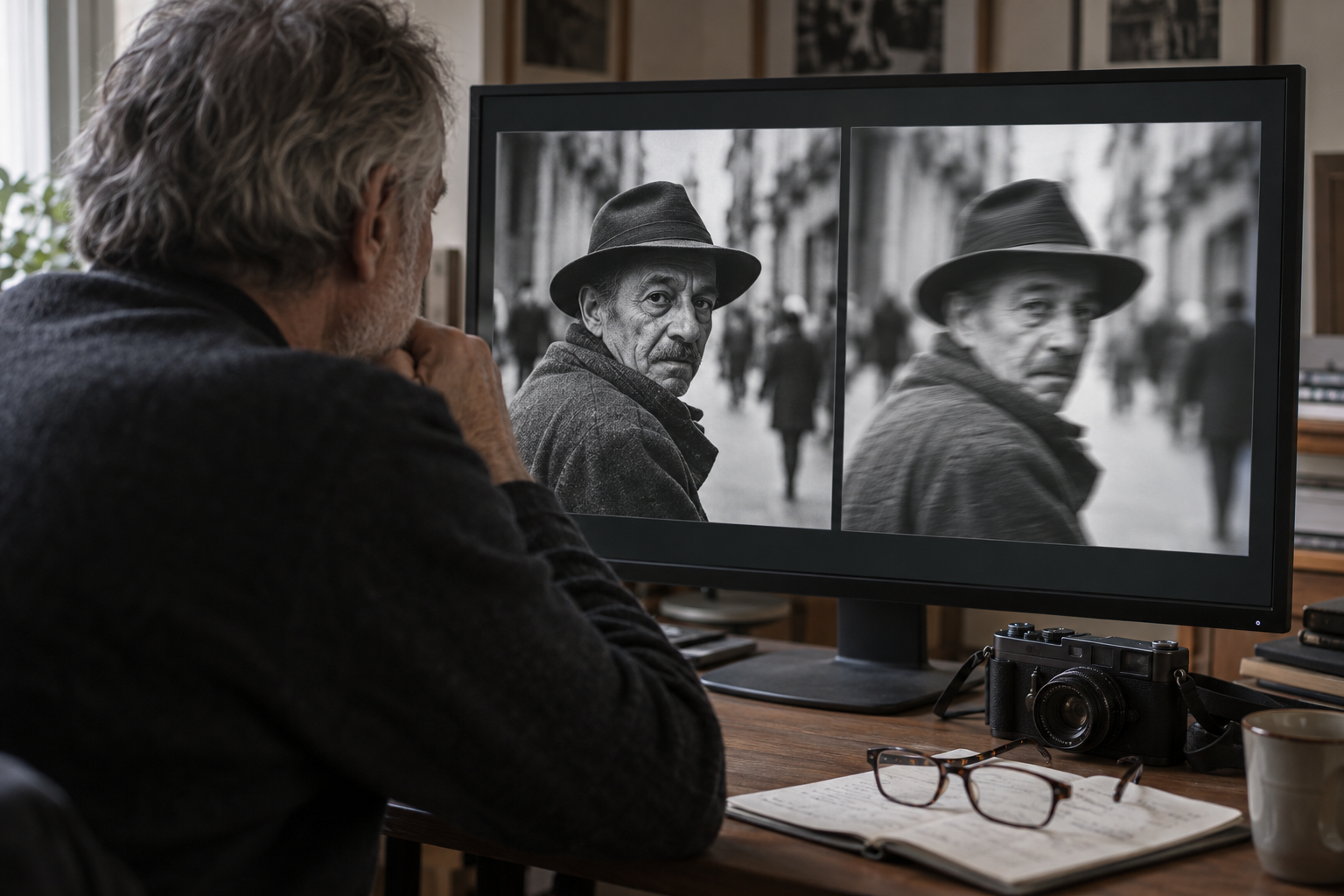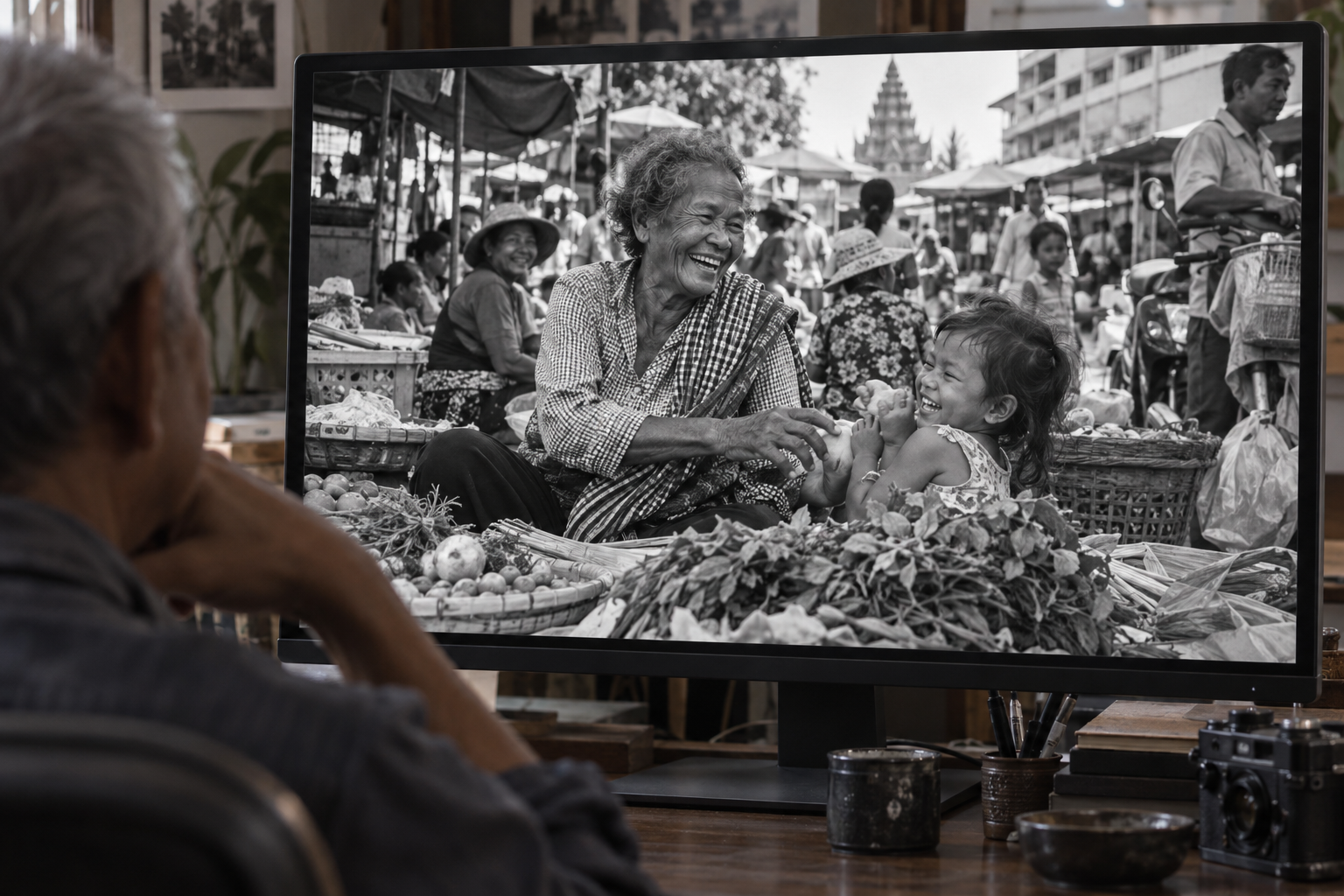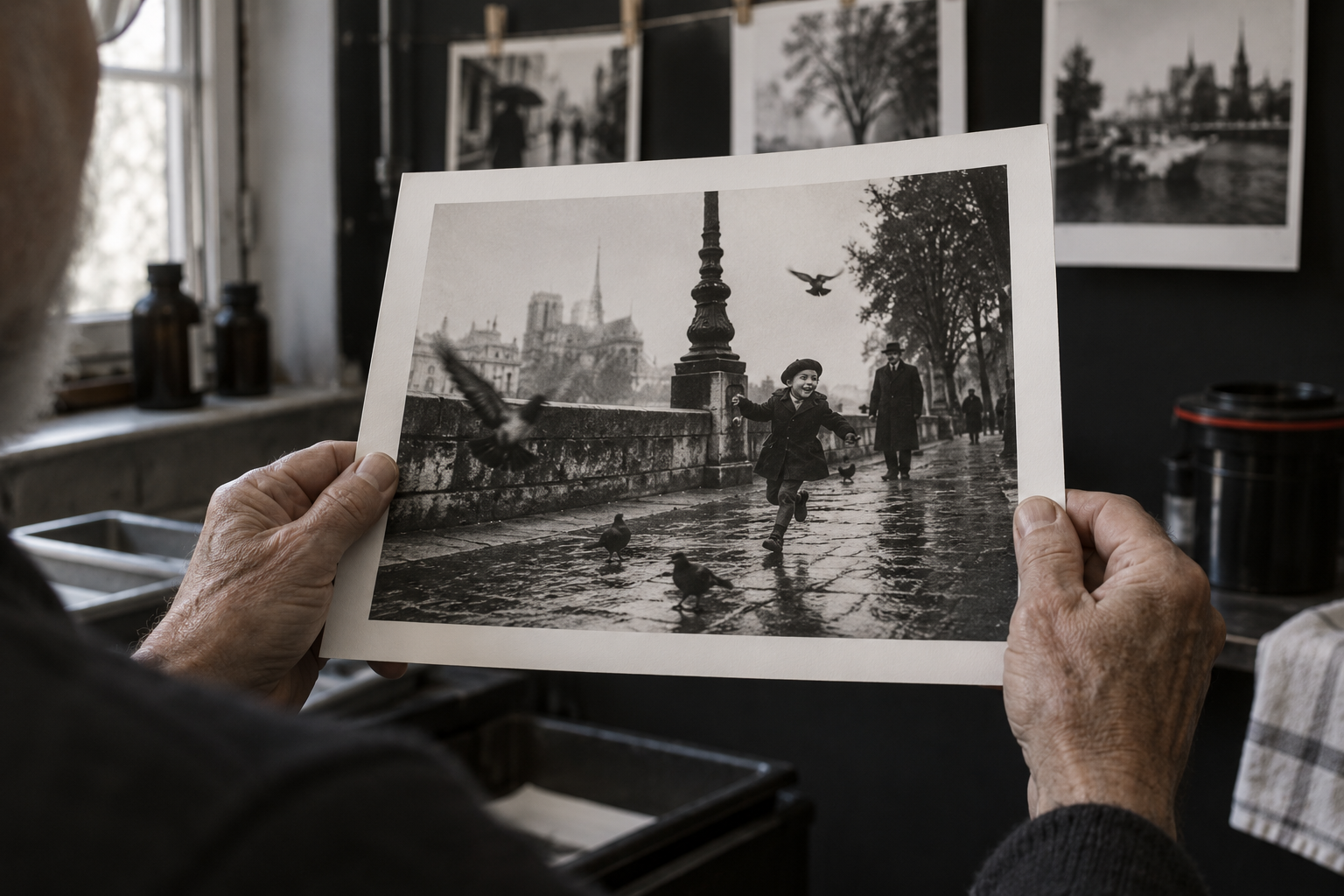
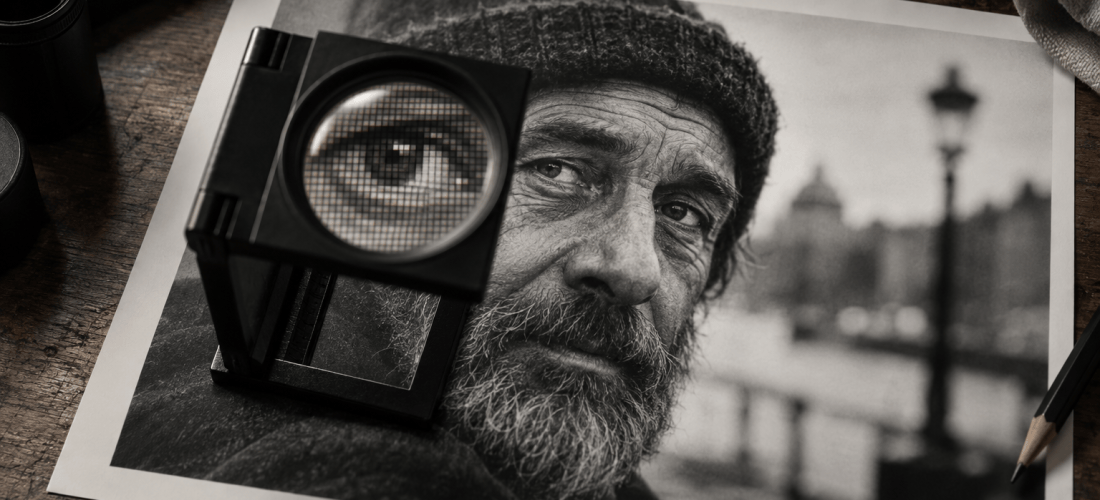
When I first picked up a camera, I thought I was learning photography.
I wasn’t. I was learning curiosity.
Back then I was fascinated by the machinery of it all. Cameras, lenses, film, developers, enlargers—everything seemed magical. I wanted to understand how light could be persuaded to leave its mark on a piece of film and somehow preserve a moment that would otherwise disappear forever.
Like most beginners, I assumed there would come a day when I’d finally understand photography.
A day when I’d know enough.
A day when the questions would stop. It never happened. I’m grateful that it didn’t.
Because photography has turned out to be far more generous than I ever imagined.
Every camera has taught me something.
Every lens has shown me the world a little differently.
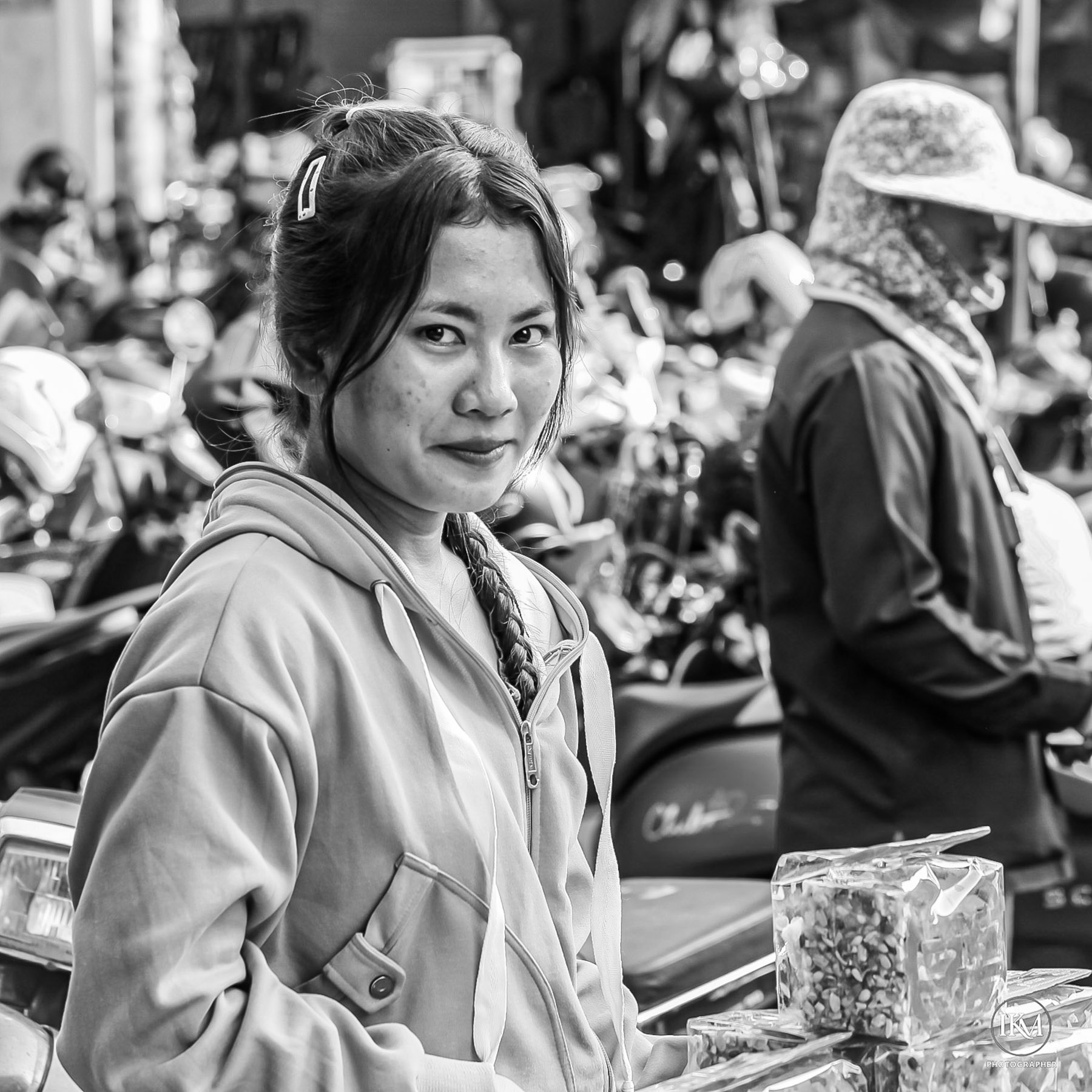
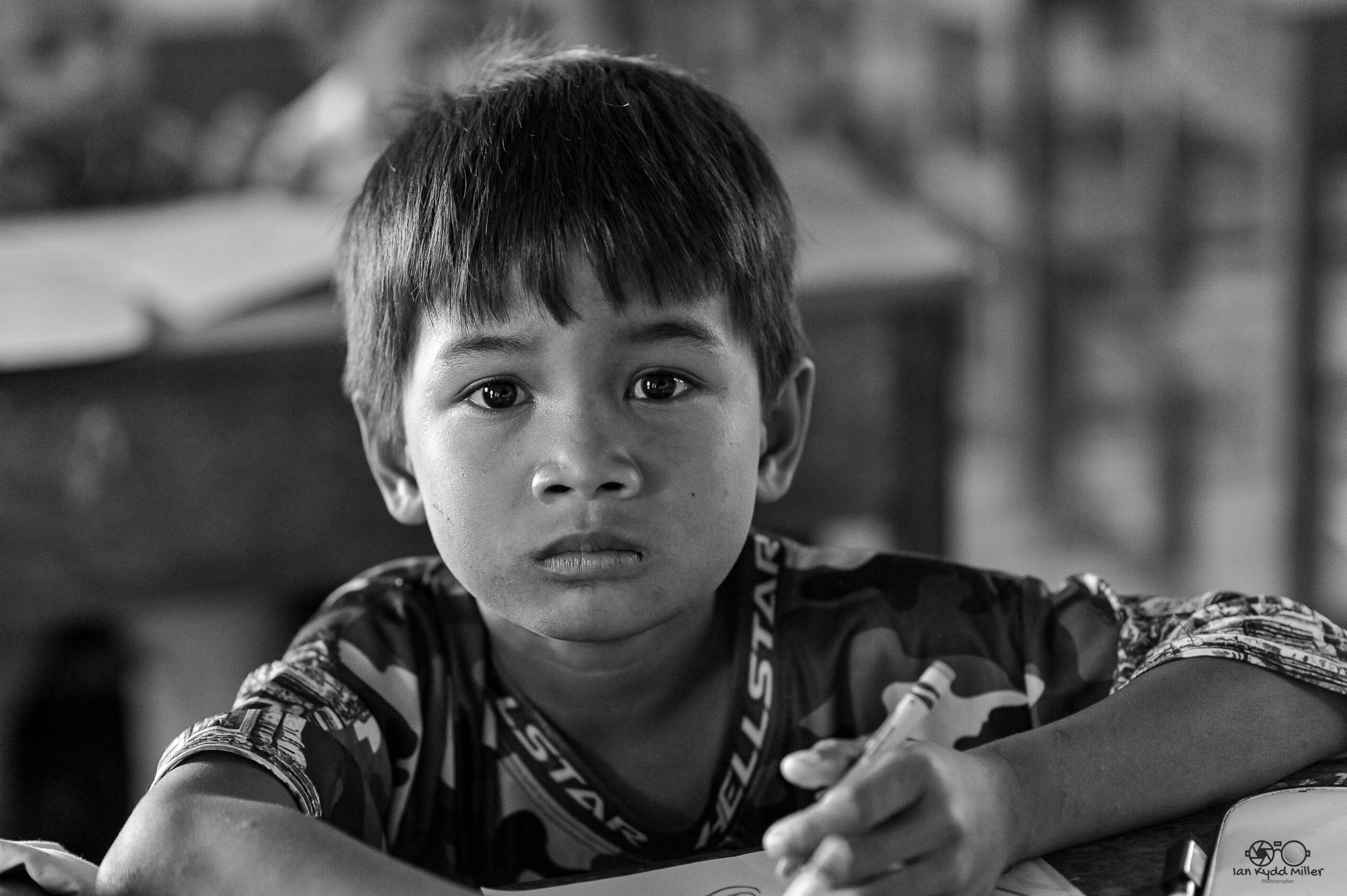
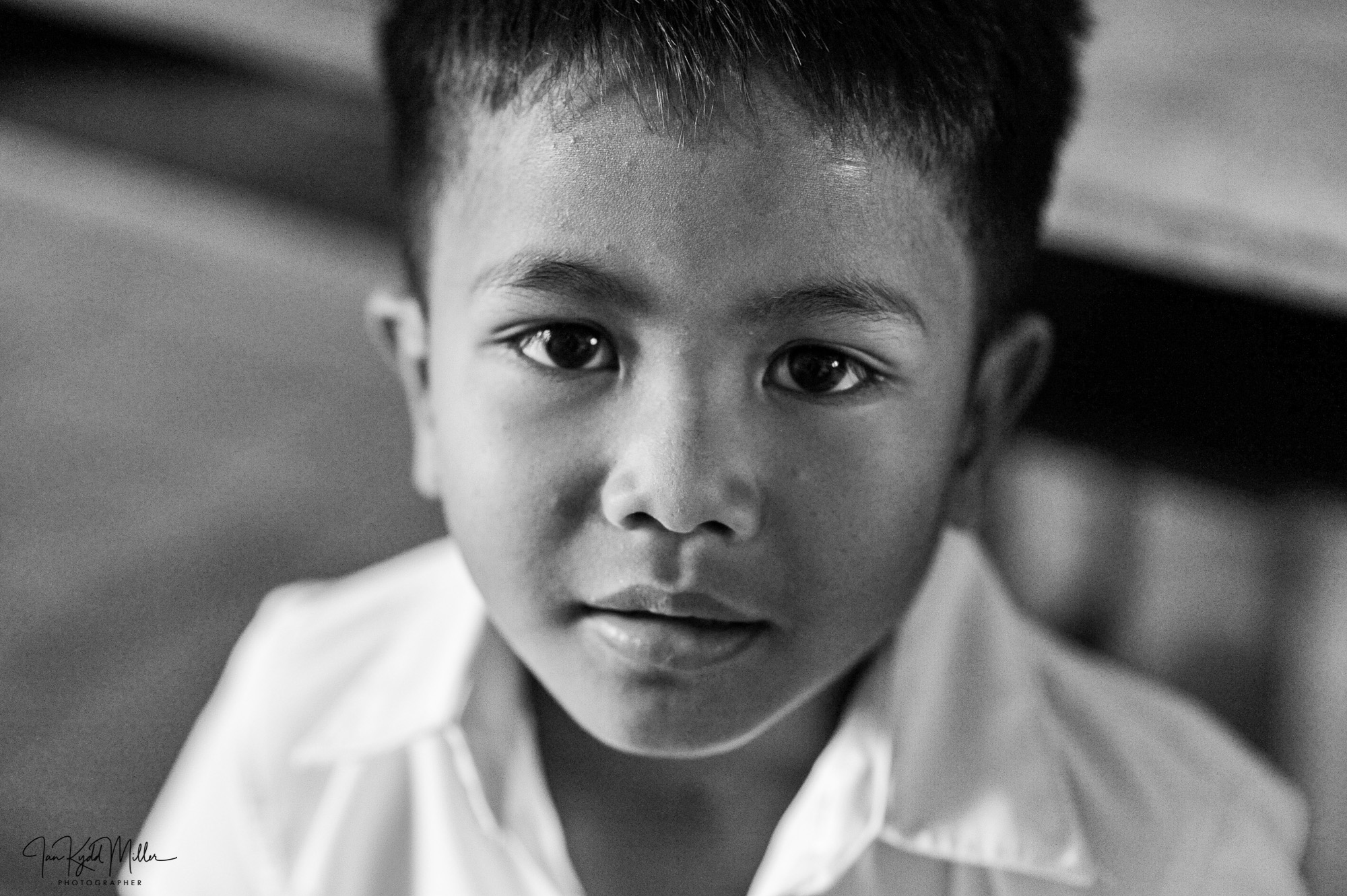
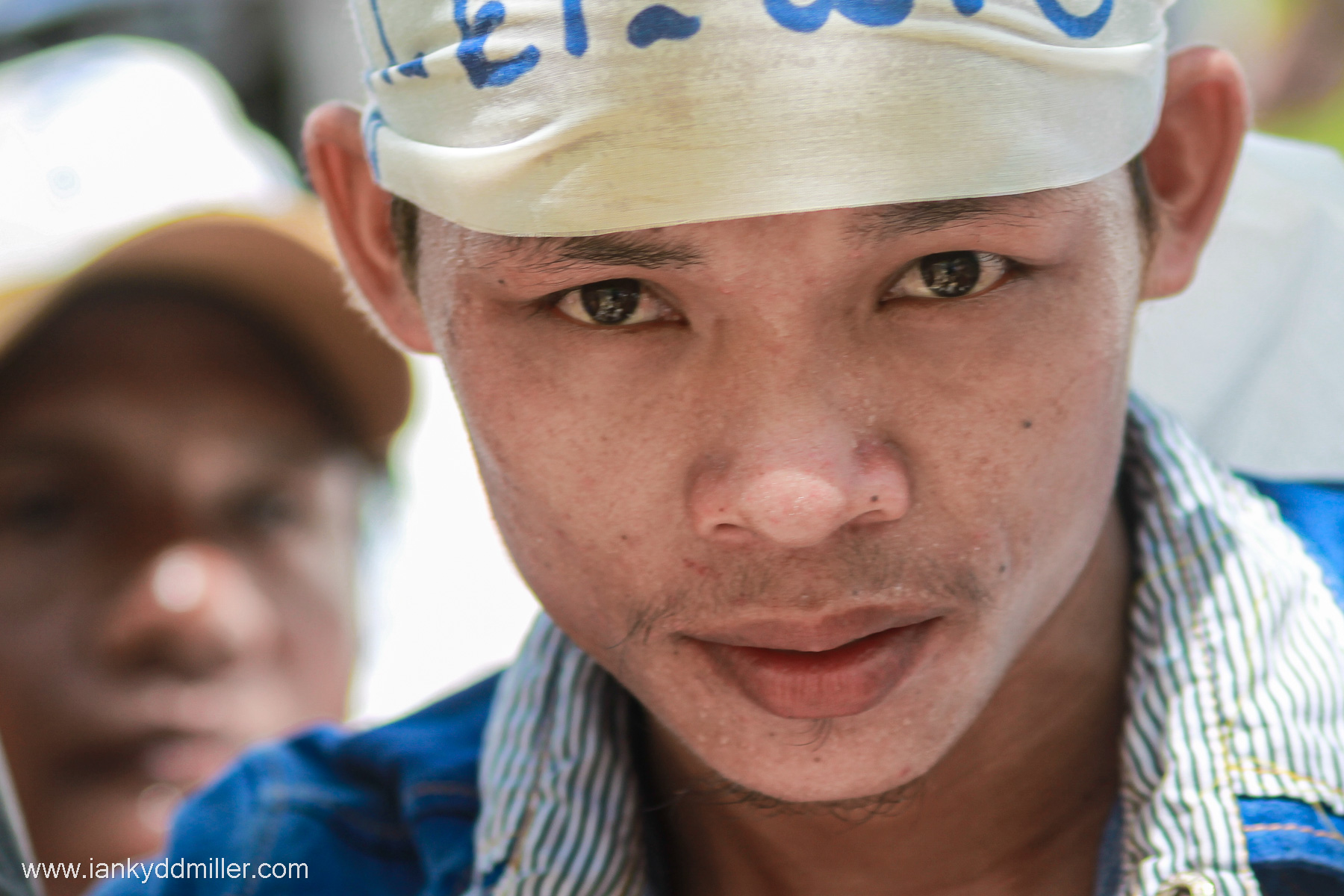
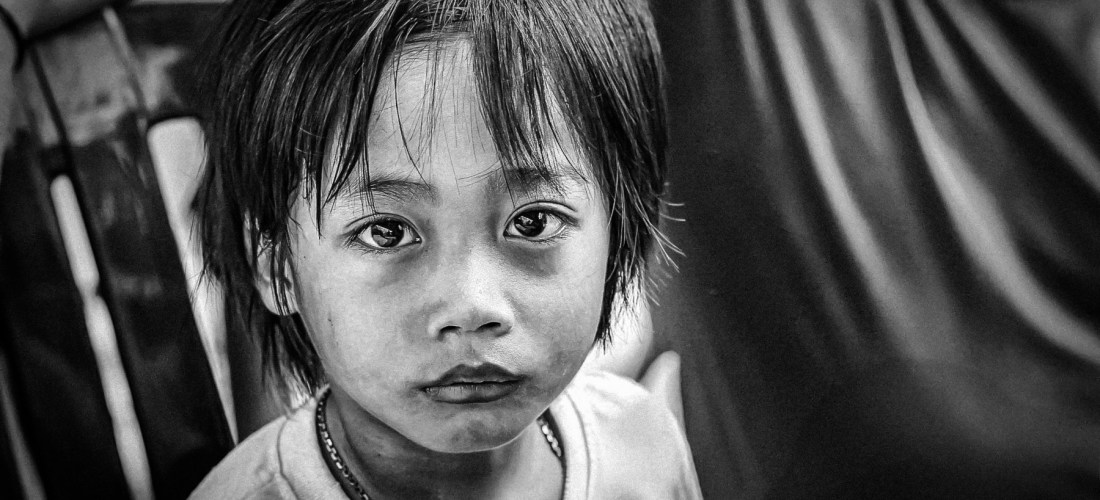
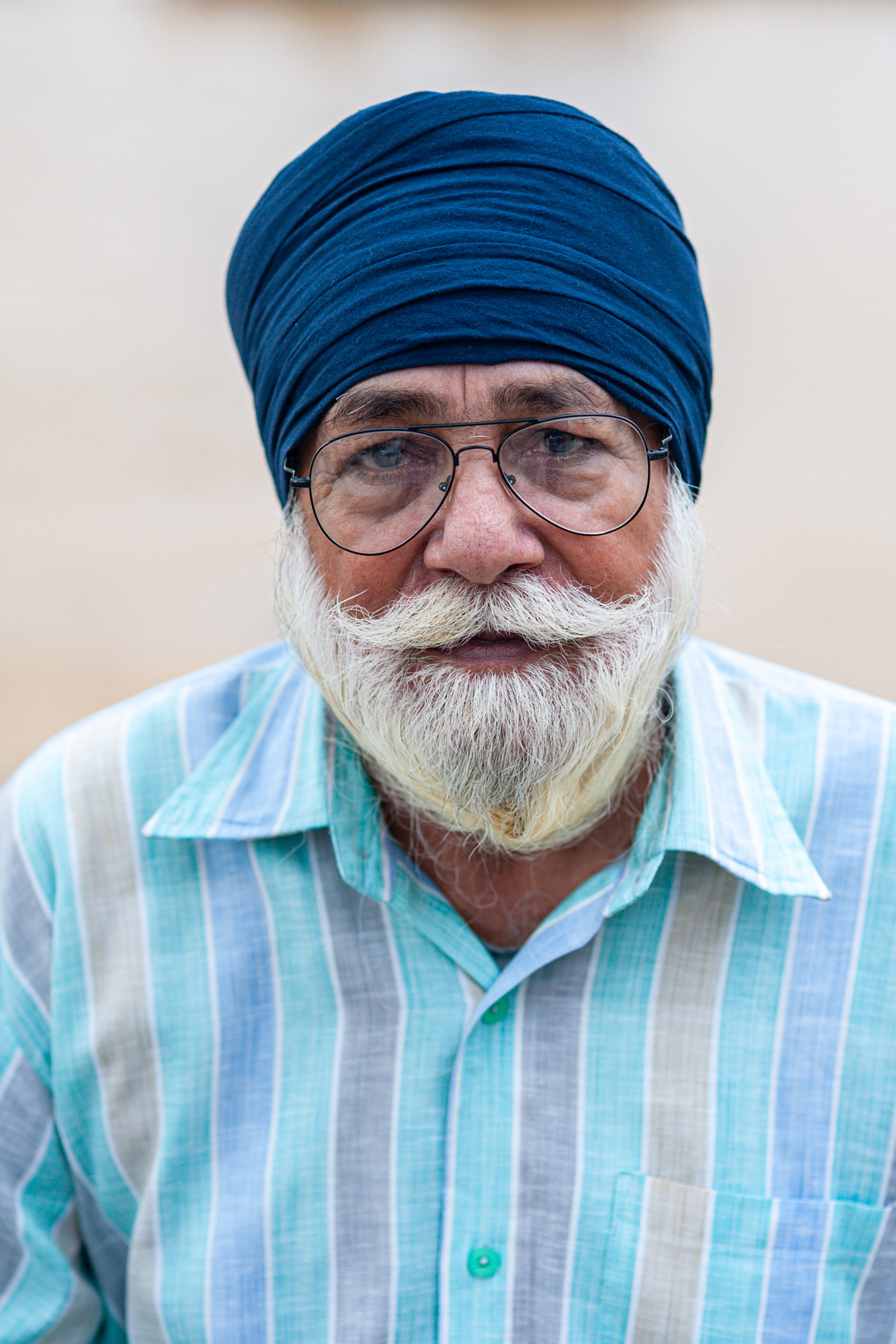
Every person I’ve photographed has quietly reminded me that there is always another story waiting to be told if I’m prepared to slow down and listen.
When I was younger, I imagined photography would become easier with experience.
In some ways it has. The technical decisions come more naturally.
The cameras have become familiar companions.
I trust my instincts more than I once did.
But the mystery has never gone away. If anything, it’s grown.
The more photographs I make, the more I realise how much I still haven’t seen.
That’s one of the great gifts of photography.
It never allows complacency.
Every morning the light is different.
Every face carries a different story.
Every walk offers the possibility of seeing something I’ve somehow overlooked for years.
After all this time, that’s still enough to make me pick up a camera and head out the door.
Looking back, I realise I never really became the photographer I imagined when I was younger.
I became someone far more fortunate.
Someone who never stopped being fascinated by the world.
And I can’t think of a better way to spend a lifetime than that.
Every year the camera manufacturers tell us the same story.
The new model is faster.
The autofocus is smarter.
The sensor sees further into the shadows.
The dynamic range has improved.
Artificial intelligence now helps the camera recognise people, birds, trains, cars, aeroplanes and almost anything else that moves.
And every year, photographers ask themselves the same question.
“Do I need it?”
Sometimes the answer is yes.
Technology has transformed photography in remarkable ways. There are pictures being made today that would have been impossible when I first picked up a camera. Better equipment has opened doors, removed technical barriers and made photography accessible to more people than ever before.
I’m grateful for that.
Good engineering deserves admiration.
But somewhere along the way I began asking myself a different question.
If cameras continue to evolve every year… Shouldn’t I?
That thought has stayed with me for a long time.
It’s easy to become fascinated by technology because technology changes so visibly. New sensors arrive. Processors become faster. Specifications grow longer. Progress can be measured on a page.
Personal growth is different. It happens quietly. You don’t wake up one morning and suddenly discover you’ve become a better photographer. You simply notice that you’re waiting a little longer before pressing the shutter. You’re listening more carefully when talking to strangers. You’re seeing light that you would once have walked straight past.You’re beginning to recognise moments instead of merely reacting to them.
Those changes don’t come from firmware updates.They come from living.
A camera improves because engineers redesign it.
A photographer improves because life keeps teaching them how to see.
The older I become, the less interested I am in the camera itself.
Not because cameras have stopped fascinating me. Far from it.
I still admire beautiful engineering. I still enjoy handling a well-made camera. I still appreciate thoughtful design, whether it comes from Nikon, Canon, Fujifilm or anyone else.
But I no longer expect a camera to transform my photography. That responsibility belongs to me.
When I was younger, I believed experience came from making thousands of photographs.
Now I think experience comes from paying attention.
The two are not always the same thing.
Some photographers make a hundred thousand exposures and never really learn to see.
Others make relatively few photographs but invest themselves completely in every one.
Photography has taught me patience. It has taught me empathy.
It has taught me that listening often matters more than talking.
It has taught me that conversations sometimes become more valuable than the photographs that prompted them.
No camera could ever have taught me those lessons.
Life did.
Photography simply encouraged me to notice them.
Perhaps that explains why I still enjoy using old cameras.
They’re reminders. Not of the past. Of the person I was when I carried them.
Each one represents a different chapter in my life. One reminds me of youthful enthusiasm.
Another reminds me of growing confidence. Another reminds me that slowing down isn’t the same as standing still.
The cameras haven’t changed.
I have.
That’s the real story.
I sometimes wonder whether photographers spend too much time asking, “What’s the best camera?”
Perhaps the better question is, “How can I become a better observer?”
Those are very different conversations.
The first ends in a camera shop.
The second never really ends at all.
Technology will continue to improve long after I’ve stopped buying cameras.
That’s exactly as it should be.
Innovation keeps photography moving forward.
Experience keeps photographers moving forward.
The mistake is believing they’re the same journey.
One is measured in megapixels.
The other is measured in wisdom.
One can be purchased. The other has to be earned. Slowly. Patiently. One walk at a time.
One conversation at a time. One photograph at a time.
If I could leave one thought with photographers just beginning their journey, it would be this.
Enjoy the new cameras. Celebrate the remarkable engineering. Marvel at what modern technology can do. Then put the camera to your eye and forget about it.
Look at the person standing in front of you. Look at the street. Look at the changing light.
Look at the ordinary moments everyone else is too busy to notice.
Because in twenty years’ time, you probably won’t remember what processor was inside your camera.
You won’t remember how many autofocus points it had.
You may not even remember how many megapixels it recorded.
But you will remember the people. You will remember the places.
You will remember how photography quietly changed the way you looked at the world.
Technology never stops evolving. Neither should you.
The difference is that cameras improve because someone invents a better sensor.
Photographers improve because life never stops teaching them how to see.
And in the end, I think that’s the only evolution that really matters.
If I could slip a single envelope into the camera bag of the photographer I was twenty-five years ago, this is what it would say.
Stop worrying.
Not because everything will work out exactly as you hope—it won’t—but because you’re worrying about almost all the wrong things.
You’re spending too much time wondering whether another camera, another lens or another bag will somehow transform your photography.
It won’t.
Better equipment will certainly make some things easier. Cameras will become faster. Sensors will become cleaner. Autofocus will become astonishing. Technology will continue to improve long after you’ve stopped trying to keep up with it.
Buy good equipment when you can. Look after it. Enjoy it.
But don’t mistake it for photography. Photography happens somewhere between your eyes and your heart.
The camera simply records the outcome.
You’ll spend years reading reviews.
One day you’ll realise you’ve forgotten to read people.
You’ll compare sharpness. One day you’ll discover that the photographs you treasure most are rarely the sharpest ones.
You’ll become fascinated by lenses.
One day you’ll understand that curiosity has always been your most valuable piece of equipment.
Carry it everywhere. Be kinder than you think you need to be.
The people you photograph are not subjects.
They’re people who have trusted you with a tiny piece of their lives.
Never forget that. Treat them with respect. Listen more than you speak.
Sometimes the conversation will become more important than the photograph.
Allow that to happen.
Don’t rush. The world will try to convince you that speed is everything.
It isn’t. Good photographs often belong to patient people.
Stand still. Watch. Wait.
You are under no obligation to fill every memory card you own.
Some days you’ll come home with two photographs.
Some days with none. Neither day is a failure. The walking matters too.
There will be times when you’ll wonder whether you’ve lost whatever it was that first made you pick up a camera. You’ll go for walks and barely raise it to your eye.
That will frighten you.
You’ll think the passion has gone forever. It hasn’t.
Sometimes creativity simply goes quiet for a while.
Leave it alone. Don’t force it.
One day an old camera or a forgotten lens will remind you why you started in the first place.
It will return as quietly as it left.
Print your photographs. Not because anyone else demands it.
Because photographs deserve to exist somewhere other than a screen that will be forgotten tomorrow. A print asks people to stop.
The world needs more stopping. Take more pictures of ordinary days.
At the time they won’t seem important. Years later they’ll become priceless.
Photograph your friends. Photograph your family.
Photograph the streets you walk every day.
One day those streets will have changed beyond recognition.
You’ll be grateful that you noticed them while they were still ordinary.
Don’t become trapped by other photographers’ opinions.
Some will tell you your camera isn’t good enough.
Others will insist your lens is too slow.
Some will dismiss cameras you’ve grown to love.
Smile politely.
Then go out and make photographs anyway.
Remember that every camera has its own character.
Some are loud. Some are quiet. Some demand attention.
Others simply become companions.
You will eventually discover that your favorite cameras aren’t necessarily the newest or the most expensive.
They’re the ones that make you want to leave the house.
Keep them. One day they’ll become old friends.
And here’s something nobody tells you when you’re young.
Photography changes. Not photography itself.
You.
The photographs you make at twenty-five won’t be the photographs you make at fifty or seventy. Nor should they be.
Experience changes the way you see people.
Joy changes it. Loss changes it. Love changes it. Failure certainly changes it.
Let all of those things find their way into your photographs.
Don’t try to photograph like someone else.
You already have enough famous photographers.
The world only gets one version of you.
Trust it.
Finally, remember this.
There will come a day when someone asks why you’re still carrying an old camera that everyone else considers obsolete.
You’ll smile. Not because they’re wrong.
But because you’ve finally learned something that took a lifetime to understand.
The camera was never the important part. It was simply the excuse.
The real gift was that it persuaded you to slow down.
To wander. To notice. To meet people you would otherwise have walked straight past.
To pay attention to a world that is constantly asking you not to.
If you can do that, consistently, over the course of a lifetime, you’ll have succeeded.
Not because you’ll become famous. Not because you’ll own remarkable equipment.
Not because you’ll make perfect photographs. You’ll have succeeded because you’ll have lived as a photographer.
There are cameras that pass through your hands without leaving much of an impression.
Then there are cameras that quietly shape the photographer you become.
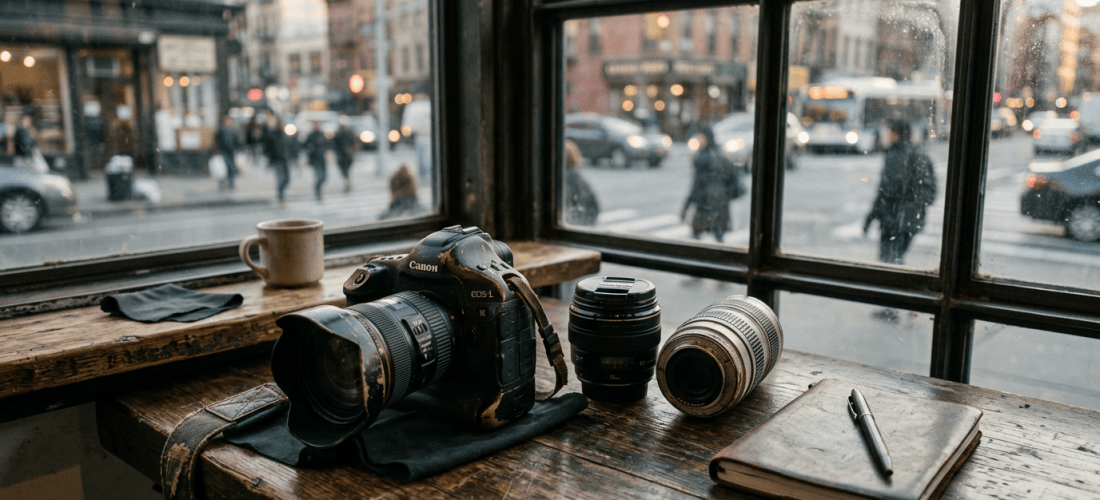
Looking back over the years, three Canon cameras stand out for reasons that have very little to do with megapixels, autofocus points or laboratory tests. They arrived at different times in my life, answered different needs and, without my realising it at the time, each taught me something about photography that I still carry with me today.
The Canon 1D Mark II was my introduction to what a truly professional camera felt like.
Until then I had used good cameras, but the 1D Mark II belonged to a different world. It wasn’t designed to impress people in a camera shop. It was built to earn its living. From the moment I picked it up, I understood that.
The weight wasn’t a burden; it was reassuring. The shutter sounded purposeful. Every button felt as though it had been placed exactly where it needed to be. It gave the impression that someone had spent years thinking about photographers before designing the camera.
It didn’t feel clever.
It felt dependable.
There’s a difference.
The first lesson that camera taught me was that confidence is one of the most valuable things a camera can give its owner.
When you trust your equipment, you stop checking it every few minutes. You stop wondering whether the autofocus will cope or whether the exposure will be right. Instead, you start watching people. You begin anticipating moments instead of worrying about settings.
The camera fades into the background. That’s exactly where it belongs.
Then came the Canon 1D Mark III.
If ever there was a camera judged before it had the chance to speak for itself, this was it.
Its autofocus problems became one of photography’s best-known stories, and for many people that was the end of the conversation.
I never found life quite that simple.
Like every camera, it had strengths and weaknesses, but I’ve always believed equipment should be judged by the photographs it helps you make, not by endless debates on internet forums.
The Mark III reminded me that photographers can sometimes become prisoners of other people’s opinions.
It’s easy to dismiss a camera because someone you’ve never met says it isn’t good enough.
It’s much harder—and much more rewarding—to pick it up yourself and find out.
Photography has always been full of accepted wisdom.
“This lens isn’t sharp enough.” “That camera is outdated.” “You need more megapixels.”
Most of those statements contain a grain of truth. Very few contain the whole truth.
The Mark III encouraged me to trust my own experience over popular opinion.
That was a lesson worth learning.
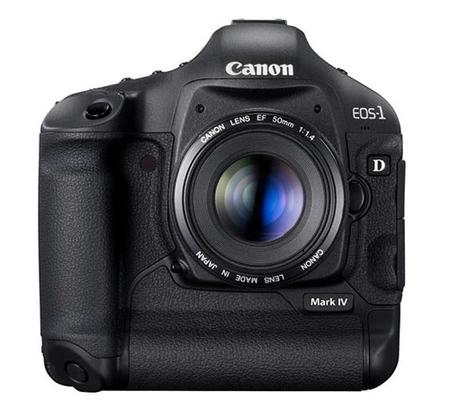
Then there was the Canon 1D Mark IV.
That camera occupies a special place in my memory for one simple reason.
It is the only brand-new camera I have ever bought.
Everything else arrived second-hand, already carrying someone else’s story before becoming part of mine.
The Mark IV was different.
Buying it wasn’t about owning the latest technology.
It was about reaching a point where I knew exactly what I wanted from a camera.
No guesswork.
No wishful thinking.
No chasing fashion. Just confidence.
By then I had spent years making photographs, learning through mistakes and slowly discovering that cameras don’t create vision. They simply support it.
The Mark IV felt like the natural companion to that stage of my life.
Fast when it needed to be. Reliable when it mattered. Strong enough to work all day without complaint.
Most importantly, it never demanded my attention.
Like every great camera I’ve owned, it quietly stepped aside and allowed me to concentrate on the photograph.
Looking back now, I realise these three cameras chart more than the evolution of digital photography.
They chart the evolution of a photographer.
The first taught me confidence.
The second taught me independence.
The third confirmed that experience matters more than specifications.
Today the photographic world moves at extraordinary speed. New cameras appear almost before we’ve learned the menus on the old ones. Marketing departments tell us that everything has changed, while social media encourages us to believe that our equipment is somehow holding us back.
I’m no longer convinced.
The longer I photograph, the less interested I become in owning the newest camera. Instead, I find myself asking a much simpler question. Does this camera make me want to go out for a walk?
If the answer is yes, then it has already done most of its job.
I still enjoy reading about new equipment. I admire good engineering. I appreciate innovation.
But somewhere along the way I stopped believing that photography was about owning the latest technology.
It’s about recognising a fleeting expression. Waiting for the light to fall in just the right place. Seeing relationships between people that exist for only a heartbeat. No camera has ever created those moments. It can only preserve them.
When I think back to the Canon 1D Mark II, the Mark III and the Mark IV, I don’t remember the specifications.
I remember the places they travelled. The people they introduced me to. The confidence they gave me to keep pressing the shutter.
That’s their real legacy.
Not because they were perfect.
No camera ever is.
But because, for a significant part of my photographic life, they became trusted companions rather than pieces of technology.
In the end, that’s all I’ve ever really wanted from a camera.
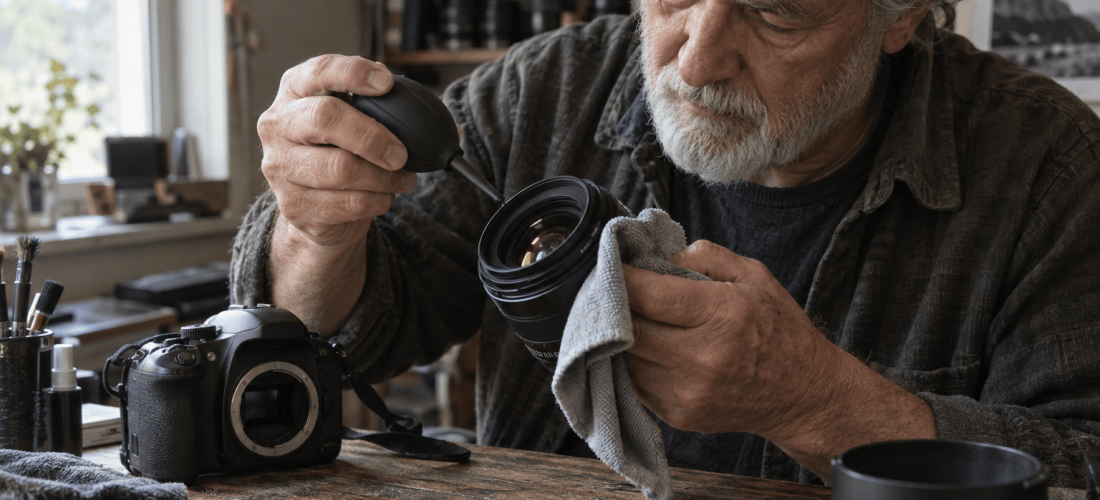
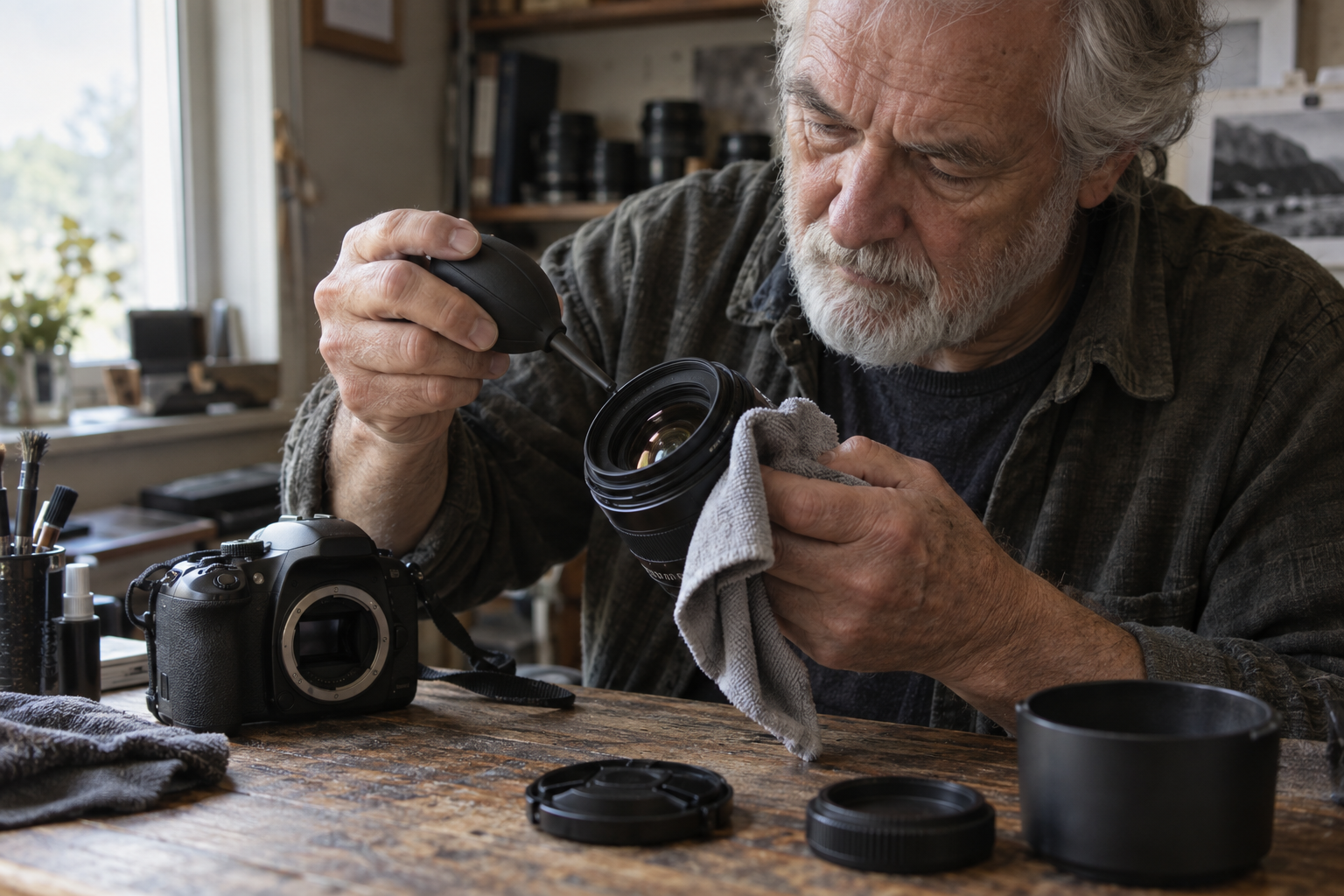
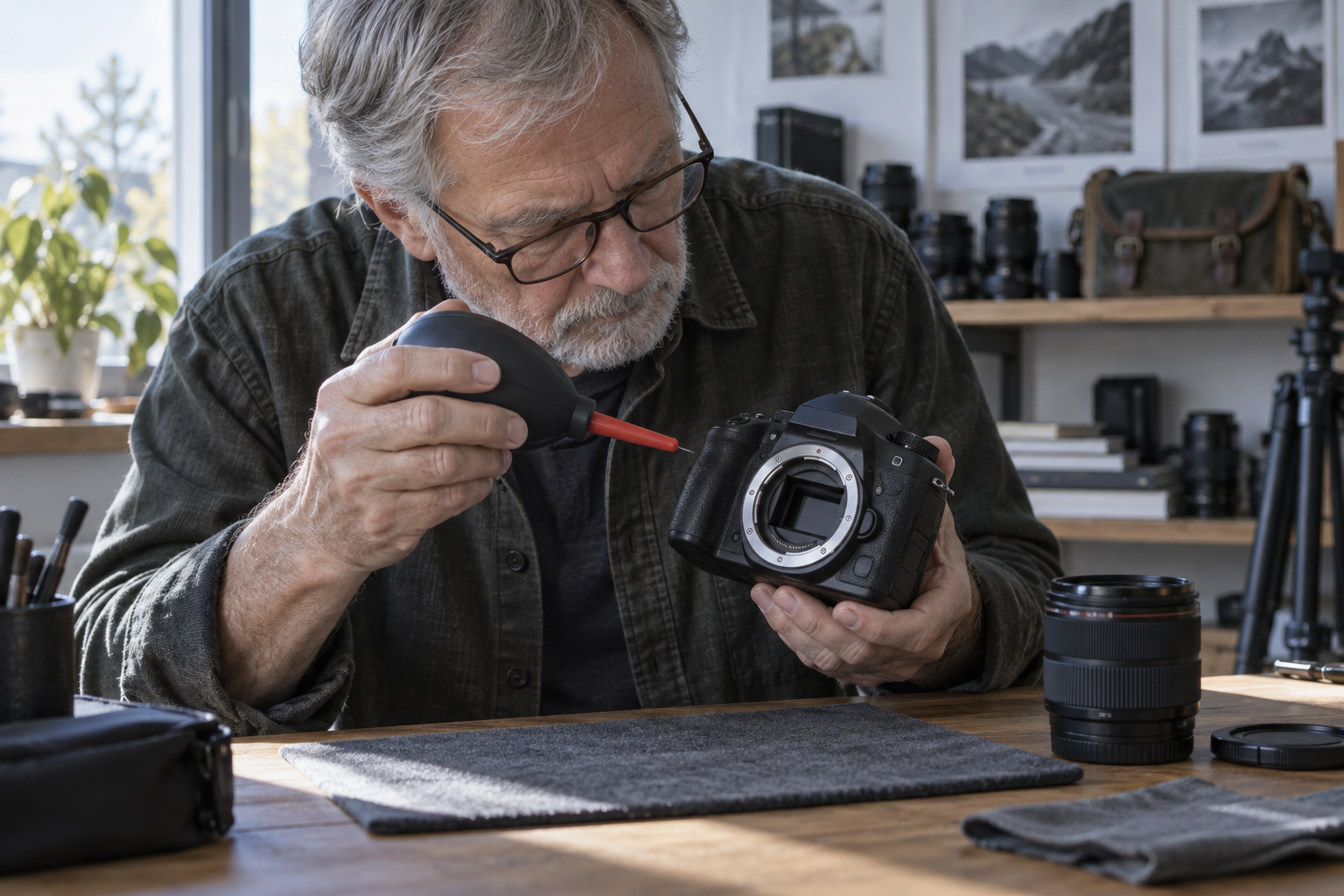
Every so often I find myself standing in front of the cupboard where I keep my cameras, looking not at the newest body or the lens with the widest aperture, but at the machines that have travelled with me for years. The cameras with worn grips, polished edges and the occasional scratch that reminds me of somewhere I have been rather than something I have owned.
Some people collect cameras.
I seem to collect memories that happen to have cameras attached to them.
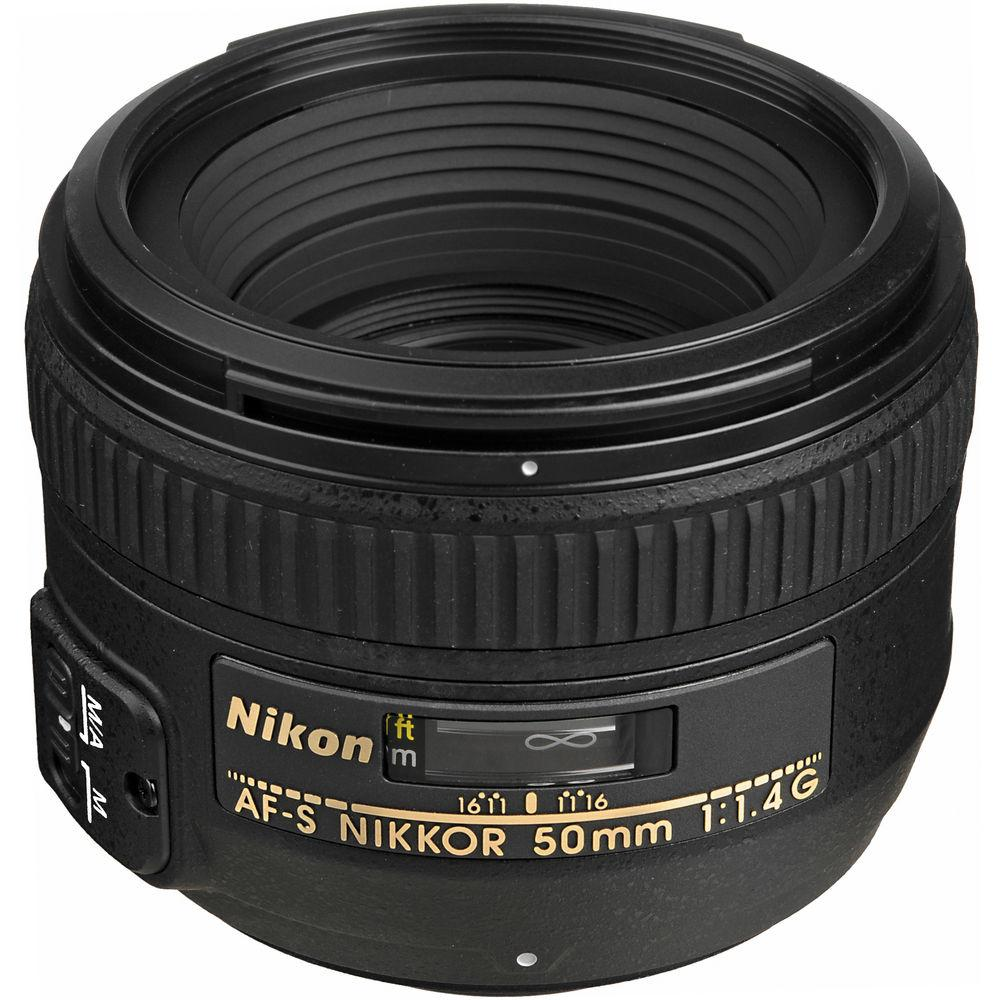
Over the years I have been fortunate enough to own equipment that many photographers would have loved to have in their bag. Cameras like the Nikon D3 and the Canon 1D Mark IV represented the very best of their generation. They were built to work, not to decorate shelves. They earned their reputation honestly and I enjoyed every minute I spent using them.
Alongside them sat other cameras that the internet has largely forgotten. A Nikon D1H. A D2Hs. A D300S.
According to modern thinking, these cameras should have been retired years ago. Their sensors are too old. Their screens are too small. They lack the endless list of features that now seem to define whether a camera is considered relevant.
And yet I still reach for them.
Not because I believe they are better than modern cameras.
They are not.
Technology has marched forward at an astonishing pace and anyone pretending otherwise is fooling themselves. Today’s cameras can see in near darkness, focus with uncanny precision and produce files that would have seemed impossible twenty years ago.
That isn’t the point.
The point is that photography has never been a competition between cameras.
Somewhere along the way we confused owning equipment with making photographs. We began reading specifications more often than we studied light. We watched reviews instead of watching people. We convinced ourselves that the next purchase would somehow unlock a level of creativity that had stubbornly remained just beyond our grasp.
I’ve been guilty of it myself.
Most photographers have.
Then one afternoon I picked up an old kit lens that had been lying in the bottom of a camera bag for years.
A humble 18–55mm zoom.
The sort of lens many photographers replace before they’ve really learned what it can do.
I mounted it on an old D300S almost as an afterthought.
Within an hour I found myself smiling.
The photographs looked… good.
Not because the lens possessed some hidden magic. It didn’t suddenly become sharper than lenses costing ten times as much. It hadn’t secretly transformed into a professional zoom while sitting forgotten in the dark.
It simply reminded me of something I had quietly forgotten.
Most of the time the weakest part of the photographic process has never been the equipment.
It’s the photographer’s attention.
Walking with that little lens, I stopped thinking about cameras altogether. I wasn’t wondering whether the corners were sharp enough or whether another stop of aperture would improve the background blur. I found myself doing something much more enjoyable.
I started looking.
Really looking.
Watching people drift through patches of afternoon light. Waiting for expressions that lasted only a fraction of a second. Seeing small relationships between strangers that existed only because I happened to be standing in exactly the right place.
The camera had disappeared.
That’s when photography becomes enjoyable again.
I’ve always believed that the camera should become invisible. Not literally, of course, but mentally. The moment you become preoccupied with the equipment is often the moment you stop paying attention to what is unfolding in front of you.
The best cameras I’ve owned all share one quality.
They get out of the way.
The D2Hs does that beautifully.
So does the D300S.
The old D1H did it before them.
Even the mighty D3, with all its capability, never felt like it was demanding attention. It simply waited patiently for instructions.
Perhaps that’s why I’ve never developed much affection for cameras that try too hard to think on my behalf.
I enjoy making decisions.
Photography has always been, for me, an act of observation rather than automation.
Age has changed the way I photograph.
Not necessarily for the better or worse.
Just differently.
There was a time when I would return from a five-kilometre walk having exposed a couple of hundred frames without giving it much thought. More recently there have been walks where the camera barely left my side. I wondered whether I was losing whatever spark had driven me for so many years.
That thought troubled me more than I cared to admit.
Photography had become part of the rhythm of my life. It wasn’t simply a hobby or a pastime. It was the way I made sense of the world around me. The camera gave me permission to slow down, to notice, to spend time watching rather than rushing.
When that instinct began to fade, I questioned whether it would ever return.
The answer, oddly enough, wasn’t a new camera.
It was an old lens.
Sometimes inspiration arrives in the most unlikely disguise.
The experience reminded me that enthusiasm cannot be bought. It can only be rediscovered.
That rediscovery also forced me to think about why I photograph at all.
Certainly not to impress other photographers.
I’ve reached the stage where opinions about my work matter far less than they once did. I don’t make photographs hoping for admiration or approval. If people enjoy them, I’m grateful. If they don’t, the photographs still served their purpose.
They were never made to satisfy an audience.
They were made because I felt compelled to make them.
Printing has reinforced that belief.
For me, a photograph isn’t complete when it appears on a screen. Screens are temporary. They scroll past with alarming speed before disappearing beneath tomorrow’s distractions.
A print asks something different of the viewer.
It asks them to stop.
To spend a little time.
To notice.
That seems increasingly valuable in a world that encourages us to glance at everything and truly see almost nothing.
Perhaps that is why I continue to enjoy old cameras.
They ask the same thing of me.
Slow down.
Pay attention.
Think before pressing the shutter.
Accept that not every photograph will succeed.
There is an honesty in those limitations.
I don’t pretend that everyone should abandon modern equipment. That would be absurd. Every generation of camera has made certain kinds of photography easier, and there is genuine joy in technological progress.
But there is also joy in realising that the equipment we already own may be capable of far more than we have allowed ourselves to believe.
Some of the most satisfying photographs I’ve made have come from cameras that many people would dismiss without a second glance.
That says more about photography than it does about cameras.
Experience eventually teaches us that memorable photographs are built from curiosity, patience, empathy and timing. None of those qualities can be purchased in a camera shop.
They have to be earned.
Sometimes slowly.
Sometimes painfully.
Always personally.
I still enjoy reading about cameras. I still appreciate beautifully engineered lenses. I’m as susceptible as anyone to admiring well-made tools.
But I no longer confuse those tools with the act of photography itself.
The camera is merely the passport.
The journey is something else entirely.
When I leave home with one of those old Nikons slung over my shoulder, I don’t feel as though I’m carrying obsolete technology.
I feel as though I’m carrying an old friend.
One that has never once suggested that I needed to become someone different in order to make a worthwhile photograph.
It simply asks me to go for a walk.
To keep my eyes open.
To remain curious.
And after all these years, I’ve come to believe that curiosity is the most valuable piece of photographic equipment any of us will ever own.
Cameras will continue to evolve. Sensors will become larger, smaller, faster, sharper and more intelligent. Marketing departments will keep promising that the next generation will change everything.
Perhaps it will.
But I suspect that, years from now, I’ll still find myself reaching into that cupboard, picking up an old camera with a worn grip and a familiar shutter sound, and heading out into the streets.
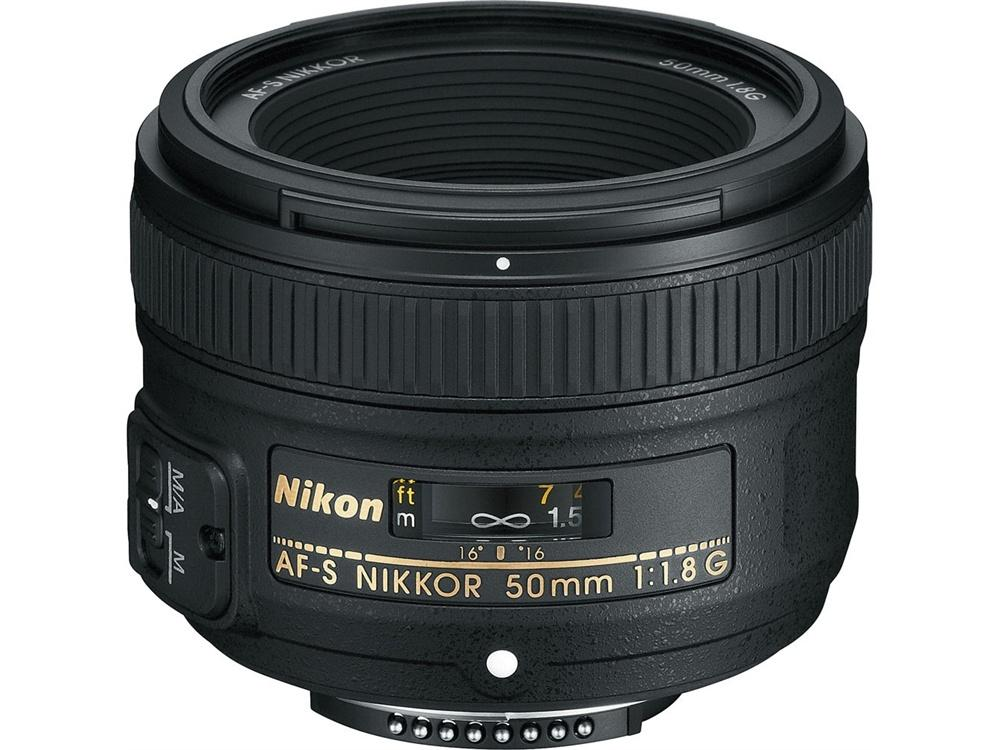
There it was, sitting quietly in the bottom of an old camera bag. A lens I hadn’t mounted on a camera in years. The Nikon 18–55mm kit lens. The sort of lens many photographers buy by accident because it comes attached to a new camera and then replace at the first opportunity with something faster, heavier and considerably more expensive.
I almost walked past it.
Instead, I clicked it onto my old Nikon D300S.
No expectations. No grand experiment. Just curiosity.
Within half an hour I found myself asking a simple question.
Why on earth had I stopped using this lens?
As photographers, we spend an extraordinary amount of time convincing ourselves that the next piece of equipment will somehow make us better. A sharper lens. A larger sensor. More megapixels. Faster autofocus. We read reviews, compare MTF charts, pixel-peep images until the joy has almost disappeared from the process.
Somewhere along the way we begin to believe that “kit lens” is another way of saying “not good enough.”
Yet here I was, walking with one of the cheapest lenses Nikon ever produced, making photographs that pleased me every bit as much as images made with lenses costing many times more. It was a useful reminder.
Photography has never really cared what was engraved on the front of the lens.
Thinking back, I realised this wasn’t the first time this little zoom had surprised me. If memory serves me correctly, I originally bought it to use on my Nikon D1H many years ago. It worked beautifully then, and I enjoyed using it far more than I expected. Since then it has also found its way onto my D2Hs and now the D300S. Three cameras that most of the photographic world has long since written off as obsolete.
I still enjoy them.
Perhaps that’s because they belong to an era when cameras simply got out of the way. They didn’t try to think for you. They asked you to think instead.
The 18–55mm seems to share that same philosophy.
It isn’t glamorous.
It doesn’t announce itself.
It simply gets on with the job.
Of course, I own better lenses. There are lenses I reach for when I need beautiful background blur, faster apertures, superior edge-to-edge sharpness or weather sealing. Professional tools exist for good reasons, and I wouldn’t pretend otherwise.
But there is an important difference between owning the best lens for a particular assignment and owning the lens that makes you want to go out and photograph.
Those are not always the same thing.
The little Nikon is wonderfully light. After an hour’s walk you barely notice it’s there. Instead of thinking about equipment, you’re watching people, waiting for expressions, noticing light falling across a face or the geometry of a street corner.
The camera almost disappears.
And that’s exactly where I like it.
Street photography has never been about carrying the largest collection of glass. It has always been about observation. Patience. Curiosity. The ability to recognise something ordinary becoming extraordinary for the briefest fraction of a second.
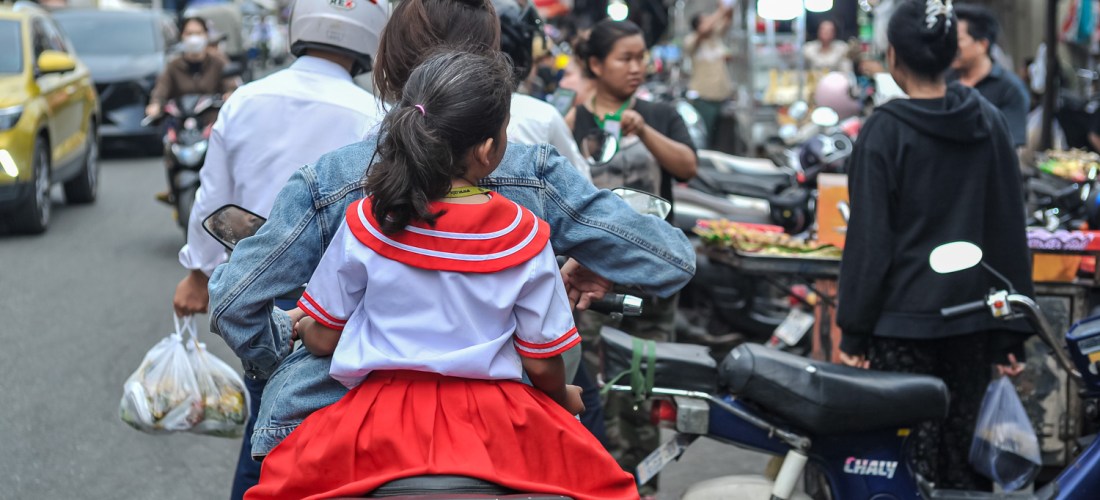
No expensive lens can teach you that.
The longer I photograph, the more suspicious I become of the endless pursuit of technical perfection. Cameras have become astonishingly capable. Lenses are sharper than ever. Yet I’m not convinced photographs have become more interesting because of it.
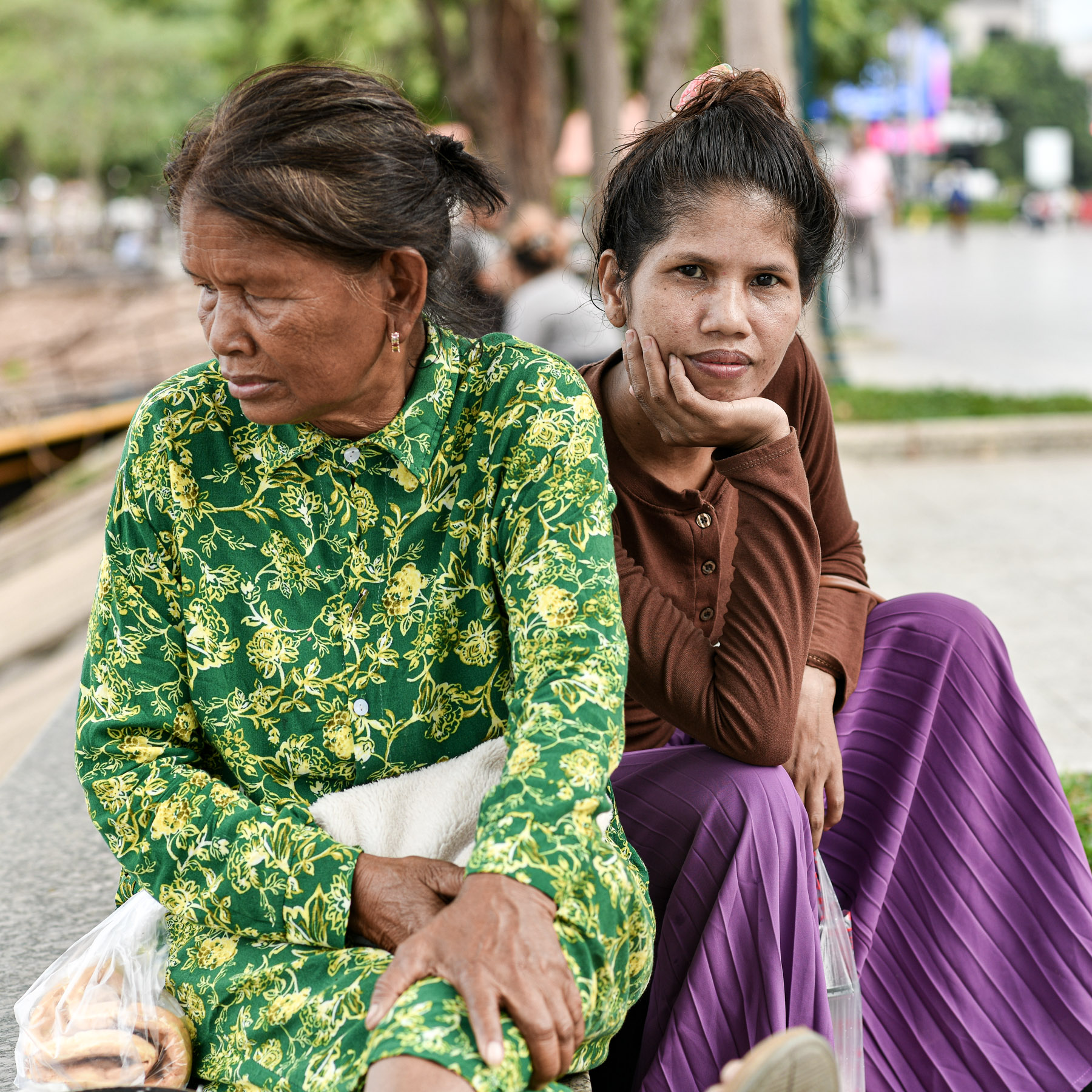
Some of the most memorable images ever made would fail today’s online obsession with corner sharpness, chromatic aberration and laboratory test charts.
Nobody stands in front of a great photograph asking what aperture was used.
They ask what happened.
They ask who that person was.
They ask why the image makes them feel something.
Those are entirely different questions.
Perhaps age has something to do with it. After decades behind a camera, I’m finding myself drawn back to simplicity. Older cameras. Smaller lenses. Equipment that encourages me to walk a little further and think a little harder rather than impress other photographers.
There is a freedom in that.
Not long ago I wondered whether I was losing my enthusiasm for photography altogether. The camera still came on my walks, but it often stayed by my side. For someone who once happily made fifty, a hundred or even two hundred photographs during a five-kilometre walk, that felt like a genuine change.
Then along came a forgotten little kit lens.
Funny how inspiration sometimes returns from the least likely places.
It reminded me that photography has never really been about owning the finest equipment. It has always been about remaining curious. About looking twice when everyone else walks on. About noticing small moments that most people never see.
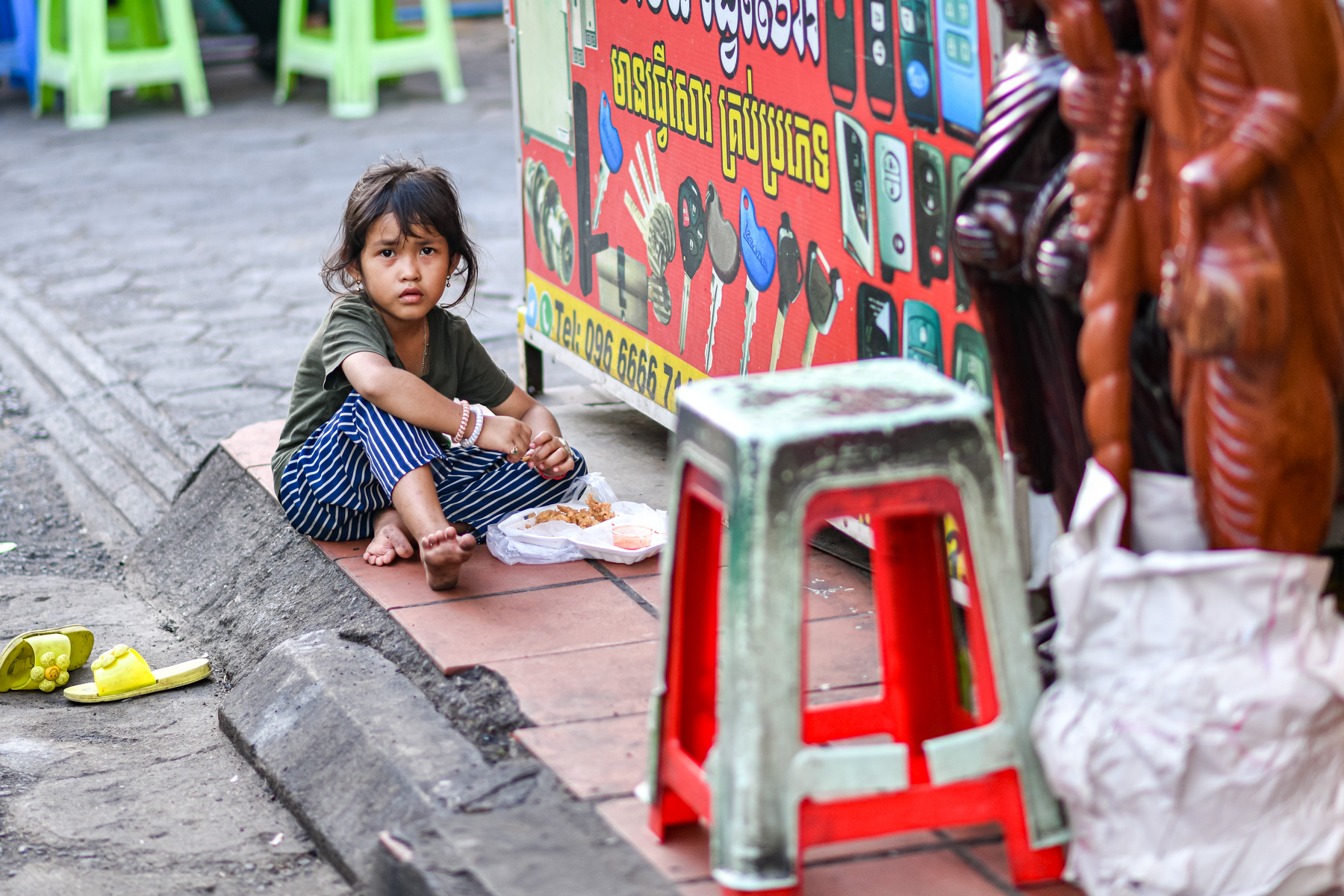
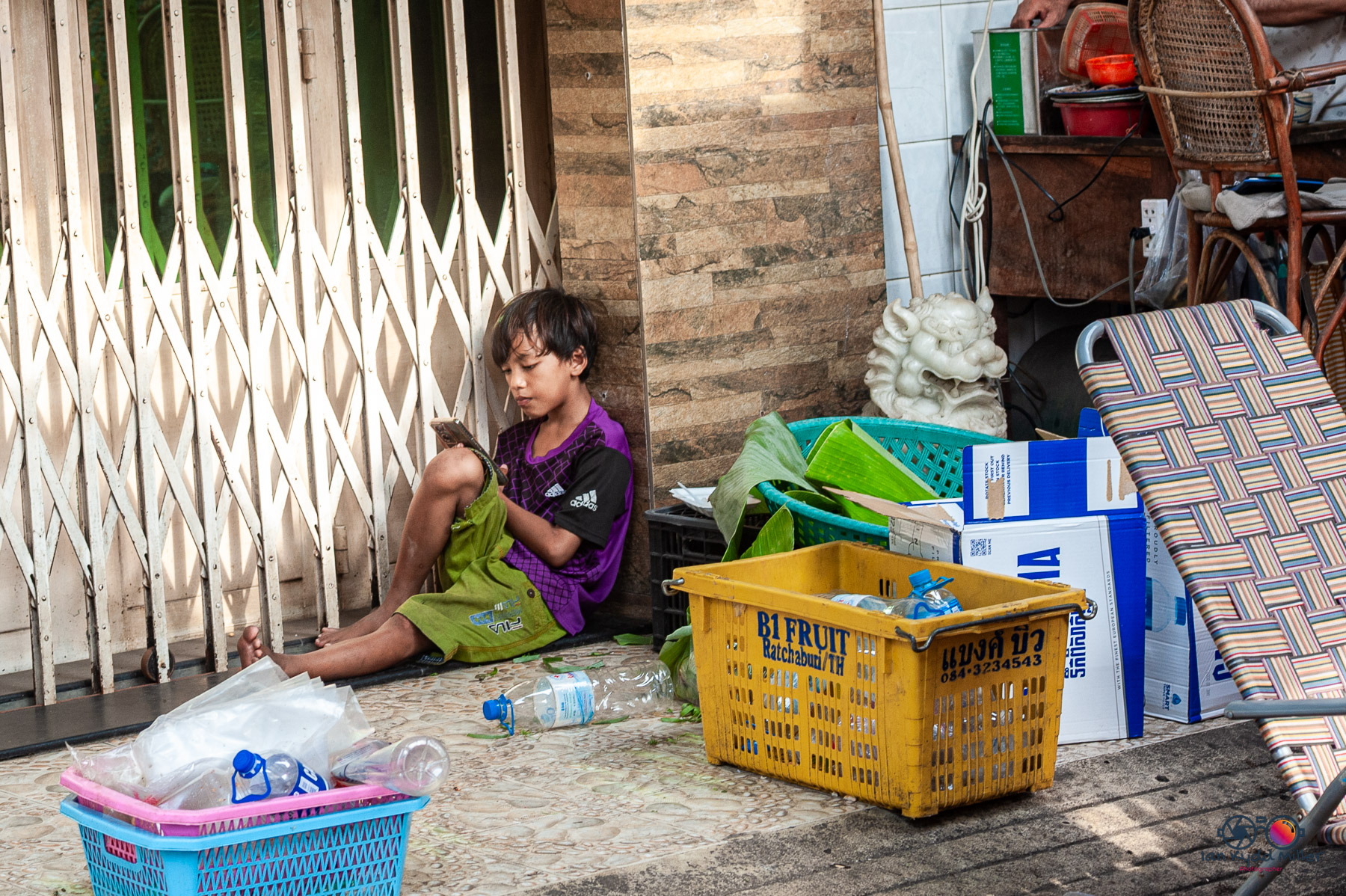
Perhaps that is the real value of an inexpensive lens. It strips away the excuses. If the picture fails, it isn’t because the lens wasn’t expensive enough. If it succeeds, it succeeds because you saw something worth photographing.
That’s a comforting thought.
The Nikon 18–55mm won’t become legendary. It won’t appear on lists of the greatest lenses ever made, and it won’t cause collectors to empty their wallets.
It doesn’t need to.
For me, it has quietly become something far more valuable.
A reminder that the best camera equipment isn’t always the newest, the fastest or the most expensive.
Sometimes it’s simply the lens waiting patiently at the bottom of an old camera bag, ready to remind you why you fell in love with photography in the first place.
In an era where photographers obsess over the latest mirrorless bodies and razor-sharp professional lenses, there is something quietly satisfying about picking up older equipment and discovering just how capable it remains. One combination that deserves far more attention than it receives is the Nikon D300S paired with the Nikon 24-120mm f/4G VR.
At first glance it seems like an odd match. The 24-120mm f/4G was designed as a full-frame lens, intended for cameras such as the D700, D750, D800 and D810. The D300S, meanwhile, is a professional DX camera from another era entirely. Yet together they create a surprisingly versatile photographic tool that remains highly relevant today.
The first thing to understand is the effect of the D300S’s crop sensor. The 1.5x crop factor transforms the lens into the equivalent of a 36-180mm zoom. While the numbers on the barrel remain unchanged, the field of view narrows considerably.
Some photographers immediately view this as a disadvantage. They see the loss of true wide-angle coverage and dismiss the combination. They have a point. Twenty-four millimetres on a full-frame camera is genuinely wide. On the D300S it becomes roughly equivalent to a moderate 36mm lens. For landscape photographers or those who enjoy dramatic architectural images, this limitation can become frustrating.
But photography is always about trade-offs, and what is lost at one end is often gained elsewhere.
The D300S uses only the central portion of the lens’s image circle. This is significant because the centre of most lenses is where optical performance is strongest. Corner softness becomes largely irrelevant. Vignetting virtually disappears. Edge performance improves. Distortion is less obvious than it is on full-frame bodies.
In practical use, the lens often appears sharper on the D300S than many photographers expect.
What emerges is a remarkably useful focal range. At the short end, the equivalent 36mm view is ideal for documentary work, environmental portraits and general street photography. Around the middle of the zoom range, the lens covers the classic perspectives associated with 50mm and 85mm lenses. At the long end, the equivalent 180mm reach allows photographers to isolate subjects from a distance, compress perspective and work discreetly.
For photographers who enjoy observing rather than inserting themselves into the middle of a scene, this can be enormously valuable.
Street photography is often associated with wide-angle lenses and close physical proximity. Yet there is another tradition, one built around patience, observation and distance. The 24-120mm on the D300S fits naturally into this approach.
A photographer can move through a market, a city street or a crowded public space without changing lenses. One moment they can capture a wider scene that establishes context. Seconds later they can isolate an expression across the street or pick out a fleeting gesture that would otherwise be missed.
This flexibility is the lens’s greatest strength.
The constant f/4 aperture also deserves recognition. While it lacks the glamour of an f/2.8 professional zoom or the shallow depth of field of a fast prime, it provides consistency. Exposure remains unchanged throughout the zoom range. Combined with Nikon’s effective vibration reduction system, the lens remains practical in a wide variety of lighting conditions.

Of course, there are compromises. Low-light performance cannot compete with an 85mm f/1.8 or a 50mm f/1.4. Background separation is more modest. Photographers who crave the distinctive rendering of fast prime lenses may find the images technically excellent but emotionally restrained.
Yet that criticism misses the point.
The 24-120mm f/4G was never intended to be a specialist lens. It was designed to be a problem solver. It is the lens you mount when you do not know what the day will bring. It is the lens that allows you to leave the house carrying one camera instead of a bag full of equipment.
In many ways it reflects a more practical era of photography. An era when photographers worried less about corner sharpness at 300 percent magnification and more about whether they captured the moment.
Mounted on a Nikon D300S, the lens becomes exactly that kind of tool. Dependable. Flexible. Uncomplicated.
It may not be fashionable. It may not generate excitement on internet forums. But photography has never been about owning fashionable equipment. It has always been about making pictures.
For photographers willing to look beyond specifications and marketing hype, the Nikon 24-120mm f/4G on the Nikon D300S remains one of the most underrated combinations in the Nikon system. More than a decade after both were introduced, they still deliver what matters most: the ability to walk out the door and come back with photographs worth keeping.
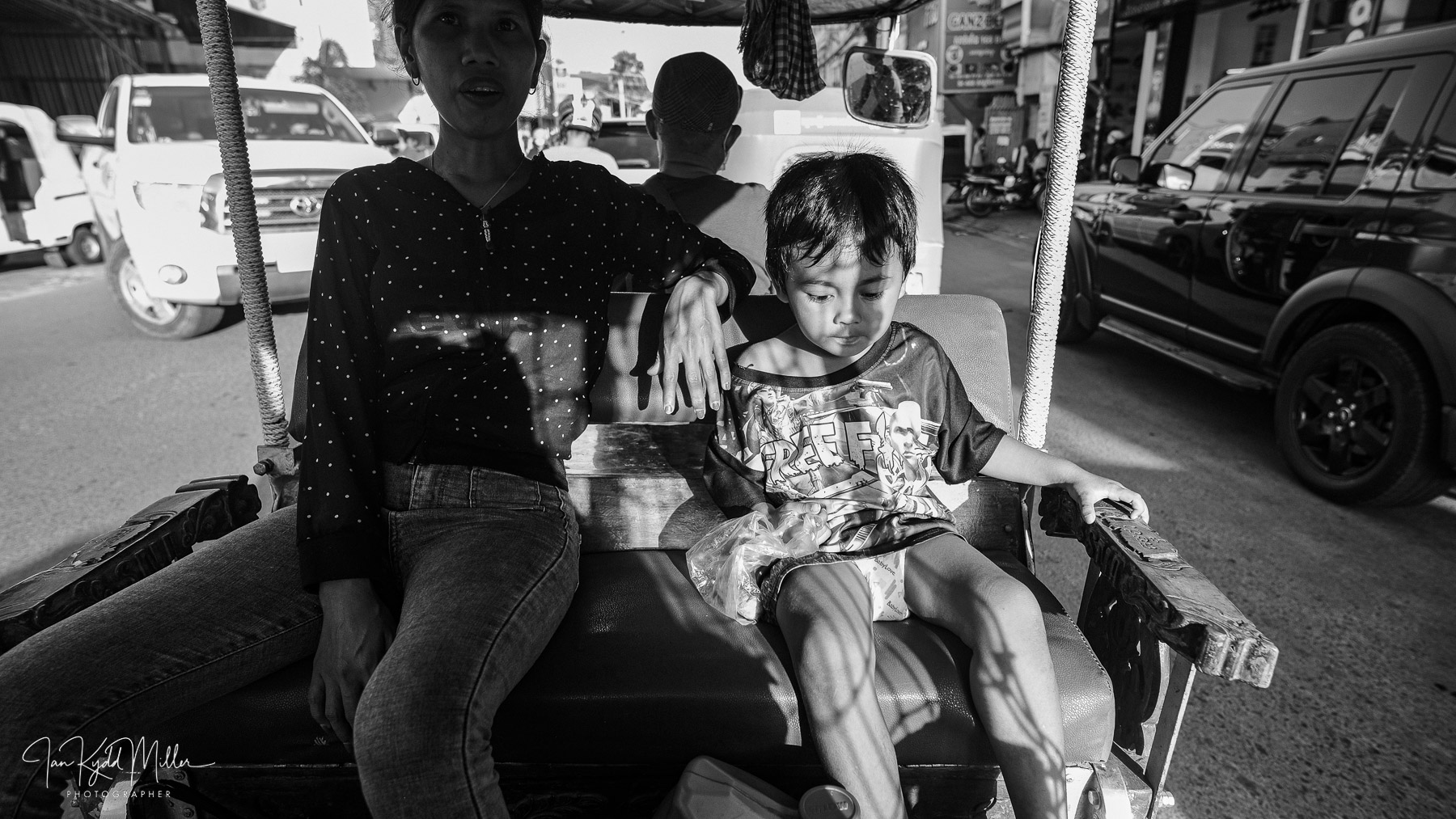
📷 As someone who often prefers photographing people rather than buildings, and who already appreciates longer focal lengths such as the 85mm, this combination makes a lot of sense. The D300S turns the 24-120mm into a versatile documentary lens that lets you work both close and discreetly from a distance—particularly useful when wandering city streets where moments appear and disappear in seconds.
If you’re looking for a relaxing way to see Phnom Penh from a different angle, one of the better-known options is Cambo Cruise. It operates evening cruises on the Mekong and Tonlé Sap rivers, departing from the riverside area near the Phnom Penh Floating Port.
What You’ll See
The cruise passes some of Phnom Penh’s most recognizable sights:
The waterfront and riverside promenade
The confluence of the Mekong, Tonlé Sap, and Bassac rivers
The illuminated skyline after dark
Local fishing boats, ferries, floating communities, and everyday river life
Views toward the Royal Palace and Chroy Changvar area
For photographers, the 5 p.m. sailing is usually the sweet spot. The light changes dramatically over the two-hour trip, giving opportunities for silhouettes, reflections, river traffic, and cityscape shots.
Cruise Options
According to the operator, there are several packages:
Option
Includes
Cruise Only
Two-hour cruise and welcome cocktail
Cruise + Snacks
Cruise, hotel pickup, cocktail, snacks
Dinner Cruise
Cruise, hotel pickup, cocktail, all-you-can-eat dinner
Evening City Lights Cruise
Night views of Phnom Penh after sunset
Live traditional Khmer music is usually part of the experience.
The Good
✅ Stable, comfortable boat with plenty of seating.
✅ Excellent sunset views over the Mekong.
✅ A relaxed atmosphere compared with the louder party boats.
✅ Popular with visitors wanting photography opportunities.
✅ Dinner packages are reasonably priced by Phnom Penh tourist standards.
For a Photographer
The best shots often aren’t the palace or the skyline. They’re the little moments: kids swimming from wooden boats, fishermen hauling nets, ferries crossing the orange reflection of the setting sun, and the contrast between luxury developments and riverside life.
Practical Details
Location: Riverside Path, Phnom Penh
Duration: About 2 hours
Departure times: Typically around 5 p.m. (sunset) and 7 p.m. (city lights)
Hotel pickup available on some packages
Reservations recommended during weekends and holidays
For a first-time visitor to Phnom Penh, I’d rate Cambo Cruise as one of the more enjoyable low-effort evening activities in the city. For a long-term resident, it’s worth doing at least once for the photography and the chance to see Phnom Penh from the water rather than from Street 178 or Sisowath Quay. 🌅📷
There is a point, sometime in mid-April, when the heat in Cambodia stops being something you endure and becomes something you surrender to. The air thickens, the roads empty, the city slows—then, quite suddenly, it erupts. Buckets appear. Water guns materialise. Talcum powder drifts like a soft, absurd fog. And for three days, sometimes four, the country gives itself permission to behave differently.
Khmer New Year—Chaul Chnam Thmey—is, on paper, a tidy cultural marker: the end of the harvest, the turning of the traditional solar calendar, a ritualised renewal. In practice, it is something messier, louder, and far more revealing. It is what happens when tradition and release collide in public.
In Phnom Penh, the capital loosens its collar. Offices close. Families travel. Those who remain drift towards the streets, where pickup trucks loaded with teenagers circle like improvised carnival floats, music blaring, water sloshing dangerously close to the edge. Strangers become targets, then accomplices. No one is exempt for long. There is an egalitarianism to being soaked to the bone.
Further north, in Siem Reap, the festival takes on a more curated intensity. The Angkor Sankranta celebrations—part cultural showcase, part organised spectacle—draw crowds that swell into something approaching the uncontrollable. Traditional games are played with theatrical enthusiasm; dancers move with studied grace; and all around them, a less choreographed energy pushes in, demanding space. It is here that Cambodia performs itself, for tourists and for its own younger generation, who seem less interested in preservation than participation.
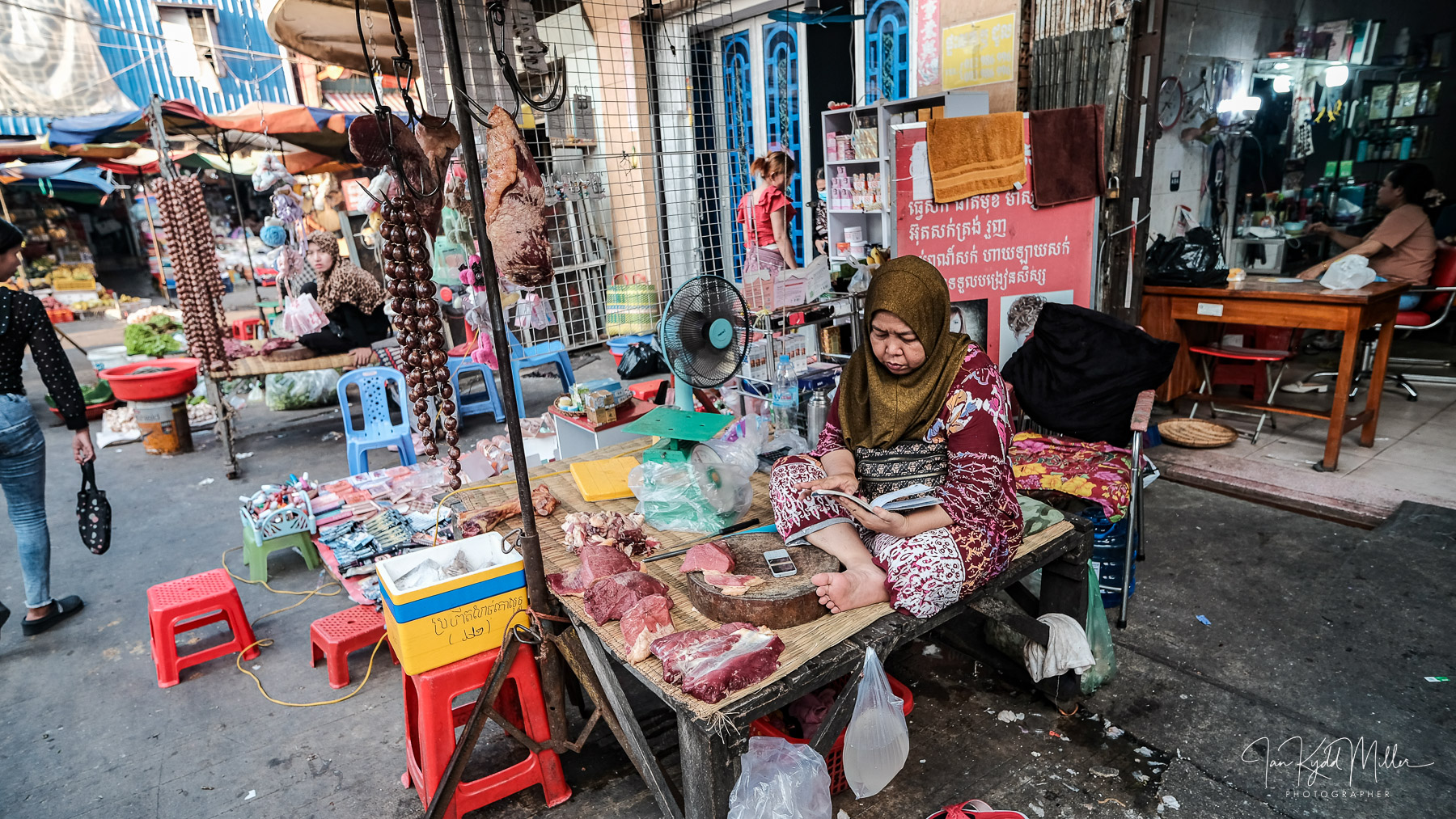
But to understand the festival solely through its public exuberance is to miss its quieter logic. Khmer New Year is, at its core, an act of recalibration. Homes are cleaned. Altars prepared. Offerings made. At pagodas across the country, sand is carried, shaped into small stupas, and left as a gesture of merit—a symbolic investment in a better future. The ritual is simple, almost austere, and it sits in deliberate contrast to the chaos outside the temple gates.
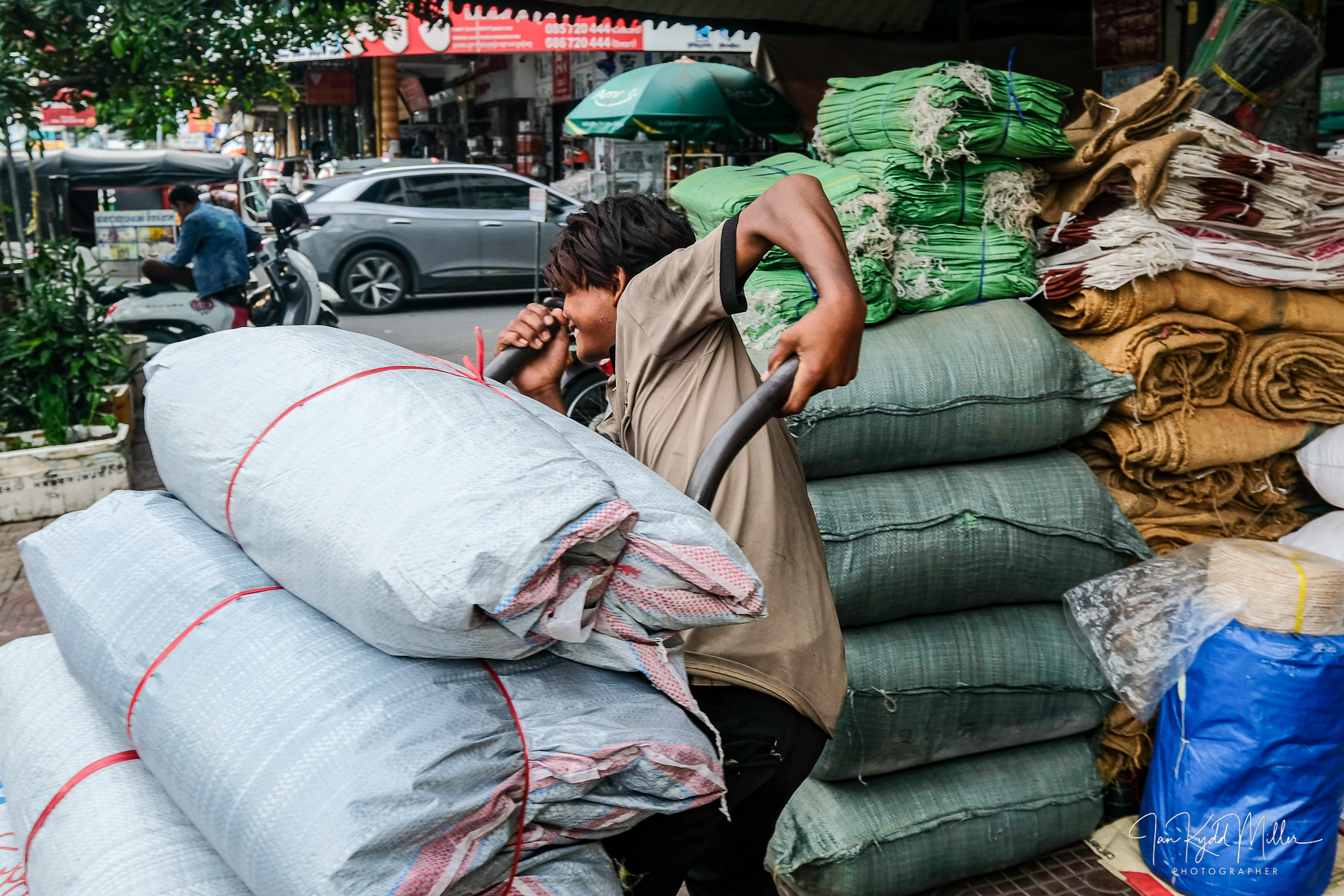
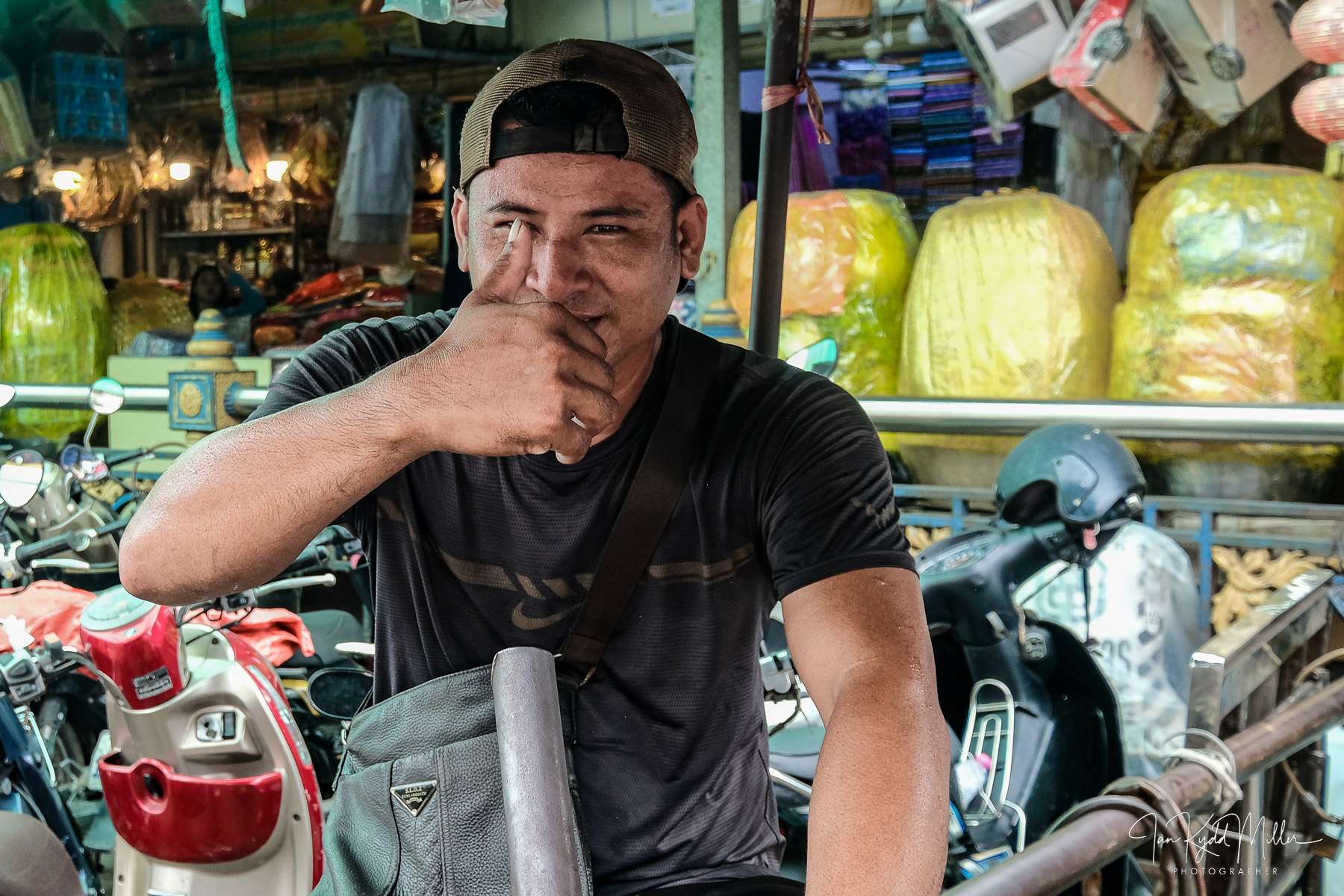
Inside those grounds, time moves differently. Elders are gently washed with perfumed water, a gesture of respect and continuity. Buddha statues are bathed in the same way, the act less about cleansing than about acknowledgement. These are not grand spectacles but small, repeated gestures, performed with an understanding that renewal is less an event than a habit.
The tension between these two worlds—the reflective and the riotous—is where the festival finds its meaning. Cambodia is a country with a long memory and a young population. Khmer New Year allows both to coexist, briefly, without friction. The past is honoured; the present is loudly, unapologetically lived.
There is also, unmistakably, a sense of release. For a few days, hierarchies soften. The office worker and the street vendor, the local and the visitor, the cautious and the reckless—all are reduced to the same soaked, powdered state. It is not quite equality, but it is close enough to feel like one. In a region where public life is often tightly structured, this temporary suspension carries weight.
Yet the festival resists easy romanticism. The same exuberance that fuels its appeal can tip into excess. Roads become hazardous, crowds unpredictable, boundaries blurred. The line between play and intrusion is not always clearly drawn. As with many large-scale celebrations, what feels liberating to some can feel overwhelming to others. The state tolerates this looseness, even encourages it, but only within an unspoken limit.
For photographers, the temptation is obvious. This is texture, movement, contradiction—everything that lends itself to an image that feels alive. The midday light is unforgiving, flattening faces, hardening shadows. And yet it works. Water catches the sun mid-air; powder softens expressions; a fleeting glance cuts through the noise. The challenge is not technical but ethical: where to stand, what to take, when to step back. In a festival built on participation, observation can feel like a form of distance.
What endures, long after the streets dry and the music fades, is not the spectacle but the shift. Khmer New Year marks a collective pause—a moment when Cambodia resets itself, not through decree or policy, but through ritual and release. It is imperfect, occasionally chaotic, sometimes contradictory. But it is also, in its own way, honest.
And perhaps that is why it matters. Not because it presents a polished image of national identity, but because it doesn’t. It shows a country as it is: rooted in tradition, restless in the present, and, for a few days each year, entirely willing to let go.
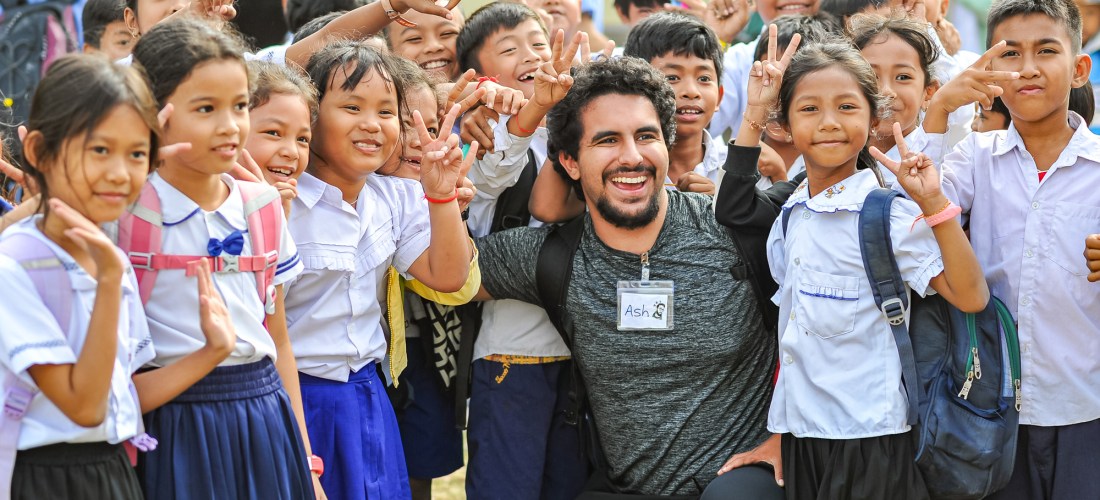
Kids International Dental Services (KIDS) is a U.S.-based 501(c)(3) nonprofit organization dedicated to providing free (pro-bono) dental care to impoverished children in developing countries. Its mission goes beyond treating teeth — it aims to educate, empower, and inspire communities and volunteers.
📍 Headquarters: 1700 California St., Suite 200, San Francisco, CA 94109, USA 🆔 EIN: 94-3477276 (donations are tax-deductible)
🎯 Mission & Goals
The core mission of KIDS is to:
✨ Provide pro-bono dental care so children can be pain-free, healthier, and more active in school and life. ✨ Educate communities about the importance of oral hygiene. ✨ Empower local communities to maintain better oral health with the tools and knowledge they have. ✨ Inspire young dental professionals and volunteers to make service a lifelong part of their careers. ✨ Repeat these efforts by returning to communities year after year to build lasting relationships.
This dual focus on immediate care and long-term impact is what makes KIDS distinctive. It’s not just temporary treatment — it’s education and empowerment too!
🌍 Where They Work
Since its founding in 2009, KIDS has conducted dental mission trips in multiple countries, including:
Cambodia
The Philippines
Guatemala
Cape Verde
Haiti
South Africa
Mongolia
Morocco
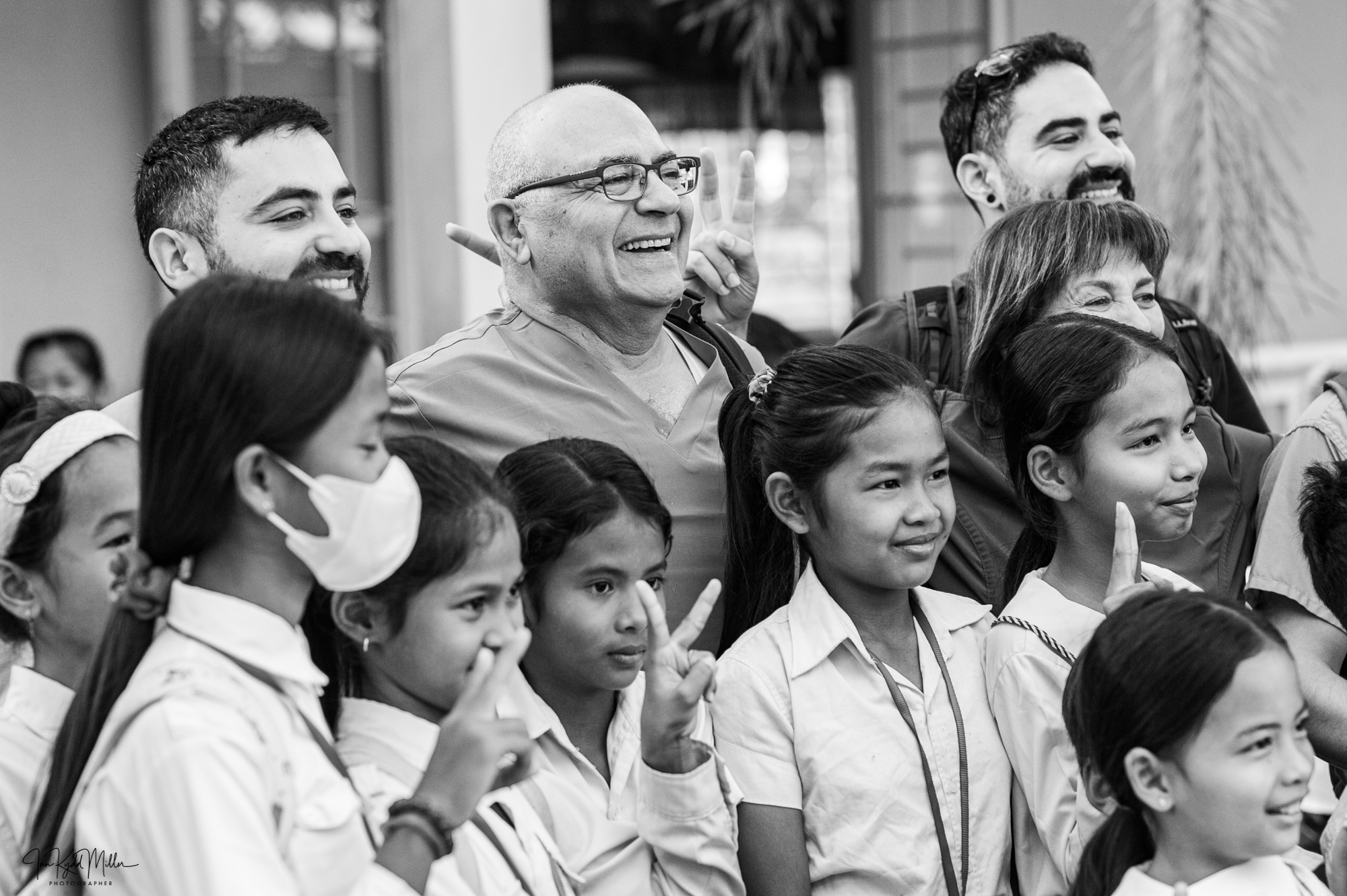
These missions are typically held annually and involve teams of volunteer dentists, dental students, and non-dental volunteers who travel to serve in community settings such as schools and clinics.
👩⚕️🧑⚕️ Who Volunteers?
Volunteers include:
Dentists
Dental students
Hygienists & other dental professionals
Non-dental helpers (interpreters, organizers, support staff)
Volunteers gain invaluable hands-on experience, build cultural understanding, and often form deep personal connections with the communities they serve. Many return to future missions because of the meaningful impact they witness.
🦷 Types of Dental Work Performed
During missions, KIDS volunteers typically provide essential dental services such as:
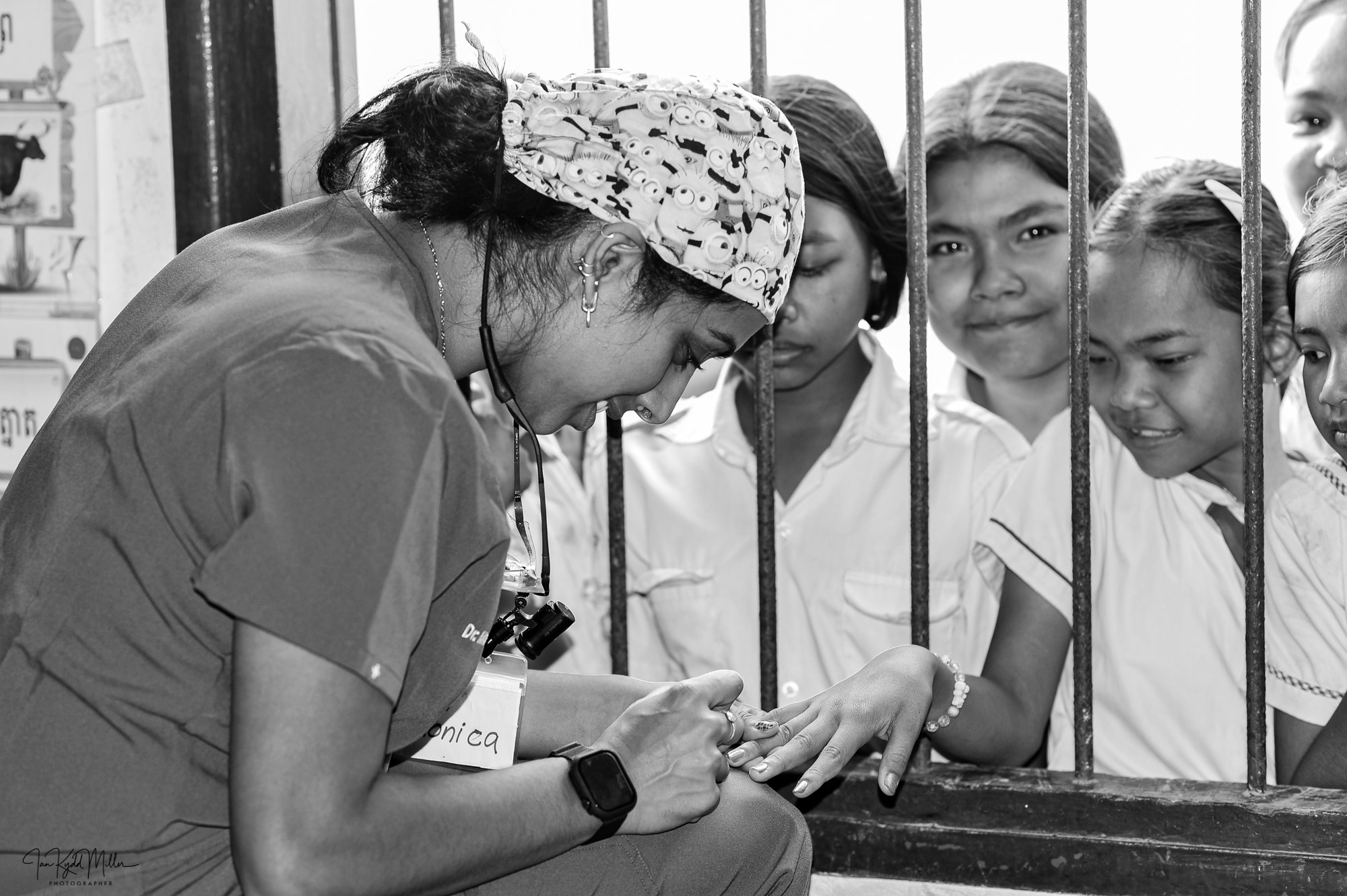
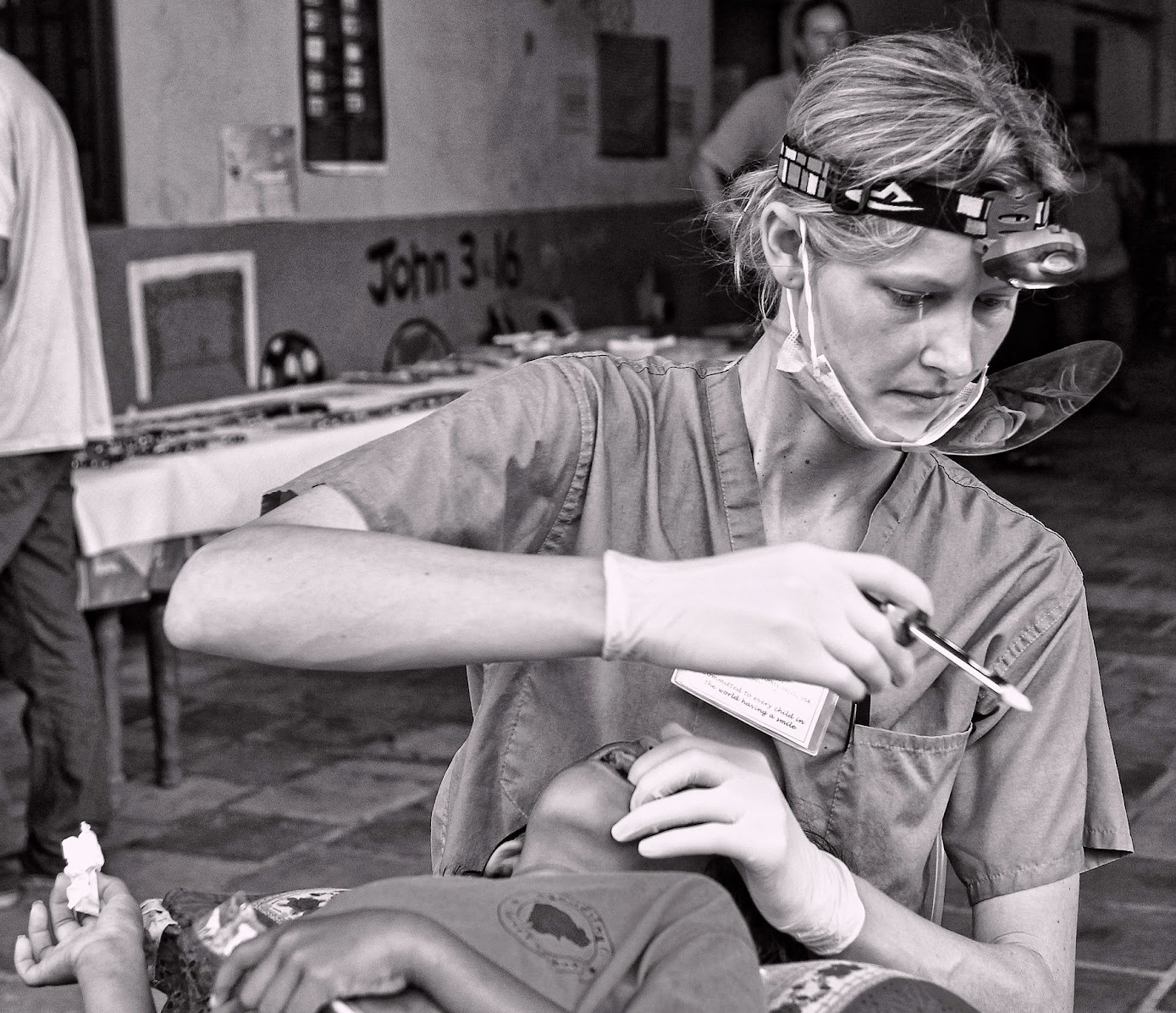
✅ Dental exams ✅ Filling cavities ✅ Extractions ✅ Fluoride treatments & preventative care ✅ Oral hygiene education for kids and families
They often work in outdoor or temporary clinic setups — like school courtyards or community centers — bringing portable dental equipment to areas with little or no access to care.
💡 Community Focus & Education
A key component of KIDS’s approach is education:
📌 Teaching children and families why dental care matters 📌 Demonstrating how to brush/floss correctly 📌 Helping local staff understand preventive practices 📌 Building long-term oral health habits beyond immediate treatment
Some mission trips also partner with local organizations to address environmental issues (like contaminated water leading to dental problems) and look for broader, lasting solutions.
🤝 Support & How to Get Involved
Donate
Financial or supplies donations help fund travel, equipment, and free care. According to the organization, 100% of donations go directly to support their mission.
Volunteer
Interested individuals can contact KIDS to join a future mission. Volunteers are asked to complete volunteer agreements and follow safety protocols (including COVID-19 procedures).
According to publicly accessible nonprofit data, KIDS is registered and files annual IRS tax forms. Its recent financial information indicates revenue and expenses typical for a small nonprofit mission-based charity.
📌 Summary
Kids International Dental Services (KIDS) is a compassionate global nonprofit offering:
🌏 Free dental care to under served children around the world 👩⚕️ Hands-on global mission opportunities for dental professionals 📚 Education and empowerment for communities 🤝 Opportunities for donors and volunteers to make a real impact
Absolutely — here are the direct contact details, ways to donate, and how to volunteer with Kids International Dental Services (KIDS) 😊🦷🌍:
📬 Contact Information
📍 Mailing Address: Kids International Dental Services 1700 California St., Suite 200 San Francisco, CA 94109 USA
📧 Email: replytokids@gmail.com — best address to ask questions about missions, donations, or volunteering.
🆔 EIN (Tax-Deductible): 94-3477276 — donations are tax-deductible in the U.S. as KIDS is a registered 501(c)(3) nonprofit.
💖 How to Donate
Your support helps bring free dental care to children in developing countries! 🪥✨
💵 Monetary Donations: You can donate via the official site — 100% of your contribution helps provide dental care services and support mission programs.
📦 Supplies Donations: They may accept donated dental supplies and equipment — it’s best to email them first to confirm what items they can use.
👉 Since all donations go directly to supporting missions, you’re helping children get pain relief, fillings, extractions, and dental education they wouldn’t otherwise receive.
🙋♂️🙋♀️ How to Volunteer
KIDS runs dental mission trips every year where volunteers help provide essential dental care and promote oral hygiene education:
📍 Typical Mission Locations
Cambodia – usually in January
The Philippines – usually in February
Guatemala, Nepal/Bhutan, and more on other annual rotations.
👩⚕️ Who Can Volunteer
Dentists
Dental students
Dental hygienists & assistants
Non-dental volunteers for support roles (volunteer roles vary with each mission)
📝 How to Get Started
⭐ Contact KIDS at replytokids@gmail.com (ask about upcoming mission dates and requirements).
📄 Volunteer Documentation: You need to read and sign the “Volunteer Agreement” and any COVID-19 safety documents before joining a mission. These are emailed to you and then returned to them signed.
✈️ Travel & Accommodations: Volunteers typically arrange their travel to the mission location; details and logistics are coordinated with KIDS after you sign up.
🙌 Tips Before You Go
🧠 Ask about costs — many volunteer missions are supported by donations, but you may be expected to cover your travel, lodging, and basic expenses.
🤝 Reach out early — spots on missions (especially for dental professionals and students) can fill up quickly.