Fujifilm X-Pro2 Review: A Classic Rangefinder for Serious Photographers

cambodia, cameras, fujifilm, Lenses, opinons, thoughts, photography, street, Travel

The Fujifilm Xโ€‘Pro2 is a highโ€‘end, rangefinderโ€‘style mirrorless that refined the original Xโ€‘series concept with a 24MP Xโ€‘Trans III sensor, faster autofocus, and its signature hybrid optical/electronic viewfinder. Launched in 2016, it remains a compelling tool for photographers who value tactile controls, filmโ€‘like rendering, and the discipline of viewfinderโ€‘first shooting.

Core image quality and performance

  • Sensor: 24.3MP APSโ€‘C Xโ€‘Trans CMOS III delivers excellent detail, colour, and dynamic rangeโ€”an appreciable step up from the Xโ€‘Pro1, and still competitive for editorial and documentary work.
  • Autofocus: 273 AF points (169 phaseโ€‘detect) provide notably faster acquisition and more reliable tracking than earlier bodies, making the camera viable for moderate action and street shooting.
  • Speed: Up to 1/8000s shutter, responsive operation, and improved buffer; the systemโ€™s readout and AF are designed for decisive moments rather than pure sports performance.

The Xโ€‘Pro2โ€™s files are renowned for Fujifilmโ€™s colour science and film simulations, which remain a core appeal to photographers prioritising inโ€‘camera rendering.

Build, handling, and the hybrid viewfinder

  • Construction: Robust, weatherโ€‘sealed body with classic dials for shutter and ISO; it feels purposeโ€‘built for daily professional use and travel reportage.
  • Hybrid OVF/EVF: Switchable optical and OLED electronic viewfinder with a pictureโ€‘inโ€‘picture tab for focus confirmationโ€”ideal for those who enjoy the rangefinder experience yet want EVF precision on demand.
  • Ergonomics: The control layout and tactile feedback suit deliberate shooting; the camera rewards thoughtful composition over menuโ€‘driven operation.

Reviewers consistently highlight the hybrid finder as the defining feature that sets the Xโ€‘Pro line apart from conventional mirrorless bodies.

Video and connectivity

  • Video: 1080p (Full HD) with solid quality for casual use; the camera is stillsโ€‘first and lacks the advanced 4K codecs and profiles found in later Fujifilm bodies like the Xโ€‘T3.
  • Workflow: Dual SD card slots, robust RAW support, and Fujiโ€™s firmware refinement culture (โ€œKaizenโ€) extended the cameraโ€™s lifespan with meaningful updates.

Ongoing problems and common criticisms

  • No inโ€‘body stabilisation (IBIS): Limits lowโ€‘light flexibility with slower shutter speeds compared to later IBISโ€‘equipped models in the ecosystem.
  • AF tracking limits: While much improved, continuous AF and subject tracking are not as strong as newer Xโ€‘Trans IV bodies, making the Xโ€‘Pro2 less ideal for demanding sports work.
  • OVF constraints: Parallax and framelines can be limiting with wider lenses or closeโ€‘focus compositions; the EVF mitigates this but removes the pure optical experience.
  • Video feature set: Restricted to 1080p with fewer professional options; hybrid shooters generally prefer the Xโ€‘T line for motion projects.

Despite these constraints, the Xโ€‘Pro2โ€™s reliability and build quality are praised; reviewers frame its limits as design choices rather than defects, with the camera aimed squarely at stillsโ€‘focused, viewfinderโ€‘led photography.

Best use cases

  • Street and documentary: Discreet styling, fast response, and the OVFโ€™s natural view of the world align with candid, presenceโ€‘driven shooting.
  • Travel and editorial: Lightweight system with excellent primes, dual slots for redundancy, and files that grade beautifully for print.
  • Portraits and environmental work: Colour science and film simulations excel for skin tones and narrative context.

Verdict

The Xโ€‘Pro2 remains a modern classic: a disciplined, tactile camera for photographers who prefer the rhythm of viewfinderโ€‘first shooting and the look of Fujifilmโ€™s colour science. If you prioritise stills, craft, and reliable, weatherโ€‘sealed handling, itโ€™s a joy. If you need cuttingโ€‘edge video, IBIS, or the fastest AF tracking, newer bodies will serve you better. The Xโ€‘Pro2 is less about chasing specs and more about making photographs that feel intentionalโ€”today as much as in 2016

Fujifilm Xโ€‘E2

cambodia, cameras, Fujichrome, fujifilm, Lenses, photography, pictures, street, Travel, viltrox

๐Ÿ“ธ Core Specifications

  • Sensor: 16.3MP APSโ€‘C Xโ€‘Trans CMOS II sensor (same as the Xโ€‘T1).
  • Processor: EXR Processor II, enabling faster autofocus and improved image processing compared to the original Xโ€‘E1.
  • ISO Range: 200โ€“6400 (expandable to 100โ€“25,600).
  • Autofocus: Hybrid AF system with contrast and phase detection, offering focus speeds as fast as 0.08 seconds.

  • Continuous Shooting: Up to 7fps.
  • Video: Full HD 1080p at 60fps, with manual exposure control.
  • Viewfinder: 2.36Mโ€‘dot electronic viewfinder (EVF) with 100% coverage.
  • LCD: 3โ€‘inch, 1.04Mโ€‘dot fixed screen.
  • Build: Magnesium alloy body with retro rangefinder styling.
  • Connectivity: Builtโ€‘in Wiโ€‘Fi for image transfer and remote shooting.

โœจ Strengths

  • Image Quality: The Xโ€‘Trans sensor produces sharp, detailed images with Fujifilmโ€™s signature colour science and film simulations.
  • Handling: Classic rangefinder design with tactile dials for shutter speed and exposure compensation. Compact and lightweight, making it ideal for travel and street photography.
  • EVF: Crisp and responsive, offering a clear preview of exposure and colour.
  • Lens Ecosystem: Full compatibility with Fujifilmโ€™s XF lens lineup, including compact primes and professional zooms.
  • Firmware Updates: Fujifilmโ€™s โ€œKaizenโ€ philosophy meant the Xโ€‘E2 received significant firmware upgrades, improving autofocus, adding new features, and extending its lifespan.

โš ๏ธ Limitations

  • Fixed Screen: No articulation or touchscreen functionality, limiting flexibility for vlogging or creative angles.
  • Video: Decent for casual use, but lacks 4K and advanced video features found in later models.
  • Autofocus: While improved over the Xโ€‘E1, AF tracking is not as strong as newer Fujifilm bodies.
  • No Weather Sealing: Less rugged than higherโ€‘end models like the Xโ€‘T series.
  • Battery Life: Average, requiring spares for longer shoots.

โœ… Best Use Cases

  • Street Photography: Compact size, discreet styling, and fast AF make it excellent for candid shooting.
  • Travel: Lightweight body paired with small primes is perfect for portability.
  • Editorial & Documentary: Film simulations and colour rendering suit storytelling and reportage.
  • Entry into Fujifilm System: Affordable on the used market, offering access to the XF lens ecosystem without a large investment.

โœจ Summary

The Fujifilm Xโ€‘E2 remains a wellโ€‘balanced mirrorless camera that combines vintage charm with capable modern features. Its sensor, EVF, and tactile controls make it a joy for photographers who prioritise image quality and creative handling over cuttingโ€‘edge specs. While limited in video and lacking weather sealing, itโ€™s still a worthy companion for street, travel, and editorial shootersโ€”especially as an affordable entry point into Fujifilmโ€™s X system.

The Fujifilm Xโ€‘Pro3

cambodia, Fujichrome, fujifilm, Lenses, opinons, thoughts, photography, pictures, street, Travel

The Fujifilm Xโ€‘Pro3 is a distinctive, rangefinderโ€‘style mirrorless camera that excels in build quality, image rendering, and unique design philosophyโ€”but ongoing issues include reliability concerns with its sub monitor, shutter button feedback, and its unconventional hidden LCD, which some photographers find impractical.

๐Ÿ“ธ Core Strengths

  • Design Philosophy: The Xโ€‘Pro3 was built to encourage โ€œviewfinderโ€‘firstโ€ shooting. Its hidden LCD forces photographers to rely on the hybrid optical/electronic viewfinder, echoing the discipline of film cameras.
  • Build Quality: Constructed with a titanium top and bottom plate, weather sealing, and robust ergonomics, the Xโ€‘Pro3 is designed for durability in professional use.
  • Sensor & Image Quality: Equipped with a 26.1MP APSโ€‘C Xโ€‘Trans IV sensor, it delivers excellent colour reproduction, dynamic range, and Fujifilmโ€™s renowned film simulations.
  • Hybrid Viewfinder: The defining featureโ€”users can switch between an optical viewfinder (OVF) and a highโ€‘resolution electronic viewfinder (EVF), offering flexibility for different shooting styles.
  • Performance: Fast autofocus with 425 phaseโ€‘detect points, improved lowโ€‘light sensitivity, and solid burst shooting at 11fps mechanical or 20fps electronic shutter.

โš ๏ธ Ongoing Problems & Criticisms

  • Sub Monitor Failures: Multiple users have reported issues with the small โ€œsub monitorโ€ on the back (which displays film simulation and settings). Failures or malfunctions have been noted, sometimes outside warranty.
  • Shutter Button Feedback: Some photographers complain that the shutter button loses its tactile โ€œsecond click,โ€ making it harder to confirm when an image has been taken.
  • Hidden LCD Design: While philosophically bold, the flipโ€‘down LCD frustrates many users who rely on quick image review or live view shooting. Critics argue it slows workflow and feels impractical.
  • Reliability Concerns: Threads on photography forums highlight worries about longโ€‘term durability, with scattered reports of component failures.
  • Video Limitations: Although capable of 4K recording, the Xโ€‘Pro3 is not optimised for video compared to Fujifilmโ€™s Xโ€‘T series.

โœ… Best Use Cases

  • Street photography, where discretion and OVF shooting are valued.
  • Documentary and travel work, especially for photographers who embrace intentional, viewfinderโ€‘driven shooting.
  • Enthusiasts who appreciate Fujifilmโ€™s film simulations and want a camera that enforces discipline.

โœจ Summary

The Xโ€‘Pro3 is a niche but powerful tool: it rewards photographers who embrace its philosophy of slowing down and shooting deliberately. Its titanium build, hybrid viewfinder, and superb sensor make it a joy for those aligned with its design ethos. However, ongoing problems with the sub monitor, shutter button feedback, and the divisive hidden LCD design mean itโ€™s not universally loved. For photographers who value reliability and modern conveniences, the Xโ€‘T series may be a safer bet; for those who want a camera that challenges their habits, the Xโ€‘Pro3 remains unique.

Fujifilm X-E2 Review: Vintage Meets Modern Performance

cambodia, cameras, fujifilm, Lenses, opinons, thoughts, photography, pictures, street, Travel, voluntary
  • Image Quality: At its core, the Xโ€‘E2 features a 16.3โ€‘megapixel APSโ€‘C Xโ€‘Trans CMOS II sensor. This sensor uses a unique colour filter array that mimics film grain, eliminating the need for an optical lowโ€‘pass filter. The result is sharp, detailed images with rich colour reproduction.
  • Fast Autofocus: The hybrid AF system combines contrast and phase detection, achieving focus speeds as fast as 0.08 seconds. With 49 AF points, itโ€™s responsive enough for everyday shooting and moderate action.
  • Retro Design & Handling: Styled like a classic rangefinder, the Xโ€‘E2 offers tactile dials for shutter speed and exposure compensation. Its magnesium alloy body feels solid yet compact, appealing to photographers who enjoy manual control.
  • Electronic Viewfinder: A 2.36โ€‘millionโ€‘dot EVF provides a crisp, detailed preview, while the 3โ€‘inch LCD (1.04M dots) supports easy composition and playback.
  • Performance: Powered by the EXR Processor II, the camera delivers 7fps continuous shooting, inโ€‘camera RAW conversion, and film simulation modes that replicate Fujifilmโ€™s iconic film stocks.
  • Connectivity & Extras: Builtโ€‘in Wiโ€‘Fi allows for image transfer and remote shooting. Creative features include multiple exposure, panorama mode, focus peaking, and digital split image for precise manual focus.

โš–๏ธ Limitations

  • No 4K video: Limited to 1080p recording.
  • Fixed screen: No articulation or touchscreen functionality.
  • ISO performance: Usable up to ISO 6400, but noise becomes noticeable at higher settings.

โœ… Best Use Cases

  • Street photography, thanks to its discreet retro styling.
  • Travel and documentary work, with compact size and versatile lens options.
  • Enthusiast photographers who value manual controls and filmโ€‘like rendering.

โœจ Summary

The Fujifilm Xโ€‘E2 remains a wellโ€‘balanced mirrorless camera that combines vintage charm with capable modern features. Its sensor, EVF, and tactile controls make it a joy for photographers who prioritise image quality and creative handling over cuttingโ€‘edge specs. For those seeking a reliable, affordable entry into Fujifilmโ€™s X system, the Xโ€‘E2 is still a worthy companion.

๐Ÿ“ธ Program Mode and the Myth of Purism: A Street Photographerโ€™s Perspective

cameras, fujifilm, Lenses, opinons, thoughts, photography, pictures, street, Travel

Thereโ€™s a myth in photography: that โ€œrealโ€ photographers must shoot in full manual mode, especially if they own expensive gear. The implication is that Program Mode is a shortcut, a crutch, or even a betrayal of the craft.

But hereโ€™s the truth: Program Mode is not a weakness. Itโ€™s a strategy.

I. The Myth of Manual Purism

Manual mode is often treated as a badge of honour. It suggests mastery, control, and technical discipline. But photography is not a competition in purityโ€”it is a practice of seeing.

Street photography, especially in Phnom Penhโ€™s fastโ€‘moving rhythm, demands presence more than technical gymnastics. If fiddling with dials makes you miss the moment, then the pursuit of โ€œpurismโ€ has already failed.

II. Program Mode as a Discipline

Program Mode doesnโ€™t mean surrendering creativity. It means letting the camera handle exposure basics while you focus on what matters most: composition, timing, and anticipation.

When monks step into morning light or a vendor gestures midโ€‘conversation, you donโ€™t have time to calculate shutter speed and aperture. Program Mode frees you to be present, to anticipate, and to react.

III. Control Is Still Yours

Modern DSLRs are not mindless machines. Program Mode allows overrides:

  • Exposure compensation to adjust brightness.
  • Program shift to balance aperture and shutter.
  • Focus lock to control depth and subject.

Youโ€™re not giving up controlโ€”youโ€™re choosing where to invest your attention. The camera becomes a collaborator, not a dictator.

IV. Anticipation Over Perfection

Street photography is about anticipationโ€”the ability to sense a moment before it happens. Burst shooting captures microโ€‘variations, but anticipation is the discipline that guides it.

Program Mode supports this discipline. It keeps you ready, so when the decisive moment arrives, youโ€™re not buried in settingsโ€”youโ€™re alive to the rhythm of the street.

V. Philosophy of Use

An expensive DSLR is a tool. Its value lies not in how โ€œmanualโ€ you shoot, but in how authentically you capture.

If Program Mode helps you stay present in Phnom Penhโ€™s streetsโ€”catching candid gestures, fleeting light, and authentic human connectionโ€”then it is serving your vision.

Closing Call: The Decisive Moment Doesnโ€™t Care

The decisive moment doesnโ€™t care what mode you used. It cares that you were there, attentive, and ready.

Program Mode is acceptable because photography is not about proving technical purityโ€”itโ€™s about making images that resonate.

๐Ÿ“ธ Anticipation and the Decisive Moment

cambodia, cameras, fujifilm, Lenses, opinons, thoughts, photography, pictures, street, Travel

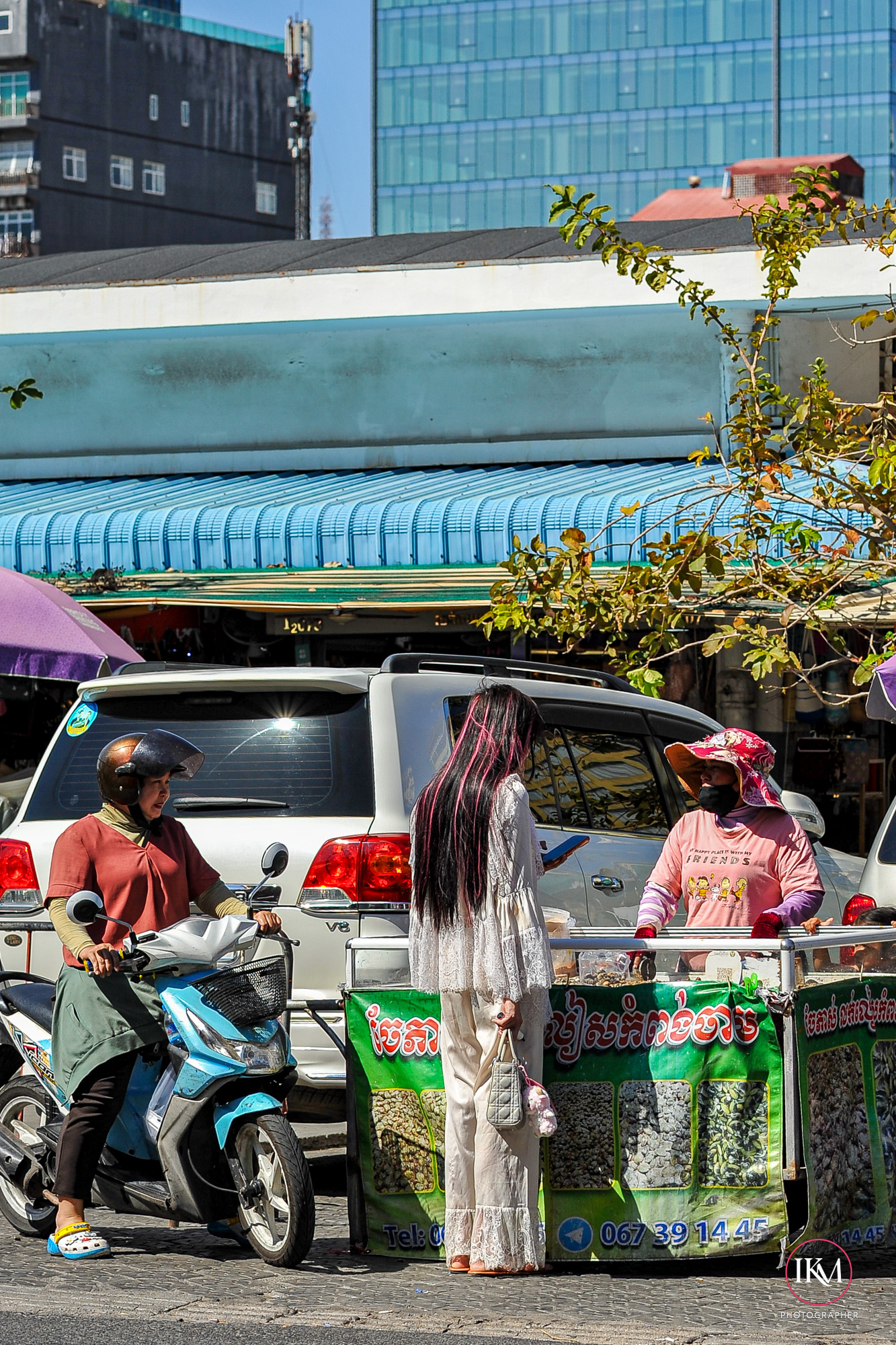
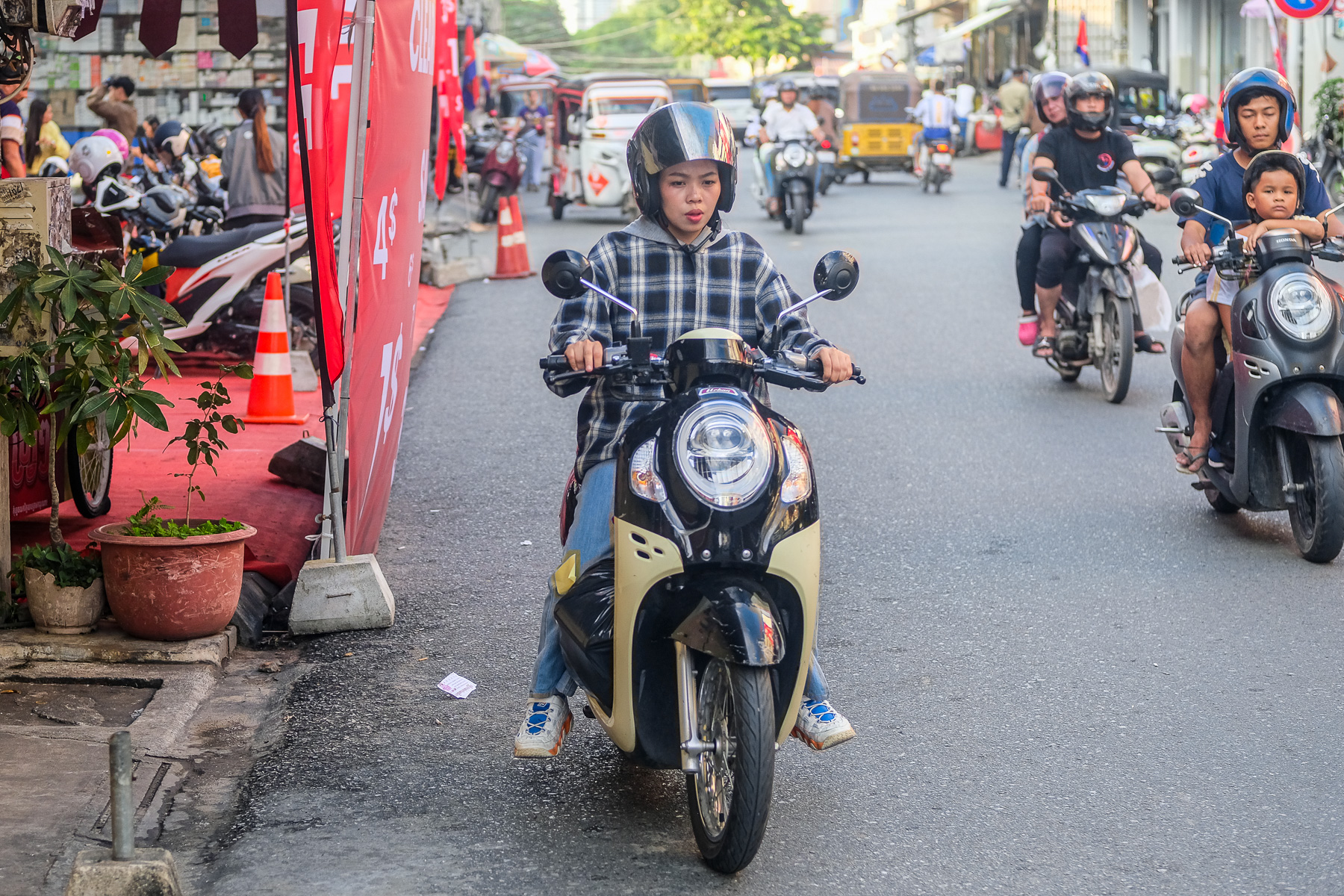
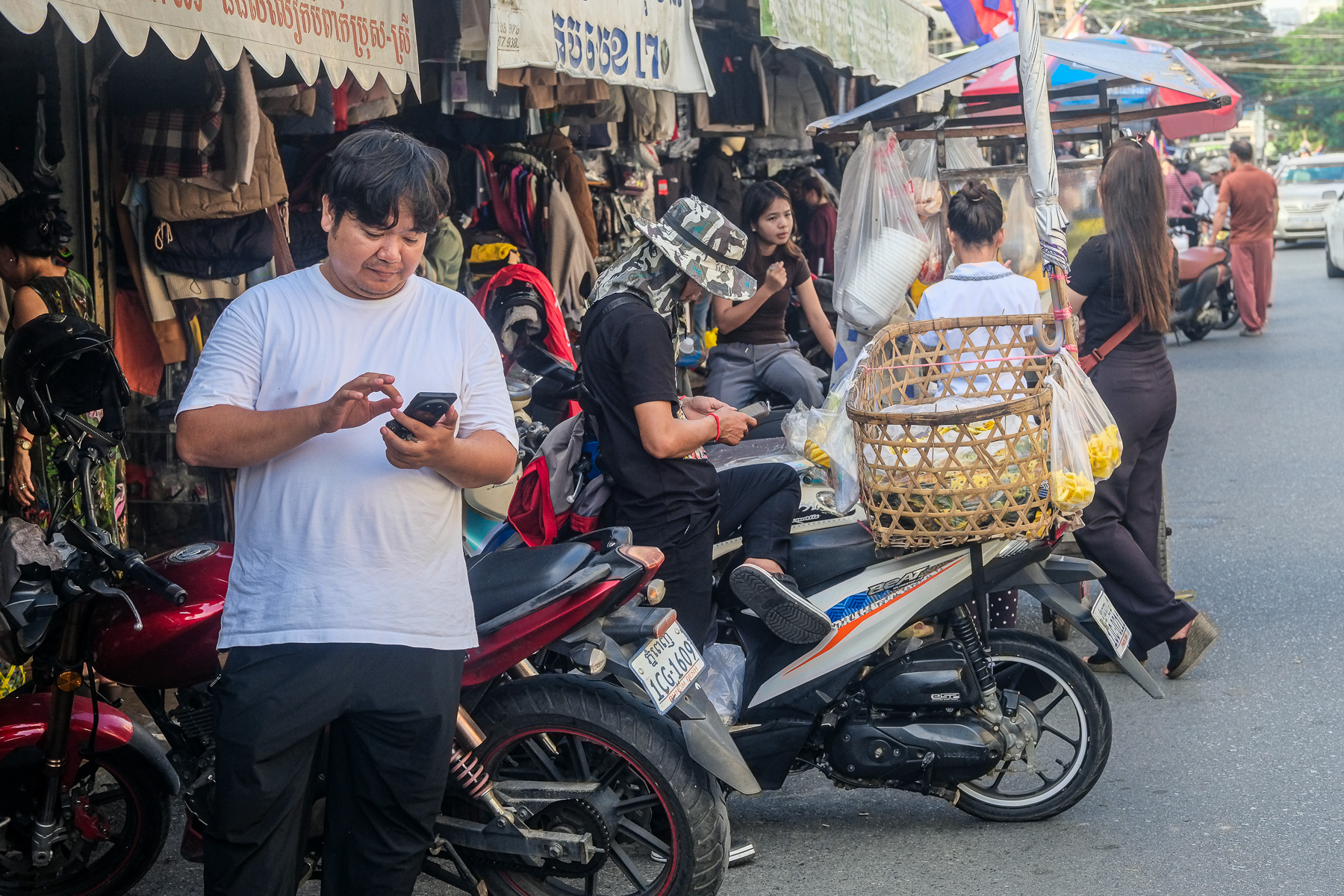
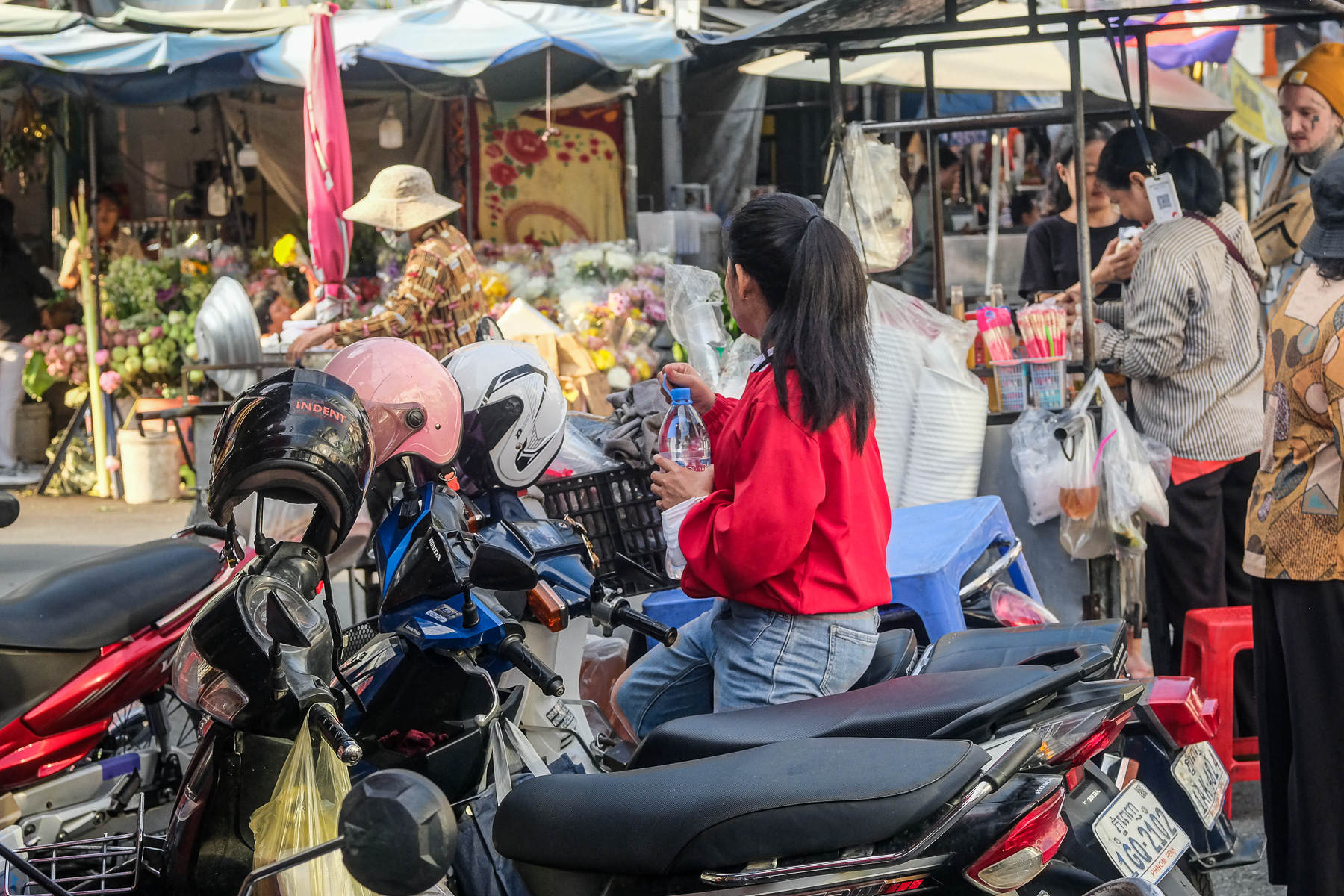
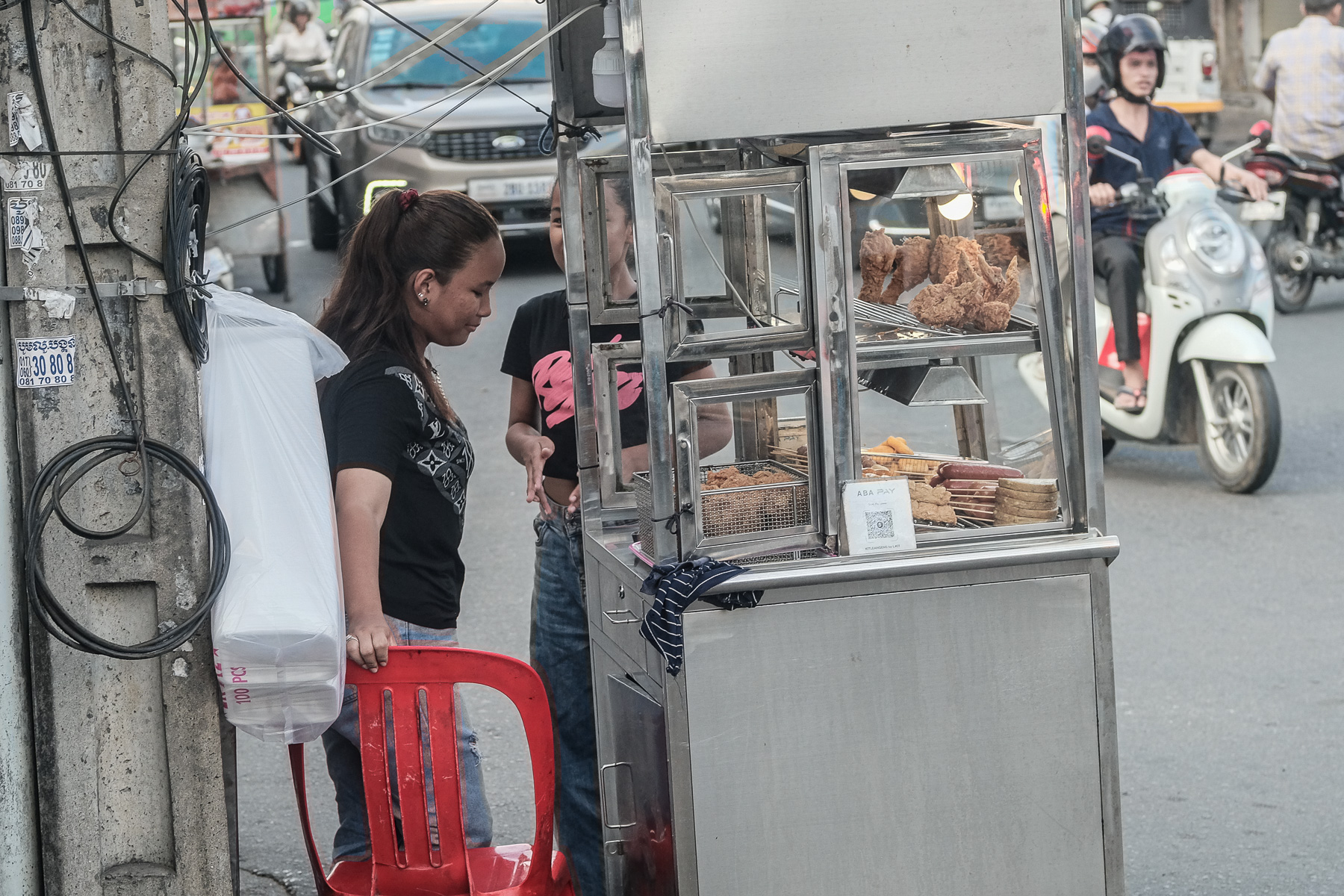
Street photography isnโ€™t about luckโ€”itโ€™s about anticipation. The streets of Phnom Penh move fast: motorbikes weaving, vendors shifting goods, children darting across alleys. To capture the moment, you have to sense it before it happens.

I. Reading the Rhythm

Every street has a rhythm. You learn to watch gestures, patterns, and movementsโ€”how a monk steps into sunlight, how a vendor reaches for fruit, how a child leans before running. Anticipation means reading these cues and preparing for the instant they align.

II. Burst as a Tool, Not a Crutch

Modern cameras can fire off many frames per second. Used with intention, this isnโ€™t about โ€œspray and prayโ€โ€”itโ€™s about precision. You anticipate the moment, then let the burst capture the microโ€‘variations: the exact tilt of a head, the instant of eye contact, the fraction of a second when light hits just right.

III. The Decisive Frame

From a sequence of images, one stands out. Itโ€™s not always the sharpest or most polishedโ€”itโ€™s the one that carries presence, emotion, and connection. That single frame becomes the decisive photograph, the one that tells the story.

IV. Discipline in Anticipation

Anticipation is a discipline. It requires patience, observation, and trust in your instincts. The cameraโ€™s speed is only an extension of your awareness. Without anticipation, burst mode is noise. With anticipation, it becomes a scalpelโ€”cutting into the chaos to reveal clarity.

Closing Thought

Capturing โ€œtheโ€ moment is not about chance. Itโ€™s about presence, anticipation, and the ability to see just before it happens. The cameraโ€™s ability to make many pictures in seconds is only powerful when guided by intention.

This is how I work: not chasing perfection, but trusting anticipation to reveal authenticity.

๐Ÿ“ธ Fuji X-Pro2 + 18mm f/2: A Street Photography Combo That Honors Presence

cambodia, cameras, fujifilm, Lenses, opinons, thoughts, photography, pictures, street, Travel

Street photography thrives on intuition, timing, and connection. The gear you choose should disappear in your hands, allowing you to focus on the fleeting gestures and subtle interactions that define urban life. The Fujifilm X-Pro2, with its rangefinder-inspired design, and the XF 18mm f/2, Fujiโ€™s compact wide-angle prime, form a partnership that embodies this philosophy.

๐Ÿ™๏ธ The X-Pro2: A Tool for Storytellers

  • Hybrid Viewfinder: The X-Pro2โ€™s optical/electronic hybrid finder is its signature feature. It allows you to see beyond the frame lines, anticipating action before it enters your compositionโ€”a gift for street shooters.
  • Discreet Design: Its rangefinder styling is understated, drawing less attention than a DSLR. On the street, invisibility is power.
  • Image Quality: The 24MP X-Trans III sensor delivers rich tones, excellent dynamic range, and Fujiโ€™s renowned film simulations (like Classic Chrome and Acros) that give images a timeless, documentary feel.
  • Customization: With tactile dials for shutter speed, ISO, and exposure compensation, the X-Pro2 encourages a hands-on, mindful shooting process.

๐ŸŽฏ The XF 18mm f/2: Compact and Characterful

  • Field of View: Equivalent to 27mm on full-frame, this lens strikes a balance between wide context and intimate framingโ€”perfect for capturing both environment and subject.
  • Size and Weight: At just 116g, itโ€™s a true โ€œpancakeโ€ lens. Mounted on the X-Pro2, it creates a slim, unobtrusive package that slips easily into a jacket pocket.
  • Rendering: While not clinically sharp like Fujiโ€™s newer primes, the 18mm f/2 has a characterful renderingโ€”slightly imperfect, but soulful. Its gentle vignetting and contrast lend images a filmic quality.
  • Speed: The f/2 aperture is fast enough for low-light alleys and night markets, while still keeping the lens compact.

๐ŸŒ† Why This Combo Works for Street Photography

  • Presence, Not Distance: The 18mm encourages you to get close, to step into the scene rather than observe from afar. This fosters images that feel immersive and authentic.
  • Quiet Confidence: The X-Pro2โ€™s shutter is discreet, and the small lens doesnโ€™t intimidate subjectsโ€”ideal for candid moments.
  • Fluid Workflow: Physical dials and compact ergonomics mean you can adjust settings without breaking eye contact with the street.
  • Timeless Aesthetic: Together, they produce images with a classic lookโ€”clean, contrasty, and cinematic.

โœจ The Philosophy of Presence

Street photography isnโ€™t about perfection; itโ€™s about being there. The X-Pro2 + 18mm f/2 combo honours this by stripping away excess. Itโ€™s not the sharpest or fastest setup, but itโ€™s one that encourages awareness, patience, and connection. With this kit, youโ€™re not just photographing the streetโ€”youโ€™re part of it.

โœ… Final Thought: If you value discretion, character, and the ability to move fluidly through the city, the Fuji X-Pro2 with the XF 18mm f/2 is more than just a camera and lensโ€”itโ€™s a philosophy of presence, a reminder that the best street photographs come not from technical perfection, but from being fully alive to the moment.

๐Ÿšฒ Street Life in Phnom Penh: A Living Tapestry

cambodia, cameras, fujifilm, homelessness, Lenses, opinons, thoughts, photography, pictures, street, Travel, voluntary

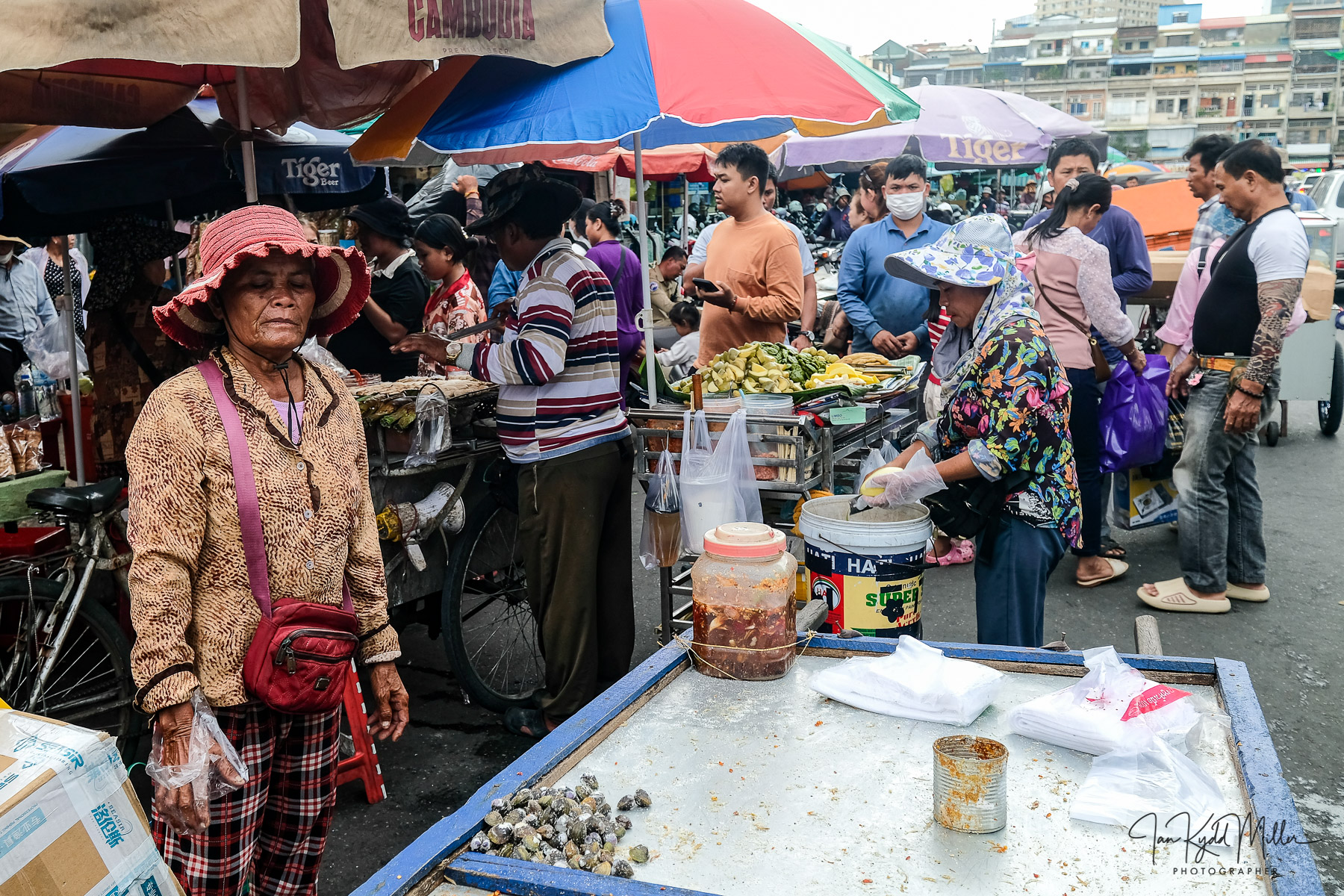
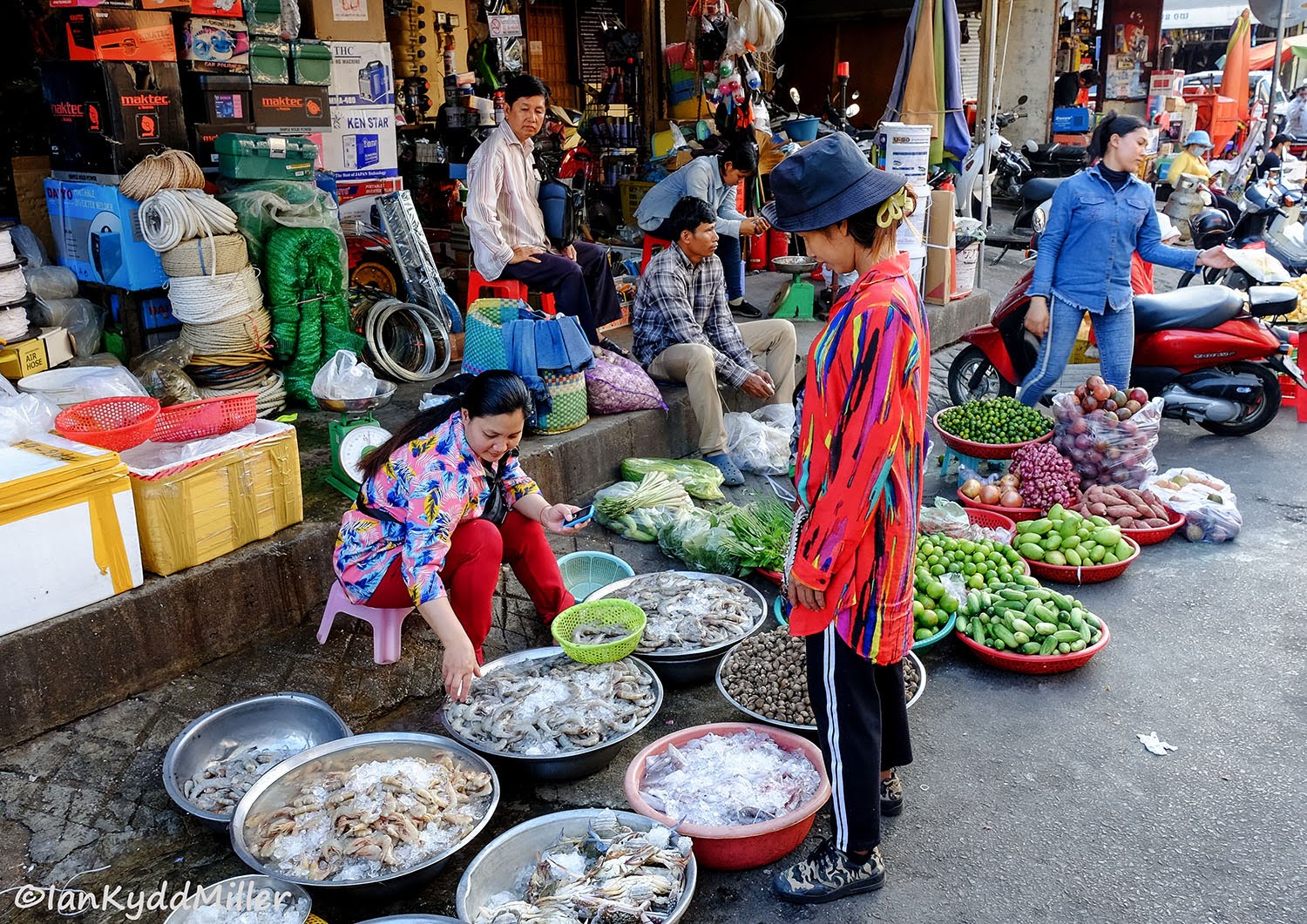
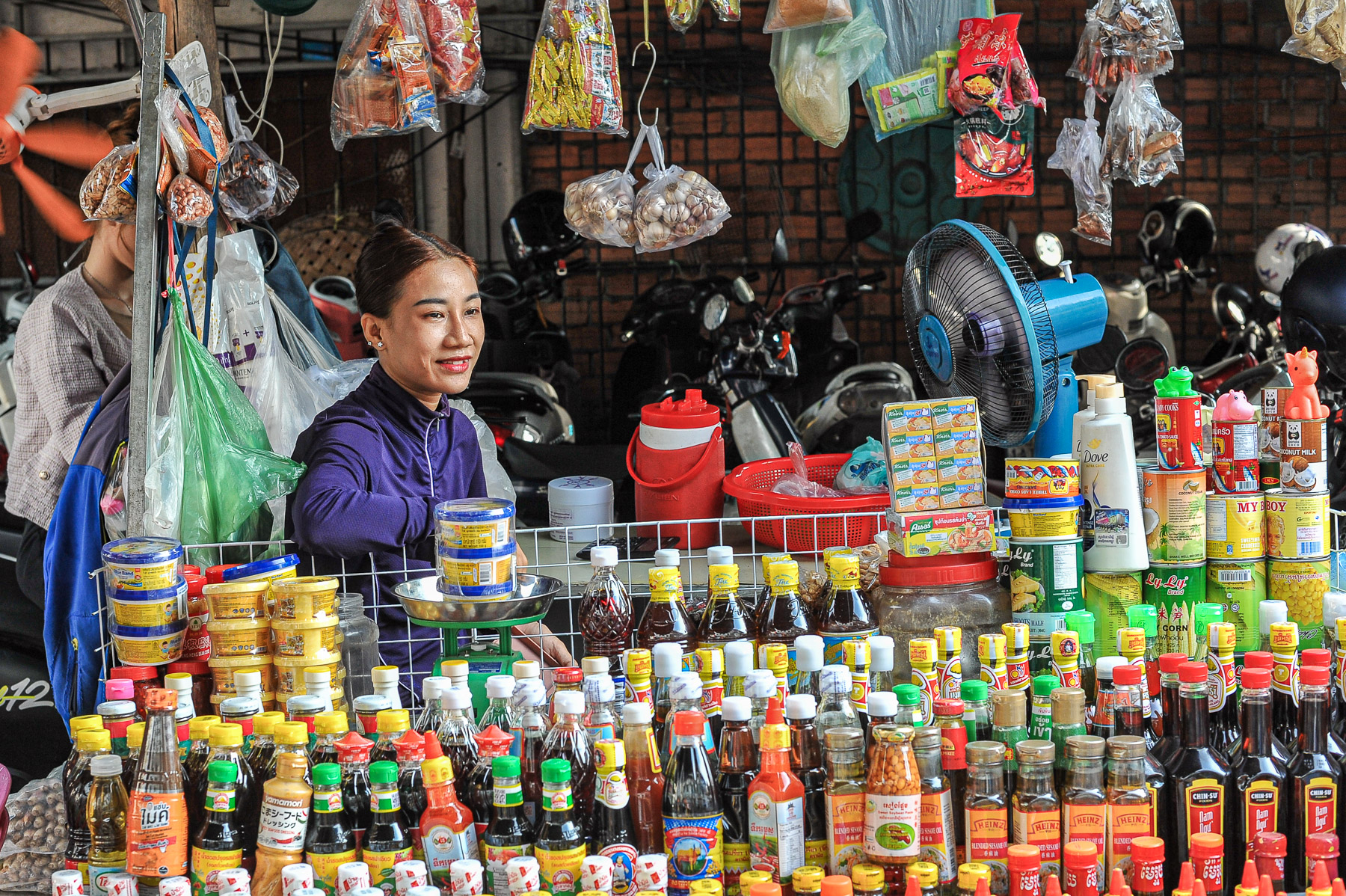
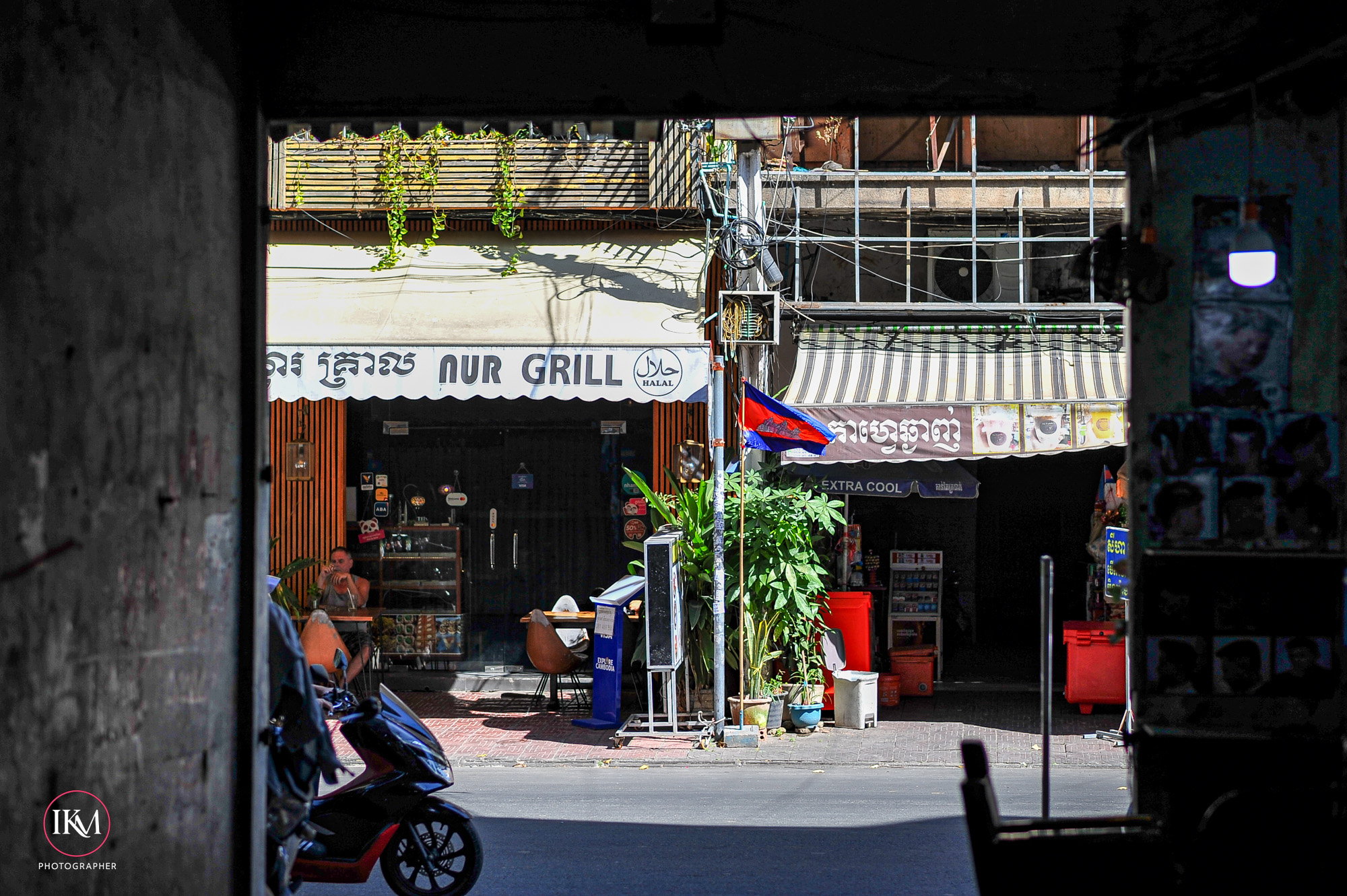
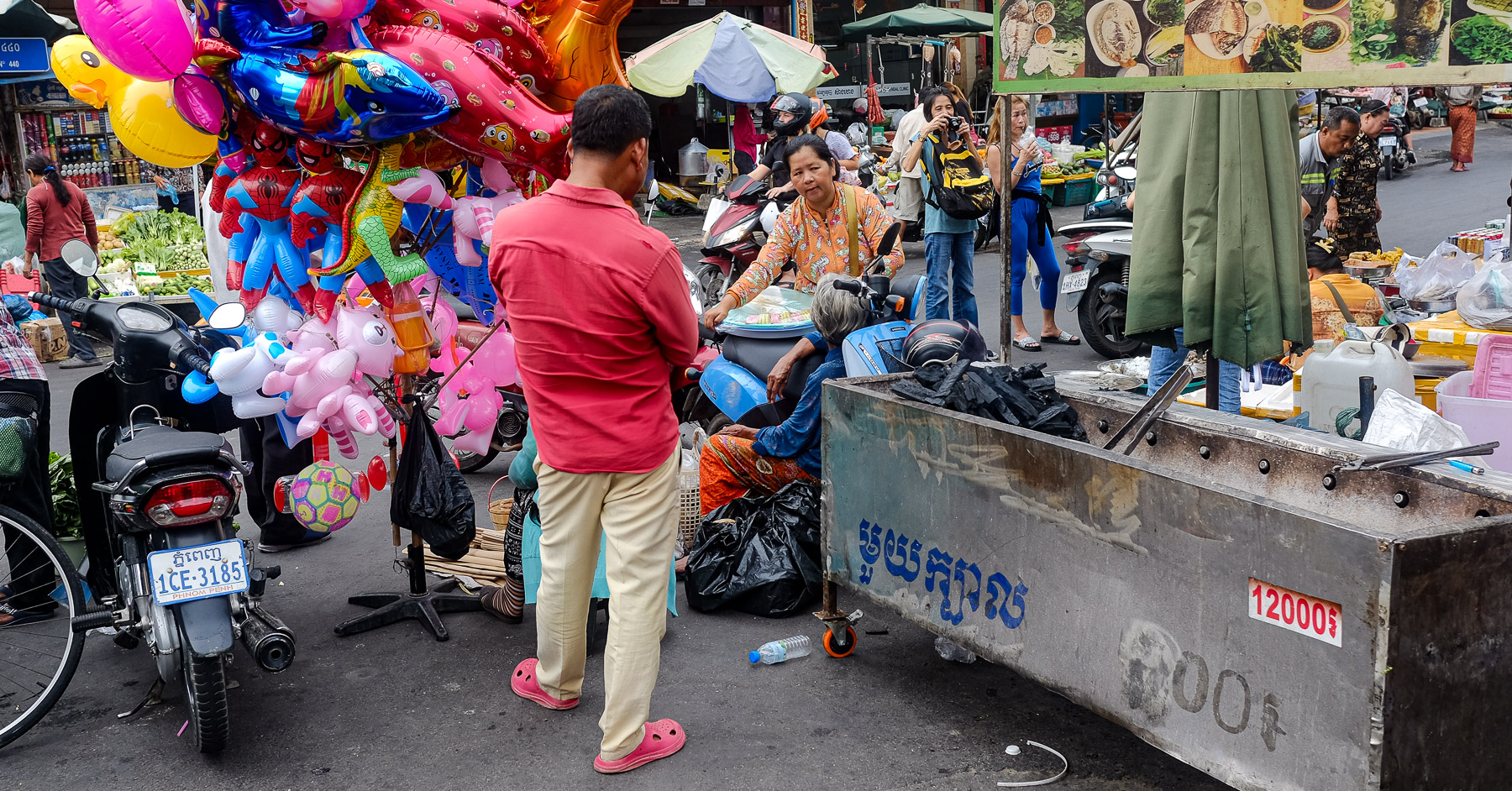
Walking through Phnom Penh is like stepping into a living mosaic of Cambodiaโ€™s culture. The streets are not just roads for transportโ€”they are markets, kitchens, playgrounds, and social spaces all at once.

๐ŸŒž Morning Rhythms

  • Markets come alive at dawn: wet markets bustle with vendors selling fresh fish, vegetables, and fragrant herbs.
  • Street-side stalls serve noodle soups, grilled meats, and iced coffee, fueling workers before the day begins.
  • Monks in saffron robes walk barefoot through neighborhoods, collecting alms in a centuries-old ritual.

๐Ÿšฆ Midday Hustle

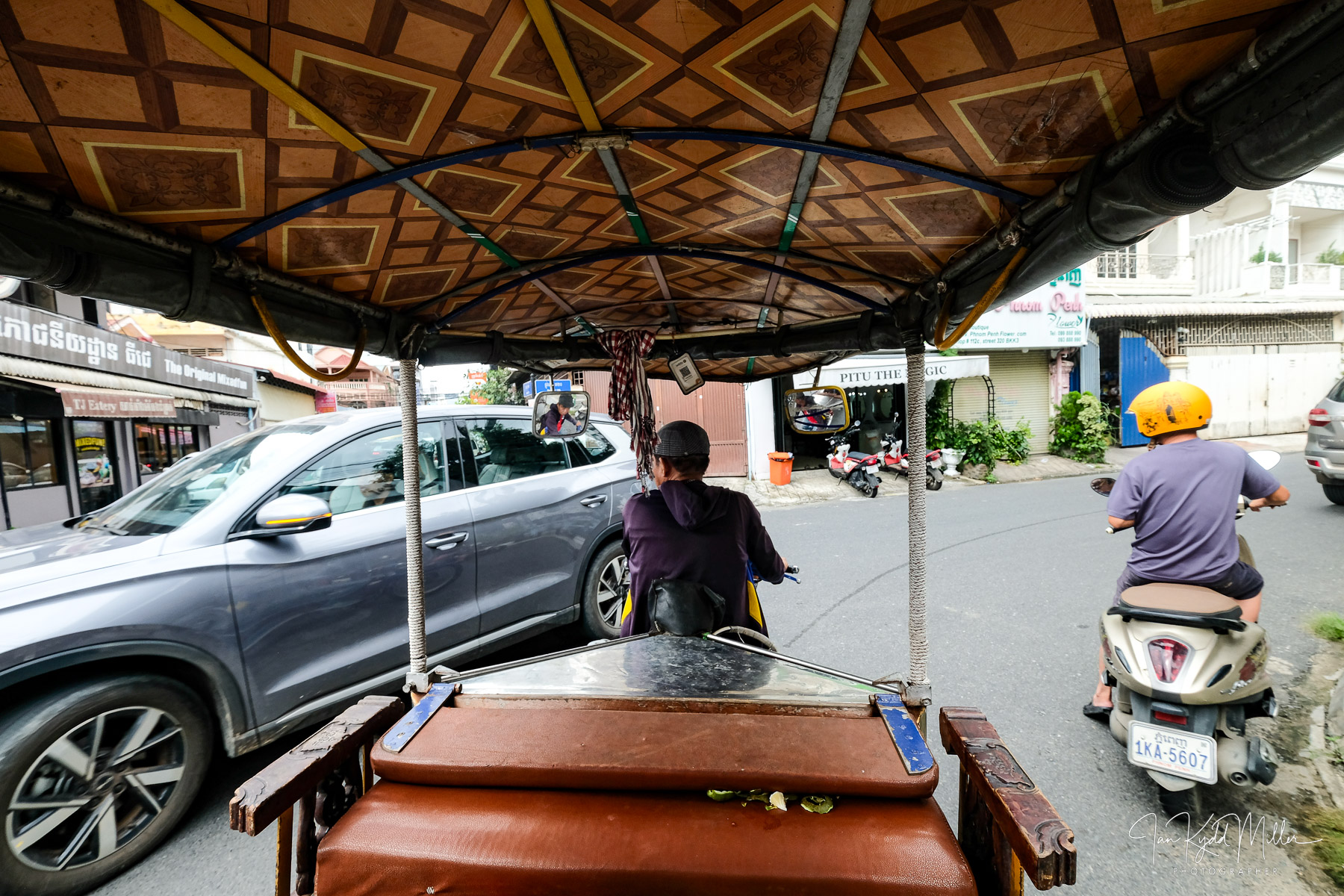
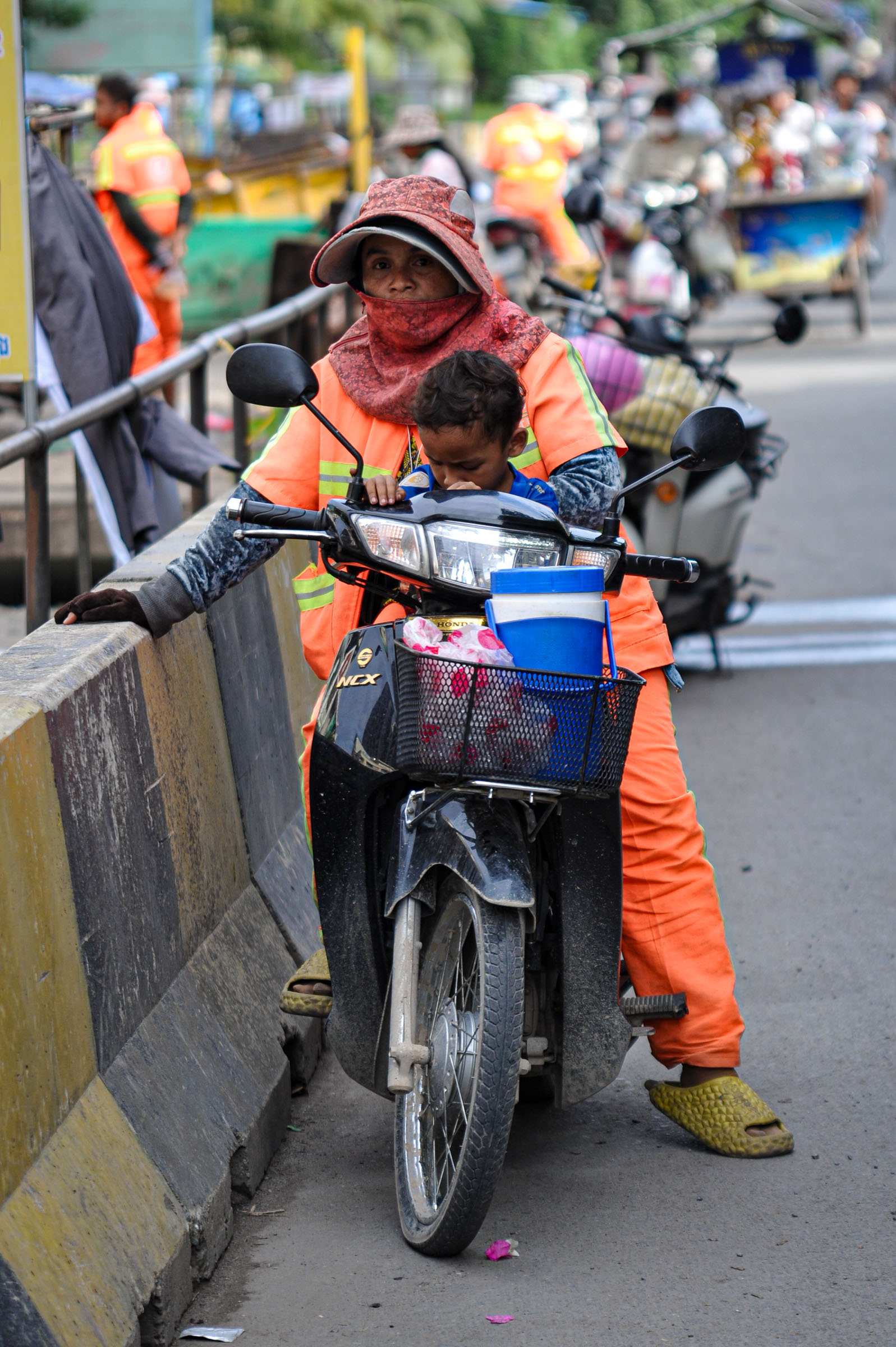
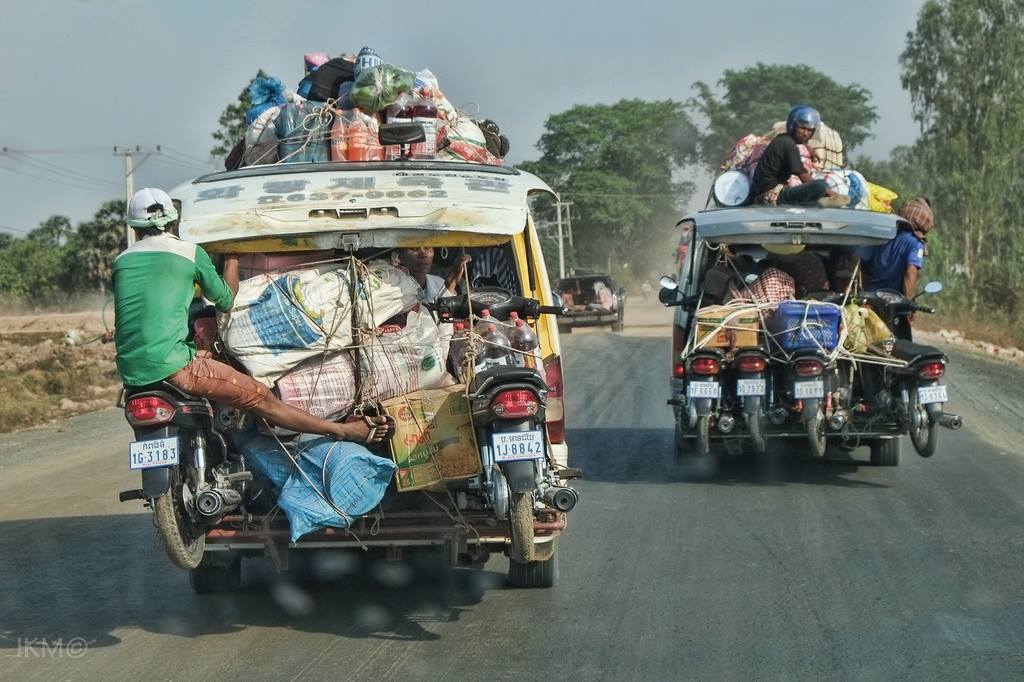
  • Traffic is a sensory overload: motorbikes weaving between tuk-tuks, bicycles, and the occasional Lexus SUV.
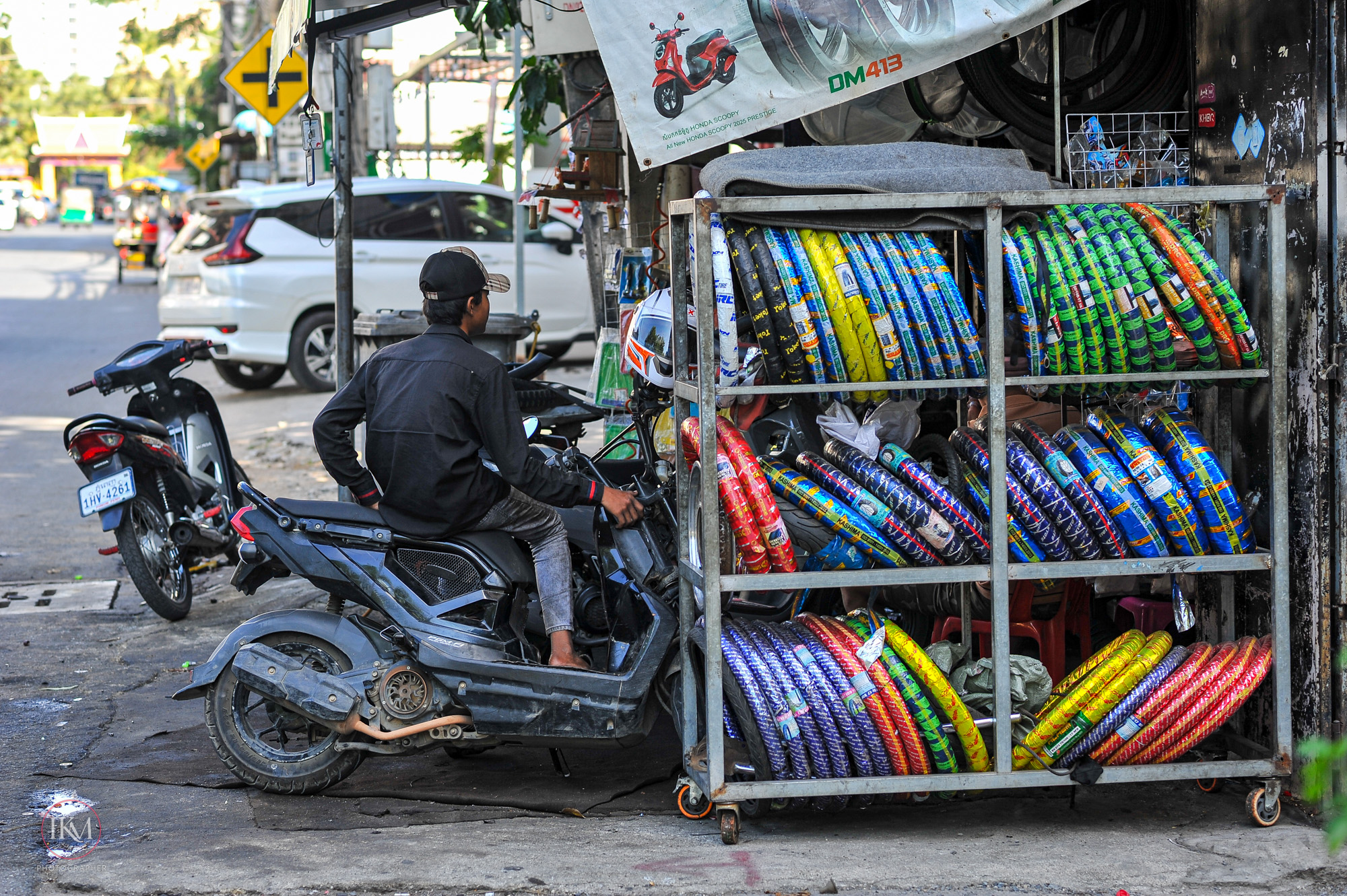
  • Sidewalks double as workshops and storefrontsโ€”tailors, mechanics, and barbers set up shop in open air.
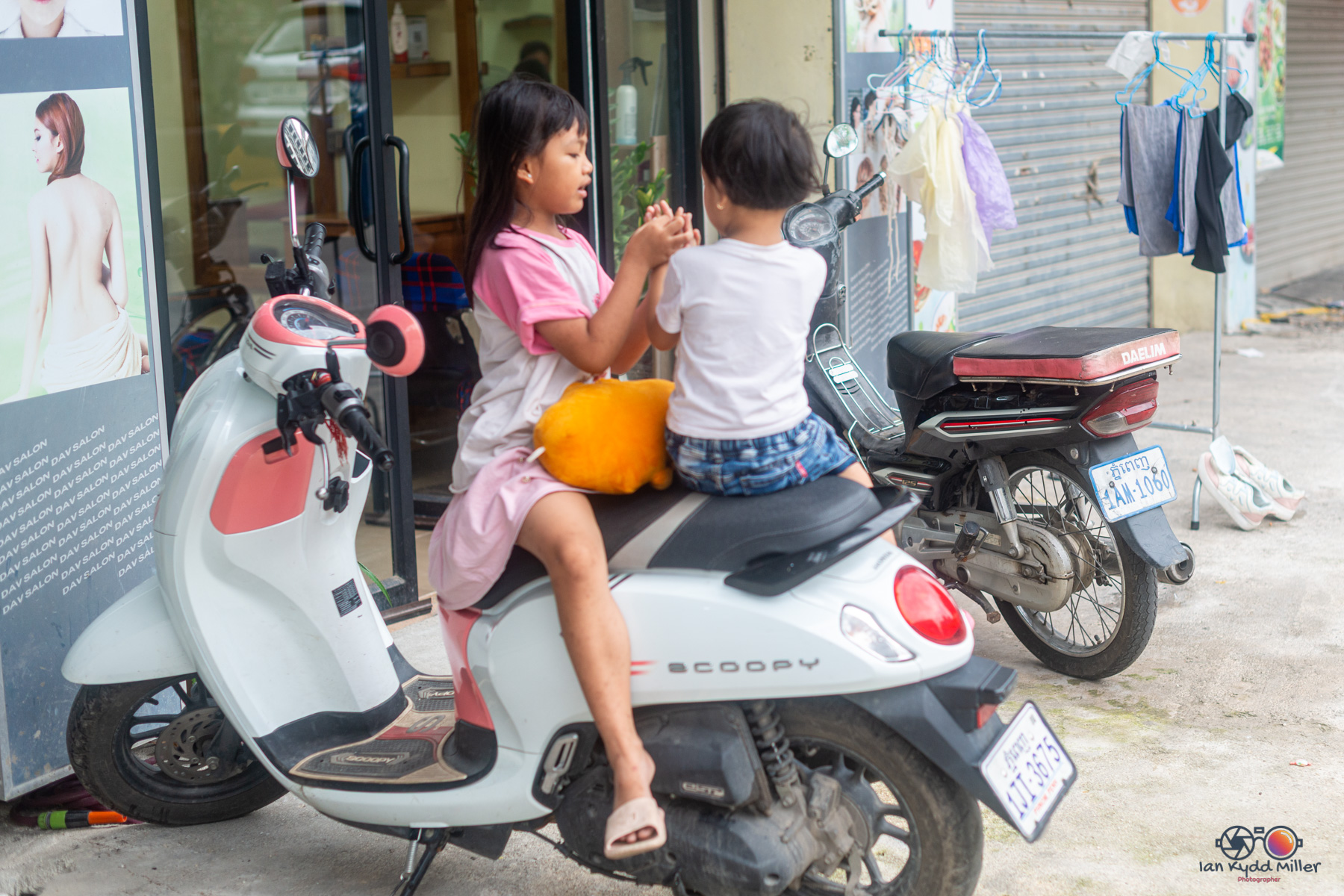
  • Children play in alleyways, while families gather under umbrellas to escape the midday heat.

๐ŸŒ† Evening Energy

  • As the sun sets, Phnom Penhโ€™s streets transform into night markets and food havens.
  • Skewers of beef, fried noodles, and fresh sugarcane juice fill the air with irresistible aromas.
  • Riverside areas like Sisowath Quay become social hubs, with locals strolling, exercising, or enjoying street performances.

๐ŸŽจ The Character of Phnom Penhโ€™s Streets

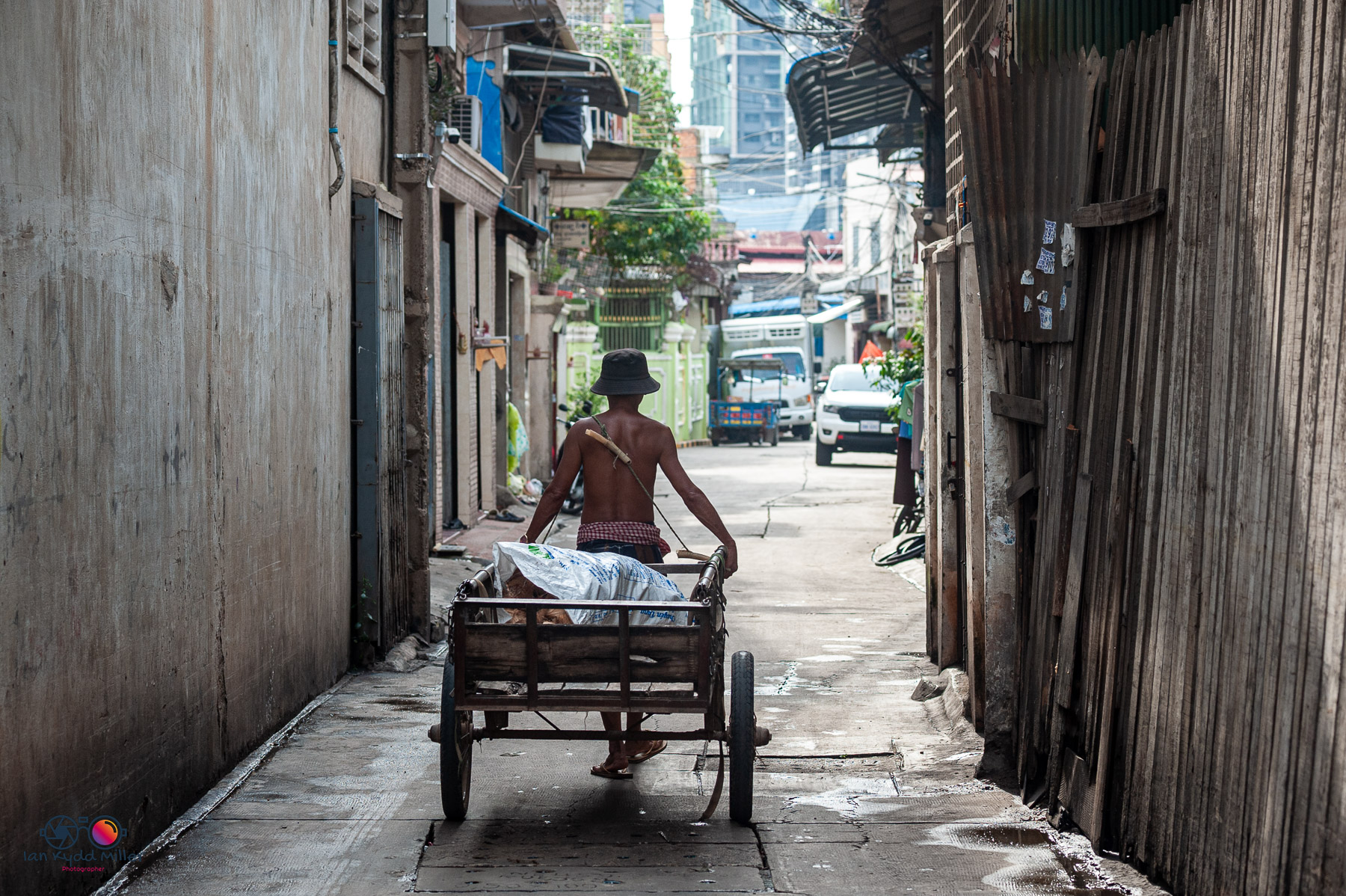
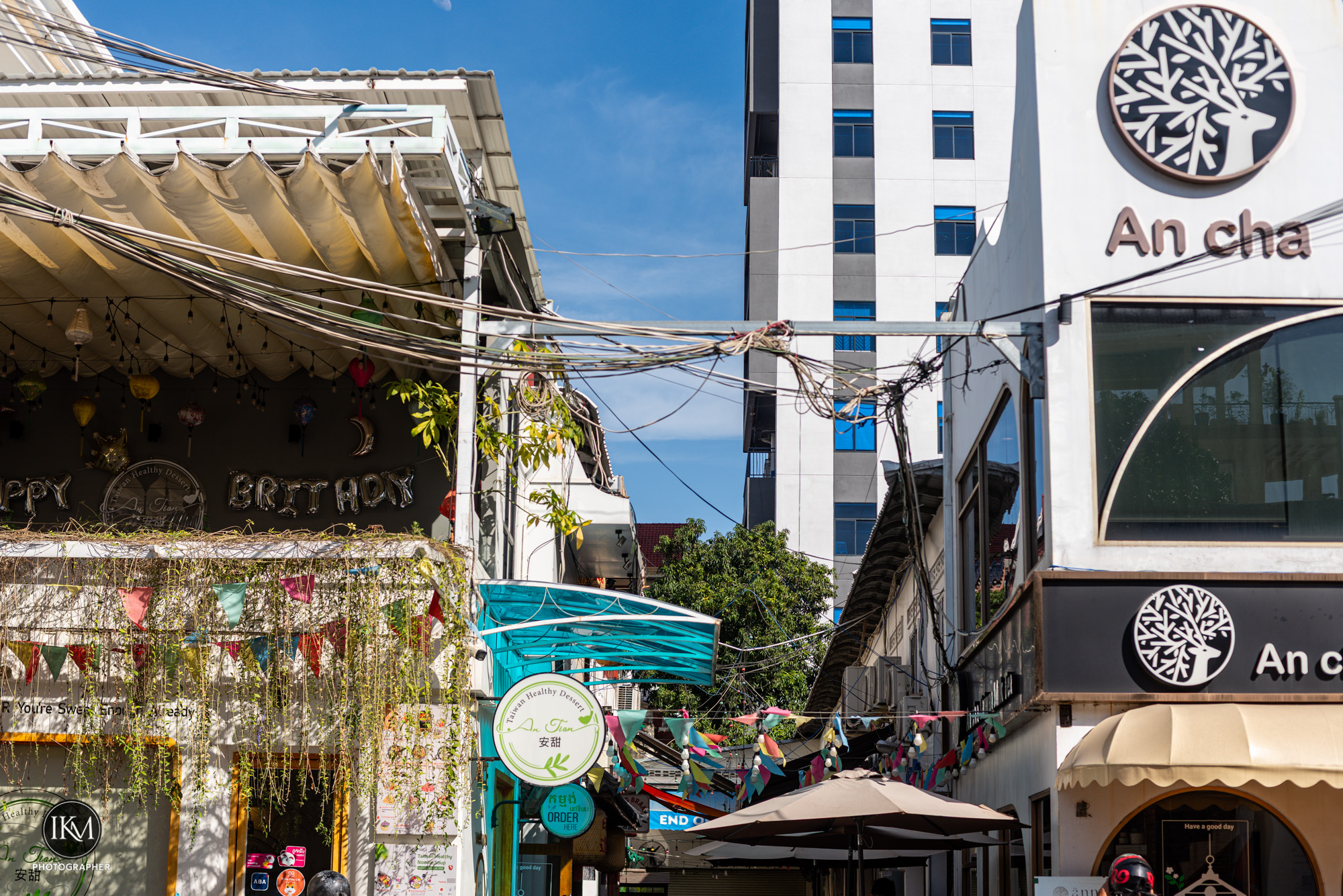
  • Contrasts everywhere: gleaming malls stand beside crumbling colonial buildings; luxury cars pass hand-pulled carts.
  • Colours and textures: laundry strung across balconies, neon-lit karaoke bars, and murals reflecting Cambodiaโ€™s youthful creativity.
  • Community spirit: despite the chaos, thereโ€™s a sense of rhythmโ€”neighbours chatting, vendors calling out, children laughing.

๐Ÿ“ท Why Itโ€™s Photographically Rich

For photographers, Phnom Penhโ€™s street life offers:

  • Dynamic light and shadow in narrow alleys and open boulevards.
  • Faces full of character, from weathered elders to energetic youth.
  • Stories in motionโ€”every corner reveals a narrative of resilience, adaptation, and joy.

โœ… In essence: Street life in Phnom Penh is not just about movement and commerceโ€”itโ€™s about connection, survival, and culture lived in public view. Itโ€™s messy, colourful, and endlessly fascinating, making it one of the most compelling urban experiences in Southeast Asia.

๐Ÿ“ธ A Photographerโ€™s Guide to Street Life in Phnom Penh

cambodia, cameras, fujifilm, homelessness, Lenses, opinons, thoughts, photography, pictures, street, Travel

๐ŸŒ… Best Times of Day

  • Early Morning (5:30โ€“8:00 AM): The city wakes up with monks collecting alms, markets buzzing, and soft golden light.
  • Late Afternoon to Evening (4:30โ€“7:00 PM): Streets cool down, families gather, and riverside areas come alive with food stalls and social activity.
  • Night (after 7:00 PM): Night markets and neon-lit streets offer vibrant colours and contrasts, perfect for low-light experimentation.

๐Ÿ™๏ธ Key Locations

  • Central Market (Phsar Thmey): Iconic art-deco building with bustling vendors inside and street life spilling outside.
  • Russian Market (Phsar Toul Tom Poung): Narrow alleys, food stalls, and a mix of locals and expats.
  • Sisowath Quay (Riverside): Evening strolls, street performers, and Mekong river views.
  • Olympic Market & Stadium: Everyday Cambodian lifeโ€”vendors, students, and sports enthusiasts.
  • Backstreets of Daun Penh & Toul Kork: Less touristy, more authentic glimpses of daily life.

๐ŸŽจ Style and Approach

  • Wide-angle storytelling: Capture the energy of markets and traffic chaos.
  • Portraits with consent: Many Cambodians are open to being photographed if approached politelyโ€”smiles go a long way.
  • Details and textures: Street food, tuk-tuks, signage, and architecture all add layers to your visual story.
  • Motion blur and panning: Great for showing the constant flow of motorbikes and tuk-tuks.

๐Ÿค Ethical Considerations

  • Respect privacy: Always ask before photographing children or vulnerable individuals.
  • Support locals: Buy a coffee or snack from vendors you photographโ€”it builds goodwill.
  • Be discreet: Avoid being intrusive; blend in and let moments unfold naturally.
  • Tell the truth: Aim for authenticity, not staged or exaggerated scenes.

๐Ÿ› ๏ธ Practical Tips

  • Gear: A 35mm , 50mm or 85mm prime lens is ideal for intimacy; a small zoom (24โ€“70mm) adds flexibility.
  • Settings: Use aperture priority (f/2.8โ€“f/5.6) for portraits and shutter priority for motion shots.
  • Backup: Carry extra batteries and memory cardsโ€”street life is unpredictable and fast-moving.
  • Safety: Keep gear close and minimal; Phnom Penh is generally safe, but petty theft can happen.

โœ… Final Thought: Phnom Penhโ€™s streets are a living classroom for photographersโ€”full of light, colour, and human connection. The key is to move slowly, observe deeply, and engage respectfully. The reward is not just strong images, but meaningful encounters.

๐Ÿ“ท When the Picture Is Good, Does Gear Matter?

cameras, film, Fujichrome, fujifilm, Lenses, opinons, thoughts, photography, pictures, street, Travel, viltrox

A Deeper Exploration of Vision, Tools, and the Weight of Story

In essence: If a picture is truly goodโ€”if it resonates emotionally, tells a story, or lingers in memoryโ€”most viewers donโ€™t care what camera or lens was used. But the conversation is richer than that: gear doesnโ€™t determine meaning, yet it shapes possibility. The real artistry lies in how vision and tools meet.

The phrase โ€œIf the picture is good, nobody cares what camera it was taken withโ€ has become a kind of mantra in photography circles. Itโ€™s both liberating and provocative. On one hand, it frees us from the consumerist treadmill of chasing specs. On the other, it risks oversimplifying the relationship between vision and tools. Letโ€™s expand the discussion.

๐Ÿง  Why the Statement Rings True

  • Emotional impact trumps technical trivia. A photograph that moves peopleโ€”whether itโ€™s a war image, a street portrait, or a tender family momentโ€”doesnโ€™t invite questions about megapixels. It invites reflection.
  • History proves it. Iconic images were made with cameras that, by todayโ€™s standards, are technically limited. Yet Robert Capaโ€™s blurred D-Day frames or Dorothea Langeโ€™s Migrant Mother remain unforgettable.
  • Viewers donโ€™t see metadata. In galleries, books, or newsprint, the story and composition dominate. The EXIF data is invisible.

โš™๏ธ Where Gear Still Matters

  • Technical limits shape style. A slow lens forces you into bright light; a wide prime teaches you to step closer; a noisy sensor nudges you toward grainy aesthetics. Gear doesnโ€™t dictate vision, but it channels it.
  • Reliability is invisible until it fails. A weather-sealed body or dependable autofocus can mean the difference between capturing a fleeting moment and missing it.
  • Certain genres demand certain tools. Sports, wildlife, and astrophotography often require specialised lenses and sensors. Without them, the image simply isnโ€™t possible.

As Roger Clark notes in his analysis of gearโ€™s role, โ€œA skilled photographer can achieve great results with any camera, but not just any kind of photoโ€. The right tool expands whatโ€™s possible, even if it doesnโ€™t define the artistry.

๐Ÿชž The Deeper Lesson

The real wisdom in the phrase is about prioritisation:

  • Vision first. What do you want to say? What story are you telling?
  • Process second. How do you approach light, timing, and presence?
  • Tools last. Which camera or lens best supports that vision and process?

Gear is the brush, not the painting. The stethoscope, not the diagnosis. The pen, not the poem. It matters, but itโ€™s not the heart.

๐Ÿ–ผ In Practice

For educators and documentarians, this principle is liberating:

  • It encourages people to trust their eyes rather than chase gear.
  • It models creative restraintโ€”using one lens, one body, and learning its rhythm.
  • It re-frames gear as a partner in process, not a shortcut to artistry.

๐Ÿงญ Final Thought

Yes, if a picture is good, nobody cares what lens or camera it was taken with. But the paradox is this: the right gear, chosen with intention, can help you get to that โ€œgoodโ€ picture more reliably. The danger lies in mistaking the tool for the vision.

In the end, the photographs that endure are remembered not for the equipment behind them, but for the humanity within them.