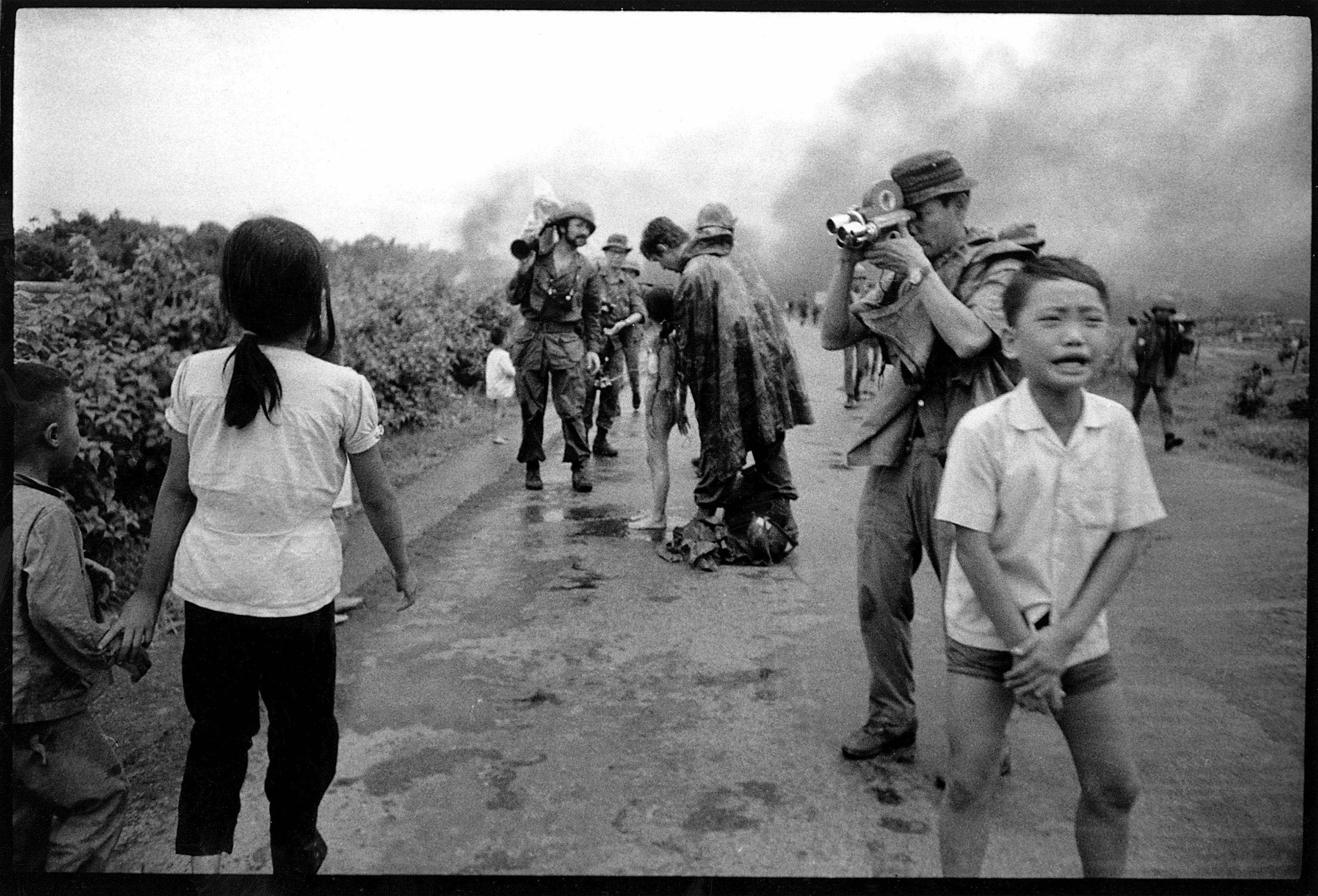
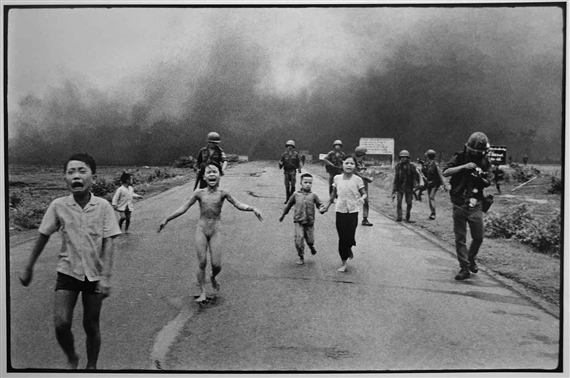
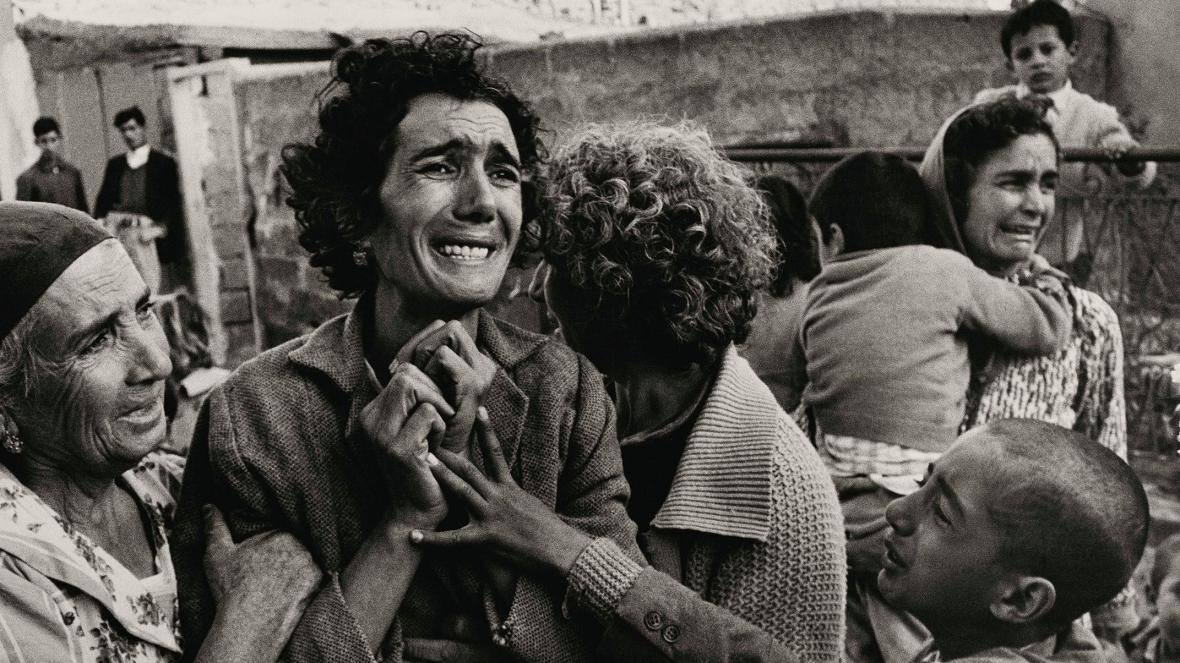
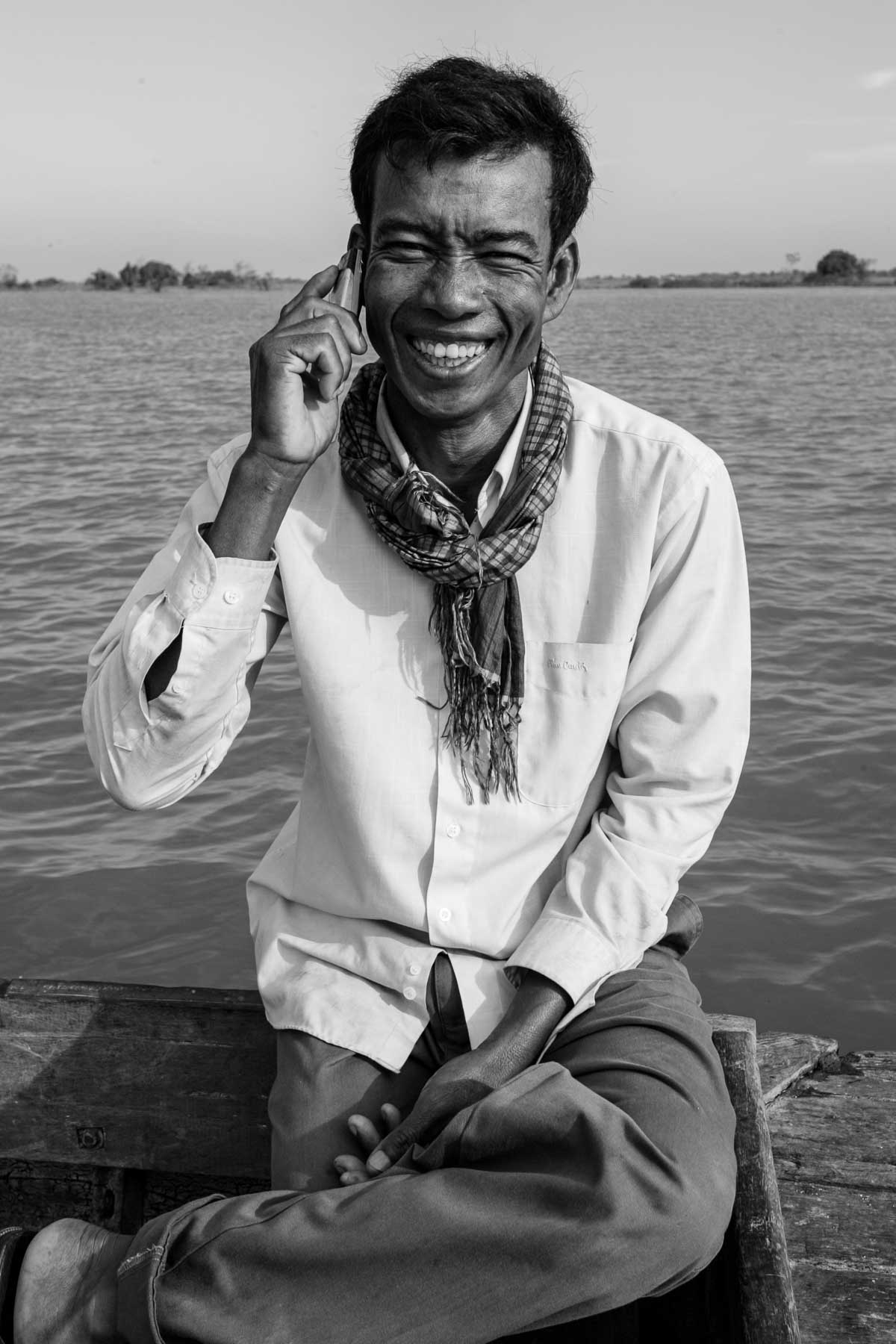
Magnum Photos is a renowned international photographic cooperative founded in 1947 by legendary photographers, including Robert Capa, Henri Cartier-Bresson, David “Chim” Seymour, and George Rodger. The cooperative aims to give photographers the freedom to document the world as they see it without being constrained by the agendas of magazines and newspapers.
Key Highlights of Magnum Photos:
Historical Significance: Magnum Photos has documented many of the world’s major events and personalities since its inception, covering a wide range of subjects including society, politics, conflict, and culture.
Global Presence: The cooperative has offices in major cities like New York, Paris, London, and Tokyo, and its photographers work worldwide.
Photographer-Owned: Magnum is unique in that it is owned and run by its member photographers, who retain all copyrights to their work. This model allows for a high degree of creative freedom and independence.
Iconic Images: Magnum photographers have produced some of the most iconic images in the history of photography, capturing moments that have defined eras and movements.
Educational Initiatives: Magnum also offers workshops, on-demand courses, and other educational resources to help aspiring photographers learn from some of the best in the field.
Magnum Photos continues to be a significant force in the world of photography, known for its commitment to authentic visual storytelling and its ability to capture the human condition in all its complexity.
If you have any specific questions about Magnum Photos or its photographers, feel free to ask!
The Art of Street Photography in Asia: Capturing the Essence of Everyday Life
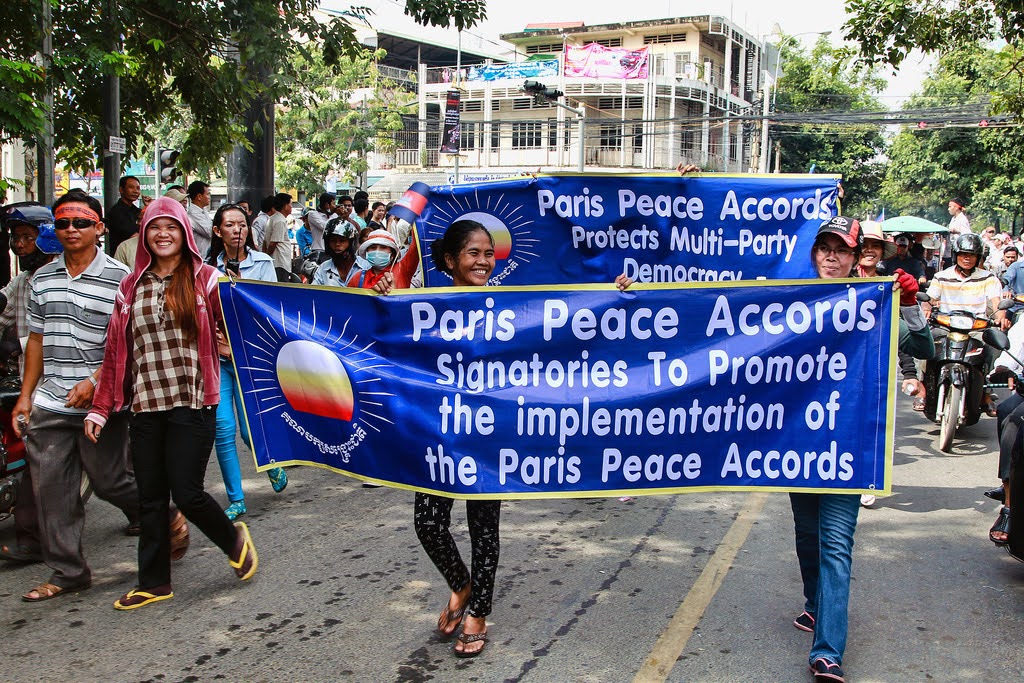
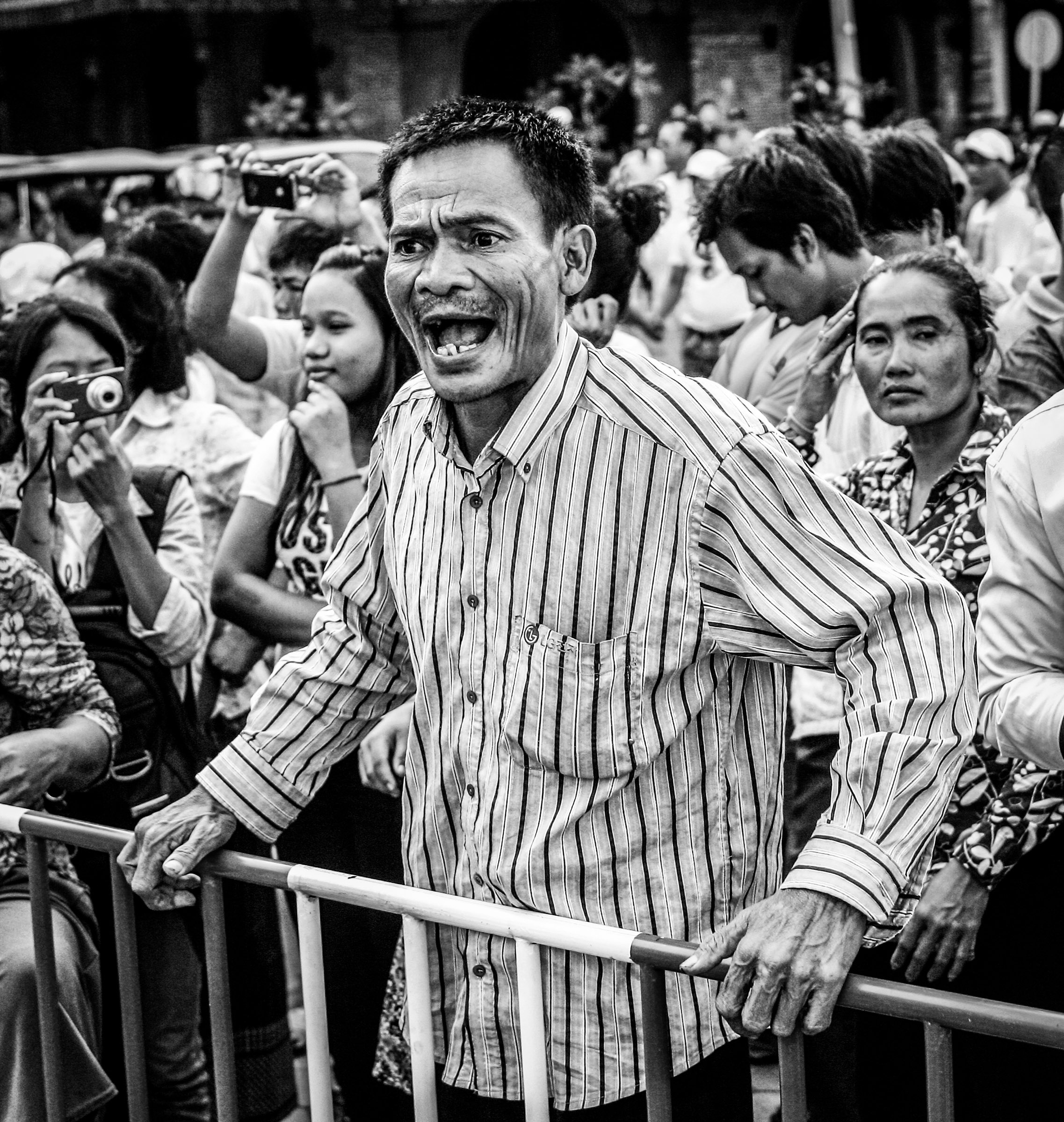
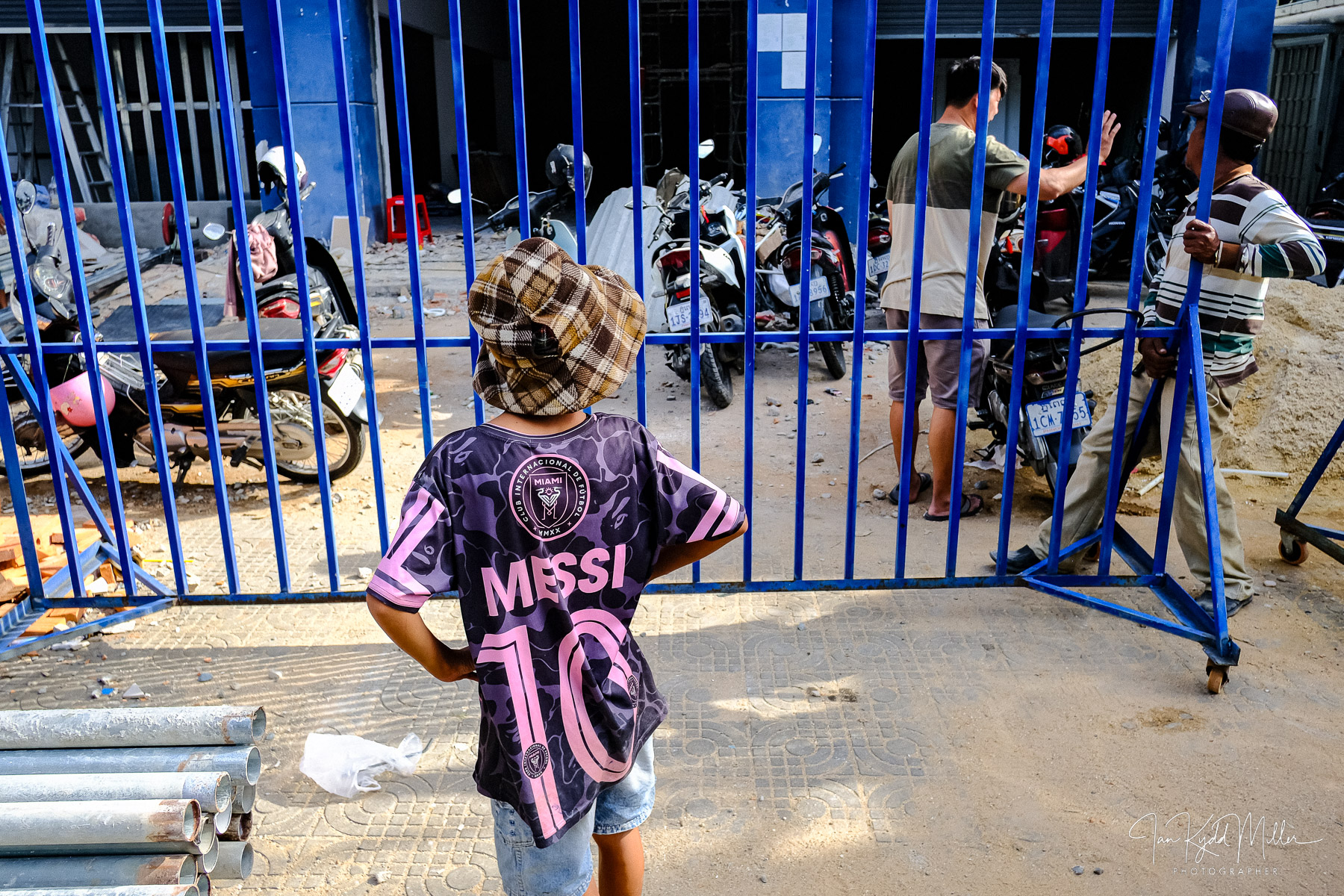
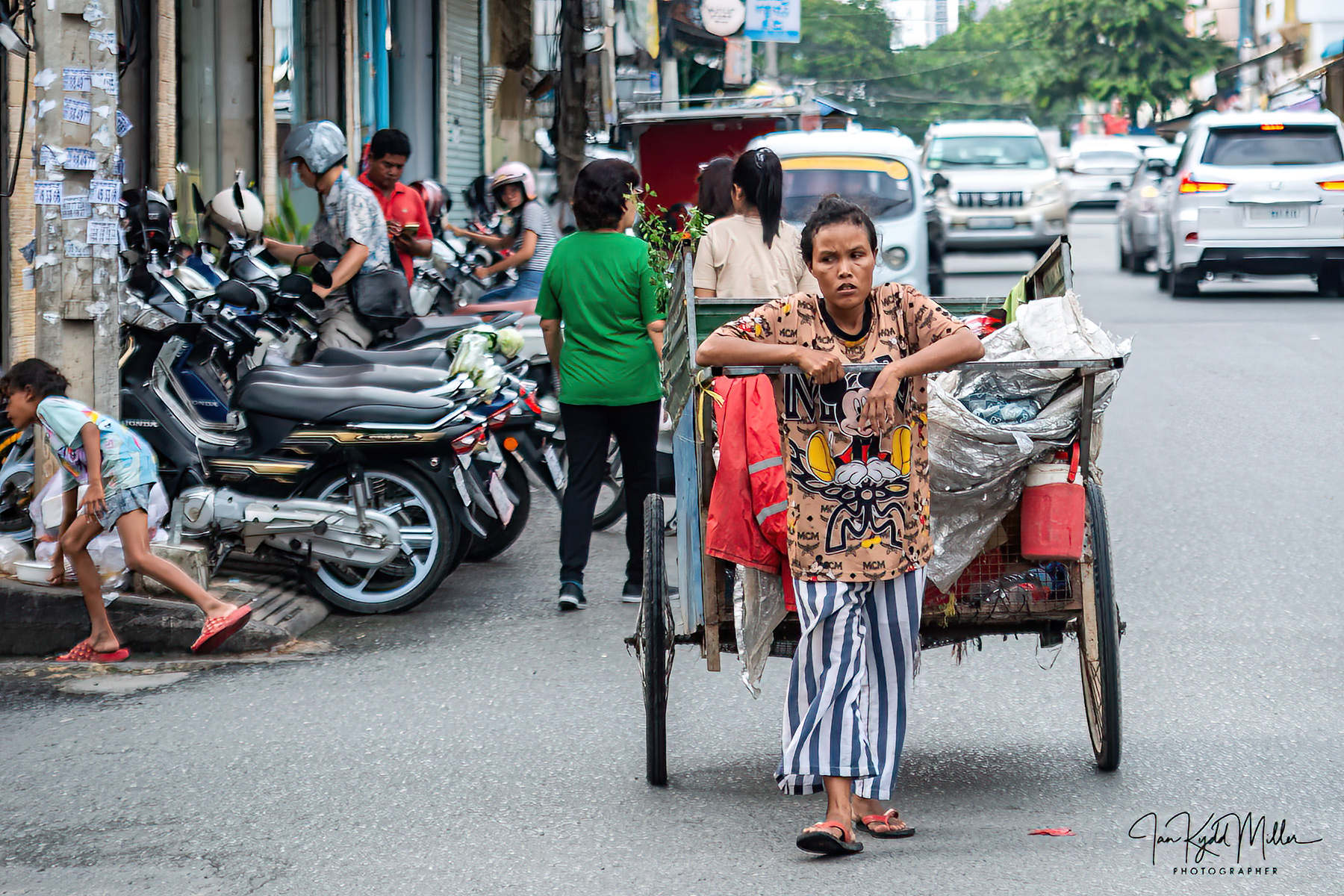
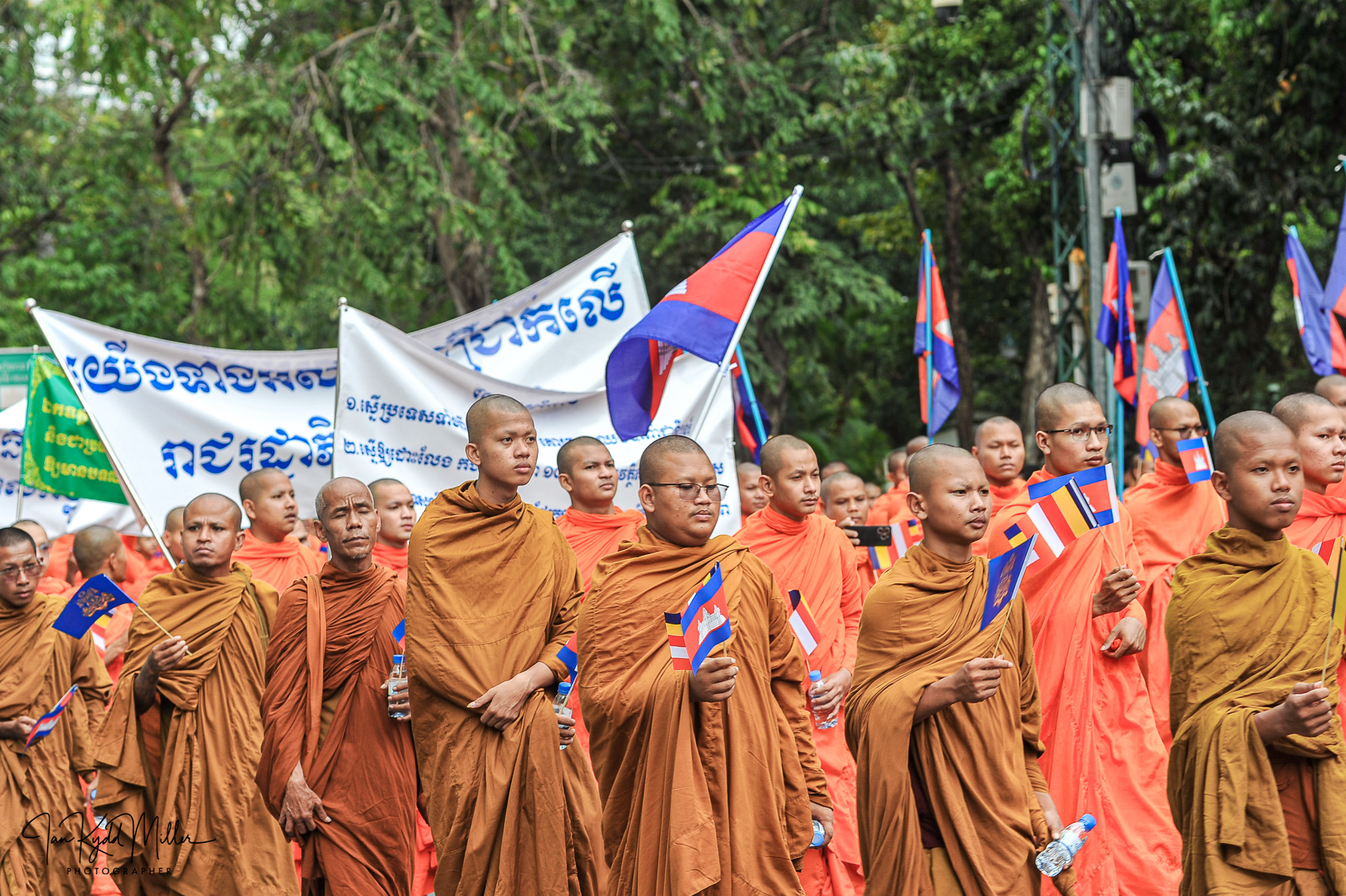
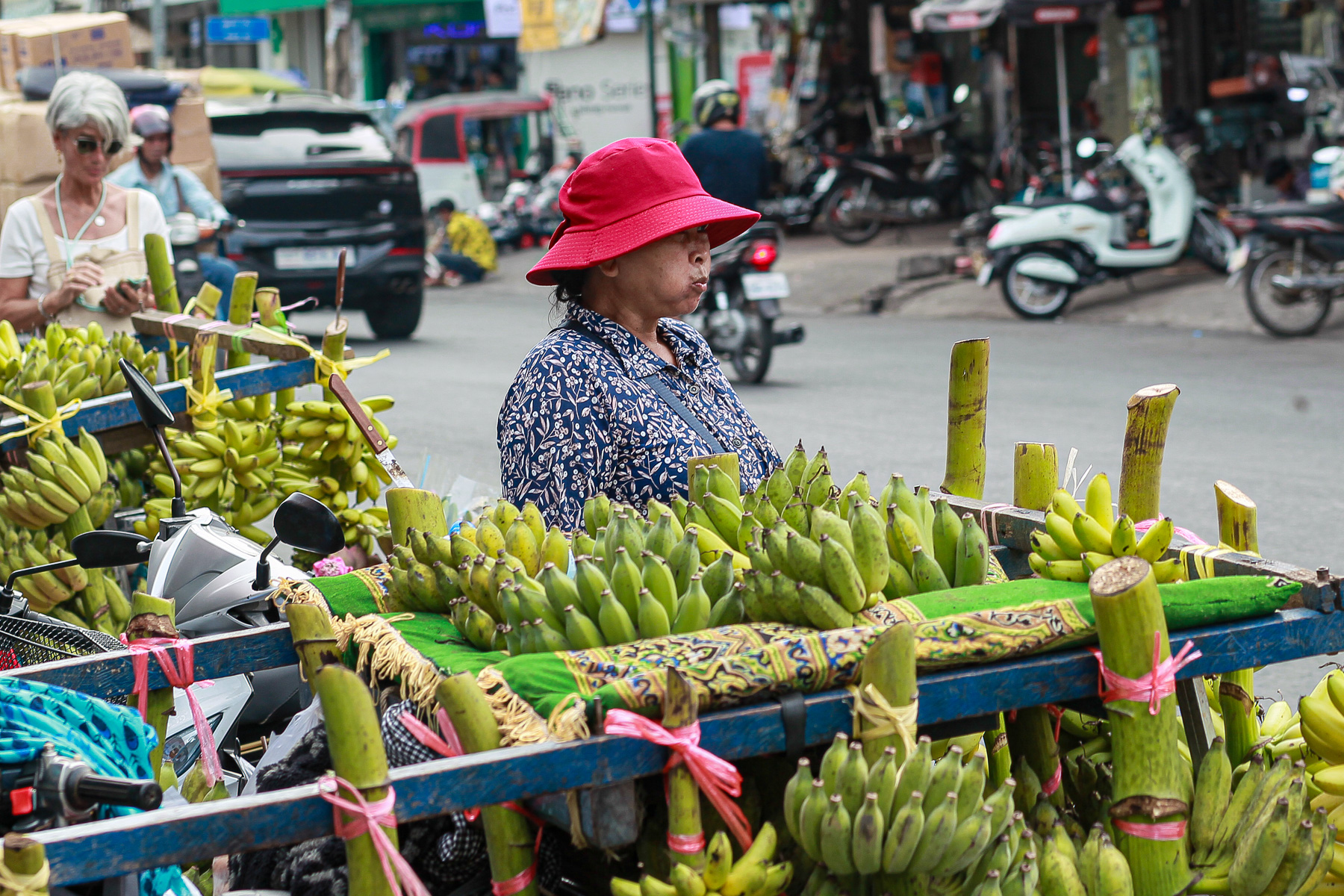
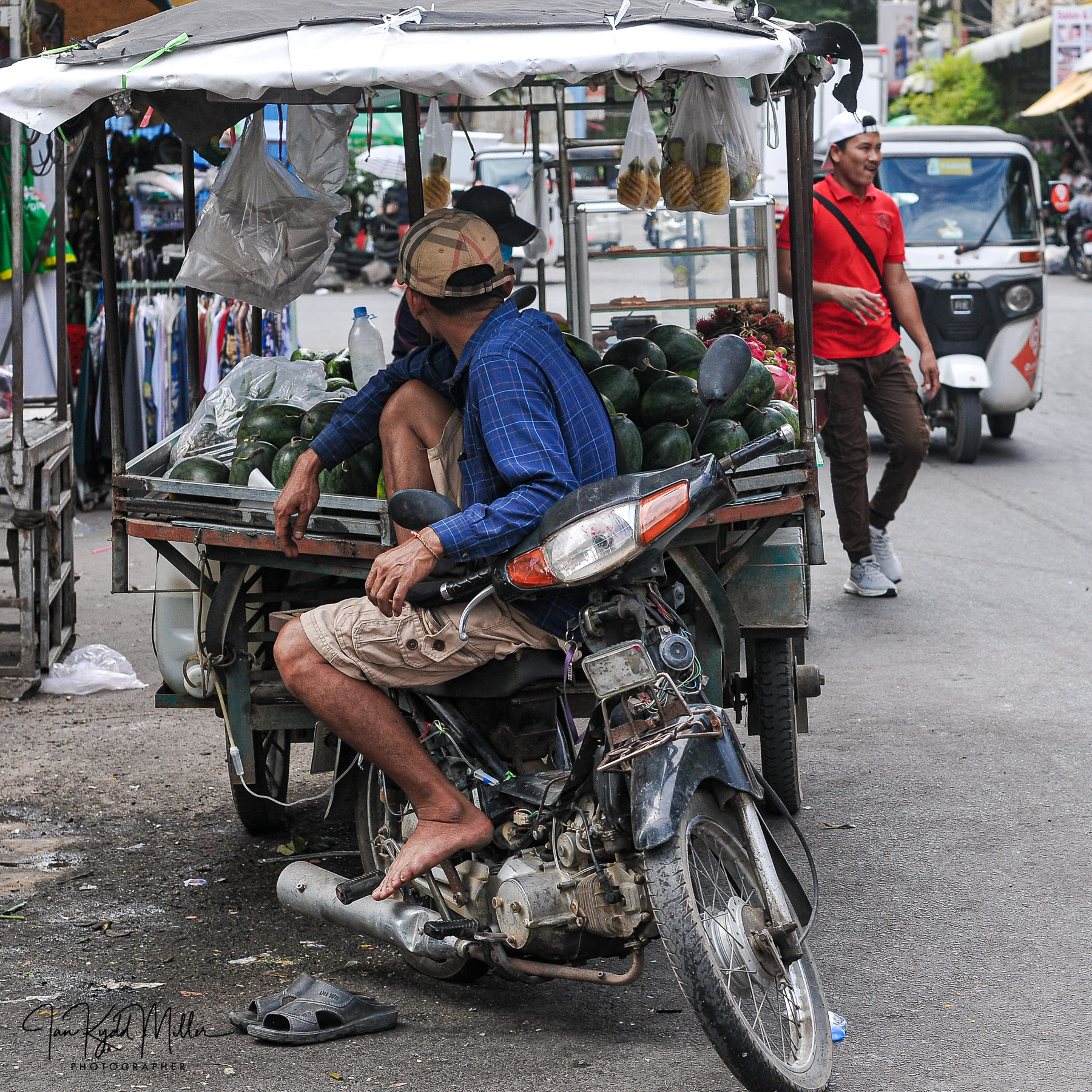
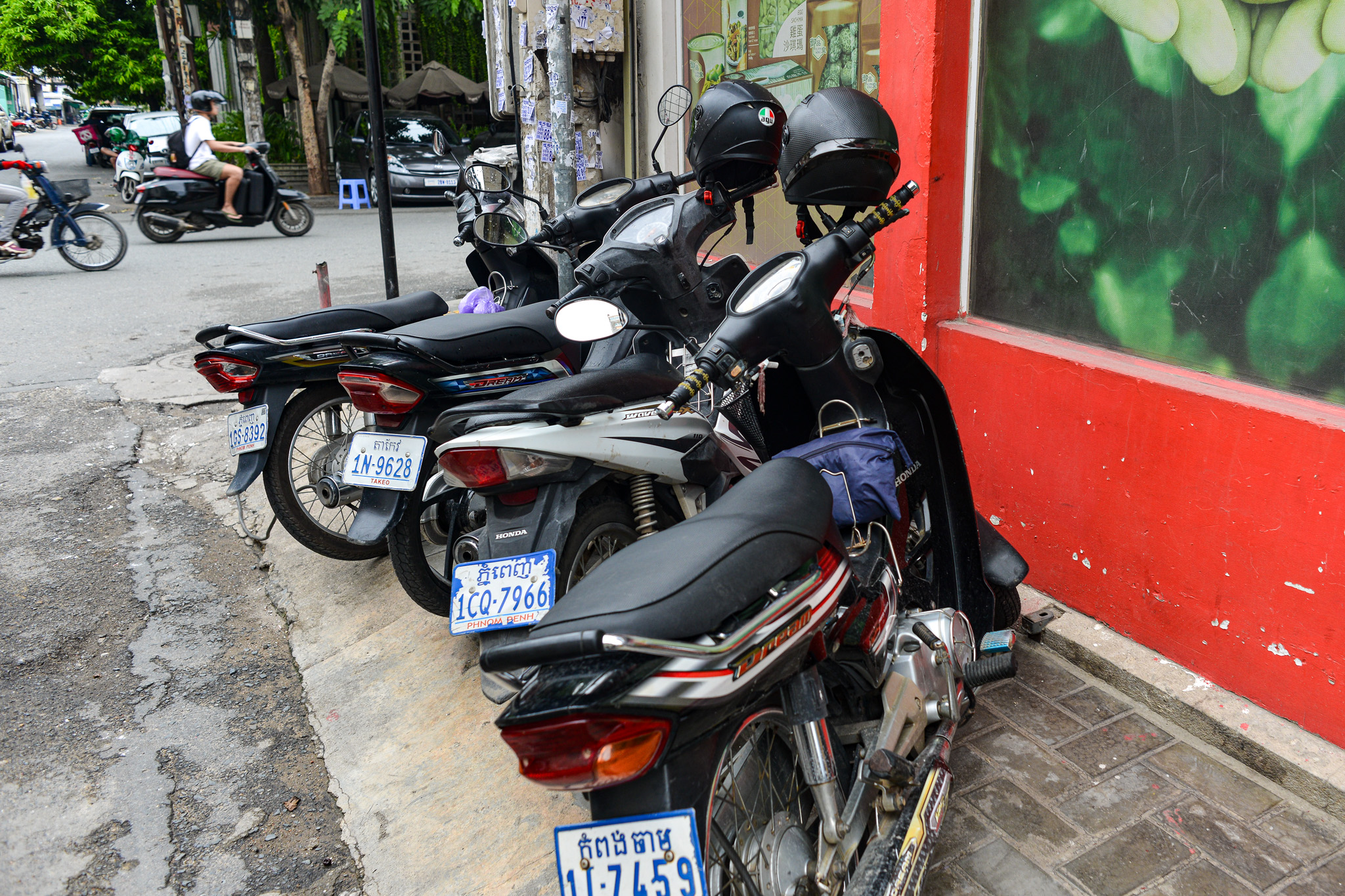
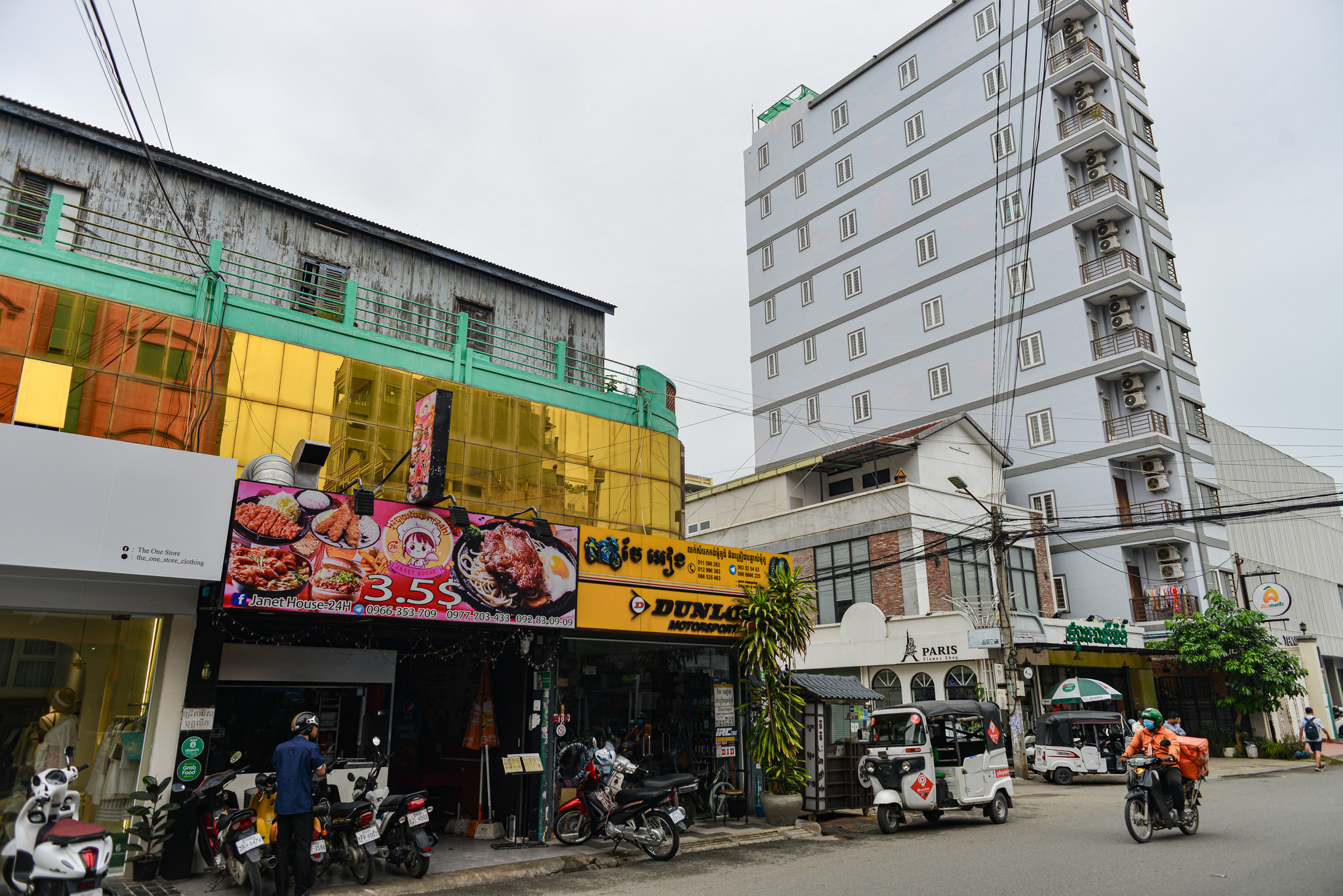
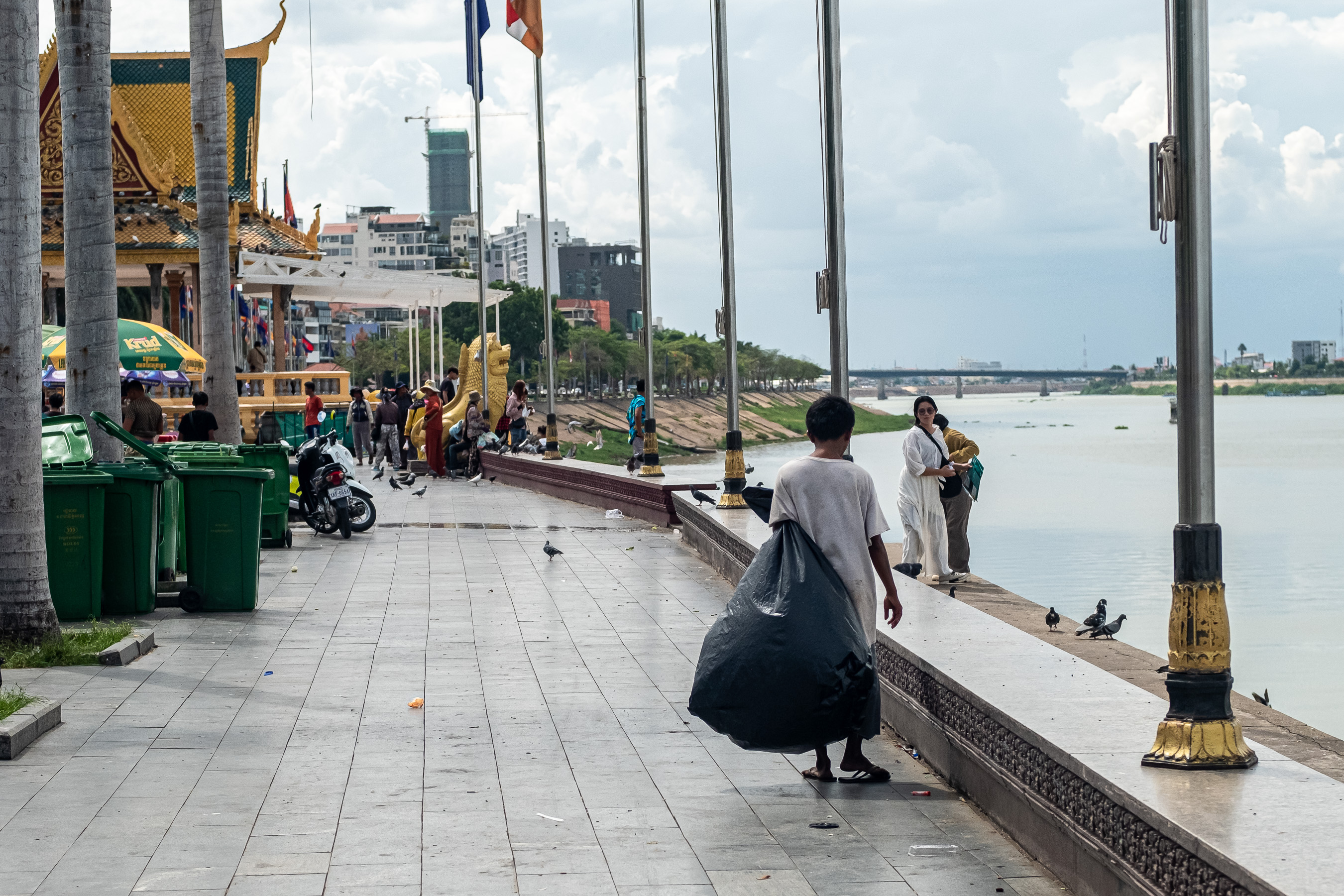
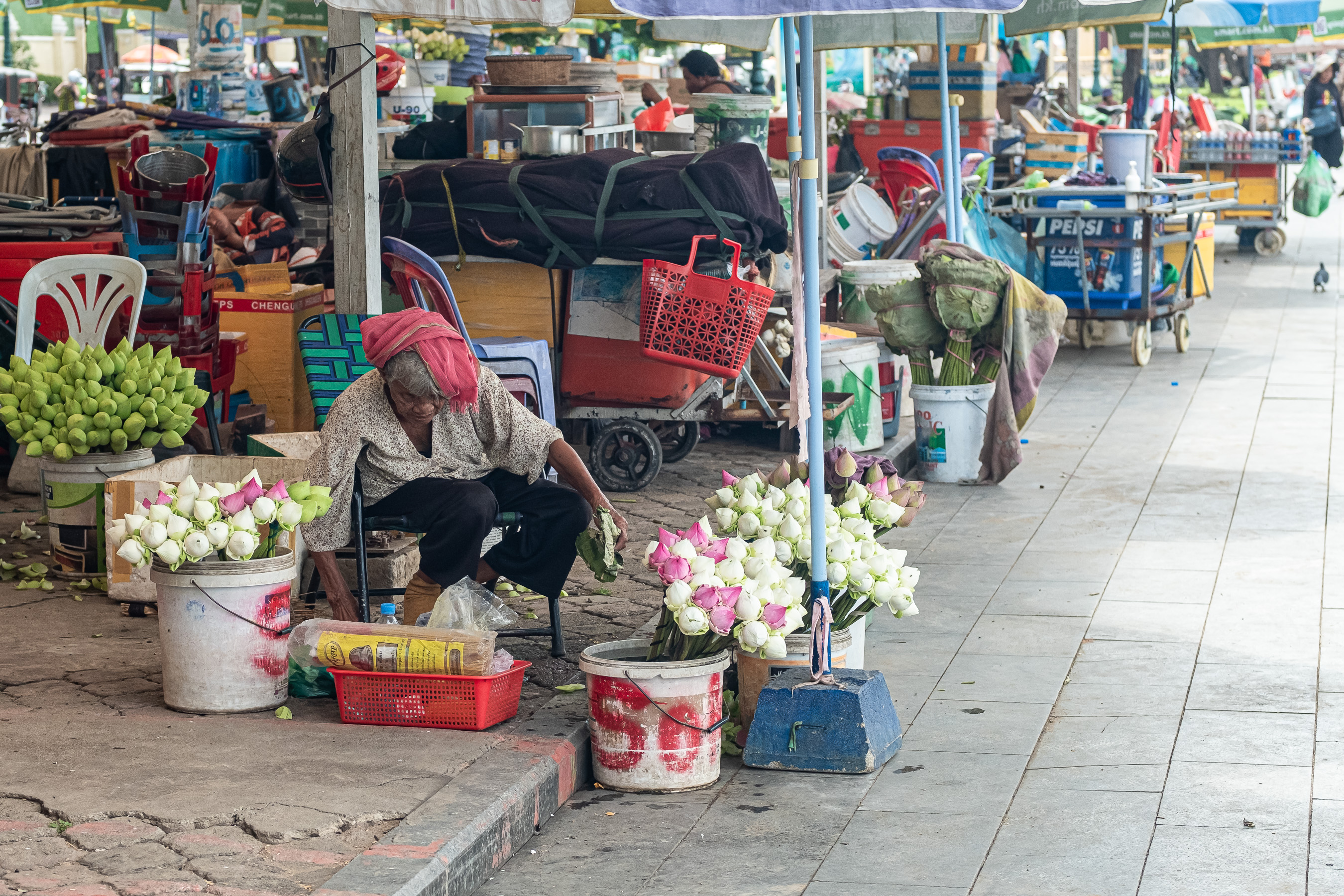
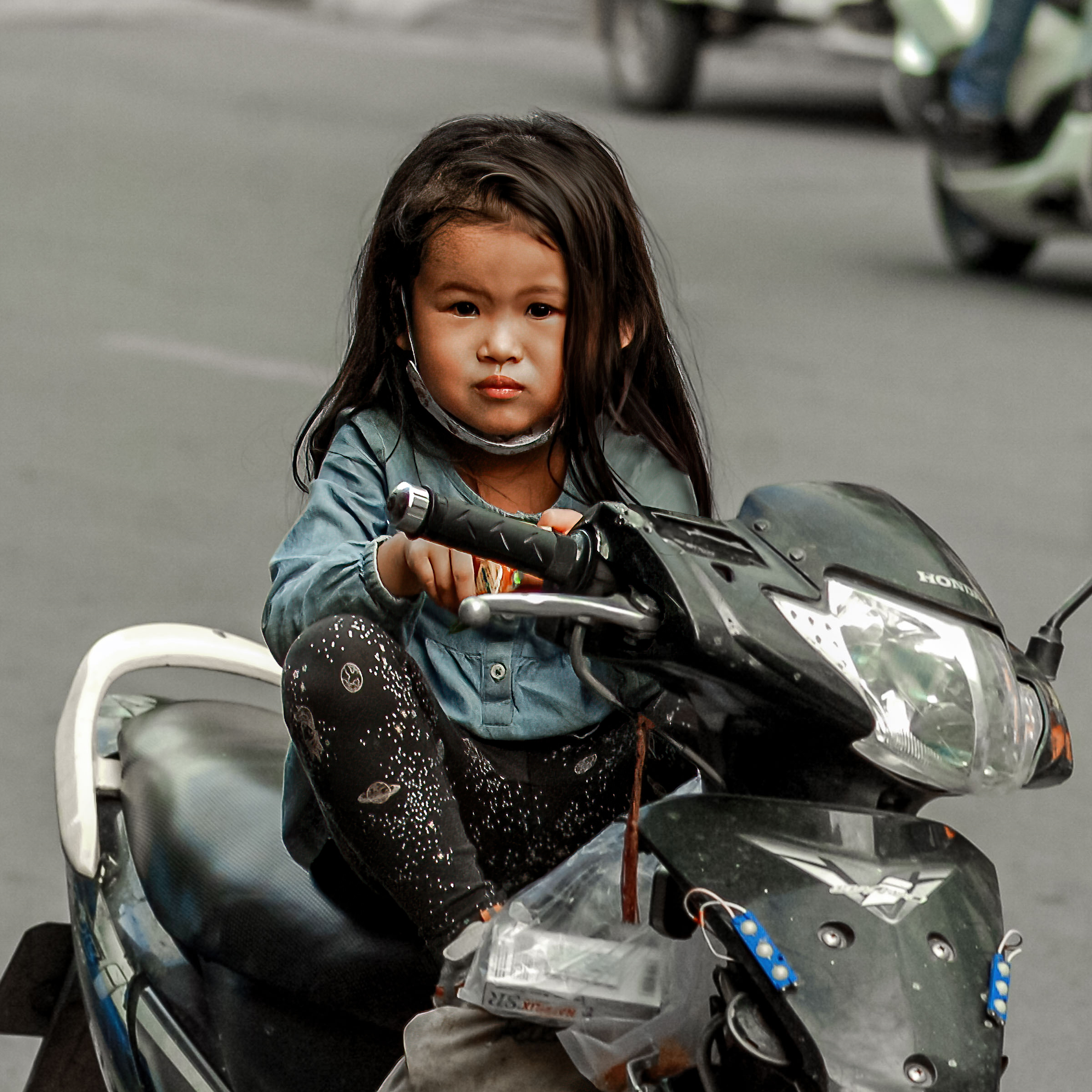
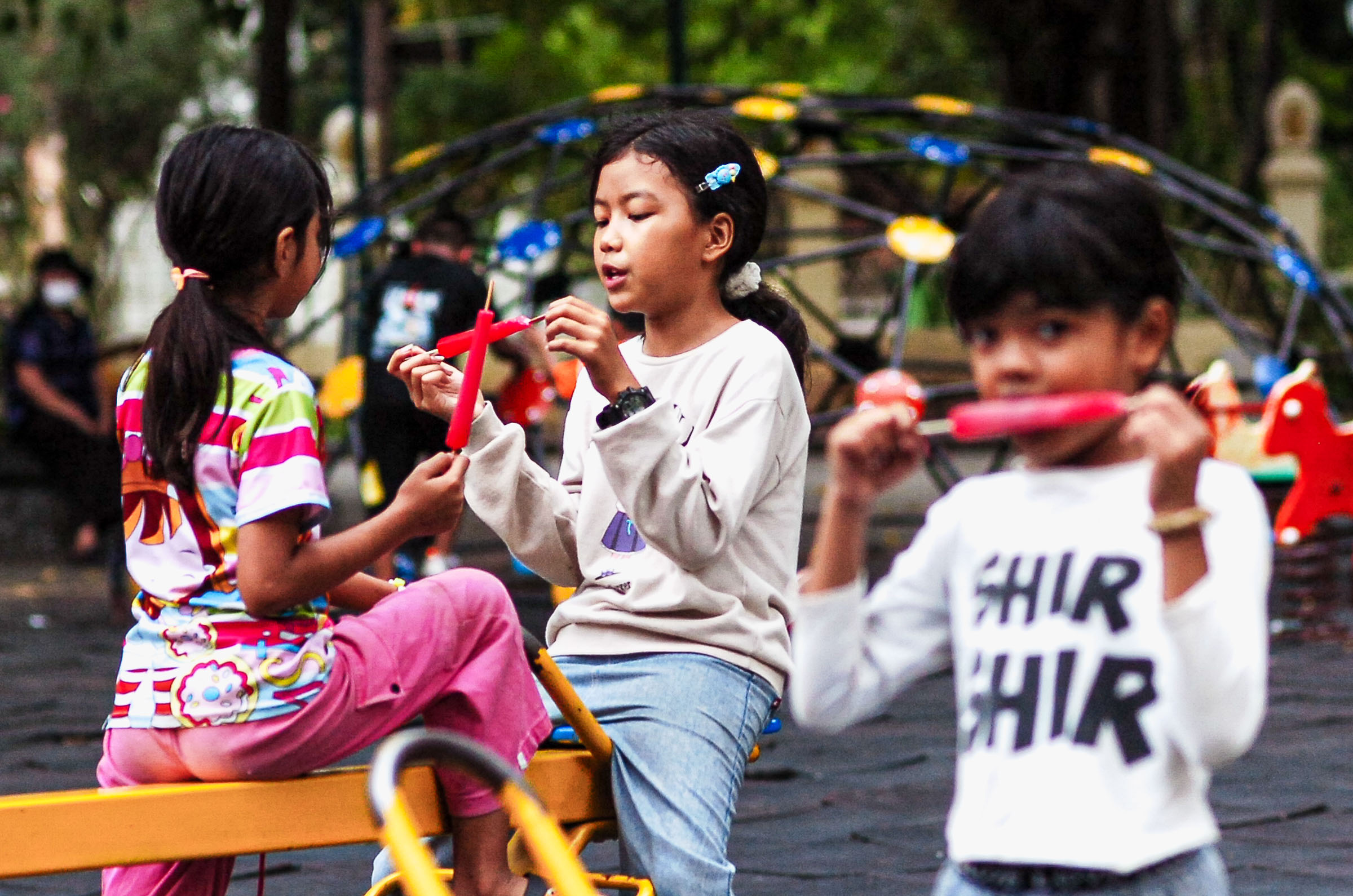
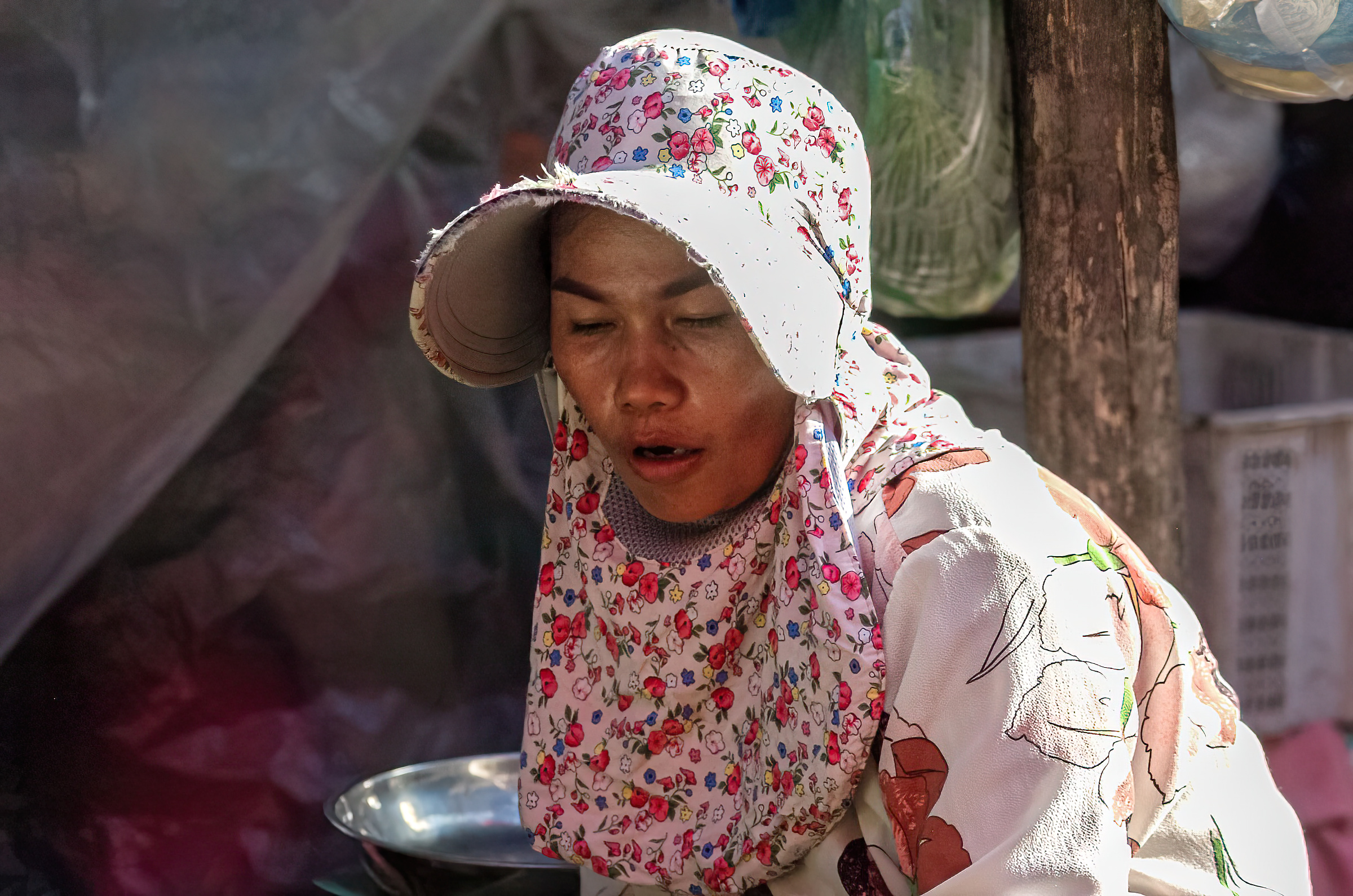
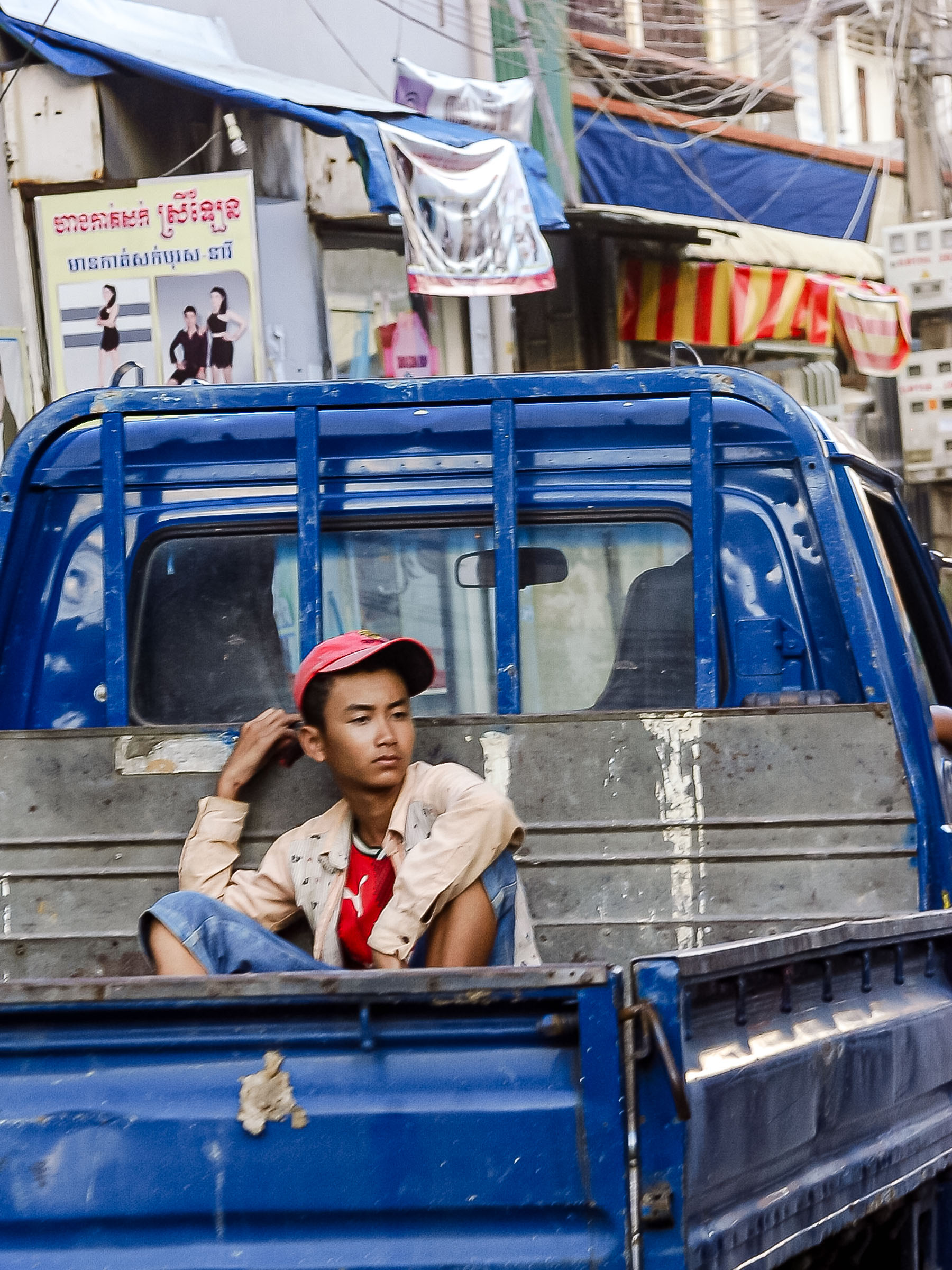
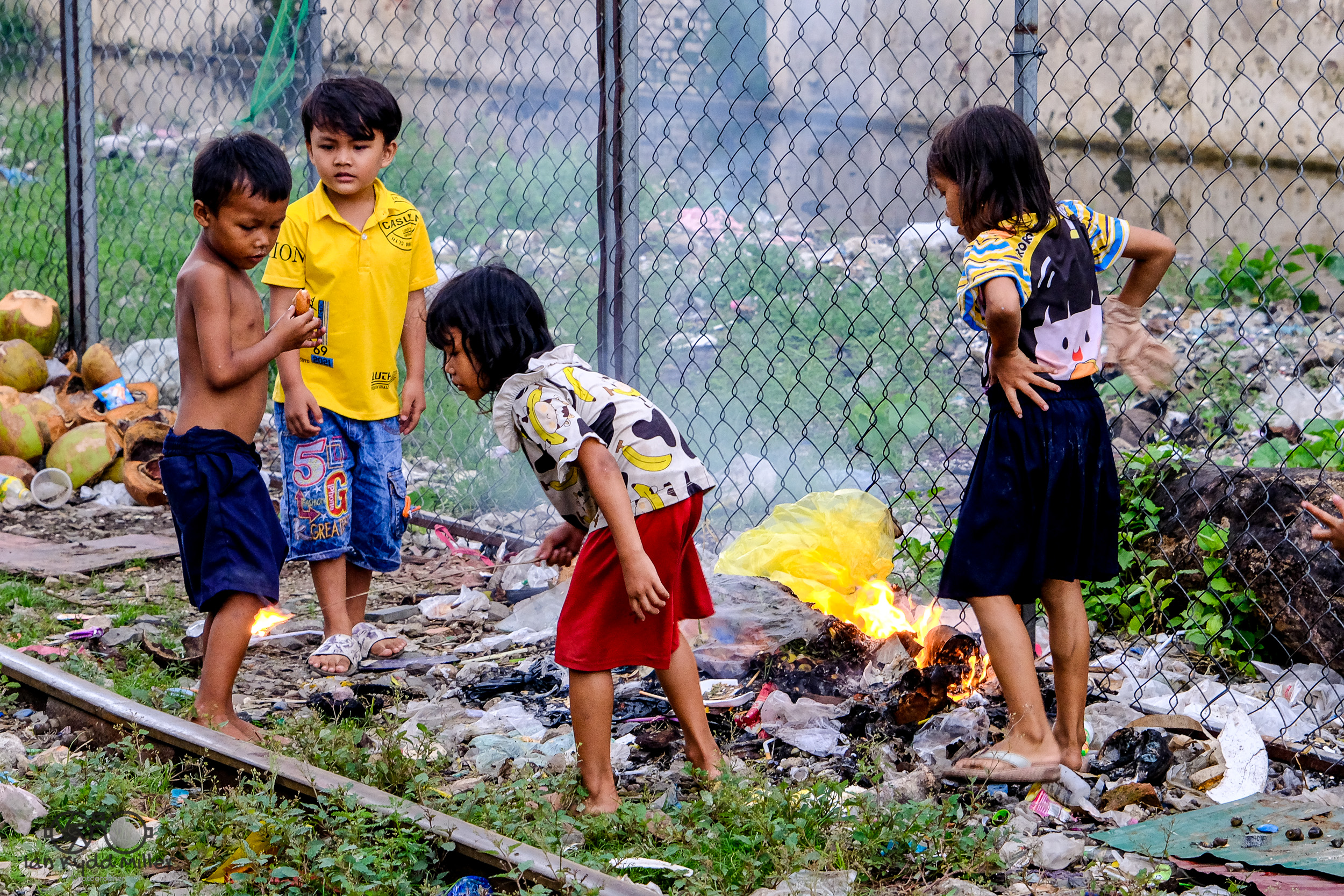
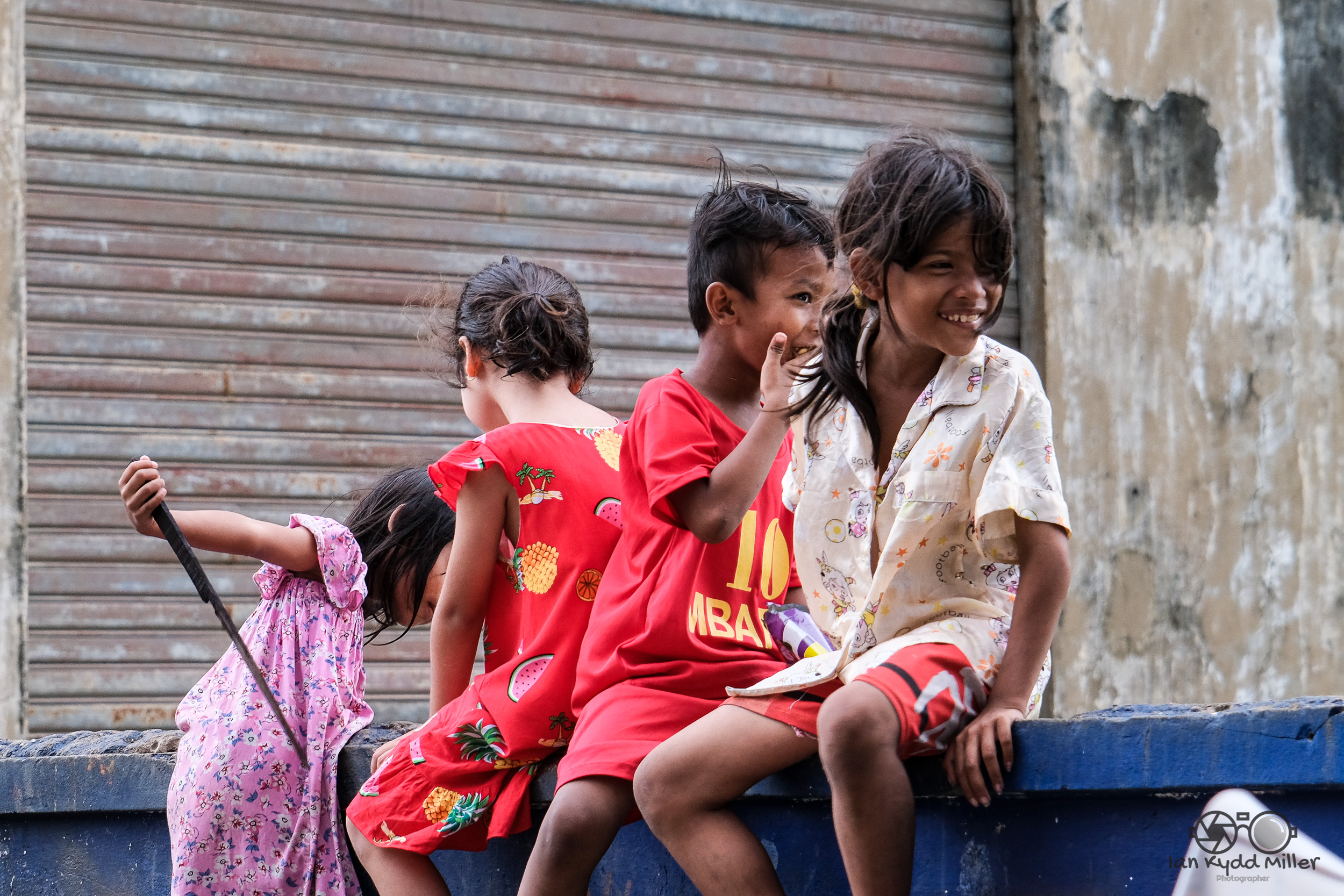
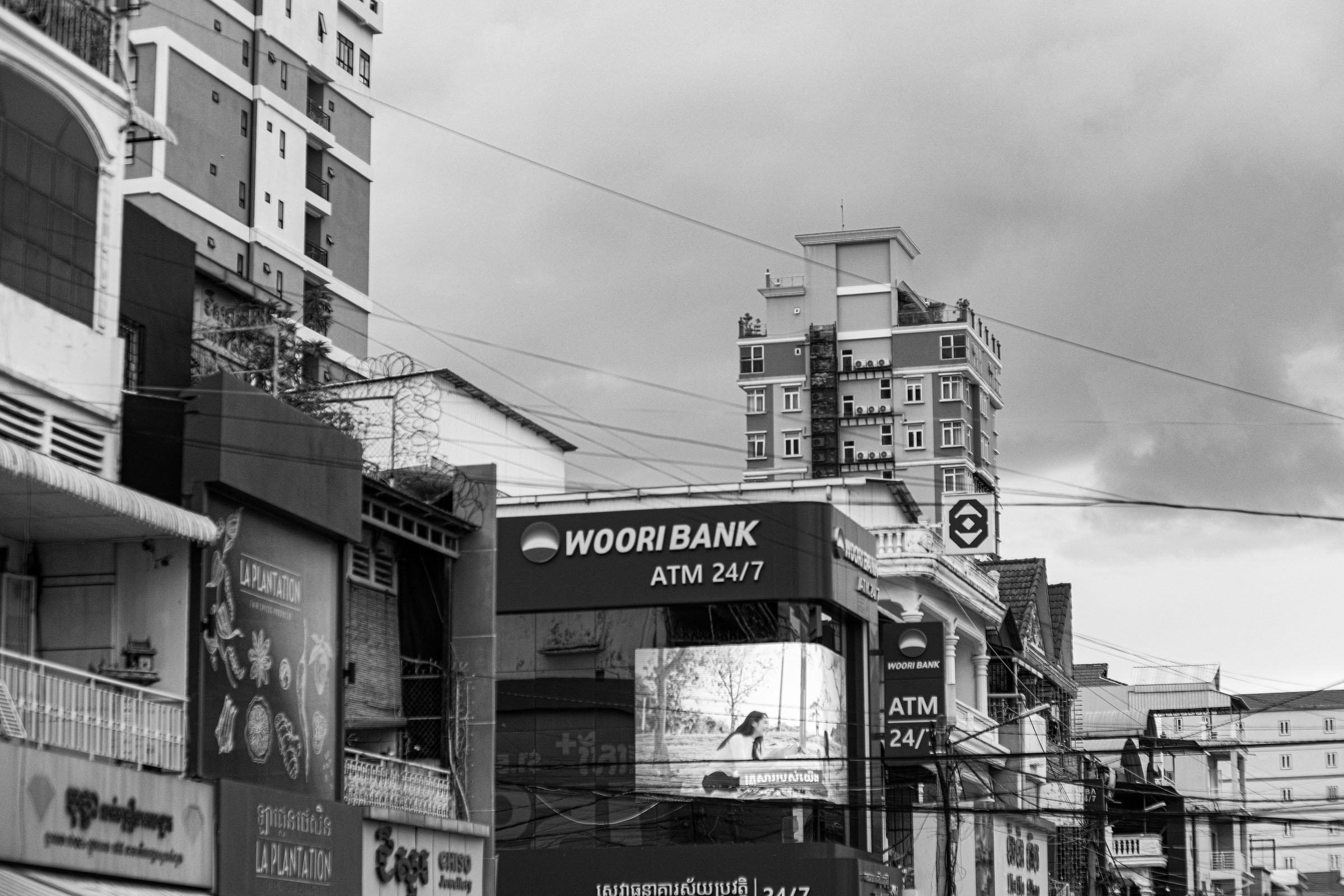
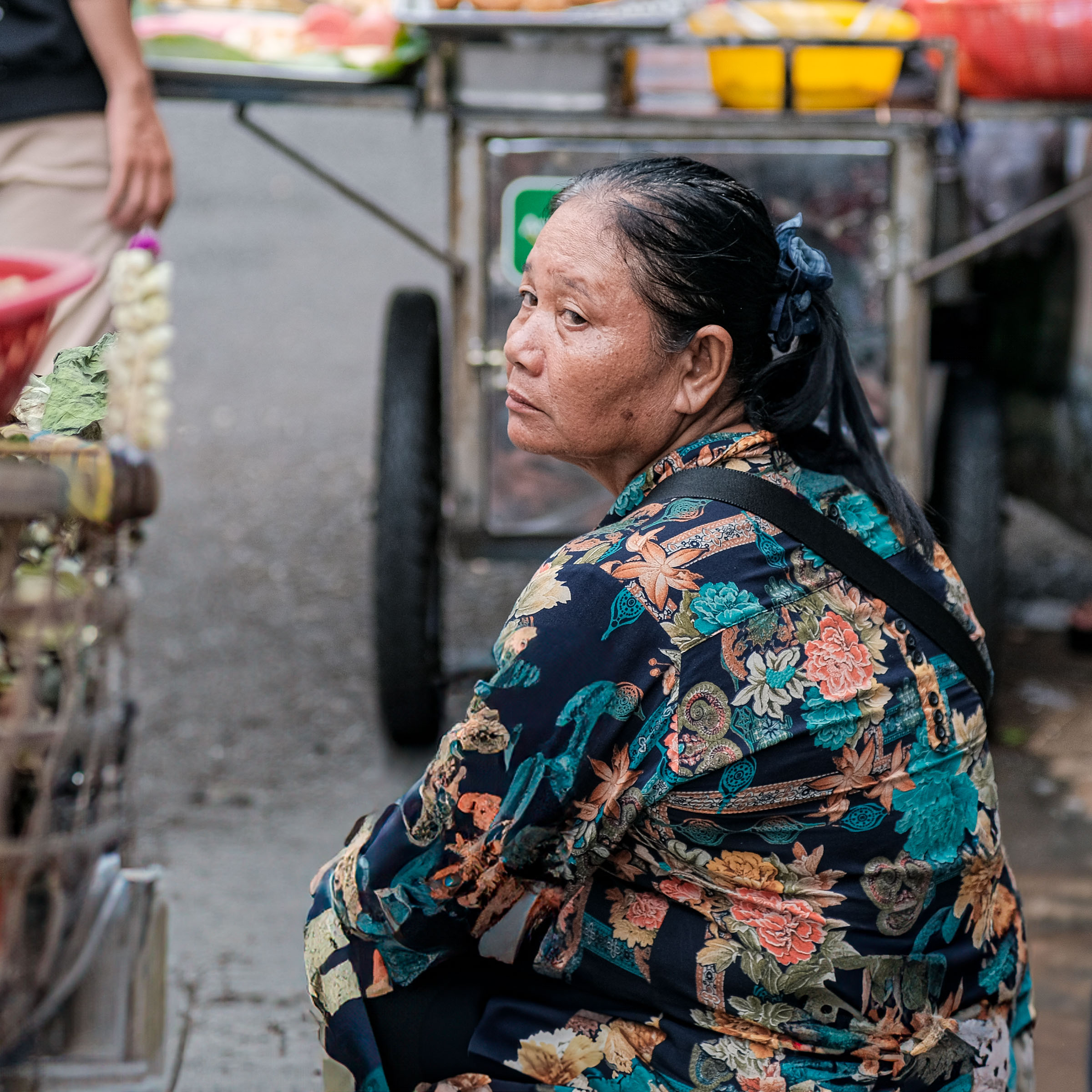
Street photography in Asia is an exhilarating and challenging endeavour that attracts photographers from all over the world. The continent’s diverse cultures, bustling metropolises, serene landscapes, and vibrant street life provide an endless array of subjects for photographers to capture. From the neon-lit streets of Tokyo to the historic alleys of Hanoi, every corner offers a new perspective, a unique story.
Understanding the Cultural Tapestry
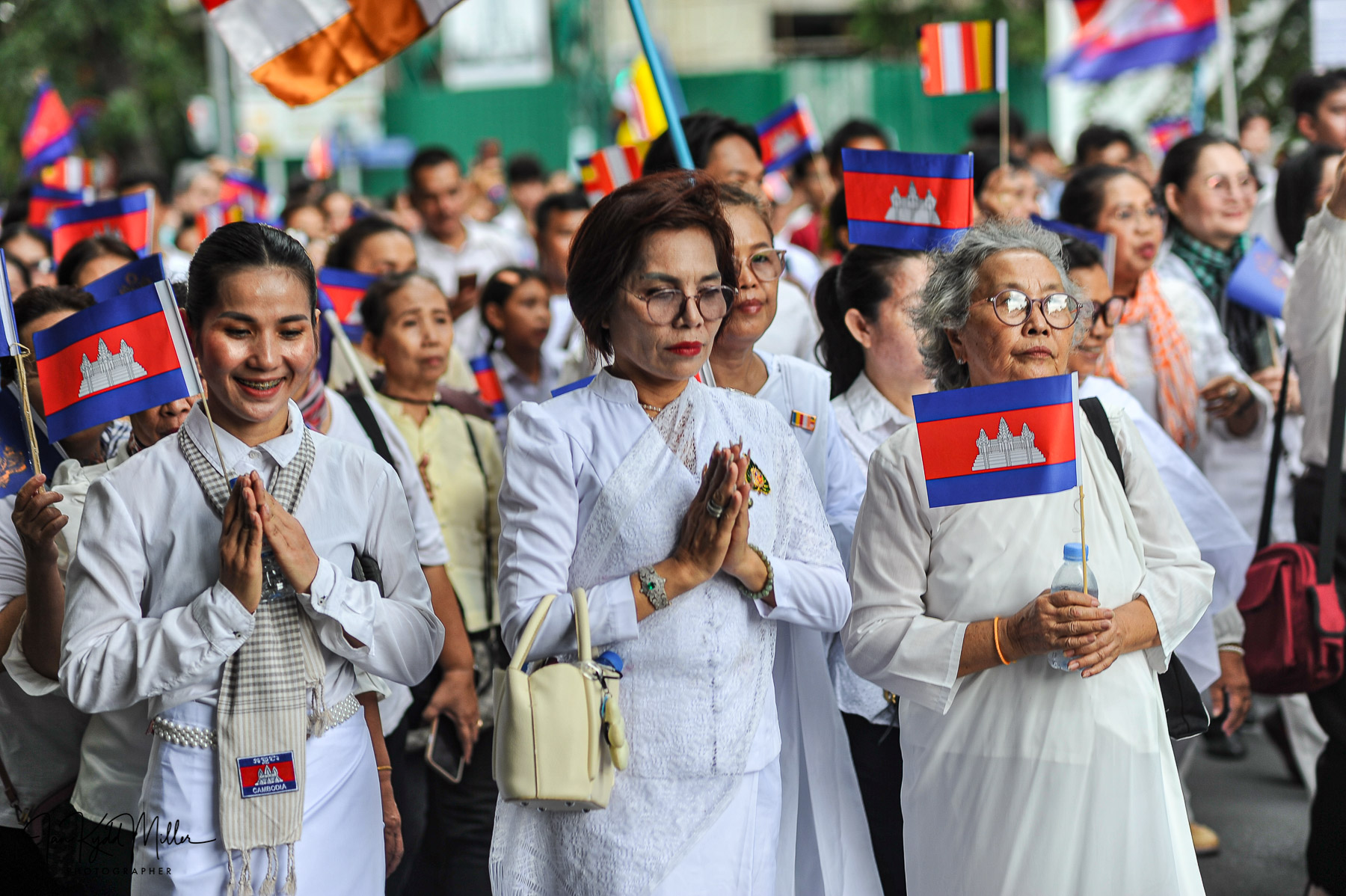
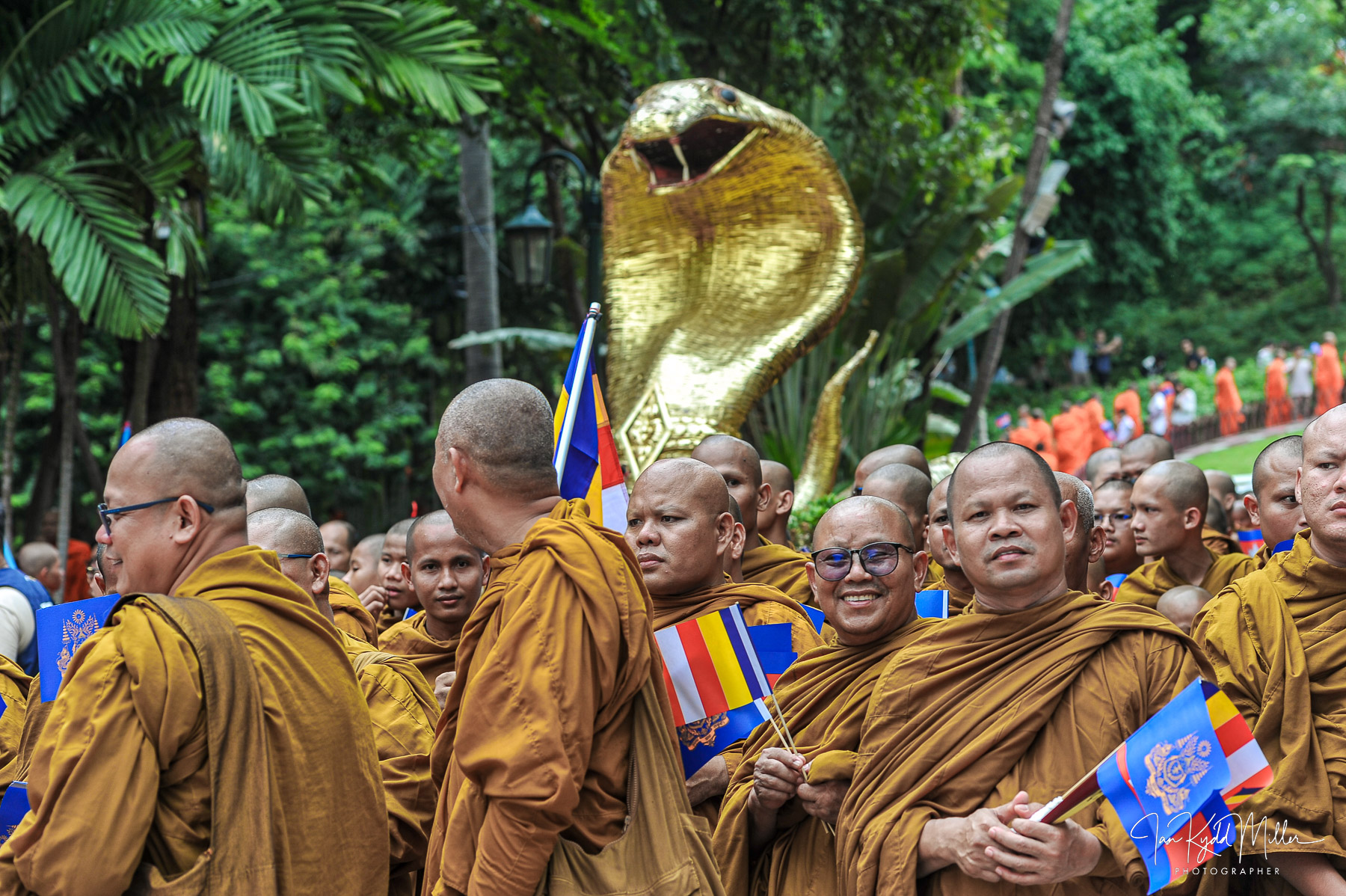
Asia is a tapestry of traditions, religions, and languages. This diversity is reflected in the daily life of its people, which is a central subject of street photography. Photographers must approach their craft with respect and sensitivity towards local customs and norms. Capturing images in Thailand, for instance, is not just about aesthetics but also about understanding and respecting the rich culture and traditions.
The Evolution of Street Photography in Asia
Street photography in Asia has evolved significantly over the years. In Thailand, for example, it has grown alongside urbanization and social change, with Bangkok becoming a dynamic focal point for this photographic style. The advent of digital photography and social media has also transformed the scene, making it more accessible and allowing a new generation of photographers to define a unique visual style that reflects Asian culture, urban narratives, and political undercurrents.
Technical Mastery Meets Artistic Vision
Mastering street photography in Asia involves a combination of technical prowess and artistic vision. It’s about being in the right place at the right time and having the patience to wait for that decisive moment. It’s also about choosing the right gear and settings to capture the scene as authentically as possible. Whether it’s the hustle of the markets or the tranquillity of a temple, photographers must be ready to capture the essence of the moment.
The Impact of Renowned Photographers
Photographers like Maciej Dakowicz have spent years documenting the streets of Asia, offering profound insights into the lives and environments they capture. Dakowicz’s work, which spans two decades, showcases his ability to seize unfiltered moments and discover profound meaning in simplicity.
A Visual Journey Through Asia’s Streets
For those interested in exploring street photography in Asia, there are countless resources available, from online galleries to books that delve into the experiences of seasoned photographers. These collections not only display the beauty of everyday life but also serve as inspiration for aspiring photographers looking to embark on their own visual journeys across Asia’s diverse landscapes.
In Conclusion
Street photography in Asia is more than just a genre; it’s a way to connect with humanity and the world around us. It requires an open heart, a keen eye, and a deep appreciation for the fleeting moments that make up our lives. For anyone ready to take on the challenge, the streets of Asia await, ready to reveal their stories to those willing to look.
References: : Capturing Life: A Guide to Thai Street Photography – Better Living Asia : Where The Sun Rises: 20 Years of Street Photography in Asia by Maciej Dakowicz – Eyeshot
In the realm of visual arts, the decision to work in black and white versus colour is one that carries significant creative weight. The absence of colour can be a powerful tool, stripping away the distractions of vibrant hues and allowing the viewer to focus on the subject’s form, texture, and subtleties of light and shadow. This choice can transform the perception of an image, imbuing it with a timeless quality that transcends the ephemeral nature of colour trends.
The Advantages of Black and White
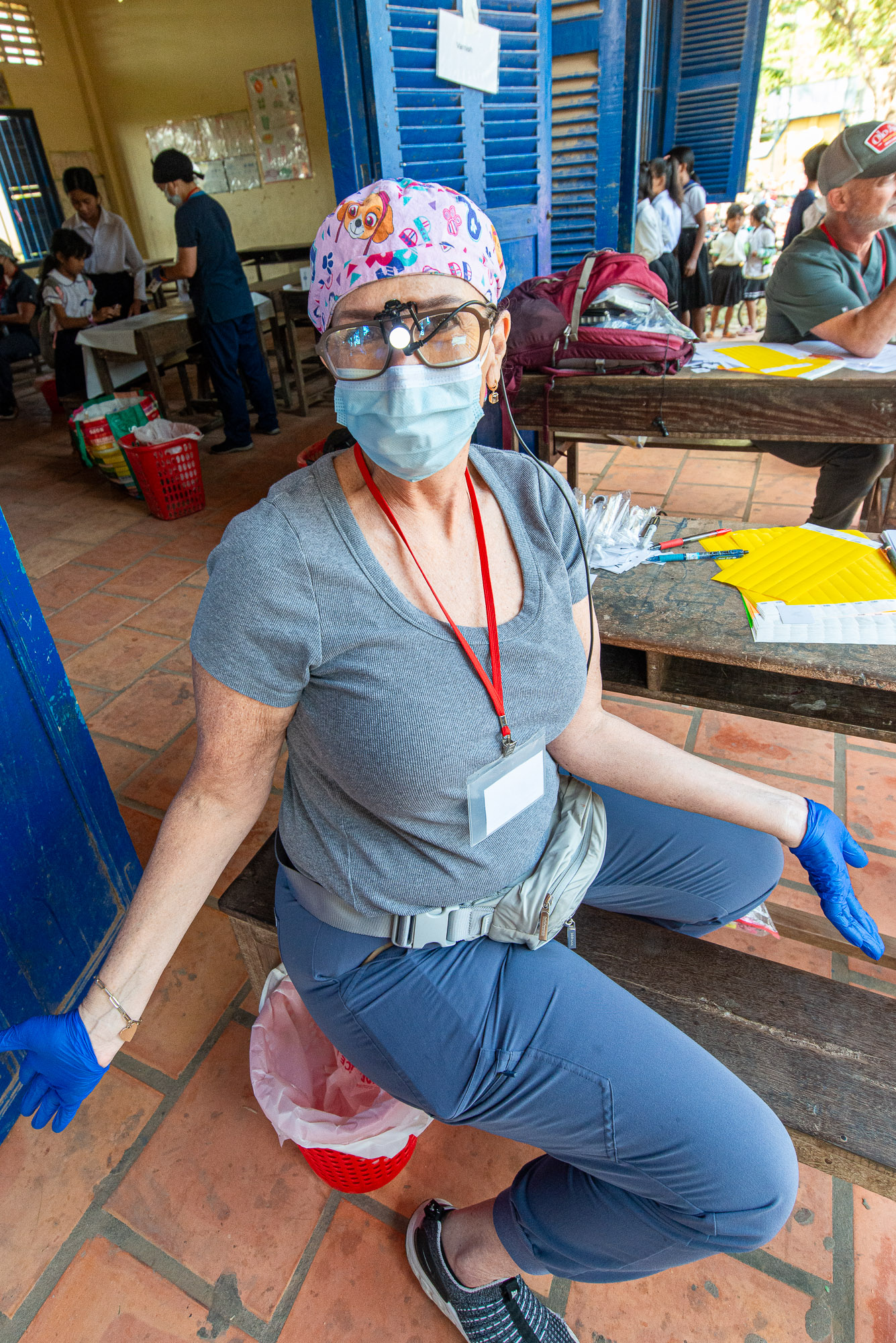
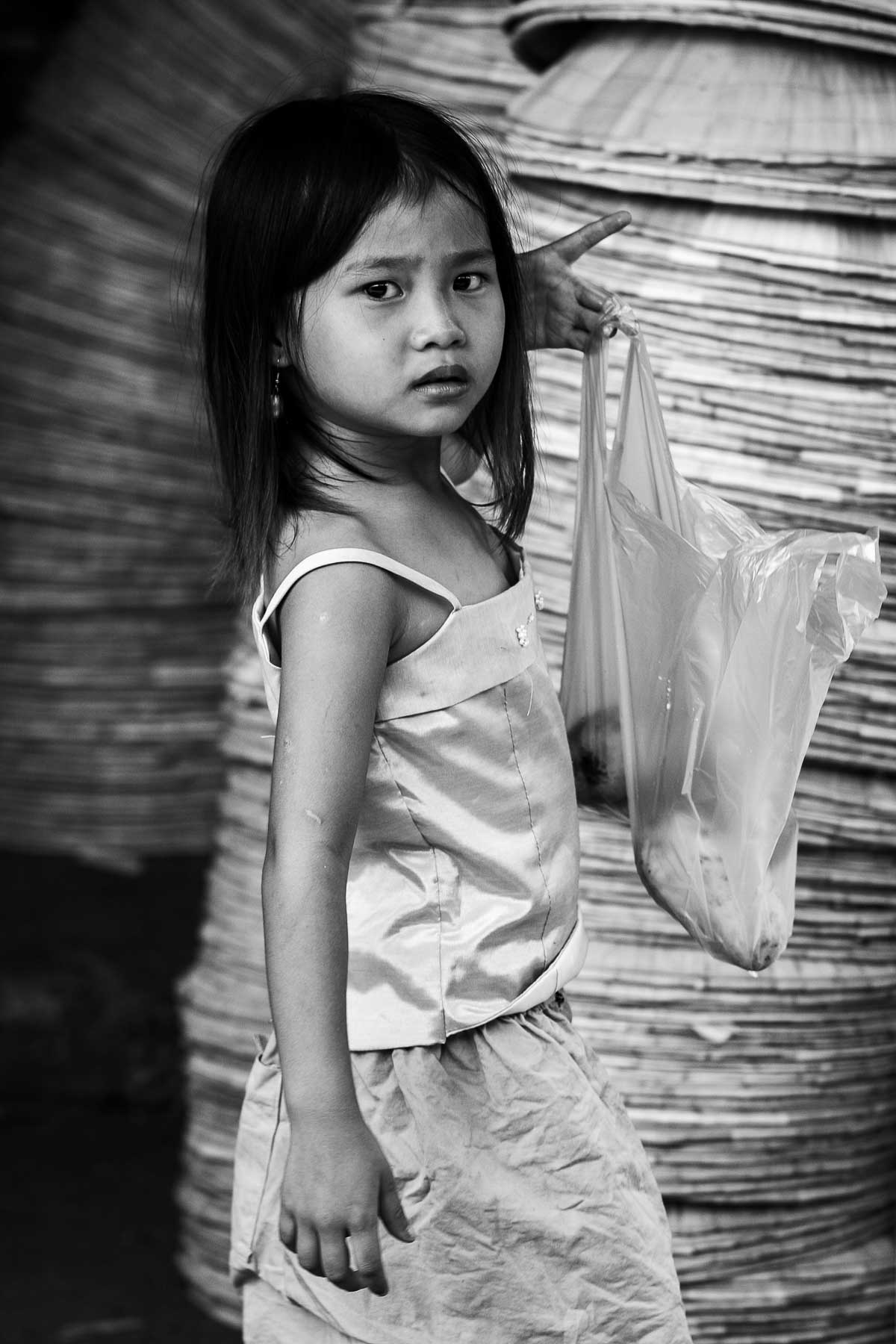
Character Capture: Black and white photography is renowned for its ability to capture the essence of a subject’s character or soul. The lack of colour forces the observer to engage with the subject on a deeper level, often revealing a more emotional and candid portrayal.
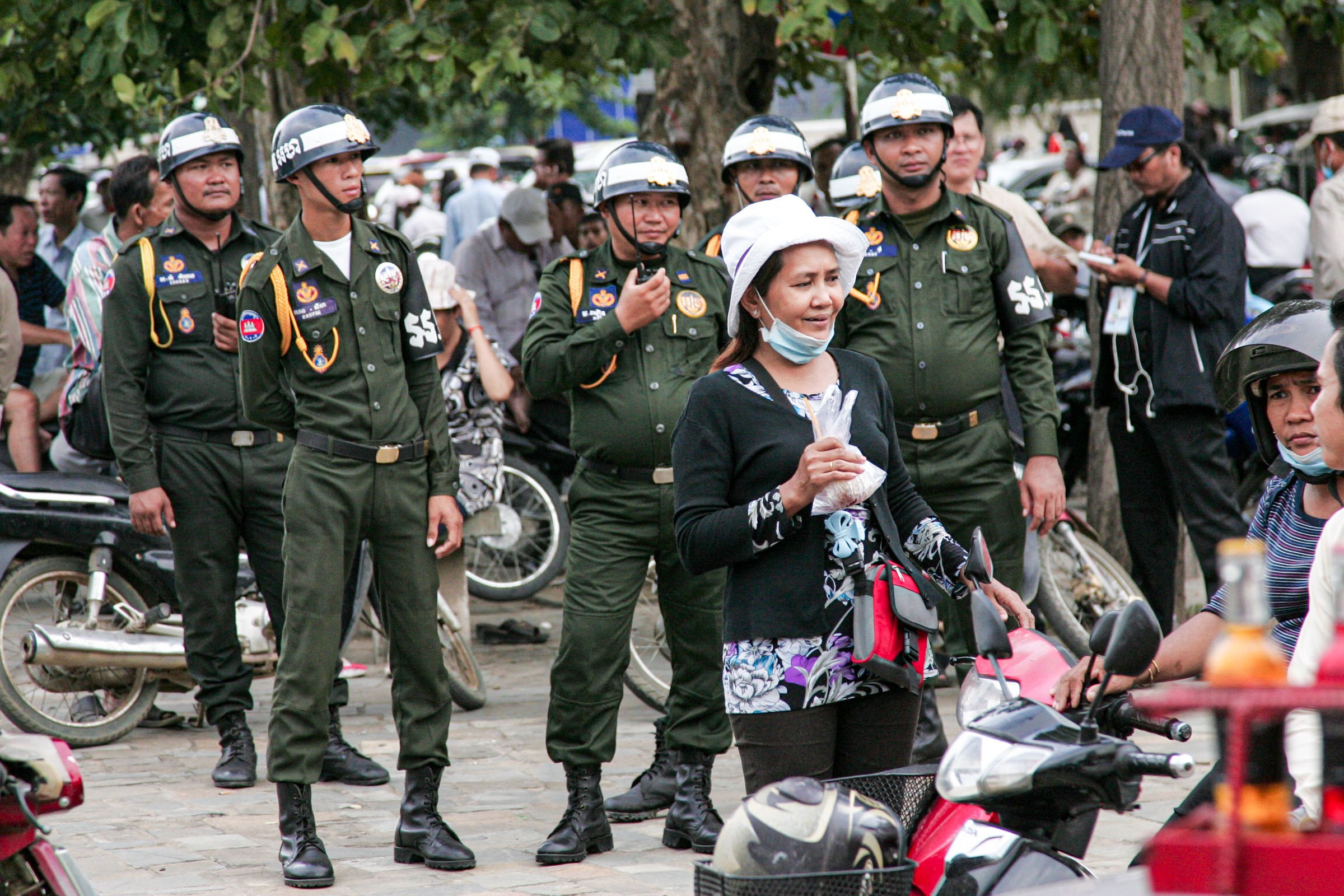
Simplification of Composition: By removing colour, photographers and artists can create compositions that are clean and focused. Colour can sometimes act as a distraction, drawing the eye away from the intended subject. Black and white imagery eliminates these distractions, directing attention precisely where the artist intends.
Atmospheric Evocation: Black and white images can evoke a strong sense of atmosphere, often more so than their colour counterparts. They can convey a sense of drama and mood that resonates with the viewer on an instinctual level.

The Disadvantages of Black and White
Despite its advantages, black and white also come with limitations. The absence of colour can sometimes strip away the context necessary for a full understanding of the image. In scenarios where colour plays a critical role in the narrative or emotional impact of a pieceโsuch as in landscape or fashion photographyโthe use of black and white may not be appropriate.
Choosing Between Black and White and Colour
The decision to work in black and white should not be taken lightly. It requires a thoughtful consideration of the subject matter, the intended message, and the emotional response the artist seeks to evoke. If the subject’s texture, lighting, and contrast are central to the composition, black and white might enhance these elements. Conversely, if the vibrancy and interplay of colours are essential, then colour photography would be the preferred medium.
In the digital age, the choice between black and white and colour has become more flexible. Photographers can shoot in color and later convert to black and white, giving them the opportunity to explore both mediums with a single image. However, many purists argue that this after-the-fact decision-making can dilute the intentional focus that comes with committing to one medium from the outset.
Conclusion
Black and white imagery is not merely a relic of the past but a continuing tradition that offers a unique perspective in the visual arts. It encourages viewers to see the world through a different lens, one that emphasizes the foundational elements of composition over the seduction of color. Whether it is a good thing to work in black and white ultimately depends on the artist’s vision and the story they wish to tell. In the hands of a skilled creator, black and white can be a powerful choice that resonates with clarity and depth.
For those interested in exploring this topic further, a wealth of resources and discussions can be found online, offering insights into the strategic use of black and white in various artistic disciplines.
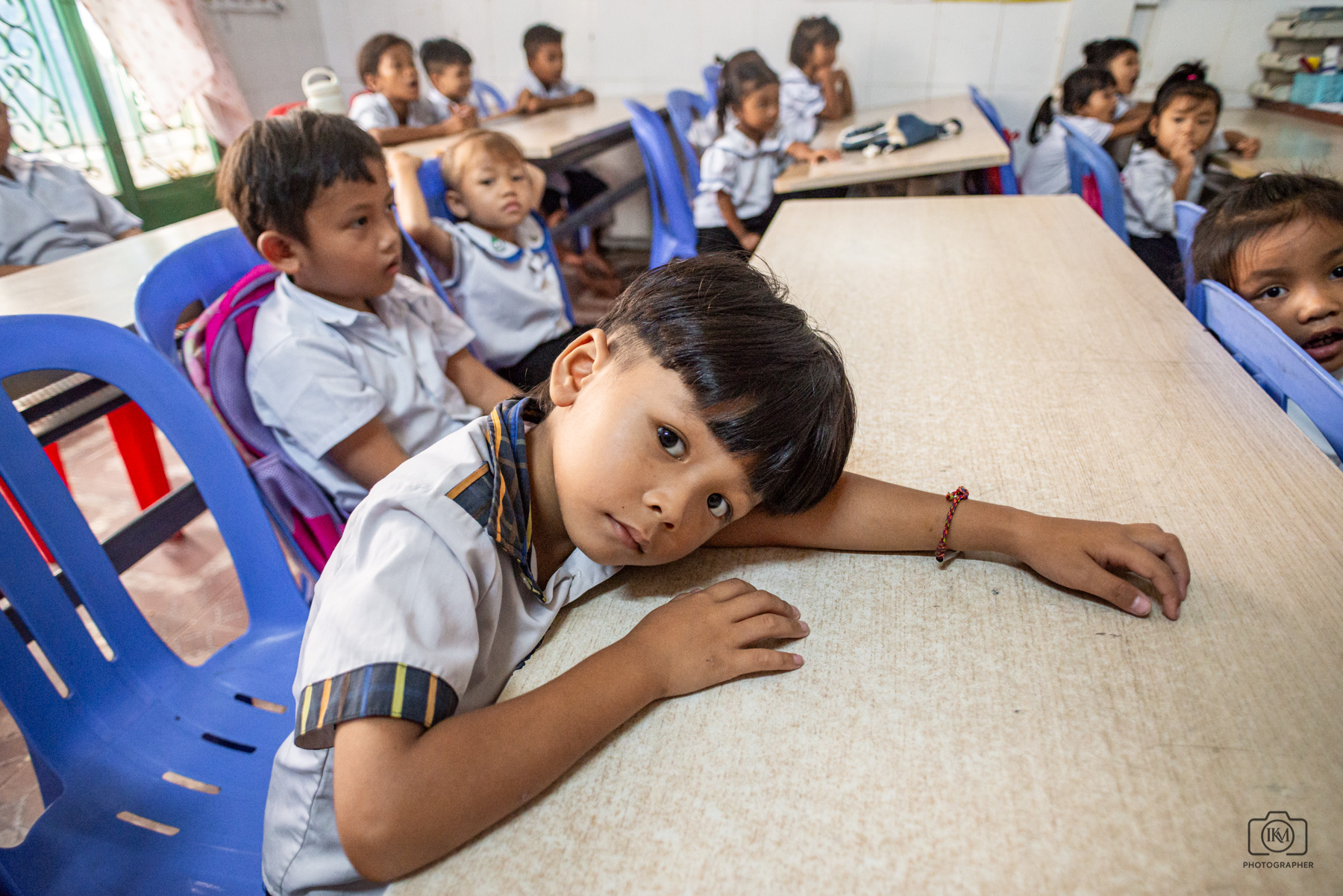
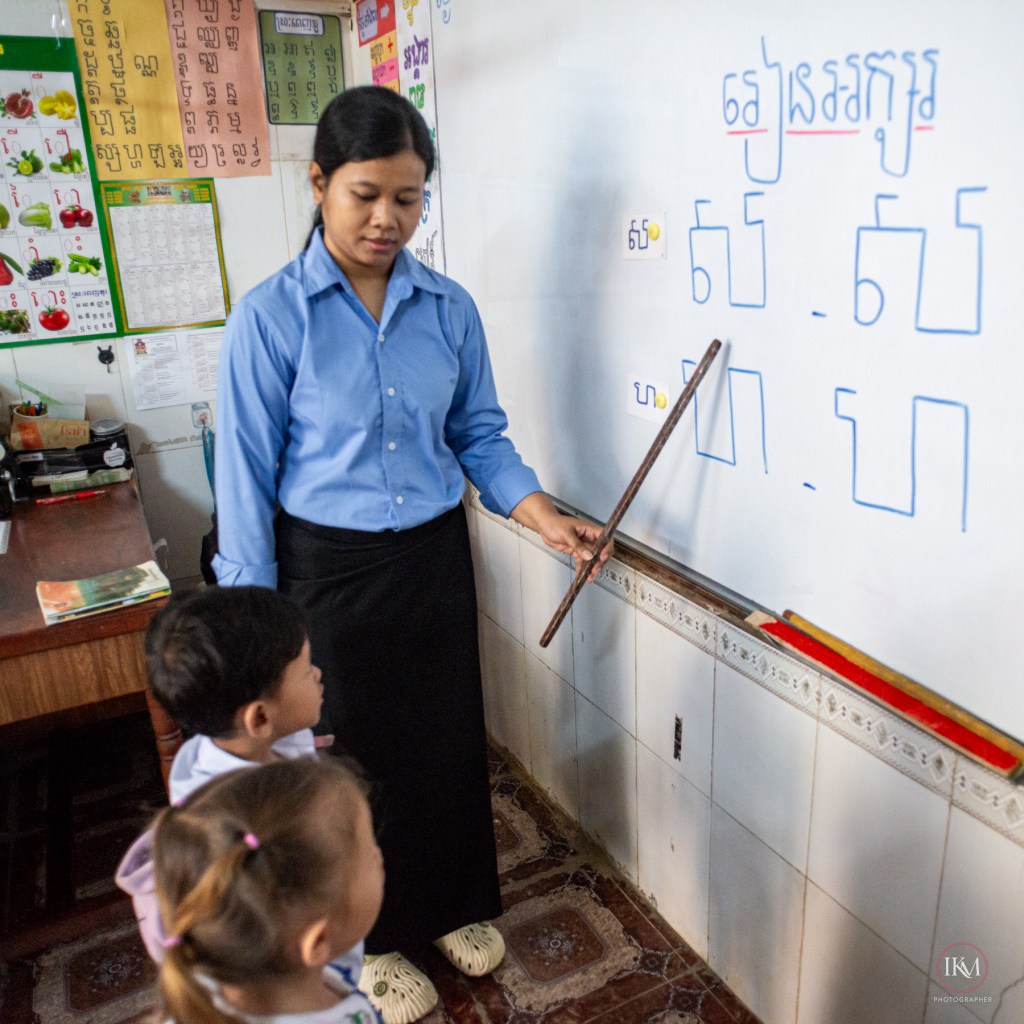
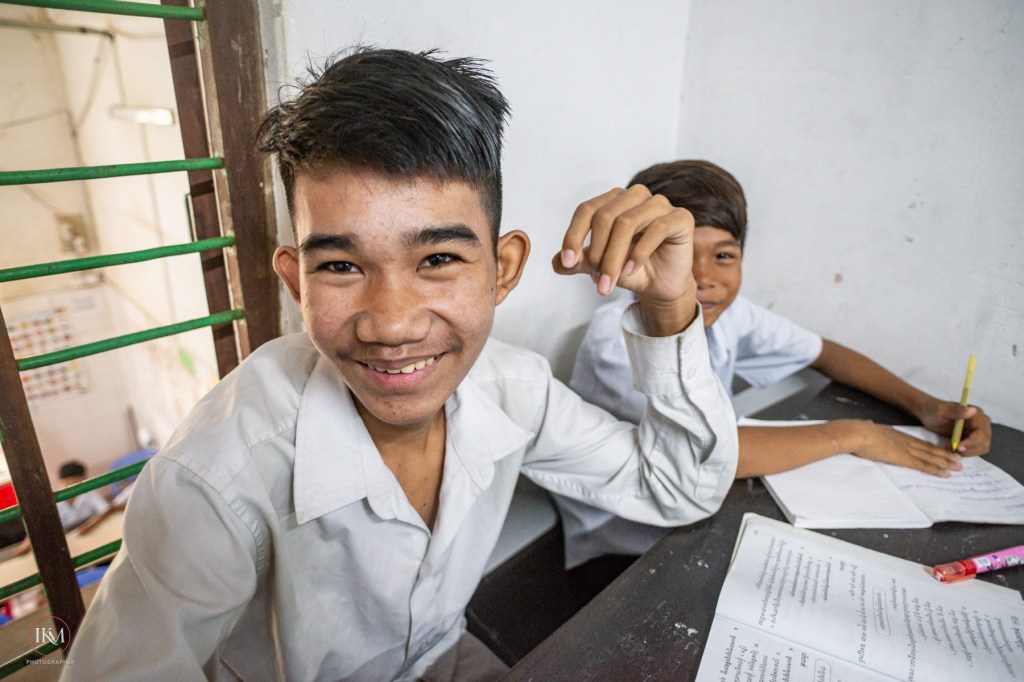
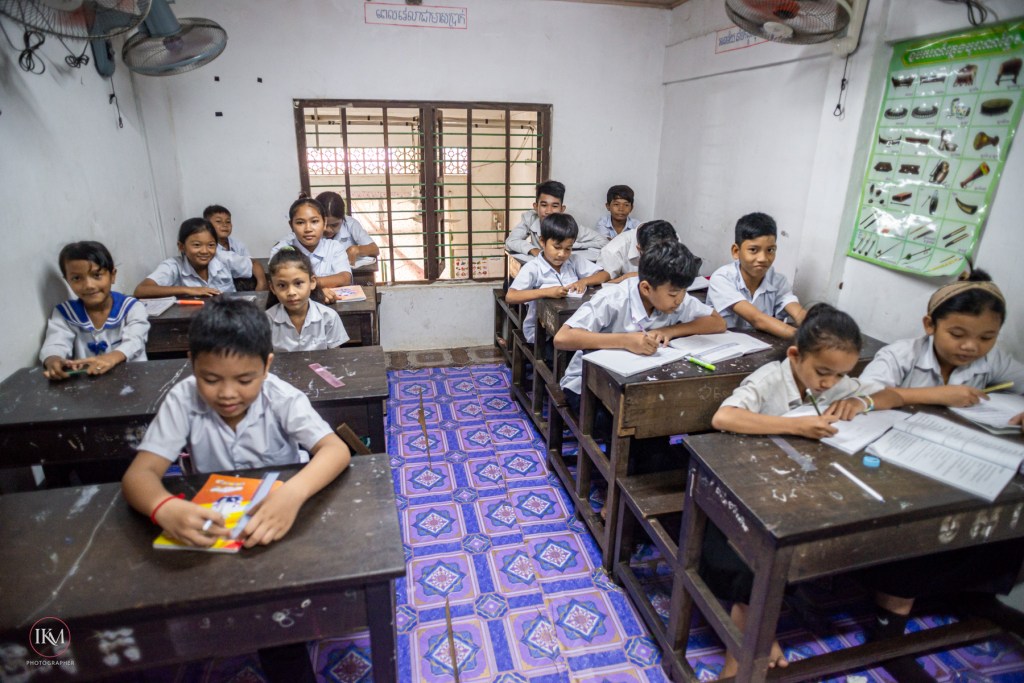
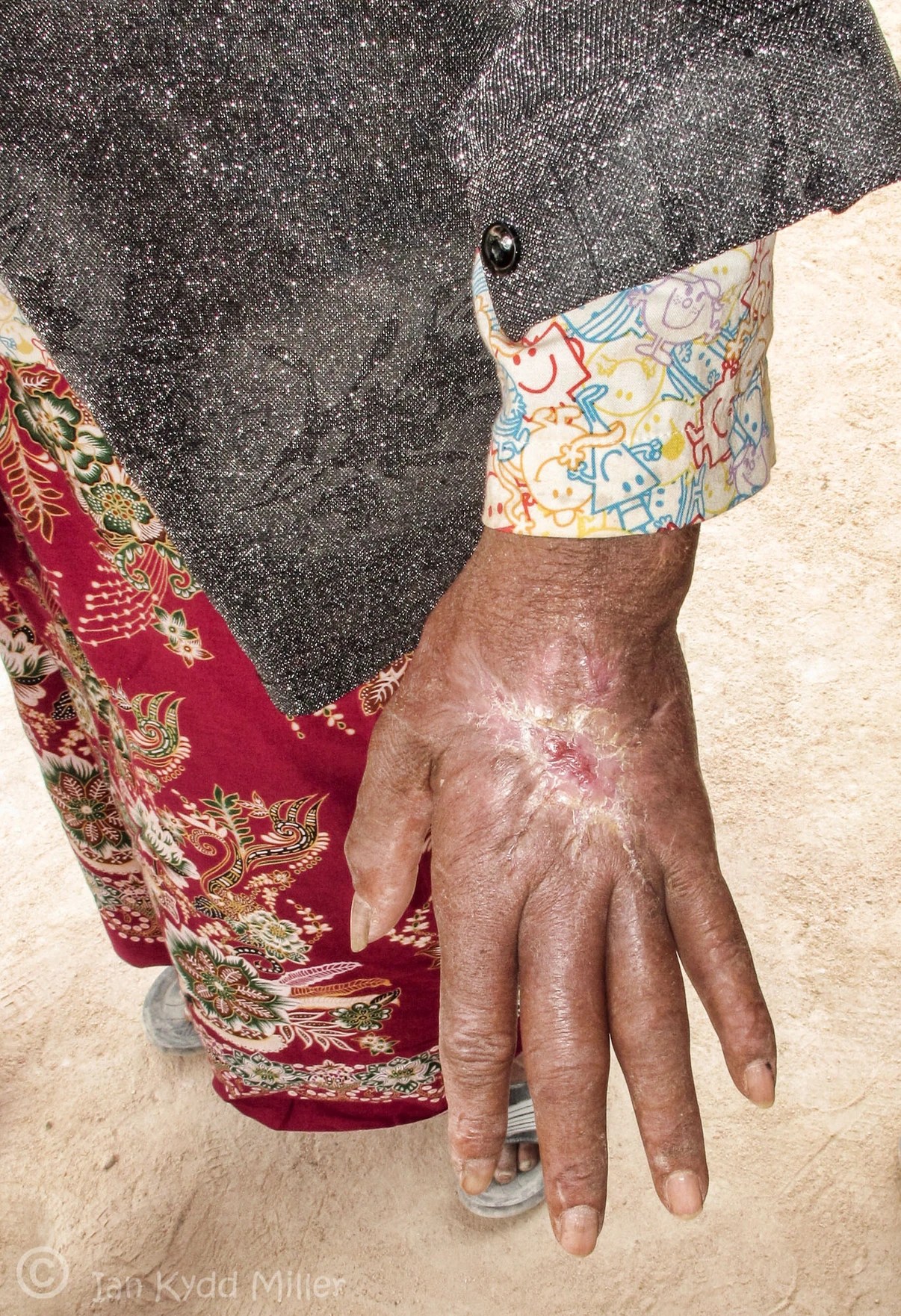
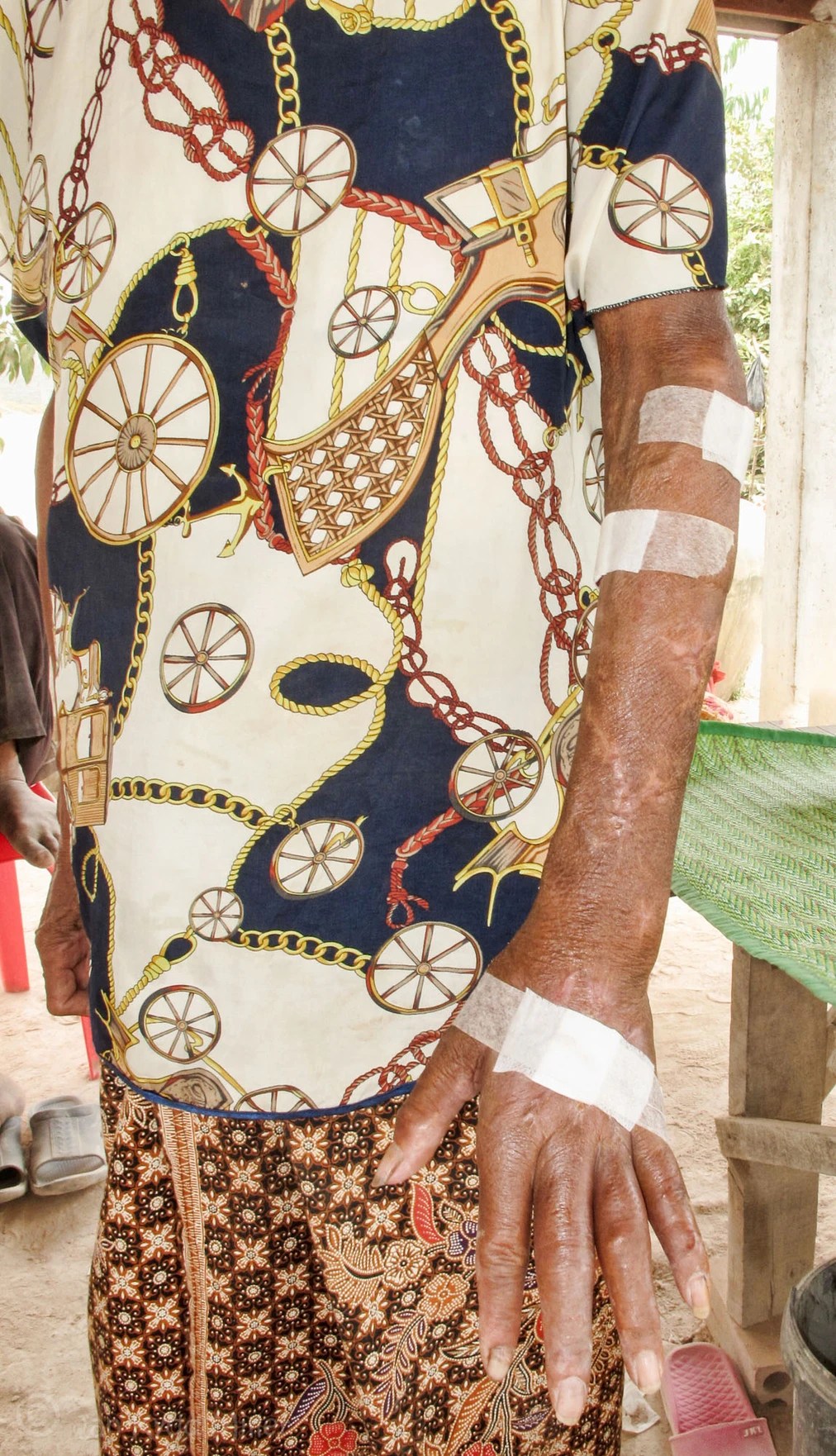
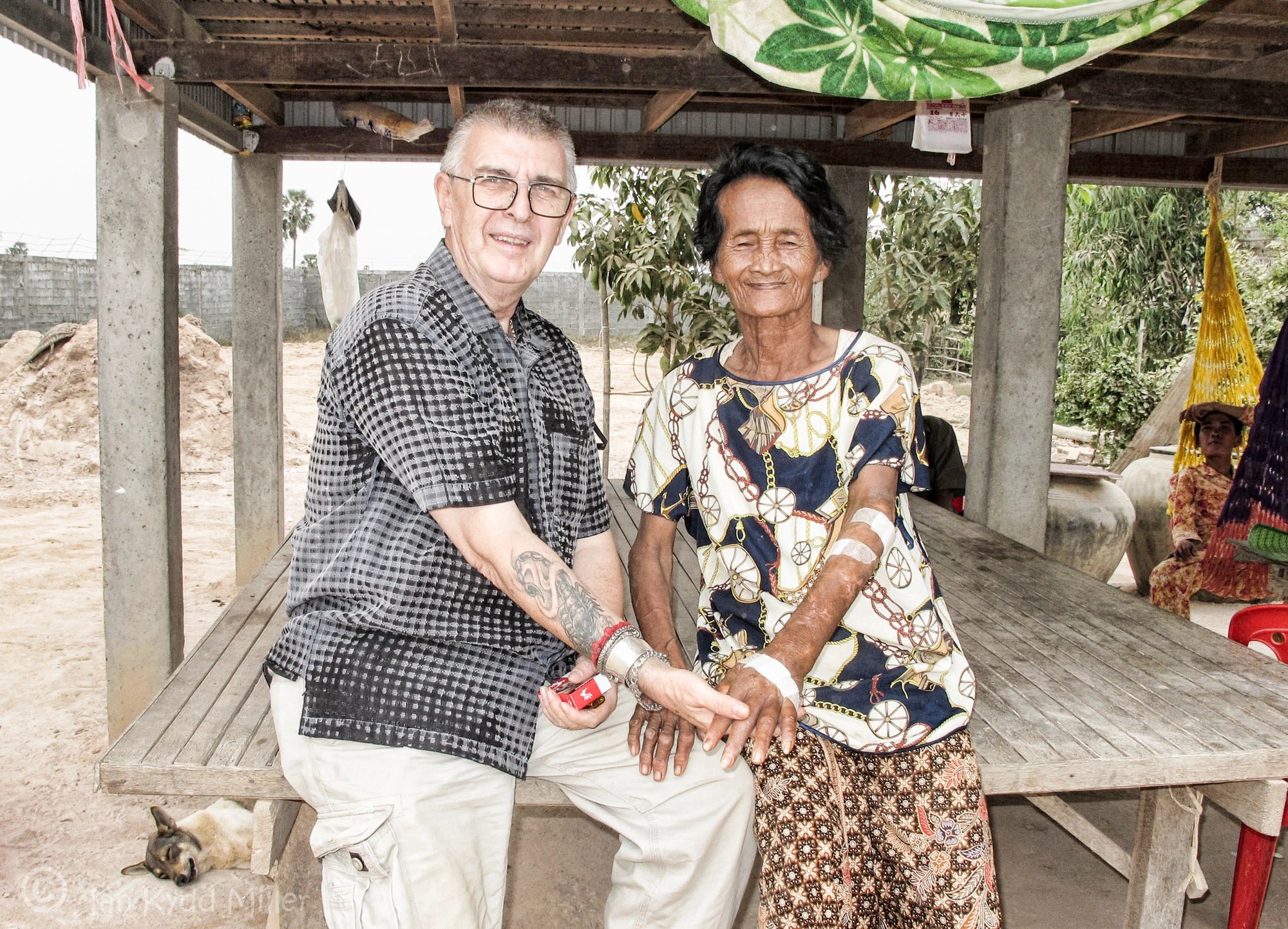
Photography is not just about capturing moments; it’s about telling stories that can change lives. When a photographer decides to work pro bono with an organization like the Khmer Sight Foundation, they’re not just taking pictures; they’re becoming a part of a noble cause that seeks to eradicate avoidable blindness in Cambodia.
The Khmer Sight Foundation, founded in 2015, has been a beacon of hope for many in Cambodia, where access to quality eye care is not a given. By training local doctors and health workers, building new facilities, and introducing the latest technology and equipment, the foundation is creating a sustainable model for eye care in the country. Their work is not just about immediate aid but about empowering the local community to take care of its own, ensuring a brighter future for generations to come.
As a pro bono photographer, the opportunity to document this incredible journey is both an honour and a responsibility. Through the lens, one can capture the transformative moments when a cataract surgery gives someone back their sight, or when a child sees their mother clearly for the first time. These images are powerful; they speak of resilience, hope, and the human spirit’s capacity to overcome adversity.
The work done by the Khmer Sight Foundation is life-changing. International specialists volunteer to provide training and conduct free surgeries for the poorest people in Cambodia, offering them a chance to see the world anew. And it’s not just about the medical procedures; it’s about the connections made, the stories shared, and the community that’s built around the shared goal of better vision for all.
For a photographer, this is the kind of project that transcends the profession. It’s a chance to make a tangible difference, to use one’s skills to shine a light on issues that matter and to help tell the stories that might otherwise go unheard. It’s a testament to the power of visual storytelling and its ability to inspire action and drive change.
So, to those photographers considering volunteering their time and talent: know that your work can be a catalyst for change. Your photographs can raise awareness, generate support, and most importantly, they can remind us all of the impact a single act of kindness can have on the lives of many.
Are you ready to be part of this extraordinary journey? To use your art to not just witness, but to participate in the act of giving? The Khmer Sight Foundation and the people of Cambodia await your vision and your dedication to a cause that’s truly worth every shot.
Volunteering is the very essence of bringing change and fostering community spirit. It’s a world brimming with stories waiting to be told, and what better way to narrate these tales than through the power of photography? For those who work closely with voluntary agencies, providing a photo record of their activities isn’t just a task; it’s a way to immortalize the moments that define the human spirit.
Photography and volunteering share a common thread โ they both capture the essence of the moment and the sincerity of actions. A picture can speak a thousand words about the dedication and hard work that goes into every event, every campaign, and every helping hand extended. It’s about showcasing the smiles that spread across faces when communities come together, the determination in the eyes of volunteers, and the hope that radiates from the beneficiaries of these activities.
For a photographer embedded in the world of voluntary service, the camera is not just a tool but a witness to the selfless acts that knit the fabric of our society. It’s about finding the right angle, the perfect light, and the exact moment when everything comes together to tell a compelling story. These photographs become more than just images; they are powerful narratives that can inspire, motivate, and encourage others to take part in the noble cause of volunteering.
The role of a photographer in this setting transcends the act of taking pictures. It involves being an active participant in the events, understanding the core values of the agencies, and reflecting these in every shot taken. It’s about being sensitive to the environment and the people, capturing their authenticity, and respecting their dignity.
The photo record serves multiple purposes. It’s a historical document that captures the evolution of the agency and its impact over time. It’s a promotional tool that can attract more volunteers and donors by visually communicating the agency’s mission and achievements. It’s also a source of reflection for those involved, reminding them of the journey they’ve embarked on and the lives they’ve touched.
In a world where content is consumed rapidly, a well-crafted photo record can stand out and make people pause, think, and act. It’s a testament to the power of visual storytelling in the digital age, where every photograph has the potential to go viral and spark a movement.
For photographers, working with voluntary agencies is not just another gig; it’s a passion project. It’s about being part of something bigger than oneself, about contributing to a cause with the best tool at their disposal โ their camera. It’s a privilege and a responsibility to be the one who captures these fleeting moments and turns them into lasting memories.
So, to all the photographers out there making a difference, one click at a time, keep telling these stories. Your lens is a gateway to a world of change, and your photographs are the silent ambassadors of goodwill and hope. Keep shooting, keep sharing, and keep inspiring. The world needs to see the beauty of volunteering through your eyes.
The Heart of the Lens: Pro Bono Photography : why I do it.
Photography is more than just a profession or a hobby; it’s a powerful means of storytelling, capturing moments, and inspiring change. For many photographers, pro bono work is an extension of their passion for the craft and a way to give back to the community. It’s about using their skills to make a difference, to shine a light on stories that might otherwise go unnoticed.
Pro bono photography often involves working with non-profit organizations, charities, and community events. These projects can range from documenting the impact of charitable work to providing professional headshots for those looking to enter the workforce. The reasons for engaging in pro bono work are as diverse as the photographers themselves.
For some, it’s a moral imperative, a way to use their talents for the greater good. For others, it’s about connection and community, building relationships, and understanding the world around them. It can also be a means of growth, pushing photographers out of their comfort zones, and challenging them to capture emotion and narrative in new environments.
The impact of pro bono work extends beyond the photographer and the immediate subjects of their work. These images can raise awareness, drive donations, and encourage volunteerism. They tell the stories of those who may not have the means to do so themselves, and they often do it with a poignancy that words alone cannot convey.
So why do photographers do pro bono work? It’s simple: to make a difference, one photo at a time. It’s a testament to the belief that everyone has something to contribute and that sometimes, the most significant gifts are those that cannot be quantified. It’s the art of giving, captured through the lens of those who see the world not just for what it is, but for what it could be.
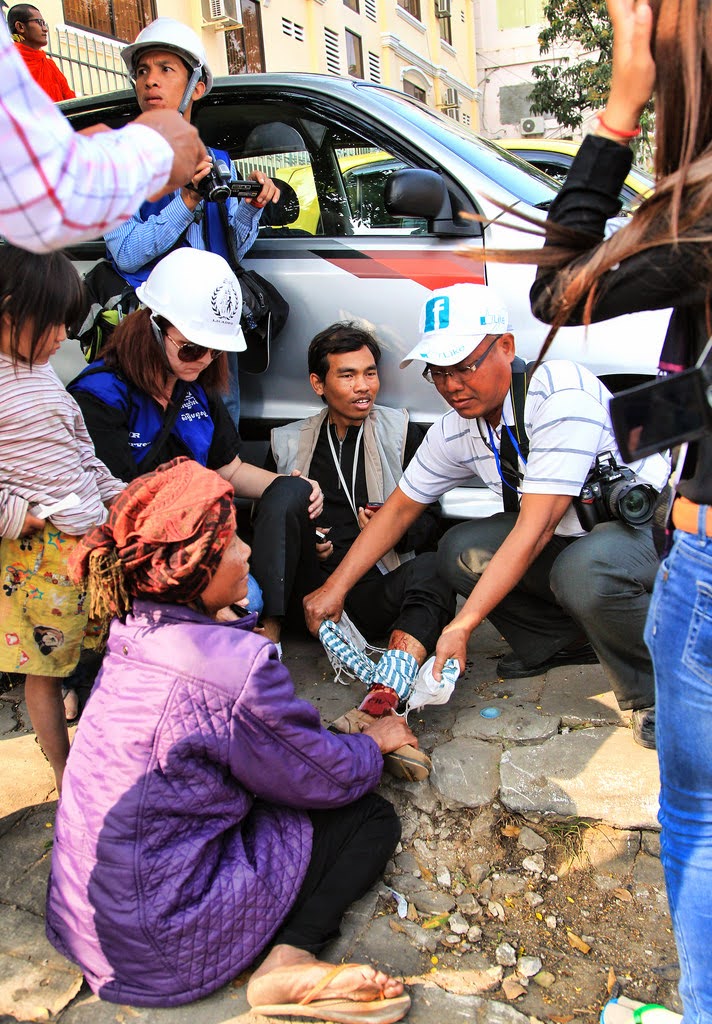
Photography is a powerful medium that can evoke deep emotions and tell compelling stories. It can document reality, preserve memories, and raise awareness about important issues. However, with this power comes significant ethical responsibility, especially when it involves taking pictures of people in vulnerable states.
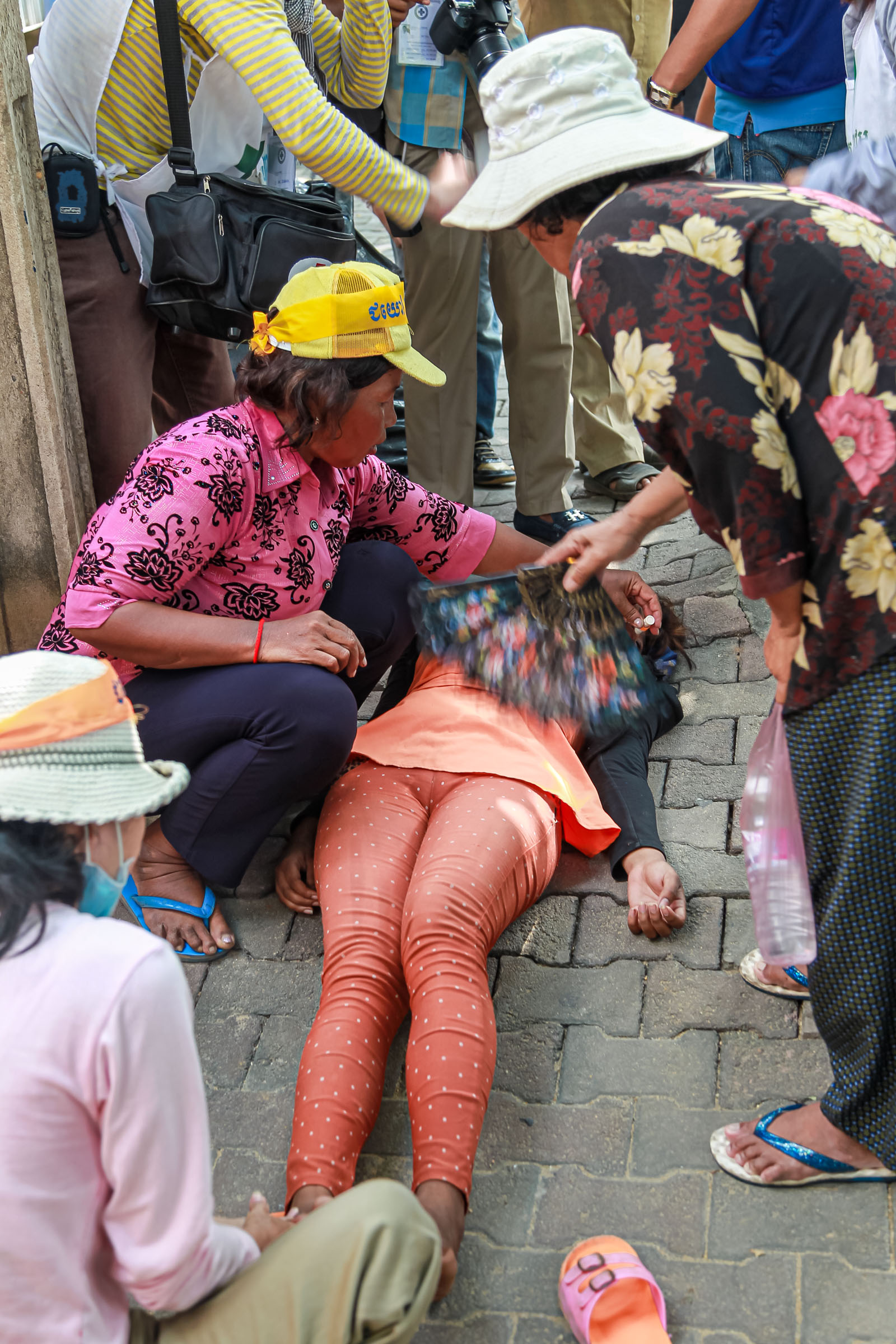
The question of whether it’s ethical to photograph individuals during their most vulnerable moments is a complex one. On one hand, such images can play a crucial role in bringing attention to the plight of those who are suffering, potentially galvanizing public support and aid. On the other hand, capturing these moments can be seen as an invasion of privacy, exploitation, or a violation of the individual’s dignity.
One of the key considerations is consent. When possible, obtaining explicit permission from the subjects before photographing them in sensitive situations is crucial. This respects their autonomy and gives them control over their own image. However, in some circumstances, such as in the case of natural disasters or conflict zones, obtaining consent may not be feasible. In these instances, photographers must weigh the potential benefits of sharing the images with the world against the risk of causing further distress or harm to the subjects.
Another aspect to consider is the intention behind the photograph. Are the images being taken to inform and educate, or are they being captured for sensationalism or monetary gain? The context in which the photos are presented also matters. Are they being used to support a narrative that respects the subjects and their stories, or are they being used to perpetuate stereotypes or for shock value?
Photographers must also think about the aftermath. How will these images affect the subjects in the long term? Will they lead to positive change, or will they simply become another fleeting moment in the media, soon to be forgotten?
In conclusion, while there is no one-size-fits-all answer to the ethics of photographing people in vulnerable states, photographers need to engage in continuous self-reflection and dialogue. They must consider the implications of their work, strive to uphold the dignity of their subjects, and remain sensitive to the power dynamics at play. As consumers of media, we too have a responsibility to critically evaluate the images we see and consider the ethical dimensions behind them. Ultimately, empathy and respect should guide the lens through which we view and capture the human condition.
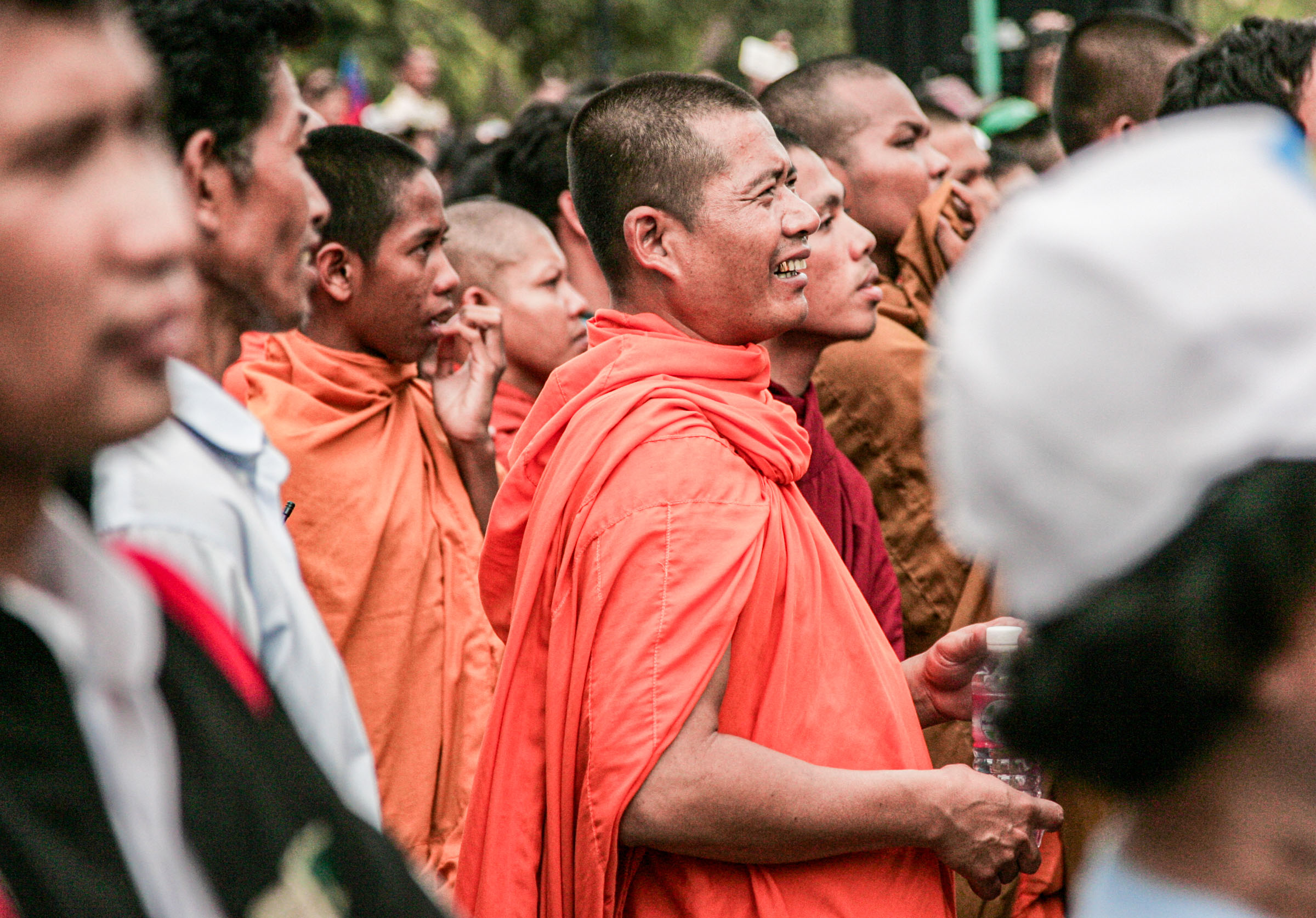
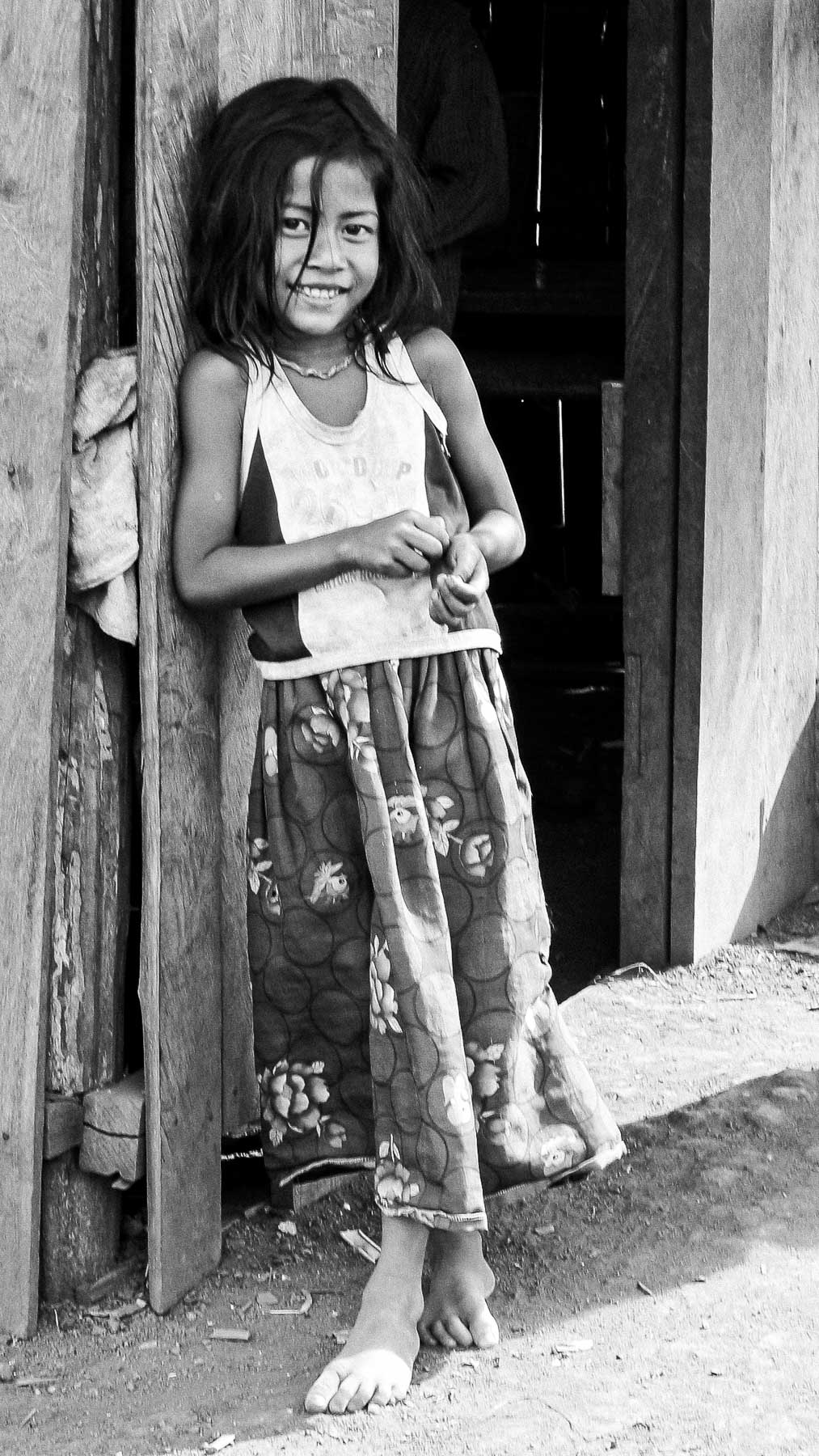
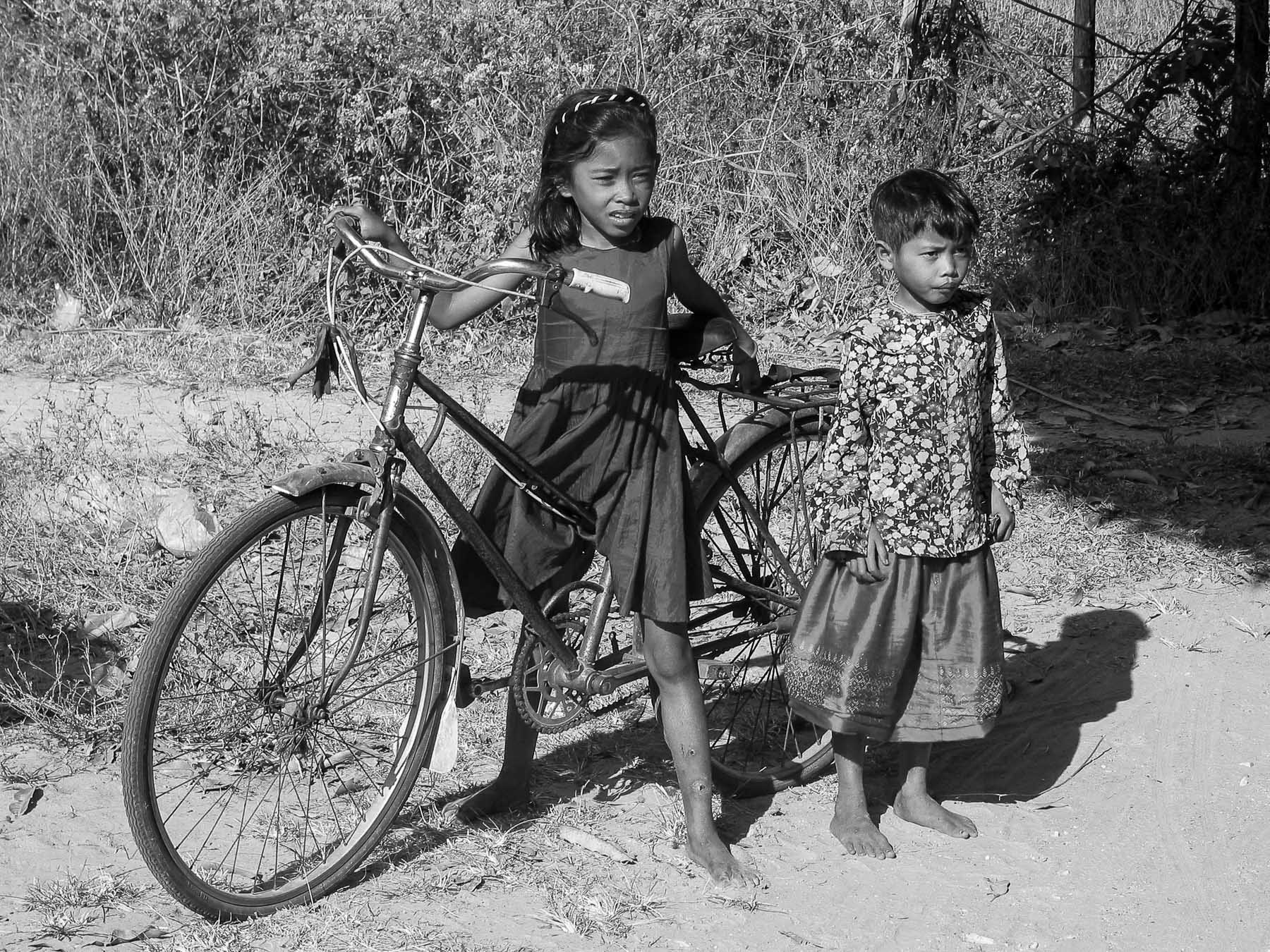
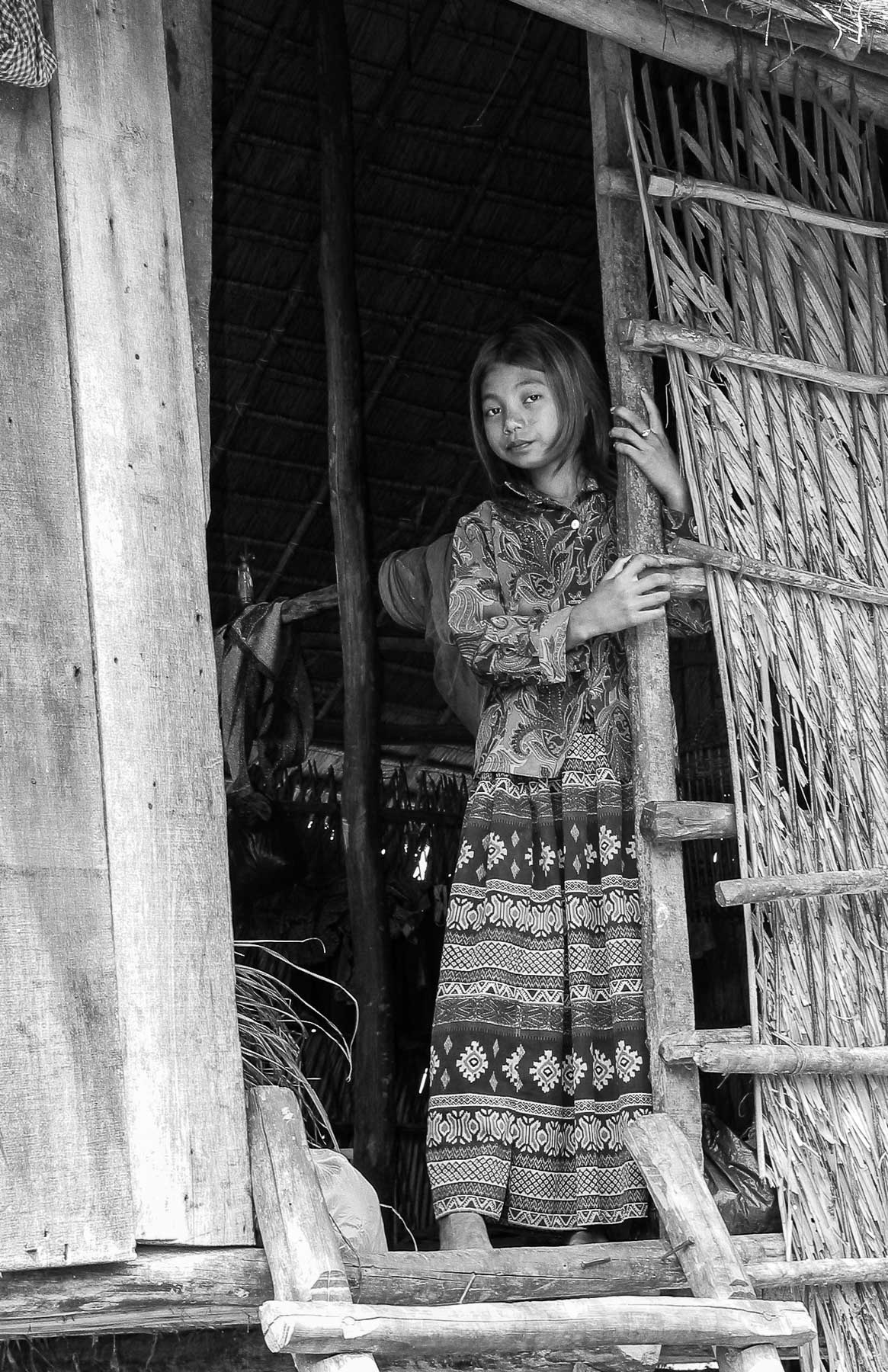
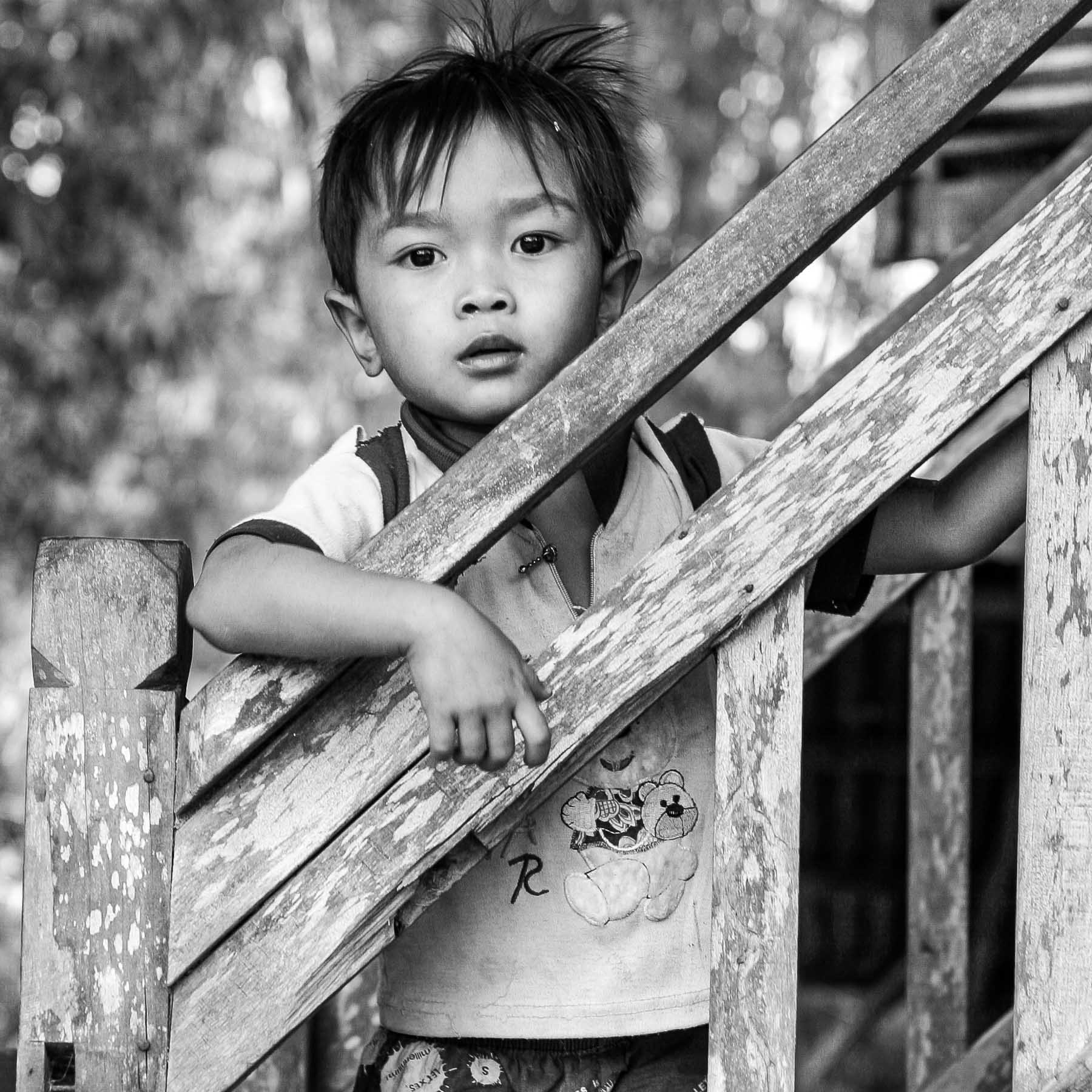
Photography, as an art form, has the profound ability to capture moments in time, but its true power lies in its capacity to evoke emotion and narrate the human experience. Humanism in photography is a movement that emphasizes this narrative, focusing on the dignity and beauty of everyday life and the common man’s struggles and joys.
The Roots of Humanist Photography
Humanist photography finds its origins in the early to mid-20th century, a period marked by significant social and political upheaval. It was during this time that photographers began to turn their lenses towards ordinary people, capturing the essence of daily life and the spirit of the community. This movement was particularly strong in Europe, with France being a notable epicentre.
The Philosophy Behind the Lens
At its core, humanist photography is about valuing the human experience and raising awareness of the shared emotions and conditions that bind us all. It’s a celebration of life in its most unvarnished form, portraying subjects with empathy and respect. The photographers of this school are not mere observers but storytellers who use their cameras to convey the intricacies of human existence.
Pioneers of Humanist Photography
One of the most influential figures in this movement was David Seymour, known as Chim, whose compassionate work reflected his deep-seated humanism and belief in photography’s power to awaken the public’s conscience. His images often depicted the aftermath of war and the resilience of the human spirit.
The Impact and Importance
Humanist photography serves as a visual chronicle of the human condition. It captures the happiest, saddest, and most triumphant moments of life. From peace and contemplation to war and leisure, it seizes the full spectrum of human emotions and experiences. This genre of photography helps us understand and connect with people from different walks of life, fostering a sense of empathy and unity.
The Legacy Continues
Today, humanist photography continues to inspire photographers around the world. It encourages them to look beyond the surface and capture images that tell stories about people striving to make the best of their lives. It remains a powerful tool for social commentary and a mirror reflecting the enduring human spirit.
In conclusion, humanist photography is more than just a style or technique; it is a philosophical approach to capturing life. It reminds us of the strength, beauty, and resilience inherent in the human spirit and the importance of preserving these moments for future generations. As we move forward, the principles of humanism in photography will undoubtedly continue to influence and guide photographers in their quest to document the profound narrative of humanity.
Photography, a word that encapsulates so much more than the mere act of capturing images. It’s an art form, a means of expression, and for many, a passionate pursuit that provides a sense of balance and tranquility in the chaos of daily life. For those who wield the camera, it becomes an extension of their vision, a tool to explore the world, and a companion on a journey of endless discovery.
The Power of Photography
Photography has the unique ability to freeze moments in time, preserve memories, and tell stories without uttering a single word. It’s a universal language understood by all, regardless of culture or geography. Through the lens, photographers find a voice, a way to communicate their deepest thoughts, fears, joys, and sorrows.
For the passionate photographer, the camera is a lifeline, a means to channel creativity and keep the mind engaged. It’s a therapeutic device that can help one cope with stress, anxiety, and the pressures of life. The focus required to compose the perfect shot is meditative, pulling the photographer into the present, away from the relentless pace of modern existence.
The Creative Process
The creative process in photography is as varied as the individuals behind the cameras. It begins with a spark of inspiration, which can come from anywhereโa burst of sunlight through the clouds, the laughter of a child, the intricate patterns of nature, or the hustle and bustle of city life.
Photographers are explorers at heart. They venture into the unknown, seeking new perspectives and fresh angles. Each setting offers a plethora of opportunities to capture the essence of a subject, to play with light and shadow, to experiment with colours and textures, and to convey emotion and narrative through visual composition.
The Journey of Learning
Photography is also a journey of learning and growth. It challenges one to continually improve, to master the technical aspects of the craft, and to develop an eye for the extraordinary in the ordinary. With every snapshot, photographers learn a little more about the world, about others, and, most importantly, about themselves.
The digital age has revolutionized photography, making it more accessible than ever before. The internet is awash with resources for learning and inspiration. Online communities provide a platform for sharing work, receiving feedback, and connecting with fellow enthusiasts who share the same passion for the art.
The Impact on Well-being
Engaging in photography can have a profound impact on mental well-being. It encourages mindfulness, urging photographers to be fully present as they search for the beauty that surrounds them. It fosters a sense of achievement and pride when the vision in one’s mind is successfully translated into a tangible, visual form.
Moreover, photography instils a sense of purpose and direction. It can be a personal project, a professional pursuit, or simply a hobby that adds colour and excitement to life. It’s a personal sanctuary for many, a space where they can retreat to find peace and solace.
In Conclusion
Photography is not just about capturing what you see; it’s about conveying how you feel. It’s an art that allows one to escape, find clarity, and express oneself in ways words cannot. For the passionate photographer, it’s not just a pastime; it’s a vital part of their existence, a passion that stops them from going crazy.
So, pick up your camera, let your creativity flow, and embark on this beautiful photography journey. Who knows what wonders you’ll capture, what stories you’ll tell, and what peace you’ll find in pursuing your passion. Happy shooting!
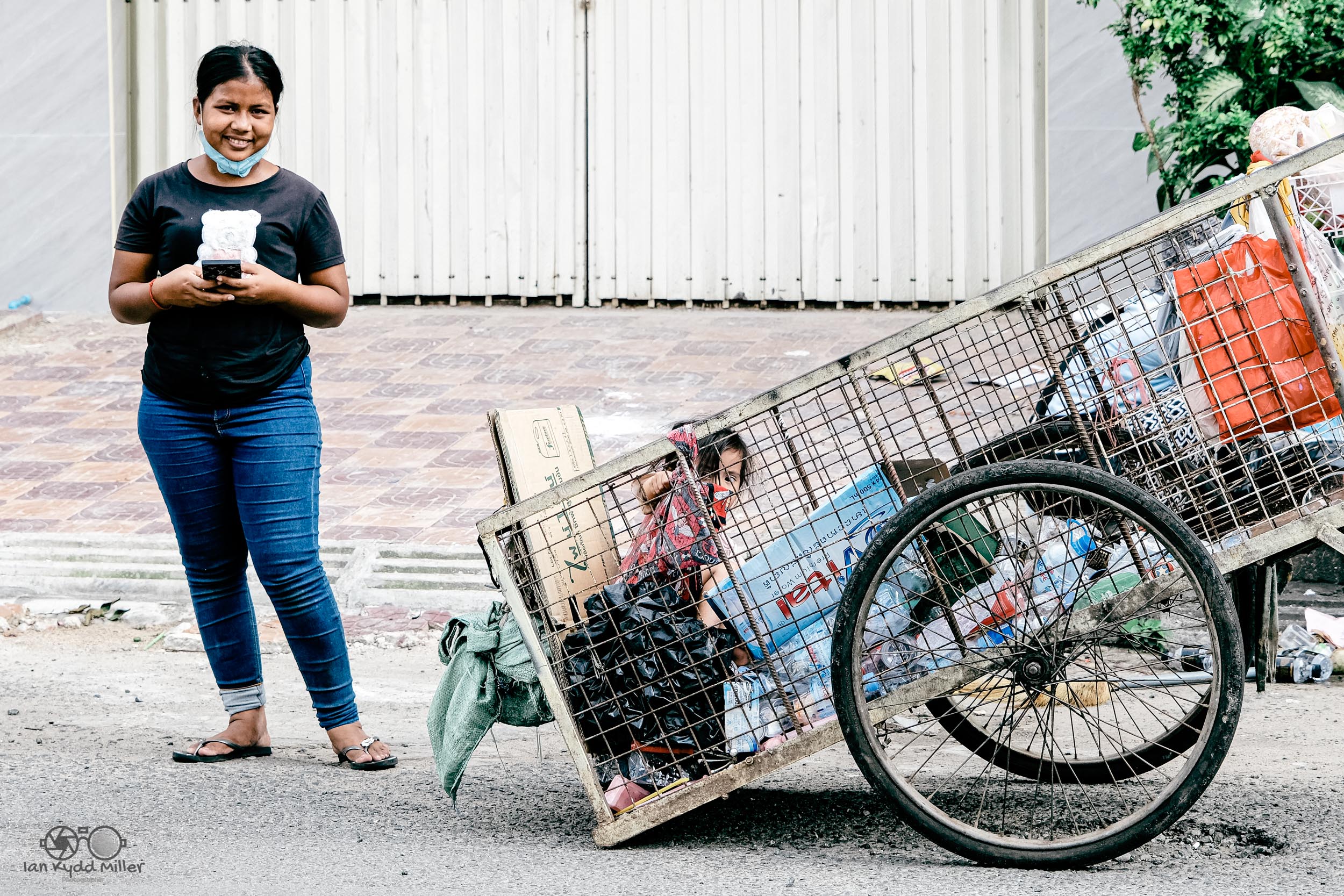
Photography has the extraordinary ability to transform the mundane into the magnificent. It’s an art form that allows us to see the world through a different lens, to find beauty, storytelling, and emotion in the everyday. Ordinary subjects, often overlooked in the hustle and bustle of daily life, can become the most compelling and interesting subjects for photography.
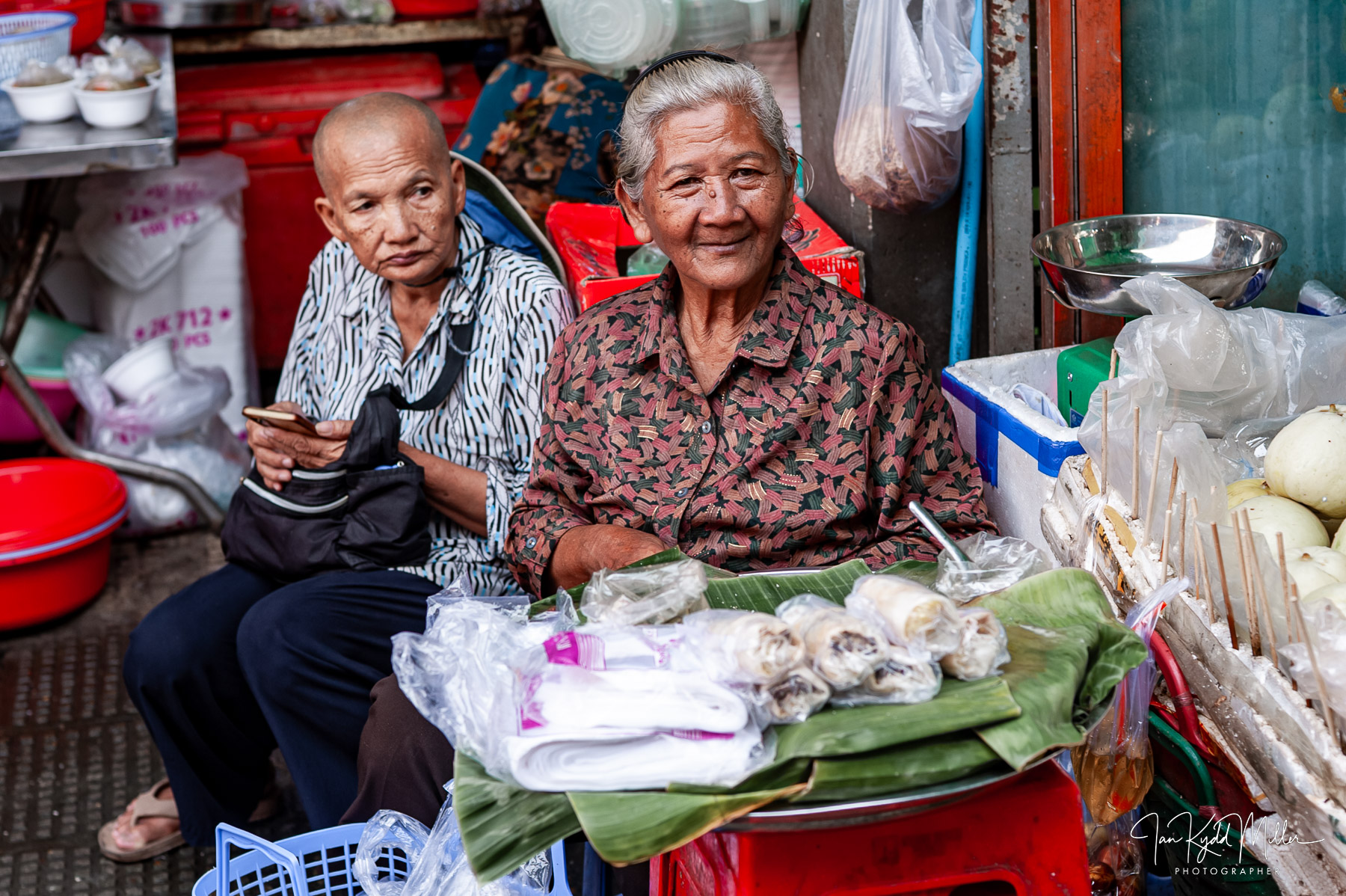
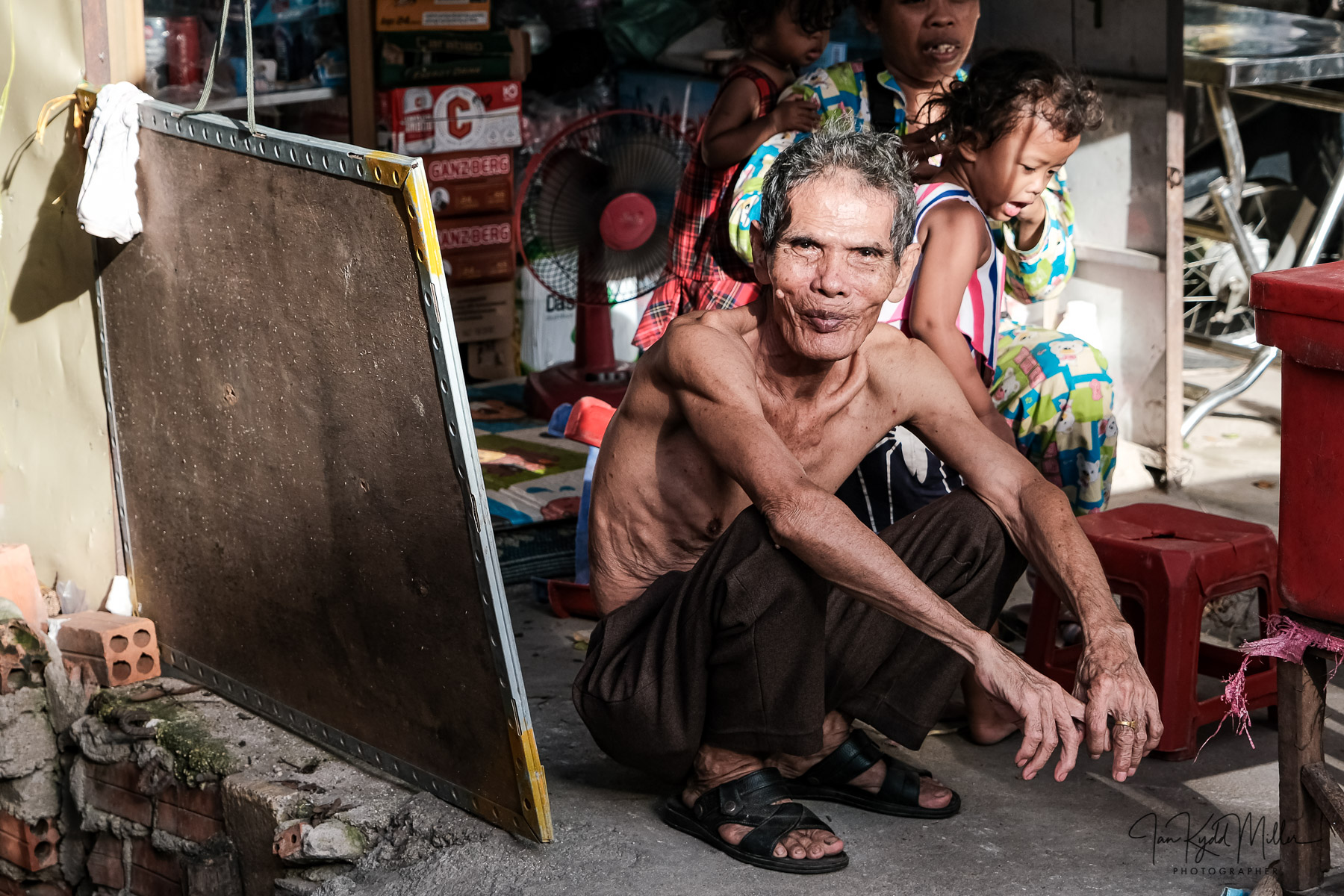
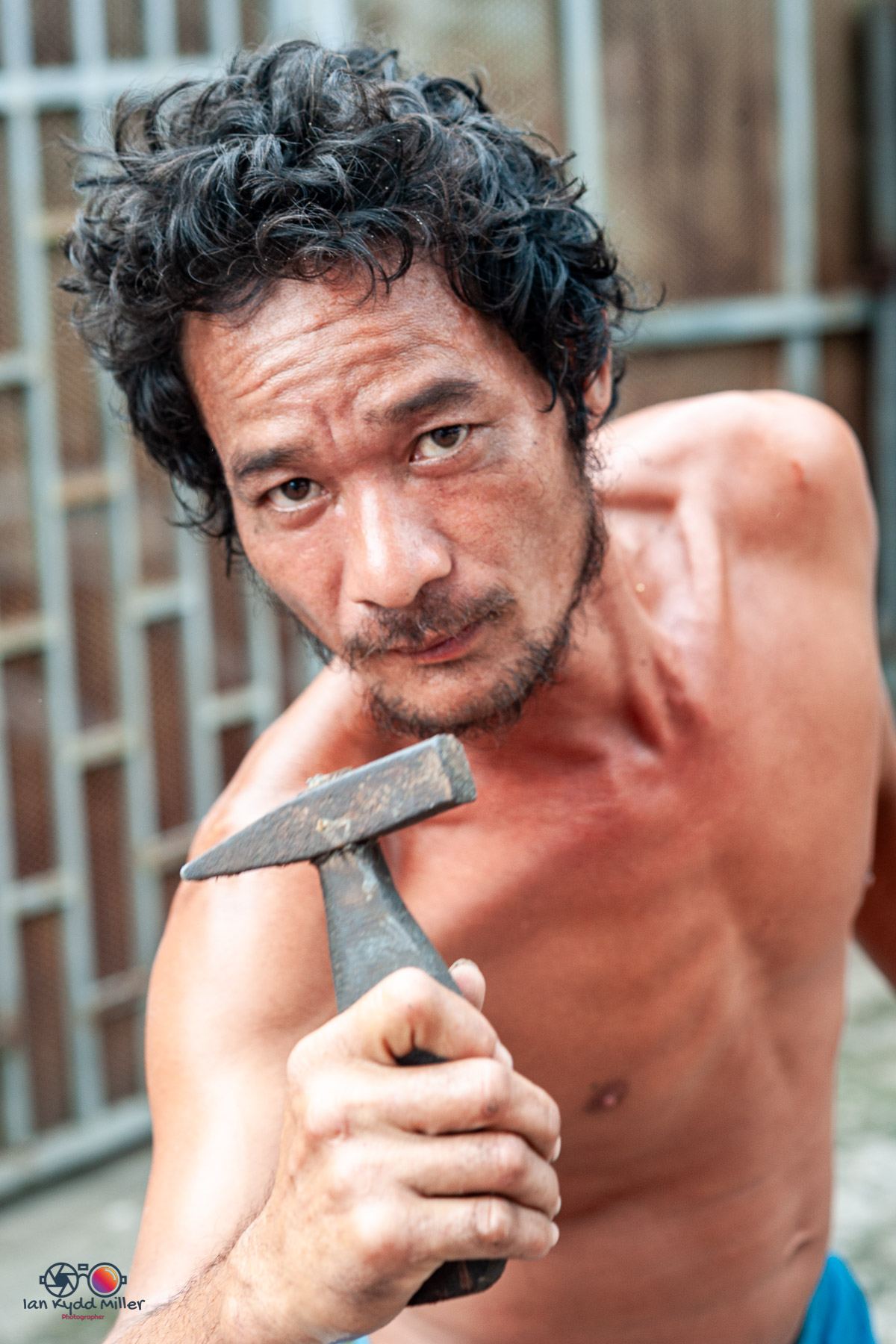
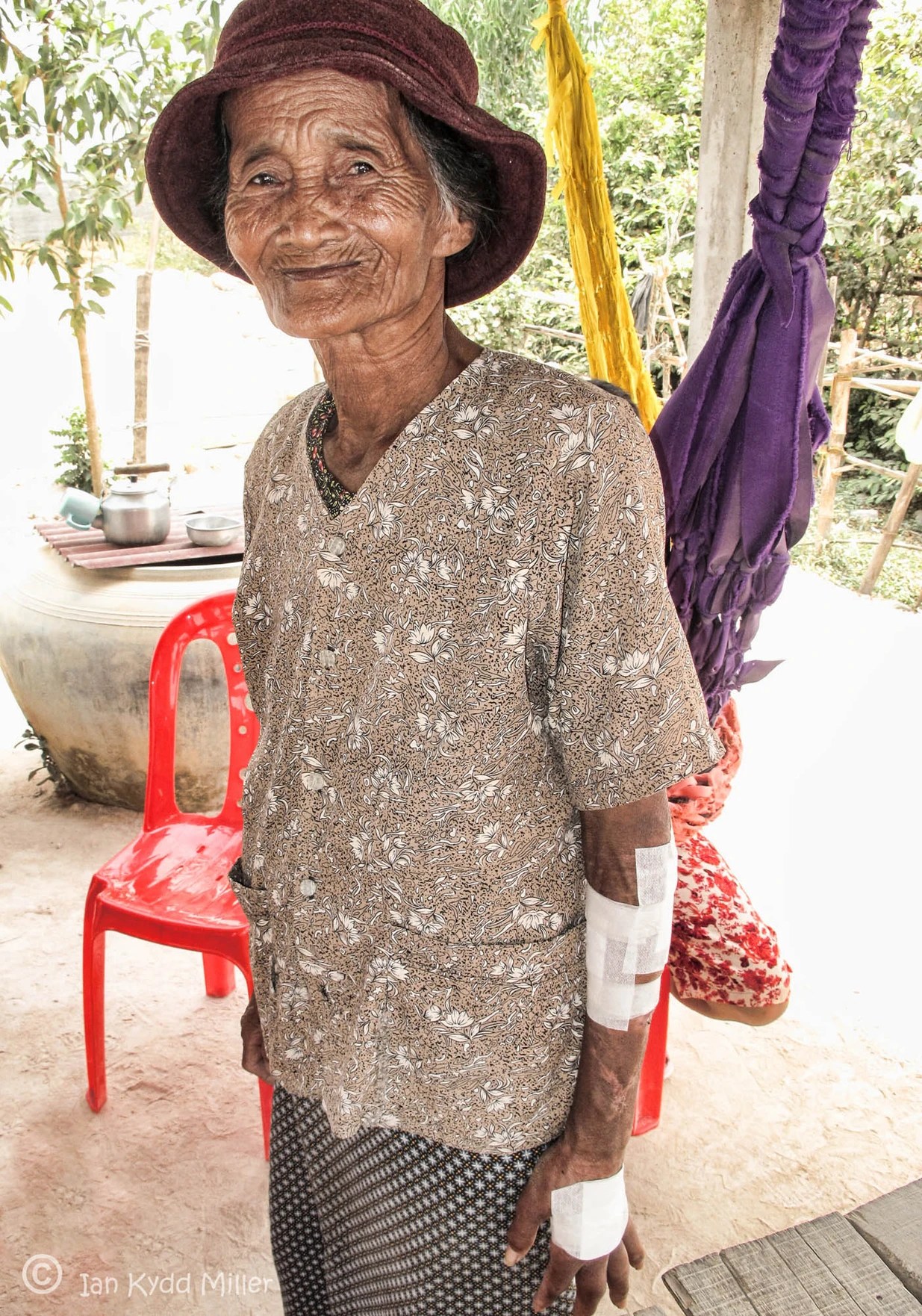
The Power of Perspective What makes ordinary subjects so captivating is the photographer’s perspective. A simple cup of coffee, the wrinkles on an elderly person’s face, or the way light filters through a window โ all these scenes can tell a story. It’s about seeing the potential in what appears to be ordinary and capturing it in a way that resonates with others.
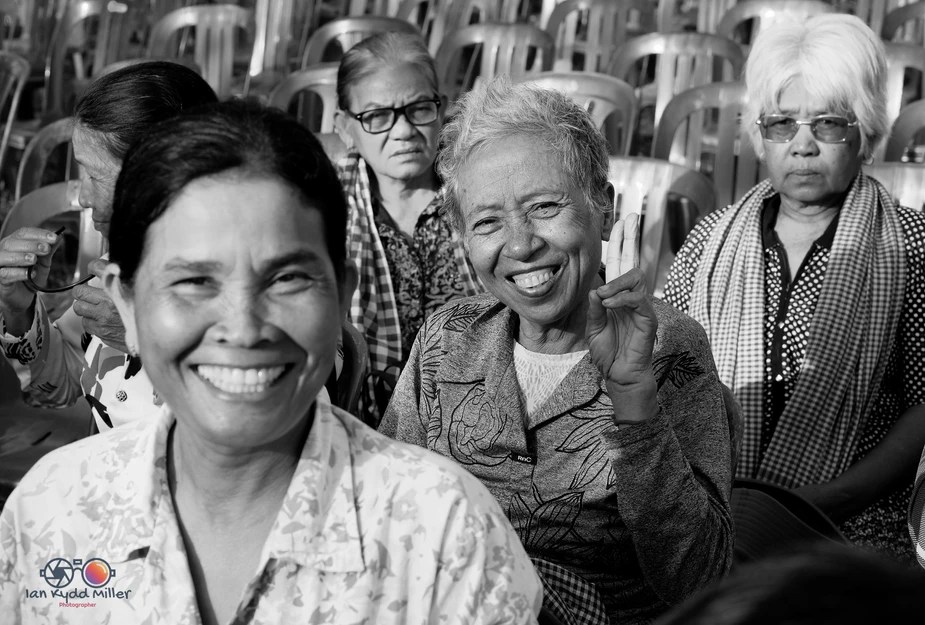
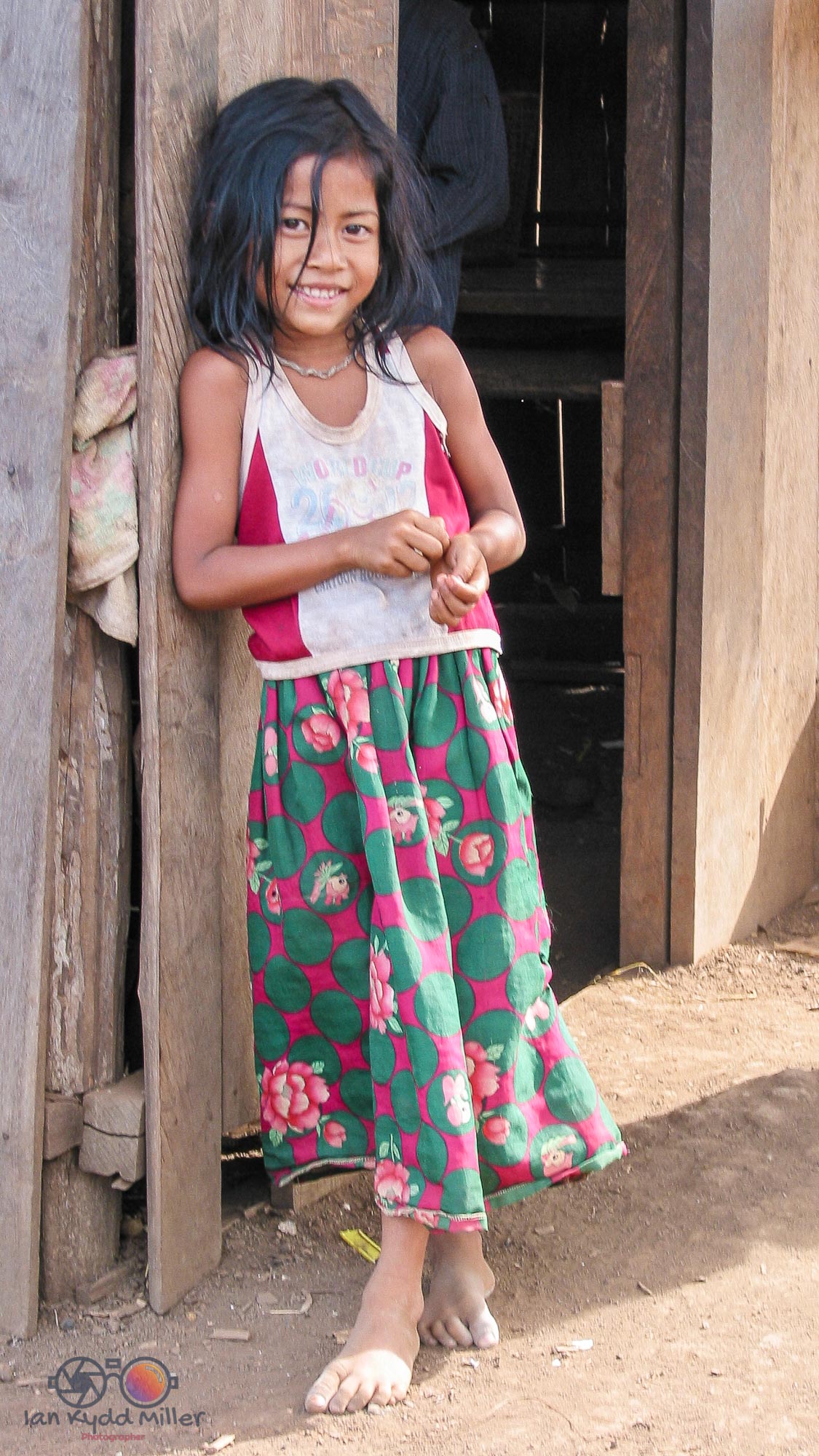
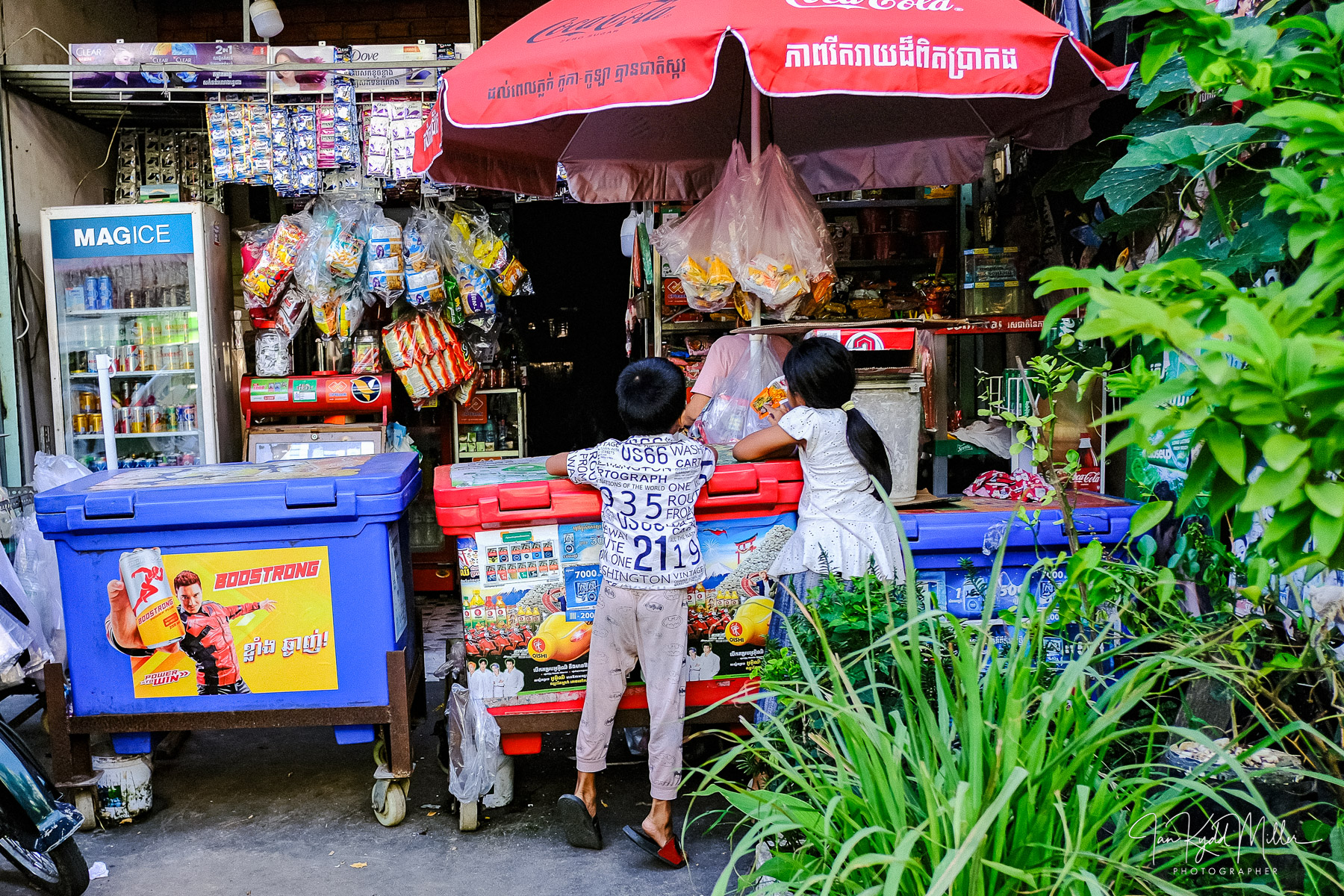
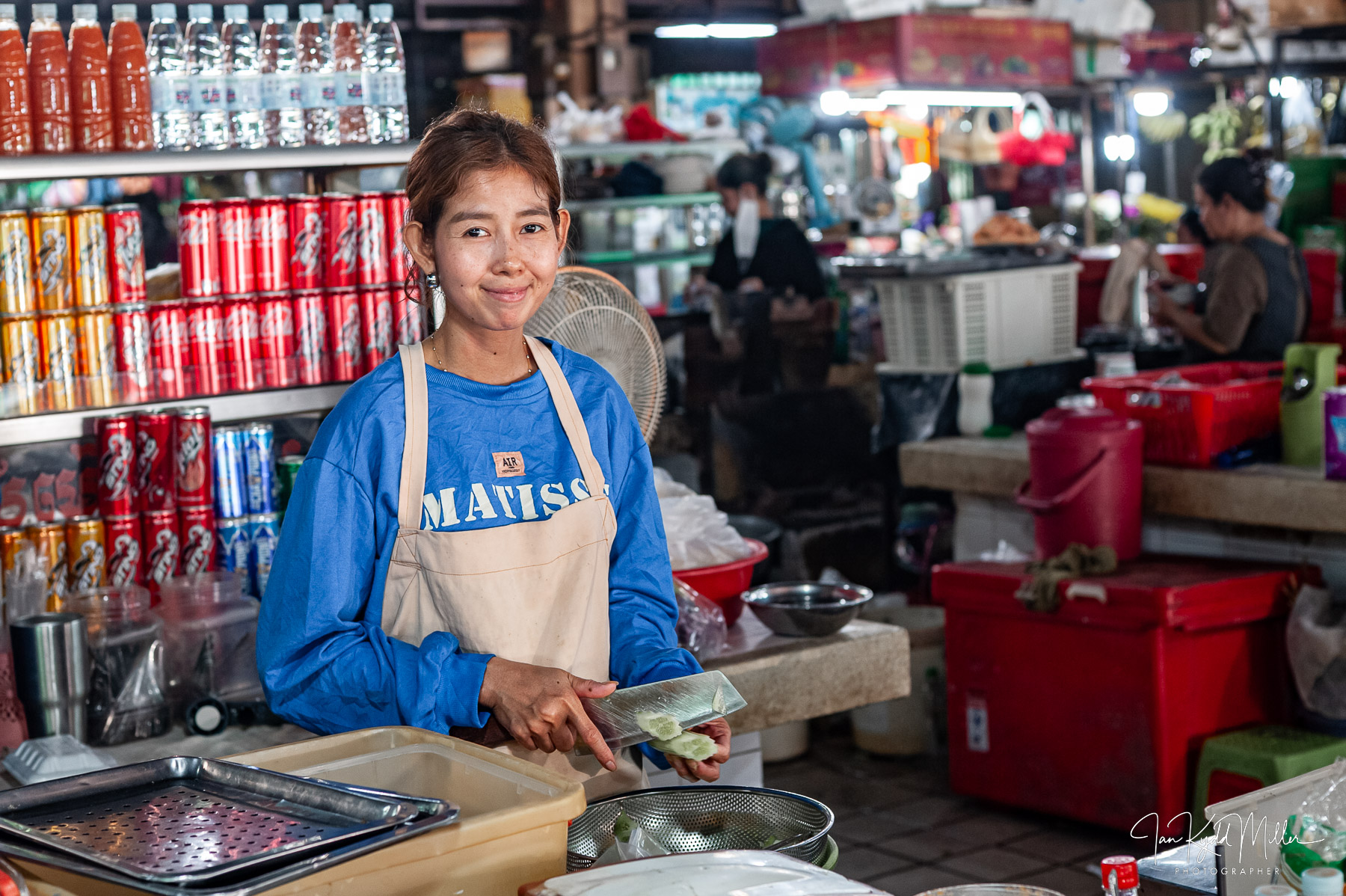
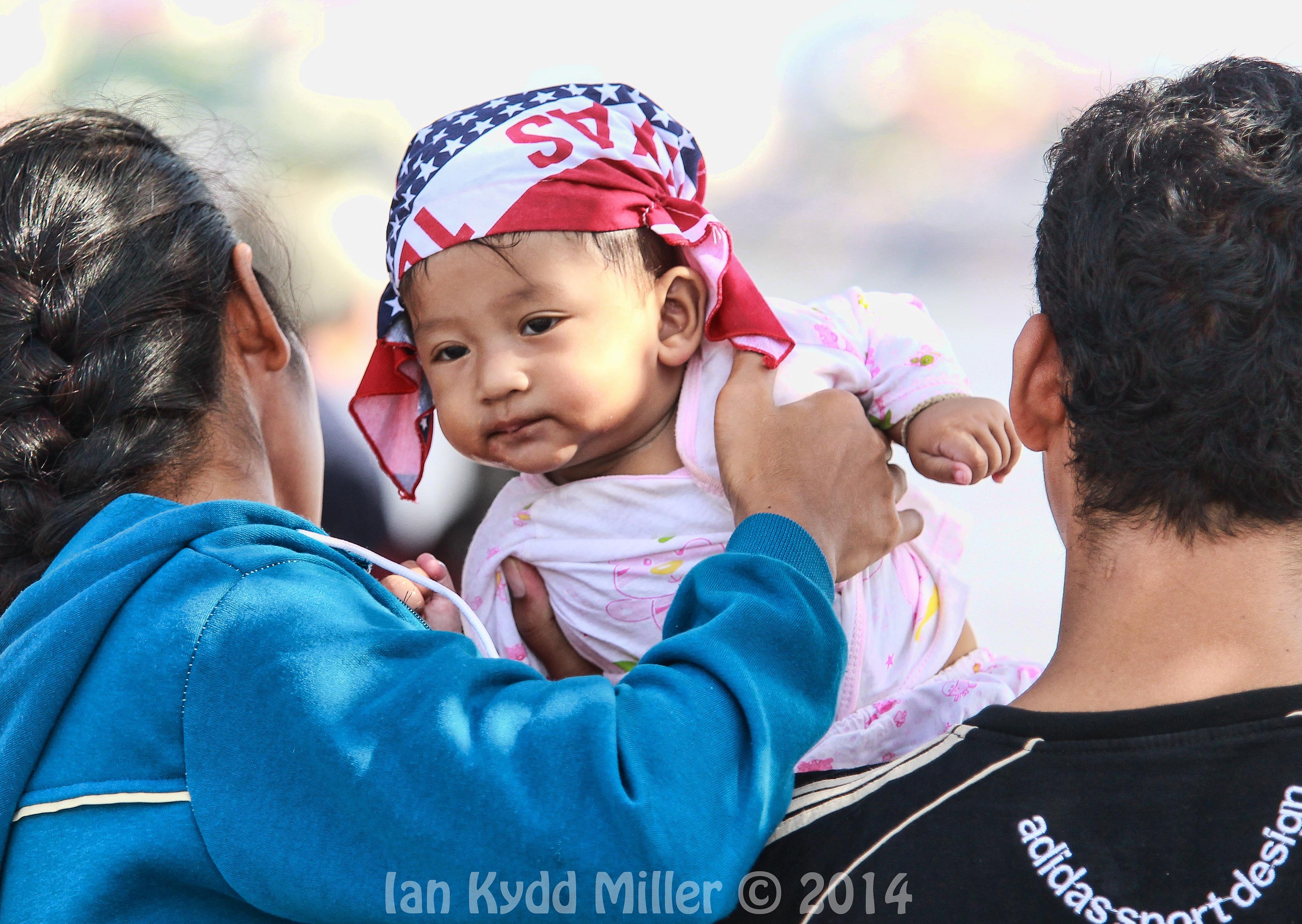
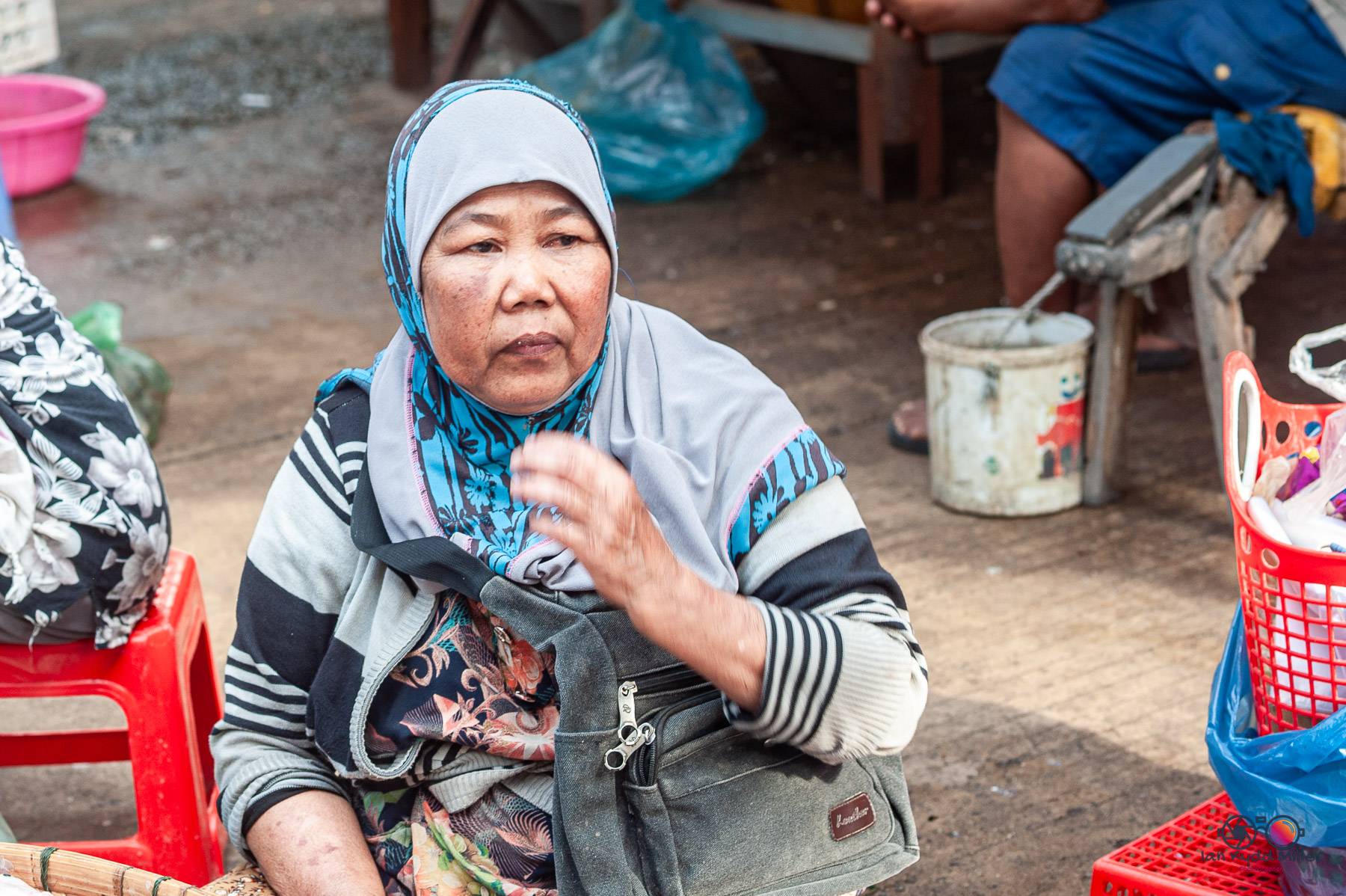
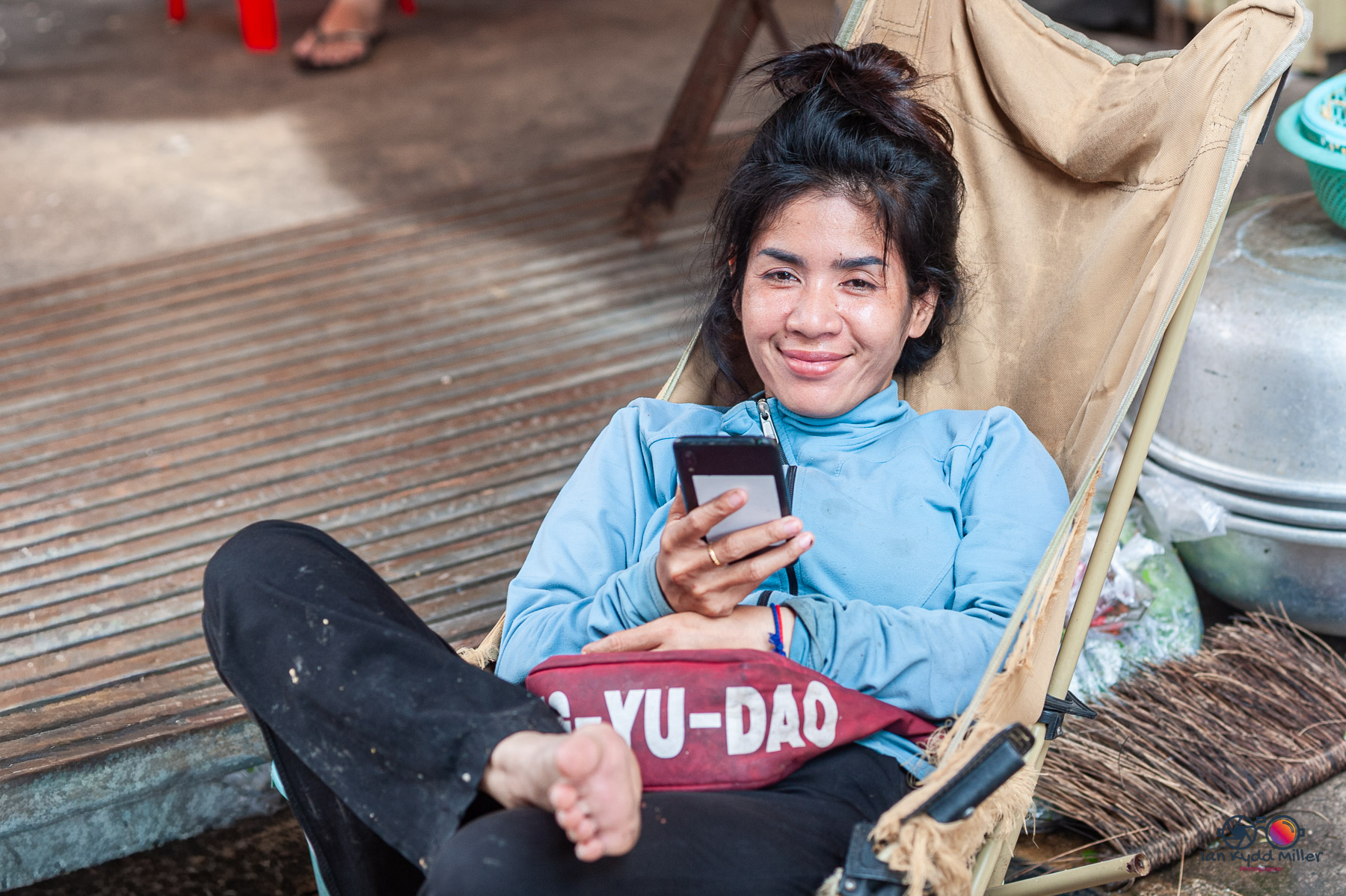
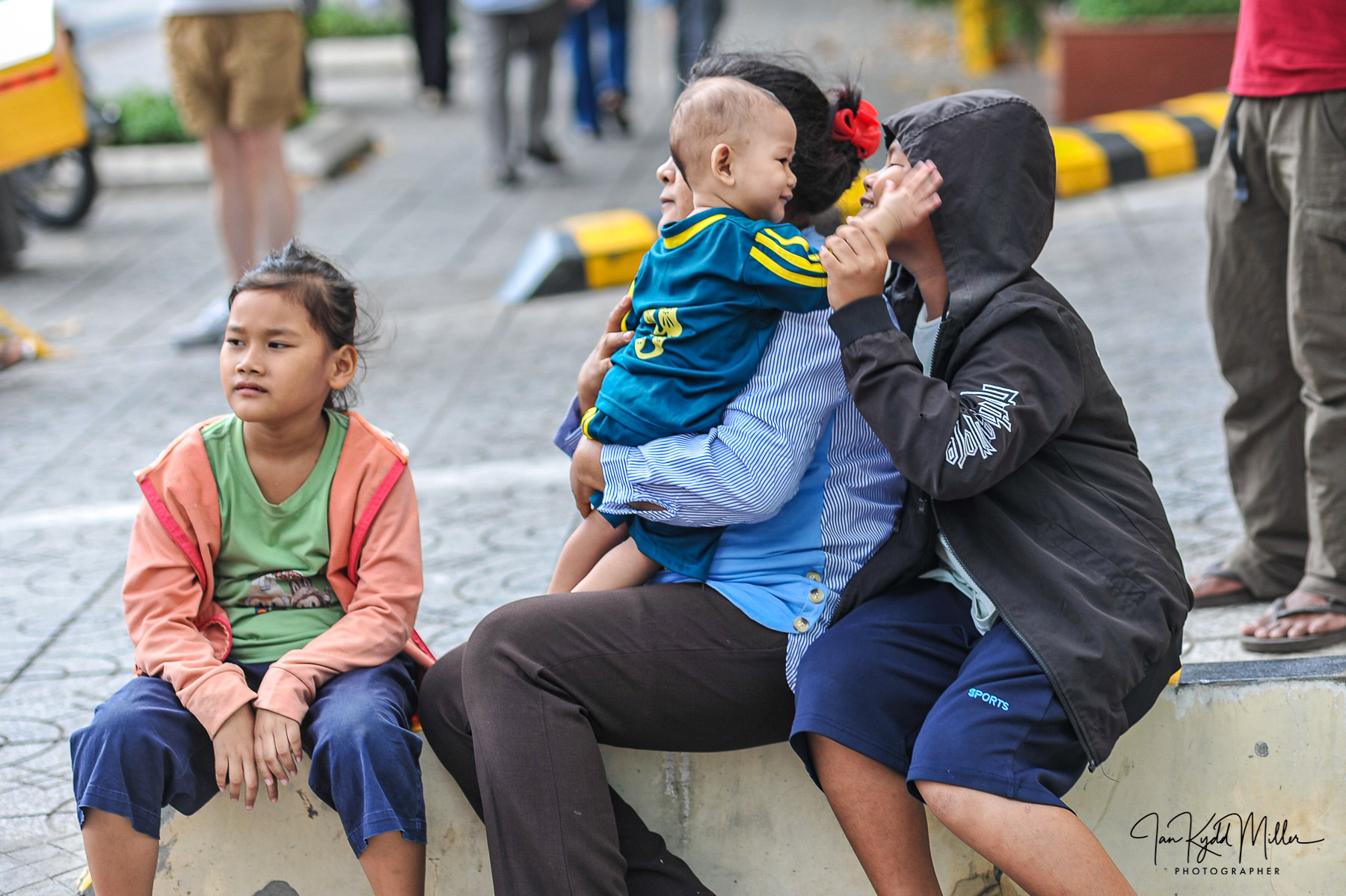
The Human Element Incorporating ordinary people into photographs adds a layer of depth and relatability. Candid shots of people going about their day, interacting with their environment, or displaying raw emotion can create powerful images that connect with viewers on a personal level. These subjects remind us of our shared human experience and the beauty that lies within it.
The Challenge of Simplicity Finding interest in everyday things is a challenge that photographers embrace. It pushes them to be creative, and to experiment with angles, lighting, and composition. The simplicity of ordinary subjects forces photographers to focus on the technical aspects of their craft, honing their skills and refining their artistic voice.
The Art of Observation Great photography begins with keen observation. It’s about noticing the small details and appreciating the nuances of the world around us. When photographers turn their lenses to ordinary subjects, they’re practising mindfulness and presence, which is not only beneficial for their art but also for their well-being.
The Impact on Viewers Photographs of everyday subjects have the power to evoke emotion and provoke thought. They can be a source of comfort, reminding us that there’s beauty in the familiar. They can also be a call to action, highlighting aspects of daily life that we might want to change or improve.
In Conclusion Ordinary subjects offer a wealth of inspiration for photographers. They challenge us to look at the world with fresh eyes and to appreciate the beauty in the everyday. Through photography, we can celebrate the ordinary and, in doing so, create something truly extraordinary.
So, the next time you’re out with your camera, don’t overlook the ordinary. Embrace it, capture it, and share it. You might just find that the most ordinary subjects are, in fact, the most extraordinary.
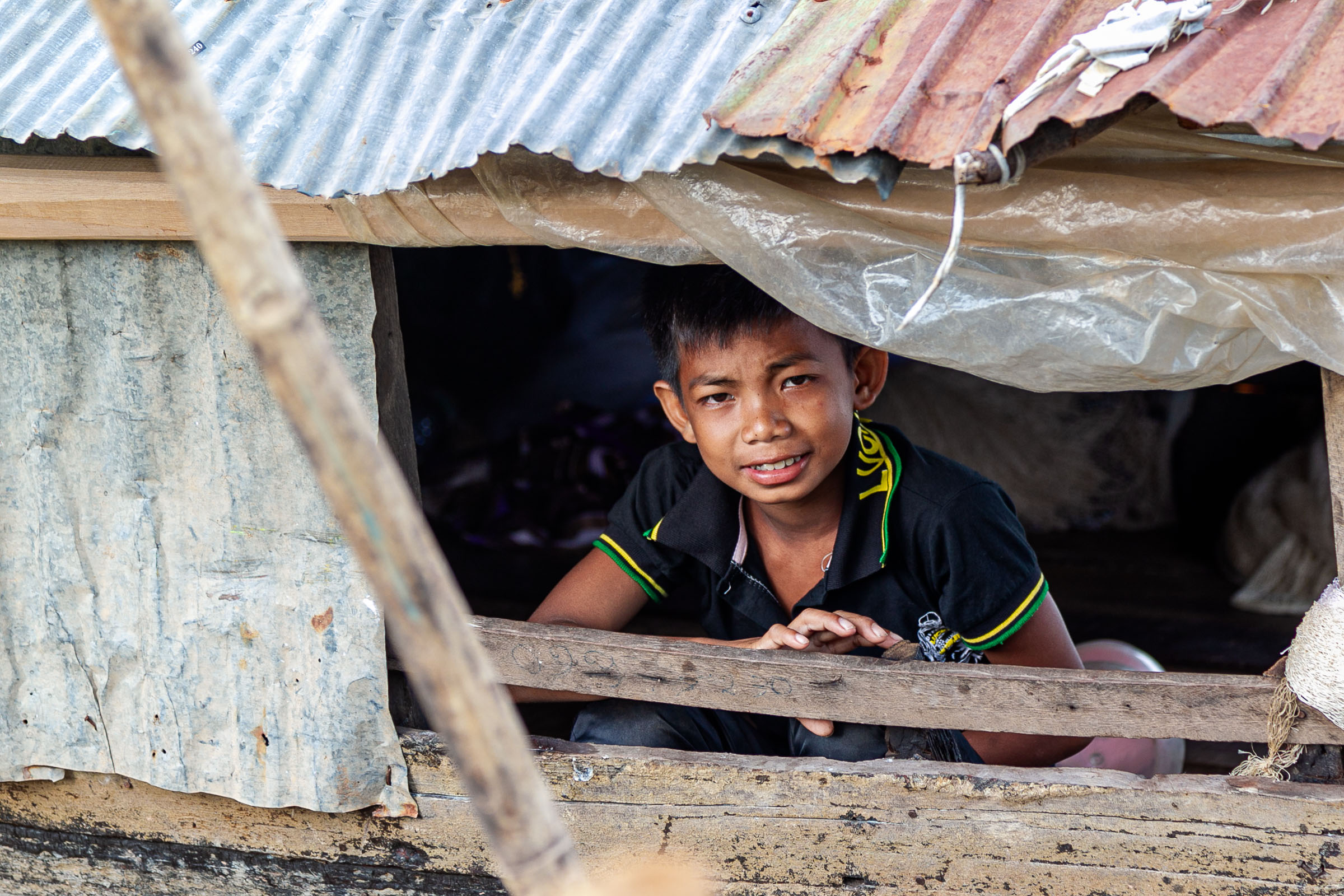
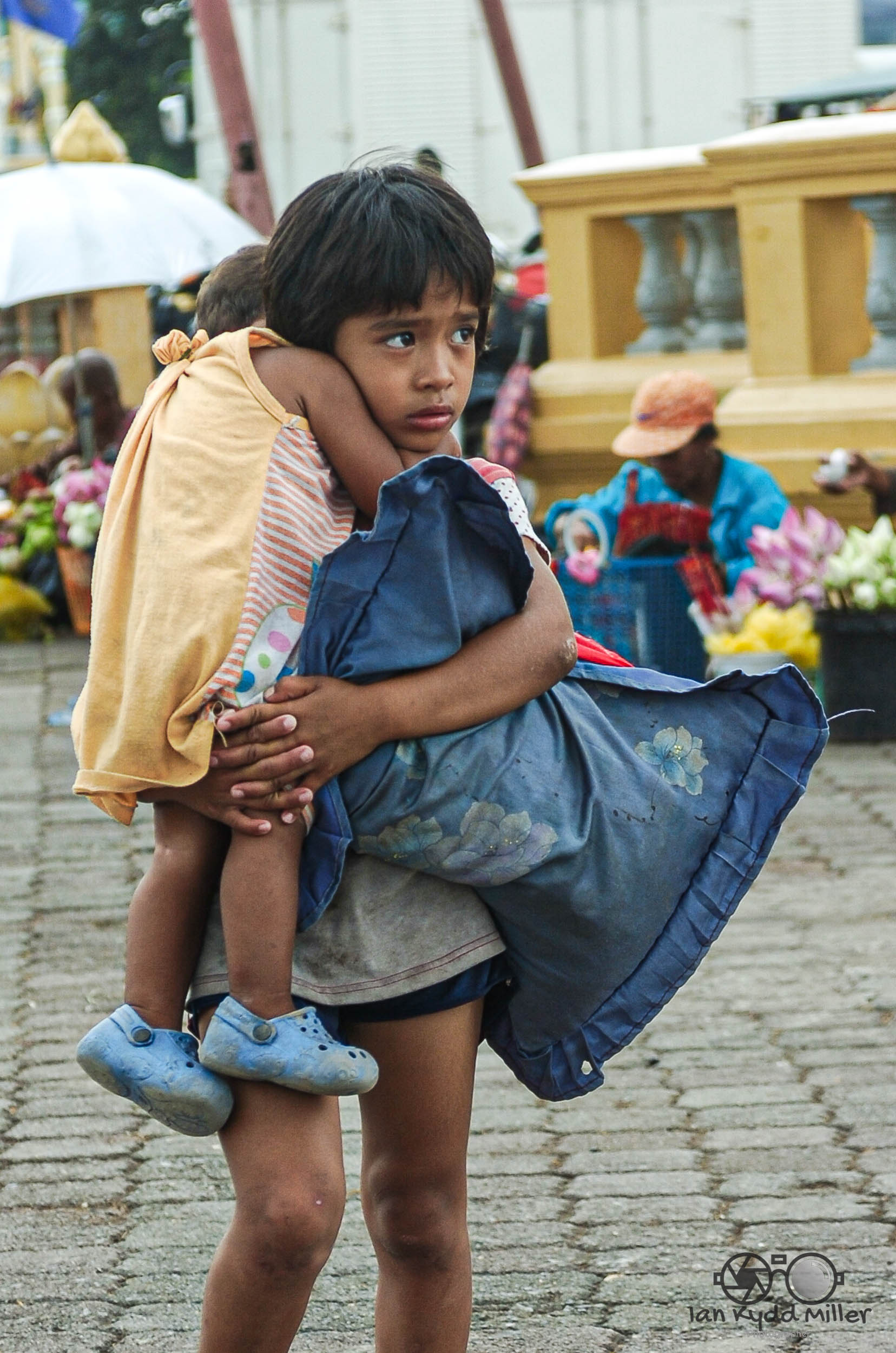
Photography is a powerful medium that evokes deep emotions and brings attention to important issues. One such issue is poverty, and photographers often grapple with the ethics of capturing images that depict the effects of poverty and deprivation.
On one hand, these images can play a crucial role in raising awareness and prompting action. They can humanize the statistics and stories we often hear, making the struggles of individuals and communities more tangible and urgent. For instance, during the Great Depression, Dorothea Lange’s photographs of struggling farmers in the United States brought the harsh realities of poverty to the forefront of public consciousness, influencing policy and public opinion.
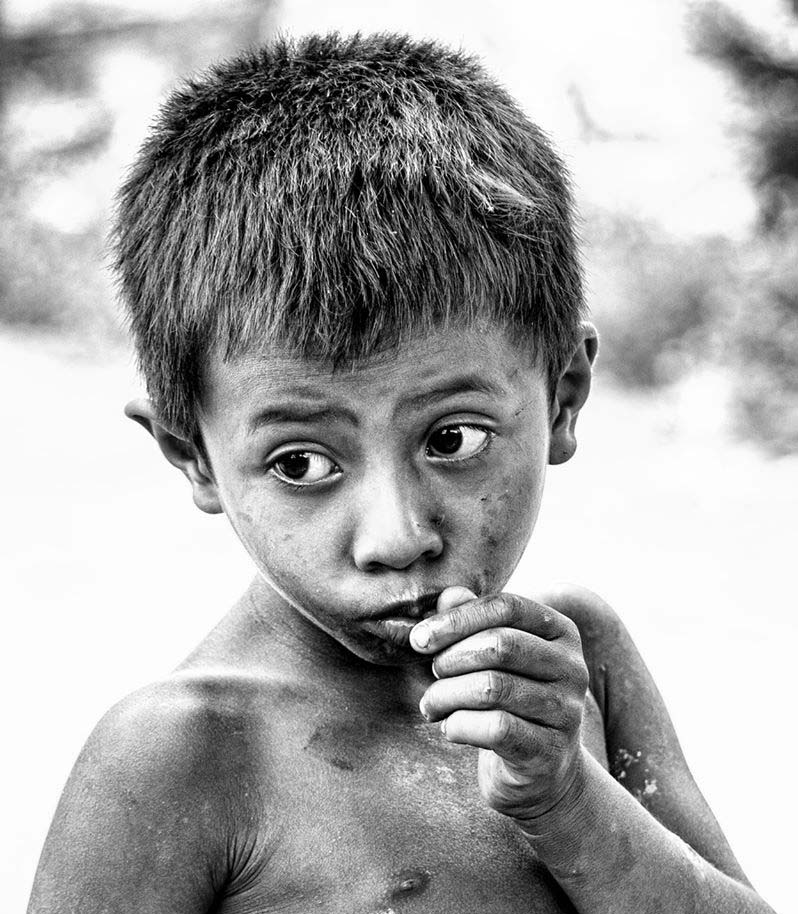
However, there is a fine line between raising awareness and exploiting the subjects. Critics argue that such photographs can sometimes reduce people to mere subjects of pity, stripping them of their dignity and agency. This is particularly concerning when the subjects cannot give informed consent, or when the images are used for commercial gain without benefiting the communities depicted.
Moreover, there is the risk of perpetuating stereotypes and reinforcing a single narrative about poverty. When images focus solely on suffering, they can overshadow the resilience, strength, and complexity of the lives of those affected by poverty. It’s essential for photographers to approach their subjects with respect, seeking to tell a fuller story that includes not just the challenges but also the triumphs and everyday realities.
In conclusion, while it is not inherently negative to record the effects of poverty in pictures, it is a practice that requires careful ethical consideration. Photographers must navigate the delicate balance between representation and exploitation, ensuring that their work contributes positively to the discourse around poverty and aids in the efforts to address its root causes. As consumers of such images, we are responsible for critically engaging with them, considering the context in which they were taken and the narratives they promote.