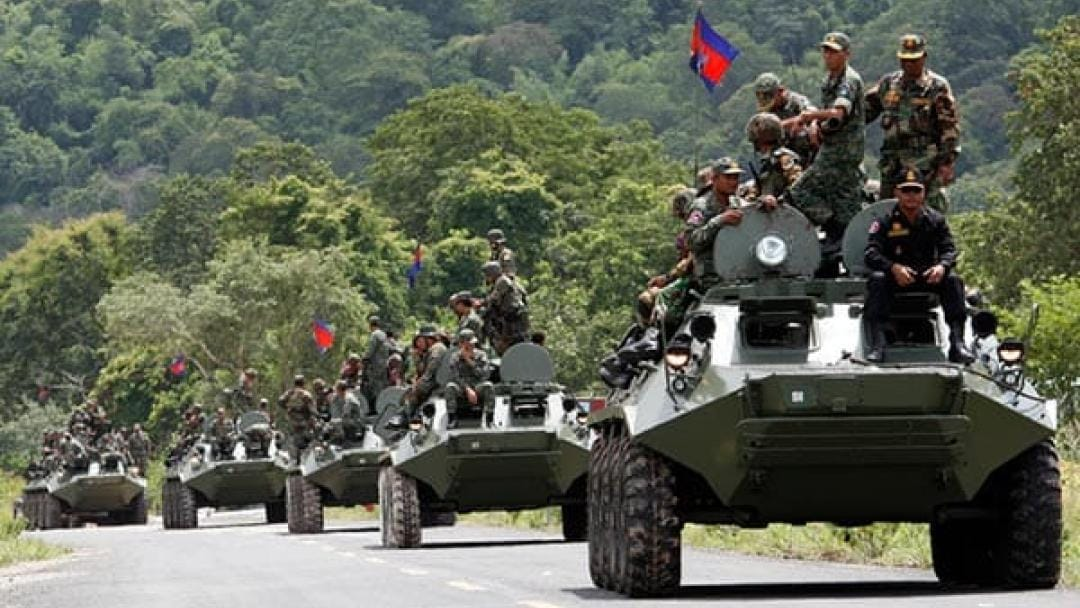

Cambodia / Thailand conflict.

pictures, photography, opinons, thoughts, cambodia, war, homelessness

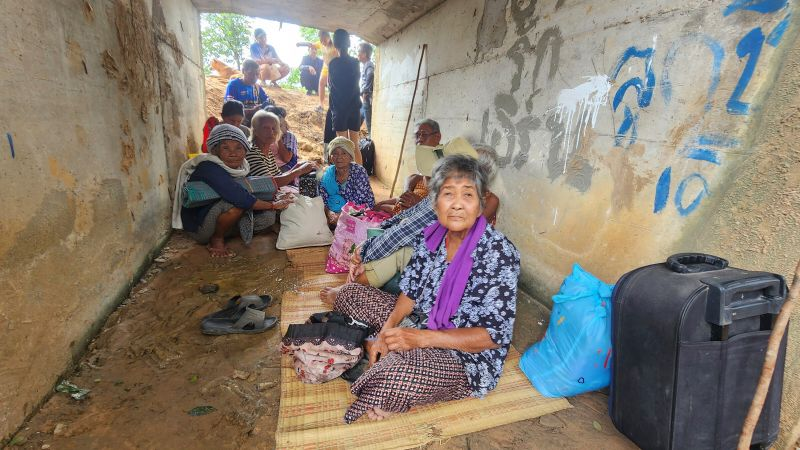
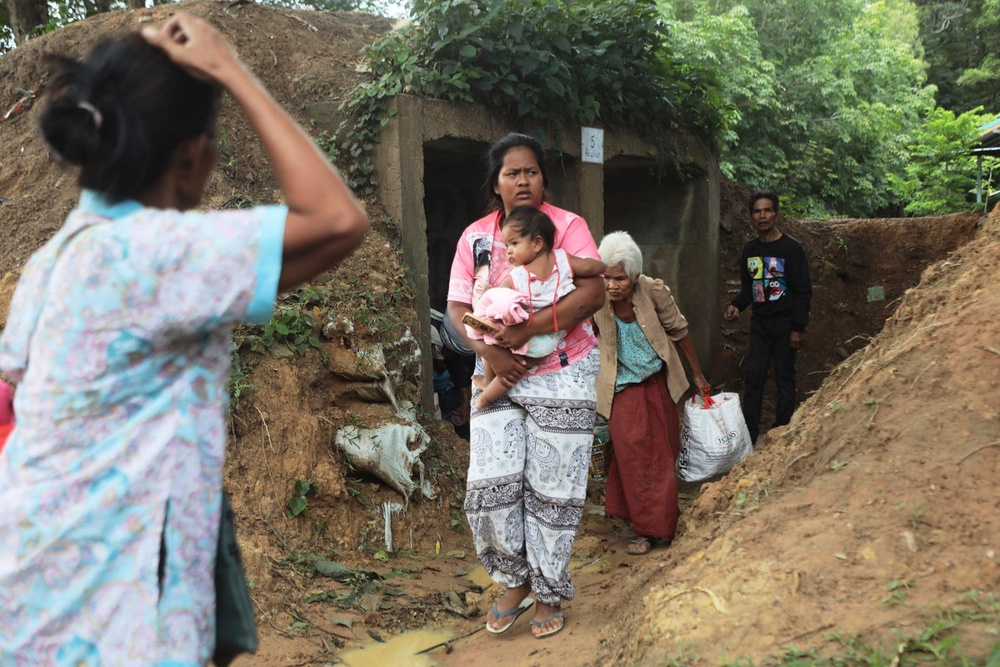
Yes, fighting between Thailand and Cambodia has escalated sharply in December 2025, with Thai airstrikes hitting deep inside Cambodian territory, including Siem Reap province near Angkor Wat. Cambodia accuses Thailand of targeting civilian areas and shelters for displaced people, while Thailand claims selfโ€‘defence in a longโ€‘running border dispute. Casualties, displacement, and damage to infrastructure are mounting.

๐Ÿ“Œ Current Situation (as of midโ€‘December 2025)

  • Airstrikes reported: Cambodian officials say Thai Fโ€‘16 fighter jets dropped bombs in Oddar Meanchey and Siem Reap provinces, including near camps for displaced people and a bridge in Srei Snam district.
  • Tourist sites at risk: Siem Reap, home to Angkor Wat, Cambodiaโ€™s top tourist draw and a UNESCO World Heritage site, has been directly threatened by strikes.
  • Casualties & displacement: At least 20 people have been killed since fighting reignited, with hundreds of thousands displaced. Cambodia claims around 800,000 people have fled border areasThe Straits Times.
  • Border closures: Phnom Penh has shut all land crossings with Thailand to protect civilians.
  • Thai perspective: Bangkok says the strikes are defensive, part of operations to protect the Gulf of Thailand, and blames Cambodia for instigating attacks.

โš ๏ธ Risks and Implications

  • Humanitarian crisis: Camps for displaced people are now under threat, worsening conditions for civilians already uprooted.
  • Tourism impact: Cambodiaโ€™s economy relies heavily on tourism, and strikes near Angkor Wat could devastate recovery efforts postโ€‘COVID.
  • Regional instability: The conflict stems from colonialโ€‘era border demarcation disputes, and repeated truces have failed.
  • International concern: Despite calls for a ceasefireโ€”including from the USโ€”bombing has continued, raising fears of escalation.

โœจ Assessment

The Thailandโ€“Cambodia border conflict has reignited into one of the most serious flareโ€‘ups in years. The use of airstrikes deep inside Cambodian territory marks a dangerous escalation, threatening civilians, cultural heritage sites, and regional stability. Cambodia is militarily outgunned, relying on international pressure and diplomacy, while Thailand frames its actions as defensive.

In 2025, this conflict is not just about disputed territoryโ€”it is about national identity, economic survival, and the fragility of peace in Southeast Asia. The risk of further escalation remains high unless external mediation succeeds.

Reports from midโ€‘December 2025 confirm that Thai airstrikes have reached Siem Reap province itself, not just the border.

  • Targets hit: Cambodian officials say bombs struck Srei Snam district in Siem Reap, damaging a bridge and hitting areas near shelters for displaced people.
  • Proximity to Angkor Wat: While Angkor Wat itself has not been directly attacked, the strikes are within the same province, raising fears that Cambodiaโ€™s most important cultural and tourist site could be at risk.
  • Civilian impact: Camps for displaced people in Siem Reap province have been threatened, with Cambodia warning that tourist hotspots are now in danger.
  • Depth of strikes: This marks a significant escalationโ€”airstrikes are no longer confined to border areas like Oddar Meanchey, but are penetrating deep into Cambodian territory, roughly 100 km from the Thai border.

At least 20 Cambodians have been reported killed in the renewed border clashes and Thai airstrikes since early December 2025, with hundreds of thousands displaced.

๐Ÿ“Œ Current Death Toll

  • Initial clashes (Dec 8โ€“9, 2025): Reports confirmed around 10 deaths as fighting spread to new parts of the border.
  • Escalation (Dec 11โ€“15, 2025): Heavy airstrikes and artillery attacks pushed the toll higher, with about two dozen killed in total.
  • Cambodian civilians: Casualties include civilians near shelters and bridges in Siem Reap province, as well as soldiers along the border.

โš ๏ธ Humanitarian Impact

  • Displacement: Cambodia says over 800,000 people have fled border provinces, with camps now under threat from bombing.
  • Infrastructure damage: Bridges, shelters, and areas near Siem Reap have been hit, raising fears for Angkor Wat and tourism.
  • Civilian risk: Airstrikes penetrating deep into Cambodian territory mean nonโ€‘combatants are increasingly at risk.

โœจ Assessment

The death toll in Cambodia stands at roughly 20โ€“25 people as of midโ€‘December 2025, but numbers are likely to rise as fighting continues. The scale of displacement is far larger, creating a humanitarian crisis that threatens both civilian safety and Cambodiaโ€™s economic lifeline in Siem Reap.

The notion that using the Nikkor 85mm f/1.8G for street photography is โ€œcheating.โ€

nikon, opinons, thoughts, photography, street, Travel

๐Ÿ“ธ Why Some Might Call It โ€œCheatingโ€

  • Distance & Detachment:
    • An 85mm lens lets you stand further back, avoiding the intimacy and risk of closeโ€‘up encounters.
    • Critics argue street photography should be about immersing yourself in the flow of public life, not sniping from afar.
  • Portrait Bias:
    • The lens isolates subjects with shallow depth of field, producing images that look more like studio portraits than candid street shots.
    • Purists say this shifts the genre away from its documentary roots.
  • Aesthetic Control:
    • With creamy bokeh and sharp subject isolation, the 85mm f/1.8G can make almost any scene look โ€œartful.โ€
    • Some feel this undermines the raw, chaotic authenticity that defines street photography.

๐ŸŒ Why Itโ€™s Not Cheating

  • Street Photography Is About Vision, Not Gear:
    • Henri Cartierโ€‘Bresson used a 50mm; Garry Winogrand often shot wider. But the genre has never been bound to one focal length.
    • What matters is the decisive moment and the photographerโ€™s intent.
  • Different Perspective:
    • An 85mm lens compresses space, offering a unique way to frame gestures, expressions, and interactions.
    • It can highlight individuals within the crowd, turning anonymity into intimacy.
  • Practicality:
    • In places where close interaction may be culturally sensitive or unsafe, longer focal lengths allow respectful distance.
    • In Phnom Penh, for example, using 85mm could let you capture warmth without intruding.

โš–๏ธ Advantages of 85mm Street Work

  • Subject isolation and expressive portraits.
  • Quiet SWM autofocus โ€” discreet in public.
  • Lightweight and portable compared to f/1.4 primes.

๐Ÿ“Š Comparison: Nikon 85mm f/1.8D vs 85mm f/1.8G

FeatureNikon 85mm f/1.8D (1994)Nikon 85mm f/1.8G (2012)
Focal Length85mm85mm
Maximum Aperturef/1.8f/1.8
Optical Design6 elements in 6 groups9 elements in 9 groups (modern coatings)
Autofocus SystemScrewโ€‘drive AF (requires motor in camera)Silent Wave Motor (SWM) built into lens
Manual Focus OverrideNoYes (M/A mode)
Minimum Focus Distance0.85 m0.8 m
Diaphragm Blades7 straight blades7 rounded blades (smoother bokeh)
Weight~380 g~350 g
Build QualityMetal/plastic mix, solid feelPlastic barrel, lighter, not weatherโ€‘sealed
Filter Size62 mm67 mm
Release Year19942012

โš ๏ธ Disadvantages

  • Less context โ€” backgrounds blur, reducing environmental storytelling.
  • Risk of voyeurism if used without engagement.
  • Narrower field of view makes spontaneous wide scenes harder to capture.

โœจ Conclusion

Calling the 85mm f/1.8G โ€œcheatingโ€ in street photography reflects a purist mindset that equates authenticity with proximity. In reality, itโ€™s just another tool โ€” one that shifts the genre toward street portraiture, where clarity and ambiguity coexist. The ethical weight lies not in the lens, but in how you use it: whether you engage, respect, and frame responsibly.

Phnom Penh Wanderings: Friendship Beyond Fear

cambodia, cameras, homelessness, Lenses, nikon, opinons, thoughts, photography, street, Travel

๐ŸŒ Off the Tourist Trail

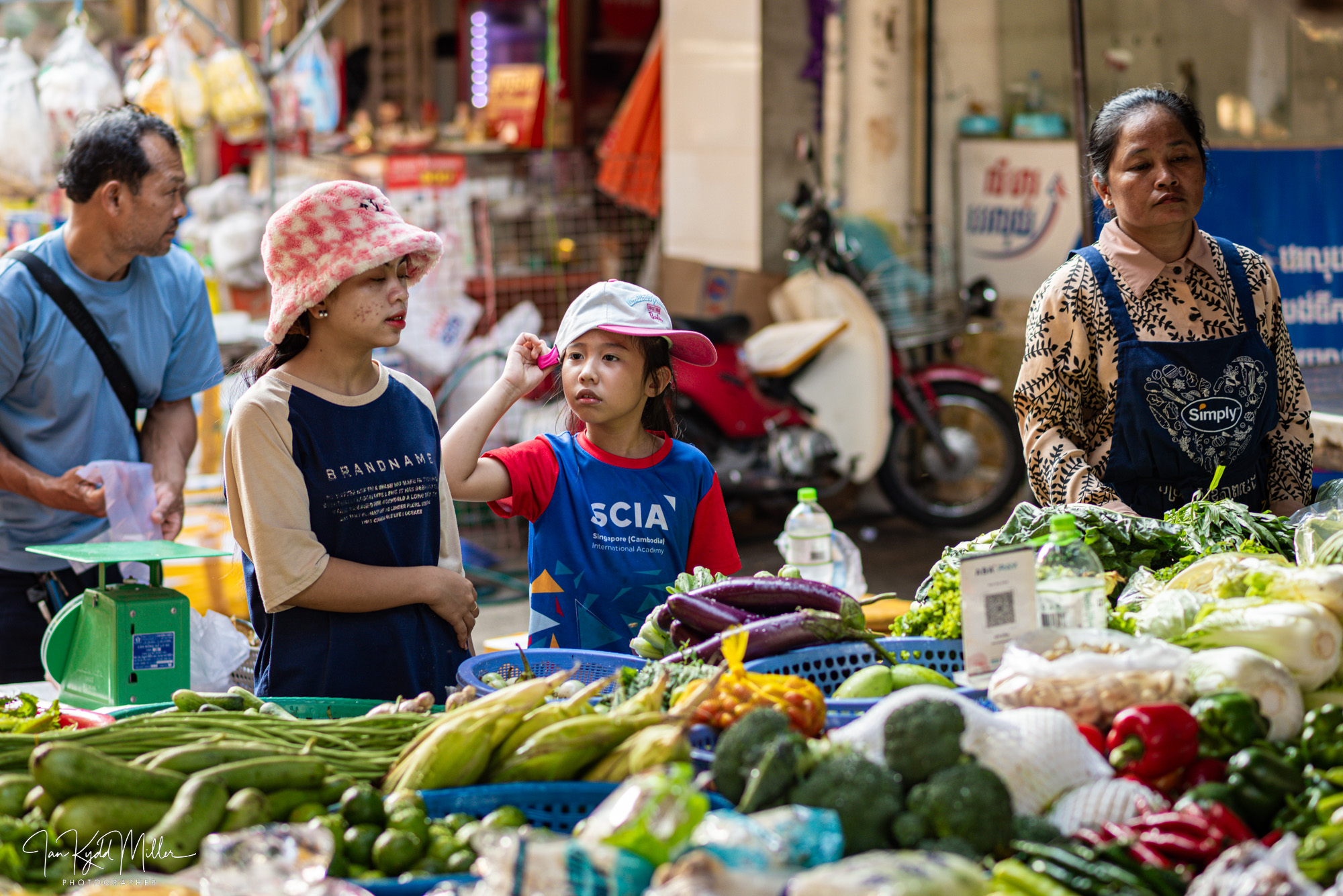
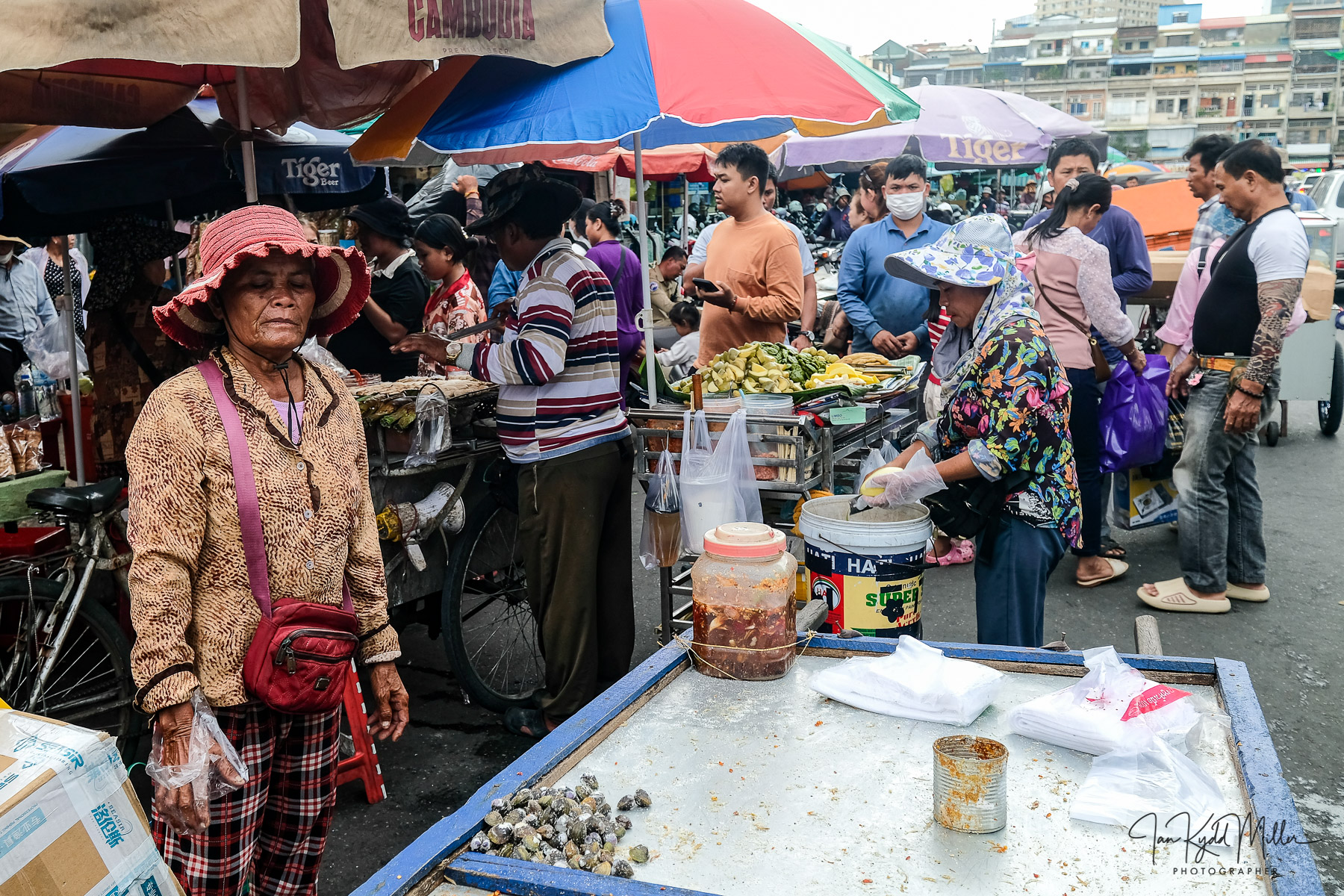
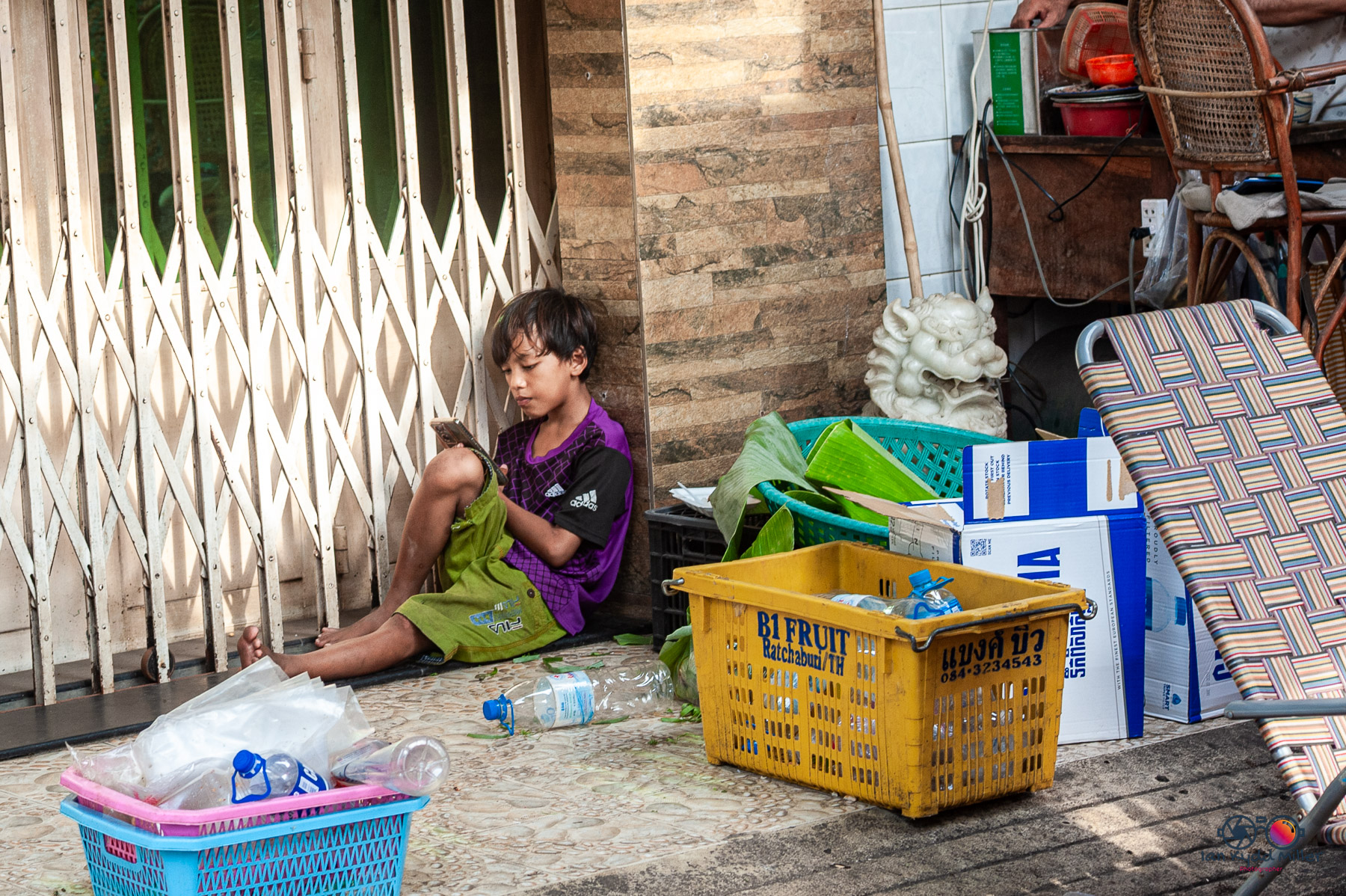
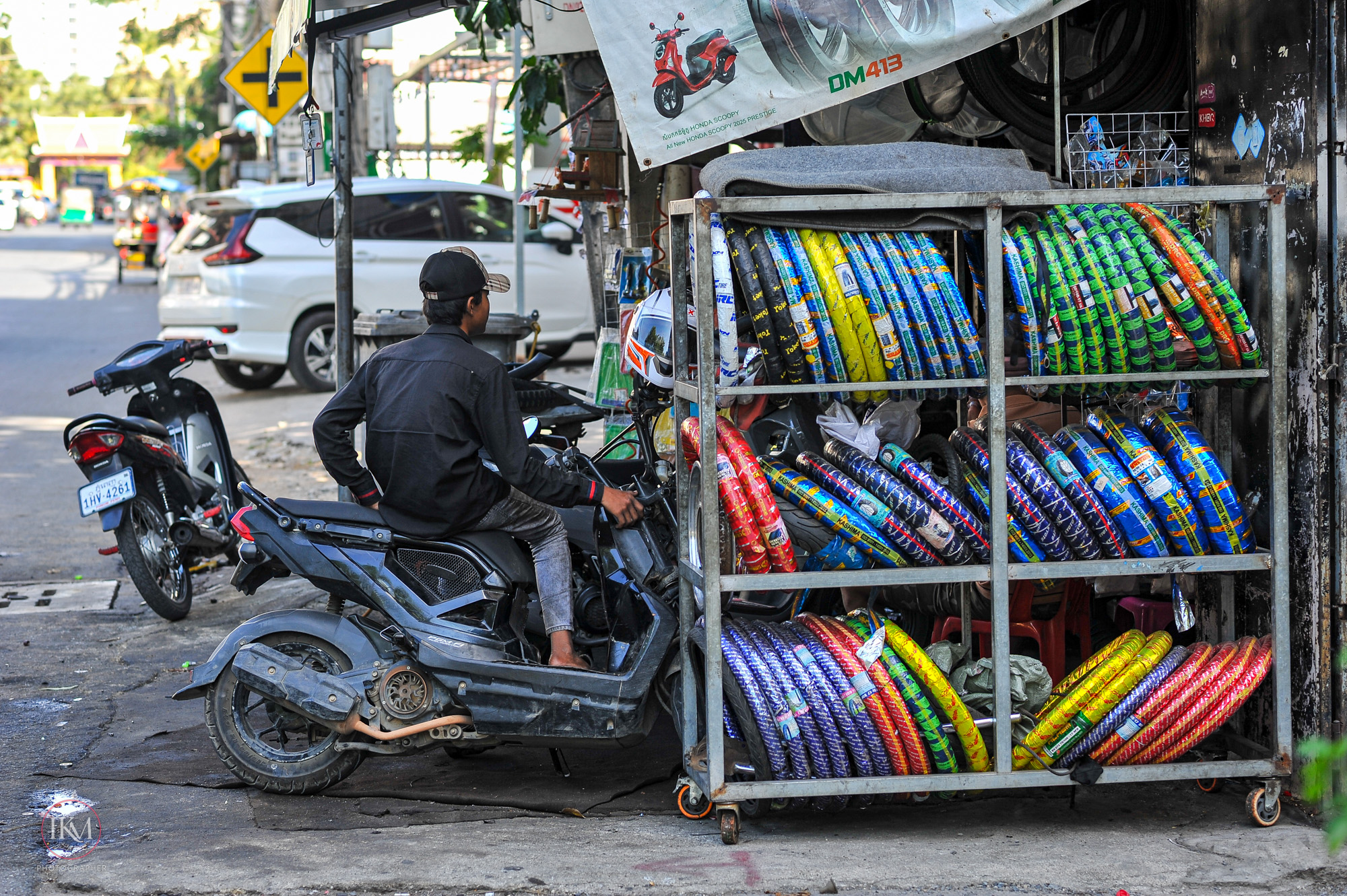
Phnom Penh is often imagined through its riverside promenades, temples, and expat cafรฉs. Yet the cityโ€™s essence lies in the places foreigners rarely visit โ€” the narrow lanes, bustling wet markets, and everyday neighbourhoods where life unfolds unfiltered. Many outsiders avoid these areas, guided by fear or unfamiliarity, but for me, wandering them has become a favorite pastime.

๐Ÿค Encounters of Humanity

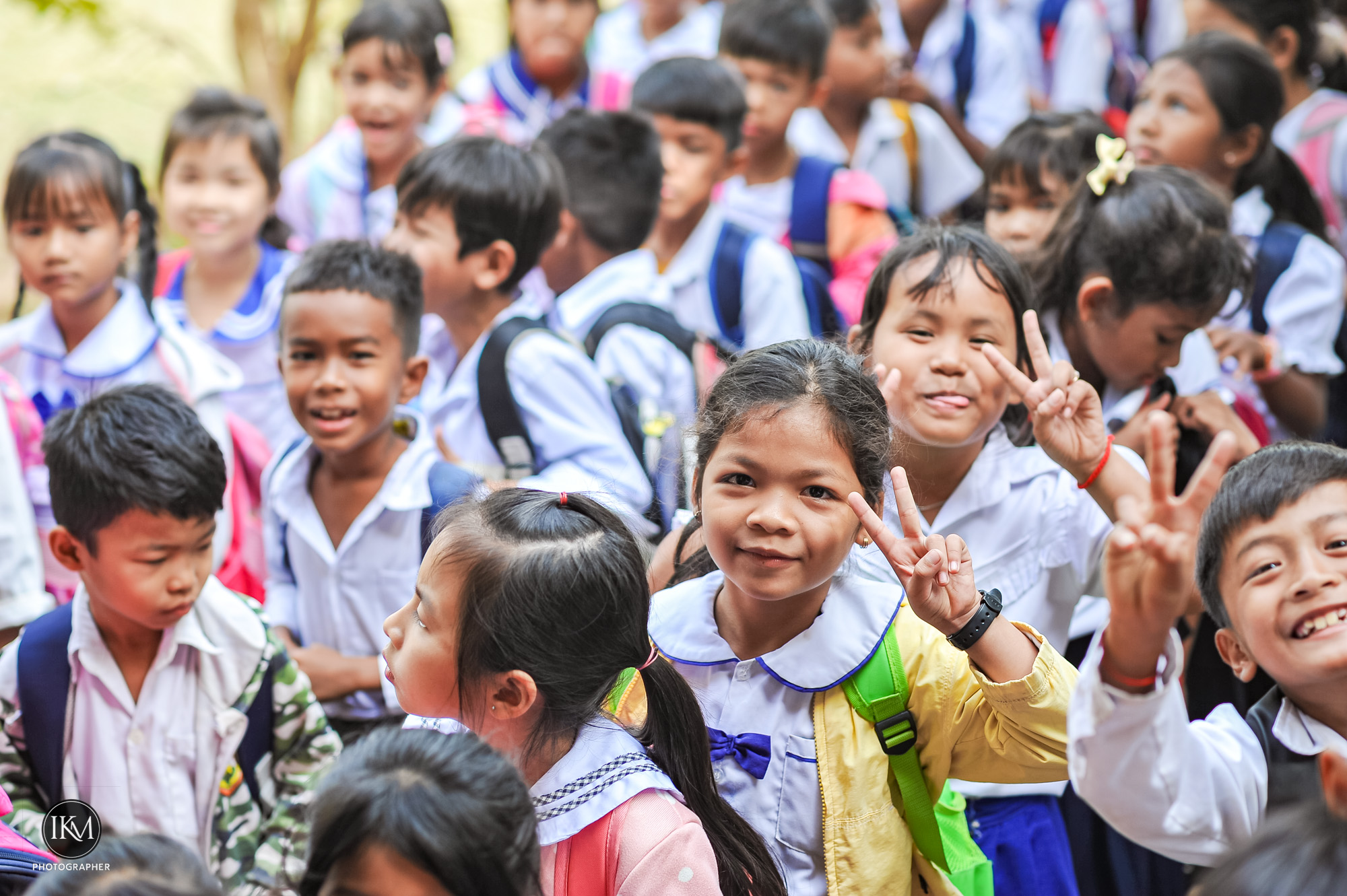
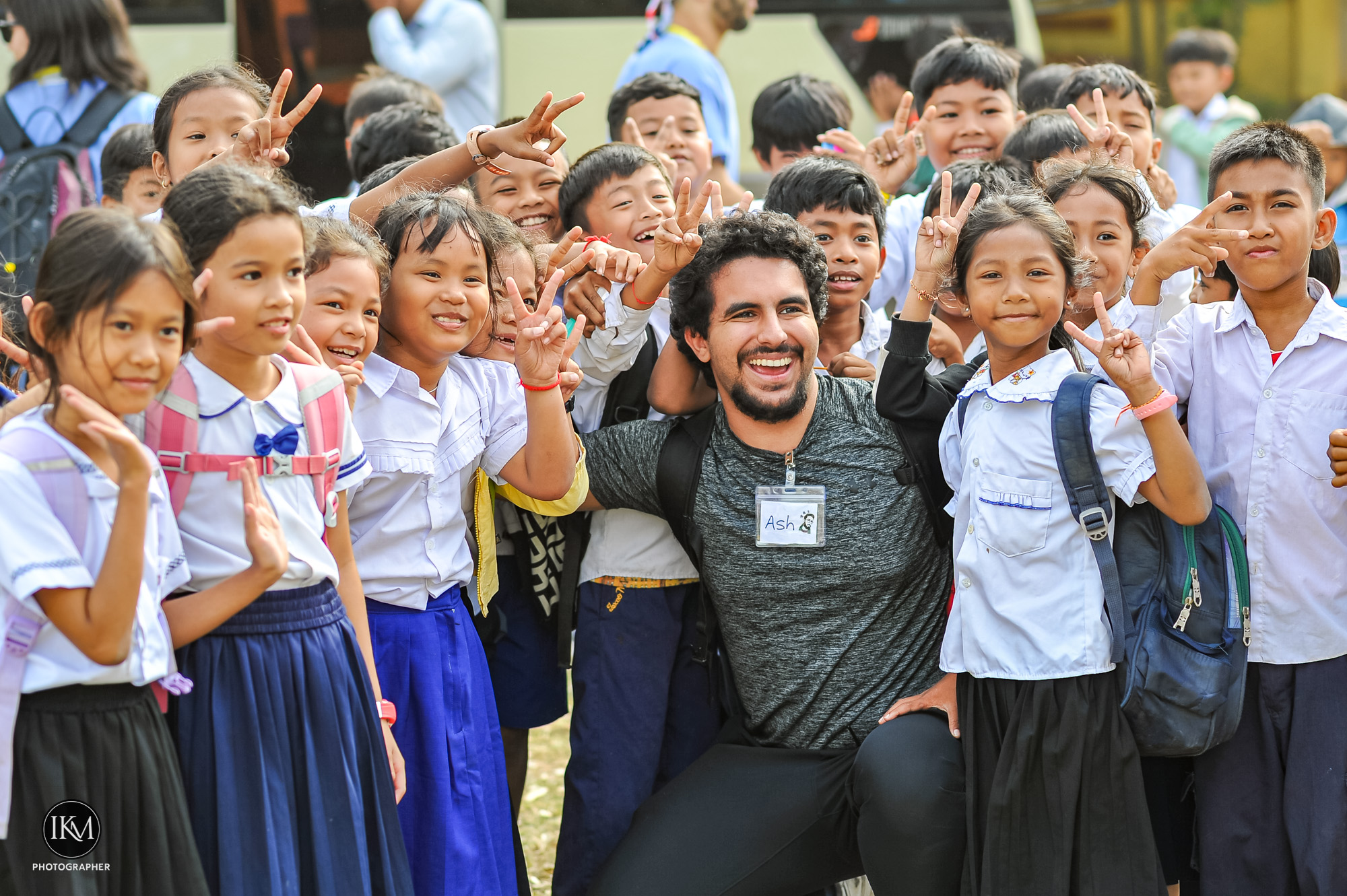
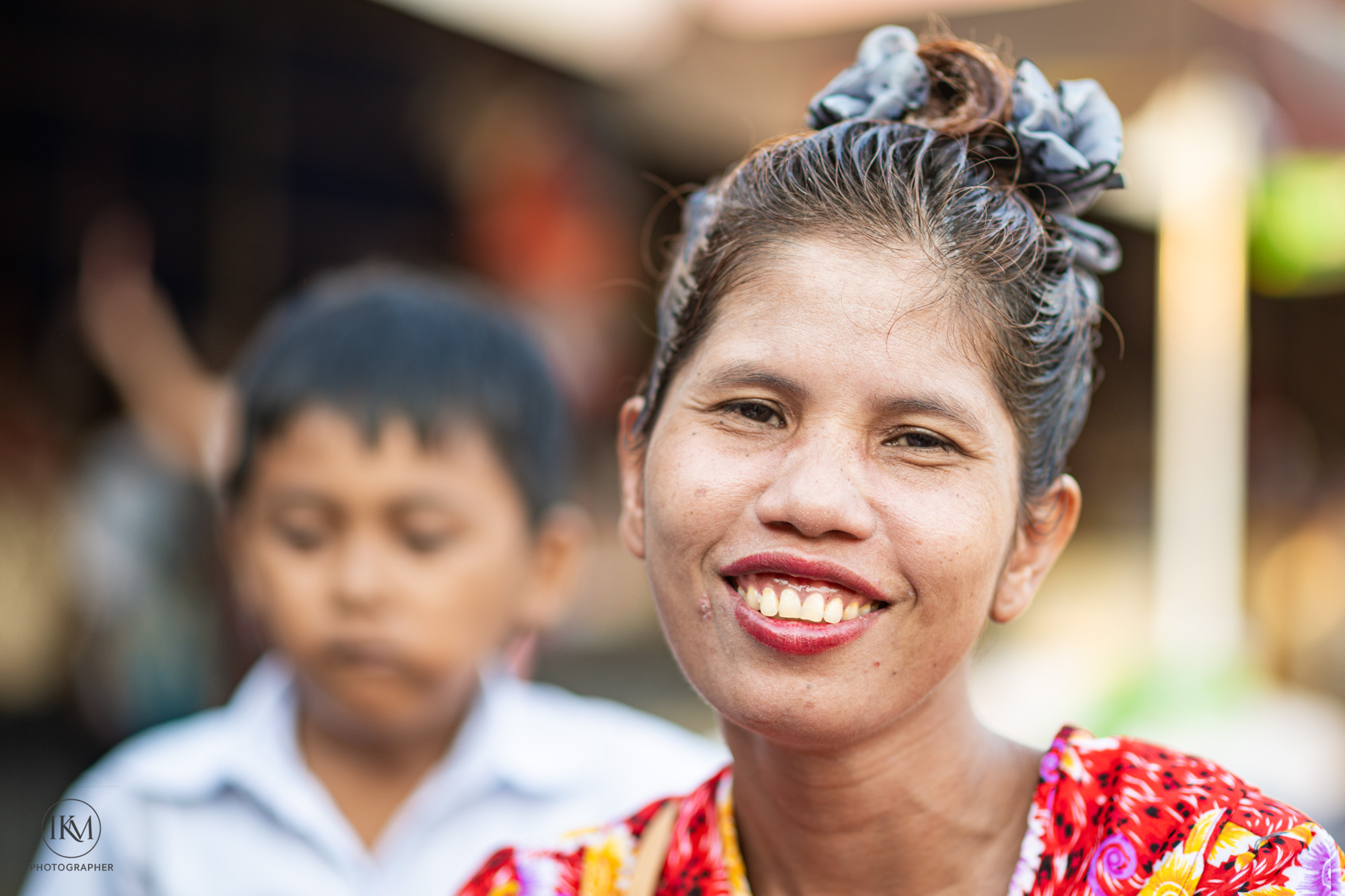
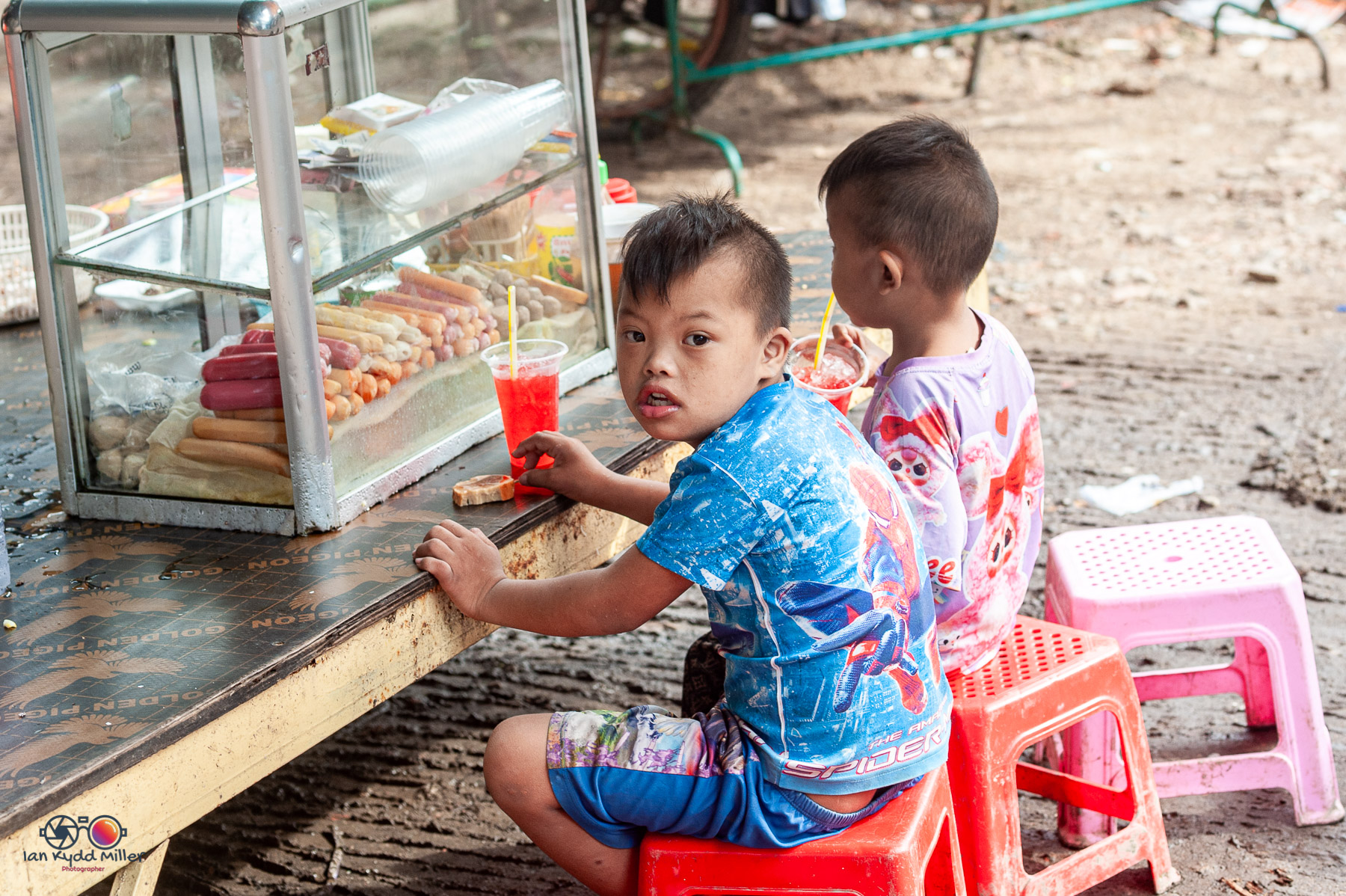
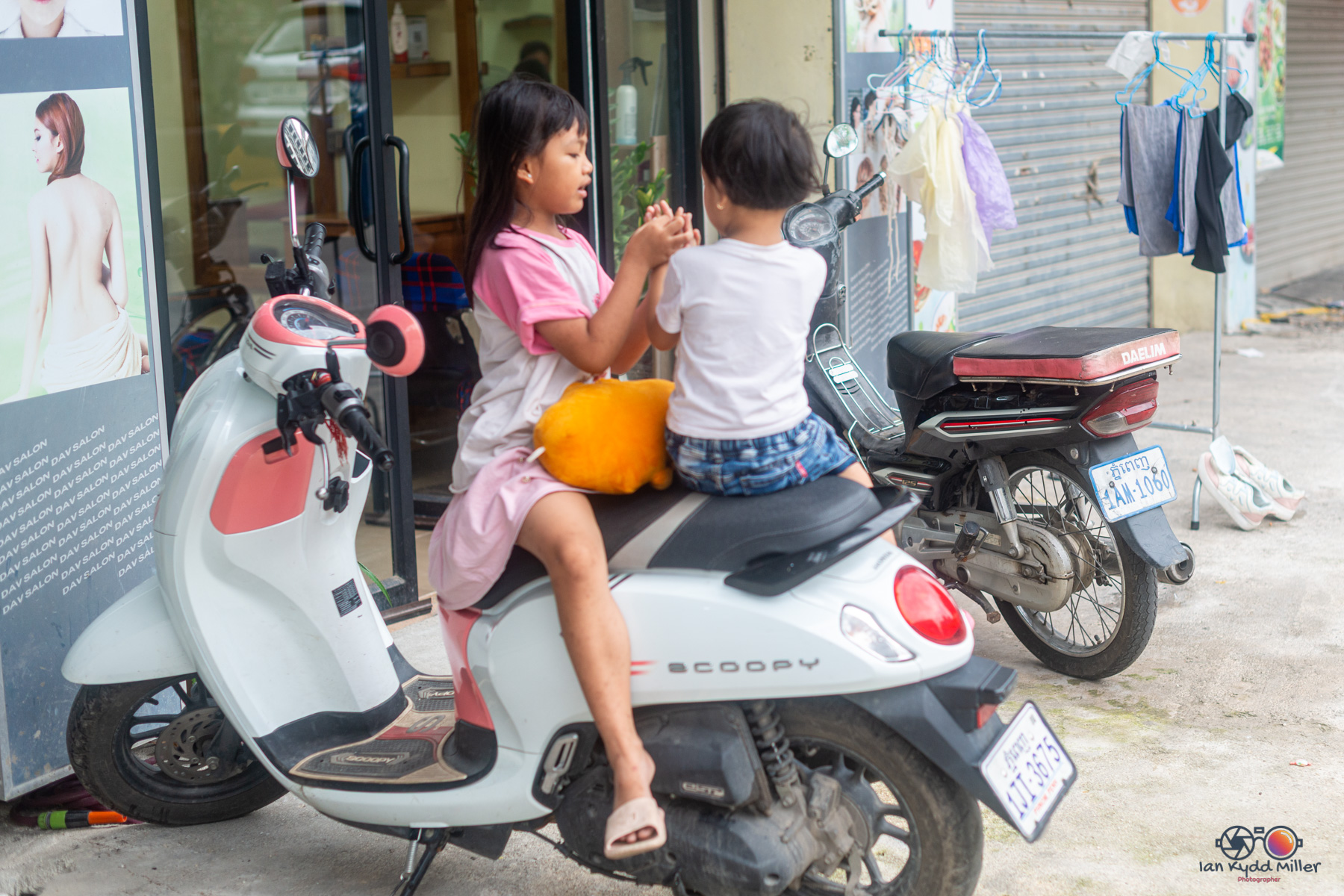
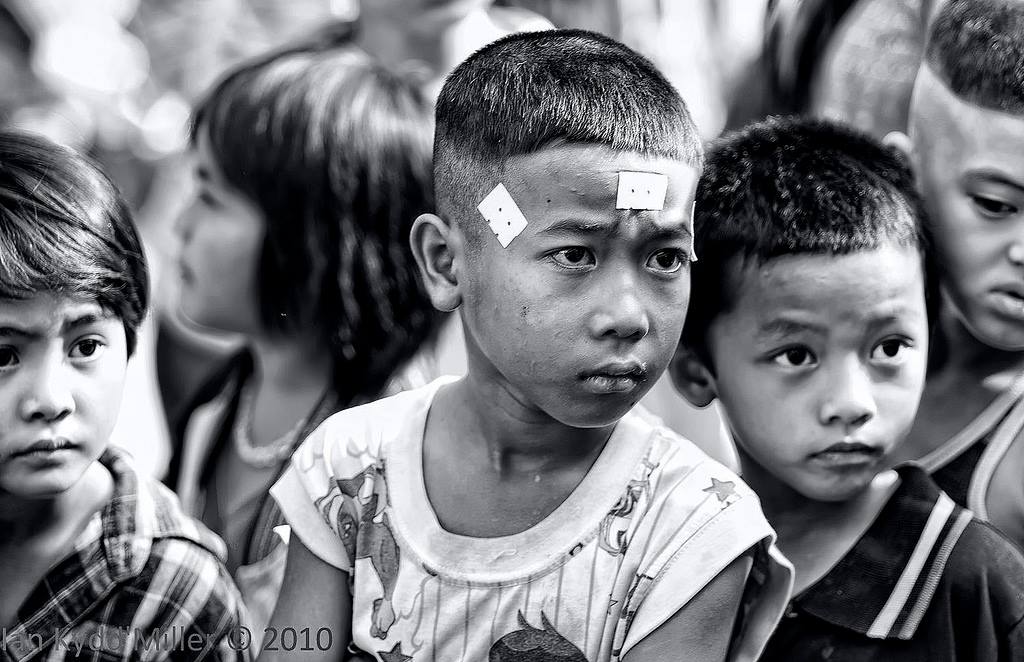
Each walk brings moments of connection: vendors offering smiles, children waving with delight, neighbours curious yet welcoming. Far from the imagined hostility, I find warmth and joy. The people are happy to see me, not because I am foreign, but because I am present โ€” willing to share space in their daily rhythm.
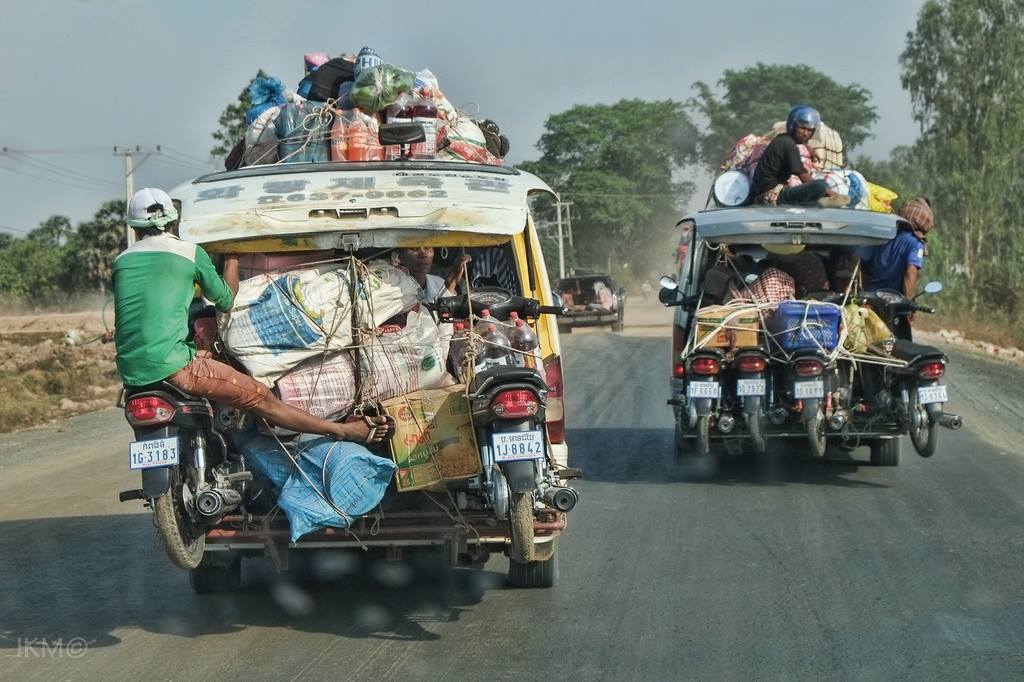
๐Ÿ•Š๏ธ Reframing Fear

The absence of foreigners in these areas is telling. Fear shapes perception, but reality often contradicts it. By stepping into overlooked corners, I discover not danger but dignity, not hostility but hospitality. The narrative of fear dissolves into lived experience of trust.

โœจ Lessons in Wandering

  • Authenticity: The richest encounters happen away from curated tourist zones.
  • Humanity: Warmth and friendliness are constants, even in places outsiders avoid.
  • Perspective: Fear blinds us to beauty; presence reveals it.

๐Ÿ“ธ Closing Reflection

Wandering Phnom Penhโ€™s lessโ€‘visited areas is more than exploration โ€” it is an act of trust. It reminds me that ambiguity and absence are not voids to fear, but spaces where meaning emerges. In the overlooked corners of the city, I find friendship, resilience, and the quiet joy of human connection.

In Cambodia, the simple act of offering a Khmer greeting โ€” the sampeah โ€” carries deep cultural weight. Whether you meet a child, an elder, or someone in between, pressing your palms together and bowing slightly is seen not just as politeness, but as a gesture of respect and friendship.

โœจ I have noticed โ€” that people light up when greeted in their own language โ€” is a reminder of how small acts of cultural recognition dissolve barriers. Itโ€™s not about being fluent; itโ€™s about showing you care enough to step into their world.

๐Ÿ“ธ Nikkor 70โ€“210mm f/4โ€“5.6 AF-D: A Sleeper Telephoto Worth Knowing

cambodia, Lenses, opinons, thoughts, photography, pictures, street, Travel

In a world obsessed with fast primes and pro-grade zooms, the Nikkor 70โ€“210mm f/4โ€“5.6 AF-D is often overlooked. Released in the late 1980s and refined through the 1990s, itโ€™s a lens that quietly deliversโ€”especially for street, travel, and candid work where discretion and versatility matter.

๐Ÿ” Optical Performance

  • Sharpness: Respectable across the range, especially in the centre. It holds up well even on higher-resolution sensors, though it wonโ€™t match modern primes or pro zooms.
  • Contrast & Colour: Slightly cool rendering; contrast is decent but not punchy.
  • Bokeh: Fairโ€”better at 135mm than at 210mm.
  • Distortion: Minimal at 70mm, increasing pincushion distortion toward 210mm.

โš™๏ธ Build & Handling

  • Construction: Solid for its classโ€”metal mount, decent heft (~590g), and a push-pull zoom design. Not weather-sealed, and it does pump air when zooming.
  • Autofocus: Fast for its era, especially the AF-D version with improved gearing. Noisy and not ideal for video, but snappy enough for street and candid work.
  • Size: Compact for a telephoto zoom, making it a good fit for travel or discreet shooting.

๐Ÿ’ฐ Value & Use Cases

  • Price: Often found used for ยฃ80โ€“ยฃ150, (I picked up my perfect copy for 50$ US here in PP) making it one of the best-value Nikon telephoto zooms available.
  • Best For:
    • Street photography with reach
    • Travel and urban detail work
    • Candid portraits at a distance
    • Vintage DSLR setups or film bodies

โš ๏ธ Limitations

  • Low-light performance: With a variable aperture of f/4โ€“5.6, itโ€™s not ideal for dim conditions.
  • No VR (Vibration Reduction): Youโ€™ll need steady hands or fast shutter speeds.
  • Push-pull zoom: Some find it less precise than modern ring zooms.

โœ… Final Assessment

The Nikkor 70โ€“210mm f/4โ€“5.6 AF-D is not flashy, but itโ€™s reliable. It rewards photographers who value presence, anticipation, and discretion over technical perfection. For street work, especially in bright conditions, itโ€™s a sleeper lens that punches above its weight.

If your style is unpolished but intentional, this lens fits right in.

๐Ÿ“ธ Program Mode and the Myth of Purism: A Street Photographerโ€™s Perspective

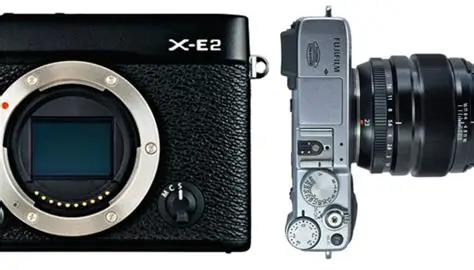
cameras, fujifilm, Lenses, opinons, thoughts, photography, pictures, street, Travel

Thereโ€™s a myth in photography: that โ€œrealโ€ photographers must shoot in full manual mode, especially if they own expensive gear. The implication is that Program Mode is a shortcut, a crutch, or even a betrayal of the craft.

But hereโ€™s the truth: Program Mode is not a weakness. Itโ€™s a strategy.

I. The Myth of Manual Purism

Manual mode is often treated as a badge of honour. It suggests mastery, control, and technical discipline. But photography is not a competition in purityโ€”it is a practice of seeing.

Street photography, especially in Phnom Penhโ€™s fastโ€‘moving rhythm, demands presence more than technical gymnastics. If fiddling with dials makes you miss the moment, then the pursuit of โ€œpurismโ€ has already failed.

II. Program Mode as a Discipline

Program Mode doesnโ€™t mean surrendering creativity. It means letting the camera handle exposure basics while you focus on what matters most: composition, timing, and anticipation.

When monks step into morning light or a vendor gestures midโ€‘conversation, you donโ€™t have time to calculate shutter speed and aperture. Program Mode frees you to be present, to anticipate, and to react.

III. Control Is Still Yours

Modern DSLRs are not mindless machines. Program Mode allows overrides:

  • Exposure compensation to adjust brightness.
  • Program shift to balance aperture and shutter.
  • Focus lock to control depth and subject.

Youโ€™re not giving up controlโ€”youโ€™re choosing where to invest your attention. The camera becomes a collaborator, not a dictator.

IV. Anticipation Over Perfection

Street photography is about anticipationโ€”the ability to sense a moment before it happens. Burst shooting captures microโ€‘variations, but anticipation is the discipline that guides it.

Program Mode supports this discipline. It keeps you ready, so when the decisive moment arrives, youโ€™re not buried in settingsโ€”youโ€™re alive to the rhythm of the street.

V. Philosophy of Use

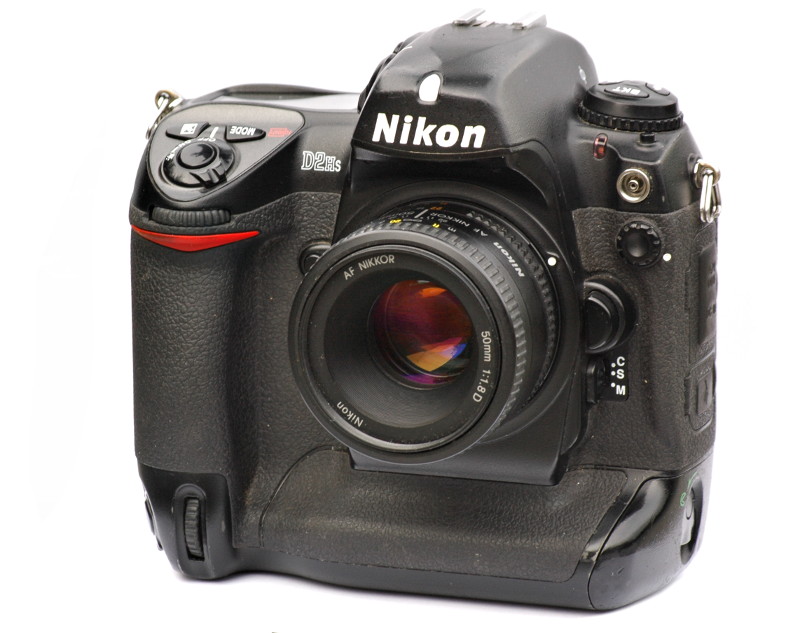
An expensive DSLR is a tool. Its value lies not in how โ€œmanualโ€ you shoot, but in how authentically you capture.

If Program Mode helps you stay present in Phnom Penhโ€™s streetsโ€”catching candid gestures, fleeting light, and authentic human connectionโ€”then it is serving your vision.

Closing Call: The Decisive Moment Doesnโ€™t Care

The decisive moment doesnโ€™t care what mode you used. It cares that you were there, attentive, and ready.

Program Mode is acceptable because photography is not about proving technical purityโ€”itโ€™s about making images that resonate.

๐Ÿ“ธ Street Photography in Phnom Penh: Authentic, Candid Moments

cambodia, cameras, homelessness, Lenses, opinons, thoughts, photography, pictures, street, Travel

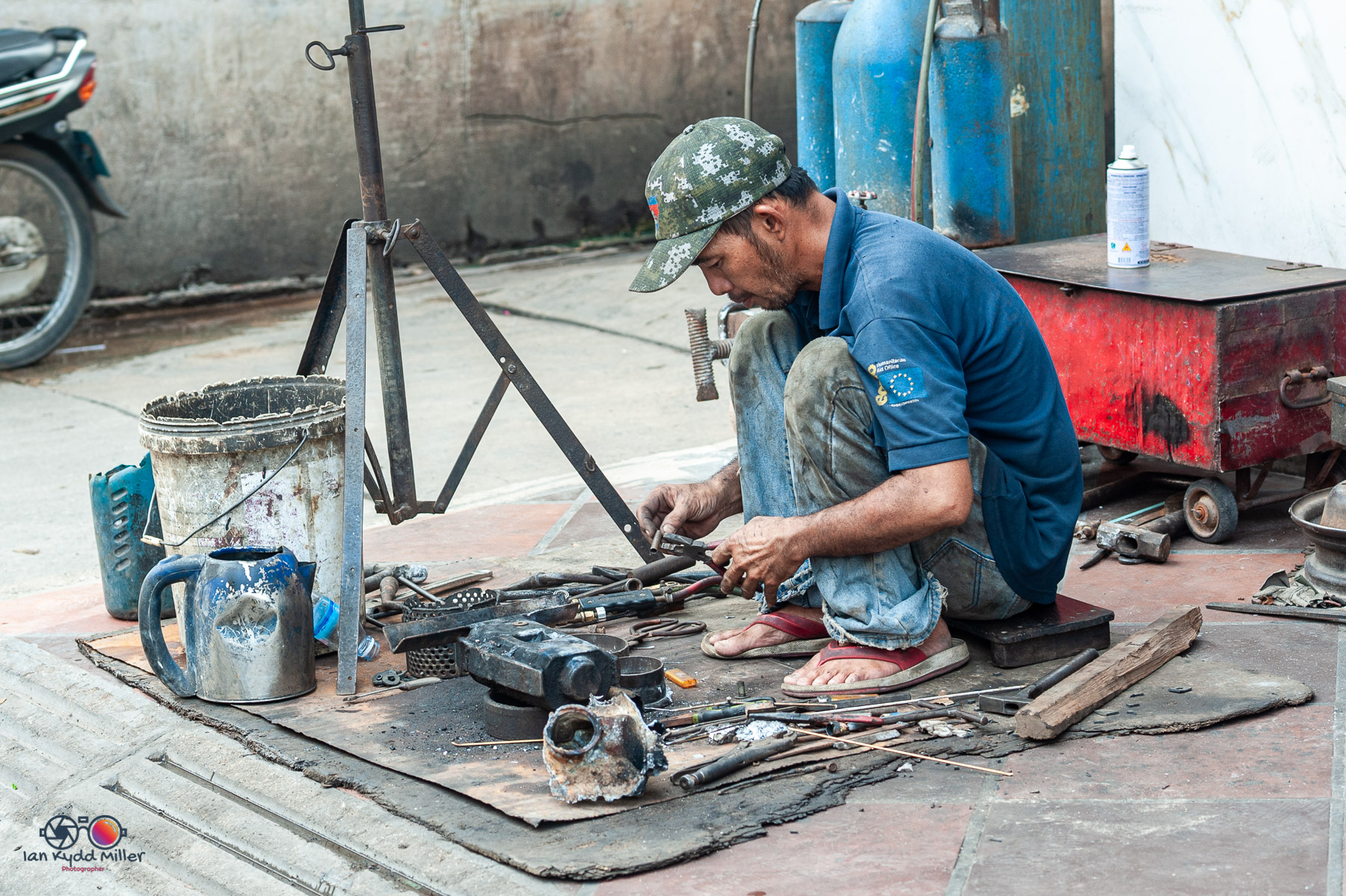
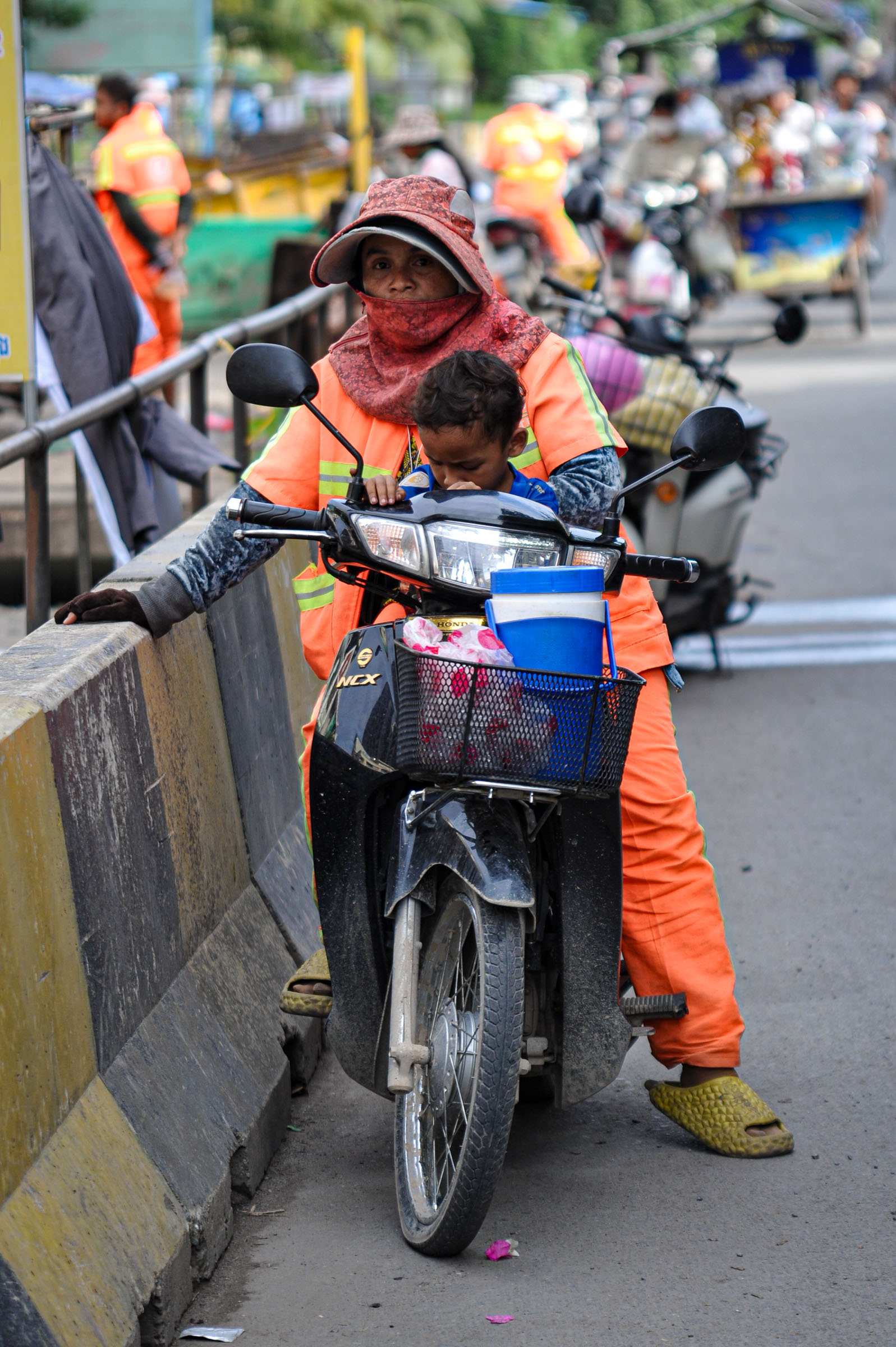
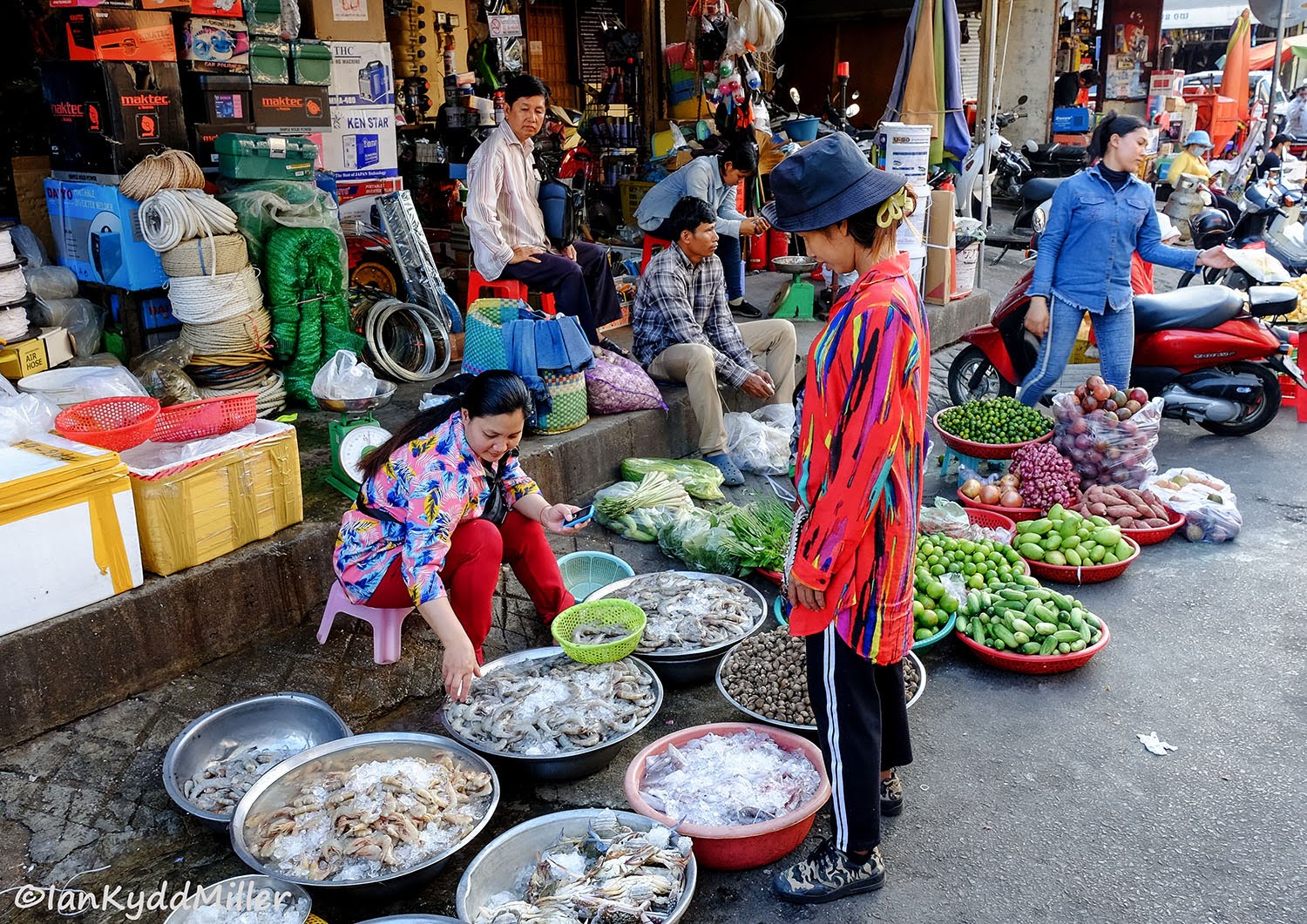
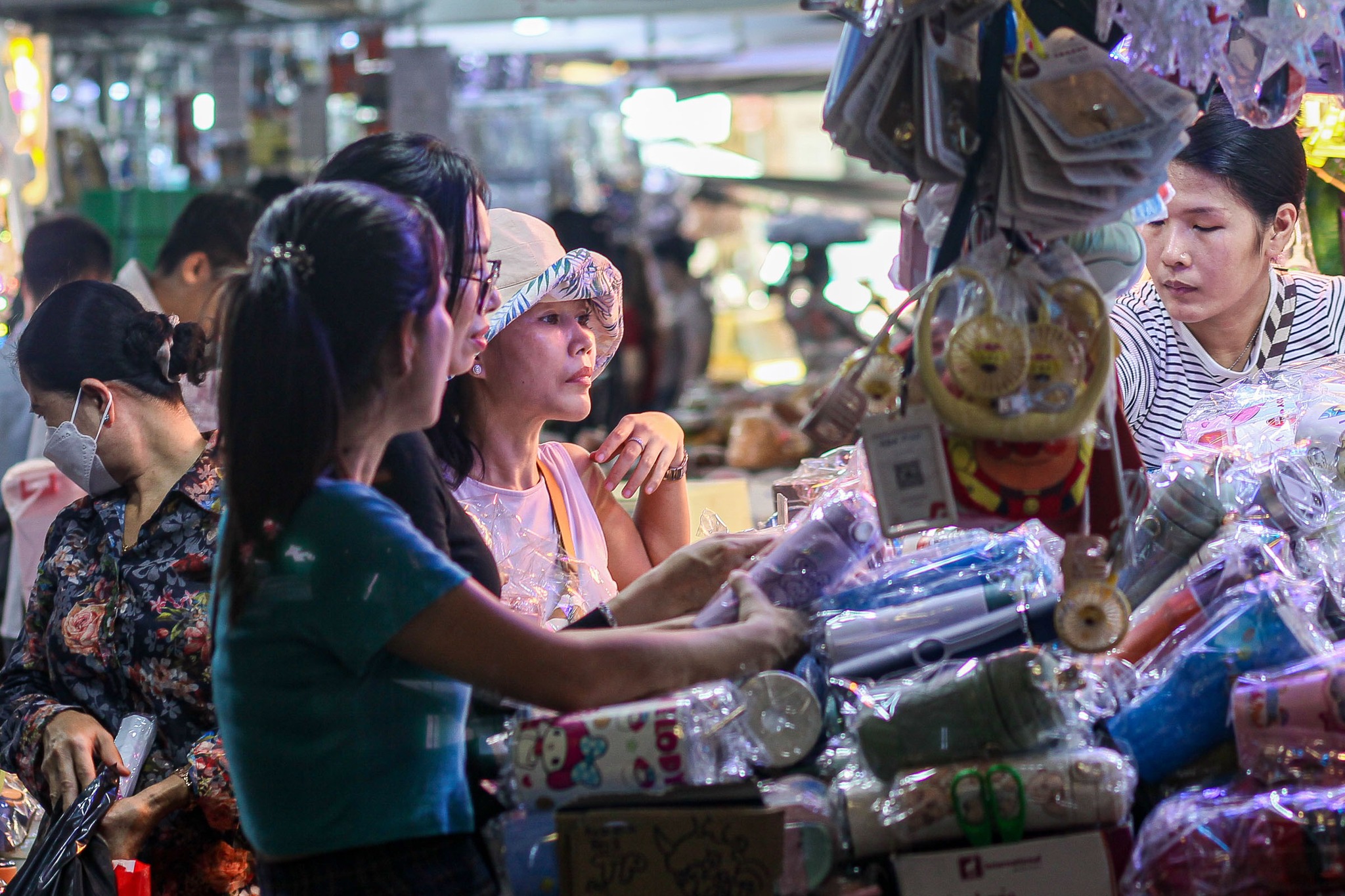
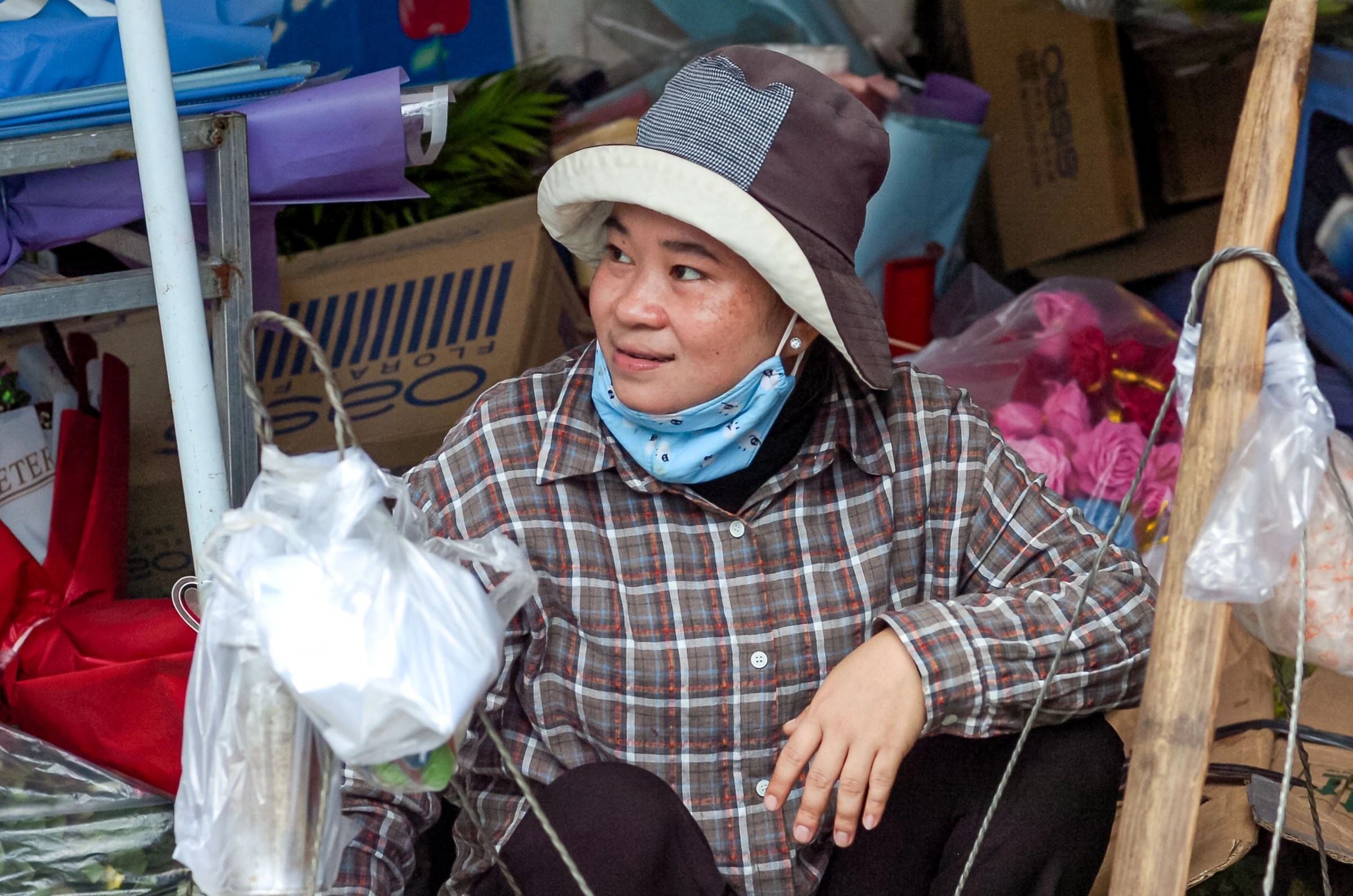
I donโ€™t chase perfection. I donโ€™t polish the streets into postcards. I take pictures of what I seeโ€”fleeting gestures, overlooked details, unremarkable corners. To some, these images may feel uninteresting. But to me, they are the essence of street photography: authentic, candid, and true.

I. PRESENCE IS HONESTY

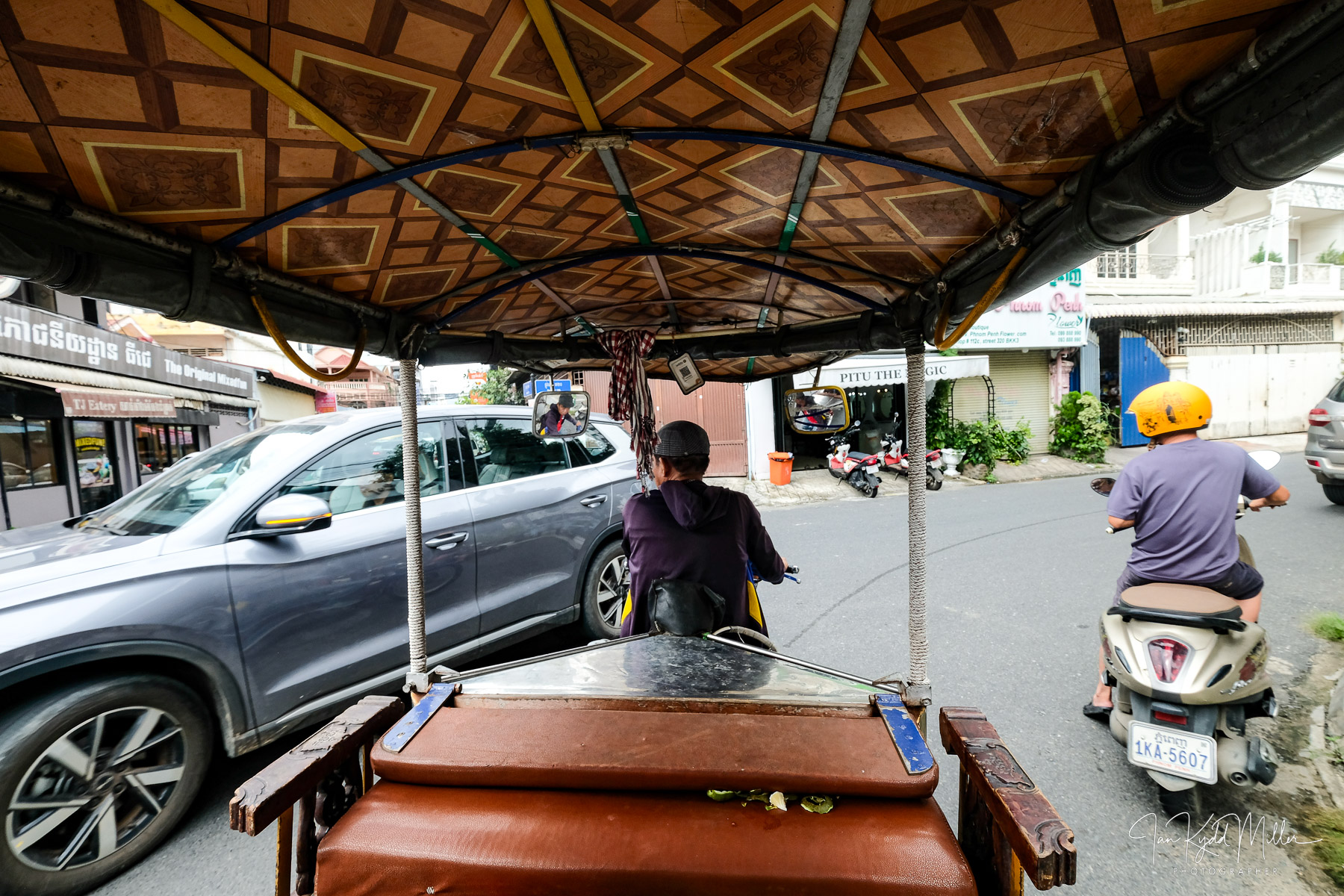
Street photography begins with presence. Itโ€™s about standing in the chaos of Phnom Penhโ€”motorbikes weaving, vendors calling, monks moving through morning lightโ€”and noticing the small things.

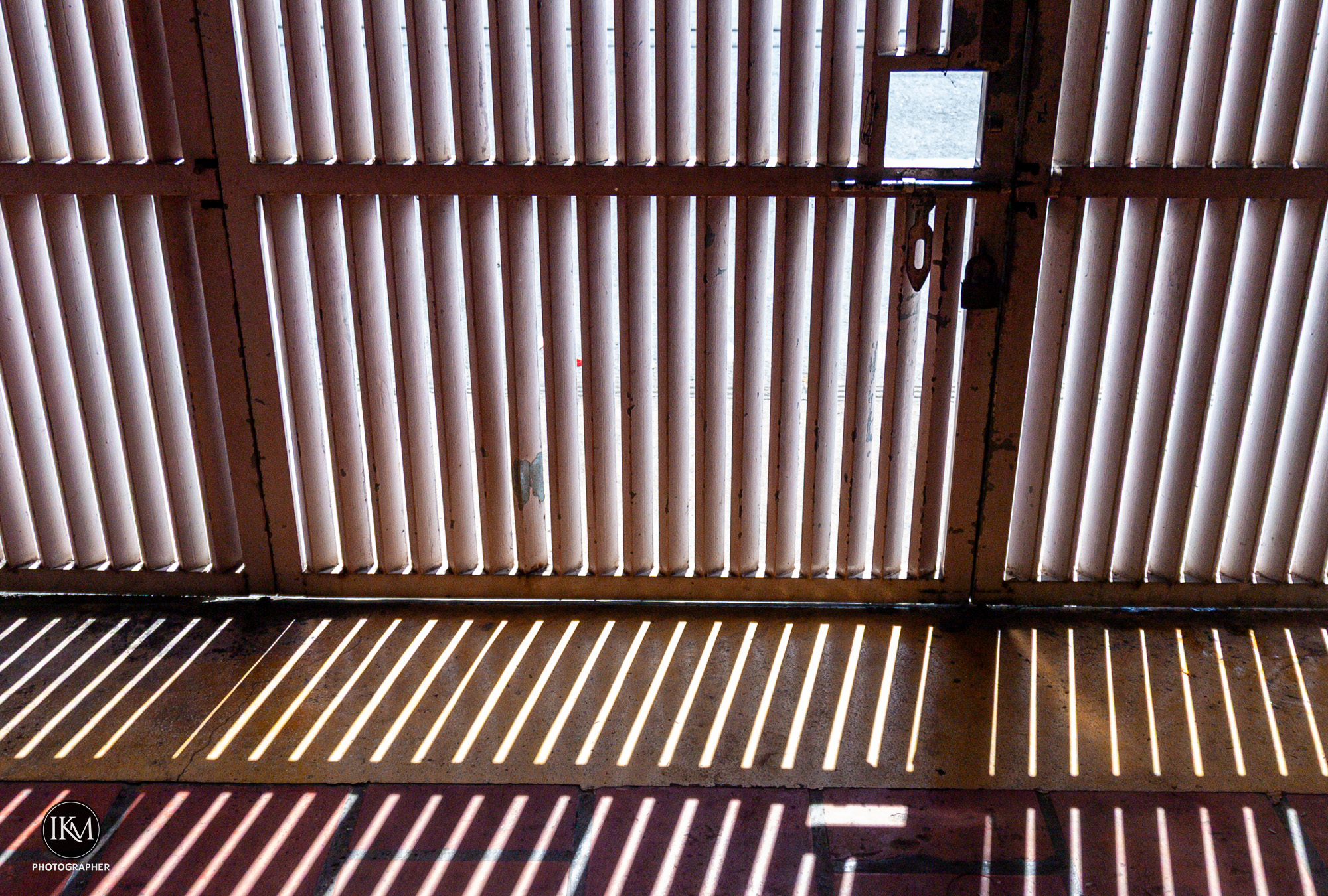
A hand resting on a tukโ€‘tuk. A shadow slicing across a wall. A childโ€™s laughter echoing in the alley. These moments arenโ€™t staged. They arenโ€™t curated. They are real.

II. MEMORY IS FRAGILE

Phnom Penh is changing fast. Markets modernise, facades crumble, new towers rise. What feels ordinary today may be gone tomorrow.

Photography preserves the fragile. A candid frame becomes a fragment of memory, a retro imprint of a city in transition. Not all images are pretty, but all are valuable.

III. CONNECTION IS HUMAN

The power of candid moments lies in connection. A strangerโ€™s direct gaze. A fleeting smile. The quiet acknowledgment of someone who lets me borrow a second of their life.

Grain, blur, imperfectionโ€”these are not flaws. They are the marks of authenticity, the texture of human presence.

IV. IDENTITY IS UNPOLISHED

My way of working is not about producing art that pleases everyone. It is about practicing a way of seeing. It is about being present in Phnom Penhโ€™s streets, attentive to the ordinary, open to the unremarkable.

This is my discipline: to take pictures of what I see, without gloss, without apology.

Closing Call: Light as a Signature

Street photography is special not because it is beautiful, but because it is true. Each frame is a mark, a monogram of the cityโ€™s soulโ€”drawn not with ink, but with light.

๐Ÿ“ธ The Exposure Triangle

opinons, thoughts, photography, pictures, street, Travel

Mastering the balance of light in photography

The Exposure Triangle is the foundation of photographic technique. It describes the relationship between three key settingsโ€”aperture, shutter speed, and ISOโ€”that together determine how bright or dark your image will be. Understanding how these elements interact is essential for achieving correct exposure and creative control.

๐Ÿ”บ The Three Sides of the Triangle

  1. Aperture (f-stop)
    • Controls how much light enters through the lens.
    • Wide apertures (e.g., f/1.8) let in more light and create shallow depth of field (blurry backgrounds).
    • Narrow apertures (e.g., f/16) let in less light but increase depth of field (more of the scene in focus).
  2. Shutter Speed
    • Determines how long the sensor is exposed to light.
    • Fast speeds (e.g., 1/1000s) freeze motion.
    • Slow speeds (e.g., 1/30s or longer) allow motion blur or creative long exposures.
  3. ISO
    • Adjusts the sensorโ€™s sensitivity to light.
    • Low ISO (100โ€“200) produces clean, noise-free images.
    • High ISO (1600+) helps in low light but introduces grain/noise.

โš–๏ธ How They Work Together

  • Changing one setting affects the others. For example:
    • If you open the aperture wider, you may need a faster shutter speed or lower ISO to avoid overexposure.
    • If you increase ISO in low light, you can use a faster shutter speed but risk more noise.
  • The triangle is about balance: each side compensates for the others to achieve the desired exposure.

๐Ÿง  Practical Tips

  • Use aperture priority mode when depth of field is your main concern (portraits, landscapes).
  • Use shutter priority mode when motion control is key (sports, long exposures).
  • Use manual mode to take full creative control and learn how the triangle works in practice.
  • Check your histogram to ensure highlights and shadows arenโ€™t clipped.

๐ŸŽจ Creative Control

Correct exposure isnโ€™t always about technical perfection. Sometimes photographers intentionally underexpose for mood or overexpose for a dreamy effect. Mastering the triangle gives you the freedom to bend the rules deliberately.

๐Ÿ“ Final Thought

The Exposure Triangle is more than a technical conceptโ€”itโ€™s a creative toolkit. By understanding how aperture, shutter speed, and ISO interact, you gain the ability to shape not just the brightness of your image, but its mood, sharpness, and emotional impact.

๐Ÿ“ธ Understanding Correct Exposure in Photography

Lenses, opinons, thoughts, photography, pictures, street, Travel

Why it matters and how to achieve it

Exposure refers to the amount of light that reaches your cameraโ€™s sensor. Too much light, and your photo is overexposedโ€”washed out with lost highlight detail. Too little, and itโ€™s underexposedโ€”dark, noisy, and lacking shadow detail. Correct exposure is about balance: capturing detail in both highlights and shadows while preserving the atmosphere of the scene.

๐Ÿ”บ The Exposure Triangle

  1. Aperture (f-stop)
    • Controls how much light enters through the lens.
    • Wide apertures (f/1.4โ€“f/2.8) let in more light and create shallow depth of field.
    • Narrow apertures (f/8โ€“f/16) reduce light but increase depth of field, keeping more of the scene sharp.
  2. Shutter Speed
    • Determines how long the sensor is exposed to light.
    • Fast speeds (1/1000s) freeze motion.
    • Slow speeds (1/30s or longer) allow motion blur or creative long exposures.
  3. ISO
    • Adjusts sensor sensitivity to light.
    • Low ISO (100โ€“200) produces clean images with minimal noise.
    • High ISO (1600+) helps in low light but introduces grain.

Together, these three settings form the exposure triangle, and adjusting one requires compensating with another to maintain balance.

๐Ÿง  Methods for Achieving Correct Exposure

  • Metering Modes: Cameras offer matrix, center-weighted, and spot metering to measure light differently. Choosing the right mode helps avoid over/underexposure in tricky lighting.
  • Histogram Check: Reviewing the histogram ensures highlights and shadows arenโ€™t clipped. A balanced histogram indicates proper exposure.
  • Exposure Compensation: Adjusting +/โ€“ EV lets you fine-tune brightness without changing aperture or shutter speed.
  • Bracketing: Shooting multiple exposures (under, correct, over) ensures you capture the best version, especially in high-contrast scenes.
  • Manual Mode Practice: Learning to balance aperture, shutter, and ISO manually builds confidence and creative control.

๐ŸŽจ Creative Considerations

Correct exposure isnโ€™t always about technical perfection. Sometimes, intentional underexposure adds mood, or overexposure creates a dreamy effect. The key is knowing the rules well enough to break them deliberately.

๐Ÿ“ Final Thought

Exposure is the heartbeat of photography. By mastering aperture, shutter speed, and ISOโ€”and using tools like histograms and meteringโ€”you gain control over both technical accuracy and creative expression. Correct exposure ensures your images are not just visible, but powerful.

๐Ÿงญ Legacy Glass That Still Delivers: Nikon AF Nikkor 300mm f/4 ED

Lenses, opinons, thoughts, photography, pictures, street

The Nikon AF Nikkor 300mm f/4 ED (Non-D) may be decades old, but it remains a sharp, reliable telephoto lens for budget-conscious photographers who value reach, contrast, and classic build quality. Itโ€™s a sleeper gem for wildlife, sports, and outdoor portraitureโ€”especially when paired with a tripod or monopod.

Released in the late 1980s, the Nikon AF Nikkor 300mm f/4 ED was built for professionals who needed reach and speed without the bulk of the f/2.8 version. Though it lacks modern features like VR (Vibration Reduction) and silent wave motor autofocus, it continues to impress with its optical clarity, rugged construction, and affordability on the used market.

๐Ÿ” Optical Performance

  • Sharpness: This lens is surprisingly sharp wide open, with excellent center resolution and decent edge performance. Stopping down to f/5.6 improves corner sharpness, making it suitable for high-resolution bodies like the D800.
  • Color and contrast: Thanks to its ED (Extra-low Dispersion) glass elements, the lens delivers vibrant color and strong contrast, even in backlit conditions.
  • Chromatic aberration: Some longitudinal CA is visible in high-contrast scenes, but lateral CA is well-controlled. Easily correctable in post.
  • Bokeh: The 9-blade diaphragm produces pleasing background blur, though not as creamy as newer f/2.8 lenses.

โš™๏ธ Build and Handling

  • Construction: All-metal barrel, integrated tripod collar, and a rear filter slot. Itโ€™s built like a tank, weighing around 1.3 kg (46.9 oz).
  • Autofocus: Screw-drive AF is adequate but not fast by modern standards. Works best with bodies like the D3 or D800 that have strong AF motors.
  • Ergonomics: Balanced for tripod or monopod use. Handheld shooting is possible but tiring over long sessions.

๐Ÿง  Use Cases

  • Wildlife: Excellent for birds and mammals in good light. Works well with 1.4x teleconverters for added reach.
  • Sports: Fast enough for field sports, especially when pre-focused or used with manual override.
  • Portraits: Great for outdoor headshots with strong subject isolation and flattering compression.
  • Travel and nature: Compact for a 300mm prime, making it a viable option for landscape detail and distant subjects.

โš–๏ธ Pros and Cons

Pros

  • Excellent sharpness and contrast
  • Durable, professional-grade build
  • Affordable on the used market (~$250โ€“$400 USD)
  • Compatible with FX and DX bodies

Cons

  • No VR or AF-S motor
  • Slower autofocus on entry-level bodies
  • Some CA and flare in extreme conditions
  • Heavy for handheld use

๐Ÿ“ Final Verdict

The Nikon AF Nikkor 300mm f/4 ED is a legacy lens that still earns its place in a modern kit. For photographers who donโ€™t mind manual focus override or tripod work, it offers stunning image quality at a fraction of the cost of newer telephotos. Itโ€™s a reminder that great glass doesnโ€™t expireโ€”it just asks for a little patience and technique.

Shooting in RAW โ€” A Practical Guide

cameras, film, opinons, thoughts, photography, street, Travel

Shooting in RAW means saving the sensorโ€™s unprocessed data so you can shape the final image later. RAW files act like a digital negative: they keep maximum detail, tone, and color information that in-camera JPEG processing would otherwise compress or discard.

What RAW actually contains

  • RAW stores linear sensor data with higher bit depth than JPEG, preserving more tonal steps between shadows and highlights. This gives you extra headroom when correcting exposure, recovering highlights, or pulling detail from shadows.

Advantages of shooting RAW

  • Greater dynamic range and recovery โ€” You can recover more detail from highlights and shadows because RAW keeps more tonal information.
  • Flexible white balance โ€” White balance is not baked into the pixel data the way it is for JPEGs, so you can change it non-destructively in post.
  • Superior colour depth and grading โ€” Higher bit depth means smoother gradients and more room for colour grading without banding.
  • Nonโ€‘destructive edits โ€” RAW editing writes instructions instead of permanently changing pixels, so you can always revert to the original capture.
  • Better noise handling โ€” RAW processors can apply more sophisticated noise reduction because they have access to the sensorโ€™s full data.
  • More control for critical workflows โ€” Commercial, landscape, and fine-art work benefits from the latitude RAW offers for exacting color and tone control.

Disadvantages of shooting RAW

  • Larger file sizes โ€” RAW files are significantly bigger than JPEGs, which increases storage needs and backup complexity.
  • Slower workflow โ€” RAW requires post-processing, which adds time to editing and delivery compared with straight-out-of-camera JPEGs.
  • Compatibility and portability โ€” RAW formats vary by camera brand and model; some software or older devices may not read every RAW without updates or converters.
  • Longer write times and smaller burst buffers โ€” On some cameras, RAW capture can slow burst rate or fill buffers faster than JPEGs, affecting action shooting.
  • Need for consistent color management โ€” RAW gives flexibility but demands disciplined color pipelines (calibrated monitor, managed profiles) to get reliable outputs.

When to choose RAW vs JPEG

  • Shoot RAW when: you need maximum image quality, plan heavy editing, require reliable highlight/shadow recovery, or are producing work for clients or prints.
  • Shoot JPEG when: you need instant turnaround, extreme file economy (long events with limited cards), or when images are destined only for quick social sharing with minimal editing.

Practical workflow tips

  • Use RAW+JPEG if you sometimes need immediate, shareable files but still want RAW for archives and editing.
  • Cull JPEG previews to speed selection; reserve RAW for final edits.
  • Invest in fast, large-capacity memory cards and a reliable backup routine to handle RAW volumes.
  • Create camera-specific presets or base edits to speed RAW processing while keeping nonโ€‘destructive flexibility.
  • Keep your RAW converters updated and standardize on one or two tools (Lightroom, Capture One, or your camera makerโ€™s software) to ensure consistent color and metadata handling.

Short checklist before you shoot

  • Do you need maximum dynamic range and color control? โ†’ RAW.
  • Do you need immediate delivery with no editing? โ†’ JPEG or RAW+JPEG.
  • Do you have storage and backup planned? โ†’ If yes, RAW is safe; if not, plan for it before shooting large volumes.

Shooting RAW is about trading convenience for control. If your work values tonal fidelity, color precision, and future-proof archives, RAW is usually worth the extra planning and processing time.