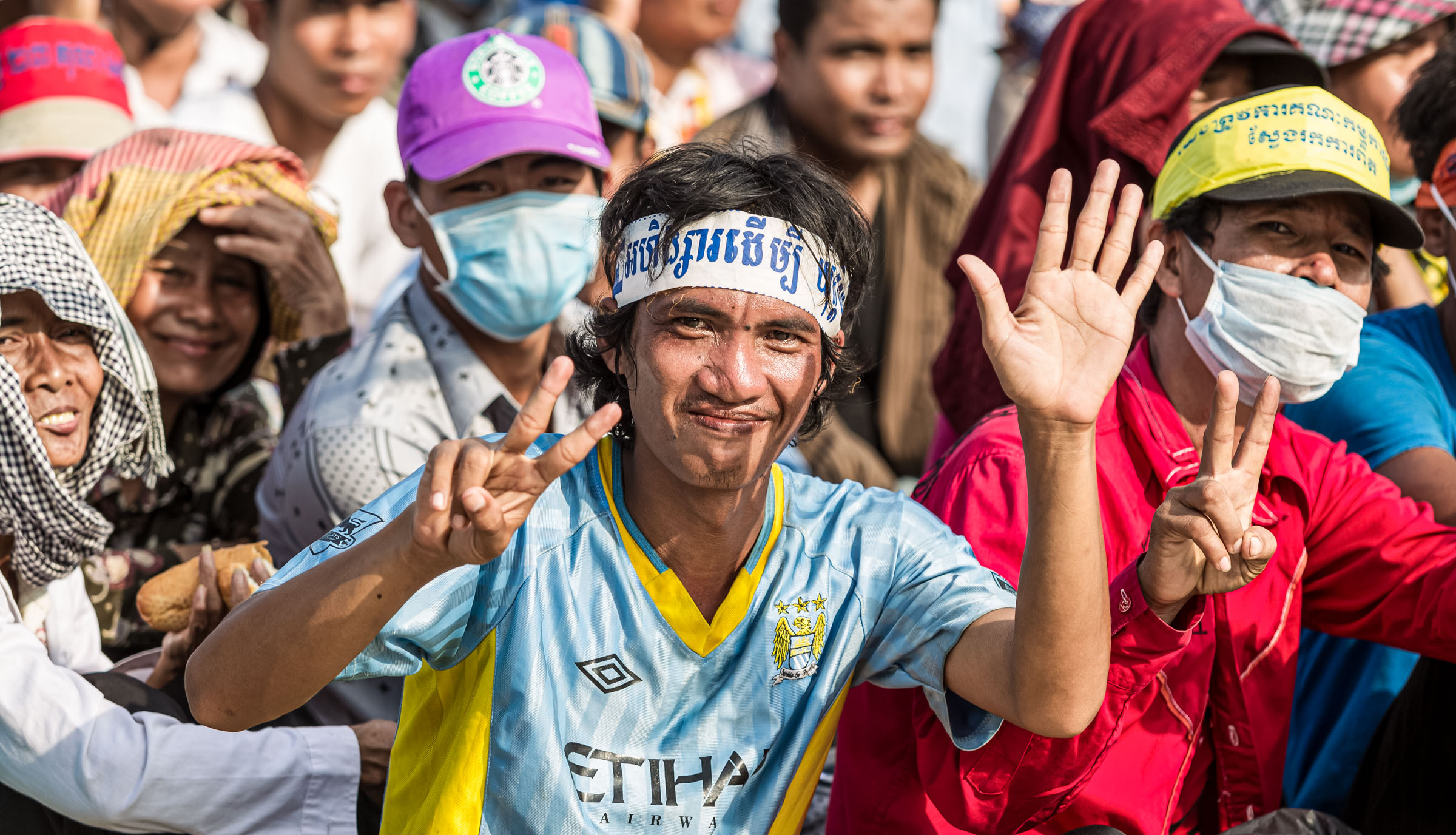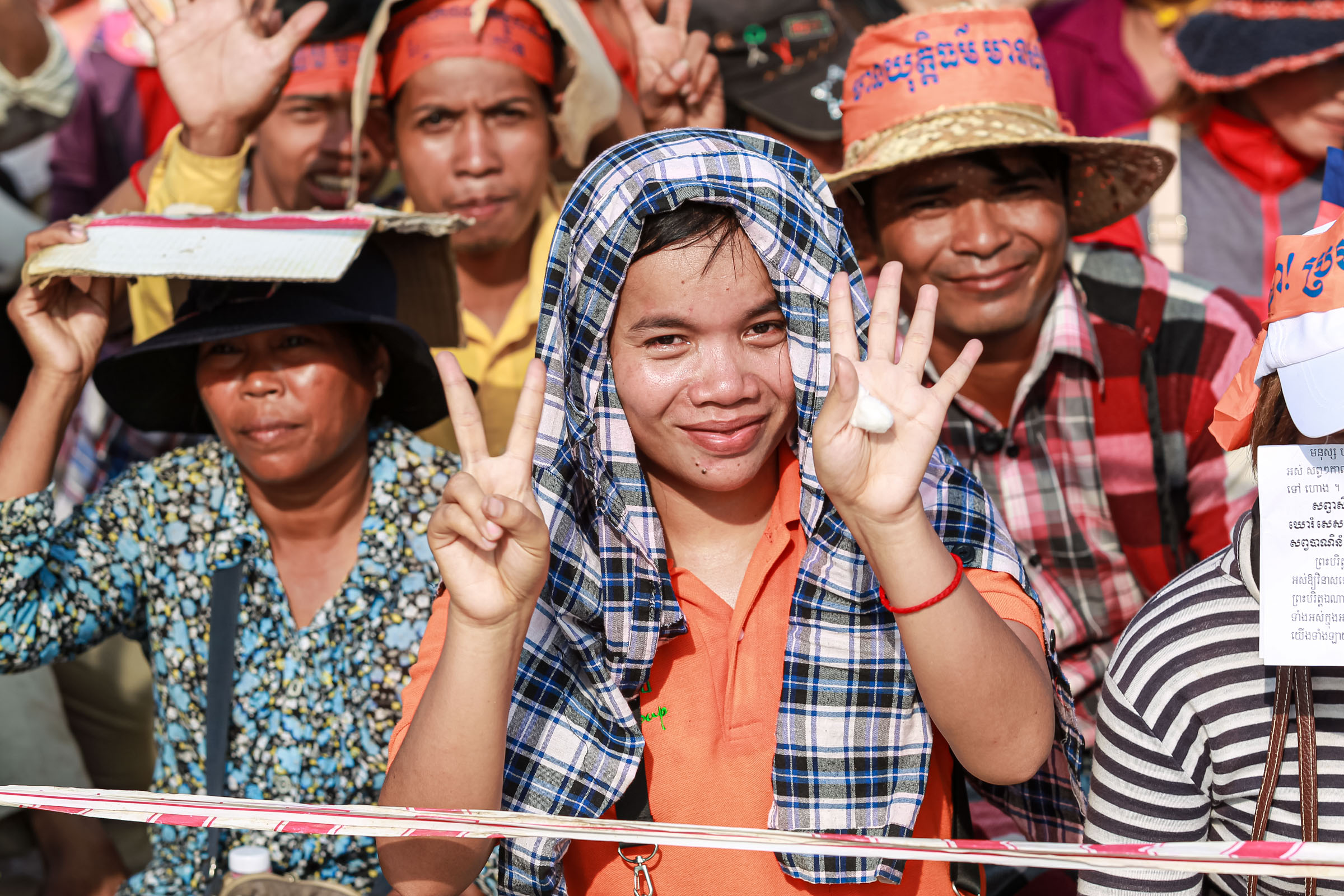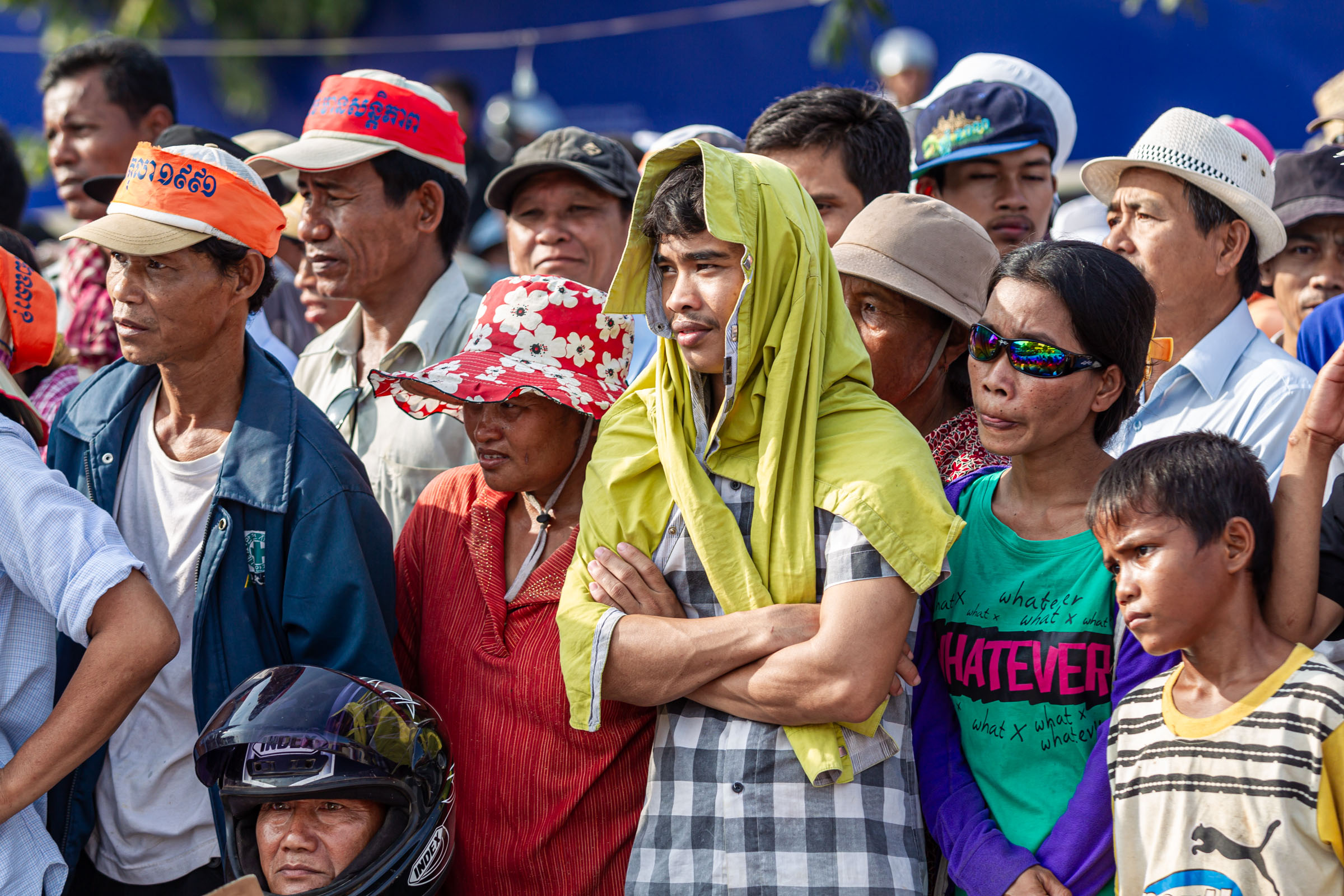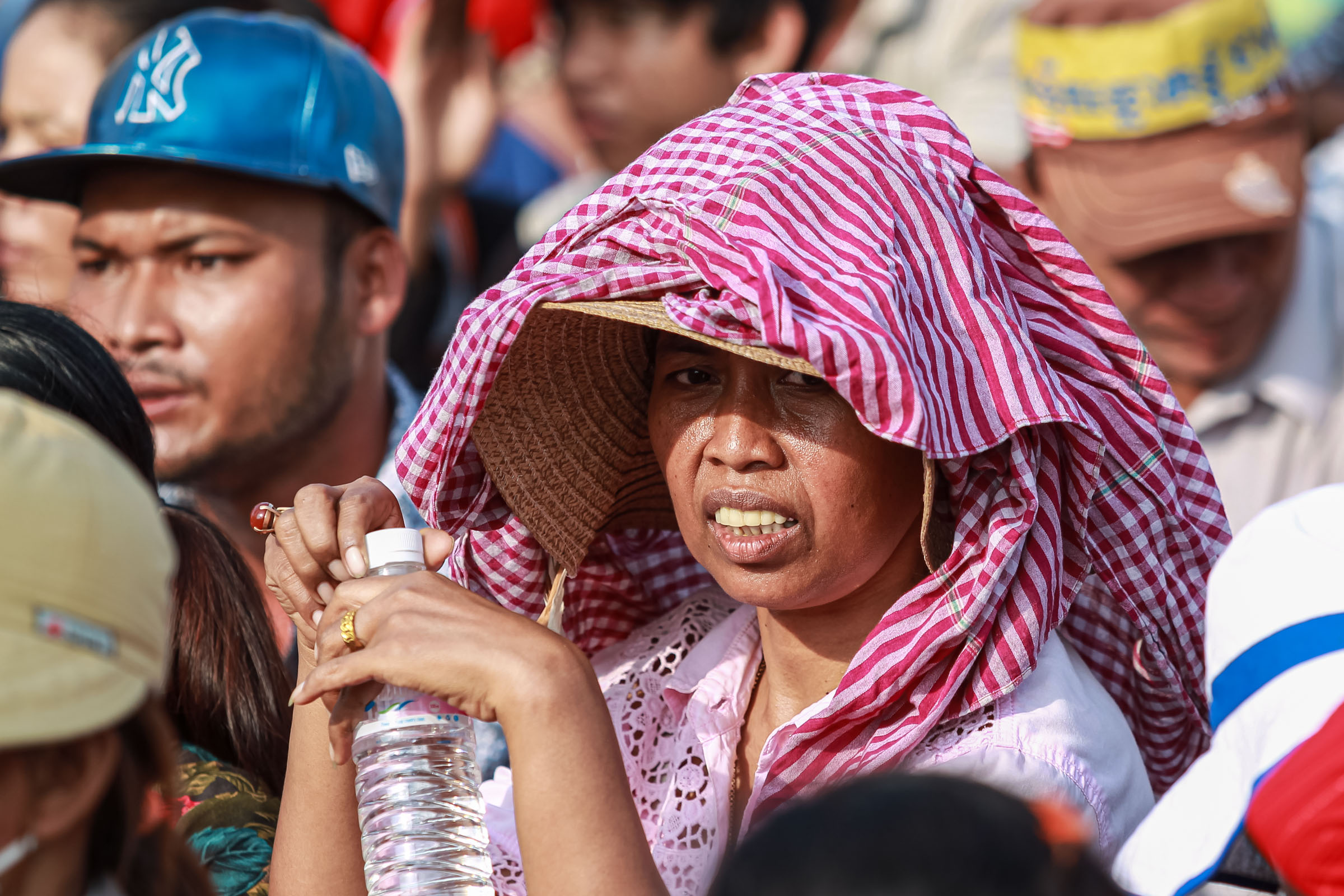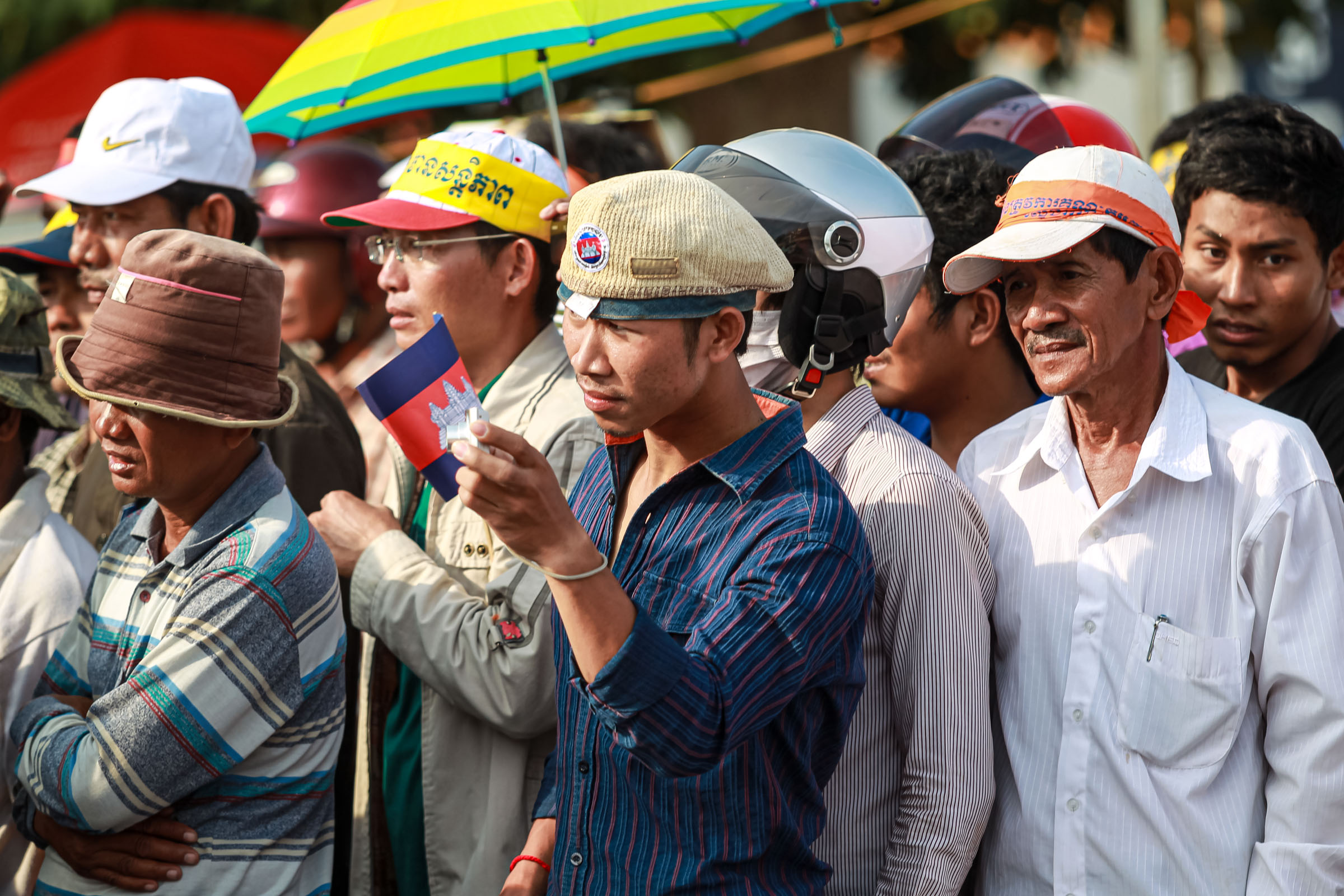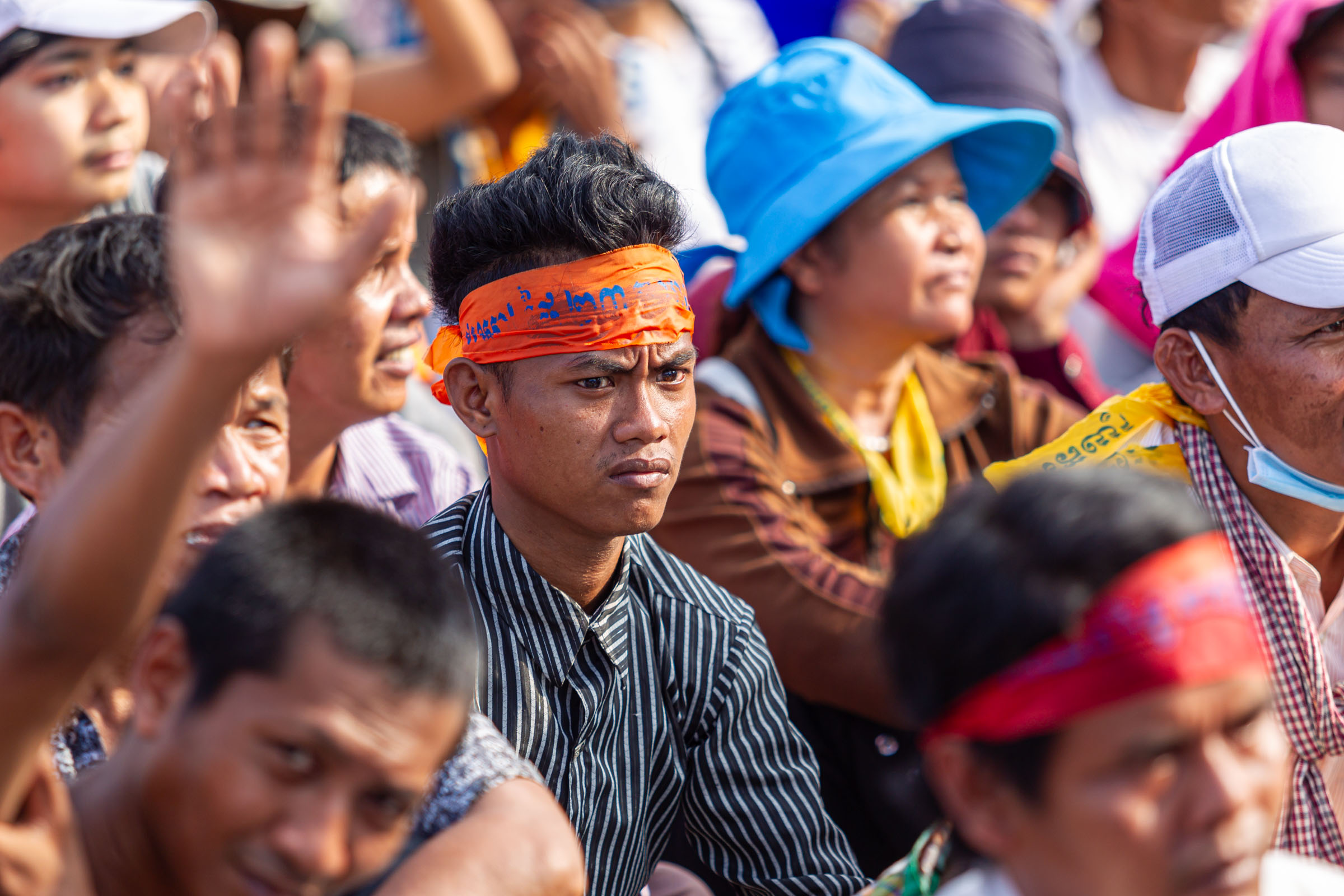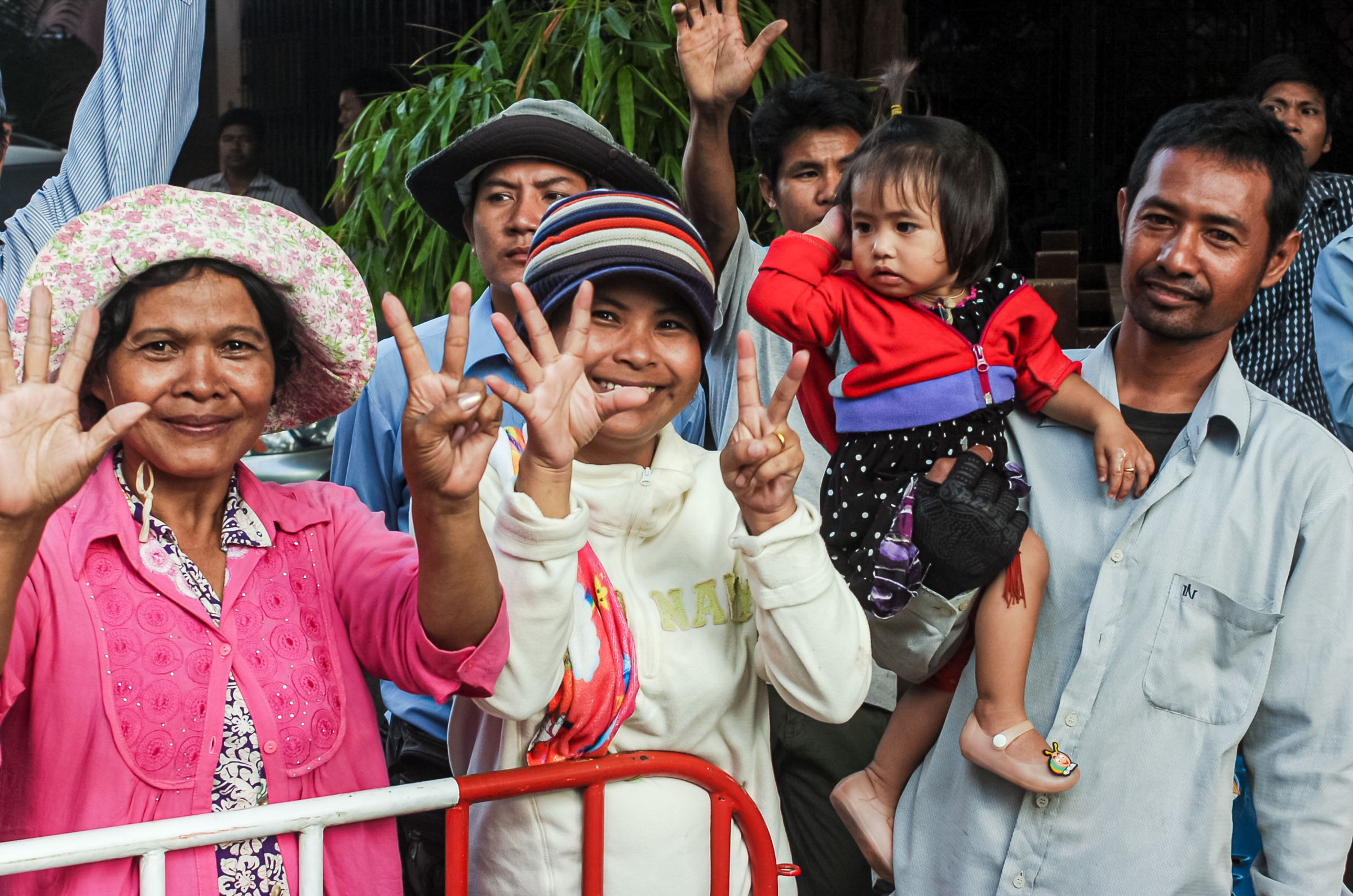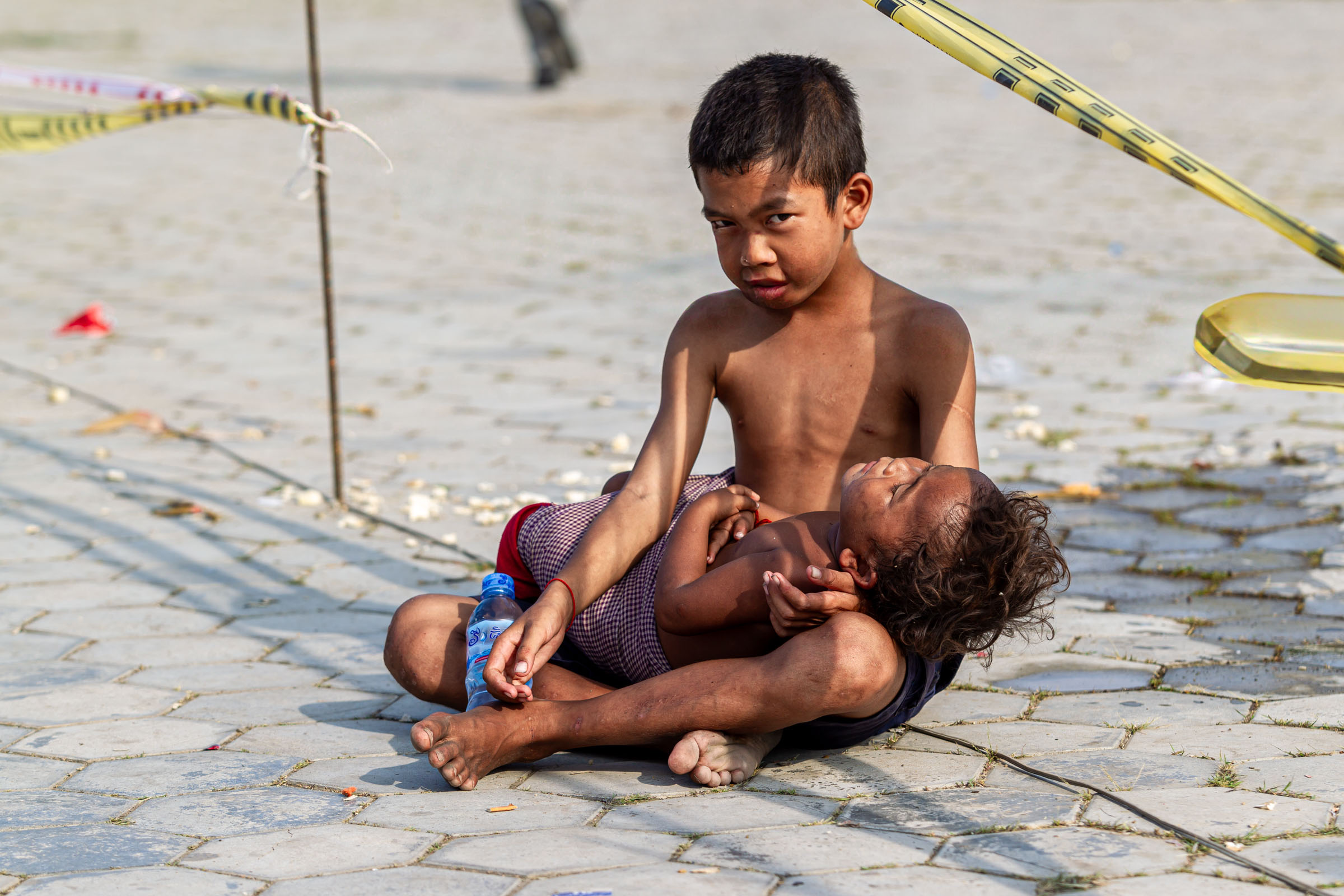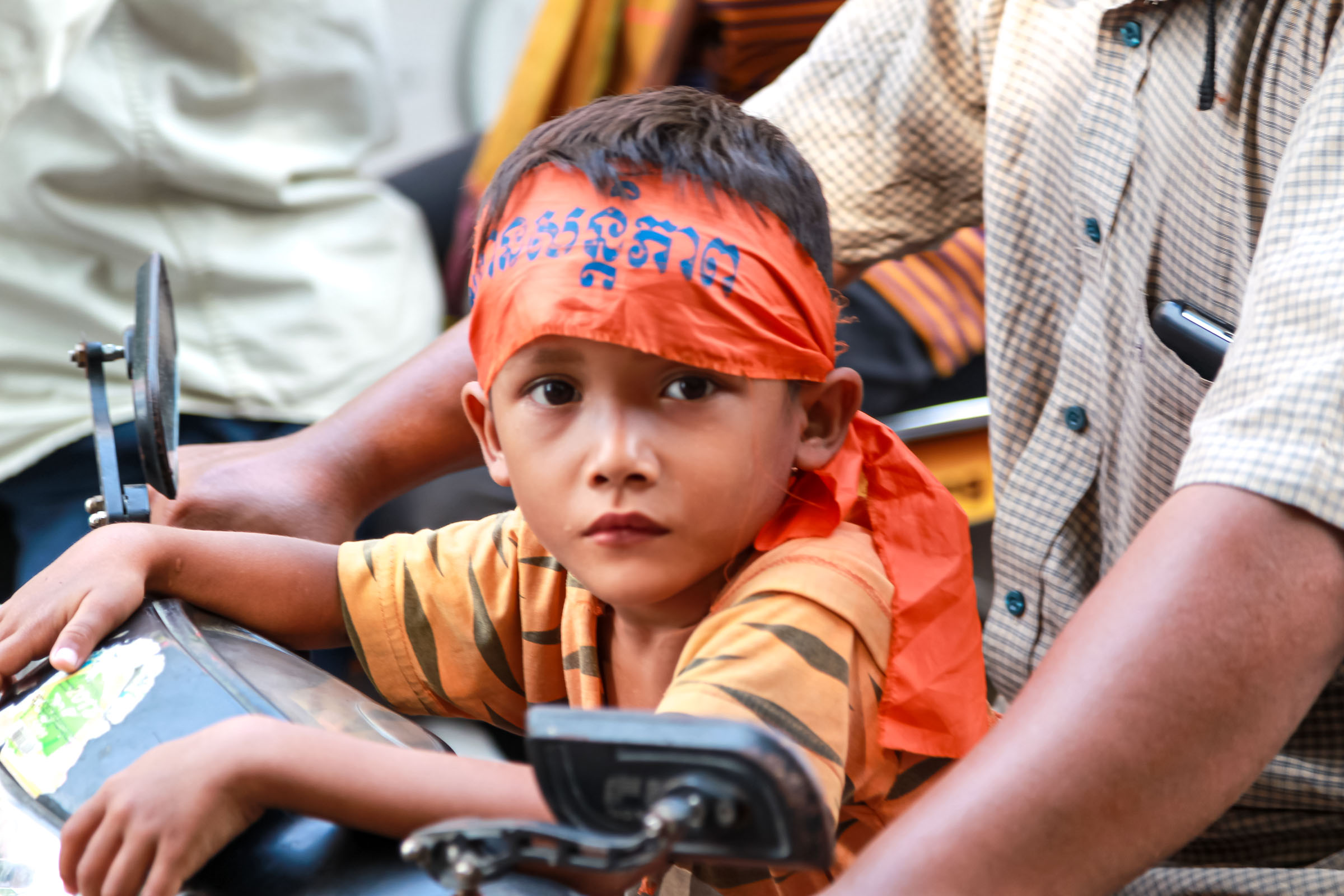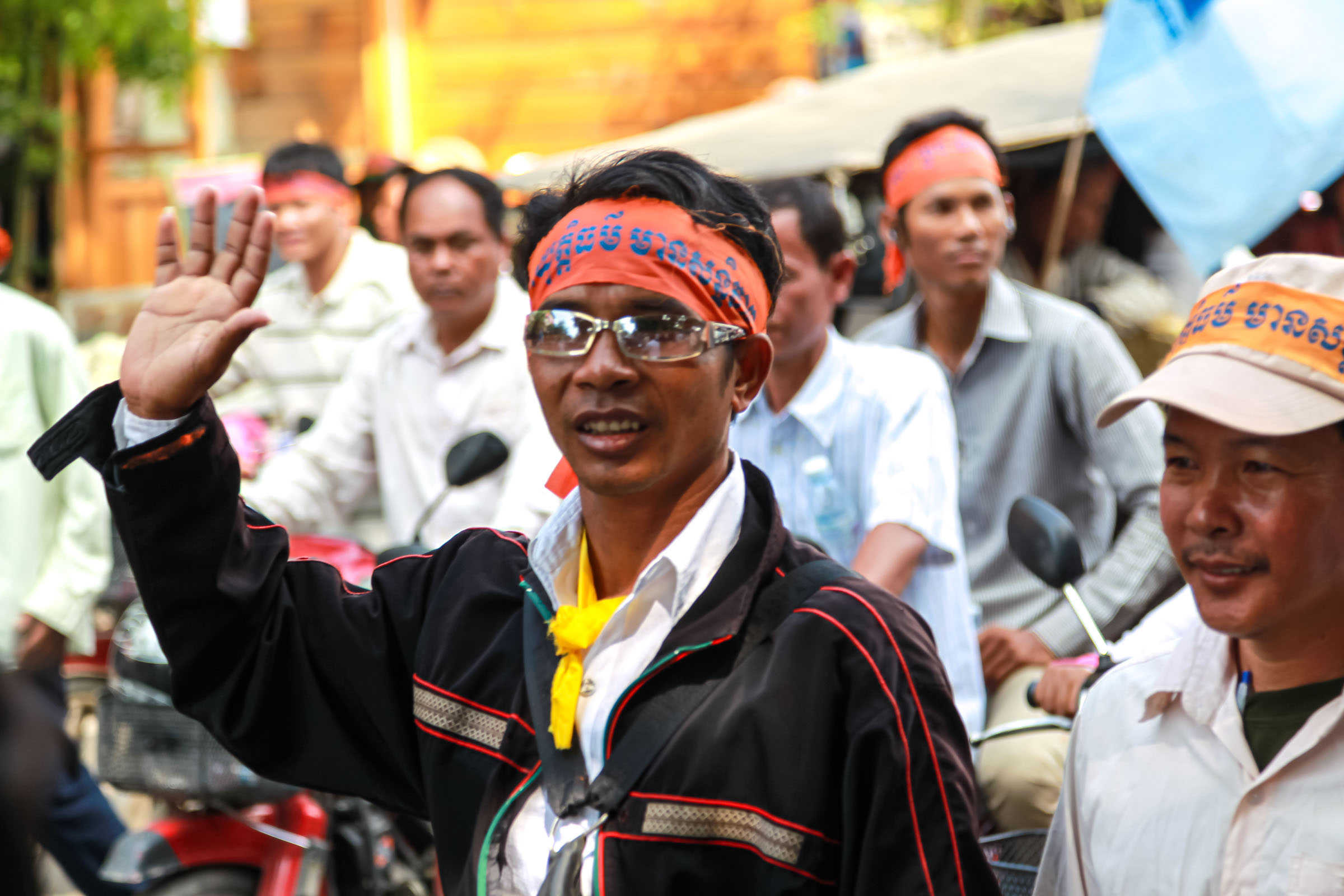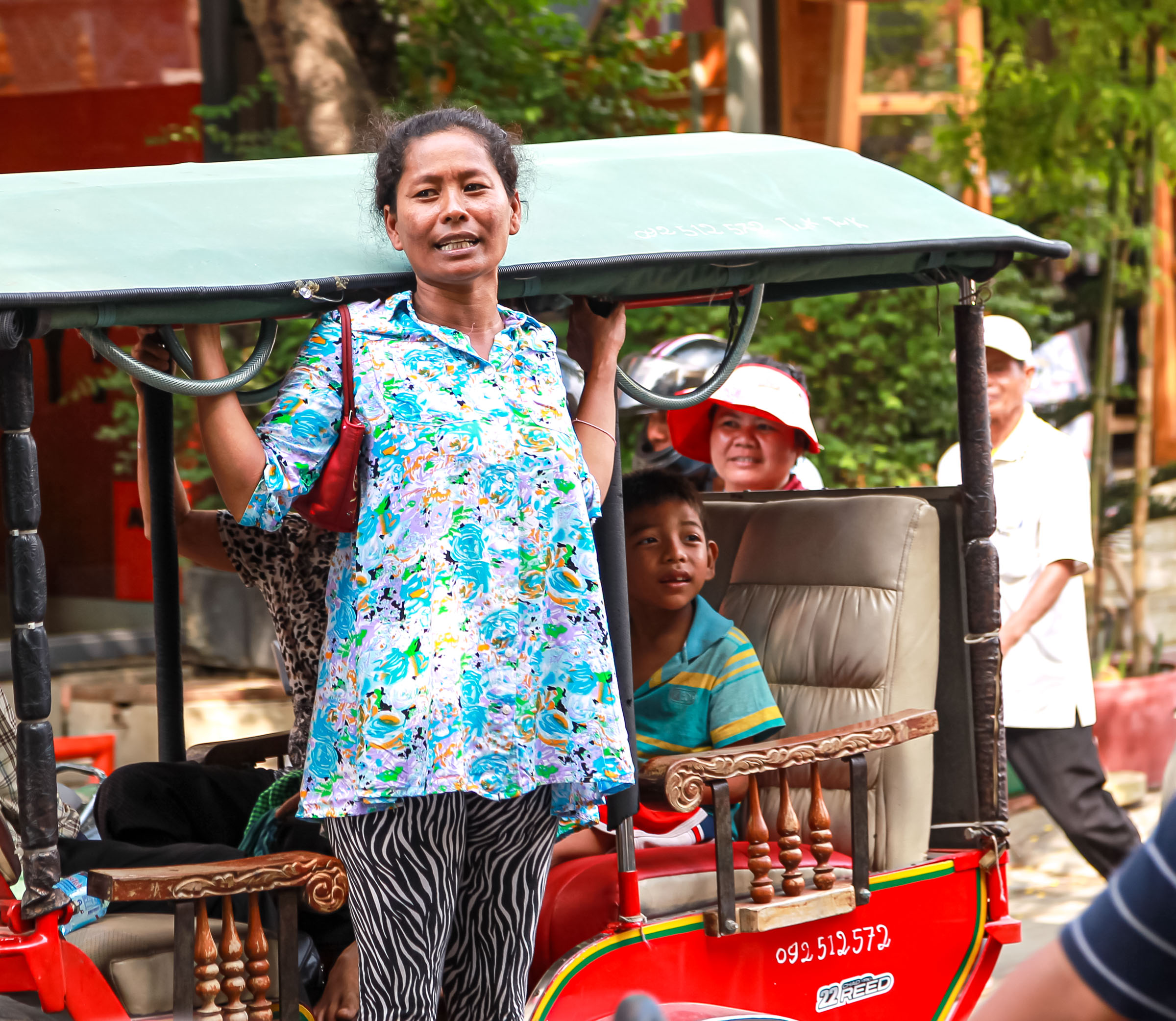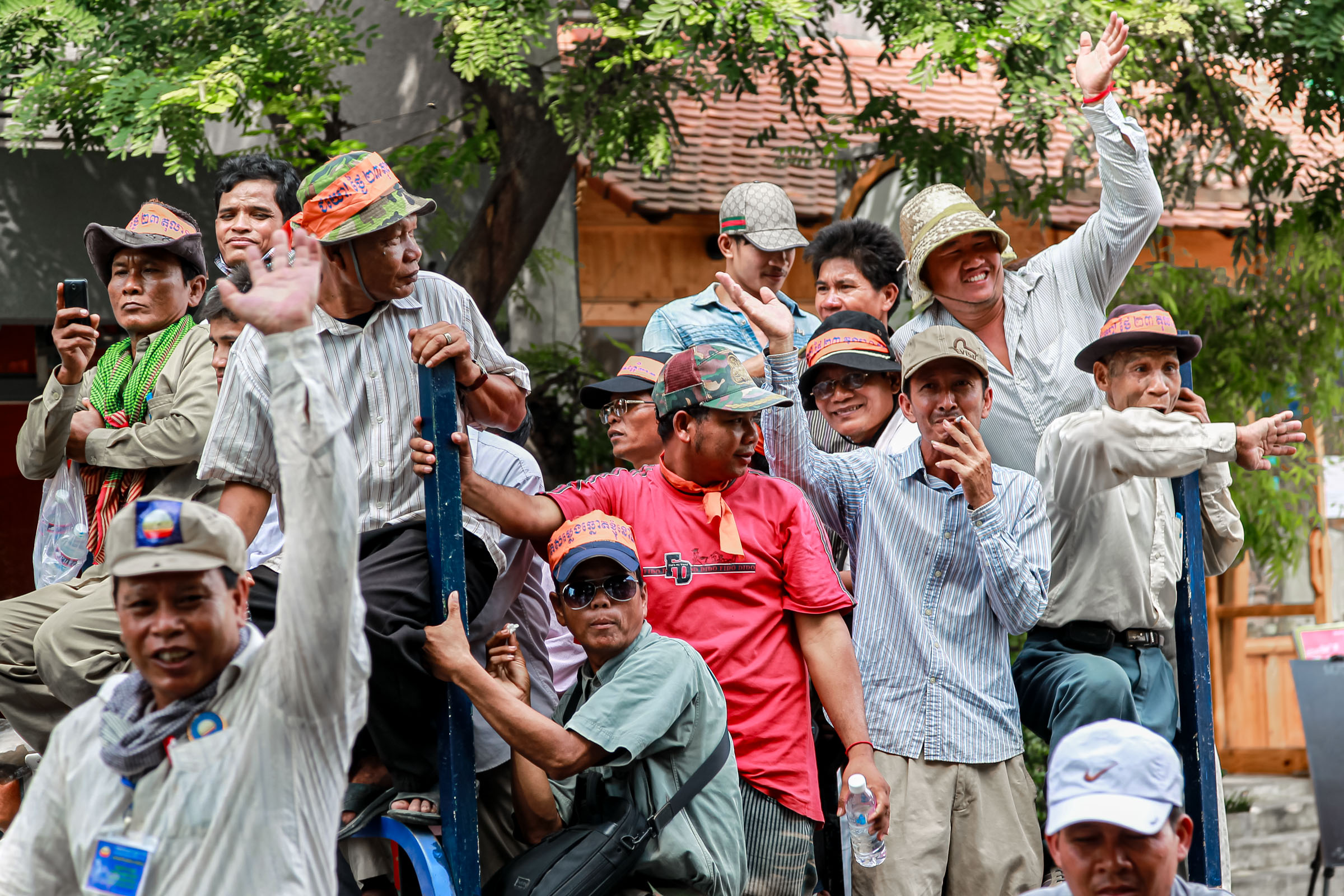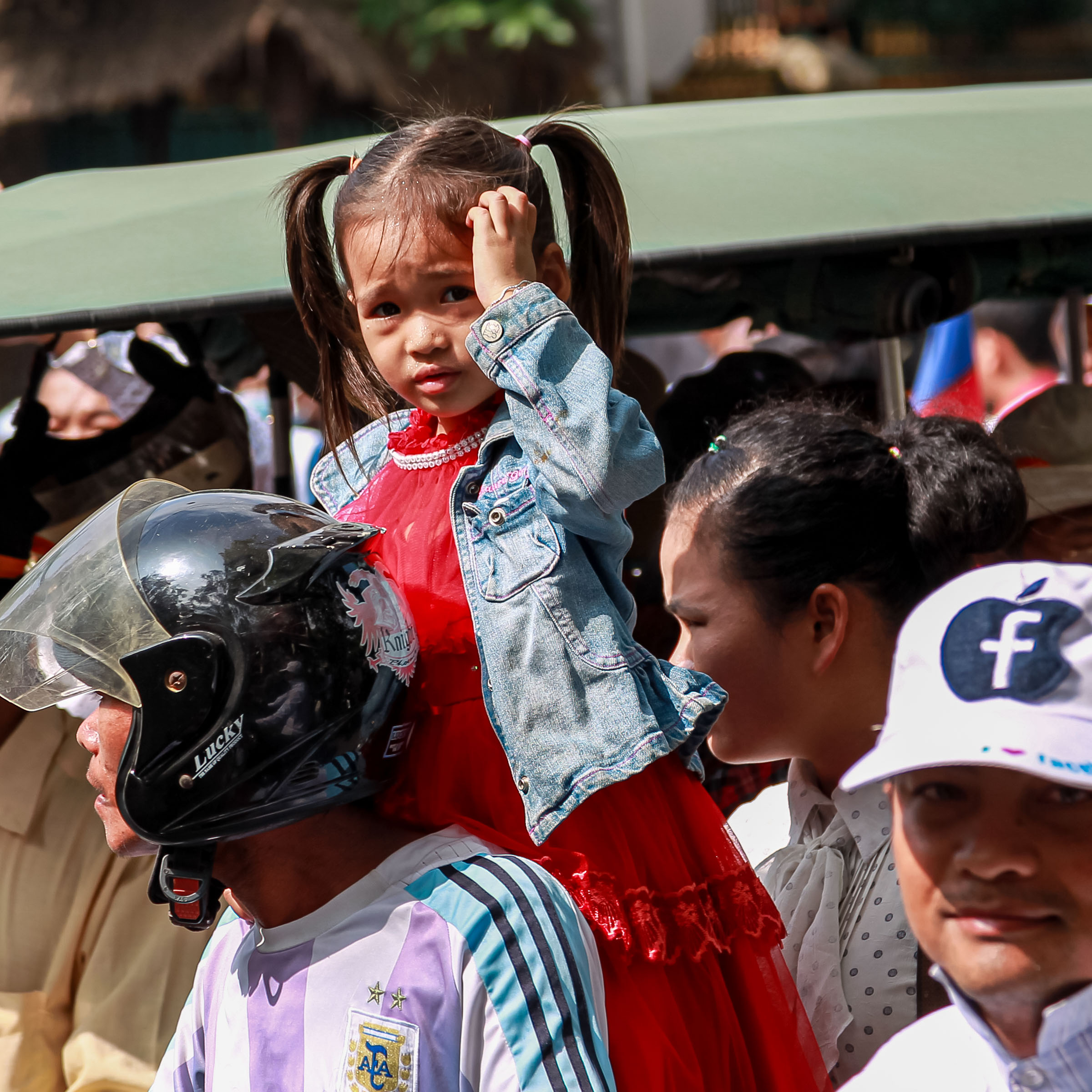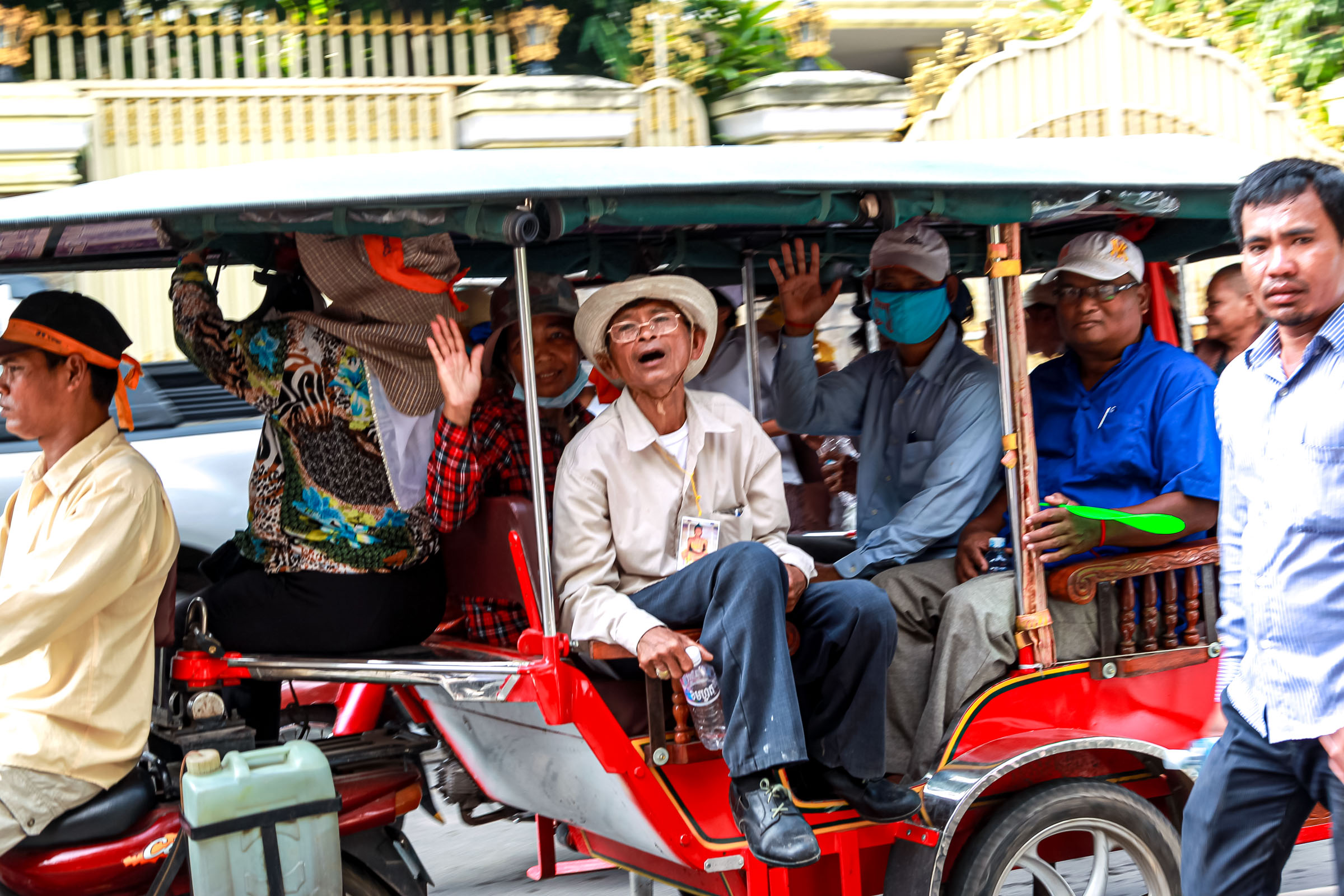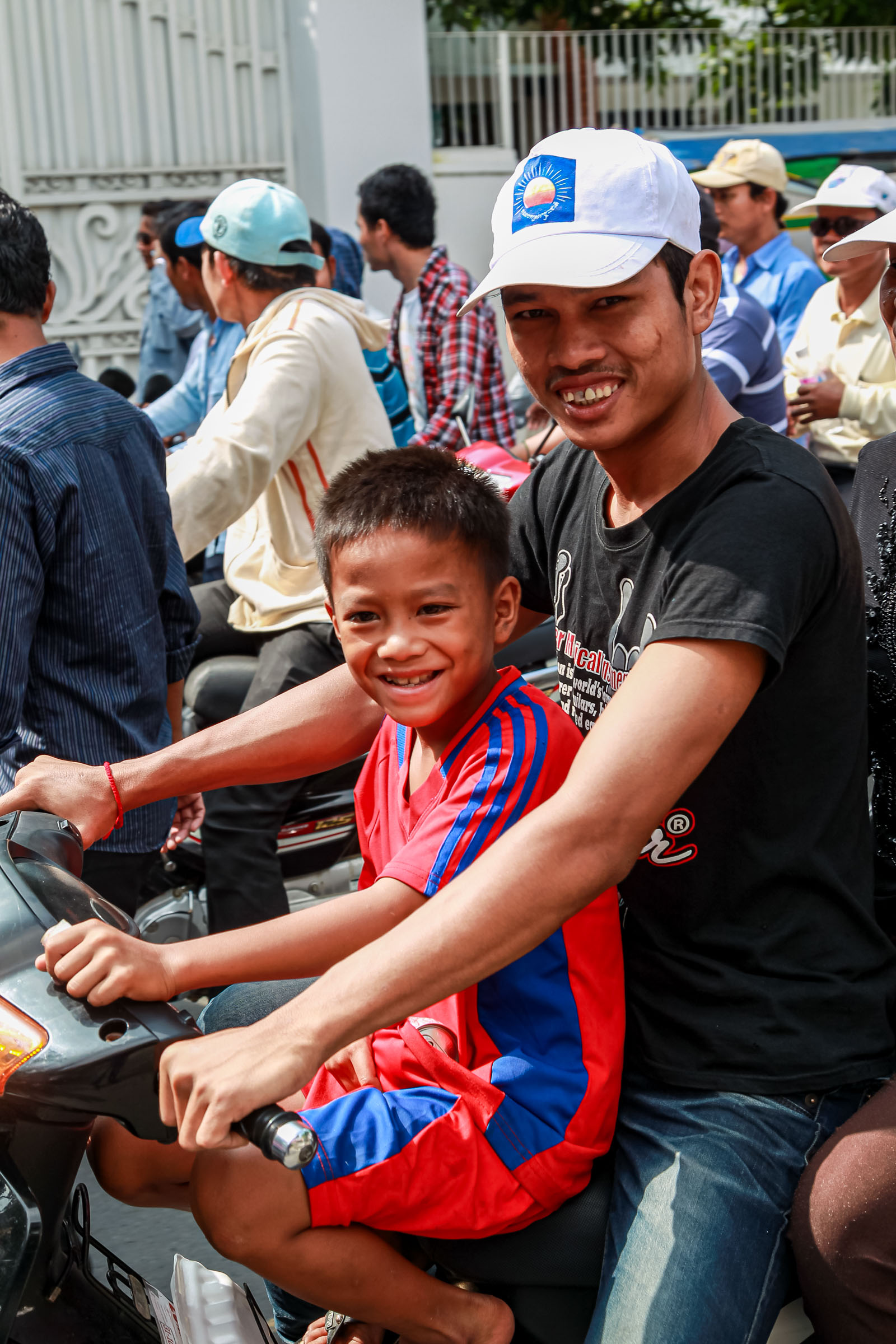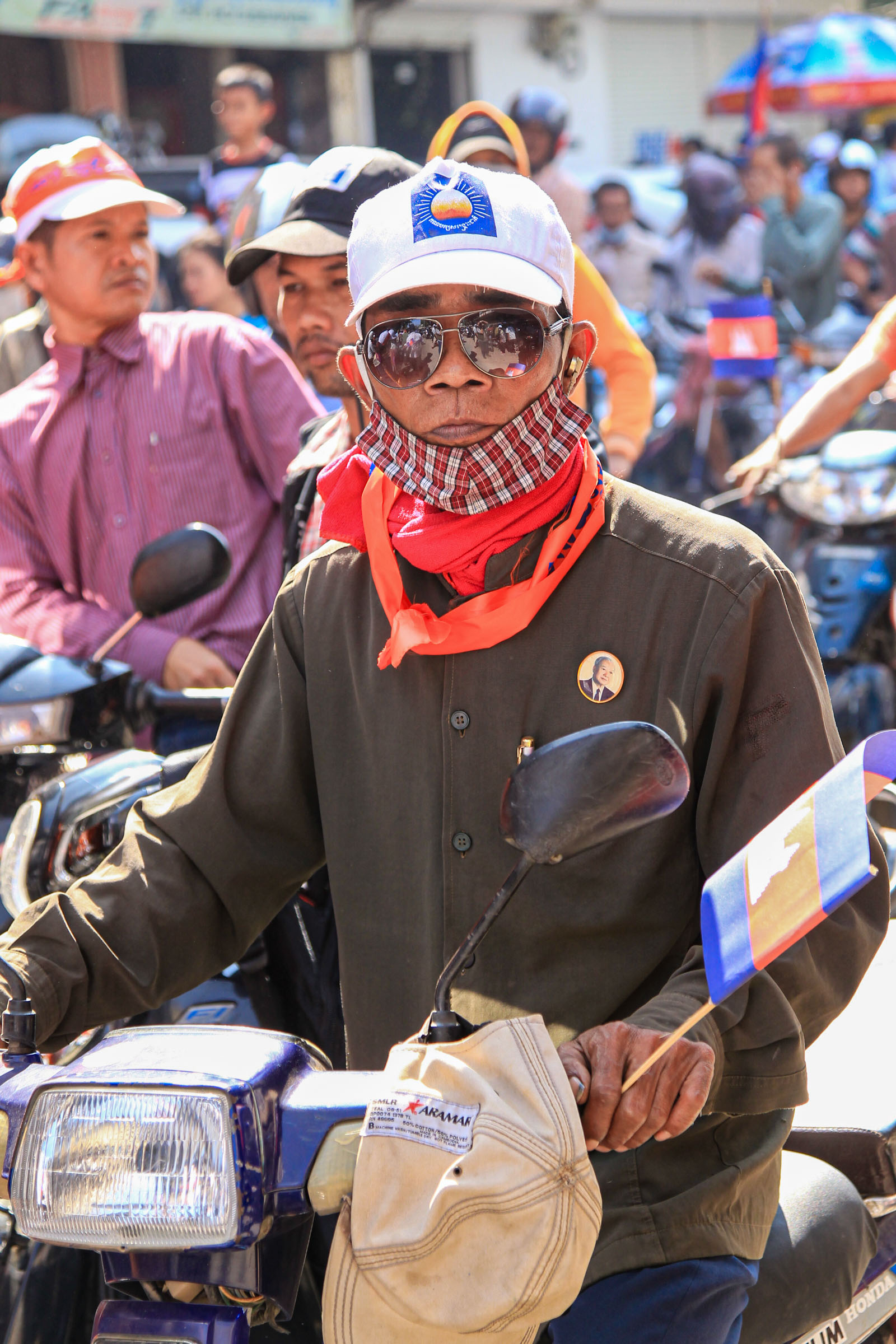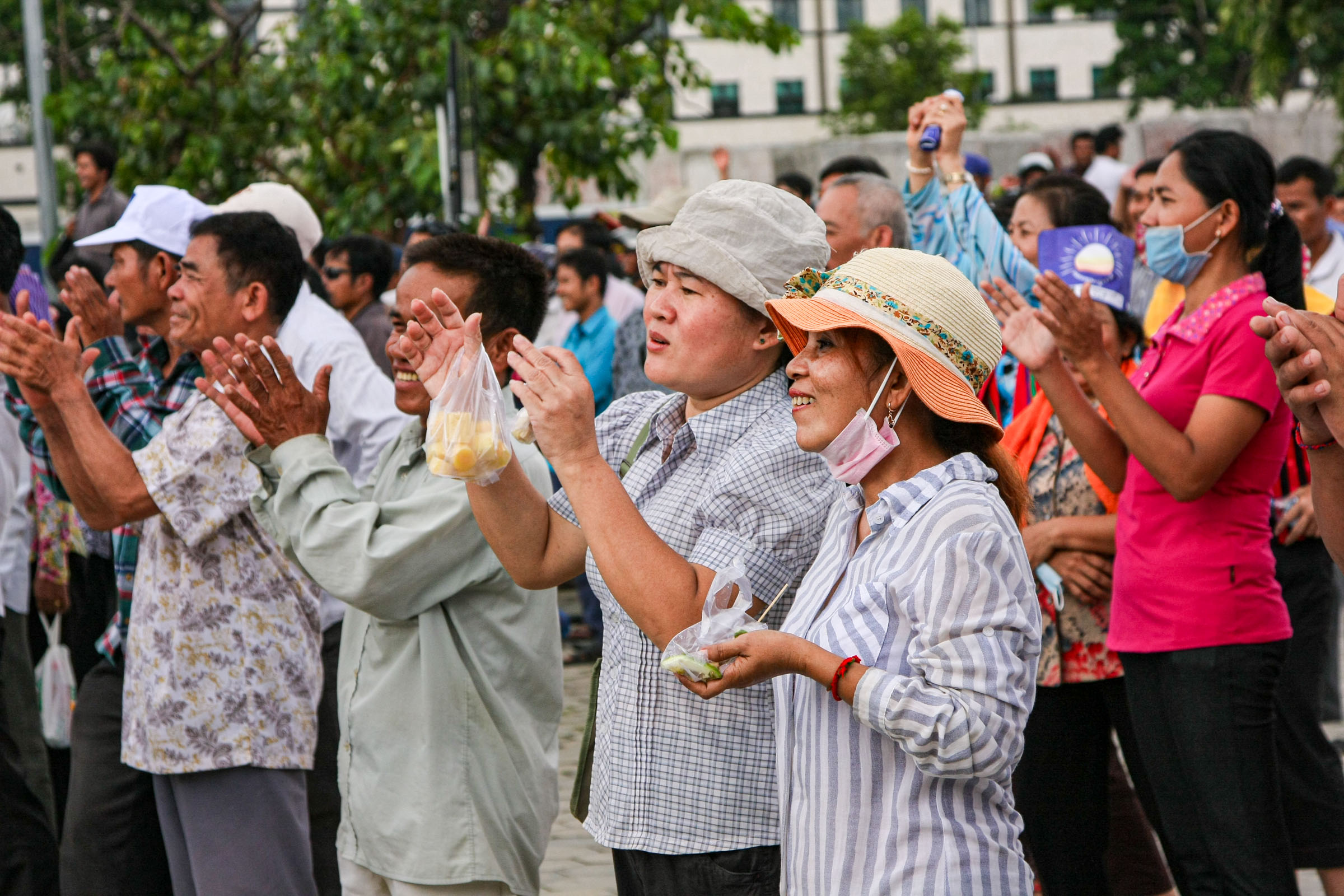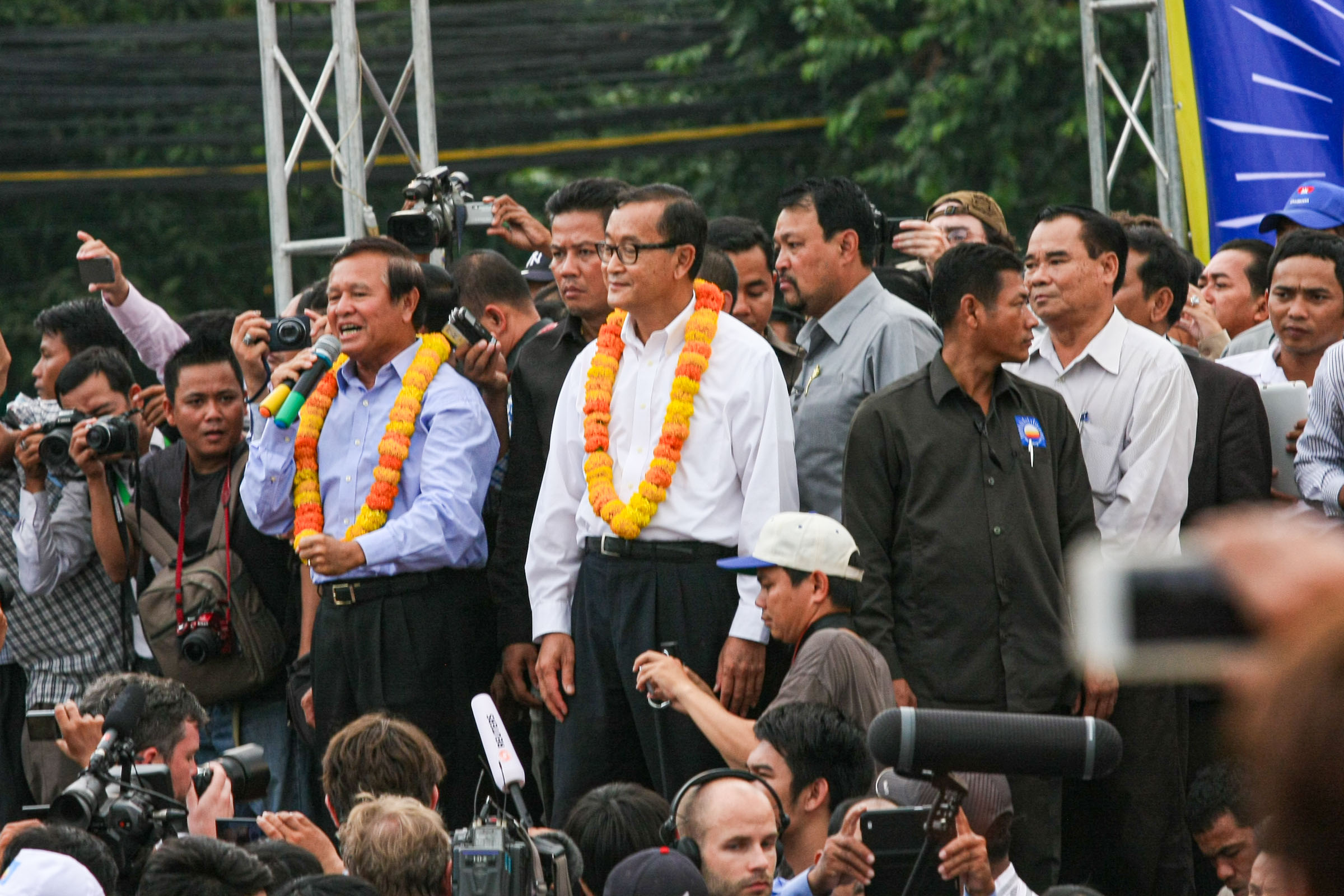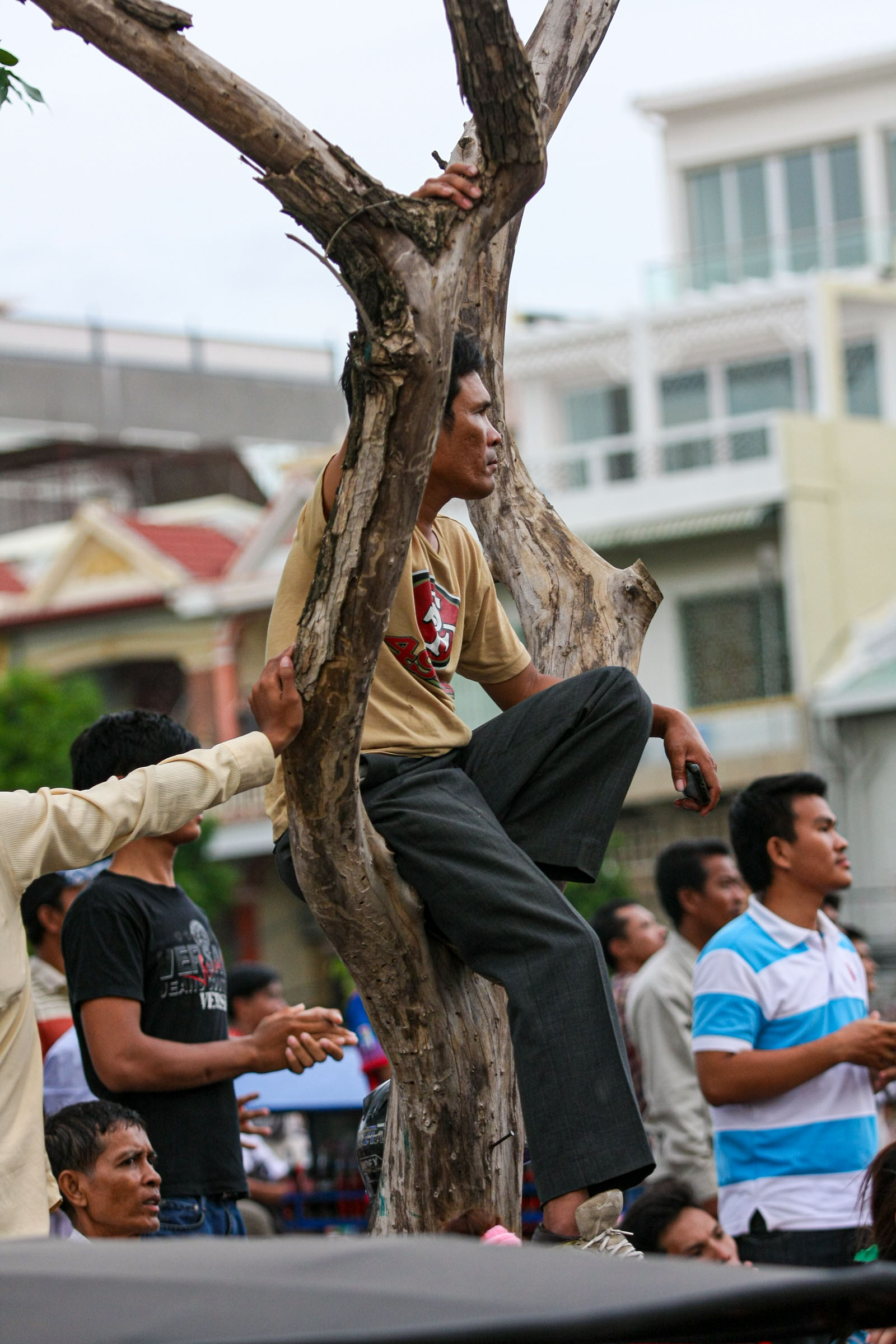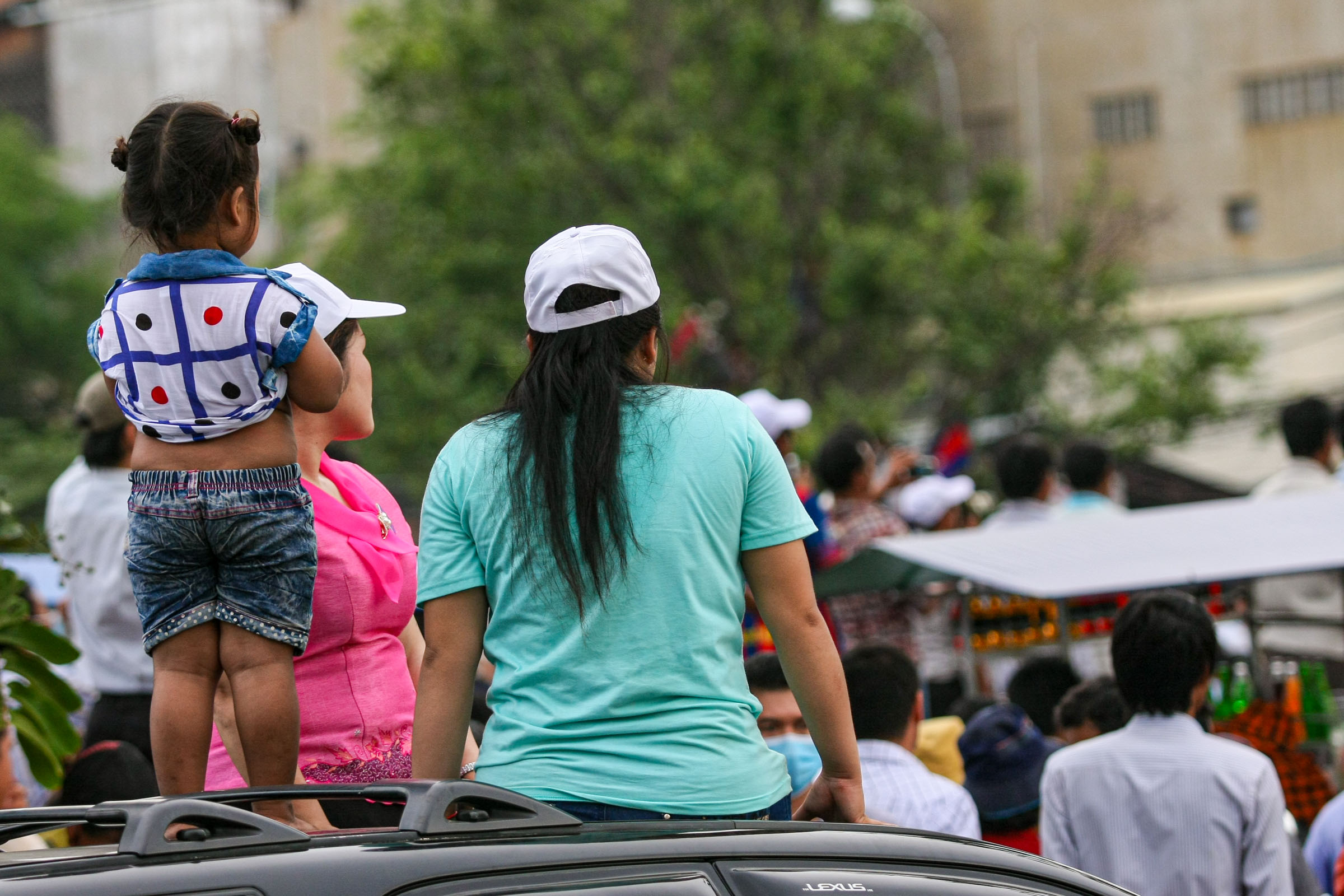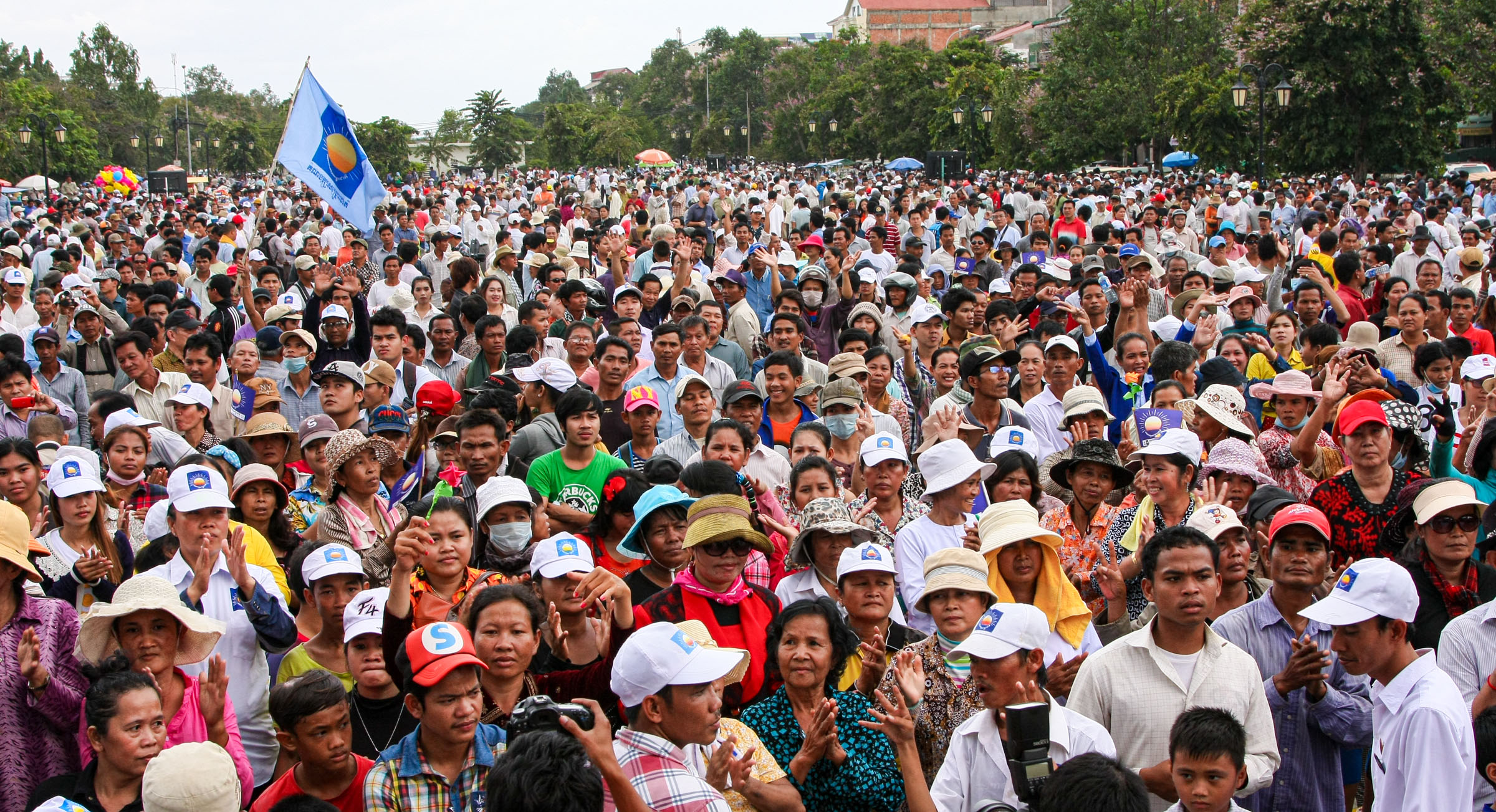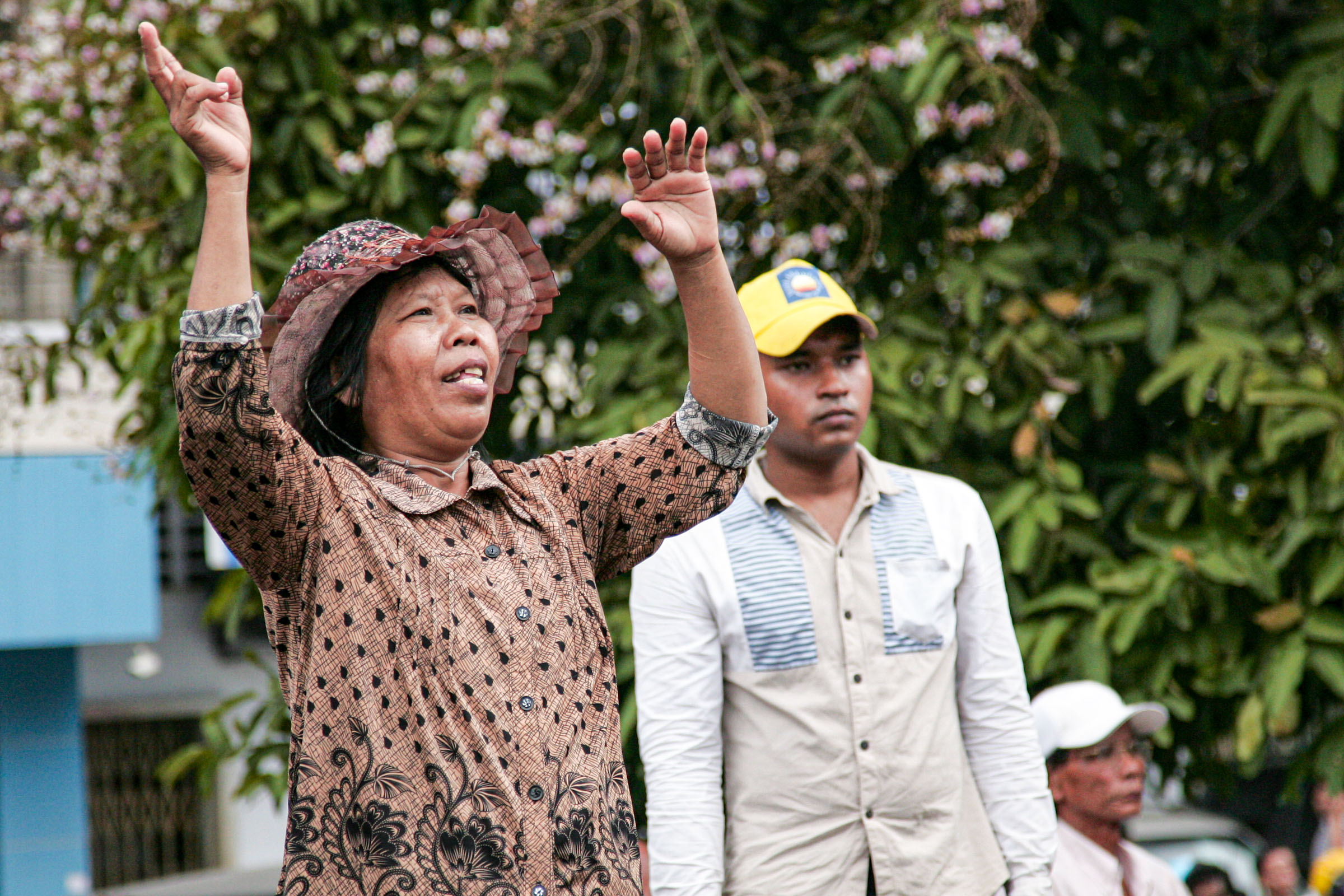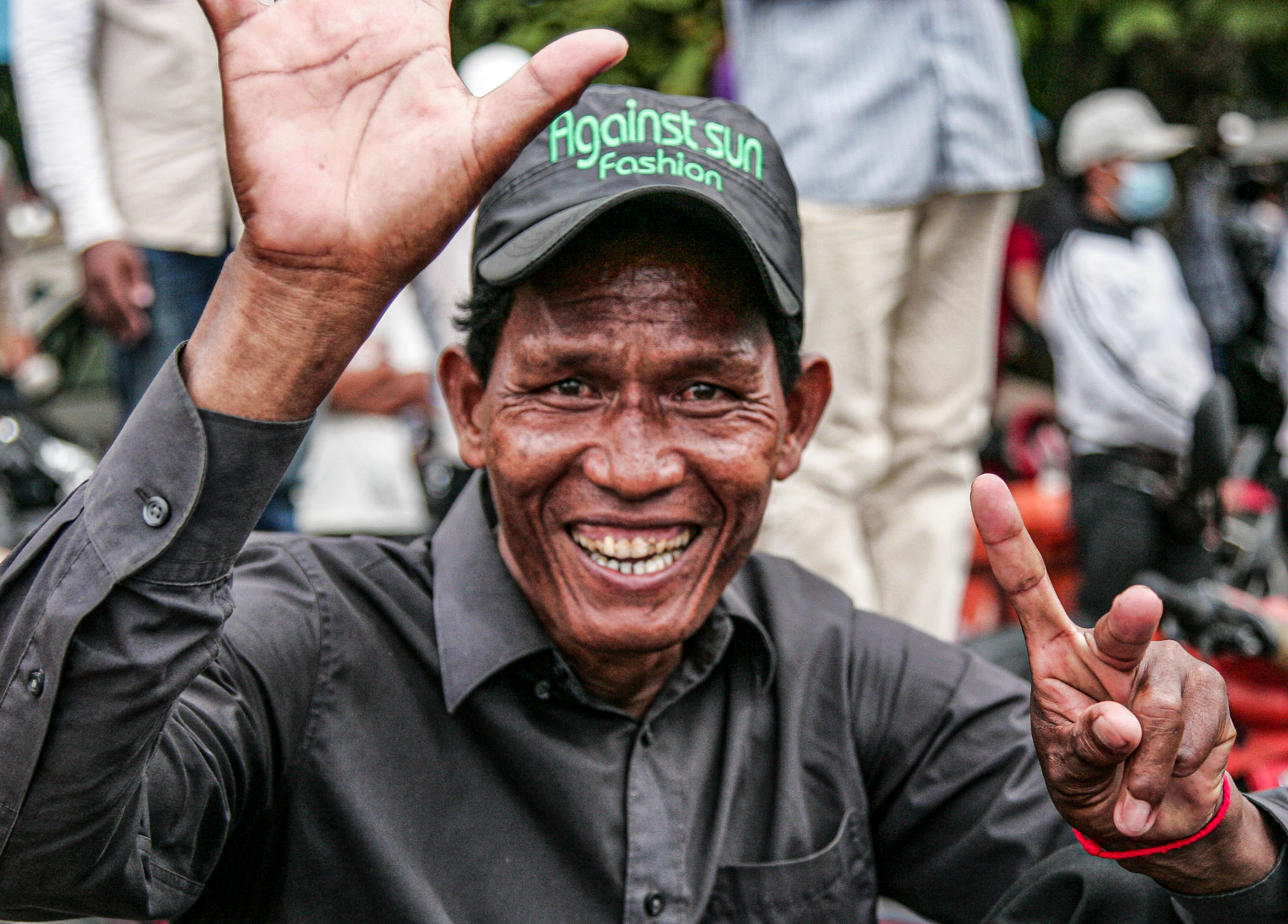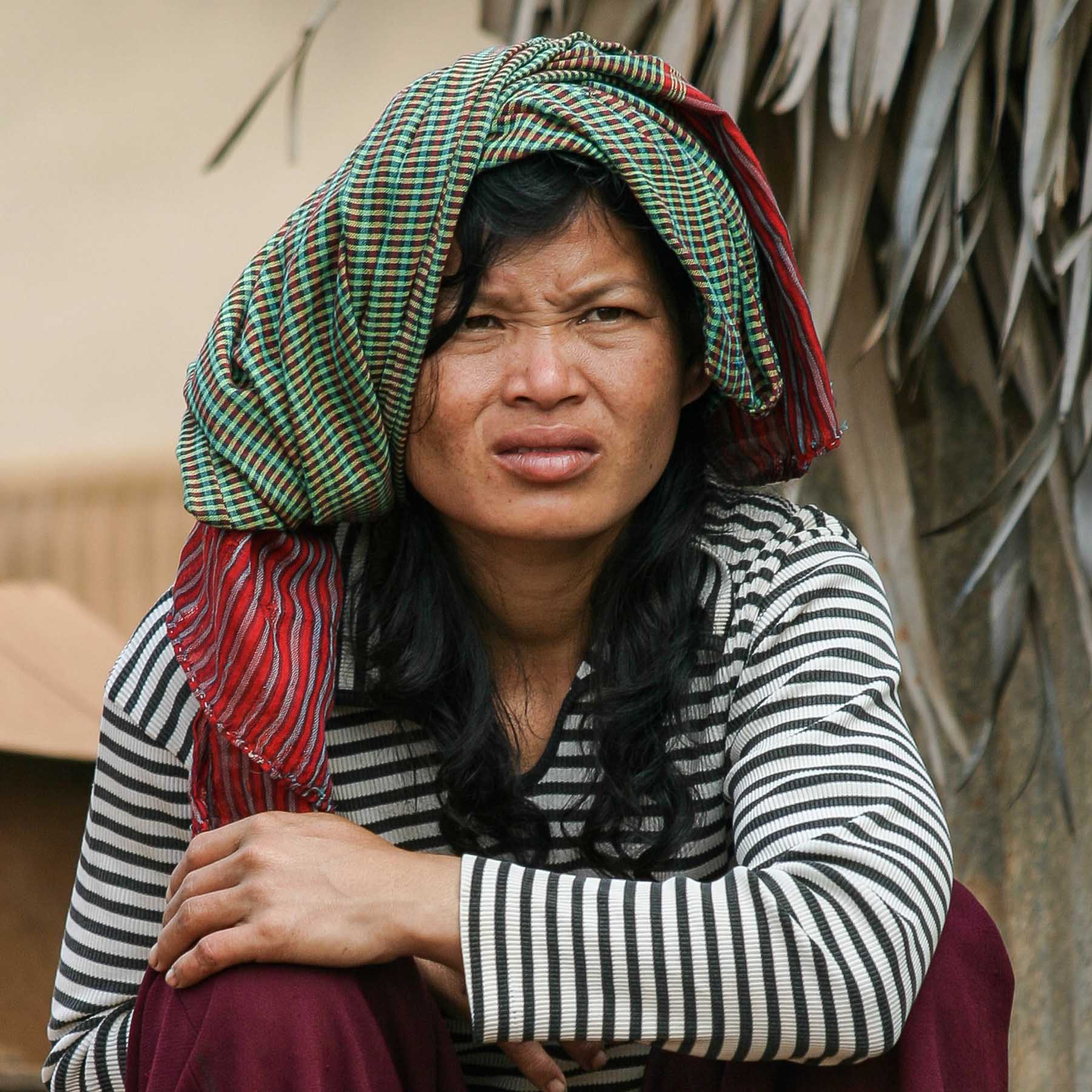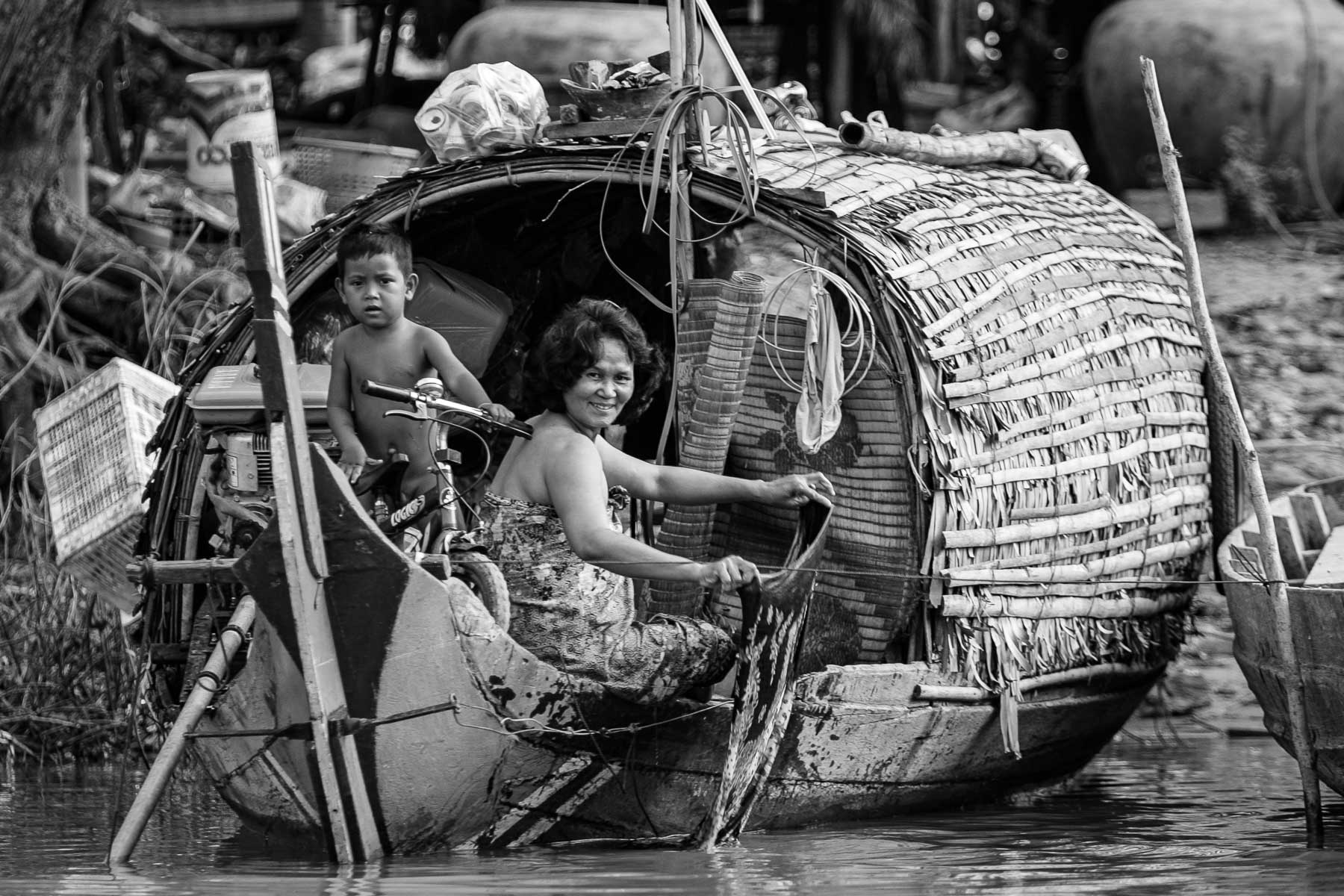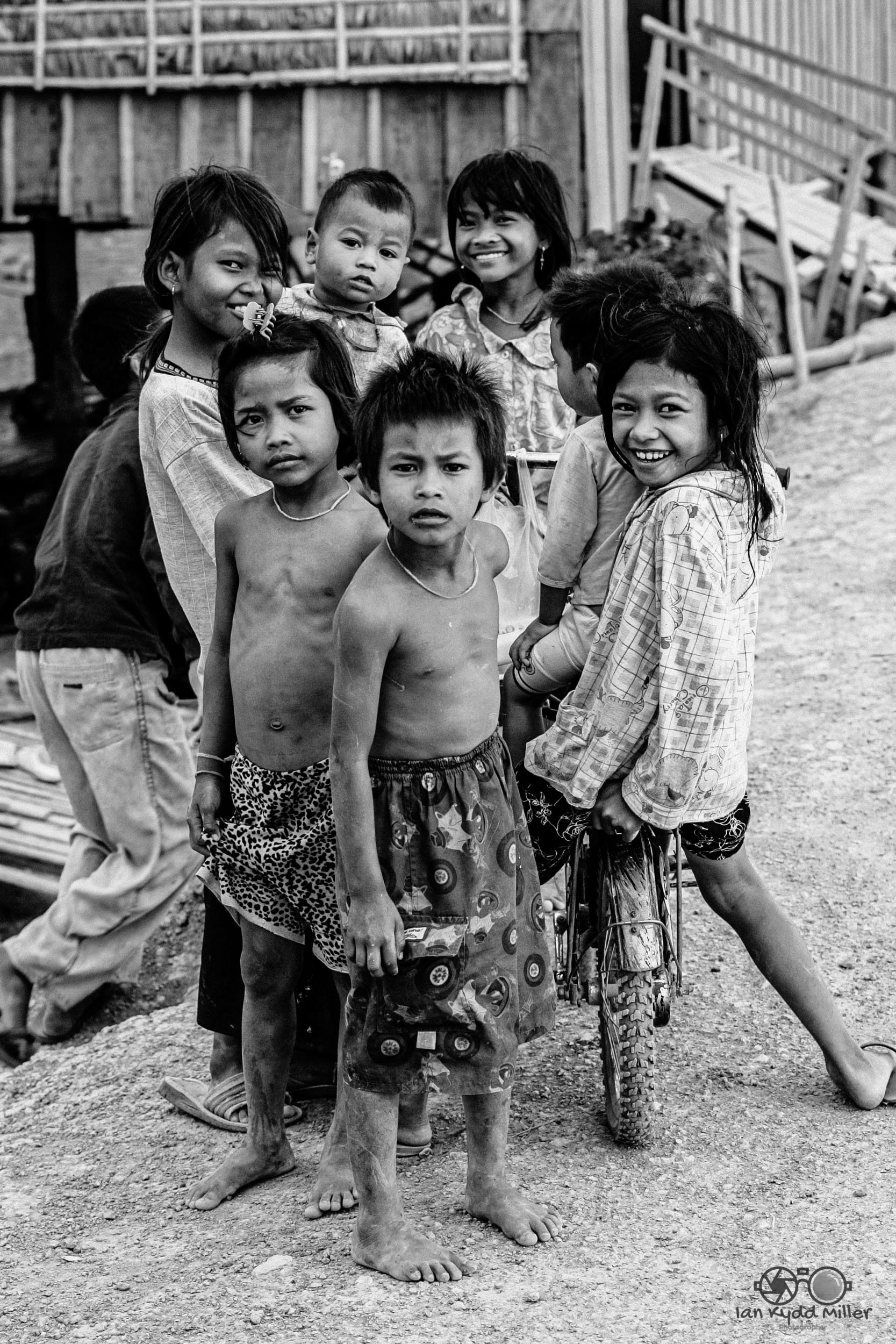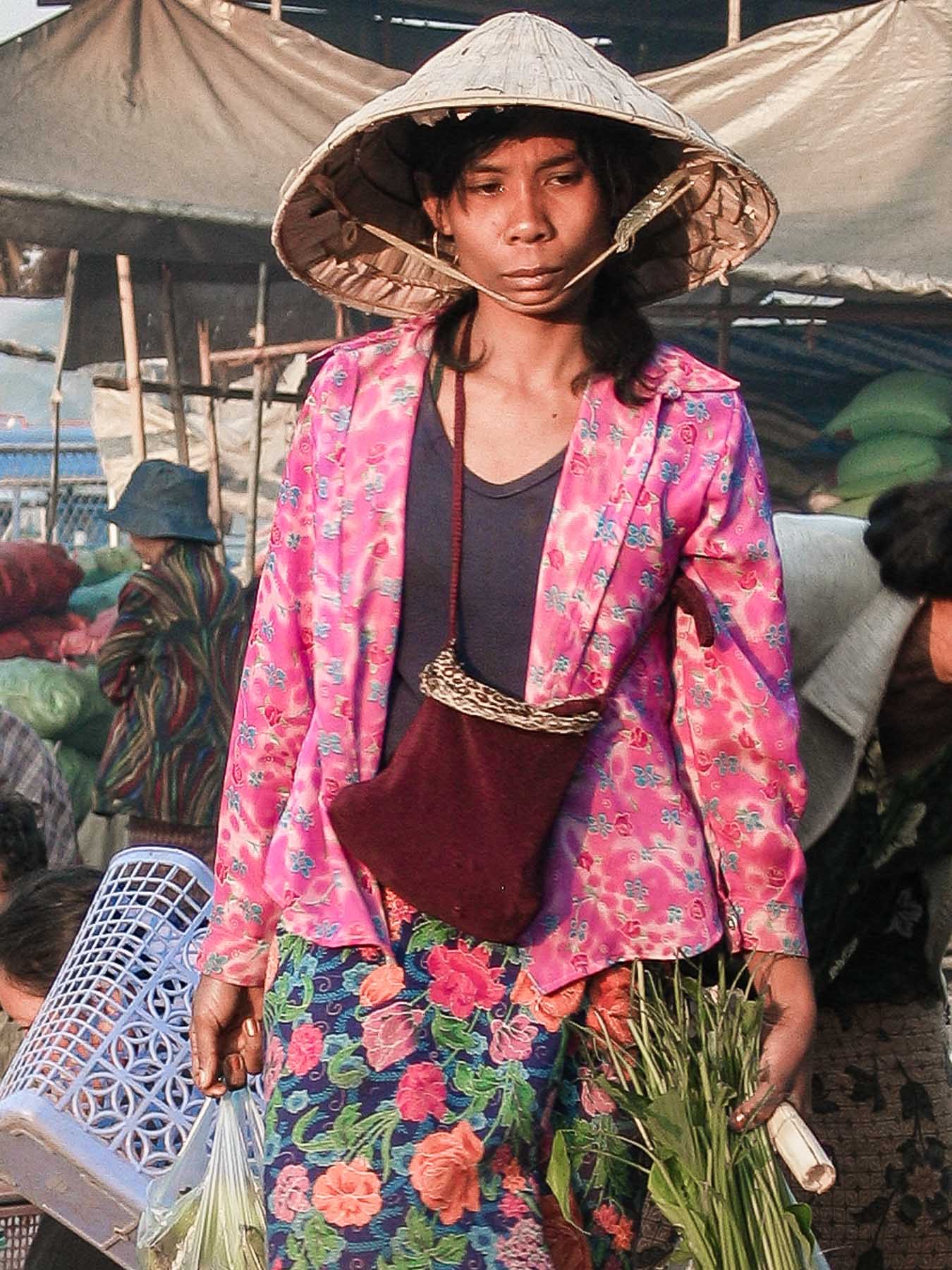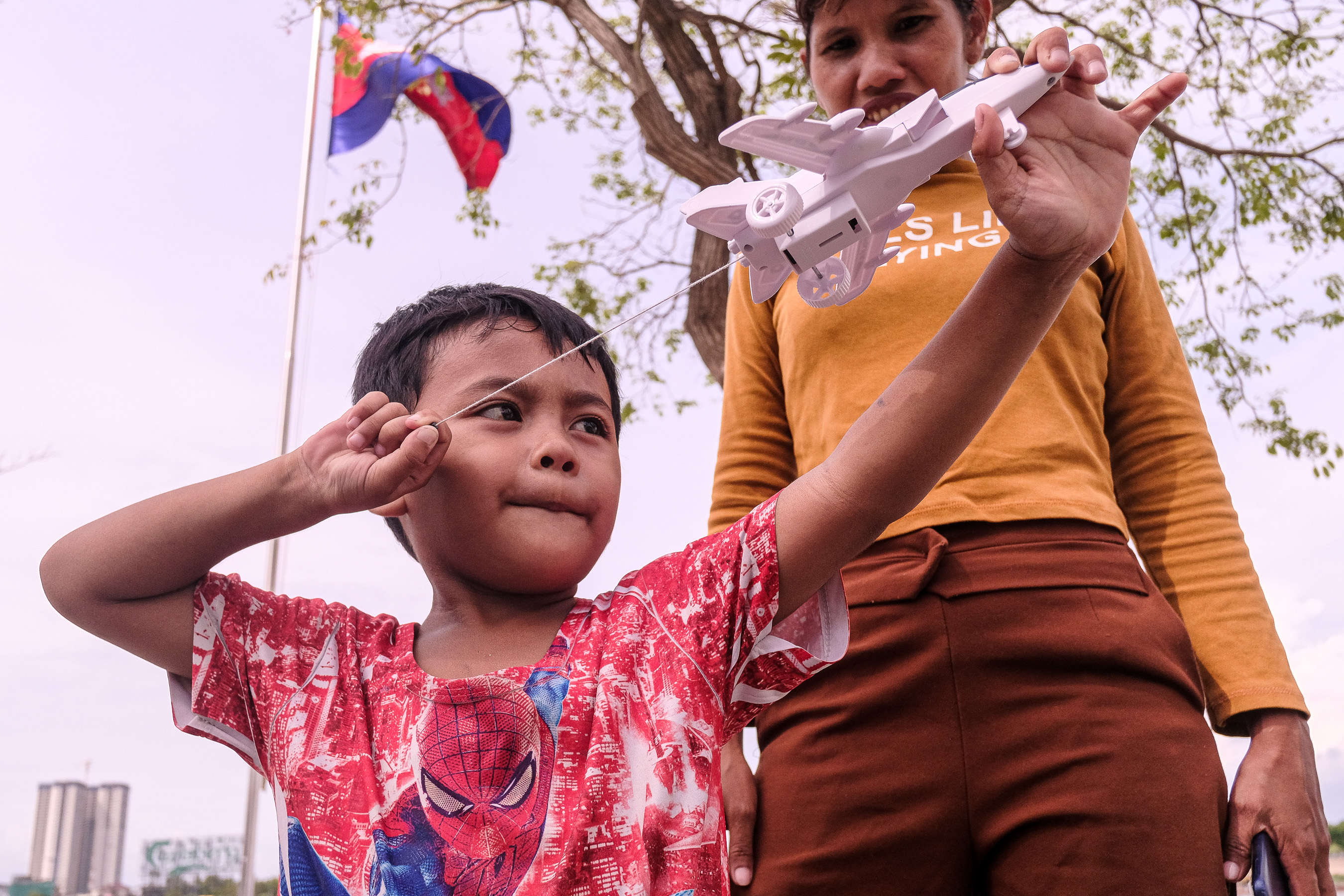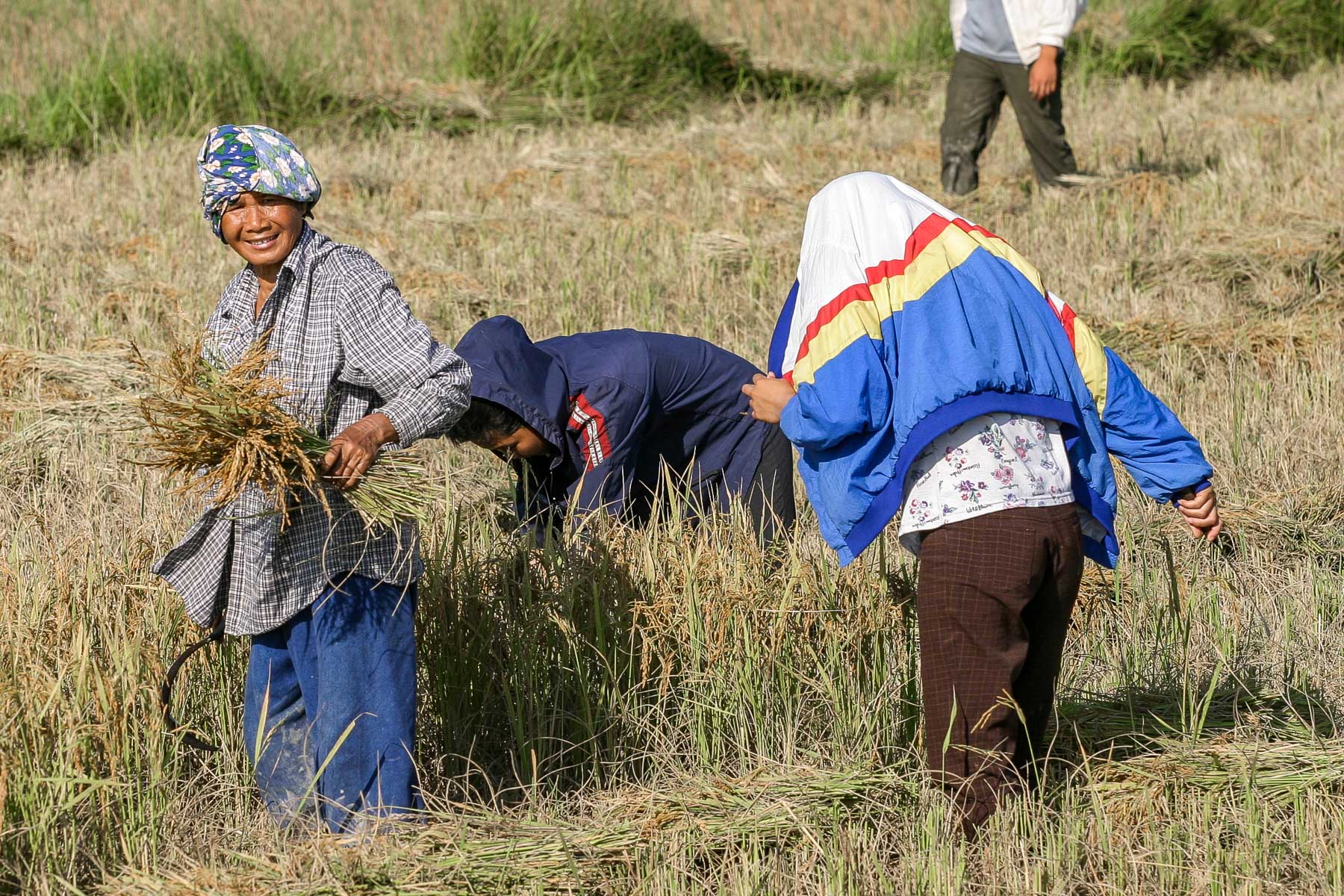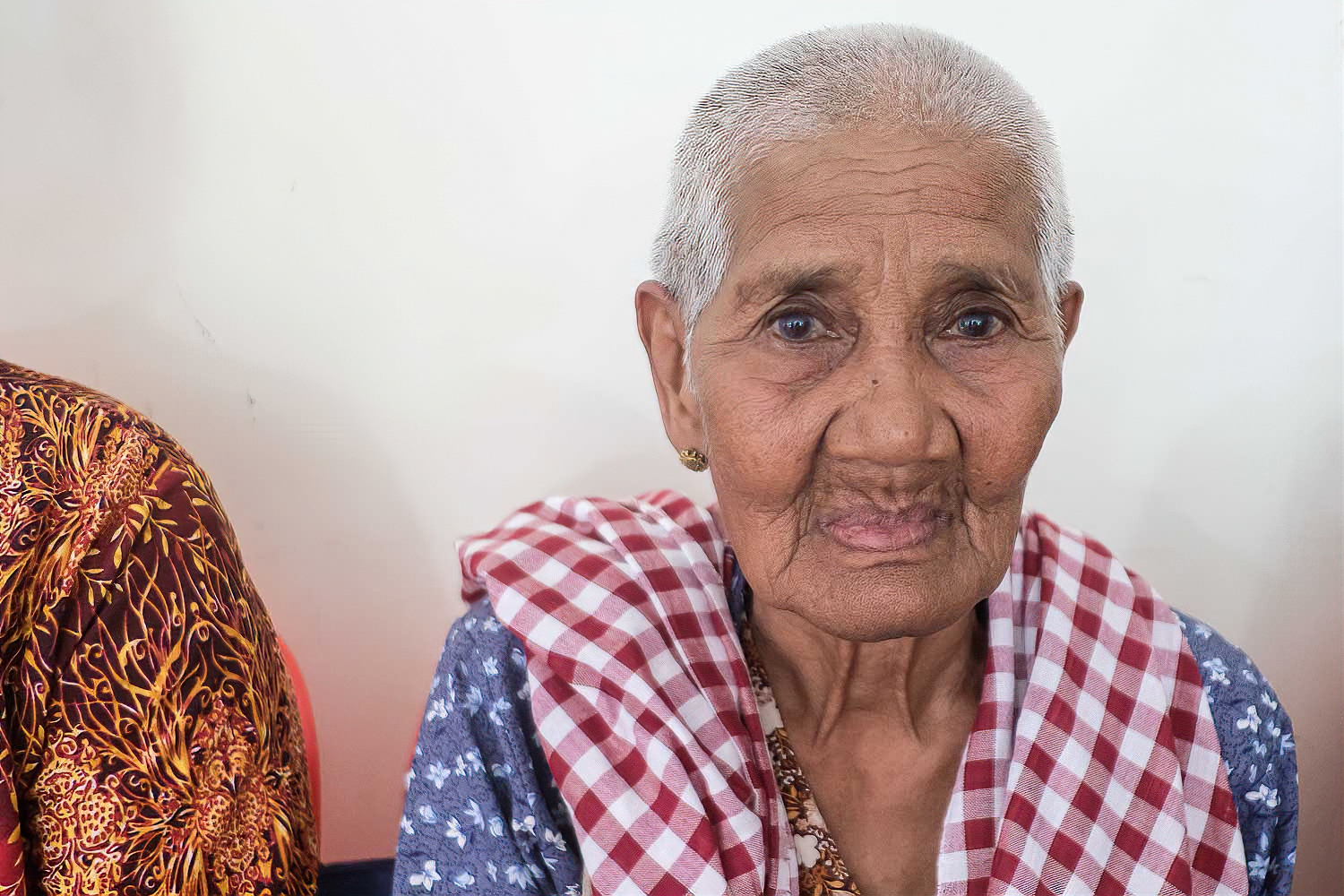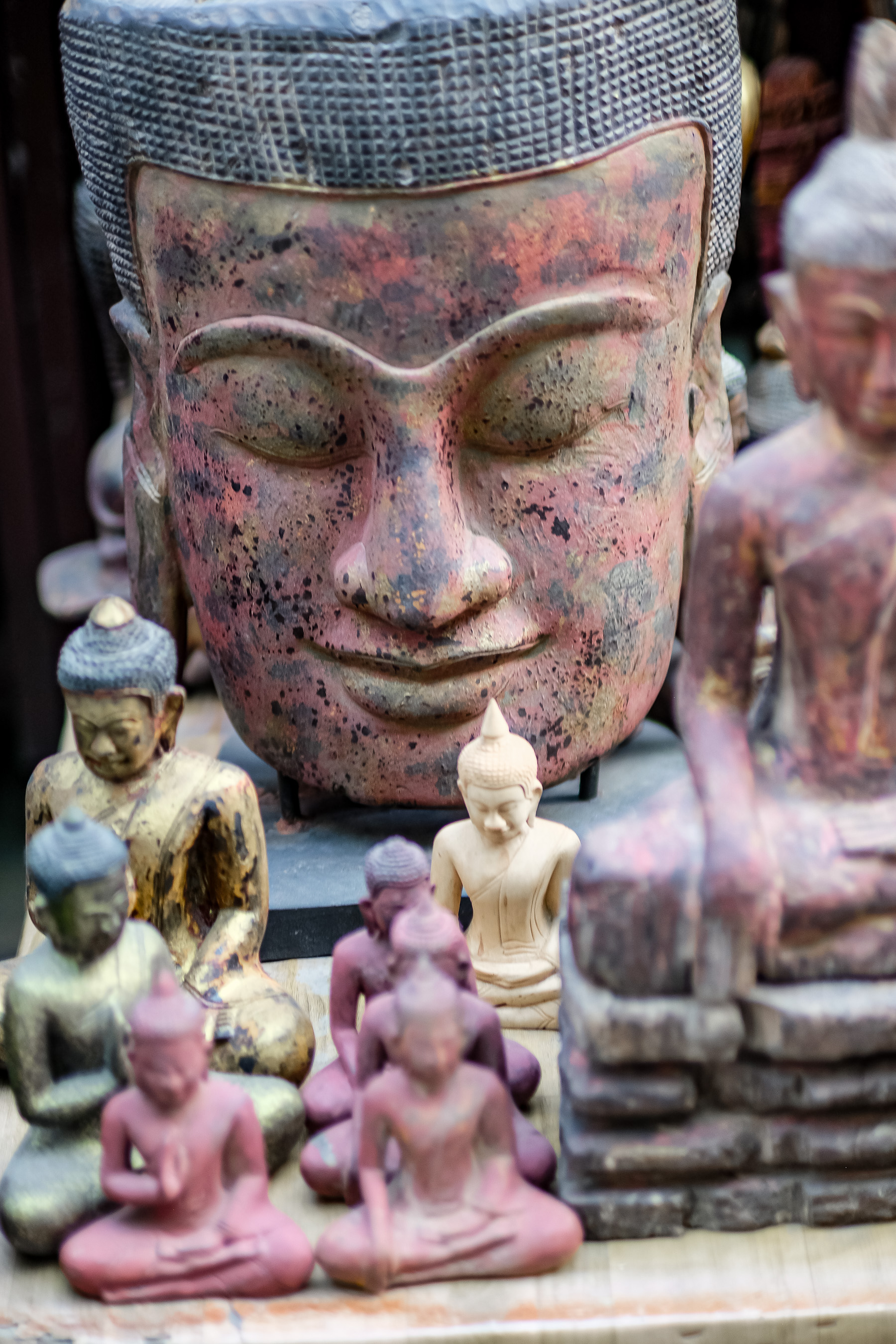
📷 The Fujinon XF 18mm f/2 R: A Lens That Listens

cambodia, cameras, Fujichrome, fujifilm, Lenses, opinons, thoughts, photography

A Rundown of the Good and the Quirky

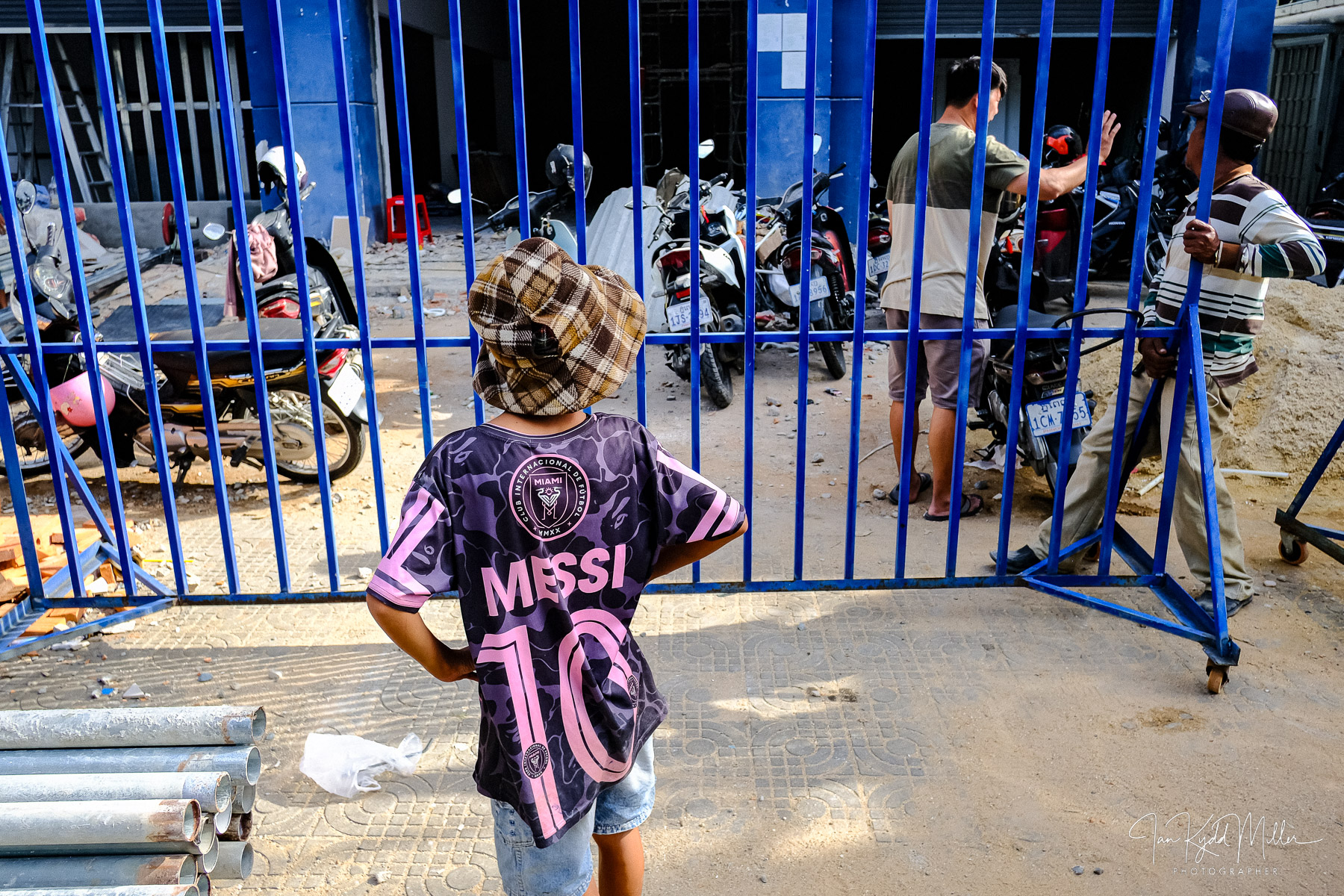
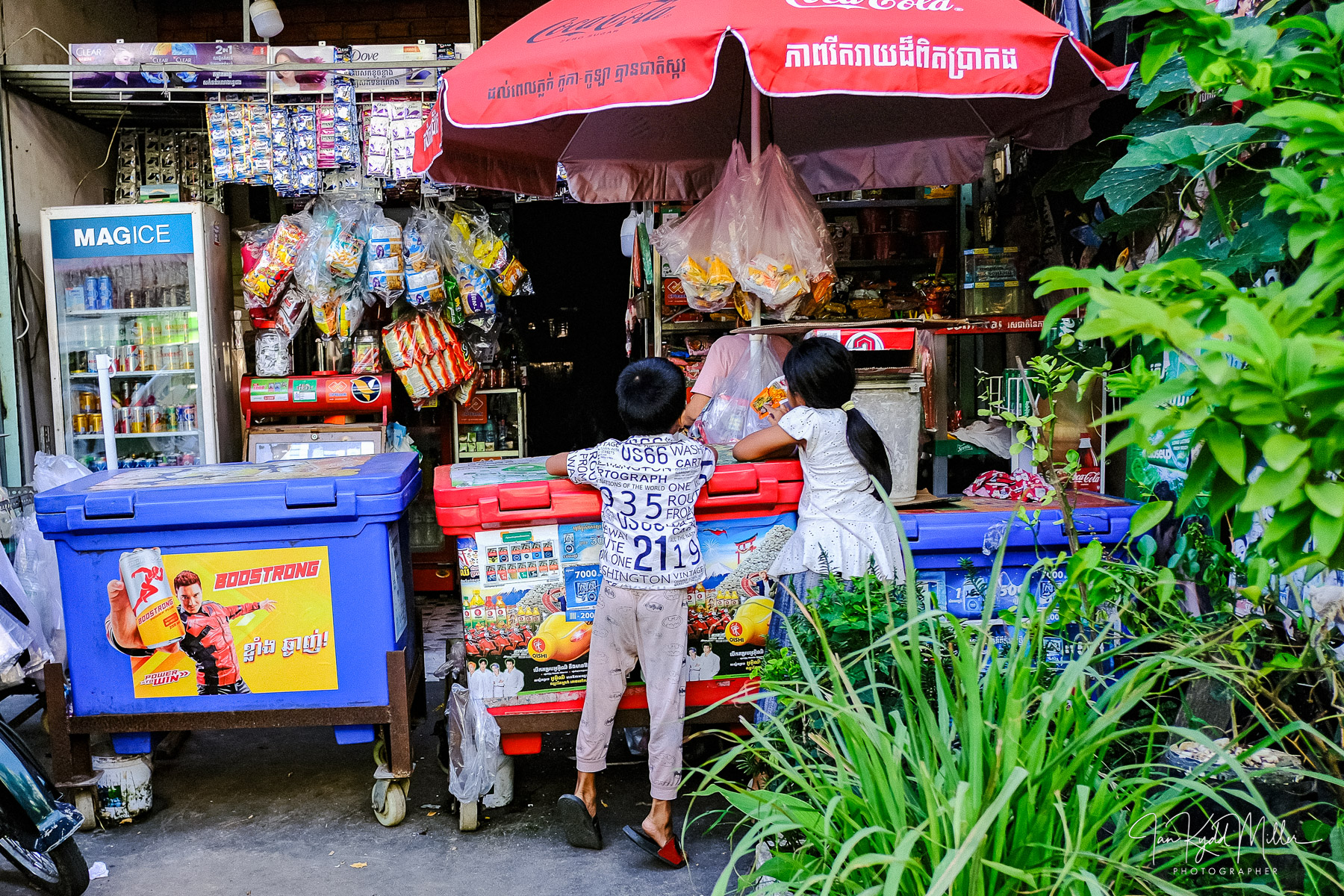
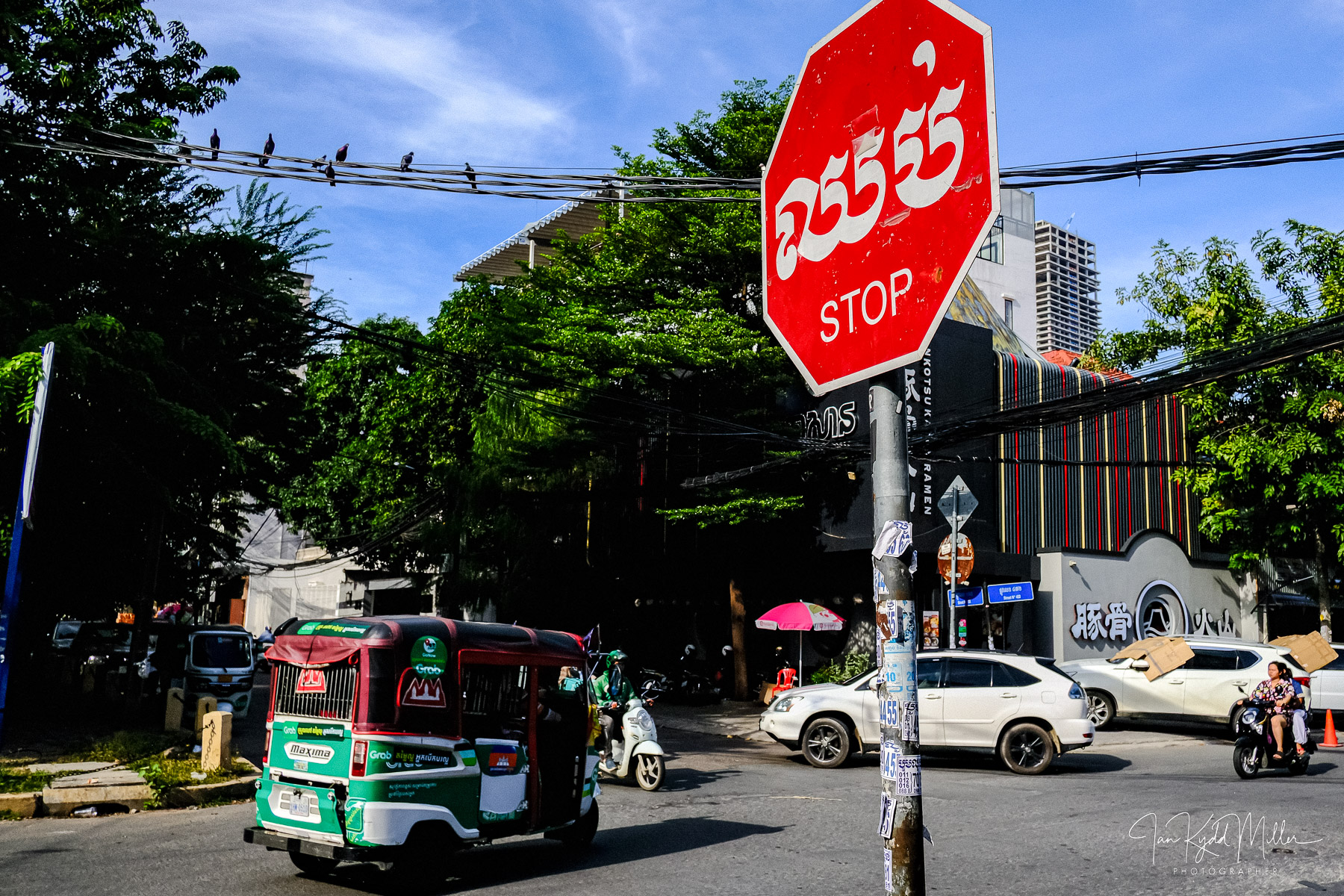
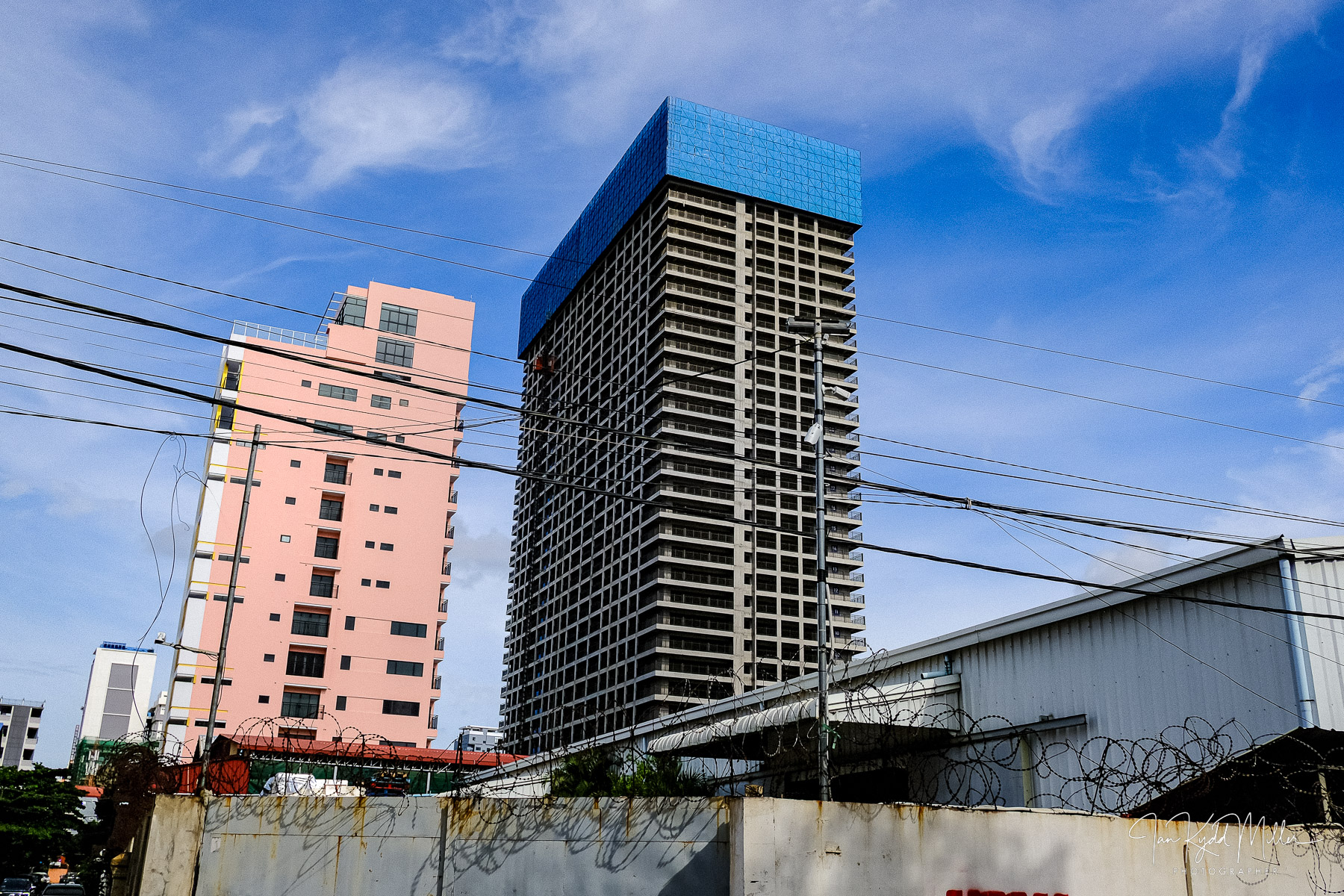
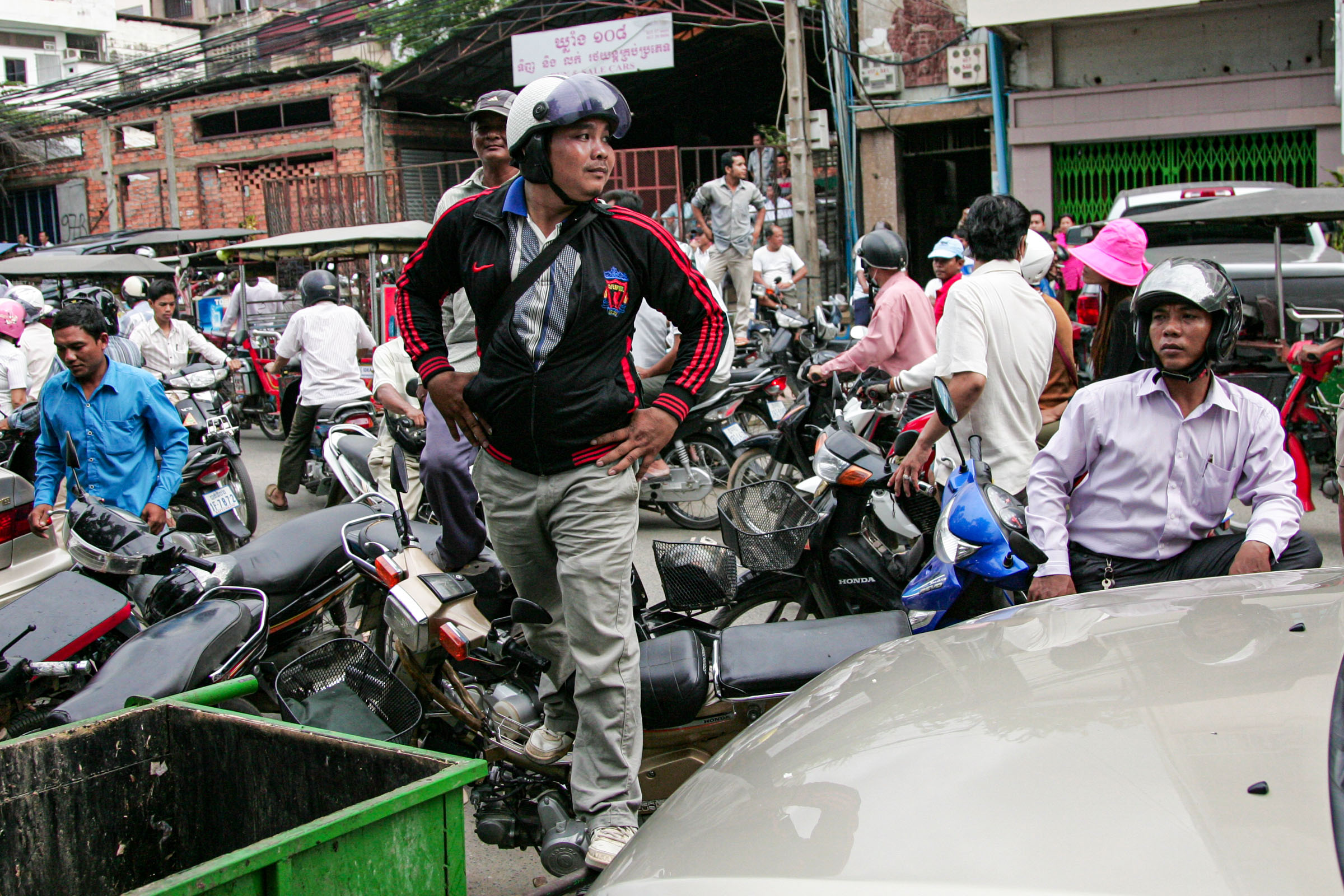
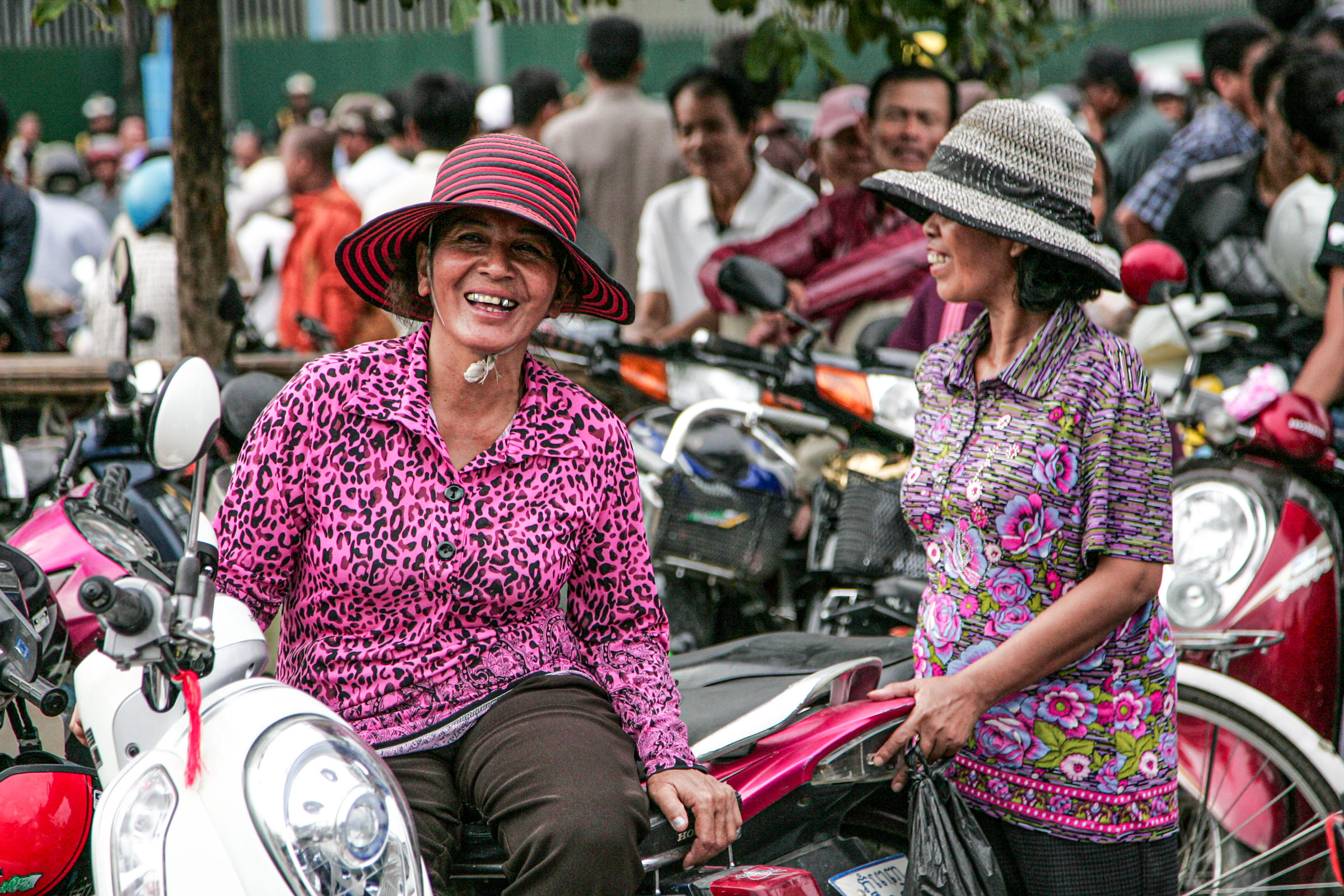
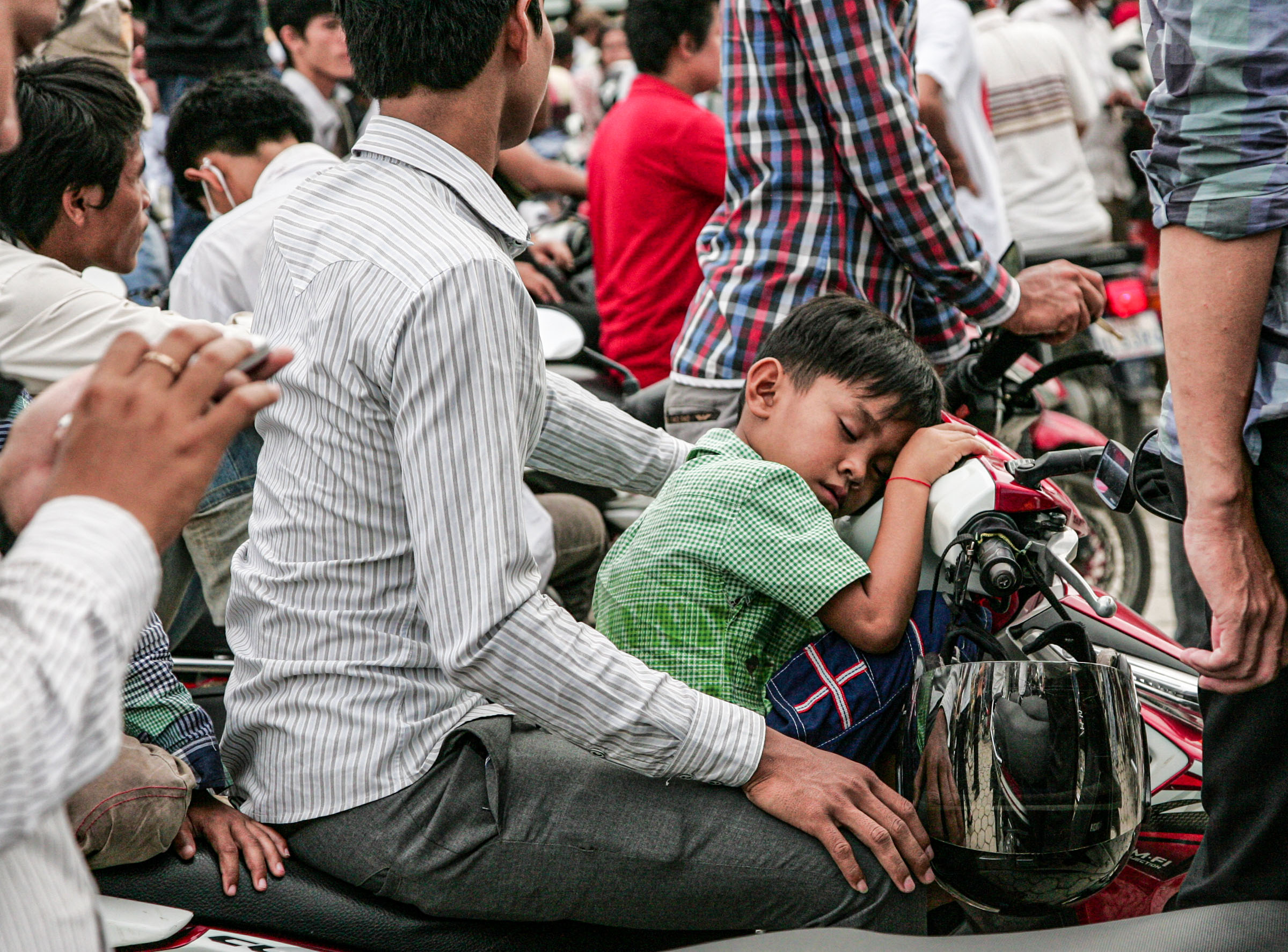
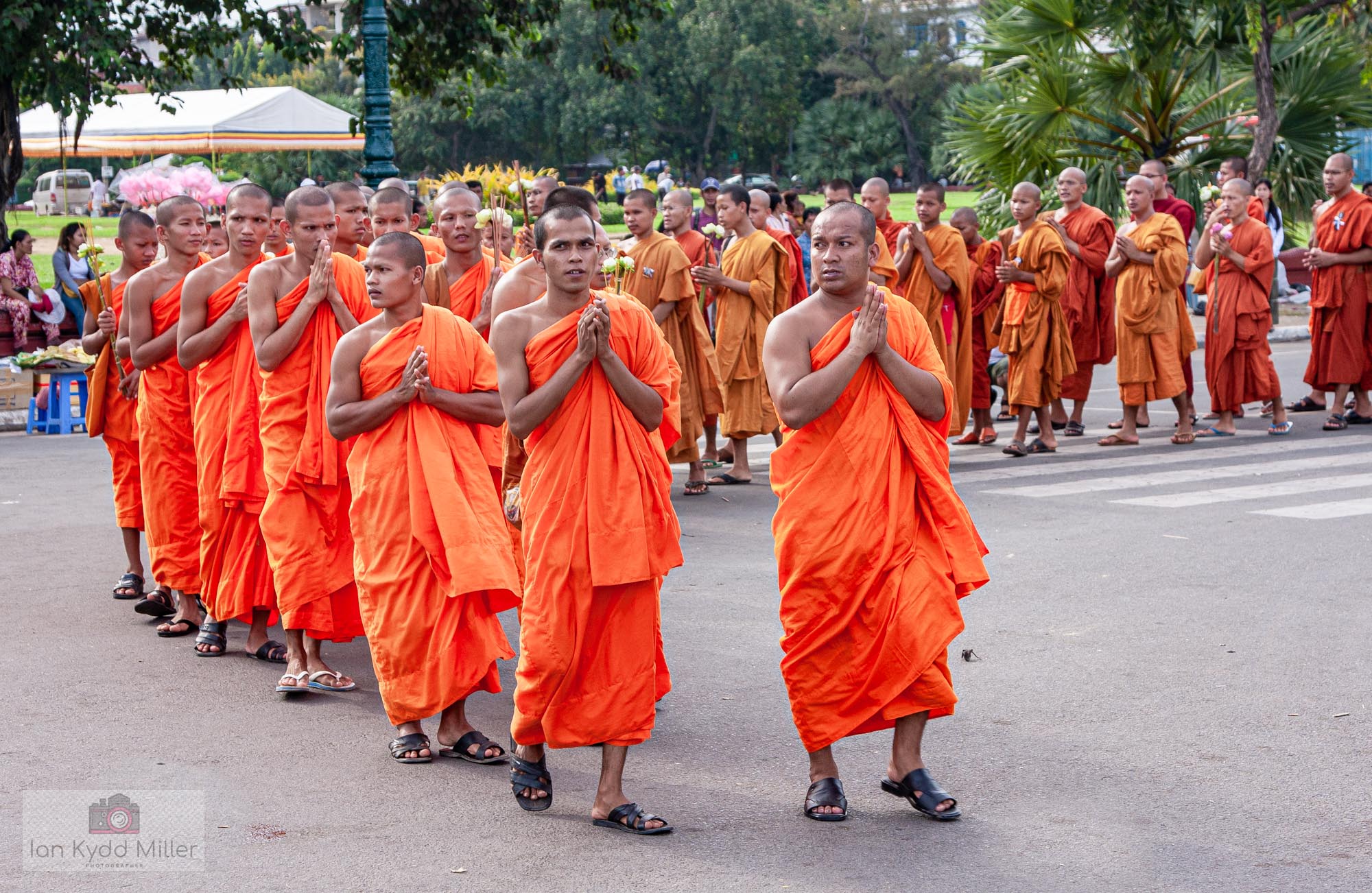
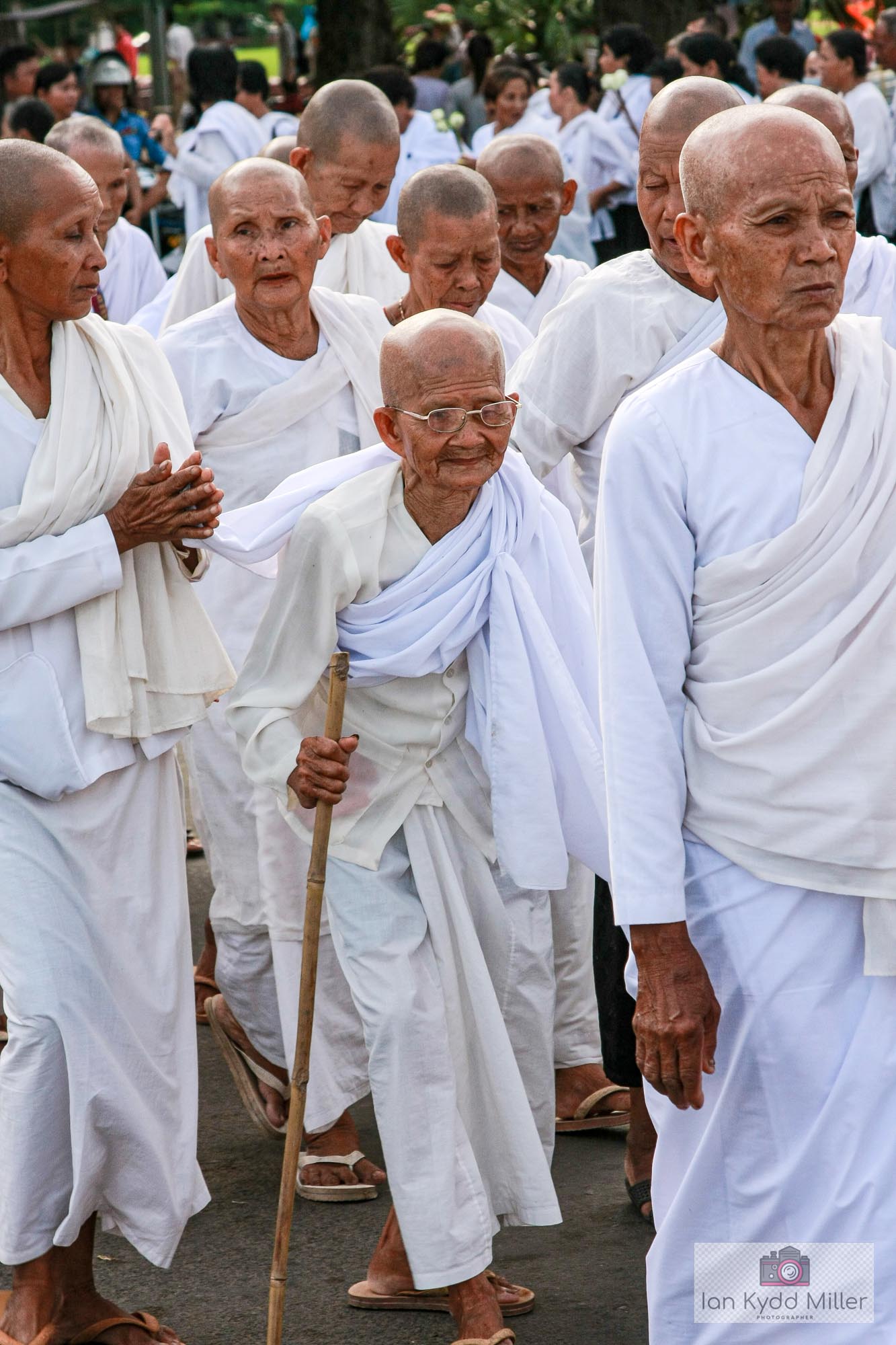
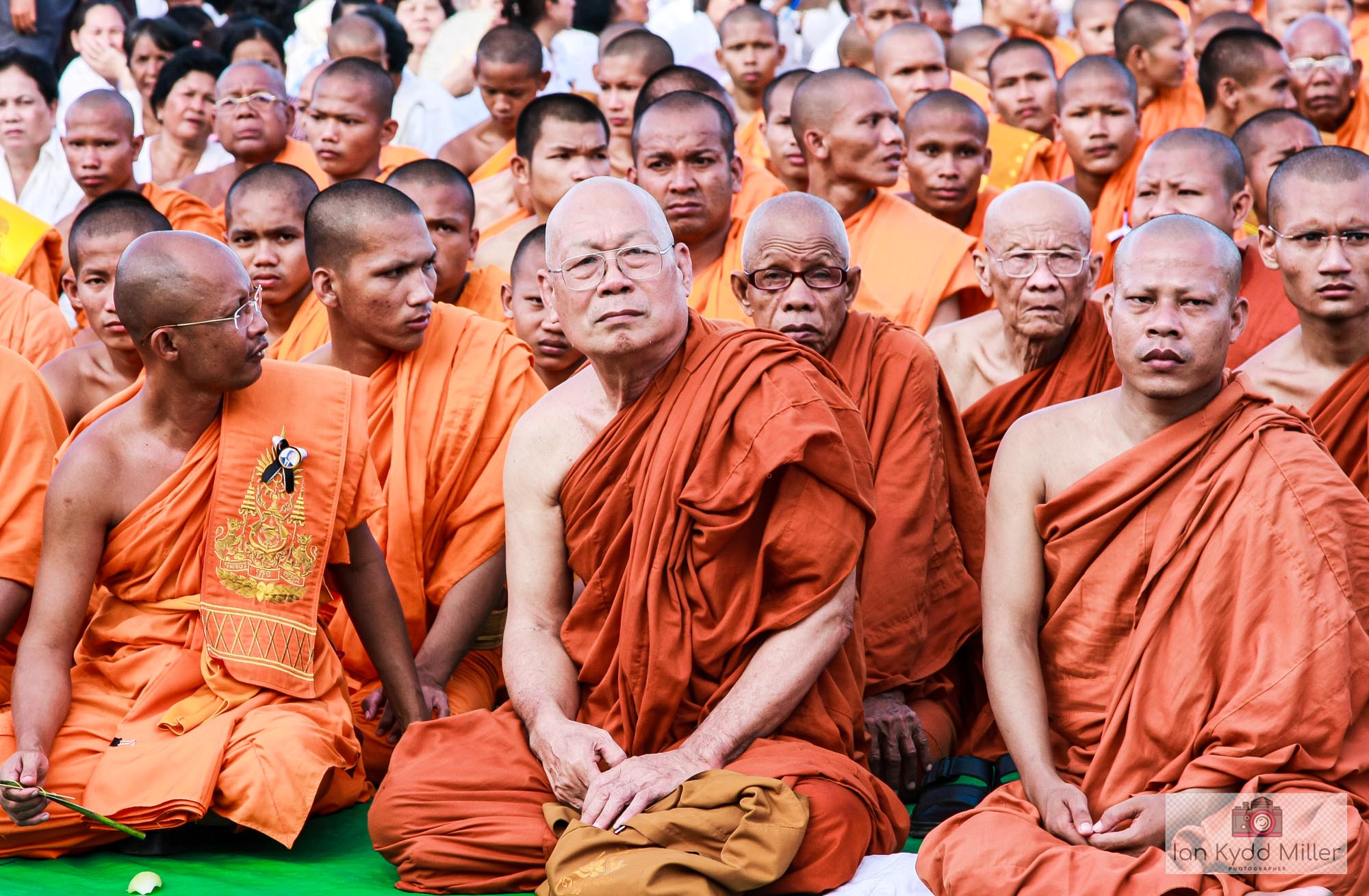
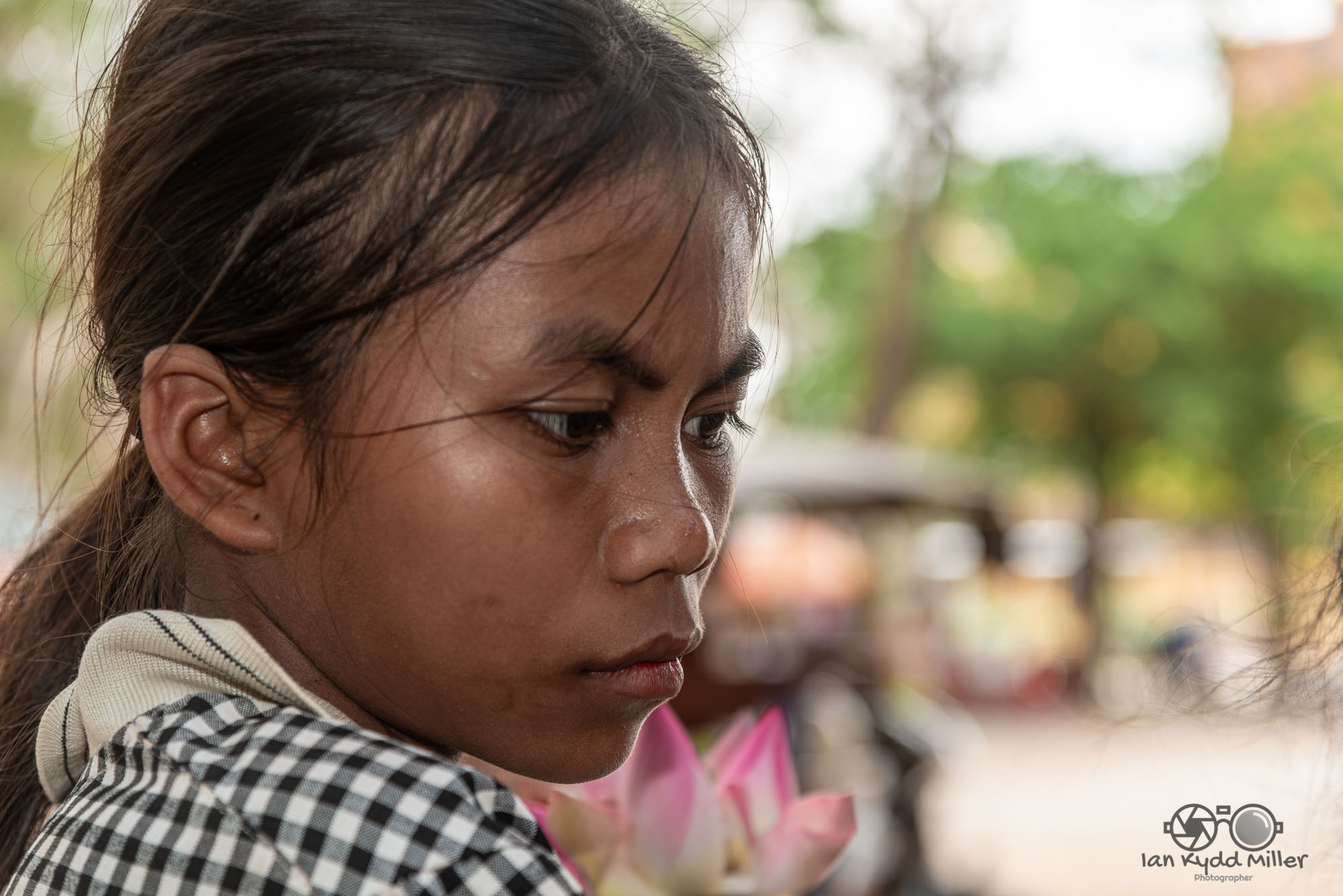
The Fujifilm XF 18mm f/2 isn’t perfect. But it’s present. It’s compact, fast, and quietly capable. It doesn’t demand attention—it invites it. And for street photographers, documentarians, and those who value rhythm over resolution, it’s a lens worth knowing.

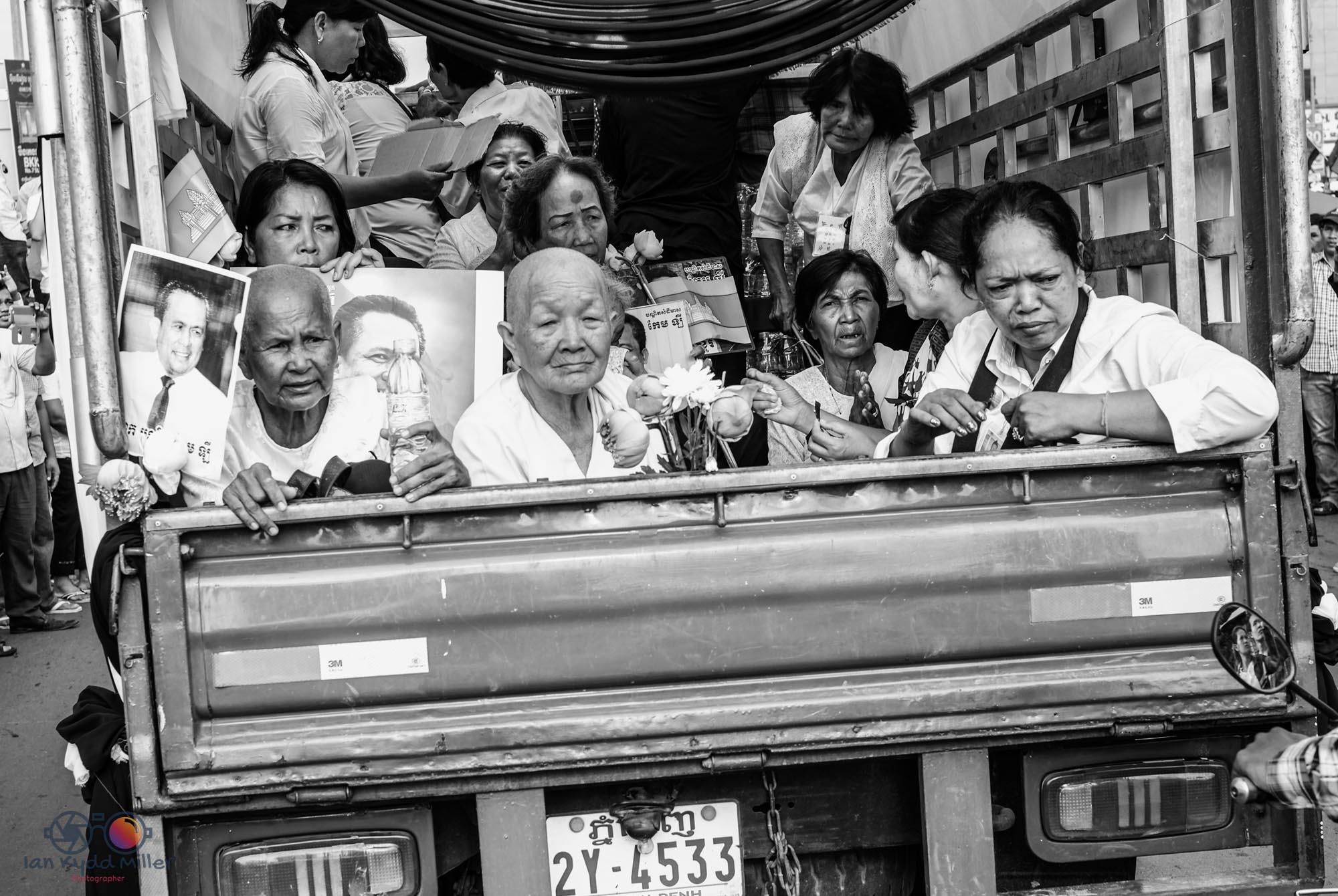
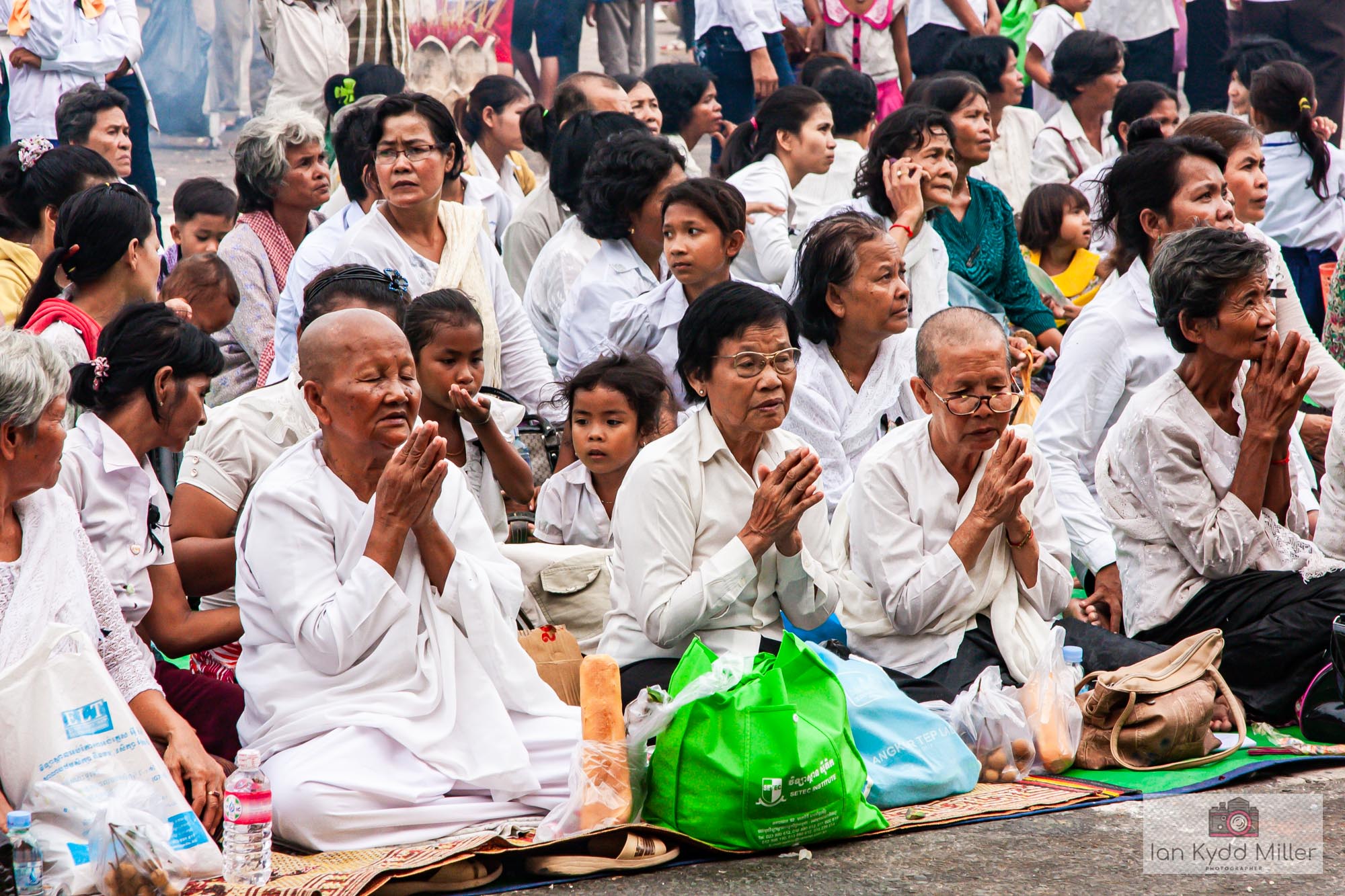
I’ve used it in clinics, on the street, and in quiet corners of care. It’s not a showstopper. It’s a companion. And that’s what makes it special.

✅ The Good: Why It Still Matters

🧠 1. Classic Focal Length

  • 18mm on Fuji’s APS-C sensor gives you a 27mm equivalent—ideal for street photography, environmental portraits, and storytelling in context.
  • Wide enough to breathe, tight enough to feel.

🪶 2. Compact and Featherlight

  • This lens disappears in your hand. It makes the camera feel invisible.
  • Perfect for moving quietly, staying present, and photographing without spectacle.

⚡ 3. Fast f/2 Aperture

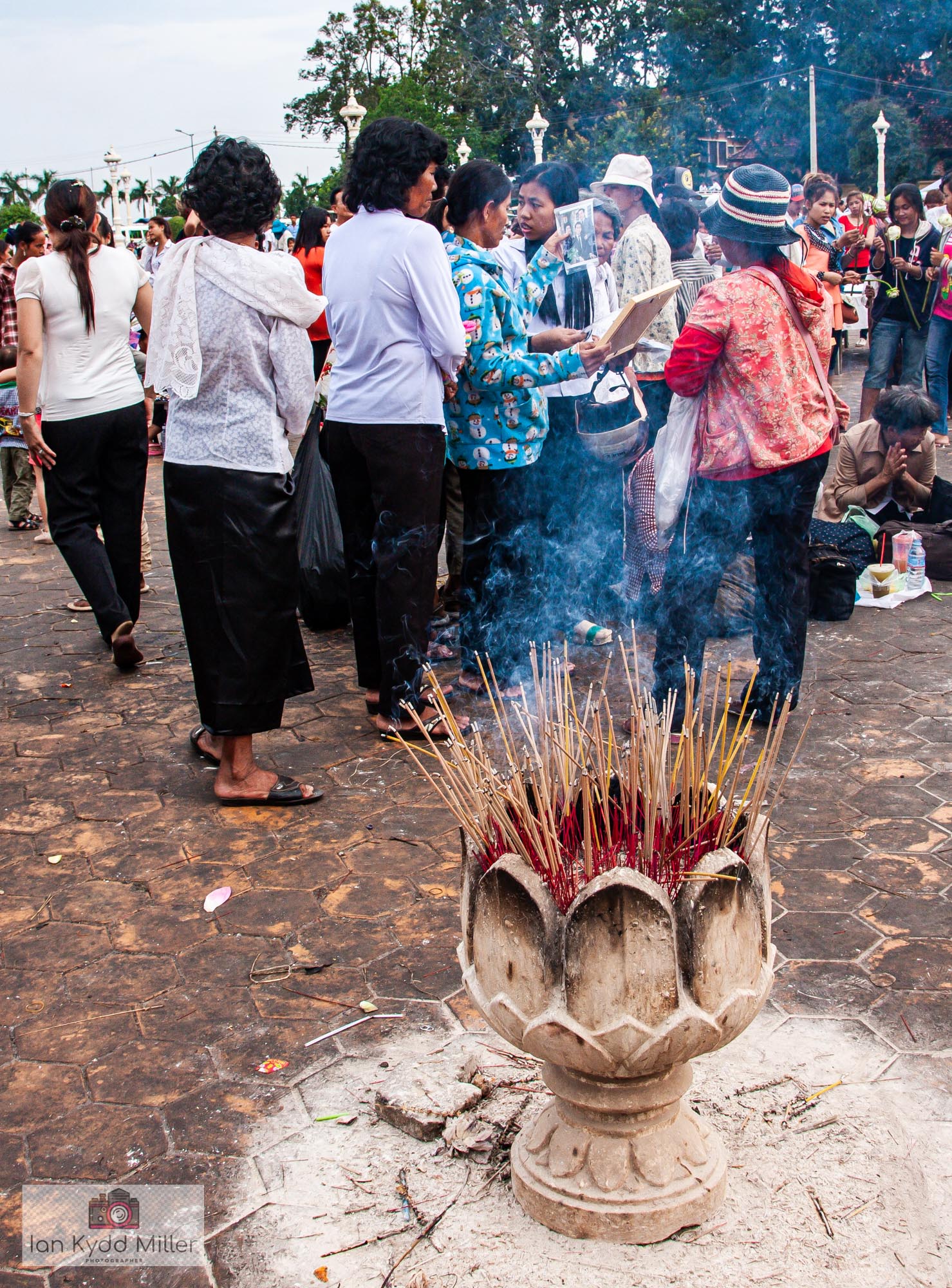
  • Responsive in low light. Lets you isolate gestures and moments without losing the scene.
  • Great for dusk, clinics, and shadow play.

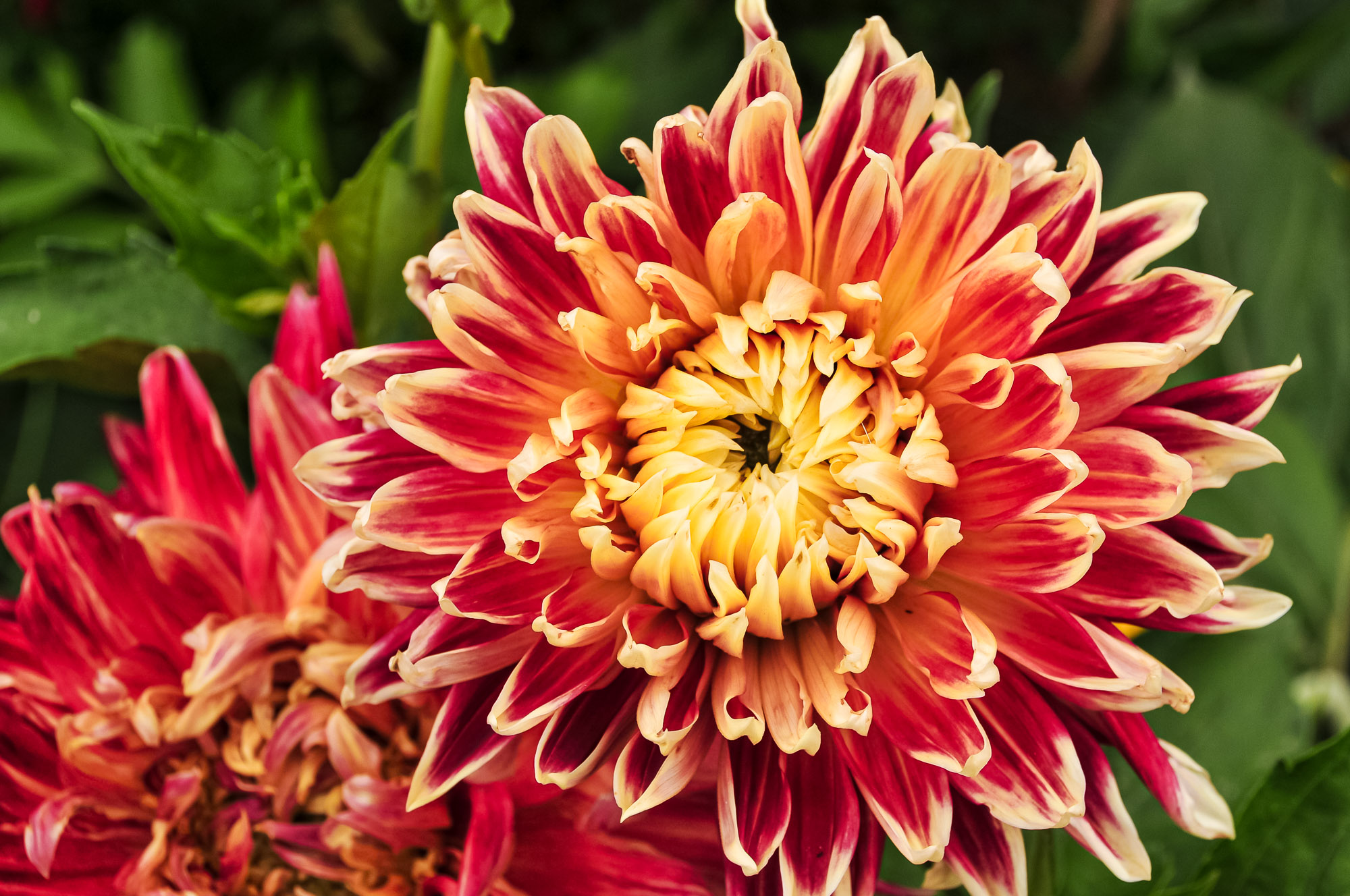
🎞️ 4. Film-Like Rendering

  • Slight softness at the edges. Gentle contrast. A character that feels felt, not forced.
  • Prints beautifully—especially in black-and-white.

🧭 5. Teaches Restraint

  • No zoom. No overcorrection. Just you, the scene, and the moment.
  • Ideal for students learning to compose with care.

❗ The Quirks: What to Know

🧊 1. Not the Sharpest Tool

  • Wide open, it’s soft at the edges. Corner sharpness improves by f/4–f/5.6.
  • If you’re chasing clinical perfection, this isn’t your lens.

🔊 2. Noisy Autofocus

  • The AF motor isn’t silent. In quiet settings, you’ll hear it.
  • Not a dealbreaker, but worth noting for documentary work.

🧱 3. Older Design

  • No weather sealing. No linear motor. No aperture lock.
  • It’s part of Fuji’s original lens lineup—quirky, charming, and a little dated.

🧪 4. Chromatic Aberration

  • You may see some fringing in high-contrast scenes. Easily corrected in post, but present.

🖼 How It Prints

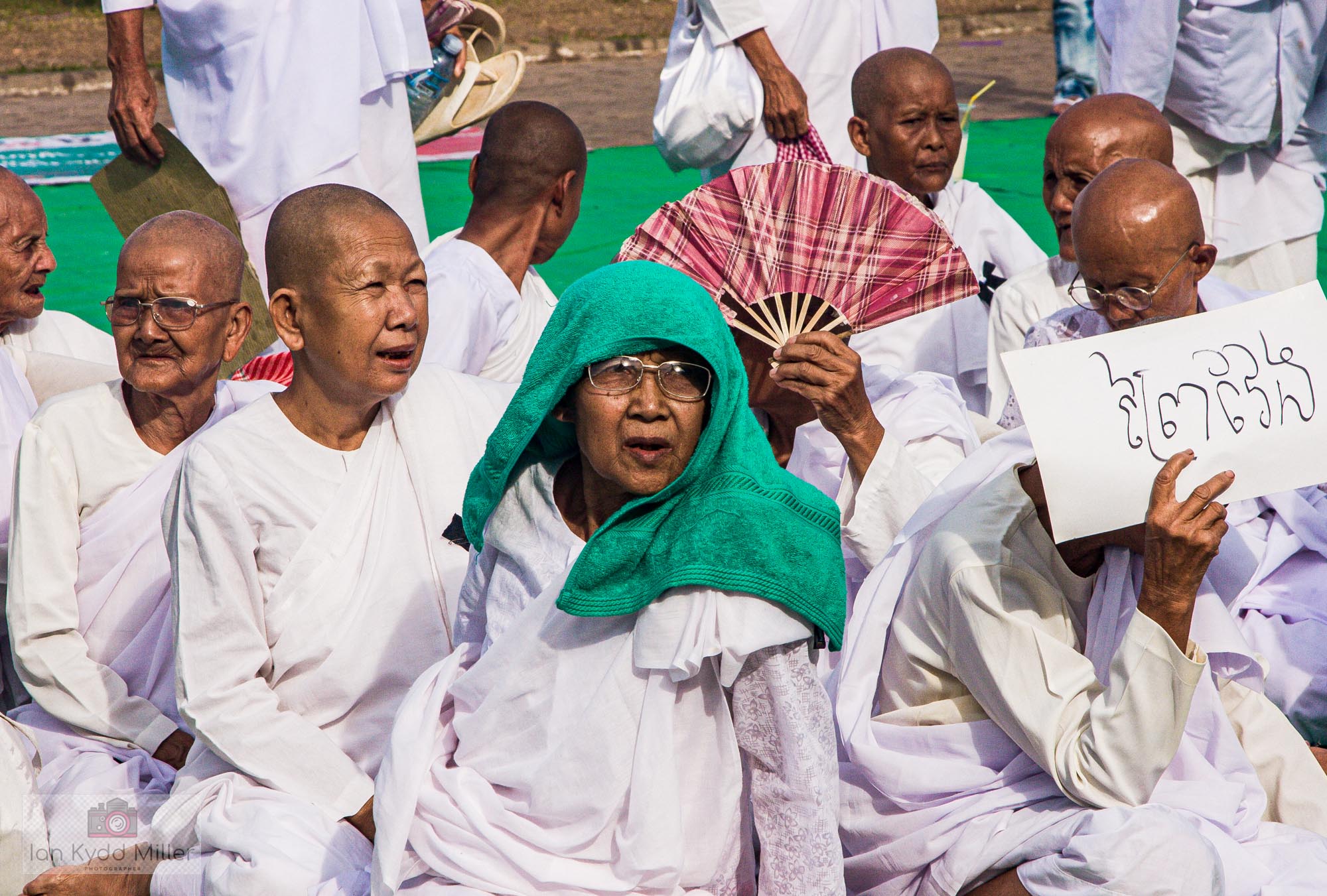
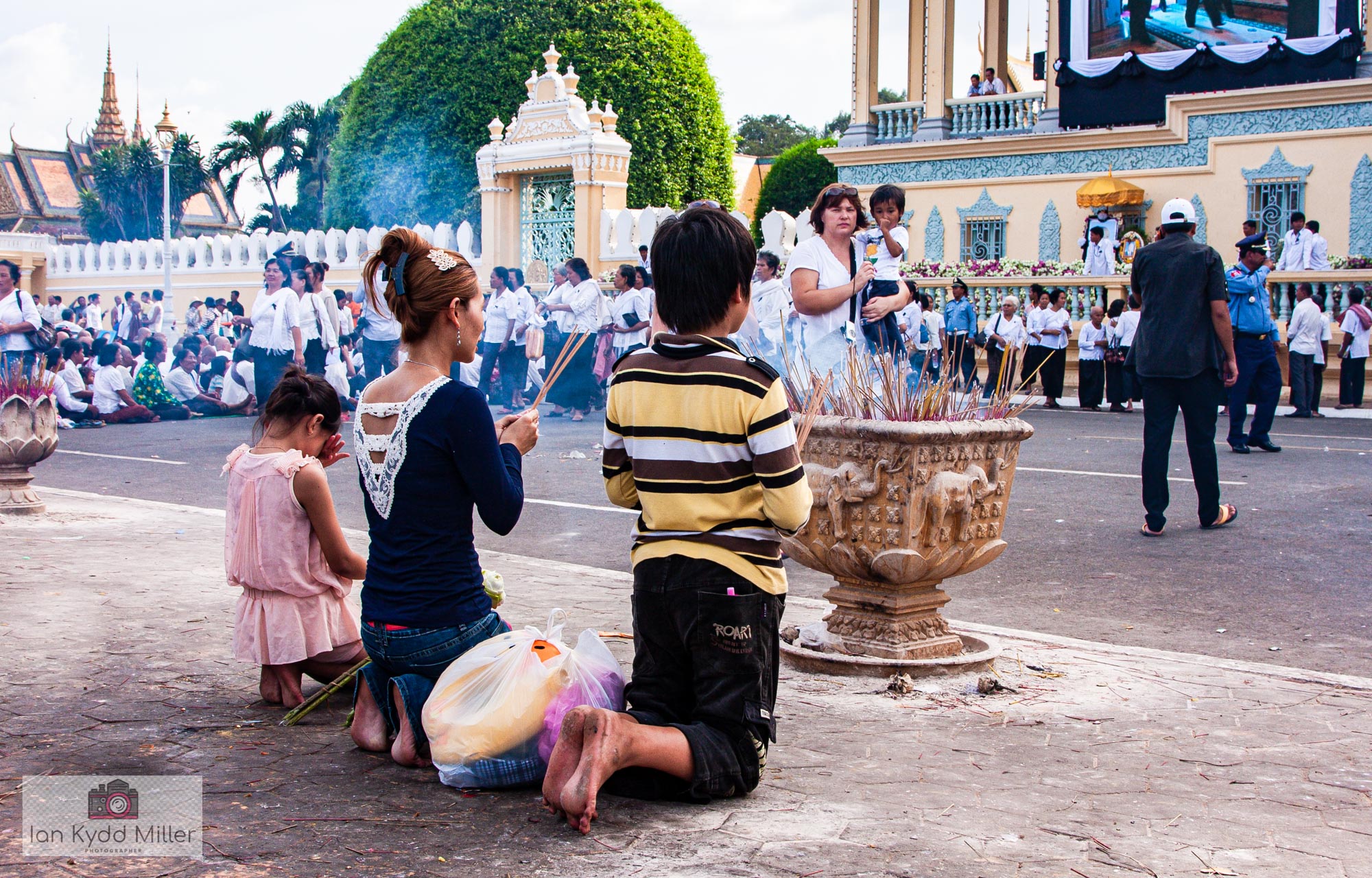
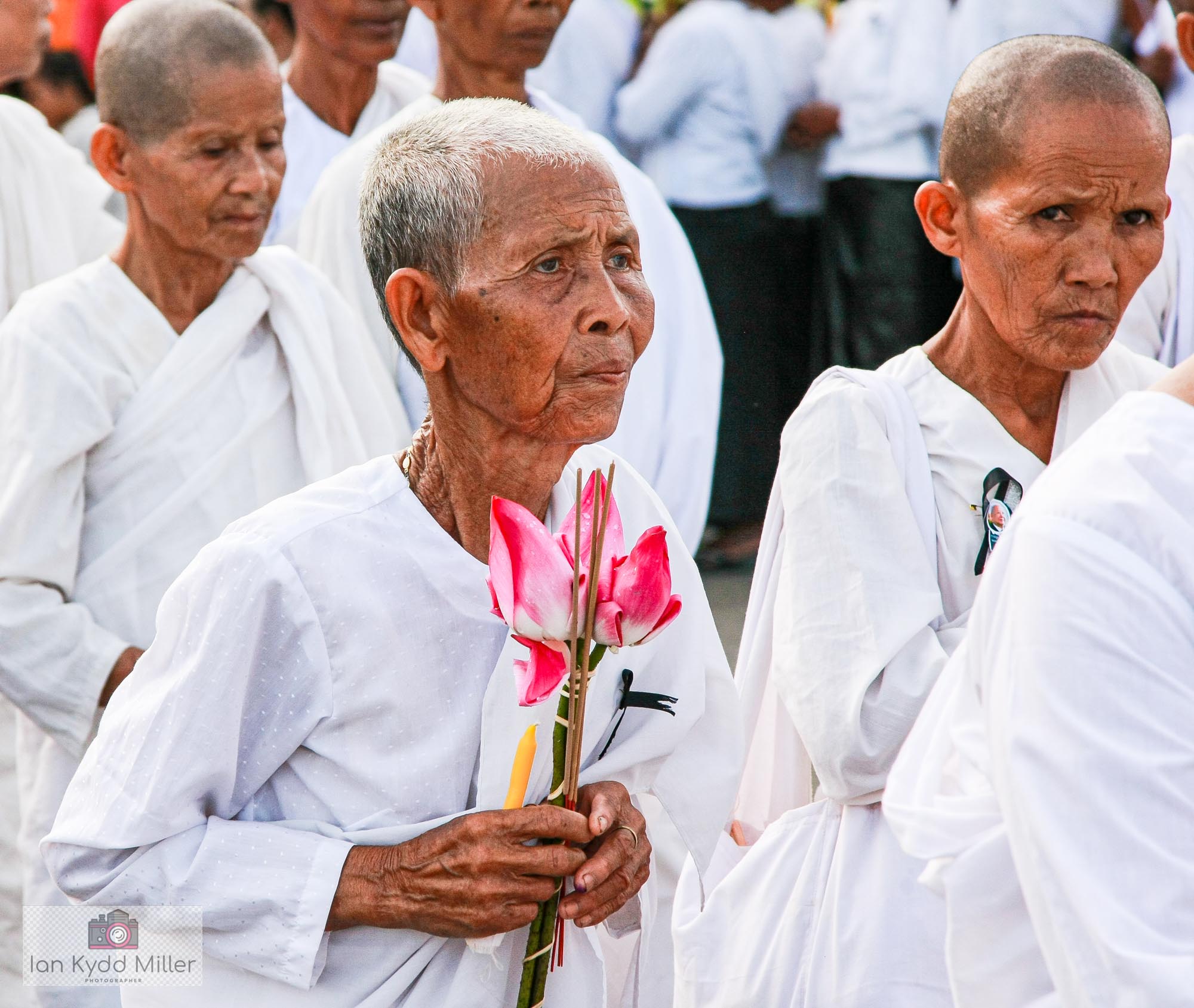
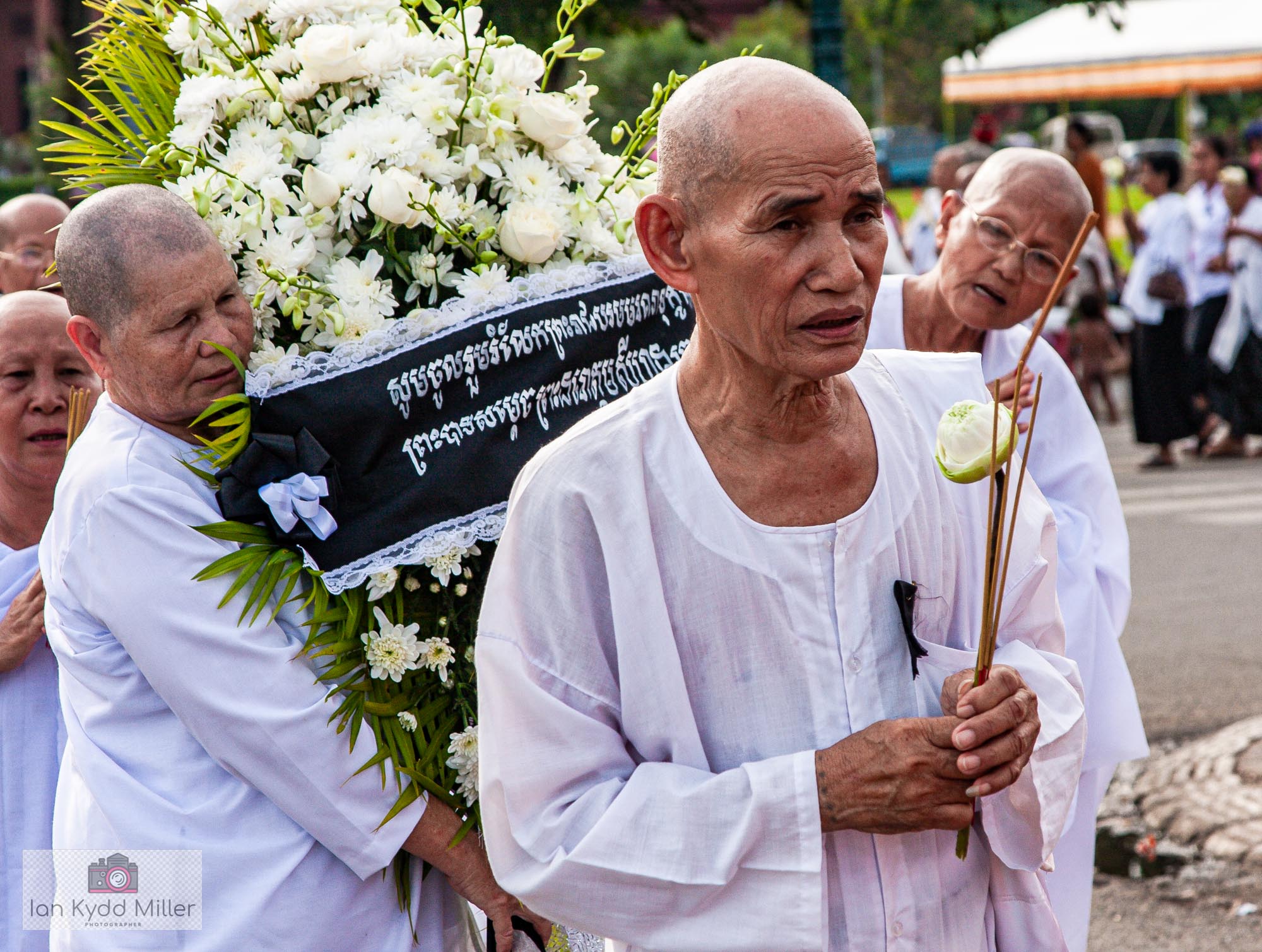
This lens isn’t about technical brilliance. It’s about emotional clarity. The files print with softness, nuance, and tonal depth. Especially in monochrome, the 18mm f/2 feels like a whisper—gentle, grounded, and true.
🕊 Final Thought: Character Over Perfection

The Fujinon XF 18mm f/2 isn’t for everyone. But for those who value presence over pixels, it’s a quiet gem. It teaches you to move slowly, see clearly, and photograph with care.

Because sometimes, the best lens isn’t the sharpest. It’s the one that listens.

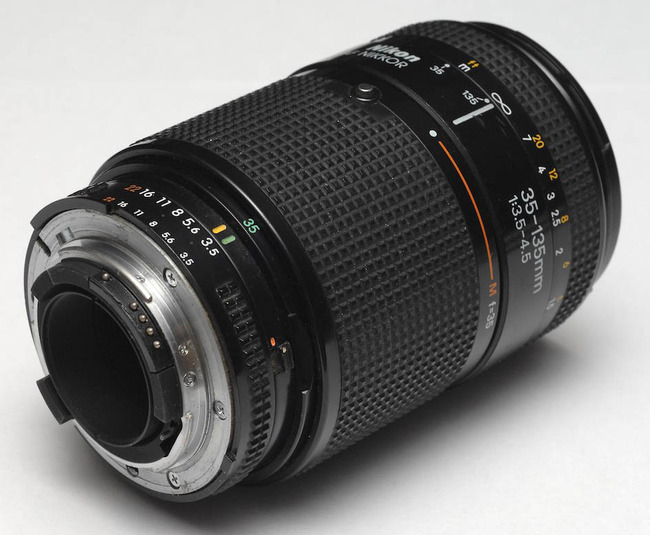
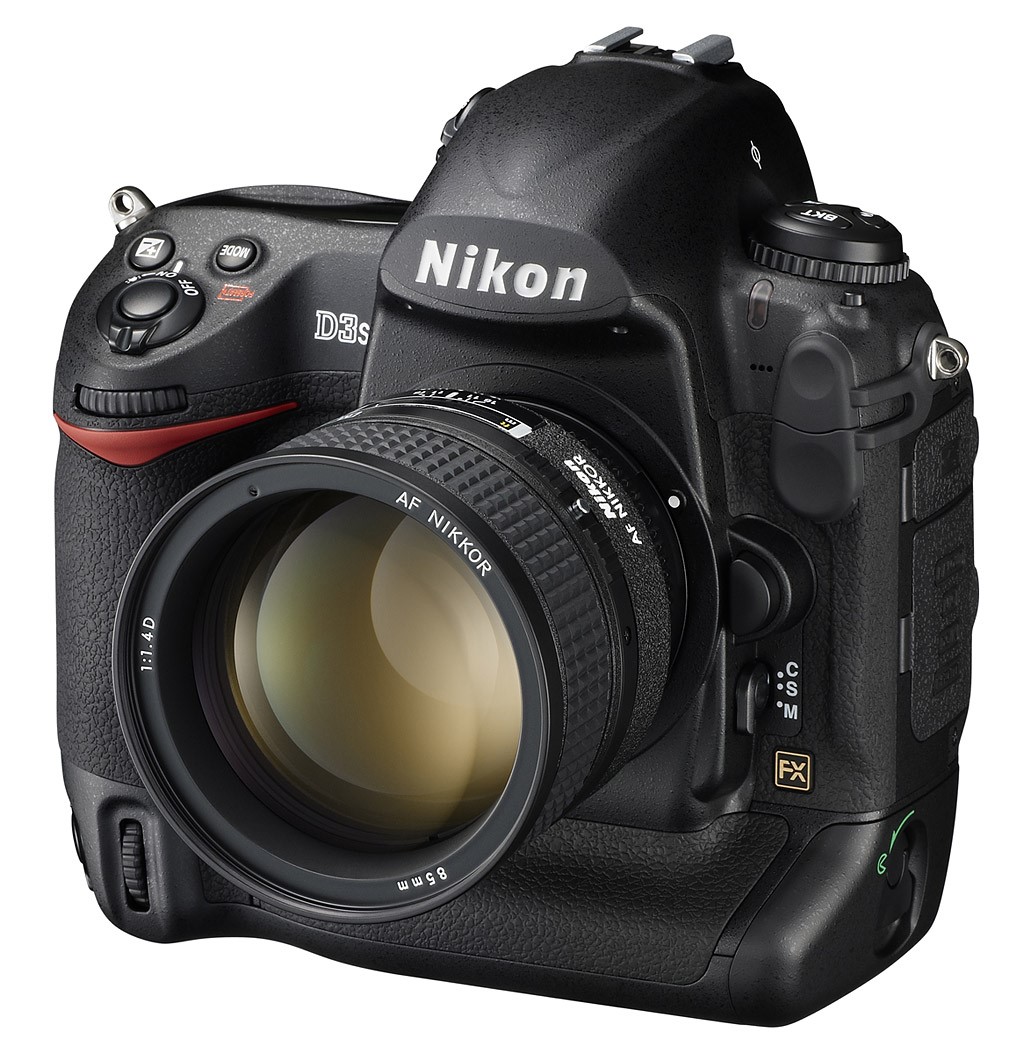
I have been using an interesting older zoom lens on my Nikon D3. The Nikkor 35-135 f3.5/4.5

cambodia, cameras, fujifilm, Lenses, Lowepro, opinons, thoughts, photography, pictures, printing, street, Travel

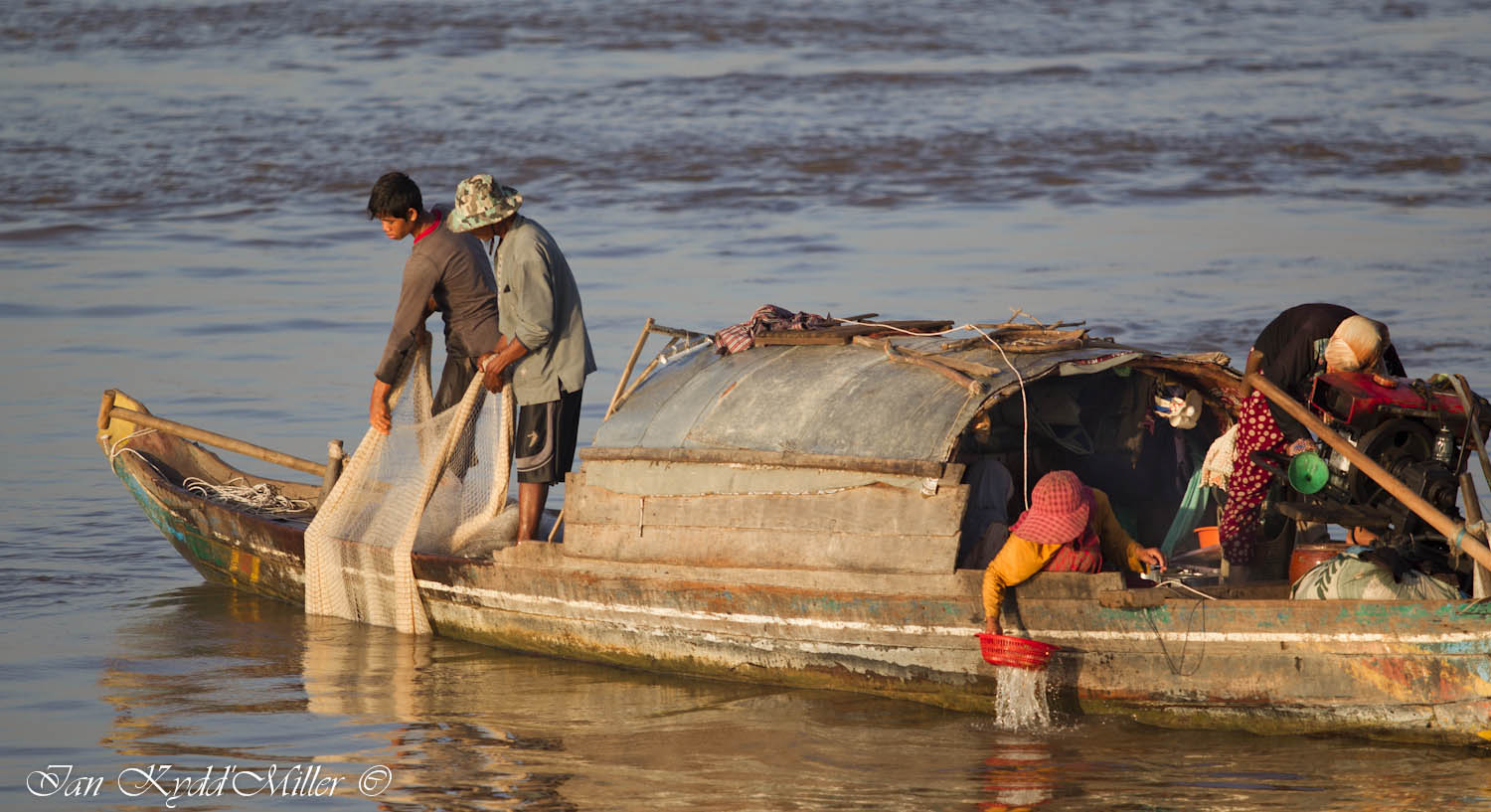
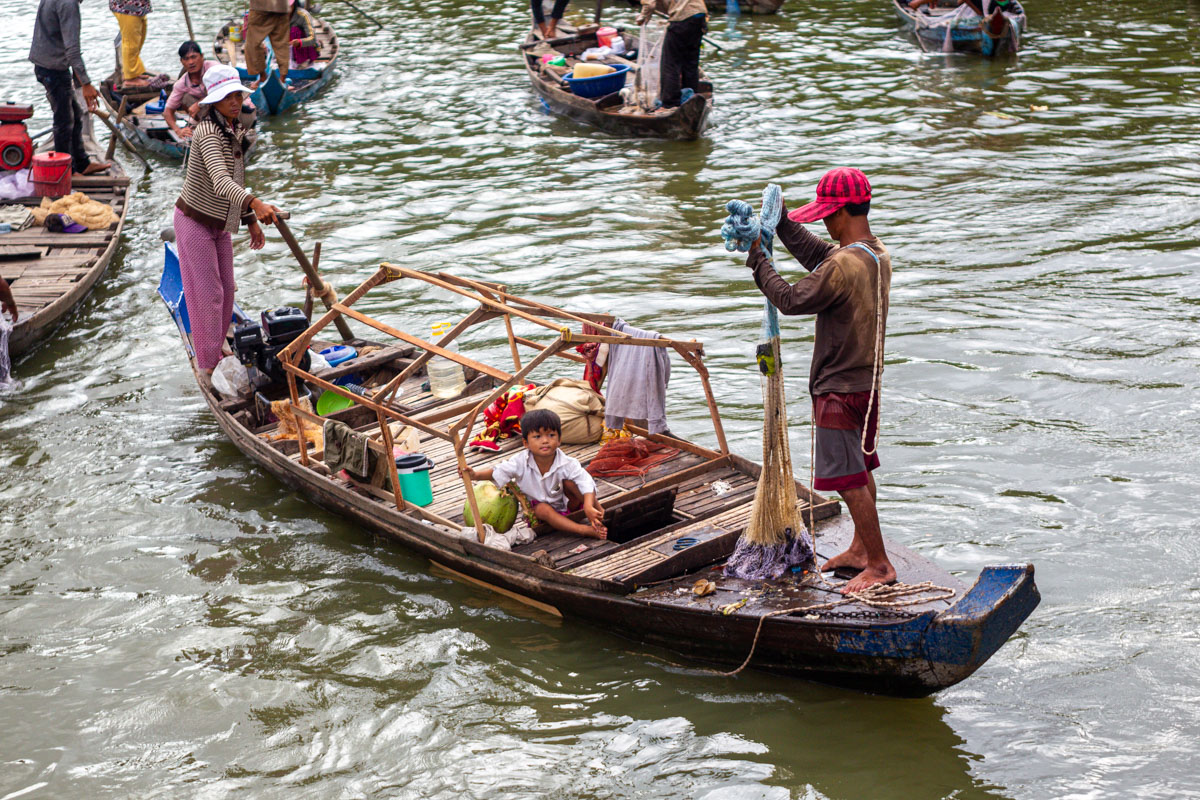
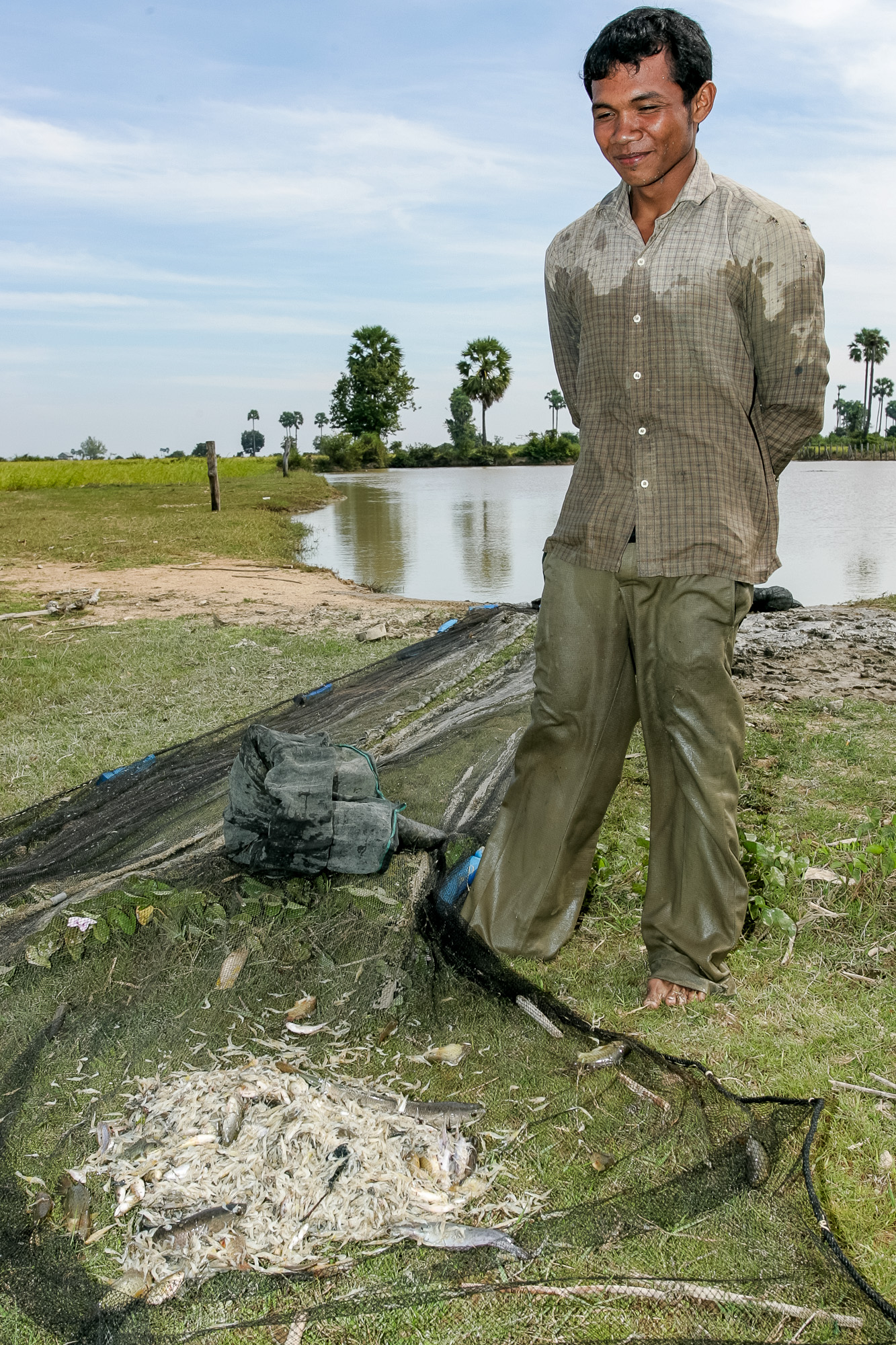
Fishing in Cambodia is essential to its people.

cambodia, cameras, Lowepro, opinons, thoughts, pictures

The Art of Capturing the Moment: What Makes a Good Photograph?

cameras, conflict, homelessness, Lenses, opinons, thoughts, photography, pictures, street, Travel

Retrospective 2013

cambodia, opinons, thoughts, photography, pictures, street
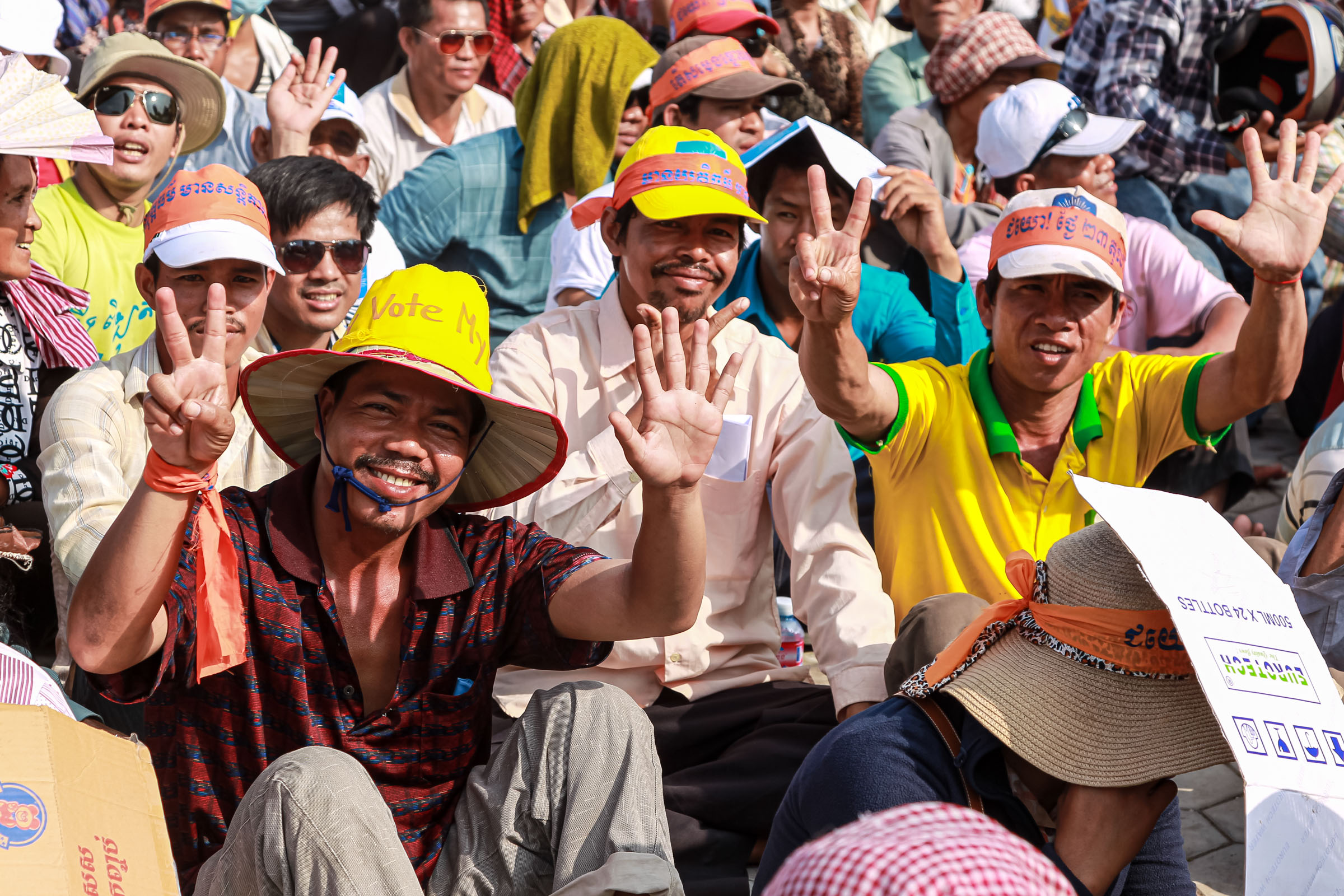
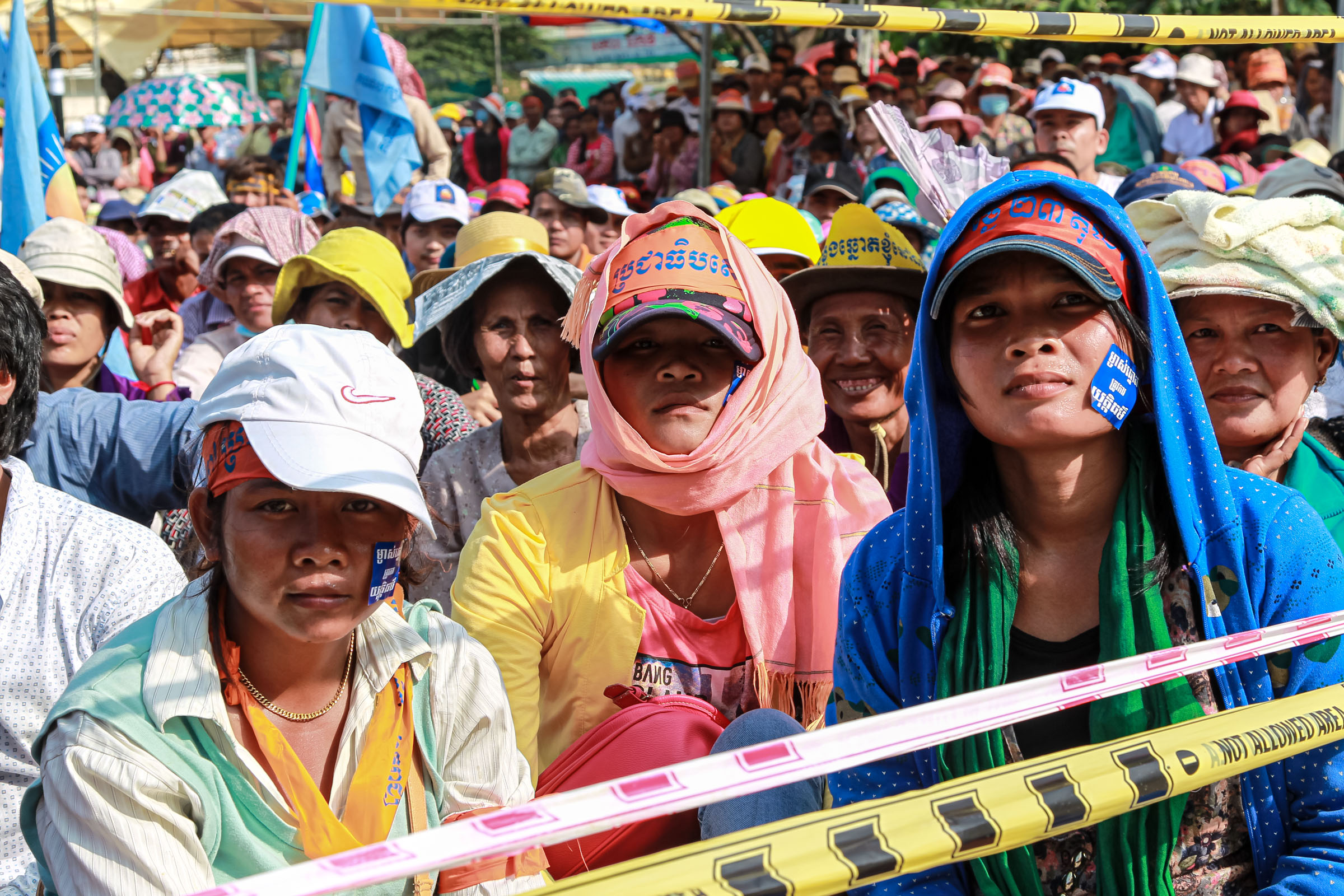
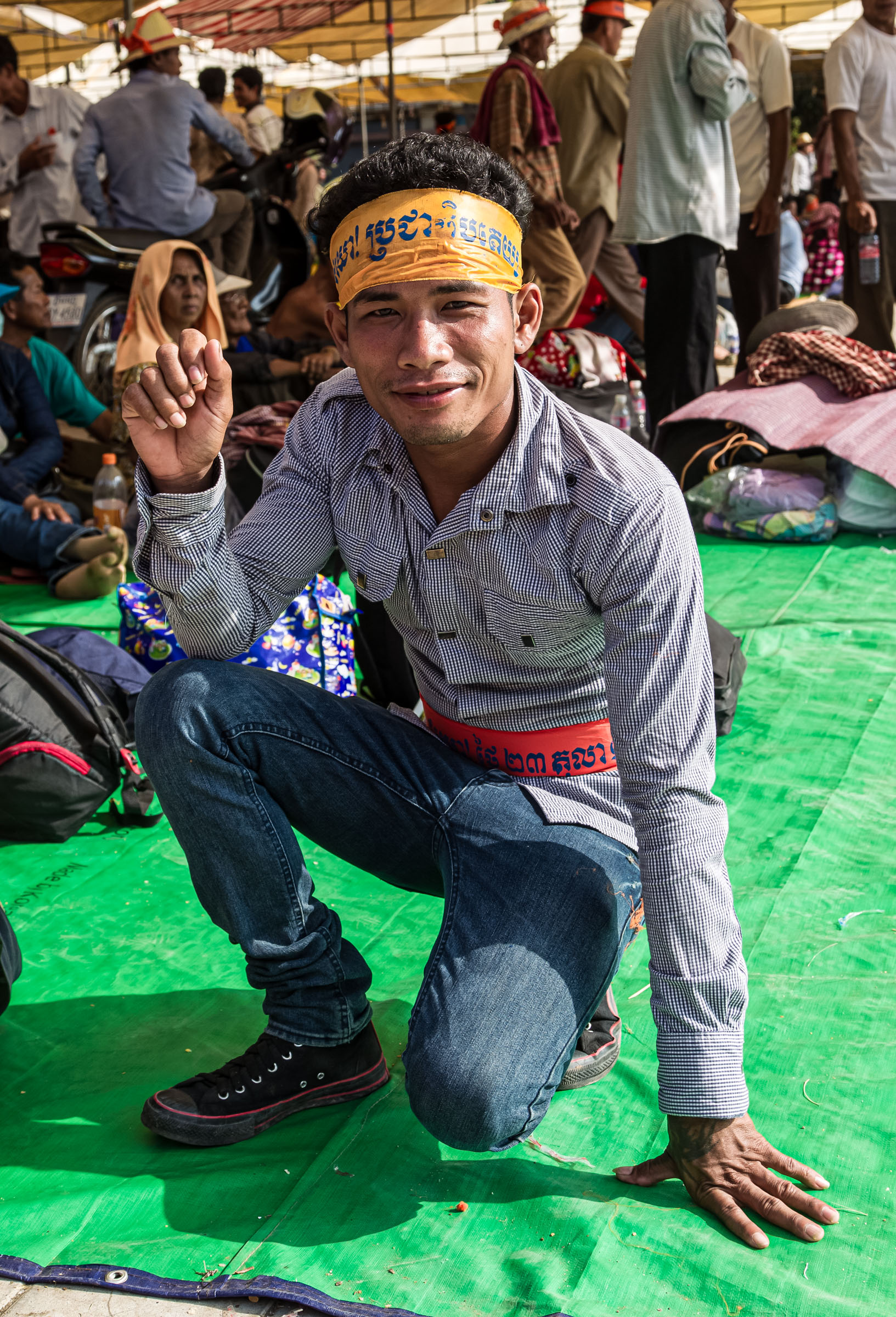
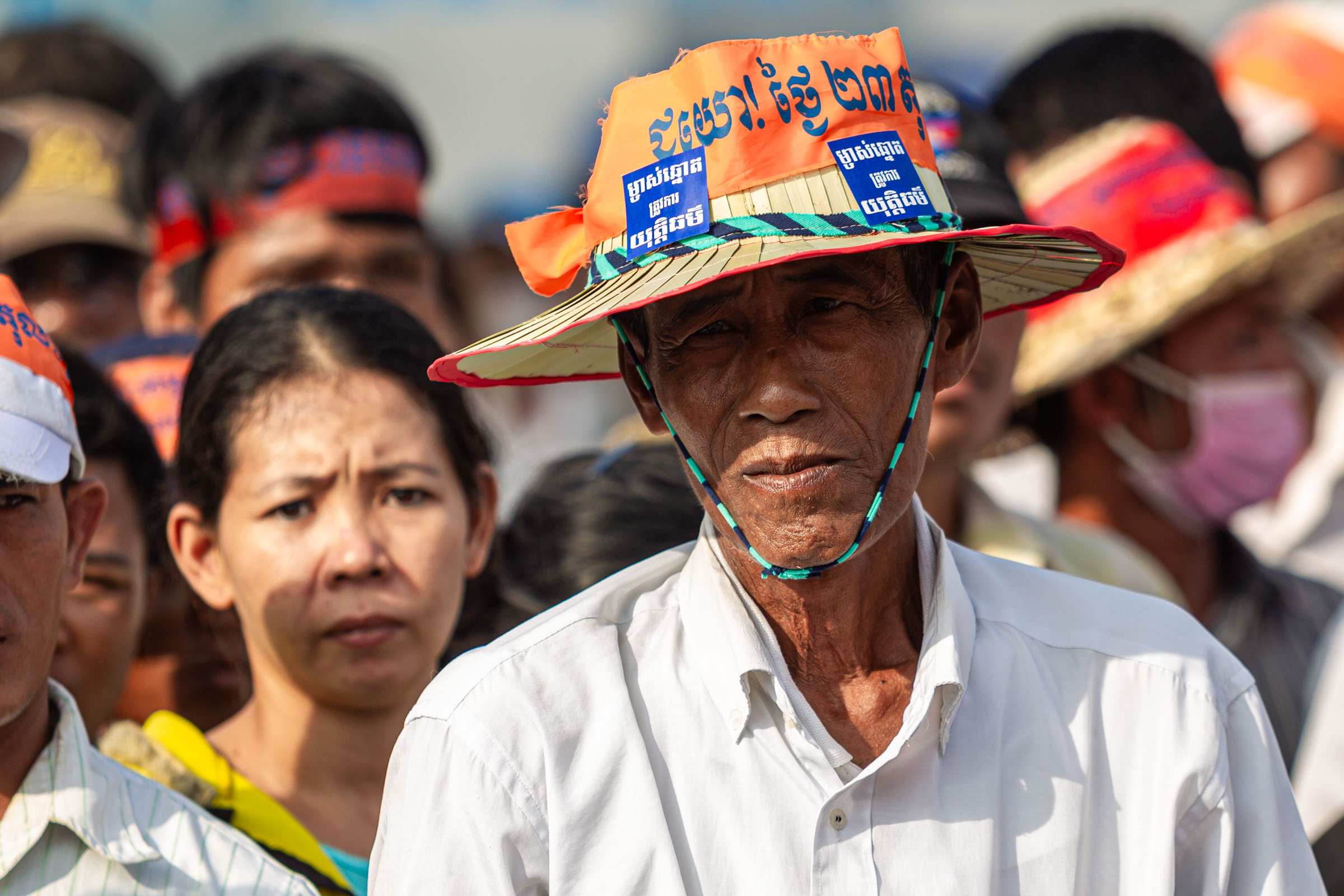
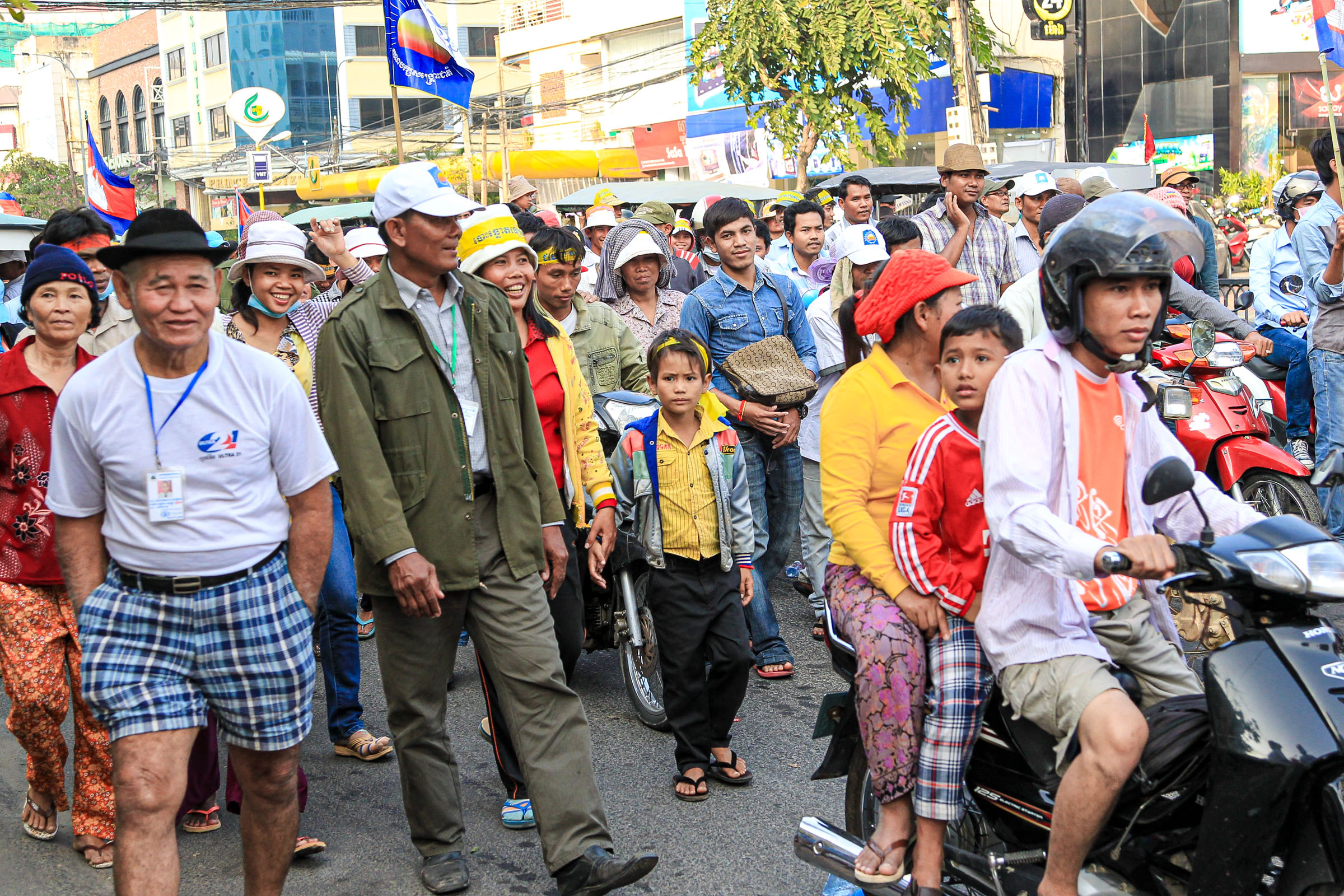
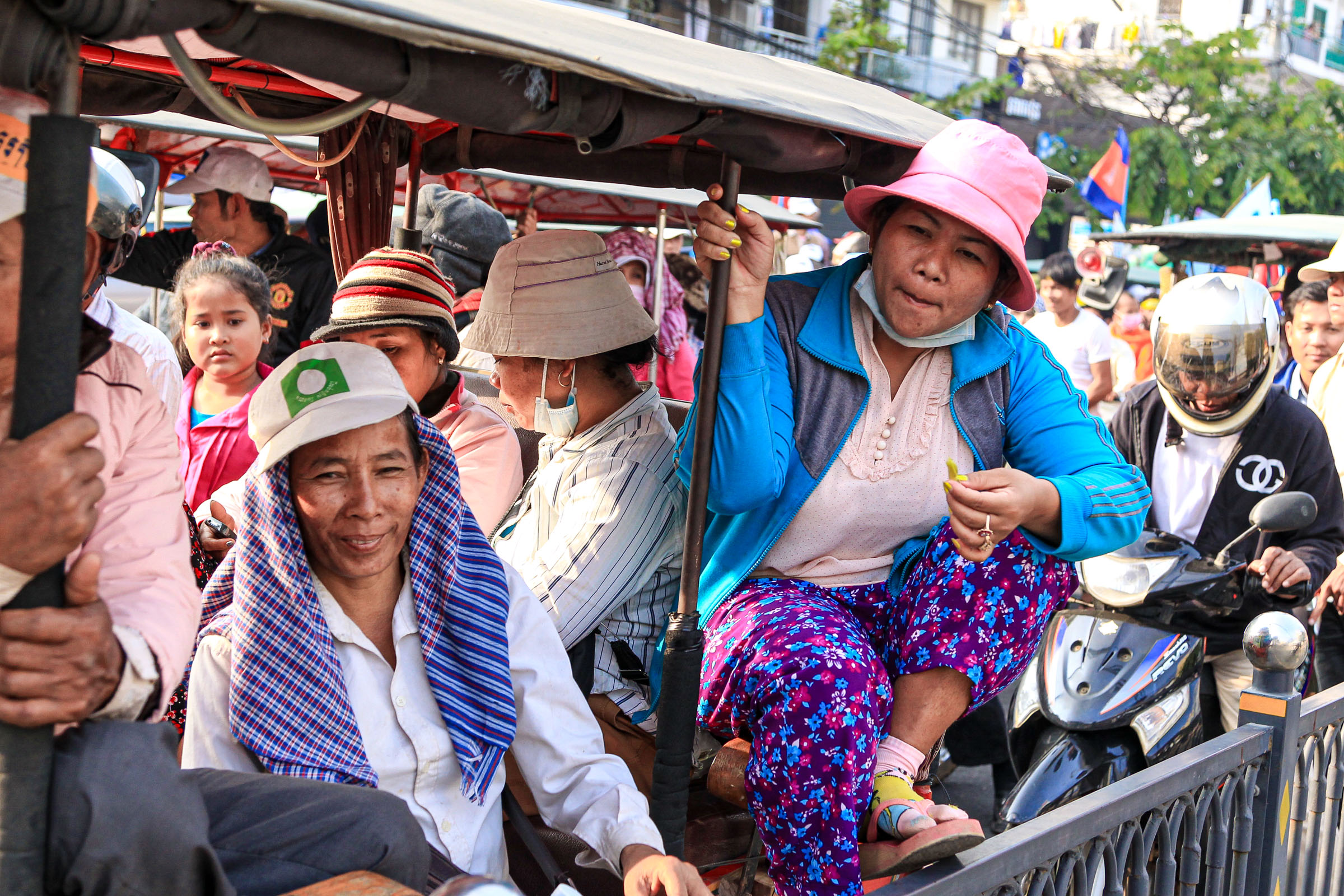
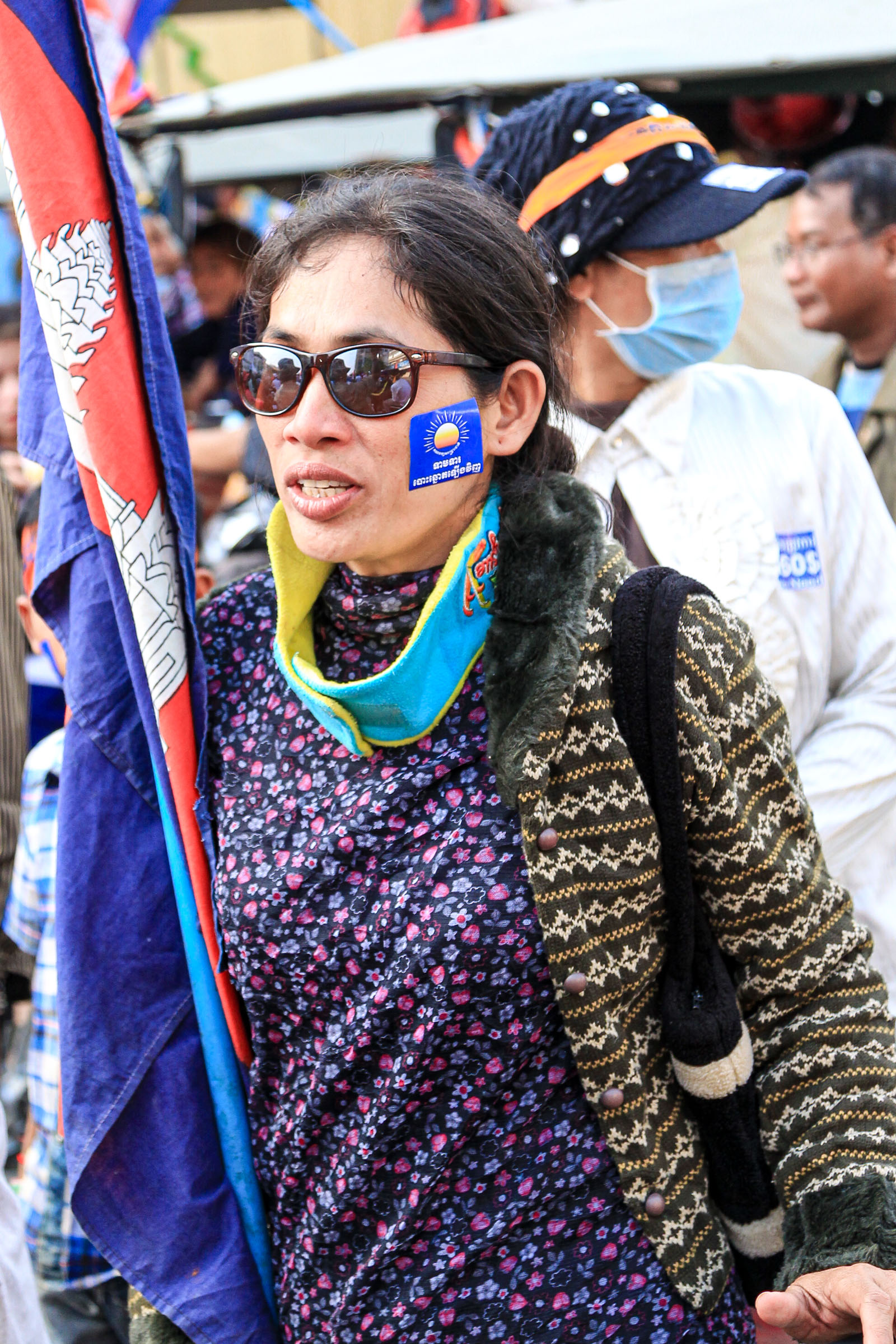
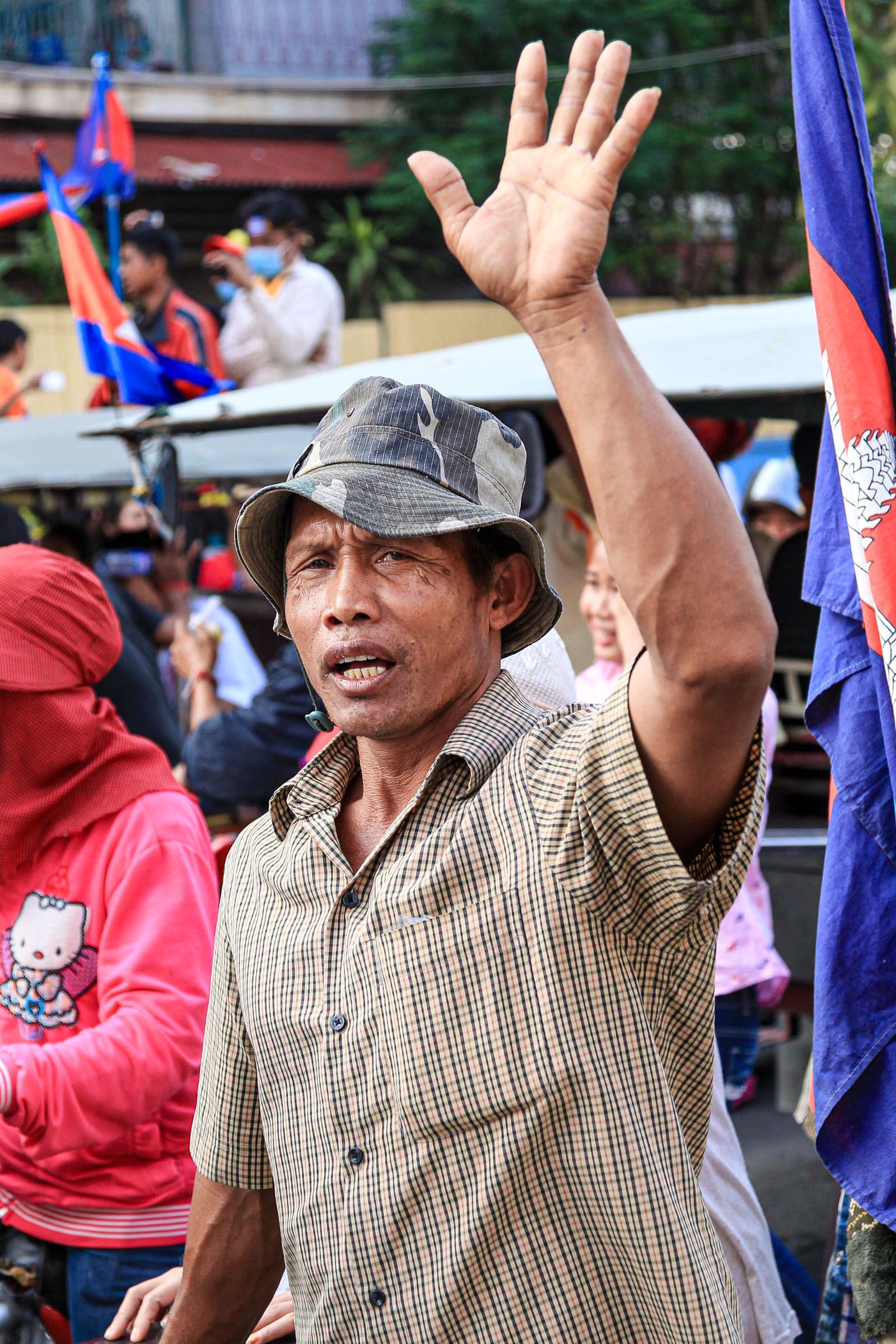
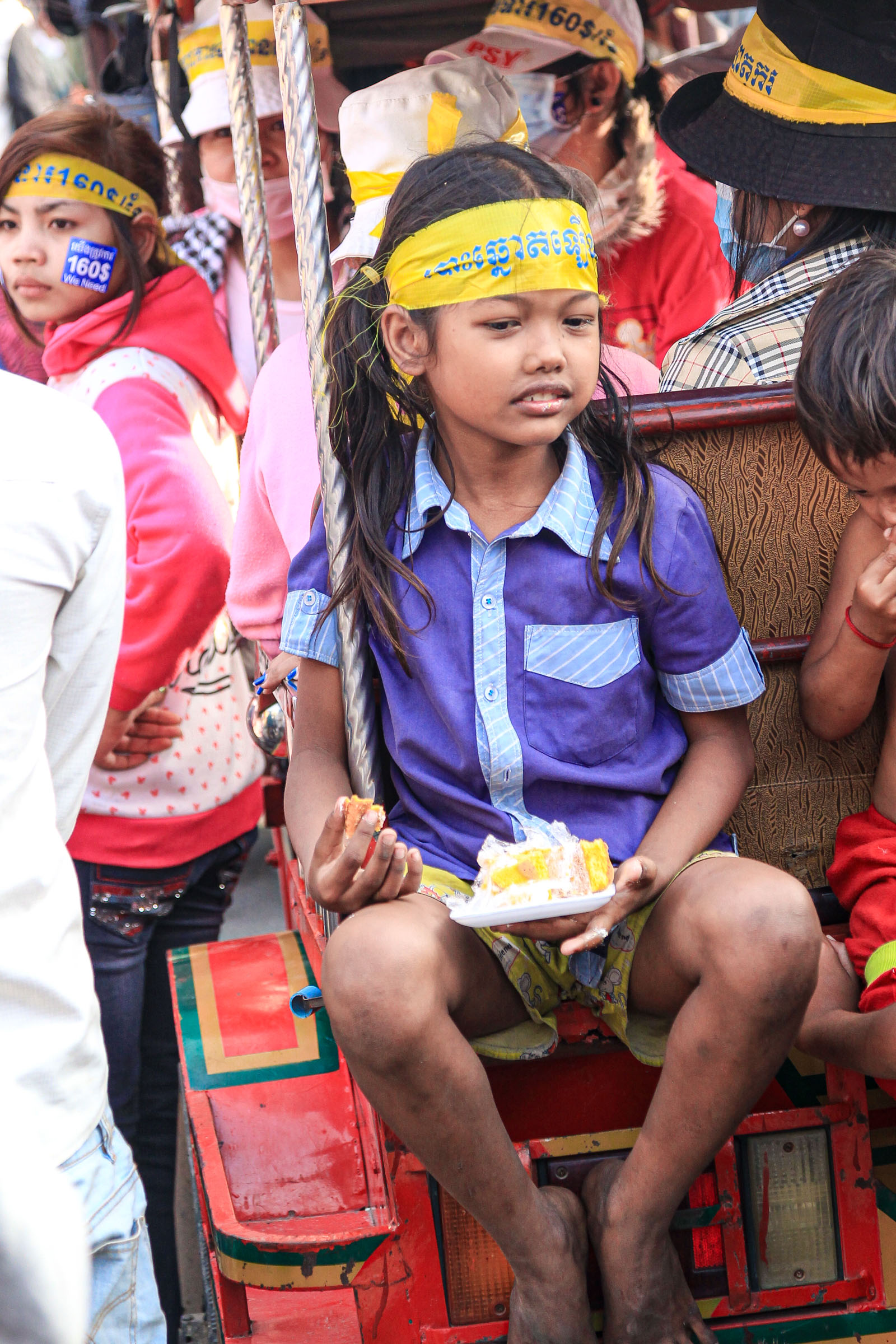
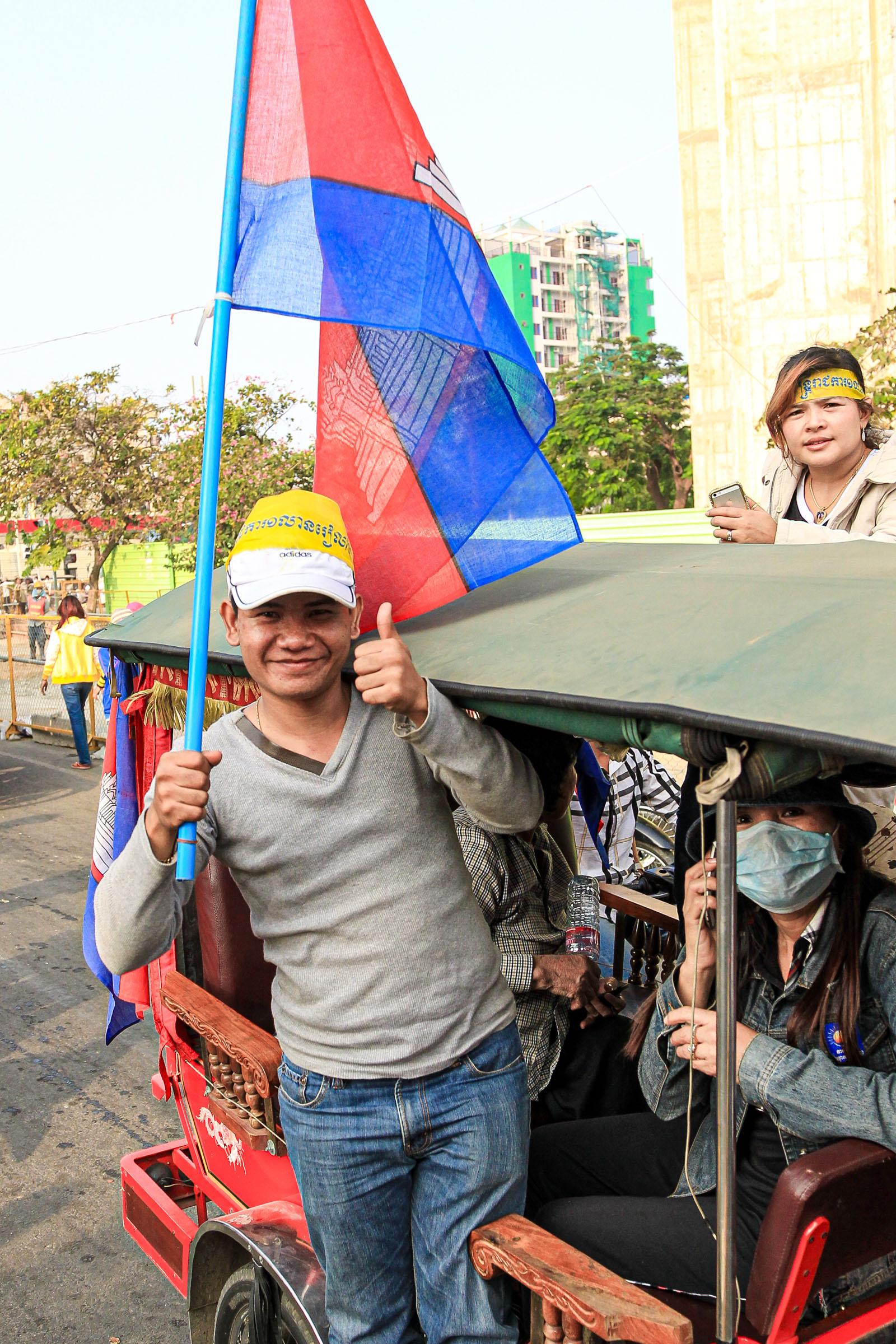
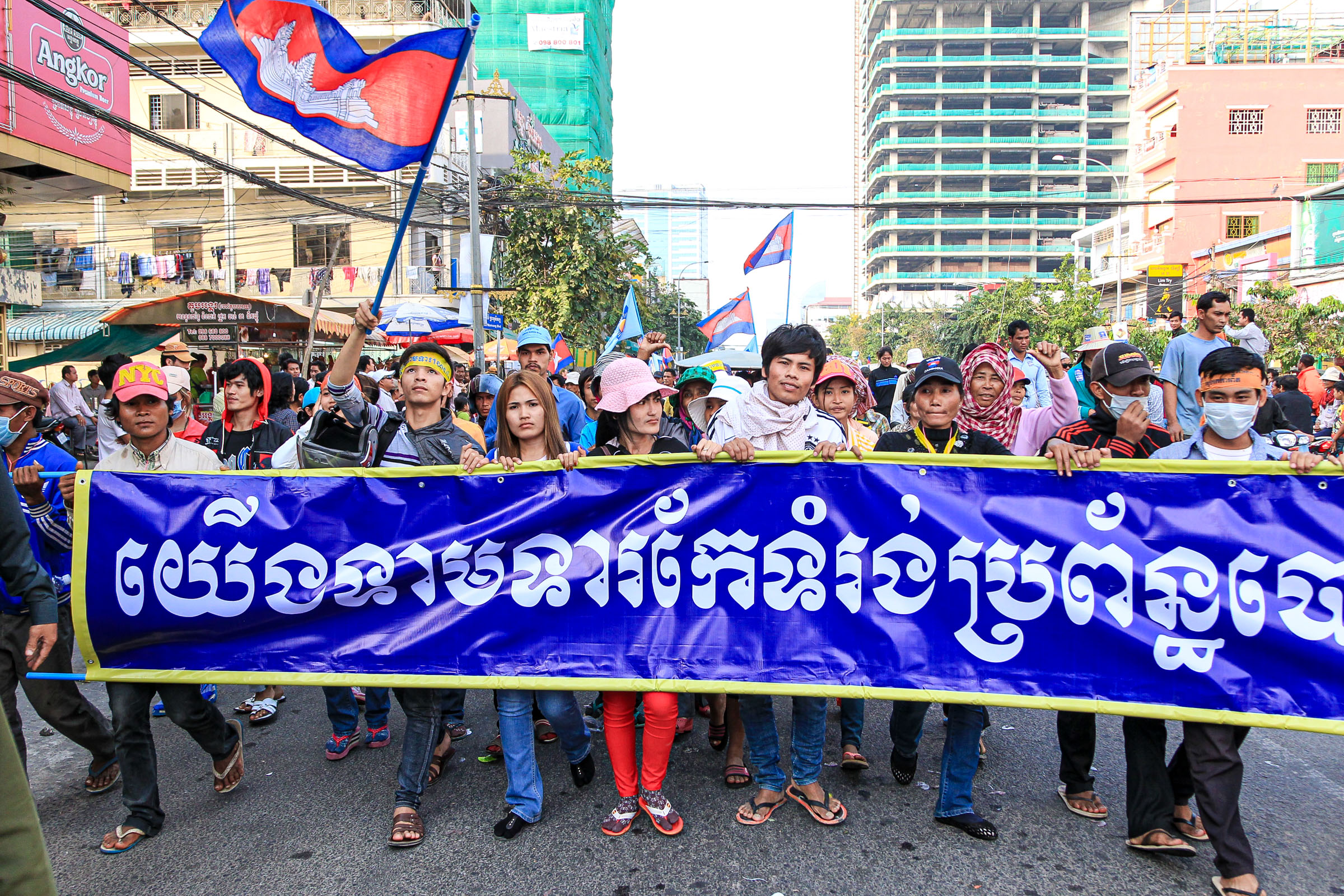
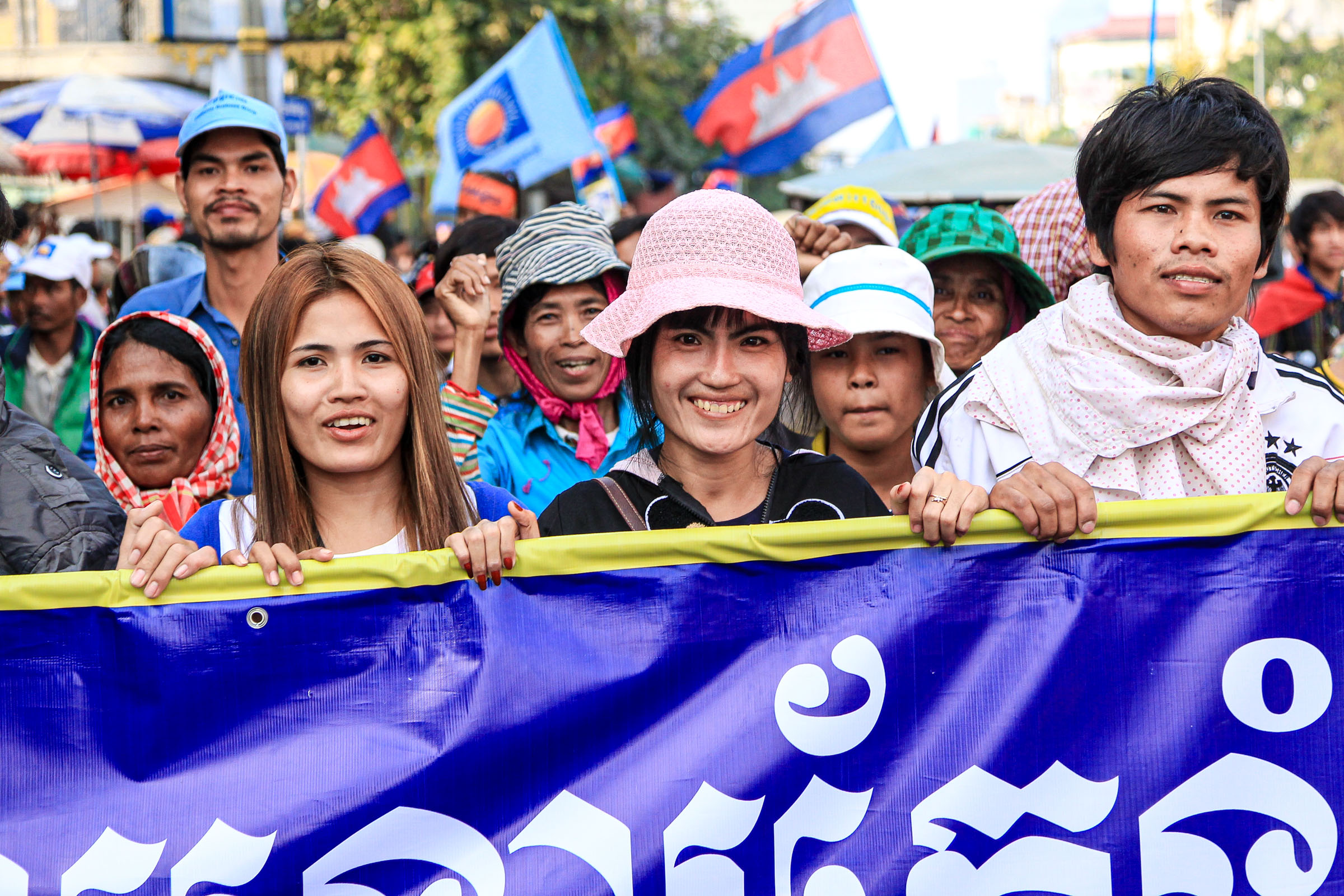
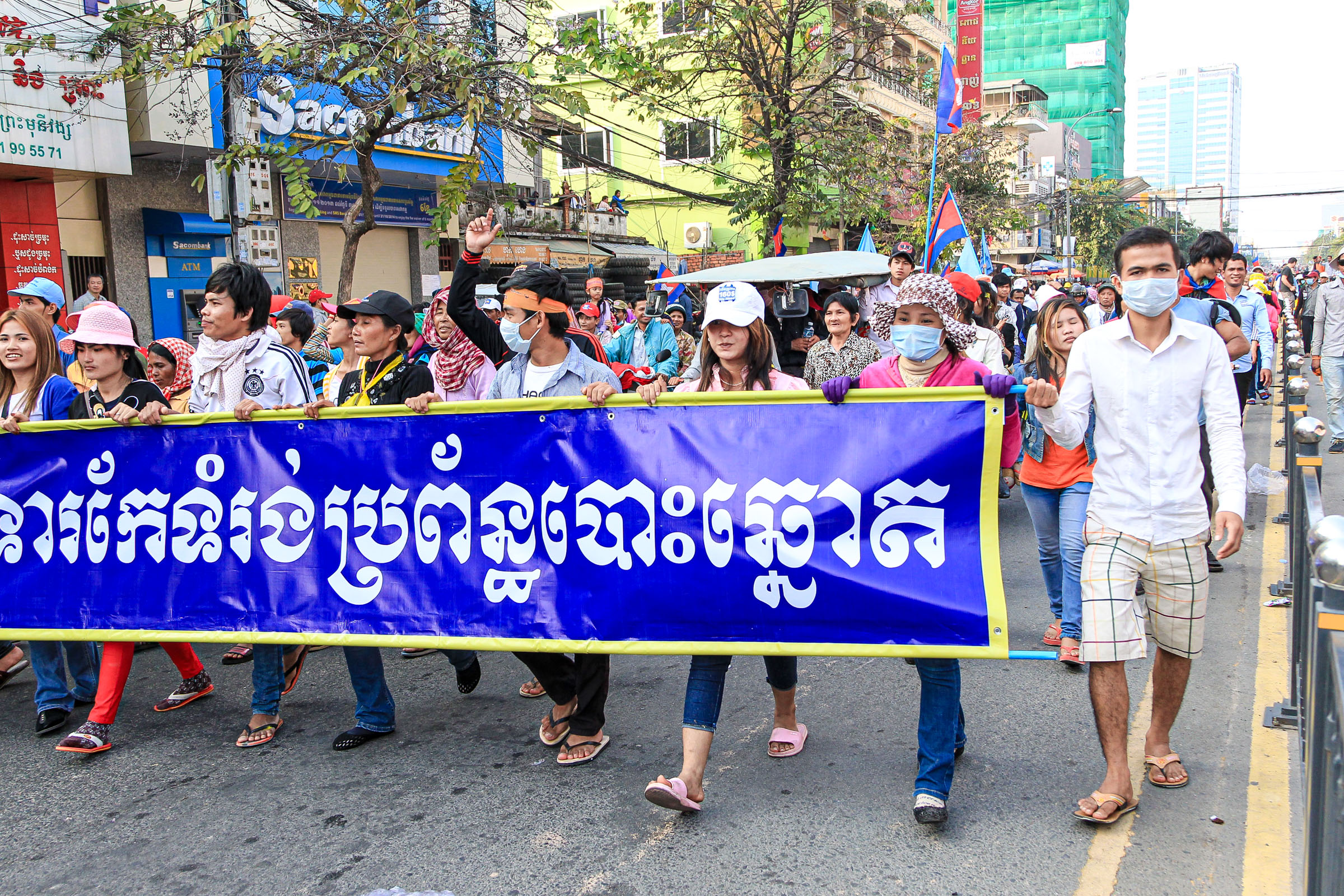
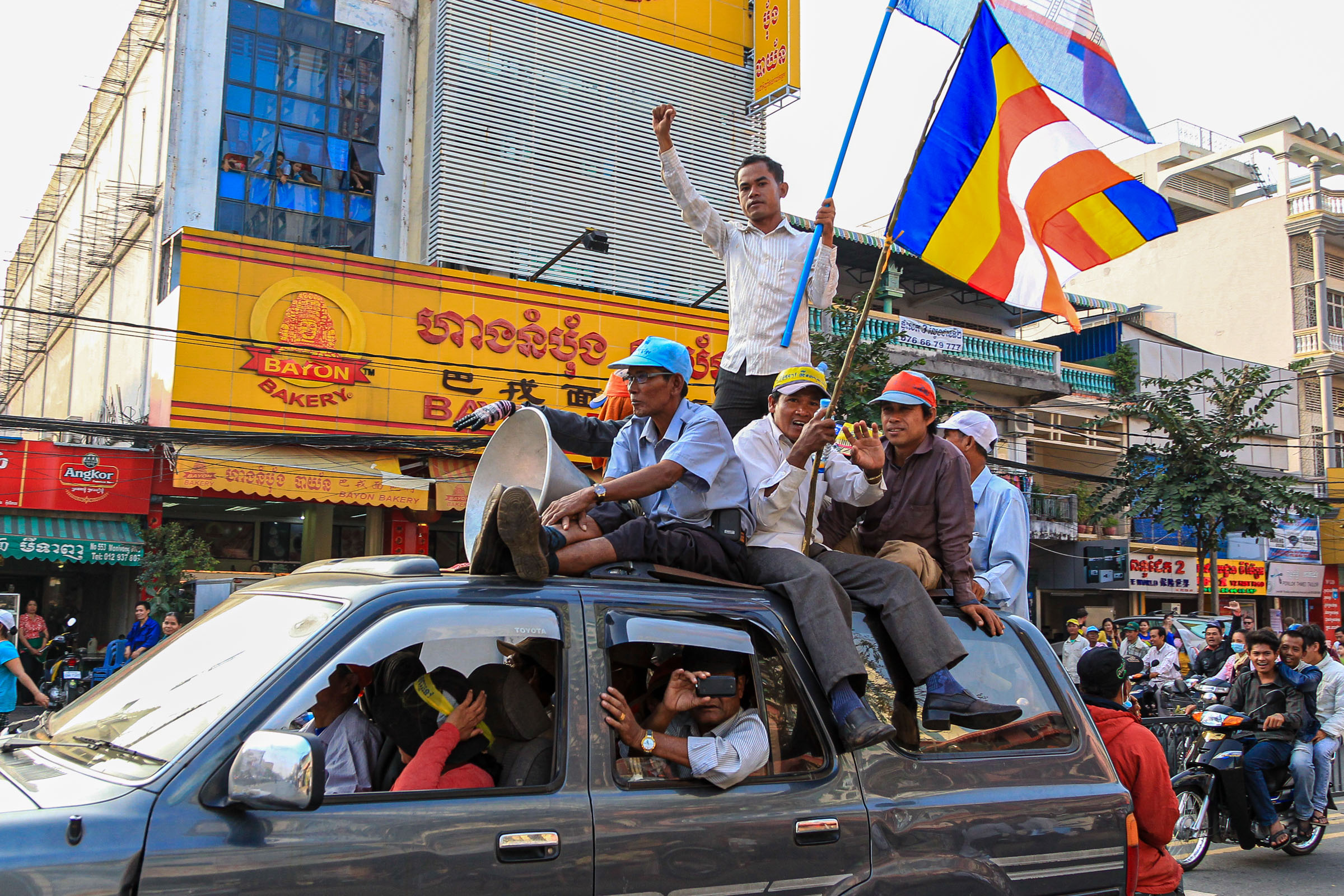
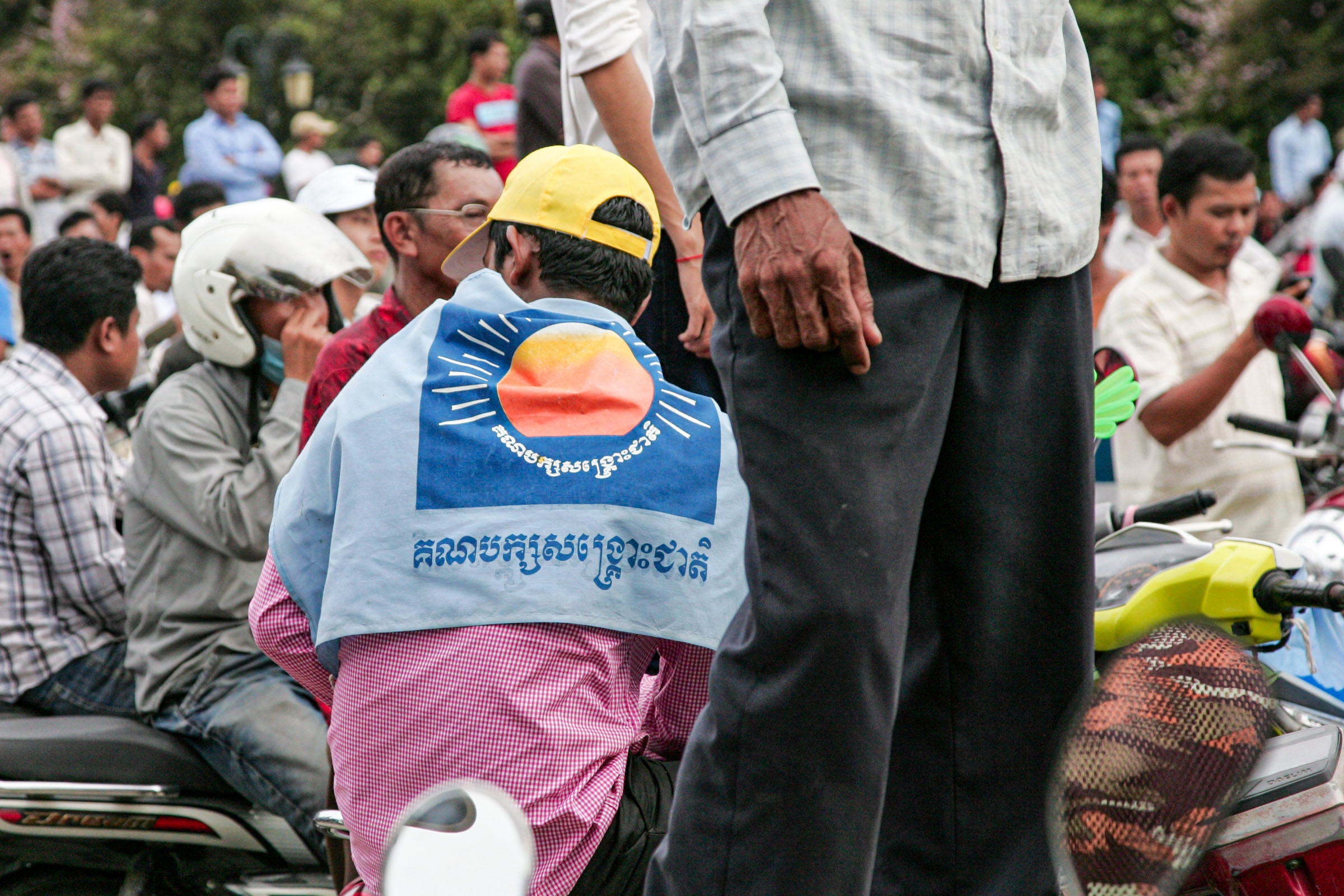
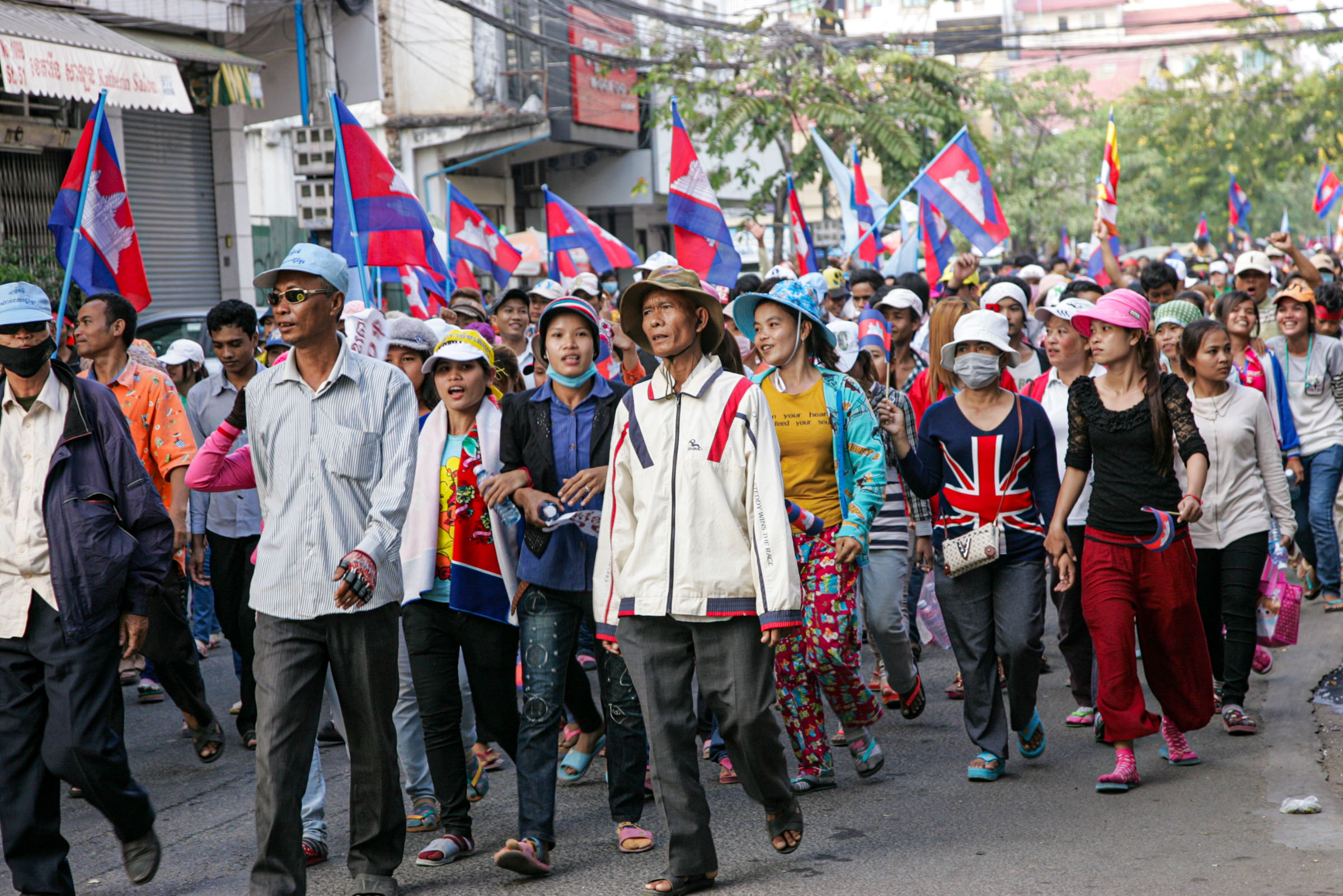
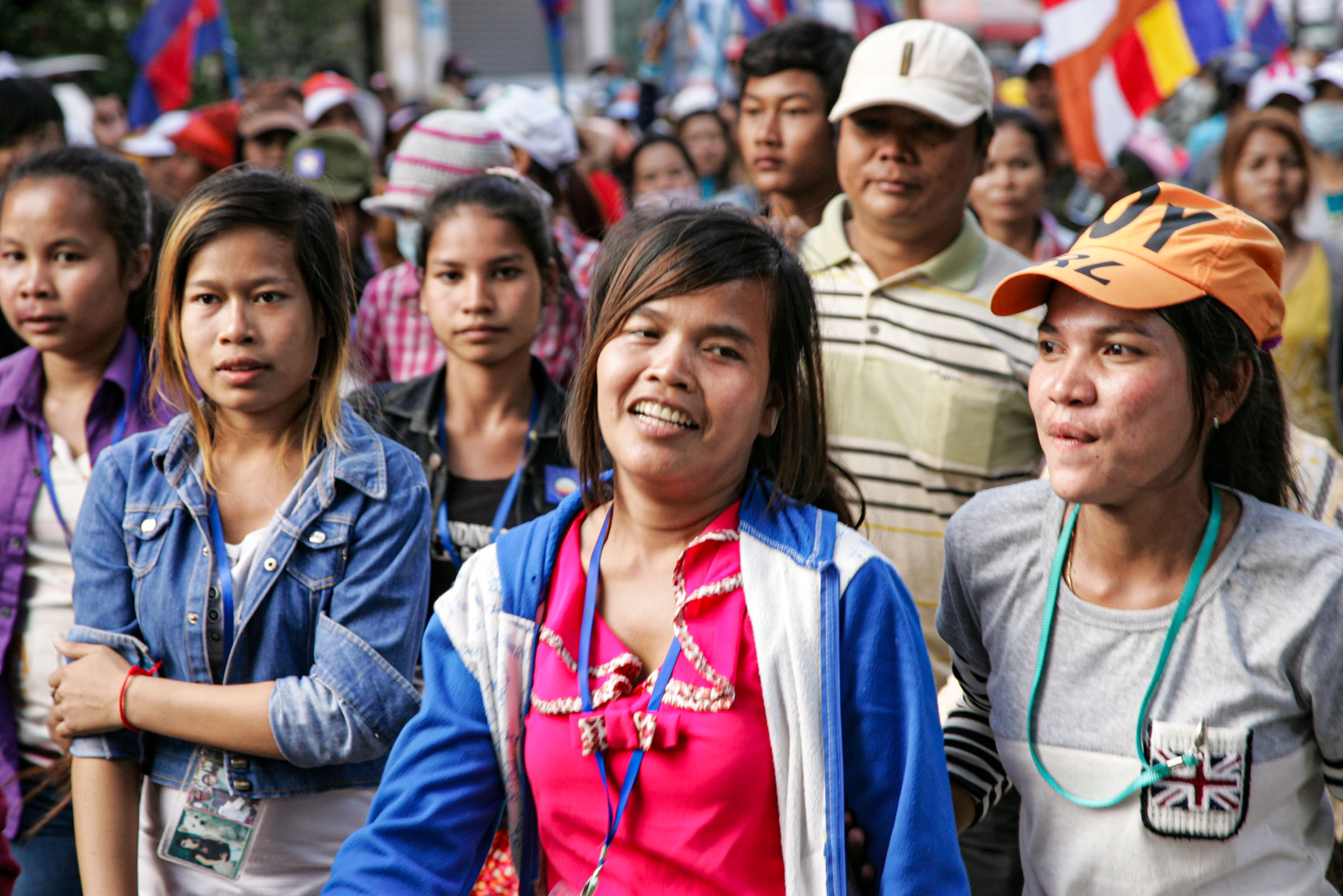
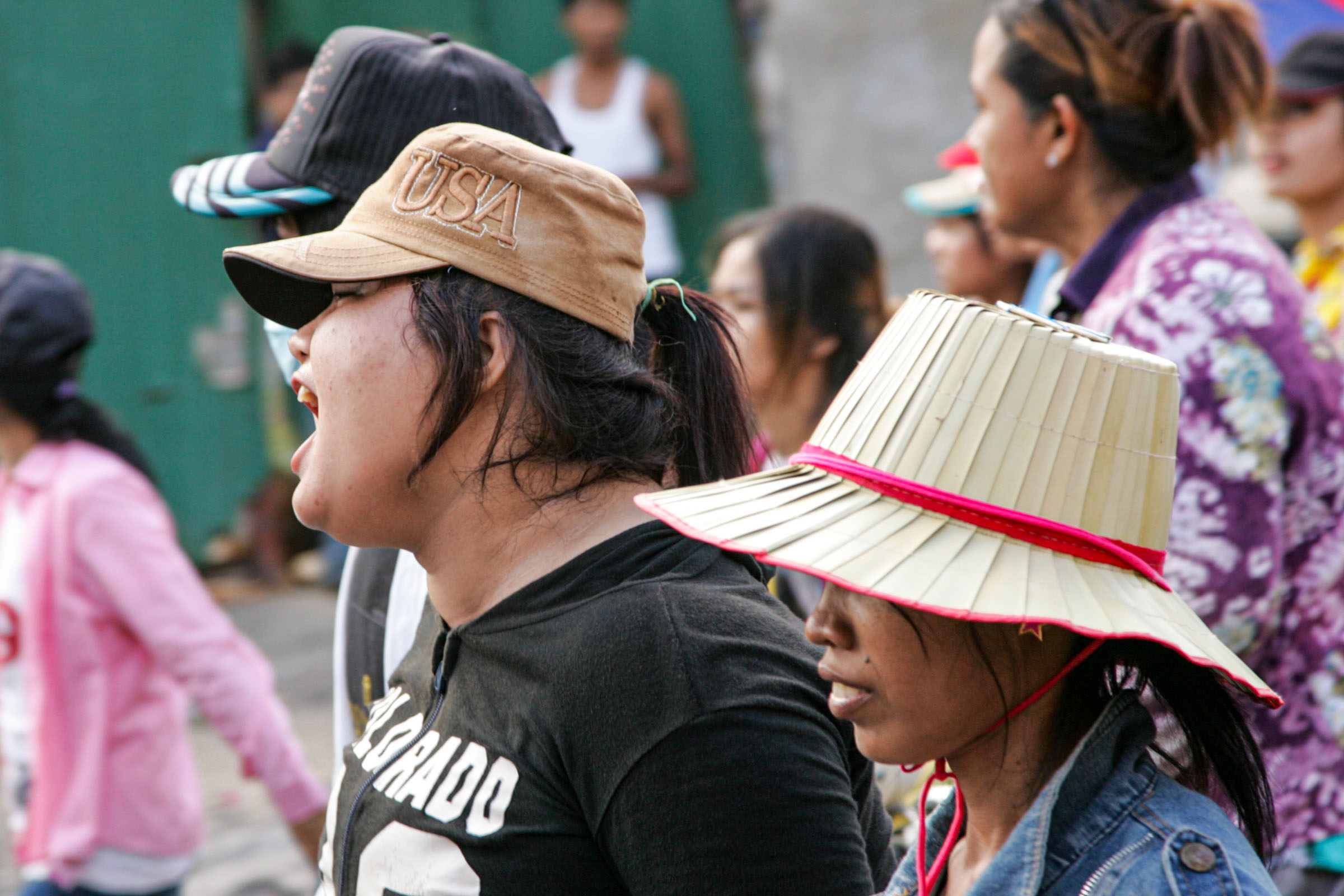
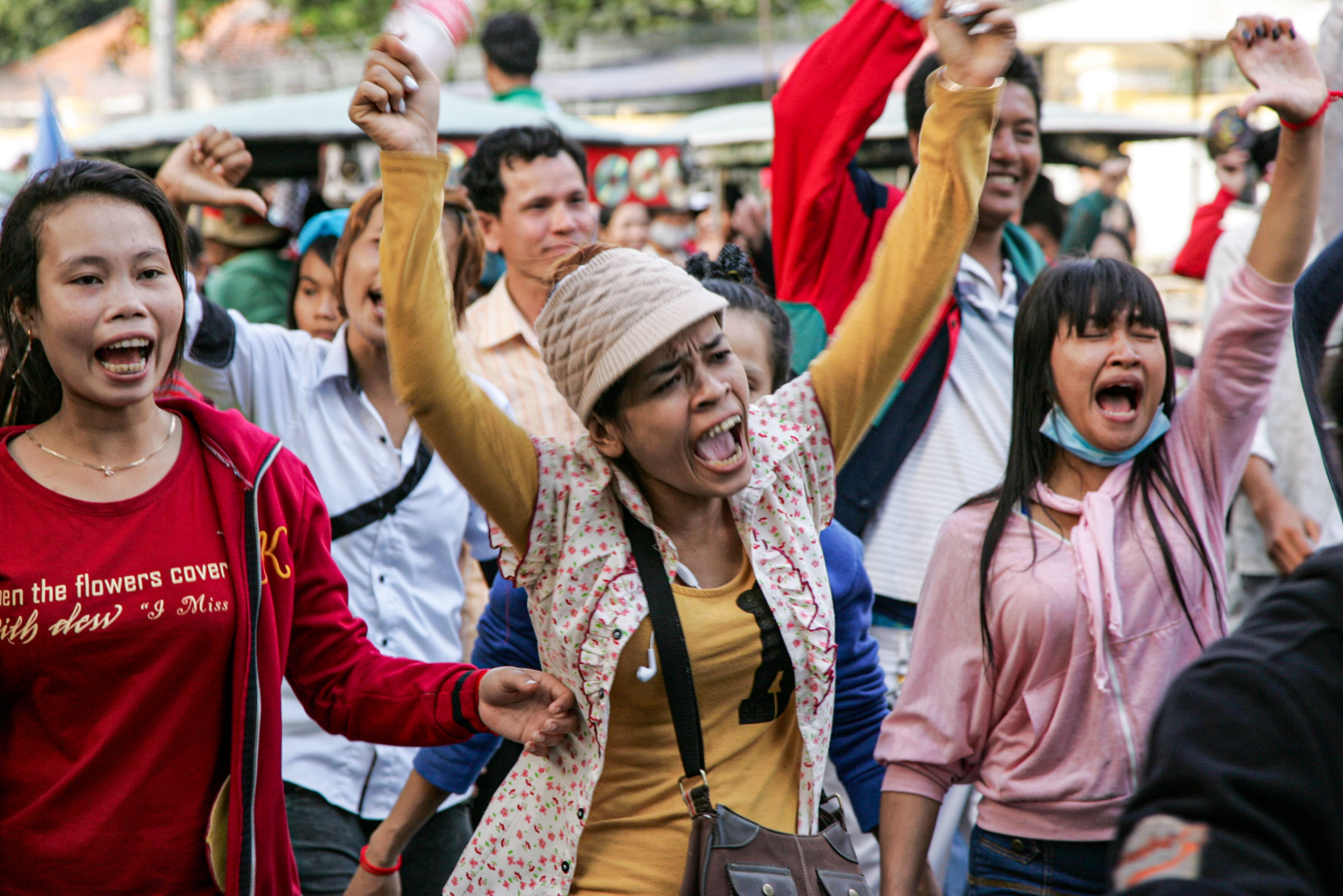
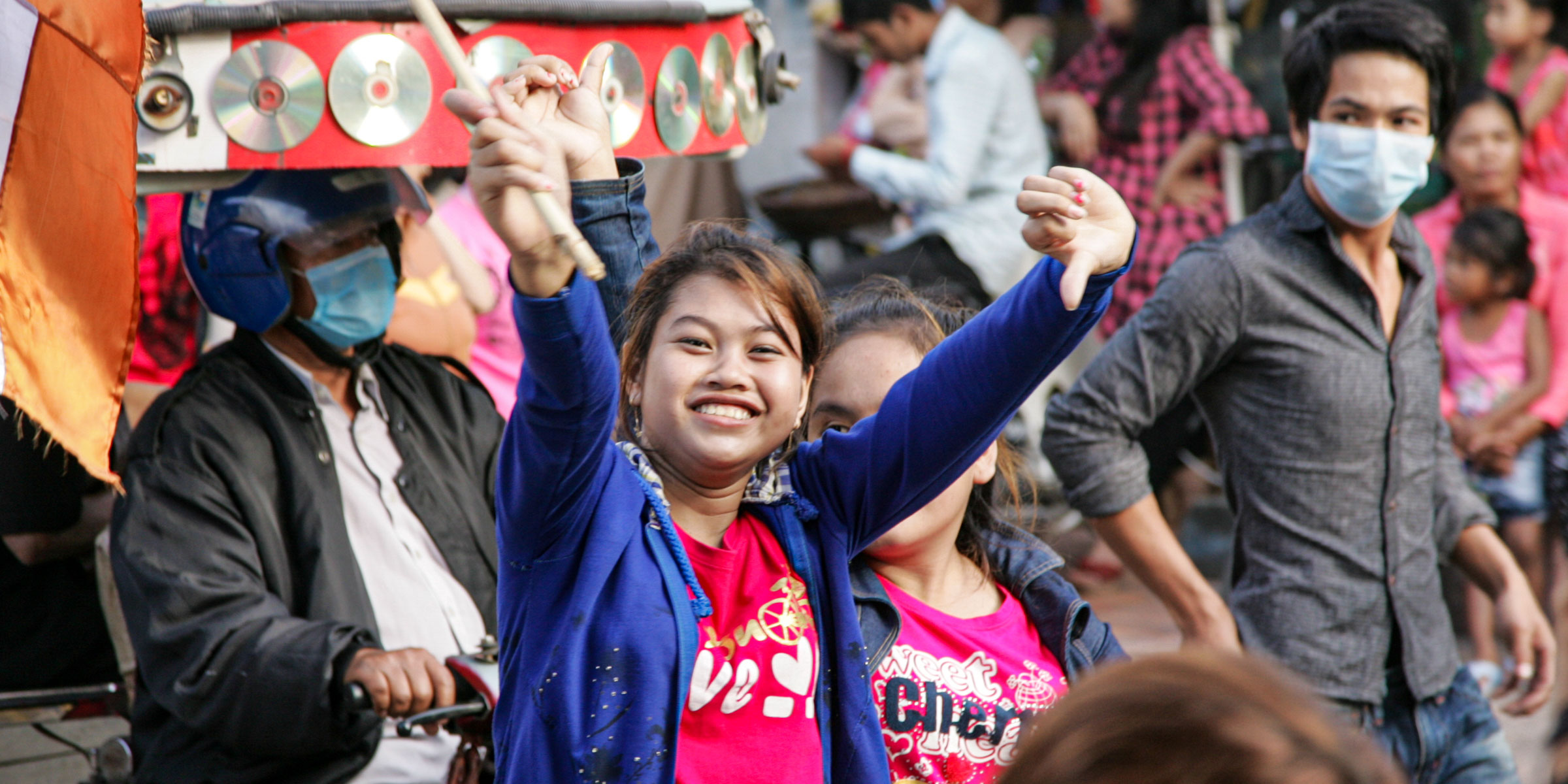
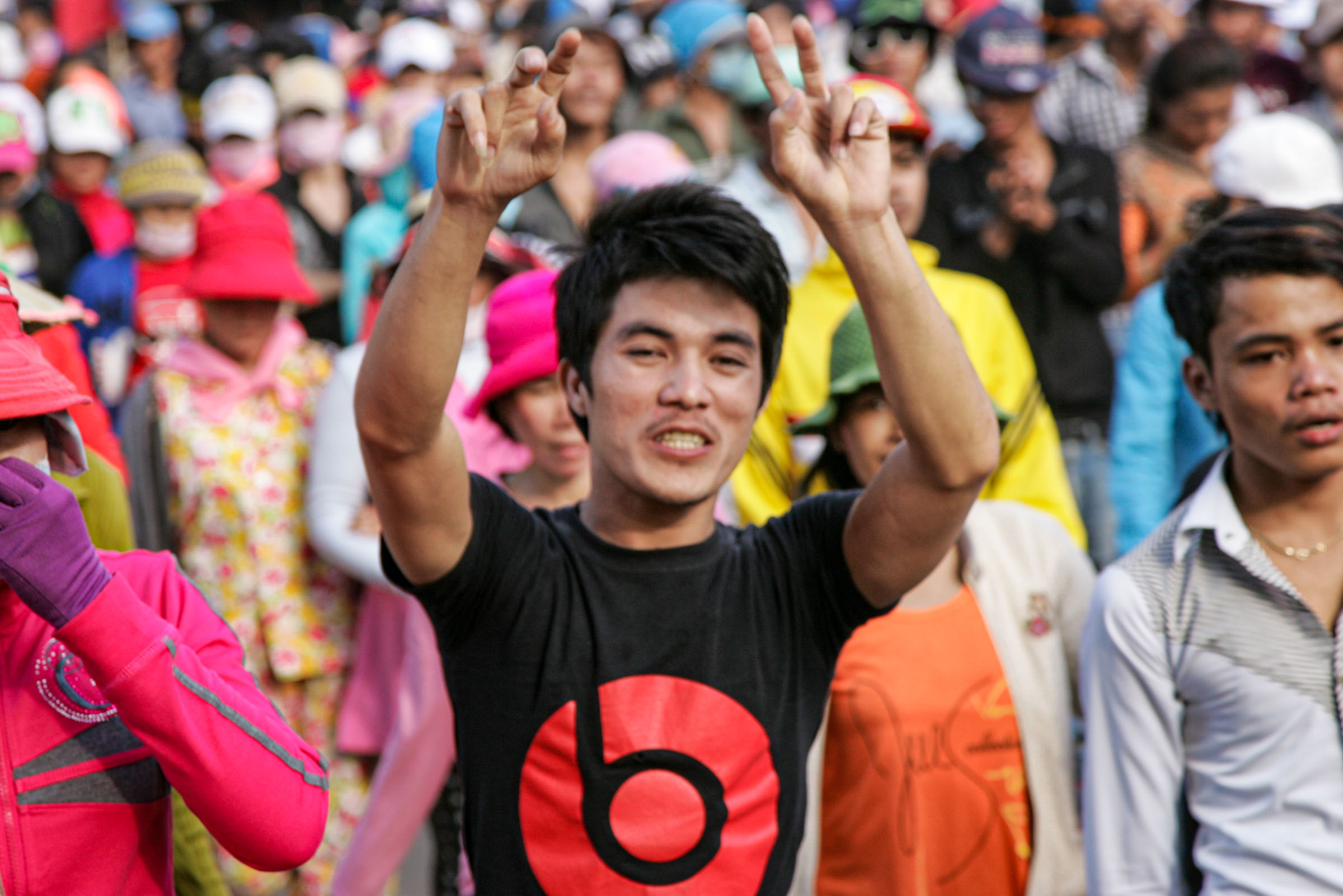
  1. Electoral Reform: They called for an independent investigation into the alleged electoral fraud during the 2013 general election and demanded a re-election.
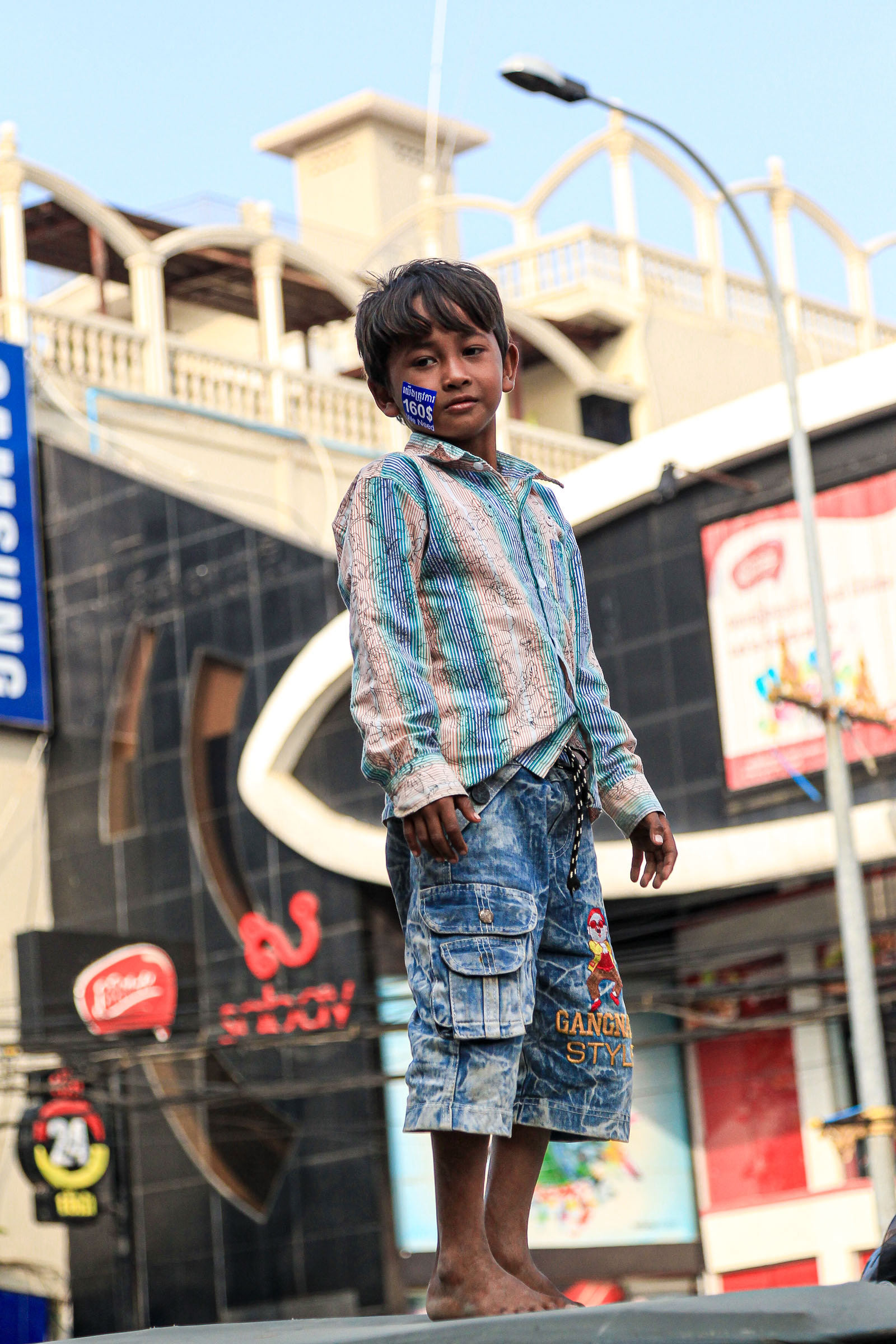
  2. Minimum Wage Increase: Garment factory workers, a significant part of the protests, demanded an increase in the minimum wage to $160 per month.
  3. Political Reforms: There were calls for broader democratic reforms, including greater transparency and accountability in government.
  4. Resentment of Vietnamese Influence: Some protesters expressed concerns over the perceived influence of Vietnam in Cambodian politics and society.

These demands reflected a mix of political, economic, and social grievances that fueled the widespread demonstrations.

  1. Economic Growth: Cambodia’s economy has grown steadily, with an average annual growth rate of 7.6% between 1995 and 2019. Despite a contraction in 2020 due to the COVID-19 pandemic, the economy has been recovering, with growth rates of 3.0% in 2021 and 5.2% in 2022.
  2. Poverty Reduction: Before the pandemic, poverty rates were declining by 1.6 percentage points annually. However, the pandemic increased unemployment and poverty. Efforts to scale up social assistance have helped mitigate income losses, and poverty is expected to decline as the economy recovers.
  3. Foreign Direct Investment (FDI): There has been a surge in FDI inflows, particularly in the manufacturing and tourism sectors. This has contributed to economic growth and job creation.
  4. Political Landscape: The political environment has seen tensions and conflicts, particularly around land grabs, labor exploitation, and environmental degradation. The 2013 national elections led to a political impasse and mass mobilization.
  5. Environmental Impact: Cambodia has seen a significant increase in CO2 emissions, with a 192.69% rise between 2013 and 2019.
  6. Human Capital: Improvements have been made in health outcomes, early childhood development, and primary education, especially in rural areas. However, human capital indicators still lag behind other lower middle-income countries.

These changes reflect Cambodia’s ongoing efforts to address economic, social, and environmental challenges while striving for sustainable development.

Travel Photography

angkor, cambodia, cameras, Lenses, opinons, thoughts, photography, pictures, public, street, Travel, voluntary, war

Camera Body

Lenses

Tripod

Filters

Camera Bag

Accessories

Don’t forget the smaller items that can be just as crucial:

  • Extra batteries and memory cards to ensure you don’t miss a shot.
  • A cleaning kit to keep your lens and sensor spotless.
  • A remote shutter release for those extra-long exposures or self-portraits.

Insurance

  1. Research Your Destination: Before setting foot on your adventure, research your destination thoroughly. Understand the geography, the culture, and the people. Look for those unique spots that offer more than just a pretty picture but tell a story about the place.
  2. Know Your Gear: Familiarize yourself with your camera and its capabilities. Practice using different settings and understand how to adjust them for various lighting conditions. Remember, the best camera is the one you know how to use effectively.
  3. Create a Shot List: Plan your shots ahead of time. While spontaneity can lead to great photos, having a shot list ensures you don’t miss out on those must-have images. Include a variety of shots, from wide landscapes to intimate portraits.
  4. Consider the Light: The ‘Golden Hour’—just after sunrise or before sunset—offers the most flattering light for photography. Plan your schedule around these times to capture the most beautiful images.
  5. Pack Smart: Traveling light is essential, but make sure you have all the necessary equipment. A sturdy tripod, extra batteries, and memory cards are just as important as your camera itself.
  6. Tell a Story: Aim to capture photos that convey a narrative. Whether it’s the hustle and bustle of a local market or the serene tranquillity of a secluded beach, your photos should evoke feelings and tell the story of your journey.
  7. Stay Safe: Always prioritize your safety and the security of your gear. Be aware of your surroundings and respectful of local customs and regulations.
  8. Post-Processing: Learn the basics of photo editing to enhance your images. Post-processing can turn a good photo into a great one, but remember to keep it subtle and not overdo the effects.
  9. Backup Your Photos: Regularly back up your images to avoid losing them. Whether it’s to a cloud service or an external hard drive, ensure you have multiple copies of your precious memories.
  10. Enjoy the Experience: While photography is your focus, don’t forget to put down the camera occasionally and soak in the experience. After all, the stories behind the photos are what truly enrich your travel experience.
By following these tips, you’ll be well on your way to planning a travel photography trip that will yield a collection of images you’ll treasure for a lifetime. Remember, travel photography is as much about the journey as it is about the destination. So, plan well, stay curious, and capture the moments that resonate with your adventurous spirit. Happy travels and happy shooting!

Cambodia, a Photographer’s Paradise

angkor, cambodia, opinons, thoughts, photography, pictures, street, Travel, Uncategorized

Why We Love Photographing People

cambodia, cameras, Lenses, opinons, thoughts, photography, pictures, street, Travel

The Art of Capturing Moments: Why We Love Photography

cambodia, cameras, fujifilm, homelessness, opinons, thoughts, photography, street, Travel