The Nikon D800E v Nikon D810

cambodia, Lenses, nikon, opinons, thoughts, photography, street, Travel

The D800E and D810 are siblings built for resolution and dynamic rangeโ€”the D800E (2012) introduced Nikonโ€™s 36MP era with a noโ€‘AA optical filter for maximum microโ€‘detail, while the D810 (2014) refined that formula with cleaner highโ€‘ISO performance, faster processing, and improved video and usabilityโ€”making the D800E a classic detailโ€‘seeker and the D810 a more versatile, modern workhorse.
Overview

The D800E and D810 occupy the same creative space: highโ€‘resolution fullโ€‘frame DSLRs aimed at landscape, studio, and commercial shooters. The D800E removed the antiโ€‘aliasing filter to push resolving power, which rewarded sharp lenses but could increase moirรฉ. The D810 kept the 36MP class but reworked the sensor readout, processing pipeline, and ergonomics to reduce noise and improve overall image quality and handling.

Sensor, Image Quality, and ISO

Both cameras use 36MP fullโ€‘frame sensors, but the D810โ€™s sensor and processor deliver cleaner highโ€‘ISO performance and wider usable dynamic range, especially in shadow recovery and highlight retention. The D800Eโ€™s noโ€‘AA approach gives slightly crisper microโ€‘detail in ideal conditions, but the D810โ€™s improvements make it more forgiving in realโ€‘world shooting and postโ€‘processing.

Autofocus, Speed, and Usability

The D810 benefits from incremental AF and performance upgrades introduced after the D800E. Itโ€™s lighter and tuned for a smoother shooting experience, with firmware and menu refinements that matter during long shoots. The D800E remains competent for studio and tripod work, but the D810โ€™s refinements make it better for mixed assignments where speed and workflow matter.

Video and Hybrid Use

If you plan to shoot video, the D810 is the stronger choice: improved video features and cleaner processing give it an edge for hybrid shooters. The D800E was primarily a stills machine; the D810 broadened the cameraโ€™s appeal to creators who need both stills and motion with high fidelity.

Practical Tradeโ€‘offs and Recommendations

  • Choose the D800E if you prioritize absolute microโ€‘detail and shoot mostly on tripod or in controlled studio/landscape conditions; pair it with the sharpest optics you can afford and be prepared to manage moirรฉ in post.
  • Choose the D810 if you want the same resolution with better highโ€‘ISO performance, improved handling, and more flexible video/field useโ€”itโ€™s the more versatile, futureโ€‘proof option for mixed professional work.
  • Actionable steps: test your lenses for resolving power before committing; if you shoot handheld or in variable light, favor the D810; if you print very large and control every variable, the D800E still rewards discipline.
Final Thought

Both cameras are milestones in Nikonโ€™s lineup: the D800E is a puristโ€™s tool for extracting every ounce of detail, while the D810 is the pragmatic evolutionโ€”keeping the resolution but smoothing the rough edges for everyday professional use. Your choice comes down to workflow, subject matter, and how much postโ€‘processing youโ€™re willing to manage
The Fujifilm Xโ€‘Pro3

cambodia, Fujichrome, fujifilm, Lenses, opinons, thoughts, photography, pictures, street, Travel

The Fujifilm Xโ€‘Pro3 is a distinctive, rangefinderโ€‘style mirrorless camera that excels in build quality, image rendering, and unique design philosophyโ€”but ongoing issues include reliability concerns with its sub monitor, shutter button feedback, and its unconventional hidden LCD, which some photographers find impractical.

๐Ÿ“ธ Core Strengths

  • Design Philosophy: The Xโ€‘Pro3 was built to encourage โ€œviewfinderโ€‘firstโ€ shooting. Its hidden LCD forces photographers to rely on the hybrid optical/electronic viewfinder, echoing the discipline of film cameras.
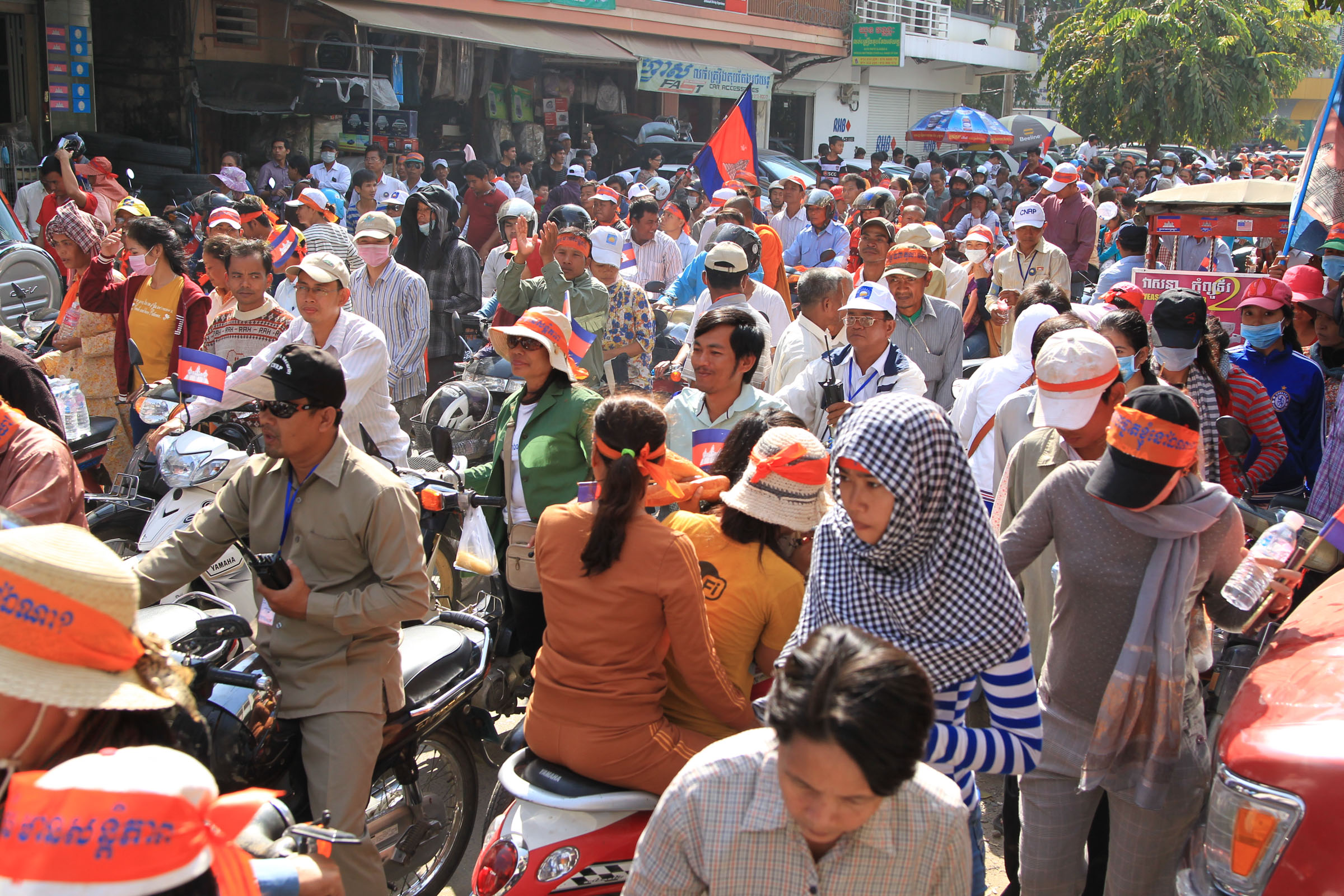
  • Build Quality: Constructed with a titanium top and bottom plate, weather sealing, and robust ergonomics, the Xโ€‘Pro3 is designed for durability in professional use.
  • Sensor & Image Quality: Equipped with a 26.1MP APSโ€‘C Xโ€‘Trans IV sensor, it delivers excellent colour reproduction, dynamic range, and Fujifilmโ€™s renowned film simulations.
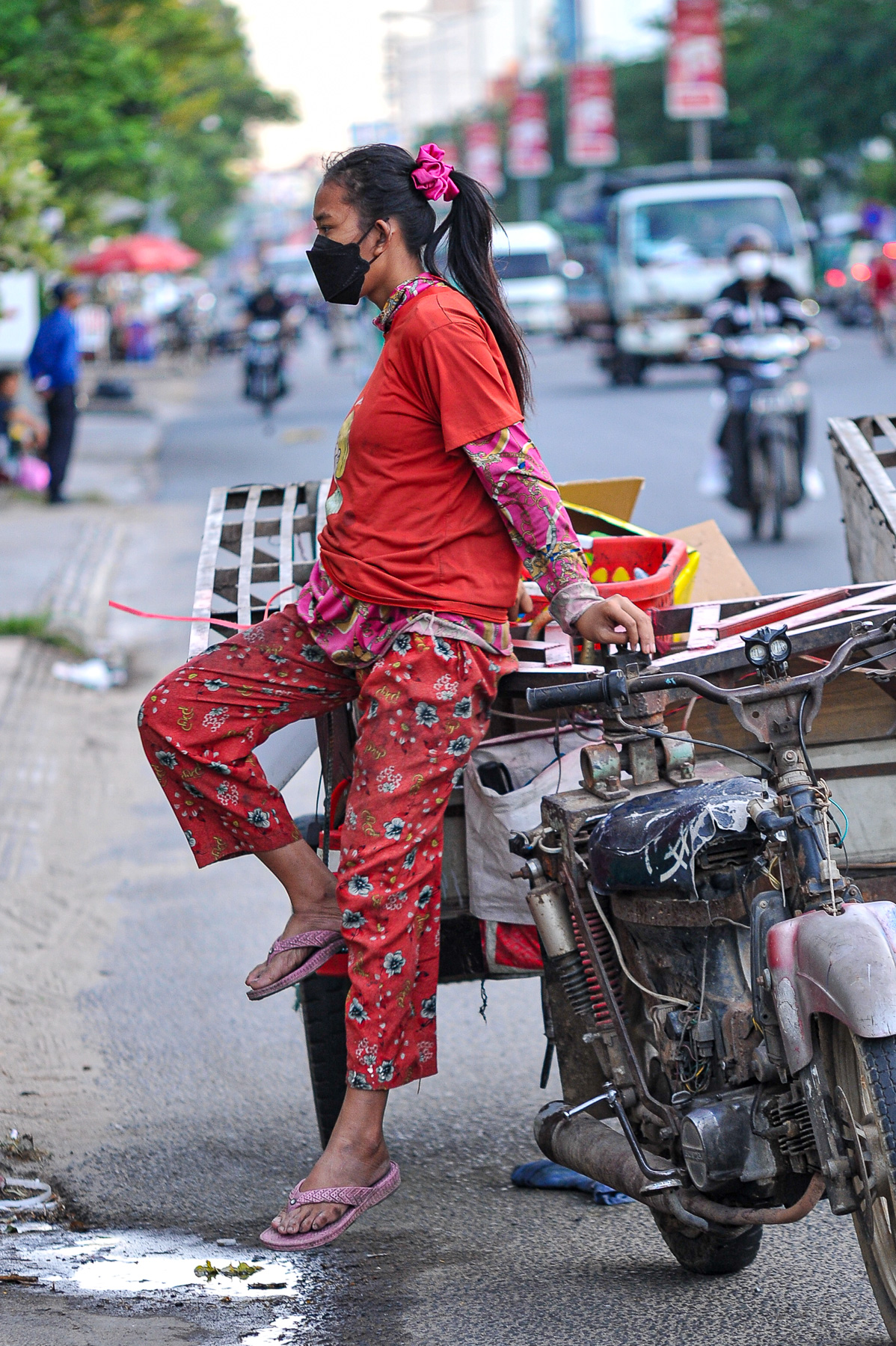
  • Hybrid Viewfinder: The defining featureโ€”users can switch between an optical viewfinder (OVF) and a highโ€‘resolution electronic viewfinder (EVF), offering flexibility for different shooting styles.
  • Performance: Fast autofocus with 425 phaseโ€‘detect points, improved lowโ€‘light sensitivity, and solid burst shooting at 11fps mechanical or 20fps electronic shutter.

โš ๏ธ Ongoing Problems & Criticisms

  • Sub Monitor Failures: Multiple users have reported issues with the small โ€œsub monitorโ€ on the back (which displays film simulation and settings). Failures or malfunctions have been noted, sometimes outside warranty.
  • Shutter Button Feedback: Some photographers complain that the shutter button loses its tactile โ€œsecond click,โ€ making it harder to confirm when an image has been taken.
  • Hidden LCD Design: While philosophically bold, the flipโ€‘down LCD frustrates many users who rely on quick image review or live view shooting. Critics argue it slows workflow and feels impractical.

  • Reliability Concerns: Threads on photography forums highlight worries about longโ€‘term durability, with scattered reports of component failures.
  • Video Limitations: Although capable of 4K recording, the Xโ€‘Pro3 is not optimised for video compared to Fujifilmโ€™s Xโ€‘T series.

โœ… Best Use Cases

  • Street photography, where discretion and OVF shooting are valued.
  • Documentary and travel work, especially for photographers who embrace intentional, viewfinderโ€‘driven shooting.
  • Enthusiasts who appreciate Fujifilmโ€™s film simulations and want a camera that enforces discipline.

โœจ Summary

The Xโ€‘Pro3 is a niche but powerful tool: it rewards photographers who embrace its philosophy of slowing down and shooting deliberately. Its titanium build, hybrid viewfinder, and superb sensor make it a joy for those aligned with its design ethos. However, ongoing problems with the sub monitor, shutter button feedback, and the divisive hidden LCD design mean itโ€™s not universally loved. For photographers who value reliability and modern conveniences, the Xโ€‘T series may be a safer bet; for those who want a camera that challenges their habits, the Xโ€‘Pro3 remains unique.

Fujifilm X-E2 Review: Vintage Meets Modern Performance

cambodia, cameras, fujifilm, Lenses, opinons, thoughts, photography, pictures, street, Travel, voluntary
  • Image Quality: At its core, the Xโ€‘E2 features a 16.3โ€‘megapixel APSโ€‘C Xโ€‘Trans CMOS II sensor. This sensor uses a unique colour filter array that mimics film grain, eliminating the need for an optical lowโ€‘pass filter. The result is sharp, detailed images with rich colour reproduction.
  • Fast Autofocus: The hybrid AF system combines contrast and phase detection, achieving focus speeds as fast as 0.08 seconds. With 49 AF points, itโ€™s responsive enough for everyday shooting and moderate action.
  • Retro Design & Handling: Styled like a classic rangefinder, the Xโ€‘E2 offers tactile dials for shutter speed and exposure compensation. Its magnesium alloy body feels solid yet compact, appealing to photographers who enjoy manual control.
  • Electronic Viewfinder: A 2.36โ€‘millionโ€‘dot EVF provides a crisp, detailed preview, while the 3โ€‘inch LCD (1.04M dots) supports easy composition and playback.
  • Performance: Powered by the EXR Processor II, the camera delivers 7fps continuous shooting, inโ€‘camera RAW conversion, and film simulation modes that replicate Fujifilmโ€™s iconic film stocks.
  • Connectivity & Extras: Builtโ€‘in Wiโ€‘Fi allows for image transfer and remote shooting. Creative features include multiple exposure, panorama mode, focus peaking, and digital split image for precise manual focus.

โš–๏ธ Limitations

  • No 4K video: Limited to 1080p recording.
  • Fixed screen: No articulation or touchscreen functionality.
  • ISO performance: Usable up to ISO 6400, but noise becomes noticeable at higher settings.

โœ… Best Use Cases

  • Street photography, thanks to its discreet retro styling.
  • Travel and documentary work, with compact size and versatile lens options.
  • Enthusiast photographers who value manual controls and filmโ€‘like rendering.

โœจ Summary

The Fujifilm Xโ€‘E2 remains a wellโ€‘balanced mirrorless camera that combines vintage charm with capable modern features. Its sensor, EVF, and tactile controls make it a joy for photographers who prioritise image quality and creative handling over cuttingโ€‘edge specs. For those seeking a reliable, affordable entry into Fujifilmโ€™s X system, the Xโ€‘E2 is still a worthy companion.

๐Ÿ“ธ Nikkor 70โ€“210mm f/4โ€“5.6 AF-D: A Sleeper Telephoto Worth Knowing

cambodia, Lenses, opinons, thoughts, photography, pictures, street, Travel

In a world obsessed with fast primes and pro-grade zooms, the Nikkor 70โ€“210mm f/4โ€“5.6 AF-D is often overlooked. Released in the late 1980s and refined through the 1990s, itโ€™s a lens that quietly deliversโ€”especially for street, travel, and candid work where discretion and versatility matter.

๐Ÿ” Optical Performance

  • Sharpness: Respectable across the range, especially in the centre. It holds up well even on higher-resolution sensors, though it wonโ€™t match modern primes or pro zooms.
  • Contrast & Colour: Slightly cool rendering; contrast is decent but not punchy.
  • Bokeh: Fairโ€”better at 135mm than at 210mm.
  • Distortion: Minimal at 70mm, increasing pincushion distortion toward 210mm.

โš™๏ธ Build & Handling

  • Construction: Solid for its classโ€”metal mount, decent heft (~590g), and a push-pull zoom design. Not weather-sealed, and it does pump air when zooming.
  • Autofocus: Fast for its era, especially the AF-D version with improved gearing. Noisy and not ideal for video, but snappy enough for street and candid work.
  • Size: Compact for a telephoto zoom, making it a good fit for travel or discreet shooting.

๐Ÿ’ฐ Value & Use Cases

  • Price: Often found used for ยฃ80โ€“ยฃ150, (I picked up my perfect copy for 50$ US here in PP) making it one of the best-value Nikon telephoto zooms available.
  • Best For:
    • Street photography with reach
    • Travel and urban detail work
    • Candid portraits at a distance
    • Vintage DSLR setups or film bodies

โš ๏ธ Limitations

  • Low-light performance: With a variable aperture of f/4โ€“5.6, itโ€™s not ideal for dim conditions.
  • No VR (Vibration Reduction): Youโ€™ll need steady hands or fast shutter speeds.
  • Push-pull zoom: Some find it less precise than modern ring zooms.

โœ… Final Assessment

The Nikkor 70โ€“210mm f/4โ€“5.6 AF-D is not flashy, but itโ€™s reliable. It rewards photographers who value presence, anticipation, and discretion over technical perfection. For street work, especially in bright conditions, itโ€™s a sleeper lens that punches above its weight.

If your style is unpolished but intentional, this lens fits right in.

๐Ÿ“ธ Photojournalism as Agent Provocateur: Ethical Power or Dangerous Edge?

cambodia, cameras, homelessness, Lenses, opinons, thoughts, pictures, street, Travel, voluntary

๐Ÿ”ฅ The Provocative Potential

Photojournalism has always had the capacity to provoke. Iconic imagesโ€”like the โ€œNapalm Girlโ€ or the Tiananmen Square standoffโ€”didnโ€™t just document events; they shocked, moved, and mobilised global audiences. In this sense, photojournalism is an agent provocateur: it confronts viewers with uncomfortable truths and demands a response.

โš–๏ธ The Ethical Line

But provocation is not the same as manipulation. The ethical challenge lies in intent:

  • Is the image revealing injustice or exploiting suffering?
  • Is it amplifying marginalised voices or sensationalising trauma?
  • Is it grounded in truth or shaped to fit a narrative?

Responsible photojournalism provokes thought, not violence. It informs, not inflames.

๐Ÿงญ When Provocation Serves Justice

In contexts of oppression, censorship, or systemic abuse, photojournalism canโ€”and arguably shouldโ€”provoke:

  • Expose hidden realities (e.g. war crimes, police brutality)
  • Challenge dominant narratives (e.g. state propaganda)
  • Mobilise public action (e.g. climate protests, refugee crises)

Here, provocation is not recklessโ€”itโ€™s a form of ethical resistance.

๐Ÿšซ When Provocation Becomes Exploitation

However, when images are used to:

  • Sensationalise suffering
  • Invade privacy
  • Perpetuate stereotypes
  • Distort context for shock value

โ€ฆphotojournalism crosses into unethical territory. The image becomes a weapon, not a witness.

โœ… Summary

Photojournalism can act as an agent provocateurโ€”but only when it provokes with purpose, not for spectacle. Its ethical power lies in revealing truth, challenging injustice, and sparking dialogue. The moment it prioritises impact over integrity, it loses its credibility.

๐Ÿ“ธ Anticipation and the Decisive Moment

cambodia, cameras, fujifilm, Lenses, opinons, thoughts, photography, pictures, street, Travel

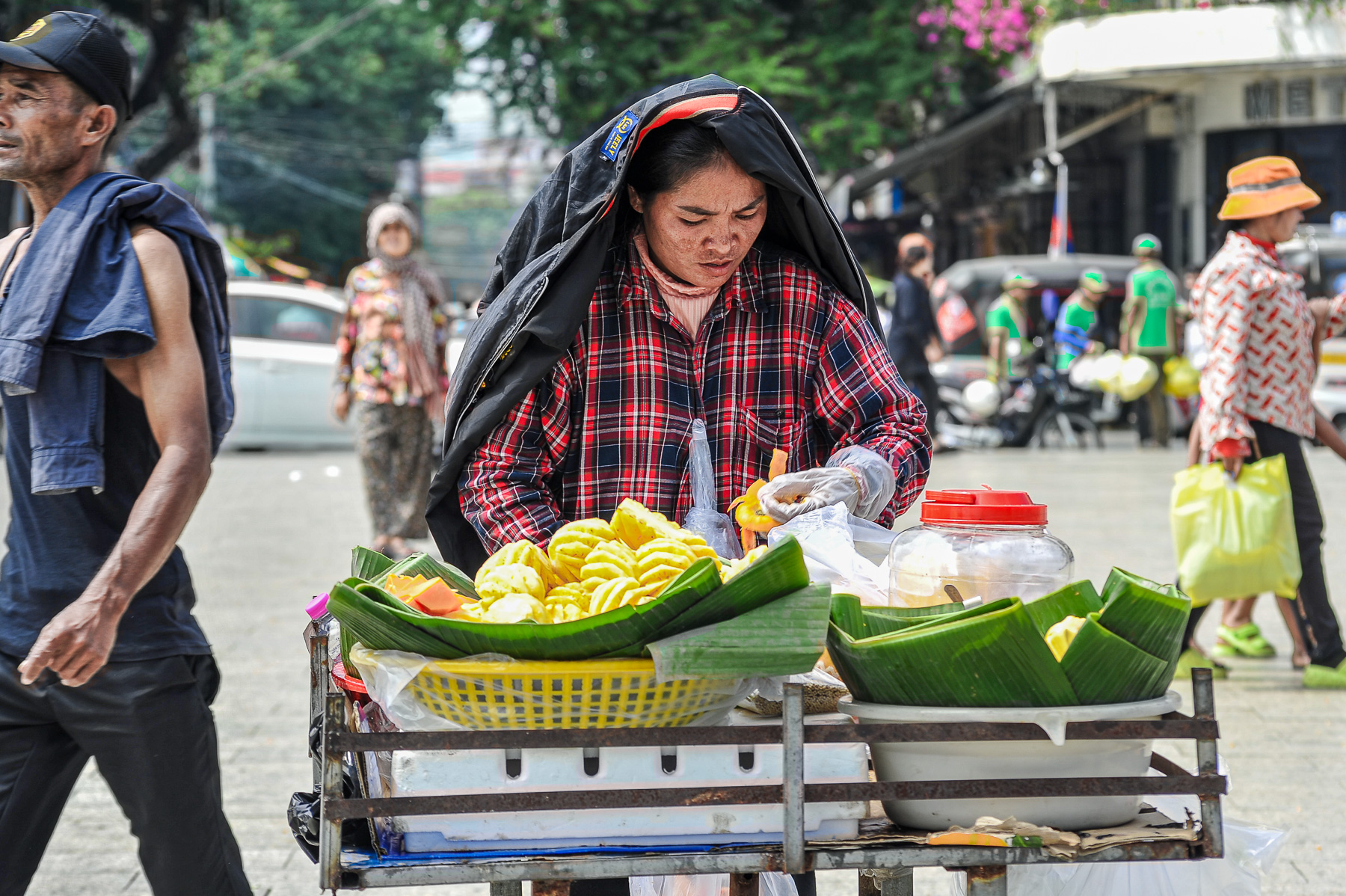
Street photography isnโ€™t about luckโ€”itโ€™s about anticipation. The streets of Phnom Penh move fast: motorbikes weaving, vendors shifting goods, children darting across alleys. To capture the moment, you have to sense it before it happens.

I. Reading the Rhythm

Every street has a rhythm. You learn to watch gestures, patterns, and movementsโ€”how a monk steps into sunlight, how a vendor reaches for fruit, how a child leans before running. Anticipation means reading these cues and preparing for the instant they align.

II. Burst as a Tool, Not a Crutch

Modern cameras can fire off many frames per second. Used with intention, this isnโ€™t about โ€œspray and prayโ€โ€”itโ€™s about precision. You anticipate the moment, then let the burst capture the microโ€‘variations: the exact tilt of a head, the instant of eye contact, the fraction of a second when light hits just right.

III. The Decisive Frame

From a sequence of images, one stands out. Itโ€™s not always the sharpest or most polishedโ€”itโ€™s the one that carries presence, emotion, and connection. That single frame becomes the decisive photograph, the one that tells the story.

IV. Discipline in Anticipation

Anticipation is a discipline. It requires patience, observation, and trust in your instincts. The cameraโ€™s speed is only an extension of your awareness. Without anticipation, burst mode is noise. With anticipation, it becomes a scalpelโ€”cutting into the chaos to reveal clarity.

Closing Thought

Capturing โ€œtheโ€ moment is not about chance. Itโ€™s about presence, anticipation, and the ability to see just before it happens. The cameraโ€™s ability to make many pictures in seconds is only powerful when guided by intention.

This is how I work: not chasing perfection, but trusting anticipation to reveal authenticity.

๐Ÿ“ธ Street Photography in Phnom Penh: Authentic, Candid Moments

cambodia, cameras, homelessness, Lenses, opinons, thoughts, photography, pictures, street, Travel

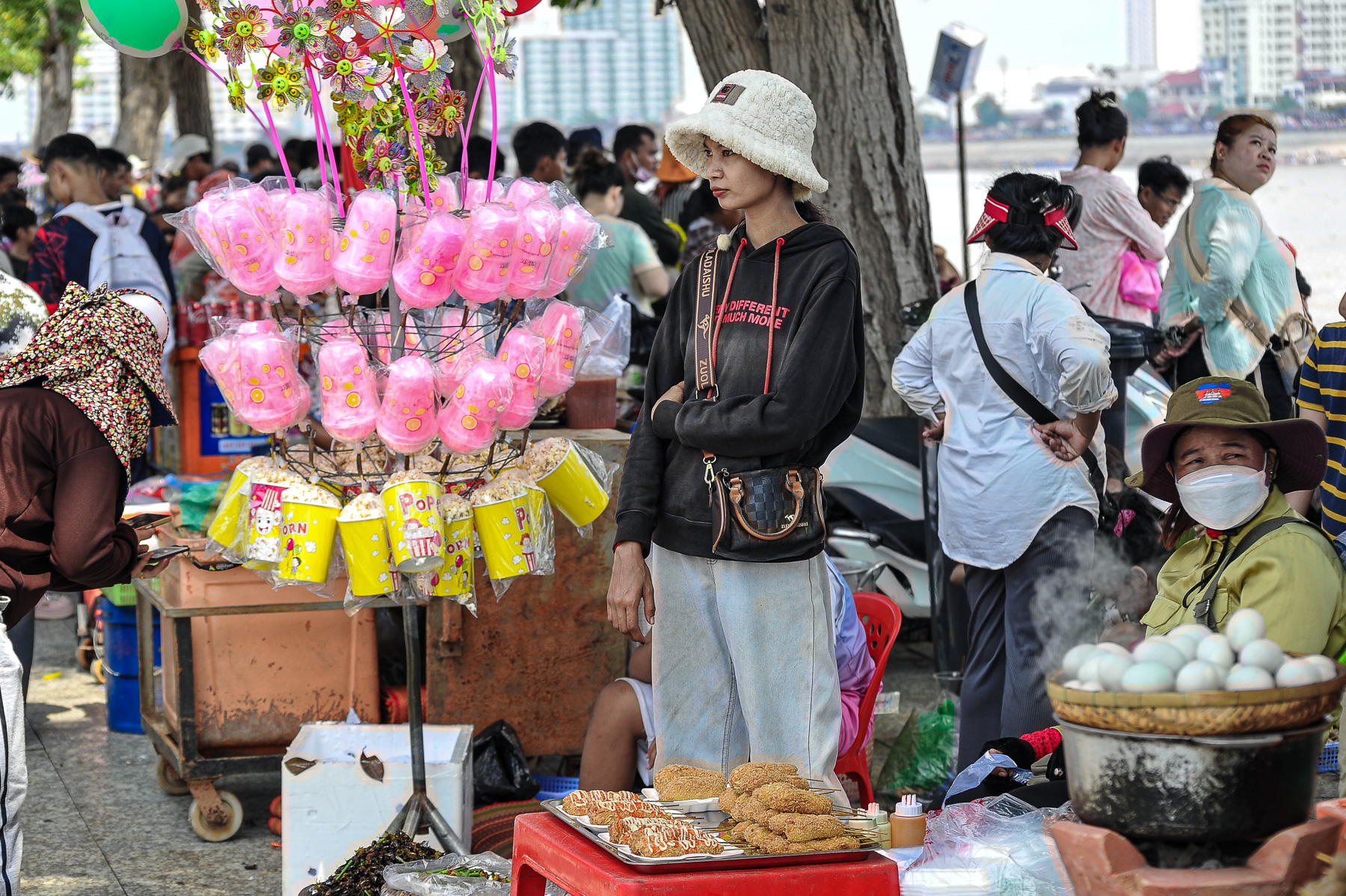
I donโ€™t chase perfection. I donโ€™t polish the streets into postcards. I take pictures of what I seeโ€”fleeting gestures, overlooked details, unremarkable corners. To some, these images may feel uninteresting. But to me, they are the essence of street photography: authentic, candid, and true.

I. PRESENCE IS HONESTY

Street photography begins with presence. Itโ€™s about standing in the chaos of Phnom Penhโ€”motorbikes weaving, vendors calling, monks moving through morning lightโ€”and noticing the small things.

A hand resting on a tukโ€‘tuk. A shadow slicing across a wall. A childโ€™s laughter echoing in the alley. These moments arenโ€™t staged. They arenโ€™t curated. They are real.

II. MEMORY IS FRAGILE

Phnom Penh is changing fast. Markets modernise, facades crumble, new towers rise. What feels ordinary today may be gone tomorrow.

Photography preserves the fragile. A candid frame becomes a fragment of memory, a retro imprint of a city in transition. Not all images are pretty, but all are valuable.

III. CONNECTION IS HUMAN

The power of candid moments lies in connection. A strangerโ€™s direct gaze. A fleeting smile. The quiet acknowledgment of someone who lets me borrow a second of their life.

Grain, blur, imperfectionโ€”these are not flaws. They are the marks of authenticity, the texture of human presence.

IV. IDENTITY IS UNPOLISHED

My way of working is not about producing art that pleases everyone. It is about practicing a way of seeing. It is about being present in Phnom Penhโ€™s streets, attentive to the ordinary, open to the unremarkable.

This is my discipline: to take pictures of what I see, without gloss, without apology.

Closing Call: Light as a Signature

Street photography is special not because it is beautiful, but because it is true. Each frame is a mark, a monogram of the cityโ€™s soulโ€”drawn not with ink, but with light.

๐ŸŒ KidsNeedEducation.org: Education as Empowerment

cambodia, opinons, thoughts, photography, pictures, Travel, voluntary

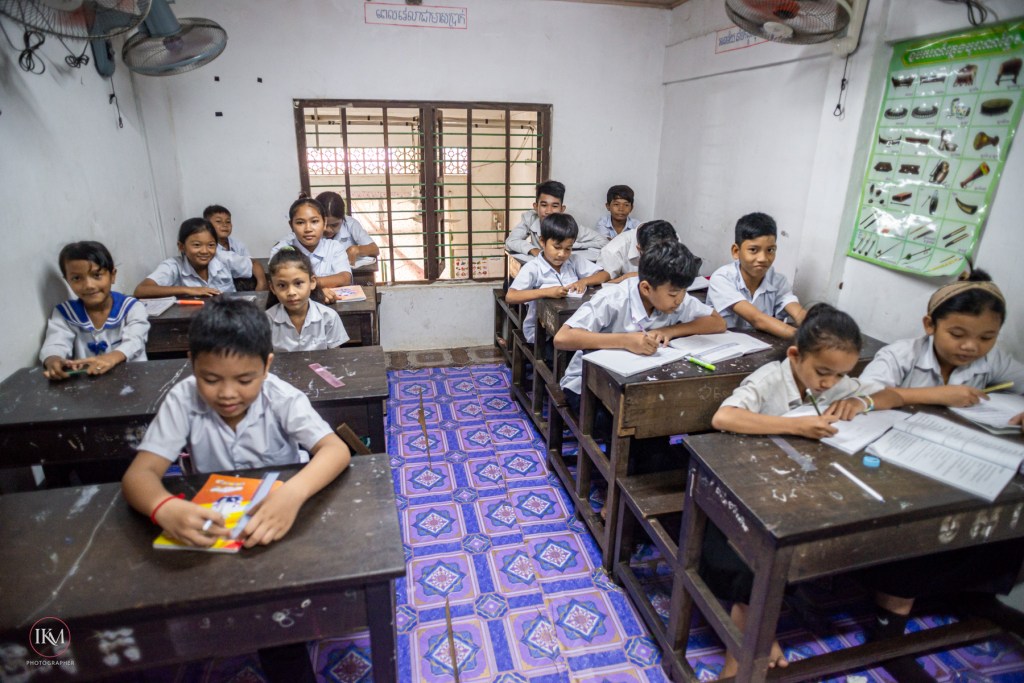
Education is more than a classroomโ€”itโ€™s a lifeline. KidsNeedEducation.org, operated by the Aogaah Foundation, embodies this principle by offering free schooling to children in some of Phnom Penhโ€™s poorest communities. The project began with a simple but powerful vision: every child deserves the chance to learn, regardless of background or circumstance.

๐Ÿ“š What the Foundation Does

  • Free schooling: The Village 15/16 schools provide education to over 140 children who otherwise would have no access to formal learning.
  • Community events: Annual celebrations, such as the School Holiday Feast at The Family Pub in Phnom Penh, bring together students, families, and supporters.
  • Sponsorship program: For as little as $100, donors can sponsor a student, covering essentials like books, uniforms, and meals.
  • Transparency and outreach: The site hosts newsletters, โ€œWhoโ€™s Whoโ€ directories, and updates on ongoing projects, ensuring donors and volunteers remain connected to the mission.

๐Ÿง  Why It Matters

  • Breaking cycles of poverty: In Cambodia, many children are forced into labor or denied education due to financial hardship. Free schooling interrupts this cycle.
  • Community resilience: By investing in education, the foundation strengthens families and neighborhoods, creating ripple effects of opportunity.
  • Global solidarity: International donors and volunteers demonstrate how small contributions can have outsized impacts in vulnerable communities.

โš–๏ธ Challenges and Sustainability

Running a free school is not without obstacles. Funding is precarious, relying heavily on donations and sponsorships. Leadership transitionsโ€”such as the departure of founder Richard Meyer due to health issuesโ€”highlight the importance of local teachers and community ownership. Yet, the school continues to thrive, proving that grassroots education initiatives can endure with collective support.

๐Ÿ“ Final Thought

KidsNeedEducation.org is more than a websiteโ€”itโ€™s a window into a movement that believes education is a human right, not a privilege. By sponsoring a child, attending events, or simply sharing the mission, supporters help transform lives in Phnom Penh. The story of Village 15/16 schools is a reminder that education is the most powerful agent of changeโ€”and that even modest contributions can rewrite futures.

kidsneededucation.org

https://www.facebook.com/kidsneededucation.org

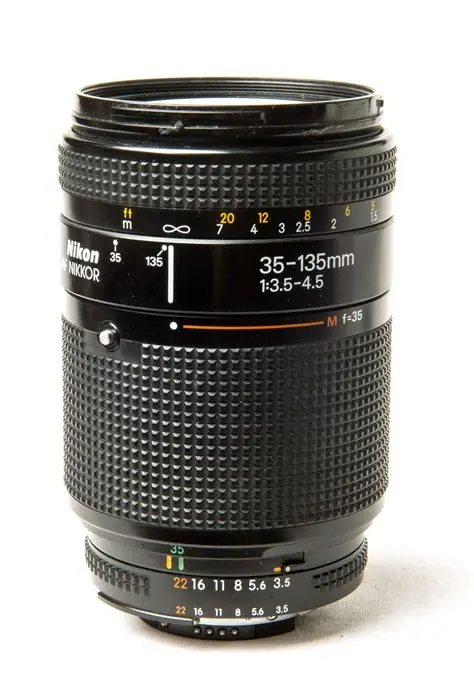
๐Ÿ“ธ Nikon AF Zoom-Nikkor 35โ€“135mm f/3.5โ€“4.5 AF-D

cambodia, cameras, Lenses, opinons, thoughts, photography, pictures, street, Travel

A legacy zoom that still earns respect

When Nikon introduced the 35โ€“135mm AF series, it was designed to bridge wide-to-telephoto coverage in a single lens. Positioned as a step above kit zooms, it gave photographers flexibility without the bulk of multiple primes. The AF-D version added distance encoding for more accurate flash metering, making it a practical tool for both film and early digital shooters.

๐Ÿ” Optical Performance

  • Sharpness: Respectable across the range, especially between 35โ€“85mm. At 135mm, corners soften, but the center remains usable.
  • Color and contrast: Classic Nikon renderingโ€”neutral color with good contrast, especially when stopped down.
  • Distortion: Noticeable barrel distortion at 35mm and pincushion at 135mm, typical of zooms of its era.
  • Macro mode: Offers a close-focus feature down to ~0.5m, useful for flowers and small objects.
  • Bokeh: Pleasant at longer focal lengths, though not as creamy as modern f/2.8 zooms.

โš™๏ธ Build and Handling

  • Construction: Solid, metal-heavy buildโ€”โ€œbrick-likeโ€ durability noted by users.
  • Weight: Around 600g, making it portable but not featherlight.
  • Autofocus: Screw-drive AFโ€”adequate but slower and noisier compared to AF-S lenses. Works best with pro bodies like the D3/D800.
  • Zoom action: Push-pull design, which some photographers find intuitive, while others prefer modern rotary zoom rings.

๐Ÿง  Use Cases

  • Travel lens: Covers wide-to-telephoto in one package, ideal for street and candid photography.
  • Portraits: At 85โ€“135mm, produces flattering compression and decent subject isolation.
  • Documentary/editorial: Flexible enough for mixed environments where you canโ€™t switch lenses often.
  • Film shooters: A perfect companion for Nikon F-mount film bodies, retaining period authenticity.

โš–๏ธ Pros and Cons

Pros

  • Versatile focal range (wide to telephoto)
  • Solid build quality
  • Affordable on the used market (~$100โ€“$200 USD)
  • Close-focus macro mode adds creative flexibility

Cons

  • No VR (Vibration Reduction)
  • AF is slower and noisier than modern lenses
  • Optical performance lags behind newer zooms, especially at 135mm
  • Push-pull zoom design can feel dated

๐Ÿ“ Final Verdict

The Nikon AF Zoom-Nikkor 35โ€“135mm f/3.5โ€“4.5 AF-D is a classic workhorse lens. It wonโ€™t compete with modern pro zooms in speed or sharpness, but it offers a unique blend of versatility, durability, and character. For photographers exploring Nikonโ€™s legacy glass, itโ€™s a rewarding optionโ€”especially for travel and portraiture where its rendering shines.

AF-S Nikkor 50mm f/1.4G with the D3 and D800

cambodia, Lenses, opinons, thoughts, photography, pictures, street, Travel

๐Ÿงช Optical Impressions

  • Wide-open performance (f/1.4): Delivers soft, dreamy bokeh with moderate sharpness in the center. On the D3, this creates a classic filmic look; on the D800, the high-resolution sensor reveals some softness and longitudinal chromatic aberration.
  • Stopped down (f/2.8โ€“f/5.6): Sharpness improves significantly, especially across the frame. Ideal for street, editorial, and environmental portraiture.
  • Color and contrast: Neutral rendering with good microcontrast. Works well for natural light shooters and those who prefer minimal post-processing.
  • Bokeh: Smooth but can show slight nervousness in busy backgrounds. Better than the older AF-D version, but not as creamy as Nikonโ€™s 58mm f/1.4G.

โš™๏ธ Autofocus and Handling

  • AF speed: Quiet and accurate, but not lightning-fast. On the D3, itโ€™s snappy enough for casual action; on the D800, it benefits from contrast-based fine-tuning.
  • Build quality: Solid plastic barrel with weather sealing at the mount. Lightweight and well-balanced on both bodies.
  • Manual focus: Smooth ring, but focus-by-wire feel lacks tactile feedback compared to older mechanical lenses.

๐Ÿง  D3 vs. D800 Pairing

  • Nikon D3: The lens complements the D3โ€™s low-light prowess. Together, they excel in available light reportage, backstage photography, and moody portraiture.
  • Nikon D800: The D800โ€™s 36MP sensor demands more from the lens. While the 50mm f/1.4G holds up well stopped down, wide-open shots may show softness and fringing that require post-processing.

โœ… Use Cases

  • Low-light street photography
  • Environmental portraits
  • Travel and documentary work
  • Editorial and lifestyle shoots

๐Ÿงพ Verdict

The AF-S 50mm f/1.4G is a versatile, reliable prime that pairs well with both the D3 and D800, especially for photographers who value character over clinical perfection. Itโ€™s not the sharpest wide-open, but its rendering is expressive and forgivingโ€”ideal for storytelling, not pixel-peeping.

For sharper edge-to-edge performance, consider the Sigma 50mm f/1.4 Art or Nikonโ€™s 50mm f/1.8G. But for a classic Nikon look with modern AF and solid build, the 50mm f/1.4G remains a worthy companion.