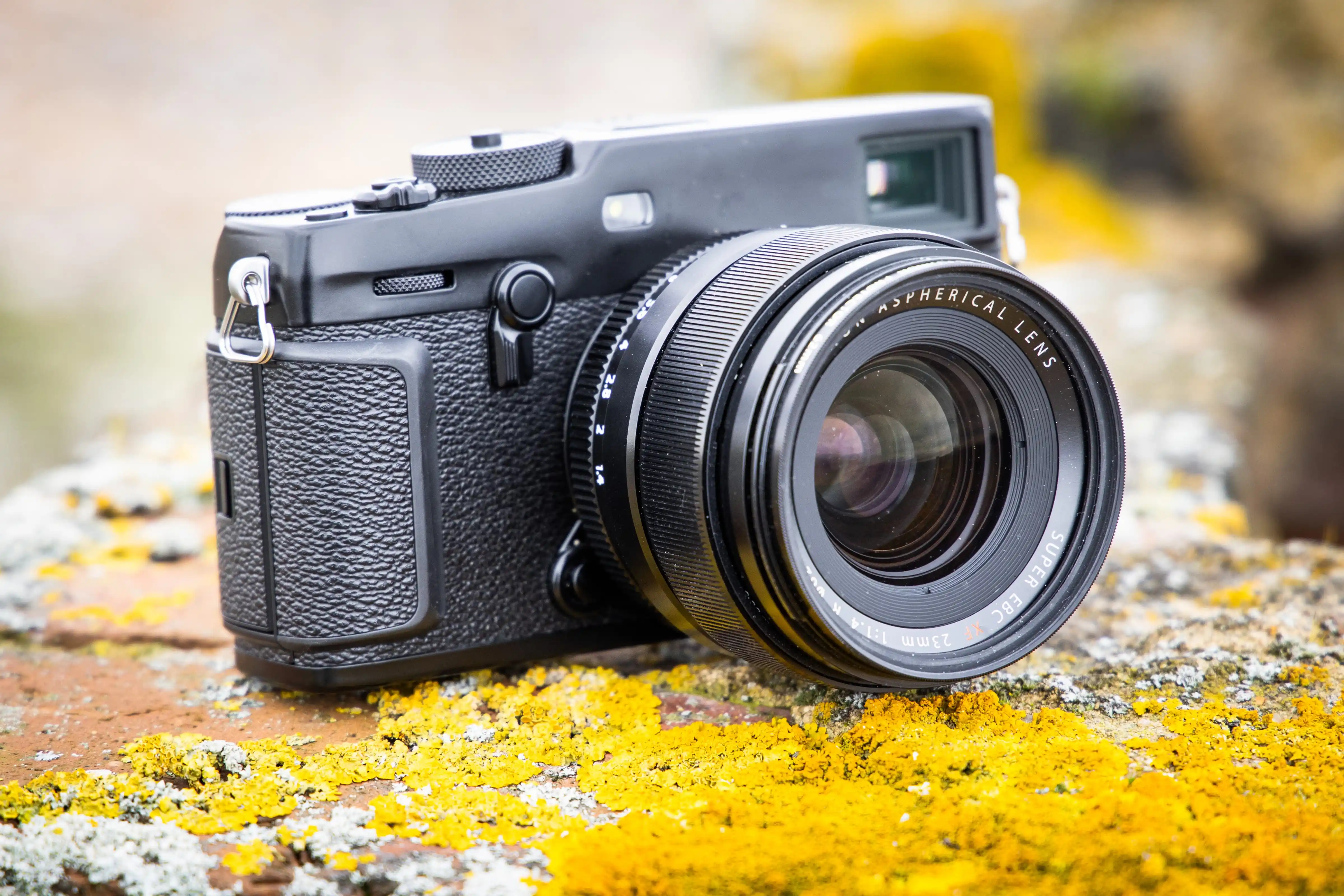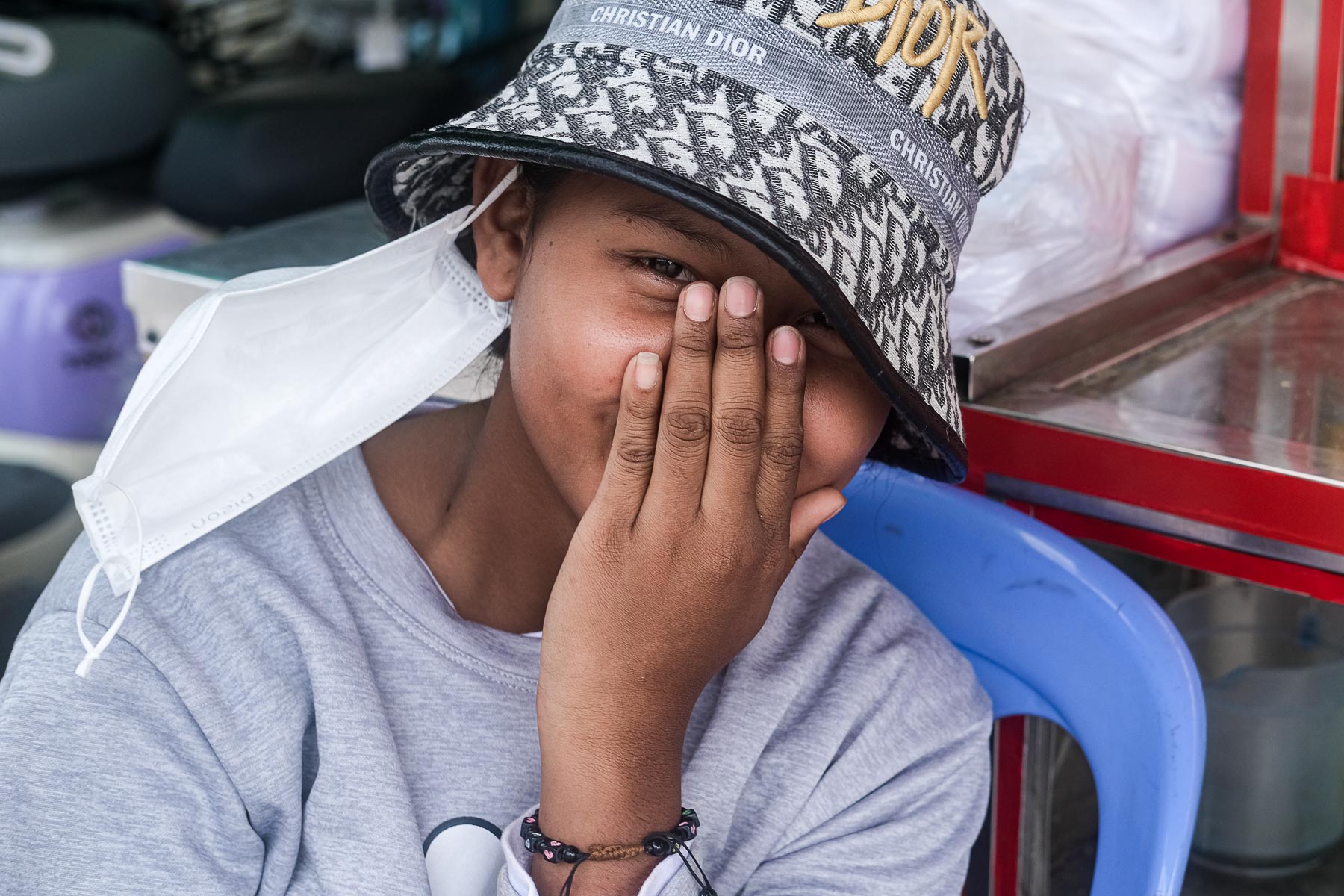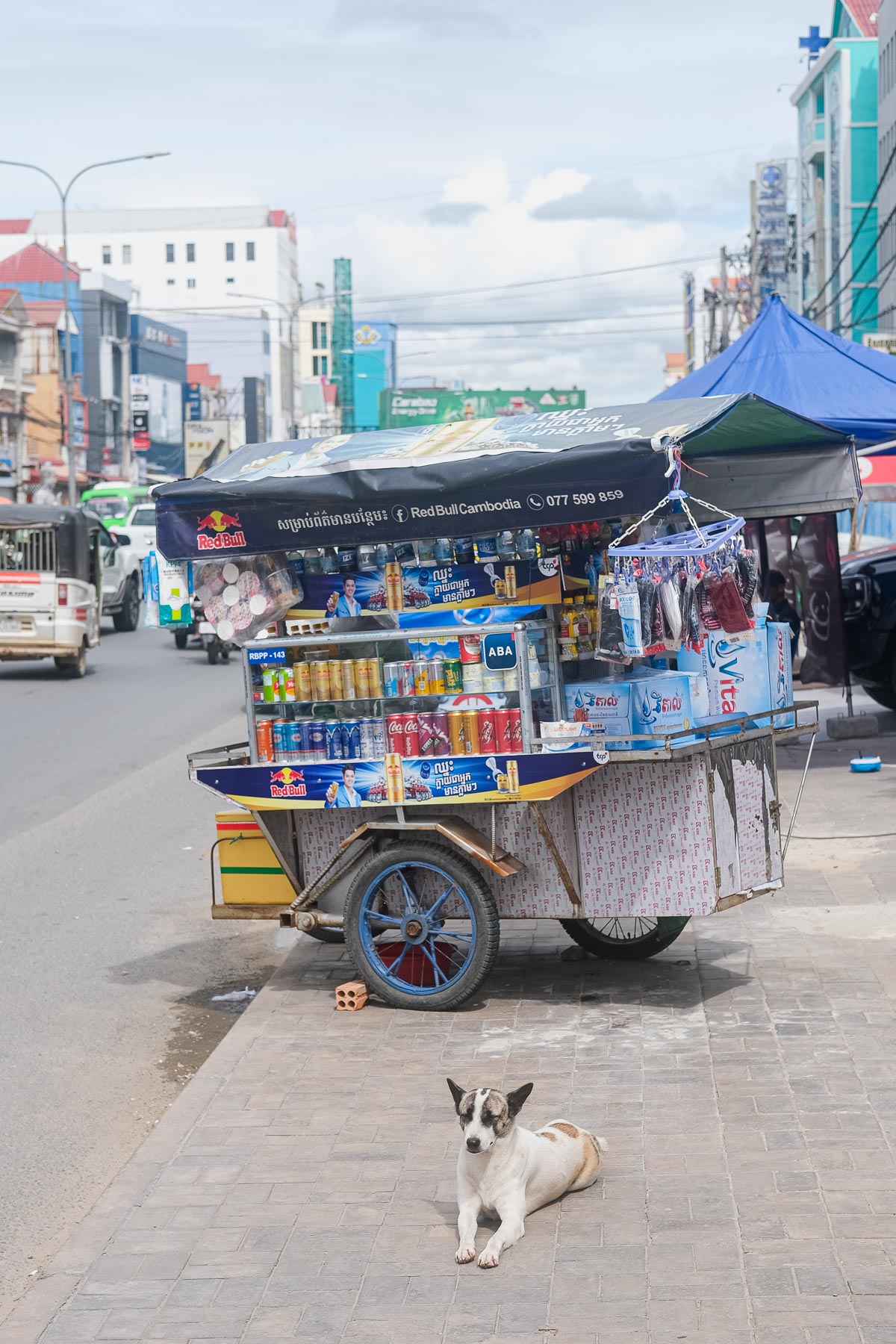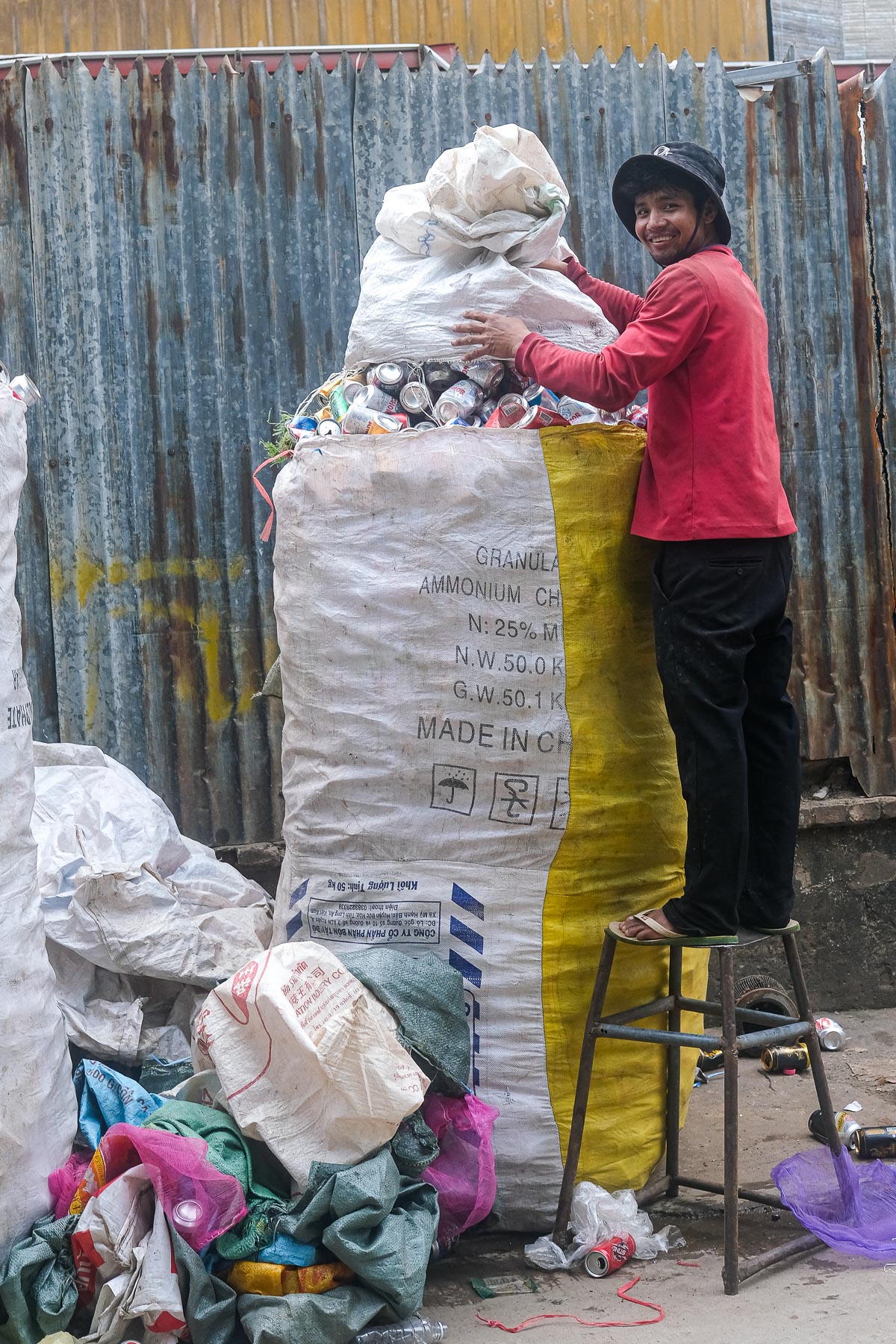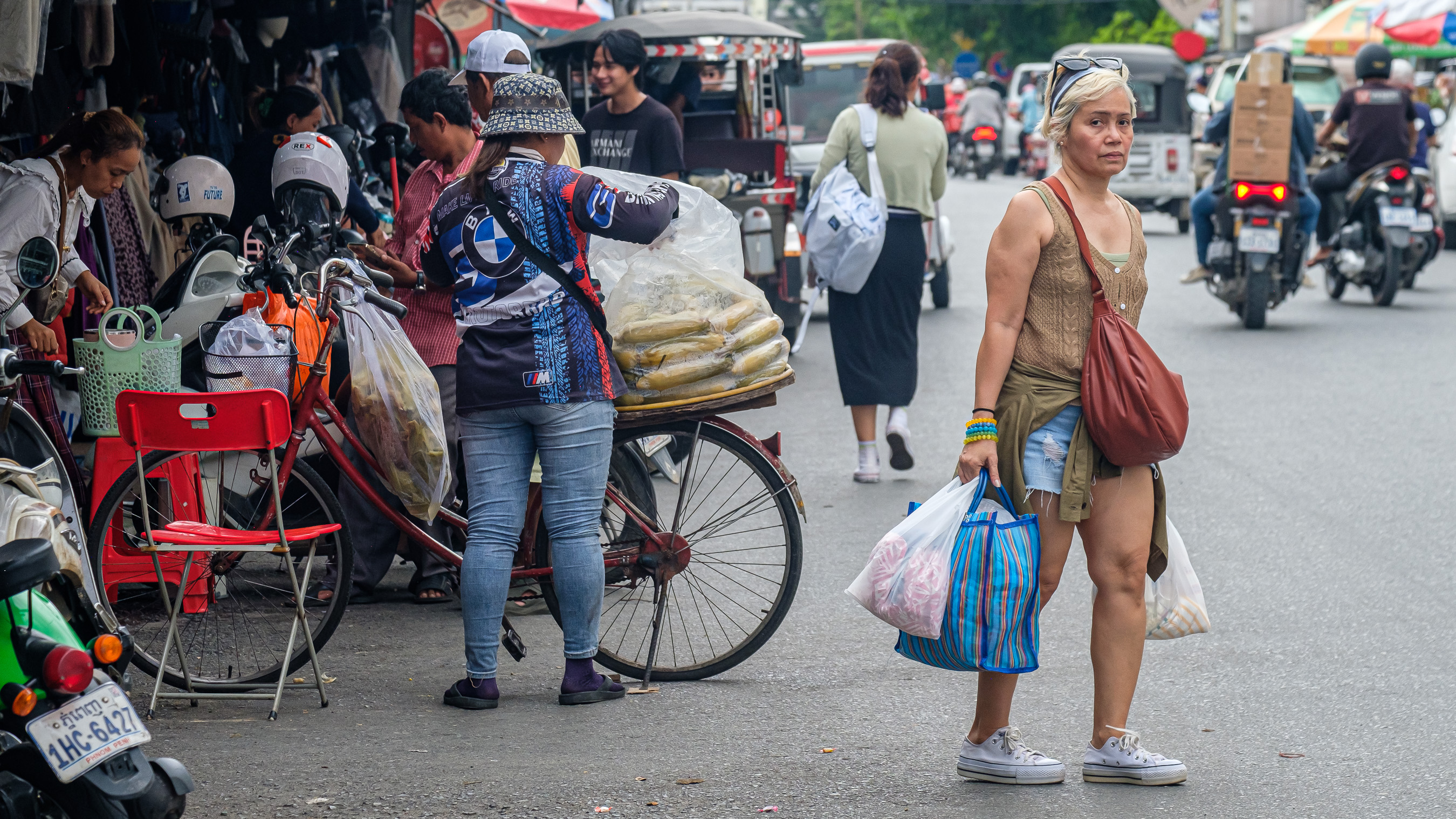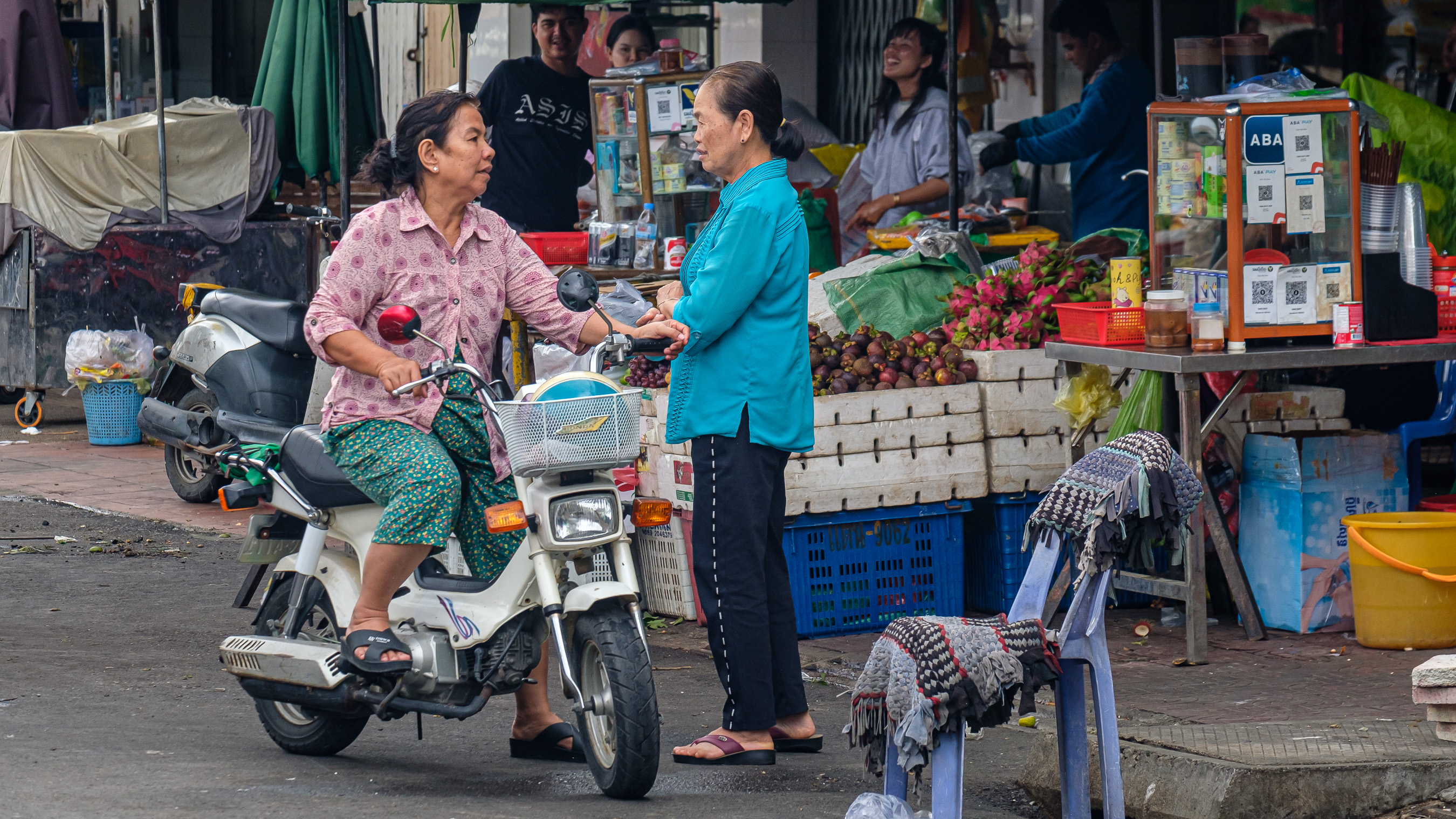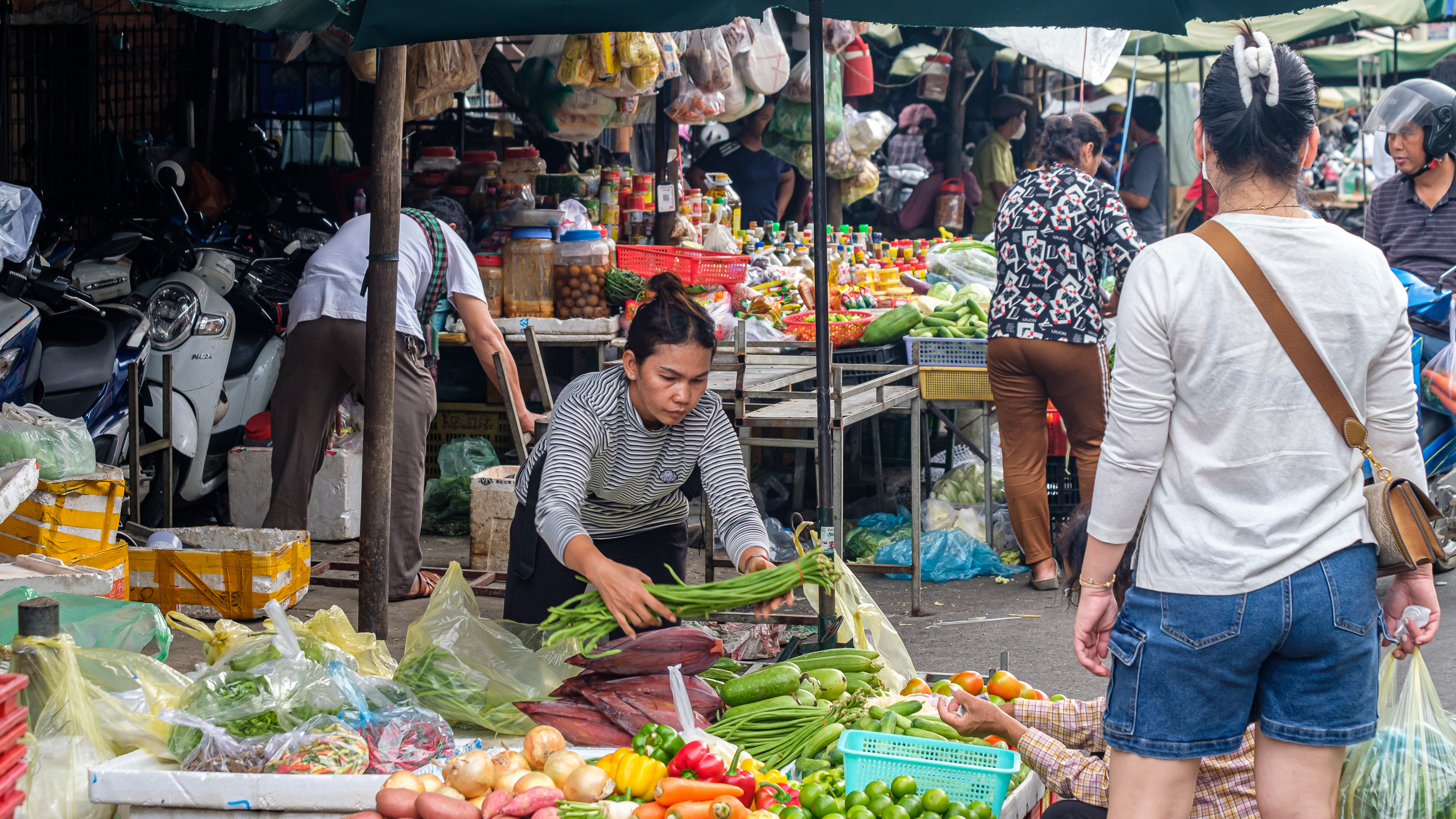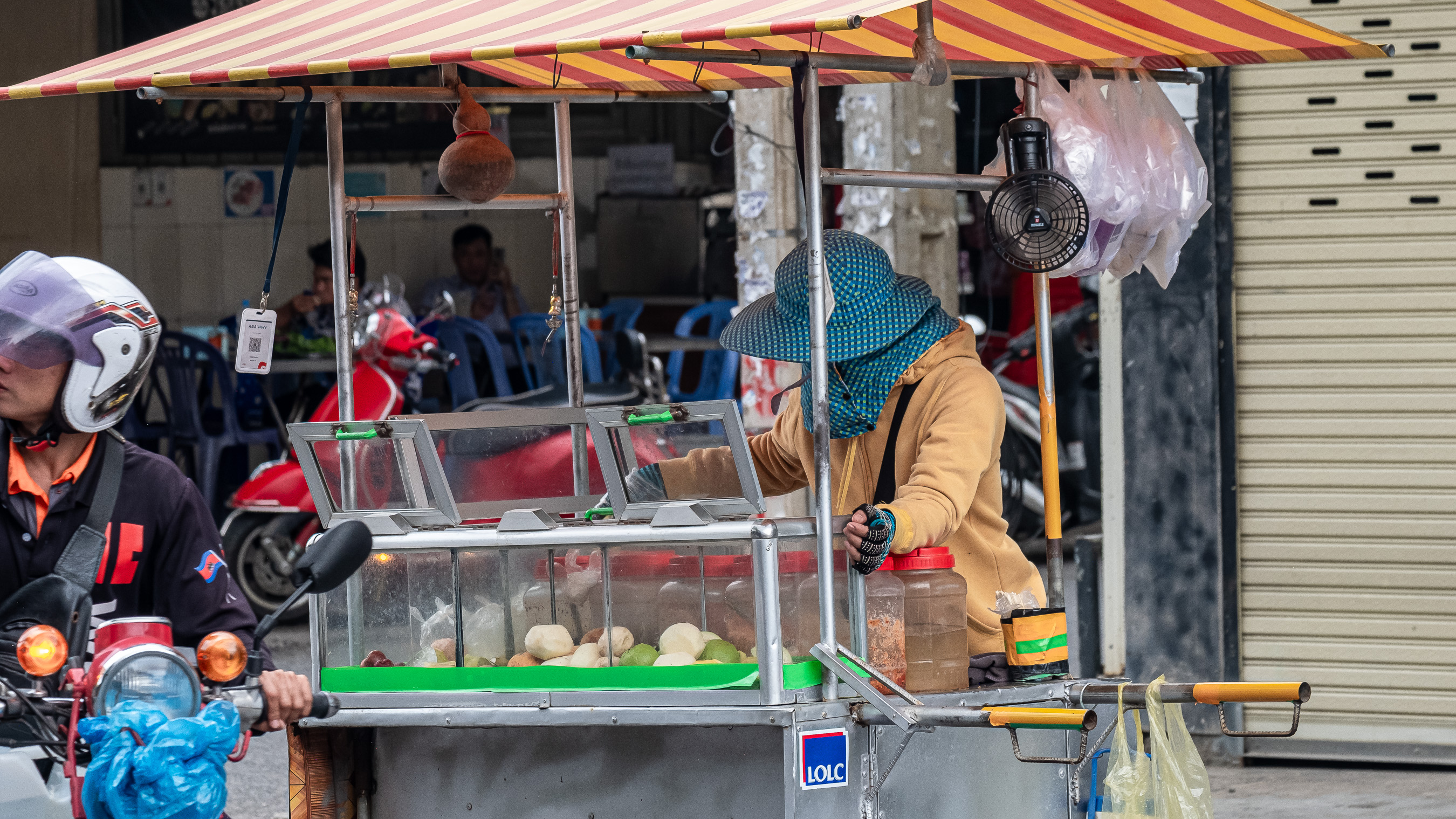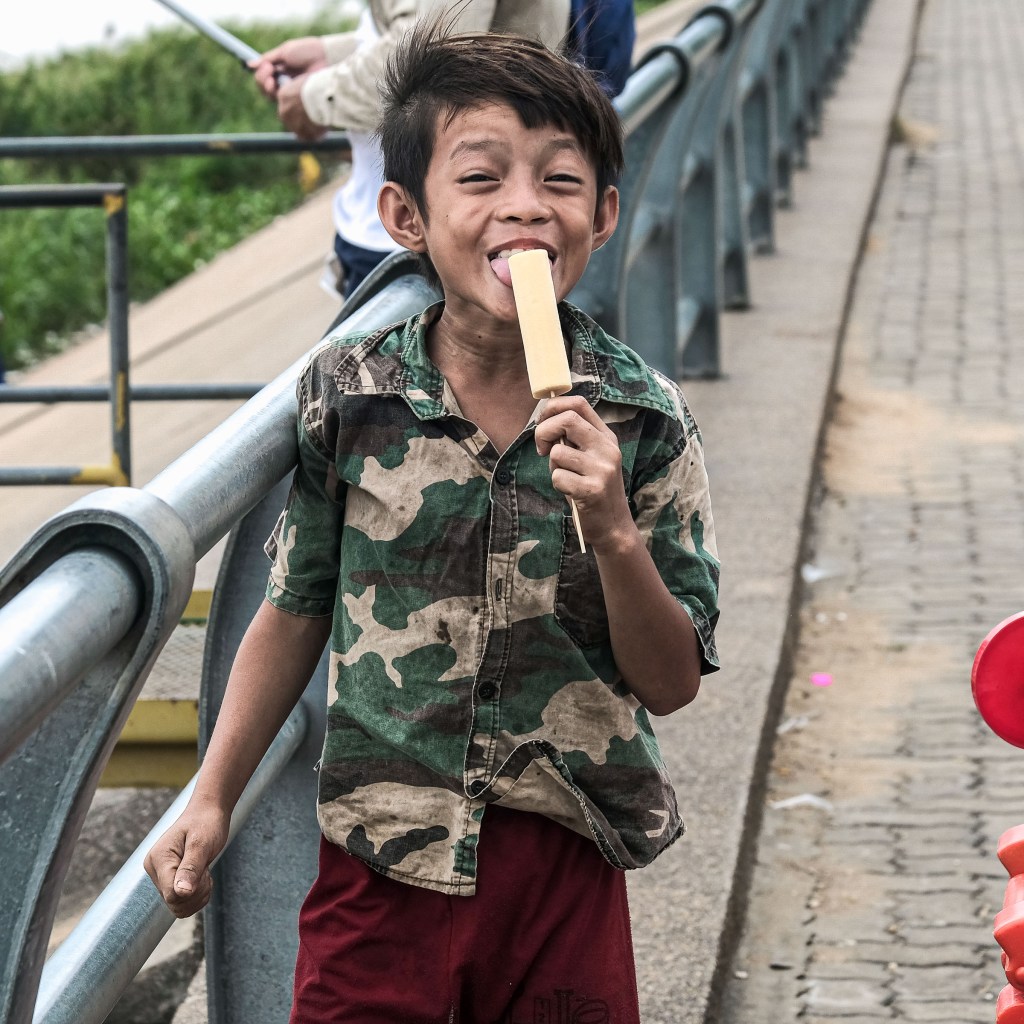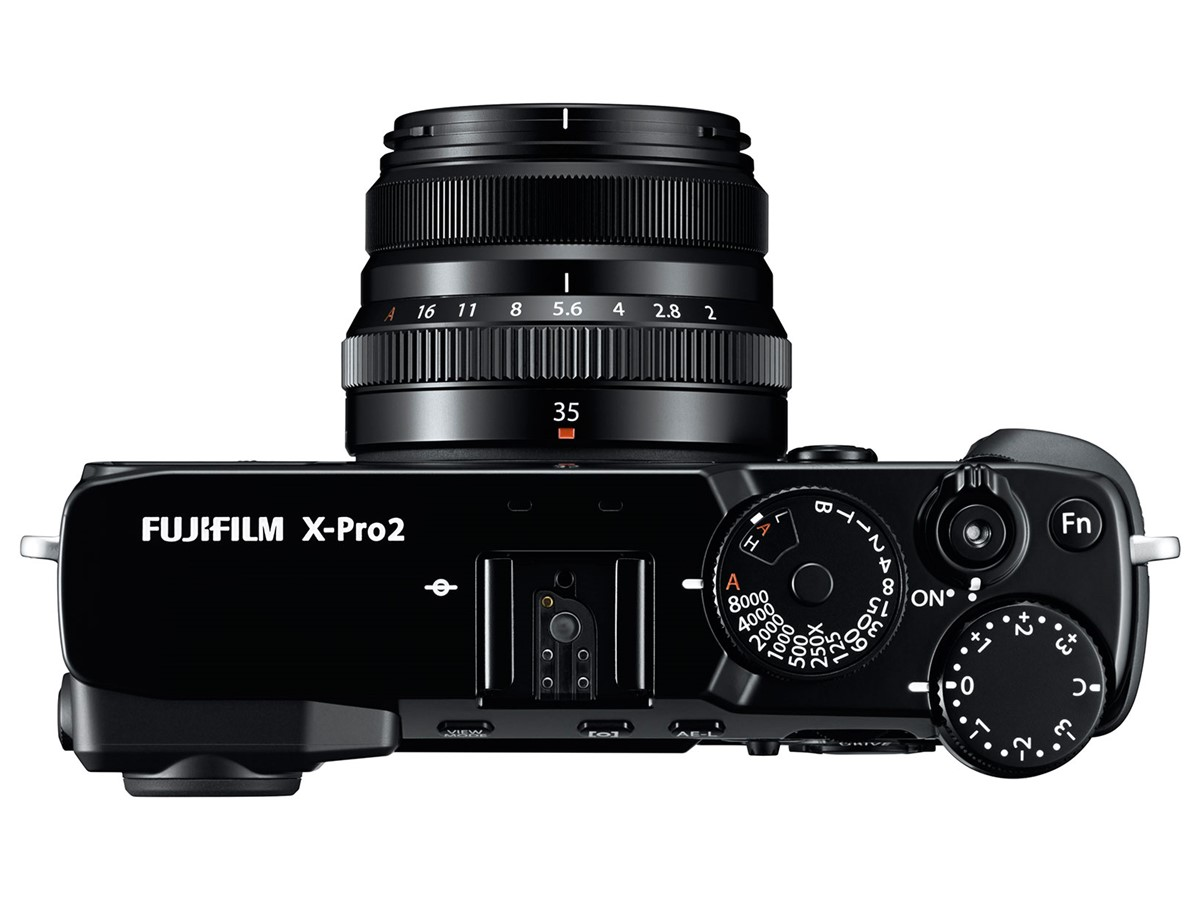
The Nikon D800, a camera that has stood the test of time, continues to be a favourite among photographers who value high-resolution images and robust build quality. Launched in 2012, the D800 was a groundbreaking release from Nikon, offering a then-unprecedented 36.3MP full-frame sensor. Despite the emergence of newer models, the D800 remains a highly regarded DSLR for various reasons.
High-Resolution Full-Frame Sensor: The D800’s 36.3MP sensor is its crowning glory, providing photographers with incredibly detailed images. This high resolution allows for significant cropping without losing image quality, making it ideal for landscape, studio, and macro photography.
Dynamic Range and Image Quality: The dynamic range of the D800 is another standout feature. It captures a wide range of tones from shadows to highlights, ensuring that details are preserved even in challenging lighting conditions. The image quality, especially at lower ISO settings, produces crisp and vibrant images.
Autofocus System: With a 51-point autofocus system, the D800 offers fast and accurate focusing. This system is particularly beneficial for capturing moving subjects or working in low-light environments where precision is key.
Build Quality and Durability: The D800’s magnesium alloy body provides a sturdy and durable build that can withstand the rigours of professional use. Its weather seal adds an extra layer of protection against the elements, making it a reliable choice for outdoor photography.
Video Capabilities: While primarily known for its stills, the D800 also boasts impressive video capabilities. It can shoot full HD video, which is complemented by in-camera editing features, making it a versatile tool for multimedia creators.
Despite its many strengths, the D800 has limitations, such as a slower frame rate and average battery life. However, these are minor when considering the overall package the camera offers. Its performance at high ISO settings and the convenience of its button placement further contribute to its user-friendly experience.
In conclusion, the Nikon D800 is a camera that continues to deliver quality and reliability years after its release. Its combination of high-resolution imaging, robust build, and comprehensive features ensure that it remains a top choice for photographers looking for a capable and versatile DSLR. Whether you’re a seasoned professional or an enthusiastic amateur, the D800 camera promises to meet and exceed expectations. For those interested in exploring the full potential of the D800, detailed reviews and user experiences can provide further insights into this remarkable camera.
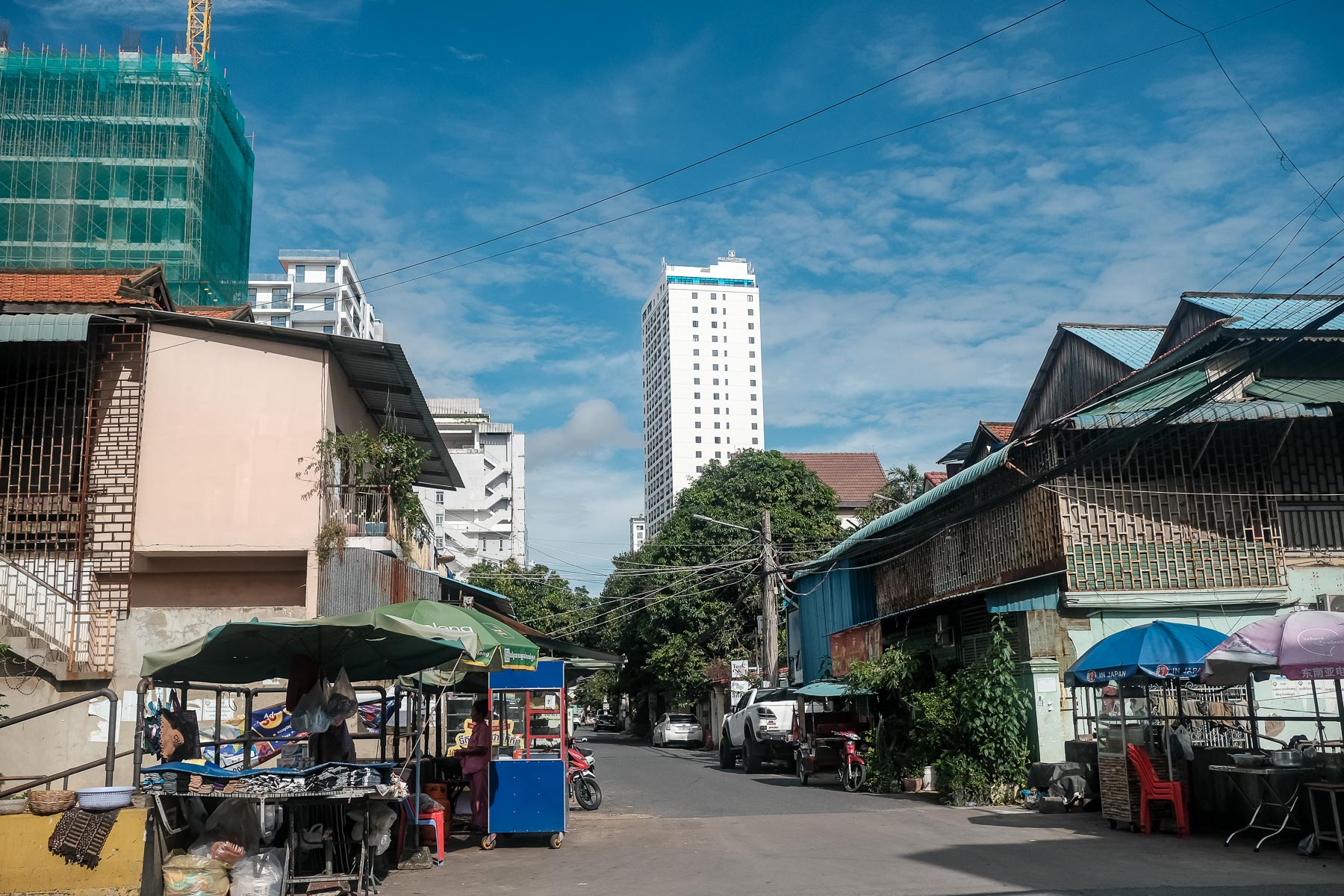
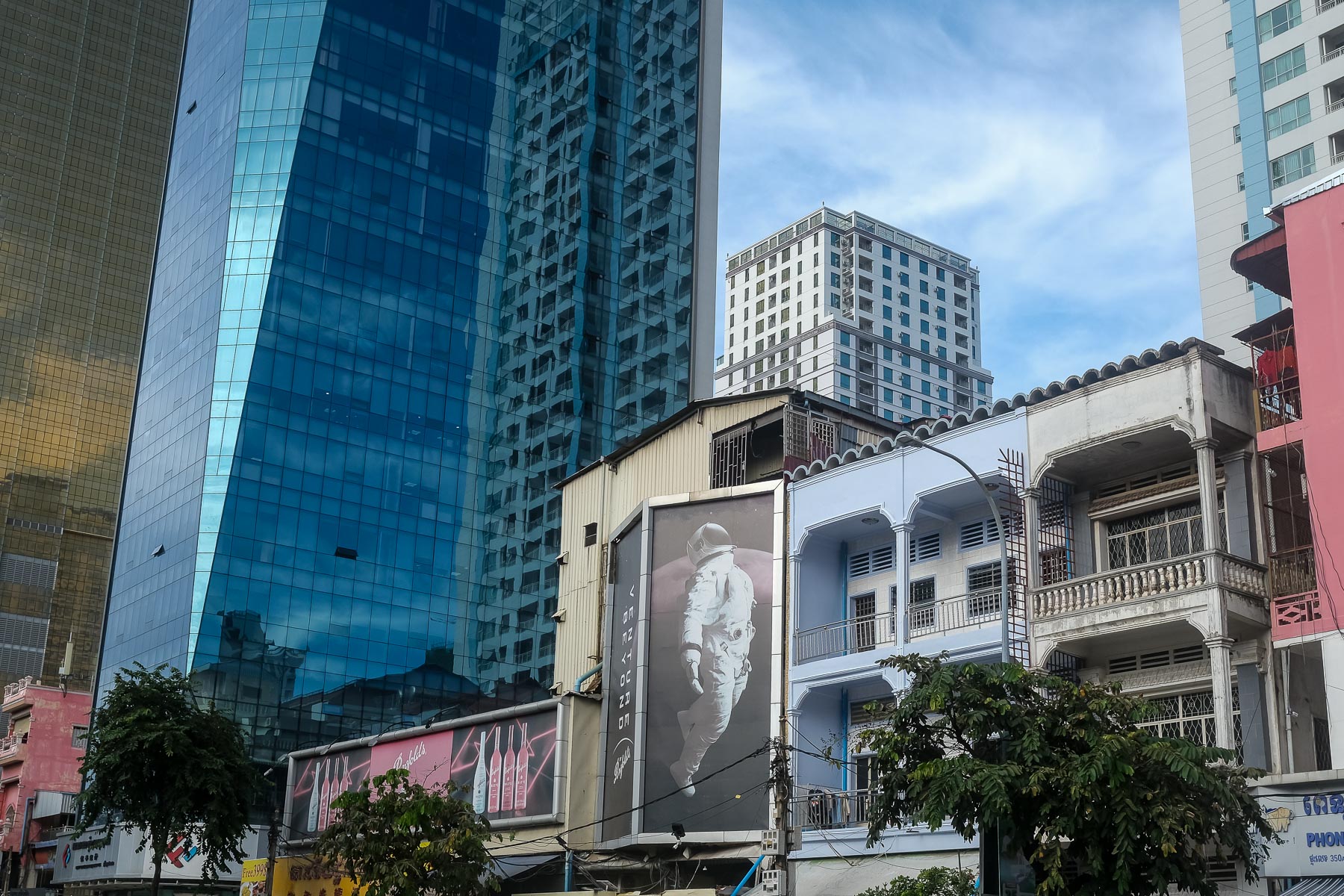
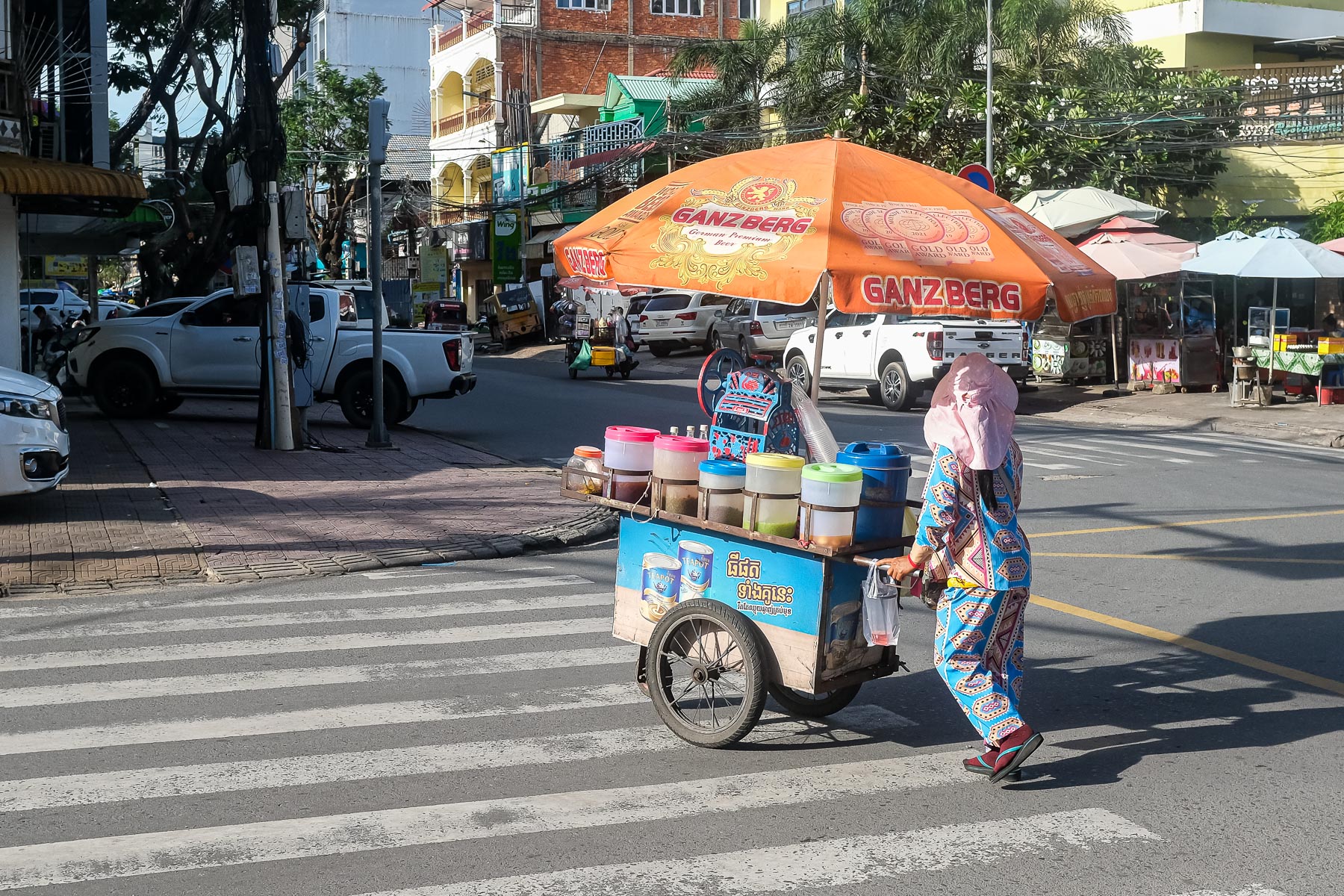
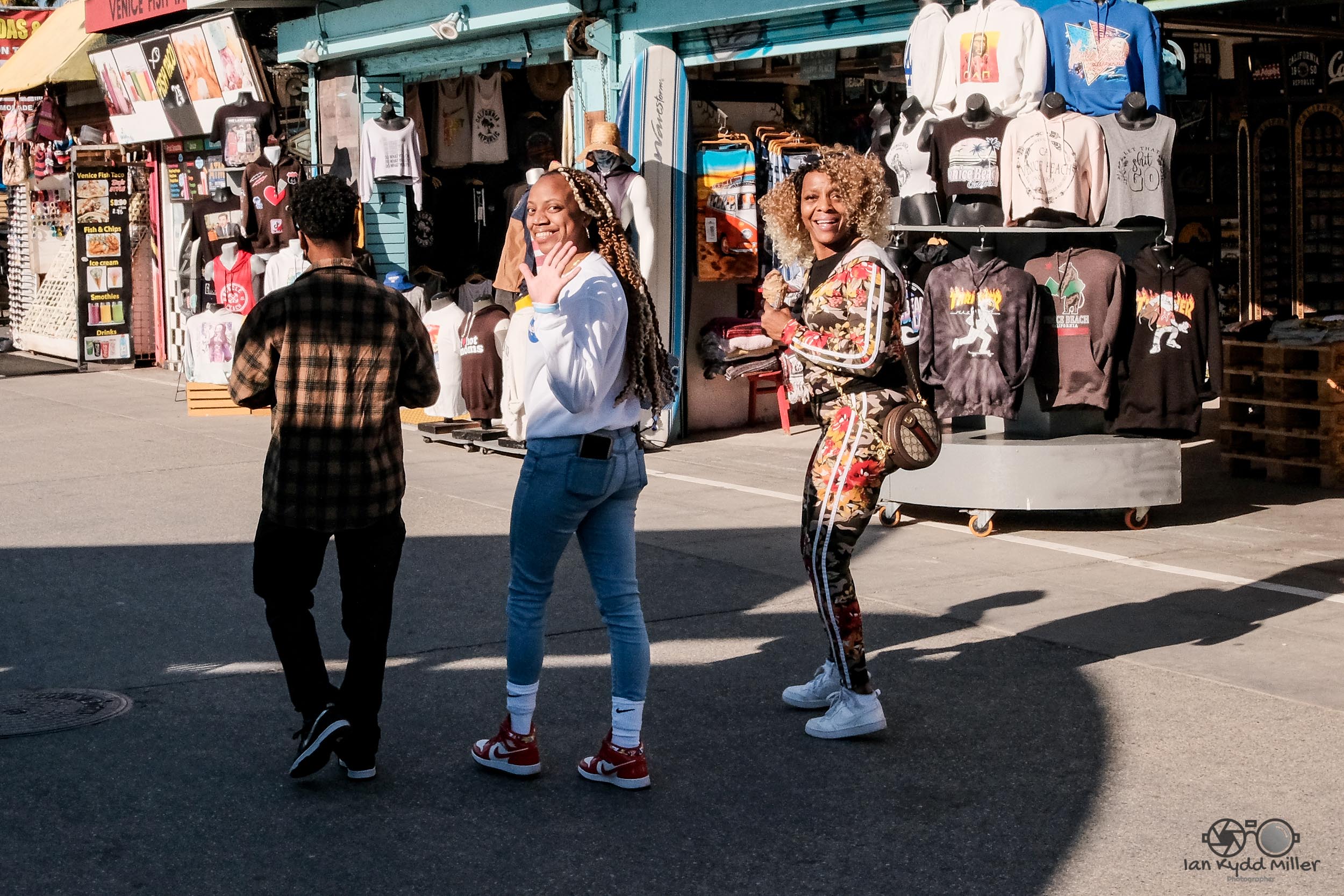
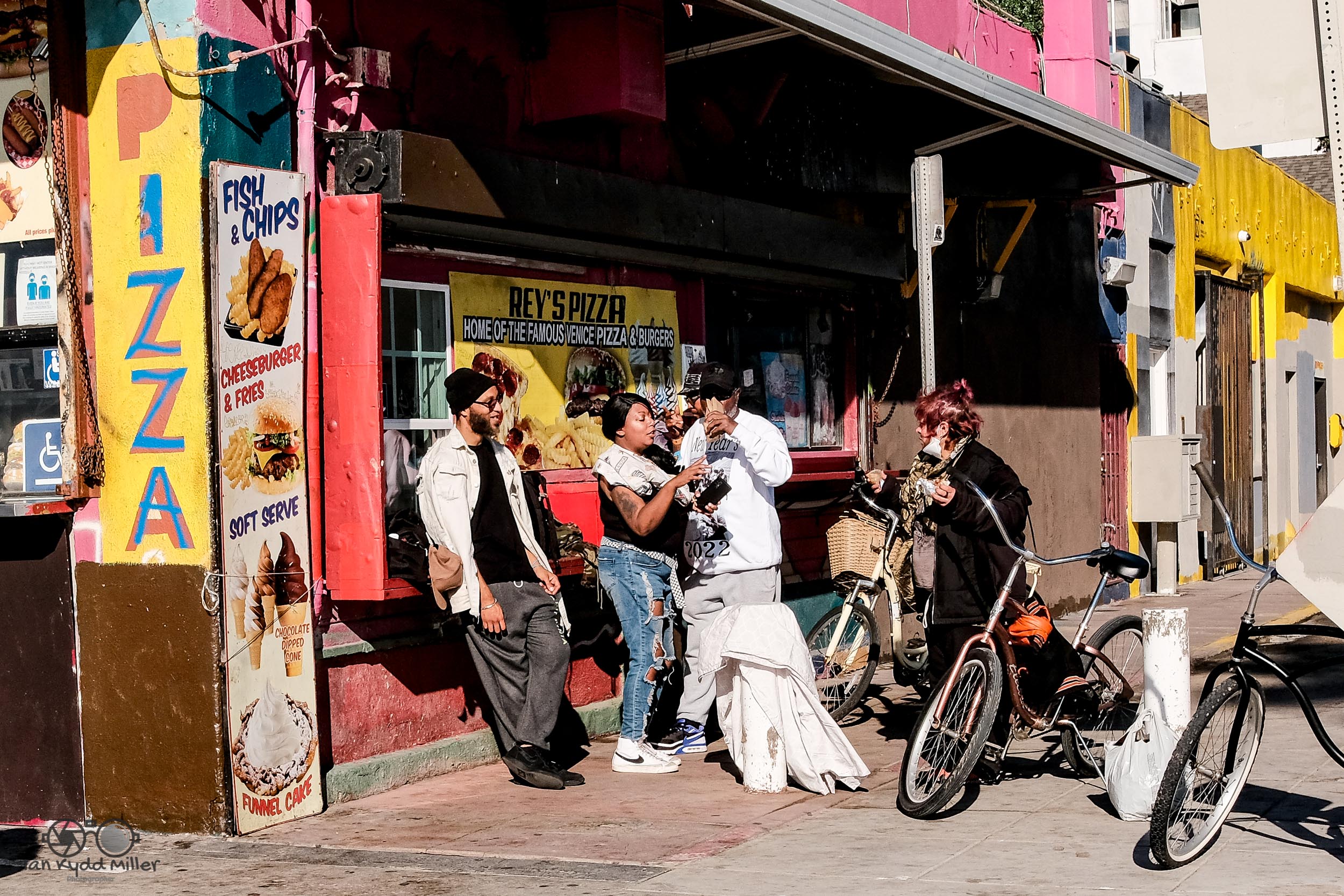
Street photography is an art that captures the candid moments of everyday life in urban landscapes. It’s about finding beauty in the mundane, telling stories without words, and preserving fleeting moments in time. The Nikon D800, with its full-frame sensor and high resolution, is a tool that can help bring the vision of street photographers to life.
The Nikon D800 boasts a 36.3-megapixel FX-format CMOS sensor, which is a significant advantage for street photography. This high resolution allows photographers to capture the finest details, from the texture of an old brick wall to the expressions on a passerby’s face. Moreover, the large sensor size provides excellent performance in low light conditions, which is essential for shooting in the varied lighting of urban environments.
One of the key tips for using the Nikon D800 in street photography is to utilize foreground elements to add depth and context to your images. By including something relevant in the foreground, you can draw the viewer’s eye into the shot and create a more engaging composition. For instance, a street sign or a parked bicycle can serve as an anchor point, leading the viewer to explore the rest of the image.
Another tip is to make use of leading lines. These are lines within your composition that guide the viewer’s gaze toward the main subject. The Nikon D800’s dynamic range and sharpness can help accentuate these lines, whether they are the edges of a sidewalk, the lines of a crosswalk, or the perspective of a long alley.
Experimenting with different perspectives can also yield unique and compelling images. Don’t hesitate to change your shooting angle; try capturing scenes from a higher vantage point or getting close to the ground. This can add a fresh dimension to your street photography and highlight the Nikon D800’s versatility.
In conclusion, the Nikon D800 is a powerful camera for street photography. Its high resolution, excellent low-light performance, and full-frame sensor make it an ideal choice for photographers looking to capture the essence of the streets. By following these tips and embracing the spontaneous nature of street photography, you can create stunning, storytelling images that resonate with viewers.
Photojournalism stands as a powerful medium that conveys the stark reality of events through imagery. It is a form of journalism that employs images to narrate a news story, providing a visual representation that often speaks louder than words. Typically associated with still images, photojournalism also encompasses video content in broadcast journalism, expanding its reach and impact.
The essence of photojournalism lies in its ability to capture moments that tell stories of humanity, nature, conflict, and celebration. Unlike other branches of photography such as documentary photography, social documentary photography, war photography, street photography, and celebrity photography, photojournalism is bound by a stringent ethical framework. This framework is pivotal in maintaining the integrity of the news story, ensuring that the images are a truthful and unbiased portrayal of events.
The ethical considerations in photojournalism are manifold. Photojournalists must navigate the delicate balance between capturing compelling images and respecting the dignity and privacy of their subjects. They must avoid manipulation or staging that would distort the truth. The decision of what to shoot, how to frame it, and what context is provided alongside the image can significantly influence public perception.
In the digital age, where images can be easily altered, the role of the photojournalist becomes even more critical. They serve as the gatekeepers of visual truth, adhering to professional standards that prevent misinformation. The immediacy with which photos can be shared worldwide amplifies the responsibility on photojournalists to verify the authenticity of their images and the narratives they support.
The impact of photojournalism cannot be understated. Iconic images have the power to become symbols of historical events, movements, or social issues. They can evoke emotions, drive change, and stir public discourse. The famous photograph of the Napalm girl during the Vietnam War or the image of the Syrian child refugee washed ashore are poignant examples of how photojournalism can touch hearts and influence policy.
Photojournalism also faces challenges in the modern world. The proliferation of smartphones and social media has democratized the capture and distribution of news images, blurring the lines between professional photojournalism and citizen journalism. This shift raises questions about the future of the field and the standards by which it is governed.
Despite these challenges, the core of photojournalism remains unchanged: to tell a story honestly and impartially through images. It is a noble pursuit that requires courage, skill, and an unwavering commitment to ethical principles. As long as there are stories to be told, photojournalism will continue to be an indispensable part of the journalistic landscape, illuminating the truth one frame at a time.
The Ethical Compass of Photojournalism
Photojournalism is a powerful form of journalism that captures and conveys news through imagery. It’s a field that requires not only a keen eye for a good shot but also a steadfast commitment to ethics and integrity. Here’s a guide to the dos and don’ts of photojournalism, drawing from industry best practices.
Do: Tell the Truth Through Your Lens The primary duty of a photojournalist is to present an accurate and fair representation of the events they are covering. This means capturing moments as they unfold, without staging or altering the scene. The authenticity of the images is paramount, as they serve as a visual record of history.
Do Not: Manipulate Images Post-processing is a part of digital photography, but there’s a fine line between enhancing an image and distorting the truth. Adding or removing elements from a picture is considered unethical and can damage the credibility of the photojournalist and their publication.
Do: Respect Your Subjects Photojournalists should always approach their subjects with respect and empathy. This means being mindful of their privacy and dignity, especially in sensitive situations. It’s important to consider the impact of published images on the lives of the people featured.
Do Not: Intrude on Private Moments While capturing the essence of an event often requires getting close to the action, photojournalists must avoid intrusive or disrespectful behaviour. It’s crucial to balance the public’s right to know with the subject’s right to privacy.
Do: Understand the Power of the Image A single photograph can influence perceptions and emotions. Photojournalists must be aware of the impact their work can have and strive to present a balanced view, especially when covering controversial or polarizing events.
Do Not: Exploit Your Subjects Taking advantage of someone’s vulnerability for the sake of a compelling image is not only unethical but also dehumanizing. Photojournalists must avoid exploiting their subjects’ emotions or situations for sensationalism.
Do: Know Your Rights and Limits Being aware of legal and ethical boundaries is essential for photojournalists. This includes understanding the laws regarding public and private spaces and the ethical limits of reporting.
Do Not: Compromise Your Integrity In pursuing the story, photojournalists should not engage in activities that could compromise their integrity or that of their profession. This includes accepting bribes or manipulating the narrative to fit a particular agenda.
In conclusion, photojournalism is not just about taking pictures; it’s about storytelling with a purpose. By adhering to these guidelines, photojournalists can ensure that their work contributes positively to the flow of information and the historical record, while maintaining the trust of the public and the dignity of their subjects. For a deeper dive into photojournalism and its practices, consider exploring comprehensive online guides and resources.
Photography is an art form that encompasses a vast array of genres, each with its own charm and challenges. From the raw emotion captured in street photography to the meticulous setup of still life, photographers have endless avenues to express their creativity. Let’s embark on a journey through some of the most captivating types of photography that continue to inspire both artists and audiences alike.
Street Photography: The Unscripted Narrative The streets are a stage where life unfolds in its most unguarded moments. Street photographers are the silent observers who capture these fleeting instances, weaving stories out of the mundane. It’s a genre that requires patience, a keen eye, and the ability to anticipate the next move in an ever-changing environment.
Landscape Photography: Painting with Light Landscape photographers are the poets of the photography world, translating the grandeur of nature into visual sonnets. With the sky as their canvas and light as their brush, they immortalize the beauty of the natural world, from the serene to the tumultuous.
Portrait Photography: The Essence of Character Portrait photography is an intimate dance between the photographer and the subject. It’s about capturing the essence of a person’s character, often in a single frame. A good portrait tells a story, conveys emotion, and reveals the soul behind the eyes.
Wildlife Photography: The Thrill of the Chase Wildlife photographers are the adventurers, often venturing into the unknown to bring back tales of the animal kingdom. It’s a genre that demands respect for nature, patience, and sometimes, the courage to face the untamed.
Macro Photography: The World Up Close Macro photography offers a glimpse into the miniature worlds that often go unnoticed. It’s about discovering the intricate details of a flower’s petal or the complex structure of an insect’s wing. This genre turns the ordinary into the extraordinary, showcasing the beauty in the minutiae.
Fusion copr 07
Each genre of photography has its own allure, and it’s difficult to choose a favorite. They all offer unique perspectives and opportunities to explore the world through the lens. Whether it’s the candidness of street photography, the majesty of landscapes, the intimacy of portraits, the excitement of wildlife, or the intricacy of macro shots, photography in all its forms is a celebration of sight, storytelling, and the human experience. What’s your favorite genre? Share your thoughts and let’s continue to appreciate the diverse world of photography together.
In the world of photography, there’s a common adage that rings true for many: “It’s the photographer, not the camera, that creates a picture.” This saying highlights the importance of the person behind the lens—their vision, creativity, and skill—in crafting an image that resonates with viewers.
A camera, no matter how advanced, is simply a tool. It’s the photographer who makes the decisions that ultimately shape the photograph: the composition, the timing, the lighting, and the moment to capture. These choices are informed by the photographer’s experience, artistic sensibility, and understanding of the subject.
The magic of photography lies in the ability to see the extraordinary in the ordinary, to find the right angle and the perfect light, and to tell a story without words. A great photographer can produce stunning images with the most basic equipment, while a novice may struggle to do so even with the most sophisticated camera.
This concept extends beyond photography and can be applied to many forms of art and creation. It’s a reminder that tools and technology can enhance our abilities, but they cannot replace the human touch, the unique perspective, and the creative spirit that bring art to life.
So, whether you’re a seasoned photographer or just starting out, remember that your vision is the most powerful tool you have. Keep honing your skills, developing your eye, and capturing the world as only you can see it. After all, it’s not about the camera—it’s about the photographer.
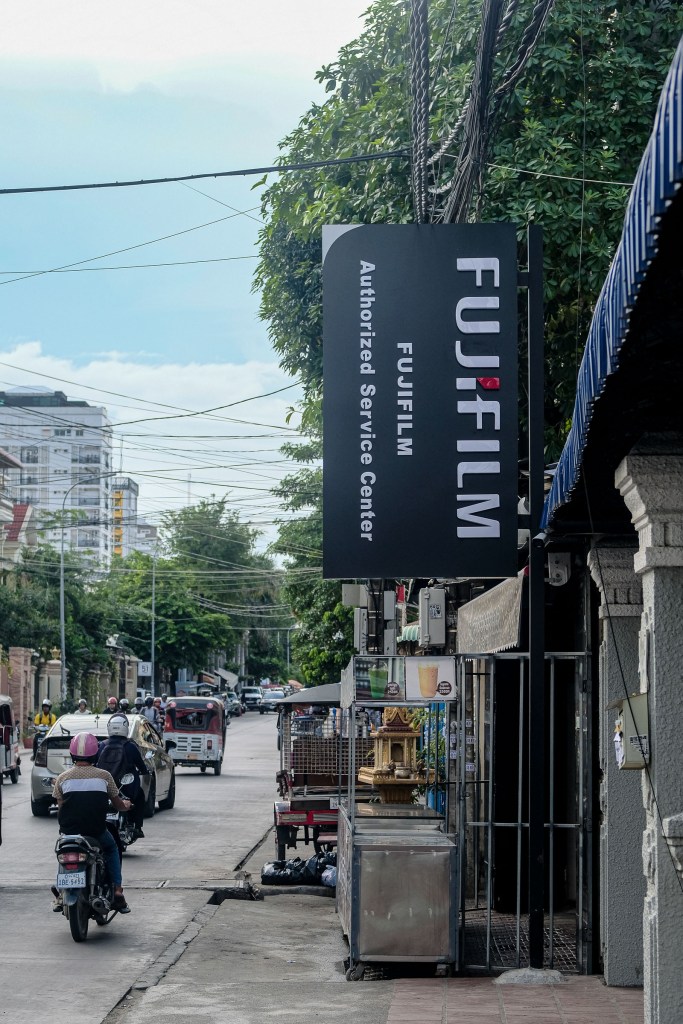
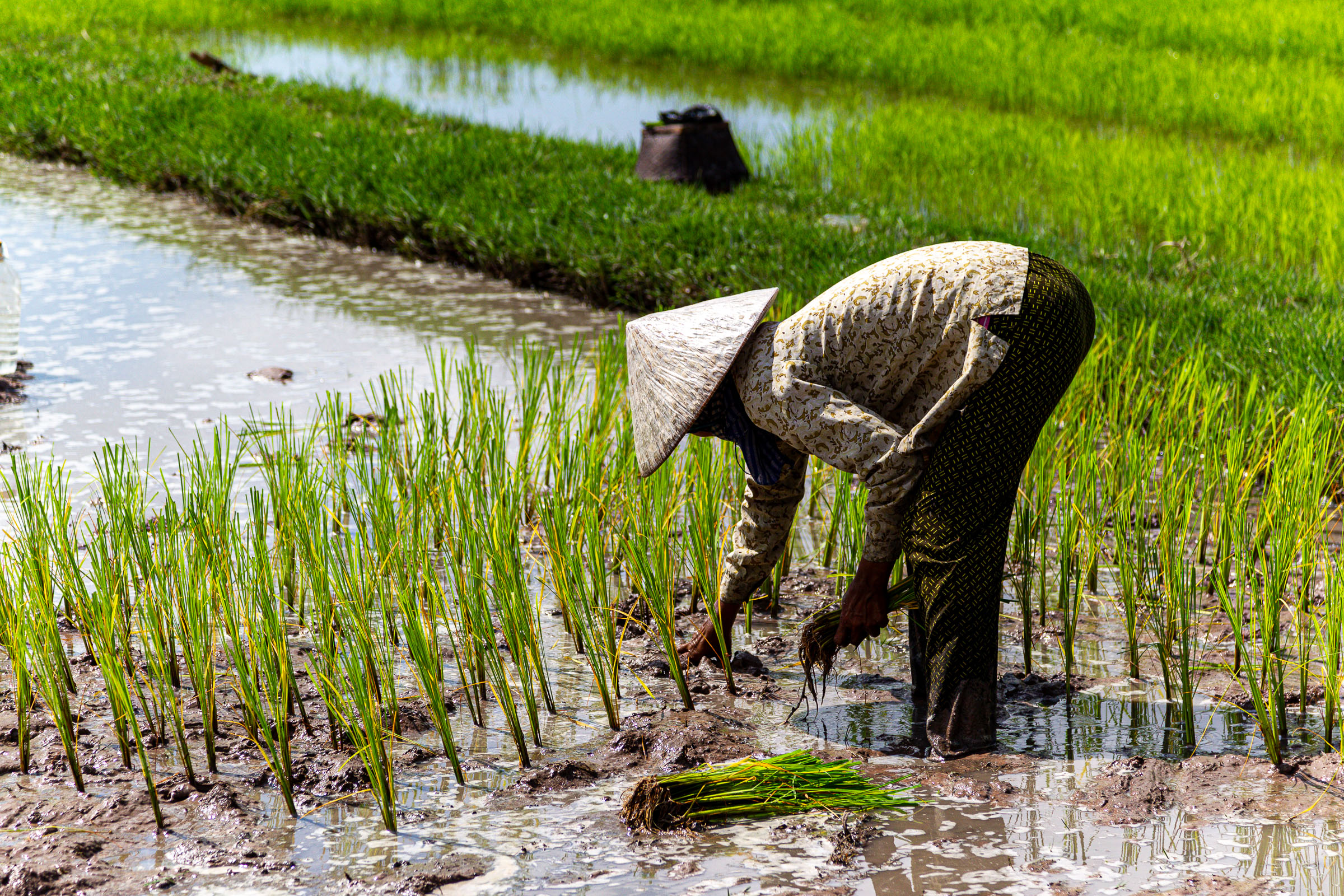
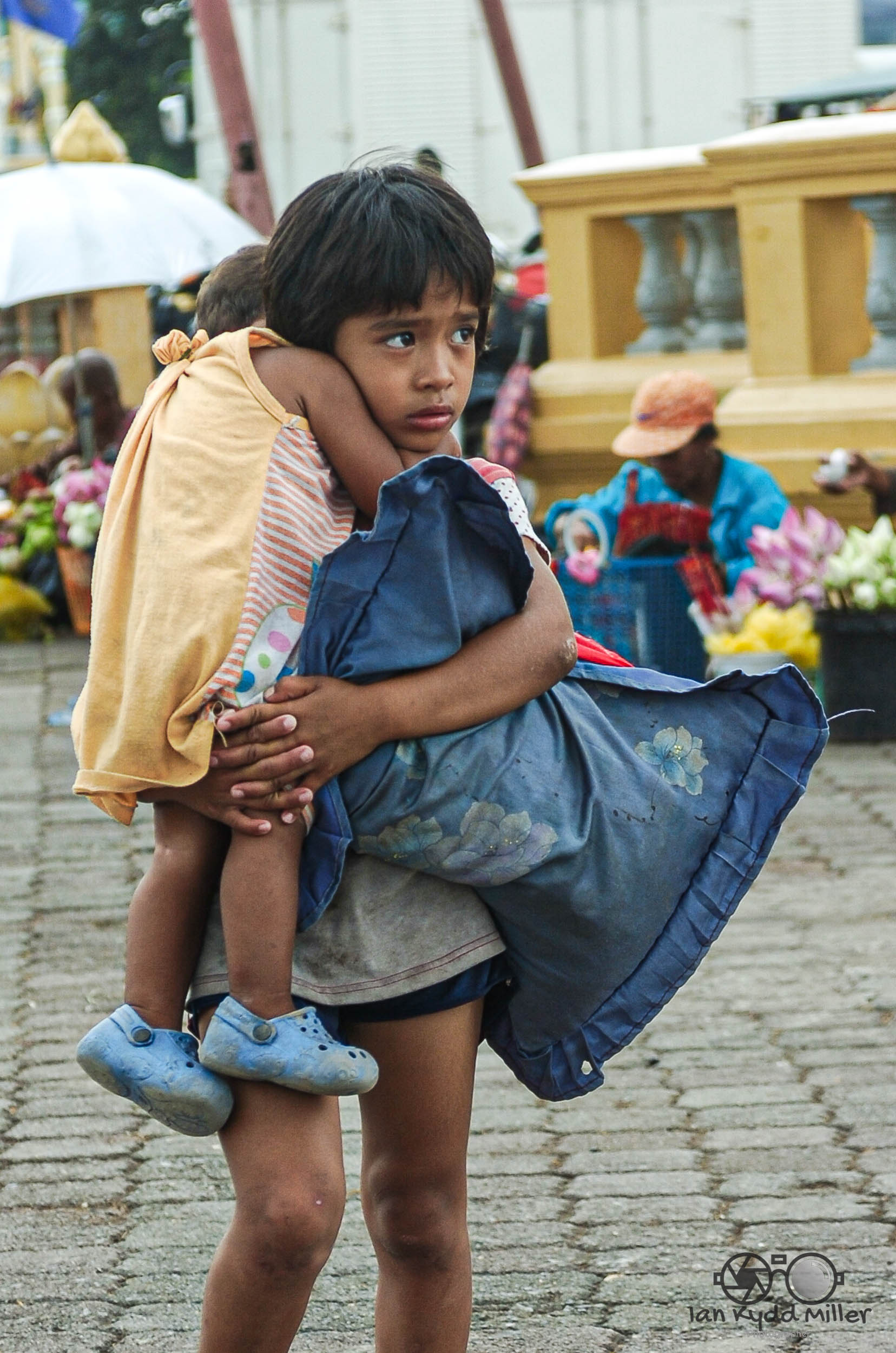
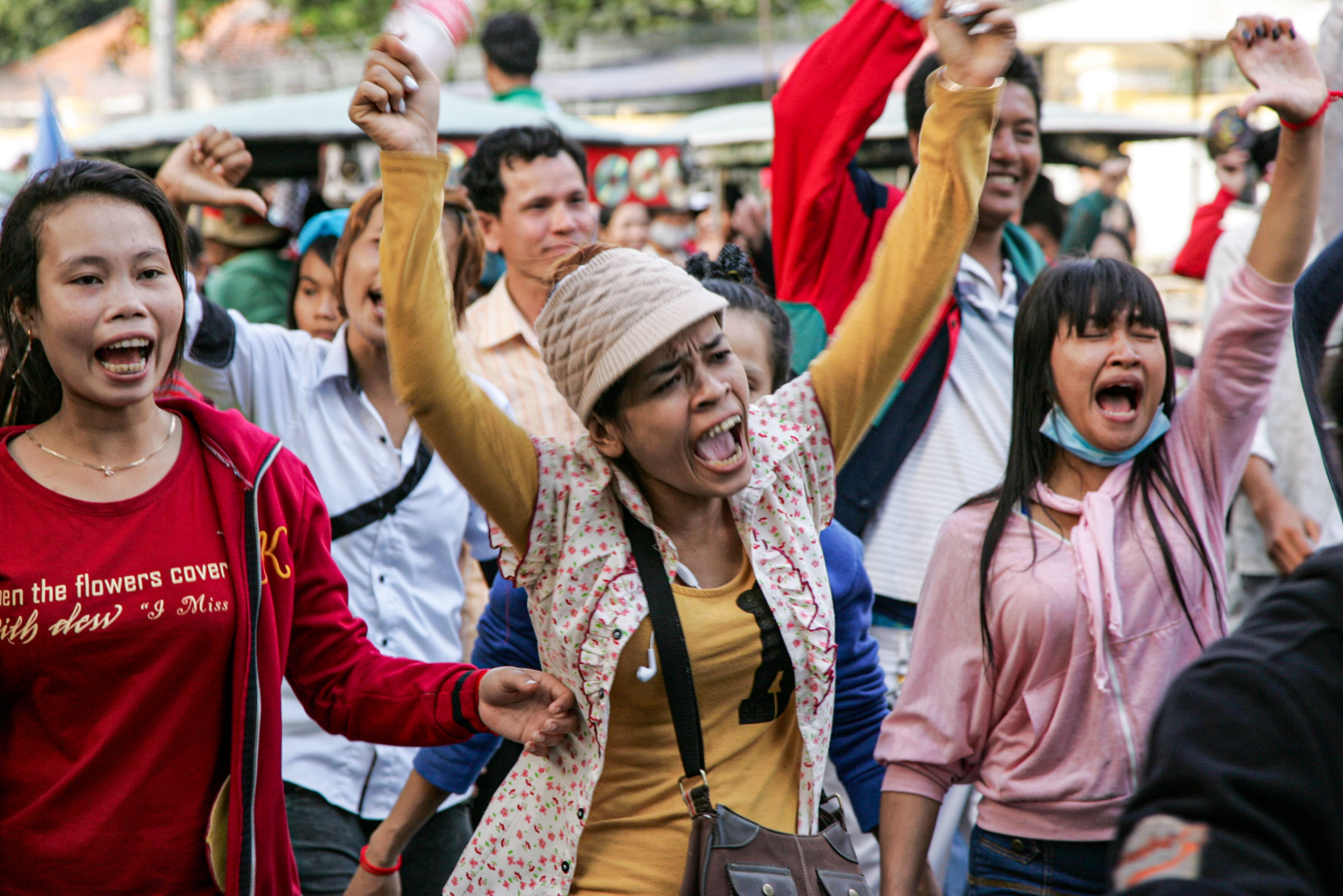
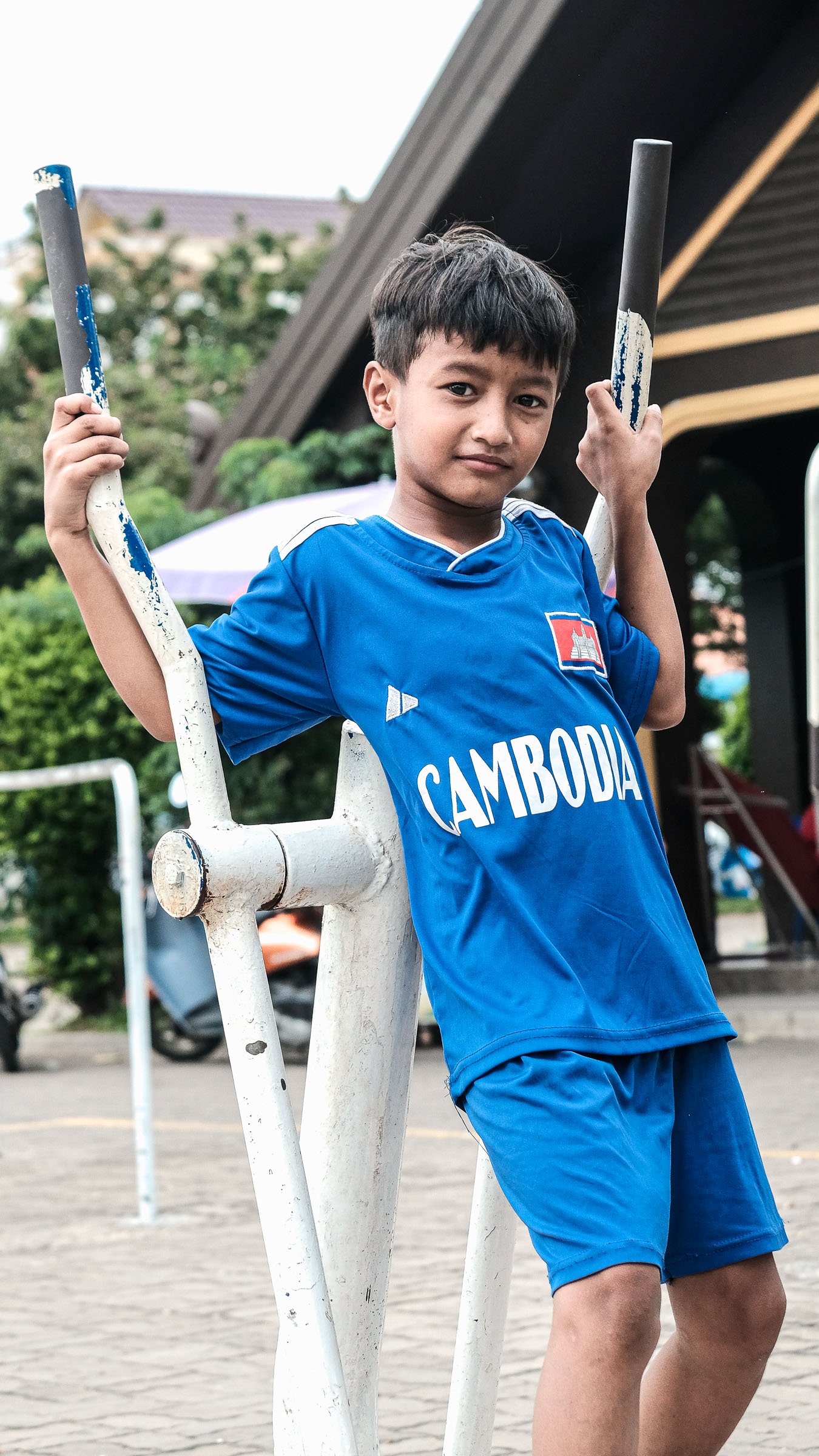
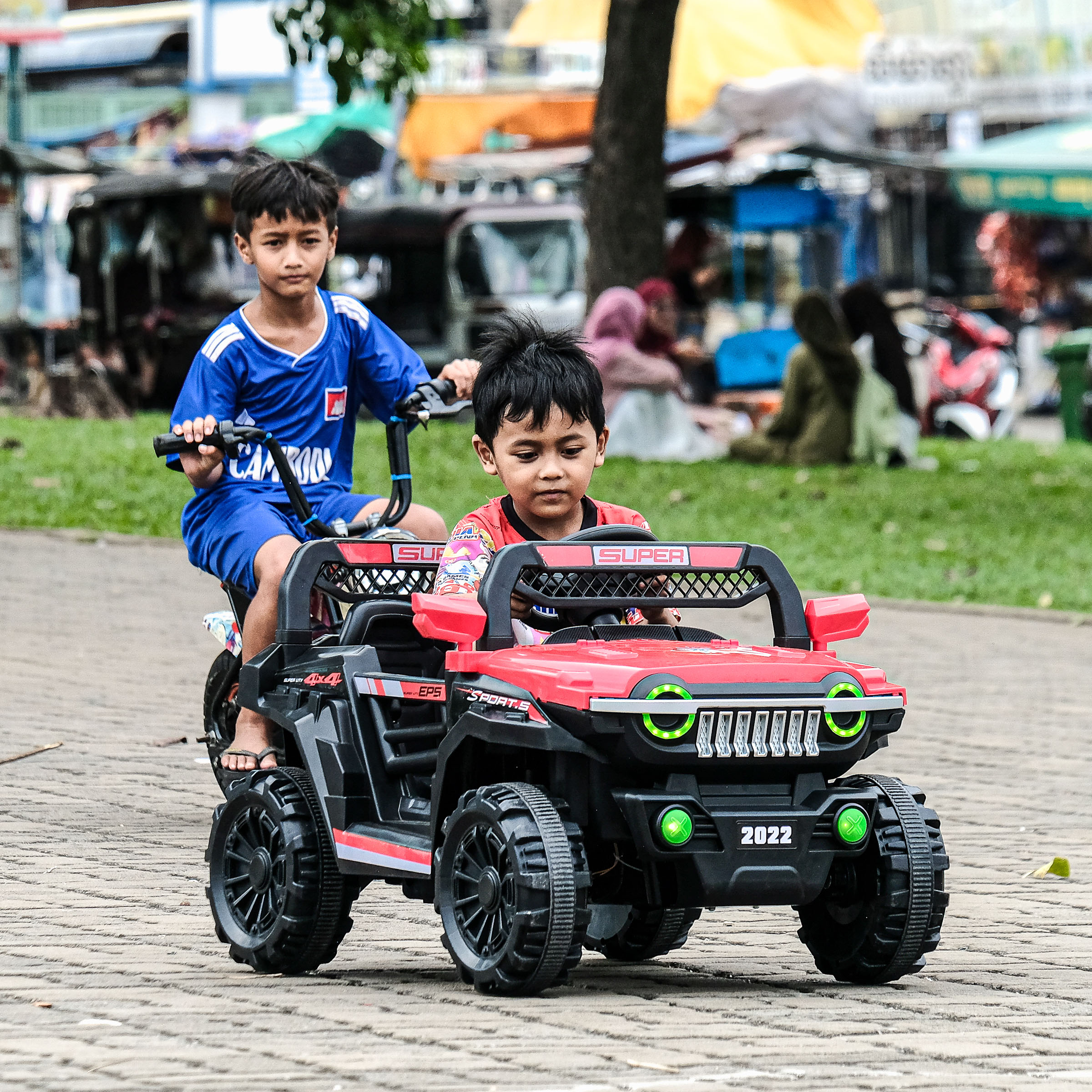
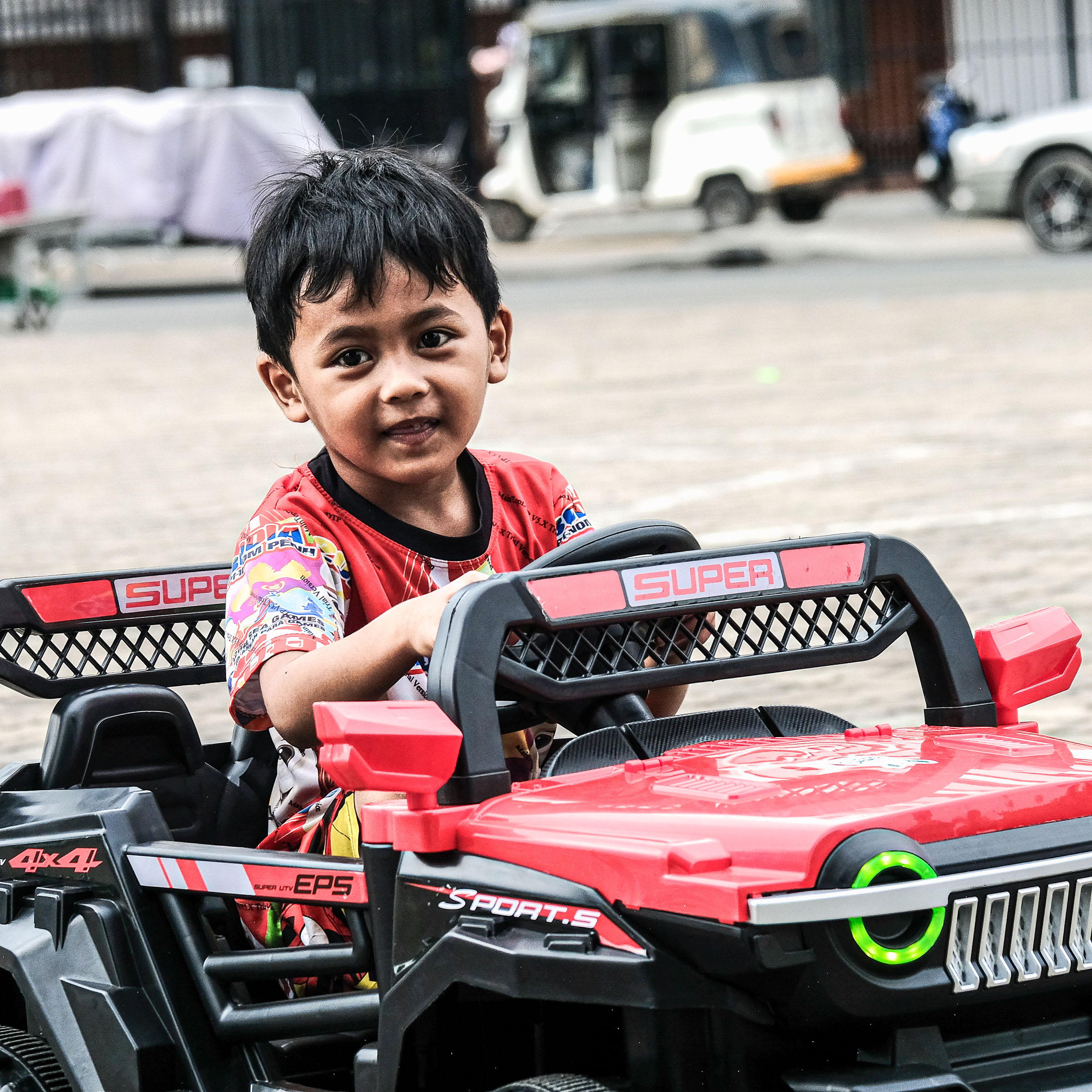
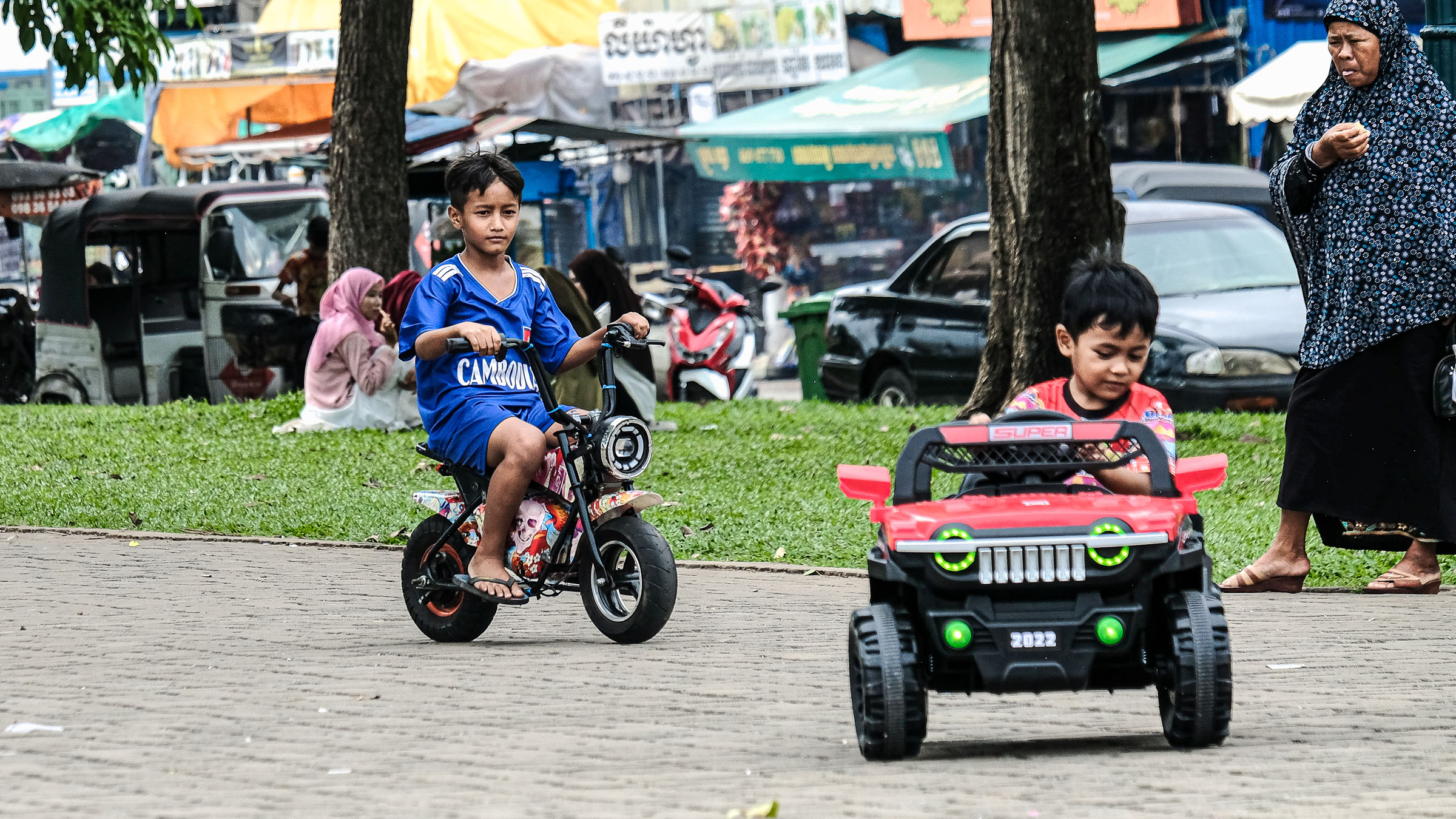
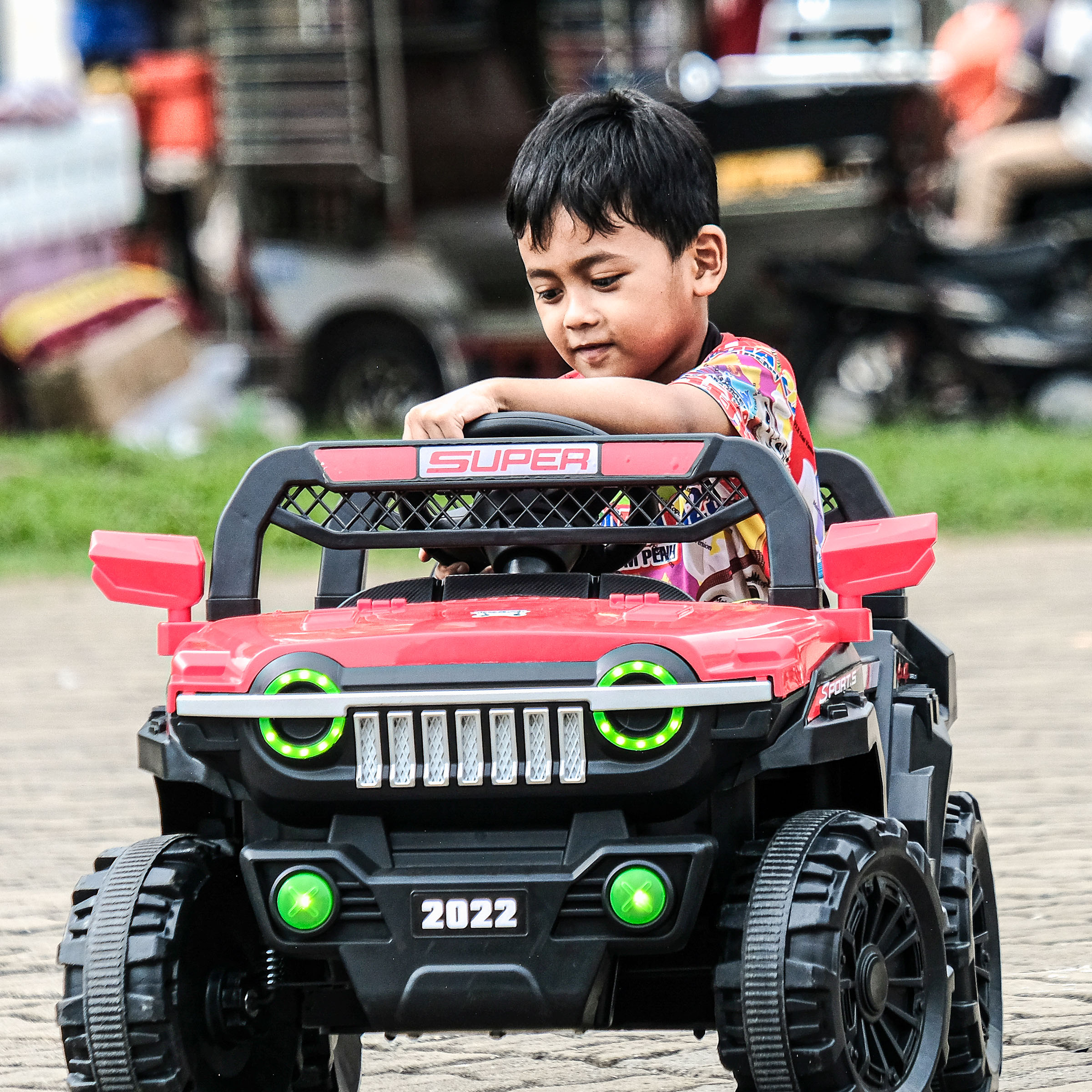
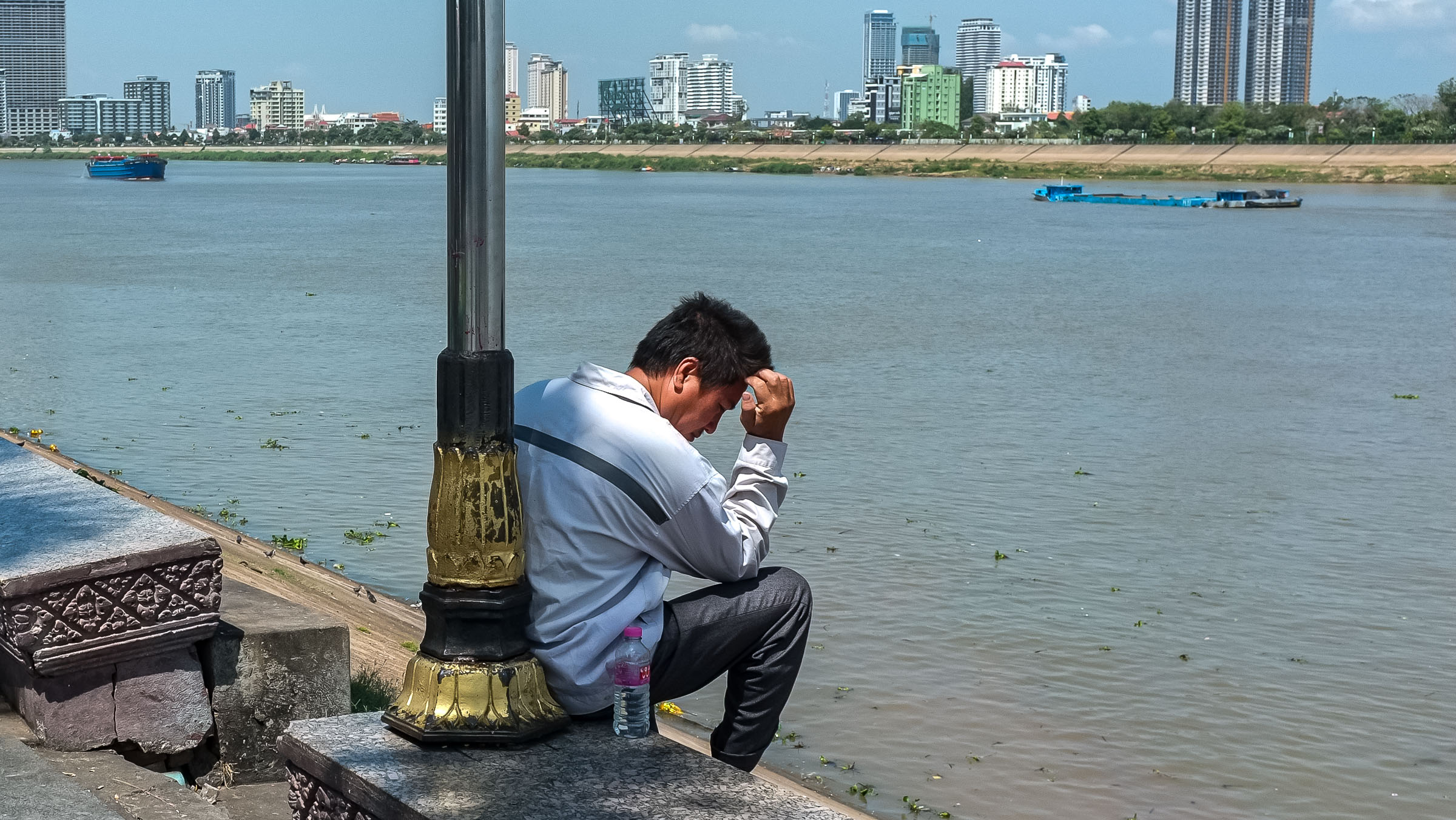
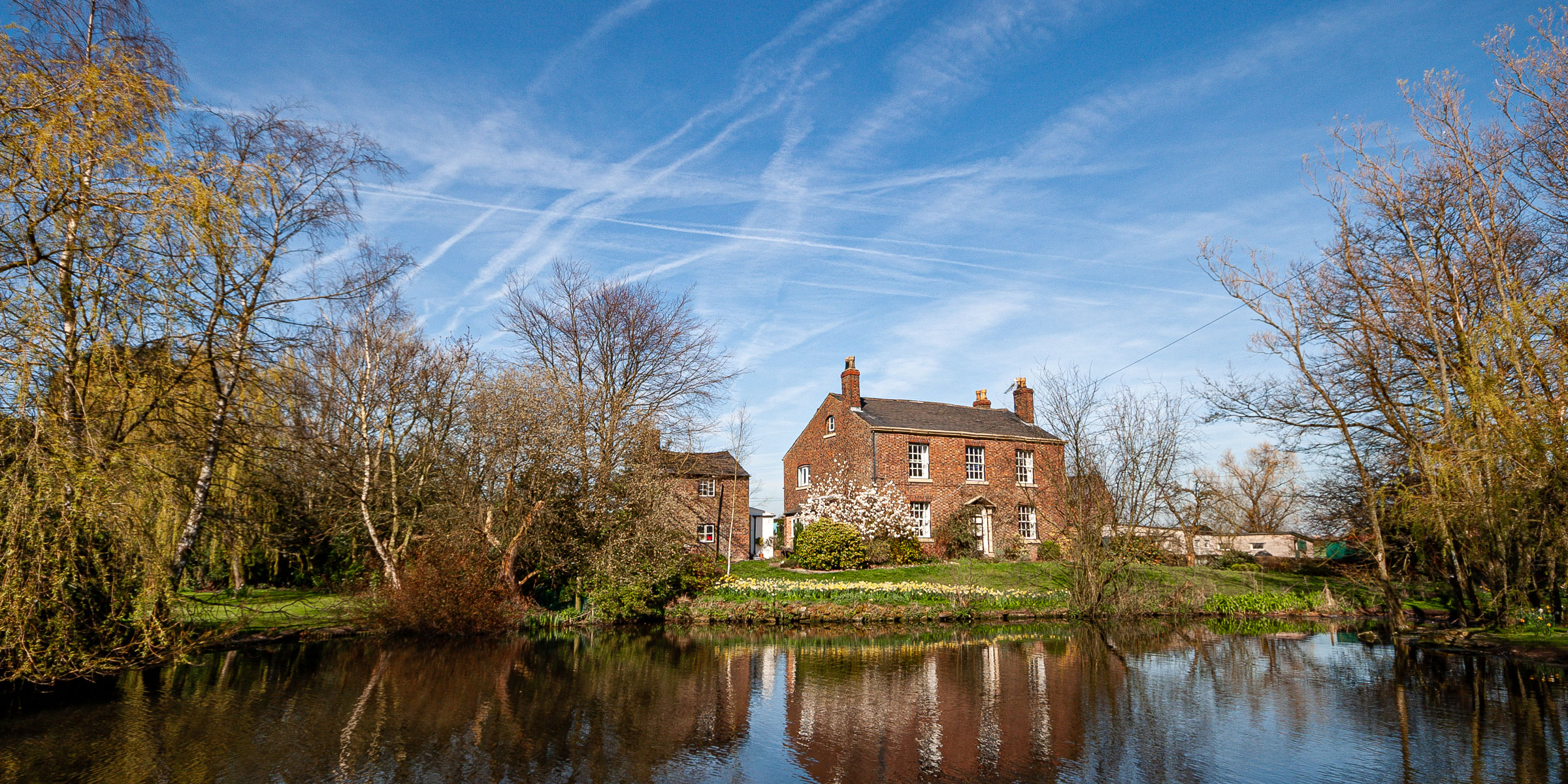
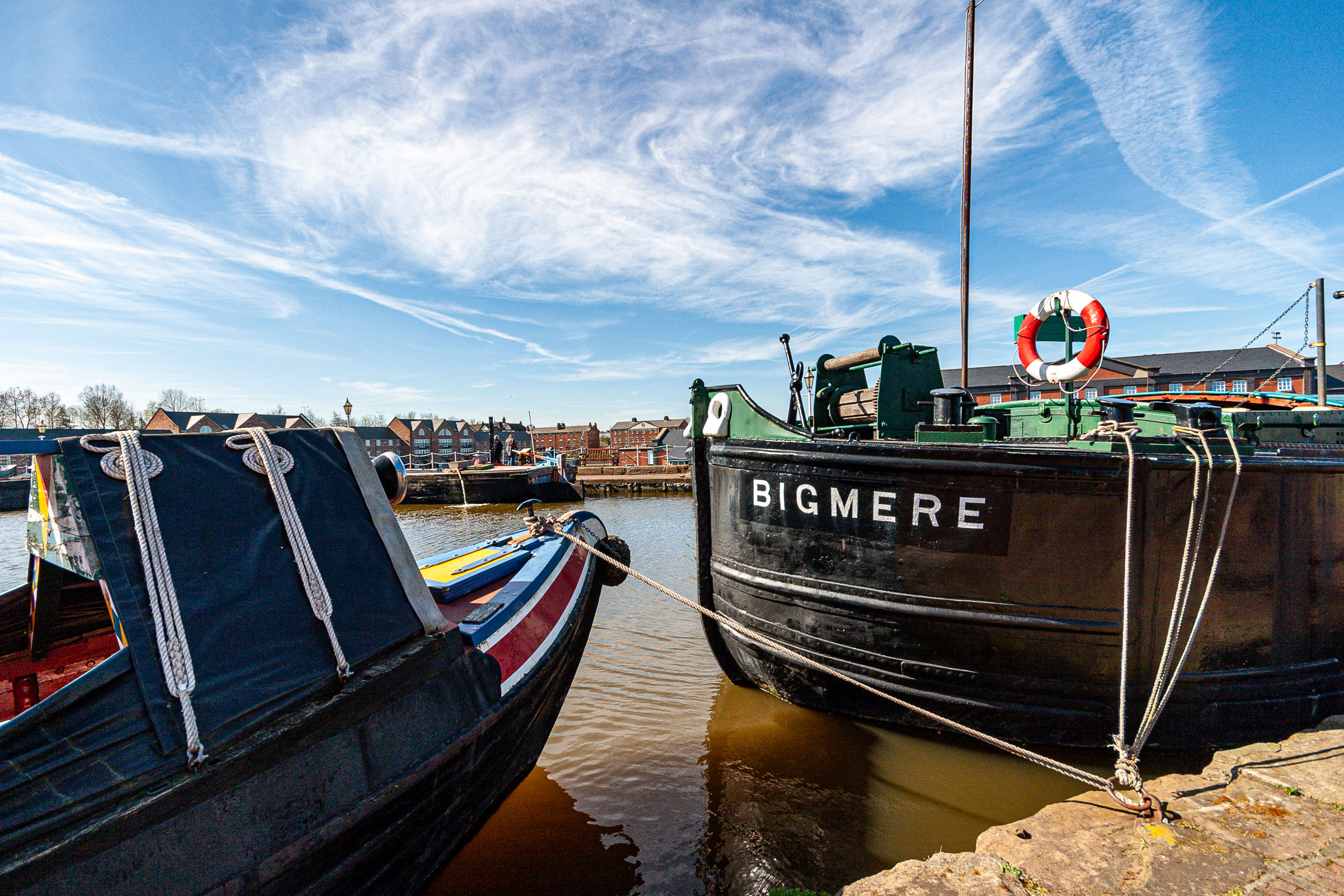
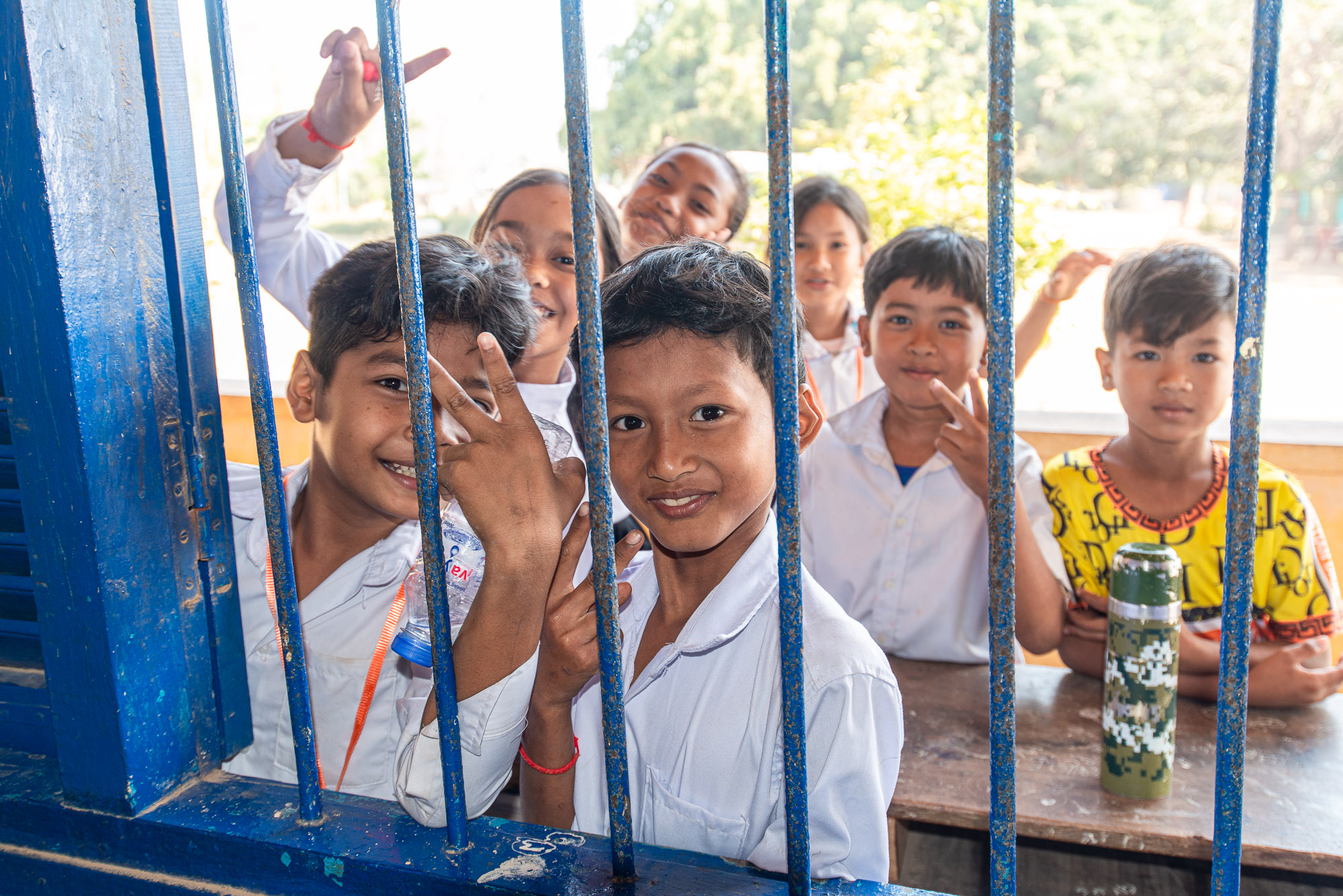
ALL THESE IMAGES TAKEN WITH DIFFERENT CAMERAS AND LENSES.
Travelling is an enriching experience that broadens our horizons and gives us a glimpse into new cultures, landscapes, and lifestyles. But what makes these experiences truly unforgettable? The ability to capture them through the lens of a camera.
Photography and travel go hand in hand. A camera is more than just a gadget; it’s a storyteller’s tool that freezes moments in time, allowing us to revisit and share our adventures long after they’ve passed. Whether it’s the vibrant streets of a bustling city, the serene beauty of a mountain range, or the candid smiles of new friends, each photograph tells a story.
For the avid traveler, a camera serves as a faithful companion. It’s there to document the awe-inspiring sunsets, the unexpected encounters with wildlife, and the intricate details of a well-crafted meal. These visual souvenirs become a mosaic of memories that paint a picture of our journey through life.
But travel photography isn’t just about pointing and shooting. It’s an art form that requires an eye for composition, an understanding of lighting, and a sense of timing. It’s about being present in the moment, yet ready to capture it. It’s about exploring the world with curiosity and wonder, and sharing that perspective with others.
For those who are new to travel photography, here are a few tips to get started:
Learn the basics of your camera: Understand how to adjust settings like ISO, aperture, and shutter speed to suit different environments.
Practice composition: Use the rule of thirds, lead lines, and framing to create more engaging photos.
Capture the essence of a place: Look for scenes that represent the culture and atmosphere of your destination.
Be patient: Sometimes, waiting for the right moment can make all the difference in your photography.
Respect your subjects: When photographing people, always ask for permission and be mindful of local customs and sensitivities.
In the end, travel photography is about more than just taking pictures. It’s about preserving the essence of our experiences and sharing the beauty of the world with others. So, the next time you pack your bags for an adventure, don’t forget to bring along your camera. It might just become your favorite travel buddy.
Happy snapping, and may your travels be full of picture-perfect moments!
Photography is an art form that captures the essence of a moment, telling stories and evoking emotions through a single frame. But what exactly makes a photograph stand out? Is it the technical prowess behind the lens, the perfect lighting, or the emotion it conveys? Let’s delve into the elements that can transform a simple snapshot into a masterpiece.
Composition: The arrangement of elements within the frame can make or break a photo. Good composition guides the viewer’s eye to the subject and creates a sense of balance and purpose. Techniques like the Rule of Thirds, leading lines, and framing can add depth and interest to your photographs.
Exposure: Mastering the exposure triangle—aperture, shutter speed, and ISO—is crucial. It’s not just about the right amount of light; it’s about using these settings creatively to enhance the mood of the image. Whether it’s the bright cheerfulness of an overexposed beach scene or the dramatic tension of a dark, underexposed alleyway, exposure plays a pivotal role in the narrative of your photo.
Focus: Sharpness where it matters draws attention to the subject, while a soft, blurred background can isolate it, making it pop. Playing with focus can also create artistic effects, like the dreamy quality of a shallow depth of field or the crystal-clear detail of a landscape with everything in focus.
Subject Interest: A photograph is as compelling as its subject. It could be the raw emotion on a person’s face, the untold story behind a weathered door, or the unexpected angle of a modern skyscraper. The subject is the heart of the photograph, and its interest level can captivate the viewer.
Purpose: Every great photograph has a purpose. It could be to document, to express, to question, or to celebrate. This intentionality is what gives a photograph meaning beyond its visual appeal.
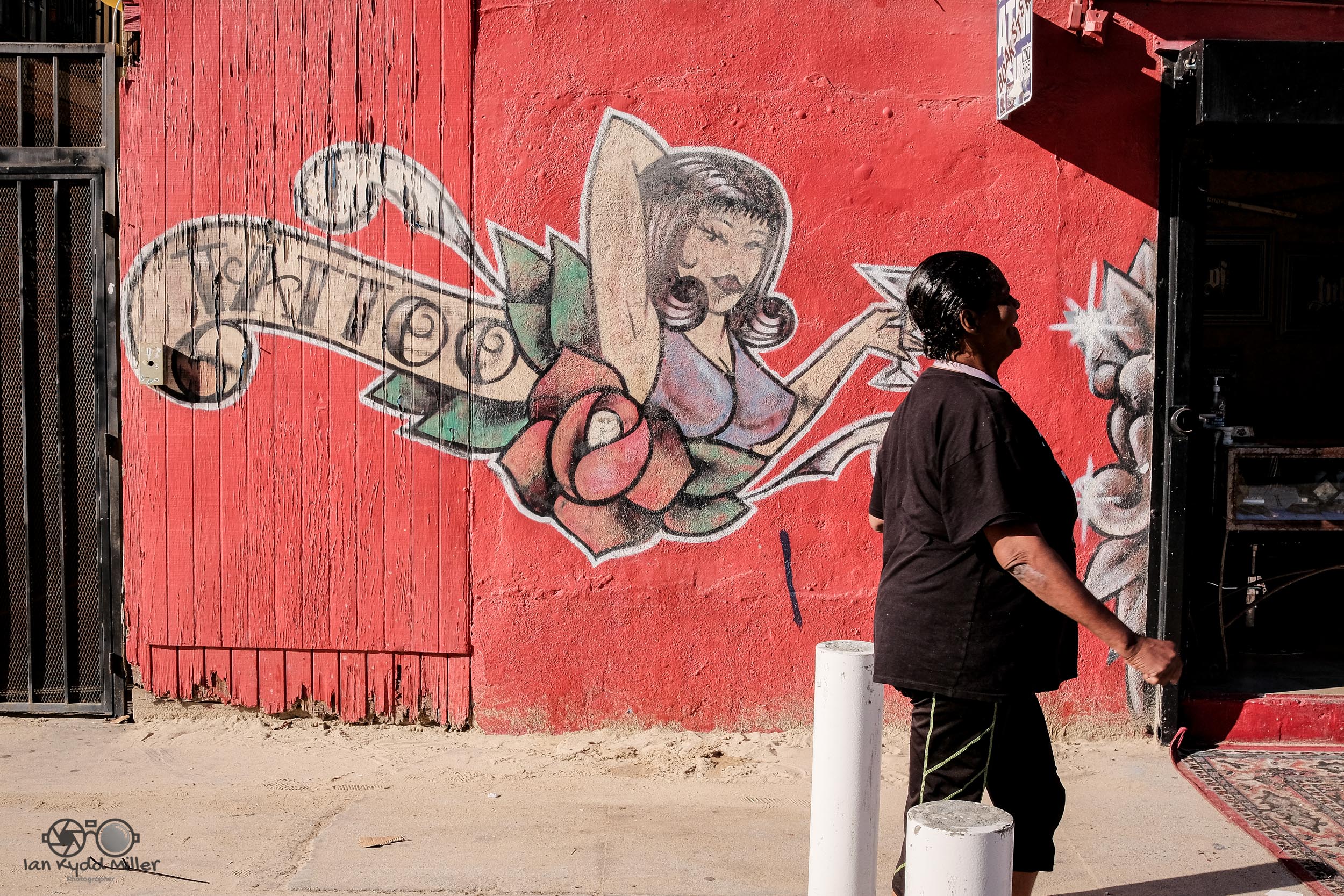
Lighting: Light is the photographer’s paintbrush. It shapes and defines the subject, creates atmosphere, and can dramatically alter the mood of the photo. The golden hour’s soft, warm light can imbue a scene with a serene glow, while the harsh midday sun can create bold contrasts and patterns.
Emotion: Perhaps the most intangible yet powerful aspect of a good photograph is the emotion it evokes. A photo that can make you feel—whether it’s joy, sadness, wonder, or nostalgia—has achieved something special. It’s the emotional connection that often turns a good photo into a great one.
Storytelling: A good photograph tells a story. It invites the viewer to look closer, to ask questions, and to imagine the moments before and after the shutter was pressed. Storytelling through photography is a powerful way to communicate and connect with others.
Technical Quality: While it’s true that an expensive camera doesn’t guarantee a good photo, technical quality can’t be ignored. Sharpness, color accuracy, and noise levels all contribute to the overall impression of the photograph.
Creativity: Last but not least, creativity is what sets a photograph apart. It’s the unique perspective, the unconventional approach, or the innovative technique that makes a photo memorable.
In conclusion, a good photograph is a blend of technical skill, artistic vision, and emotional impact. It’s about seeing the extraordinary in the ordinary and capturing it in a way that resonates with others. Whether you’re a seasoned professional or a budding enthusiast, the journey to creating good photographs is a continuous learning process, filled with experimentation and discovery.
Photography is not just about capturing a moment; it’s about telling a story, evoking emotions, and sharing a perspective. When you find a subject or a place that piques your interest, don’t settle for just one snapshot. Challenge yourself to explore it from various angles and in different lighting conditions. This approach can transform the mundane into the extraordinary and reveal the true essence of your subject.
Imagine you’re photographing an old, gnarled tree. From one angle, it’s just a tree, but from another, it becomes a symbol of resilience, its branches reaching towards the sky in defiance of the elements. As the sun moves across the horizon, the interplay of light and shadow dances across the bark, creating a dynamic tableau that changes from hour to hour.
Each new angle offers a fresh composition, a different story. Low angles can make your subject appear grand and imposing, while high angles might present it as delicate and intricate. Side lighting can emphasize texture and form, while backlighting can create a silhouette, highlighting shape and contour.
By exploring your subject in this way, you’re not just taking pictures; you’re engaging in a dialogue with your environment. You’re asking questions and discovering answers. You’re becoming a visual storyteller, and each photograph is a sentence in a larger narrative.
So, the next time you’re out with your camera, remember to move around. Crouch low, climb high, and circle your subject. Wait for the golden hour when the light is soft and warm, or the blue hour when shadows grow long and mystery abounds. Experiment with different lenses and settings. Play with focus and depth of field. Make the most of the weather, whether it’s the clear, crisp air of a sunny day or the moody atmosphere of an impending storm.
In photography, as in life, perspective is everything. It’s not just about what you see, but how you see it. So, explore, experiment, and express yourself through the lens. Your unique vision is waiting to be shared with the world. Happy shooting!
Ah, the age-old tale of youth and strength, slipping through our fingers like sand in an hourglass. One day you’re bench-pressing your personal best, and the next, you’re grunting just to lift the TV remote. So, what the heck happened?
Well, let’s embark on a whimsical journey through the land of ‘Used-to-Be’s’ and ‘Remember-Whens’. It’s a place where the metabolism is a mythical creature that used to gallop around freely, and now seems as elusive as a unicorn.
Firstly, let’s address the elephant in the room – or should we say, the slightly older elephant? Time happened, my friend. It’s the universal prankster that sneaks up on everyone, turning spry spring chickens into wise old owls. But fear not! This transformation comes with its perks. With age comes wisdom, or at least, that’s what we tell ourselves to feel better about forgetting where we put our glasses (which are, more often than not, on our heads).
Then there’s the lifestyle. Remember the days of ‘eat anything and stay slim’? They’ve been replaced by ‘eat a salad and gain two pounds’. It’s like our bodies have developed a bizarre sense of humor. And let’s not even start on the ‘I’ll just rest my eyes for a minute’ turning into a three-hour nap.
But here’s the kicker – it’s not all doom and gloom. Sure, we might not have the same strength we flaunted in our glory days, but we’ve got experience, cunning, and a treasure trove of embarrassing stories to tell at parties. We’ve traded in our six-pack abs for a well-stocked six-pack of our favorite brew, and that’s not necessarily a bad trade.
So, what happened to being young and strong? Life happened. And it’s still happening, just with a few more creaks and groans. But hey, every wrinkle is a tale, every gray hair a badge of honor, and every time we forget why we walked into a room, it’s a new adventure.
Embrace the change, laugh at the absurdity, and remember – you’re only as old as you feel, or as young as your most recent embarrassing public incident. Cheers to the years, and may they be filled with laughter and just enough strength to open that jar of pickles. Because let’s face it, pickles are worth it.