📷 When the Picture Is Good, Does Gear Matter?

cameras, film, Fujichrome, fujifilm, Lenses, opinons, thoughts, photography, pictures, street, Travel, viltrox

A Deeper Exploration of Vision, Tools, and the Weight of Story

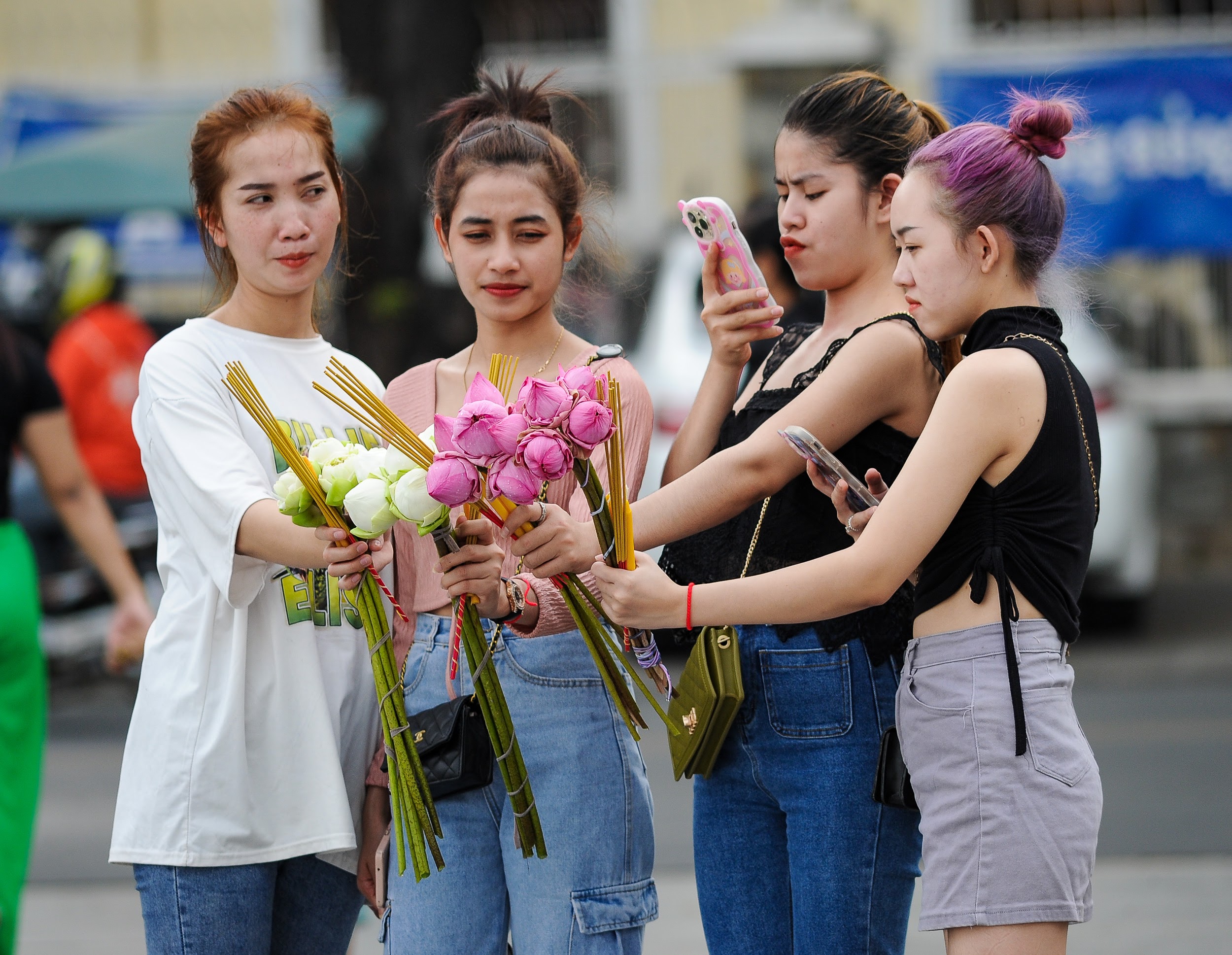
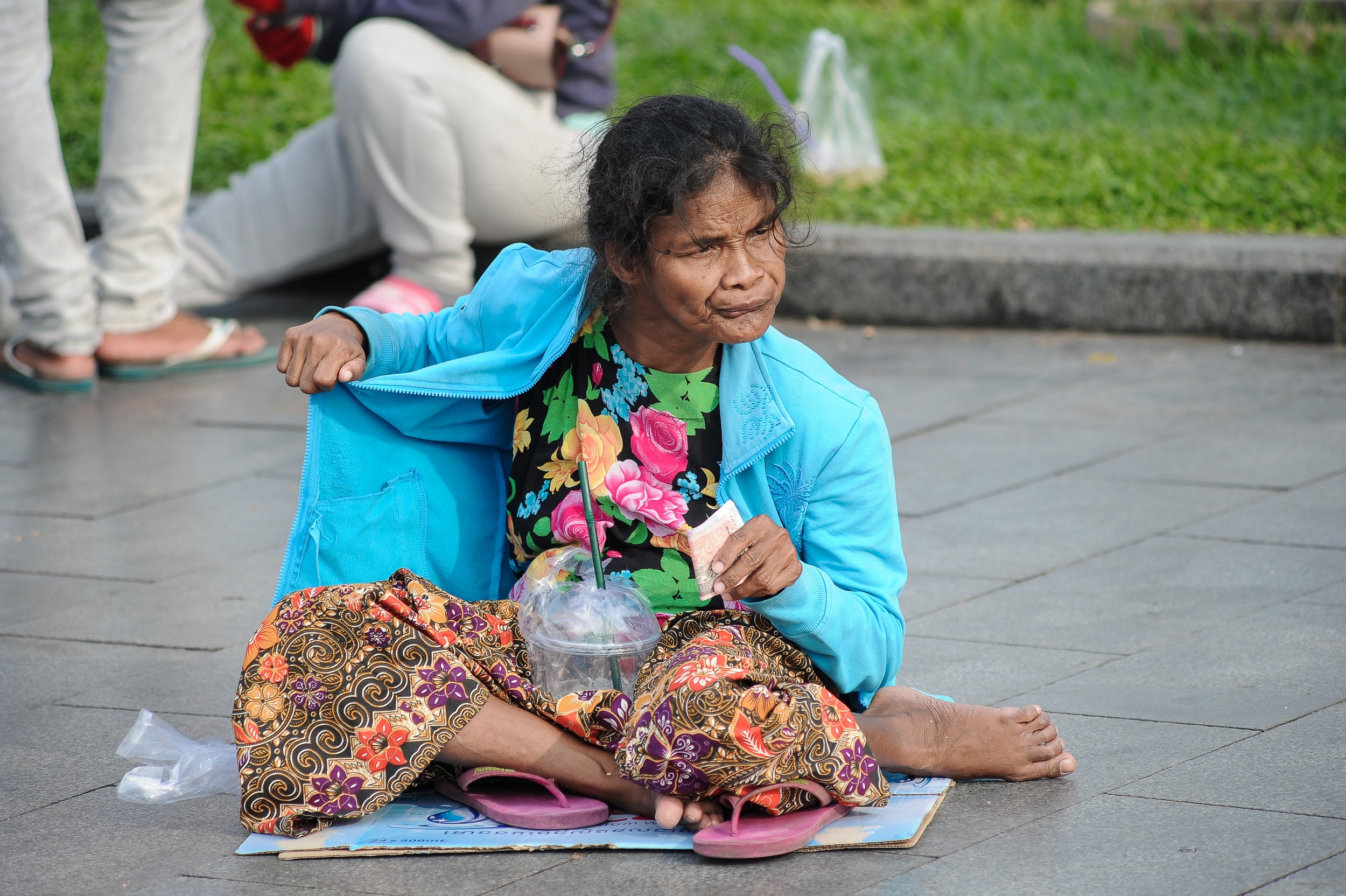
In essence: If a picture is truly good—if it resonates emotionally, tells a story, or lingers in memory—most viewers don’t care what camera or lens was used. But the conversation is richer than that: gear doesn’t determine meaning, yet it shapes possibility. The real artistry lies in how vision and tools meet.

The phrase “If the picture is good, nobody cares what camera it was taken with” has become a kind of mantra in photography circles. It’s both liberating and provocative. On one hand, it frees us from the consumerist treadmill of chasing specs. On the other, it risks oversimplifying the relationship between vision and tools. Let’s expand the discussion.

🧠 Why the Statement Rings True

  • Emotional impact trumps technical trivia. A photograph that moves people—whether it’s a war image, a street portrait, or a tender family moment—doesn’t invite questions about megapixels. It invites reflection.
  • History proves it. Iconic images were made with cameras that, by today’s standards, are technically limited. Yet Robert Capa’s blurred D-Day frames or Dorothea Lange’s Migrant Mother remain unforgettable.
  • Viewers don’t see metadata. In galleries, books, or newsprint, the story and composition dominate. The EXIF data is invisible.

⚙️ Where Gear Still Matters

  • Technical limits shape style. A slow lens forces you into bright light; a wide prime teaches you to step closer; a noisy sensor nudges you toward grainy aesthetics. Gear doesn’t dictate vision, but it channels it.
  • Reliability is invisible until it fails. A weather-sealed body or dependable autofocus can mean the difference between capturing a fleeting moment and missing it.
  • Certain genres demand certain tools. Sports, wildlife, and astrophotography often require specialised lenses and sensors. Without them, the image simply isn’t possible.

As Roger Clark notes in his analysis of gear’s role, “A skilled photographer can achieve great results with any camera, but not just any kind of photo”. The right tool expands what’s possible, even if it doesn’t define the artistry.

🪞 The Deeper Lesson

The real wisdom in the phrase is about prioritisation:

  • Vision first. What do you want to say? What story are you telling?
  • Process second. How do you approach light, timing, and presence?
  • Tools last. Which camera or lens best supports that vision and process?

Gear is the brush, not the painting. The stethoscope, not the diagnosis. The pen, not the poem. It matters, but it’s not the heart.

🖼 In Practice

For educators and documentarians, this principle is liberating:

  • It encourages people to trust their eyes rather than chase gear.
  • It models creative restraint—using one lens, one body, and learning its rhythm.

  • It re-frames gear as a partner in process, not a shortcut to artistry.

🧭 Final Thought

Yes, if a picture is good, nobody cares what lens or camera it was taken with. But the paradox is this: the right gear, chosen with intention, can help you get to that “good” picture more reliably. The danger lies in mistaking the tool for the vision.

In the end, the photographs that endure are remembered not for the equipment behind them, but for the humanity within them.

Fujifilm X-Pro2 and the Best Lenses for Street Photography

fujifilm, opinons, thoughts, photography, pictures, street, Travel, viltrox

Lens comparison table — key attributes

LensFocal eq.Why for streetStrengthTrade-off
Fujinon XF 23mm f/235mmVersatile, natural perspective for street scenesCompact; fast; unobtrusiveModerate bokeh
Fujinon XF 35mm f/253mmClassic “normal” for portraits & gesturesExcellent sharpness; weather-sealedRequires slight stepping back for context
Fujinon XF 16mm f/2.824mmEnvironmental street, wide contextVery small and stealthyDistortion at edges
Fujinon XF 18mm f/227mmWide but intimate, great for alleys & marketsLightweight; filmic renderingSofter corners wide open
Fujinon XF 50mm f/275mmTight portraits, compressed backgroundCreamy bokeh; isolationLess contextual information per frame

The X-Pro2 as a Street Camera

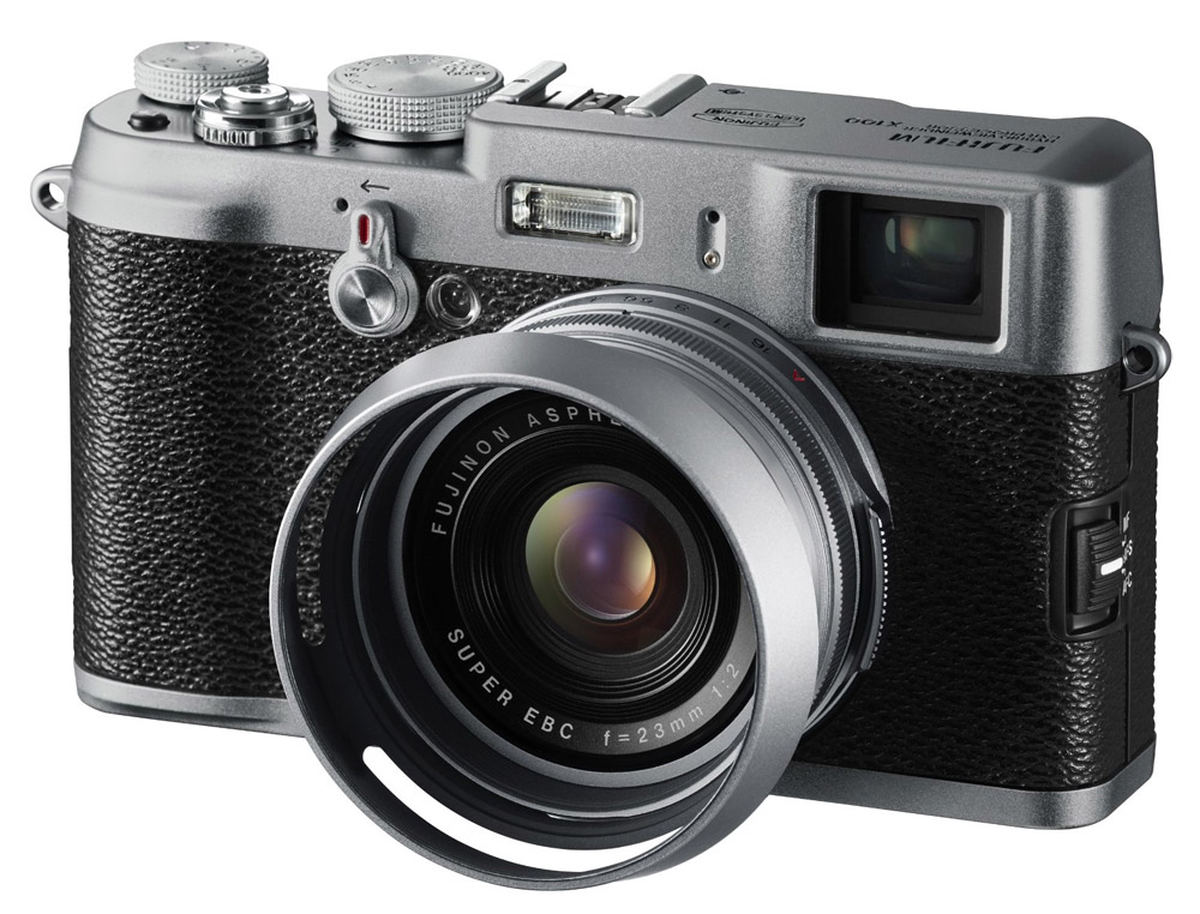
The Fujifilm X-Pro2 is a camera designed around presence and intentionality: a rangefinder-style body with a hybrid optical/electronic viewfinder that encourages anticipation and composition rather than reactive shooting. Its tactile dials and manual controls make settings an extension of the photographer’s intent, which suits street work where speed of thought and quiet operation matter.

The X-Pro2 solved many of the usability complaints of earlier rangefinder-style mirrorless models—autofocus performance is markedly improved, making it fast and accurate enough for candid street moments. That combination of responsive AF and an interface that rewards deliberate choices is why many street photographers still choose the X-Pro2 despite newer models being available.

Why lens choice matters on the X-Pro2

Prime lenses pair especially well with the X-Pro2’s design philosophy. The camera’s viewfinder and controls encourage a single-lens mindset—learning a focal length’s “mood” and the ways it frames relationships between subject and context. Choosing a prime narrows options in a productive way: you move with your feet, you compose deliberately, and you build a visual language around that perspective.

Practically, XF primes are small and light, preserving the X-Pro2’s discreet profile on the street. Many XF primes also offer fast apertures, letting you work in low light and control depth subtly for isolation when needed.

Best lenses in practice — how and when to use them

  • Fujinon XF 23mm f/2 (35mm eq): The everyday street lens. Use it when you want natural perspective that includes background context without distortion. It’s excellent for markets, cafe scenes, and quiet portraits where you want to show environment and gesture in one frame.
  • Fujinon XF 35mm f/2 (53mm eq): Reach for this when you want separation and intimacy. It’s a portraitist’s street lens—great for faces, gestures, and composing tighter narratives within a busy street scene. Its weather sealing and reliable AF make it workhorse-ready.
  • Fujinon XF 16mm f/2.8 (24mm eq): The wide storyteller. Use it for alleyways, architectural rhythm, and scenes where foreground-to-background relationships are essential. Be mindful of edge distortion when people are close to frame edges.
  • Fujinon XF 18mm f/2 (27mm eq): A sweet middle ground—wider than 23mm but closer than 16mm. It’s excellent for narrow streets and markets where you want to be close yet preserve intimacy; it renders with a film-like character that suits print and monochrome work.
  • Fujinon XF 50mm f/2 (75mm eq): Use it selectively for environmental portraits that need compression and background separation. It requires more distance but rewards with isolation and graceful bokeh.

Shooting tips with the X-Pro2 and primes

  • Commit to a focal length for a session. Let the lens shape your attention and force you to “see” differently. The X-Pro2’s finder rewards this practice by teaching you the aperture, distance, and timing for that lens.
  • Use the optical finder for anticipation and the EVF for confirmation. The hybrid finder lets you pre-visualize a scene optically and then confirm exposure or focus with electronic feedback when needed.
  • Embrace tactile control. Use the mechanical dials to keep your attention on framing and gesture, not menus. This supports presence—crucial for catching those decisive moments.
  • Balance AF modes. Single-point AF for composed portraits; zone AF or wide tracking when you expect movement. The X-Pro2’s autofocus improvements make both workable in street scenarios.
  • Print often. The X-Pro2’s filmic sensor rendering rewards print output; revisiting images on paper helps refine what lenses and framing best serve your visual voice.

Final thought

The Fujifilm X-Pro2 is more than an aging model—it’s a design philosophy incarnate. It places the photographer’s eye first, supports deliberate practice, and pairs beautifully with a small suite of prime lenses that each teach a different way of seeing. For street work—where presence, anticipation, and quiet clarity matter—the X-Pro2 remains an instrumental, expressive camera that still rewards deep practice and restraint.

🌌 Viltrox 13mm f/1.4 Review: Wide, Fast, and Surprisingly Refined

fujifilm, Lenses, opinons, thoughts, photography, viltrox

A Critical Look at Viltrox’s Ultra-Wide Prime for APS-C

In the world of ultra-wide primes, the Viltrox 13mm f/1.4 stands out—not just for its specs, but for what it represents: a third-party lens that competes confidently with first-party glass. Designed for APS-C mirrorless systems (Fujifilm X, Sony E, Nikon Z), it offers a 20mm full-frame equivalent field of view with a bright f/1.4 aperture. That’s a rare combination, especially at this price point.

But does it live up to the hype?

🔍 Optical Performance

Sharpness is excellent in the centre, even wide open, with only minor softness at the edges that improves by f/2.8. This makes it a strong performer for:

  • Astrophotography: minimal coma and good corner control
  • Architecture and interiors: straight lines stay straight, thanks to well-controlled distortion
  • Street and environmental portraiture: surprisingly usable for creative compositions

Chromatic aberration is minimal, and flare resistance is decent, though not flawless when shooting into strong light sources.

⚙️ Build and Handling

The lens feels premium:

  • All-metal construction with weather sealing
  • Smooth manual focus ring and a clicked aperture ring—a welcome tactile feature for photographers who prefer physical feedback
  • Compact and lightweight for an f/1.4 ultra-wide—ideal for travel and vlogging setups

Autofocus is fast and quiet, with support for eye detection AF and EXIF data transmission. Firmware updates are possible via a USB-C port on the lens mount, a thoughtful touch for long-term usability.

🎯 Real-World Use

This lens shines in:

  • Low-light urban scenes: f/1.4 lets you shoot handheld at night
  • Vlogging and video: wide field of view with minimal focus breathing
  • Creative portraiture: unconventional but effective for environmental storytelling

However, it’s not without trade-offs:

  • No image stabilisation—rely on in-body IS or careful technique
  • Some edge softness wide open, especially on high-resolution sensors
  • No weather sealing on the front element, so use a filter in harsh conditions

🧭 Final Verdict

The Viltrox 13mm f/1.4 is a bold, well-executed lens that punches above its weight. It’s not perfect—but it doesn’t need to be. For photographers and filmmakers who value wide perspectives, fast glass, and creative flexibility, it’s a compelling choice.

Best for: astrophotographers, vloggers, street shooters, and anyone who wants to explore the world at 20mm equivalent. Not ideal for: those needing edge-to-edge perfection or built-in stabilisation

The Timeless Charm of Vintage Lenses: A Photographic Journey

cambodia, cameras, Lenses, Lowepro, opinons, thoughts, pictures, street, Travel, viltrox
Vintage Zoon Lens

Creating an Efficient Dual Monitor Workspace with Dell UltraSharp Monitors

cambodia, fujifilm, homelessness, Lenses, Lowepro, opinons, thoughts, photography, pictures, street, Travel, viltrox

The Art of Photography: Beyond Megapixels and Cameras

cambodia, cameras, fujifilm, homelessness, Lenses, Lowepro, opinons, thoughts, pictures, street, Travel, viltrox

The Great DSLR vs. Mirrorless Debate: A Humorous Take on a Photographer’s Dilemma

film, Fujichrome, fujifilm, Lowepro, opinons, thoughts, photography, pictures, processing, street, Travel, viltrox
Nikon D3S
Fuji XT3

The Art of Street Photography: Embracing Personal Vision

cambodia, cameras, fujifilm, homelessness, Lenses, Lowepro, opinons, thoughts, photography, pictures, street, Travel, viltrox

The Art of Capturing the World: Tips for Exceptional Travel Photography

angkor, cambodia, cameras, fujifilm, Lenses, Lowepro, opinons, thoughts, photography, pictures, printing, processing, street, Travel, viltrox

Gear Acquisition Syndrome: The Photographer’s Dilemma

cambodia, cameras, Epson, fujifilm, Lowepro, opinons, thoughts, pictures, printing, processing, street, Travel, viltrox