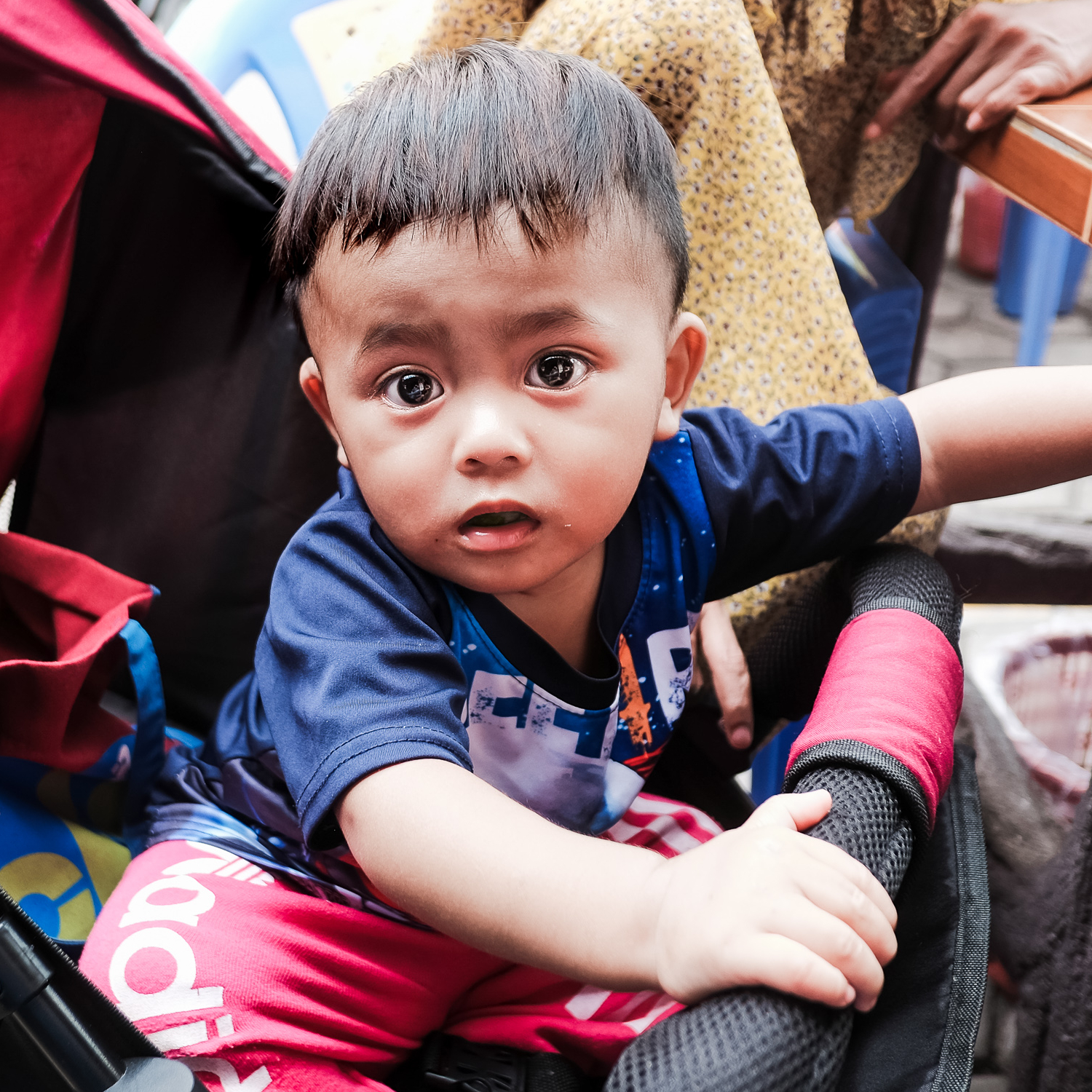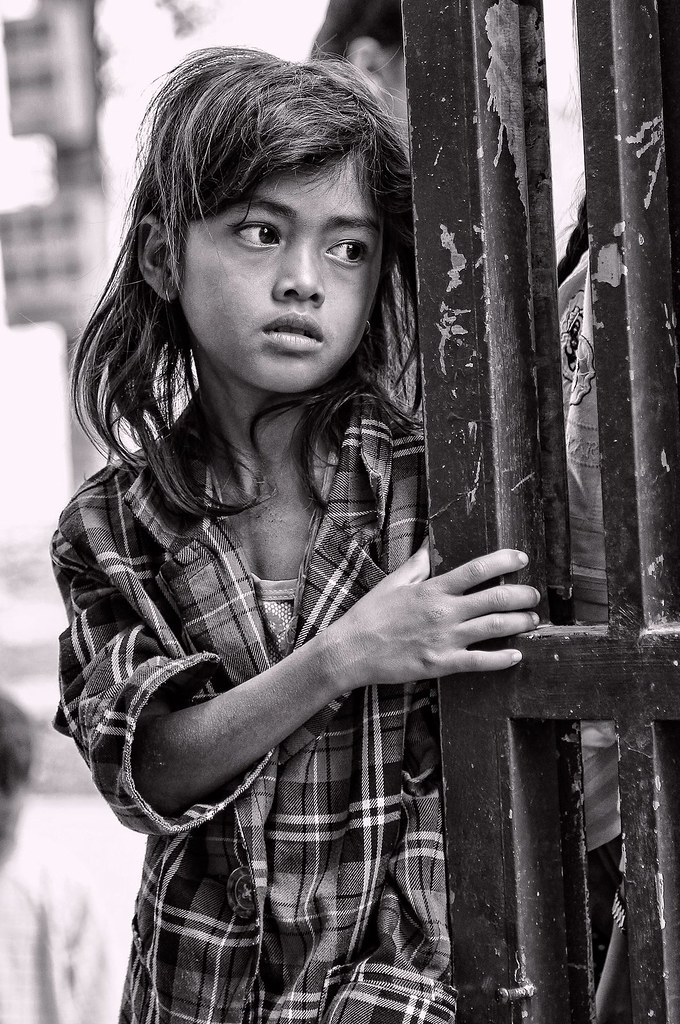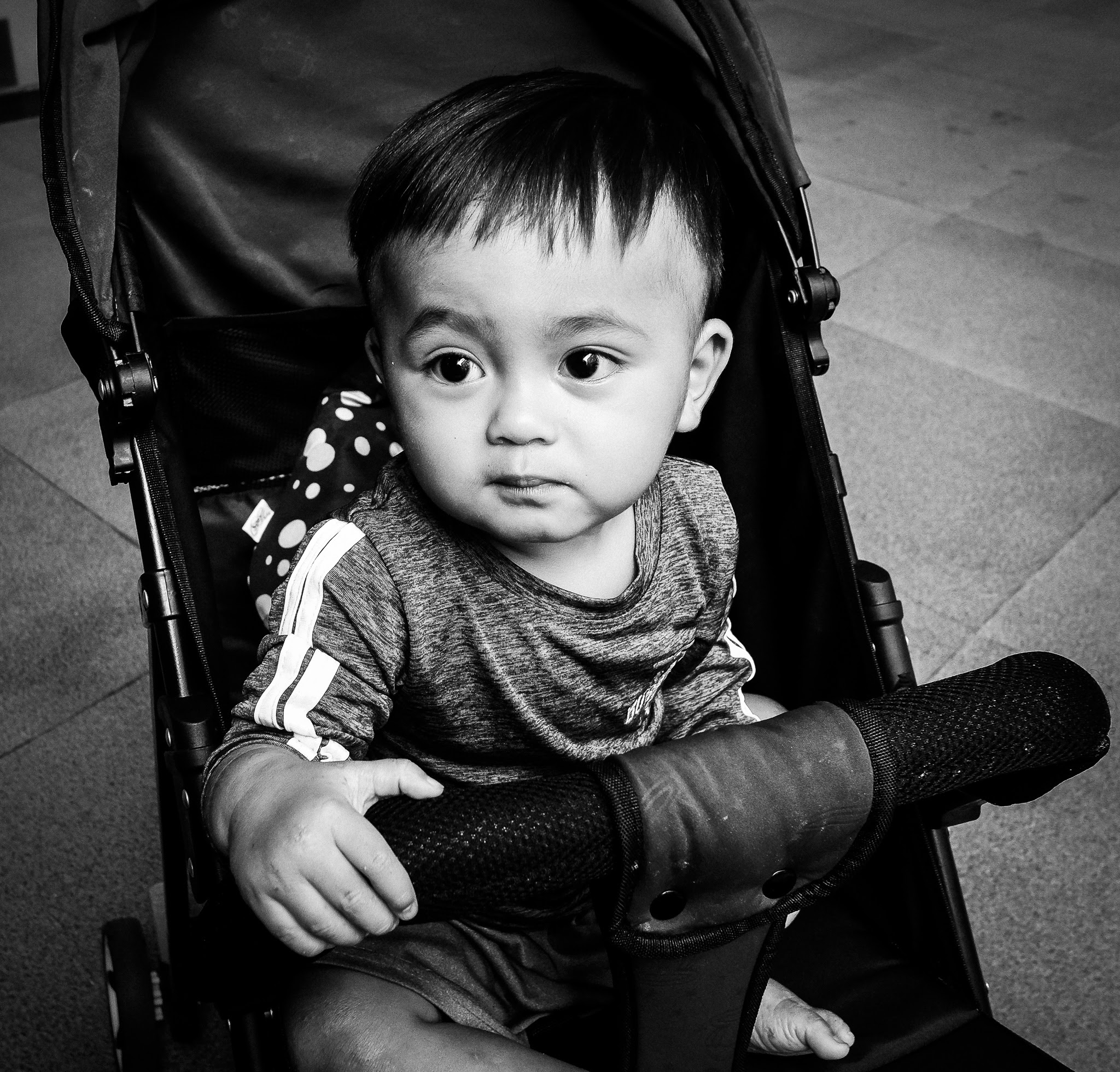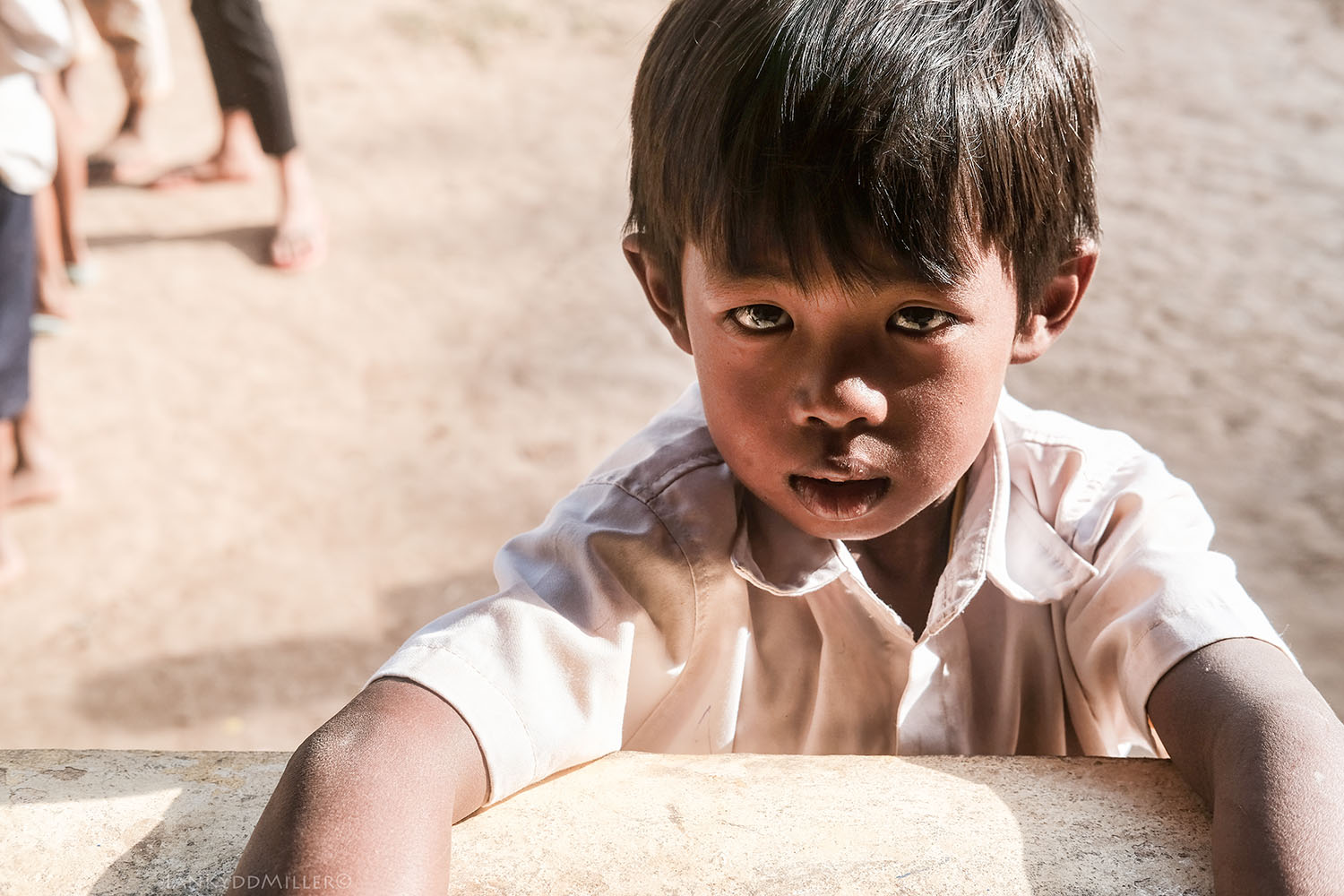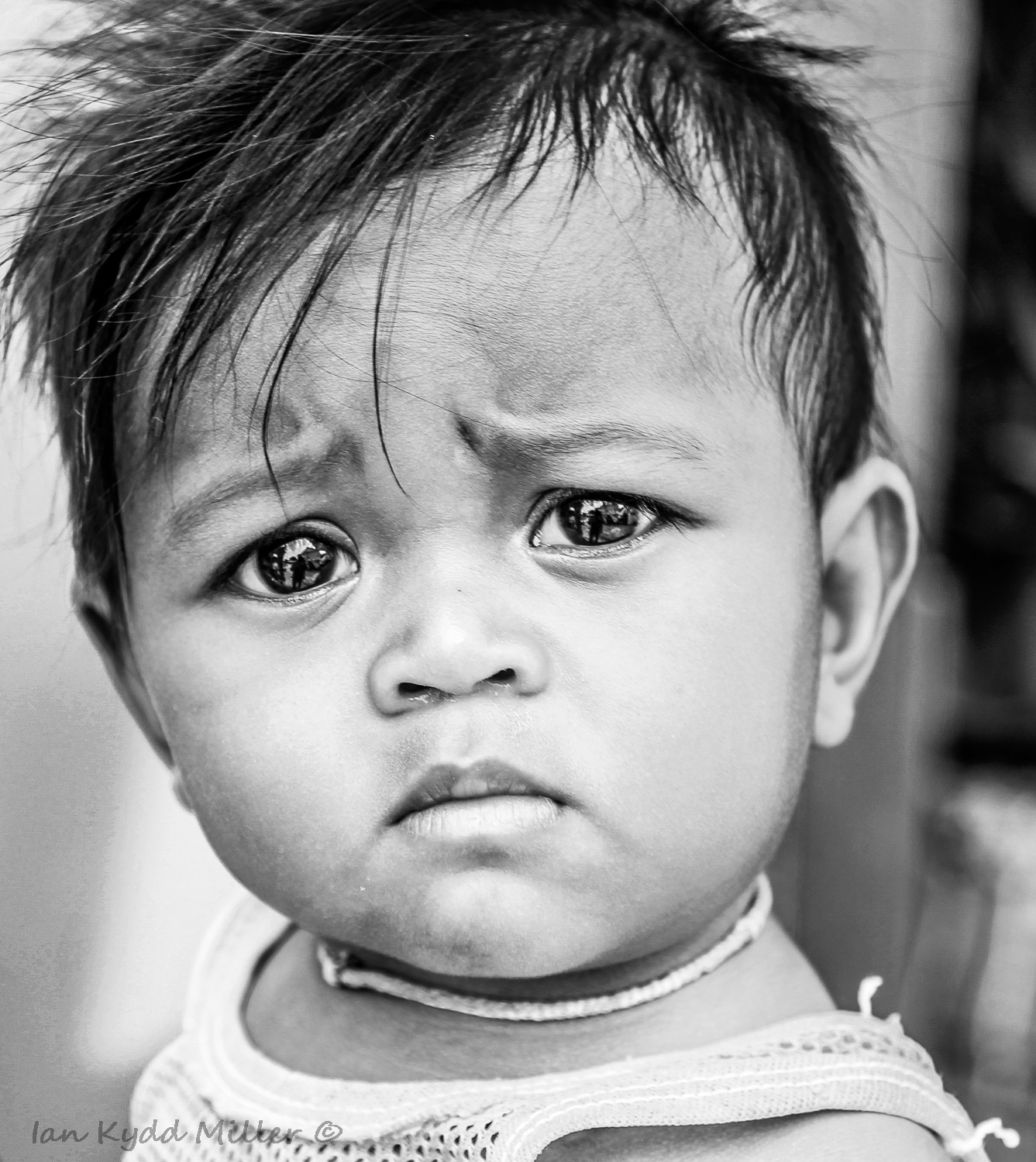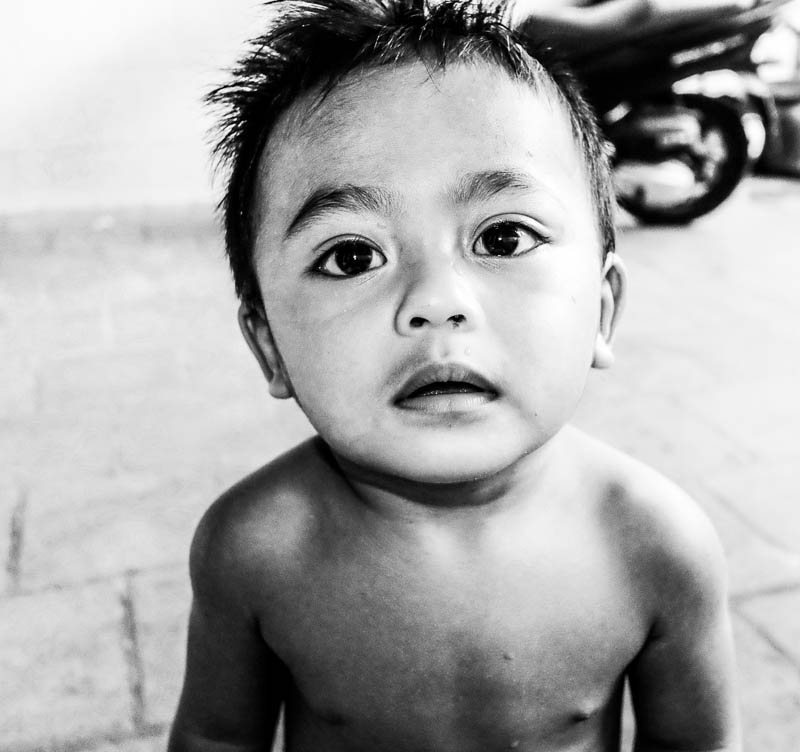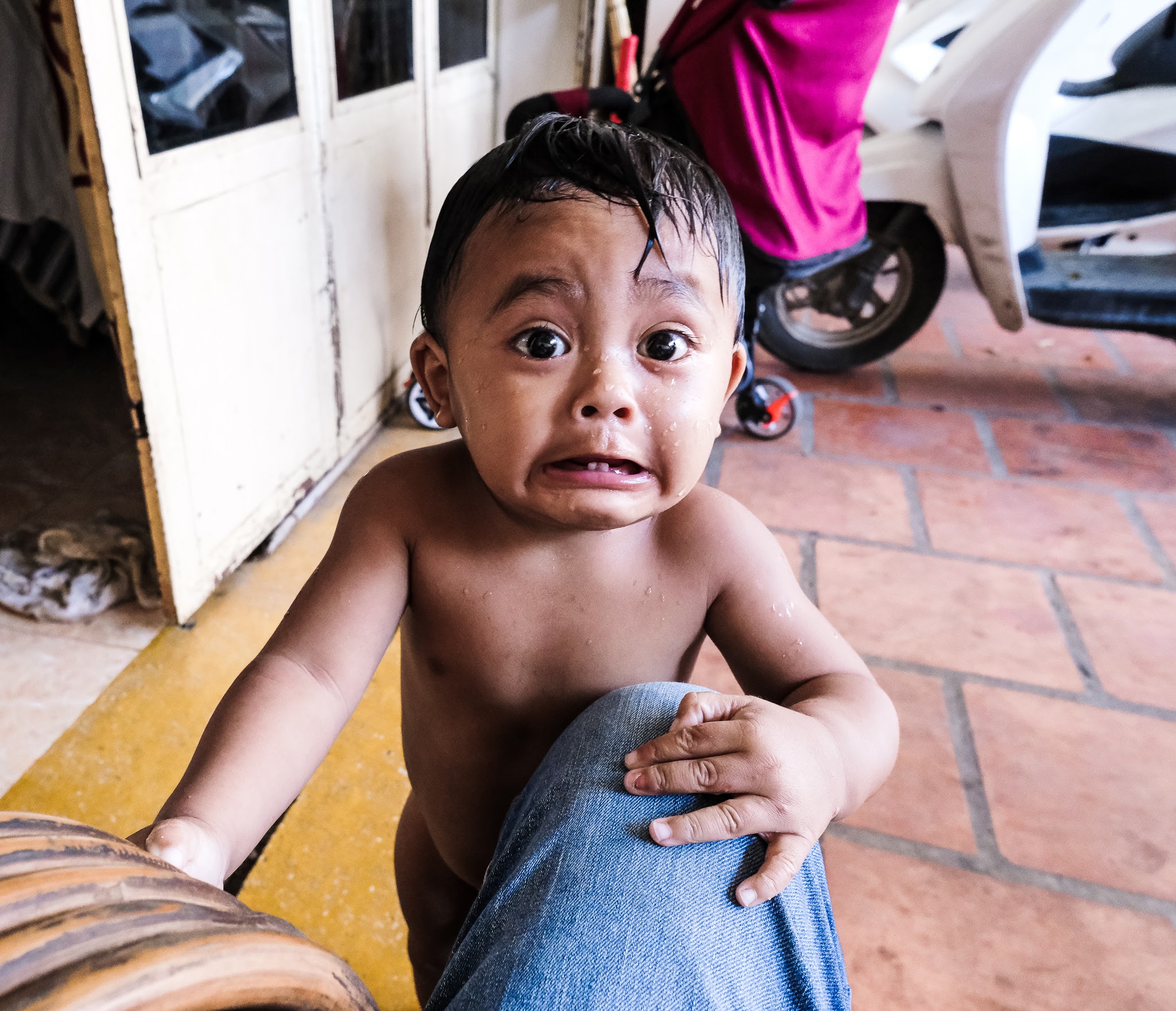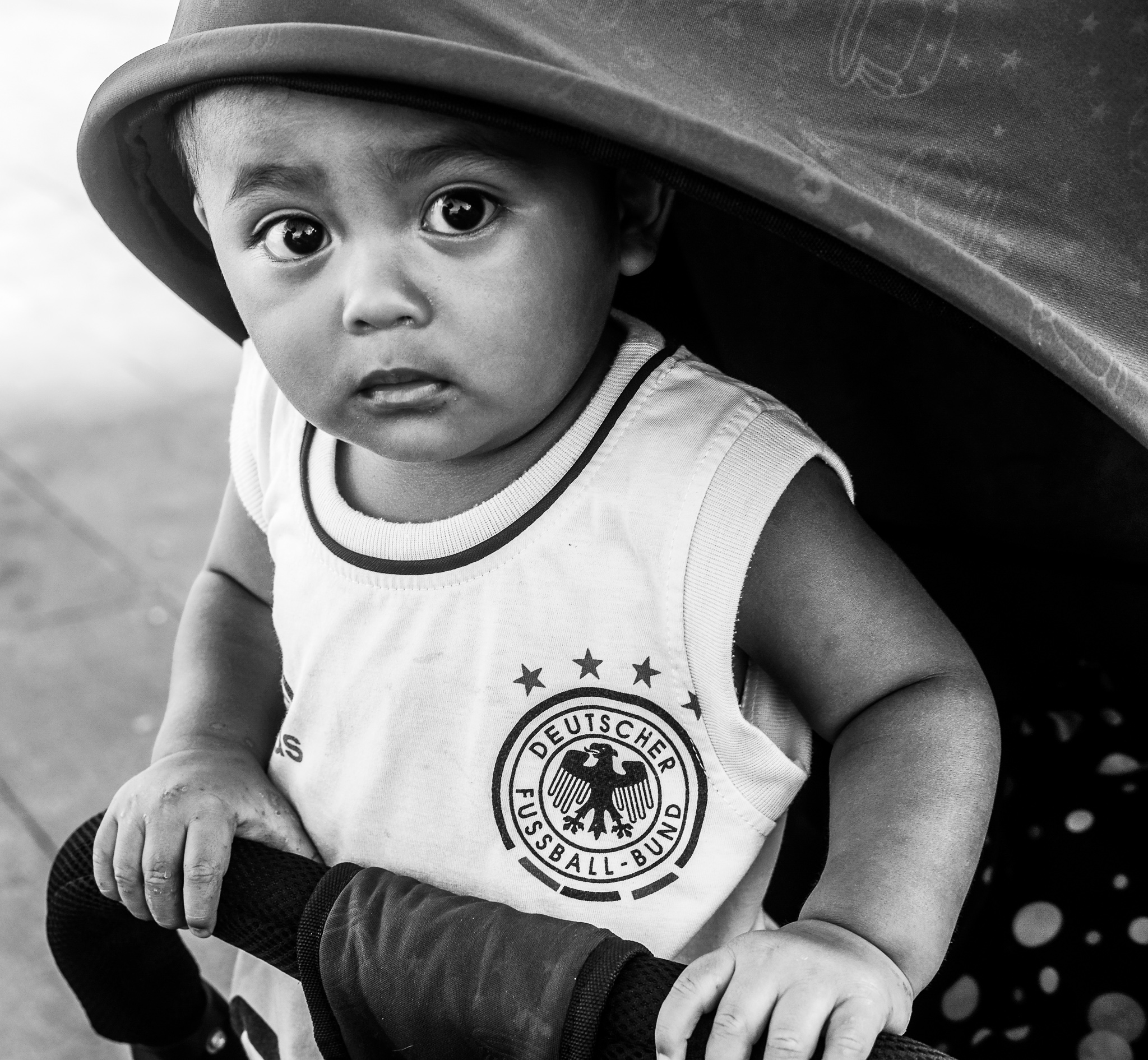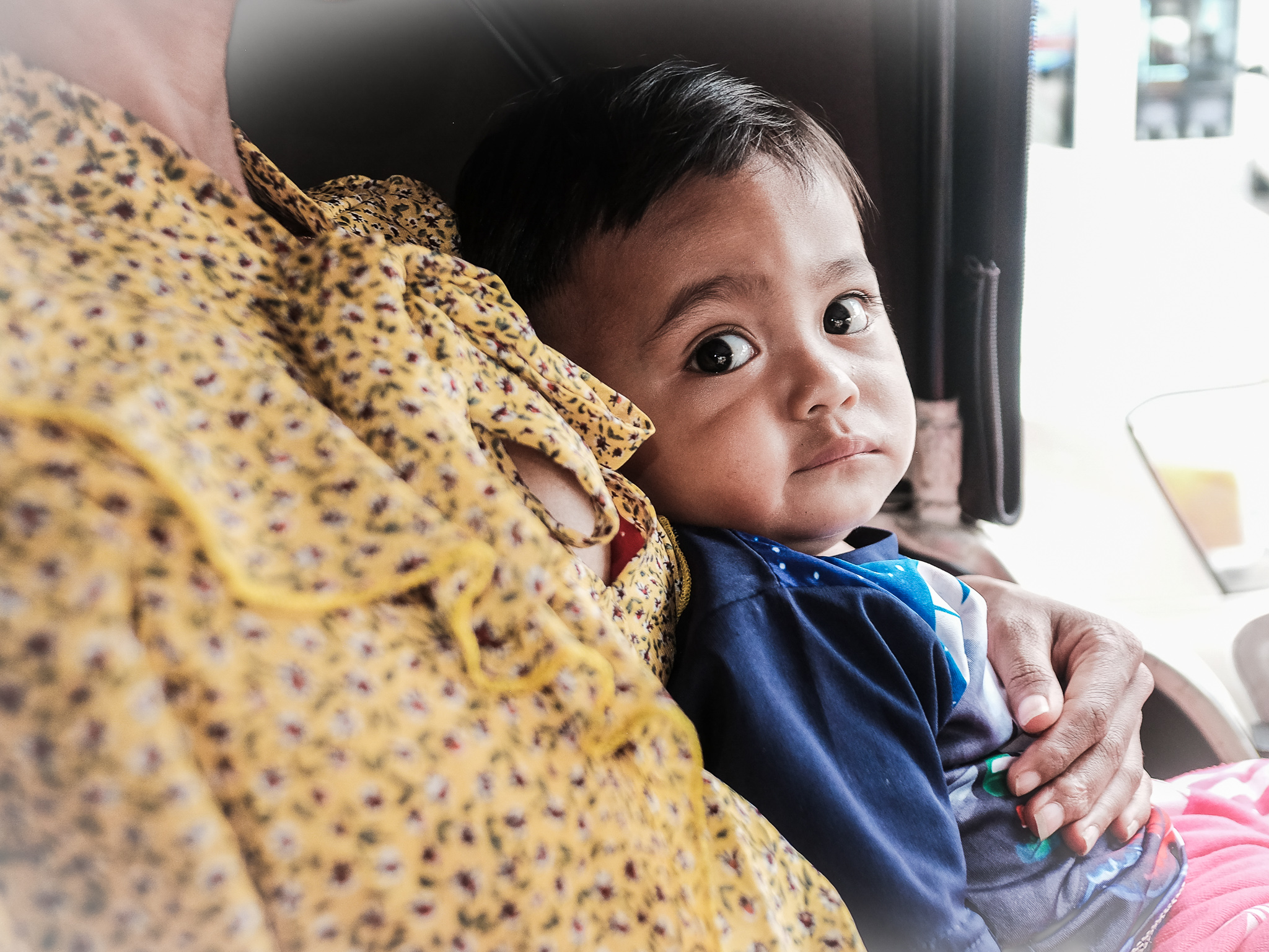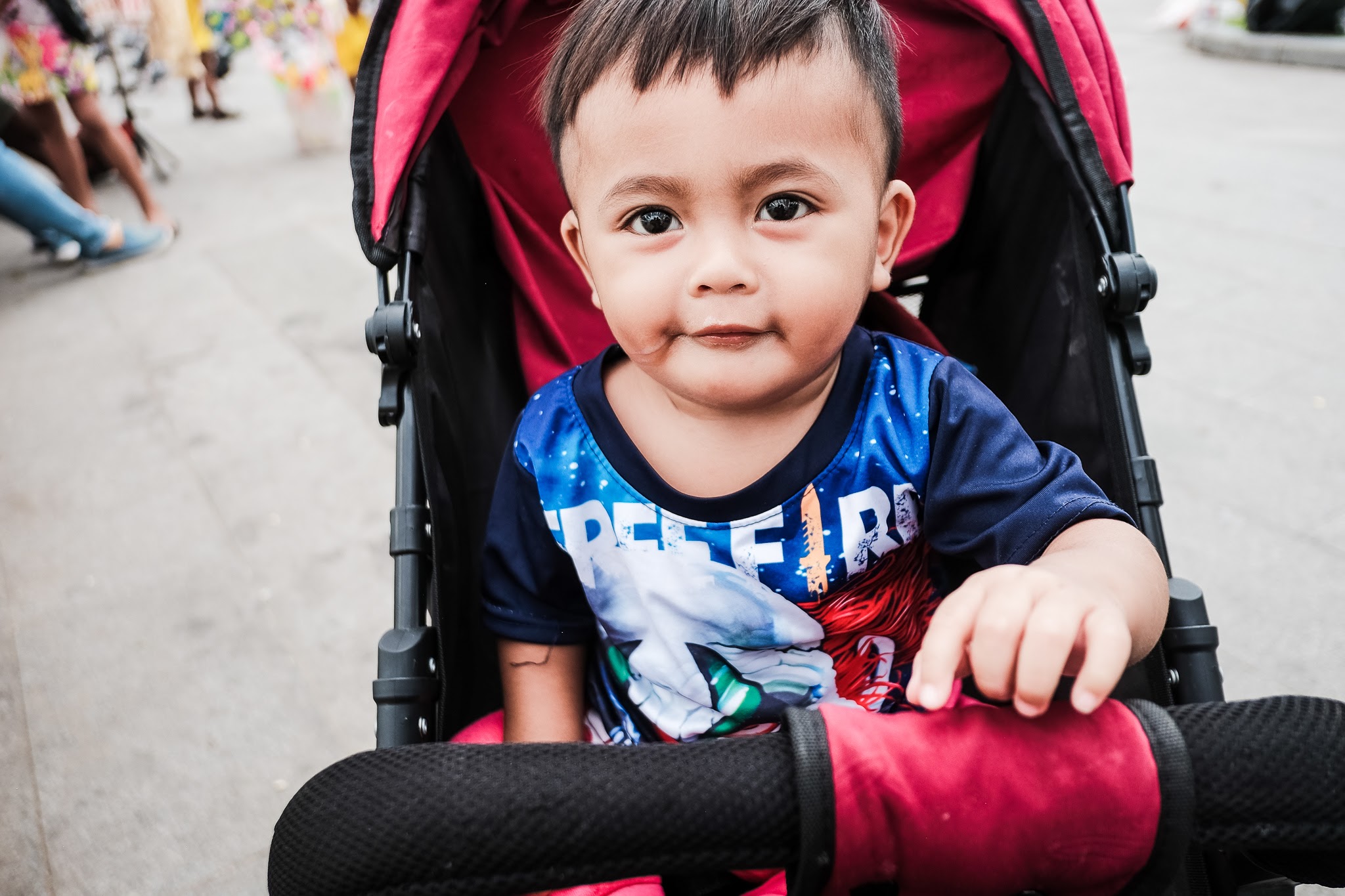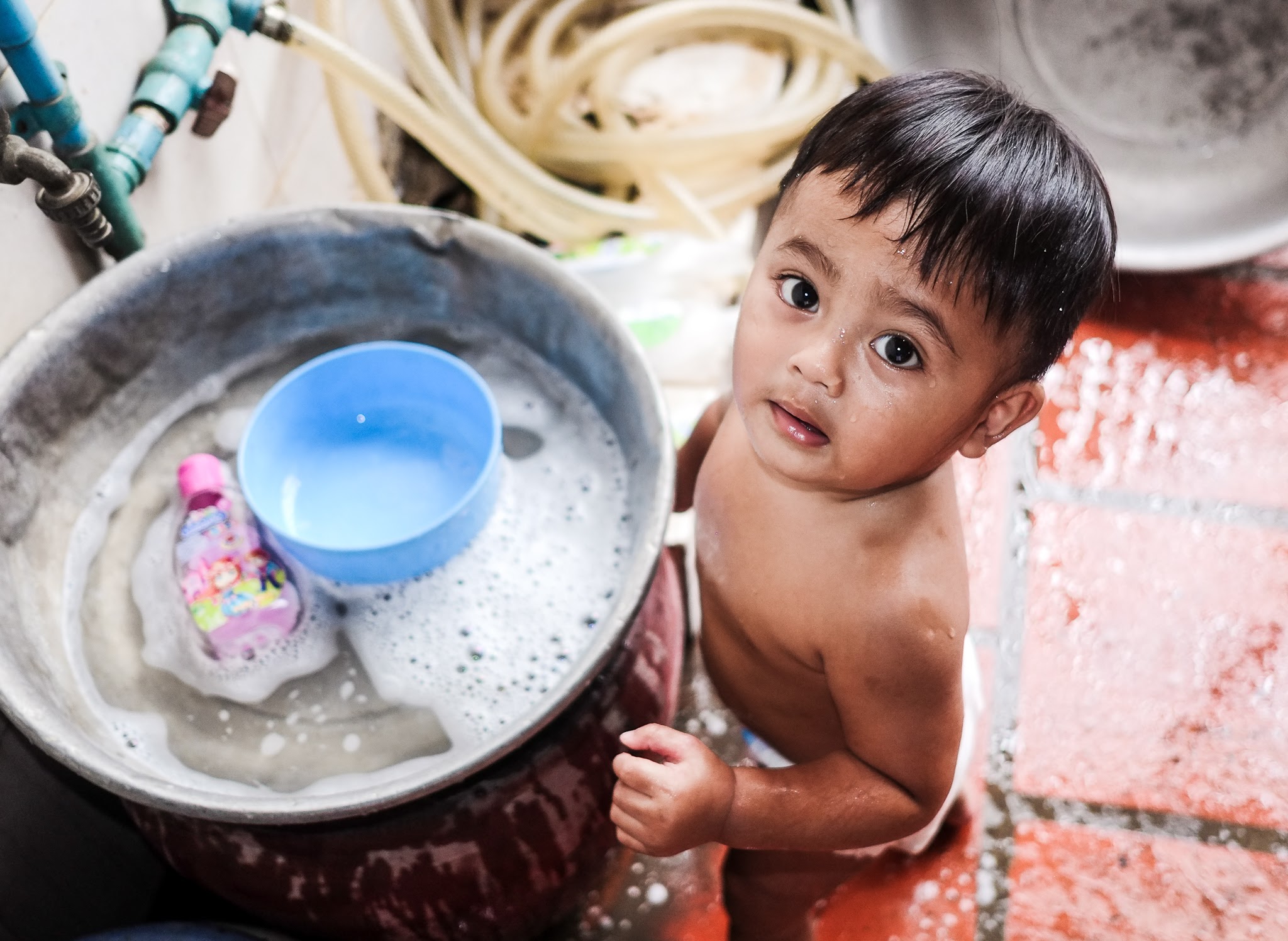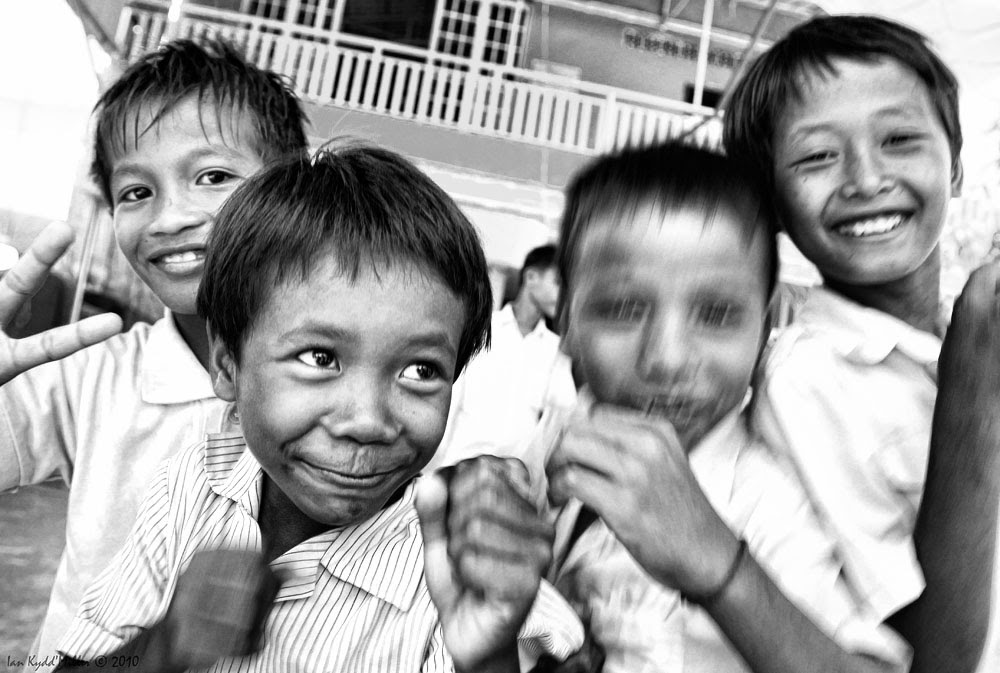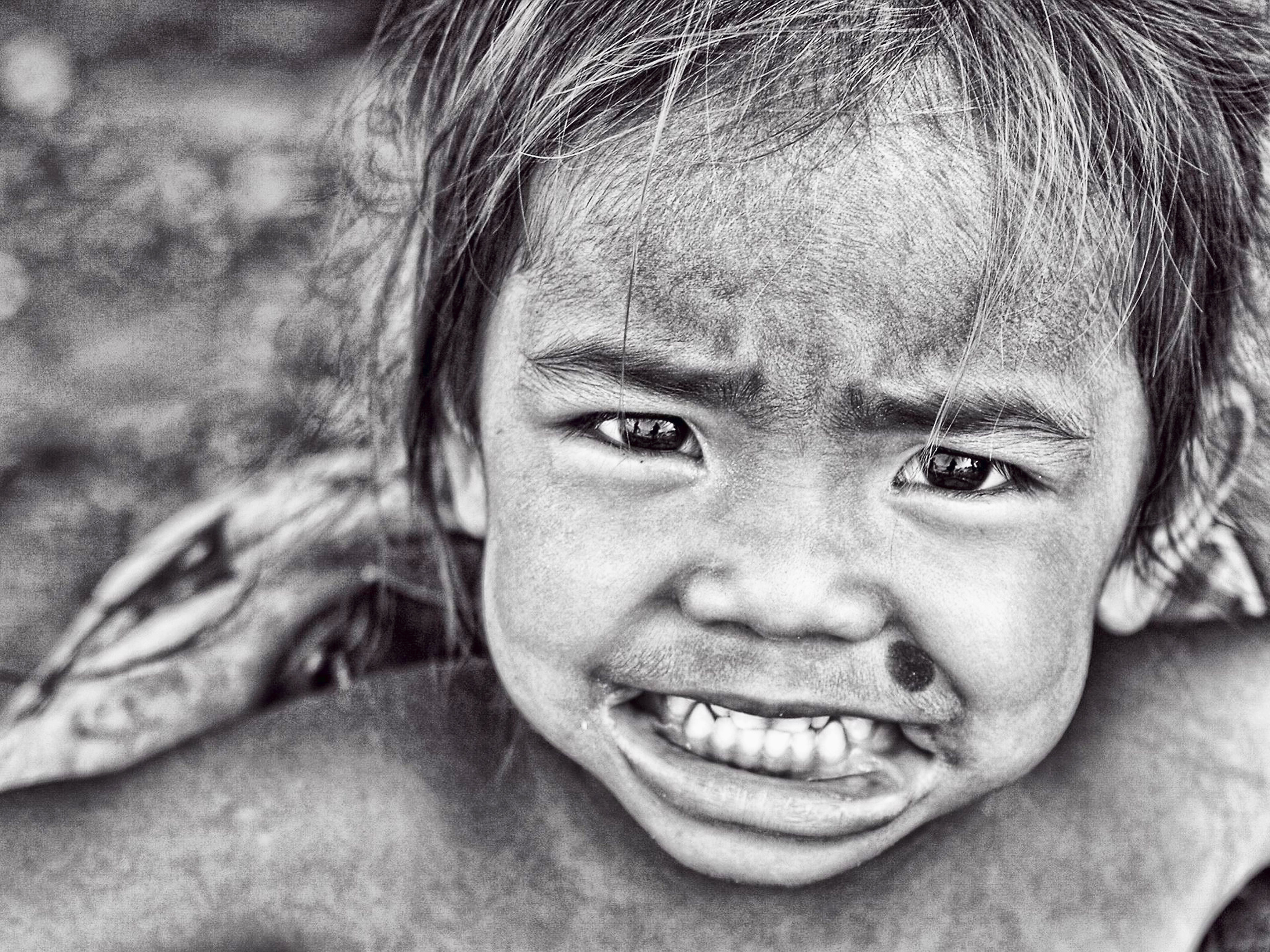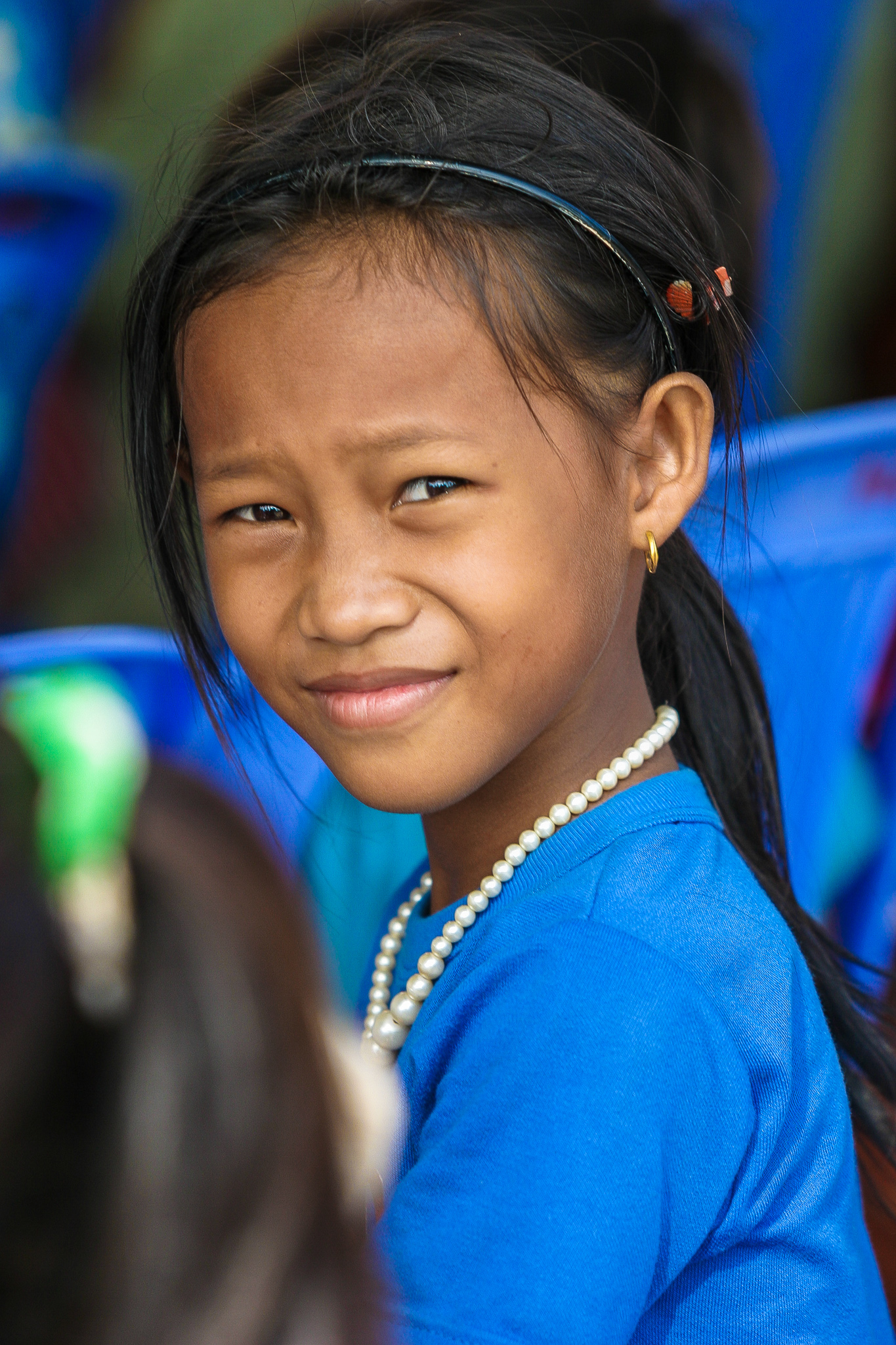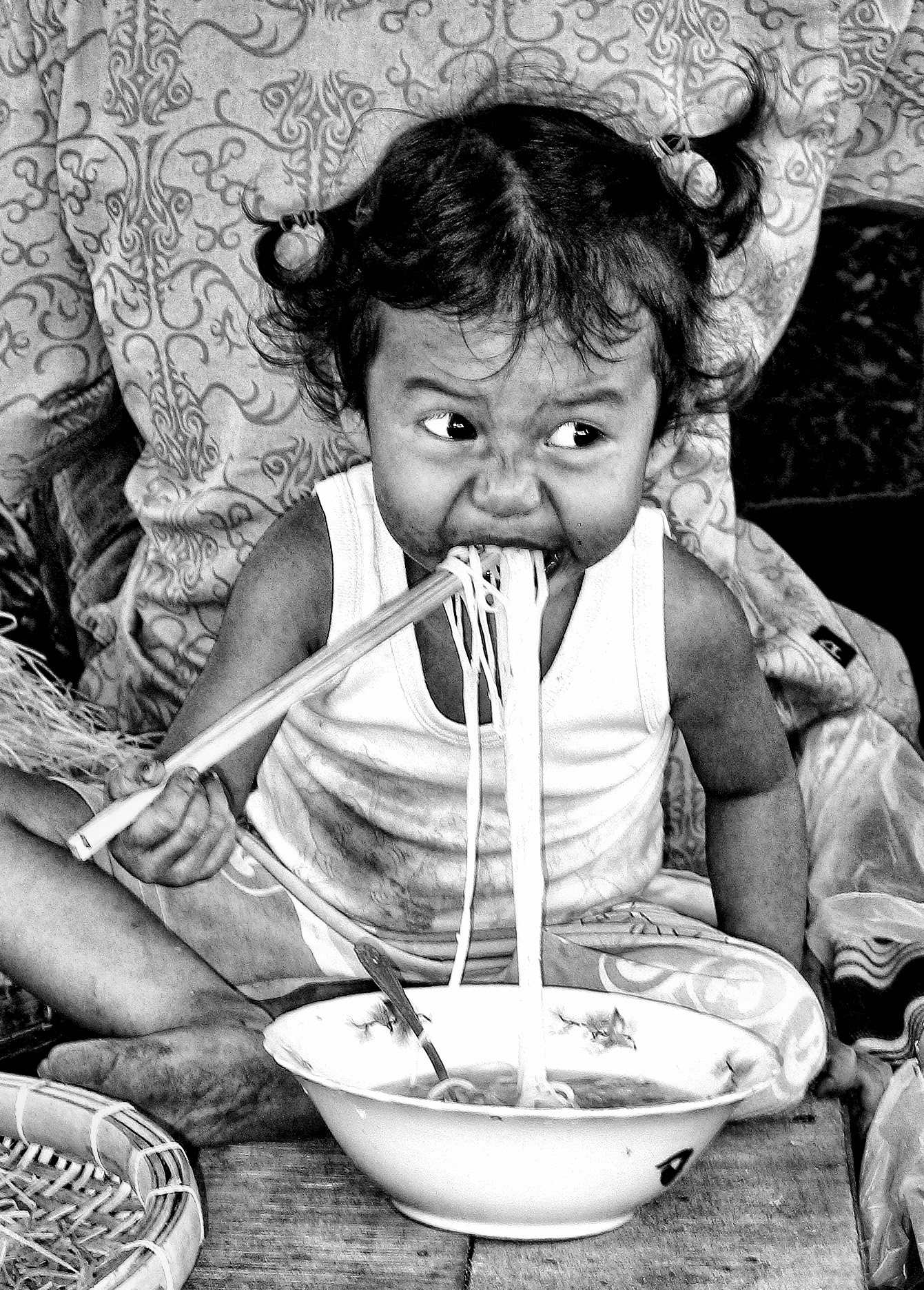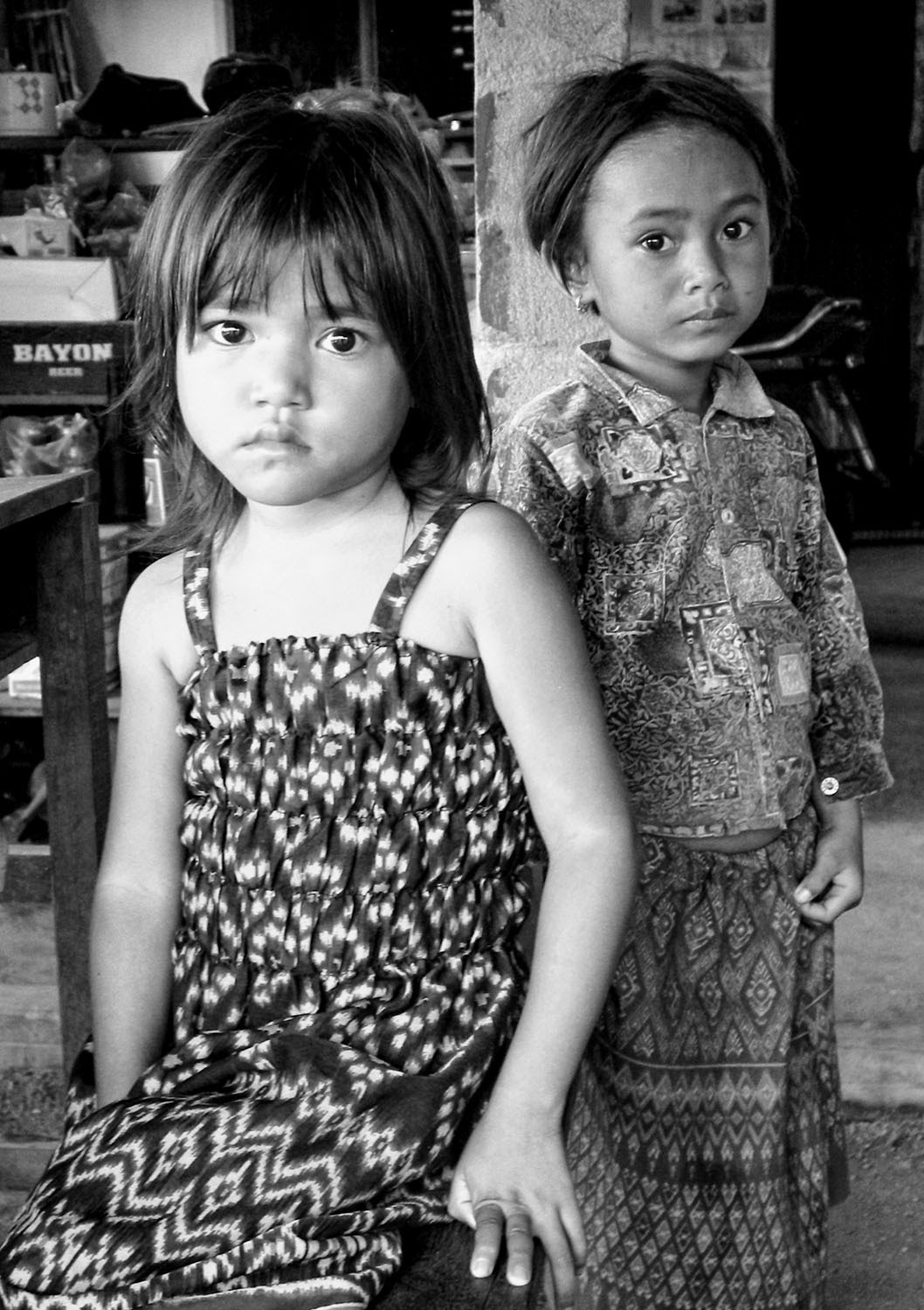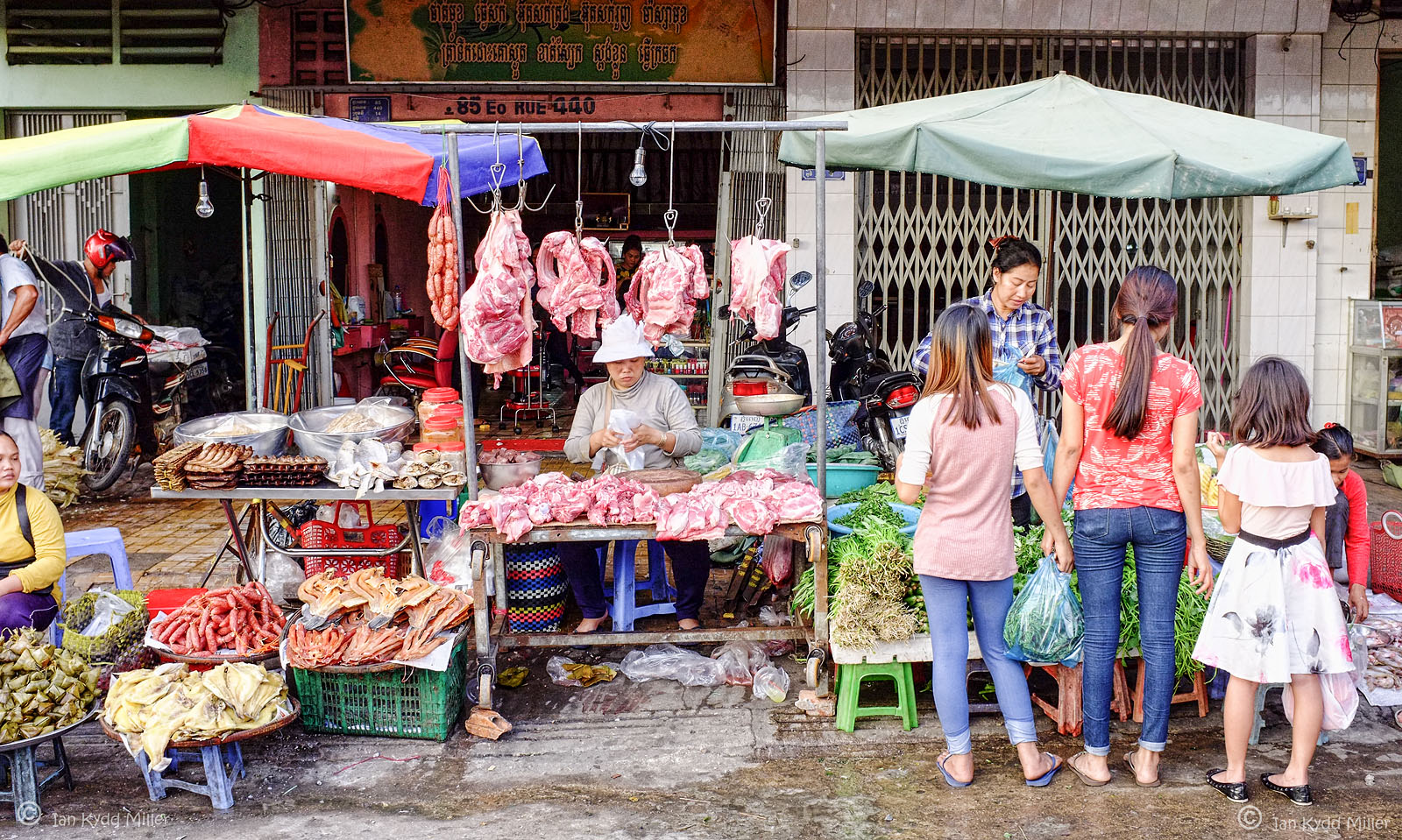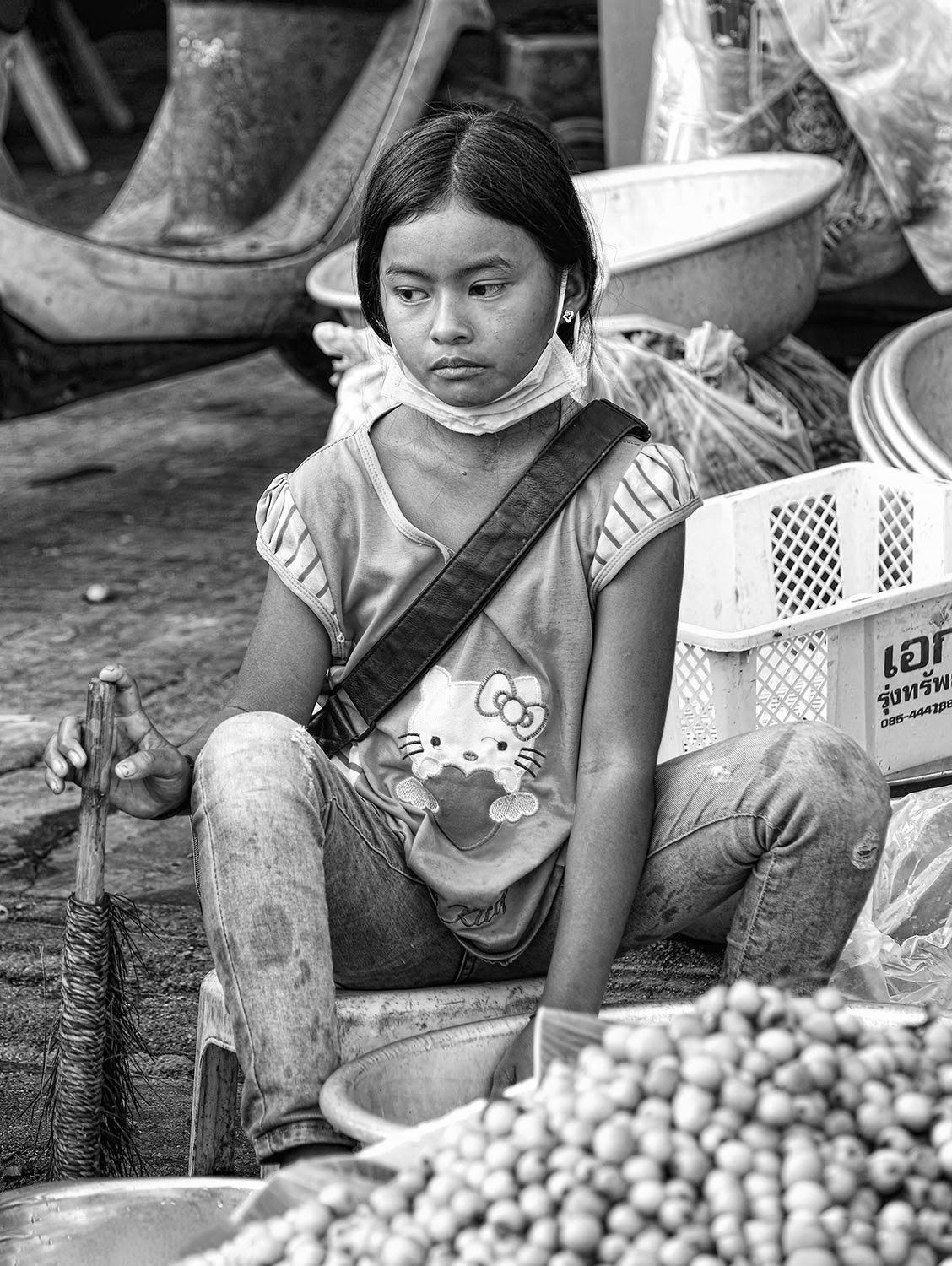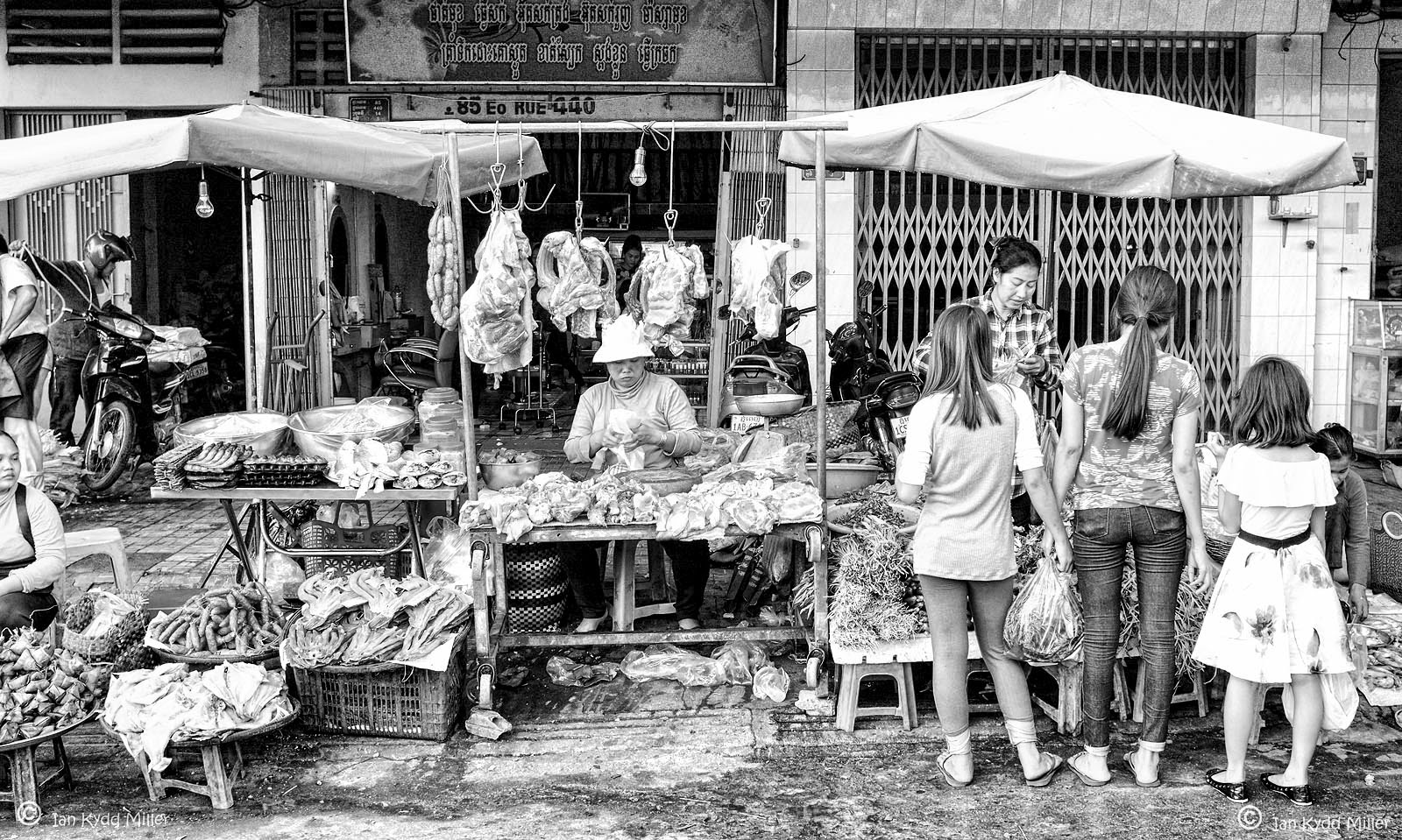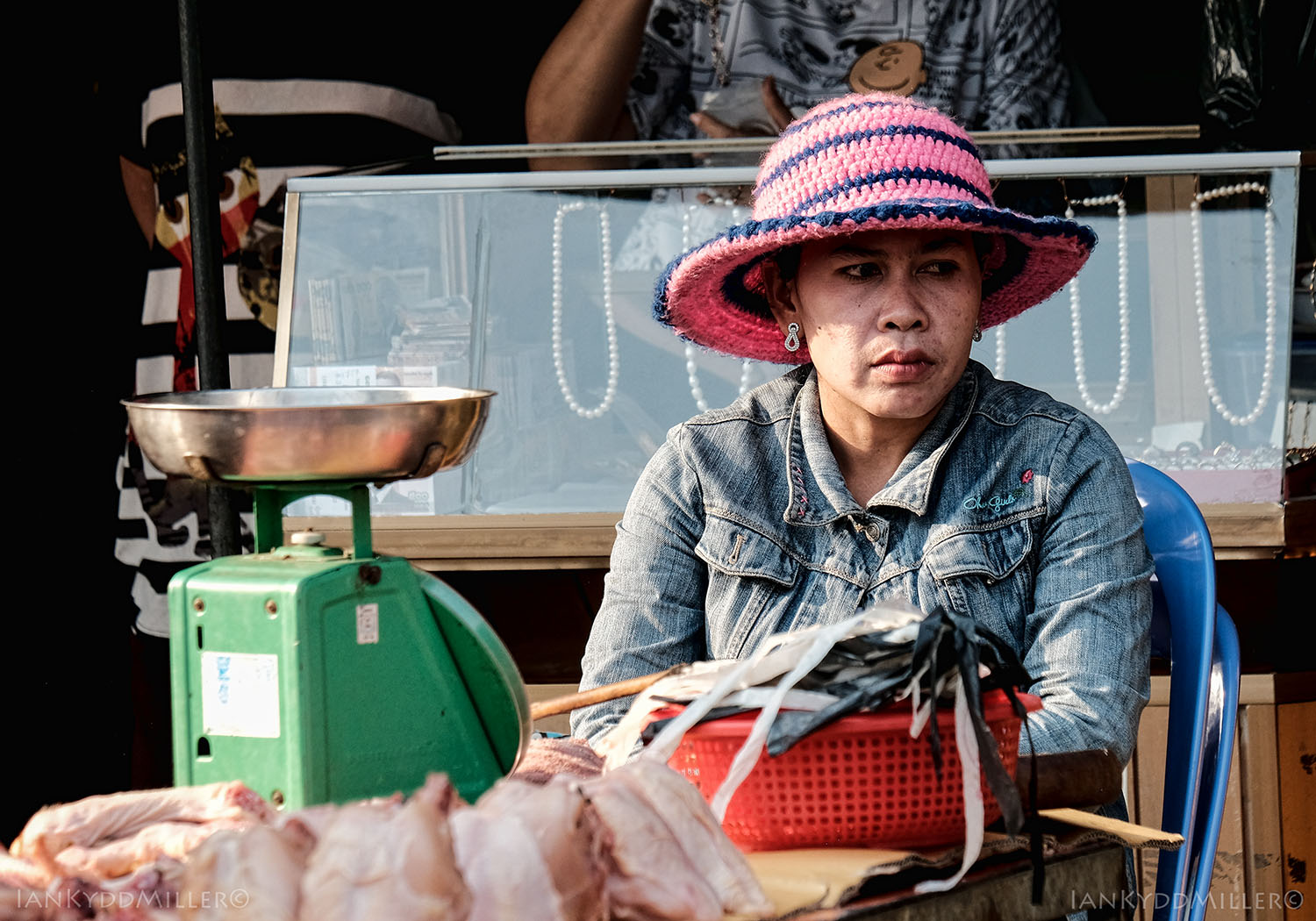

“I believe that an essential part of man’s duty upon this earth is to bear witness to the truth as it has been revealed to him.” John Godolphin Bennett (8 June 1897 – 13 December 1974) was a British mathematician, scientist, technologist, industrial research director, and author.
This is an interesting statement for the photojournalist. Who defines the truth.
Accepted Definition
1. The quality of being true, genuine, actual, or factual the truth of his statement was attested
2. Something that is true as opposed to false you did not tell me the truth
3. A proven or verified principle or statement; the fact the truths of astronomy
4. A system of concepts purporting to represent some aspect of the world the truths of ancient religions
5. Fidelity to a required standard or law
6. Faithful reproduction or portrayal the truth of a portrait
7. An obvious fact; truism; platitude
8. Honesty, reliability, or veracity the truth of her nature
9. Accuracy, as in the setting, adjustment, or position of something, such as a mechanical instrument
10. The state or quality of being faithful; allegiance Related adjectives veritable, veracious
So how does a photojournalist remain truthful in a world of complex truths? Difficult to say the least when one mans truth may seem a lie to another. How do we maintain integrity? the quality or state of being of sound moral principle; uprightness, honesty, and sincerity.
As an ethical concept, integrity depends upon consistency. To have integrity, a person must base his/her actions upon a well-thought-out framework of moral principles. What he/she does should be the same as what he/she says.
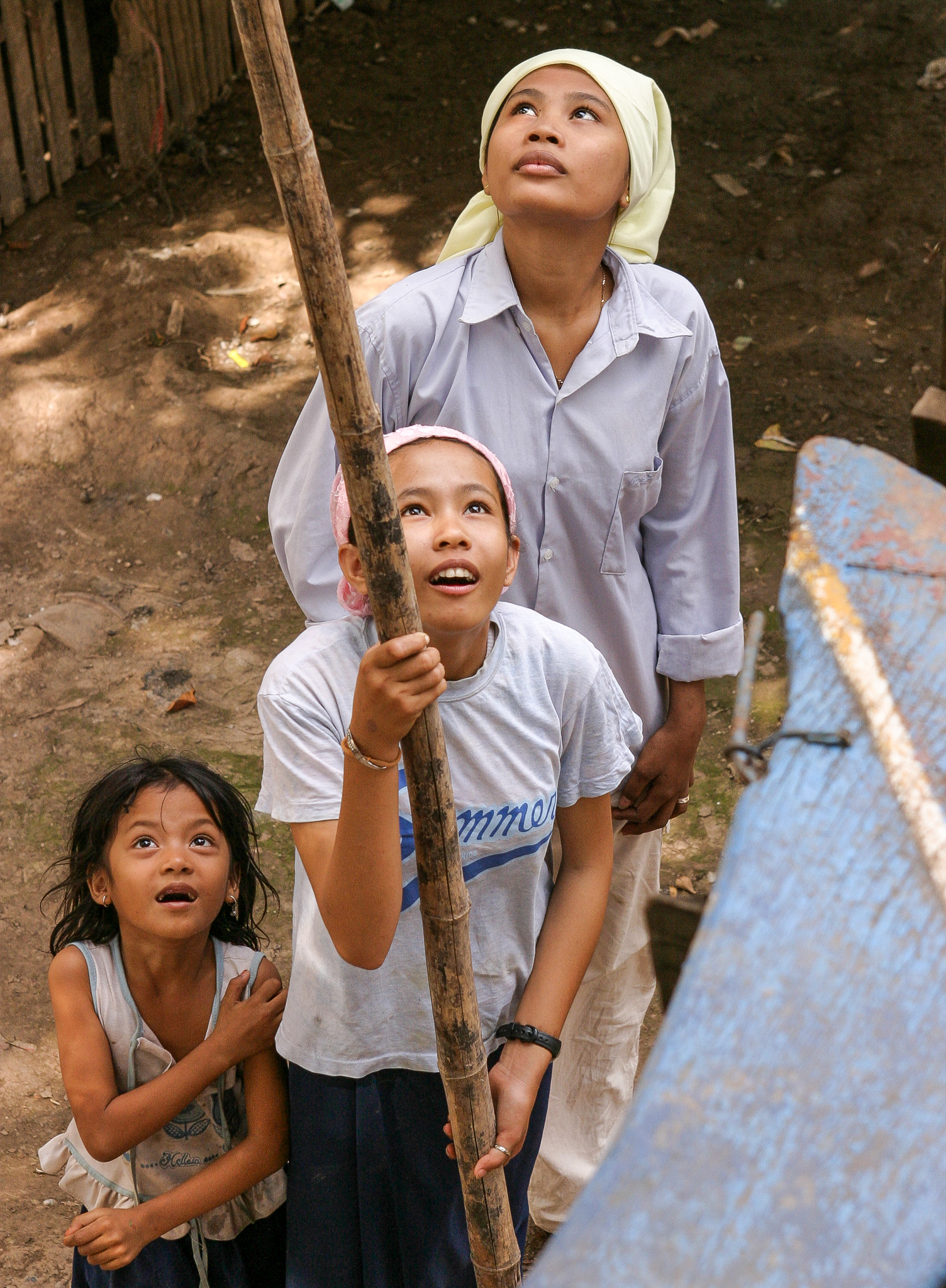
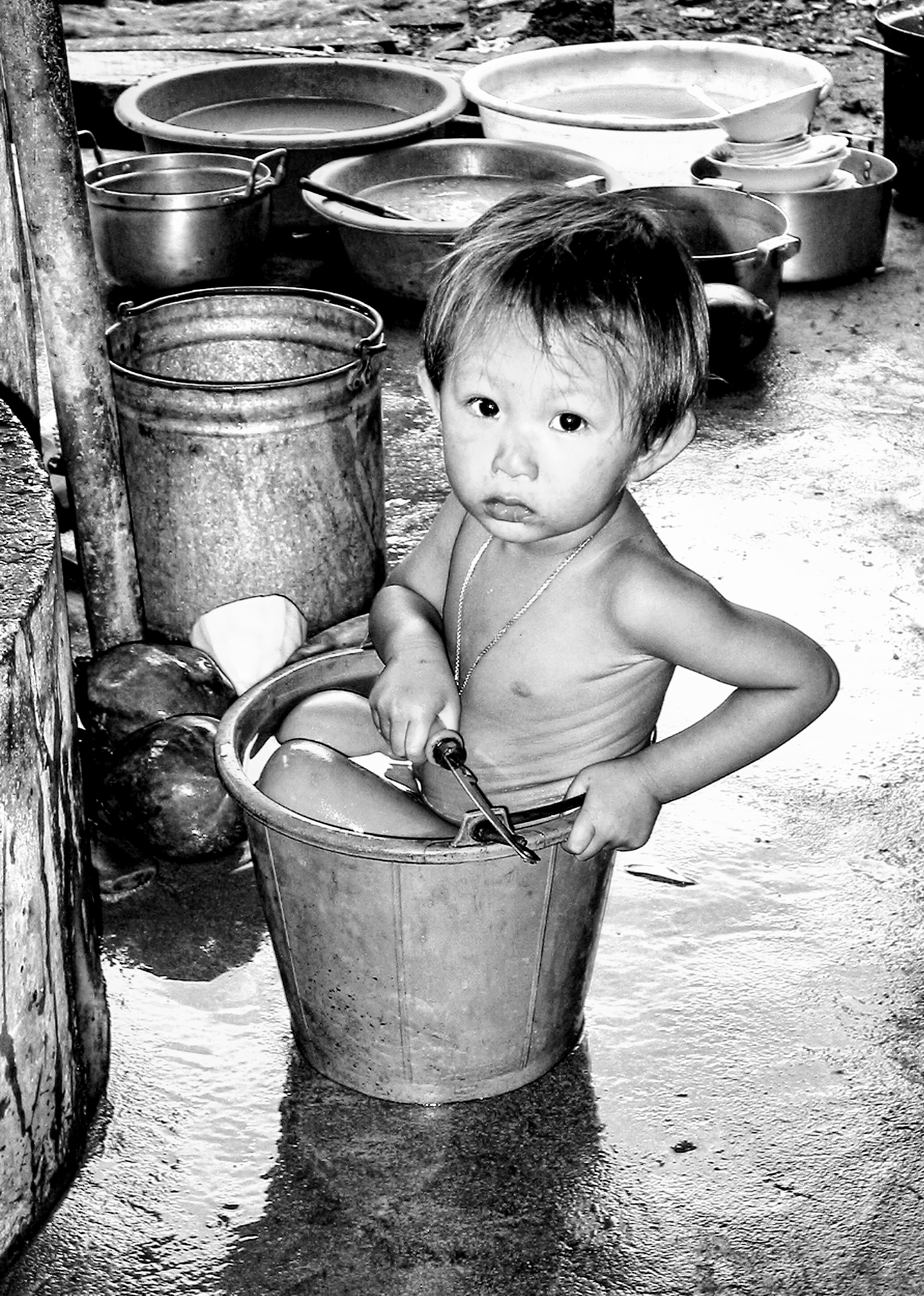
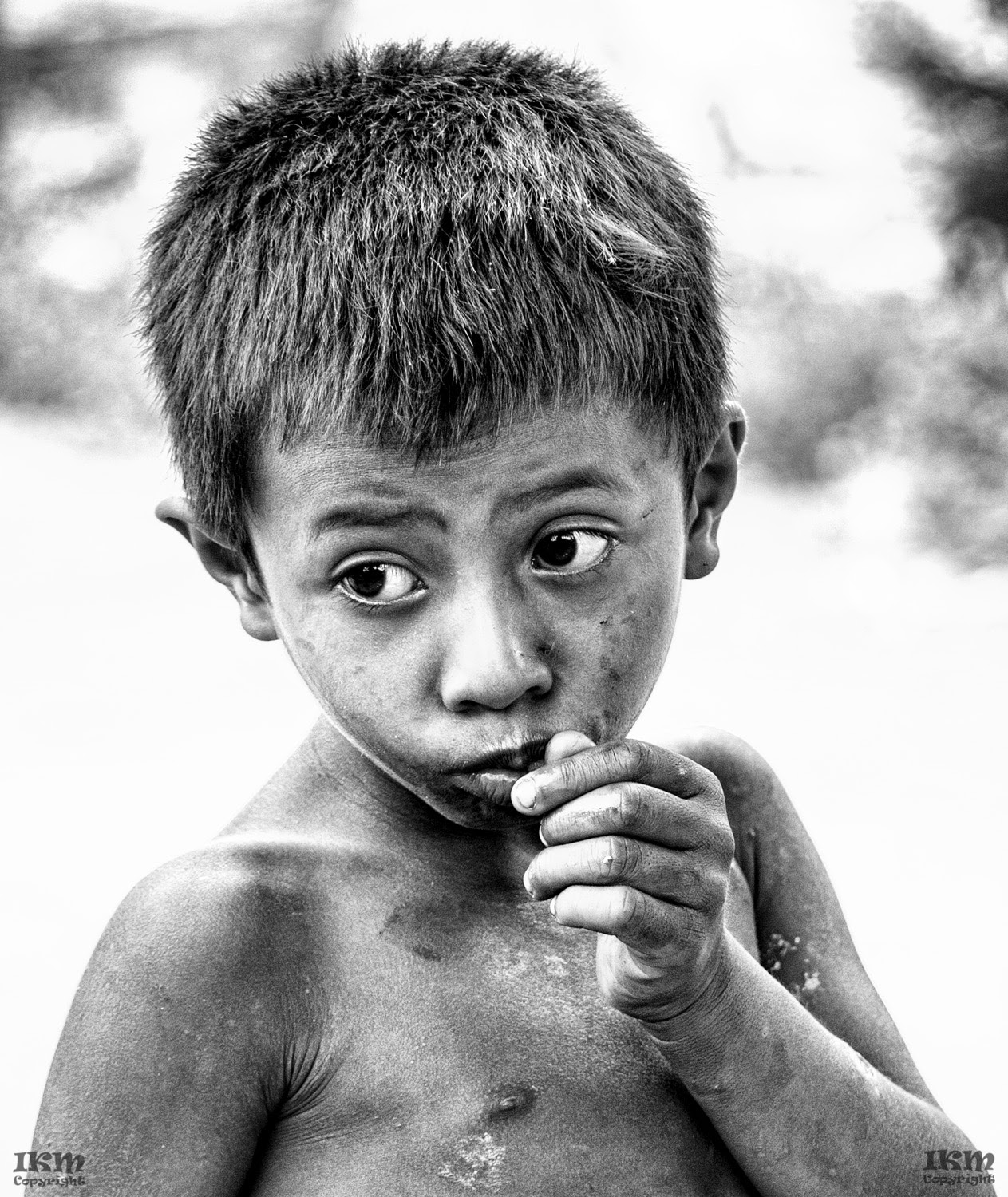
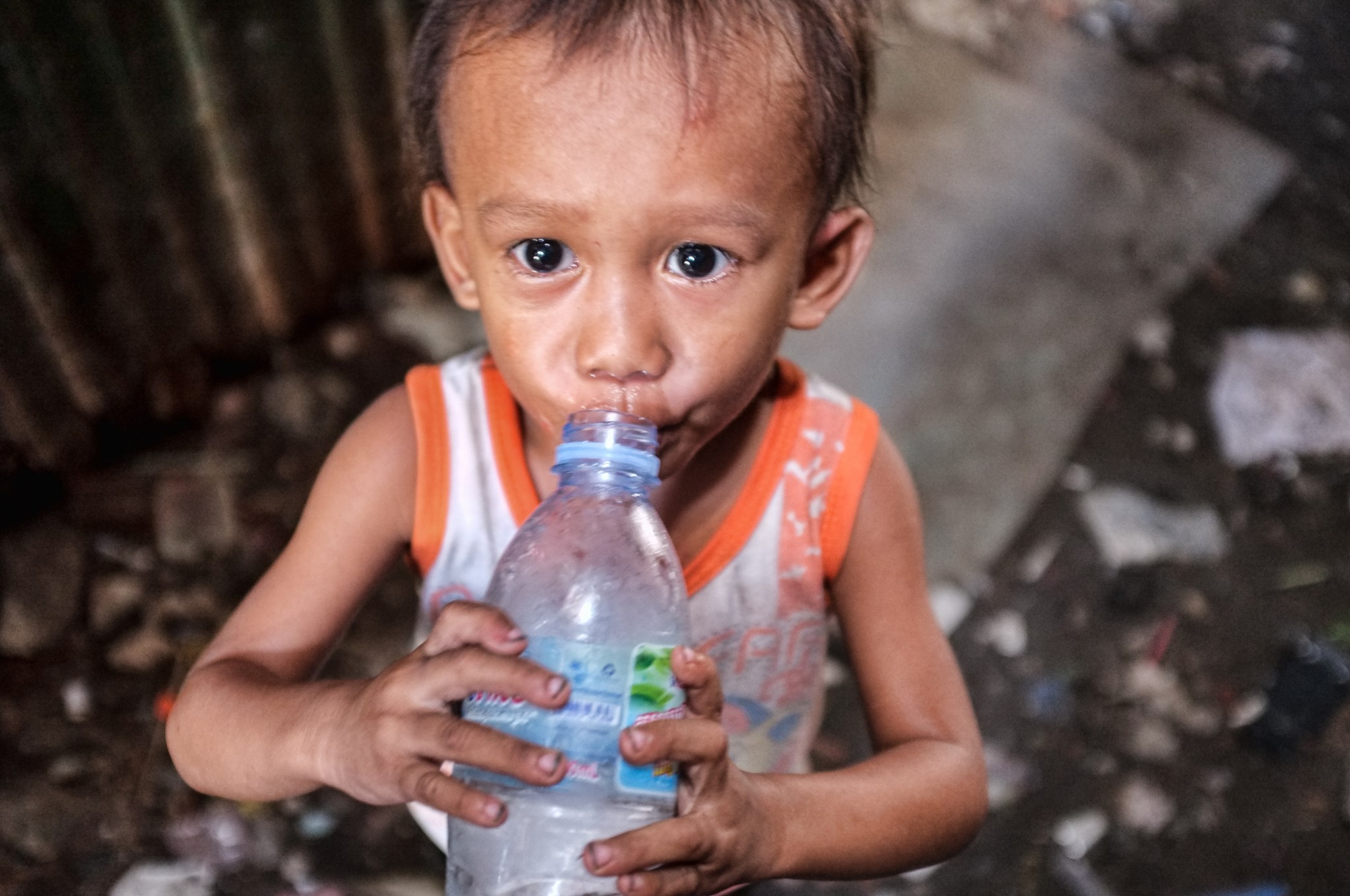
I live in South East Asia and am surrounded by truths that may have different realities for different people. Political truths, poverty truths, inequality of power and sex, confusion and lack of will.
How do I as a photojournalist not allow myself to be misled, my work used to define half-truths or lies? Is it OK to allow my pictures to be used in positive ”propaganda” that generates interest from people able to help the needy?
The ability to see pictures that will tell the true story without biases is difficult because no matter how we try to keep our own views and thoughts from shaping an image subconsciously it will still happen.


 (PROVIA/STANDARD)Standard color reproduction. Suited to a wide range of subjects, from portraits to landscapes.
 (Velvia/VIVID)A high-contrast palette of saturated colors, suited to nature photos.
 (ASTIA/SOFT)Enhances the range of hues available for skin tones in portraits while preserving the bright blues of daylight skies. Recommended for outdoor portrait photography.
 (CLASSIC CHROME)Soft color and enhanced shadow contrast for a calm look.
 (PRO Neg. Hi)Offers slightly more contrast than
 (PRO Neg. Std). Recommended for outdoor portrait photography.
 (ACROS) *Take black-and-white photos with rich gradation and outstanding sharpness. Available with yellow (Ye), red (R), and green (G) filters.
 (MONOCHROME) *Take pictures in standard black and white. Available with yellow (Ye), red (R), and green (G) filters.
 (SEPIA)Take pictures in sepia.