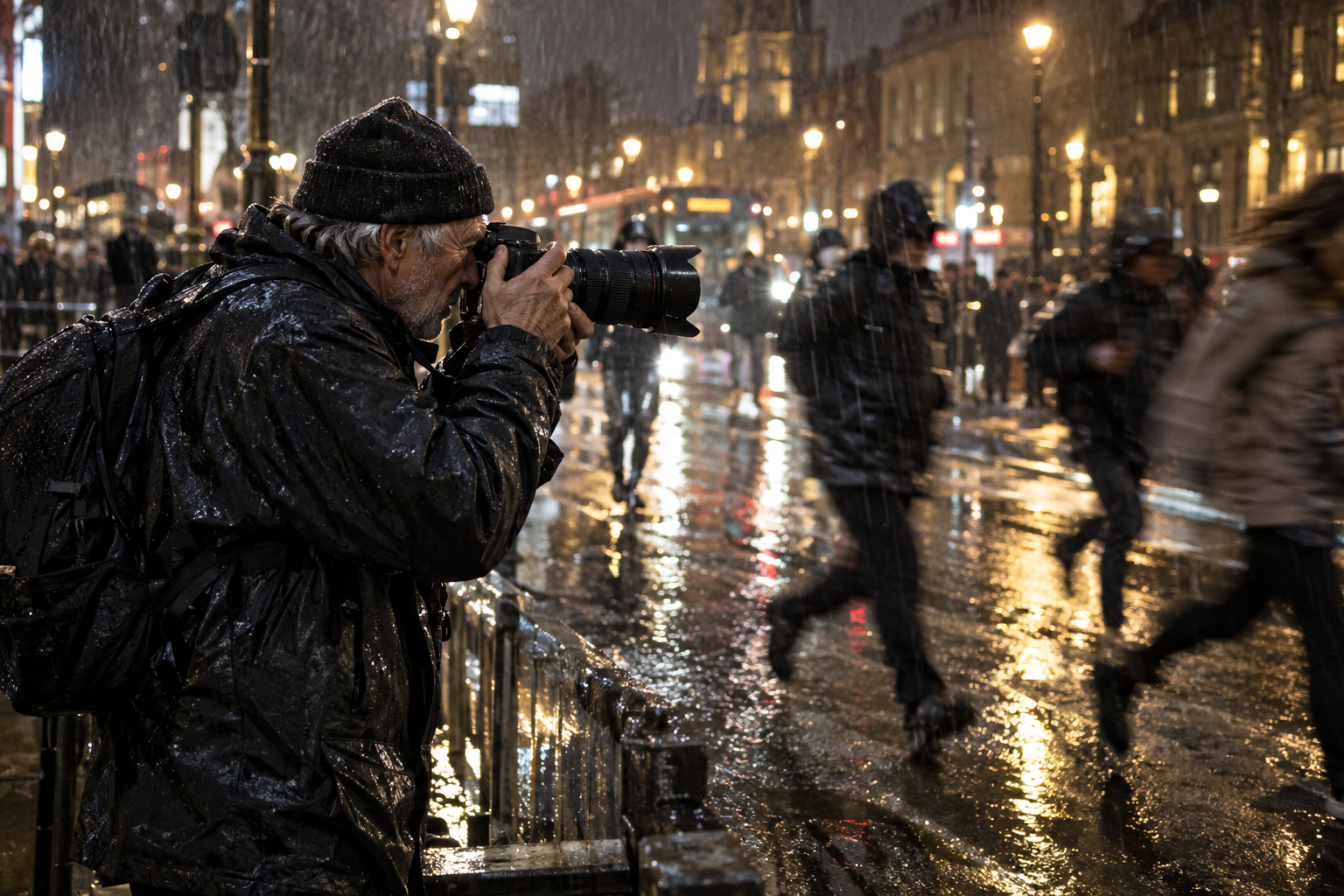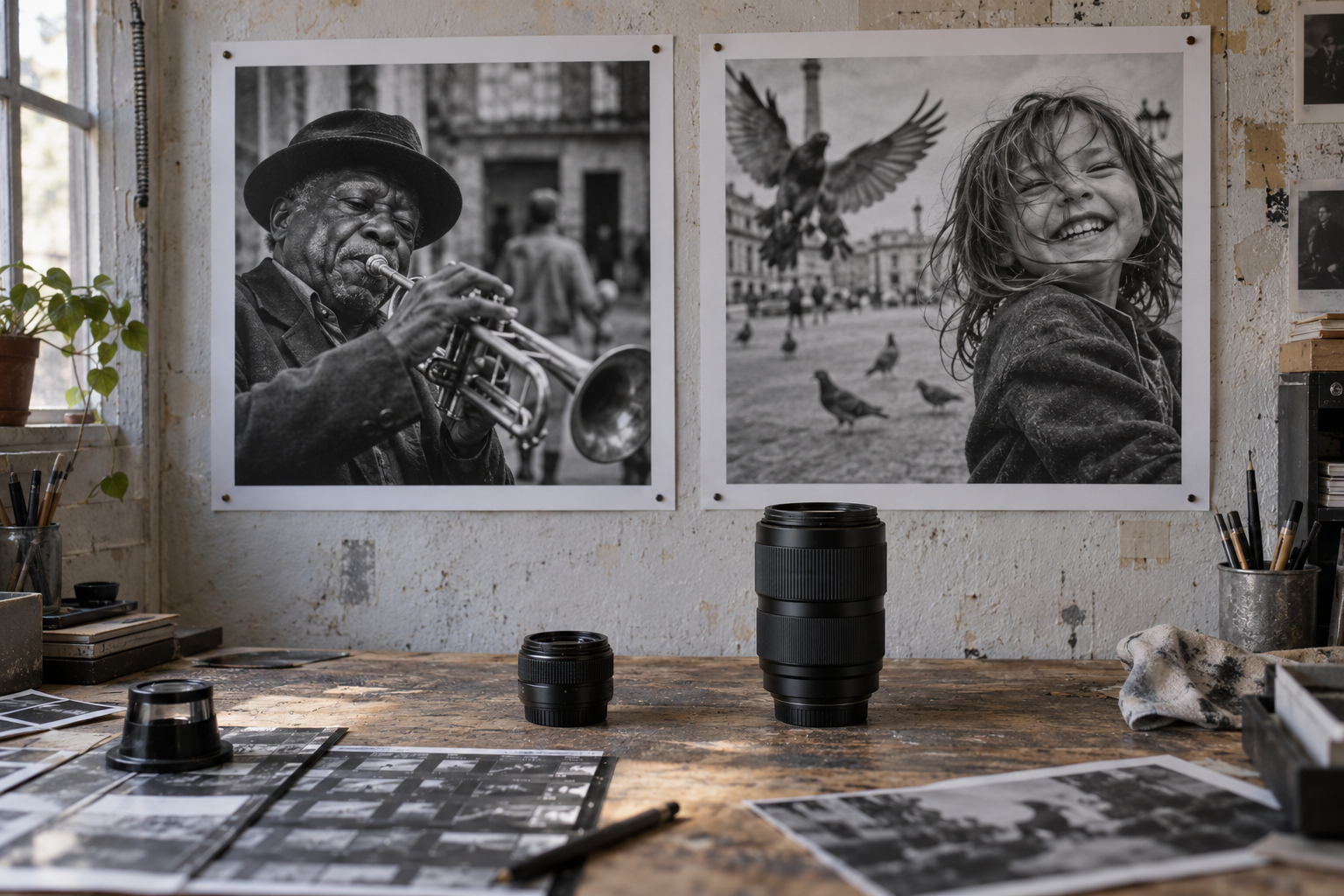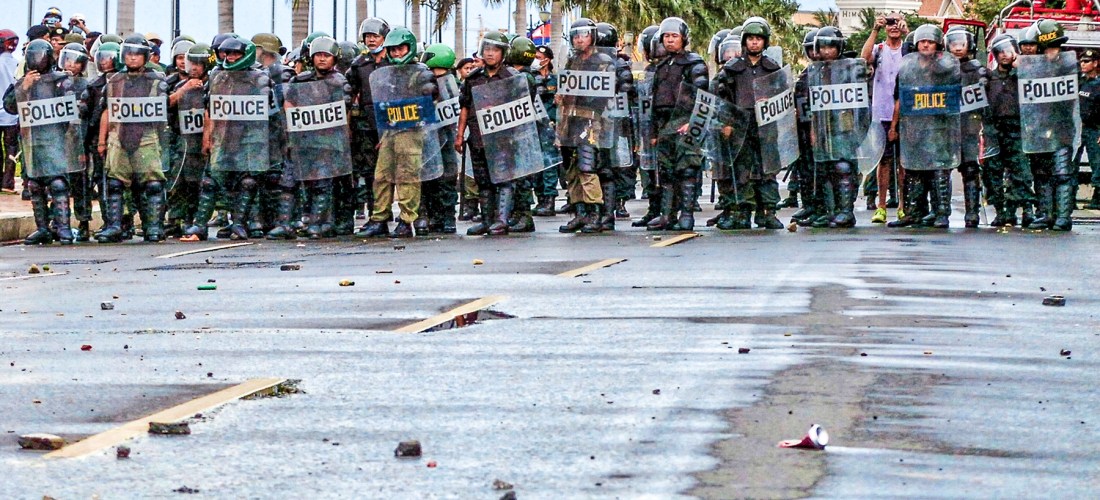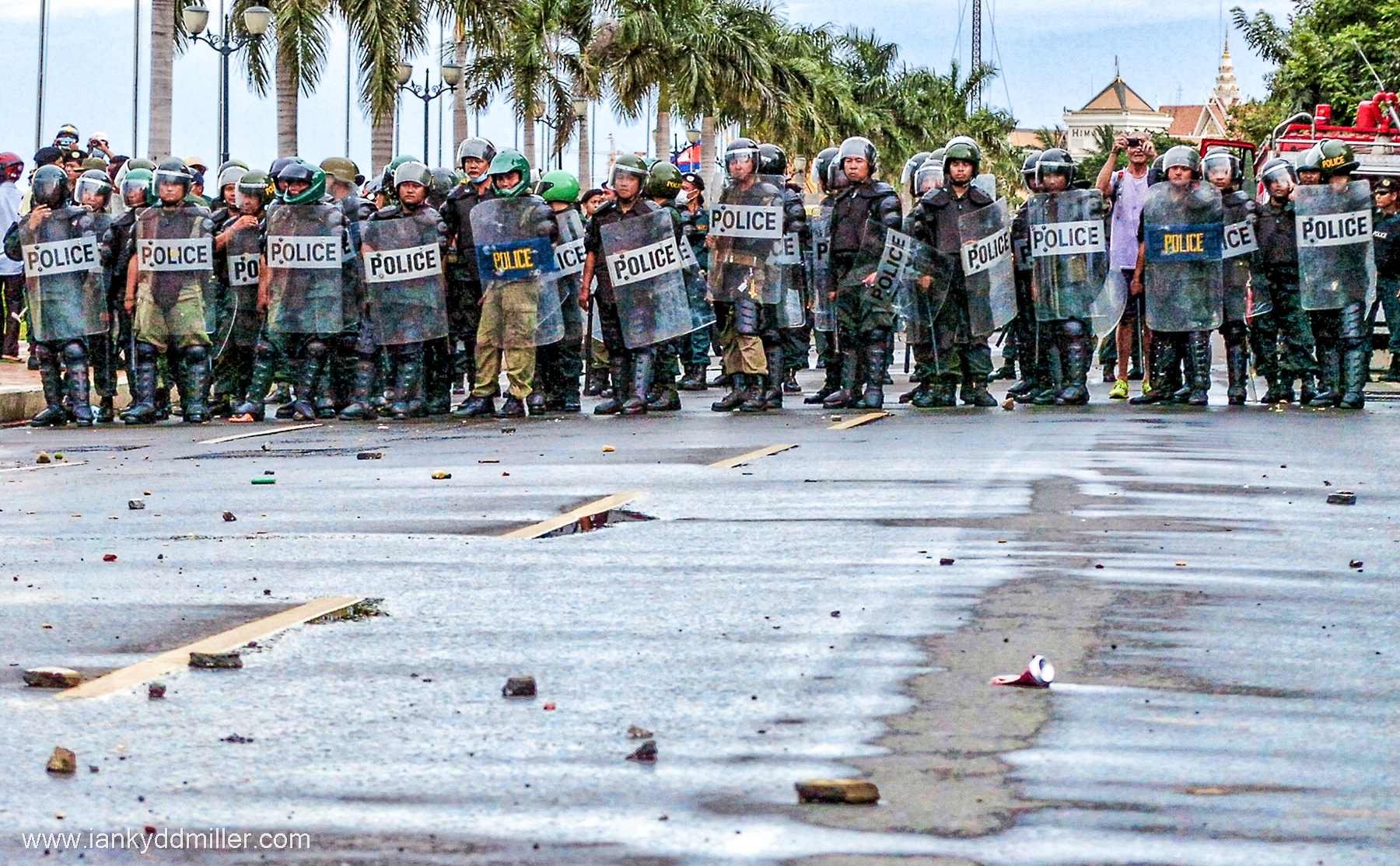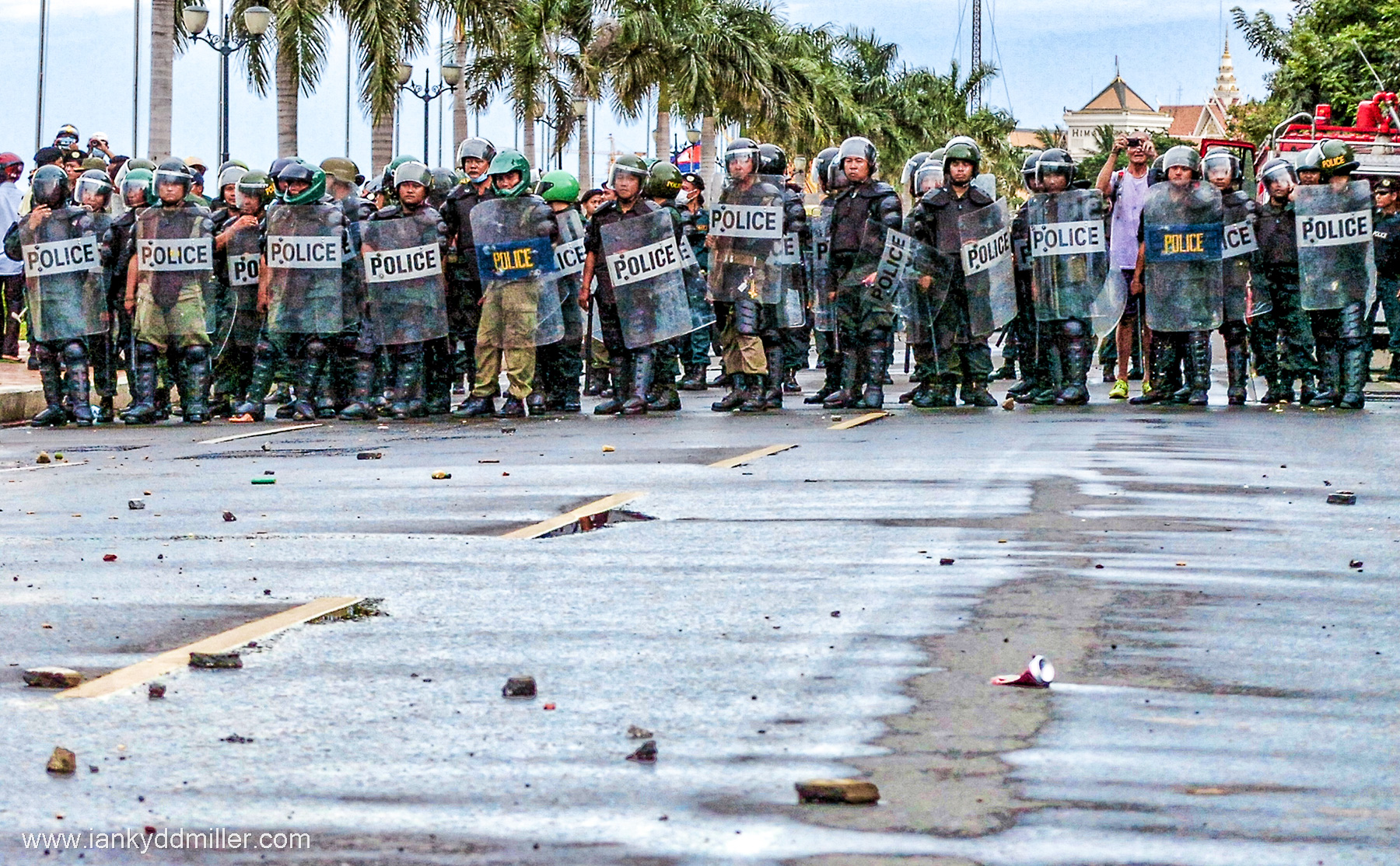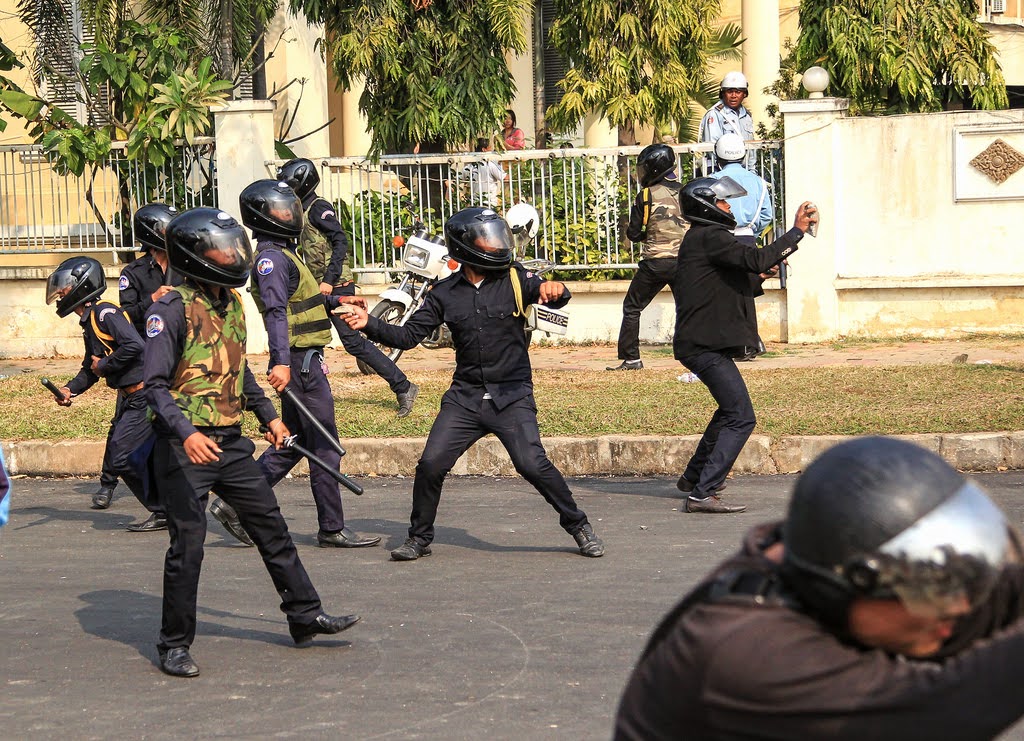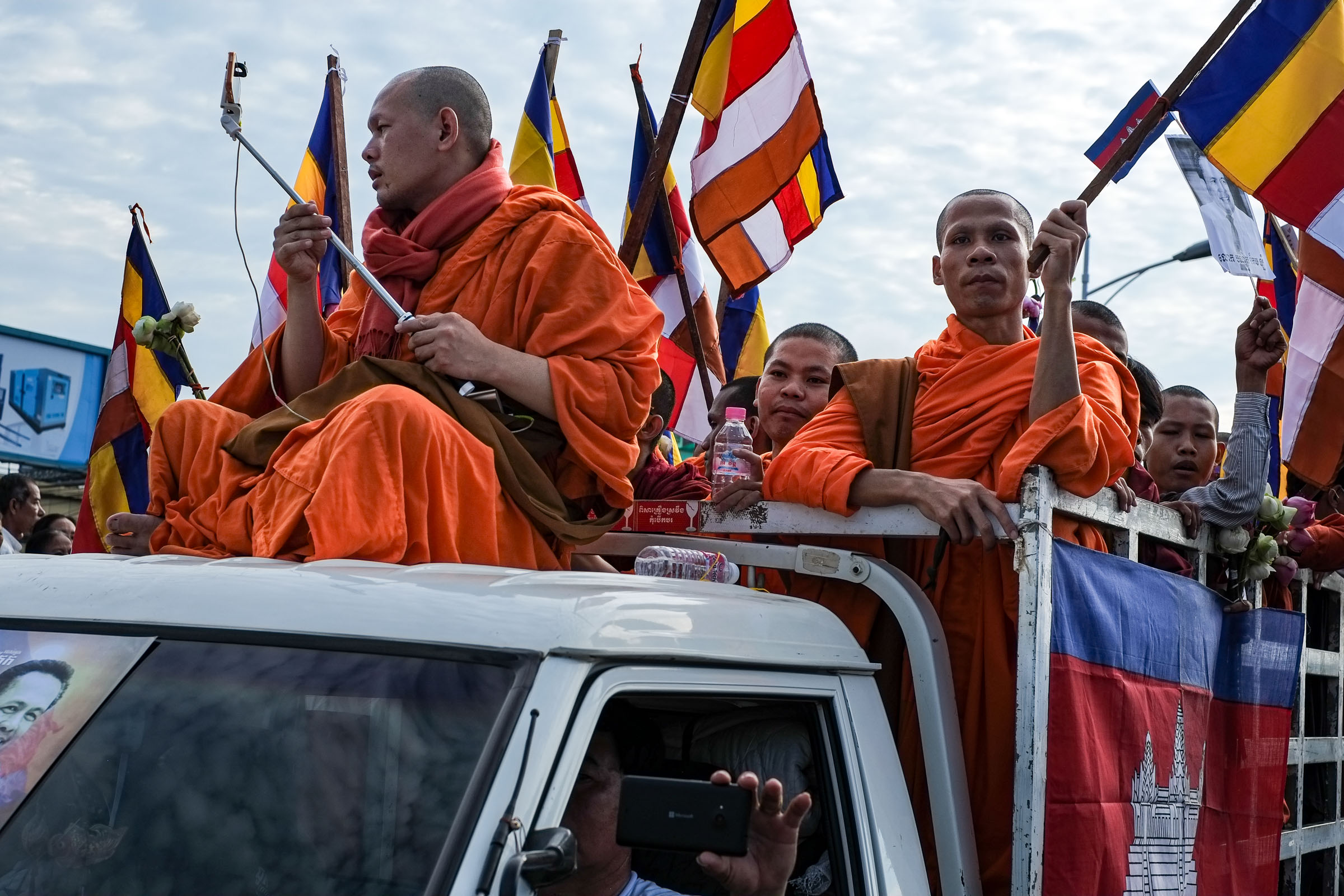

๐Ÿ“– Nikon D2Hs + Sigma 20mm f/1.8 โ€” Strengths, Weaknesses, and Legacy

Lenses, nikon, opinons, thoughts, pictures, street, Travel, Uncategorized, war

๐Ÿ•ฐ๏ธ Context

  • Nikon D2Hs (2005): A professional DX DSLR with a 4.1MP sensor, designed for speed, durability, and press work. It was the successor to the D2H, optimized for sports and photojournalism.
  • Sigma 20mm f/1.8 EX DG: One of the fastest wideโ€‘angle primes available, offering shallow depth of field and strong lowโ€‘light performance at a dramatic focal length.

โœ… Strengths

๐Ÿ“ธ Nikon D2Hs Body

  • Speed: 8 frames per second continuous shooting โ€” excellent for action and reportage.

  • Autofocus: 11โ€‘point Multiโ€‘CAM 2000 AF system, fast and reliable for its era.

  • Build quality: Magnesium alloy, weatherโ€‘sealed, designed for professional abuse.

  • Ergonomics: Proโ€‘style controls, dual command dials, and a large optical viewfinder.

  • Battery life: ENโ€‘EL4 battery delivers thousands of shots per charge.

โš™๏ธ Sigma 20mm f/1.8 Lens

  • Wide aperture: f/1.8 is unusually fast for a wideโ€‘angle, enabling shallow depth of field and lowโ€‘light shooting.
  • Perspective: On DX (D2Hs crop factor 1.5x), it becomes ~30mm equivalent โ€” versatile for street, documentary, and environmental portraiture.
  • Creative rendering: Strong subject isolation at close distances, with dramatic wideโ€‘angle compression.
  • Value: Affordable compared to Nikonโ€™s own fast wide primes.

โŒ Weaknesses

โš ๏ธ Nikon D2Hs Body

  • Resolution: 4.1MP is limiting for cropping and large prints. Files are clean but small.
  • ISO performance: Usable up to ISO 800โ€“1600, but noisy compared to modern sensors.
  • Weight: At ~1.2kg with battery, itโ€™s heavy for long shoots.
  • LCD: Small, lowโ€‘resolution rear screen makes reviewing images difficult.
  • Legacy limitations: No video, no modern connectivity (Wiโ€‘Fi, GPS).

๐Ÿง  Sigma 20mm f/1.8 Lens

  • Size & weight: Large and heavy for a prime, not discreet.
  • AF performance: Slower and noisier than Nikon AFโ€‘S lenses.
  • Optical flaws: Wide open, prone to softness, vignetting, and chromatic aberration.
  • Flare resistance: Weak coatings โ€” struggles with strong backlight.

โš–๏ธ Combined Use Case

ContextStrengthsWeaknesses
StreetFast AF, rugged body, versatile 30mm equivalentHeavy combo, limited resolution
DocumentaryWide perspective, shallow DOF at f/1.8Noisy AF, flare issues
Action8 fps burst, pro handling4.1MP limits cropping flexibility
Lowโ€‘lightf/1.8 aperture helpsSensor noise above ISO 800

โœจ Conclusion

The Nikon D2Hs + Sigma 20mm f/1.8 is a pairing full of character. The D2Hs delivers speed, durability, and reliability โ€” perfect for photojournalists of its era โ€” while the Sigma 20mm adds creative flexibility with its unusually fast aperture. Together, they excel in street, documentary, and action work, though they are limited by low resolution, heavy weight, and optical quirks.

Verdict: A rugged pro body and a quirky wide prime โ€” imperfect by modern standards, but capable of distinctive, characterful images when used deliberately.

๐Ÿ“– Yongnuo 100mm f/2 on the Nikon D300S โ€” Full Breakdown

cameras, Lenses, nikon, opinons, thoughts, photography, street, Travel

๐Ÿงฑ Build & Design

  • Lens type: Manual/AF telephoto prime, Nikon F mount
  • Focal length: 100mm (effective 150mm on D300S due to 1.5x crop)
  • Aperture: f/2โ€“f/16, 9-blade diaphragm for smooth bokeh
  • Build quality: Lightweight plastic barrel, metal mount โ€” feels budget but usable
  • Focus ring: Smooth but lacks tactile precision; not ideal for manual focus critical work

โœ… Strengths

๐Ÿ“ธ On the D300S

  • Effective 150mm reach: Excellent for tight portraits, isolating subjects, and compressing backgrounds
  • Wide aperture: f/2 allows shallow depth of field and low-light shooting
  • Bokeh: Surprisingly smooth for the price โ€” good subject-background separation
  • Color & contrast: Decent rendering, especially when stopped down to f/2.8โ€“f/4
  • Compatibility: Fully mounts and functions on the D300S, including autofocus

๐Ÿ’ฐ Value

  • Price point: Often under $150 โ€” one of the cheapest telephoto primes available
  • Entry-level telephoto: Great for photographers exploring longer focal lengths without investing in Nikonโ€™s 105mm or 135mm primes

โŒ Limitations

โš ๏ธ Autofocus

  • Inconsistent AF: Can hunt or miss focus, especially in low light or on older bodies like the D300S
  • Noisy motor: Audible whirring during focus โ€” not ideal for video or quiet environments
  • No internal focusing: Front element rotates, complicating use with polarizers

๐Ÿง  Optical Performance

  • Wide open softness: f/2 is usable but not tack-sharp; improves at f/2.8 and beyond
  • Chromatic aberration: Visible in high-contrast edges, especially wide open
  • Flare resistance: Weak coatings โ€” prone to ghosting and flare in backlit scenes

๐Ÿ•ฐ๏ธ D300S Constraints

  • 12MP resolution: Limits cropping flexibility โ€” lens flaws are less visible but detail is capped
  • No live view AF: Manual focus is harder without magnified preview
  • DX crop factor: You lose the โ€œclassic 100mmโ€ feel โ€” becomes more compressed, like a 150mm

โš–๏ธ Summary Table

FeatureYongnuo 100mm f/2 on D300S
Effective focal length150mm (DX crop)
AutofocusFunctional but unreliable
BokehSmooth, creamy at f/2
SharpnessSoft wide open, better at f/2.8โ€“f/4
BuildLightweight, budget feel
ValueHigh โ€” telephoto reach under $150
Best usePortraits, detail shots, compressed street scenes
LimitationsAF inconsistency, flare, chromatic aberration

Sources: Ian Kydd Millerโ€™s review, DPReview forums

โœจ Conclusion

The Yongnuo 100mm f/2 is a quirky but capable budget telephoto prime. On the Nikon D300S, it delivers creamy bokeh and tight framing ideal for portraits and compressed street scenes. Autofocus and optical quirks require patience, but for the price, itโ€™s a compelling tool โ€” especially if you embrace its limitations and shoot deliberately.

Verdict: A budget telephoto with character โ€” imperfect but rewarding when paired with the D300Sโ€™s rugged charm. (Not a bad lens for the $50 I paid for it, needs to be used with a little care, AF can be a little haphazard).

๐Ÿ“– Nikon D300S โ€” A Detailed Breakdown: Strengths, Weaknesses, and Legacy

cameras, Lenses, nikon, opinons, thoughts, photography, street, Travel

The Nikon D300S is a rugged, pro-grade APS-C DSLR from 2009 that still holds up for action, wildlife, and documentary work. It offers fast autofocus, dual card slots, and a tough build โ€” but itโ€™s limited by its 12MP resolution

๐Ÿ•ฐ๏ธ Overview

Released in 2009, the Nikon D300S was the flagship DX-format DSLR for serious enthusiasts and professionals. It built on the success of the D300 by adding HD video, dual card slots, and refined autofocus, making it a versatile tool for demanding field work.

โœ… Strengths

๐Ÿงฑ Build & Handling

  • Magnesium alloy body with weather sealing โ€” durable and field-ready.
  • Pro-style ergonomics โ€” dedicated buttons, top LCD, and deep grip for confident handling.
  • Dual card slots (CF + SD) โ€” useful for backup or overflow.

โš™๏ธ Performance

  • 12.3MP DX sensor โ€” modest by todayโ€™s standards, but clean files up to ISO 1600.
  • 7 fps burst shooting โ€” excellent for action, wildlife, and sports.
  • 51-point Multi-CAM 3500DX AF system โ€” fast, reliable autofocus with good tracking.

๐ŸŽฅ Video (for its time)

  • 720p HD video at 24fps โ€” Nikonโ€™s first serious attempt at video in a pro DSLR.
  • External mic input โ€” rare in DSLRs of that era.

โŒ Weaknesses

๐Ÿ“ธ Image Quality

  • 12MP resolution limits cropping and large print flexibility.
  • Not full-frame sensor โ€” DX format means less depth of field control and lower dynamic range than FX bodies.
  • ISO performance falls behind modern sensors โ€” noise creeps in above ISO 1600.

๐Ÿง  Features & Tech

  • No live view AF during video โ€” manual focus only.
  • No Wi-Fi or GPS โ€” lacks modern connectivity.
  • Fixed rear LCD โ€” no tilt or touch functionality.

๐Ÿ•ฐ๏ธ Aging Factors

  • Outpaced by successors like the D500 (2016), which offers 20.9MP, 10 fps, 4K video, and better ISO performance.
  • Limited resale value โ€” though still respected, itโ€™s now a niche tool.

โš–๏ธ Use Case Snapshot

Use CaseD300S StrengthsD300S Limitations
Wildlife & actionFast AF, 7 fps, rugged buildLower resolution, no 4K video
Documentary & field workDual cards, weather sealingNo Wi-Fi, limited ISO range
PortraitsGood color, reliable AFDX format limits bokeh control
VideoExternal mic, 24fps HDManual focus only, no full HD

โœจ Conclusion

The Nikon D300S remains a respected workhorse for photographers who value tactile control, durability, and fast autofocus. While its 12MP sensor and lack of modern features limit its relevance today, it still delivers clean, characterful files and reliable performance in demanding conditions.

Verdict: A classic pro DX body โ€” still capable, but best suited for those who value build and responsiveness over resolution and tech.

๐Ÿ“– Why My 12MP Nikon D700 Still Delivers Stunning A3 Prints

cameras, fujifilm, Lenses, nikon, opinons, thoughts, photography, street, Travel, viltrox

๐Ÿ•ฐ๏ธ A Classic Camera with Character

Released in 2008, the Nikon D700 was Nikonโ€™s first โ€œaffordableโ€ fullโ€‘frame DSLR. With its 12.1MP FX sensor, it might look modest compared to todayโ€™s 36MP, 45MP, or even 60MP monsters. Yet, it remains beloved by many photographers for its tonal depth, rugged build, and filmโ€‘like rendering.

๐ŸŽฏ The Myth of Megapixels

  • Resolution vs. perception: 12MP translates to an image size of roughly 4256 ร— 2832 pixels. At 300 dpi (standard print resolution), thatโ€™s enough for prints up to A3 size (16.5 ร— 11.7 inches) without visible loss of detail.
  • Beyond numbers: Sharpness, dynamic range, and lens quality matter more than raw pixel count. A wellโ€‘exposed, wellโ€‘composed D700 file will outshine a sloppy 45MP shot.
  • Viewing distance: Large prints are rarely examined at noseโ€‘length. At normal viewing distances, 12MP images look crisp and immersive.

๐Ÿ“ธ Why the D700 Excels

  • Fullโ€‘frame sensor: Larger pixels mean better lightโ€‘gathering ability, resulting in cleaner files and smoother tonal transitions.
  • Dynamic range: The D700 captures highlights and shadows with grace, giving prints depth and richness.
  • Color rendering: Its files have a distinctive โ€œthicknessโ€ โ€” less clinical than modern sensors, often described as filmโ€‘like.
  • Workflow: Smaller RAW files are faster to process and archive, making it practical for long projects.

โš–๏ธ Lens Quality Matters

Pairing the D700 with highโ€‘quality primes (like the Nikkor 85mm f/1.8G or classic D lenses) ensures that the sensorโ€™s resolution is fully utilized. A sharp lens with good microโ€‘contrast can make a 12MP file look far more detailed than the megapixel count suggests.

๐Ÿ“Š Comparative Snapshot

FactorD700 (12MP)Modern DSLR/Mirrorless (36โ€“45MP)
Print sizeUp to A3 comfortablyUp to A1 or billboard
File size~12โ€“14MB RAW40โ€“60MB RAW
WorkflowFast, efficientDemands more storage & computing
RenderingFilmโ€‘like, atmosphericClinical, ultraโ€‘sharp
FlexibilityLimited croppingExtreme cropping possible

โœจ Conclusion

The Nikon D700 proves that megapixels arenโ€™t everything. With its 12MP sensor, it produces images rich in tone, character, and detail โ€” easily printable up to A3. For many photographers, the D700โ€™s files feel more alive than those from modern highโ€‘resolution cameras.

Verdict: A wellโ€‘crafted 12MP image can be more powerful than a soulless 45MP file. The D700 reminds us that photography is about vision, not just resolution.

๐Ÿ“– Does Camera and Lens Quality Make You a Better Photographer?

cameras, fujifilm, Lenses, nikon, opinons, thoughts, photography, street, Travel, viltrox

๐ŸŽฏ The Case for Better Gear

  • Optical performance: Highโ€‘quality lenses deliver sharper images, better color rendition, and smoother bokeh. They can make even entryโ€‘level camera bodies perform like professional tools.
  • Lowโ€‘light capability: Expensive cameras often have larger sensors and better ISO performance, allowing clean images in dim conditions.
  • Autofocus speed & accuracy: Modern lenses and cameras track subjects more reliably, especially in sports or wildlife photography.
  • Durability: Professional gear is often weatherโ€‘sealed and built to withstand heavy use.

โš ๏ธ The Limits of Gear

  • Skill matters more: As John Mak notes, โ€œbetter gear does help take better pictures, but the story your photo tells is more important than technical aspectsโ€.
  • Composition & timing: Iconic photos throughout history were taken with modest equipment. Vision and timing outweigh megapixels.
  • Learning curve: Beginners may not benefit from advanced gear if they havenโ€™t mastered fundamentals like exposure, framing, and light.
  • Risk of dependency: Believing gear equals progress can distract from developing creativity and storytelling.

โš–๏ธ Balanced Perspective

AspectHighโ€‘Quality GearPhotographerโ€™s Skill
Sharpness & resolutionImproves technical image qualityCan be compensated with technique (tripod, careful focus)
Lowโ€‘light shootingCleaner files, faster lensesCreative use of light sources, long exposures
AutofocusFaster, more reliableAnticipation, manual focus discipline
Bokeh & renderingCreamier blur, richer colorComposition and subject choice define impact
StorytellingNeutral โ€” gear doesnโ€™t add meaningVision, timing, and narrative make photos memorable

๐ŸŒ Expert Consensus

  • Lens quality often matters more than camera body quality โ€” lenses are the โ€œeyesโ€ of the system.
  • Better gear expands possibilities but doesnโ€™t replace skill โ€” itโ€™s a tool, not a shortcut.
  • True improvement comes from practice, study, and creative exploration.

โœจ Conclusion

Gear quality enhances technical performance but does not define artistry. A better camera and lens can help you capture sharper, cleaner, and more versatile images, but becoming a better photographer requires vision, practice, and storytelling. The best path is to master fundamentals first, then upgrade gear when your skills demand it.

Verdict: Better gear improves possibilities; better skills make photographs. I tend to use the best gear I can afford, lenses and camera, but it does not make me a better photographer IMO.

๐Ÿ“– Nikkor 85mm f/1.8D vs f/1.8G โ€” A Detailed Comparison

cameras, Lenses, nikon, opinons, thoughts, photography, pictures, street, Travel
  • NIKKOR AF-S 85mm f/1.8G vs NIKKOR AF 85mm f/1.8D (ะกะบะพั€ะพัั‚ัŒ ะฐะฒั‚ะพั„ะพะบัƒัะฐ ...
  • Nikon 85 mm F 1.8 D AF Nikkor review. Test Nikon AF Nikkor 85mm f / 1 ...
  • Nikon AF-S 85mm f/1.8G FX telefoto portretni objektiv Nikkor auto focus ...

๐Ÿ•ฐ๏ธ Historical Context

  • 85mm f/1.8D (1994): A workhorse portrait lens from the film era, designed for Nikon bodies with screwโ€‘drive autofocus.
  • 85mm f/1.8G (2012): A modern redesign with AFโ€‘S motor, optimised for digital sensors, offering improved sharpness and coatings.

โš™๏ธ Technical Comparison

FeatureNikkor 85mm f/1.8DNikkor 85mm f/1.8G
Year introduced19942012
AutofocusScrewโ€‘drive (needs motor in body)AFโ€‘S Silent Wave Motor (works on all Nikon DSLRs)
Aperture blades7 straight9 rounded
BokehSlightly harsher, polygonal highlightsSmoother, creamier, round highlights
Optical design6 elements in 6 groups9 elements in 9 groups
CoatingsOlder NIC coatingsModern Super Integrated Coating
Minimum focus85 cm80 cm
Weight380 g350 g
Aperture ringYes (useful for film/manual bodies)No (Gโ€‘type, controlled electronically)
Price (used/new)Lower, often $250โ€“300 usedHigher, ~$450โ€“500 new

Sources: CameraDecision comparison, DPReview lens specs, CameraLabs group test.

๐Ÿ“ธ Rendering & Image Quality

  • Sharpness: The f/1.8G is sharper wide open, especially in the corners, while the f/1.8D improves when stopped down.
  • Bokeh: The f/1.8Gโ€™s rounded blades produce smoother background blur, making it more flattering for portraits.
  • Colour & contrast: The f/1.8G benefits from modern coatings, giving richer contrast and reduced flare compared to the f/1.8D.
  • Character: The f/1.8D has a slightly more โ€œclassicโ€ rendering โ€” some photographers appreciate its harsher bokeh and vintage feel.

โš–๏ธ Practical Considerations

  • Compatibility: The f/1.8D wonโ€™t autofocus on entryโ€‘level Nikon DSLRs (D3xxx, D5xxx series), while the f/1.8G works on all bodies.
  • Film shooters: The f/1.8Dโ€™s aperture ring makes it more versatile for older Nikon film cameras.
  • Digital shooters: The f/1.8G is better suited for modern DSLRs and mirrorless (via FTZ adapter).
  • Budget: The f/1.8D is cheaper on the used market, but the f/1.8G offers better overall performance for digital workflows.

โœจ Conclusion

  • Choose the f/1.8D if you want a budgetโ€‘friendly lens with aperture ring compatibility and donโ€™t mind screwโ€‘drive autofocus.
  • Choose the f/1.8G if you want modern sharpness, smoother bokeh, and full compatibility with all Nikon DSLRs and mirrorless setups.

Verdict: The f/1.8D carries vintage character and affordability, while the f/1.8G delivers modern performance and versatility.

Nikkor 85mm f/1.4G and 85mm f1.8G : a comparison

Lenses, nikon, opinons, thoughts, photography, street, Travel

Both lenses are excellent; the 85mm f/1.4G gives the smoothest bokeh and the shallowest depth of field, while the 85mm f/1.8G delivers nearly the same image quality for far less weight and costโ€”choose the f/1.4 for ultimate portrait look, the f/1.8 for value and portability.

Quick guide

  • Key considerations: bokeh quality, wideโ€‘open sharpness, autofocus speed/noise, weight, and budget.
  • Clarifying questions: Do you shoot mostly tight portraits or environmental headshots? Do you need the absolute shallowest DOF or a lighter, quieter lens for long sessions?
  • Decision points: Pick 85mm f/1.4G if you prioritise creamy bokeh and maximum subject separation; pick 85mm f/1.8G if you want excellent optics, lower weight, and better value.

Comparison table

Attribute85mm f/1.8G85mm f/1.4G
Max aperturef/1.8f/1.4
Typical weightLighter; easy to carryHeavier; more substantial
BokehSmooth, very goodCreamier, more painterly
Sharpness (stopped down)ExcellentExcellent
AF speed/noiseFast and quiet (AFโ€‘S)Good, depends on generation
Best useEveryday portraits, eventsHighโ€‘end portraits, editorial work

Optical performance

Sharpness: Both lenses become very sharp by f/2.8โ€“f/4; the D800/D810 will reveal differences, so technique matters. Wide open the f/1.4G can deliver a softer, more painterly look that many portraitists prize, while the f/1.8G tends to be a touch crisper and more forgiving wide open. Bokeh and rendering: the f/1.4G generally produces smoother highlight rollโ€‘off and creamier backgrounds, but the f/1.8G renders pleasing, natural separation at a fraction of the cost.

Autofocus, handling, and build

AF system: Both are AFโ€‘S designs (builtโ€‘in motor) and work well on modern Nikon bodies; the f/1.8G is typically lighter and quieter, making it easier for long handheld sessions. Build and balance: the f/1.4G often feels more substantial and better balanced on larger bodies, which some photographers prefer for controlled portrait work.

Price, value, and realโ€‘world use

Cost vs benefit: The f/1.4G commands a premium for its shallow DOF and build; the f/1.8G is widely praised as an excellent value that covers 90โ€“95% of realโ€‘world portrait needs. For event shooters or photographers who carry a kit all day, the f/1.8G often wins on practicality and ROI.

Risks, tradeโ€‘offs, and actionable steps

  • Risk: Buying the f/1.4G for its shallow DOF can lead to missed shots due to narrow focus; Action: practice precise focus, use singleโ€‘point AF or backโ€‘button AF, and stop down when needed.
  • Tradeโ€‘off: Heavier kit vs subtle image nuance; Action: rent or test both on your body to judge real differences in your workflow.
  • Budget risk: Paying for marginal gains; Action: if you shoot long sessions or need portability, favour the f/1.8G for the best costโ€‘toโ€‘performance ratio.

Recommendation

If you want the ultimate portrait look and can live with extra weight and cost, choose the 85mm f/1.4G. If you want nearly identical image quality with lower weight and much better value, choose the 85mm f/1.8G.

The Nikkor 50mm f/1.4D + Nikon D800

cameras, Lenses, nikon, opinons, thoughts, photography, street

The Nikkor 50mm f/1.4D is a very good match for the Nikon D800 when you value classic rendering and character; it autofocuses on the D800 (screwโ€‘drive), gives pleasing bokeh and microโ€‘contrast, and performs best when stopped to f/2f/2โ€“f/4f/4for critical work.

Quick guide

  • Key considerations: Autofocus type (AFโ€‘D screwโ€‘drive), wideโ€‘open rendering vs stoppedโ€‘down sharpness, chromatic aberration and vignetting on a highโ€‘resolution sensor.
  • Clarifying questions to answer for yourself: Do you need silent/fast AF (AFโ€‘S) or are you keeping the Dโ€‘series look? Will you prioritise center sharpness or the lensโ€™s organic character?
  • Decision points: Keep the 50/1.4D for its look and price, or upgrade to an AFโ€‘S 50/1.4G if you need faster/quieter AF.

Compatibility and performance

Autofocus compatibility: The 50mm f/1.4D is an AFโ€‘D lens that uses the cameraโ€™s screwโ€‘drive motor; the D800 supports this, so the lens will autofocus on your body. Optical character: on a highโ€‘resolution body like the D800 the lensโ€™s filmโ€‘era rendering becomes more apparent โ€” softness and aberrations at f/1.4f/1.4 are common, but sharpness improves markedly by f/2f/2and is strong by f/2.8f/2.8, especially in the center. Realโ€‘world user reports praise its look but note focus quirks and the need for careful technique on highโ€‘MP bodies.

Practical tips and workflow

  • Focus technique: Use singleโ€‘point AF or backโ€‘button AF and place the point on the subjectโ€™s eye; at f/1.4f/1.4 depth of field is very thin, so precise focus is essential.
  • Aperture strategy: Use f/1.4โ€“f/2 for subject isolation and low light; f/2.8โ€“f/4 for portraits and editorial crops where edge performance matters.
  • AF fineโ€‘tune: Run an AF fineโ€‘tune calibration on the D800 if you notice consistent front/back focus; many D800 users report improved results after calibration.
  • RAW workflow: Shoot RAW, apply targeted chromatic aberration correction and mild sharpening; accept or embrace some vignetting as part of the lensโ€™s character.
  • Support and technique: For critical highโ€‘resolution output, use a steady hand, higher shutter speeds, or a tripod to match the D800โ€™s resolving power.

Risks tradeโ€‘offs and actionable steps

  • Tradeโ€‘offs: You trade AF speed and silence for character and cost; the AFโ€‘Dโ€™s screwโ€‘drive is noisier/slower than AFโ€‘S alternatives. The D800 magnifies lens flaws (CA, corner softness, vignetting).
  • Actionable steps:
    1. Calibrate AF on the D800 and test at multiple apertures to find the sweet spot.
    2. Stop down to f/2.8f/2.8โ€“f/4f/4 for edgeโ€‘toโ€‘edge sharpness when needed.
    3. Shoot RAW and apply selective CA correction and denoise in post.
    4. Consider AFโ€‘S 50/1.4G only if you need faster, quieter AF and slightly improved optical control.

Closing

If you value classic rendering, microโ€‘contrast, and costโ€‘toโ€‘performance, the Nikkor 50mm f/1.4D is an excellent, characterful lens on the D800 โ€” provided you use careful focus technique, stop down when necessary, and apply a disciplined RAW workflow. For lab tests and longโ€‘term user impressions, see community discussions and reviews that document both the lensโ€™s charm and its practical limits.

Nikon D800 + Nikkor 85mm f/1.8G: Why this pairing works

cameras, Lenses, nikon, opinons, thoughts, photography, street

Sensor and lens synergy

The D800โ€™s highโ€‘resolution fullโ€‘frame sensor magnifies the optical character of whatever glass you mount on it. A wellโ€‘resolved prime like the 85mm f/1.8G shows its strengths here: fine detail, strong microโ€‘contrast, and smooth outโ€‘ofโ€‘focus rendering. The lens is sharp wide open, and the D800 gives you the headroom to crop or print large without losing detail.

What the 85mm brings to street work

  • Compression and subject separation โ€” the 85mm compresses background elements, making subjects pop while keeping context readable.
  • Fast aperture โ€” at f/1.8 you get shallow depth of field for portraits and lowโ€‘light capability for evening street scenes.
  • Compact and light โ€” easier to carry than heavier 85mm f/1.4 options, so it fits a street kit without weighing you down.
  • Affordable performance โ€” excellent value for the image quality it delivers on a highโ€‘resolution body.

Practical setups and use cases

Daytime street portrait kit

  • Body: D800
  • Lens: Nikkor 85mm f/1.8G
  • Settings: Aperture priority around f/2f/2โ€“f/2.8f/2.8; shutter speed โ‰ฅ1/250\geq 1/250 for handheld; ISO as low as practical for clean files.
  • Why: Fast enough for subject isolation while keeping enough depth for expressive environmental portraits.

Lowโ€‘light and night scenes

  • Body: D3S or D800 (D3S if extreme ISO needed)
  • Lens: 85mm f/1.8G wide open
  • Settings: Manual or aperture priority at f/1.8f/1.8; shutter speed โ‰ฅ1/125\geq 1/125 for single subjects; raise ISO as needed and embrace grain on older bodies.
  • Why: The 85mmโ€™s aperture plus the D800โ€™s resolution lets you retain detail even when pushing ISO; on the D3S you gain cleaner highโ€‘ISO files.

Editorial and highโ€‘detail work

  • Body: D800 or D810
  • Lens: 85mm f/1.8G stopped to f/4f/4โ€“f/5.6f/5.6 for maximum sharpness across the frame
  • Why: Use the D800/D810โ€™s resolution to capture textures and expressions for prints or tight crops; stop down slightly for edgeโ€‘toโ€‘edge clarity.

Shooting tips to get the most from the combo

  • Nail focus technique โ€” at f/1.8f/1.8 depth of field is thin; place your focus point on the subjectโ€™s eye and use singleโ€‘point AF or backโ€‘button AF for control.
  • Mind your distance โ€” 85mm requires stepping back compared with 35/50mm; use that distance to create natural, unposed expressions.
  • Use the compression โ€” position background elements deliberately; the 85mm will compress them into pleasing layers behind your subject.
  • Stop down when needed โ€” for groups or environmental portraits, move to f/4f/4โ€“f/5.6f/5.6 to keep more in focus while retaining the lensโ€™s character.
  • Leverage the D800โ€™s files โ€” shoot RAW, apply careful sharpening and selective noise reduction, and preserve the lensโ€™s microโ€‘contrast in post.

How this pairing fits your Nikon lineup

  • Compared with D300S/D700/D3S: The D800 + 85mm is the highโ€‘detail, editorial option in your kit. Use it when you want large prints, tight crops, or a different look from your 35/50/85 primes on smaller bodies.
  • Compared with D800 + other primes: The 85mm is more portraitโ€‘centric than a 35mm or 50mm; itโ€™s less versatile for wide environmental street shots but excels at intimate portraits and compressed street scenes.
  • Workflow note: The D800โ€™s files are largeโ€”keep a disciplined RAW workflow and back up originals; consistent editing preserves the lensโ€‘andโ€‘body character across a series.

Final thought

If you prize subject isolation, flattering compression, and highโ€‘resolution detail, the D800 + Nikkor 85mm f/1.8G is a superb pairing. It asks you to compose with intention, focus precisely, and use distance as a creative toolโ€”exactly the kind of discipline that older, characterful Nikon bodies reward.

Rediscovering Nikon DSLRs That Still Deliver

Lenses, nikon, opinons, thoughts, photography, pictures, street, Travel

Quick guide and decisions to make

  • Key considerations: Do you prioritise resolution and cropping or lowโ€‘light headroom and tactile handling?
  • Clarifying questions to frame the post: Which primes do you favour; do you shoot more daylight or night street work; is portability or ruggedness more important?
  • Decision points for readers: Choose a primary body for the job (high resolution vs low light), keep a consistent RAW workflow, and match prime focal lengths to your shooting style.

Why these bodies matter

  • Nikon D810 delivers 36.3MP fullโ€‘frame resolution and a wide ISO range, making it ideal when detail and cropping latitude matter.
  • Nikon D300S is a rugged DX workhorse with 12.3MP, weather sealing, and reliable handlingโ€”built for deliberate street work.
  • Nikon D700 brought fullโ€‘frame ergonomics and lowโ€‘noise files in a compact body, with ~12MP that many still prize for tonality and handling.
  • Nikon D800 introduced 36MP fullโ€‘frame resolution that rewards sharp glass and careful technique.
  • Nikon D3S remains a lowโ€‘light specialist with exceptional highโ€‘ISO performance and professional durability.

Lenses and setups

  • Core approach: Use highโ€‘quality primes; the glass defines look more than megapixels.
  • Recommended focal lengths: 35mm for context; 50mm for natural perspective; 85mm for portraits and distance; use short tele on the D800/D810 for tight editorial crops.
  • Sample kits: D300S + 35mm f/1.8 for light, fast street; D3S + 50mm/85mm f/1.4 for night; D800/D810 + premium primes for highโ€‘detail work.

How limitations shape style

  • Lower megapixel bodies encourage decisive composition and embrace of grain as aesthetic.
  • Highโ€‘resolution bodies change your workflow: sharper technique, steadier support, and premium glass become essential.
  • Lowโ€‘light specialists let you capture moments others miss, expanding creative possibilities after dark.

Practical tips and workflow

  • Expose for highlights and protect midtones on older sensors; shoot RAW and apply selective noise reduction.
  • Keep ISO conservative on D300S/D700; use D3S for highโ€‘ISO freedom.
  • Maintain lens care and a consistent edit style to preserve camera character.
  • Let lenses lead: prime rendering, microโ€‘contrast, and bokeh shape the final image more than sensor specs.

Risks tradeโ€‘offs and actionable steps

  • Tradeโ€‘offs: Older bodies lack modern conveniences (Wiโ€‘Fi, fastest AF, greatest dynamic range). Action: pick one body as your daily driver and a second as a specialist to avoid workflow fragmentation.
  • Noise and recovery limits: Older sensors have less headroom. Action: expose carefully, bracket when possible, and use modern denoise tools selectively.
  • Value vs needs: If you need cuttingโ€‘edge AF or extreme high ISO, consider supplementing with a modern body; otherwise, invest in sharp primes and technique.

Closing thought Paired with highโ€‘quality primes, the D300S, D700, D800, D3S, and D810 form a versatile, characterful system that rewards intentional seeing: the lenses you choose and the way you shoot will define your voice more than the newest sensor.