
After more than four decades of making photographs, I have come to the conclusion that photographers can turn almost anything into an argument.
Nikon against Canon. DSLR against mirrorless. Prime against zoom. Manual against autofocus. Film against digital. And somewhere among all this noise sits one of the old favourites:
JPEG or RAW?
Mention JPEG in certain photographic circles and somebody will look at you as though you have just admitted to putting ketchup on a Michelin-starred dinner.
“You shoot JPEG?” Yes. Sometimes I do.
And the world continues to turn.
I have shot RAW for years. I understand exactly why it exists and what it gives me. A RAW file contains considerably more information than a JPEG. It gives me greater latitude with exposure, white balance, highlights and shadows. If I have slightly cocked things up when I pressed the shutter, RAW gives me a better chance of rescuing the photograph afterwards.
That is useful.
But somewhere along the road, photographers began confusing useful with essential.
It isn’t.
The question isn’t whether RAW is technically superior. It is. The question is whether that technical superiority matters for the photograph you are making. Those are two very different things.
When I started taking pictures there was no RAW file waiting patiently for me to change my mind. You chose your film. You chose your exposure. You made decisions before pressing the shutter because those decisions mattered.
Kodachrome was Kodachrome. Tri-X was Tri-X.
If you got the exposure badly wrong, you didn’t pull a little slider marked “Highlights” and congratulate yourself on recovering two stops. You had a badly exposed photograph.
That taught discipline.
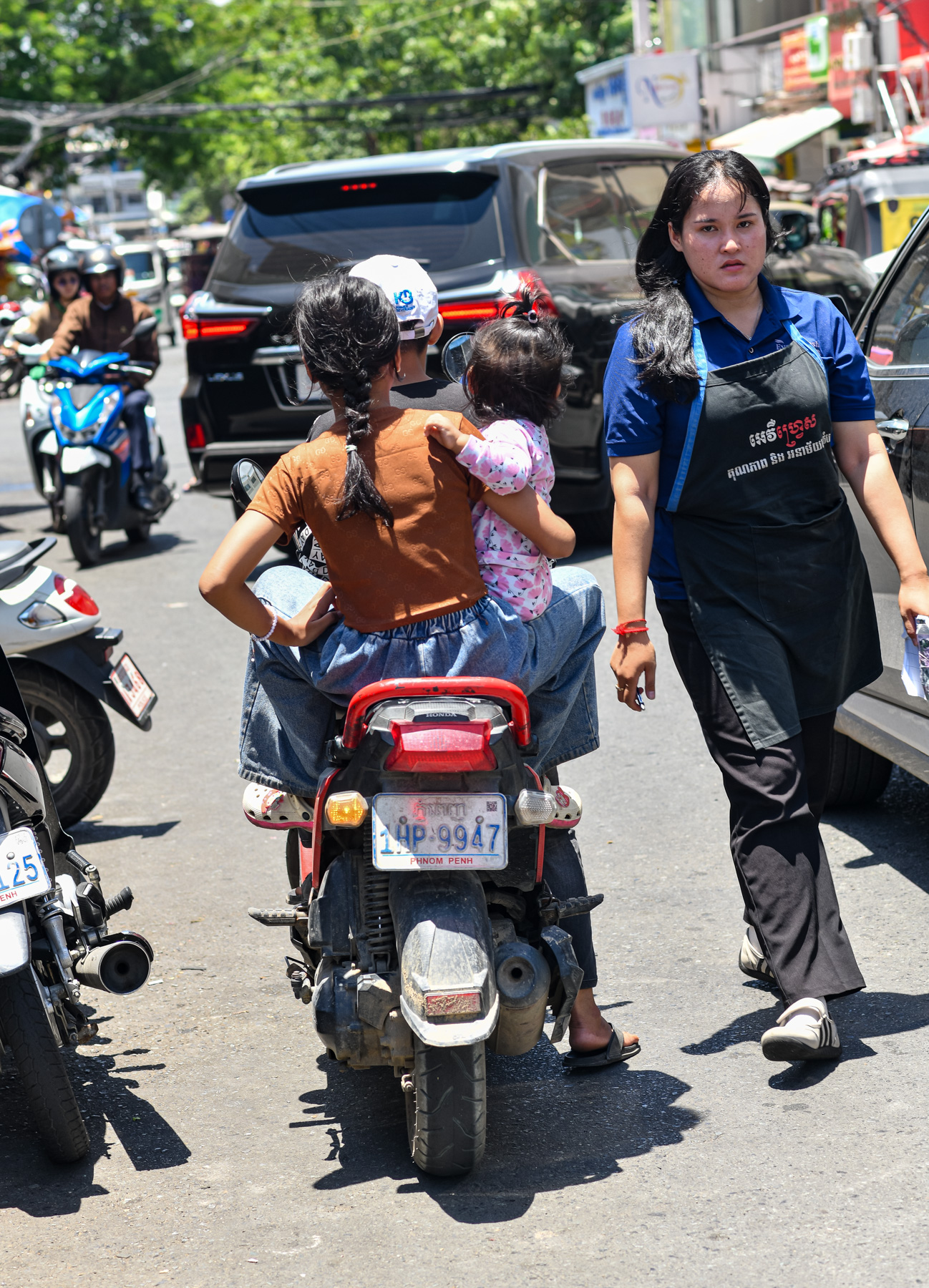
Digital photography has given us extraordinary freedom, and I wouldn’t willingly surrender it. But freedom can make us lazy. RAW files can encourage the idea that exposure is merely a rough suggestion to be sorted out later.
I’ll fix it in post.
Possibly the most expensive five words in modern photography.
JPEG asks something slightly different of the photographer. It asks you to make more decisions at the time of exposure. White balance matters. Picture settings matter. Exposure matters. You are allowing the camera to take the information coming from the sensor and produce something close to a finished photograph.
There is something rather refreshing about that.
You take the picture. You look at it. You like it. Finished.
No enormous file. No twenty minutes staring at Lightroom wondering whether the shadows should be +17 or +23. No making six versions and eventually deciding that the first one was better.
Just a photograph.
And perhaps that is why I have become more sympathetic towards JPEG as I’ve become older.
I don’t need every photograph to be a technical excavation.
Sometimes I simply want to make pictures.
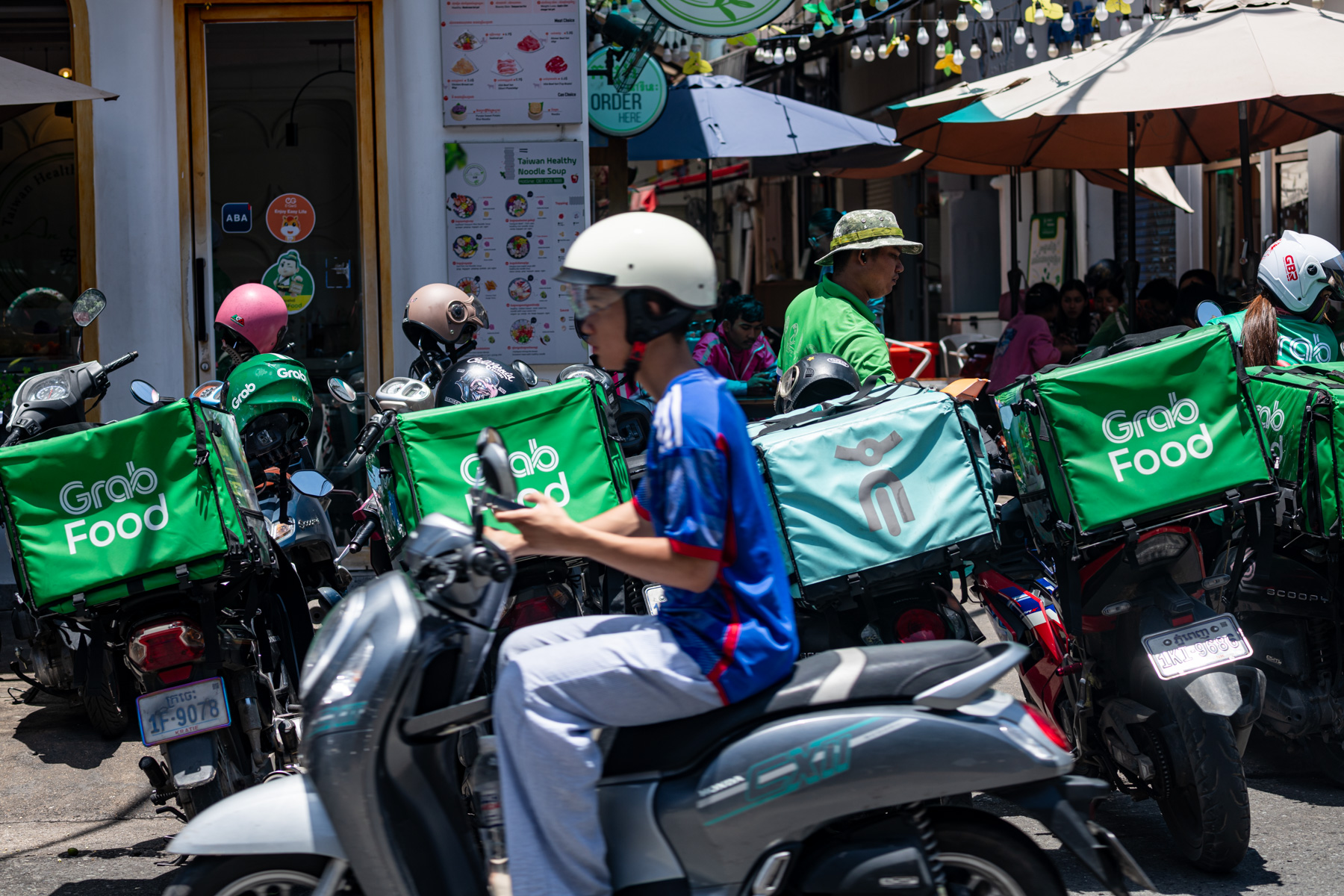
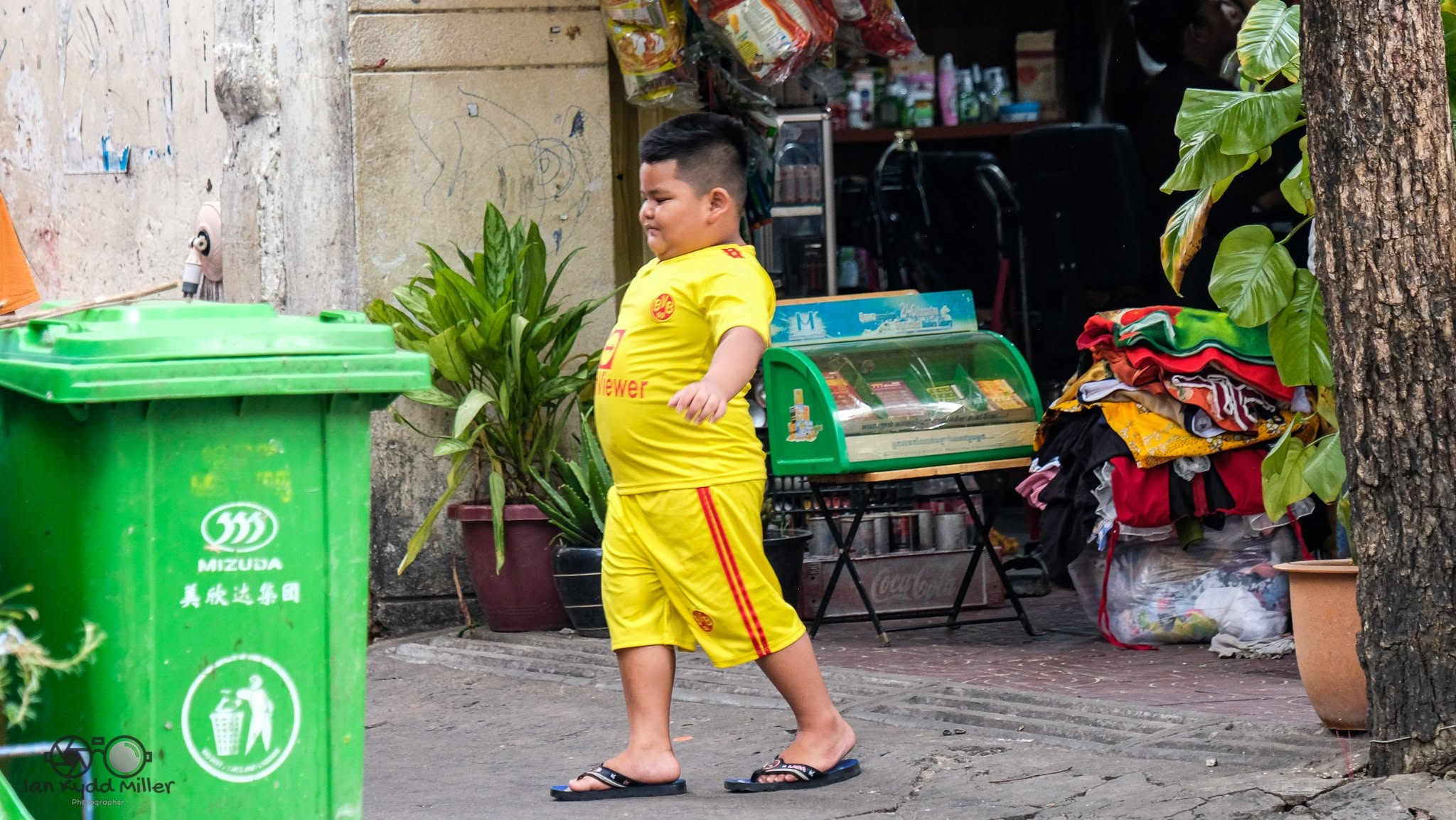
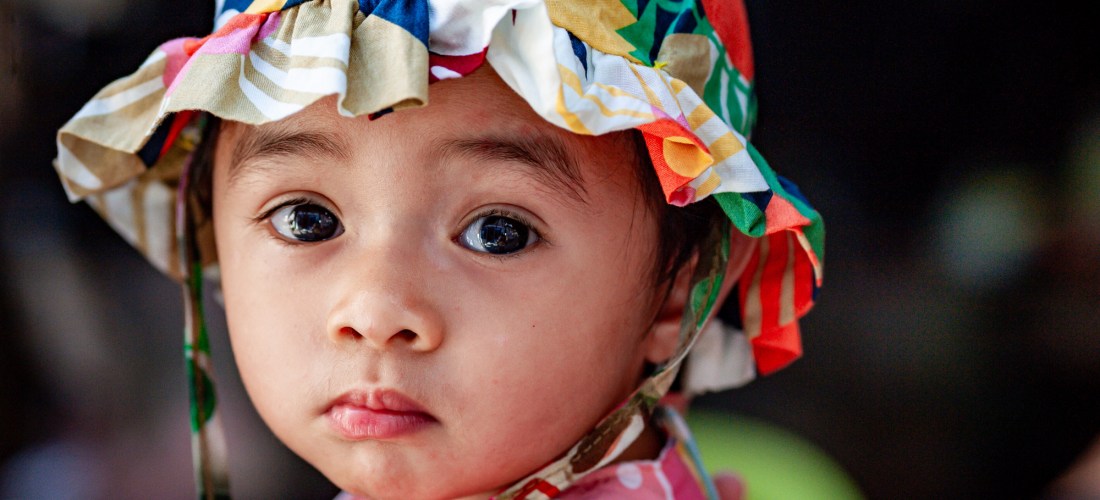
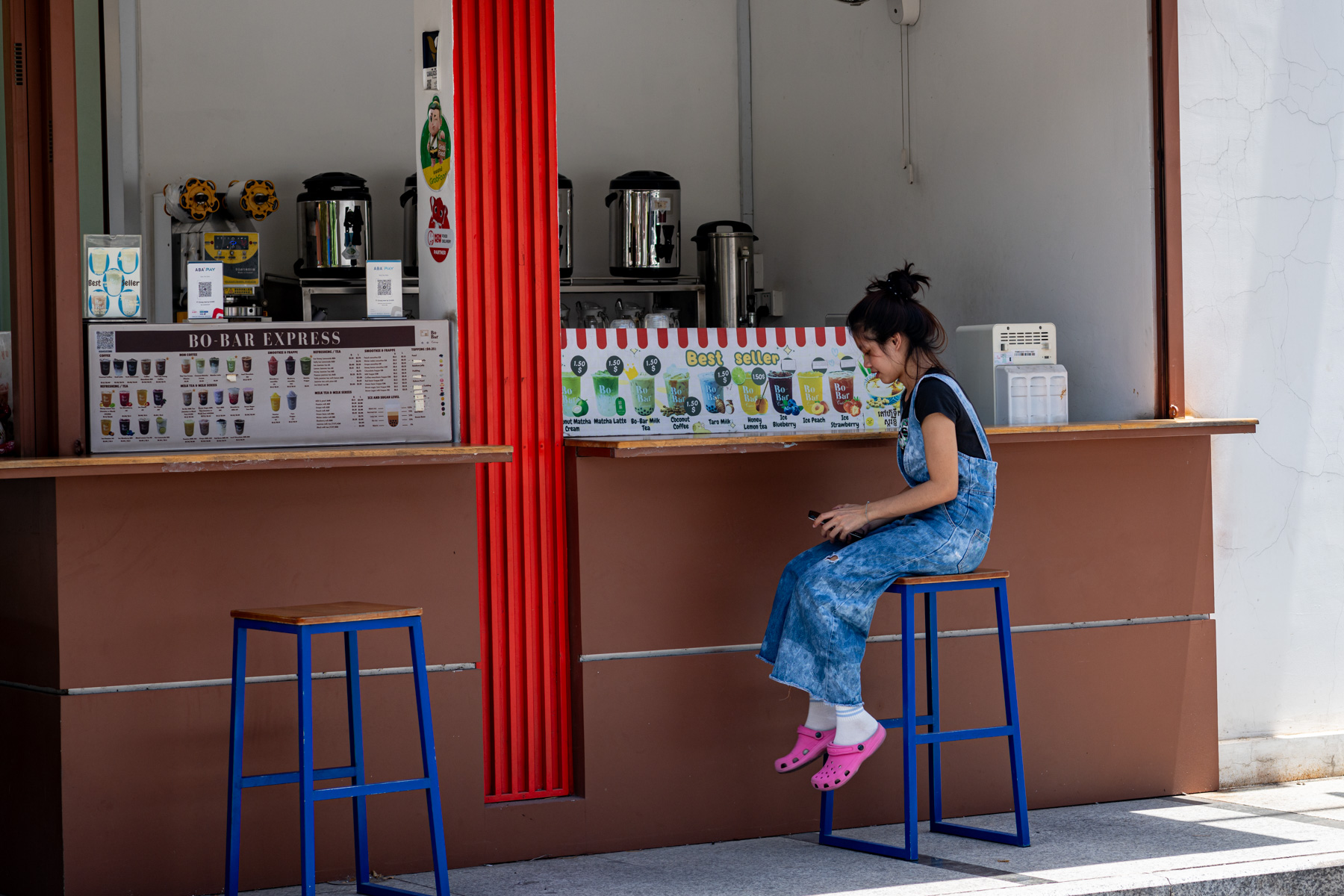
Walking around Phnom Penh with a camera, I am far more interested in the man crossing the road, the expression on someone’s face, the shaft of afternoon light falling through a doorway or the brief collision of people and background that lasts perhaps half a second.
That is photography to me. Nobody looking at the finished picture is going to lean forward and whisper: “Magnificent. I can really see the 14-bit colour depth.” They either respond to the photograph or they don’t.
That doesn’t mean RAW is pointless. Far from it.
If I am photographing something important, working in difficult or rapidly changing light, dealing with extreme contrast, or simply know that I am going to want maximum control over the finished image, I will shoot RAW without hesitation.
RAW is insurance.
And sometimes insurance is bloody useful.
A slightly underexposed face can be recovered beautifully. White balance can be corrected without destroying the file. Highlights that appear gone may still contain information. A difficult image can be worked carefully until it resembles what I saw—or, perhaps more accurately, what I remember seeing.
For serious printing, particularly large prints, I like having that information available. But there is another side to it. RAW creates work.
Big files. More storage. More backups. More processing. More decisions. More time sitting in front of a computer instead of walking around with a camera.
After 45 years, I know which side of that equation interests me most. It isn’t the computer.
Photography has gradually become extraordinarily good at persuading us that everything must be maximised.
Maximum dynamic range. Maximum resolution. Maximum bit depth. Maximum sharpness. Maximum editing latitude. Maximum everything.
Except, occasionally, enjoyment.
And that is where JPEG deserves another hearing.
A properly exposed JPEG from a good camera can be astonishingly good. Modern cameras are remarkably sophisticated at processing their own files. Even some of my older cameras produce JPEGs that need very little attention.
Get the exposure right. Get the light right. Get the moment right.
There isn’t necessarily much left to do.
And here’s the uncomfortable part.
If a photograph only becomes interesting because I spent forty minutes dragging sliders around, perhaps the problem wasn’t the file format.
Perhaps the photograph wasn’t very interesting.
RAW cannot rescue a boring picture.
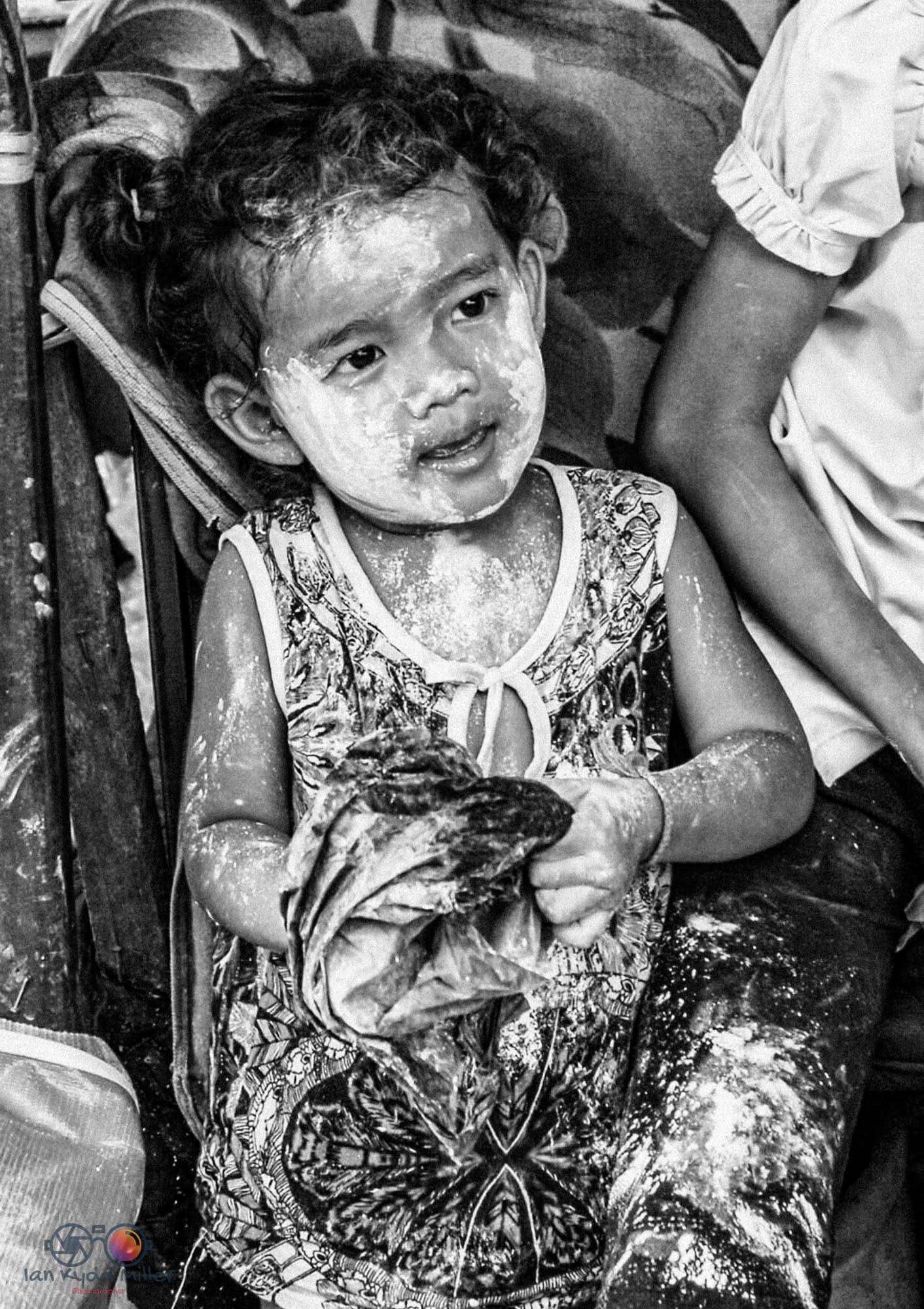
It cannot put expression into a blank face. It cannot improve timing. It cannot move your feet three steps to the left. It cannot clean up a dreadful background. It cannot make you notice what you failed to notice. And it certainly cannot give a photograph soul.
Those things still belong to the photographer.
There is also something to be said for limitations. Photographers often regard limitations as problems to overcome, but I’ve increasingly come to think they can be useful. Limitations force decisions.
One camera. One lens. One focal length. One file format.
Suddenly you stop thinking about possibilities and start looking at what is actually in front of you.
JPEG can be part of that.
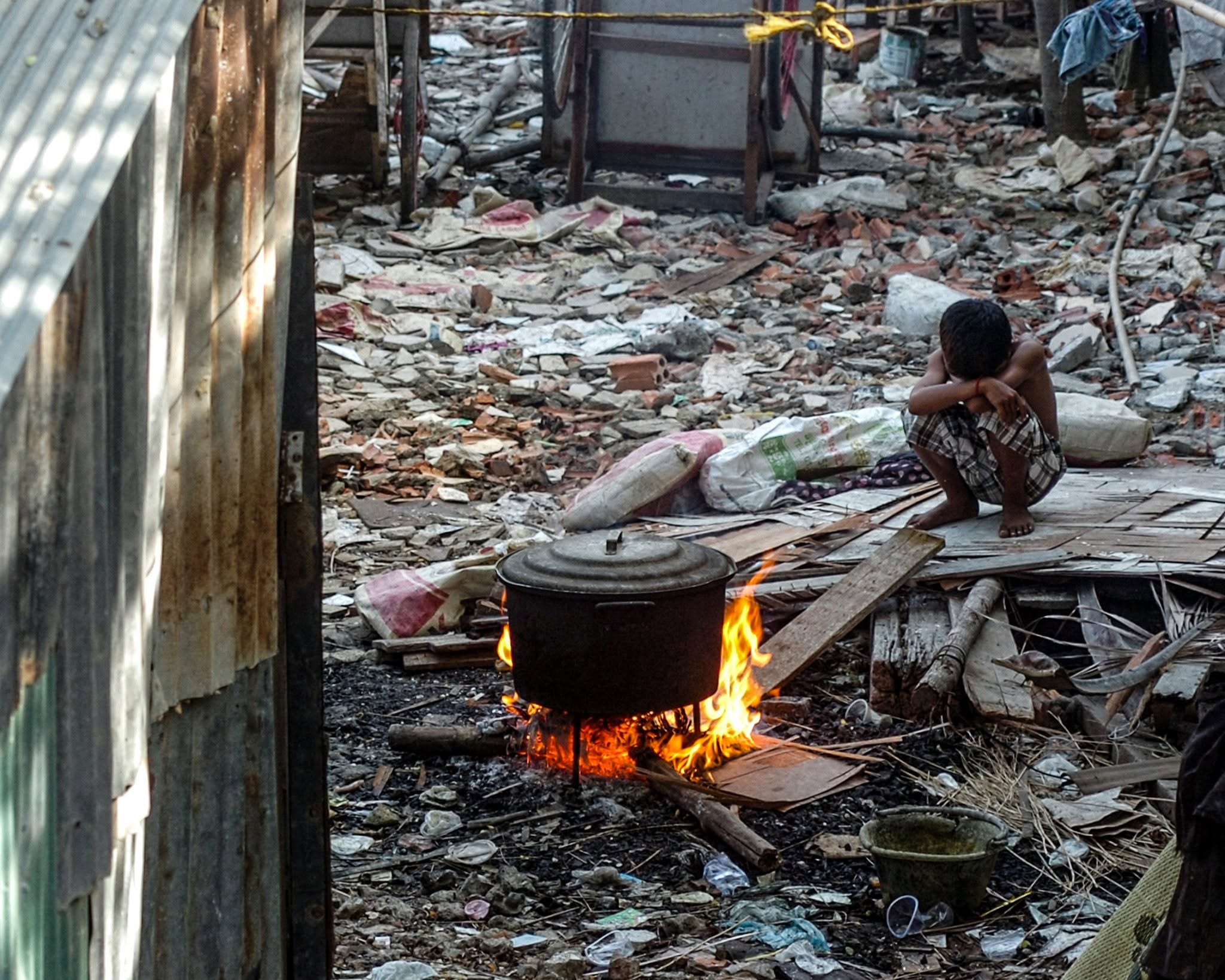
Set the camera properly. Trust your meter. Watch your highlights. Pay attention to the light. Press the shutter when something happens.
Move on.
There is a lovely simplicity to it.
Of course, there is an obvious compromise, and I have used it plenty of times:
RAW + JPEG.
It gives you the finished JPEG immediately and keeps the RAW file in reserve.
Perfect, surely?
Well, almost.
Except now you have two files for every photograph, twice the clutter and another excuse never to delete anything.
Photographers are already terrible hoarders. Give us a 4TB hard drive and we will somehow convince ourselves that the 17 nearly identical photographs of a bloke waiting for a bus are historically important.
So these days I prefer to make the decision according to the job.
If the light is difficult, the photograph matters particularly to me, or I expect serious editing or printing, RAW makes sense.
If I am wandering the streets making pictures for pleasure and the light isn’t causing problems, JPEG can be more than enough.
Neither choice makes me a better photographer.
And neither makes anybody else one.
That’s the bit that tends to disappear from these arguments.
A photographer shooting JPEG who understands light, timing and composition will make better pictures than somebody shooting enormous RAW files who understands none of them.
Every time.
The file is not the photograph.
It is simply the container in which the photograph arrives.
After all these years, I have become increasingly suspicious of anything in photography that demands allegiance. I don’t want to join Team RAW or Team JPEG. I don’t particularly want to join Team Nikon, Team Canon, Team Fuji, Team DSLR or Team Mirrorless either.
I want to make photographs.
If RAW helps me make the photograph I want, I’ll use RAW.
If JPEG does the job, I’ll happily use JPEG.
And if somebody tells me that a “serious photographer” must always shoot RAW, I’ll probably smile, nod politely and carry on doing exactly what I’ve been doing for the last 45 years.
Because one of the privileges of becoming an old photographer is discovering how many rules weren’t really rules at all.
They were just opinions repeated loudly enough.
So JPEG or RAW?
Use the one that gets out of your way.
RAW gives you more information.
JPEG gives you more immediacy.
Both can produce wonderful photographs.
Both can produce rubbish.
And when a photograph really works—when the light, moment, expression and instinct all come together—nobody worth worrying about will ask which one you used.
They’ll just look at the picture.
And that, after all, was the whole bloody point.
— Notes from an Old Photographer