

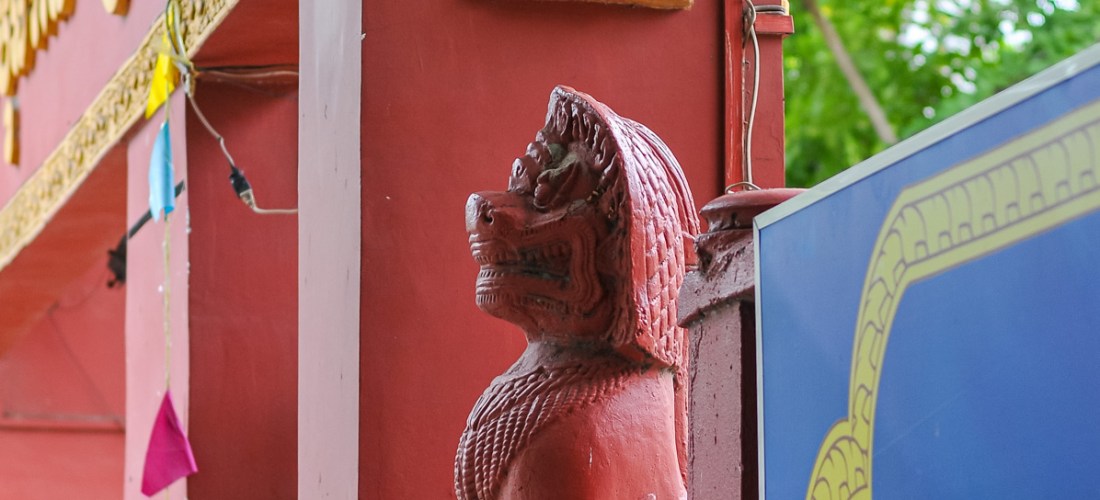
The Nikon D300S is old. There is no point pretending otherwise. It appeared in 2009, when 12 megapixels were considered quite sufficient and cameras were still expected to be cameras rather than computers with lenses attached.
Today, it is dismissed as obsolete. Too few pixels, too much noise and none of the modern wizardry that identifies eyes, animals, vehicles and possibly the intentions of the photographer. Yet attach a Nikkor 50mm f/1.4, charge the battery and take it into the street, and the old Nikon quietly reminds you that it has not forgotten how to make a photograph.
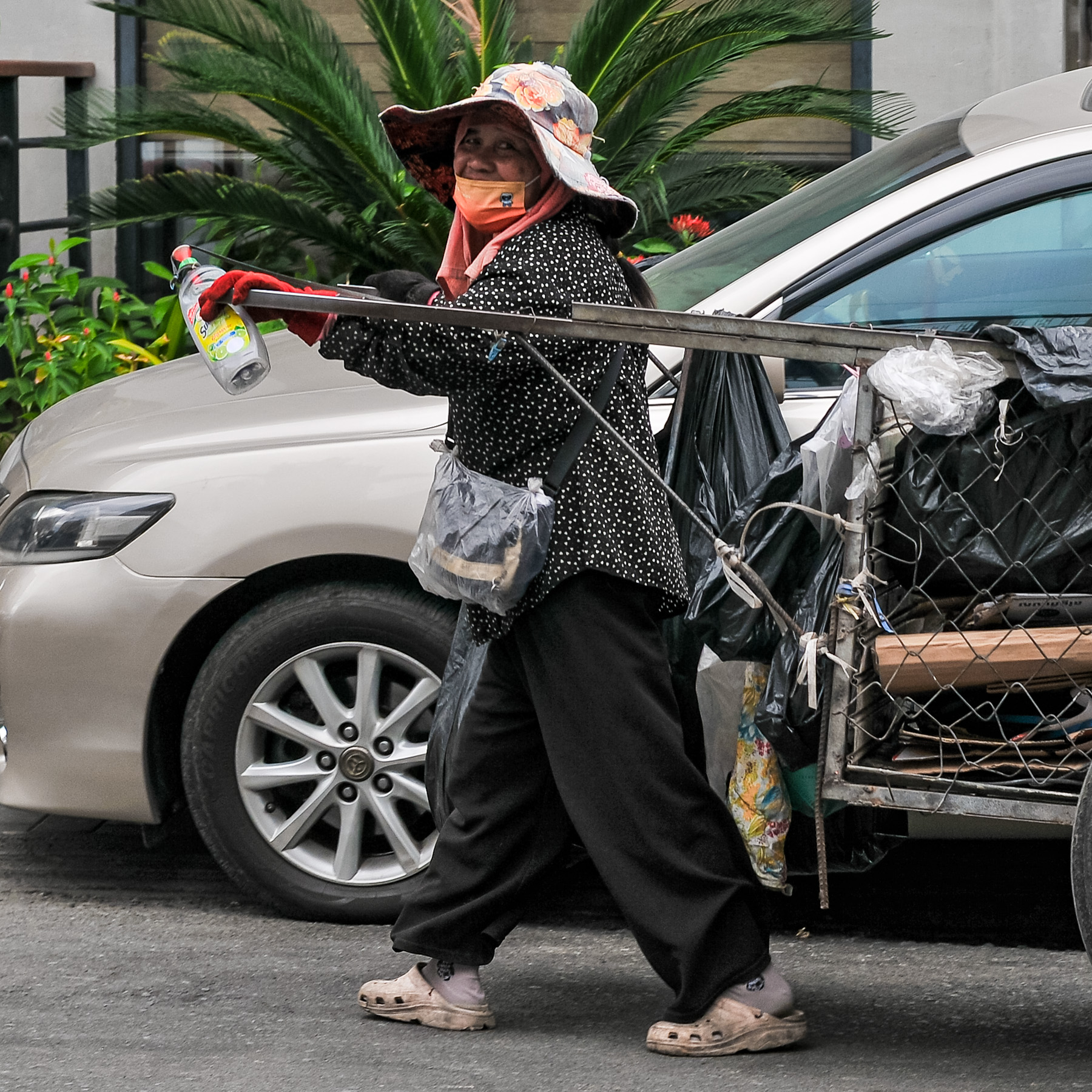
On the D300S, the 50mm gives roughly the same field of view as a 75mm lens on a full-frame camera. That makes it less of a general-purpose standard lens and more of a short portrait lens. It is particularly well suited to faces, small gestures and those moments on the street that benefit from a little distance.
The f/1.4 aperture gives the camera something its ageing sensor appreciates: light. The D300S is at its best between ISO 200 and 800. ISO 1600 remains useful if the exposure is right, but this is not a camera that enjoys having badly underexposed shadows dragged back from the dead in Lightroom.
You have to expose properly.
That was once considered a normal part of photography.
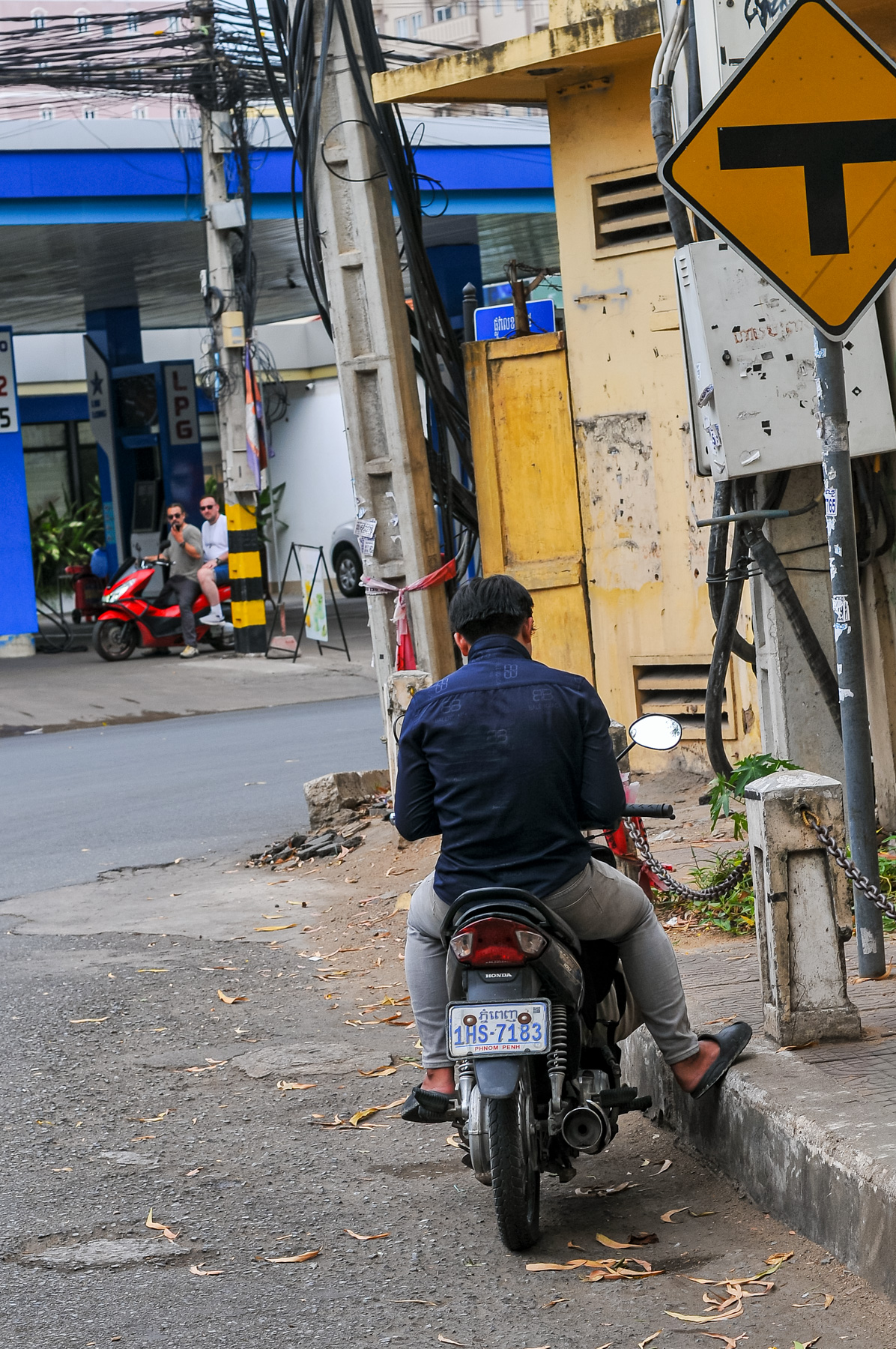
The 50mm is not perfectly sharp at f/1.4. It can be slightly soft, with lower contrast and a little colour fringing around bright edges. That does not always matter. Used for a portrait, the gentler rendering can be rather attractive. Stop it down to f/2 or f/2.8 and it becomes a different lens—sharper, stronger and still capable of separating the subject from the background.
Both the older 50mm f/1.4D and the newer f/1.4G work properly on the D300S. The camera has its own autofocus motor, so the screw-driven D lens is perfectly at home. Autofocus may not possess modern eye-detection intelligence, but the D300S has Nikon’s excellent 51-point system. Put the focus point over the eye and it will usually do exactly what it is told.
The body still feels magnificent. Solid, purposeful and designed for a photographer’s hands. Important controls have proper buttons and dials. The viewfinder is clear, the shutter response is immediate and the camera will keep working without trying to offer advice.
The files are only 12.3 megapixels, but “only” is doing rather a lot of unnecessary work in that sentence. Twelve megapixels are enough for strong prints, websites, publications and most of the ways photographs are actually viewed. A poor photograph does not improve because it contains 45 million pixels, and a good one does not become irrelevant because it contains twelve.
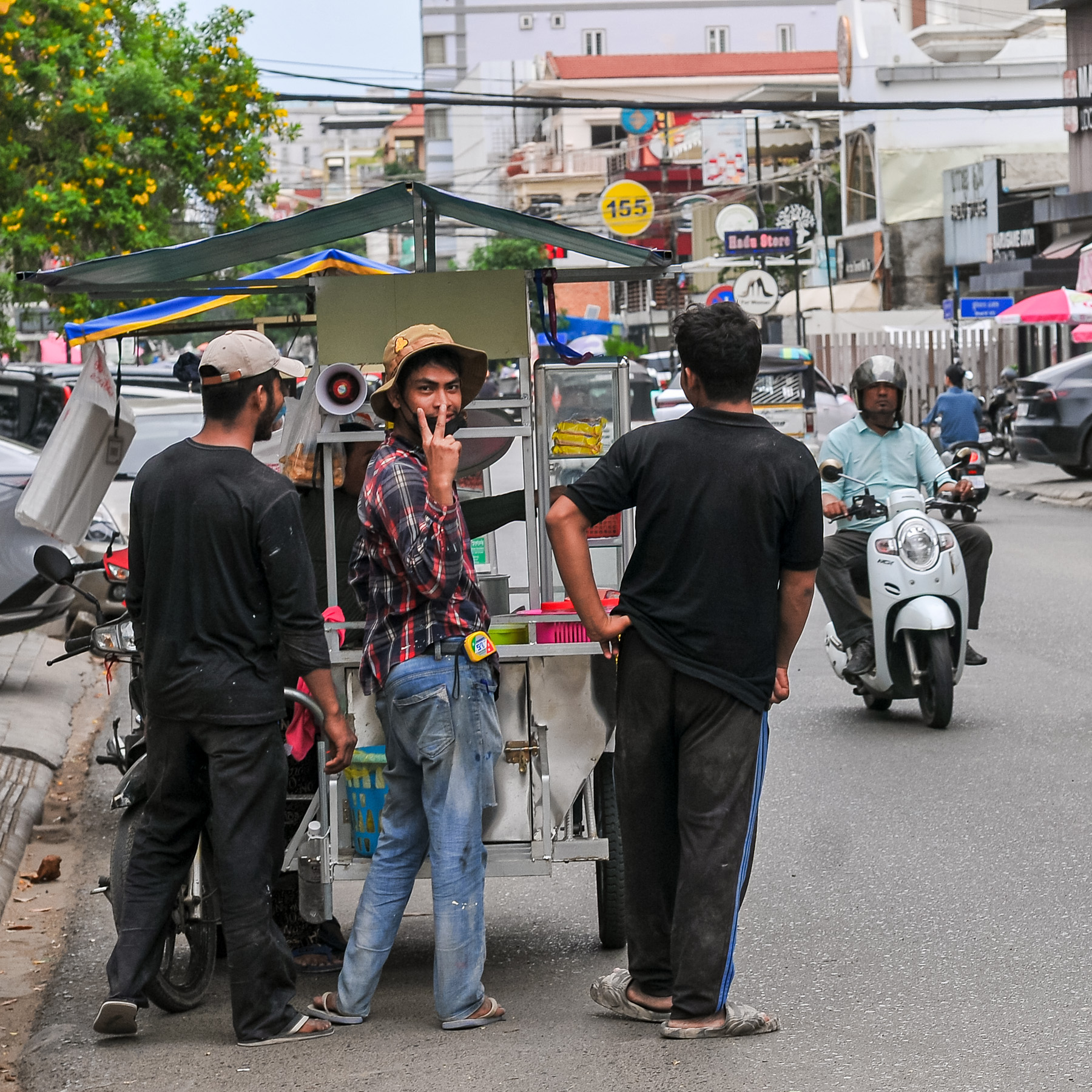
Naturally, there are limitations. Highlights require care. The shadows cannot be opened endlessly. High ISO files show their age, and the video function is best forgotten. There is no stabilisation, no electronic viewfinder and no autofocus system clever enough to find the subject while you think about something else.
You must hold the camera steadily. You must choose the focus point. You must watch the shutter speed, understand the light and press the button at the right moment.
In other words, you must take the photograph yourself.
Perhaps that is why I still enjoy cameras such as the D300S. They do not attempt to flatter us. They reward good technique and expose lazy habits. When the picture is sharp, properly exposed and alive with something worth seeing, you know that you had a hand in making it.
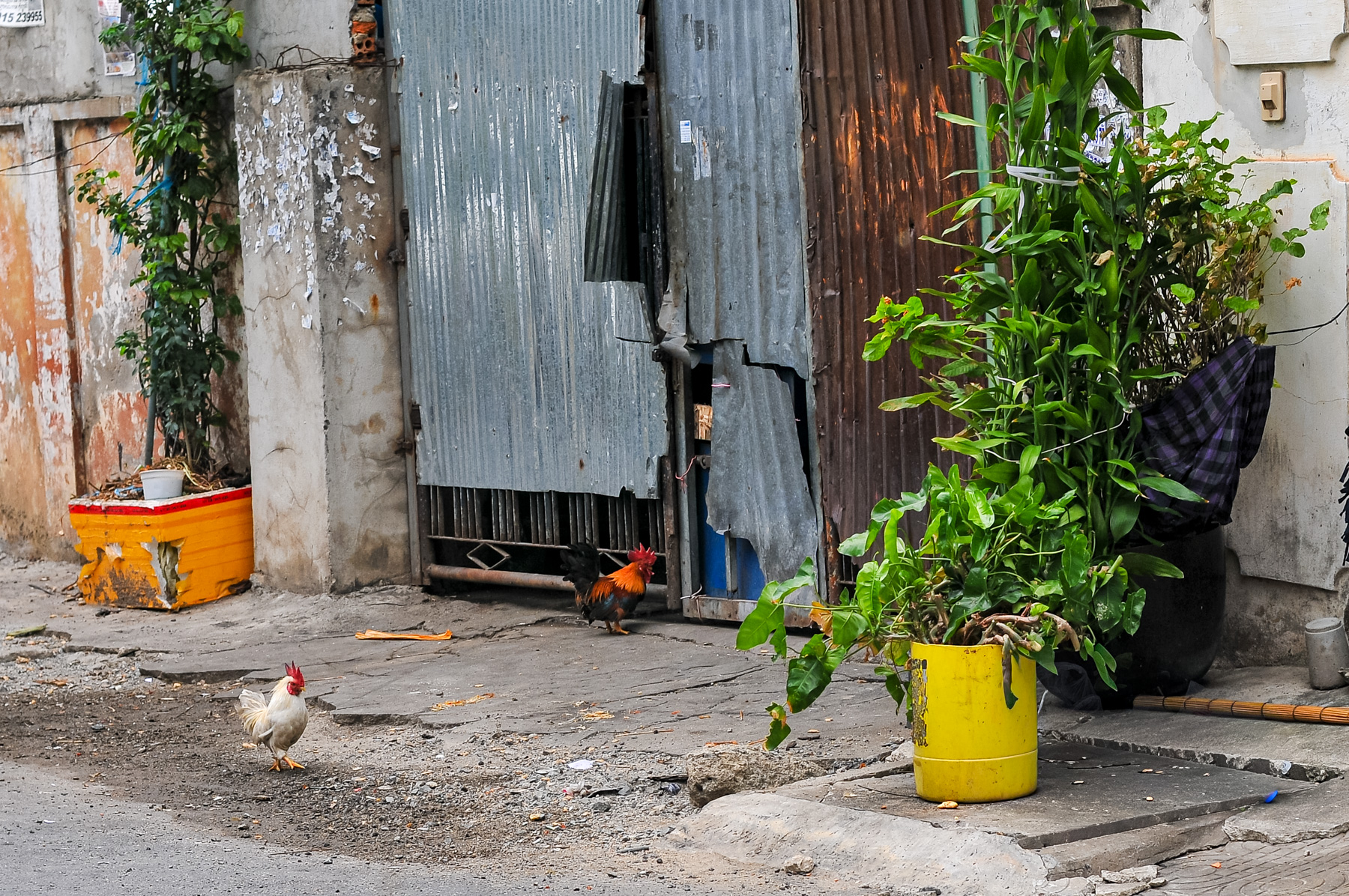
The D300S and 50mm f/1.4 combination is particularly good for street portraits. The lens gives enough distance to observe without crowding people, while the wide aperture separates a face from the usual confusion of the street. It is a simple combination: one camera, one lens and one way of looking.
Is it old? Certainly.
Is it technologically outdated? Of course.
Is it obsolete? Not while it still makes the pictures you want to make.
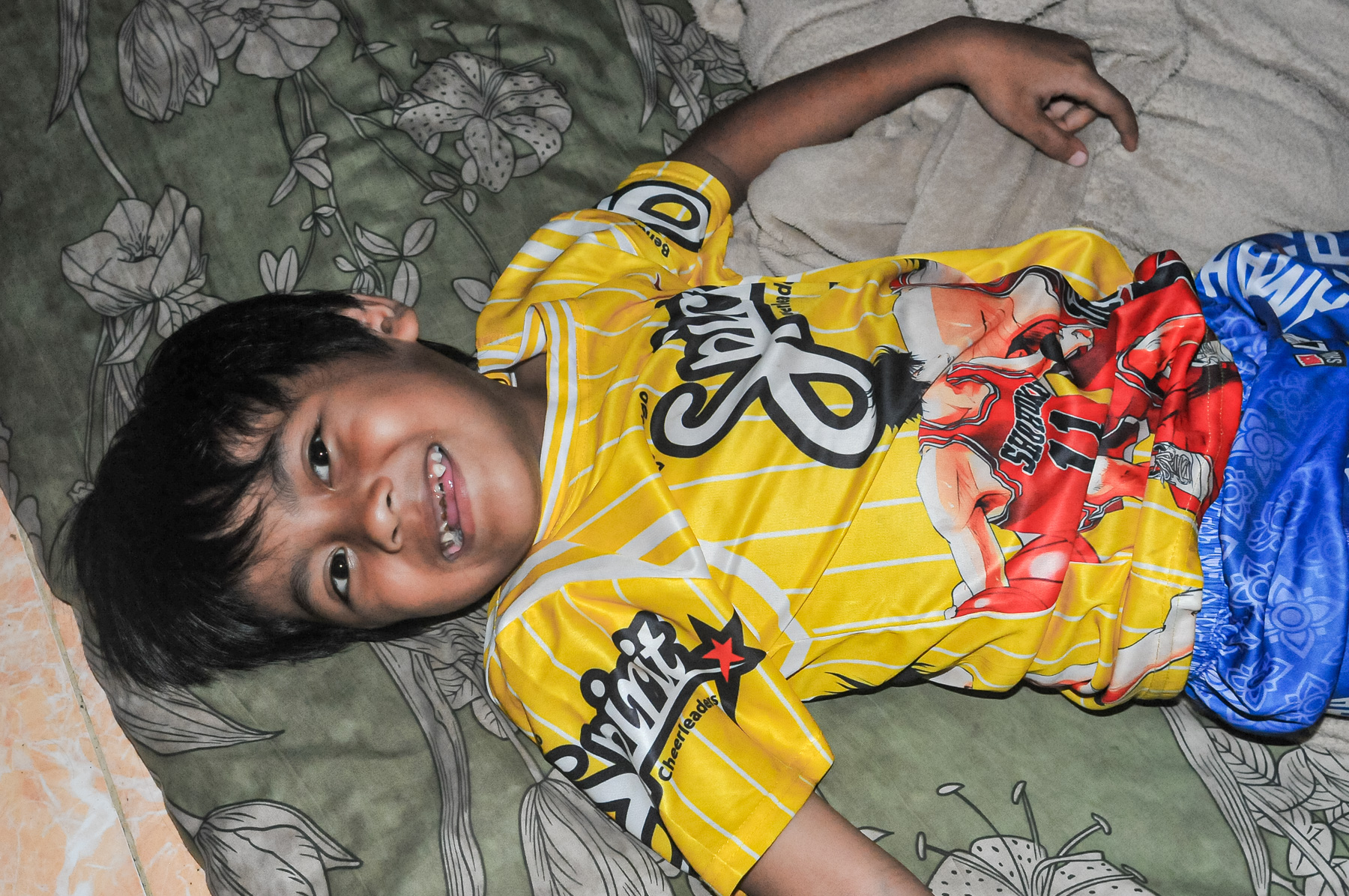
The Nikon D300S does not know that the camera industry has left it behind. Fit the 50mm, walk into decent light and it simply gets on with the job. Quietly, reliably and without fanfare.
Sometimes an old camera is not waiting to be replaced.
It is waiting to be used.

