The question of whether photography possesses a soul is a poetic and philosophical one, stirring the imagination and inviting a myriad of interpretations. Historically, some cultures held the belief that photography could capture a person’s soul, reflecting a deep respect or fear for the power of images. This belief, while not scientifically substantiated, underscores the profound impact that photographs can have on us, evoking emotions and memories, preserving moments in time, and connecting us to people and places we may never encounter otherwise.
In a metaphorical sense, one could argue that photography has a ‘soul’ in its ability to convey the essence of a subject, to tell a story without words, and to elicit a visceral response from the viewer. It’s the intangible quality that separates a mere snapshot from a powerful imageβone that resonates with viewers and remains etched in their minds. Whether it’s the haunting eyes of a portrait subject or the dramatic interplay of light and shadow in a landscape, these elements can imbue a photograph with a life of its own, a ‘soul’ that speaks to the viewer.
The soul of photography, then, might be found in its capacity to transcend the ordinary, to capture the extraordinary, and to touch the human spirit in ways that are as unique and varied as the individuals who view them. It’s a testament to the artistry and intention behind the lensβa reflection of the photographer’s vision and the stories they wish to share with the world.
So, while a camera may not literally capture a soul, the images it produces can certainly possess the qualities that make us feel as though they do. They become vessels of meaning, emotion, and connection, which, in their own right, could be considered the very essence of a soul.
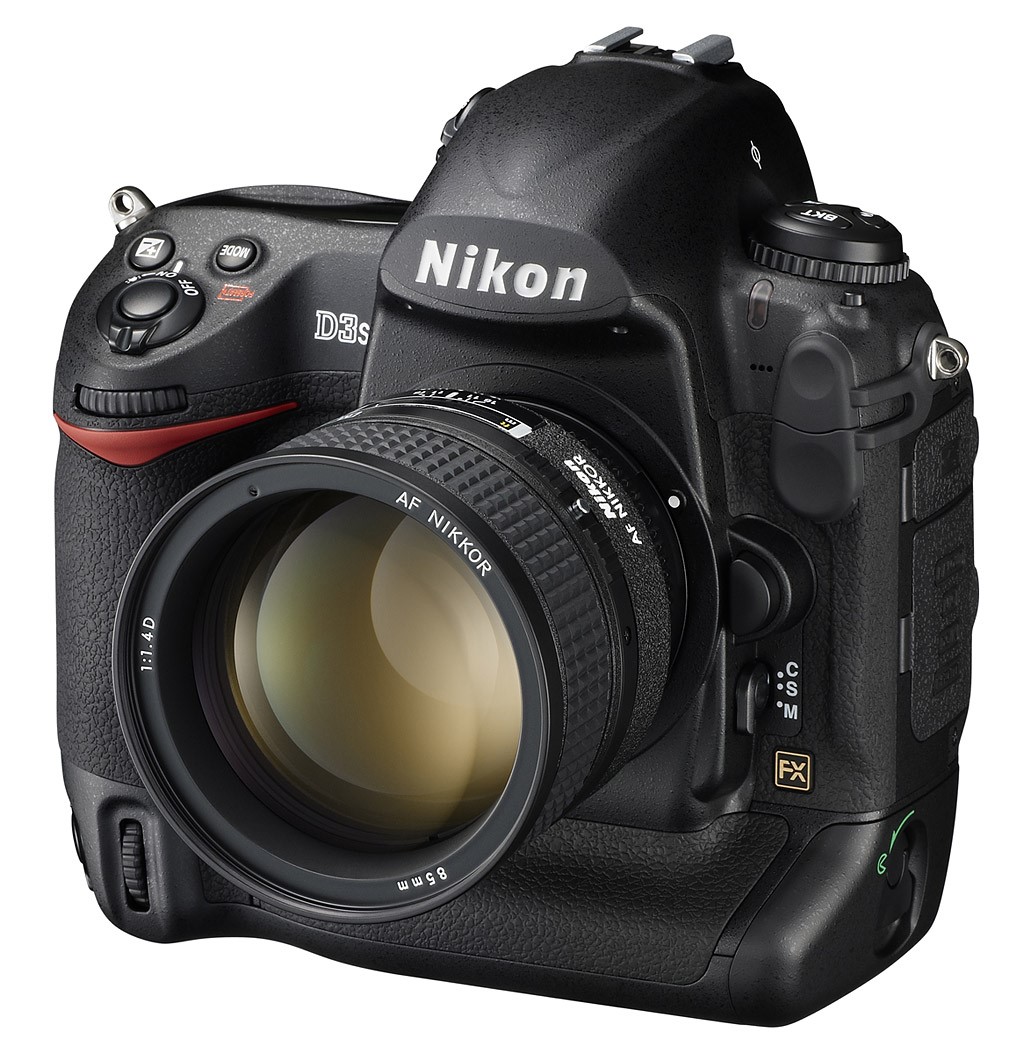
The Nikon D800, a camera that has stood the test of time, continues to be a favourite among photographers who value high-resolution images and robust build quality. Launched in 2012, the D800 was a groundbreaking release from Nikon, offering a then-unprecedented 36.3MP full-frame sensor. Despite the emergence of newer models, the D800 remains a highly regarded DSLR for various reasons.

High-Resolution Full-Frame Sensor: The D800’s 36.3MP sensor is its crowning glory, providing photographers with incredibly detailed images. This high resolution allows for significant cropping without losing image quality, making it ideal for landscape, studio, and macro photography.

Dynamic Range and Image Quality: The dynamic range of the D800 is another standout feature. It captures a wide range of tones from shadows to highlights, ensuring that details are preserved even in challenging lighting conditions. The image quality, especially at lower ISO settings, produces crisp and vibrant images.

Autofocus System: With a 51-point autofocus system, the D800 offers fast and accurate focusing. This system is particularly beneficial for capturing moving subjects or working in low-light environments where precision is key.
Build Quality and Durability: The D800’s magnesium alloy body provides a sturdy and durable build that can withstand the rigours of professional use. Its weather seal adds an extra layer of protection against the elements, making it a reliable choice for outdoor photography.
Video Capabilities: While primarily known for its stills, the D800 also boasts impressive video capabilities. It can shoot full HD video, which is complemented by in-camera editing features, making it a versatile tool for multimedia creators.
Despite its many strengths, the D800 has limitations, such as a slower frame rate and average battery life. However, these are minor when considering the overall package the camera offers. Its performance at high ISO settings and the convenience of its button placement further contribute to its user-friendly experience.
In conclusion, the Nikon D800 is a camera that continues to deliver quality and reliability years after its release. Its combination of high-resolution imaging, robust build, and comprehensive features ensure that it remains a top choice for photographers looking for a capable and versatile DSLR. Whether you’re a seasoned professional or an enthusiastic amateur, the D800 camera promises to meet and exceed expectations. For those interested in exploring the full potential of the D800, detailed reviews and user experiences can provide further insights into this remarkable camera.
Street photography is an art that captures the candid moments of everyday life in urban landscapes. It’s about finding beauty in the mundane, telling stories without words, and preserving fleeting moments in time. The Nikon D800, with its full-frame sensor and high resolution, is a tool that can help bring the vision of street photographers to life.
The Nikon D800 boasts a 36.3-megapixel FX-format CMOS sensor, which is a significant advantage for street photography. This high resolution allows photographers to capture the finest details, from the texture of an old brick wall to the expressions on a passerby’s face. Moreover, the large sensor size provides excellent performance in low light conditions, which is essential for shooting in the varied lighting of urban environments.
One of the key tips for using the Nikon D800 in street photography is to utilize foreground elements to add depth and context to your images. By including something relevant in the foreground, you can draw the viewer’s eye into the shot and create a more engaging composition. For instance, a street sign or a parked bicycle can serve as an anchor point, leading the viewer to explore the rest of the image.
Another tip is to make use of leading lines. These are lines within your composition that guide the viewer’s gaze toward the main subject. The Nikon D800’s dynamic range and sharpness can help accentuate these lines, whether they are the edges of a sidewalk, the lines of a crosswalk, or the perspective of a long alley.
Experimenting with different perspectives can also yield unique and compelling images. Don’t hesitate to change your shooting angle; try capturing scenes from a higher vantage point or getting close to the ground. This can add a fresh dimension to your street photography and highlight the Nikon D800’s versatility.
In conclusion, the Nikon D800 is a powerful camera for street photography. Its high resolution, excellent low-light performance, and full-frame sensor make it an ideal choice for photographers looking to capture the essence of the streets. By following these tips and embracing the spontaneous nature of street photography, you can create stunning, storytelling images that resonate with viewers.
Photography is an art form that encompasses a vast array of genres, each with its own charm and challenges. From the raw emotion captured in street photography to the meticulous setup of still life, photographers have endless avenues to express their creativity. Let’s embark on a journey through some of the most captivating types of photography that continue to inspire both artists and audiences alike.
Street Photography: The Unscripted Narrative The streets are a stage where life unfolds in its most unguarded moments. Street photographers are the silent observers who capture these fleeting instances, weaving stories out of the mundane. It’s a genre that requires patience, a keen eye, and the ability to anticipate the next move in an ever-changing environment.
Landscape Photography: Painting with Light Landscape photographers are the poets of the photography world, translating the grandeur of nature into visual sonnets. With the sky as their canvas and light as their brush, they immortalize the beauty of the natural world, from the serene to the tumultuous.
Portrait Photography: The Essence of Character Portrait photography is an intimate dance between the photographer and the subject. It’s about capturing the essence of a person’s character, often in a single frame. A good portrait tells a story, conveys emotion, and reveals the soul behind the eyes.
Wildlife Photography: The Thrill of the Chase Wildlife photographers are the adventurers, often venturing into the unknown to bring back tales of the animal kingdom. It’s a genre that demands respect for nature, patience, and sometimes, the courage to face the untamed.
Macro Photography: The World Up Close Macro photography offers a glimpse into the miniature worlds that often go unnoticed. It’s about discovering the intricate details of a flower’s petal or the complex structure of an insect’s wing. This genre turns the ordinary into the extraordinary, showcasing the beauty in the minutiae.
Fusion copr 07
Each genre of photography has its own allure, and it’s difficult to choose a favorite. They all offer unique perspectives and opportunities to explore the world through the lens. Whether it’s the candidness of street photography, the majesty of landscapes, the intimacy of portraits, the excitement of wildlife, or the intricacy of macro shots, photography in all its forms is a celebration of sight, storytelling, and the human experience. What’s your favorite genre? Share your thoughts and let’s continue to appreciate the diverse world of photography together.
In the world of photography, there’s a common adage that rings true for many: “It’s the photographer, not the camera, that creates a picture.” This saying highlights the importance of the person behind the lensβtheir vision, creativity, and skillβin crafting an image that resonates with viewers.
A camera, no matter how advanced, is simply a tool. It’s the photographer who makes the decisions that ultimately shape the photograph: the composition, the timing, the lighting, and the moment to capture. These choices are informed by the photographer’s experience, artistic sensibility, and understanding of the subject.
The magic of photography lies in the ability to see the extraordinary in the ordinary, to find the right angle and the perfect light, and to tell a story without words. A great photographer can produce stunning images with the most basic equipment, while a novice may struggle to do so even with the most sophisticated camera.
This concept extends beyond photography and can be applied to many forms of art and creation. It’s a reminder that tools and technology can enhance our abilities, but they cannot replace the human touch, the unique perspective, and the creative spirit that bring art to life.
So, whether you’re a seasoned photographer or just starting out, remember that your vision is the most powerful tool you have. Keep honing your skills, developing your eye, and capturing the world as only you can see it. After all, it’s not about the cameraβit’s about the photographer.
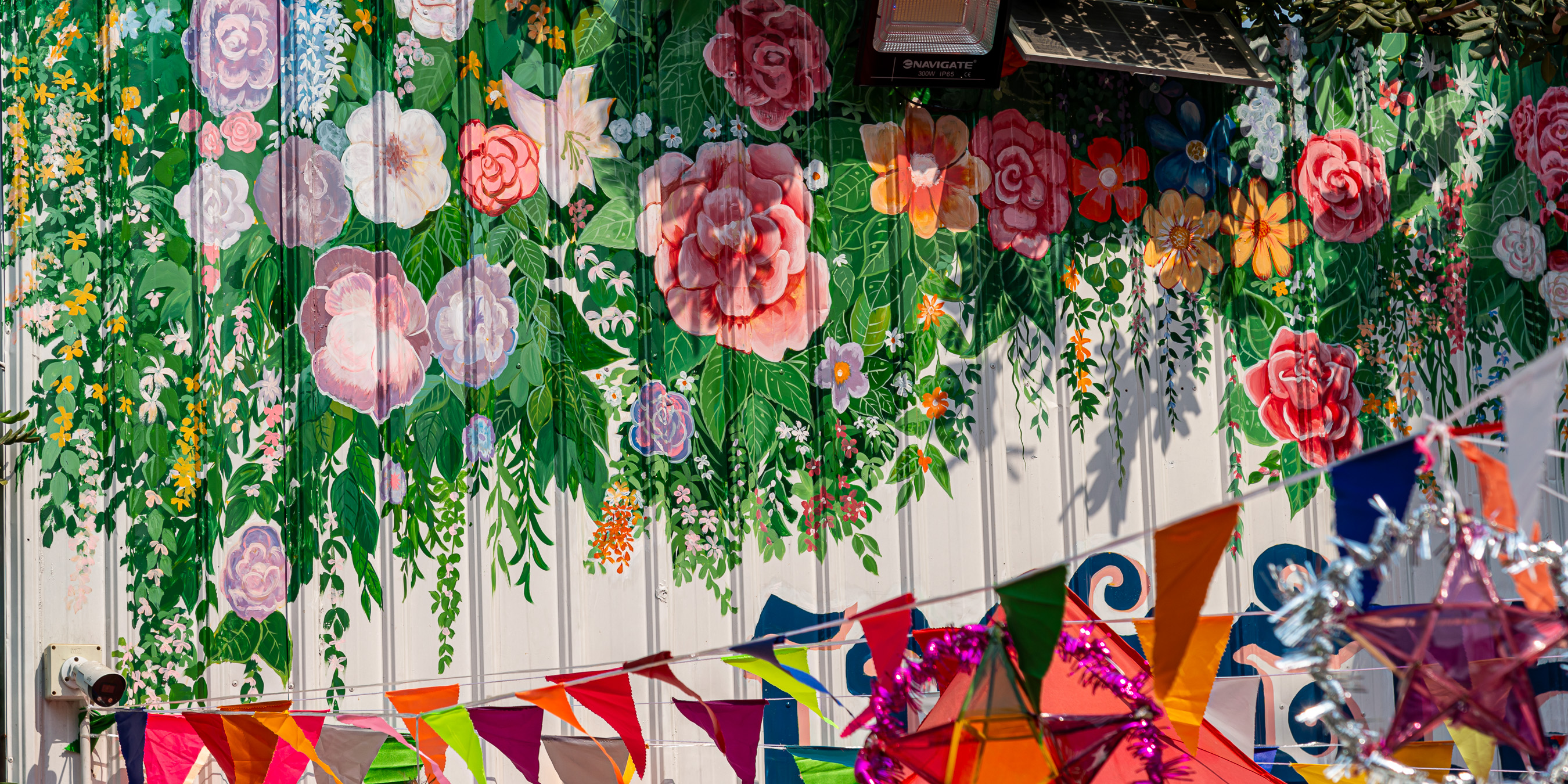
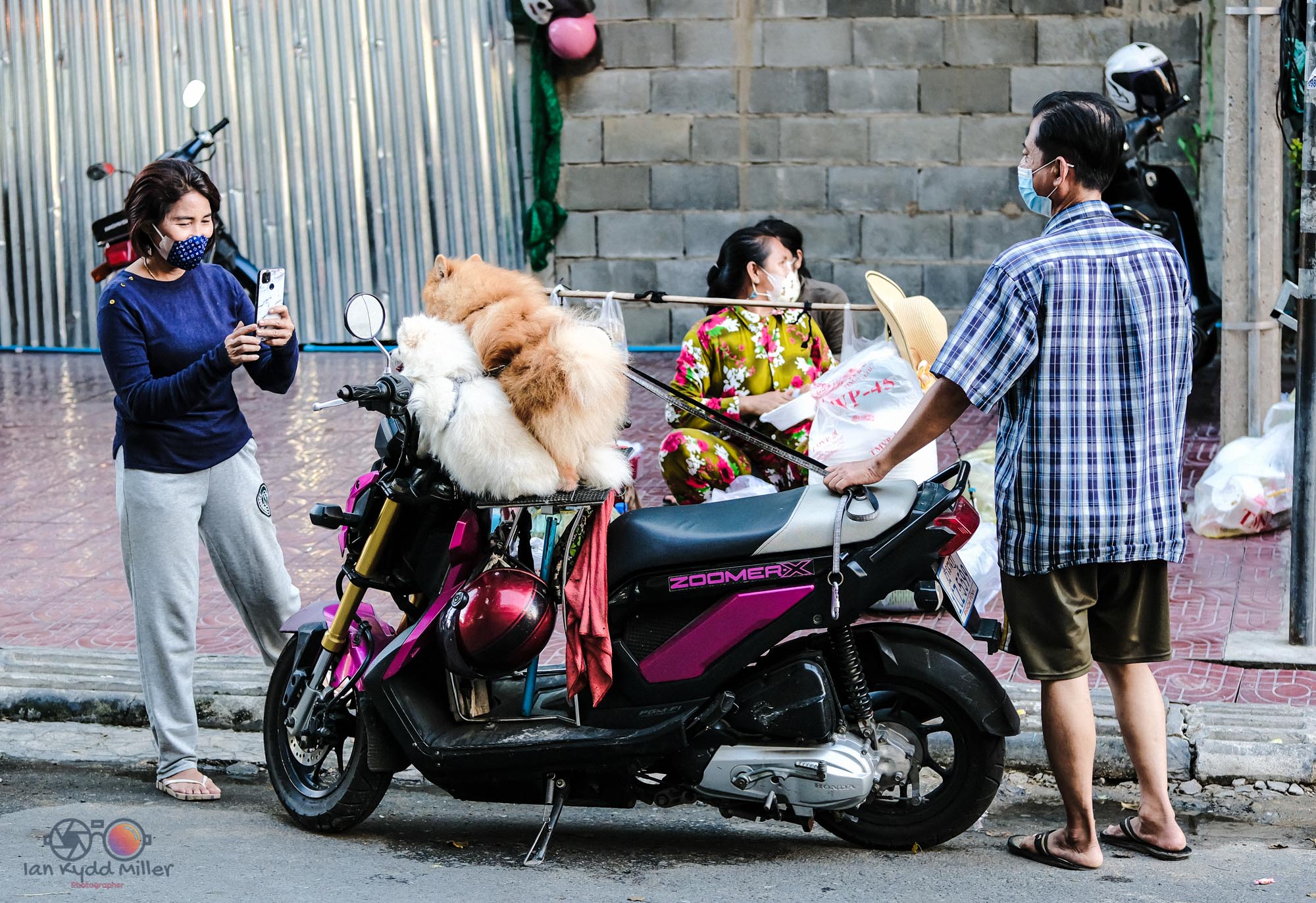
ALL THESE IMAGES TAKEN WITH DIFFERENT CAMERAS AND LENSES.
Travelling is an enriching experience that broadens our horizons and gives us a glimpse into new cultures, landscapes, and lifestyles. But what makes these experiences truly unforgettable? The ability to capture them through the lens of a camera.
Photography and travel go hand in hand. A camera is more than just a gadget; it’s a storyteller’s tool that freezes moments in time, allowing us to revisit and share our adventures long after they’ve passed. Whether it’s the vibrant streets of a bustling city, the serene beauty of a mountain range, or the candid smiles of new friends, each photograph tells a story.
For the avid traveler, a camera serves as a faithful companion. It’s there to document the awe-inspiring sunsets, the unexpected encounters with wildlife, and the intricate details of a well-crafted meal. These visual souvenirs become a mosaic of memories that paint a picture of our journey through life.
But travel photography isn’t just about pointing and shooting. It’s an art form that requires an eye for composition, an understanding of lighting, and a sense of timing. It’s about being present in the moment, yet ready to capture it. It’s about exploring the world with curiosity and wonder, and sharing that perspective with others.
For those who are new to travel photography, here are a few tips to get started:
Learn the basics of your camera: Understand how to adjust settings like ISO, aperture, and shutter speed to suit different environments.
Practice composition: Use the rule of thirds, lead lines, and framing to create more engaging photos.
Capture the essence of a place: Look for scenes that represent the culture and atmosphere of your destination.
Be patient: Sometimes, waiting for the right moment can make all the difference in your photography.
Respect your subjects: When photographing people, always ask for permission and be mindful of local customs and sensitivities.
In the end, travel photography is about more than just taking pictures. It’s about preserving the essence of our experiences and sharing the beauty of the world with others. So, the next time you pack your bags for an adventure, don’t forget to bring along your camera. It might just become your favorite travel buddy.
Happy snapping, and may your travels be full of picture-perfect moments!
Photography is an art form that captures the essence of a moment, telling stories and evoking emotions through a single frame. But what exactly makes a photograph stand out? Is it the technical prowess behind the lens, the perfect lighting, or the emotion it conveys? Let’s delve into the elements that can transform a simple snapshot into a masterpiece.
Composition: The arrangement of elements within the frame can make or break a photo. Good composition guides the viewer’s eye to the subject and creates a sense of balance and purpose. Techniques like the Rule of Thirds, leading lines, and framing can add depth and interest to your photographs.
Exposure: Mastering the exposure triangleβaperture, shutter speed, and ISOβis crucial. It’s not just about the right amount of light; it’s about using these settings creatively to enhance the mood of the image. Whether it’s the bright cheerfulness of an overexposed beach scene or the dramatic tension of a dark, underexposed alleyway, exposure plays a pivotal role in the narrative of your photo.
Focus: Sharpness where it matters draws attention to the subject, while a soft, blurred background can isolate it, making it pop. Playing with focus can also create artistic effects, like the dreamy quality of a shallow depth of field or the crystal-clear detail of a landscape with everything in focus.
Subject Interest: A photograph is as compelling as its subject. It could be the raw emotion on a person’s face, the untold story behind a weathered door, or the unexpected angle of a modern skyscraper. The subject is the heart of the photograph, and its interest level can captivate the viewer.
Purpose: Every great photograph has a purpose. It could be to document, to express, to question, or to celebrate. This intentionality is what gives a photograph meaning beyond its visual appeal.
Lighting: Light is the photographer’s paintbrush. It shapes and defines the subject, creates atmosphere, and can dramatically alter the mood of the photo. The golden hour’s soft, warm light can imbue a scene with a serene glow, while the harsh midday sun can create bold contrasts and patterns.
Emotion: Perhaps the most intangible yet powerful aspect of a good photograph is the emotion it evokes. A photo that can make you feelβwhether it’s joy, sadness, wonder, or nostalgiaβhas achieved something special. It’s the emotional connection that often turns a good photo into a great one.
Storytelling: A good photograph tells a story. It invites the viewer to look closer, to ask questions, and to imagine the moments before and after the shutter was pressed. Storytelling through photography is a powerful way to communicate and connect with others.
Technical Quality: While it’s true that an expensive camera doesn’t guarantee a good photo, technical quality can’t be ignored. Sharpness, color accuracy, and noise levels all contribute to the overall impression of the photograph.
Creativity: Last but not least, creativity is what sets a photograph apart. It’s the unique perspective, the unconventional approach, or the innovative technique that makes a photo memorable.
In conclusion, a good photograph is a blend of technical skill, artistic vision, and emotional impact. It’s about seeing the extraordinary in the ordinary and capturing it in a way that resonates with others. Whether you’re a seasoned professional or a budding enthusiast, the journey to creating good photographs is a continuous learning process, filled with experimentation and discovery.
The Nikkor 70-210 f4 AF zoom lens is a classic piece of photography equipment that has stood the test of time. Introduced in the late 1980s, this lens was Nikon’s first autofocus telephoto zoom lens and has since become a beloved tool for many photographers.
With its constant f/4 aperture throughout the zoom range, the Nikkor 70-210 f4 offers consistent exposure settings and depth of field control, which is particularly beneficial when shooting in varying light conditions or when trying to maintain a consistent look across a series of photos. Its optical performance is notable, providing sharp images with minimal distortion.
The build quality of the lens is solid, featuring a metal barrel and filter ring which contribute to its durability. It’s a lens that can handle the rigors of frequent use, making it a reliable choice for both amateur and professional photographers.
Compatibility-wise, the lens works perfectly with Nikon’s FX digital cameras and is also suitable for DX models, where it provides a longer effective focal length. This versatility makes it an excellent option for a wide range of photographic scenarios, from portraits to sports photography.
Despite being an older model, the Nikkor 70-210 f4 AF zoom lens continues to be a valuable asset for photographers looking for quality glass without the hefty price tag of newer models. Its performance and build quality have helped it retain a place in many photographers’ bags, proving that good design truly lasts.
For those interested in exploring vintage lenses or expanding their photographic toolkit, the Nikkor 70-210 f4 AF zoom lens is certainly worth considering. Its combination of optical quality, consistent aperture, and robust build make it a lens that can still capture stunning images years after its release.
Photography enthusiasts, gather around as we dive into the world of bokeh and low-light performance with the 7Artisans 50mm f0.95 lens mounted on the classic Fuji XE2. This combination is not just about capturing images; it’s about embracing a unique photographic experience.
The 7Artisans 50mm f0.95 lens, often praised for its affordability and solid metal build, brings a new dimension to the Fuji XE2. With a maximum aperture of f0.95, this lens promises to transform the way you capture portraits and low-light scenes. The wide aperture allows for a shallow depth of field, creating that dreamy bokeh effect that makes your subjects pop against a smoothly blurred background.
But what truly sets this lens apart is its manual focus, which offers a tactile and engaging experience. It’s a return to the roots of photography, where the photographer is in complete control. The pleasure of focusing with this lens is often highlighted by users, noting its good throw and the ability to keep up with moving subjects like a slow-moving cat. This level of control is perfect for those who love to take their time, crafting each shot with precision and artistic intent.
The lens’s 13 aperture blades contribute to a pleasing round bokeh, enhancing the aesthetic quality of your photos. And while it’s not a macro lens, the minimum focus distance of about 18 inches allows for decent close-ups, adding versatility to your shooting repertoire.
Now, let’s talk about the Fuji XE2, a camera that has won the hearts of many photographers for its compact size and retro design. When paired with the 7Artisans 50mm f0.95 lens, the XE2 becomes a powerhouse for street and portrait photography. The camera’s classic design, combined with the lens’s modern optical performance, creates a synergy that’s both visually appealing and functionally impressive.
Some users have compared the 7Artisans 50mm f0.95 to other lenses in its category, noting that it holds its own in terms of brightness and optical quality. It’s even been said to be a tad brighter than some of its competitors, which is quite a statement considering its price point. The 7Artisans 50mm f0.95 is not without its quirks, such as some optical flaws like vignetting and chromatic aberration when wide open, but these are often considered part of the lens’s character rather than detriments. For those who enjoy the artistry of photography and the tactile experience of manual focusing, this lens offers a unique opportunity to explore creativity at a relatively low cost.
In conclusion, the 7Artisans 50mm f0.95 lens on a Fuji XE2 is a match made in photography heaven for those who appreciate the art of manual focusing and the beauty of a large aperture. It’s a setup that encourages you to slow down, compose thoughtfully, and immerse yourself in the creative process. Whether you’re a seasoned photographer or someone who’s just starting, this combo is sure to inspire and delight.
So, what are you waiting for? Grab your camera, attach that 7Artisans lens, and step into the world where every shot is a potential masterpiece. Happy shooting!
Henri Cartier-Bresson: The Decisive Moment of Photography
Henri Cartier-Bresson, born on August 22, 1908, in Chanteloup-en-Brie, France, is a name that resonates with profound respect in the world of photography. His legacy as a master of candid photography and an early adopter of 35mm film has left an indelible mark on the art form. Cartier-Bresson’s philosophy of capturing the “decisive moment” β that split second that reveals the essence of an event β has influenced generations of photographers and artists alike.
Cartier-Bresson’s journey into the arts began with painting, which he studied from a young age, and was deeply influenced by Surrealism. However, it was his discovery of the Leica camera that truly shaped his path. The Leica’s compact size and agility allowed him to move through the streets unnoticed, capturing life as it unfolded before him. This unobtrusive approach to photography enabled him to produce images that were natural, spontaneous, and brimming with life.
His work is not just a collection of images; it is a historical document of the 20th century. From the liberation of Paris to the last days of Gandhi, Cartier-Bresson was there, camera in hand, to capture the moments that defined an era. His ability to anticipate and seize the perfect frame is what made his work stand out. He likened this process to a visual ballet, where the photographer must align their intuition, their eye, and their heart to capture the scene before them.
In 1947, Cartier-Bresson co-founded Magnum Photos, a cooperative agency for worldwide freelance photographers, which became a pivotal platform for photojournalism. Through Magnum, he and his colleagues were able to maintain control over their work and distribute it globally, changing the landscape of photography and media.
Later in life, Cartier-Bresson turned away from photography and returned to his first love, drawing and painting. He believed that each artist should follow their creative impulses, whether they lead to the darkroom or the canvas. His artistic vision and dedication to his craft have left a lasting legacy that continues to inspire and challenge photographers to this day.
Henri Cartier-Bresson passed away on August 3, 2004, but his work lives on, housed in galleries and private collections around the world. His contributions to photography are celebrated in numerous exhibitions, books, and documentaries. For those who wish to delve deeper into his life and work, his photographs and the stories behind them offer a timeless exploration of the human condition and the world we inhabit.
Cartier-Bresson’s influence extends beyond photography. His approach to the decisive moment can be applied to various aspects of life and art, teaching us to be present, observant, and ready to capture the essence of the fleeting moments that surround us. His work reminds us that beauty and significance can be found in the everyday, waiting for those with the patience and insight to see it. Henri Cartier-Bresson’s legacy is a testament to the power of seeing, not just looking, and the profound impact of capturing life as it happens.
Henri Cartier-Bresson and the Timeless Leica
Henri Cartier-Bresson, a name synonymous with the art of street photography, has left an indelible mark on the world with his concept of “the decisive moment.” His weapon of choice? The iconic Leica 35mm camera. This small, unobtrusive piece of technology was not just a tool but an extension of Cartier-Bresson’s vision, allowing him to capture life as it unfolded before him.
The Leica was Cartier-Bresson’s constant companion, its mechanical precision and reliability meshing perfectly with his need for spontaneity and discretion. With a Leica in hand, he traversed the globe, documenting the human condition and etching his view of the world onto film.
Fast forward to today, and one might wonder if Cartier-Bresson would still be loyal to his Leica if he were alive. Given the advancements in camera technology, would he opt for a modern digital Leica, or perhaps something entirely different?
Considering Cartier-Bresson’s philosophy, it’s not the camera but the eye, the mind, and the heart that captures the decisive moment. The Leica, with its simplicity and focus on the essentials, aligns with this philosophy. It’s not about having the latest features but about understanding and connecting with the subject.
So, would Henri Cartier-Bresson still use a Leica today? It’s a question that invites speculation, but one thing is certain: his legacy is not bound by the type of camera but by the timeless moments he captured. Those moments continue to inspire photographers around the world, reminding them that the true essence of photography lies in seeing and feeling, not in the gear they hold.