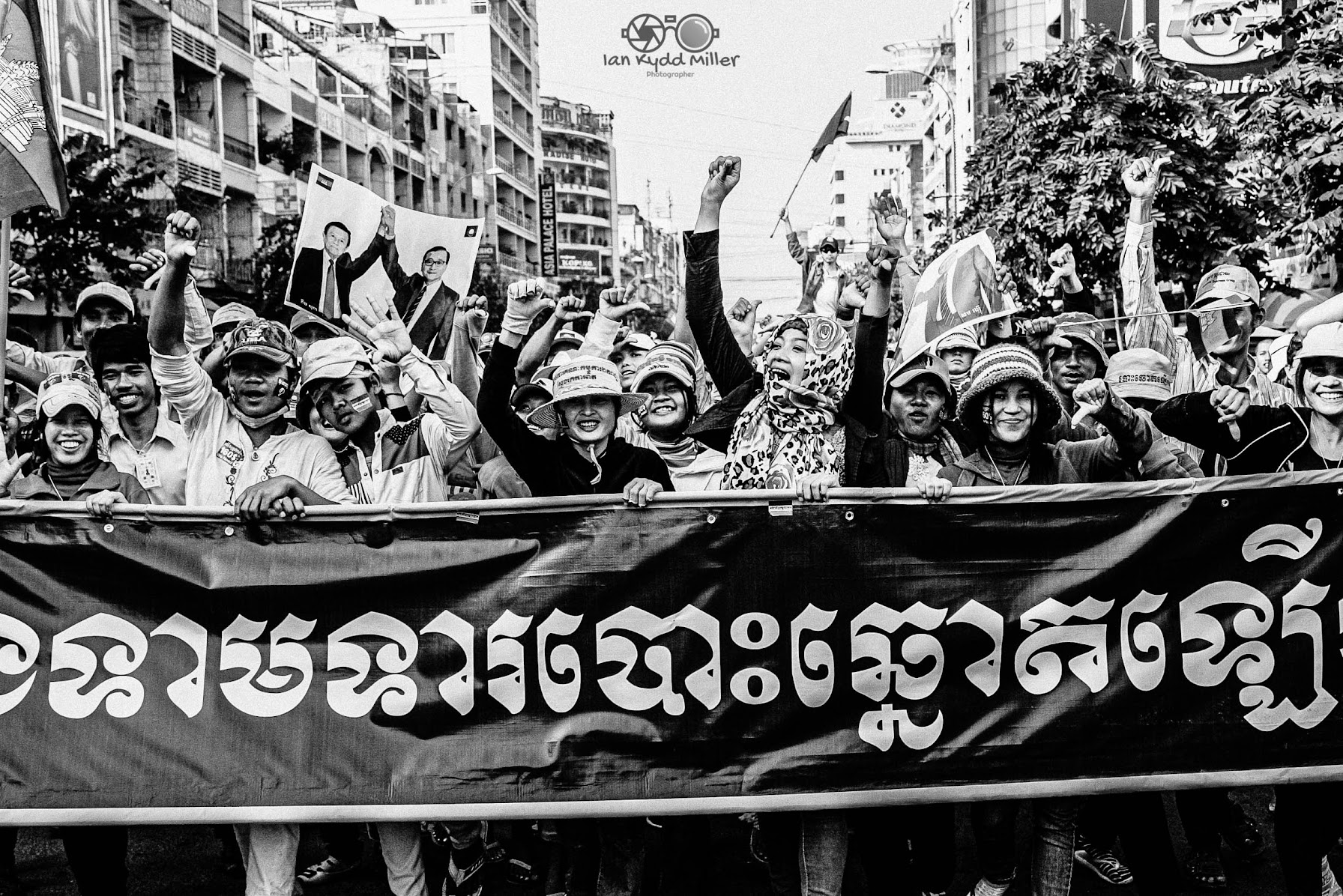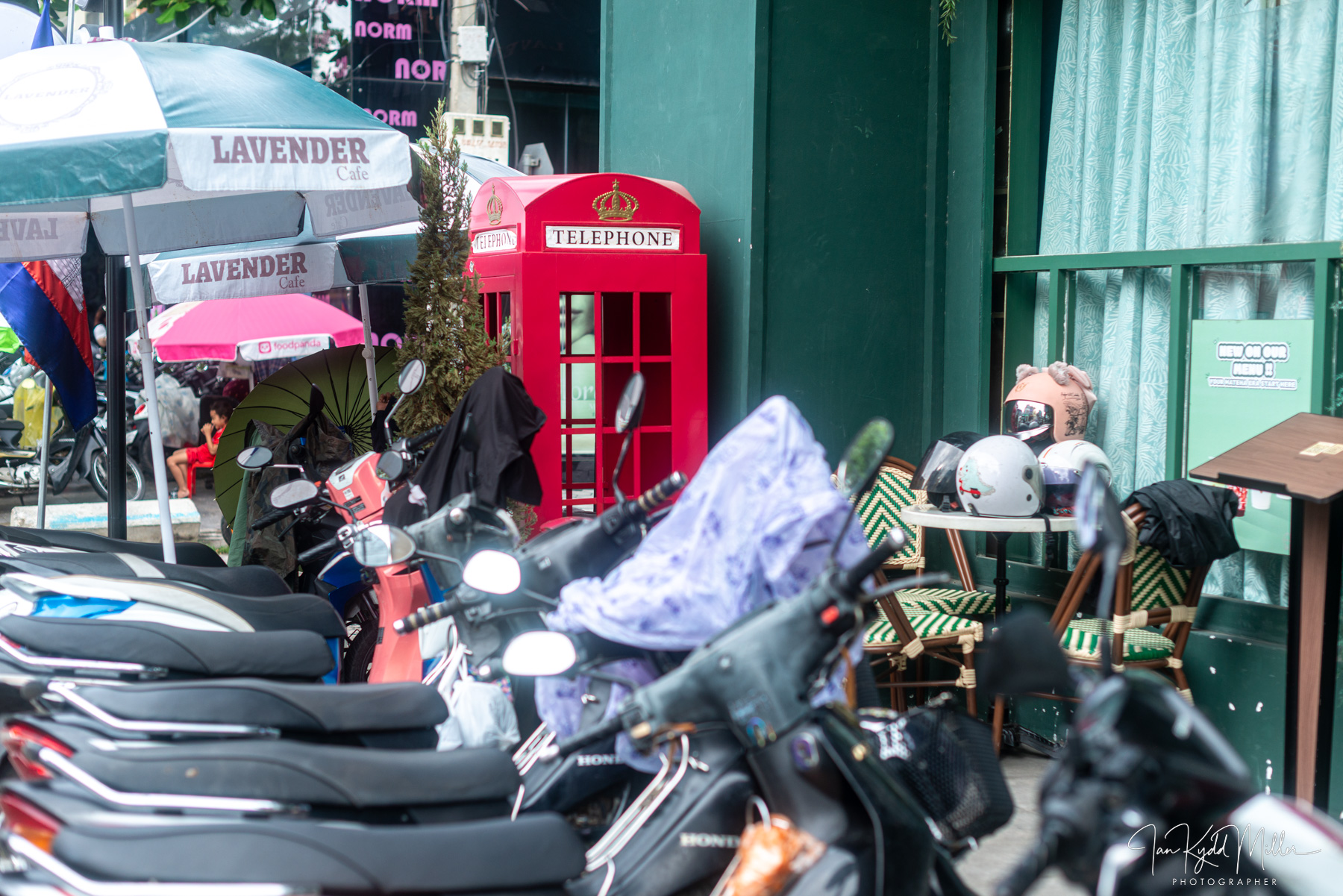
📝 Is Everyone a Photographer?

cameras, nikon, photography, pictures, public, street, Travel

Is Everyone a Photographer?

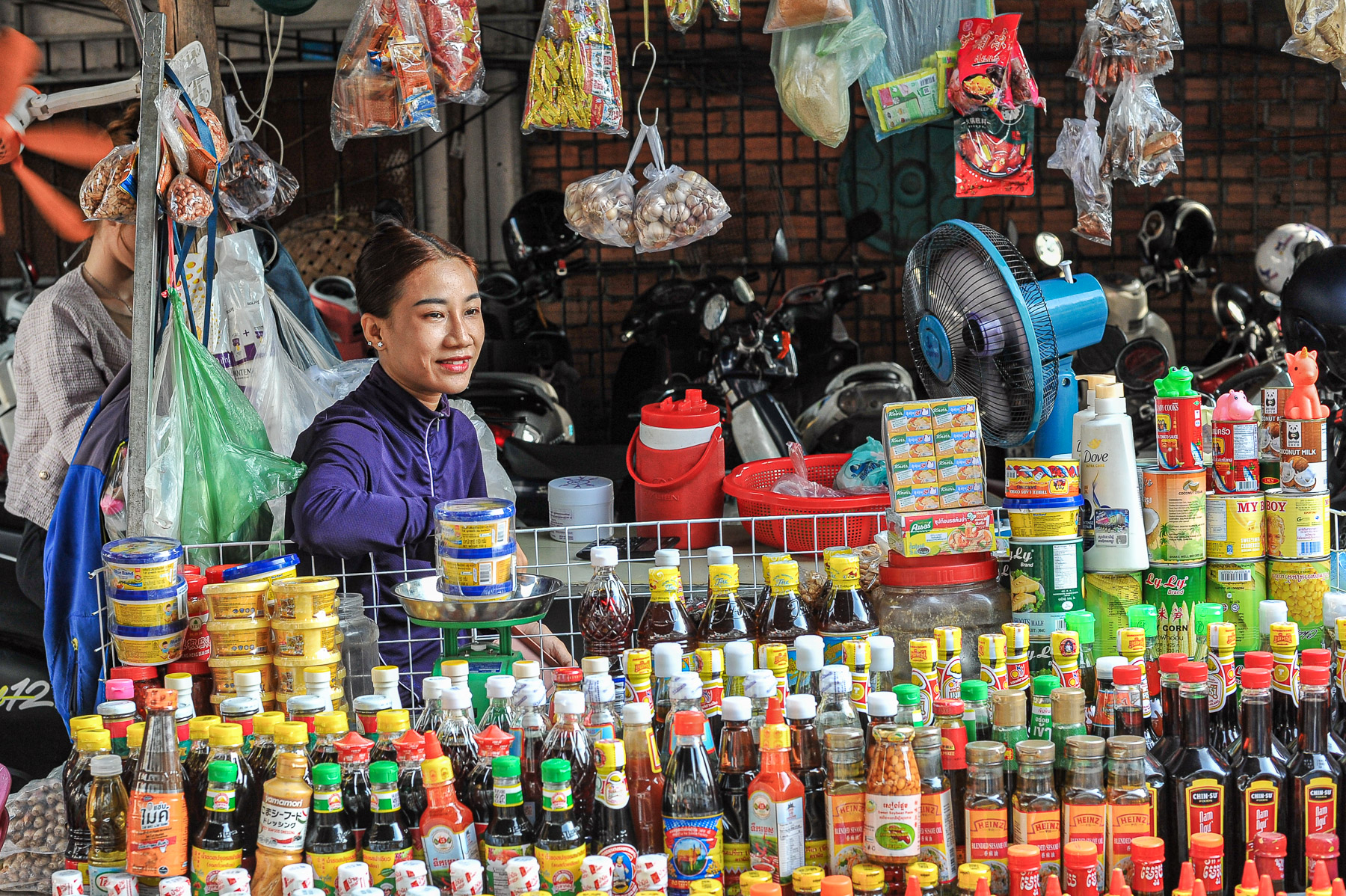
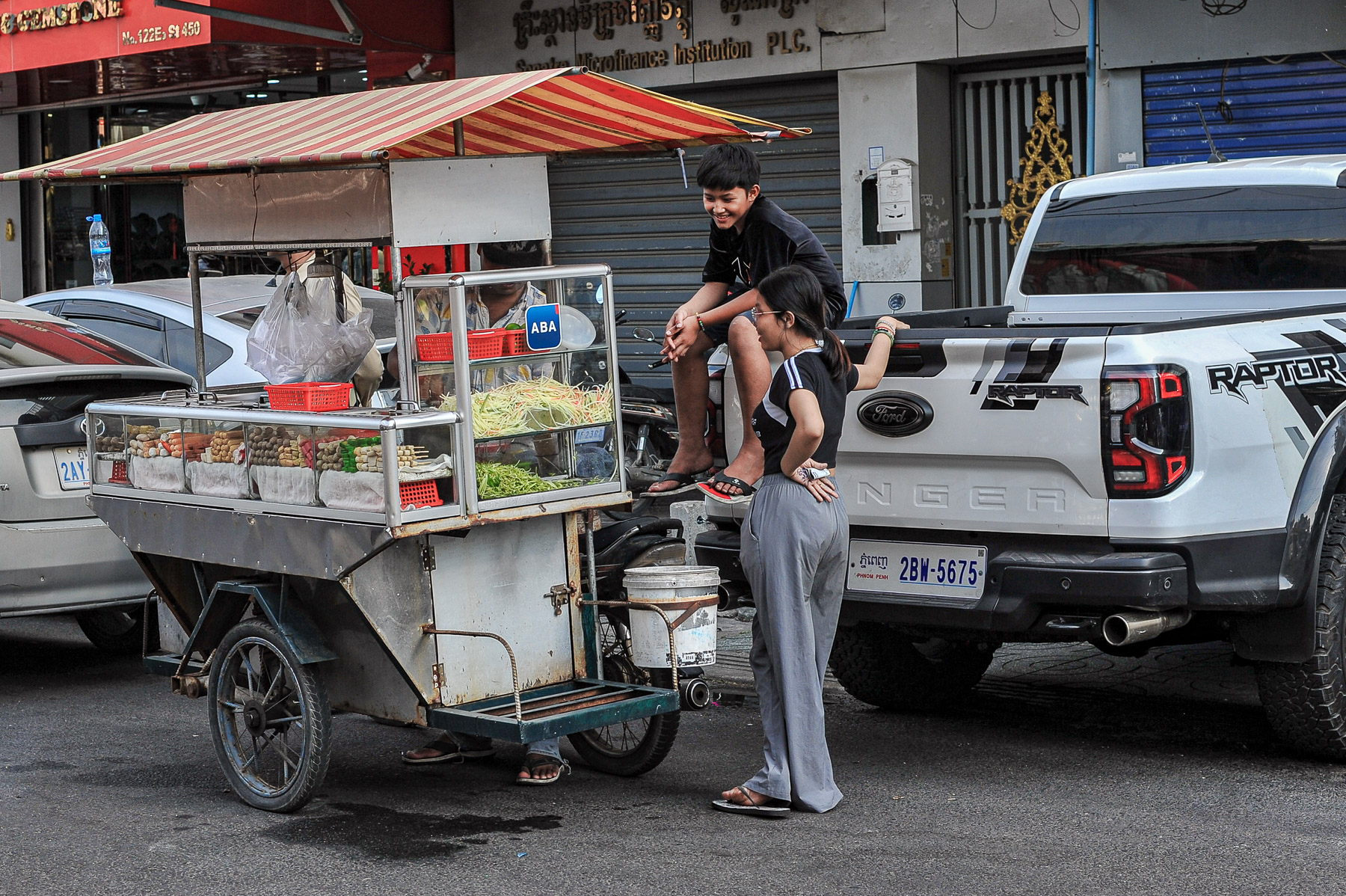
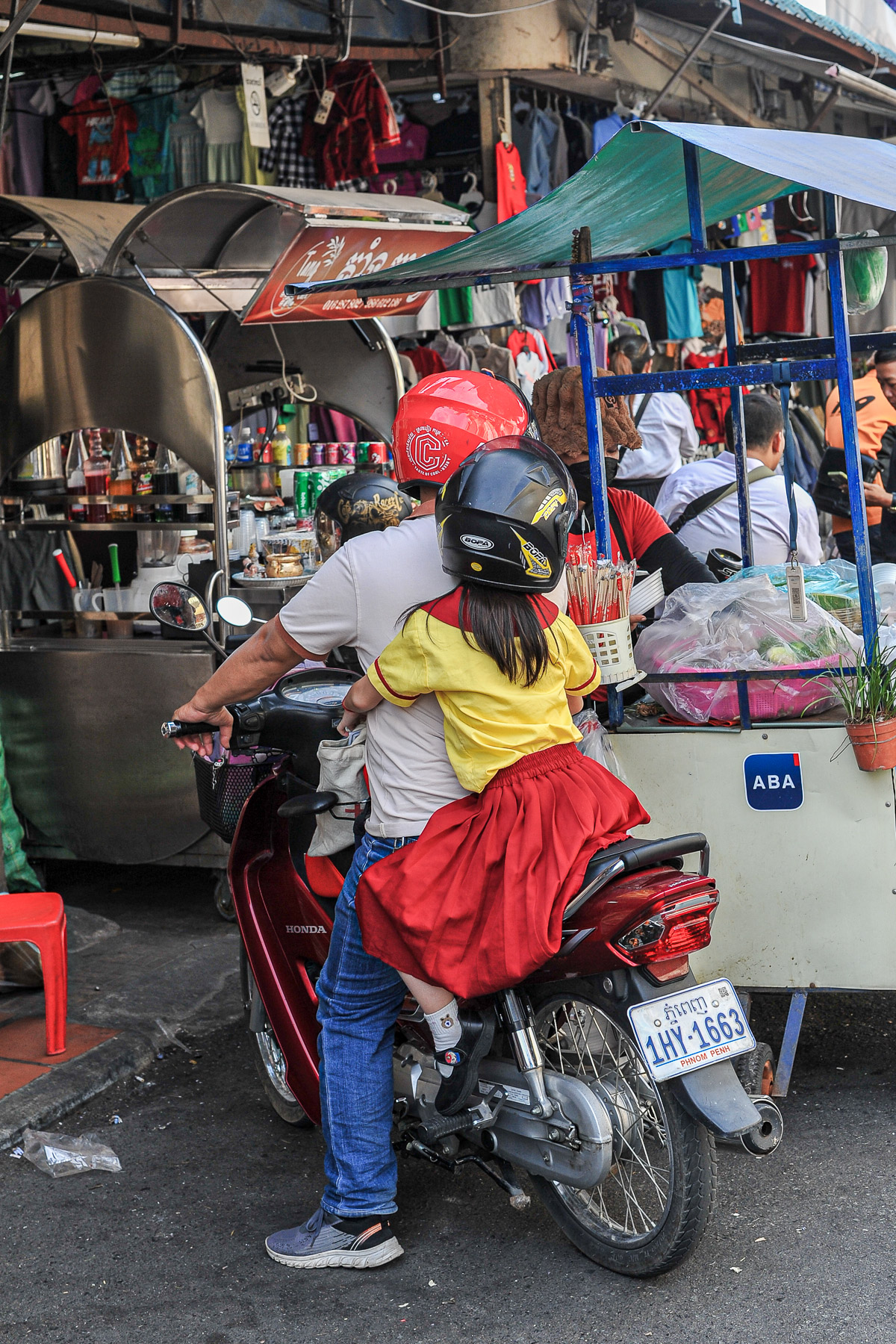
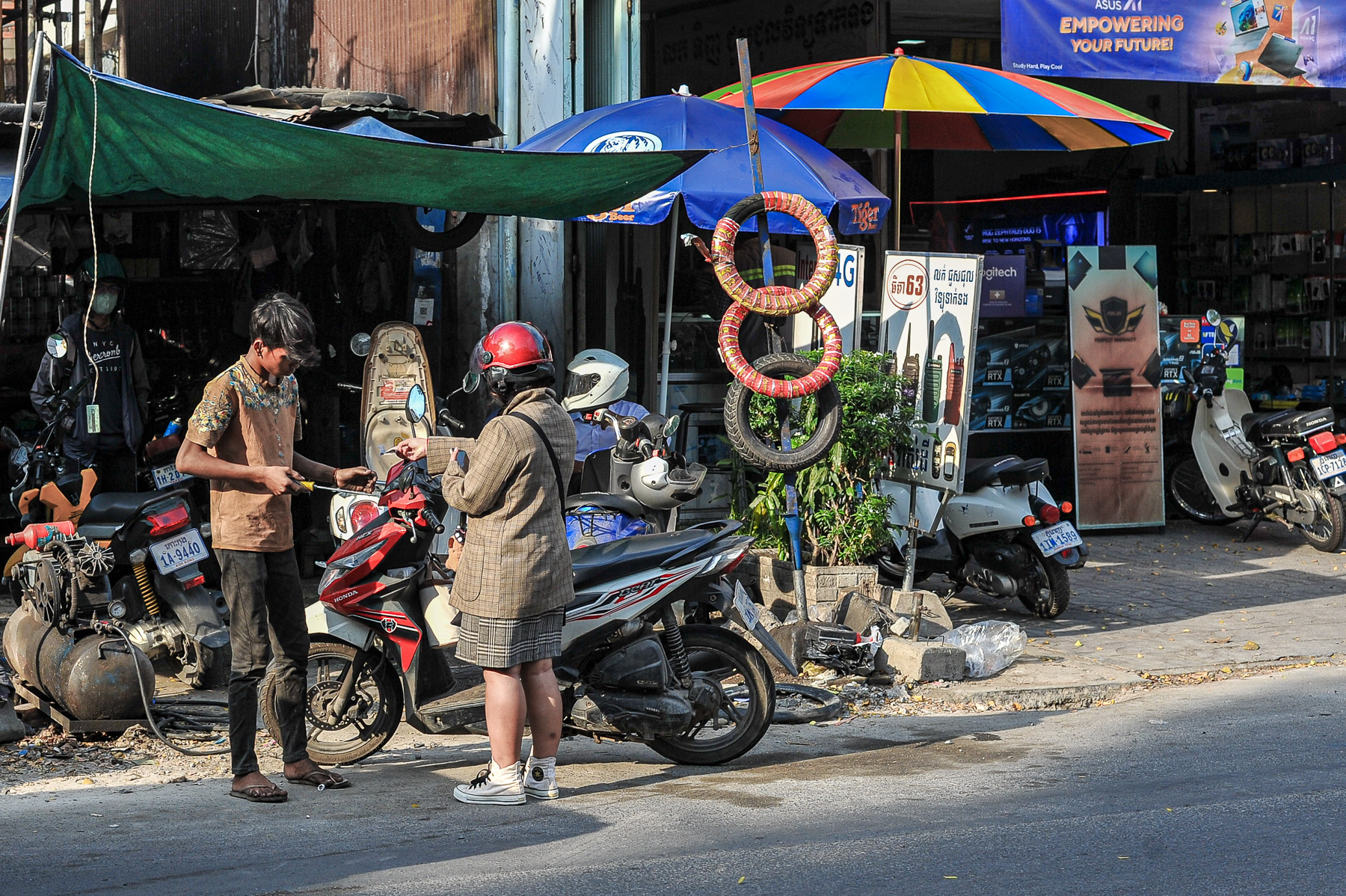
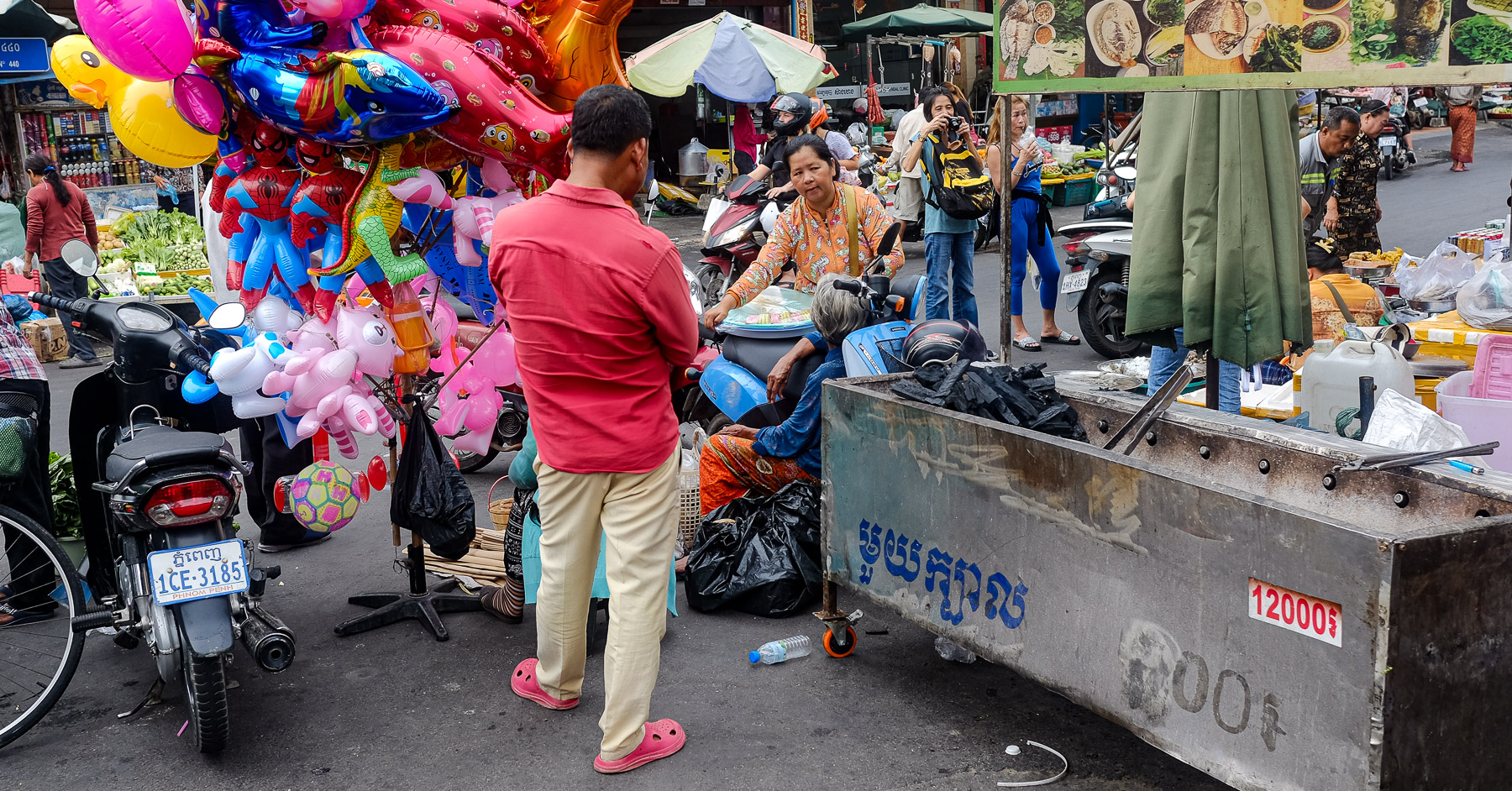
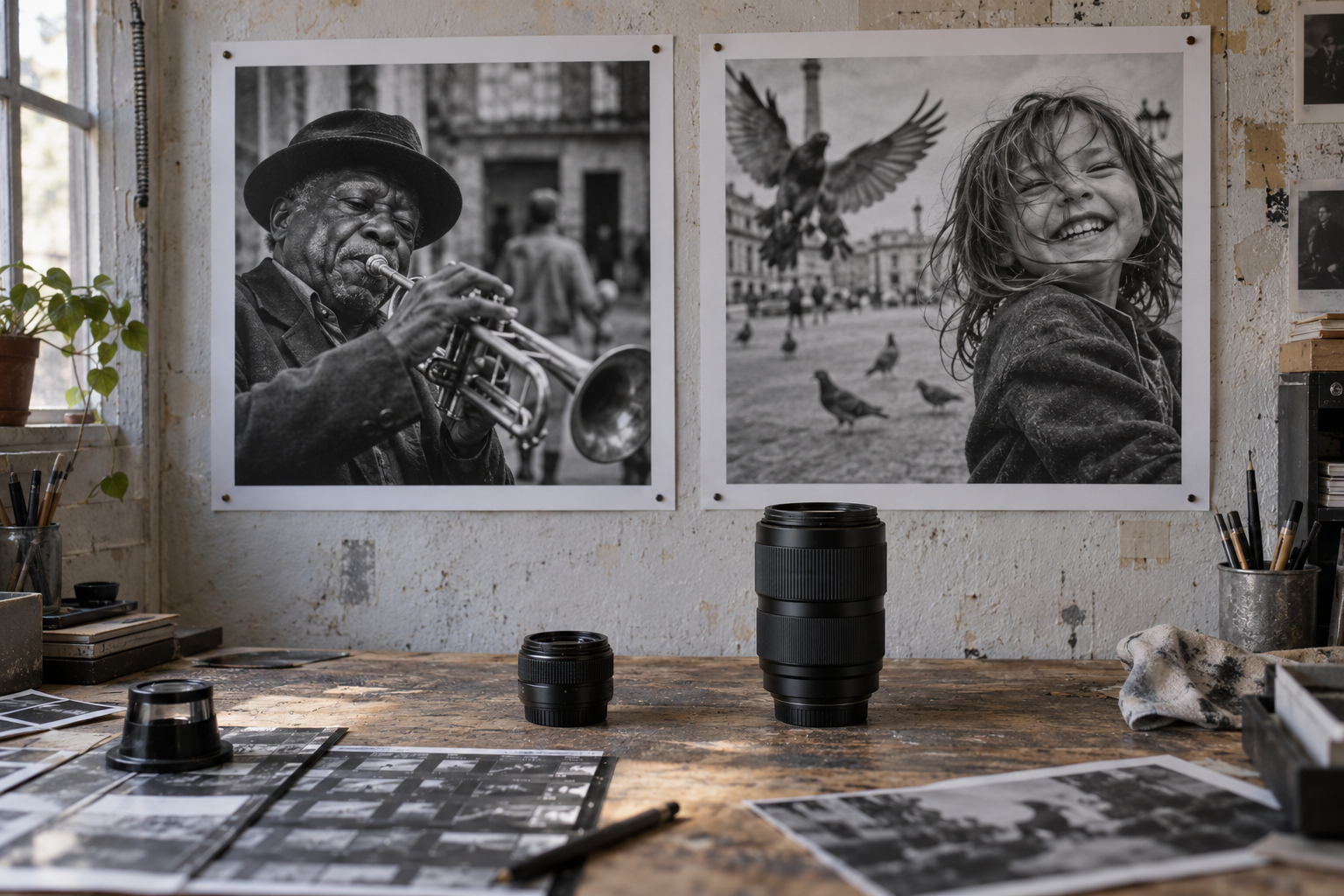
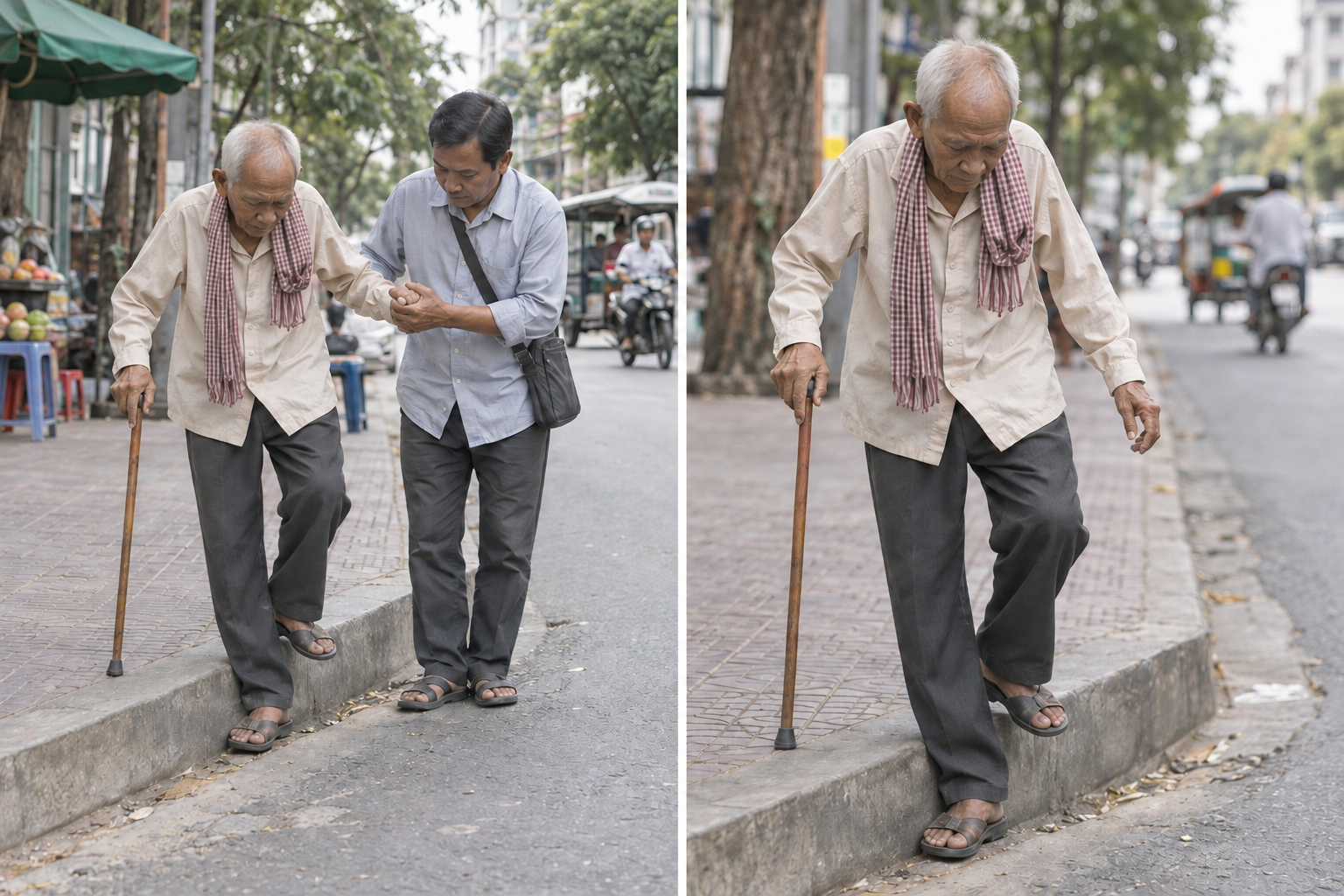
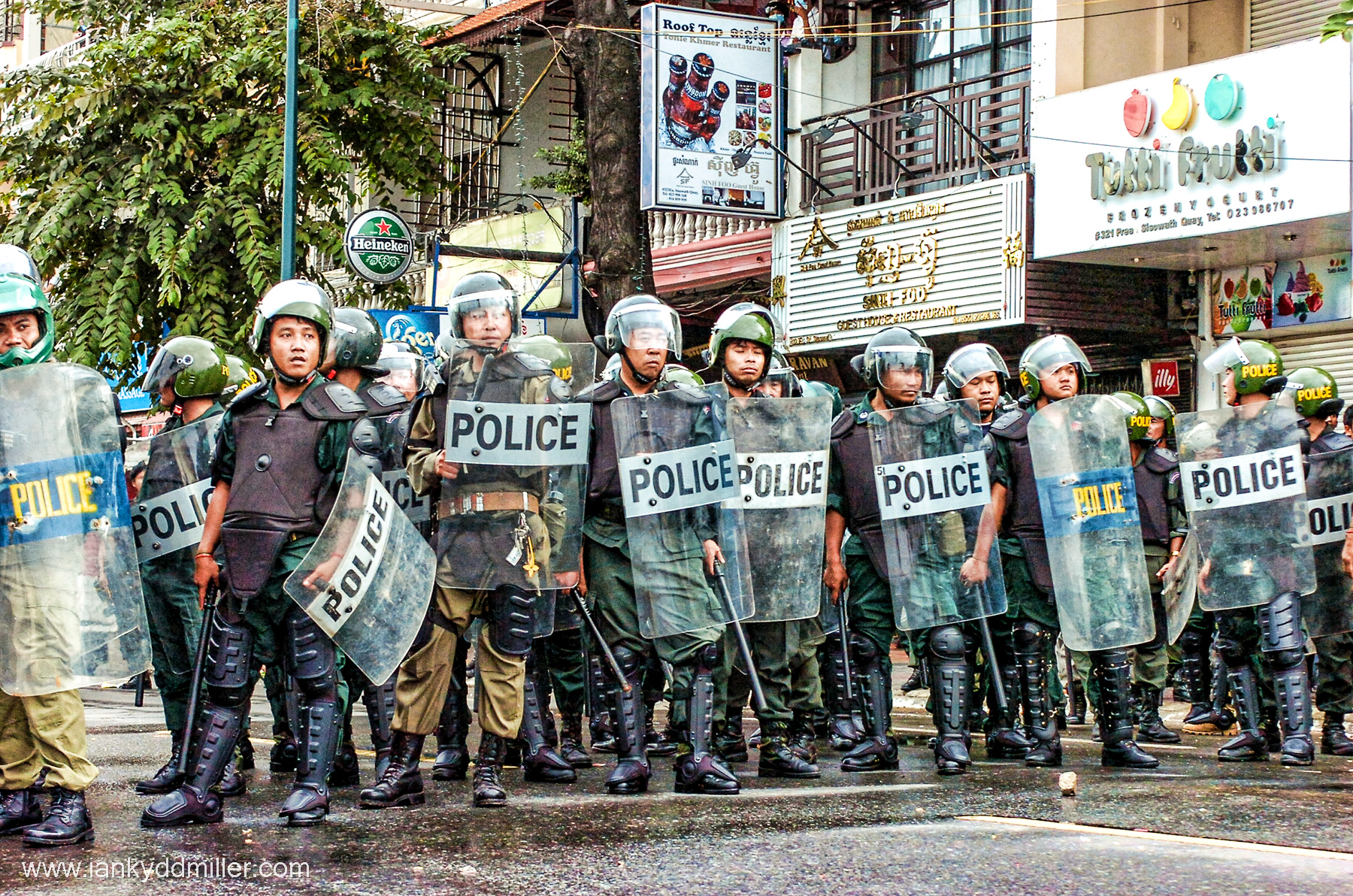
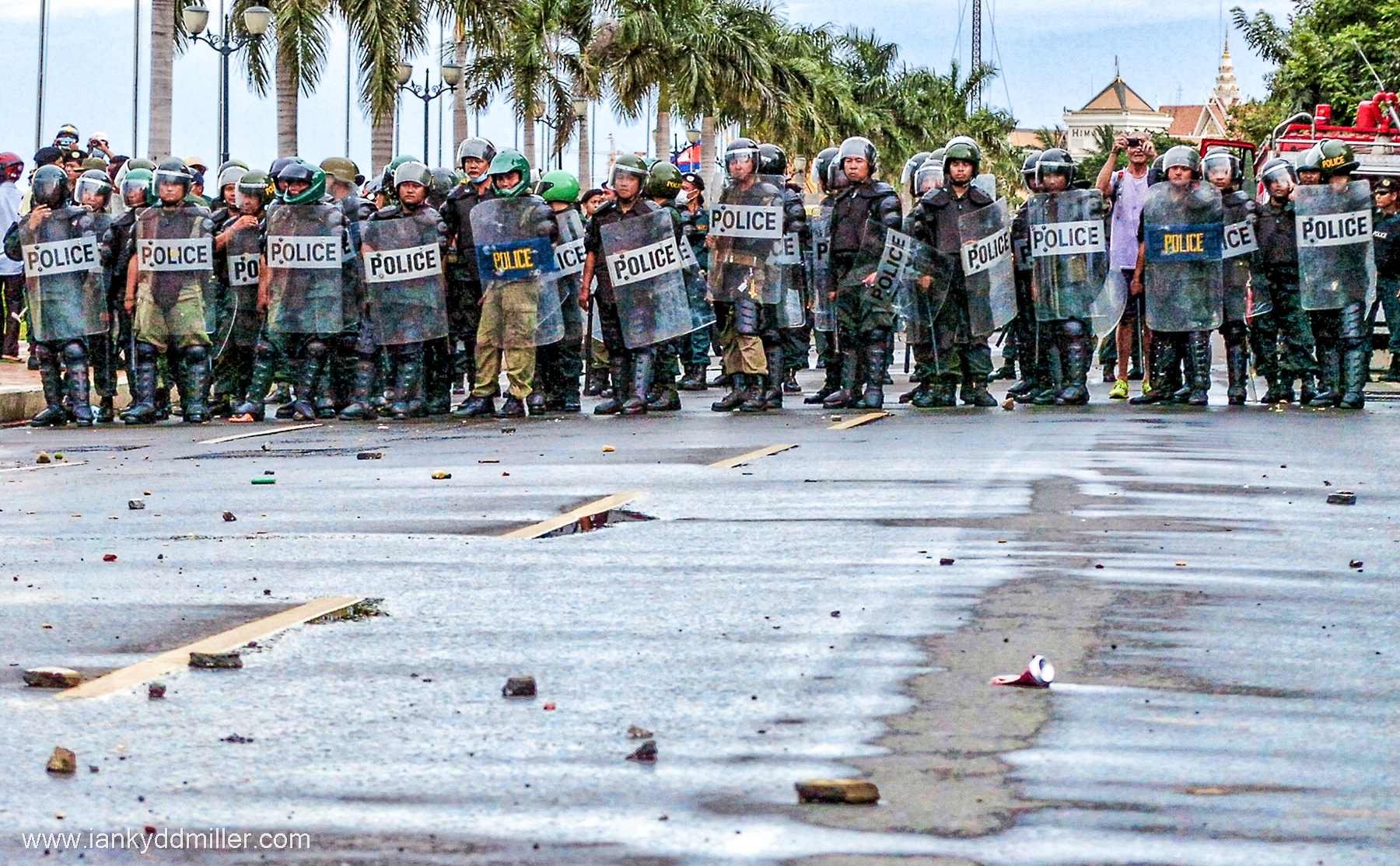
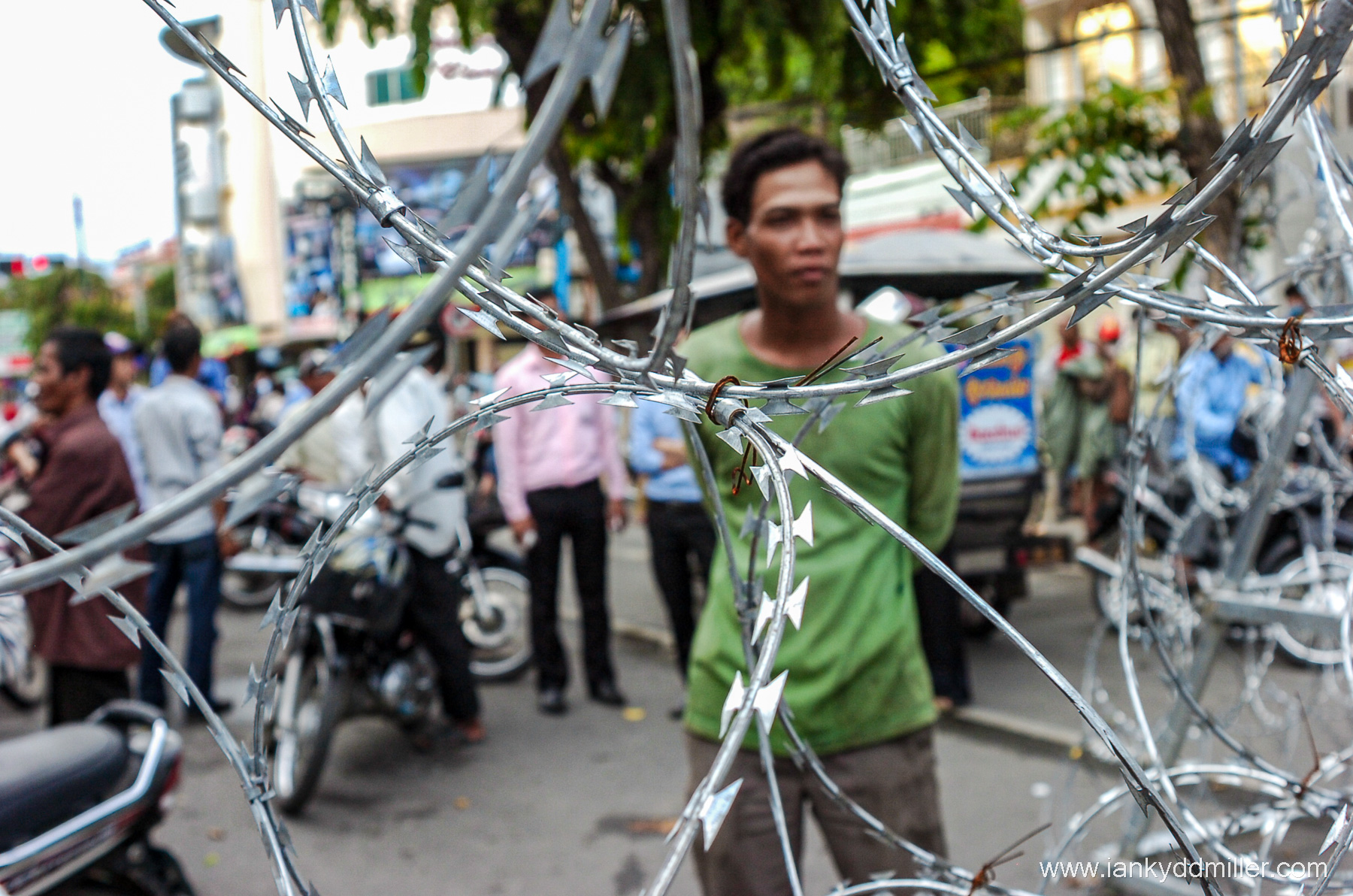
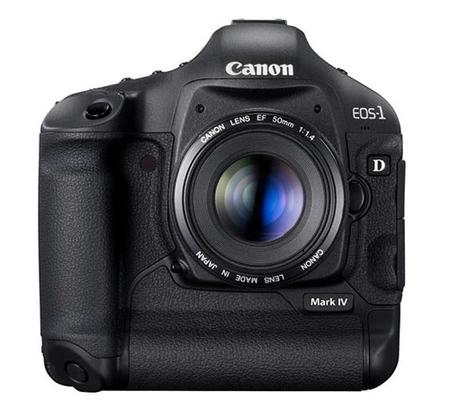
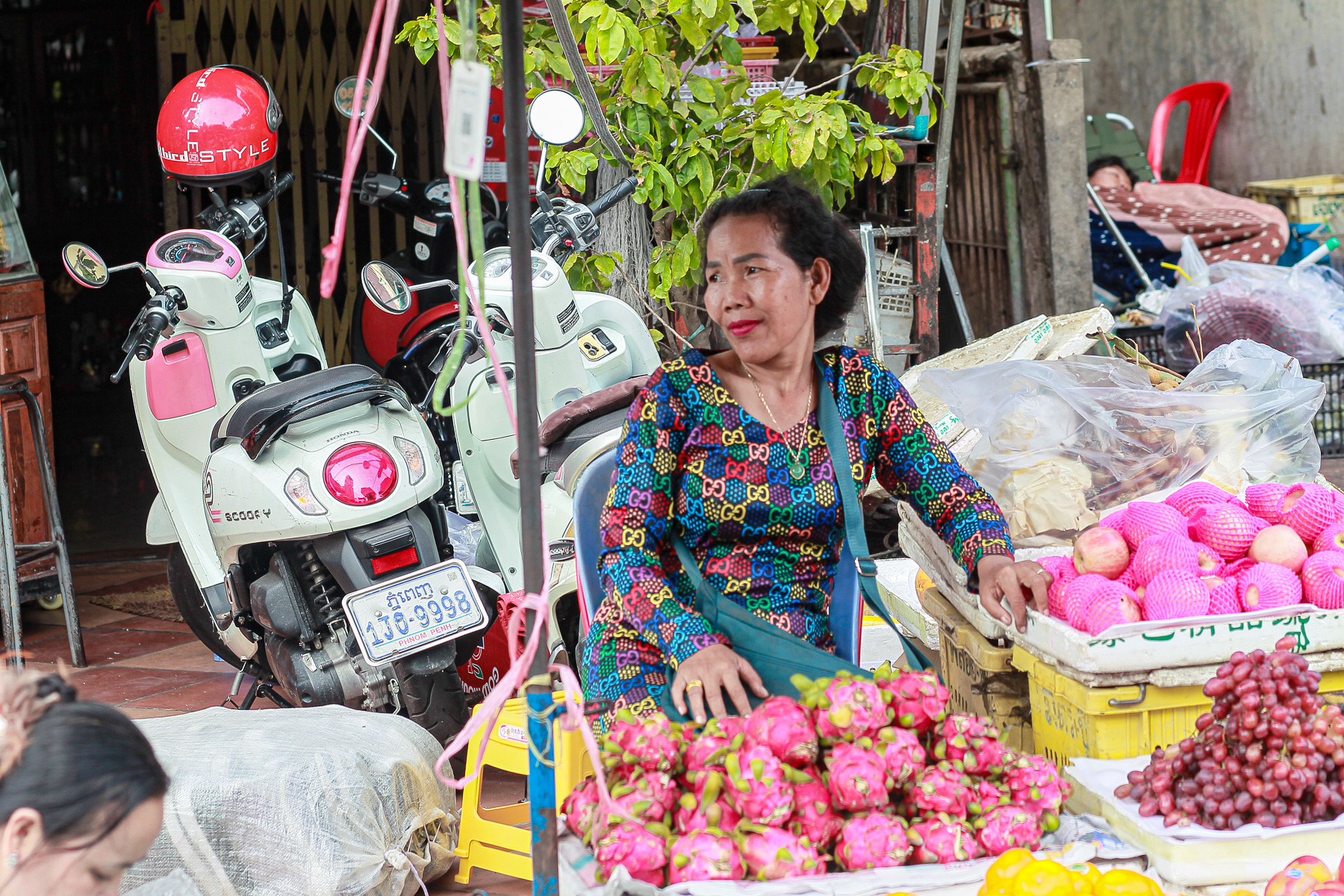
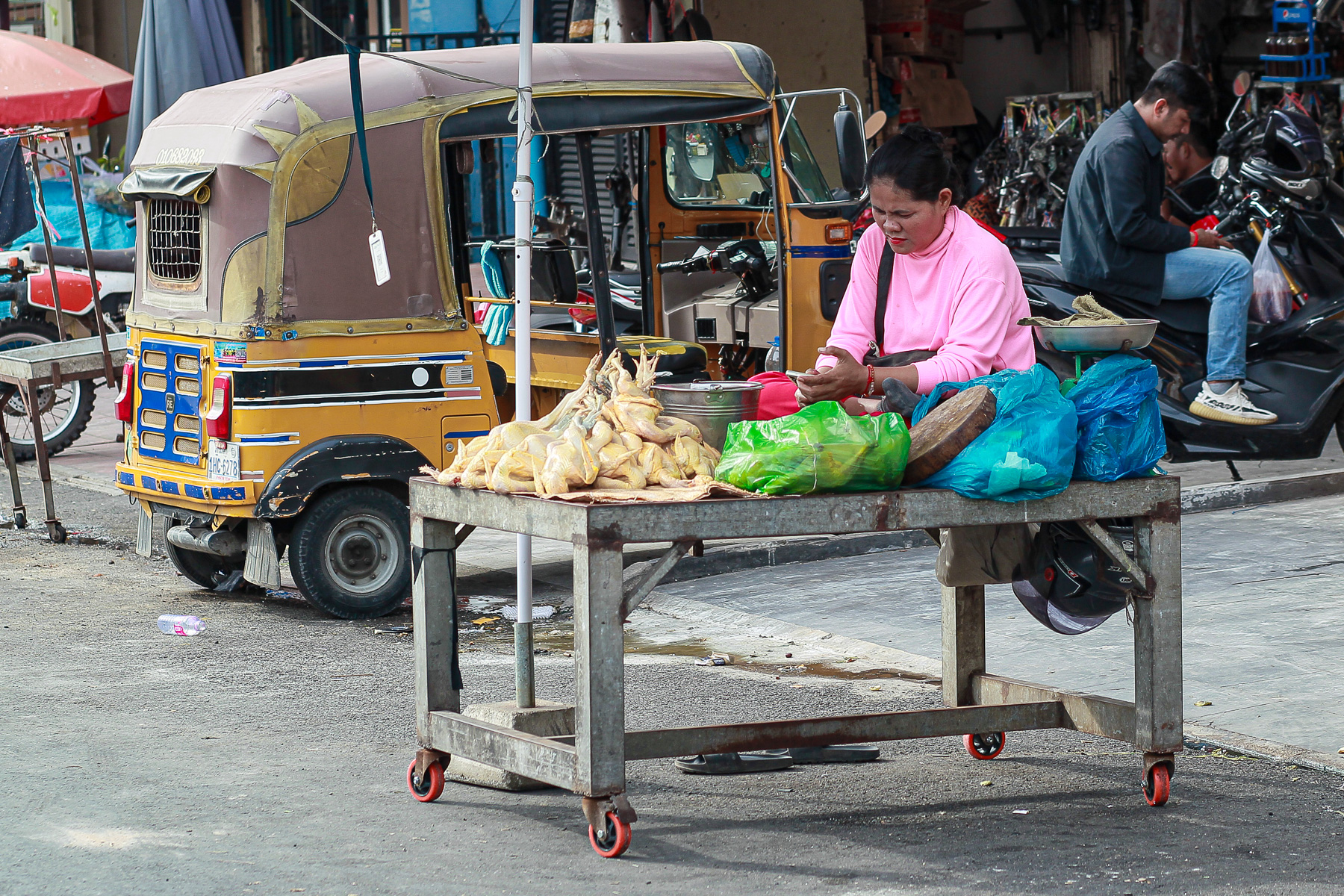
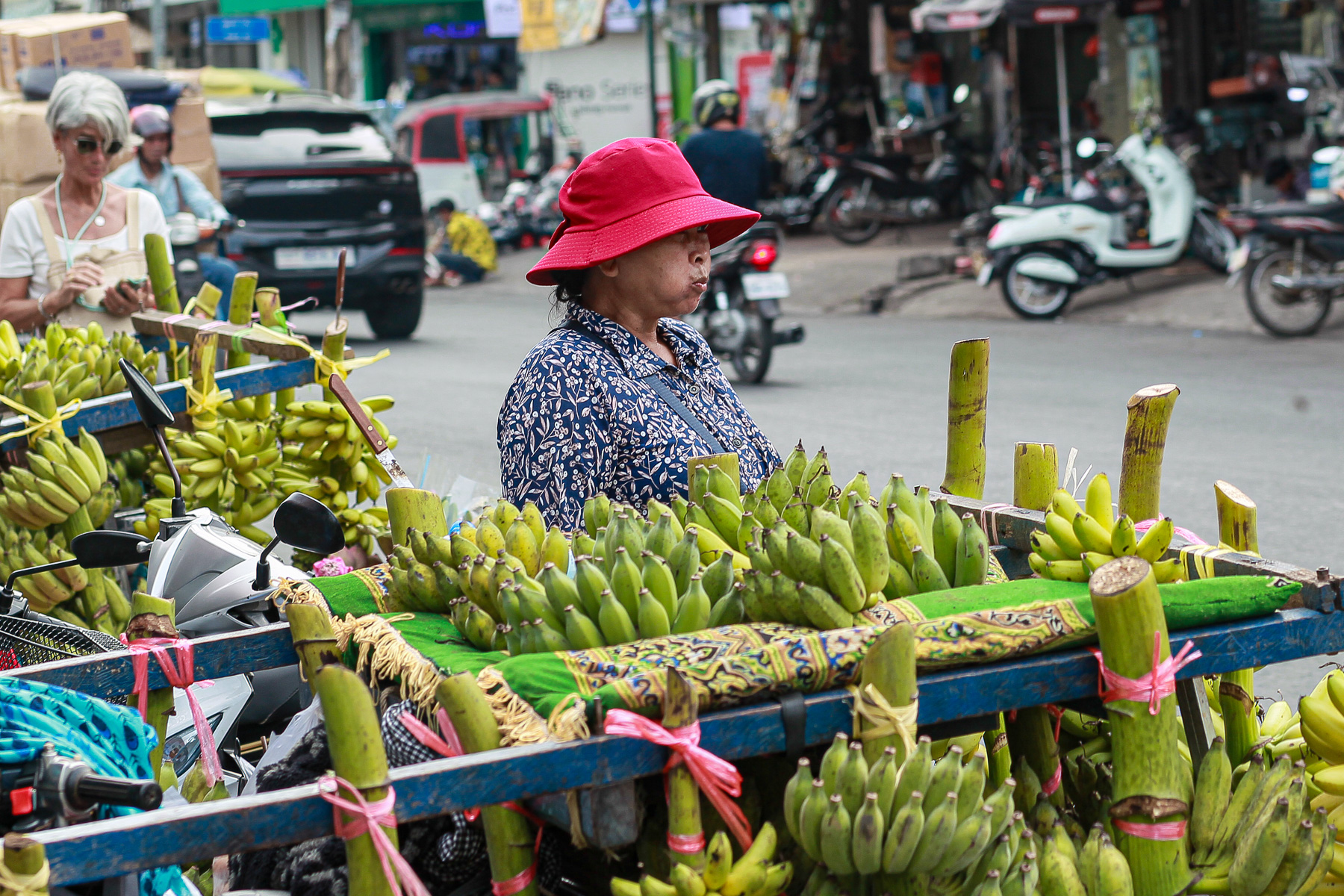
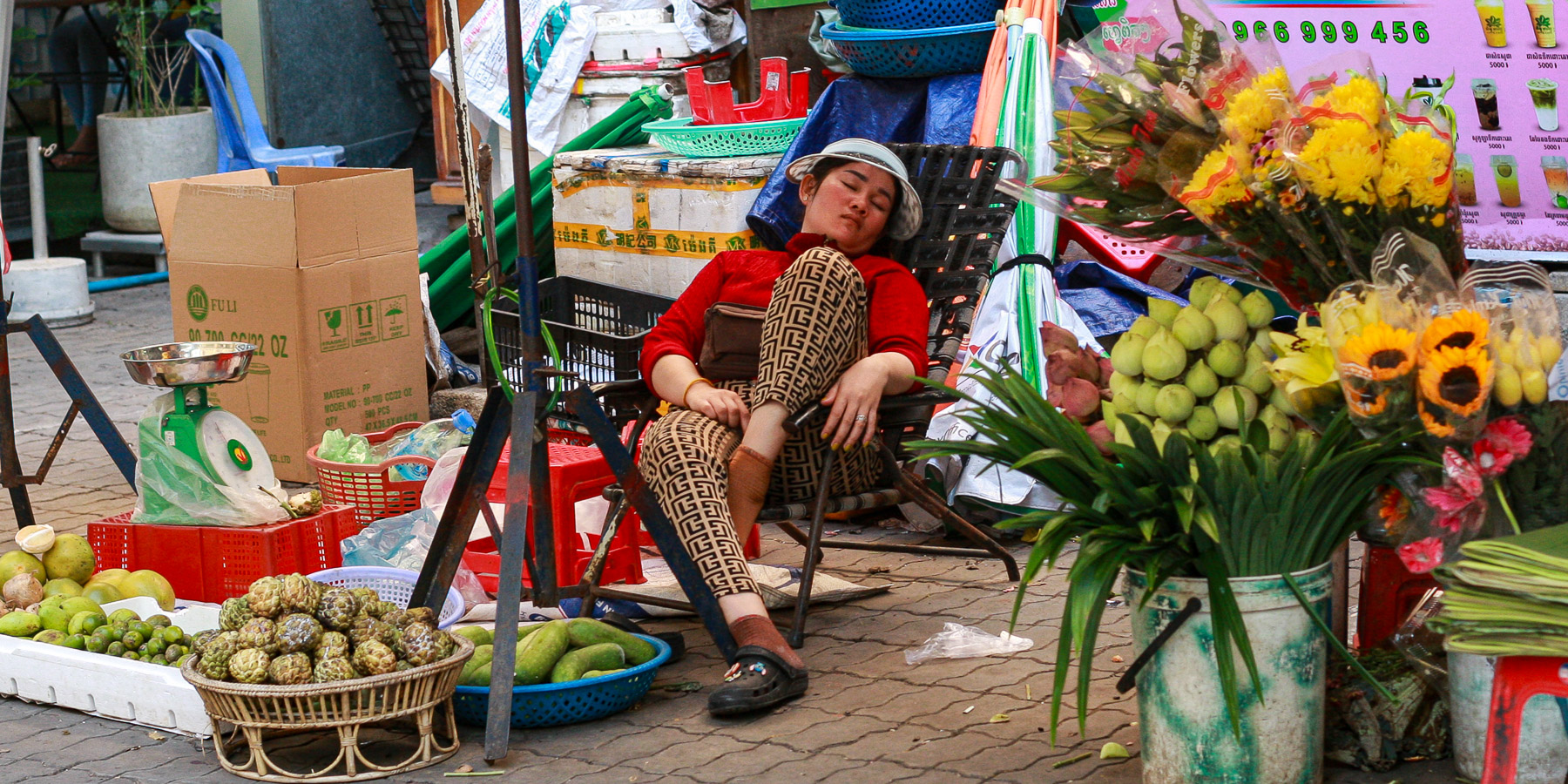
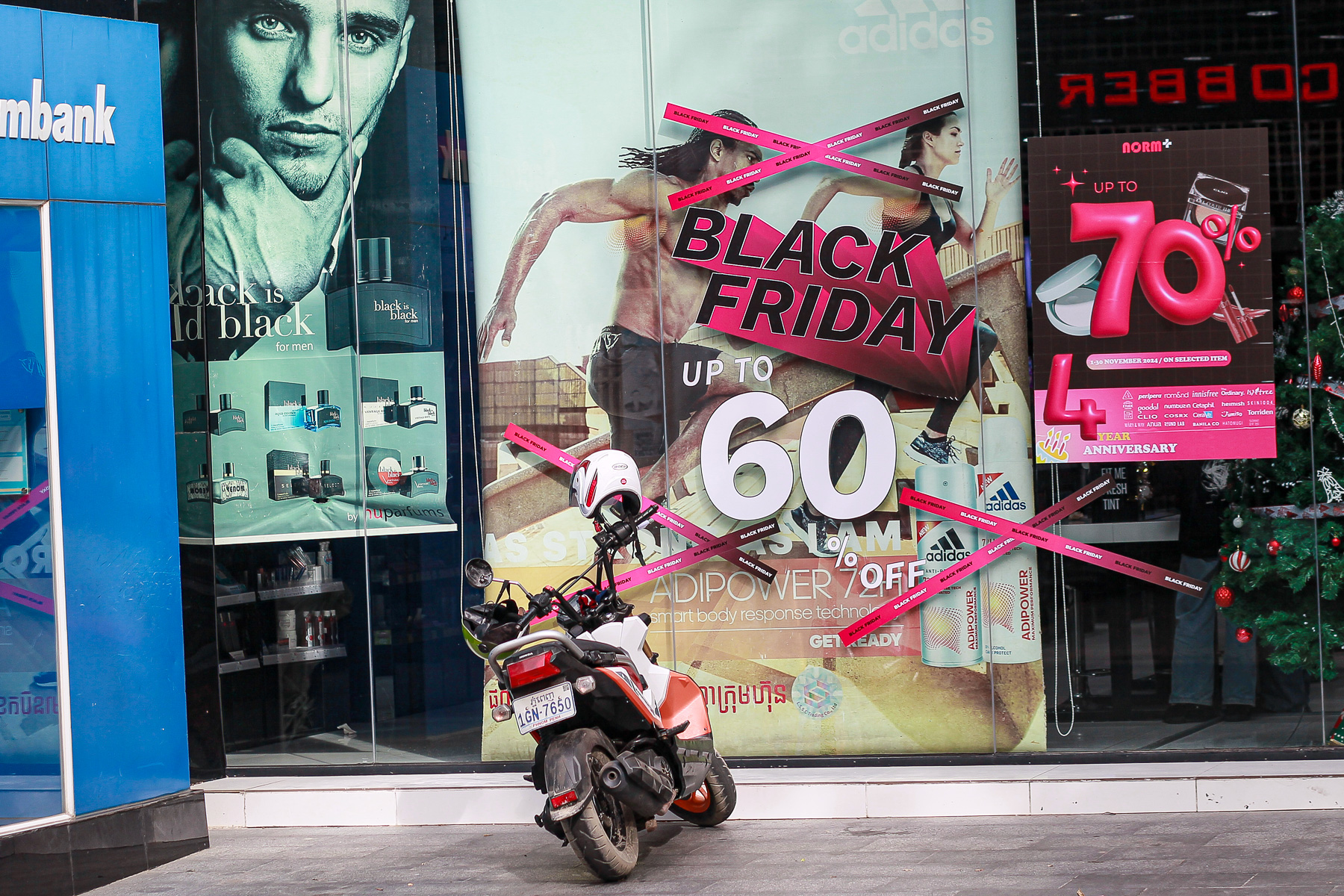
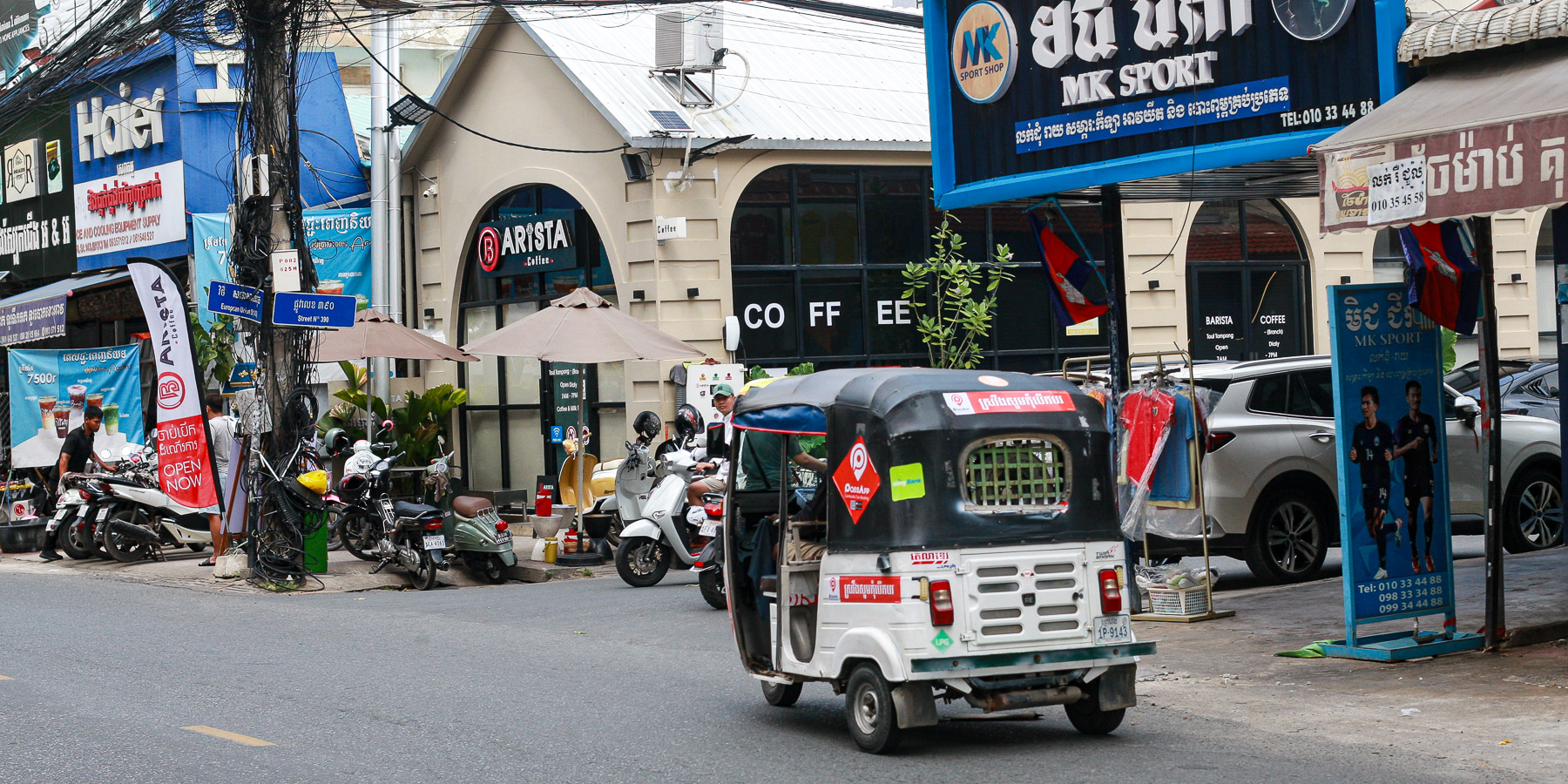
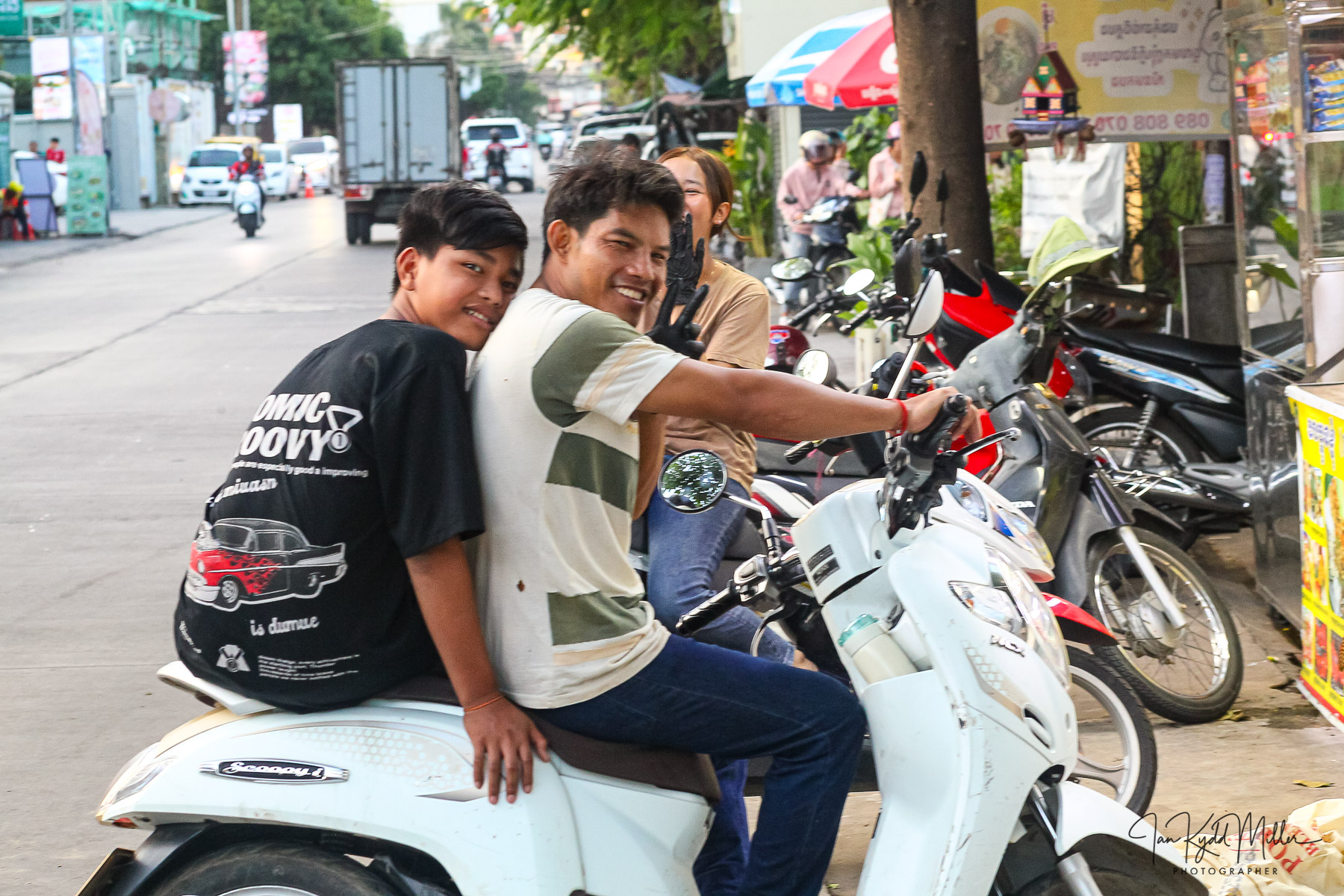
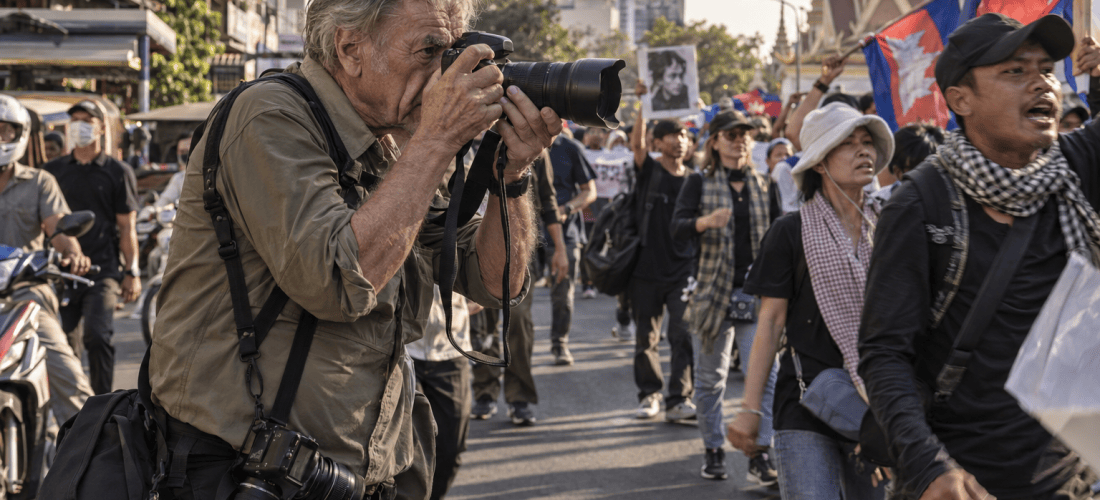
In an age where nearly every pocket holds a camera, the question feels inevitable: Is everyone a photographer now? Billions of images are made every day, documenting everything from morning coffee to monumental life events. The act of taking pictures has become as natural as breathing. But does this ubiquity make everyone a photographer?

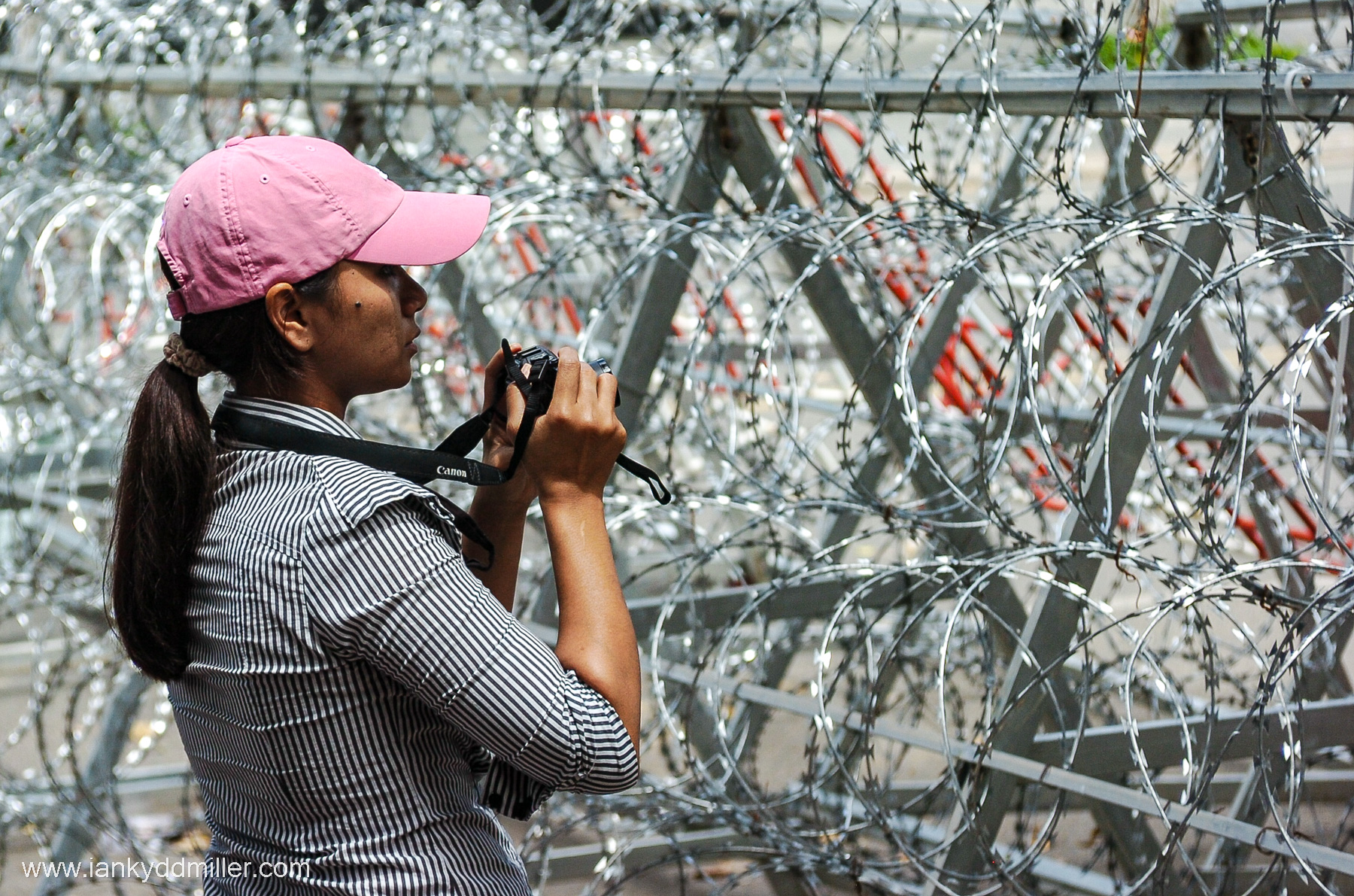
The short answer is no — and the long answer is far more interesting.


Everyone Takes Photos, But Not Everyone Practices Photography

The modern camera is frictionless. It requires no technical knowledge, no preparation, no intention. A swipe, a tap, and the moment is captured. But photography is more than the mechanical act of recording. It is a way of seeing, a deliberate engagement with the world.

A photographer doesn’t just point a camera. A photographer notices.

The Difference Is Intent

Intent is the quiet force that separates casual image‑making from photography. One person photographs to remember. Another photographs to understand. One uses the camera as a diary. Another uses it as a language.

Photography begins when the camera becomes a tool for expression rather than documentation.

Craft Still Matters

Despite the accessibility of cameras, the craft of photography remains as demanding as ever. It asks for sensitivity to light, awareness of timing, an understanding of composition, and the discipline to edit and refine. These skills are learned, practiced, and internalized. They cannot be downloaded or automated.

The camera may be universal, but vision is not.

Democratisation Is Not Dilution

The explosion of image‑making has not diluted photography. If anything, it has expanded its possibilities. More voices, more perspectives, more interpretations of the world. But the presence of more images does not erase the distinction between casual snapshots and intentional photographic work.

Photography remains a craft defined by attention, not by access.

The Final Thought

Everyone is a picture‑maker. Not everyone is a photographer.

A photographer is someone who uses the camera not just to record life, but to interpret it — someone who sees the world not only as it is, but as it could be framed, shaped, and understood through the lens.


In a world full of cameras, the rare thing isn’t the ability to take a picture. The rare thing is the ability to see.

📖 Nikon D2Hs + Sigma 20mm f/1.8 — Strengths, Weaknesses, and Legacy

Lenses, nikon, opinons, thoughts, pictures, street, Travel, Uncategorized, war

🕰️ Context

  • Nikon D2Hs (2005): A professional DX DSLR with a 4.1MP sensor, designed for speed, durability, and press work. It was the successor to the D2H, optimized for sports and photojournalism.
  • Sigma 20mm f/1.8 EX DG: One of the fastest wide‑angle primes available, offering shallow depth of field and strong low‑light performance at a dramatic focal length.

✅ Strengths

📸 Nikon D2Hs Body

  • Speed: 8 frames per second continuous shooting — excellent for action and reportage.
  • Autofocus: 11‑point Multi‑CAM 2000 AF system, fast and reliable for its era.
  • Build quality: Magnesium alloy, weather‑sealed, designed for professional abuse.
  • Ergonomics: Pro‑style controls, dual command dials, and a large optical viewfinder.
  • Battery life: EN‑EL4 battery delivers thousands of shots per charge.

⚙️ Sigma 20mm f/1.8 Lens

  • Wide aperture: f/1.8 is unusually fast for a wide‑angle, enabling shallow depth of field and low‑light shooting.
  • Perspective: On DX (D2Hs crop factor 1.5x), it becomes ~30mm equivalent — versatile for street, documentary, and environmental portraiture.
  • Creative rendering: Strong subject isolation at close distances, with dramatic wide‑angle compression.
  • Value: Affordable compared to Nikon’s own fast wide primes.

❌ Weaknesses

⚠️ Nikon D2Hs Body

  • Resolution: 4.1MP is limiting for cropping and large prints. Files are clean but small.
  • ISO performance: Usable up to ISO 800–1600, but noisy compared to modern sensors.
  • Weight: At ~1.2kg with battery, it’s heavy for long shoots.
  • LCD: Small, low‑resolution rear screen makes reviewing images difficult.
  • Legacy limitations: No video, no modern connectivity (Wi‑Fi, GPS).

🧠 Sigma 20mm f/1.8 Lens

  • Size & weight: Large and heavy for a prime, not discreet.
  • AF performance: Slower and noisier than Nikon AF‑S lenses.
  • Optical flaws: Wide open, prone to softness, vignetting, and chromatic aberration.
  • Flare resistance: Weak coatings — struggles with strong backlight.

⚖️ Combined Use Case

ContextStrengthsWeaknesses
StreetFast AF, rugged body, versatile 30mm equivalentHeavy combo, limited resolution
DocumentaryWide perspective, shallow DOF at f/1.8Noisy AF, flare issues
Action8 fps burst, pro handling4.1MP limits cropping flexibility
Low‑lightf/1.8 aperture helpsSensor noise above ISO 800

✨ Conclusion

The Nikon D2Hs + Sigma 20mm f/1.8 is a pairing full of character. The D2Hs delivers speed, durability, and reliability — perfect for photojournalists of its era — while the Sigma 20mm adds creative flexibility with its unusually fast aperture. Together, they excel in street, documentary, and action work, though they are limited by low resolution, heavy weight, and optical quirks.

Verdict: A rugged pro body and a quirky wide prime — imperfect by modern standards, but capable of distinctive, characterful images when used deliberately.

📖 Nikkor 85mm f/1.8D vs f/1.8G — A Detailed Comparison

cameras, Lenses, nikon, opinons, thoughts, photography, pictures, street, Travel
  • NIKKOR AF-S 85mm f/1.8G vs NIKKOR AF 85mm f/1.8D (Скорость автофокуса ...
  • Nikon 85 mm F 1.8 D AF Nikkor review. Test Nikon AF Nikkor 85mm f / 1 ...
  • Nikon AF-S 85mm f/1.8G FX telefoto portretni objektiv Nikkor auto focus ...

🕰️ Historical Context

  • 85mm f/1.8D (1994): A workhorse portrait lens from the film era, designed for Nikon bodies with screw‑drive autofocus.
  • 85mm f/1.8G (2012): A modern redesign with AF‑S motor, optimised for digital sensors, offering improved sharpness and coatings.

⚙️ Technical Comparison

FeatureNikkor 85mm f/1.8DNikkor 85mm f/1.8G
Year introduced19942012
AutofocusScrew‑drive (needs motor in body)AF‑S Silent Wave Motor (works on all Nikon DSLRs)
Aperture blades7 straight9 rounded
BokehSlightly harsher, polygonal highlightsSmoother, creamier, round highlights
Optical design6 elements in 6 groups9 elements in 9 groups
CoatingsOlder NIC coatingsModern Super Integrated Coating
Minimum focus85 cm80 cm
Weight380 g350 g
Aperture ringYes (useful for film/manual bodies)No (G‑type, controlled electronically)
Price (used/new)Lower, often $250–300 usedHigher, ~$450–500 new

Sources: CameraDecision comparison, DPReview lens specs, CameraLabs group test.

📸 Rendering & Image Quality

  • Sharpness: The f/1.8G is sharper wide open, especially in the corners, while the f/1.8D improves when stopped down.
  • Bokeh: The f/1.8G’s rounded blades produce smoother background blur, making it more flattering for portraits.
  • Colour & contrast: The f/1.8G benefits from modern coatings, giving richer contrast and reduced flare compared to the f/1.8D.
  • Character: The f/1.8D has a slightly more “classic” rendering — some photographers appreciate its harsher bokeh and vintage feel.

⚖️ Practical Considerations

  • Compatibility: The f/1.8D won’t autofocus on entry‑level Nikon DSLRs (D3xxx, D5xxx series), while the f/1.8G works on all bodies.
  • Film shooters: The f/1.8D’s aperture ring makes it more versatile for older Nikon film cameras.
  • Digital shooters: The f/1.8G is better suited for modern DSLRs and mirrorless (via FTZ adapter).
  • Budget: The f/1.8D is cheaper on the used market, but the f/1.8G offers better overall performance for digital workflows.

✨ Conclusion

  • Choose the f/1.8D if you want a budget‑friendly lens with aperture ring compatibility and don’t mind screw‑drive autofocus.
  • Choose the f/1.8G if you want modern sharpness, smoother bokeh, and full compatibility with all Nikon DSLRs and mirrorless setups.

Verdict: The f/1.8D carries vintage character and affordability, while the f/1.8G delivers modern performance and versatility.

Rediscovering Nikon DSLRs That Still Deliver

Lenses, nikon, opinons, thoughts, photography, pictures, street, Travel

Quick guide and decisions to make

  • Key considerations: Do you prioritise resolution and cropping or low‑light headroom and tactile handling?
  • Clarifying questions to frame the post: Which primes do you favour; do you shoot more daylight or night street work; is portability or ruggedness more important?
  • Decision points for readers: Choose a primary body for the job (high resolution vs low light), keep a consistent RAW workflow, and match prime focal lengths to your shooting style.

Why these bodies matter

  • Nikon D810 delivers 36.3MP full‑frame resolution and a wide ISO range, making it ideal when detail and cropping latitude matter.
  • Nikon D300S is a rugged DX workhorse with 12.3MP, weather sealing, and reliable handling—built for deliberate street work.
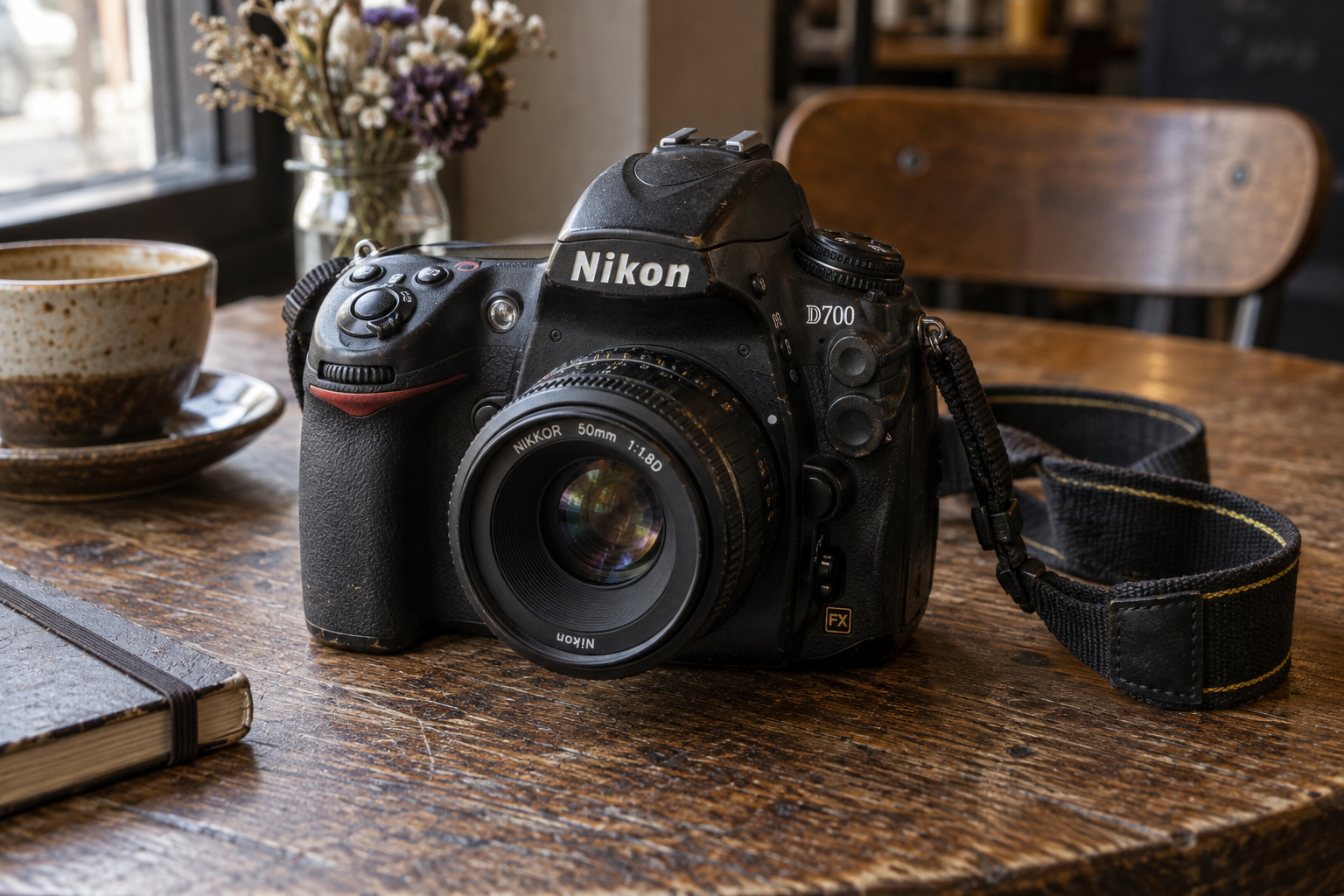
  • Nikon D700 brought full‑frame ergonomics and low‑noise files in a compact body, with ~12MP that many still prize for tonality and handling.
  • Nikon D800 introduced 36MP full‑frame resolution that rewards sharp glass and careful technique.
  • Nikon D3S remains a low‑light specialist with exceptional high‑ISO performance and professional durability.

Lenses and setups

  • Core approach: Use high‑quality primes; the glass defines look more than megapixels.
  • Recommended focal lengths: 35mm for context; 50mm for natural perspective; 85mm for portraits and distance; use short tele on the D800/D810 for tight editorial crops.
  • Sample kits: D300S + 35mm f/1.8 for light, fast street; D3S + 50mm/85mm f/1.4 for night; D800/D810 + premium primes for high‑detail work.

How limitations shape style

  • Lower megapixel bodies encourage decisive composition and embrace of grain as aesthetic.
  • High‑resolution bodies change your workflow: sharper technique, steadier support, and premium glass become essential.
  • Low‑light specialists let you capture moments others miss, expanding creative possibilities after dark.

Practical tips and workflow

  • Expose for highlights and protect midtones on older sensors; shoot RAW and apply selective noise reduction.
  • Keep ISO conservative on D300S/D700; use D3S for high‑ISO freedom.
  • Maintain lens care and a consistent edit style to preserve camera character.
  • Let lenses lead: prime rendering, micro‑contrast, and bokeh shape the final image more than sensor specs.

Risks trade‑offs and actionable steps

  • Trade‑offs: Older bodies lack modern conveniences (Wi‑Fi, fastest AF, greatest dynamic range). Action: pick one body as your daily driver and a second as a specialist to avoid workflow fragmentation.
  • Noise and recovery limits: Older sensors have less headroom. Action: expose carefully, bracket when possible, and use modern denoise tools selectively.
  • Value vs needs: If you need cutting‑edge AF or extreme high ISO, consider supplementing with a modern body; otherwise, invest in sharp primes and technique.

Closing thought Paired with high‑quality primes, the D300S, D700, D800, D3S, and D810 form a versatile, characterful system that rewards intentional seeing: the lenses you choose and the way you shoot will define your voice more than the newest sensor.

Cambodia / Thailand conflict.

cambodia, homelessness, opinons, thoughts, photography, pictures, war

Yes, fighting between Thailand and Cambodia has escalated sharply in December 2025, with Thai airstrikes hitting deep inside Cambodian territory, including Siem Reap province near Angkor Wat. Cambodia accuses Thailand of targeting civilian areas and shelters for displaced people, while Thailand claims self‑defence in a long‑running border dispute. Casualties, displacement, and damage to infrastructure are mounting.

📌 Current Situation (as of mid‑December 2025)

  • Airstrikes reported: Cambodian officials say Thai F‑16 fighter jets dropped bombs in Oddar Meanchey and Siem Reap provinces, including near camps for displaced people and a bridge in Srei Snam district.
  • Tourist sites at risk: Siem Reap, home to Angkor Wat, Cambodia’s top tourist draw and a UNESCO World Heritage site, has been directly threatened by strikes.
  • Casualties & displacement: At least 20 people have been killed since fighting reignited, with hundreds of thousands displaced. Cambodia claims around 800,000 people have fled border areasThe Straits Times.
  • Border closures: Phnom Penh has shut all land crossings with Thailand to protect civilians.
  • Thai perspective: Bangkok says the strikes are defensive, part of operations to protect the Gulf of Thailand, and blames Cambodia for instigating attacks.

⚠️ Risks and Implications

  • Humanitarian crisis: Camps for displaced people are now under threat, worsening conditions for civilians already uprooted.
  • Tourism impact: Cambodia’s economy relies heavily on tourism, and strikes near Angkor Wat could devastate recovery efforts post‑COVID.
  • Regional instability: The conflict stems from colonial‑era border demarcation disputes, and repeated truces have failed.
  • International concern: Despite calls for a ceasefire—including from the US—bombing has continued, raising fears of escalation.

✨ Assessment

The Thailand–Cambodia border conflict has reignited into one of the most serious flare‑ups in years. The use of airstrikes deep inside Cambodian territory marks a dangerous escalation, threatening civilians, cultural heritage sites, and regional stability. Cambodia is militarily outgunned, relying on international pressure and diplomacy, while Thailand frames its actions as defensive.

In 2025, this conflict is not just about disputed territory—it is about national identity, economic survival, and the fragility of peace in Southeast Asia. The risk of further escalation remains high unless external mediation succeeds.

Reports from mid‑December 2025 confirm that Thai airstrikes have reached Siem Reap province itself, not just the border.

  • Targets hit: Cambodian officials say bombs struck Srei Snam district in Siem Reap, damaging a bridge and hitting areas near shelters for displaced people.
  • Proximity to Angkor Wat: While Angkor Wat itself has not been directly attacked, the strikes are within the same province, raising fears that Cambodia’s most important cultural and tourist site could be at risk.
  • Civilian impact: Camps for displaced people in Siem Reap province have been threatened, with Cambodia warning that tourist hotspots are now in danger.
  • Depth of strikes: This marks a significant escalation—airstrikes are no longer confined to border areas like Oddar Meanchey, but are penetrating deep into Cambodian territory, roughly 100 km from the Thai border.

At least 20 Cambodians have been reported killed in the renewed border clashes and Thai airstrikes since early December 2025, with hundreds of thousands displaced.

📌 Current Death Toll

  • Initial clashes (Dec 8–9, 2025): Reports confirmed around 10 deaths as fighting spread to new parts of the border.
  • Escalation (Dec 11–15, 2025): Heavy airstrikes and artillery attacks pushed the toll higher, with about two dozen killed in total.
  • Cambodian civilians: Casualties include civilians near shelters and bridges in Siem Reap province, as well as soldiers along the border.

⚠️ Humanitarian Impact

  • Displacement: Cambodia says over 800,000 people have fled border provinces, with camps now under threat from bombing.
  • Infrastructure damage: Bridges, shelters, and areas near Siem Reap have been hit, raising fears for Angkor Wat and tourism.
  • Civilian risk: Airstrikes penetrating deep into Cambodian territory mean non‑combatants are increasingly at risk.

✨ Assessment

The death toll in Cambodia stands at roughly 20–25 people as of mid‑December 2025, but numbers are likely to rise as fighting continues. The scale of displacement is far larger, creating a humanitarian crisis that threatens both civilian safety and Cambodia’s economic lifeline in Siem Reap.

🔺 Three Lenses, Three Ways of Seeing

Lenses, nikon, opinons, thoughts, photography, pictures, street, Travel

A philosophy in glass and focus

I don’t choose lenses for coverage. I choose them for character. Each one speaks differently. Each one sees differently. Together, they form a triangle — not of focal lengths, but of editorial stance.

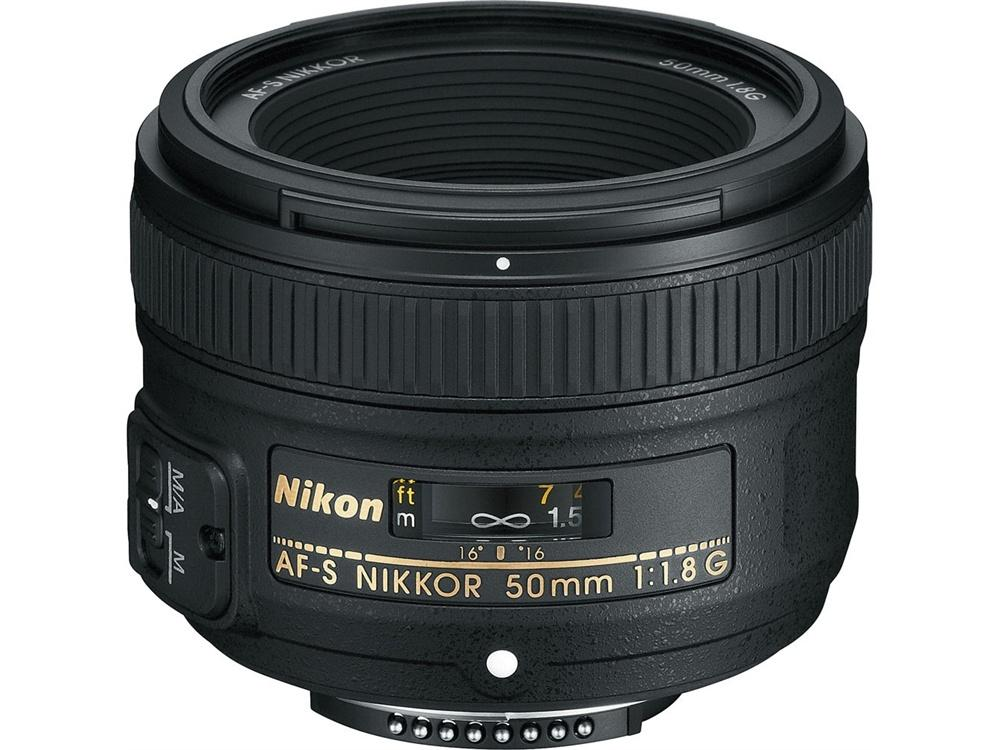
📍 Clarity — NIKKOR 50mm f/1.8G

This is the lens I reach for when I want truth without embellishment. It’s sharp, democratic, unpretentious. It doesn’t romanticize the street — it respects it. In Phnom Penh’s quieter corners, it sees what’s there and lets it speak. No blur, no drama. Just presence.

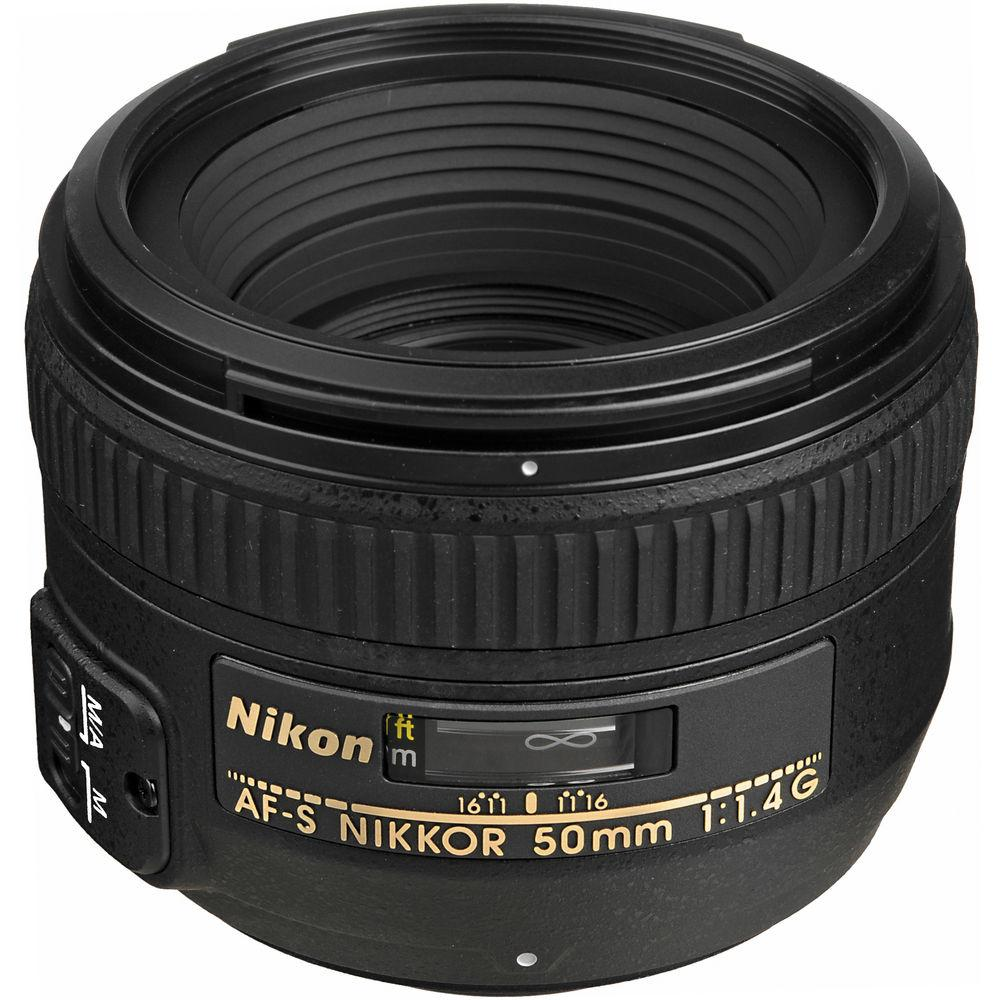
🌫️ Atmosphere — NIKKOR 50mm f/1.4G

This one is softer. Wide open, it breathes. It doesn’t chase sharpness — it leans into ambiguity. I use it when I want mood over detail, when the story lives in the shadows. It’s the lens of dusk, of memory, of things half‑said.

🎯 Focus — NIKKOR 85mm f/1.8D / f/1.8G

These are my scalpels. They isolate. They clarify. The D version has grit — mechanical, tactile, full of history. The G version is quiet, refined, surgical. Both let me pull a face from the crowd, a gesture from the blur. They’re not just portrait lenses. They’re editorial tools for saying: this is what matters.


🧭 The Triangle

Clarity. Atmosphere. Focus. I move between them depending on the story. Sometimes I need the sharpness of truth. Sometimes I need the softness of ambiguity. Sometimes I need to isolate a moment and hold it still.

This triangle isn’t about gear. It’s about ethics. It’s about how I choose to see.

Fujifilm X‑E2

cambodia, cameras, Fujichrome, fujifilm, Lenses, photography, pictures, street, Travel, viltrox

📸 Core Specifications

  • Sensor: 16.3MP APS‑C X‑Trans CMOS II sensor (same as the X‑T1).
  • Processor: EXR Processor II, enabling faster autofocus and improved image processing compared to the original X‑E1.
  • ISO Range: 200–6400 (expandable to 100–25,600).
  • Autofocus: Hybrid AF system with contrast and phase detection, offering focus speeds as fast as 0.08 seconds.
  • Continuous Shooting: Up to 7fps.
  • Video: Full HD 1080p at 60fps, with manual exposure control.
  • Viewfinder: 2.36M‑dot electronic viewfinder (EVF) with 100% coverage.
  • LCD: 3‑inch, 1.04M‑dot fixed screen.
  • Build: Magnesium alloy body with retro rangefinder styling.
  • Connectivity: Built‑in Wi‑Fi for image transfer and remote shooting.

✨ Strengths

  • Image Quality: The X‑Trans sensor produces sharp, detailed images with Fujifilm’s signature colour science and film simulations.
  • Handling: Classic rangefinder design with tactile dials for shutter speed and exposure compensation. Compact and lightweight, making it ideal for travel and street photography.
  • EVF: Crisp and responsive, offering a clear preview of exposure and colour.
  • Lens Ecosystem: Full compatibility with Fujifilm’s XF lens lineup, including compact primes and professional zooms.
  • Firmware Updates: Fujifilm’s “Kaizen” philosophy meant the X‑E2 received significant firmware upgrades, improving autofocus, adding new features, and extending its lifespan.

⚠️ Limitations

  • Fixed Screen: No articulation or touchscreen functionality, limiting flexibility for vlogging or creative angles.
  • Video: Decent for casual use, but lacks 4K and advanced video features found in later models.
  • Autofocus: While improved over the X‑E1, AF tracking is not as strong as newer Fujifilm bodies.
  • No Weather Sealing: Less rugged than higher‑end models like the X‑T series.
  • Battery Life: Average, requiring spares for longer shoots.

✅ Best Use Cases

  • Street Photography: Compact size, discreet styling, and fast AF make it excellent for candid shooting.
  • Travel: Lightweight body paired with small primes is perfect for portability.
  • Editorial & Documentary: Film simulations and colour rendering suit storytelling and reportage.
  • Entry into Fujifilm System: Affordable on the used market, offering access to the XF lens ecosystem without a large investment.

✨ Summary

The Fujifilm X‑E2 remains a well‑balanced mirrorless camera that combines vintage charm with capable modern features. Its sensor, EVF, and tactile controls make it a joy for photographers who prioritise image quality and creative handling over cutting‑edge specs. While limited in video and lacking weather sealing, it’s still a worthy companion for street, travel, and editorial shooters—especially as an affordable entry point into Fujifilm’s X system.

The Fujifilm X‑Pro3

cambodia, Fujichrome, fujifilm, Lenses, opinons, thoughts, photography, pictures, street, Travel

The Fujifilm X‑Pro3 is a distinctive, rangefinder‑style mirrorless camera that excels in build quality, image rendering, and unique design philosophy—but ongoing issues include reliability concerns with its sub monitor, shutter button feedback, and its unconventional hidden LCD, which some photographers find impractical.

📸 Core Strengths

  • Design Philosophy: The X‑Pro3 was built to encourage “viewfinder‑first” shooting. Its hidden LCD forces photographers to rely on the hybrid optical/electronic viewfinder, echoing the discipline of film cameras.
  • Build Quality: Constructed with a titanium top and bottom plate, weather sealing, and robust ergonomics, the X‑Pro3 is designed for durability in professional use.
  • Sensor & Image Quality: Equipped with a 26.1MP APS‑C X‑Trans IV sensor, it delivers excellent colour reproduction, dynamic range, and Fujifilm’s renowned film simulations.
  • Hybrid Viewfinder: The defining feature—users can switch between an optical viewfinder (OVF) and a high‑resolution electronic viewfinder (EVF), offering flexibility for different shooting styles.
  • Performance: Fast autofocus with 425 phase‑detect points, improved low‑light sensitivity, and solid burst shooting at 11fps mechanical or 20fps electronic shutter.

⚠️ Ongoing Problems & Criticisms

  • Sub Monitor Failures: Multiple users have reported issues with the small “sub monitor” on the back (which displays film simulation and settings). Failures or malfunctions have been noted, sometimes outside warranty.
  • Shutter Button Feedback: Some photographers complain that the shutter button loses its tactile “second click,” making it harder to confirm when an image has been taken.
  • Hidden LCD Design: While philosophically bold, the flip‑down LCD frustrates many users who rely on quick image review or live view shooting. Critics argue it slows workflow and feels impractical.
  • Reliability Concerns: Threads on photography forums highlight worries about long‑term durability, with scattered reports of component failures.
  • Video Limitations: Although capable of 4K recording, the X‑Pro3 is not optimised for video compared to Fujifilm’s X‑T series.

✅ Best Use Cases

  • Street photography, where discretion and OVF shooting are valued.
  • Documentary and travel work, especially for photographers who embrace intentional, viewfinder‑driven shooting.
  • Enthusiasts who appreciate Fujifilm’s film simulations and want a camera that enforces discipline.

✨ Summary

The X‑Pro3 is a niche but powerful tool: it rewards photographers who embrace its philosophy of slowing down and shooting deliberately. Its titanium build, hybrid viewfinder, and superb sensor make it a joy for those aligned with its design ethos. However, ongoing problems with the sub monitor, shutter button feedback, and the divisive hidden LCD design mean it’s not universally loved. For photographers who value reliability and modern conveniences, the X‑T series may be a safer bet; for those who want a camera that challenges their habits, the X‑Pro3 remains unique.

Fujifilm X-E2 Review: Vintage Meets Modern Performance

cambodia, cameras, fujifilm, Lenses, opinons, thoughts, photography, pictures, street, Travel, voluntary
  • Image Quality: At its core, the X‑E2 features a 16.3‑megapixel APS‑C X‑Trans CMOS II sensor. This sensor uses a unique colour filter array that mimics film grain, eliminating the need for an optical low‑pass filter. The result is sharp, detailed images with rich colour reproduction.
  • Fast Autofocus: The hybrid AF system combines contrast and phase detection, achieving focus speeds as fast as 0.08 seconds. With 49 AF points, it’s responsive enough for everyday shooting and moderate action.
  • Retro Design & Handling: Styled like a classic rangefinder, the X‑E2 offers tactile dials for shutter speed and exposure compensation. Its magnesium alloy body feels solid yet compact, appealing to photographers who enjoy manual control.
  • Electronic Viewfinder: A 2.36‑million‑dot EVF provides a crisp, detailed preview, while the 3‑inch LCD (1.04M dots) supports easy composition and playback.
  • Performance: Powered by the EXR Processor II, the camera delivers 7fps continuous shooting, in‑camera RAW conversion, and film simulation modes that replicate Fujifilm’s iconic film stocks.
  • Connectivity & Extras: Built‑in Wi‑Fi allows for image transfer and remote shooting. Creative features include multiple exposure, panorama mode, focus peaking, and digital split image for precise manual focus.

⚖️ Limitations

  • No 4K video: Limited to 1080p recording.
  • Fixed screen: No articulation or touchscreen functionality.
  • ISO performance: Usable up to ISO 6400, but noise becomes noticeable at higher settings.

✅ Best Use Cases

  • Street photography, thanks to its discreet retro styling.
  • Travel and documentary work, with compact size and versatile lens options.
  • Enthusiast photographers who value manual controls and film‑like rendering.

✨ Summary

The Fujifilm X‑E2 remains a well‑balanced mirrorless camera that combines vintage charm with capable modern features. Its sensor, EVF, and tactile controls make it a joy for photographers who prioritise image quality and creative handling over cutting‑edge specs. For those seeking a reliable, affordable entry into Fujifilm’s X system, the X‑E2 is still a worthy companion.

The Enduring Legacy of the Nikon D800

cameras, Lenses, opinons, thoughts, pictures, street, Travel, voluntary

When Nikon released the D800 in 2012, it was nothing short of a landmark. Its 36.3‑megapixel full‑frame sensor rivaled medium format resolution, setting a new standard for detail and dynamic range in DSLR photography. More than a decade later, the D800 remains a relevant and compelling choice—particularly for photographers who value image quality over speed or convenience.

The strengths of the D800 are clear. Its sensor delivers exceptional resolution, making it ideal for landscapes, editorial work, and large prints where fine detail matters. The wide dynamic range, paired with a base ISO of 100, allows for impressive highlight and shadow recovery—still competitive with newer models. Built from magnesium alloy with weather sealing, the body was designed for professionals and continues to prove its durability in the field. Compatibility with Nikon’s vast F‑mount lens ecosystem, including legacy AF‑D glass, adds flexibility and long‑term value. And on today’s used market, the D800 offers remarkable price‑to‑performance—often available for under $500, a fraction of its original $3,000 retail price.

Of course, limitations exist. Autofocus, while solid, lacks the speed and precision of modern mirrorless systems. Low‑light performance is decent but not on par with newer sensors, with noise becoming noticeable above ISO 3200. The absence of conveniences like Wi‑Fi, touchscreen controls, or an articulating display may frustrate those accustomed to modern ergonomics. And at over 900 grams body‑only, the D800 is undeniably heavy, which can be a drawback for travel or street photography.

Yet these trade‑offs are part of the D800’s character. It is not a flashy camera, but a disciplined one. It rewards intentional shooting, careful composition, and thoughtful use of light. In 2025, it remains ideally suited for landscape and editorial photography, studio portraiture under controlled lighting, and even street work with legacy lenses. For ethical photojournalism, where resolution and dynamic range matter more than speed, the D800 still fits seamlessly into a responsible workflow.

The Nikon D800 endures because it embodies reliability, resolution, and restraint. It is a tool for photographers who value discipline over convenience, craft over trend. More than a relic, it is a reminder that great cameras are not defined by novelty, but by the lasting quality of the images they produce.