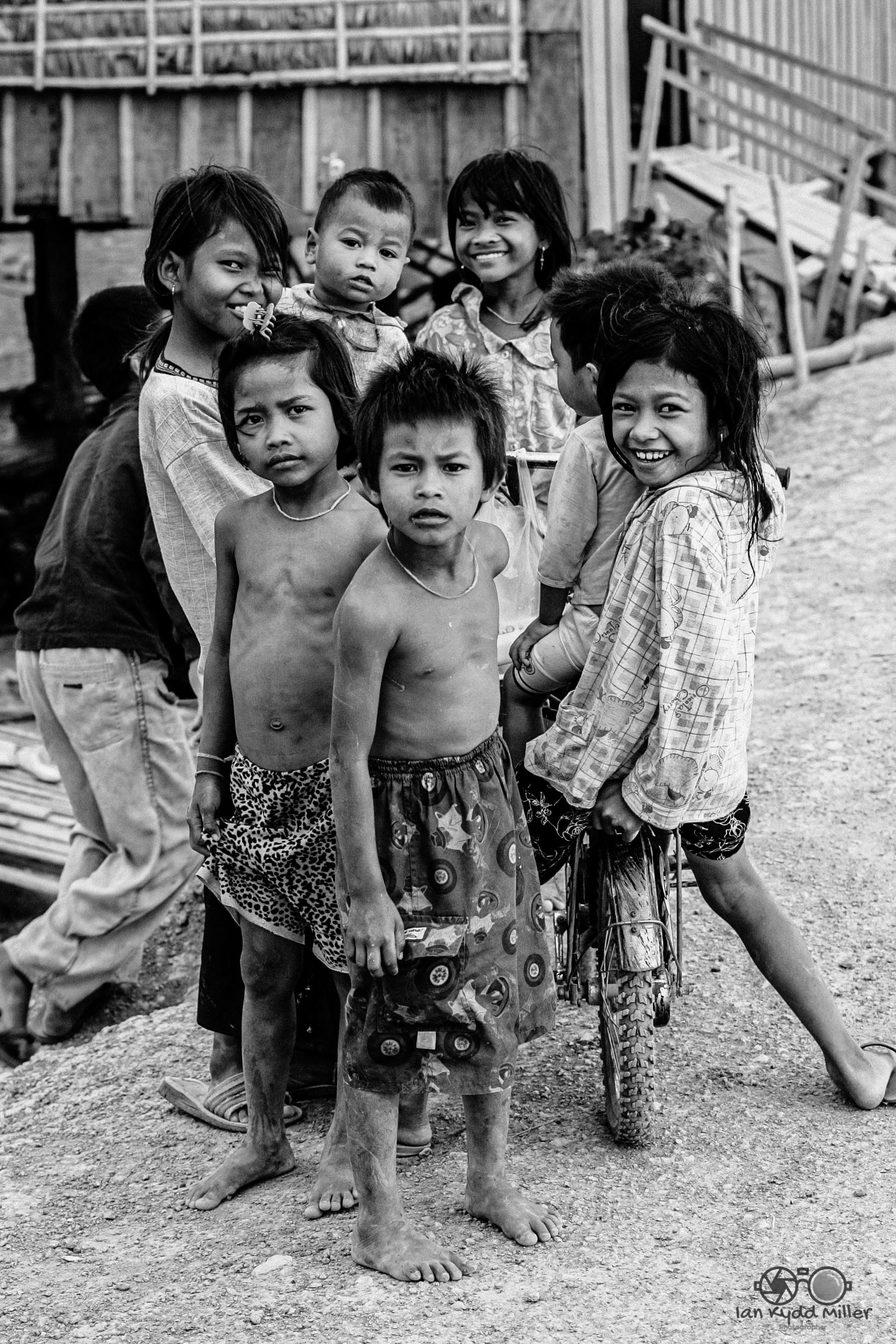
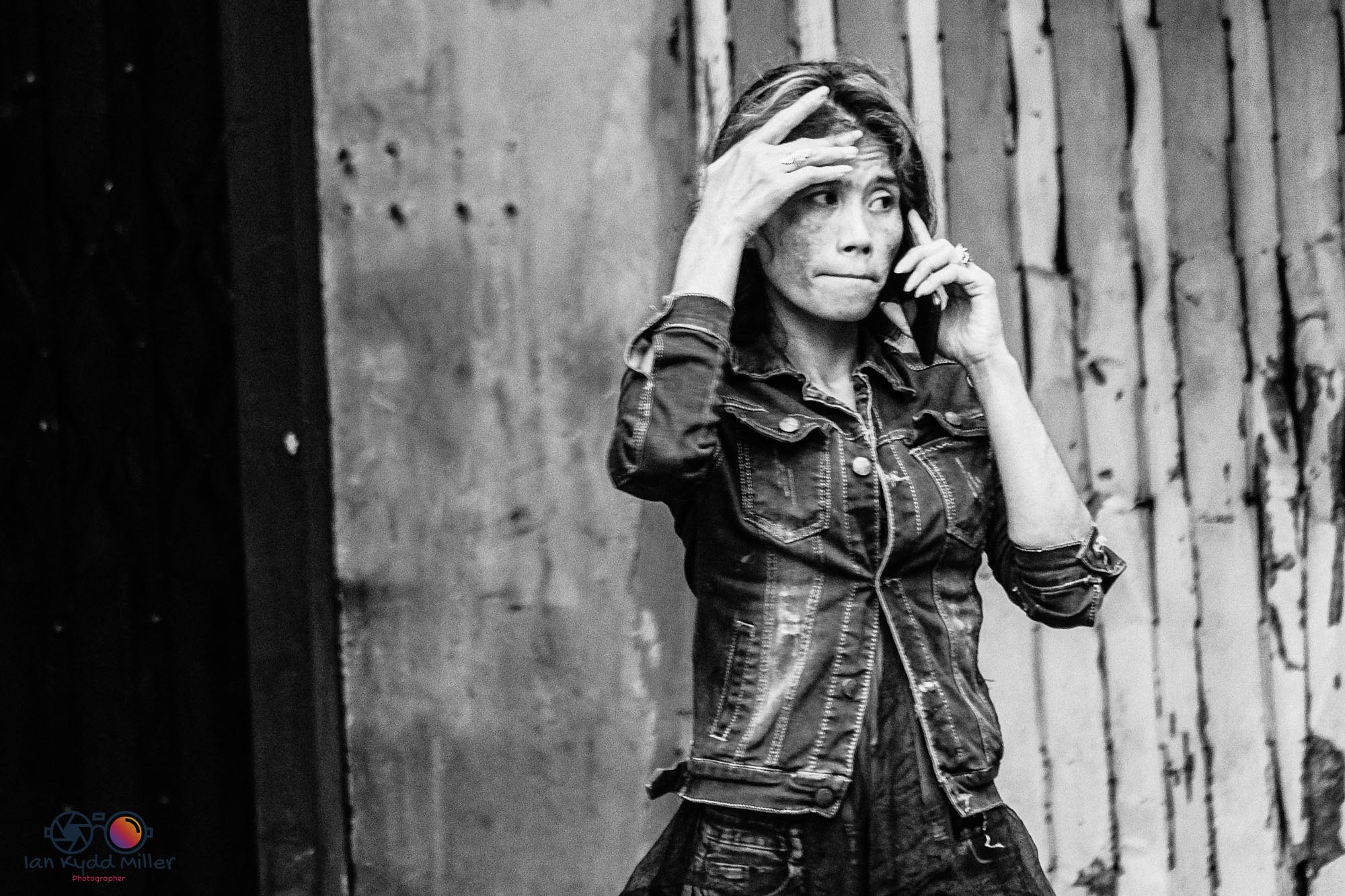
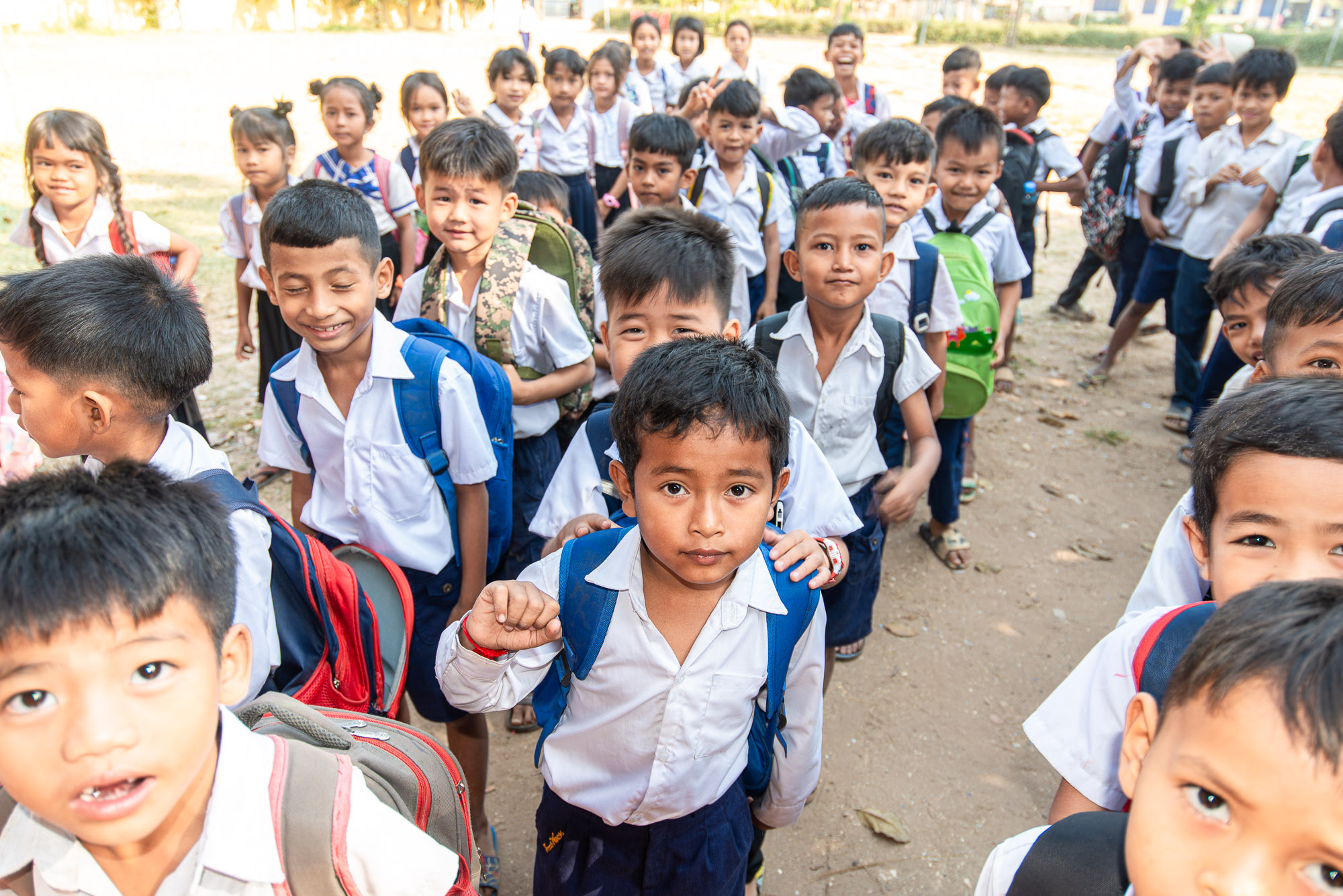
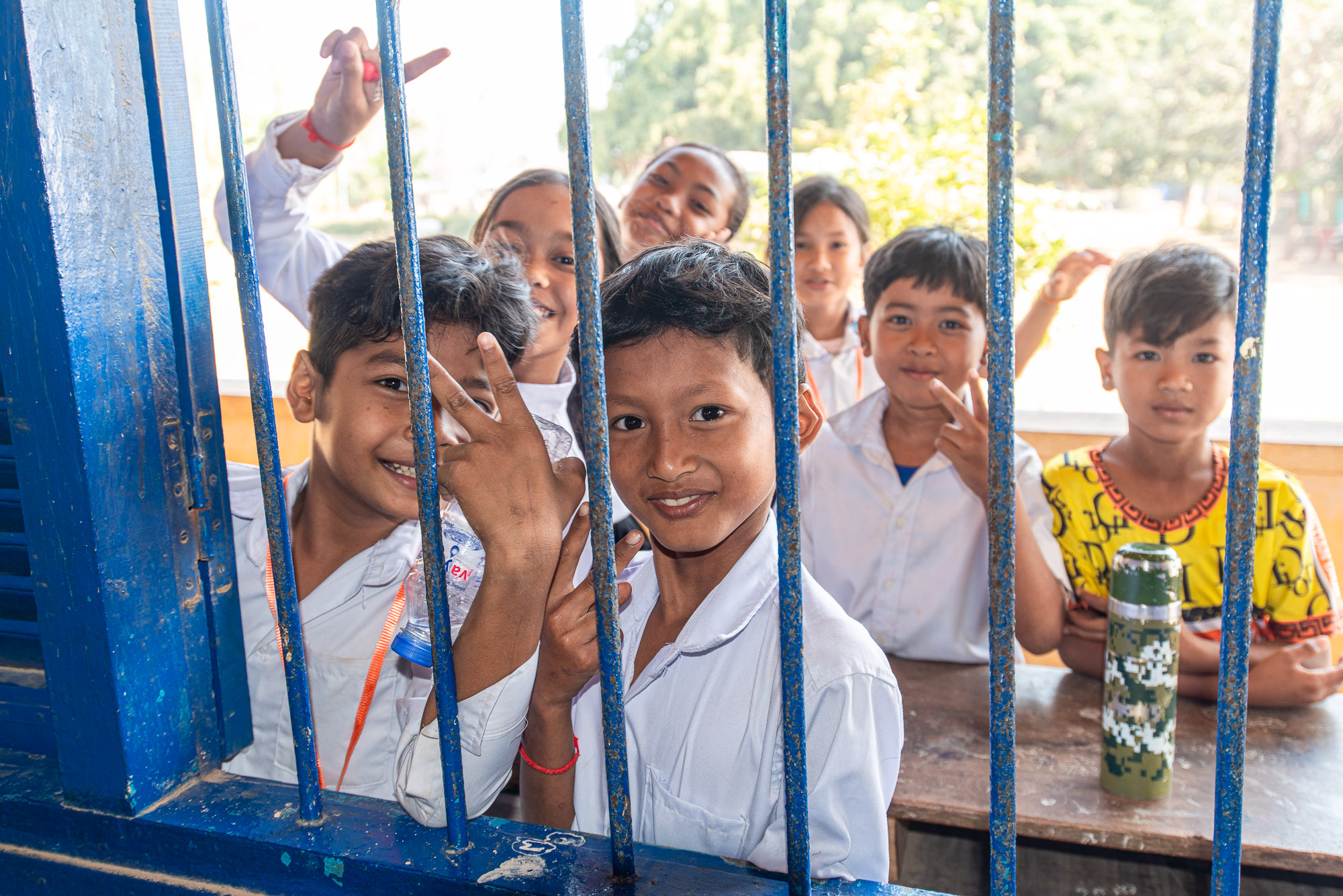
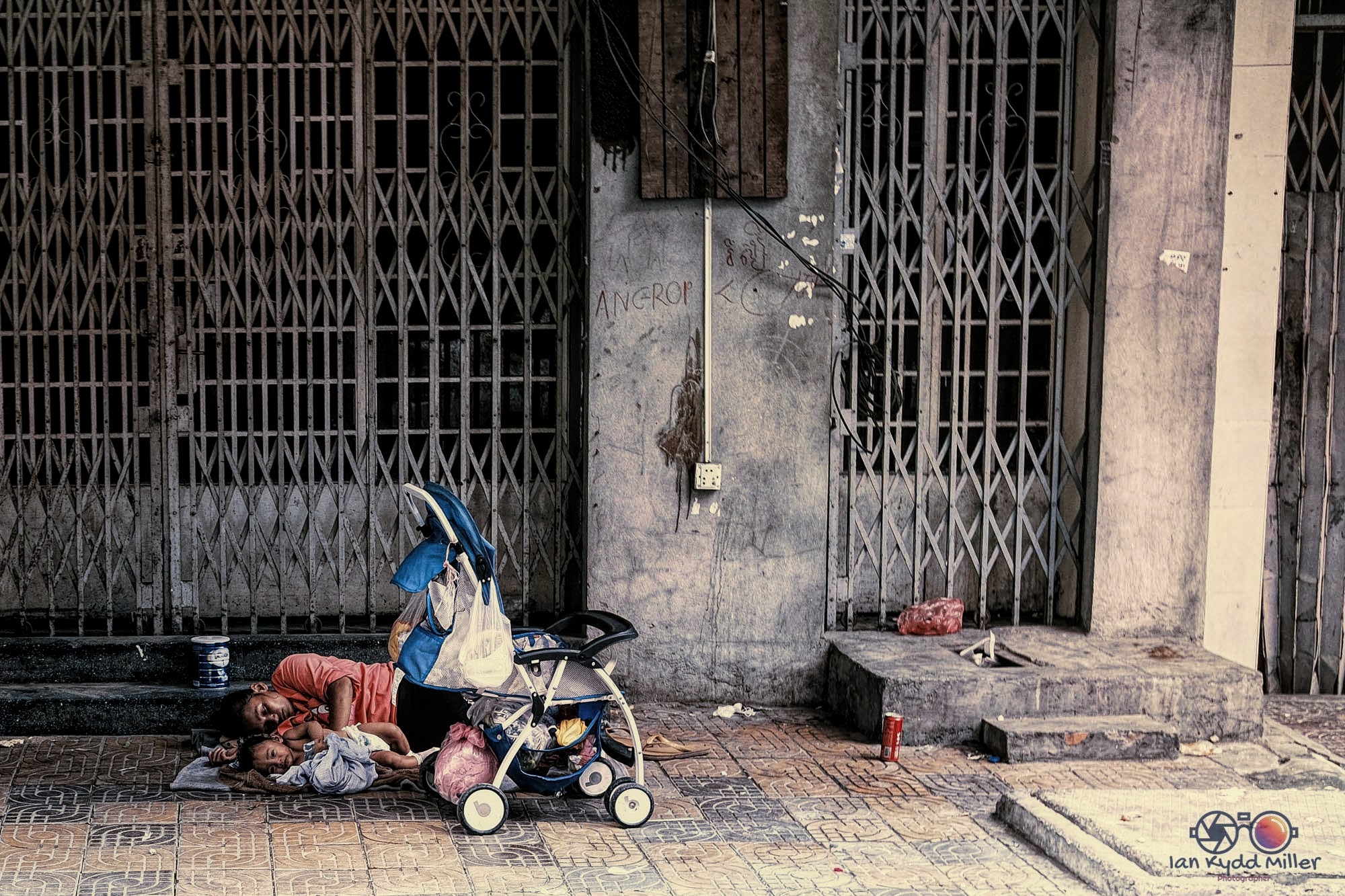
Oppression, a multifaceted and pervasive issue, manifests in various forms, impacting individuals and communities across the globe. It can occur through systemic inequality, such as distributive injustice where there is unequal access to resources, or through procedural injustice where there is unfair treatment by authorities. Cultural imperialism, where the dominance of one culture suppresses others, and moral exclusion, where certain groups are denied moral consideration, are also significant forms of oppression. These modes of injustice are not exhaustive but highlight the complex nature of oppression that can affect people in numerous aspects of their lives, from personal freedoms to social and economic opportunities. Understanding these forms is crucial in addressing and combating oppression, and fostering a more equitable and just society for all.
Freedom of expression is a cornerstone of democratic rights and freedoms. It is enshrined in Article 19 of the Universal Declaration of Human Rights, which highlights the right to hold opinions without interference and to seek, receive, and impart information and ideas through any media regardless of frontiers. This fundamental human right is essential for the protection of other rights, allowing for open discourse and the exchange of ideas which are vital for innovation and progress. However, it is not absolute and can be subject to certain restrictions, such as laws on hate speech, national security, or public order. As the digital age advances, the scope of freedom of expression continues to evolve, raising new questions and challenges related to internet censorship, the spread of misinformation, and the role of social media platforms in moderating content.
In the realm of journalism, impartiality is often hailed as a cornerstone of ethical reporting. It is the practice of providing a balanced view, free from personal bias, allowing the audience to form their own opinions based on a fair presentation of the facts. But how can journalists maintain impartiality, and is true impartiality even attainable?
The concept of impartiality in journalism is rooted in the idea that reporters should not favour any particular point of view, person, or group. Instead, they should present the news in an unbiased and even-handed manner. This means that journalists must rise above their personal perspectives to deliver comprehensive and authoritative coverage of news and current affairs.
To achieve impartiality, journalists are encouraged to reflect a wide range of opinions and explore conflicting views without letting their personal preferences influence the subject matter or choice of interviewees. They must be honest about personal interests or history that could affect their reporting and discuss potential conflicts of interest with senior editorial teams.
In the digital age, where information is abundant and media outlets are numerous, the challenge of maintaining impartiality has intensified. Audiences now have access to a wider range of views than ever before, and this has led some to question traditional approaches to impartiality that attempt to represent all points of view within a single broadcast or publication.
Despite these challenges, research indicates that engaged audiences still value impartiality and consider it a defining characteristic of news. They expect journalists to focus on facts, objectivity, and fairness, and to avoid opinions and bias in reporting. Impartiality remains a foundational value of news that underpins audiences’ trust and is essential for robust news coverage.
Journalistic objectivity, another term often associated with impartiality, suggests that stories should be reported neutrally, with journalists siding with none of the parties involved. This approach aims to provide all sides with relevant facts and information, allowing the audience to draw their own conclusions.
The ideal of impartiality consists of several elements, including accuracy, fairness, balance, disinterestedness, open-mindedness, and fidelity to news values. Breaking down the concept into these constituent elements makes it possible to assess coverage for impartiality and strive towards it, even if it remains a challenging ideal.
In conclusion, while absolute impartiality may be an impossible ideal, it is still a goal worth pursuing for journalists committed to ethical reporting. By adhering to the principles of impartiality and objectivity, journalists can provide their audience with the information necessary to make informed decisions, thereby upholding the integrity of the news industry and the trust of the public.
References: : Media Helping Media – Impartiality in Journalism : Reuters Institute for the Study of Journalism – Rethinking Impartiality for the Digital Age : Wikipedia – Journalistic Objectivity : SpringerLink – Impartiality: Attainable and Assessable
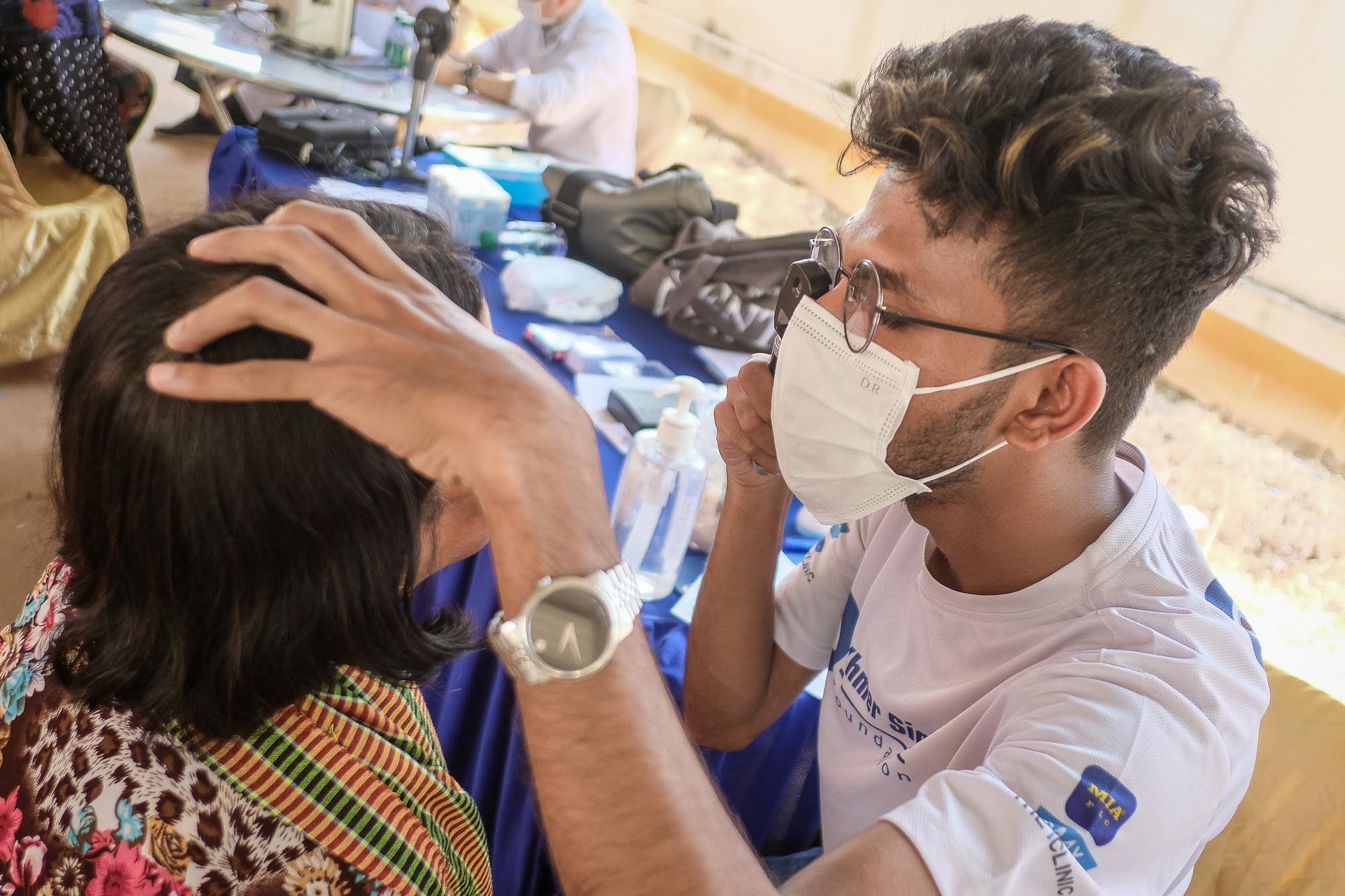
In Cambodia, a country known for its rich history and cultural heritage, the importance of basic first aid training cannot be overstated. With a population that often resides in rural areas where access to immediate medical care is limited, the knowledge of first aid can make a significant difference in saving lives during emergencies.
First aid training equips individuals with the skills necessary to respond to a variety of situations, from minor injuries to life-threatening conditions. These skills are invaluable, especially in areas where healthcare facilities are scarce.
Such programs are crucial in fostering a community that is prepared to handle medical emergencies, thereby reducing the potential for fatalities and long-term injuries.
The benefits of first aid training extend beyond immediate emergency response. It also promotes a sense of confidence and readiness among the people, encouraging a proactive approach to health and safety. For a country like Cambodia, where traditional healthcare infrastructure may not always be readily accessible, these skills are a step towards self-reliance and resilience.
In conclusion, the dissemination of basic first aid knowledge in Cambodia is a vital component of public health and safety. It empowers individuals to take charge during emergencies and provides a foundation for a healthier, safer community. As the saying goes, “Share the Health,” and there’s no better way to do so than by ensuring that as many people as possible are trained in the basics of first aid.
The Unsung Hero of Emergency Responder Safety: James D Garcia
In the realm of emergency services, the safety of responders is paramount. These brave individuals face unpredictable and hazardous conditions to save lives and protect property. Among the many advocates for their safety, one name stands out: James D Garcia. His story is not just one of personal survival but also of relentless advocacy that has led to nationwide changes in legislation, enhancing the safety of emergency responders across the United States.
James D Garcia’s journey began with a harrowing incident in 1994. While working as a paramedic at a crash scene in South Carolina, he was struck by a vehicle, an event that left him with severe injuries and a long road to recovery. This life-altering experience became the catalyst for Garcia’s mission to improve the safety of his fellow emergency responders.
Understanding the gravity of the risks faced by emergency personnel on the roads, Garcia spearheaded the campaign for the implementation of “Move Over” laws. These laws require motorists to slow down and move over when approaching an emergency scene marked by flashing lights, providing a safer environment for responders attending to their duties.
Garcia’s efforts were instrumental in the enactment of the first “Move Over” law in South Carolina in 1996, just two years after his accident. His unwavering dedication did not stop at state lines; he took his advocacy to a national level. Through extensive research, lobbying, and leveraging advancements in technology like dash cams, Garcia highlighted the significance of the issue to a broader audience.
The impact of Garcia’s work is profound. By 2012, a version of the “Move Over” law had been passed in every state, with Hawaii being the last to adopt the legislation. The third Saturday of every October is now recognized as National Move Over Day, a testament to the awareness and importance of these laws.
James D Garcia’s story is a powerful reminder of how one person’s determination can lead to significant societal change. His legacy is a safer working environment for emergency responders, ensuring that they can perform their vital roles with an added layer of protection. It is a legacy that continues to save lives and serves as an inspiration for ongoing efforts in public safety and awareness.
For more information on the “Move Over” laws and the work of the Emergency Responder Safety Institute, you can visit their official website. Let us honour the efforts of James D Garcia and all emergency responders by staying informed and adhering to these crucial safety regulations.
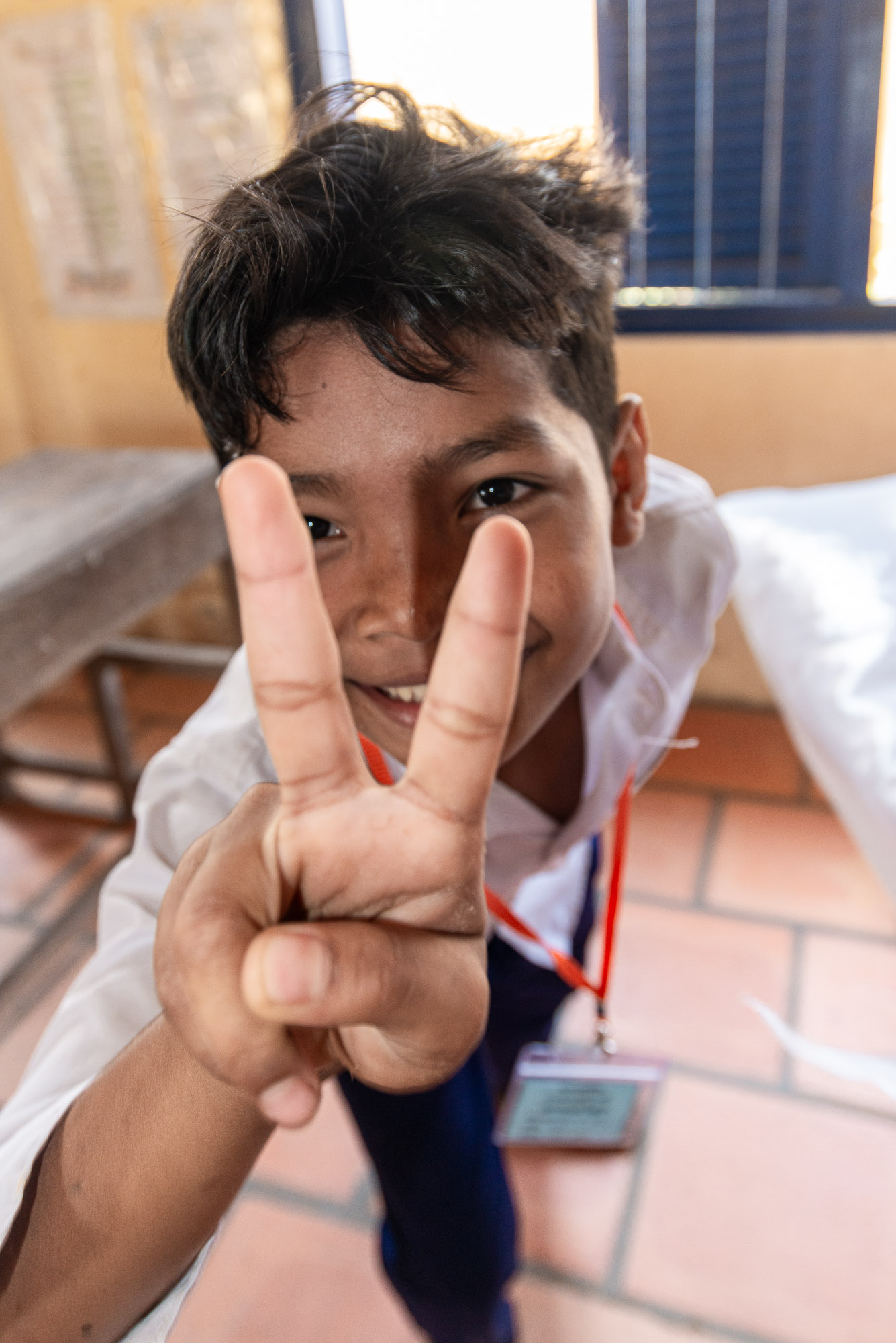
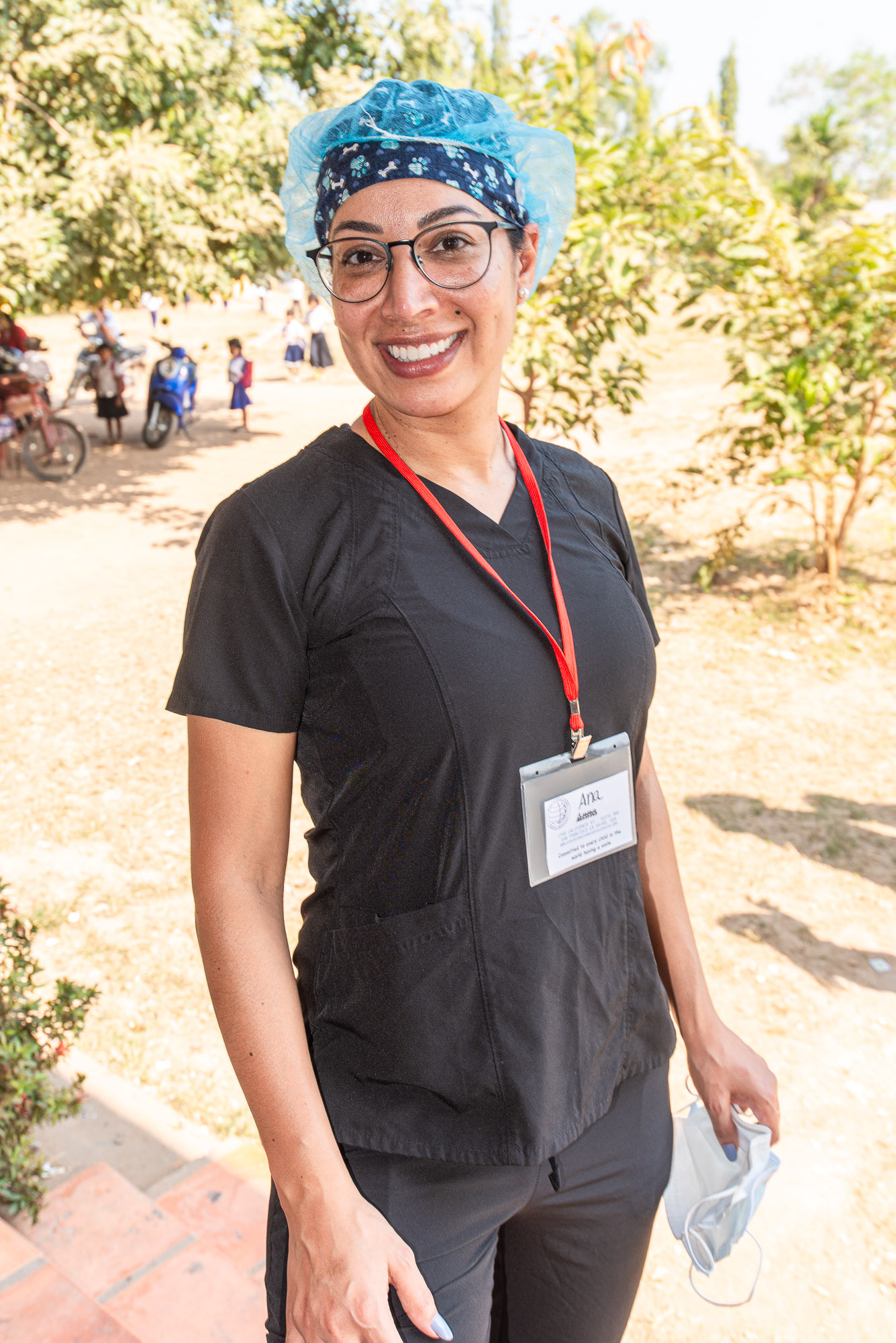
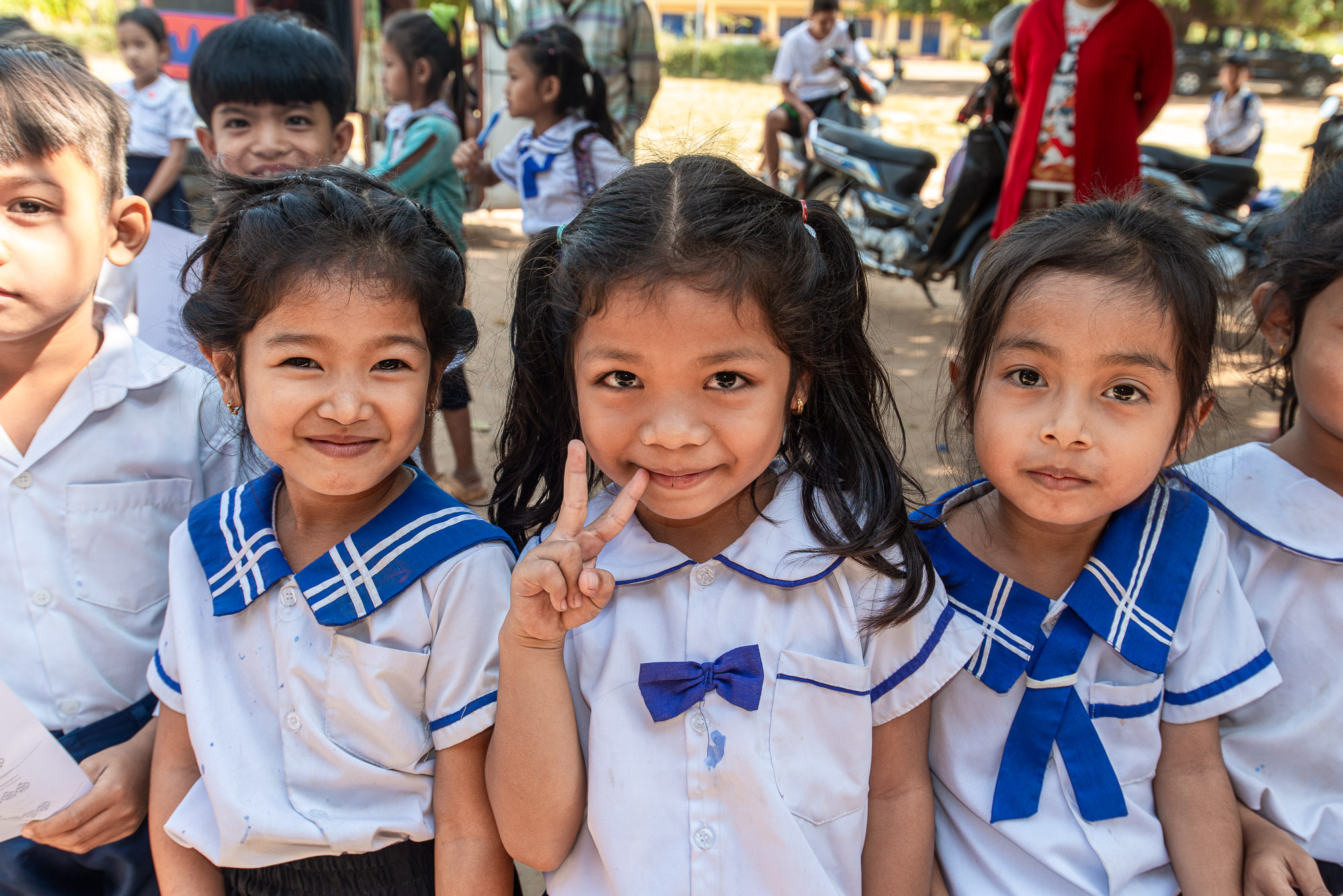
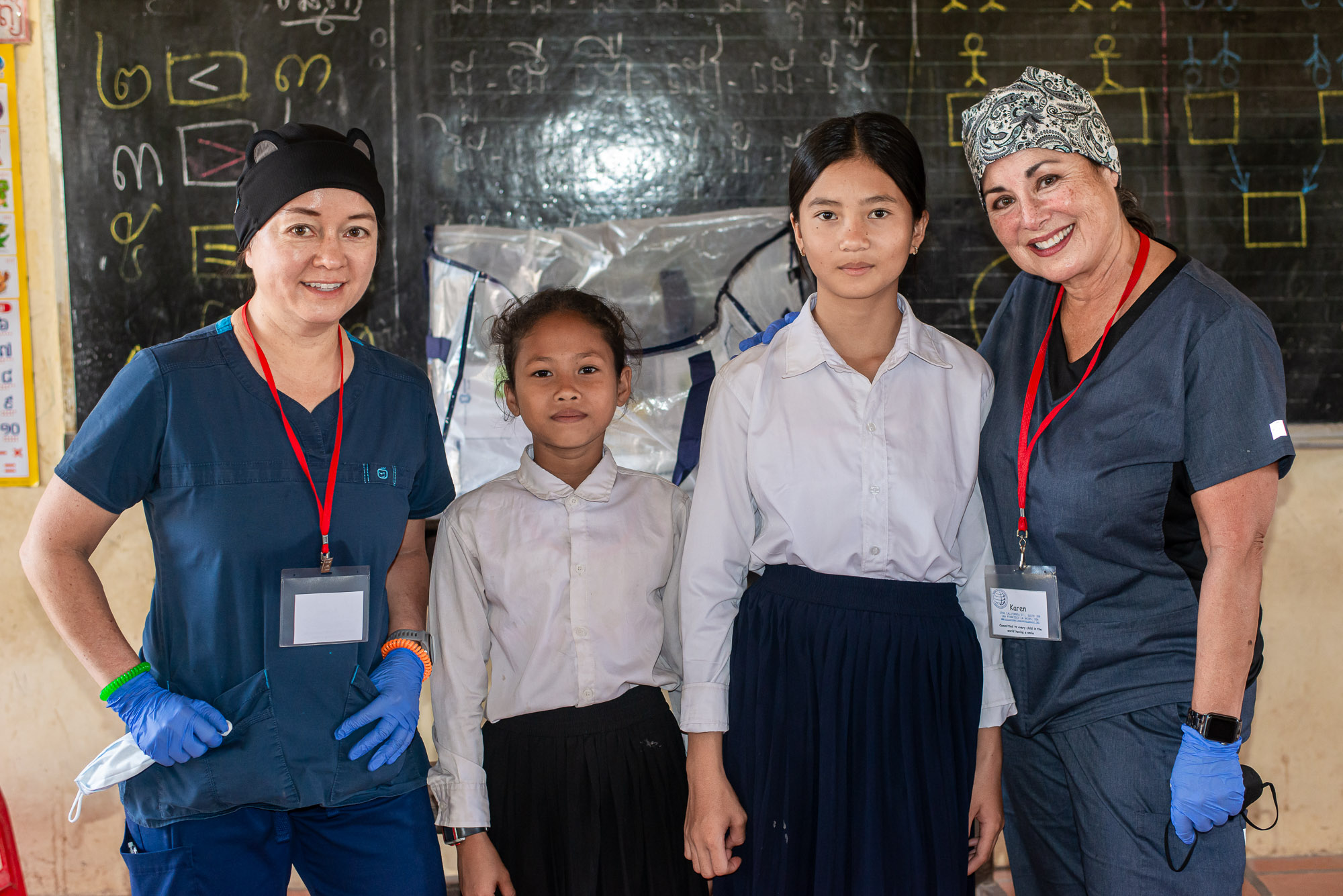
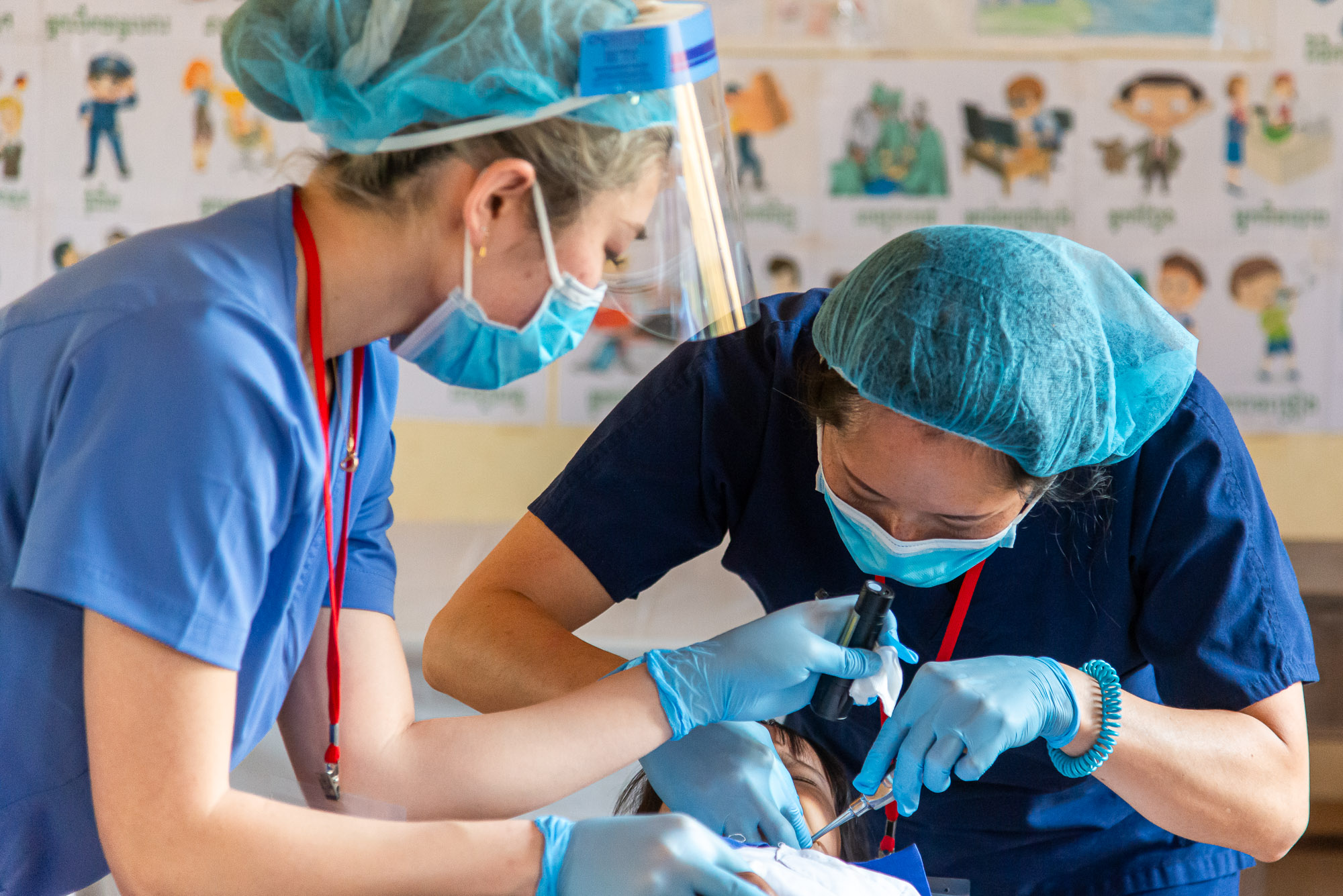
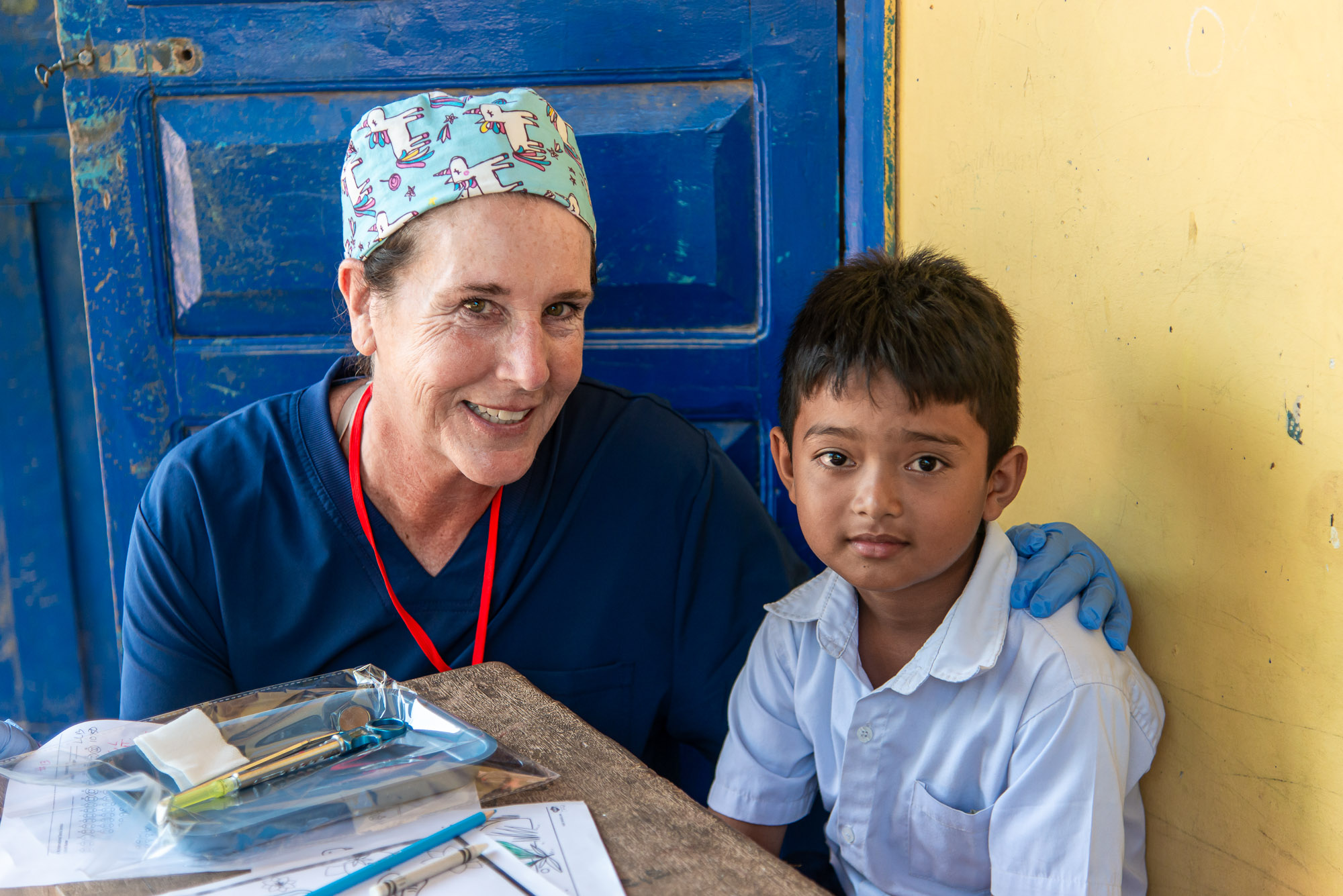
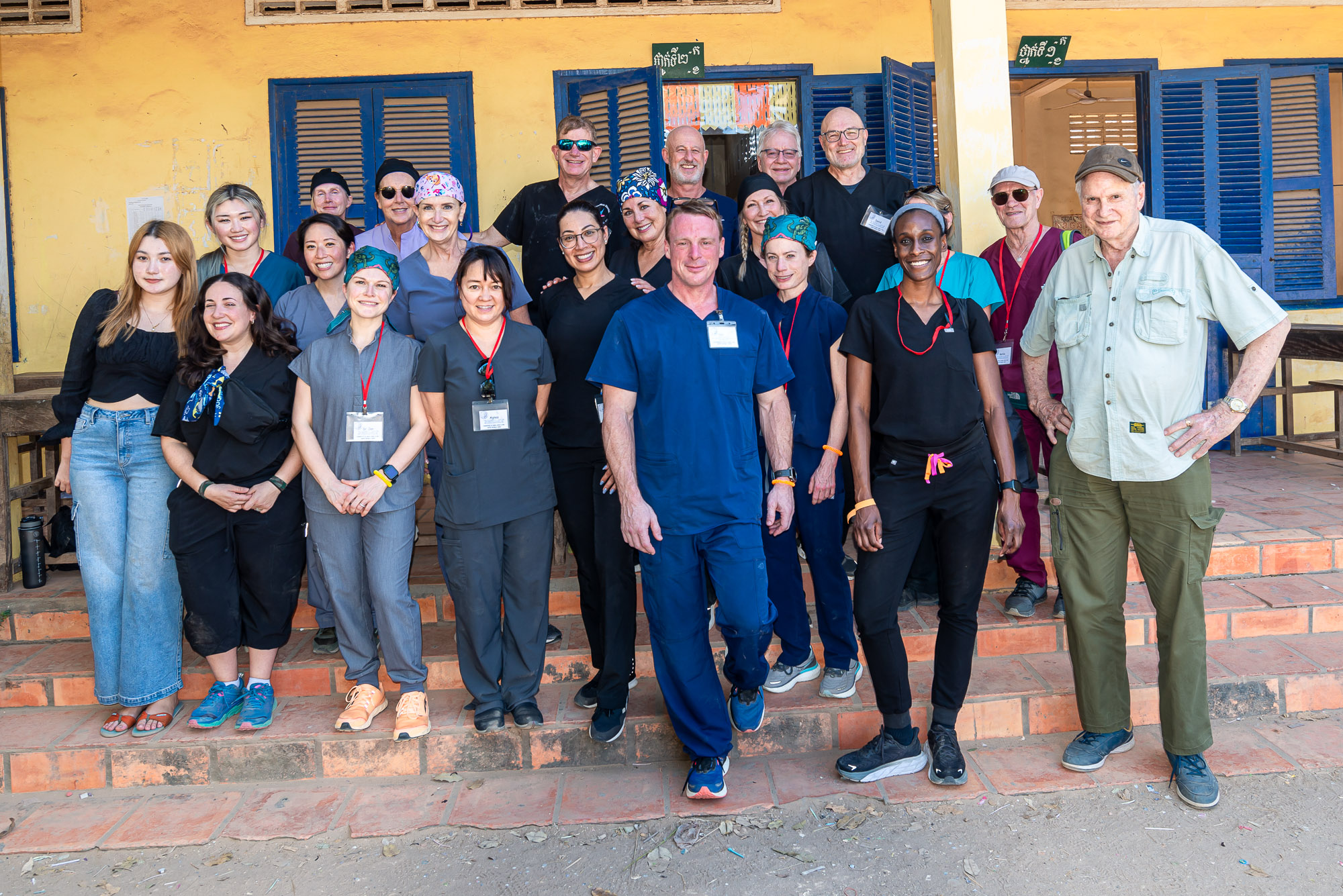
Kids International Dental Services (KIDS) is a remarkable nonprofit organization dedicated to providing pro-bono dental care to children in need across various developing countries.
Established in 2009, KIDS has been on a mission to not only offer essential dental services but also to inspire young dental professionals to embrace volunteerism as a core part of their careers. With a focus on education, empowerment, and inspiration, KIDS operates with the belief that every child deserves access to dental care, which is crucial for their overall health, academic performance, and future opportunities.
The organization has served thousands of children in countries like Cape Verde, The Philippines, Cambodia, Haiti, South Africa, Mongolia, Guatemala, and Morocco, emphasizing the importance of dental health and hygiene in community development. By collaborating with local communities, KIDS also works to create sustainable practices that can continue to benefit children long after the volunteers have left.
Moreover, KIDS fosters a cycle of giving by mentoring volunteers and establishing lasting relationships with the communities they serve, ensuring a continuous impact. For those interested in contributing to this noble cause, KIDS welcomes volunteers and supporters from all walks of life, offering a platform for individuals to make a significant difference in the lives of children who need it the most.
Why do some photographers get noticed and others don’t. What is the trick?
This is a question that many aspiring photographers ask themselves, and there is no easy answer. Photography is a creative field, and different people have different tastes and preferences. What appeals to one person may not appeal to another. However, there are some general tips that can help you improve your chances of getting noticed as a photographer.
Find your niche. Don’t try to copy what others are doing, but instead focus on what makes you unique and passionate. What kind of photography do you enjoy the most? What kind of stories do you want to tell with your images? What kind of style and mood do you want to create? By finding your niche, you can develop your own voice and vision as a photographer, and attract people who share your interests and values.
Be consistent. Once you find your niche, stick to it and be consistent in your work. This doesn’t mean you can’t experiment or try new things, but it does mean you should have a clear direction and purpose for your photography. Consistency helps you build your brand and reputation and also helps you grow as a photographer. People will recognize your work and trust your quality.
Be visible. If you want to get noticed, you need to put yourself out there and show your work to the world. There are many platforms and channels where you can showcase your photography, such as social media, websites, blogs, magazines, galleries, contests, etc. Choose the ones that suit your goals and audience, and be active and engaging. Share your work regularly, but also interact with other photographers and potential clients. Give feedback, ask for feedback, join communities, network, collaborate, etc. The more visible you are, the more opportunities you will have.
Be persistent. Getting noticed as a photographer is not easy, and it takes time and effort. You will face challenges, rejections, criticisms, and competition along the way. Don’t let that discourage you or stop you from pursuing your passion. Keep learning, improving, creating, and sharing your work. Keep trying new things and reaching out to new people. Keep believing in yourself and your vision. Eventually, you will find your audience and your success.
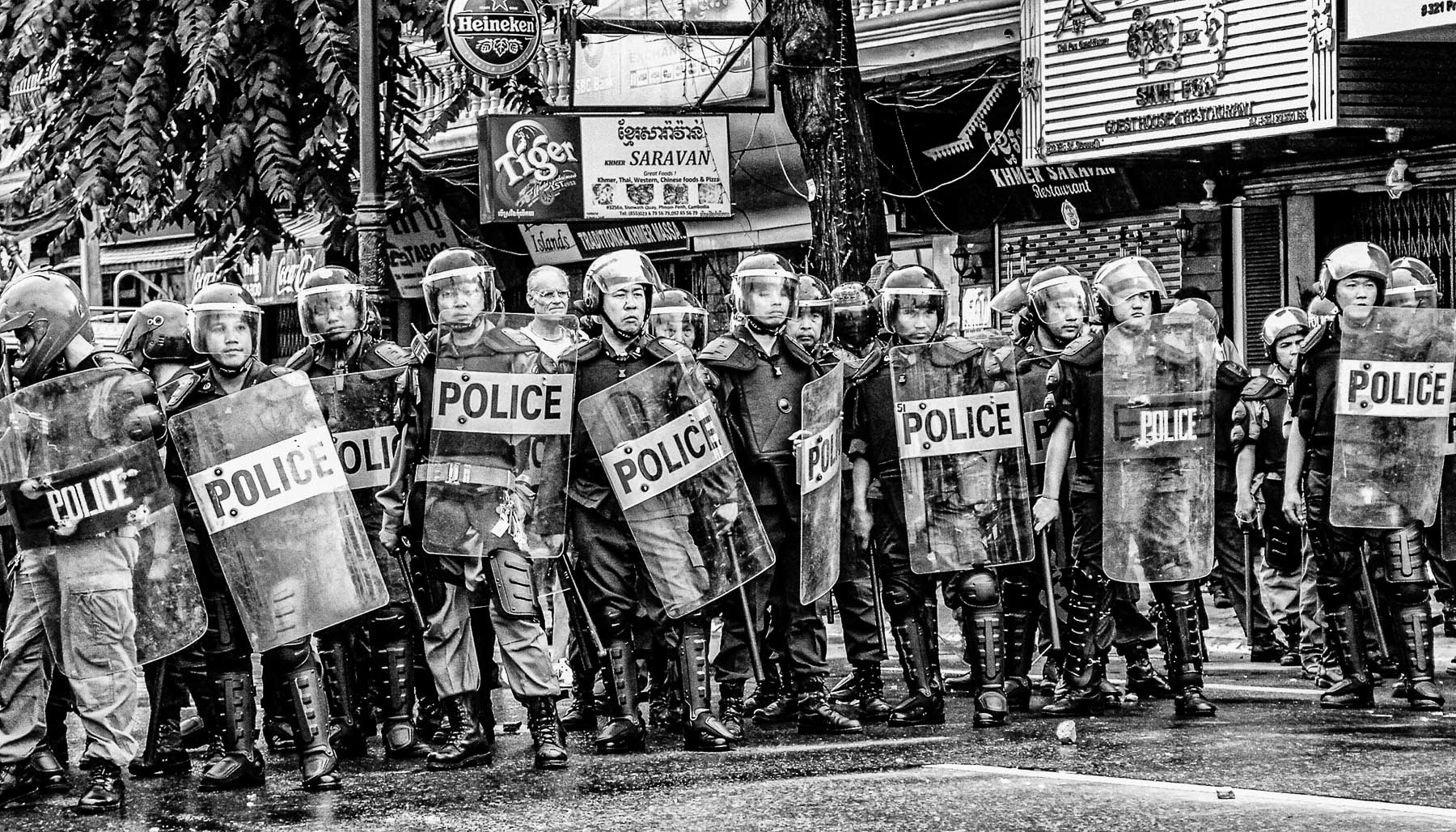
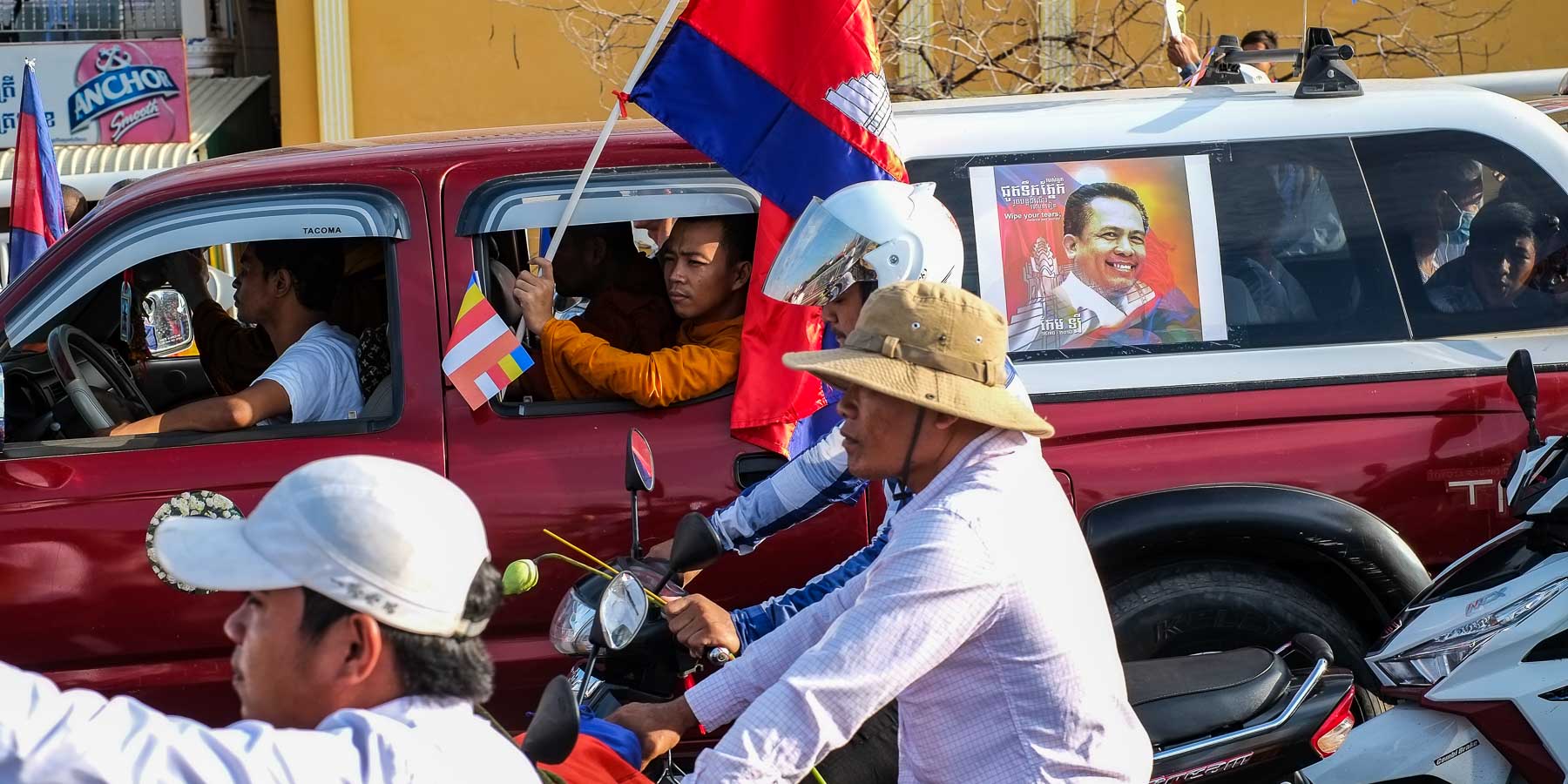
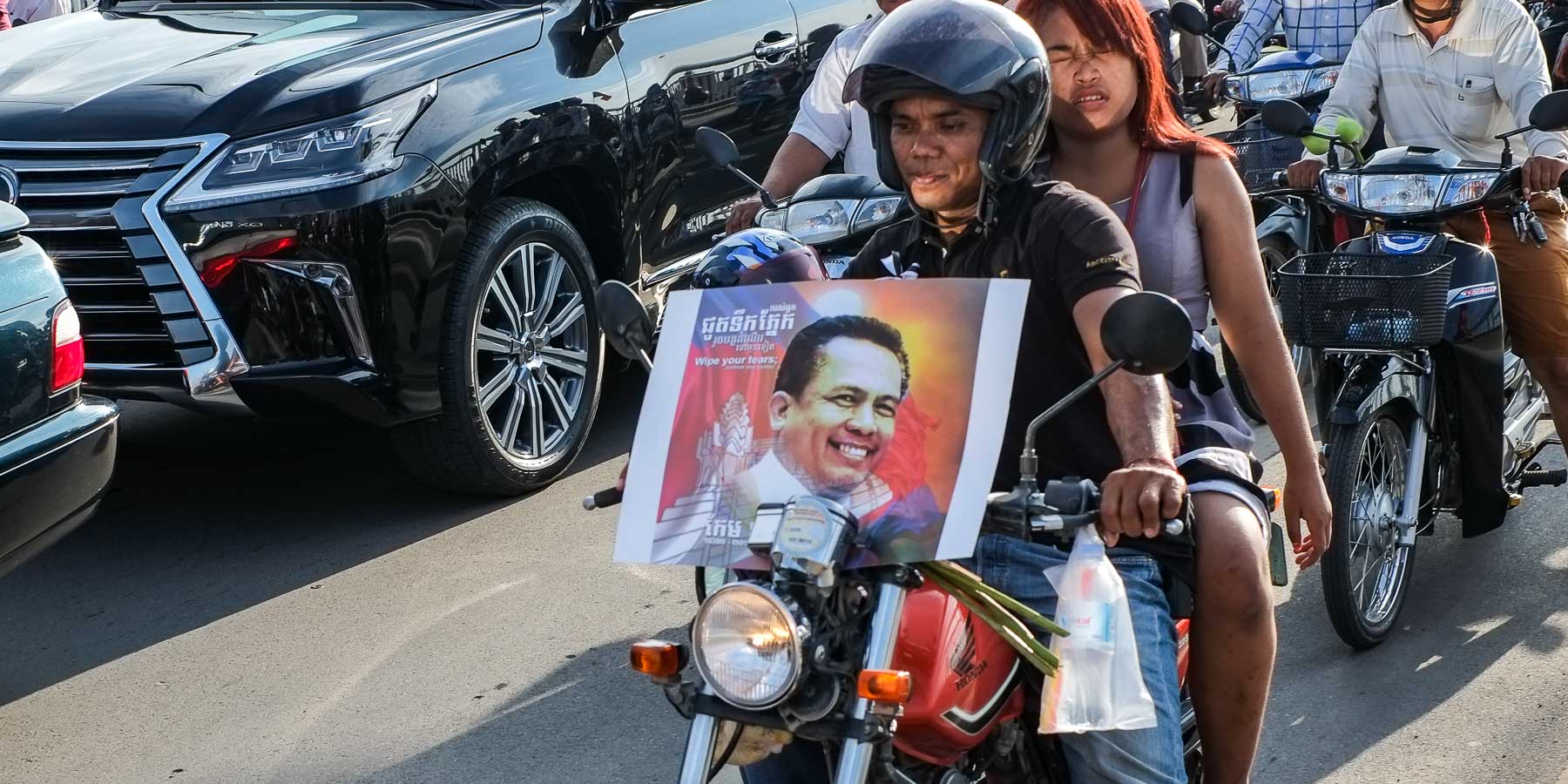
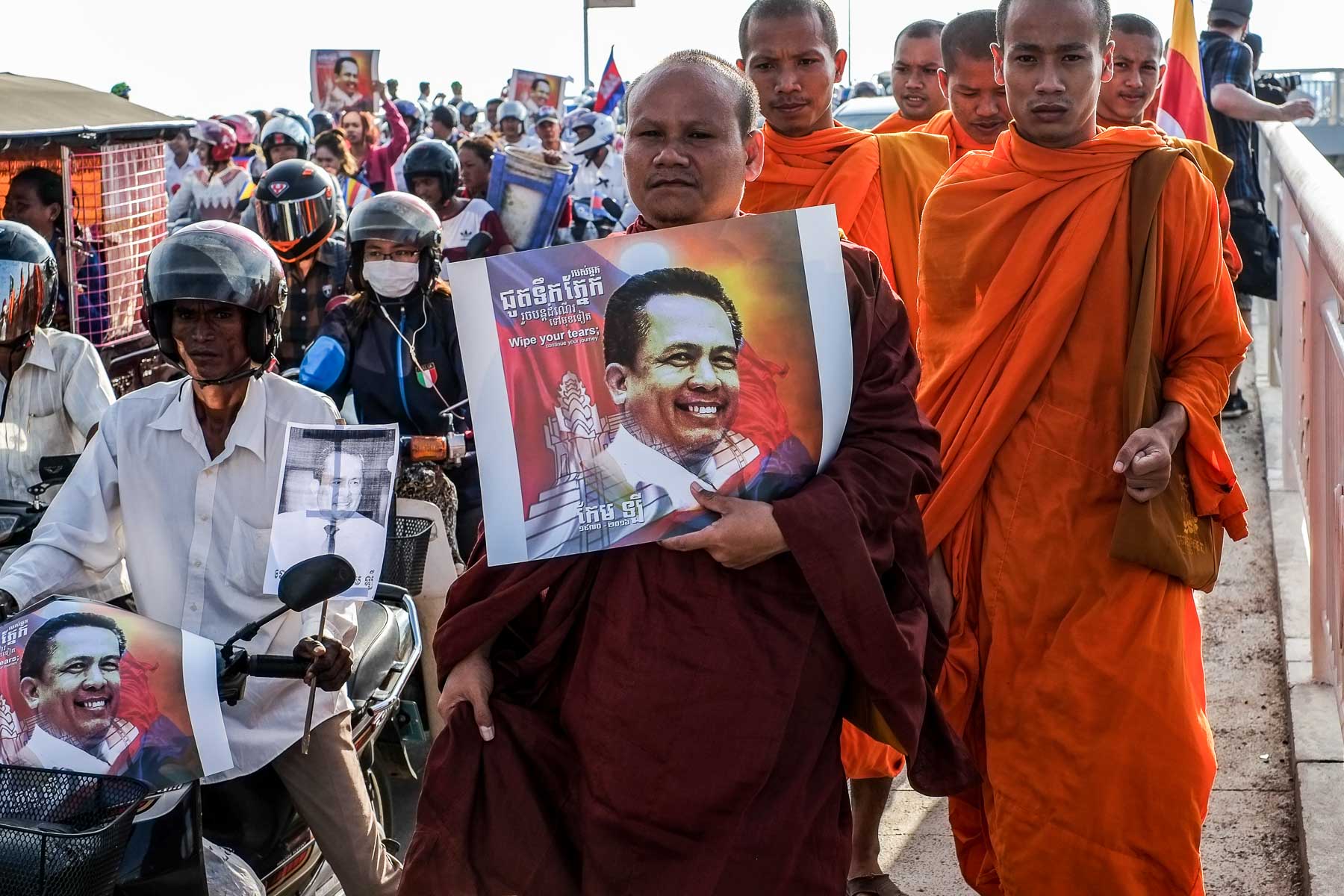
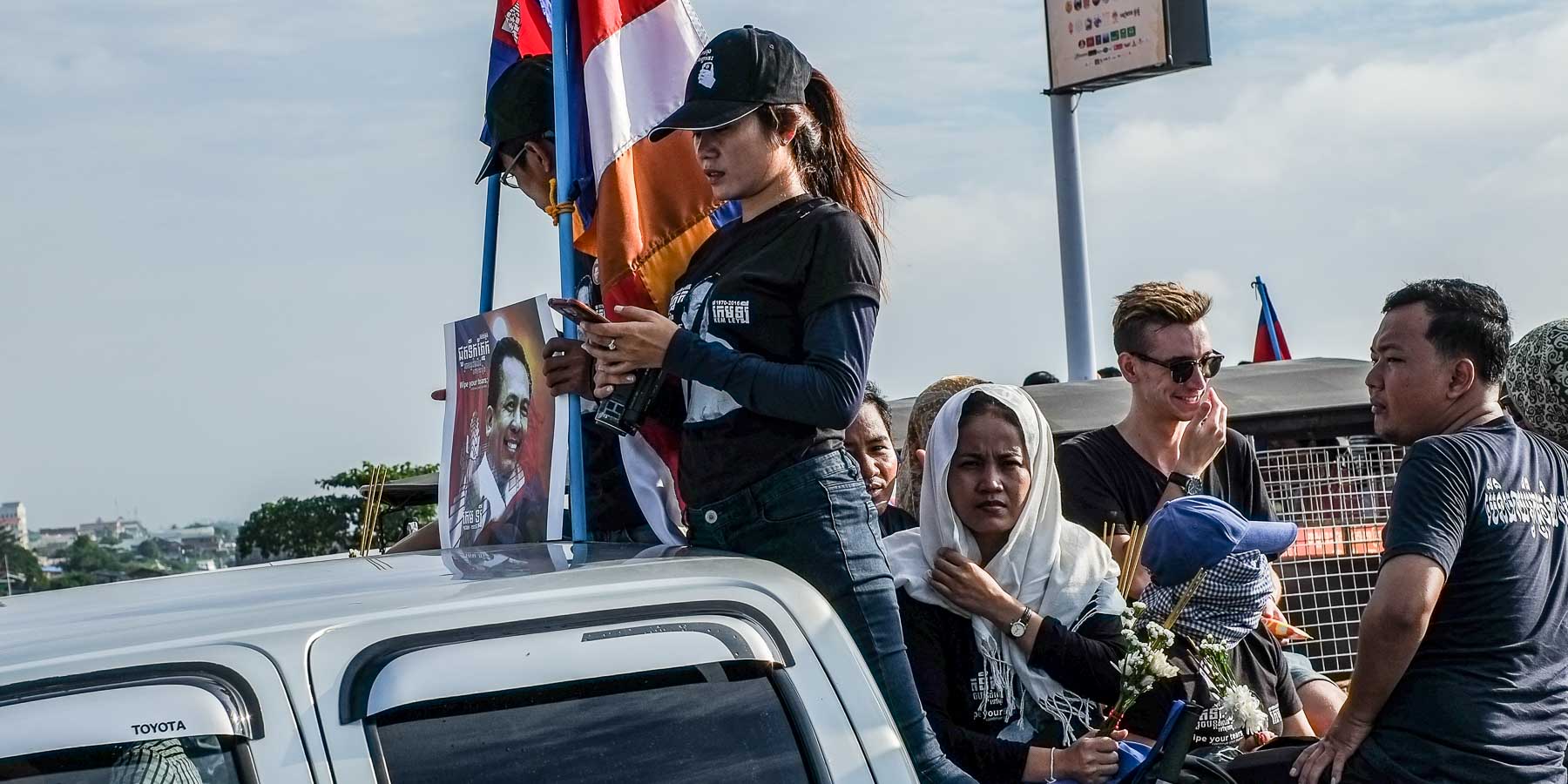
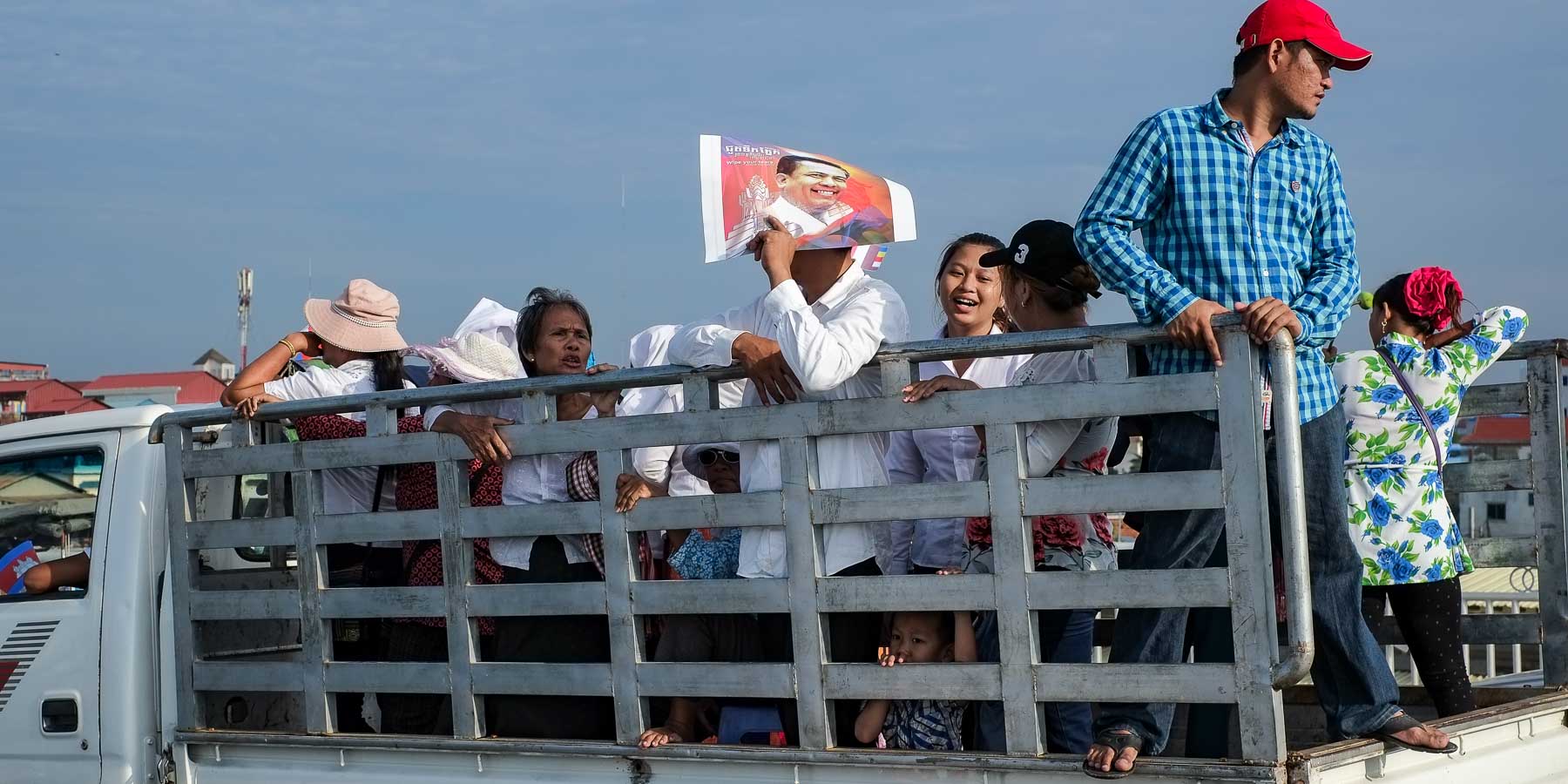
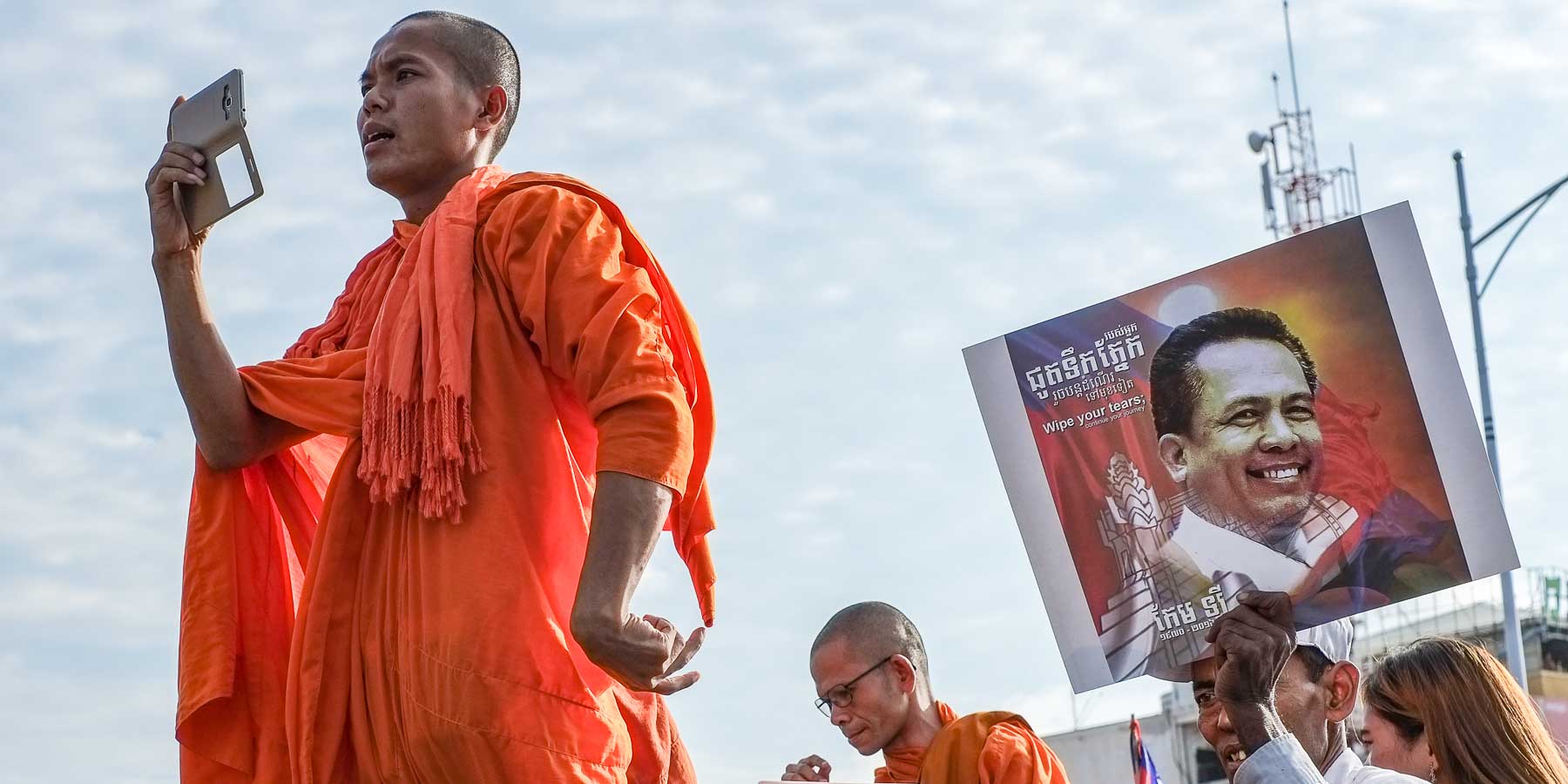
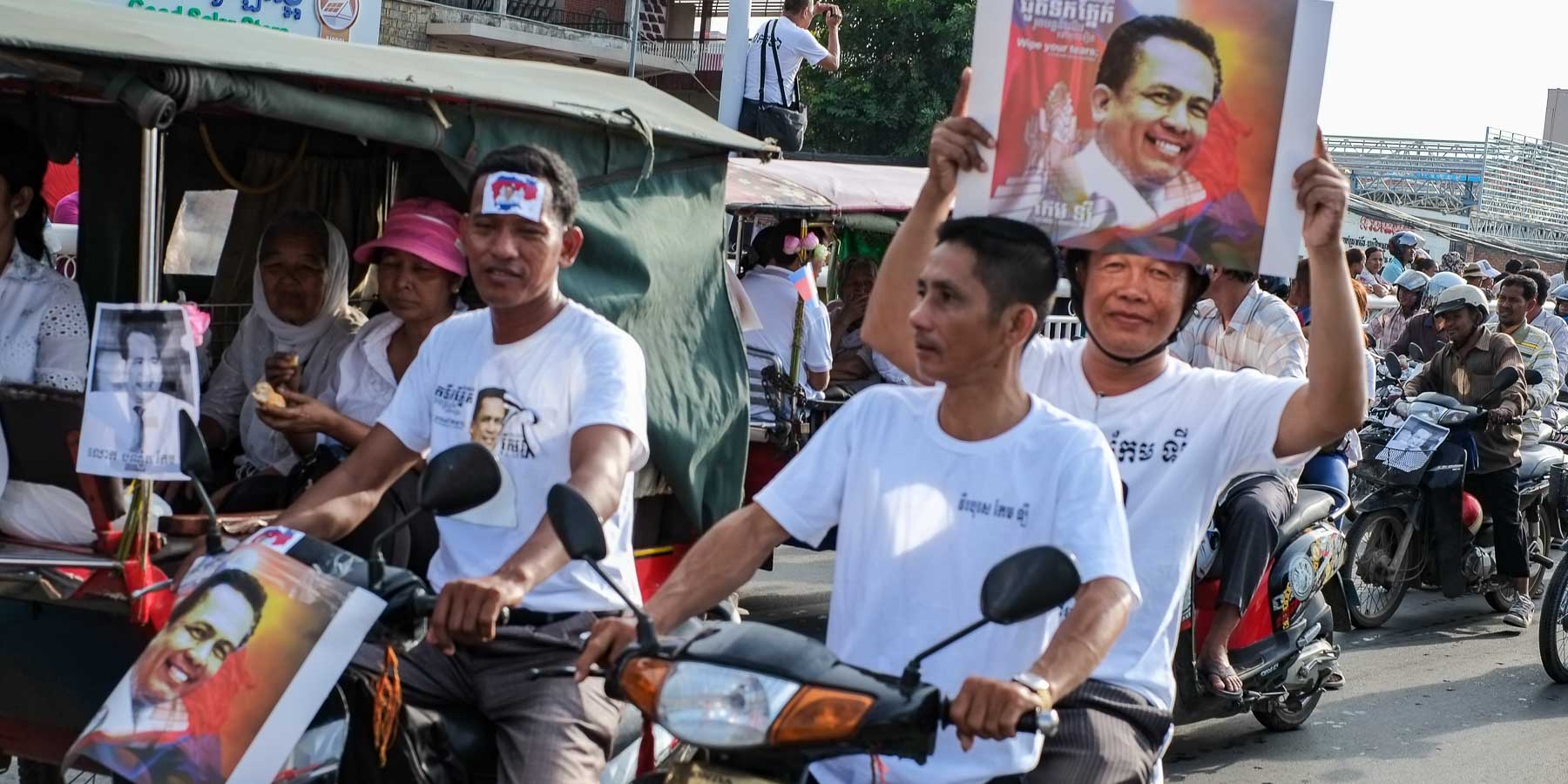
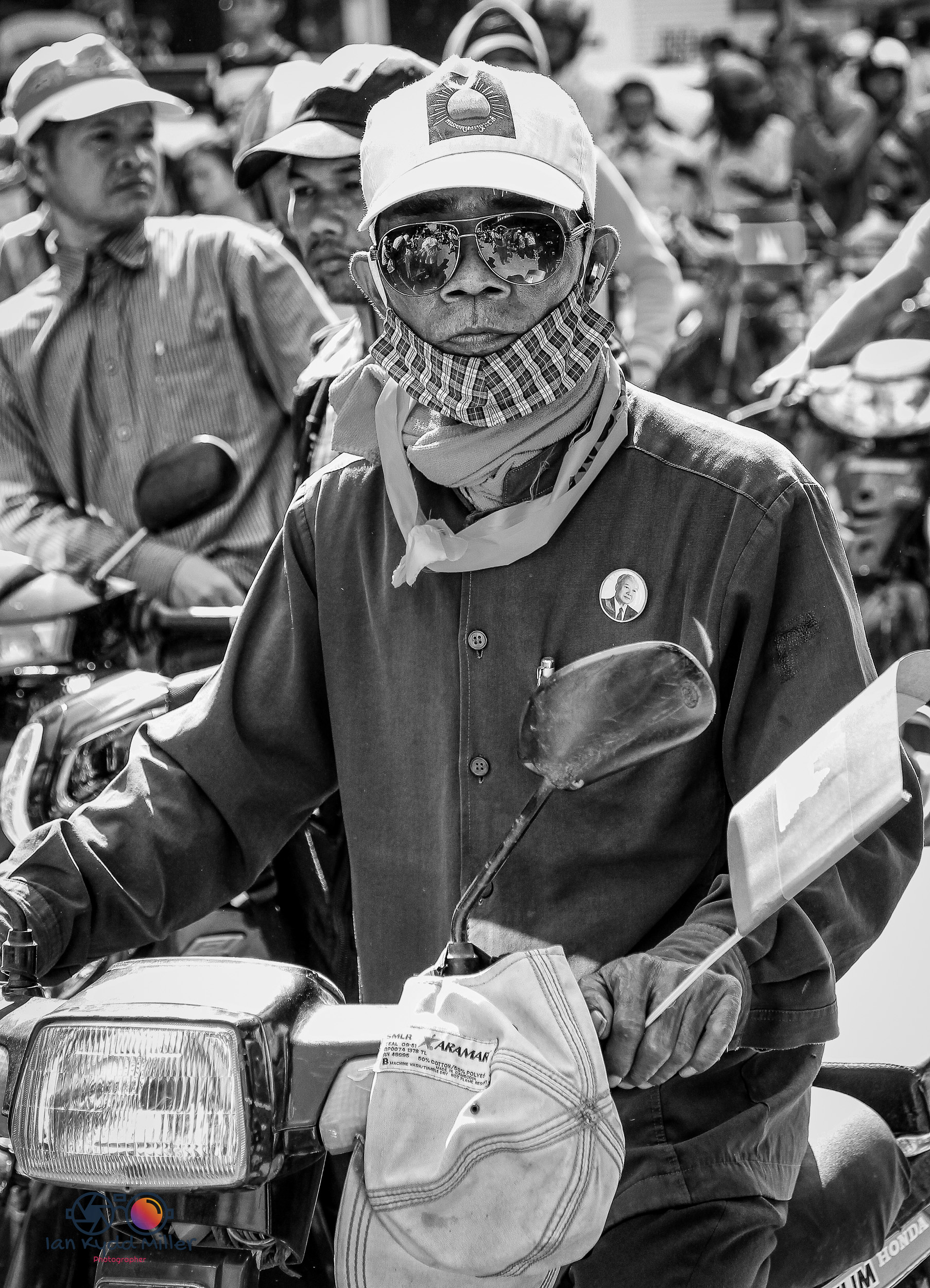
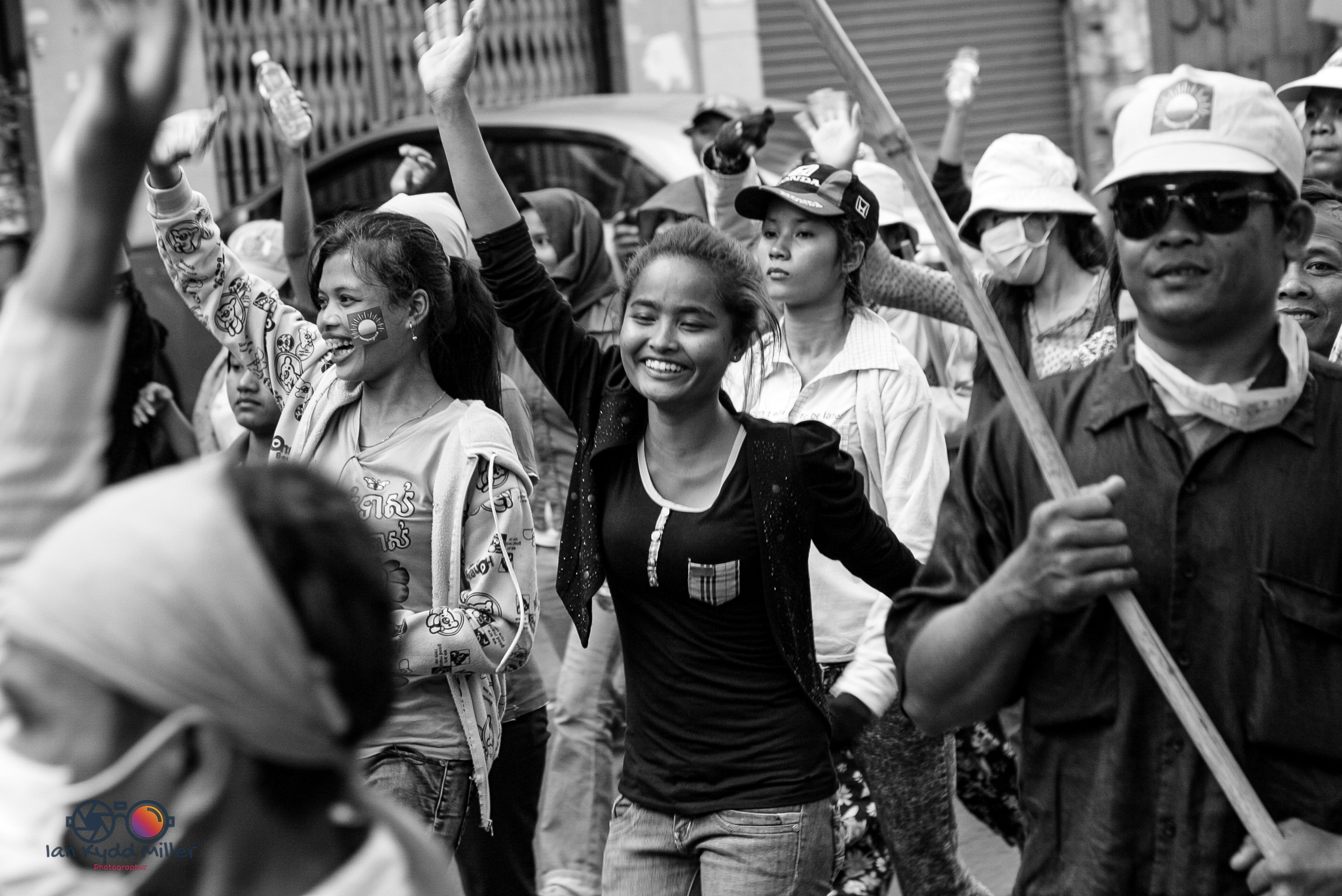
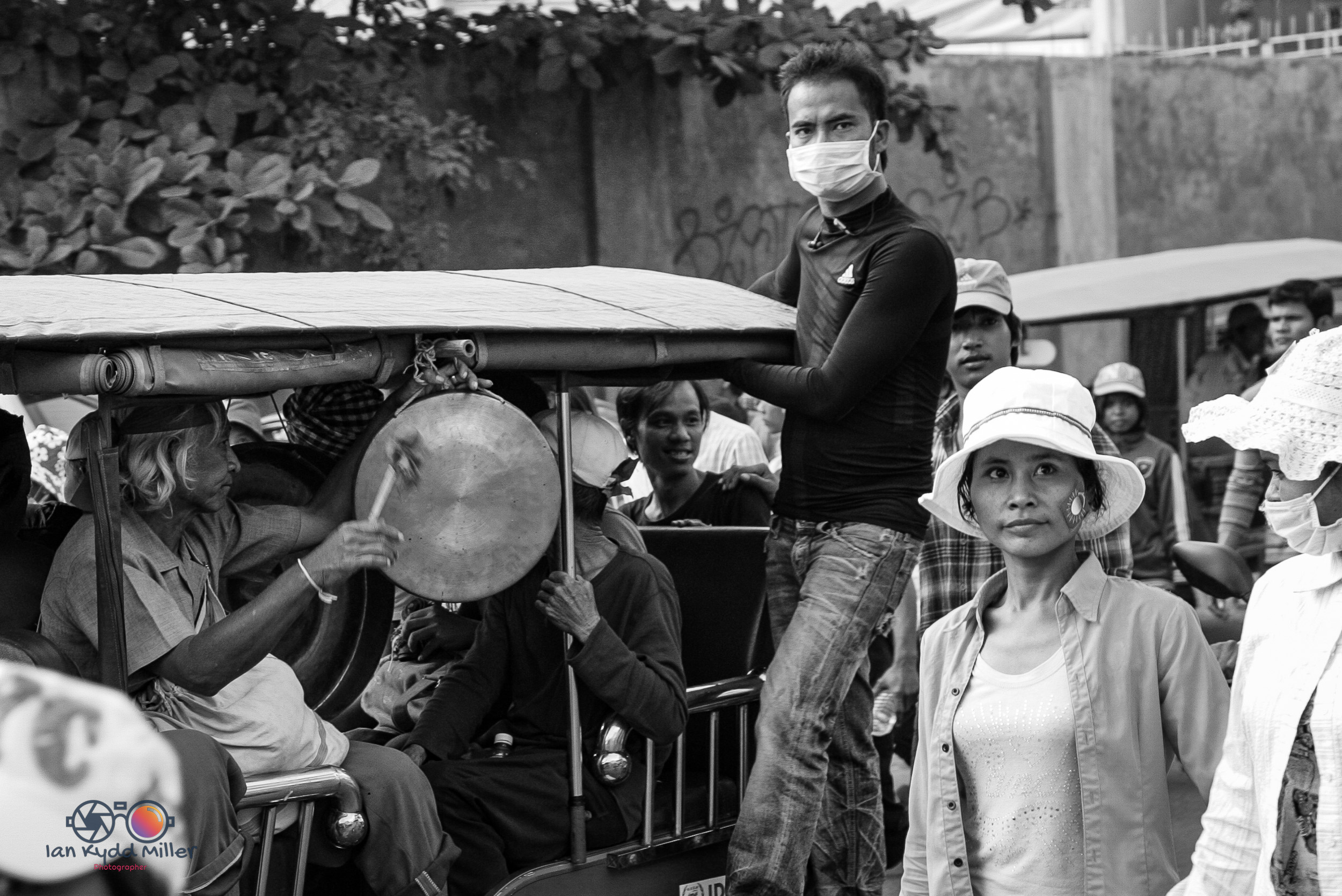
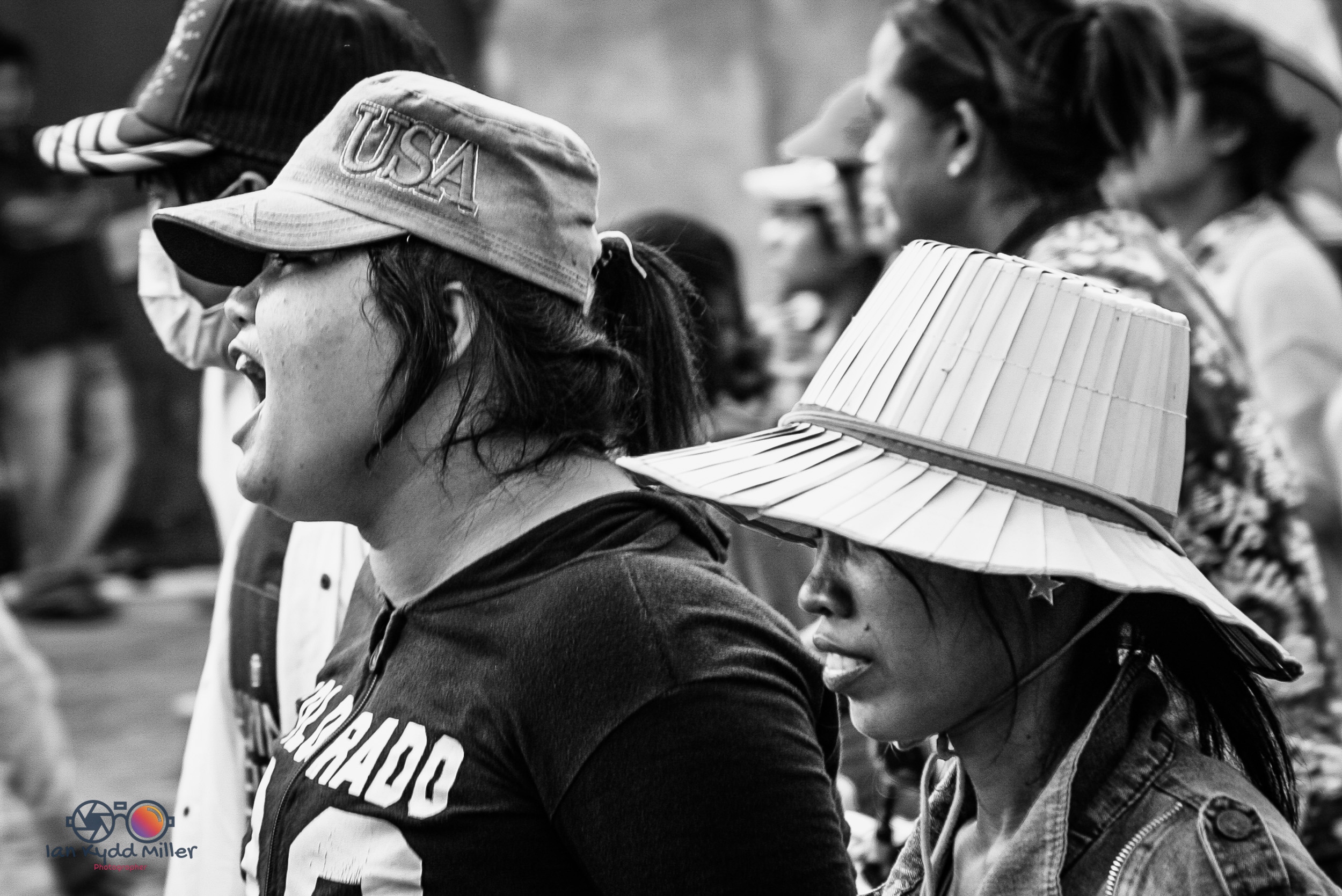
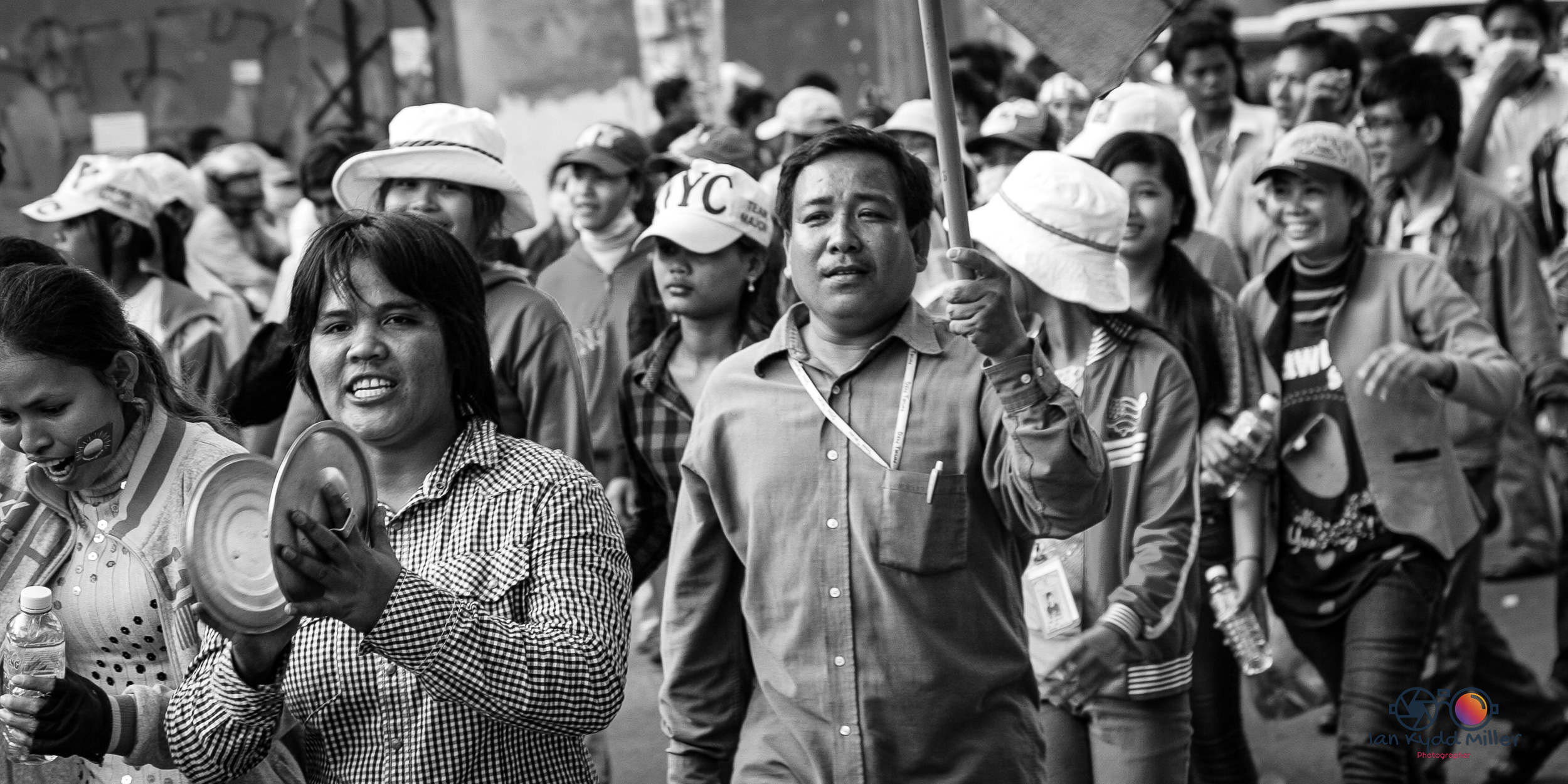
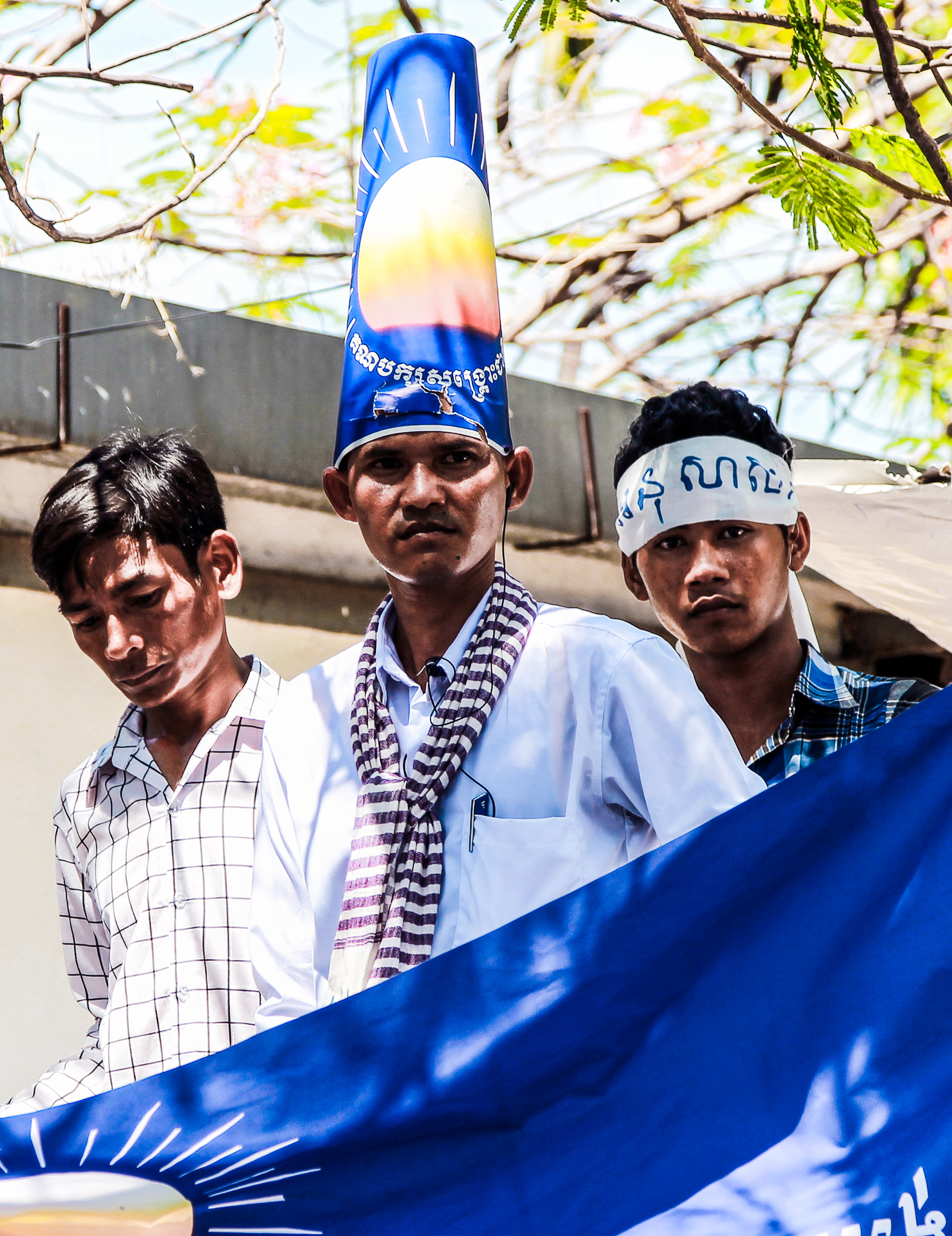
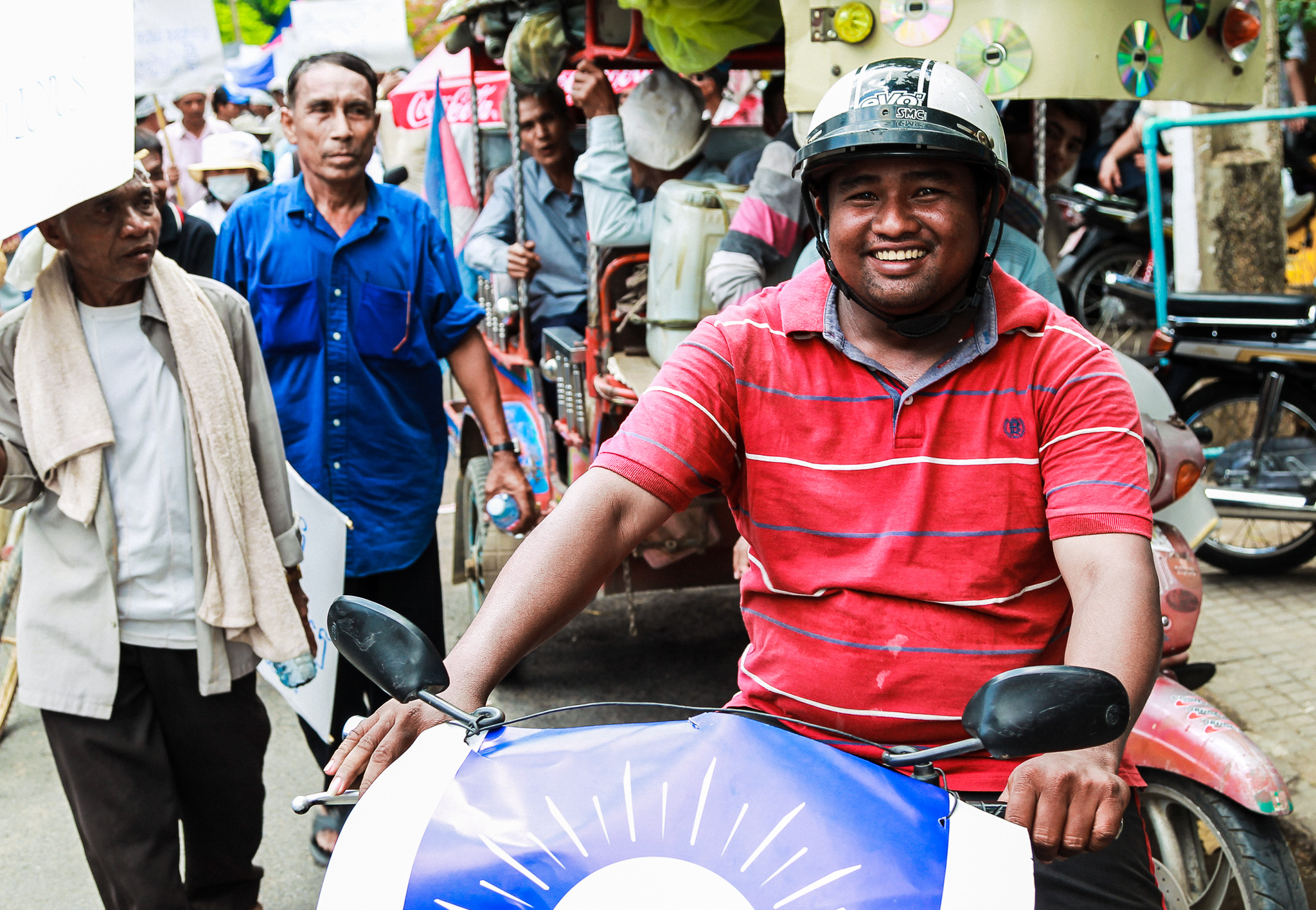
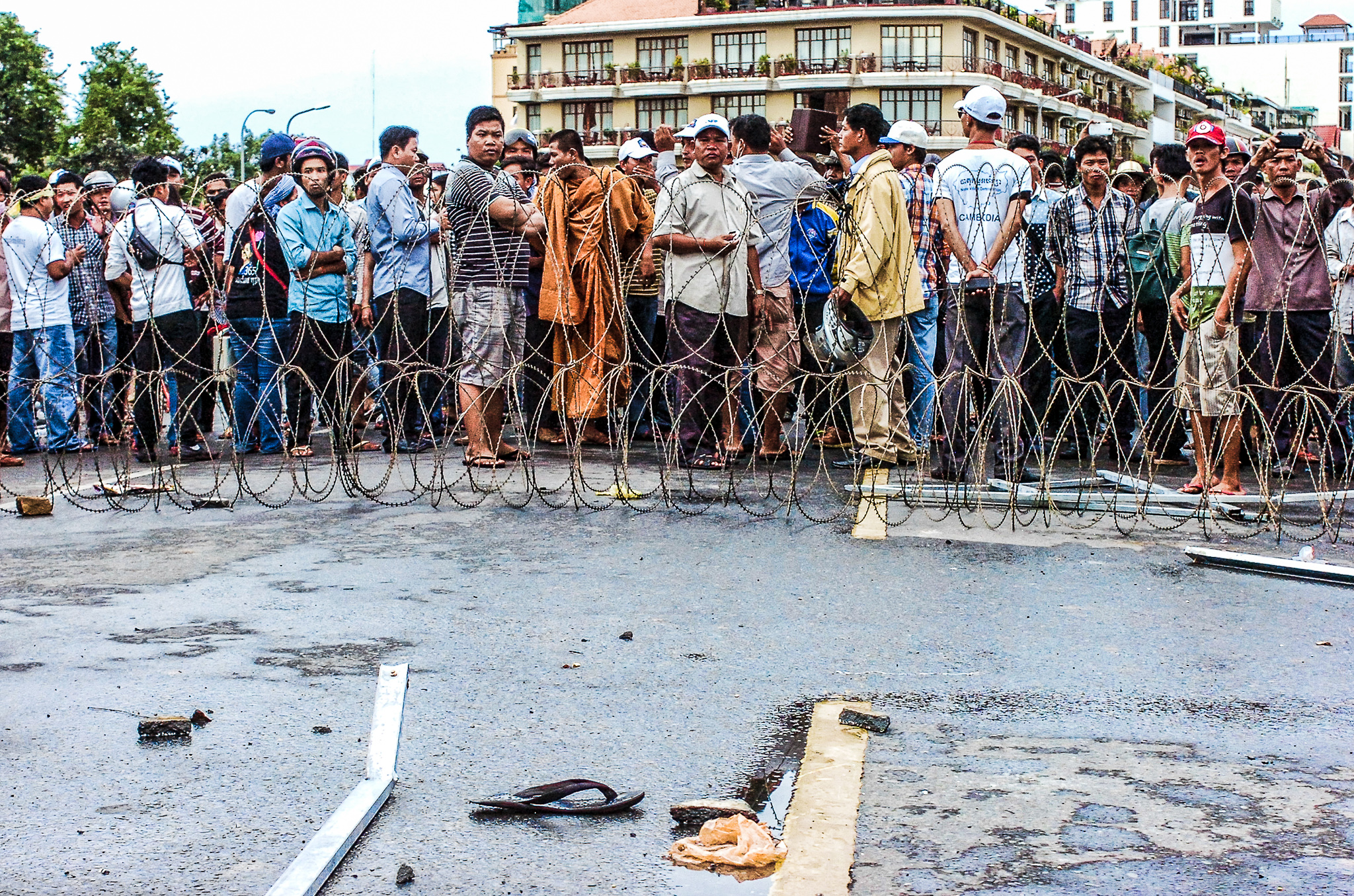
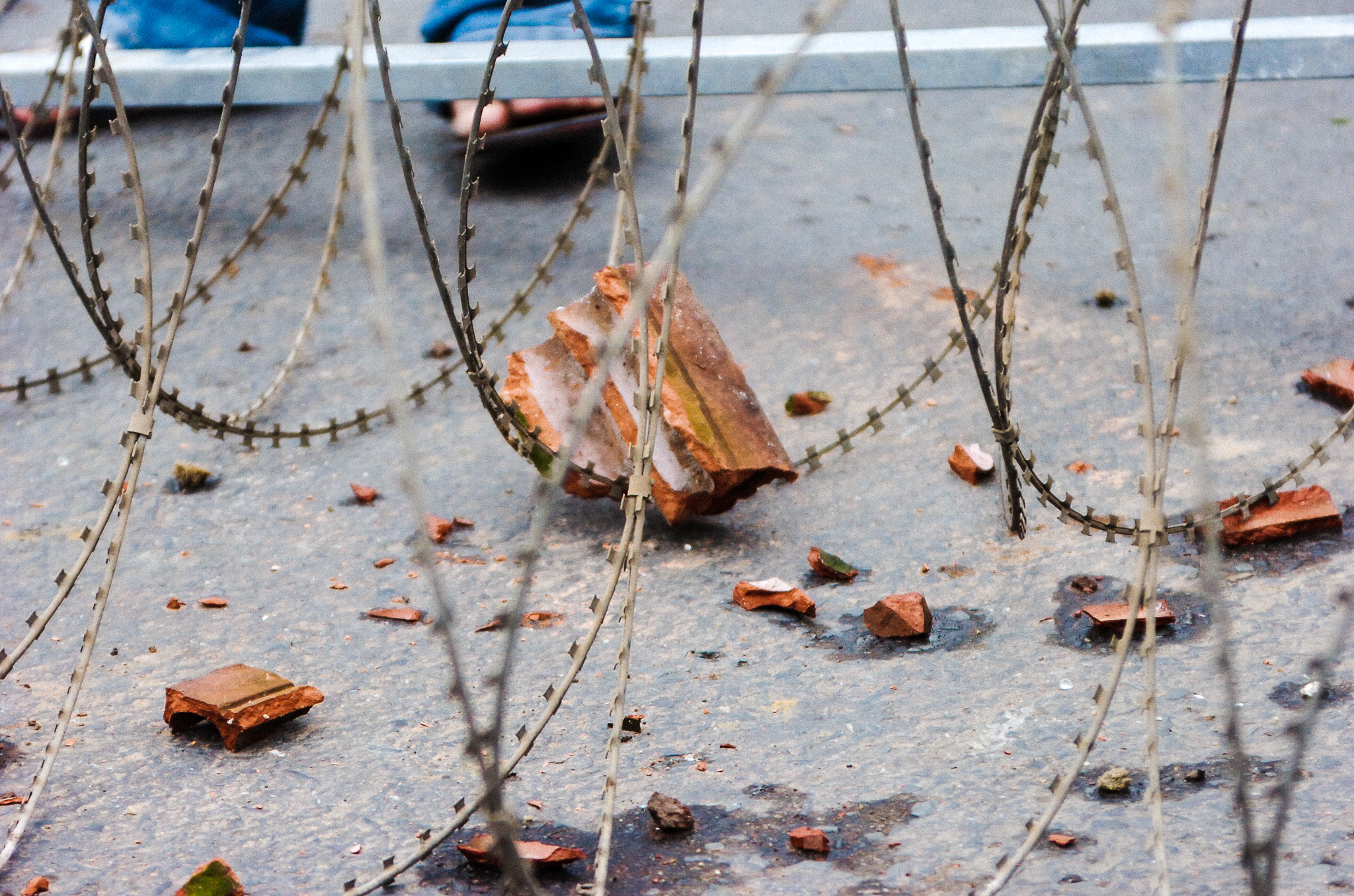
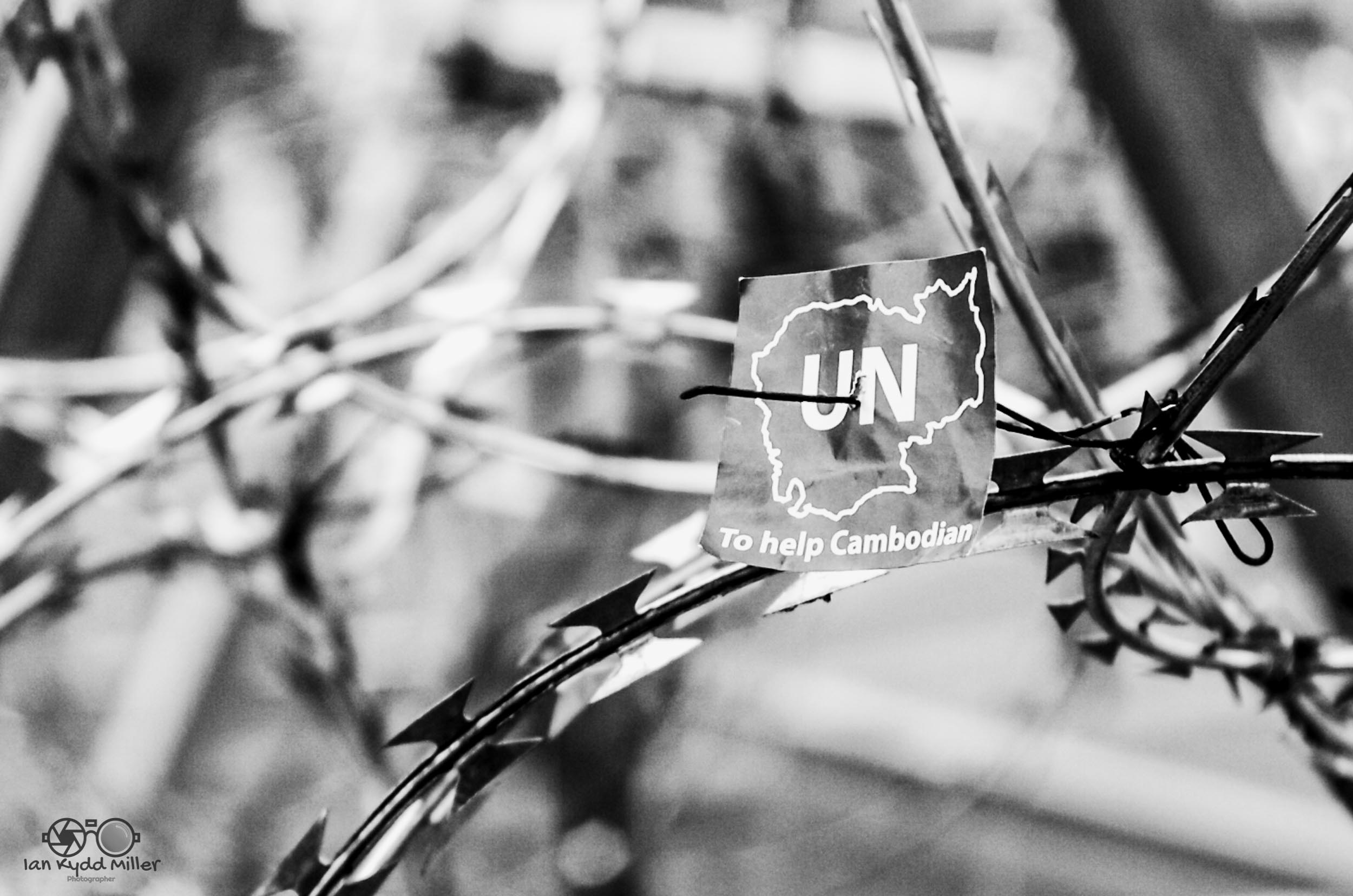
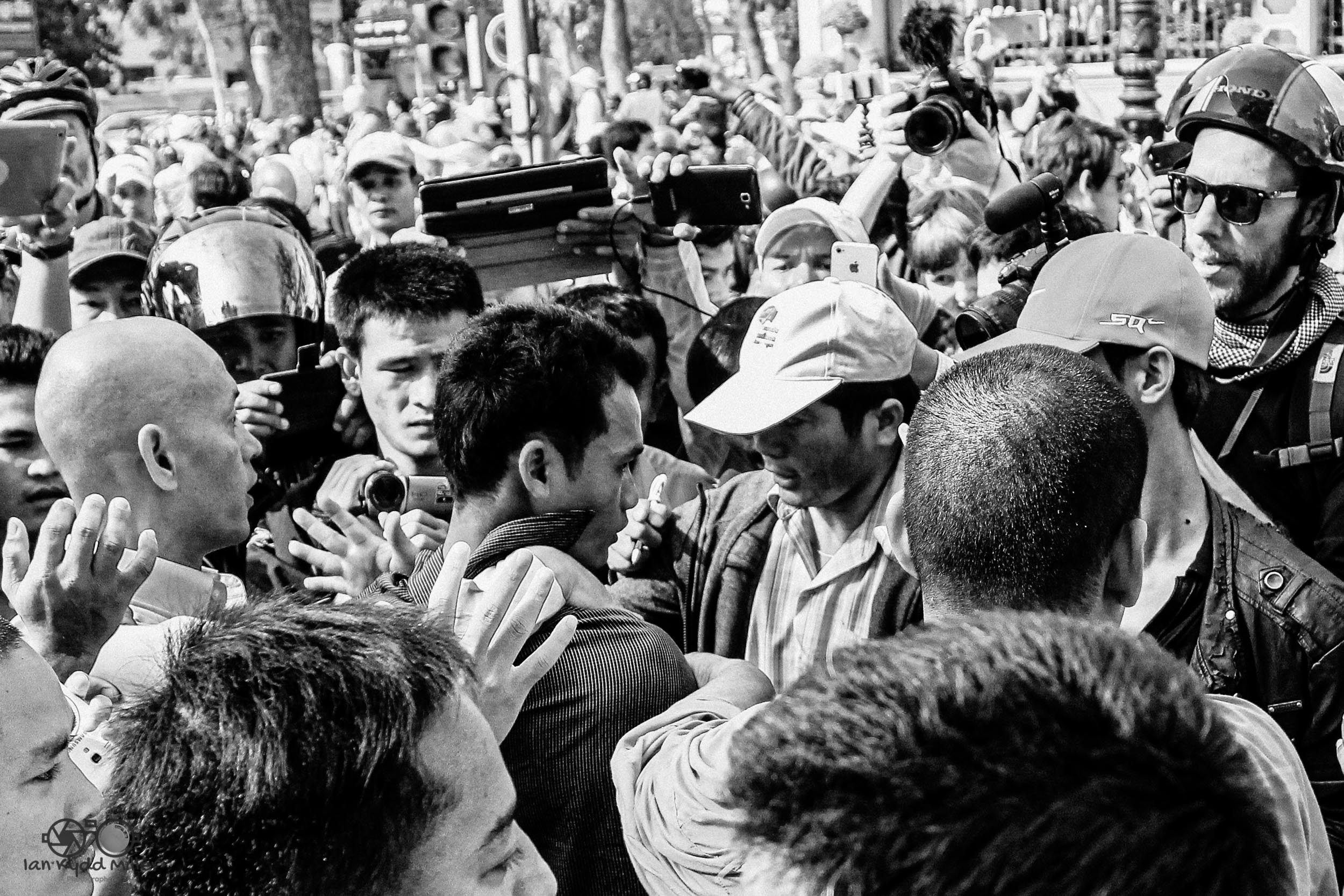
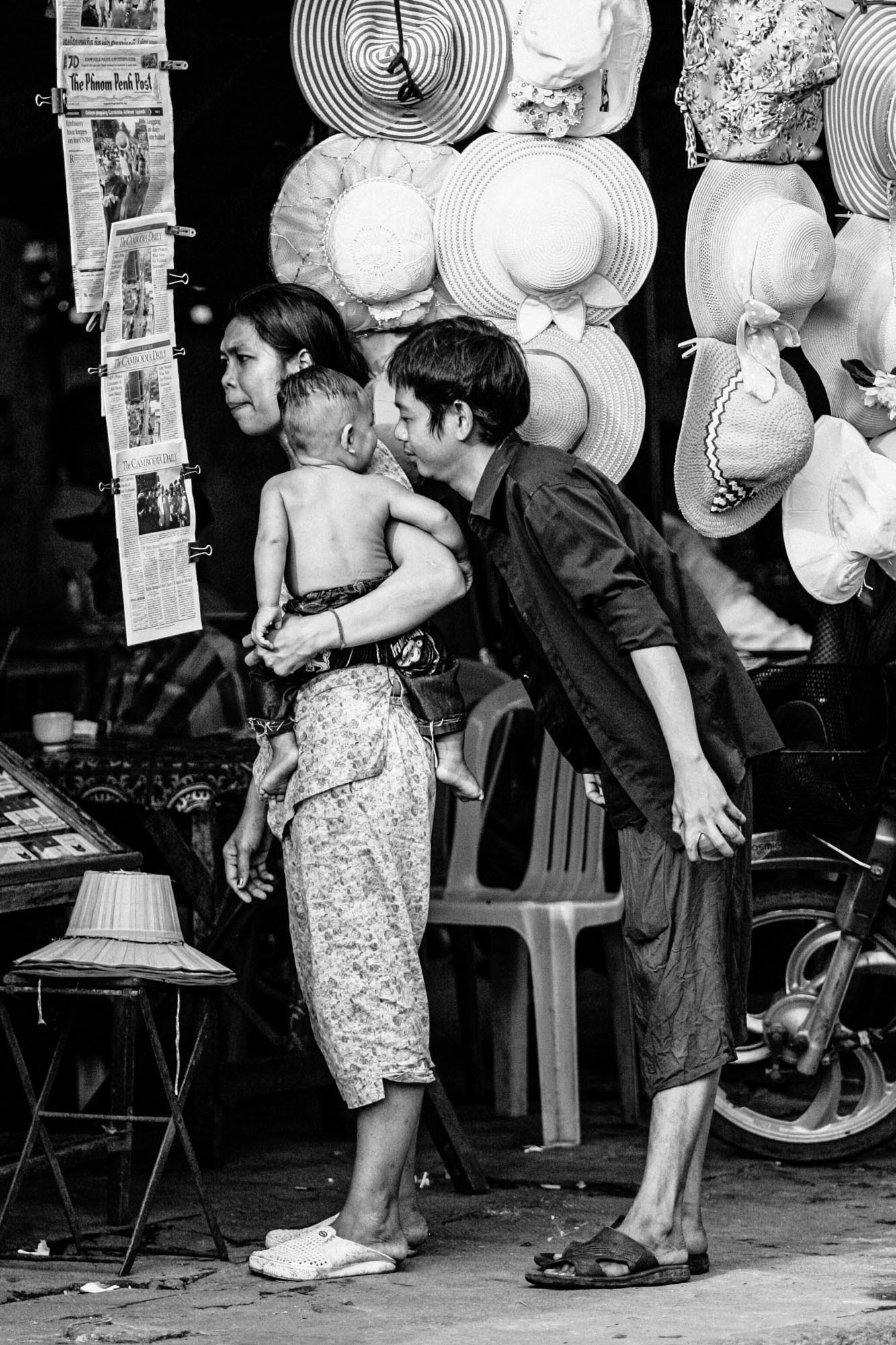
Covering local political events and taking pictures in Cambodia can be a risky activity for journalists and photographers. Cambodia has a history of political violence, repression and censorship. According to the Committee to Protect Journalists (CPJ), Cambodia ranks 144th out of 180 countries in the 2020 World Press Freedom Index. The CPJ also reports that at least 13 journalists have been killed in Cambodia since 1994, most of them while covering political or environmental issues.
In addition, many journalists and media outlets have faced harassment, intimidation, lawsuits, arrests and closures for criticizing the government or exposing corruption.
Therefore, anyone who wants to cover local political events and take pictures in Cambodia should be aware of the potential dangers and take precautions to protect themselves and their sources. Some of the tips that CPJ recommends are:
– Research the political and security situation in the areas you plan to visit and avoid areas with active conflicts or protests.
– Carry a press card or accreditation from a reputable media organization and show it only when necessary.
– Use encrypted communication tools and secure storage devices to protect your data and contacts.
– Be discreet and respectful when taking pictures and avoid drawing attention to yourself or your equipment.
– Seek permission from local authorities or community leaders before entering sensitive areas or interviewing people.
– Be prepared to delete or hide your pictures if you are stopped or searched by security forces or hostile groups.
– Have an emergency plan and contact person in case you are detained, injured or threatened.
Covering local political events and taking pictures in Cambodia can be a rewarding and challenging experience for journalists and photographers who want to document the realities and stories of this Southeast Asian country. However, it can also be a dangerous activity that requires caution, preparation and professionalism.
I have always been passionate about covering local political events and taking pictures in Cambodia. I believe that journalism is a powerful tool to inform the public and hold the authorities accountable. That is why I decided to pursue this career despite the risks and challenges involved.
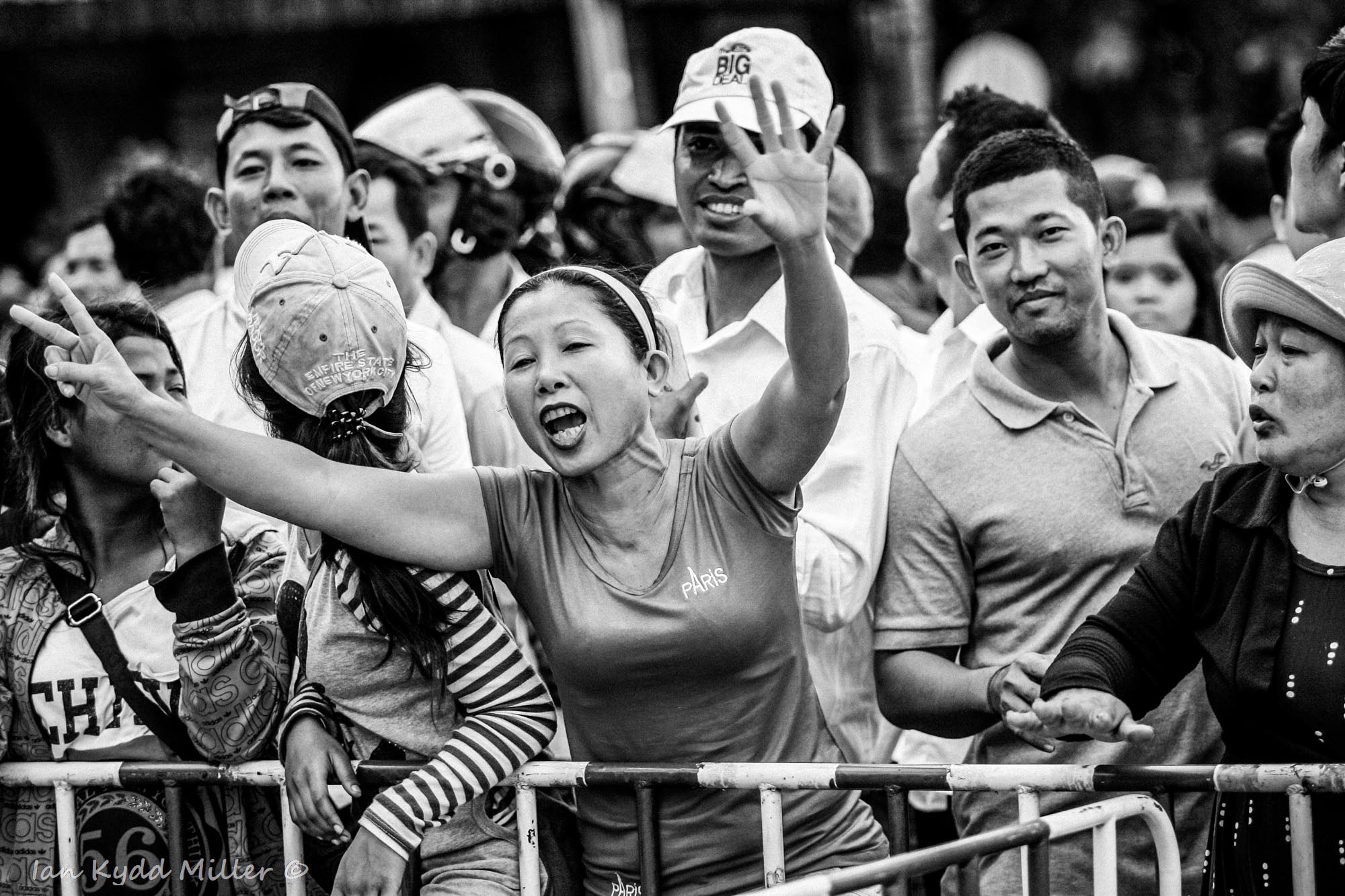
Cambodia is a country that has been struggling with political repression, human rights violations, and social unrest for decades. The ruling party, the Cambodian People’s Party (CPP), has been in power since 1985 and has eliminated any meaningful opposition or dissent. The 2018 elections were widely criticized as a sham, as the main opposition party, the Cambodia National Rescue Party (CNRP), was banned by the Supreme Court in 2017. The CPP won all 125 seats in the National Assembly, effectively turning Cambodia into a one-party state.
As a journalist, I face many dangers and difficulties in reporting on the political situation in Cambodia. The government has enacted draconian laws that restrict freedom of expression, assembly, and association. The media is tightly controlled by the state or by CPP-aligned tycoons. Independent journalists and activists are often harassed, intimidated, arrested, or even killed for exposing corruption, human rights abuses, or environmental issues. The Covid-19 pandemic has been used as a pretext to further crackdown on dissent and criticism.
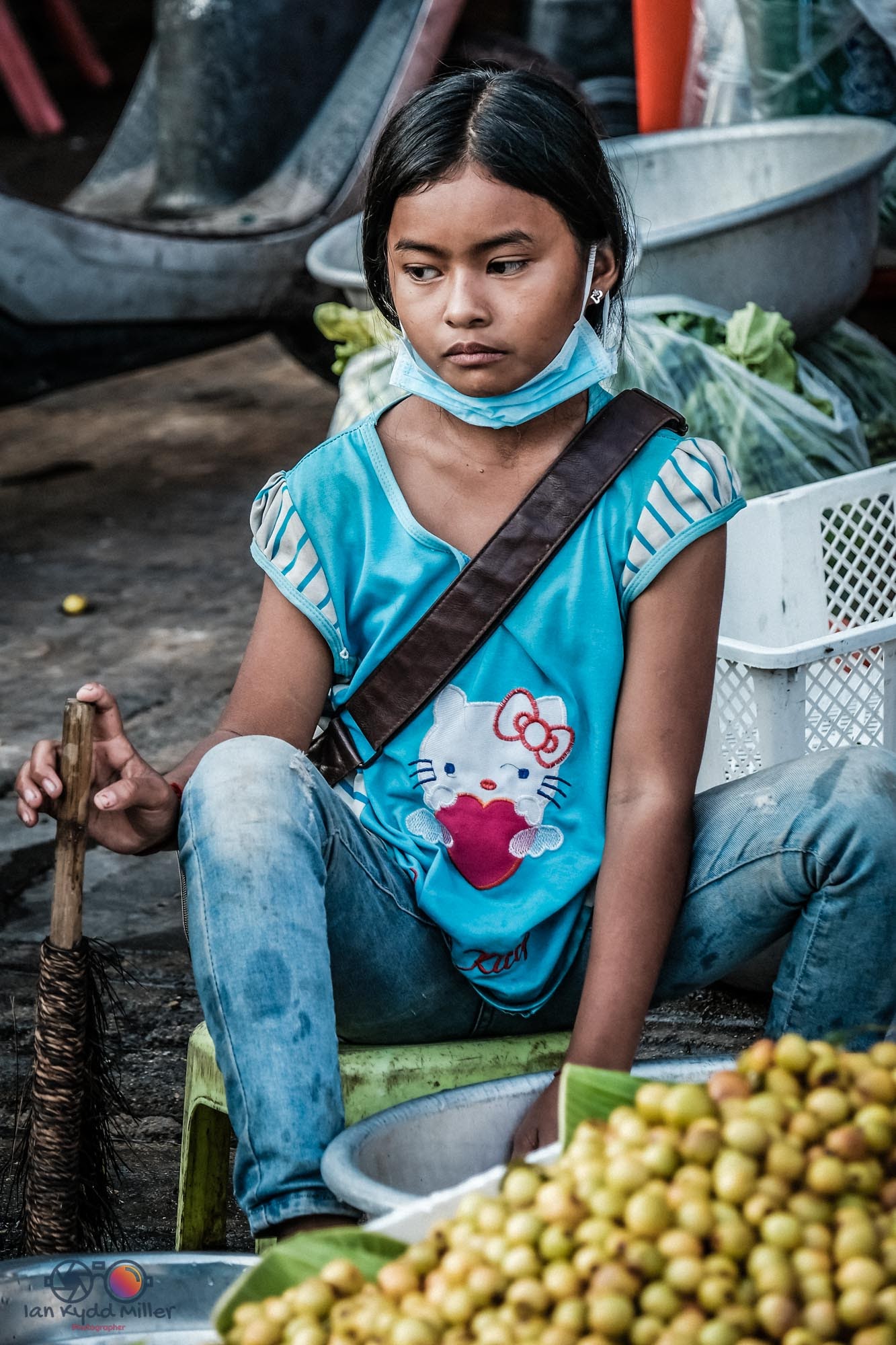
Despite these challenges, I am determined to continue my work and document the realities of Cambodia. I use my camera as a means to capture the stories of ordinary people who suffer from poverty, injustice, and oppression. I also use my pen as a voice to advocate for democracy, human rights, and social change. I hope that my work can inspire others to join me in a better future for Cambodia.
One of the most important aspects of photography is finding your own style and voice. But how do you do that? How do you know what kind of photos you like to take and what kind of photos you are good at taking? One way to approach this question is by defining your photographic comfort zone.
Your photographic comfort zone is the range of subjects, situations, and techniques that you feel comfortable and confident with. It’s where you can express yourself freely and creatively, without feeling anxious or frustrated. It’s where you can enjoy the process of making images and have fun with your camera.
But how do you find your photographic comfort zone? Well, there is no definitive answer to that, as everyone’s comfort zone is different and personal. However, here are some possible steps that might help you:
Experiment with different genres and styles of photography. Try shooting landscapes, portraits, street, macro, wildlife, abstract, etc. See what appeals to you and what doesn’t. See what challenges you and what bores you. See what makes you happy and what makes you stressed.
Analyze your existing photos. Look at your portfolio and see if there are any patterns or themes that emerge. What kind of subjects do you tend to photograph the most? What kind of lighting do you prefer? What kind of colors do you use? What kind of mood or emotion do you convey? What kind of composition or perspective do you favor?
Ask for feedback. Show your photos to other people and see what they think. Ask them what they like and dislike about your photos. Ask them what they think your strengths and weaknesses are. Ask them what they think your style or voice is. Be open to constructive criticism and learn from it.
Challenge yourself. Once you have a sense of your photographic comfort zone, don’t be afraid to step out of it from time to time. Try something new or different that pushes you beyond your limits. Try a new technique or a new genre that you are not familiar with. Try a new location or a new subject that you are not comfortable with. Try to overcome your fears or insecurities and grow as a photographer.
Defining your photographic comfort zone can help you discover your own style and voice as a photographer. It can also help you improve your skills and expand your horizons. However, remember that your comfort zone is not fixed or static. It can change over time as you evolve as a photographer and as a person. So keep exploring, keep learning, and keep enjoying photography!
One of the most common challenges that photographers face is deciding what to photograph. Sometimes, you may have a clear idea of what you want to capture, but other times, you may feel stuck or uninspired. How can you overcome this creative block and find new sources of inspiration for your photography?
There are many ways to spark your imagination and get motivated to take photos. Here are some tips that may help you choose what images to make and how to find inspiration for your photography.
Explore different genres and styles. Photography is a diverse and versatile art form that can express many different moods, emotions, and messages. You can experiment with different genres and styles of photography, such as portrait, landscape, street, abstract, macro, wildlife, documentary, and more. Each genre has its own challenges and opportunities for creativity. You can also try different techniques and effects, such as long exposure, HDR, black and white, bokeh, and more. By exploring different genres and styles, you can discover new perspectives and possibilities for your photography.
Follow other photographers. One of the best ways to learn and improve your photography is to follow other photographers who inspire you. You can find many talented and creative photographers online, on platforms such as Instagram, Flickr, 500px, Behance, and more. You can also look for photography blogs, magazines, books, podcasts, and videos that showcase the work and insights of other photographers. By following other photographers, you can learn from their skills, techniques, tips, and stories. You can also get inspired by their vision, style, and themes.
Join a photography community. Another way to find inspiration for your photography is to join a photography community where you can interact with other photographers who share your passion and interest. You can find many photography communities online or offline, such as forums, groups, clubs, workshops, contests, and more. By joining a photography community, you can get feedback, advice, support, and encouragement from other photographers. You can also participate in challenges, projects, collaborations, and events that can stimulate your creativity and challenge your skills.
Go outside your comfort zone. Sometimes, the best way to find inspiration for your photography is to go outside your comfort zone and try something new or different. You can challenge yourself to photograph something that you normally wouldn’t or that scares you. You can also travel to a new place or revisit an old one with a fresh eye. You can also experiment with new equipment or settings that you are not familiar with. By going outside your comfort zone, you can push your boundaries and discover new aspects of yourself and your photography.
Have fun and enjoy the process. Finally, the most important tip to find inspiration for your photography is to have fun and enjoy the process. Photography is not only a skill or a profession but also a hobby and a passion. You should not take it too seriously or put too much pressure on yourself to create perfect images. Instead, you should focus on the joy and satisfaction that photography brings you. You should also appreciate the beauty and wonder of the world around you and capture it with your camera. By having fun and enjoying the process, you can find inspiration for your photography in every moment.
Love is all you need or so the song says. But is it really true? Can love solve all our problems and make us happy? In this blog post, I will explore the meaning and power of love, and share some tips on how to cultivate more love in your life.
Love is a complex and multifaceted emotion that can be experienced in different ways. There is romantic love, which is the attraction and affection we feel for a partner. There is familial love, which is the bond and loyalty we have with our relatives. There is platonic love, which is the friendship and camaraderie we share with our peers. There is self-love, which is the respect and acceptance we have for ourselves. And there is universal love, which is the compassion and kindness we have for all living beings.
All these forms of love are important and valuable, and they can enrich our lives in different ways. However, they are not always easy to achieve or maintain. Sometimes we face challenges or conflicts that test our love. Sometimes we feel lonely or unloved. Sometimes we struggle to love ourselves or others. Sometimes we lose sight of what love really means.
So how can we overcome these difficulties and cultivate more love in our lives? Here are some suggestions:
Be grateful for the love you have. Appreciate the people who love you and show them your gratitude. Express your feelings and emotions honestly and openly. Don’t take love for granted or expect it to be perfect. Celebrate the small moments of joy and connection that love brings.
Be open to new love. Don’t close your heart or mind to the possibility of finding or giving love. Be curious and adventurous in your relationships. Explore new interests and hobbies that can bring you closer to others. Don’t be afraid to take risks or make mistakes in love. Learn from your experiences and grow as a person.
Be compassionate with yourself and others. Don’t judge yourself or others harshly for being imperfect or flawed. Accept yourself and others as you are, with your strengths and weaknesses. Forgive yourself and others for hurting or disappointing you. Support yourself and others in times of need. Treat yourself and others with kindness and respect.
Be mindful of your thoughts and actions. Don’t let negative thoughts or emotions cloud your vision of love. Recognize when you are feeling angry, sad, jealous, insecure, or fearful, and try to understand why. Don’t act on impulse or react in ways that can harm yourself or others. Choose to act with love instead of hate, with generosity instead of greed, with honesty instead of deceit.
Be inspired by love. Don’t limit your definition of love to a single person or thing. Find inspiration in the many expressions of love that exist in the world. Listen to music, read books, watch movies, or visit places that celebrate love. Learn from the stories and examples of people who have loved deeply and passionately. Discover your own way of expressing and sharing your love.
Love is all you need or so the song says. And I agree with that statement. Love is not only a feeling but also a choice, a practice, and a way of life. Love can make us happier, healthier, and more fulfilled. Love can make us better people and make the world a better place.
So let’s choose to love more every day, in every way possible.