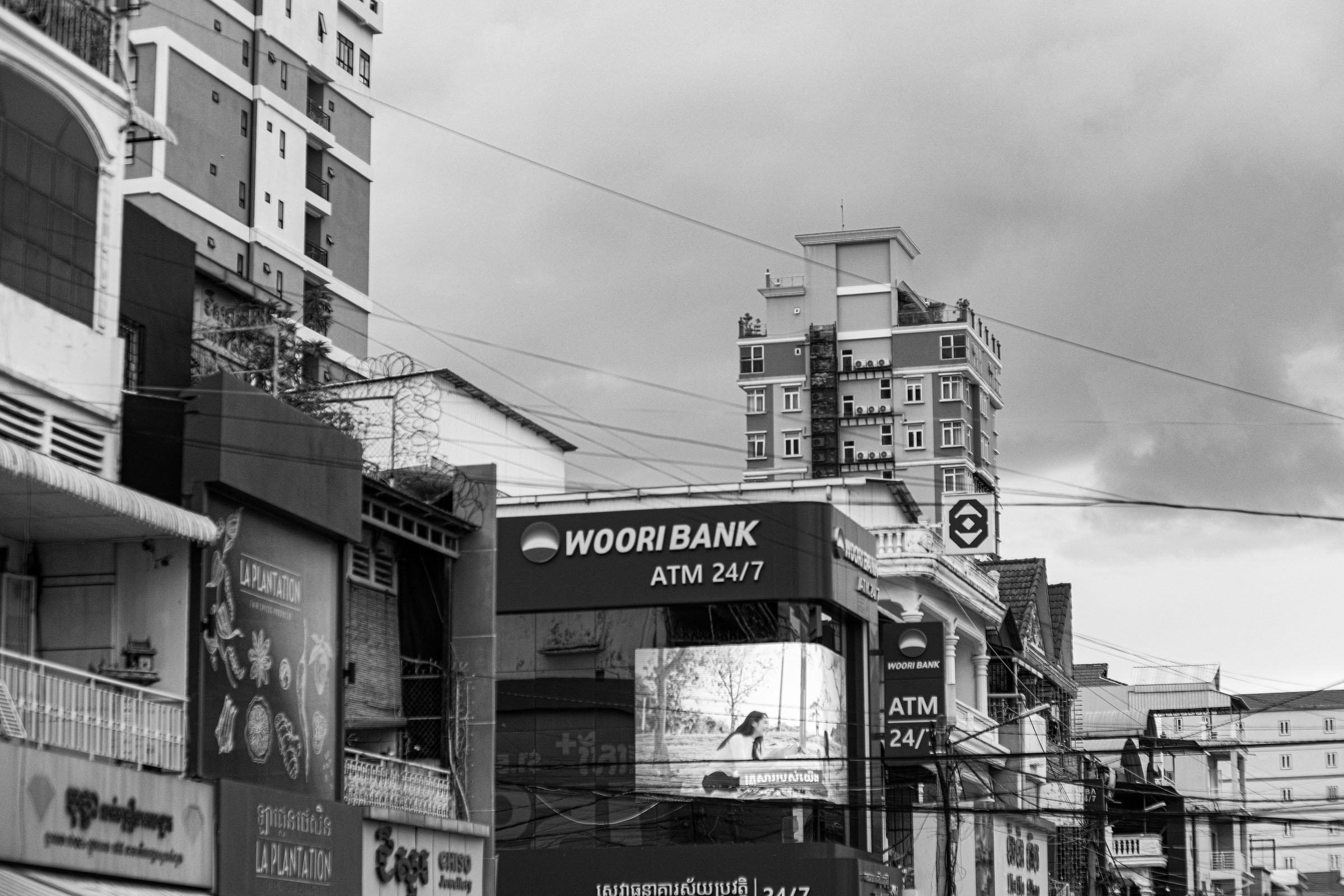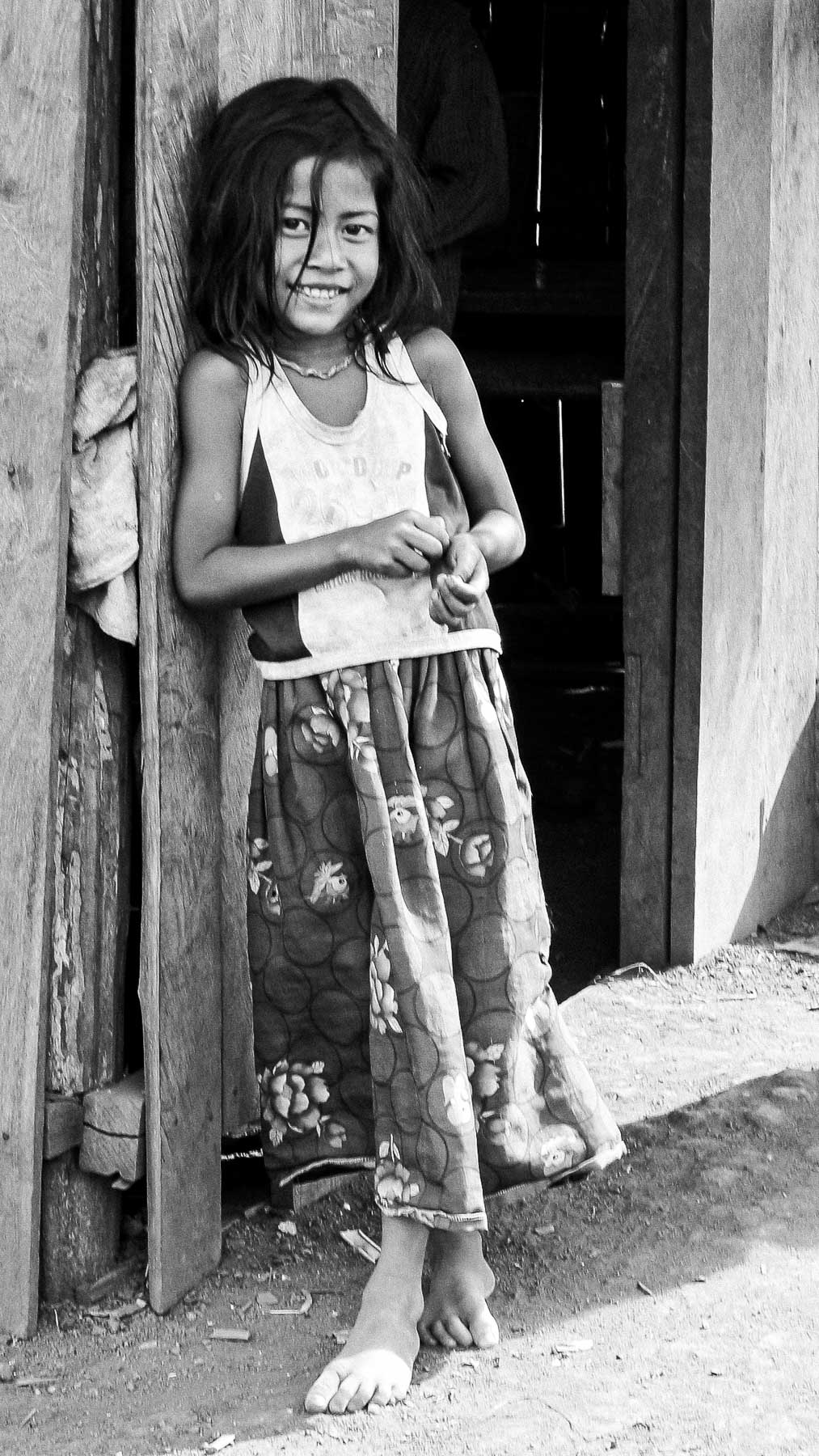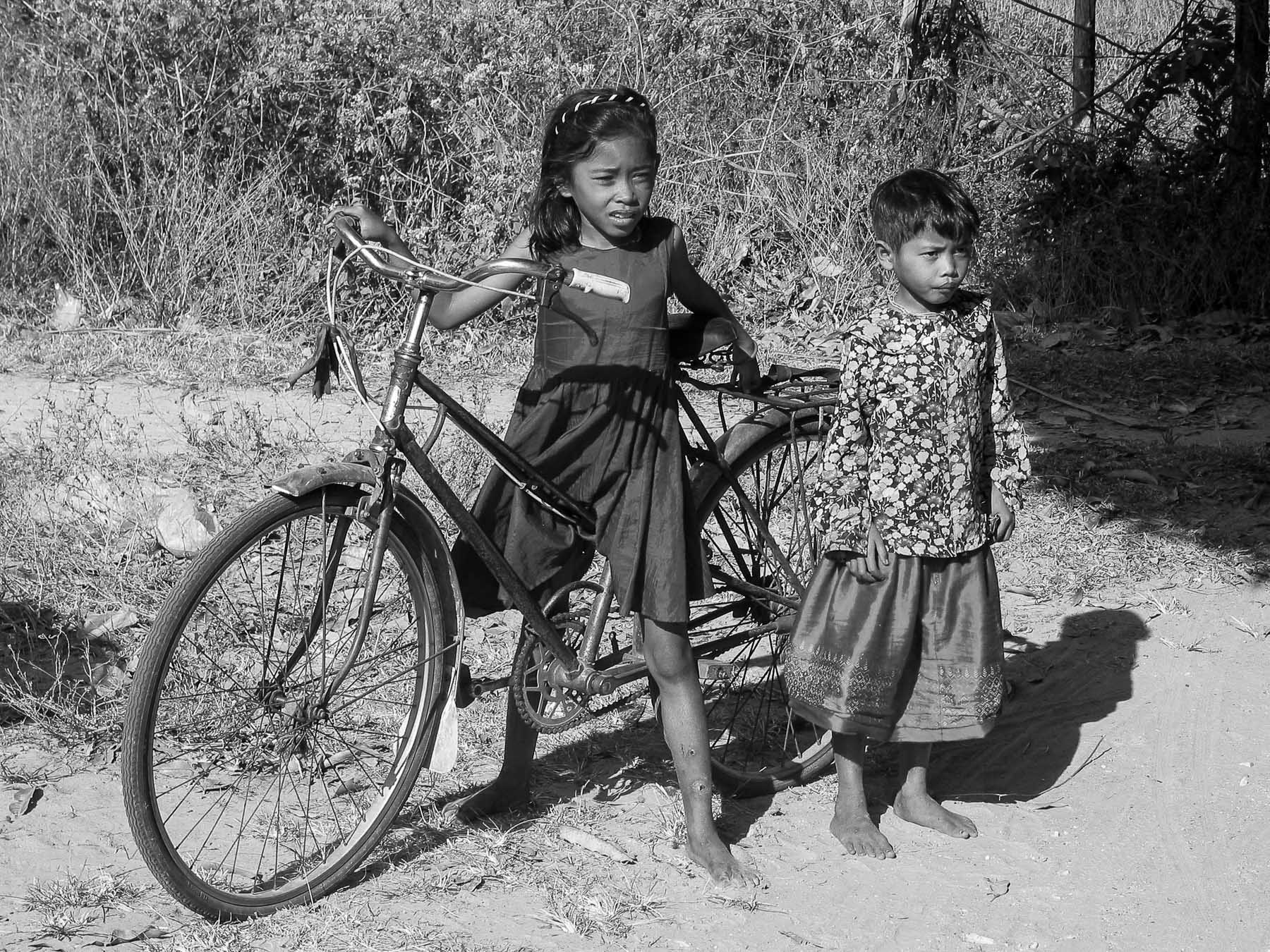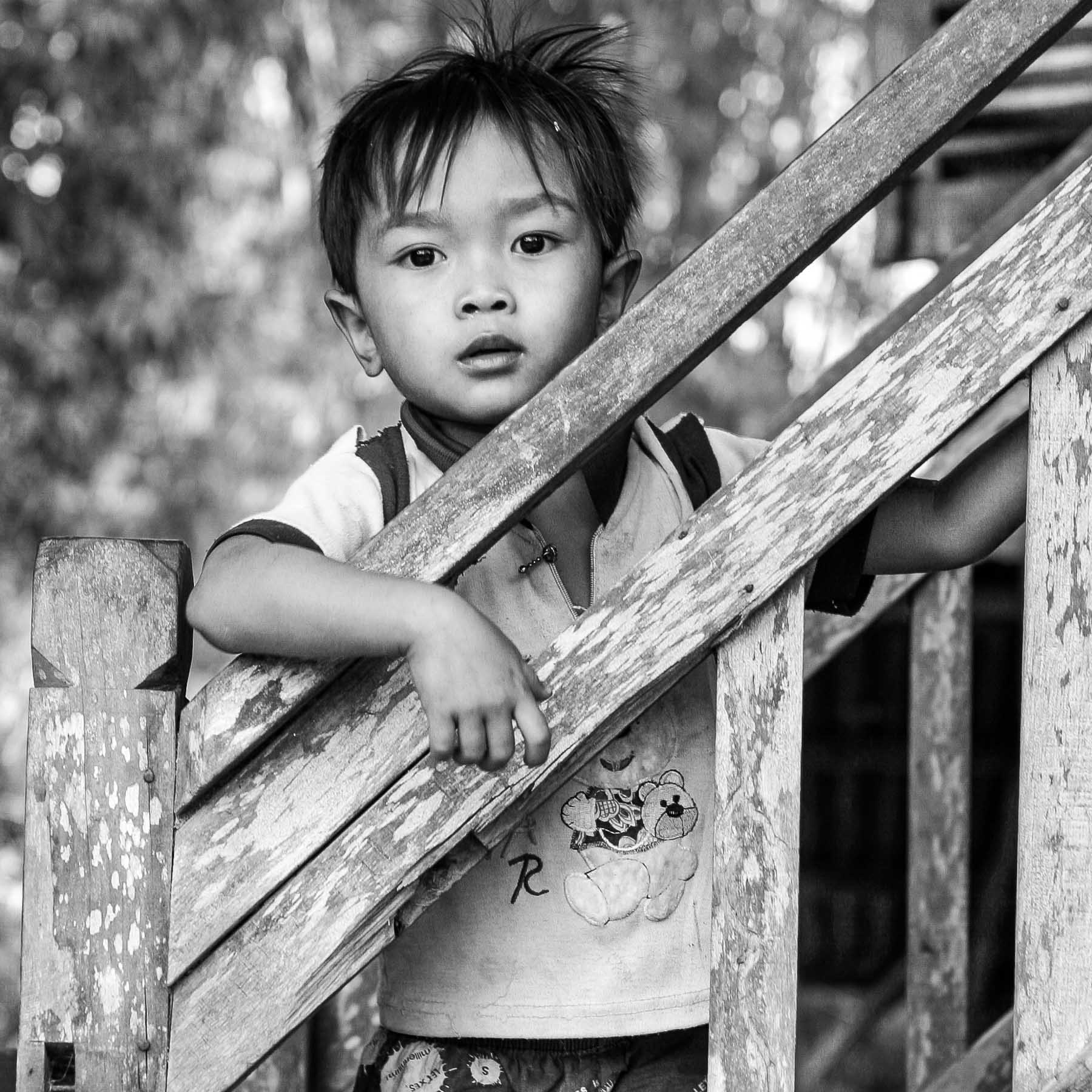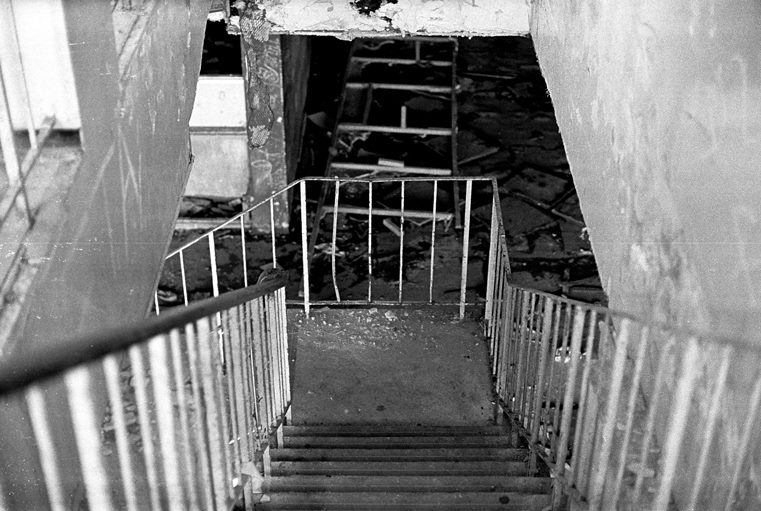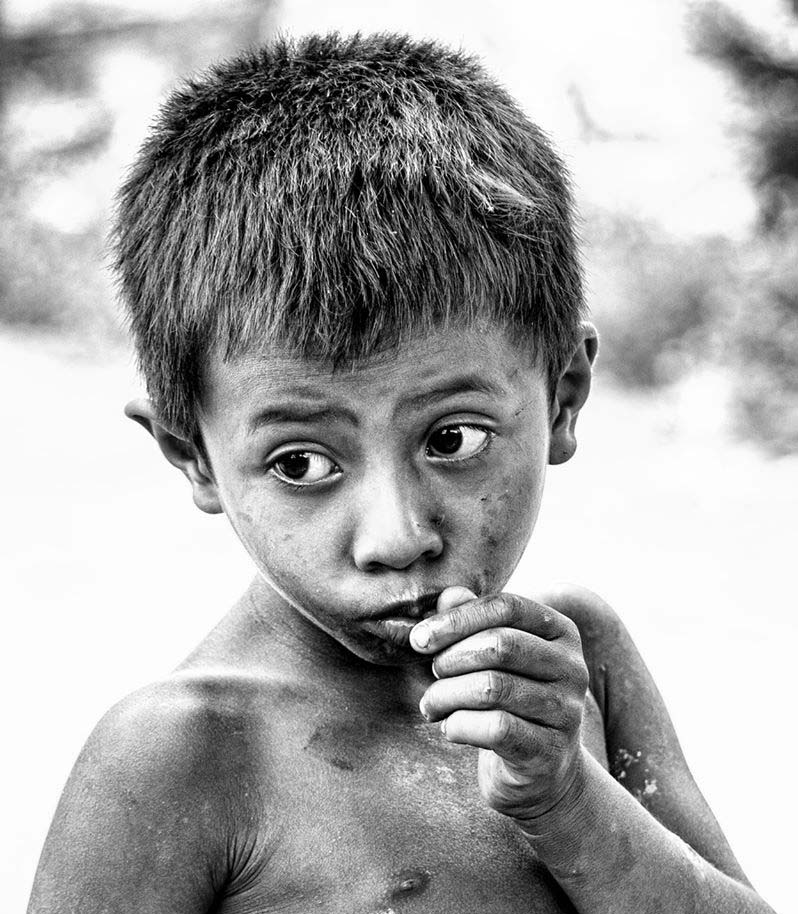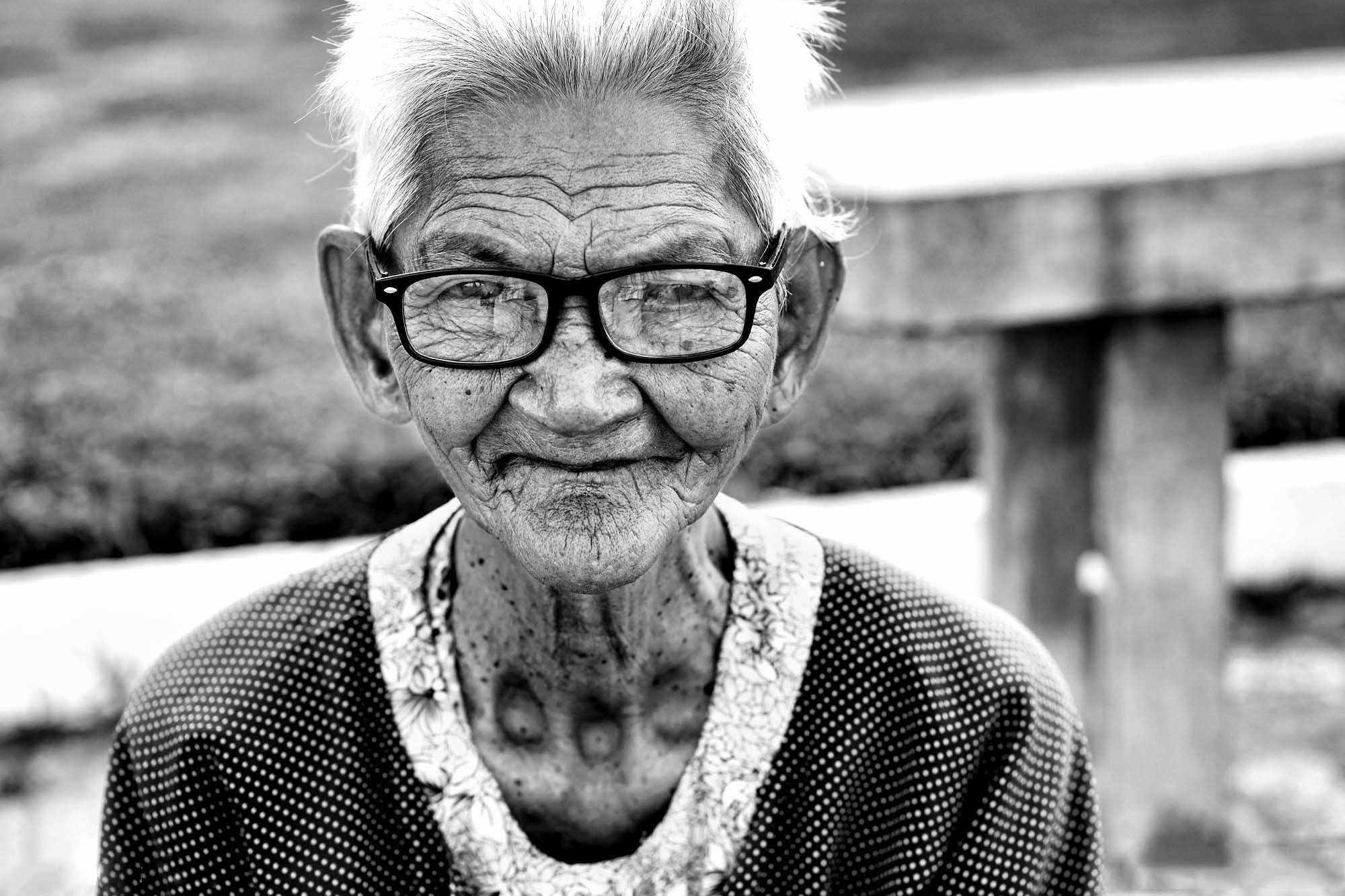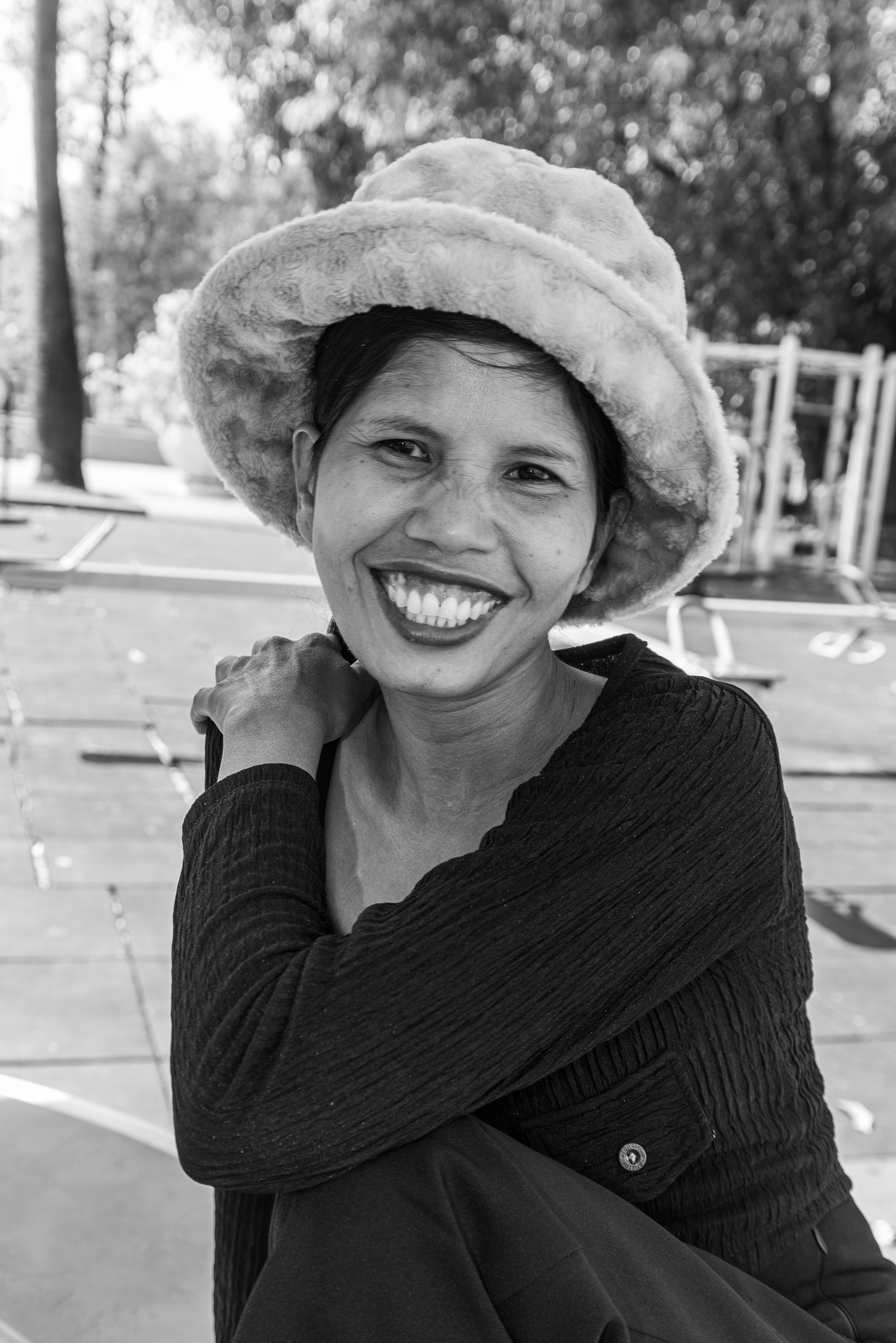
The Viltrox 13mm f/1.4 lens has been making waves in the photography community, especially among those who use Fujifilm X-Mount cameras. This lens is known for its super wide-angle capability, which makes it an excellent choice for capturing expansive landscapes, cityscapes, and architectural wonders. Its large aperture of f/1.4 allows photographers to shoot in low light conditions without compromising on shutter speed or ISO, thus maintaining image quality.
Build Quality and Handling The Viltrox 13mm f/1.4 boasts a solid construction with a metal mount and lens hood, giving it a premium feel. The manual focus ring is large and user-friendly, offering a smooth focusing experience free from the electronic jerkiness found in some lenses. The aperture ring clicks satisfyingly through each f-stop, providing tactile feedback that is both precise and reassuring.
Optical Performance Optically, the lens is designed to impress. It features two aspherical elements that help to reduce spherical aberrations and distortion, providing sharp images with minimal edge softness. The inclusion of two high refractive elements and four extra-low dispersion elements further enhances image clarity by reducing chromatic aberrations and color fringing.

Autofocus Capabilities The autofocus system of the Viltrox 13mm f/1.4 is powered by an STM motor, which delivers fast and silent focusing. This is particularly beneficial for videographers who require a quiet operation. The autofocus is also reliable, locking onto subjects with ease and precision, which is on par with some of the more established lenses in the market.
Versatility in Use Despite being a super wide-angle lens, the Viltrox 13mm f/1.4 has proven to be surprisingly versatile. Some photographers have even found success using it for portrait photography, a genre typically reserved for longer focal lengths. The wide aperture allows for a shallow depth of field, creating a pleasing bokeh effect that can make subjects stand out against a smoothly blurred background.
Conclusion The Viltrox 13mm f/1.4 lens offers a lot of value, especially considering its price point. It is a testament to Viltrox’s commitment to providing high-quality lenses that are accessible to a wide range of photographers. Whether you’re shooting stills or video, this lens can deliver outstanding results that could rival those of more expensive counterparts.
For those interested in exploring the capabilities of the Viltrox 13mm f/1.4 further, there are detailed reviews and sample images available that showcase the lens’s performance across various settings and subjects. With its combination of build quality, optical performance, and versatility, the Viltrox 13mm f/1.4 is a lens worth considering for your next photographic adventure.
Travel photography is an exhilarating and fulfilling pursuit, combining the exploration of new places with the creative expression of capturing moments that tell a story. Whether you’re a seasoned photographer or just starting out, having the right gear can make all the difference in bringing back stunning images from your travels. Here’s a comprehensive guide to the essential equipment for travel photography.
Camera Body
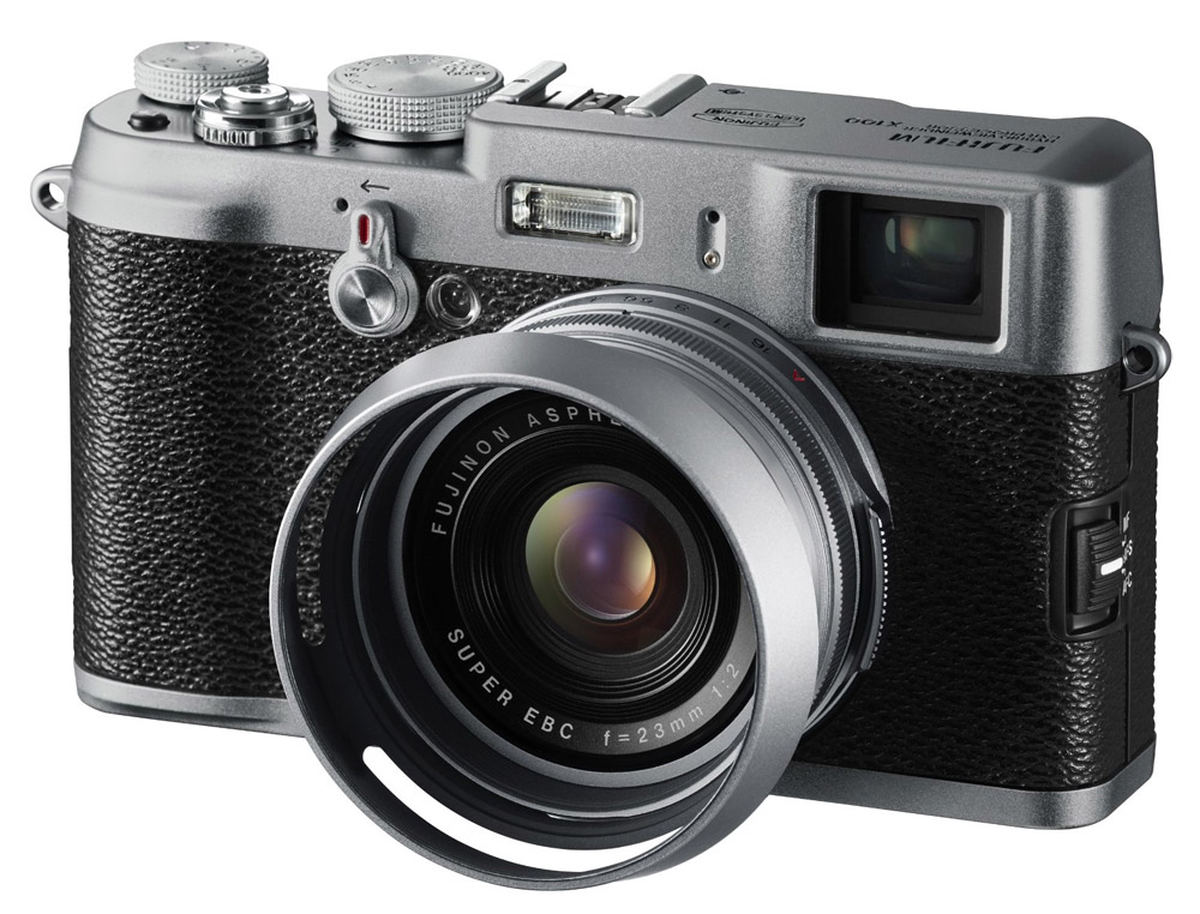
The heart of your travel photography kit is the camera body. The market offers a plethora of choices, from high-end DSLRs to compact mirrorless systems. The key is to find a balance between image quality and portability. For beginners, entry-level mirrorless cameras are a great choice due to their lightweight design and excellent image capabilities.
Lenses
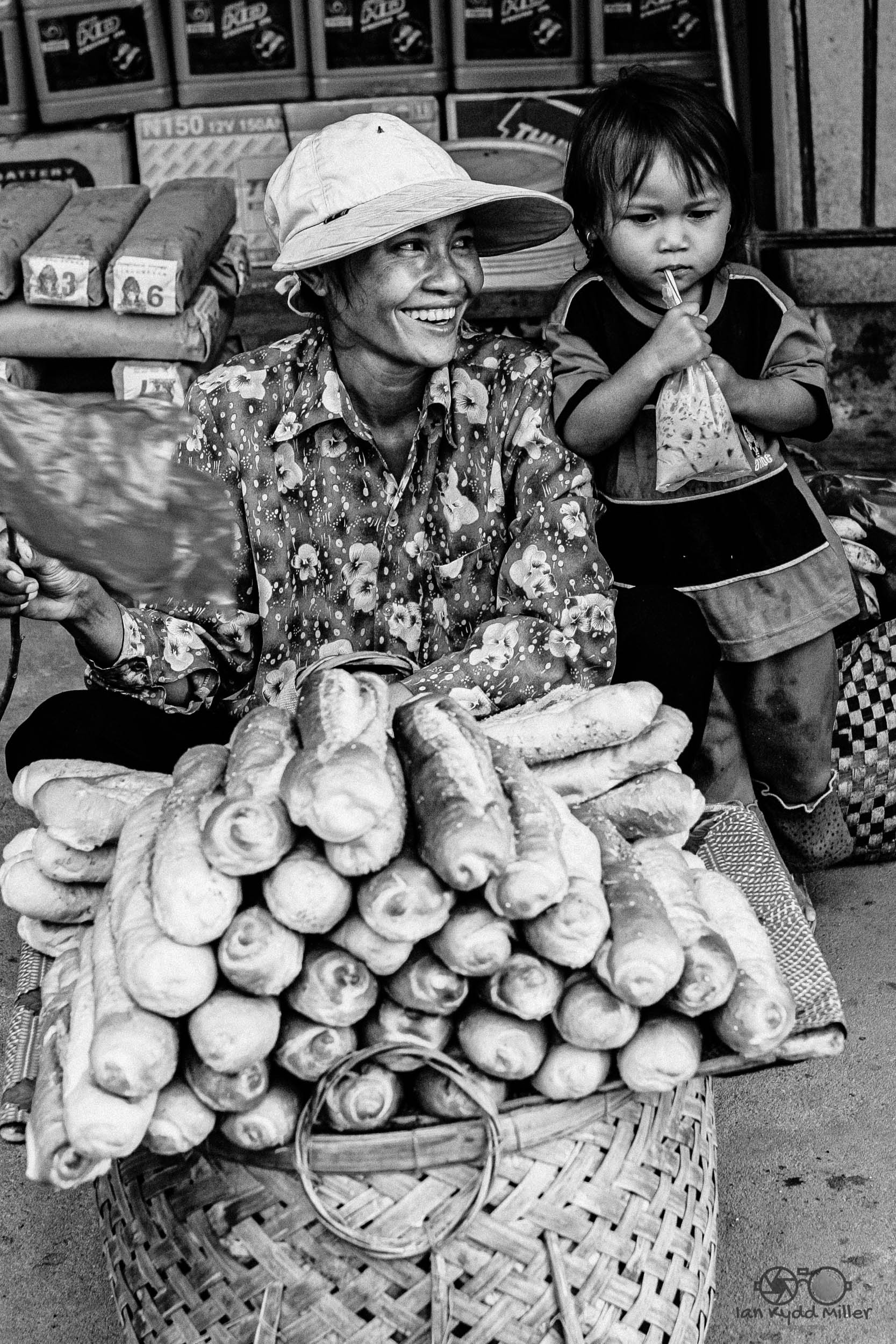
Lenses are the eyes through which you see the world, and having the right selection can cover a wide range of photographic opportunities. A versatile zoom lens, like an 18-300mm, can be invaluable for capturing both wide landscapes and distant subjects. Additionally, a prime wide-angle lens can be perfect for expansive scenes and architectural shots.
Tripod
A sturdy yet portable tripod is essential for sharp images, especially in low light conditions or when making long exposures. Look for one that’s compact enough to fit in your luggage but robust enough to support your camera and lens securely.
Filters
Filters can dramatically enhance your images. A circular polarizing filter can help reduce reflections and enhance skies, while a neutral density filter allows for longer exposure times, even in bright conditions, creating that silky water effect or motion blur in clouds.
Camera Bag
Protecting your gear is paramount, and a good camera bag will do just that. It should be comfortable to carry, provide easy access to your equipment, and offer adequate protection against bumps, scrapes, and the elements.
Accessories
Don’t forget the smaller items that can be just as crucial:
Extra batteries and memory cards to ensure you don’t miss a shot.
A cleaning kit to keep your lens and sensor spotless.
A remote shutter release for those extra-long exposures or self-portraits.
Insurance
Last but not least, consider getting insurance for your gear. Travel can be unpredictable, and having coverage for theft, loss, or damage can give you peace of mind.
By equipping yourself with these travel photography essentials, you’ll be well-prepared to capture the beauty and uniqueness of your destinations. Remember, the best camera is the one you have with you, so choose gear that you’ll feel comfortable carrying and using on your adventures. Happy shooting!
For more detailed information on travel photography gear, you can refer to comprehensive guides and checklists provided by photography experts.
Travel photography planning the trip.
Embarking on a journey to capture the essence of your travels through photography requires meticulous planning and a keen eye for detail. Travel photography is not just about snapping pictures of famous landmarks; it’s about telling a story, capturing emotions, and portraying the unique beauty of a destination.
To plan the ultimate travel photography trip, one must consider several factors that go beyond just the itinerary. Here are some key points to keep in mind:
Research Your Destination: Before setting foot on your adventure, research your destination thoroughly. Understand the geography, the culture, and the people. Look for those unique spots that offer more than just a pretty picture but tell a story about the place.
Know Your Gear: Familiarize yourself with your camera and its capabilities. Practice using different settings and understand how to adjust them for various lighting conditions. Remember, the best camera is the one you know how to use effectively.
Create a Shot List: Plan your shots ahead of time. While spontaneity can lead to great photos, having a shot list ensures you don’t miss out on those must-have images. Include a variety of shots, from wide landscapes to intimate portraits.
Consider the Light: The ‘Golden Hour’βjust after sunrise or before sunsetβoffers the most flattering light for photography. Plan your schedule around these times to capture the most beautiful images.
Pack Smart: Traveling light is essential, but make sure you have all the necessary equipment. A sturdy tripod, extra batteries, and memory cards are just as important as your camera itself.
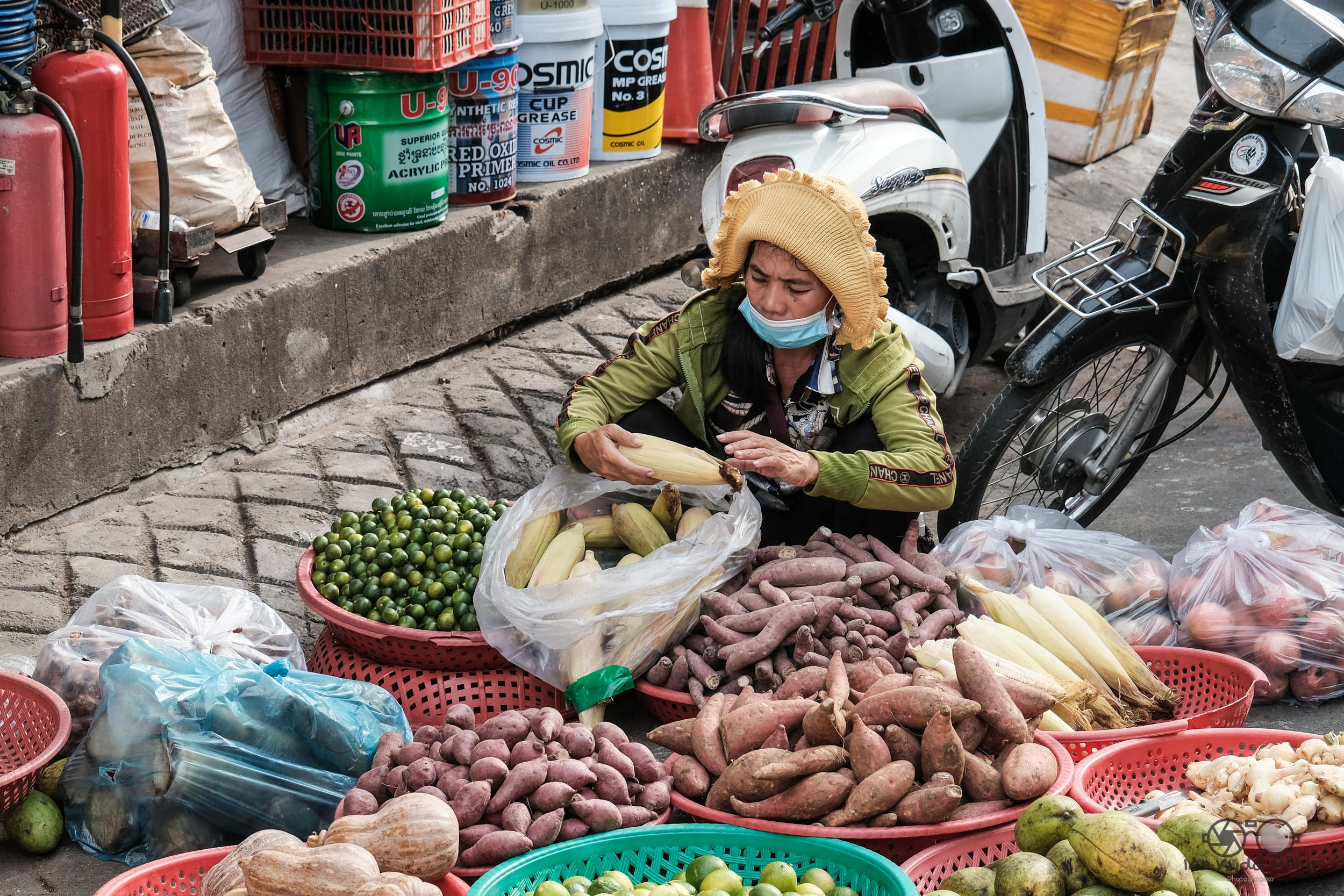
Tell a Story: Aim to capture photos that convey a narrative. Whether it’s the hustle and bustle of a local market or the serene tranquillity of a secluded beach, your photos should evoke feelings and tell the story of your journey.
Stay Safe: Always prioritize your safety and the security of your gear. Be aware of your surroundings and respectful of local customs and regulations.
Post-Processing: Learn the basics of photo editing to enhance your images. Post-processing can turn a good photo into a great one, but remember to keep it subtle and not overdo the effects.
Backup Your Photos: Regularly back up your images to avoid losing them. Whether it’s to a cloud service or an external hard drive, ensure you have multiple copies of your precious memories.
Enjoy the Experience: While photography is your focus, don’t forget to put down the camera occasionally and soak in the experience. After all, the stories behind the photos are what truly enrich your travel experience.
By following these tips, you’ll be well on your way to planning a travel photography trip that will yield a collection of images you’ll treasure for a lifetime. Remember, travel photography is as much about the journey as it is about the destination. So, plan well, stay curious, and capture the moments that resonate with your adventurous spirit. Happy travels and happy shooting!
Photography is an art form that captures the essence of a moment, telling stories without words and leaving a lasting impression on the viewer. One of the keys to mastering this art is consistency. Consistency in photography doesn’t mean taking the same picture over and over again; it means having a consistent approach, style, and quality that defines your work and sets you apart from others.
Why is Consistency Important?
Develops Your Signature Style
Having a consistent approach helps you develop a style that is uniquely yours. It’s what makes your work recognizable and memorable. Whether it’s the way you play with light, your subject matter, or your editing technique, consistency helps you refine these elements to create a signature style.
Builds Trust with Your Audience
Viewers who see consistency in your work know what to expect from you. This builds trust and a following. People are more likely to return to your work if they know they’ll find something they like.
Improves Your Skills
Consistency in practice leads to improvement. Regularly working with the same techniques and tools makes you more proficient and efficient, allowing you to focus on creativity rather than mechanics.
Helps in Professional Growth
For those looking to turn their passion into a profession, consistency is key. Clients and galleries look for photographers who have a clear vision and consistent quality in their portfolio.
How to Maintain Consistency?
Understand Your Tools
Know your camera and lenses inside out. Understanding the capabilities and limitations of your equipment can greatly influence your consistency in producing quality images.
Stick to a Workflow
Develop a workflow and stick to it. Whether it’s how you plan your shoots, how you set up your camera, or how you process your images, having a workflow ensures that you don’t miss any steps and maintain quality.
Review and Reflect
Take the time to review your work. Reflect on what you like and what you don’t. This self-awareness will guide you in maintaining consistency.
Set Goals and Challenges
Setting your photography goals and challenges can help you stay focused and consistent. It could be a 365-day photo challenge or a goal to master a particular technique.
Seek Feedback
Don’t be afraid to ask for feedback. Sometimes, a fresh pair of eyes can offer valuable insights into your work and help you stay on track.
In conclusion, consistency in photography is about finding your rhythm and sticking to it. It’s about making each shot count and ensuring that every image you produce is a reflection of your dedication to the craft. So, keep shooting, keep refining, and be consistent. Your photography will thank you for it, and so will your audience. Happy shooting! πΈ
The field of photojournalism is a critical component of our media landscape, providing visual narratives that shape our understanding of the world. However, it is not without its ethical challenges. Photojournalists often navigate complex situations where the need to capture compelling images must be balanced against ethical considerations. Here, we delve into some ethical dilemmas that photojournalists face and the principles that can guide them.
Invasion of Privacy vs. Public Interest One of the most significant ethical issues in photojournalism is the tension between the public’s right to information and an individual’s right to privacy. Photojournalists must decide whether capturing a moment is in the public interest or if it unjustly invades the subjects’ privacy. This decision becomes even more critical when dealing with sensitive situations or vulnerable individuals.
Sensationalism vs. Authenticity The pressure to capture attention-grabbing images can lead to sensationalism, where the scene’s authenticity is compromised for the sake of a dramatic narrative. Photojournalists must resist the urge to stage or manipulate images, as this can mislead the audience and damage the credibility of the profession.
Cultural Sensitivity Working across diverse cultures requires photojournalists to approach their subjects with respect and sensitivity. Misrepresentation or cultural insensitivity can not only offend but also perpetuate stereotypes. Photojournalists need to engage with local communities and understand the context in which they are working.
Exploitation of Vulnerable Subjects When documenting crises or conflicts, photojournalists often encounter vulnerable populations. It is imperative to avoid exploitation and ensure that the dignity and rights of these subjects are upheld. Consent, where possible, should be obtained, and identities protected when necessary to avoid further harm.
Balancing Safety with Duty Photojournalists frequently find themselves in hazardous situations. While there is a professional duty to document events, personal safety cannot be overlooked. The ethical dilemma here is to assess the risk and make informed decisions about how to proceed without compromising one’s well-being.
Conclusion The ethical landscape of photojournalism is complex and requires a delicate balance of competing interests. Photojournalists must adhere to a code of ethics that prioritizes accuracy, respect, and integrity. By doing so, they can continue to tell powerful stories while maintaining the trust of their audience and the dignity of their subjects. For those interested in exploring this topic further, comprehensive discussions and guidelines are available in various resources, including industry publications and educational platforms.
Professionalism in photography transcends the mere act of capturing images. It embodies a comprehensive approach that combines artistic talent with business acumen, customer service, and ethical conduct. A Professional photographer is not merely someone who gets paid for their photographs; rather, they are individuals who consistently deliver quality, value their client’s time, and uphold a brand that resonates with trust and excellence.
The Essence of Professionalism in Photography
At its core, professionalism in photography involves a commitment to quality and a dedication to the craft. It means having the technical skills to produce outstanding images and the people skills to communicate effectively with clients. Professional photographers understand the importance of making a great first impression, responding promptly to inquiries, and dressing appropriately for events. They also recognize the significance of their personal image as part of their brand identity.
Building a Brand and Business
Professional photographers must also be savvy entrepreneurs. They need to manage their business efficiently, market their services effectively, and navigate the competitive landscape of the photography industry. This includes understanding pricing strategies, creating a compelling portfolio, and networking within the industry. A professional photographer’s brand is a reflection of their work ethic, style, and the experiences they provide to their clients.
Customer Service as a Cornerstone
Customer service is a critical component of professionalism in photography. It’s about valuing the client’s time, delivering expected materials or services on time, educating the client when necessary, and taking responsibility when things don’t go as planned. A professional photographer builds relationships with clients based on trust and reliability, ensuring repeat business and referrals.
Ethical Conduct and Integrity
Professionalism also entails adhering to ethical standards and operating with integrity. This means respecting clients’ privacy, honouring contracts and agreements, and being honest in all business dealings. Professional photographers protect their clients’ interests and maintain confidentiality, fostering an environment of mutual respect.
Continuous Learning and Improvement
The photography industry is dynamic, with constant technological advancements and evolving trends. Professional photographers commit to lifelong learning, staying updated with the latest equipment, techniques, and styles. They invest in their education, attend workshops, and seek mentorship to refine their skills and expand their knowledge.
Conclusion
Professionalism in photography is a multifaceted concept that goes beyond the ability to take beautiful photos. It encompasses the entire client experience, from the initial contact to the delivery of the final product. It’s about creating a reputable brand, offering exceptional customer service, conducting business with integrity, and continually striving for excellence. For those aspiring to become professional photographers, it’s essential to embrace these principles to succeed and thrive in this creative and competitive field.
Photography is an art form that transcends the mere mechanics of capturing light on a sensor; it’s a craft that demands a blend of technical skill and creative vision. The camera, undeniably, is a pivotal tool in this processβa gateway to the world of visual storytelling. Yet, it’s crucial to remember that the essence of photography lies not within the camera itself, but in the eyes, mind, and heart of the photographer.
Let’s delve into the multifaceted relationship between the photographer and their equipment, exploring how a synergy of both leads to the creation of compelling imagery.
The Camera: A Technological Marvel
Modern cameras are marvels of technology, brimming with features designed to tackle various photographic challenges. The larger sensors that grace the bodies of high-end cameras are adept at capturing the faintest whispers of light, rendering scenes with astonishing clarity even as the day fades into night. Fast autofocus systems freeze fleeting moments with precision, ensuring that even the most ephemeral expressions are etched in time. High-resolution capabilities offer a canvas so vast that photographers can sculpt their final composition long after the shutter has closed.
The Photographer: The True Conduit of Creativity
However, these technological wonders are tools waiting to be wielded by a master. It is the photographer who breathes life into the image, who sees the interplay of shadows and light, and who captures the soul of a landscape or the glint in a subject’s eye. The photographer’s skill in composing a shot, their intuition in adjusting settings to match the mood of a moment, their finesse in post-processingβall these elements coalesce to elevate a photograph from a simple snapshot to a story frozen in time.
The Symbiosis of Gear and Artistry
A better camera can expand the horizons of what’s possible, offering more creative freedom and the ability to push boundaries. Yet, it is a mere extension of the photographer’s vision. The true measure of a photograph’s quality is how effectively it communicates, how deeply it resonates, and how boldly it showcases the photographer’s unique perspective.
Choosing the Right Tool for Your Vision
When selecting a camera, it’s essential to consider how it aligns with your creative aspirations. If your current gear allows you to express your vision fully, there may be little reason to seek an upgrade. On the other hand, if you find yourself constrained, yearning to delve deeper into the art form, a camera with more advanced capabilities might be the key to unlocking new creative potential.
Conclusion: The Heart of Photography
In the end, the heart of photography lies in capturing the world as you see it, telling stories through imagery that evoke emotion and thought. Whether you’re armed with a simple point-and-shoot or a top-tier DSLR, your vision and passion are the most potent tools at your disposal. So, embrace your creativity, harness the power of your camera, and let your photographs reflect the depth of your artistic spirit.
Photography is not just about the cameraβit’s about the photographer. It’s about you. And the world is waiting to see the stories you’ll tell. πΈβ¨
In the world of photography, the lens is often regarded as the soul of the camera. It’s the critical component that captures light and shapes images, and for many photographers, the pursuit of the perfect lens is a never-ending journey. With a plethora of options available, ranging from budget-friendly to high-end luxury, one question frequently arises: are high-end, high-priced camera lenses truly superior?
The answer is nuanced and depends largely on the photographer’s needs, expertise, and the specific circumstances of use. High-end lenses typically offer better construction, superior glass quality, and advanced features that can significantly enhance image quality. They are designed to provide sharper images, more accurate colour reproduction, and better performance in low-light conditions. These lenses often come with wider apertures, allowing for a shallower depth of field and that much-desired bokeh effect that adds an artistic touch to photographs.
Moreover, high-end lenses tend to have better build quality, which not only contributes to durability but also to the overall experience of using the lens. The focus rings are smoother, the image stabilization more effective, and the weather-sealing more reliable, making them suitable for professional use in various environments.
However, it’s important to note that a more expensive lens does not automatically equate to better photos. The skill of the photographer and their understanding of photography principles play a significant role in the outcome of an image. Additionally, the type of photography one engages in will influence the choice of lens. For instance, landscape photographers might prioritize wide-angle lenses for their ability to capture expansive scenes, while sports or wildlife photographers might lean towards telephoto lenses for their zoom capabilities and ability to compress perspective.
Another consideration is the camera body itself. While a high-quality lens can certainly elevate the performance of a camera, it’s also true that pairing an expensive lens with an entry-level camera body won’t magically transform the results. The camera’s sensor, image processor, and other features must be capable of harnessing the lens’s potential. Conversely, a great lens on a modest camera body can often produce better results than a mediocre lens on a high-end body.
For those on a budget, it’s reassuring to know that investing in a less expensive camera body and higher-quality lenses is a strategy recommended by many photography experts. Lenses retain their value longer and can be used across different camera bodies as one upgrades over time.
In conclusion, while high-end camera lenses do offer tangible benefits in terms of construction, image quality, and features, they are not a one-size-fits-all solution. Photographers must consider their specific needs, the type of photography they practice, and their budget when deciding whether to invest in a high-priced lens. Ultimately, the best lens is the one that allows you to capture the vision you see through your viewfinder with clarity and creativity. Whether that means splurging on a top-tier lens or finding a hidden gem among the more affordable options is a decision that lies in the hands of the beholder.
In the world of photography, the lens is the eye through which we capture moments, frame our perspectives, and express our creative visions. With the vast array of camera lenses available in 2024, it’s essential to understand how to maximize their potential to enhance your photographic endeavours. Whether you’re a seasoned professional or a budding enthusiast, this guide will help you navigate the complexities of camera lenses and extract the best performance from them.
Understanding Your Subject
The first step in getting the most out of your camera lenses is to identify what you like to shoot. Your subject matter significantly influences the type of lens you’ll need. For instance, travel and landscape photography often benefit from wide-angle lenses that can capture expansive scenes, while sports and wildlife photography demand the reach of telephoto lenses for distant subjects.
Lens Types and Their Functions
Once you’ve pinpointed your interests, familiarizing yourself with the different types of lenses and their functions is crucial. Standard lenses offer a natural perspective similar to the human eye, ideal for a variety of situations. Telephoto lenses bring distant subjects closer, perfect for capturing detail or compressing perspective in landscapes. Wide-angle lenses allow for broader scenes, making them great for architecture and interiors.
Prime vs. Zoom Lenses
The choice between prime and zoom lenses is another consideration. Prime lenses have a fixed focal length and usually offer superior sharpness and wider apertures, which is excellent for low light conditions and depth of field control. Zoom lenses provide versatility with variable focal lengths, allowing you to adjust your composition quickly without changing lenses.
Aperture and Light
The aperture, the opening in the lens through which light passes, is another critical factor. A wider aperture (lower f-number) allows more light into the camera, which is beneficial in low-light situations and for achieving a shallow depth of field. Lenses are often characterized by their maximum aperture, with larger apertures generally indicating a higher-quality lens capable of better performance in various lighting conditions.
Compatibility and Mounts
Ensuring lens compatibility with your camera body is paramount. Different brands and camera systems use distinct lens mounts, and while adapters are available, native lenses typically provide the best performance. It’s also worth considering future-proofing your investment by choosing lenses that will be compatible with newer bodies as technology advances.
Budget and Quality
Your budget will inevitably play a role in your lens selection. While higher-quality lenses come with a steeper price tag, they also offer better optics, build quality, and features. Balancing cost with the quality and features you need is essential for making a wise investment in your photography gear.
Conclusion
Selecting the right lens is a blend of understanding your photographic needs, knowing the capabilities of different lenses, and balancing those against your budget. By considering what you shoot, the types of lenses available, and the specific requirements of your camera system, you can make informed decisions that will elevate your photography to new heights. Dive into the world of lenses with confidence and let your creativity flourish.
Black and white photography holds a special place in the art world, revered for its ability to convey the essence of a subject without the distraction of colour. This monochromatic approach strips down an image to its fundamental aspectsβlight, shadow, texture, and formβallowing the viewer to connect with the subject on a deeper level.
The art of black and white photography is rooted in history, dating back to the very beginnings of the medium. When photographers captured the first permanent colour image in 1861, monochrome photos had already been around for 35 years. Despite the advent of colour, black-and-white photography has never lost its allure. Ansel Adams, a master of the craft, believed that a well-executed black-and-white image could convey a sense of ‘colour’ more profoundly than colour photography itself.
One of the most compelling reasons to embrace black-and-white photography is the way it changes how we perceive the world. Without colour, the photographer must rely on varying tones and shades to depict the scene, which can lead to a newfound appreciation for the interplay of light and darkness, the structure of compositions, and the textures within a frame.
In black-and-white photography, distractions are minimized. A brightly coloured object in a scene can steal the attention in a colour photograph, but in black and white, it becomes a part of the grayscale spectrum, allowing the main subject to stand out. This simplification can lead to a stronger narrative, as the viewer’s focus is directed precisely where the photographer intends.
Moreover, black and white images have a timeless quality. They evoke a sense of nostalgia and are often perceived as more artistic. This is partly because they remind us of the historical legacy of photography and partly because they seem to capture the essence of a moment in a way that transcends the transient nature of colour.
For photographers, working in black and white can be a refreshing challenge. It pushes them to think differently about composition and exposure, to become more attuned to the subtleties of light and shade, and to explore the emotional impact of their subjects in new ways. The absence of colour forces a focus on the basics of photography: the primacy of light, the relationships between shadows and highlights, and the stark, graphic nature of composition.
In conclusion, black and white photography is special because it offers a different perspective on the world. It encourages both the photographer and the viewer to see beyond the obvious, to appreciate the nuances that might otherwise go unnoticed, and to find beauty in the simplicity of a monochromatic palette. It’s an art form that continues to captivate and inspire, proving that sometimes, seeing the world in shades of grey can be more powerful than the most vibrant of colours.
The Art of Capturing Souls: Why We Love Photographing People
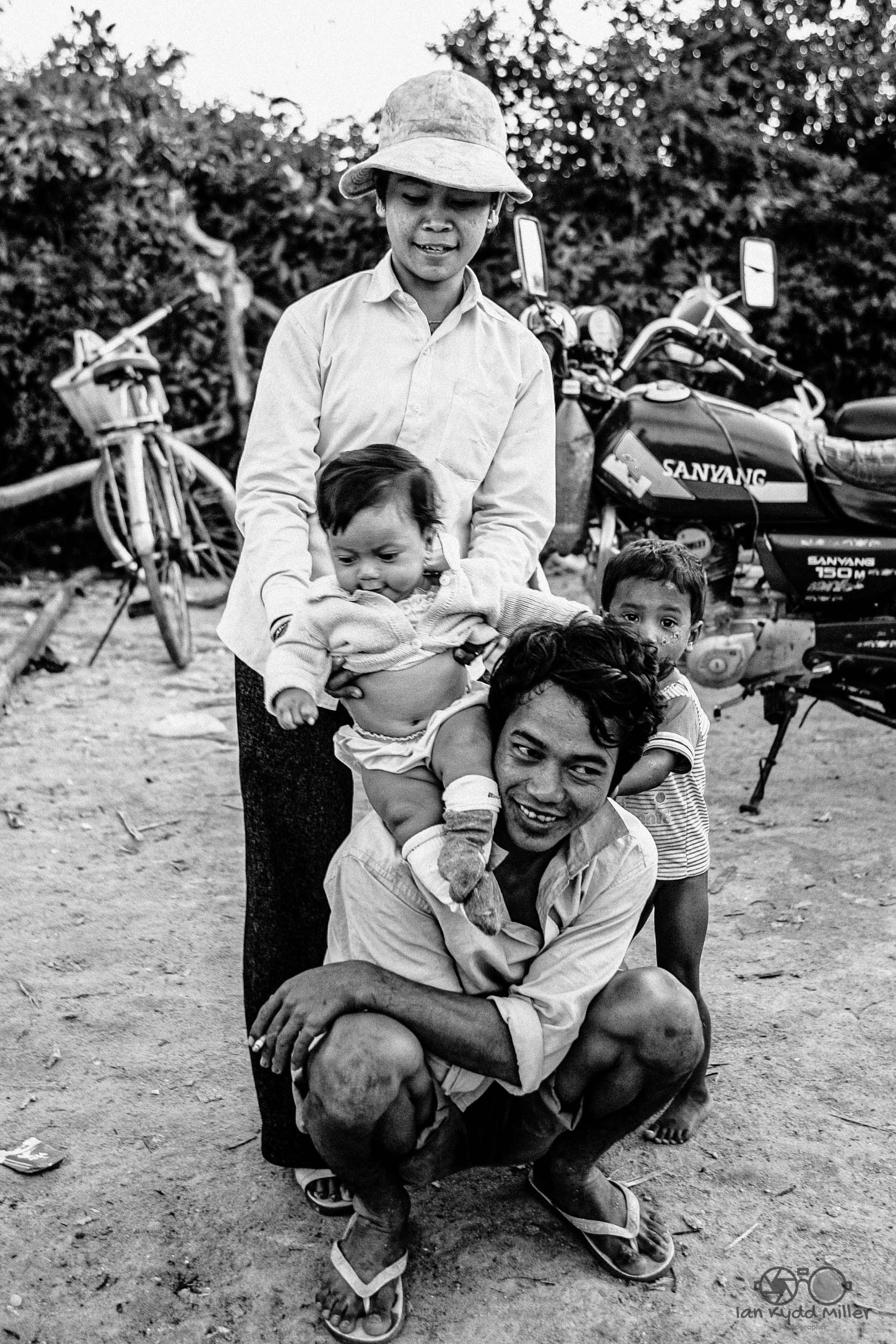
Photography is more than just a skill or a hobby; it’s a passionate journey of capturing the fleeting moments that make up the essence of life. When it comes to photographing people, this art form transcends mere images; it becomes a way to immortalize emotions, stories, and the very soul of the subject.
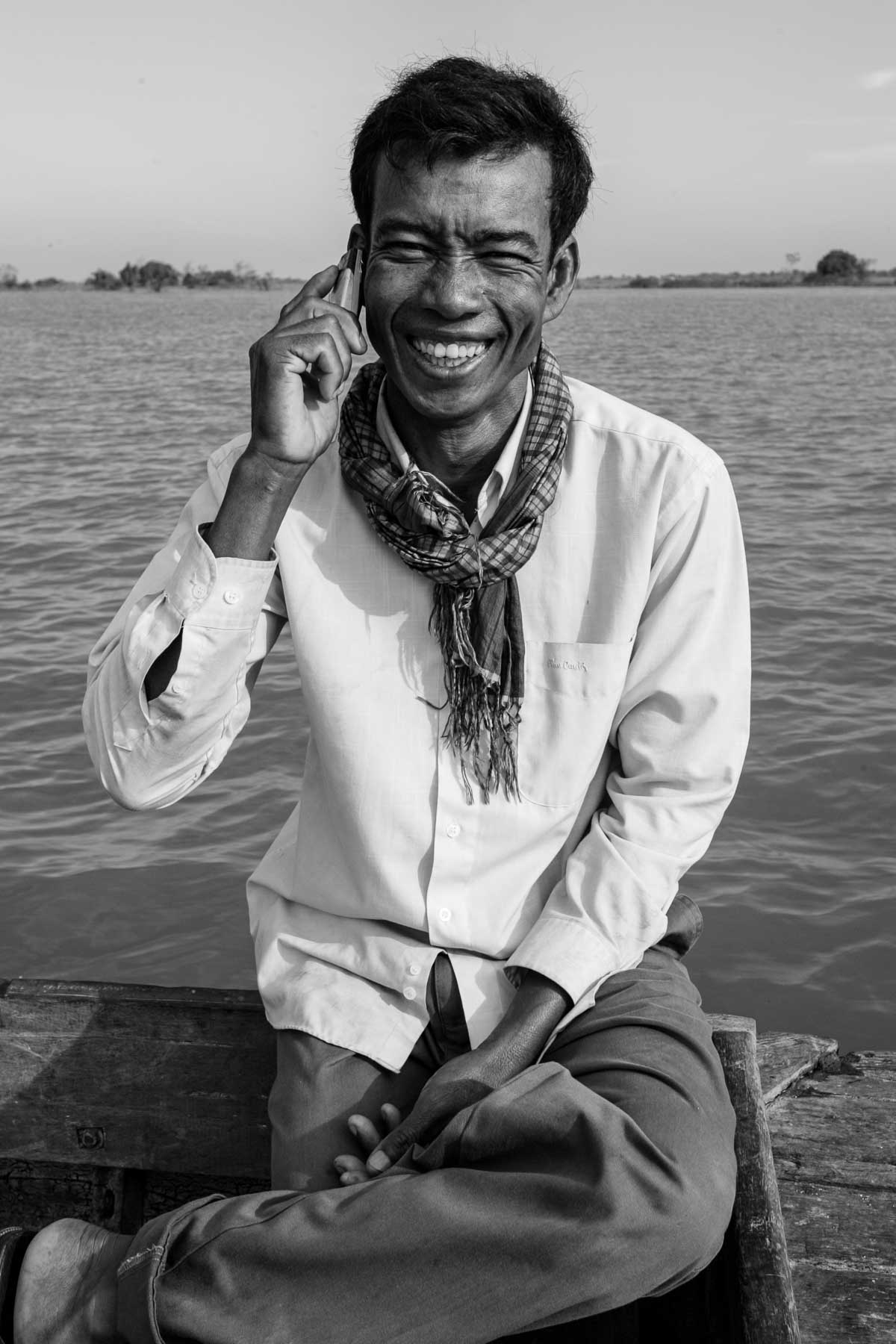
So, why do we find such joy in photographing people? It’s about connection. Each time you aim your lens at a person, you’re not just taking a picture; you’re capturing a piece of their existence, a moment in their story that will never occur again. It’s the smile that breaks out unexpectedly, the tears that come from a place of deep emotion, or the laughter that bubbles up from joy. These are the unguarded, authentic instances that a photographer lives for.
Photographers are, in a sense, historians of the human condition. Through their eyes, they see the world not just as it is, but as it could be, filled with color, beauty, and depth. They seek the unspoken tales hidden behind the eyes of their subjects, the silent narratives that beg to be told. It’s a quest to reveal truths, to share perspectives, and to contribute to the vast tapestry of human experience.
Moreover, photographing people is a celebration of diversity. Every face tells a different story, every wrinkle signifies a past adventure, and every expression showcases a unique personality. As photographers, we are drawn to this diversity, eager to explore the myriad ways in which light plays off the contours of a face, or how an environment can frame a person, adding layers of meaning to the captured image.
But perhaps the most compelling reason we love to photograph people is the challenge it presents. Unlike inanimate subjects, people change, they move, they react. Capturing the perfect shot requires not just technical skill, but also an intuition for the right moment. It’s a dance between the photographer and the subject, a collaborative creation that results in something truly special.
In the end, photographing people is about sharing and preserving the human experience. It’s a way to communicate without words, to hold onto the moments that, while fleeting, define our existence. It’s a pursuit driven by the heart, fueled by the desire to connect, to understand, and to express the profound beauty of humanity.
So, the next time you pick up your camera and point it towards someone, remember that you’re not just taking a photoβyou’re capturing a piece of life, a fragment of the world, and a slice of the human spirit. And that is a truly beautiful thing.