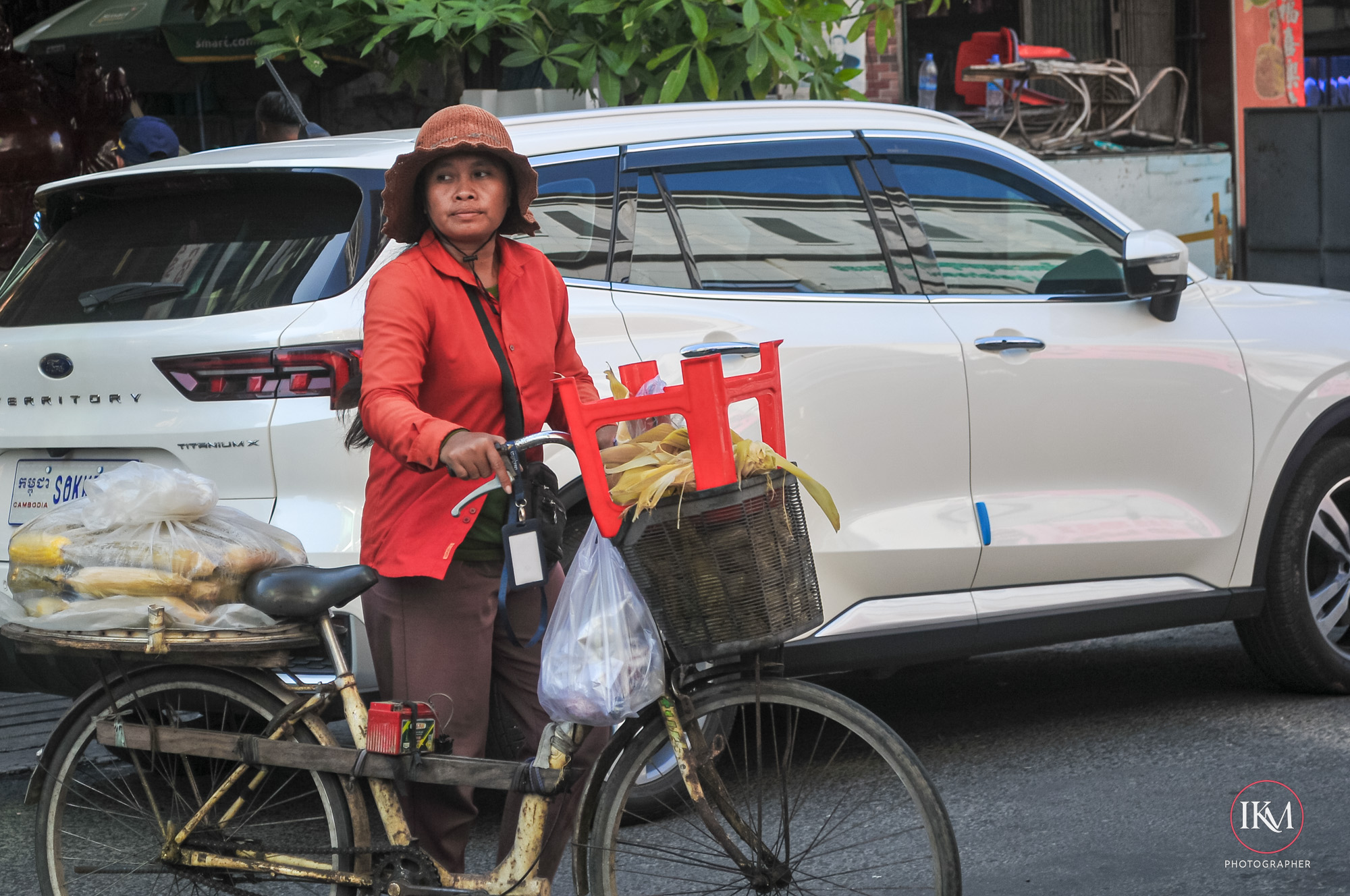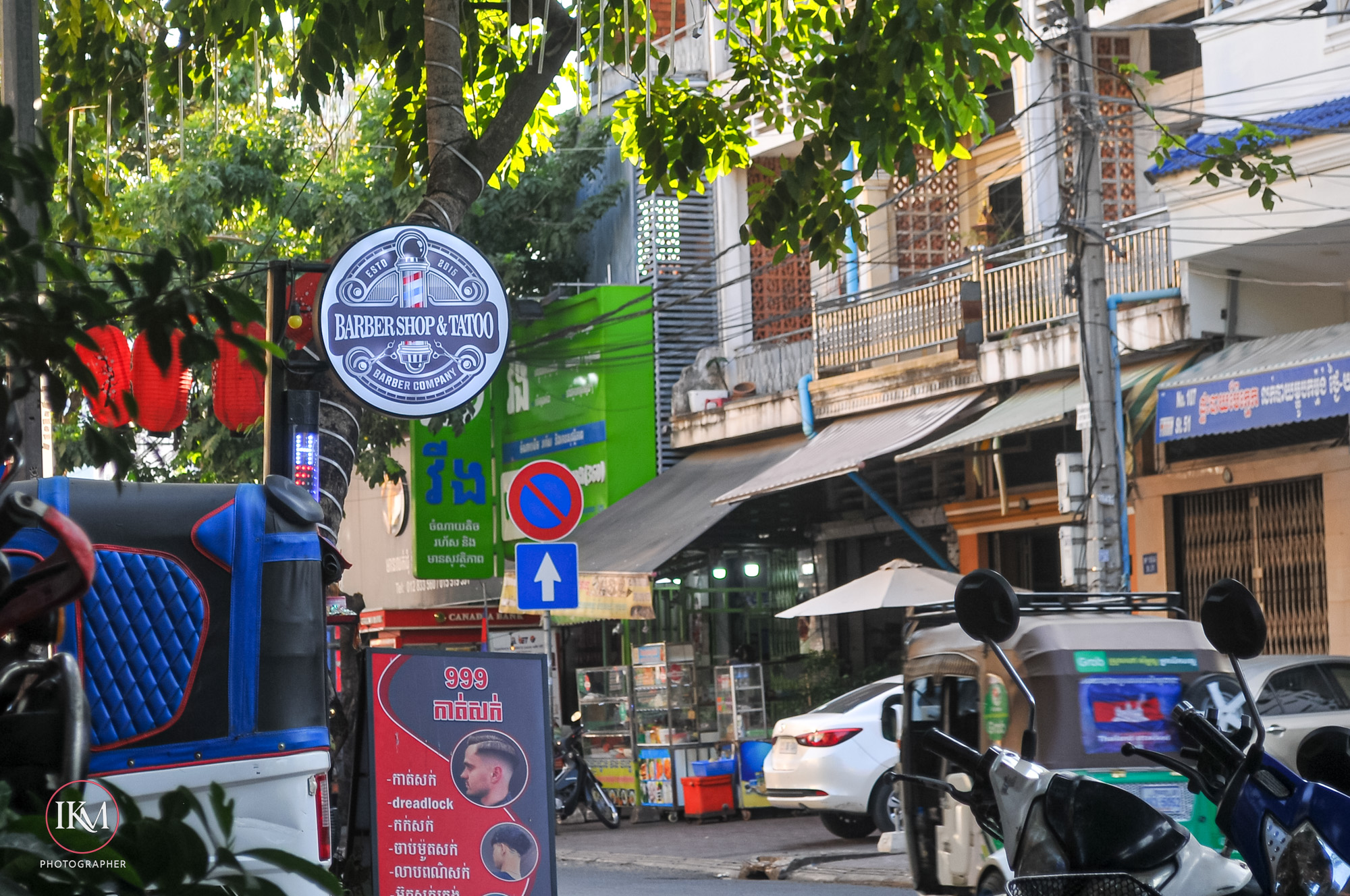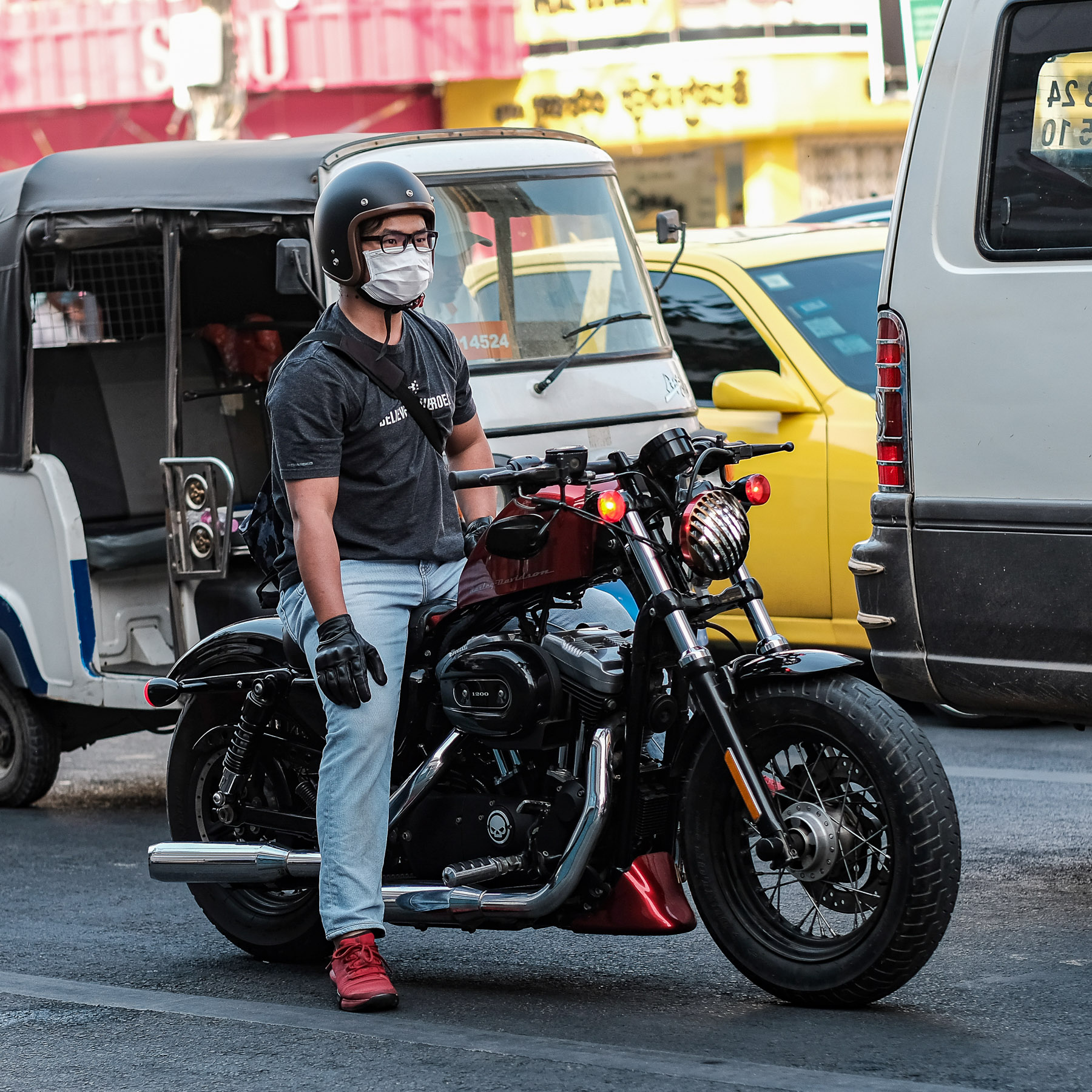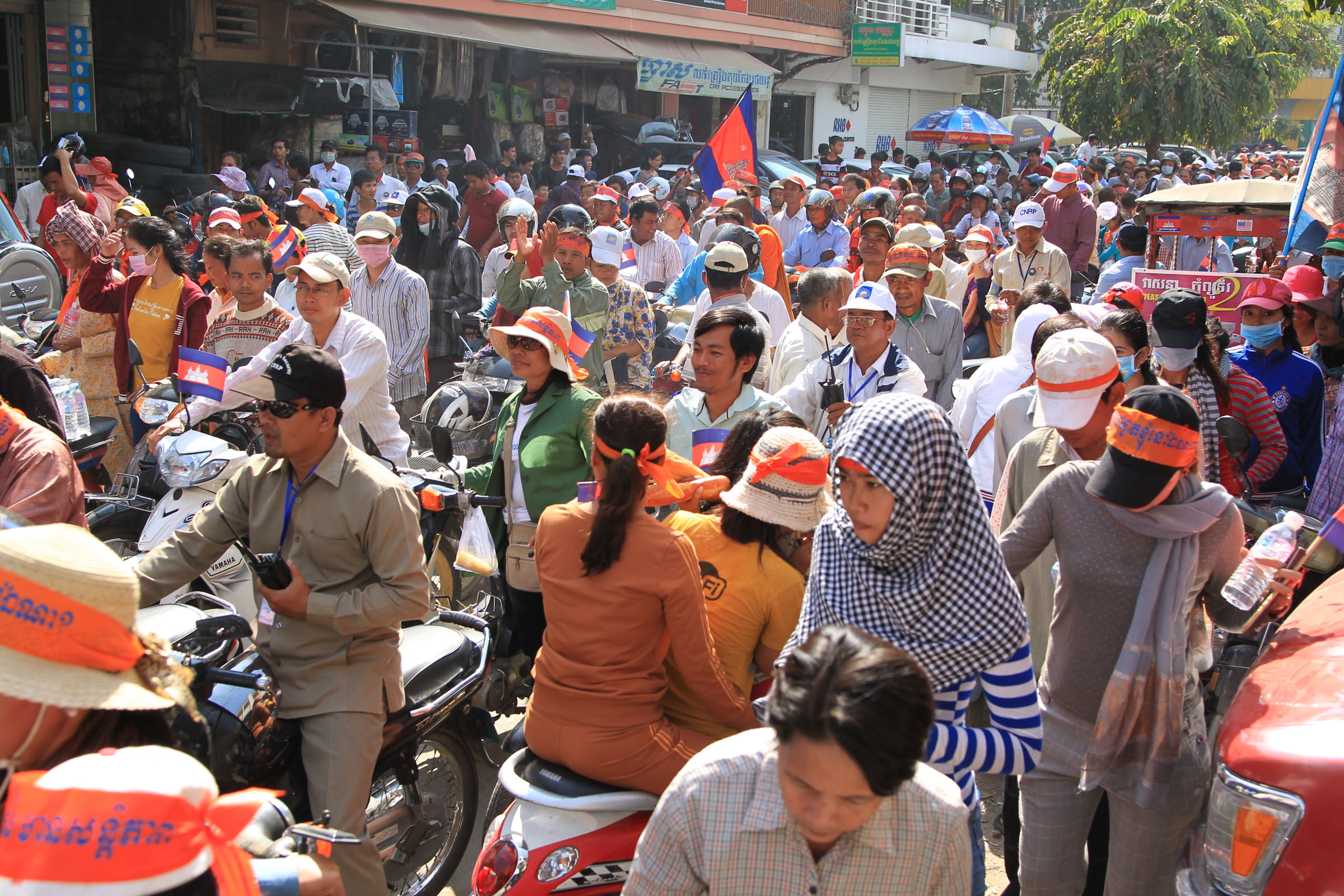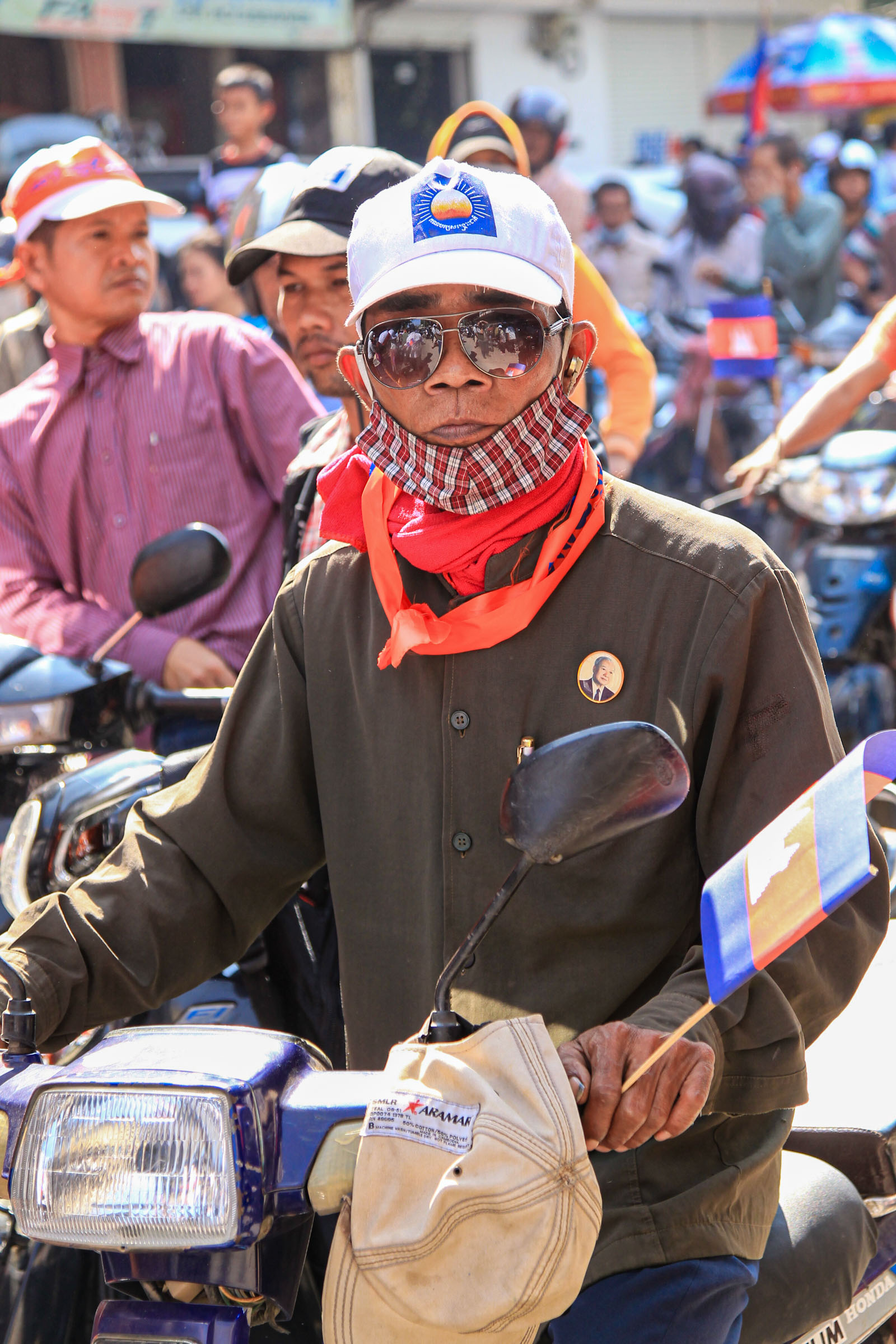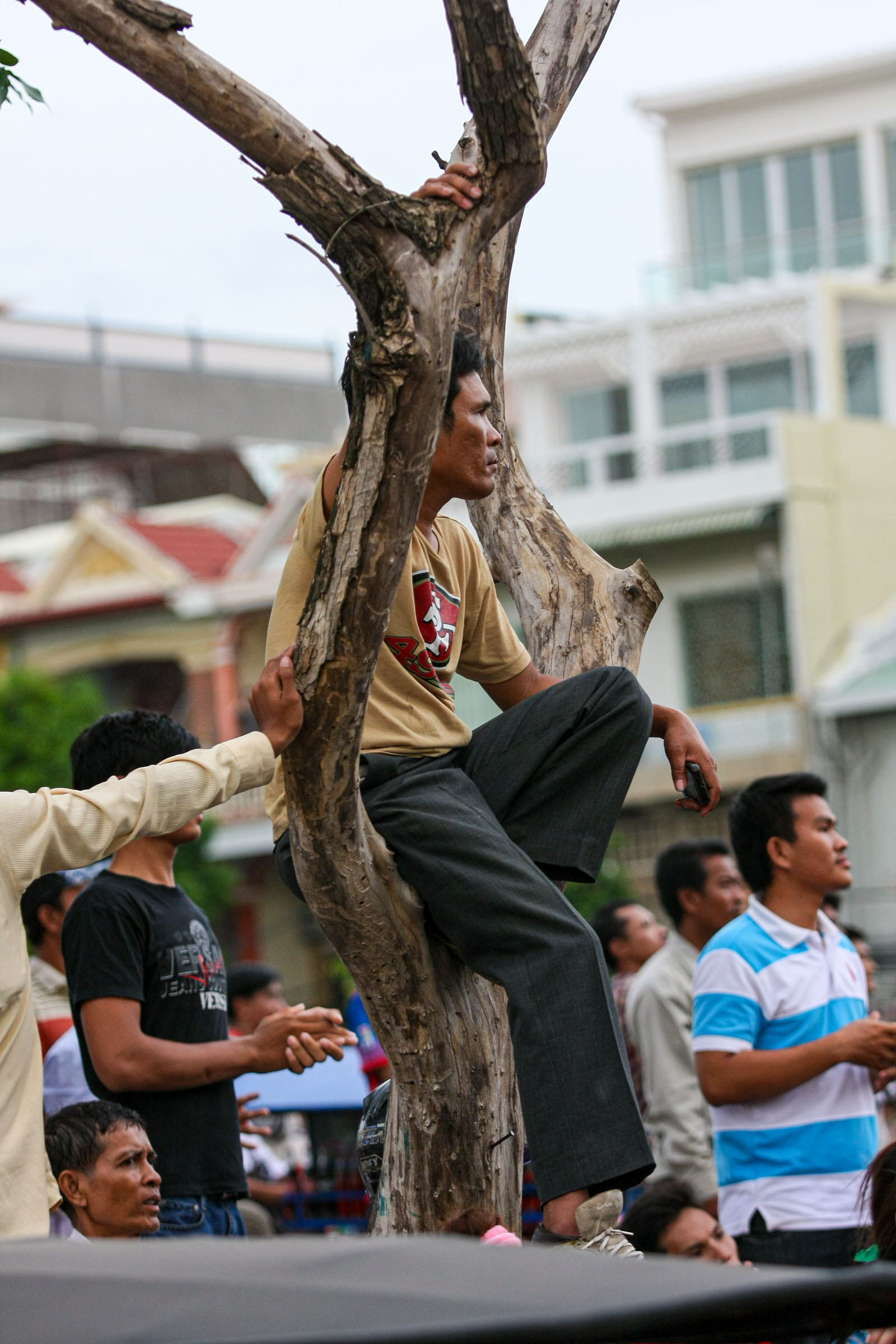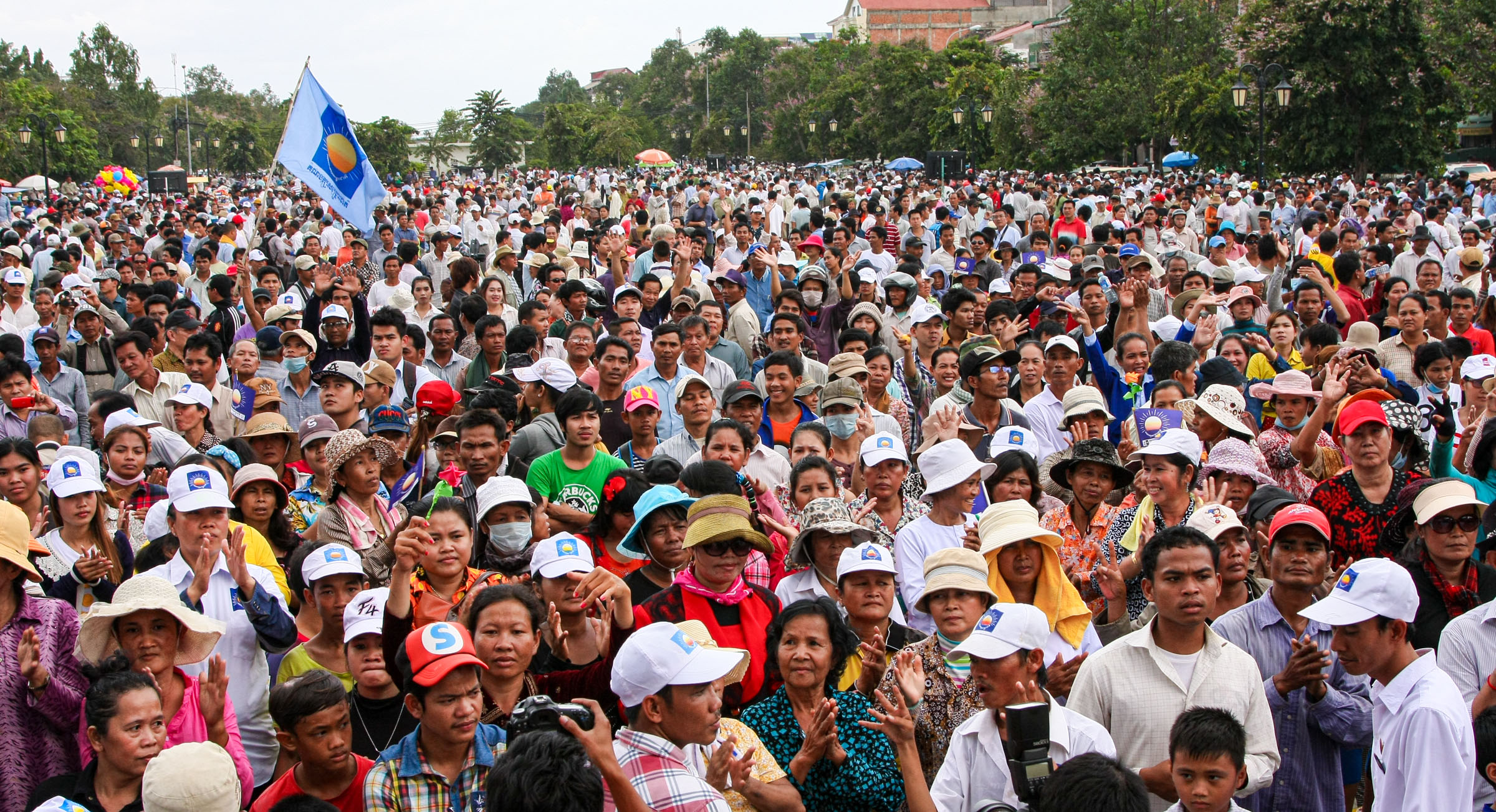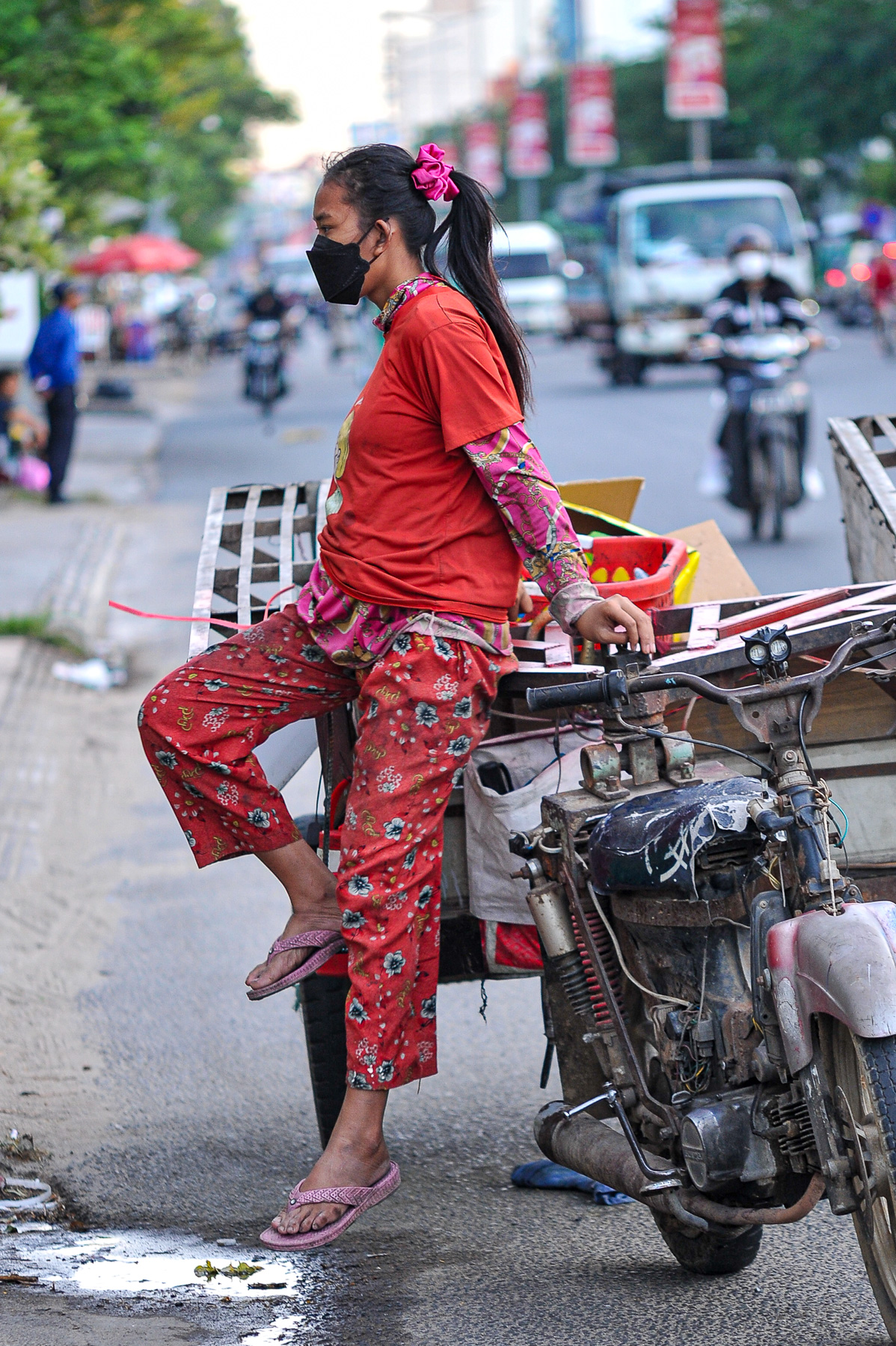
Fujifilm X‑E2

cambodia, cameras, Fujichrome, fujifilm, Lenses, photography, pictures, street, Travel, viltrox

📸 Core Specifications

  • Sensor: 16.3MP APS‑C X‑Trans CMOS II sensor (same as the X‑T1).
  • Processor: EXR Processor II, enabling faster autofocus and improved image processing compared to the original X‑E1.
  • ISO Range: 200–6400 (expandable to 100–25,600).
  • Autofocus: Hybrid AF system with contrast and phase detection, offering focus speeds as fast as 0.08 seconds.
  • Continuous Shooting: Up to 7fps.
  • Video: Full HD 1080p at 60fps, with manual exposure control.
  • Viewfinder: 2.36M‑dot electronic viewfinder (EVF) with 100% coverage.
  • LCD: 3‑inch, 1.04M‑dot fixed screen.
  • Build: Magnesium alloy body with retro rangefinder styling.
  • Connectivity: Built‑in Wi‑Fi for image transfer and remote shooting.

✨ Strengths

  • Image Quality: The X‑Trans sensor produces sharp, detailed images with Fujifilm’s signature colour science and film simulations.
  • Handling: Classic rangefinder design with tactile dials for shutter speed and exposure compensation. Compact and lightweight, making it ideal for travel and street photography.
  • EVF: Crisp and responsive, offering a clear preview of exposure and colour.
  • Lens Ecosystem: Full compatibility with Fujifilm’s XF lens lineup, including compact primes and professional zooms.
  • Firmware Updates: Fujifilm’s “Kaizen” philosophy meant the X‑E2 received significant firmware upgrades, improving autofocus, adding new features, and extending its lifespan.

⚠️ Limitations

  • Fixed Screen: No articulation or touchscreen functionality, limiting flexibility for vlogging or creative angles.
  • Video: Decent for casual use, but lacks 4K and advanced video features found in later models.
  • Autofocus: While improved over the X‑E1, AF tracking is not as strong as newer Fujifilm bodies.
  • No Weather Sealing: Less rugged than higher‑end models like the X‑T series.
  • Battery Life: Average, requiring spares for longer shoots.

✅ Best Use Cases

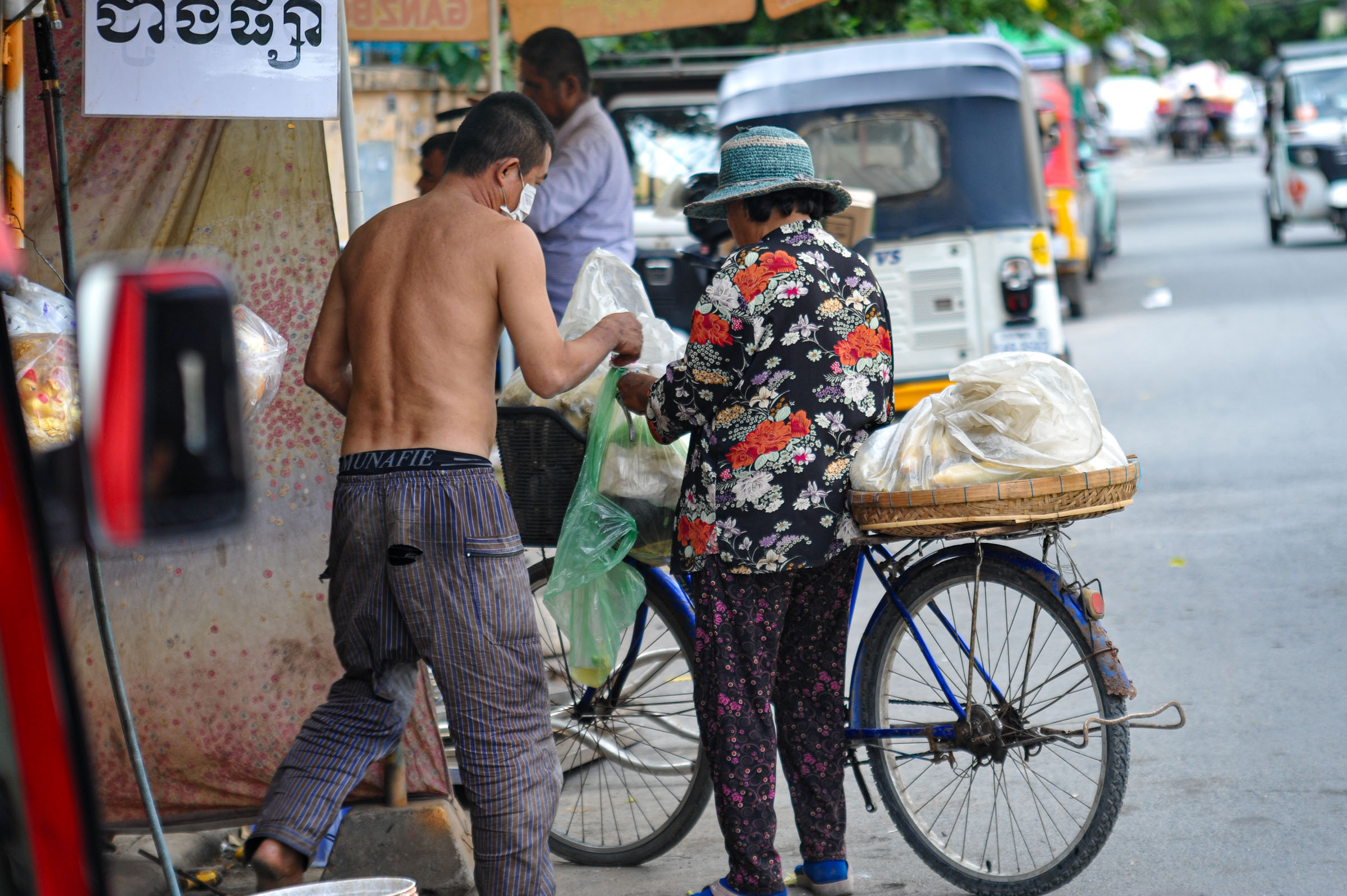
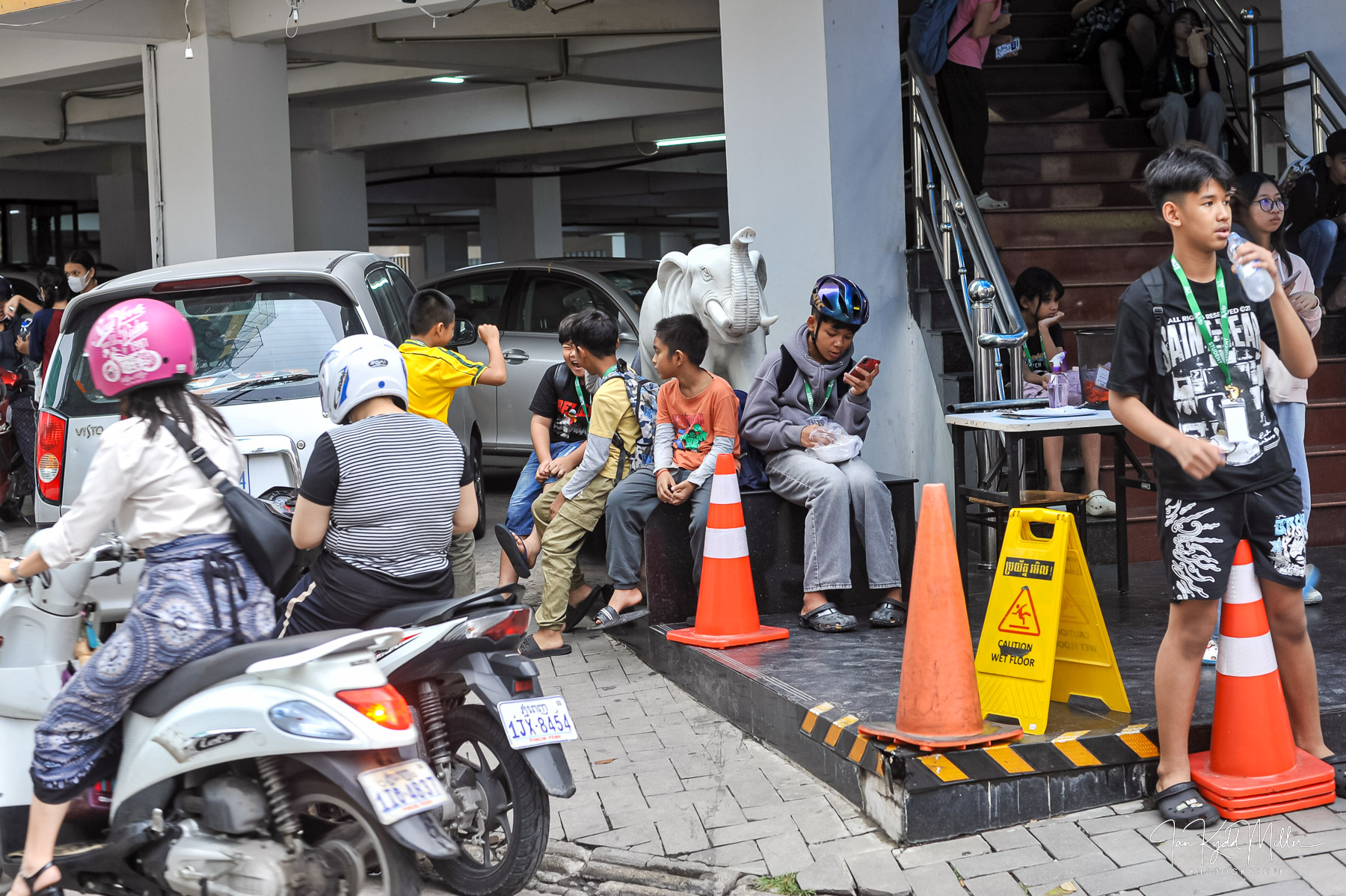
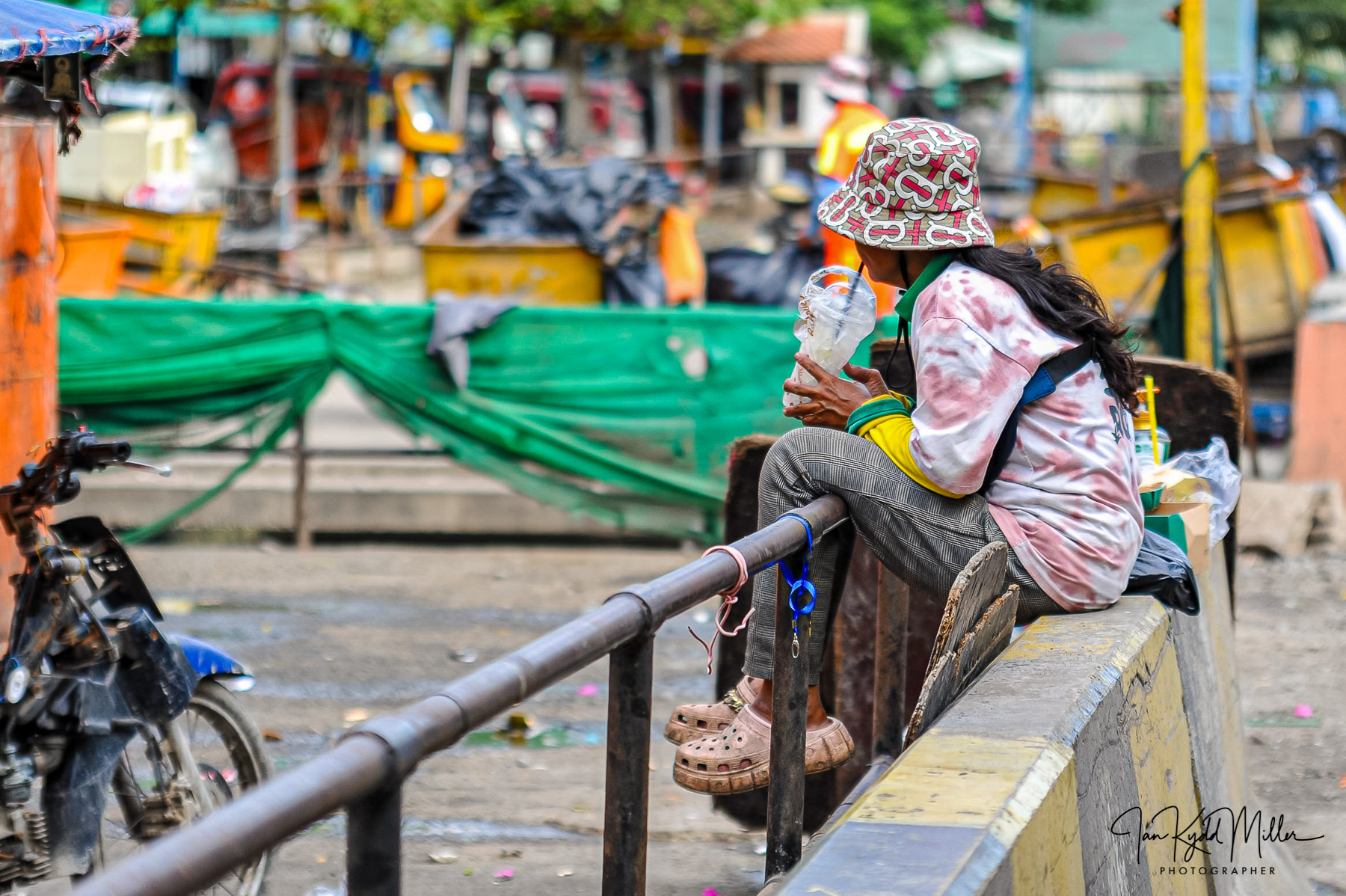
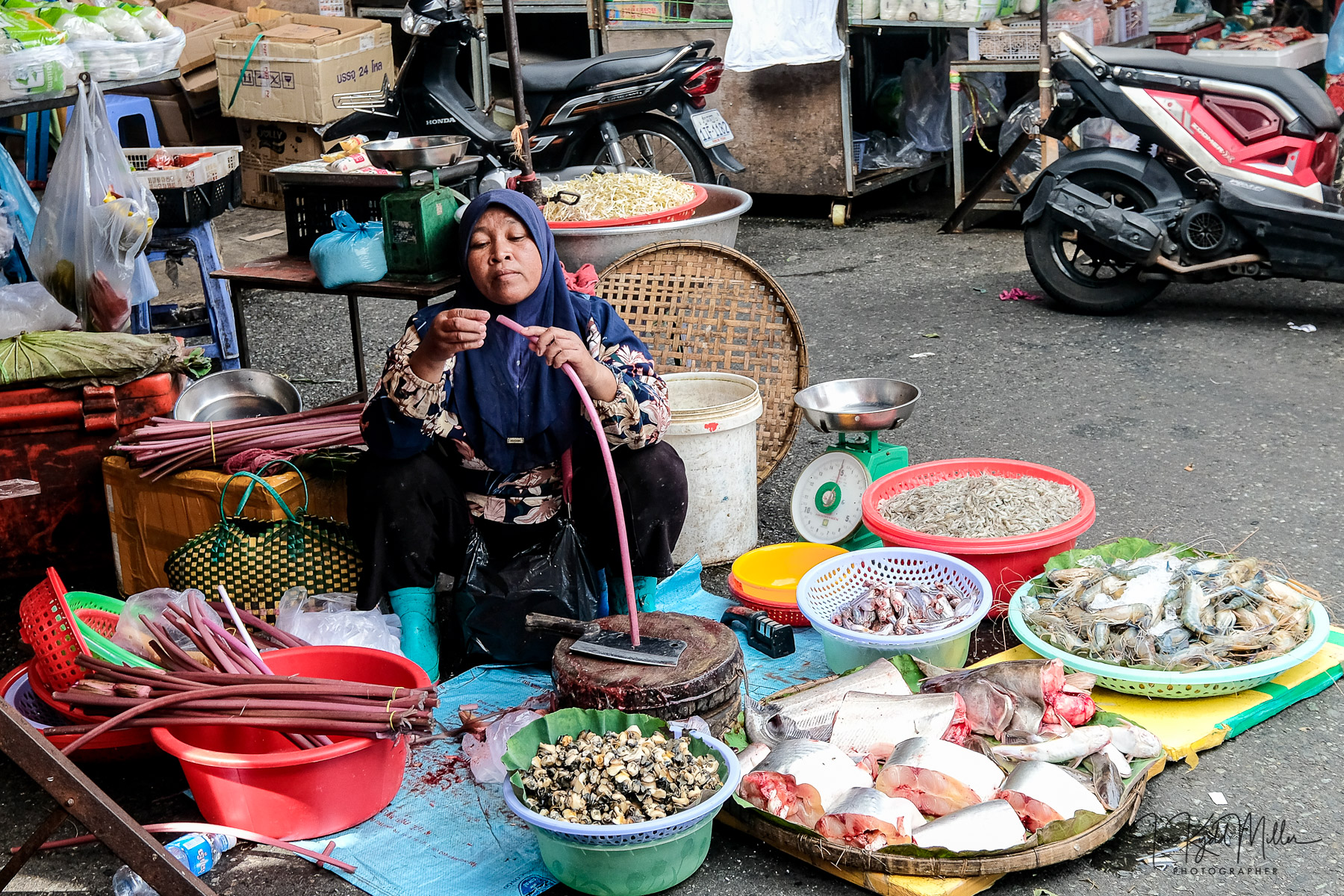
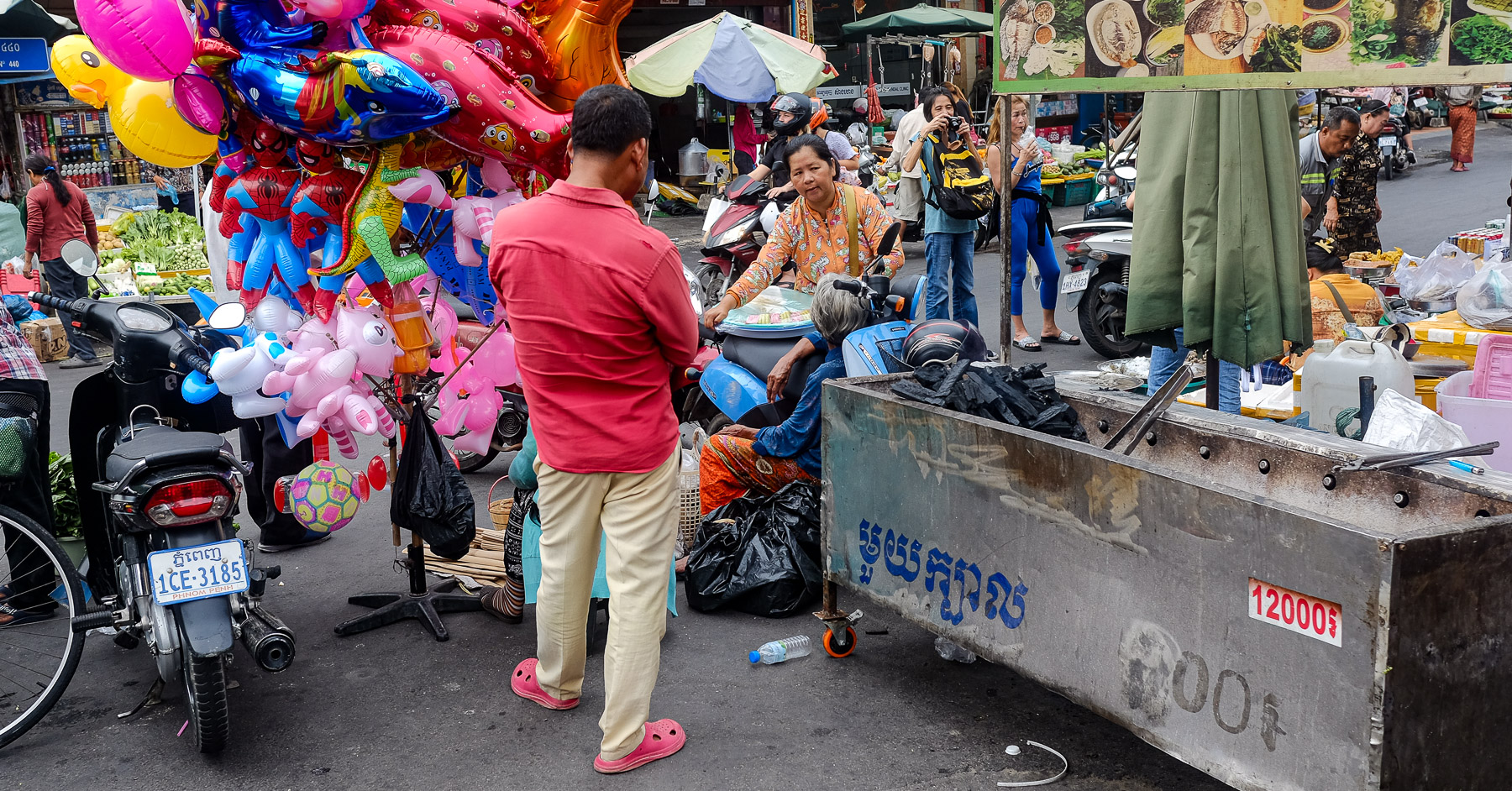
  • Street Photography: Compact size, discreet styling, and fast AF make it excellent for candid shooting.
  • Travel: Lightweight body paired with small primes is perfect for portability.
  • Editorial & Documentary: Film simulations and colour rendering suit storytelling and reportage.
  • Entry into Fujifilm System: Affordable on the used market, offering access to the XF lens ecosystem without a large investment.

✨ Summary

The Fujifilm X‑E2 remains a well‑balanced mirrorless camera that combines vintage charm with capable modern features. Its sensor, EVF, and tactile controls make it a joy for photographers who prioritise image quality and creative handling over cutting‑edge specs. While limited in video and lacking weather sealing, it’s still a worthy companion for street, travel, and editorial shooters—especially as an affordable entry point into Fujifilm’s X system.


Nikon D300 vs D300S: A Detailed Comparison

cameras, Lenses, nikon, opinons, thoughts, photography, street, Travel, voluntary

Two rugged DX-format classics, one evolutionary step forward

When Nikon released the D300 in 2007, it was hailed as a “mini D3”—a professional-grade DX body with robust build, advanced autofocus, and excellent image quality. Two years later, the D300S (2009) arrived, refining the formula with subtle but important upgrades. Together, they represent Nikon’s commitment to serious enthusiasts and working photographers who wanted pro handling without the full-frame price tag.

🔍 Sensor & Image Quality

  • D300: 12.3MP DX-format CMOS sensor, ISO 200–3200 (expandable to 6400).
  • D300S: Same 12.3MP sensor, but with improved image processing and slightly better noise control.

Verdict: Both deliver crisp, detailed files with excellent dynamic range for their era. The D300S edges ahead in cleaner high-ISO performance thanks to updated EXPEED processing.

⚙️ Autofocus & Speed

  • D300: 51-point AF system, 6 fps burst (8 fps with battery grip).
  • D300S: Same AF system, but faster response and 7 fps burst (8 fps with grip).

Verdict: The D300S is marginally quicker, making it more appealing for sports and wildlife shooters.

🎥 Video Capability

  • D300: No video recording.
  • D300S: Introduced 720p HD video at 24 fps—a first for Nikon’s semi-pro DX line.

Verdict: The D300S opened the door to hybrid shooting, though video features were basic compared to modern standards.

🧱 Build & Handling

  • Both cameras feature magnesium alloy bodies, full weather sealing, and pro-level ergonomics.
  • D300S added dual card slots (CF + SD) for flexible storage and backup.
  • Slight refinements in button layout and responsiveness made the D300S feel more polished.

💰 Value & Legacy

  • D300: More affordable on the used market, still a solid choice for those who don’t need video.
  • D300S: Holds higher value thanks to incremental upgrades, dual card slots, and video capability.

📝 Final Thought

The D300 was revolutionary, bringing pro-level performance to DX shooters. The D300S refined that legacy, adding speed, video, and workflow improvements. Today, both are remembered as rugged, reliable workhorses—but if you want the most versatile of the two, the D300S is the smarter pick.

Ethics in Photography: Navigating Trust and Responsibility

cambodia, cameras, Lenses, opinons, thoughts, photography, street, Travel, voluntary, war

Photography ethics are about deciding where to draw the line between documentation, artistry, and manipulation. The line matters because images shape public perception, influence trust, and can cause harm if misused.

📸 Why Ethics in Photography Matter

Photography is not just about aesthetics—it’s about representation and responsibility. Every image carries weight: it can inform, inspire, or mislead. With billions of photos shared daily, ethical boundaries ensure that photography remains a trustworthy medium.

🔍 Key Areas Where the Line Is Tested

  1. Consent and Privacy

    • Photographing people without permission, especially in vulnerable contexts, raises ethical concerns.
    • Street photography often sits in a grey zone: candid shots are legal in public spaces, but ethical practice asks whether subjects are respected or exploited.
  2. Truth vs Manipulation
    • Photo editing is powerful—enhancing colours or removing distractions is acceptable, but altering reality (adding/removing people, changing events) crosses into deception.
    • In journalism, even small edits can undermine credibility. In art, manipulation is more accepted, but transparency is key.
  3. Representation and Harm
    • Images of tragedy, poverty, or conflict can raise awareness but also risk exploitation. Ethical photographers ask: Does this image serve the public interest, or does it sensationalise suffering?
    • Shocking images must balance impact with dignity—avoiding voyeurism or trauma exploitation.
  4. Cultural Sensitivity
    • Photographing rituals, sacred spaces, or marginalised groups requires respect and context. Misrepresentation can perpetuate stereotypes or disrespect traditions.

⚖️ Drawing the Line: Practical Guidelines

  • Ask for consent whenever possible, especially in intimate or vulnerable settings.
  • Be transparent about editing—distinguish between artistic enhancement and documentary truth.
  • Prioritize dignity: avoid images that humiliate or exploit subjects.
  • Consider impact: ask whether publishing the image informs, educates, or simply shocks.
  • Respect context: cultural and social settings demand sensitivity to avoid misrepresentation.

🧠 The Grey Areas

Ethics in photography are rarely black and white. For example:

  • Street photography: candid shots can be powerful social commentary, but they may invade privacy.
  • Photojournalism: documenting war or disaster is vital, but publishing graphic images can traumatize audiences.
  • Editing: removing a distracting lamppost may be fine, but removing a protester changes history.

Navigating these requires self-awareness, editorial discipline, and a clear ethical framework.

📝 Final Thought

Drawing the ethical line in photography means balancing truth, respect, and creative intent. It’s about asking hard questions: Am I telling the story honestly? Am I respecting my subject? Am I serving the audience responsibly? When photographers hold themselves accountable, their work not only informs but also uplifts, creating images that endure with integrity.

Fujifilm X-E2 Review: Vintage Meets Modern Performance

cambodia, cameras, fujifilm, Lenses, opinons, thoughts, photography, pictures, street, Travel, voluntary
  • Image Quality: At its core, the X‑E2 features a 16.3‑megapixel APS‑C X‑Trans CMOS II sensor. This sensor uses a unique colour filter array that mimics film grain, eliminating the need for an optical low‑pass filter. The result is sharp, detailed images with rich colour reproduction.
  • Fast Autofocus: The hybrid AF system combines contrast and phase detection, achieving focus speeds as fast as 0.08 seconds. With 49 AF points, it’s responsive enough for everyday shooting and moderate action.
  • Retro Design & Handling: Styled like a classic rangefinder, the X‑E2 offers tactile dials for shutter speed and exposure compensation. Its magnesium alloy body feels solid yet compact, appealing to photographers who enjoy manual control.
  • Electronic Viewfinder: A 2.36‑million‑dot EVF provides a crisp, detailed preview, while the 3‑inch LCD (1.04M dots) supports easy composition and playback.
  • Performance: Powered by the EXR Processor II, the camera delivers 7fps continuous shooting, in‑camera RAW conversion, and film simulation modes that replicate Fujifilm’s iconic film stocks.
  • Connectivity & Extras: Built‑in Wi‑Fi allows for image transfer and remote shooting. Creative features include multiple exposure, panorama mode, focus peaking, and digital split image for precise manual focus.

⚖️ Limitations

  • No 4K video: Limited to 1080p recording.
  • Fixed screen: No articulation or touchscreen functionality.
  • ISO performance: Usable up to ISO 6400, but noise becomes noticeable at higher settings.

✅ Best Use Cases

  • Street photography, thanks to its discreet retro styling.
  • Travel and documentary work, with compact size and versatile lens options.
  • Enthusiast photographers who value manual controls and film‑like rendering.

✨ Summary

The Fujifilm X‑E2 remains a well‑balanced mirrorless camera that combines vintage charm with capable modern features. Its sensor, EVF, and tactile controls make it a joy for photographers who prioritise image quality and creative handling over cutting‑edge specs. For those seeking a reliable, affordable entry into Fujifilm’s X system, the X‑E2 is still a worthy companion.

The Enduring Legacy of the Nikon D800

cameras, Lenses, opinons, thoughts, pictures, street, Travel, voluntary

When Nikon released the D800 in 2012, it was nothing short of a landmark. Its 36.3‑megapixel full‑frame sensor rivaled medium format resolution, setting a new standard for detail and dynamic range in DSLR photography. More than a decade later, the D800 remains a relevant and compelling choice—particularly for photographers who value image quality over speed or convenience.

The strengths of the D800 are clear. Its sensor delivers exceptional resolution, making it ideal for landscapes, editorial work, and large prints where fine detail matters. The wide dynamic range, paired with a base ISO of 100, allows for impressive highlight and shadow recovery—still competitive with newer models. Built from magnesium alloy with weather sealing, the body was designed for professionals and continues to prove its durability in the field. Compatibility with Nikon’s vast F‑mount lens ecosystem, including legacy AF‑D glass, adds flexibility and long‑term value. And on today’s used market, the D800 offers remarkable price‑to‑performance—often available for under $500, a fraction of its original $3,000 retail price.

Of course, limitations exist. Autofocus, while solid, lacks the speed and precision of modern mirrorless systems. Low‑light performance is decent but not on par with newer sensors, with noise becoming noticeable above ISO 3200. The absence of conveniences like Wi‑Fi, touchscreen controls, or an articulating display may frustrate those accustomed to modern ergonomics. And at over 900 grams body‑only, the D800 is undeniably heavy, which can be a drawback for travel or street photography.

Yet these trade‑offs are part of the D800’s character. It is not a flashy camera, but a disciplined one. It rewards intentional shooting, careful composition, and thoughtful use of light. In 2025, it remains ideally suited for landscape and editorial photography, studio portraiture under controlled lighting, and even street work with legacy lenses. For ethical photojournalism, where resolution and dynamic range matter more than speed, the D800 still fits seamlessly into a responsible workflow.

The Nikon D800 endures because it embodies reliability, resolution, and restraint. It is a tool for photographers who value discipline over convenience, craft over trend. More than a relic, it is a reminder that great cameras are not defined by novelty, but by the lasting quality of the images they produce.

📸 Photojournalism as Agent Provocateur: Ethical Power or Dangerous Edge?

cambodia, cameras, homelessness, Lenses, opinons, thoughts, pictures, street, Travel, voluntary

🔥 The Provocative Potential

Photojournalism has always had the capacity to provoke. Iconic images—like the “Napalm Girl” or the Tiananmen Square standoff—didn’t just document events; they shocked, moved, and mobilised global audiences. In this sense, photojournalism is an agent provocateur: it confronts viewers with uncomfortable truths and demands a response.

⚖️ The Ethical Line

But provocation is not the same as manipulation. The ethical challenge lies in intent:

  • Is the image revealing injustice or exploiting suffering?
  • Is it amplifying marginalised voices or sensationalising trauma?
  • Is it grounded in truth or shaped to fit a narrative?

Responsible photojournalism provokes thought, not violence. It informs, not inflames.

🧭 When Provocation Serves Justice

In contexts of oppression, censorship, or systemic abuse, photojournalism can—and arguably should—provoke:

  • Expose hidden realities (e.g. war crimes, police brutality)
  • Challenge dominant narratives (e.g. state propaganda)
  • Mobilise public action (e.g. climate protests, refugee crises)

Here, provocation is not reckless—it’s a form of ethical resistance.

🚫 When Provocation Becomes Exploitation

However, when images are used to:

  • Sensationalise suffering
  • Invade privacy
  • Perpetuate stereotypes
  • Distort context for shock value

…photojournalism crosses into unethical territory. The image becomes a weapon, not a witness.

✅ Summary

Photojournalism can act as an agent provocateur—but only when it provokes with purpose, not for spectacle. Its ethical power lies in revealing truth, challenging injustice, and sparking dialogue. The moment it prioritises impact over integrity, it loses its credibility.

📸 Program Mode and the Myth of Purism: A Street Photographer’s Perspective

cameras, fujifilm, Lenses, opinons, thoughts, photography, pictures, street, Travel

There’s a myth in photography: that “real” photographers must shoot in full manual mode, especially if they own expensive gear. The implication is that Program Mode is a shortcut, a crutch, or even a betrayal of the craft.

But here’s the truth: Program Mode is not a weakness. It’s a strategy.

I. The Myth of Manual Purism

Manual mode is often treated as a badge of honour. It suggests mastery, control, and technical discipline. But photography is not a competition in purity—it is a practice of seeing.

Street photography, especially in Phnom Penh’s fast‑moving rhythm, demands presence more than technical gymnastics. If fiddling with dials makes you miss the moment, then the pursuit of “purism” has already failed.

II. Program Mode as a Discipline

Program Mode doesn’t mean surrendering creativity. It means letting the camera handle exposure basics while you focus on what matters most: composition, timing, and anticipation.

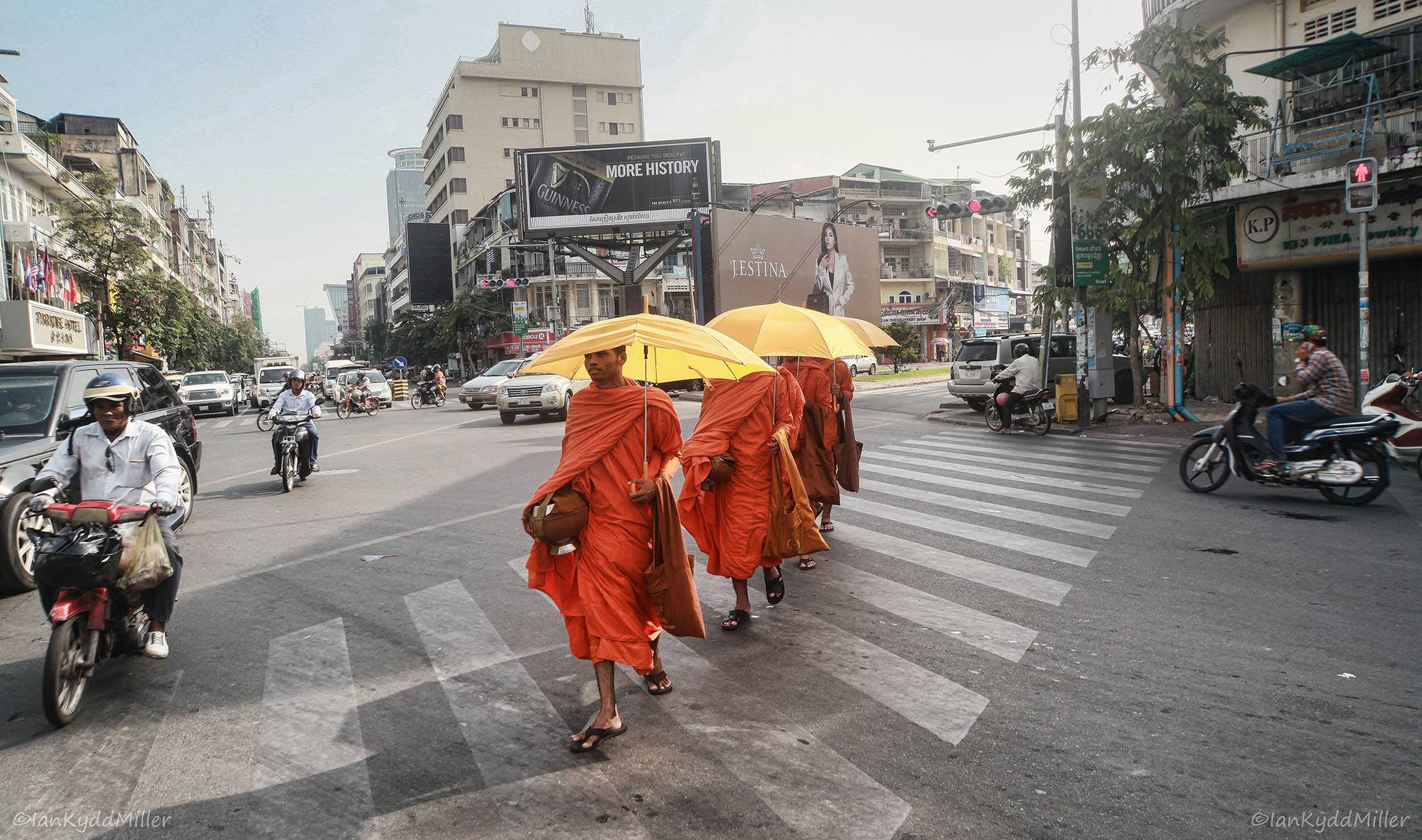
When monks step into morning light or a vendor gestures mid‑conversation, you don’t have time to calculate shutter speed and aperture. Program Mode frees you to be present, to anticipate, and to react.

III. Control Is Still Yours

Modern DSLRs are not mindless machines. Program Mode allows overrides:

  • Exposure compensation to adjust brightness.
  • Program shift to balance aperture and shutter.
  • Focus lock to control depth and subject.

You’re not giving up control—you’re choosing where to invest your attention. The camera becomes a collaborator, not a dictator.

IV. Anticipation Over Perfection

Street photography is about anticipation—the ability to sense a moment before it happens. Burst shooting captures micro‑variations, but anticipation is the discipline that guides it.

Program Mode supports this discipline. It keeps you ready, so when the decisive moment arrives, you’re not buried in settings—you’re alive to the rhythm of the street.

V. Philosophy of Use

An expensive DSLR is a tool. Its value lies not in how “manual” you shoot, but in how authentically you capture.

If Program Mode helps you stay present in Phnom Penh’s streets—catching candid gestures, fleeting light, and authentic human connection—then it is serving your vision.

Closing Call: The Decisive Moment Doesn’t Care

The decisive moment doesn’t care what mode you used. It cares that you were there, attentive, and ready.

Program Mode is acceptable because photography is not about proving technical purity—it’s about making images that resonate.

📸 Anticipation and the Decisive Moment

cambodia, cameras, fujifilm, Lenses, opinons, thoughts, photography, pictures, street, Travel

Street photography isn’t about luck—it’s about anticipation. The streets of Phnom Penh move fast: motorbikes weaving, vendors shifting goods, children darting across alleys. To capture the moment, you have to sense it before it happens.

I. Reading the Rhythm

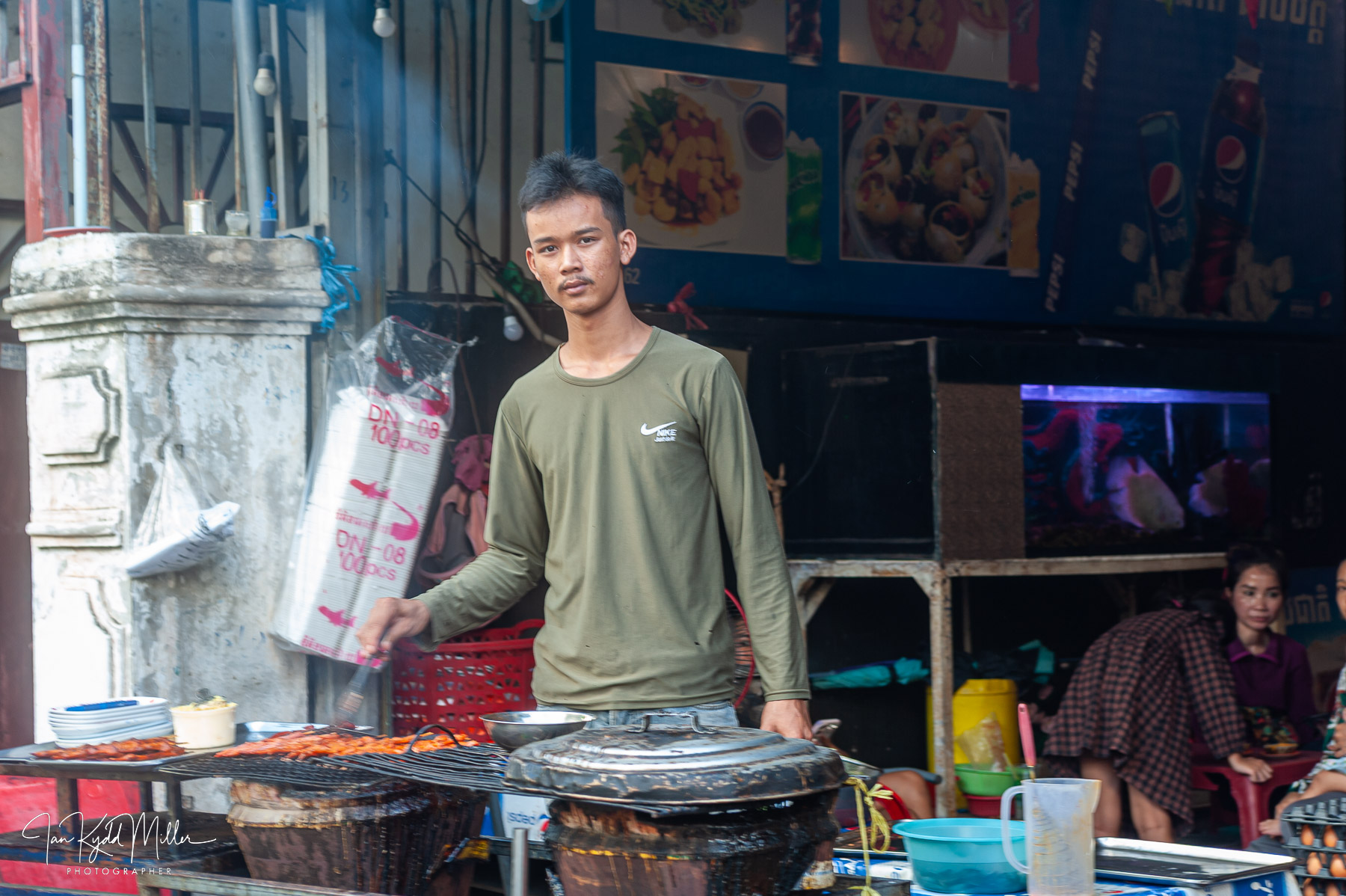
Every street has a rhythm. You learn to watch gestures, patterns, and movements—how a monk steps into sunlight, how a vendor reaches for fruit, how a child leans before running. Anticipation means reading these cues and preparing for the instant they align.
II. Burst as a Tool, Not a Crutch

Modern cameras can fire off many frames per second. Used with intention, this isn’t about “spray and pray”—it’s about precision. You anticipate the moment, then let the burst capture the micro‑variations: the exact tilt of a head, the instant of eye contact, the fraction of a second when light hits just right.

III. The Decisive Frame

From a sequence of images, one stands out. It’s not always the sharpest or most polished—it’s the one that carries presence, emotion, and connection. That single frame becomes the decisive photograph, the one that tells the story.

IV. Discipline in Anticipation

Anticipation is a discipline. It requires patience, observation, and trust in your instincts. The camera’s speed is only an extension of your awareness. Without anticipation, burst mode is noise. With anticipation, it becomes a scalpel—cutting into the chaos to reveal clarity.

Closing Thought

Capturing “the” moment is not about chance. It’s about presence, anticipation, and the ability to see just before it happens. The camera’s ability to make many pictures in seconds is only powerful when guided by intention.

This is how I work: not chasing perfection, but trusting anticipation to reveal authenticity.

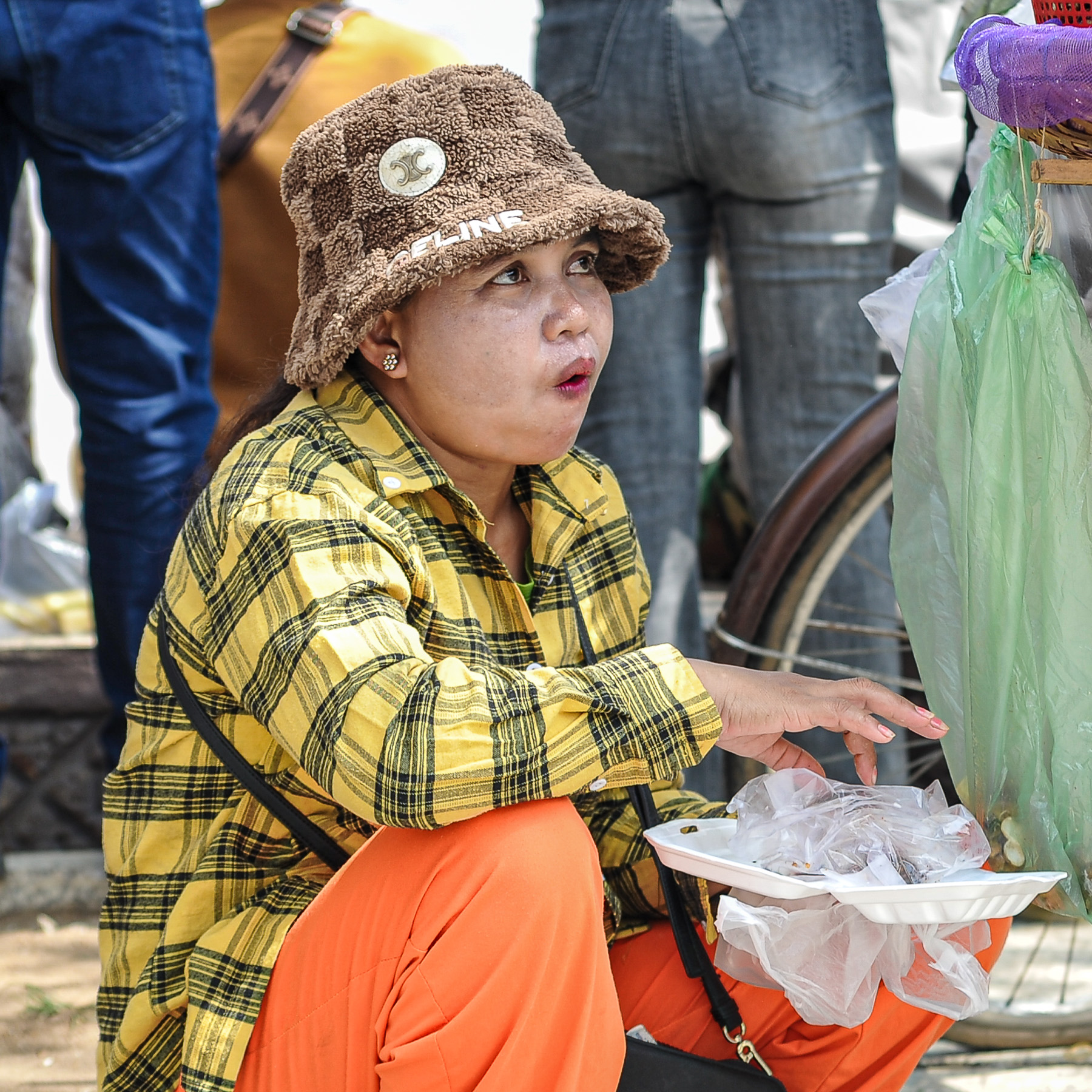
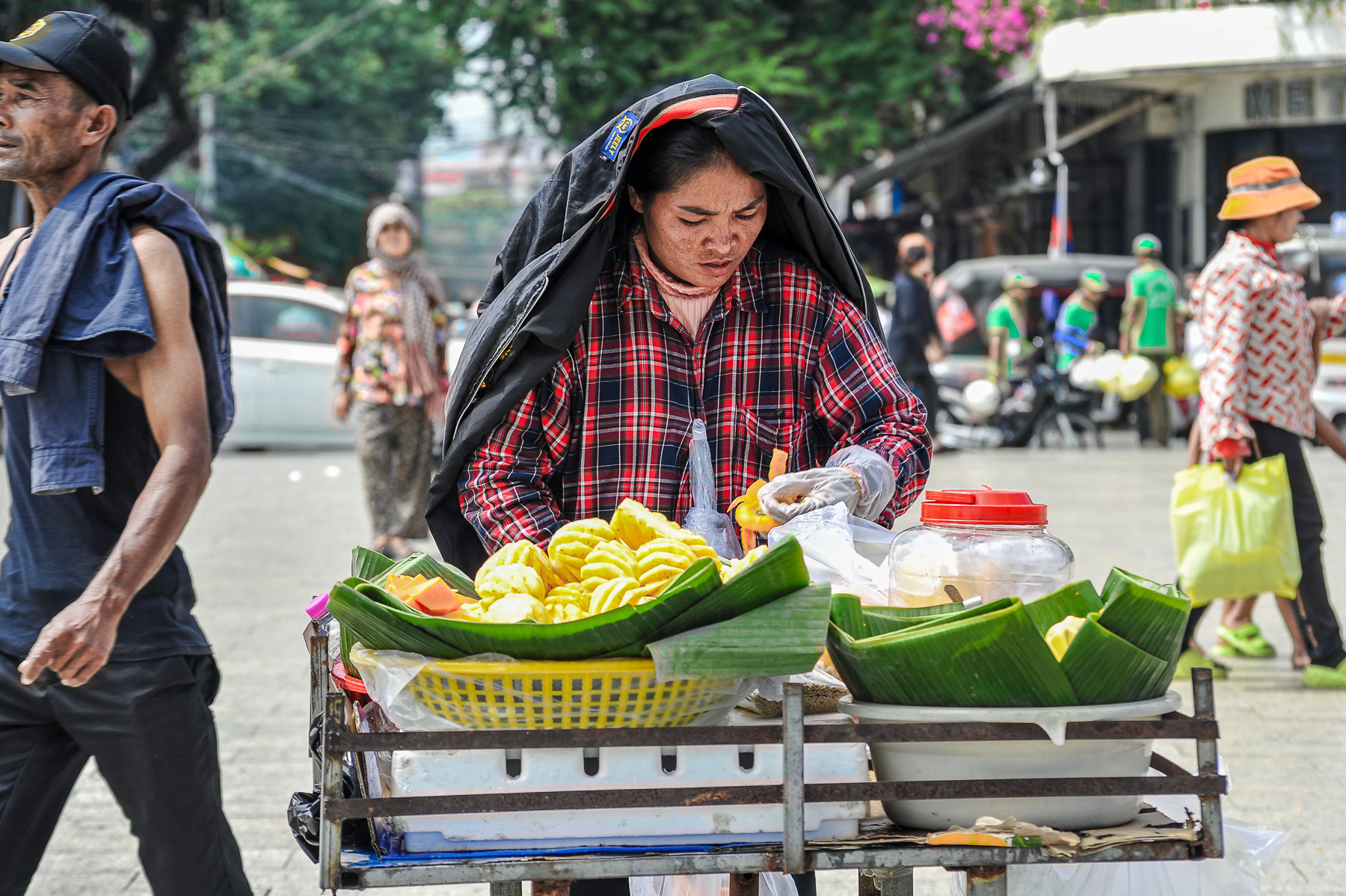
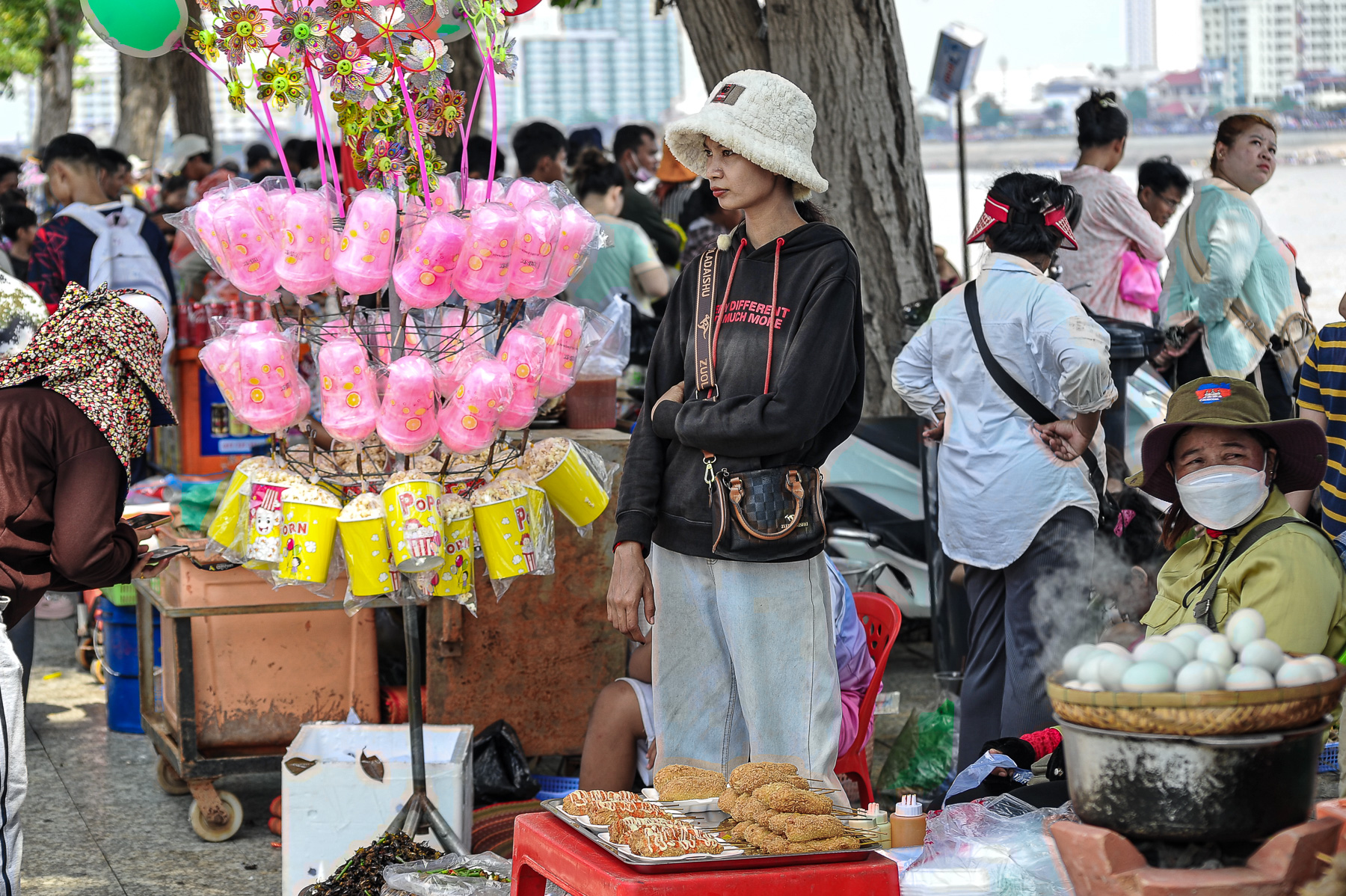
📸 Street Photography in Phnom Penh: Authentic, Candid Moments

cambodia, cameras, homelessness, Lenses, opinons, thoughts, photography, pictures, street, Travel

I don’t chase perfection. I don’t polish the streets into postcards. I take pictures of what I see—fleeting gestures, overlooked details, unremarkable corners. To some, these images may feel uninteresting. But to me, they are the essence of street photography: authentic, candid, and true.

I. PRESENCE IS HONESTY

Street photography begins with presence. It’s about standing in the chaos of Phnom Penh—motorbikes weaving, vendors calling, monks moving through morning light—and noticing the small things.

A hand resting on a tuk‑tuk. A shadow slicing across a wall. A child’s laughter echoing in the alley. These moments aren’t staged. They aren’t curated. They are real.

II. MEMORY IS FRAGILE

Phnom Penh is changing fast. Markets modernise, facades crumble, new towers rise. What feels ordinary today may be gone tomorrow.

Photography preserves the fragile. A candid frame becomes a fragment of memory, a retro imprint of a city in transition. Not all images are pretty, but all are valuable.

III. CONNECTION IS HUMAN

The power of candid moments lies in connection. A stranger’s direct gaze. A fleeting smile. The quiet acknowledgment of someone who lets me borrow a second of their life.

Grain, blur, imperfection—these are not flaws. They are the marks of authenticity, the texture of human presence.

IV. IDENTITY IS UNPOLISHED

My way of working is not about producing art that pleases everyone. It is about practicing a way of seeing. It is about being present in Phnom Penh’s streets, attentive to the ordinary, open to the unremarkable.

This is my discipline: to take pictures of what I see, without gloss, without apology.

Closing Call: Light as a Signature

Street photography is special not because it is beautiful, but because it is true. Each frame is a mark, a monogram of the city’s soul—drawn not with ink, but with light.

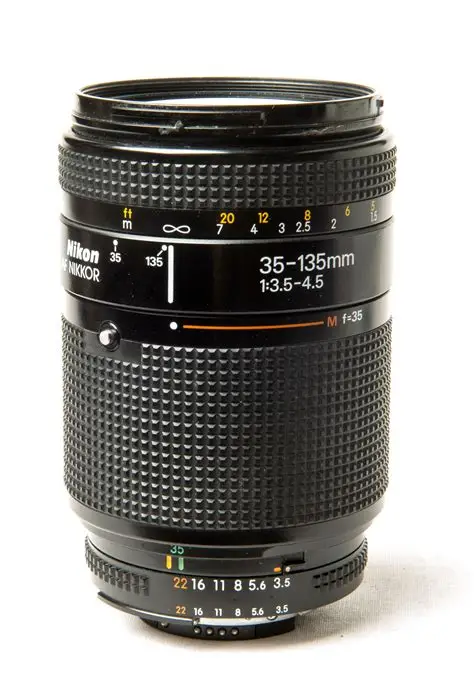
📸 Nikon AF Zoom-Nikkor 35–135mm f/3.5–4.5 AF-D

cambodia, cameras, Lenses, opinons, thoughts, photography, pictures, street, Travel

A legacy zoom that still earns respect

When Nikon introduced the 35–135mm AF series, it was designed to bridge wide-to-telephoto coverage in a single lens. Positioned as a step above kit zooms, it gave photographers flexibility without the bulk of multiple primes. The AF-D version added distance encoding for more accurate flash metering, making it a practical tool for both film and early digital shooters.

🔍 Optical Performance

  • Sharpness: Respectable across the range, especially between 35–85mm. At 135mm, corners soften, but the center remains usable.
  • Color and contrast: Classic Nikon rendering—neutral color with good contrast, especially when stopped down.
  • Distortion: Noticeable barrel distortion at 35mm and pincushion at 135mm, typical of zooms of its era.
  • Macro mode: Offers a close-focus feature down to ~0.5m, useful for flowers and small objects.
  • Bokeh: Pleasant at longer focal lengths, though not as creamy as modern f/2.8 zooms.

⚙️ Build and Handling

  • Construction: Solid, metal-heavy build—“brick-like” durability noted by users.
  • Weight: Around 600g, making it portable but not featherlight.
  • Autofocus: Screw-drive AF—adequate but slower and noisier compared to AF-S lenses. Works best with pro bodies like the D3/D800.
  • Zoom action: Push-pull design, which some photographers find intuitive, while others prefer modern rotary zoom rings.

🧠 Use Cases

  • Travel lens: Covers wide-to-telephoto in one package, ideal for street and candid photography.
  • Portraits: At 85–135mm, produces flattering compression and decent subject isolation.
  • Documentary/editorial: Flexible enough for mixed environments where you can’t switch lenses often.
  • Film shooters: A perfect companion for Nikon F-mount film bodies, retaining period authenticity.

⚖️ Pros and Cons

Pros

  • Versatile focal range (wide to telephoto)
  • Solid build quality
  • Affordable on the used market (~$100–$200 USD)
  • Close-focus macro mode adds creative flexibility

Cons

  • No VR (Vibration Reduction)
  • AF is slower and noisier than modern lenses
  • Optical performance lags behind newer zooms, especially at 135mm
  • Push-pull zoom design can feel dated

📝 Final Verdict

The Nikon AF Zoom-Nikkor 35–135mm f/3.5–4.5 AF-D is a classic workhorse lens. It won’t compete with modern pro zooms in speed or sharpness, but it offers a unique blend of versatility, durability, and character. For photographers exploring Nikon’s legacy glass, it’s a rewarding option—especially for travel and portraiture where its rendering shines.