The Joy of Travel Photography: Capturing Memories Around the World

cameras, fujifilm, Lenses, opinons, thoughts, photography, pictures, street, Travel

  • Learn the basics of your camera: Understand how to adjust settings like ISO, aperture, and shutter speed to suit different environments.
  • Practice composition: Use the rule of thirds, lead lines, and framing to create more engaging photos.
  • Capture the essence of a place: Look for scenes that represent the culture and atmosphere of your destination.
  • Be patient: Sometimes, waiting for the right moment can make all the difference in your photography.
  • Respect your subjects: When photographing people, always ask for permission and be mindful of local customs and sensitivities.

What makes a good photograph?

cambodia, cameras, fujifilm, Lenses, opinons, thoughts, photography, pictures, street, Travel

The Art of Capturing the Perfect Moment

  1. Composition: The arrangement of elements within the frame can make or break a photo. Good composition guides the viewer’s eye to the subject and creates a sense of balance and purpose. Techniques like the Rule of Thirds, leading lines, and framing can add depth and interest to your photographs.
  2. Exposure: Mastering the exposure triangleβ€”aperture, shutter speed, and ISOβ€”is crucial. It’s not just about the right amount of light; it’s about using these settings creatively to enhance the mood of the image. Whether it’s the bright cheerfulness of an overexposed beach scene or the dramatic tension of a dark, underexposed alleyway, exposure plays a pivotal role in the narrative of your photo.
  3. Focus: Sharpness where it matters draws attention to the subject, while a soft, blurred background can isolate it, making it pop. Playing with focus can also create artistic effects, like the dreamy quality of a shallow depth of field or the crystal-clear detail of a landscape with everything in focus.
  4. Subject Interest: A photograph is as compelling as its subject. It could be the raw emotion on a person’s face, the untold story behind a weathered door, or the unexpected angle of a modern skyscraper. The subject is the heart of the photograph, and its interest level can captivate the viewer.
  5. Purpose: Every great photograph has a purpose. It could be to document, to express, to question, or to celebrate. This intentionality is what gives a photograph meaning beyond its visual appeal.
  6. Lighting: Light is the photographer’s paintbrush. It shapes and defines the subject, creates atmosphere, and can dramatically alter the mood of the photo. The golden hour’s soft, warm light can imbue a scene with a serene glow, while the harsh midday sun can create bold contrasts and patterns.
  7. Emotion: Perhaps the most intangible yet powerful aspect of a good photograph is the emotion it evokes. A photo that can make you feelβ€”whether it’s joy, sadness, wonder, or nostalgiaβ€”has achieved something special. It’s the emotional connection that often turns a good photo into a great one.
  8. Storytelling: A good photograph tells a story. It invites the viewer to look closer, to ask questions, and to imagine the moments before and after the shutter was pressed. Storytelling through photography is a powerful way to communicate and connect with others.
  9. Technical Quality: While it’s true that an expensive camera doesn’t guarantee a good photo, technical quality can’t be ignored. Sharpness, color accuracy, and noise levels all contribute to the overall impression of the photograph.
  10. Creativity: Last but not least, creativity is what sets a photograph apart. It’s the unique perspective, the unconventional approach, or the innovative technique that makes a photo memorable.

The Nikkor 70-210 f4 AF zoom

cambodia, cameras, Lenses, opinons, thoughts, photography, pictures, street, Travel, Uncategorized

A sad day

cambodia, opinons, thoughts, Travel

The end of life is a profound moment, and it’s natural to reflect on the connections we’ve made along the way. The thought of passing away without friends or relatives nearby can indeed evoke a deep sense of sadness. It reminds us of the importance of relationships and the warmth they bring to our lives. Throughout history, many cultures have emphasized the significance of community and companionship, not just in life but also in the transition at life’s end. This sentiment underscores the value we place on not being alone during significant life events. It’s a universal human experience to seek connection, to find solace in shared moments, and to draw comfort from the presence of loved ones. The idea of dying alone might also inspire us to reach out, to forge new bonds, and to be there for others, knowing how much it would mean to us.

It’s a poignant reminder of our shared humanity and the compassion that binds us together. While it is a somber thought, it also highlights the beauty of human connection and the impact each person has on another’s life. In recognizing this, we can find a renewed appreciation for the relationships we have and a motivation to nurture them. Sleep well Srey Pol.

Restricted again by FB

cambodia, conflict, FB, opinons, thoughts, photography, pictures, Travel

Content moderation on social media platforms like Facebook can sometimes result in unexpected restrictions, especially when it comes to images. Facebook’s Community Standards are designed to create a safe environment for all users, so they say, which includes strict rules against sharing content that could be considered sexually explicit or inappropriate. However, these systems are not definitely not perfect and may flag content that does not actually violate these standards.

If you believe your picture was mistakenly restricted, you can appeal the decision through Facebook’s review process. This process allows for human review of the automated system’s decisions, which can sometimes lead to a reversal of the restriction if the content is deemed appropriate. (waste of time)

For more information on Facebook’s Community Standards and the appeal process, you can visit their official community resources. It’s important to understand these guidelines to ensure that your content aligns with the platform’s policies and to avoid future restrictions. ( a waste of time)

If anyone can explain to me just how the above picture could be considered sexually inappropriate please comment below.

Use the best Cameras & Lenses that you can afford

cameras, Lenses, opinons, thoughts, photography, pictures, street, Travel

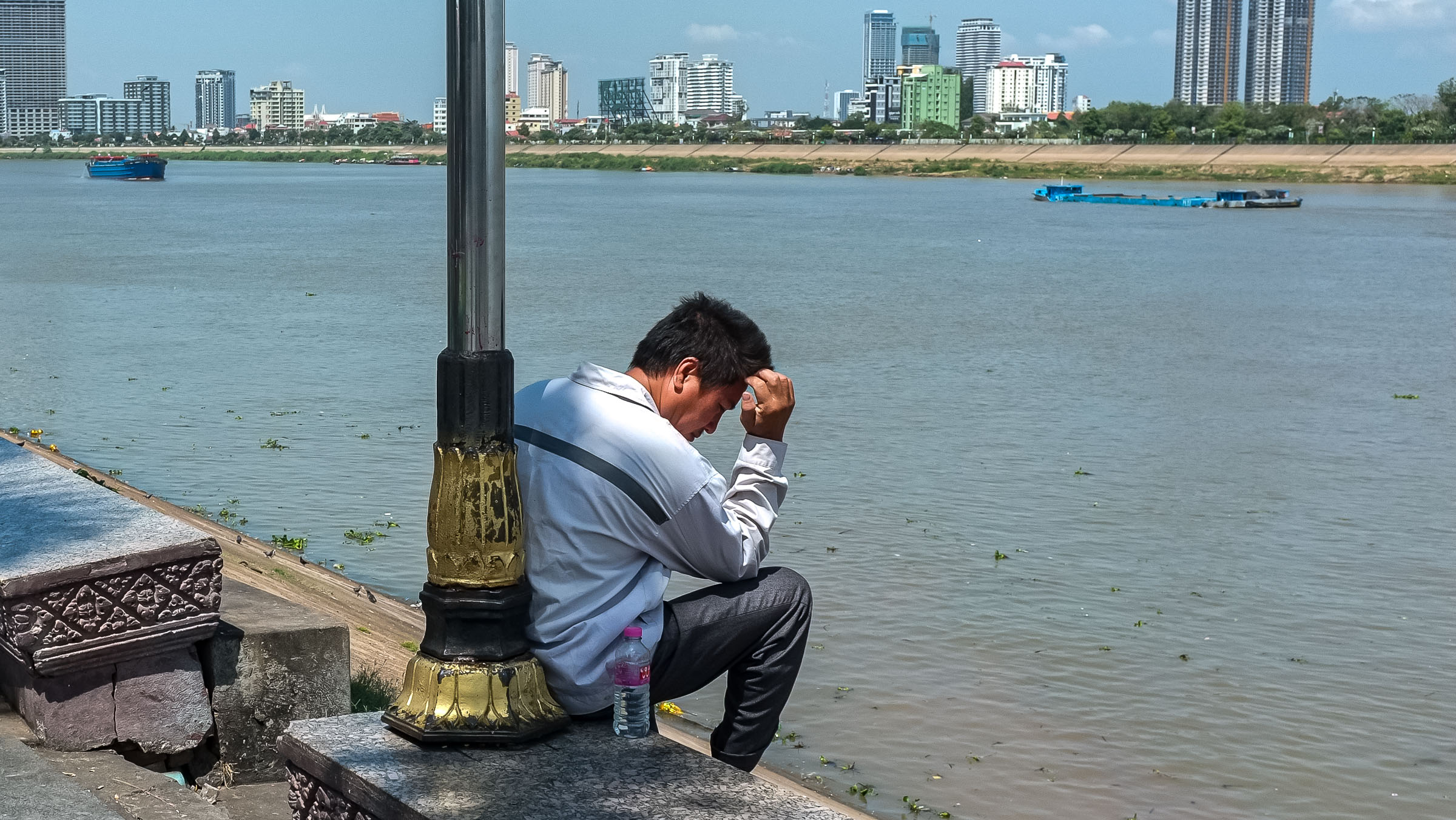
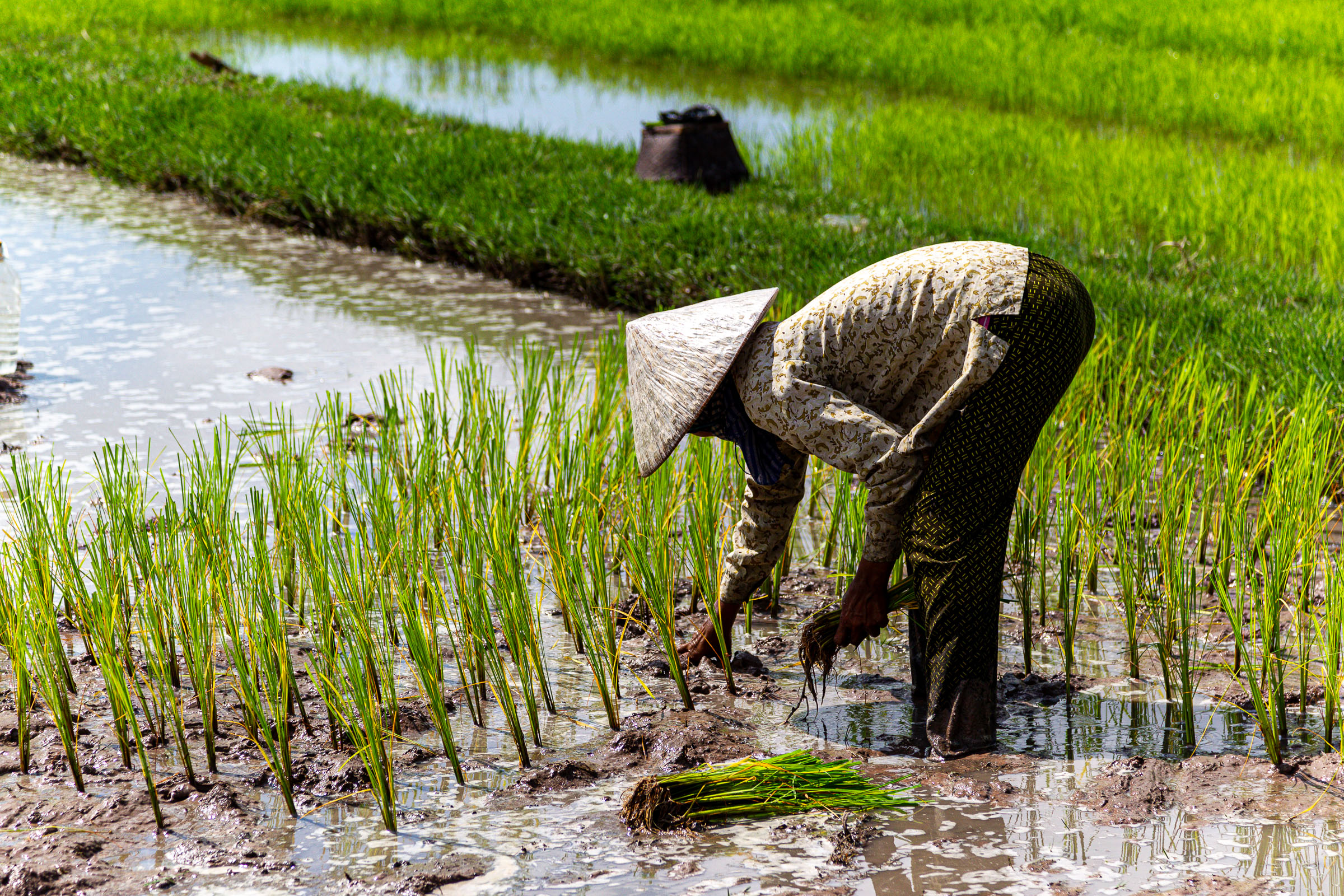
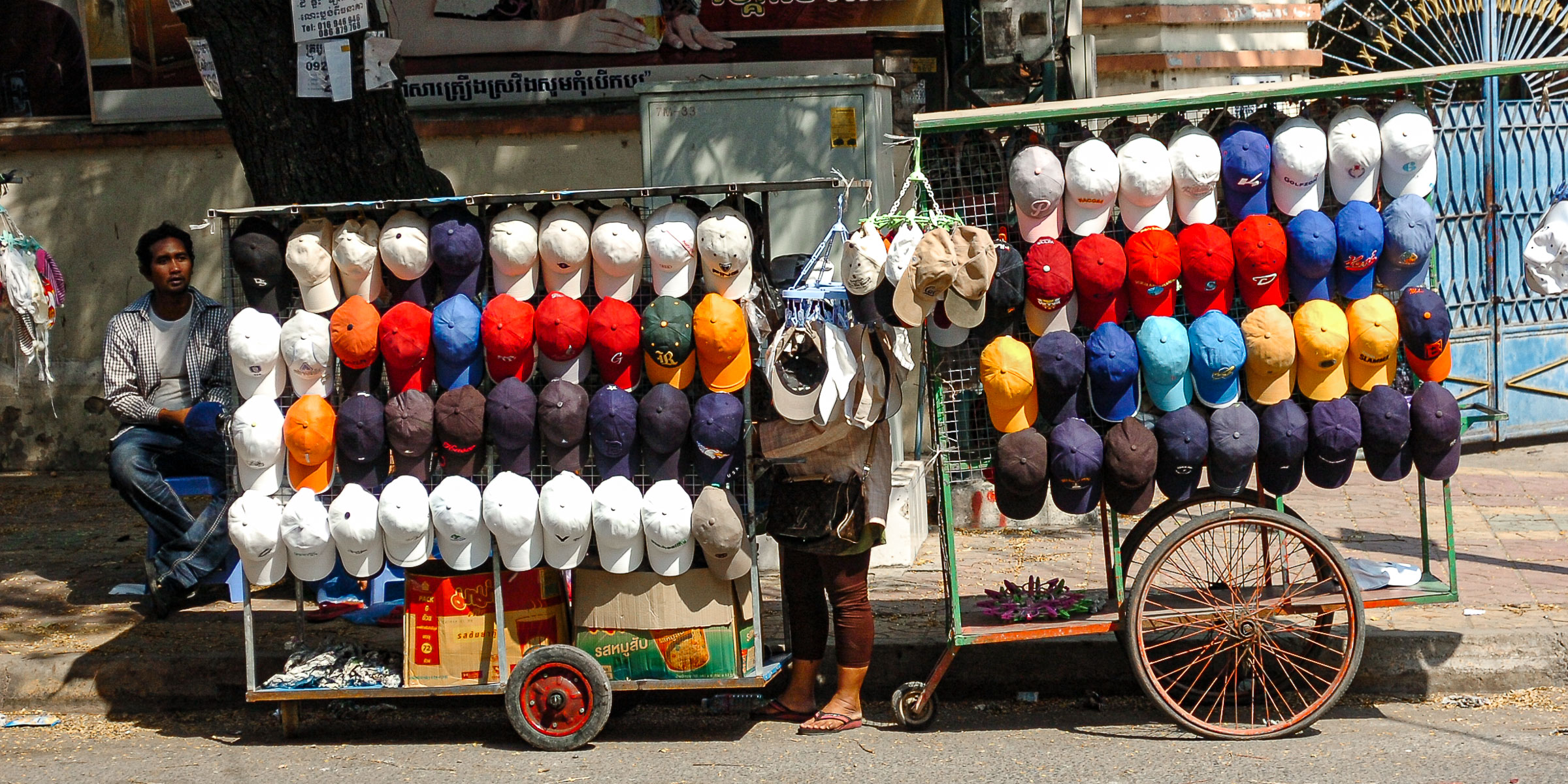
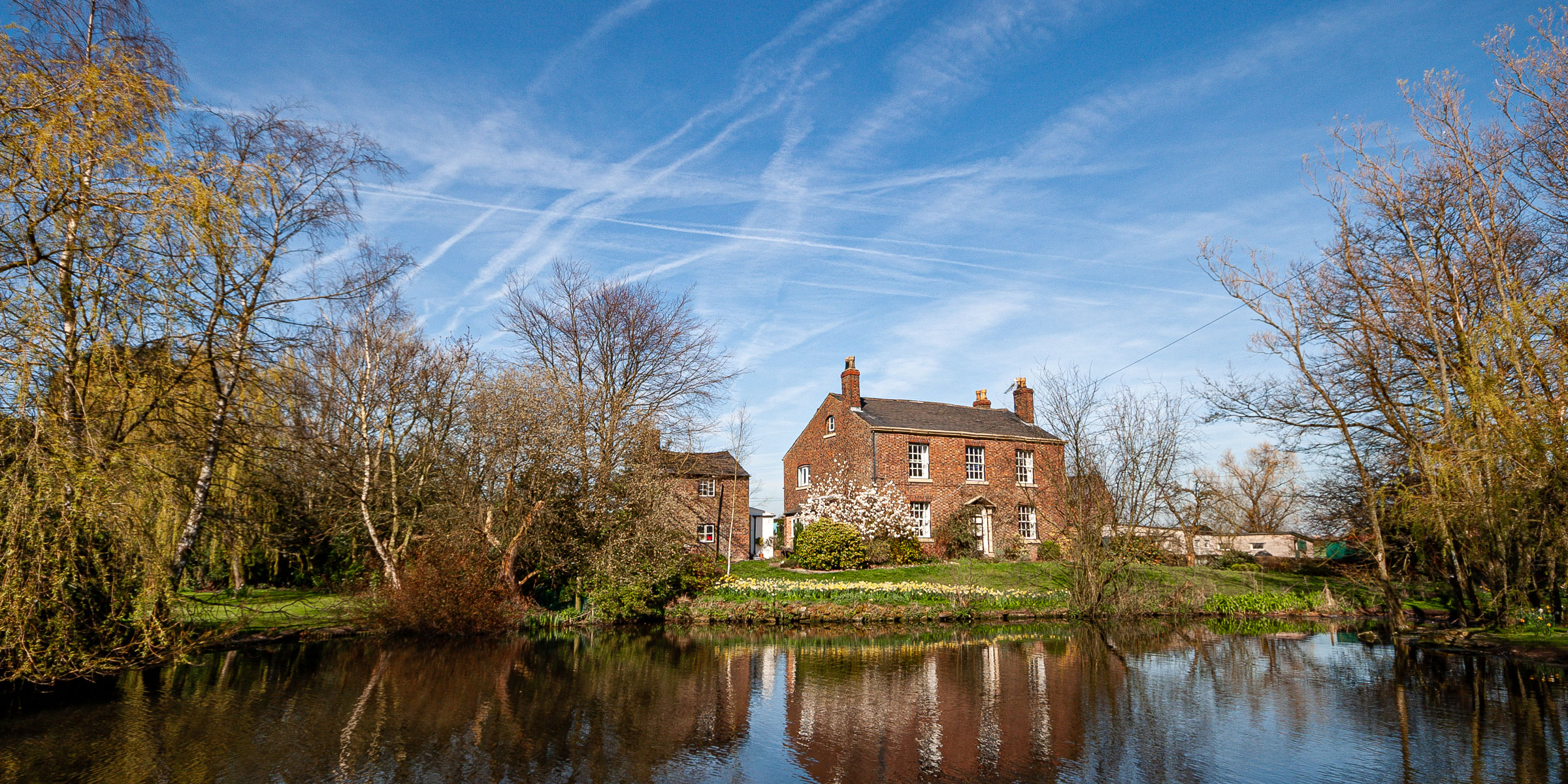
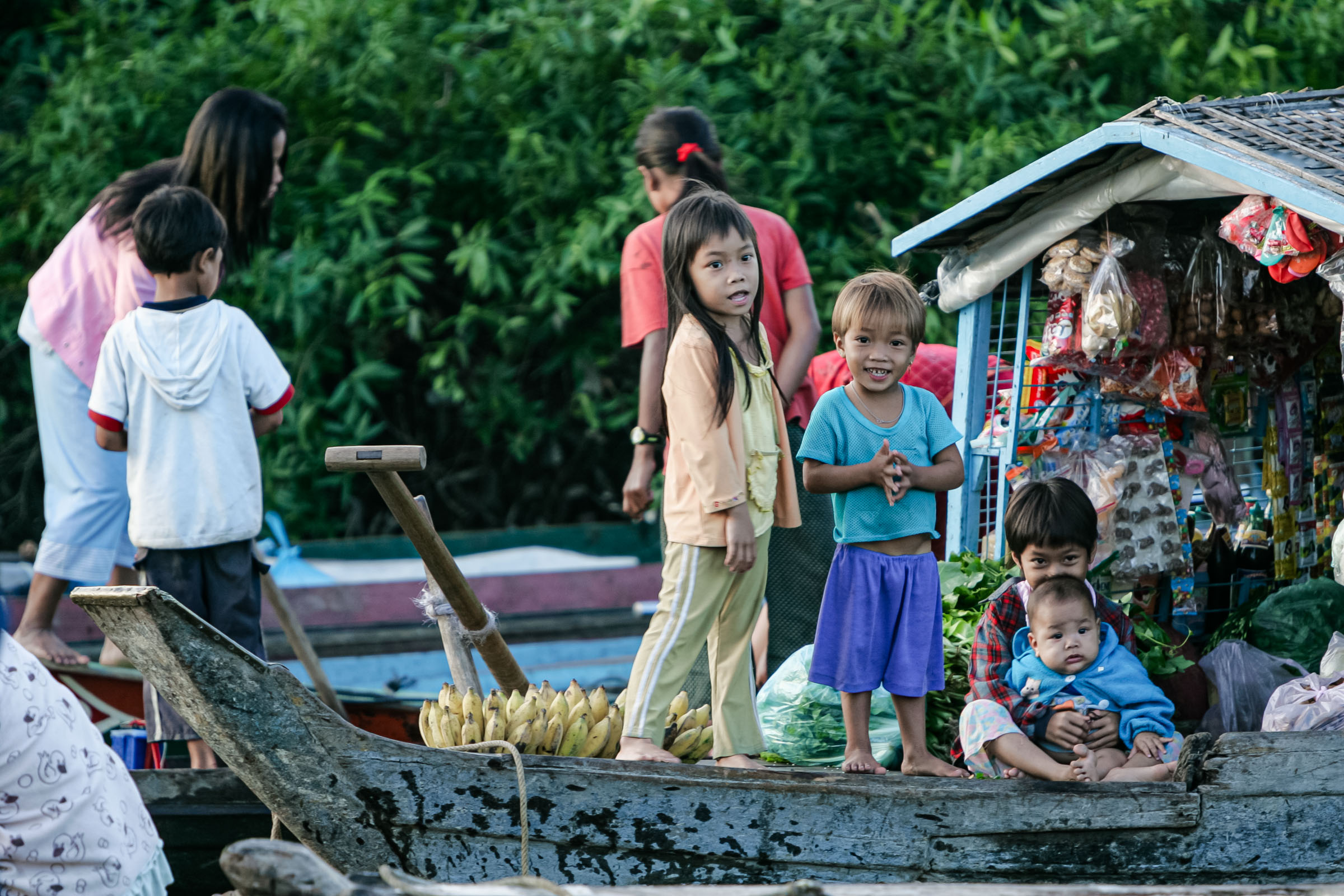
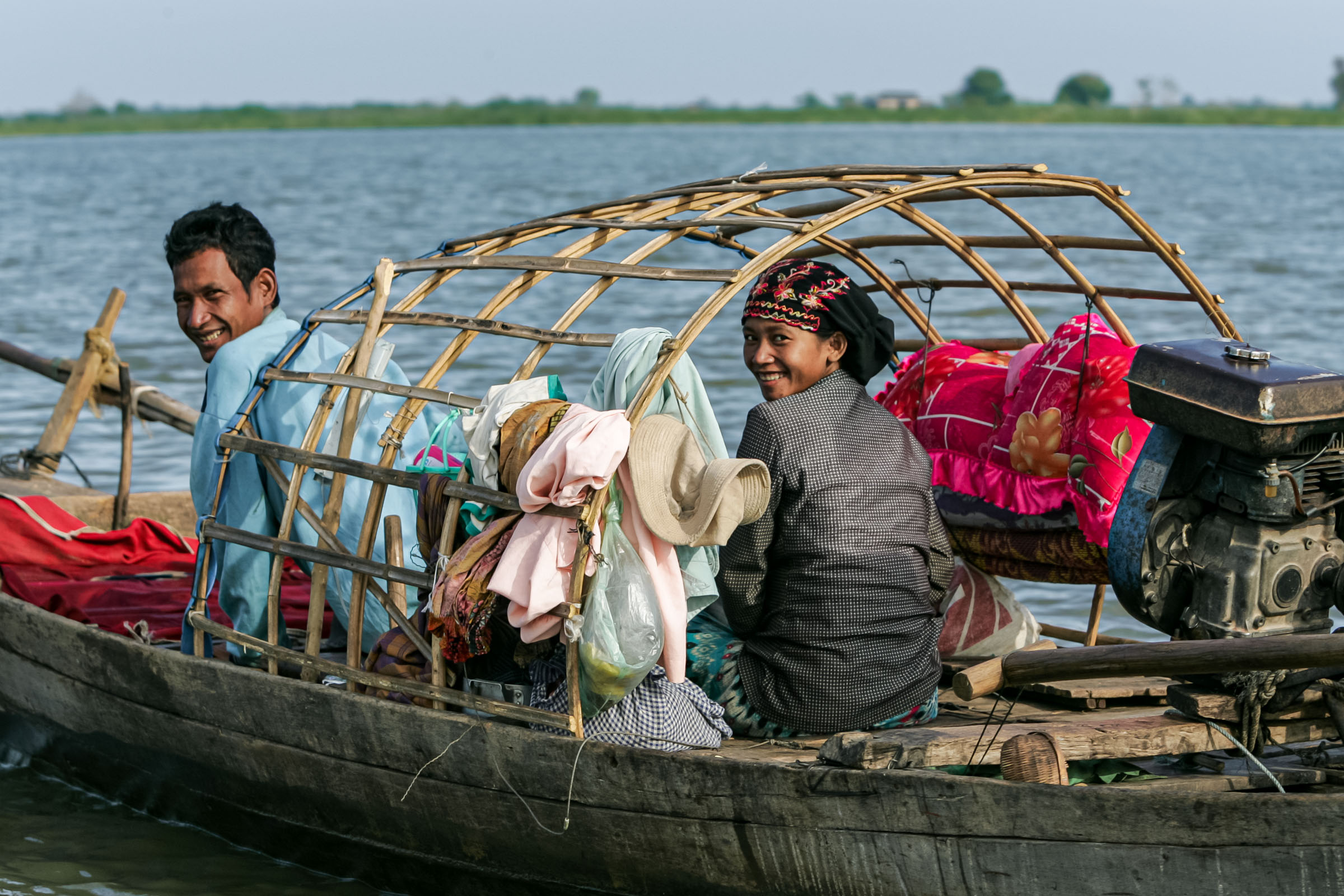
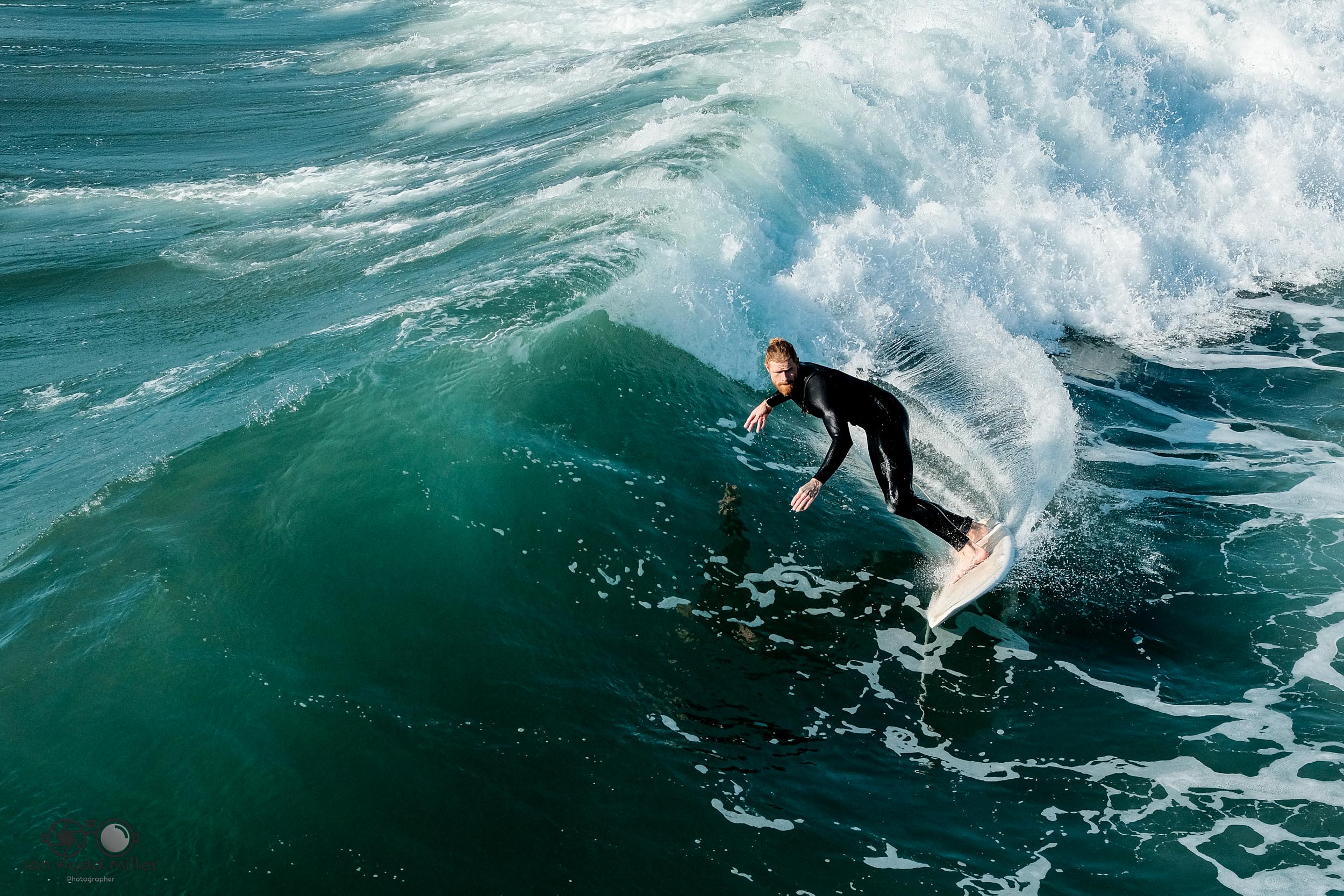
Absolutely! The essence of photography lies in the photographer’s vision and creativity, not just in the gear. While high-end cameras and lenses can offer more features and better quality, they are not the only path to capturing stunning images. Many professional photographers have created iconic photos with equipment that was considered average at the time. It’s all about understanding light, composition, and moment. So, whether you’re using a smartphone or a DSLR, remember that your perspective is the most powerful tool you have. Keep experimenting, learning, and enjoying the process of making great images! All the images below were taken with different cameras and lenses, some with top-of-the-range and others with just everyday cameras. Can you tell which ??

The Nikon D3S still a viable option in 2024

cameras, conflict, Lenses, opinons, thoughts, photography, pictures, street, Travel

The Nikon D3S stands as a testament to the enduring quality of Nikon’s craftsmanship. Even after nearly two decades since its release, this camera continues to be celebrated for its robustness and reliability.

With its 12.1-megapixel sensor, the D3S may not boast the highest resolution by today’s standards, but it compensates with exceptional low-light capabilities and a rugged build that can withstand the elements.

It’s a camera that proves the photographer’s skill is paramount, with many professionals still achieving remarkable results with the D3S. Whether it’s for sports, wildlife, or any photography that demands speed and durability, the Nikon D3S remains a solid choice for those who value a tried-and-true performer in the field.

Indeed, the D3S is a classic that refuses to bow out to the latest trends, maintaining its place in the camera bags of dedicated photographers around the world.

Zoom or Prime Lens

cameras, Fujichrome, fujifilm, Lenses, opinons, thoughts, photography, street, Travel, viltrox

If you are into photography, you might have wondered whether you should get a zoom lens or a prime lens for your camera. Zoom lenses and prime lenses differ by how long their focal points are. Prime lenses have a unifocal lens (usually between 12mm to 5200mm), while zoom lenses have a variable focal length. This means that prime lenses are better for portrait shots, while zoom lenses are ideal for general photography.

In this blog post, I will explain the pros and cons of each type of lens and help you decide which one is best for your needs.

Prime Lenses: The Pros

One of the main advantages of prime lenses is that they are usually sharper, faster, and cheaper than zoom lenses. Sharper means that they produce images with more detail and clarity. Faster means that they have larger maximum apertures (such as f/1.4 or f/1.8), which allow more light to enter the lens and create a shallow depth of field. This is great for isolating your subject from the background and creating a beautiful bokeh effect. Cheaper means that they are more affordable than zoom lenses of similar quality.

Another benefit of prime lenses is that they are smaller and lighter than zoom lenses, which makes them easier to carry around and use. They also force you to be more creative and move around to get the best shot, rather than relying on the zoom ring to adjust your framing.

Prime Lenses: The Cons

The main drawback of prime lenses is that they are less versatile and convenient than zoom lenses. You can’t change the focal length of a prime lens, so you have to switch lenses if you want a different angle of view or magnification. This can be time-consuming and inconvenient, especially if you are shooting in a fast-paced or changing environment. You also have to carry more lenses with you if you want to cover a wide range of focal lengths.

Another disadvantage of prime lenses is that they may not suit every situation or style of photography. For example, if you want to capture landscapes, wildlife, sports, or events, you might need a zoom lens that can cover a wide or long focal range and give you more flexibility and reach.

Zoom Lenses: The Pros

The main advantage of zoom lenses is that they are more versatile and convenient than prime lenses. You can change the focal length of a zoom lens by simply turning the zoom ring, which gives you more options and controls over your composition and framing. You can also capture different perspectives and effects with one lens, such as wide-angle shots, telephoto shots, or macro shots (if your zoom lens has macro capabilities).

Another benefit of zoom lenses is that they are more suitable for certain situations and styles of photography. For example, if you want to capture landscapes, wildlife, sports, or events, you might need a zoom lens that can cover a wide or long focal range and give you more flexibility and reach. You can also react faster to changing scenes and subjects without having to switch lenses.

Zoom Lenses: The Cons

The main drawback of zoom lenses is that they are usually heavier, bulkier, and more expensive than prime lenses. Heavier and bulkier means that they are harder to carry around and use, especially for long periods. They also tend to attract more attention and may not be ideal for discreet or candid photography. More expensive means that they cost more than prime lenses of similar quality.

Another disadvantage of zoom lenses is that they are usually slower, less sharp, and more prone to distortion and vignetting than prime lenses. Slower means that they have smaller maximum apertures (such as f/3.5-5.6 or f/4-5.6), which limit the amount of light that enters the lens and create a deeper depth of field. This can make it harder to shoot in low-light conditions or achieve a shallow depth of field effect. Less sharp means that they produce images with less detail and clarity than prime lenses. More prone to distortion and vignetting means that they may cause some curvature or darkening at the edges of your images, especially at the wide or telephoto end of their range.

Conclusion

So which type of lens is best for you? It depends on your personal preference, budget, and style of photography. You might prefer a prime lens if you value sharpness, speed, affordability, and portability over versatility and convenience. If you value versatility, convenience, flexibility, and reach over sharpness, speed, affordability, and portability, then you might prefer a zoom lens.

Of course, you don’t have to choose one over the other. You can have both types of lenses in your camera bag and use them according to your needs and mood. The best way to find out which lens type suits you best is to try them out yourself and see what works for you.

Nikon D3 DSLR

cameras, opinons, thoughts, photography, street, Travel, Uncategorized

The Nikon D3 is a camera that was released in 2007, but it can still compete with some of the newer models in terms of image quality and performance. What makes it so good? One of the main features of the D3 is its full-frame sensor, which has 12.1 megapixels and a wide dynamic range. This means that the camera can capture more details in both bright and dark areas of the scene, and produce images with less noise and more color accuracy. Another advantage of the D3 is its fast and accurate autofocus system, which has 51 focus points and can track moving subjects with ease.

The camera also has a high-speed continuous shooting mode, which can take up to 9 frames per second in full resolution, or up to 11 frames per second in cropped mode. This is ideal for capturing action shots or sports events. The D3 also has a robust and durable body, which is weather-sealed and made of magnesium alloy. The camera has a large and bright viewfinder, which covers 100% of the frame, and a 3-inch LCD screen, which has 920,000 dots and a wide viewing angle. The camera also has a dual memory card slot, which can accept both CompactFlash and SD cards, and a long battery life, which can last for up to 4300 shots per charge. The Nikon D3 is a camera that may be old, but it can still deliver great results for professional and enthusiast photographers who value image quality and performance over the latest features and technology.

What camera is best for Street Photography

cameras, Fujichrome, fujifilm, Lenses, opinons, thoughts, photography, street, Travel

If you’re passionate about street photography, you might be wondering which camera is best for capturing candid moments of urban life. Street photography is a challenging and rewarding genre that requires a combination of skill, creativity, and luck. You need a camera that can keep up with your vision, and that won’t draw too much attention to yourself.

In this blog post, I’ll share with you some of the best cameras for street photography in 2023, based on my personal experience and research. Whether you prefer a compact point-and-shoot, a premium compact with a large sensor, or a mirrorless camera with interchangeable lenses, there’s something for everyone on this list.

Let’s get started!

Best Compact Zoom Camera for Street Photography: Panasonic Lumix LX100 II

If you want a compact camera that gives you more flexibility in terms of focal length, the Panasonic Lumix LX100 II might be the one for you. It has a 17MP Four Thirds sensor that performs well in various lighting conditions, and a Leica-branded 24-75mm equivalent f/1.7-2.8 zoom lens that covers a wide range of shooting scenarios.

The Panasonic Lumix LX100 II has an electronic viewfinder that’s bright and clear, and a touch screen that can be used for focus and exposure control. It also has manual dials for aperture, shutter speed, and exposure compensation, which make it easy to adjust settings on the fly. The Panasonic Lumix LX100 II also supports 4K video recording and has Wi-Fi and Bluetooth connectivity.

The Panasonic Lumix LX100 II is not very pocketable, though. It’s larger and heavier than most compact cameras on this list. It also doesn’t have image stabilization or weather sealing, which might be deal-breakers for some people. But if you want a compact zoom camera that offers great image quality and versatility, the Panasonic Lumix LX100 II is worth considering.

Best Premium Compact Camera for Street Photography: Fujifilm X100V

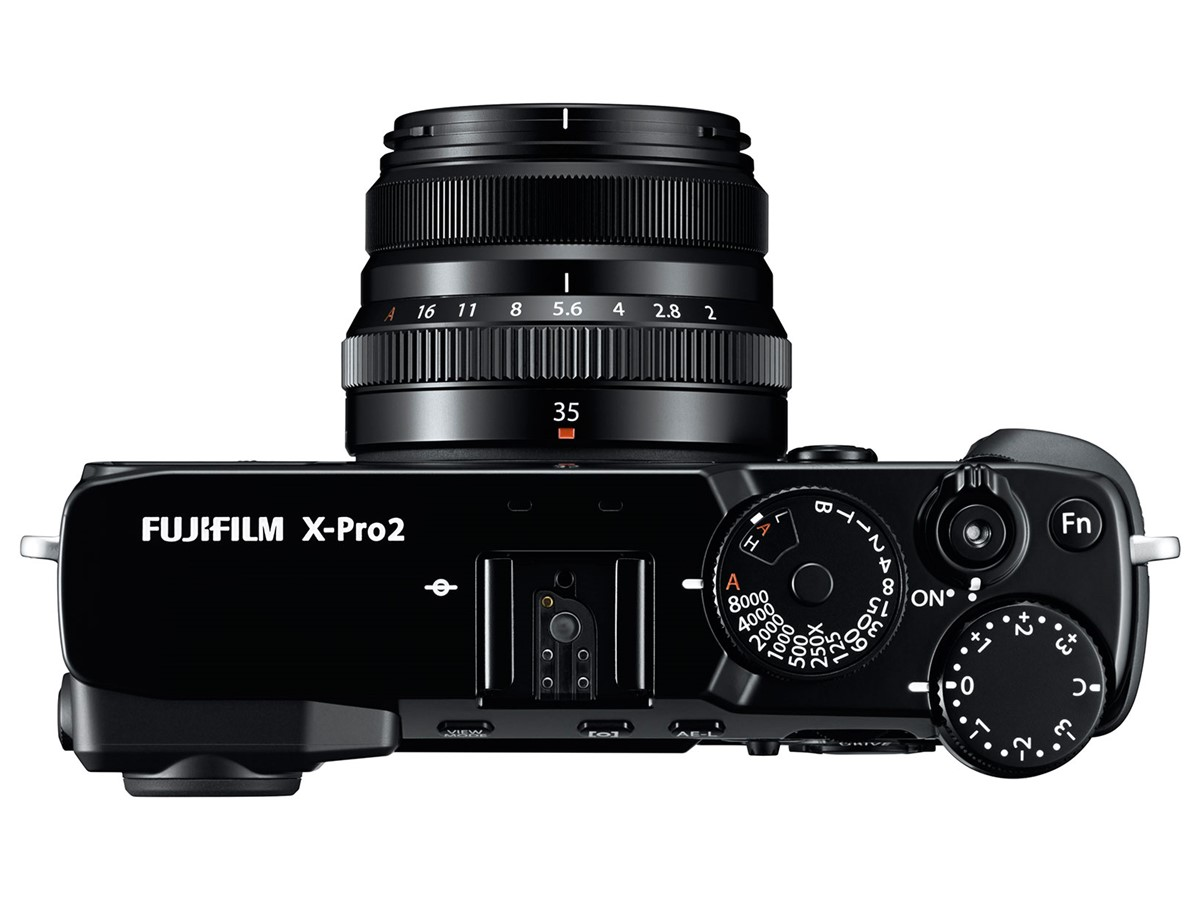
The Fujifilm X100V is another popular choice among street photographers, especially those who love the retro look and feel of classic film cameras. The Fujifilm X100V has a 26MP APS-C sensor that produces stunning images with rich colours and tones, thanks to Fujifilm’s renowned film simulations. It also has a fixed 35mm equivalent f/2 lens that’s fast and sharp.

The Fujifilm X100V has a hybrid viewfinder that lets you switch between an optical and an electronic viewfinder, depending on your preference. It also has a tilting touch screen, a built-in ND filter, and weather sealing. The Fujifilm X100V also supports 4K video recording and has a headphone jack for monitoring audio.

The Fujifilm X100V is not cheap, though. It costs more than some mirrorless cameras with interchangeable lenses. It also has a fixed lens that might limit your creative options. But if you’re looking for a premium compact camera that offers superb image quality and style, the Fujifilm X100V is hard to beat.

Best Compact Camera for Street Photography: RICOH GR III

The RICOH GR III is a cult favourite among street photographers and for good reason. It’s small, discreet, and easy to use, with a minimalist design that won’t attract unwanted attention. It has a 24MP APS-C sensor that delivers excellent image quality and low-light performance and a fixed 28mm equivalent f/2.8 lens that’s sharp and versatile.

The RICOH GR III also has a unique feature called Snap Focus, which lets you pre-set a focus distance and instantly snap a photo without waiting for autofocus. This is perfect for street photography, where you need to be quick and decisive. The RICOH GR III also has in-body image stabilization, a touch screen, and Wi-Fi connectivity.

The RICOH GR III is not without its flaws, though. It doesn’t have a viewfinder or a tilting screen, which some people might miss. It also has a relatively short battery life and slow buffer clearing. But if you can live with these drawbacks, the RICOH GR III is one of the best compact cameras for street photography you can buy.