Magnum Photos is a renowned international photographic cooperative founded in 1947 by legendary photographers, including Robert Capa, Henri Cartier-Bresson, David “Chim” Seymour, and George Rodger. The cooperative aims to give photographers the freedom to document the world as they see it without being constrained by the agendas of magazines and newspapers.
Key Highlights of Magnum Photos:
Historical Significance: Magnum Photos has documented many of the world’s major events and personalities since its inception, covering a wide range of subjects including society, politics, conflict, and culture.
Global Presence: The cooperative has offices in major cities like New York, Paris, London, and Tokyo, and its photographers work worldwide.
Photographer-Owned: Magnum is unique in that it is owned and run by its member photographers, who retain all copyrights to their work. This model allows for a high degree of creative freedom and independence.
Iconic Images: Magnum photographers have produced some of the most iconic images in the history of photography, capturing moments that have defined eras and movements.
Educational Initiatives: Magnum also offers workshops, on-demand courses, and other educational resources to help aspiring photographers learn from some of the best in the field.
Magnum Photos continues to be a significant force in the world of photography, known for its commitment to authentic visual storytelling and its ability to capture the human condition in all its complexity.
If you have any specific questions about Magnum Photos or its photographers, feel free to ask!
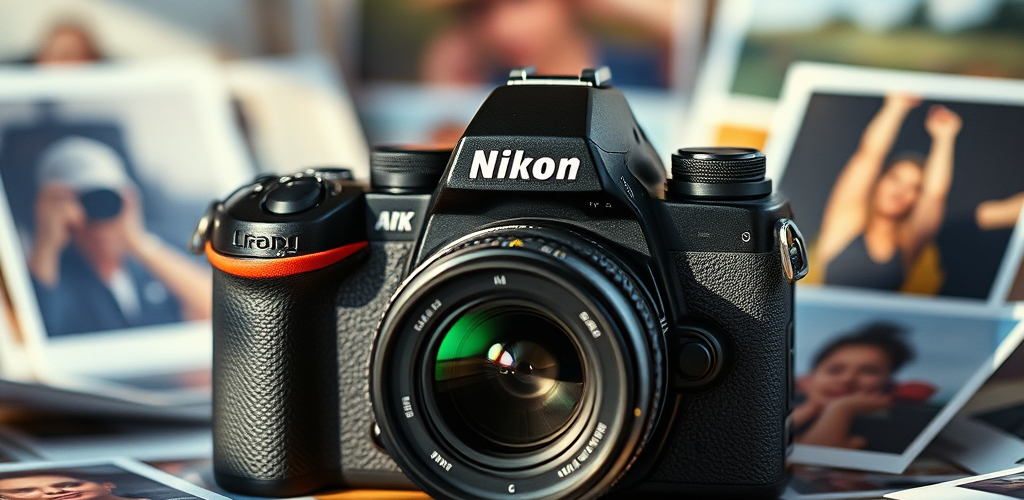
The Nikkor 35-135mm f/3.5-4.5 is a versatile zoom lens produced by Nikon for their film SLR cameras. It was first introduced in the late 1980s and was known for its solid build quality and good optical performance.
This lens offers a wide focal length range from 35mm, which is great for capturing landscapes and group shots, to 135mm, suitable for portraits and close-ups. The variable aperture of f/3.5-4.5 provides decent low-light performance and depth of field control.
The lens features multi-coated optics to reduce flare and ghosting, resulting in sharp images with good contrast. It also has a close minimum focusing distance, allowing you to get close-up shots of your subjects.
The Nikkor 35-135mm f/3.5-4.5 is a reliable and versatile lens used for a wide range of photography styles, but it is heavy. Its compatibility with my Nikon D3 camera makes it a great choice for capturing various subjects with a single lens.
The Nikon 35-135mm f/4-5.6 is an older lens, first introduced in the late 1980s. While it may not have all the modern features and technology of newer lenses, it can still be a good option for certain photography needs.
In terms of image quality, it can produce decent results, especially when stopped down a bit from its widest apertures. However, it may not be as sharp or have the same level of optical performance as newer lenses, especially at the extreme ends of its zoom range.
One of the main advantages of this lens is its versatility in offering a wide focal length range, which can be useful for various types of photography such as portraits, landscapes, and even some wildlife or sports photography.
Overall, if you’re looking for a budget-friendly lens with a decent focal length range and can accept some compromises in image quality compared to more modern lenses, the Nikon 35-135mm f/4-5.6 could still be a viable option.
Photography is an art form that captures the essence of a moment, telling stories without words and leaving a lasting impression on the viewer. It’s a craft that combines technical skill with creative vision, and at the heart of this craft is the camera—the photographer’s most trusted tool.
Understanding the intricacies of your camera and lenses is akin to a painter knowing their brushes and paints; it’s essential for creating a masterpiece. It’s not merely about owning the latest high-end equipment; it’s about the intimate knowledge of every button, dial, and setting. Mastering these elements allows photographers to manipulate light and composition, to bring their creative vision to life.
Adapting to different lighting conditions is one of the most critical skills in a photographer’s arsenal. Light is the language of photography, and learning to speak this language fluently can transform an ordinary scene into a breathtaking image. Whether it’s the golden hour’s warm glow or the harsh midday sun, understanding how to work with light ensures that it always works in your favour.
Anticipating how your gear will respond in various scenarios is what separates good photographers from great ones. It’s about predicting the play of shadows in a dimly lit room or the way a lens will render the bokeh in a busy street scene. This foresight is crucial for capturing those fleeting, once-in-a-lifetime moments with precision and clarity.
The journey of a photographer is one of constant learning and exploration. It’s about pushing the boundaries of creativity, experimenting with new techniques, and not being afraid to fail. Because in those failures lie the seeds of growth and innovation.
For the seasoned professional, this deep knowledge results in a signature style, a unique way of seeing the world that sets their work apart. For the enthusiastic amateur, it’s the thrill of discovery, the joy of capturing a moment exactly as they envisioned.
In a world where everyone has a camera in their pocket, standing out requires more than just a good eye. It demands dedication to the craft, an unyielding curiosity, and a willingness to invest time in understanding the tools of the trade.
So, whether you’re capturing the delicate details of a flower or the grandeur of a mountain landscape, remember that your camera is more than just a piece of technology. It’s an extension of your creative self, and mastering it is a journey worth taking.
Invest in that journey, embrace the learning curve, and watch as your photography transcends from mere pictures to compelling stories frozen in time. Because in the end, the quality of your work is not defined by the gear you own, but by the knowledge you hold and the creativity you unleash. Happy shooting!
In a world where the latest and greatest tech gadgets can often come with a hefty price tag, savvy shoppers are turning to the pre-owned market to find their next great buy. Buying used gear from reputable dealers is not only a budget-friendly option but also an environmentally conscious choice. It’s a win-win situation that more and more consumers are embracing enthusiastically.
Why Buy Used?
Cost-Effective: The most apparent benefit of buying used gear is the cost savings. You can often find high-quality products at a fraction of the original retail price.
Depreciation: Tech items depreciate quickly. By buying used, you avoid the steep depreciation that occurs the moment new gear leaves the store.
Quality Assurance: Reputable dealers often offer some form of warranty or guarantee, providing peace of mind that the item has been checked and certified for resale.
Eco-Friendly: Purchasing used gear reduces waste and the demand for new products, which in turn minimizes your carbon footprint.
Finding the Right Dealer
Research: Look for dealers with positive reviews and a good track record. Word of mouth and online forums can be great resources for finding trusted sellers.
Certification: Some dealers are certified to sell pre-owned gear, meaning they have met specific standards set by manufacturers.
Warranty: A reputable dealer should offer a warranty or return policy. This is a sign that they stand behind the quality of their products.
Customer Service: Good customer service is crucial. Ensure the dealer is responsive, knowledgeable, and helpful.
Tips for Buying Used Gear
Know What You Want: Have a clear idea of the gear you need and its market value.
Inspect Thoroughly: If possible, inspect the item in person. Check for any signs of damage or wear and ensure it functions correctly.
Ask Questions: Don’t hesitate to ask the dealer about the item’s history, any previous repairs, and the reason for resale.
Negotiate: There’s often room for negotiation when buying used. Don’t be afraid to haggle to get the best deal.
The Bottom Line
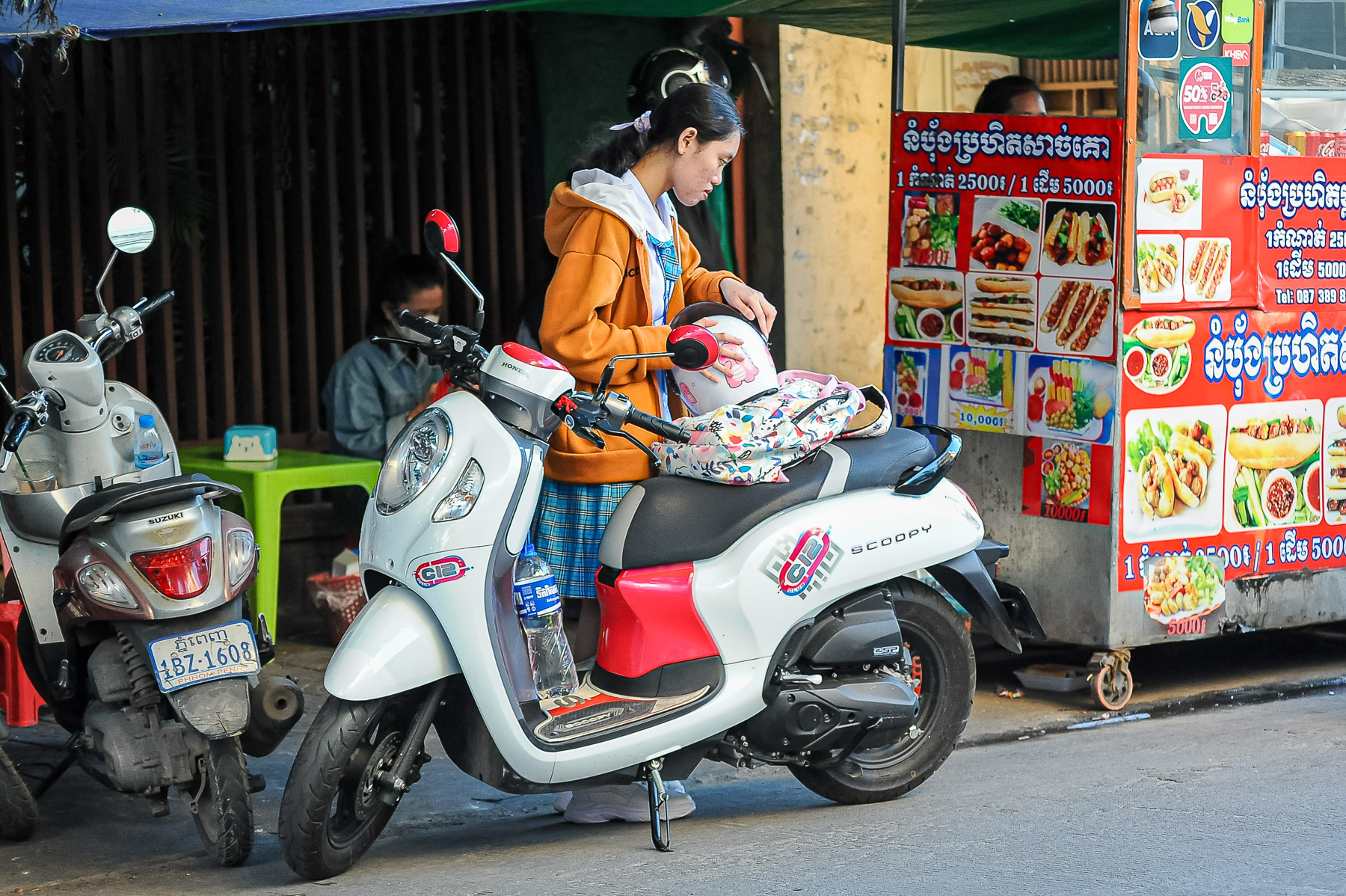
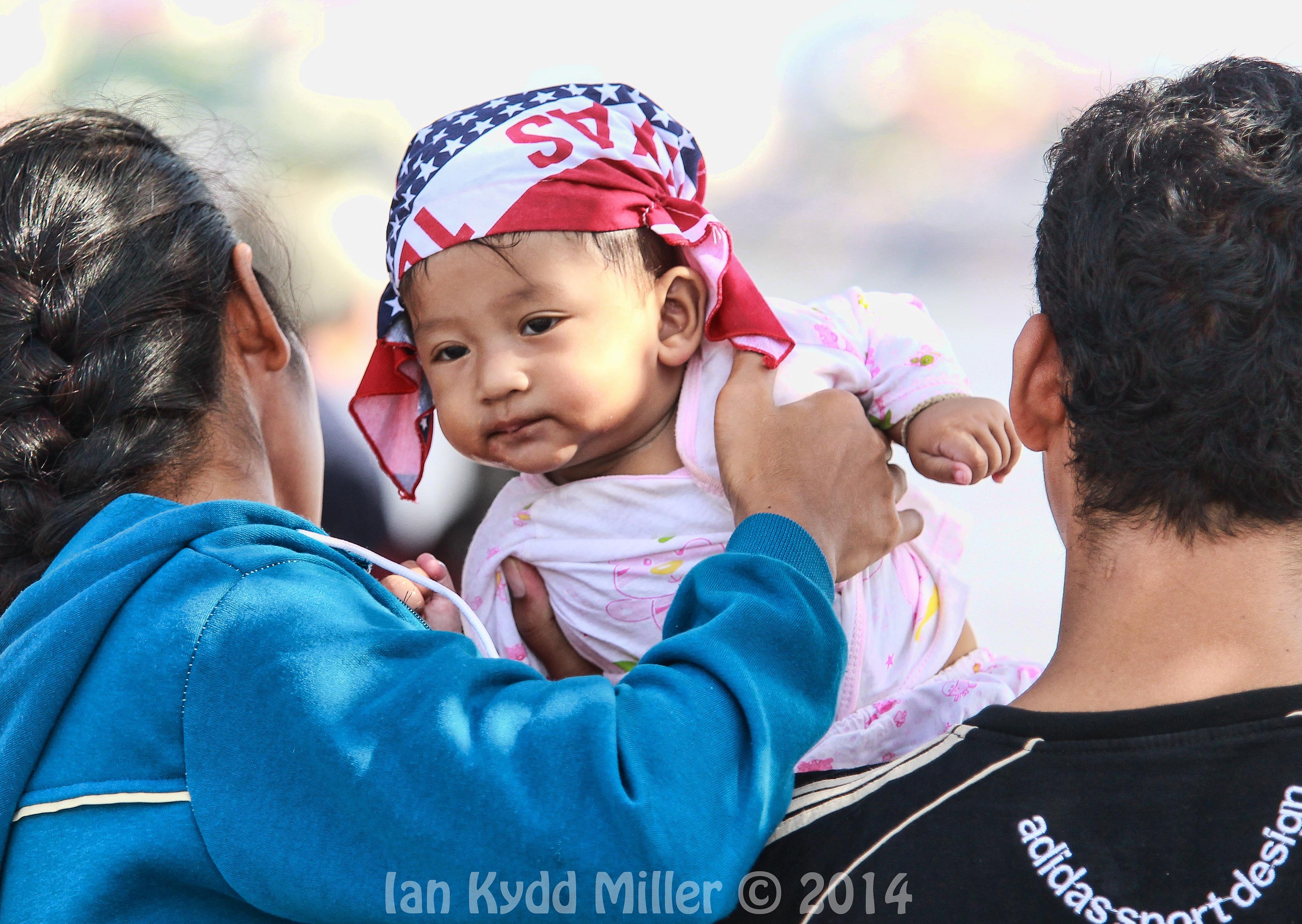
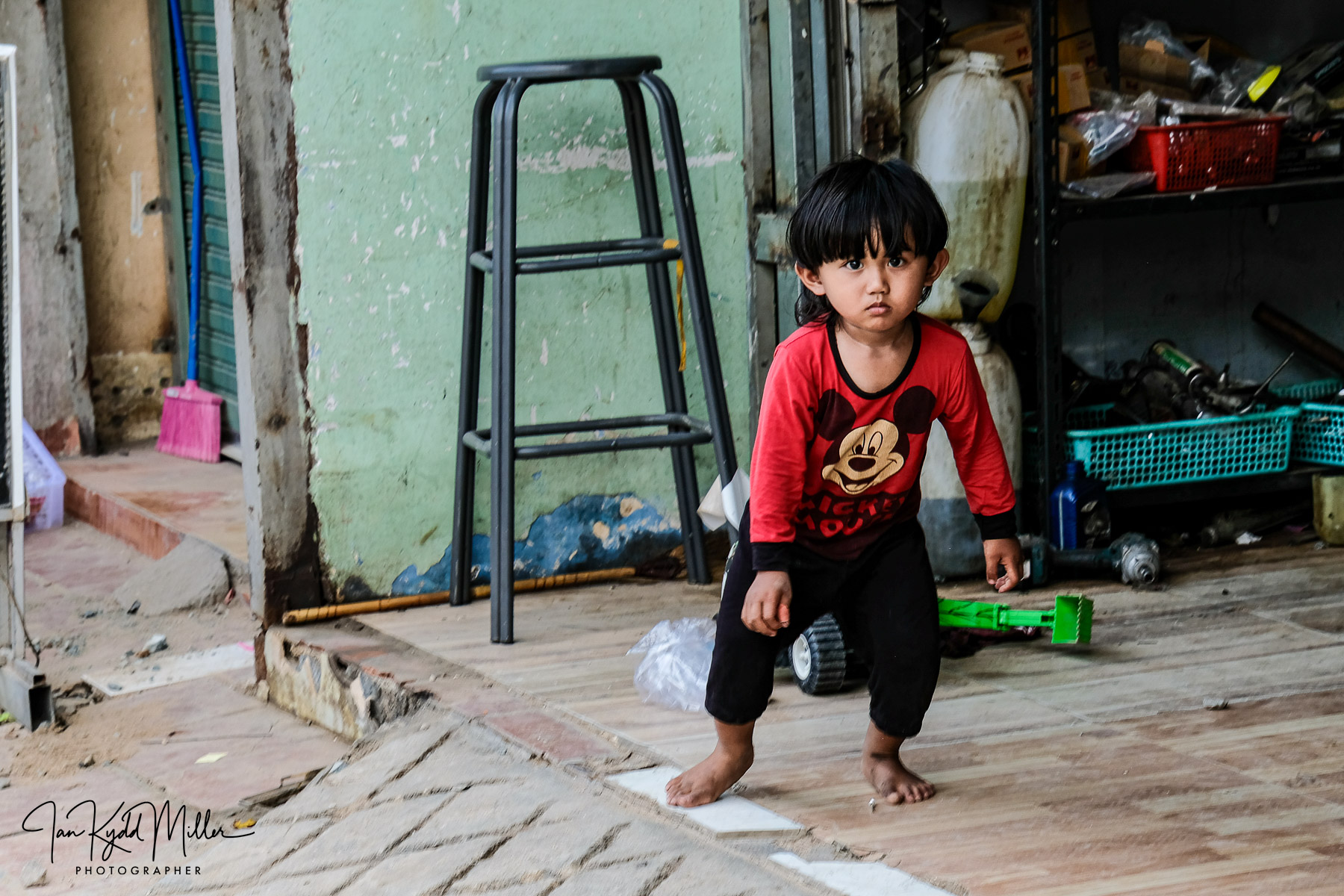
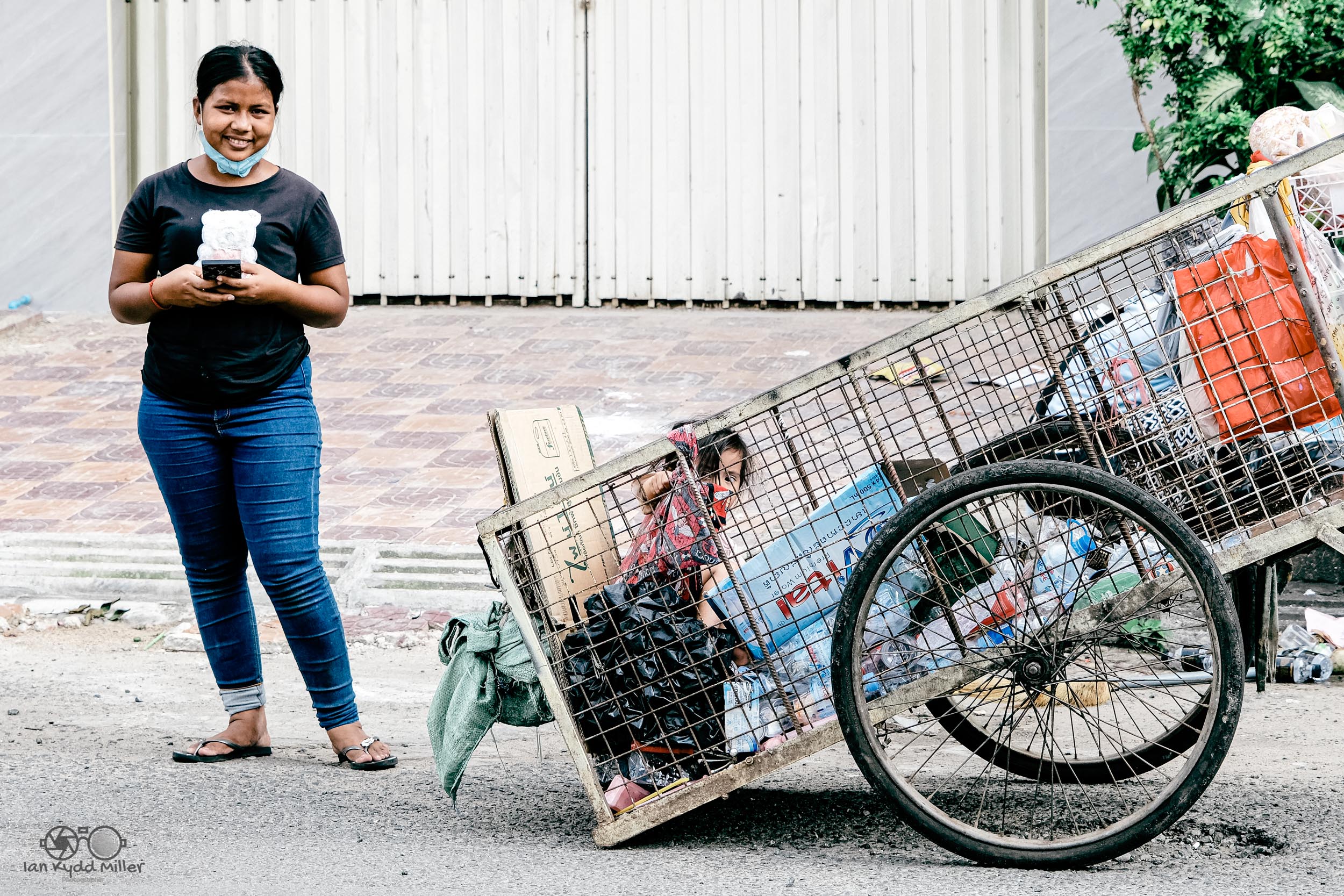
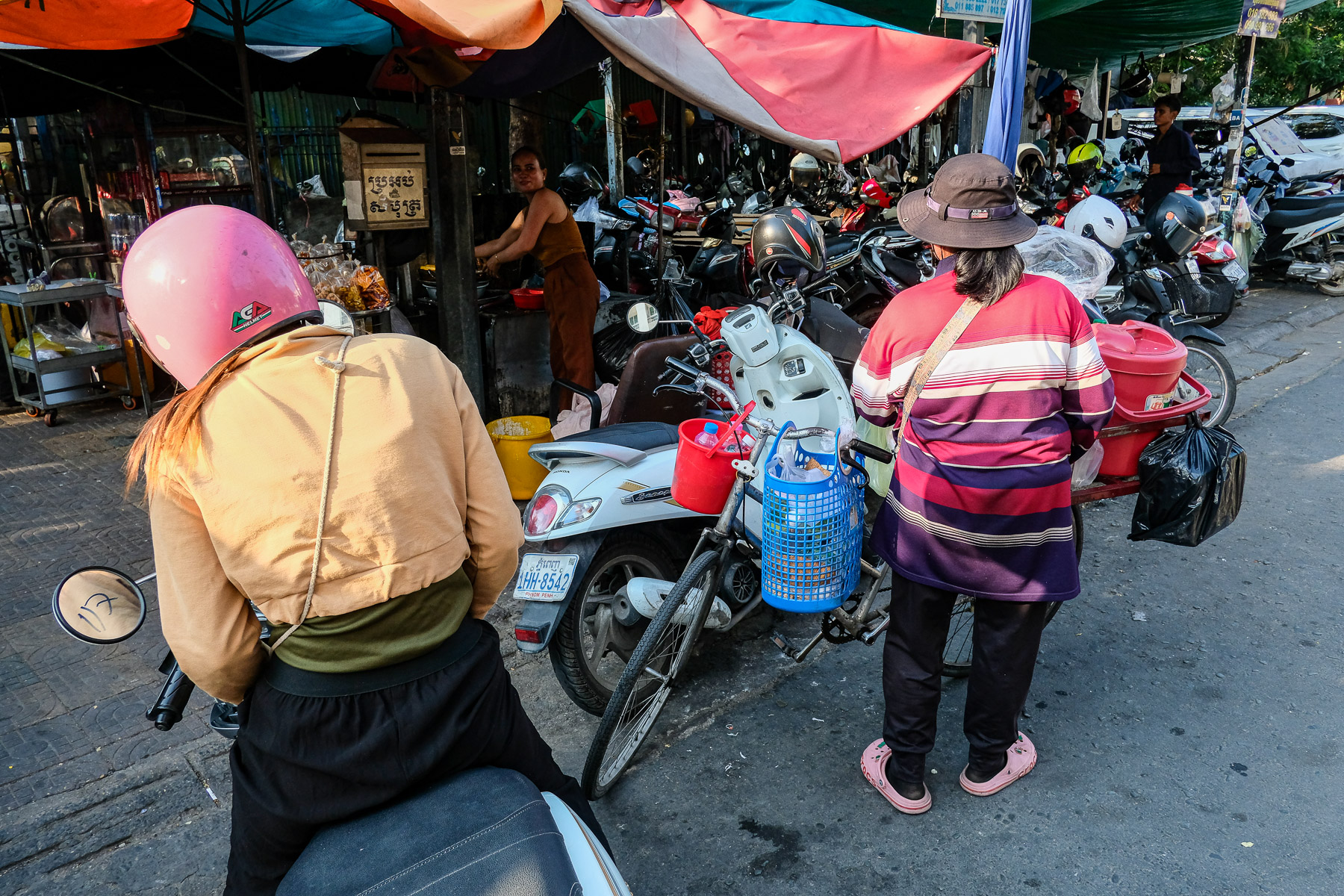
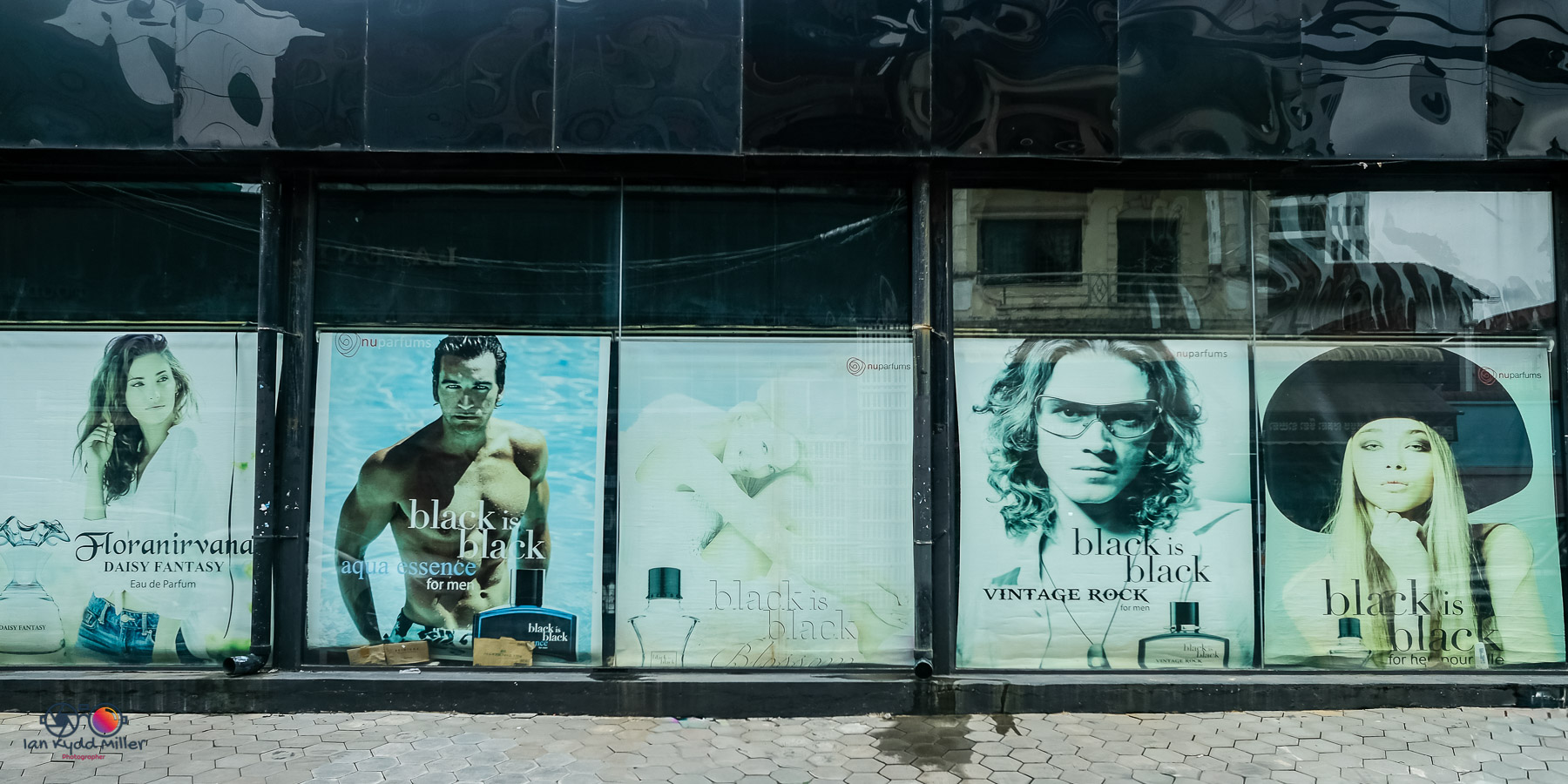
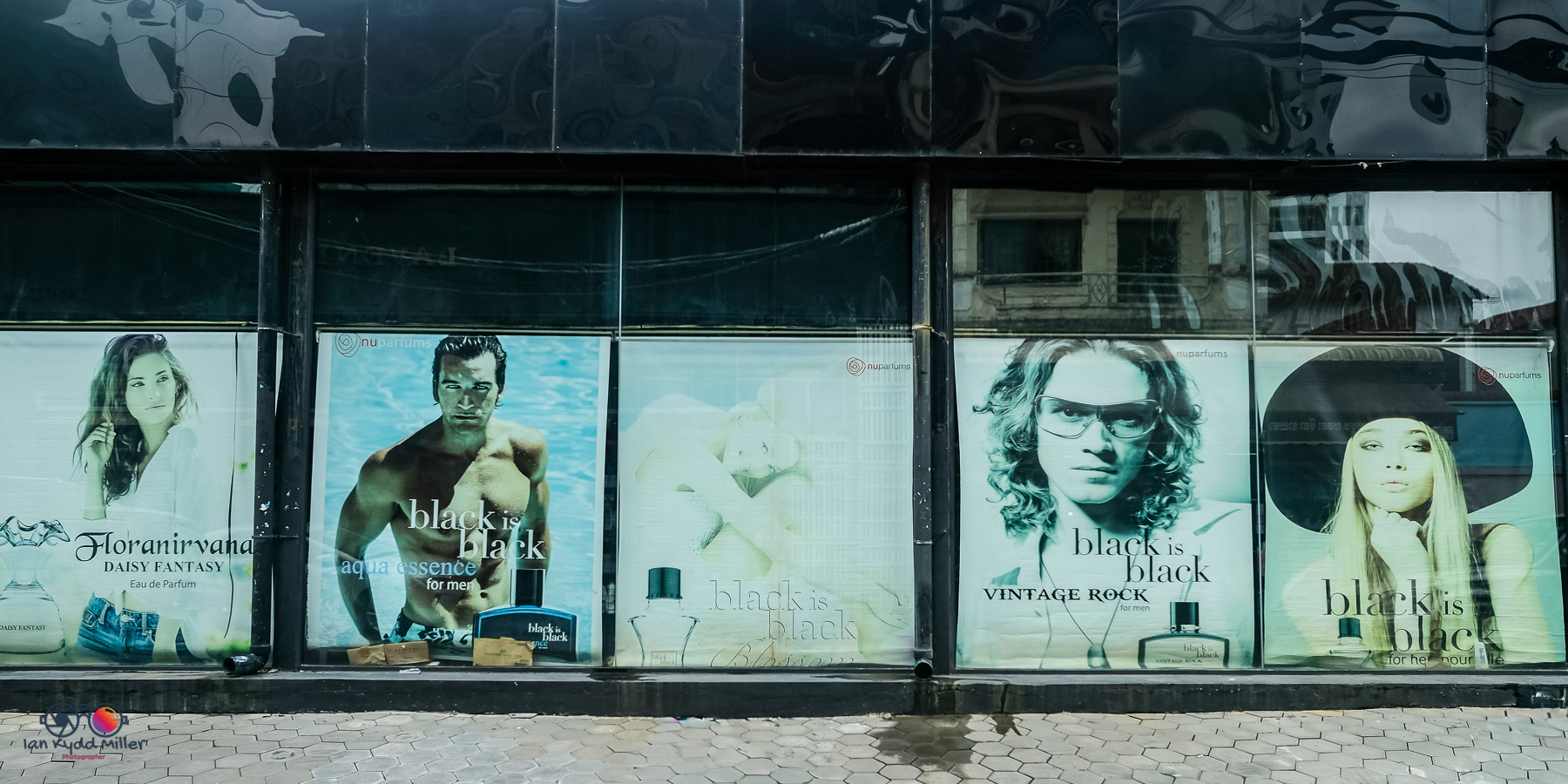
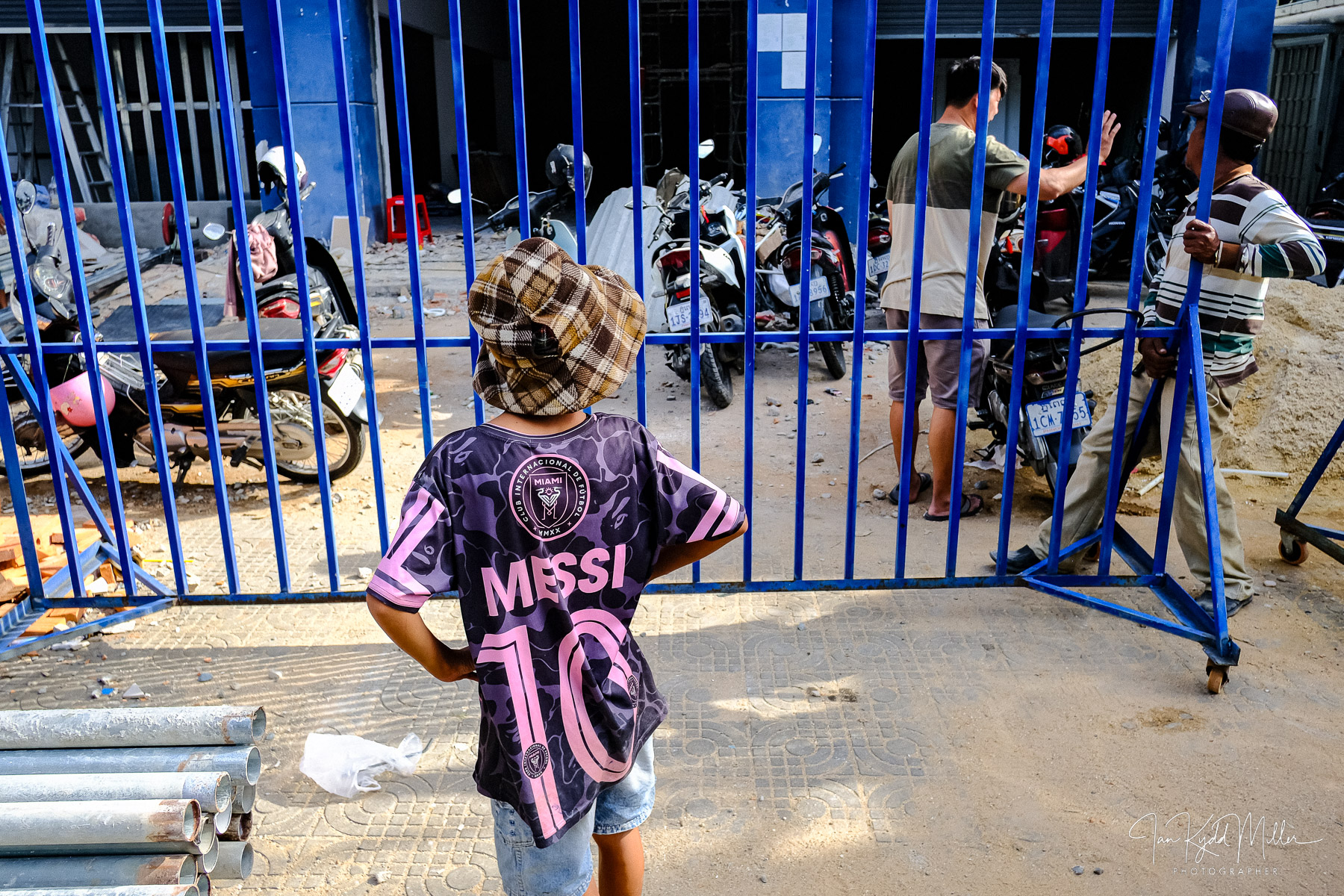
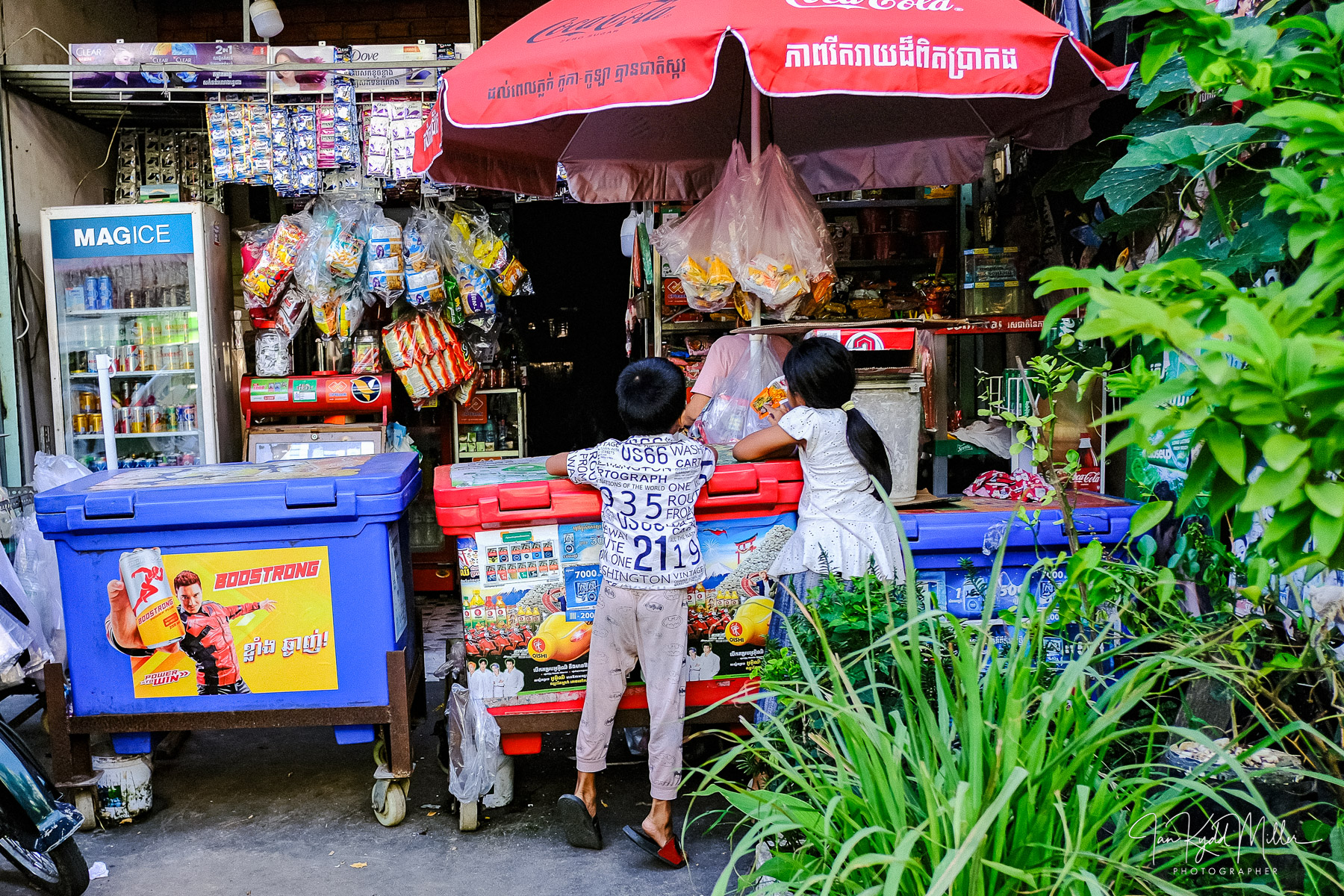
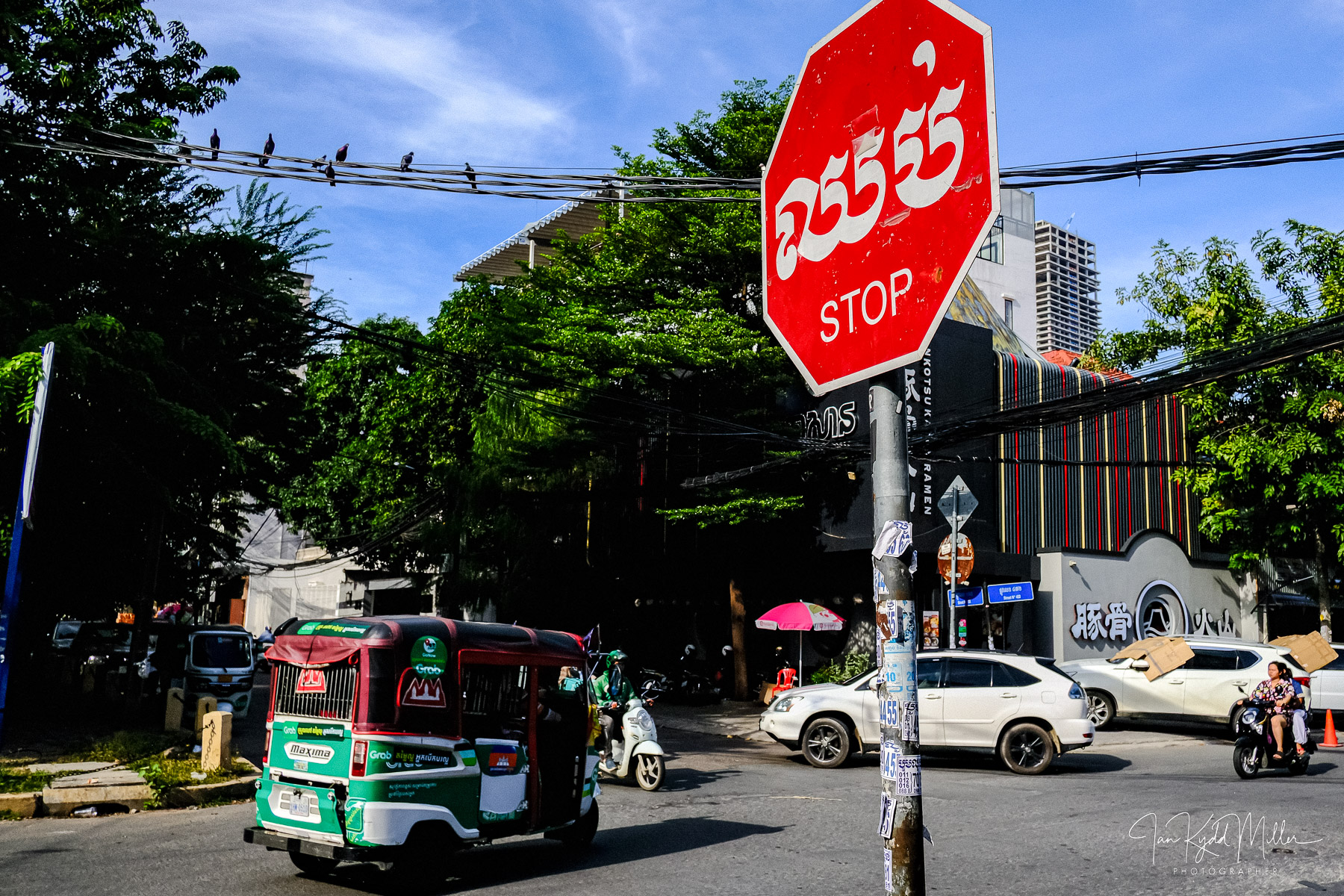
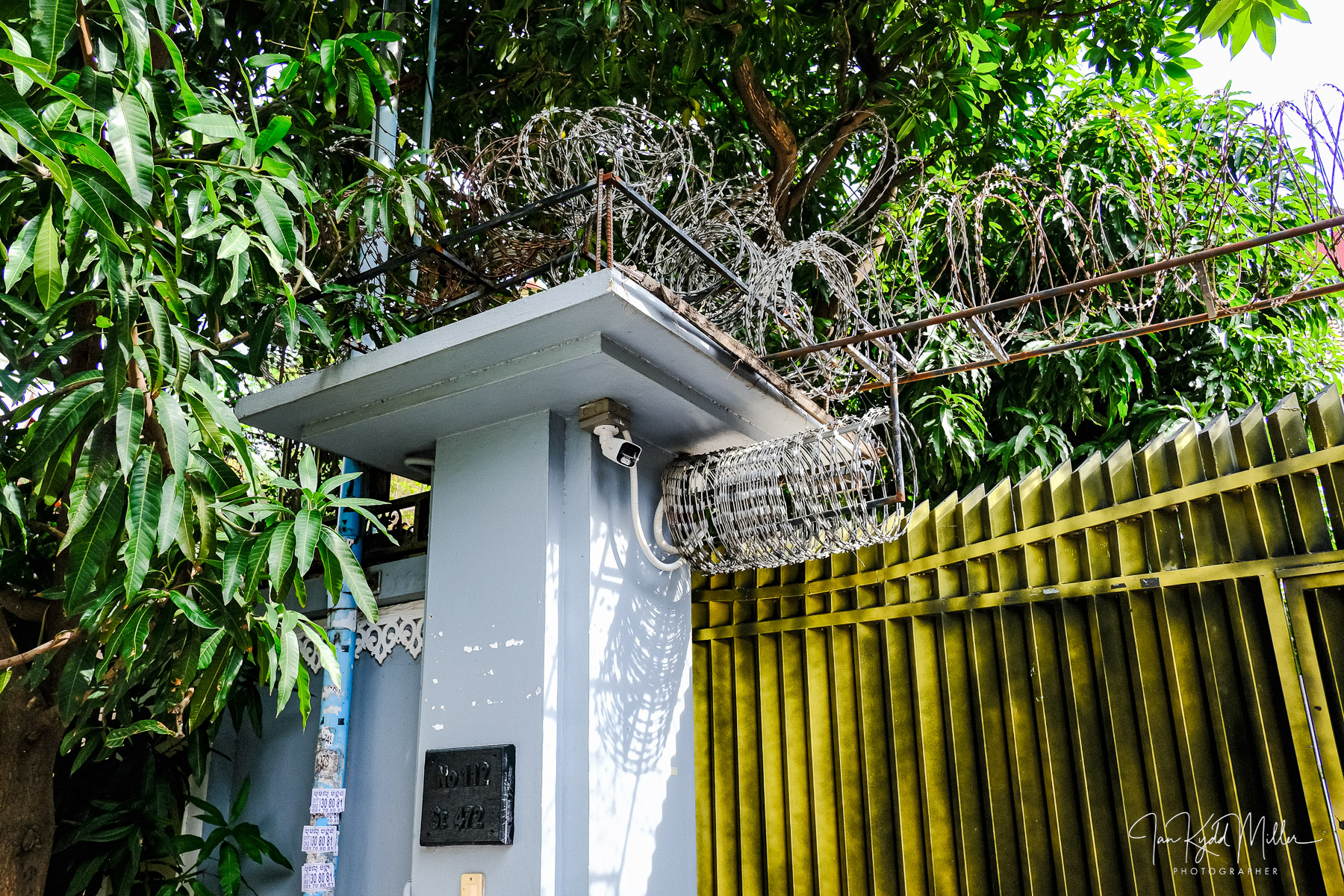
All images below were taken with second hand used gear that gives great results
Buying used gear from reputable dealers is a fantastic way to save money, reduce environmental impact, and still get your hands on some amazing tech. With a little research and due diligence, you can make purchases that are smart for your wallet and the planet. So next time you’re in the market for some new equipment, consider going the pre-owned route—you might just be pleasantly surprised by what you find. Happy shopping!
The Art of Street Photography in Asia: Capturing the Essence of Everyday Life
Street photography in Asia is an exhilarating and challenging endeavour that attracts photographers from all over the world. The continent’s diverse cultures, bustling metropolises, serene landscapes, and vibrant street life provide an endless array of subjects for photographers to capture. From the neon-lit streets of Tokyo to the historic alleys of Hanoi, every corner offers a new perspective, a unique story.
Understanding the Cultural Tapestry
Asia is a tapestry of traditions, religions, and languages. This diversity is reflected in the daily life of its people, which is a central subject of street photography. Photographers must approach their craft with respect and sensitivity towards local customs and norms. Capturing images in Thailand, for instance, is not just about aesthetics but also about understanding and respecting the rich culture and traditions.
The Evolution of Street Photography in Asia
Street photography in Asia has evolved significantly over the years. In Thailand, for example, it has grown alongside urbanization and social change, with Bangkok becoming a dynamic focal point for this photographic style. The advent of digital photography and social media has also transformed the scene, making it more accessible and allowing a new generation of photographers to define a unique visual style that reflects Asian culture, urban narratives, and political undercurrents.
Technical Mastery Meets Artistic Vision
Mastering street photography in Asia involves a combination of technical prowess and artistic vision. It’s about being in the right place at the right time and having the patience to wait for that decisive moment. It’s also about choosing the right gear and settings to capture the scene as authentically as possible. Whether it’s the hustle of the markets or the tranquillity of a temple, photographers must be ready to capture the essence of the moment.
The Impact of Renowned Photographers
Photographers like Maciej Dakowicz have spent years documenting the streets of Asia, offering profound insights into the lives and environments they capture. Dakowicz’s work, which spans two decades, showcases his ability to seize unfiltered moments and discover profound meaning in simplicity.
A Visual Journey Through Asia’s Streets
For those interested in exploring street photography in Asia, there are countless resources available, from online galleries to books that delve into the experiences of seasoned photographers. These collections not only display the beauty of everyday life but also serve as inspiration for aspiring photographers looking to embark on their own visual journeys across Asia’s diverse landscapes.
In Conclusion
Street photography in Asia is more than just a genre; it’s a way to connect with humanity and the world around us. It requires an open heart, a keen eye, and a deep appreciation for the fleeting moments that make up our lives. For anyone ready to take on the challenge, the streets of Asia await, ready to reveal their stories to those willing to look.
References: : Capturing Life: A Guide to Thai Street Photography – Better Living Asia : Where The Sun Rises: 20 Years of Street Photography in Asia by Maciej Dakowicz – Eyeshot
In the realm of visual arts, the decision to work in black and white versus colour is one that carries significant creative weight. The absence of colour can be a powerful tool, stripping away the distractions of vibrant hues and allowing the viewer to focus on the subject’s form, texture, and subtleties of light and shadow. This choice can transform the perception of an image, imbuing it with a timeless quality that transcends the ephemeral nature of colour trends.
The Advantages of Black and White
Character Capture: Black and white photography is renowned for its ability to capture the essence of a subject’s character or soul. The lack of colour forces the observer to engage with the subject on a deeper level, often revealing a more emotional and candid portrayal.
Simplification of Composition: By removing colour, photographers and artists can create compositions that are clean and focused. Colour can sometimes act as a distraction, drawing the eye away from the intended subject. Black and white imagery eliminates these distractions, directing attention precisely where the artist intends.
Atmospheric Evocation: Black and white images can evoke a strong sense of atmosphere, often more so than their colour counterparts. They can convey a sense of drama and mood that resonates with the viewer on an instinctual level.
The Disadvantages of Black and White
Despite its advantages, black and white also come with limitations. The absence of colour can sometimes strip away the context necessary for a full understanding of the image. In scenarios where colour plays a critical role in the narrative or emotional impact of a piece—such as in landscape or fashion photography—the use of black and white may not be appropriate.
Choosing Between Black and White and Colour
The decision to work in black and white should not be taken lightly. It requires a thoughtful consideration of the subject matter, the intended message, and the emotional response the artist seeks to evoke. If the subject’s texture, lighting, and contrast are central to the composition, black and white might enhance these elements. Conversely, if the vibrancy and interplay of colours are essential, then colour photography would be the preferred medium.
In the digital age, the choice between black and white and colour has become more flexible. Photographers can shoot in color and later convert to black and white, giving them the opportunity to explore both mediums with a single image. However, many purists argue that this after-the-fact decision-making can dilute the intentional focus that comes with committing to one medium from the outset.
Conclusion
Black and white imagery is not merely a relic of the past but a continuing tradition that offers a unique perspective in the visual arts. It encourages viewers to see the world through a different lens, one that emphasizes the foundational elements of composition over the seduction of color. Whether it is a good thing to work in black and white ultimately depends on the artist’s vision and the story they wish to tell. In the hands of a skilled creator, black and white can be a powerful choice that resonates with clarity and depth.
For those interested in exploring this topic further, a wealth of resources and discussions can be found online, offering insights into the strategic use of black and white in various artistic disciplines.
In the digital age, where billions of photographs are taken annually, the art of printing photographs holds a special place in the hearts of photography enthusiasts and professionals alike. While it’s true that we live in a world where images are predominantly consumed on screens, the significance of a printed photograph cannot be overstated.
Printing photographs is an essential aspect of the photographic process that has stood the test of time. Despite the convenience of digital storage, printed photos offer a tangible connection to our memories, an enduring legacy that can be passed down through generations. A digital file might be forgotten on an old hard drive, but a printed photograph becomes part of our physical world, often gracing the walls of our homes or the pages of a cherished album.
Printing also encourages photographers to engage with their work on a deeper level. It’s a process that invites a more critical eye, demanding carefully considering composition, colour, and detail that might otherwise be overlooked on a digital display. This scrutiny often leads to a better understanding of one’s photographic style and can inspire a greater level of creativity.
Moreover, printing your photos can have a profound impact on your skills as a photographer. It allows you to see the fruits of your labour in a new light, and to appreciate the nuances of texture and colour that are sometimes lost on screen. It can also inspire you to revisit old photos, to see them with fresh eyes and perhaps discover something new about your own artistic journey.
But perhaps the most compelling reason to print your photographs is the emotional response they evoke. A printed photo is not just an image; it’s a physical object that can be touched, felt, and experienced in a way that digital images cannot. They carry with them the weight of the moments they capture, becoming priceless heirlooms that tell stories long after the moment has passed.
In conclusion, printing your photographs is more than just a nod to tradition; it’s a celebration of photography as an art form. It’s a way to honour the moments you’ve captured, to share them with the world, and to ensure they endure. So, the next time you capture a moment that moves you, consider giving it the space it deserves in the physical world. Print it, frame it, and let it inspire you and others for years to come.
The Fujinon XF16-80mmF4 R OIS WR lens is a remarkable piece of equipment that has quickly become a favourite among travel photographers. Its versatility is unparalleled. It offers a maximum aperture value of F4 across the entire focal length of 16-80mm, which is equivalent to 24-122mm in the 35mm film format. This means that whether you’re capturing wide landscapes or zooming in for a portrait, you can expect consistent exposure and depth of field control.
One of the most impressive features of this lens is its minimum shooting distance of just 35cm across the entire zoom range. This close focusing ability, coupled with a maximum shooting magnification of 0.25x, allows photographers to get up close and personal with their subjects, capturing intricate details that might be missed.
Weighing in at a mere 440g, this lens is about 40% lighter than its counterparts designed for a 35mm format system. This weight reduction is a godsend for photographers who spend long days on their feet, moving from location to location. When paired with the Fujifilm X-T3, the combined weight is only 979g, and an even lighter 823g with the X-T30. This makes for an incredibly lightweight setup that doesn’t compromise image quality, making it the ultimate travel combination.
The lens’s 6.0-stop Optical Image Stabilization (OIS) is another feature that sets it apart. It allows photographers to shoot confidently in a variety of lighting conditions, from night scenes to indoor environments, without the concern of camera shake ruining the shot. This is especially useful for those who prefer to shoot handheld and want to keep their gear to a minimum.
Our user has recently upgraded to this lens and has shared their excitement over its performance. The lens not only looks good but functions exceptionally well, producing great images that please any photographer’s eye. Although I have yet to test it on the Fujifilm X-Pro3, it has already proven to balance well on the X-T3, suggesting that it will be a great match for the X-Pro3 as well.
The Fujinon XF16-80mmF4 R OIS WR lens is a testament to the innovation and quality that Fujifilm brings to the world of photography. It’s a lens that supports the photographer’s vision, whether they’re capturing the vastness of a mountain range or the intimate moments of street life. For the travel photographer who values quality, versatility, and portability, this lens is a game-changer. It’s not just a lens; it’s a passport to capturing the world in all its glory.
Photography is an art form that freezes a moment in time, a visual narrative that tells stories without the need for words. Henri Cartier-Bresson, a master of candid photography, beautifully encapsulated the essence of this art in his quote about the creative fraction of a second. It’s that split second where everything aligns within the viewfinder—the light, the subject, and the surroundings—creating a harmonious composition that speaks volumes.
The “Decisive Moment,” as Cartier-Bresson termed it, is the core of what makes photography such a thrilling pursuit. It’s about anticipation and intuition, knowing when to release the shutter and capture a scene that will never quite occur in the same way again. This moment is ephemeral, often a serendipitous intersection of chance and skill that yields a photograph capable of evoking emotion, provoking thought, or simply capturing beauty.
In the world of photography, every fraction of a second counts. The blink of an eye, the flutter of a bird’s wings, or the fleeting smile of a stranger—these are the moments photographers live for. They roam the streets, wander through fields, and explore the urban jungle with cameras, always looking for that perfect shot. They understand that life is a series of such moments, and their camera is the tool that allows them to share their unique vision with the world.
The creative process in photography is not just about the technical aspects, such as aperture, shutter speed, or ISO. It’s about seeing the potential for a great picture in the mundane, finding the extraordinary in the ordinary, and telling a story through a single image. It’s about the photographer’s ability to connect with their surroundings and their subject, to be present in the moment, and to have the agility and acuity to capture it.
Photographers are, in many ways, historians of the everyday. They document the world as it is, preserving moments that may seem inconsequential at the time but often gain significance as the years pass. Their lenses show us different perspectives, new angles, and fresh takes on familiar scenes. They challenge our perceptions and encourage us to see the world through their eyes.
The beauty of photography lies in its diversity. From the grandeur of a landscape to the intimacy of a portrait, from the vibrancy of a cityscape to the tranquillity of nature, photography encompasses all facets of life. It is a universal language that transcends barriers and connects people across cultures and geographies.
For those who are drawn to photography, it is more than a hobby or a profession—it is a passion. It is a way of life that encourages mindfulness, creativity, and an unquenchable thirst for capturing the essence of the human experience. As Cartier-Bresson’s words remind us, the creative moment in photography is fleeting, but when seized, it creates something timeless—a photograph that can be cherished for generations.
So, pick up your camera, open your eyes to the world around you, and be ready to capture the moments that matter. You never know when the decisive moment will present itself, but when it does, you’ll be ready to freeze it in time, creating a visual legacy of the life that unfolds before you. Photography is not just about taking pictures; it’s about capturing life, one frame at a time.
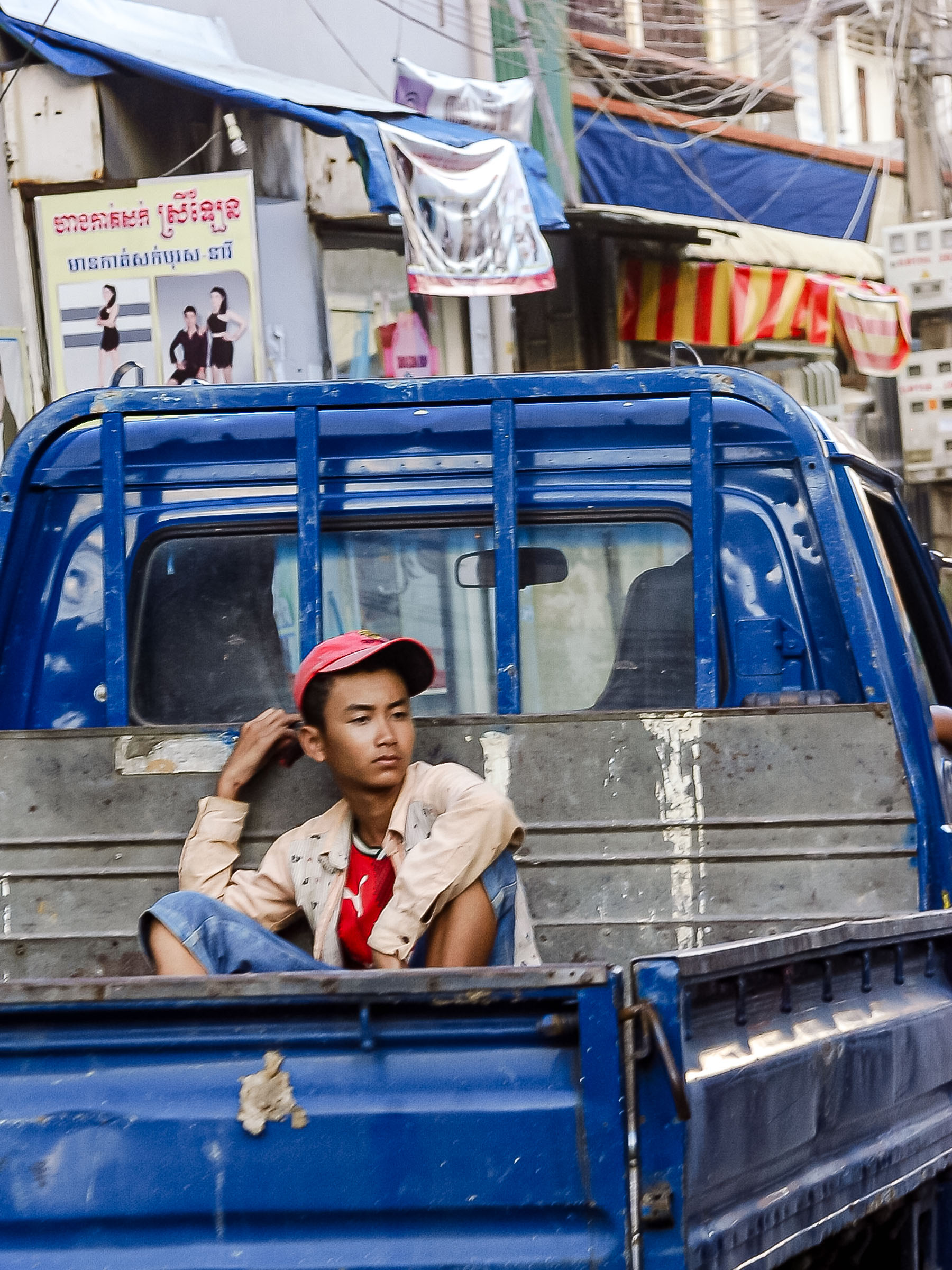
Photography is a powerful medium that transcends language barriers and connects us to the human condition. In Cambodia, a country with a rich history and a resilient spirit, the stories of ordinary people are particularly captivating. These are tales of tradition, survival, and hope that often go untold, yet they are integral to the nation’s identity.
The Cambodian landscape is dotted with bustling markets, serene temples, and vibrant streets, each offering a unique backdrop for the lives unfolding within them. Photographers who venture into this world have the opportunity to capture the essence of Cambodia’s soul, to showcase the daily life, the struggles, and the joys of its people.
From the rice farmer tending to the fields at the break of dawn to the street vendor selling traditional snacks; from the monk in deep meditation to the children at play, each photograph tells a story. These images serve as a bridge, inviting the viewer to step into the shoes of the subjects, to experience a moment of their lives.
The power of these visual narratives lies in their authenticity. They are not staged or altered but are raw and real. They speak of resilience, of a community that has faced adversity but continues to thrive. They speak of the beauty in the mundane, the strength in simplicity, and the warmth of a smile amidst hardship.
As a photographer in Cambodia, one must approach the craft with sensitivity and respect. It’s about building trust with the subjects and understanding the cultural nuances that shape their existence. It’s about being patient, waiting for the right moment when the story naturally unfolds before the lens.
The result is a collection of images that do more than just document; they evoke emotion, they provoke thought, and they inspire change. They remind us that in the ordinary, we can find the extraordinary. They remind us that every person has a story worth telling, and every story has the power to move hearts.
In the end, these photographs become more than just pictures; they become a testament to the human spirit, a celebration of life, and a homage to the enduring soul of Cambodia. They are a reminder that in the vast tapestry of humanity, every thread is essential, every colour is vital, and every pattern is worth preserving.
So, let us take a moment to appreciate the photographers who bring these stories to light, who remind us of the power of visual storytelling, and who continue to capture the enduring spirit of the ordinary people of Cambodia. Their work is not just a contribution to the art of photography; it is a valuable contribution to the collective memory of humanity.