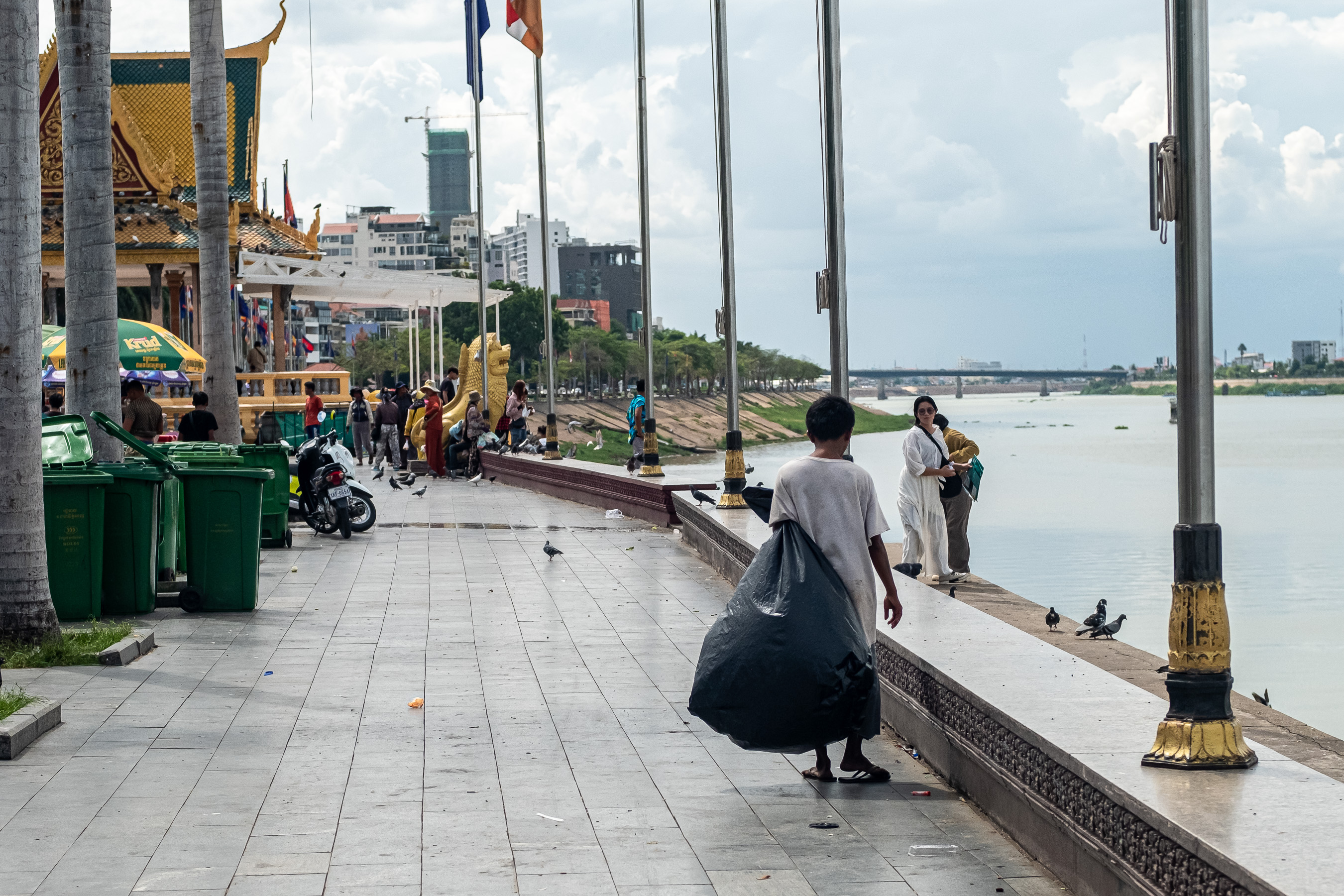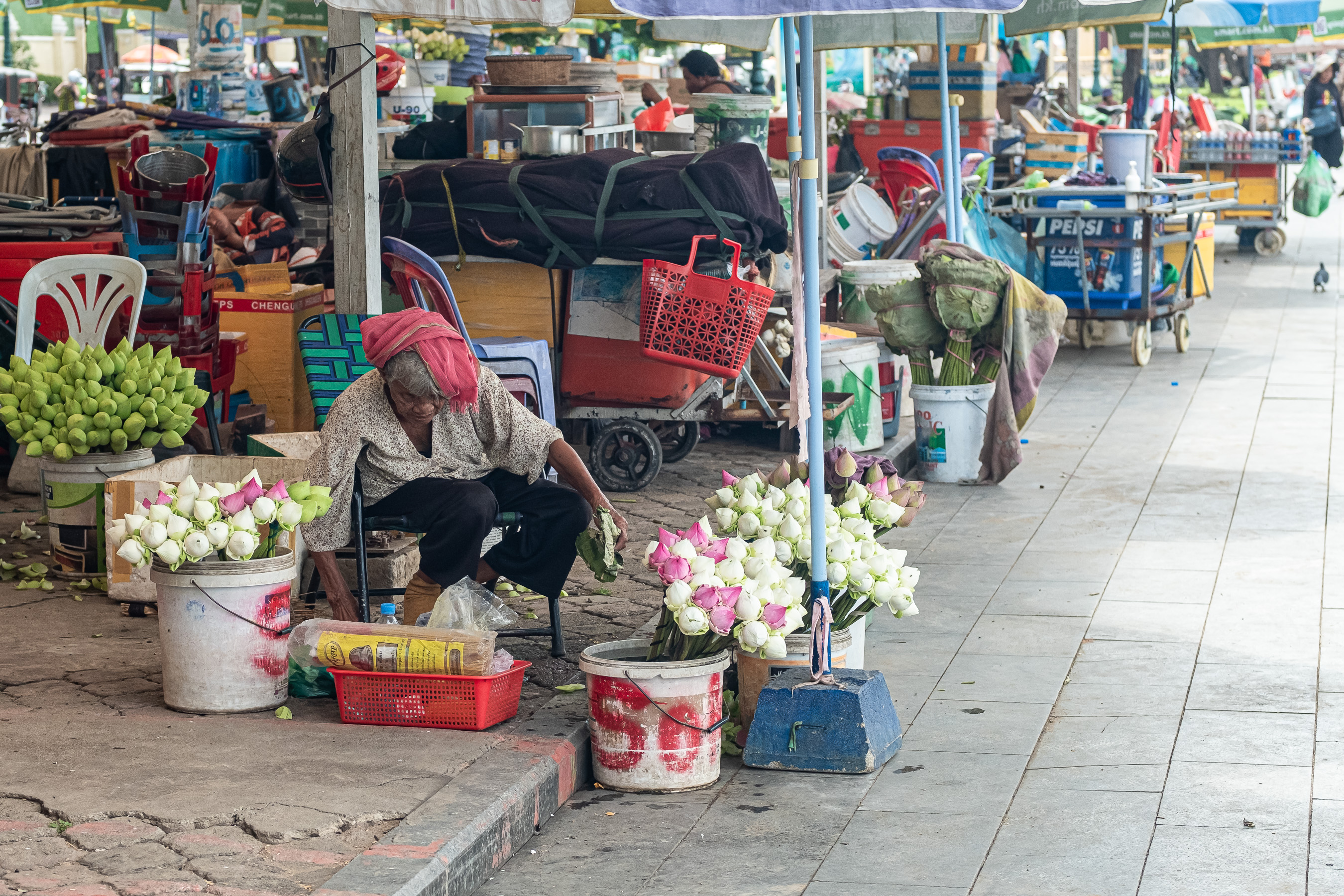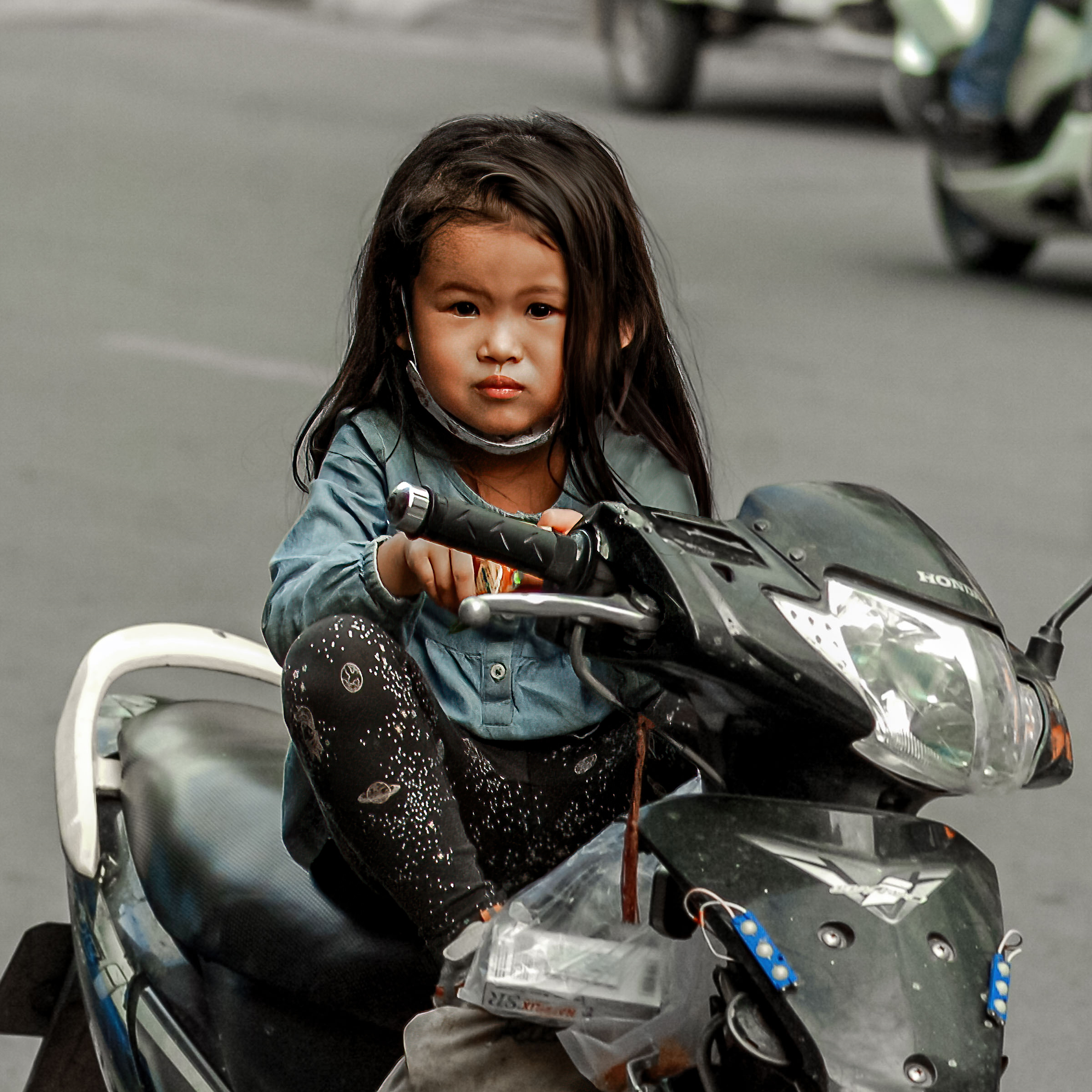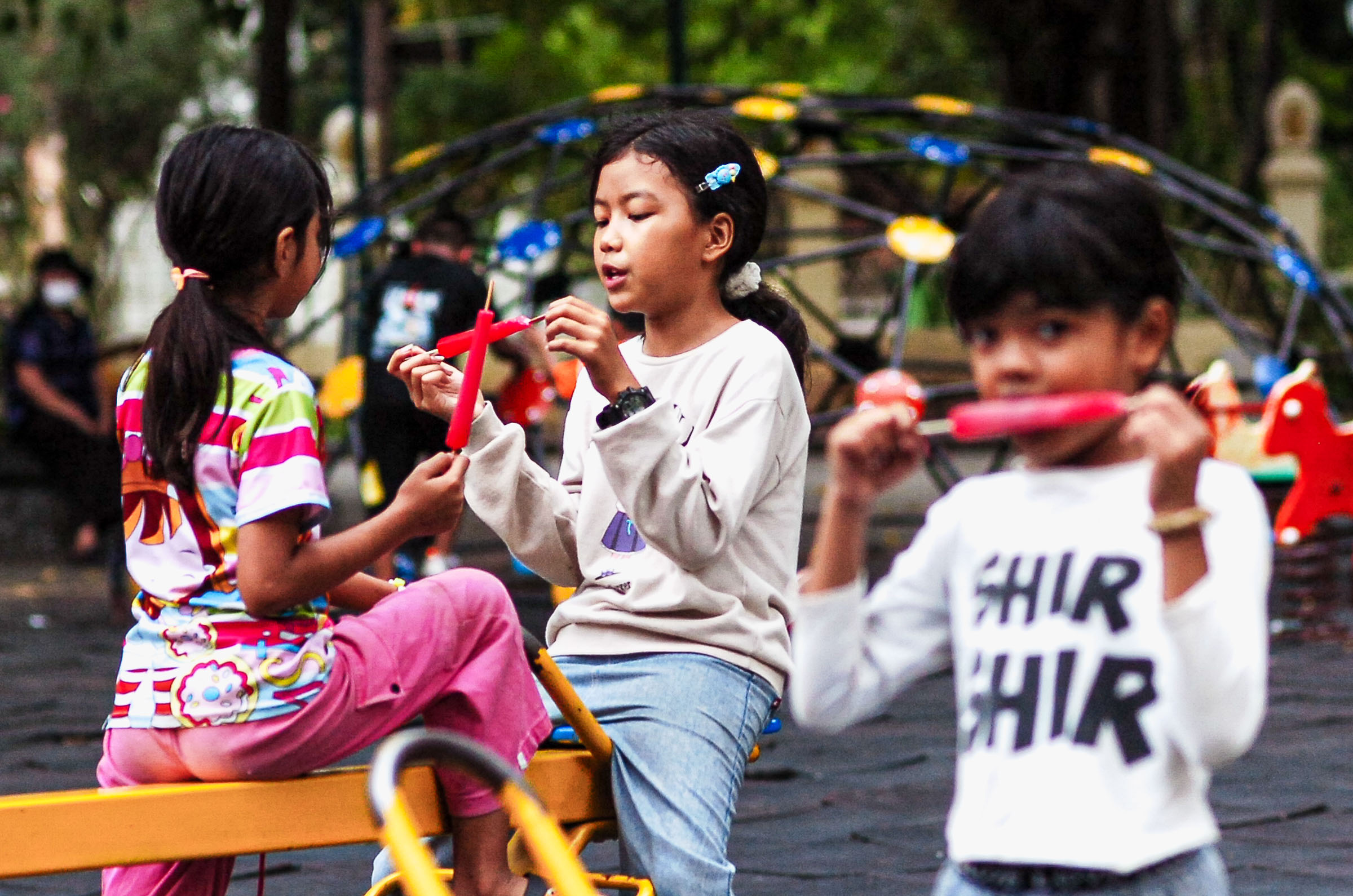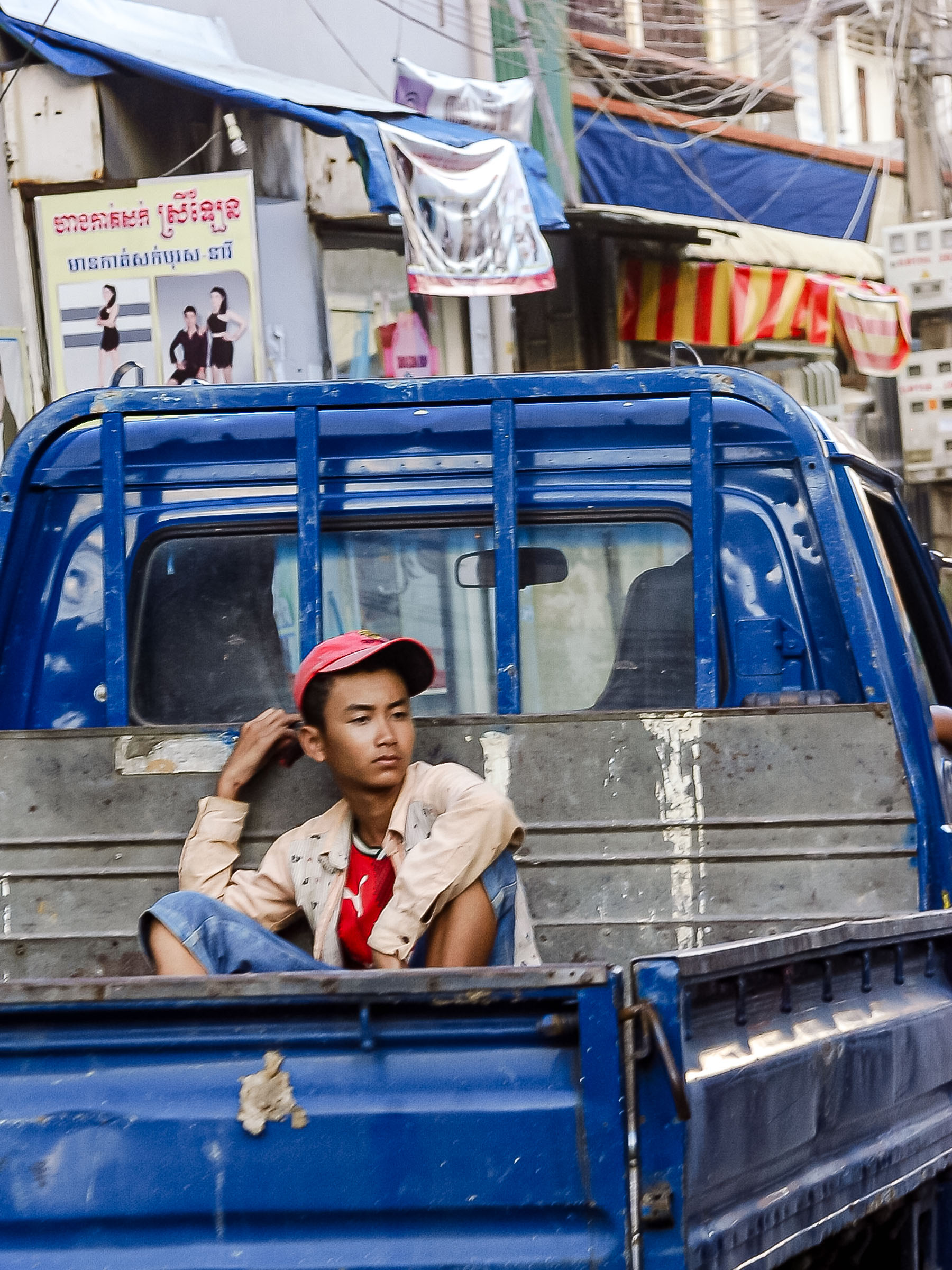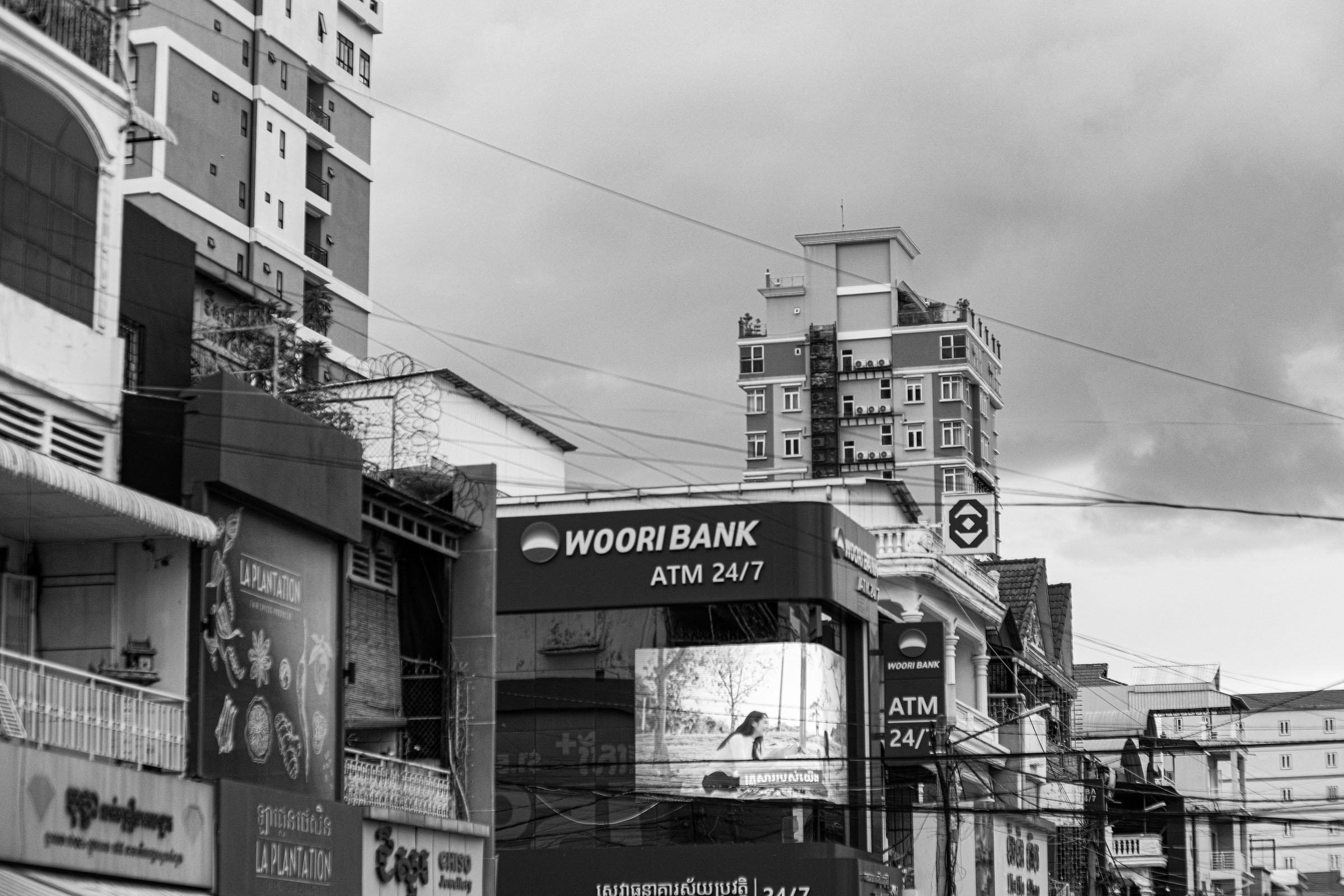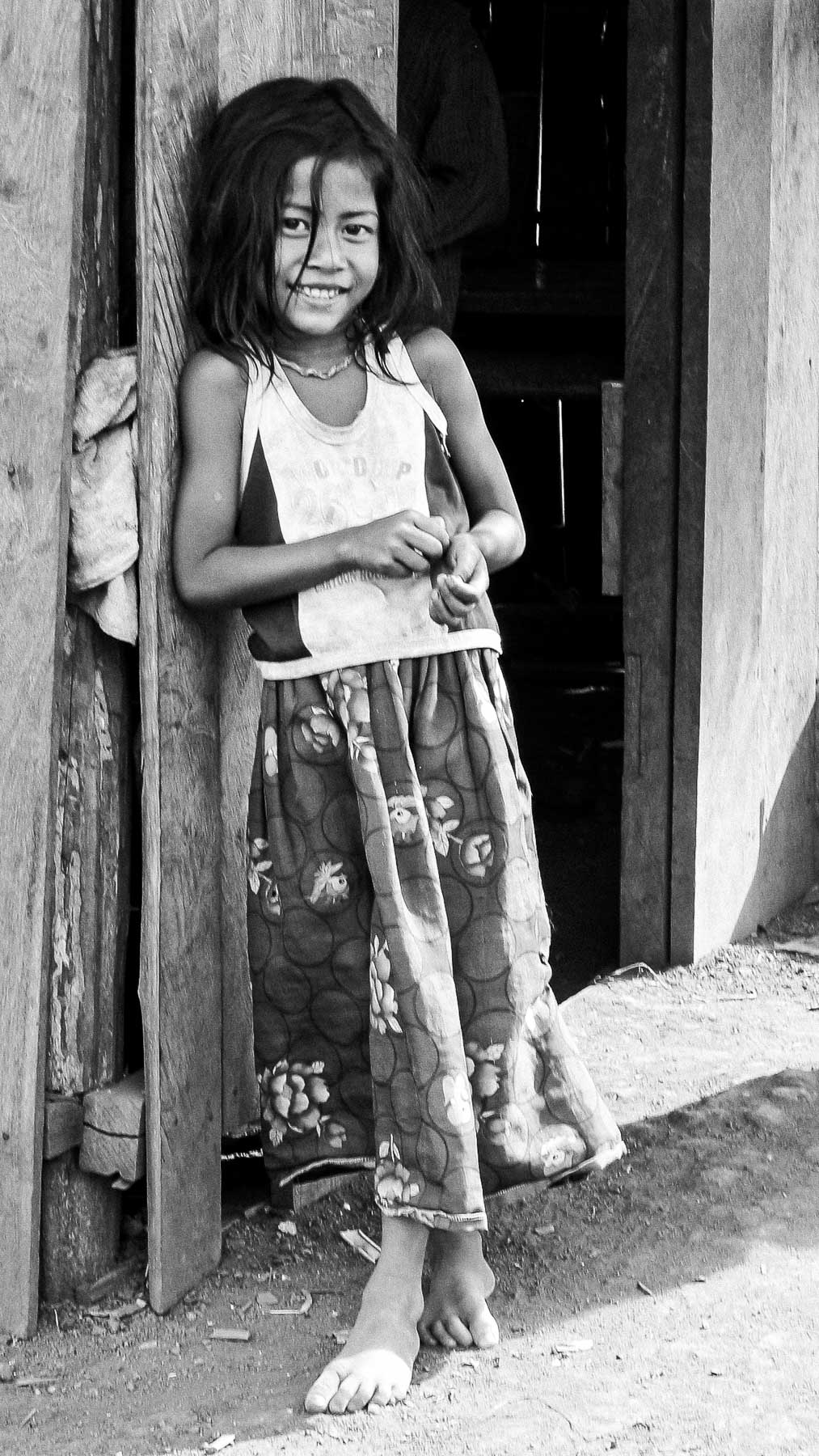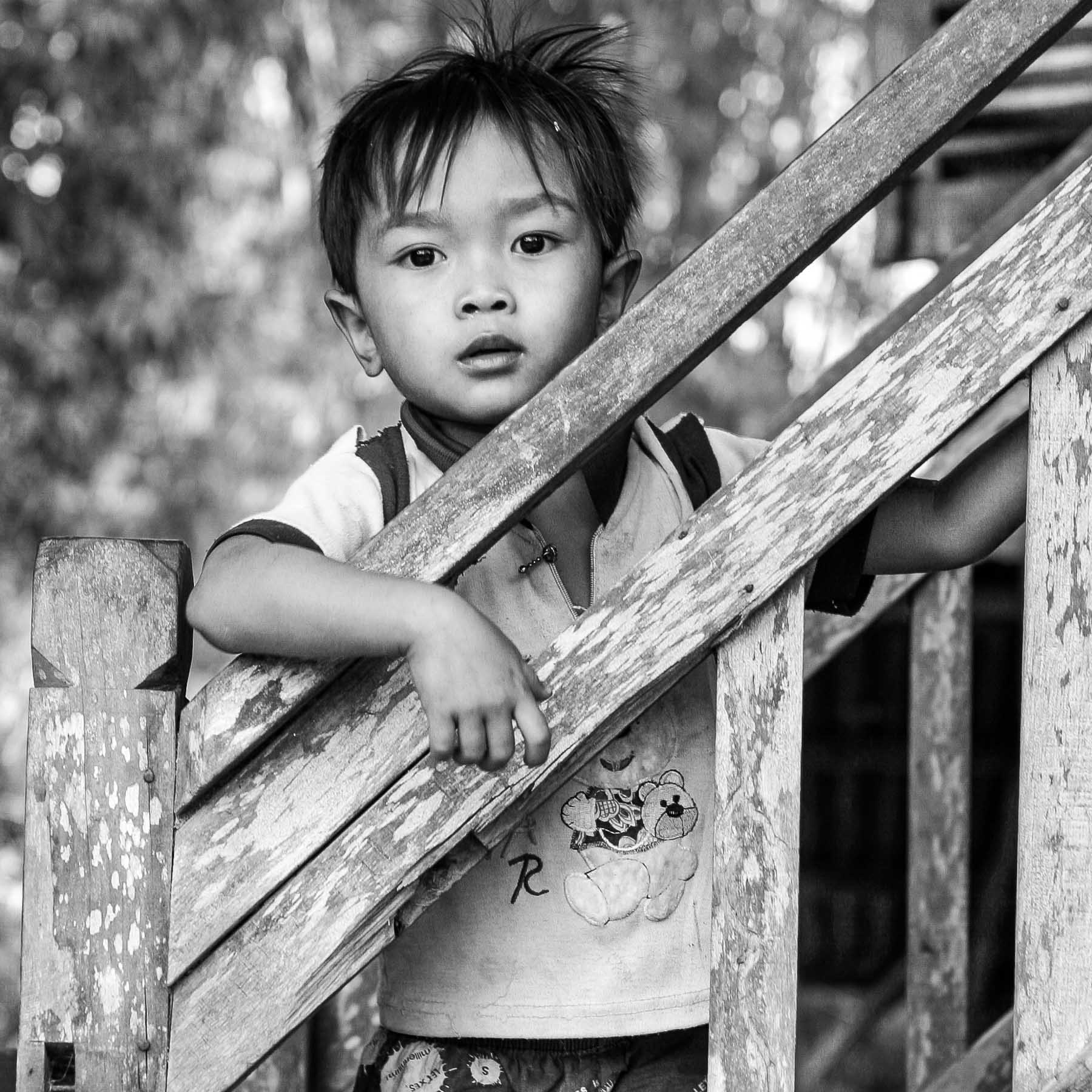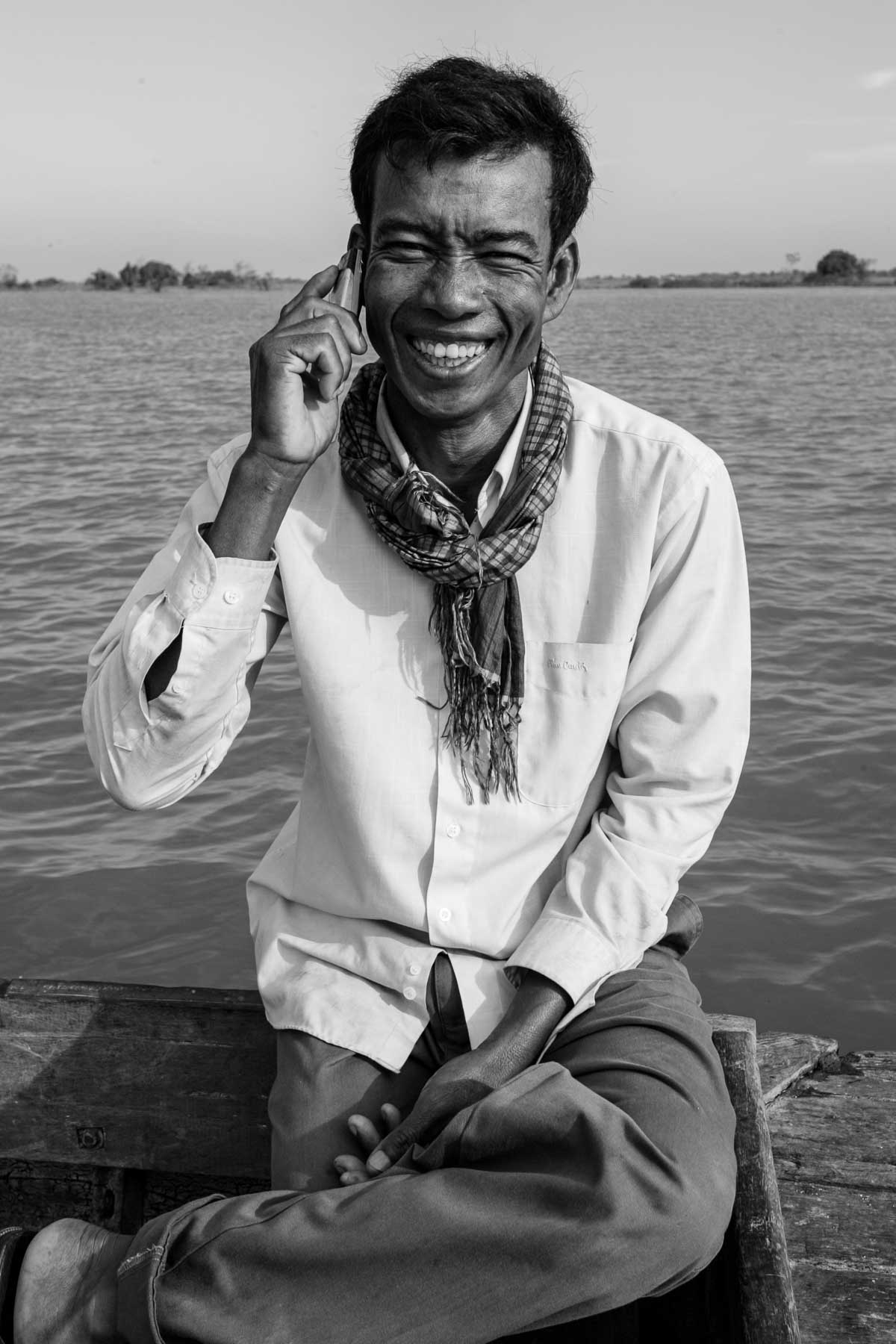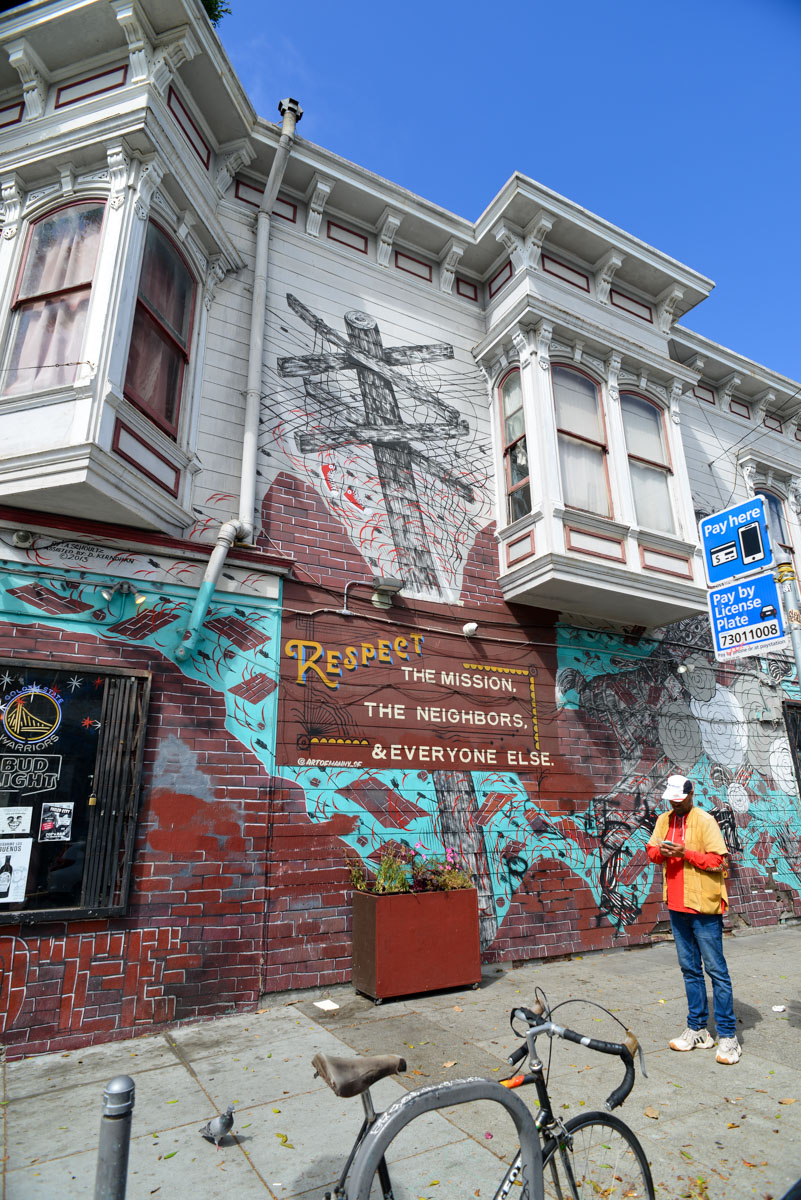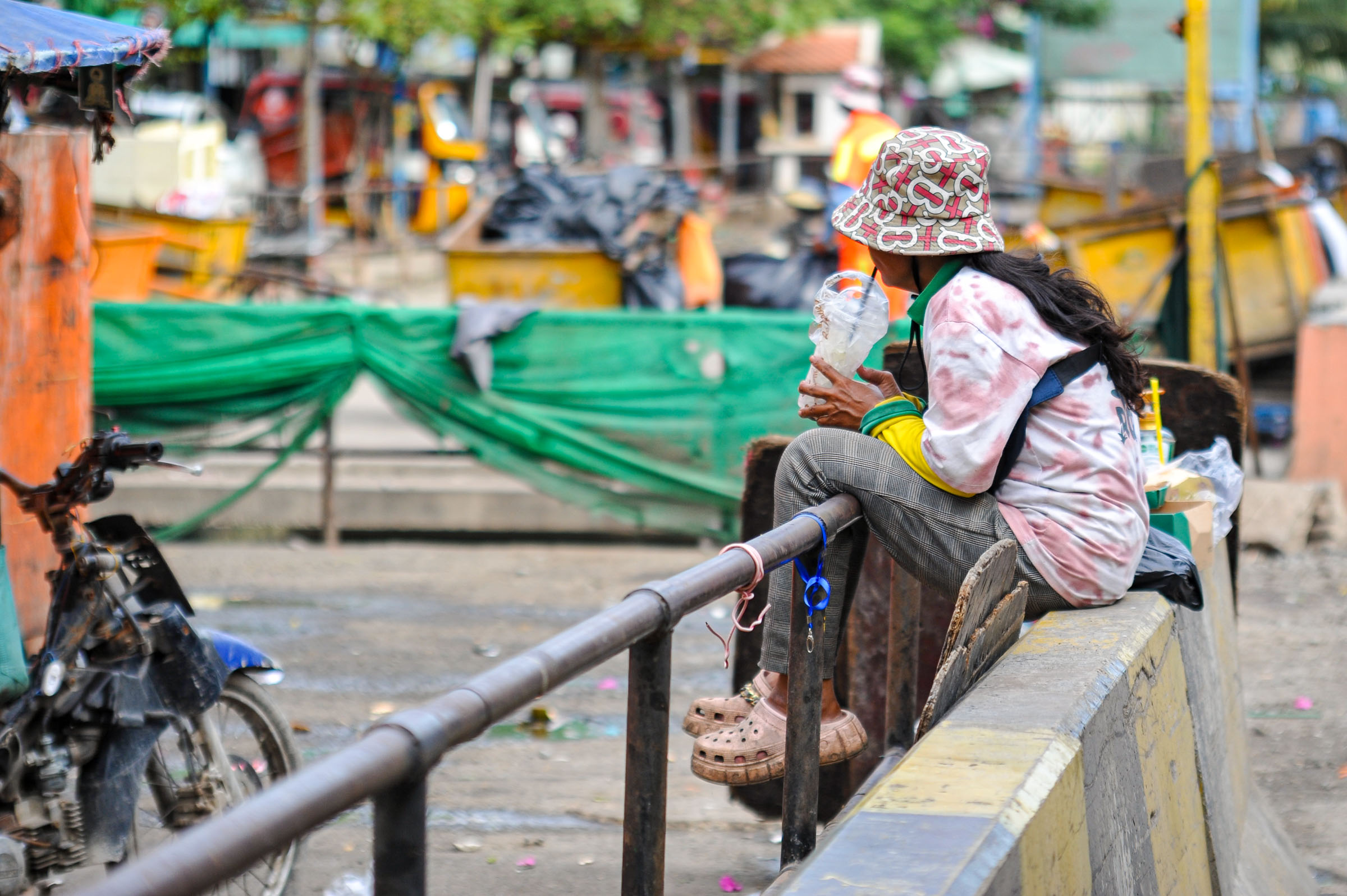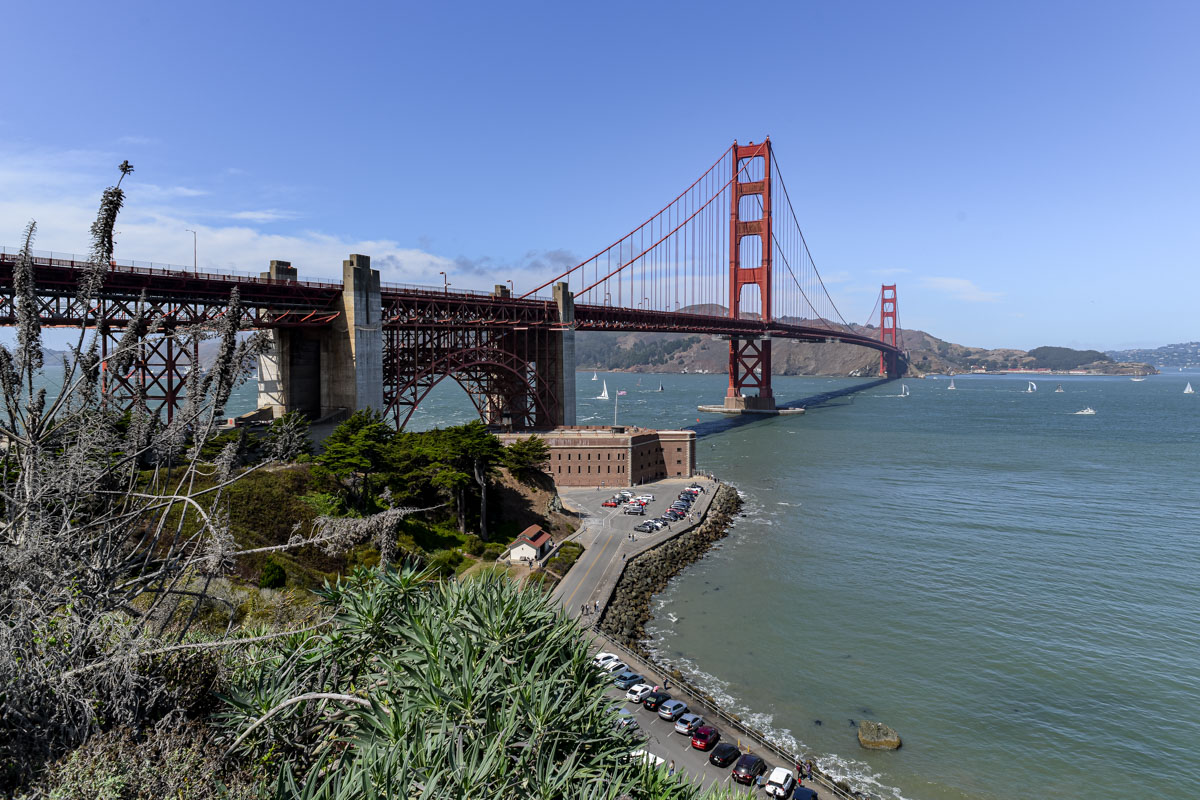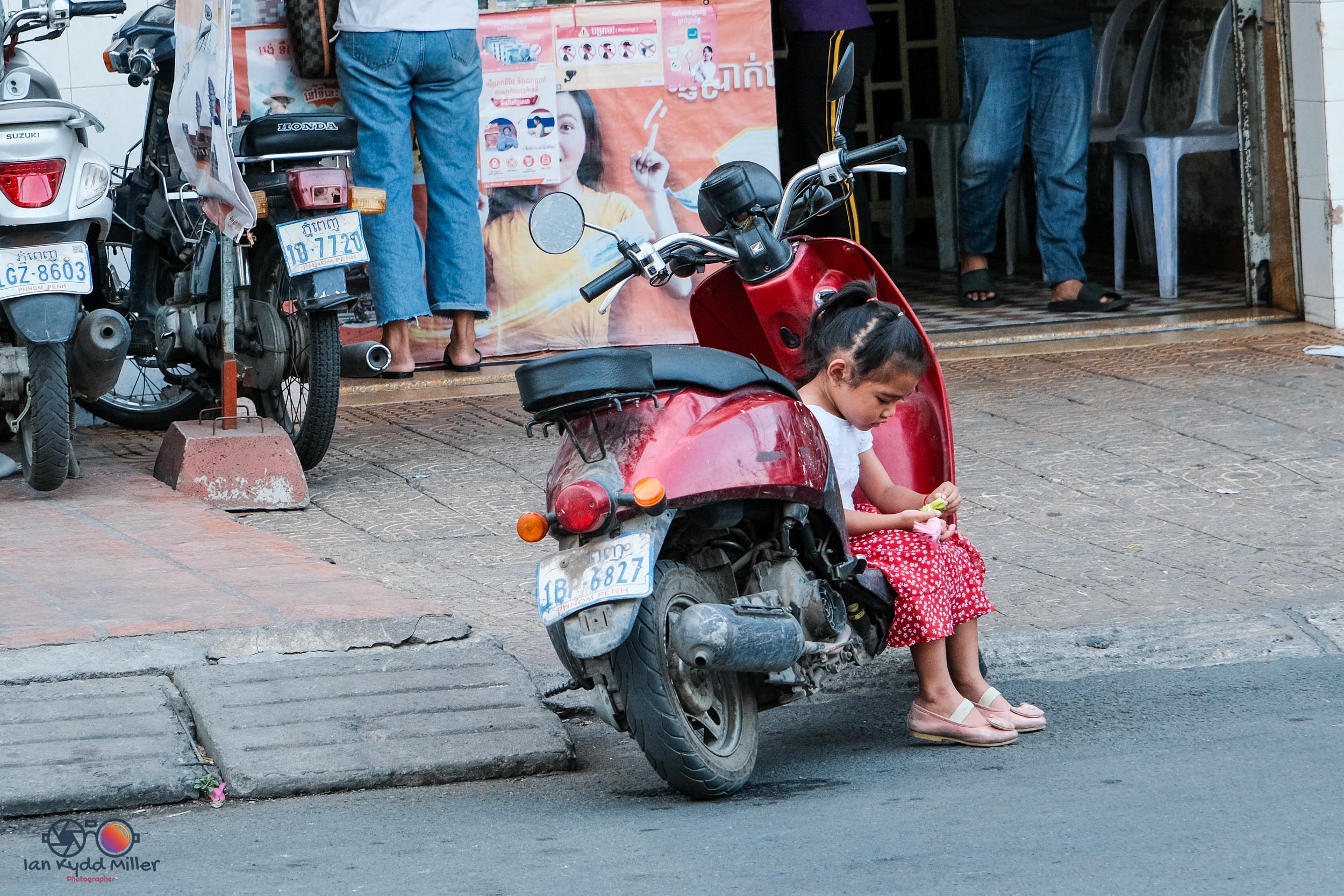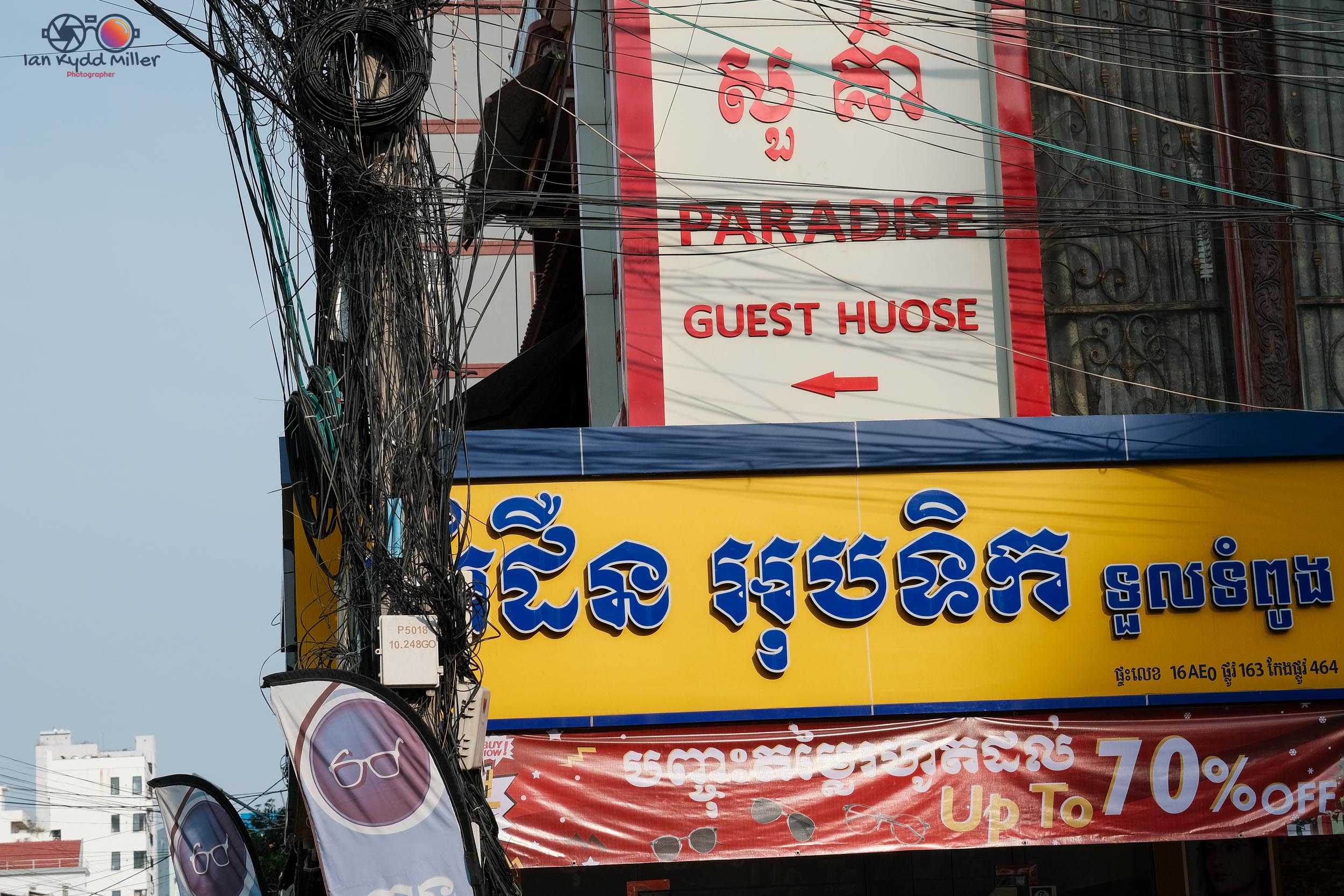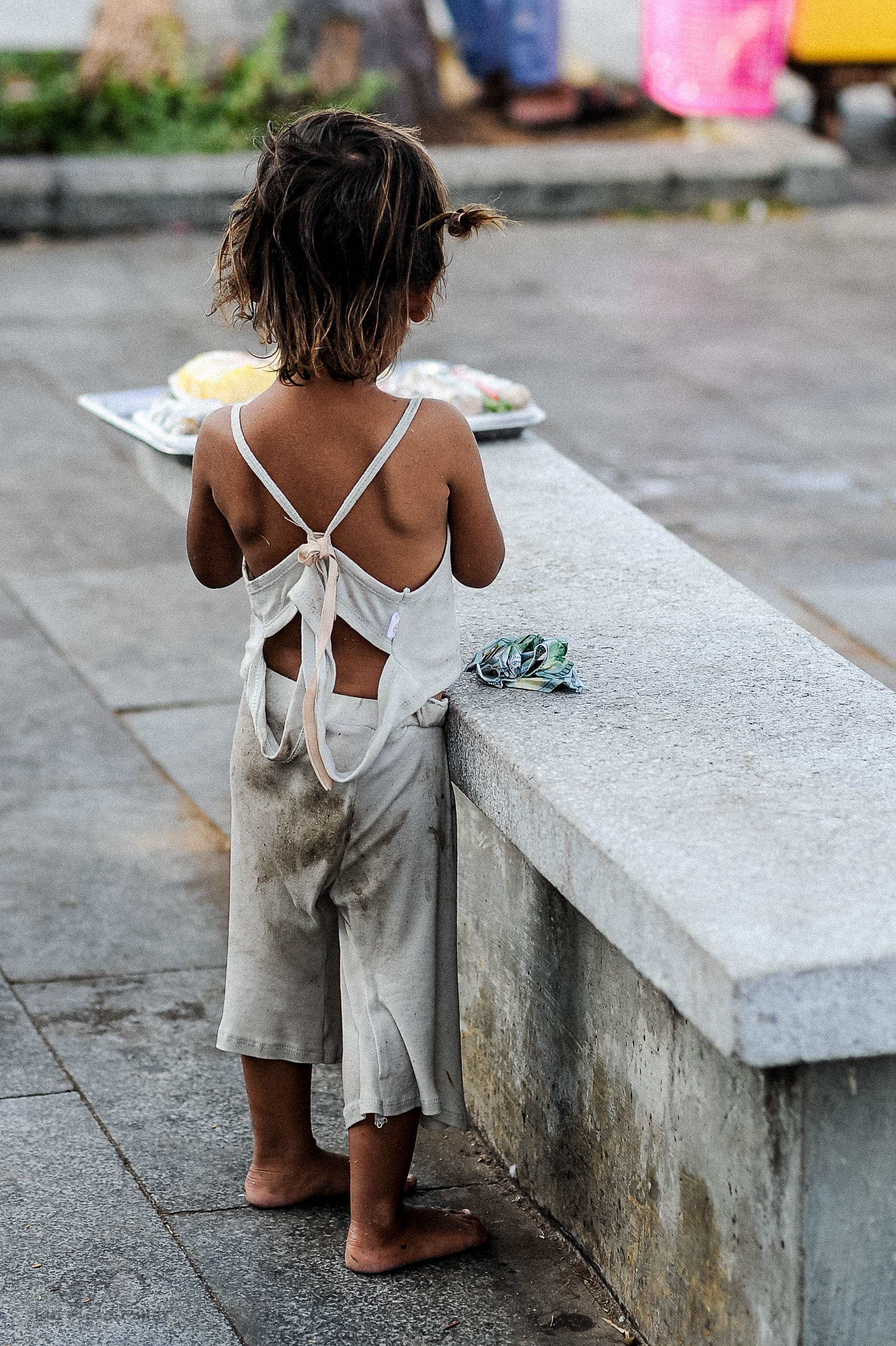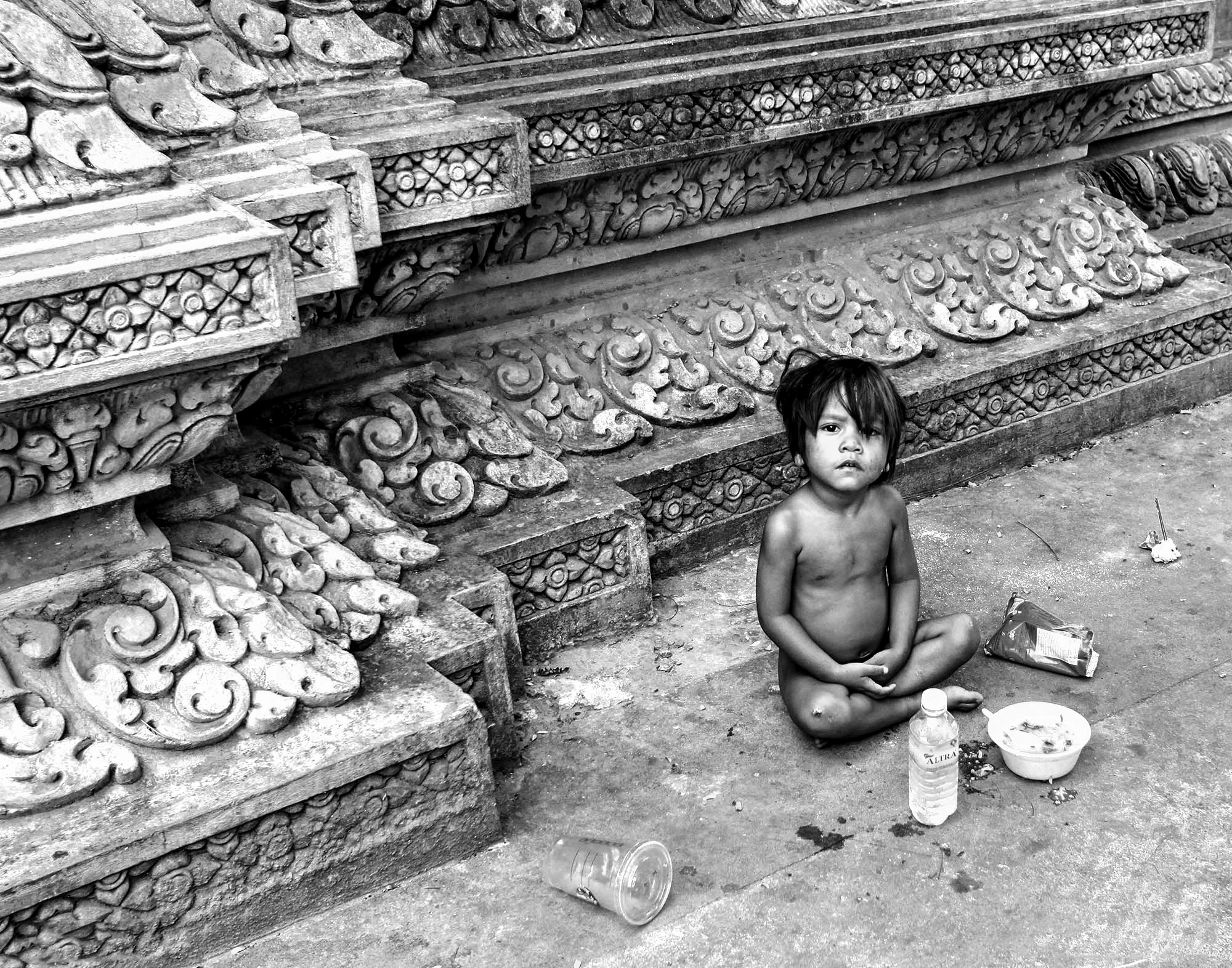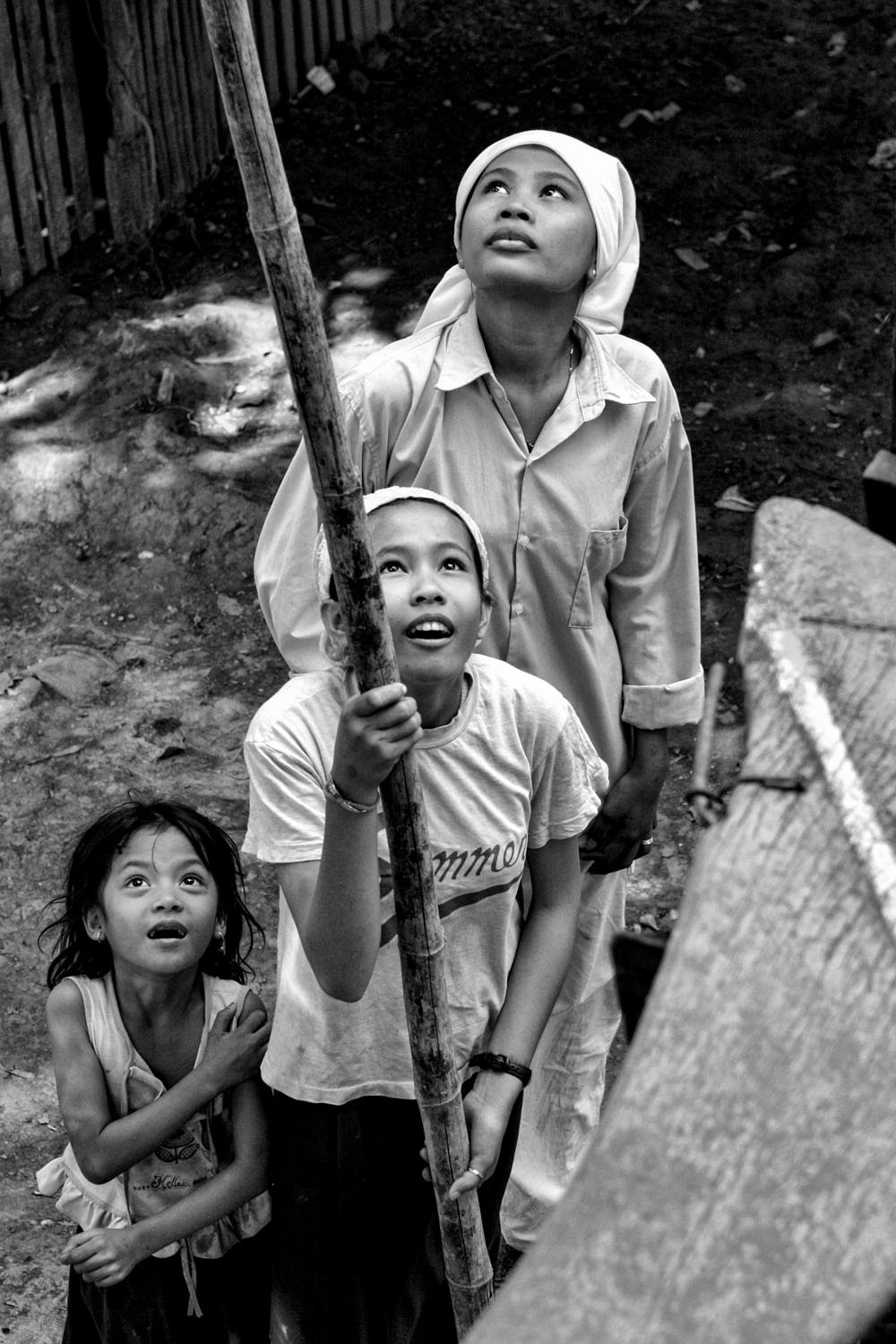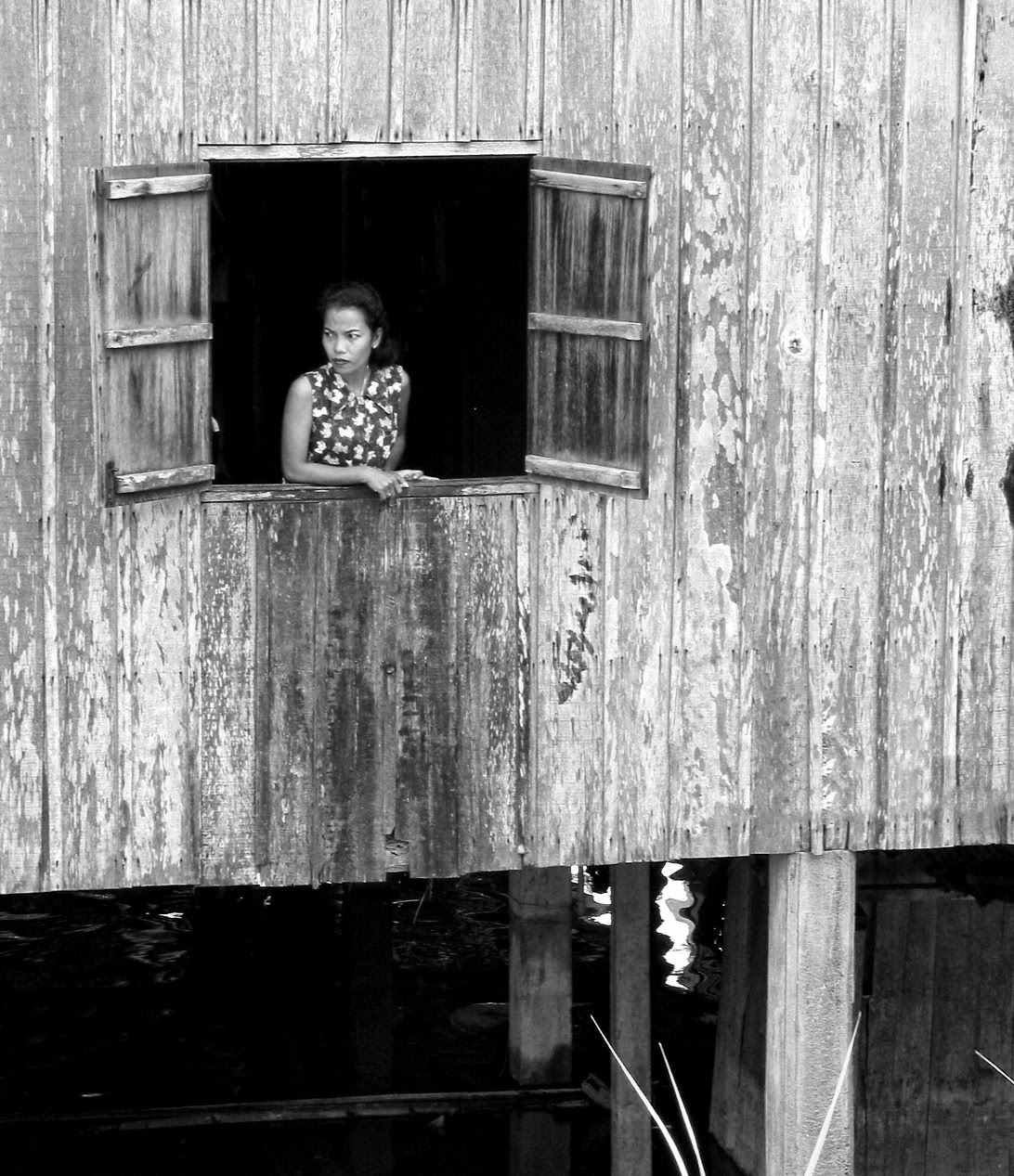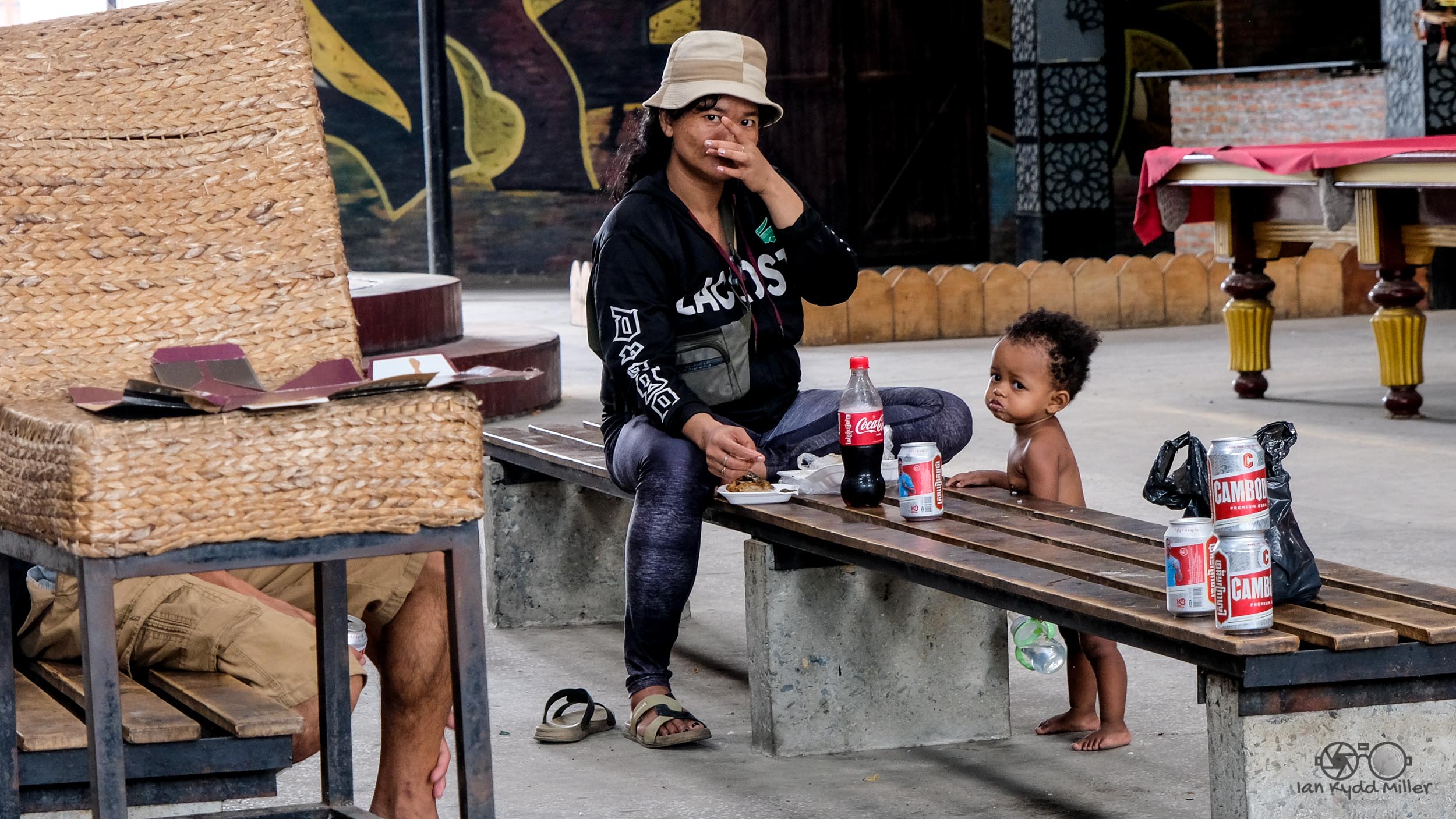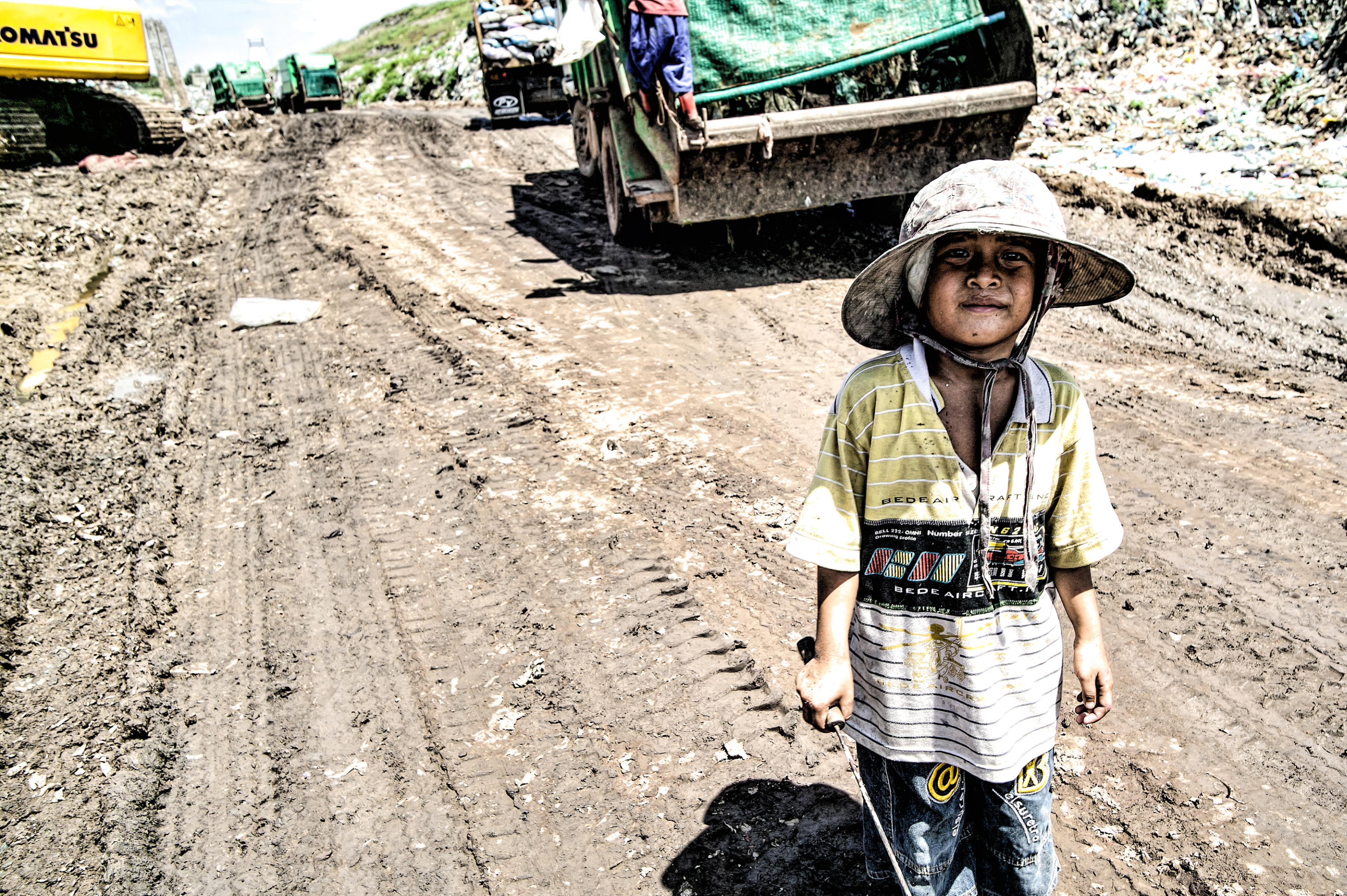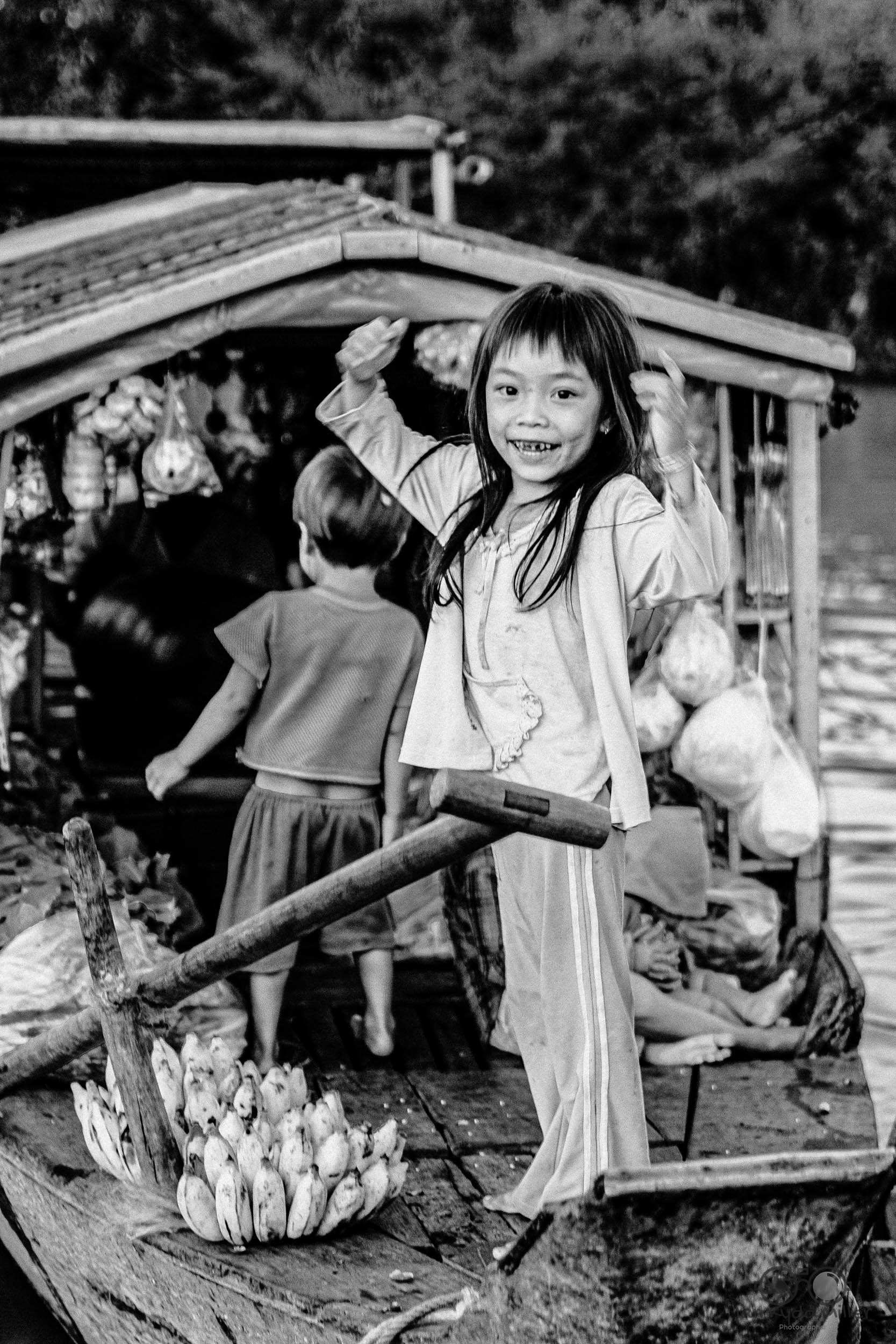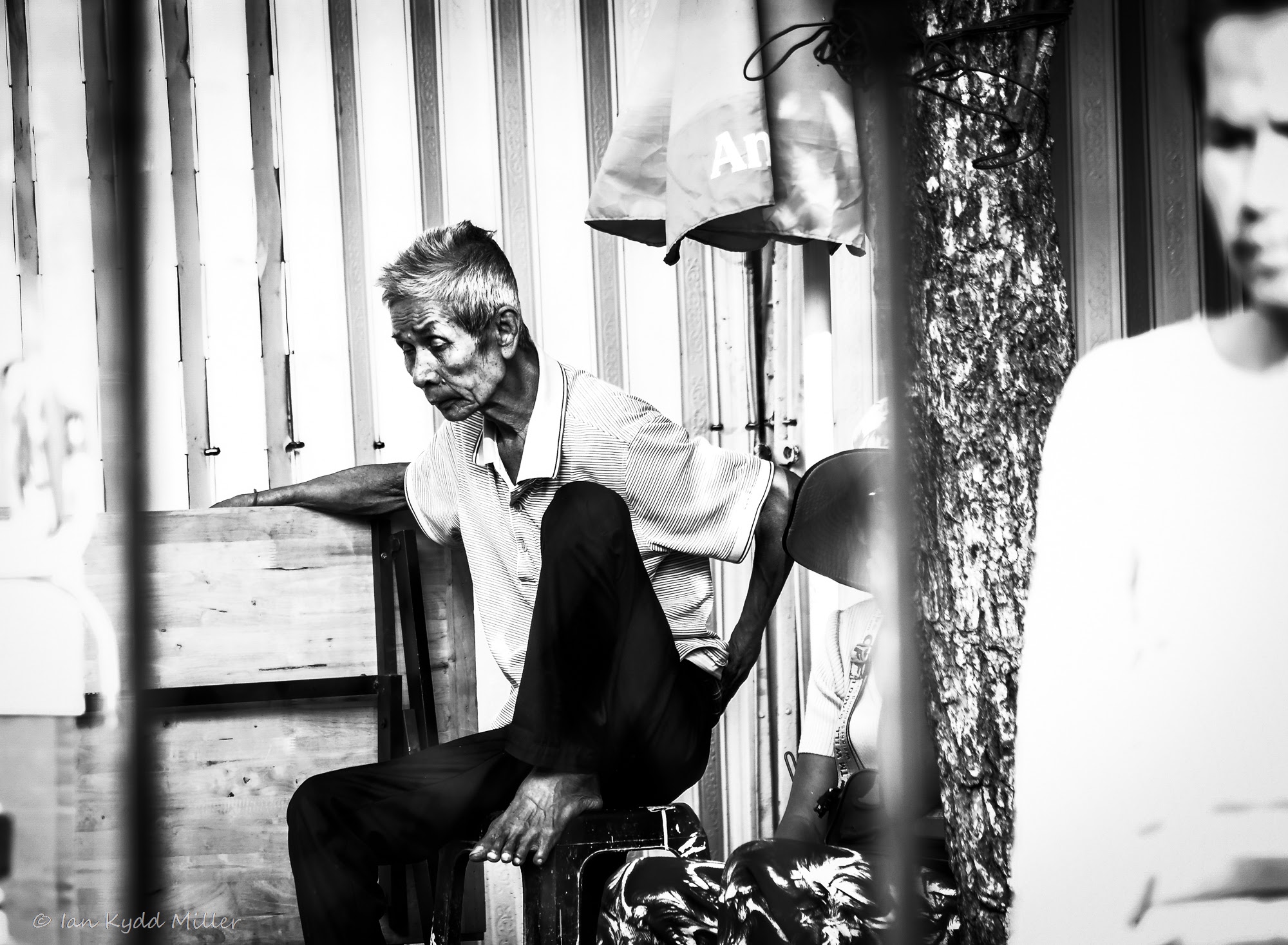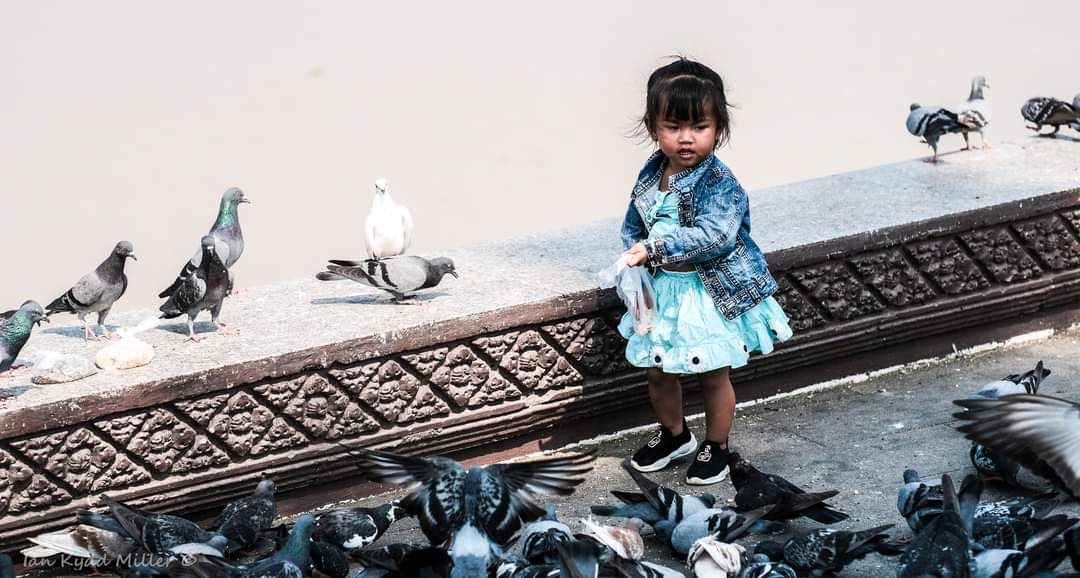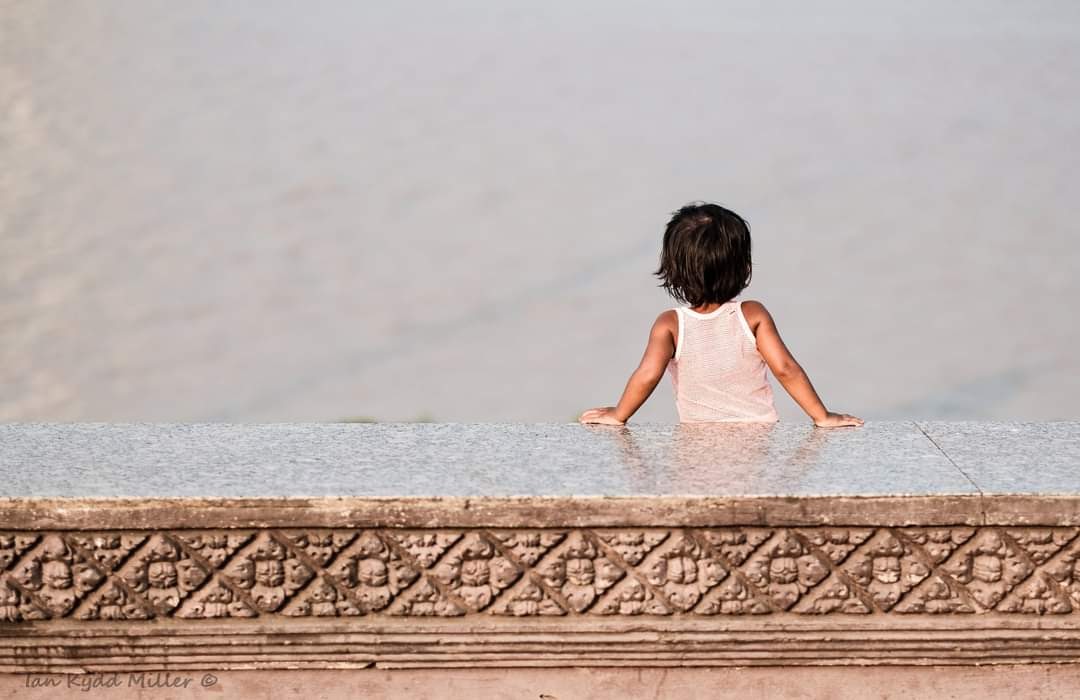
Photography is a powerful medium that can evoke deep emotions and tell compelling stories. It can document reality, preserve memories, and raise awareness about important issues. However, with this power comes significant ethical responsibility, especially when it involves taking pictures of people in vulnerable states.
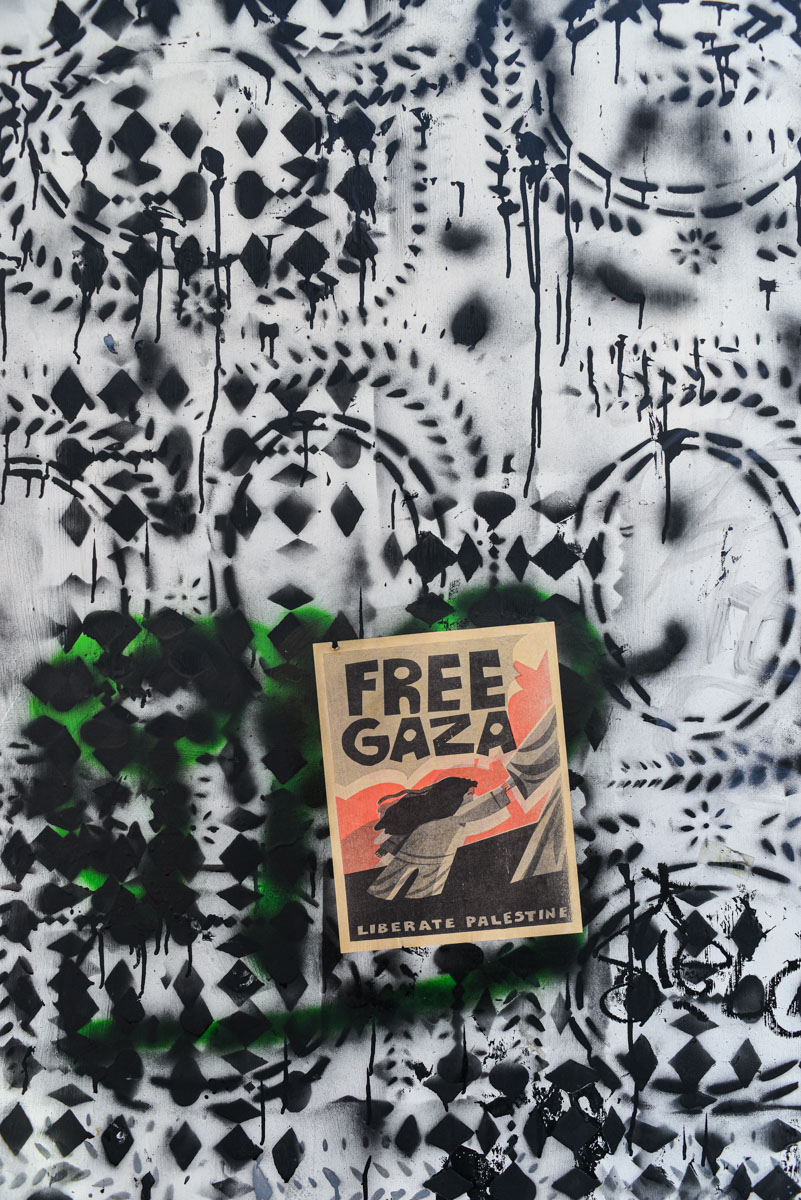
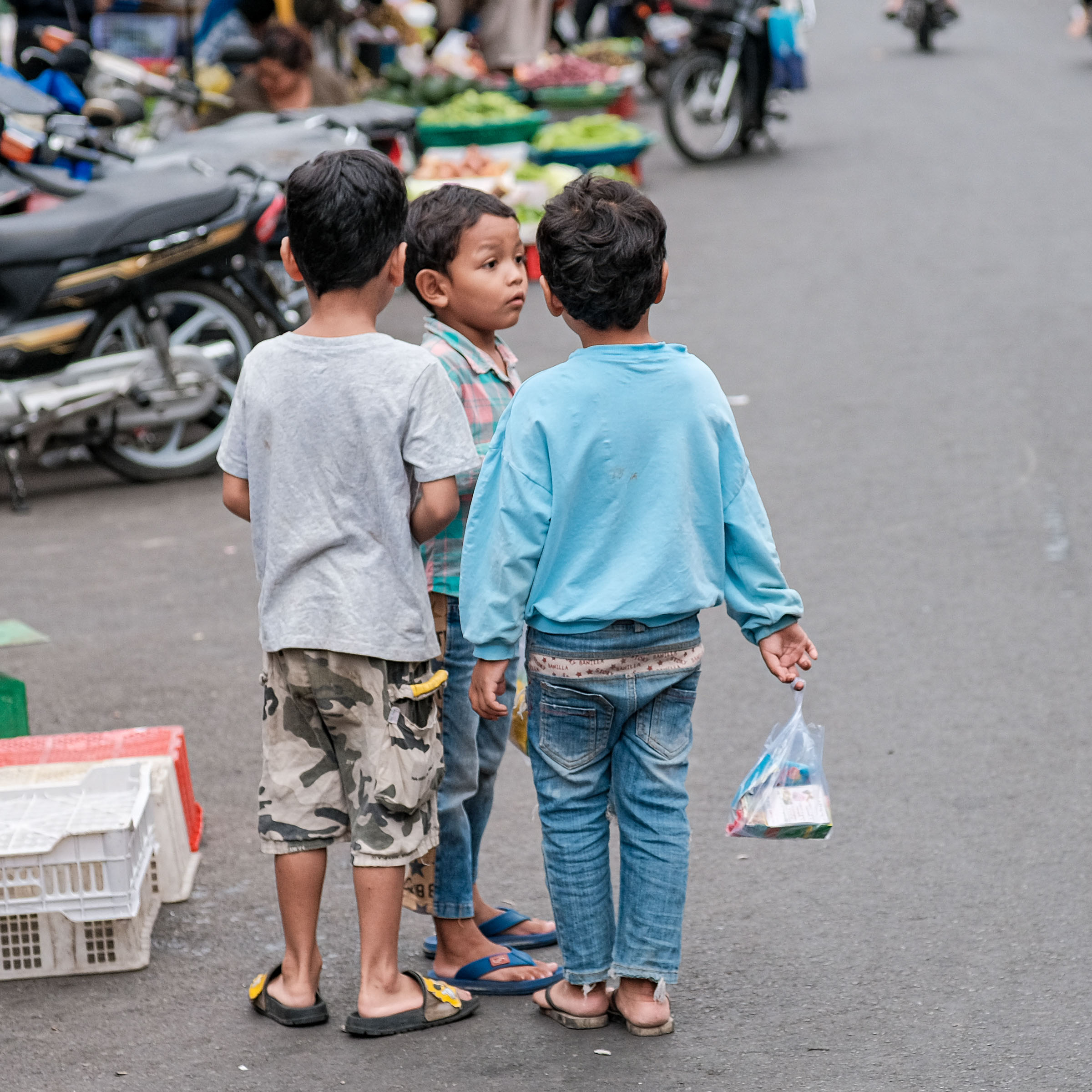
The question of whether it’s ethical to photograph individuals during their most vulnerable moments is a complex one. On one hand, such images can play a crucial role in bringing attention to the plight of those who are suffering, potentially galvanizing public support and aid. On the other hand, capturing these moments can be seen as an invasion of privacy, exploitation, or a violation of the individual’s dignity.
One of the key considerations is consent. When possible, obtaining explicit permission from the subjects before photographing them in sensitive situations is crucial. This respects their autonomy and gives them control over their own image. However, in some circumstances, such as in the case of natural disasters or conflict zones, obtaining consent may not be feasible. In these instances, photographers must weigh the potential benefits of sharing the images with the world against the risk of causing further distress or harm to the subjects.
Another aspect to consider is the intention behind the photograph. Are the images being taken to inform and educate, or are they being captured for sensationalism or monetary gain? The context in which the photos are presented also matters. Are they being used to support a narrative that respects the subjects and their stories, or are they being used to perpetuate stereotypes or for shock value?
Photographers must also think about the aftermath. How will these images affect the subjects in the long term? Will they lead to positive change, or will they simply become another fleeting moment in the media, soon to be forgotten?
In conclusion, while there is no one-size-fits-all answer to the ethics of photographing people in vulnerable states, photographers need to engage in continuous self-reflection and dialogue. They must consider the implications of their work, strive to uphold the dignity of their subjects, and remain sensitive to the power dynamics at play. As consumers of media, we too have a responsibility to critically evaluate the images we see and consider the ethical dimensions behind them. Ultimately, empathy and respect should guide the lens through which we view and capture the human condition.
Photography, as an art form, has the profound ability to capture moments in time, but its true power lies in its capacity to evoke emotion and narrate the human experience. Humanism in photography is a movement that emphasizes this narrative, focusing on the dignity and beauty of everyday life and the common man’s struggles and joys.
The Roots of Humanist Photography
Humanist photography finds its origins in the early to mid-20th century, a period marked by significant social and political upheaval. It was during this time that photographers began to turn their lenses towards ordinary people, capturing the essence of daily life and the spirit of the community. This movement was particularly strong in Europe, with France being a notable epicentre.
The Philosophy Behind the Lens
At its core, humanist photography is about valuing the human experience and raising awareness of the shared emotions and conditions that bind us all. It’s a celebration of life in its most unvarnished form, portraying subjects with empathy and respect. The photographers of this school are not mere observers but storytellers who use their cameras to convey the intricacies of human existence.
Pioneers of Humanist Photography
One of the most influential figures in this movement was David Seymour, known as Chim, whose compassionate work reflected his deep-seated humanism and belief in photography’s power to awaken the public’s conscience. His images often depicted the aftermath of war and the resilience of the human spirit.
The Impact and Importance
Humanist photography serves as a visual chronicle of the human condition. It captures the happiest, saddest, and most triumphant moments of life. From peace and contemplation to war and leisure, it seizes the full spectrum of human emotions and experiences. This genre of photography helps us understand and connect with people from different walks of life, fostering a sense of empathy and unity.
The Legacy Continues
Today, humanist photography continues to inspire photographers around the world. It encourages them to look beyond the surface and capture images that tell stories about people striving to make the best of their lives. It remains a powerful tool for social commentary and a mirror reflecting the enduring human spirit.
In conclusion, humanist photography is more than just a style or technique; it is a philosophical approach to capturing life. It reminds us of the strength, beauty, and resilience inherent in the human spirit and the importance of preserving these moments for future generations. As we move forward, the principles of humanism in photography will undoubtedly continue to influence and guide photographers in their quest to document the profound narrative of humanity.
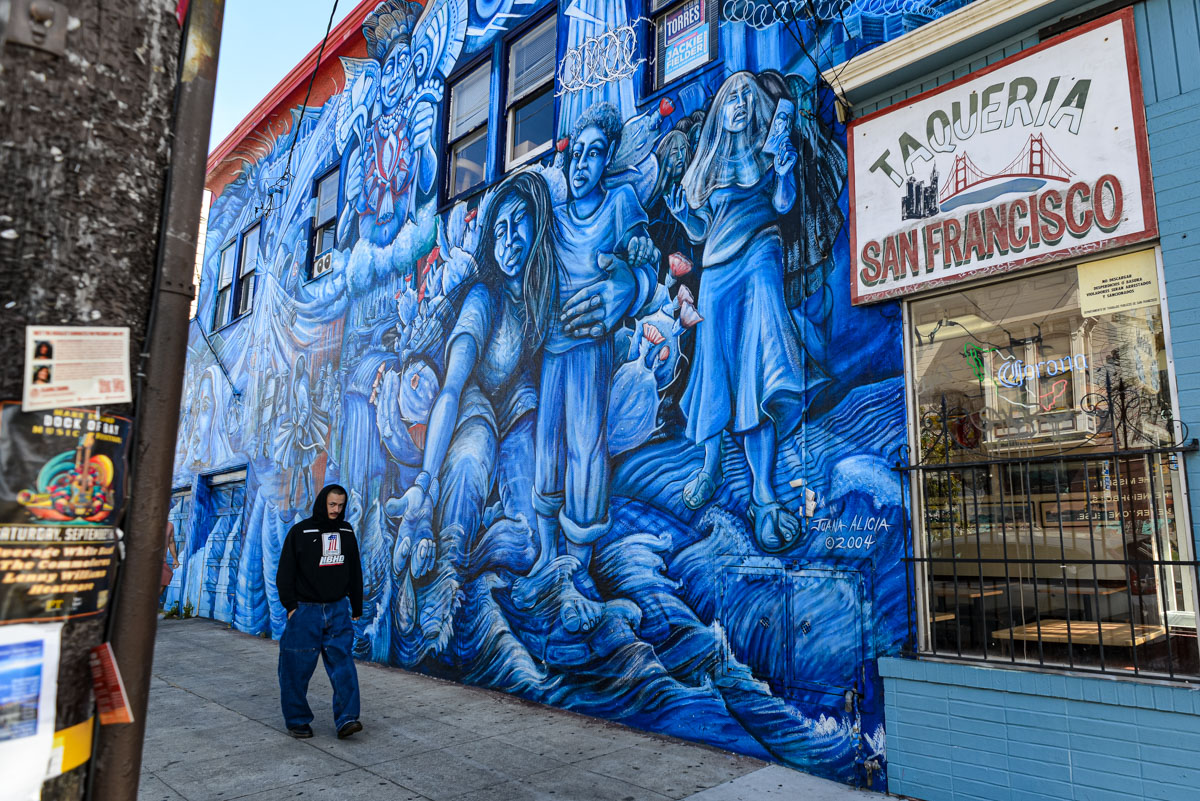
In street photography, the essence of capturing candid moments often requires a minimalist approach to equipment. A camera, a lens, and a camera strap are the fundamental tools needed for this genre. This not only makes it easier to move around and react quickly to unfolding scenes but also helps in blending into the environment. Blending in is indeed essential; wearing muted colours and avoiding conspicuous logos can make photographers less noticeable, allowing them to capture life as it naturally unfolds. The goal is to observe without altering the scene, to document the raw and unfiltered essence of street life. Comfortable shoes are also a must, as street photography often involves a lot of walking. Ultimately, the less intrusive the photographer can be, the more authentic and compelling the images will be.
This approach aligns with the philosophy of street photography, which is to be an unobtrusive observer, capturing moments that might otherwise go unnoticed. Personally, I don’t necessarily agree totally with this philosophy.
** Choosing not to hide oneself while engaging in street photography can be a powerful stance. It’s about embracing transparency and honesty in the art form. By being visible, photographers can interact more genuinely with their surroundings, often leading to more authentic and spontaneous captures that reflect the moment’s essence. It also respects the subjects’ awareness and consent, which is increasingly important in today’s discussions about privacy and ethics in photography. Moreover, it can challenge the photographer to develop a more nuanced approach to their craft, as they navigate the dynamics of the public space while being part of the scene. This method can yield a unique style and depth to the photographs that might not be achievable through a hidden approach.**
Street photography is an exhilarating and deeply personal art form that captures the essence of everyday life. To excel in street photography, one must embrace the role of an observer, documenting humanity in its rawest form. It’s about finding beauty in the mundane, capturing the fleeting moments that, while seemingly insignificant, tell a story about the human condition. It’s not just about having the right gear or technical skills; it’s about seeing the world with a fresh perspective, where every street corner, every passing face, and every spontaneous interaction becomes a potential masterpiece.
To do street photography well, start by honing your social skills; they are as important as your photographic ones. Engage with your surroundings and be ready to interact with people. Remember, street photography is as much about the experience as it is about the resulting images. It’s a collaborative art; you’re not just taking photos, you’re making them with the scenes and people you encounter. This means respecting your subjects and the environment, and approaching each shot with empathy and curiosity.
Physical and mental strength are crucial too. You’ll need the endurance to walk for hours and the courage to overcome the fear of photographing strangers. Position yourself strategically on the sidewalk to find minimalist backgrounds and dynamic compositions. Look for the ‘cherry on top’โthose unique details that elevate a good photo to a great one. And when you capture a moment, control your selects; not every photo will be a winner, but the best ones will stand out with a clear subject and a compelling narrative.
A versatile perspective is key. A 35mm focal length is often ideal for street photography because it closely resembles the natural field of view of the human eye, allowing for a more intimate and realistic portrayal of the scene. Avoid ‘chimping’โconstantly checking your photos on the camera screenโas it can distract you from the present moment. Instead, stay focused on your surroundings and the potential shots around you.
Simplify your settings to react quickly to changing scenes; shooting in ‘P’ mode can help you concentrate on composition rather than technicalities. Look for expressive moments and gestures that encourage interpretation and tell a story without needing an explanation. Maintain stealth to capture candid expressions, but don’t drop your camera immediately after taking a shotโsometimes the best moments happen right after the initial click.
Clean backgrounds and careful framing can simplify compositions, drawing the viewer’s eye to the intended subject. Work the scene; don’t settle for the first photo you take. Keep shooting until you capture engaging moments, like eye contact, that add depth to your images. The background is just as important as the subject; it provides context and can make or break a photo.
Good street photographers understand the power of storytelling. They know that emotion is a key element of street photography, and they’re always on the lookout for vibrant hues and good light, especially for colour photography. For a minimalist approach, black-and-white photography can simplify the scene, focusing attention on the subject and the story being told.
In street photography, your personal style will shine through. It’s a reflection of your personality, so shoot according to what resonates with you. Embrace experimentation and take risks; this is how you’ll develop your unique voice. And remember, street photography doesn’t require travelling to exotic locations; opportunities for great photos are all around you, often just a short walk away.
So, grab your camera, hit the streets, and immerse yourself in the world of street photography. With patience, persistence, and a passion for capturing the human spirit, you’ll not only create stunning images but also experience the joy of connecting with the world in a profound and meaningful way. Happy shooting!
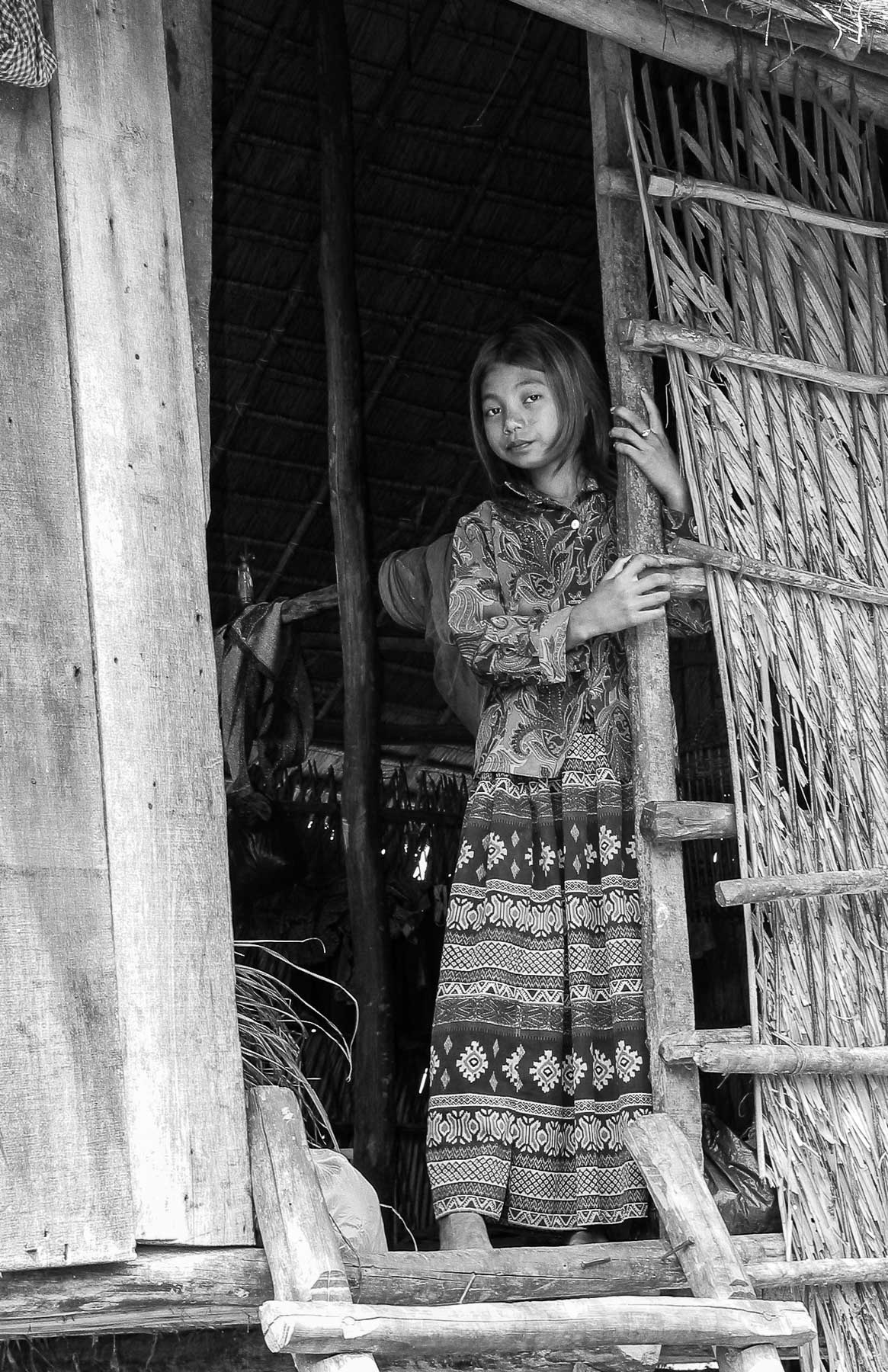
Photography is an art form that combines aesthetics with technical skill, where both details and technique play crucial roles in creating a compelling image. The essence of a good picture often lies in the photographer’s ability to effectively balance these elements to convey a vision or emotion.
Composition and the Rule of Thirds
Composition is the foundation of a good photograph. It’s about harmonising visual elements within the frame to guide the viewer’s eye towards the subject. The Rule of Thirds is a classic principle that suggests dividing the frame into nine equal segments by two equally spaced horizontal lines and two equally spaced vertical lines. Placing the subject along these lines or their intersections can create more tension, energy, and interest in the composition than simply centring the subject would.
Exposure: The Trifecta of Shutter Speed, Aperture, and ISO
Exposure is critical in photography, as it determines how light or dark an image will appear. The three pillars of exposureโshutter speed, aperture, and ISOโmust be balanced to achieve the desired effect. Shutter speed affects motion blur, aperture influences the depth of field, and ISO impacts the image’s graininess or noise. Mastering exposure allows photographers to capture images that are visually striking and full of detail.
Focus: Sharpness Where It Counts
Focus is about directing attention to the most important part of the scene, the subject. A sharply focused subject against a softer background can make the subject stand out, drawing the viewer’s gaze to where the photographer intends. Different autofocus modes and manual focus adjustments give photographers control over this aspect.
Lighting: The Natural Paintbrush
Lighting is often considered the most important element in photography. It shapes and defines the subject, creates mood, and can dramatically alter the perception of a scene. Whether it’s the soft, diffused light of an overcast day or the golden hues of magic hour, understanding and utilizing natural light is a skill that significantly enhances the quality of a photograph.
Vision: The Photographer’s Intent
A good photograph starts with a clear vision. What is the photographer trying to convey? Is it the raw emotion of a candid moment or the serene beauty of a landscape? The photographer’s intent should guide all the technical choices made during the shooting process.
Technical Proficiency: Knowing Your Tools
Technical proficiency with camera settings and understanding the capabilities of one’s equipment are essential. Knowing when to use a tripod, which lens is best for the situation, or how to adjust settings quickly in changing conditions can make the difference between a good and great shot.
Post-Processing: The Final Touch
In the digital age, post-processing plays a significant role in the outcome of a photograph. Adjustments to colour balance, contrast, and sharpening can enhance details and correct any exposure issues. However, it’s important to maintain the integrity of the original image and not rely on editing to fix poor technique.
Conclusion
A good picture is not just about the details or the camera skills; it’s about how all these elements come together to create something greater than the sum of its parts. It’s about the photographer’s ability to see the world uniquely and to share that vision through the lens. Whether you’re a seasoned professional or an enthusiastic amateur, the journey to mastering photography is a continuous learning process, filled with moments of frustration and triumph. But it’s these moments that make photography such a rewarding art form.
Photography, a medium that has been entwined with the history of art since its inception in the 19th century, has sparked debates and discussions about its place in the art world. Is photography a true art form? This question has echoed through galleries, studios, and art schools alike, challenging the boundaries of artistic expression.
The essence of art lies in the conscious use of skill and creative imagination, especially in the production of aesthetic objects. By this definition, photography undoubtedly qualifies as an art form. It is a craft that requires an eye for detail, a sense of composition, and the ability to capture a moment that speaks volumes. The photographer, much like a painter or sculptor, uses their camera as a tool to convey emotions, tell stories, and bring attention to the overlooked nuances of daily life.
Historically, photography was not always embraced by the art community. In the 19th century, it was often regarded as a mere mechanical process, lacking the ‘refined feeling and sentiment’ that characterized ‘true art’. However, this perception has shifted dramatically over time. Today, photography is celebrated for its artistic merit, with numerous museums and galleries around the world dedicated to photographic works.
Photographers are artists who make myriad creative decisions, from choosing the subject and framing to selecting the right lighting and post-processing techniques. These choices are akin to a painter deciding on brushstrokes or a composer crafting a melody. The result is a piece that transcends mere replication of reality; it is an interpretation, a slice of life seen through the photographer’s unique perspective.
Moreover, photography has the power to challenge our perceptions and push the boundaries of reality. Surrealism, for example, is a domain where photography shines, creating images that defy logic and explore the depths of the human psyche. It is in these instances that photography indisputably asserts itself as an art form, capable of evoking a spectrum of feelings and thoughts in the viewer.
It captures the ephemeral, immortalizes the transient, and, most importantly, it allows us to see the world through another’s eyes. Photography is an art that speaks the universal language of humanity, connecting us across time and space with the power of a single image. So, let us celebrate photography not just as a true art form, but as a vital part of our cultural tapestry that continues to inspire and move us.
In the world of photography, the Fujifilm X100 Original stands out as a camera that doesn’t just capture images; it captures the imagination of photographers who appreciate the art of photography. Released over a decade ago, the X100 Original has become something of a modern classic, revered for its design, functionality, and the quality of images it produces.
The X100 Original’s design harks back to the golden age of film cameras, with its retro aesthetic and physical control dials. It’s a camera that feels substantial in your hands, yet compact enough to carry everywhere. This blend of old-school charm with modern technology has struck a chord with photography enthusiasts who long for the tactile experience of adjusting the aperture and shutter speed manually.
But the X100 isn’t just about looks; it’s about engaging with the process of photography. The camera’s fixed 23mm lens (equivalent to 35mm in full-frame terms) challenges photographers to think more creatively about composition. Without the ability to zoom, one must move, explore different angles, and really consider what should be in the frame. This limitation becomes an opportunity for growth, pushing photographers to develop their skills and vision.
The heart of the X100 is its APS-C sensor, which, at the time of release, was a significant feature for a compact camera. This sensor size, typically found in DSLRs, allows for excellent image quality, especially in low-light conditions. The X100’s images are characterized by their sharpness, colour fidelity, and dynamic range, qualities that hold up even when compared to today’s standards.
One of the most innovative features of the X100 Original is its hybrid viewfinder, which combines an optical viewfinder with an electronic one. This feature allows photographers to switch between a direct view of their subject or a digital display that shows exposure settings and a preview of the image. This flexibility is particularly useful in changing lighting conditions or when precise framing is essential.
Despite its age, the X100 Original remains a viable option for photographers today. Its image quality, especially at high ISOs, is still impressive, and its design continues to inspire. It’s a camera that doesn’t do all the work for you; instead, it invites you to engage with the craft of photography actively. It’s a camera that requires you to think, to be present, and to create with intention.
For those who have used the X100, it often becomes more than just a tool; it becomes a companion on their photographic journey. It’s a camera that encourages you to slow down, to observe, and to connect with the world around you in a more meaningful way.
The Fujifilm X100 Original may not be the latest model with the most advanced features, but it holds a special place in the hearts of many photographers. It’s a reminder that sometimes, the best images come from the photographer who is engaged, thoughtful, and connected to their subject โ and the X100 is a camera that fosters that connection.
An efficient workspace is paramount in digital content creation, particularly post-processing. A dual monitor setup is not just a luxuryโit’s necessary for professionals who require extensive screen real estate to manage their workflow effectively. Dell UltraSharp monitors, known for their exceptional colour accuracy and resolution, are an excellent choice for such a setup.
The Dell UltraSharp series offers a range of monitors that cater to different needs. For instance, the Dell UltraSharp 27 Thunderbolt Hub Monitor – U2724DE is a notable option for those seeking a balance between size and performance. It features a 27-inch matte IPS screen with HDR and USB-C ports, making it a versatile choice for various post-processing tasks.
Setting up a dual monitor configuration with Dell UltraSharp monitors involves several steps to ensure a seamless experience. Here’s a professional guide to help you through the process:
Check Compatibility: Ensure that your computer has the necessary ports to connect the Dell UltraSharp monitors. Most modern computers will have HDMI, DisplayPort, or USB-C ports that are compatible with these monitors.
Connect the Monitors: Using the appropriate cables, connect your Dell UltraSharp monitors to your computer. It’s essential to use high-quality cables to maintain the integrity of the signal and colour accuracy.
Configure Display Settings: Once connected, right-click on your desktop and navigate to the display settings. Here, you can choose to either duplicate or extend your desktop across the two monitors. Extending your desktop is typically the preferred option for post-processing, as it provides a continuous workspace across both screens.
Adjust the Resolution: Set the resolution for each monitor to its native resolution to take full advantage of the UltraSharp’s capabilities. This ensures that you get the sharpest image and colour precision for your post-processing work.
Calibrate Your Monitors: Calibration is crucial in a dual monitor setup, especially for post-processing. Use a calibration tool to adjust the color settings on both monitors to match each other and to ensure color consistency across your workflow.
Organize Your Workspace: With your monitors set up and calibrated, organize your workspace by placing your most used applications and tools on one screen, while using the other for previewing your work. This setup can significantly enhance your efficiency and productivity.
Troubleshoot If Necessary: If you encounter any issues, refer to Dell’s troubleshooting guides for assistance. These guides provide valuable information on resolving common display or video issues.
A dual monitor setup with Dell UltraSharp monitors can transform your post-processing workflow, providing you with the space and tools needed to produce high-quality content. With the right configuration and calibration, you can ensure a consistent and productive workspace that meets the demands of professional post-processing tasks.
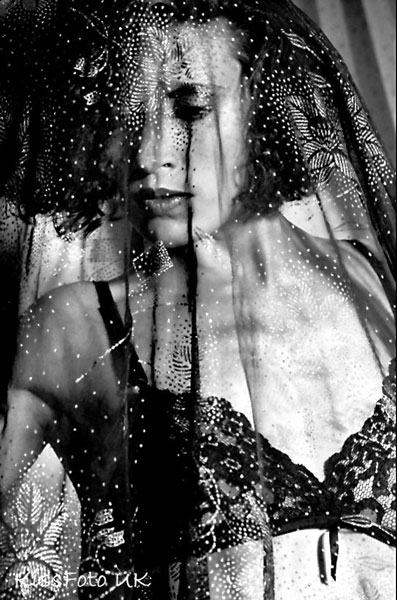
In the vibrant spectrum of colours that paint our world, the simplicity of black and white has a unique and timeless allure. Working in monochrome is not just a matter of limiting options; it’s a profound artistic choice that speaks volumes through contrast, texture, and form.
The monochrome palette strips down the visual experience to its core, compelling artists to focus on the fundamental aspects of composition. Without the distraction of color, viewers are drawn into the essence of the subject, whether it’s the delicate interplay of light and shadow in a photograph or the bold lines and shapes in a graphic design.
Black and white also evoke a sense of nostalgia, reminiscent of the early days of photography and film. It’s a tribute to the roots of visual storytelling, where every frame and every shot relied on tonal variations to convey emotion and narrative.
For photographers, working in black and white can be a transformative experience. It challenges them to perceive the world differently, to seek out patterns and textures that might go unnoticed in color. It’s about understanding the power of luminance and how it shapes our interpretation of the world around us.
In the realm of graphic design, black and white designs stand out with a stark, clean aesthetic that can be both modern and classic. It’s a statement of elegance and sophistication that transcends trends and time periods.
Moreover, black and white artwork has a universal language, unbound by cultural interpretations of color. It’s accessible and relatable, capable of conveying a shared human experience without uttering a single word.
The decision to work in black and white is a testament to an artist’s skill, as it demands a keen eye for detail and a deep understanding of visual impact. It’s a bold move to forego the seduction of color, but those who do are rewarded with a form of expression that’s pure, striking, and incredibly versatile.
So, the next time you encounter a black and white piece, take a moment to appreciate the mastery behind its creation. It’s not just a stylistic choice; it’s a celebration of visual art in its most elemental form. Whether it’s in photography, film, graphic design, or any other medium, the monochrome palette will always have a special place in the heart of artistry.
Photography is not just about capturing moments; it’s a form of expression, a way to tell stories and a journey of continuous learning and discovery. For those who are passionate about photography, here’s a guide that encapsulates the essence of becoming a photographer, not just in skill but in spirit.
Observation and Learning Start by observing the work of other photographers. Study their techniques, the composition of their shots, and the emotions they evoke. This is not about imitation but about understanding the vast possibilities of visual storytelling.
Understanding Appeal Reflect on what draws you to certain images. Is it the play of light and shadow, the depth of field, or the subject itself? Identifying these elements helps refine your aesthetic sense and guides your creative decisions.
Finding Your Muse Discover a subject that resonates with you deeply. It could be nature, urban landscapes, or candid street photography. When you photograph what you love, it reflects in the depth and authenticity of your work.
Selective Curation Select those that strike a chord with you among the images you admire. Understand why they stand out โ is it the narrative, the technique, or the moment they capture? This insight is crucial for developing your unique style.
Emulating Success Once you know what you like, try to create more images in a similar vein. This doesn’t mean copying but allowing your inspirations to inform your photography growth.
The Practice Grind Keep shooting. The more you photograph, the more you learn about your camera, your subject, and most importantly, yourself. Each image is a step forward in your photographic journey.
Embracing Failures Accept that many of your photographs will not turn out as expected. Failure is an integral part of the learning process. It teaches resilience and opens doors to unexpected avenues of creativity.
Celebrating Discoveries Every so often, you’ll capture something truly extraordinary. Celebrate these moments of serendipity and breakthroughs. They are the milestones that mark your growth in this art form.
The Fame Dilemma Aspire not for fame but for fulfilment. Wishing to be a famous photographer can cloud your judgment and lead you away from the joy of photography itself.
Prioritizing Passion Remember, if your priority is fame over passion, you risk losing the essence of what makes photography magical. Focus on your love for the craft, and success, in its truest sense, will follow.
Photography is a personal journey, one that is unique to each individual. It’s a path paved with patience, passion, and persistence. So, grab your camera, and let the world see through your lens. The beauty of photography lies in the freedom to explore, to express, and to engage with the world in a way that is uniquely yours. Happy shooting!
Photography is an art form transcending the mere technicalities of cameras and megapixels. It’s a craft that embodies the photographer’s vision, creativity, and emotion. The statement “People make pictures, cameras and megapixels do not” resonates deeply with the essence of photography. It emphasizes that the human element is the most crucial component in the creation of a photograph.
A great camera can capture high-resolution images, but it cannot perceive the beauty of a fleeting moment or the subtlety of emotions. That is the domain of the photographer. The photographer frames the shot, waits patiently for the perfect lighting, and captures a story in a single frame. The photographer brings perspective, context, and meaning to an image, transforming a simple snapshot into a work of art.
The belief that having a great camera makes one a great photographer is a common misconception. A camera, no matter how advanced, is just a tool. It’s the photographer’s eye, intuition, and technique that breathe life into a photograph. The most iconic photographs in history were not celebrated for their technical perfection but for their ability to evoke emotions and tell compelling stories.
In the world of photography, passion, experience, and creativity are the true megapixels that matter. It’s about seeing the extraordinary in the ordinary, capturing the essence of the moment, and sharing a unique perspective with the world. So, let’s celebrate the photographers who remind us that the power of a photograph lies not in the camera’s lens, but in the human eye and heart behind it.
Photography enthusiasts, remember this: your vision is your greatest asset. Keep capturing the world through your unique lens, and let your photos tell the stories that only you can tell. Happy shooting!