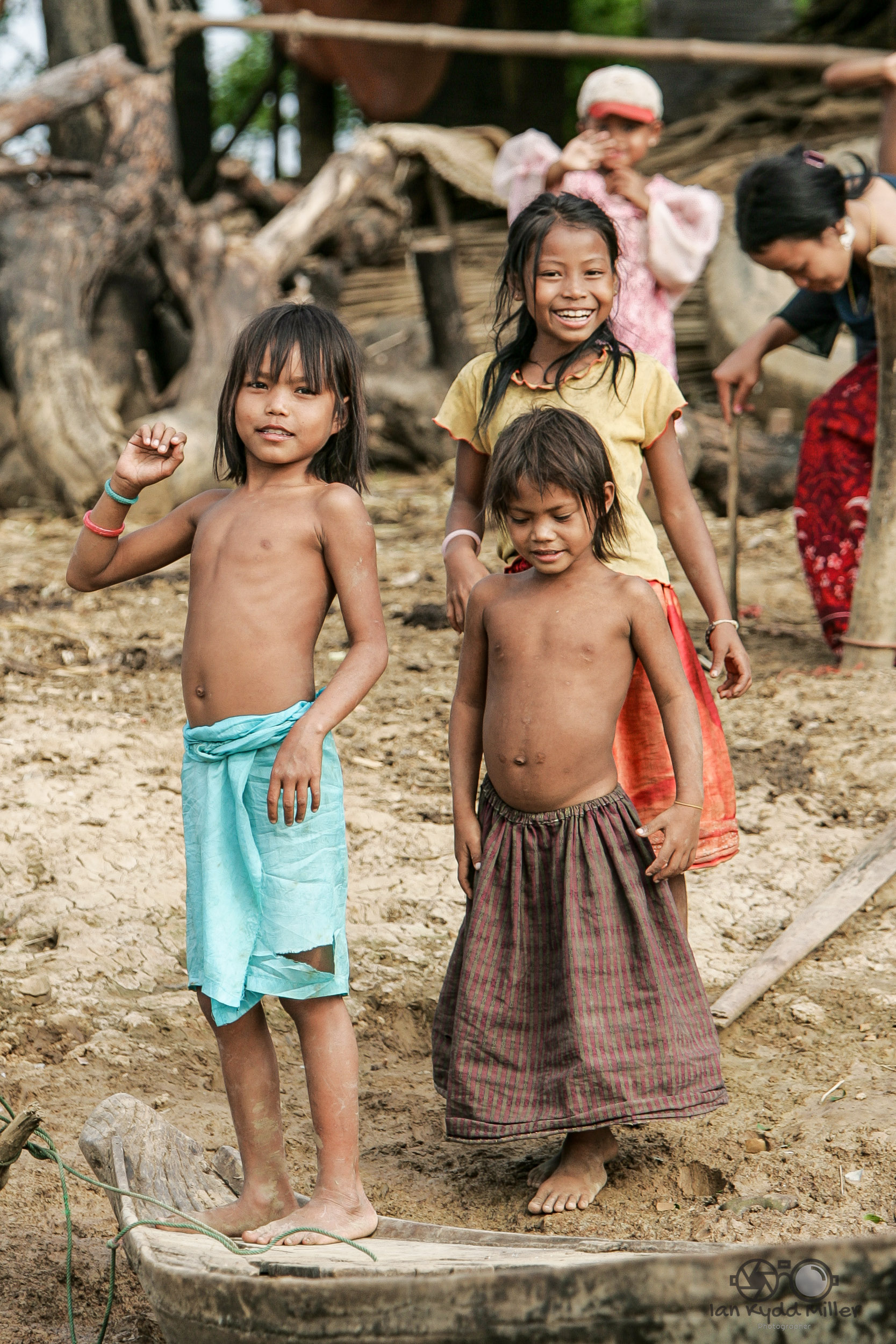
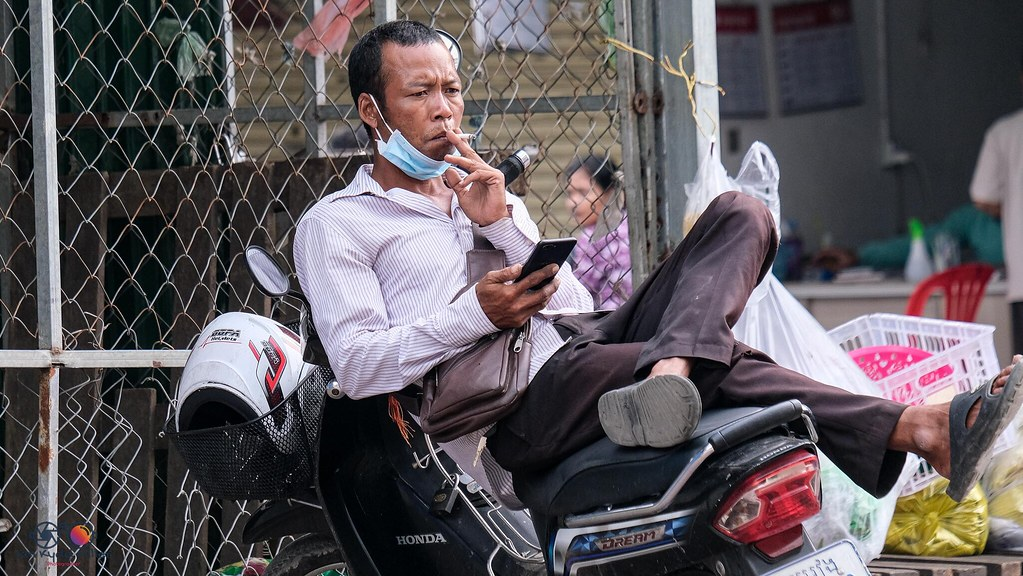
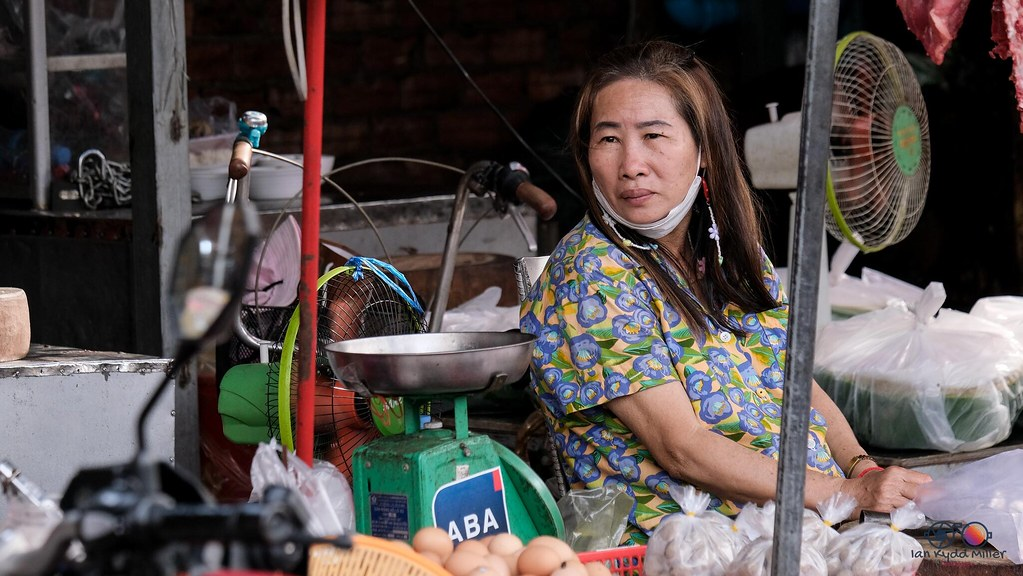
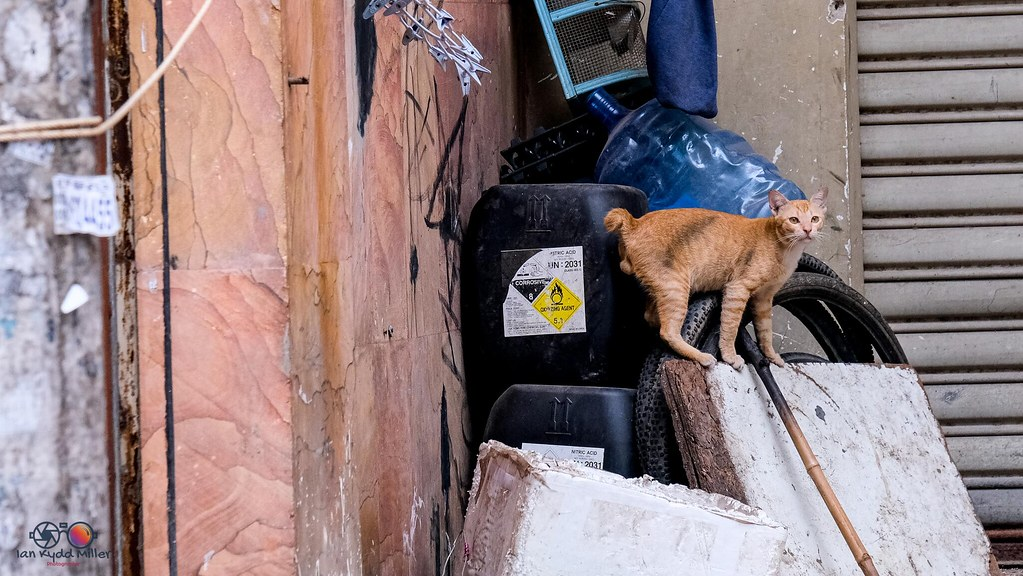
When it comes to creative work like photography, feedback can be incredibly valuable. It offers fresh perspectives and can highlight aspects of your work you might not have noticed. However, it’s also important to remember that art is subjective, and not all criticism will be useful or constructive. It’s beneficial to consider the source of the feedback; a professional photographer’s critique may hold more weight than a casual observer’s opinion. Look for recurring themes in the feedback you receiveโif multiple people point out the same issue, it might be worth taking a closer look. Ultimately, the amount of notice you take should align with your artistic vision and goals. If the criticism resonates with you and helps you grow, it’s worth considering. But if it doesn’t serve your purpose or seems unfounded, it’s okay to trust your instincts and choose which advice to follow and which to let go. Remember, the most important critic of your work is you.
street
Lets not throw the baby out with the bath water.
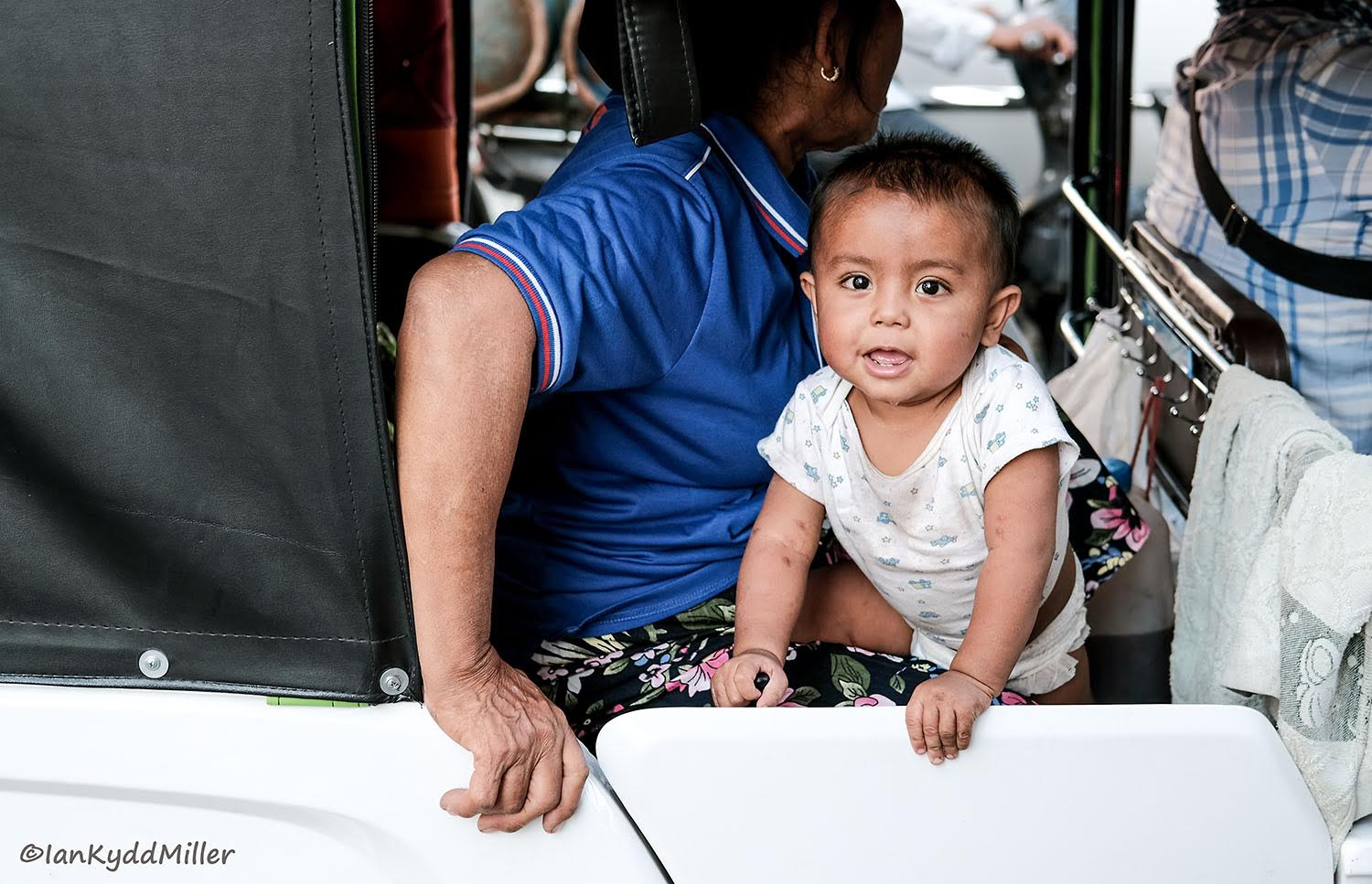
photography, public, street, TravelThe acceptability of baby bath pictures has become a complex issue due to the potential for misinterpretation and misuse in the digital age. While historically, such images were seen as innocent family memories, the rise of the internet and social media has increased the risk of these photos being viewed out of context or falling into the wrong hands. Legal experts advise caution, suggesting that parents consider the potential for images to be misconstrued or used by others inappropriately. The law itself can be ambiguous, but the guiding principle is the intent and context in which the photos are taken and shared. It’s always best to err on the side of caution and protect the privacy and future dignity of children.
Do People Complain
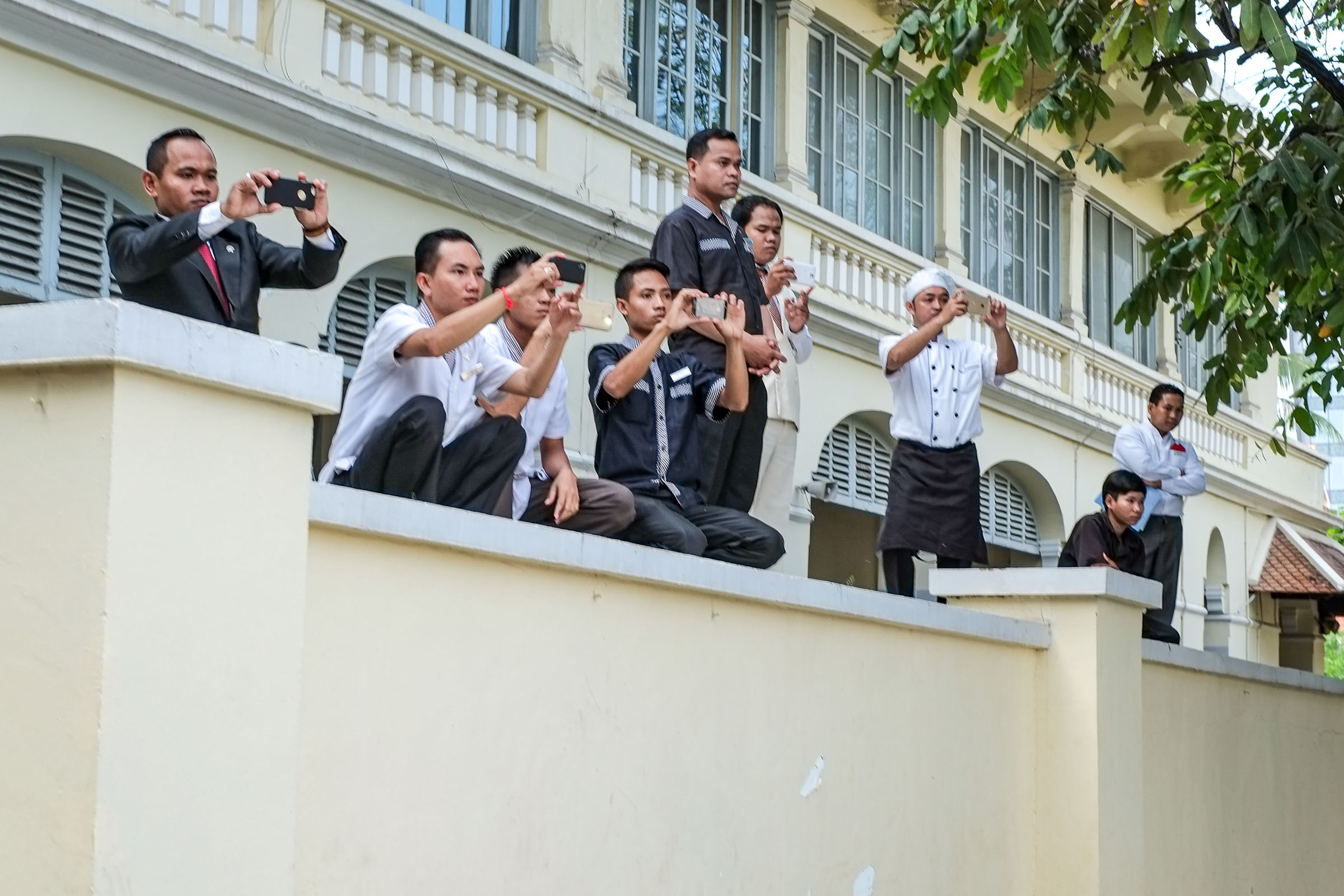
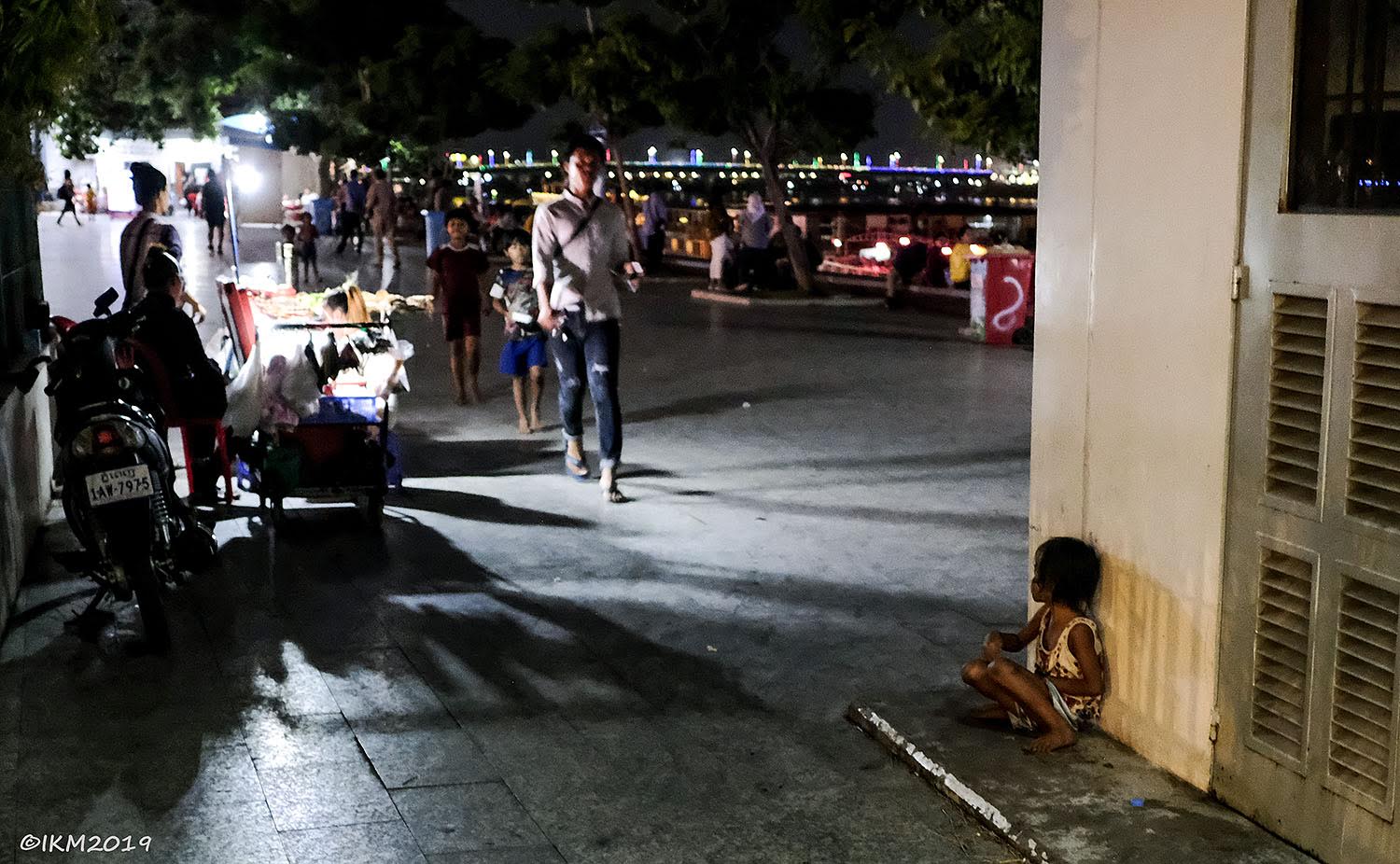
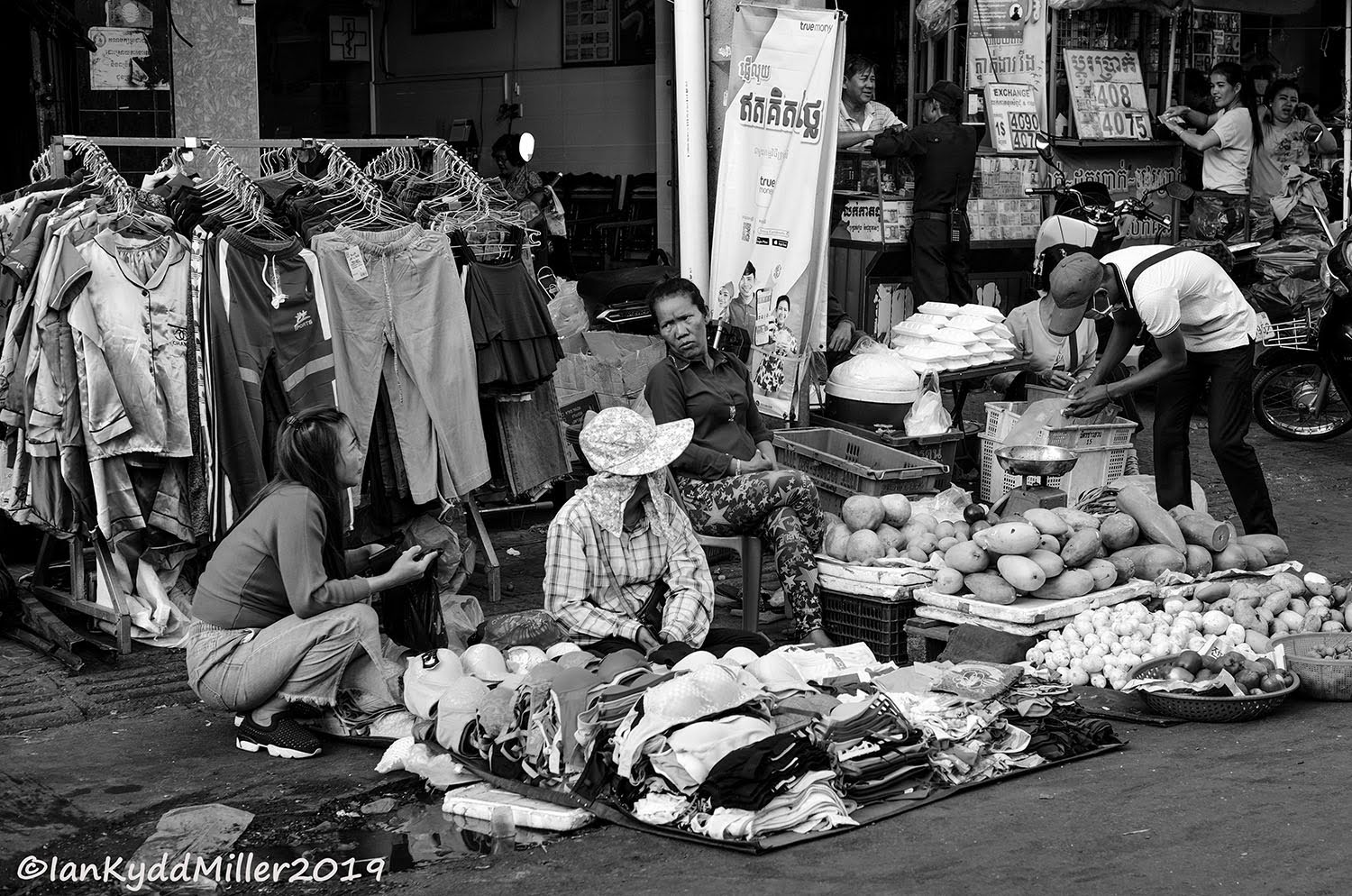
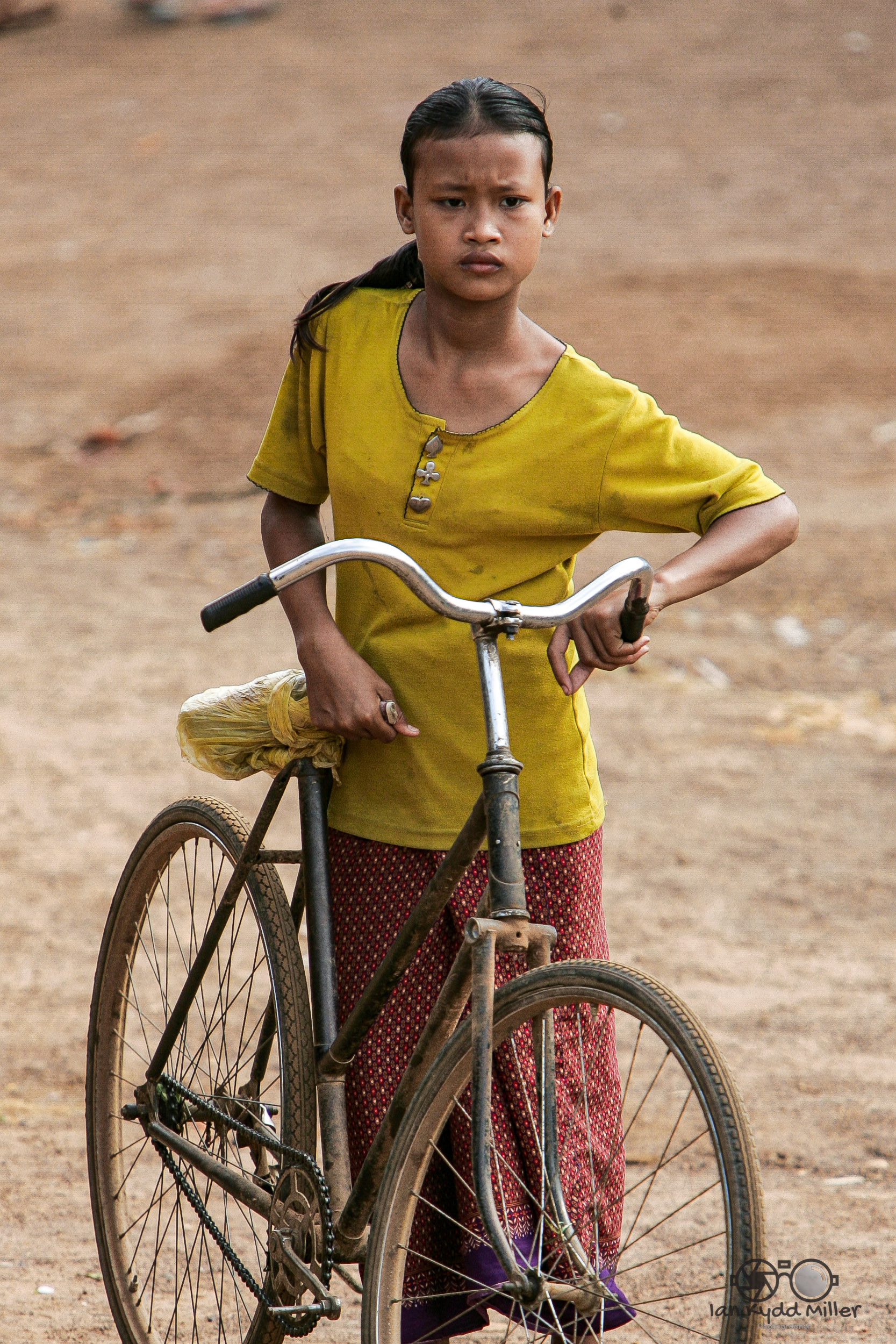
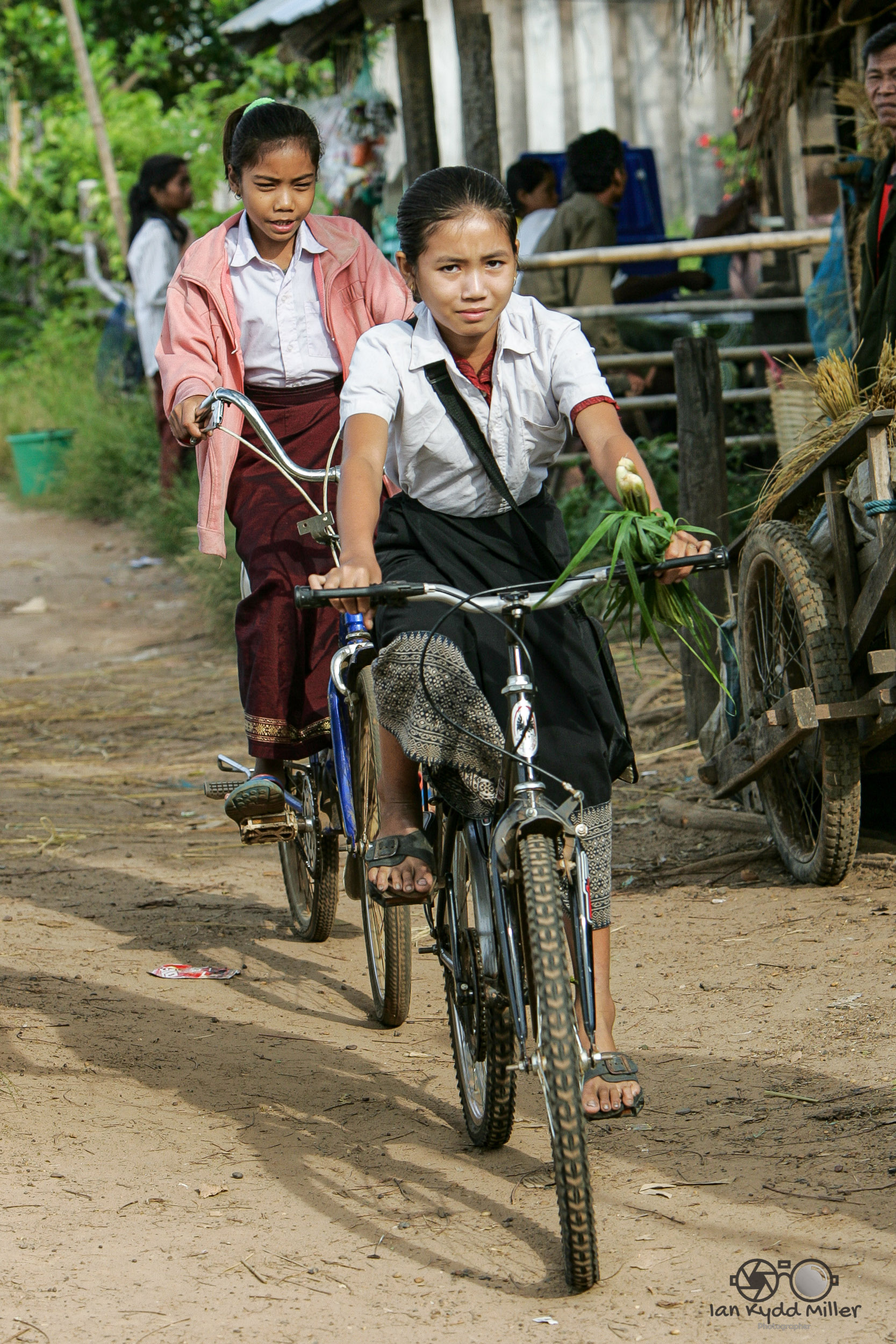
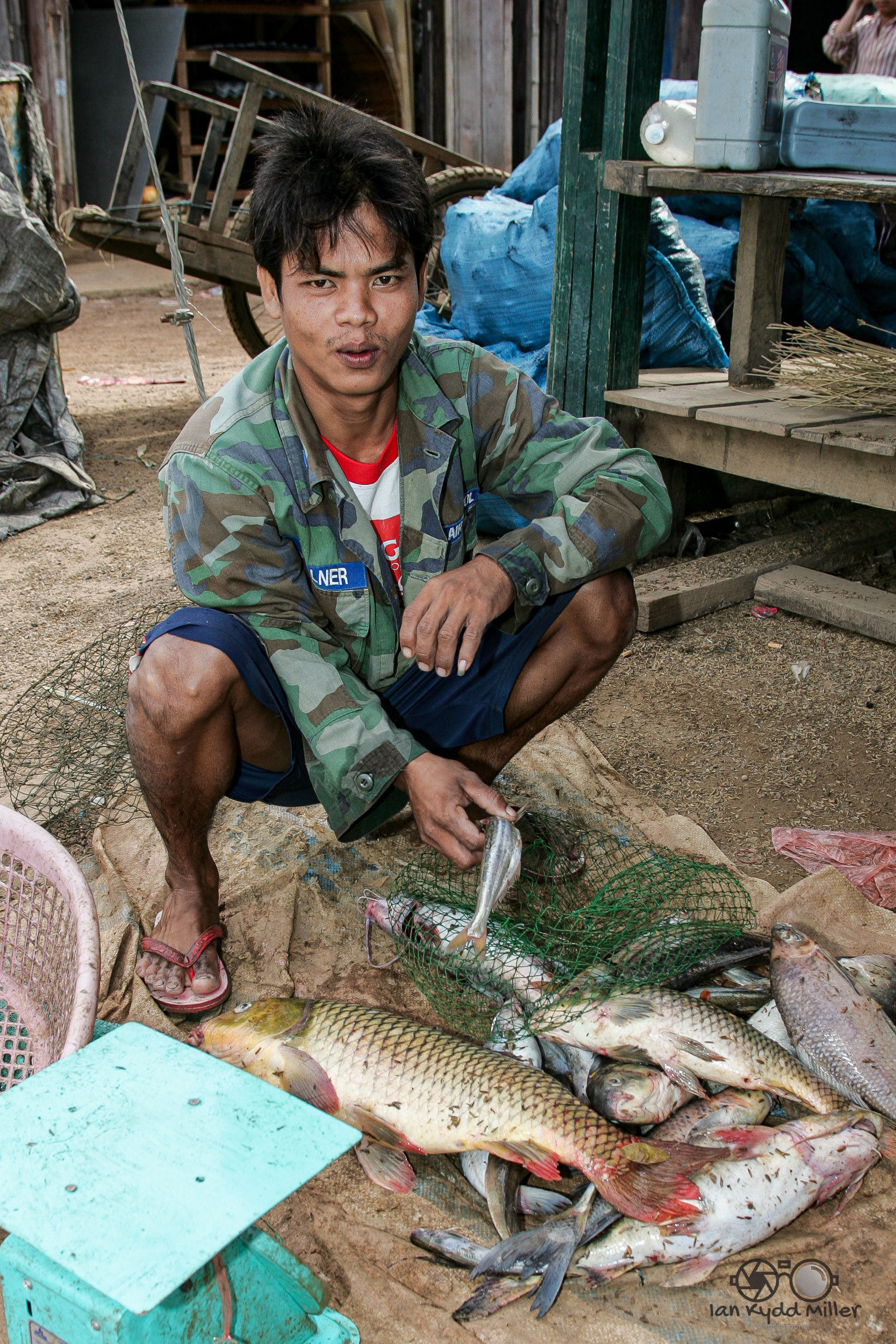
cameras, homelessness, Lenses, opinons, thoughts, photography, pictures, street, TravelStreet photography, which often includes capturing images in public areas, can sometimes lead to concerns from individuals inadvertently included in the photos. It’s not uncommon for photographers to encounter people who express discomfort or request not to be photographed. Some laws protect the right to take pictures in public spaces in many places, but ethical considerations are also important. Photographers are generally encouraged to respect people’s wishes and privacy, especially when individuals may have a reasonable expectation of privacy or if the context could be sensitive. It’s a balance between the photographer’s freedom of expression and the subject’s right to privacy.
Respectful street photography is about capturing life’s candid moments while being considerate of people’s privacy and comfort. Here are some tips to help you practice this art form ethically: Firstly, observation is crucial; take time to watch and anticipate people’s movements to capture genuine moments without intrusion. Bad weather can be your ally, offering unique scenes with reflections and dramatic expressions, so don’t shy away from rainy days. Be mindful of shadows and shapes to create compelling compositions, especially in strong light. Always approach your subjects with respect and maintain a courteous attitude. If possible, use smaller, less conspicuous cameras to blend into your surroundings. Remember, the essence of street photography lies in the story you’re telling through your images, so focus on scenes that resonate with the human experience. For more detailed guidance, consider exploring resources that delve into the nuances of street photography.


Retrospective 2013
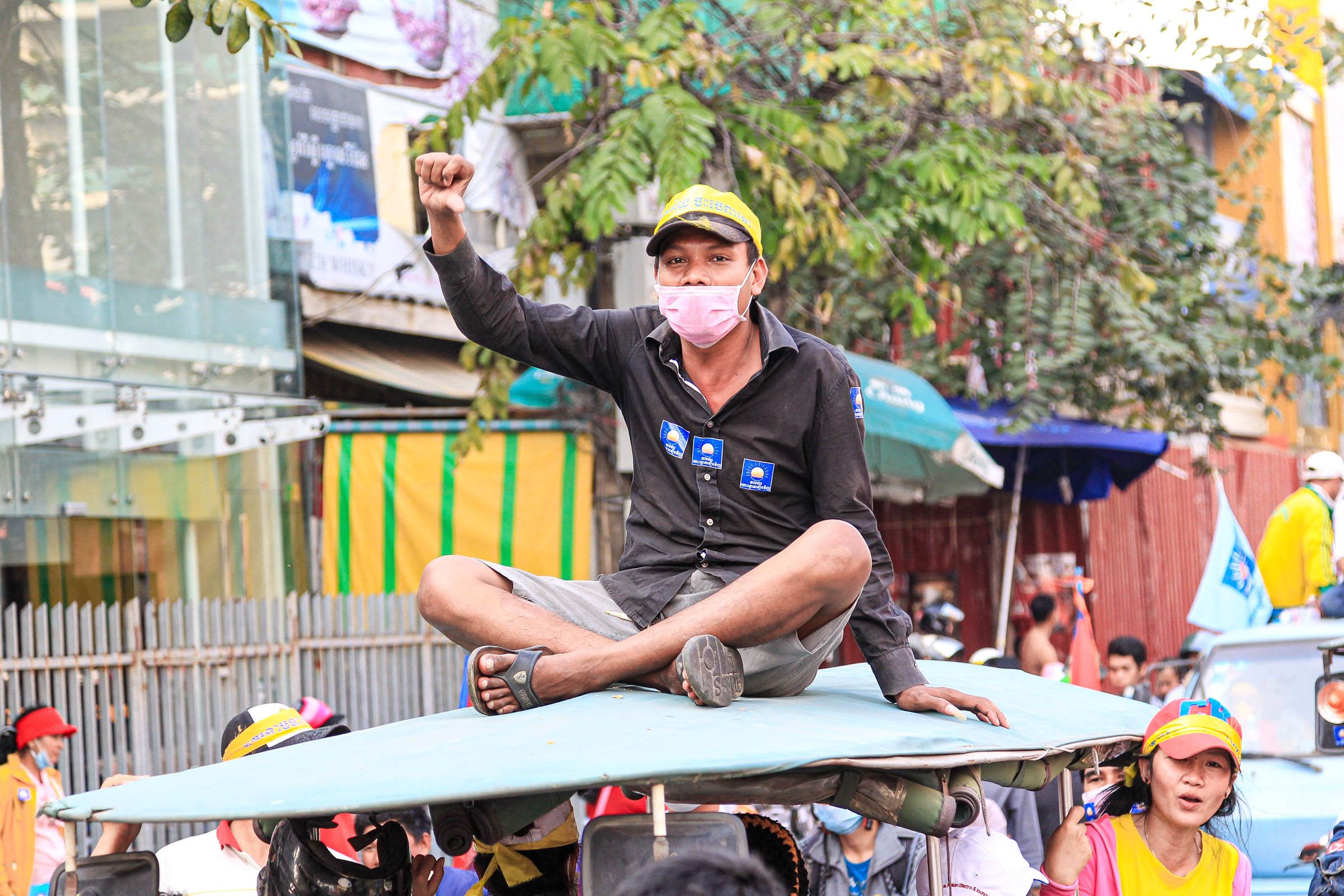
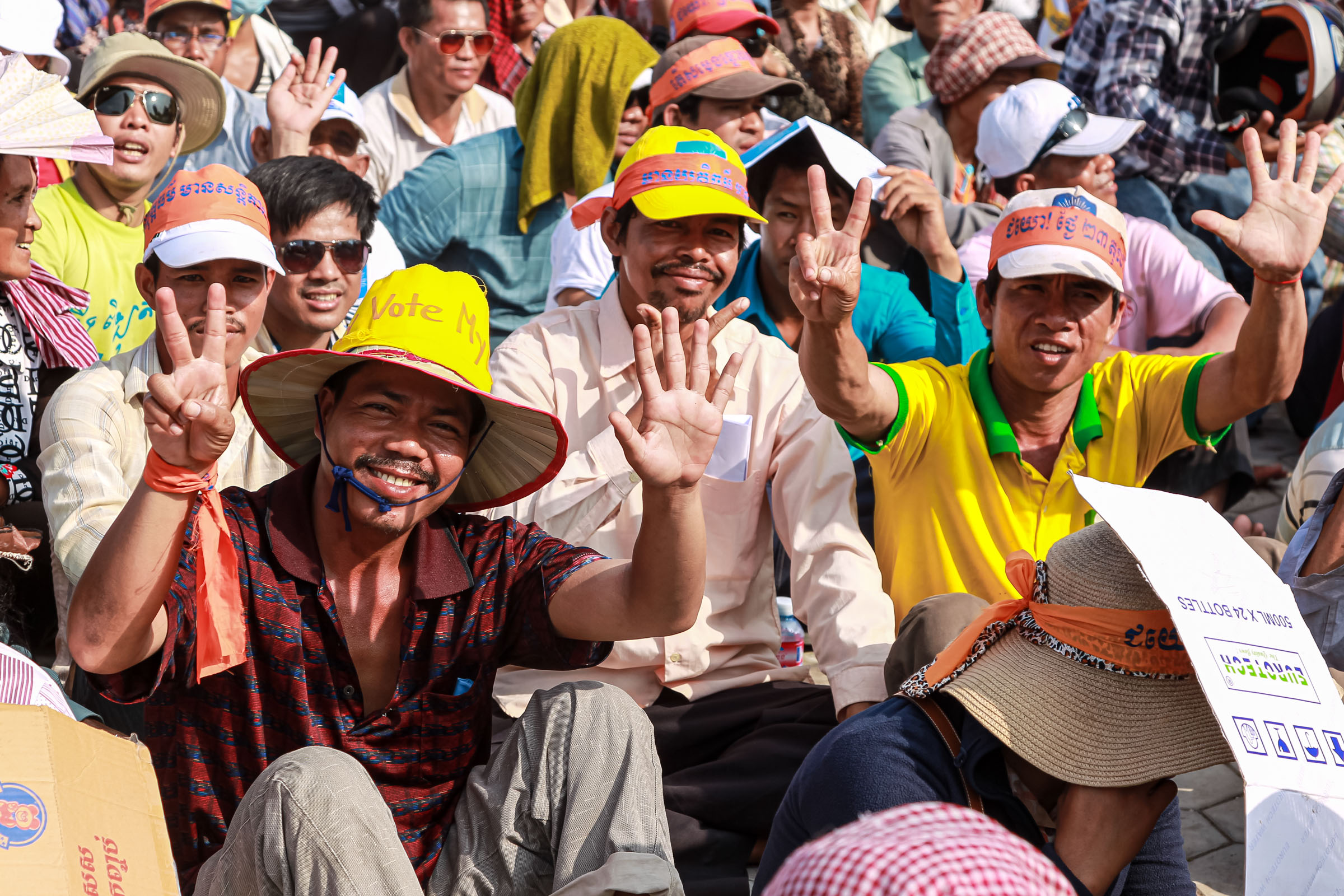
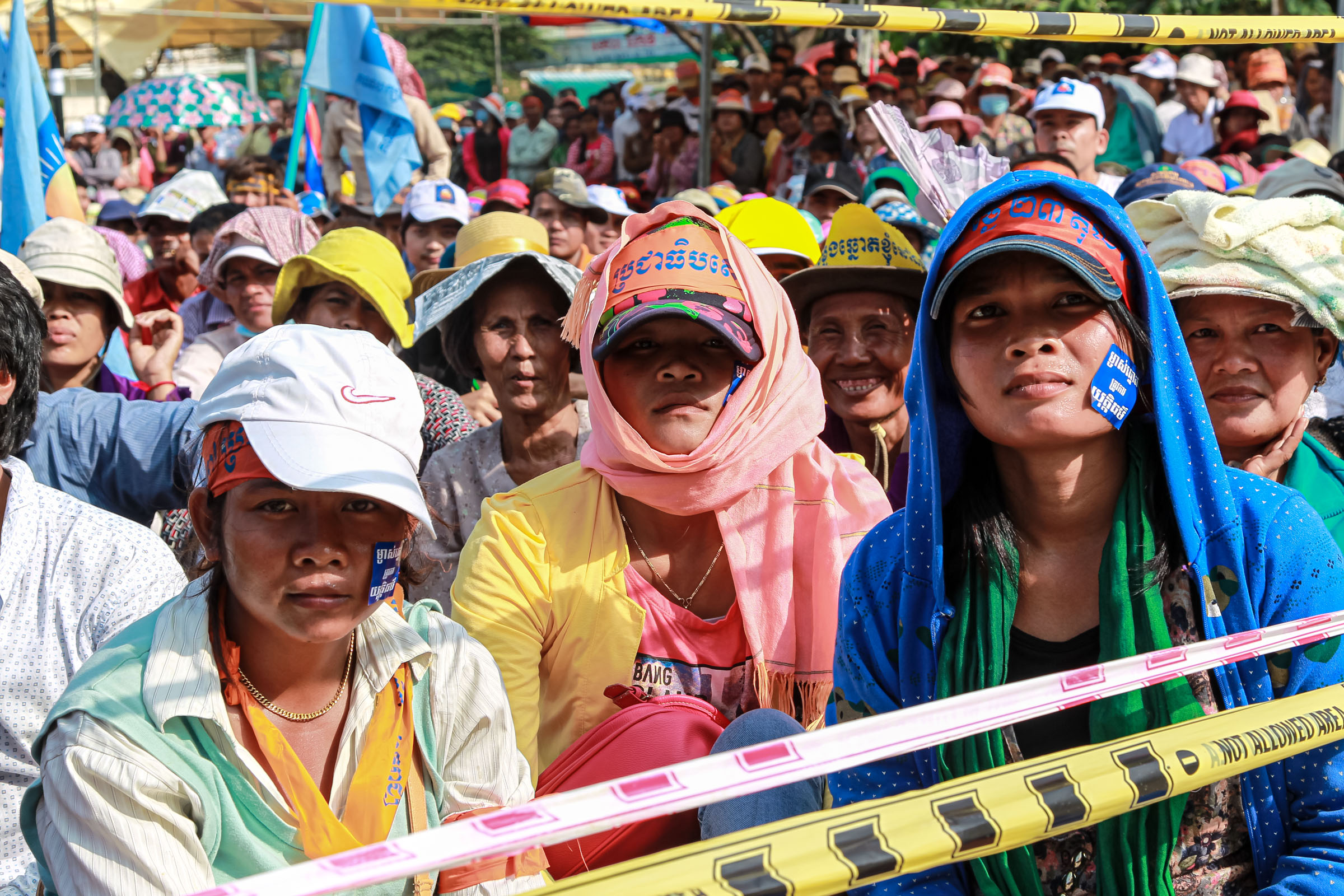
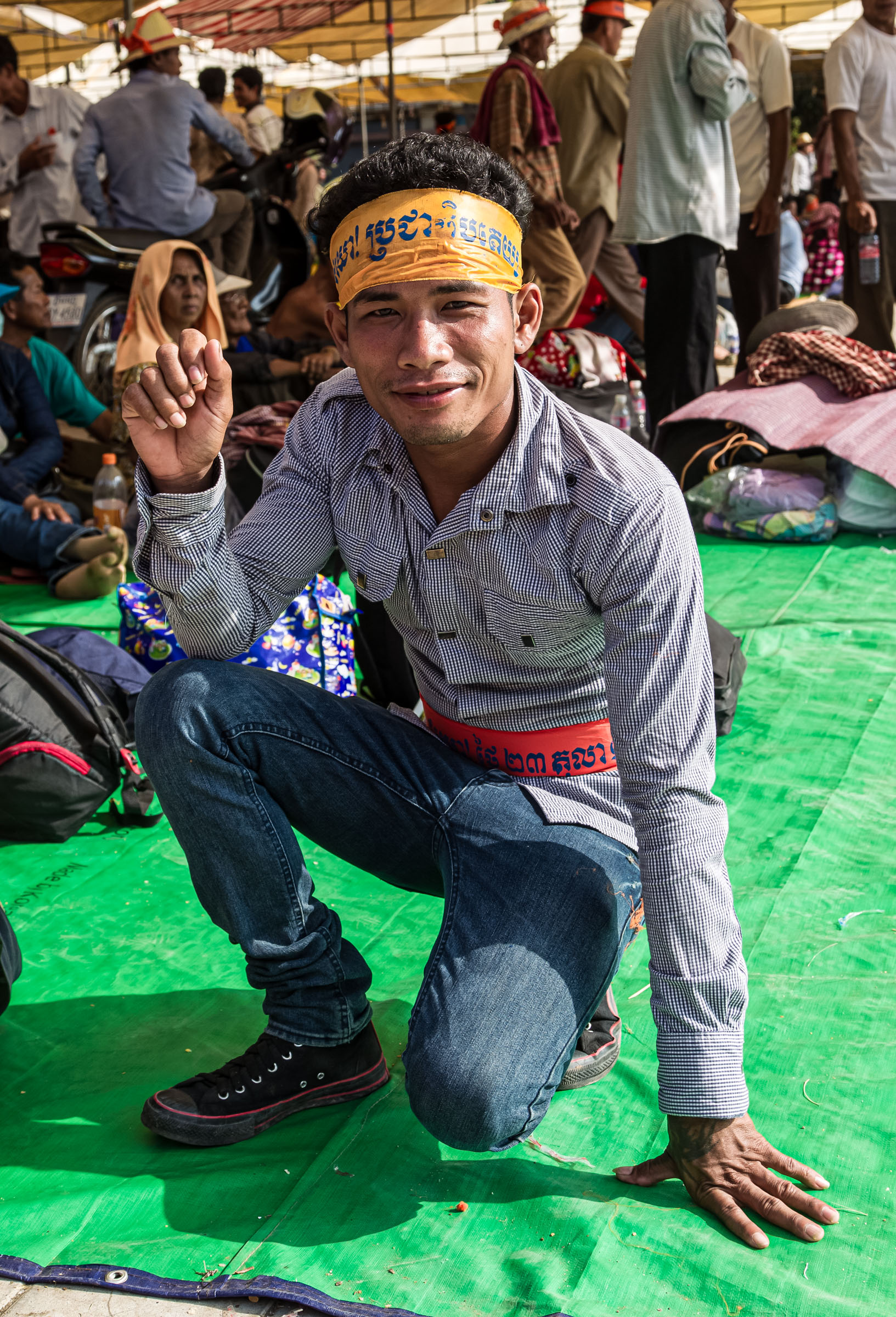
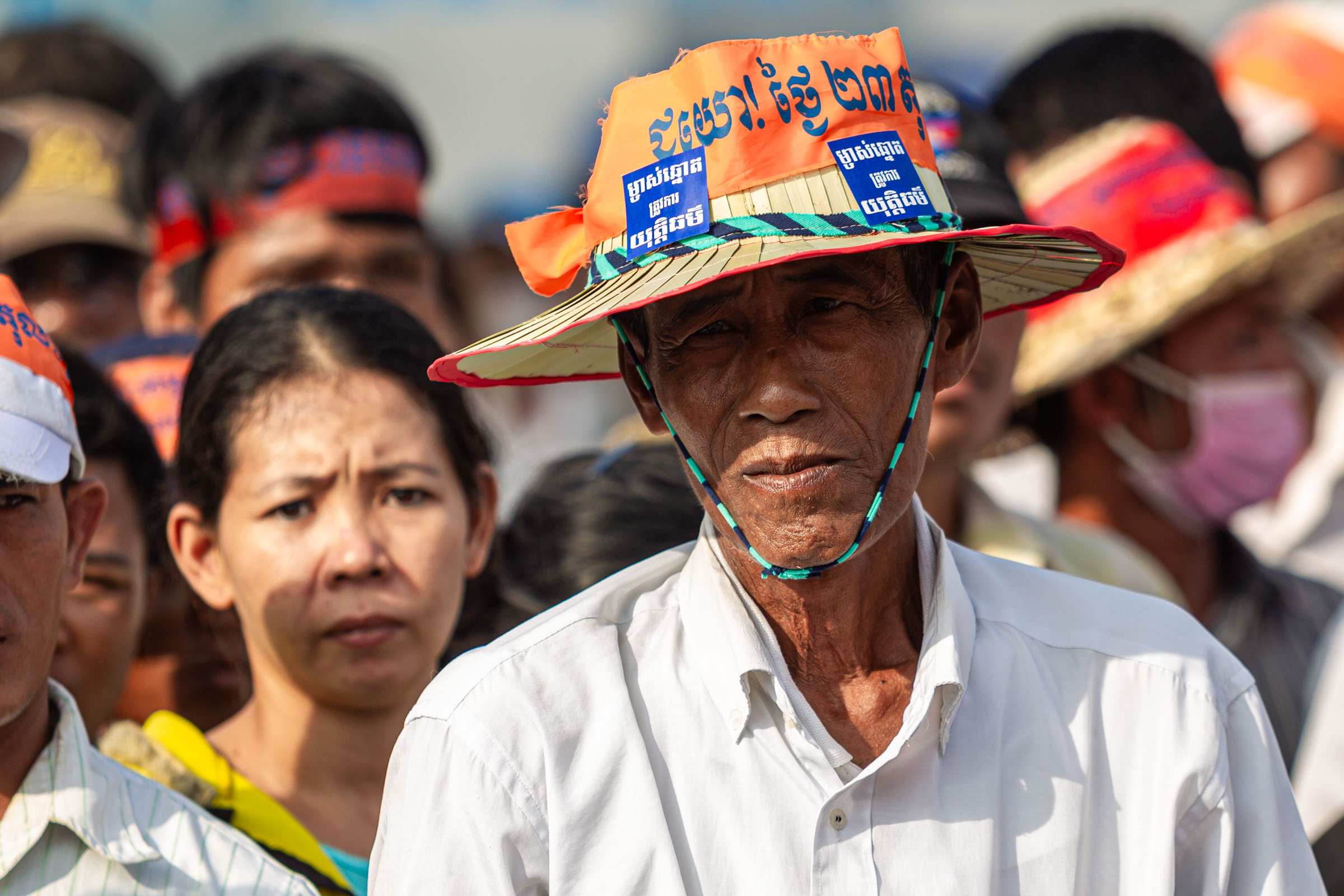
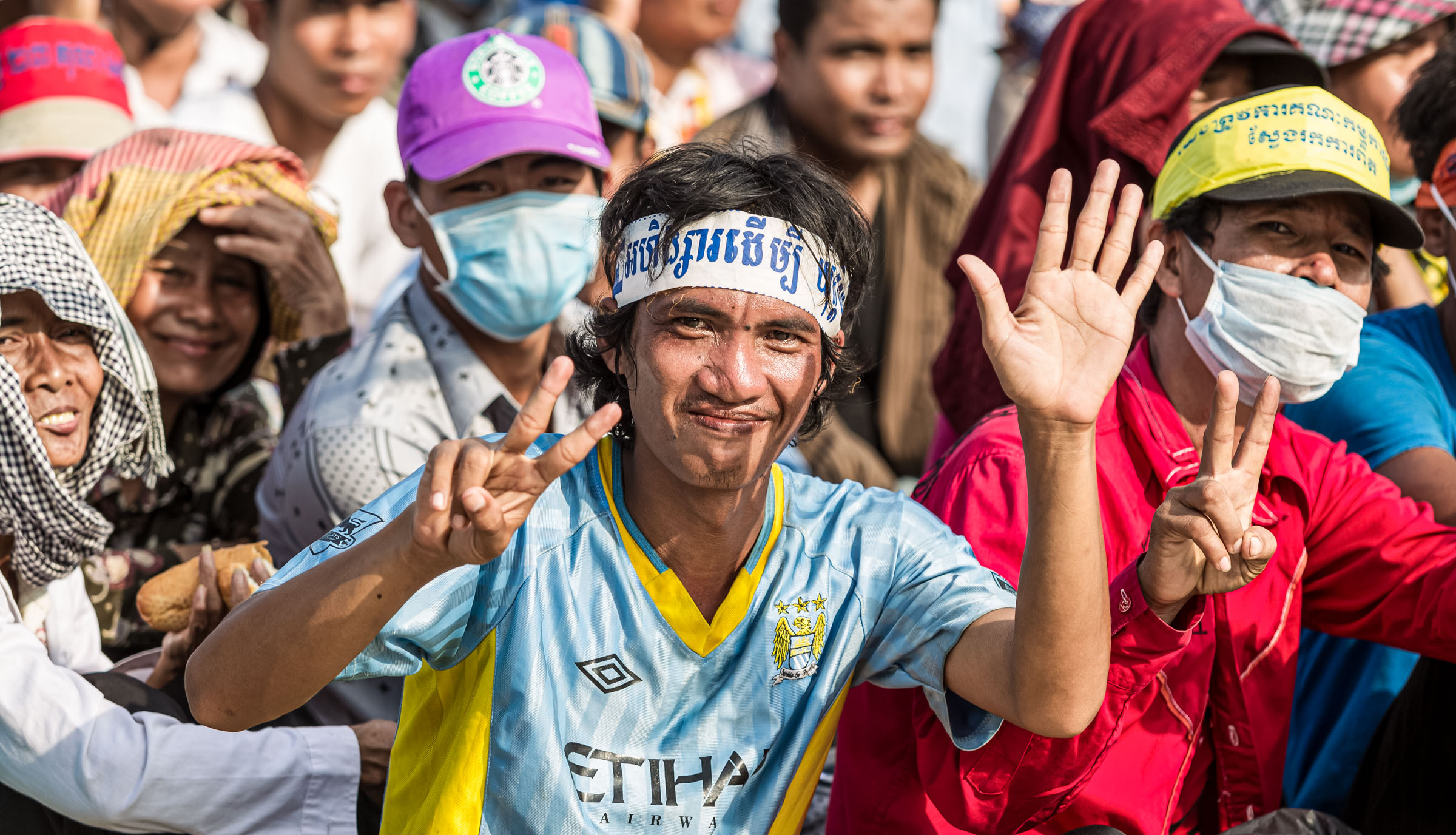
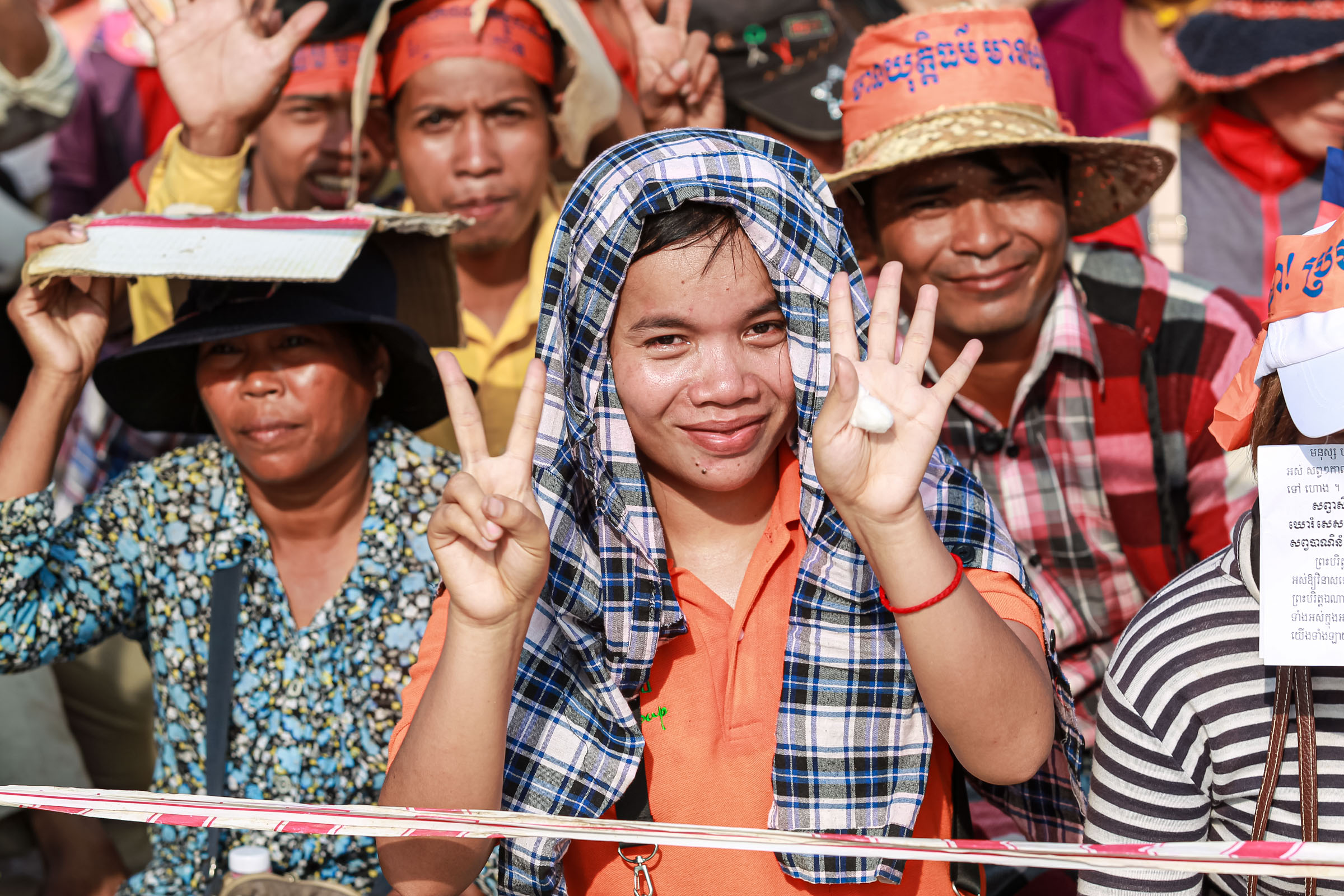
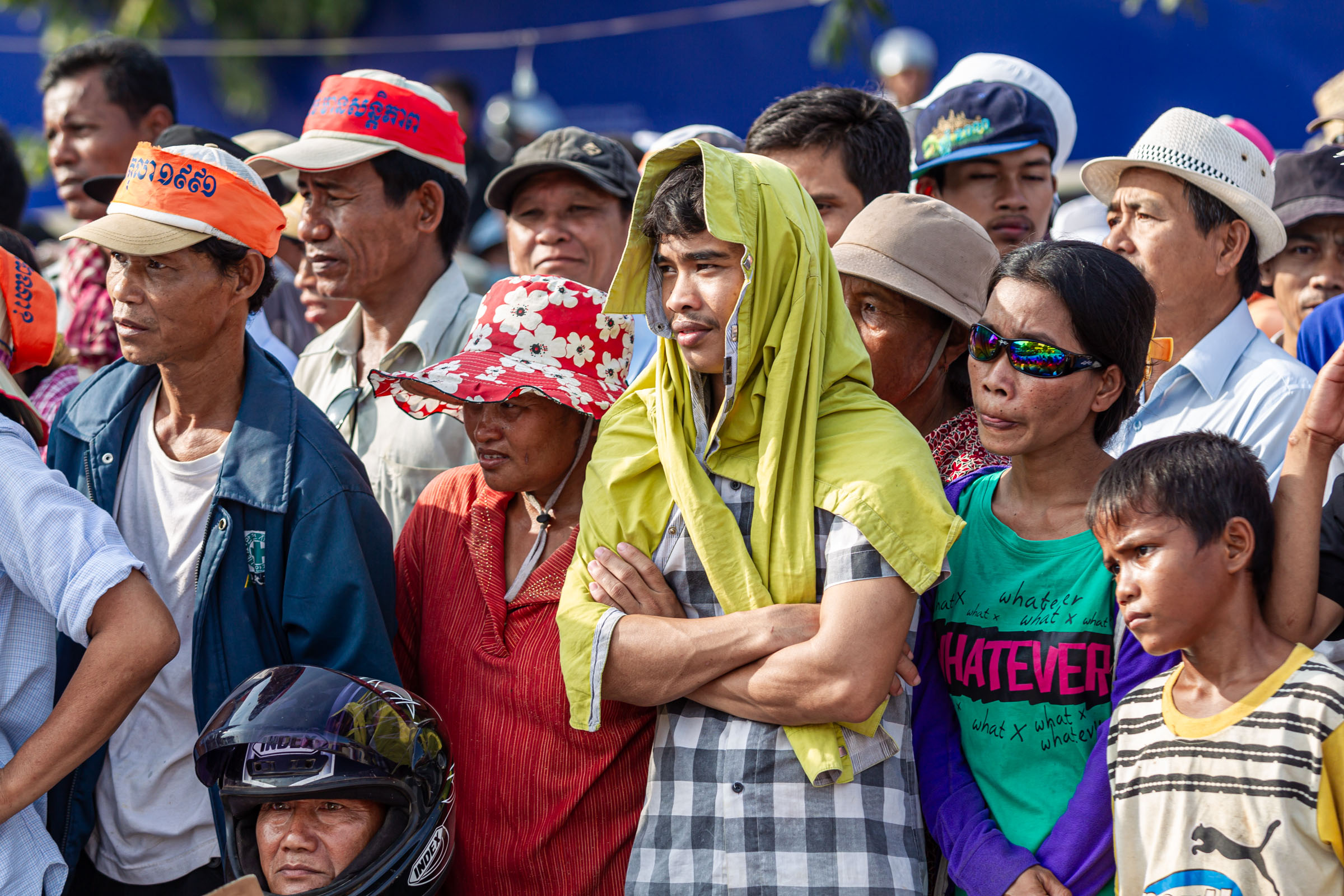
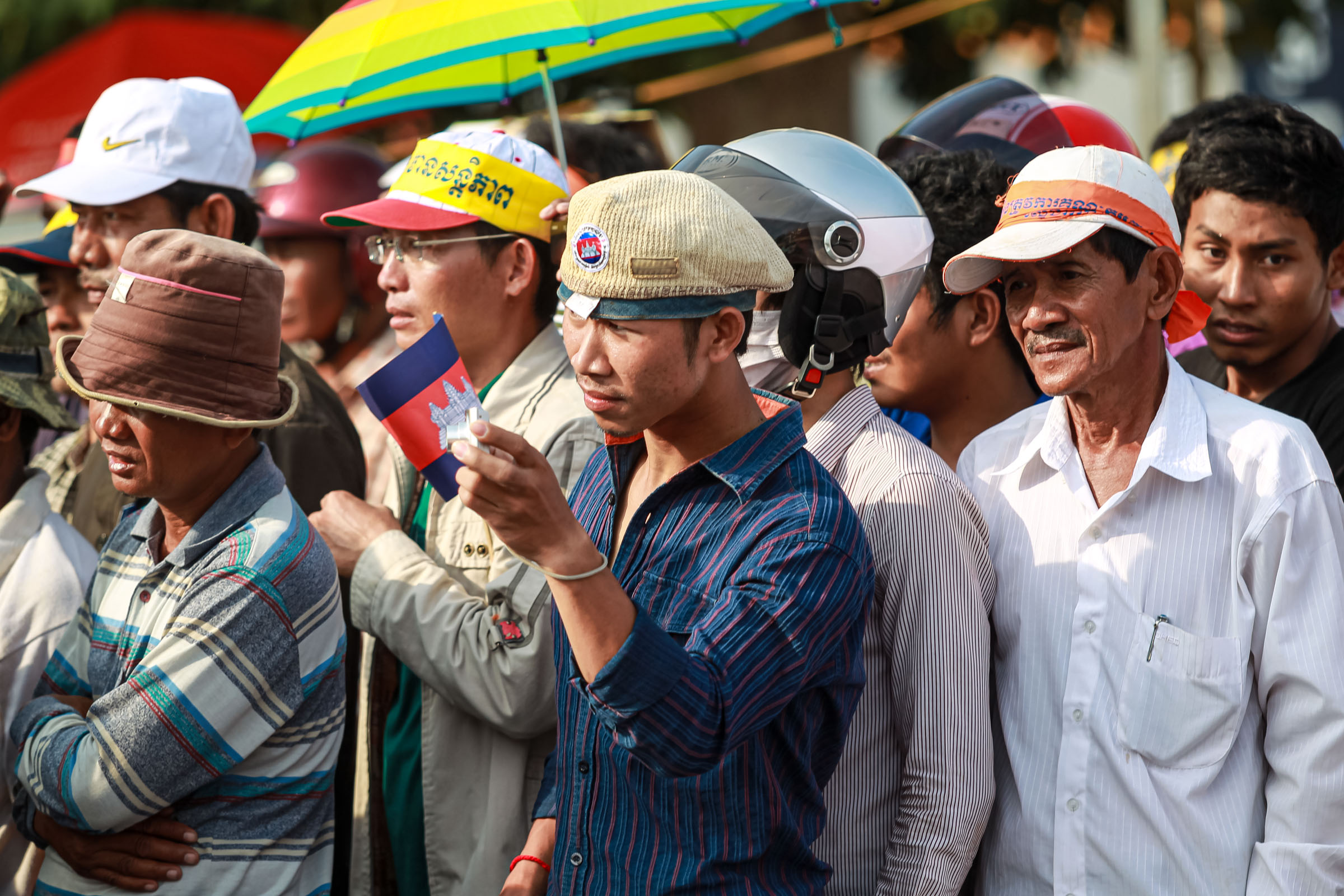
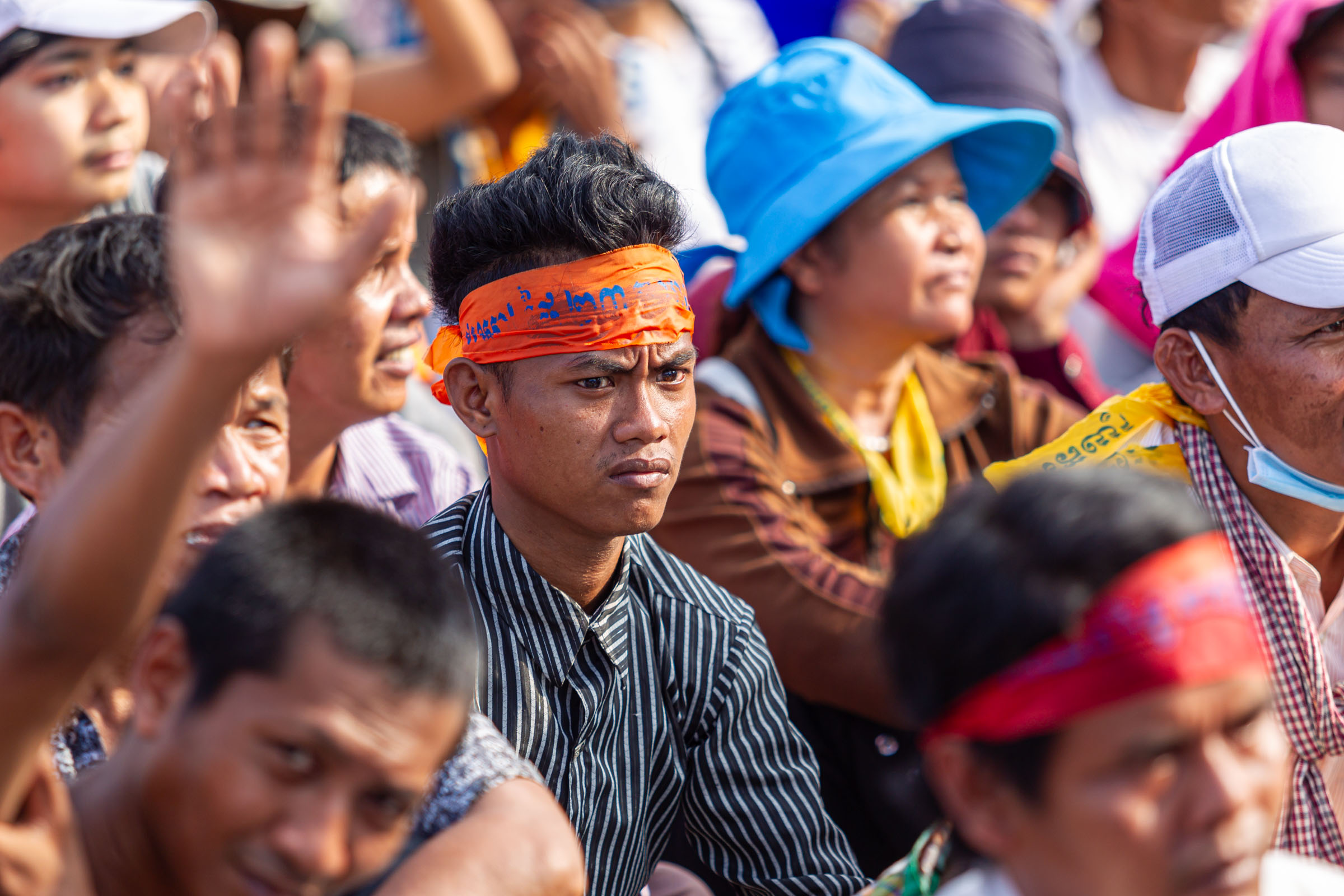
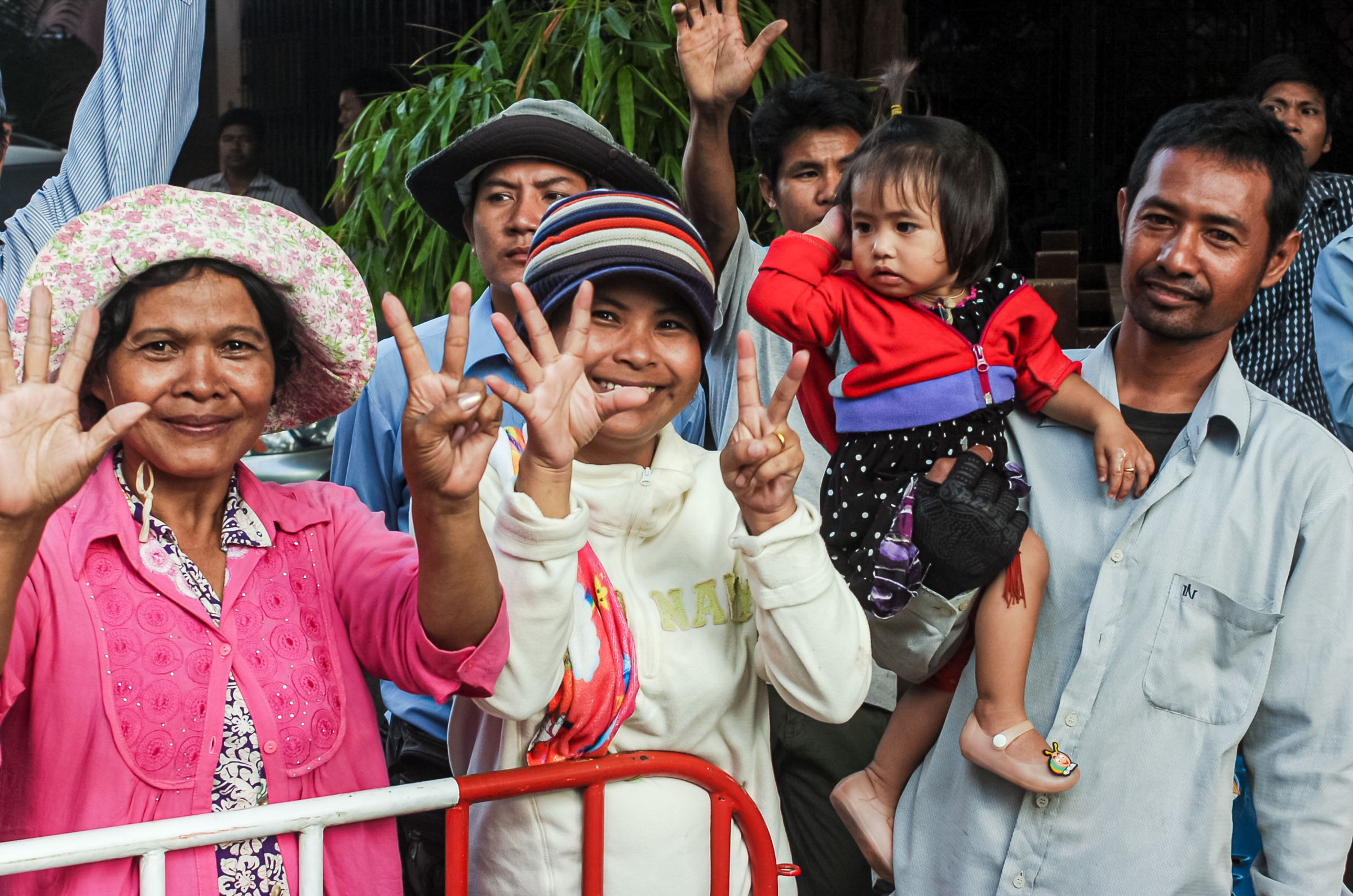
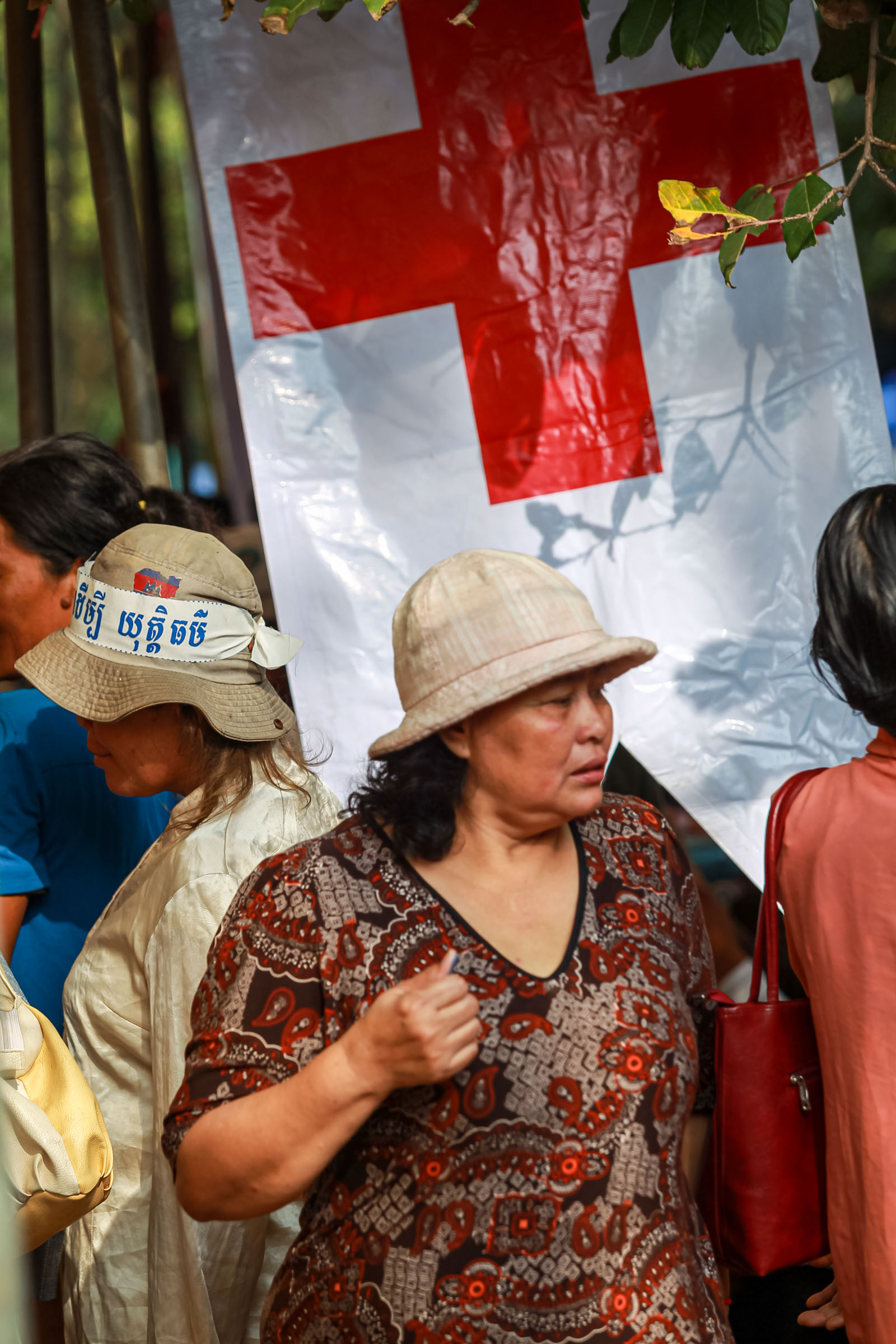
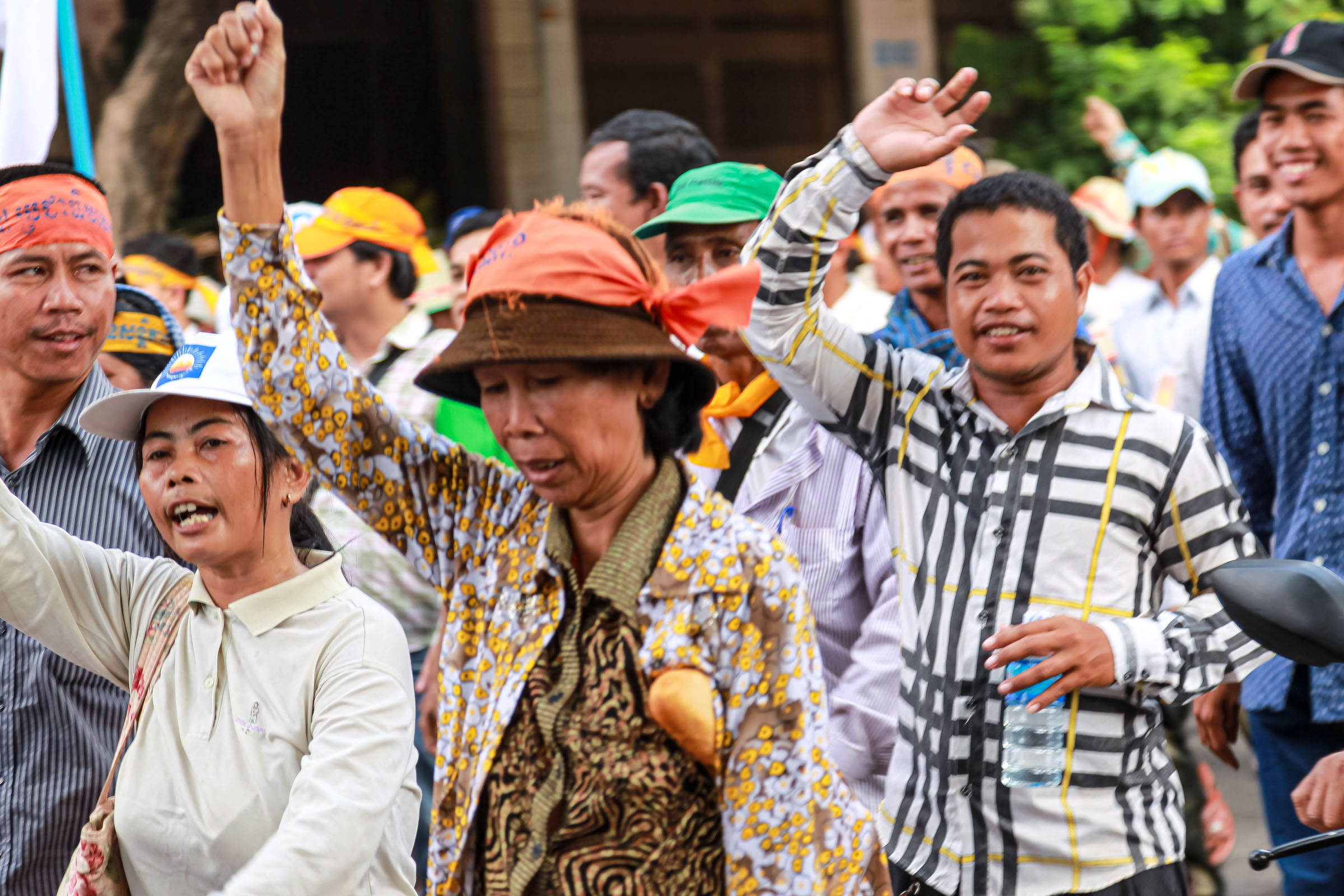
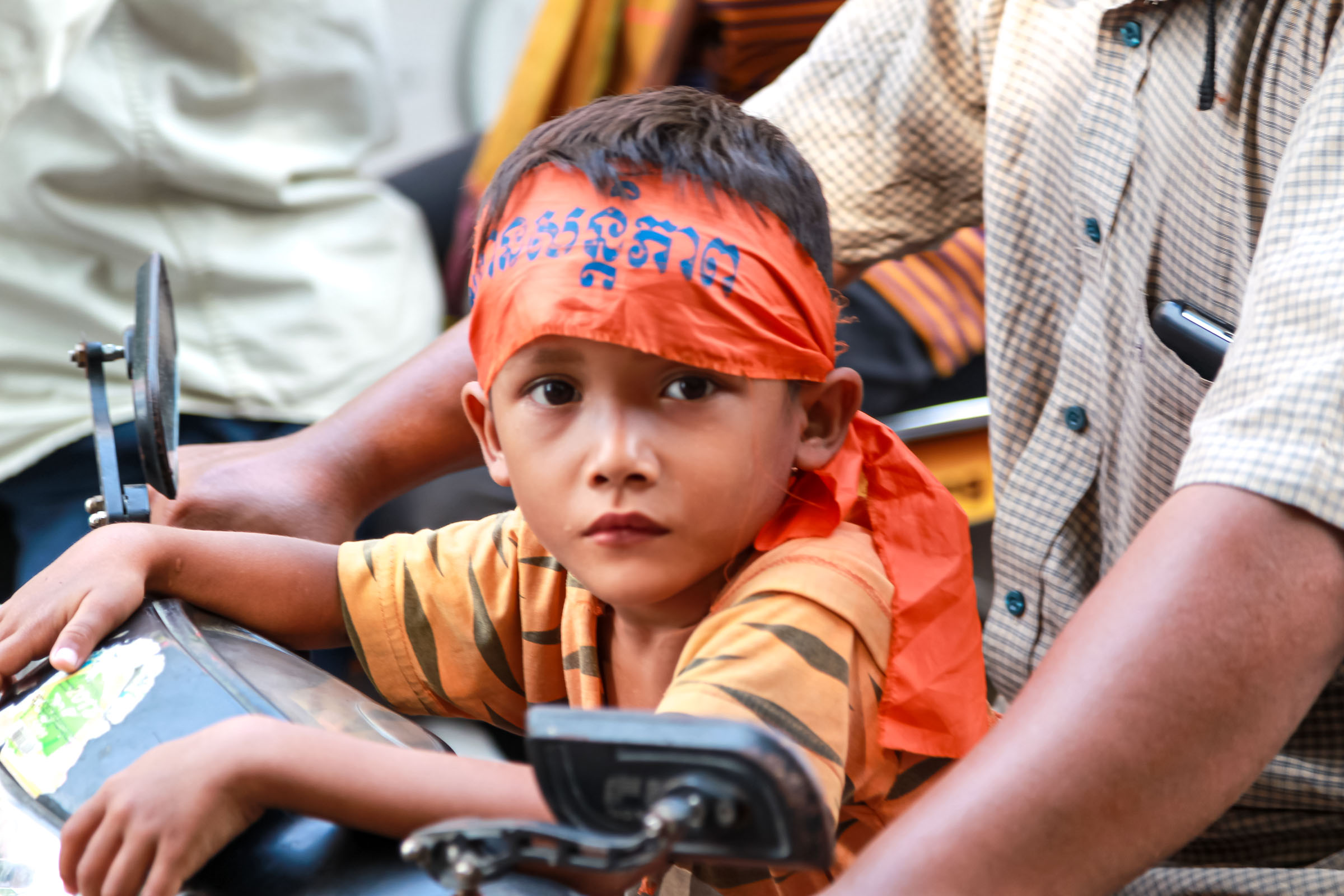
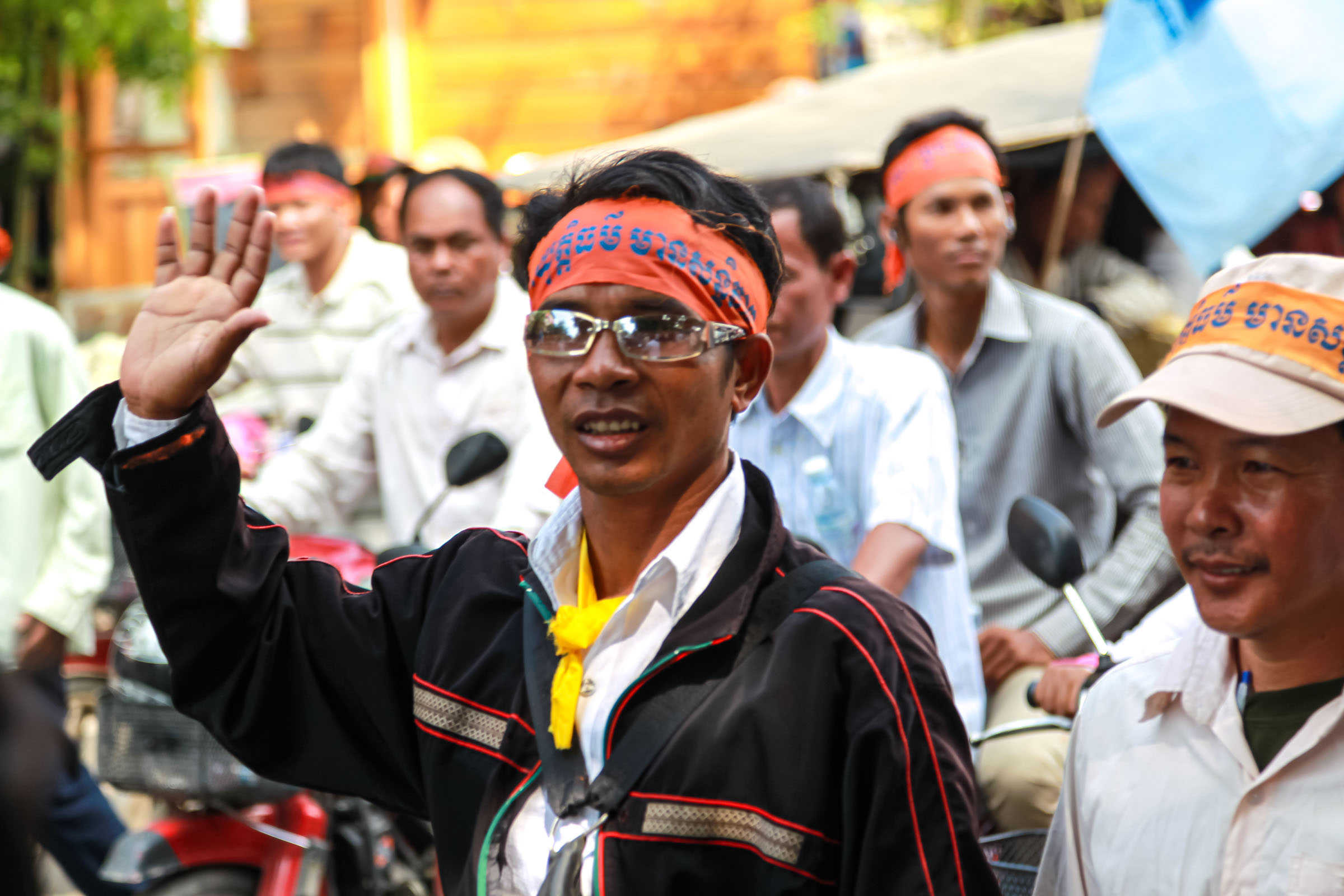
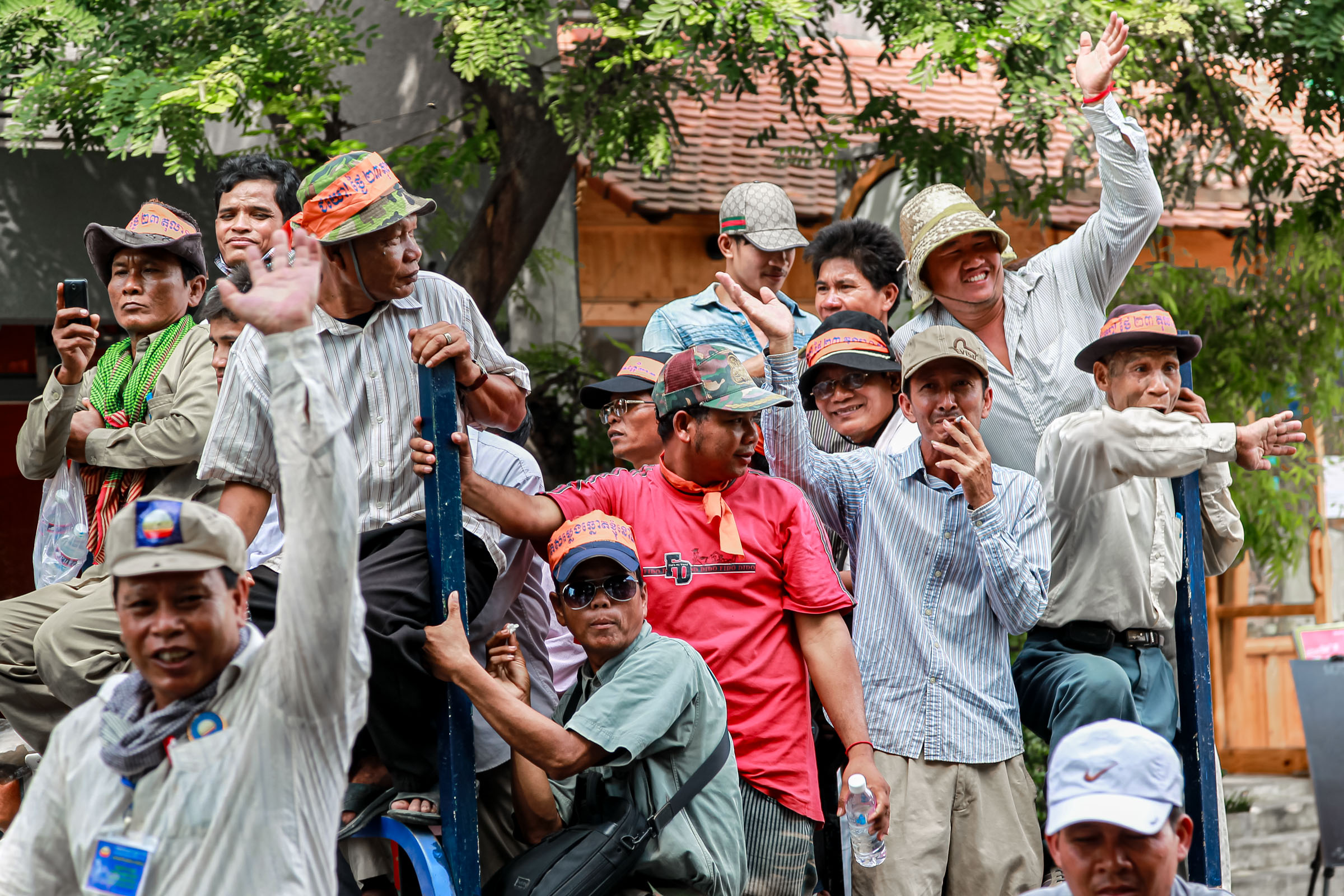
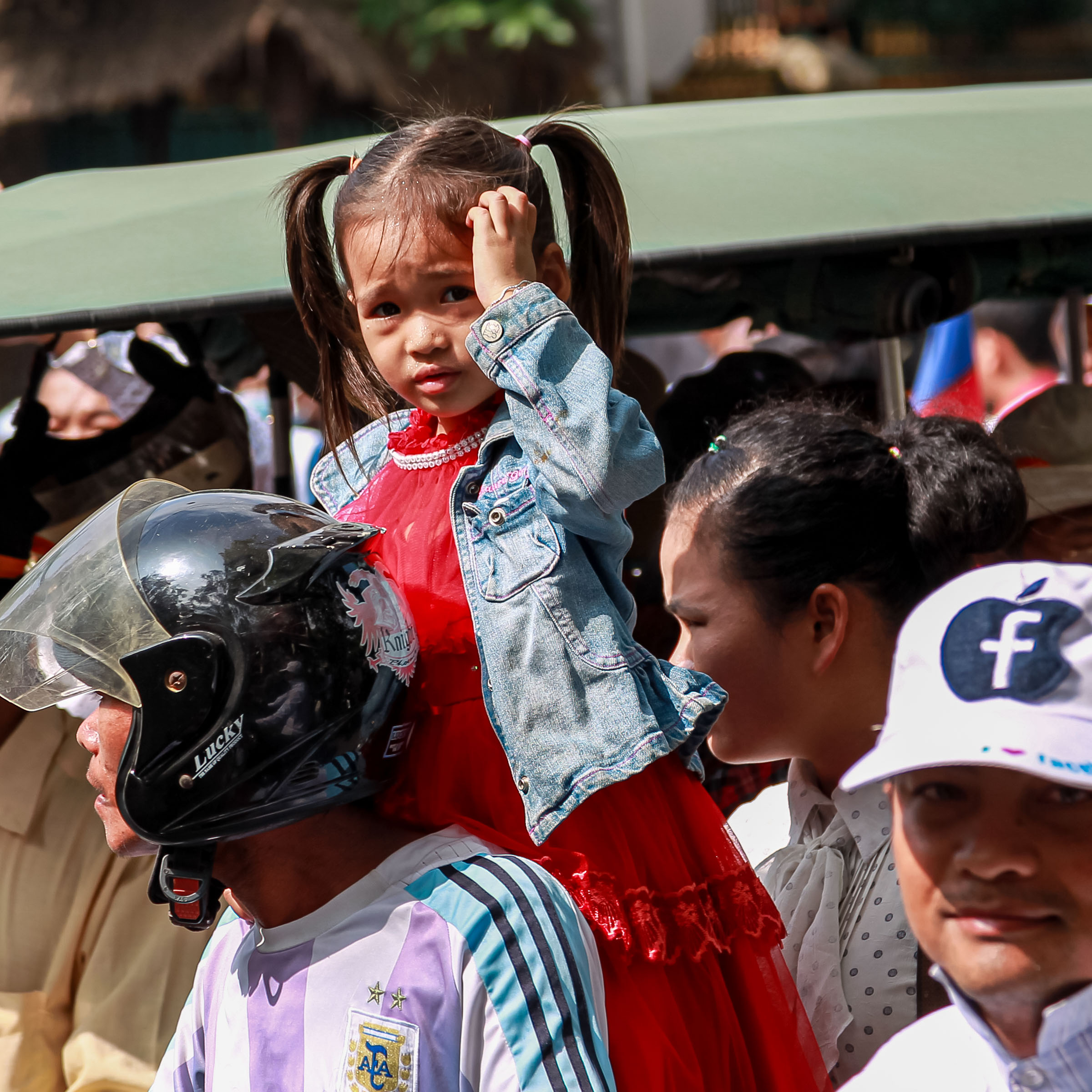
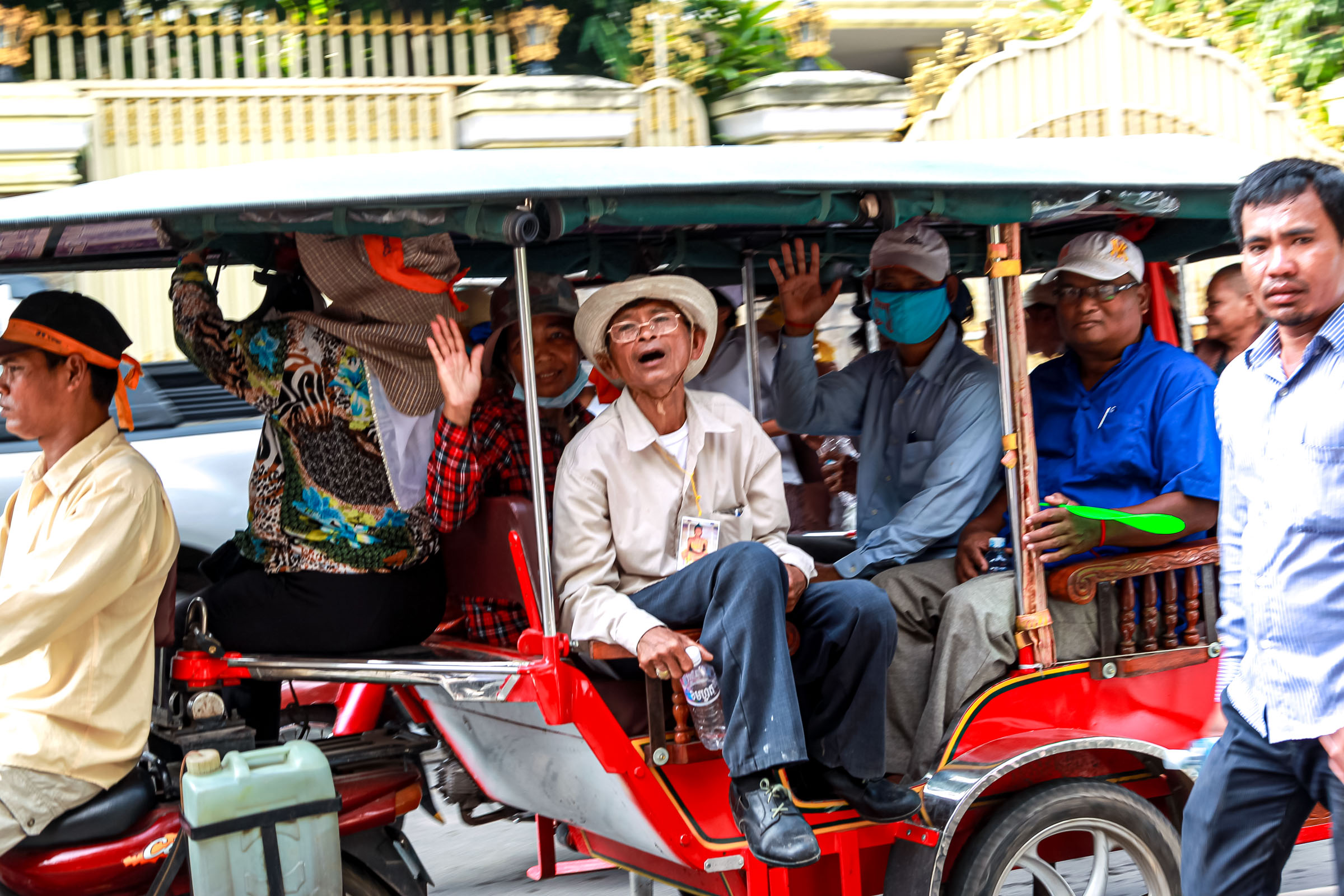
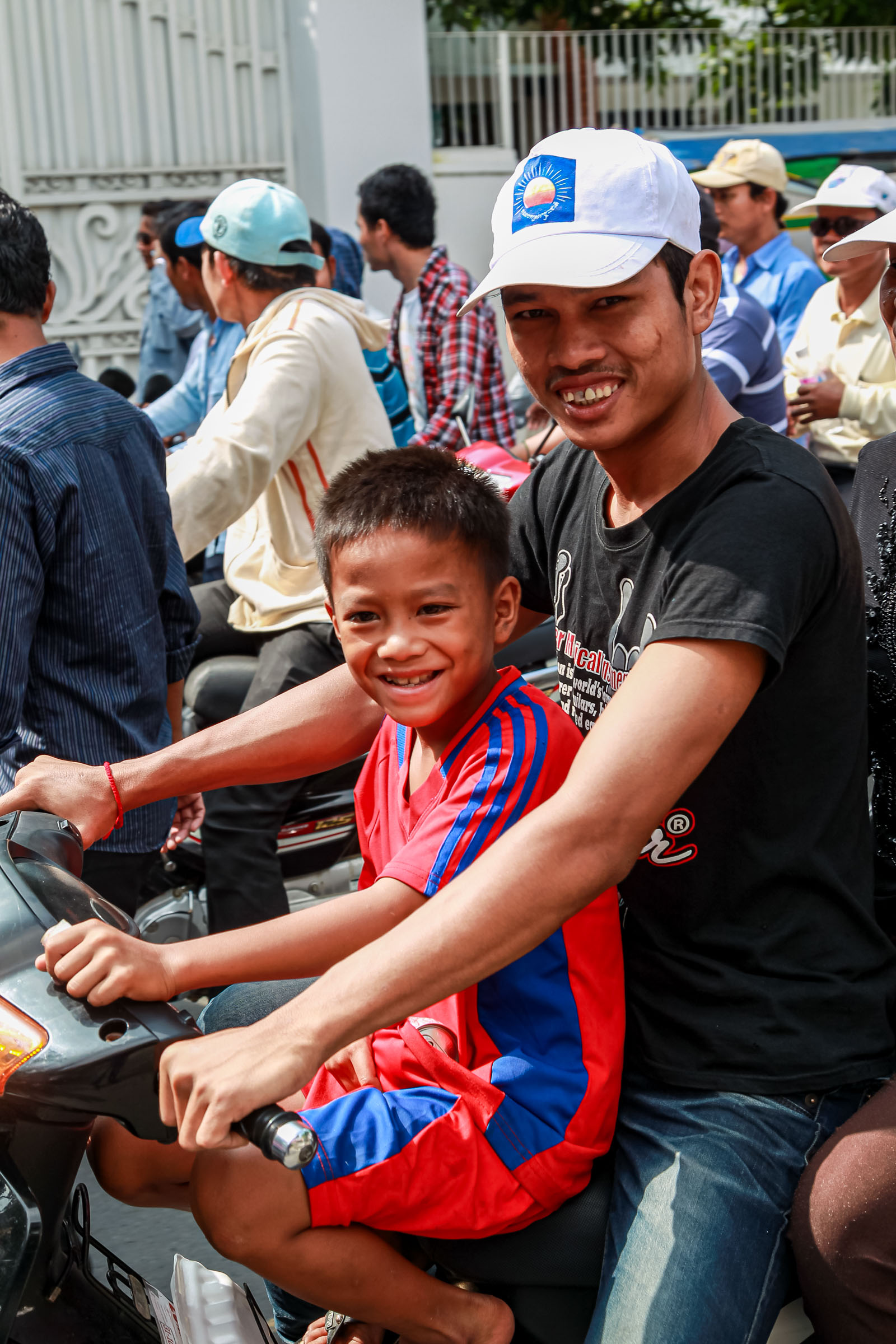
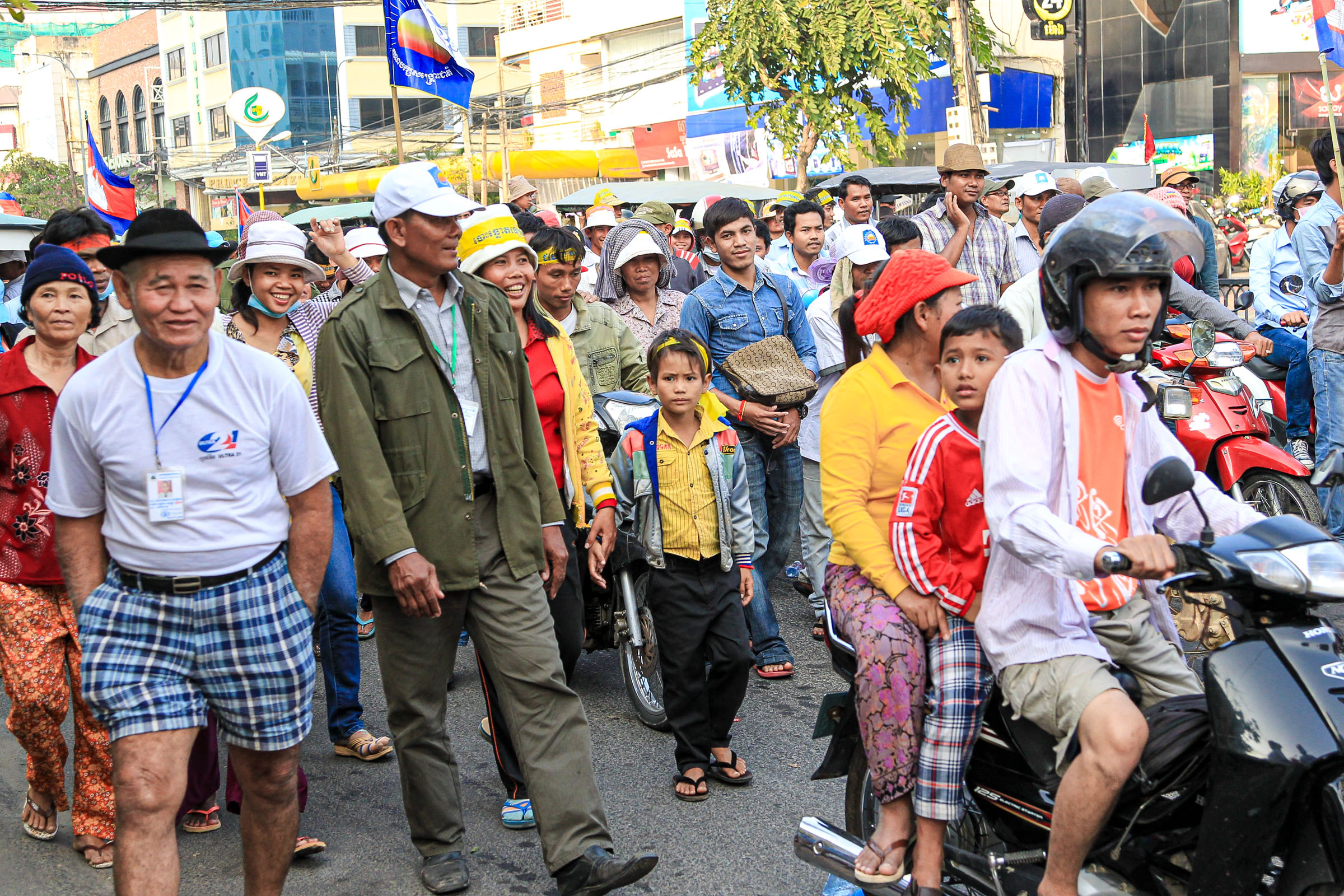
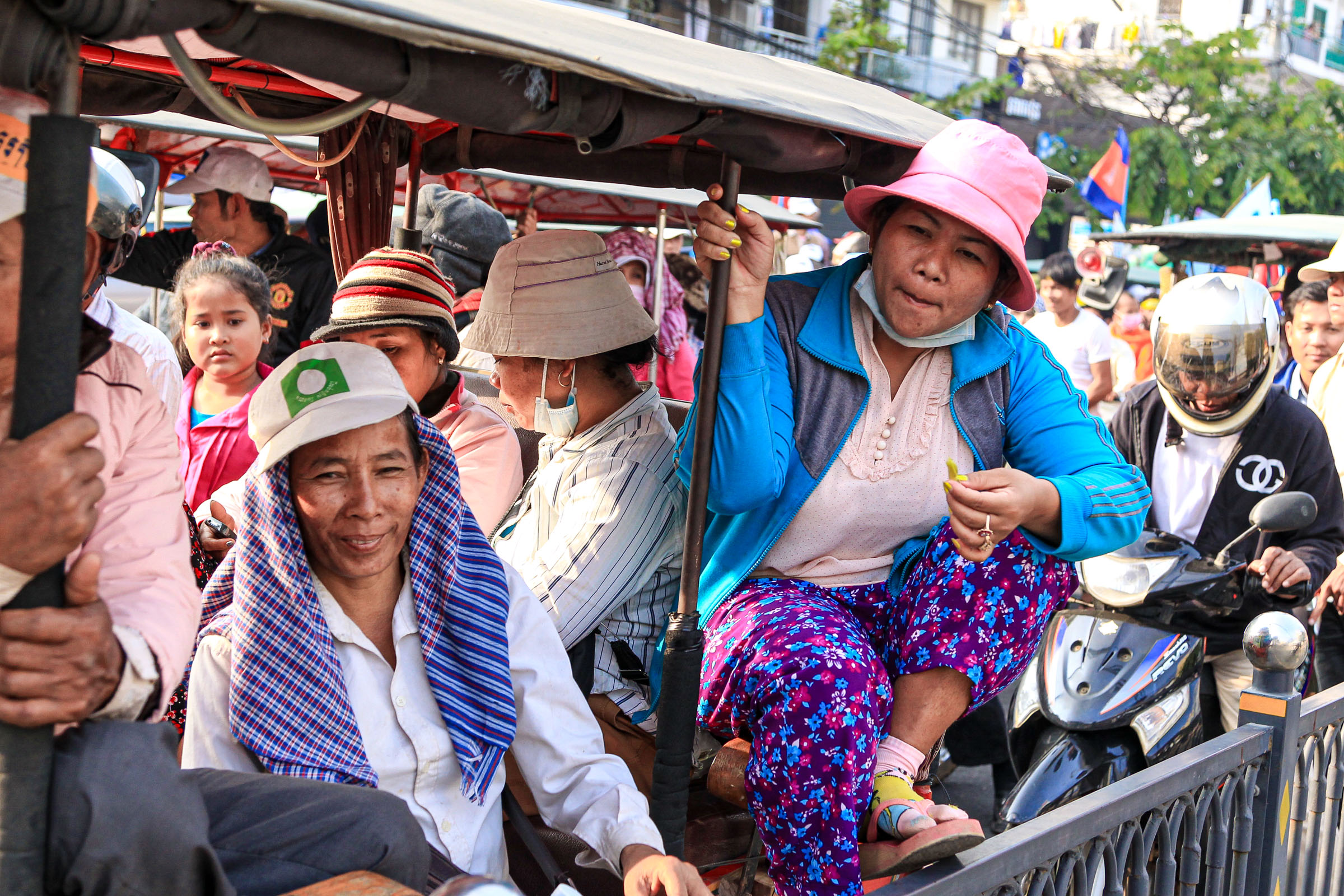
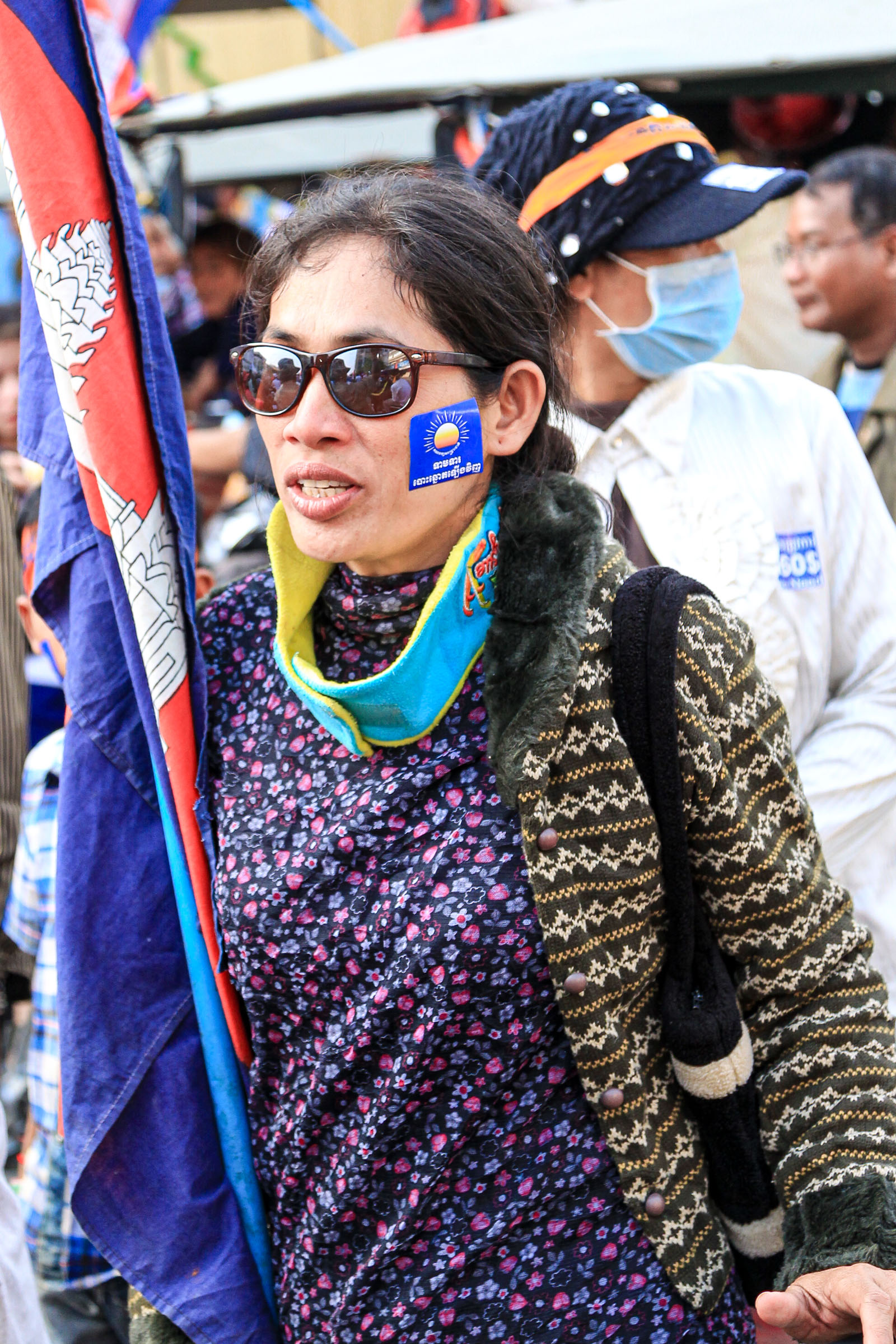
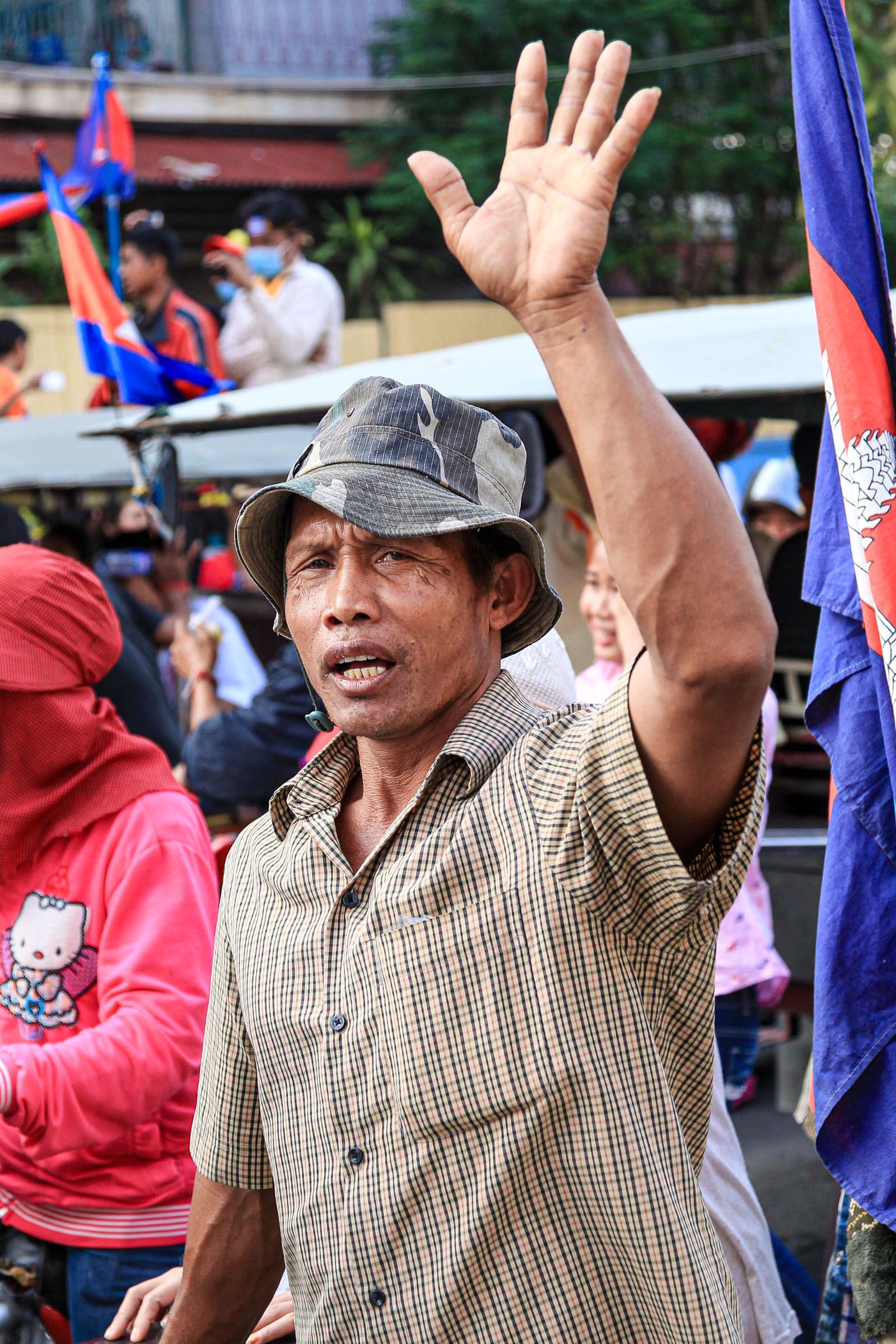
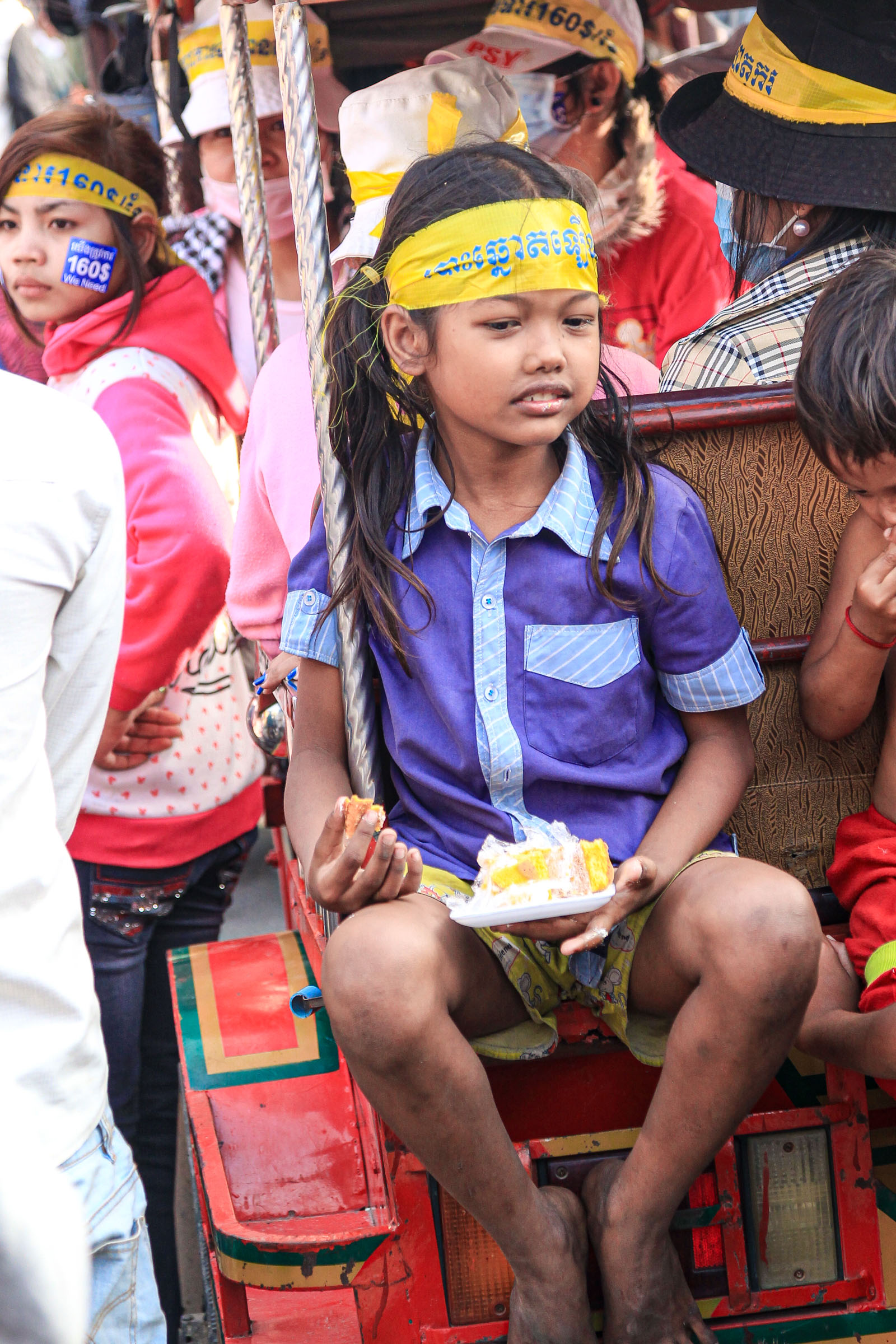
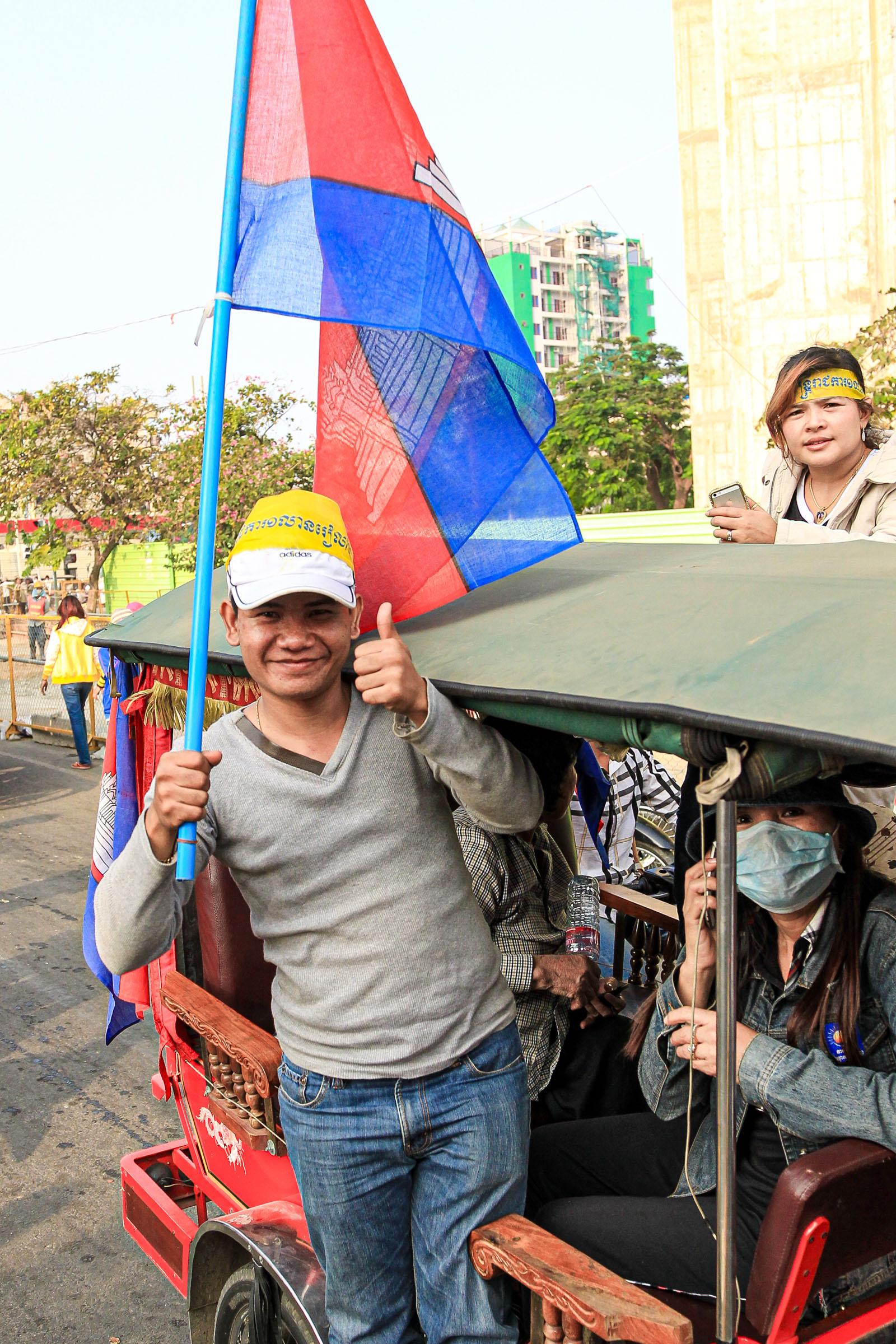
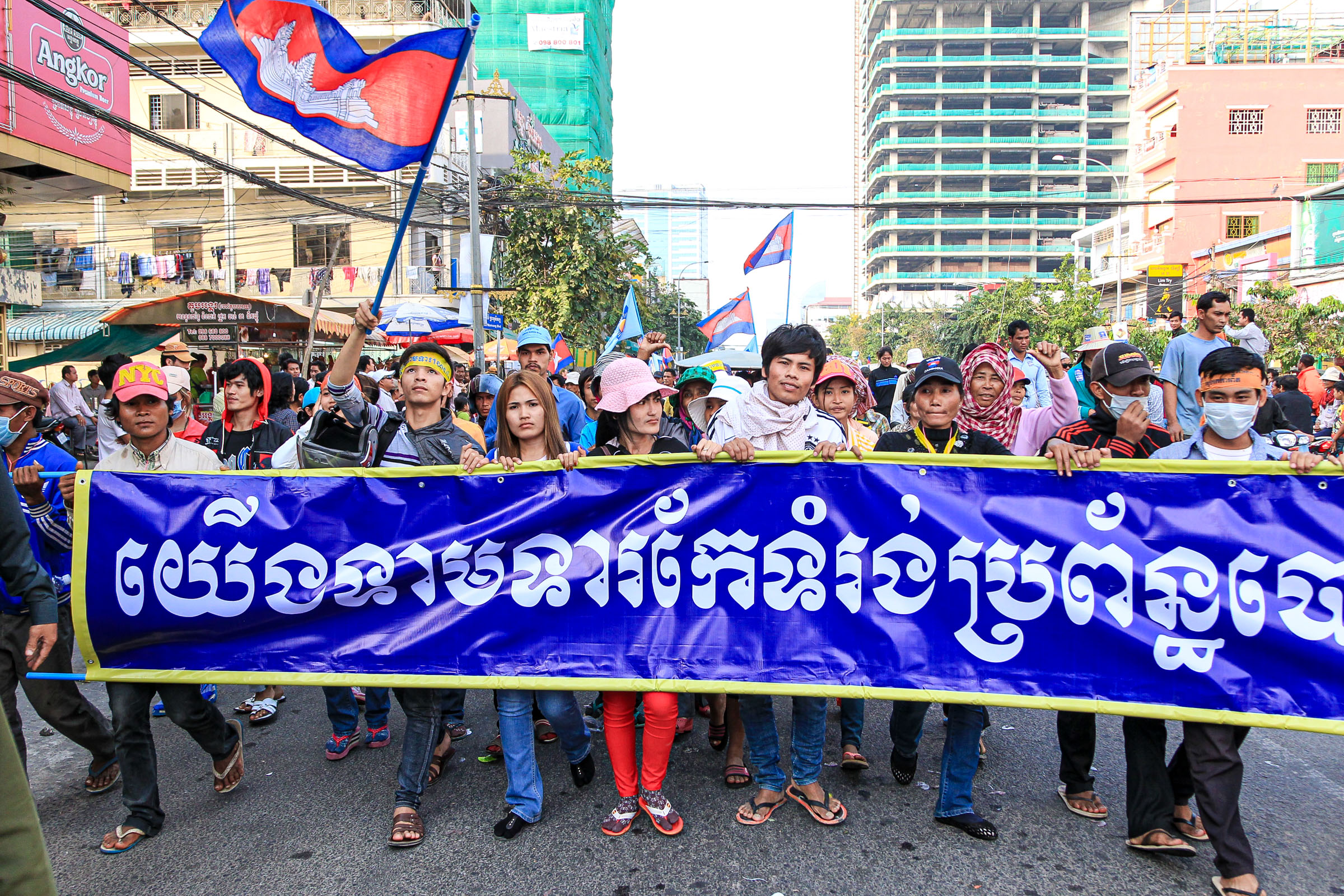
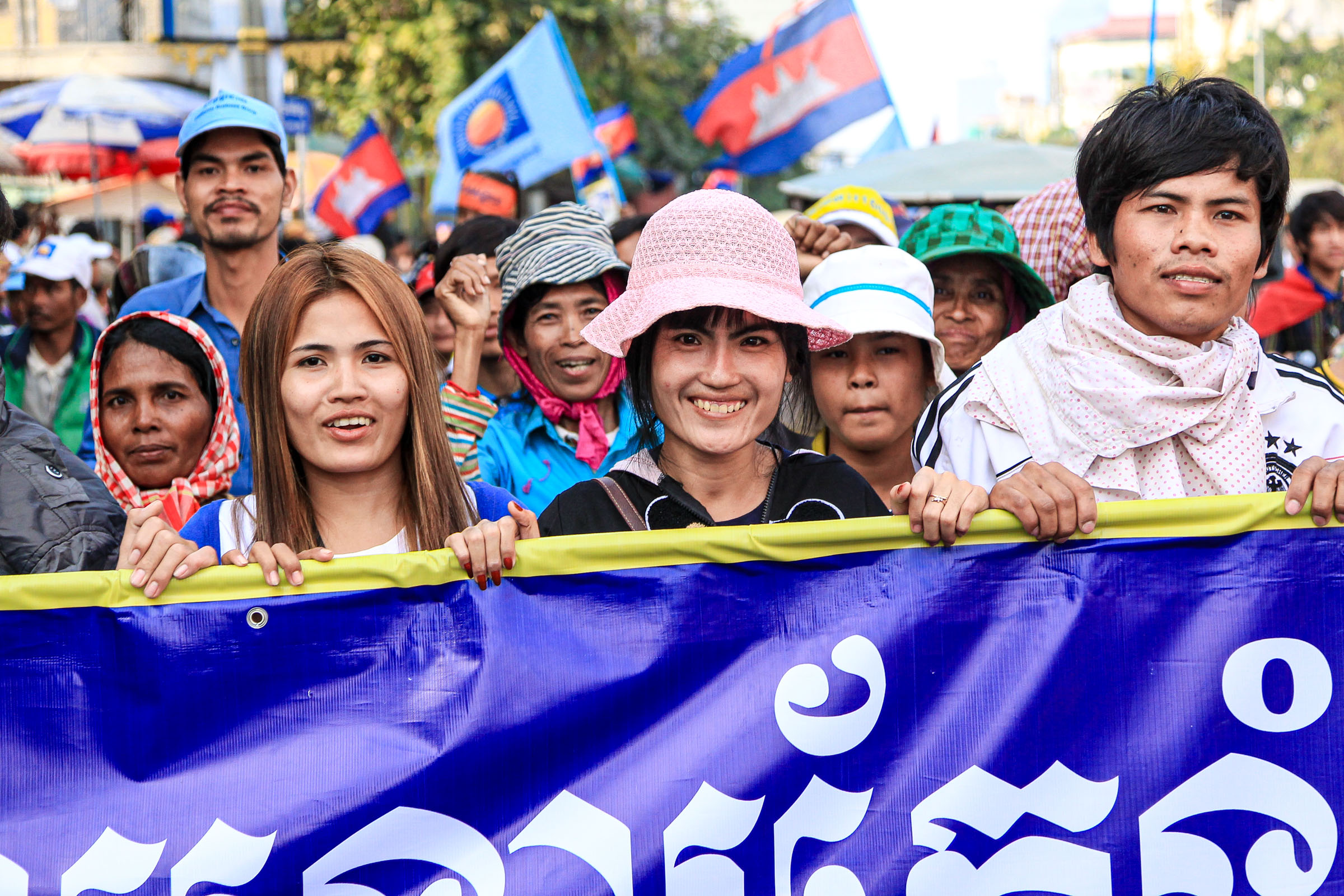
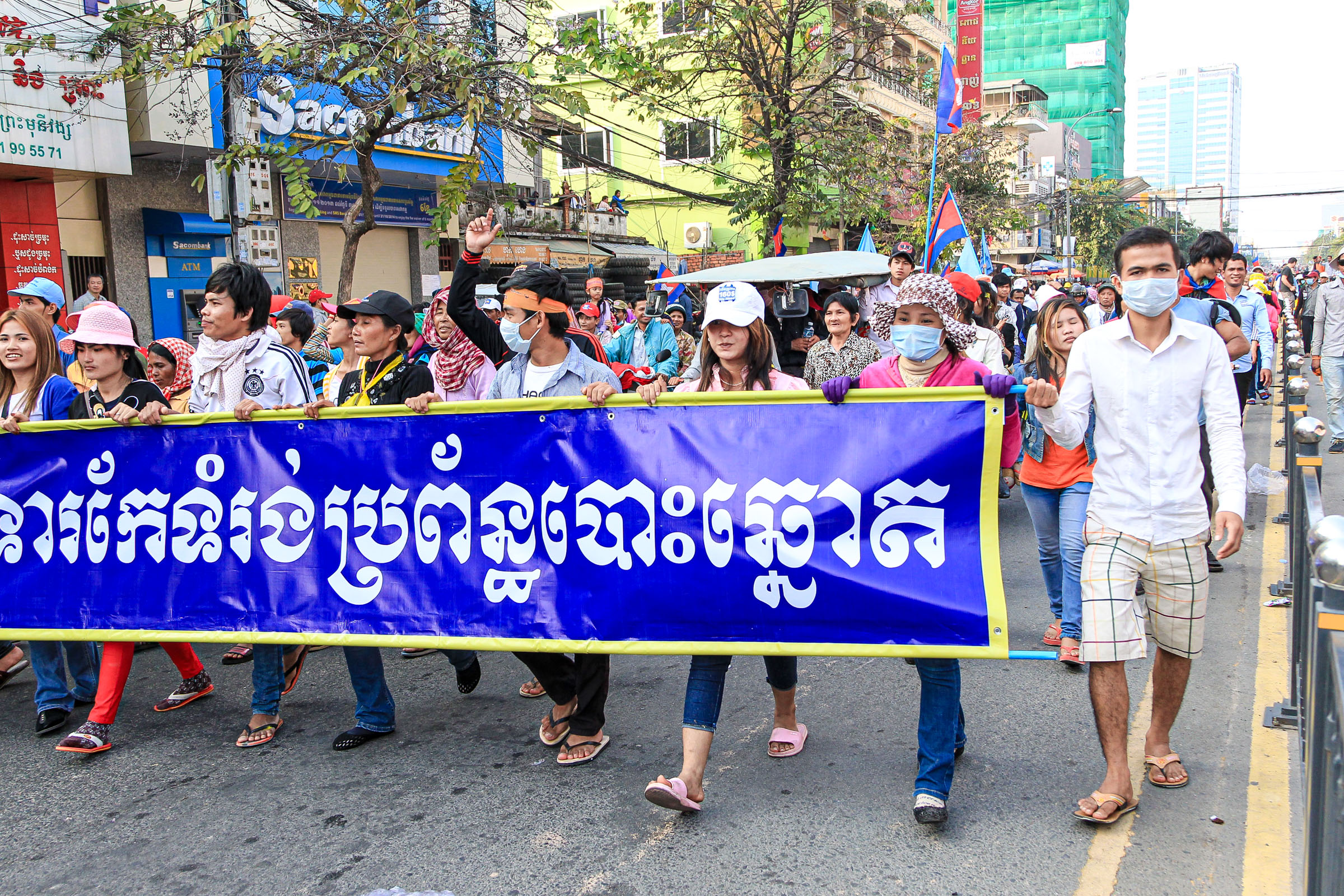
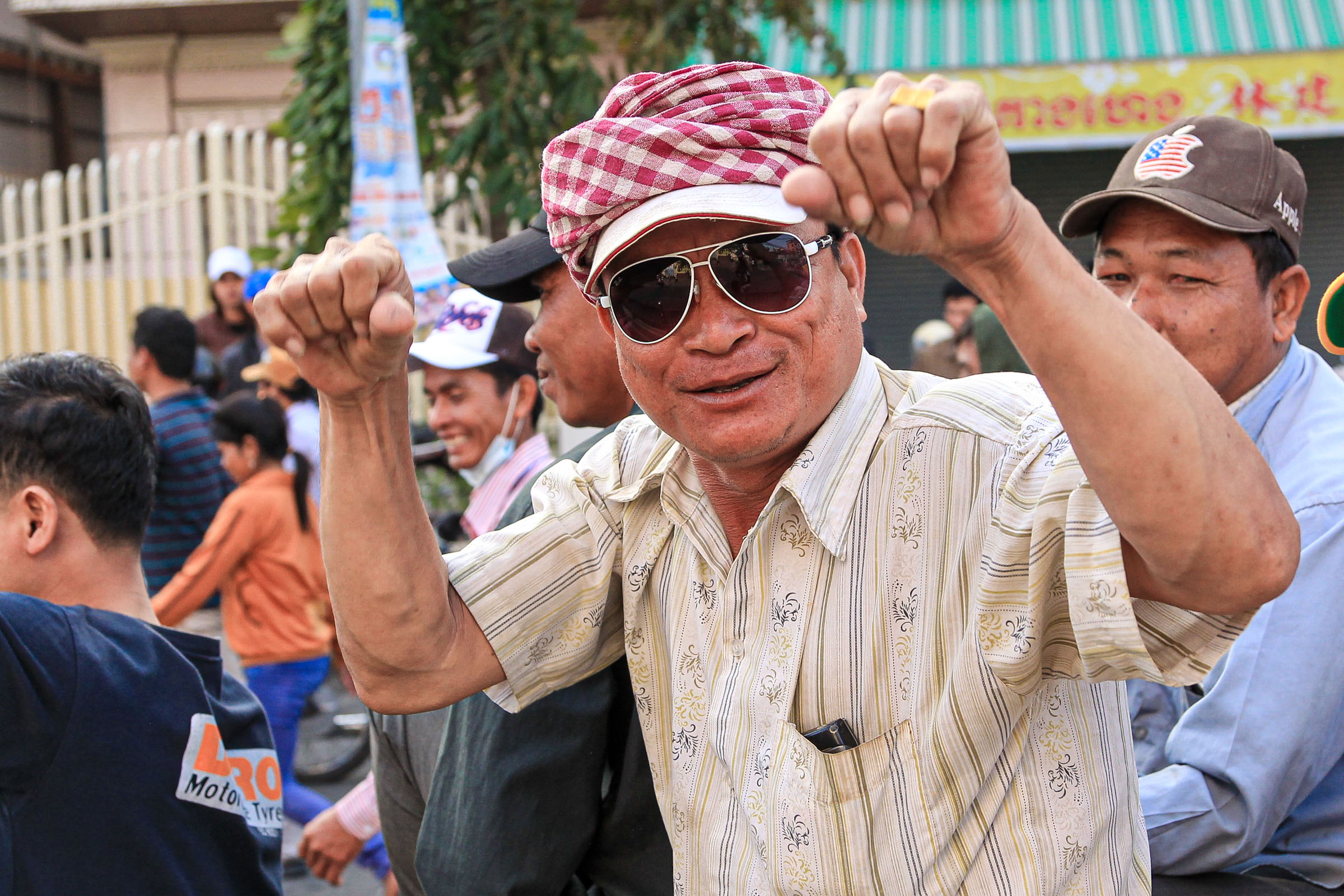
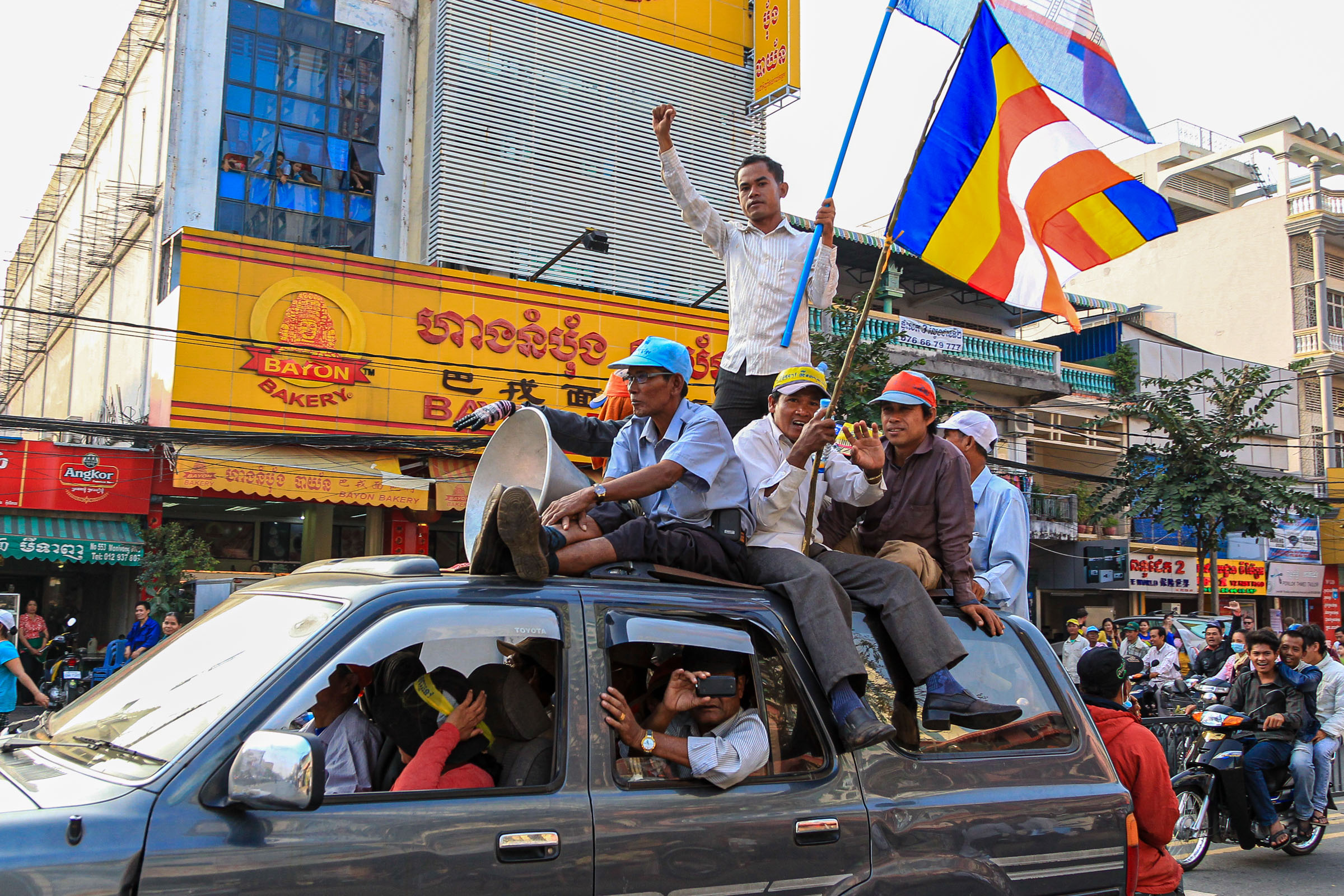
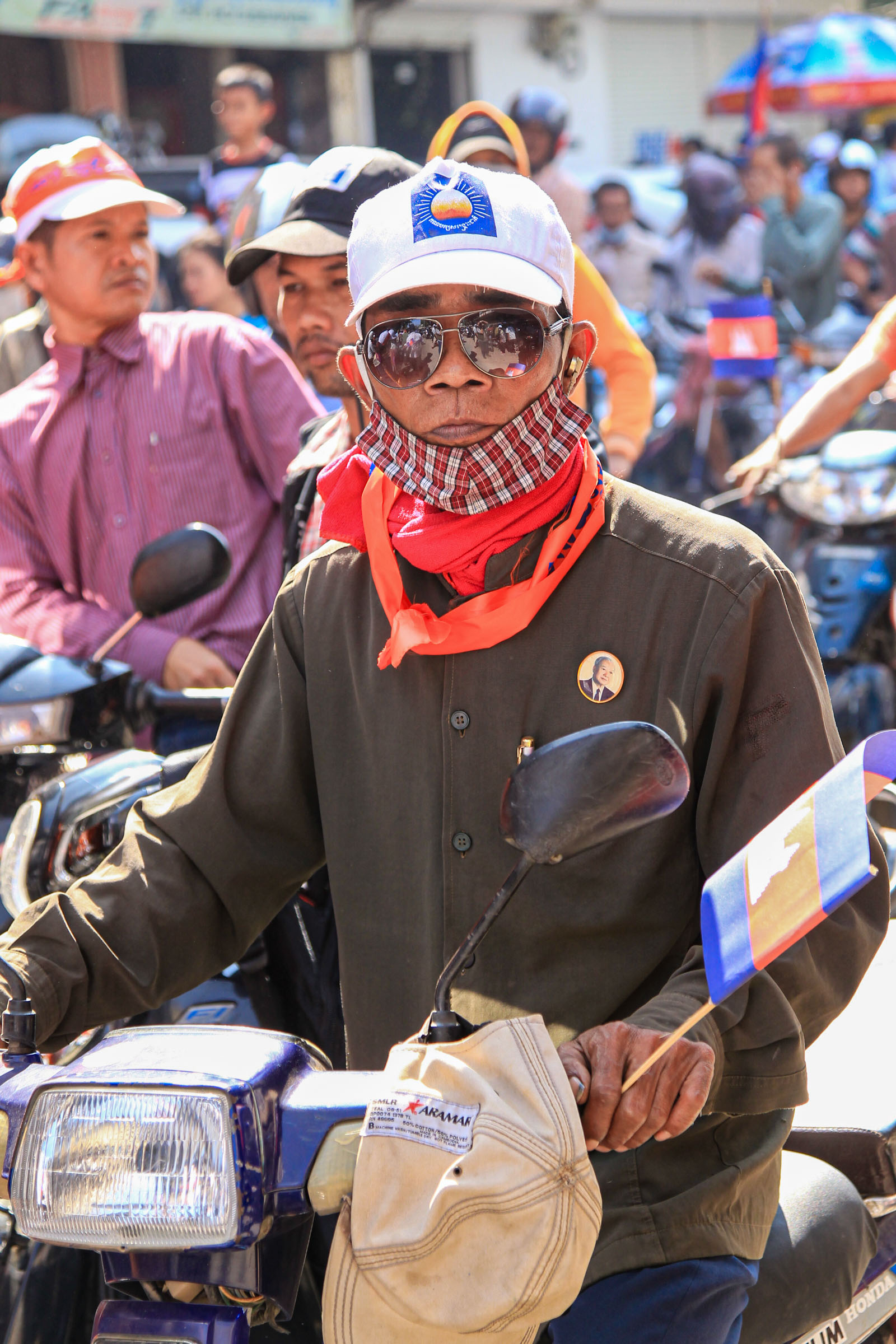
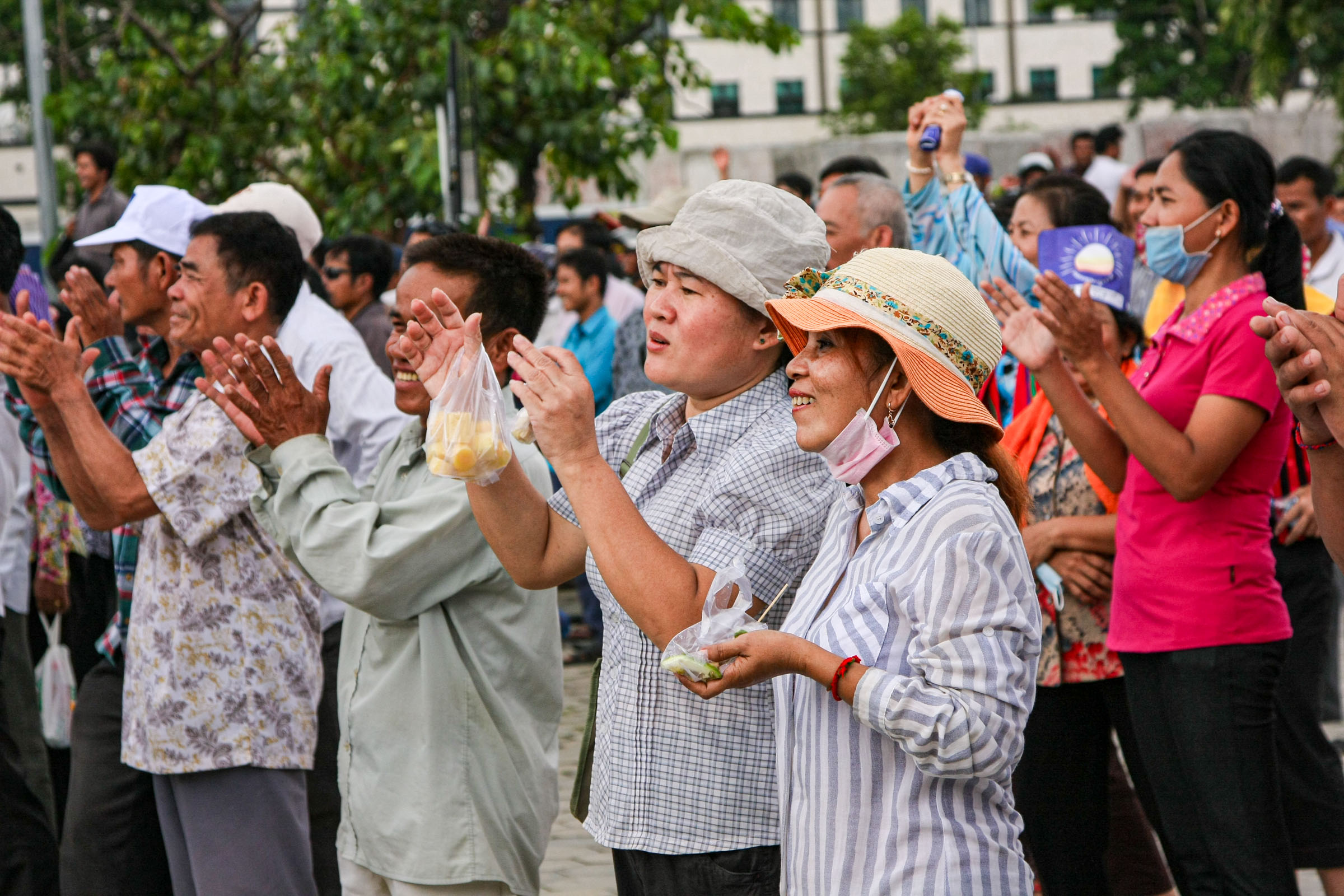
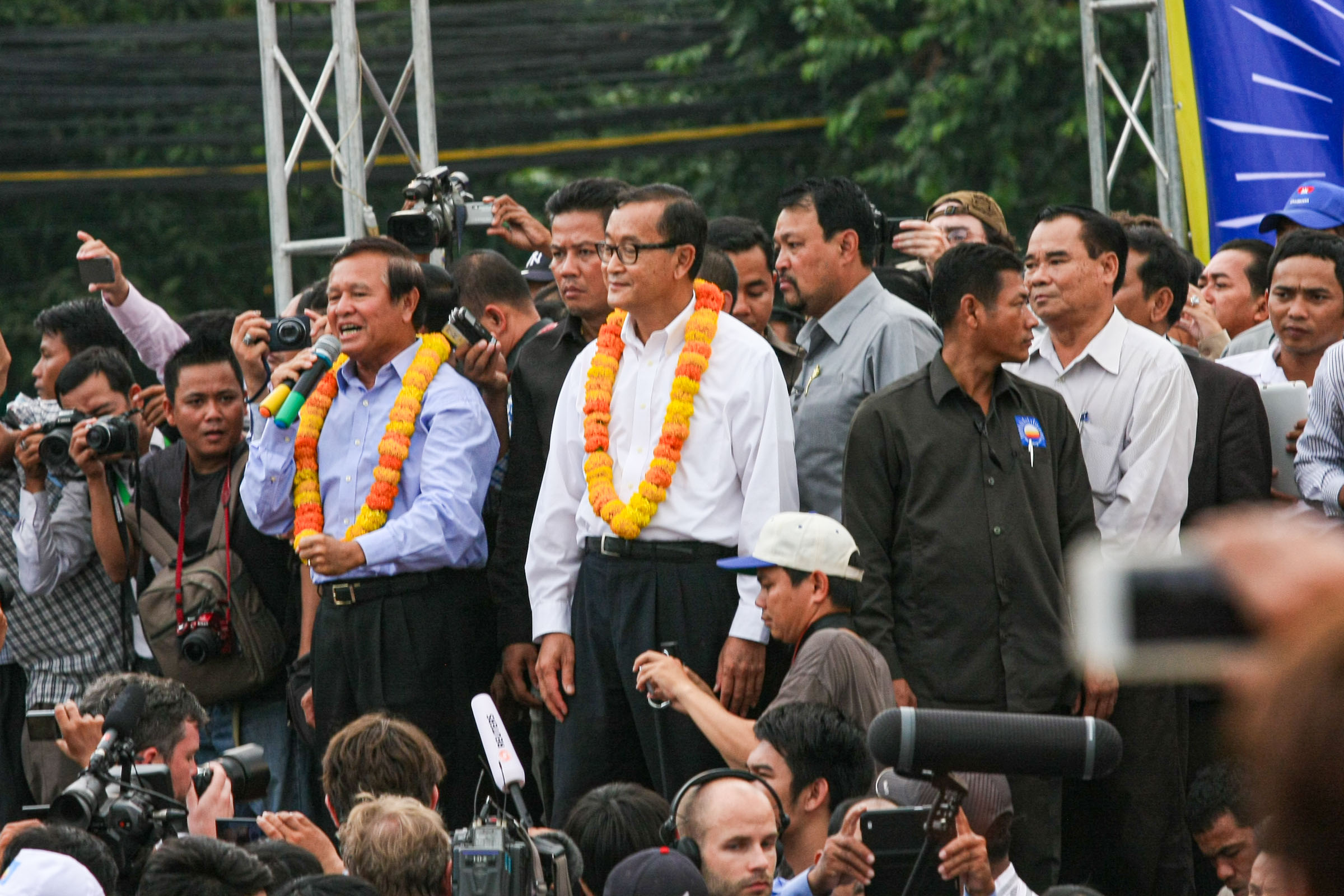
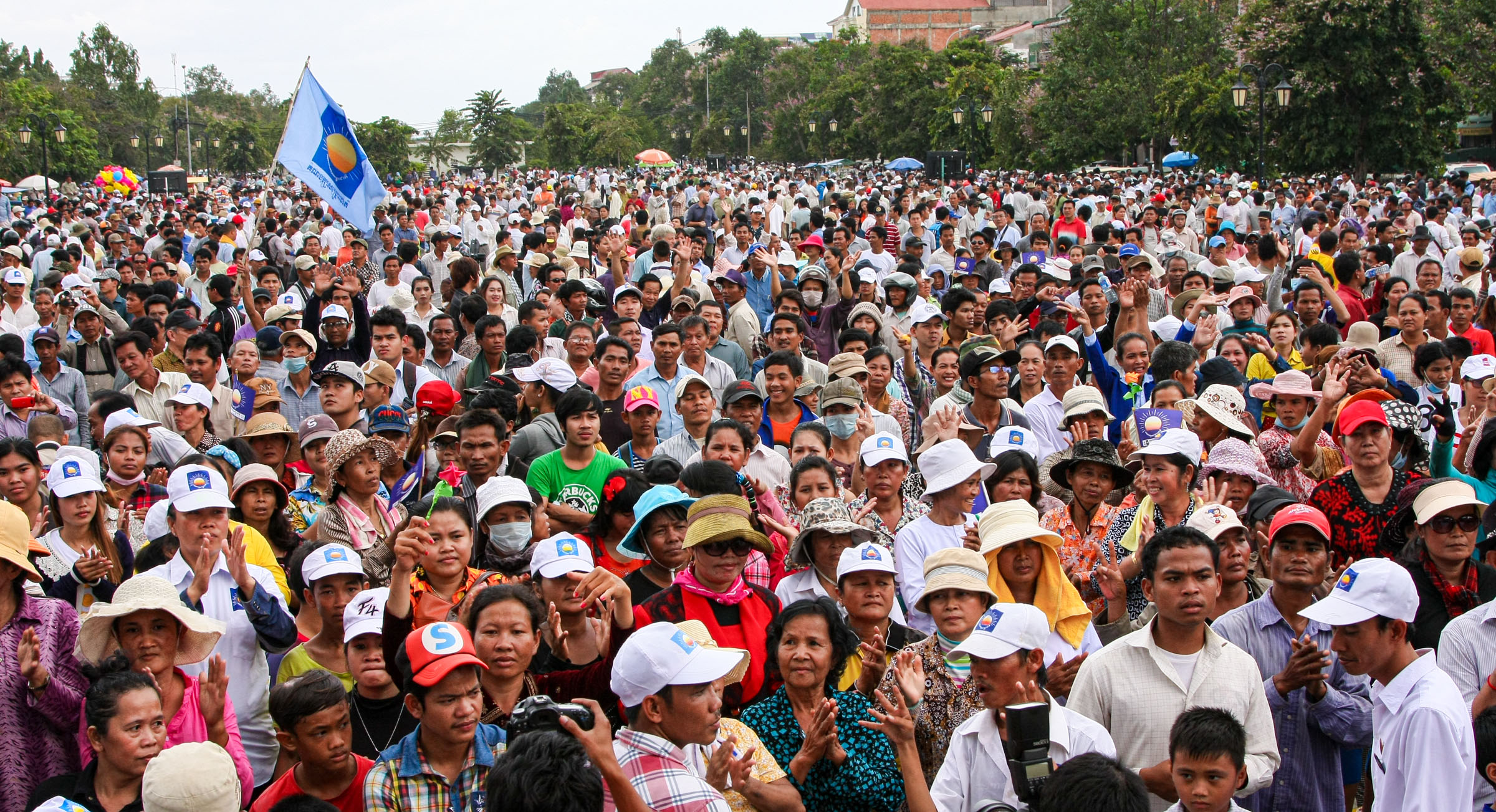
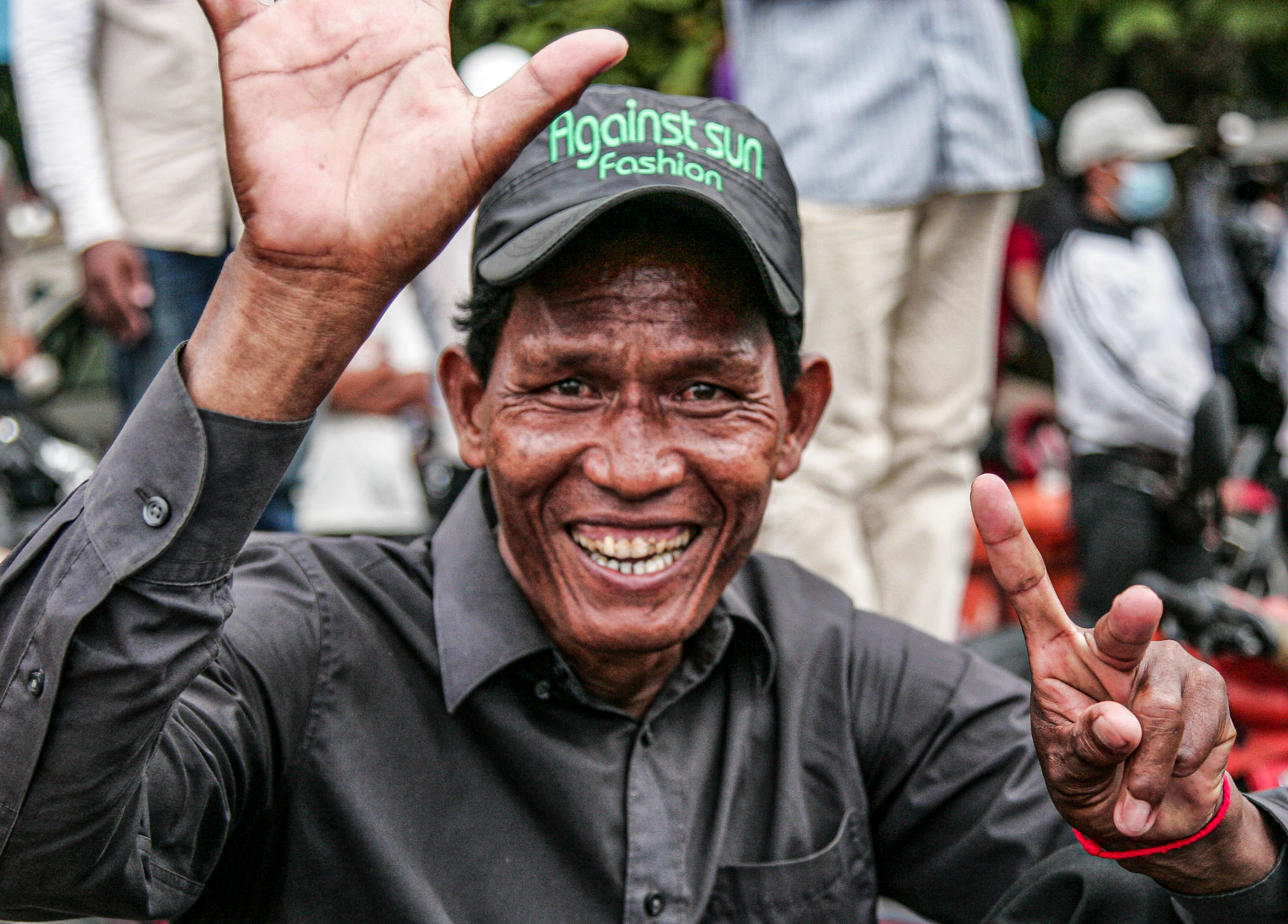
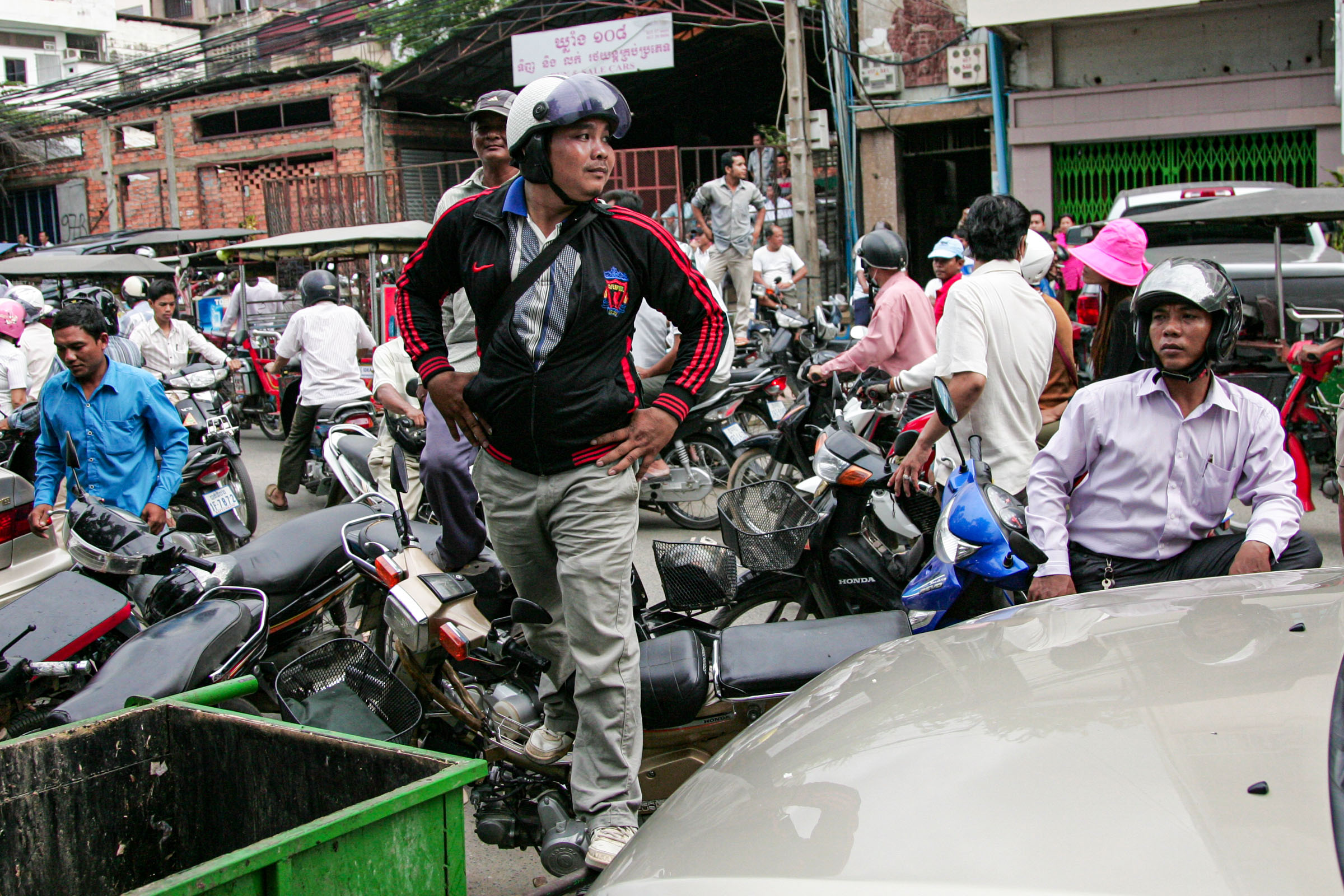
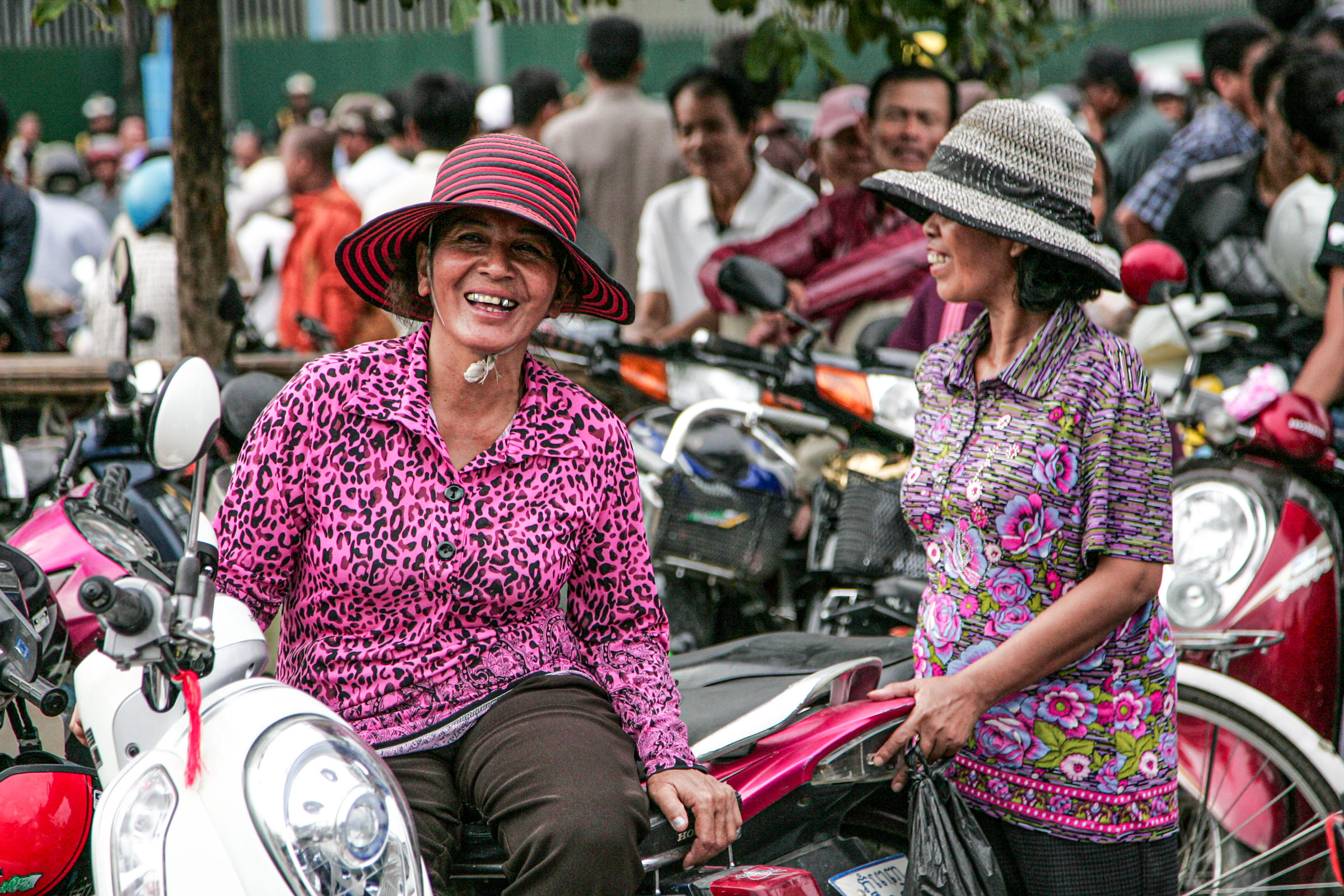
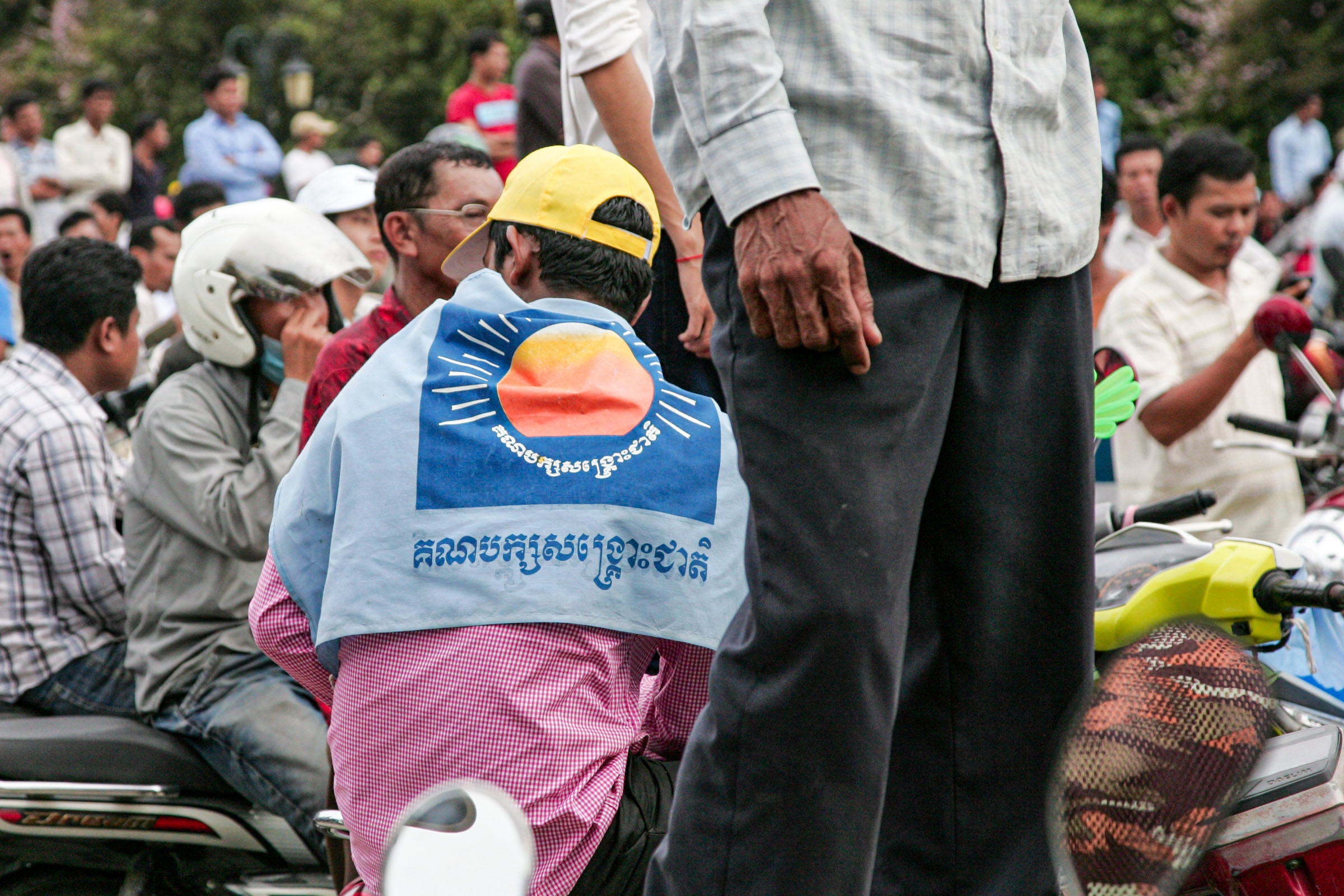
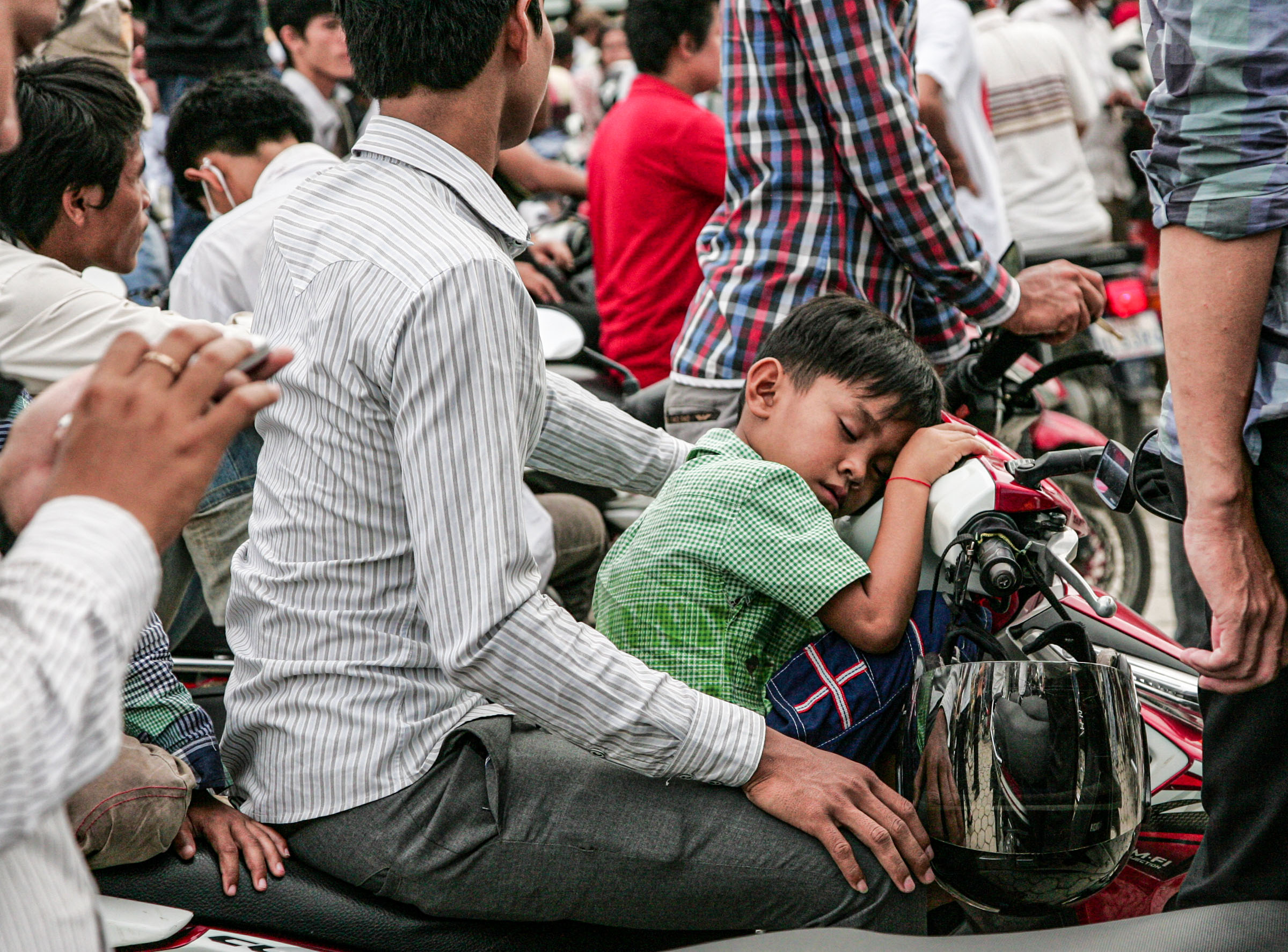
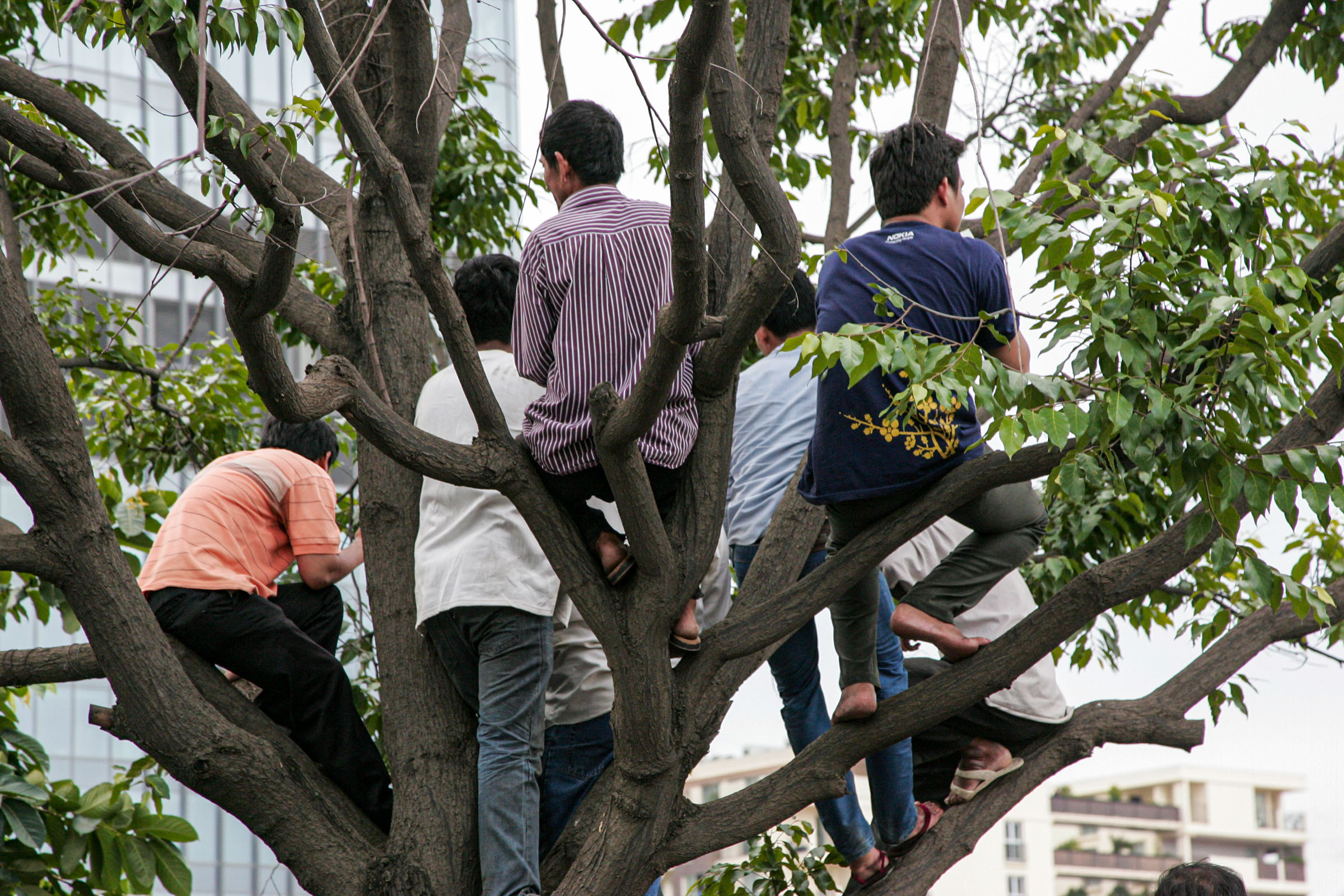
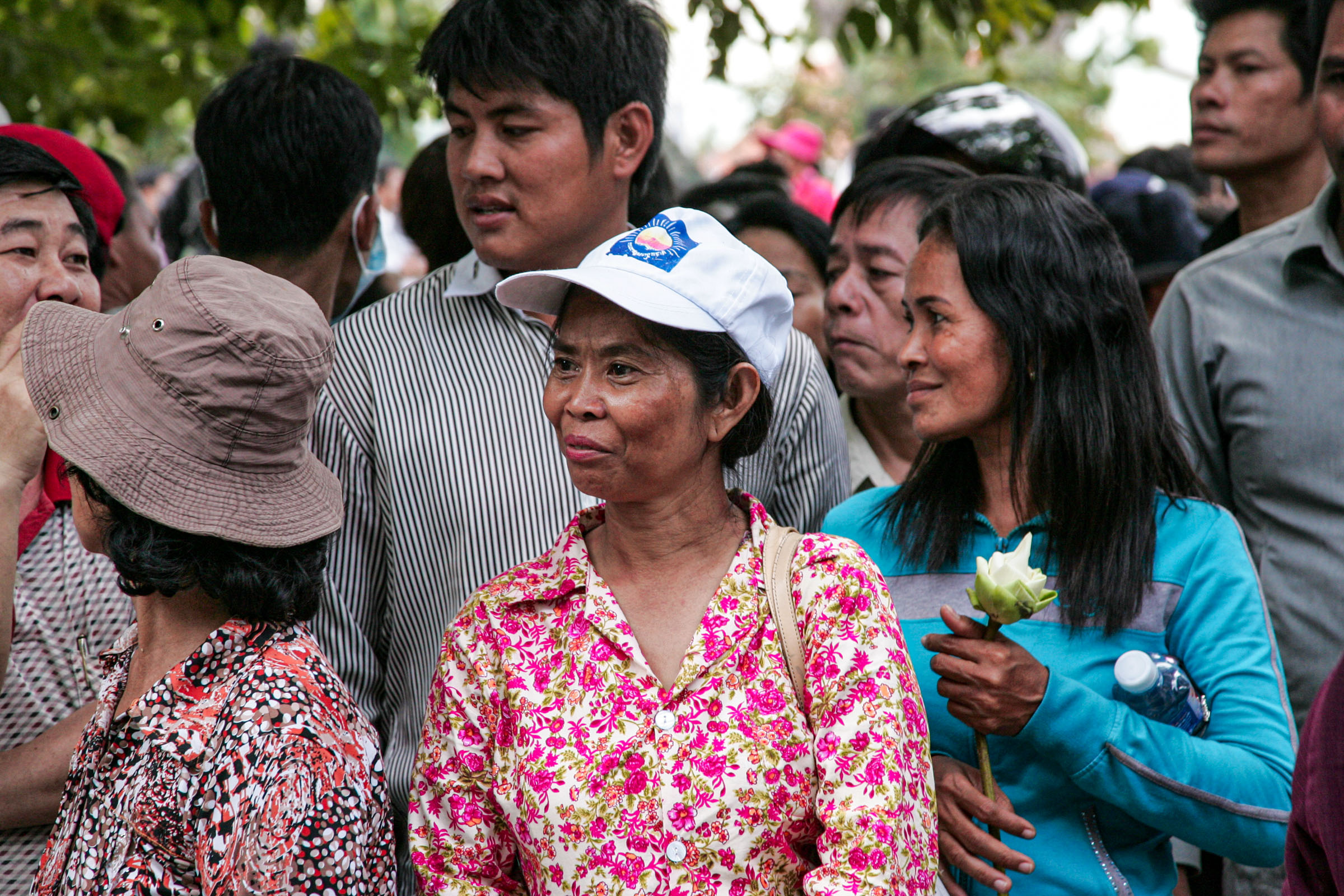
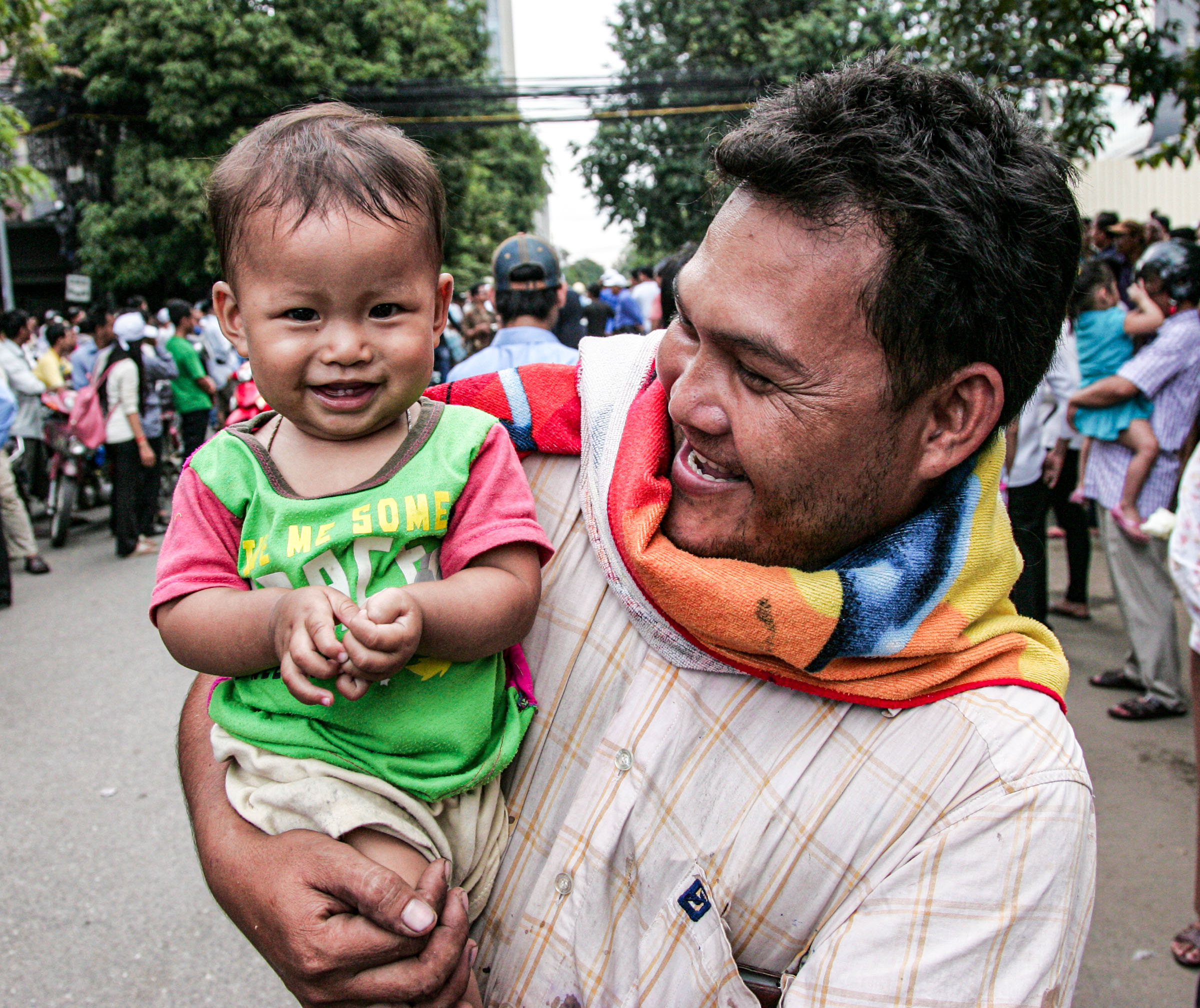
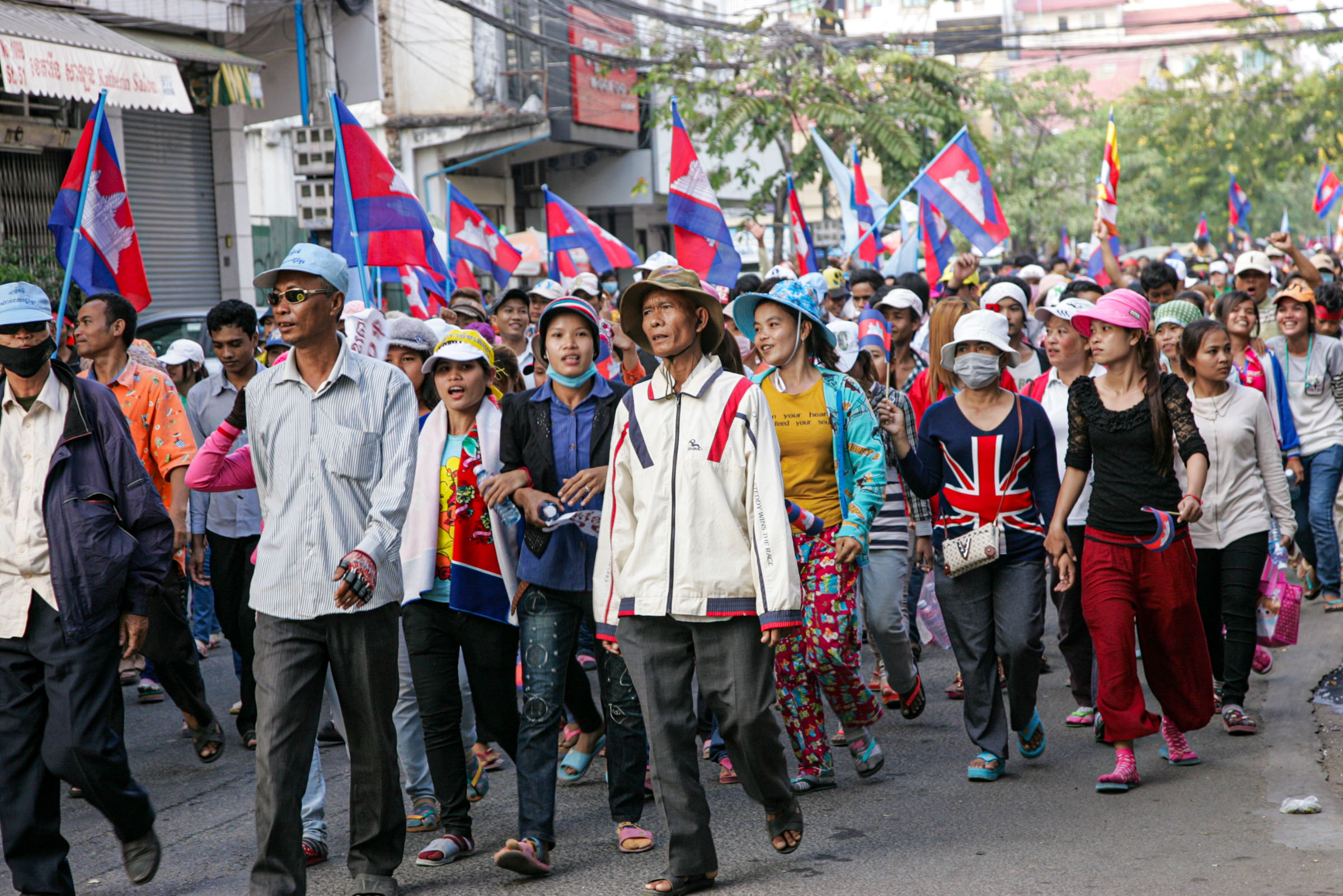
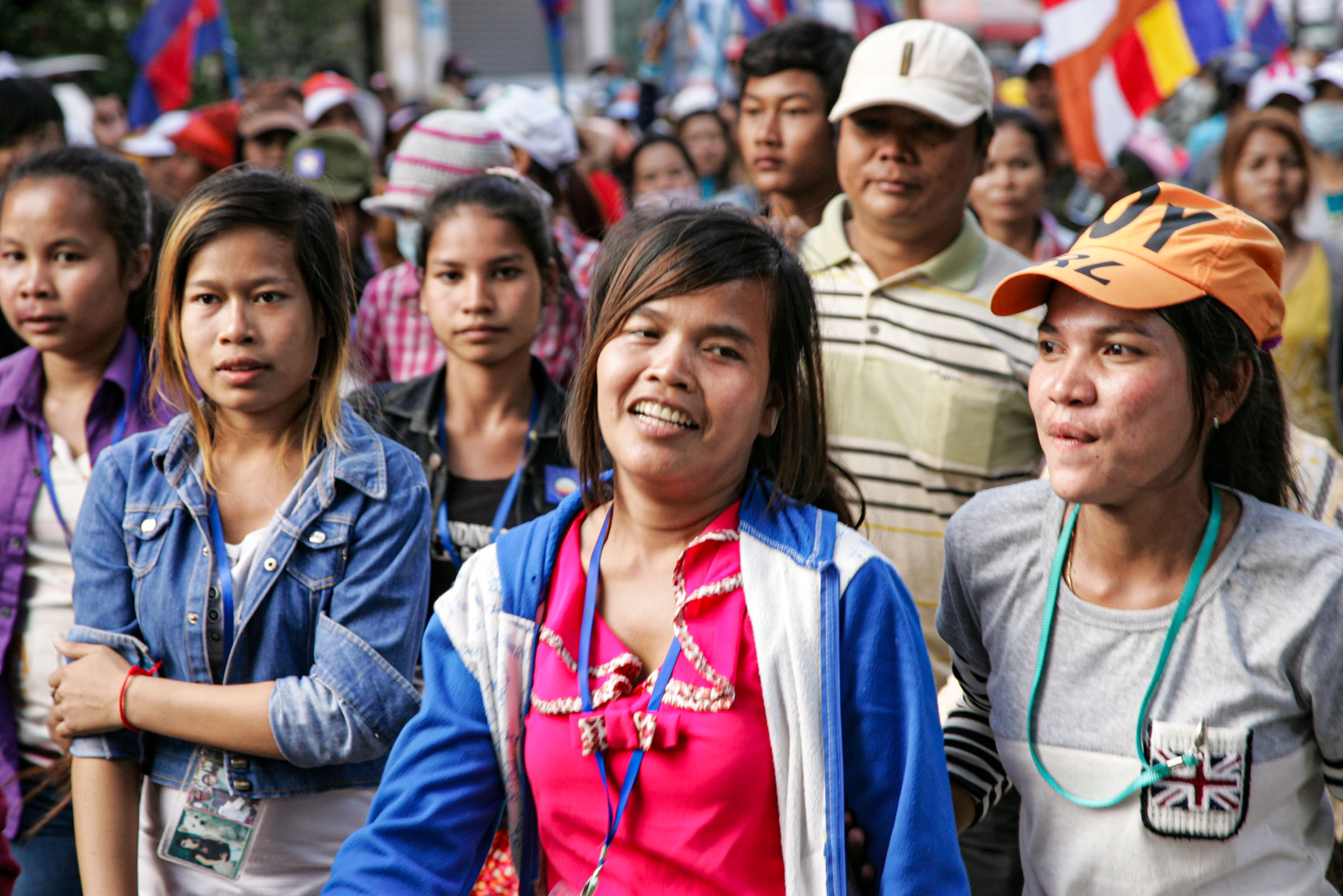
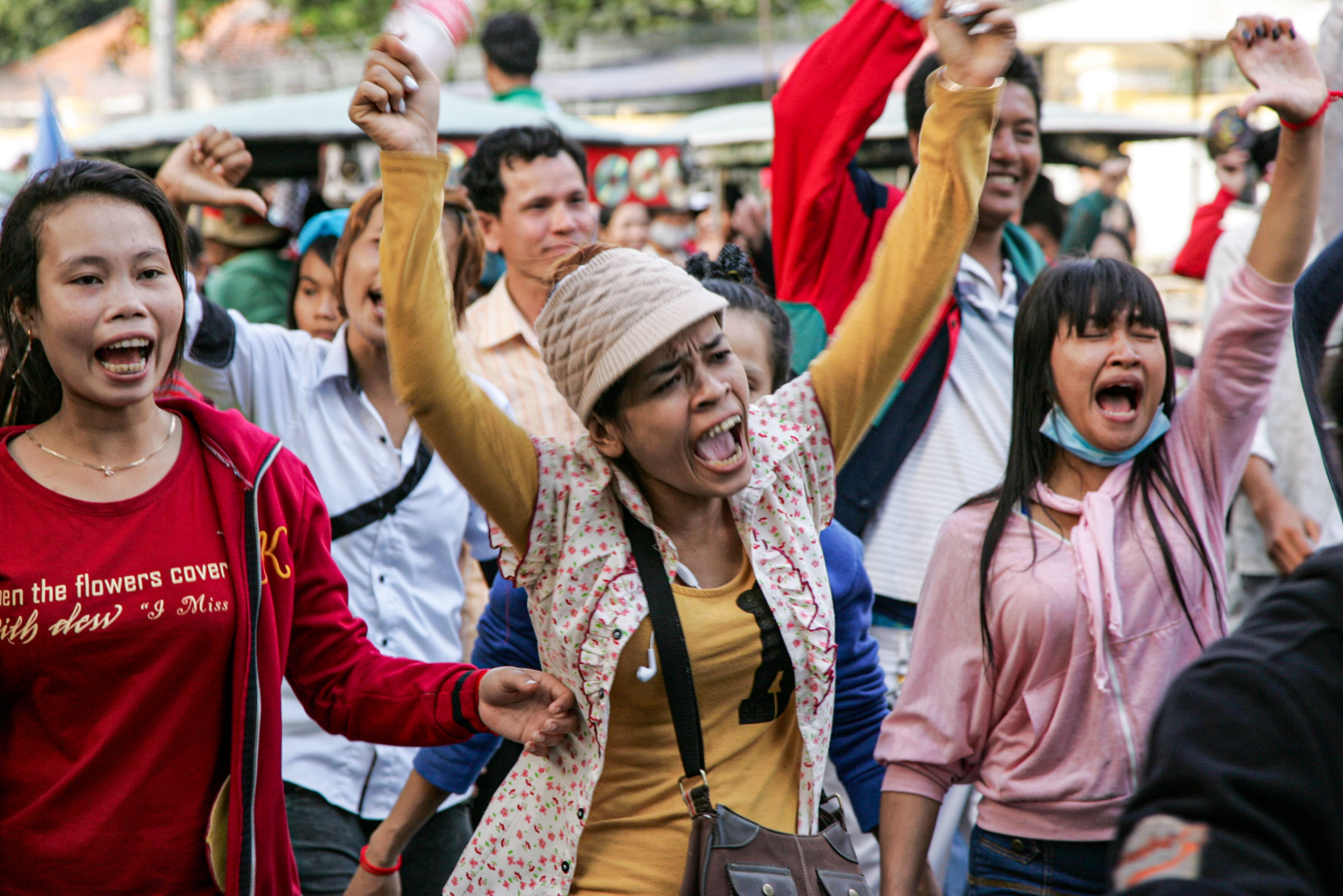
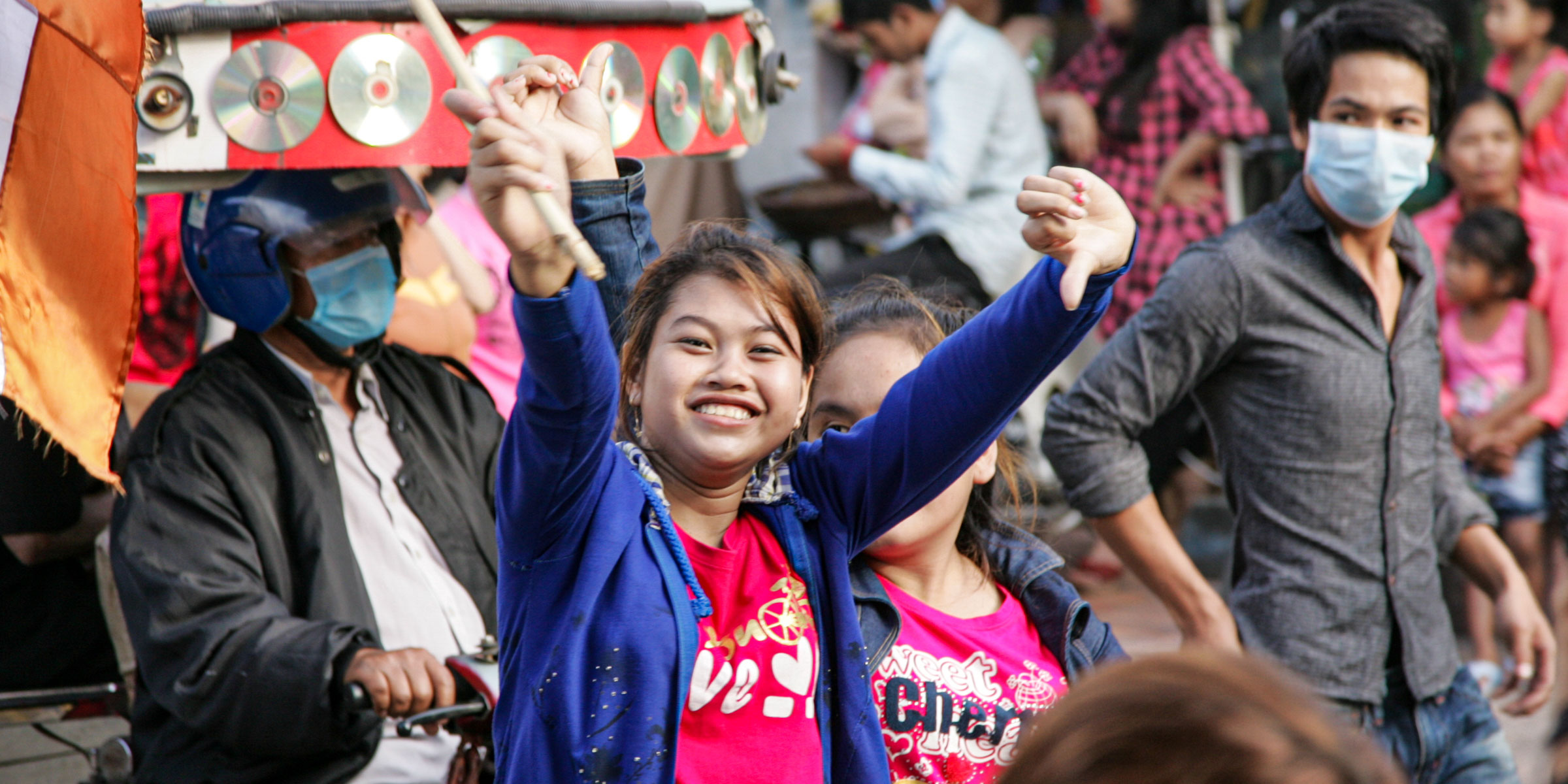
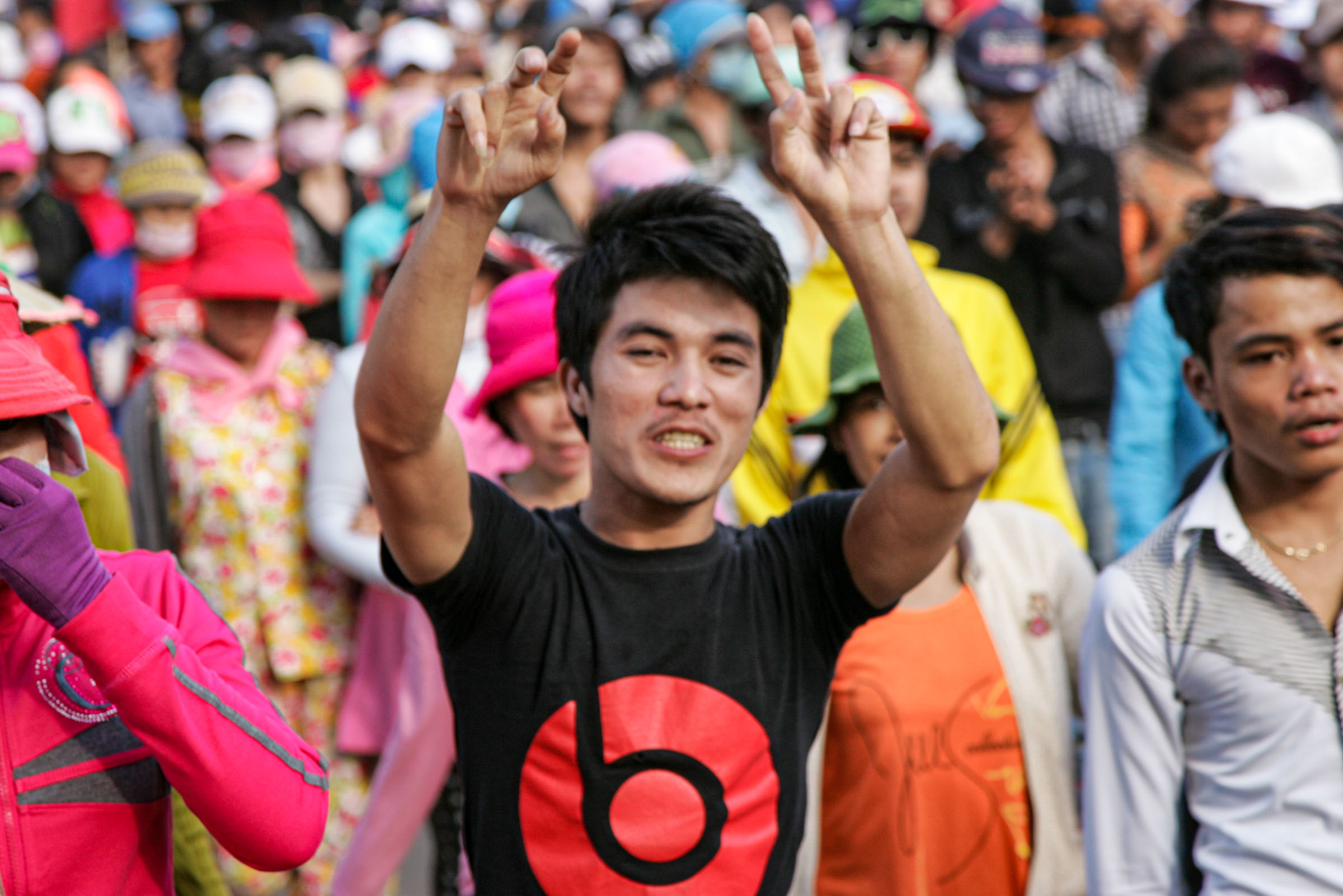
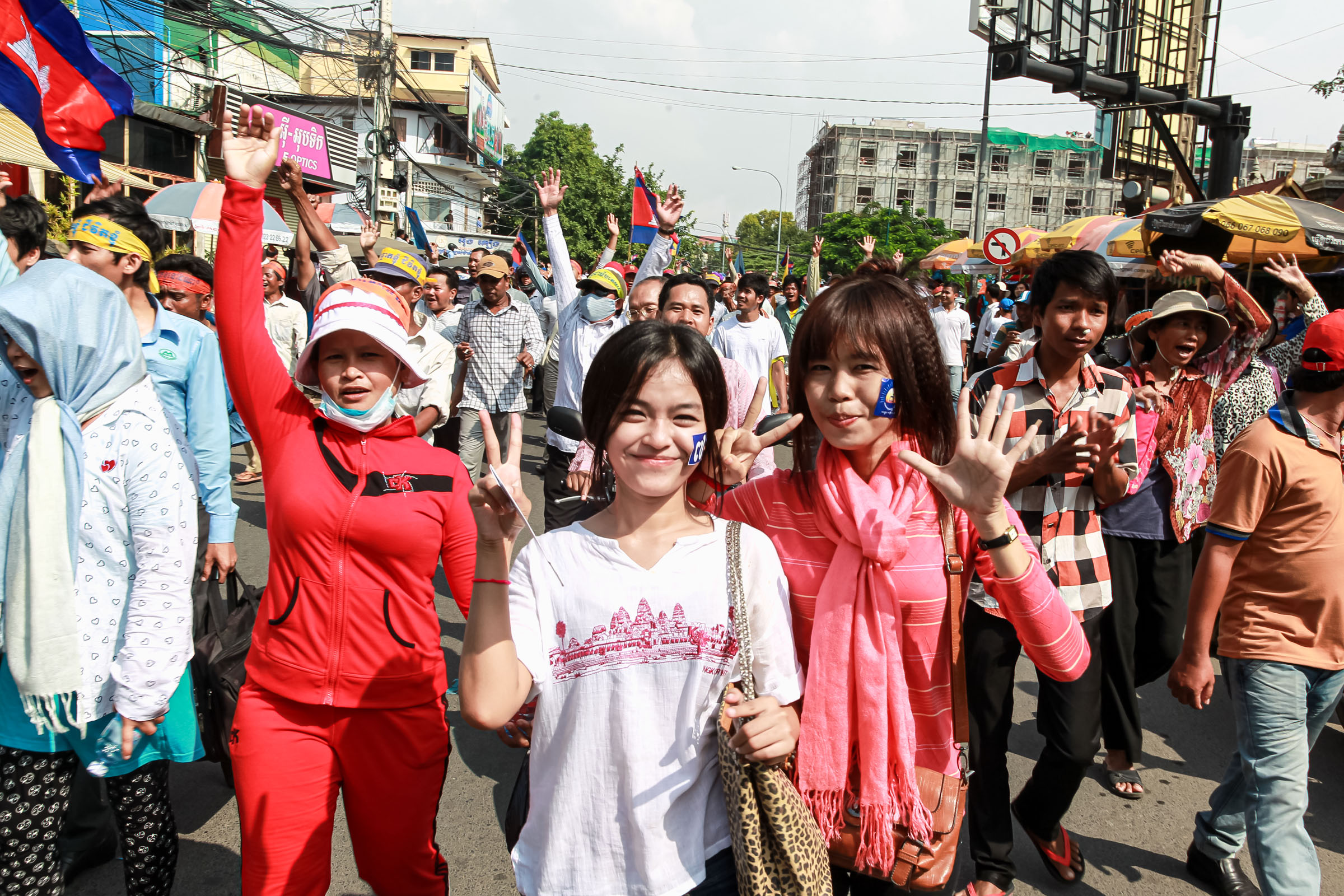
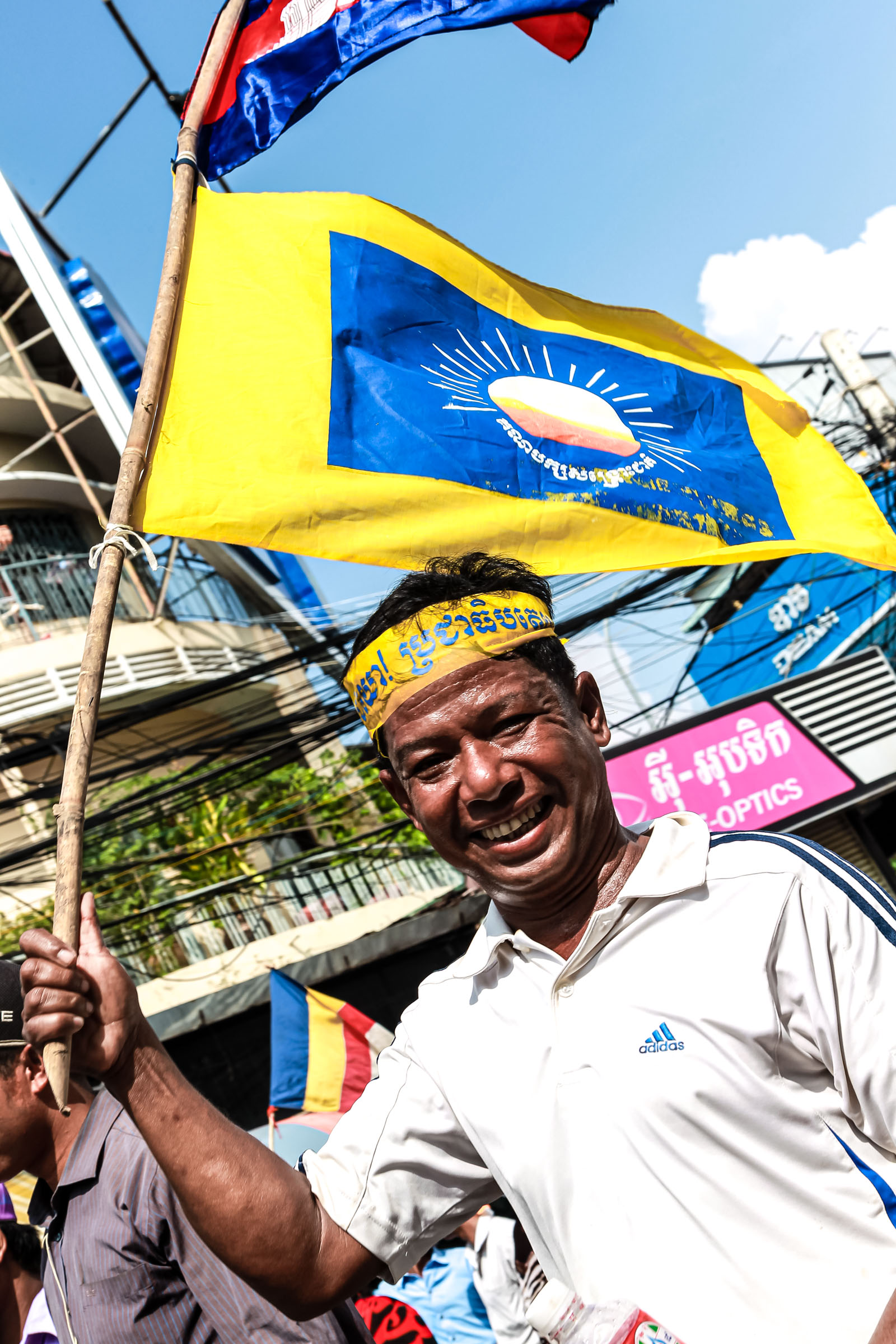
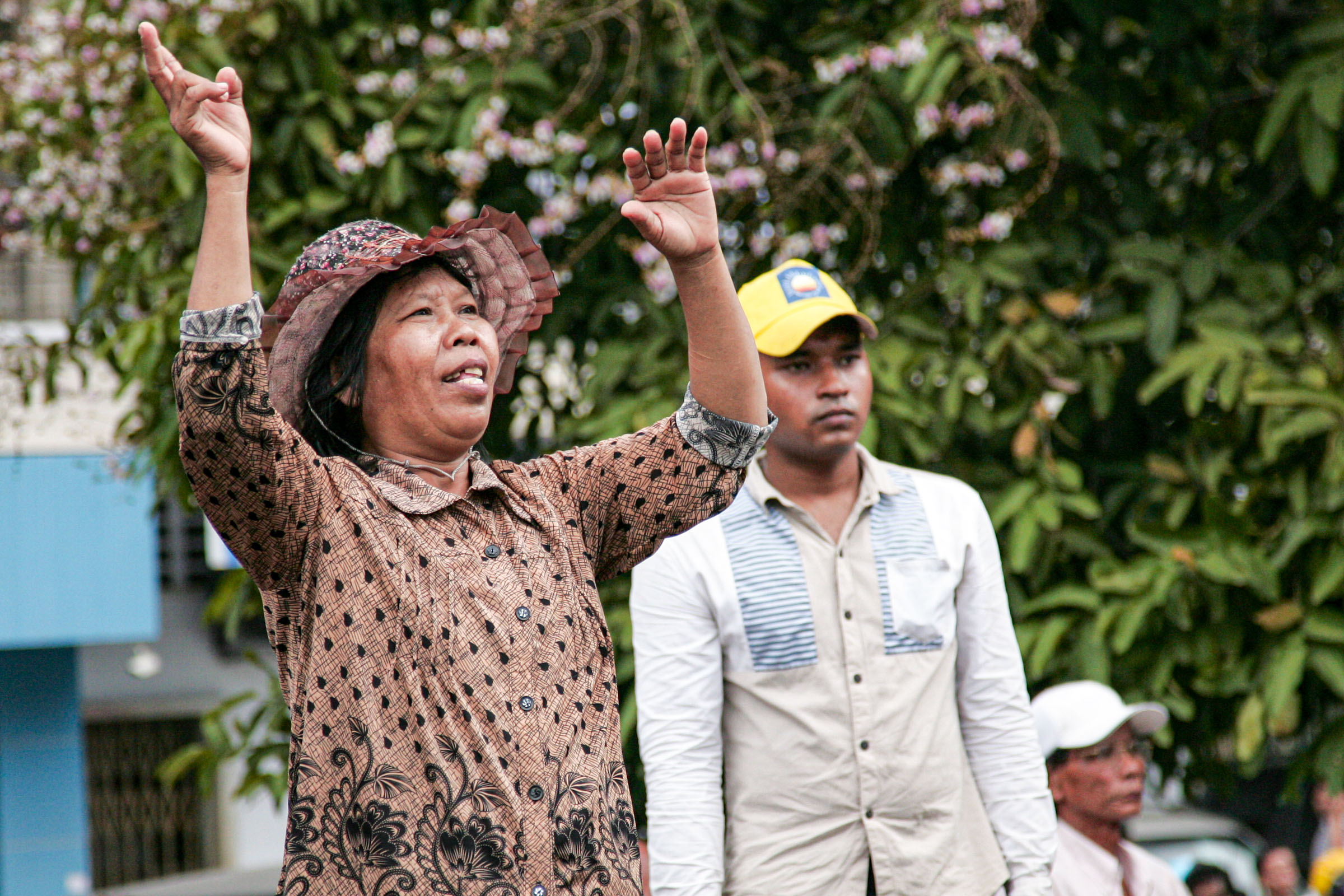
cambodia, opinons, thoughts, photography, pictures, streetIn 2013, Phnom Penh witnessed significant demonstrations driven by a mix of political and economic grievances. The protests were primarily sparked by allegations of electoral fraud during the Cambodian general election. Many Cambodians felt that the election results did not reflect the people’s true will, leading to widespread discontent.


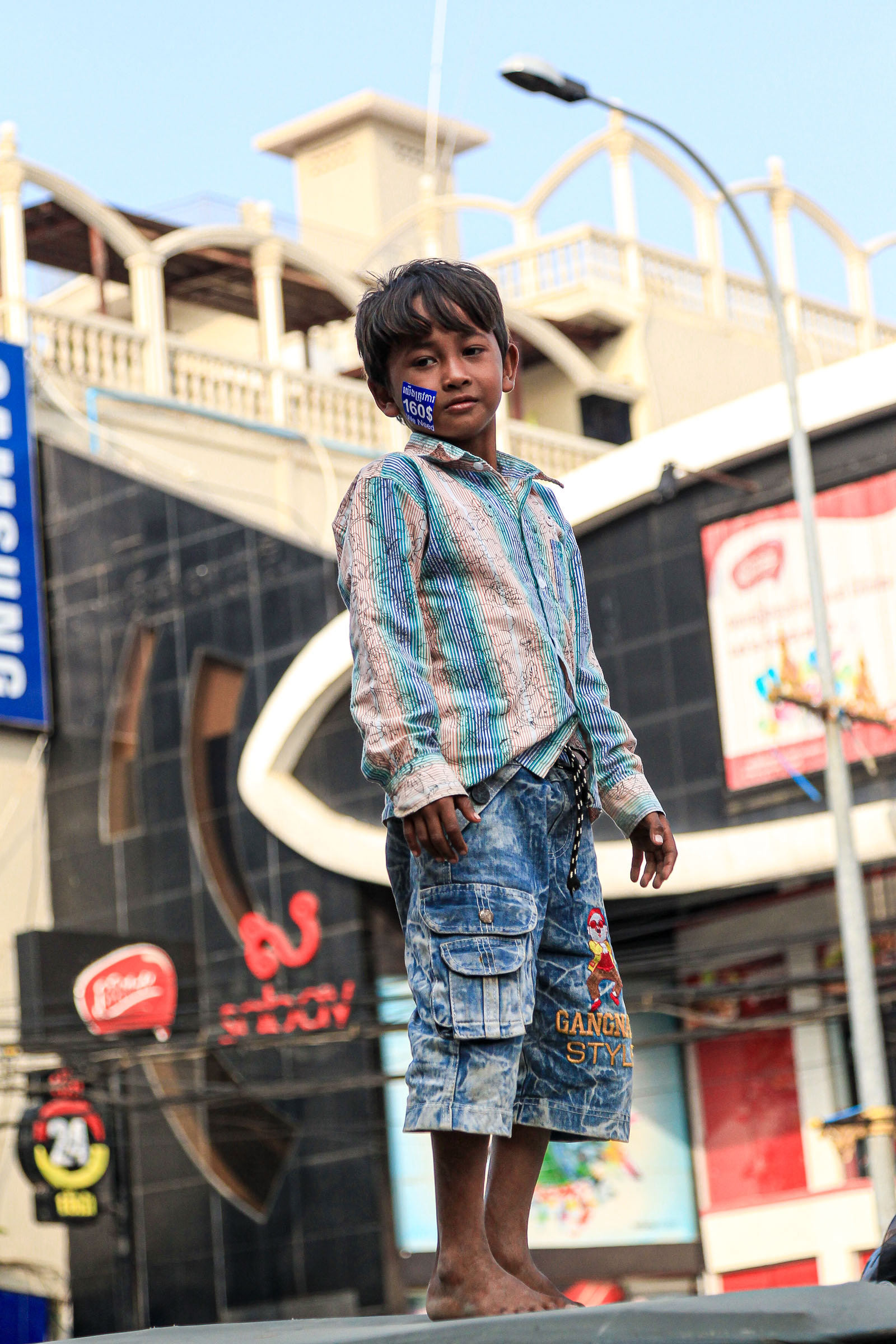
In addition to political concerns, economic issues also played a crucial role. Garment factory workers, a significant part of the Cambodian workforce, demanded an increase in the minimum wage to $160 per month. This demand was part of a broader call for better working conditions and fair pay.


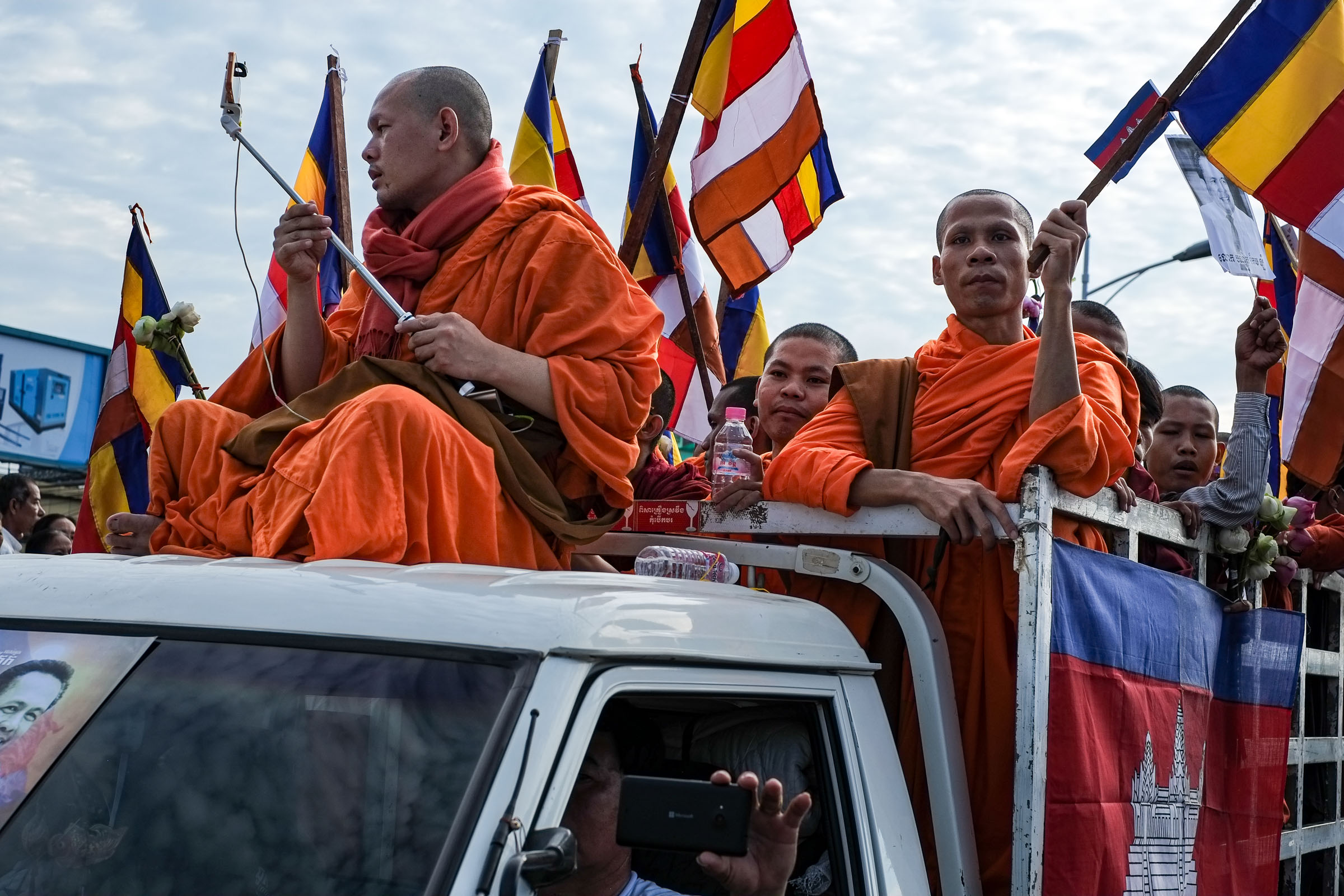
The demonstrations saw participation from various groups, including opposition party supporters, students, teachers, farmers, and Buddhist monks. The protests were largely peaceful, but there were instances of violence, especially during government crackdowns. Tragically, these crackdowns resulted in several deaths and injuries.


Overall, the 2013 demonstrations in Phnom Penh highlighted the deep-seated issues of political corruption, economic inequality, and the desire for democratic reforms in Cambodia.


The protesters in Phnom Penh in 2013 had several specific demands:
- Electoral Reform: They called for an independent investigation into the alleged electoral fraud during the 2013 general election and demanded a re-election.
- Minimum Wage Increase: Garment factory workers, a significant part of the protests, demanded an increase in the minimum wage to $160 per month.
- Political Reforms: There were calls for broader democratic reforms, including greater transparency and accountability in government.
- Resentment of Vietnamese Influence: Some protesters expressed concerns over the perceived influence of Vietnam in Cambodian politics and society.
These demands reflected a mix of political, economic, and social grievances that fueled the widespread demonstrations.
Since 2013, Cambodia has experienced significant changes across various sectors:
- Economic Growth: Cambodia’s economy has grown steadily, with an average annual growth rate of 7.6% between 1995 and 2019. Despite a contraction in 2020 due to the COVID-19 pandemic, the economy has been recovering, with growth rates of 3.0% in 2021 and 5.2% in 2022.
- Poverty Reduction: Before the pandemic, poverty rates were declining by 1.6 percentage points annually. However, the pandemic increased unemployment and poverty. Efforts to scale up social assistance have helped mitigate income losses, and poverty is expected to decline as the economy recovers.
- Foreign Direct Investment (FDI): There has been a surge in FDI inflows, particularly in the manufacturing and tourism sectors. This has contributed to economic growth and job creation.
- Political Landscape: The political environment has seen tensions and conflicts, particularly around land grabs, labor exploitation, and environmental degradation. The 2013 national elections led to a political impasse and mass mobilization.
- Environmental Impact: Cambodia has seen a significant increase in CO2 emissions, with a 192.69% rise between 2013 and 2019.
- Human Capital: Improvements have been made in health outcomes, early childhood development, and primary education, especially in rural areas. However, human capital indicators still lag behind other lower middle-income countries.
These changes reflect Cambodia’s ongoing efforts to address economic, social, and environmental challenges while striving for sustainable development.
Ian Kydd Miller is known for capturing moments that reflect significant periods of change and transformation. His work often provides a unique perspective on historical events and societal shifts. While specific details about a retrospective of his work are not readily available, his photography likely includes powerful images that document these “interesting times.”
Kem Lay
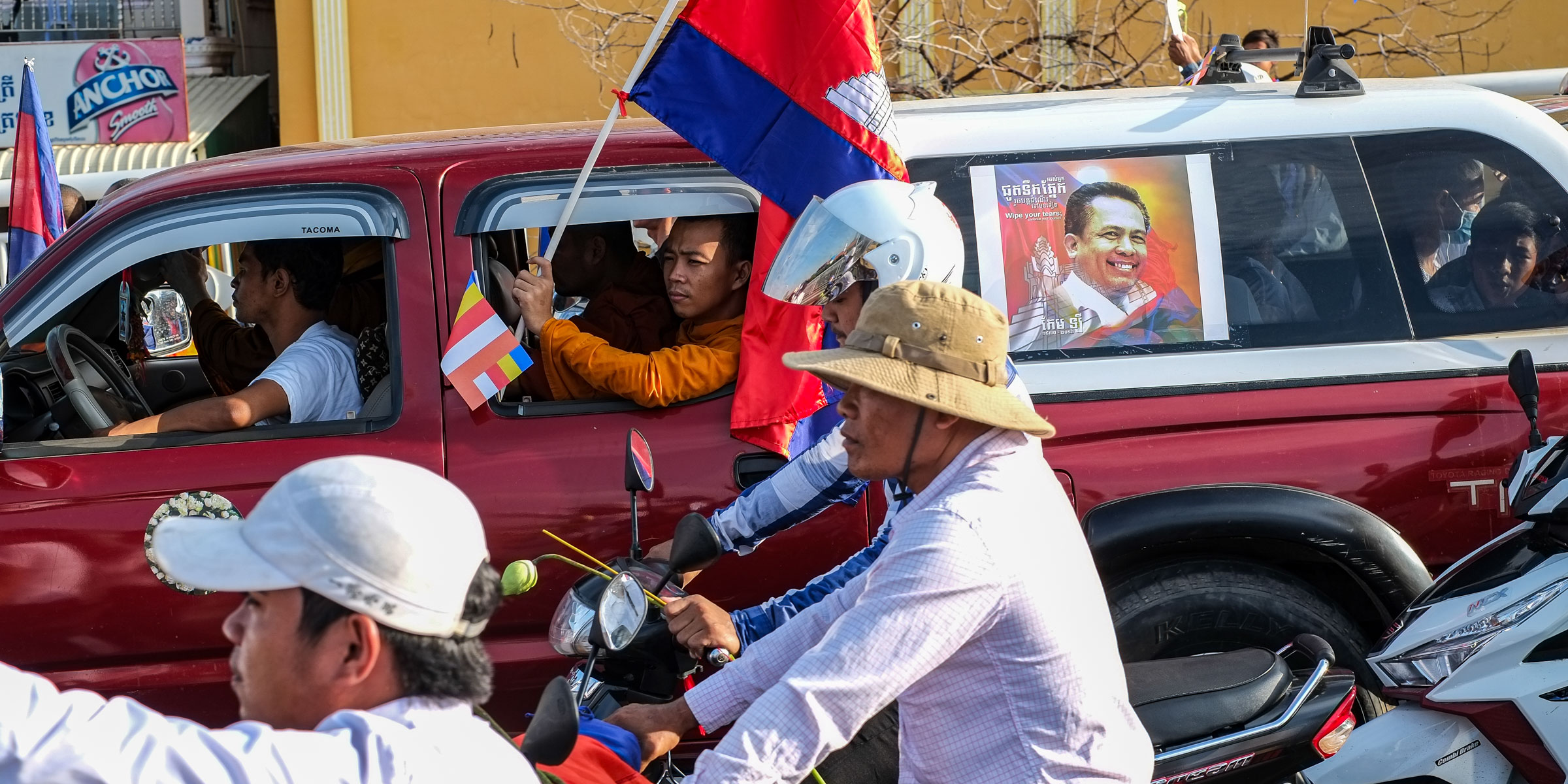
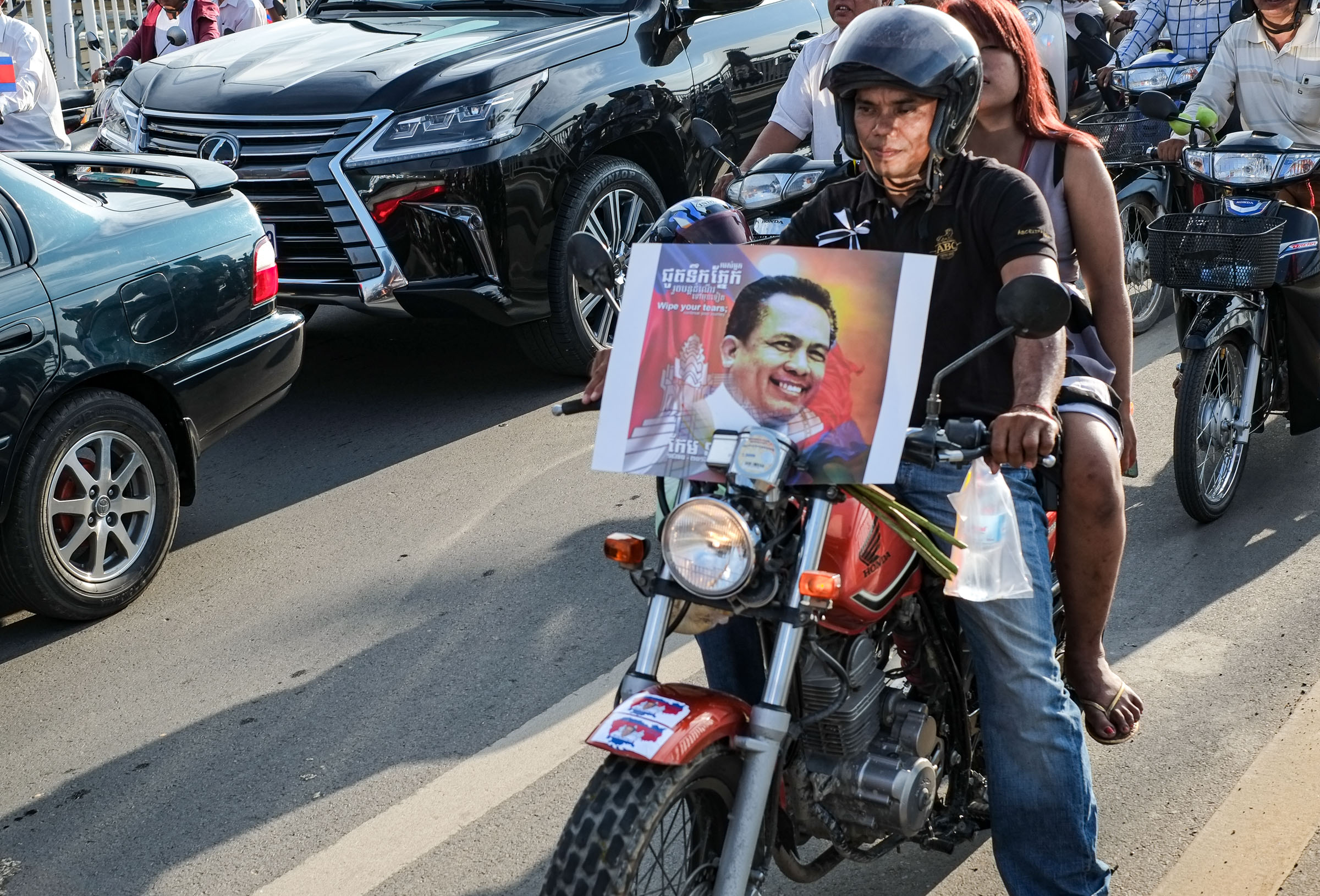
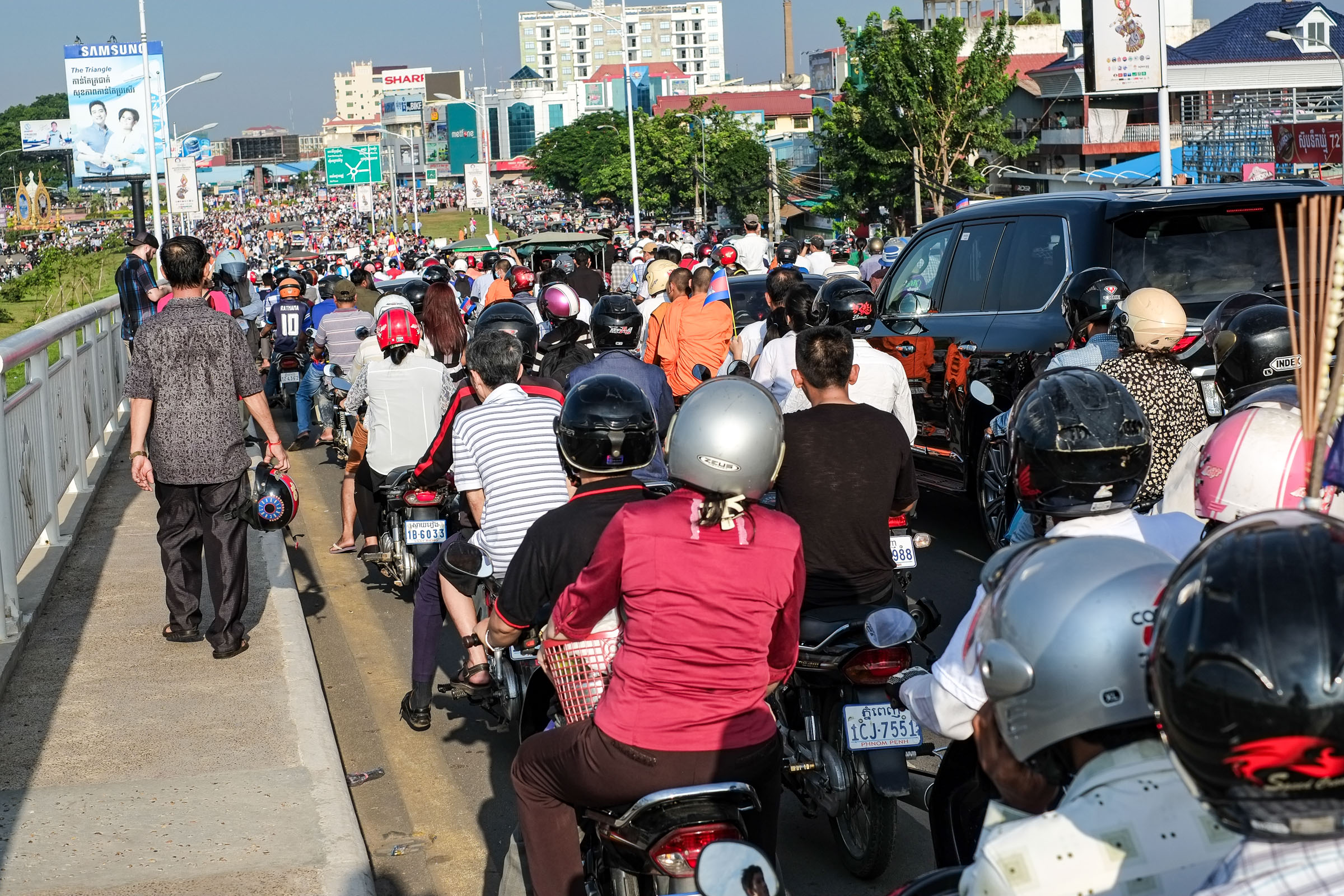
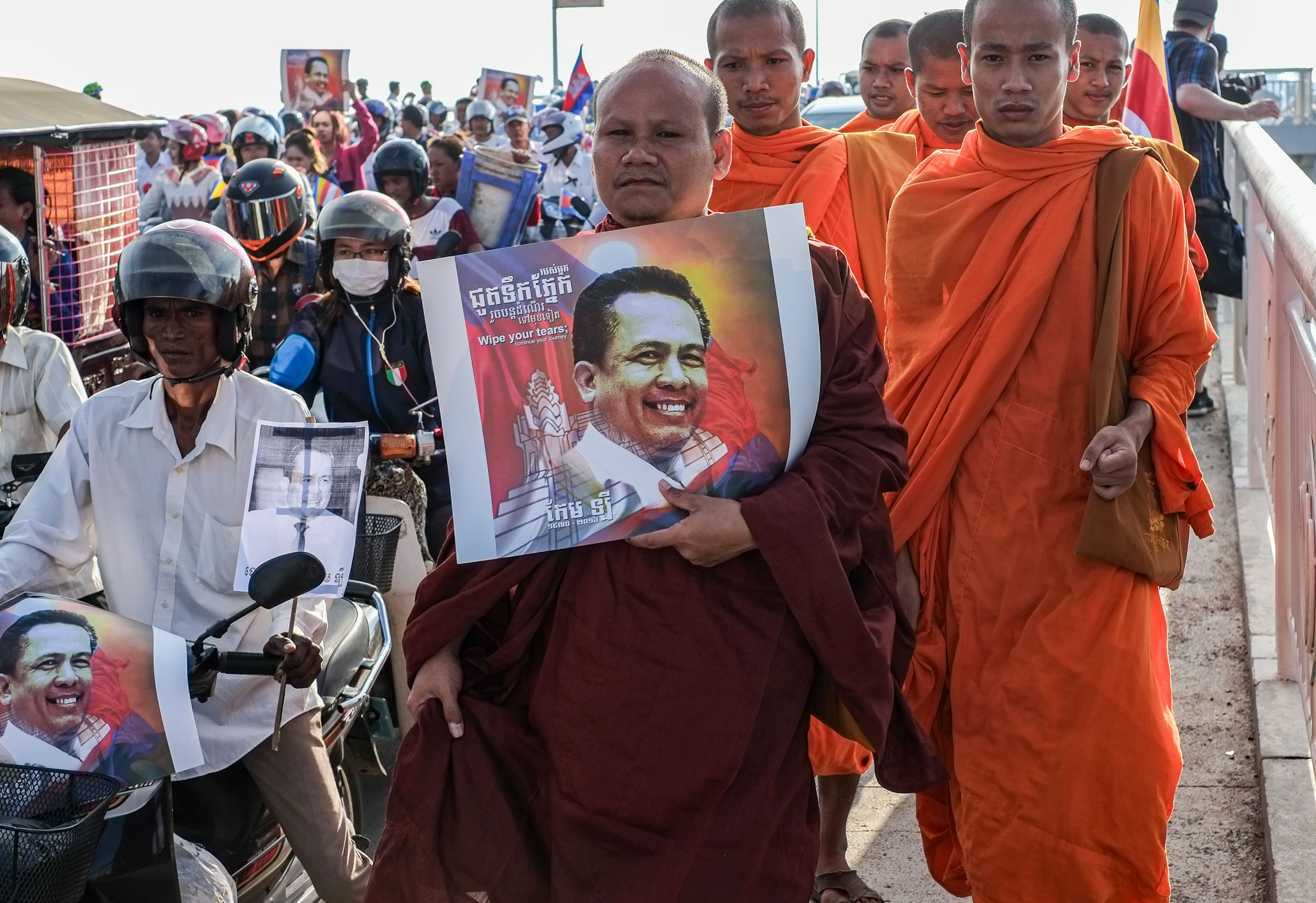
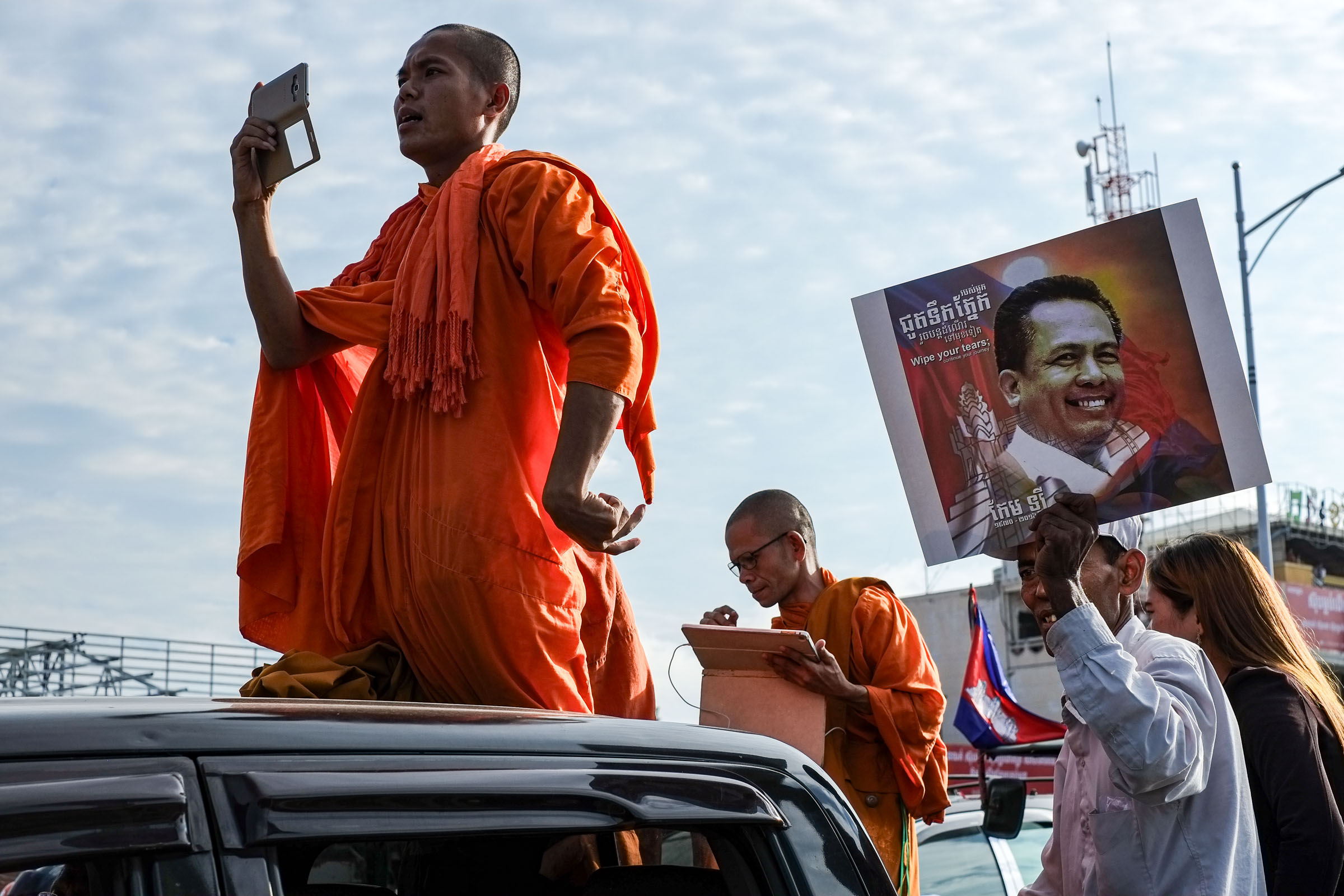
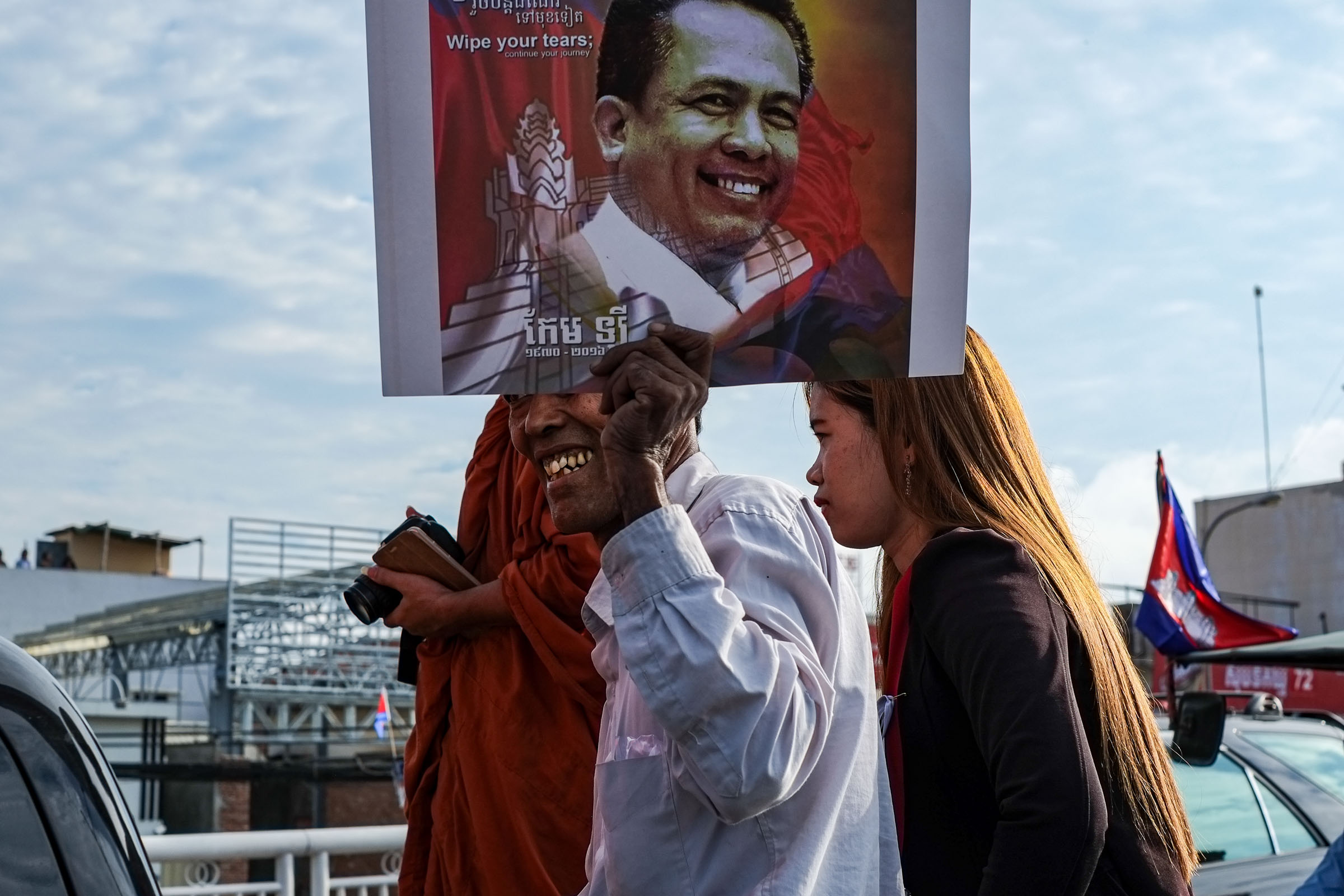
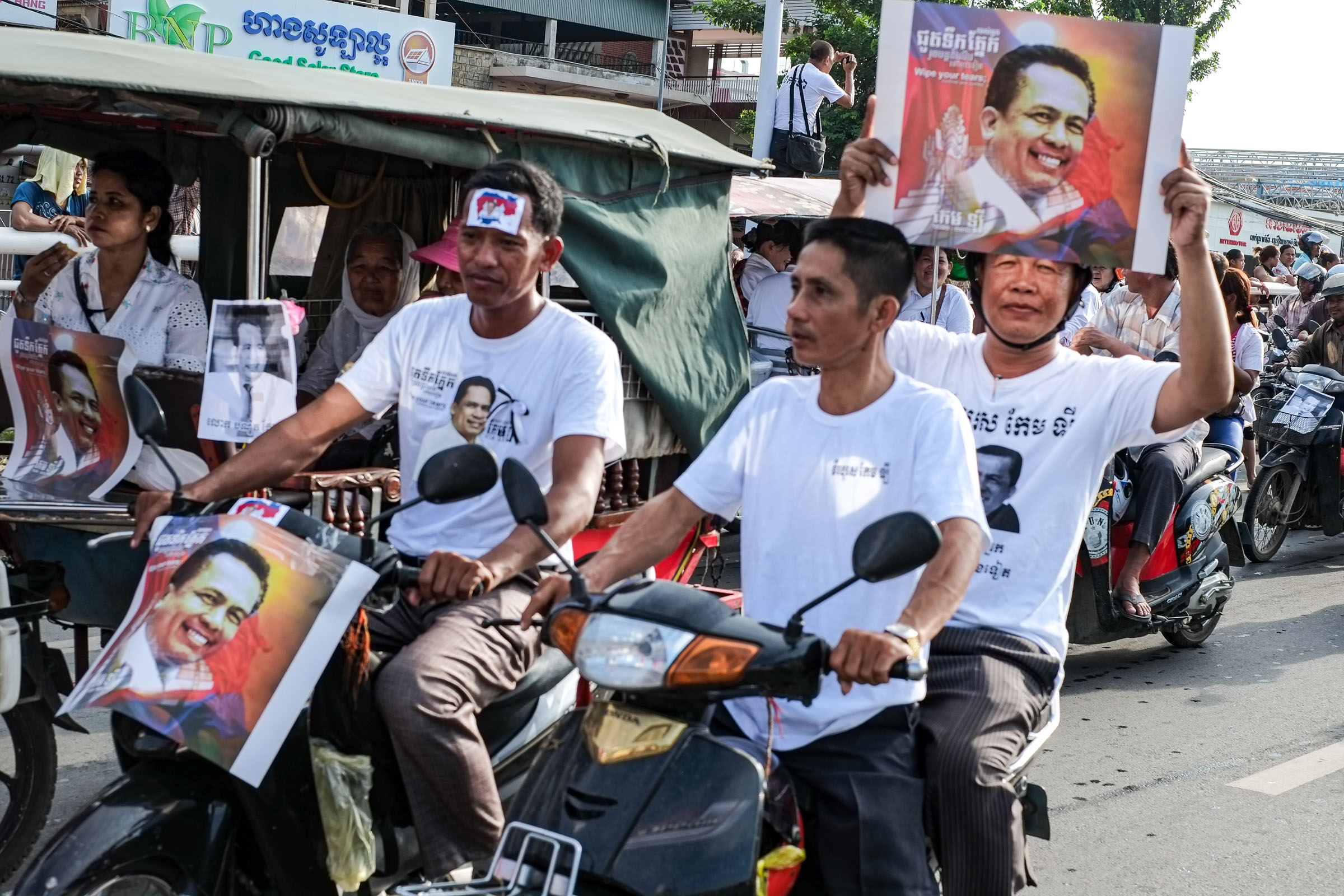
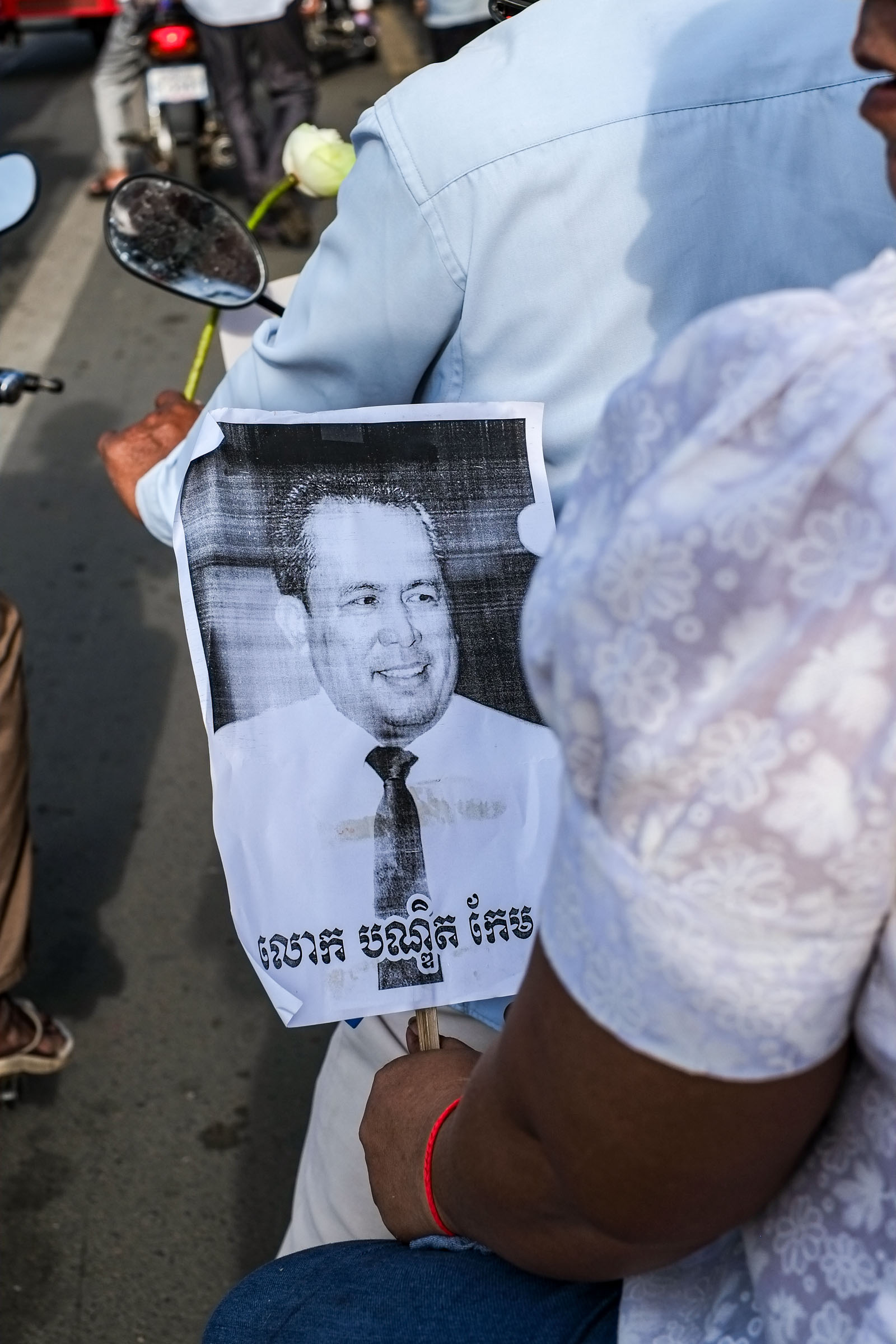
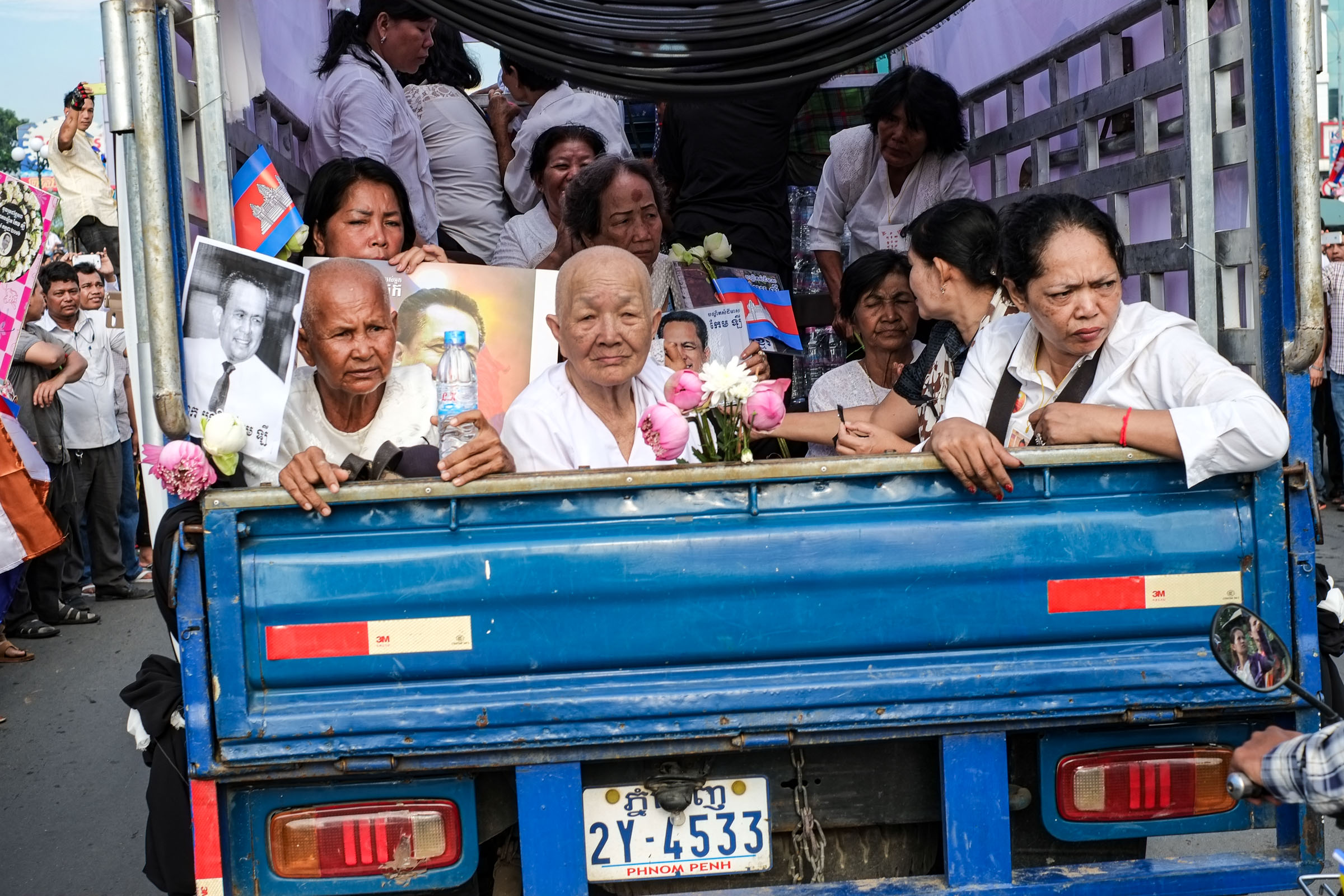
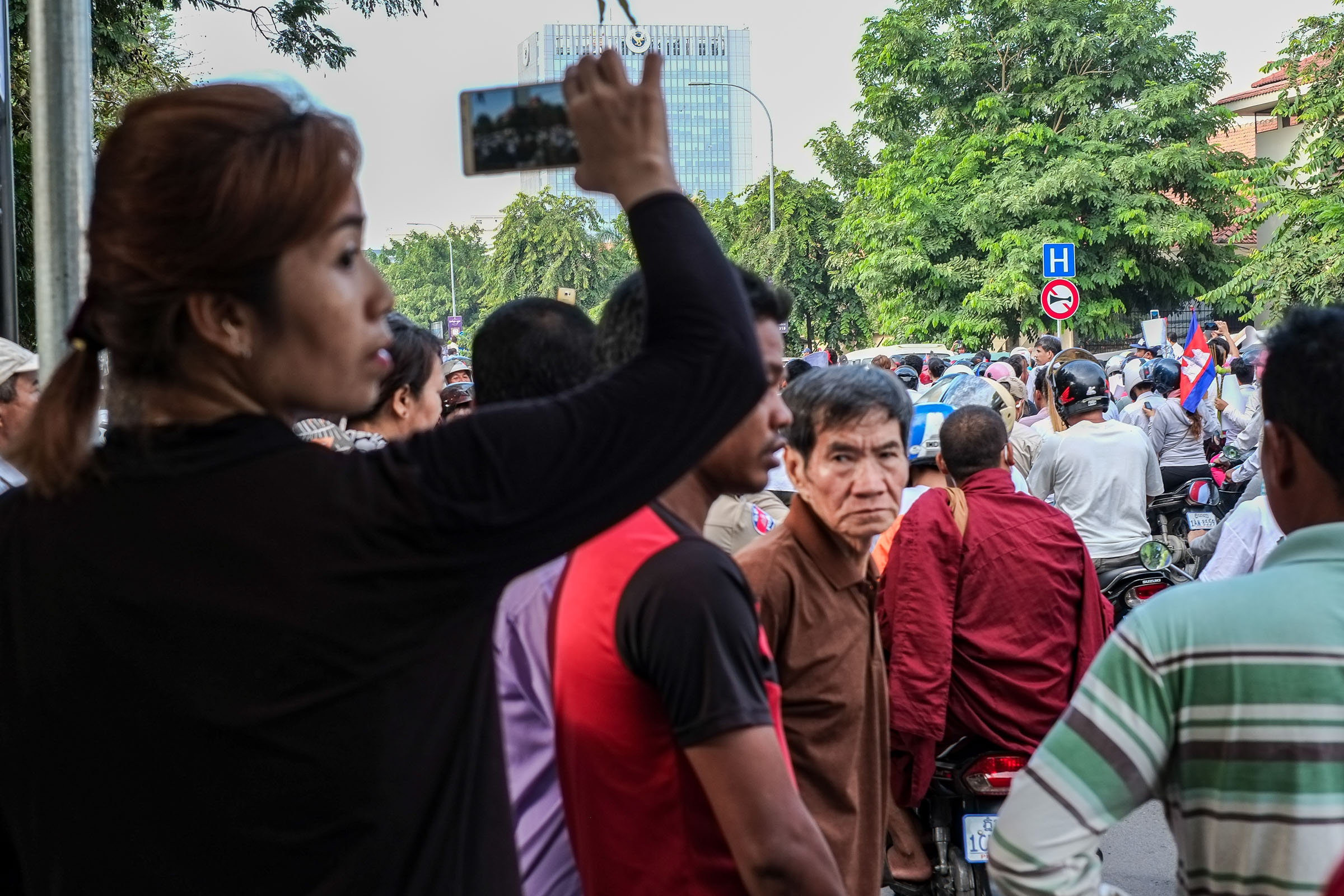
cambodia, conflict, opinons, thoughts, photography, pictures, public, street- Background of Kem Ley: Kem Ley was a political commentator, physician, and activist from Cambodia who was well-known for criticising the country’s government.
- Assassination: It is generally accepted that he was the victim of a politically motivated assassination on July 10, 2016, in Phnom Penh.
- Political Engagement: He was active in a number of campaigns and research projects in addition to founding the Grassroots Democracy Party in 2015.
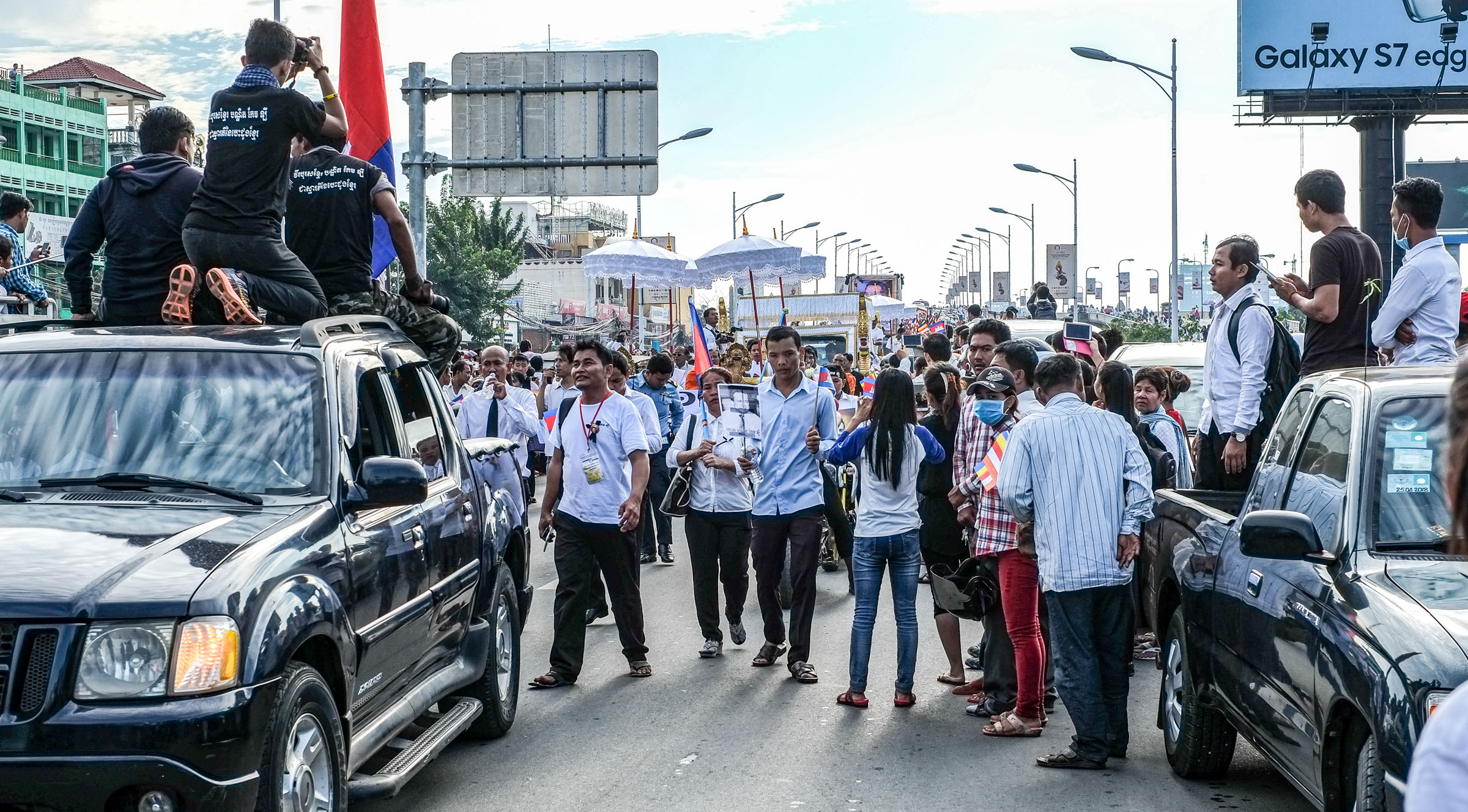
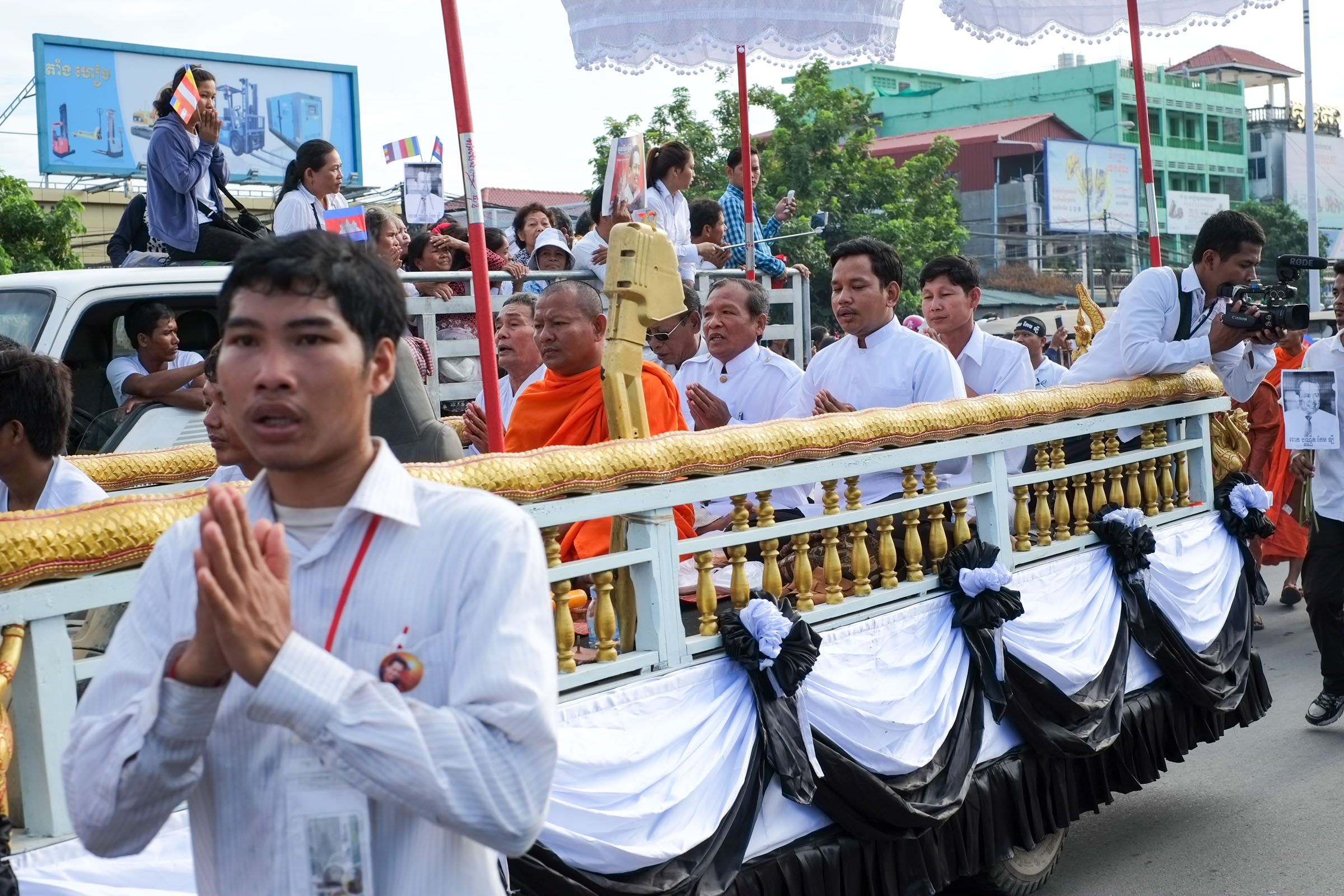
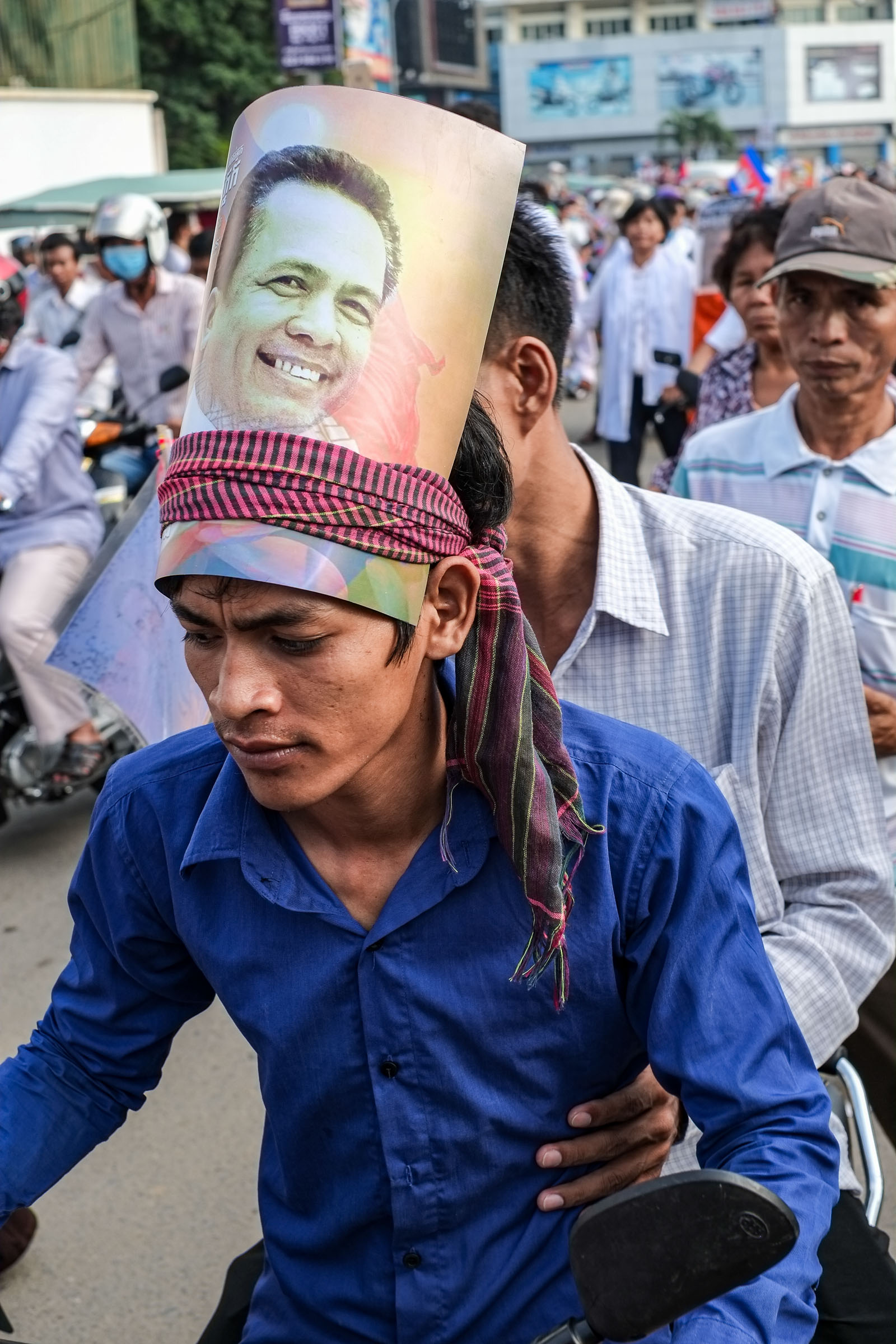
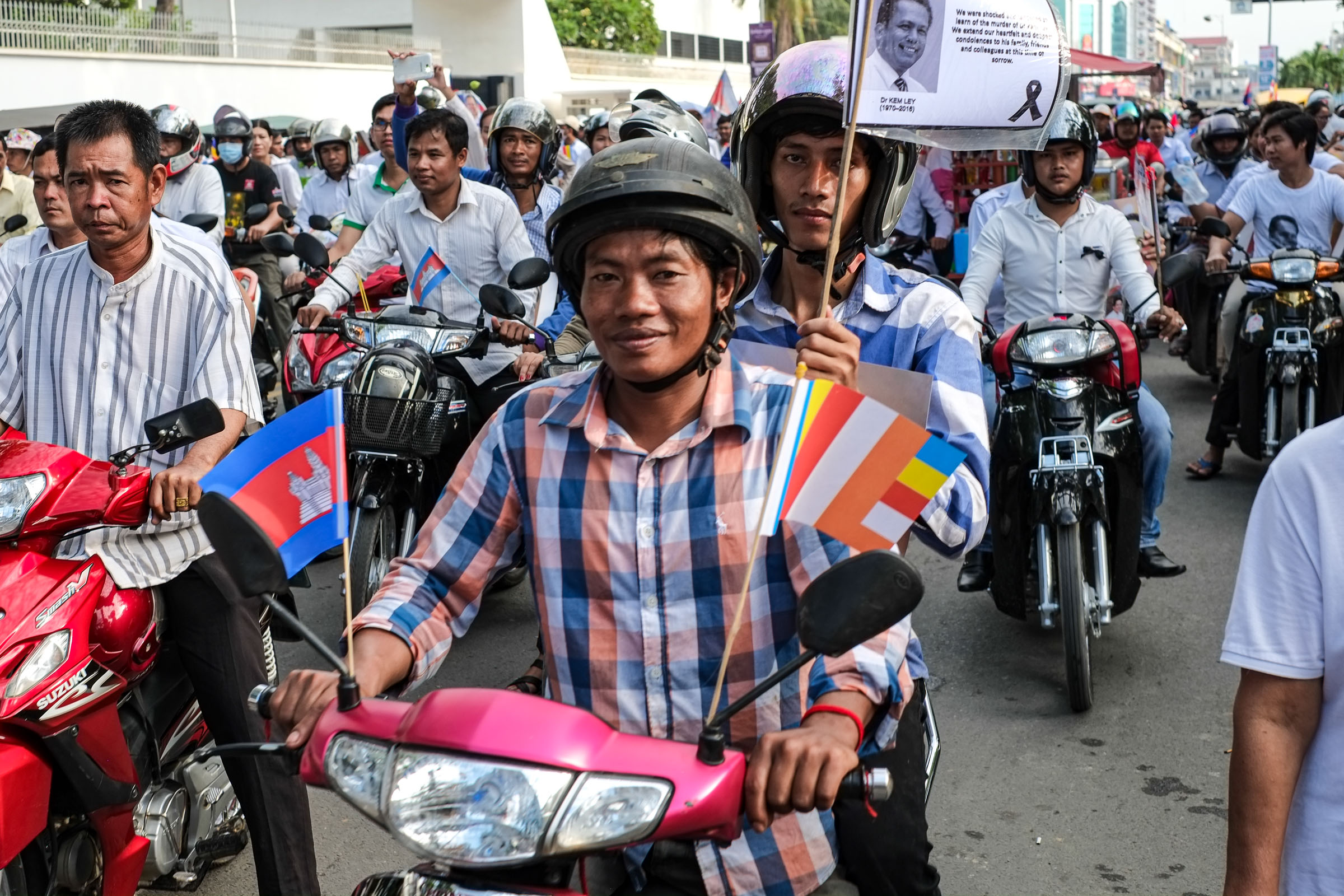
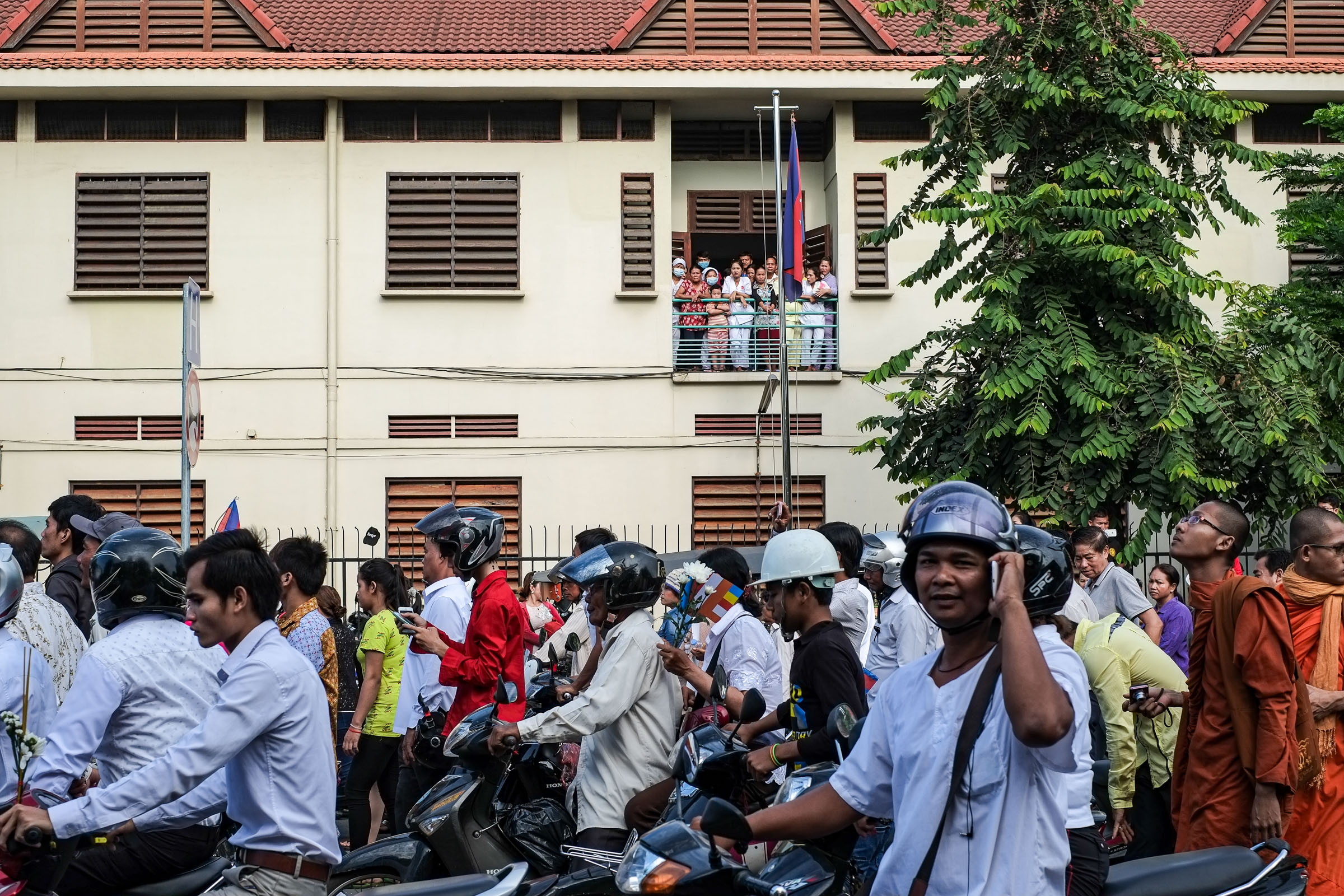
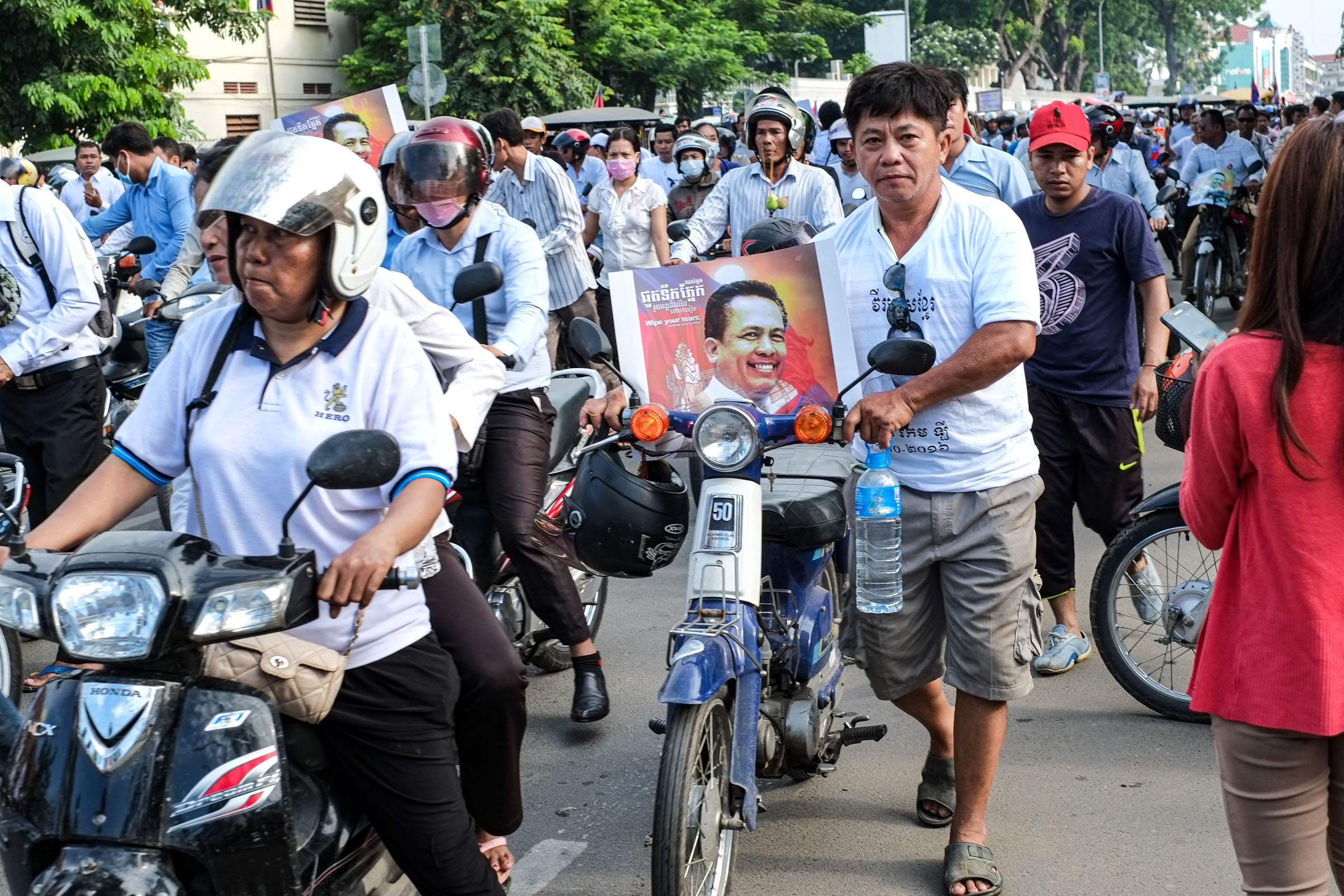
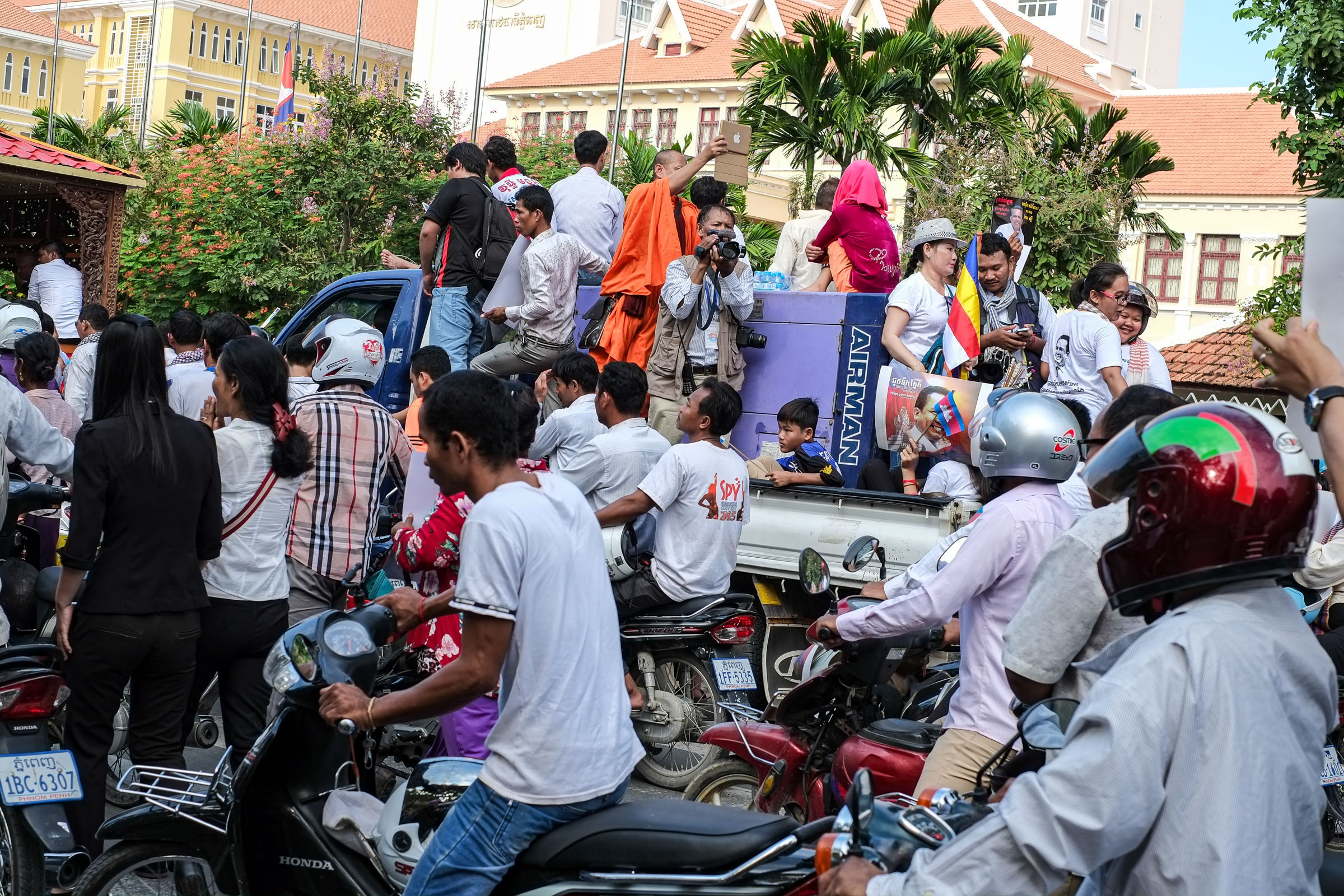
- Legacy: Much domestic and international criticism followed his death, and he received the largest attendance at his funeral for a non-royal person in Cambodia.


Kem Ley was a prominent Cambodian political commentator, activist, and physician known for his outspoken criticism of the Cambodian government, particularly the ruling Cambodian People’s Party (CPP) led by the then Prime Minister Hun Sen.
Born on October 19, 1970, in Takeo province, Kem Ley was deeply involved in political and social issues, often addressing corruption, illegal logging, and border disputes.
On July 10, 2016, Kem Ley was tragically assassinated while having coffee at a petrol station in Phnom Penh. His murder sent shockwaves through Cambodia, with many suspecting political motives behind the killing. The gunman, who claimed to have killed Kem Ley over an unpaid debt, was quickly apprehended, but few believed his story.
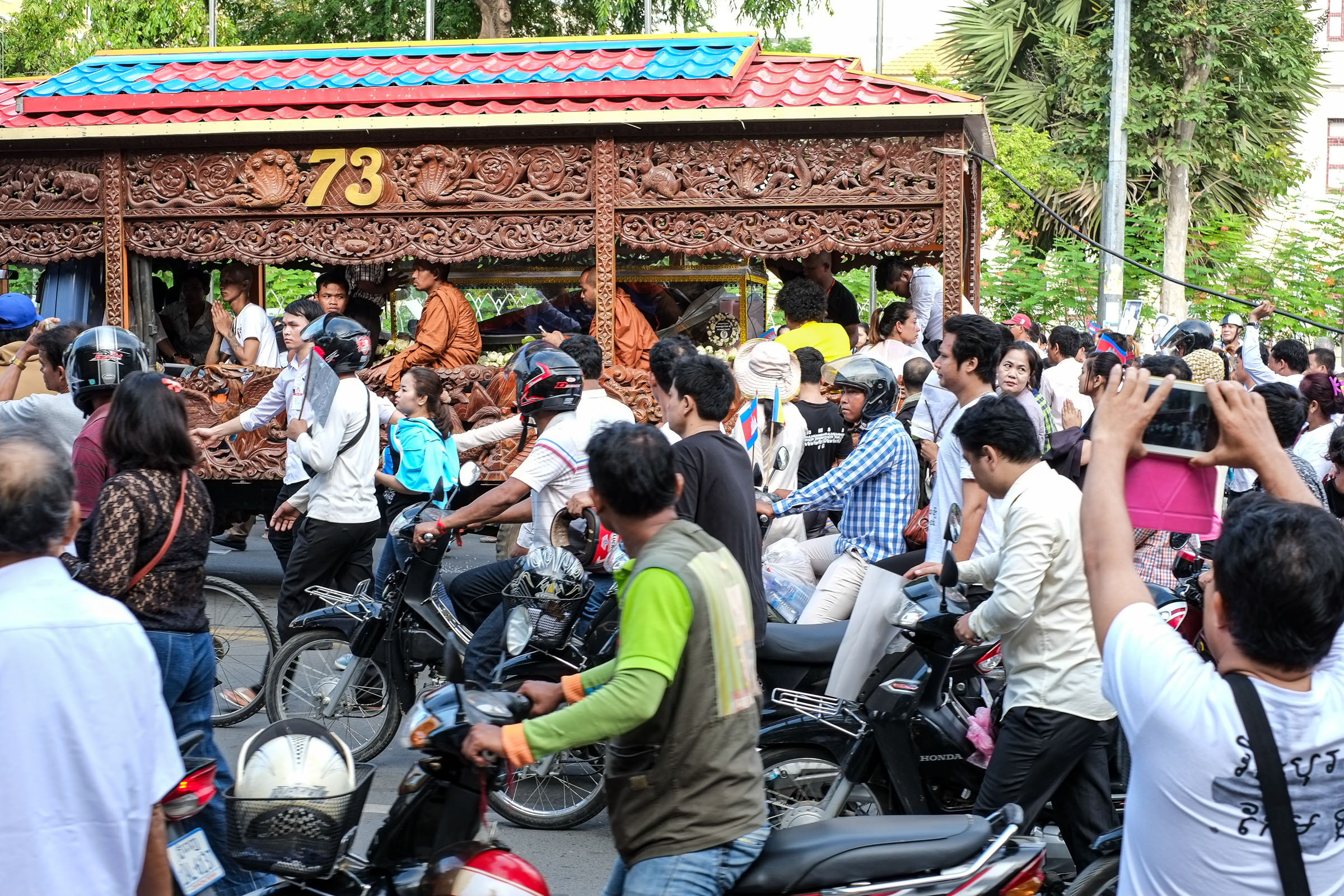
Kem Ley’s death was a significant loss for Cambodia, as he was a voice for many ordinary citizens and a critic of both the government and opposition. His funeral procession drew tens of thousands of mourners, highlighting the impact he had on the nation.
Kem Ley was known for his clear and impactful messages that resonated with many Cambodians. Some of his key messages included:
- Anti-Corruption: Kem Ley was a vocal critic of corruption within the Cambodian government. He often highlighted the need for transparency and accountability, particularly criticizing the ruling Cambodian People’s Party (CPP) and Prime Minister Hun Sen.
- Social Justice: He advocated for social justice and equality, emphasizing the importance of addressing the needs and rights of ordinary citizens. He believed in empowering people to speak out against injustices and to demand better governance.
- Nationalism and Sovereignty: Kem Ley often spoke about the importance of Cambodian nationalism and sovereignty. He was critical of foreign influence, particularly from Vietnam, and urged Cambodians to protect their national interests.
- Grassroots Engagement: Through his “100 Nights Campaign,” Kem Ley spent time in rural areas, listening to the concerns of local communities. He believed in understanding the root causes of issues by engaging directly with the people affected.
- Balanced Critique: Unlike many commentators, Kem Ley provided balanced critiques of both the government and the opposition. He aimed to present a fair and comprehensive analysis of the political landscape, making his insights accessible to ordinary people.
Kem Ley’s messages continue to inspire many in Cambodia, reflecting his commitment to a more just and transparent society.
The Fujifilm X-Pro2: A Timeless Classic in the Digital Age
cameras, fujifilm, opinons, thoughts, photography, pictures, street, Travel, viltroxIn the fast-paced world of digital photography, where technology evolves at breakneck speed, the Fujifilm X-Pro2 stands out as a testament to timeless design and enduring quality. Launched in 2016, this camera quickly became a favourite among photographers who appreciated its retro aesthetic, advanced features, and the tactile experience it offered.
The X-Pro2 was a significant upgrade from its predecessor, the X-Pro1, boasting a 24MP X-Trans CMOS III sensor, an expanded ISO range, and a hybrid viewfinder that combined the best of optical and electronic components. Its design paid homage to the classic rangefinders, with dials and controls that provided a hands-on approach to photography, making every shot a deliberate and thoughtful process.
Despite the release of newer models, the X-Pro2 remains a dream camera for many. Its build quality is exceptional, with an all-metal body and environmental sealing that withstands the test of time and the elements. The image quality, with its unique colour rendition and film simulations, continues to charm photographers, evoking a sense of nostalgia while delivering modern performance.

The autofocus system of the X-Pro2, with its 273 points and phase-detect coverage, brought a new level of precision and speed to the X-series. This made the camera not only suitable for street and portrait photography but also for capturing moving subjects with ease.


Moreover, the X-Pro2’s firmware updates have kept it relevant, improving functionality and keeping the user experience fresh. It’s a camera that grows with you, adapting to the changing landscape of photography while maintaining its core identity.


The X-Pro2 may not have the latest bells and whistles of its successors or competitors, but it offers something that goes beyond specifications: a connection to the art of photography. It’s a camera that encourages you to slow down, compose your shot, and immerse yourself in the moment.
For those who value the experience as much as the outcome, the Fujifilm X-Pro2 remains not just a dream camera, but a beloved companion on their creative journey. Its legacy continues to inspire, proving that in a world where the new often overshadows the old, there are some things that remain timeless. The Fujifilm X-Pro2 is indeed one of those rare gems in the photography world.
The Fuji XF 56mm f1.2 : A Portrait Photographer’s Dream Lens
cameras, fujifilm, Lenses, opinons, thoughts, photography, pictures, street, TravelPortrait photography is an art that captures the essence of a person, telling their story through a single frame. The right lens can make all the difference in bringing that story to life, and the Fuji XF 56mm f1.2 is a lens that has been making waves in the photography community for just this purpose.
Designed for the Fujifilm X series cameras, the XF 56mm f1.2 is equivalent to an 85mm lens on a full-frame camera, a focal length revered by portrait photographers for producing flattering images with a natural perspective. The wide f/1.2 aperture of this lens allows for a shallow depth of field, creating that dreamy bokeh effect that isolates the subject from the background, making them stand out in stunning clarity.
The construction of the lens is nothing short of impressive, featuring 11 elements in 8 groups, including two extra-low dispersion elements and one double-sided aspherical element. These components work together to control spherical and chromatic aberrations, ensuring sharp, clear images with minimal distortion.
The lens is not just about sharpness and bokeh; it’s also built to last. The solid construction feels great in hand and attaches seamlessly to cameras like the Fuji X-T2 and, of course, the X-Pro2. It’s a lens that’s been described as super sharp, even when wide open and one that exhibits beautifully dreamy bokeh.
Photographers have noted that while the XF 56mm f1.2 is not the fastest-focusing lens in Fujifilm’s lineup, it more than makes up for it with its optical performance. It’s a lens that demands a careful technique, rewarding the photographer’s precision with exceptional image quality.
The lens’s maximum magnification of 0.09 and the angle of view of 28.5ยฐ make it versatile for not just traditional portraits but also for wedding and studio work, where detail and expression are paramount. The seven rounded diaphragm blades contribute to a pleasing out-of-focus quality, which is essential for creating that professional look in portraits.
For those using the X-Pro2, the XF 56mm f1.2 is a match made in heaven. The X-Pro2’s advanced sensor and image processing capabilities, combined with the lens’s optical qualities, result in rich images in detail and texture. The camera’s classic design and modern features complement the lens’s performance, making for a powerful duo in the world of portrait photography.
In conclusion, the Fuji XF 56mm f1.2 is more than just a lens; it’s a tool that empowers portrait photographers to capture the soul of their subjects. Its wide aperture, focal length, and construction quality make it an invaluable asset for anyone serious about portrait photography. Whether you’re shooting in a studio, at a wedding, or out in the streets, the XF 56mm f1.2 is sure to help you create work that resonates with beauty and emotion. This lens is undoubtedly a great choice for those looking to elevate their portrait work with the X-Pro2. Happy shooting!
Understanding Crowd Dynamics: The Importance of Safety in Public Spaces
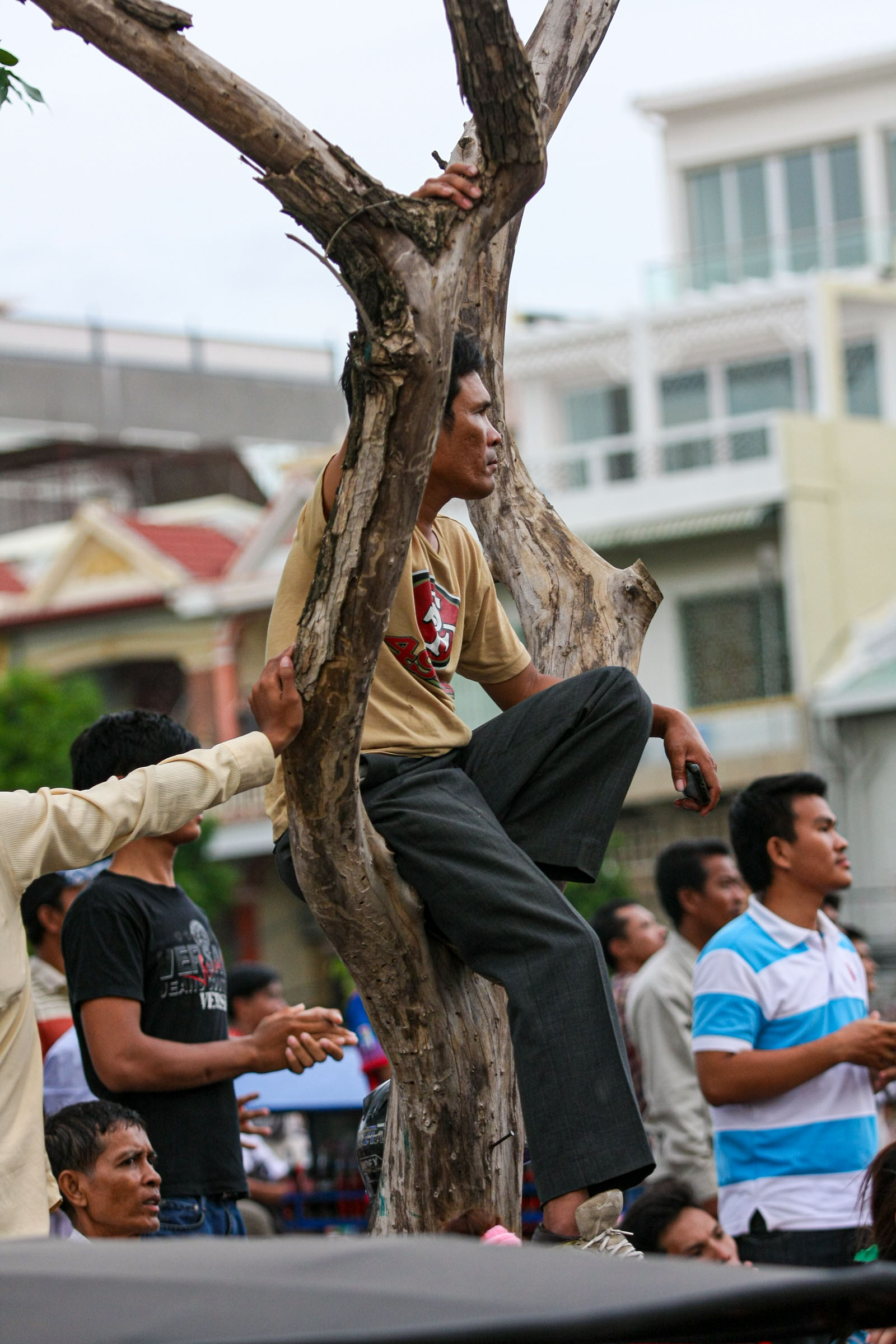
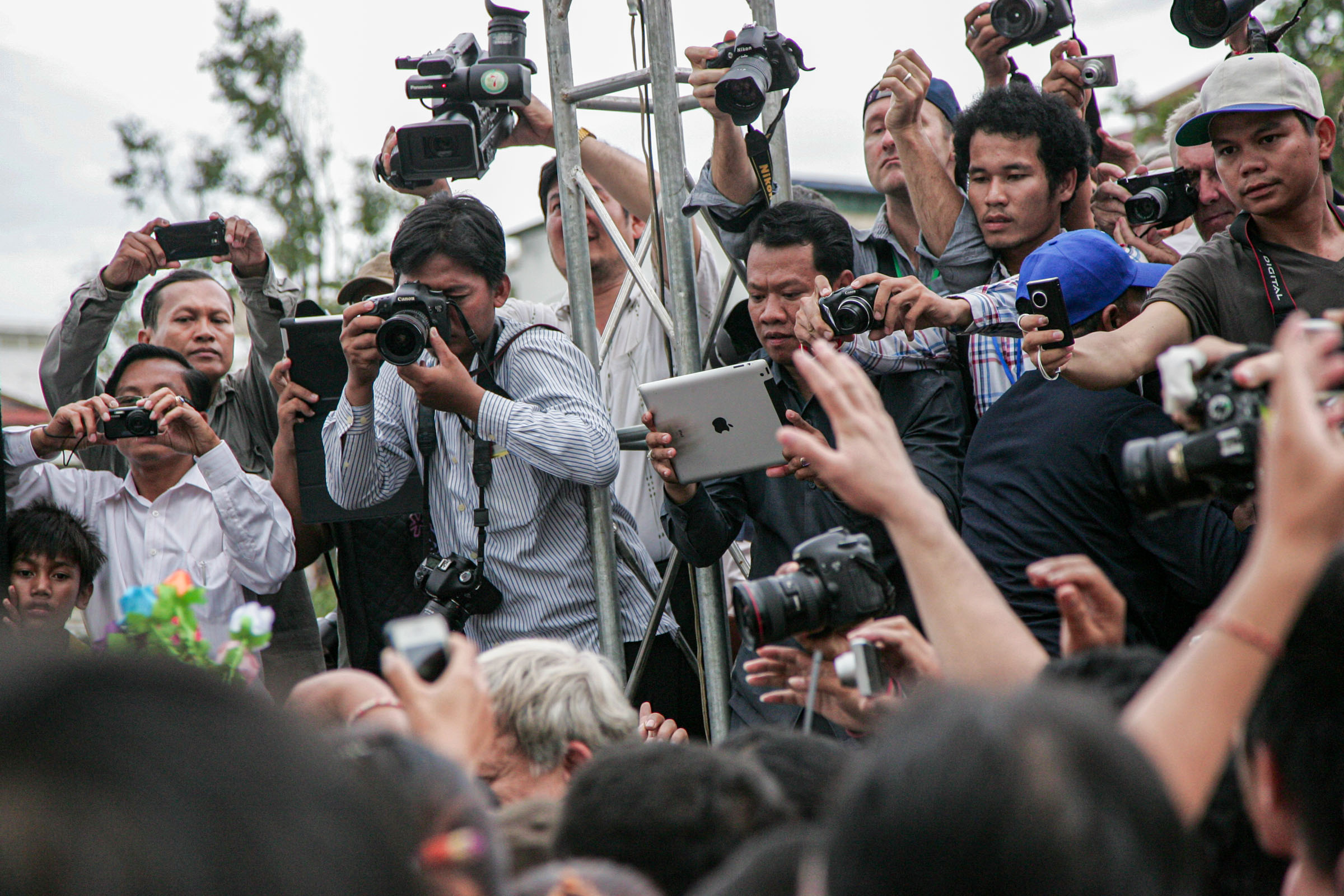
cambodia, cameras, conflict, Lenses, opinons, thoughts, photography, pictures, public, street, Travel, voluntary, warPublic gatherings, demonstrations, and large events are a hallmark of a vibrant society, where people come together to celebrate, protest, or participate in communal activities. However, these gatherings can also present significant safety challenges, particularly when they involve large crowds, loud noises, and the potential for danger.
The science of crowd dynamics is a fascinating field that delves into the behavior of people in large groups. It draws from various disciplines, including psychology, sociology, and physics, to understand how individuals act within a crowd and how a crowd behaves as a collective entity. This knowledge is crucial for event organizers, law enforcement, and public safety officials to ensure the well-being of participants in crowded settings.
One of the key aspects of crowd dynamics is the concept of ‘social force,’ which describes how individuals in a crowd maintain a certain distance from each other, much like particles that repel one another. This invisible force helps prevent collisions and allows for the orderly movement of people. However, in high-density situations, such as a packed concert or a busy festival, this social force can break down, leading to dangerous scenarios where individuals are unable to move freely and may even be crushed by the pressure of the crowd around them.
The tragic events that have occurred in the past, such as the human pile-up in Seoul’s Itaewon district in 2022, highlight the devastating consequences that can arise when crowd safety is not adequately managed. These incidents underscore the need for comprehensive planning, crowd control measures, and emergency response strategies to prevent similar tragedies.
In addition to physical safety, the presence of loud noises, such as those from demonstrations or concerts, can also pose risks. Prolonged exposure to high decibel levels can lead to hearing damage, and the cacophony of a crowd can create confusion and panic during emergencies. Organizers need to consider noise control and communication methods to ensure messages can be clearly conveyed to attendees, even amidst the din of a bustling crowd.
Moreover, the potential for violence or dangerous situations, such as shootings, adds another layer of complexity to crowd management. Law enforcement and security personnel must be trained to respond effectively to such threats, balancing the need to neutralize danger with the imperative to avoid harming innocent bystanders. This delicate task requires not only tactical skill but also an understanding of crowd psychology and behaviour.
Ultimately, the study of crowd dynamics serves as a reminder of our shared responsibility to prioritize safety in public spaces. Whether attending a peaceful protest, a lively parade, or a dynamic concert, each individual plays a role in contributing to a safe and enjoyable experience for all. By staying informed, being aware of our surroundings, and respecting the space of others, we can help ensure that public gatherings remain a positive aspect of our communal life.
As we continue to gather in numbers, let us remember the lessons learned from past events and strive to create environments where safety and enjoyment go hand in hand. Together, we can celebrate the power of community while safeguarding the well-being of every participant. Let’s make every public gathering a testament to our ability to come together safely and harmoniously.
When a demonstration becomes angry, it’s crucial to prioritize safety and de-escalation. Here are some steps you can take:
- Assess the Situation: Quickly determine if the demonstration’s shift in mood is widespread or localized. Look for safe exits or areas where tensions are lower.
- Stay Calm: Your own calm demeanour can have a calming effect on others. Avoid any actions that could be perceived as provocative or disrespectful.
- Cease Provocative Actions: If you’re taking pictures, stop and assess whether your actions could inflame the situation. If there’s any chance they might be, it’s best to put the camera away.
- Follow Safety Protocols: If you’re part of an organized group, follow any pre-established safety protocols. If not, consider leaving the area if you feel unsafe.
- Listen and Observe: Try to understand the cause of the anger. Sometimes, acknowledging grievances can help de-escalate emotions.
- Seek Help if Necessary: If the situation feels beyond your control, look for law enforcement or demonstration organizers who can intervene and restore peace.
Remember, while documenting events is important, nothing is more valuable than your safety and those around you. If a demonstration turns angry, the best action is to prioritize de-escalation and safety.

Hitting a Photographic Lull: How to Rekindle Your Creative Spark
cambodia, fujifilm, Lenses, opinons, thoughts, photography, pictures, street, Travel, voluntary, warPhotography, like any other creative pursuit, can sometimes lead you into a lull. It’s that dreaded feeling where inspiration seems to have packed its bags and left without notice. But fear not, for every creative block, there’s a myriad of ways to overcome it and get back to capturing the world through your lens with renewed passion and perspective.
Firstly, acknowledge that creative blocks are a natural part of the artistic process. They don’t signify a lack of talent or passion but are merely a sign that your brain might need a break or a new source of stimulation. Here are some strategies to help you navigate through this phase:


- Rest and Recharge
Fatigue can be a significant contributor to creative blocks. Give yourself permission to rest. Sometimes, stepping away from the camera and getting some good sleep can do wonders for your creativity. - Write It Down
Keep a journal or a notebook for your photography ideas. Writing can help declutter your mind and may lead to a breakthrough in thinking. Jot down anything and everything without judgment. - Tune Into Some Music
Music has the power to alter moods and inspire new ideas. Listen to different genres and let the rhythms and melodies guide your imagination. - Sketch Your World
You don’t have to be an artist to benefit from sketching. Draw the scenes around you; it can help you see the world from a new angle and might just spark a photographic idea. - Change Your Scenery
Sometimes all you need is a change of environment. Go for a walk, visit a new town, or even rearrange your workspace. New visuals can lead to new inspirations. - Experiment with New Gear
Exploring new equipment or even old gear in new ways can provide a fresh perspective. Try out a new lens, filter, or even a different camera format to shake things up. - Seek Out Inspiration
Look at the work of other photographers, visit galleries, or dive into photography books. Seeing the world through someone else’s eyes can provide a fresh outlook and inspire your own work. - Embrace Imperfection
Perfectionism can be a creativity killer. Allow yourself to make mistakes and remember that each one is a stepping stone to improvement. - Set Small Goals
Instead of aiming for a masterpiece every time you shoot, set small, achievable goals. This can help build momentum and get you back into the groove of shooting regularly. - Collaborate with Others
Join a photography group or collaborate with a fellow photographer. Sharing ideas and working on projects together can be incredibly stimulating and fun. - Take on a Project or Challenge
Give yourself a photography assignment or challenge. Having a specific goal can focus your creativity and push you to look at things differently.
Remember, every photographer goes through highs and lows. The key is to keep pushing through, stay open to new experiences, and never stop learning. Your next great shot could be just around the corner, waiting for you to capture it. So grab your camera, and let’s turn that lull into a launchpad for your next creative leap! Happy shooting!
Exploring the Fujifilm XF 55-200mm f3.5 – 4.8 USD OIS Lens
fujifilm, Lenses, opinons, thoughts, photography, pictures, street, Travel, warPhotography enthusiasts looking for a versatile telephoto zoom lens may find a perfect companion in the Fujifilm XF 55-200mm. This lens is designed for the Fujifilm X-series mirrorless cameras and offers a 35mm equivalent focal length of 83-300mm, making it suitable for a wide range of subjects from portraits to wildlife photography.
One of the standout features of this lens is its optical image stabilization system, which claims to provide a benefit of 4.5 stops. This feature is particularly useful when shooting in low light conditions or at the long end of the zoom range, where camera shake can be more pronounced. The stabilization allows photographers to shoot at slower shutter speeds without compromising on sharpness.
The lens construction includes two extra-low dispersion elements, including one Super ED element, which helps to reduce chromatic aberrations and produce clear, sharp images with accurate colours. The build quality of the lens is also noteworthy, with an all-metal barrel and an aperture control ring that adds to the tactile experience of shooting.
Autofocus performance is another area where the XF 55-200mm lens excels. It uses a pair of linear stepper motors for quick and near-silent autofocus, which is beneficial for both stills and video shooting. The relatively fast maximum aperture of F3.5-4.8 also allows for more control over depth of field and helps to isolate subjects from the background.
Despite its range and capabilities, the lens remains relatively compact and portable, which is a significant advantage for photographers who travel or hike with their gear. It’s not weather-sealed, so some care is necessary when using it in adverse conditions.
In terms of pricing, the lens offers good value considering its performance and build quality. It’s positioned as a premium option in the Fujifilm lens lineup and competes favourably with similar lenses from other manufacturers.
For those invested in the Fujifilm X system, the XF 55-200mm lens is a solid choice that delivers excellent image quality and versatility. Whether you’re capturing distant landscapes or intimate portraits, this lens is capable of producing stunning results that will satisfy both amateur and professional photographers alike.

For more detailed reviews and sample images, you can visit various photography websites and forums that provide in-depth analysis and user experiences with this lens. Exploring these resources can help you make an informed decision if you’re considering adding the Fujifilm XF 55-200mm to your photography kit.