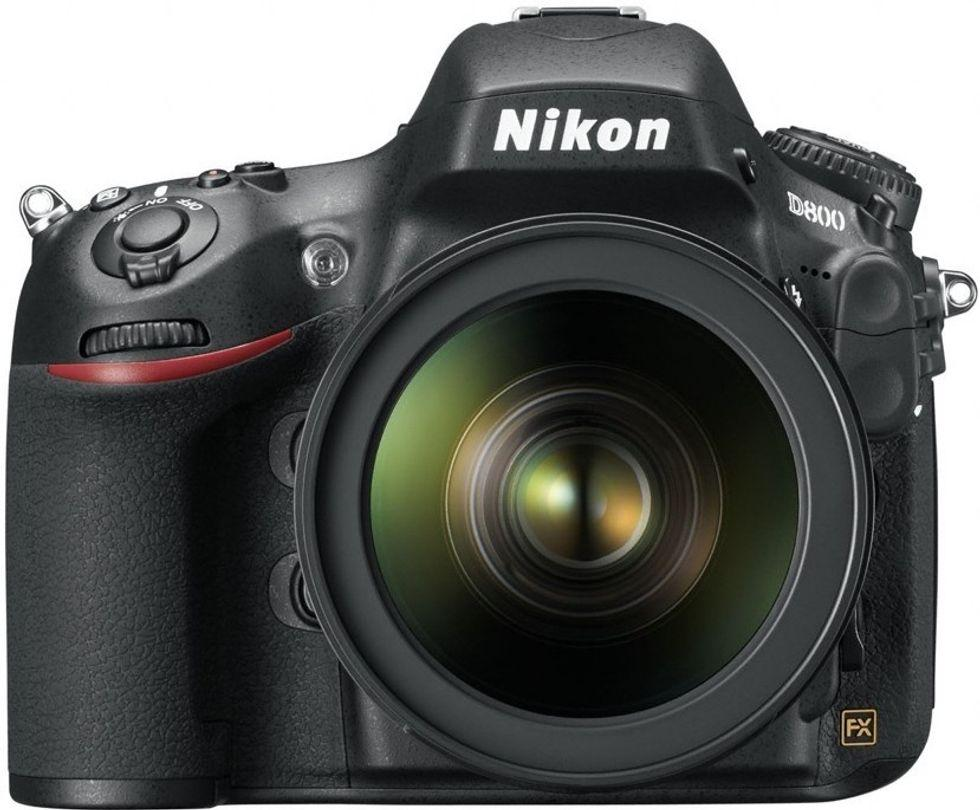

The Nikon D3: The Last Camera I Never Had to Think About

cameras, Lenses, nikon, opinons, thoughts, photography, pictures, street, Travel
Nikon D3 ้ฆ™ๆธฏๅƒน้Œขใ€่ฉ•ๆธฌๅ ฑๅ‘Šใ€็›ธๆฉŸ่ฆๆ ผๅŠ็›ธ้—œๅ ฑ้“ - DCFever.com

There are cameras that impress you the day you buy them.

Then there are cameras that quietly earn your respect over the years.

The Nikon D3 belonged firmly in the second category.

When Nikon introduced it in 2007 it wasn’t simply another camera body. It was a statement. For years photographers had accepted that full-frame digital cameras came with compromises. Then along came the D3 and quietly swept many of those compromises away.

For the first time I found myself holding a camera that seemed capable of disappearing completely from my thoughts.

That may sound like an odd compliment.

Most reviews talk about autofocus, dynamic range, high ISO performance or frames per second. Those things matter, and the D3 excelled at every one of them. Its autofocus was astonishingly dependable, its files were beautifully clean at ISO settings that previously seemed unusable, and it possessed the sort of build quality that suggested it would probably survive events that its owner might not.

But those aren’t the reasons I remember it.

The reason I remember the D3 is because I stopped thinking about it.

Photography can be an odd occupation. We spend years learning cameras so that eventually we no longer have to think about cameras at all.

The controls become instinctive. The shutter becomes familiar. The viewfinder feels like an extension of your own eyesight.

The D3 reached that point faster than almost any camera I’ve ever owned.

I trusted it.

That word matters more than any technical specification.

Trust means never wondering whether the autofocus will keep up.

Trust means changing the ISO without taking your eye away from the scene unfolding in front of you.

Trust means walking into fading light knowing the camera will quietly cope while you concentrate on people rather than exposure.

That confidence changes the way you photograph.

You stop making technical decisions. You start making visual ones. There is a freedom in that.

Looking back now, I realise the D3 arrived at exactly the right point in photographic history. It was technologically advanced without becoming technologically intrusive. It offered extraordinary capability while still expecting the photographer to make the important decisions.

It wasn’t trying to think for me. It simply did what I asked.

That’s a quality I value more with every passing year.

Modern cameras are astonishing. Their ability to recognise eyes, faces, birds, animals and vehicles borders on science fiction compared with the equipment many of us learned on.

I admire that progress.

But sometimes I wonder whether, in making cameras ever more intelligent, we’ve accidentally encouraged photographers to become slightly less observant.

The D3 demanded observation.

It rewarded anticipation.

It reminded me that timing has always mattered more than technology.

Perhaps that is why I remember it with such affection.

It never once tried to become the photographer.

It remained a beautifully engineered tool.

Nothing more.

Nothing less.

Over the years I’ve owned cameras that exceeded it on paper.

Higher resolution.

Greater dynamic range.

Better video.

More sophisticated autofocus.

Yet very few of them left me feeling quite so relaxed.

The D3 carried itself with quiet confidence.

It never seemed eager to impress.

It simply got on with the job.

There is something deeply satisfying about equipment that behaves like that.

It encourages the same attitude in its owner.

You stop worrying.

You stop fiddling with menus.

You stop reading forums searching for mythical improvements.

You simply walk. You look. You wait. And when the moment arrives, you press the shutter almost without conscious thought.

That, surely, is what every camera should aspire to become.

Invisible.

The older I become, the more I appreciate that invisibility.

Photography has never been about the camera in my hands.

It has always been about the people standing in front of it.

The expressions that vanish in a heartbeat.

The brief exchange of glances between strangers.

The light that appears for only a few seconds before disappearing behind a cloud.

The D3 never distracted me from those moments.

It quietly helped me preserve them.

That is the highest compliment I can pay any camera.

Eventually newer models arrived.

Technology moved on.

Manufacturers promised even greater miracles.

Some of those promises were fulfilled.

Many of them genuinely improved the photographic experience.

But there remains something quietly reassuring about the Nikon D3.

Not because it is the greatest camera ever made.

History rarely deals in absolutes.

Rather, because it represents a moment when I realised I had stopped thinking about cameras altogether.

I had begun thinking only about photographs.

And looking back now, I cannot imagine a finer legacy for any camera than that.

The Little Lens That Reminded Me Why I Photograph

cameras, Lenses, nikon, photography, pictures, street, Travel

There it was, sitting quietly in the bottom of an old camera bag. A lens I hadn’t mounted on a camera in years. The Nikon 18โ€“55mm kit lens. The sort of lens many photographers buy by accident because it comes attached to a new camera and then replace at the first opportunity with something faster, heavier and considerably more expensive.

I almost walked past it.

Instead, I clicked it onto my old Nikon D300S.

No expectations. No grand experiment. Just curiosity.

Within half an hour I found myself asking a simple question.

Why on earth had I stopped using this lens?

As photographers, we spend an extraordinary amount of time convincing ourselves that the next piece of equipment will somehow make us better. A sharper lens. A larger sensor. More megapixels. Faster autofocus. We read reviews, compare MTF charts, pixel-peep images until the joy has almost disappeared from the process.

Somewhere along the way we begin to believe that “kit lens” is another way of saying “not good enough.”

Yet here I was, walking with one of the cheapest lenses Nikon ever produced, making photographs that pleased me every bit as much as images made with lenses costing many times more. It was a useful reminder.

Photography has never really cared what was engraved on the front of the lens.

Thinking back, I realised this wasn’t the first time this little zoom had surprised me. If memory serves me correctly, I originally bought it to use on my Nikon D1H many years ago. It worked beautifully then, and I enjoyed using it far more than I expected. Since then it has also found its way onto my D2Hs and now the D300S. Three cameras that most of the photographic world has long since written off as obsolete.

I still enjoy them.

Perhaps that’s because they belong to an era when cameras simply got out of the way. They didn’t try to think for you. They asked you to think instead.

The 18โ€“55mm seems to share that same philosophy.

It isn’t glamorous.

It doesn’t announce itself.

It simply gets on with the job.

Of course, I own better lenses. There are lenses I reach for when I need beautiful background blur, faster apertures, superior edge-to-edge sharpness or weather sealing. Professional tools exist for good reasons, and I wouldn’t pretend otherwise.

But there is an important difference between owning the best lens for a particular assignment and owning the lens that makes you want to go out and photograph.

Those are not always the same thing.

The little Nikon is wonderfully light. After an hour’s walk you barely notice it’s there. Instead of thinking about equipment, you’re watching people, waiting for expressions, noticing light falling across a face or the geometry of a street corner.

The camera almost disappears.

And that’s exactly where I like it.

Street photography has never been about carrying the largest collection of glass. It has always been about observation. Patience. Curiosity. The ability to recognise something ordinary becoming extraordinary for the briefest fraction of a second.

No expensive lens can teach you that.

The longer I photograph, the more suspicious I become of the endless pursuit of technical perfection. Cameras have become astonishingly capable. Lenses are sharper than ever. Yet I’m not convinced photographs have become more interesting because of it.

Some of the most memorable images ever made would fail today’s online obsession with corner sharpness, chromatic aberration and laboratory test charts.

Nobody stands in front of a great photograph asking what aperture was used.

They ask what happened.

They ask who that person was.

They ask why the image makes them feel something.

Those are entirely different questions.

Perhaps age has something to do with it. After decades behind a camera, I’m finding myself drawn back to simplicity. Older cameras. Smaller lenses. Equipment that encourages me to walk a little further and think a little harder rather than impress other photographers.

There is a freedom in that.

Not long ago I wondered whether I was losing my enthusiasm for photography altogether. The camera still came on my walks, but it often stayed by my side. For someone who once happily made fifty, a hundred or even two hundred photographs during a five-kilometre walk, that felt like a genuine change.

Then along came a forgotten little kit lens.

Funny how inspiration sometimes returns from the least likely places.

Perhaps that is the real value of an inexpensive lens. It strips away the excuses. If the picture fails, it isn’t because the lens wasn’t expensive enough. If it succeeds, it succeeds because you saw something worth photographing.

That’s a comforting thought.

The Nikon 18โ€“55mm won’t become legendary. It won’t appear on lists of the greatest lenses ever made, and it won’t cause collectors to empty their wallets.

It doesn’t need to.

For me, it has quietly become something far more valuable.

A reminder that the best camera equipment isn’t always the newest, the fastest or the most expensive.

Sometimes it’s simply the lens waiting patiently at the bottom of an old camera bag, ready to remind you why you fell in love with photography in the first place.

The Nikon D300S

cameras, Lenses, nikon, opinons, thoughts, photography, street, Travel

The Nikon D300S is one of those cameras that refuses to die. Released in 2009 as Nikon’s flagship DX-format DSLR, it was aimed at serious enthusiasts and professionals who wanted speed, durability, and reliability without moving to full-frame. Even in 2026, it remains surprisingly capable in the right hands.

https://images.openai.com/static-rsc-4/cJMowcl6RHh8EoXDha5wgXmUhnb-7L_HNPQ1GXtKKVV3G3h0KG3TNRhtLL3cy5lsh4IvbL7h1s1G5qh0Oy91EfPC3YZQb3Oagy1oSQt6AN6l-i8nu-AqUVXekk9TQNd0-uUqdpUoM-y4_914ndwxqVTxotSUTd3BeCiIUiFs3ci9tEcChYjwPVXq8Xu2RYWw?purpose=fullsize
https://images.openai.com/static-rsc-4/5vQKnayX1lQuspZKiRv7v8Ds0B8IPGvTh_ywXLkUe6pLucDMCaoDXTnzzCYa_AAsNNKb0s3_z9boRIqxECVQwRvQdMmHHHlFvnZOeNf2FZ5SdxlDRZT0Bj90gigIGRCKMNAsSV-0-uvjTy-vBioKMYJEEc0K-tPFdc8p9lOqC958Uc4UIoN7R1gD2-5b89ji?purpose=fullsize
https://images.openai.com/static-rsc-4/bWacgfzwl4LRrIfx4kh7_wupsXw69dXDa3cshrLoX8CBkoEVneJe4h5Yl7sJ_FZyo_JF544LvLw5kZNOAag74glfbXEkN9fnjXv03lwy4v1uaqOQ1QNBM9fJZ25i_hd61WWdFyiXZMD5NTLaJ31oQy3swBVCRPr5Wiyw57lVHJf-HtbVxRl2TS9wCLvrfNiE?purpose=fullsize

The Good

Built Like a Tank

The D300S comes from an era when Nikon built cameras to survive hard professional use. The magnesium-alloy body feels incredibly solid, with weather sealing that still puts many modern consumer cameras to shame. If you’ve handled a D700, the D300S feels very familiar.

For street photography, travel, documentary work, and rough conditions, that toughness is worth a lot.

Fantastic Ergonomics

This is one area where the D300S still embarrasses many modern cameras.

  • Dedicated buttons everywhere
  • No menu diving for common functions
  • Large grip
  • Excellent control layout
  • Top LCD panel
  • Fast operation

You can change settings while keeping the camera to your eye. Once you learn it, it becomes almost instinctive.

Superb Autofocus

The 51-point Multi-CAM 3500DX autofocus system was legendary in its day and remains highly effective today. It tracks moving subjects well and is significantly better than many entry-level DSLRs that came years later.

For:

  • Street photography
  • Sports
  • Wildlife
  • Events

it still performs remarkably well.

Fast Shooting

  • 7 fps standard
  • 8 fps with the MB-D10 grip and larger battery

Even today that’s respectable performance.

The Viewfinder

The optical viewfinder offers:

  • 100% coverage
  • Large bright image
  • Professional feel

Many photographers miss viewfinders like this. Looking through a D300S feels connected and immediate.

Beautiful Nikon Colors

The 12.3MP CMOS sensor produces files with a very pleasing character.

Modern cameras often win on technical perfection, but many photographers still love the way older Nikons render:

  • Skin tones
  • Greens
  • Reds
  • Black-and-white conversions

The files have a slightly organic look that some newer sensors lack.


The Bad

Only 12 Megapixels

This is the biggest limitation.

In 2009, 12MP was excellent.

  • Heavy cropping is limited
  • Large commercial prints are harder
  • Landscape photographers may want more resolution

If you are used to a D810’s 36MP files, the D300S feels restrictive.

High ISO Performance is Showing Its Age

The D300S performs best at:

  • ISO 200
  • ISO 400
  • ISO 800

ISO 1600 is usable.

ISO 3200 becomes noticeably noisy.

Compared to modern cameras, low-light performance is well behind current standards.

Video is Primitive

The D300S introduced HD video, but by modern standards it is almost unusable:

  • 720p only
  • Limited autofocus
  • Motion JPEG format
  • Short recording times

Most owners ignore the video mode completely.

Heavy

At roughly 840g before a lens is attached, it’s not a lightweight travel camera.

Old LCD and Live View

The rear screen was excellent in 2009.

Today:

  • No touch screen
  • Slow Live View
  • Primitive compared with mirrorless systems

Why It Is Still Usable Today

This is where things get interesting.

The D300S remains useful because photography is not a megapixel competition.

For street photography especially, it still offers:

Speed

The camera reacts instantly.

  • Minimal shutter lag
  • Fast startup
  • Responsive controls

It feels like a photographic tool rather than a computer.

Access to Nikon’s Lens Legacy

The D300S includes:

  • Screw-drive autofocus motor
  • AI and AI-S lens compatibility
  • Full Nikon F-mount support

You can mount decades of Nikon glass and get excellent results.

Affordable

In 2026, good examples often sell for a fraction of their original price.

You get:

  • Pro body
  • Pro autofocus
  • Pro controls
  • Weather sealing

for less than many entry-level mirrorless cameras.

It Forces Better Technique

Many photographers discover something interesting when they return to a D300S:

They stop obsessing over equipment.

You can’t rely on:

  • Massive cropping
  • Extreme ISO
  • AI noise reduction

You have to:

  • Get closer
  • Expose properly
  • Compose carefully

In some ways it makes you a better photographer.


Final Verdict

The D300S is not a camera for pixel peepers.

It is a camera for photographers.

Its weaknesses are obvious:

  • Low resolution by modern standards
  • Aging high ISO performance
  • Outdated video

But its strengths remain compelling:

  • Tank-like construction
  • Excellent controls
  • Superb autofocus
  • Great optical viewfinder
  • Beautiful Nikon color
  • Incredible value for money

If someone handed me a clean D300S and a 35mm f/2D tomorrow, I’d happily spend a day wandering the streets of Phnom Penh making photographs. The camera may be old, but the experience of using it still feels remarkably alive. ๐Ÿ“ท

The Forgotten Sweet Spot: Using the Nikon 24-120mm f/4G on the Nikon D300S

cameras, Lenses, nikon, opinons, thoughts, photography, street, Travel

In an era where photographers obsess over the latest mirrorless bodies and razor-sharp professional lenses, there is something quietly satisfying about picking up older equipment and discovering just how capable it remains. One combination that deserves far more attention than it receives is the Nikon D300S paired with the Nikon 24-120mm f/4G VR.

At first glance it seems like an odd match. The 24-120mm f/4G was designed as a full-frame lens, intended for cameras such as the D700, D750, D800 and D810. The D300S, meanwhile, is a professional DX camera from another era entirely. Yet together they create a surprisingly versatile photographic tool that remains highly relevant today.

The first thing to understand is the effect of the D300S’s crop sensor. The 1.5x crop factor transforms the lens into the equivalent of a 36-180mm zoom. While the numbers on the barrel remain unchanged, the field of view narrows considerably.

Some photographers immediately view this as a disadvantage. They see the loss of true wide-angle coverage and dismiss the combination. They have a point. Twenty-four millimetres on a full-frame camera is genuinely wide. On the D300S it becomes roughly equivalent to a moderate 36mm lens. For landscape photographers or those who enjoy dramatic architectural images, this limitation can become frustrating.

But photography is always about trade-offs, and what is lost at one end is often gained elsewhere.

The D300S uses only the central portion of the lens’s image circle. This is significant because the centre of most lenses is where optical performance is strongest. Corner softness becomes largely irrelevant. Vignetting virtually disappears. Edge performance improves. Distortion is less obvious than it is on full-frame bodies.

In practical use, the lens often appears sharper on the D300S than many photographers expect.

What emerges is a remarkably useful focal range. At the short end, the equivalent 36mm view is ideal for documentary work, environmental portraits and general street photography. Around the middle of the zoom range, the lens covers the classic perspectives associated with 50mm and 85mm lenses. At the long end, the equivalent 180mm reach allows photographers to isolate subjects from a distance, compress perspective and work discreetly.

For photographers who enjoy observing rather than inserting themselves into the middle of a scene, this can be enormously valuable.

Street photography is often associated with wide-angle lenses and close physical proximity. Yet there is another tradition, one built around patience, observation and distance. The 24-120mm on the D300S fits naturally into this approach.

A photographer can move through a market, a city street or a crowded public space without changing lenses. One moment they can capture a wider scene that establishes context. Seconds later they can isolate an expression across the street or pick out a fleeting gesture that would otherwise be missed.

This flexibility is the lens’s greatest strength.

The constant f/4 aperture also deserves recognition. While it lacks the glamour of an f/2.8 professional zoom or the shallow depth of field of a fast prime, it provides consistency. Exposure remains unchanged throughout the zoom range. Combined with Nikon’s effective vibration reduction system, the lens remains practical in a wide variety of lighting conditions.

Of course, there are compromises. Low-light performance cannot compete with an 85mm f/1.8 or a 50mm f/1.4. Background separation is more modest. Photographers who crave the distinctive rendering of fast prime lenses may find the images technically excellent but emotionally restrained.

Yet that criticism misses the point.

The 24-120mm f/4G was never intended to be a specialist lens. It was designed to be a problem solver. It is the lens you mount when you do not know what the day will bring. It is the lens that allows you to leave the house carrying one camera instead of a bag full of equipment.

In many ways it reflects a more practical era of photography. An era when photographers worried less about corner sharpness at 300 percent magnification and more about whether they captured the moment.

Mounted on a Nikon D300S, the lens becomes exactly that kind of tool. Dependable. Flexible. Uncomplicated.

It may not be fashionable. It may not generate excitement on internet forums. But photography has never been about owning fashionable equipment. It has always been about making pictures.

For photographers willing to look beyond specifications and marketing hype, the Nikon 24-120mm f/4G on the Nikon D300S remains one of the most underrated combinations in the Nikon system. More than a decade after both were introduced, they still deliver what matters most: the ability to walk out the door and come back with photographs worth keeping.

๐Ÿ“ท As someone who often prefers photographing people rather than buildings, and who already appreciates longer focal lengths such as the 85mm, this combination makes a lot of sense. The D300S turns the 24-120mm into a versatile documentary lens that lets you work both close and discreetly from a distanceโ€”particularly useful when wandering city streets where moments appear and disappear in seconds.

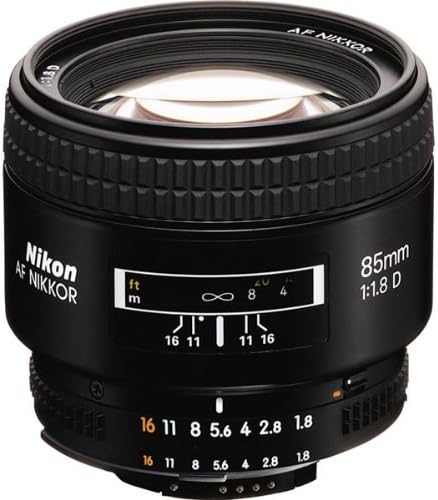
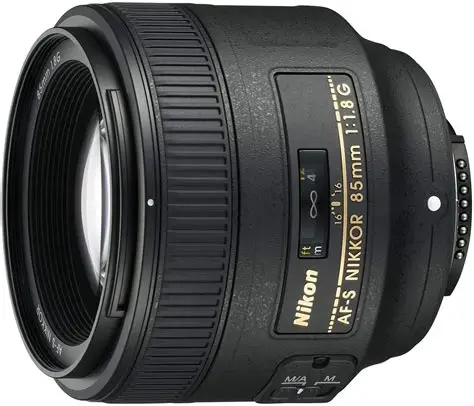
Nikkor 85mm f/1.8D vs 85mm f/1.8G

cameras, Lenses, nikon, opinons, thoughts, photography, pictures, street, Travel

Same focal length. Same max aperture. Very different intent.


The 85mm f/1.8GD vs 85mm f/1.8G comparison is way more interesting than people thinkโ€”this isnโ€™t just โ€œolder vs newer,โ€ itโ€™s two different philosophies of portrait lenses.

1. Design Philosophy (This Is the Core Difference)

85mm f/1.8D

  • Designed in the film-era mindset
  • Optimized for:
    • Speed
    • Compactness
    • High micro-contrast
  • Assumes the photographer:
    • Focuses manually with intent
    • Accepts character over perfection

๐Ÿ‘‰ The D lens does not apologize for optical flaws. It uses them.

85mm f/1.8G

  • Designed in the digital-era mindset
  • Optimized for:
    • Resolution
    • Smoothness
    • Consistency across the frame
  • Assumes:
    • High-resolution sensors
    • Autofocus accuracy matters
    • Images will be scrutinized at 100%

๐Ÿ‘‰ The G lens is corrective and controlled.


2. Optical Performance

Sharpness

Aperture85mm f/1.8D85mm f/1.8G
f/1.8Sharp center, soft edgesSharper center, cleaner edges
f/2.8Very sharpExtremely sharp
f/4โ€“5.6ExcellentClinically excellent
  • The G is objectively sharper, especially wide open and toward the edges.
  • The D has biteโ€”center sharpness with strong micro-contrast that feels punchy, especially on faces.

๐Ÿ“Œ On modern high-MP sensors, the G holds together better technically.


Contrast & Rendering

  • D lens
    • Higher micro-contrast
    • Harder transitions
    • More โ€œsnapโ€
    • Faces look more sculpted, sometimes harsher
  • G lens
    • Smoother tonal roll-off
    • Lower micro-contrast
    • More forgiving on skin
    • Easier to grade in post

๐Ÿ‘‰ This is why some people say the D looks โ€œ3Dโ€ and the G looks โ€œcreamy.โ€


3. Bokeh & Out-of-Focus Rendering

85mm f/1.8D

  • Nervous bokeh in busy backgrounds
  • Catโ€™s-eye shapes near edges
  • Double lines in specular highlights
  • Can feel edgy or distracting

โš ๏ธ Not a โ€œsafeโ€ bokeh lens.


85mm f/1.8G

  • Significantly smoother background blur
  • More rounded aperture blades
  • Better correction of spherical aberration
  • Backgrounds dissolve rather than vibrate

๐Ÿ‘‰ For environmental portraits or street portraits, the G is far more predictable.


4. Autofocus & Handling

Autofocus

  • D: Screw-drive AF
    • Fast on pro bodies
    • Noisy
    • Inaccurate at f/1.8
  • G: Silent Wave Motor (AF-S)
    • Quieter
    • More accurate
    • Better for modern DSLRs

If youโ€™re shooting moving subjects or candid portraits, the G wins decisively.


Build & Ergonomics

Aspect1.8D1.8G
SizeSmallerLarger
WeightLighterHeavier
BuildSolid, simpleModern composite
Focus ringBetter manual feelAdequate, not special

The D feels mechanical.
The G feels engineered.


5. Compatibility & Practical Reality

85mm f/1.8D

  • โŒ No AF on entry-level Nikon bodies
  • โœ”๏ธ Excellent on D700, D3, D4, Df
  • โœ”๏ธ Gorgeous on film bodies
  • โœ”๏ธ Very cheap on the used market

85mm f/1.8G

  • โœ”๏ธ Full AF on all Nikon DSLRs
  • โœ”๏ธ Designed for high-resolution sensors
  • โœ”๏ธ Better resale value
  • โŒ Less character

6. Character vs Control (The Honest Take)

Choose the 85mm f/1.8D if:

  • You value rendering over perfection
  • You shoot:
    • Street portraits
    • Gritty documentary
    • Black & white
  • You like lenses that argue back
  • You enjoy working around flaws

๐Ÿ‘‰ This lens has teeth.


Choose the 85mm f/1.8G if:

  • You need:
    • Reliable AF
    • Smooth skin tones
    • Predictable results
  • You shoot:
    • Editorial portraits
    • Commercial work
    • Color-heavy projects
  • You want files that are easy to finish in post

๐Ÿ‘‰ This lens is quietly competent.


7. One-Line Verdict (Brutally Honest)

  • 85mm f/1.8D:
    A portrait lens with attitude and consequences.
  • 85mm f/1.8G:
    A portrait lens that stays out of the way.

Nikon 85mm f/1.8G & D810: Ultimate Portrait Lens Duo

Lenses, nikon, opinons, thoughts, photography, pictures, street, Travel

The Nikon 85mm f/1.8G paired with a Nikon D810 is one of the most satisfying lens-body combos you can put together ๐Ÿ‘Œ๐Ÿ“ท. Itโ€™s a classic setup that delivers gorgeous images with relative simplicity and a very pleasing shooting experience.

๐Ÿ“ธ Nikon 85 mm f/1.8G on the Nikon D810 โ€” A Perfect Portrait Pairing

When you mount the Nikon AF-S Nikkor 85mm f/1.8G on a Nikon D810, youโ€™re combining two things:

  1. An outstanding portrait lens with beautiful rendering
  2. One of Nikonโ€™s highest-resolution full-frame bodies

Together, they create images with exceptional clarity, smooth tonality, and a classic portrait aesthetic โ€” without breaking the bank.


๐Ÿง  Why This Combo Is So Good

๐Ÿ’Ž 1. Image Quality That Punches Above the Price

The 85mm f/1.8G is often called one of Nikonโ€™s best value lenses because:

  • Very sharp from wide open
  • Elegant separation between subject and background
  • Clean, flattering skin tones
  • Minimal optical flaws

On the D810โ€™s 36 MP sensor, the results are rich and detailed โ€” capturing texture and nuance that feel โ€œmedium-format light.โ€


๐ŸŒ— 2. Beautiful Background Separation (Bokeh)

At f/1.8, the lens excels at isolating subjects:

โœจ Creamy, smooth bokeh
โœจ Rounded highlights
โœจ Subject pop without being cartoonish

This is exactly why 85 mm is a portrait standard โ€” it flatters faces while keeping distractions soft and unobtrusive.


๐Ÿง  3. Focal Length That Just Works

  • On full-frame, 85 mm sits at a sweet spot for portraits โ€” not too wide, not too telephoto.
  • Itโ€™s far enough from your subject to compress features gently, but close enough to maintain connection.

Great for:
โœ”๏ธ Headshots
โœ” Upper-body portraits
โœ” Street portraits
โœ” Isolated detail shots


โšก 4. Fast, Reliable AF on the D810

The D810โ€™s Multi-CAM 3500FX AF system pairs beautifully with the 85 mm f/1.8G:

  • Accurate focus even at wide aperture
  • Solid performance in low light
  • Predictable tracking across frames

This means less missed focus and fewer โ€œsoftโ€ portraits at shallow depth of field.


๐Ÿ“ท Sample Situations Where It Shines

๐Ÿ‘ฉ Portrait Sessions

Natural light or studio โ€” this lens renders skin with smooth tonal transitions and minimal post-processing needed.


๐ŸŒ† Street Portraiture

You can maintain respectful distance and still get head-and-shoulders frames that feel intimate.


๐ŸŽ‰ Events & Candids

Fast aperture lets you shoot in ambient light without flash โ€” great for weddings or indoor environments.


๐Ÿง  Practical Tips For Best Results

๐Ÿ“ 1. Use f/1.8โ€“f/2.8 for Portaits

  • f/1.8 โ€” most beautiful background blur
  • f/2.2โ€“f/2.8 โ€” slightly more depth for group or moving shots

๐Ÿ“ 2. Watch your focus point

At f/1.8 on 36 MP, focus placement matters a lot:
โœ”๏ธ Aim for the nearest eye
โœ”๏ธ Lock focus, then recompose if needed


๐Ÿ“ 3. Consider Distance

  • 85 mm is long-ish โ€” ensure you have enough space
  • Too close and you compress facial features slightly (often flattering!)
  • Too far and the background may become a bit too compressed

๐Ÿ”Ž Comparison with Similar Lenses

LensStrengthsWhen to Choose
Nikon 85 mm f/1.8GSharp, smooth bokeh, affordableBest all-around portrait lens
Nikon 85 mm f/1.4GCreamier bokeh, more controlStudio portraits / creamy stylized look
Nikon 105 mm f/1.4EUltra-isolated blurFine-art / editorial portraits

If you want more extreme bokeh and are OK with size/weight, the f/1.4 options push the aesthetic even further โ€” but the f/1.8G is the sweet spot for value and performance.


๐ŸŽฏ Final Verdict

โœ… Image sharpness: Outstanding
โœ… Background separation: Gorgeous
โœ… Low-light ability: Excellent
โœ… Ease of use: Very good
โœ… Value: Exceptional

On the Nikon D810, this combo produces images that look rich, dimensional, and expressive โ€” no filters required.

Top Lenses for Nikon D700: Unlock Its Full Potential

cambodia, cameras, Lenses, nikon, opinons, thoughts, photography, street, Travel

Pairing the Nikon D700 with the right lens is one of the reasons this body still shines.

๐Ÿ“ธ Itโ€™s a full-frame (FX) camera with great low-light ability and rugged handling, so certain lenses really unlock its potential for street, portrait, travel, and everyday shooting.

Hereโ€™s a practical guide to the best lenses you can use with a D700 โ€” ranked by use case and value, including price/quality balance.


๐ŸŽฏ 1. Street & Everyday โ€” All-Around Winners

Nikon 35mm f/1.8G AF-S

๐Ÿ“Œ Best overall everyday lens

  • Field of view: Classic documentary/street framing
  • Fast in low light, great subject isolation
  • Compact and quiet AF

๐Ÿ’ก Why it works
35mm on full-frame gives context with subject focus, perfect for street scenes and daily shooting.

๐Ÿ“ Great for:

  • Street photography
  • Urban context + people
  • Travel

Nikon 50mm f/1.8G AF-S

๐Ÿ“Œ Best all-purpose normal lens

  • Natural perspective (very โ€œfilmicโ€)
  • Sharp for portraits and general use
  • Affordable pro-quality option

๐Ÿ’ก Why itโ€™s great
If you want one lens that does portraits and everyday shoots, this is a classic. On the D700 it feels perfect.

๐Ÿ“ Great for:

  • Portraits (tight but not zoomed)
  • Everyday street photos
  • Low-light environments

๐Ÿ‘ค 2. Portraits โ€” Beautiful Compression & Bokeh

Nikon 85mm f/1.8G AF-S

๐Ÿ“Œ Best portrait lens for the D700

  • Flattering focal length for heads/shoulders
  • Superb subject separation
  • Fast, sharp, and great contrast

๐Ÿ’ก Why youโ€™ll love it
Rich, creamy bokeh and excellent sharpness make this a staple for portraits and even street portraiture from a modest distance.

๐Ÿ“ Great for:

  • Portraits
  • Street portraits
  • Events


๐ŸŒ† 3. Wide Angles โ€” Environment & Context

Nikon 24mm f/1.8G AF-S

๐Ÿ“Œ Best wide angle prime

  • Great for environmental street and documentary work
  • Very usable in low light
  • Minimal distortion compared to zooms

๐Ÿ’ก Why choose 24mm
You get immersive perspective without serious barrel distortion. Great indoors or on crowded streets.

๐Ÿ“ Great for:

  • Architecture + documentary
  • Wider street scenes
  • Travel landscapes

๐Ÿ“ท 4. Zoom Lenses โ€” Flexibility Without Sacrifice

Nikon 24-70mm f/2.8G ED AF-S

๐Ÿ“Œ Verified pro zoom workhorse

  • Excellent range for all-around shooting
  • Strong low-light capability
  • Classic pro build

๐Ÿ’ก Consider this if you want one lens to rule many situations โ€” from wide stories to portraits.

๐Ÿ“ Great for:

  • Events
  • Run-and-gun photojournalism
  • Travel where you canโ€™t change lenses often


Nikon 70-200mm f/2.8G ED VR II

๐Ÿ“Œ Best telephoto zoom for portraits/sports/isolated subjects

  • Tight framing without cropping in
  • Beautiful compression
  • Fast and tack-sharp

๐Ÿ’ก A D700 + 70-200 f/2.8 is a workhorse combo if you shoot concerts, sports, or candid portraits.

๐Ÿ“ Great for:

  • Tight portraits
  • Sports or action
  • Wildlife at moderate distance

๐Ÿ’ธ 5. Best Budget (& Used) Options That Punch Above Their Price

If you want great glass without spending a fortune:

๐Ÿ”น Nikon 50mm f/1.8D โ€“ older normal lens; excellent sharpness and cheap
๐Ÿ”น Nikon 85mm f/1.8D โ€“ gorgeous portrait lens at used prices
๐Ÿ”น Nikon 24mm f/2.8D โ€“ a little slower but very sharp and compact
๐Ÿ”น Tokina 17-35mm f/4 AT-X โ€“ great wide option on a budget

TIP: D-series lenses can still autofocus on the D700 and are often dramatically cheaper used.


๐Ÿง  How to Choose Based on What You Shoot

๐Ÿ“ธ Street + Walkaround

  • 35mm f/1.8G
  • 50mm f/1.8G

๐Ÿชฉ Low-Light & Night

  • 35mm f/1.8G
  • 50mm f/1.8G
  • 85mm f/1.8G

๐Ÿ‘ค Portraiture

  • 85mm f/1.8G

๐ŸŒ Travel & Landscapes

  • 24mm f/1.8G
  • 24-70mm f/2.8G

๐Ÿƒ Sports/Action

  • 70-200mm f/2.8G

๐Ÿง  Why These Lenses Still Rock With the D700

โœ… FX (full-frame) coverage โ€” they use the sensorโ€™s best area
โœ… Fast apertures โ€” perfect for the D700โ€™s excellent low-light strength
โœ… Sharp optics that match the sensorโ€™s output
โœ… Built for durability โ€” like the D700 itself

Older is not dated when the glass is this good.


๐Ÿ’ก Final Thoughts

If you want one lens that defines the D700 experience:
๐Ÿ‘‰ 35mm f/1.8G

If you want one thatโ€™s the most versatile and satisfying overall:
๐Ÿ‘‰ 50mm f/1.8G

If you want beautiful subject isolation:
๐Ÿ‘‰ 85mm f/1.8G

And if you want one lens that does everything:
๐Ÿ‘‰ 24-70mm f/2.8G

Why Photographers Still Use โ€œOldโ€ Cameras Like the Nikon D700

cameras, Lenses, nikon, opinons, thoughts, photography, street, Travel

The Nikon D700 came out in 2008. By tech standards, thatโ€™s ancient.
By photography standards? Itโ€™s still very much alive.

And there are solid reasons for that.


๐Ÿง  1. Image Quality Plateaued (a Long Time Ago)

This is the dirty secret of camera marketing:

For most real-world photography, image quality stopped dramatically improving around 2012โ€“2014.

The D700โ€™s:

  • 12.1MP full-frame sensor
  • Legendary low-light performance
  • Gorgeous tonal roll-off

โ€ฆalready exceed what:

  • Social media
  • Editorial print
  • Street photography
  • Photo books

actually require. More megapixels โ‰  better photos.


๐ŸŒ— 2. CCD-Like โ€œLookโ€ (Even Though Itโ€™s CMOS)

The D700 shares DNA with the D3, and it shows.

People keep using it because of:

  • Natural contrast
  • Smooth highlights
  • Film-like shadow transitions
  • Skin tones that donโ€™t need fixing

It renders scenes, not files.

Modern sensors are technically better โ€” but often clinically flat until processed.


๐Ÿงฑ 3. Built Like a Weapon (In a Good Way)

The D700 is:

  • Magnesium alloy
  • Weather-sealed
  • Rated for heavy professional use

You can:

  • Shoot in rain
  • Bang it on concrete
  • Freeze your fingers off

โ€ฆand it just keeps going.

Street photographers love tools they donโ€™t have to baby.


๐ŸŽฏ 4. Autofocus That Still Slaps

The Multi-CAM 3500FX AF system is still:

  • Fast
  • Predictable
  • Excellent in low light

No face-detect.
No eye-AF.
No nonsense.

Just reliable center-point focus you can trust.

For street, that matters more than AI tricks.


๐Ÿ•ฐ๏ธ 5. Forces Better Shooting Habits

Limitations can be freeing.

With the D700:

  • Youโ€™re not chimping constantly
  • Youโ€™re not spraying 20fps
  • Youโ€™re not rescuing sloppy exposure later

You:

  • Pre-focus
  • Anticipate
  • Compose deliberately

Thatโ€™s street photography DNA.


๐Ÿ’ธ 6. Ridiculously Affordable Now

Hereโ€™s the killer argument:

CameraReal-world value
Nikon D700~$350โ€“500
New full-frame body$2,000โ€“4,000

For the price of a kit zoom on a mirrorless body, you get:

  • Pro build
  • Full-frame look
  • Files editors still accept

Itโ€™s one of the best cost-to-image-quality ratios ever made.


๐Ÿงฌ 7. F-Mount Glass Is a Goldmine

F-mount gives you:

  • Decades of legendary primes
  • Cheap used prices
  • Mechanical reliability

And the D700 drives them beautifully.


๐Ÿง  The Quiet Truth

People who keep shooting the D700 arenโ€™t behind.

Theyโ€™re done chasing.

Theyโ€™ve realized:

  • Cameras donโ€™t make photos
  • Familiarity beats features
  • Confidence beats resolution

The D700 disappears in your hands โ€” and thatโ€™s the highest compliment a camera can get.


๐Ÿ“Œ Who the D700 Is Still Perfect For

โœ… Street photographers
โœ… Documentary shooters
โœ… Low-light natural light work
โœ… Black & white photography
โœ… Photographers who value feel over specs


๐Ÿงญ Final Thought

Old cameras become timeless when they stop getting in the way.

The Nikon D700 didnโ€™t age poorly.
It aged honestly.

๐Ÿ“– Tokina 24โ€“70mm f/2.8 IF FX on the Nikon D2Hs โ€” A Hybrid of Eras

cameras, nikon, opinons, thoughts, pictures, street, Travel

The Tokina ATโ€‘X 24โ€“70mm f/2.8 PRO FX is a lens built for real work: fast aperture, proโ€‘grade construction, and optical performance designed to compete with Nikonโ€™s own 24โ€“70mm f/2.8 offerings. Reviews describe it as a โ€œtop performerโ€ with solid build quality, ultrasonic autofocus, and a design aimed squarely at professional photographers.

Pairing this modern, heavyโ€‘duty zoom with the Nikon D2Hs โ€” a rugged 2004 flagship with a 4.1โ€‘megapixel APSโ€‘H sensor โ€” creates a fascinating hybrid: oldโ€‘school speed and ergonomics combined with contemporary optical muscle.

This article explores how the two work together, what to expect, and why this pairing still makes sense today.

๐Ÿ” 1. The Lens: Tokina ATโ€‘X 24โ€“70mm f/2.8 PRO FX

A Proโ€‘Grade Workhorse

Tokina designed this lens to compete directly with Nikonโ€™s 24โ€“70mm f/2.8. According to DXOMARK, it offers:

  • Fast f/2.8 constant aperture
  • Ultrasonic autofocus motor
  • Solid, proโ€‘level build quality
  • A versatile focal range ideal for weddings, events, portraits, and press work

This is not a budget lens pretending to be pro. Itโ€™s a serious optic built for demanding shooters.

Optical Performance

Reviews highlight:

  • Excellent sharpness across the zoom range
  • Strong contrast
  • Good control of chromatic aberration
  • A rendering style similar to older Nikon pro zooms

The Tokina has a slightly punchy, highโ€‘contrast look that pairs well with Nikonโ€™s colour science.

๐Ÿ” 2. The Camera: Nikon D2Hs

The D2Hs is a camera built for speed and reliability:

  • 4.1 MP APSโ€‘H (1.5ร— crop) sensor
  • 8 fps continuous shooting
  • Proโ€‘grade AF module
  • Legendary Nikon ergonomics
  • Tankโ€‘like build

While the resolution is low by modern standards, the files are clean, fast, and have a distinctive โ€œNikon pro DSLRโ€ look โ€” crisp, filmโ€‘like, and extremely responsive.

The D2Hs was designed for photojournalists who needed speed and accuracy above all else.

๐Ÿ” 3. How the Tokina 24โ€“70mm Performs on the D2Hs

Field of View

Because the D2Hs uses a 1.5ร— crop sensor:

  • 24mm โ†’ ~36mm
  • 70mm โ†’ ~105mm

This turns the Tokina into a 36โ€“105mm equivalent, which is a superb range for:

  • Street
  • Portraits
  • Events
  • Documentary work

You lose some width, but gain a tighter, more intimate midโ€‘telephoto end.

Autofocus

The Tokinaโ€™s ultrasonic motor pairs well with the D2Hsโ€™s pro AF module:

  • Fast acquisition
  • Confident tracking
  • Good lowโ€‘light performance

The D2Hs was built for speed, and the Tokina keeps up.

Sharpness & Rendering

The Tokinaโ€™s modern optics help the D2Hs punch above its resolution:

  • Images look crisp and clean
  • Strong contrast complements the D2Hsโ€™s colour output
  • The f/2.8 aperture helps isolate subjects even on a 4MP sensor

The combination produces files with a classic, photojournalistic feel โ€” sharp where it counts, with smooth tonal transitions.

Lowโ€‘Light Performance

The D2Hs is not a highโ€‘ISO monster, but the Tokinaโ€™s f/2.8 aperture helps keep ISO down. Expect:

  • ISO 800: clean
  • ISO 1600: usable
  • ISO 3200: gritty but atmospheric

The lens helps the camera stay in its comfort zone.

๐Ÿ” 4. Practical Use Cases

Street Photography

The 36โ€“105mm equivalent range is perfect for:

  • Candid portraits
  • Environmental scenes
  • Urban details

The D2Hsโ€™s fast AF and responsive shutter make it ideal for decisiveโ€‘moment shooting.

Portraits

At the long end, the Tokina behaves like a 105mm lens:

  • Flattering compression
  • Smooth background blur
  • Strong subject separation

The D2Hsโ€™s colour and tonal rendering give portraits a timeless look.

Events & Documentary

This is where the combo shines:

  • Fast AF
  • Rugged build
  • Reliable exposure
  • Clean files at low ISO

The Tokinaโ€™s versatility matches the D2Hsโ€™s speed.

๐Ÿ” 5. Strengths & Limitations of the Combo

Strengths

  • Proโ€‘grade build on both lens and body
  • Fast, reliable autofocus
  • Excellent contrast and sharpness from the Tokina
  • Classic Nikon colour from the D2Hs
  • Great handling balance
  • Affordable used prices

Limitations

  • D2Hs resolution limits cropping
  • Highโ€‘ISO performance is dated
  • Tokina is heavy โ€” the combo is substantial
  • No VR (but the D2Hs shutter is very stable)

๐Ÿ“ Conclusion: Oldโ€‘School Speed Meets Modern Optics

The Tokina 24โ€“70mm f/2.8 PRO FX on the Nikon D2Hs is a pairing that defies expectations. On paper, itโ€™s a modern pro zoom mounted to a 2004 flagship with a 4MP sensor. In practice, itโ€™s a fast, responsive, characterโ€‘rich setup that feels built for realโ€‘world photography.

The Tokina brings:

  • modern sharpness
  • strong contrast
  • fast AF
  • proโ€‘grade construction

The D2Hs brings:

  • unmatched handling
  • a beautiful, filmโ€‘like sensor
  • speed and reliability
  • a shooting experience that feels alive

Together, they create images with a look thatโ€™s both classic and contemporary โ€” crisp, clean, and full of presence.

If you enjoy the tactile, intentional feel of older Nikon pro bodies but want the optical performance of a modern f/2.8 zoom, this combination is not just usable โ€” itโ€™s inspiring.

Itโ€™s a combination that rewards intentional shooting. You canโ€™t rely on cropping or highโ€‘ISO rescue; you have to frame carefully, expose thoughtfully, and embrace the distinctive look that results. Thatโ€™s why it demands thought โ€” and why it can be so satisfying.

๐Ÿ“– The Nikkor 85mm f/1.8G โ€” A Detailed Look at Nikonโ€™s Quiet Classic

cameras, Lenses, nikon, opinons, thoughts, photography, street, Travel

Despite being overshadowed by the more expensive f/1.4G, the 85mm f/1.8G has quietly built a reputation as one of Nikonโ€™s smartest buys โ€” a lens that delivers professionalโ€‘grade results without the professionalโ€‘grade price tag.

Letโ€™s break down what makes it so compelling.

๐Ÿ” 1. Build & Handling

The 85mm f/1.8G follows Nikonโ€™s modern Gโ€‘series design philosophy:

  • Lightweight polycarbonate body
  • Metal mount
  • Weather sealing gasket
  • Large, smooth focus ring
  • Compact profile

At just 350g, itโ€™s significantly lighter than the 85mm f/1.4G, making it ideal for long portrait sessions or travel. Mounted on a DSLR like the D750, D610, or D850, it feels balanced and nimble.

This is a lens you can carry all day without fatigue.

๐Ÿ” 2. Autofocus Performance

The Silent Wave Motor (SWM) delivers:

  • Fast focusing
  • Quiet operation
  • Accurate subject acquisition

Itโ€™s not as blisteringly fast as Nikonโ€™s pro telephotos, but for portraits, events, and general shooting, itโ€™s more than capable. On bodies with strong AF modules (D750, D810, D500), it locks on confidently even in low light.

For video shooters, the AF is smooth and unobtrusive.

๐Ÿ” 3. Optical Performance

This is where the 85mm f/1.8G truly shines.

Sharpness

  • Wide open at f/1.8: impressively sharp in the centre
  • Stopped down to f/2.8โ€“f/4: razorโ€‘sharp across the frame
  • On highโ€‘resolution bodies (D810, D850): holds up extremely well

Many photographers note that it rivals โ€” and sometimes surpasses โ€” the f/1.4G in realโ€‘world sharpness.

Bokeh

The 85mm focal length is naturally flattering for portraits, and the f/1.8G delivers:

  • Smooth, creamy background blur
  • Soft transitions
  • Minimal nervousness

While the f/1.4G has slightly creamier bokeh, the difference is subtle unless youโ€™re pixelโ€‘peeping.

Colour & Contrast

The lens produces:

  • Clean, neutral colour
  • Strong microโ€‘contrast
  • Excellent clarity

It has that modern Nikon โ€œpopโ€ that works beautifully for skin tones.

Chromatic Aberration

Wide open, you may see some longitudinal CA (green/purple fringing), especially in highโ€‘contrast scenes. Stopped down slightly, it improves dramatically.

Distortion & Vignetting

  • Distortion: negligible
  • Vignetting: visible at f/1.8, mostly gone by f/2.8

Both are easily corrected inโ€‘camera or in post.

๐Ÿ” 4. Realโ€‘World Use Cases

Portraits

This is the lensโ€™s natural habitat. It excels at:

  • Headshots
  • Halfโ€‘body portraits
  • Environmental portraits
  • Candid moments

The compression and bokeh create flattering, dimensional images.

Events & Weddings

Lightweight, fast, and sharp โ€” perfect for:

  • Speeches
  • Reactions
  • Lowโ€‘light ceremony shots
  • Candid guest portraits

Street & Documentary

Though 85mm is long for street, itโ€™s excellent for:

  • Isolating subjects
  • Capturing moments from a respectful distance
  • Creating cinematic, layered compositions

Video

The smooth focus ring and clean rendering make it a solid choice for interviews and controlled setups.

๐Ÿ” 5. 85mm f/1.8G vs 85mm f/1.4G

The f/1.4G is:

  • Heavier
  • More expensive
  • Slightly creamier bokeh
  • Better built

But the f/1.8G is:

  • Sharper in many situations
  • Faster to focus
  • Much lighter
  • Far more affordable
  • Better value for most photographers

Unless you specifically need the f/1.4 look, the f/1.8G is the smarter buy.

๐Ÿ” 6. Who Is This Lens For?

Ideal for:

  • Portrait photographers
  • Wedding shooters
  • DSLR users wanting a lightweight telephoto prime
  • Anyone building a primeโ€‘based kit
  • Photographers who value sharpness and clean rendering

Less ideal for:

  • Sports/action (AF is good, but not proโ€‘telephoto fast)
  • Tight indoor spaces (85mm can feel long)

โœจ Conclusion: A Modern Nikon Classic

The Nikkor 85mm f/1.8G is one of Nikonโ€™s most capable and bestโ€‘value primes. It offers:

  • Professionalโ€‘grade sharpness
  • Beautiful bokeh
  • Lightweight handling
  • Reliable autofocus
  • Excellent performance on both FX and DX bodies