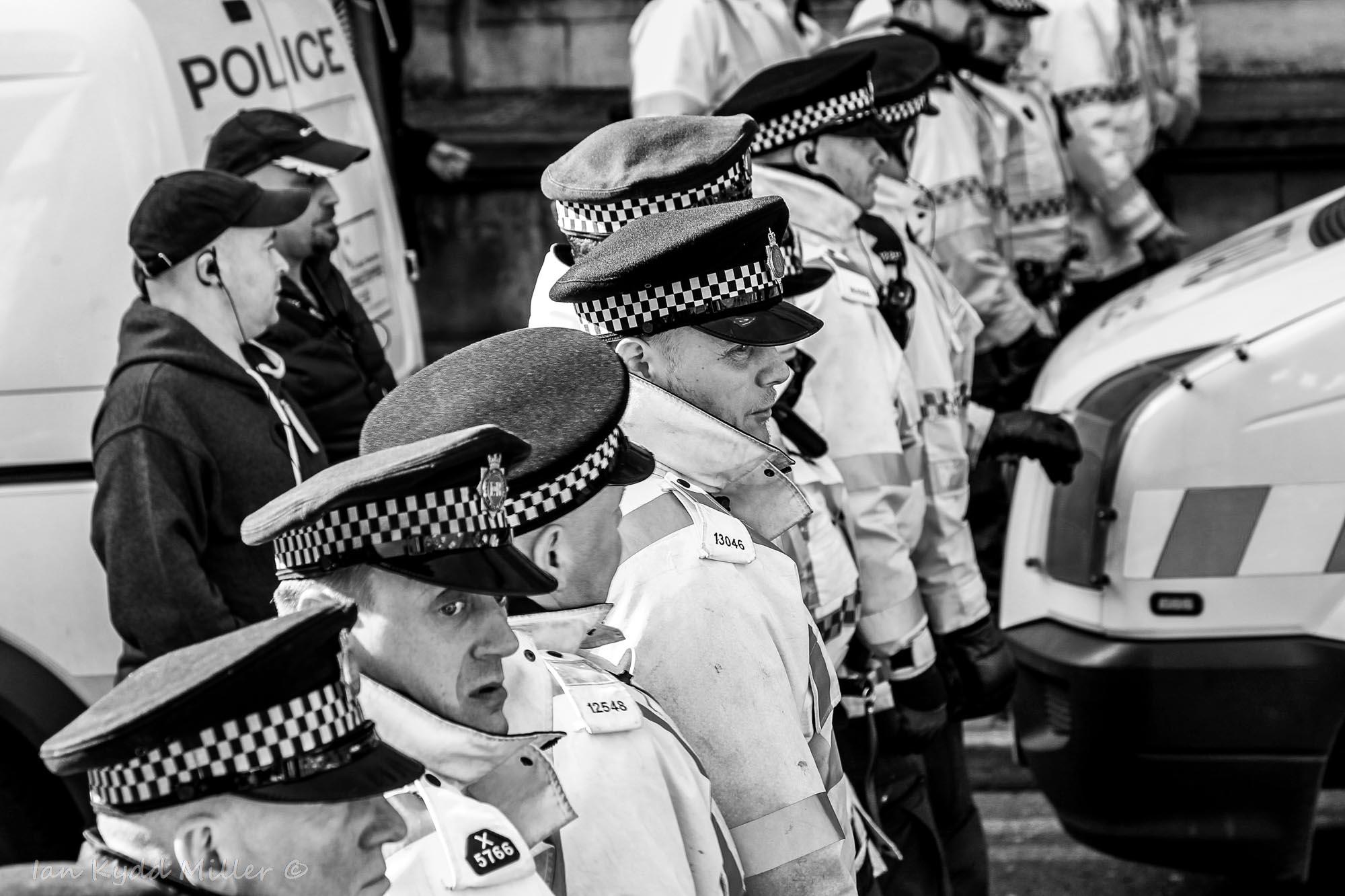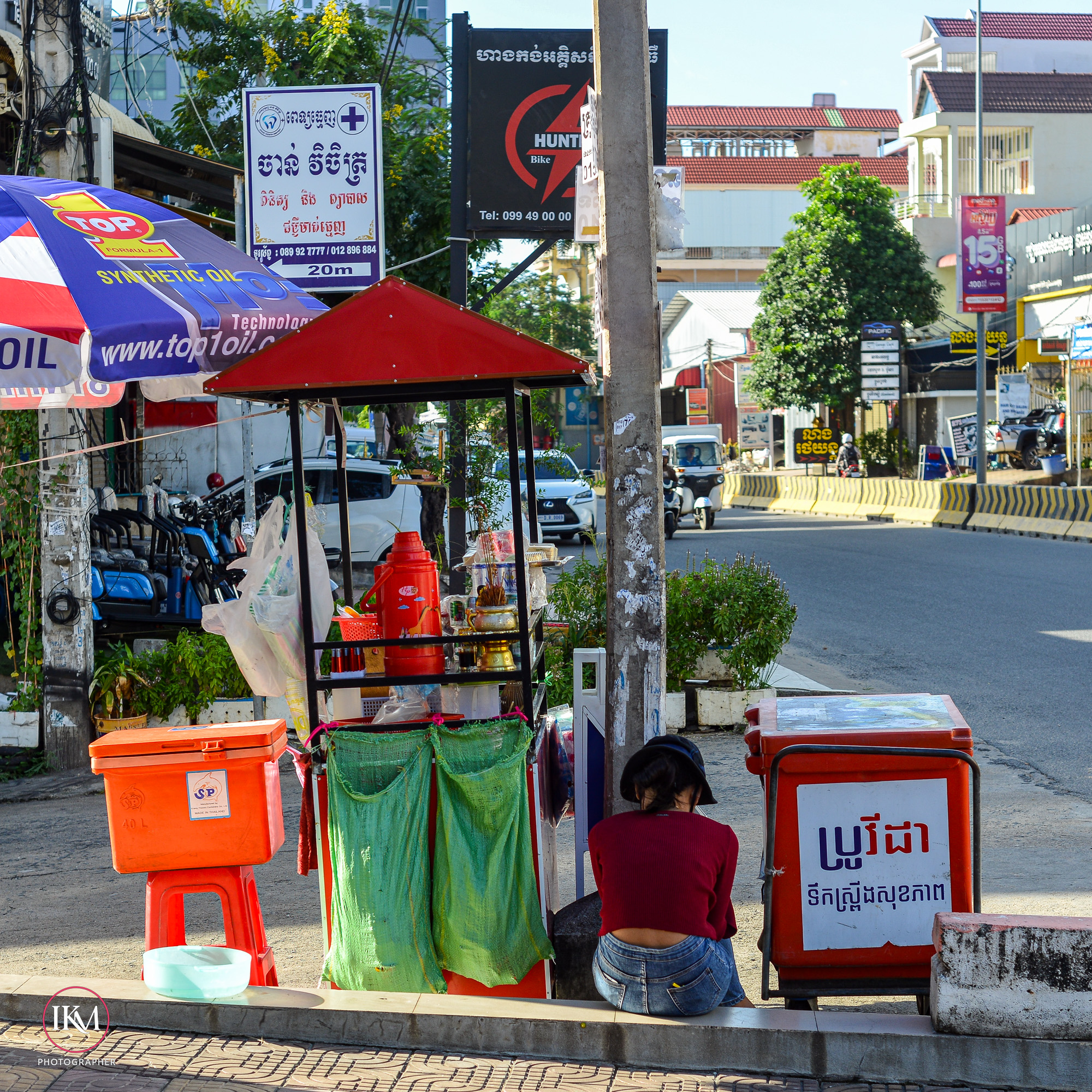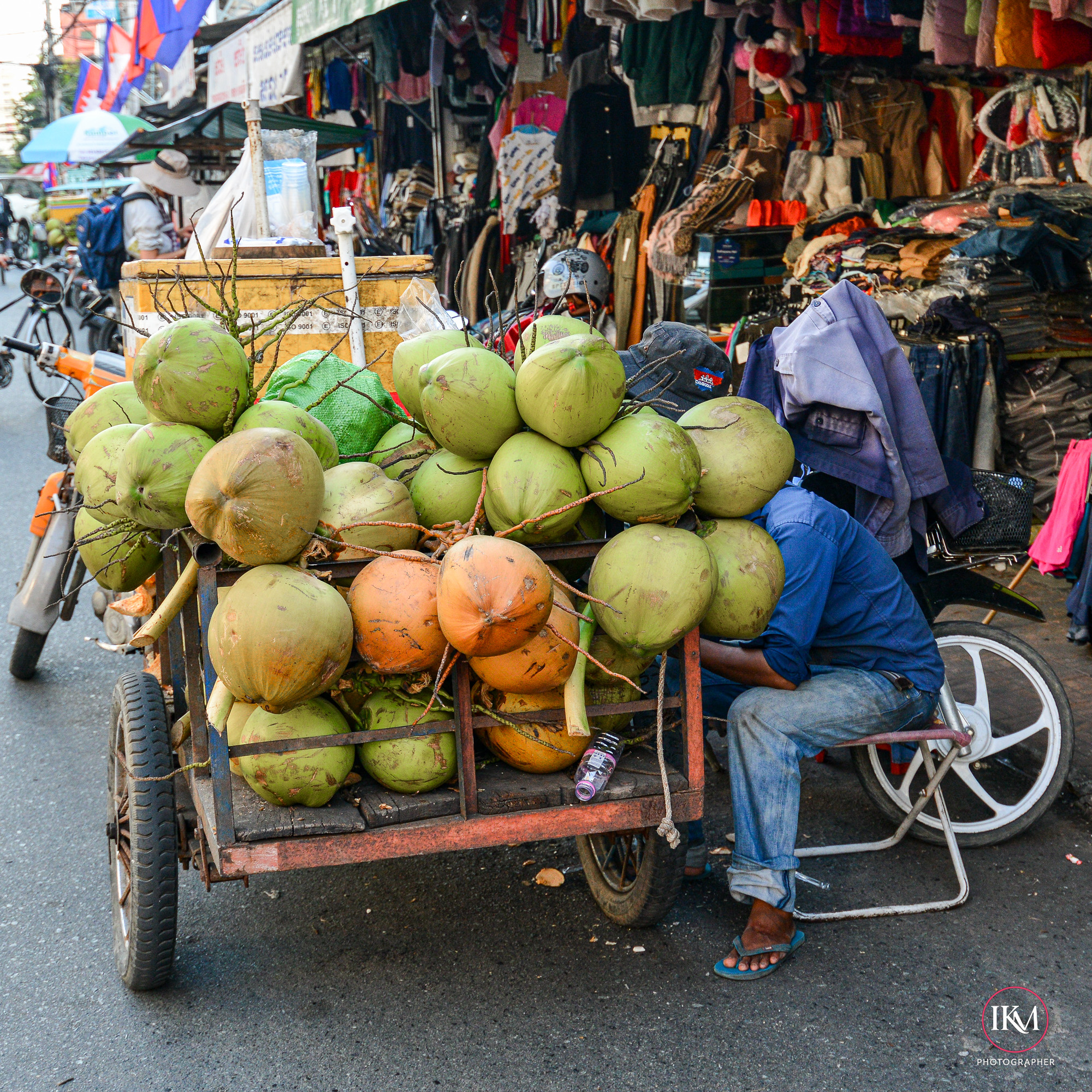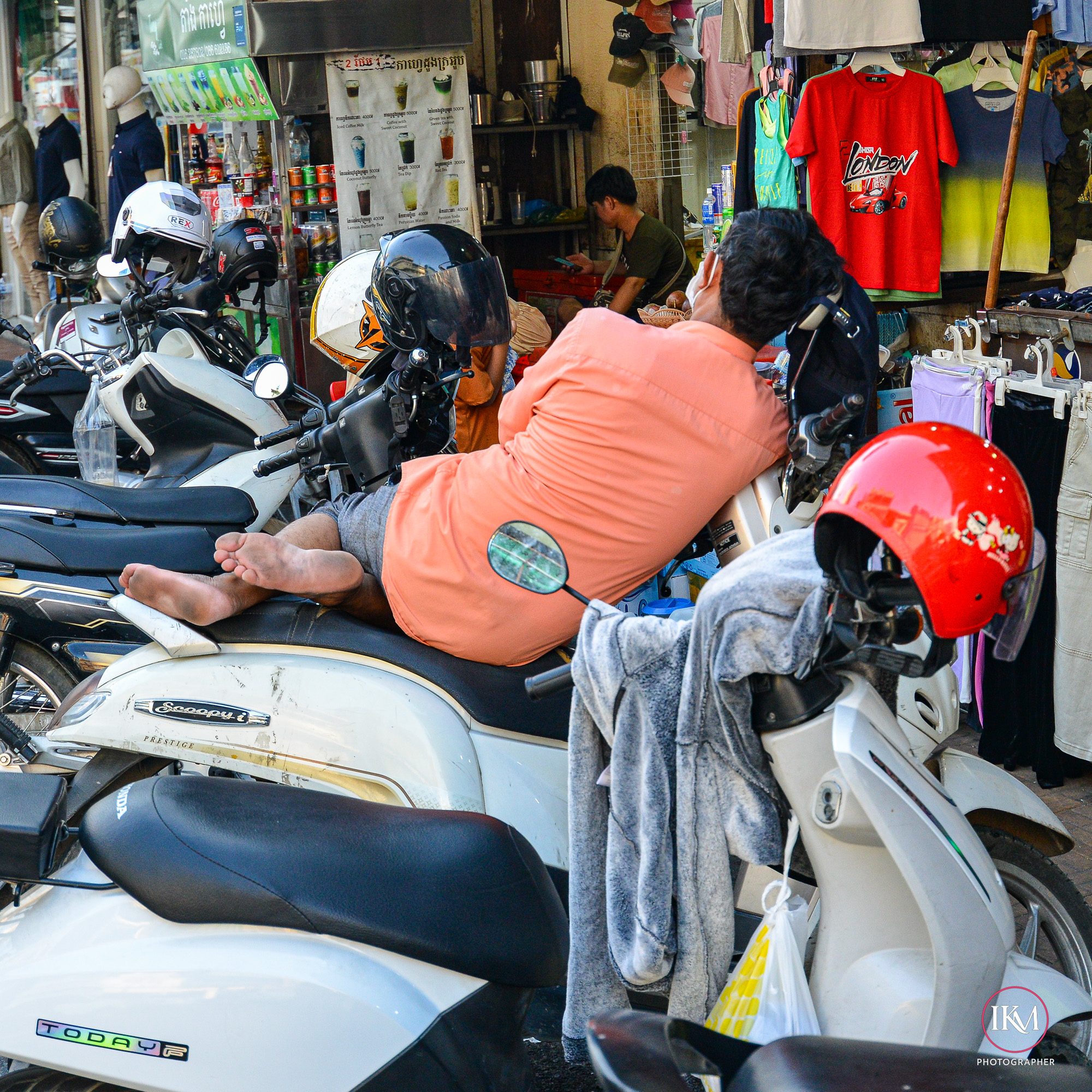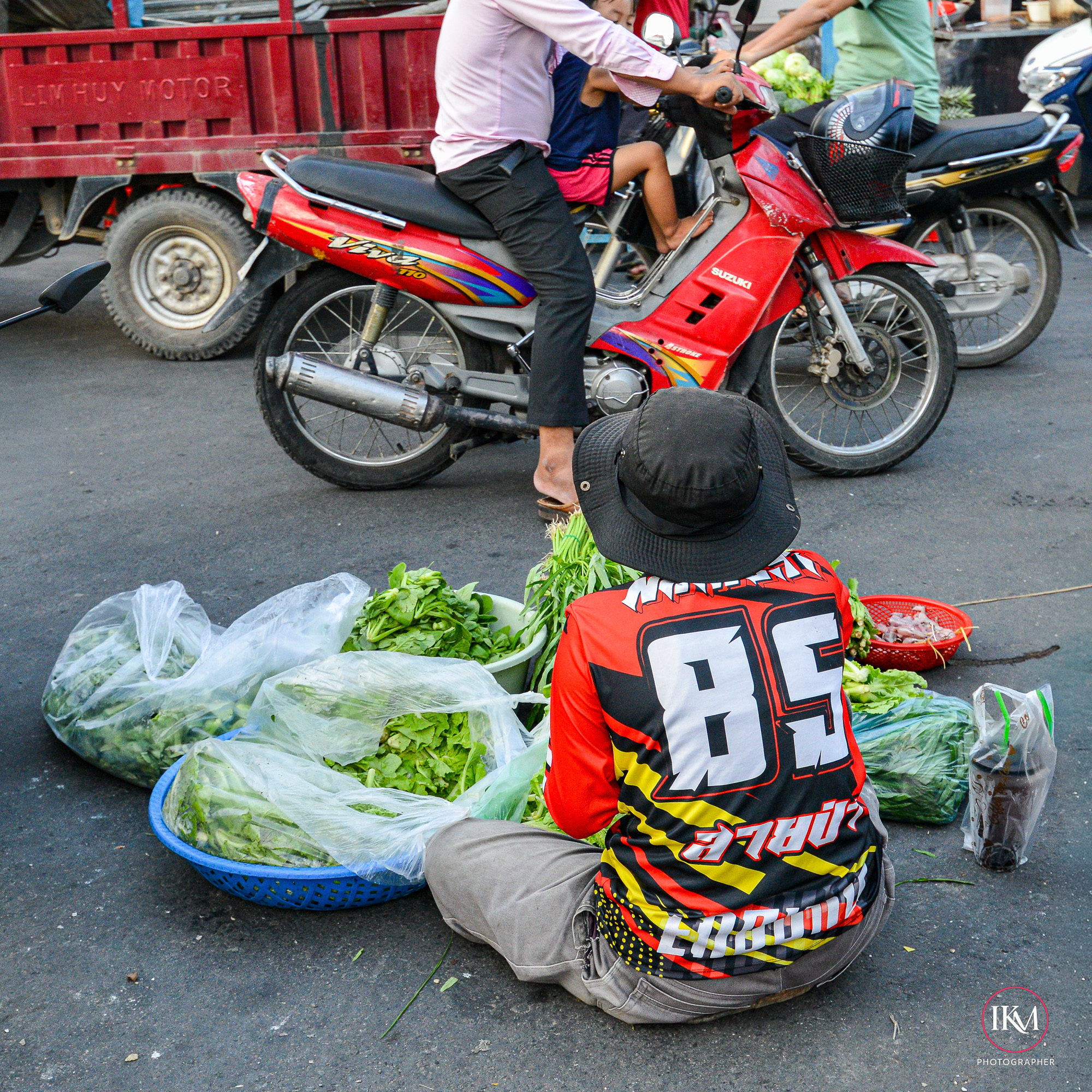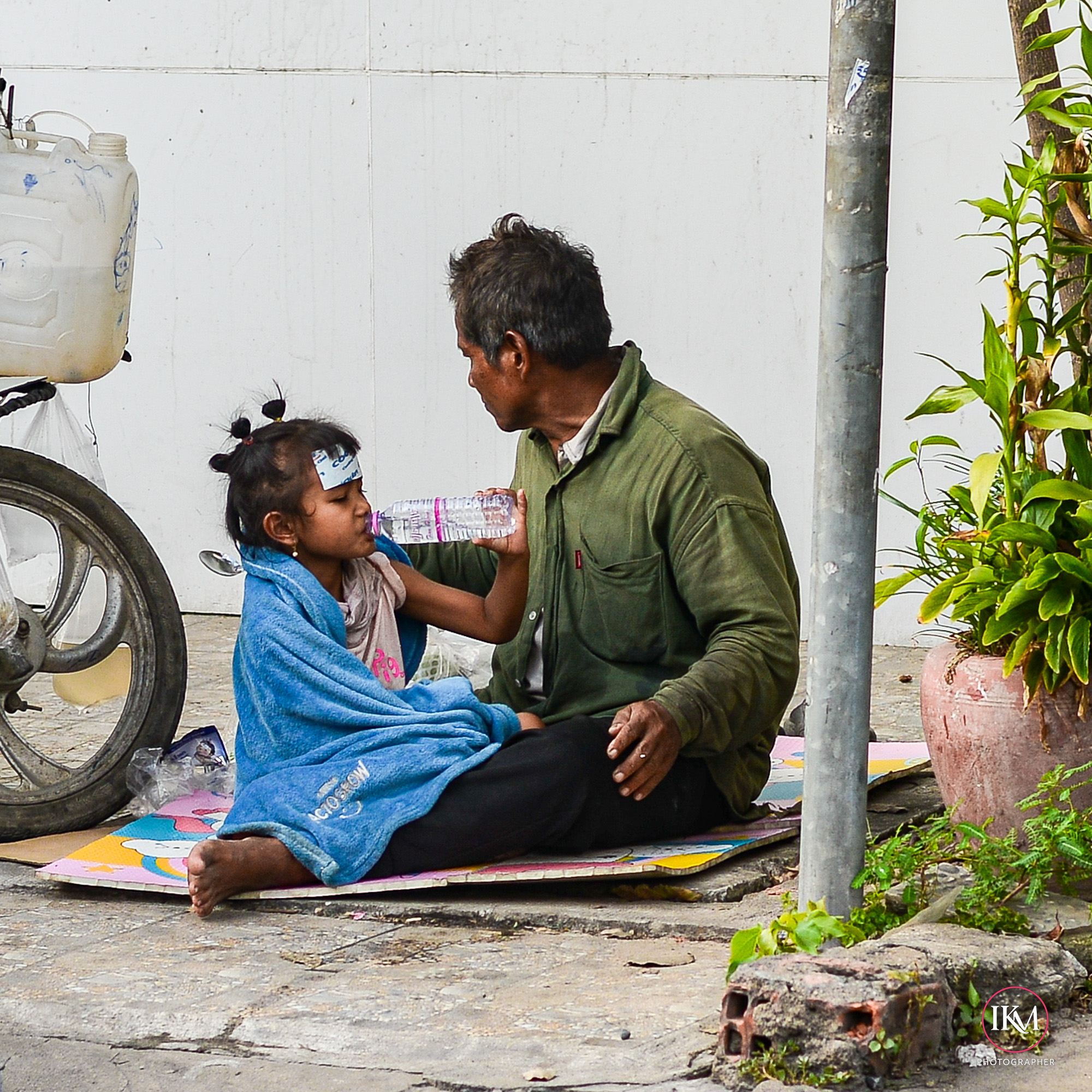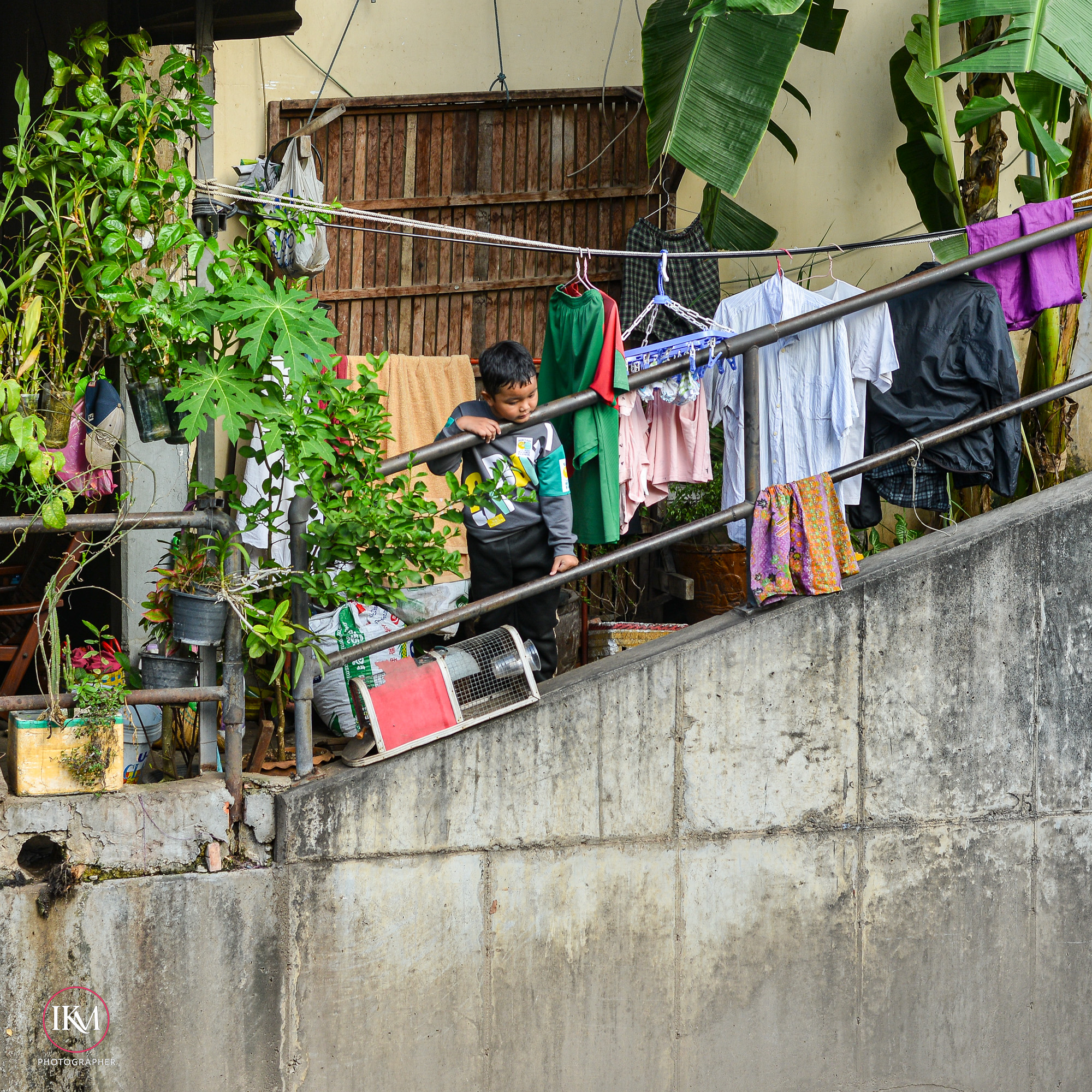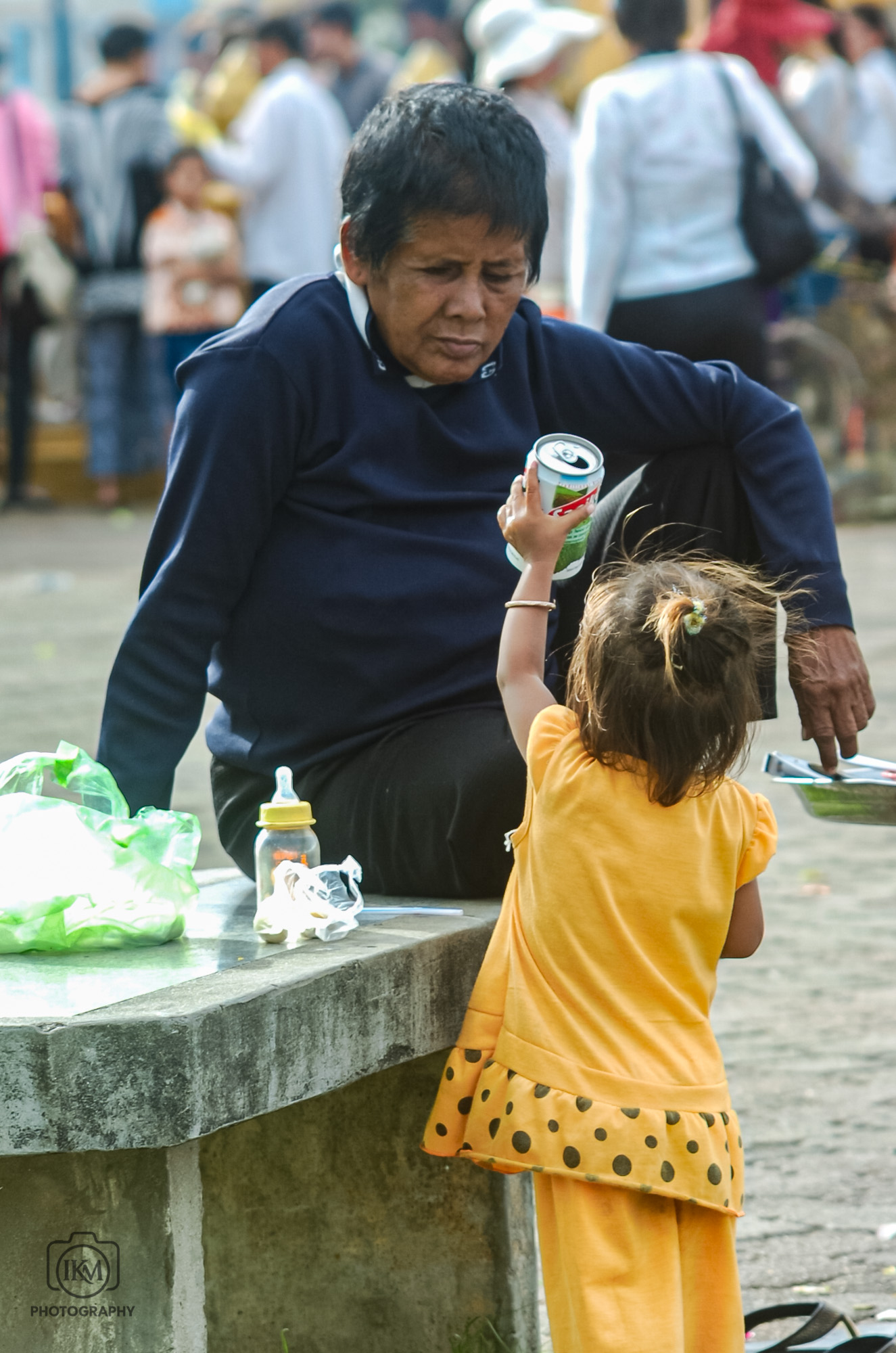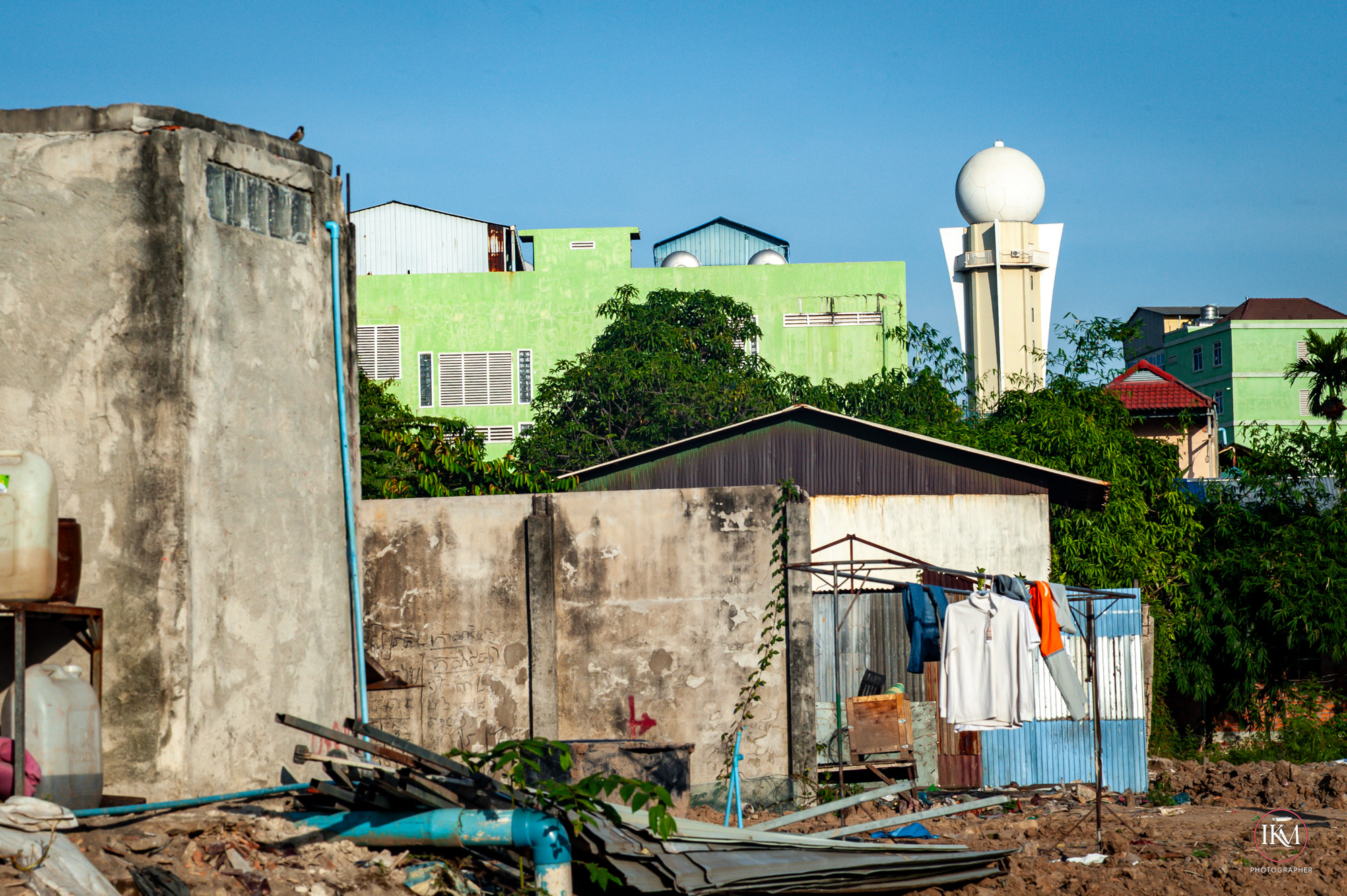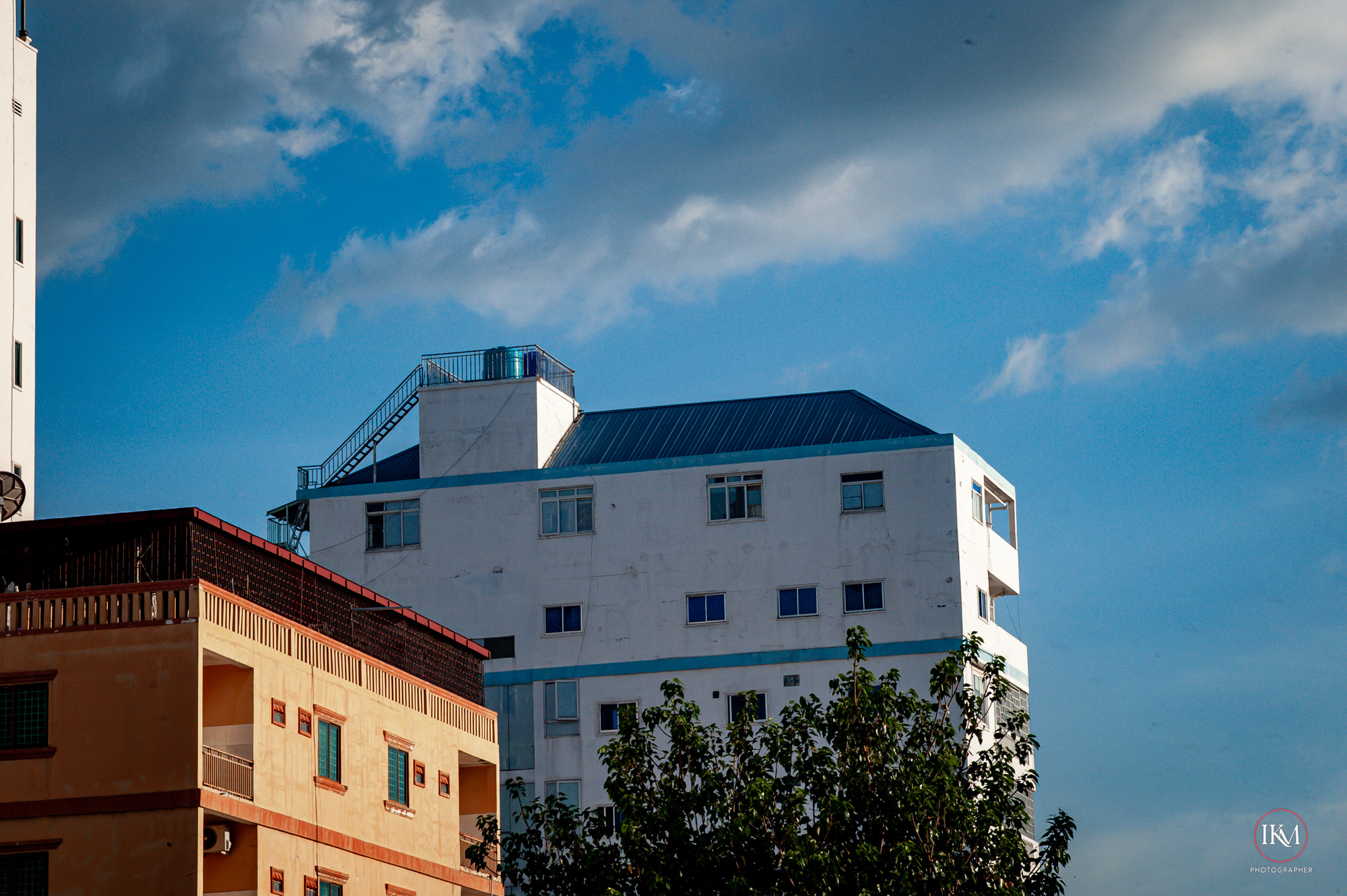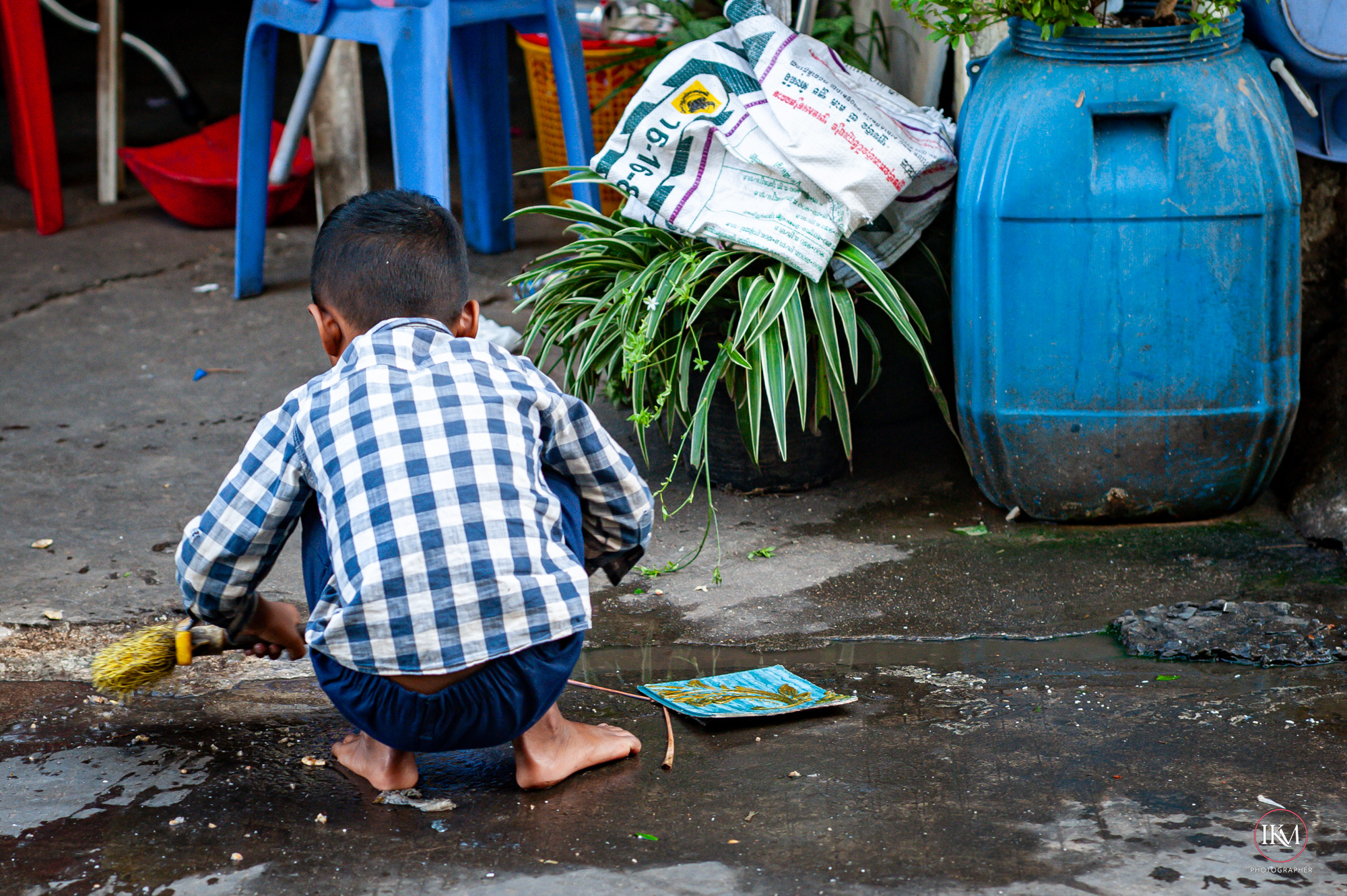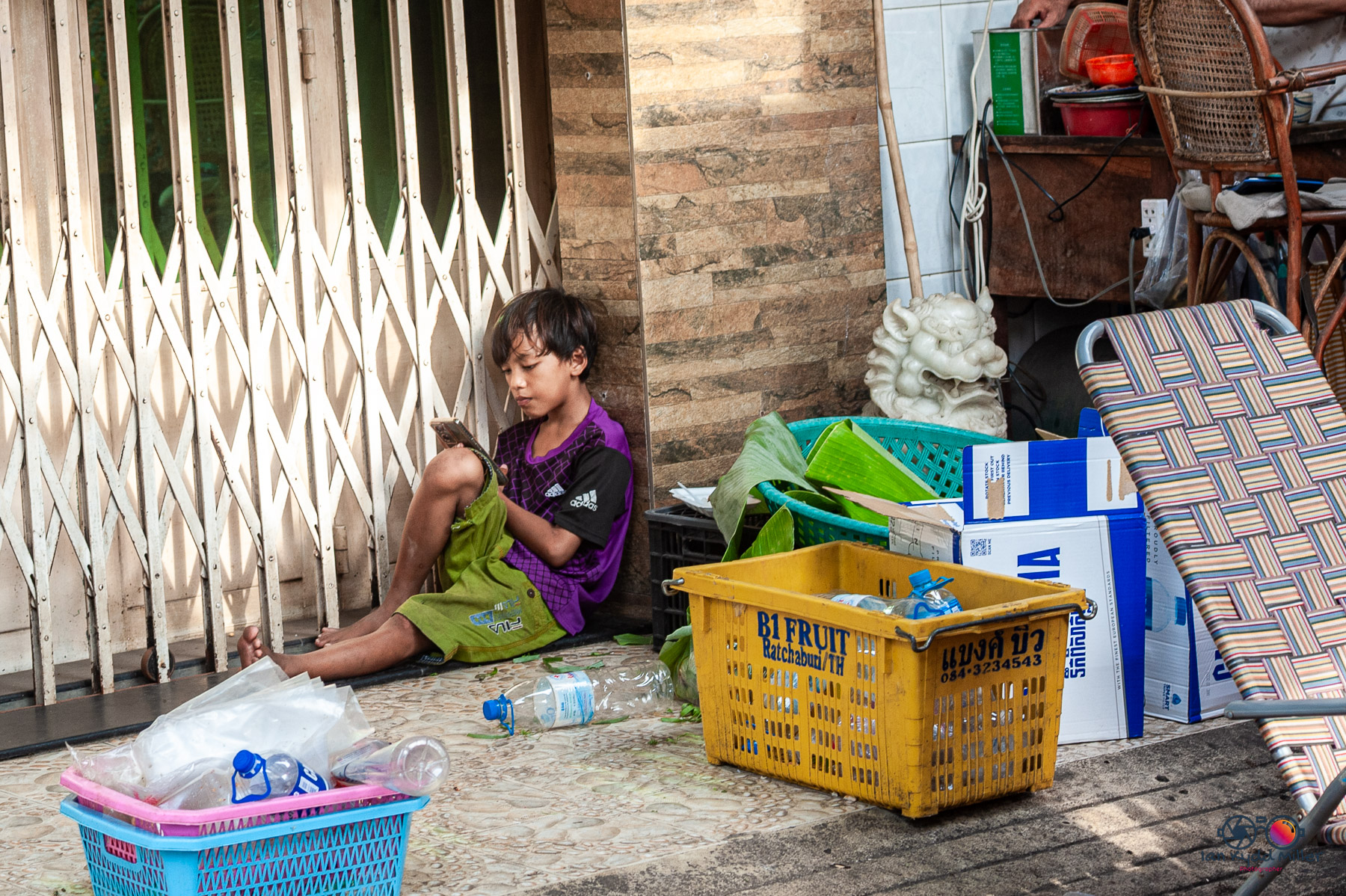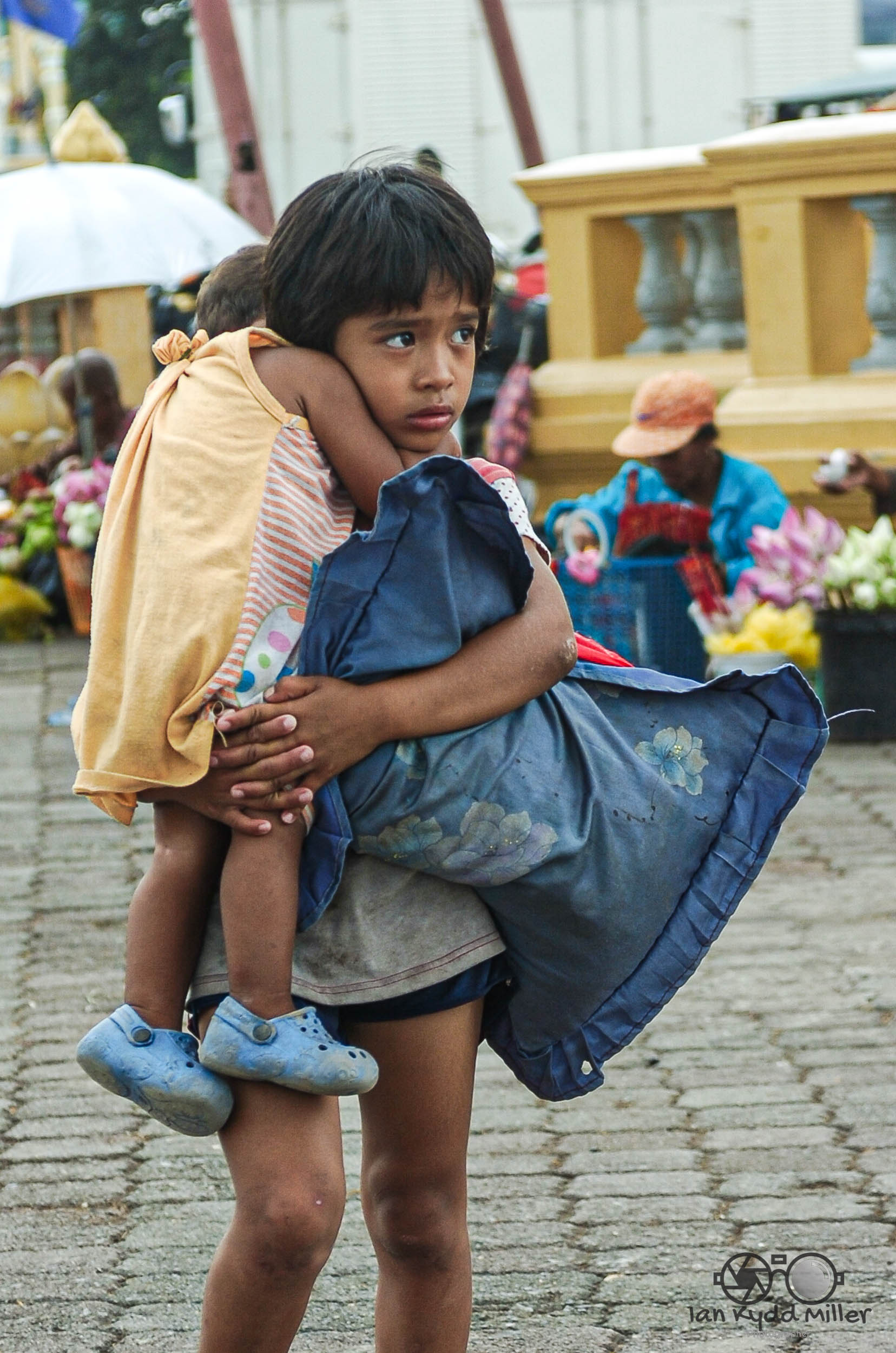
For me, printing has never been an optional extra. It has always been part of the act of making a photograph.
The camera is only the beginning. The file sitting on a hard drive is not the finished work any more than a manuscript saved on a computer is a finished book. A photograph does not fully exist until it leaves the screen and becomes a physical object.
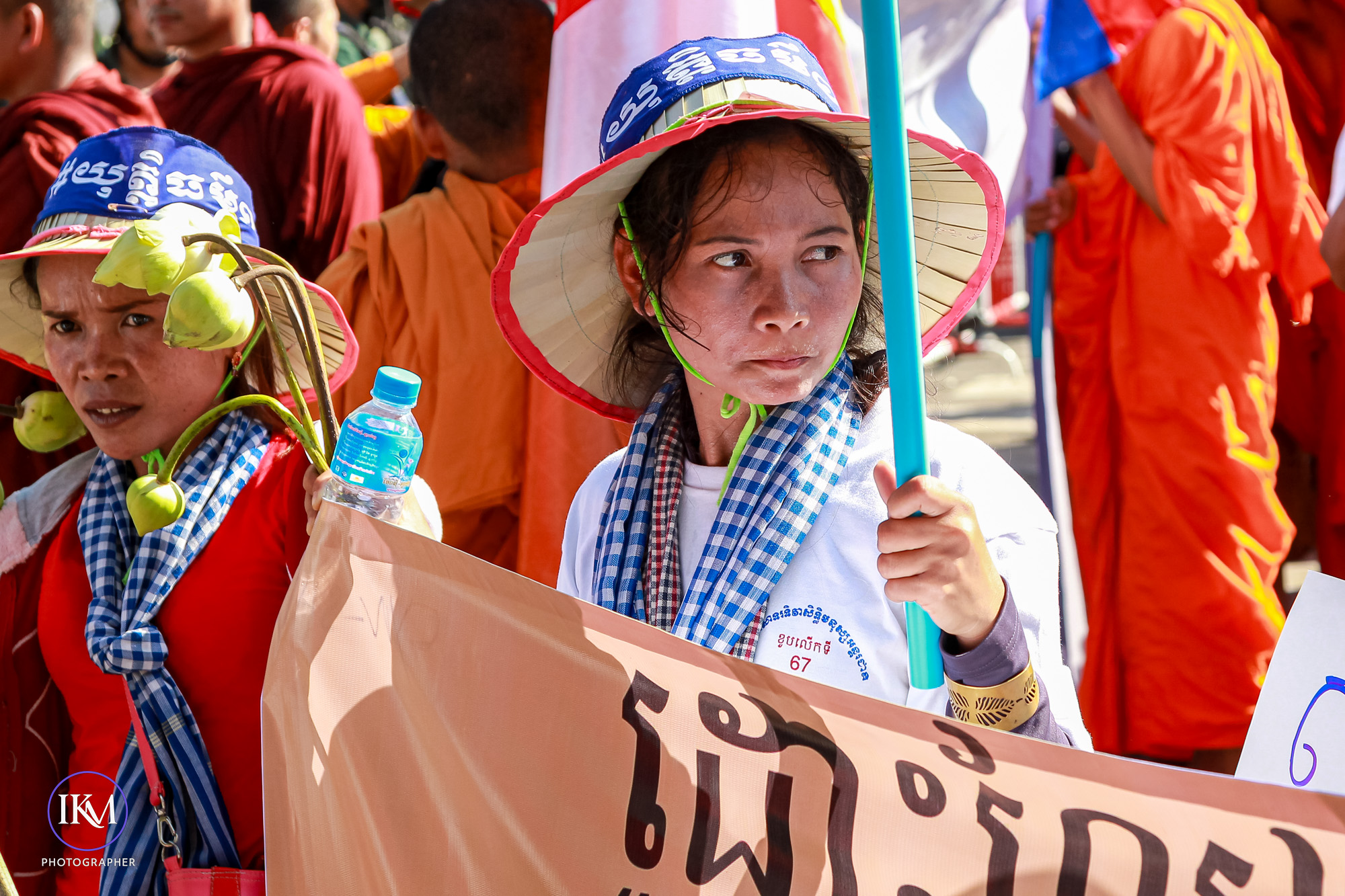
Printing forces a different kind of honesty. On a monitor, images can look impressive simply because they are backlit. Bright colours glow. Shadows appear rich. Sharpness can seem exaggerated. A print strips away some of those illusions. Suddenly you are confronted with the photograph itself. Does the composition work? Is the moment strong enough? Does the image still hold your attention when it is nothing more than ink on paper?
A print also slows the viewing process. We live in a world where photographs are flicked past in fractions of a second. Social media encourages endless scrolling, endless consumption, endless forgetting. A print asks something different of the viewer. It occupies physical space. It can be held, framed, pinned to a wall, placed in a portfolio, revisited years later. It has a permanence that digital images often lack.
As a photographer, I have learned more from looking at my own prints than I ever have from looking at thumbnails on a screen. Weak photographs reveal themselves quickly. Images I once thought were successful suddenly appear shallow or cluttered. Conversely, some photographs that seemed ordinary on a monitor come alive in print, revealing subtleties of tone, texture and emotion that I had overlooked.
Printing also creates a tangible connection to photography’s history. Every great photographer from Henri Cartier-Bresson to Dorothea Lange ultimately worked toward the print. Their photographs existed as objects that could be held, exhibited, archived and passed between generations. There is something deeply satisfying about participating in that tradition.
Perhaps most importantly, prints survive. Hard drives fail. Websites disappear. Social media platforms rise and fall. Algorithms bury yesterday’s work beneath today’s noise. Yet a well-made print sitting in a box, portfolio or frame can still be discovered decades from now. It can outlast the technology used to create it.
That is why printing has always been part of the process for me. The photograph is not complete when I press the shutter. It is not complete when I edit the file. It becomes complete when it exists in the real world as something I can hold in my hands and live with over time. The print is not a by-product of photography. It is, and always has been, one of its final destinations. ๐ท๐จ๏ธ
Theyโre not saying Cambodians are scammers. Theyโre reacting to the sense that Cambodia has become a permissive environment for scams, especially compared with its neighbors.
The label spread through:
travel forums
expat communities
Chinese & Southeast Asian social media
investigative reporting on cyber-fraud
๐๏ธ 1. A regional hub for industrial scam operations
Cambodia is now internationally linked to large-scale scam compounds, especially:
romance scams
crypto / โpig-butcheringโ fraud
fake trading platforms
online gambling
Key locations often mentioned:
Sihanoukville
Poipet
Bavet
Phnom Penh outskirts
These arenโt petty consโtheyโre organized, transnational operations, often run by Chinese crime syndicates.
Critically:
many โworkersโ are trafficked or coerced
passports confiscated
violence used to enforce quotas
So Cambodia appears in UN reports, NGO briefings, and international media again and again.
๐๏ธ 2. Weak enforcement and selective protection
Cambodia has anti-fraud laws. The issue is enforcement that looks uneven and politicized.
Common perceptions:
some compounds raided, others untouched
owners linked to political or military elites
bribes settling investigations
victims afraid to report crimes
This creates the idea that scams are tolerated as long as powerful people benefit.
That perceptionโmore than raw crime numbersโdrives the nickname.
None are unique to Cambodiaโbut the frequency and lack of recourse make them memorable.
Travelers warn each other. The term sticks.
๐ 4. Sihanoukville did lasting reputational damage
Sihanoukville became shorthand for:
casino boom chaos
money laundering
human trafficking cases
abandoned mega-projects
violent incidents
For many outsiders:
Cambodia โ Sihanoukville โ scams
Thatโs unfairโbut reputations donโt wait for nuance.
โ๏ธ The part people miss
Most Cambodians gain nothing from scams.
Many actively resent them.
The stigma hurts ordinary people and small businesses.
โScambodiaโ targets the wrong level of the problem. The real issue is transnational crime + elite protection, not the population.
๐ง Bottom line
Cambodia gets called โScambodiaโ because:
it hosts visible, large-scale scam infrastructure
enforcement appears selective
foreigners frequently encounter fraud
one city poisoned the countryโs image
The nickname is crude, lazy, and unfairโ but itโs rooted in real, systemic failures, not pure prejudice.
Which scams are most common where
How enforcement compares (Cambodia vs Thailand vs Vietnam)
Why the โScambodiaโ label spreads
Whatโs real vs. perception
๐ 1) Common Scam Types โ Cambodia vs Thailand vs Vietnam
Scam Type
Cambodia
Thailand
Vietnam
Industrialized cyber-fraud compounds
๐ฅ Very high (organised, large-scale)
๐ก Rare / small scale
Crypto / โpig butcheringโ hubs
๐ฅ Big presence
๐ก Some cases
๐ก Some cases
Online gambling/betting rings
๐ฅ Large operations
๐ก Smaller
๐ก Smaller
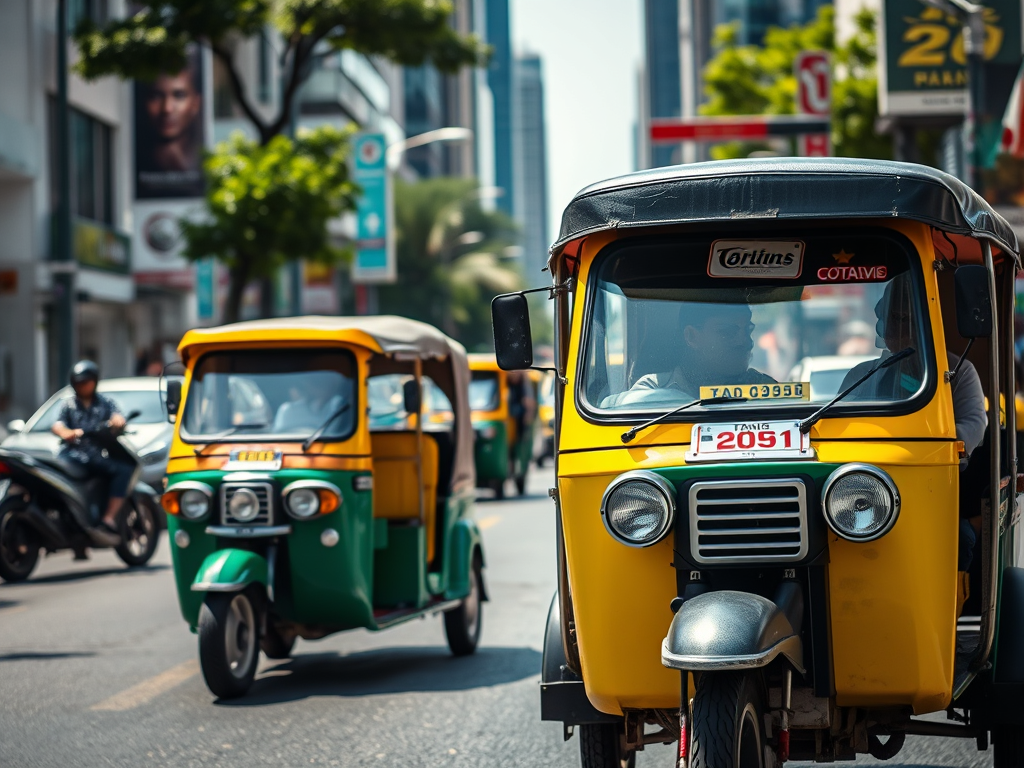
Tourist cons (fake fines, tuk-tuk switching)
๐ก Frequent
๐ต Frequent
๐ต Frequent
Romance / investment scams targeting foreigners
๐ฅ High
โช Mostly offshore, not physically based
โช Mostly offshore
Legend: ๐ฅ Very common / prominent ยท ๐ก Moderate ยท ๐ต Common tourist annoyances ยท โช Less organized locally
๐ Why Cambodia stands out: It isnโt just that scams exist โ but that there are factory-style scam operations, often in compounds staffed with dozens or hundreds of people working shifts.
๐ 2) Enforcement & Government Response โ Country Comparison
๐ฐ๐ญ Cambodia
โ Has laws against fraud โ Enforcement often seen as uneven or slow โ Some facilities linked to powerful local interests โ Police raids happen โ but critics say theyโre inconsistent
Perception effect: People see stories of scam hubs operating for months/years with little visible consequence, so it feels like tolerance.
๐น๐ญ Thailand
โ Generally stronger tourism infrastructure โ Scam prosecutions more visible โ Tourist scams still common (tuk-tuk, tours, fake fees) โ Online scam syndicates exist, but less studied
Perception effect: Thailand still gets warnings like โdonโt fall for XYZ scamโ โ but it doesnโt have the same level of organized, compound-style operations on-the-ground.
๐ป๐ณ Vietnam
โ Improved enforcement in recent years โ Online scam networks exist but are more dispersed โ Tourist scams still happen (motorbike rentals, fake fines, overcharging)
Perception effect: Vietnamโs scams are often more โstreet-levelโ or digital, rather than big physical compounds.
๐ง 3) Why the โScambodiaโ Label Spreads
There are a few real social mechanisms behind the nickname:
๐งณ A. Travel stories go viral
One traveler gets burned on a tour or tuk-tuk scam, posts it online โ others upvote and share.
๐ These stories are memorable, spread fast, and give an emotional impression.
๐ฐ B. International media coverage
News reports and NGO investigations have spotlighted:
large scam compounds
trafficking into scam factories
crypto crime hubs
Even if the crimes arenโt all Cambodian nationals, Cambodia gets named because they physically operate there.
๐ฑ C. Expat & social media echo chambers
Forums focused on scams, crypto fraud, or safety tend to attract negative stories, which can amplify perception.
It becomes:
โI heard about another scam in Cambodia โ must be everywhere!โ
Repeat that hundreds of timesโฆ and the nickname takes hold.
โ ๏ธ 4) Whatโs Real vs Perception
โ Real
Organized scam operations really have existed in Cambodia
Enforcement has sometimes been slow or selective
Foreign victims report frequent fraud
โ Not true
That all Cambodians are scammers
That Cambodia is uniquely โfraud-friendlyโ compared to every country
That scammers are locals in all cases (many are trafficked workers)
So the nickname is a social perception shortcut, not a fair national label.
๐งฉ 5) Root Causes Behind Cambodiaโs Scam Problem
Hereโs the deeper context people often miss:
โ๏ธ Economic drivers
Limited formal jobs
Some young people drawn to online hustles
๐ฐ Demand from abroad
These scams often target victims in other countries โ thatโs why media buzz is so loud.
๐ค Organized networks
Not individuals operating in markets โ but organized groups, sometimes with political or economic protection.
๐จ Law enforcement capacity
The legal framework exists โ but resources, training, and political will vary.
๐ฏ Summary โ Why โScambodiaโ Caught On
โจ It reflects a perception of lax enforcement + large scam hubs. Butโฆ
โ Itโs unfair as a national label โ Cambodia is more than that. The scams are symptoms of regional crime networks + governance challenges, not an expression of Cambodian society.
๐ฐ๐ญ Cambodia: What Travelers Should Actually Watch Out For
๐ 1. Visa & border nonsense (most common first hit)
โ ๏ธ What happens
โExtra feesโ invented at land borders
Claims your visa is โwrongโ or โexpiredโ
Pressure to pay to โfixโ paperwork
โ What to do
Use official e-visa sites only
Print everything
Be calm, polite, and boring
Ask for a receipt โ magic word
๐ If itโs fake, asking for paperwork often ends it.
๐ 2. Transport tricks (annoying, not dangerous)
โ ๏ธ What happens
Tuk-tuk driver agrees on price โ changes destination
Taxi meter โbrokenโ
Airport ride suddenly doubles
โ What to do
Use Grab / PassApp whenever possible
Confirm destination + price clearly
Pay after arrival
๐ Most drivers are honest โ but donโt rely on vibes.
๐จ 3. Accommodation & deposits
โ ๏ธ What happens
Landlord keeps deposit
โDamageโ appears at checkout
Different room than advertised
โ What to do
Take photos on check-in
Use platforms with dispute systems
Avoid paying deposits in cash for short stays
๐ If thereโs no paper trail, thereโs no leverage.
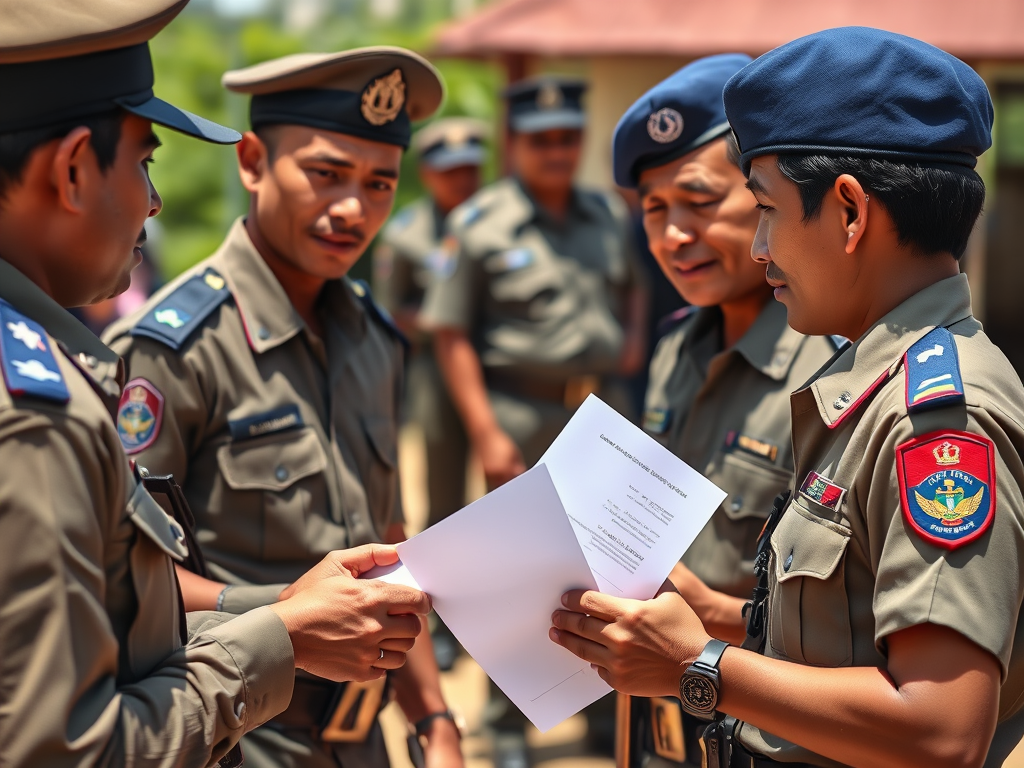
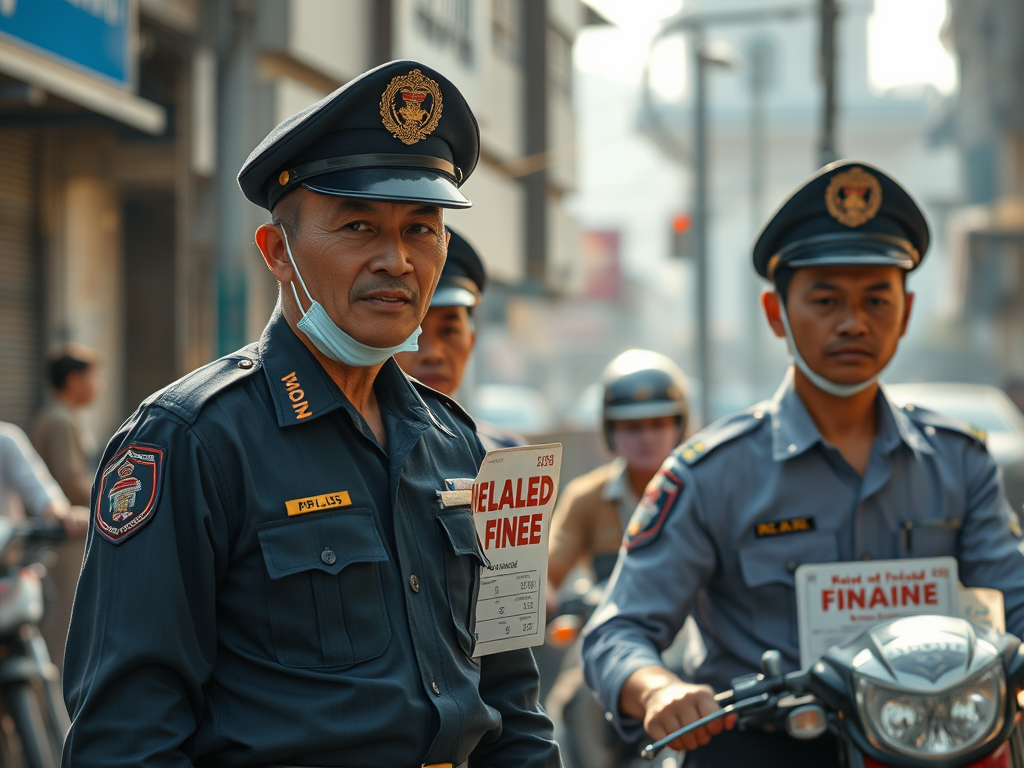
๐ฎ 4. Fake or inflated police fines (rare, but real)
โ ๏ธ What happens
Claimed traffic or visa violation
โPay now or go to stationโ
No ticket, no ID, no paperwork
โ What to do
Ask for written citation
Ask to go to the police station
Stay polite and slow
๐ Real police donโt mind paperwork. Fake ones hate it.
๐๏ธ 5. Tours, tickets & โofficialโ guides
โ ๏ธ What happens
Fake bus or boat tickets
โClosed site โ alternative tourโ
Extra fees at attractions
โ What to do
Book through hotels or known operators
Check opening hours online
Avoid on-street โhelpersโ
๐ If someone approaches you unsolicited โ pause.
๐ฑ 6. Money, exchange & payment traps
โ ๏ธ What happens
Torn USD bills rejected
Short-changing at exchange
โWrong changeโ in busy moments
โ What to do
Carry clean USD bills
Count change out loud
Use ATMs inside banks
๐ Cambodia runs on USD โ but only pristine notes.
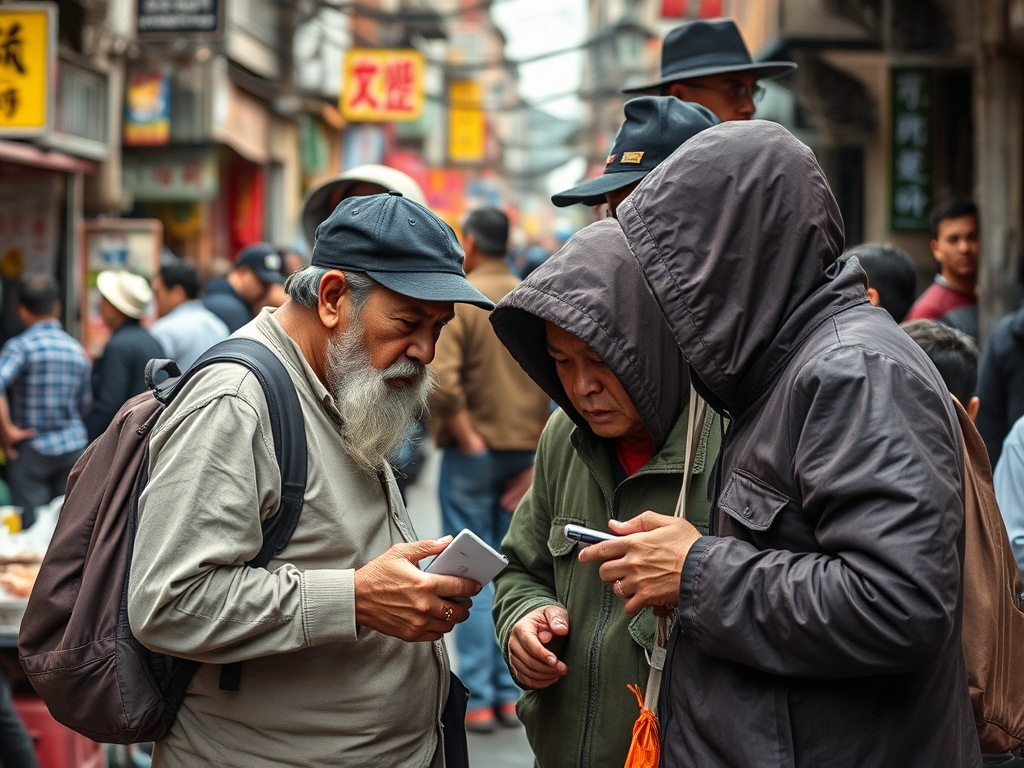
๐ฑ 7. Digital & online scams (less touristy, but growing)
โ ๏ธ What happens
Tinder / Instagram crypto pitches
โInvestment tipsโ from new friends
Fake job or volunteer offers
โ What to do
Never invest via WhatsApp/Telegram
Donโt trust โinsiderโ trading apps
Walk away early โ no explanations
๐ If it feels like a script, it probably is.
๐ง 8. The real danger: politeness pressure
This is the biggest mistake travelers make.
โ ๏ธ What happens
You donโt want to offend
You donโt want to look rude
You hesitate too long
โ What to remember
Being calm โ being compliant
You can say no without drama
Slowing things down protects you
๐ Scams rely on momentum. Kill the momentum.
๐ข What not to worry about (seriously)
โ Random violence โ Being kidnapped โ Everyday people targeting you โ Walking around cities by day
Cambodia is generally safe, especially compared to the reputation online.
๐งญ Travelerโs 5-Rule Cheat Sheet
Paper beats stories
Apps beat street deals
Slow beats fast
Photos beat memory
No receipt = no payment
Final truth ๐ฌ
If you travel Cambodia alert but relaxed, youโll likely have:
warm interactions
incredible food
rich history
zero serious problems
The scams exist โ but theyโre avoidable, shallow, and rarely dangerous. Generally Cambodians people are friendly and helpful.
In an age of infinite scroll and instant capture, photographs risk becoming disposable. The Slow Archive is a counterโmovement: a deliberate practice of rediscovery, where images are not consumed but contemplated, not forgotten but reclaimed. It is about slowing down to see again โ to reclaim vision from speed.
Rediscovering Photographs
Beyond immediacy: Digital culture often reduces photographs to fleeting impressions. Rediscovery means returning to images with patience, allowing them to reveal layers missed in the moment.
The tactile return: Printed contact sheets, marked negatives, and weathered photo albums remind us that photographs are not just files โ they are artifacts.
Memory as archive: Rediscovery is not nostalgia; it is an act of reโreading, where photographs become texts that shift meaning over time.
Reclaiming Vision
Against speed: Vision is diluted when images are consumed at the pace of algorithms. Reclaiming vision means resisting the demand for immediacy.
Seeing atmospheres: A slow gaze restores atmosphere โ shadows, textures, gestures โ the overlooked details that give photographs resonance.
Ethics of attention: To reclaim vision is to honour subjects, contexts, and histories, rather than flatten them into content.
The Practice of the Slow Archive
Curate deliberately: Select images not for clicks but for clarity, atmosphere, and focus.
Revisit regularly: Allow photographs to evolve in meaning as time reframes them.
Print and preserve: Physical archives resist the ephemerality of digital feeds.
Narrate context: Pair images with stories, captions, or timelines that anchor them in lived experience.
Editorial Resonance
For me, the Slow Archive is a natural extension of my lens triangle:
Clarity: Rediscovery sharpens what was blurred by time.
Atmosphere: Reclamation restores the mood and texture of overlooked frames.
Focus: Slow vision isolates meaning, cutting through noise.
It is also deeply Phnom Penh: a city where resilience cycles through erasure and rediscovery, where archives are not just collections but acts of survival.
Conclusion
The Slow Archive is not about resisting technology but about reclaiming agency. It is a manifesto for photographers, editors, and storytellers who believe that vision deserves time, that photographs deserve rediscovery, and that archives are not storage but living memory.
Verdict:To slow down is to see again. To archive is to reclaim vision.
Phnom Penh is often imagined through its riverside promenades, temples, and expat cafรฉs. Yet the cityโs essence lies in the places foreigners rarely visit โ the narrow lanes, bustling wet markets, and everyday neighbourhoods where life unfolds unfiltered. Many outsiders avoid these areas, guided by fear or unfamiliarity, but for me, wandering them has become a favorite pastime.
๐ค Encounters of Humanity
Each walk brings moments of connection: vendors offering smiles, children waving with delight, neighbours curious yet welcoming. Far from the imagined hostility, I find warmth and joy. The people are happy to see me, not because I am foreign, but because I am present โ willing to share space in their daily rhythm.

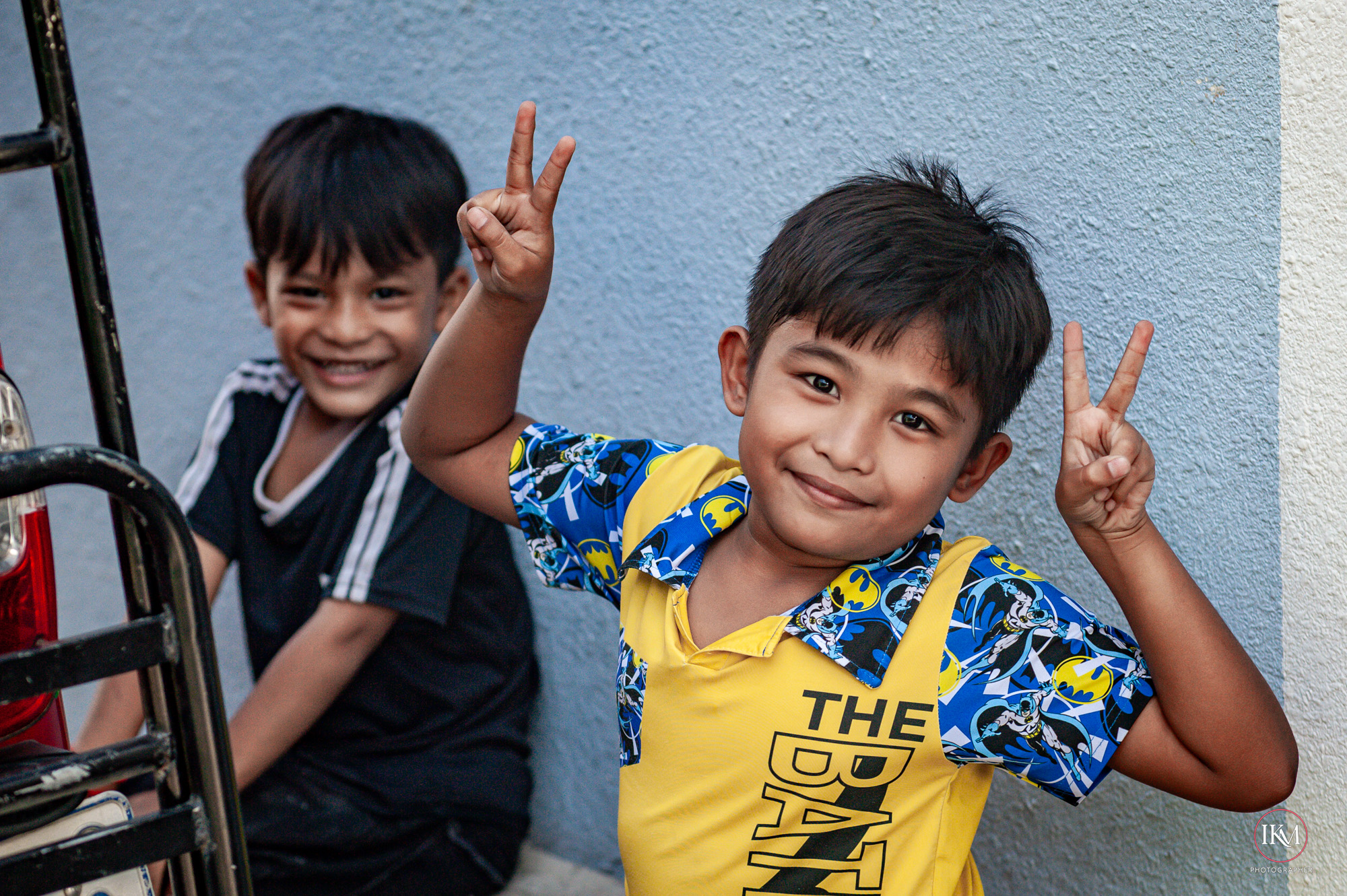
๐๏ธ Reframing Fear
The absence of foreigners in these areas is telling. Fear shapes perception, but reality often contradicts it. By stepping into overlooked corners, I discover not danger but dignity, not hostility but hospitality. The narrative of fear dissolves into lived experience of trust.
โจ Lessons in Wandering
Authenticity: The richest encounters happen away from curated tourist zones.
Humanity: Warmth and friendliness are constants, even in places outsiders avoid.
Perspective: Fear blinds us to beauty; presence reveals it.
๐ธ Closing Reflection
Wandering Phnom Penhโs lessโvisited areas is more than exploration โ it is an act of trust. It reminds me that ambiguity and absence are not voids to fear, but spaces where meaning emerges. In the overlooked corners of the city, I find friendship, resilience, and the quiet joy of human connection.
In Cambodia, the simple act of offering a Khmer greeting โ the sampeah โ carries deep cultural weight. Whether you meet a child, an elder, or someone in between, pressing your palms together and bowing slightly is seen not just as politeness, but as a gesture of respect and friendship.
โจ I have noticed โ that people light up when greeted in their own language โ is a reminder of how small acts of cultural recognition dissolve barriers. Itโs not about being fluent; itโs about showing you care enough to step into their world.
Photojournalism is often seen as passive documentationโa mirror held up to the world. But the most powerful photojournalism doesnโt just reflect; it provokes. It challenges assumptions, confronts injustice, and forces viewers to reckon with realities they might otherwise ignore. In this sense, photojournalism becomes an agent provocateurโa catalyst for dialogue, discomfort, and transformation.
๐ฅ Provocation with Purpose
Truth is not neutral: A photograph of a protest, a refugee camp, or a grieving parent is not just a recordโitโs a statement. It demands attention, empathy, and often, action.
Disruption is ethical when intentional: Provocative images must be rooted in truth, not sensationalism. The goal is not to shock for clicks, but to awaken conscience.
Emotional resonance drives change: Images that evoke anger, sorrow, or solidarity can mobilize public opinion, influence policy, and reshape cultural narratives.
โ๏ธ Ethical Boundaries of Provocative Imagery
Avoid manipulation: Cropping, staging, or misleading captions erode trust.
Respect subject dignity: Even when exposing injustice, subjects must be portrayed with humanity.
Context is critical: A provocative image without background risks misinterpretation or harm.
๐ ๏ธ How to Use Provocation Responsibly
Pair images with clear intent: What do you want the viewer to feel, question, or do?
Use restraint: Sometimes the most powerful image is the one that suggests rather than shows.
Engage in aftercare: Follow up with subjects, offer access, and monitor impact post-publication.
๐ง Final Thought
Photojournalism as agent provocateur is not recklessโitโs radical in its clarity. It dares to disturb, but never to distort. It holds power to account, amplifies the unheard, and reshapes public imagination. When guided by ethics and purpose, provocation becomes not just a toolโbut a responsibility.
A photo essay is a series of photographs that are intended to tell a story or evoke a series of emotions in the viewer. It is a powerful way to convey messages and narratives through visual storytelling. Crafting a compelling photo essay involves more than just selecting a series of images; it requires careful thought and planning. Here are some essential elements that contribute to the effectiveness of a photo essay:.
Theme or Narrative: The backbone of any photo essay is its theme or narrative. This is the central idea or story that you want to communicate to your audience. Whether it’s the daily life of a community, the impact of an environmental issue, or a personal journey, the theme should be clear and consistent throughout the essay.
Variety of Images: To maintain the viewer’s interest, include a variety of shots, such as wide, medium, and close-ups. This variety can help to provide context, focus on details, and develop the story. Different angles, compositions, and perspectives can add depth and richness to the narrative.
Emotional Impact: One of the most powerful aspects of a photo essay is its ability to evoke emotions. Whether itโs joy, sadness, surprise, or anger, the images chosen should have an emotional pull that resonates with viewers, prompting them to think and feel deeply about the subject matter.
Consistency: Maintaining a consistent style and tone throughout the essay helps reinforce the narrative. This could be achieved through a consistent colour scheme, subject matter, or point of view. Consistency aids in creating a cohesive story that flows smoothly from one image to the next.
Informative and Educational Value: Each photograph in the essay should offer something valuable to the viewer. This could be in the form of information about the subject, insights into a particular lifestyle, or educational content that provides a deeper understanding of the topic.
Captioning: While the images themselves are the main focus, captions can provide context and further information that may not be immediately evident in the photographs. Good captions are concise but informative, adding to the story without distracting from the images.
Opening and Closing Images: The first and last images of a photo essay are crucial. The opening image should grab the viewer’s attention and introduce the theme, while the closing image should leave a lasting impression, providing closure and reflecting on the overall narrative.
Pacing and Structure: Just like in written essays, the pacing and structure of a photo essay are important. The arrangement of images should be intentional, guiding the viewer through the story in a logical and emotionally impactful way.
Accessibility: The subject matter of the photo essay should be accessible to the photographer. This means choosing a topic that is within reach, both literally and figuratively, allowing for a more intimate and genuine portrayal of the subject.
In conclusion, a good photo essay is not just about the photographs, but also about how they are put together to tell a story. It’s about the thought process behind the selection of images, the arrangement, and the way they are presented to evoke a response from the viewer. With these elements in mind, anyone can create a photo essay that is both visually stunning and narratively powerful.