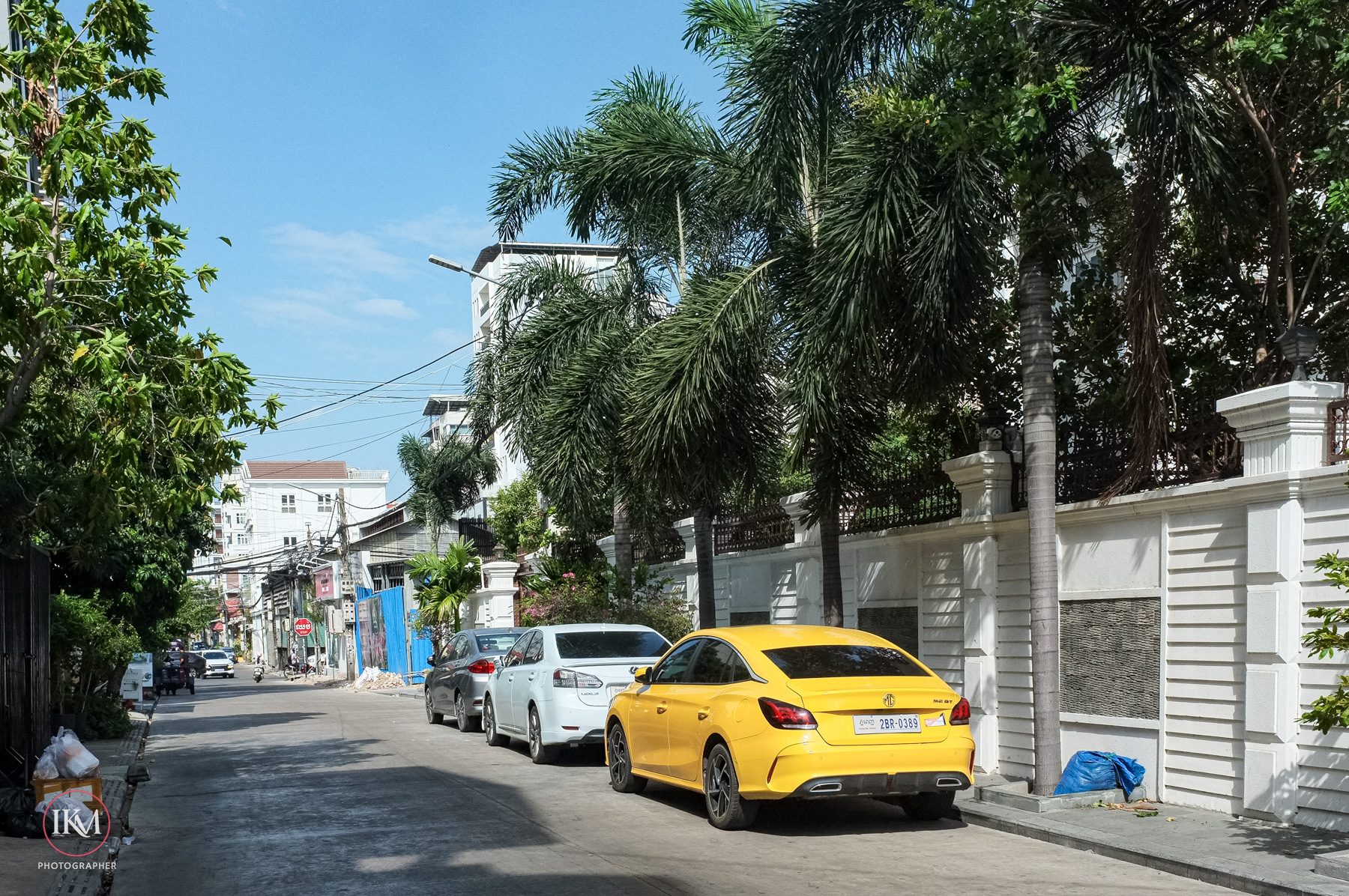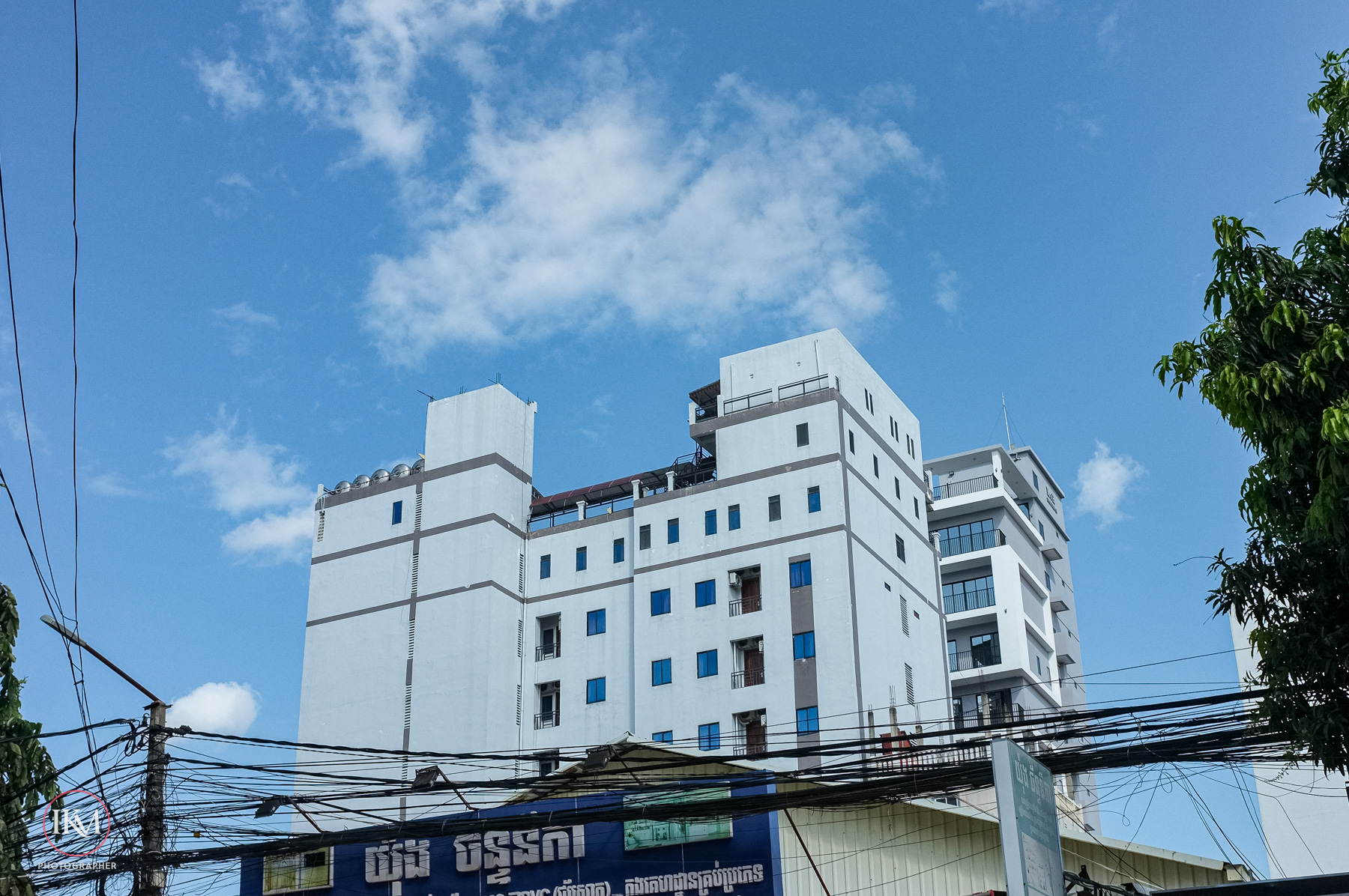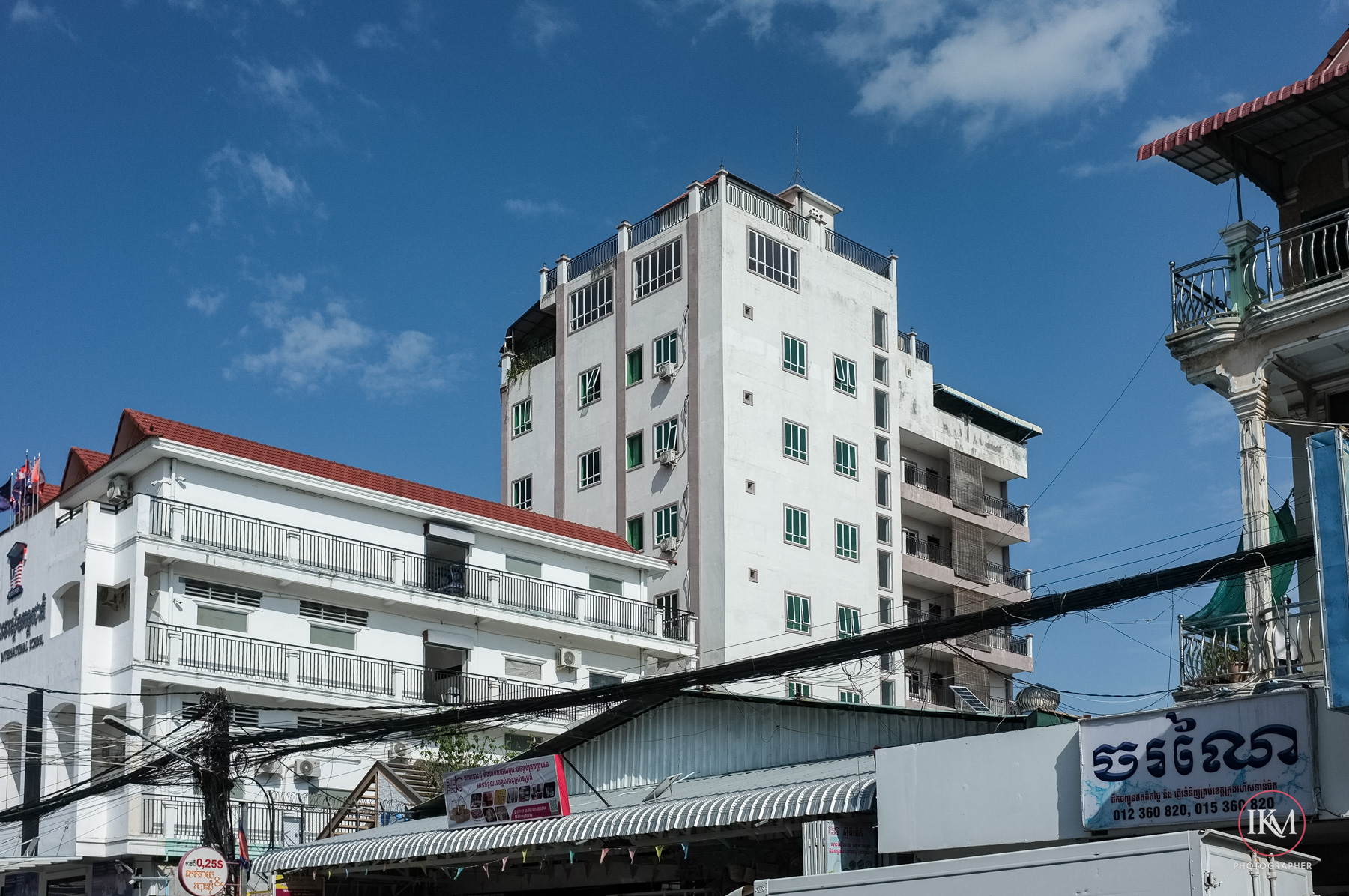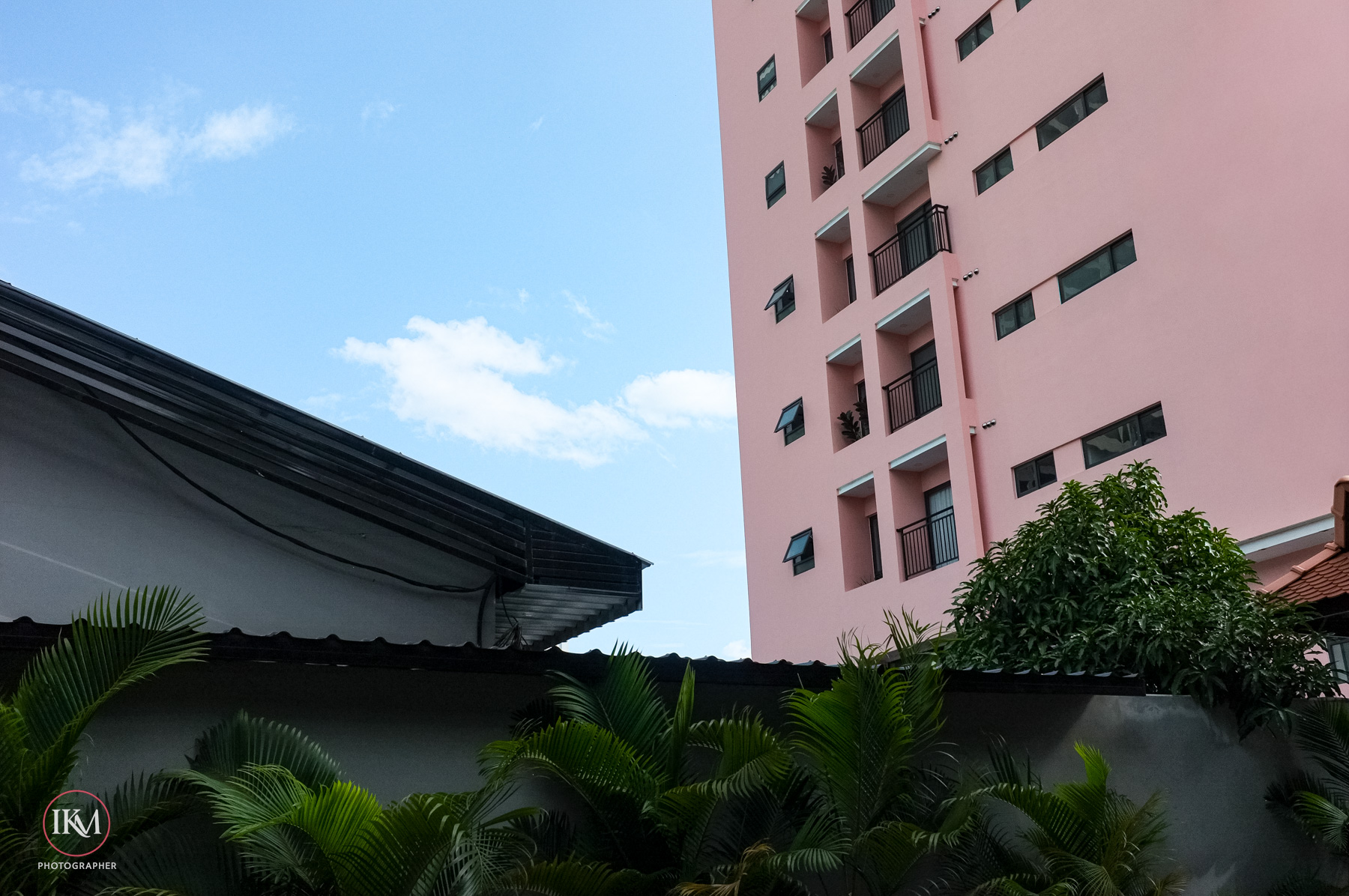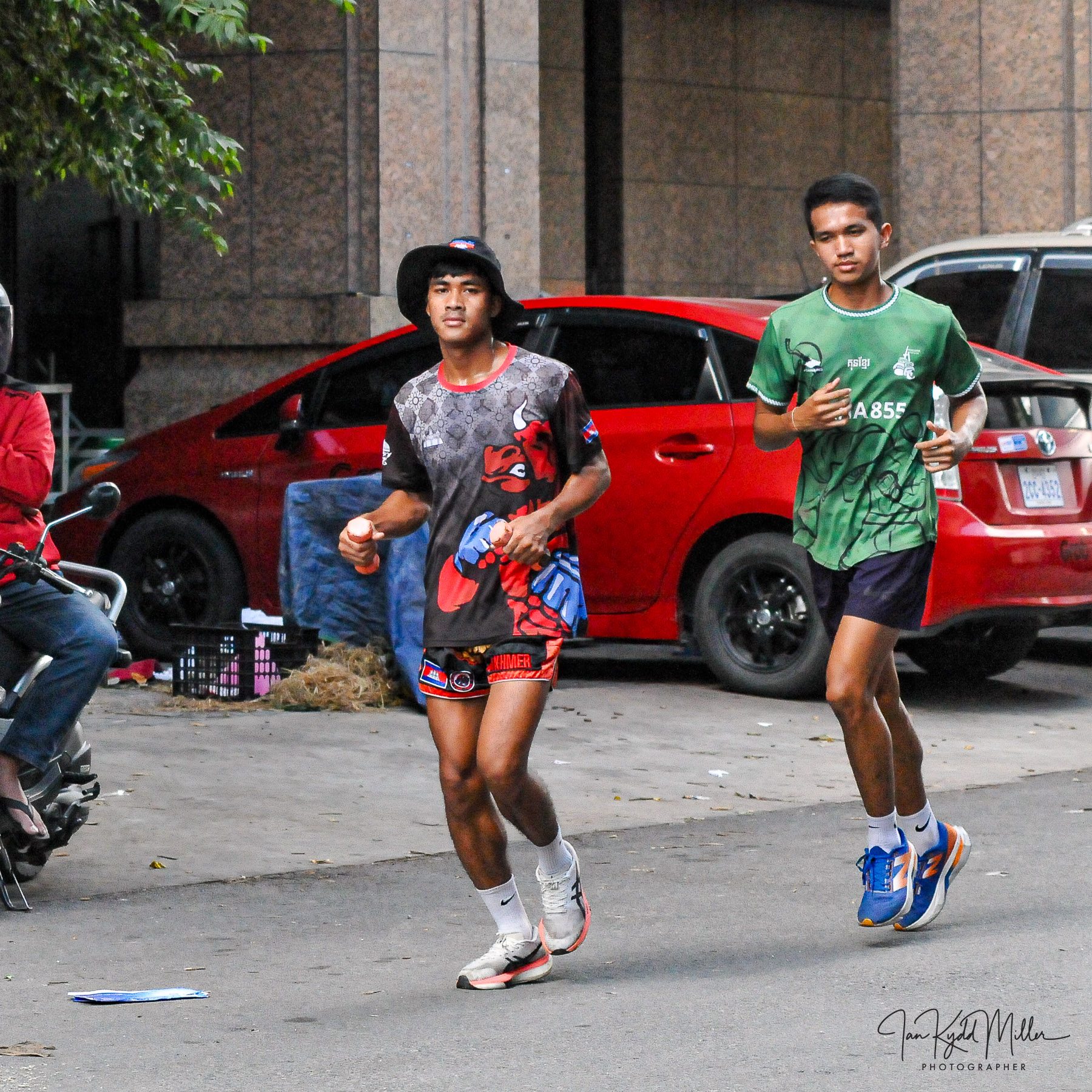

The notion that using the Nikkor 85mm f/1.8G for street photography is “cheating.”

nikon, opinons, thoughts, photography, street, Travel

📸 Why Some Might Call It “Cheating”

  • Distance & Detachment:
    • An 85mm lens lets you stand further back, avoiding the intimacy and risk of close‑up encounters.
    • Critics argue street photography should be about immersing yourself in the flow of public life, not sniping from afar.
  • Portrait Bias:
    • The lens isolates subjects with shallow depth of field, producing images that look more like studio portraits than candid street shots.
    • Purists say this shifts the genre away from its documentary roots.
  • Aesthetic Control:
    • With creamy bokeh and sharp subject isolation, the 85mm f/1.8G can make almost any scene look “artful.”
    • Some feel this undermines the raw, chaotic authenticity that defines street photography.

🌍 Why It’s Not Cheating

  • Street Photography Is About Vision, Not Gear:
    • Henri Cartier‑Bresson used a 50mm; Garry Winogrand often shot wider. But the genre has never been bound to one focal length.

    • What matters is the decisive moment and the photographer’s intent.

  • Different Perspective:
    • An 85mm lens compresses space, offering a unique way to frame gestures, expressions, and interactions.
    • It can highlight individuals within the crowd, turning anonymity into intimacy.
  • Practicality:
    • In places where close interaction may be culturally sensitive or unsafe, longer focal lengths allow respectful distance.
    • In Phnom Penh, for example, using 85mm could let you capture warmth without intruding.

⚖️ Advantages of 85mm Street Work

  • Subject isolation and expressive portraits.
  • Quiet SWM autofocus — discreet in public.
  • Lightweight and portable compared to f/1.4 primes.

📊 Comparison: Nikon 85mm f/1.8D vs 85mm f/1.8G

FeatureNikon 85mm f/1.8D (1994)Nikon 85mm f/1.8G (2012)
Focal Length85mm85mm
Maximum Aperturef/1.8f/1.8
Optical Design6 elements in 6 groups9 elements in 9 groups (modern coatings)
Autofocus SystemScrew‑drive AF (requires motor in camera)Silent Wave Motor (SWM) built into lens
Manual Focus OverrideNoYes (M/A mode)
Minimum Focus Distance0.85 m0.8 m
Diaphragm Blades7 straight blades7 rounded blades (smoother bokeh)
Weight~380 g~350 g
Build QualityMetal/plastic mix, solid feelPlastic barrel, lighter, not weather‑sealed
Filter Size62 mm67 mm
Release Year19942012

⚠️ Disadvantages

  • Less context — backgrounds blur, reducing environmental storytelling.
  • Risk of voyeurism if used without engagement.
  • Narrower field of view makes spontaneous wide scenes harder to capture.

✨ Conclusion

Calling the 85mm f/1.8G “cheating” in street photography reflects a purist mindset that equates authenticity with proximity. In reality, it’s just another tool — one that shifts the genre toward street portraiture, where clarity and ambiguity coexist. The ethical weight lies not in the lens, but in how you use it: whether you engage, respect, and frame responsibly.

📸 Nikon AF‑S NIKKOR 85mm f/1.8G — Portrait Precision in a Compact Package

cambodia, cameras, Lenses, nikon, opinons, thoughts, photography, street

🌍 Introduction

Among Nikon’s portrait primes, the AF‑S NIKKOR 85mm f/1.8G stands out as a lens that balances affordability, optical quality, and portability. Released in 2012, it replaced the older 85mm f/1.8D, bringing a modern optical design and Silent Wave Motor (SWM) autofocus. For photographers seeking expressive portraits without the weight or cost of f/1.4 glass, this lens is a compelling choice. It delivers sharp images, smooth bokeh, and quiet autofocus, but lacks vibration reduction and weather sealing..

🔑 Characteristics

  • Focal Length: 85mm — a classic medium telephoto, flattering for portraits.
  • Maximum Aperture: f/1.8 — bright, fast, and capable of shallow depth of field.
  • Optical Design: 9 elements in 9 groups, optimised for digital sensors.
  • Silent Wave Motor (SWM): Fast, quiet autofocus with manual override.
  • Minimum Focus Distance: 0.8 m (2.62 ft).
  • Diaphragm: 7 rounded blades for smooth background blur.
  • Weight: ~350 g — compact and easy to carry.
  • Filter Size: 67 mm.

✅ Advantages

  • Sharpness: Excellent centre sharpness even wide open; improves further when stopped down.
  • Bokeh: Smooth, natural background blur that isolates subjects beautifully.
  • Low Light Performance: Wide aperture allows shooting in dim conditions without flash.

  • Autofocus: Quiet and reliable thanks to SWM, suitable for both stills and video.

  • Value: More affordable than Nikon’s f/1.4 primes, yet delivers professional‑level results.
  • Portability: Lightweight design makes it ideal for travel and street portraiture.

⚠️ Disadvantages

  • No Vibration Reduction (VR): Requires steady hands or faster shutter speeds.
  • Build Quality: Durable plastic but lacks weather sealing; less rugged than pro‑grade lenses.
  • Bokeh Quality: While smooth, it’s not as creamy or complex as higher‑end f/1.4 or f/1.2 lenses.
  • Edge Sharpness: Slightly softer at the frame edges wide open, though acceptable for portraits.

🎯 Ideal Use Cases

  • Portraits: Headshots, candid street portraits, and environmental portraiture.
  • Events: Weddings or gatherings where subject isolation is key.
  • Video: Quiet AF makes it useful for DSLR video work.
  • Travel: Compact size and weight make it easy to carry without sacrificing quality.
  • Street.

✨ Conclusion

The Nikon AF‑S NIKKOR 85mm f/1.8G is a portrait specialist: sharp, fast, and affordable. It may lack the prestige of Nikon’s f/1.4 primes, but its combination of optical quality, portability, and price makes it one of the most practical lenses in Nikon’s lineup. For photographers who want sharp focus amid soft ambiguity, this lens delivers exactly that balance.

Phnom Penh Wanderings: Friendship Beyond Fear

cambodia, cameras, homelessness, Lenses, nikon, opinons, thoughts, photography, street, Travel

🌍 Off the Tourist Trail

Phnom Penh is often imagined through its riverside promenades, temples, and expat cafés. Yet the city’s essence lies in the places foreigners rarely visit — the narrow lanes, bustling wet markets, and everyday neighbourhoods where life unfolds unfiltered. Many outsiders avoid these areas, guided by fear or unfamiliarity, but for me, wandering them has become a favorite pastime.

🤝 Encounters of Humanity

Each walk brings moments of connection: vendors offering smiles, children waving with delight, neighbours curious yet welcoming. Far from the imagined hostility, I find warmth and joy. The people are happy to see me, not because I am foreign, but because I am present — willing to share space in their daily rhythm.

🕊️ Reframing Fear

The absence of foreigners in these areas is telling. Fear shapes perception, but reality often contradicts it. By stepping into overlooked corners, I discover not danger but dignity, not hostility but hospitality. The narrative of fear dissolves into lived experience of trust.

✨ Lessons in Wandering

  • Authenticity: The richest encounters happen away from curated tourist zones.
  • Humanity: Warmth and friendliness are constants, even in places outsiders avoid.
  • Perspective: Fear blinds us to beauty; presence reveals it.

📸 Closing Reflection

Wandering Phnom Penh’s less‑visited areas is more than exploration — it is an act of trust. It reminds me that ambiguity and absence are not voids to fear, but spaces where meaning emerges. In the overlooked corners of the city, I find friendship, resilience, and the quiet joy of human connection.

In Cambodia, the simple act of offering a Khmer greeting — the sampeah — carries deep cultural weight. Whether you meet a child, an elder, or someone in between, pressing your palms together and bowing slightly is seen not just as politeness, but as a gesture of respect and friendship.

I have noticed — that people light up when greeted in their own language — is a reminder of how small acts of cultural recognition dissolve barriers. It’s not about being fluent; it’s about showing you care enough to step into their world.

The Nikon D810 is a legendary DSLR

cameras, Lenses, nikon, opinons, thoughts, photography, street, Travel

The Nikon D810 is widely regarded as an extraordinary full‑frame DSLR, thanks to its 36.3‑megapixel sensor, superb dynamic range, and professional‑grade build. Even in 2025, it remains a strong choice for photographers who value high‑resolution stills, robust ergonomics, and versatility across genres.

📸 Key Features

  • Sensor: 36.3 MP full‑frame CMOS sensor (no optical low‑pass filter), delivering exceptional detail.
  • ISO range: Native ISO 64–12,800 (expandable to 32–51,200), offering clean files even in low light.
  • Autofocus: 51‑point AF system with 15 cross‑type sensors, reliable for portraits, landscapes, and moderate action.
  • Speed: 5 fps continuous shooting (7 fps in DX crop mode with battery grip).
  • Video: Full HD 1080p at 60 fps, with flat picture profiles for grading.
  • Build: Magnesium alloy body, weather‑sealed, designed for professional durability.

🌍 Performance in Practice

  • Landscape & studio: Extraordinary sharpness and dynamic range make it ideal for fine‑art and commercial work.
  • Portraits & weddings: Skin tones are rendered beautifully, with excellent colour depth.
  • Astrophotography: Low ISO 64 base and wide dynamic range give clean star fields and nightscapes.
  • Wildlife & sports: While capable, its 5 fps burst rate and slower AF compared to newer DSLRs/mirrorless bodies make it less suited for fast action.

⚠️ Trade‑offs

  • Weight: At ~880 g (body only), it’s heavier than modern mirrorless cameras.
  • Speed: Burst shooting and AF tracking lag behind newer models like the Nikon D850 or Z series.
  • Video limitations: No 4K recording, which is now standard in newer cameras.
  • Age: Released in 2014, so while still excellent, it lacks some modern conveniences (touchscreen, Wi‑Fi integration).

✨ Why It’s Still Extraordinary

  • Image quality: Among the best full‑frame DSLRs ever made, with files that rival medium format.
  • Value: In 2025, it’s significantly cheaper on the used market, making it a bargain for high‑resolution stills.
  • Legacy: The D810 remains a “dream camera” for many photographers, especially those focused on landscapes, portraits, and studio work.

Key takeaway: The Nikon D810 is a legendary DSLR — extraordinary for detail, dynamic range, and reliability. While newer cameras surpass it in speed and video, it remains a superb tool for still photography and a worthy investment even today.

Nikon D300 vs D300S: A Detailed Comparison

cameras, Lenses, nikon, opinons, thoughts, photography, street, Travel, voluntary

Two rugged DX-format classics, one evolutionary step forward

When Nikon released the D300 in 2007, it was hailed as a “mini D3”—a professional-grade DX body with robust build, advanced autofocus, and excellent image quality. Two years later, the D300S (2009) arrived, refining the formula with subtle but important upgrades. Together, they represent Nikon’s commitment to serious enthusiasts and working photographers who wanted pro handling without the full-frame price tag.

🔍 Sensor & Image Quality

  • D300: 12.3MP DX-format CMOS sensor, ISO 200–3200 (expandable to 6400).
  • D300S: Same 12.3MP sensor, but with improved image processing and slightly better noise control.

Verdict: Both deliver crisp, detailed files with excellent dynamic range for their era. The D300S edges ahead in cleaner high-ISO performance thanks to updated EXPEED processing.

⚙️ Autofocus & Speed

  • D300: 51-point AF system, 6 fps burst (8 fps with battery grip).
  • D300S: Same AF system, but faster response and 7 fps burst (8 fps with grip).

Verdict: The D300S is marginally quicker, making it more appealing for sports and wildlife shooters.

🎥 Video Capability

  • D300: No video recording.
  • D300S: Introduced 720p HD video at 24 fps—a first for Nikon’s semi-pro DX line.

Verdict: The D300S opened the door to hybrid shooting, though video features were basic compared to modern standards.

🧱 Build & Handling

  • Both cameras feature magnesium alloy bodies, full weather sealing, and pro-level ergonomics.
  • D300S added dual card slots (CF + SD) for flexible storage and backup.
  • Slight refinements in button layout and responsiveness made the D300S feel more polished.

💰 Value & Legacy

  • D300: More affordable on the used market, still a solid choice for those who don’t need video.
  • D300S: Holds higher value thanks to incremental upgrades, dual card slots, and video capability.

📝 Final Thought

The D300 was revolutionary, bringing pro-level performance to DX shooters. The D300S refined that legacy, adding speed, video, and workflow improvements. Today, both are remembered as rugged, reliable workhorses—but if you want the most versatile of the two, the D300S is the smarter pick.

The Nikon D800E v Nikon D810

cambodia, Lenses, nikon, opinons, thoughts, photography, street, Travel

The D800E and D810 are siblings built for resolution and dynamic range—the D800E (2012) introduced Nikon’s 36MP era with a no‑AA optical filter for maximum micro‑detail, while the D810 (2014) refined that formula with cleaner high‑ISO performance, faster processing, and improved video and usability—making the D800E a classic detail‑seeker and the D810 a more versatile, modern workhorse.

Overview

The D800E and D810 occupy the same creative space: high‑resolution full‑frame DSLRs aimed at landscape, studio, and commercial shooters. The D800E removed the anti‑aliasing filter to push resolving power, which rewarded sharp lenses but could increase moiré. The D810 kept the 36MP class but reworked the sensor readout, processing pipeline, and ergonomics to reduce noise and improve overall image quality and handling.

Sensor, Image Quality, and ISO

Both cameras use 36MP full‑frame sensors, but the D810’s sensor and processor deliver cleaner high‑ISO performance and wider usable dynamic range, especially in shadow recovery and highlight retention. The D800E’s no‑AA approach gives slightly crisper micro‑detail in ideal conditions, but the D810’s improvements make it more forgiving in real‑world shooting and post‑processing.

Autofocus, Speed, and Usability

The D810 benefits from incremental AF and performance upgrades introduced after the D800E. It’s lighter and tuned for a smoother shooting experience, with firmware and menu refinements that matter during long shoots. The D800E remains competent for studio and tripod work, but the D810’s refinements make it better for mixed assignments where speed and workflow matter.

Video and Hybrid Use

If you plan to shoot video, the D810 is the stronger choice: improved video features and cleaner processing give it an edge for hybrid shooters. The D800E was primarily a stills machine; the D810 broadened the camera’s appeal to creators who need both stills and motion with high fidelity.

Practical Trade‑offs and Recommendations

  • Choose the D800E if you prioritize absolute micro‑detail and shoot mostly on tripod or in controlled studio/landscape conditions; pair it with the sharpest optics you can afford and be prepared to manage moiré in post.
  • Choose the D810 if you want the same resolution with better high‑ISO performance, improved handling, and more flexible video/field use—it’s the more versatile, future‑proof option for mixed professional work.
  • Actionable steps: test your lenses for resolving power before committing; if you shoot handheld or in variable light, favor the D810; if you print very large and control every variable, the D800E still rewards discipline.

Final Thought

Both cameras are milestones in Nikon’s lineup: the D800E is a purist’s tool for extracting every ounce of detail, while the D810 is the pragmatic evolution—keeping the resolution but smoothing the rough edges for everyday professional use. Your choice comes down to workflow, subject matter, and how much post‑processing you’re willing to manage

Nikon D3 and 85mm f/1.8D: A Timeless Duo

cameras, Lenses, nikon, opinons, thoughts, photography, pictures, street, Travel

When Nikon introduced the AF Nikkor 85mm f/1.8D in 1994, it quickly became a go-to portrait lens for professionals and enthusiasts alike. Fast forward to the Nikon D3 era (2007), and this lens found a natural partner in Nikon’s first full-frame DSLR. While newer optics have since surpassed it in coatings, autofocus speed, and edge-to-edge sharpness, the 85mm f/1.8D remains a compact, affordable, and character-rich lens that shines on the D3.

🏗️ Build and Handling

  • Compact and lightweight at just 380g, making it easy to carry compared to the heavier 85mm f/1.4.
  • Solid construction with a classic Nikon design—metal mount, smooth focus ring, and a no-nonsense aesthetic.
  • On the D3’s robust body, it balances well, offering a comfortable shooting experience for long sessions.

🔍 Optical Performance

  • Sharpness: Wide open at f/1.8, the center sharpness is already strong, though edges soften slightly. By f/2.8–f/4, sharpness across the frame improves significantly.
  • Bokeh: The 9-blade diaphragm produces smooth, pleasing background blur—ideal for portraits. While not as creamy as the 85mm f/1.4, it still delivers a natural separation between subject and background.
  • Distortion & Vignetting: Very minimal barrel distortion. Vignetting is visible at f/1.8 but reduces quickly when stopped down.
  • Chromatic Aberration: Some longitudinal CA (color fringing) can appear in high-contrast areas wide open, but it’s manageable and often correctable in post.

⚡ Autofocus and Usability

  • The lens uses Nikon’s older screw-drive AF system, meaning autofocus relies on the D3’s in-body motor. On the D3, this results in fast and accurate focusing, though not as silent or refined as modern AF-S lenses.
  • Manual focus is smooth, with a well-damped ring—useful for fine adjustments in portraiture.

🎨 Creative Applications

  • Portraits: This is where the lens shines. On the D3’s 12MP full-frame sensor, it produces flattering compression, excellent subject isolation, and a timeless rendering.
  • Low Light: The f/1.8 aperture combined with the D3’s strong high-ISO performance makes it a capable lens for indoor or evening shoots.
  • Versatility: While primarily a portrait lens, it also works well for detail shots, street photography, and even event coverage where discretion and speed matter.

💰 Value Today

  • On the used market, the 85mm f/1.8D is very affordable, often a fraction of the cost of the 85mm f/1.4 or newer AF-S versions.
  • For photographers using a Nikon D3 (or similar FX DSLR), it remains a cost-effective way to achieve professional portrait results without sacrificing too much in optical quality.

✅ Final Verdict

The Nikkor 85mm f/1.8D on the Nikon D3 is a pairing that proves older gear can still deliver professional, emotionally resonant images. While it lacks the modern refinements of newer lenses, its sharpness, bokeh, and reliability make it a classic portrait tool that continues to earn its place in a photographer’s bag.

🏞️ Khan Chbar Ampov Through a Legacy Lens

cambodia, cameras, Lenses, nikon, opinons, thoughts, photography, street, Travel

A Nikon D700 and 85mm f/1.8D Portrait of Phnom Penh’s Eastern Frontier

There’s a quiet dignity to Khan Chbar Ampov. Located on the eastern bank of the Bassac River, it’s a district that bridges Phnom Penh’s urban pulse with its agrarian past. And when photographed with the Nikon D700 and the Nikkor 85mm f/1.8D, that dignity is rendered with emotional clarity and technical grace.

📍 Chbar Ampov: Sugarcane Garden Turned Urban Artery

The name Chbar Ampov translates to “Sugarcane Garden,” a nod to its agricultural roots. Once part of Kandal Province, the area was absorbed into Phnom Penh in 1998 and officially became its own district in 2013.

Historically, Chbar Ampov was known for:

  • Lush farmland and fresh produce—corn, Logan, banana, and of course, sugarcane
  • River trade and ferry crossings, connecting communities across the Bassac
  • Spiritual and cultural sites, including pagodas and local markets that still hum with daily life

Today, it’s a district in transition—still green in parts, but increasingly urbanised. It’s considered Phnom Penh’s “last green frontier,” where development meets memory.

📷 The Gear: Nikon D700 + Nikkor 85mm f/1.8D

To photograph Chbar Ampov with this combo is to honour both place and process.

Nikon D700

  • Released in 2008, the D700 was Nikon’s first affordable full-frame DSLR.
  • 12.1MP FX sensor with exceptional dynamic range and low-light performance.
  • Built like a tank, with weather sealing and a magnesium alloy body.
  • Still beloved for its film-like rendering and tonal subtlety.

Nikkor 85mm f/1.8D

  • A classic portrait lens with fast autofocus and creamy bokeh.
  • On the D700, it delivers intimate framing with respectful distance—ideal for street portraits and environmental detail.
  • Known for its central sharpness and character-rich rendering, especially wide open.

Together, they form a combo that’s responsive, grounded, and emotionally honest. Perfect for documenting a district like Chbar Ampov, where every corner holds a story.

🖼 What the Image Holds

A single frame from this setup might show:

  • A vendor’s silhouette against the morning light
  • A child’s gesture near the riverbank
  • The texture of a weathered wall, half in shadow

The D700’s sensor captures the tonal nuance. The 85mm isolates the moment. And Chbar Ampov provides the rhythm.

🧭 Final Thought: Legacy Meets Landscape

Photographing Khan Chbar Ampov with the Nikon D700 and 85mm f/1.8D isn’t just documentation—it’s dialogue. Between old gear and evolving place. Between restraint and curiosity. Between what was and what’s becoming.

Because sometimes, the best way to honour change is to see it through something that remembers.