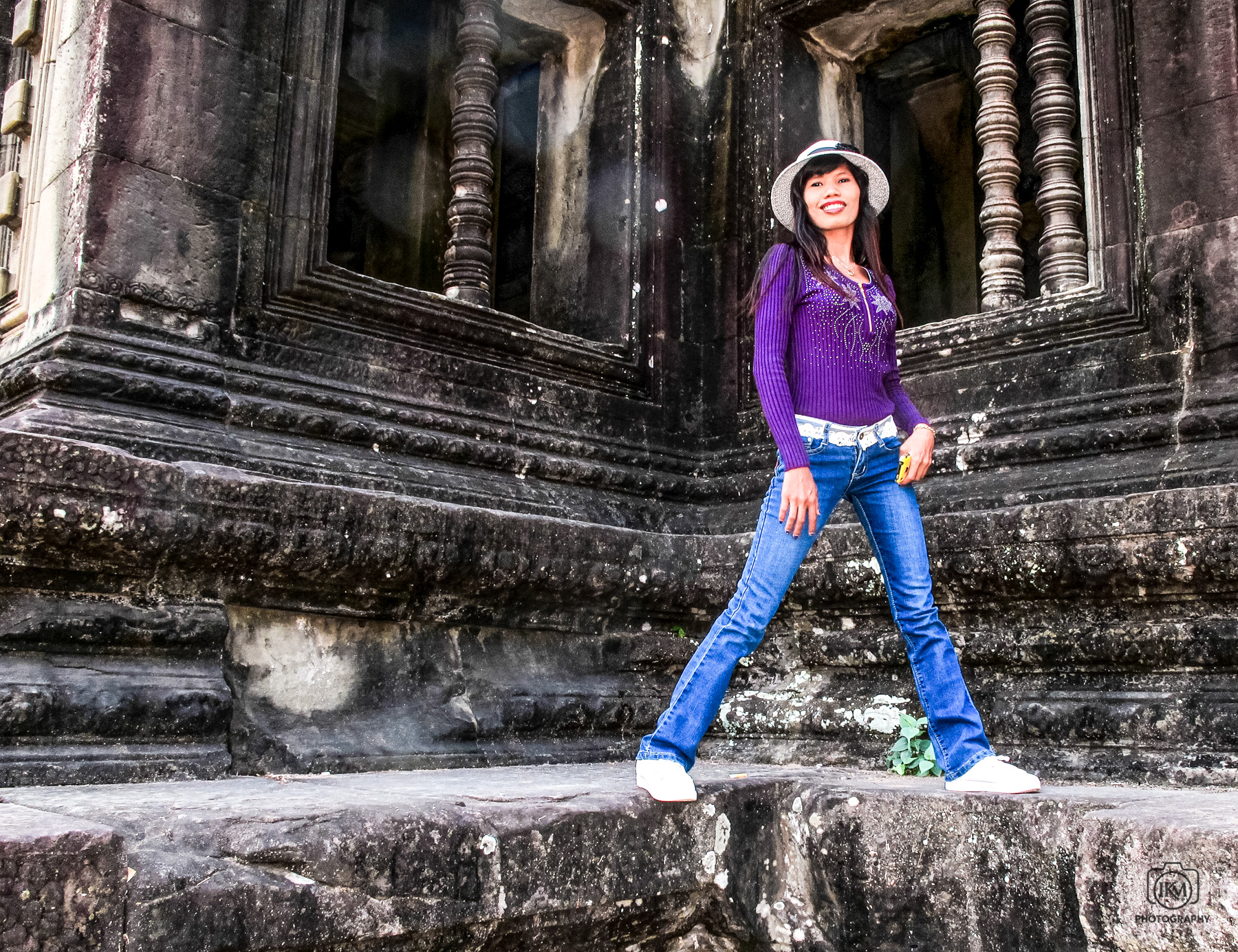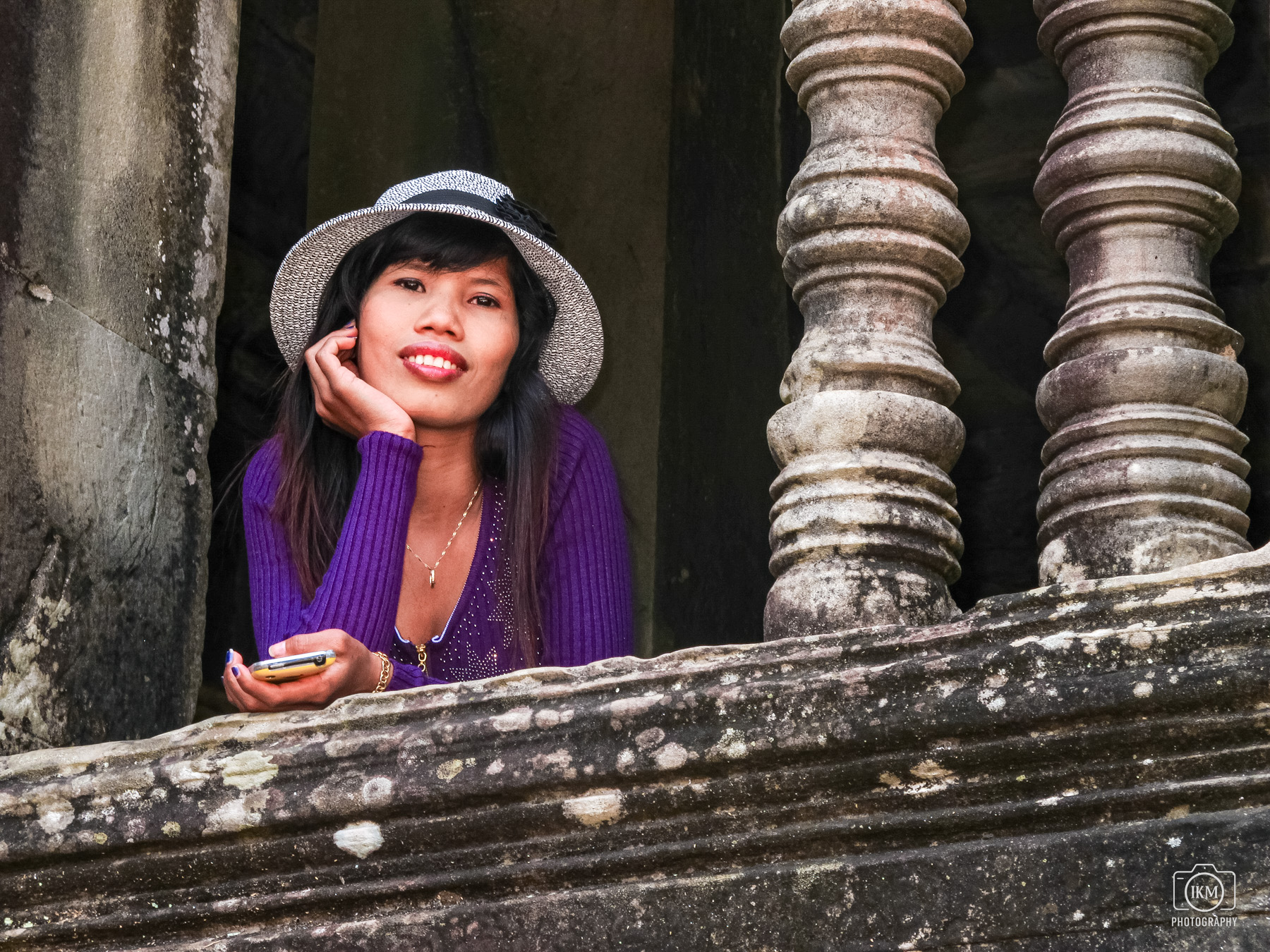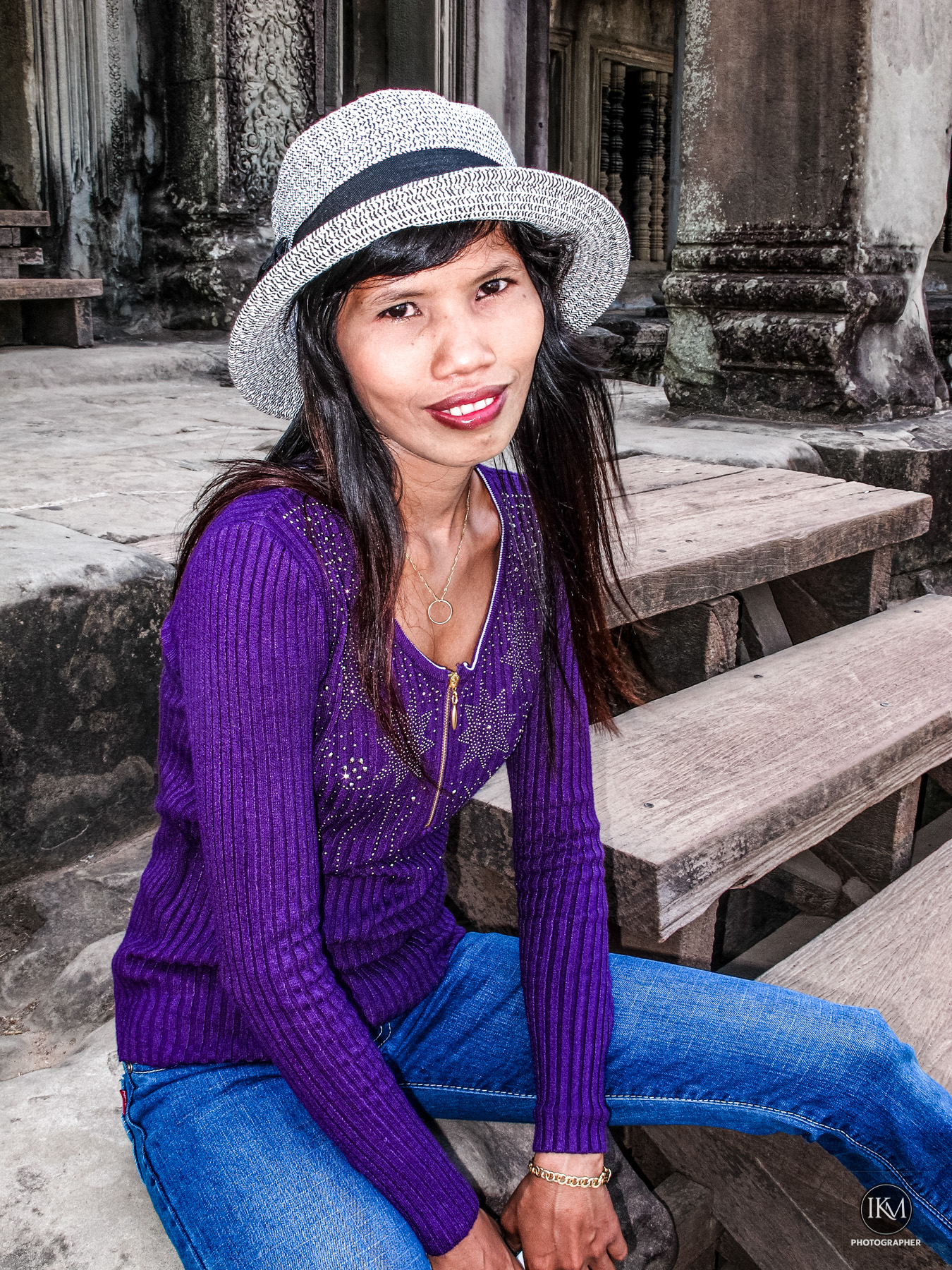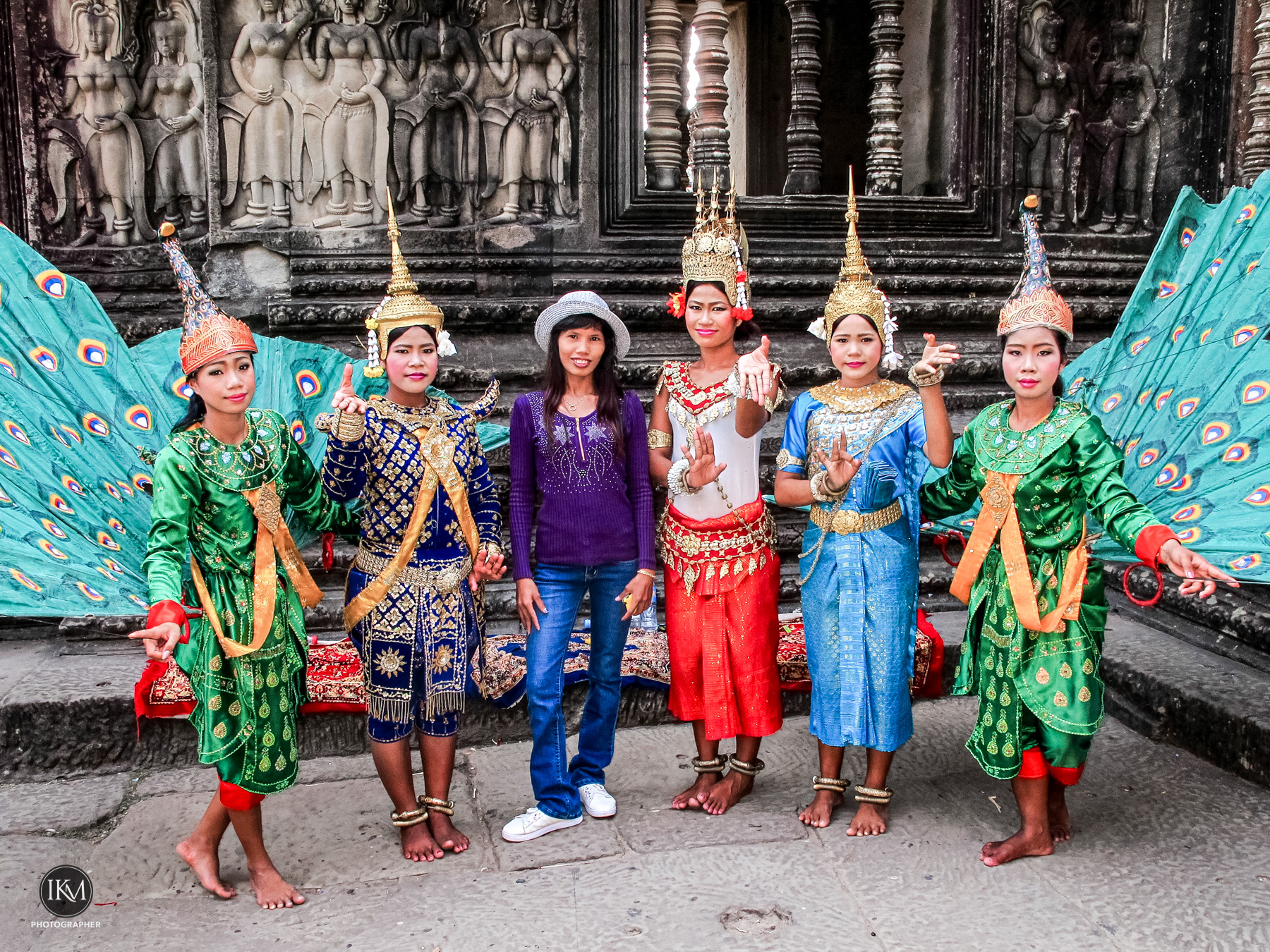

I have been making pictures for around forty-five years. Put like that, it sounds faintly ridiculous. Forty-five years of carrying cameras, buying cameras, selling cameras, regretting selling cameras, walking miles with cameras that were too heavy, and occasionally wondering why on earth I was still doing it.
And yet I am.
Photography has changed beyond recognition during those years. I started in a world where every press of the shutter cost money. Film had to be bought, processed and printed. You couldn’t look at the back of the camera to see whether you’d got the picture because there was nothing there to look at. You learned to trust the meter, the camera and, eventually, yourself.
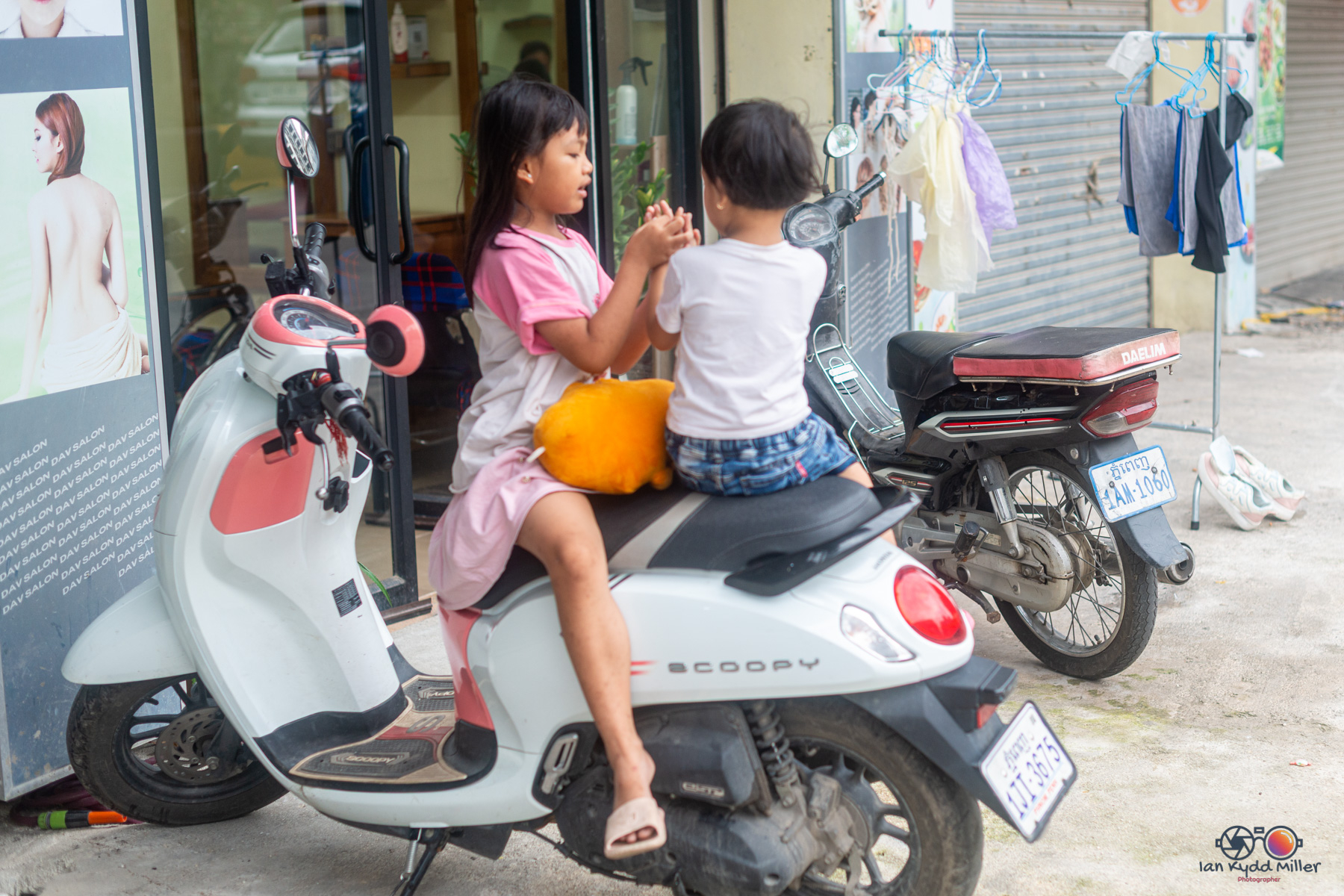

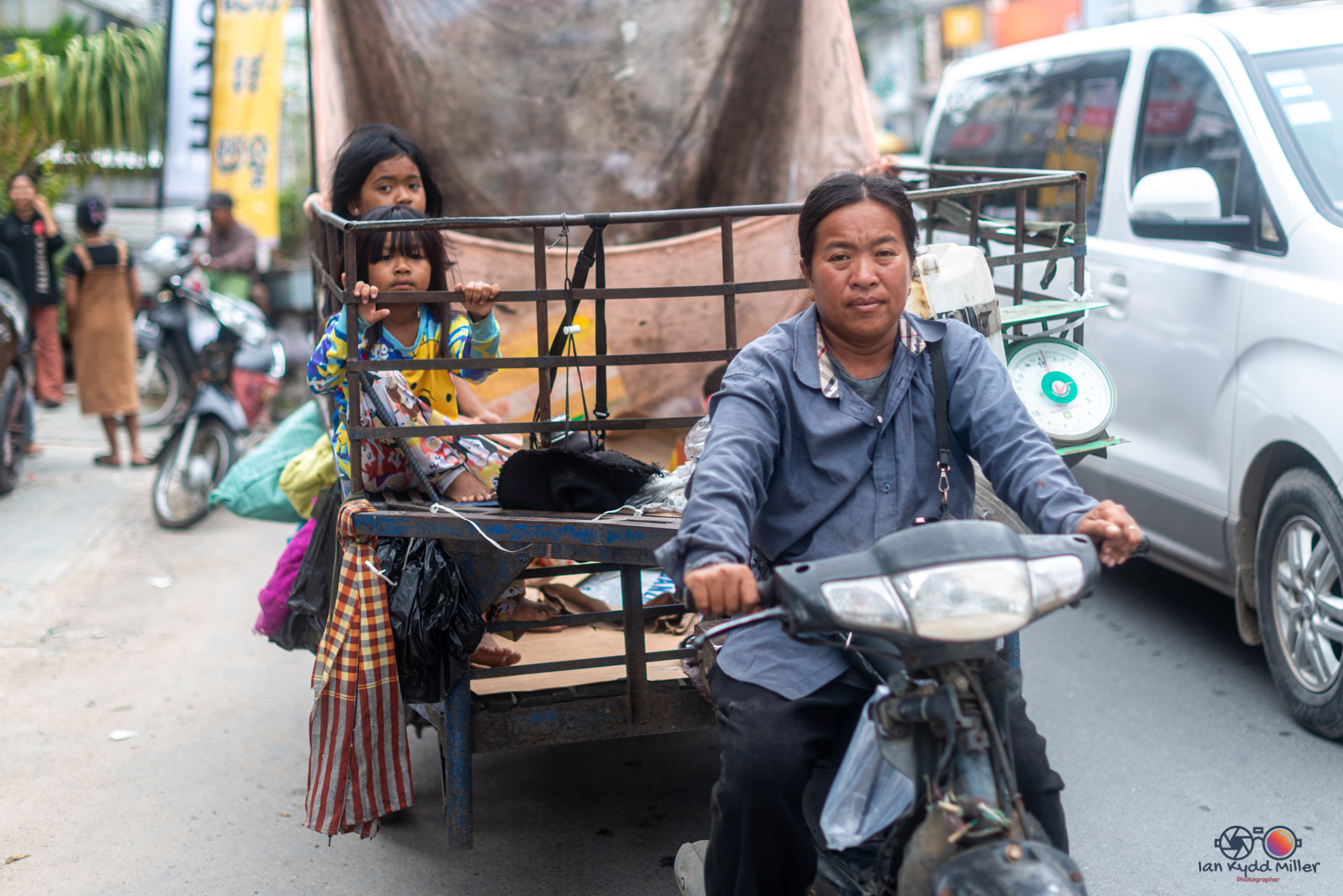


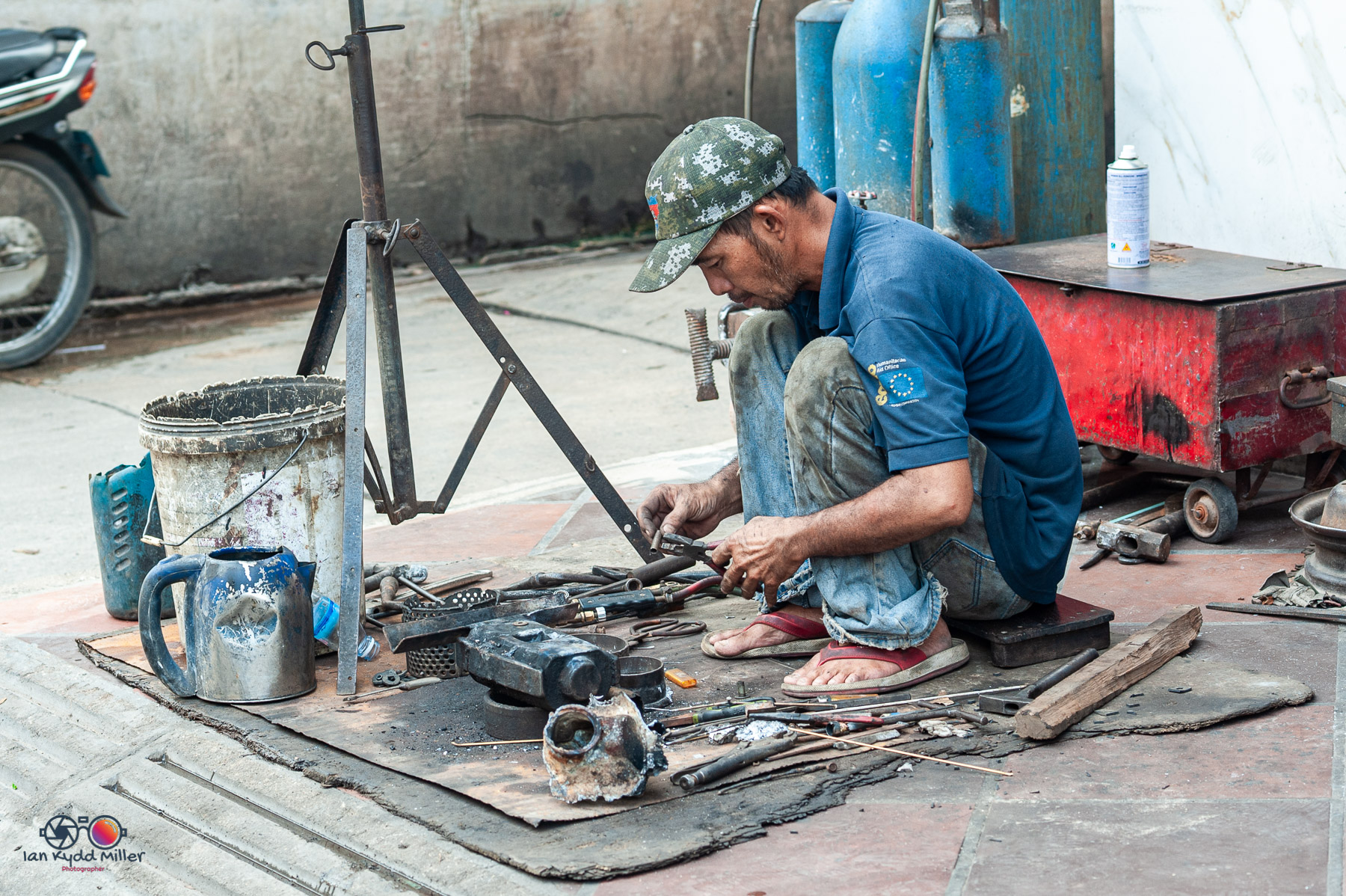
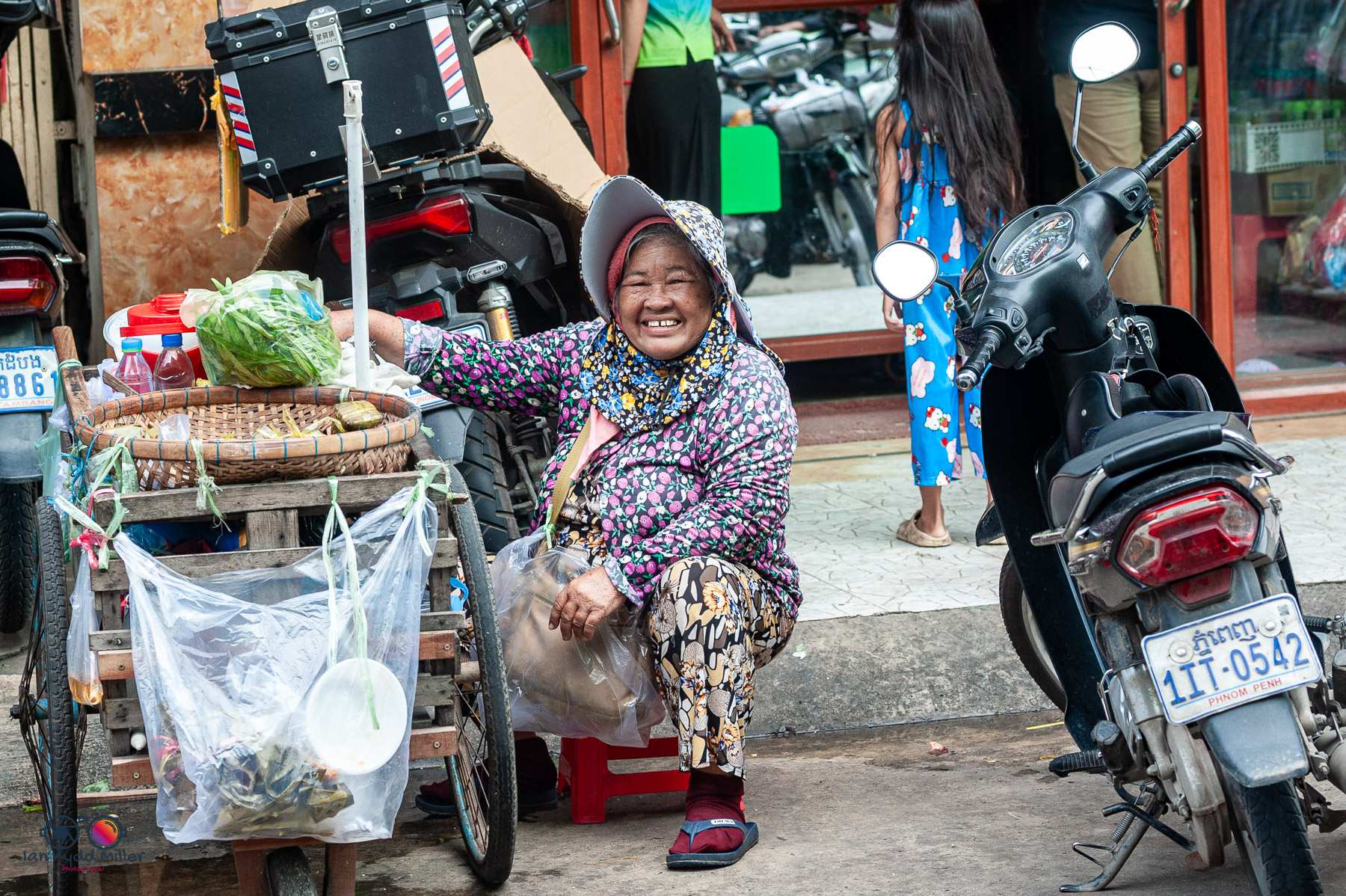

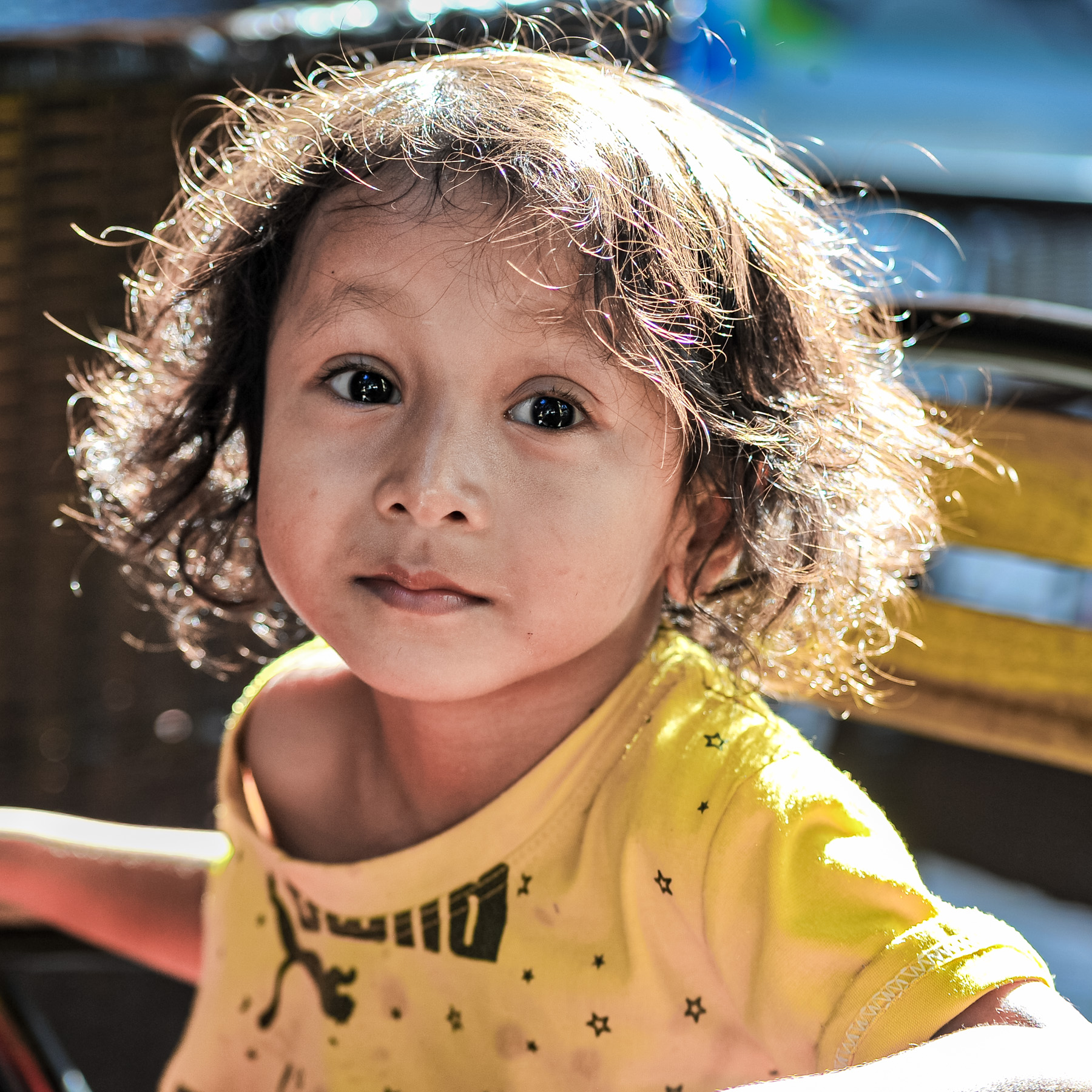
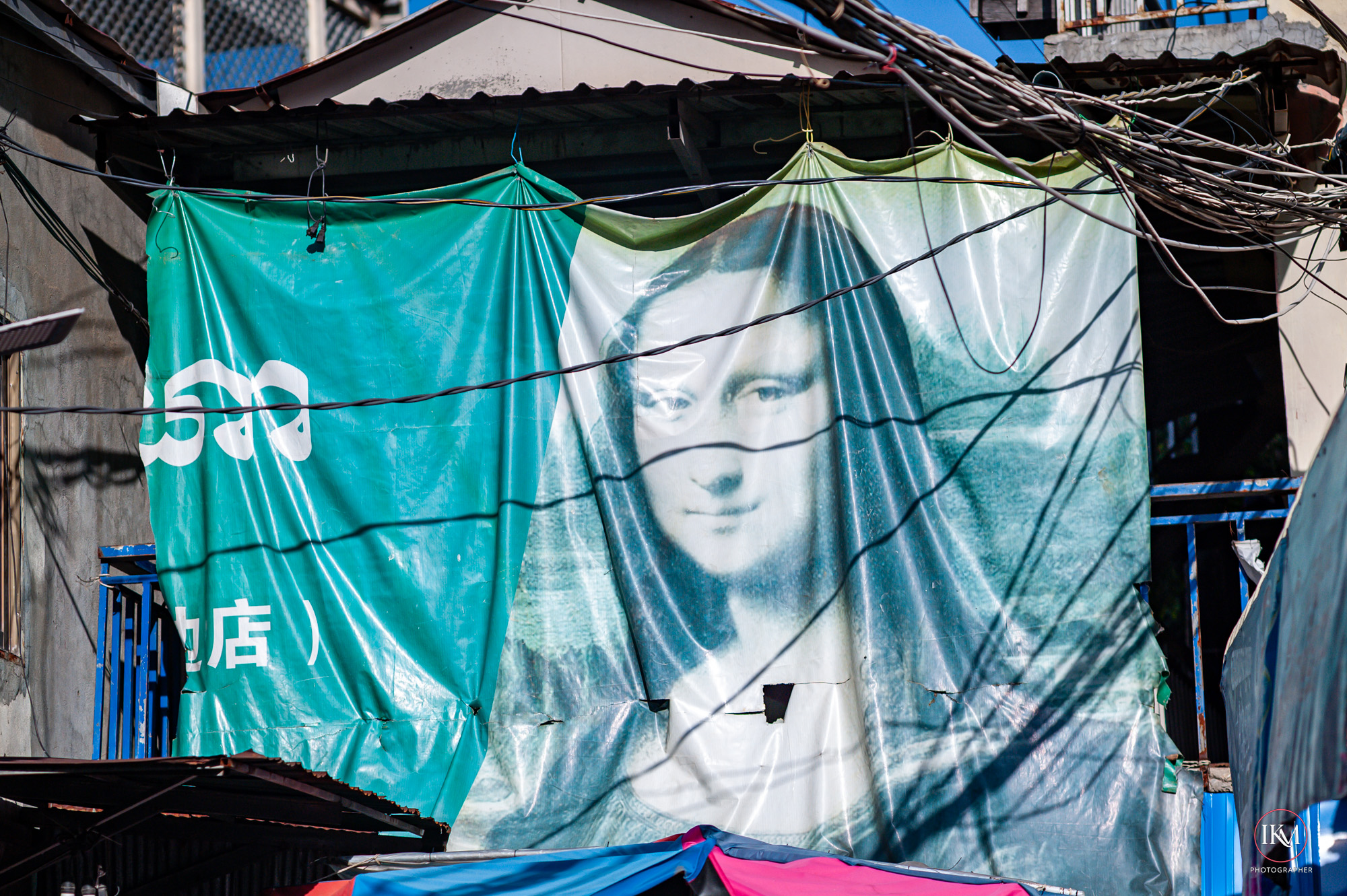
Today I can put a memory card into a Nikon D850 and make more photographs in an afternoon than I might once have made in a month.
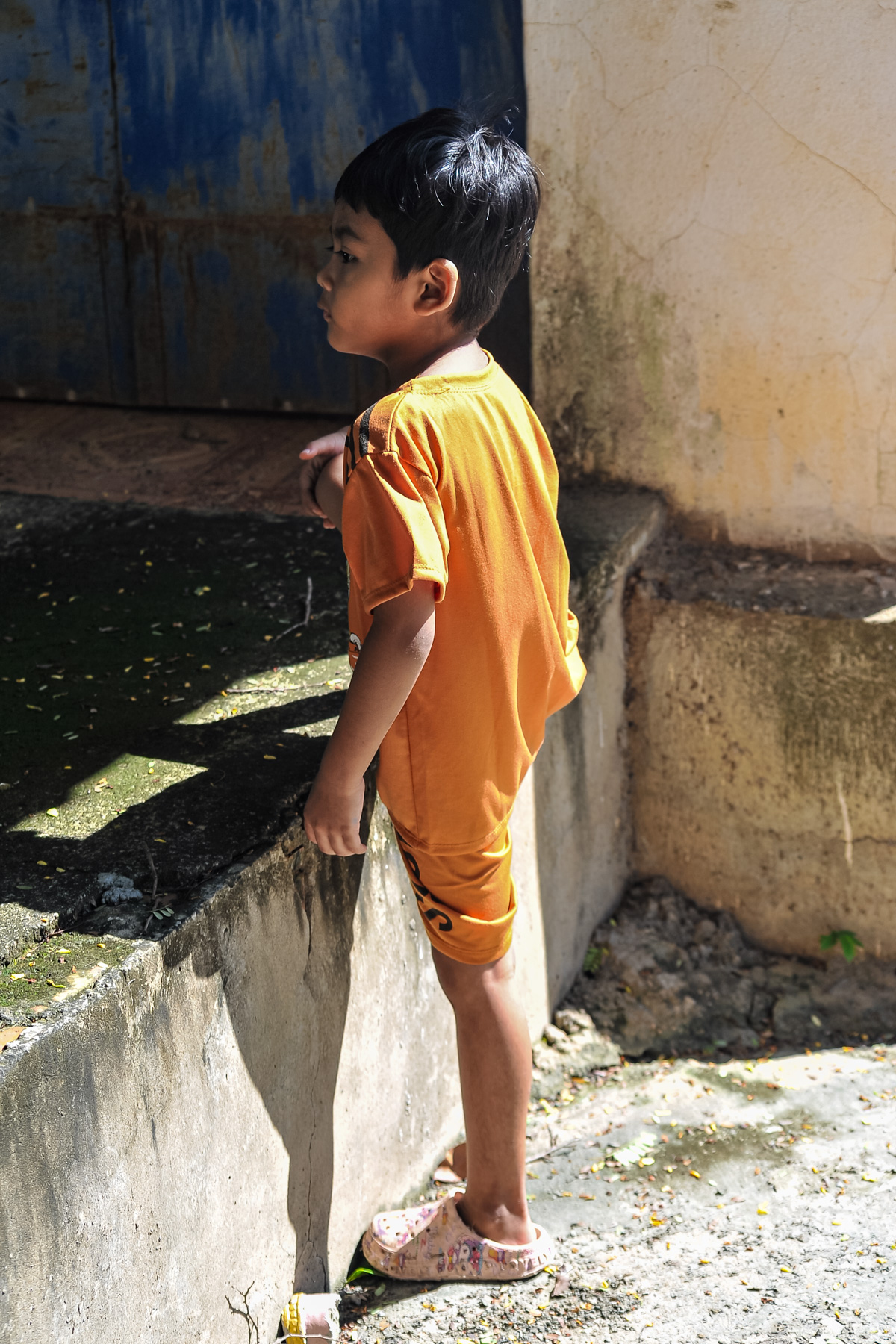
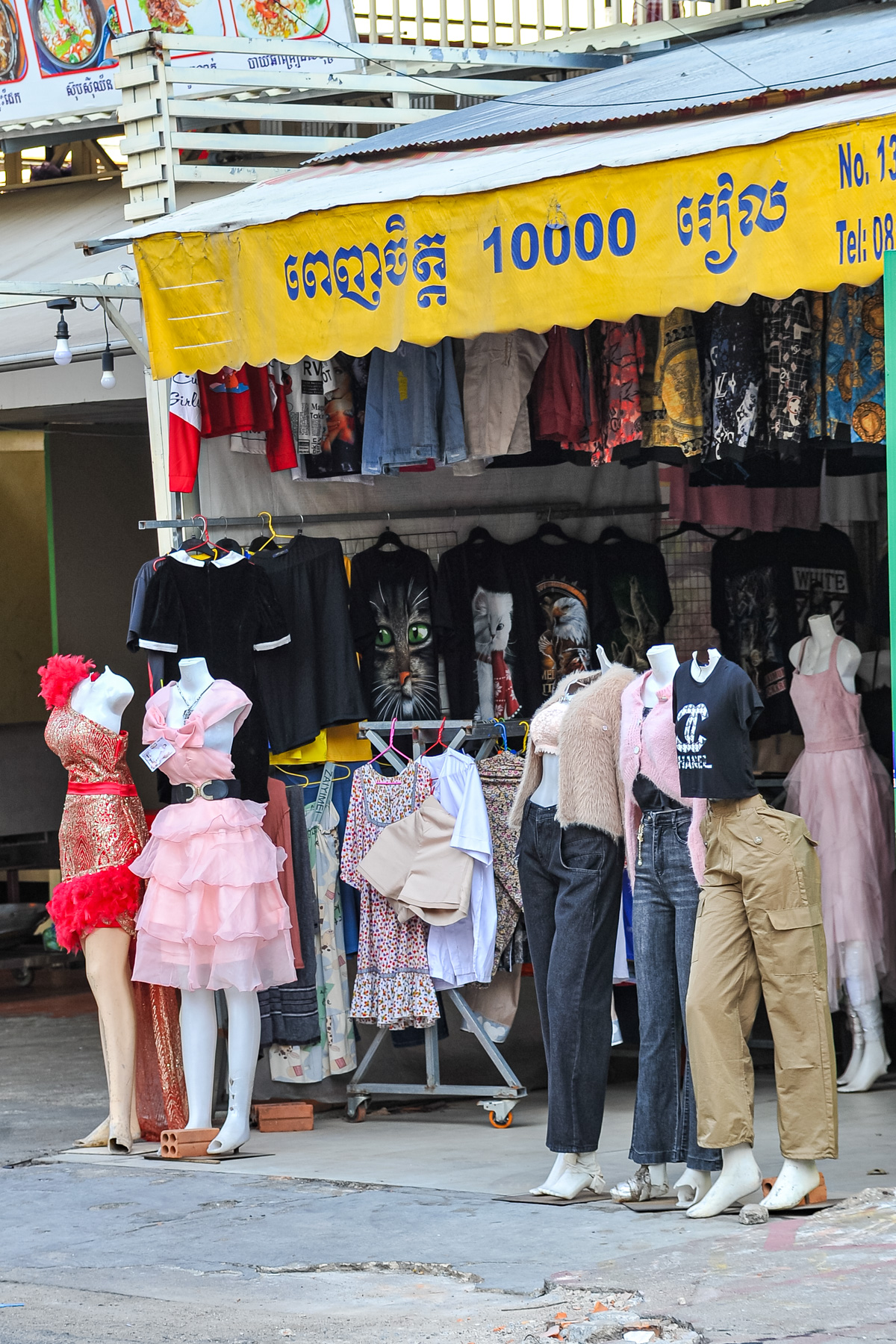
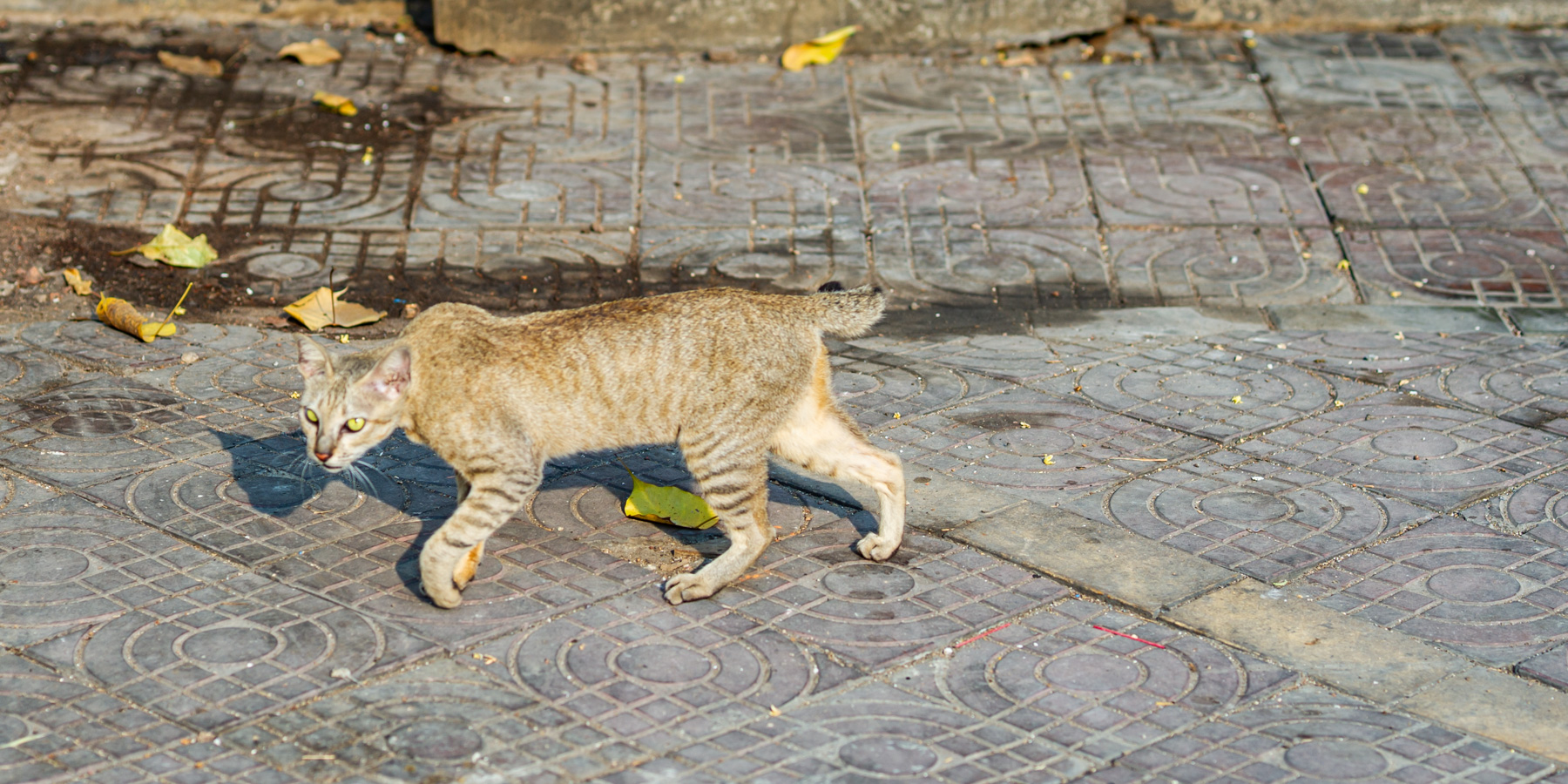
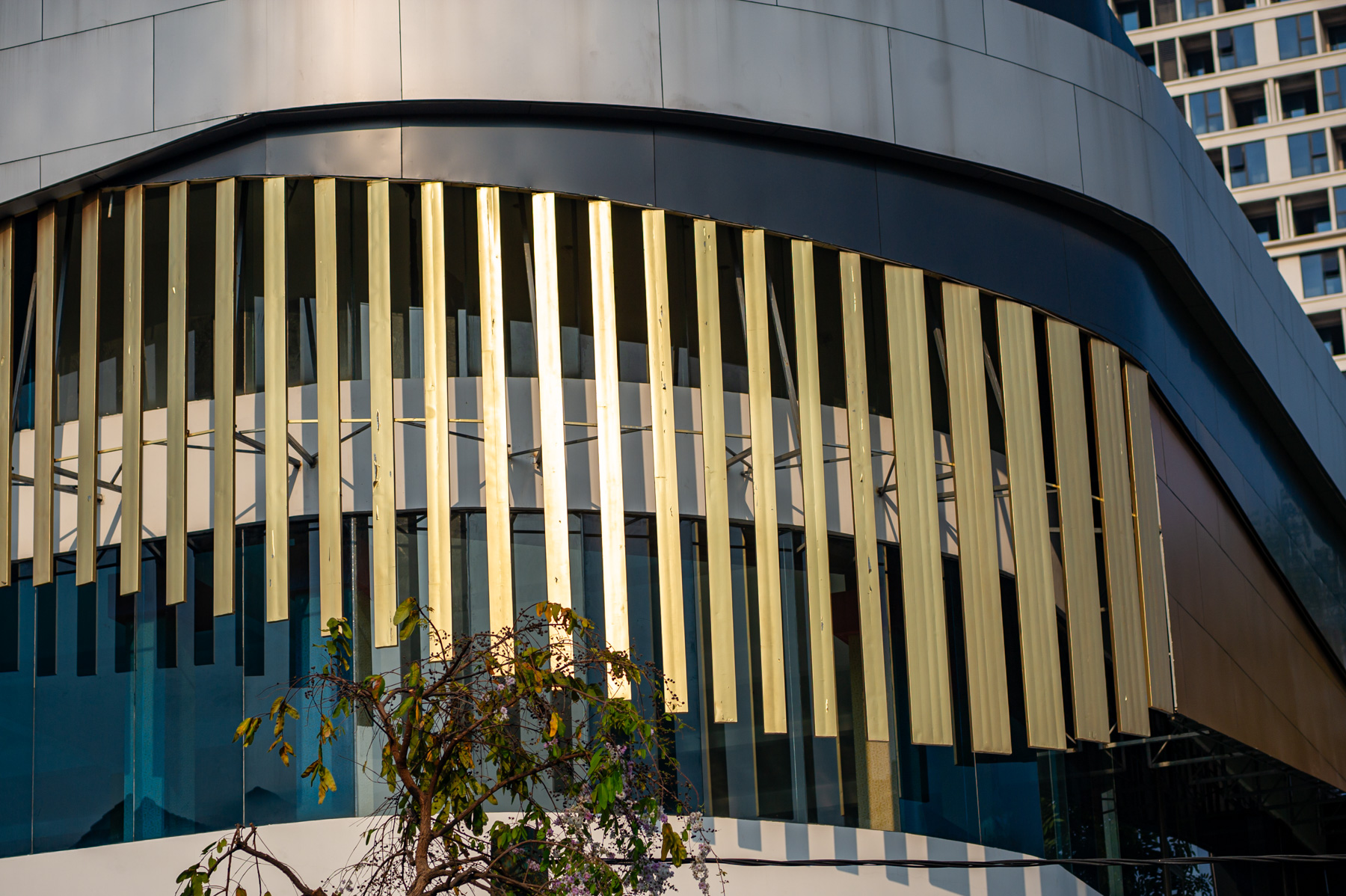
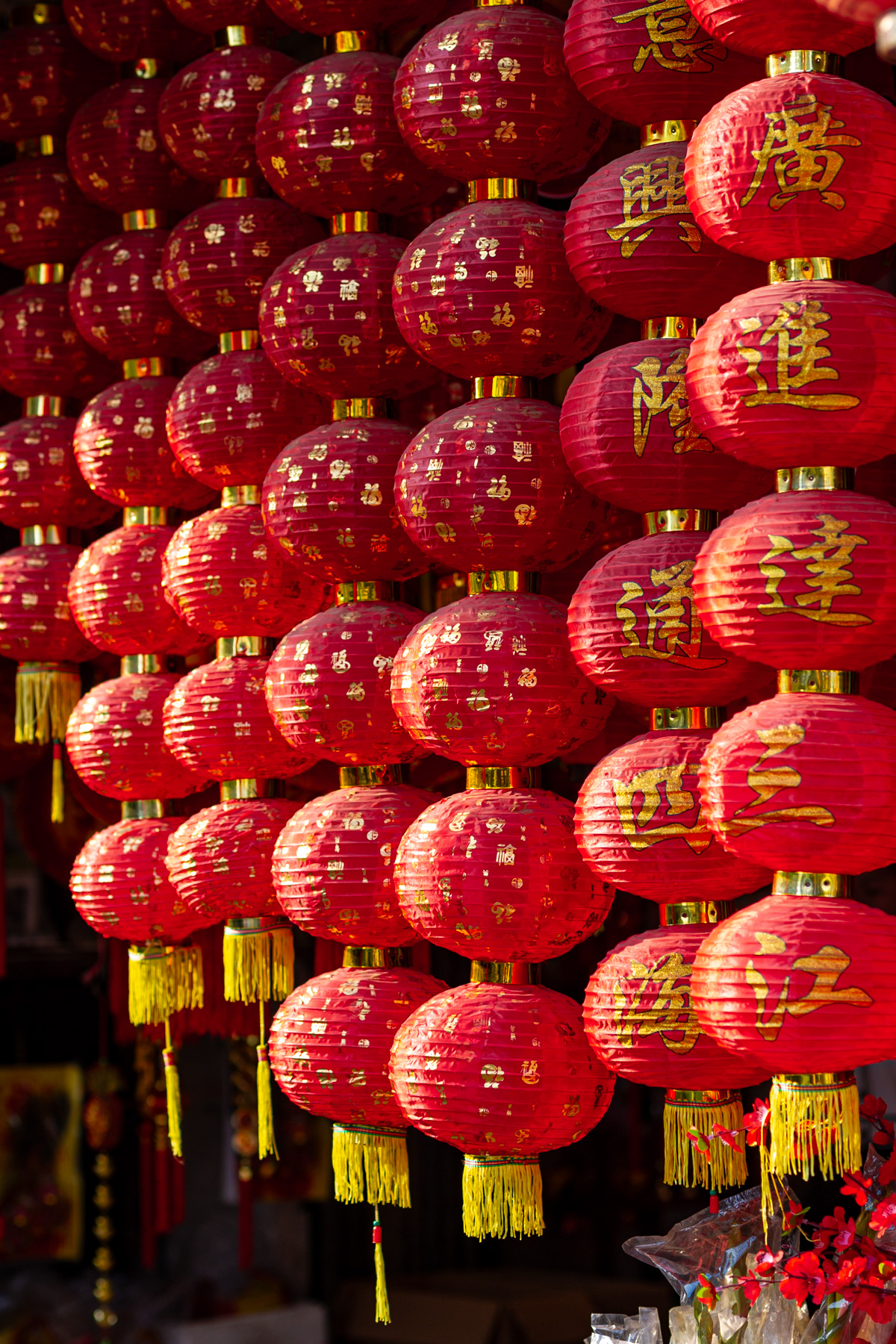
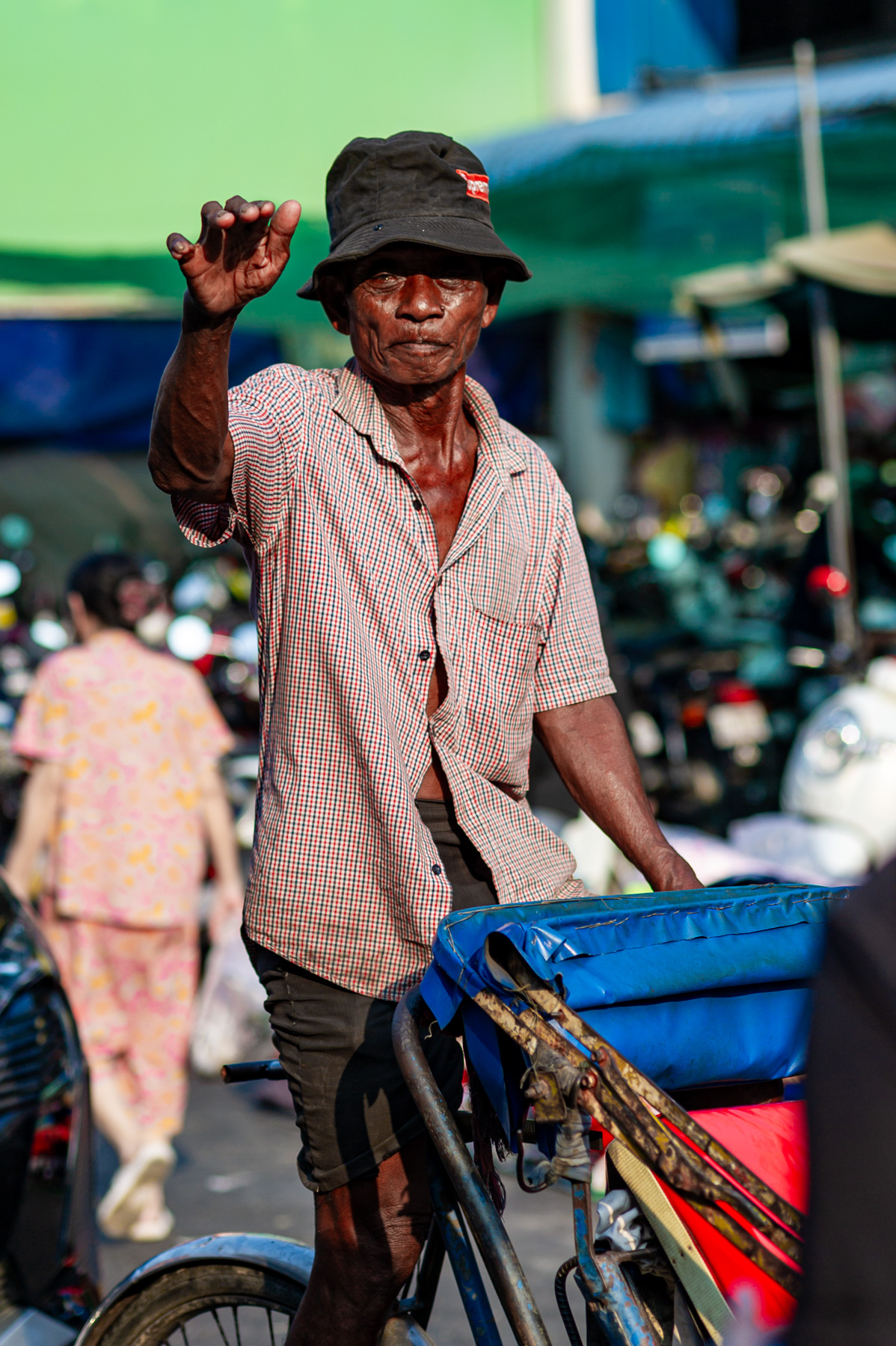
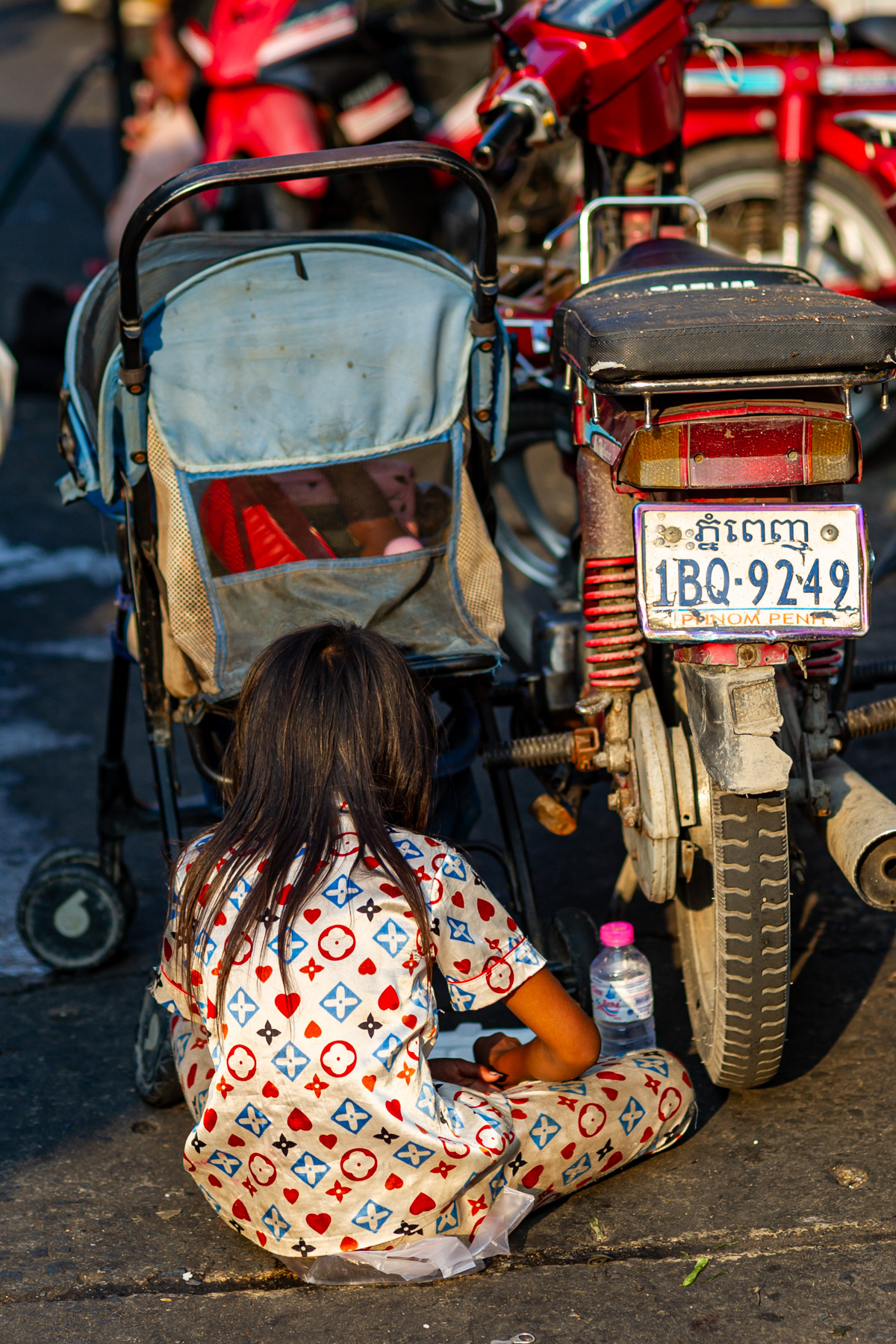
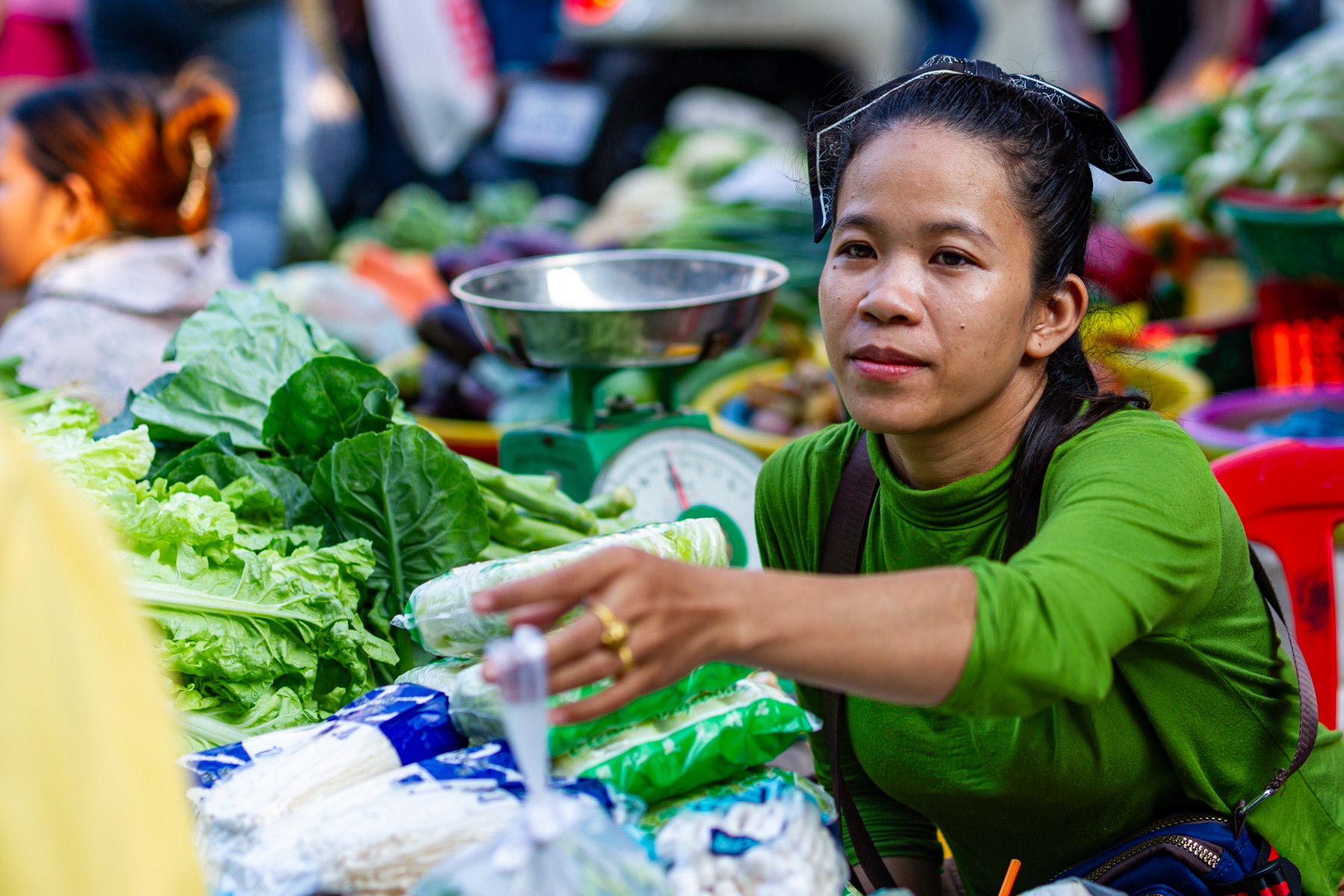

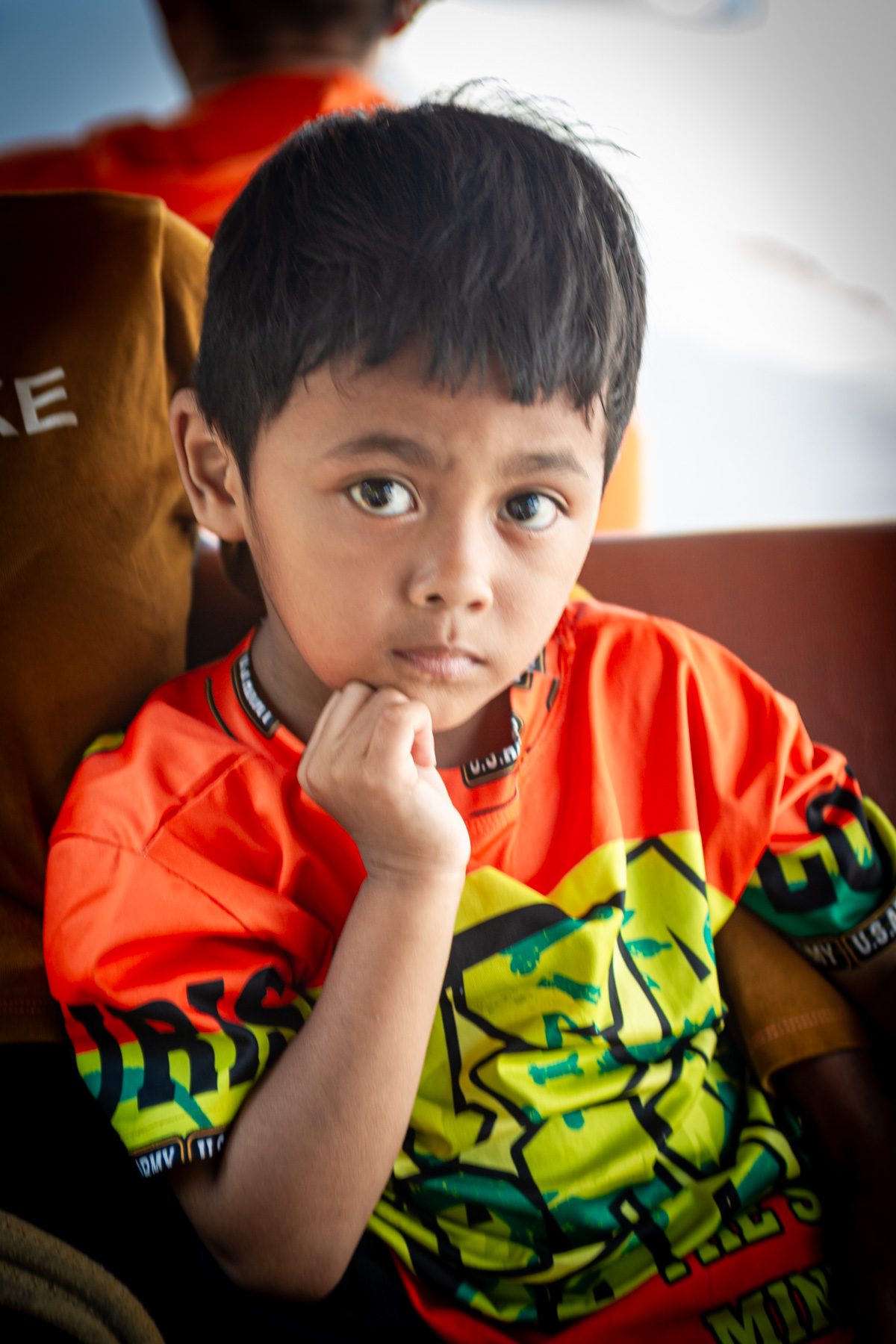
But strangely, the reason I make pictures hasn’t changed very much at all. I make pictures because I notice things. That may be the simplest explanation I can give.
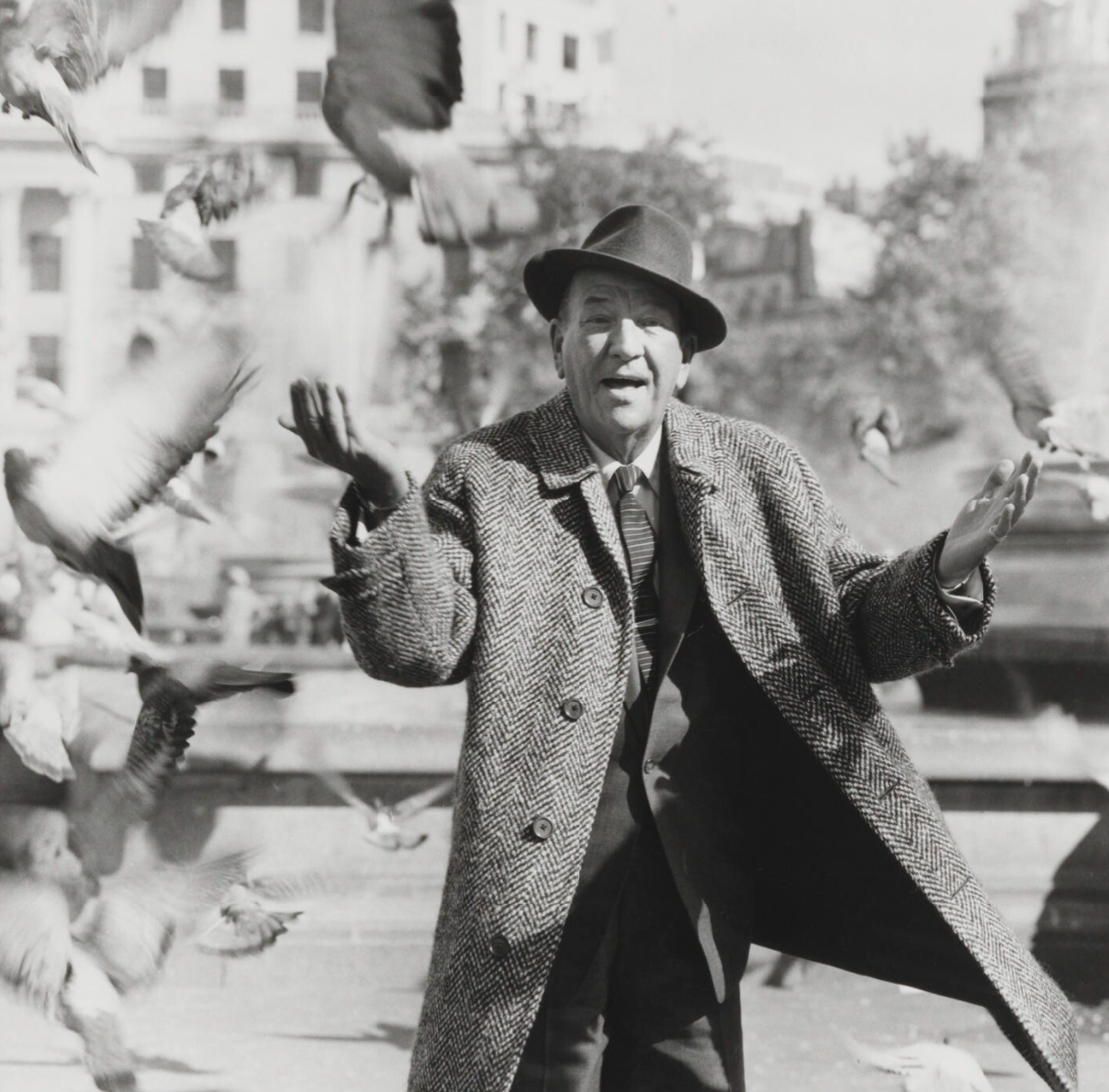
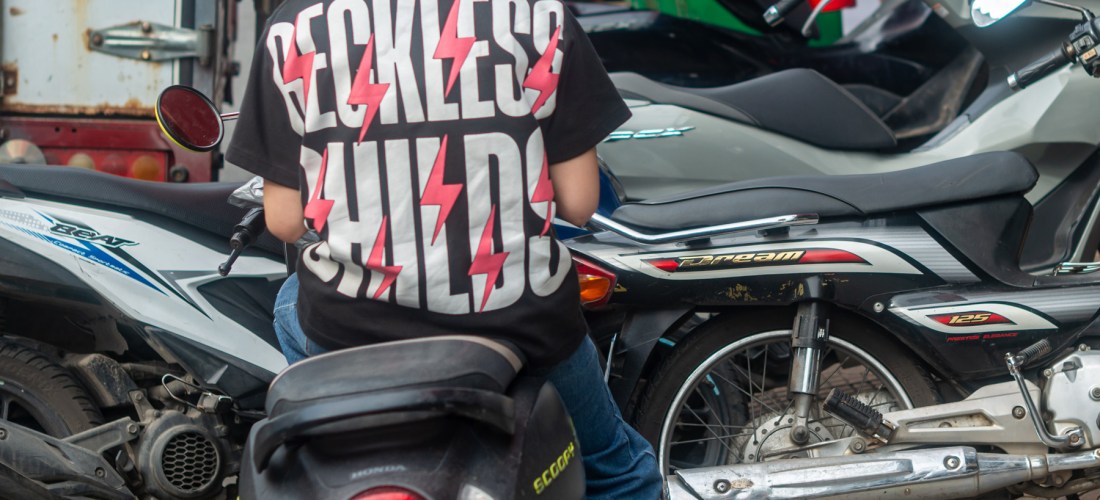
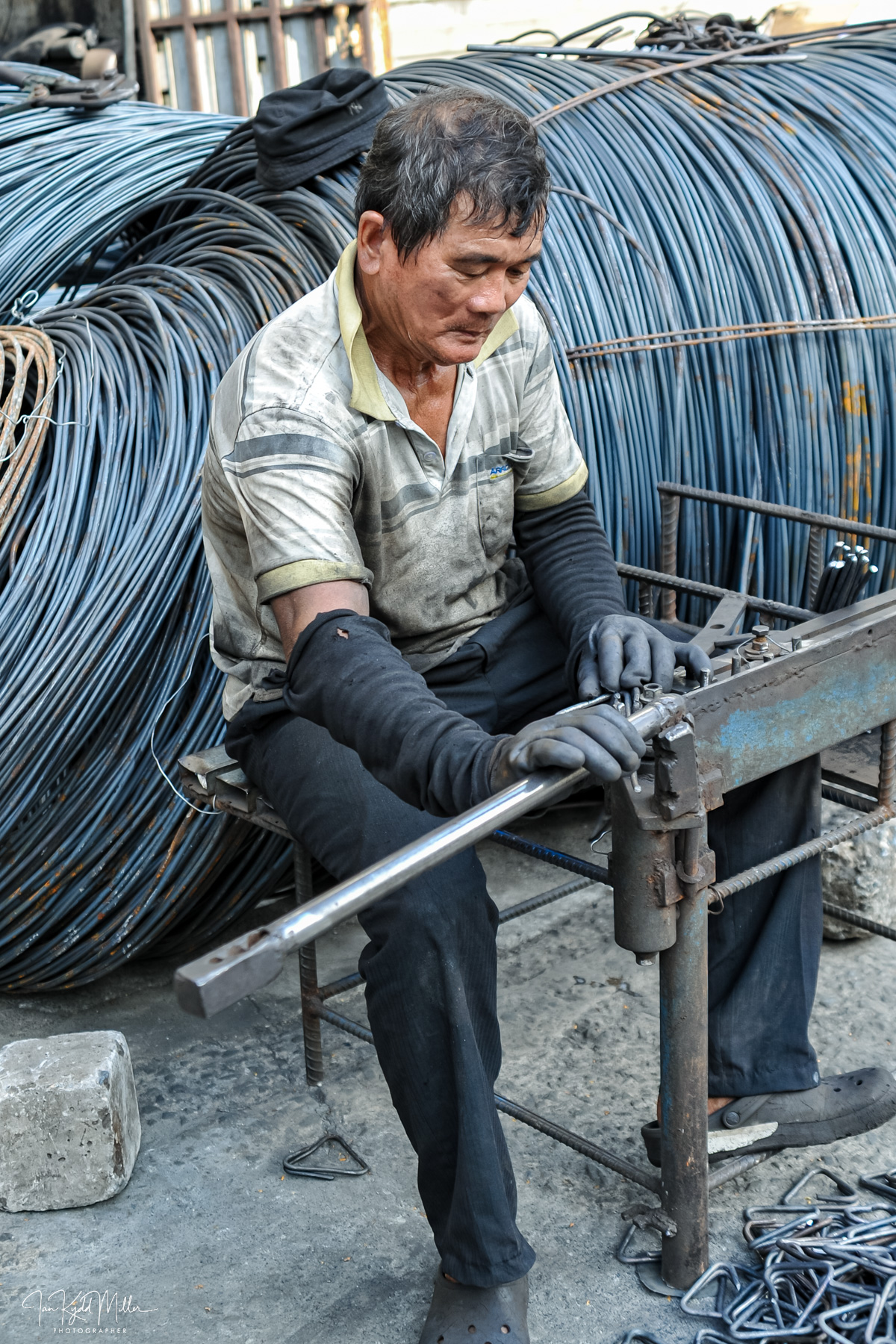
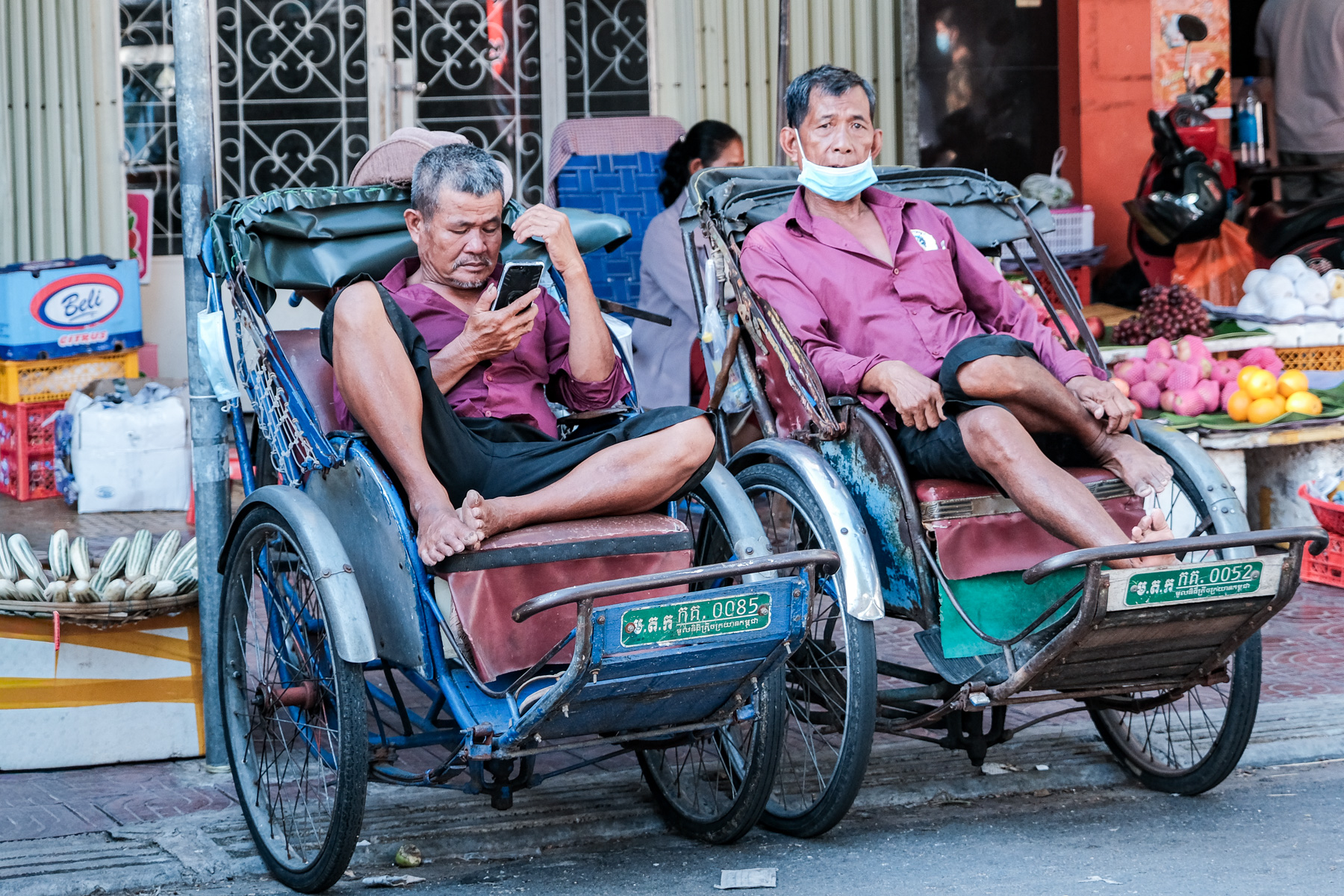
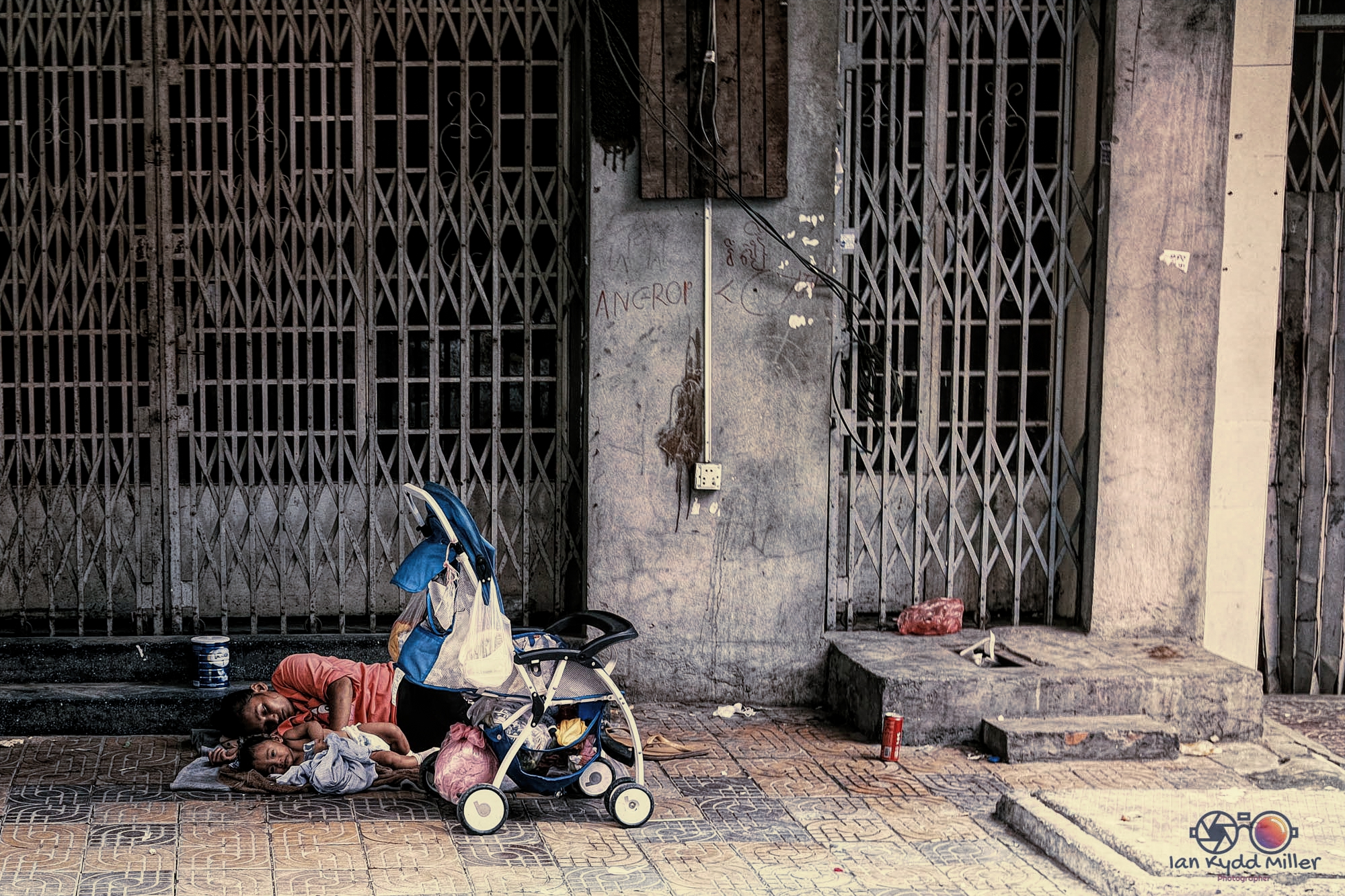
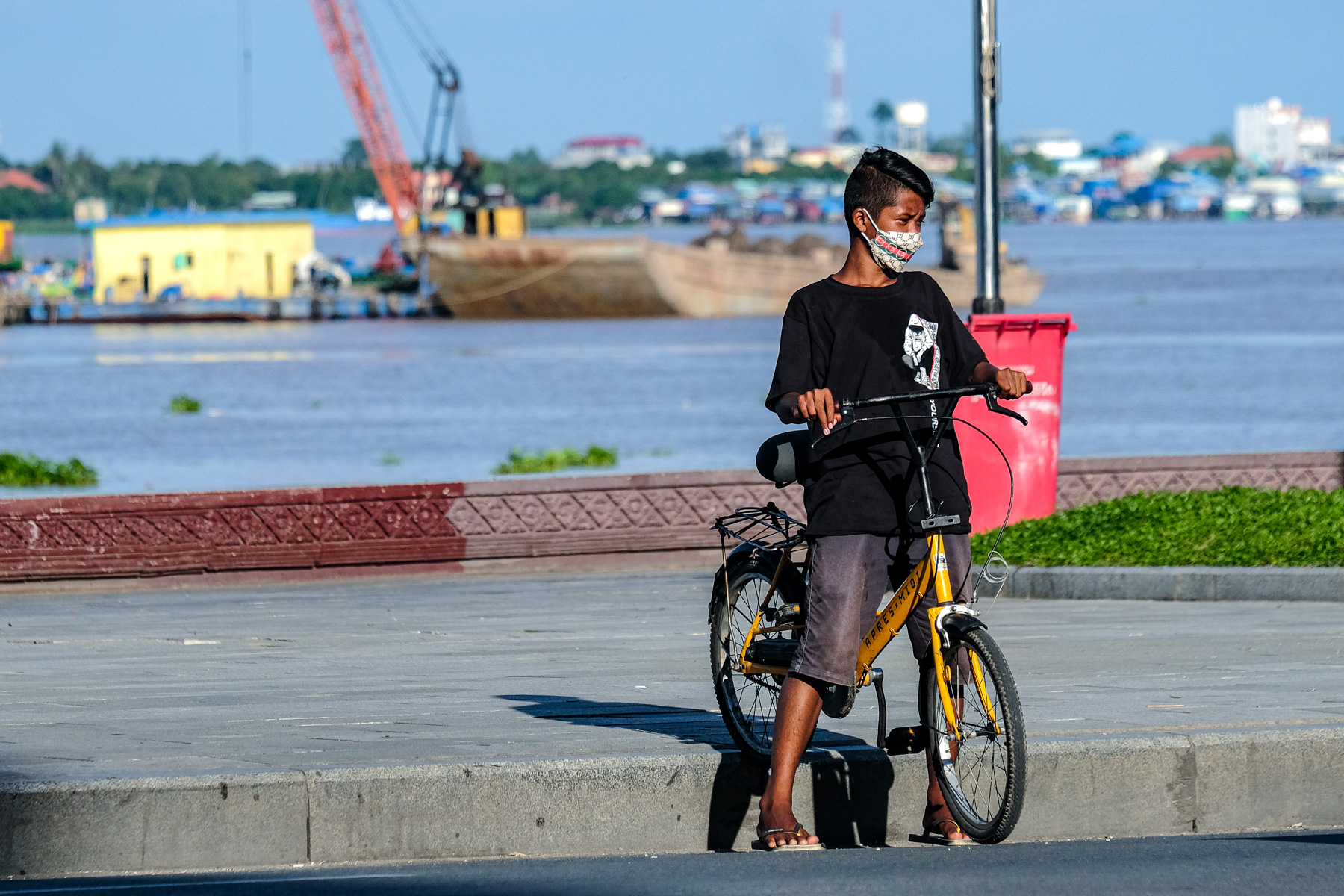
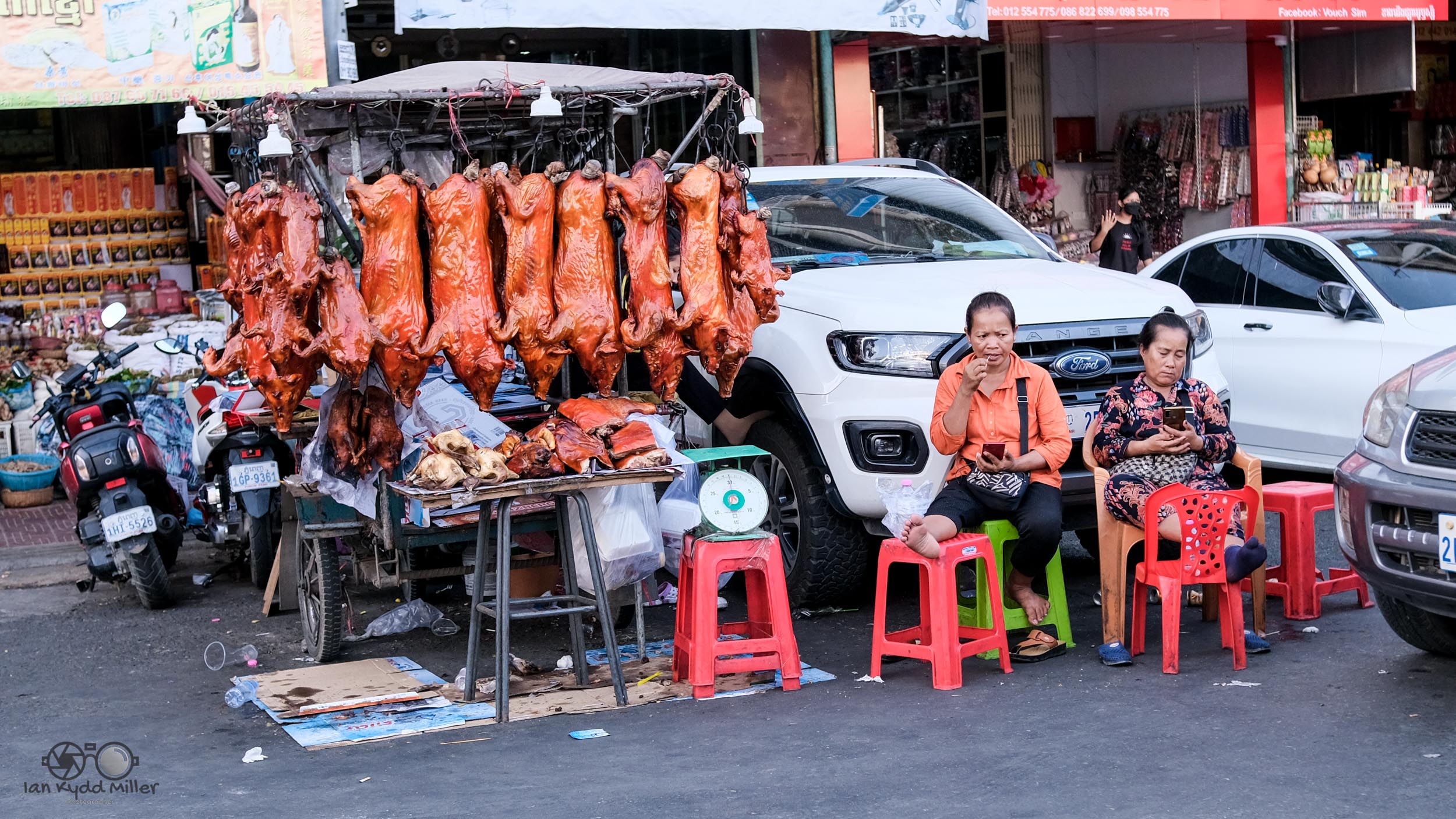
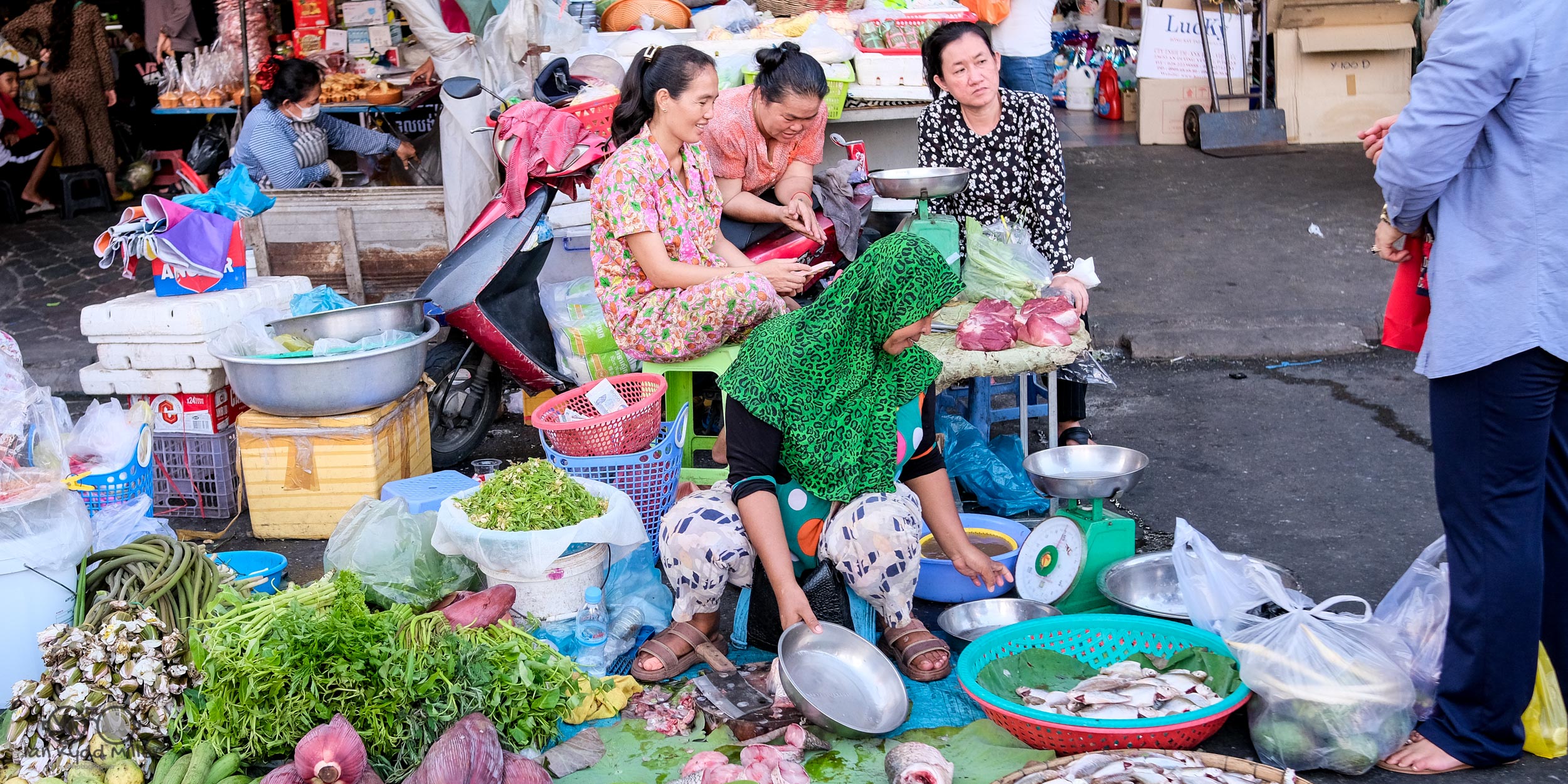
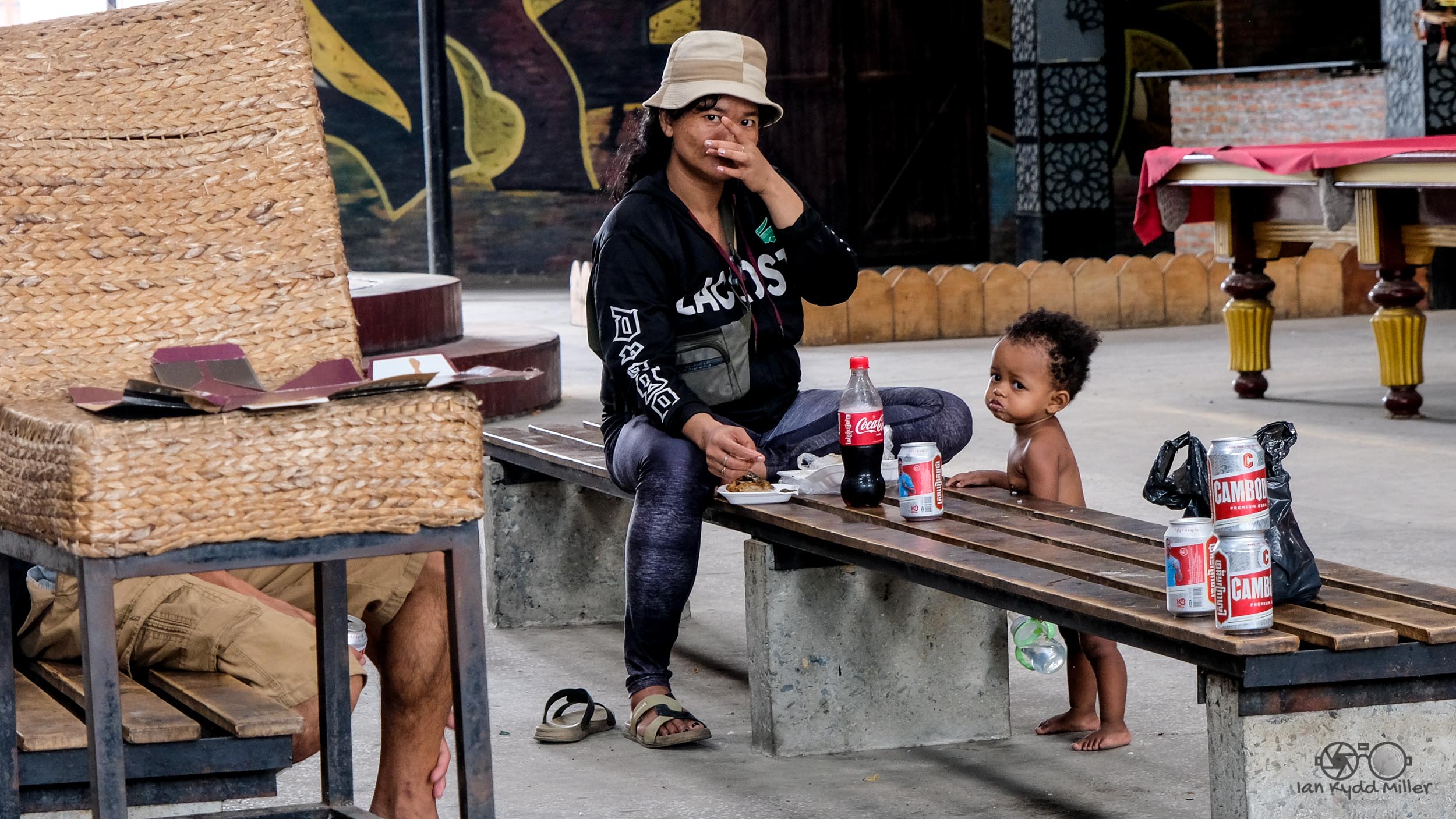
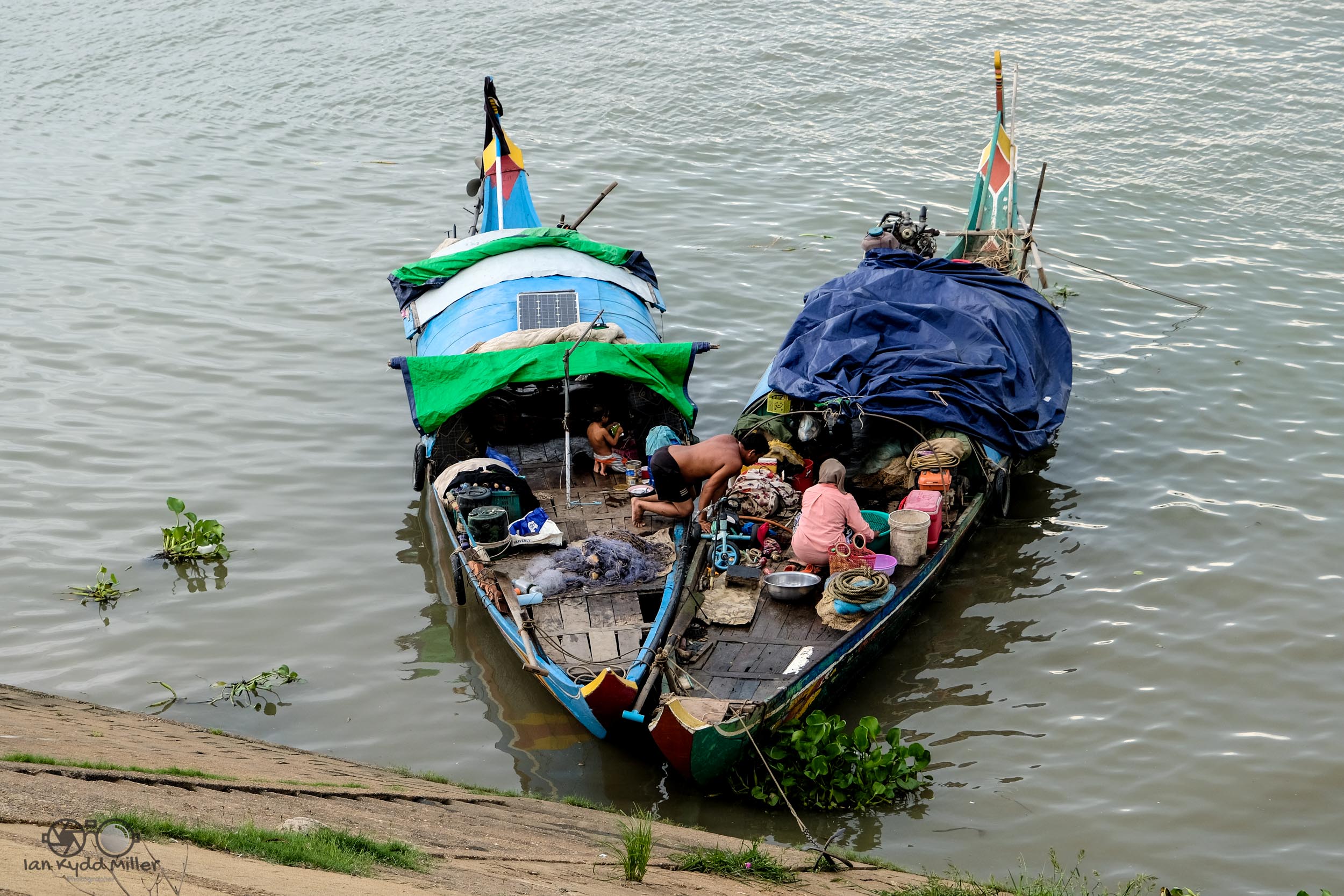
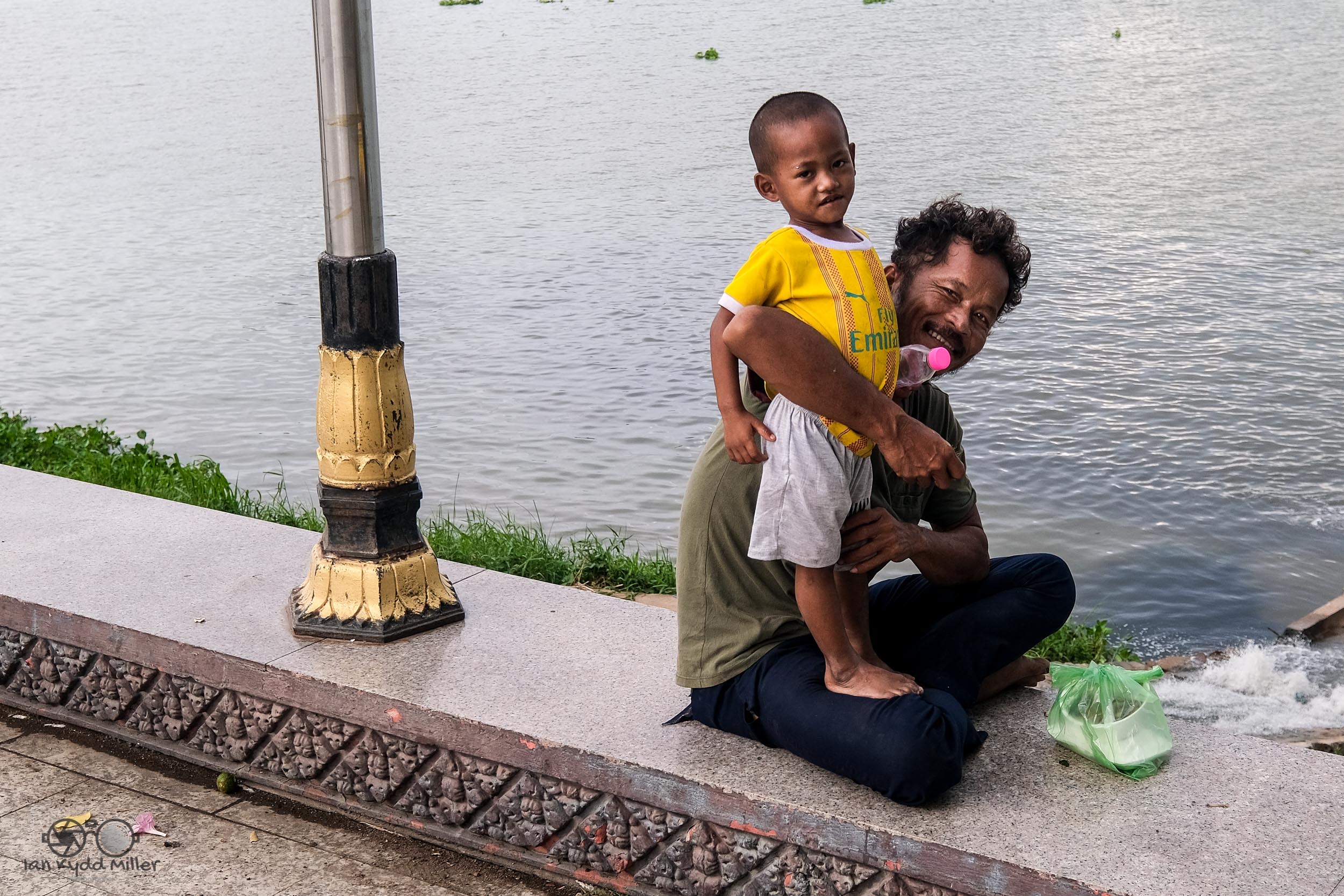
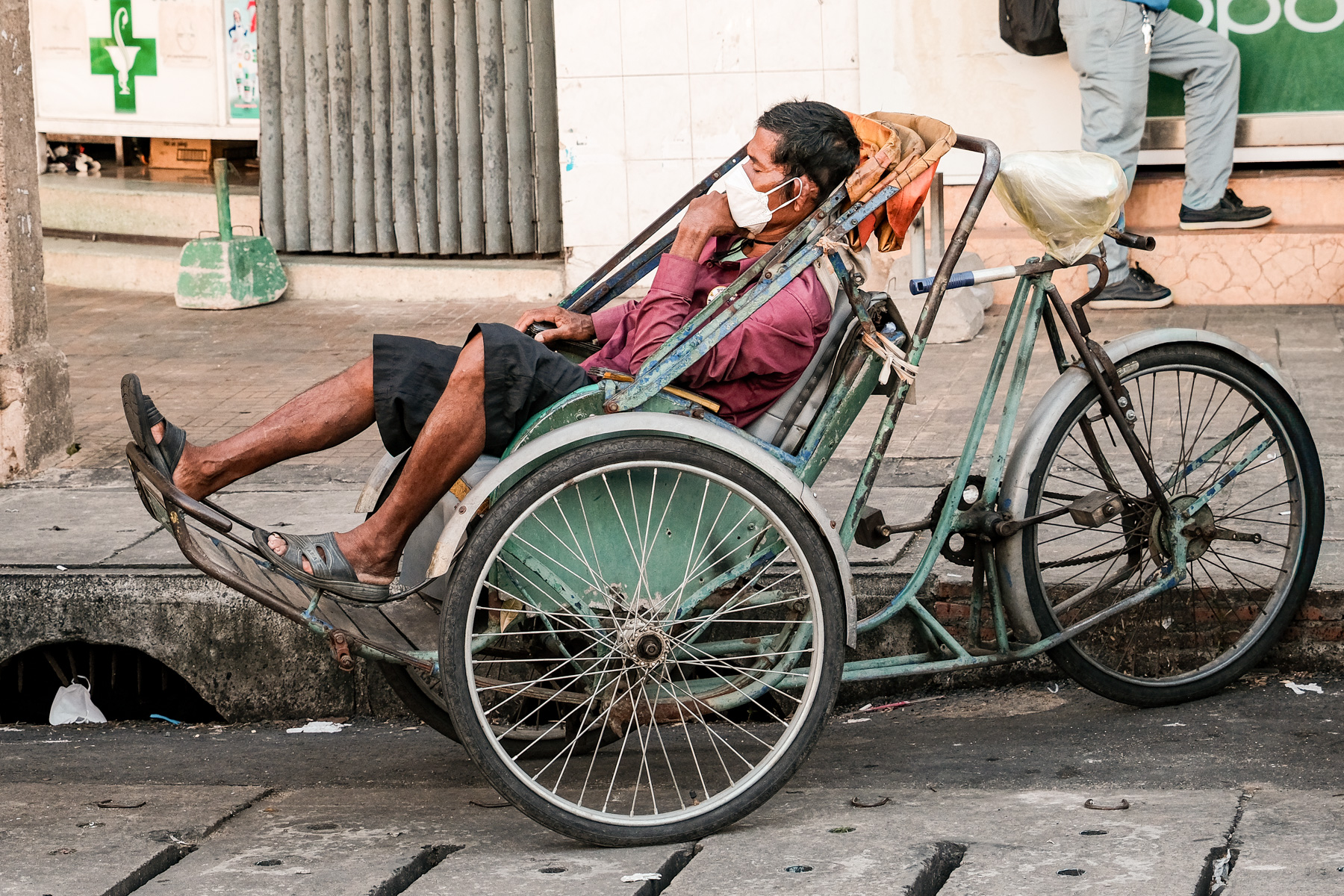
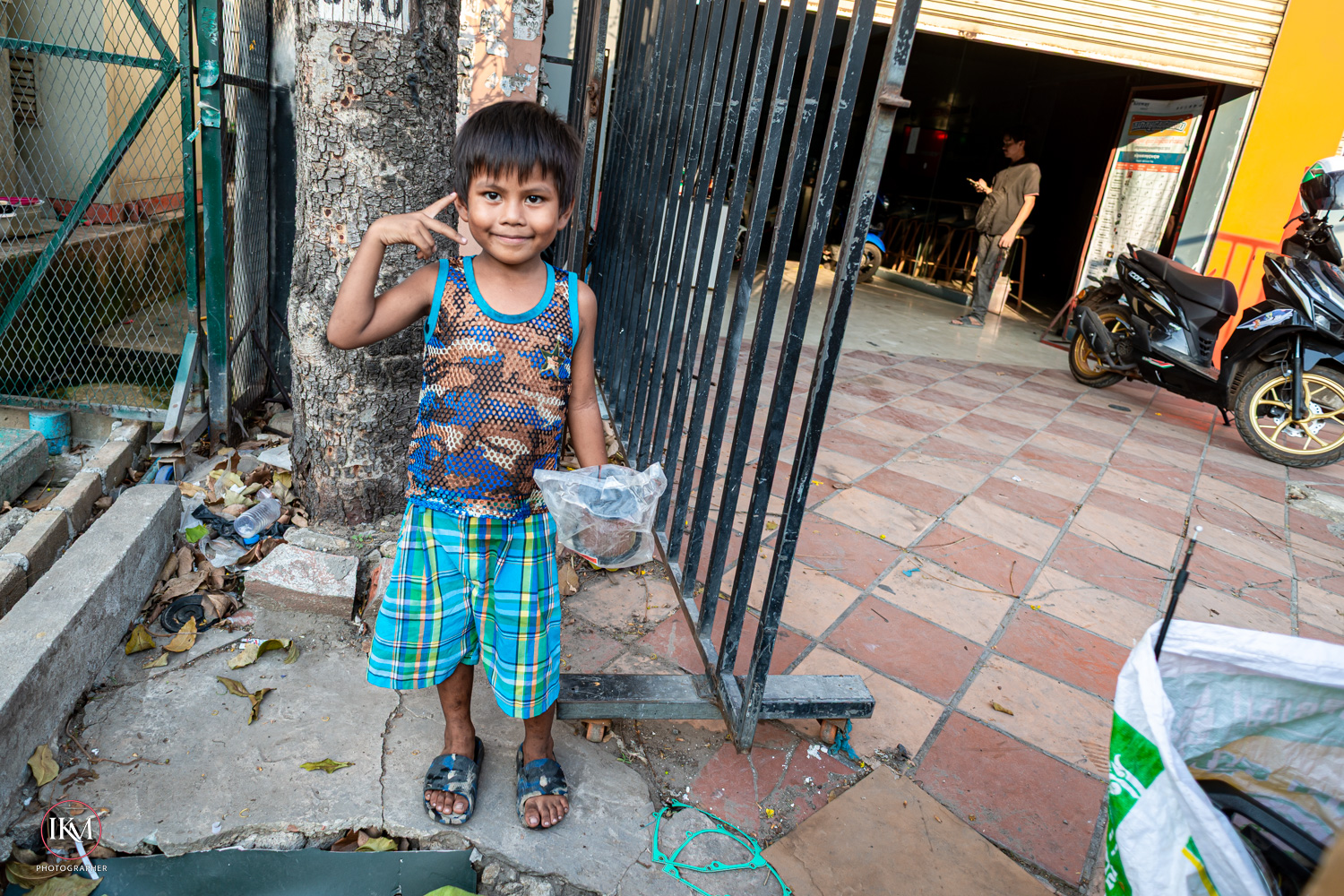
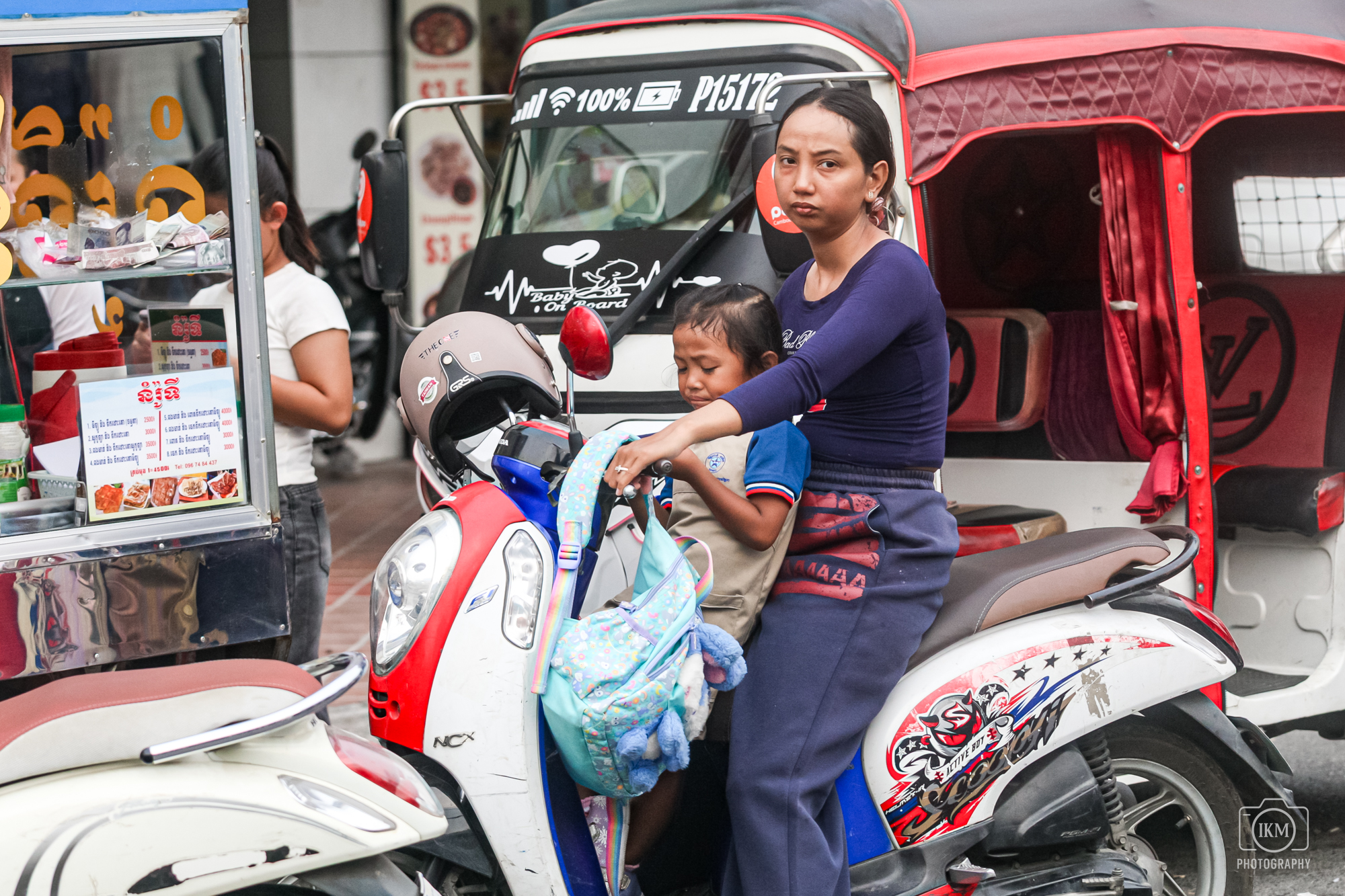
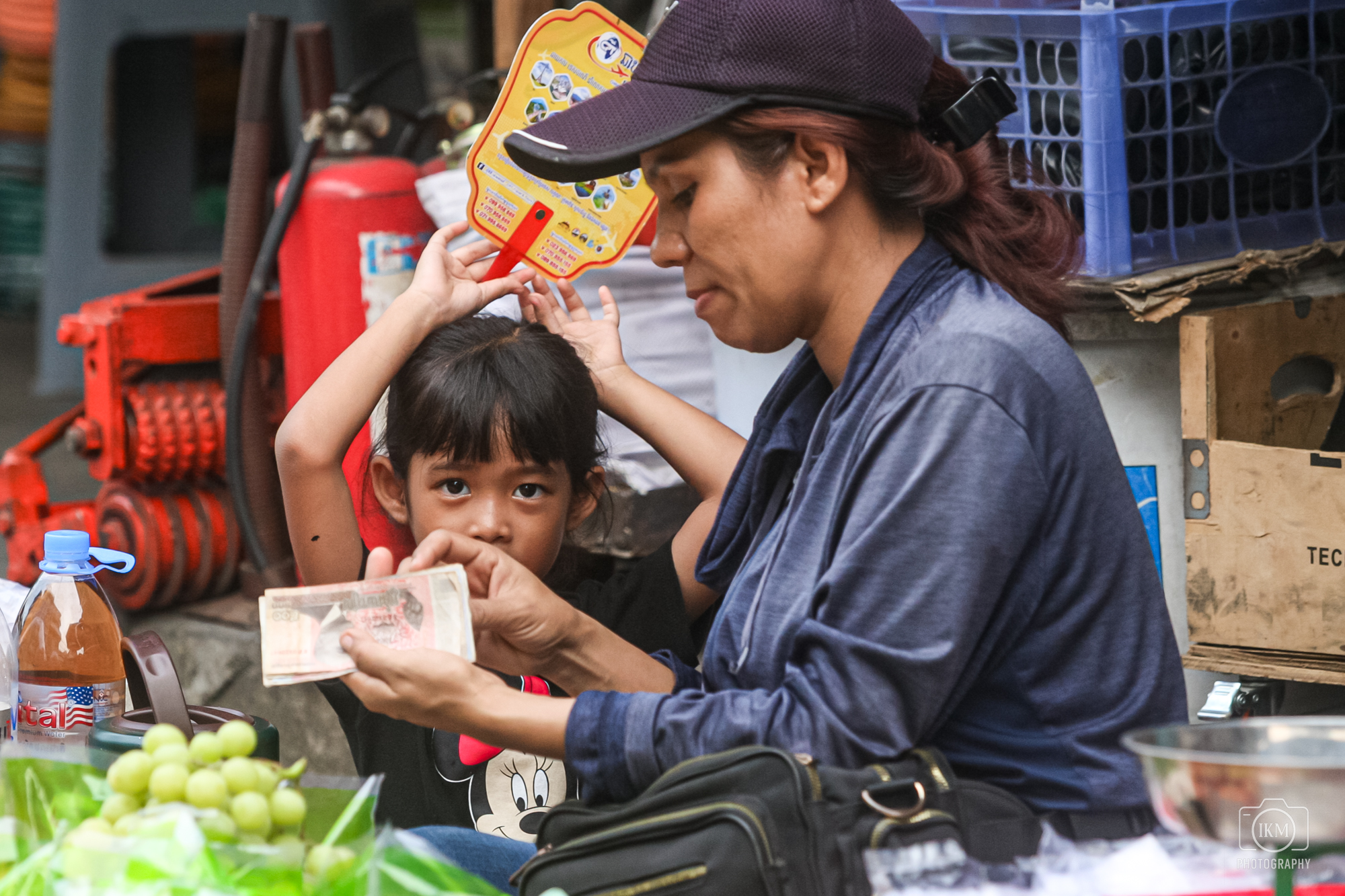
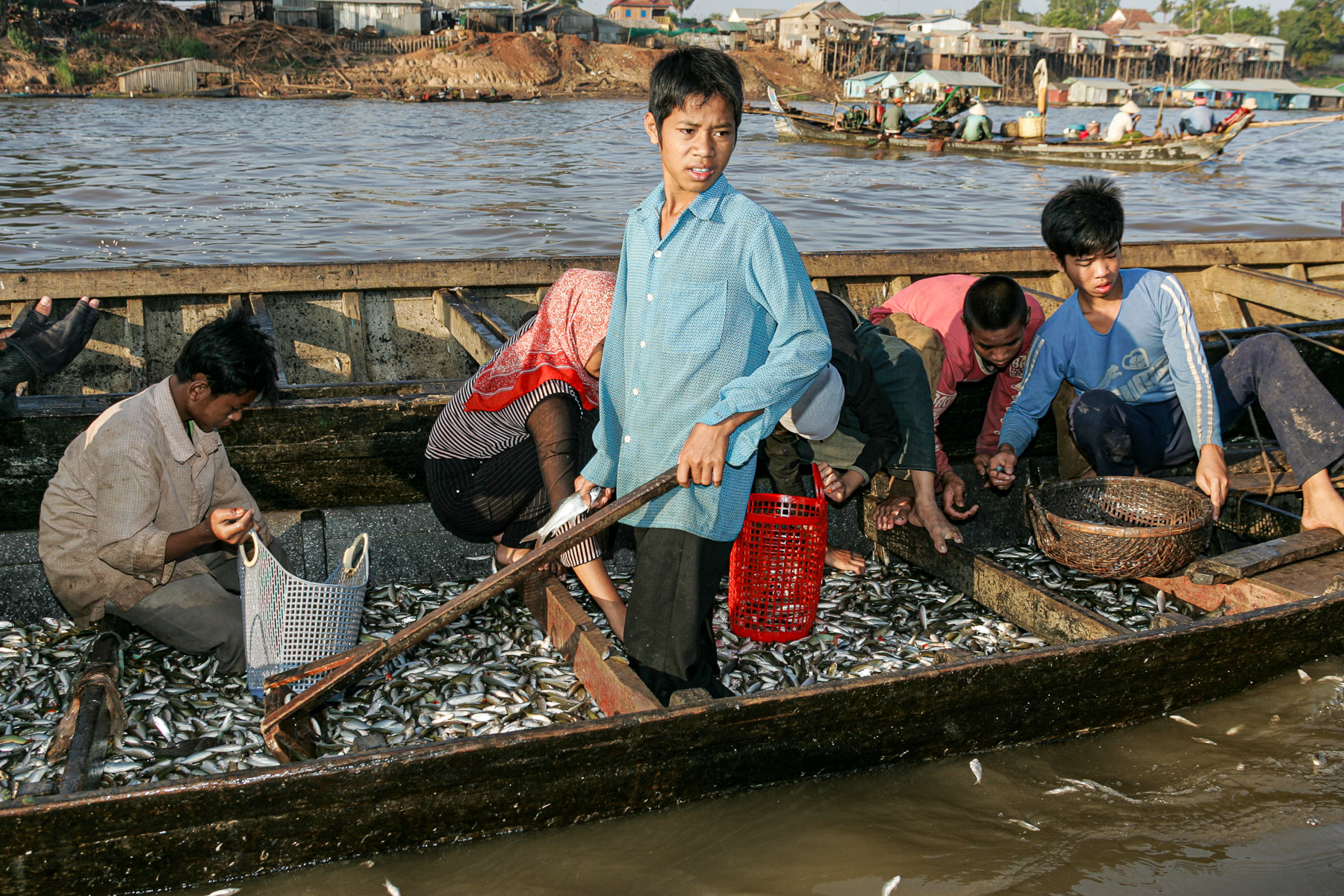
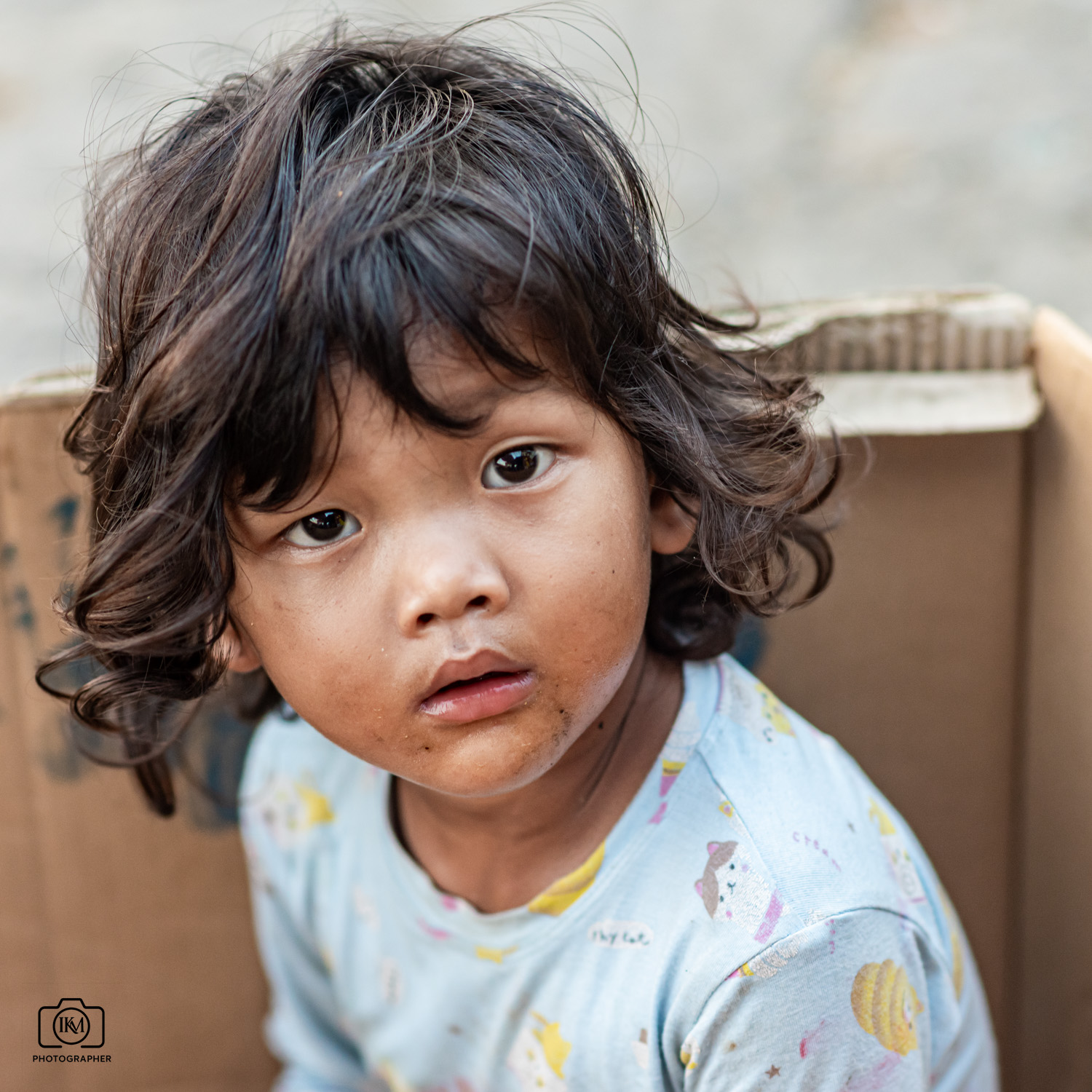
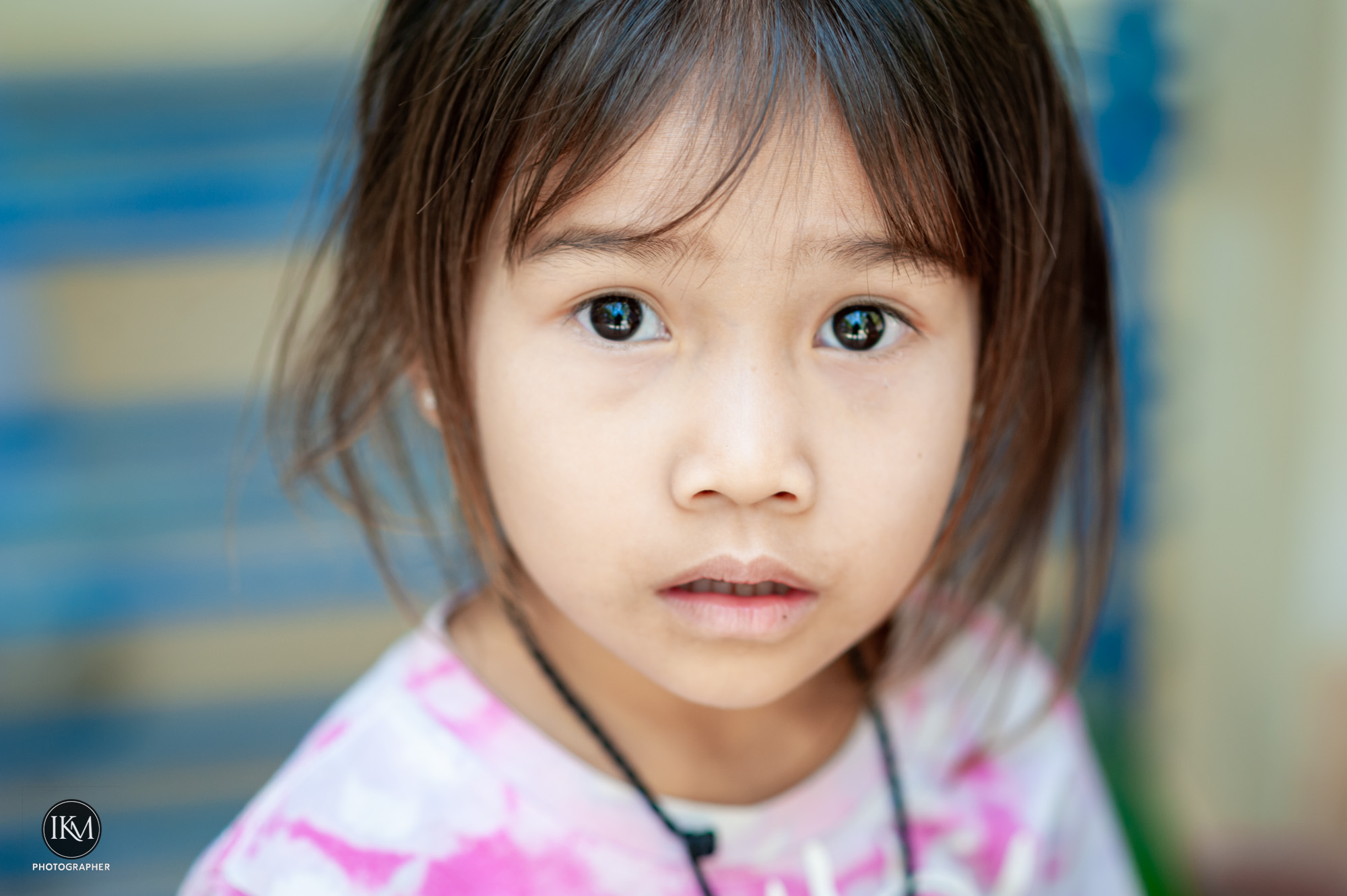
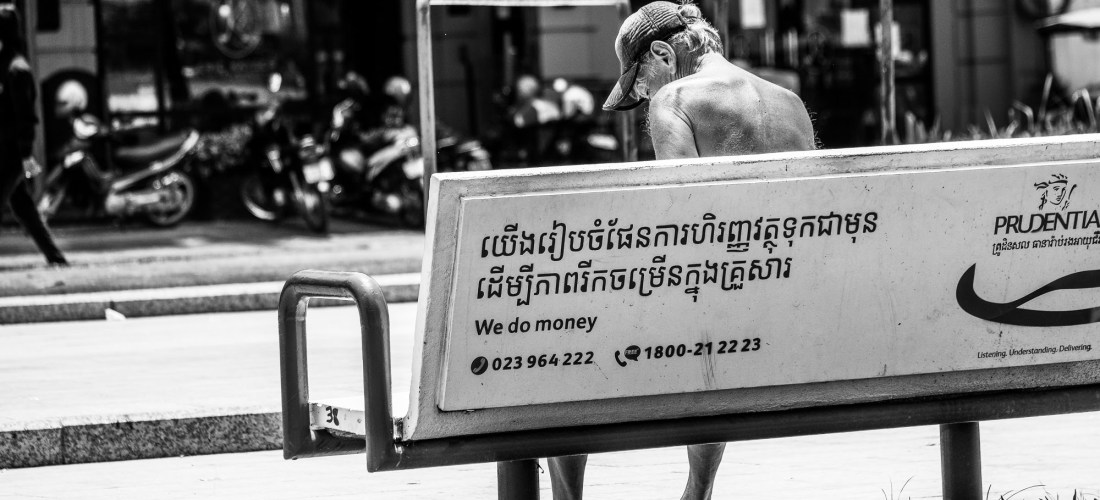
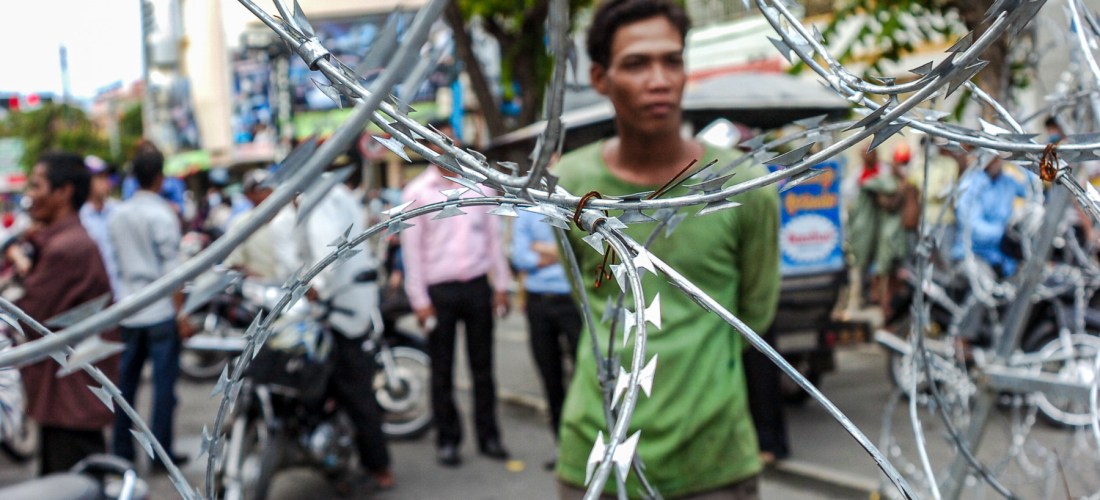
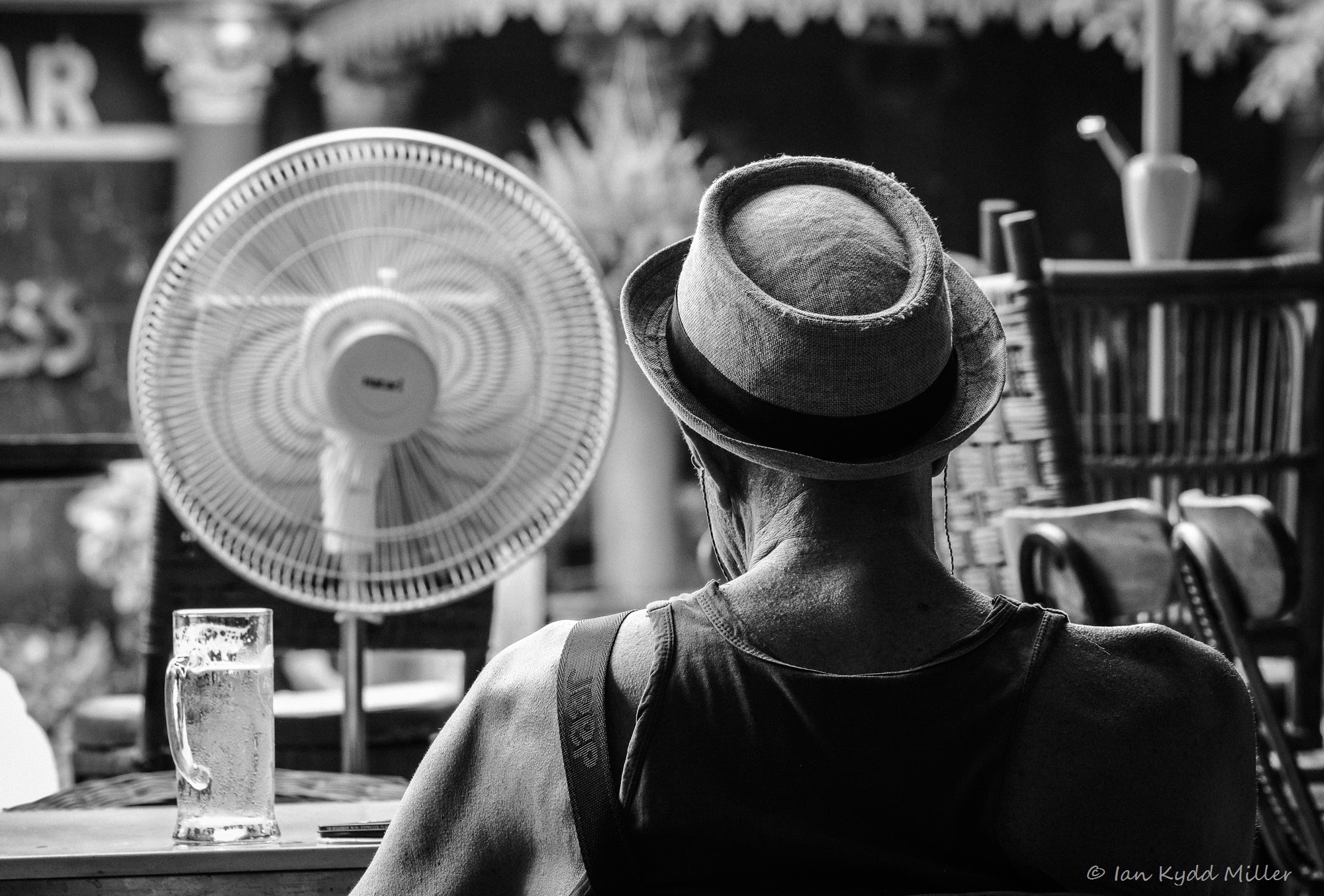
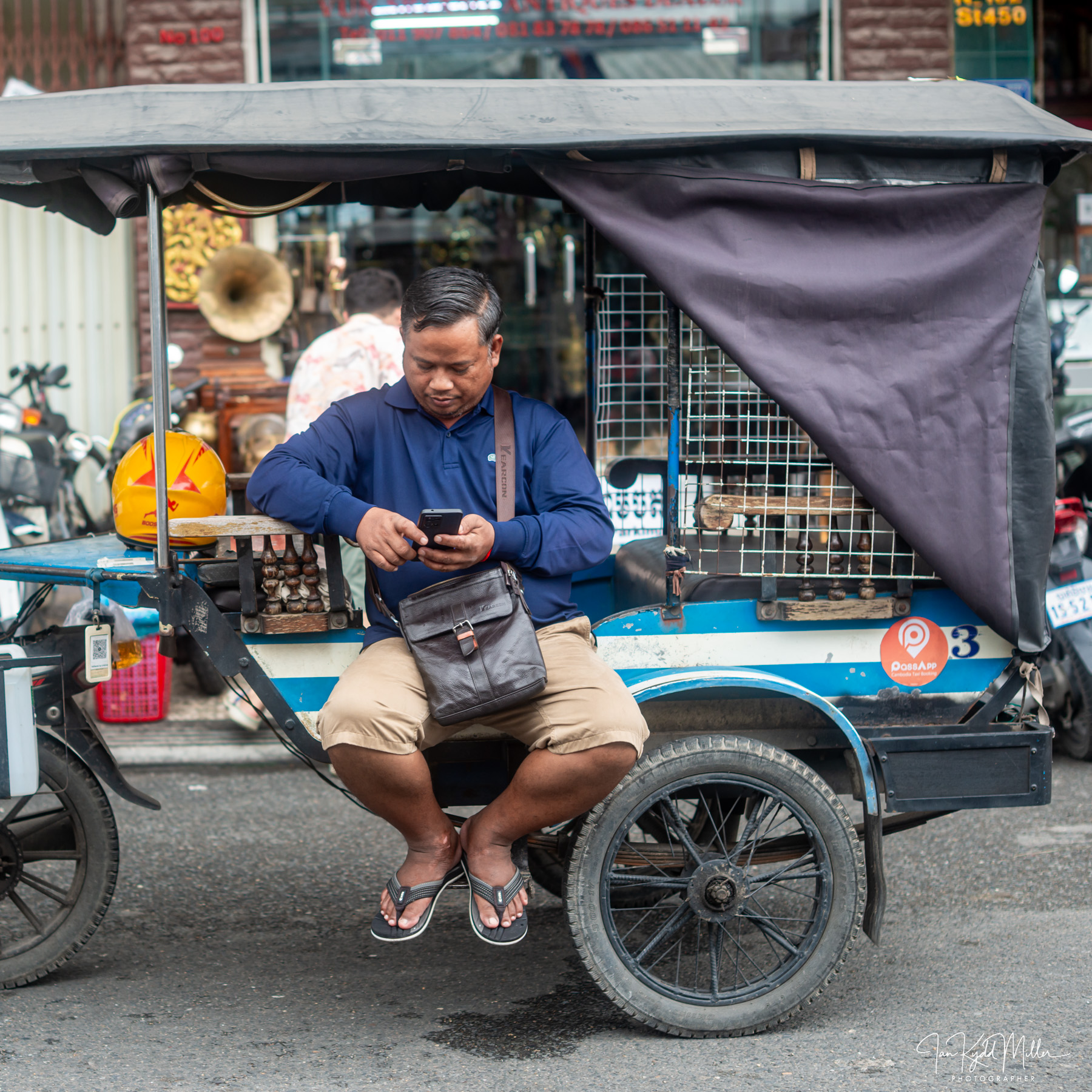
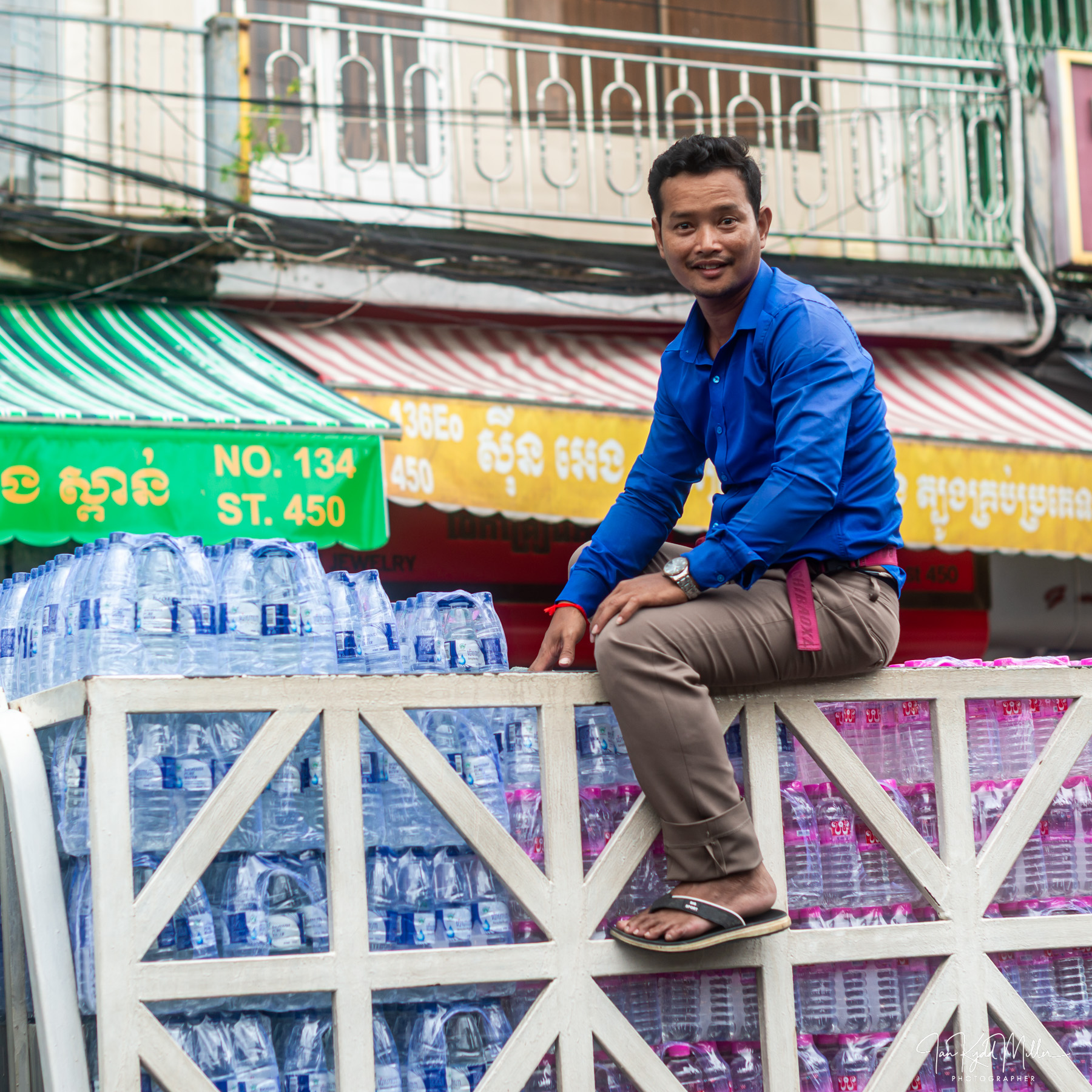
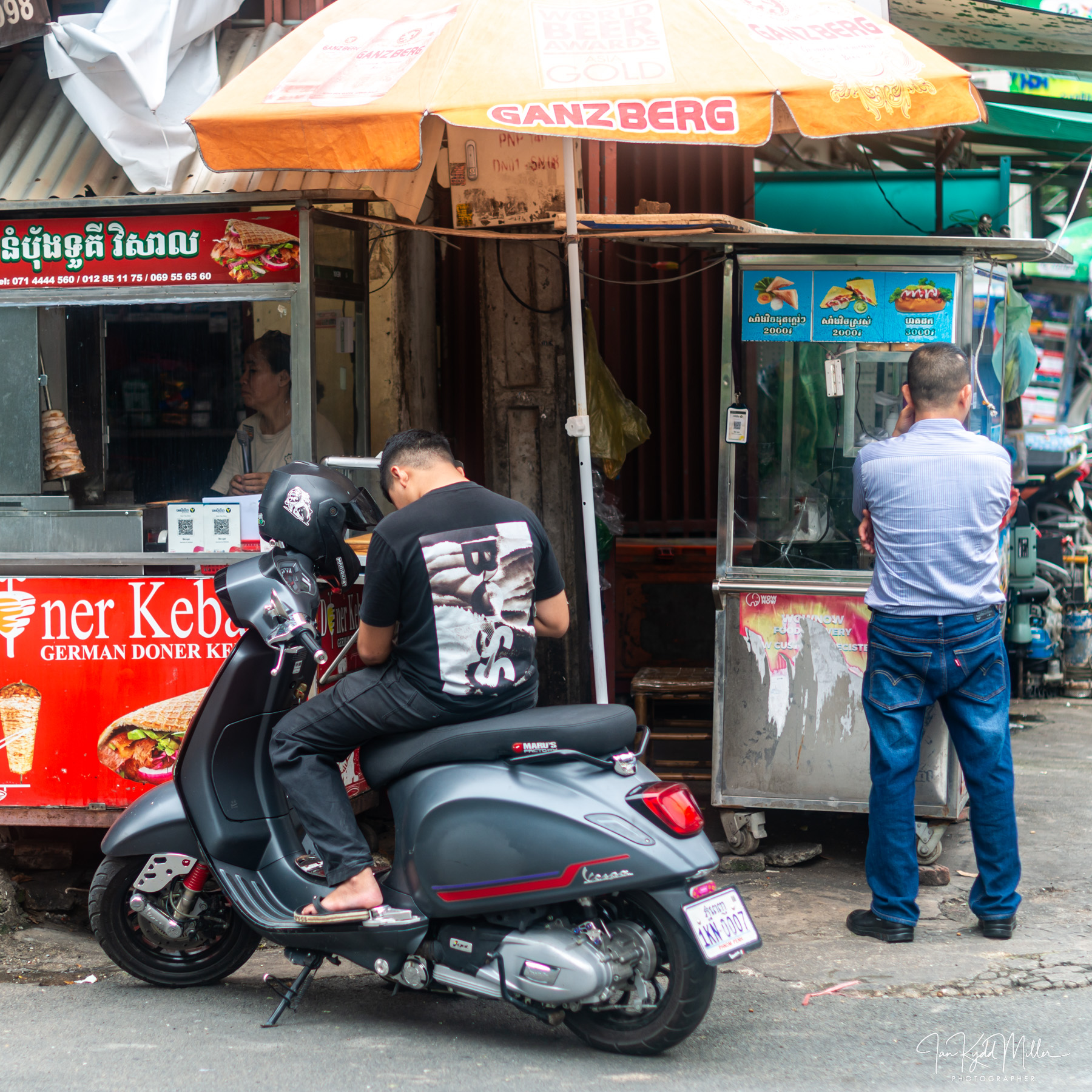
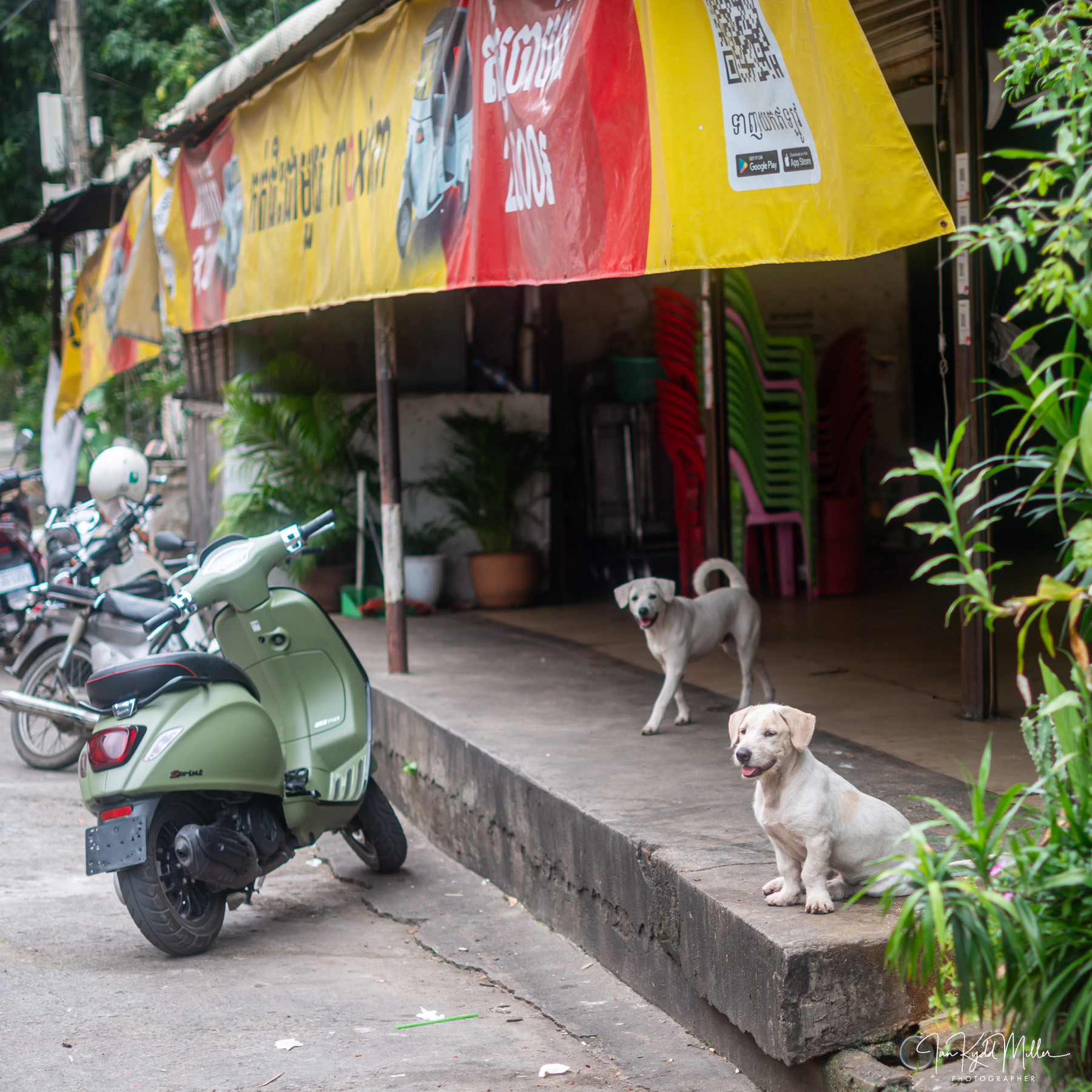
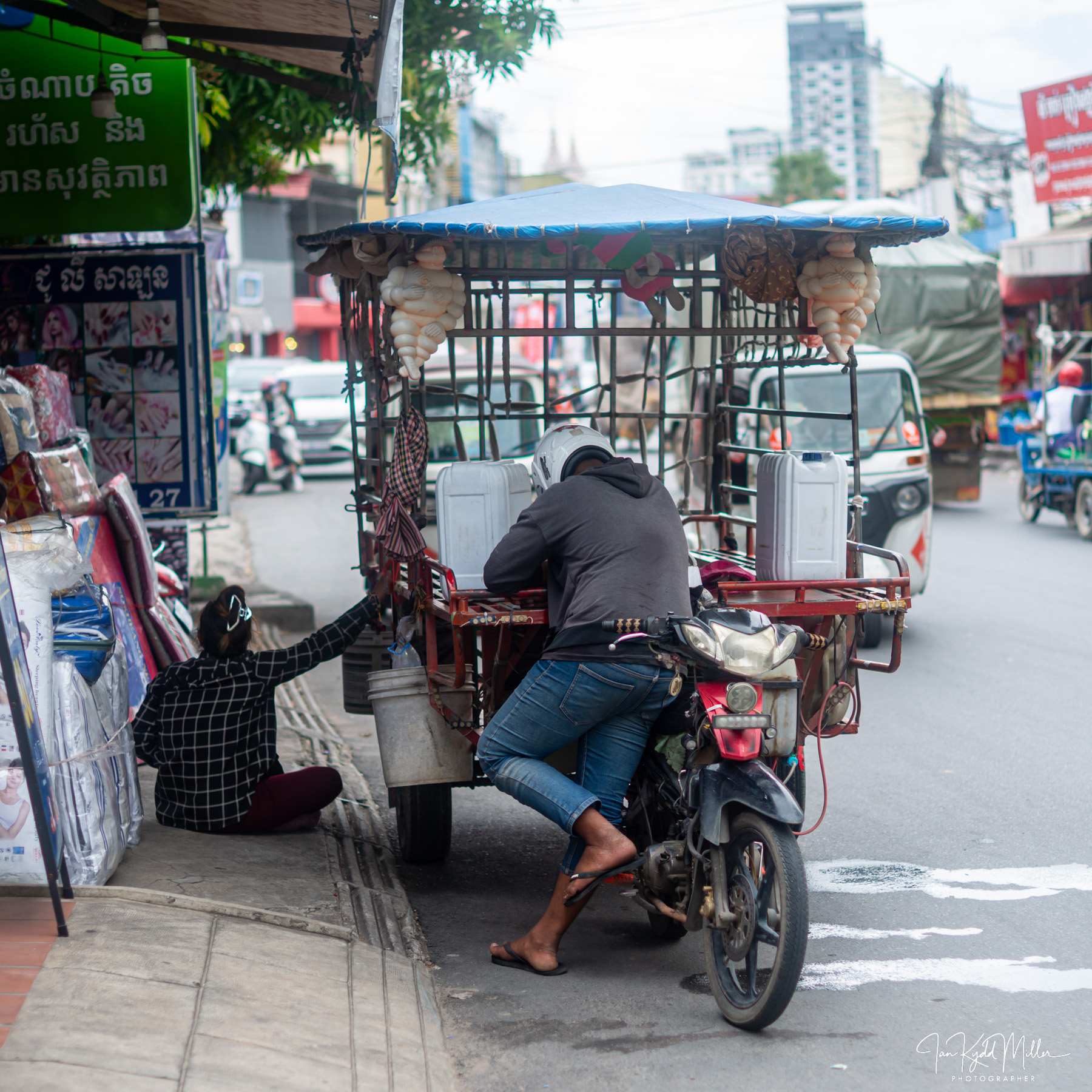
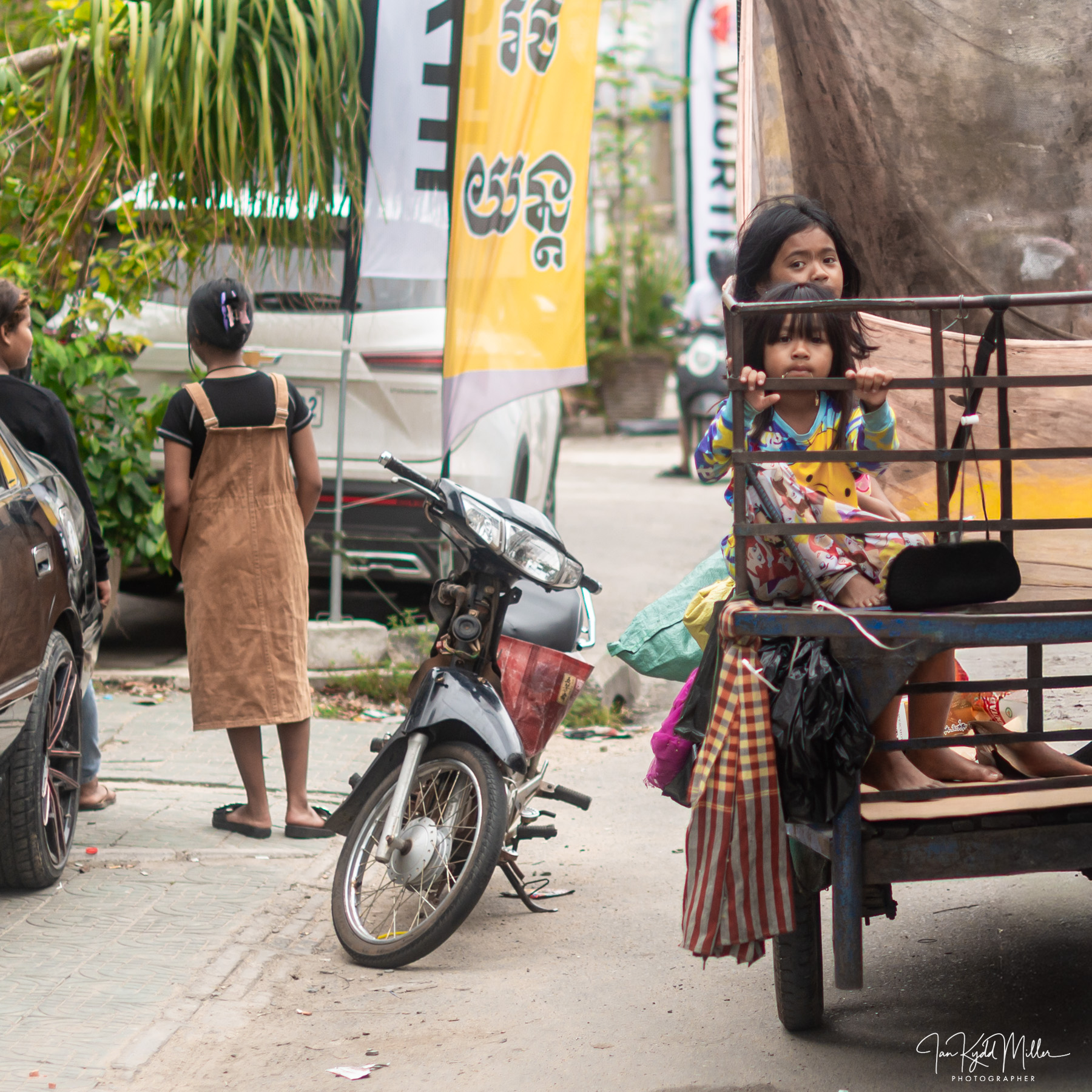
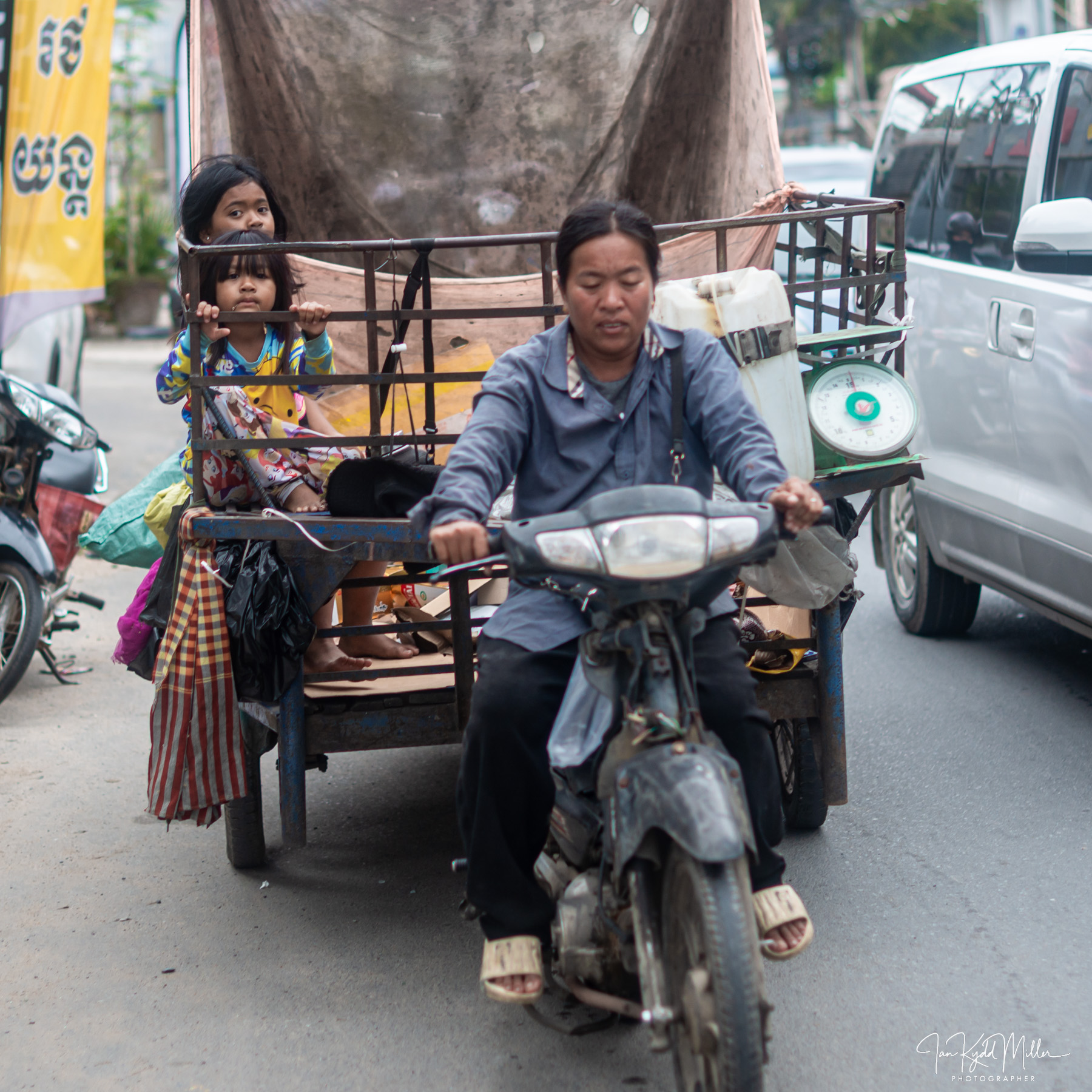
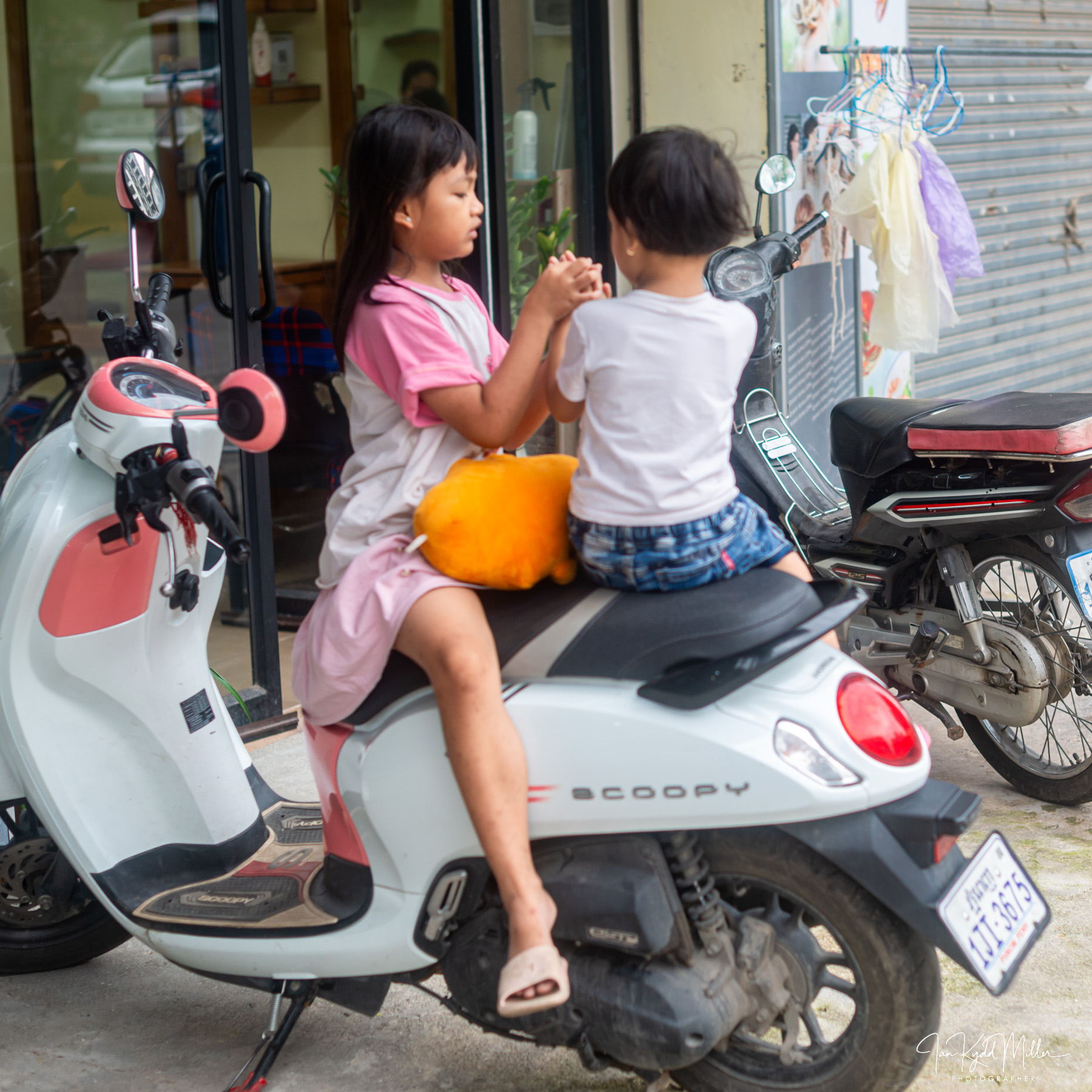
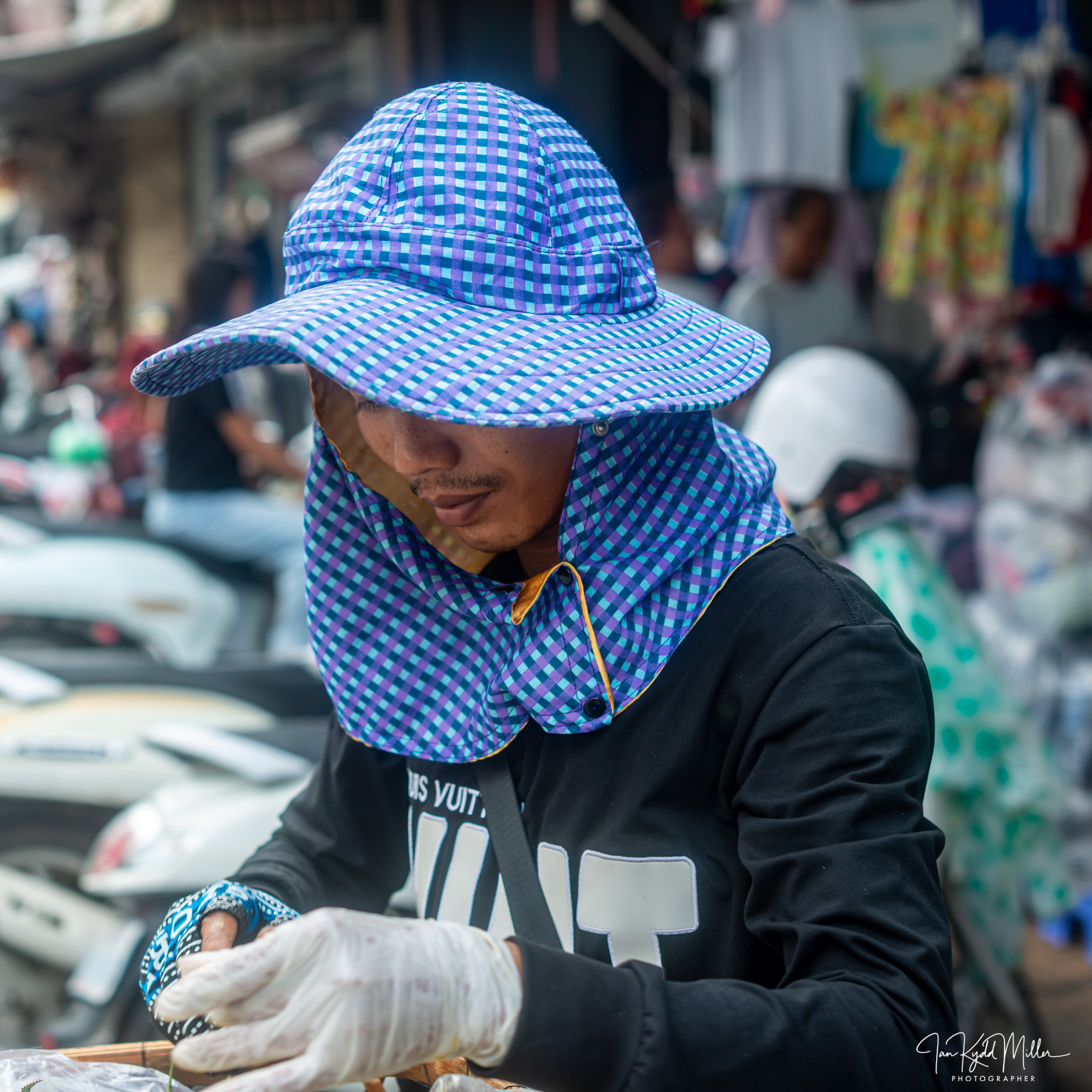
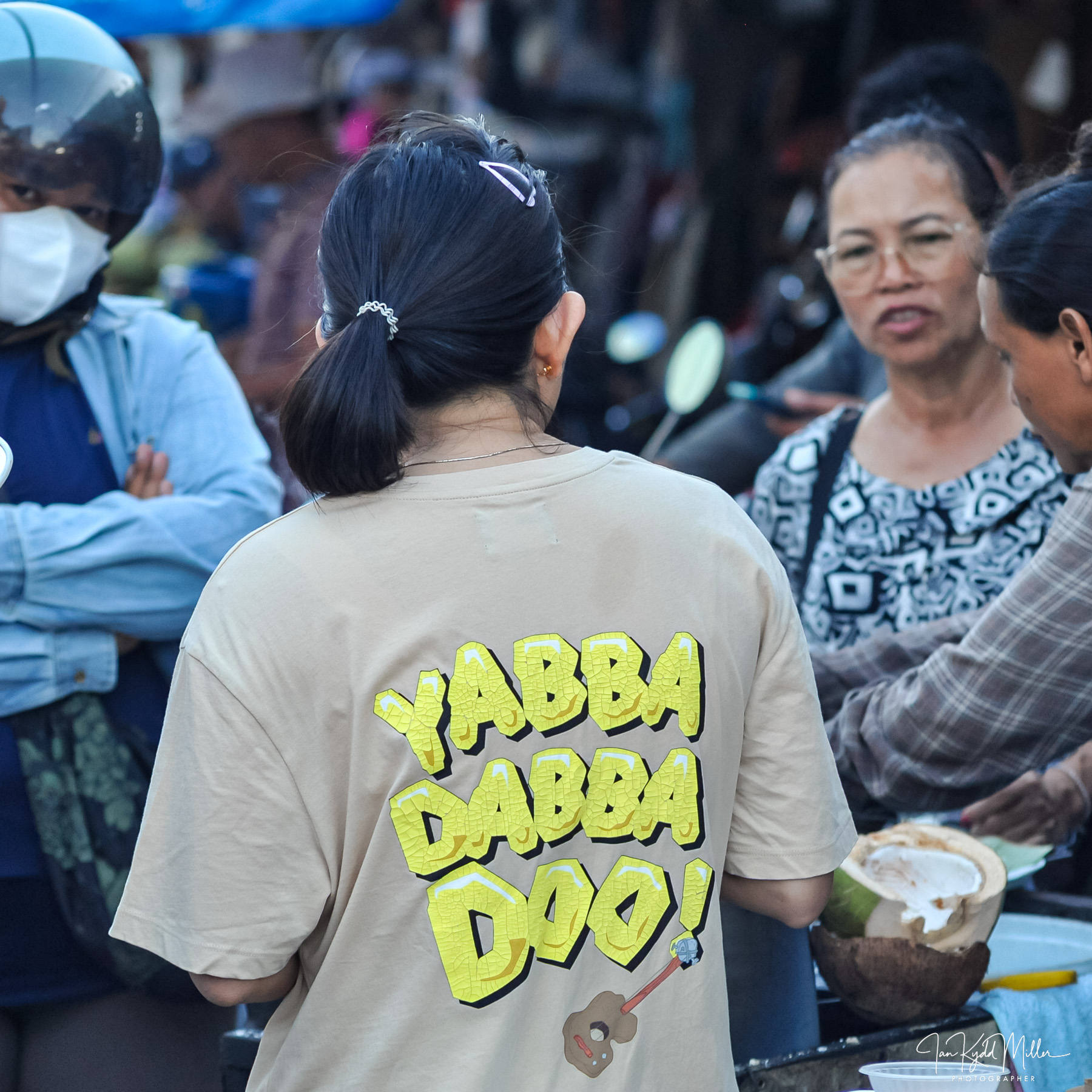
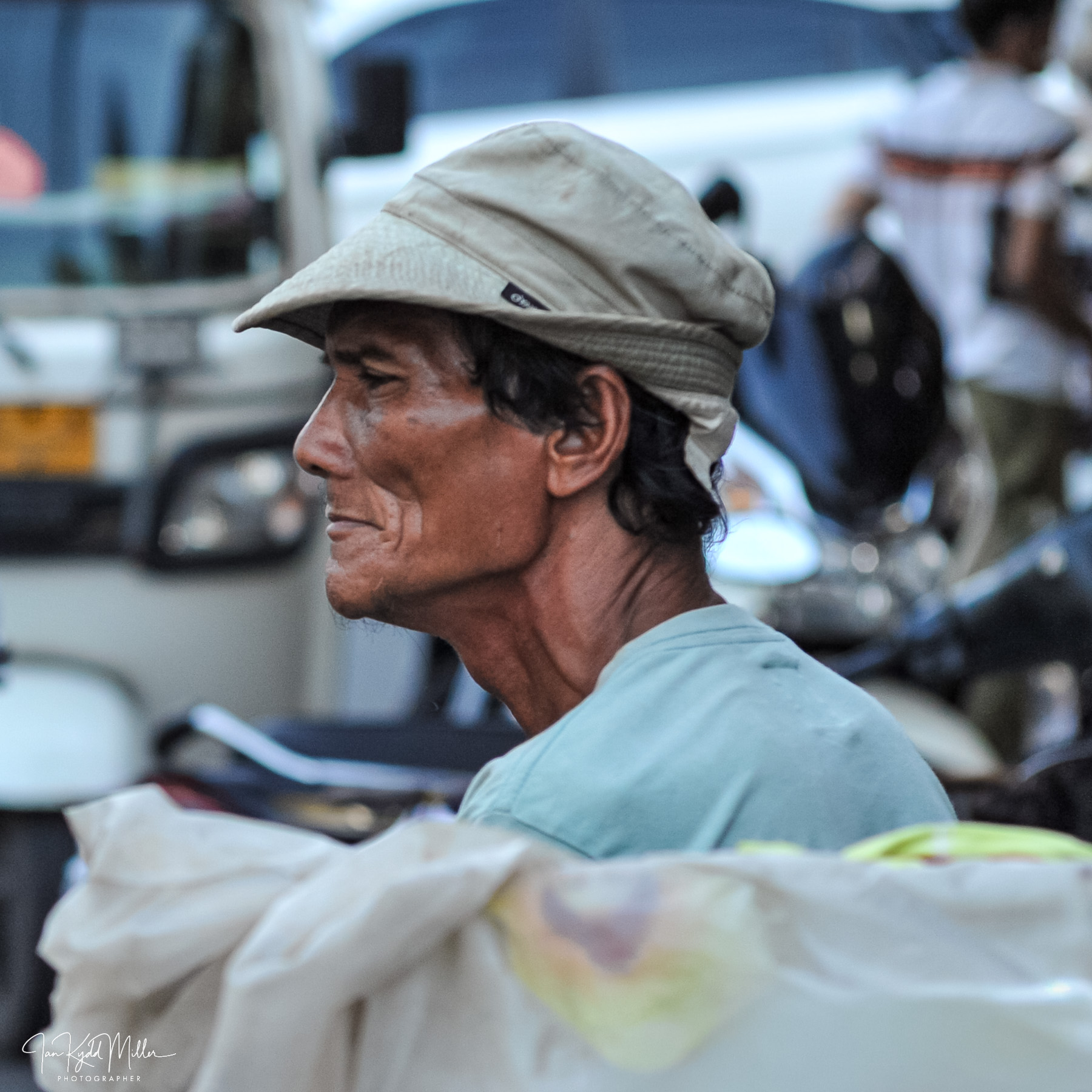
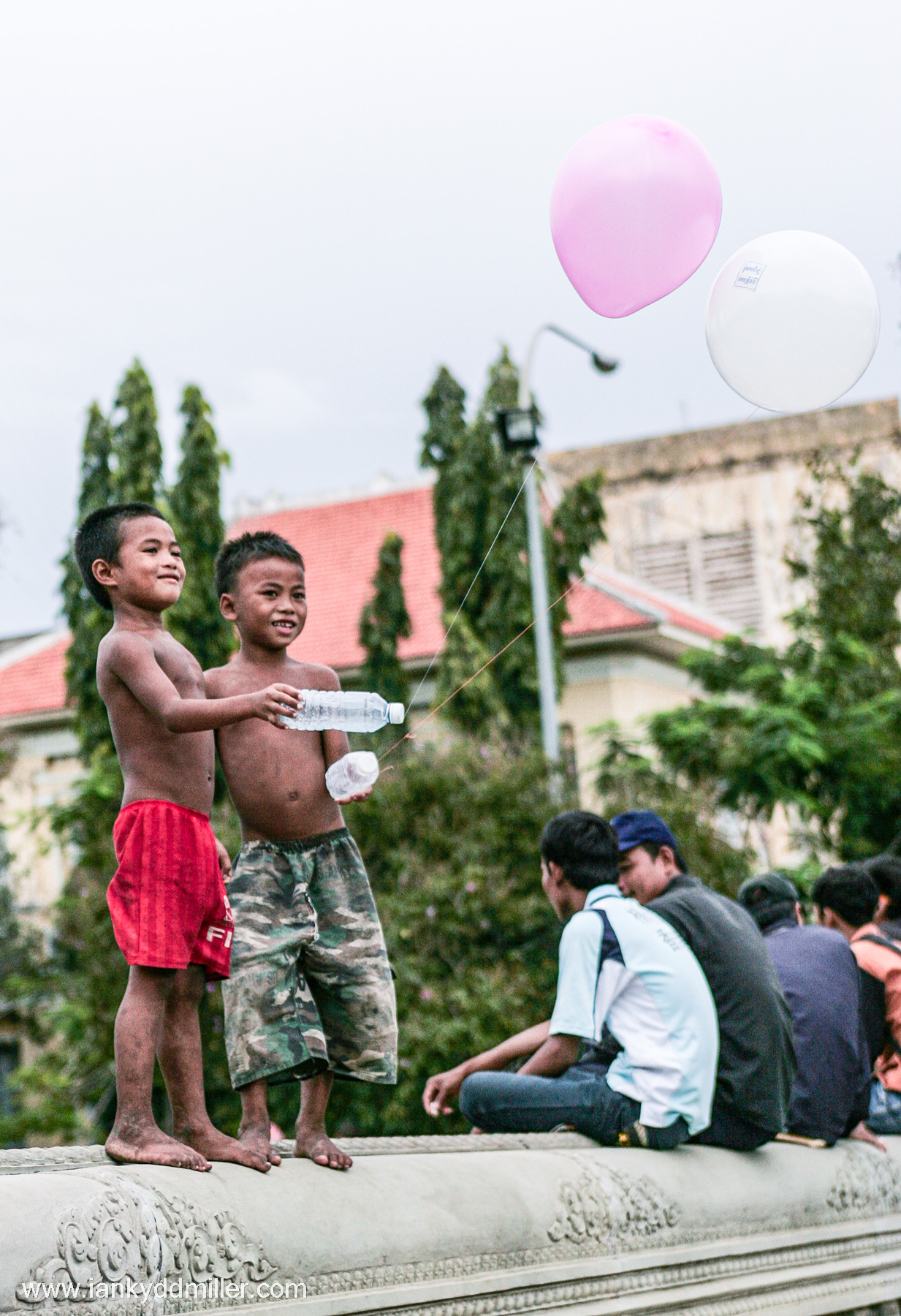
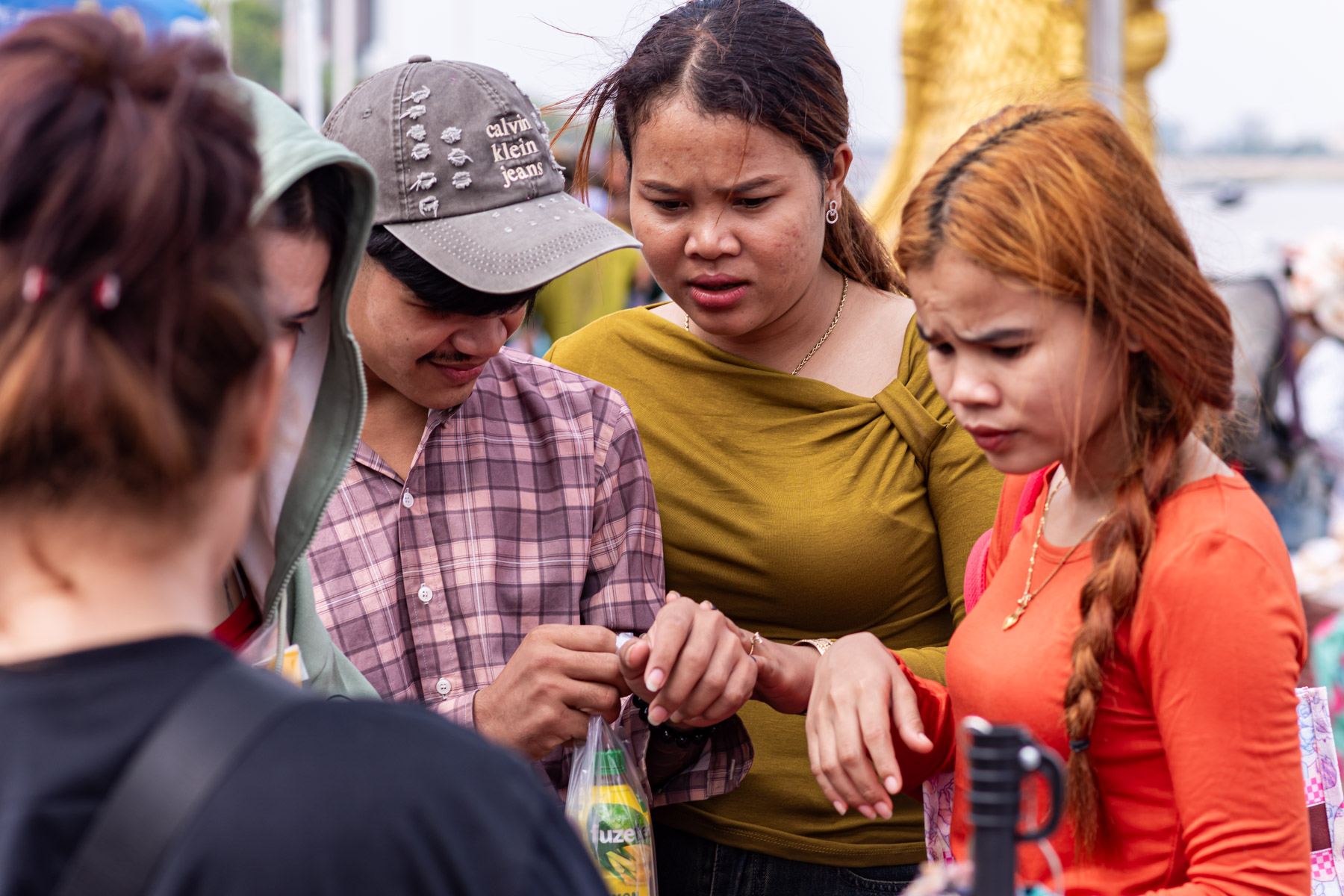
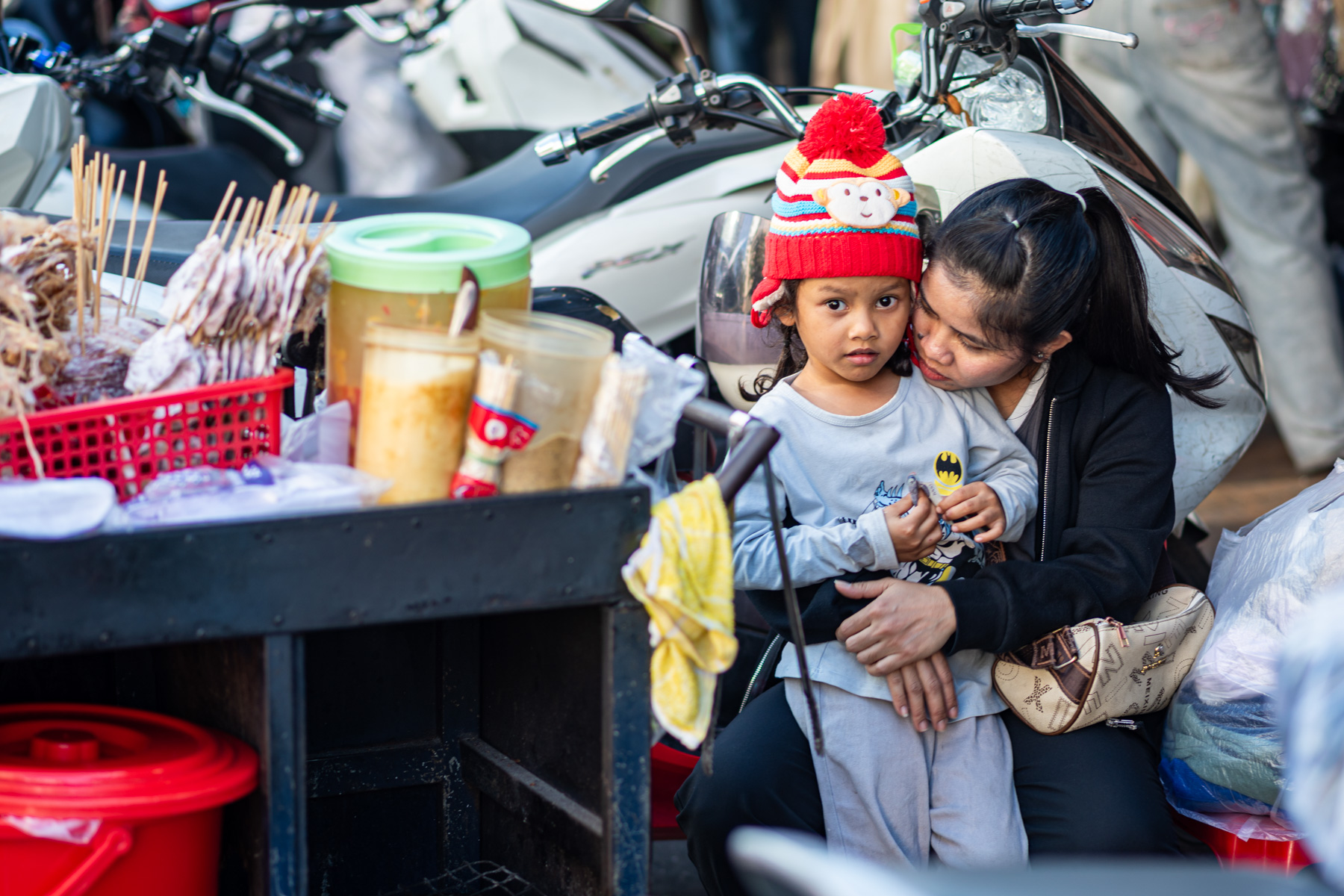
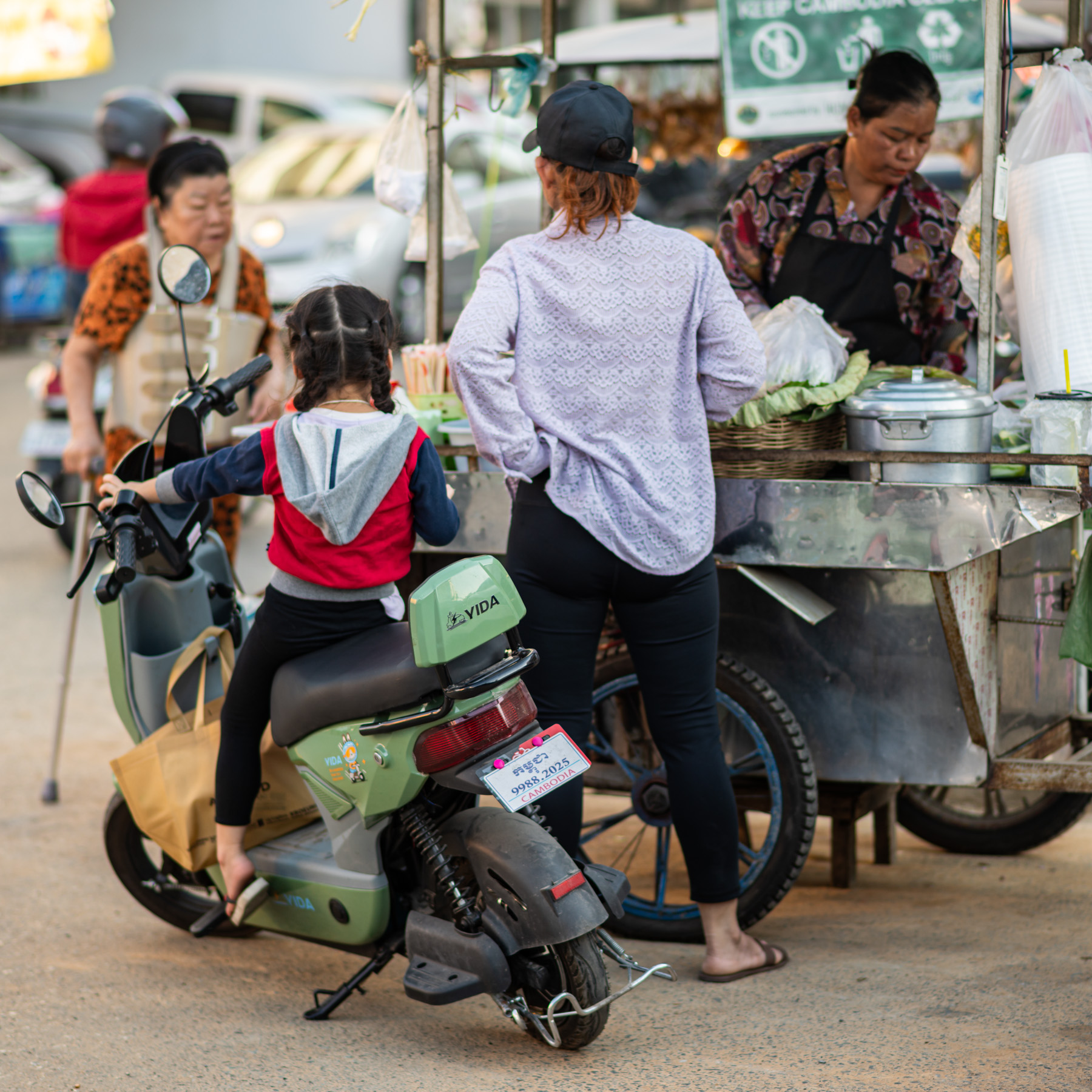
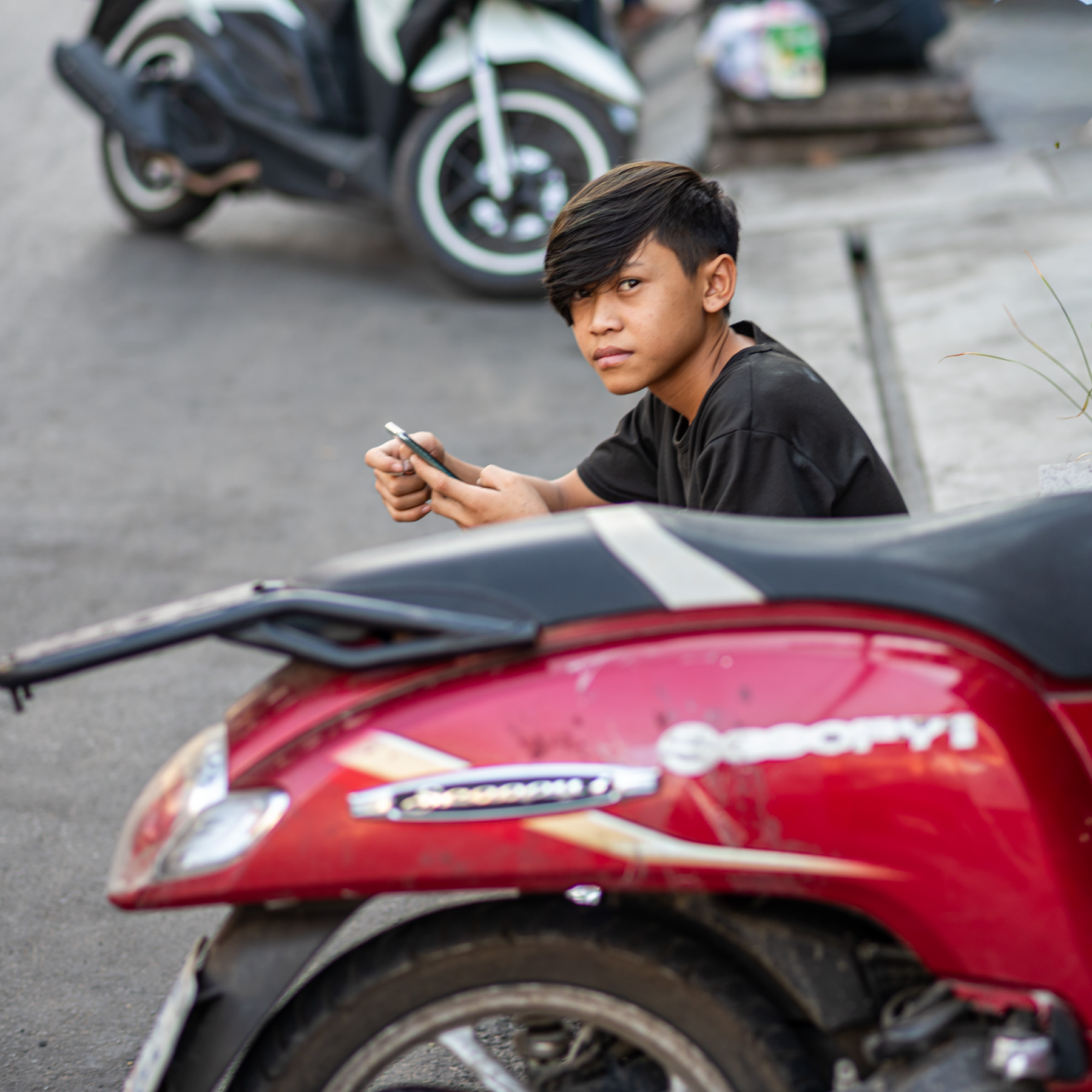
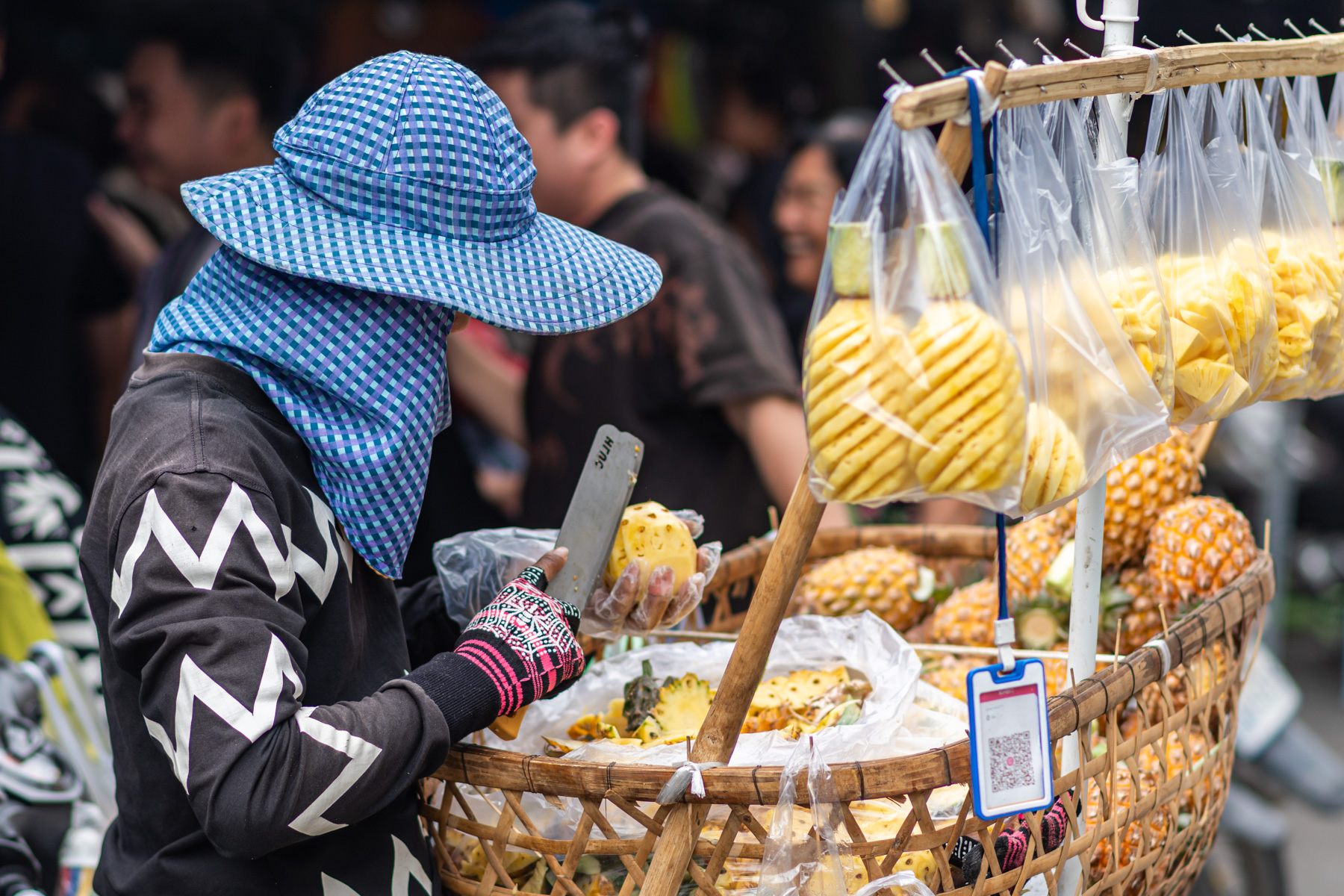
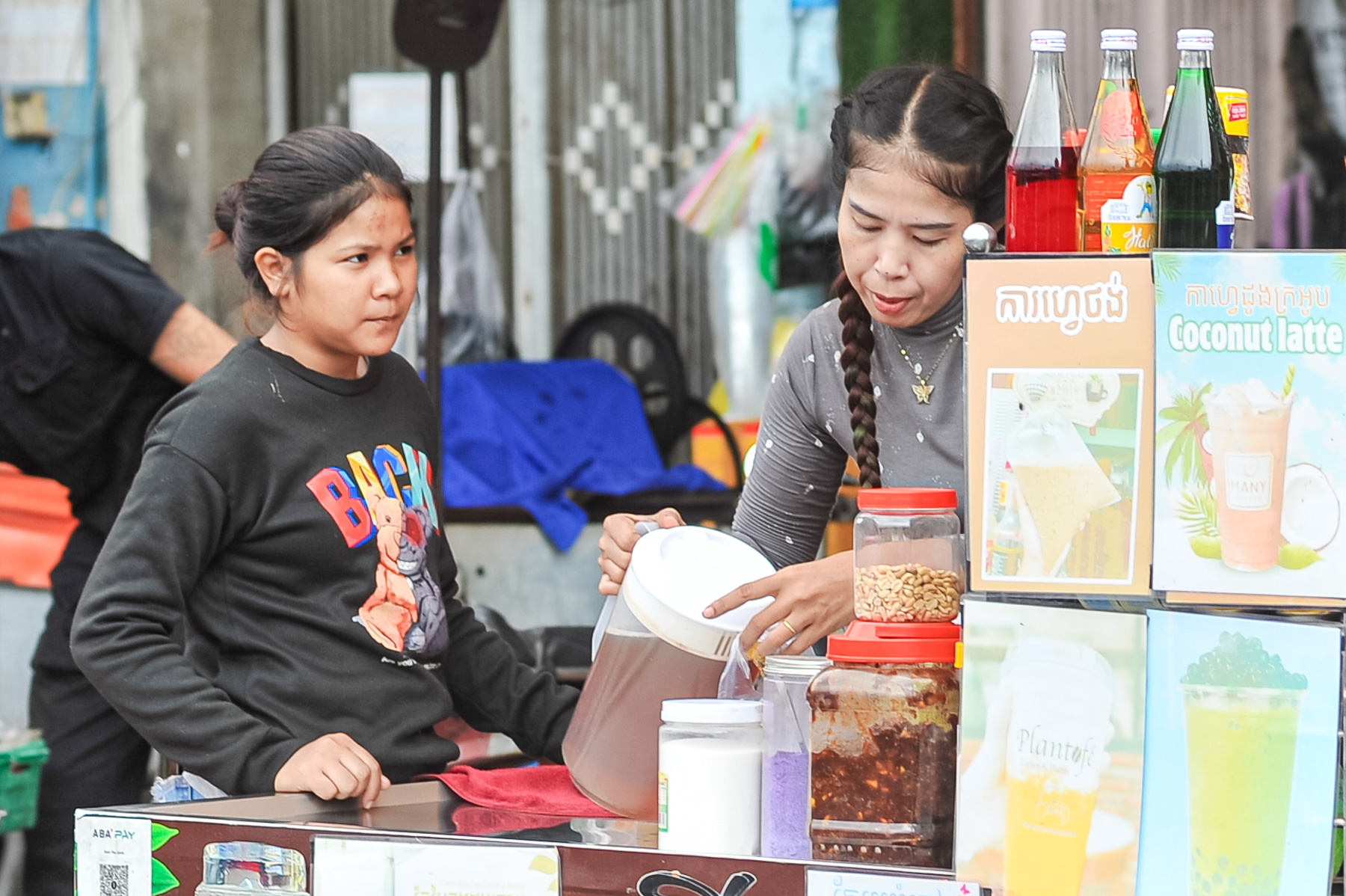
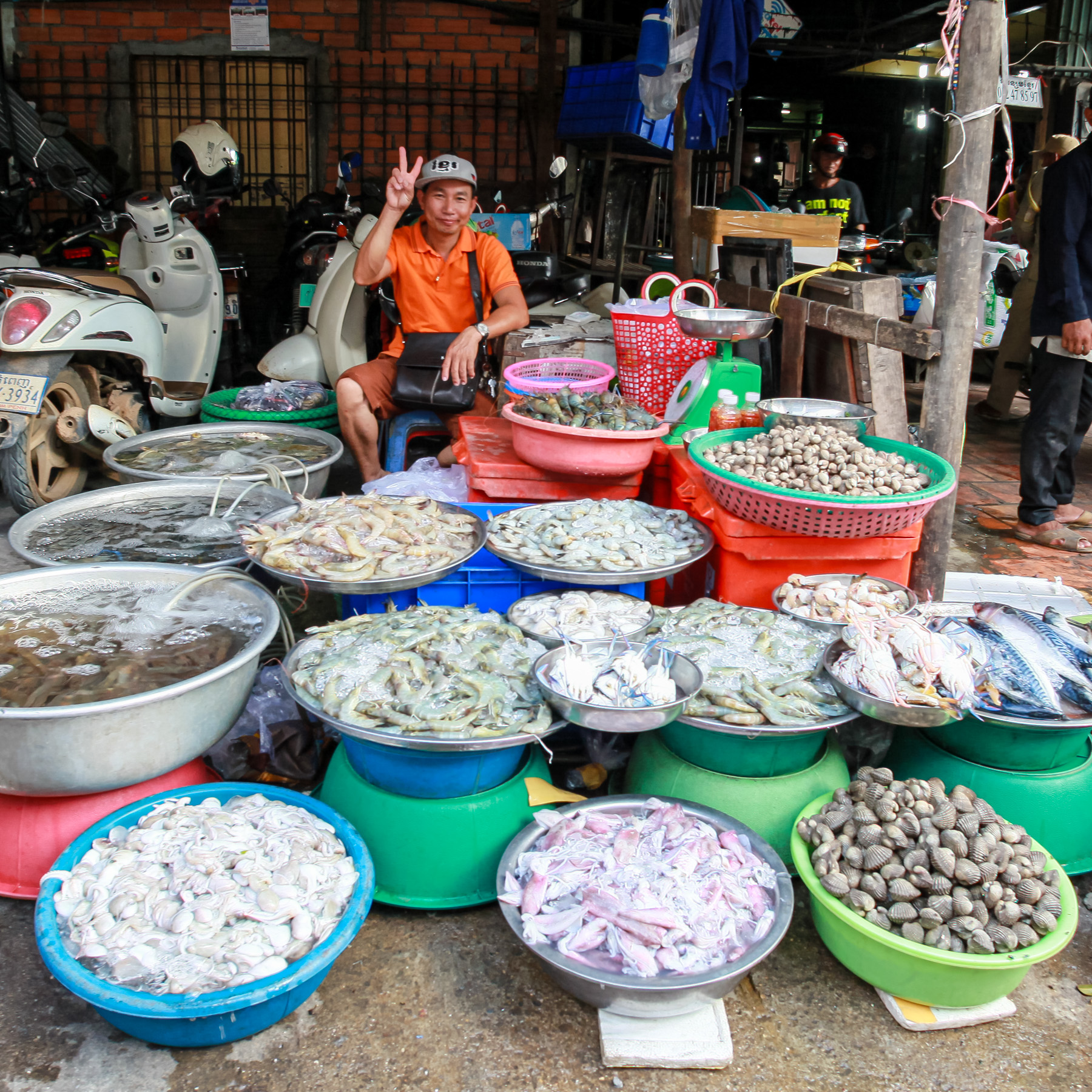
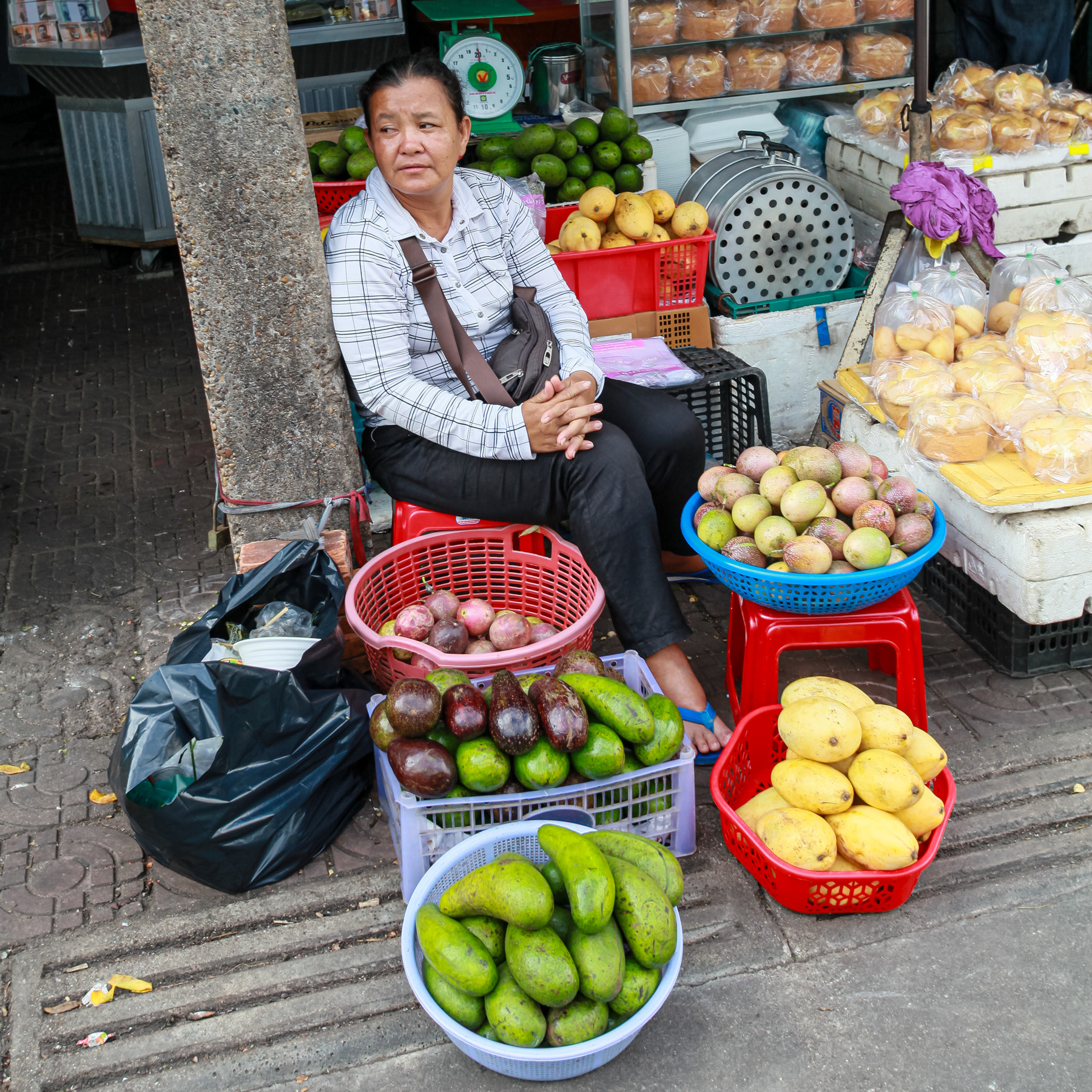
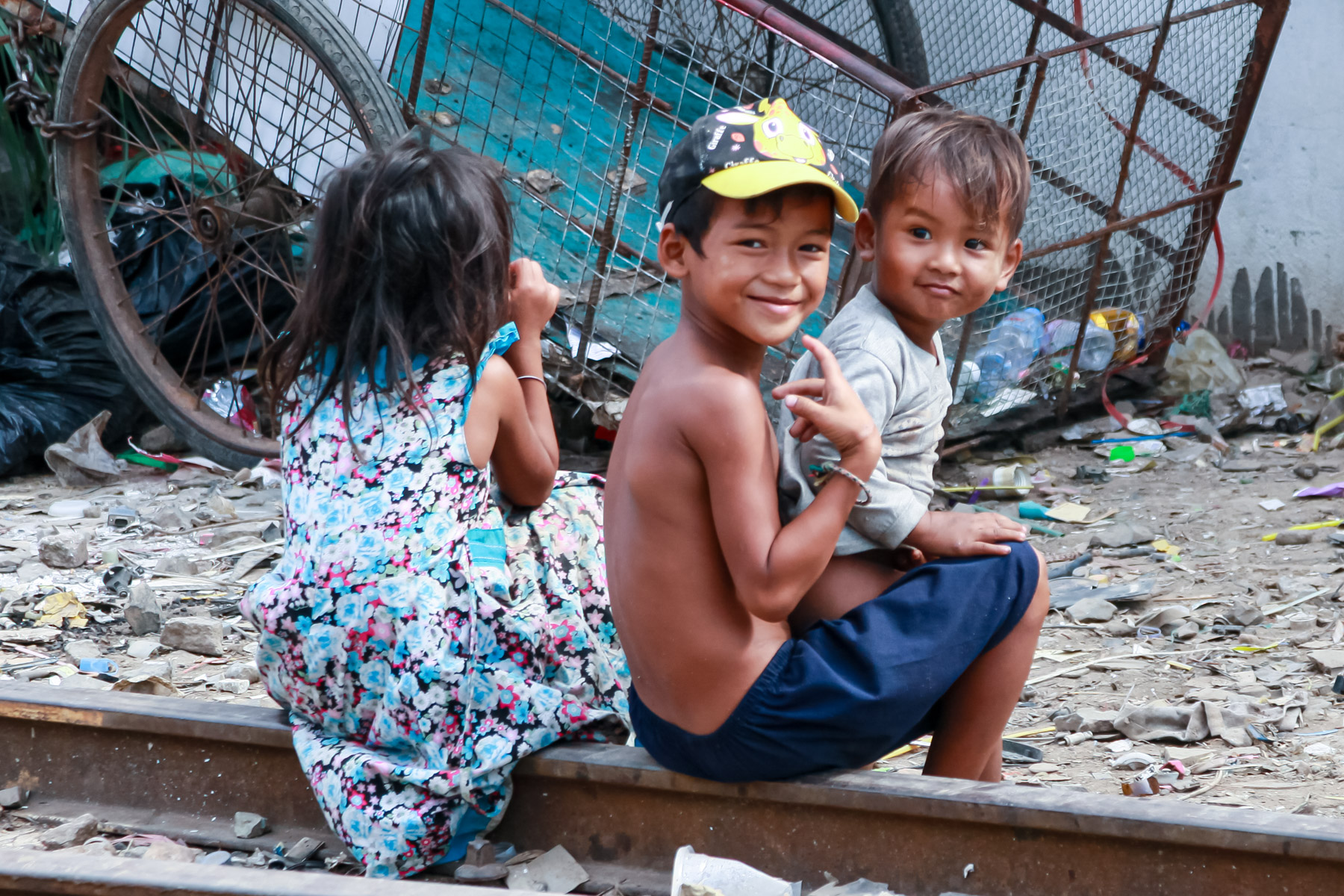
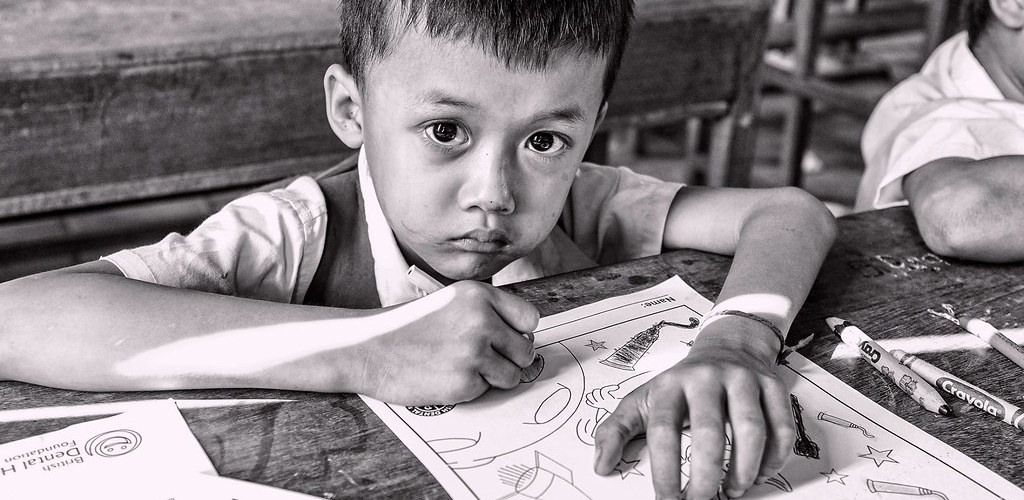
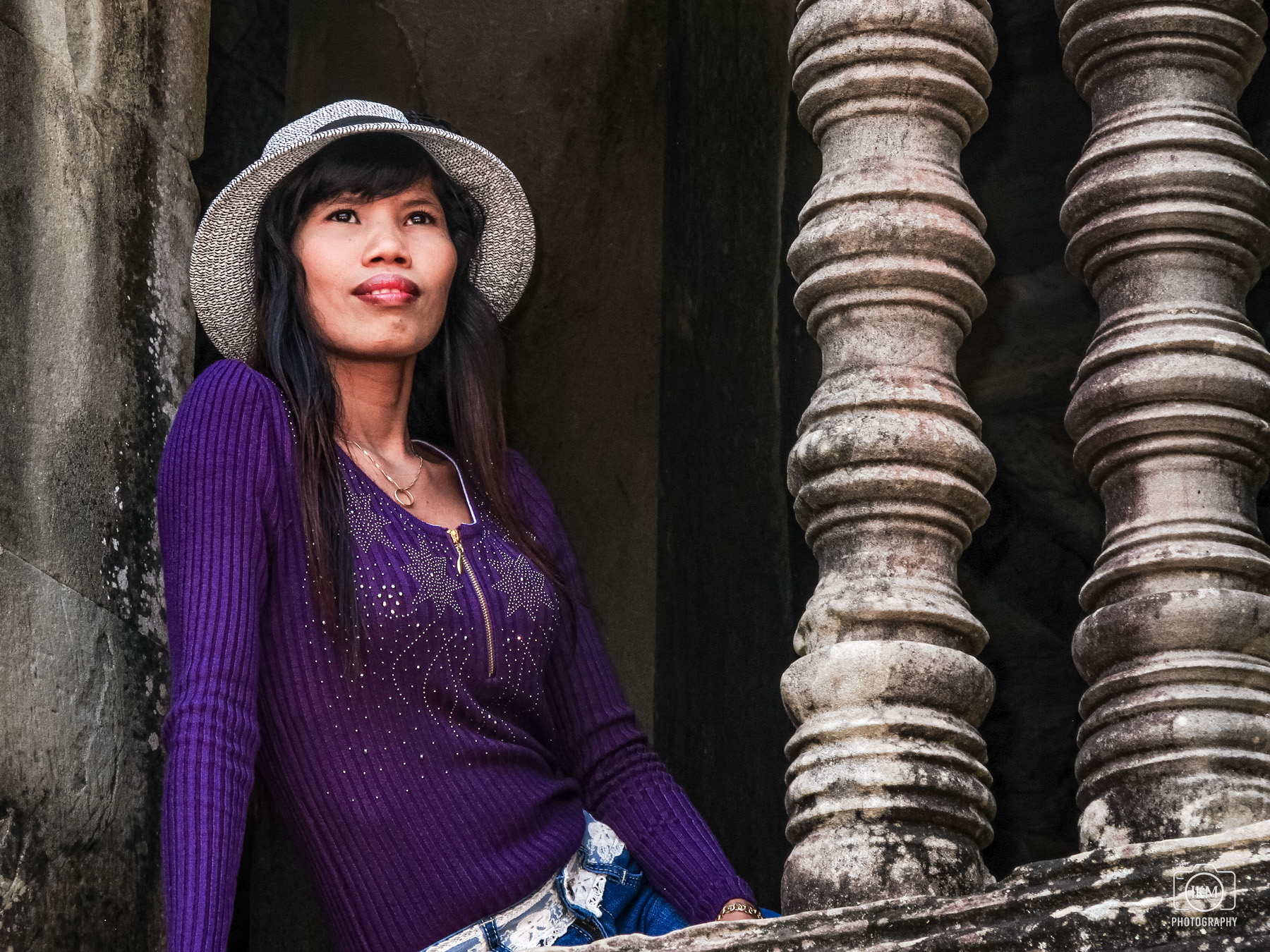
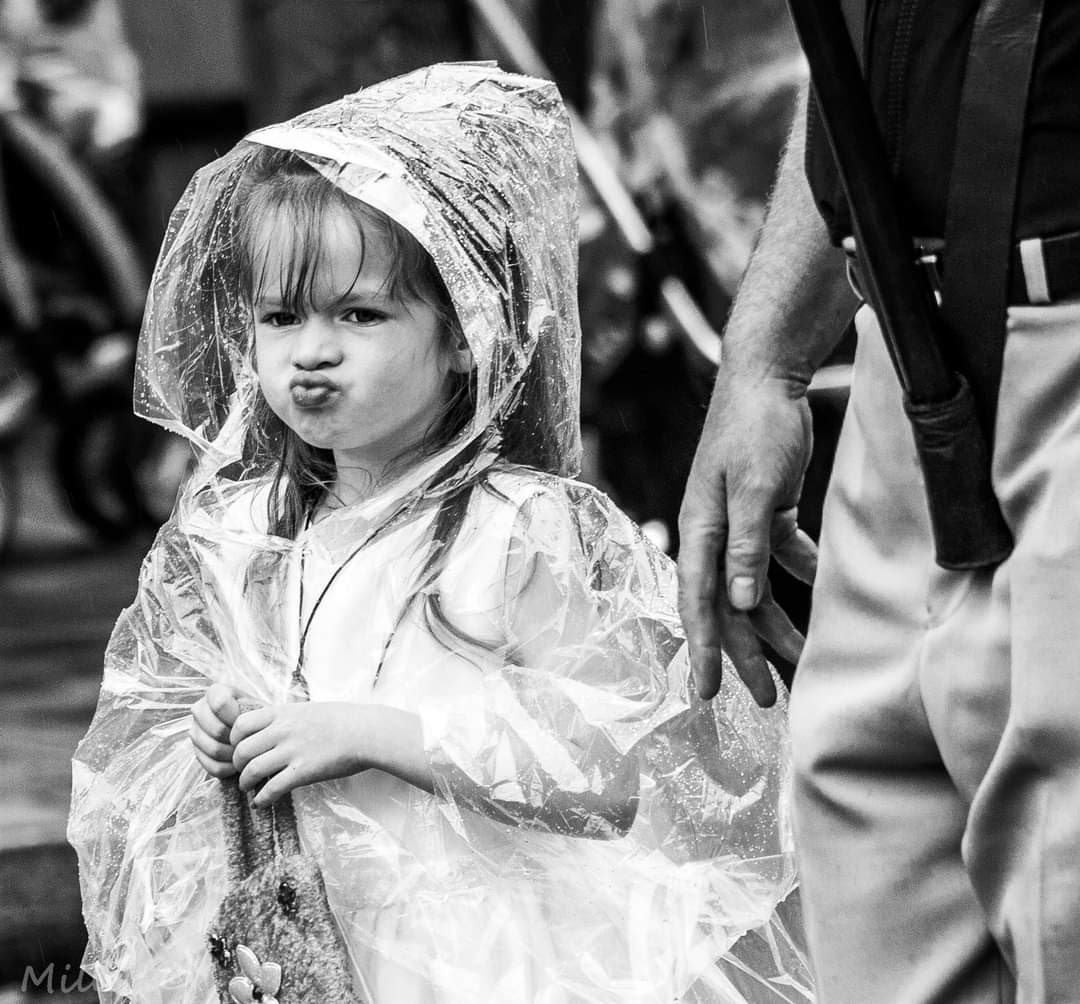
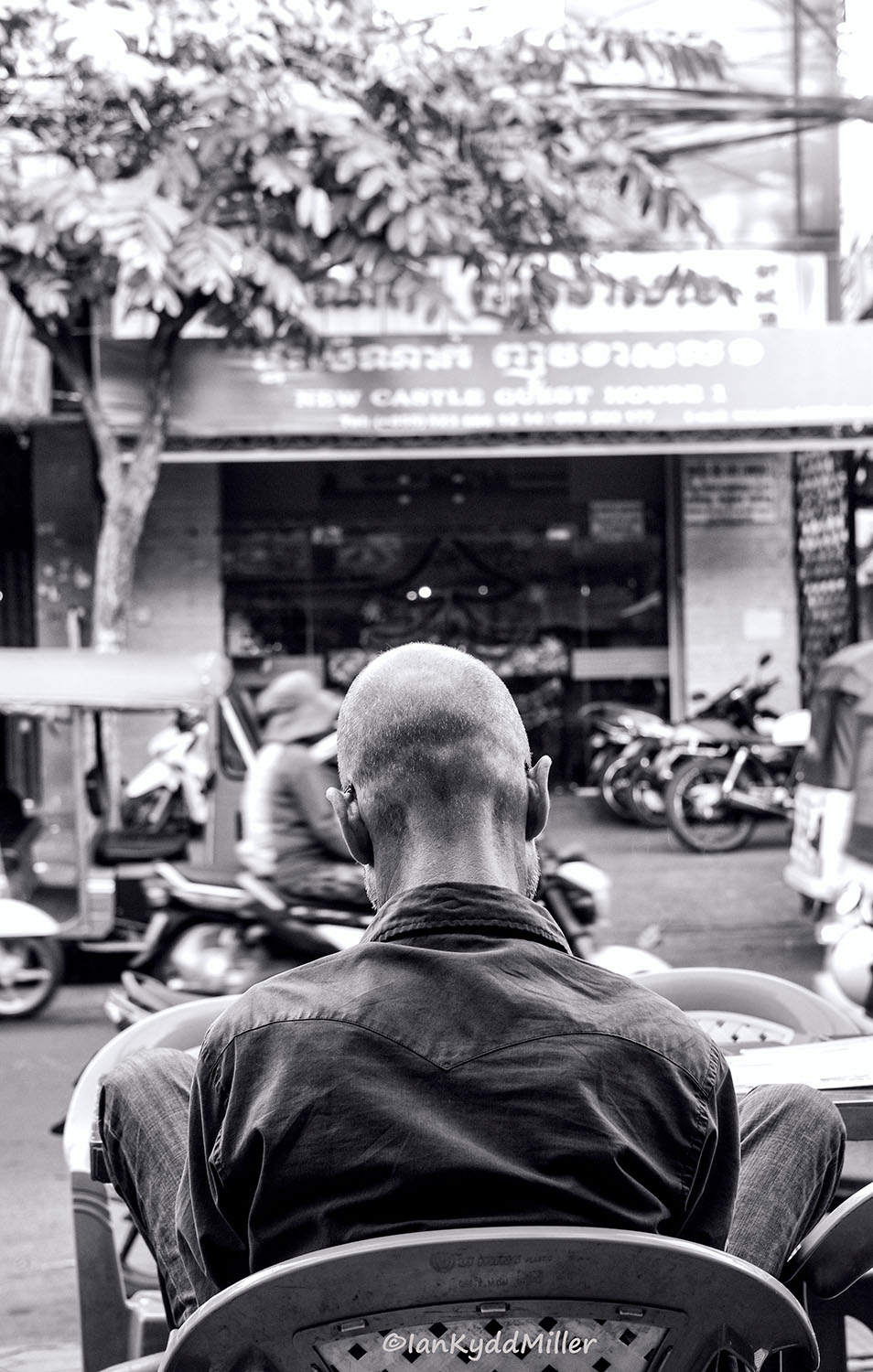
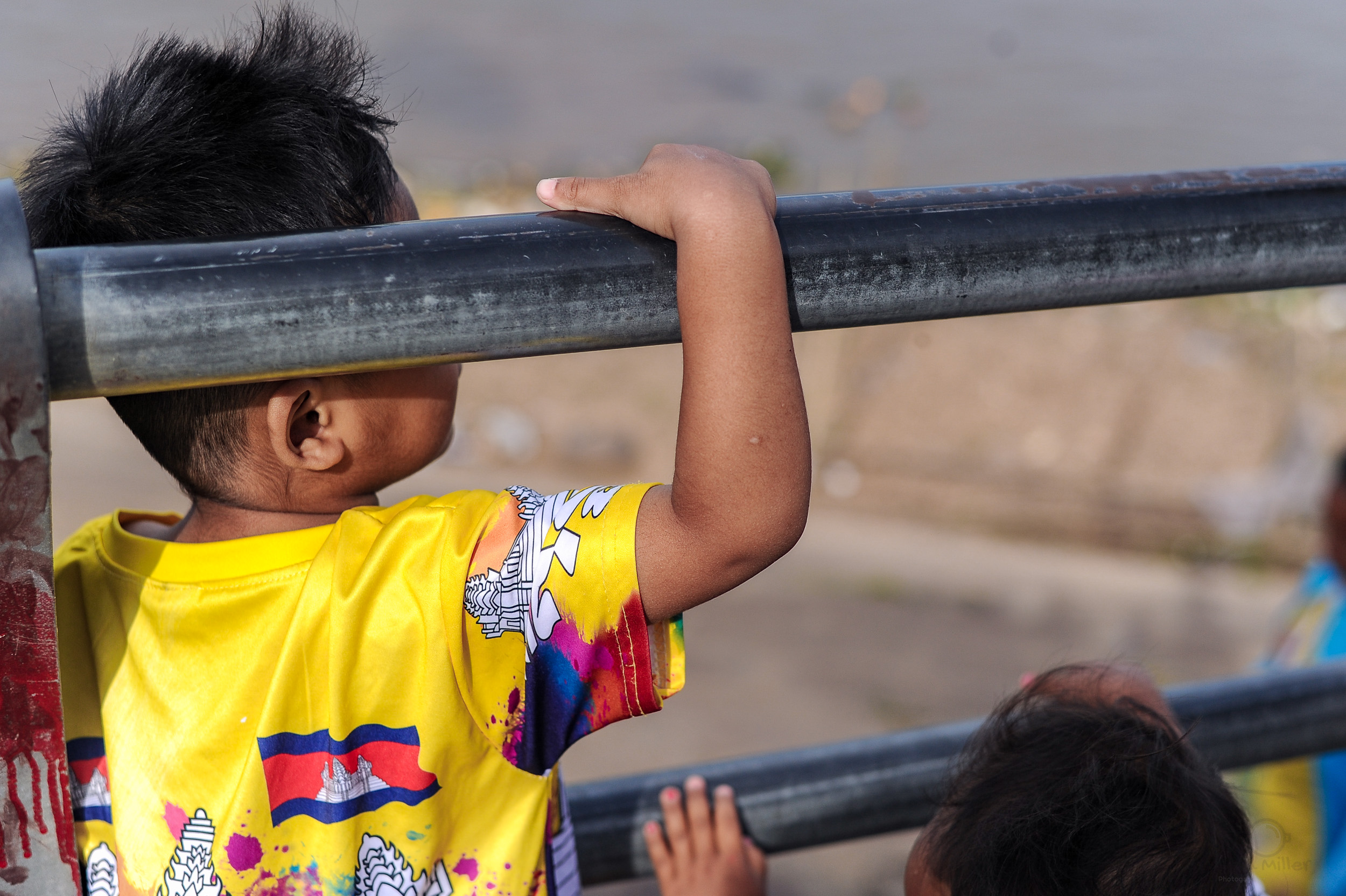
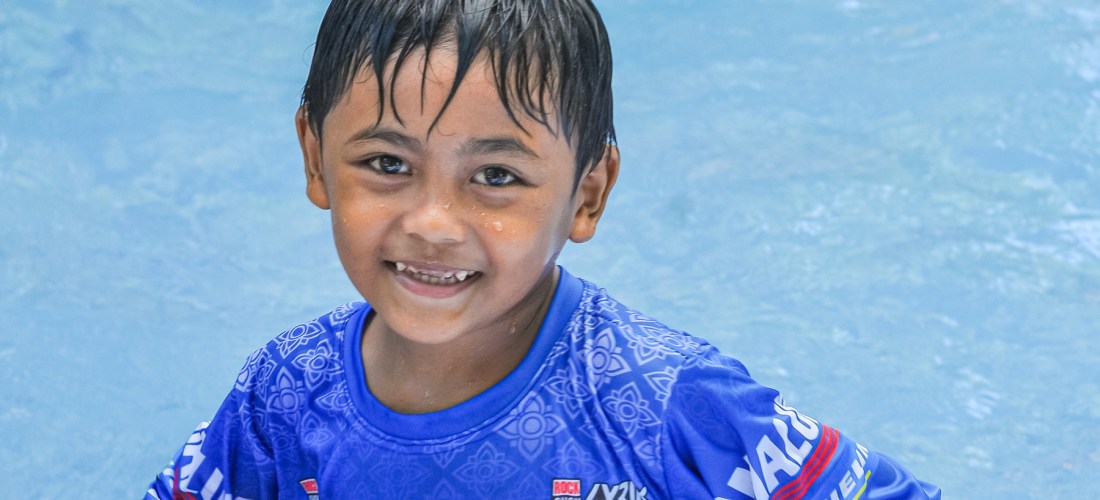
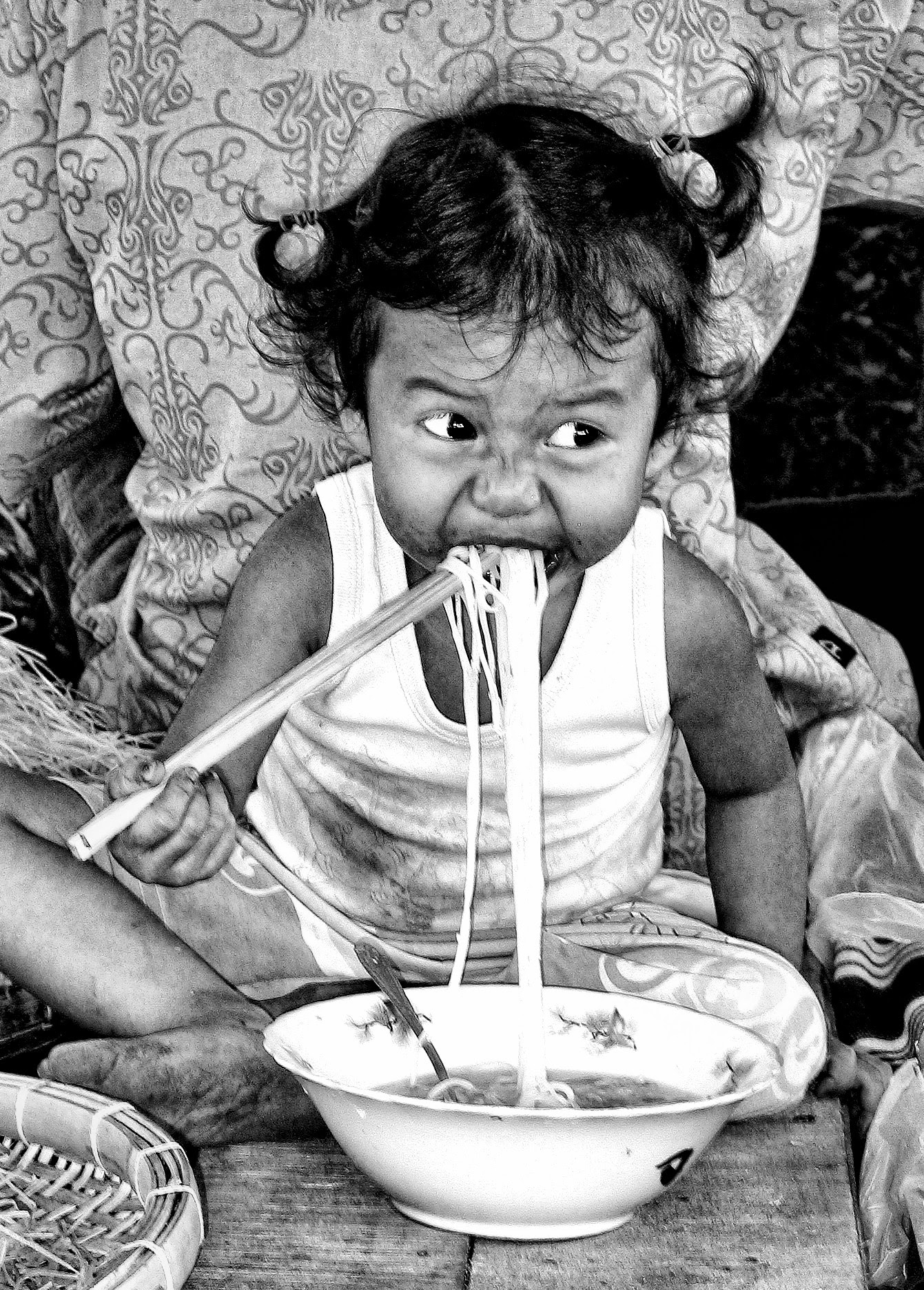
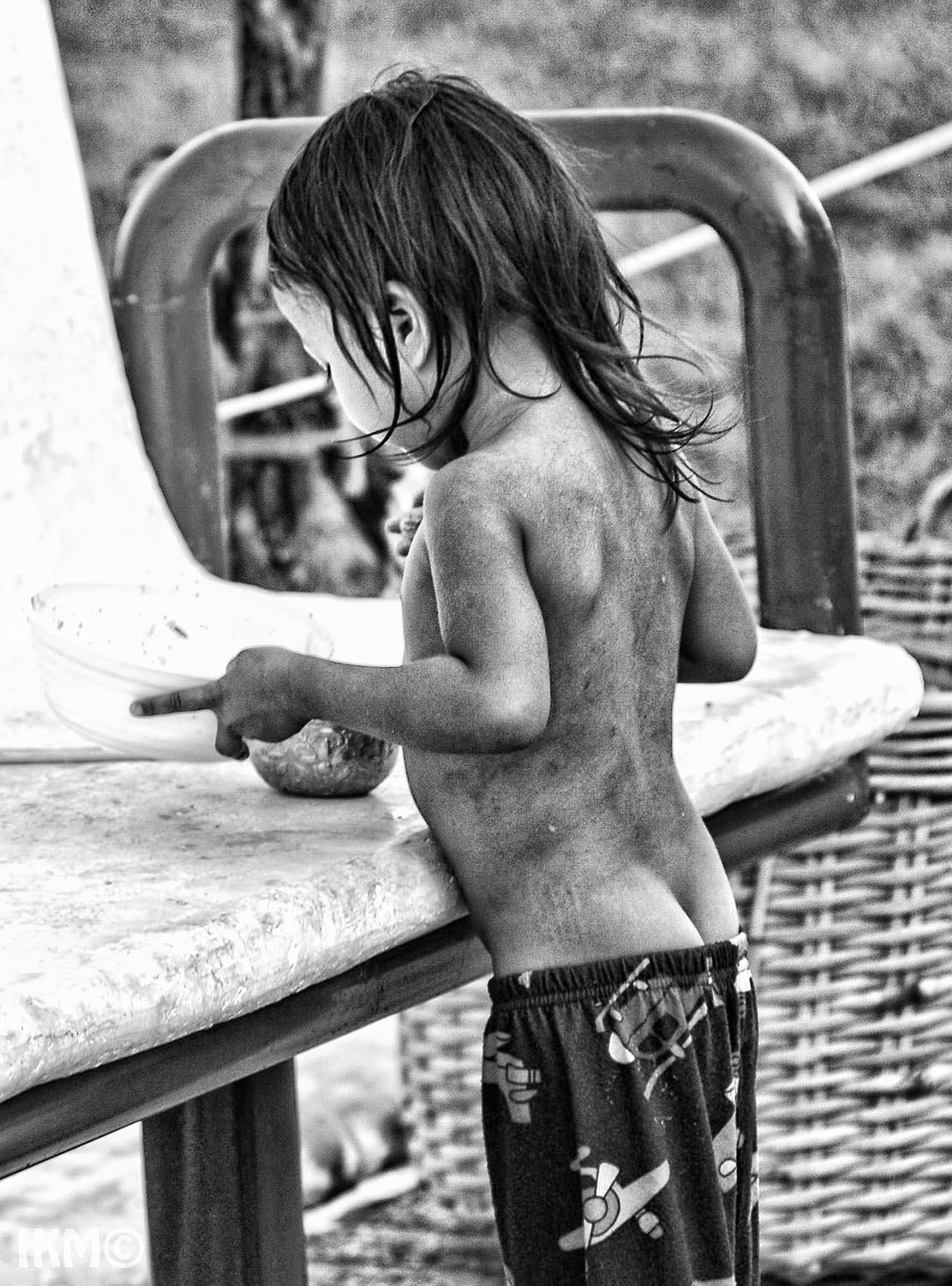
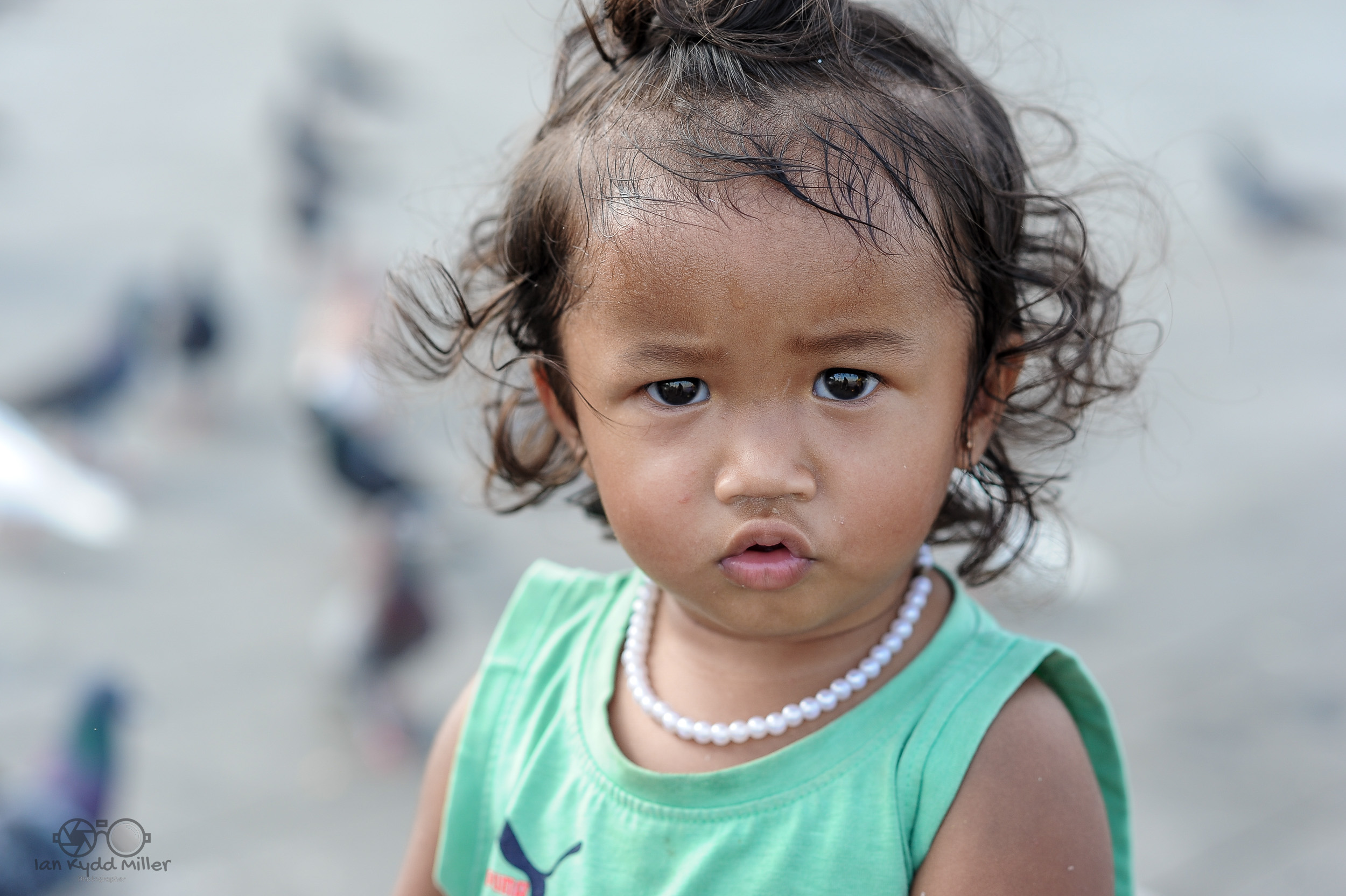
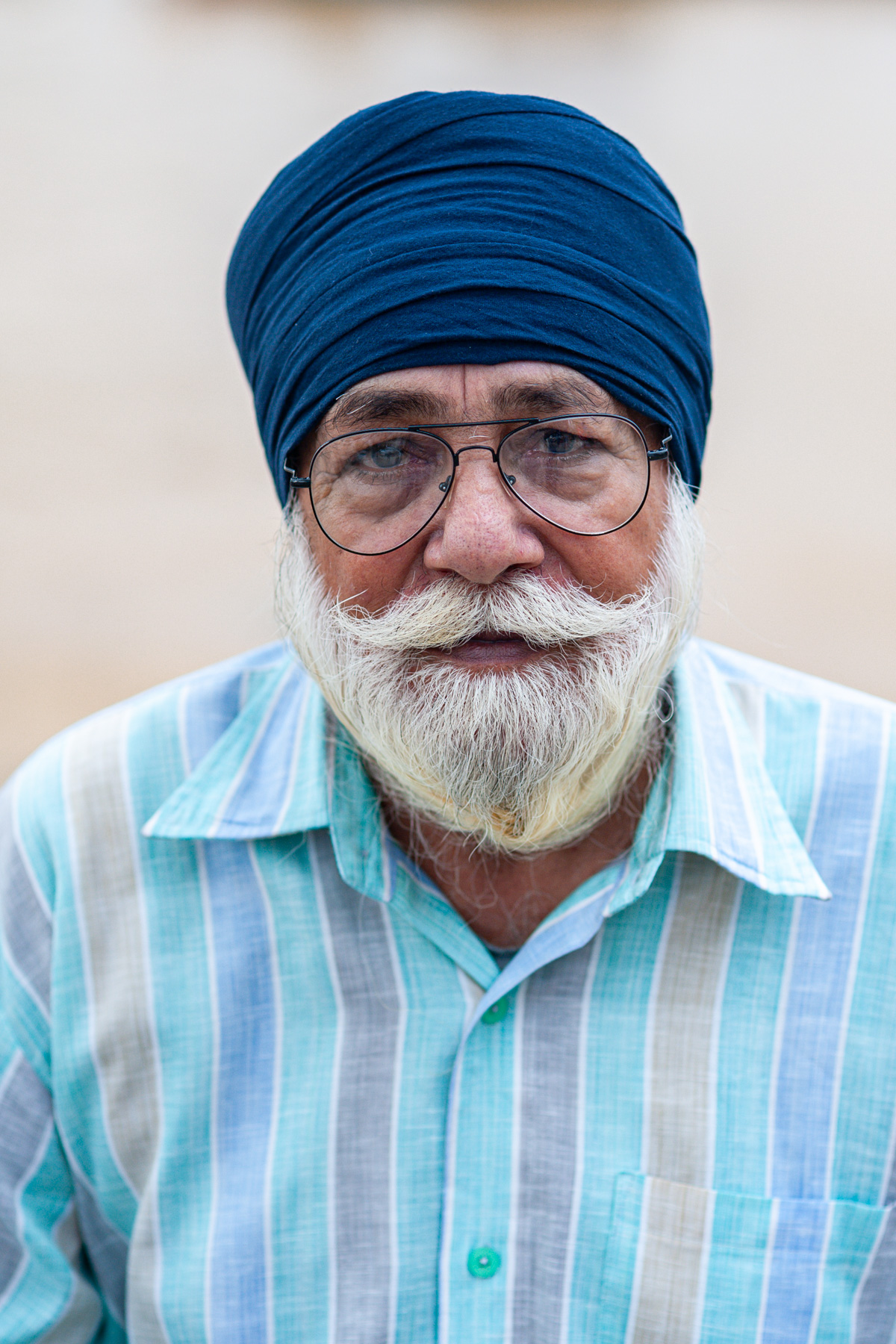
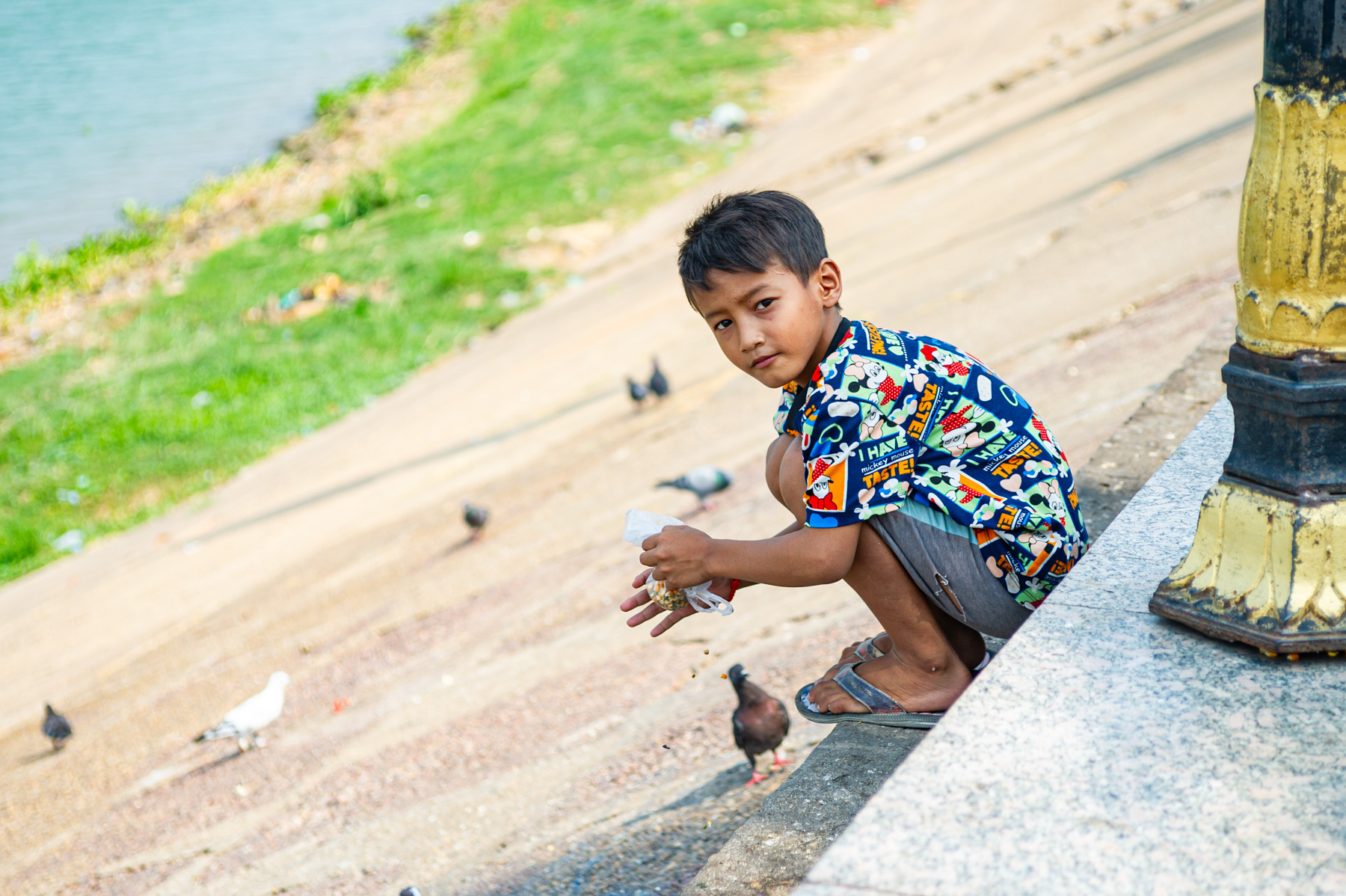
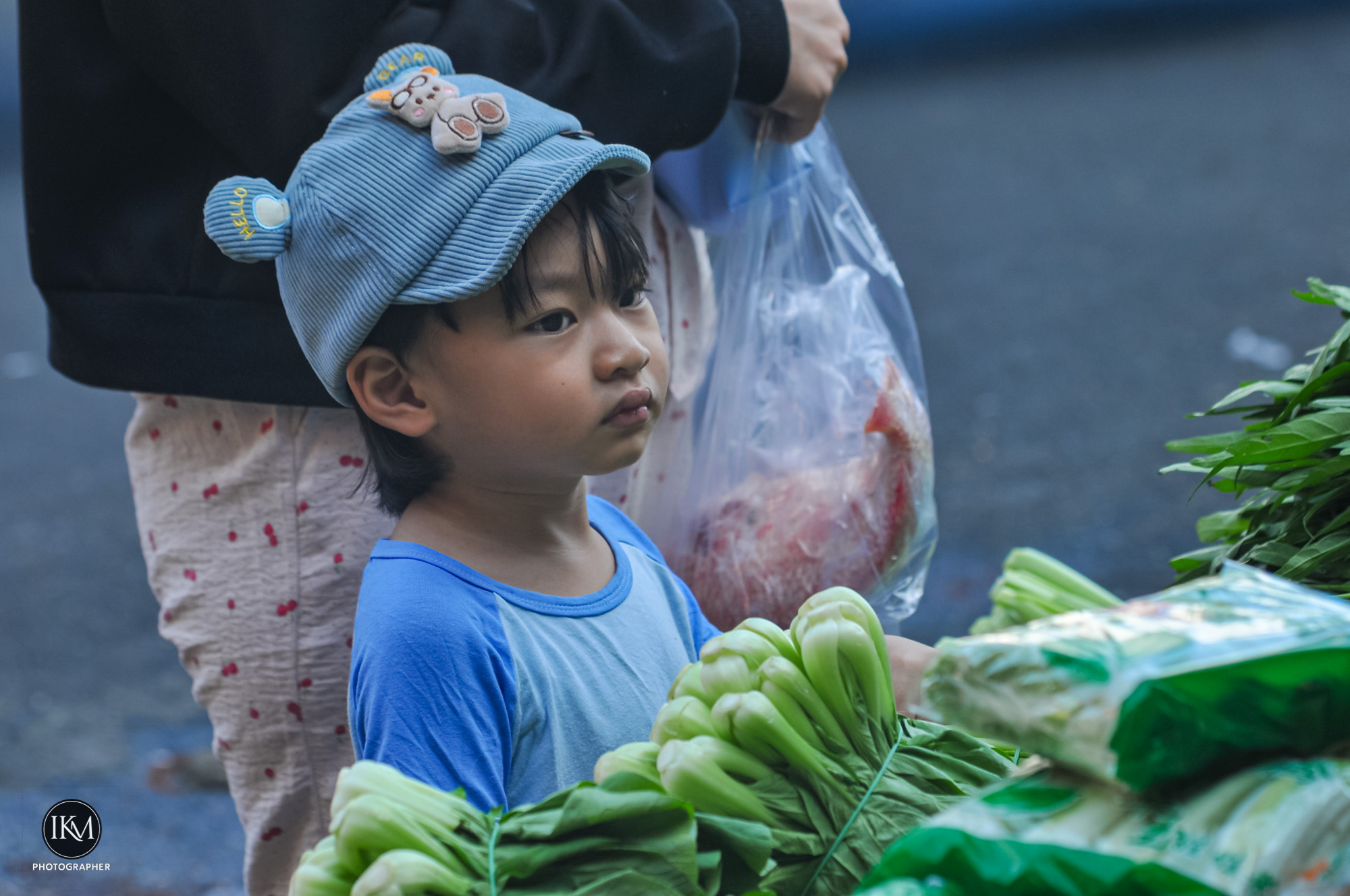
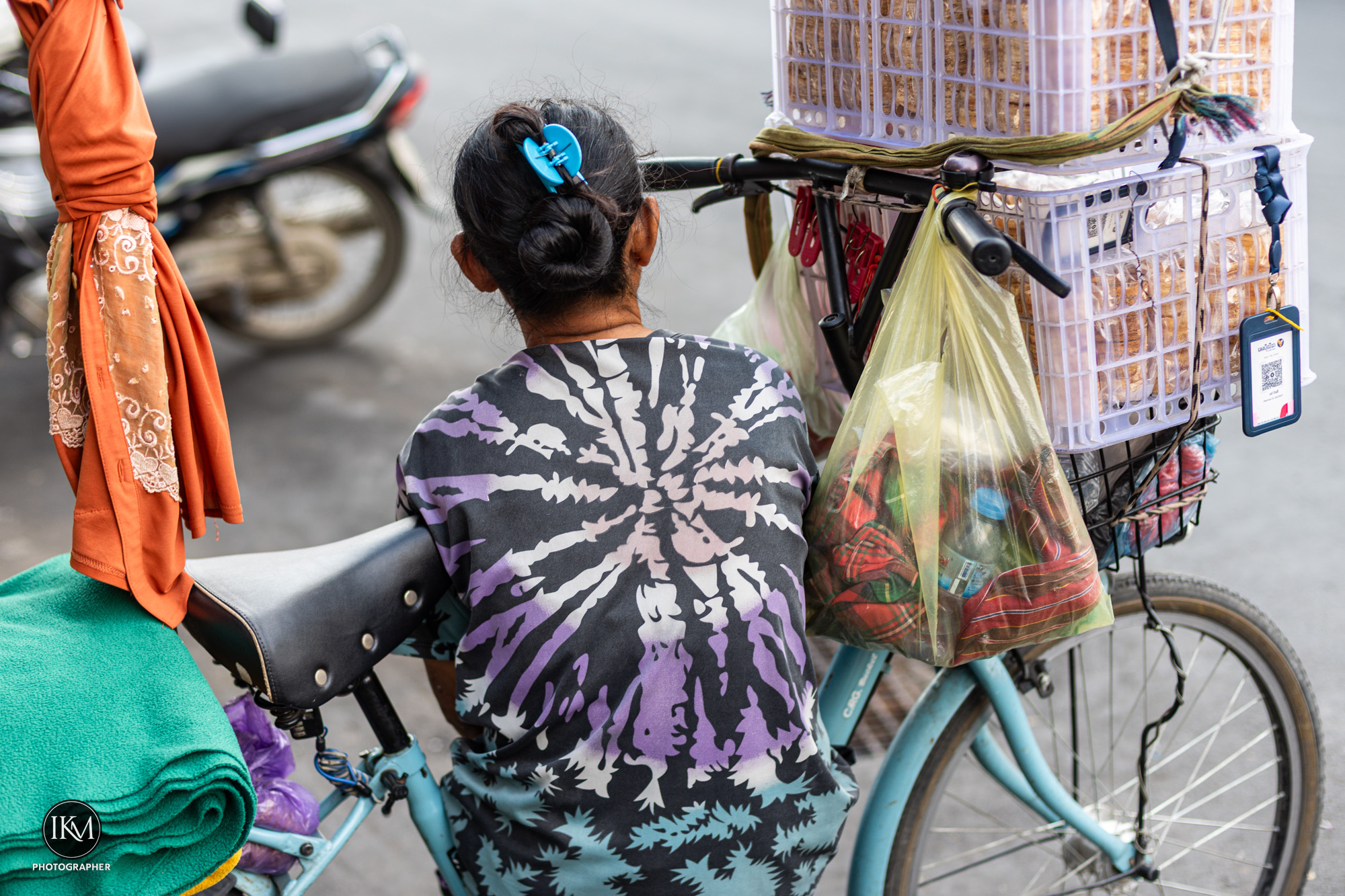
Photography has trained me to look at the world differently. I notice the old man sitting alone outside a café. I notice the expression on somebody’s face when they think nobody is watching. I notice two people talking across a market stall, a shaft of afternoon light falling across a wall, a child staring curiously at a stranger, the hands of an elderly woman, the tired face of somebody finishing a day’s work.
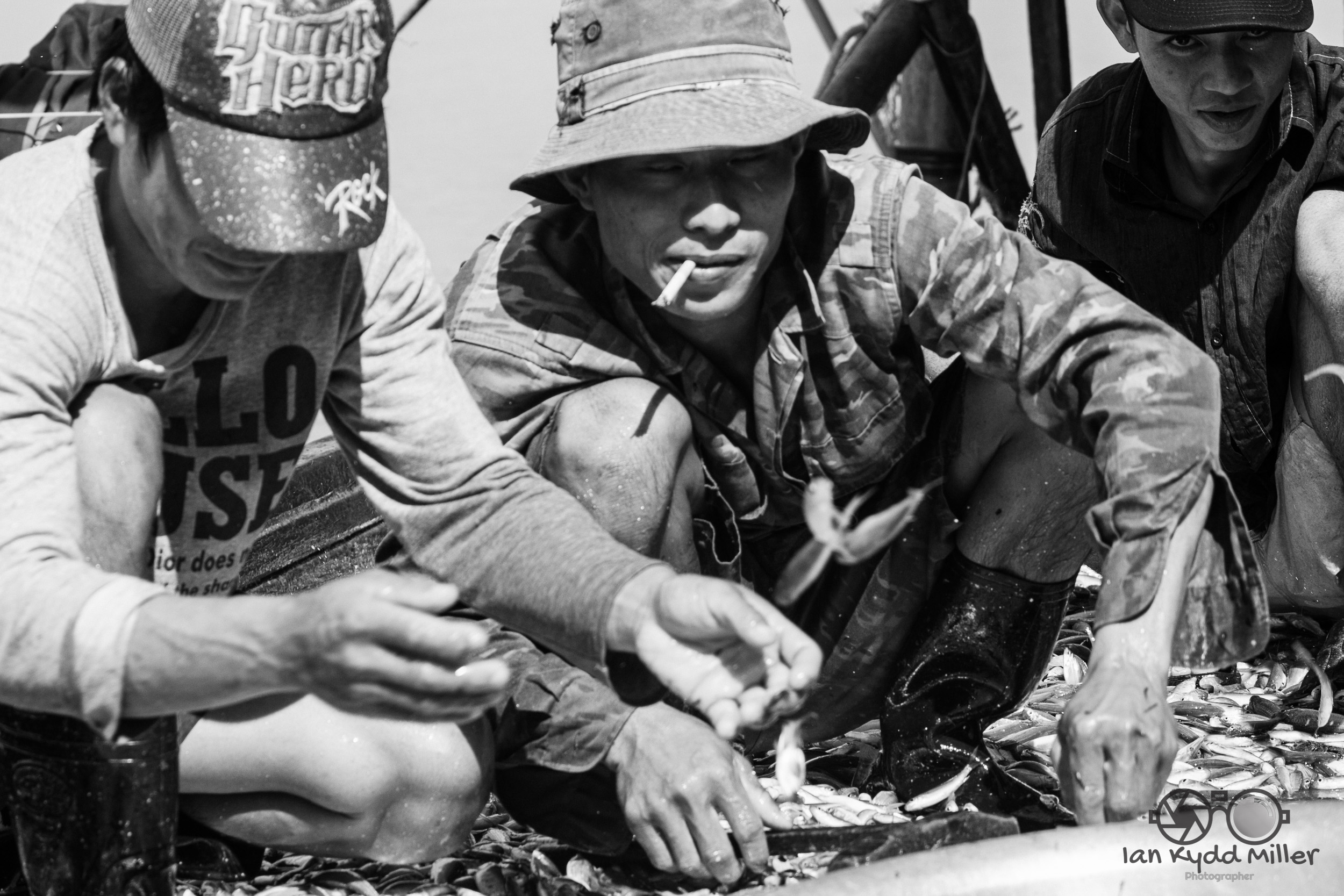
Most people walk past these things. I stop.
Not always physically. Sometimes the stopping happens entirely inside my head. Something catches my attention and that little photographic instinct, developed over decades, whispers: There’s something there. After forty-five years, that instinct is almost impossible to switch off. I don’t think I would want to.
Photography has become less about cameras as I have grown older. That might sound strange coming from somebody who still enjoys old cameras enormously. I love them. I love the solid lump of a Nikon D700, the wonderful excess of a professional DSLR, the simplicity of a fifty millimeter lens and the satisfying clunk of a proper mechanical shutter.
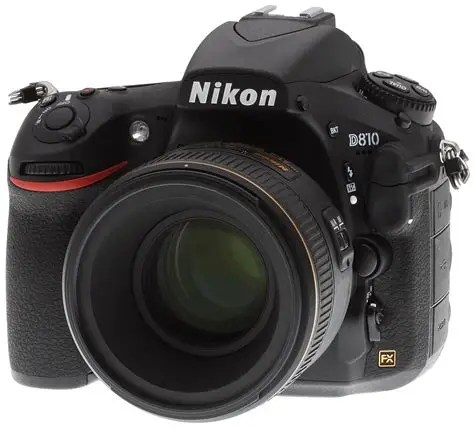
Old cameras have character. But I know perfectly well that the camera isn’t the reason I go out. The camera gives me an excuse. It gives me permission to wander.
That is one of photography’s great gifts, and perhaps one we don’t talk about enough.
Give an old photographer a camera and suddenly walking around without any particular destination becomes perfectly reasonable. I can disappear down a side street simply because the light looks interesting. I can stand beside a market for twenty minutes watching people come and go. I can sit somewhere with a coffee and watch the theatre of ordinary life unfolding in front of me.
Without the camera, perhaps I would feel I should be going somewhere. With the camera, I already am. And after forty-five years, I have realised that these apparently insignificant wanderings have formed a considerable part of my life.
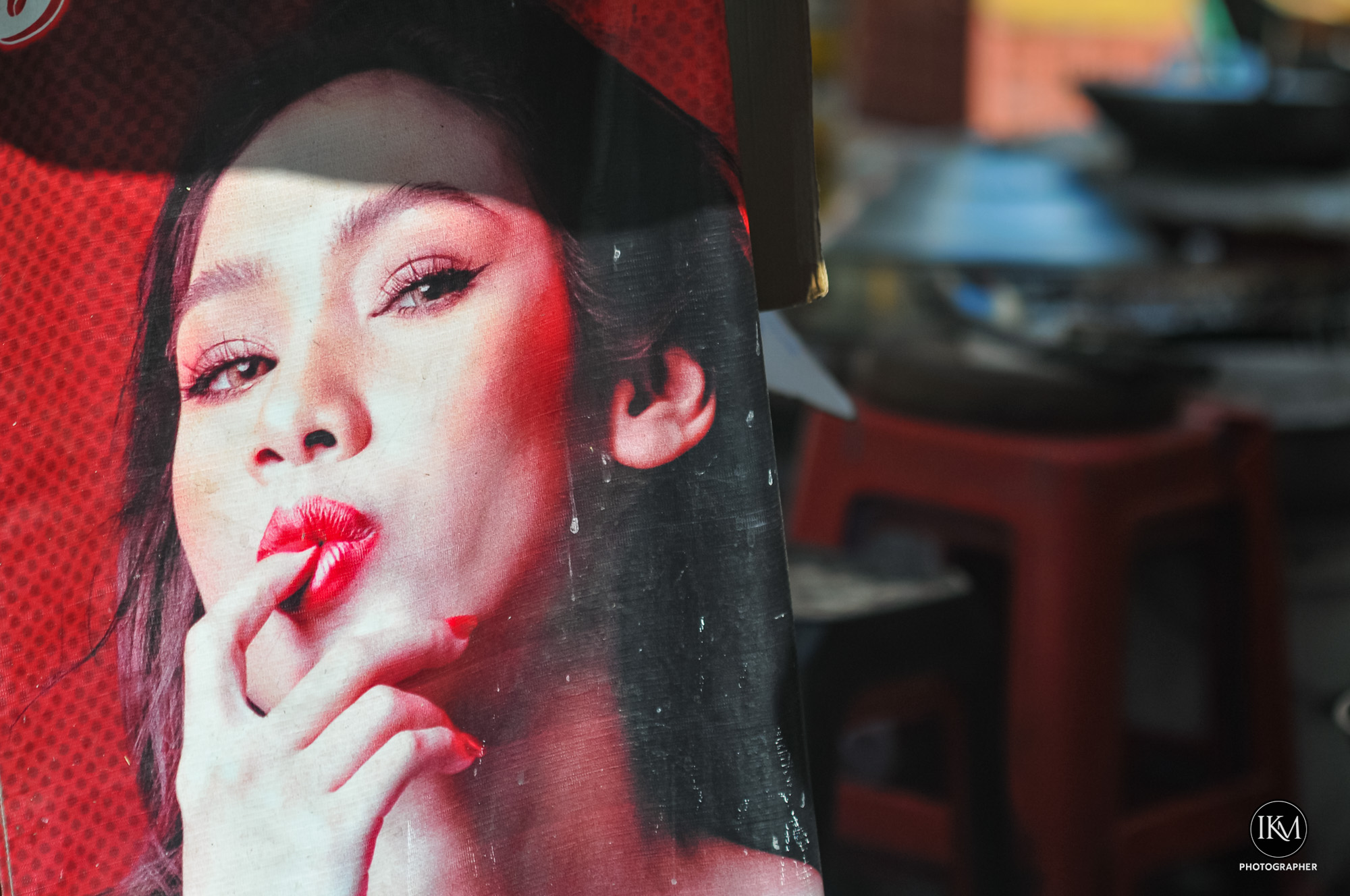



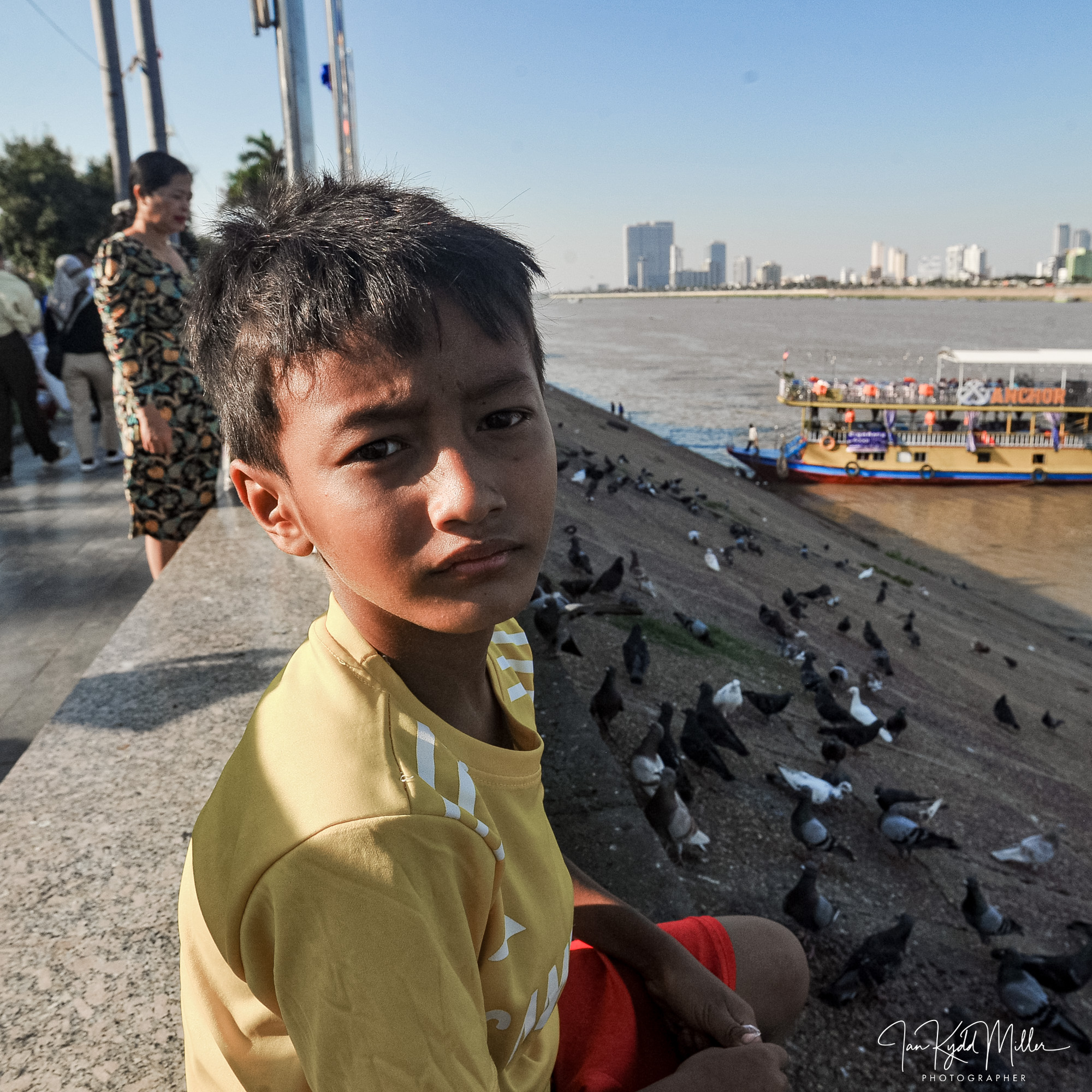
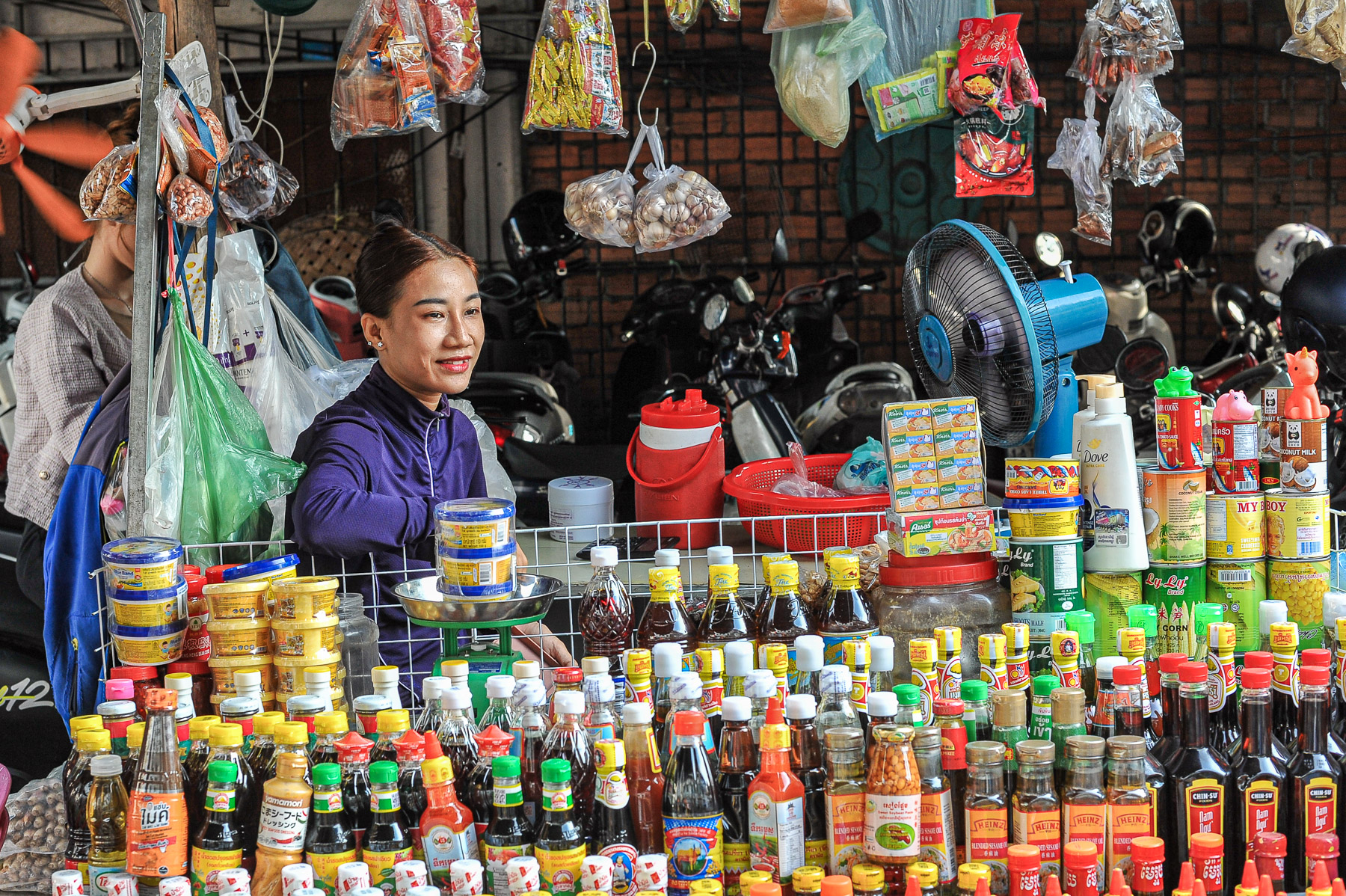

Thousands upon thousands of little journeys. Some produced photographs I still care about. Many produced absolutely nothing. That doesn’t mean they were wasted.
Because photography has never really been about collecting successful pictures. It is about being present while life is happening. That matters more to me now than it did when I was younger.
When you’re young, photography can become competitive. You want sharper lenses, better cameras, stronger pictures, publication, recognition, compliments. You compare yourself with other photographers. You worry about whether your photographs are good enough.
Age has a useful way of knocking some of that nonsense out of you. I still want to make good pictures. Of course I do. There would be little point otherwise. But I no longer need every photograph to prove something.
That is enormously liberating.
A photograph can simply say: I was here. I saw this. This person existed. This moment mattered to me. That is enough.
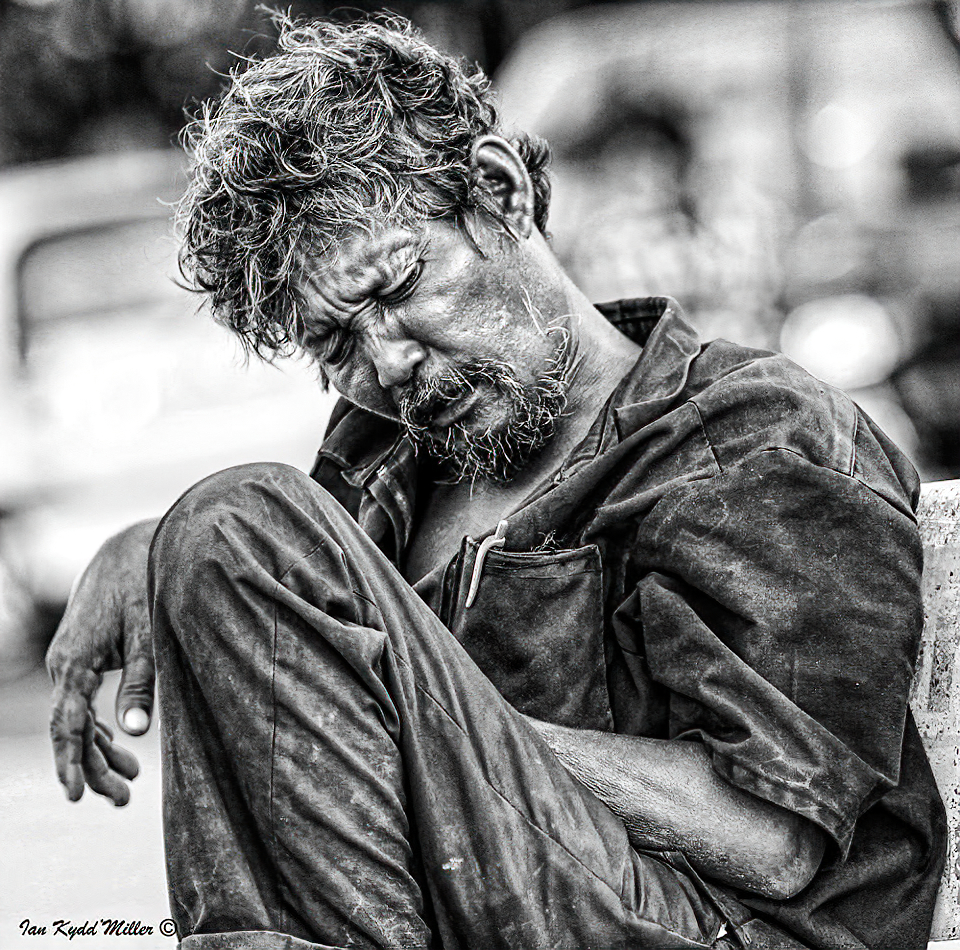
Perhaps that is also why pictures of people have always mattered so much to me.
Buildings change. Streets disappear. Shops close. Cars become old-fashioned. Entire neighbourhoods can be transformed almost beyond recognition.
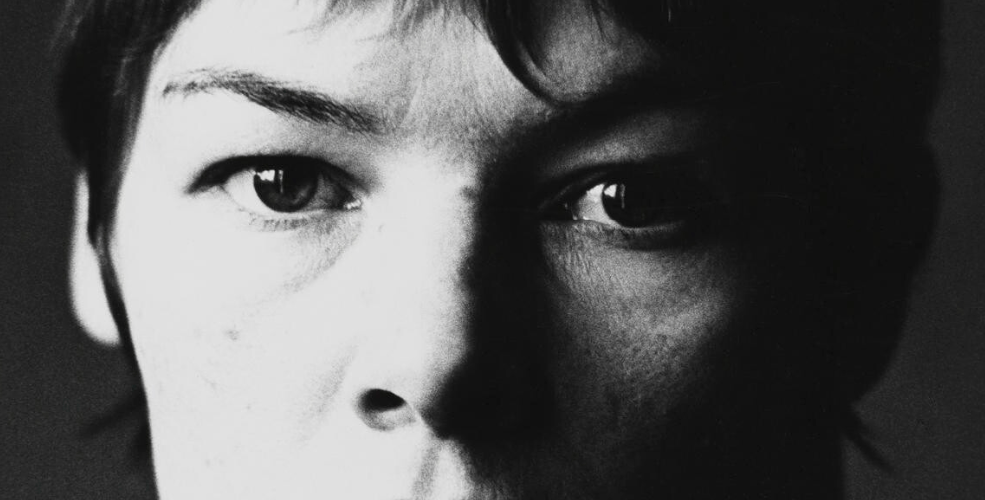
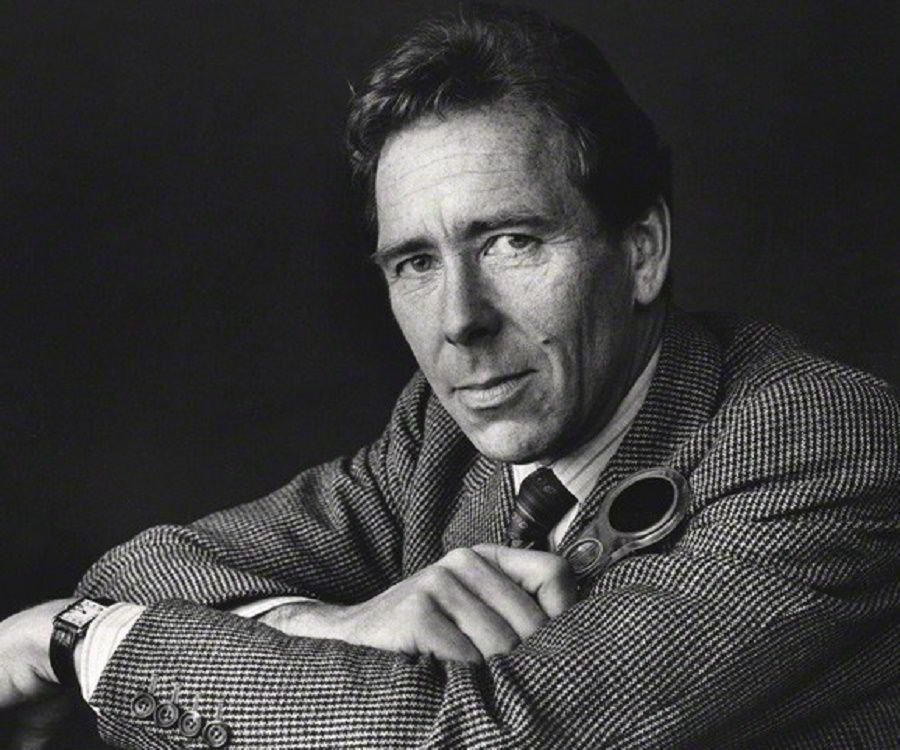
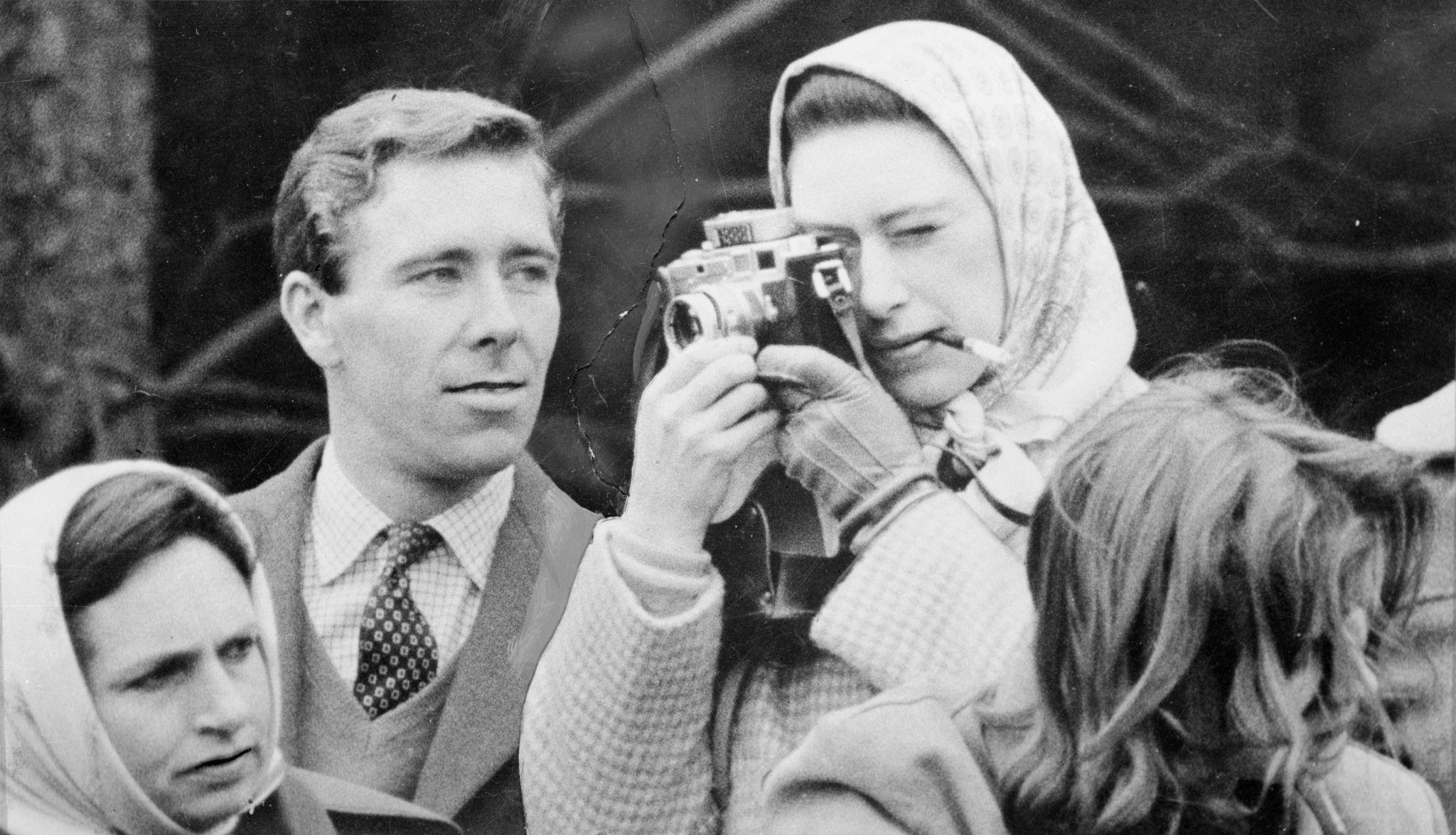
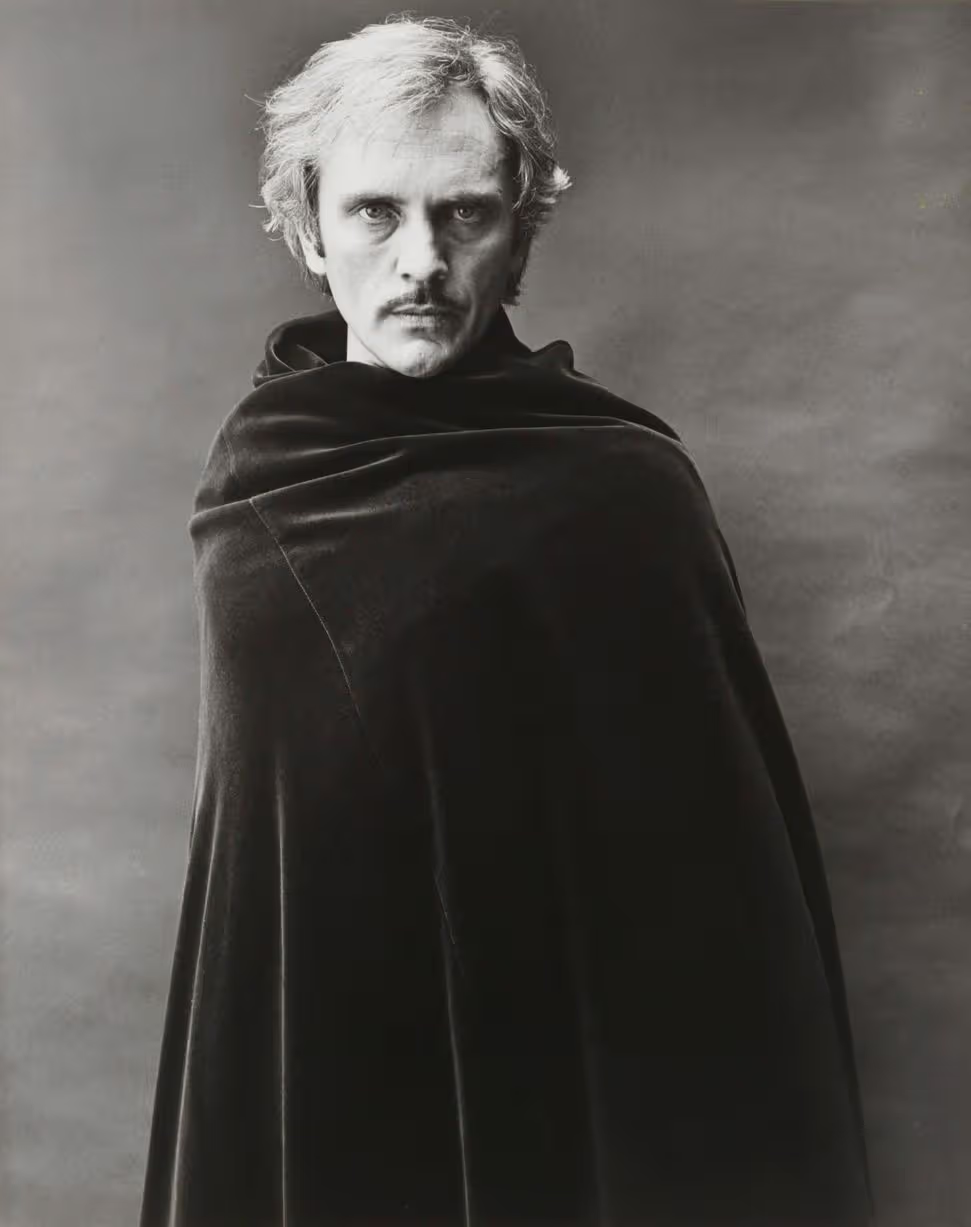
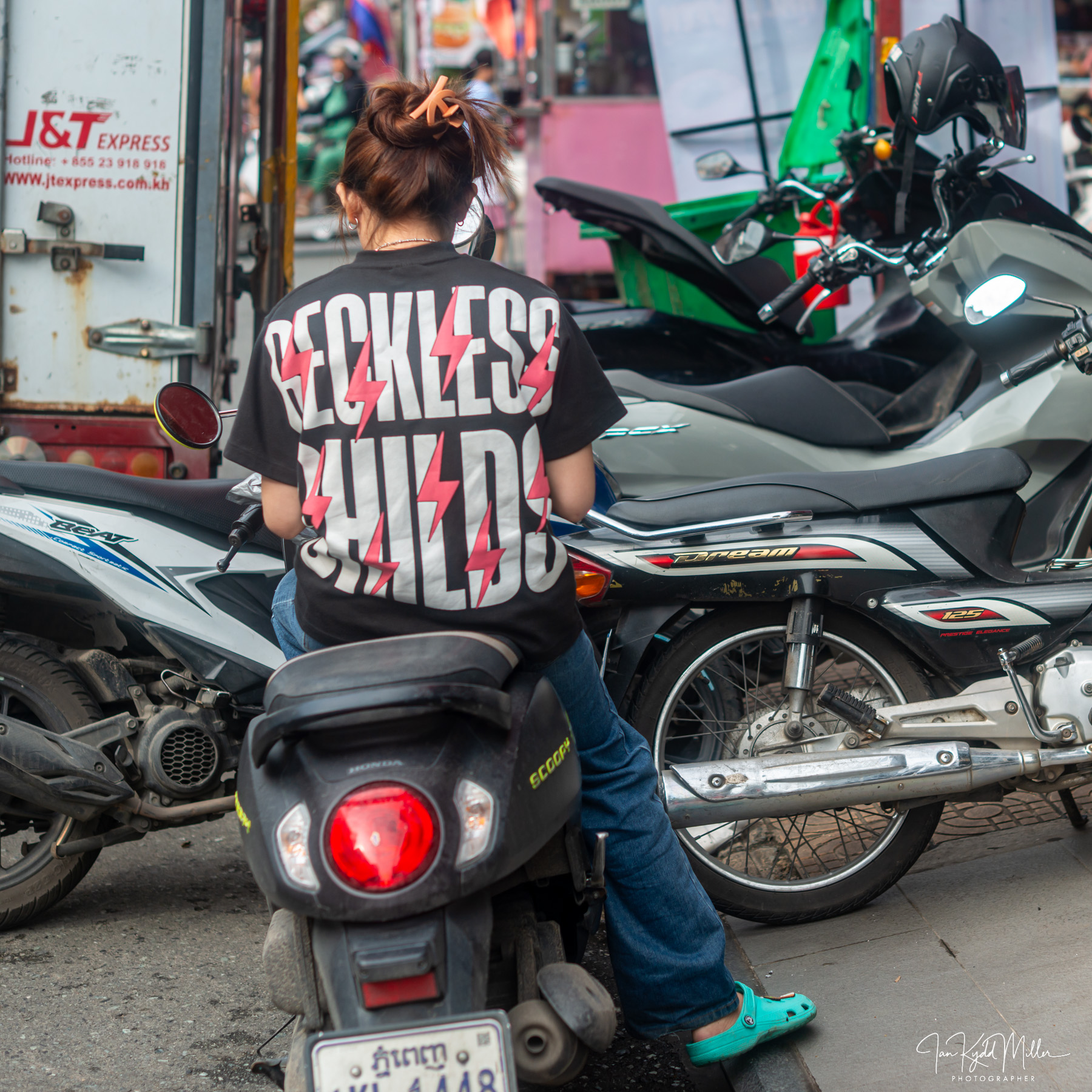
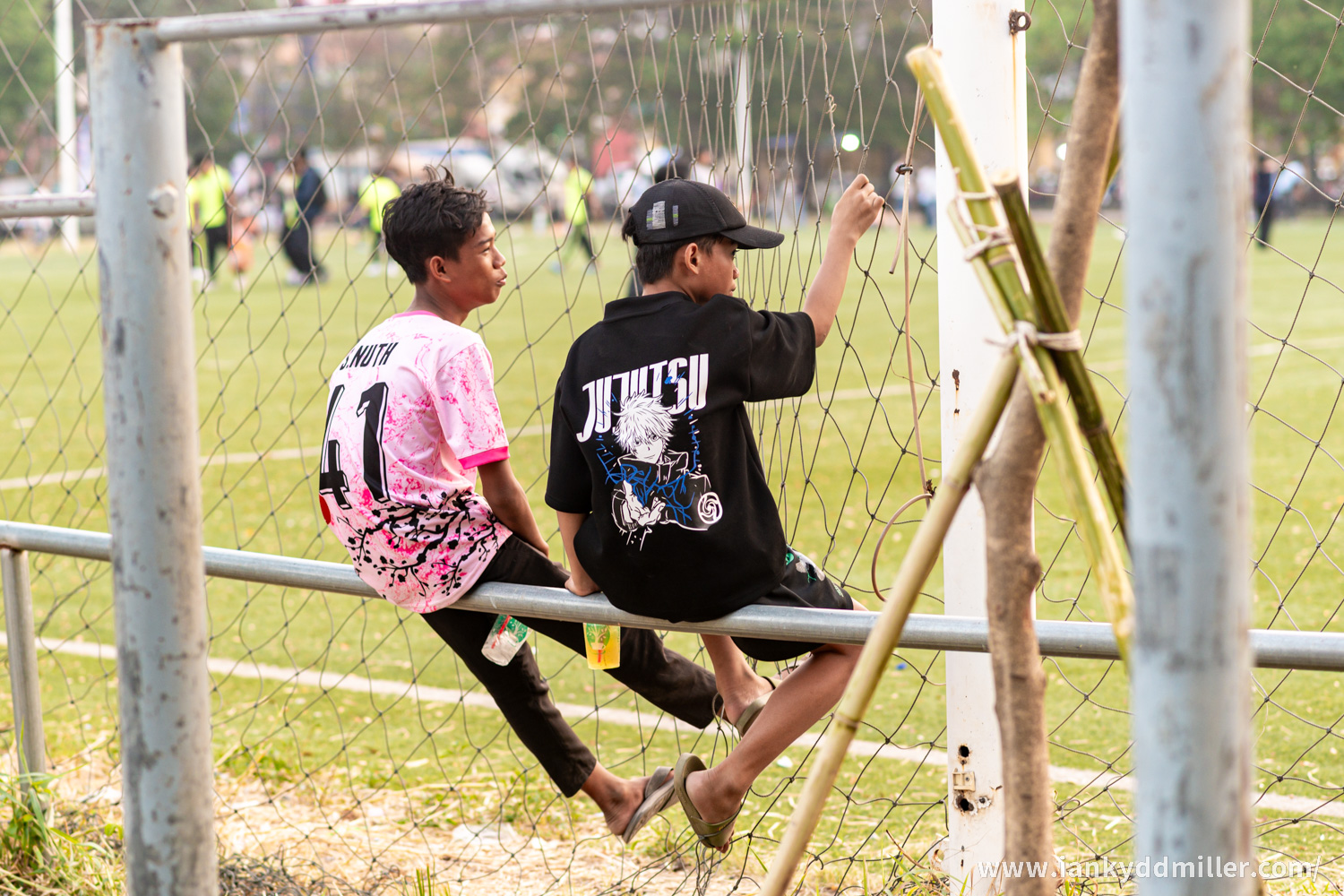
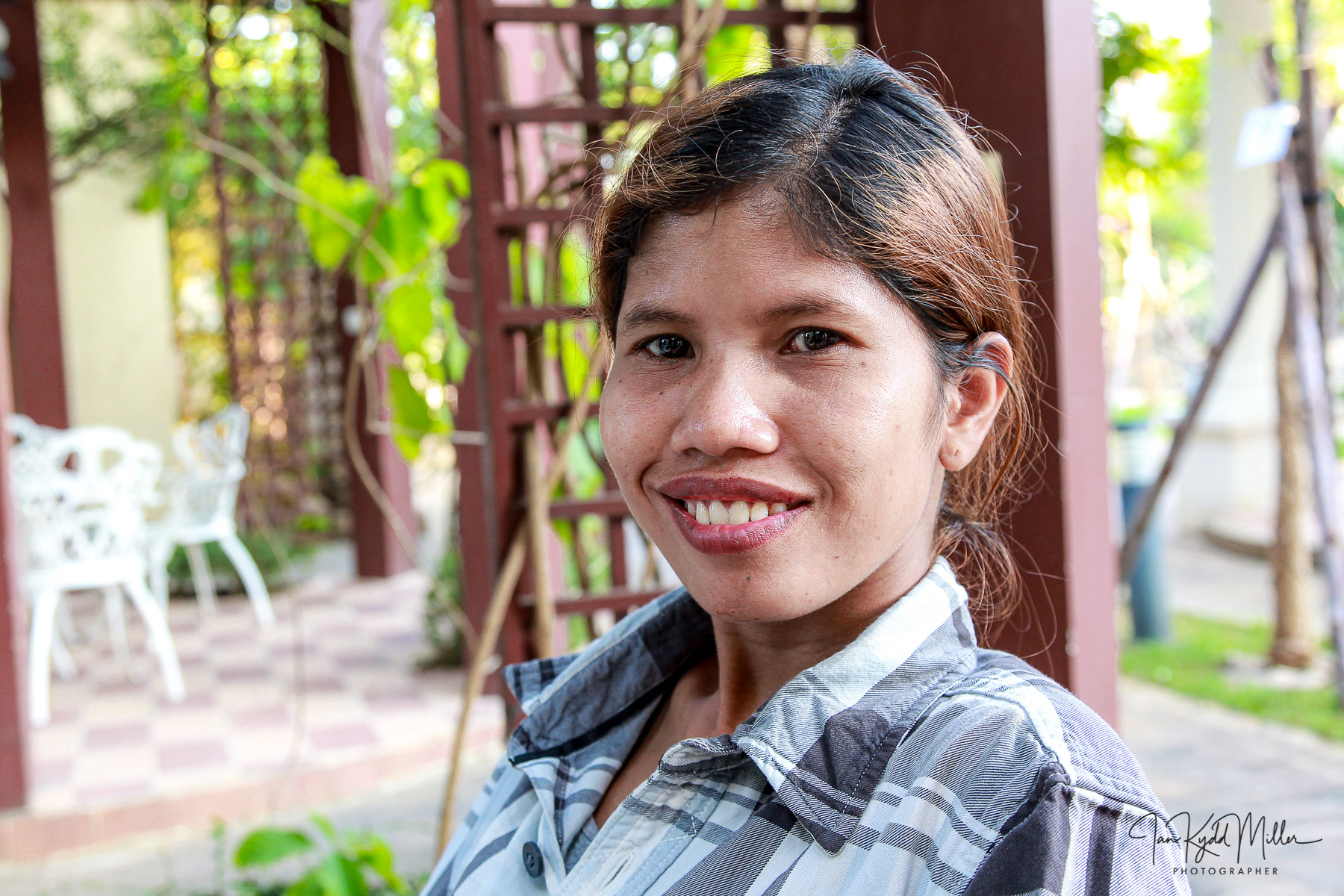
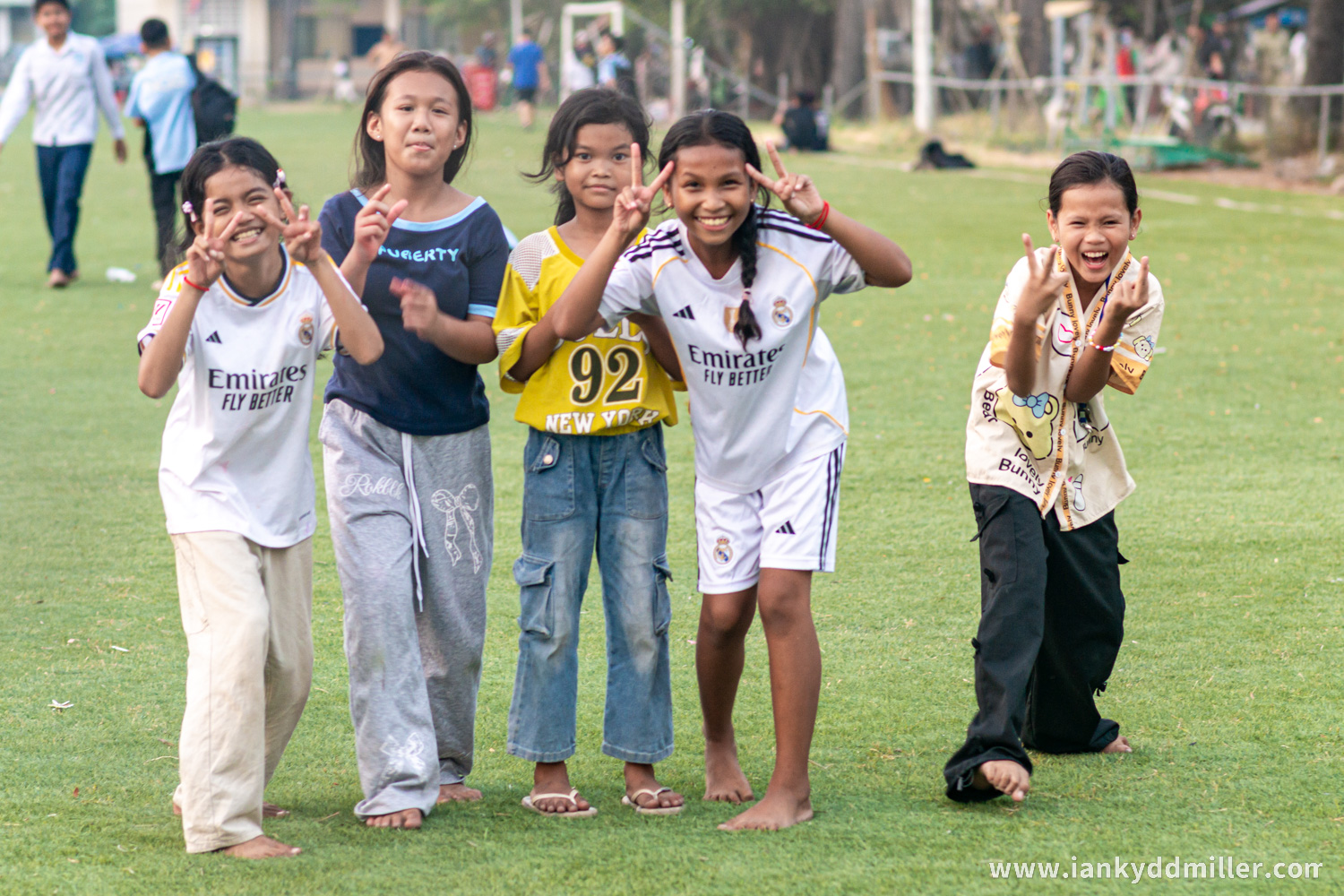
But people make photographs breathe. A face gives a picture its humanity.
When I look through older photographs, it is rarely the technical perfection that interests me. I don’t sit there thinking, Wonderful corner sharpness.
I look at the people. Who were they? What happened to them? Where are they now?
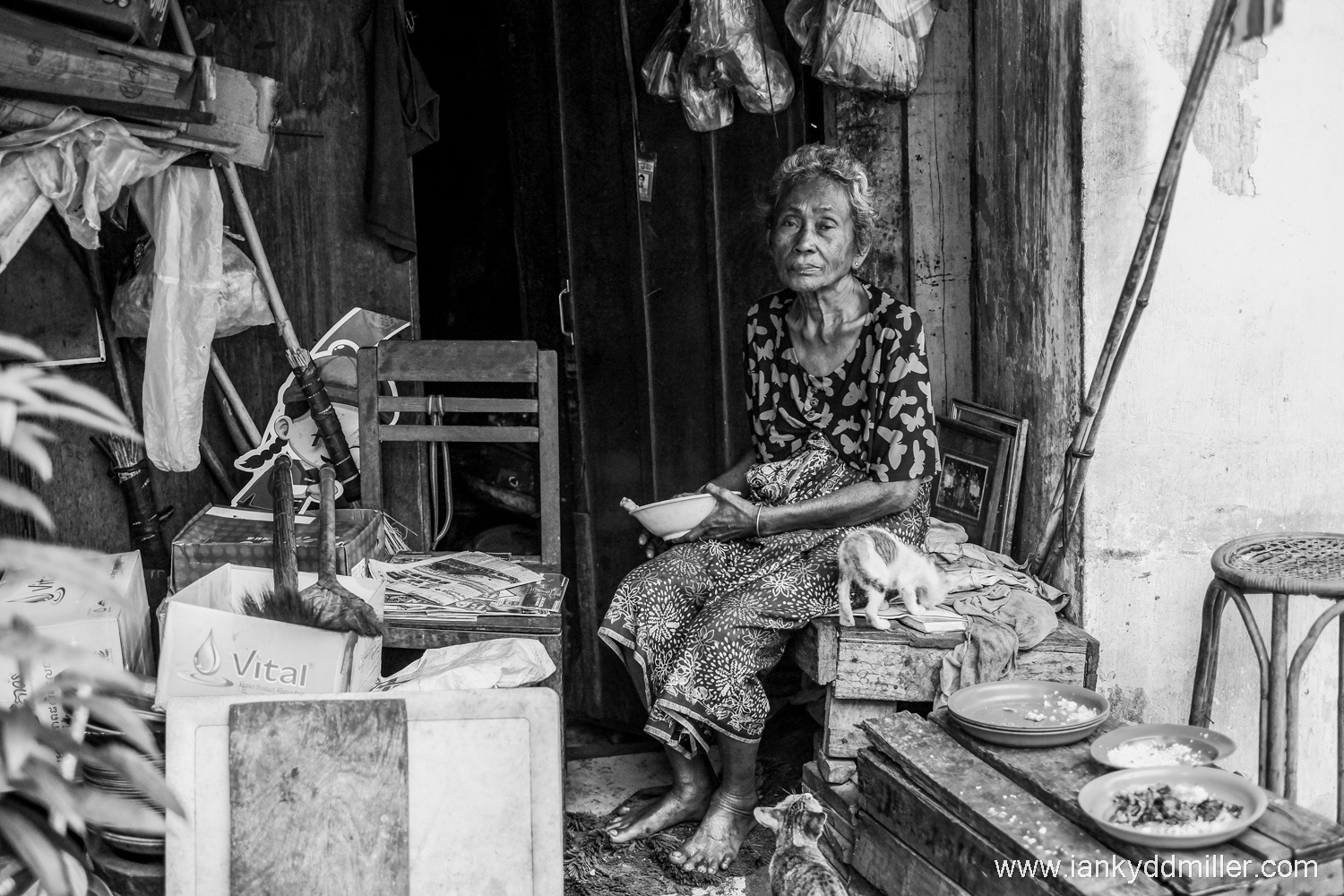
Sometimes I remember everything about making the photograph. The weather. The conversation. The camera I was carrying. The walk home afterwards.
Other times I remember almost nothing. And that is when photography becomes slightly magical. Because the photograph remembers for me. That small rectangle of paper or collection of pixels has preserved something my own memory has lost.
After forty-five years, I increasingly understand that I have not simply been making photographs. I have been building an archive of a life. Not deliberately. Nobody begins photography at twenty or thirty thinking, I shall now document the next forty-five years of my existence. You simply keep taking pictures. One year becomes five. Five becomes twenty.
Then one day you look behind you and realise that the photographs have become breadcrumbs scattered along the road you travelled.
Cameras I once carried. Places where I once stood. People I once knew. People I loved. People I met for thirty seconds and never saw again. Cities before they changed. Streets before they disappeared. And versions of myself that no longer exist.

That is powerful stuff.
It also explains why printing photographs still matters to me. A photograph on a screen exists, certainly, but a print has presence. You can hold it. Put it on a table. Stick it on a wall. Find it unexpectedly twenty years later.
A print becomes an object. And objects survive us in peculiar ways. I sometimes wonder what will happen to all these photographs eventually. Every photographer who has worked long enough probably thinks about it. Will anybody care?
Perhaps. Perhaps not. I’ve become surprisingly comfortable with that.
I didn’t make most of these pictures for an imaginary audience fifty years in the future. I made them because something in front of me made me raise the camera.
That’s enough. Photography has given me something far more valuable than a collection of images. It has given me curiosity.
Even after forty-five years I can walk down a street I have walked down a hundred times and still wonder whether today there might be a photograph there.
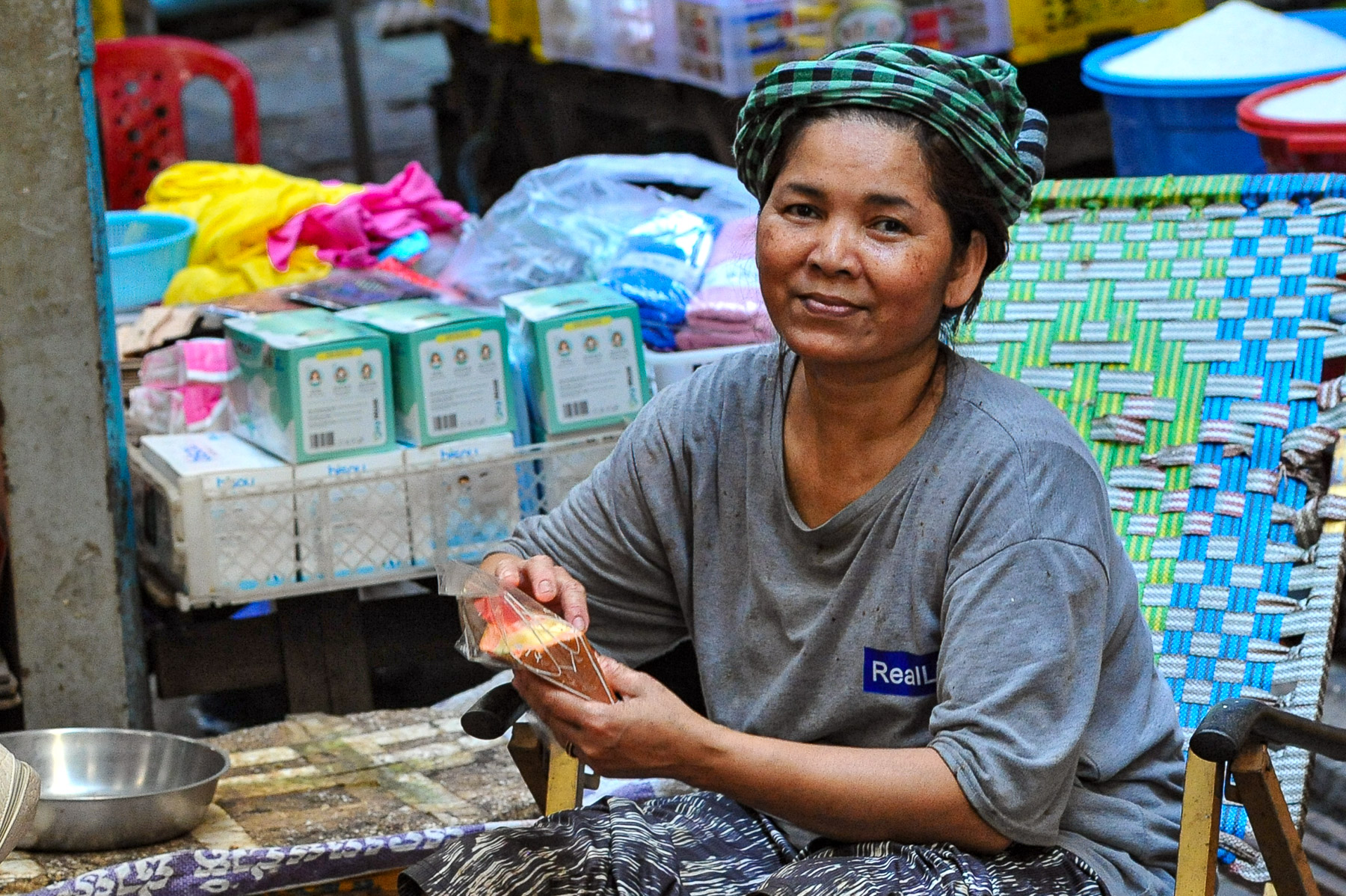
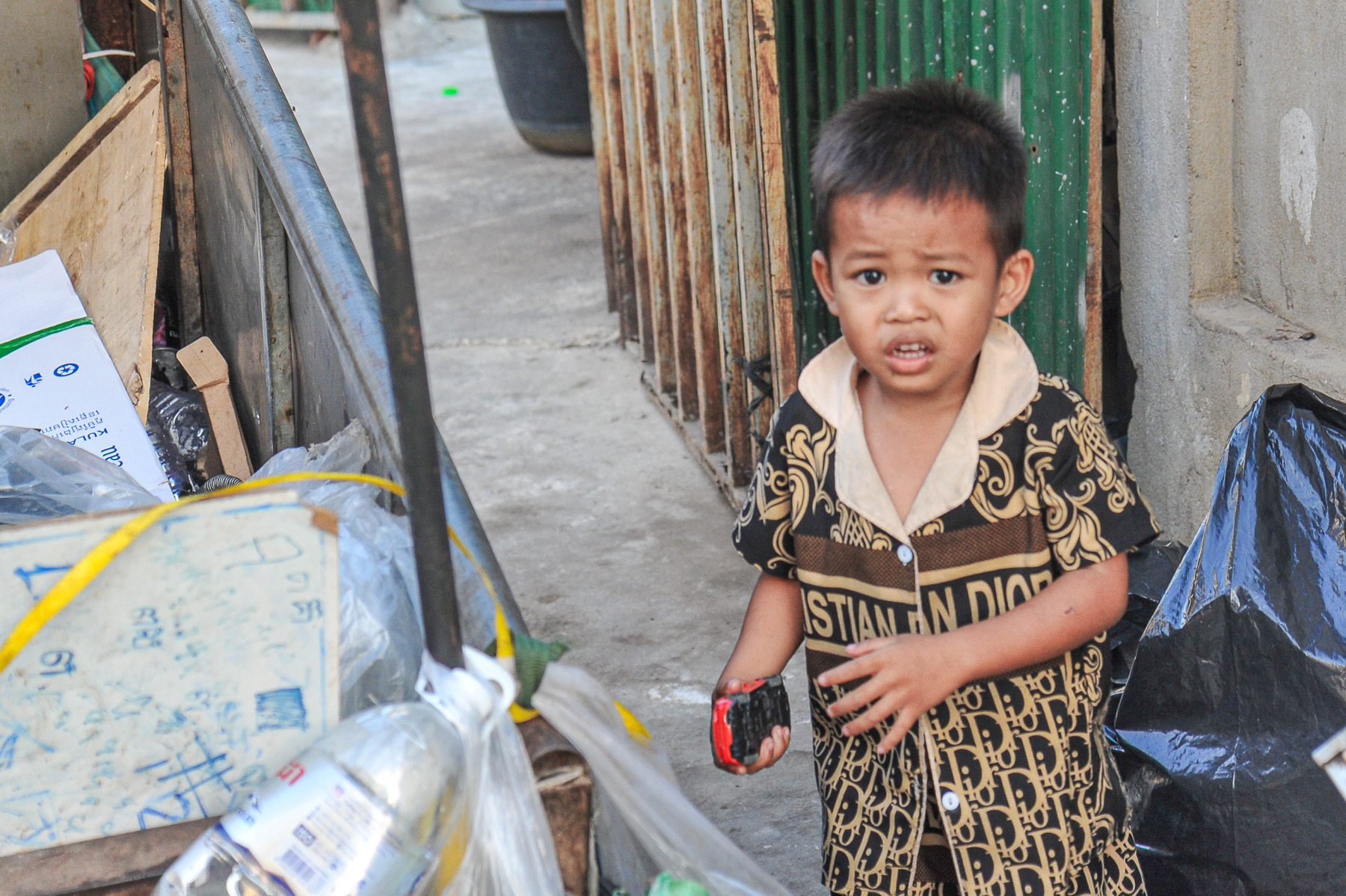

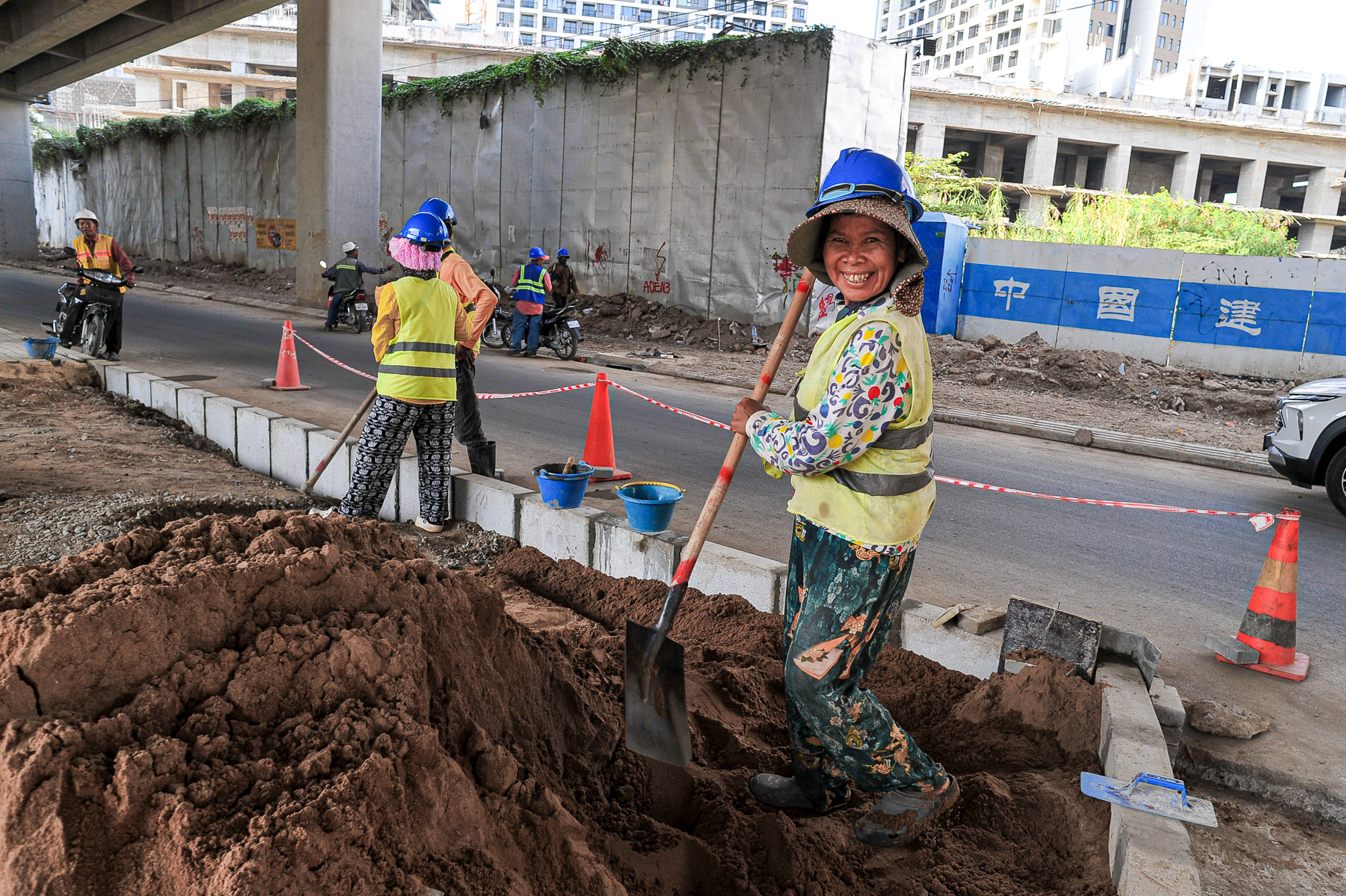
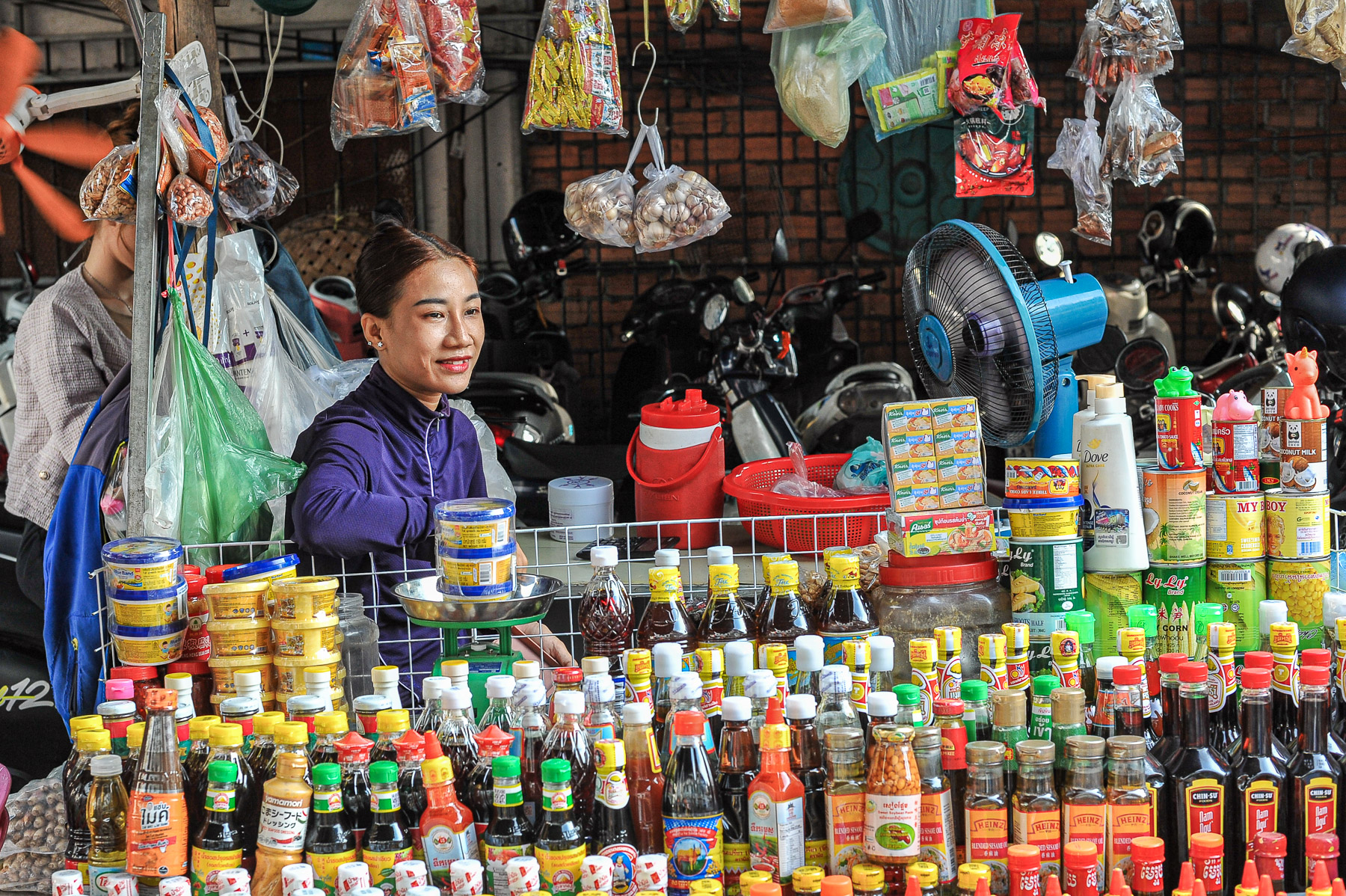
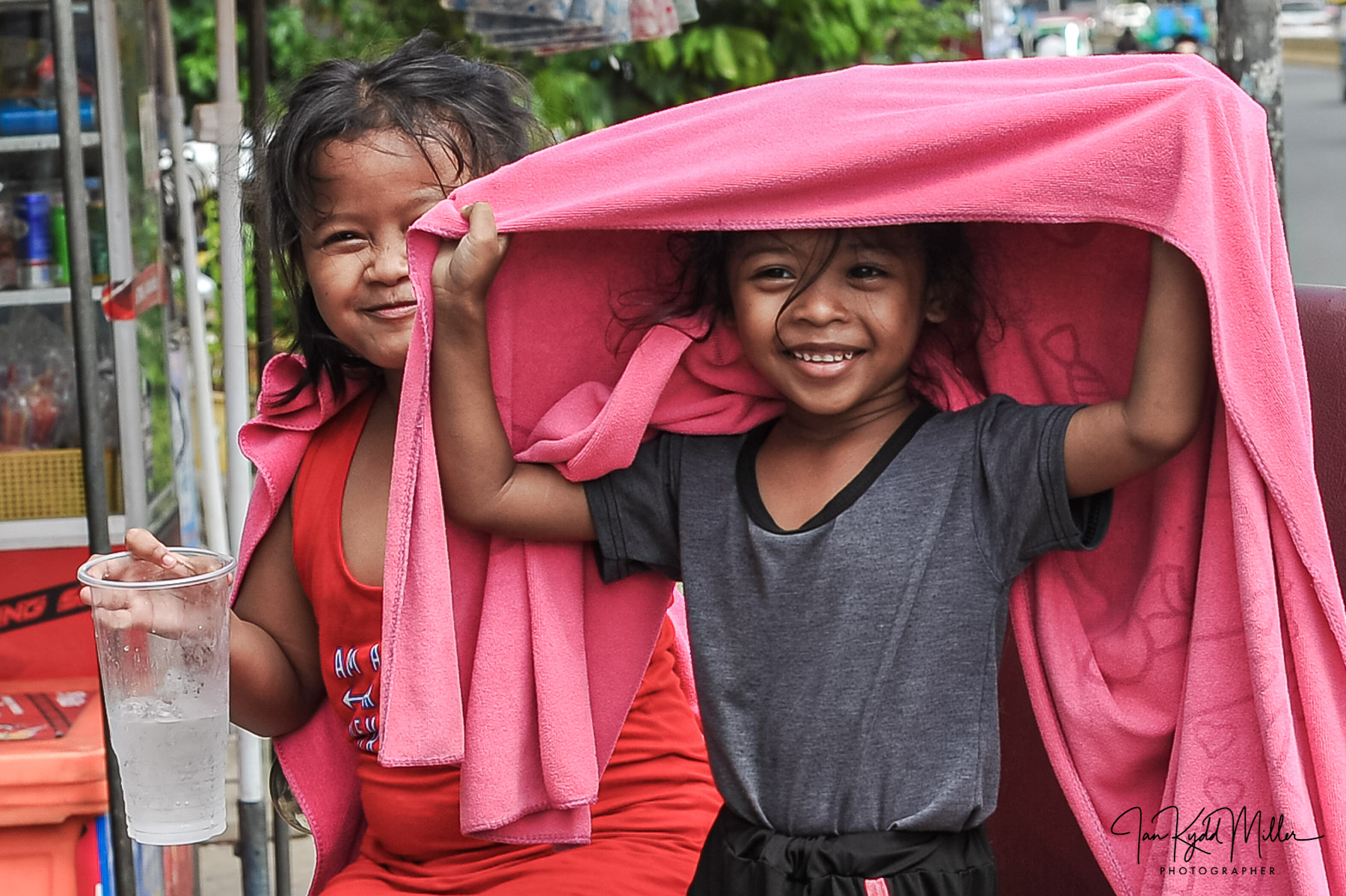
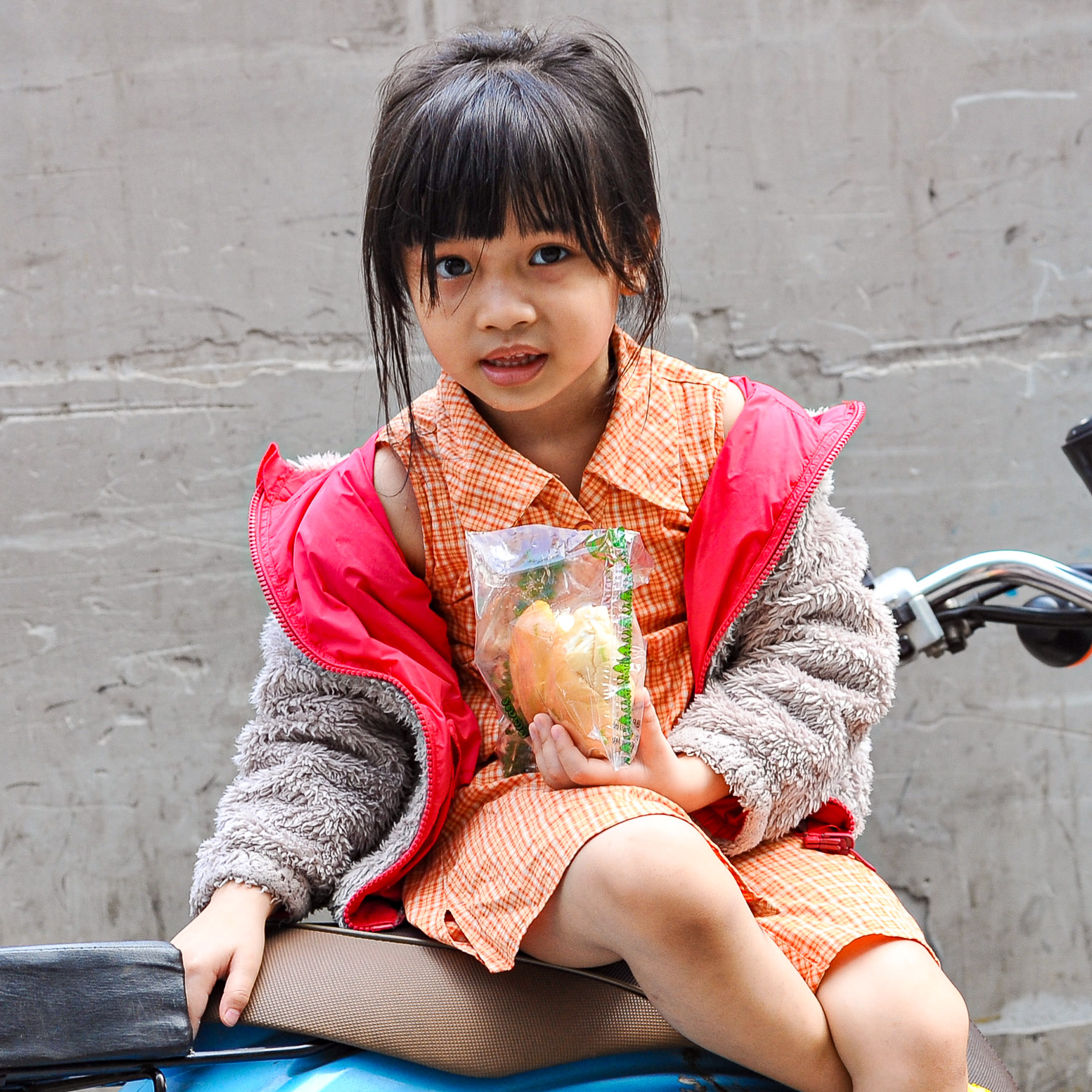
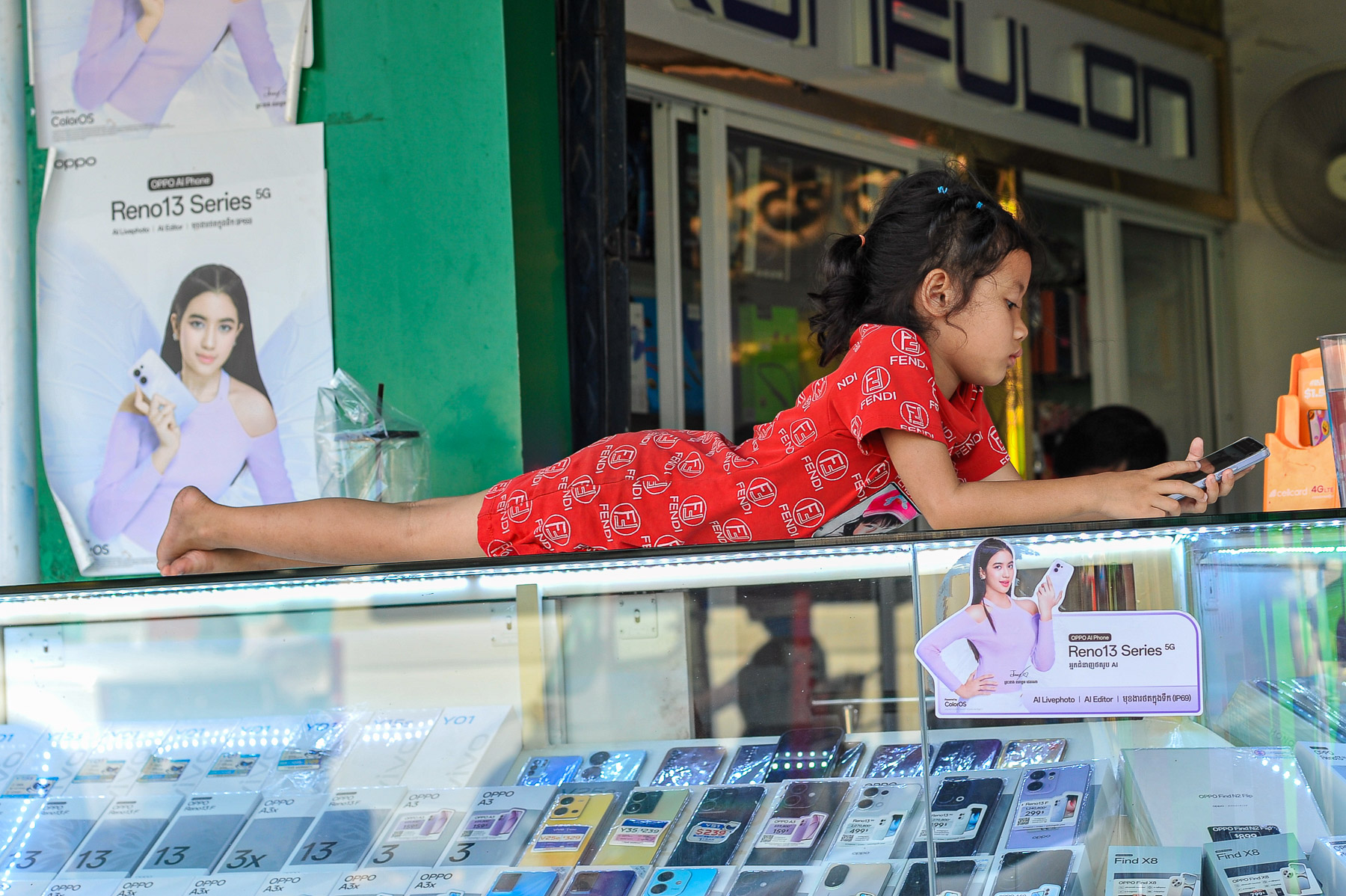
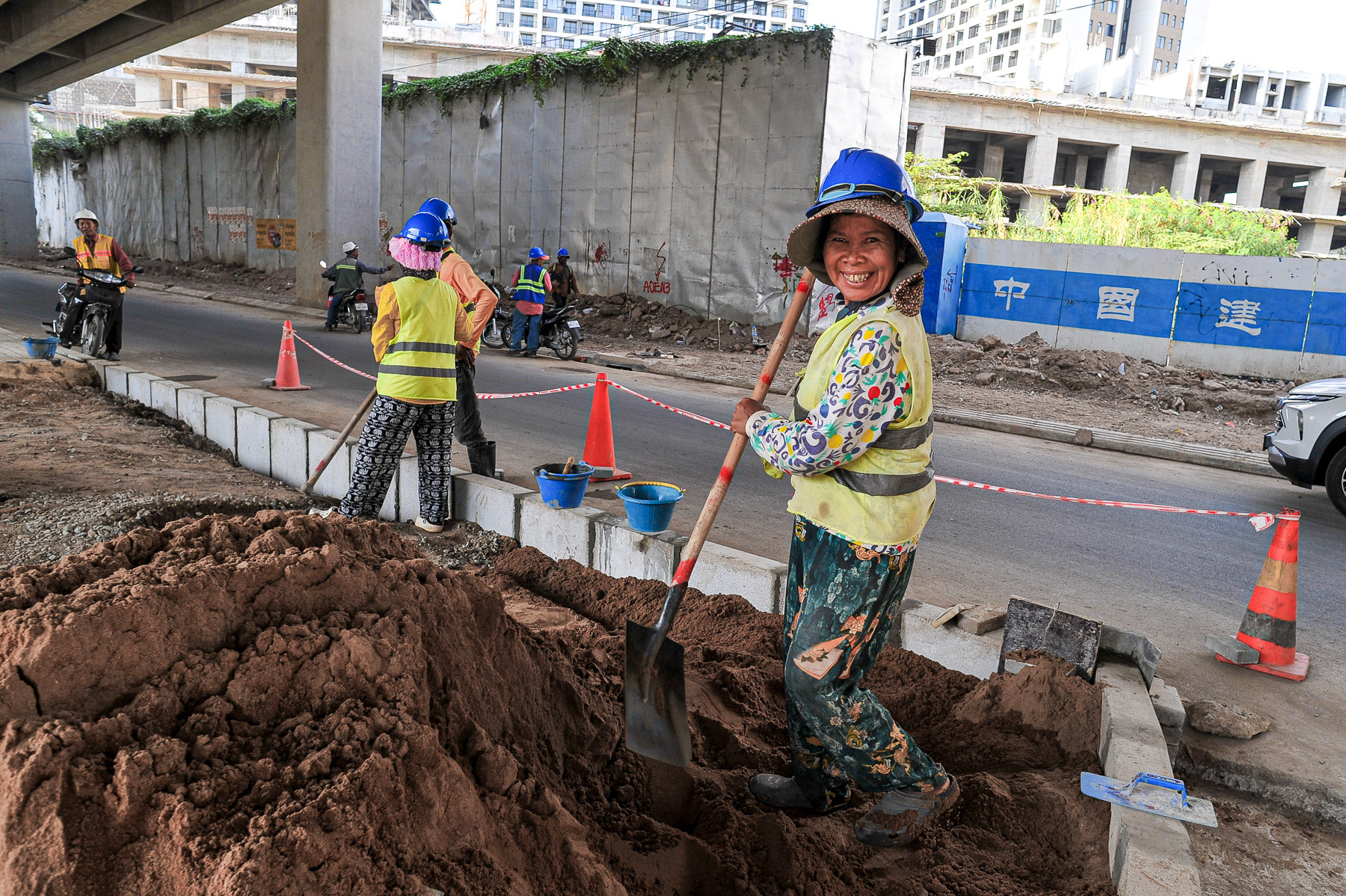
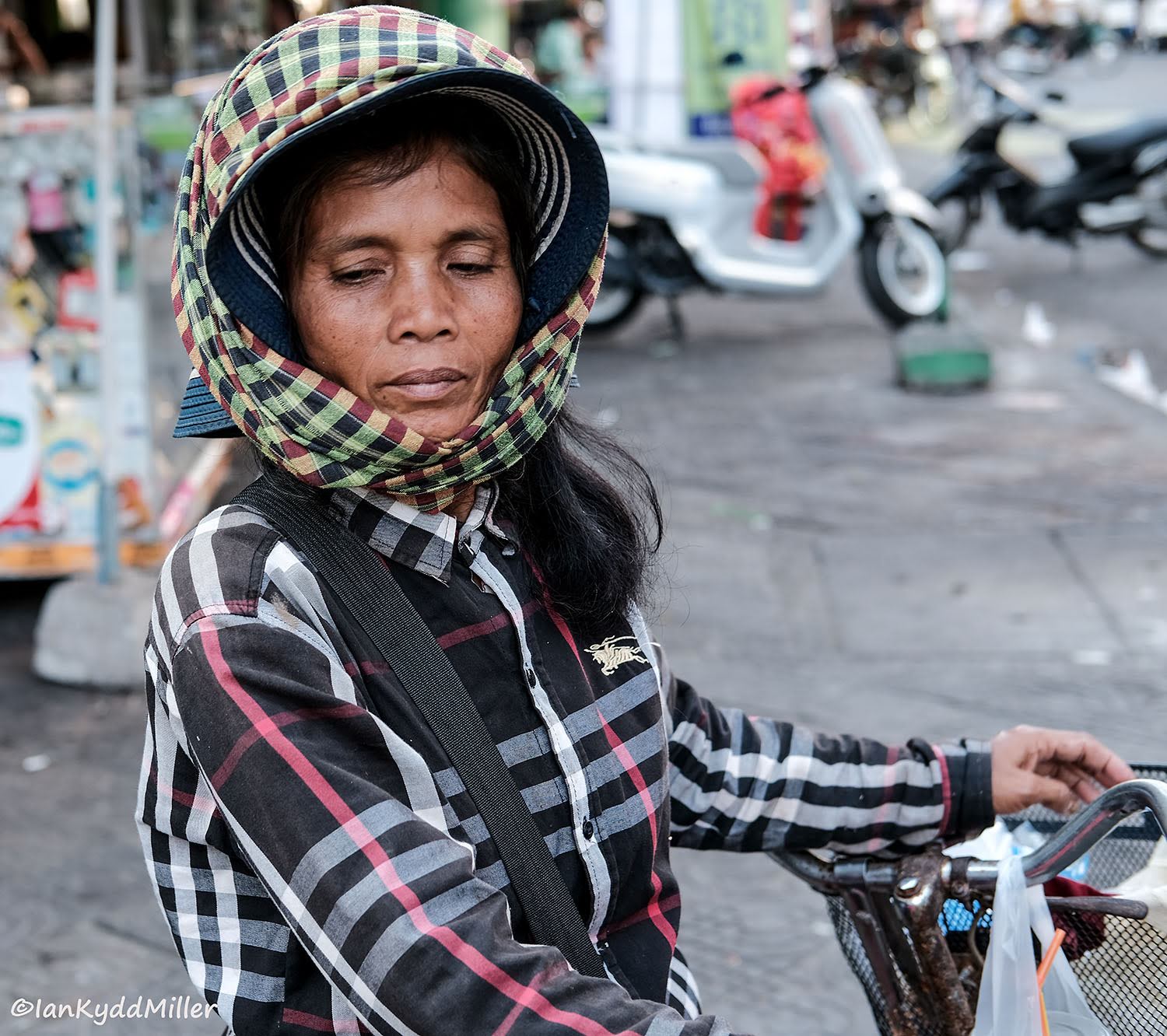


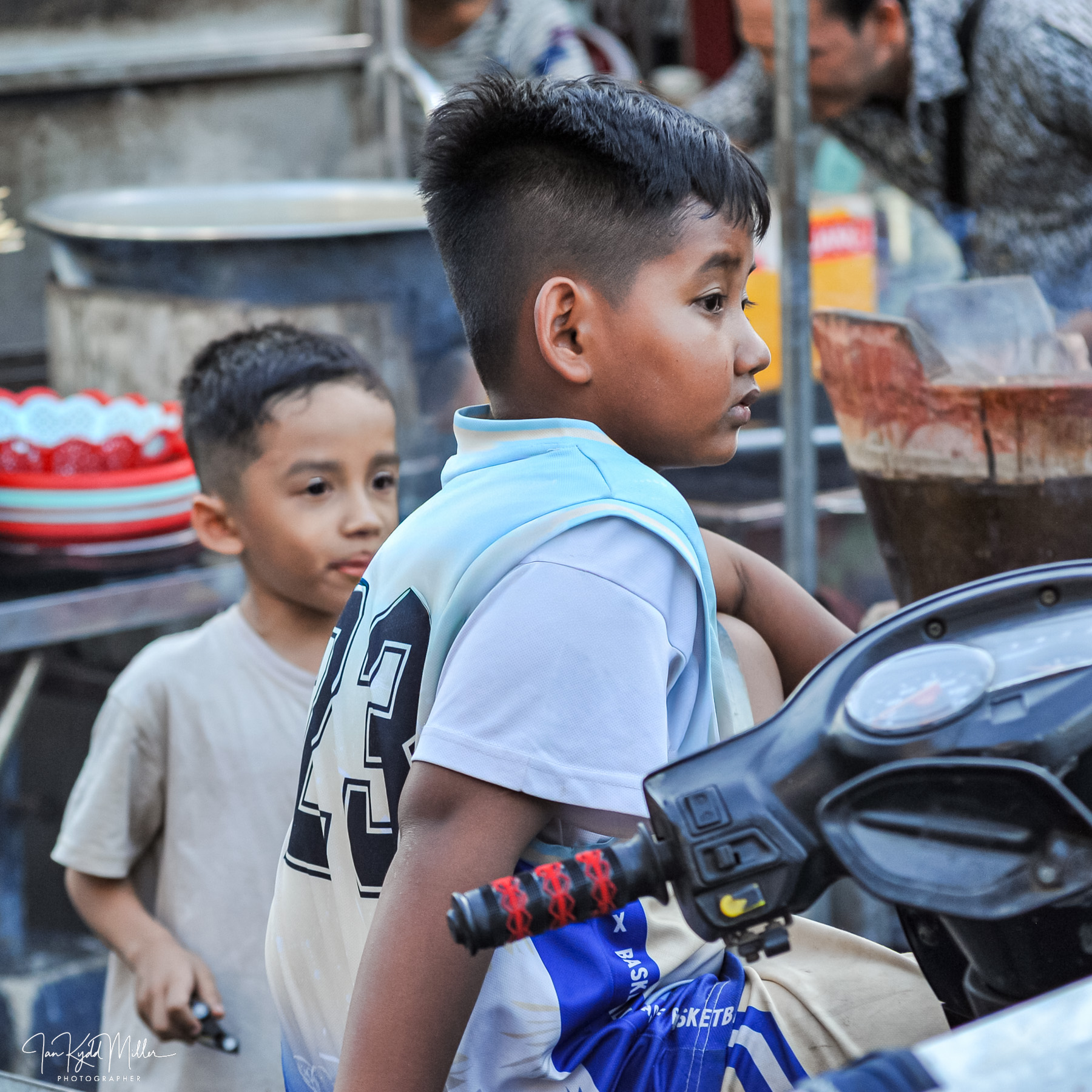
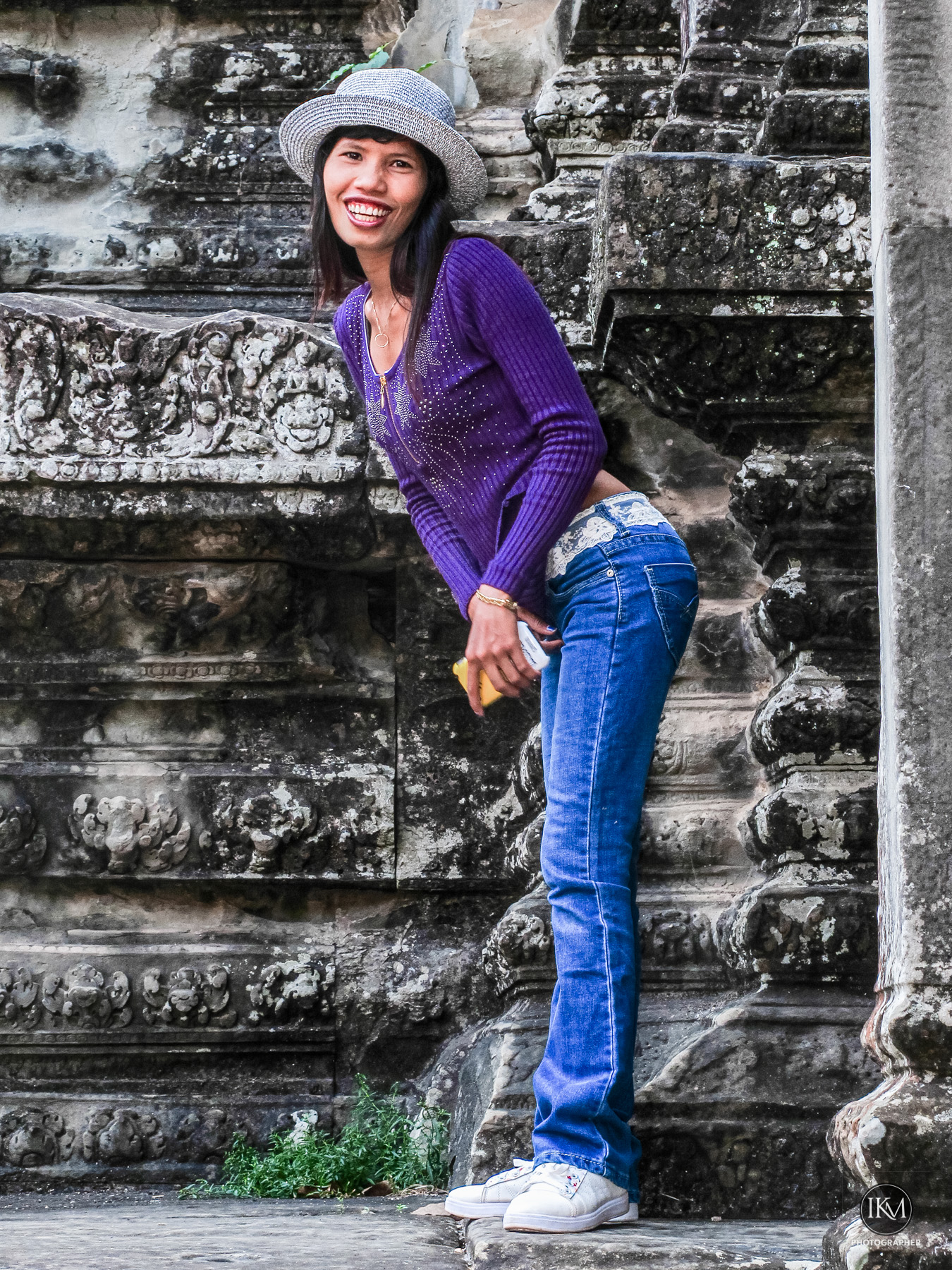
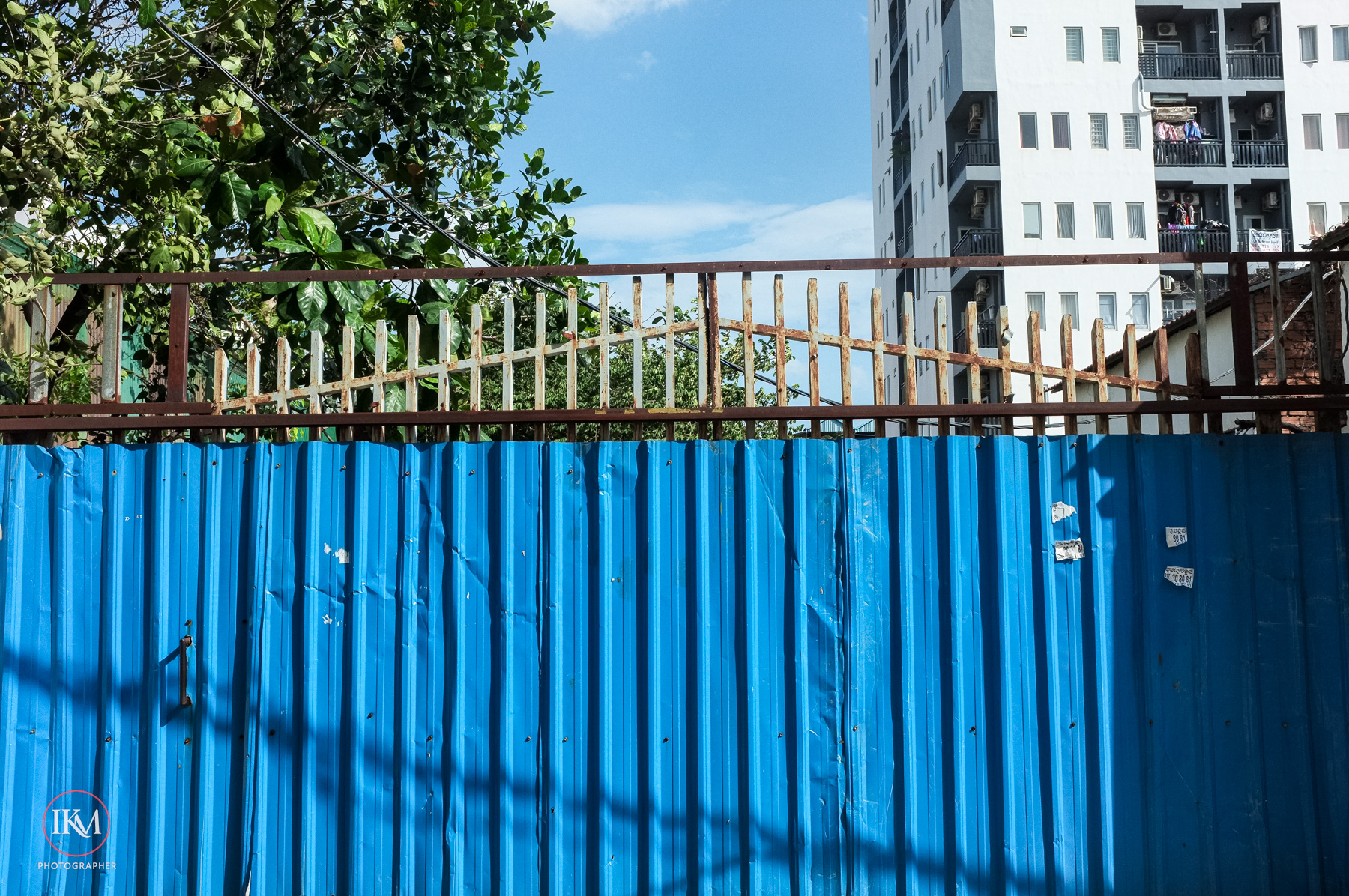
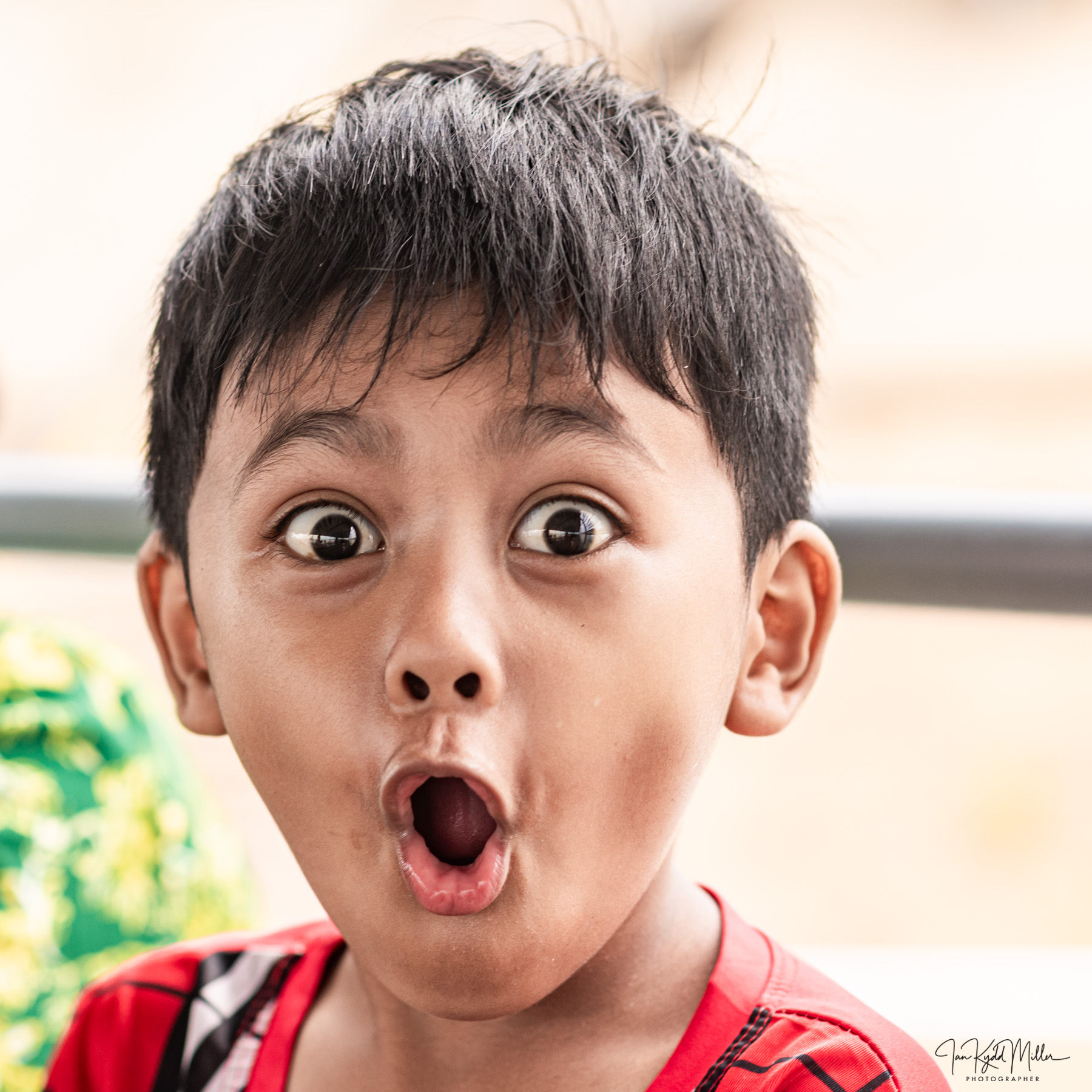
That possibility gets me out of the door. And some days, particularly as we get older, getting out of the door is no small thing. The camera provides purpose. Not some grand artistic purpose. Nothing quite so pompous. Just a reason to walk another street. Look around another corner. Talk to another stranger. Wait another five minutes because the light might change. Photography keeps me engaged with the world.
And the world, for all its madness, cruelty, stupidity and noise, remains endlessly interesting when viewed through a camera.
There are still faces I haven’t photographed. Still streets I haven’t walked. Still moments I haven’t seen. And perhaps somewhere tomorrow afternoon there will be one of those tiny combinations of person, expression, gesture and light that lasts for half a second and then disappears forever.
I’ll raise the camera.
Click. Gone. Except it isn’t. I caught a little piece of it.
After forty-five years, I think that is why making pictures remains so important to me.
Photography has been a companion for most of my adult life. Cameras have come and gone. Film became digital. Darkrooms became computers. Thirty-six exposures became memory cards holding thousands. Autofocus became astonishing. Cameras became capable of things we couldn’t have imagined when I started.
None of that is really important. The important part happens before the shutter is pressed. You notice. You care. You decide that this tiny fragment of ordinary life deserves to be remembered.
Then you make the picture.
Forty-five years later, I’m still looking. And I’m still curious about what might be around the next corner. As long as that curiosity remains, I’ll keep carrying a camera. Because somewhere along the way photography stopped being something I did. It became part of the way I live.
And perhaps that is the real privilege of being an old photographer.

You eventually understand that all those years you thought you were making pictures of the world. But quietly, picture by picture, the world was making a photographer out of you.