Are โ€œProfessionalโ€ Lenses Worth the Extra Money?

Lenses, nikon, opinons, thoughts, photography, pictures, street, Travel

There comes a point in every photographerโ€™s life when he begins staring at expensive lenses on the internet. This usually happens late at night, when common sense has gone to bed and the credit card is still wide awake.

The professional lens promises everything: greater sharpness, richer colour, faster focusing, beautiful background blur and the sort of optical perfection that will apparently transform an ordinary photograph into something worthy of hanging in a gallery.

It is an attractive proposition. It is also only partly true.
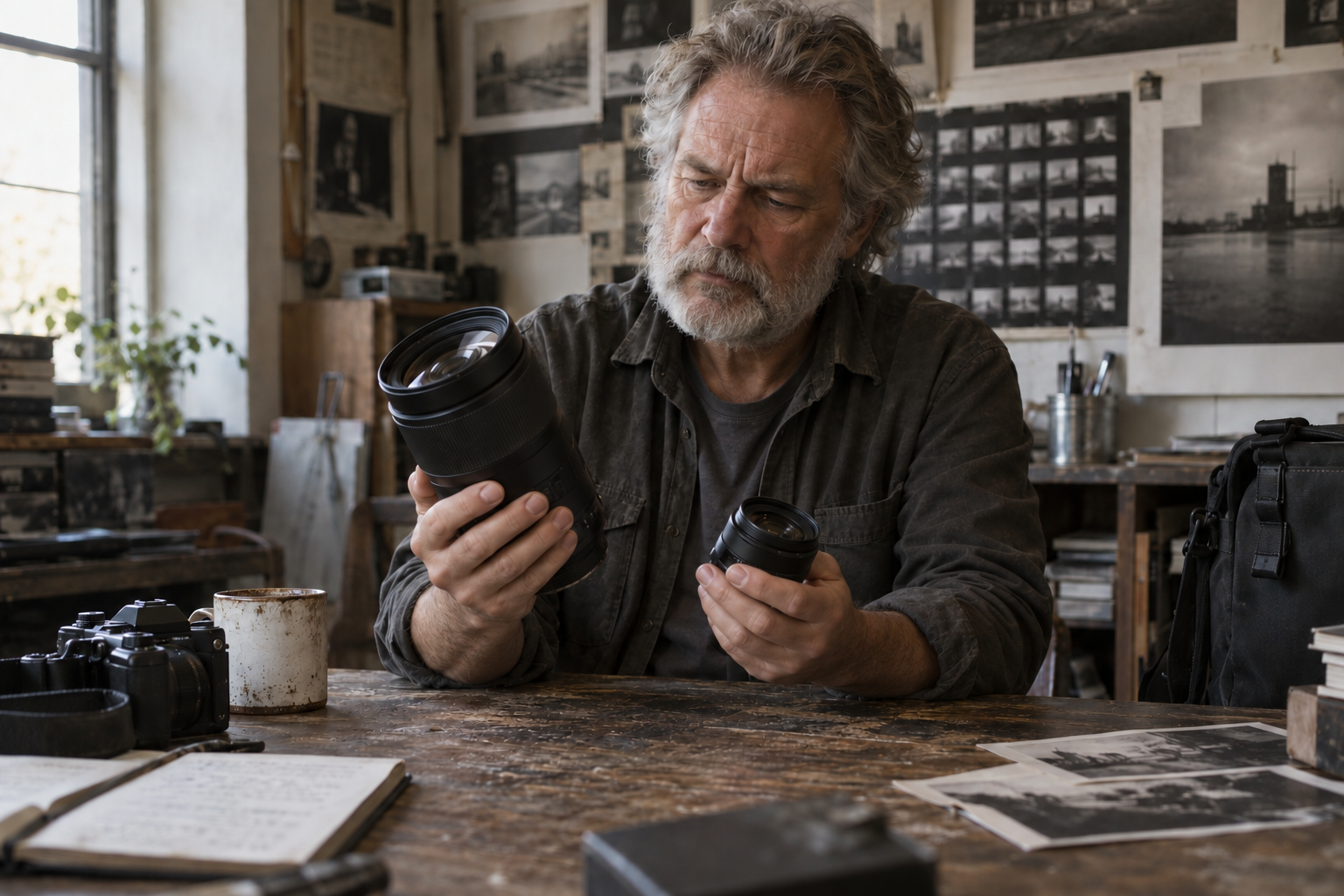

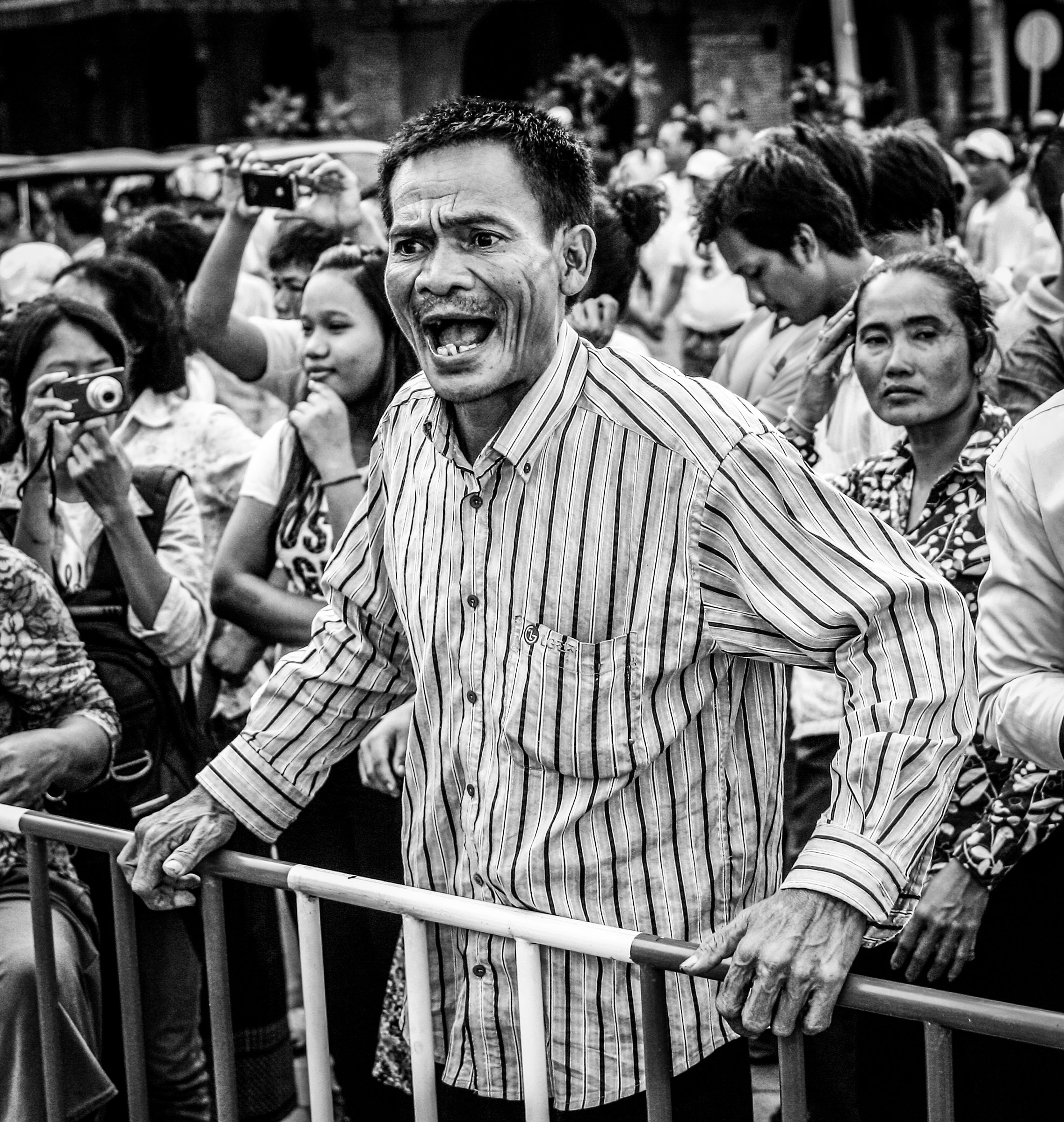
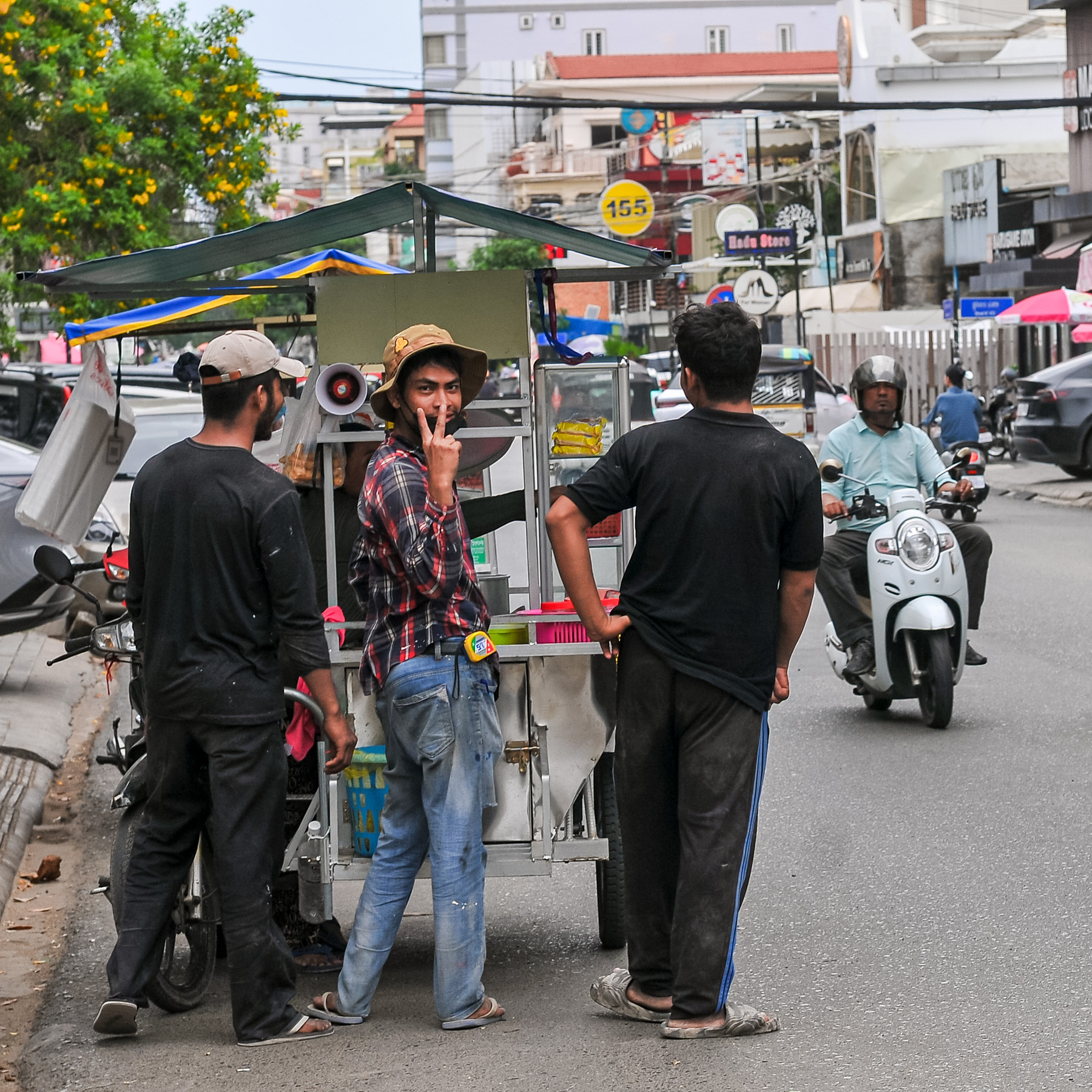
A man with gray hair and a beard examines two camera lenses while sitting at a cluttered table in a photography studio.

Professional lenses are generally better made. They often have stronger barrels, more metal, better weather sealing and focusing motors designed to survive continuous use. Their maximum apertures tend to be wider and remain constant throughout the zoom range. A 24โ€“70mm f/2.8, for example, will hold that aperture from one end of the zoom to the other, while a cheaper lens may become considerably slower as it is extended.

That difference matters when the light is failing, when the subject is moving or when somebody is paying you to return with the picture.

A professional lens is not merely designed to produce a sharp test chart. It is designed to work reliably, repeatedly and under circumstances in which failure may cost the photographer money. Press photographers, sports shooters, wedding photographers and people working in difficult weather are paying for consistency as much as image quality.
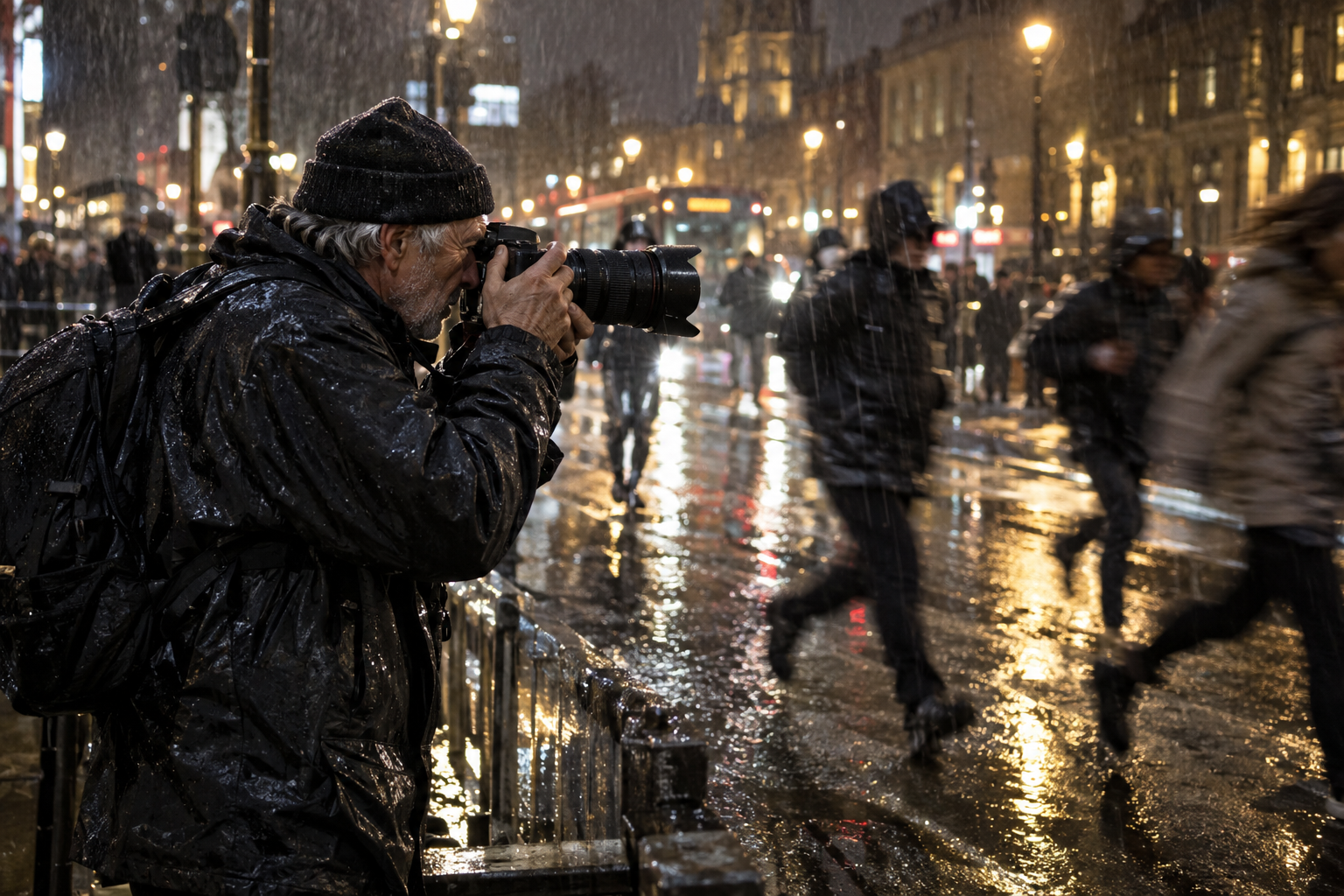

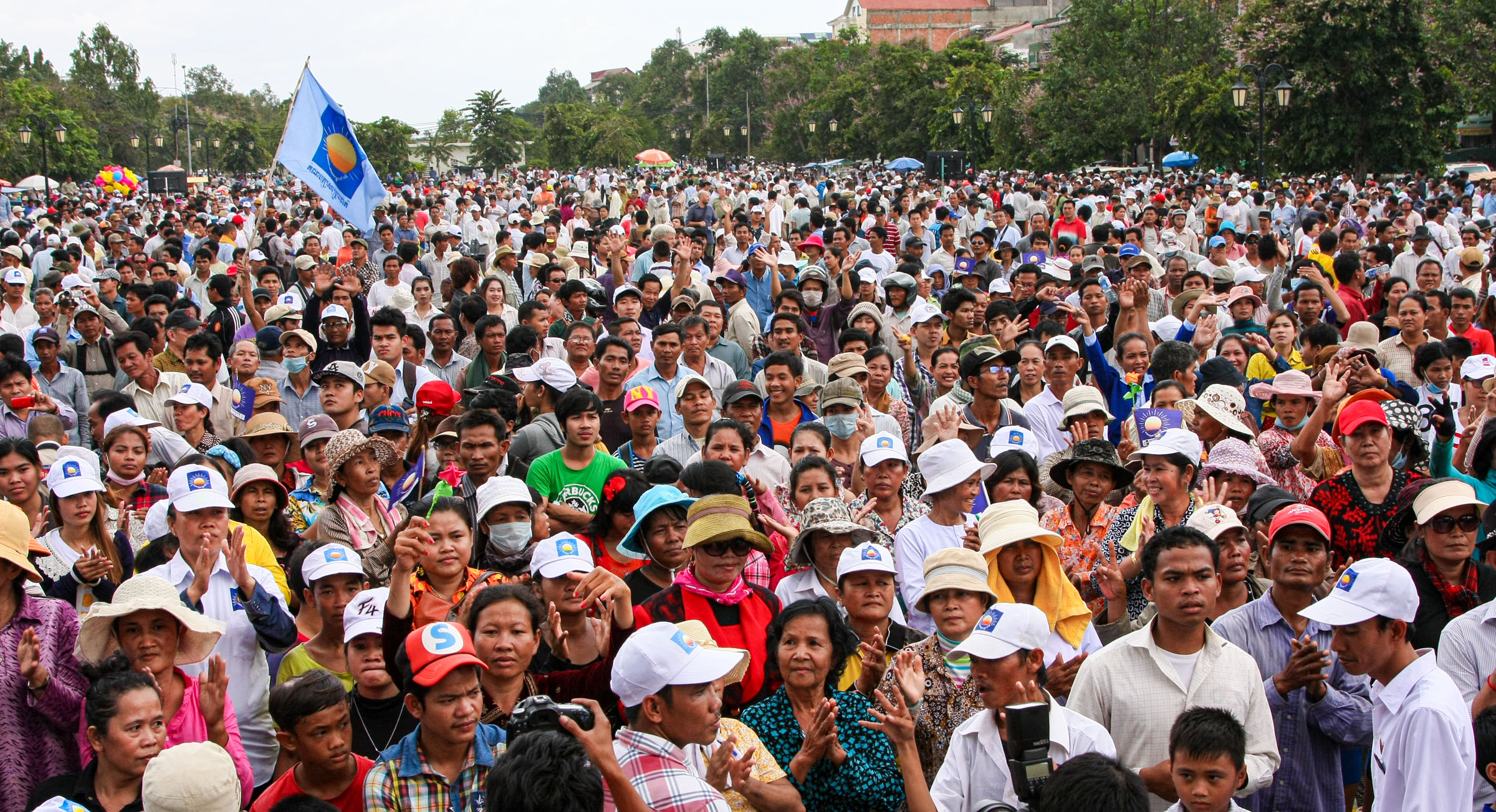
A man in a dark rain jacket and hat uses a camera to photograph a busy street during rain at night, with blurred pedestrians walking past and streetlights illuminating the scene.

They are buying confidence.

But does the expensive lens produce photographs that are perceptibly better?

Sometimes it does. Just not always in the way the advertising suggests.

At its widest aperture, a professional lens will often be sharper, particularly toward the edges of the frame. It may control flare, distortion, chromatic aberration and unwanted colour fringing more effectively. Contrast can be stronger, focusing more decisive and the transition between sharp and unsharp areas more graceful.

A good 85mm f/1.4 may render a face and its background with a delicacy that a cheap zoom cannot quite imitate. A professional 300mm lens may focus faster and hold detail better when photographing sport, wildlife or breaking news. Under difficult light, those differences can become visible.
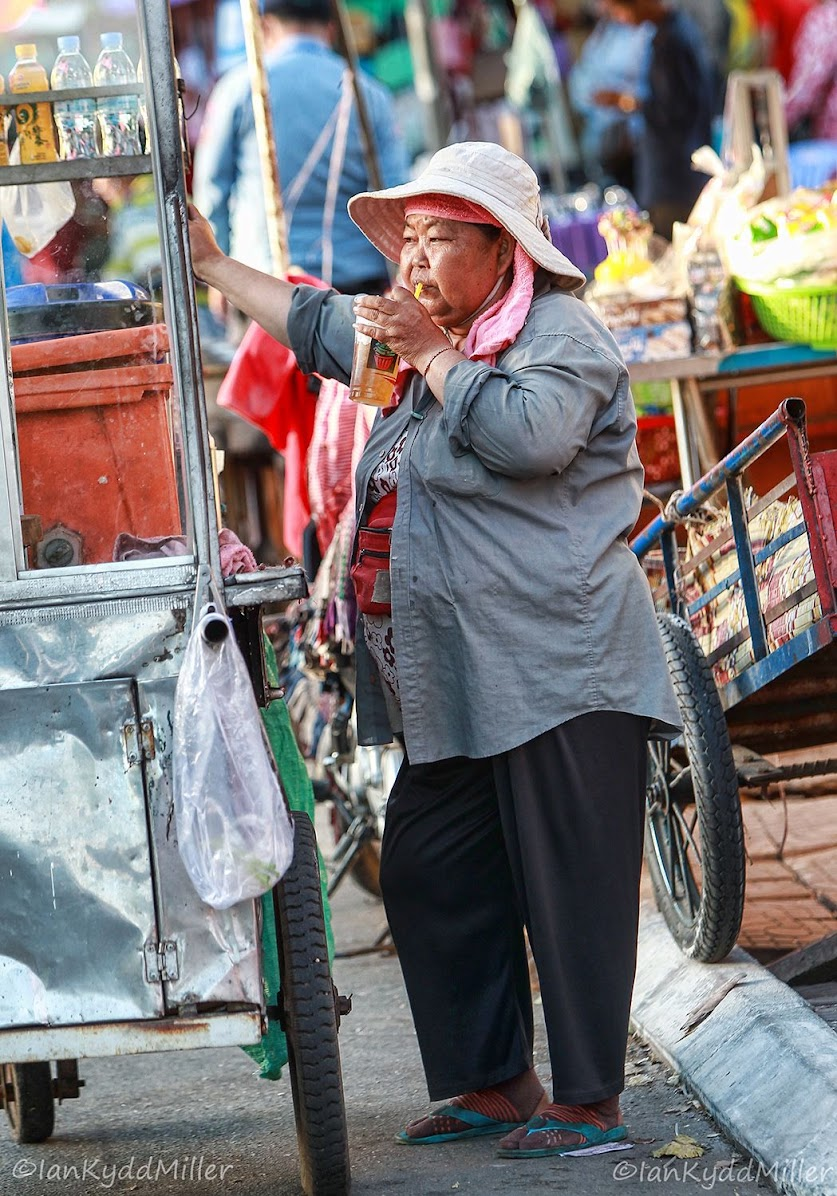

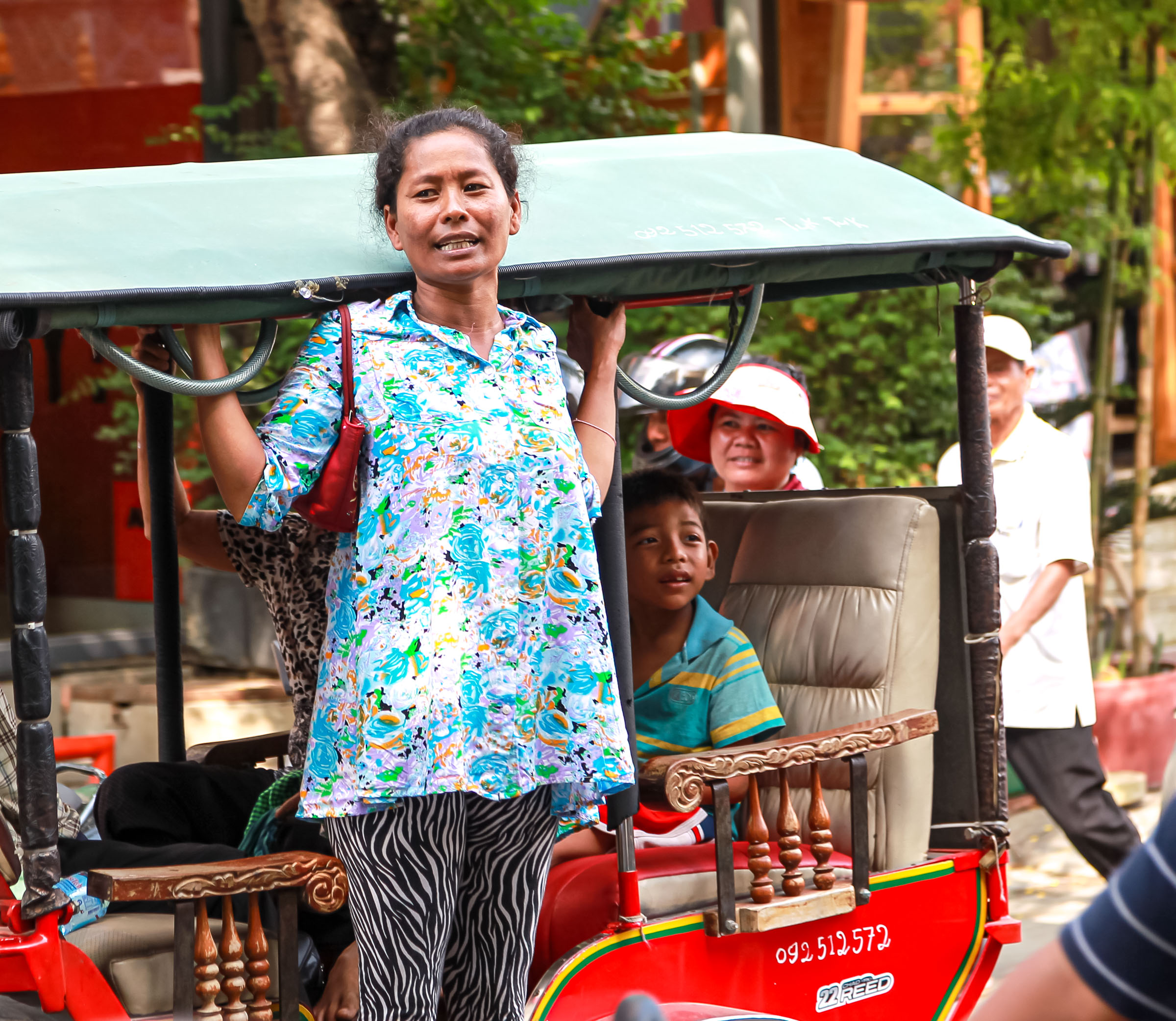
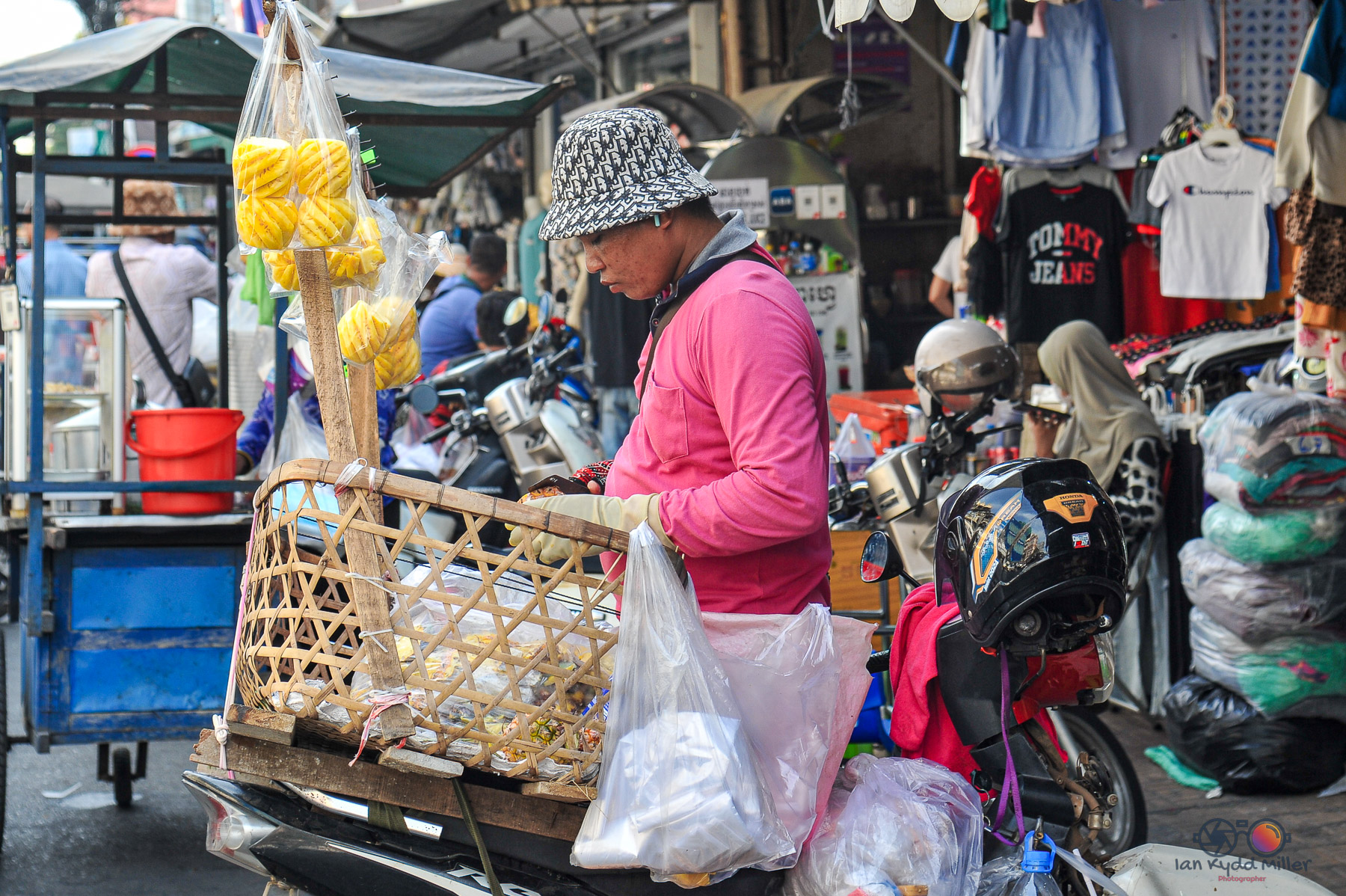
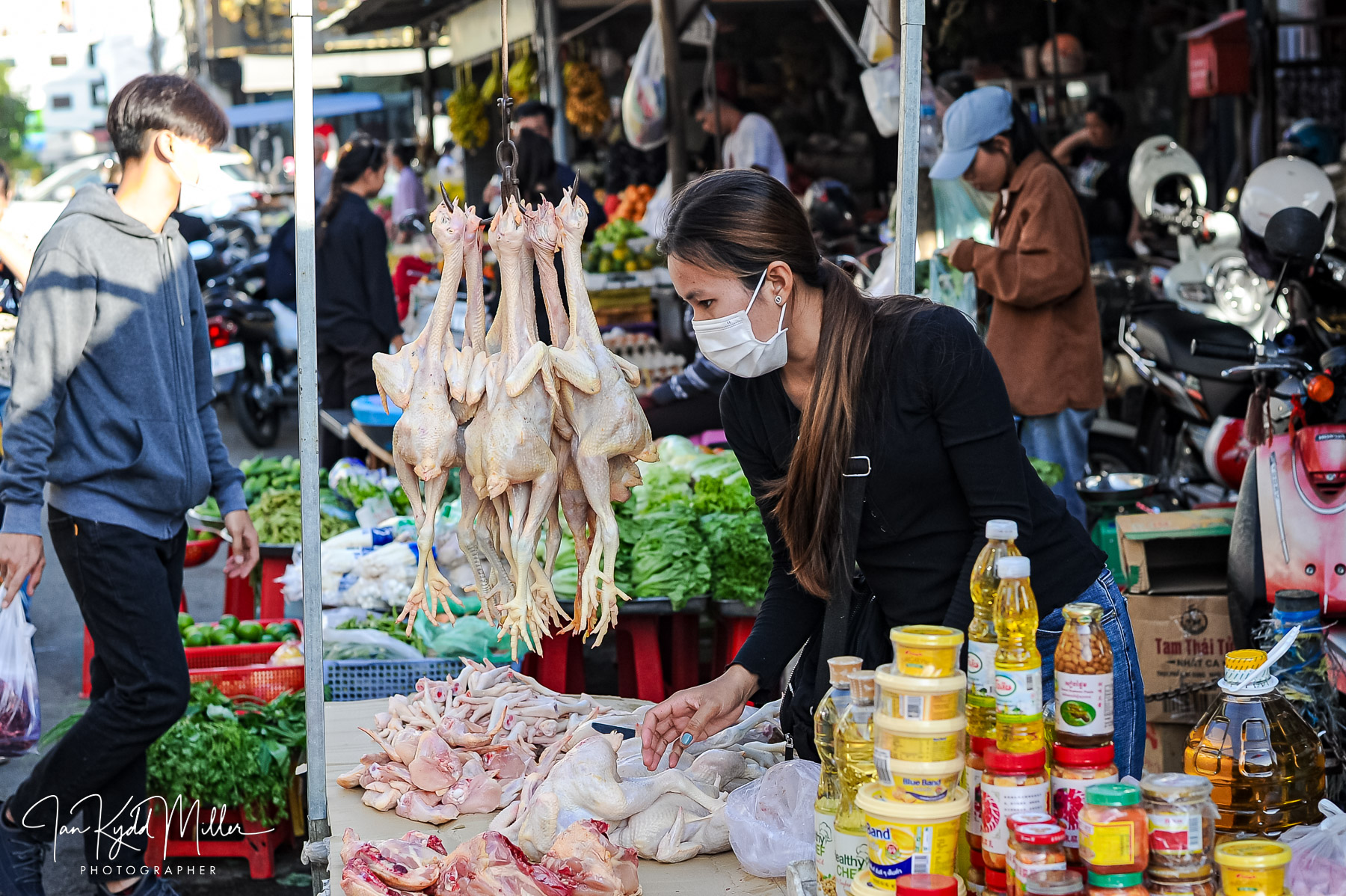
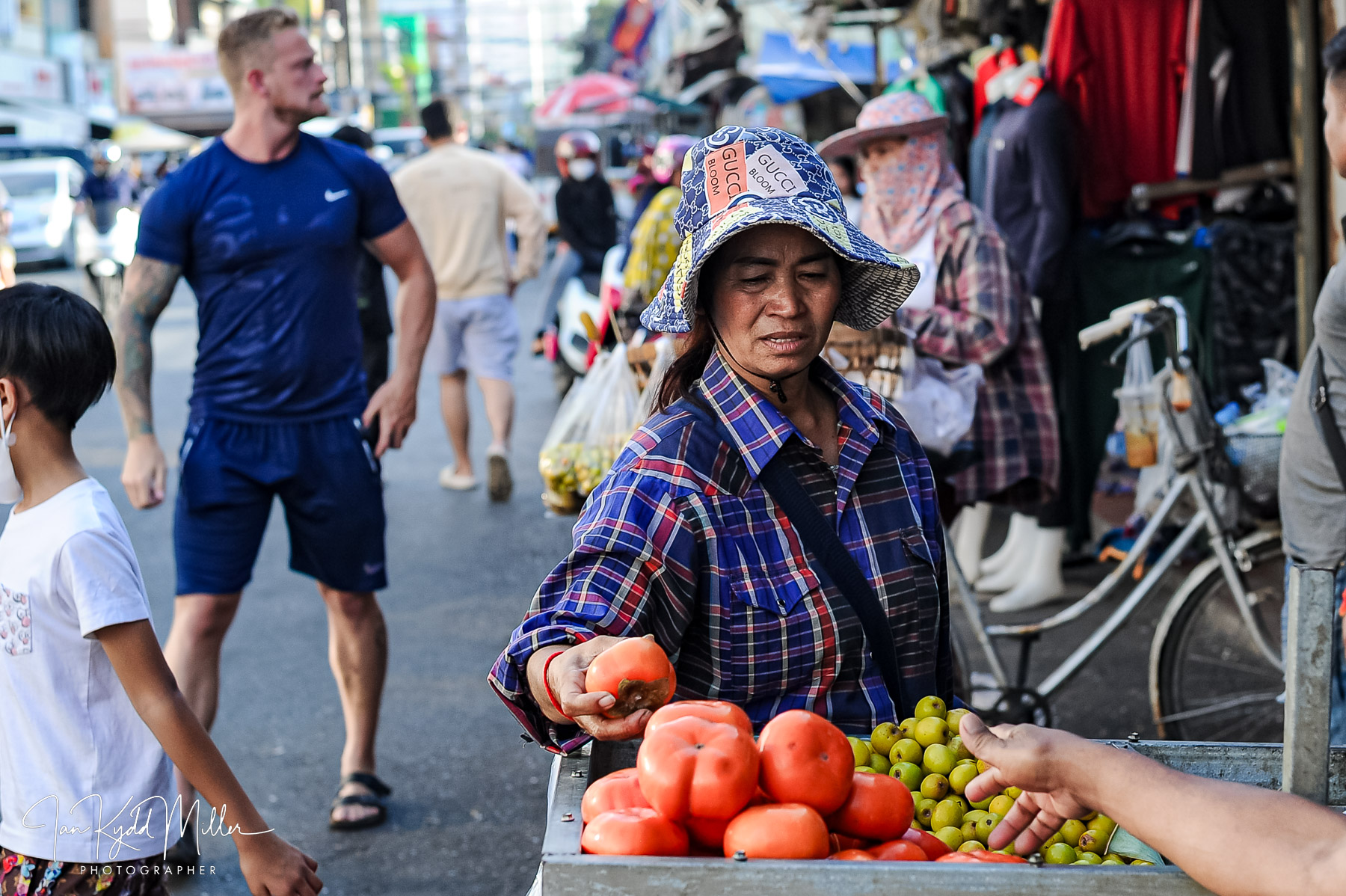
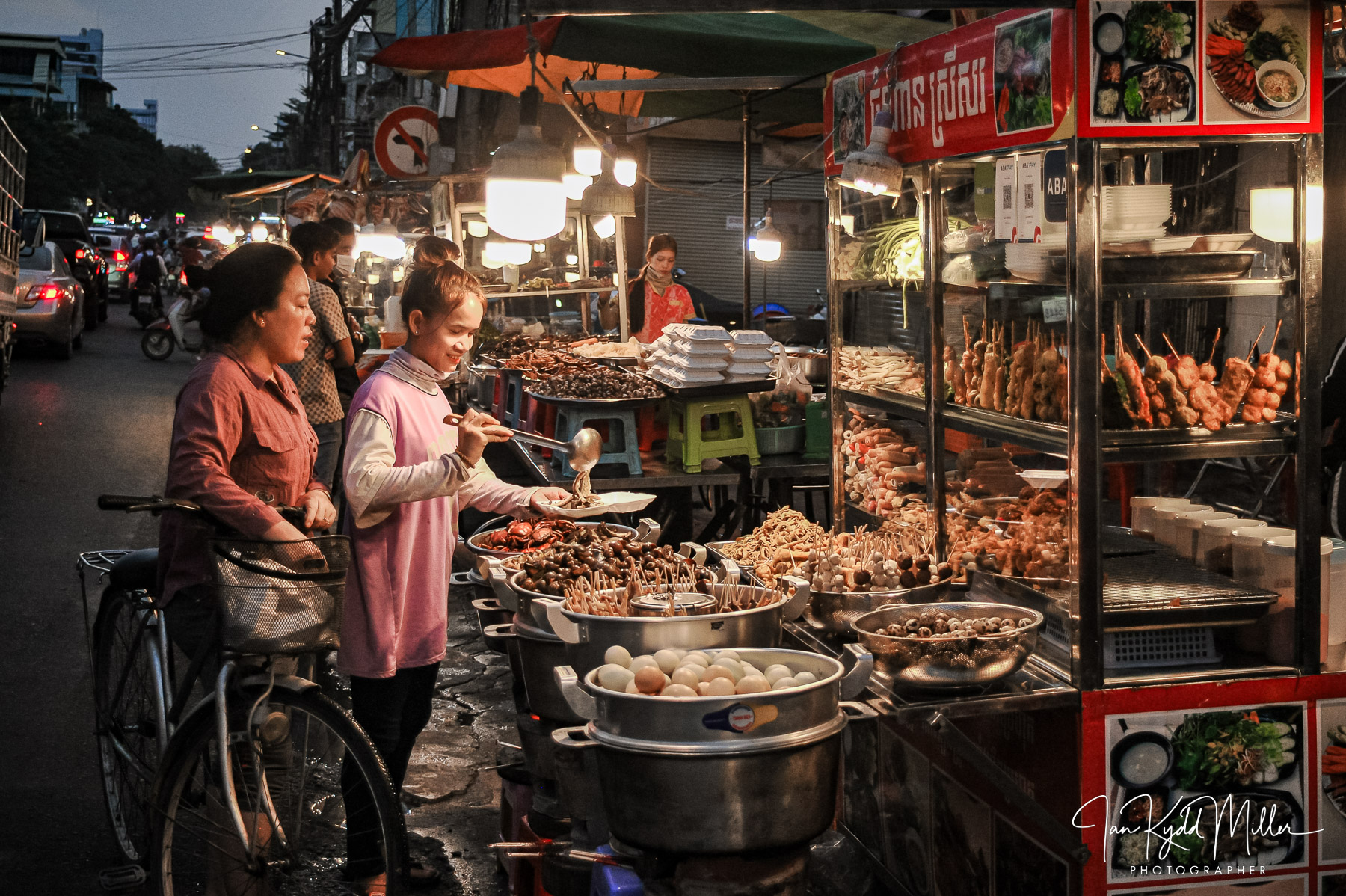
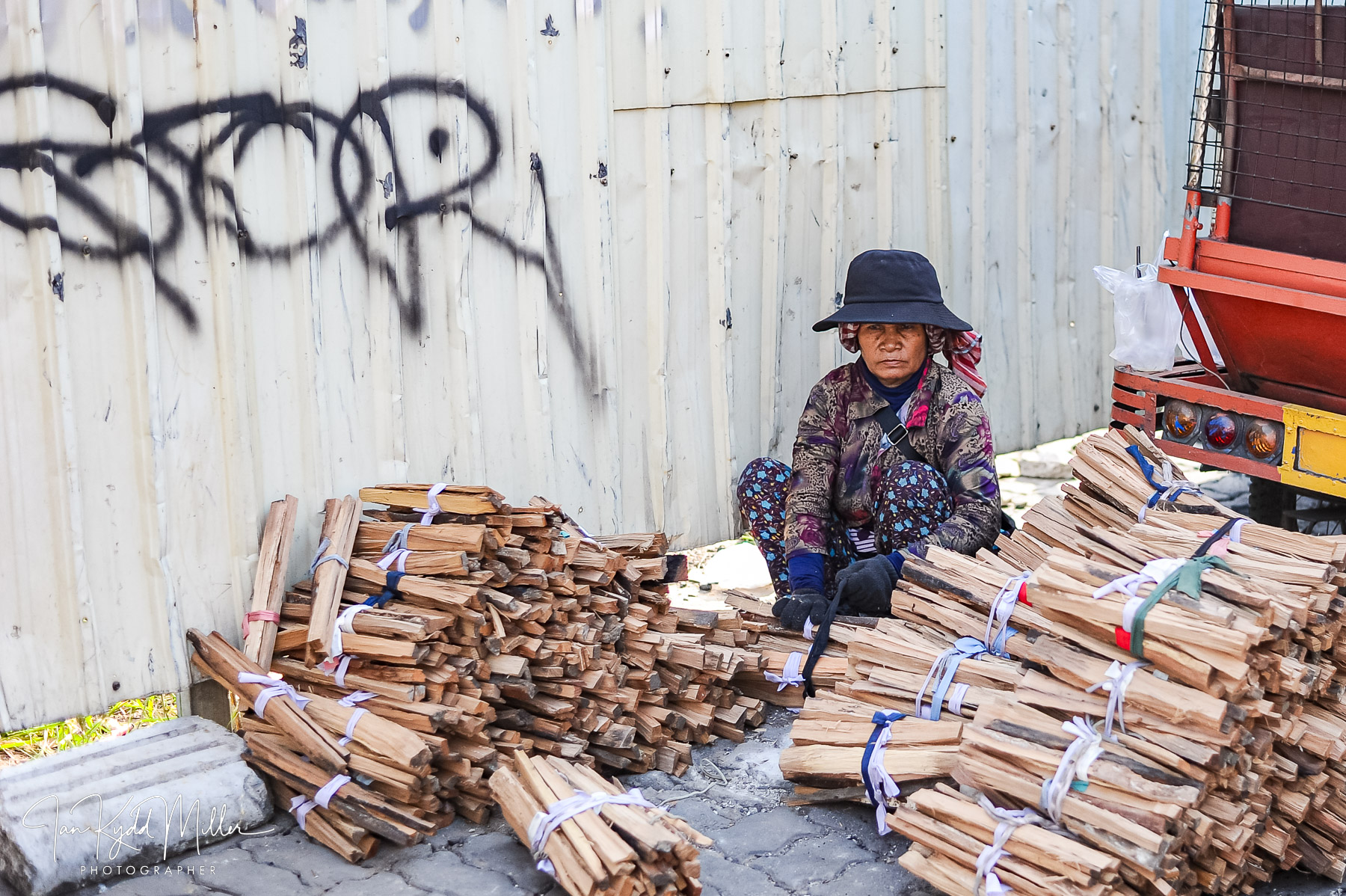
An elderly woman stands beside a food cart, sipping a drink. She wears a wide-brimmed hat and a gray shirt, with a scarf around her neck. The bustling market scene in the background features colorful stalls and people.

But take both lenses outside on a decent day, stop them down to f/5.6 or f/8, make an ordinary photograph and view the result at normal size. The difference may become surprisingly small.

Many modestly priced lenses are excellent when used within their sensible limits. Some are extraordinarily good. The Nikkor 50mm f/1.8G, for instance, is not glamorous or particularly expensive, yet it can produce pictures of considerable sharpness and character. Nobody looking at a strong photograph made with it is going to complain that the photographer should have used a more prestigious piece of glass.

The same applies to the 85mm f/1.8 lenses made by Nikon and Canon. Their more expensive f/1.4 relatives may offer smoother rendering, stronger construction and a little more light, but the cheaper versions can still produce first-class portraits. The difference in price is often far greater than the visible difference in the finished photograph.
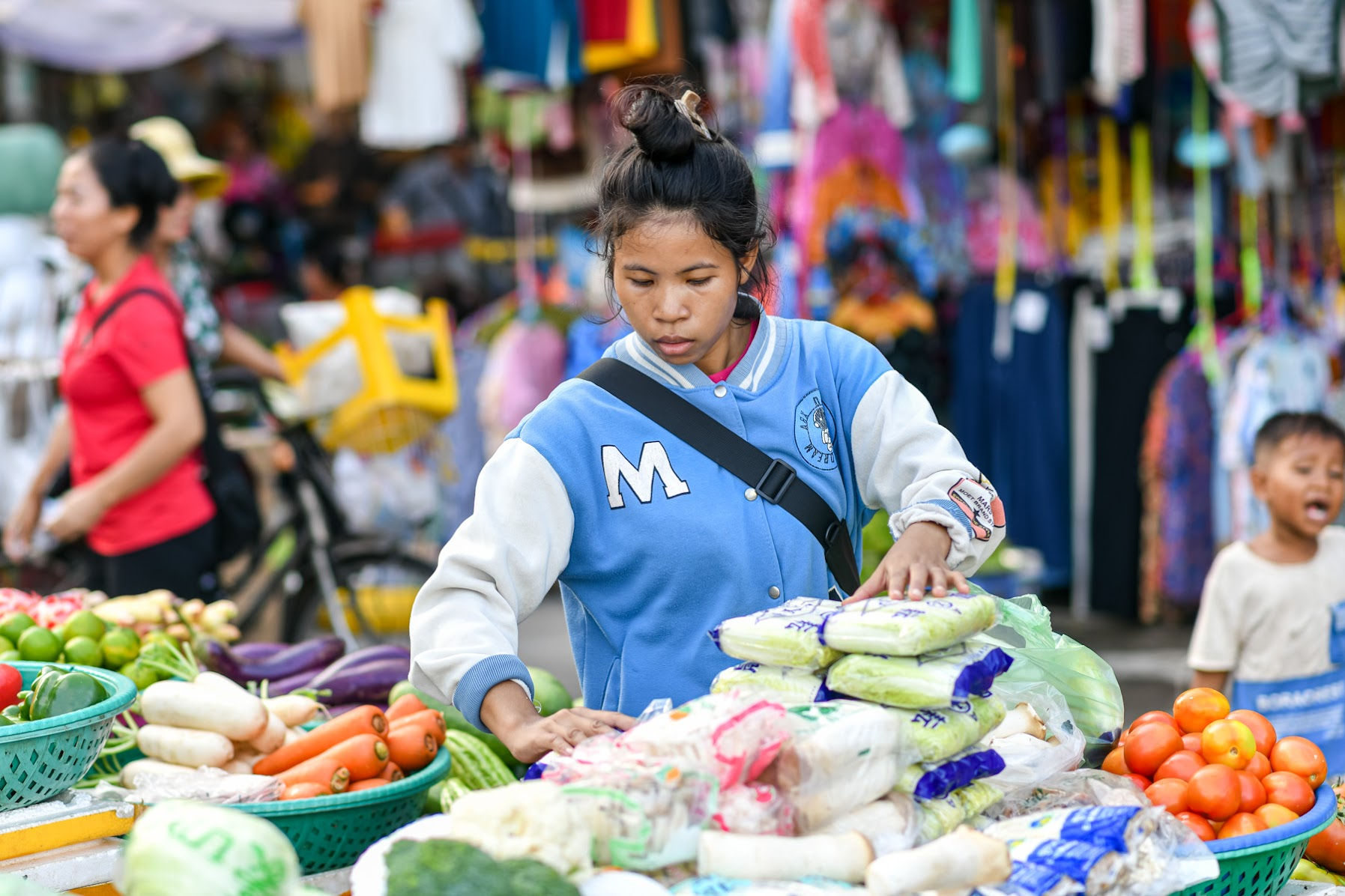

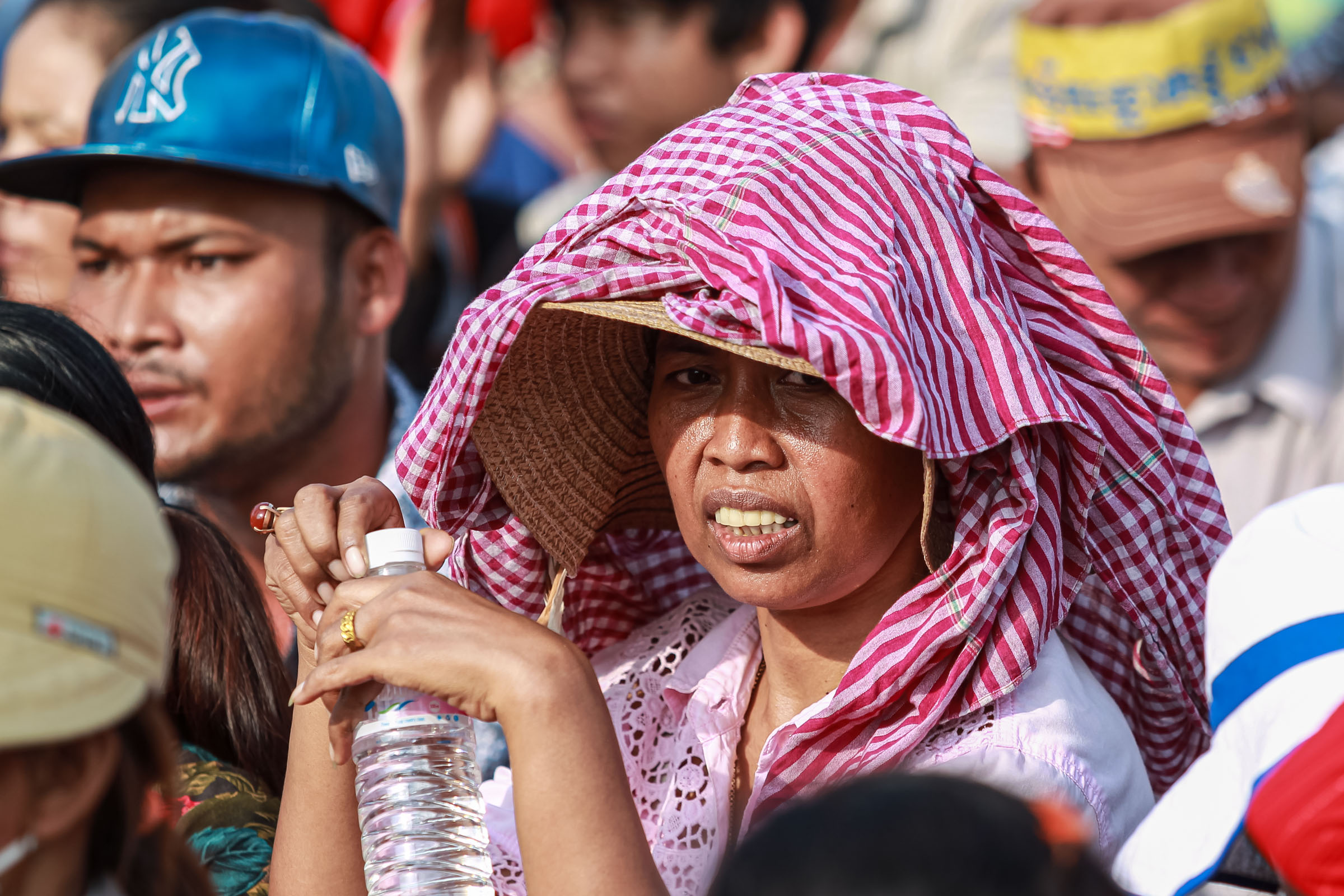
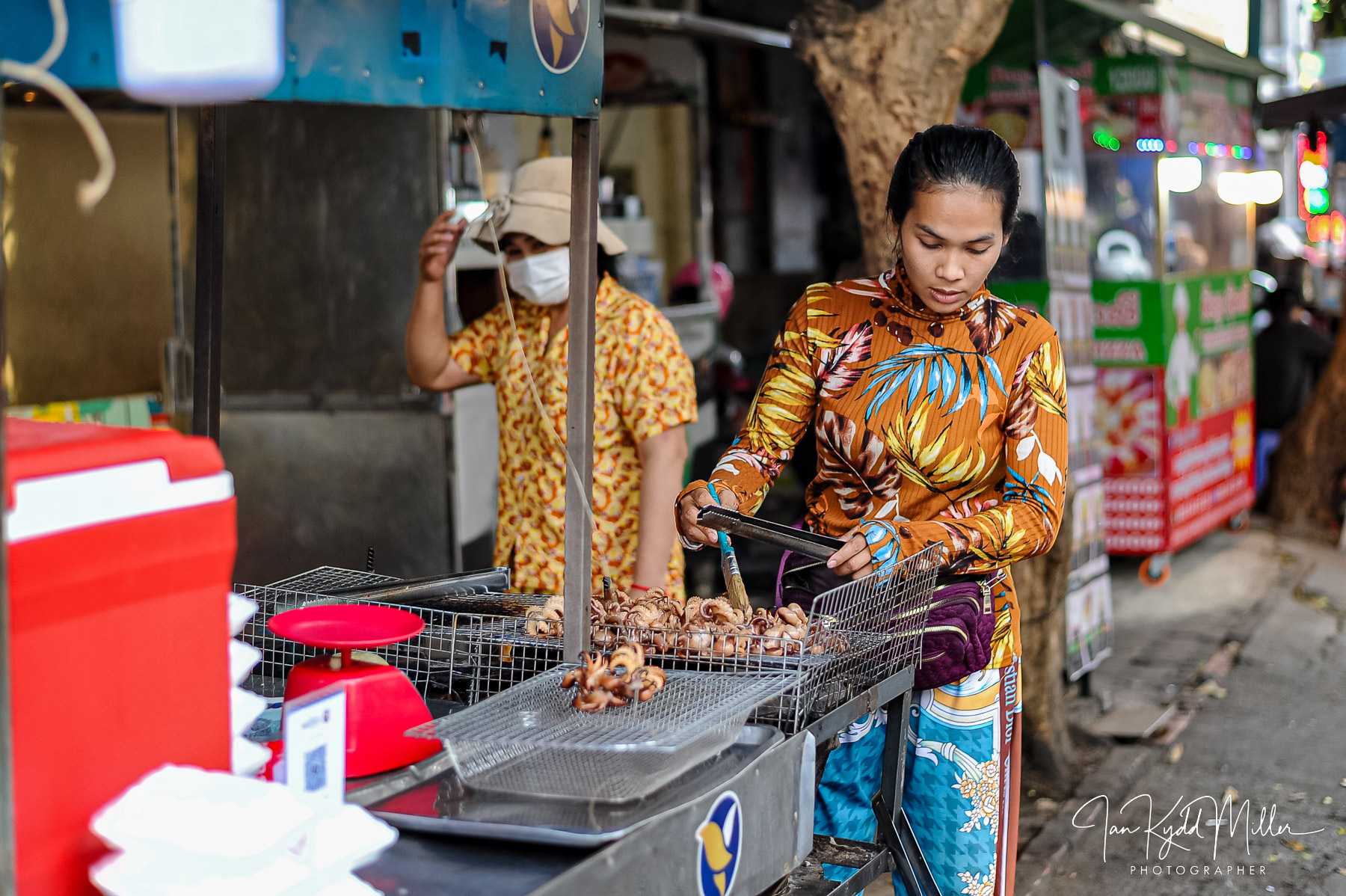
A young girl in a blue jacket arranging fresh vegetables and fruits at a market stall, with shoppers and colorful merchandise in the background.

That final fraction of performance is expensive.

The closer a lens gets to optical perfection, the more difficult and costly each improvement becomes. Correcting the last traces of distortion, sharpening the extreme corners at maximum aperture and controlling flare under hostile lighting require better glass, more complex designs and tighter manufacturing tolerances.

You may pay twice as much for a lens that is ten per cent betterโ€”and that ten per cent may only become visible in demanding situations.

There is also the matter of weight. Professional lenses are frequently large, heavy and conspicuous. The celebrated 24โ€“70mm f/2.8 is a magnificent working tool, but carry it around Phnom Penh for five hours and its magnificence begins to feel rather like a house brick hanging from your shoulder.
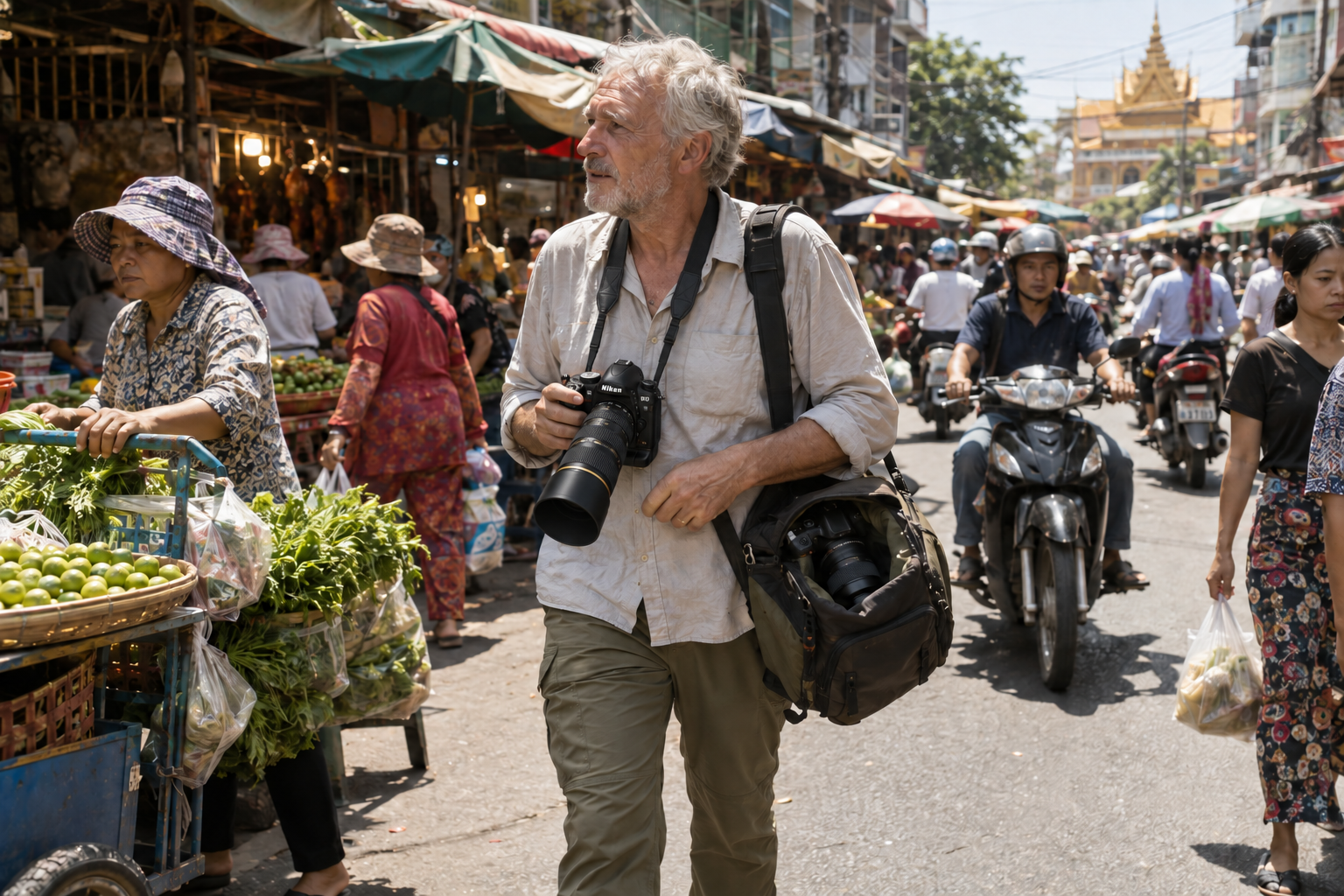

A photographer walking through a bustling outdoor market, surrounded by various vendors and shoppers, with greenery and produce in the foreground.

A smaller, slower lens may encourage you to walk farther, react more quickly and appear less threatening to the people you photograph. For street work, those advantages can be more valuable than slightly sharper corners.

The lens that stays at home because it is too heavy produces no perceptible improvement whatsoever.

We should also be honest about how photographs are now seen. Much of our work is viewed on phones, tablets and compressed social-media pages. Fine differences in corner resolution and microcontrast are easily lost. Even in a good-sized print, viewers respond first to the subject, expression, light, timing and composition.

Nobody has ever been emotionally moved by excellent corner sharpness.

Photographers notice technical imperfections because we go looking for them. We enlarge files to 100 or 200 per cent and inspect areas of the image that no ordinary viewer would examine. This can be useful when checking focus or technique, but it can also become an expensive form of anxiety.
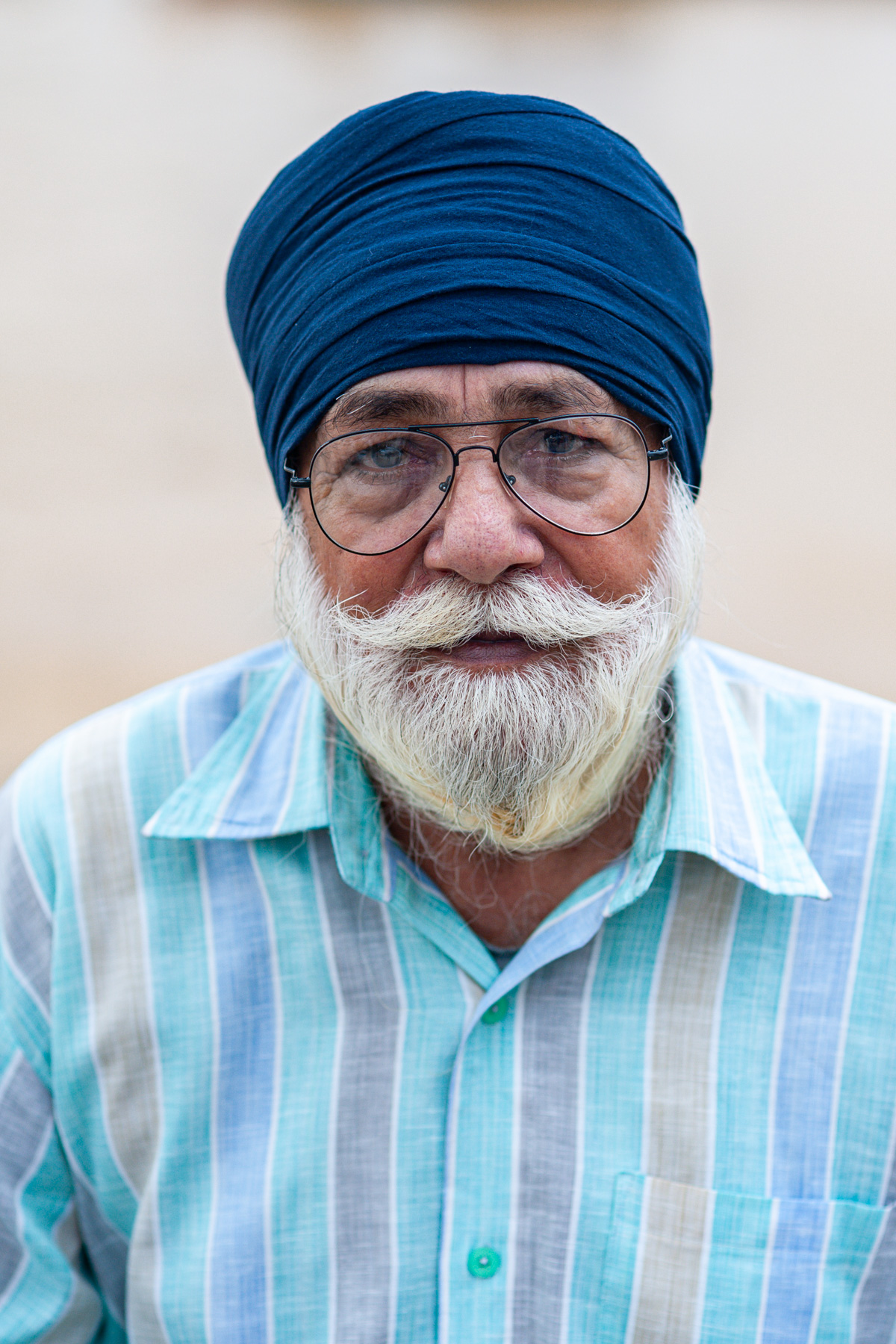
Portrait of an older man with a white beard and glasses, wearing a blue turban and a striped shirt.

A lens may look mediocre under extreme magnification while producing perfectly convincing prints.

There is another uncomfortable truth: expensive lenses reveal poor technique just as clearly as they reveal fine detail. A ยฃ2,000 lens cannot correct camera movement, misplaced focus, bad light or a lifeless composition. In fact, modern high-resolution cameras are ruthless. Put the finest professional lens on a Nikon D850, handle it carelessly and you will obtain an exquisitely detailed record of your own camera shake.

The professional lens does not make the photographer professional.

I have used enough cameras and lenses over the years to know that equipment matters, but rarely in isolation. It matters when it solves a particular problem. If you regularly work in near darkness, a fast aperture may be worth every penny. If you photograph sport, rapid and dependable autofocus can mean the difference between having the picture and watching it disappear. If you work in rain, dust and physical chaos, stronger construction is not a luxury.


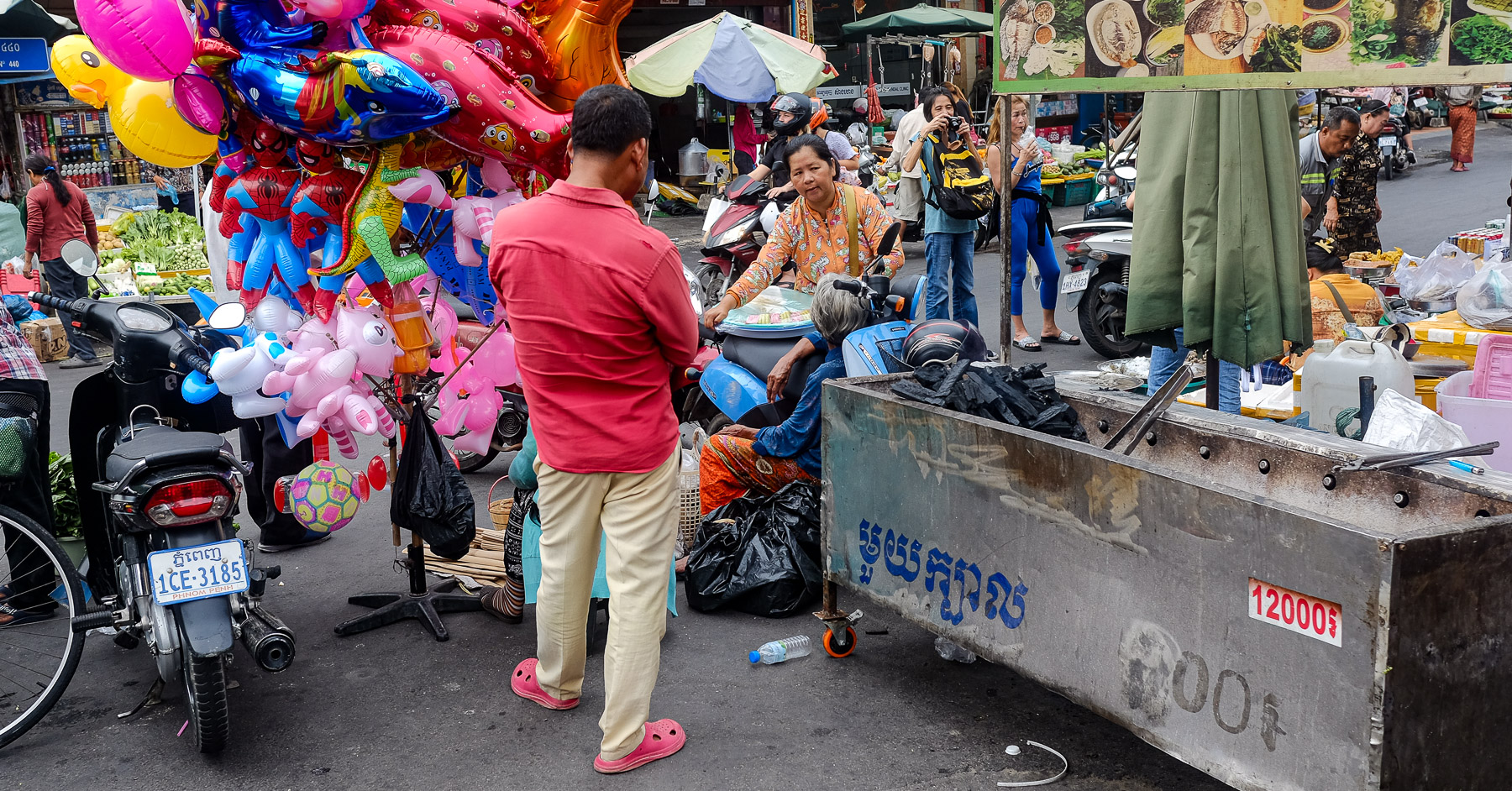
If you mainly photograph in good light, stop down moderately and produce pictures for the web or modest prints, an expensive professional lens may offer very little that your present lens cannot already deliver.

The sensible question is not, โ€œWhich lens is best?โ€

It is, โ€œWhat is my present lens preventing me from doing?โ€

If the answer is specificโ€”focusing is too slow, the aperture is too small, the corners are genuinely inadequate for large prints, or the lens cannot survive your working conditionsโ€”then an upgrade may be justified.

If the answer is simply that the expensive lens must somehow produce better photographs, keep your money for the moment.

Borrow or rent the lens if possible. Use it on the kind of subjects you normally photograph. Make prints rather than judging everything on a monitor. Compare complete photographs at a reasonable viewing distance, not tiny fragments enlarged until they disintegrate.

You may discover a visible improvement. You may also discover that the greatest difference is in handling, confidence and reliability rather than pure image quality. Those are legitimate reasons to buy a lensโ€”but they should be understood for what they are.

Professional lenses are usually better. They are not magic.

Their extra quality becomes most valuable near the edges of possibility: wide open, in terrible light, against strong flare, during fast action or after years of hard professional use. In normal circumstances, the visible difference can be modest and sometimes almost impossible to detect.
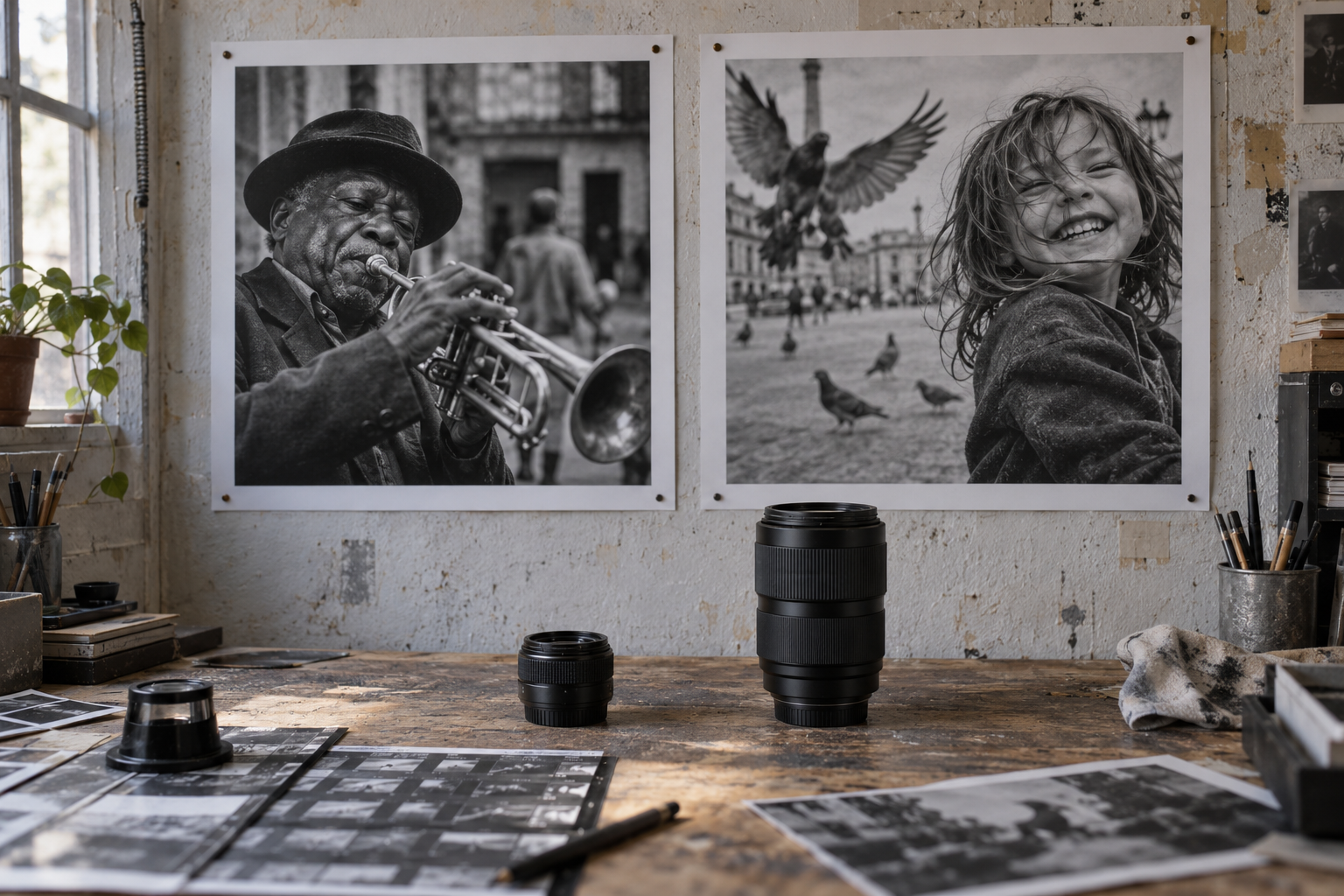

A workspace with two black and white photographs on the wall: one of a man playing a trumpet and another of a smiling child surrounded by pigeons. The desk features camera lenses, printed photographs, and art supplies.

Buy the professional lens because your work demands what it offers. Buy it because it makes difficult pictures possible, because it survives the conditions in which you operate, or because its particular rendering genuinely suits your eye.

Do not buy it in the hope that expensive glass will provide the curiosity, courage, timing or humanity missing from the photograph.

Those things still have to come from the photographerโ€”and fortunately, they cannot be purchased.
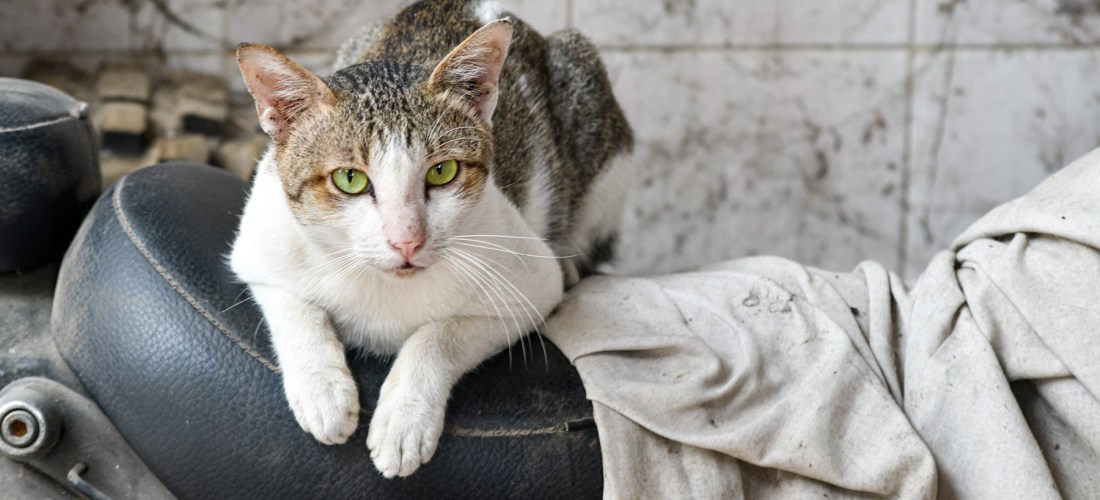

The Quiet Violence of the Crop

cambodia, cameras, homelessness, Lenses, nikon, opinons, thoughts, photography, pictures, street, Travel

Old Photographer Series

Cropping is one of photographyโ€™s simplest tools. Move four edges inward and the photograph becomes cleaner. The unwanted car disappears. A distracting face is removed. The subject grows larger and the composition becomes stronger.

But something else may have happened.

We may also have changed the truth.

Every photograph is already a crop. The photographer chooses the lens, where to stand and what the viewer will never see. Cropping afterwards repeats that decision in the comfort of the editing room.

By then, the pressure of the moment has gone. We can quietly remove anything that weakens the compositionโ€”or complicates the story.

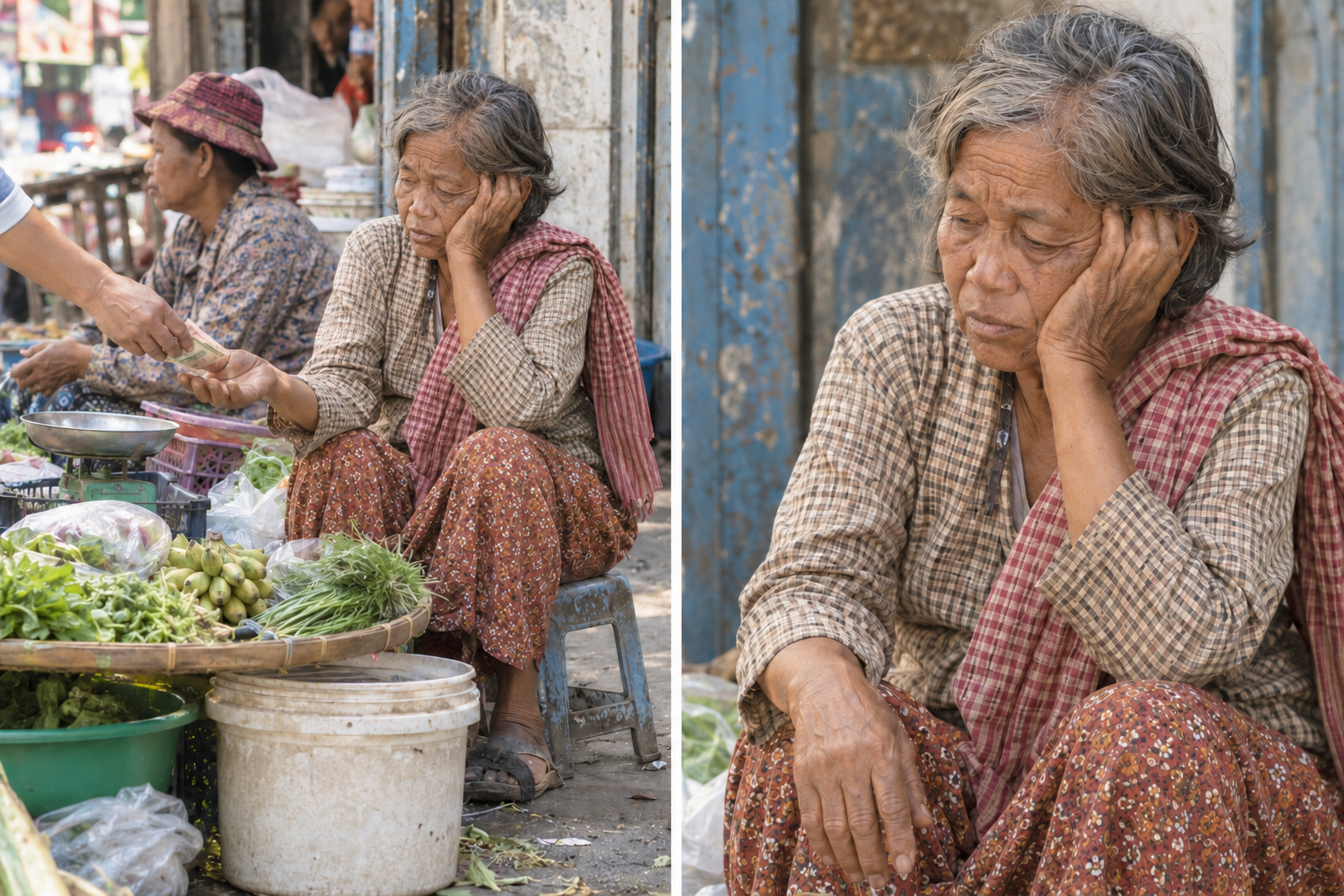
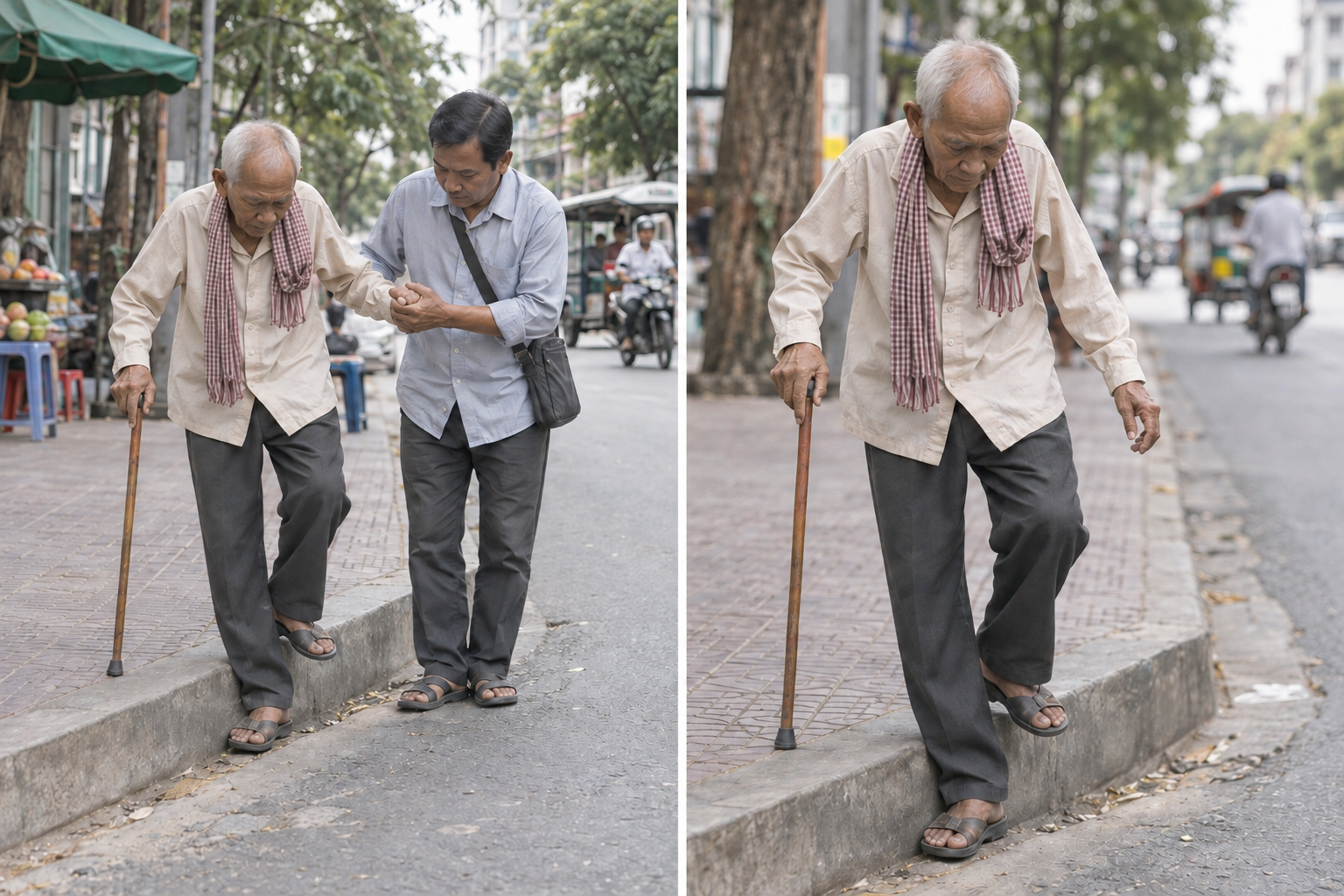
A hand entering the frame may appear untidy, but perhaps it belongs to someone offering help. Remove it and kindness becomes isolation.


An elderly woman sitting at a market stall, looking contemplative with her hand on her face, surrounded by fresh vegetables and herbs. In the background, another vendor is engaged with a customer.

A half-seen face may seem distracting. Crop it away and companionship becomes loneliness.

A sign may be ugly. Remove it and the picture loses its location, politics or social meaning.

Nothing has been added, yet everything has changed.

That is the quiet violence of the crop.

The viewer sees only the finished photograph and assumes it represents what the photographer witnessed. The rejected context remains hidden in the RAW file or on the contact sheet.
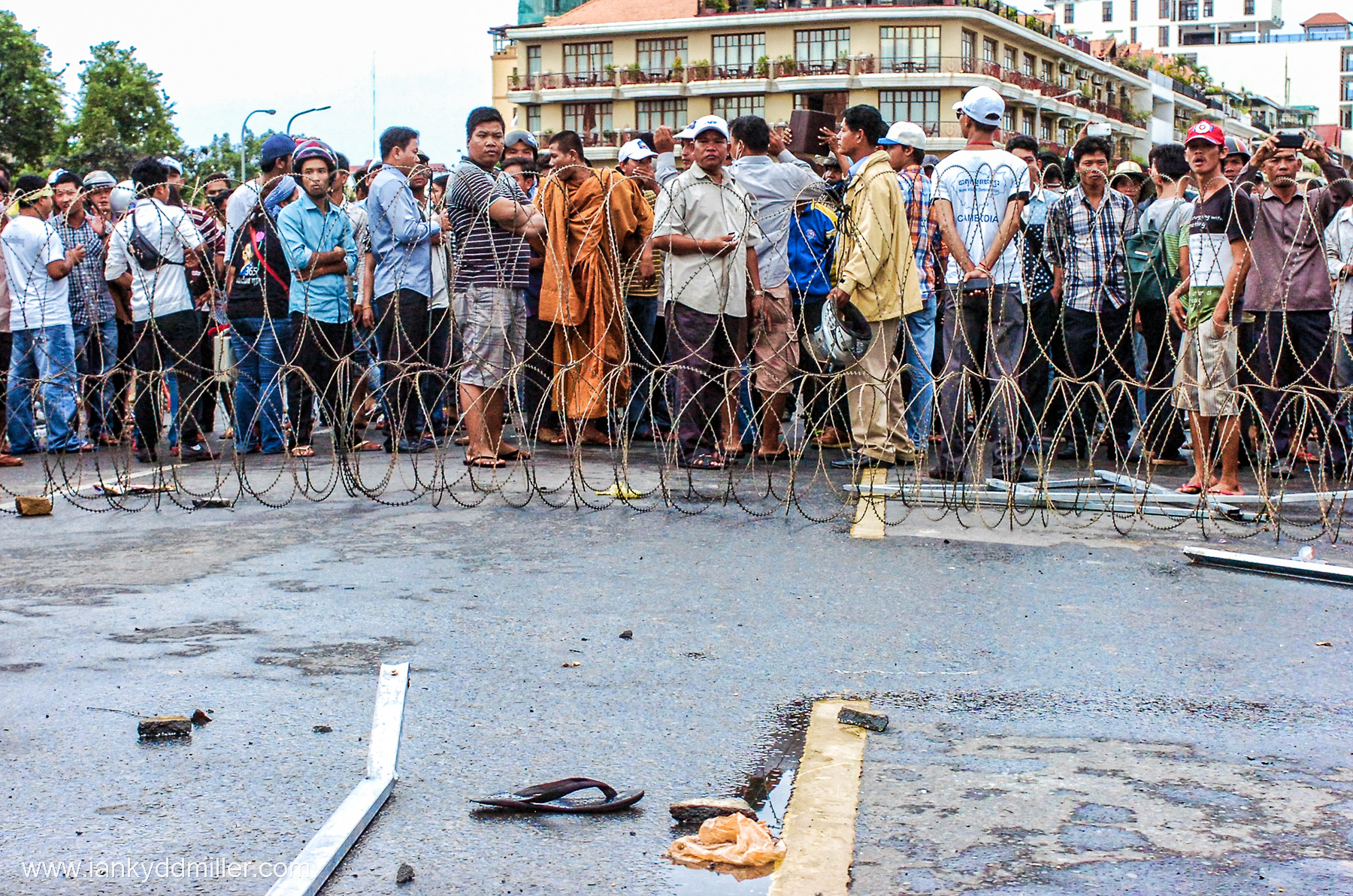
This does not make cropping dishonest. I crop my own photographs, although usually as little as possible. Sometimes a horizon needs straightening or empty space contributes nothing. Sometimes a slight crop brings the picture closer to what I believed I saw.

The question is not whether we crop.

The question is what disappears when we do.


Street photography depends upon collisions: faces, gestures, signs, traffic and accidents of timing. We naturally try to impose order on that confusion. But if we make the frame too clean, we may replace the street we encountered with the street we wish we had encountered.
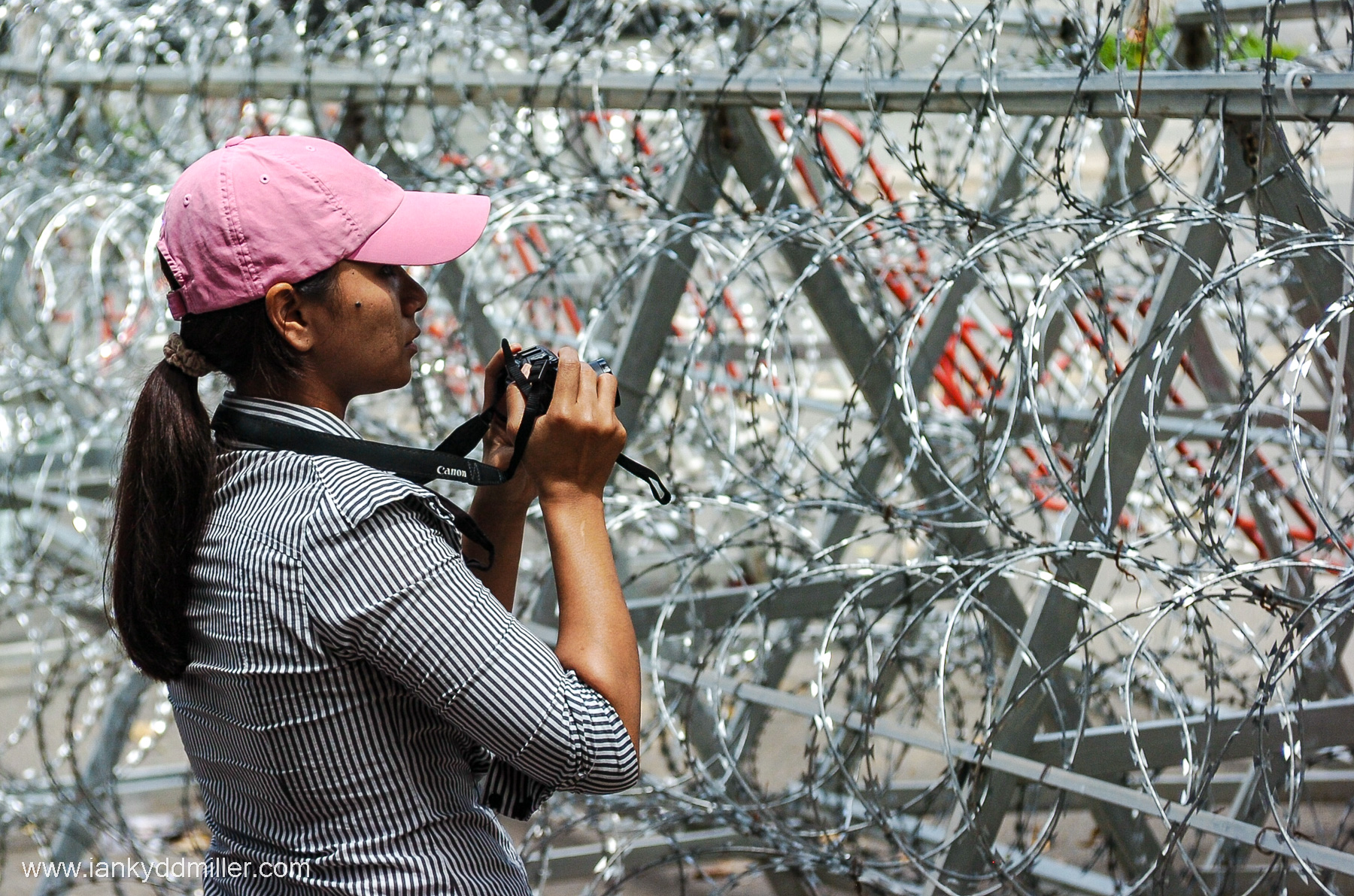
The composition improves while the photograph becomes less honest.

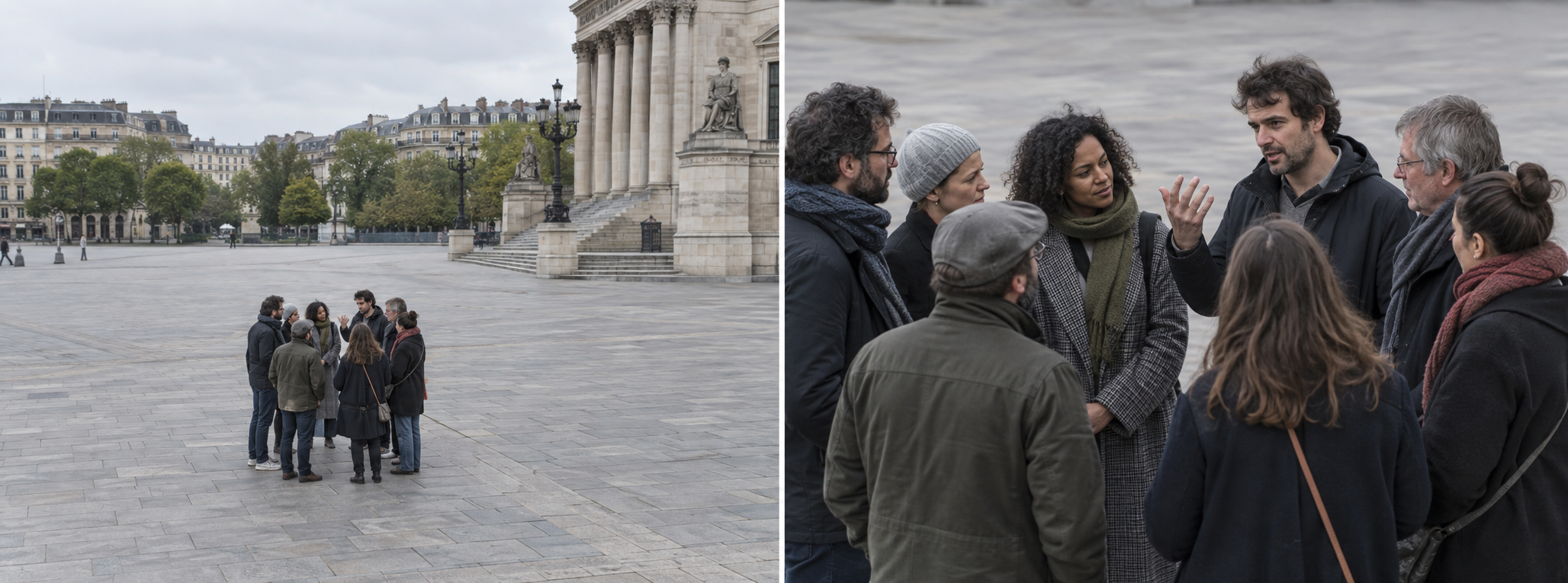
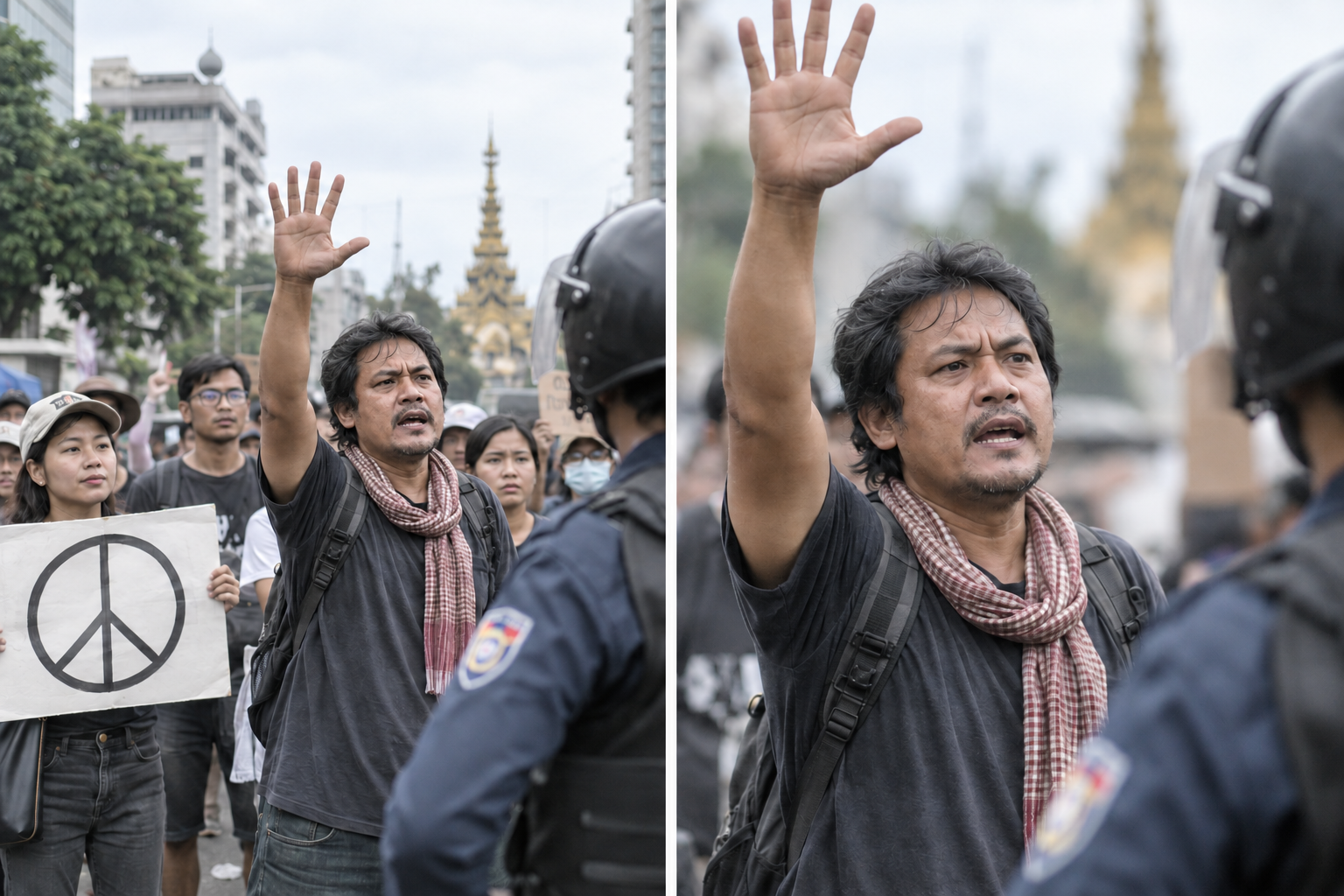
The danger is greater in documentary photography and photojournalism. Removing a police officer, protest sign or surrounding crowd can completely alter an event. A peaceful gesture may appear threatening. A small gathering may look like a mass demonstration. An act of assistance may resemble exploitation.


A group of people engaged in a conversation in a public square, with a building visible in the background and cloudy skies above.

Even the tightness of the frame changes our response. A close crop creates urgency and confrontation. A wider frame provides distance and explanation. Neither version necessarily lies, but they do not tell the same story.

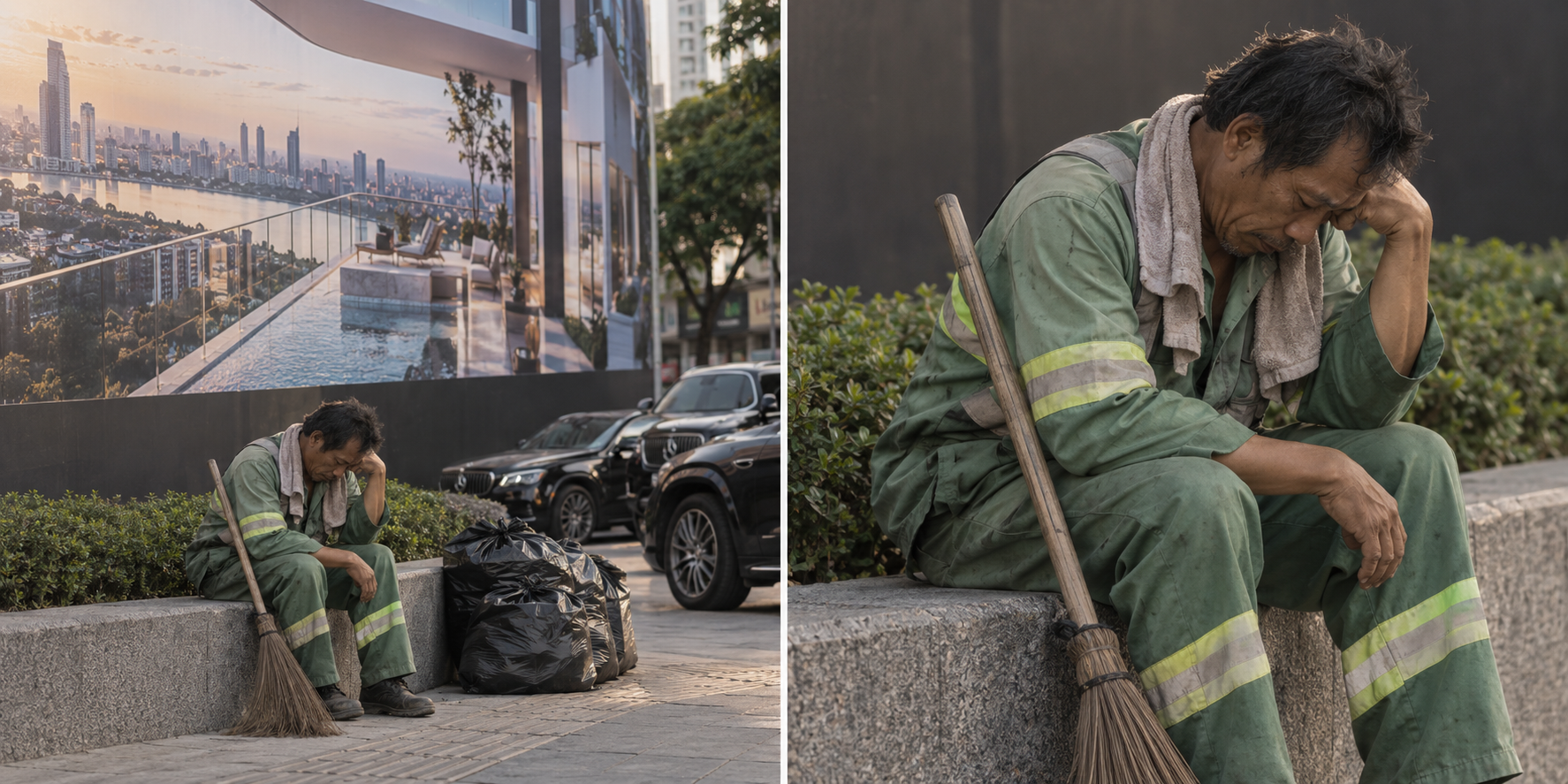
Cropping can also affect dignity. A tight portrait may reduce someone to the feature we find interesting: a lined face, damaged body, uniform or expression of distress.


A weary street cleaner in green overalls sits on a concrete ledge with a broom beside him, looking down thoughtfully with a backdrop of a cityscape and luxury buildings.

The wider frame may reveal where that person works, who stands beside them and how they fit into the world. It allows them to exist as more than a face selected for our attention.
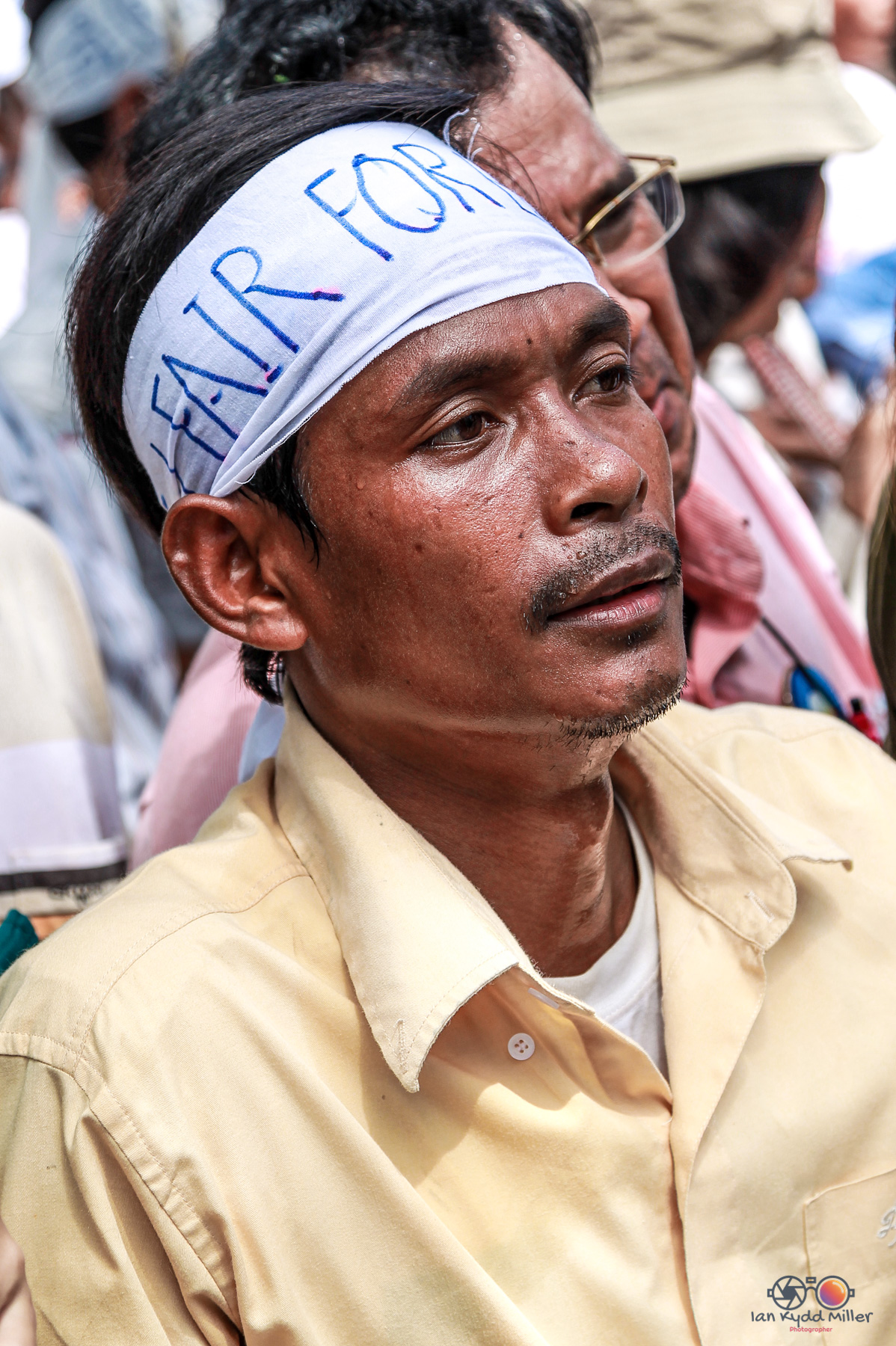
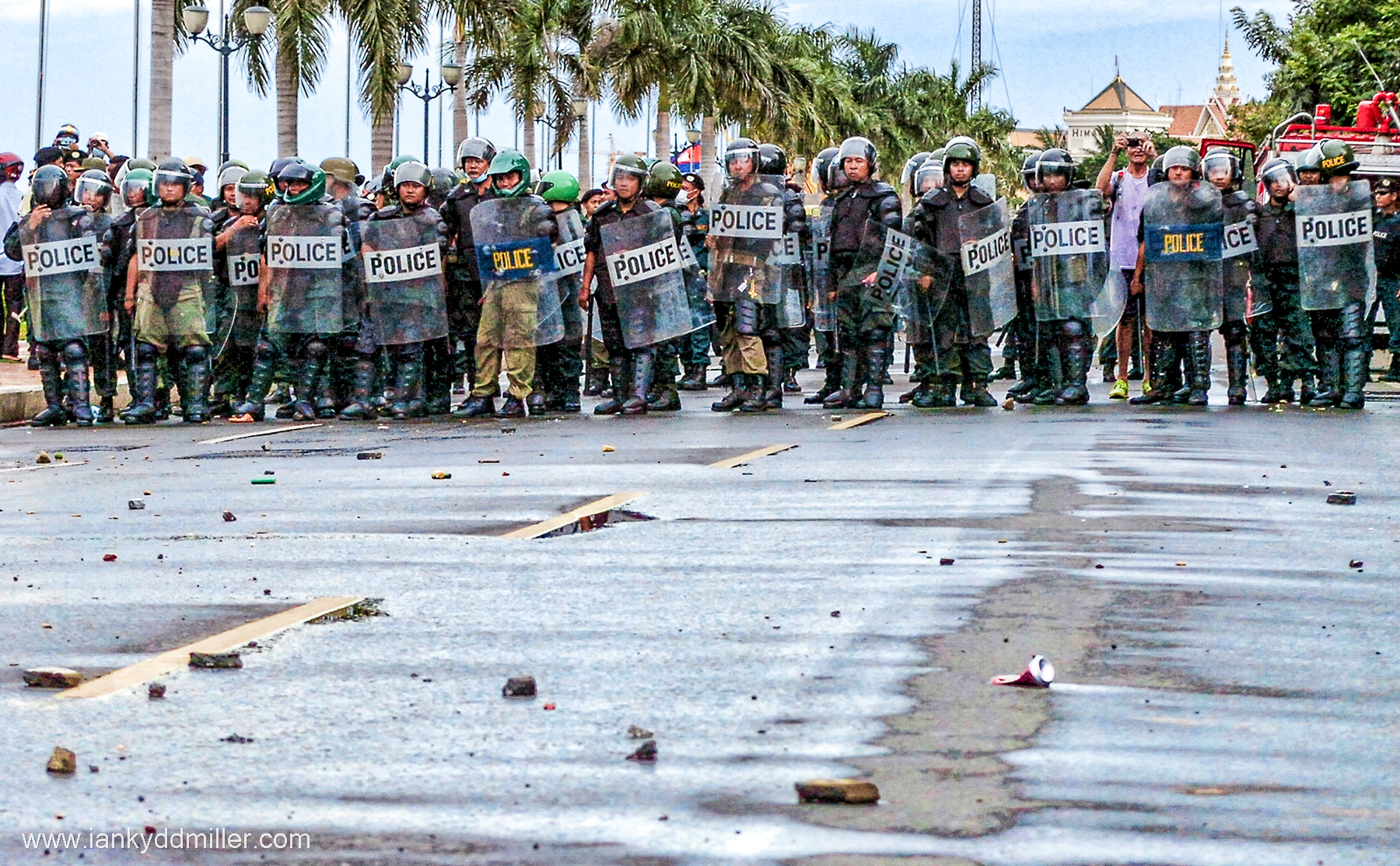
The wider photograph may be less dramatic.

It may also be more truthful.

After many years, I have learned to pause before tightening a frame. I ask myself why I want something removed. Is it genuinely irrelevant, or does it disturb the simple story I am trying to tell?

Easy meaning is seductive. A clean frame tells the viewer where to look and what to feel. Real life is seldom so cooperative. It contains contradictions, clutter and inconvenient details.

Those details may be the point.


A protester raises his hand, passionately speaking to a police officer during a demonstration, with a group of supporters holding a peace sign in the background.

A good crop reveals the photograph already present within the frame. A bad crop manufactures a simpler event. The most dangerous crop may be the tiny adjustment that removes the one detail capable of challenging our interpretation.

So crop when the photograph needs it. Straighten the horizon. Strengthen the balance. Remove genuinely useless space. I have never believed that the untouched camera frame is sacred.


An elderly man with gray hair uses a cane while being assisted by another man as they navigate a street. The elderly man is stepping down from a curb with the younger man's help.

But look carefully at what you are sacrificing.

Look at the disappearing hand.

Look at the half-seen face.

Read the sign before cutting it away.

The border of a photograph is never innocent. Move it carelessly and we change more than the composition.

We change the story.


A smiling elderly monk wearing a brown robe, holding a blue flag, with younger monks in the background.

Appendix: Is Cropping Good, Badโ€”or Even Acceptable?

Cropping is entirely acceptable in photography. It has existed almost as long as photographs have been printed. Darkroom printers cropped negatives, altered proportions and excluded unwanted details long before Lightroom provided four convenient handles around an image.

Cropping does not make a photograph false simply because the whole camera frame is not shown. The original frame was already an act of exclusion. A different lens, another step forward or a slight movement to one side would have produced a different picture.

There is no sacred purity in the untouched rectangle.

Cropping becomes questionable when it changes meaning rather than improving expression. Removing an empty strip of pavement is one thing. Removing the person whose actions explain the central subject is quite another. Straightening a horizon does not trouble me. Making a peaceful gathering appear like a massive confrontation does.

Purpose matters.

In portraiture, landscape, art and much street photography, cropping is largely a creative decision. The photographer is shaping the image, and there is no obligation to display every pixel the camera recorded.

Documentary photography and photojournalism demand greater restraint. A crop must not remove essential context, manufacture drama or misrepresent what happened. The nearer a photograph comes to being presented as evidence, the greater the photographerโ€™s responsibility to preserve its meaning.

Heavy cropping also raises another question: did I fail to compose properly when I made the photograph?

Sometimes the answer is yes. We all miss frames. Cropping can rescue them, but it should not become a substitute for looking carefully through the viewfinder. If I continually discover my compositions at the computer, I am editing photographs rather than seeing them.

My own position is straightforward. I prefer to crop very little, but I will crop if it makes the photograph closer to the picture I saw. I do not believe purity lies in keeping every accidental object at the edge of the frame. Nor do I believe a picture becomes dishonest merely because ten per cent has been removed.

The real test is not how much was cropped, but what the crop has done.

Has it concentrated the photographโ€”or rewritten it?

Has it removed clutterโ€”or removed context?

Has it clarified the truthโ€”or made the truth more convenient?

Cropping is neither good nor bad. It is a tool, and like every photographic tool, its morality lies in how and why it is used.
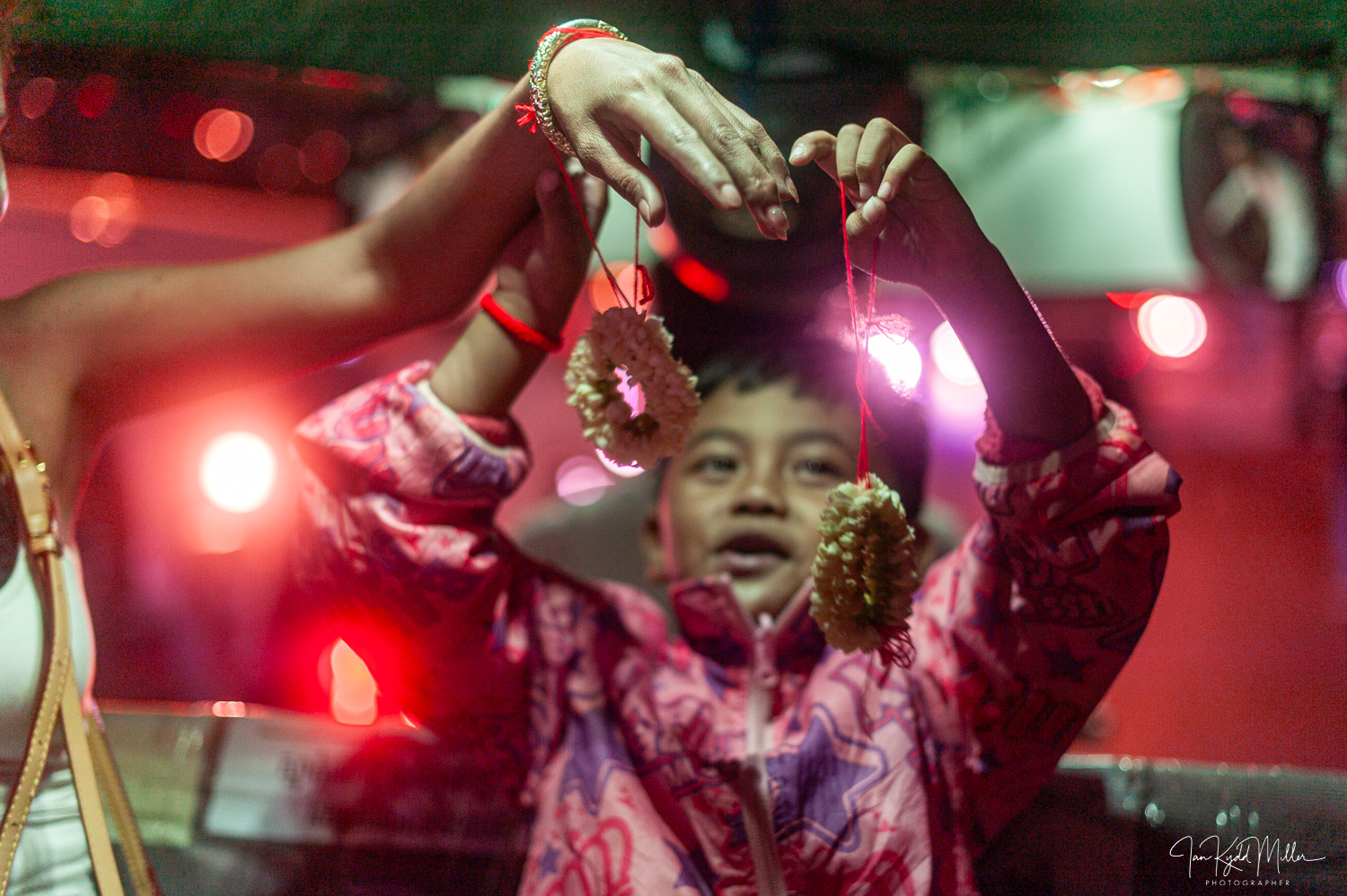
Crop the photograph if it needs cropping.

Just do not crop away its conscience.


A Good Photograph Does Not Need to Be Beautiful

cambodia, canon, conflict, homelessness, Lenses, nikon, opinons, thoughts, philanthropy, photography, pictures, street, Travel

Old Photographer Series

There is a great deal of beautiful photography in the world. Perhaps too much of it.

Perfect sunsets, wet streets glowing beneath neon signs, elderly faces caught in flattering light and backgrounds softened into creamy nothingness. The colours are polished, the composition balanced and everything is designed to please the eye.

There is nothing wrong with beauty. Light can be magnificent and a carefully composed picture can give genuine pleasure. But beauty alone does not make a photograph good.

Sometimes it merely makes it decorative.

A decorative photograph catches the eye, receives its compliment and is quickly replaced by the next attractive image. Once we have admired its colour, sharpness and clever composition, there may be nowhere else to go.

A good photograph makes us stay.


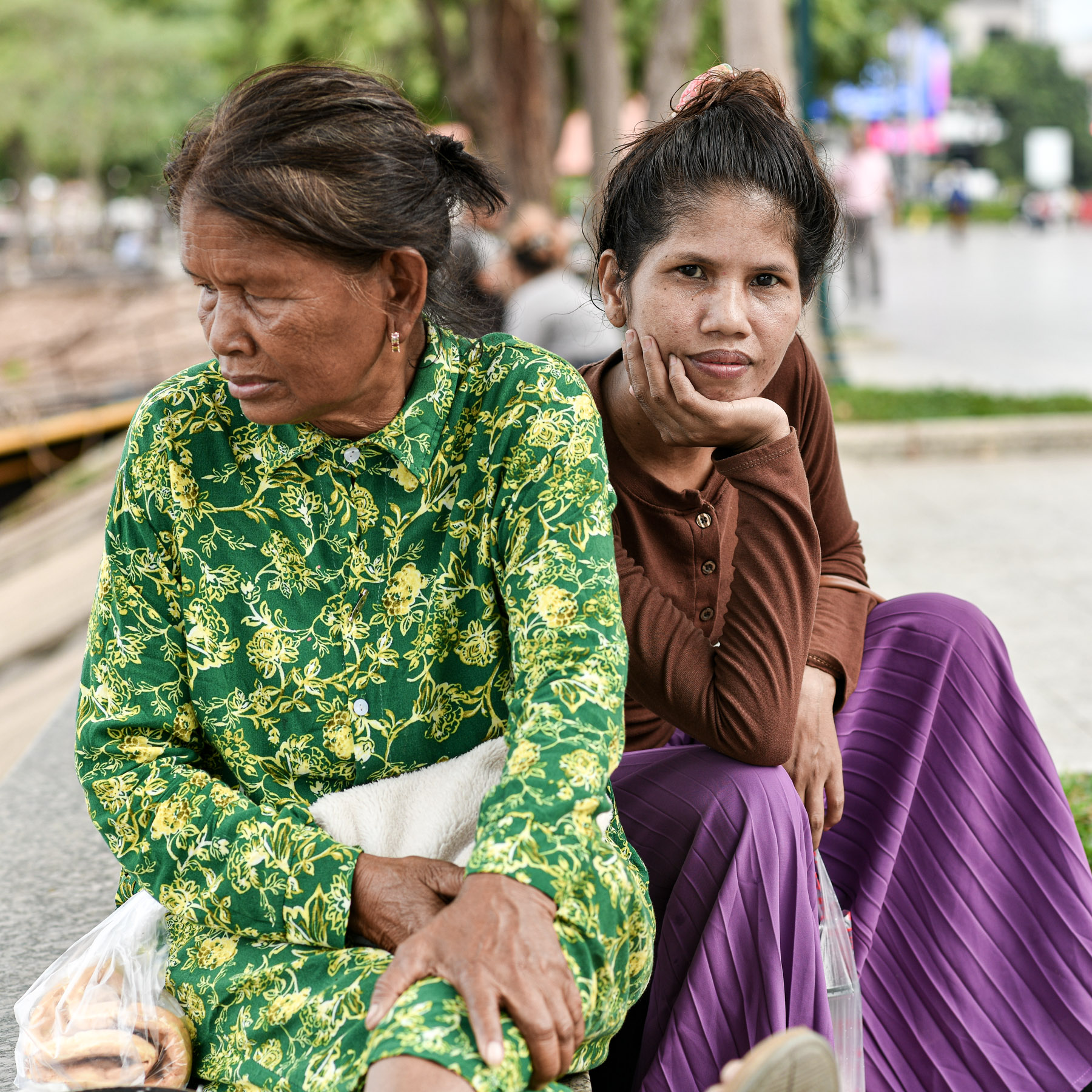
Two women sitting together outdoors, one wearing a green floral dress and the other in a brown top and purple skirt, both looking contemplative.

It may contain something unresolved: a look between two people, a hand gripping an arm, an empty chair or a child watching something beyond the frame. It may be awkwardly composed, poorly lit or slightly blurred, yet possess an emotional weight that technical perfection cannot provide.


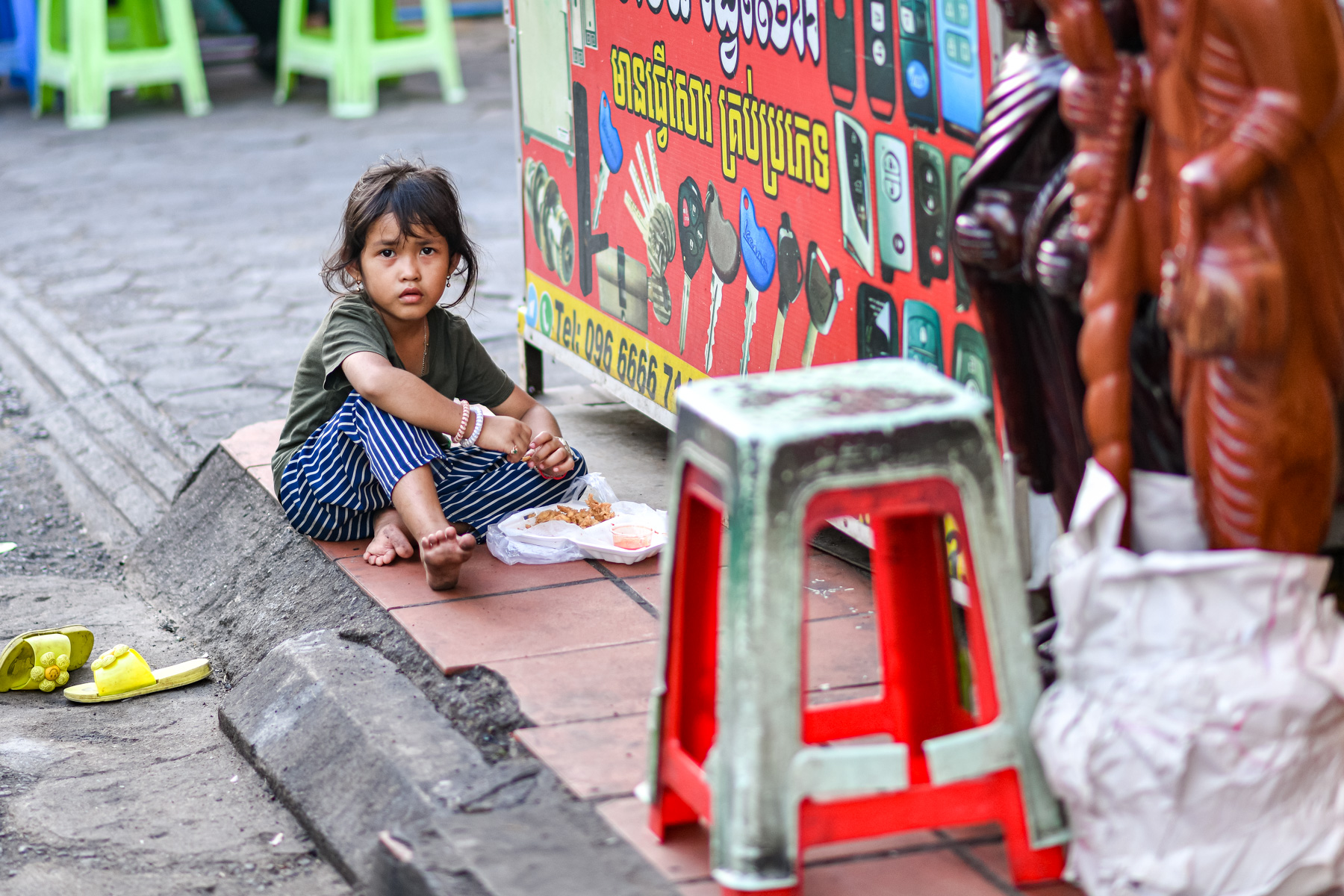
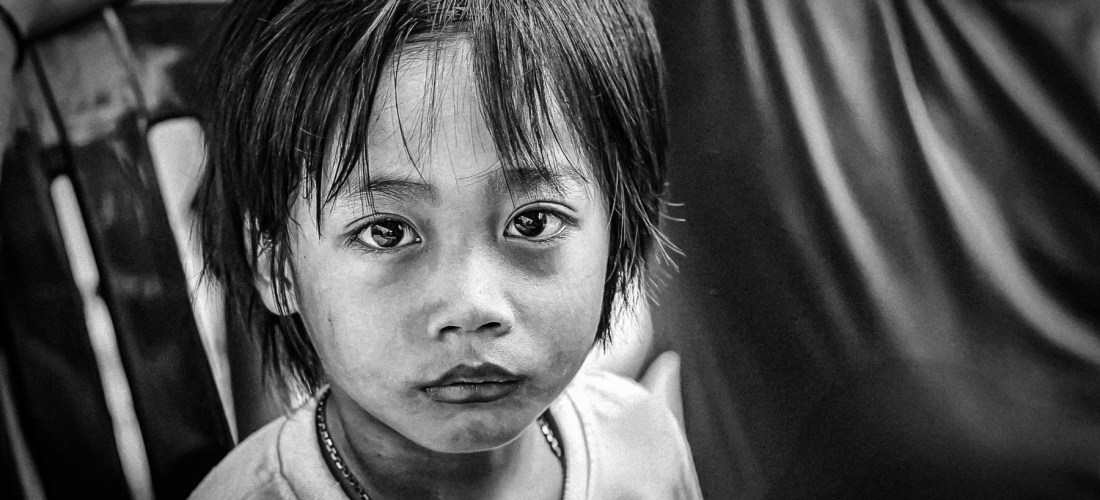
Young girl sitting on the sidewalk, wearing a green shirt and striped pants, with bare feet, looking directly at the camera, next to a small plate of food and a green stool, with colorful shop signs in the background.

These are the pictures that follow us home.

When I was younger, I worried more about whether my pictures looked good. Most photographers do. We learn the rules, straighten horizons, control exposure and wait for flattering light. We are proving that we understand the machinery.

Eventually, another question becomes more important:

What are you trying to say?

A perfectly exposed photograph of nothing remains a photograph of nothing. An imperfect picture containing a moment of truth may stay with us for life.


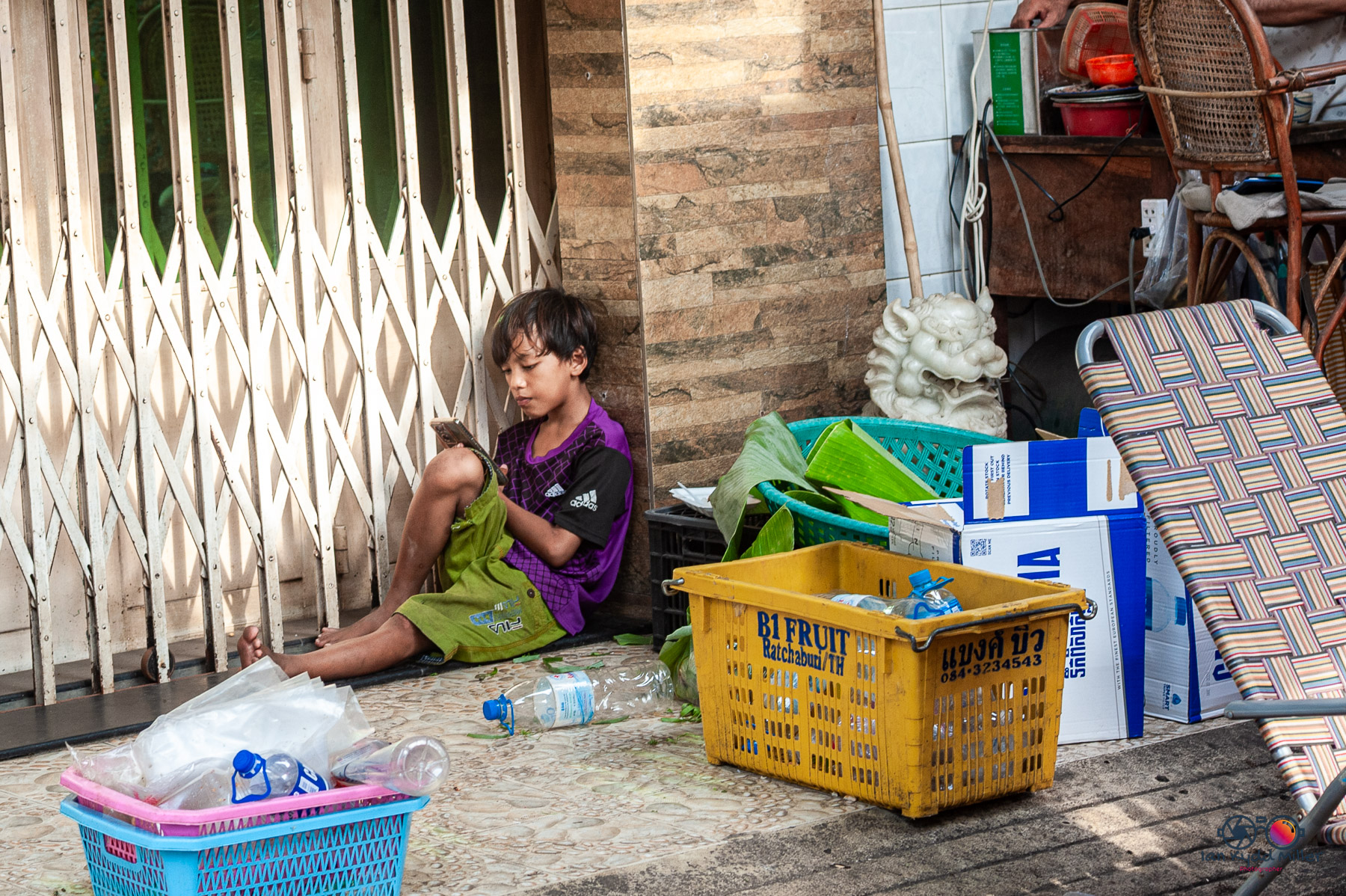
A young boy sitting on the ground against a wall, looking at a smartphone, surrounded by plastic waste and boxes.

Truth in photography is complicated. A camera never records everything. The photographer chooses where to stand, when to press the shutter and what to exclude. Yet a picture can still feel honest.

Honesty may mean refusing to tidy up a difficult scene. It may mean showing poverty without making it picturesque, age without turning wrinkles into decoration, or loneliness without dressing it up as poetry.


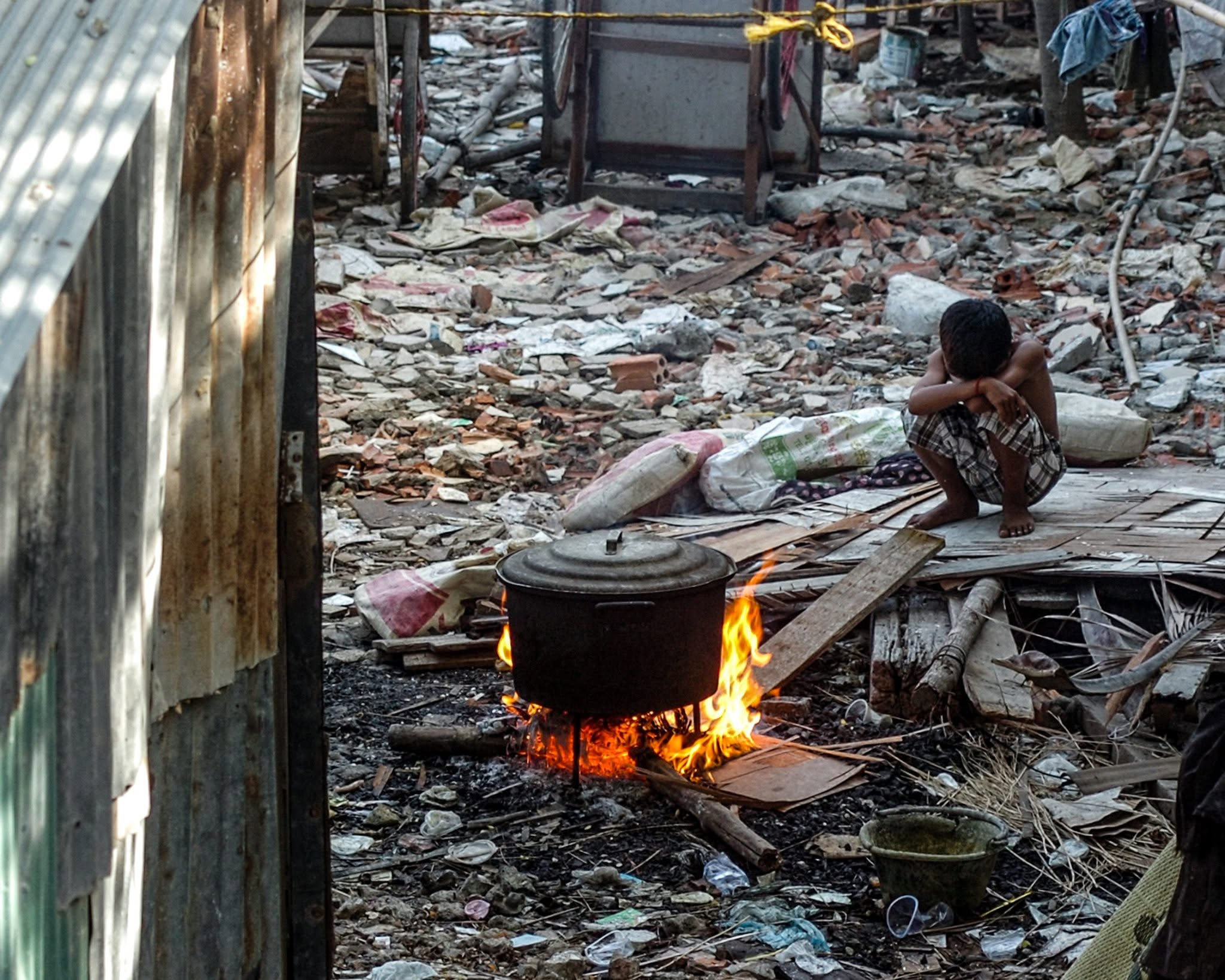
A young boy sitting on the ground in a cluttered, trash-strewn environment, with a pot cooking over an open flame in front of him.

The temptation to beautify suffering is one of photographyโ€™s oldest problems. Golden light can make a desperate situation appear magnificent. Strong composition can turn chaos into elegance. The result may be visually impressiveโ€”and completely wrong.

Emotional weight does not require war, disaster or public grief. Drama and meaning are not the same thing.

A tired worker sitting alone. A market seller counting the dayโ€™s remaining notes. Two people sharing silence. An elderly couple walking at different speeds but still holding hands.


A young child sitting on the ground beside ornate stone carvings, with a bottle of water and some food scraps nearby, in a black and white setting.

Nothing spectacular has happened. That is precisely the point.
Life is mostly composed of these apparently insignificant moments. The photographerโ€™s job is not always to beautify them. Sometimes it is simply to recognise that they matter.

Tension can also hold a photograph together. Wealth and poverty occupying the same frame. A cheerful advertisement hanging above an exhausted worker. One person looking directly at the camera while everybody else looks away.


A young woman gazes thoughtfully out of a window of a wooden house, surrounded by peeling paint and weathered wood. The image is in black and white.

Tension prevents the picture from settling comfortably. It leaves the viewer with a question rather than a neat answer.

The photographs I remember seldom surrender everything at first glance. I notice one detail, then another. My understanding changes as I move around the frame. Perhaps I never understand it completely.

That uncertainty gives the photograph life.


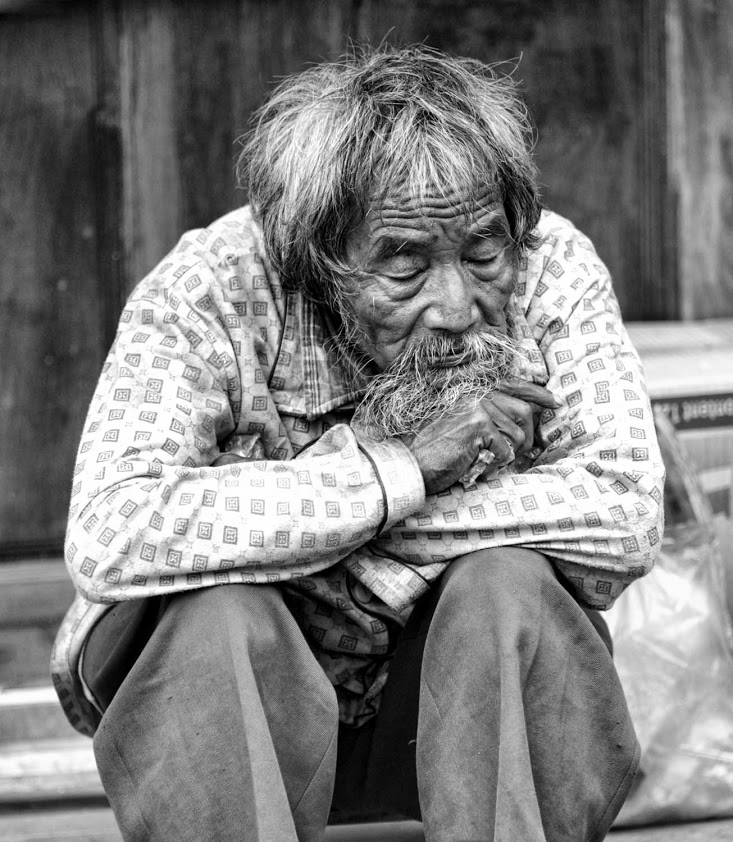
An elderly man with long gray hair and a beard, sitting with his knees drawn up to his chest, looking contemplative in a black and white photograph.

Discomfort also has a legitimate place in photography, provided it is not created through cruelty or exploitation.

Other peopleโ€™s hardship should never become material for our own reputation. Misery is not made ethical because it has been photographed in black and white. The real question is not simply whether we were permitted to take the picture, but whether the photograph respects the person inside it.

Does it preserve dignity? Does it encourage understanding? Does it reveal something importantโ€”or merely invite strangers to stare?

If a photograph depends entirely upon another personโ€™s humiliation, it is not brave. It is easy.

Processing cannot manufacture emotional weight. Converting a weak colour photograph to monochrome does not make it profound. Grain creates atmosphere, not substance.


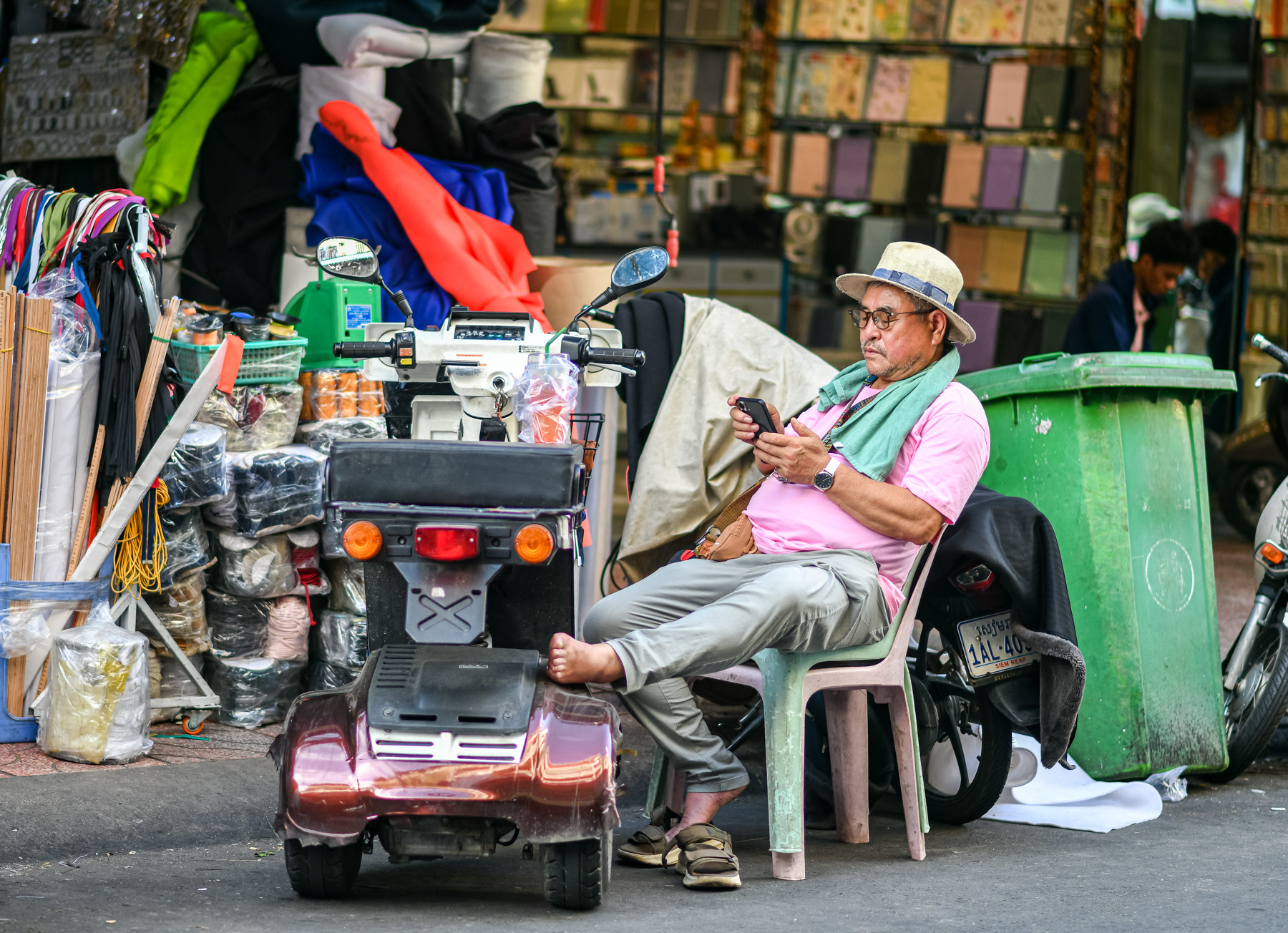
An older man sitting on a plastic chair, using a smartphone, next to a small electric scooter. He is wearing glasses, a pink shirt, and a straw hat. Behind him is a colorful array of fabric and materials, along with a green trash bin.

Sometimes a picture needs ugly colour, damaged walls, tangled cables and unpleasant light. Streets are cluttered and indifferent to our compositional preferences. Removing all that disorder may also remove the truth.

A good photograph does not have to be unpleasant, and serious photographers do not need to reject beauty. The distinction is whether beauty is the destination or the vehicle.

Beautiful light can reveal tenderness. Colour can express joy or anxiety. Strong composition can direct attention towards injustice. The danger begins when beauty becomes camouflage.


An elderly man sitting on the ground with a slight smile, wearing black pants and sandals, in a cluttered environment. A child can be seen in the background.

The picture must remain answerable to its subject.

After many years, I am less interested in photographs demonstrating what a clever photographer can do. I am more interested in photographs showing what a patient photographer noticed.

When editing my work, I try to ask more than whether an image is sharp and attractive.

Does it hold me? Is there something I cannot immediately explain? Would I still care about it if nobody praised it? Most importantly, does it make me feel anything?

Technical flaws bother me less than emotional emptiness. I would rather keep a slightly soft photograph carrying genuine life than a clinically perfect frame saying nothing.

Craft matters, but craft is the languageโ€”not the message.

A good photograph may be beautiful, but it does not need to be. It may be rough, sombre, untidy or uncomfortable. Yet if it makes us look properlyโ€”at another person, at the world or at ourselvesโ€”it has achieved something greater than decoration.


Old Photographer Series: If I Were Still a Serious Street Hack

cambodia, cameras, canon, fujifilm, Lenses, nikon, opinons, thoughts, photography, street, Travel, voluntary, war

If I were still earning my living by selling pictures to newspapers and agencies, I would not begin by asking which camera produced the cleanest file at ISO 12,800. I would ask a much more important question: which camera could I operate quickly, instinctively and reliably while everything around me was going wrong?

That is the real test of a working press camera.

Agency photography is not camera-club photography. Nobody is waiting to admire the smoothness of the bokeh or inspect the corners at 200 per cent. The picture desk wants something relevant, honest, properly captioned and delivered while the story is still alive. A technically magnificent photograph arriving tomorrow morning may be considerably less valuable than a slightly noisy but compelling picture transmitted within twenty minutes.


A photographer capturing images at a protest with a large crowd of demonstrators holding flags and banners in a city street.

If I were starting again today, I would probably stay with Nikon. Not because Nikon is inherently superior, but because decades of handling Nikon cameras have left their controls embedded in my fingers. Under pressure, familiarity matters more than specifications.

My principal camera would probably be a Nikon Z8. It has the speed, autofocus, silent operation and file quality necessary for virtually any editorial assignment. It is also sufficiently rugged without becoming quite as burdensome as one of the enormous flagship bodies. The ability to move between still photographs and usable video would matter because agencies increasingly expect photographers to bring back more than one kind of material.

But I would not pretend that buying a Z8 would suddenly turn me into a better photographer.

A Nikon D850 could still do the job perfectly well. Indeed, if I were financing the operation myself, I might be inclined to use the D850 I already trusted and spend the money on travel, communications and access. Its files are more than good enough, its battery life is excellent and its controls belong to the traditional Nikon world I understand. The shutter makes a noise, certainly, but photographers managed to work around shutter noise for more than a century.

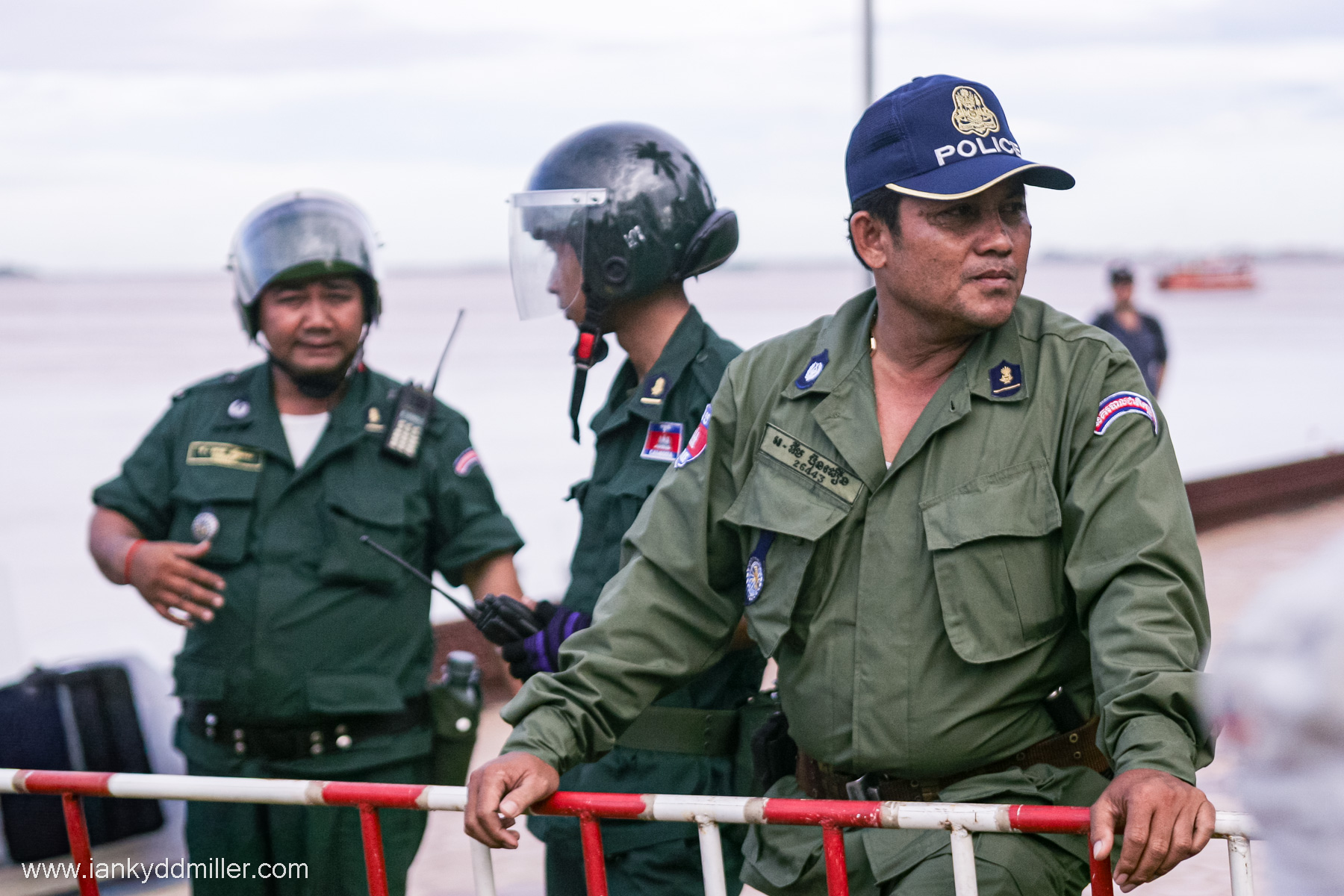
For faster news, demonstrations, political events or situations involving unpredictable movement, I might pair it with a used Nikon D5 or D6. Those cameras are not subtle, but subtlety is not always the first requirement when people are running, police lines are moving and the light is collapsing. They are built to continue working when smaller and more fashionable cameras begin contemplating their retirement.

Whatever I chose, I would carry two bodies. This would not be an indulgence. It would be insurance.


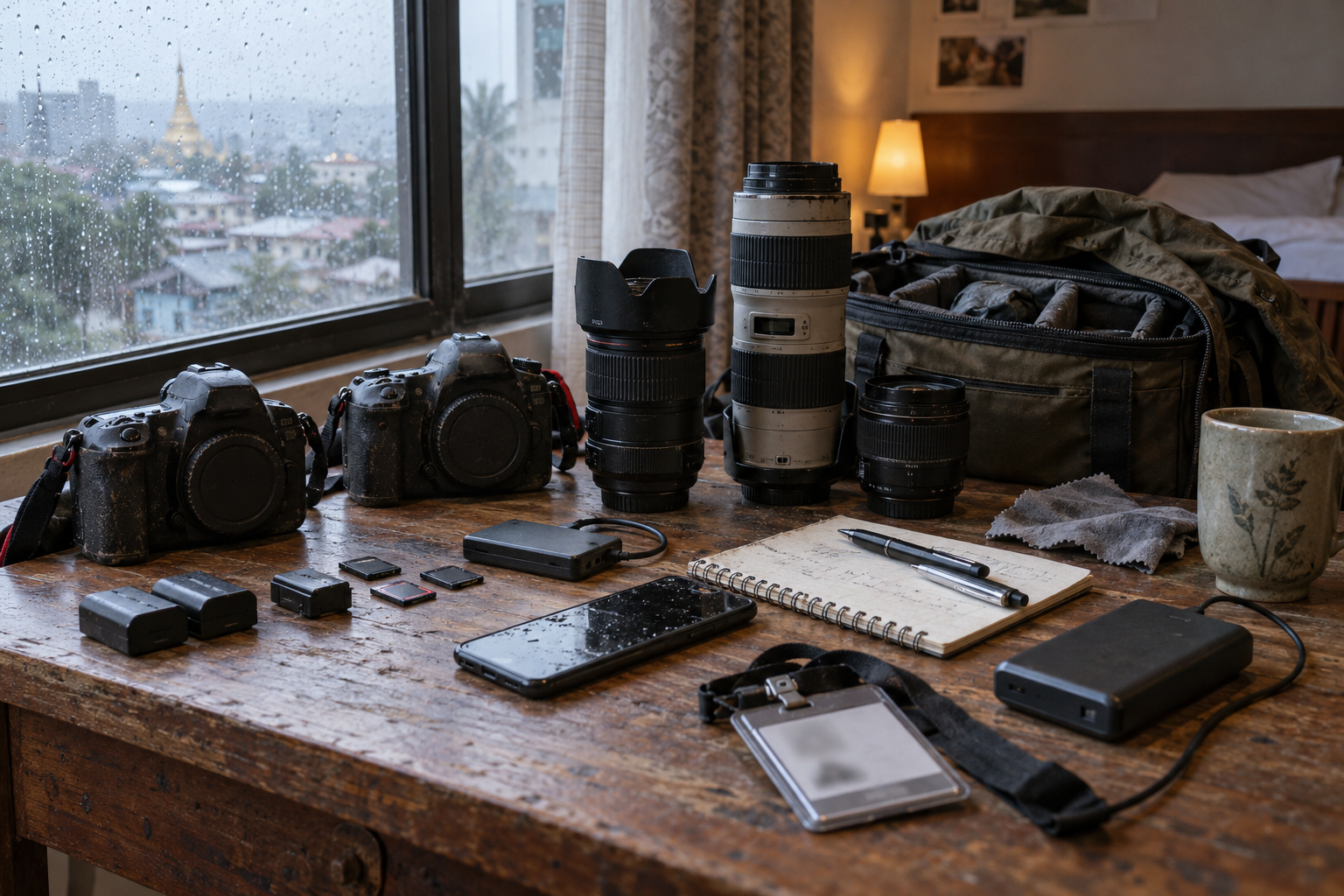
A wooden table with two cameras, multiple camera lenses, batteries, memory cards, a notebook, a pen, a smartphone, a power bank, and a coffee mug, set against a rainy window with a view of a city.

A professional cannot explain to a picture editor that the camera stopped working just as the minister was arrested, the crowd broke through the barricade or the monsoon turned the street into a river. Nor is there always time to change lenses. One camera would carry a standard zoom and the other something longer.

The sensible working combination would be a 24โ€“70mm f/2.8 and a 70โ€“200mm f/2.8. It is not romantic, but it covers an enormous amount of editorial work. The shorter zoom gives context, crowds, interiors and close human encounters. The longer lens isolates faces, reaches through security barriers and allows the photographer to work when physical access is restricted.

I would also keep an 85mm f/1.8 in the bag. Not because an agency requires shallow depth of field, but because I know that focal length. It gives me enough working distance to observe people without losing the intimacy of the moment. It is small, sharp and fast, and it does not turn the photographer into a mobile artillery position.

For quieter work around Phnom Penh, I might forget the big zooms altogether and use the D850 with the 50mm or 85mm. A smaller combination makes it easier to remain among people instead of towering over them. But if I had been commissioned to cover breaking news, I would carry the zooms. The assignment comes before my personal romance with prime lenses.

The cameras, however, would be only half the equipment.

I would carry a capable laptop, Photo Mechanic for rapid selection and captioning, Lightroom or Photoshop for restrained processing, several card readers and a phone with reliable mobile data. I would have a second network available, probably through another SIM card, because communications have an unpleasant habit of failing precisely when the pictures become important.


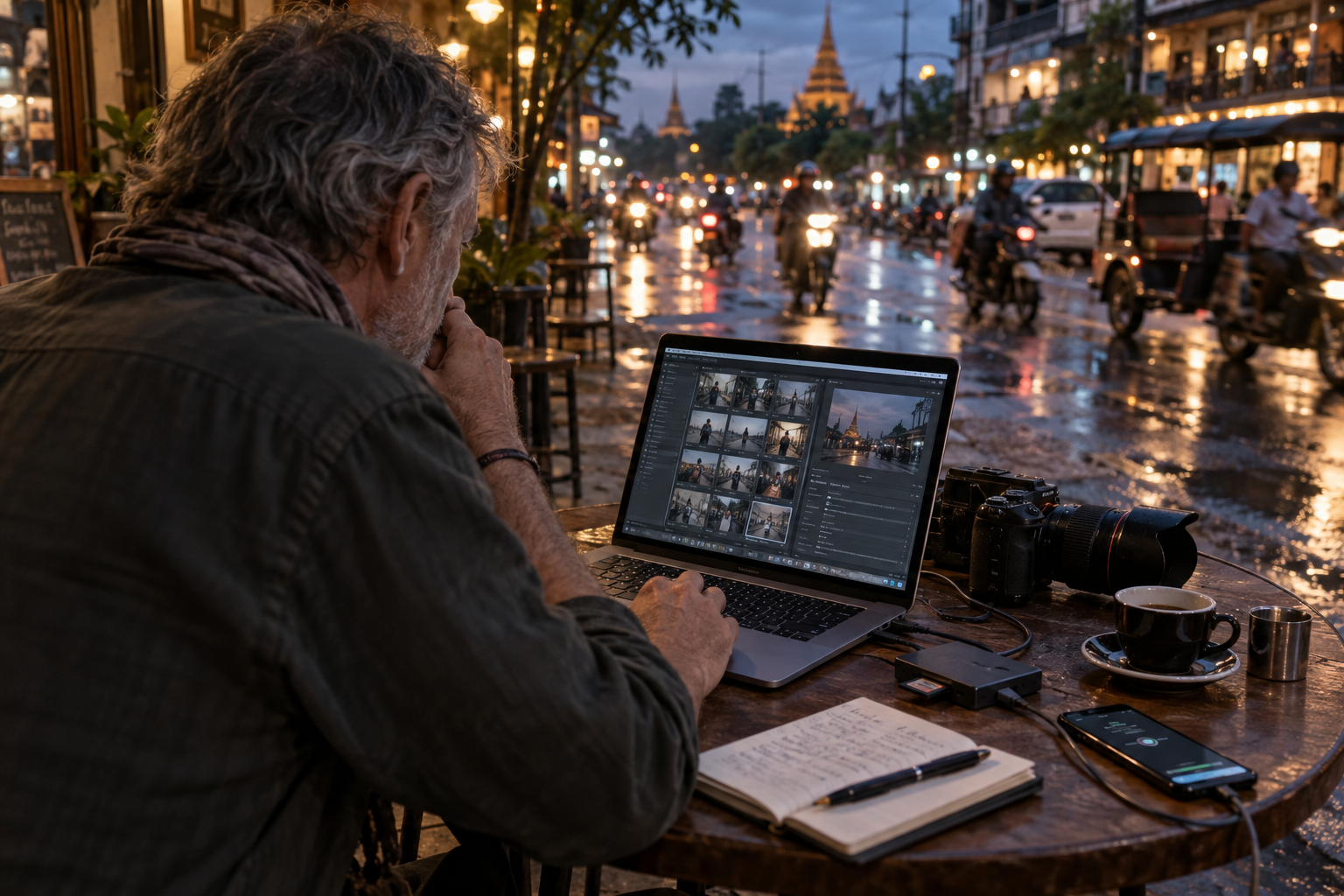
A man editing photos on a laptop at an outdoor cafรฉ during a rainy evening, with a camera and notes on the table.


Pictures intended for an agency must leave the camera quickly. That means importing, selecting, toning, captioning and transmitting from a cafรฉ, a press room, the back of a vehicle or a piece of pavement outside a government building. The photographer who can produce an accurate set of ten pictures in twenty minutes may be more useful than the photographer who requires three hours to perfect forty.


A young child sitting on the ground with a serious expression, holding a container, surrounded by cages in a black and white setting.

The edit would be severe. I would not send every frame merely because modern cameras allow me to make twenty pictures a second. Picture editors already have too much material. I would send the establishing image, the decisive moment, the principal personalities, the telling detail and perhaps one frame that carries some emotional or visual surprise.

Then I would caption them properly.

Who is in the picture? What is happening? Where did it happen? When did it happen? Why does it matter? Were the people photographed naturally, or was it a posed portrait? Is the spelling correct? Is the location precise? Have I identified people from left to right?

This clerical part of photography has never attracted much glamour, but a photograph with an inaccurate caption is a liability. The Associated Press states that it explains when a picture has been posed and requires photographs to represent events honestly. It also rejects false AI-generated depictions as news imagery. APโ€™s published standards make the principle plain: the circumstances in which a picture was made matter.

I would process gently. White balance, exposure, contrast, noise and sensible cropping are legitimate. Adding, removing or substantially changing content is not. An editorial photograph is evidence before it is decoration. Alamyโ€™s current Live News rules similarly require truthful representation, complete IPTC information and rapid delivery; ordinarily, images more than 24 hours old are no longer treated as live news. Its submission guidance is a useful reminder that speed, accuracy and metadata are part of the photographโ€”not administrative jobs to be considered later.

I would carry spare batteries, more memory cards than I expected to need, a compact rain cover, a small power bank, lens cloths, ear protection, a notebook and two pens. In Cambodia I would add water, a hat and something to keep equipment dry during a sudden downpour. I would use comfortable shoes rather than heroic ones. A photographer with blistered feet is not much use when the story moves another three kilometres down the road.

I would also carry a small first-aid kit and proper identification. For demonstrations or conflict-related work, I would add protective equipment appropriate to the risk, but I would not dress like a soldier merely to appear serious. A journalistโ€™s job is to observe and report, not to play at combat.


There would be one other piece of equipment, although it cannot be bought from a camera shop: local knowledge.

Knowing which street connects with which, who controls access, when a crowd is becoming frightened, which official can answer a question and when it is time to leave is worth more than another stop of dynamic range. So is learning names and speaking respectfully to the people being photographed. Agencies do not merely need photographers who happen to be nearby. They need people who understand what they are looking at.


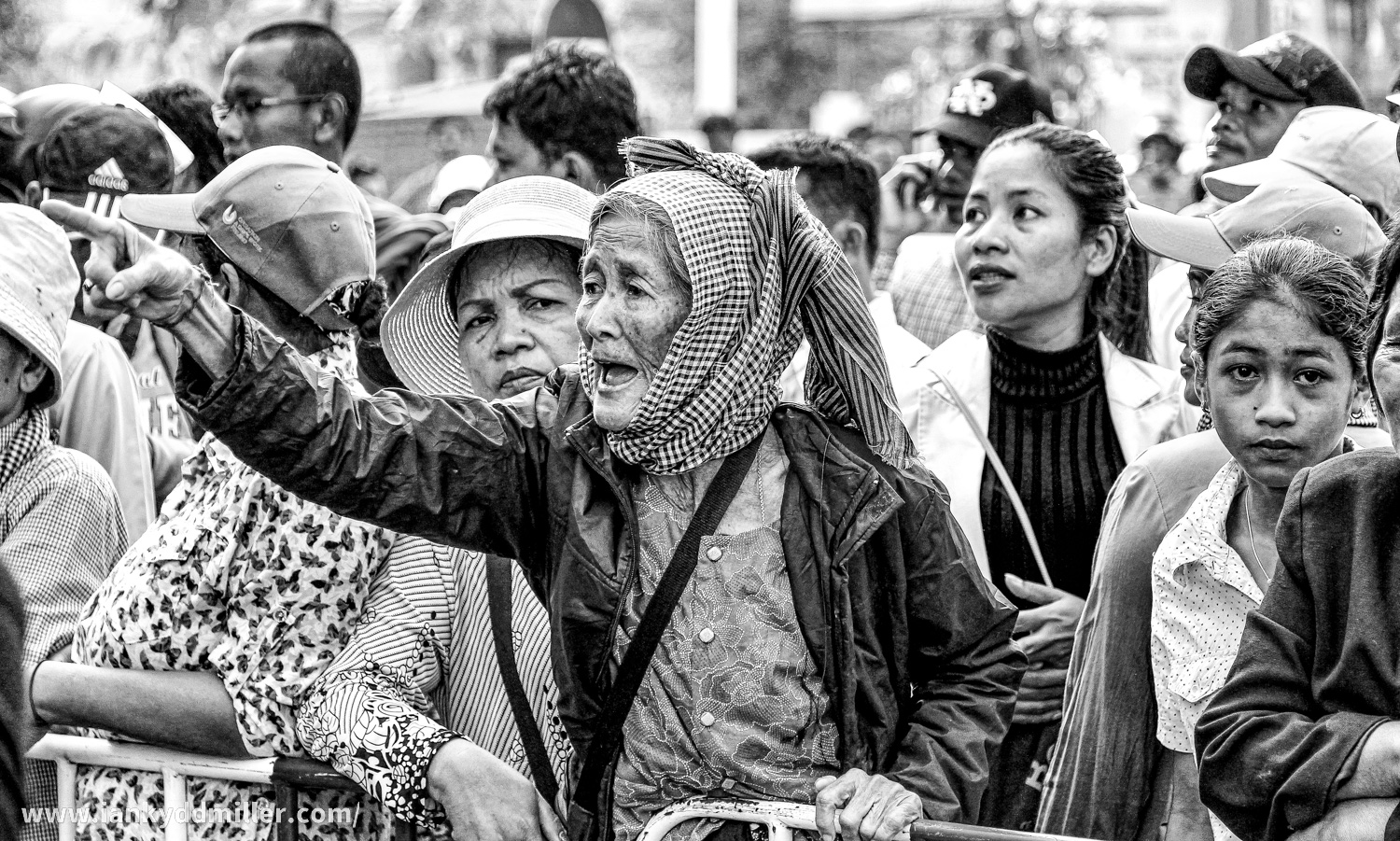
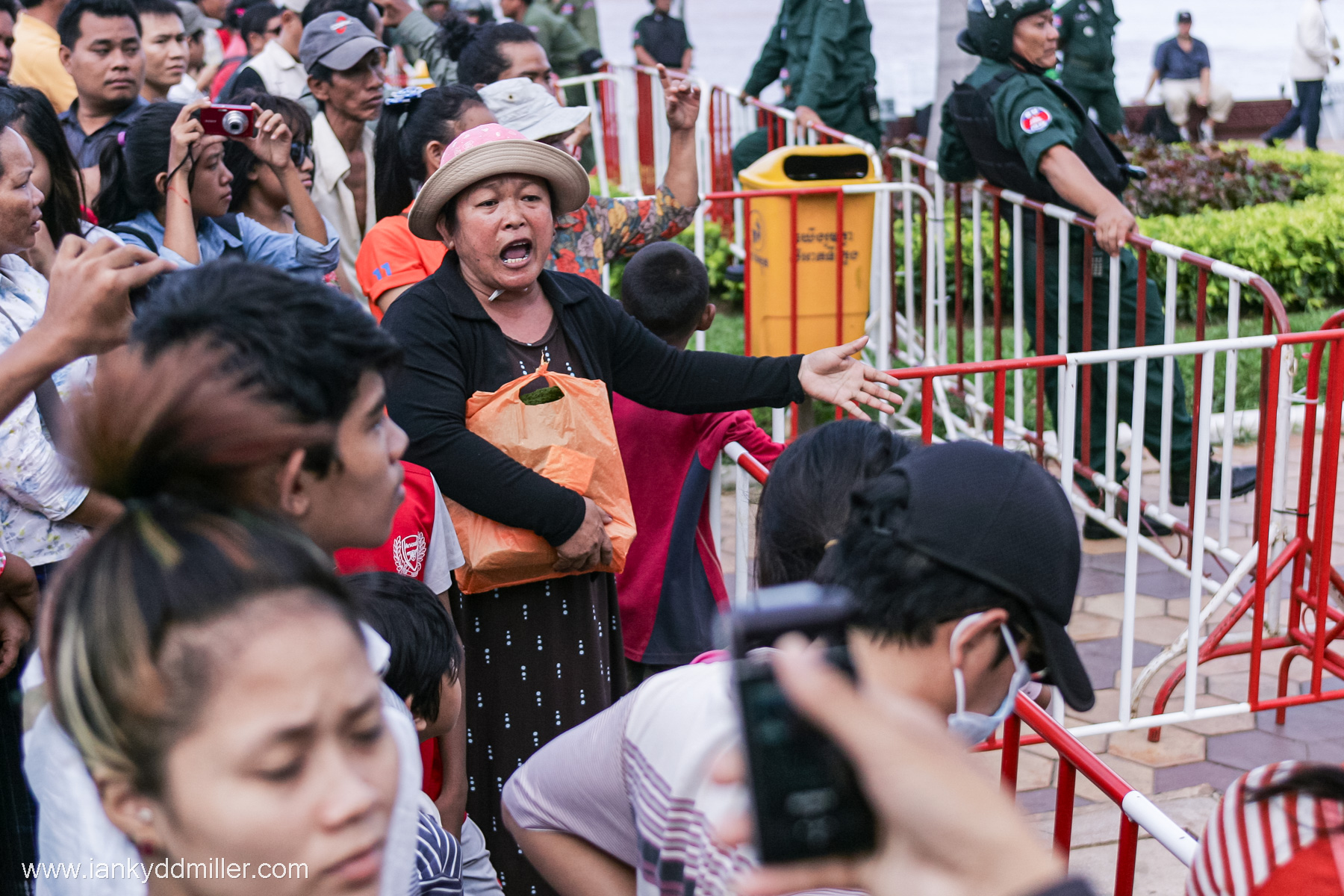
A crowd of people gathered, with a woman in the foreground passionately speaking or shouting, holding a bag. Several others are taking photos and observing the scene, while security personnel are visible in the background.

That is why I would not spend all my time chasing spectacular breaking news. I would develop subjects I could cover repeatedly and with some authority: changing neighbourhoods, migration, labour, development, displacement, the lives of ordinary Cambodian families and the gradual disappearance of familiar parts of Phnom Penh.

The individual street picture might be excellent, but a connected body of photographs accompanied by accurate information is far easier to pitch. The photographer must become more than a man carrying a camera. He must become a source of informed visual reporting.

I would also be realistic about money. The old system in which a competent press photographer could expect regular newspaper assignments has been badly weakened. There are fewer picture desks, lower budgets and an ocean of free imagery arriving through social media. Simply uploading good photographs and waiting for cheques would be a poor business plan.

I would contact editors before an event, pitch specific stories and build direct relationships. I would maintain a clean online portfolio showing coherent editorial workโ€”not hundreds of unrelated favourites. I would write short, intelligent pitches explaining the story, the access I possessed and why the photographs would be relevant now.

Stock and news agencies could provide another route. Alamy remains open to individual contributors, although access to its Live News service requires separate permission. Contributors retain copyright, while the agency licenses accepted material. Its current technical requirements include high-quality RGB JPEGs and appropriate metadata. Alamyโ€™s contributor guidance confirms that professional DSLR and mirrorless files remain acceptable; the name printed on the camera is not the deciding factor.

Would I carry a smartphone? Certainly.

It would provide communications, maps, notes, recorded interviews, backup pictures and perhaps short video clips. In some situations it would be the least intrusive camera available. But I would not allow the convenience of the phone to make me careless. A picture made on a telephone carries exactly the same ethical responsibility as one made on a Nikon.

So, if I were still a serious street hack, my working kit would probably be two dependable Nikon bodies, a 24โ€“70mm, a 70โ€“200mm, an 85mm, a laptop and the means to transmit from almost anywhere. Yet none of that would secure a single sale.

The real equipment would remain what it always was: curiosity, judgement, stamina, honesty and the ability to recognise the moment before it disappears.


The cameras have become faster. Transmission has become almost instantaneous. The competition has become enormous. But the essential job has barely changed.

Be there. Understand what is happening. Make the picture. Get the names right. Tell the truth. Send it before somebody else does.

That is how a street hack earns his keep.


Nikkor 50mm f/1.8G or f/1.4G: The Sensible Lens and the Romantic One

Lenses, nikon, opinons, thoughts, photography, pictures, street, Travel

There was a time when a 50mm lens was simply part of being a photographer. You bought a camera, put a fifty on the front and went out to make pictures. Nobody called it a โ€œnifty fiftyโ€, photographed it beside a cup of coffee or spent three evenings arguing about its bokeh.

It was just a lens.

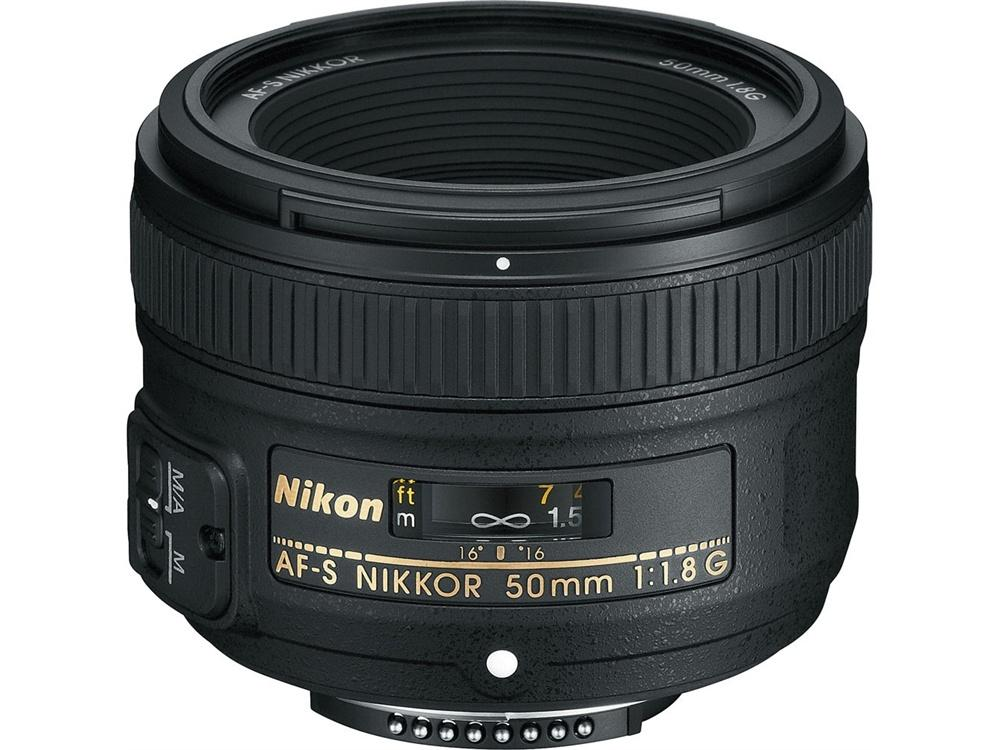
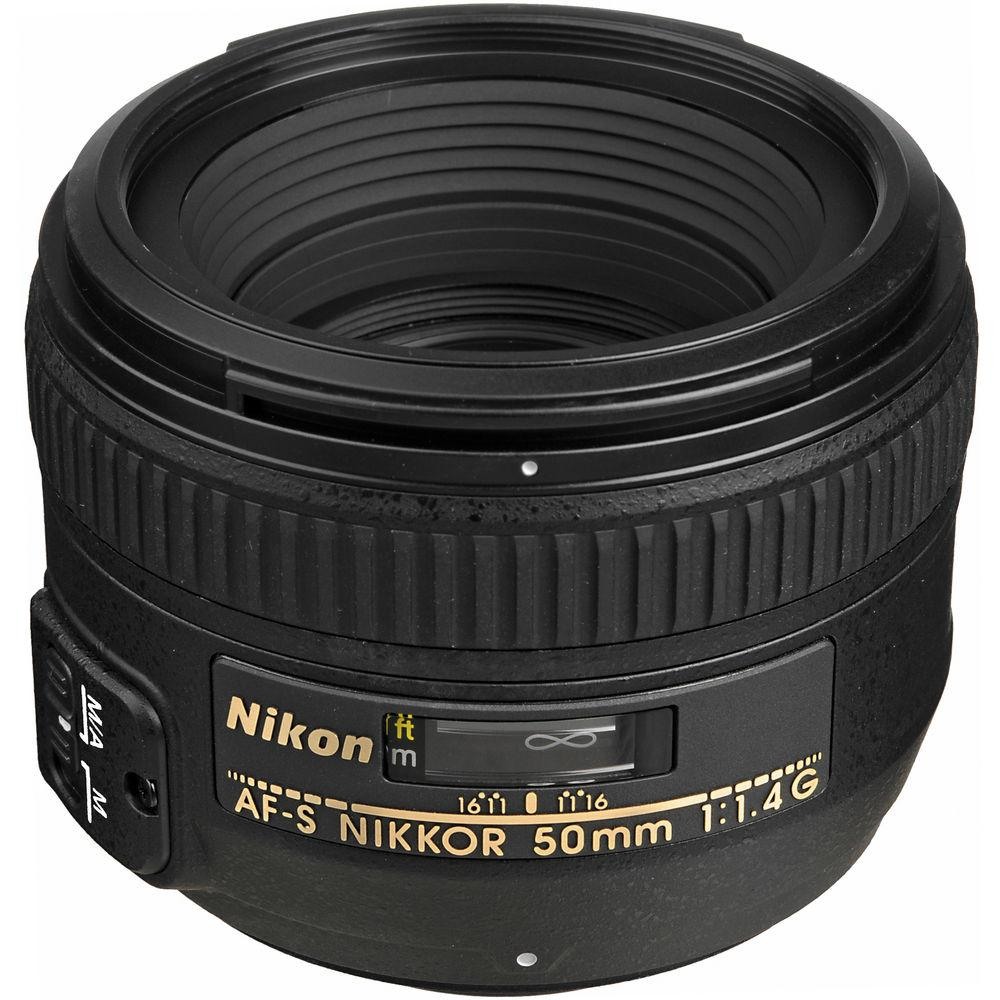
The AF-S Nikkor 50mm f/1.8G and f/1.4G belong to that tradition. Both are small, uncomplicated full-frame lenses that work beautifully on Nikonโ€™s older DSLRs. Neither has vibration reduction. They expect us to hold the camera properly, choose a sensible shutter speed and pay attention.

That already makes me rather fond of them.

On paper, the difference appears obvious. One opens to f/1.8, the other to f/1.4. The more expensive f/1.4G must therefore be better.

Photography is rarely that tidy.

The f/1.8G weighs only 185 grams and uses seven elements in six groups, including one aspherical element. The f/1.4G weighs 280 grams and uses eight elements in seven groups. Both focus as close as 45 centimetres and accept 58mm filters. The f/1.8G has seven rounded diaphragm blades; the f/1.4G has nine.

Useful numbers, certainlyโ€”but they do not tell us which lens we will prefer after four hours walking through Phnom Penh.

The f/1.8G: the lens that gets on with the job

The 50mm f/1.8G is one of Nikonโ€™s quiet successes. It is light, sharp, affordable and dependable. On a D700 it feels beautifully balanced; on a D810 or D850 it can produce more detail than most photographers will ever need.

Nikon AF-S NIKKOR 50mm f/1.8G camera lens with a black exterior and focus markings.

It is respectably sharp at f/1.8 and excellent by f/2.8 or f/4. Contrast is strong, colour is clean and autofocus is generally quicker and more decisive than that of the f/1.4G.

That matters on the street. A smoother background is no consolation when the important face is out of focus. If somebody turns, smiles or raises a hand, the f/1.8G has a better chance of getting there without making a production of it.

Its low weight matters too. Heavy equipment feels wonderfully professional for the first half-hour and thoroughly unnecessary by lunchtime.

The f/1.8G is not perfect. Its backgrounds can become slightly busy when filled with branches, wires or hard points of light. Its rendering is good rather than magical.

But it is an honest lens. It makes sharp, attractive photographs without demanding admiration for itself.

The f/1.4G: slower, softer and sometimes lovelier

The f/1.4G is the more romantic lens.

Its maximum aperture admits roughly two-thirds of a stop more light. In a dim room, night market or poorly lit bar, that may provide a faster shutter speed or allow a lower ISO.

Nikon AF-S NIKKOR 50mm f/1.4G lens, featuring a black finish with gold lettering.

It also produces a shallower depth of field. At close portrait distances, the transition from sharpness into blur can appear smooth and gentle. Its nine rounded blades help highlights remain more circular when the lens is stopped down.

Yet the f/1.4G is not automatically the superior lens. Wide open, it can be soft and lower in contrast. Sometimes that gives a portrait atmosphere; sometimes it merely gives us a photograph that is not quite sharp.

Its autofocus is not particularly fast either. It is generally accurate when given time, but the cheaper f/1.8G often feels more responsive with moving people.

The f/1.4G gives us something the f/1.8G cannot, but it does not guarantee a better picture. It simply offers another possibility.

On FX and DX cameras

On an FX camera such as the D700, D810, D850 or D3 series, both behave as traditional standard lenses. They show a natural portion of the worldโ€”not dramatically wide and not noticeably compressed.

A 50mm makes us work. We cannot stand well back as we might with an 85mm, nor can we pull an entire street into the frame as we might with a 28mm. We must find the right distance and organise the picture carefully.

For street portraits, that can be wonderfully direct. There is enough background to establish where somebody is, but not so much that the surroundings take over.

On a DX camera such as the D300S, the field of view resembles a 75mm lens on full frame. The fifty becomes a useful short portrait lens, although it may feel restrictive in markets and narrow streets.

Which one would I carry?

For most photography, I would choose the 50mm f/1.8G.


It is lighter, faster to focus and exceptionally sharp for the money. On a long walk it simply makes more sense. It is excellent at f/2.8 or f/4, while f/1.8 remains available when the light falls.

I would choose the f/1.4G when I specifically wanted the gentler rendering and shallower depth of field available between f/1.4 and f/1.8. It can give portraits a softer, more atmospheric quality.


I would not buy it merely because f/1.4 sounds more professional.

At close range, f/1.4 may leave one eye sharp while the other begins to soften. If the subject movesโ€”or if the photographer sways slightlyโ€”the point of focus can disappear. Owning an f/1.4 lens does not mean we must use it wide open. Quite often, f/2 or f/2.8 makes the stronger photograph.

Shallow depth of field is a tool, not a style.

The Old Photographerโ€™s verdict

The f/1.8G is the sensible lens. The f/1.4G is the romantic one.

The f/1.8G is lighter, sharper for the money and easier to recommend. If I were building a compact Nikon DSLR outfit around a D700, D810 or D850, it would be the obvious choice.

The f/1.4G is bought for subtler reasons: slightly more light, smoother backgrounds and a gentler character. It is not necessarily betterโ€”only different.

If you already own the f/1.8G, changing to the f/1.4G will not transform your photography. Upgrade only if you understand precisely why you need f/1.4. If you already own the f/1.4G and enjoy its rendering, keep using it and forget the test charts.

Neither lens will recognise a meaningful gesture, move us into the correct position or tell us when to press the shutter. That remains our responsibility.

The older I get, the less interested I become in declaring one piece of equipment the winner. Lenses are not football teams. They are different ways of seeing.

The f/1.8G is the lens I would trust for a dayโ€™s walking and working.

The f/1.4G is the one I would choose when the light is low, the pace is slower and I want the picture to feel a little less clinical.

Sometimes the sensible lens makes the better photograph.

Sometimes the romantic one makes the photograph we remember.


Old Photographer Series: Getting the Best from Your Lenses

Lenses, nikon, opinons, thoughts, photography, pictures, street, Travel, viltrox

We photographers spend an extraordinary amount of time blaming our lenses.

The corners are soft. The autofocus is slow. There is too much distortion, too little contrast or a faint trace of colour fringing around the branches of a tree. Before long, we are reading reviews, studying laboratory charts and wondering whether another expensive piece of glass might finally transform our photography.

It probably will not.


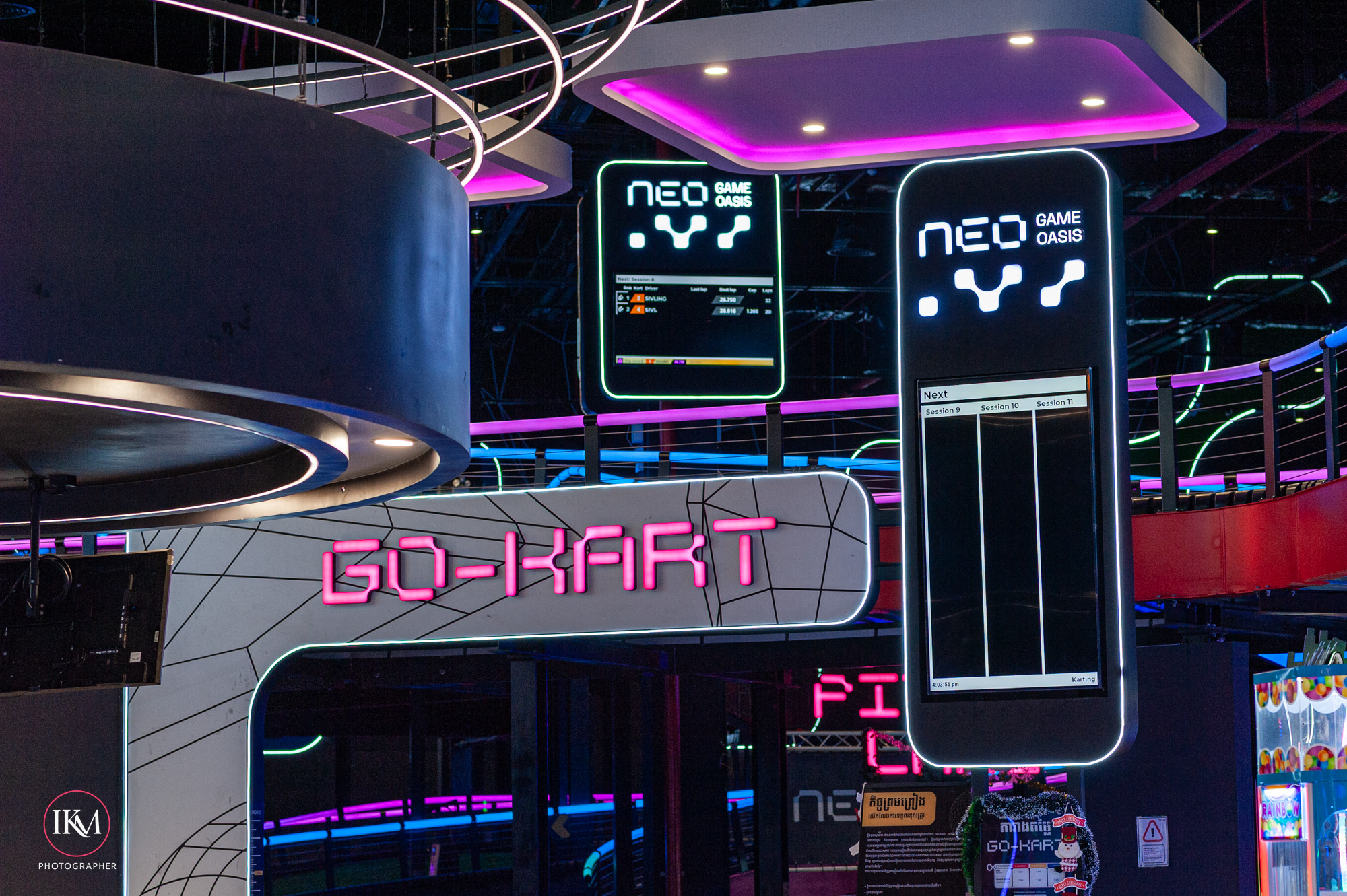
An indoor entertainment venue featuring a 'GO-KART' sign in neon pink, with digital screens showing game details and a vibrant colorful atmosphere.

Most modern lenses are better than most photographers need. Even many old lenses, dismissed as obsolete by people who spend more time examining pixels than making photographs, remain perfectly capable of producing beautiful work. The real question is not whether a lens is good enough. It is whether we have learned how to use it.


Every lens has a personality. Some are clinically sharp and almost invisible in their rendering. Others soften the edges, flare when pointed towards the light or produce backgrounds with a character that cannot be measured by a test chart. Getting the best from a lens begins when we stop demanding that it behave like every other lens and start discovering what it does well.

A 50mm lens does not see like an 85mm. A 24mm cannot be treated as though it were merely a wider 35mm. Each focal length changes the distance between the photographer and the subject, and that distance changes the photograph.

With a wide-angle lens, you must step into the scene. You cannot hover safely across the road and expect the picture to possess any intimacy. You have to enter the crowd, feel the movement and accept that the foreground may become exaggerated. Used carelessly, a wide lens creates empty edges, leaning buildings and tiny figures stranded in the centre. Used properly, it can make the viewer feel physically present.


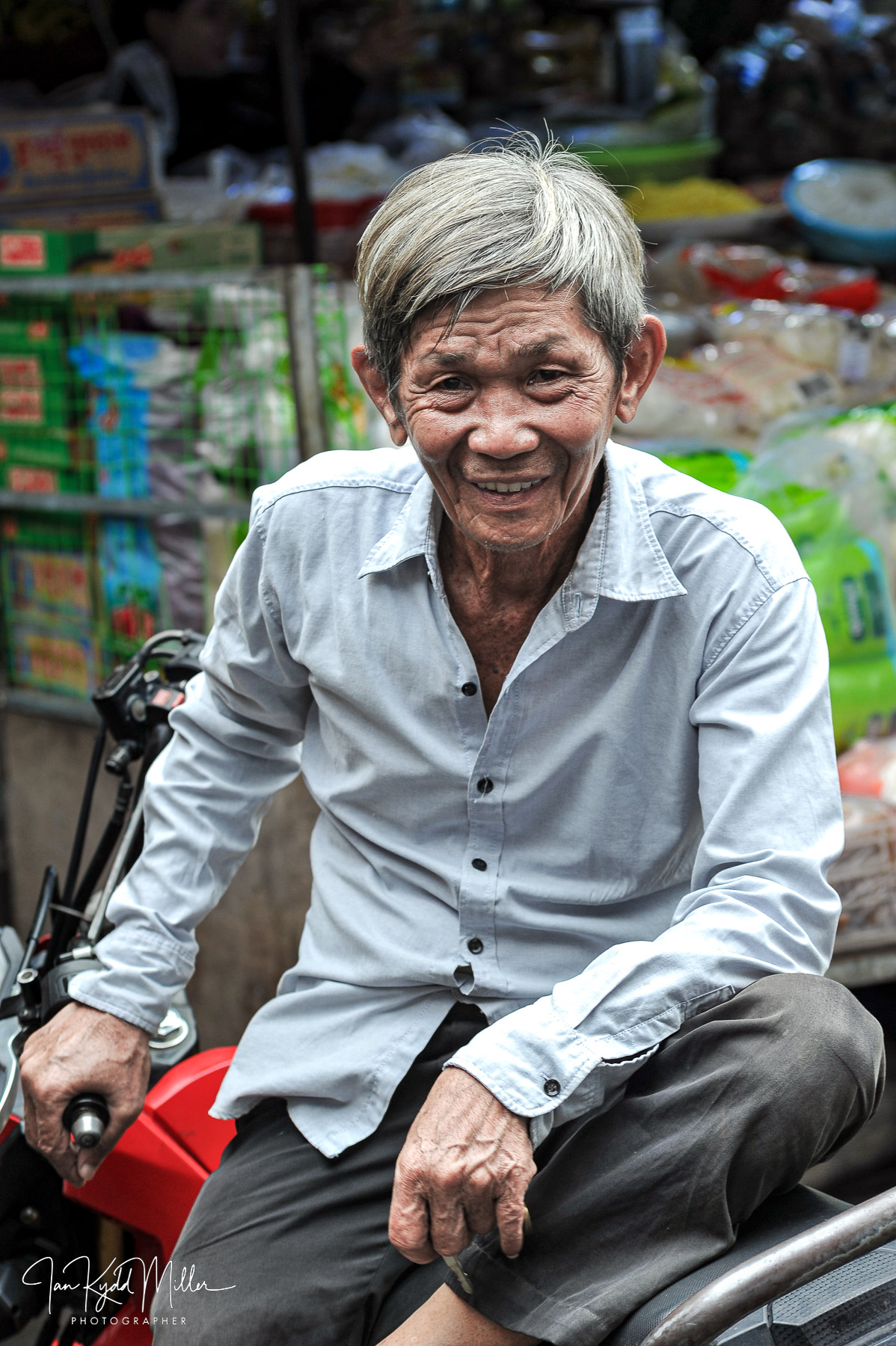
An elderly man with gray hair smiling while sitting on a motorcycle in a market setting.

A longer lens works differently. My much-loved 85mm allows me to stand back a little, watch a face and wait for the gesture that matters. It separates the subject from a confused street without completely removing the surroundings. But it brings its own dangers. It can make the photographer lazy, encouraging us to remain at a comfortable distance and turn every scene into a blurred background with a sharp head floating in front of it.

The focal length should influence how we move. Our feet remain one of the most important pieces of photographic equipment we possess.

A lens also has an aperture at which it gives its best technical performance. This is often somewhere around f/5.6 or f/8, but technical perfection is not always what the photograph needs. A portrait made at f/1.8 may be slightly softer than one made at f/5.6, but the isolation, atmosphere and delicate transition into the background may be far more valuable than additional sharpness.


Close-up portrait of an elderly man with a blue turban and glasses, wearing a striped light blue shirt.

Use the aperture deliberately. Do not shoot everything wide open simply because the lens allows it.

At very wide apertures, depth of field can become brutally thin. With an 85mm lens at close distance, focusing on the eyelashes instead of the eye may be enough to spoil a portrait. If the subject is moving, f/1.8 can turn a promising photograph into a collection of nearly sharp failures. Stopping down to f/2.8 or f/4 provides a little insurance while still separating the subject from the background.

At the other extreme, closing a lens down to f/16 or f/22 does not automatically produce greater sharpness. Diffraction can begin to soften fine detail, while dust on the sensor suddenly announces itself across every patch of clear sky. There are occasions when those apertures are necessary, but they should be chosen for a reason rather than from habit.

Shutter speed matters just as much. Many photographs blamed on poor lenses are actually suffering from camera movement or subject movement. High-resolution cameras such as the Nikon D810 and D850 expose sloppy handling without mercy. A lens can resolve astonishing detail, but it cannot preserve detail that was smeared across the sensor while the shutter was open.


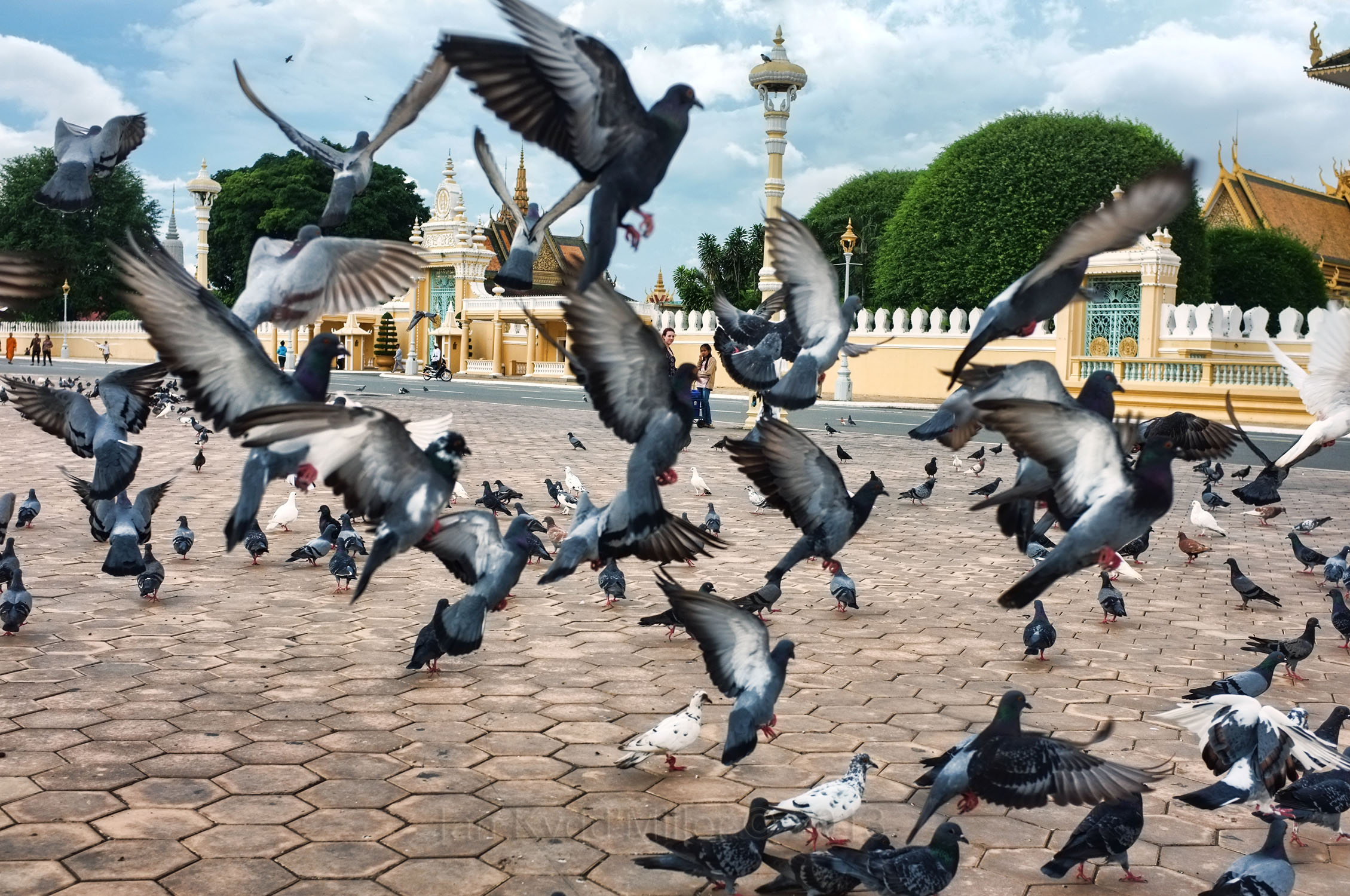
A flock of pigeons taking flight and foraging on a paved surface in a public area, with ornate buildings and greenery in the background under a partly cloudy sky.

The old rule of using a shutter speed equal to the focal length was useful in the days of film, but it should now be treated as a starting point. With an 85mm lens, I would rather use 1/250 second than rely on 1/80 or 1/100. If people are moving, I may go to 1/500. I would sooner accept a little extra noise from a higher ISO than lose the expression because the subjectโ€™s face moved.

Hold the camera properly. Support the lens with the left hand, bring the elbows towards the body and press the shutter rather than stabbing at it. If possible, lean against a wall, post or doorway. Take a breath, steady yourself and make the exposure. These small disciplines cost nothing and improve almost every lens you own.

Autofocus must also be understood rather than blindly trusted. Learn which focus mode suits the subject. Single autofocus may be ideal for a stationary portrait, while continuous autofocus is generally safer for someone walking through the frame. Place the focus point where you need it instead of expecting the camera to interpret the entire scene.

If a lens repeatedly focuses slightly in front of or behind the subject, test it under controlled conditions. Some DSLR bodies allow autofocus fine-tuning. But do not begin adjusting equipment after one soft photograph. Check the shutter speed, depth of field and your own technique first. Photographers have created endless problems by trying to calibrate lenses that were not faulty.

Lens hoods are among the simplest ways of protecting image quality. They reduce stray light, help maintain contrast and offer physical protection from knocks and fingers. I usually leave mine attached. A cheap clear filter may protect the front element in dust, rain or difficult working conditions, but poor-quality filters can introduce flare and reduce contrast. Use one when the situation justifies it, not because somebody behind a shop counter told you that every lens must wear one forever.

Keep the glass reasonably clean, but do not become obsessive. A few specks of dust inside a lens will rarely appear in a photograph. Constantly dismantling, blowing and polishing equipment can cause more trouble than the dust itself. A soft brush, blower and clean microfibre cloth are normally enough. Old photographers know that cameras are tools, not surgical instruments.


Pay close attention to backgrounds. The quality of a lens is often most visible not in the sharp subject but in the way it renders everything else. Before pressing the shutter, look around the edges. Move slightly to remove a bright sign, a pole growing from somebodyโ€™s head or a patch of distracting colour. An expensive fast lens cannot rescue a careless background. Blur does not automatically turn confusion into beauty.

Light will reveal more about a lens than any review. Try it in hard sunlight, shade, window light and at night. Point it towards the sun and see how it flares. Photograph a face at minimum focusing distance and then from several metres away. Use it wide open, stopped down and at different subject-to-background distances.

Do not merely test the lens. Make photographs with it.

If you own a zoom, spend a day treating it as several prime lenses. Set it to 24mm and leave it there for an hour. Then try 50mm, 85mm or 120mm. This teaches you how each position changes your relationship with the street. Otherwise, zooming can become an unconscious attempt to avoid moving or making a decision.


With a prime lens, accept the restriction. It is often the restriction that sharpens our attention. After several hours with one focal length, we begin to recognise possible frames before lifting the camera. The lens becomes less like an object attached to the body and more like a way of seeing.

That is when a lens begins to give its bestโ€”not when it achieves the highest laboratory score, but when we stop thinking about it.

The finest lens is not necessarily the sharpest, fastest or most expensive one. It is the lens whose behaviour you understand: how close it allows you to work, how it treats a face, where its autofocus struggles, what happens when light strikes it from the side and which aperture gives you the balance you want.


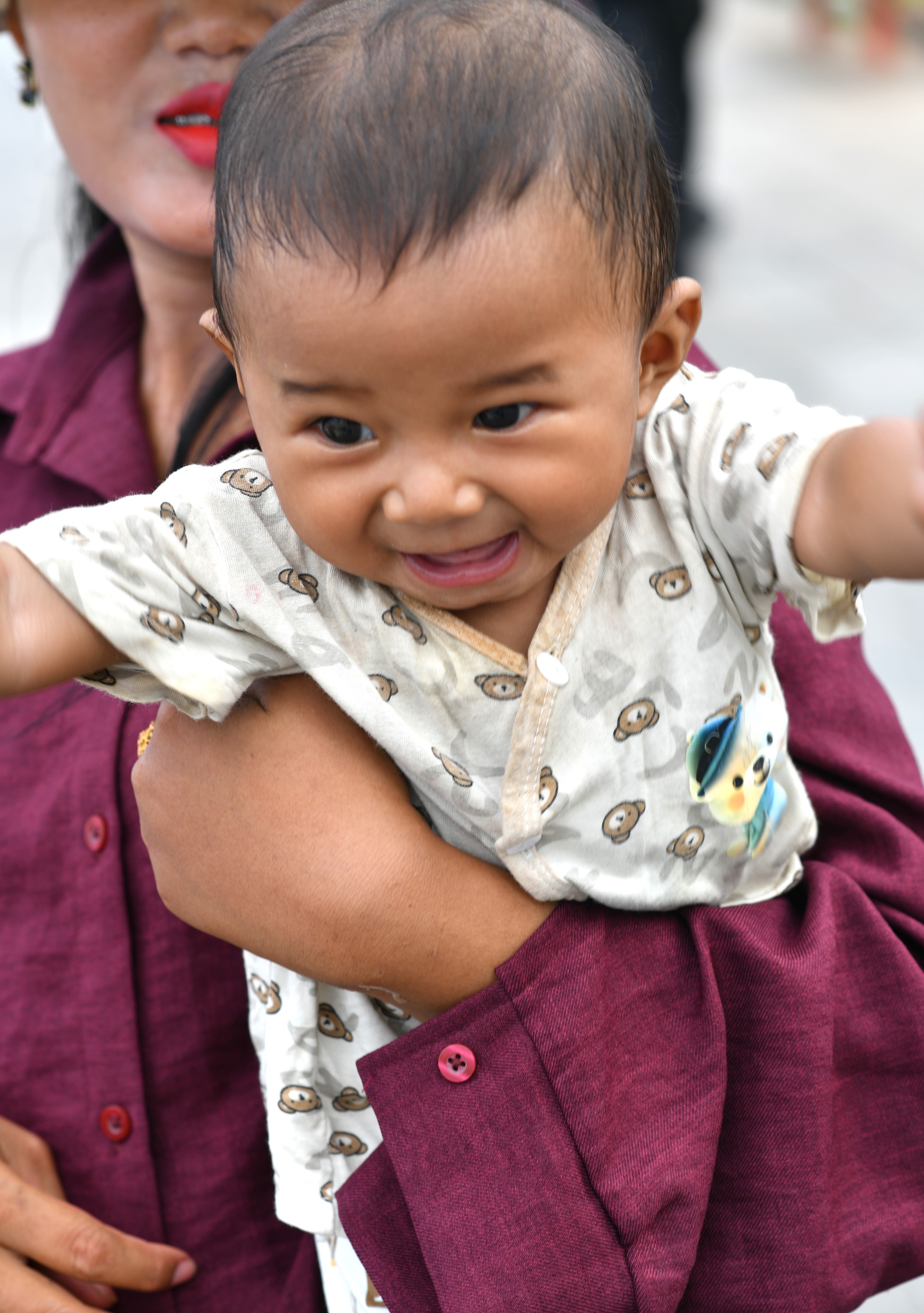
A joyful baby wearing a patterned shirt is being held by a woman in a maroon blouse, with a soft smile on the baby's face.

Use one lens for long enough and its supposed shortcomings may become part of your visual language. A little flare may provide atmosphere. Gentle softness can flatter a face. Vignetting can hold the eye inside the frame. What the laboratory calls a defect may be precisely what gives the photograph its character.

Buy good equipment when you need it, but do not keep replacing lenses in search of a solution to problems that belong to technique, patience or imagination. Learn what you already own. Take it into the street in good weather and bad. Use it until your fingers know the controls and your eyes know the frame.

A lens does not make a photographer see. It simply records the consequences of where the photographer chose to stand.

And getting the best from it begins, as it always has, with paying attention.


Why an 85mm Lens Still Belongs on a Full-Frame Camera

cameras, canon, Lenses, nikon, opinons, thoughts, photography, pictures, street, Travel, viltrox

The 85mm Lens: Standing Back, Getting Closer :

Old Photographer Series.

There are lenses that show you the world, and there are lenses that ask you to choose something from it.

The 85mm belongs to the second group.

Put one on a full-frame Nikon or Canon and the street immediately becomes a little quieter. The frame tightens, unnecessary clutter falls away and people begin to take precedence over their surroundings. It is not a lens for collecting everything in front of you. It is a lens for deciding what matters.

That is probably why I have always liked it.


A photographer capturing an image of a woman sitting on a stool beside a fruit stand in a bustling street market during golden hour.

The 85mm is usually described as a portrait lens. That is true, but it is only part of the story. On a full-frame camera, it offers a particularly useful balance between intimacy and distance. It lets me photograph somebody closely without having to put the camera inches from their face.

A 35mm lens asks me to step into the scene. A 50mm puts me somewhere near its edge. The 85mm lets me stand back, watch and wait.

That extra distance can make all the difference.

People behave differently when a photographer is almost on top of them. They become conscious of the camera. Faces change, bodies stiffen and natural expressions are replaced by the smile people believe they are supposed to produce for a photograph.

An 85mm gives the subject breathing room. It does not make the photographer invisible, nor should it, but it makes the encounter less physically intrusive. I remain close enough to acknowledge the person, yet far enough away to allow the moment to unfold.

Oddly, standing farther away can sometimes produce a photograph that feels much closer.


An 85mm also renders faces naturally. Used from a sensible distance, it avoids the exaggeration that comes from moving too close with a wider lens. Noses remain noses rather than becoming architectural features. Ears do not retreat around the back of the head. The proportions of the face appear comfortable and believable.

That is why generations of portrait photographers have trusted this focal length. It does not manufacture beauty, but it gives a face a fair chance.

For street portraiture, its narrow angle of view is just as important. Phnom Penh is a wonderfully untidy city. There are signs, wires, motorbikes, market stalls, plastic chairs, delivery carts and people moving through every available gap. A wider lens collects all of it, whether I want it or not.

The 85mm helps me impose some order.


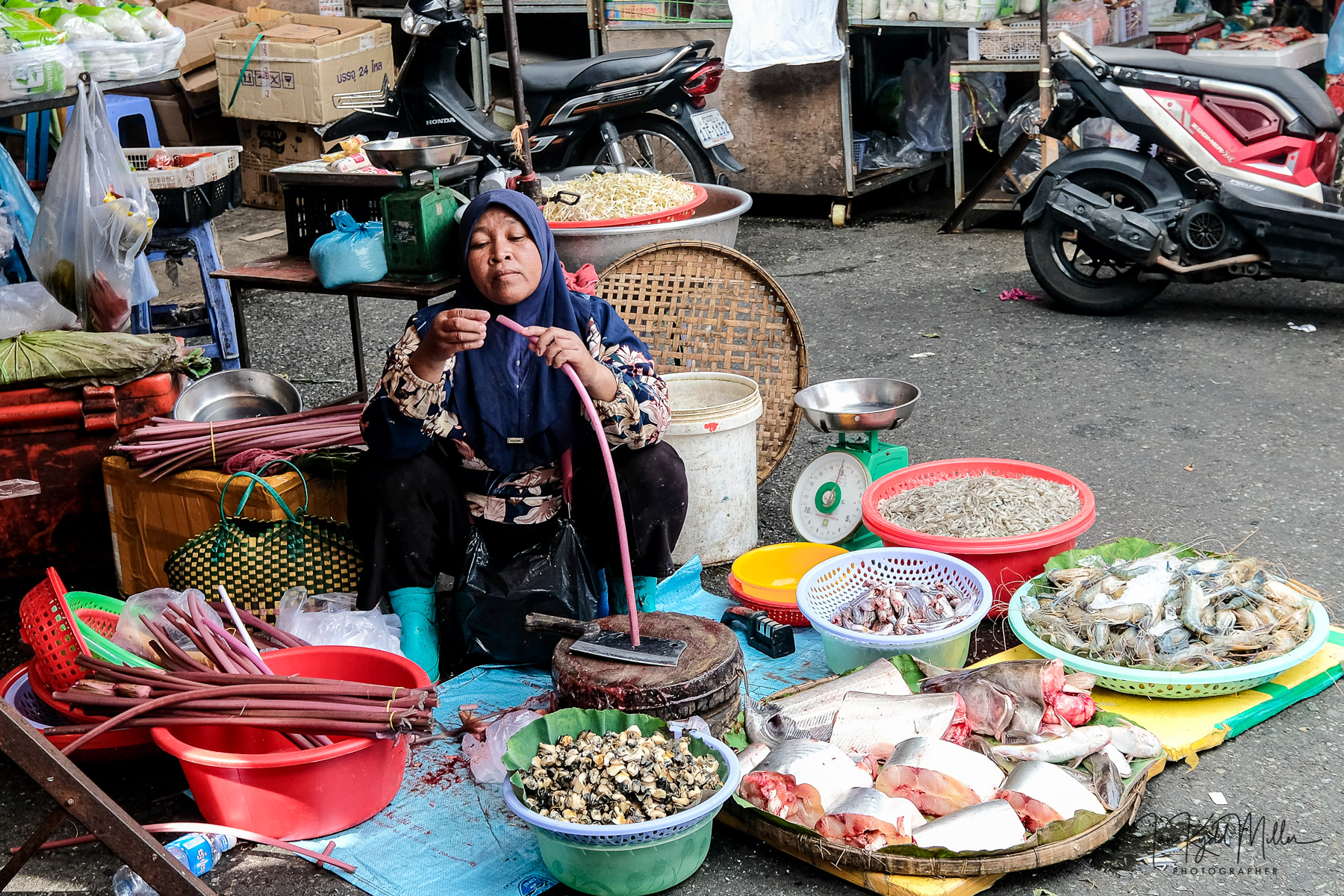
A woman smiling while preparing fresh vegetables at a local market, surrounded by various goods and shoppers in the background.

It allows me to find one face in the confusion, one pair of hands at work or one fleeting expression in a crowded street. By showing less, it often says more.

That does not mean the background must disappear completely. The obsession with blurred backgrounds has become one of modern photographyโ€™s more tiresome habits. Open an 85mm lens to f/1.8 or f/1.4 and almost anything behind the subject can be turned into expensive-looking mush.

It can be beautiful, but beauty is not always the same thing as meaning.

The background may tell us where the person works, how they live or what sort of world surrounds them. A market trader without the market can become merely a pleasant face. Sometimes I want that separation; sometimes I want the vegetables, battered shopfront and passing motorbike to remain recognisable.

I do not automatically use an 85mm wide open. At f/2.8 or f/4, it still separates the subject while retaining enough of the surroundings to give the photograph context. At f/5.6, the street may become an active part of the story.


The aperture should serve the photograph. The photograph should not exist merely to demonstrate the aperture.

The lens changes the way I look as well.

With a 35mm, I tend to see complete scenes. With an 85mm, I notice fragments: a glance across a market, a tired hand resting on a counter, the texture of an old face or the moment somebody stops pretending to ignore me.


A man in a blue shirt and mask sitting on a chair, holding a hose that sprays water into a bucket and a red basket filled with plastic bottles, in front of a makeshift shop with various items and a red wall in the background.

It encourages patience and selection. I cannot simply point it towards a busy street and hope that everything will somehow arrange itself. I have to identify the picture before I make it.

That is a valuable discipline, particularly after many years of photography. Experience can sharpen the eye, but it can also make us lazy. We begin to rely upon familiar habits. The 85mm demands a decision. It asks a simple question every time I raise the camera:

What exactly are you looking at?

On a Nikon D700, D810 or D850, an 85mm feels wonderfully purposeful. The older D700 produces files with a character I still enjoy, while the resolution of the D810 and D850 records almost frightening amounts of detail. Canon full-frame camerasโ€”from the original 5D and 5D Mark II to the newer mirrorless bodiesโ€”give the lens the same natural field of view and portrait-friendly perspective.


A father helps his daughter with a toy on a scooter while a woman looks on, all in a bustling market filled with fresh fruits.

The badge on the camera matters far less than the relationship between focal length, photographer and subject.

Nikonโ€™s 85mm f/1.8G is a sensiblelyโ€”[Correction: deservedly]โ€”popular because it is sharp, reasonably light and does not require selling a kidney. Canonโ€™s EF 85mm f/1.8 USM has performed the same honest service for generations of Canon photographers. The newer mirrorless versions may focus faster and test better, while the expensive f/1.4 and f/1.2 lenses offer more light and smoother backgrounds.

They are all capable of excellent work.

I have reached an age when carrying a heavy lens all afternoon is no longer evidence of professional commitment. It is simply a good way of acquiring a sore shoulder. The lighter f/1.8 lenses make sense. They are quick, discreet and good enough to expose every weakness in my own technique.

And the 85mm will expose those weaknesses.

It magnifies camera movement more readily than a 35mm or 50mm. On a high-resolution body, the old rule of using a shutter speed close to the focal length is often insufficient. I prefer at least 1/250 second for people, and frequently 1/320 or faster if they are moving.

I would rather increase the ISO than return home with a perfectly clean but slightly blurred photograph.

Image stabilisation can help with my movement, but it cannot stop the person in front of me from blinking, turning or lifting a hand. For street work, shutter speed remains one of the best forms of insurance.

At close distances and wide apertures, depth of field becomes thin. Focus must be deliberate. I concentrate on the nearest eye when the face is the centre of the picture, and I use continuous autofocus if the subject is moving. There is nothing romantic about missing focus. A soft photograph may possess atmosphere, but an accidentally soft eye is usually just an accidentally soft eye.

The lens has its limitations. It can be too tight inside buildings and frustrating in narrow streets. A full-length portrait may require so much backing up that I find myself against a wall, in somebodyโ€™s shop or dangerously close to moving traffic.

It is not the lens I would choose when the whole environment carries the story. Sometimes a 28mm or 35mm is the honest choice because the surroundings matter as much as the person.


A DSLR camera placed on a wooden table next to a small cup of coffee and glasses, with a street view including vehicles and pedestrians in the background.

Nor does using an 85mm absolve the photographer of responsibility. Distance is not permission. Photographing from several metres away does not turn a human being into public property. The same judgement, respect and decency apply regardless of focal length.

For me, the 85mm occupies a useful middle ground. It is not a wide-angle lens pushed aggressively into somebodyโ€™s personal space, and it is not a huge telephoto used from the safety of the opposite side of the road.

It keeps me involved without making me overpowering.

After decades of buying, selling and carrying cameras, I no longer believe that equipment creates a photographerโ€™s voice. But certain lenses encourage certain ways of seeing. The 85mm makes me slow down, simplify the frame and pay attention to individuals.


Bright arcade game featuring a large spinning wheel labeled 'Boardwalk Big Spin' in a lively gaming environment.

It reminds me that street photography does not always have to be wide, frantic and packed with visual cleverness. Sometimes it can be one person, standing in decent light, giving away something of themselves for a fraction of a second.

The photographerโ€™s job is to notice it.

That is why I use an 85mm on a full-frame Nikon or Canon. Not because it creates fashionable bokeh. Not because somebody on the internet has measured its sharpness. Not because portrait photographers say that I should.

I use it because it gives people space.

It allows me to stand back without becoming detachedโ€”and, every now and then, to make a photograph that feels remarkably close.


Nikon D300S and Nikkor 50mm f1.4D: Still There?

cameras, Lenses, nikon, opinons, thoughts, photography, pictures, street, Travel

The Nikon D300S is old. There is no point pretending otherwise. It appeared in 2009, when 12 megapixels were considered quite sufficient and cameras were still expected to be cameras rather than computers with lenses attached.

Today, it is dismissed as obsolete. Too few pixels, too much noise and none of the modern wizardry that identifies eyes, animals, vehicles and possibly the intentions of the photographer. Yet attach a Nikkor 50mm f/1.4, charge the battery and take it into the street, and the old Nikon quietly reminds you that it has not forgotten how to make a photograph.


On the D300S, the 50mm gives roughly the same field of view as a 75mm lens on a full-frame camera. That makes it less of a general-purpose standard lens and more of a short portrait lens. It is particularly well suited to faces, small gestures and those moments on the street that benefit from a little distance.

The f/1.4 aperture gives the camera something its ageing sensor appreciates: light. The D300S is at its best between ISO 200 and 800. ISO 1600 remains useful if the exposure is right, but this is not a camera that enjoys having badly underexposed shadows dragged back from the dead in Lightroom.

You have to expose properly.

That was once considered a normal part of photography.


The 50mm is not perfectly sharp at f/1.4. It can be slightly soft, with lower contrast and a little colour fringing around bright edges. That does not always matter. Used for a portrait, the gentler rendering can be rather attractive. Stop it down to f/2 or f/2.8 and it becomes a different lensโ€”sharper, stronger and still capable of separating the subject from the background.

Both the older 50mm f/1.4D and the newer f/1.4G work properly on the D300S. The camera has its own autofocus motor, so the screw-driven D lens is perfectly at home. Autofocus may not possess modern eye-detection intelligence, but the D300S has Nikonโ€™s excellent 51-point system. Put the focus point over the eye and it will usually do exactly what it is told.

The body still feels magnificent. Solid, purposeful and designed for a photographerโ€™s hands. Important controls have proper buttons and dials. The viewfinder is clear, the shutter response is immediate and the camera will keep working without trying to offer advice.

The files are only 12.3 megapixels, but โ€œonlyโ€ is doing rather a lot of unnecessary work in that sentence. Twelve megapixels are enough for strong prints, websites, publications and most of the ways photographs are actually viewed. A poor photograph does not improve because it contains 45 million pixels, and a good one does not become irrelevant because it contains twelve.


Naturally, there are limitations. Highlights require care. The shadows cannot be opened endlessly. High ISO files show their age, and the video function is best forgotten. There is no stabilisation, no electronic viewfinder and no autofocus system clever enough to find the subject while you think about something else.

You must hold the camera steadily. You must choose the focus point. You must watch the shutter speed, understand the light and press the button at the right moment.

In other words, you must take the photograph yourself.

Perhaps that is why I still enjoy cameras such as the D300S. They do not attempt to flatter us. They reward good technique and expose lazy habits. When the picture is sharp, properly exposed and alive with something worth seeing, you know that you had a hand in making it.


The D300S and 50mm f/1.4 combination is particularly good for street portraits. The lens gives enough distance to observe without crowding people, while the wide aperture separates a face from the usual confusion of the street. It is a simple combination: one camera, one lens and one way of looking.

Is it obsolete? Not while it still makes the pictures you want to make.


The Nikon D300S does not know that the camera industry has left it behind. Fit the 50mm, walk into decent light and it simply gets on with the job. Quietly, reliably and without fanfare.

Sometimes an old camera is not waiting to be replaced.

It is waiting to be used.


The Travelling Photographerโ€™s Essentials: Old Photographer Series.

cameras, fujifilm, Lenses, Lowepro, nikon, opinons, thoughts, photography, pictures, street, Travel

There was a time when I travelled with enough photographic equipment to open a small camera shop. Two camera bodies, several lenses, flashguns, filters, chargers, spare batteries, cleaning equipment and a tripod heavy enough to support a railway bridge.


Ageโ€”and several decades of sore shouldersโ€”has taught me differently. The travelling photographer does not need to carry everything. He needs to carry the right things and, more importantly, understand how to use them.

My first essential is a dependable camera. It does not have to be the latest model, possess the most megapixels or arrive with artificial intelligence hiding behind every button. It must simply be a camera I know and trust.

For me, that might be an old Nikon D700, a D3S or the magnificent D850 when I want every last piece of detail. The important thing is familiarity. When something happens in front of me, I do not want to search through menus or wonder which button controls the focus mode. The camera should feel like an old friendโ€”slightly battered perhaps, but always ready.

Then there is the lens.

One good lens is often enough. A 35mm or 50mm prime makes a wonderfully simple travelling companion. A practical zoom such as a 24โ€“70mm or 24โ€“120mm gives greater flexibility without requiring a bag full of glass. If I know that people will be my principal subject, an 85mm may earn its place.

The temptation is to pack a lens for every possibility. Resist it. Too many choices slow the photographer down. You begin changing lenses instead of making pictures.

A spare battery is essential. Two are better if the day will be long. Batteries have a wicked sense of humour and usually expire just as the light becomes beautiful or something interesting begins to happen.

Memory cards should be reliable, sensibly sized and carried somewhere safe. I would rather use several moderate-capacity cards than trust an entire journey to one enormous card. Cards can fail, disappear or be accidentally formatted. Spreading the work across more than one is a small form of insurance.

Every evening, whenever possible, I copy the dayโ€™s photographs onto a laptop or portable drive. Ideally, I keep two copies in separate places. A camera can be replaced. The photographs from a journey cannot.


A comfortable camera strap matters more than most people realise. The strap supplied with the camera may be adequate for an afternoon, but after eight hours in the heat it can begin to feel like a cheese wire. A good shoulder or wrist strap keeps the camera secure without advertising its value to everybody in the street.

The camera bag should be small, strong and ordinary-looking. I do not need something that resembles military luggage and announces that expensive equipment is inside. It must protect the camera, provide quick access and leave enough room for the unglamorous necessities: water, tissues, a notebook and perhaps something to eat.


Good footwear may be the most important photographic equipment I own. Travelling photography is done with the feet. Interesting pictures are rarely made while sitting in an air-conditioned hotel room complaining about the midday light.

Comfortable, broken-in shoes allow me to keep walking, turn down another street and stay out for another hour. That extra hour is often when the best photograph appears.

Clothing should suit the place rather than the photographerโ€™s imagined appearance. Lightweight, loose clothing works in the Cambodian heat. A hat offers protection from the sun, while a light waterproof layer can save both photographer and camera when the sky suddenly opens.

Water is not optional. Neither is sun protection. An exhausted, dehydrated photographer stops seeing properly and begins making foolish decisions. Travel photography requires enough energy to remain observant, patient and respectful.

A small cleaning cloth and blower are useful, especially in dusty streets or humid conditions. There is no need to carry a laboratory. Most cleaning can wait until the evening. Changing lenses in wind, dust or heavy rain should be avoided whenever possible.


I also carry a notebook. A mobile phone can record names and details, but a notebook never runs out of power and does not distract me with messages. If I photograph somebody and speak with them, I can write down their name, the location and a few details about the encounter. Those notes may later give the photograph its proper meaning.

The phone remains valuable. It provides maps, weather information, translation, emergency communication and a perfectly capable backup camera. I may be an old photographer, but I am not foolish enough to ignore a useful tool simply because it does not have a Nikon badge.

Documents, money and emergency information need careful thought. I keep copies of my passport, insurance details and important telephone numbers separately from the originals. A little local currency should be kept somewhere accessible, with the remainder divided between safer locations.

Respect is another essential, although it weighs nothing.

Learn something about the country. Understand local customs. Notice when a camera is welcome and when it is not. A photograph is never worth humiliating somebody, entering a sacred place improperly or creating trouble for a person who has allowed you into their life.


Finally, carry curiosity.

Equipment may help us record what we find, but curiosity is what leads us towards it. Walk slowly. Look behind you, look up. Leave the obvious tourist route. Sit somewhere and allow life to continue without chasing it. Talk to people without immediately raising the camera.


The travelling photographerโ€™s essentials are not really about preparing for every possible picture. They are about remaining light enoughโ€”physically and mentallyโ€”to recognise the picture that is actually there.

After all these years, my packing list has become shorter. One trusted camera. One useful lens. Batteries, cards, water, good shoes and somewhere safe to store the photographs.

Getting Sharp Photos with the Nikon D3S

Lenses, nikon, opinons, thoughts, photography, pictures, street, Travel

Old Photographer Series

The Nikon D3S has never needed much help making a good photograph. It was designed for working photographersโ€”people standing beside football pitches, waiting outside courtrooms, covering dimly lit concerts and photographing events where failure was not considered part of the job.


Even so, a professional camera cannot rescue careless technique.

The D3S may be built like a small armoured vehicle, but sharp pictures still begin with the person holding it. After all these years, I have learned that softness is rarely the cameraโ€™s fault. More often, it comes from asking too much of the shutter speed, mishandling the autofocus or simply failing to hold the bloody thing properly.

Fortunately, the D3S is one of the easiest cameras to hold properly. Its substantial body sits naturally in the hands, particularly with larger lenses. There is enough weight to steady the camera without making it feel lifeless. With the left hand supporting the lens from underneath and the right hand controlling the camera, the whole arrangement becomes remarkably stable.


Do not hold the lens from the side as though you are gripping a beer bottle. Support its weight underneath. Bring your elbows closer to your body, relax your shoulders and press the shutter smoothly rather than stabbing at it. If there is a wall, post or doorway nearby, use it. Pride has never produced a sharper photograph.

The old advice about using a shutter speed equal to the focal length remains useful, but it should not be treated as a guarantee. With a 50mm lens, 1/50 second might be possible. With an 85mm, 1/100 second sounds reasonable. In practice, however, people move, photographers sway and moments happen quickly.

For street photography with the D3S, I would rather use 1/250 or 1/320 second as my starting point. If people are walking briskly, I will move to 1/500. For lively children, performers or unpredictable action, 1/800 or 1/1000 second is far safer.

There is little honour in using a low ISO if the resulting photograph is blurred.

That is where the D3S still earns its keep. Its 12-megapixel sensor may appear modest beside the enormous files produced by modern cameras, but its high-ISO performance remains excellent. ISO 1600 presents no serious problem. Neither does ISO 3200 when the exposure is right. I would happily use ISO 6400 if it gave me the shutter speed needed to secure the picture.


A sharp photograph with a little noise is still a photograph. A perfectly clean but badly blurred file is usually just something to delete.

Autofocus technique matters just as much. The D3S uses Nikonโ€™s 51-point Multi-CAM 3500FX system, and although it predates the subject-recognition systems found in the newest cameras, it remains fast, dependable and remarkably capable.

For stationary subjects, AF-S with a single focus point works well. Place that point over the most important part of the pictureโ€”usually the nearest eyeโ€”and make the exposure. Do not let the camera decide that a shirt collar, ear or background sign is more interesting than the face.

For moving people, AF-C is the better choice. I generally prefer Dynamic-area AF, using either nine or 21 points depending on how erratic the subject is. The selected point tells the camera where to begin, while the surrounding points help maintain focus if the subject shifts slightly.

The important thing is to keep the active point on the subject and continue following the movement. The D3S cannot focus through carelessness. If the focus point drifts onto the background, that is often where the camera will focus.


Back-button focusing can also make the camera easier to control. Separating autofocus from the shutter release allows me to focus with my thumb and take the picture with my forefinger. It takes a little time to become accustomed to it, but once learned, it removes much of the indecision from shooting.

For a portrait, I can focus on the eye, release the button and make several frames without the camera attempting to refocus each time. When something starts moving, I hold the button down and the camera tracks continuously. It is a simple arrangement that works particularly well with a professional Nikon body.


Lens choice also plays its part. Every lens has its limits, and even an excellent prime may not deliver its best performance wide open. A fast 85mm f/1.8 can produce beautiful pictures at f/1.8, but the depth of field at close distance is extremely narrow. Focus on the eyelashes and the iris may already be soft. Focus on the near eye and the far eye may fall outside the sharp area.

That is not faulty equipment. It is optics.

Unless I specifically want the shallowest possible depth of field, I often stop down to f/2.8, f/3.2 or f/4. The lens becomes more forgiving, depth of field increases and there is a better chance that the important parts of the face will remain sharp.

With a zoom lens, f/5.6 or f/8 can be an excellent working aperture in decent light. The D3S was built for photographers who needed usable pictures, not for people determined to prove that they owned an f/1.4 lens.


Exposure must also be correct. Underexposing badly and then dragging the shadows upwards in editing increases noise and weakens fine detail. The D3S handles poor light very well, but it still benefits from receiving enough light in the first place. I watch the highlights, expose generously without clipping anything important and avoid relying on software to repair a lazy exposure.

Burst shooting can help, but it should be used with some restraint. The D3S can shoot at professional sports-camera speeds, yet firing a dozen frames does not guarantee that any of them will be good. For a moving subject, a short burst of two or three frames is often enough. One may catch the exact point where the personโ€™s movement settles and everything becomes sharp.


The camera should be checked occasionally as well. If one lens consistently front-focuses or back-focuses, the D3S provides autofocus fine-tuning. That feature is useful, but it should not become the first suspect every time a picture looks soft.

Before adjusting anything, put the camera on a firm support, use good light, choose a clear target and test it carefully. Many supposed autofocus problems disappear when tested properly. The original fault was often camera movement, subject movement or unrealistic expectations at maximum aperture.

There is another advantage to the D3S that is sometimes overlooked: its relatively modest resolution. Twelve megapixels are sufficient for strong prints, editorial work and normal online use, but they are not quite as merciless as todayโ€™s 45- or 60-megapixel sensors. Minor imperfections are less obvious, files are easier to handle and the pictures retain a natural quality.


That does not mean the D3S produces soft images. With good technique and a decent lens, its files are crisp, detailed and wonderfully solid. They simply do not shout about sharpness in the brittle, overprocessed manner we sometimes see today.

My basic D3S arrangement for photographing people is straightforward: AF-C, Dynamic nine-point autofocus, a minimum shutter speed of around 1/250 second, Auto ISO allowed to rise as necessary and an aperture chosen for the depth of field I actually need. If the subject is moving quickly, I increase the shutter speed. If the light is poor, I raise the ISO. If the face needs more depth, I stop the lens down.

Nothing clever. Nothing fashionable. Just settings that help bring the photograph home.

Sharpness matters, but it is not the purpose of photography. A perfectly sharp photograph of nothing remains a photograph of nothing. Expression, timing, light and human presence will always matter more.

But when the moment does arriveโ€”when the face changes, the eyes meet yours and the picture suddenly presents itselfโ€”you owe it to that moment to be ready.

The Nikon D3S will do its part.

The old photographer must still do his.